




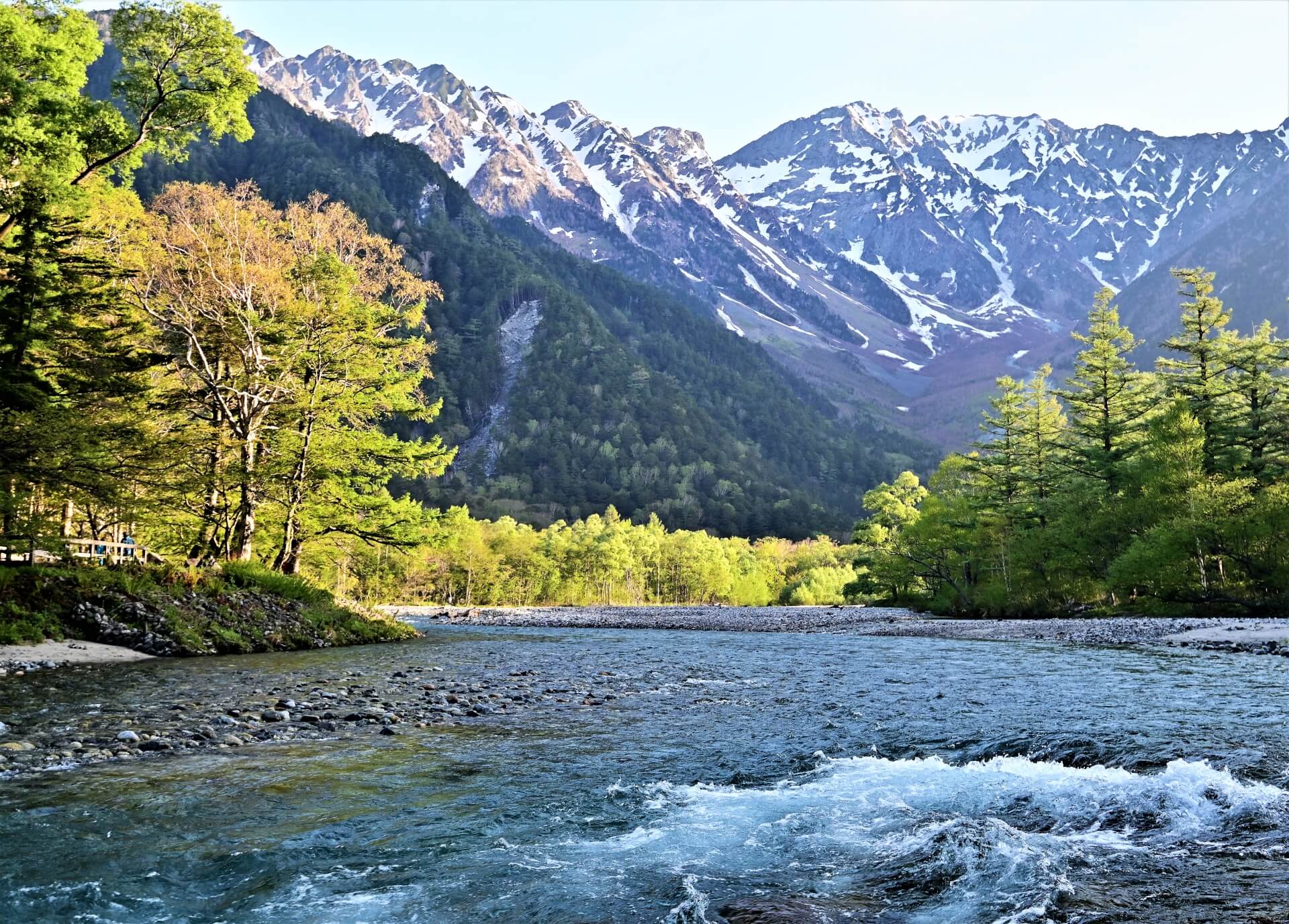
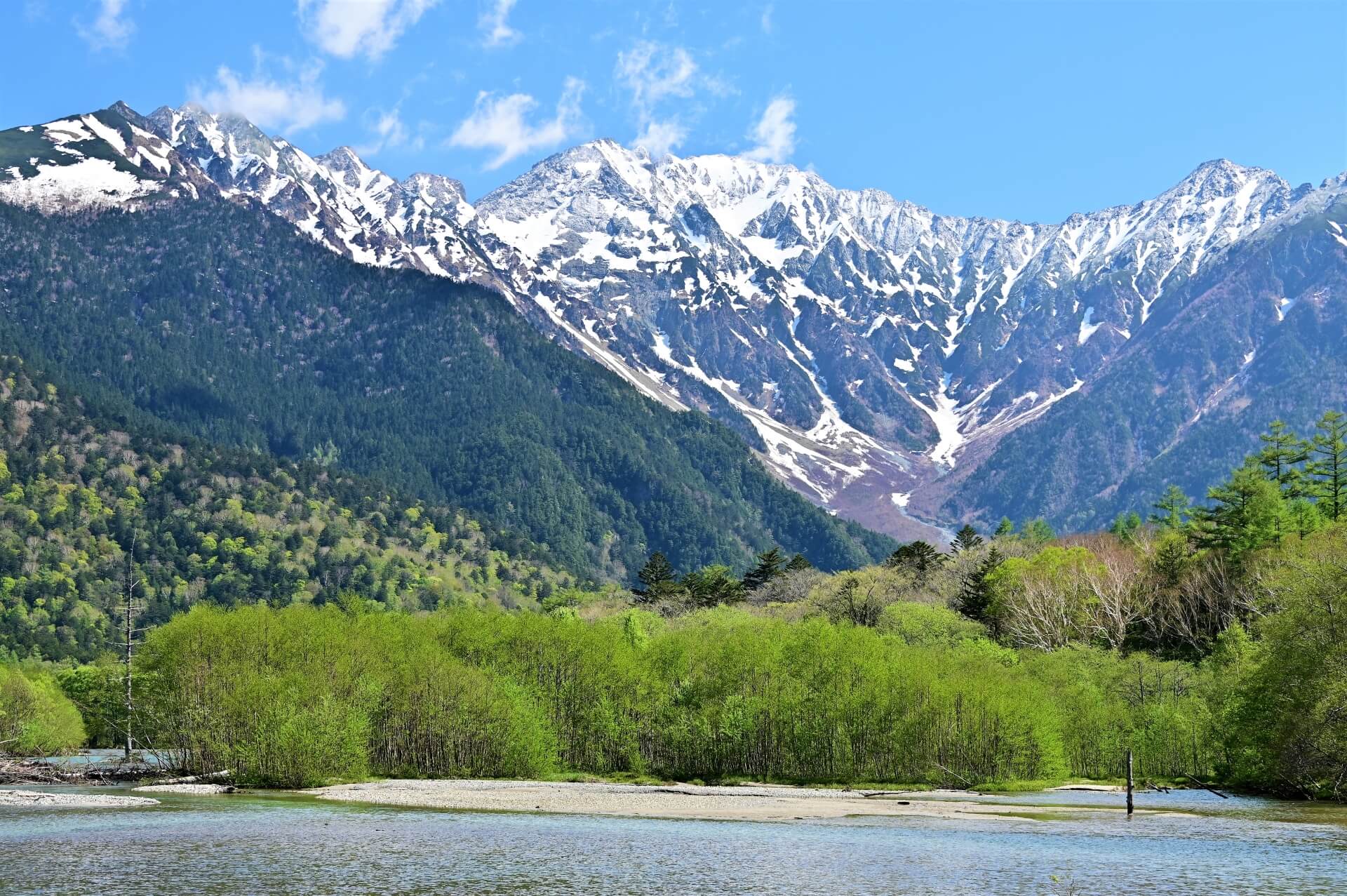
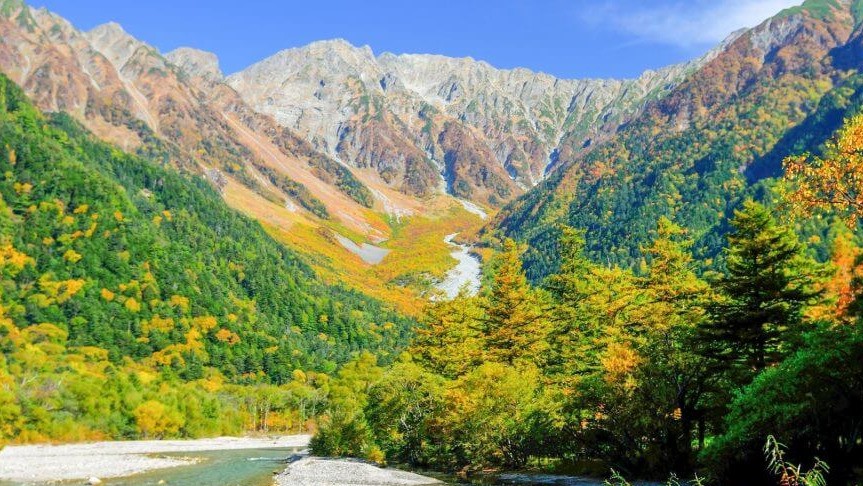
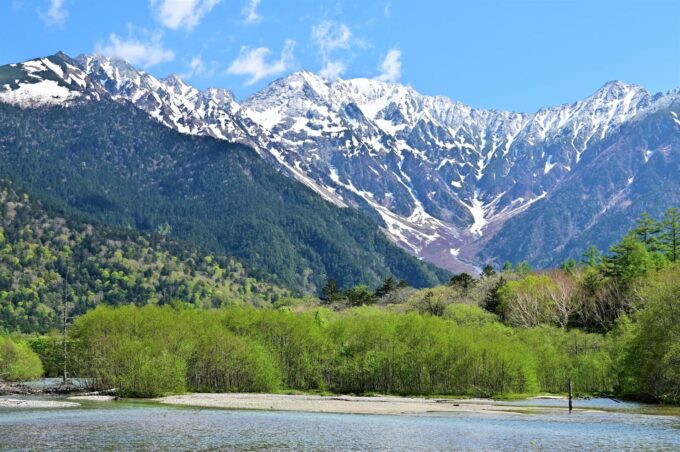
Located within Chubu Sangaku National Park, Kamikochi is a spectacular alpine valley surrounded by some of Japan’s highest mountains. The clear waters of the Azusa River, forested walking trails and views of the Hotaka mountain range make it one of the country’s most rewarding destinations for nature lovers.
Kamikochi is open to regular visitors from approximately mid-April until 15 November. Private vehicles are not permitted inside the valley, so visitors must enter by bus, authorised taxi or tour. Once there, mostly level trails connect famous locations including Taisho Pond, Kappa Bridge, Dakesawa Marsh and Myojin Pond, while advanced routes continue into the surrounding mountains.
This guide introduces the best things to do in Kamikochi, recommended walking routes, seasonal highlights, accommodation areas, access information and important advice for planning your visit.
Best Selling
1-Day Tour from Nagano and Matsumoto: Kamikochi & Matsumoto Castle
- Spots:
- NaganoMatsumotoKamikochi
- Pick-up:
- Nagano CityMatsumoto
- Drop-off:
- Nagano CityMatsumoto
Based in Nagano, we are the region’s No.1 tour and charter operator offering both group and private tours along with the option of just transport and/or accommodation. For more information, scroll to the bottom of the page.
Where is Kamikochi?
Kamikochi is a highland valley in the southern part of Chubu Sangaku National Park, within western Nagano Prefecture. Situated at an elevation of approximately 1,500 metres, the valley follows the Azusa River beneath the Hotaka mountain range.
The main gateways are Matsumoto to the east and Takayama to the west. From Matsumoto, visitors travel via Shin-Shimashima and Sawando. From Takayama, the journey requires a transfer at Hirayu Onsen before continuing into Kamikochi.
Private vehicles are prohibited inside the valley. Visitors arriving by car must park at Sawando on the Matsumoto side or Akandana near Hirayu Onsen on the Takayama side, then complete the journey by shuttle bus or authorised taxi. See our How to Get to Kamikochi guide for detailed access information.
What to Expect & Why You Should Visit

MATSUMOTO→KAMIKOCHI(4HRS)→MATSUMOTO
- Duration:
- 8-9 Hours
- Spots:
- Matsumoto, Kamikochi
Kamikochi combines dramatic mountain scenery with walking routes suitable for a wide range of visitors. The mostly level paths beside the Azusa River make it possible to experience the valley without undertaking a difficult hike, while longer trails lead towards Tokusawa, Yokoo and the surrounding peaks of the Northern Japan Alps.
A typical day visit might include walking from Taisho Pond to Kappa Bridge or completing the circuit between Kappa Bridge and Myojin. Along the way, visitors can see clear rivers, forested wetlands, mountain reflections and wildlife including Japanese macaques and numerous bird species. Cafes, restaurants, shops and accommodation are concentrated around Kappa Bridge, the Kamikochi Bus Terminal and several points along the valley.
More experienced hikers can use Kamikochi as the starting point for multi-day routes into the surrounding mountains. These alpine trails are very different from the gentle valley walks and require suitable equipment, preparation and experience.
The valley also changes significantly throughout its open season. Snow-covered peaks and fresh greenery define spring, summer offers a cool escape from Japan’s cities, and autumn brings golden larch trees and colourful foliage. Staying overnight provides the opportunity to enjoy the valley early in the morning and after most day visitors have departed. See our guide to the Best Places to Stay In and Around Kamikochi for accommodation options.
Best Things to Do & See in Kamikochi
The best way to experience Kamikochi is on foot. Walking trails follow the Azusa River between ponds, wetlands, forests and mountain viewpoints, with routes ranging from short walks around Kappa Bridge to full-day journeys towards Tokusawa.
Most visitors arrive at the Kamikochi Bus Terminal, located approximately five minutes on foot from Kappa Bridge. Although this central area can become busy, walking even a short distance along the river usually leads to quieter scenery.
The following list covers Kamikochi’s main landmarks, natural features, wildlife, seasonal highlights and recommended walking routes. Conditions can change because of rain, snow, wildlife or trail maintenance, so check current information after arriving and choose a route suitable for your available time and fitness.
1. Kappabashi (Kappa Bridge)
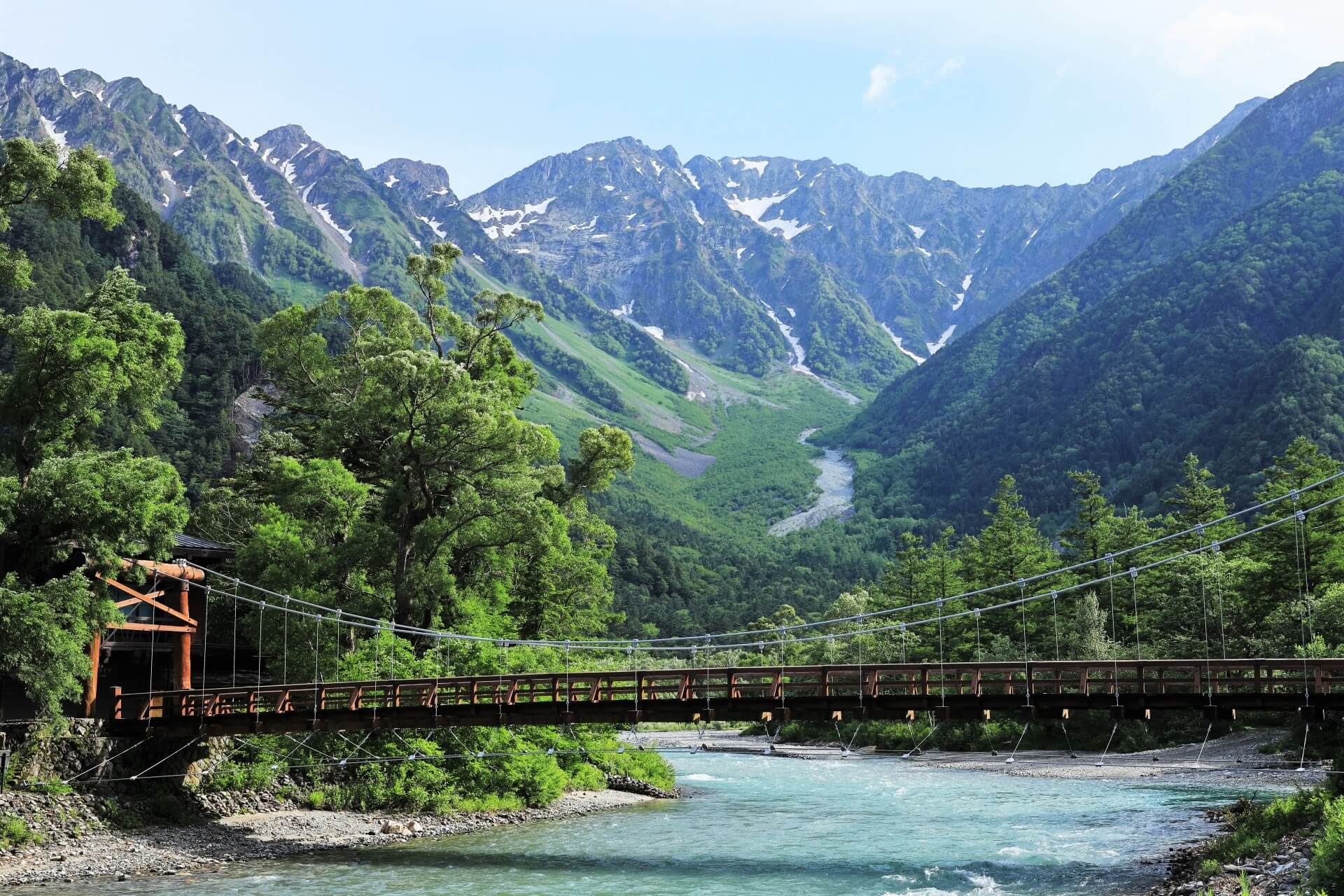
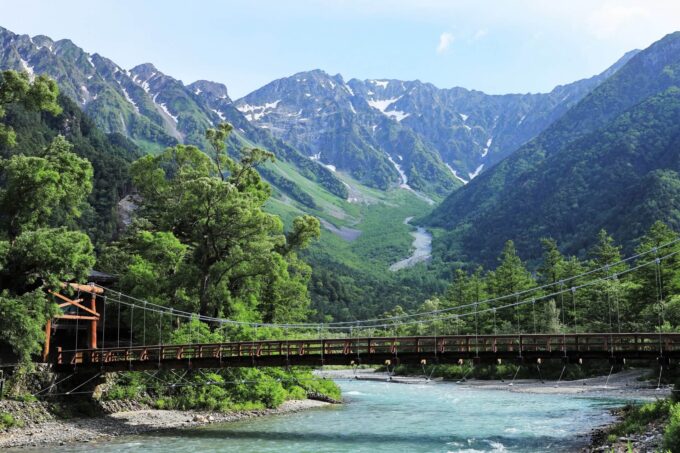
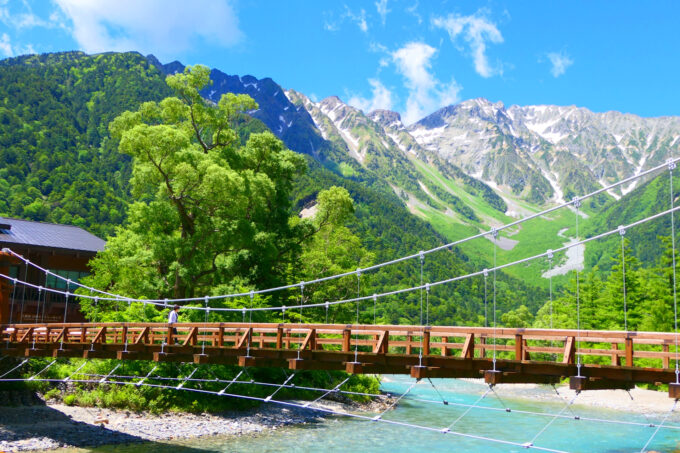
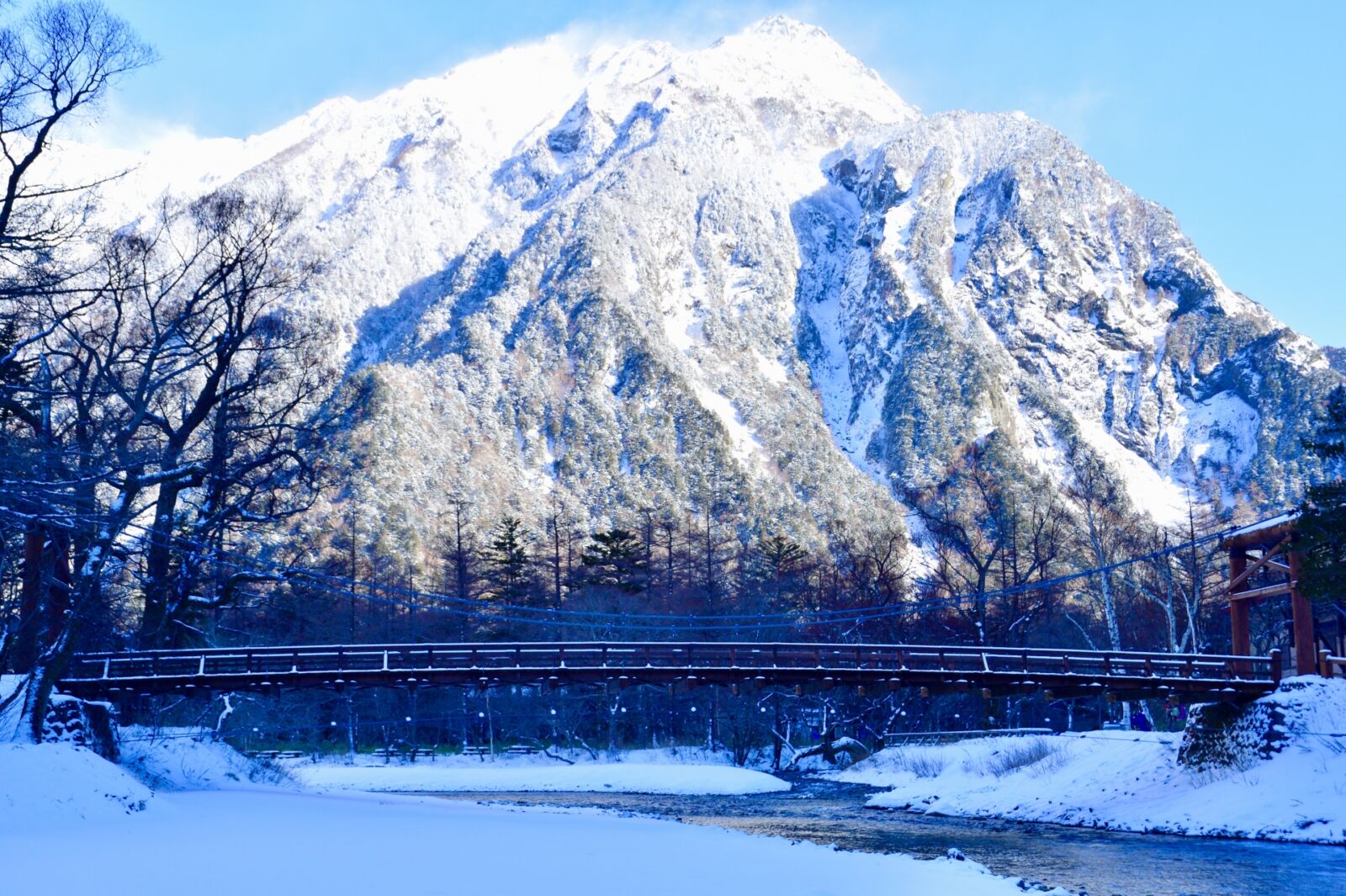
Kappa Bridge, also known as Kappabashi, is Kamikochi’s most recognisable landmark. The wooden suspension bridge crosses the Azusa River approximately five minutes on foot from the Kamikochi Bus Terminal and offers an iconic view of the Hotaka mountain range rising above the valley.
The area surrounding the bridge contains many of Kamikochi’s cafes, restaurants, shops and hotels, making it a convenient place to eat, rest or begin a walk. It is also the starting point for popular routes towards Myojin and Tokusawa to the north or Tashiro Bridge and Taisho Pond to the south.
Kappa Bridge can become crowded, particularly during summer holidays and the autumn foliage season. Visit early in the morning or stay until later in the afternoon for a quieter atmosphere and softer views across the river.
2. Azusa River
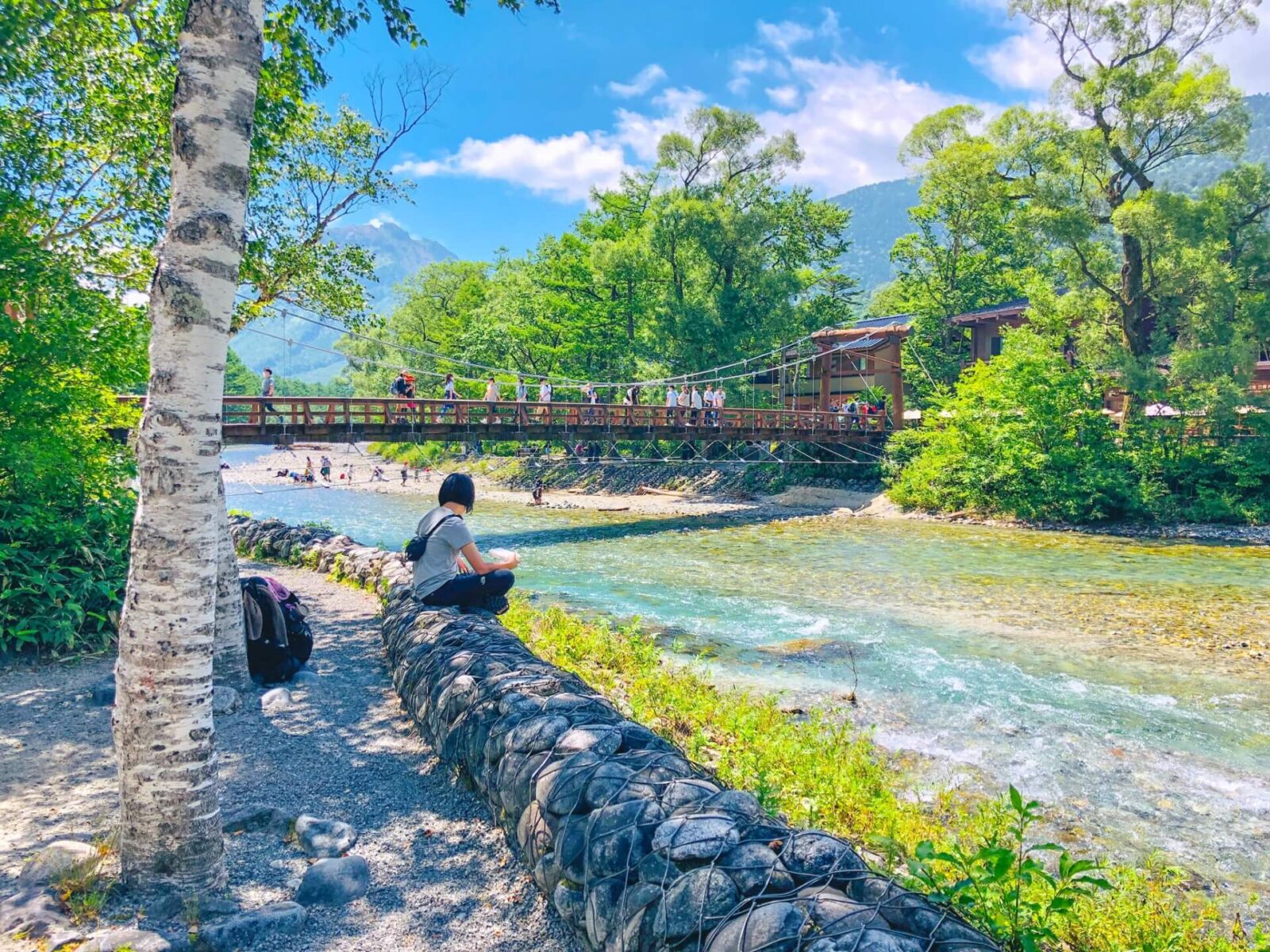
The Azusa River flows through the centre of Kamikochi, connecting many of the valley’s most famous sights. Its clear, blue-green water can be enjoyed from Kappa Bridge, Taisho Pond, Tashiro Bridge, Myojin Bridge and numerous points along the surrounding walking trails.
Following the river is one of the easiest ways to explore Kamikochi. Paths extend south from Kappa Bridge towards Tashiro Pond and Taisho Pond, while trails heading north lead to Dakesawa Marsh, Myojin, Tokusawa and Yokoo.
The character of the river changes throughout the valley. Some sections provide wide views of the surrounding mountains, while others pass through forests, wetlands and quieter areas away from the main visitor facilities. Water levels and currents can change quickly after heavy rain, so visitors should remain on marked trails and avoid entering the river.
3. Mount Hotaka
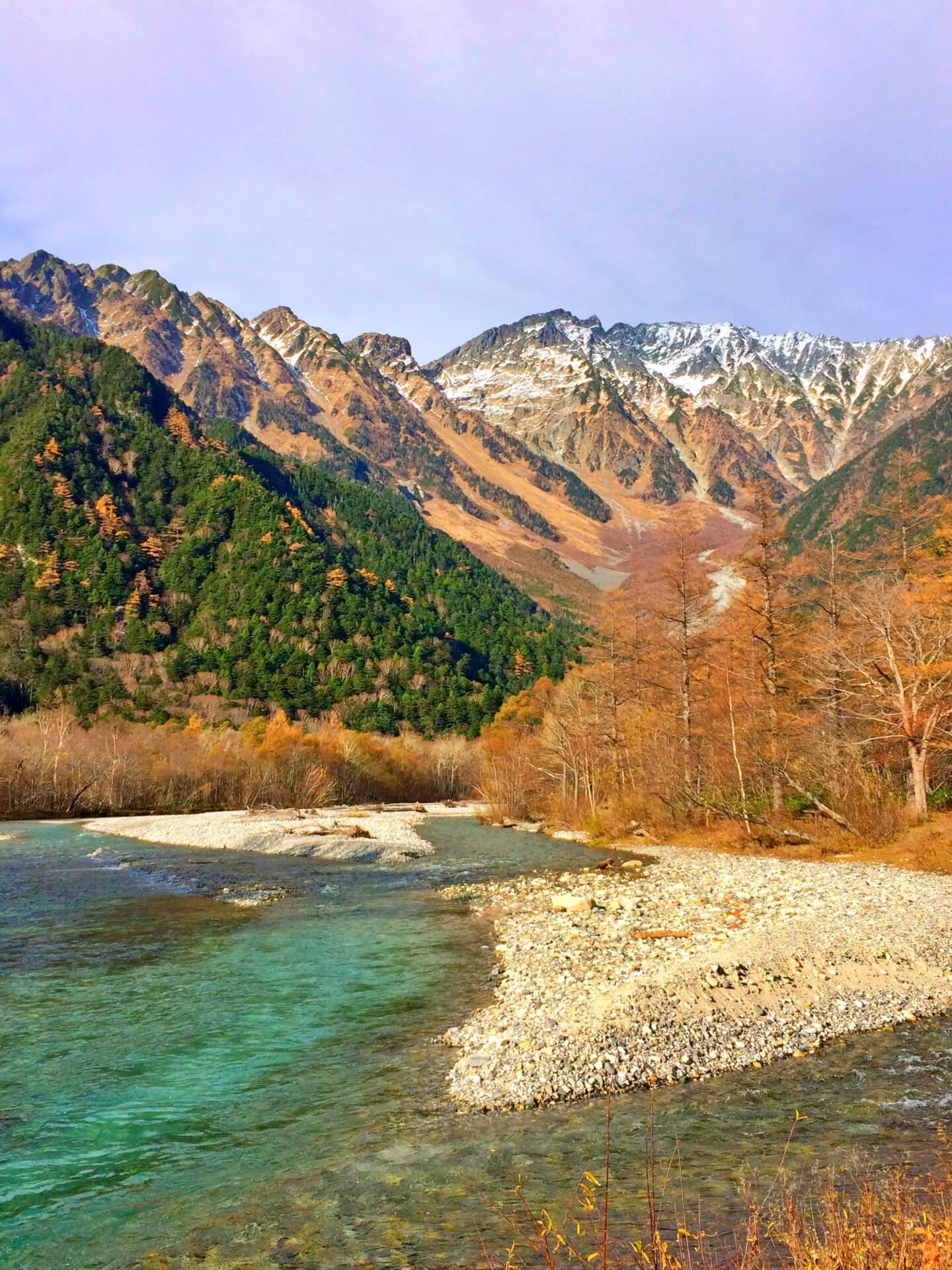
The Hotaka mountain range forms the dramatic backdrop seen from many of Kamikochi’s most famous viewpoints. Its highest peak, Oku-Hotakadake, rises to 3,190 metres and is Japan’s third-highest mountain after Mount Fuji and Mount Kitadake.
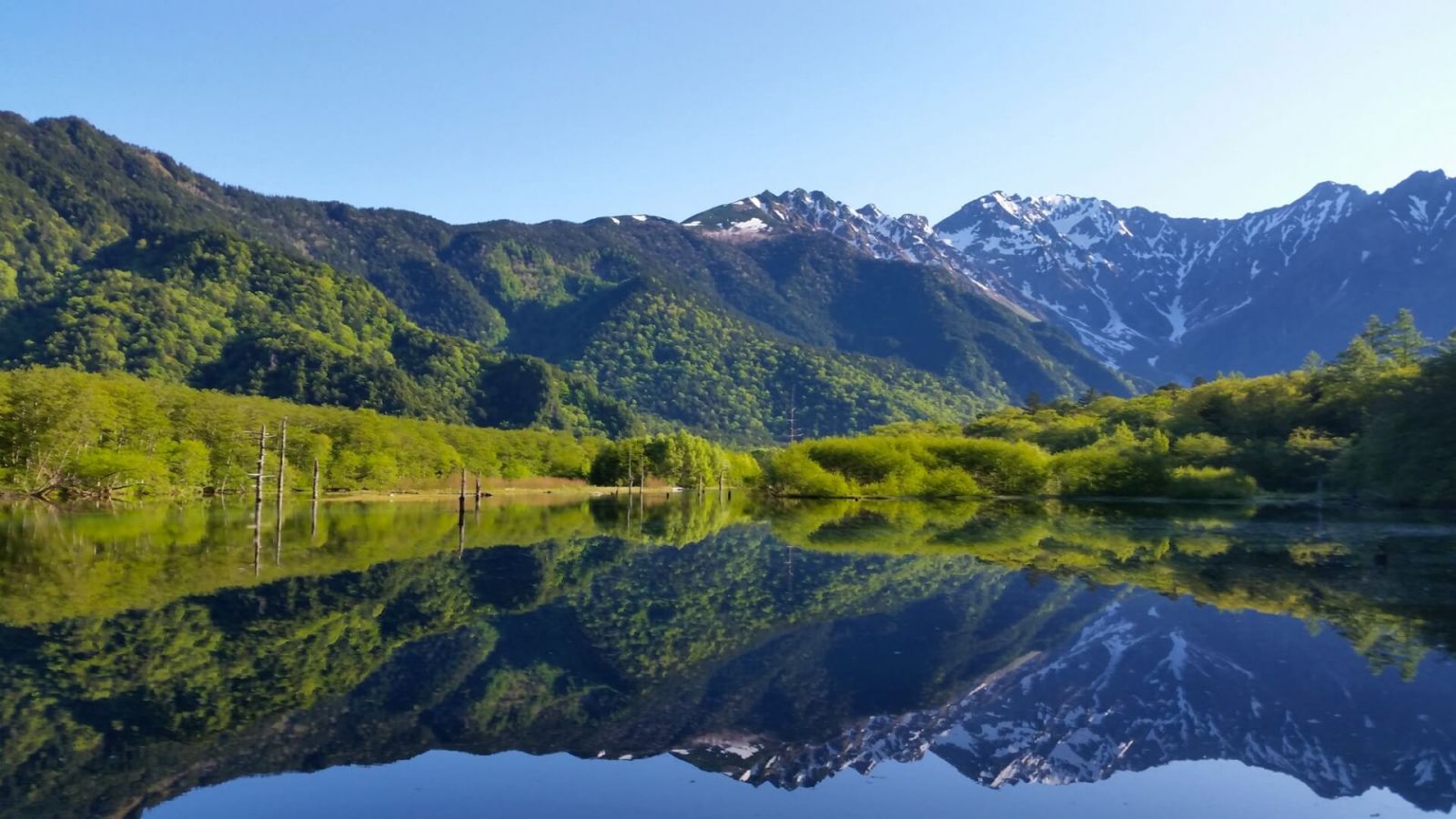
Excellent views of the range can be enjoyed from Kappa Bridge, Taisho Pond, Tashiro Bridge and several open sections beside the Azusa River. On calm, clear mornings, the peaks may also be reflected in the water at Taisho Pond.
The mountains hold deep spiritual significance and are associated with Hotakami-no-Mikoto, the deity enshrined at Hotaka Shrine. Experienced mountaineers can reach the high peaks from trailheads beyond Yokoo, but these are demanding alpine routes requiring multiple days, appropriate equipment and advanced hiking experience. Day visitors should enjoy the mountain range safely from the valley below.
4. Mount Yakedake
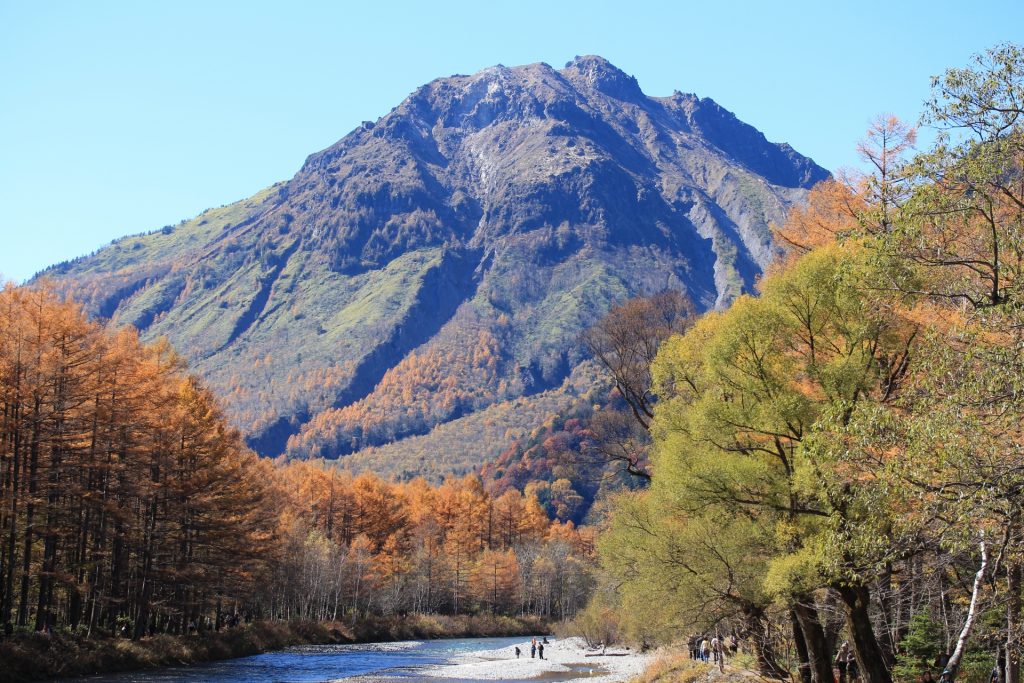
Mount Yakedake is an active volcano rising 2,455 metres above the southern end of Kamikochi. Its eruption in 1915 blocked the Azusa River and created the natural dam that formed Taisho Pond. Steam can sometimes be seen rising from vents near the summit.
The mountain provides a striking contrast to the Hotaka range and can be viewed from Taisho Pond, Tashiro Pond, Kappa Bridge and several sections of the riverside trails. Taisho Pond is particularly impressive on clear mornings, when Mount Yakedake may be reflected across the water.
Climbing Mount Yakedake is a serious mountain hike rather than one of Kamikochi’s gentle valley walks. The route includes steep, rocky and exposed sections and should only be attempted with suitable footwear, equipment, fitness and weather conditions. As volcanic activity and trail access can change, hikers should check current information from the Japan Meteorological Agency and local authorities before setting out.
5. Taisho-ike (Taisho Pond)
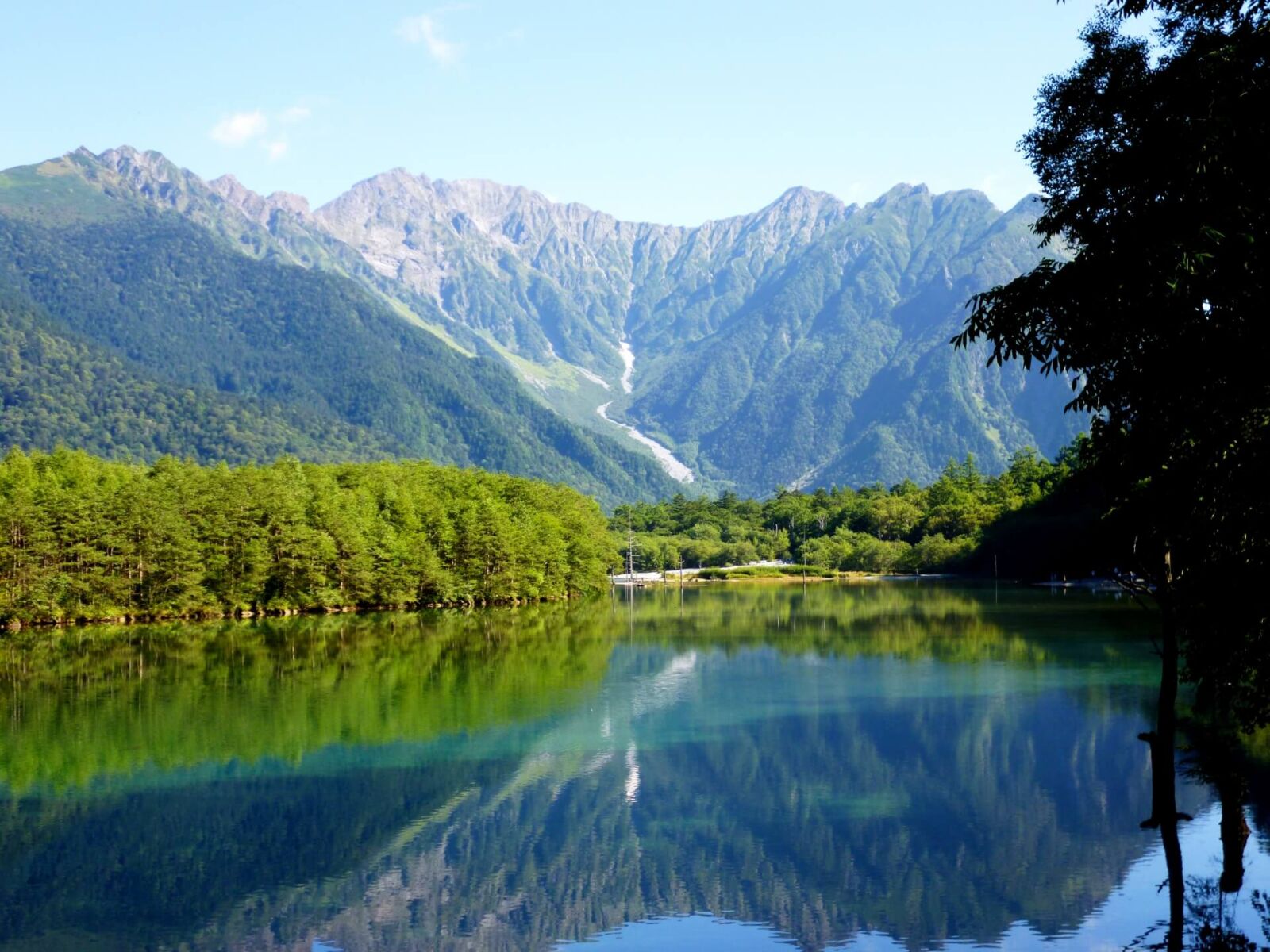
Taisho Pond was formed in 1915 when an eruption of Mount Yakedake caused a landslide that blocked the Azusa River. Today, the pond is one of Kamikochi’s most celebrated viewpoints, with Mount Yakedake rising to the south and the Hotaka mountain range visible in the opposite direction.
The scenery is particularly beautiful during the early morning, when calm conditions can create clear mountain reflections across the water. Mist sometimes settles over the pond, adding to its quiet alpine atmosphere.
Taisho Pond has its own bus stop, allowing visitors to leave the bus here and walk north through Tashiro Marsh and Tashiro Pond towards Kappa Bridge. The one-way route takes approximately 75 to 90 minutes without long stops and is mostly level, making it one of the best walking routes for first-time visitors to Kamikochi.
6. Tashiro Pond and Tashiro Marsh
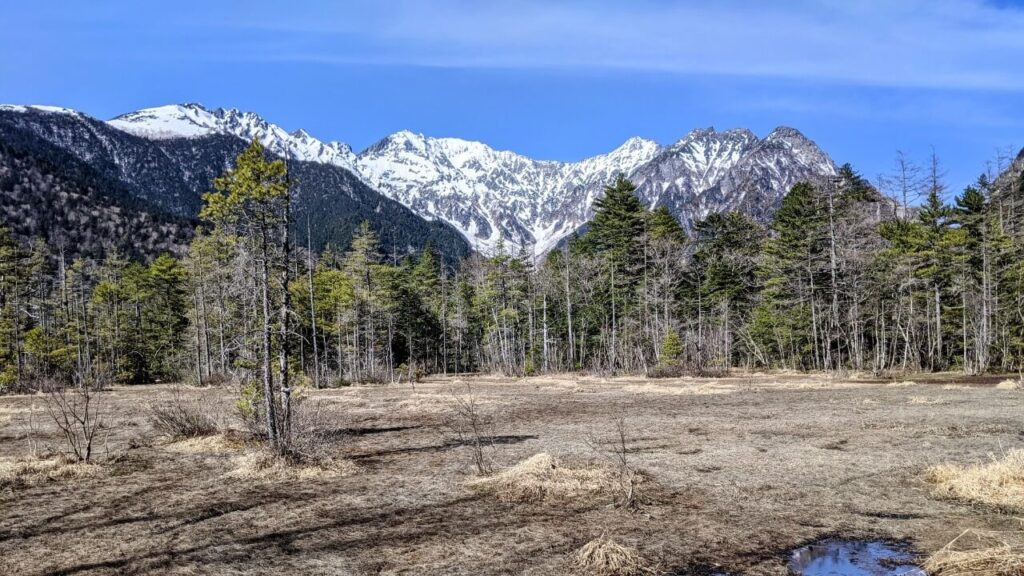
Located between Taisho Pond and Tashiro Bridge, Tashiro Pond and Tashiro Marsh form one of the most peaceful sections of Kamikochi’s southern walking trails. Clear groundwater flows through the wetland, creating shallow ponds surrounded by grasses, forest and views of the nearby mountains.
The landscape changes noticeably throughout the season. Fresh greenery and alpine flowers appear during spring and early summer, while autumn brings golden grasses and colourful foliage. On cold mornings late in the season, frost can cover the wetland and surrounding boardwalks.
Tashiro Pond is approximately 20 to 25 minutes on foot from Taisho Pond and around 45 minutes from Kappa Bridge. The area can be visited as part of the popular one-way walk from Taisho Pond to Kappa Bridge. Visitors should remain on the marked paths and raised boardwalks to protect the fragile wetland environment.
7. Dakesawa Marsh
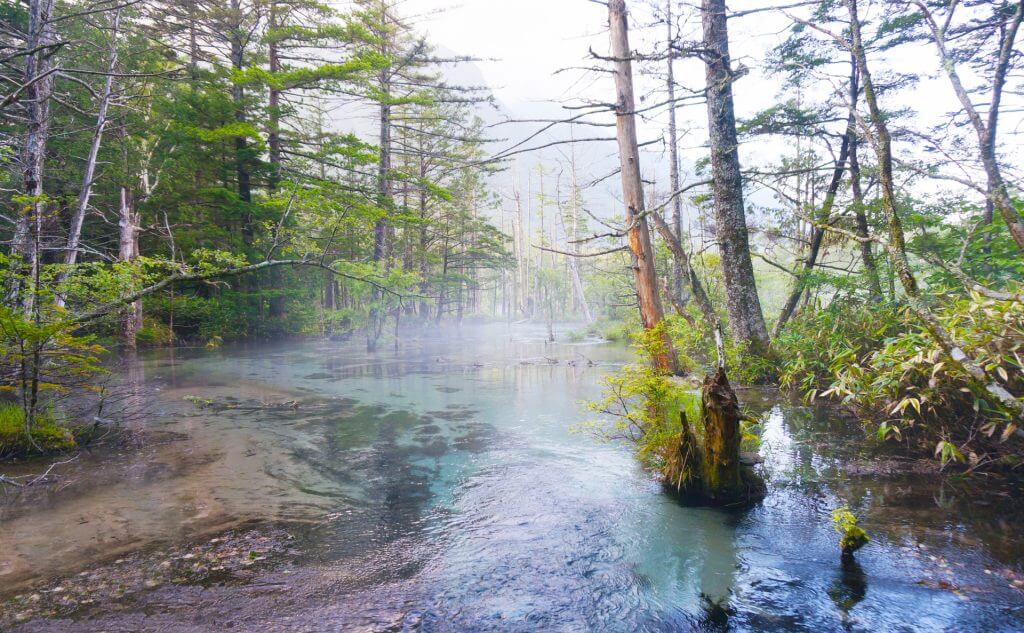
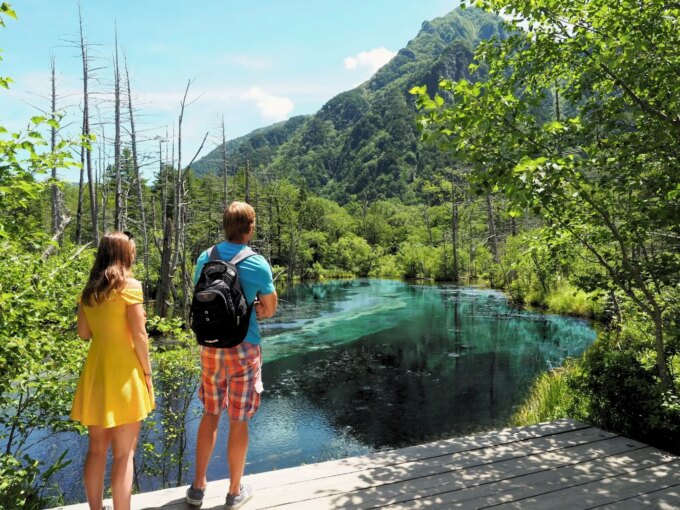
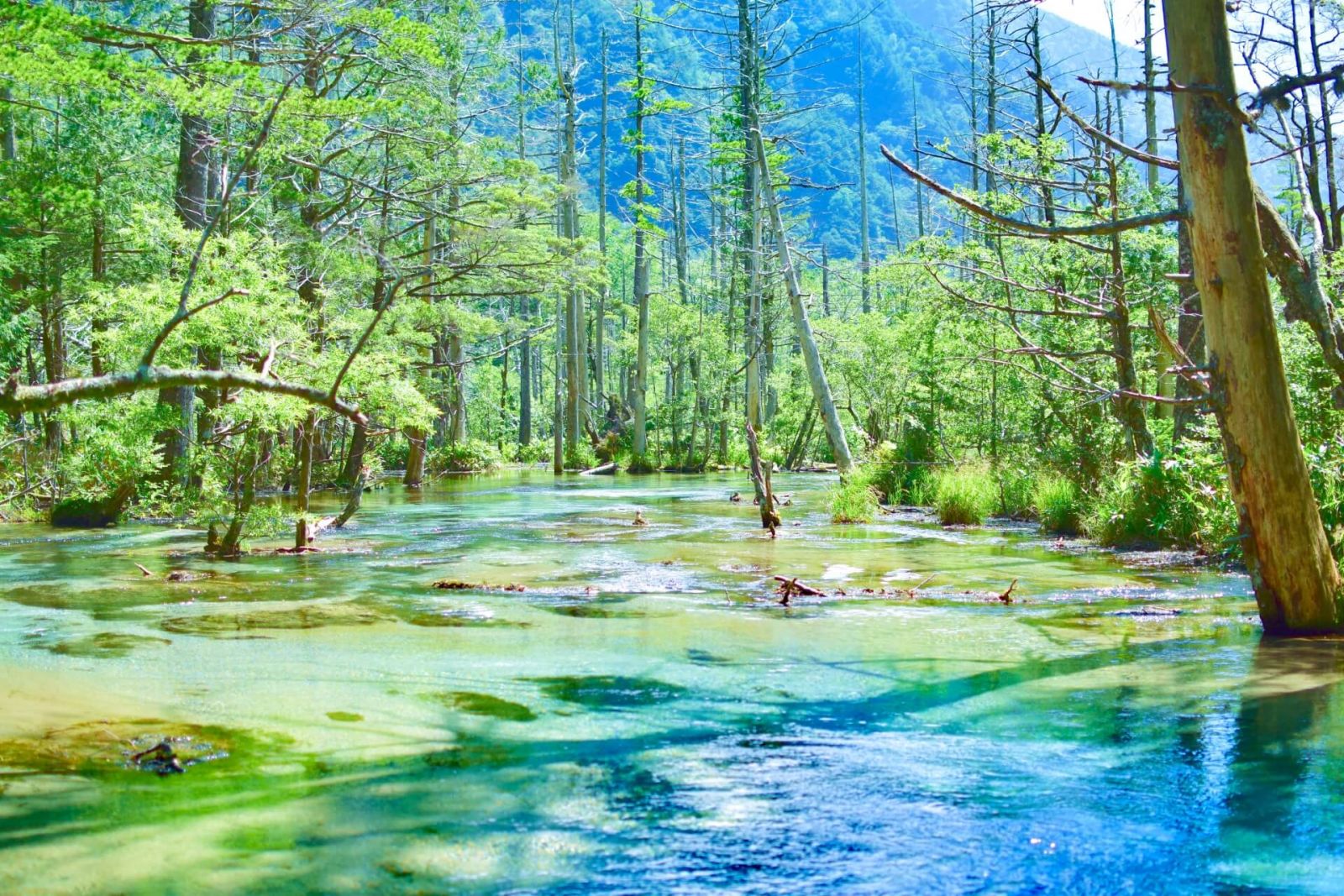
Dakesawa Marsh is a small forested wetland located along the Azusa River Right Bank Trail, approximately 10 to 15 minutes north of Kappa Bridge. Its clear water, aquatic plants and surrounding woodland make it one of the most attractive stops on the walk towards Myojin Pond.
Raised wooden paths and viewing platforms provide views across the marsh while protecting the delicate environment. The water is especially beautiful when sunlight passes through the surrounding trees, revealing submerged plants beneath its clear surface.
Dakesawa Marsh is easy to include in a shorter walk from Kappa Bridge or as part of the longer circuit to Myojin. Japanese macaques are sometimes seen in the surrounding forest, but visitors should keep their distance and never feed or approach wildlife.
8. Myojin-ike (Myojin Pond) & Hotaka Shrine
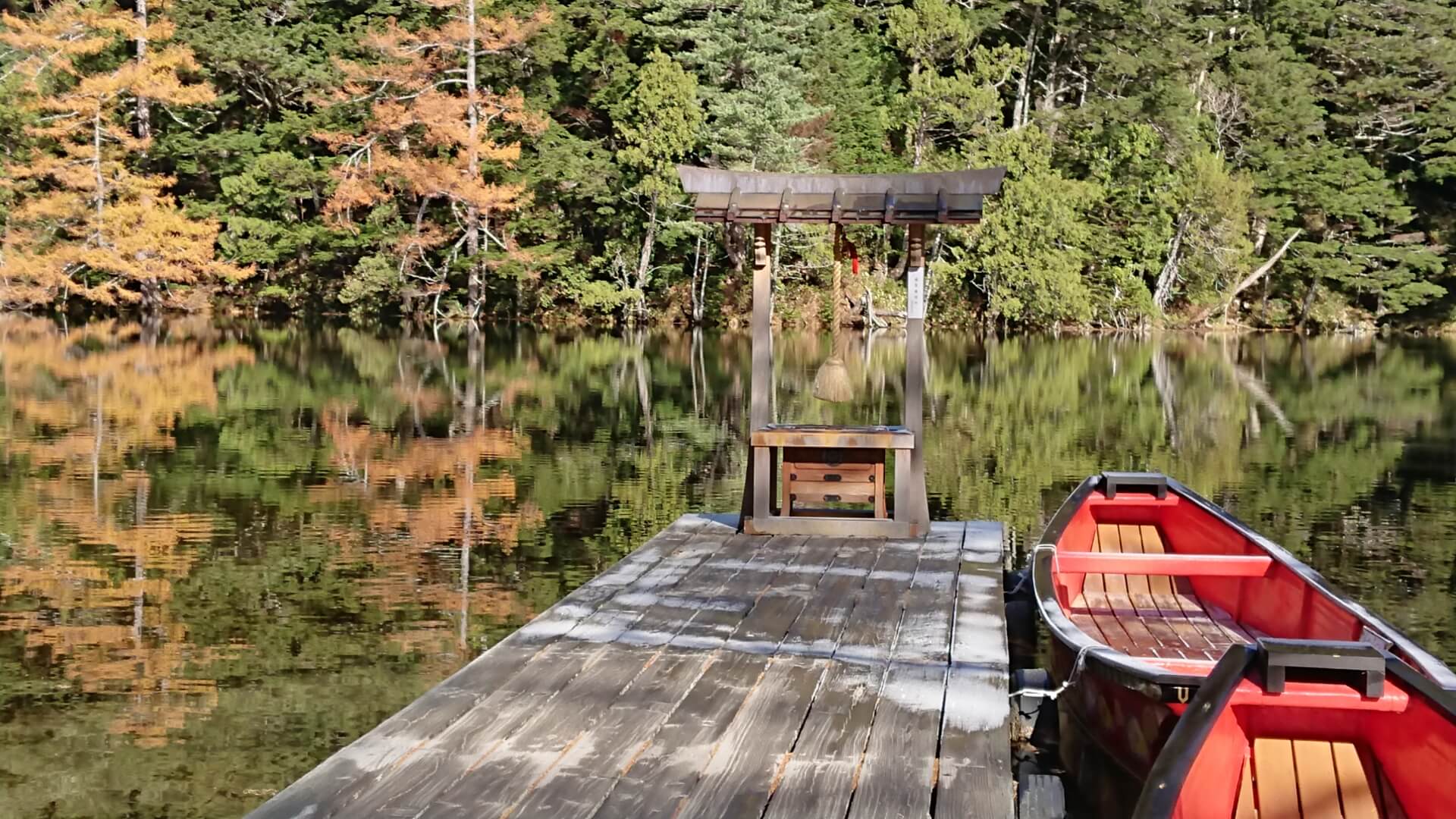
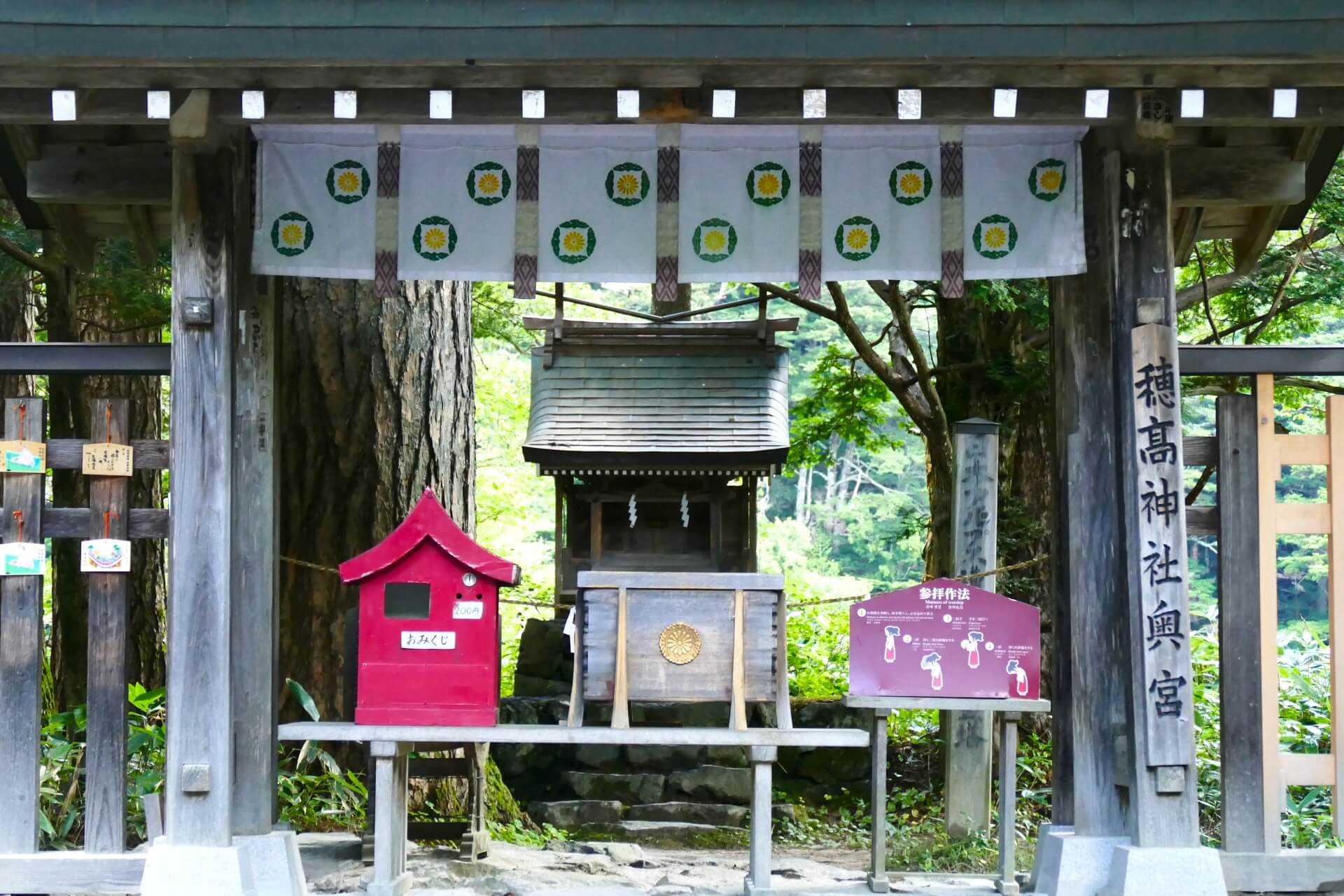
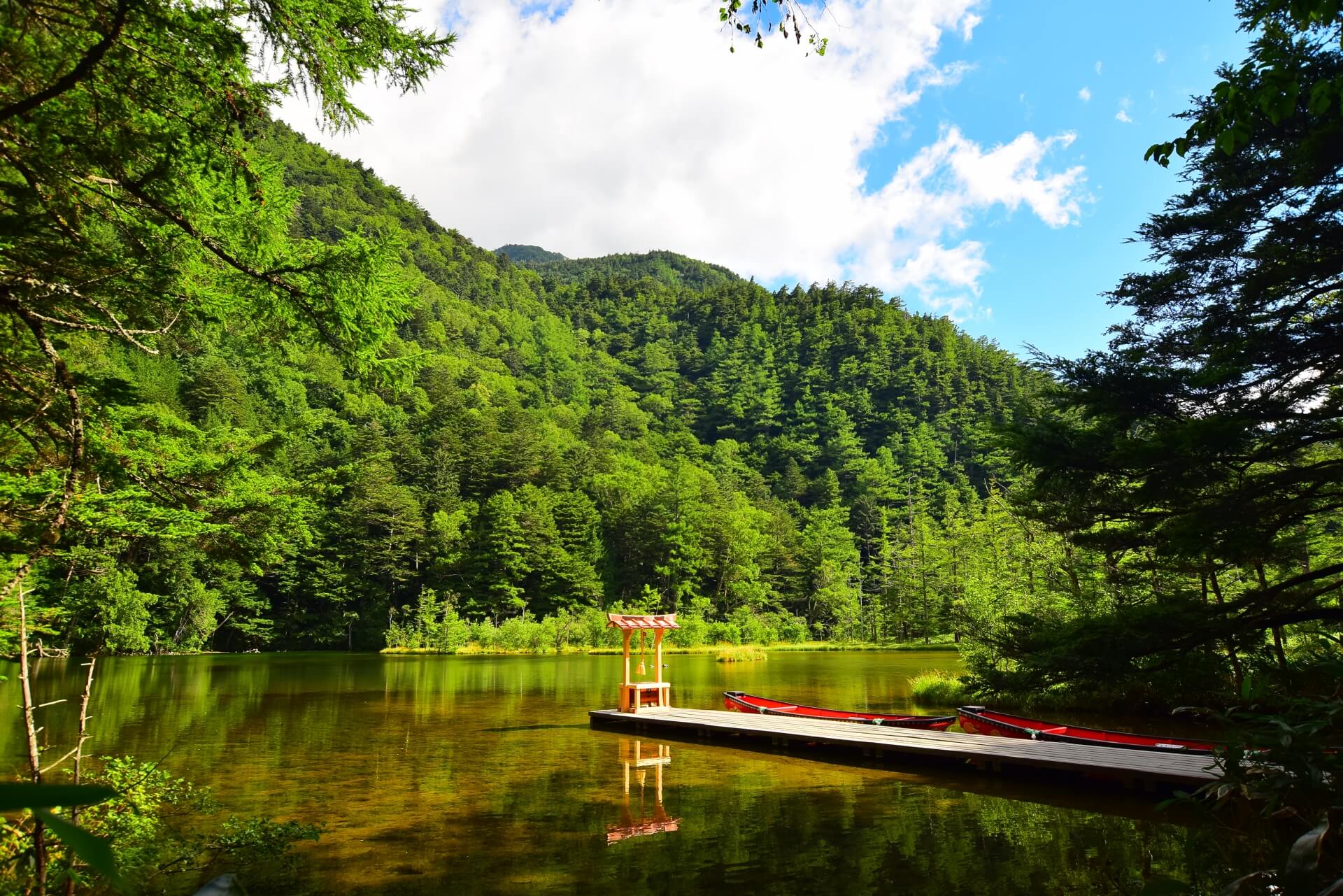
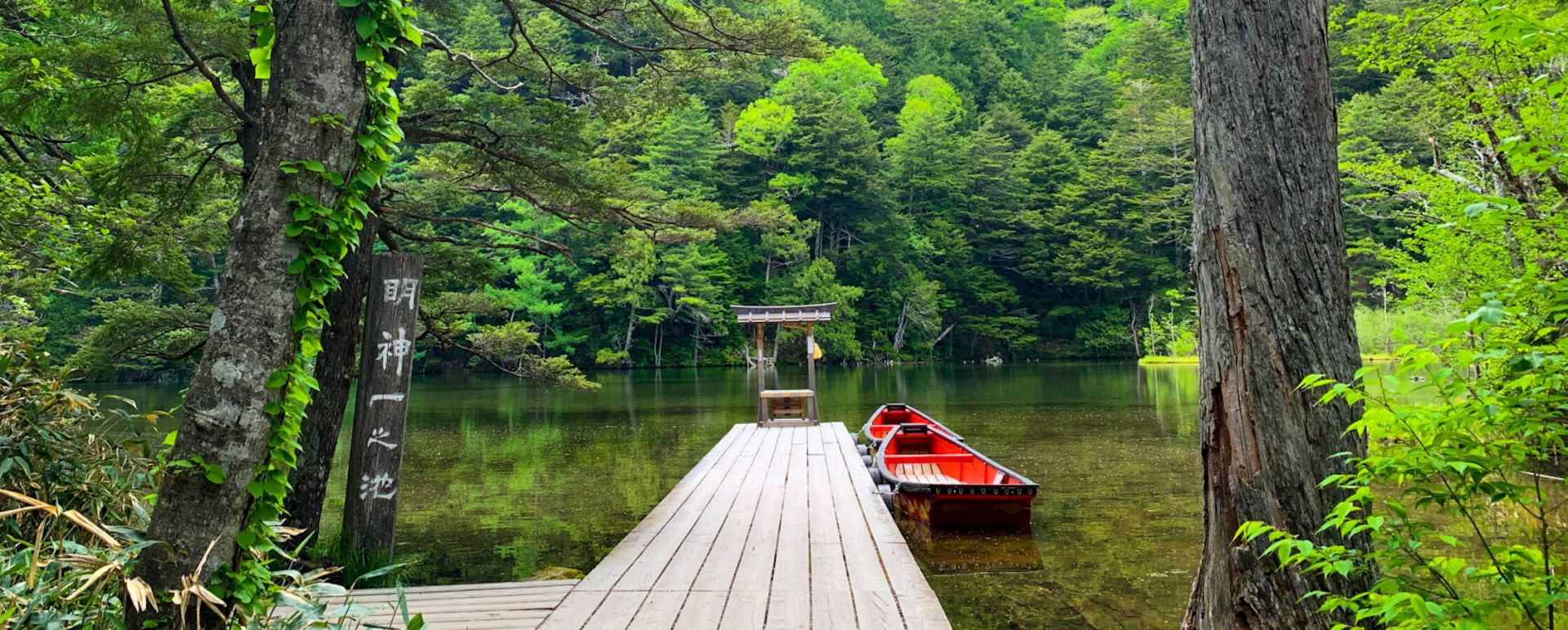
Myojin Pond lies within the grounds of Hotaka Shrine’s Inner Sanctuary, approximately one hour on foot north of Kappa Bridge. Surrounded by forest beneath Mount Myojindake, the pond is one of the most peaceful and spiritually significant locations in Kamikochi.
The pond consists of two sections known as Ichinoike and Ninoike. Their calm water, rocks and surrounding trees create a landscape that feels noticeably different from the open river views around Kappa Bridge. Hotaka Shrine’s Inner Sanctuary stands beside the pond and honours Hotakami-no-Mikoto, the deity associated with the surrounding mountains and the Azumi people.
Admission to Myojin Pond costs ¥500 for adults and ¥200 for primary school children. It is normally open from 06:00 to 17:00 between 17 April and 15 November, although visitors should check the official Hotaka Shrine information before travelling.
Myojin can be reached using either bank of the Azusa River. Many visitors walk north along the scenic right-bank trail through Dakesawa Marsh, then cross Myojin Bridge and return to Kappa Bridge along the more direct left-bank route.
9. Tokusawa Area & Shinmura Bridge
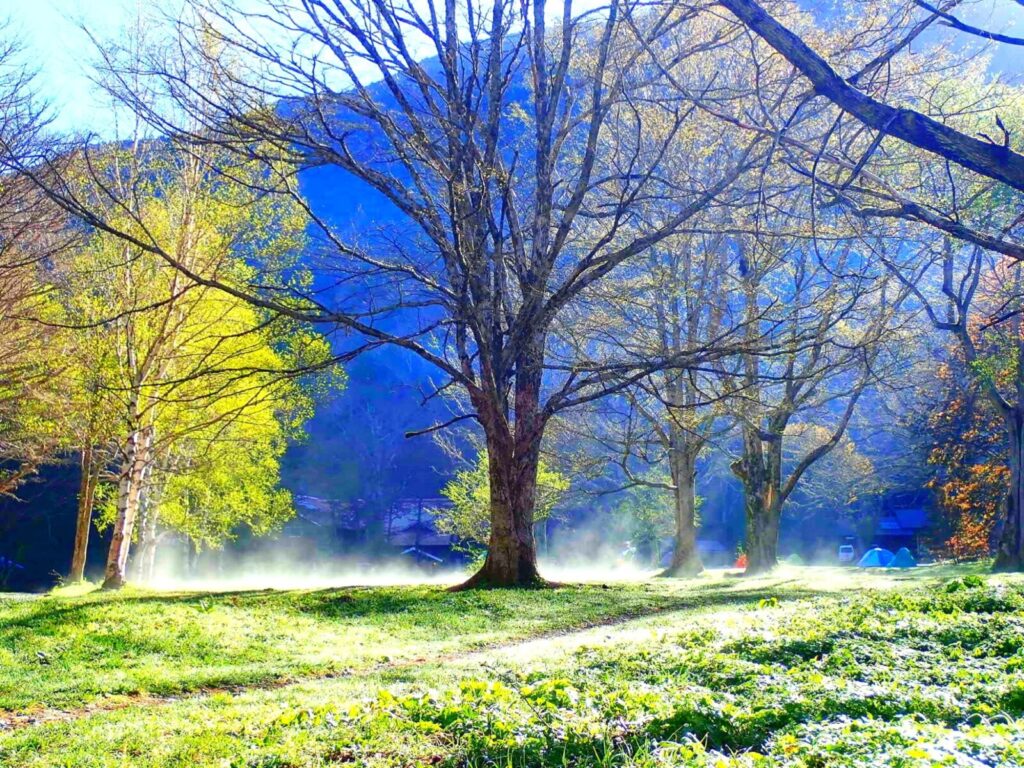
Tokusawa is a quieter area of Kamikochi located approximately two hours on foot north of Kappa Bridge. Once used as grazing land, its broad meadow is now surrounded by elm and birch forest beneath the peaks of the Northern Japan Alps.
The area is particularly attractive during spring, when white anemone flowers cover parts of the meadow, and during autumn, when the surrounding trees turn shades of yellow and orange. Tokusawa Lodge, Tokusawa-en and a designated campsite provide meals and accommodation for visitors continuing deeper into the valley.
A short distance beyond Tokusawa, Shinmura Bridge crosses the Azusa River and provides access to mountain routes leading towards the Hotaka range. Visitors continuing beyond this point should understand that the trails become increasingly remote and demanding.
The return walk from Kappa Bridge to Tokusawa generally takes four to five hours without extended stops. Allow additional time for lunch and sightseeing, or consider staying overnight. See our guide to the Best Places to Stay In and Around Kamikochi for accommodation options.
10. Autumn Colours in Kamikochi
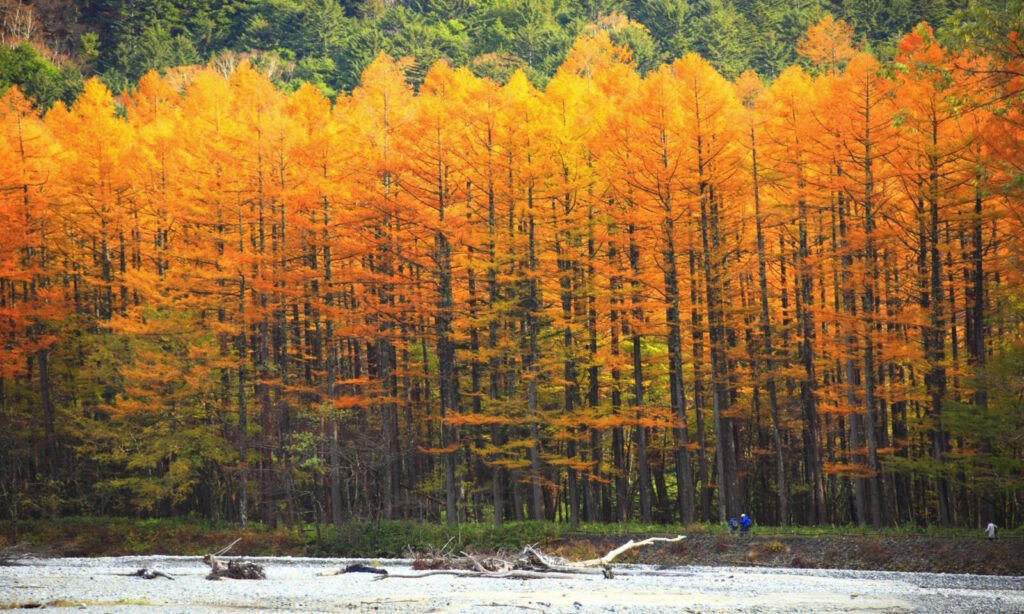
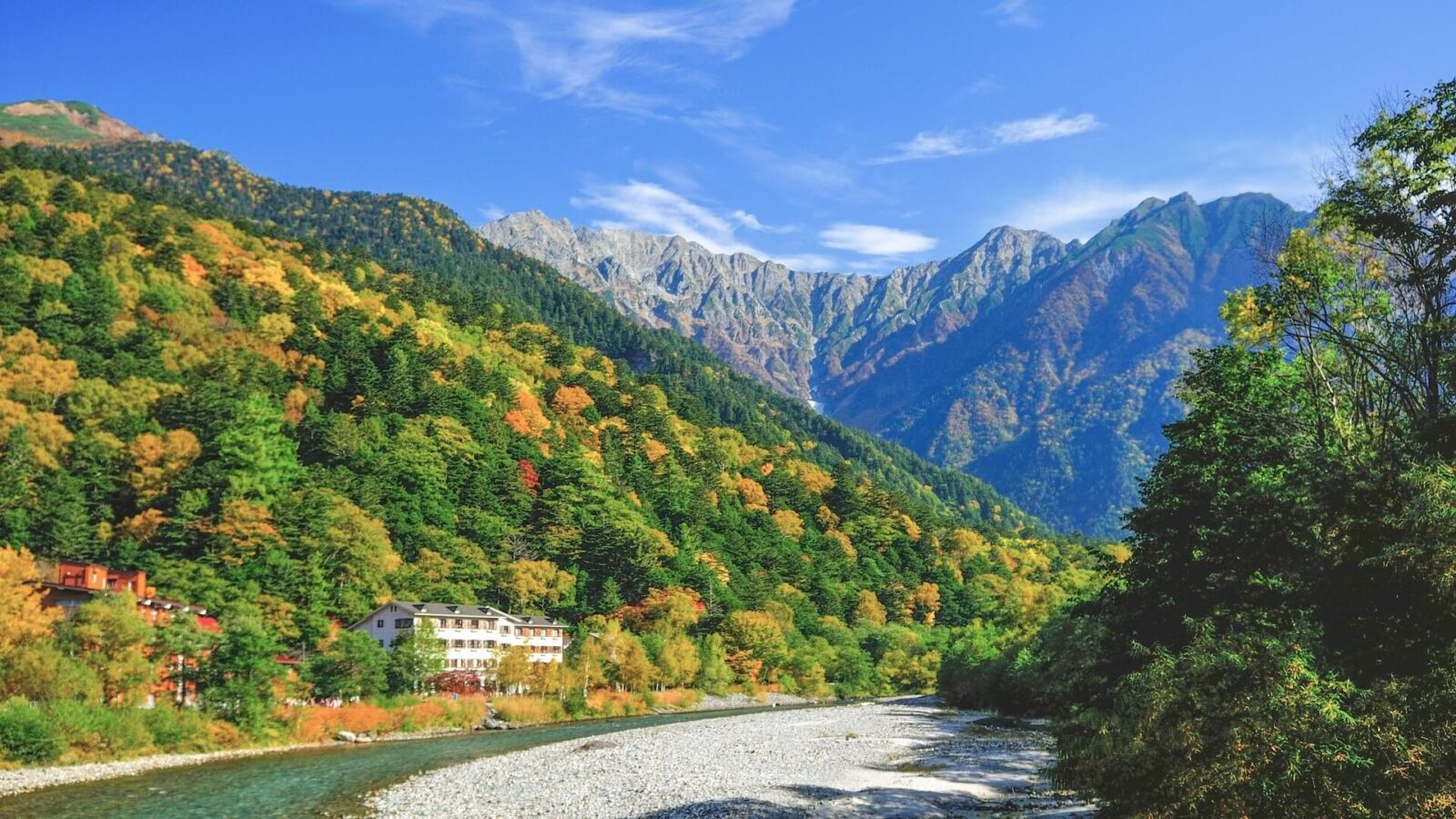
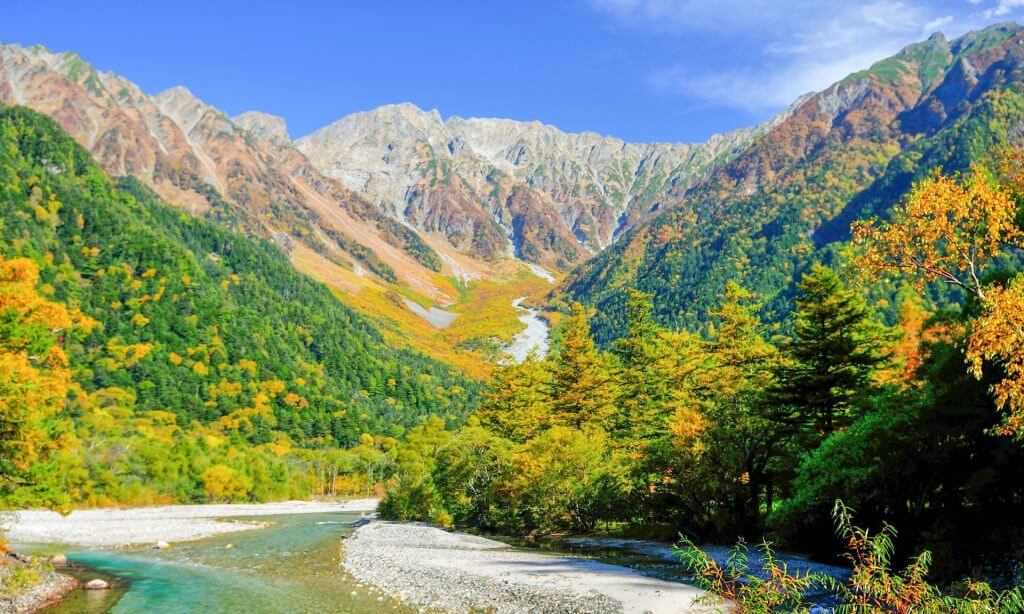
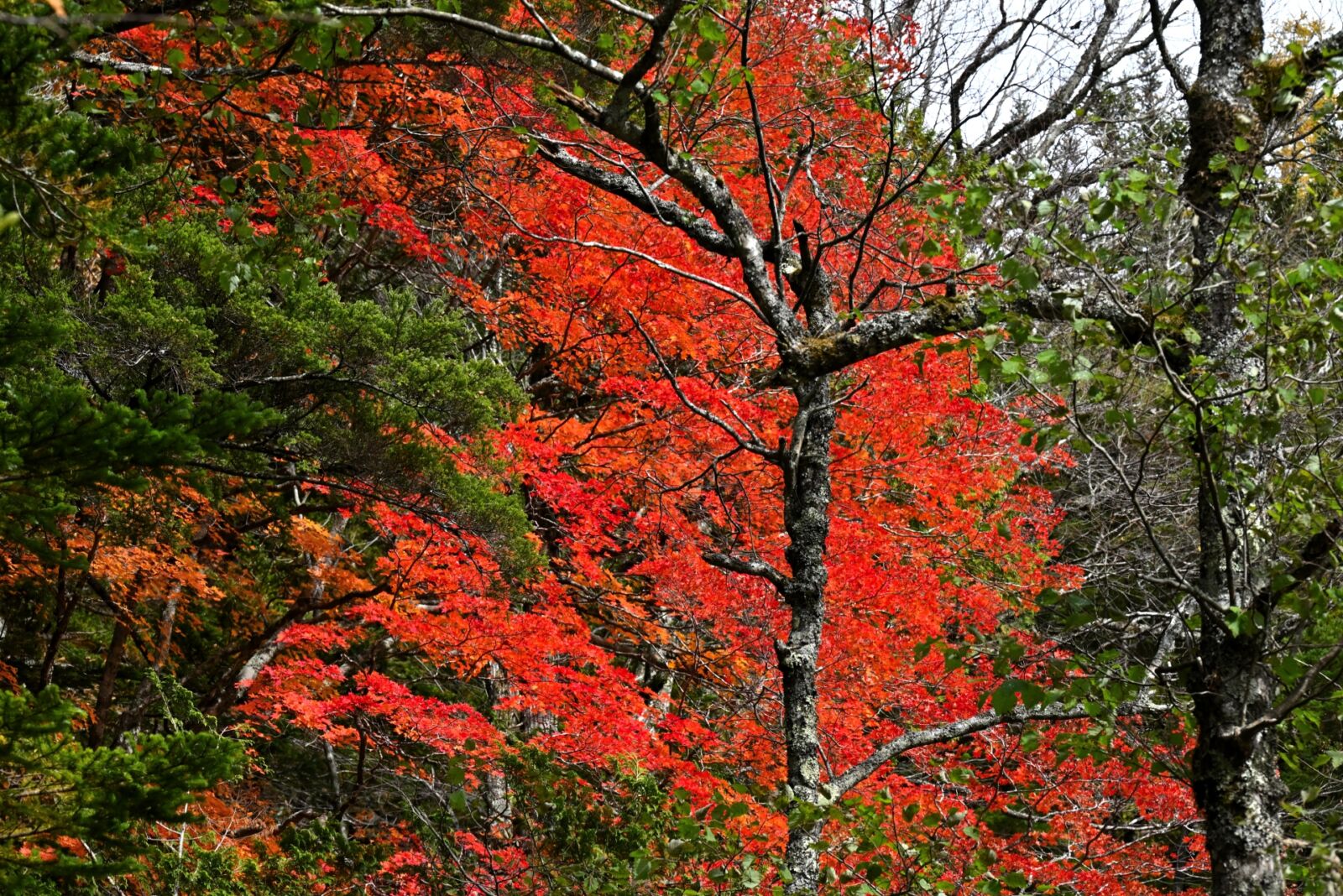
Autumn is one of the most popular times to visit Kamikochi. Colours begin appearing at higher elevations from late September before moving into the valley during October. Peak conditions around Kappa Bridge, Myojin and Tokusawa commonly occur from mid to late October, although the timing varies each year.
Birch, elm and maple trees introduce shades of yellow, orange and red, while Japanese larch trees create the golden scenery for which the Northern Japan Alps are particularly well known. Taisho Pond, Kappa Bridge, Dakesawa Marsh and Tokusawa all offer excellent autumn views.
October weekends can become extremely busy, particularly around Kappa Bridge and the bus terminal. Accommodation, buses and parking areas outside the valley may reach capacity, so advance reservations and weekday visits are recommended. Temperatures can fall below freezing during the morning and evening, and early snowfall is possible late in the season.
11. Wildlife in Kamikochi
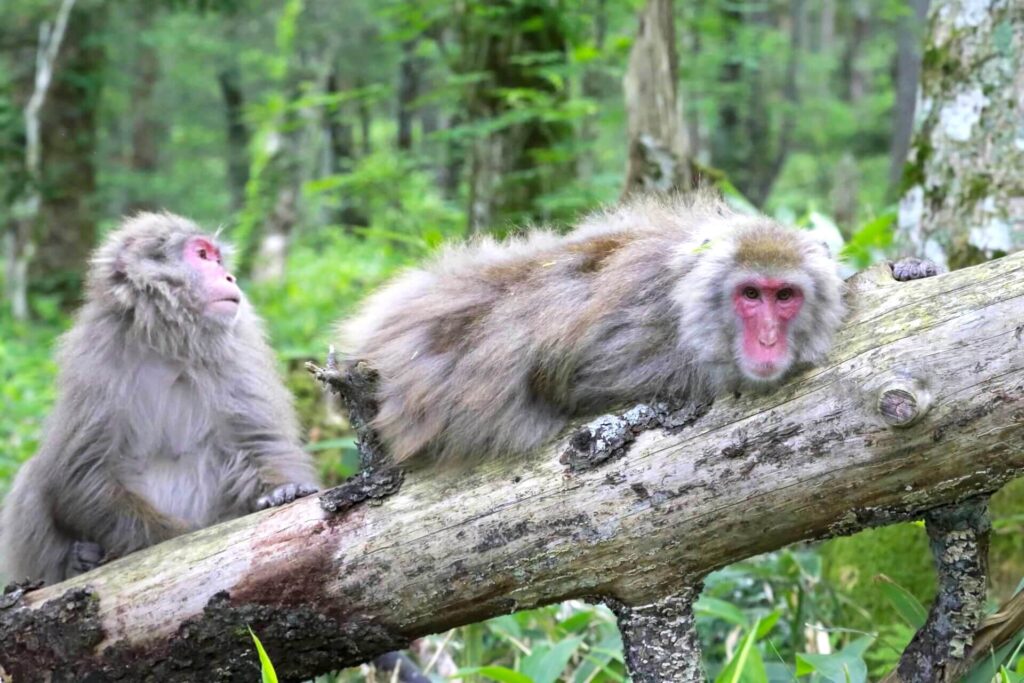
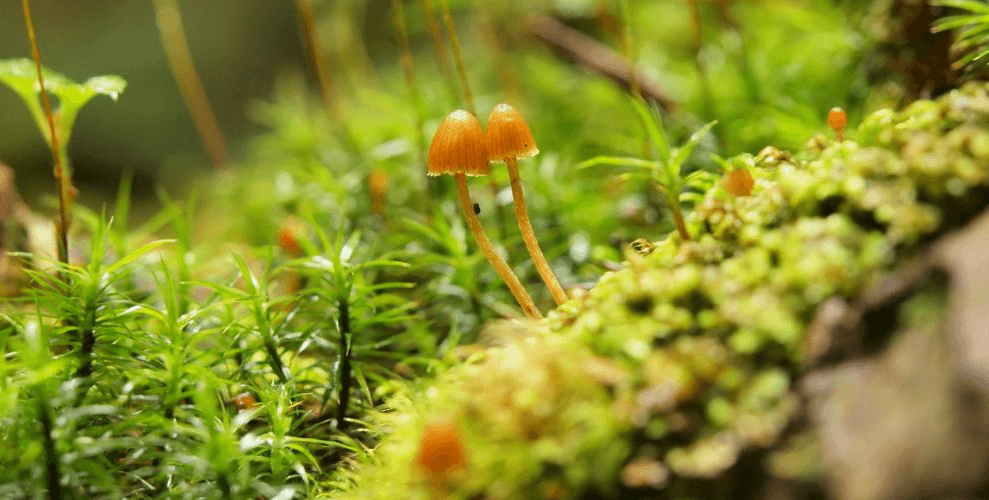
Kamikochi supports a wide variety of wildlife, with Japanese macaques, ducks and numerous forest birds among the animals visitors are most likely to encounter. Monkeys are often seen along the quieter trails around Myojin and Tokusawa, sometimes moving through the trees or beside the walking paths.
Japanese serow, sika deer and Asian black bears also inhabit the wider national park but are encountered less frequently. Rock ptarmigans live in the higher alpine areas above the valley and are unlikely to be seen during an ordinary riverside walk.
Never feed, touch or follow wild animals. Keep a safe distance, secure food and take all rubbish with you. Bear bells are available from shops around Kappa Bridge and the bus terminal, and hikers should pay attention to notices regarding recent sightings. If you encounter a bear, remain calm, do not run and slowly move away while giving it space.
12. Walk from Taisho Pond to Kappa Bridge / Appoximately 1.5 to 2 Hours
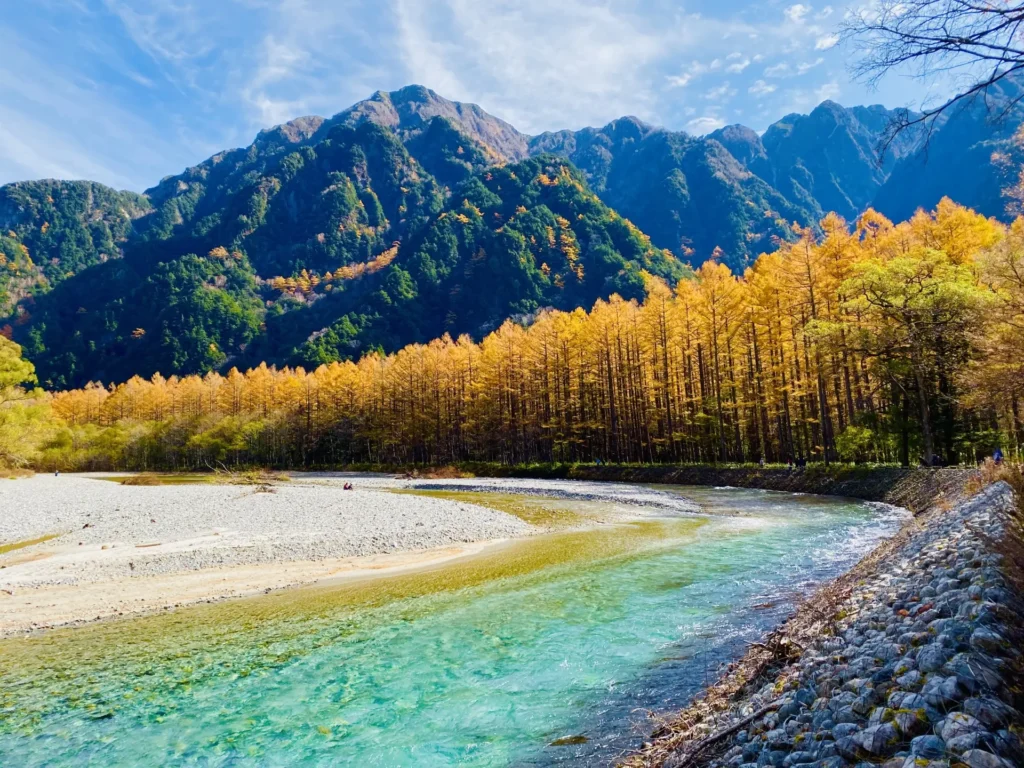
The walk from Taisho Pond to Kappa Bridge is one of the best routes for first-time visitors to Kamikochi. Leave the bus at the Taisho Pond stop rather than continuing to the Kamikochi Bus Terminal, then follow the mostly level trail north through the valley.
The route begins with views across Taisho Pond towards Mount Yakedake and the Hotaka mountain range. It then passes through forest and wetland scenery around Tashiro Pond and Tashiro Marsh before reaching Tashiro Bridge and Hotaka Bridge.
From the bridges, visitors can continue towards Kappa Bridge along either side of the Azusa River. The western bank passes the Weston Monument and several hotels, while the eastern bank follows a quieter forested path before reaching the bus terminal area.
The walking time is approximately 75 to 90 minutes without long stops, but allowing 1.5 to 2 hours provides time for photographs and short breaks. The trail is generally suitable for anyone with reasonable mobility, although some sections may be wet, uneven or slippery after rain.
13. Walk from Kappa Bridge to Myojin / Approximately 2.5 to 3.5 Hours Return
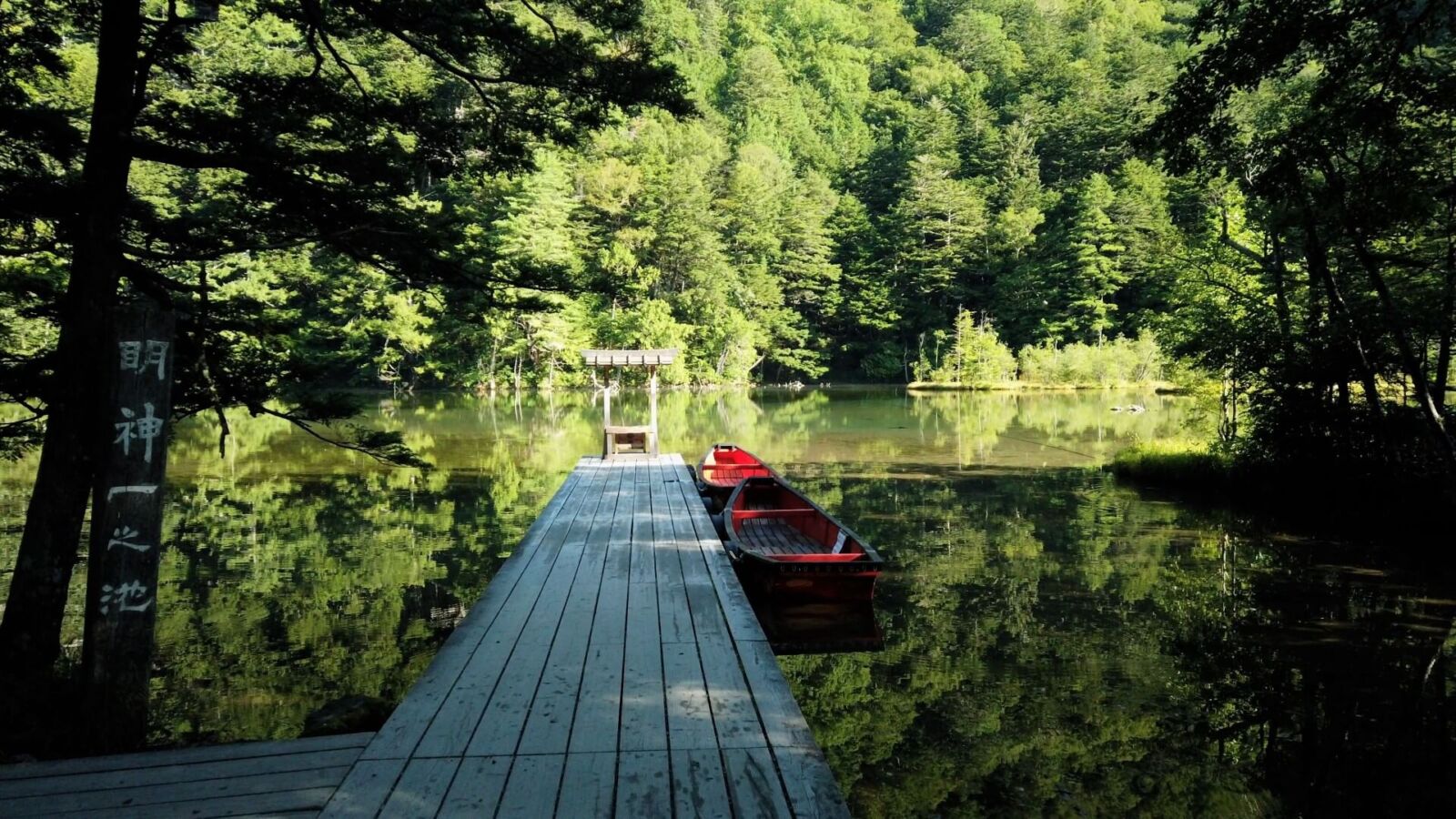
This popular circuit follows both sides of the Azusa River between Kappa Bridge and Myojin. The mostly level route covers approximately 5.5 kilometres and combines forest paths, clear waterways, mountain views and several of Kamikochi’s most important cultural and natural attractions.
For the outward journey, follow the Azusa River Right Bank Trail north from Kappa Bridge. This scenic path passes Dakesawa Marsh before continuing through the forest towards Myojin Pond and Hotaka Shrine’s Inner Sanctuary. Allow approximately 60 to 90 minutes for this section.
After visiting the pond and shrine, cross Myojin Bridge and return along the broader Left Bank Trail. This more direct route passes the Myojin area and Konashidaira before arriving back at Kappa Bridge in approximately 50 to 60 minutes.
Allow 2.5 to 3.5 hours for the complete circuit, including time at Myojin Pond. Admission to the pond costs ¥500 for adults and ¥200 for primary school children. Although the route is suitable for most active visitors, raised boardwalks and uneven forest sections can become slippery during wet weather.
14. Walk from Kappa Bridge to Tokusawa / Approximately 5 to 6 Hours Return
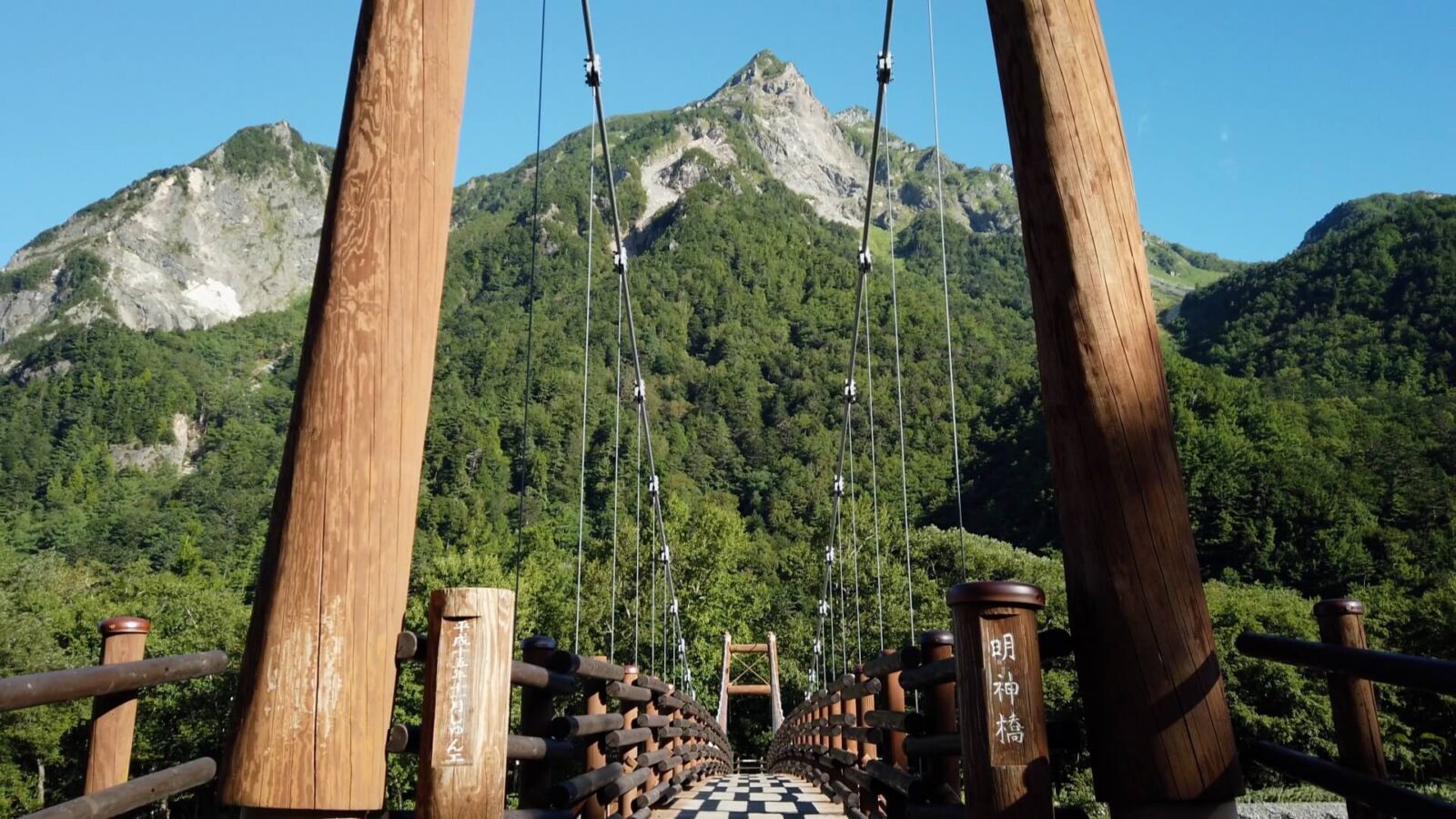
The walk from Kappa Bridge to Tokusawa is an excellent option for visitors with a full day in Kamikochi. The route continues beyond Myojin into a quieter part of the valley, with fewer day visitors and increasingly impressive views of the surrounding mountains.
Follow either bank of the Azusa River from Kappa Bridge to Myojin. From Myojin, continue north along the Left Bank Trail for approximately one hour to reach Tokusawa. This section passes through forest before opening onto the broad Tokusawa meadow.
The return walk generally takes around four to five hours without extended stops. Allow five to six hours to include photographs, rest breaks and lunch at one of the lodges in Tokusawa. The route is not technically difficult, but its length requires reasonable fitness, suitable footwear and enough food and water.
Day visitors must leave enough time to return to Kappa Bridge and the Kamikochi Bus Terminal before their final bus. Those who want to explore beyond Tokusawa should consider staying overnight at a lodge or designated campsite. See our guide to the Best Places to Stay In and Around Kamikochi for further information.
15. Join a Guided Tour
Best Selling
1-Day Tour from Nagano and Matsumoto: Kamikochi & Matsumoto Castle
- Spots:
- NaganoMatsumotoKamikochi
- Pick-up:
- Nagano CityMatsumoto
- Drop-off:
- Nagano CityMatsumoto
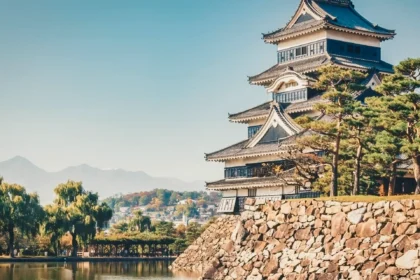
Based in Nagano and operating all year round we offer some tours starting and finishing at Matsumoto Station and Nagano Station that combine a visit to Kamikochi with some of the region’s most rewarding destinations and activities. Our 1-Day Highlights of Central Japan: Matsumoto Castle & Kamikochi Alpine Valley Tour transports you to one of Japan’s few remaining castles in Matsumoto City followed by an early afternoon visit to Kamikochi. Guests may also choose to continue on to Takayama and end the tour at Takayama Station instead, making for the perfect way to connect your preferred destinations.
For guests coming from Takayama, we also have you covered with a tour starting from Takayama Station and including a trip to the stunning Shinhotaka Ropeway before a guided hike in Kamikochi in the afternoon. You may also end the tour either back in Takayama, or onwards at Matsumoto or Nagano, making it perfect for those looking to head onwards to their next destination.
For guests looking to experience the natural beauty of Kamikochi while still having easy access to the Shinkansen and the amenities of a large city, we also offer a 1-Day Tour from Nagoya taking you to Kamikochi as well as a beautiful flower park located high in the Japan Alps.
All tours are led by locally-based guides and include direct transport all the way into Kamikochi without the need for transfers to public buses. Visitors wanting to enjoy Kamikochi by themselves, as a family or with friends also have the option of a private tour.
When to Visit Kamikochi: The Best Seasons
Kamikochi’s regular visitor season runs from approximately 17 April until 15 November. Each part of the season offers different scenery, weather and walking conditions, so the best time to visit depends on what you want to experience.
Late April and May bring snow-covered mountains and fresh spring greenery. June and July offer lush forests and alpine flowers, although rain is more frequent. August is one of the warmest and busiest periods, while September provides cooler walking conditions. Autumn colours develop from the higher elevations before reaching the valley during October.
May and October are particularly scenic, but they can also be busy during Golden Week, weekends and the autumn foliage season. Visitors seeking fewer crowds may prefer weekdays in late May, June or September.
Weather can change quickly at an elevation of around 1,500 metres. Kamikochi is usually much cooler than Japan’s major cities, especially during the morning, evening and periods of rain. Visitors should bring suitable walking shoes, layered clothing and rain protection regardless of the month.
From 16 November, public transport, accommodation and most facilities close for winter. Entering Kamikochi during this period is a serious winter mountain activity and should not be attempted as ordinary sightseeing.
TAKAYAMA→KAMIKOCHI (3HRS)→TAKAYAMA
- Duration:
- 6-7 Hours
- Spots:
- Takayama, Kamikochi
Kamikochi Month-by-Month Guide
April - Public transport normally resumes on 17 April, while the official opening ceremony is held later in the month. Snow often remains beside the trails, many trees are still bare and some facilities may not yet be operating. Visitors should prepare for cold mornings, wet paths and possible snowfall.
May - Fresh greenery begins spreading through the valley while snow remains visible across the surrounding peaks. May offers some of Kamikochi’s most striking mountain scenery, although Golden Week can be extremely busy. Conditions are usually comfortable for walking, but mornings and evenings remain cold.
June - Forests and wetlands become increasingly green, with alpine flowers appearing throughout the valley. June overlaps with Japan’s rainy season, so cloud, rain and slippery trails are more likely. Visitor numbers are generally lower than during the main summer and autumn periods.
July - Early July can remain wet, but warmer and clearer conditions become more common later in the month. Summer flowers, lush forests and flowing rivers make this an attractive time for walking. Crowds increase from the middle of July as Japan’s summer holiday period begins.
August - is generally Kamikochi’s warmest and busiest month. The valley provides a cooler escape from cities such as Tokyo, Nagoya and Osaka, but strong sunshine and sudden rain are still possible. Transport and accommodation should be booked well in advance, particularly around the Obon holiday period.
September - Temperatures begin falling and the busiest summer crowds gradually decrease. The valley normally remains green during much of September, while the first autumn colours appear at higher elevations. Cooler conditions make this a comfortable month for longer walks, especially on weekdays.
October - is the main autumn foliage season. Colours usually progress from the surrounding mountains into the valley, with golden larch trees and colourful birch, elm and maple trees creating some of the year’s most popular scenery. Weekends can be extremely busy, and freezing morning temperatures or early snow are possible later in the month.
November - The final weeks of the season are quiet, cold and increasingly wintry. Most leaves have fallen, frost is common and snow may cover parts of the valley. Some hotels, restaurants and other facilities close before public transport ends on 15 November, so visitors should check services carefully before travelling.
Where to Stay When Visiting Kamikochi
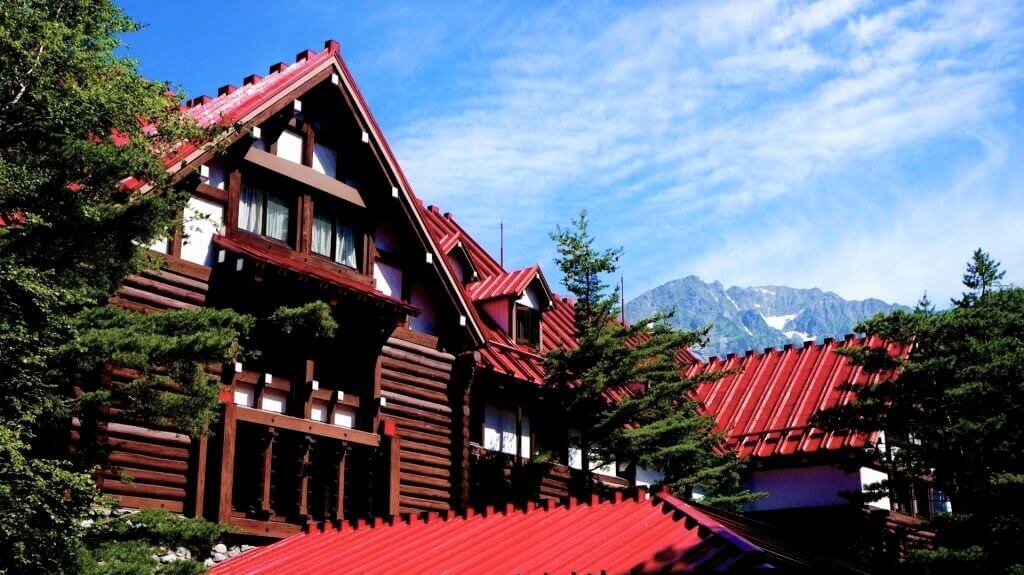
Visitors can stay inside Kamikochi, in the nearby hot spring communities of Hirayu and Okuhida, or in the gateway cities of Matsumoto and Takayama. The best choice depends on whether you prioritise early access to the valley, onsen accommodation, transport convenience or a wider selection of restaurants and hotels.
Staying Inside Kamikochi - Staying inside the valley allows you to experience Kamikochi before the first buses arrive and after most day visitors have departed. Accommodation ranges from comfortable hotels near Taisho Pond and Kappa Bridge to mountain lodges and campsites around Myojin, Tokusawa and Yokoo.
Rooms are limited and can sell out months in advance, particularly during summer, weekends and the autumn foliage season. Most properties operate only during Kamikochi’s open season, and some close before public transport ends in November.
Staying in Hirayu Onsen or Okuhida - Hirayu Onsen is one of the most convenient bases outside Kamikochi. Direct buses connect Hirayu with the valley, while traditional ryokan and hot spring hotels provide a relaxing alternative to staying inside the national park.
The wider Okuhida area is also convenient for combining Kamikochi with the Shinhotaka Ropeway, mountain scenery and outdoor hot springs.
Staying in Matsumoto - Matsumoto is the main eastern gateway to Kamikochi. It offers a broad range of accommodation, restaurants and transport connections, along with attractions including Matsumoto Castle. Visitors can reach Kamikochi via Shin-Shimashima or selected direct buses.
Staying in Takayama - Takayama is a convenient western base for visitors combining Kamikochi with the Hida region. The journey requires a transfer at Hirayu Onsen, but Takayama provides extensive accommodation, dining and sightseeing options.
For specific hotels, lodges, campsites and nearby accommodation areas, see our guide to the Best Places to Stay In and Around Kamikochi.

Important Access Information and Rules
Private cars and rental vehicles are not permitted inside Kamikochi. Visitors approaching from Matsumoto must park at Sawando, while those arriving from Takayama or Okuhida should use Akandana Parking Area near Hirayu Onsen. Shuttle buses and authorised taxis connect both parking areas with the valley.
Public buses, registered taxis, chartered coaches and authorised tour vehicles can travel through the restricted entrance. Cyclists may enter Kamikochi but must dismount and walk their bicycles within the main protected area. See our How to Get to Kamikochi guide for routes, transfers and parking information.
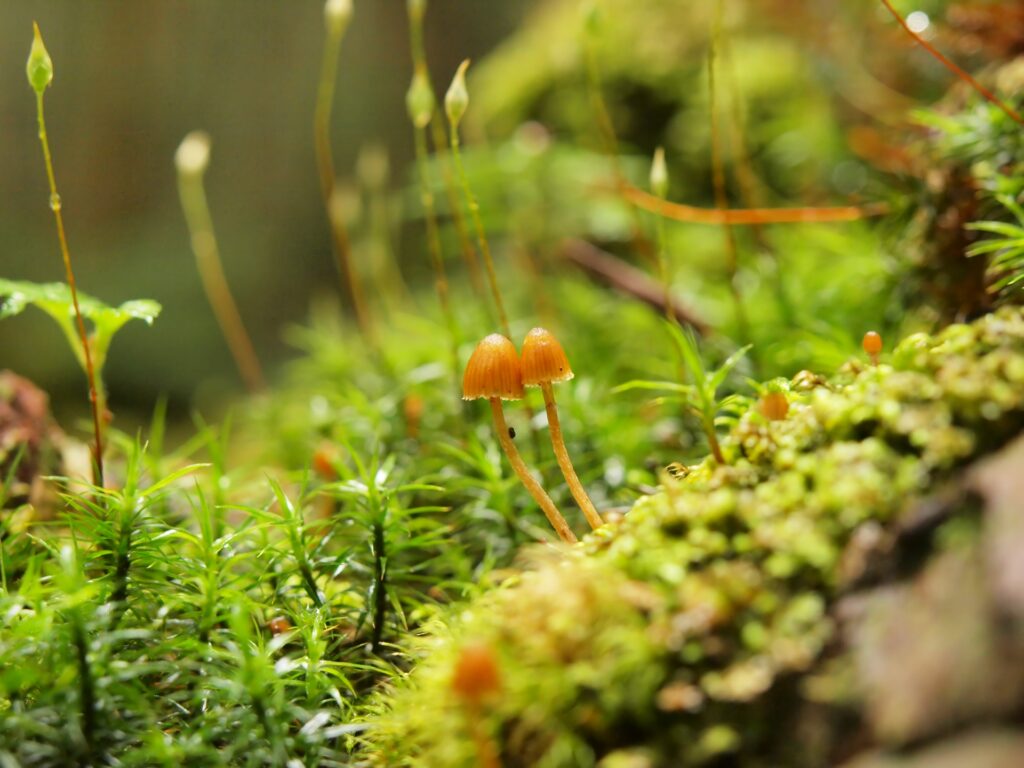
Kamikochi’s restrictions help protect its forests, wetlands, waterways and wildlife. Visitors must follow these rules:
- Take all rubbish away from Kamikochi.
- Remain on marked trails and raised boardwalks.
- Do not feed, touch or approach wild animals.
- Do not collect plants, insects, stones or other natural objects.
- Do not throw stones or other items into ponds and rivers.
- Camp only within designated campsites.
- Light fires only where specifically permitted.
- Do not fly drones anywhere within Kamikochi.
- Do not ride bicycles on walking trails.
- Keep food secure and follow all posted bear-safety advice.
Public toilets are available at several locations, including Taisho Pond, the bus terminal, Kappa Bridge, Myojin and Tokusawa. Some facilities request a small maintenance contribution, so carrying coins is recommended.
Trail closures and safety restrictions may change because of weather, flooding, wildlife, volcanic activity or maintenance. Check notices at the Kamikochi Information Centre or on the official Kamikochi website before beginning a longer walk.
How to Get to Kamikochi
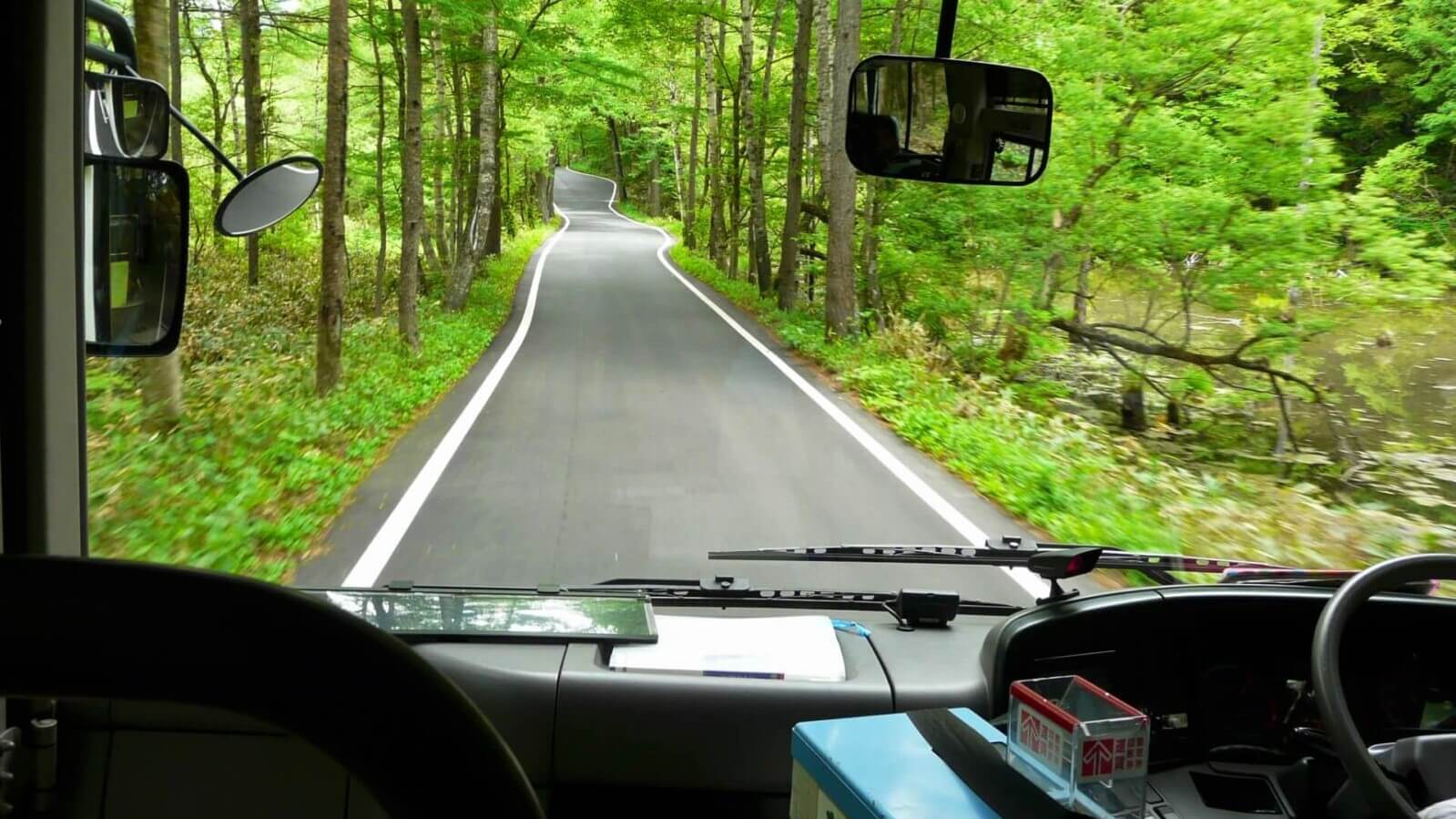
Kamikochi can be reached from either Matsumoto to the east or Takayama and Okuhida to the west. Private vehicles cannot enter the valley, so every visitor must complete the final part of the journey by bus, authorised taxi or registered tour vehicle.
From Matsumoto, the most common route uses the Kamikochi Line train to Shin-Shimashima followed by a bus into Kamikochi. Selected direct buses also operate from Matsumoto Bus Terminal during the open season.
From Takayama, take a bus to Hirayu Onsen and transfer to a Kamikochi-bound shuttle. The complete journey generally takes approximately 90 minutes, depending on the connection.
Drivers approaching from Matsumoto must park at Sawando, while drivers arriving from Takayama, Hirayu or Okuhida should use Akandana Parking Area. Shuttle buses and taxis operate from both parking areas.
Services are seasonal and may change because of weather, road conditions or congestion. For detailed routes from Matsumoto, Takayama, Nagano, Tokyo, Nagoya, Kyoto and Osaka, see our complete How to Get to Kamikochi guide.
Tours and Charters to Kamikochi
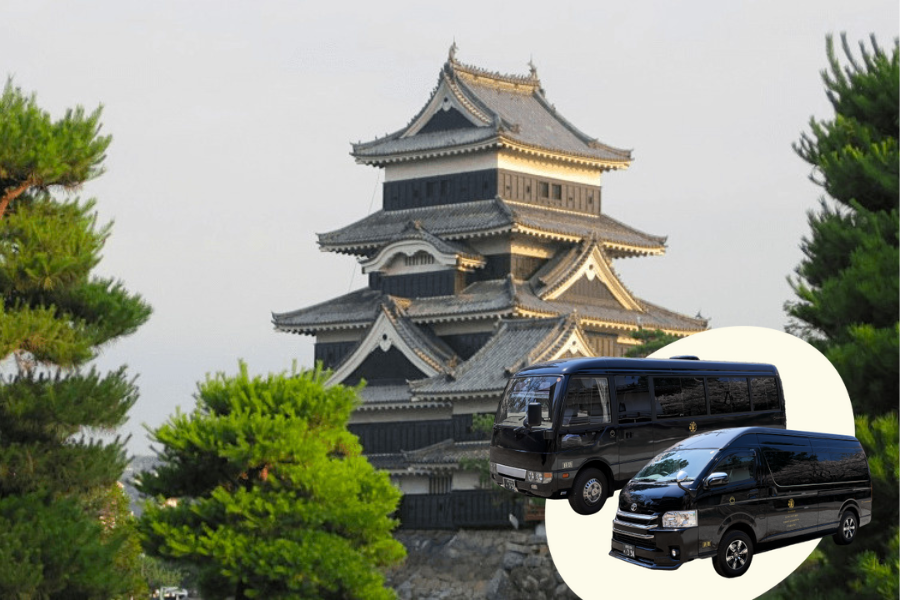
Based in Central Japan and operating April through November, we offer several highly entertaining group-tours of the Kamikochi area that is sure to please. All tours are led by locally-based guides and combine a morning activity with an afternoon hike in the breathtaking Kamikochi valley. Our tours are fun, interactive and family-friendly. For more information, or to book a tour, click on the banner or button below.
Best Selling
1-Day Tour from Nagano and Matsumoto: Kamikochi & Matsumoto Castle
- Spots:
- NaganoMatsumotoKamikochi
- Pick-up:
- Nagano CityMatsumoto
- Drop-off:
- Nagano CityMatsumoto
Our first offering is our tour of Matsumoto Castle and Kamikochi, the perfect combination of culture and nature into one easy day trip. With pick up from Nagano or Matsumoto, joining this tour is easy. Even better, you can choose to end in Takayama, making it easy to complete a through journey on to your next destination.
The reverse of the above tour, this option starts from Takayama but includes an option to end in Matsumoto or Nagano if you wish to do so. Coming from the west, you will first stop at the stunning Shinhotaka Ropeway for a ride to the top of the mountain, before continuing down the road in to the Kamikochi valley.
We aslo offer a tour of Kamikochi originating from Nagoya. This tour not only provides you with a guided tour of Kamikochi, but also stops at a flower park and farm located high in the Hida Highlands for a relaxing full-day excursion surrounded by the seasonal beauty of Japan. Nagoya is one of the main stops on the Tokaido Shinkansen Line, making this tour a great choice for travelers coming from Tokyo, Osaka, or Kyoto.
New Tour
[START FROM NAGANO/MATSUMOTO] Private Kamikochi Tour
- Spots:
- NaganoMatsumotoKamikochi
- Pick-up:
- Nagano CityMatsumoto
- Drop-off:
- Nagano CityMatsumoto
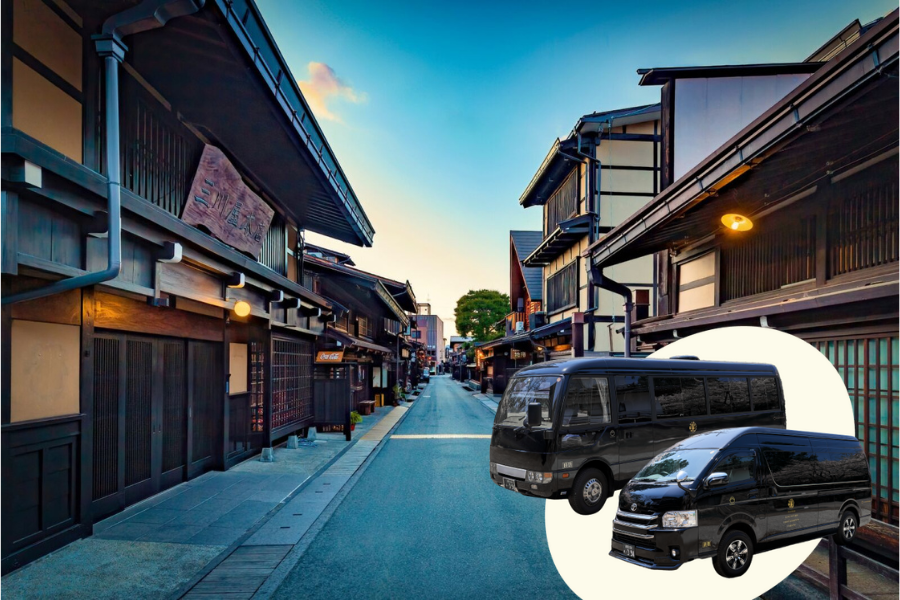
Of course, we also offer private tours and transport in and around the Matsumoto/Kamikochi area, and other regional destinations. Our drivers and vehicles are fully certified, allowing us to transport you to and from your preferred destinations in combination with any activity that suits your schedule. All vehicles are well-maintained and in good condition, allowing you to relax and enjoy your ride to wherever you are going.
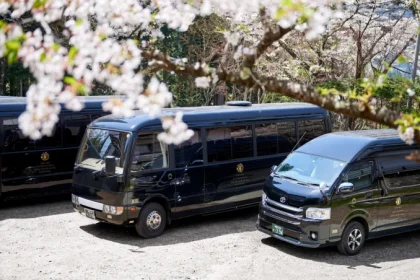
We can arrange both private tours with an English-speaking guide or a private charter, including a private vehicle and driver but without a guide. We’d love to be part of your adventure in Central Japan and help you discover even more!
Got a question about visiting Kamikochi? Click the ‘INQUIRY’ button below and let’s get planning together!
Frequently Asked Questions (FAQs)
When is Kamikochi open?
Kamikochi is normally accessible by public transport from 17 April until 15 November. Some hotels, restaurants and other facilities open later or close earlier, so check the official Kamikochi website if visiting near either end of the season.
How long should I spend in Kamikochi?
Allow at least three to four hours for a first visit, including the walk from Taisho Pond to Kappa Bridge. A full day provides enough time to complete the Myojin circuit, while an overnight stay allows you to explore longer routes and experience the valley outside the busiest hours. See our guide to the Best Places to Stay In and Around Kamikochi for accommodation options.
Is Kamikochi suitable for people who do not hike?
Yes. Kappa Bridge is approximately five minutes on foot from the Kamikochi Bus Terminal, and several of the valley’s most popular trails are mostly level. Visitors with limited mobility should be aware that paths may include gravel, uneven ground and raised wooden boardwalks.
Can I drive directly into Kamikochi?
No. Private cars and rental vehicles are prohibited. Drivers must park at Sawando on the Matsumoto side or Akandana near Hirayu Onsen, then continue by shuttle bus or authorised taxi. See our How to Get to Kamikochi guide for routes, parking and transport information.
Can Kamikochi be visited as a day trip?
Yes. Kamikochi is a popular day trip from Matsumoto, Takayama and Hirayu Onsen. It can also be visited from Nagano or Nagoya, although these journeys require an early start or a guided tour. Check the final return service before beginning a long walk.
Can I store luggage at Kamikochi?
Yes. Staffed baggage storage is available inside the Kamikochi Bus Terminal. There are no coin lockers, and the baggage counter closes before some of the final buses, so confirm its opening hours when leaving your luggage.
What should I wear in Kamikochi?
Wear comfortable walking shoes and bring layered clothing, rain protection and sun protection. Weather can change quickly, and the valley is usually much cooler than nearby cities. Warm clothing is particularly important during spring, autumn, early mornings and rainy weather.
Are there bears in Kamikochi?
Yes. Asian black bears inhabit Kamikochi and the surrounding Chubu Sangaku National Park, although encounters are uncommon. Make noise on quiet trails, pay attention to recent sighting notices and keep food secure. Never approach or feed any wild animal.
Can I camp in Kamikochi?
Yes. Designated campsites are available at locations including Konashidaira, Tokusawa and Yokoo. Camping outside designated areas is prohibited. Rules, operating periods and reservation requirements vary, so check the official Kamikochi accommodation information before arriving.
Can I visit Kamikochi during winter?
Kamikochi’s road, public transport, hotels and visitor facilities close from 16 November until mid-April. Winter entry requires travelling on foot through deep snow and severe mountain conditions. It should only be considered by experienced, properly equipped visitors, preferably with a qualified guide.
Are food and toilets available inside Kamikochi?
Yes. Restaurants, cafes and shops are concentrated around the bus terminal and Kappa Bridge, with additional facilities at Taisho Pond, Myojin and Tokusawa. Public toilets are available at several locations, and some request a small maintenance contribution.
Do I need to pay to enter Kamikochi?
There is no general admission fee for Kamikochi. Transport, parking and some individual attractions carry separate charges. Myojin Pond currently costs ¥500 for adults and ¥200 for primary school children.