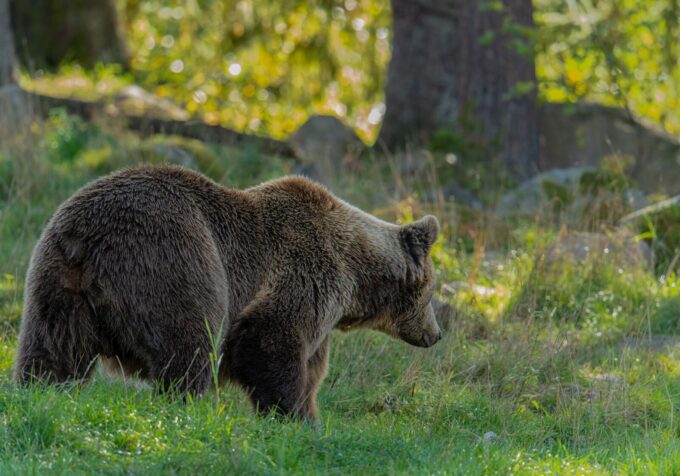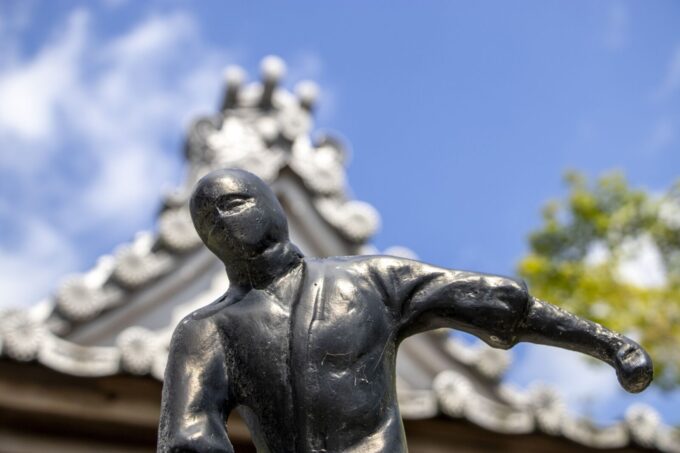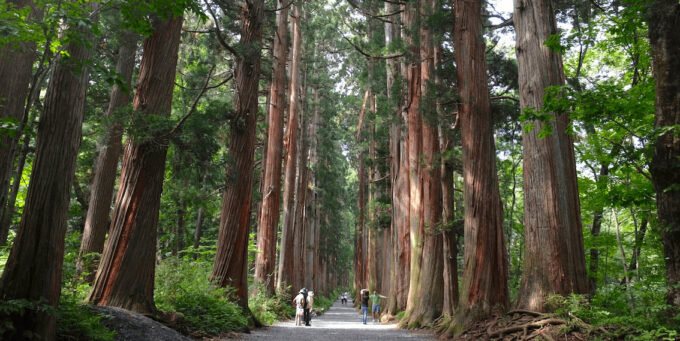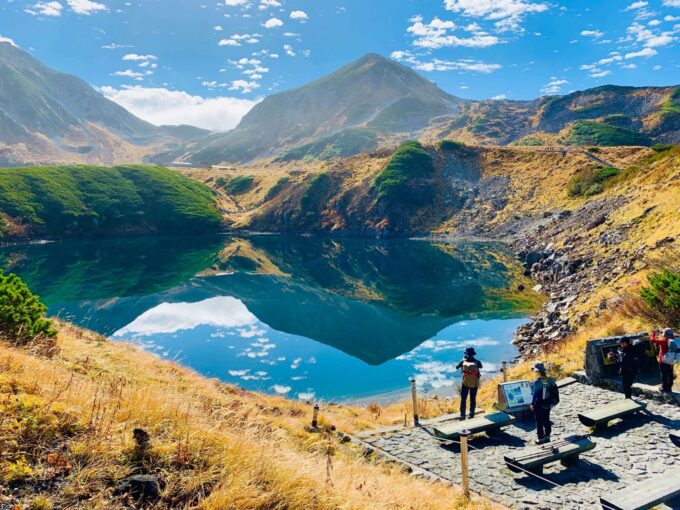
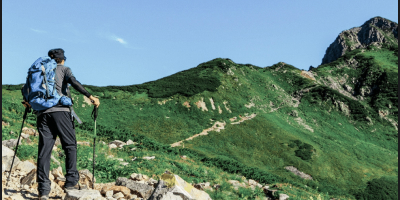


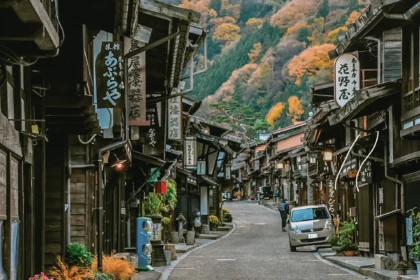
Most famous for the historic Nakasendo Trail and its beautifully preserved "post towns," the Kiso Valley is blessed with some of Central Japan’s most beautiful natural landscapes and cultural sites. The region is home to pristine forests, emerald rivers, and a mountainous landscape dominated by summit of Mount Ontake—Japan’s second tallest volcano.
On this page you will find the following information:
Best Things to do Around Kiso Valley & Nakasendo
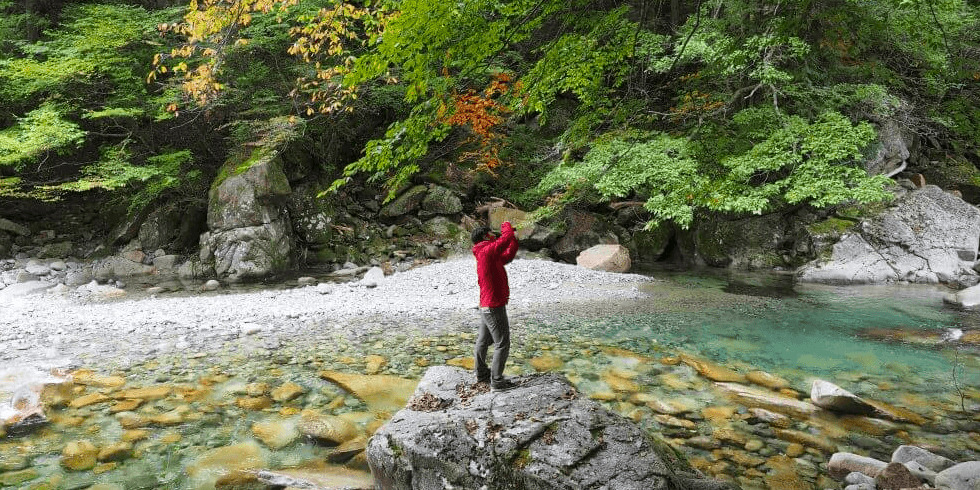
Most famous for the historic Nakasendo Road and its beautifully preserved post towns, including Narai, Tsumago and Magome, the Kiso Valley is one of Central Japan’s most rewarding destinations. A place of natural beauty, the valley follows the Kiso River leading visitors deep into the heart of Japan, along forested trails leading to emerald rivers and waterfalls and onto the pilgramage trails of the ‘Ontake Kodo’ leading to the summit of Mount Ontake – a sacred mountain and Japan’s second tallest volcano after Mount Fuji. Here's our suggestion of of some of the best destinations and activities on offer:
1 / Magome-juku / all year round
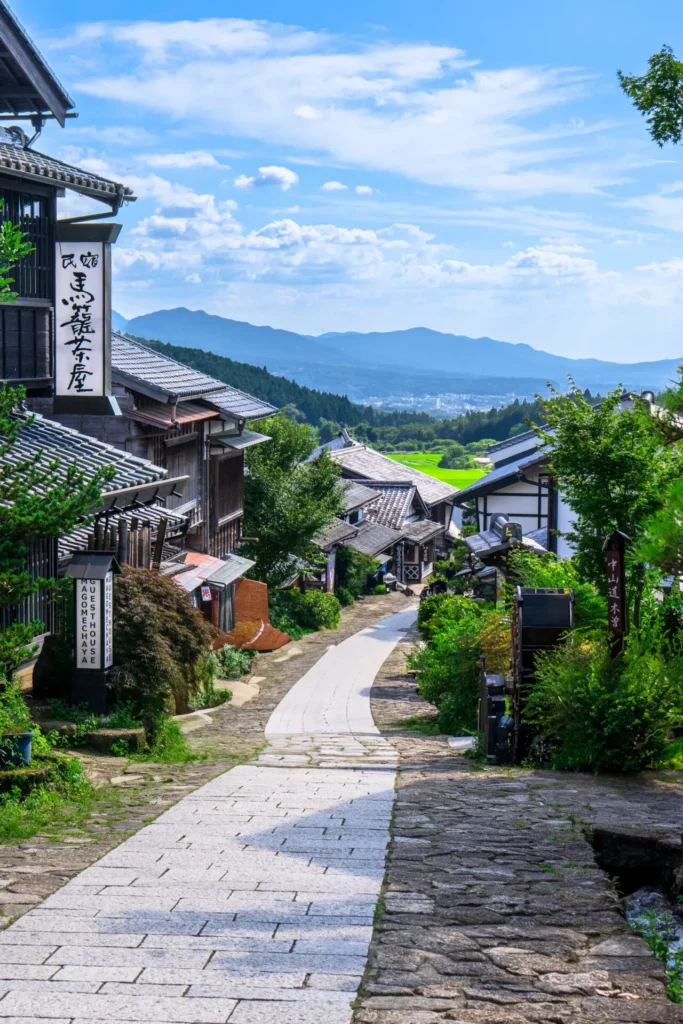
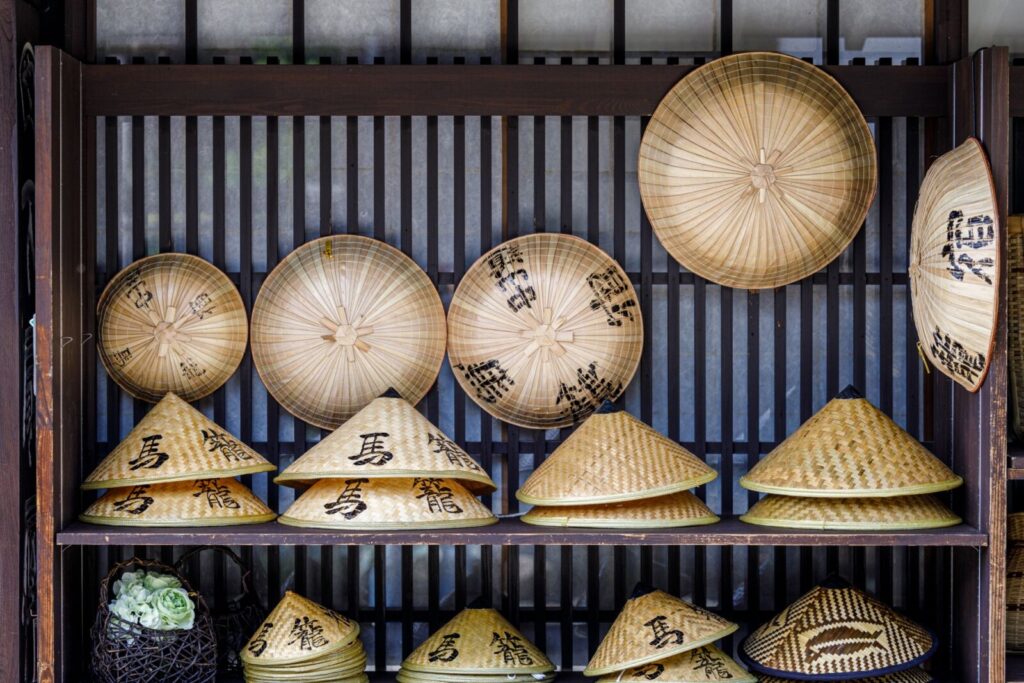
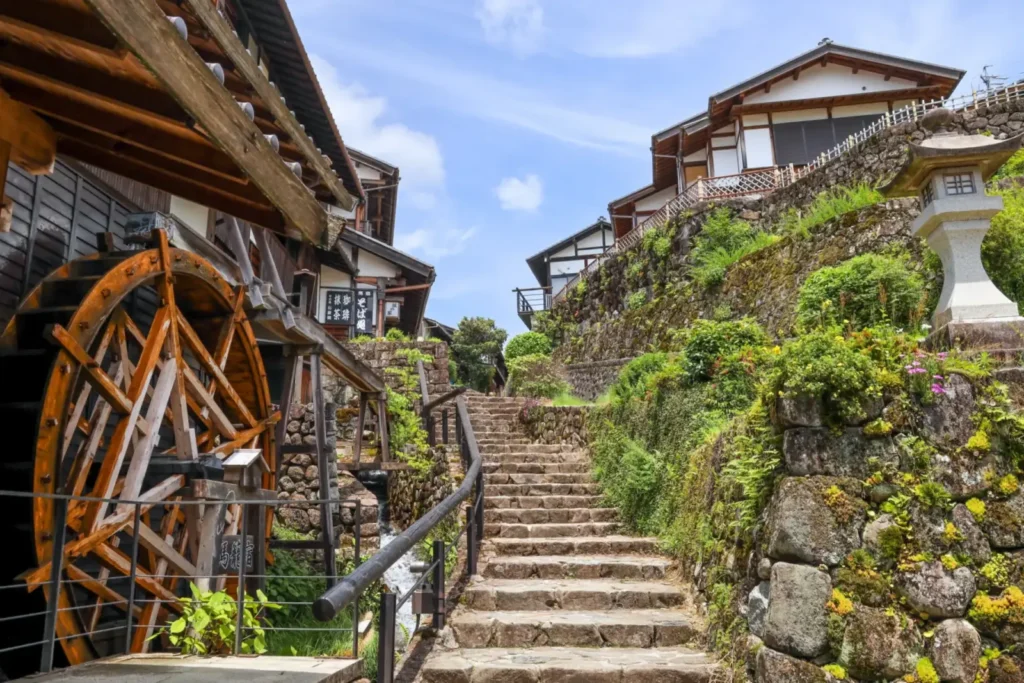
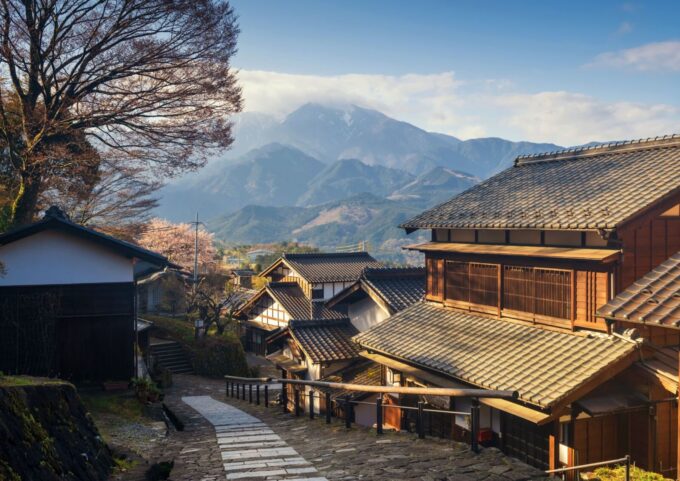
This beautiful historic post town was built on a hillside and is lined with a cobblestone path. One of Magome’s most iconic features is its wooden watermill which still operates to this day. You will also find many places to buy souvenirs and a bite to eat. Magome makes a great ending point for the Nakasendo Trail.
Recommended Tour: Experience the beauty and history of Japan on a guided journey along the Nakasendo Trail, exploring the preserved post towns of Tsumago-juku and Magome-juku. The Nakasendo Trail and Post Towns Private Hike from Nagoya combines culture, hiking, and scenic views of rural Japan at a relaxed pace and a dedicated guide and driver.
New Tour
[FROM NAGOYA] Nakasendo Trail and Post Towns Private Hike
- Spots:
- NagoyaKiso Valley
- Pick-up:
- Nagoya
- Drop-off:
- Nagoya
2 / Tsumago-juku / all year round
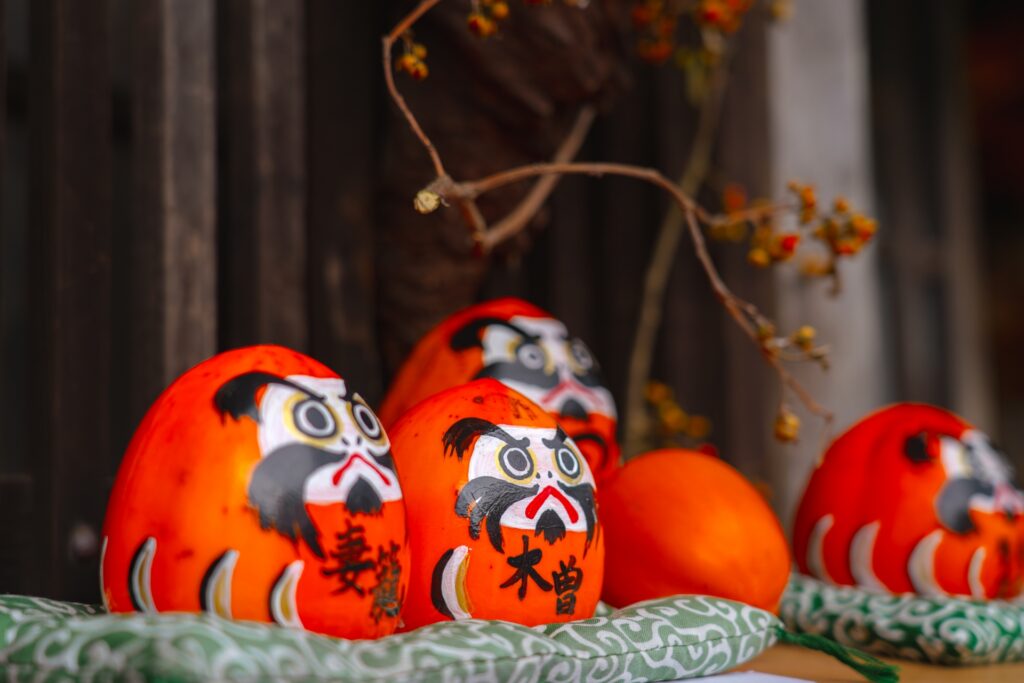
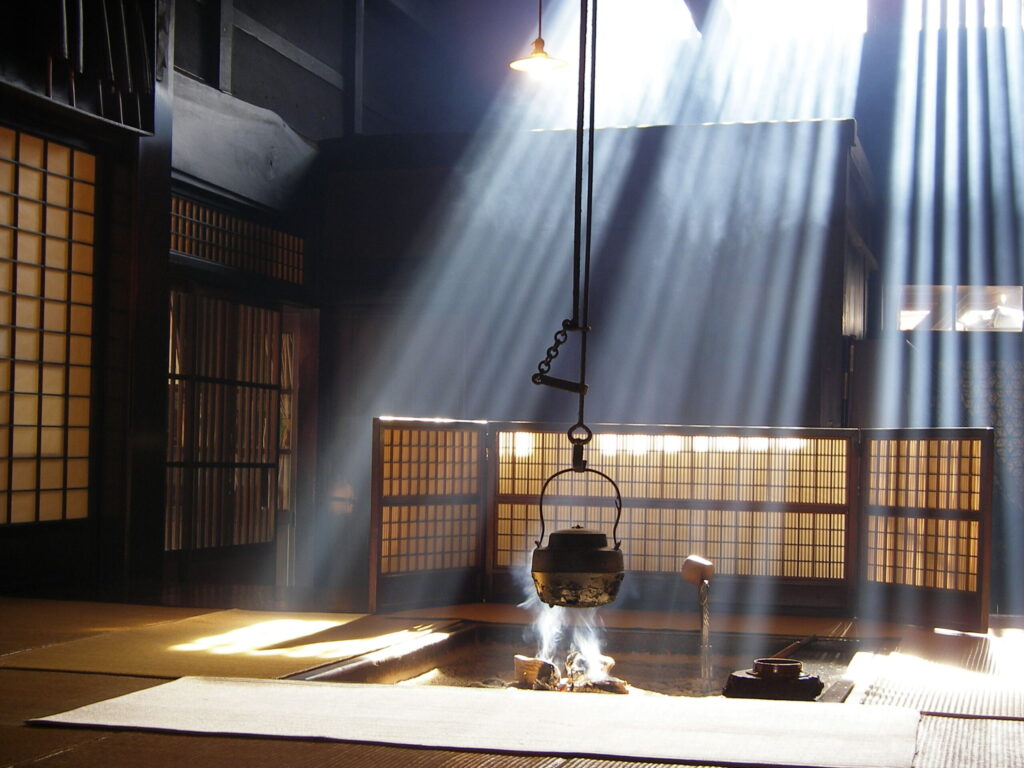
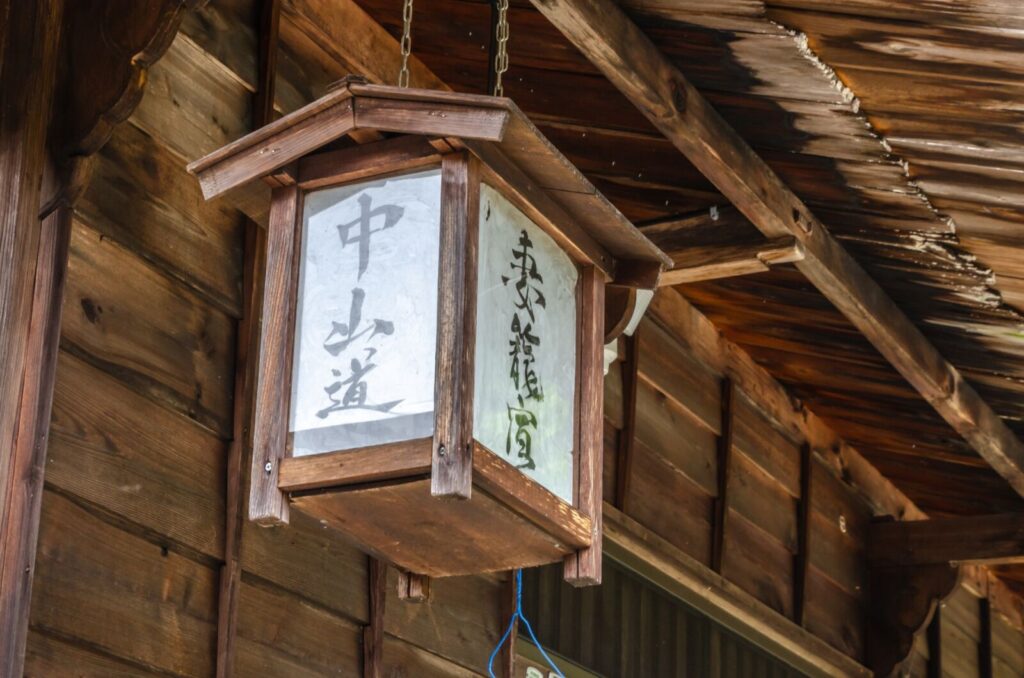
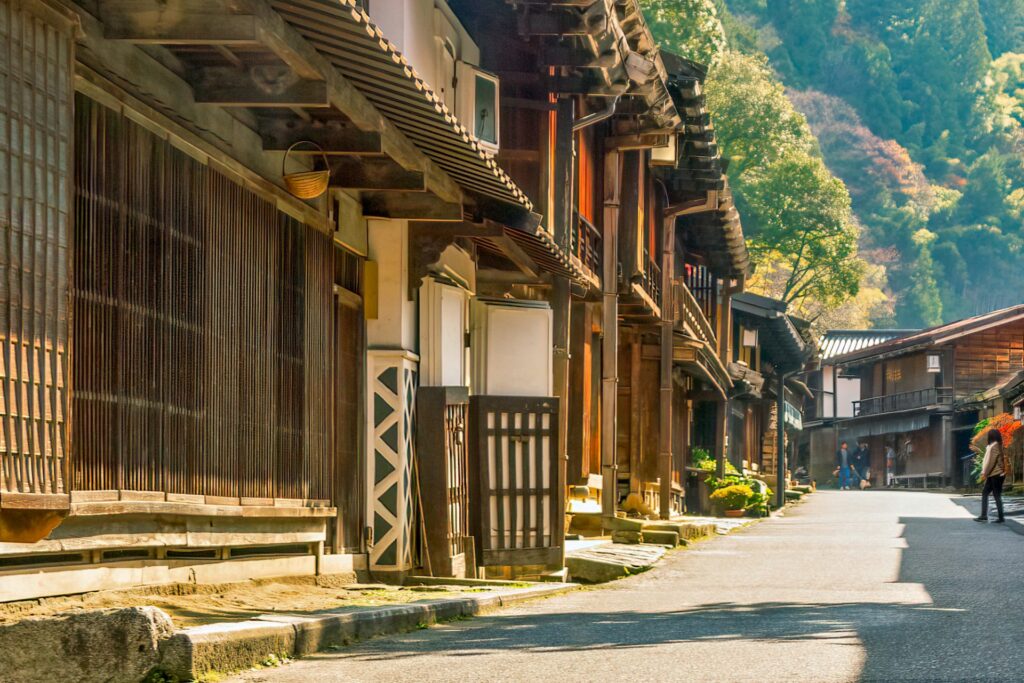
Tsumago is one of Kiso’s most well-preserved post towns. Here, you can see inns that are up to 300 years old. Other highlights include a former horse stable, a luxurious inn built once used by the daimyo and other high-ranking officials, and a museum that showcases the history of and artifacts from Kiso.
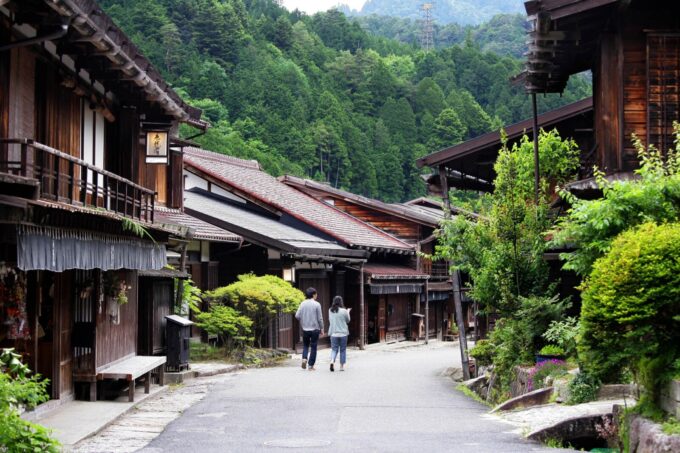
Recommended Tour: Step into the past and experience life in rural Japan as you hike the Nakasendo trail from Tsumago-juku to Magome-juku on Snow Monkey Resort's highly rated 1-Day Tour from Nagoya: Hiking the Historic Nakasendo Trail.
Best Selling
1-Day Tour from Nagoya: Hiking the Historic Nakasendo Trail
- Spots:
- NagoyaKiso Valley
- Pick-up:
- Nagoya
- Drop-off:
- Nagoya
Popular
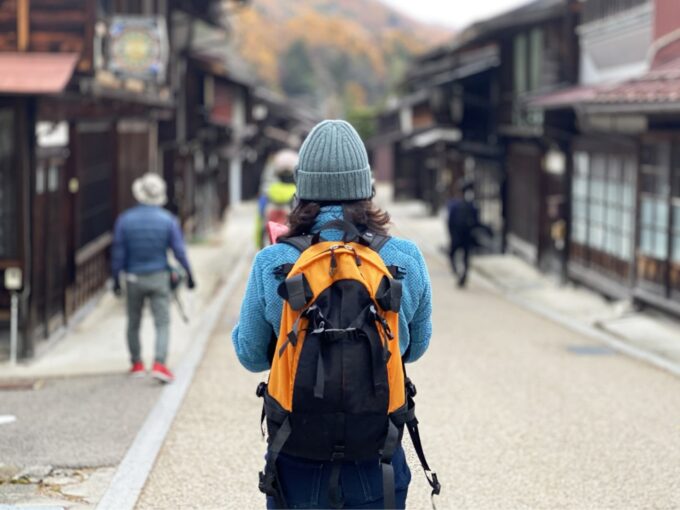
1-Day Tour from Nagano and Matsumoto: Step into the Past on the Nakasendo
- Spots:
- NaganoMatsumotoKiso Valley
- Pick-up:
- Nagano CityMatsumoto
- Drop-off:
- Nagano CityMatsumoto
3 / Walk the Nakasendo Trail: Magome - Tsumago / best: April to November
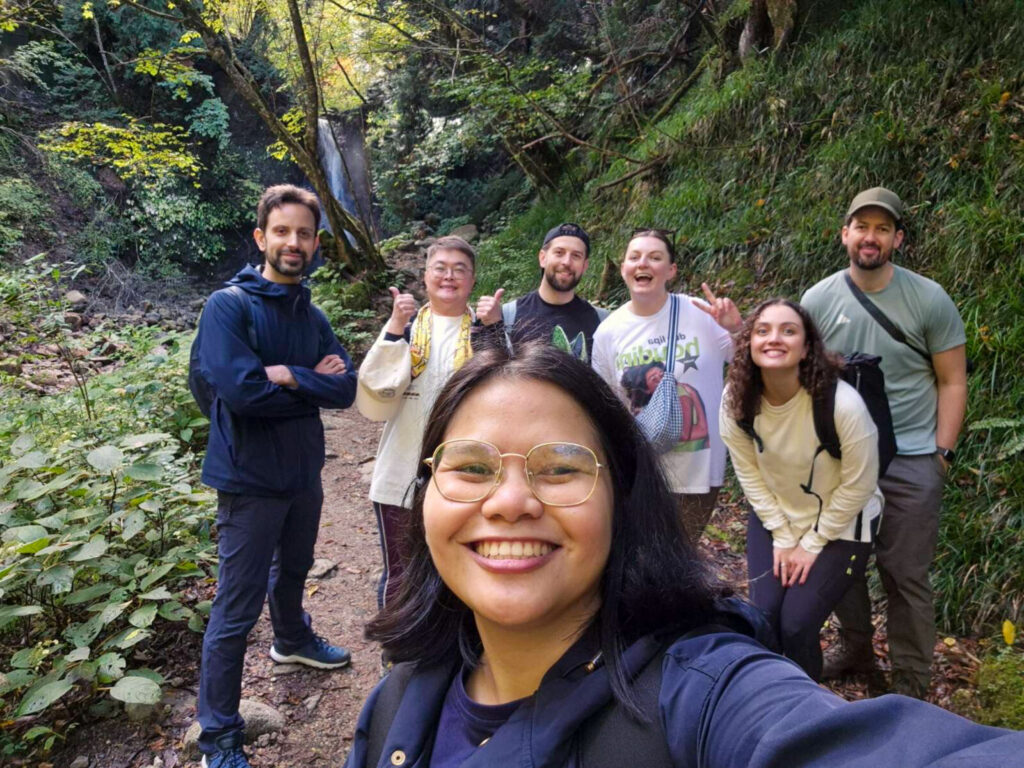
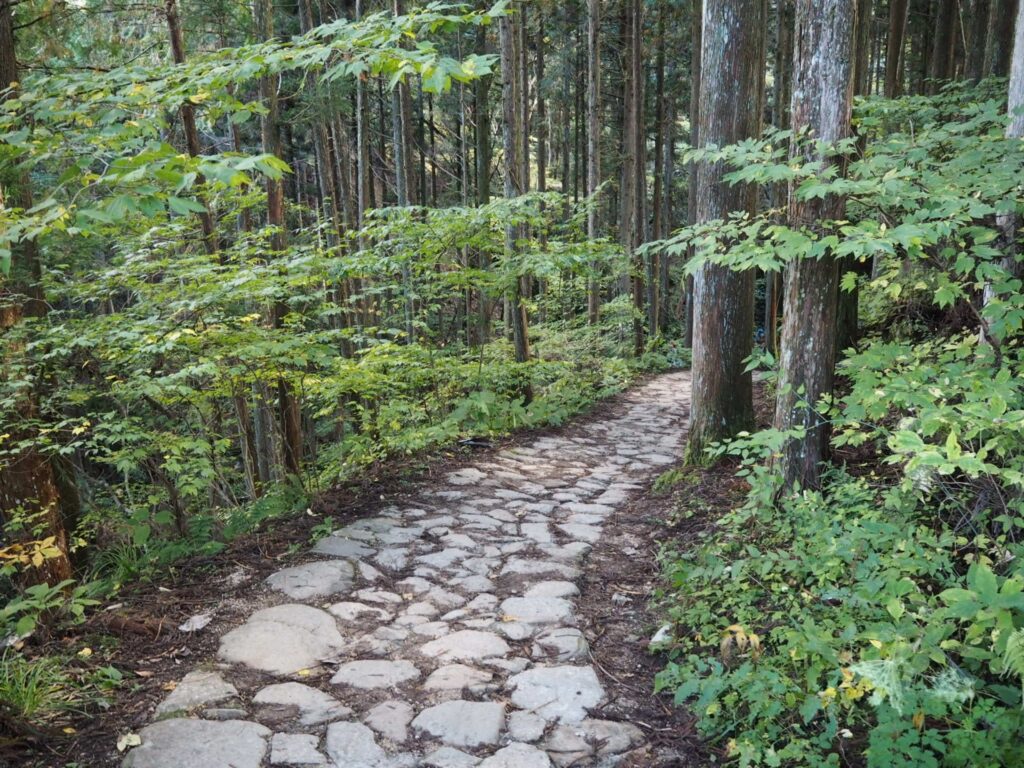
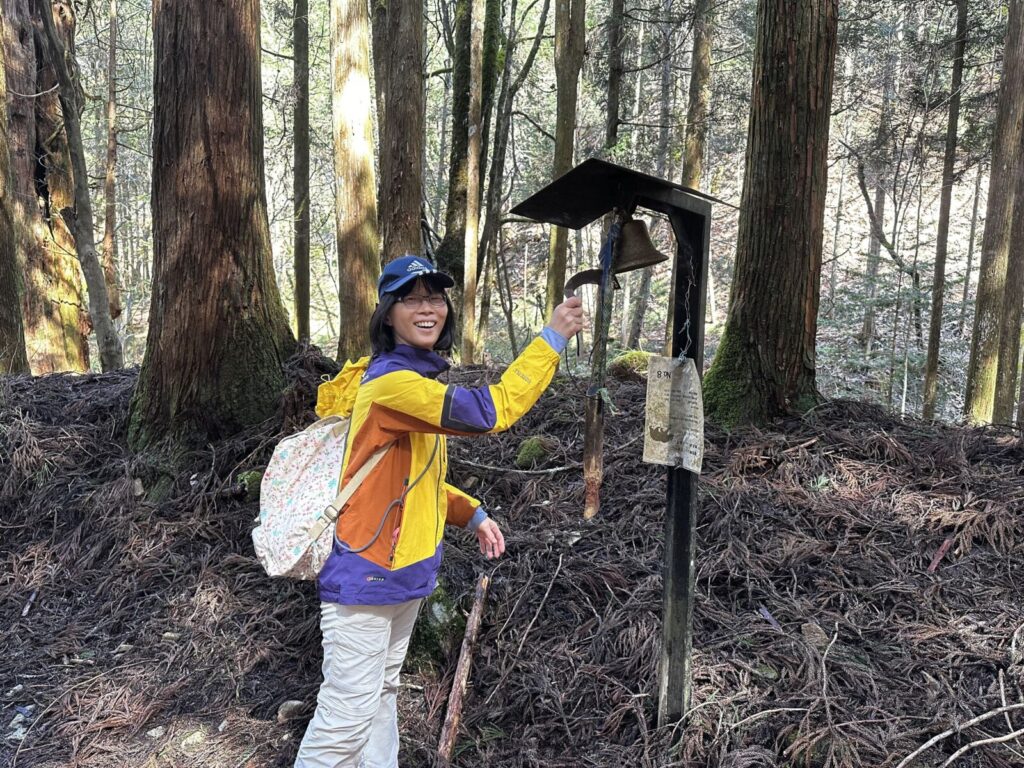
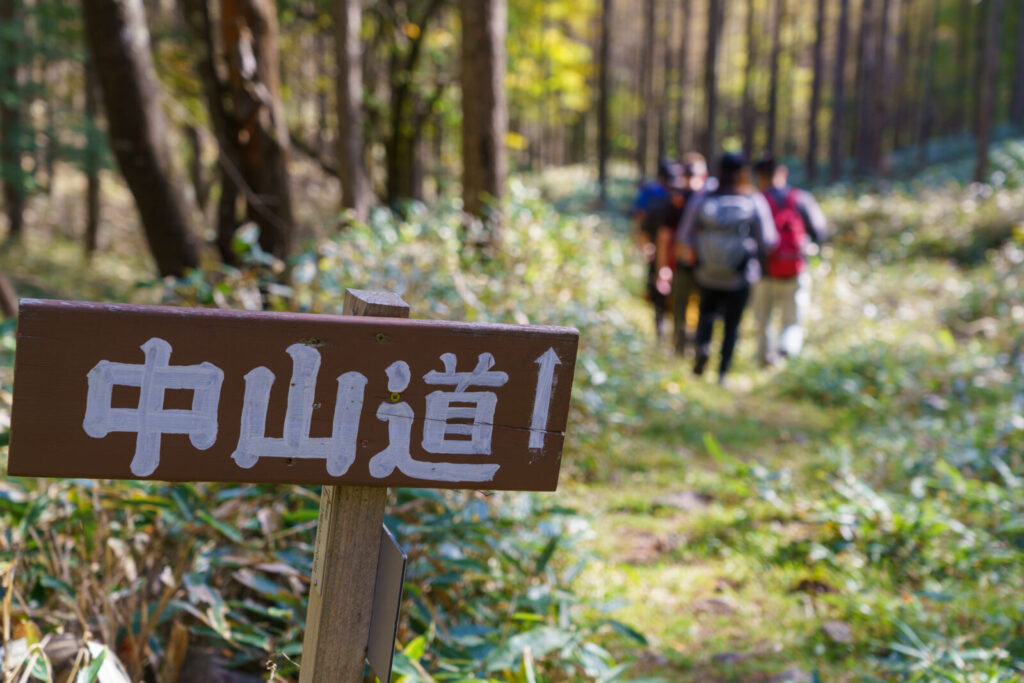
This 7.8km stretch of the Nakasendo Trail is the perfect way to experience both the history and the nature of Japan in one shot. The path that connects Magome and Tsumago is a somewhat gentle trail that takes you through a mixed landscape of forest, farmlands and villages starting/ending with Magome or Tsumago (the trail can be hiked in either direction).
At the halfway point, you can take a break at a traditional Edo Period rest house that offers free green tea to visitors. Though it's also a good idea to carry water, drinks and snacks with you—especially between the months of May and September when conditions are hot and humid.
The trail is technically open all year round however best-enjoyed from April until November. Anyone attempting to walk during winter - from December until March - needs to be adequately prepared and fit, as the trail can be affected by heavy snow. If you want to walk the trail during winter, you should consider arranging a local guide.
4 / Narai-juku / all year round
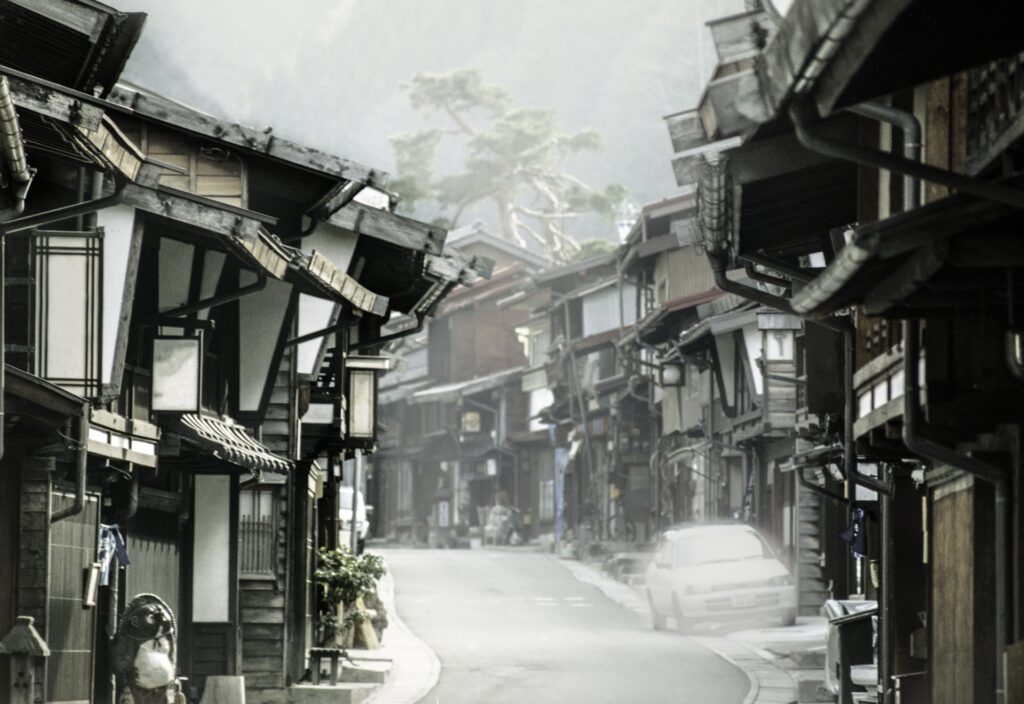
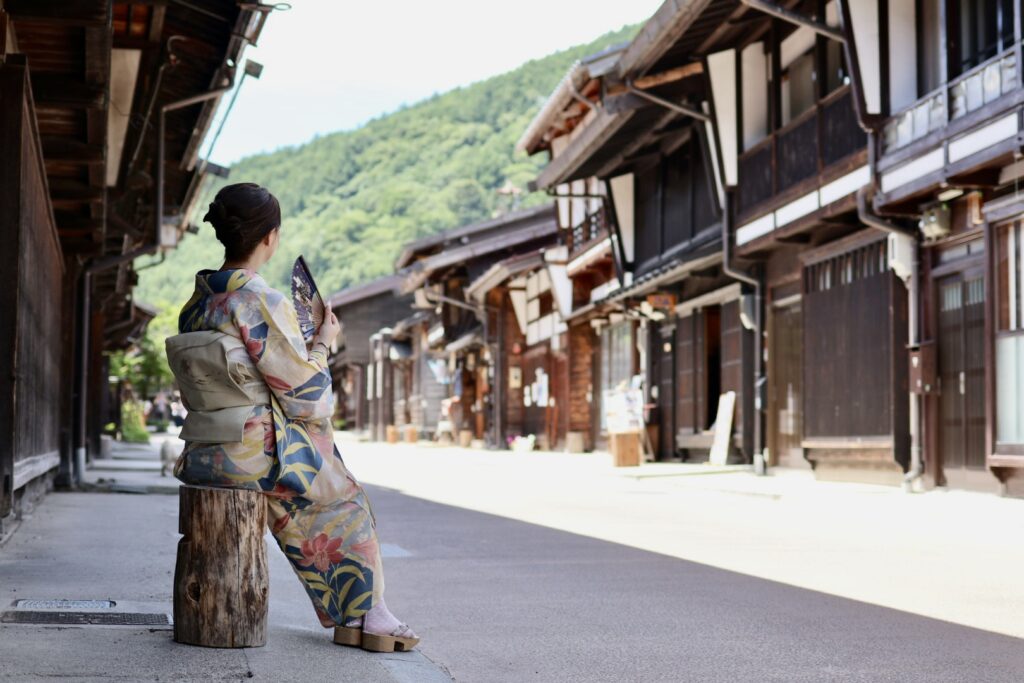
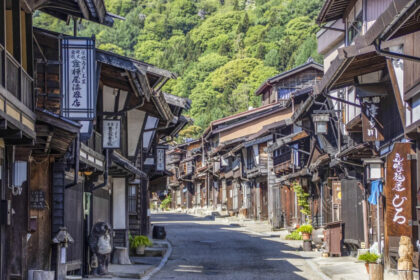
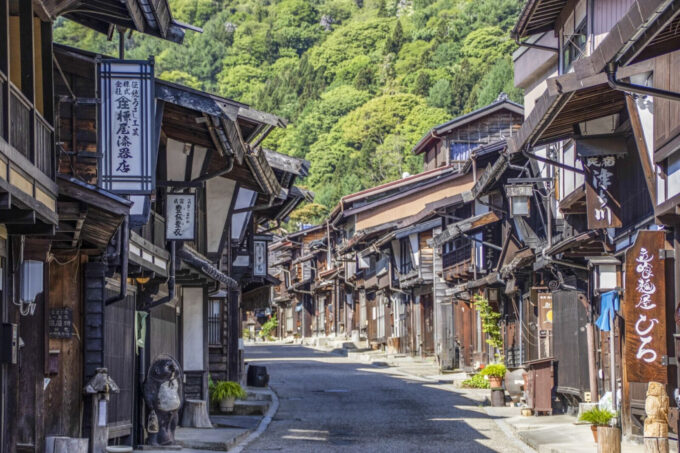
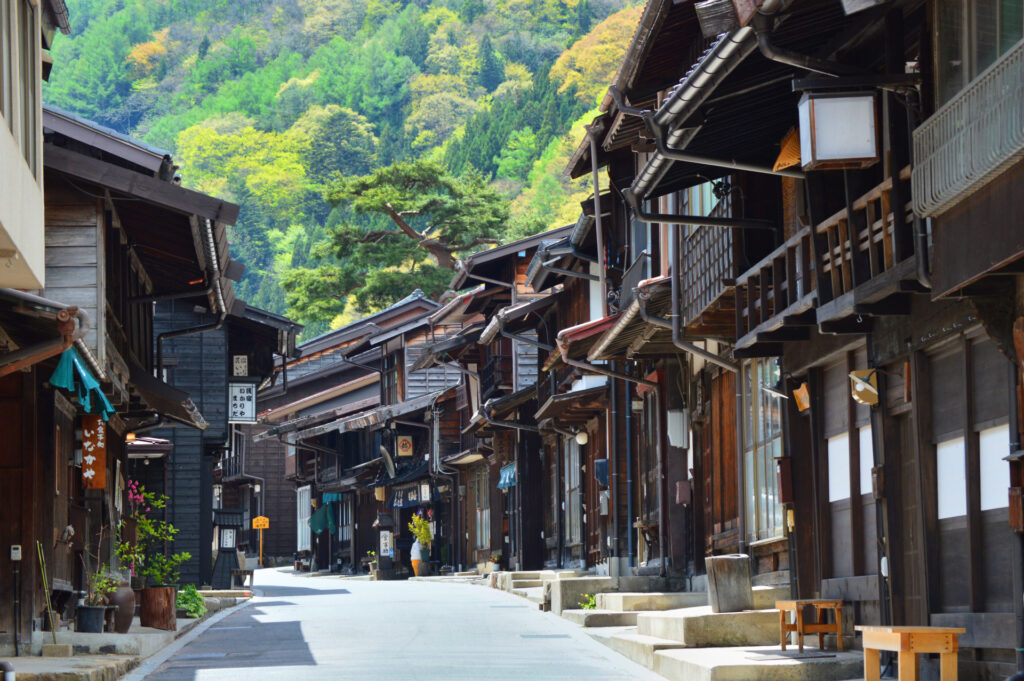
Narai was the wealthiest of all the post towns in Kiso and it also has the longest stretch of historic inns that are so well-preserved that the townscape remains almost unchanged since the Edo period. Besides the historic buildings, you will find many excellent restaurants and traditional craftsmanship shops as well. You can access the Nakasendo trail from Narai and walk over Toritoge Pass to the next post town.
Popular
1-Day Tour from Nagano and Matsumoto: Experience Matsumoto Castle and Narai-juku
- Spots:
- NaganoMatsumotoKiso Valley
- Pick-up:
- Nagano CityMatsumoto
- Drop-off:
- Nagano CityMatsumoto
5 / Walk the Nakasendo: Yabuhara - Narai / best: April to November
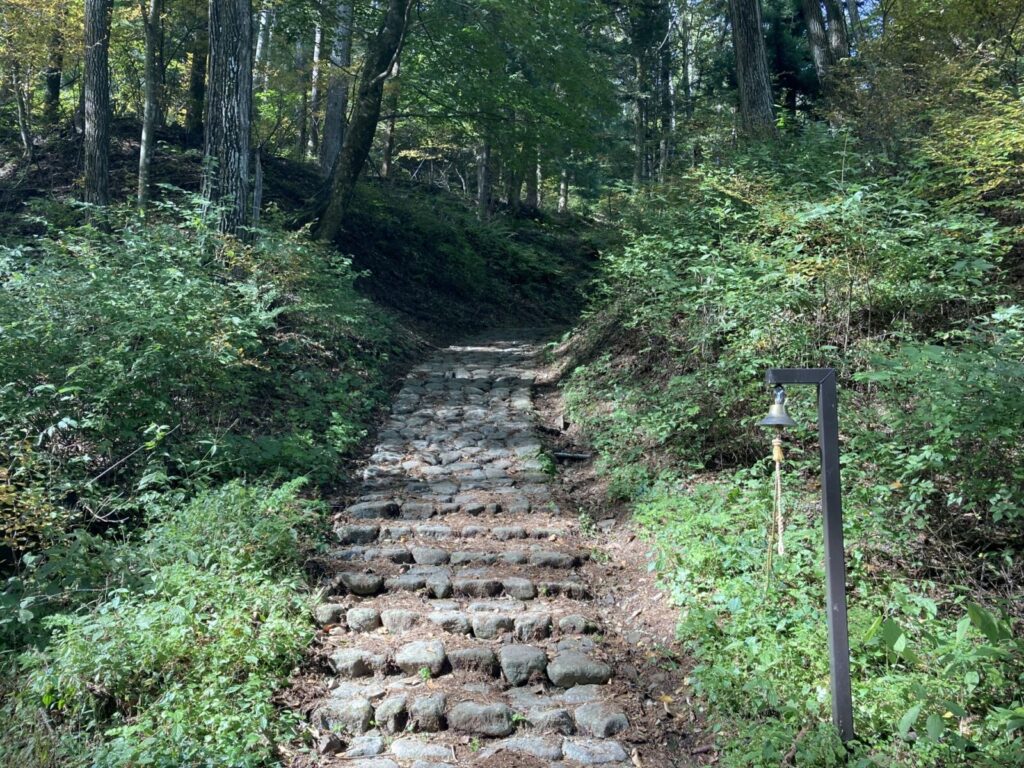
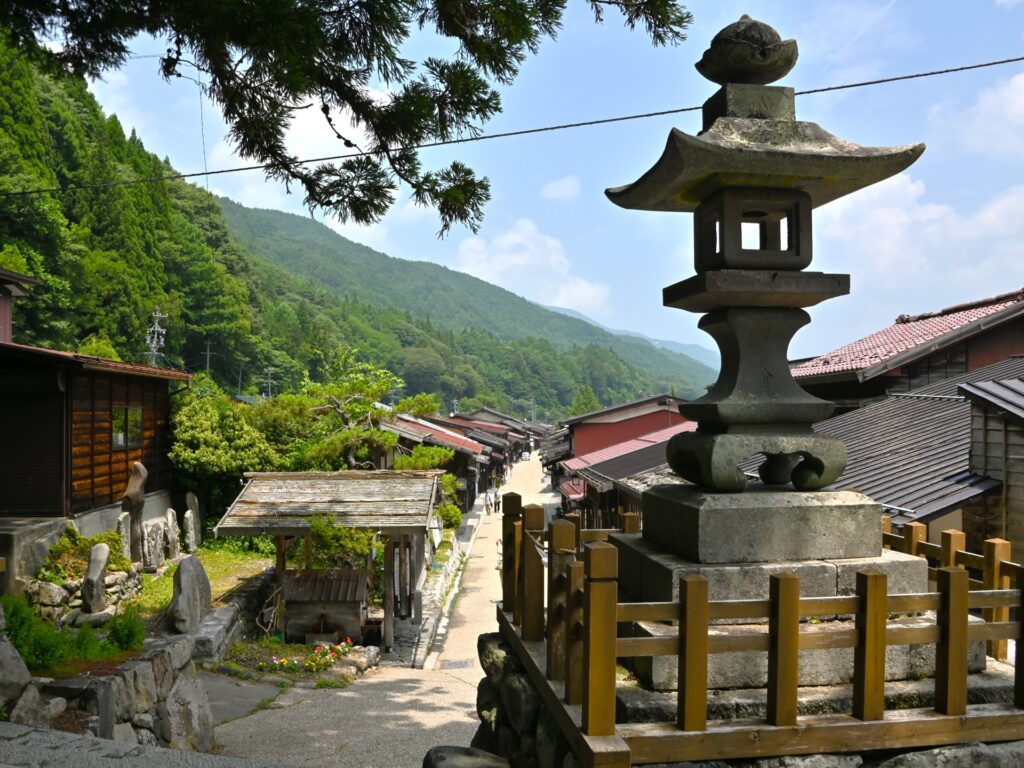
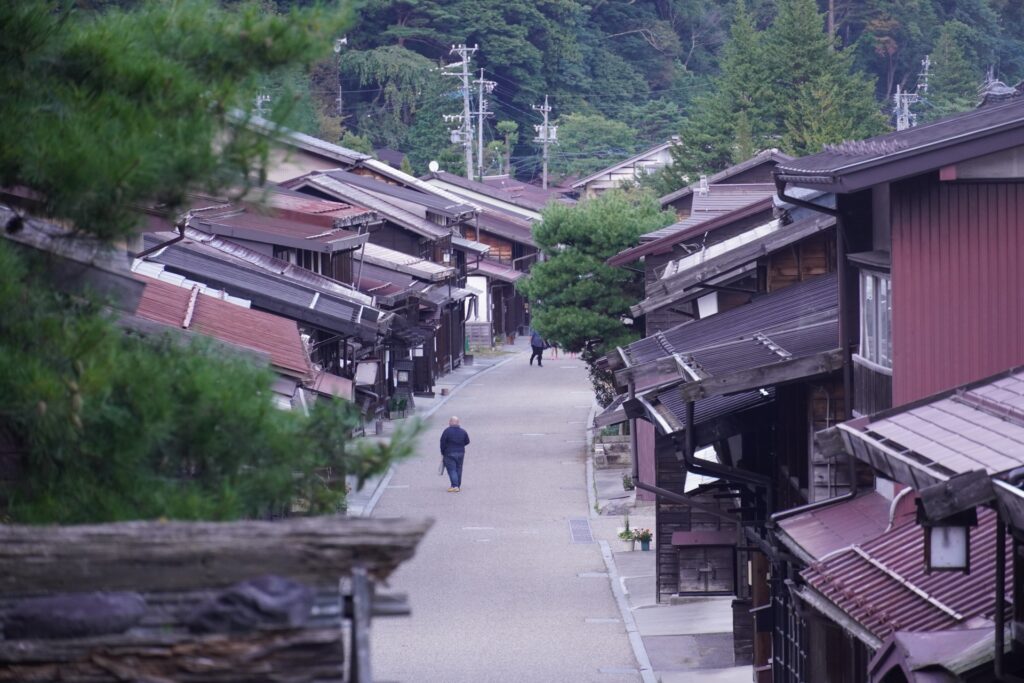
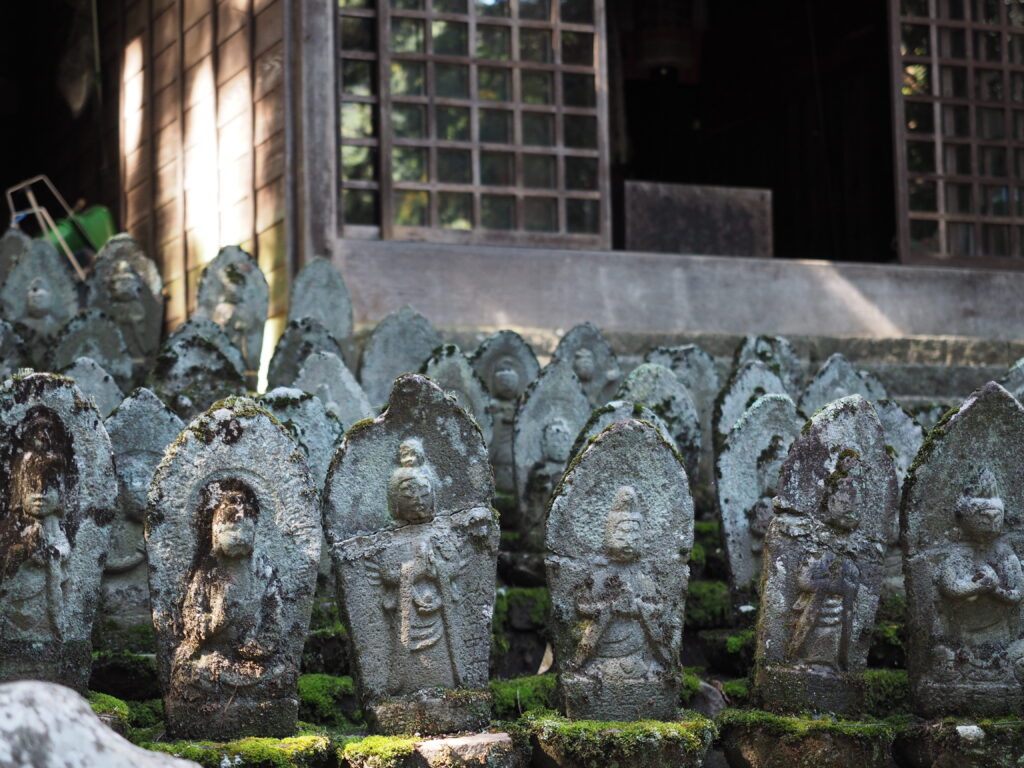
This section of Nakasendo Trail runs 6 kilometers through the forest and connects the two post towns of Yabuhara and Narai. The path crosses over the Torii-toge Pass, which is 1,197 meters at its highest point, and is well-maintained and shaded by plenty of trees. Look for stone haiku monuments featuring Basho’s poems and Buddhist statues along the way.
6 / Naegi Castle Ruins / all year round
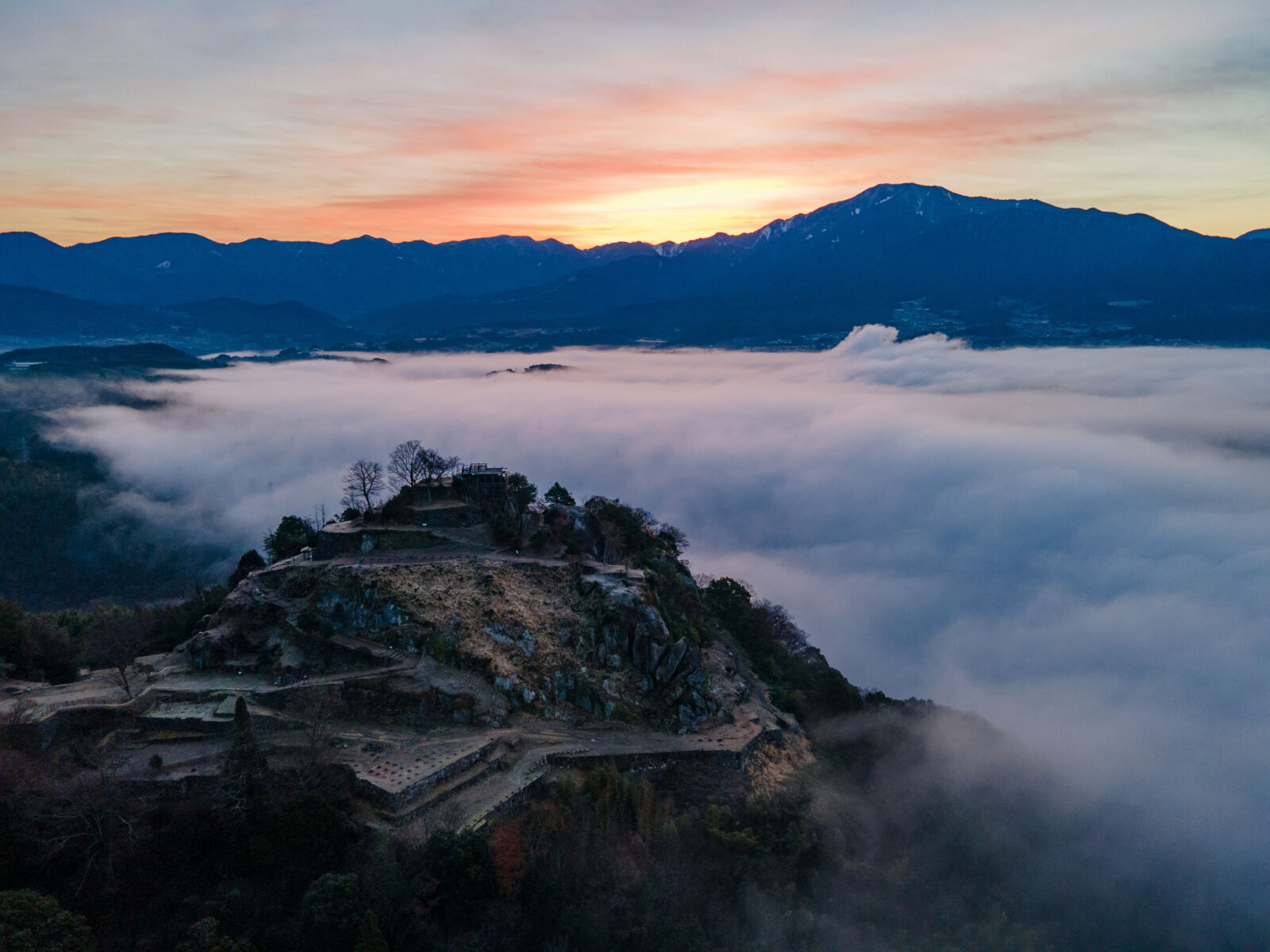
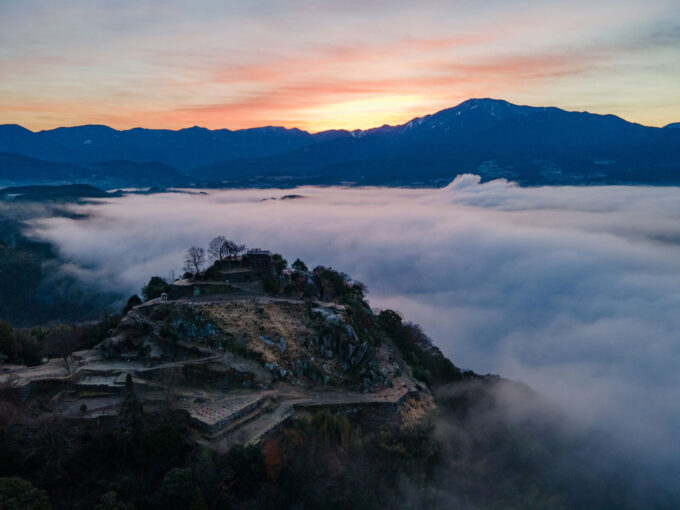
Naegi Castle was constructed over 400 years ago and sits 432 meters above the beautiful Kiso River in Gifu Prefecture. Though little more than ruins remain of this impressive structure, the natural and man made foundation stones combine to give these castle ruins a truly unique and impressive appearance, earning Naegi Castle the nickname of “the Machu Picchu of the East.”
For those interested in touring these impressive ruins, we can arrange both private tours with an English-speaking guide or a private charter.
7 / Akasawa Natural Recreational Forest & Otaki Forest Railway / best: April to November
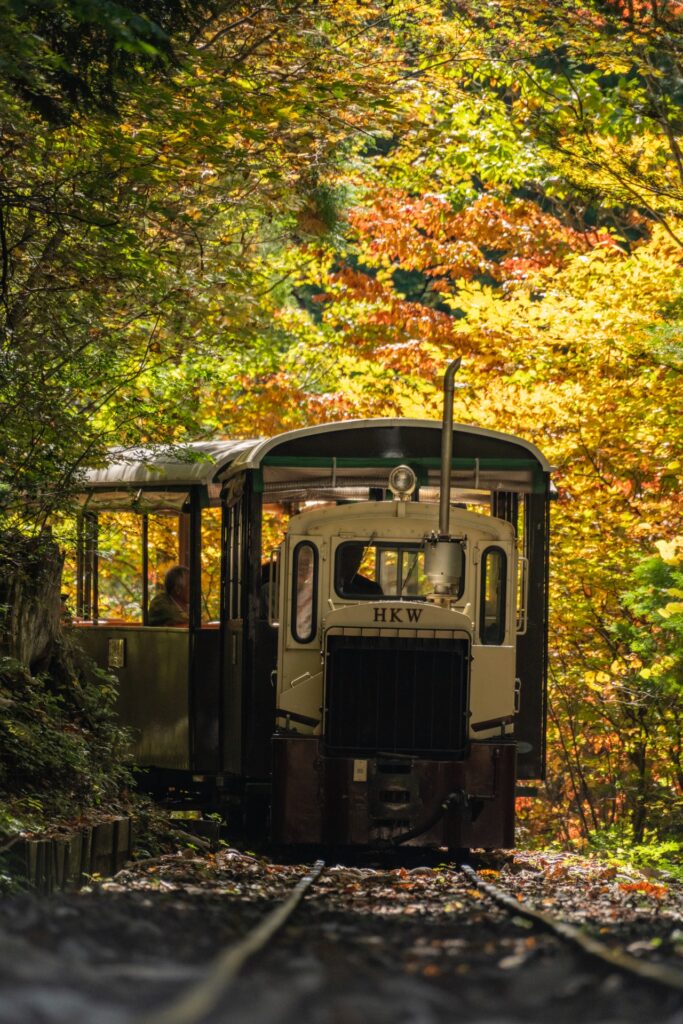
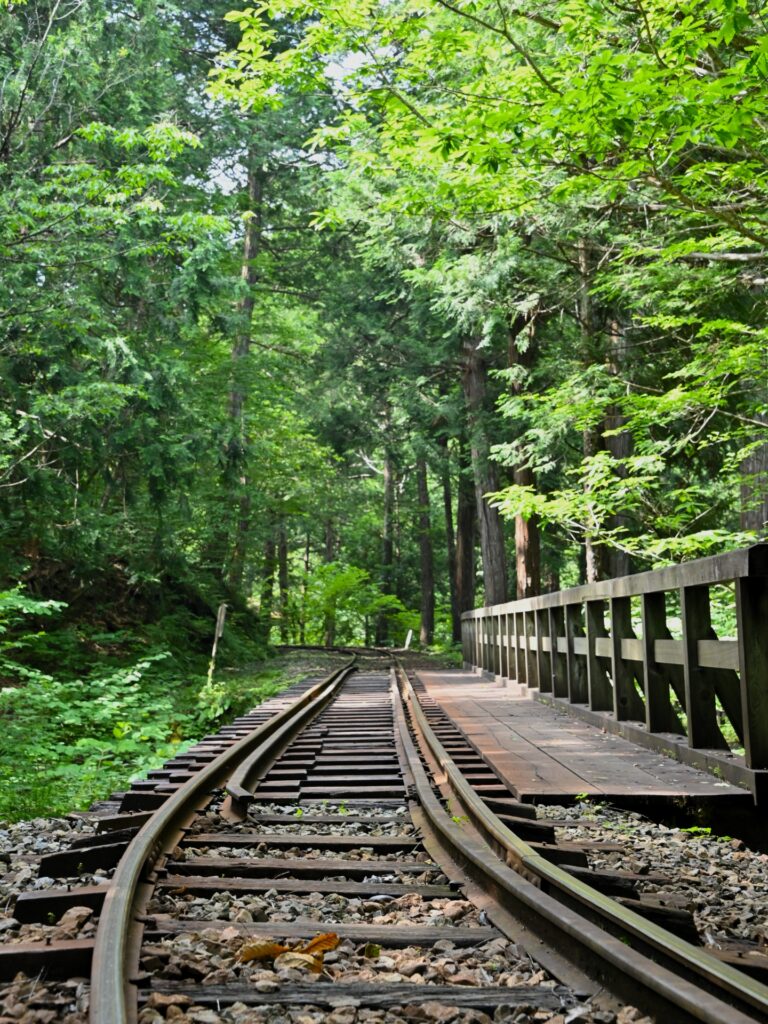
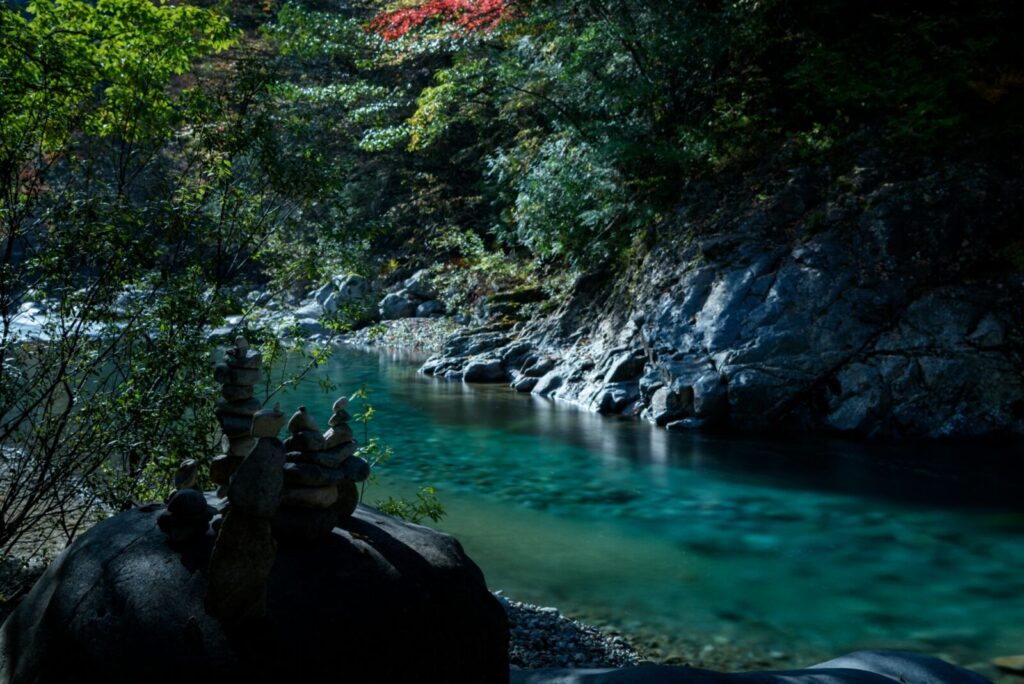
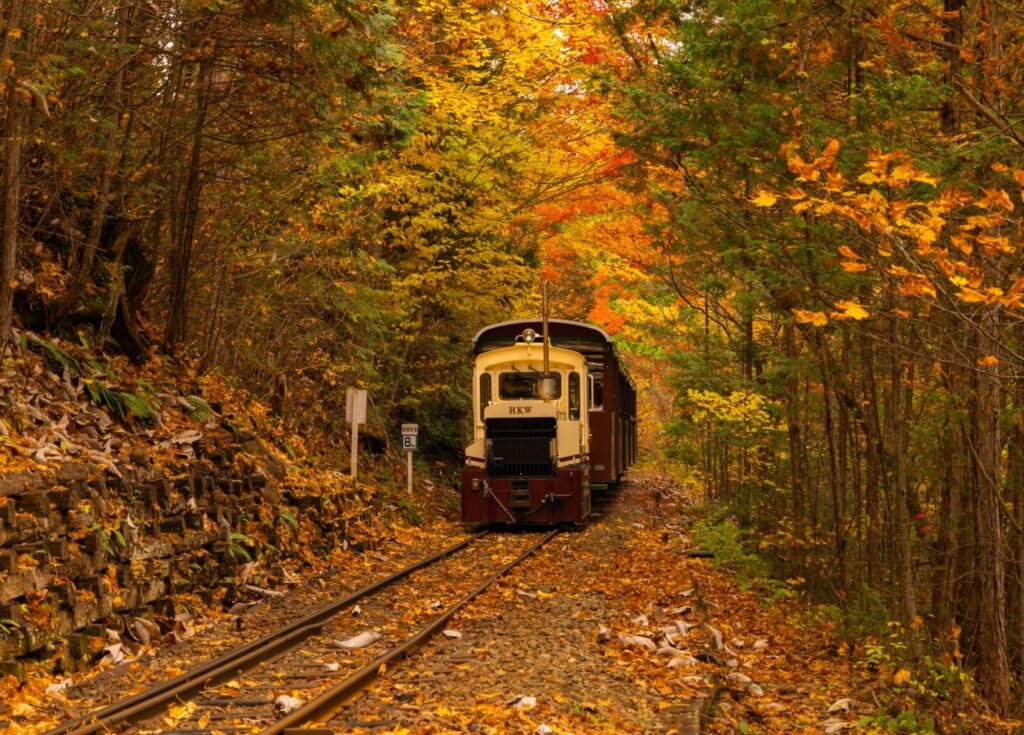
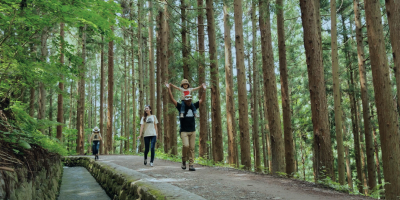
The Akasawa Natural Recreational Forest is considered one of the most beautiful in Japan and grows with hinoki cypress trees that are up to 300 years old. The Otaki Forest Railway train was originally built in 1916 to transport lumber as well as people and it still runs today purely for sightseeing. Walking the paths and taking the train through the forest is the perfect way to refresh yourself in nature.
8 / Atera Gorge / all year round
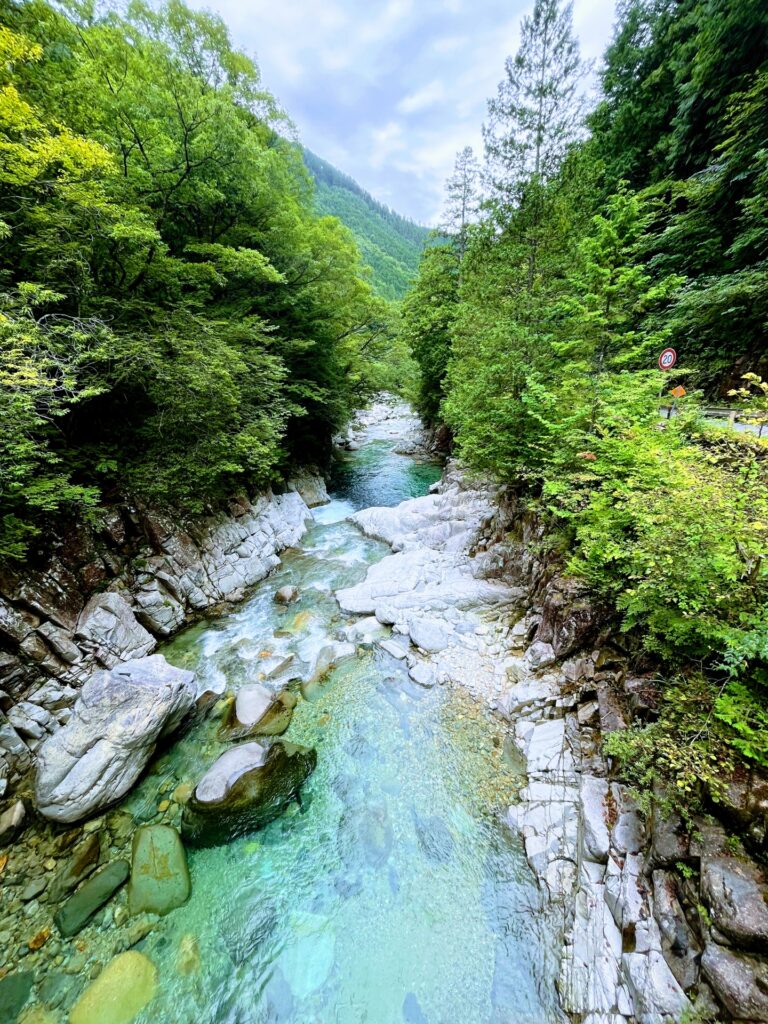
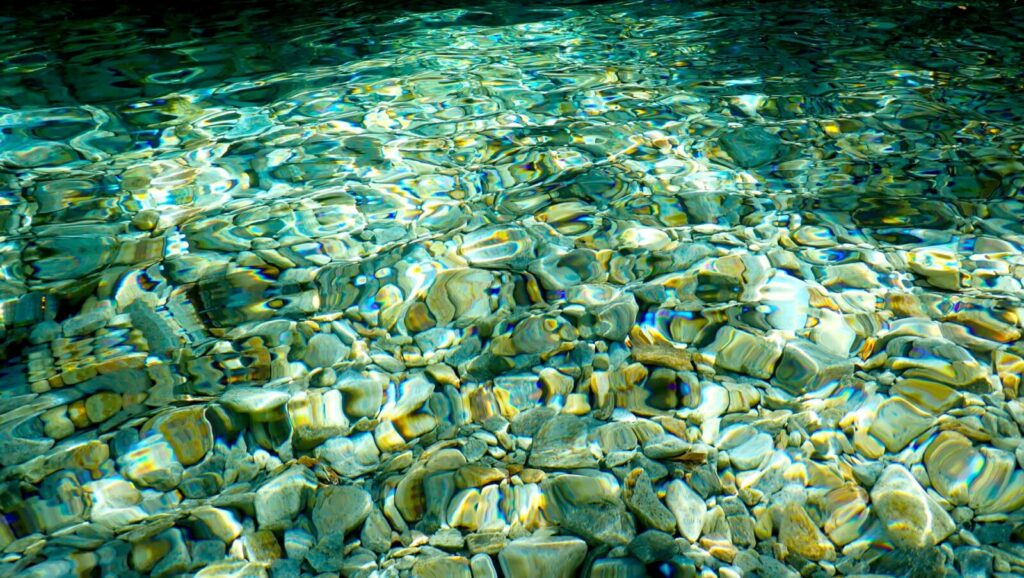
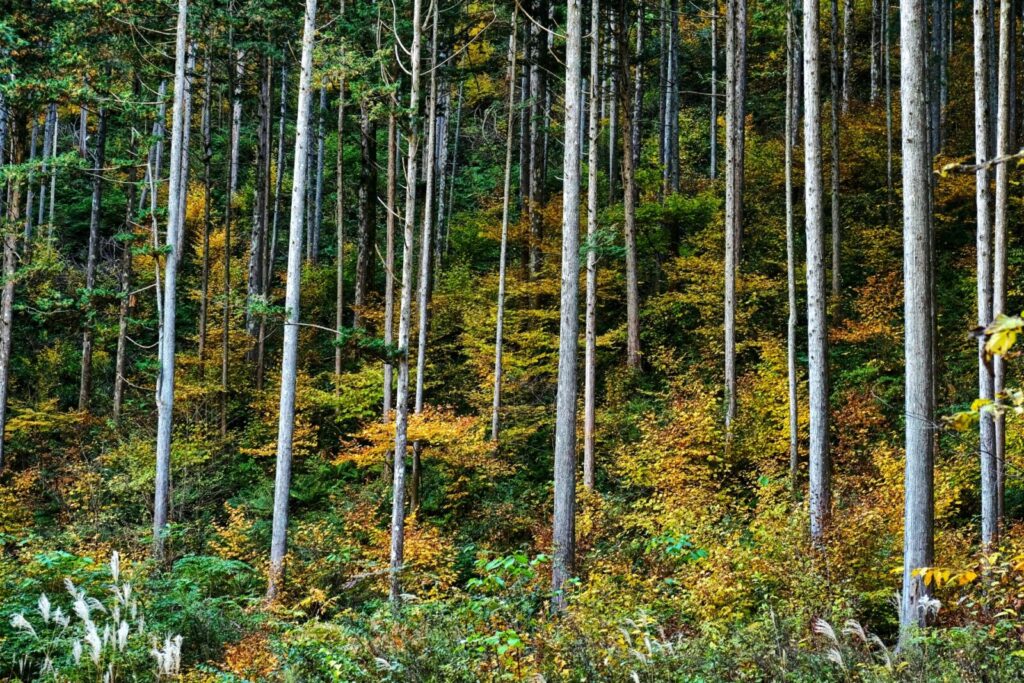
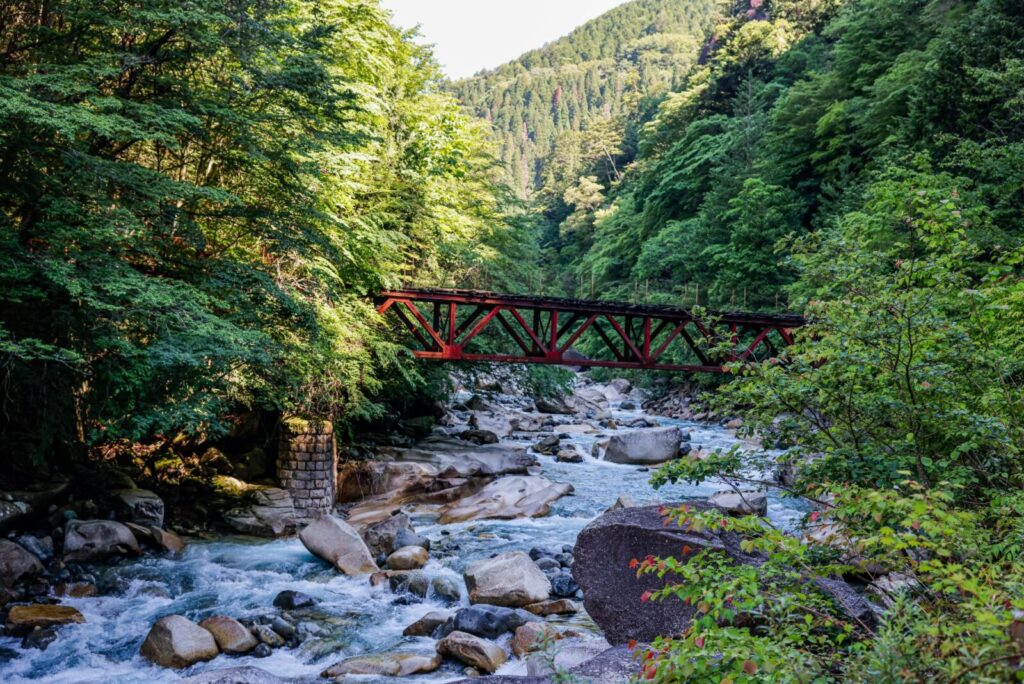
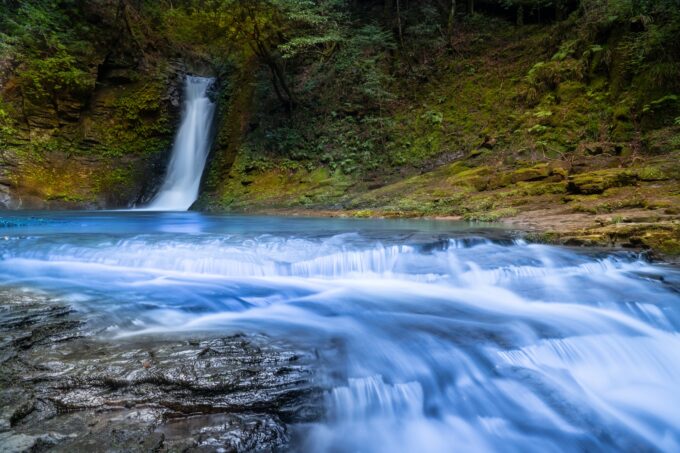
The road up Atera Gorge runs along a crystal-clear stream that reflects the light in beautiful aquamarine and emerald hues. There are several viewpoints along the road that allow you to see the gorge’s most breathtaking spots such as waterfall, deep cerulean-colored pools, and striking cliff faces. The gorge can be accessed all year round but is at its most spectacular from April to November.
You can camp at the Atera Gorge Campground or walk a short hiking loop that takes through the gorge’s forest.
9 / Nezame-No-Toko Gorge/ all year round
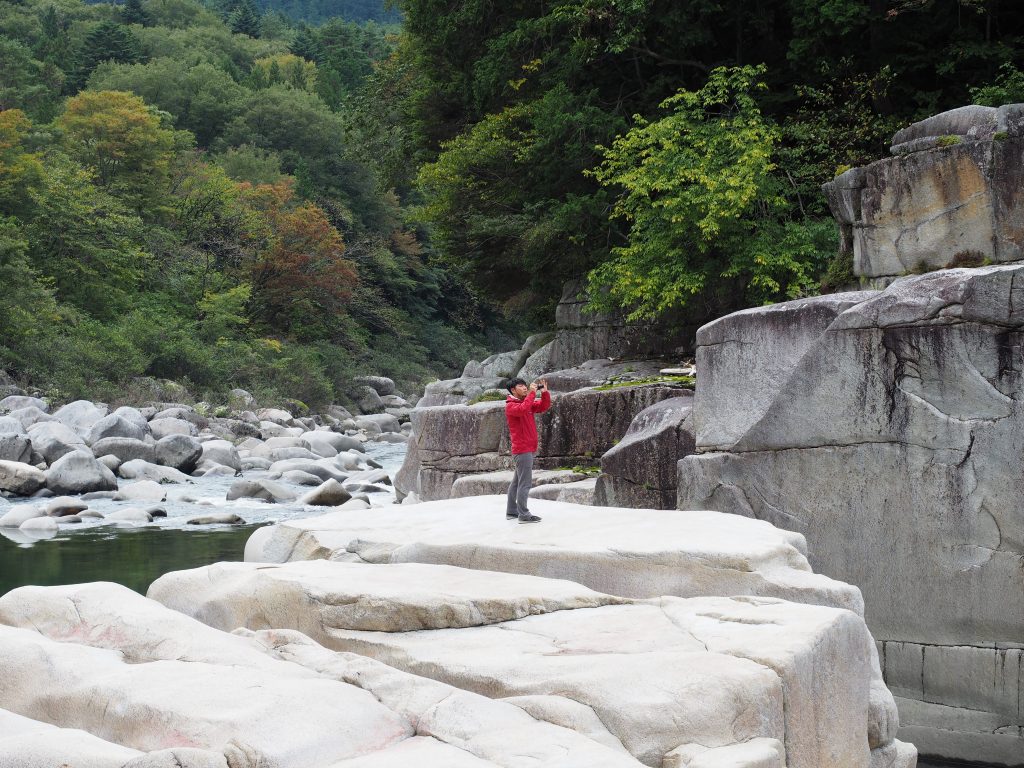
Nezamenotoko is characterized by a huge slab of granite that has been carved down into a curious rock formation over thousands of years by the Kiso River. You can explore the gorge by climbing over the formation’s geometric boulders and blocks of stone. If you venture up to the top of the granite slab that sits in the center of the river, you will find a small Shinto shrine. Nezamenotoko is also a setting in the legend of Urashima Taro, one of Japan’s most well-known fairy tales.
10 / Ontake Ropeway / April to November
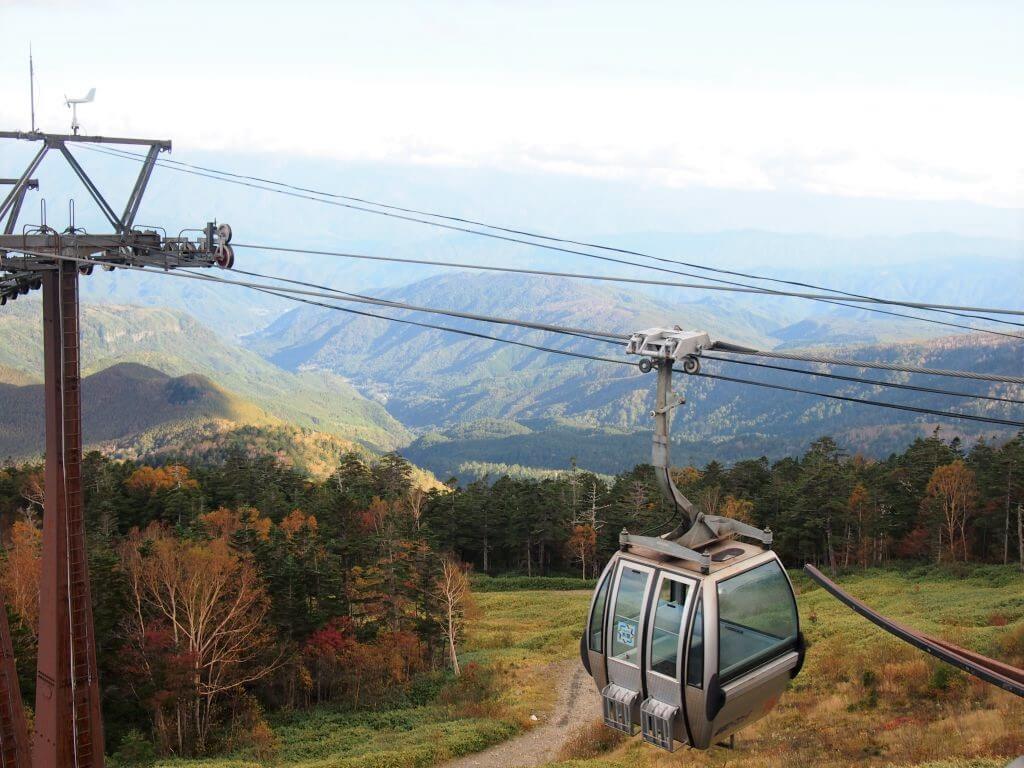
The Ontake Ropeway takes you up to the 2,150-meter point of Kiso’s Mt. Ontake, which boasts an elevation of 3,067 meters. From here, you can choose to continue to hike to the summit or simply enjoy the panoramic view of the surrounding mountains and highland flowers around the ropeway station. If you time it right, you can even get up above the clouds for an extraordinary scene! Please note, Mount Ontake is an active volcano and your personal safety should be your first priority. The Japan Meteorological Agency provides real-time advice and warnings for the entire country. Prior to visiting Ontake, we recommend checking the following website.
11 / Aburagibirin Forest / all year round
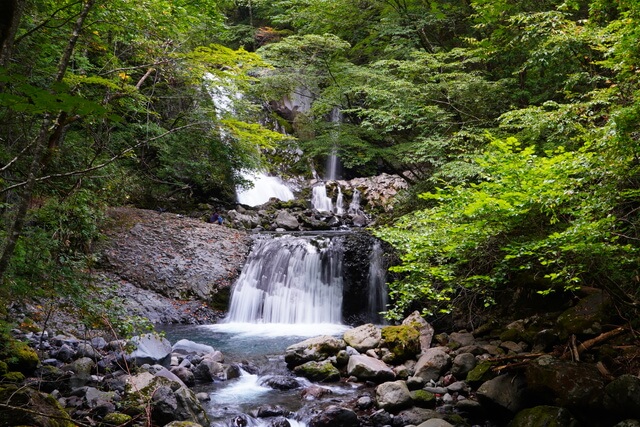
This primeval forest, located in the foothills of Mt. Ontake, has been protected for hundreds of years and loved for its natural beauty. Along the nature trail that takes you through the forest, you will find trees that are over three centuries old, misty waterfalls, and beautiful greenery. The trail is also an excellent place to go bird-watching.
12 / Pilgrimage Trails of Ontake Kodo / best: July to November
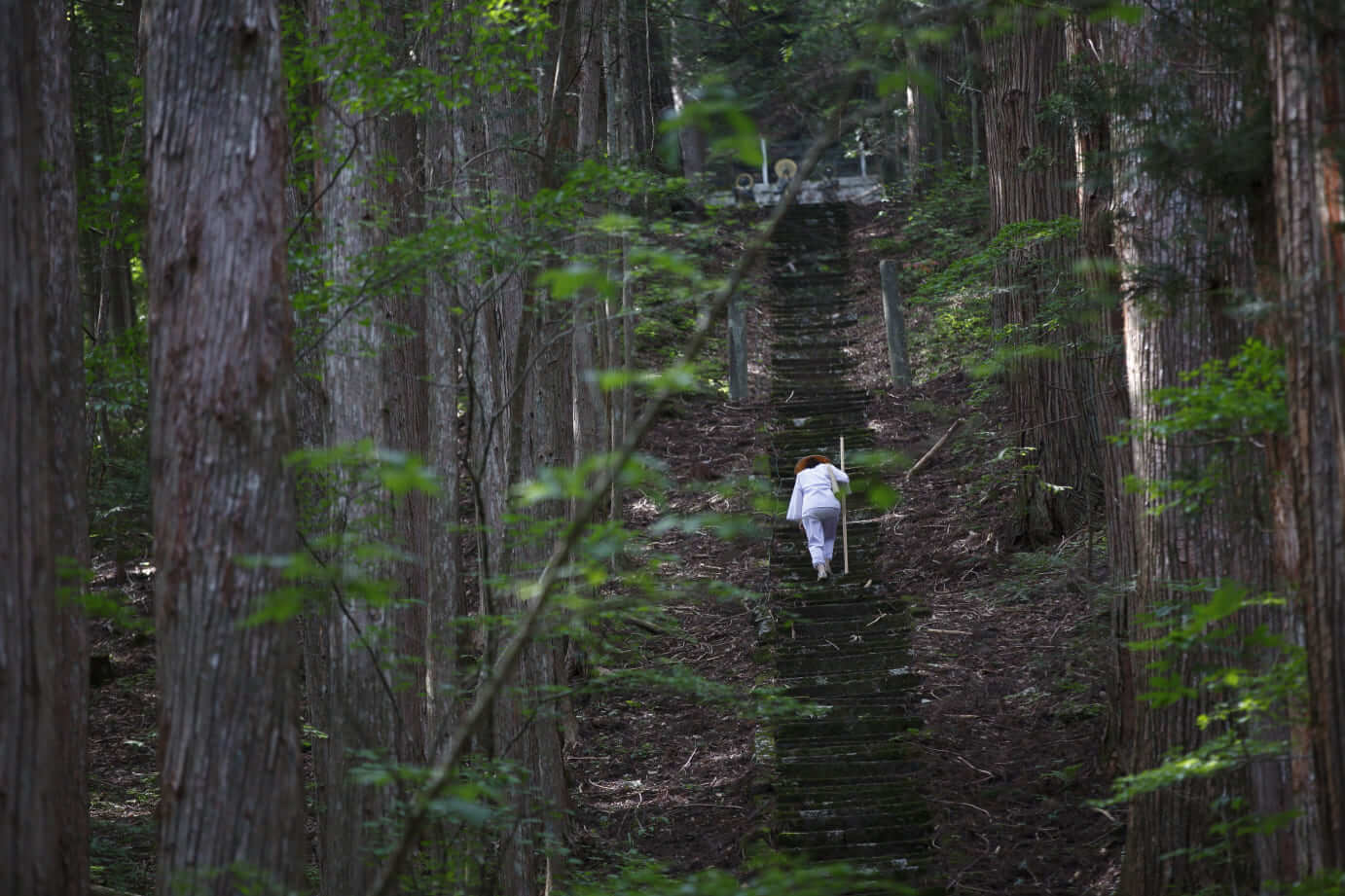
Part of the wider Kiso Ontake region, Mount Ontake is one of Japan’s most sacred mountains. Having attracted adherents of the ‘Ontake Shinko’ faith for centuries, the pilgrimage trails ascending the mountain are also frequented by hikers and nature enthusiasts who head there each summer and autumn to hike Japan’s second tallest volcano. Emerging as early as the Heian Period (794-1185), Ontake Shinto combines Shinto practices such as mountain worship, Buddhism and folk beliefs. Adherents called ‘doshisha’ would climb to the summit of Ontake, and in that process create the trails today known as the ‘Ontake Kodo’. Multiple shrines act as focal points of worship along the trails including the Ontake Satomiya Shrine and Omata Sansha Shrines at the trailheads and main Ontake Shrine at the summit, sitting 3,067 metres above sea level. The trails are accessible at all times of year but most enjoyable through the warmer months of July to November.
13 / Discover Ji-Kabuki / all year round
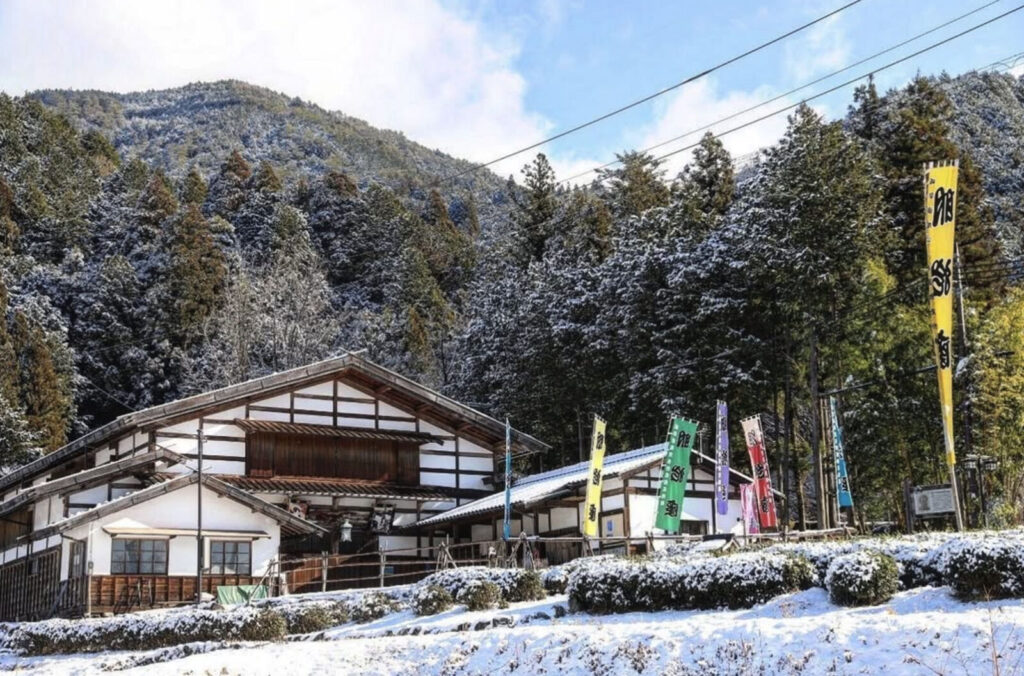

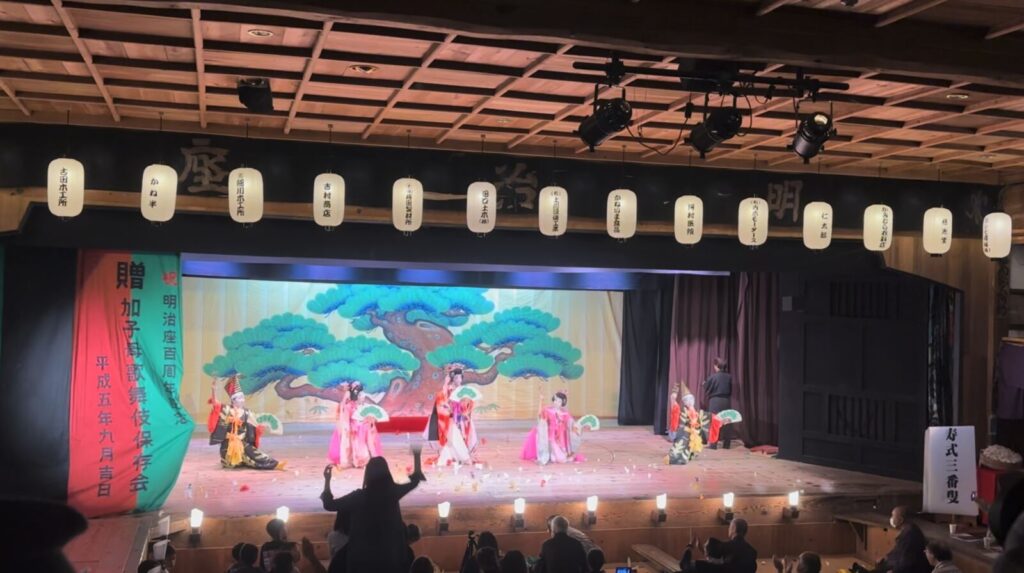
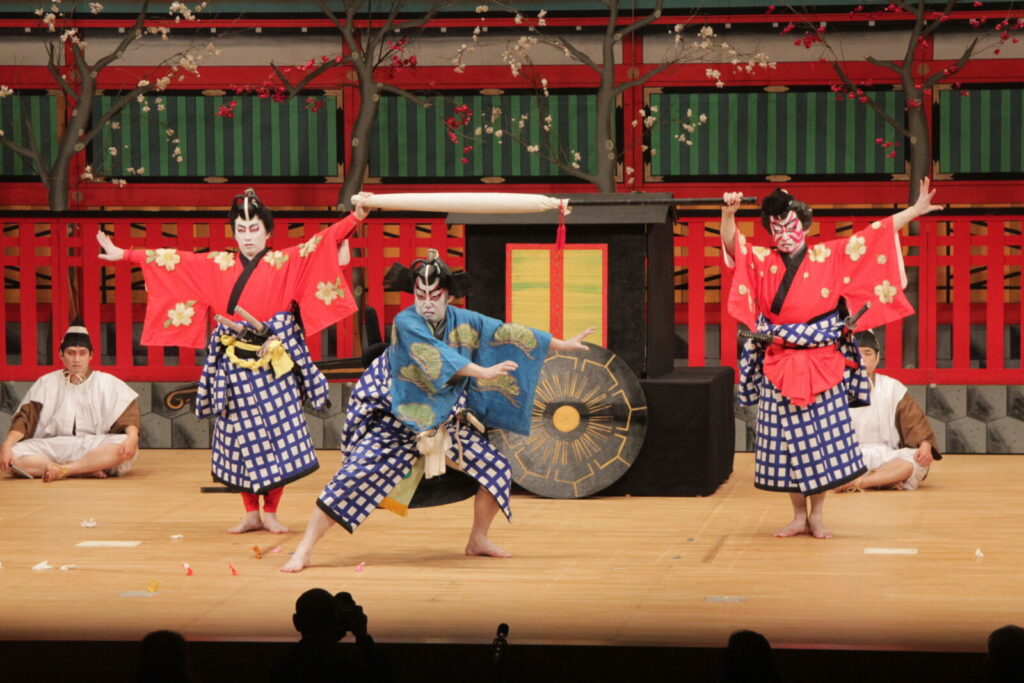
Jikabuki (or "country kabuki") in the Kiso Valley and surrounding Gifu region is a cherished, amateur form of traditional kabuki theater performed by local residents, rather than professionals. Dating back to the Edo period, it features heartfelt performances, unique, intimate community theaters (like Kashimo Meijiza), and audience interaction, such as throwing small, paper-wrapped gifts (ohineri).
Recommended Tour: Snow Monkey Resort's (Summer Only) 1-Day Tour from Nagoya: Hidden Gems of the Kiso Valley offers a unique glimpse into the heart of rural Japan.
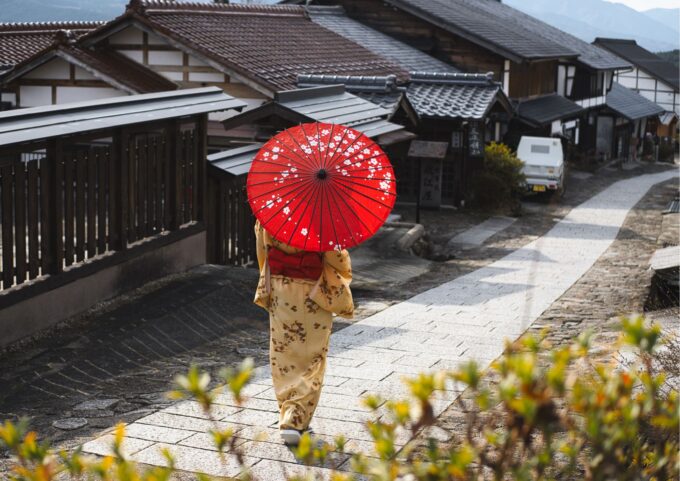
Explore hidden gem locations throughout the Kiso Valley starting with a hike through a stunning gorge filled with pristine nature and roaring waterfalls. Dive into Japan's rich cultural heritage with a visit to a traditional Kabuki theater and discover the region’s deep love for this centuries-old performing art. Stroll through the picturesque streets of Magome, a charming post town along the historic Nakasendo Trail as your English-speaking guide explains the fascinating history of this ancient samurai route that once connected Kyoto and Edo.
Whether you're a nature lover, history enthusiast, or cultural explorer, this tour offers something special for everyone.
New Tour
(Summer Only) 1-Day Tour from Nagoya: Hidden Gems of the Kiso Valley and the Nakasendo Road
- Spots:
- NagoyaKiso Valley
- Pick-up:
- Nagoya
- Drop-off:
- NagoyaKiso Valley
14/ Iwamura Castle Town / all year round
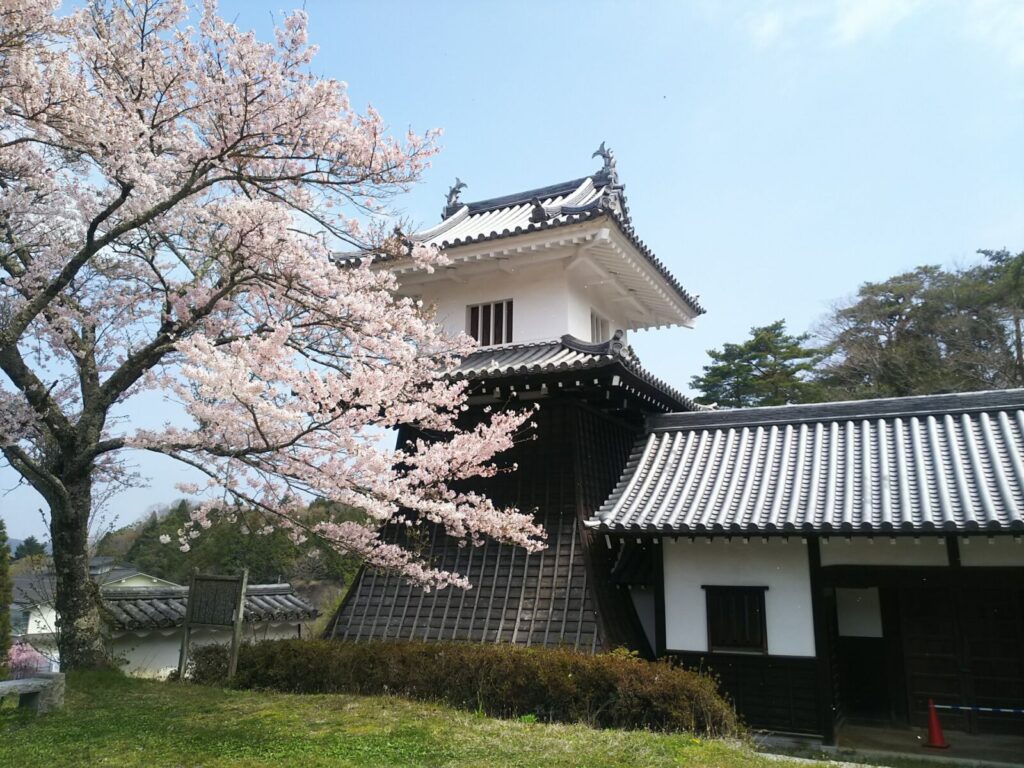
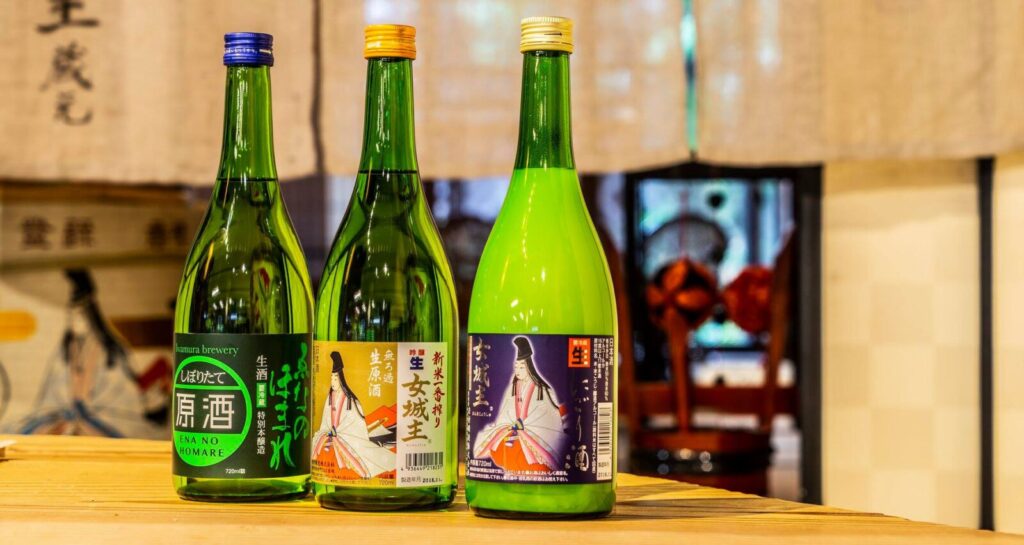
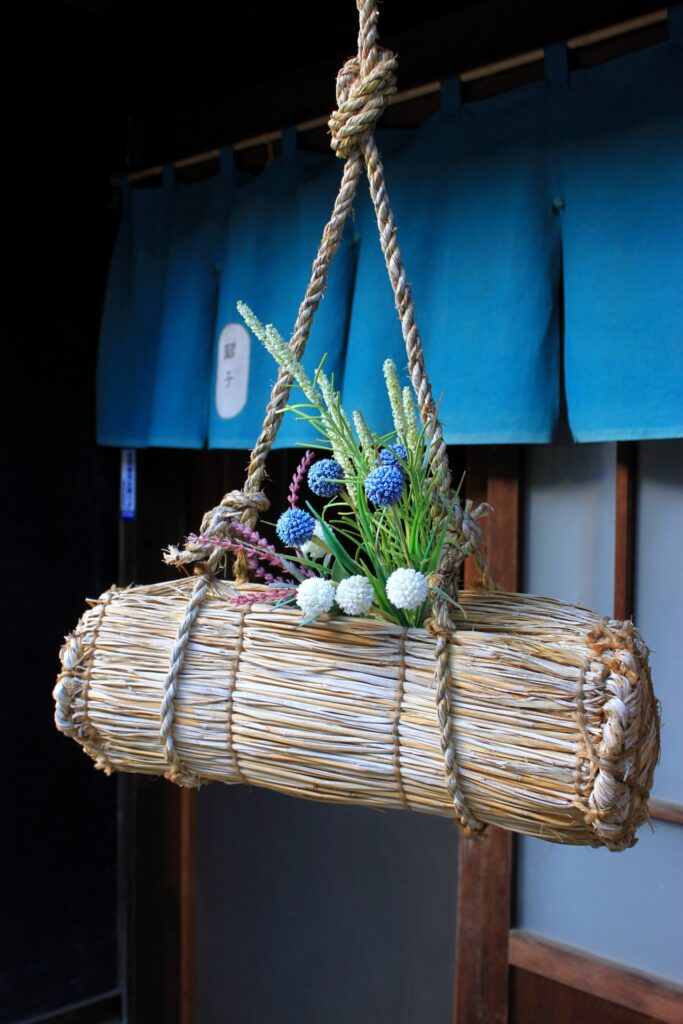
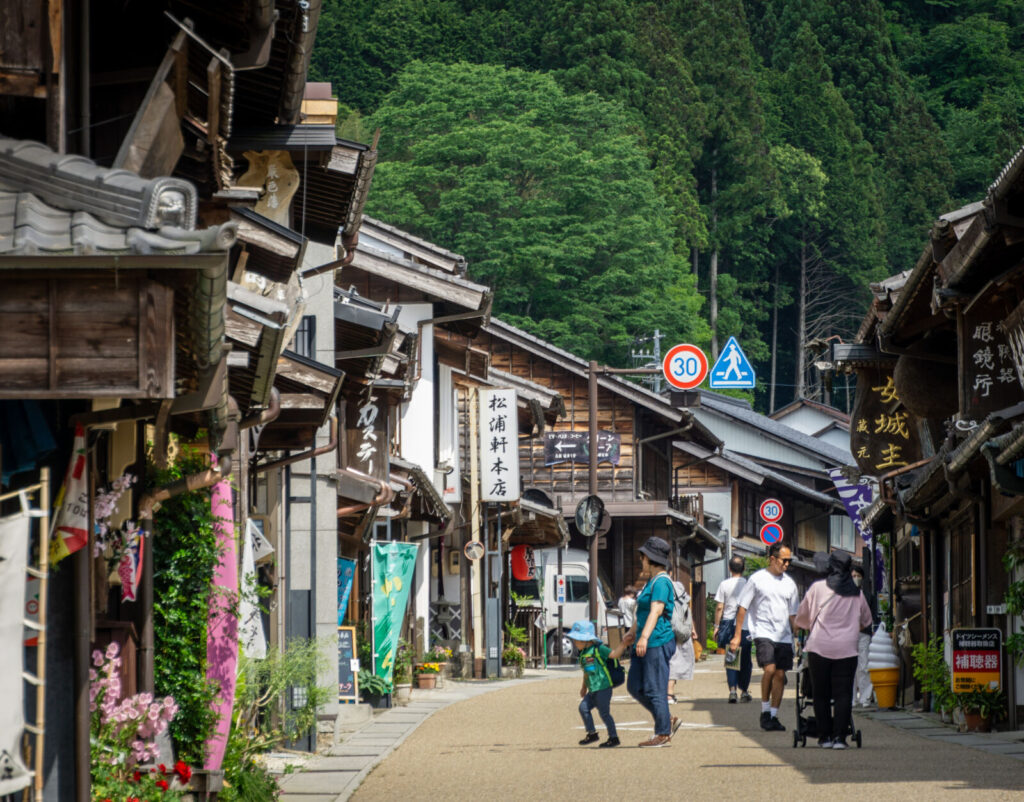
Located deep within the Kiso Mountains of Gifu, the well-preserved castle town of Iwamura provides travelers with an image of ages past. Standing as one of the most culturally significant preservation districts in Japan—3rd in Gifu after Takayama and Shirakawa-go—this historical village remains relatively unchanged since the Edo Era.
15 / Shirakawa Ise Pillars / winter: late-December to late-February
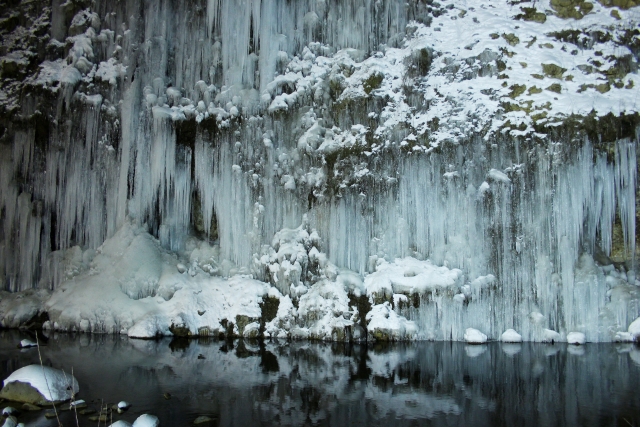
This striking 250-meter-wide and 50-meter-high curtain of ice pillars forms as water precipitating from the rock face gradually freezes over the winter. The gigantic ice formation glows in a cool blue hue when the sun shines on it during the day and it is also illuminated at night, making for a mystically beautiful spectacle.
16 / Momosuke Bridge / all year round
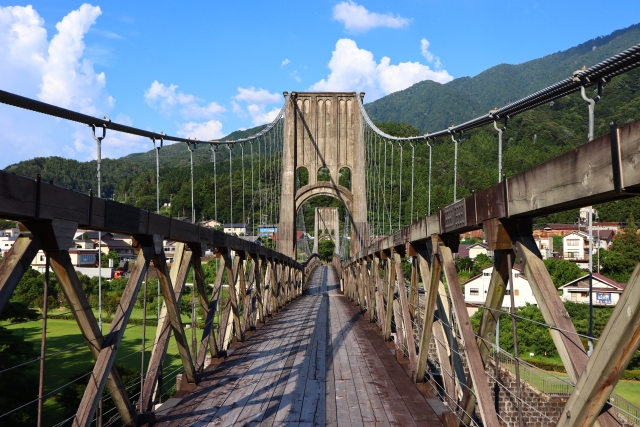
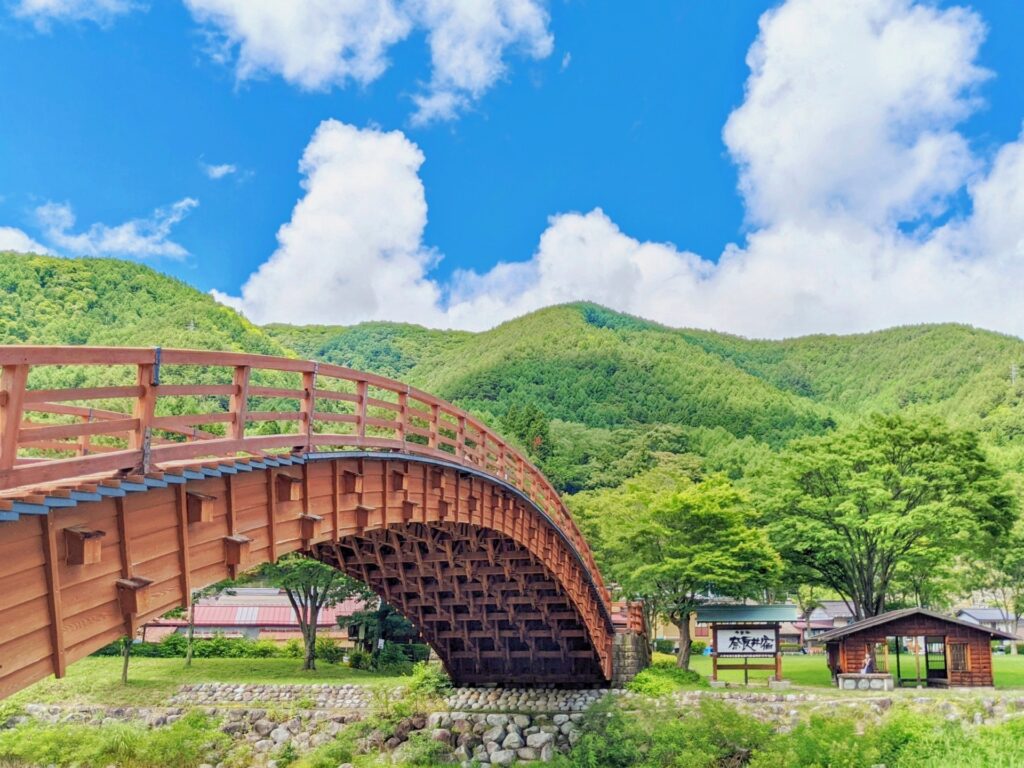
At 247 meters long, Momoseke Bridge is one of Japan’s longest wooden suspension bridges. This impressive structure was built in 1922 and reaches over the Kiso River near Nagiso Station. Strolling across the bridge offers you a wonderful view of the Kiso Valley and is a great way to use up the time as you wait for the next train.
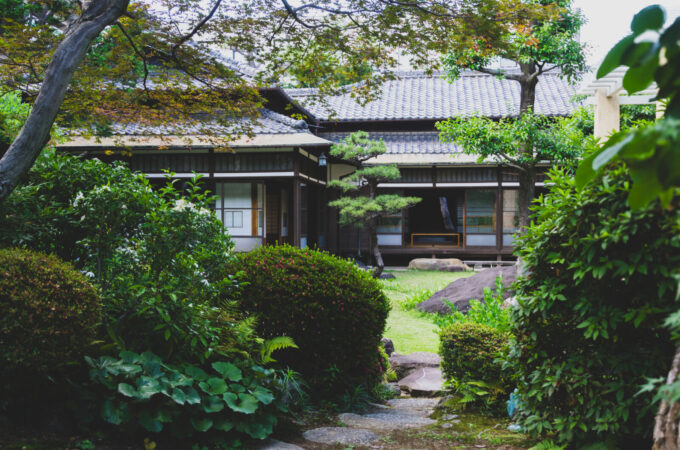
Fun Fact! The bridge was built by a Meiji-era Electricity tycoon who was responsible for building some of Japan's fist hydroelectricity producing dams. His former estate is still standing in Nagoya and is part of our tour (linked below).
Recommended Tour: Snow Monkey Resort's 1-Day Guided Garden Walk through Nagoya's Castle, Gardens, and Historic Estates will take you into several historical estates and private gardens of Nagoya's titans of industry. Marvel at the gilded artwork and golden screens in Honmaru Palace and sip tea while gazing at a garden designed for a daimyo as you are led by an experienced, English-speaking guide through Nagoya on this full-day tour.
17 / Narai-juku Ice Lantern Festival / February
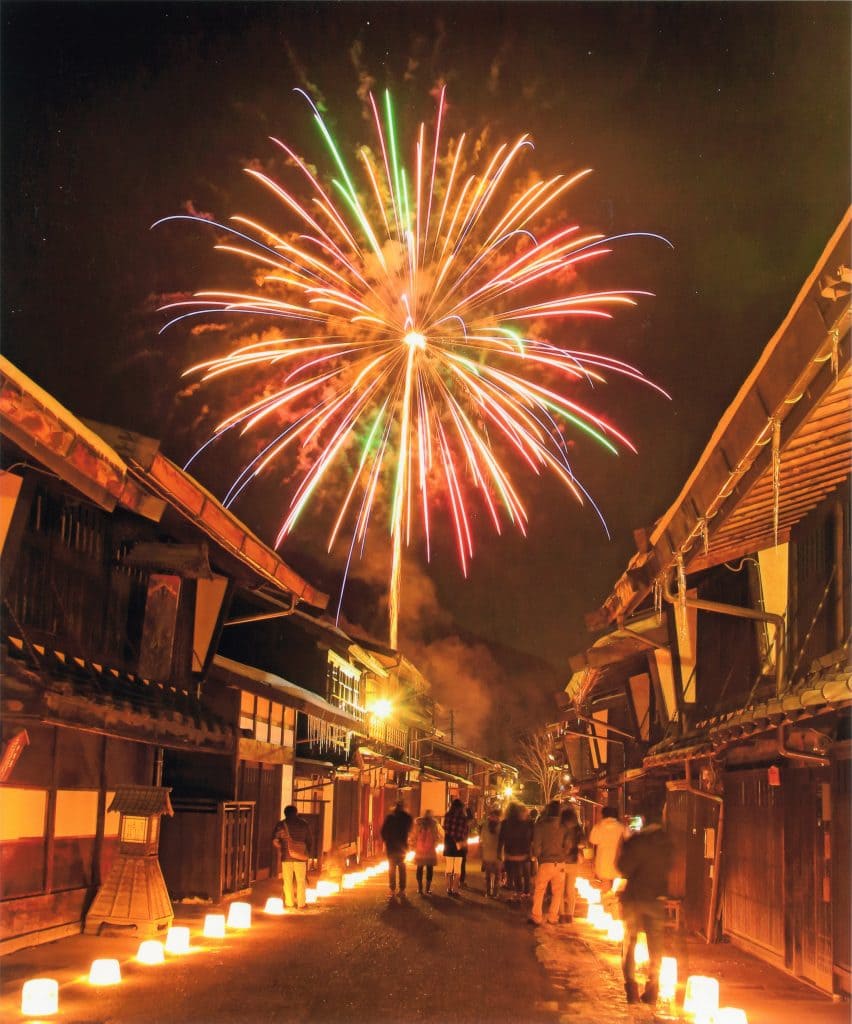
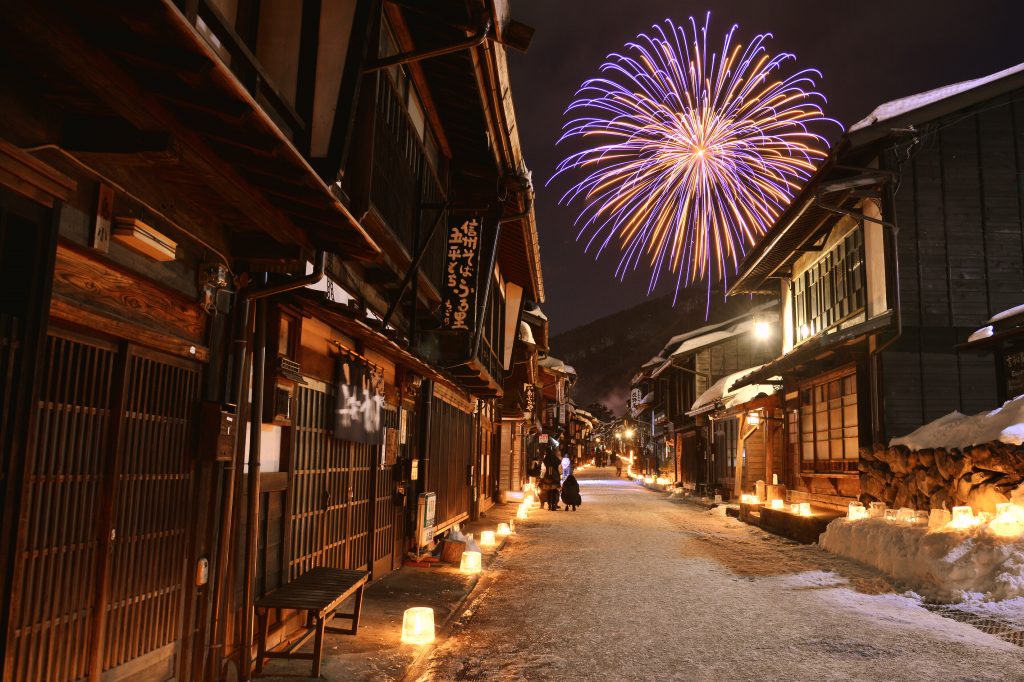
This warming winters festival lights up the cold night in Narai Post Town. The historic townscape of Narai is lined with hundreds of candles set in ice, giving the streets a magical glow. You can enjoy sake, mulled wine, and hot soups as you stroll around. The festival is topped off with a round of fireworks!
18 / Enjoy Kiso Soba / all year round

With a climate well-suited for growing the buckwheat, 'soba' noodles have been eaten in the Kiso Valley for hundreds of years. In fact, Kiso is considered the origin of soba noodles in Japan and one of the best places to enjoy the dish to this day. You will find scores of delectable soba shops throughout the area, so make sure you try some during your visit.
The region is also known for seasonal delights, particularly in autumn when persimmons and chestnuts are at their prime.
19 / Kozen-ji Rock Garden / all year round
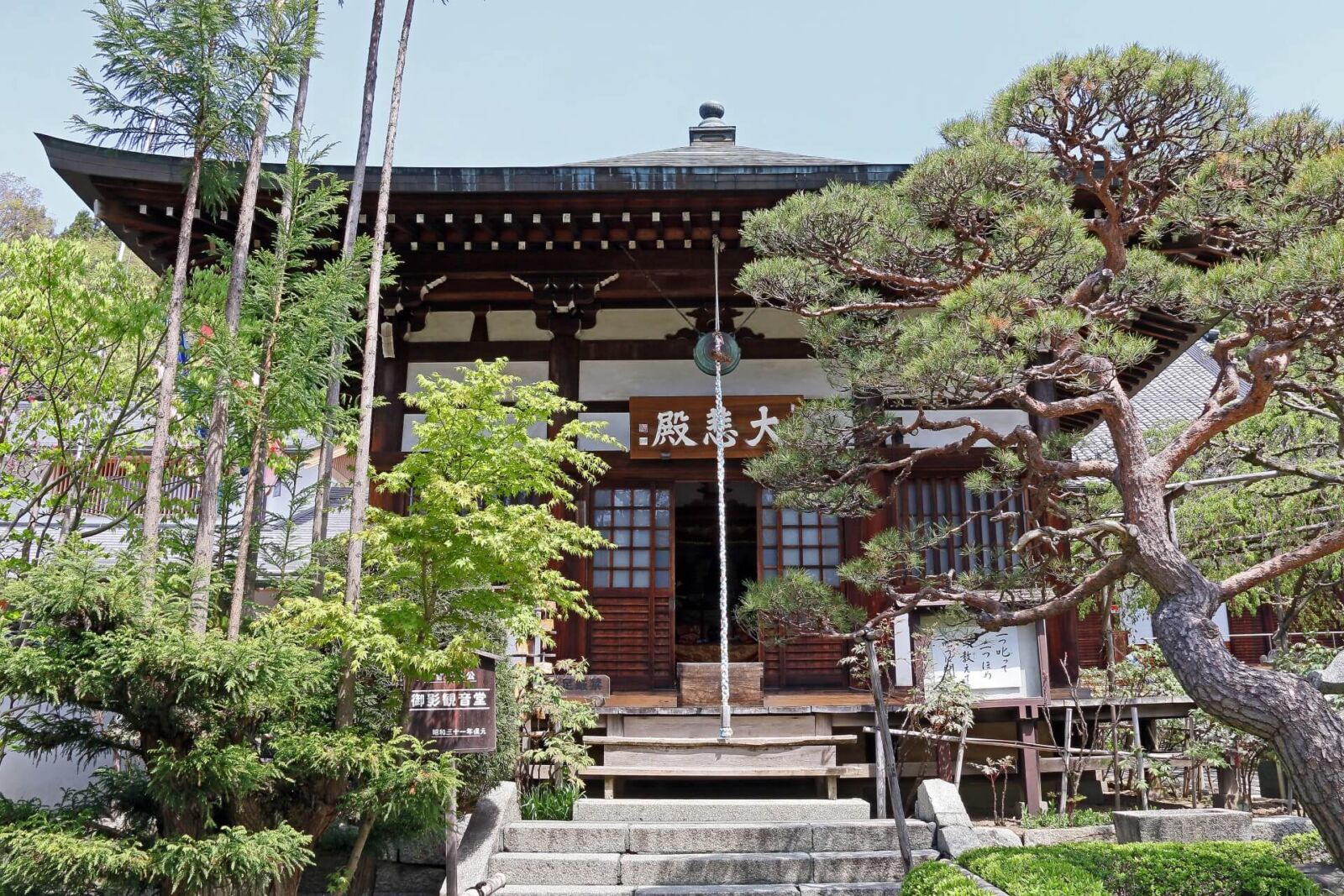
Kozenji Temple’s beautiful Zen-style rock garden, which spreads out before the backdrop of Kiso’s impressive mountains, is one of the largest in Asia. With its traditional architecture, peaceful gardens, and stunning seasonal views, the entire temple complex itself is an impressive conglomeration of Japanese aesthetics.
20 / Lake Shizenko & Otaki Village / best: April to November
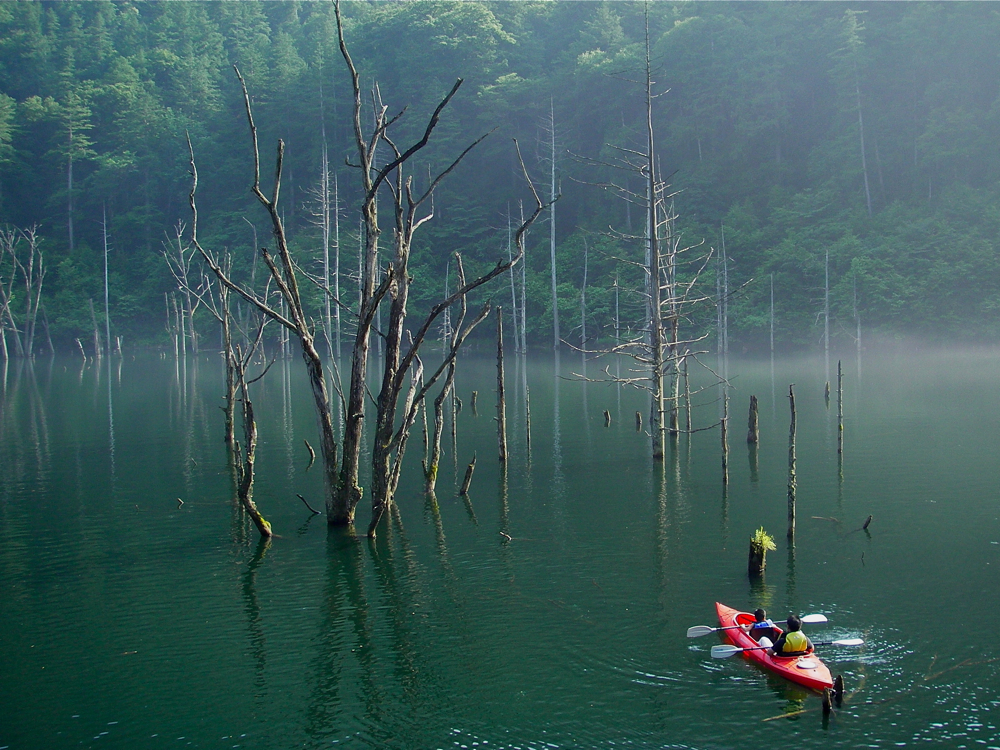
Lake Shizenko was formed in the deep forests of Mt. Ontake after an earthquake in 1984 caused a landslide that dammed up the Otaki River. You can enjoy this uncanny yet beautiful scenery with canoe tours offered by Ontake Adventure.
21 / Taste Kiso Sake / all year round
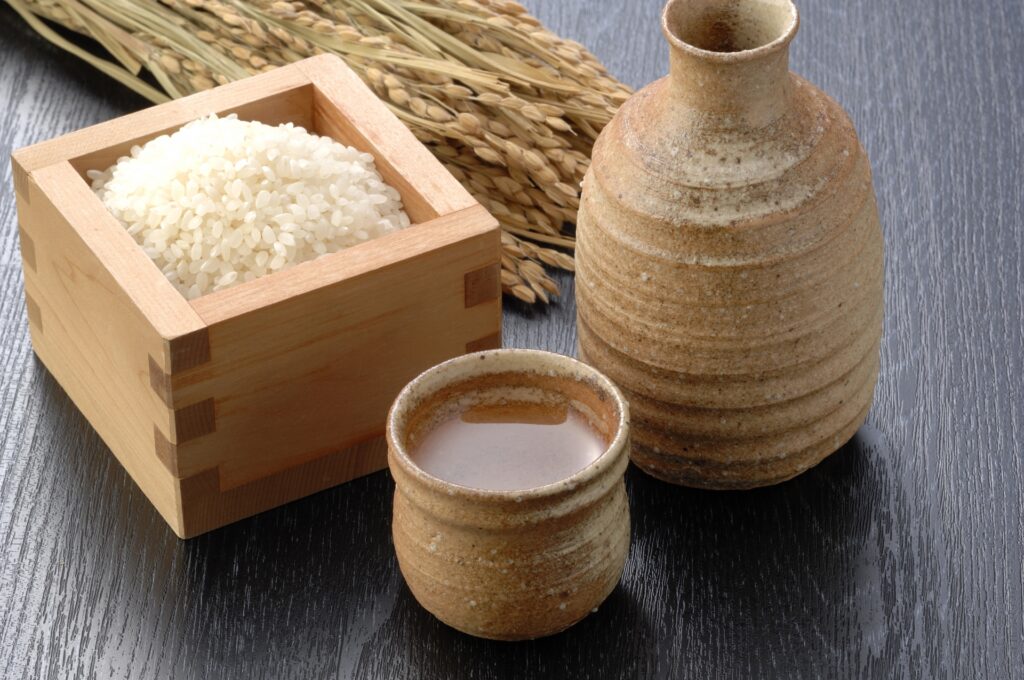
With an abundant supply of natural water, the Kiso Valley has a long history of sake brewing. It boasts some of the oldest breweries in Nagano Prefecture like Yukawa Sake Brewery and Nishio Sake Brewery which have both been brewing since the 1600s. Try some sake while you’re in Kiso or grab a bottle as a souvenir!
22 / Kiso Woodcrafts / all year round

The rich supply of high-quality wood from Kiso’s vast forests has cultivated a long tradition of fine wood craftsmanship in the area. Fine handcrafted products such as lacquerware, wooden combs, and bent-wood boxes can be found in family-run workshops in Narai and other places in the Kiso Valley. Many of the producers have been in business for multiple generations.
23 / Woodworking Activities / all year round
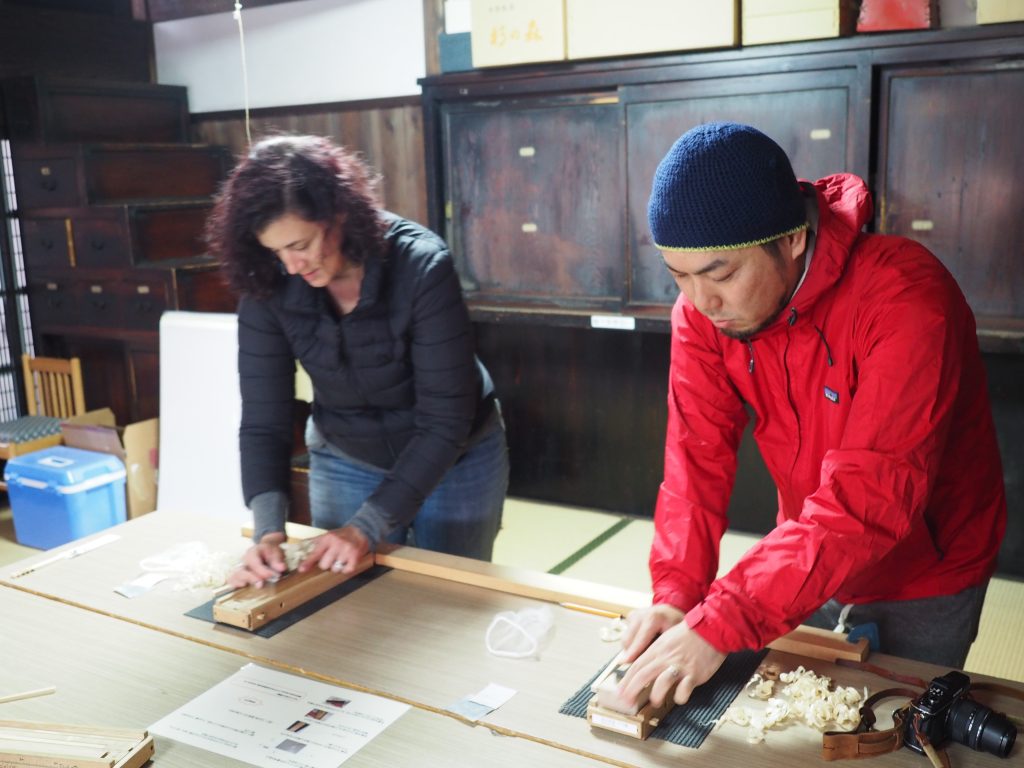
Visitors wanting to try their hand a traditional woodcraft can do so at the Furusato Experience Center near Kiso-Fukushima, where you can join a short workshop to craft your own 'hashi' (chopsticks) using a hand-plane and guided by an instructor. Simple, great fun and you walk away with a nice memento of your time in Kiso and Japan.
24 / Gohei Mochi, Hoba Leaf Cuisine & Other Traditional Foods / all year round
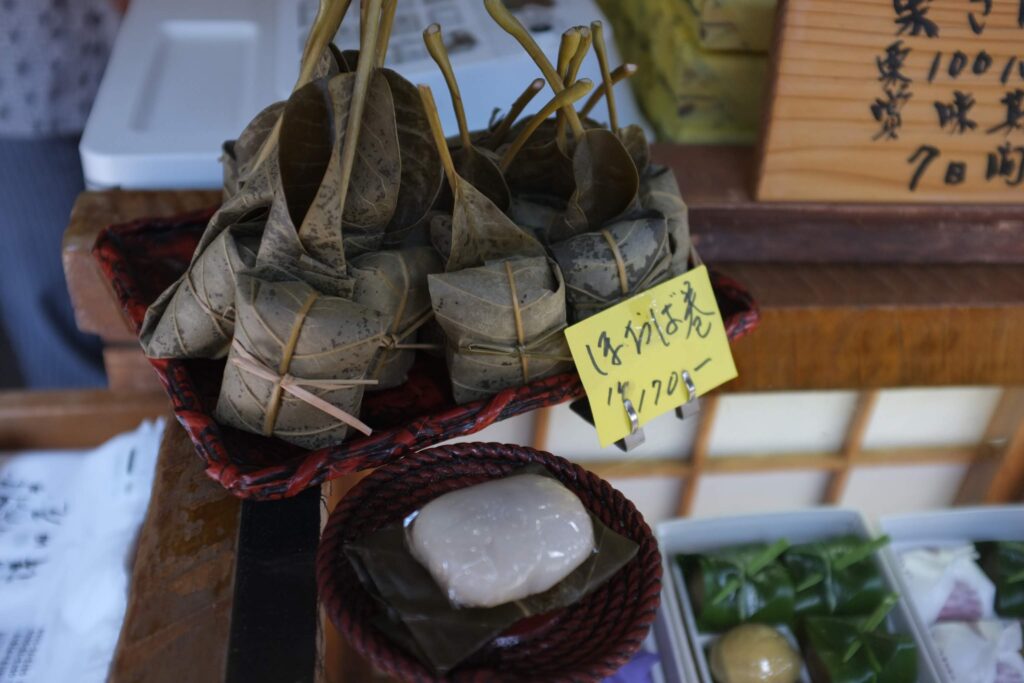

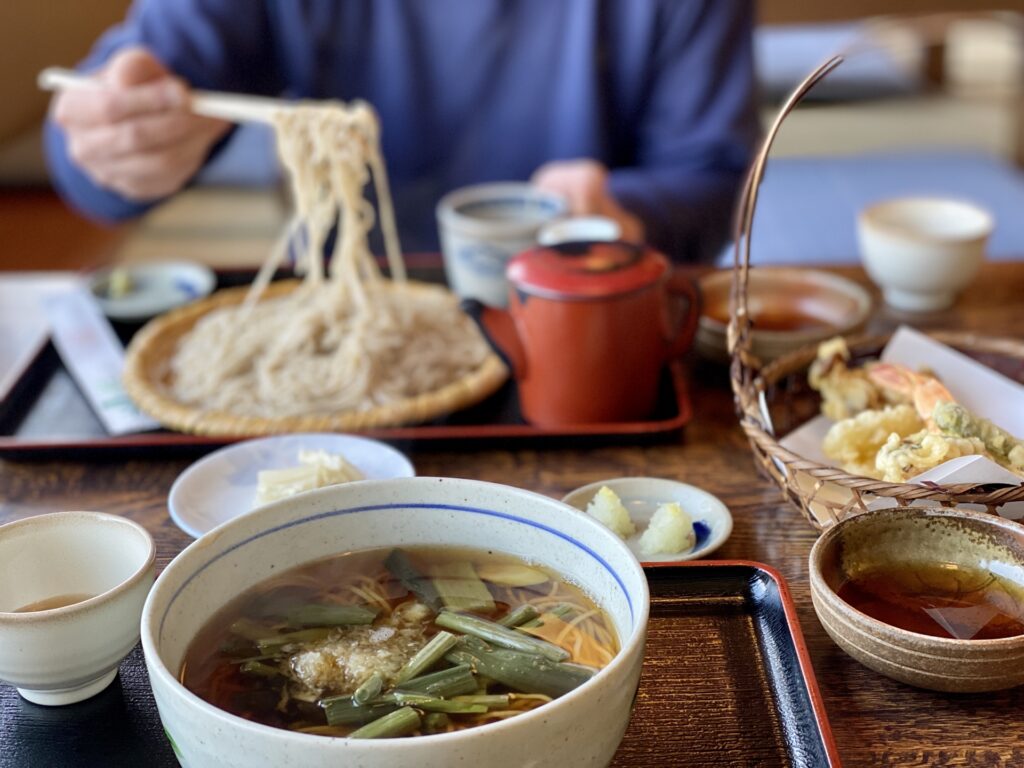

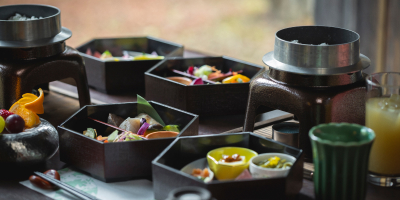
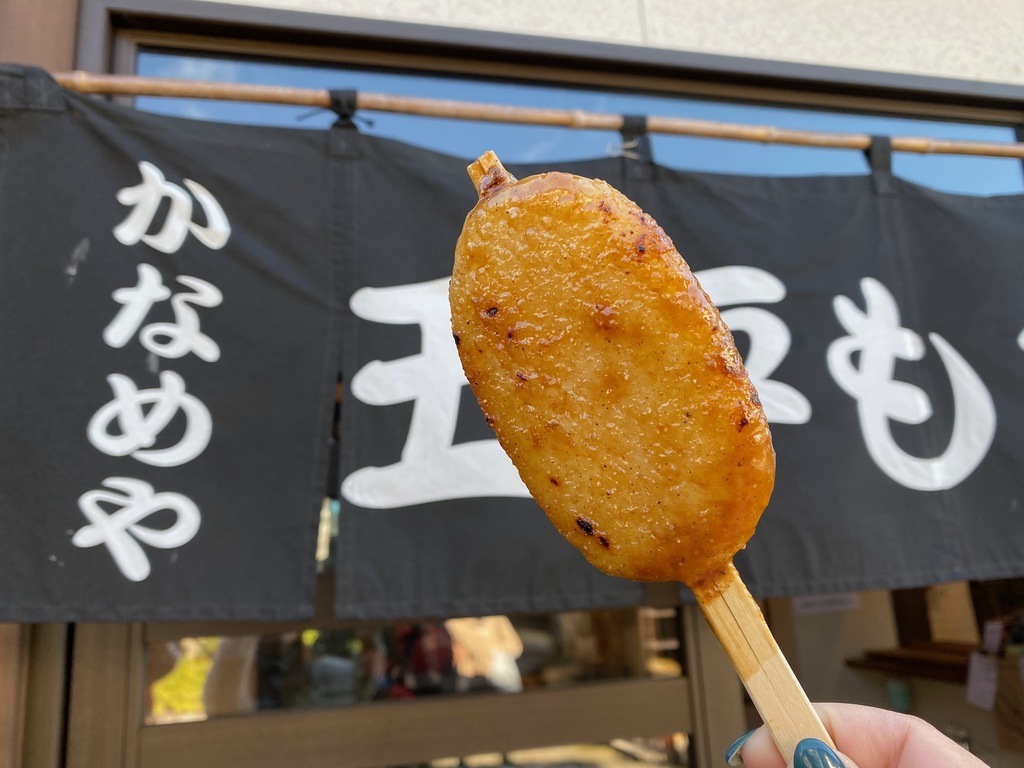
While you are exploring Kiso, keep an eye out for the region’s unique, traditional foods. Gohei Mochi is a snack made by grilling sticky rice slathered with a sweet soy-miso sauce on a skewer. You may also find a variety of snacks and dishes that use leaves called “hoba” from the Japanese bigleaf magnolia tree. The leaves impart a subtly sweet and floral aroma on the food when used to wrap ingredients such as rice and mochi or when ingredients are grilled upon the leaves.
25 / Shimotsuki Festival / December
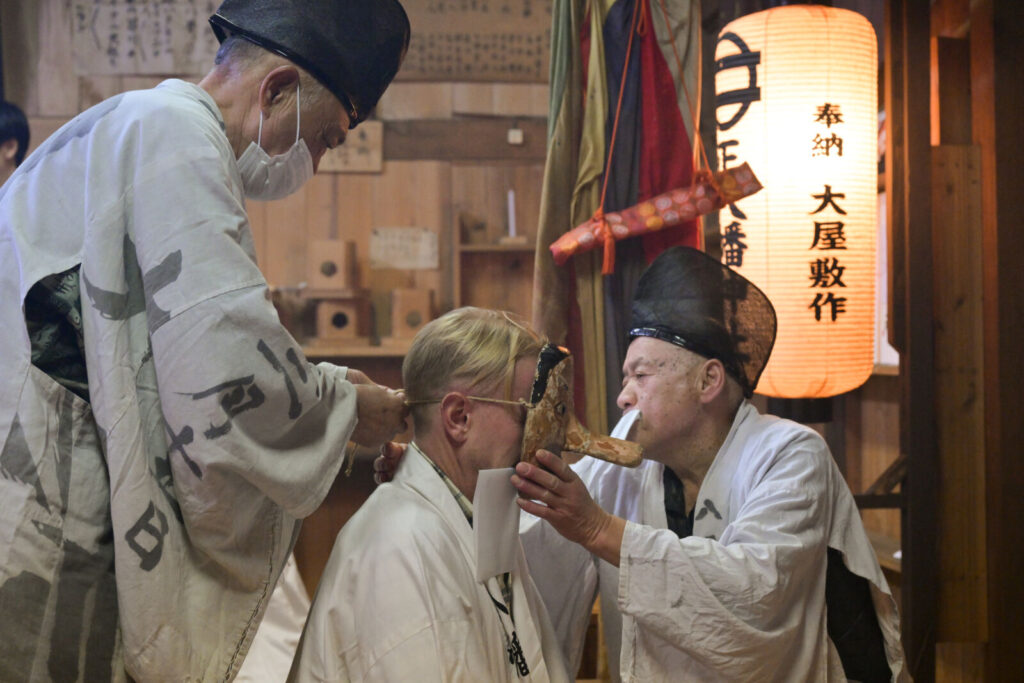
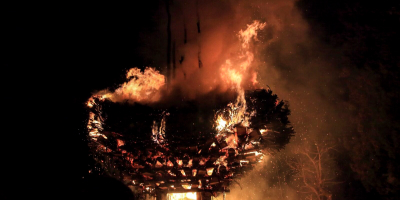
The Shimotsuki Festival is a truly spirited celebration: villagers wear traditional masks, dancers circle a heated cauldron, and through ritual purification using scorching water, participants connect with nature’s unseen energies. It is said this mysterious, vibrant festival helped inspire Studio Ghibli’s Spirited Away. This intimate event, held in mid-December, offers a rare chance to witness a local festival steeped in spirits, folklore, and community.

Special Offer
2-Day Tour: 'Shimotsuki' Winter Festival, Traditional Food & Sake Experience
- Spots:
- NagoyaKiso Valley
- Pick-up:
- NagoyaKiso Valley
- Drop-off:
- NagoyaKiso Valley
Where is The Kiso Valley & Nakasendo Trail?
Running north to south, the Kiso Valley follows the Kiso River and is known for its pristine waterways, forests, waterfalls and hiking trails including the historic Nakasendo Trail. It is typically considered to be located between Shiojiri (Nagano Prefecture) and Nakatsugawa (Gifu Prefecture), though geographical, cultural, and historical records provide a somewhat ambiguous definition as to where the Kiso Valley actually starts and ends.
Roughly halfway between Nagoya and Nagano, the Kiso Valley can be reached by train from either city, with Magome & Tsumago being closer to Nagoya and Narai closer to Nagano. However, public transportation within the Kiso Valley is extremely limited and therefor requires detailed advanced planning or private transportation service.
We proudly offer several unique tours to this region providing you transportation from Nagoya, Matsumoto, and Nagano.
For directions about how to get to and move around the Kiso Valley and Nakasendo, see 'How to Get to Kiso Valley & Nakasendo' below.
Where to Stay When Visiting Kiso Valley & Nakasendo
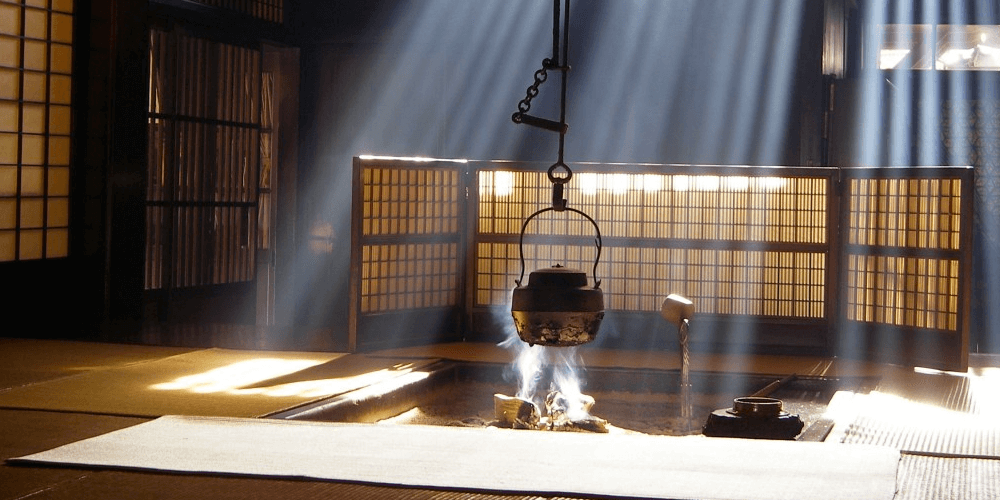
The Kiso Valley runs north to south from the area around Shiojiri down to Nakatsugawa. Following the Kiso River and Limited Express Shinano line, the valley covers quite a large area with its many attractions spread-out over distance.
Choosing the right area to stay is an important step to getting the most out of your time in the Kiso Valley and Nakasendo, and with that in mind, our 'Where To Stay In The Kiso Valley & Nakasendo' page breakdowns your options including the most convenient accommodation areas on offer. Additionally, we proudly offer several unique tours to this region providing you round-trip transportation from Nagoya, Matsumoto, and Nagano.
How to Get to Kiso Valley & Nakasendo
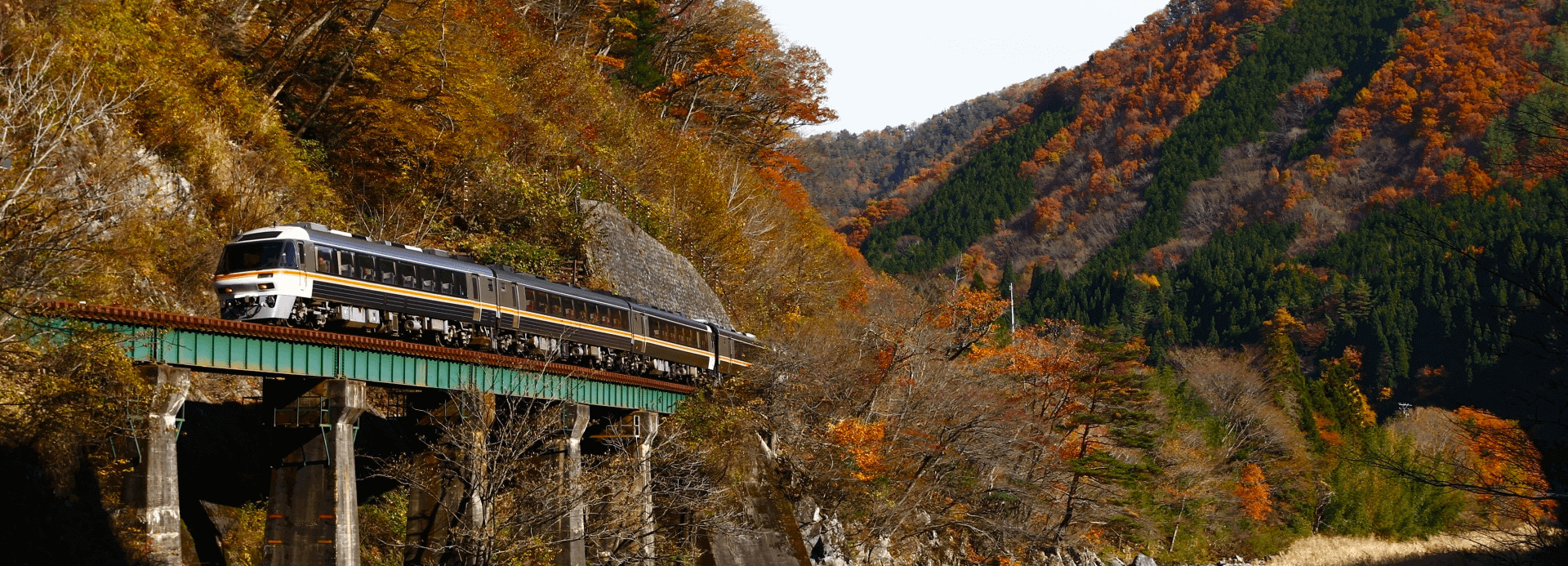
Most visitors heading to the Kiso Valley and Nakasendo will do so using the train network. Running from Nagoya to Nagano, the Limited Express Shinano stops at Nakatsugawa Station and Kiso-Fukushima Station, making the area easy to access along one of Japan’s most scenic railway lines. For more information including detailed directions, see our ‘How To Get To The Kiso Valley & Nakasendo’ page.