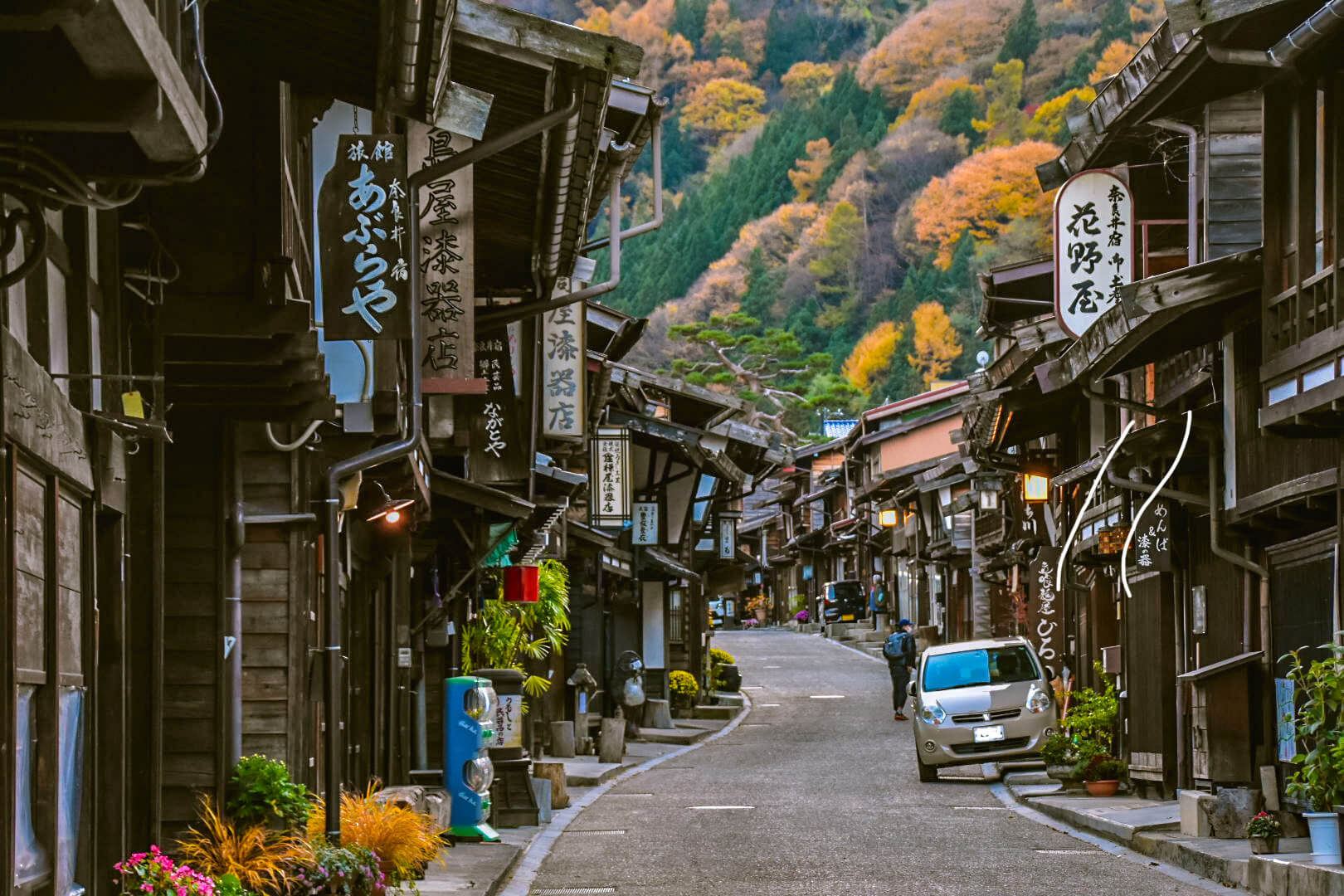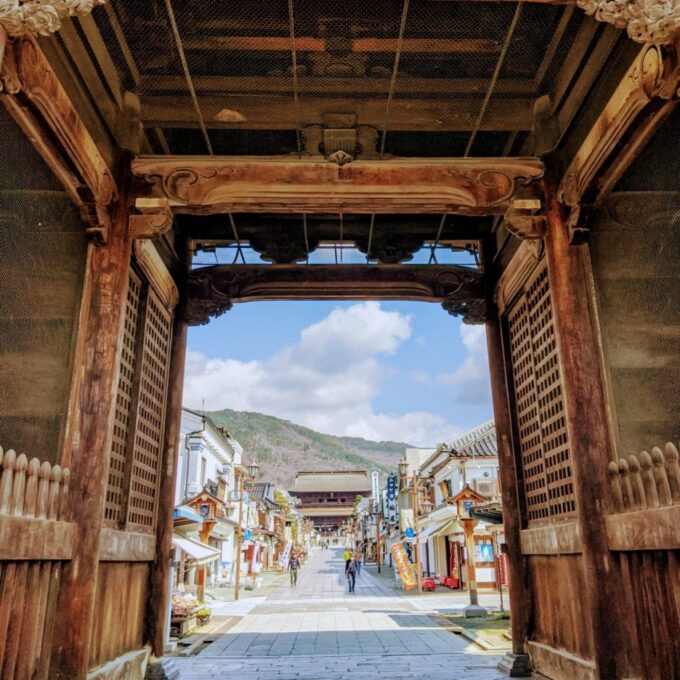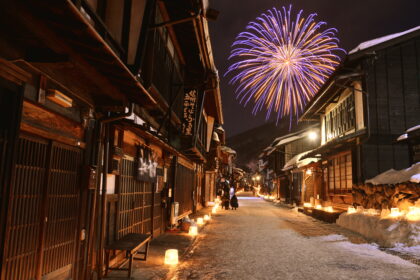





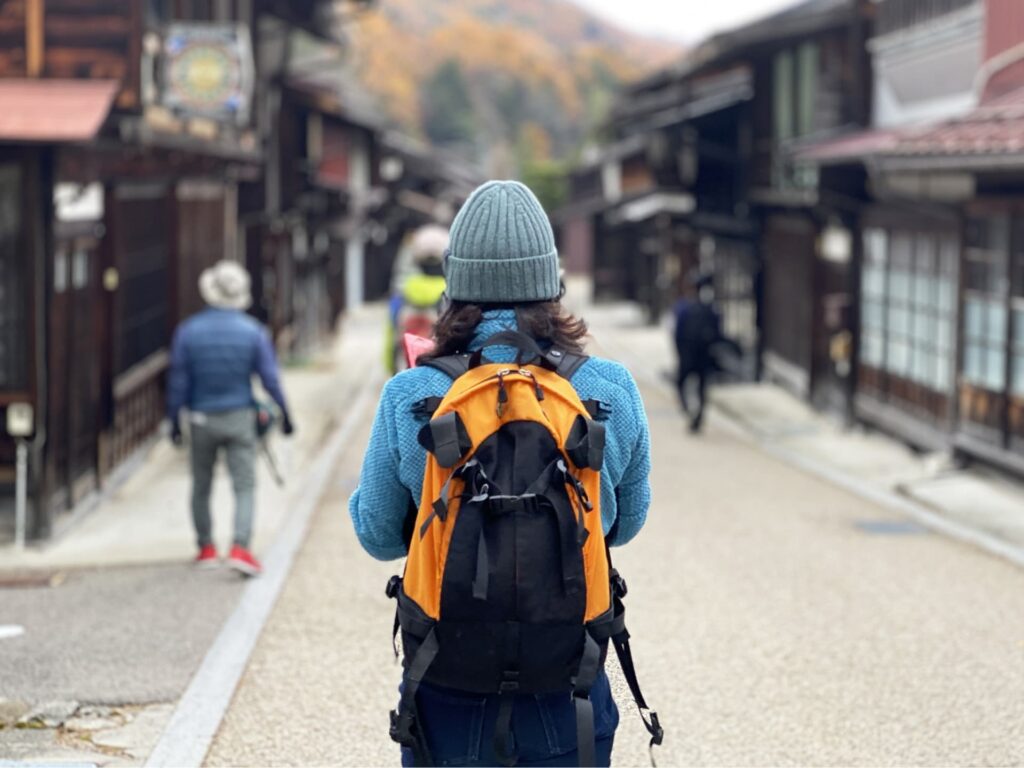
The hiking route known as the "Nakasendo Trail," "Nakasendo Way," or even the "Samurai Road" is a popular destination for travelers looking to explore Japan's countryside and samurai history. The historic trail transports those who walk it through time and allows you to explore deep into the heart of Japan.
What is the Nakasendo Trail?
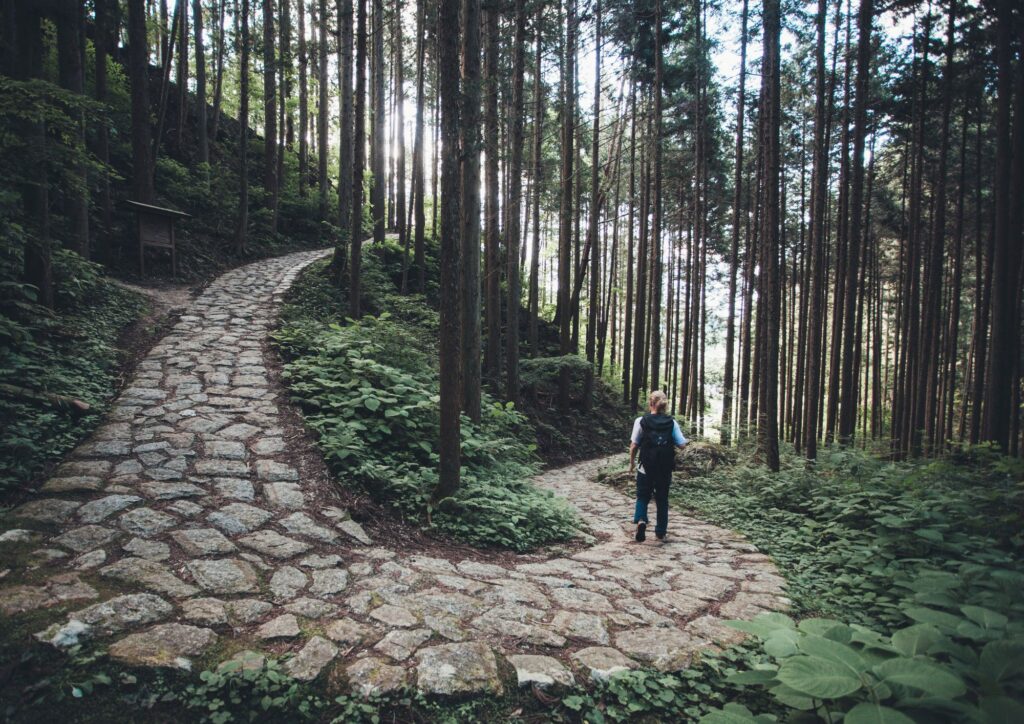
During Japan's Edo Period (1603 to 1868) the Nakasendo was one of five major routes, known as the "Gokaido", linking Kyoto to the new capital of Tokyo, then called "Edo".
Stretching over 500 kilometres between the two cities, the name Nakasendo translates as ‘中/naka = middle; 山 / sen = mountain; 道 / do = road’, or the ‘Road Through the Mountains’.
Unlike the Tokaido, another popular route that followed the coast, the Nakasendo dissected Japan’s mountainous heartland including the beautiful Kiso Valley. Today, the hiking route known as the "Nakasendo Trail," "Nakasendo Way," or even the "Samurai Road" follows the historic road, transporting those who walk it through both pace and time and deep into the heart of Japan.
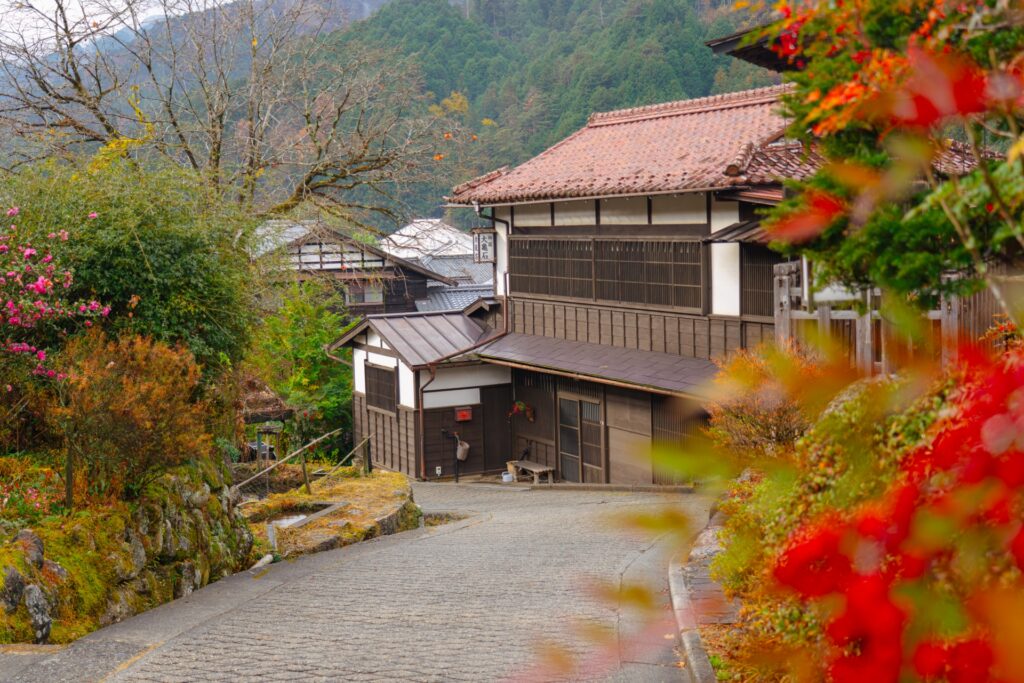
As a major trade route, postal towns developed along the road to serve the human traffic and their cargo. Known as "juku", a total of 69 postal towns controlled passage on the road, with many achieving great wealth due to patronage by "daimyo" (feudal lords) and their entourages as they moved to and from the capital.
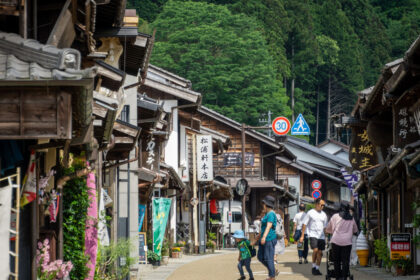
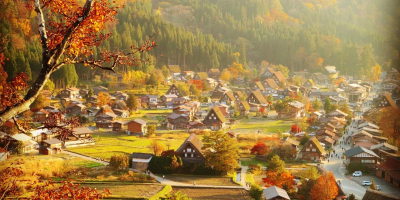
Towns including Narai, Magome, and Tsumago remain in excellent states of preservation, with measures in place to retain the historic character and importance of each juku. Each town is a destination in its own right, with guesthouses, restaurants and traditional craft stores enticing visitors to take their time, explore and stay overnight on the Nakasendo. However, the best way to explore this region is to do as the samurai did, and walk between the towns.
A Brief History of the Samurai Road

While getting around Japan nowadays is made easy by the country's numerous and well maintained roads, train lines, airports, and ferries, that wasn't always the case.
Stretching almost 3,000 km from North to South and being largely mountainous and densely forested, infrastructure in Japan is often expensive and challenging to build, and in previous centuries cross country trips would take many months on foot through potentially dangerous roads.
Starting in the 600's AD, many efforts were made by the central government to improve the road system and increase safety for travelers, but this monumental task could not be completed overnight.
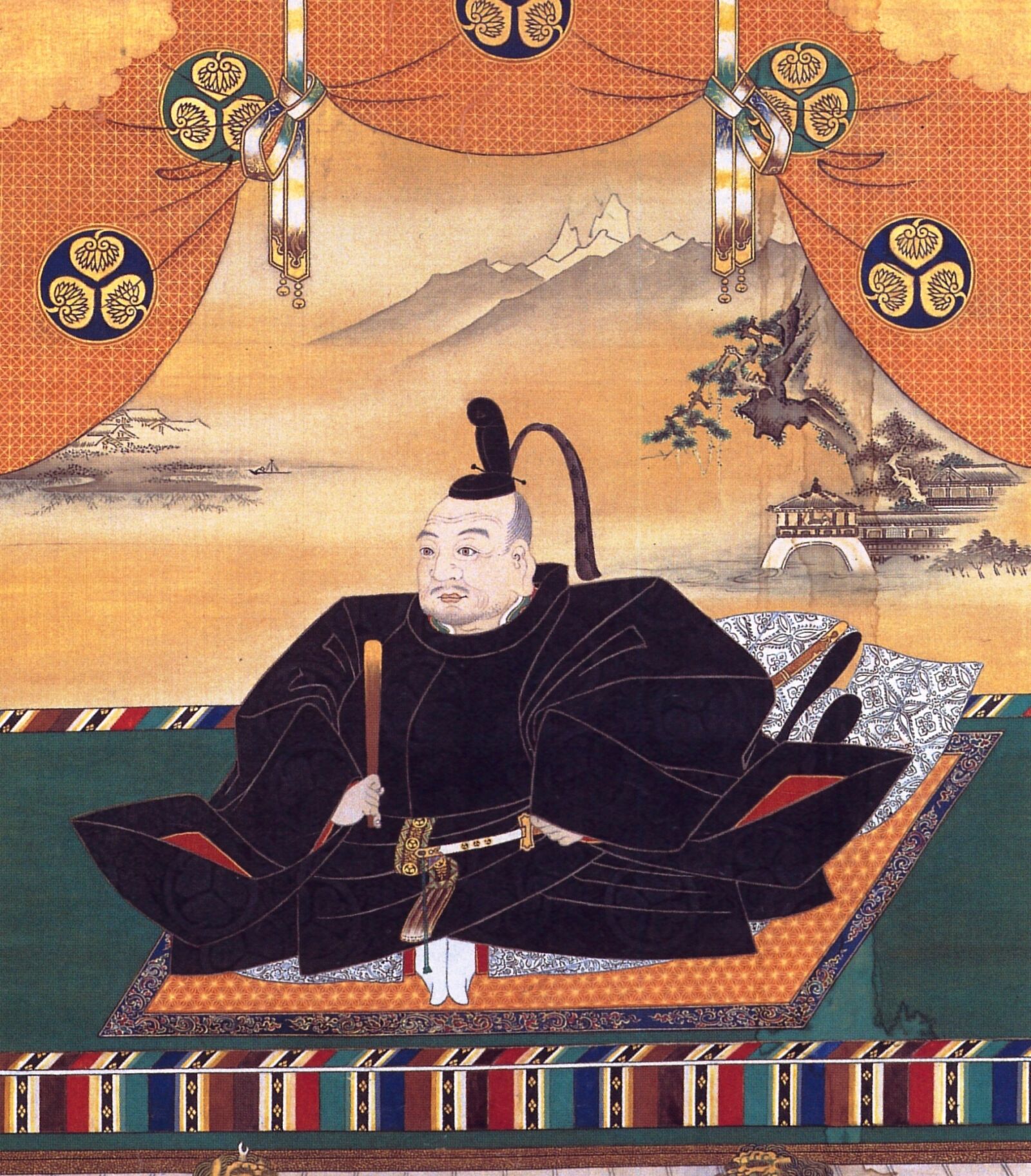
A major figure in the development of managed and safe roads was Tokugawa Ieyasu, pictured above. He was the Shogun who ushered in the Edo era and founded the Tokugawa Shogunate, which ruled continuously from ~1600 until the Meiji Restoration in 1868. For Ieyasu, promoting trade and internal development in the new era of peace under his rule was of the utmost importance.
In 1601, he ordered the creation of five centrally managed roads, all starting from Edo (now known as Tokyo), the the new capital of Japan. Of those roads, the two which connected Edo and Kyoto are the most famous today - the Tokaido and the Nakasendo.
The Tokaido has lent its name to the Tokaido Shinkansen, the bullet train route connecting Tokyo and Kyoto, and therefore still lives on in the minds of travelers today. The Nakasendo, however, largely fell out of use after the 1800's and was thus able to preserve more of its charm and history, away from destructive industrial development.
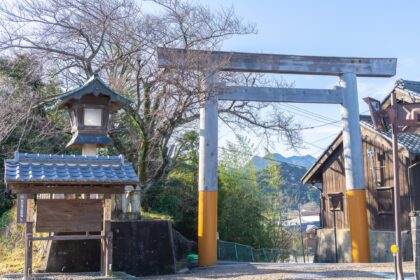
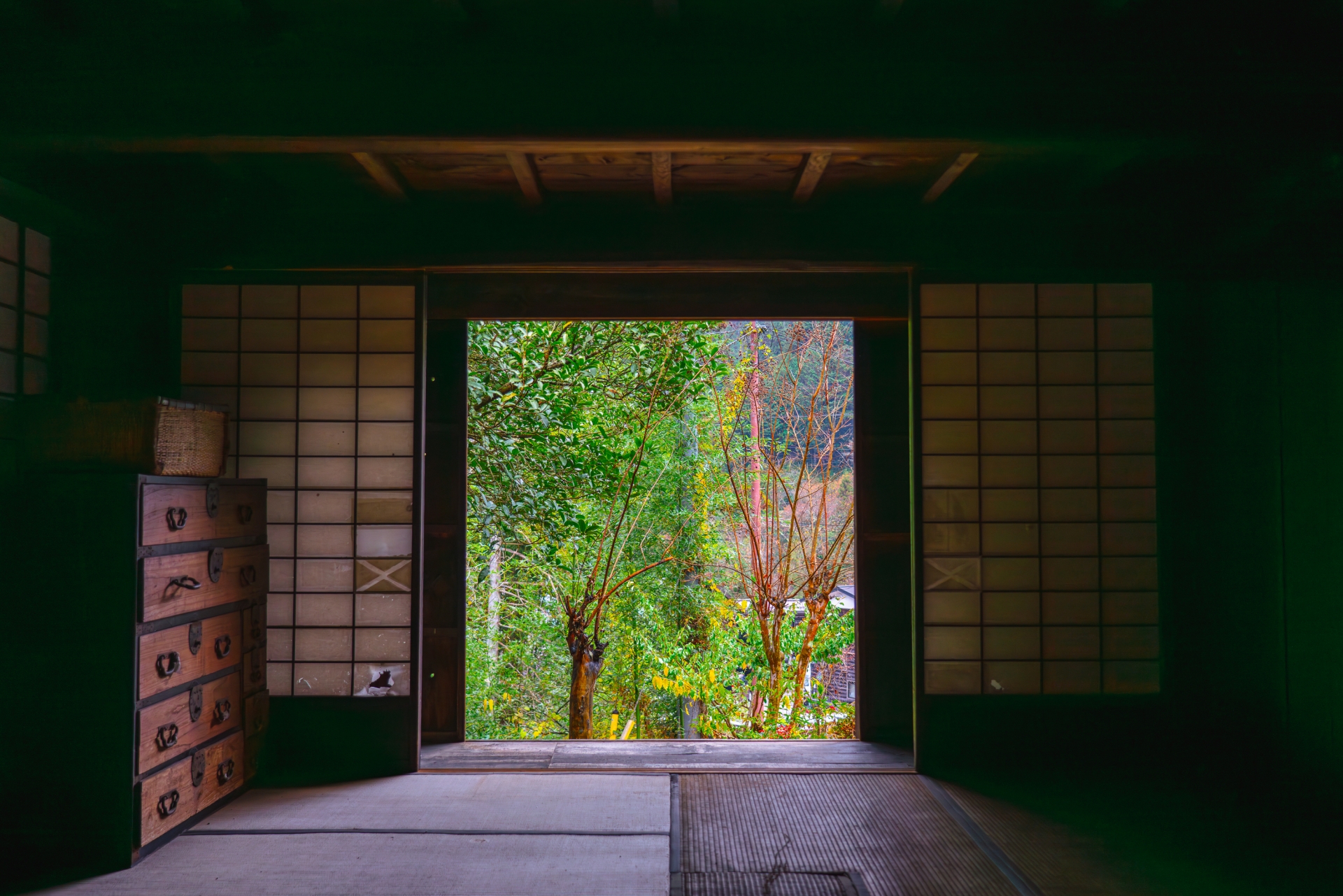
As part of the management of these roads, numerous laws were enacted. The cleaning and caretaking of the road was to be handled by the villages, towns, and cities along its path. Signposts were erected at regular intervals to inform travelers of the correct route and the distance to their destination. Tea houses sprung up at scenic spots along the way, tempting travelers to stop and enjoy a cup of tea with a view.
But perhaps most importantly, post towns were established at regular intervals (usually around 7-8 km) along the way, each equipped with some number of official inns and post offices along with horses for use in carrying goods and letters The system allowed for rapid delivery of mail - if necessary, letters could even be taken the 500km between Edo and Kyoto by the evening of the next day.
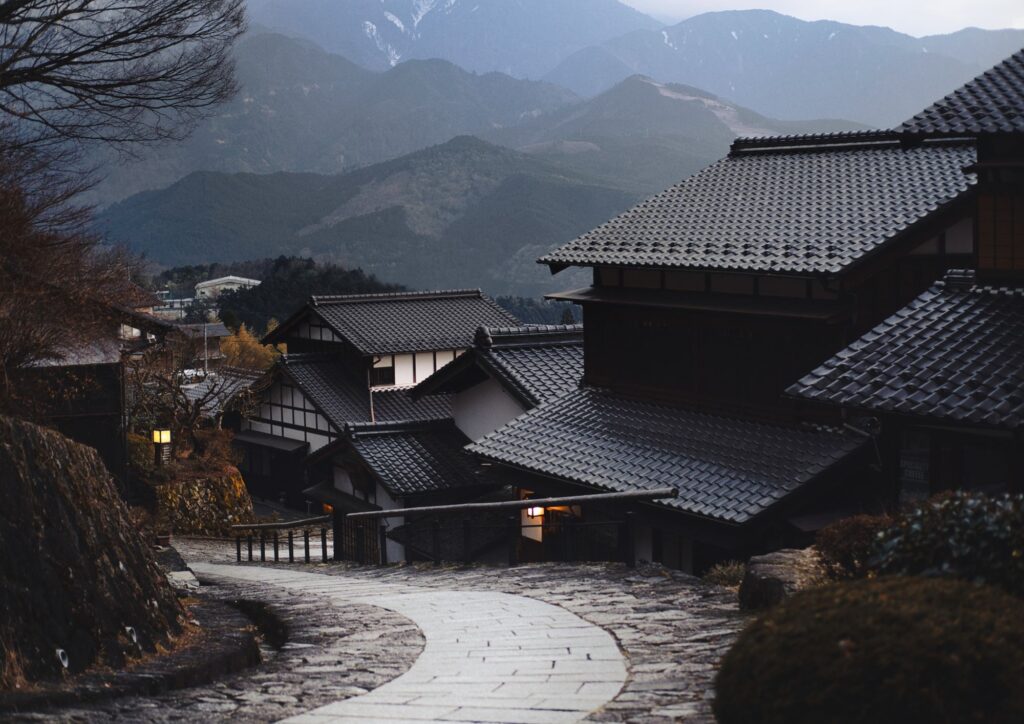
Beyond official business, private business of all sorts sprung up in these post towns, and soon restaurants, tea houses, private inns, clothing shops, souvenir shops, and even carnival booths were to be found throughout the trail.
With this came an increase in travel for leisure and business, bringing a new age of connectivity and prosperity and ushering in the era of taking vacations for your own pleasure. Thronged with Samurai, mail carriers, vacationers, and more, the streets must have been a sight to behold in their heyday. Today, many of these towns have disappeared or been subsumed into sprawling cities, but in the Kiso Valley a number are left just as they were, with souvenir shops, inns, and eateries still welcoming travelers.
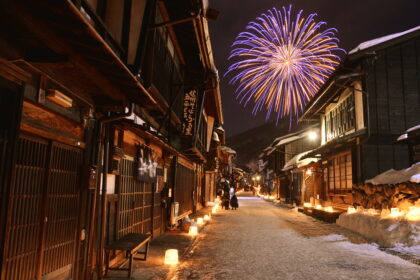
Best Routes for Walking the Nakasendo
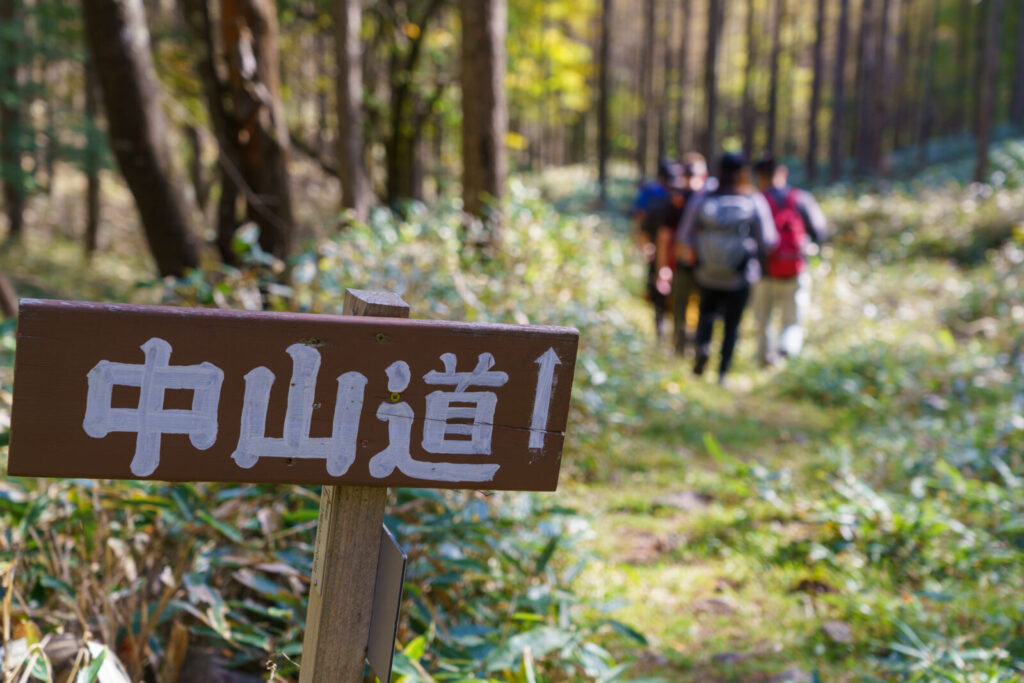
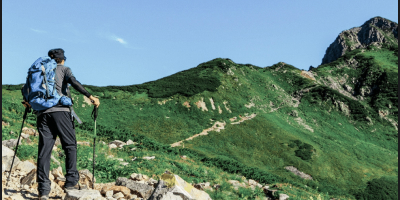
The best way to see the Nakasendo is to walk it - or a portion of it at least. At over 500 km, walking the whole route may not be feasible and can take around a month to complete (although some dedicated enthusiasts take the challenge), but picking a smaller section and walking between two of the post towns is a great way to enjoy nature and culture together.
See below for some of the best routes:
Magome – Tsumago Trail
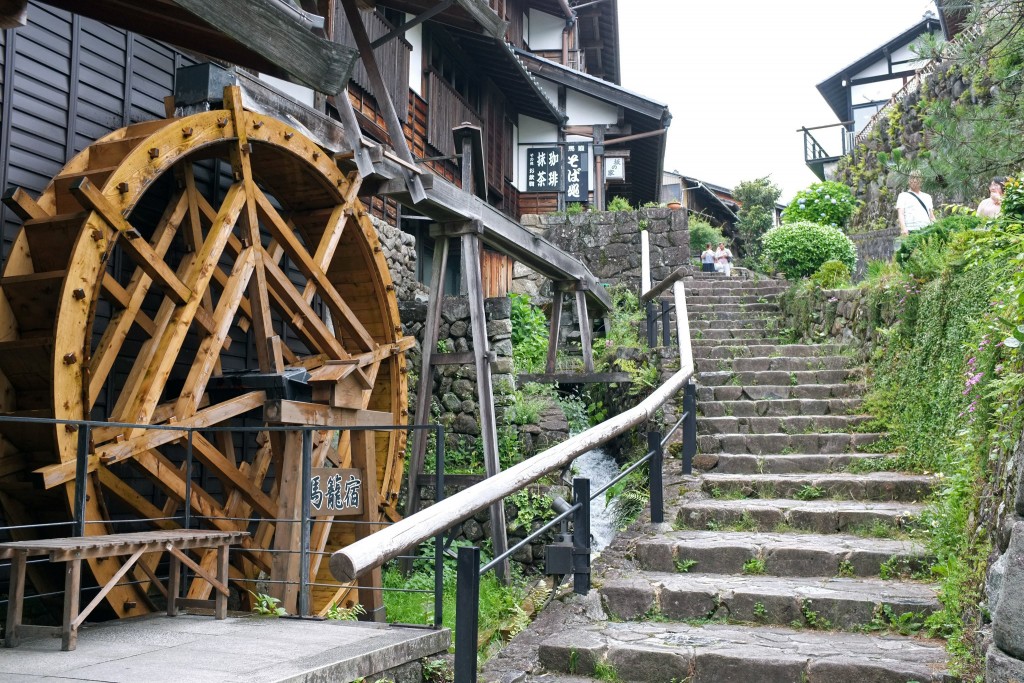
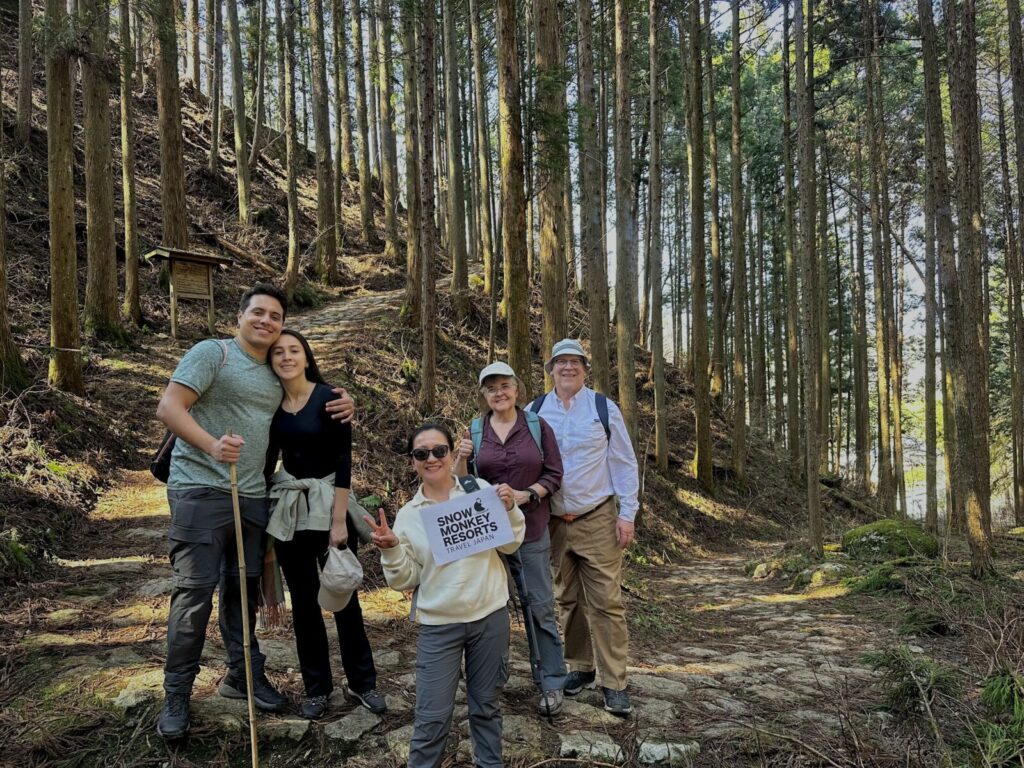
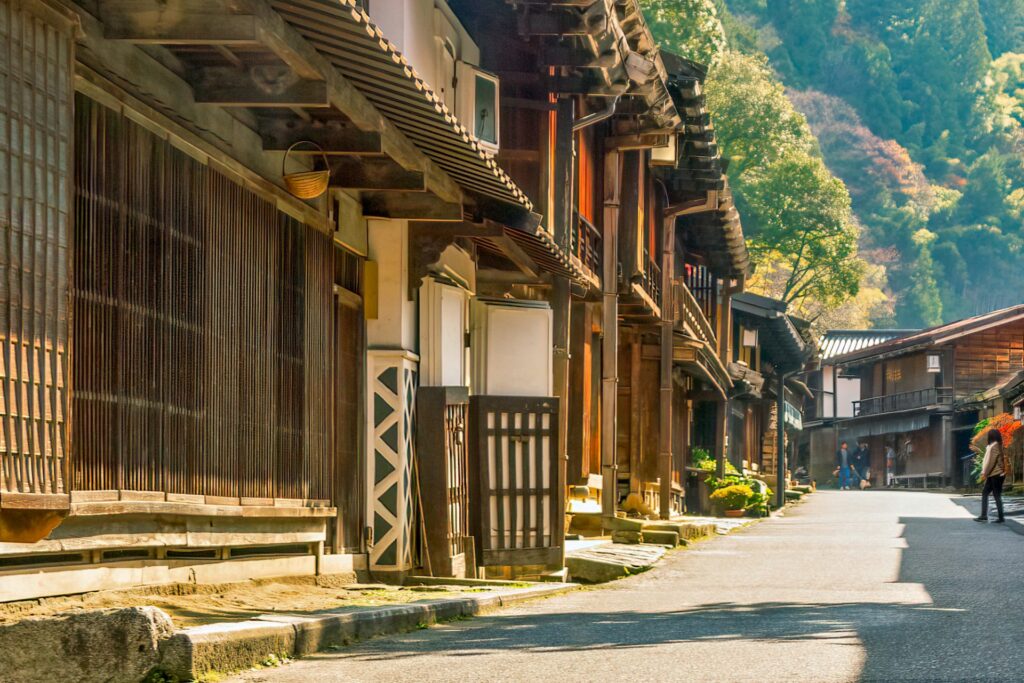
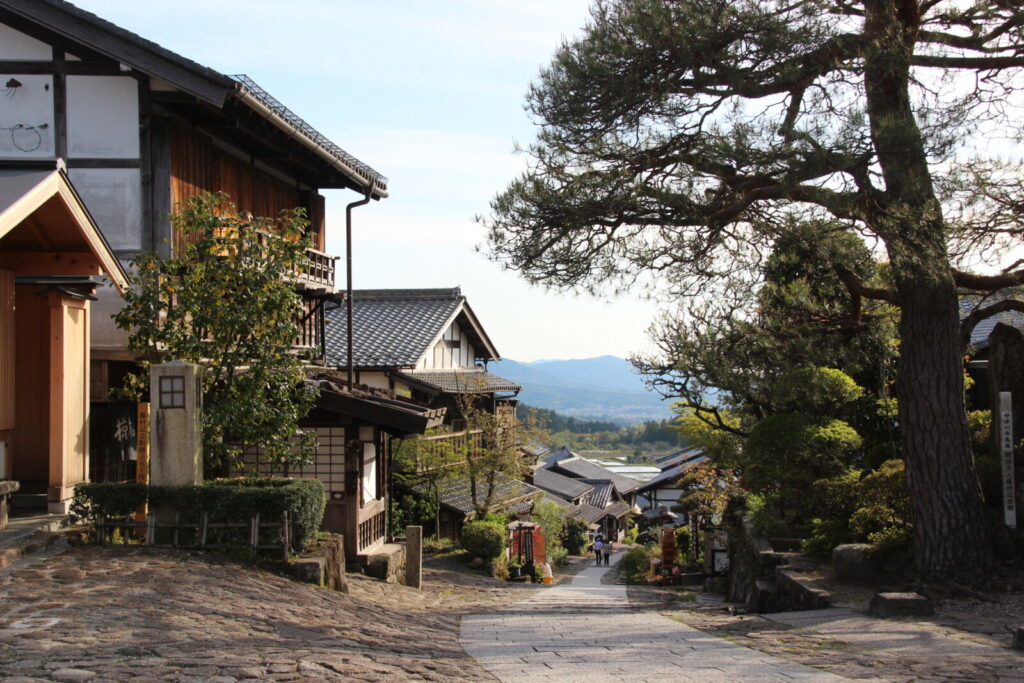
This is perhaps the most popular section of the ancient Nakasendo trail, and it’s easy to see why—the path takes you through two of the most well-preserved historic post towns and lets you stroll through stretches of the Japanese countryside and a peaceful forest along the way.
Best season to hike: April through November.
Distance: about 7.5 kilometers (4.7miles). Rest areas and toilets are located in a couple of places along the way.
Time required: the entire hike takes around 2.5 to 3 hours (not including time spent exploring the post towns).
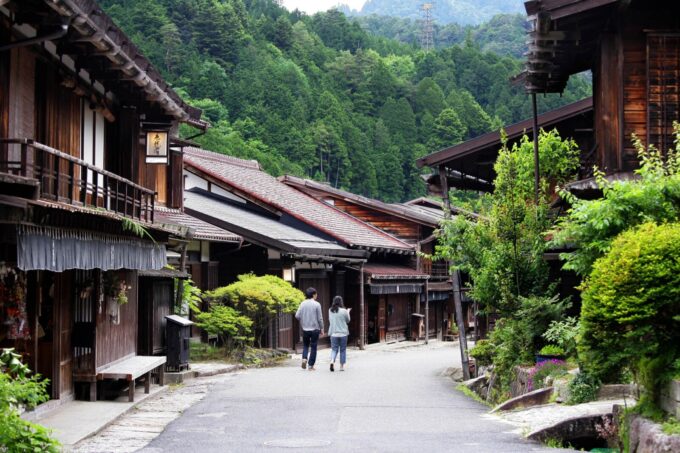
Recommended Tour: Step into the past and experience life in rural Japan as you hike the Nakasendo trail from Tsumago-juku to Magome-juku on Snow Monkey Resort's highly rated 1-Day Tour from Nagoya: Hiking the Historic Nakasendo Trail.
Best Selling
1-Day Tour from Nagoya: Hiking the Historic Nakasendo Trail
- Spots:
- NagoyaKiso Valley
- Pick-up:
- Nagoya
- Drop-off:
- Nagoya
You also have the option of joining this tour from Nagano or Matsumoto in addition to Nagoya. We can even start the tour in Nagoya and end in Nagano or Matsumoto as these tours are part of our unique connectable tour system.
Popular
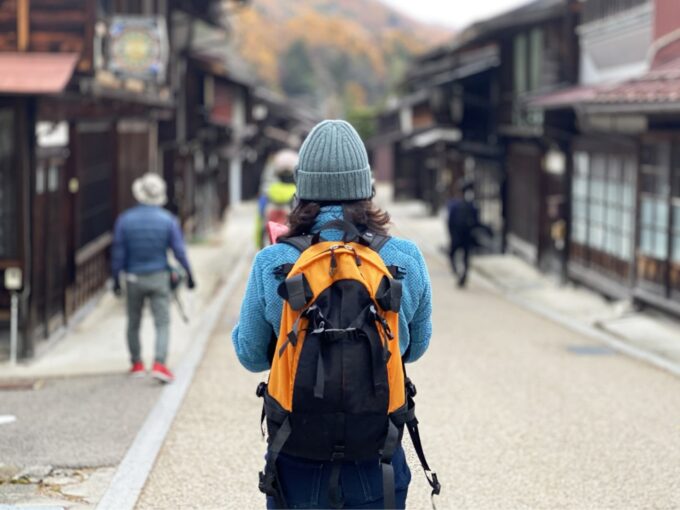
1-Day Tour from Nagano and Matsumoto: Step into the Past on the Nakasendo
- Spots:
- NaganoMatsumotoKiso Valley
- Pick-up:
- Nagano CityMatsumoto
- Drop-off:
- Nagano CityMatsumoto
What to expect on the trail between Magome & Tsumago
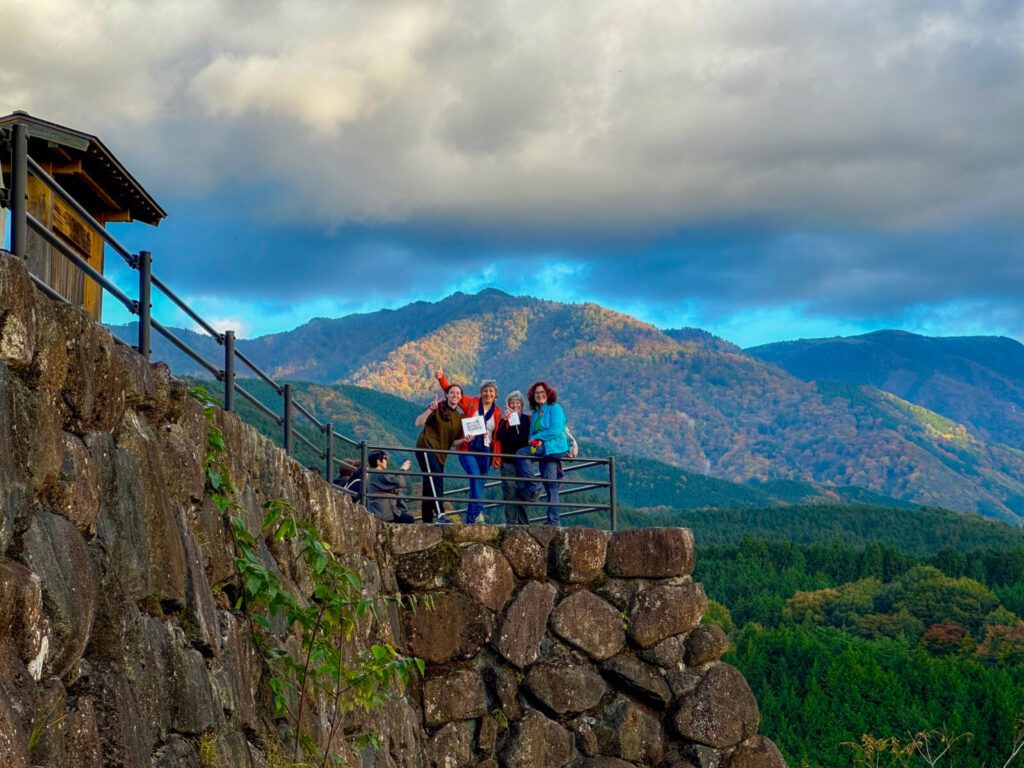
The historic post towns of Magome and Tsumago on either end of the trail are well worth spending time to explore.
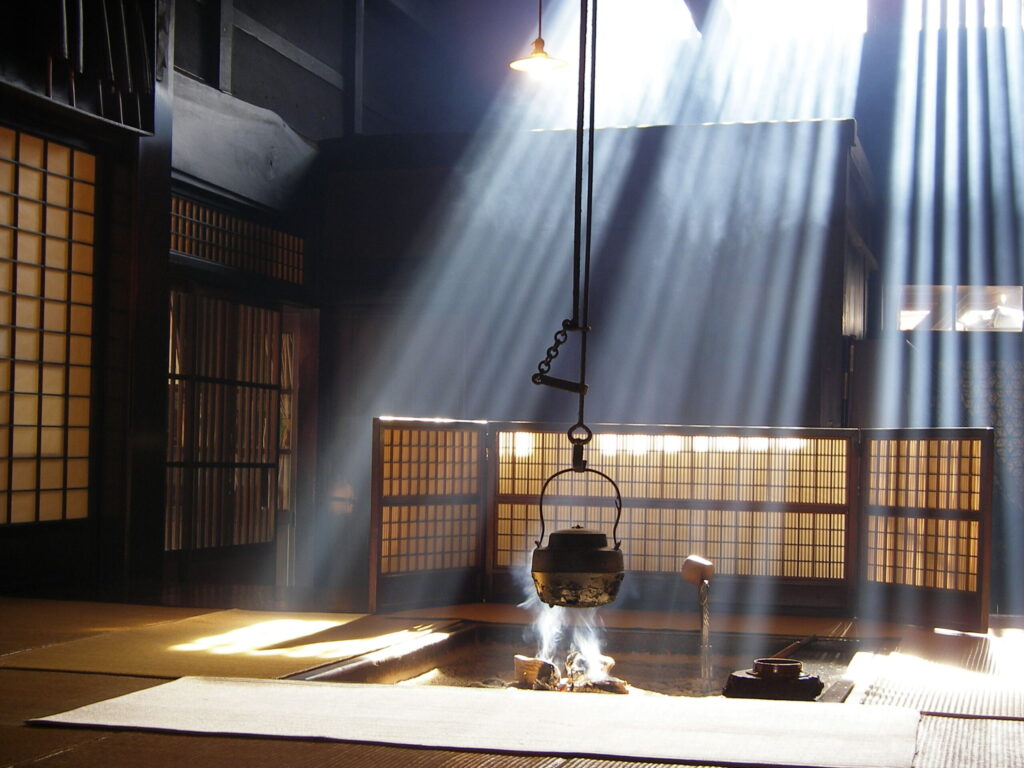
In Tsumago, you can see old inns and residences that are 100 to 300 years old, some of which have been turned into museums. One building was once a horse stall. The Wakihonjin Okuya, which was used to house government officials, is an especially impressive example of a traditional dwelling complete with an indoor fire pit. At one end of the town, you will find a large wooden notice board that informed travelers of the local laws and tariffs as well as a small watermill.
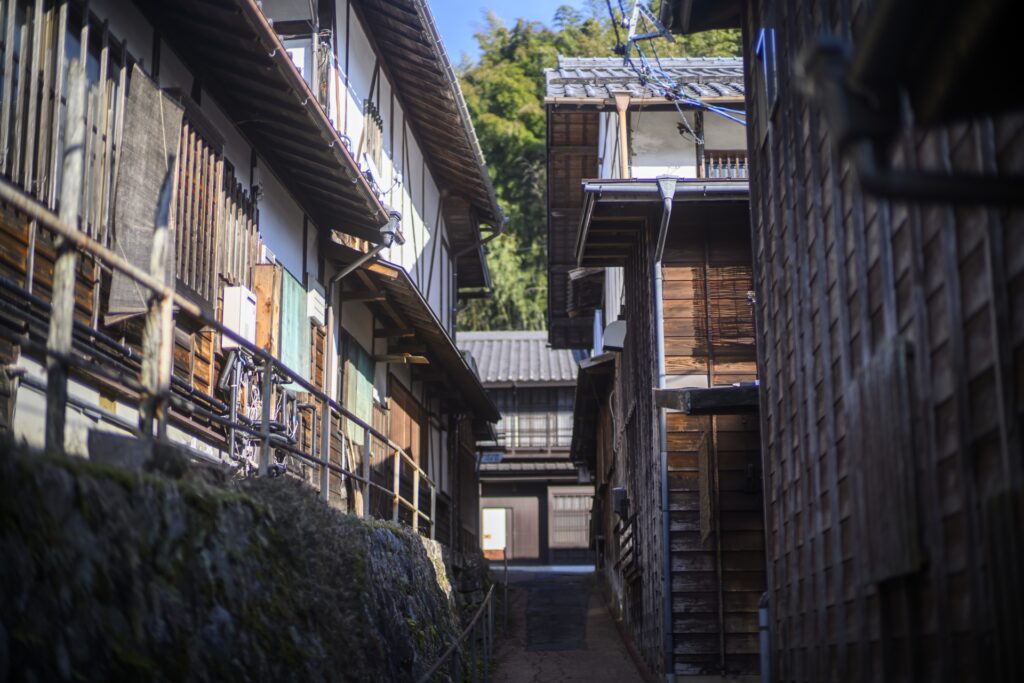
Both towns have their share of cafes, small eateries, and souvenir and craft shops. Be sure to stop in at the tourist information centers in each town to get pamphlets and detailed information on sightseeing spots.
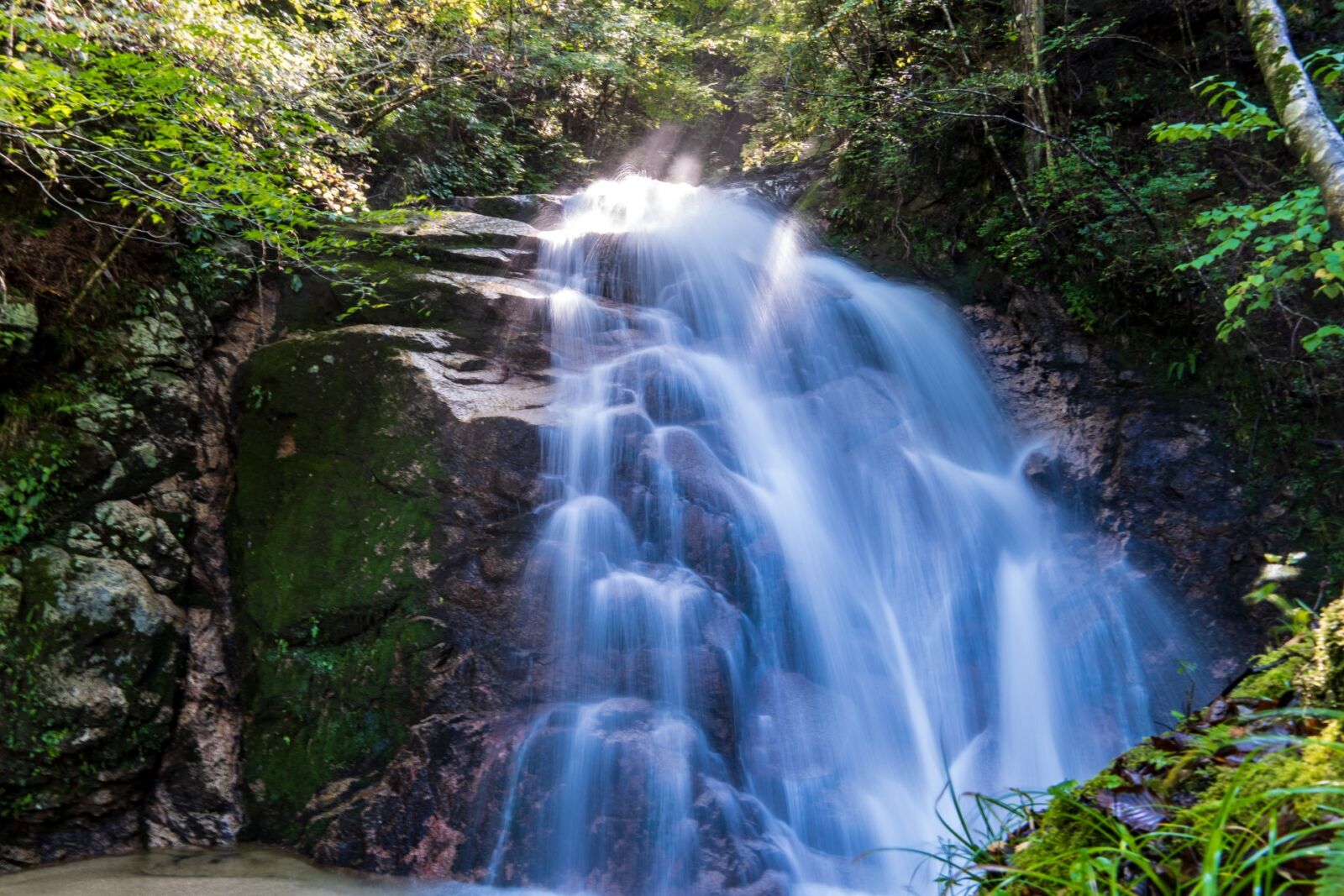
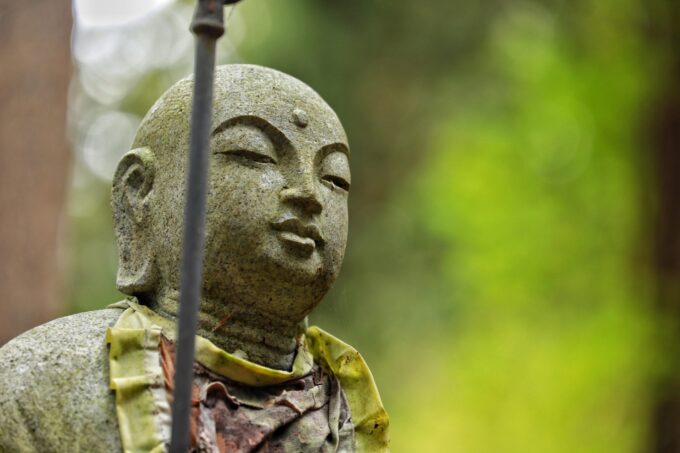
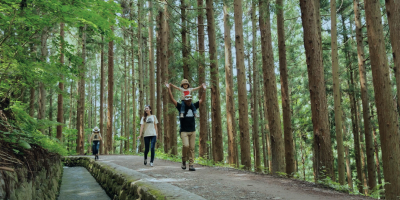
Along the trail between Magome and Tsumago, you will be walking through a pleasant forest along a gentle stream for much of the way. Keep an eye out for the Otaki and Metaki Waterfalls around the halfway point and the small stone Buddha statues (jizo) scattered about the trail. You may see some wild monkeys and other wildlife too!
Please Note: The path to the waterfalls is currently under construction until February 2027. While we will do our best to include the waterfalls in the hike, there may be some days in which they are inaccessible.
Getting closer to Tsumago, you will run into the Tateba Chaya (tea house), which is thought to have been built before the 1600s and served as a resting place for travelers. Here, you can take a break and enjoy a cup of green tea offered by the maintainer. If you walk the trail around May, the weeping cherry blossom in front of the tea house will be blooming with beautiful pink flowers.
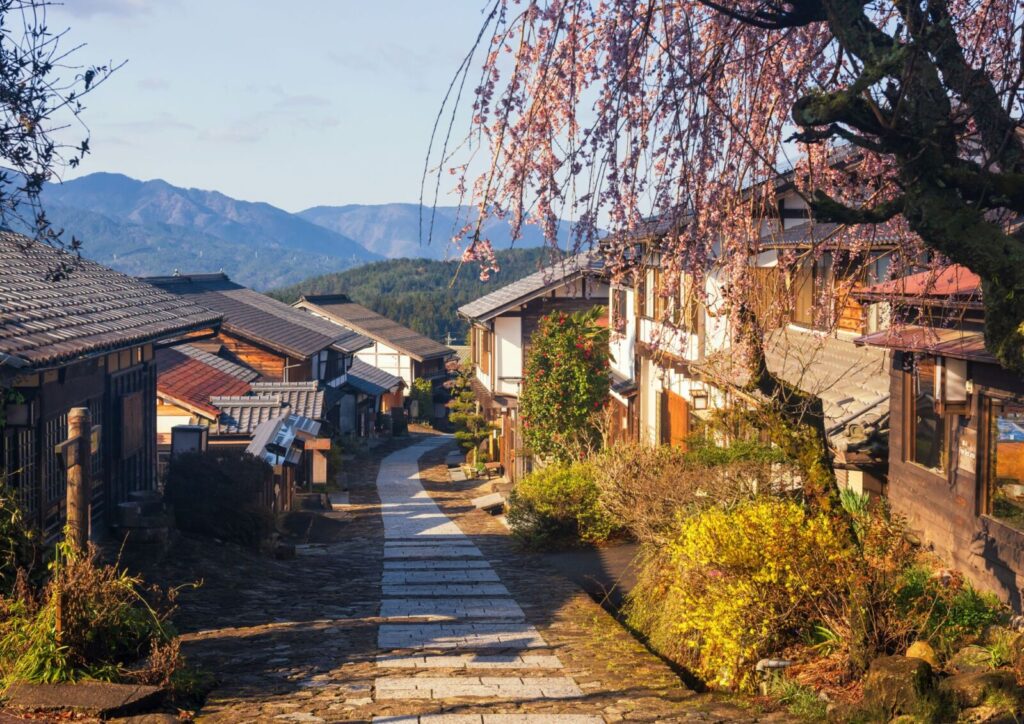
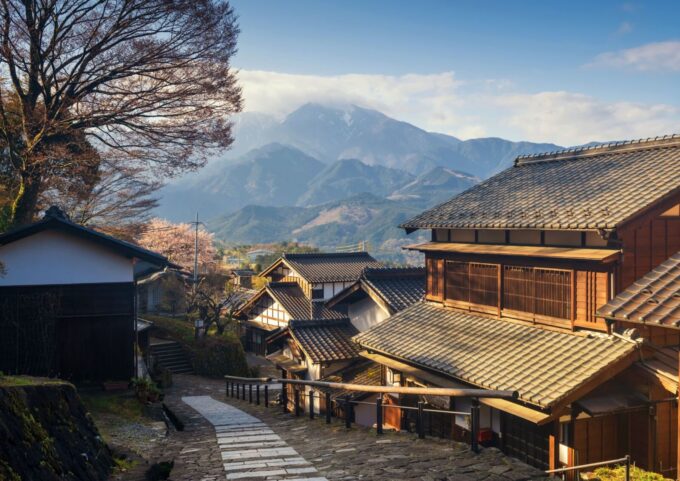
Arriving in Magome, you will find an observation platform that looks over the Kiso Valley and Mt Ena. Continuing into town, you will pass another historic sign post before descending through the picturesque former post town situated on a steep slope. Magome has many shops and restaurants to explore and recharge after your day of hiking. There is also a beautiful old watermill that still functions to this day and few museums where you can learn about the town’s history and see the inside of some of the old buildings.
New Tour
[FROM NAGOYA] Nakasendo Trail and Post Towns Private Hike
- Spots:
- NagoyaKiso Valley
- Pick-up:
- Nagoya
- Drop-off:
- Nagoya
Yabuhara – Narai Trail
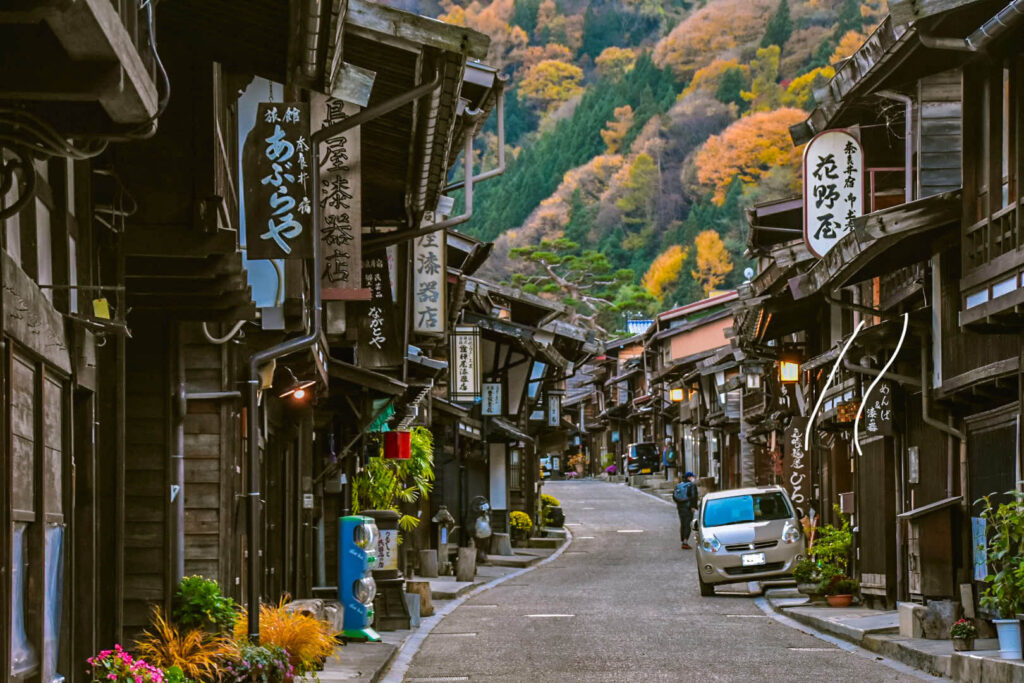
This section of the Nakasendo Trail takes you over the Torii Pass, which was once considered the most difficult section of the trail by travelers long ago. Though you do need to make the ascent to the top of the pass, the uphill portion is not overly rigorous and the trail makes for a relaxing hike overall.
Best season: April through November.
Distance: around 6 kilometers.
Time required: about 3 hours.
Recommended starting point: we recommend starting from Yabuhara and finishing at Narai, as there is more to enjoy in Narai.
Recommended Tour:
Popular
1-Day Tour from Nagano and Matsumoto: Experience Matsumoto Castle and Narai-juku
- Spots:
- NaganoMatsumotoKiso Valley
- Pick-up:
- Nagano CityMatsumoto
- Drop-off:
- Nagano CityMatsumoto
What to expect on the trail between Yabuhara & Narai:
Take the train to Yabuhara Station. In the parking lot near the station, look for the big sign that tells you about the Nakasendo Trail where you can also check the details about the Yabuhara–Narai stretch. Follow the signs uphill through the town that point you in the direction of the “Torii Pass.” Once you get to the trailhead, it’s a straight shot to Narai.
Most of the trail is within the forest, so keep an eye out for wildlife like monkeys and Japanese serows. There are also many impressive trees that are several centuries old.
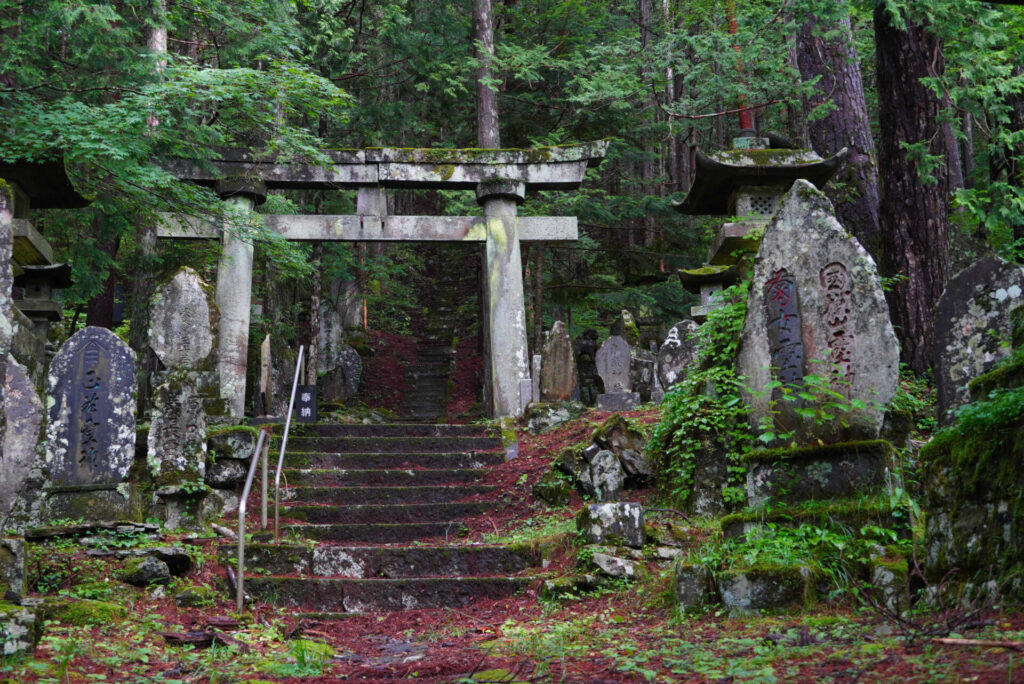
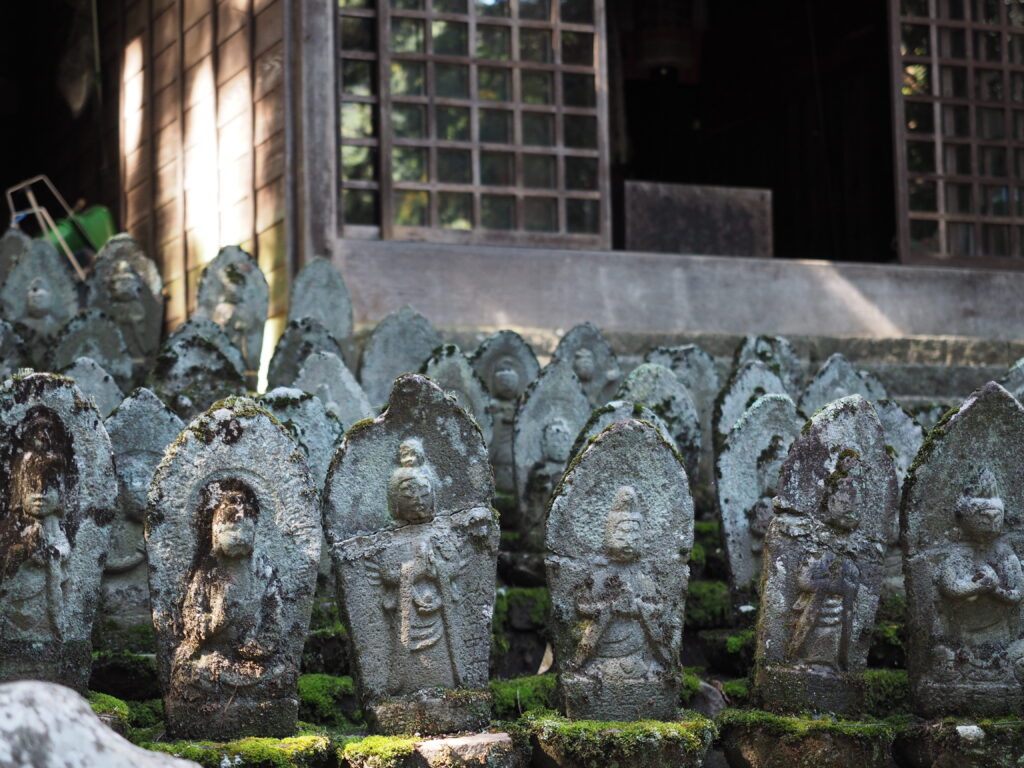
There is a Shinto shrine (Ontake Shrine) and large stone torii gate near the top of the Torii Pass. You will also have a great view of the Kiso Valley and the town of Narai below. Around the shrine, there are several old statues that date back many centuries and commemorate Buddhist monks, warriors, and other historical figures. There is a rest area with toilets and running spring water, as well. From there, it’s downhill until you reach Narai!
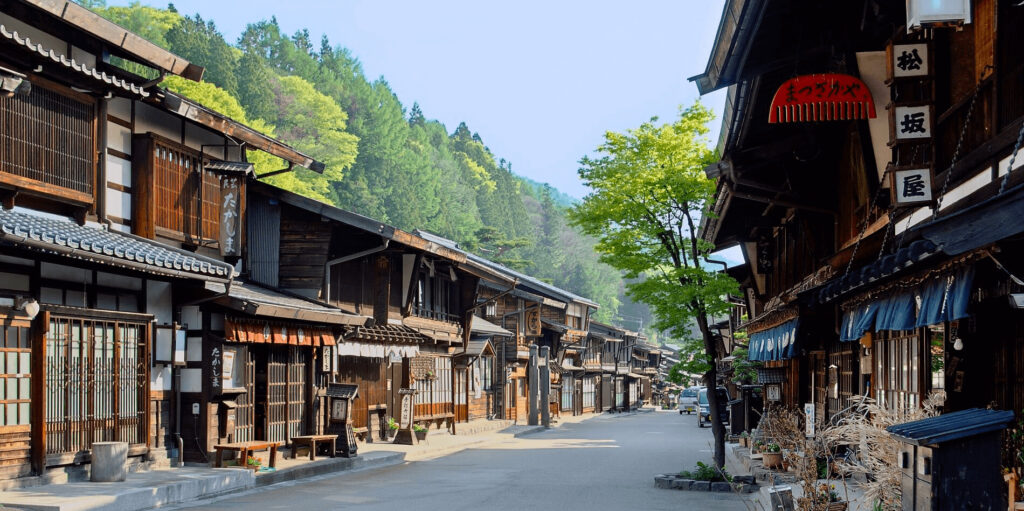
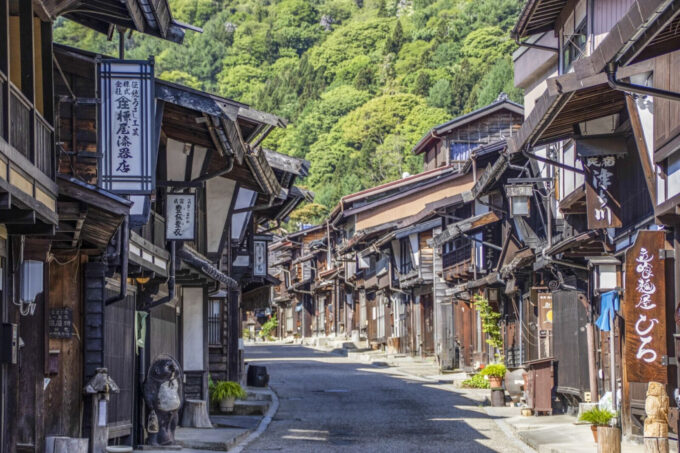
Once you reach Narai, there is plenty to explore. The old post town is a one-kilometer stretch lined with historic inns dating back hundreds of years. The buildings are meticulously preserved and reflect the townscape as it was during the prospering Edo period. Nowadays, the buildings home to craft and souvenir shops, cafes, restaurants, and more.
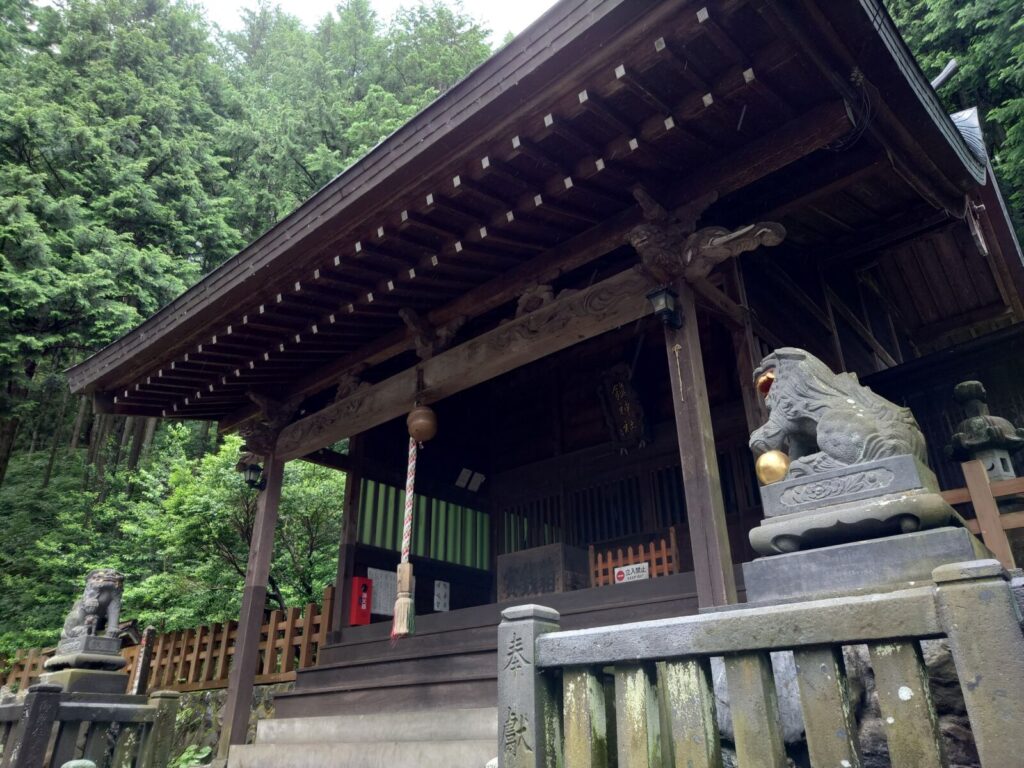
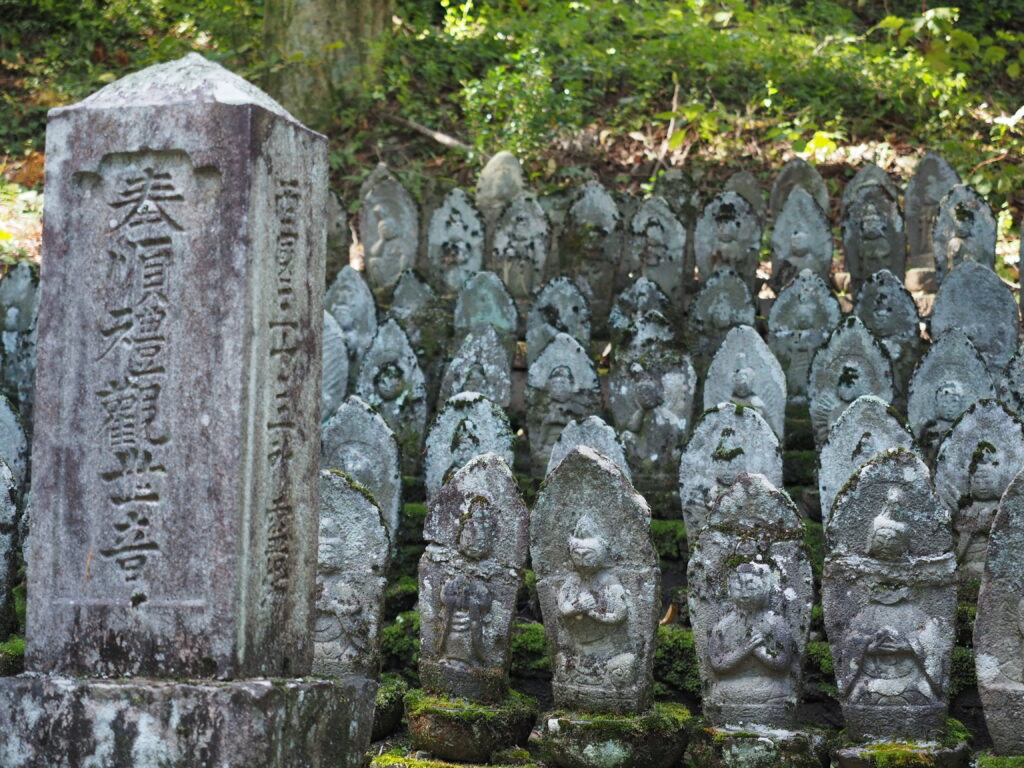
Also, pay a visit to the shrines and temples scattered about the town. On the northern end, you will find a group of 200 unique jizo (small stone Buddhist statues). If you are a history lover, you will want to visit the Nakamura Residence, which is the preserved house of a wealthy comb seller from the Edo period, and the Narakawa Museum of History and Folklore, which exhibits artifacts and crafts from the area.
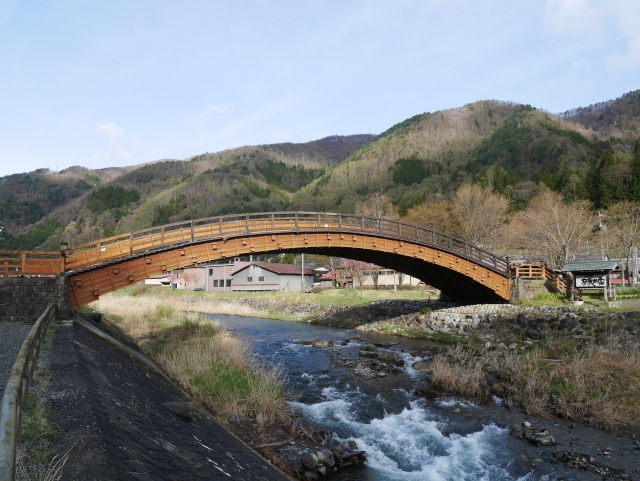
There is a beautiful wooden bridge that arches over the Narai River near the post town. Constructed from a 300-year old hinoki cypress tree, it is a beautiful work of Japanese craftsmanship.
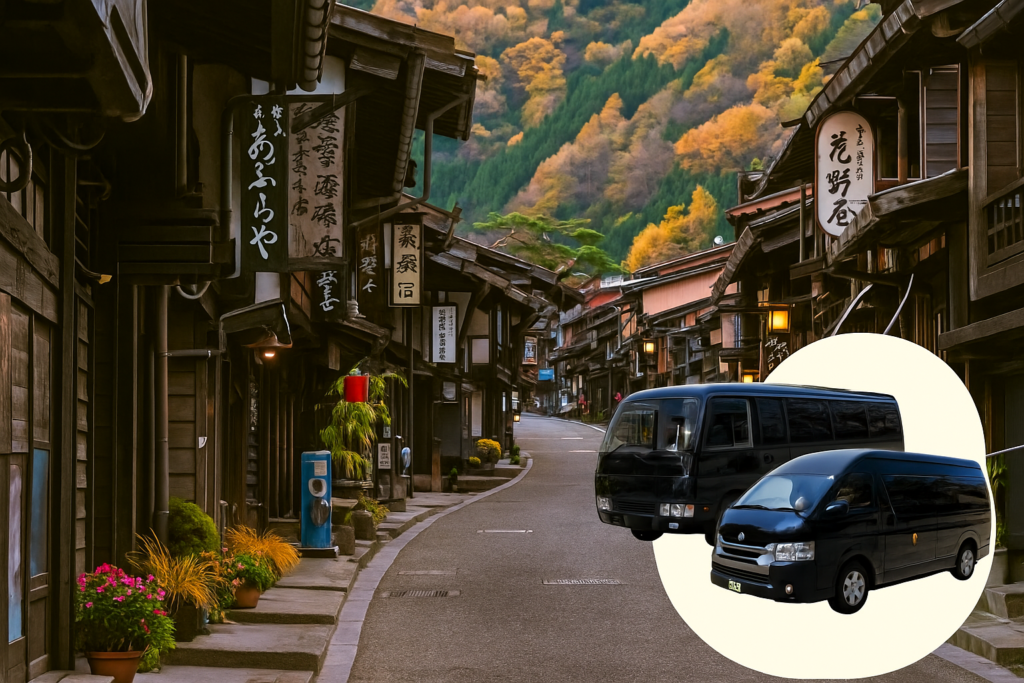
NAGOYA→NARAI-JUKU (3HRS)→NAGOYA
- Duration:
- 9-10 Hours
- Spots:
- Nagoya, Kiso Valley
When is the Best Time to Hike the Nakasendo Trail?
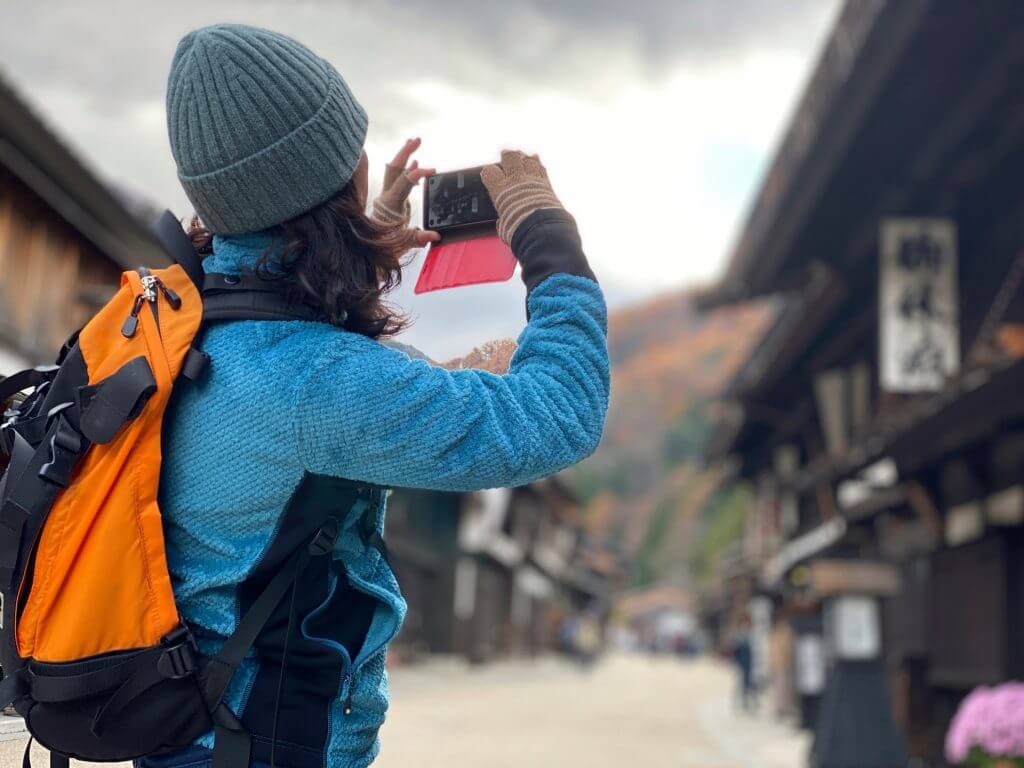
The trail can be walked any time of year but the level of snow and ice in the winter and the extreme heat and humidity of the summer should certainly be considered when planning your trip to this region.
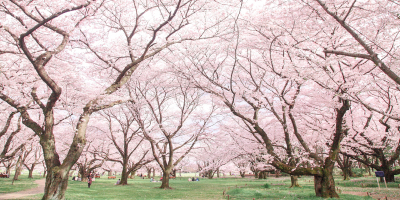
We recommend spring and autumn to coincide with the cherry blossoms and stunning autumn leaves. These are the most popular seasons for walking the trail so make sure to book your accommodation well in advance.
Heat and humidity in summer make the walk more taxing so make sure you are prepared for the conditions and take your time. The trail is open during winter but it is not maintained. Specialist walking gear is required as snowfall can be heavy.
Where Is the Nakasendo Trail?
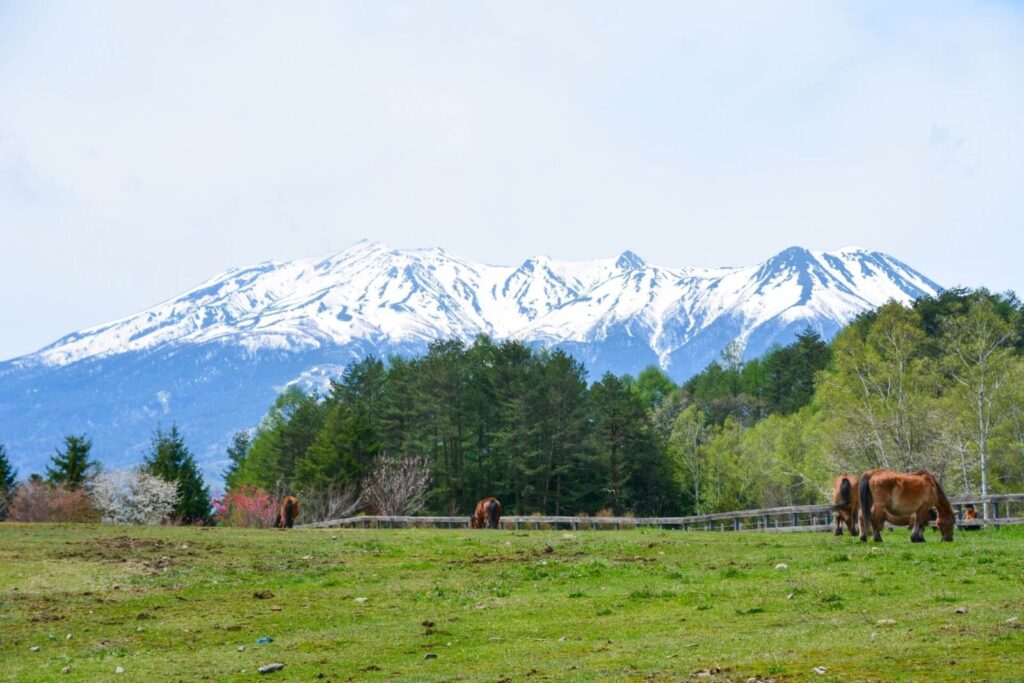
The Kiso Valley, through which the Nakasendo runs, is a beautiful area located between Shiojiri and Nakatsugawa in Nagano Prefecture. The area lies to the west of Tokyo – around 250KM / 3.5 to 4 hours drive. Running north to south, the valley follows the Kiso River for around 70km and is known for its pristine waterways, forests, waterfalls and hiking trails including the historic Nakasendo.
A key route linking Tokyo – then called ‘Edo’ – to Kyoto during the Edo Period (1603-1868), the Nakasendo spanned a distance of more than 500KM with the area of the route that passed through the Kiso Valley, known as the ‘Kiso-ji’, regarded as particularly beautiful. Parts of the route can still be walked today with the ‘shukubamachi’ towns of Magome and Tsumago being the most popular destinations, located in the southern part of Kiso Valley nearby Nakatsugawa Station.
Most visitors heading to the Kiso Valley and Nakasendo do so using the Limited Express Shinano service. Running between Nagano and Nagoya, all limited express services on the line stop at Kiso-Fukushima Station and Nakatsugawa Station. As explained below, we recommend staying in the Kiso-Fukushima Station area.
Tips for Hiking the Samurai Road
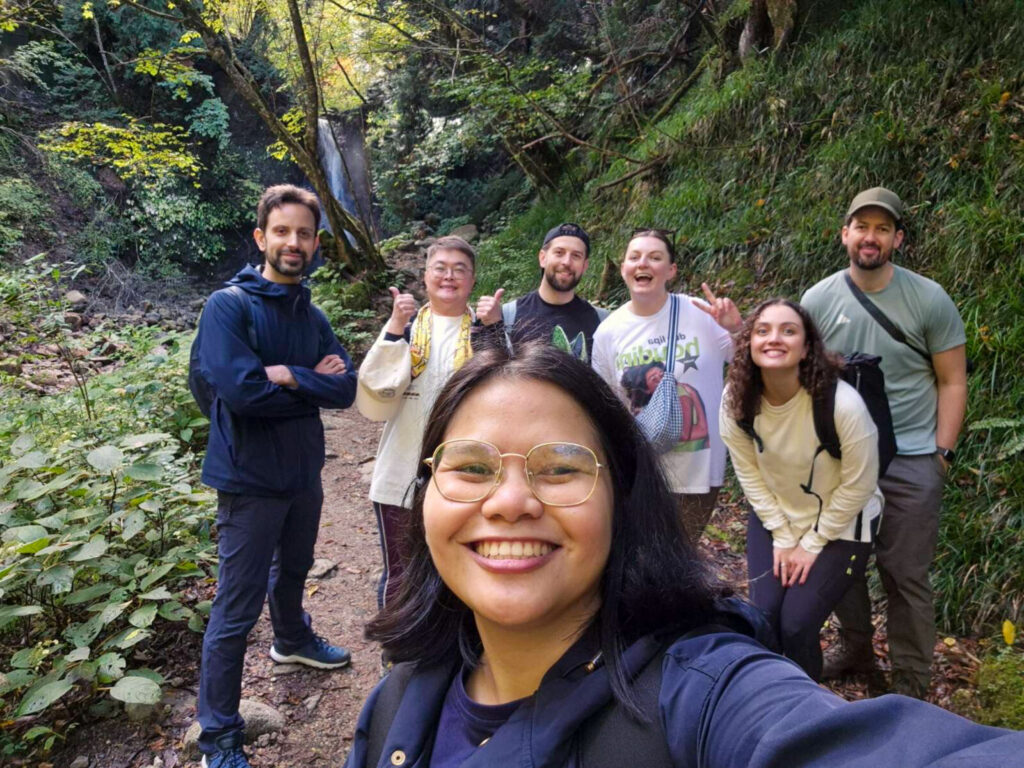
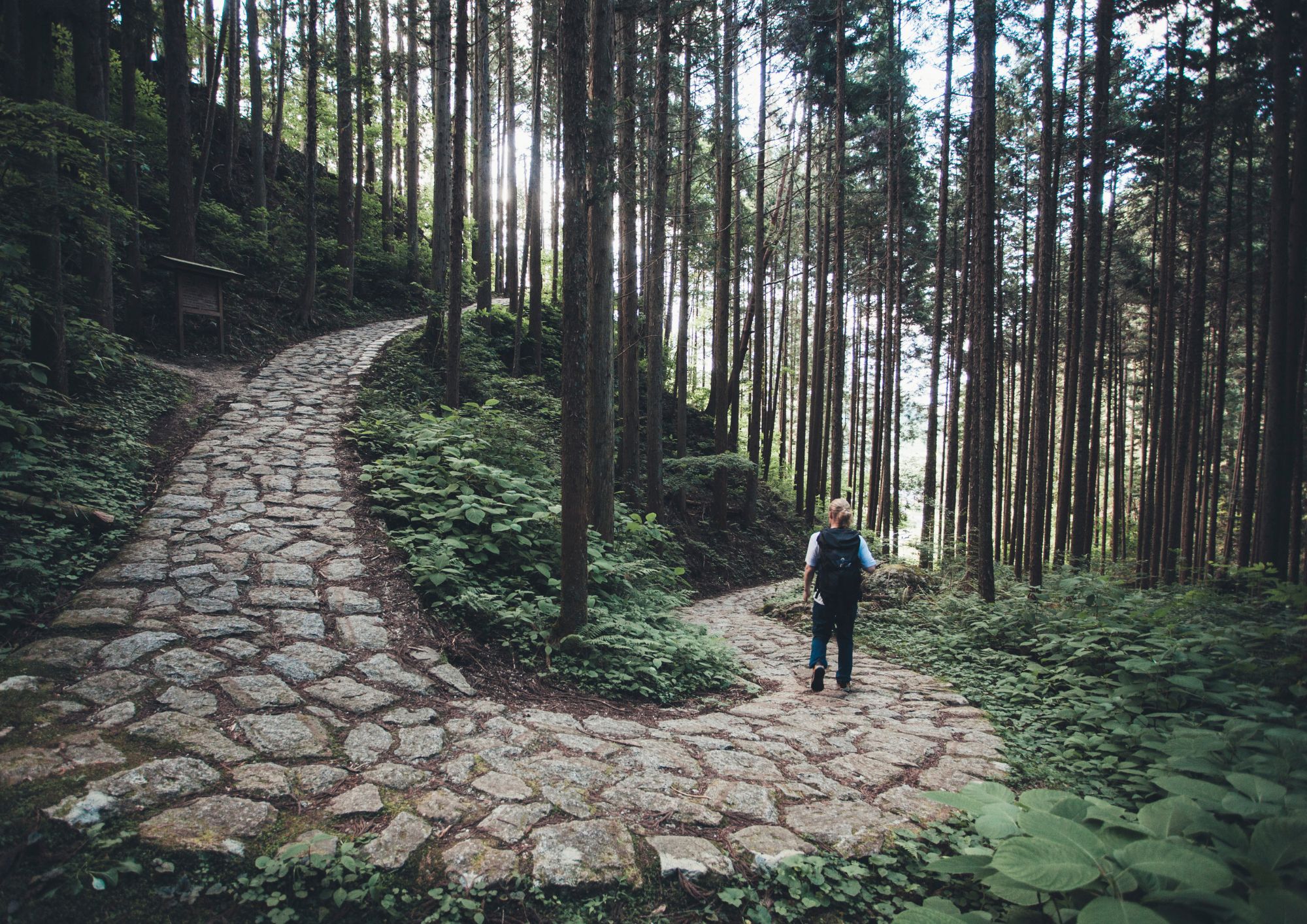
Wear comfortable walking shoes or light hiking boots. As the route is well maintained and consists of packed dirt paths, stone steps, and gentle forest trails, most hikers will be comfortable wearing supportive sneakers or trail shoes, especially those with good grip for rainy days (which are common in spring).
Pack light but smart for the Nakasendo Trail to ensure an enjoyable hike. Bring a small daypack, a refillable water bottle, and a light rain jacket, as spotty showers are frequent. It is also a good idea to carry snacks and a bento lunch as there is not many options for food along the trail. Cash is also necessary because many local businesses do not accept credit cards. A camera or smartphone is highly recommended, as the scenery along the route is especially scenic.
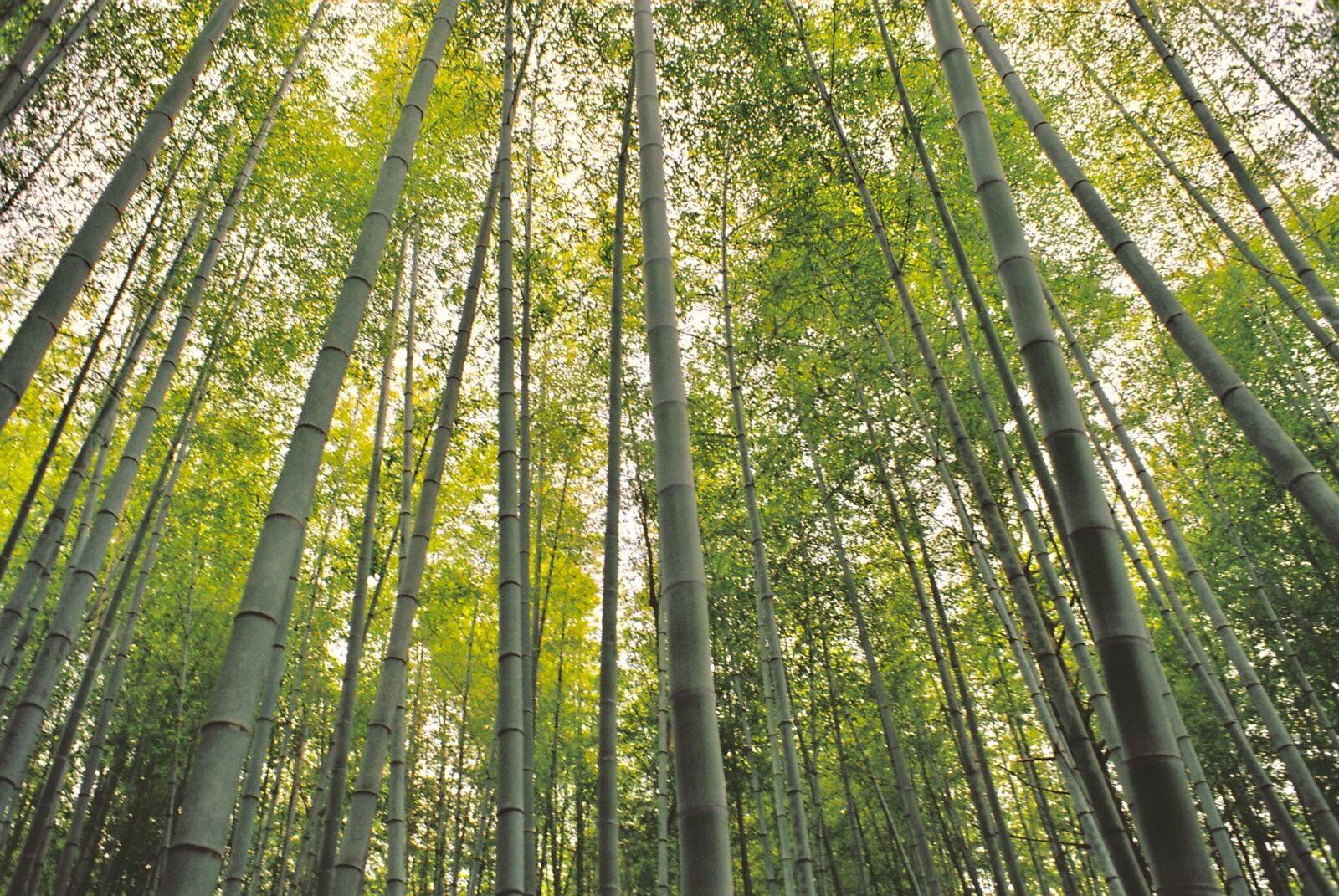
Plan for changing weather conditions, even during the ideal spring and fall seasons. Mornings can be cool, rain showers are common in spring, and fall days are often sunny while evenings become chilly. Dressing in layers will help you stay comfortable throughout the hike.
Respect local etiquette while hiking the Nakasendo Trail by staying on marked paths and avoiding litter, as trash bins are rare along the route. Keep noise levels low when passing through residential areas, and be mindful when taking photographs by showing respect for local residents and their surroundings.
Want to join a trek on the Nakasendo Trail?
Based in Central Japan and operating much of the year, we offer multiple highly entertaining group and private tours of the Nakasendo that are sure to please.
All tours are led by locally-based guides and include a visit to the towns of Magome and Tsumago as well as an 8km hike on the Nakasendo itself through beautiful forest. Our tours are fun, interactive and family-friendly.
For more information, or to book a guided tour, click on the banners below.
Best Selling
1-Day Tour from Nagoya: Hiking the Historic Nakasendo Trail
- Spots:
- NagoyaKiso Valley
- Pick-up:
- Nagoya
- Drop-off:
- Nagoya
New Tour
[FROM NAGOYA] Nakasendo Trail and Post Towns Private Hike
- Spots:
- NagoyaKiso Valley
- Pick-up:
- Nagoya
- Drop-off:
- Nagoya
You also have the option of joining this tour from Nagano or Matsumoto in addition to Nagoya. We can even start the tour in Nagoya and end in Nagano or Matsumoto (or vice-versa) as these tours are part of our unique connectable tour system.
Popular
1-Day Tour from Nagano and Matsumoto: Step into the Past on the Nakasendo
- Spots:
- NaganoMatsumotoKiso Valley
- Pick-up:
- Nagano CityMatsumoto
- Drop-off:
- Nagano CityMatsumoto
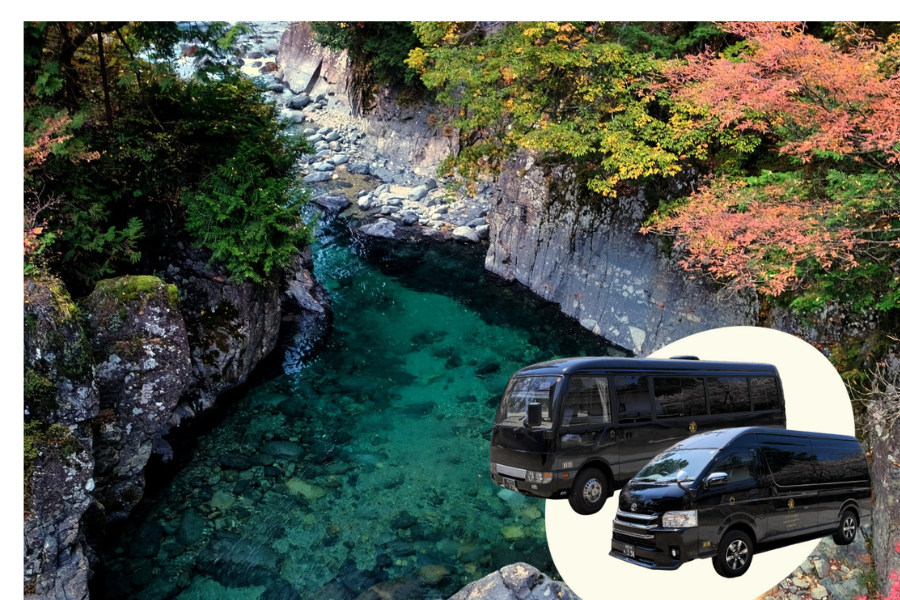
Of course, we also offer private charters and transport in and around the Nakasendo trail and Kiso Valley area, as well as other regional destinations.
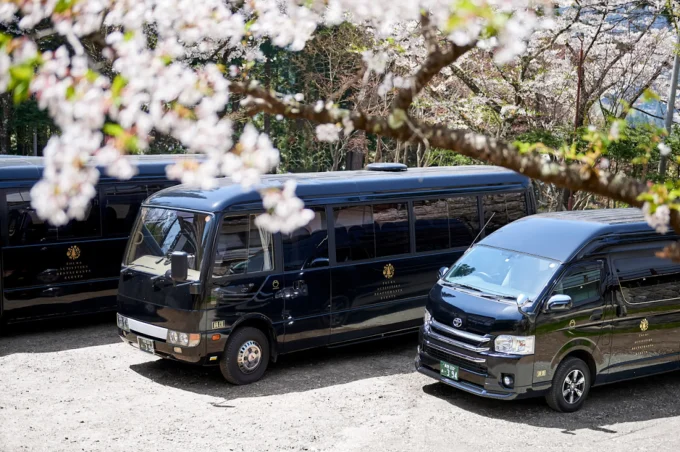
Our drivers and vehicles are fully certified, allowing us to transport you to and from your preferred destinations in combination with any activity that suits your schedule. All vehicles are well-maintained and in good condition, allowing you to relax and enjoy your ride to wherever you are going.
NAGOYA → NAKASENDO TRAIL (5HRS) → NAGOYA
- Duration:
- 9-10 Hours
- Spots:
- Nagoya, Kiso Valley