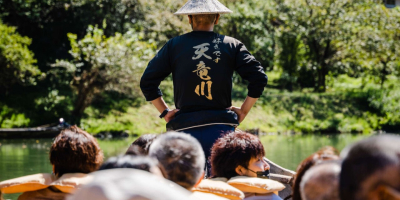
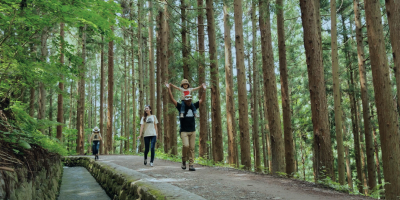

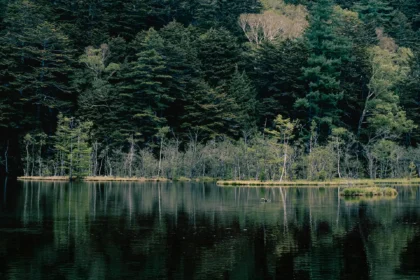
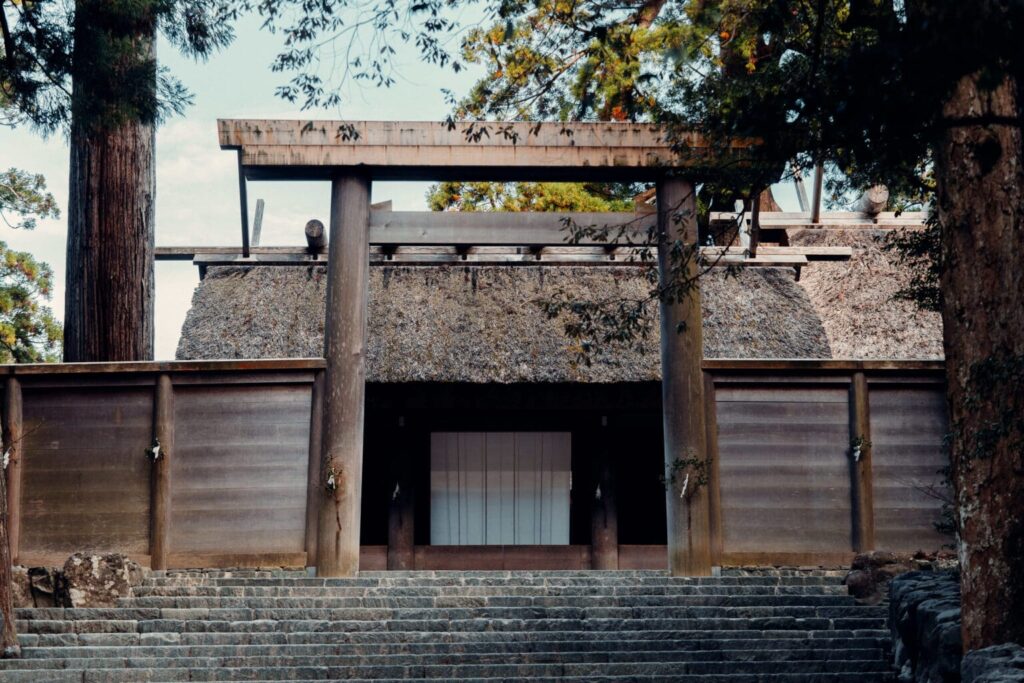
The Ise Grand Shrine, located in Ise City, Mie Prefecture, is Japan’s most sacred Shinto shrine complex. Dedicated to Amaterasu-Omikami, the sun goddess and mythical ancestor of the Imperial Family, the Ise Grand Shrine—known in Japanese as Ise Jingu—consists of 125 shrines centered around its two primary sanctuaries: the Inner Shrine (Naiku) and the Outer Shrine (Geku). Revered for over 2,000 years, the shrine embodies the spiritual and cultural essence of Japan.
The shrine is not only a religious center but also a site of deep national symbolism, home to the Sacred Mirror (Yata no Kagami), one of the Three Imperial Regalia of Japan. Together with the sacred sword at Atsuta Shrine in Nagoya and the jewel housed in the Imperial Palace, the mirror represents divine authority and Japan’s mythological origins.
The Spiritual Heart of Shinto Japan
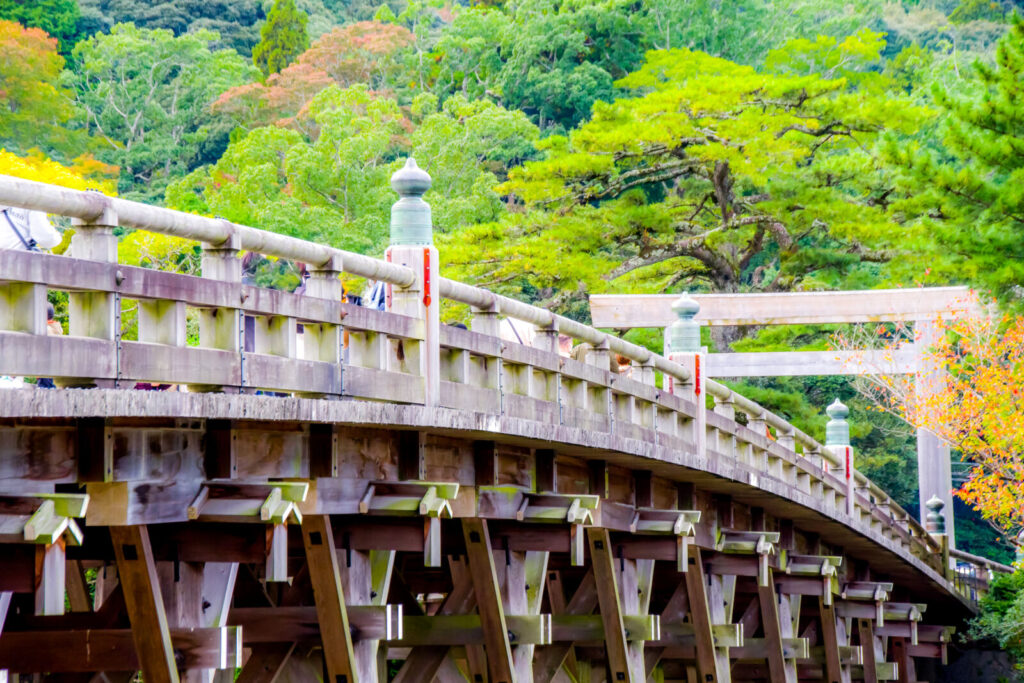
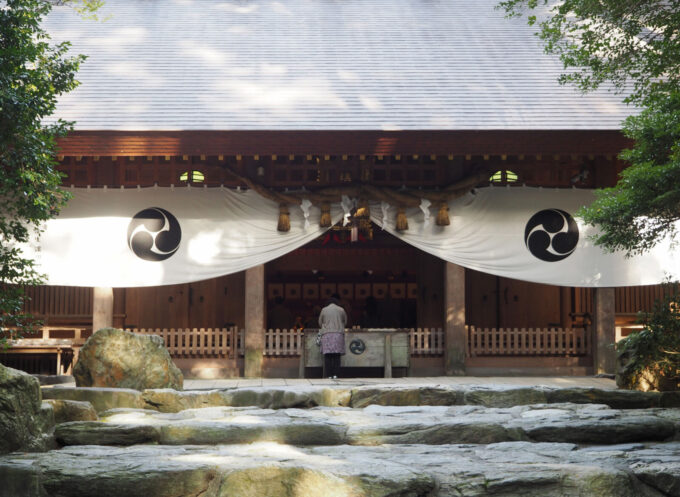
The overall complex covers a huge area with many important sites and features leading to the shrines. The Kotai Jingu—also referred to as the ‘Naiku’—is regarded as the most sacred sanctuary in Japan. Enshrining Amaterasu-Omikami—the ancestral deity of the Imperial Family—for 2000 years, Naiku embodies the spirit and spiritual beliefs of the Japanese people.
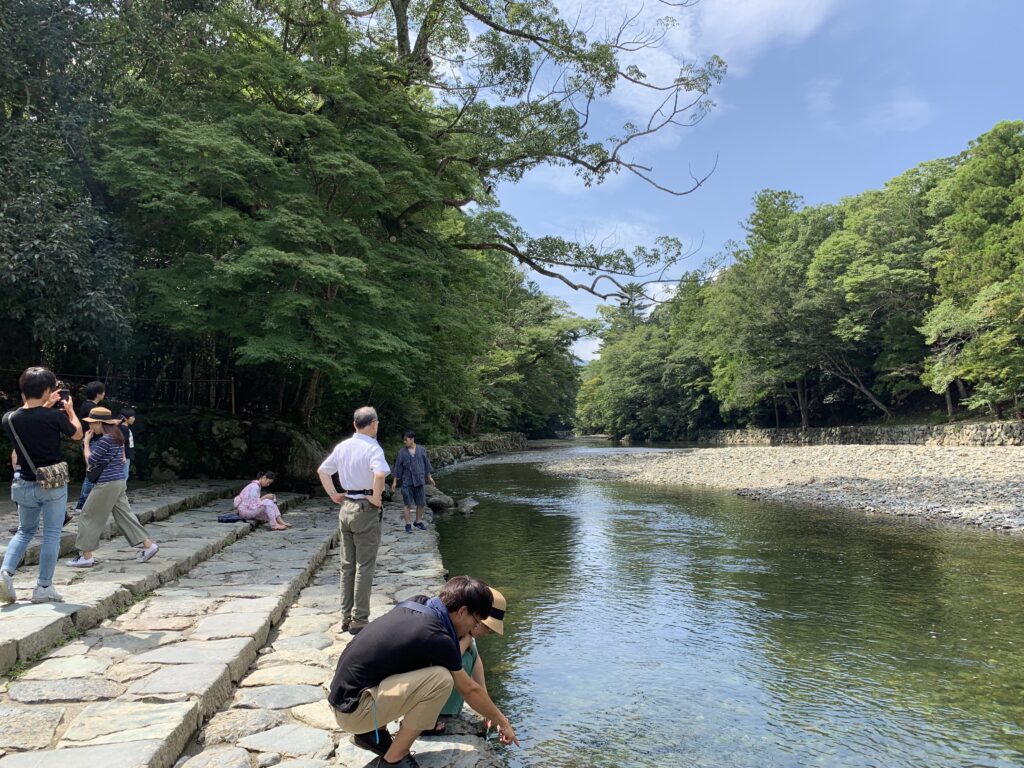
The Geku enshrines another deity, Toyo’uke-no-Omikami and is said to have done so for at least 1500 years.
The inner shrine is dismantled, moved, and reconstructed every 20 years. Next occurring in 2033, this tradition embodies the Shinto belief that death and renewal are a necessary and constant aspect of existence while serving the practical task of teaching each generation the skills needed to construct and maintain the shrines.
The two main shrines stand several kilometres apart, with the Geku located in the centre of Ise—nearby Ujiyama Station—while the Naiku can be reached by bus from the station. The Ise Grand Shrine is quite simply, one of Japan’s most important religious centers and a fascinating destination for persons of any faith or background.
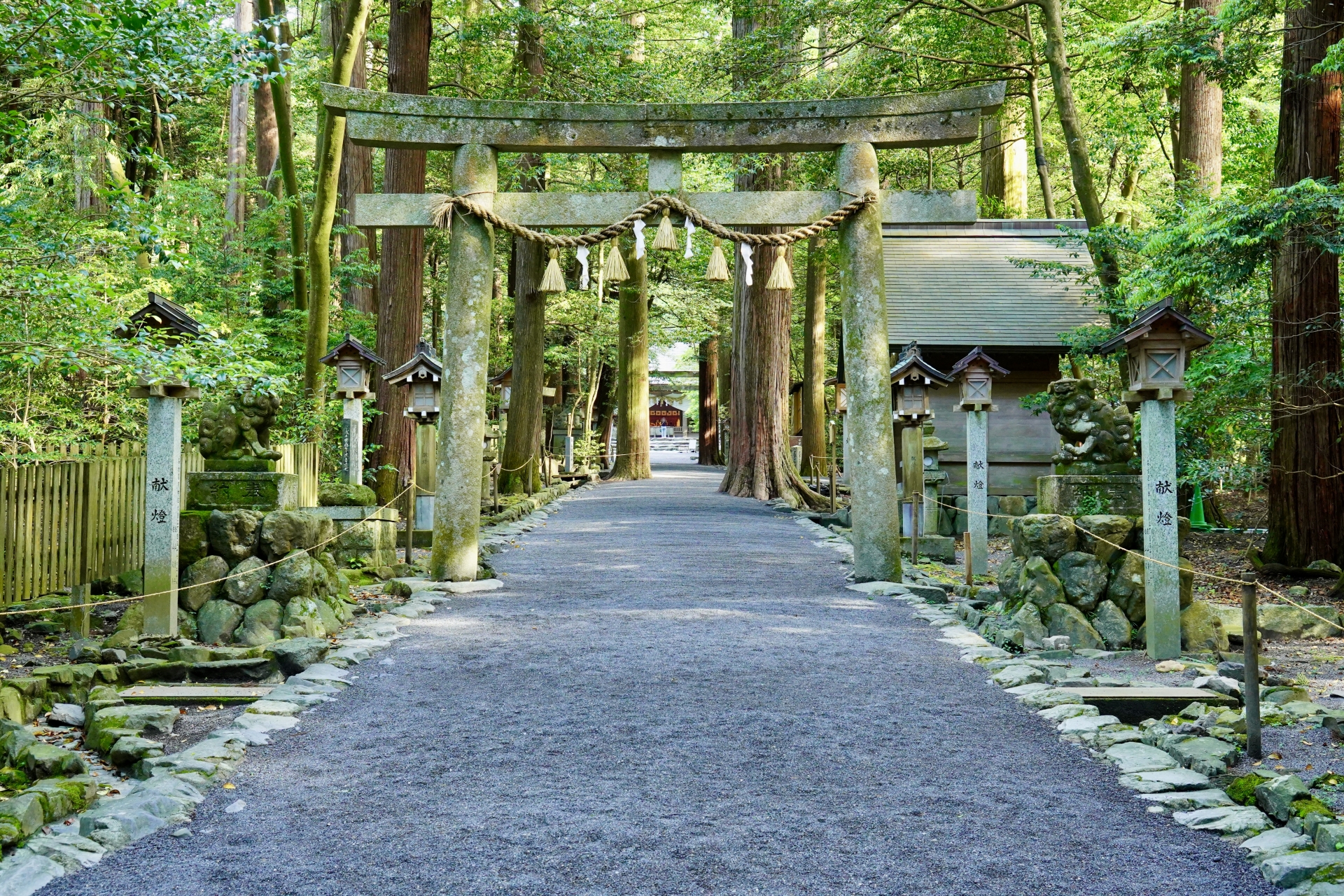
Touring Ise Grand Shrine
A visit to Ise Jingu is a deeply serene and introspective experience, far from the usual bustle of popular tourist destinations. It is a journey through Shinto philosophy, sacred tradition, and pristine natural beauty. The shrine is best visited with a guide to explain the history a mythology behind all the traditions and symbolism of Ise Shrine.
Recommended Tour: Snow Monkey Resort's 1-Day Tour from Nagoya: Ise’s Sacred Shrines and Captivating Coastlines provides you with the chance to marvel at the natural beauty of the Ise-Shima region and refresh your body and soul with spiritual experiences and delicious cuisine as you are led by an experienced, English-speaking guide from Nagoya on this full-day tour.
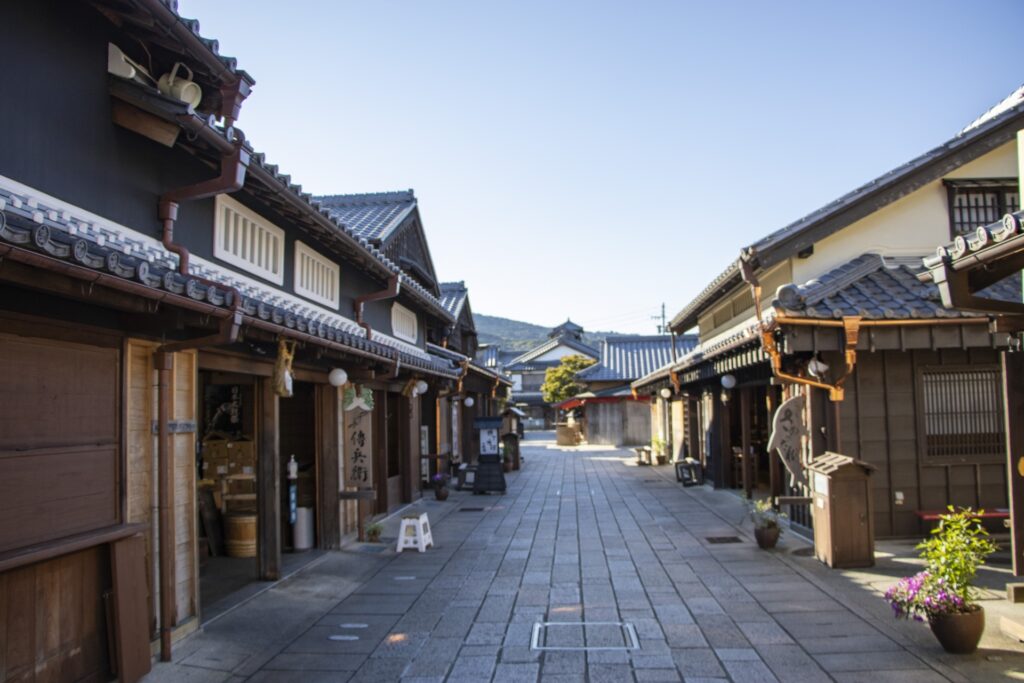
After visiting Ise Shrine, be sure to explore Okage Yokocho and Ohararimachi, traditional shopping and food area near Naiku to sample food and shop for souvenirs.
Ise shrine is a great day trip from Nagoya, but for those looking to stay the night, information regarding accommodation in and around Ise can be found through our 'Ise Shima Area' hotel page.
Frequently Asked Questions (FAQ)
What makes Ise Grand Shrine so important?
Ise is the most sacred Shinto site in Japan and enshrines Amaterasu-Omikami, the sun goddess and ancestral deity of the Imperial Family. It is also home to the Sacred Mirror, one of Japan’s Imperial Regalia.
What is the difference between Naiku and Geku?
Naiku is the Inner Shrine, enshrining Amaterasu and located in a forested area. Geku is the Outer Shrine, dedicated to Toyo’uke-no-Omikami and located closer to the city center.
Can I take photos at the shrine?
You may take photos in the outer areas, but photography is strictly prohibited past the main torii gate at each shrine’s inner sanctuary.
Is there an entrance fee?
No. The shrine is free to enter.
When is the best time to visit Ise Grand Shrine?
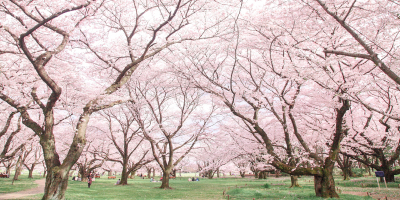
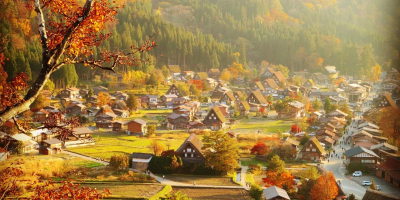
Spring (cherry blossoms) and autumn (fall foliage) are ideal for seasonal beauty. Avoid peak travel times for domestic tourists (New Years and Golden Week) to avoid the crowds.
How do I get to Ise Grand Shrine?
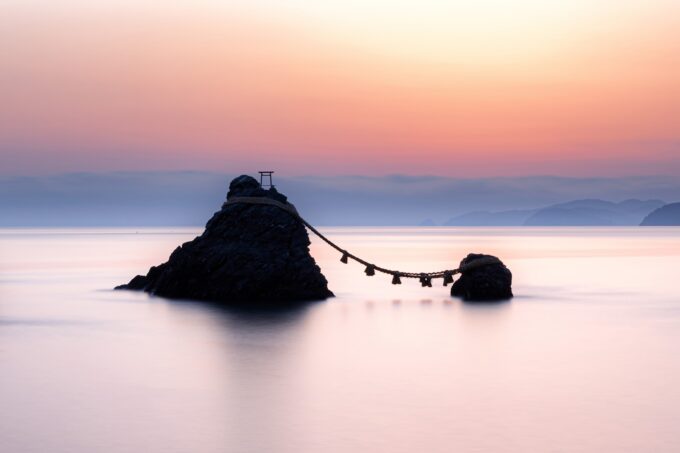
Take the Kintetsu Line or JR Line to Ujiyamada Station, then transfer by bus or taxi to reach Naiku. This journey usually takes about 2 hours and costs approximately ¥3,000. Or you can travel without worry in a day tour from Nagoya which also includes a trip to the wedded rocks of Meoto Iwa.
Additional Tips
- Wear Comfortable Shoes: Paths are mostly gravel or stone, and distances between the shrines are significant.
- Respect Rituals: Observe purification at the temizuya (water basin) and bow when passing through torii gates.
- Visit Okage Yokocho: Adjacent to Naiku, this recreated Edo-period street is perfect for enjoying local snacks like akafuku mochi or grilled Ise-ebi (lobster).
- Combine with Toba: Nearby, the Meoto Iwa (Wedded Rocks) makes a great addition to a day trip.