





Located in the shadow the North Japan Alps, Matsumoto is a small historic city best-known for its castle. As a registered National Treasure, Matsumoto Castle is without doubt the beacon that draws visitors to the city but once here, you’ll discover a lovely little town with plenty to keep you entertained for a day or two. On this page you will find the following information:
Once a wealthy merchant town, the people of Matsumoto are proud of their city's heritage and have actively tried to retain much of its historic character. Local intervention saved the now iconic castle from demolition while serving to also retain much of the historic Nawate-Dori and Nakamachi precincts; former merchant areas that now house many shops selling Matsumoto's heralded 'mingei' (folkcraft) and furniture. From that heritage, a thriving and youthful city has developed with Matsumoto now boasting many great boutique shops, cafes, museums, galleries and restaurants.

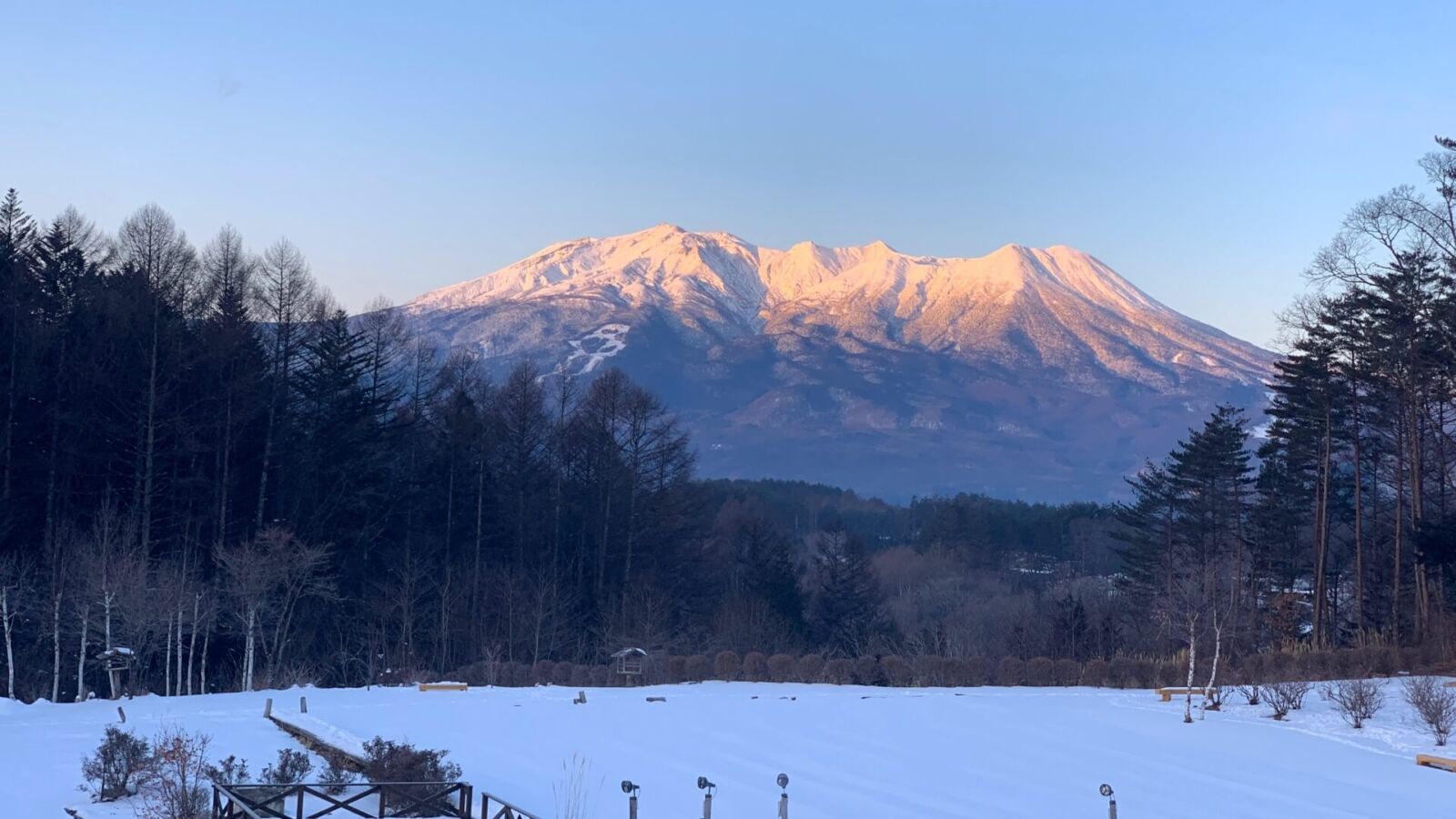
From Matsumoto you also have easy access to the beautiful rural enclave of Azumino or explore the mountains of the North Japan Alps – Japan’s highest mountain range – including Norikura Kogen, Kamikochi and onto the historic old town of Takayama. To the south of Matsumoto, the Kiso Ontake Mountain and Kiso Valley including the historic Nakasendo Trail are within easy reach; while the Limited Express 'Shinano' – running from Nagoya to Nagano via Matsumoto – connects visitors to Nagano City, the Jigokudani Monkey Park and the region’s many ski resorts.

Based in Nagano and operating all year round, we are the region’s No.1 tour and charter operator. Our group tours run throughout the year, including multiple tours operating to and from Matsumoto Station. We can also arrange private tours and charters to any destinations in the region, and as a registered travel agent, we can package transport, accommodation and more together so you save and get the most out of your time in Matsumoto and beyond – scroll to the bottom for details.
WHERE IS MATSUMOTO?
Matsumoto is the second-largest city in Nagano Prefecture after Nagano City. Located beneath the Northern Japan Alps, the city is best known for its historic castle and combines a proud samurai heritage and ‘mingei’ folk-craft culture with a thriving arts, food and café scene.
Matsumoto Station is located in the city centre and is served by the Limited Express Azusa, connecting Matsumoto with Shinjuku in Tokyo, and the Limited Express Shinano, which connects the city with Nagano, the Kiso Valley and Nagoya. Matsumoto Airport also operates a limited number of domestic flights and is connected to central Matsumoto by airport shuttle bus.
25 BEST THINGS TO DO AROUND MATSUMOTO
Many visitors are initially drawn to Matsumoto by its iconic castle, one of Japan’s few remaining original castles and a registered National Treasure. Once here, they discover a pleasant historic city with a thriving folk-craft, art and dining scene. While the castle may attract people to Matsumoto, everything else the city offers encourages them to stay longer.
Matsumoto is also a convenient base for exploring Central Japan, including Mount Norikura, Kamikochi and Takayama to the west, Azumino and Hakuba to the north, and Nagano City and the Jigokudani Monkey Park to the east. Here are 25 of the best things to do in and around Matsumoto:
1 / MATSUMOTO CASTLE / all year round

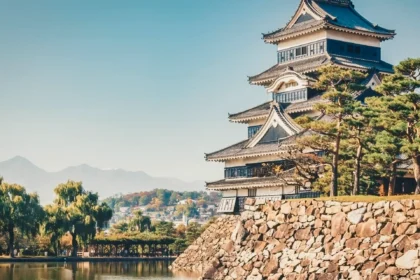
You absolutely cannot come to Matsumoto without seeing Matsumoto Castle. As a registered National Treasure, the castle is one of the oldest remaining original (not rebuilt) castles in the country. Construction was completed in the late 1500s during the Warring States period of Japan, thus it was built as a fortress ready for battle. You can explore the inside of the castle, climbing all the way to the top of the castle tower for a great view of the city. You will also find artefacts including old cannons, guns, swords, and more on display inside. Matsumoto Castle is still surrounded by part of its original moat and a nice garden with plenty of picture-perfect spots.
Best Selling
1-Day Tour from Nagano and Matsumoto: Kamikochi & Matsumoto Castle
- Spots:
- NaganoMatsumotoKamikochi
- Pick-up:
- Nagano CityMatsumoto
- Drop-off:
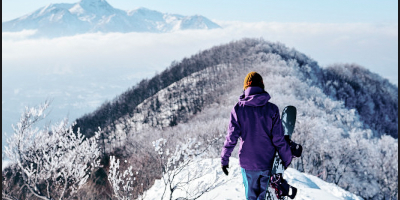
- Nagano CityMatsumoto
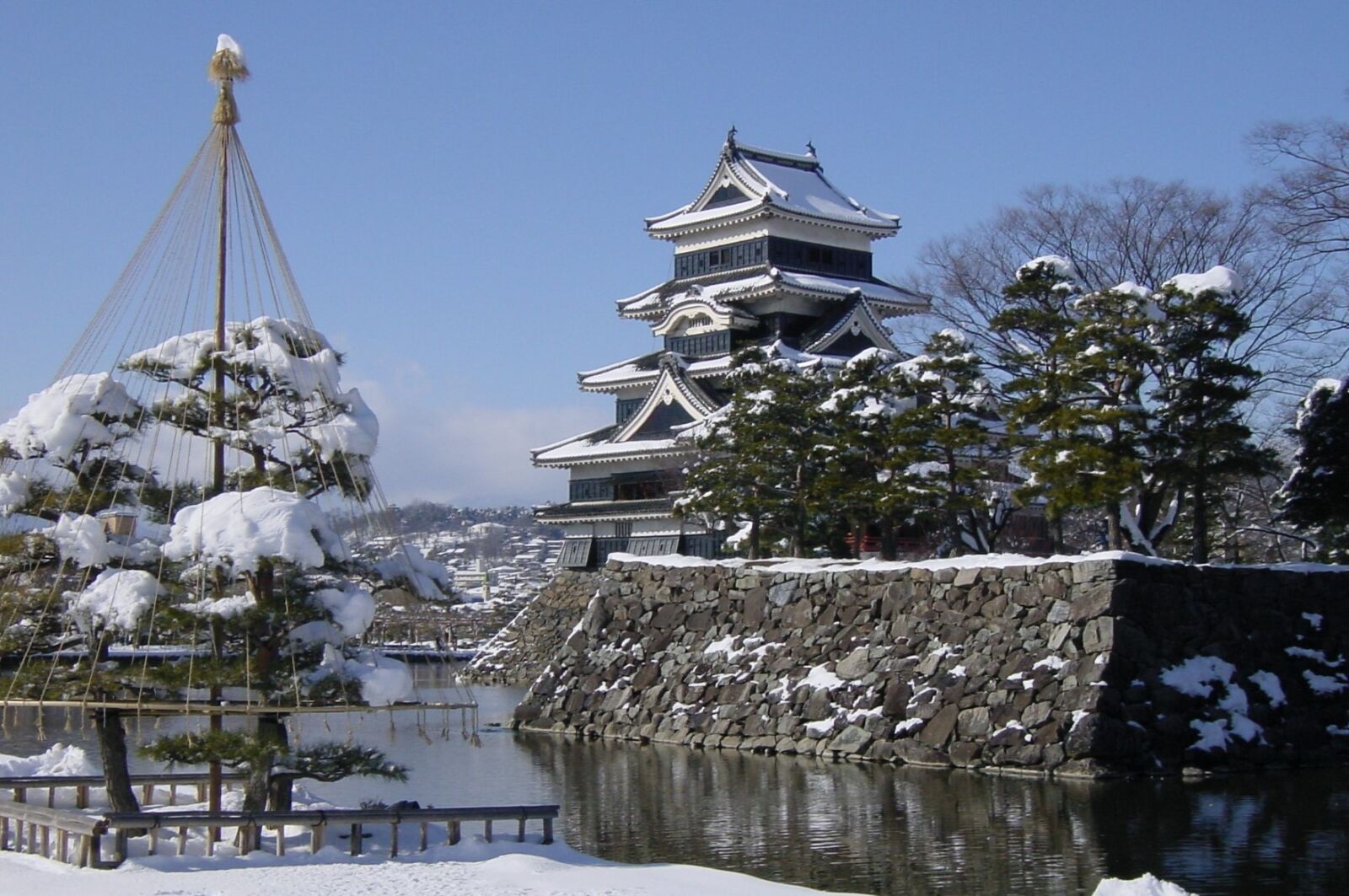
2 / NAWATE-DORI & NAKAMACHI / all year round

Located between Matsumoto Station and Matsumoto Castle, Nawate-dori and Nakamachi Street are two of the city’s most enjoyable historic shopping areas.
Nawate-dori is a compact pedestrian street lined with food stalls, cafés, antique shops and stores selling distinctive frog-themed souvenirs. It is approximately five minutes on foot from Matsumoto Castle and makes an easy stop while exploring the city centre.

Directly across the Metoba River, Nakamachi was once part of Matsumoto’s merchant district. The street retains many traditional white-and-black storehouses known as ‘kura’, which now contain craft shops, cafés, restaurants and stores selling lacquerware, pottery and woodcraft.
The two streets are located close together and can easily be visited as part of a walk between Matsumoto Station and the castle.

3 / MATSUMOTO CITY MUSEUM OF ART inc. KUSAMA YAYOI COLLECTION / all year round

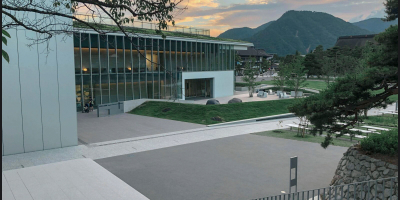
The Matsumoto City Museum of Art is best known for its permanent collection of works by world-famous artist Yayoi Kusama, who was born in Matsumoto. Before entering the museum, visitors are greeted by The Visionary Flowers, a colourful outdoor sculpture created by Kusama.
Inside, the museum displays more of Kusama’s distinctive avant-garde work alongside collections by other artists connected to Matsumoto and temporary exhibitions featuring Japanese and international art.
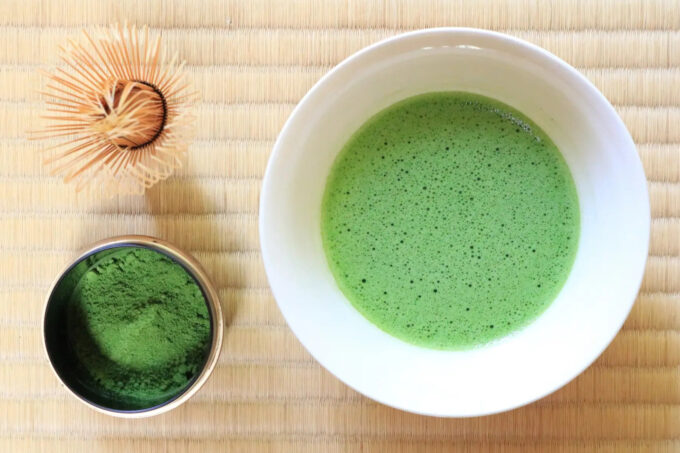
On our 1 Day Walking Tour of Matsumoto city, entrance to the Matsumoto City Museum of Art is included, and you will have the chance to explore its exhibits during the tour. That is not all either! Entrance to the city history museum, a walk around Matsumoto Castle, and a Matcha Tea experience are all included as well, making for the perfect itinerary to enjoy all this city has to offer with a guide to help make the most of it.
4 / SHOPPING, CAFES & RESTAURANTS / all year round

Though known for its historic importance, Matsumoto is also home to a burgeoning arts, music and food scene. Spurred by the international fame of Yayoi Kusama and the ‘Suzuki Method’ – a revolutionary music curriculum – both of which call Matsumoto home, the city’s profile as a creative hub is growing with many fantastic initiatives and independent stores opening-up each year. It’s well worth grabbing a coffee and just wandering the streets where you’re certain to find another great café, bookstore, independent designer, craft beer brewery or any one of the city’s many fantastic restaurants. While the castle demands that you visit, it’s the many unexpected discoveries that will keep you in Matsumoto!
ENJOY THE LOCAL BEER

Over the past couple of years, Matsumoto has become a craft beer hotspot. There are now two breweries within the city: Matsumoto Brewery and Bacca Brewery, both of which are located within walking distance from Matsumoto Station. Bacca Brewery is a nano-brewery that makes their beer right on the premises—in fact, you can see the brewing room right from the counter. Both breweries make top quality beers, often mixing in locally grown fruits, grains, hops, and other ingredients to make truly unique flavors. Matsumoto Brewery on the other hand has two tap rooms, one located in the Shinmai Media Garden Building other in Nakamachi. There are a number of other bars and restaurants serving craft beer to be found around the city as well, so beer-lovers should keep an eye out!
SHINMAI MEDIA GARDEN

Opened in 2018 Shinmai Media Garden is a multi-story shopping, restaurant and office building in the heart of Matsumoto. There are 11 shops and restaurants in the building, with the Matsumoto Brewery Tap Room located on the third floor. With multiple beers on tap along with a menu of tasty snacks including ‘gyoza’ (dumplings), and both indoor and outdoor seating on the terrace, enjoying a cold beer at the end of the day is great way to cap-off your exploration of the city as look down one of the main thoroughfares toward the North Alps.
RESTAURANTS & NIGHTLIFE

In the central area around the castle, you can find a wonderful variety of gastronomic delights ranging from traditional Japanese izakaya and long-standing soba shops to high-class French and Italian restaurants and modern eateries and diners run by young, hip owners. Some great places to check out are the Source Diner, Onjaku, Hikariya, BUN, Miyo Shokudo, Fukazake, Moriyoshi, Itoya, and almost any soba shop in town, but the list is practically endless. Looking for some traditional fare? Why not try…
ISHII MISO BREWERY

As Japan’s largest producer of 'miso', Nagano is synonymous with the tasty paste and there is no better place to it than Ishii Miso Brewery in Matsumoto. One of the few remaining breweries that still crafts its miso in the traditional way using wooden barrels and without use of modern methods to quicken the fermentation process, Ishii Miso produces some of the region’s best miso. You can sample and buy miso at the breweries shop, eat a miso-based lunch at their restaurant and even tour the brewery, with informative tours available in both English and Japanese. No advanced booking is needed for a tour. Simply enquire when you arrive and one of their friendly staff will assist you.
5 / MATSUMOTO'S CULTURAL EXPERIENCES / all year round

Matsumoto was once the centre of Matsumoto Domain, with Matsumoto Castle serving as its administrative headquarters and the residence of its feudal lord. This history is reflected in the traditional arts and crafts that remain part of the city’s cultural identity.

Visitors can experience activities including tea ceremony, taiko drumming and traditional craft-making. The Matsumoto City Museum near the castle is a useful place to learn about the city’s history, festivals and cultural traditions, with English explanations available for many exhibits.

Matsumoto is also home to the Japan Ukiyo-e Museum, which holds one of the world’s largest private collections of Japanese woodblock prints. Only part of the collection is displayed at any one time, with exhibitions changing throughout the year.
6 / CHERRRY BLOSSOMS OF MATSUMOTO / late-March to April

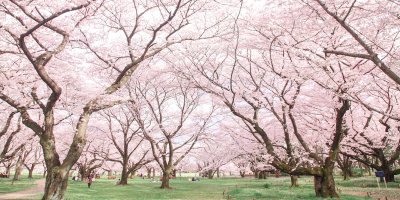
Known as ‘sakura’ in Japan, cherry blossoms symbolise the fleeting beauty and fragility of life. Matsumoto is an excellent place to enjoy the blossoms, which usually bloom during April, although the exact timing varies according to the weather each year.
Matsumoto Castle is the city’s most famous cherry blossom location. Trees surrounding the castle and moat create beautiful views of the black keep, particularly when the Northern Japan Alps are visible in the background. Evening illuminations are normally held during the peak flowering period, with dates announced shortly before the blossoms open.

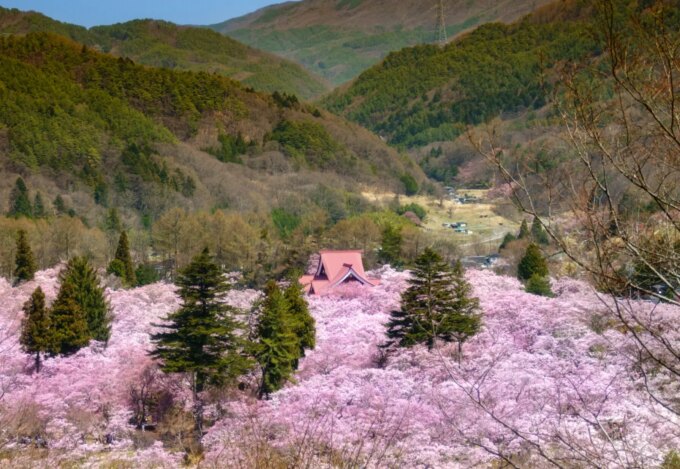
Another popular location is Koboyama Kofun in southern Matsumoto. This ancient keyhole-shaped burial mound is covered with thousands of cherry trees and offers panoramic views across the city towards the surrounding mountains.
For more information about the season, see our guide to cherry blossoms in Nagano.
Special Offer
(Spring Only) Private 1-Day Tour: Cherry Blossoms of Takato Castle Park
- Spots:
- NaganoMatsumoto
- Pick-up:
- Nagano CityMatsumoto
- Drop-off:
- Nagano CityMatsumoto
To see Matsumoto's cherry blossoms with a private vehicle and a guide to accompany you, we recommend our above tour. While the main draw here is the Takato Castle Ruins - a famous sakura spot located south of Matsumoto - the evening portion of the tour includes a stop at Matsumoto Castle to enjoy the night time cherry blossom illumination which is held every year. You can choose to be picked up from either Nagano or Matsumoto, and can skip out on the hassle that is taking public transport to Takato from those locations.
7 / FESTIVALS OF MATSUMOTO / throughout the year

Many of Matsumoto’s annual events take place around Matsumoto Castle, reflecting the strong connection between the landmark and the people of the city. Dates and times can vary each year, but notable seasonal events include:
New Year Opening Ceremony / early January
Traditional taiko drums welcome visitors into the castle grounds for the New Year. The event usually includes cultural performances and seasonal refreshments.
Matsumoto Castle Illumination / winter
During winter, colourful lights and projections illuminate Matsumoto Castle after dark. The event normally runs from December until February and can be viewed from outside the castle grounds.
National Treasure Matsumoto Castle Ice Sculpture Festival / late January
Professional ice sculptors create detailed works around the castle grounds, with illuminated sculptures producing a particularly impressive scene after dark.
Night-time Cherry Blossom Viewing and Corridor of Lights / April
The castle and its surrounding cherry trees are illuminated during the spring flowering period. The starting date is announced according to the progress of the blossoms, so it changes each year.
Matsumoto Castle Taiko Festival / summer
Taiko groups from Matsumoto and other parts of Japan perform powerful traditional drumming in the castle grounds during this popular summer event.
Matsumoto Castle Gun Corps Demonstrations / spring and autumn
Costumed performers demonstrate traditional matchlock firearms in the castle grounds, recalling Matsumoto Castle’s origins during Japan’s Warring States period.
8 / DAIO WASABI FARM & AZUMINO / all year round

Located just north of Matsumoto, Azumino is a peaceful rural area known for its farmland, clear waterways and views of the Northern Japan Alps. The area produces high-quality fruit, vegetables, soba and wasabi, while its museums, galleries and cafés make it worth exploring beyond its most famous attraction.

Daio Wasabi Farm is one of Japan’s largest wasabi farms. Wasabi requires a constant supply of clean, cool water, and the streams flowing through the farm create an attractive setting for walking. Visitors can explore the grounds, see traditional water wheels and try foods flavoured with fresh wasabi.
Cycling is one of the best ways to explore Azumino, with bicycle rentals available around Hotaka Station. For further suggestions, see our guide to the 20 Best Things to Do in Azumino.
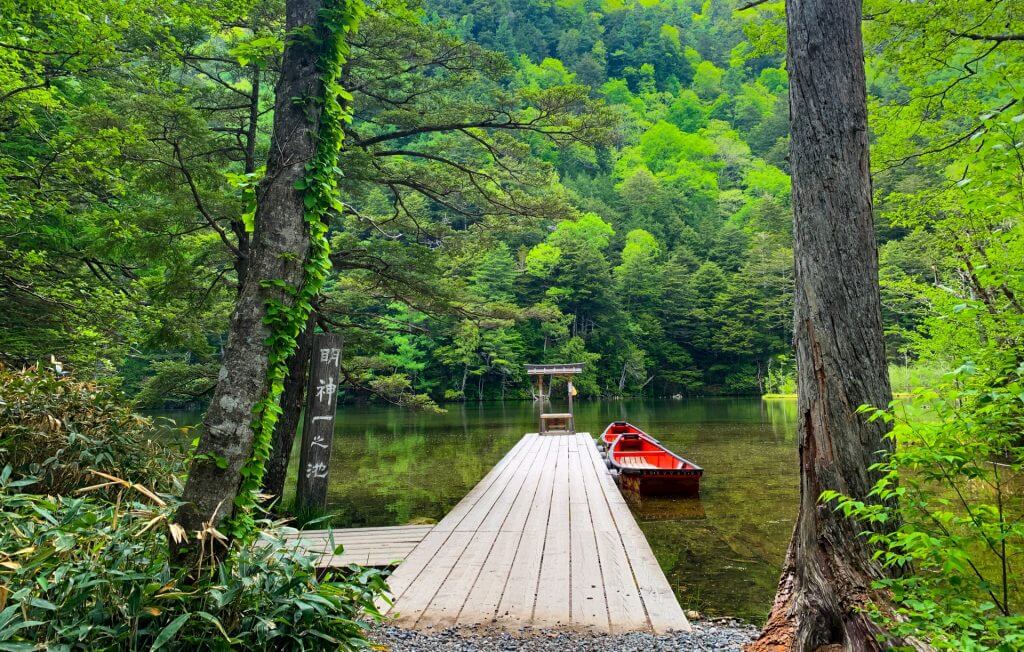
9 / EXPLORE KAMIKOCHI / April to November
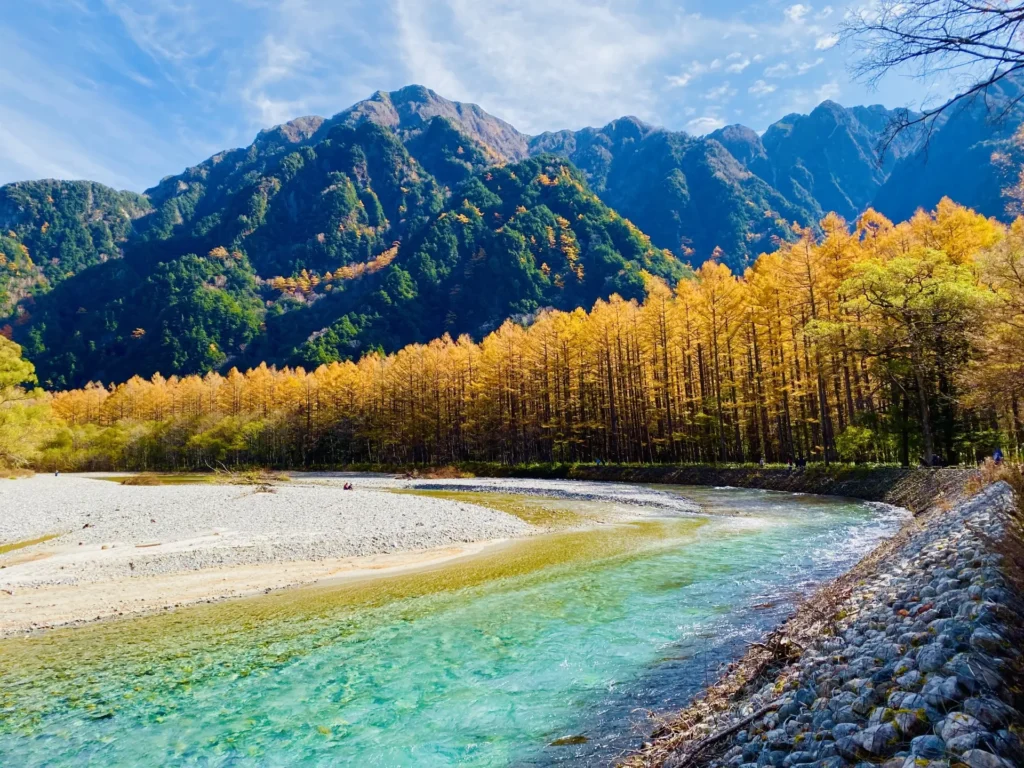
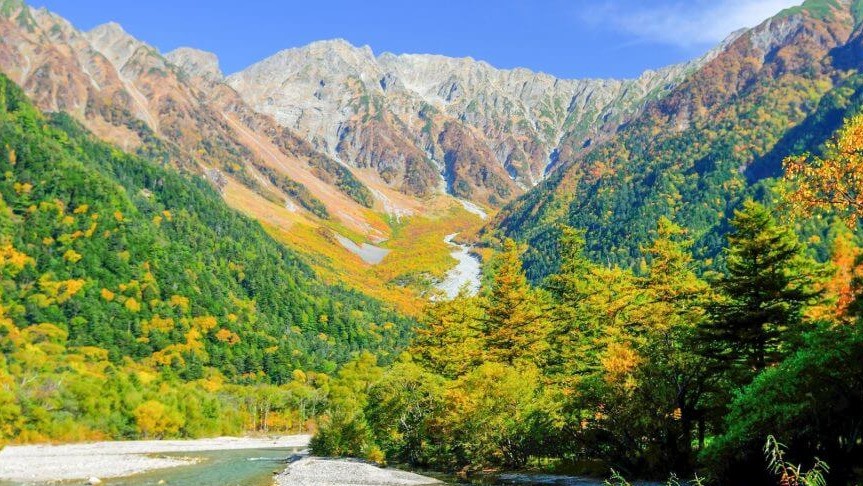
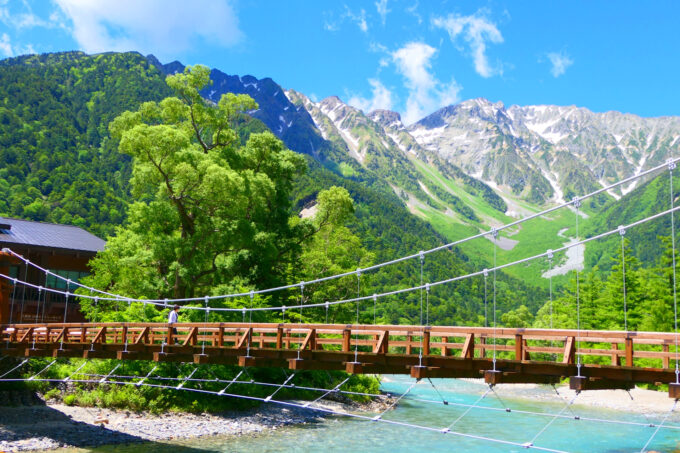
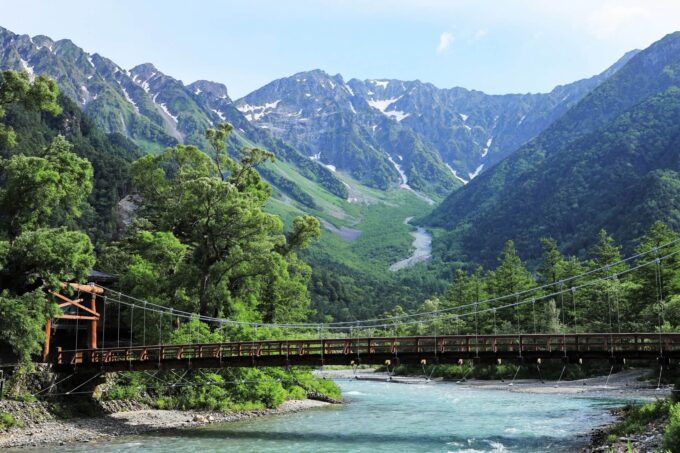
Located within Chubu Sangaku National Park, Kamikochi is one of Central Japan’s most spectacular alpine destinations. The valley follows the clear Azusa River beneath mountains rising to more than 3,000 metres and is normally accessible from mid-April until 15 November.
Mostly level walking trails connect Taisho Pond, Kappa Bridge and Myojin, making the central valley accessible to visitors of reasonable fitness. More demanding hiking and mountaineering routes continue into the surrounding Northern Japan Alps.
Private vehicles cannot enter Kamikochi. From Matsumoto, visitors can travel by train to Shin-Shimashima and transfer to a bus, use selected direct bus services, or drive to Sawando and continue by shuttle bus or authorised taxi. See our How to Get to Kamikochi guide for detailed access information.
Best Selling
1-Day Tour from Nagano and Matsumoto: Kamikochi & Matsumoto Castle
- Spots:
- NaganoMatsumotoKamikochi
- Pick-up:
- Nagano CityMatsumoto
- Drop-off:
- Nagano CityMatsumoto
This must-do tour combines a visit to Matsumoto Castle, one of Japan's best remaining original castles, with a trip to the gem of the Japanese Alps, Kamikochi. Making what would otherwise be a complicated journey easy, or tour vehicles will be with you the whole day to simplify the process. Operating from April until November, any season is a good time to come and see what this dynamic city has to offer.
For those coming from Takayama, it is also easy to reach Kamikochi using our tour from Takayama Station. With a visit to the impressive Shinhotaka Ropeway also included, guests will have a great day enjoying the scenery of the Japanese Alps. This tour also includes the option to end the tour at Matsumoto, making it a great way to travel to the city as well without needing to use public transport!
We also offer a tour of Kamikochi originating from Nagoya. This tour not only provides you with a guided tour of Kamikochi, but also stops at a flower park and farm located in the remote Hida Highlands for a relaxing full-day excursion surrounded by the seasonal beauty of Japan. Nagoya is one of the main stops on the Tokaido Shinkansen Line, making this tour a great choice for travelers coming from Tokyo, Osaka, or Kyoto.
10 / HIKING MOUNT NORIKURA / June to November

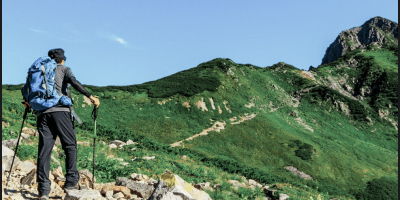
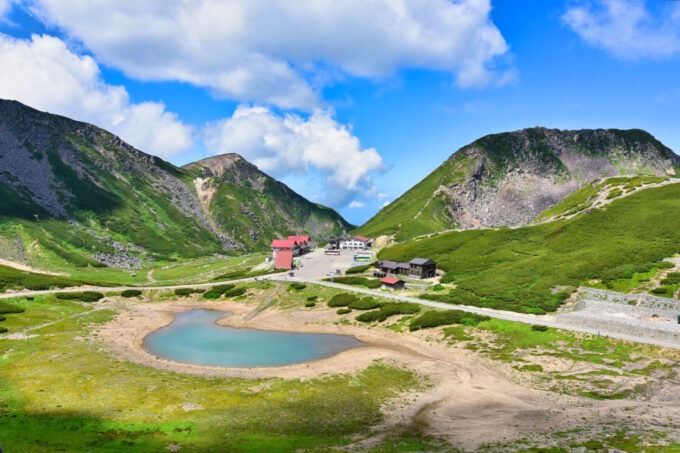
Mount Norikura rises 3,026 metres above sea level and is one of the most accessible high mountains in the Northern Japan Alps. Seasonal buses travel from Norikura Kogen towards Tatamidaira, located at approximately 2,700 metres, allowing visitors to enjoy high-altitude scenery without completing a full ascent from the base.
Short walking routes around Tatamidaira lead through alpine vegetation and volcanic landscapes. Reaching Mount Norikura’s highest point requires a more demanding hike over steep, rocky and exposed terrain. Visitors attempting the summit should wear appropriate footwear and prepare for rapidly changing mountain weather.
At lower elevation, Norikura Kogen offers waterfalls, forest trails, cycling routes and natural hot springs. During winter, the area becomes a destination for skiing and other snow activities.
Bus operations and access periods depend on snow and road conditions. Check current information before travelling and see our Norikura Kogen accommodation page for places to stay.
Seasonal 1-Day Tour from Takayama: Discover Mount Norikura
Travelling from Takayama? Join our seasonal guided tour to Mount Norikura and travel directly into the Northern Japan Alps without arranging mountain buses or transfers independently. The tour includes time to explore the alpine landscape around Tatamidaira and hike towards the mountain’s highest peak, with an experienced guide providing support throughout the day.
11 / NARAI-JUKU & THE KISO VALLEY / all year round

Popular
1-Day Tour from Nagano and Matsumoto: Experience Matsumoto Castle and Narai-juku
- Spots:
- NaganoMatsumotoKiso Valley
- Pick-up:
- Nagano CityMatsumoto
- Drop-off:
- Nagano CityMatsumoto
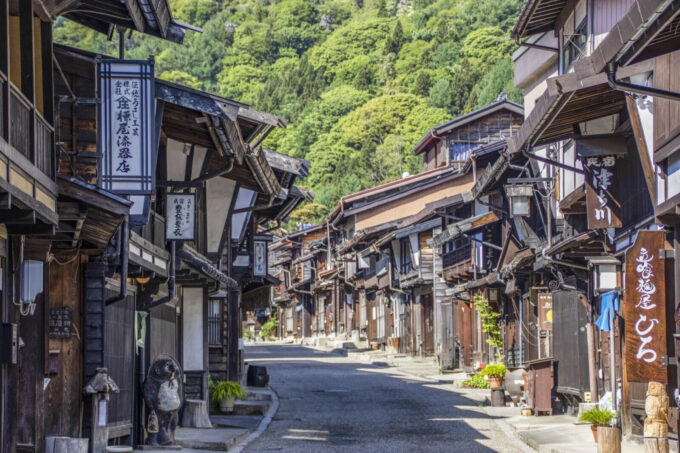
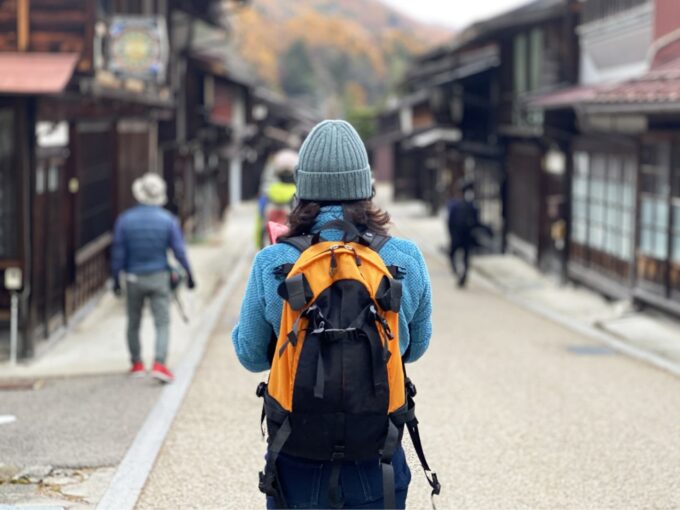
Located around 45 kilometres south of Matsumoto, Narai-juku is one of the longest and best-preserved post towns on the historic Nakasendo. Its main street extends for approximately one kilometre and is lined with traditional wooden buildings that once served travellers journeying between Edo, modern-day Tokyo, and Kyoto.
Narai-juku is known for woodworking and lacquerware, with shops selling locally produced bowls, chopsticks and other crafts. Several historic residences are open to visitors, offering a closer look at everyday life in the town during the Edo period.
Narai-juku forms part of the wider Kiso Valley, which is home to preserved post towns, forested walking routes, clear mountain rivers and sections of the Nakasendo Trail. The town can be reached from Matsumoto by train with a transfer at Shiojiri.
12 / WALK THE HISTORIC NAKASENDO / best: April to November

Popular
1-Day Tour from Nagano and Matsumoto: Step into the Past on the Nakasendo
- Spots:
- NaganoMatsumotoKiso Valley
- Pick-up:
- Nagano CityMatsumoto
- Drop-off:
- Nagano CityMatsumoto
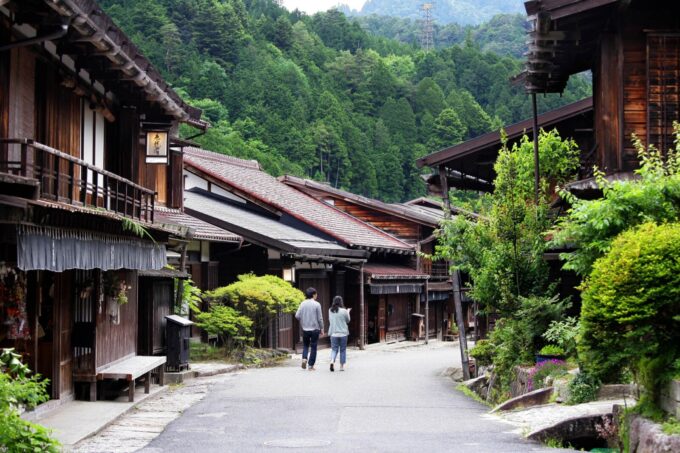
Accessible from Matsumoto using the Limited Express 'Shinano' – to either Kiso-Fukushima Station or Nakatsugawa Station - the Nakasendo Trail traces a historic highway that once connected Tokyo – then called Edo – and Kyoto during the Edo Period (1603-1868). Though much of the route is now gone, several sections can still be walked including the picturesque ‘Kisoji’, the section of road that runs through the Kiso Valley. Serviced by many ‘juku’ or post towns, the Kisoji is known for the historic preservation of Narai-juku, Magome-juku and Tsumago-juku. These picturesque little towns are cared for by local residents who strive to maintain their traditional aesthetic and ways of life. The journey on-foot between the towns is a lovely experience, particularly in spring and autumn. Our above listed tour is available from Matsumoto itself, and removes the hassle of relying on infrequent trains and buses to reach the area for a day trip.
Best Selling
1-Day Tour from Nagoya: Hiking the Historic Nakasendo Trail
- Spots:
- NagoyaKiso Valley
- Pick-up:
- Nagoya
- Drop-off:
- Nagoya
We also offer the same tour with a Nagoya Station pickup point, meaning that guests on either tour are able to make a through journey starting in Matsumoto and ending in Nagoya, or vice versa. As the distance covered on the bus in this tour is quite far, it is an attractive option to use for transport between the two cities as you will not need to pay for public transport and can also enjoy the tour on a travel day.
13 / LAKE SUWA & NEARBY ATTRACTIONS / all year round

Located south-east of Matsumoto, Lake Suwa is the largest lake in Nagano Prefecture. A walking and cycling path circles the shoreline, while the surrounding area offers hot springs, museums, restaurants and views across the lake towards the mountains.
The area is also home to Suwa Taisha, one of Japan’s oldest and most important Shinto shrine complexes. It consists of four main shrines positioned around Lake Suwa and is best known for the Onbashira Festival, held once every six years.
Other attractions include lakeside onsen, local sake breweries and museums displaying archaeological discoveries from the wider Suwa region. The area is also known for its ramen and other local food.
For accommodation options, see our guide to the Best Places to Stay in Suwa.


We provide various tours in the Suwa area, including the contents mentioned above. Check the link below for more information:
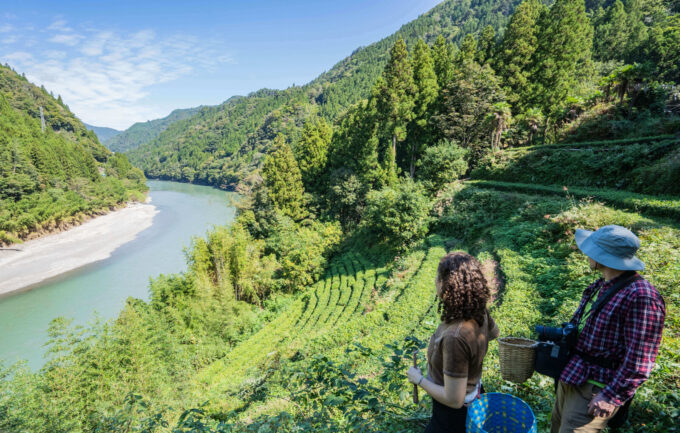

Lake Suwa is frequently associated with the lake depicted in the animated film Your Name. Although the film’s setting is fictional, Tateishi Park above the lake offers a view resembling scenes from the film and has become a popular destination for fans. See our guide to real-life locations associated with Your Name for more information.
14 / RIDE THE SHINHOTAKA ROPEWAY / best: all year round

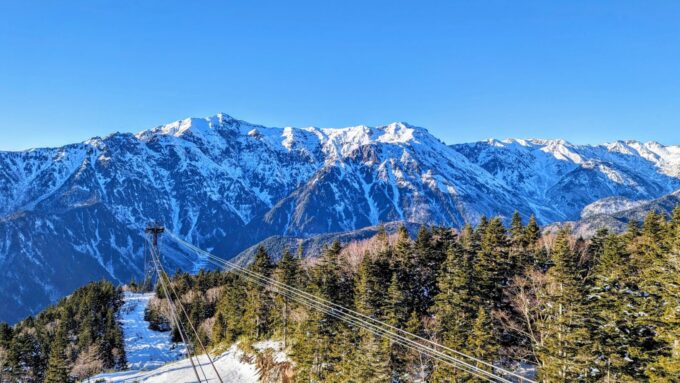
Located in the Okuhida region between Takayama and Matsumoto, the Shinhotaka Ropeway carries visitors high into the Northern Japan Alps. Its distinctive double-decker gondola ascends to Nishihotakaguchi Station at an elevation of approximately 2,156 metres, where an observation deck provides panoramic views across the surrounding mountains.
The ropeway consists of two separate sections, with visitors changing gondolas at the Nabedaira Kogen area. Shops and places to eat can be found around the lower, middle and upper stations, while walking areas near the summit allow visitors to experience the alpine environment without completing a demanding mountain hike.
The ropeway operates throughout most of the year, but temporary closures may occur because of maintenance, strong winds or severe weather. Winter visitors should prepare for sub-zero temperatures and deep snow, while autumn brings colourful foliage across the lower mountain slopes.
Seasonal 1-Day Tour from Takayama: Shinhotaka Ropeway and Kamikochi
Travelling from Takayama? This seasonal tour combines the Shinhotaka Ropeway with a guided walk through Kamikochi. Guests can also arrange to finish the tour in Matsumoto, making it a convenient sightseeing and transfer option.
Winter Tour from Takayama: Hida Folk Village, Limestone Caves and Shinhotaka Ropeway
Visiting during winter? This tour combines the ropeway’s snow-covered mountain scenery with Hida Folk Village and the Hida Great Limestone Cave, providing a full-day alternative while Kamikochi is closed.
Recommended
1-Day Tour from Takayama: Hida's Hidden Gems - Hida Folk Village, Limestone Caves and the Shinhotaka Ropeway
- Spots:
- TakayamaShinhotaka
- Pick-up:
- Takayama
- Drop-off:
- Takayama
15 / ADVENTURE AWAITS IN THE TENRYU RIVERLANDS / best: April - November


Perfect for those seeking adventure, the Tenryu Riverlands is a region south of Matsumoto known for its delicious fruit and the beautiful Tenryu River Gorge. Life is lived at a slower pace here, and although it is not physically too far away from Nagoya, it is a completely different environment to the big city. Apples, grapes, blueberries, pears, and more are grown in orchards along the hillsides here and many farms have all you can eat, pick your own fruit experiences available for a reasonable price.

Rafting in the rapids of the Tenryu River is another popular pastime, and for those staying in Matsumoto our above tour makes it easy to do so. Our bus will drive you straight to the Tenryu Riverlands, where you will have time for fruit picking and lunch before joining a 10km rafting experience. Depending on the season, the rapids can be rather intense and the scenery will always be beautiful. Operating from April to November, the season for rafting is long, and wetsuits are available for the colder months. Once the tour is over, you can even stay in the area and catch the train or bus down to Nagoya to continue your journey through Japan.
16 / NAGANO CITY & MATSUSHIRO SAMURAI TOWN / all year round

Visitors to Matsumoto are within close reach of Nagano City. Home to the near-1400 year old Zenko-ji Temple, Nagano is served by the Hokuriku Shinkansen via Nagano Station, connecting the region to Tokyo in the south and Toyama and Kanazawa in the northwest. Nagano is a great place to base yourself, and from there, explore the region on day-trips. Within the city itself, Zenkoji Temple stands alone as the main attraction and spiritual heart of the region. For accommodation listings in the city, please see our 'Nagano City Area' hotel page.


Recommended
1-Day Togakushi Tour: Hands-on Soba, Ninja Secrets & Ancient Shrines
- Spots:
- NaganoTogakushi
- Pick-up:
- Nagano City
- Drop-off:
- Nagano City
From Nagano City, visitors can head to nearby Togakushi – home to some of Japan’s most important Shinto shrines and birthplace of the Togakure school of ninjitsu while also known for its delicious ‘soba’ (buckwheat) noodles. Popular in summer as a hiking spot as well as a spiritual getaway, it also attracts visitors in winter who are looking to enjoy snowshoeing along its snow covered paths.
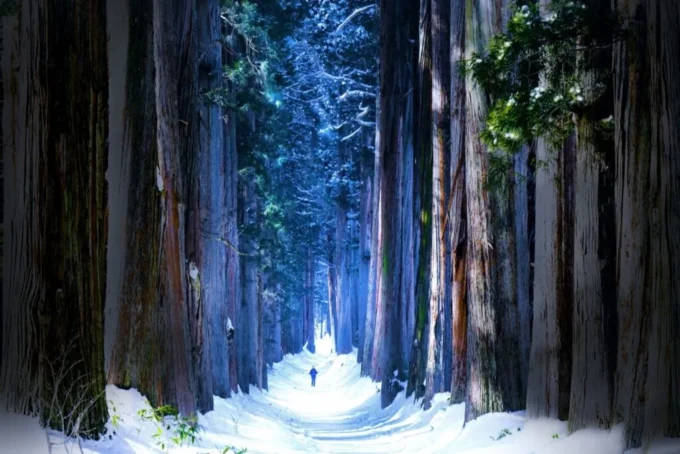
For those looking to enjoy the wintery atmosphere, we offer a private tour in the winter season that includes a visit to Togakushi's shrines - including the famous cedar lined road - as well as a snow activity such as skiing, snowboarding, or sledding.

New Tour
2-Day Tour: Snow Monkeys, Samurai Experience & Zenkoji 'Shukubo' Stay
- Spots:
- NaganoSnow Monkey
- Pick-up:
- Nagano City
- Drop-off:
- Nagano City
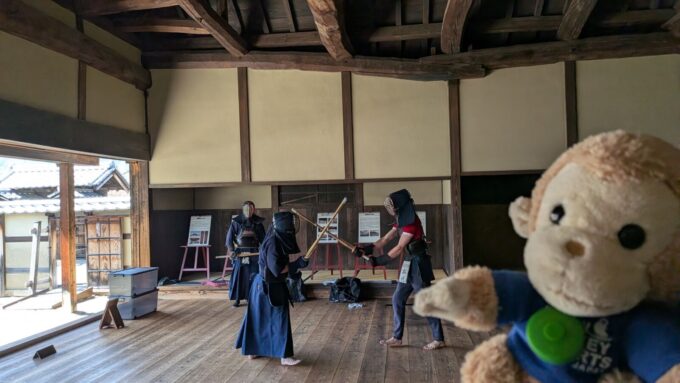
For devotees to samurai culture, Matsushiro is only 30 minutes from the city center. The former stronghold of the Sanada clan, Matsushiro is Nagano City’s renowned samurai town with a long history of martial excellence and a number of historic sites remaining to this day. By visiting on a tour, you can enjoy samurai training at a real school which was once used by the children of Sanada clan samurai for their education.
17 / VISIT THE SNOW MONKEYS OF JIGOKUDANI / all year round

No visit to Nagano Prefecture is complete without seeing its famous hot spring-loving monkeys. The Jigokudani Monkey Park is home to a troop of wild Japanese macaques known for entering the park’s hot spring, particularly during the colder winter months.
The monkeys visit the park throughout the year, although their behaviour varies according to the season and weather. Winter offers the greatest chance of seeing them bathing, while spring brings newborn infants and autumn provides colourful forest scenery.
Reaching the park requires a walk of approximately 1.6 kilometres each way along a forest trail. The path is mostly level but can become icy, snowy or muddy, so suitable footwear is important.

MATSUMOTO → SNOW MONKEY PARK → MATSUMOTO
- Duration:
- 6-7 Hours
- Spots:
- Snow Monkey, Matsumoto

Located in the Yamanouchi area of Nagano, the area around the park is known for its many onsen guesthouses, farmlands and access to Joshinetsu Kogen National Park including Shiga Kogen – Japan’s largest ski resort. While it might be the monkeys that draws you to Yamanouchi, we recommend going slow and enjoying the comfort and relaxation of a traditional ‘ryokan’ (guesthouse), an indulgent hot spring and food sourced directly from the local farms.

Best Selling
1-Day Tour: Snow Monkeys, Zenkoji Temple & Sake in Nagano
- Spots:
- NaganoSnow MonkeyHakuba
- Pick-up:
- Nagano CityHakuba
- Drop-off:
- Nagano CityHakuba
As our name might imply, Snow Monkey Resorts longest running and most popular tour is our highly acclaimed 1-Day tour of Zenkoji Temple in Nagano and the Snow Monkey Park. Guests staying in Matsumoto can take the Shinonoi Line in the morning to easily make it to the Nagano Station meetup point in time for the tour, and it is easy to get a train back to Matsumoto in the evening as well. With sake tasting and lunch also included, there are few tours which offer more to do at such a low price.
18 / TATEYAMA-KUROBE ALPINE ROUTE / April to November

Best Selling
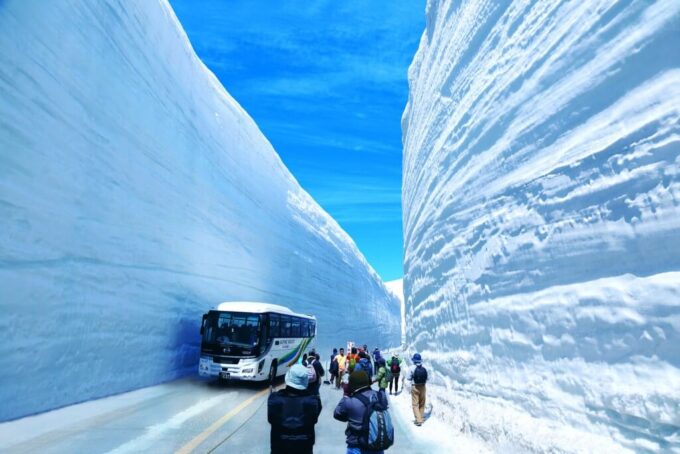
[Spring Only] 1-Day Tour from Nagano: Snow Walls of Tateyama-Kurobe Alpine Route
- Spots:
- NaganoAlpine Route
- Pick-up:
- Nagano City
- Drop-off:
- Nagano City
The Tateyama-Kurobe Alpine Route crosses the Northern Japan Alps using a series of cable cars, electric buses, a ropeway and other mountain transport. Travelling across the complete route takes approximately six hours without extended stops, so visitors should allow a full day for the journey.
The route can be entered from Ogizawa on the Nagano side or Tateyama Station on the Toyama side. Visitors can travel across the mountains and finish on the opposite side or return to their original departure point.
At 2,450 metres above sea level, Murodo is the highest point on the route and its main sightseeing area. The Alpine Route is especially famous for its immense snow walls, which can reach around 20 metres shortly after the route opens. The walls are generally most impressive from mid-April until June, while summer offers alpine walking and autumn brings colourful mountain foliage.
The complete route normally operates from mid-April until late November, although transport can be suspended because of snow, strong winds or other severe weather.
Recommended
1 Day Tour from Kanazawa or Toyama: Tateyama Alpine Route Snow Wall and Mysterious Valley
The Alpine Route, as the name implies, has two sides - the route goes through from Nagano to Toyama. While it isn't possible to go through to the other side on our tours, we do operate from each side of the route, meaning you can join from Kanazawa or Toyama if the Nagano start doesn't fit your plans.
19 / SKI RESORTS OF NAGANO / December to April

As host of the 1998 Winter Olympic Games, Nagano is proud of its Olympic heritage. Events were spread across different resorts across the region and at several venues in Nagano City. Nagano is home to around 80 resorts however only a few were lucky enough to host events including Hakuba Happo One. Several events took place in and around Happo One, establishing Hakuba's global profile. To this day, the resorts of Hakuba can lay claim to being Nagano's most international and popular. Plenty to keep you entertained on your winter adventure! The Nagano Winter Olympics were the first to include snowboarding as a medalled sport, with all snowboarding events taking place in Shiga Kogen - Japan’s largest and highest ski resort.

Boasting Nagano’s longest season and most reliable snow conditions – given its higher altitude and prevailing weather conditions – Shiga is another resort quickly coming to the attention of international visitors. Offering over 600 hectares of terrain, Shiga is likely to become much more popular over the coming years so get there now while it’s still relatively quiet. Less than an hours drive from Shiga, Nozawa Onsen is one of Nagano’s most popular resorts - offering skiers and boarders around 300 hectares of train between 565 and 1650 metres.

Also known for its great powder and setup for snowboarders, Nozawa is a lively resort serviced by a large village full of accommodation, restaurants and bars and ‘onsen’ (hot springs), Nozawa’s reputation is as much based on what happens off the mountain.
Recommended
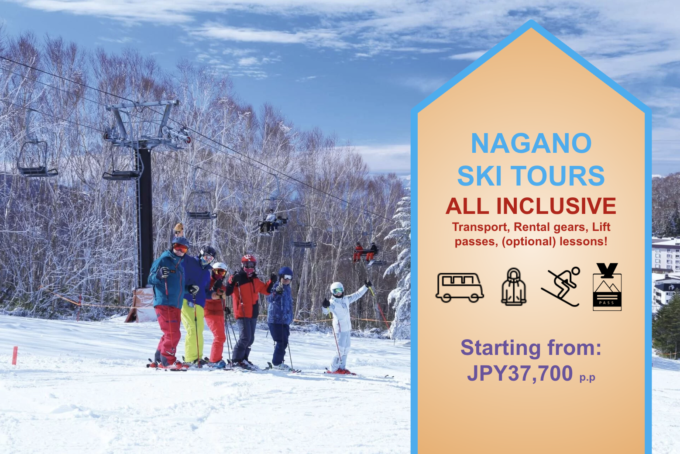
1-Day Ski Tour Package from Nagano Station
- Spots:
- NaganoShiga Kogen
- Pick-up:
- Nagano City
- Drop-off:
- Nagano City
To visit any of the above mentioned resorts for a day of skiing, including rental gear, lift passes, and optional lessons, have a look at the above tour offering. You are free to pick the resort of your choice and hop on our bus from Nagano Station to enjoy Nagano's powder snow.
20 / MT FUJI & KAWAGUCHIKO / all year round

MATSUMOTO → LAKE KAWAGUCHI (MT. FUJI)
- Duration:
- 2-3 Hours
- Spots:
- Matsumoto, Mt. Fuji
Although a little far from Matsumoto, the Mt. Fuji area is reachable in only a few hours by car, making it possible as a day trip. Of most interest will likely be Lake Kawaguchi (Kawaguchiko in Japanese), the most developed of the famous Five Lakes of Mt. Fuji. With eateries, boat rides, museums, and even Japan's most extreme theme park along its shores, you will find plenty to do. For a great view of Mt. Fuji, take the nearby ropeway up one of the smaller mountains by the lake shore, or visit the north side of the lake. Do keep in mind that Mt. Fuji is often shrouded in clouds, especially in summer or in the evening. Winter is the season in which it is easiest to see Mt. Fuji with perfectly clear skies, but autumn and spring are still perfectly good and make up for the slightly higher chances of clouds with beautiful fall colors or flowers.
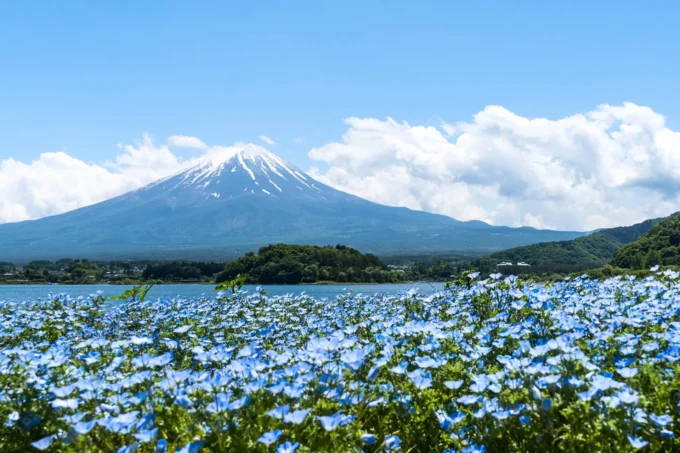
If the thought of managing train and bus departure times while trying to enjoy lake Kawaguchiko is not enticing to you, then joining our tour is the way to make for a stress free day of enjoying Japan's tallest mountain from the shores of the lake. With ample time to enjoy the scenery, and a ride on the ropeway mentioned above, amongst other activities, there will be plenty to do and see.
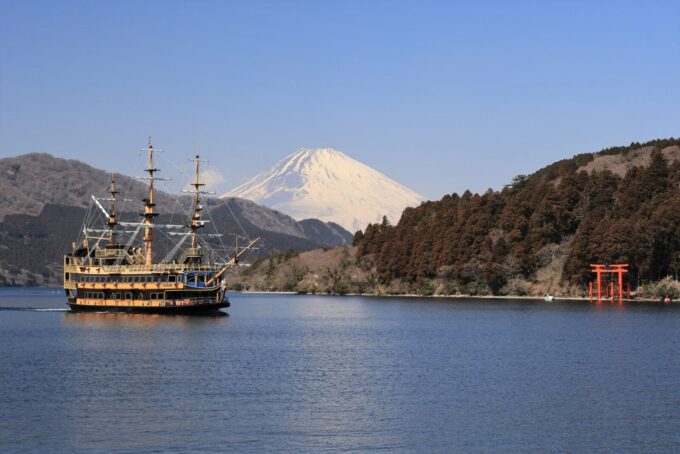
While a little farther away from Mt Fuji, Lake Ashinoko is no less beautiful and possesses great views of the mountain. On this tour, your guide will bring you first to Lake Ashinoko to enjoy the scenery and culture of the Hakone area before heading on to Lake Kawaguchiko and the famous red pagoda that overlooks Mt Fuji.
21 / NAGOYA: CENTRAL JAPAN’S LARGEST CITY / all year round

Often overlooked in favor of Tokyo and Osaka, the recent development of the Ghibli Park has brought more attention to this vibrant metropolis. As the 3rd of Japan's major cities, it offers famously flavorful food, historic castle grounds, and easy access to a number of other locations. Matsumoto is one of those locations, and it will take only 2.5 hours on the Shinano Express train to travel between the two - no transfers necessary! It is a great place to stop on your way from Matsumoto to destinations further west and should not be used solely as a place to change trains if you can spare the time. Miso Katsu, miso sauce soaked fried pork cutlets, is one of the tasty but perhaps not so healthy treats you must try while here.
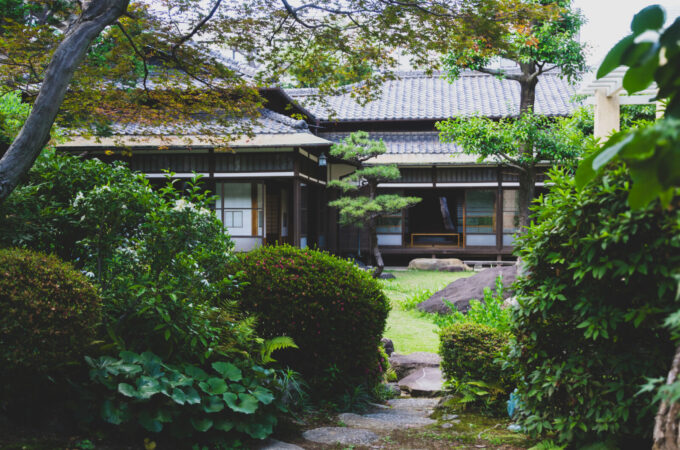
If you do take the train from Matsumoto down to Nagoya, we have a number of tours awaiting you! To see the cities main attractions, such as the castle, we recommend the above but that is far from all there is to do. To see a complete list of tours including recommendations for how to combine them and make your own multi-day tour, please see our 'Best Tours and Itineraries Around Nagoya' page. From Nagoya, it is easy to head on to Kyoto or Osaka, meaning a trip from Tokyo up to Matsumoto, down to Nagoya, and then onwards to the west is an easy but rewarding new travel route through Japan.
22 / TAKAYAMA / all year round

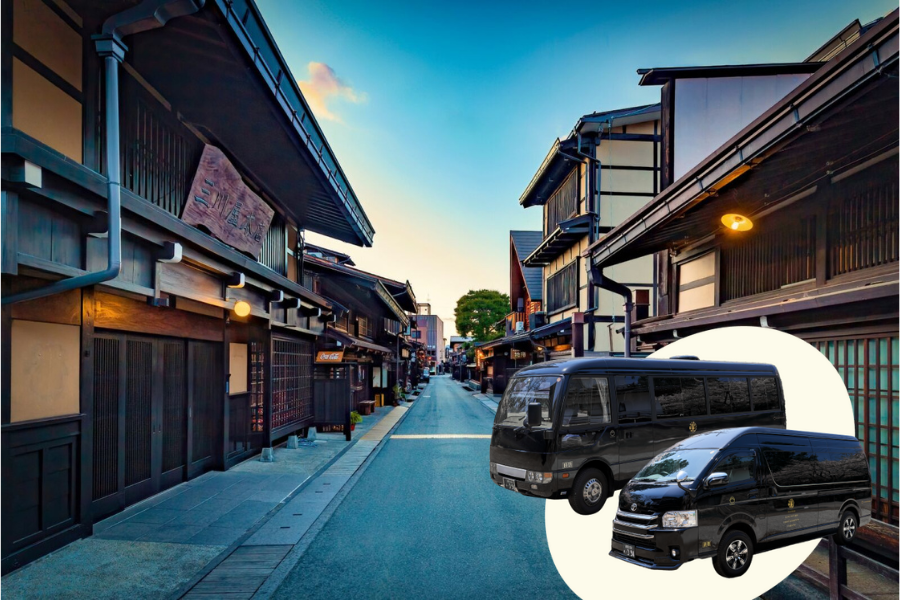
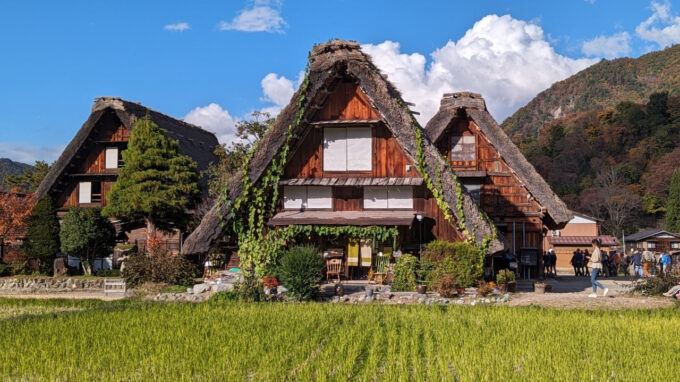
Lying on the other side of the North Alps from Matsumoto, Takayama is a popular destination famous for the preservation of its Edo Period (1603-1868) historic centre. Takayama is equally well-known for its food culture including Hida beef – considered some of the best in Japan – and its famous beef sushi, Takayama ramen and more! For foodies, Takayama is a real treat. If you have your eye on a particular restaurant, make sure to book in advance! Try to avoid the middle of the day - between 11:00 and 15:00 - when large tour buses arrive and crowd the small historic area with tourists. For accommodation listings around Takayama, please refer to our ‘Takayama City Area’ hotel page.
Best Selling
1-Day Tour from Takayama: Explore Scenic Old Japan in Takayama and Shirakawa-go
- Spots:
- TakayamaShirakawago
- Pick-up:
- Takayama
- Drop-off:
- KanazawaTakayama
From Matsumoto it is simple to reach Takayama - either take the local Alpico Bus which runs between the two multiple times throughout the day, or leave it to us and enjoy a ride on a private charter through the alps! Regardless of the option you choose, it is a great next destination after Matsumoto. We also offer a number of tours in the area, so if you enjoyed taking a tour in Matsumoto and are looking for another, fear not! Of most interest to those making a trip through Central Japan, the above tour which visits Takayama's main historic sites and the UNESCO World Heritage town of Shirakawa-go; travelers can choose to end the tour in Kanazawa instead of returning to Takayama, removing needless transport time and hassle. You can of course take your luggage on our tour bus as well!
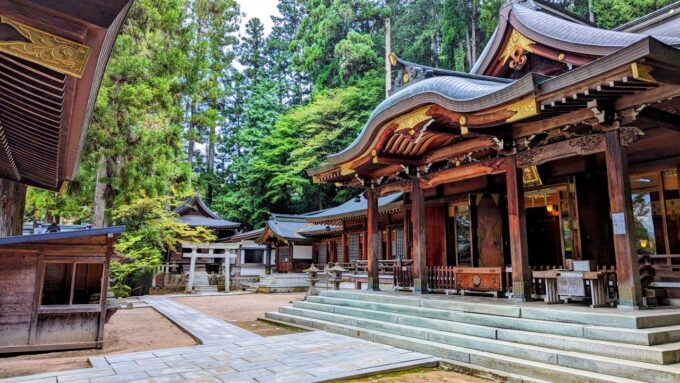
There is a lot to do in the area, and 1 day may not be enough for it all! Of course it depends on your preferences, but using the area as a base to enjoy both Takayama and the surrounding regions could easily make for an enjoyable 3+ day stay. If you need help coming up with a plan, don't hesitate to ask us!
23 / OKUHIDA ONSEN-KYO / all year round

Travellers heading to Kamikochi from Matsumoto and then onto Takayama - see below - also have the option of staying in Okuhida Onsen. There are five onsen towns in the Okuhida area and of them, Hirayu is the oldest and largest. It is said to have been discovered in the mid-16th century. There are two main public hot spring baths in the town as well as the onsen found in each of the local inns. If you are not staying overnight, most of the inns open their onsen baths to the public for a small fee of anywhere from JPY500 to JPY2000 per person.
If you are in Takayama and looking for a trip to the Okuhida area, this tour is for you. Our bus will first take you to the Shinhotaka Ropeway, one of the areas biggest draws and Japan's only double decker ropeway. You will be treated to an amazing view over the Okuhida area at the top, before descending the mountain to visit Kamikochi - which is actually directly on the other side of the mountain which the ropeway ascends. After a day of alpine views and a refreshing 3km walk in Kamikochi, you will be returned to Takayama to enjoy the rest of your evening.
24 / SHIRAKAWA-GO & GOKAYAMA / all year round

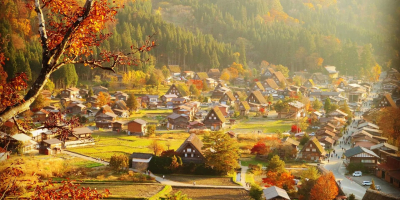
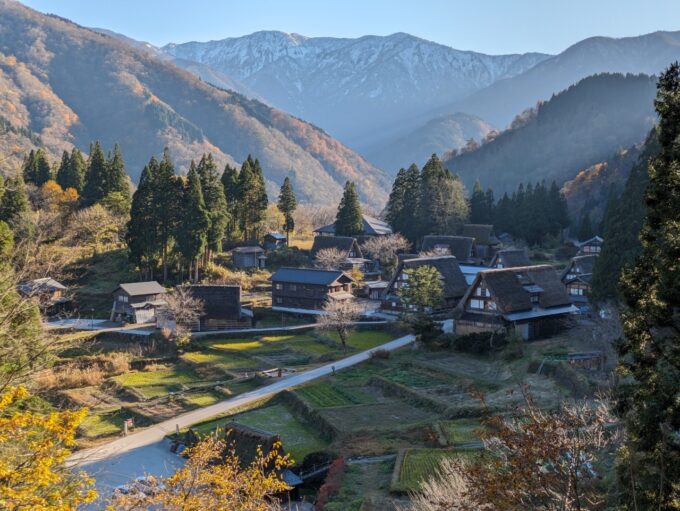
Easily accessible via Takayama, the villages of Shirakawa-go and Gokayama were inscribed on the UNESCO World Heritage List in 1995. The World Heritage Site consists of three villages: Ogimachi in Shirakawa-go and Ainokura and Suganuma in Gokayama. All three are known for their distinctive ‘gassho-zukuri’ farmhouses, surrounded by rice fields, forests and mountains.
The villages are extremely popular with domestic and international visitors, but quieter scenery can still be found by walking away from the central area of Ogimachi. Those looking to avoid the largest crowds should consider visiting Suganuma or Ainokura, which are much smaller and generally less busy.
1-Day Tour from Takayama: Explore Scenic Old Japan in Takayama and Shirakawa-go
Travelling from Matsumoto to Takayama? Continue your journey through Central Japan with a guided tour combining Takayama’s historic old town with the World Heritage village of Shirakawa-go. Guests can return to Takayama or finish the tour in Kanazawa, making it a convenient option for onward travel.
Highlights:
- Explore Takayama Jinya, the Miyagawa Morning Market and the historic old town.
- Visit a traditional gassho-zukuri farmhouse in Shirakawa-go.
- Enjoy free time to explore the village and take photographs.
- Choose to finish the tour in Takayama or Kanazawa.
Best Selling
1-Day Tour from Takayama: Explore Scenic Old Japan in Takayama and Shirakawa-go
- Spots:
- TakayamaShirakawago
- Pick-up:
- Takayama
- Drop-off:
- KanazawaTakayama
Shirakawa-go can also be reached from Kanazawa by using the above tour, which further includes a visit to the lesser-known town of Gokayama and a Japanese paper making experience. Even better, you may choose to be dropped off back in Kanazawa, or at Takayama Station, from where you may join many of our other tours. Using our tours which connect Takayama and Matsumoto, you may go even further (of course, this can be done in the opposite way to go from Matsumoto to Kanazawa without using public transport!)
Best Selling
1 Day Tour from Kanazawa: Shirakawa-go, Gokayama and Wood Carving Village
- Spots:
- KanazawaShirakawago
- Pick-up:
- Kanazawa
- Drop-off:
- KanazawaTakayama
25 / KANAZAWA & THE SEA OF JAPAN


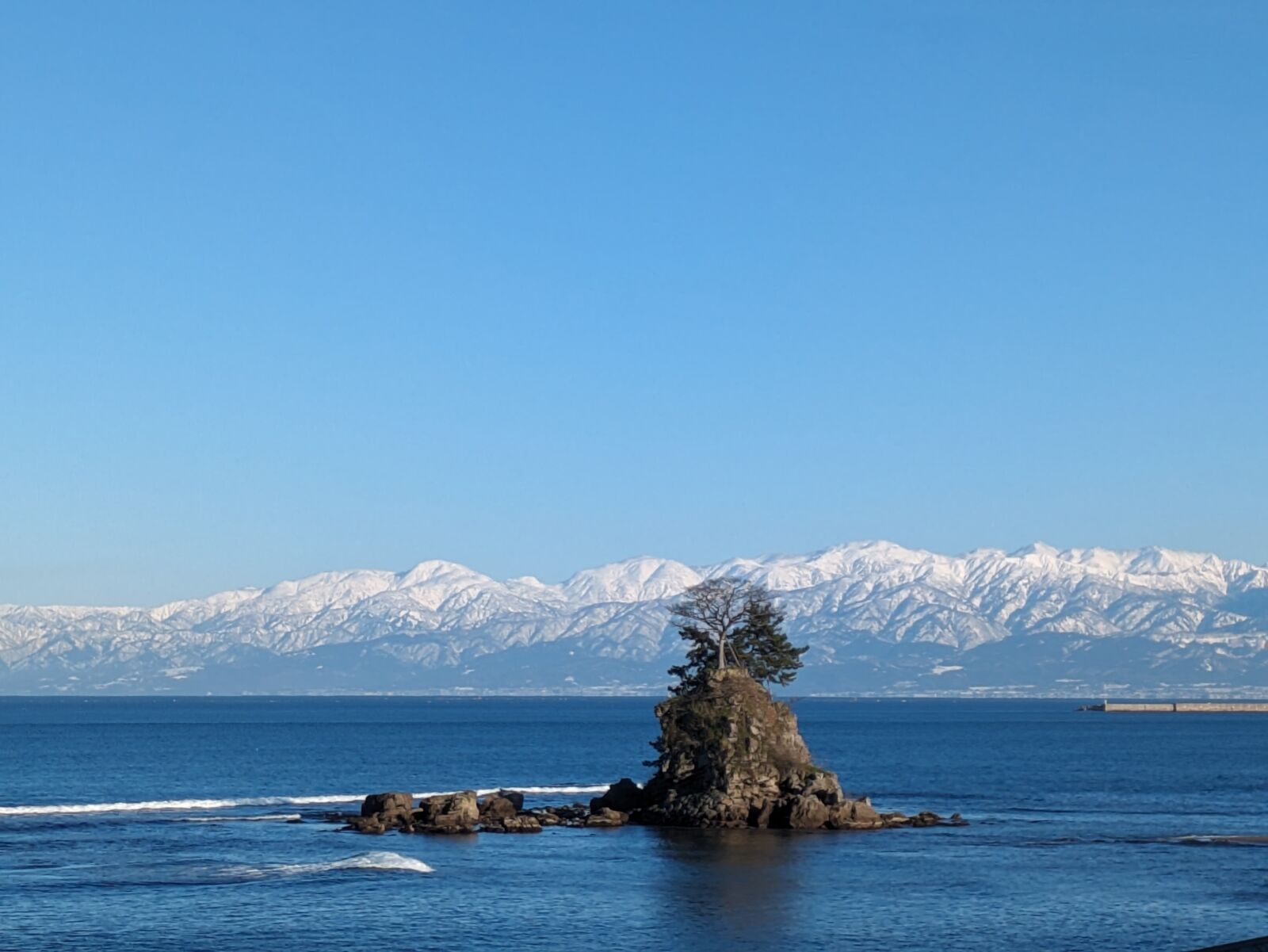
One of the bigger cities on the Sea of Japan coast - sometimes called the "forgotten Japan" for its unique character and preserved history - Kanazawa is often compared to Kyoto in terms of its great number of traditional districts. While it can't boast quite as extensive a history as Kyoto, it is much less crowded and you may find that you enjoy your time here more with less people in your way. Amongst its best attractions are the Kenrokuen Garden, the Higashi Chaya Geisha District, the Nagamachi Samurai District, and the Kanazawa Castle Grounds.
Recommended
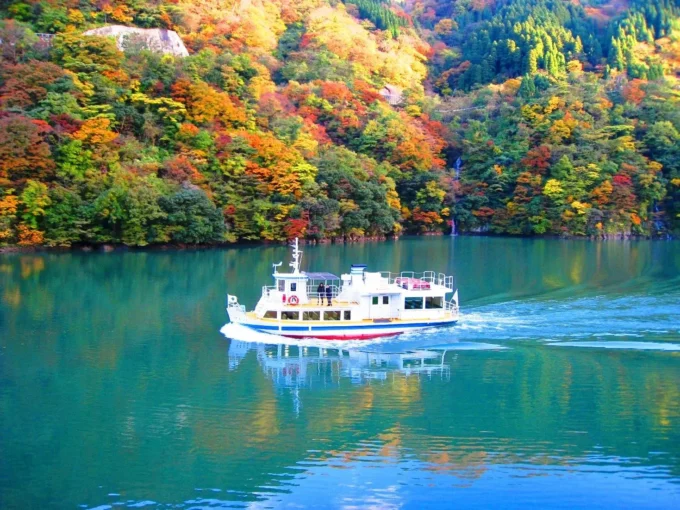
1 Day Tour from Kanazawa: Beautiful Amaharashi, A Big Buddha and the Shogawa Valley River Cruise
Nearby are a variety of other cities and towns to visit, including Toyama, Shirakawa-go, and Tateyama (the start of the Tateyama-Alpine Route from the Toyama side). With the ocean being so close, good seafood is in abundance around Kanazawa, and the Sea of Japan is famed for the flavor of its fish. Specialties also include various types of squid and crabs, and 'Kaisendon' (a mix of several kinds of seafood served on rice) is a must try when by the sea.
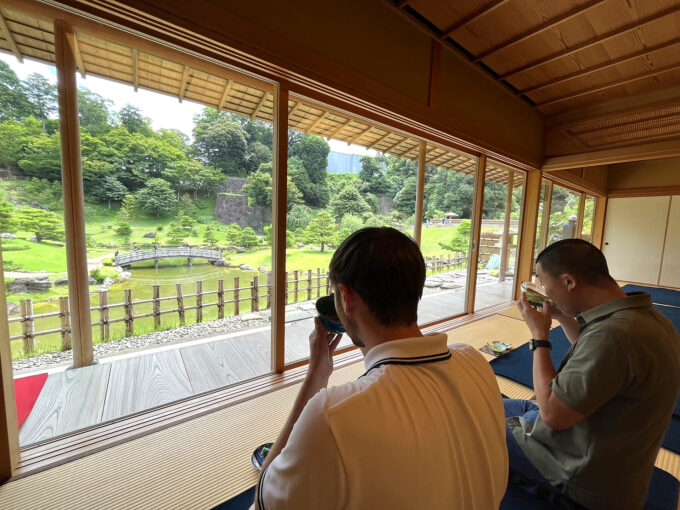
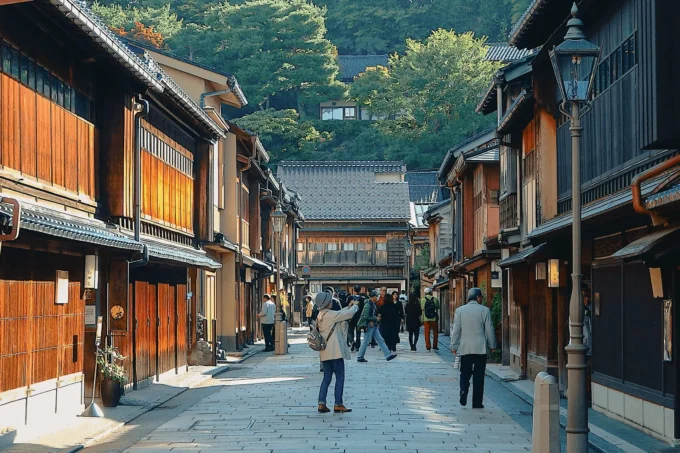
For those who have made the trip all the way from Matsumoto to Kanazawa, we aren't out of tours for you to enjoy yet! The Kanazawa area, including neighboring Toyama and Fukui, are fully serviced by our tours and charters, allowing for a customizable journey from Matsumoto (or Nagano) all the way out to the Sea of Japan using only our buses with no need for public transport. To learn more about what you can do in Kanazawa, see our 'Best Tours and Itineraries Around Kanazawa Page' for more details.
WHERE TO STAY WHEN IN MATSUMOTO?

Visitors to Matsumoto have a good range of accommodation to choose from. Most options within the city are mid-sized, mid-range business hotels, while the surrounding area includes traditional hot spring towns such as Asama Onsen and Hotaka Onsen-kyo in nearby Azumino.
Travellers willing to go further and combine Matsumoto with other destinations can also stay in Shirahone Onsen, Norikura Kogen, Kamikochi or Nagano City. Our guide to the Best Places to Stay in Matsumoto introduces accommodation options in each of these areas.
HOW TO GET TO MATSUMOTO

Matsumoto Station is located in the centre of the city, within 30-minutes walk of almost all popular attractions. Serviced by the Limited Express 'Azusa' service running to Shinjuku Station in Tokyo and the Limited Express 'Shinano' service running to Nagano and Nagoya, Matsumoto is easy to reach using the rail network. For more information, see our 'How To Get To Matsumoto' page.
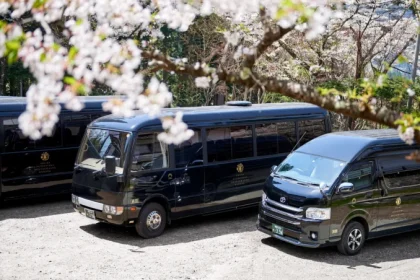
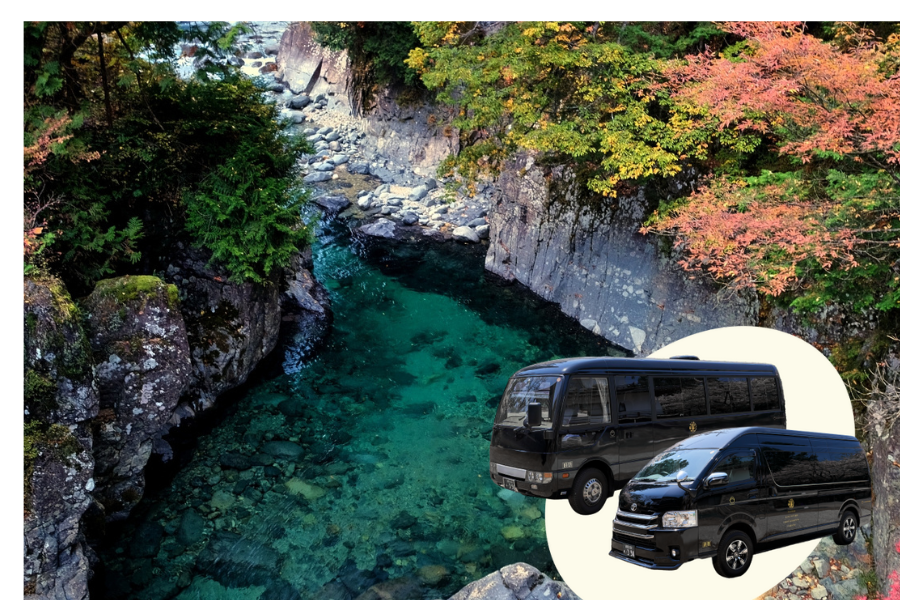
For a private option, consider looking into booking a charter with us. Our clean and modern vehicles can take you to and from Matsumoto, with a variety of premade options available at the above page. If you can't find what you want, please contact us and we can produce a quote for a personalized route.
TOURS AND CHARTERS FROM MATSUMOTO
Based in Central Japan and operating all-year-round, we offer multiple highly entertaining group-tours from Matsumoto that are sure to please. All tours are led by locally-based guides and are formulated to show you the best of the region. Our tours are fun, interactive and family-friendly. For more information, or to book a tour, click on the banner or button below.
Best Selling
1-Day Tour from Nagano and Matsumoto: Kamikochi & Matsumoto Castle
- Spots:
- NaganoMatsumotoKamikochi
- Pick-up:
- Nagano CityMatsumoto
- Drop-off:
- Nagano CityMatsumoto
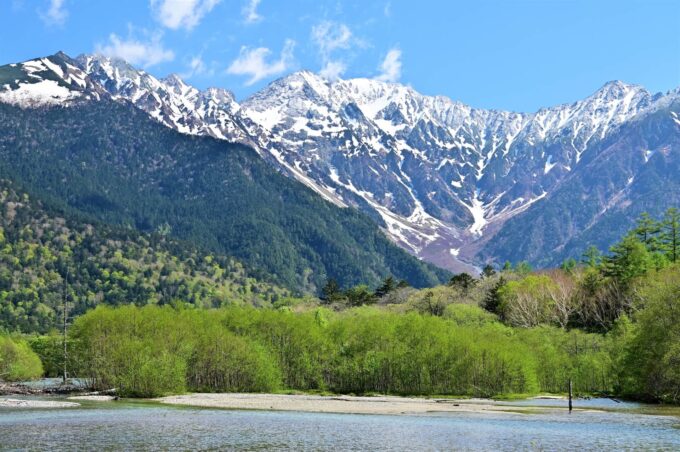
This must-do tour combines a visit to Matsumoto Castle, one of Japan's best remaining original castles, with a trip to the gem of the Japanese Alps, Kamikochi. Making what would otherwise be a complicated journey easy, or tour vehicles will be with you the whole day to simplify the process. Operating from April until November, any season is a good time to come and see what this dynamic city has to offer.
Recommended
[START FROM NAGANO/MATSUMOTO] Private Kamikochi Tour
- Spots:
- NaganoMatsumotoKamikochi
- Pick-up:
- Nagano CityMatsumoto
- Drop-off:
- Nagano CityMatsumoto
For those looking for a more personalized experience, our private tour of Kamikochi will give you a similar itinerary to the above group tour but with the whole day just for your group! Perfect for larger groups and those who want to move at their own pace, you will have the undivided attention of your guide.
To spend a whole day in the city itself, really getting a feel for its traditions and people, we recommend to join our walking tour of the city. Completely done on foot, you will find that the city is compact enough to be easily walkable and provide new sights and interesting every few steps. With a visit to several museums and a matcha tea experience included, no leaf will be left unturned and you will see much more than would be possible without a local guide to assist you.
Popular
1-Day Tour from Nagano and Matsumoto: Experience Matsumoto Castle and Narai-juku
- Spots:
- NaganoMatsumotoKiso Valley
- Pick-up:
- Nagano CityMatsumoto
- Drop-off:
- Nagano CityMatsumoto
In winter when Kamikochi is not open for tours, there is a another option for those who want to visit Matsumoto Castle on a tour - our tour of Matsumoto and Narai-juku! While the morning starts out the same as the tour of Kamikochi with a guided walk at Matsumoto Castle, the afternoon includes a trip to Japan's longest post town, Narai-juku. Open year round, each season has its own charm and provides a good reason to visit whenever you are here.
Popular
1-Day Tour from Nagano and Matsumoto: Step into the Past on the Nakasendo
- Spots:
- NaganoMatsumotoKiso Valley
- Pick-up:
- Nagano CityMatsumoto
- Drop-off:
- Nagano CityMatsumoto
Head to the historic Nakasendo Trail in the southern regions of the Kiso Valley on this walking tour. With an 8km walk between the well preserved towns of Tsumago and Magome, you will get a chance to stretch your legs on this ancient road and take in the beautiful nature of central Japan. With pick up from Nagano and Matsumoto, it is easy to join this tour no matter where you are in the region.
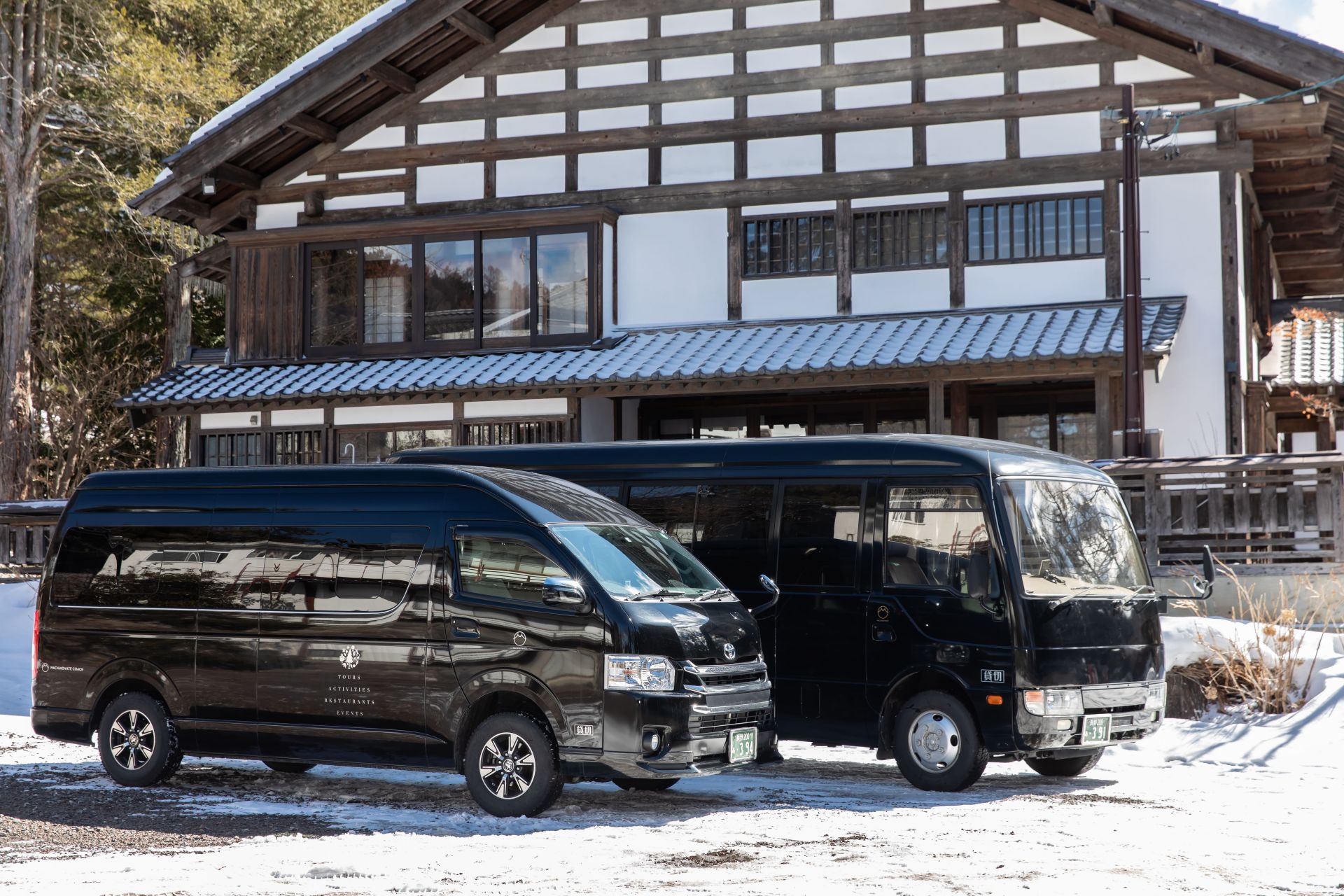
Of course, we also offer private tours and transport in and around the Matsumoto/Kamikochi area, and other regional destinations. Our drivers and vehicles are fully certified, allowing us to transport you to and from your preferred destinations in combination with any activity that suits your schedule. All vehicles are well-maintained and in good condition, allowing you to relax and enjoy your ride to wherever you are going.
We can arrange both private tours with an English-speaking guide or a private charter, including a private vehicle and driver but without a guide. We’d love to be part of your adventure in Central Japan and help you discover even more!
FREQUENTLY ASKED QUESTIONS
How long does it take to reach Matsumoto from Tokyo?
The Limited Express Azusa connects Shinjuku Station with Matsumoto in approximately 2.5 to 3 hours. Highway buses also operate from Tokyo, with journey times of around 3 to 3.5 hours depending on traffic.
Is Matsumoto Station on a Shinkansen line?
No. Matsumoto is not served by the Shinkansen. The city is connected to Shinjuku by the Limited Express Azusa and to Nagano and Nagoya by the Limited Express Shinano. See our How to Get to Matsumoto guide for detailed access information.
How many days should I spend in Matsumoto?
One full day is enough to visit Matsumoto Castle, Nawate-dori, Nakamachi Street and one or two museums. Staying for two or three days allows time for nearby destinations such as Azumino, Narai-juku or Kamikochi.
Can Matsumoto be visited as a day trip from Tokyo?
Yes, but it makes for a long day. The journey from Shinjuku takes approximately 2.5 to 3 hours each way, so an early departure is recommended. Staying overnight provides more time to explore the city and nearby attractions without rushing.
Can I visit Kamikochi from Matsumoto?
Yes. Matsumoto is the main eastern gateway to Kamikochi. Visitors can take the Kamikochi Line to Shin-Shimashima and transfer to a bus, use selected direct bus services, or join a guided tour. Kamikochi is normally accessible from mid-April until 15 November.
Is Matsumoto easy to explore on foot?
Yes. Matsumoto Castle, Nawate-dori, Nakamachi Street, the Matsumoto City Museum and the Matsumoto City Museum of Art are all within walking distance of Matsumoto Station. Local buses are useful for attractions located outside the city centre.
What type of accommodation is available in Matsumoto?
Matsumoto offers business hotels, hostels, holiday rentals and traditional ryokan. Visitors looking for hot spring accommodation can stay in nearby areas such as Asama Onsen, Utsukushigahara Onsen or Shirahone Onsen. See our guide to the Best Places to Stay in Matsumoto for recommendations.
What is winter like in Matsumoto?
Winters are cold but often dry and sunny. Daytime temperatures commonly remain only a few degrees above freezing, while nights can fall well below zero. Snowfall occurs, although Matsumoto usually receives less snow than the mountain areas surrounding it. Warm clothing and shoes suitable for icy conditions are recommended.
Is Matsumoto a good base for exploring Central Japan?
Yes. Matsumoto offers convenient access to Kamikochi, Azumino, the Kiso Valley, Hakuba, Nagano City and Takayama. Railways, buses, guided tours and private charters make it possible to use the city as a base or include it as part of a longer journey through Central Japan.