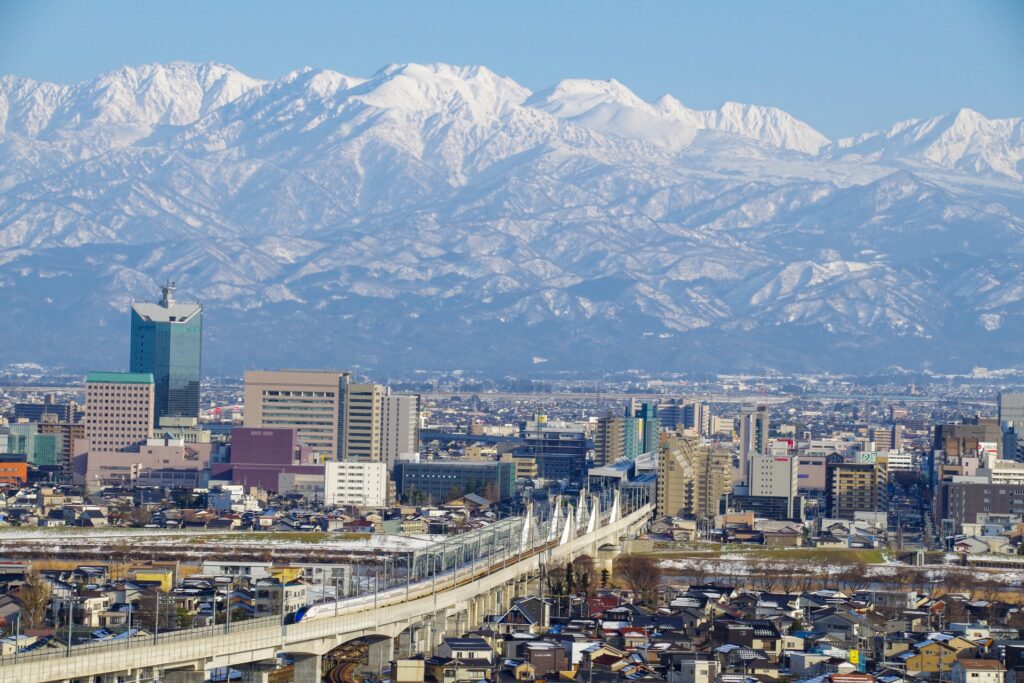
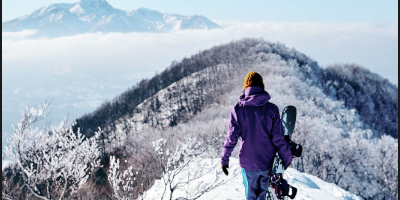


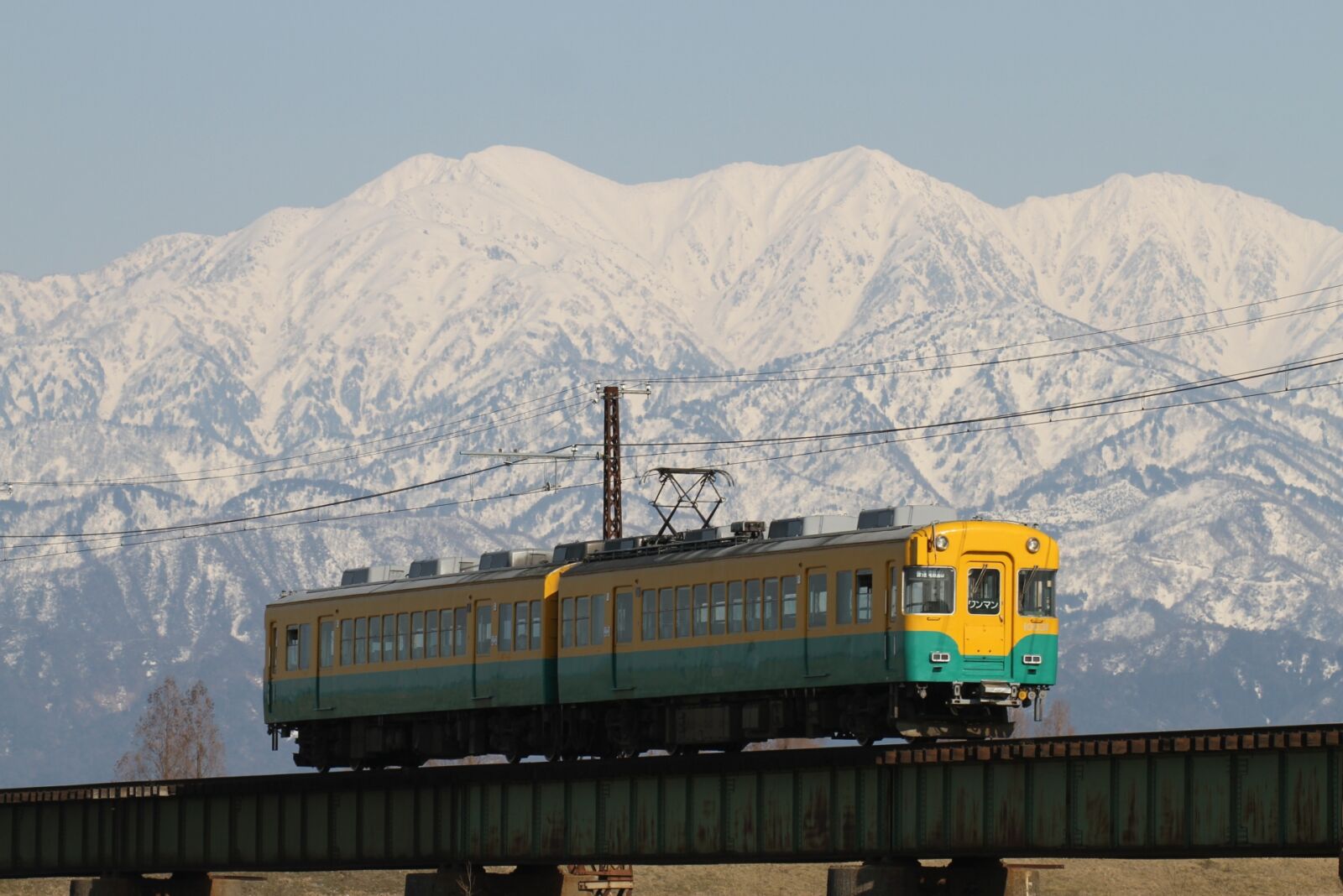
二月的富山縣氣候嚴寒,全縣及山區積雪厚重。大地銀裝素裹,遠眺白雪皚皚的北阿爾卑斯山脈。氣溫持續寒冷,通常接近或低於冰點。此時也是冬季運動的旺季,立山六和IOX-AROSA等多個滑雪場積雪最為厚實,營運繁忙。此外,二月也經常舉辦當地文化活動,例如宇奈月溫泉雪嘉年華,屆時將有煙火和篝火表演。此時出行,您可以享受相對的寧靜,在傳統的日式旅館溫泉中放鬆身心,品嚐富山縣著名的冬季海鮮。
二月的天氣
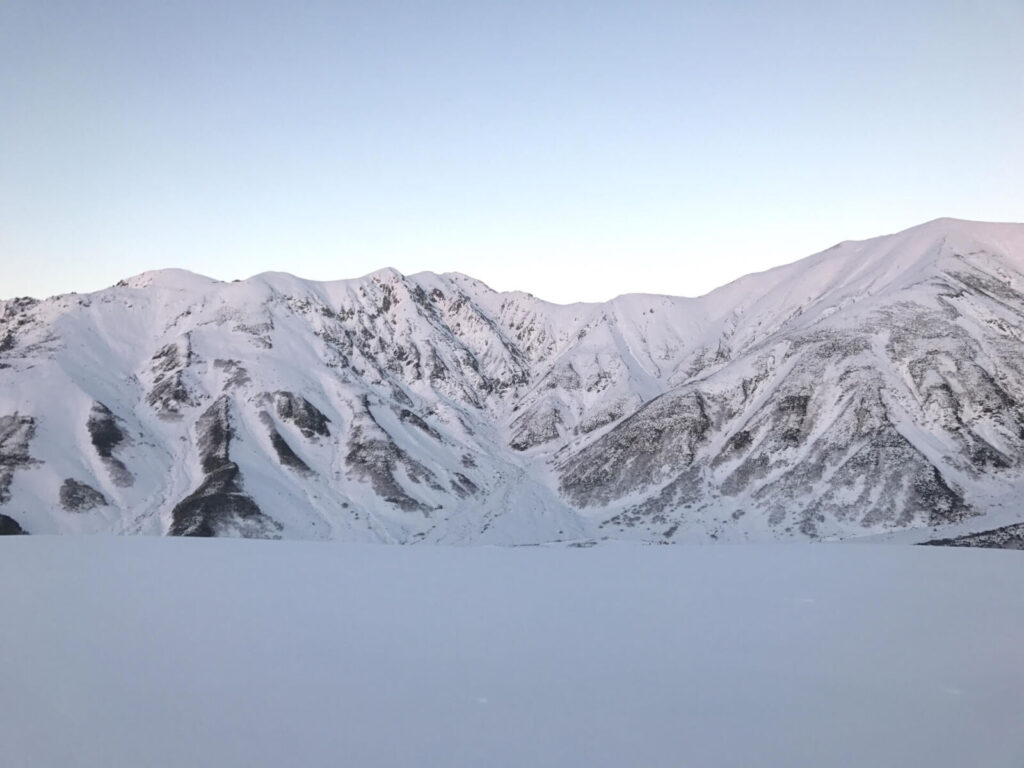
February in Toyama remains firmly within the deep winter season, yet it shows the first subtle, gradual transition towards spring compared to January's peak cold. In the coastal and plain areas, daytime temperatures experience a slight increase, typically averaging between 3°C and 6°C (37°F and 43°F), while nighttime lows still consistently hover around or slightly below the freezing point at approximately -2°C to -1°C (28°F to 30°F). The high mountain and valley regions—such as Gokayama and Unazuki—remain locked in severe cold, with daytime highs generally staying sub-freezing and the snow cover at or near its maximum depth for the season. While the number of days with precipitation remains high, the overall snowfall volume tends to decrease slightly compared to January's maximum, and there is a marginal increase in the hours of daylight. Given the persistent cold and deep snow, serious, multi-layered winter gear remains absolutely essential for all travelers in Toyama during February.
Seasonal Highlights in February
冬季節日
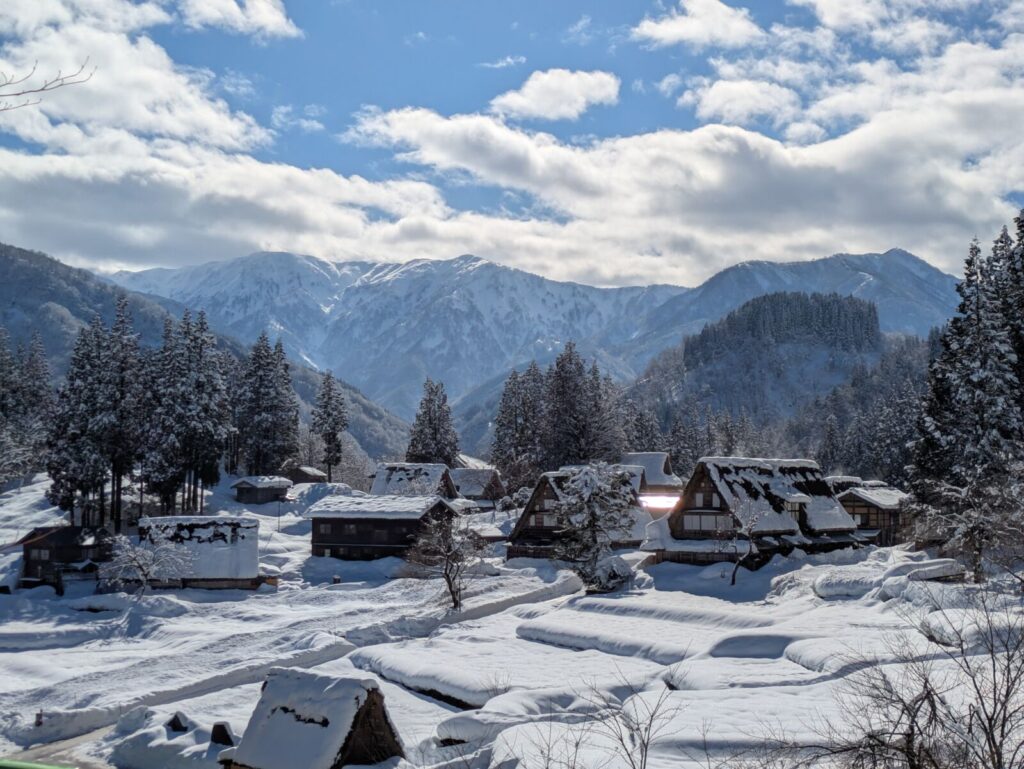
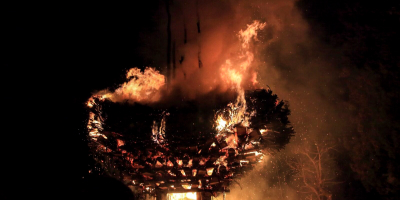
February is the pinnacle of the festival season for snow-lovers in Toyama, featuring spectacular night-time events. The primary highlight is the Gokayama Gassho-style Village Light-up, where the unique, steep-roofed farmhouses in the remote, snow-covered hamlets of Ainokura and Suganuma are illuminated on selected weekends in mid-February, creating a magical, ethereal scene. Additionally, the Unazuki Onsen Snow Carnival, typically held in early February, brings the hot spring town to life with fireworks, bonfires, and the novelty of its piled-up "Snow Wall" (Yuki no Kabe). For a serene cultural experience, the Takaoka Zuiryūji Temple often hosts a Snow Lantern Festival in early February, lighting up the solemn national treasure with hundreds of hand-made snow lanterns and candles.
美麗的冬季雪景
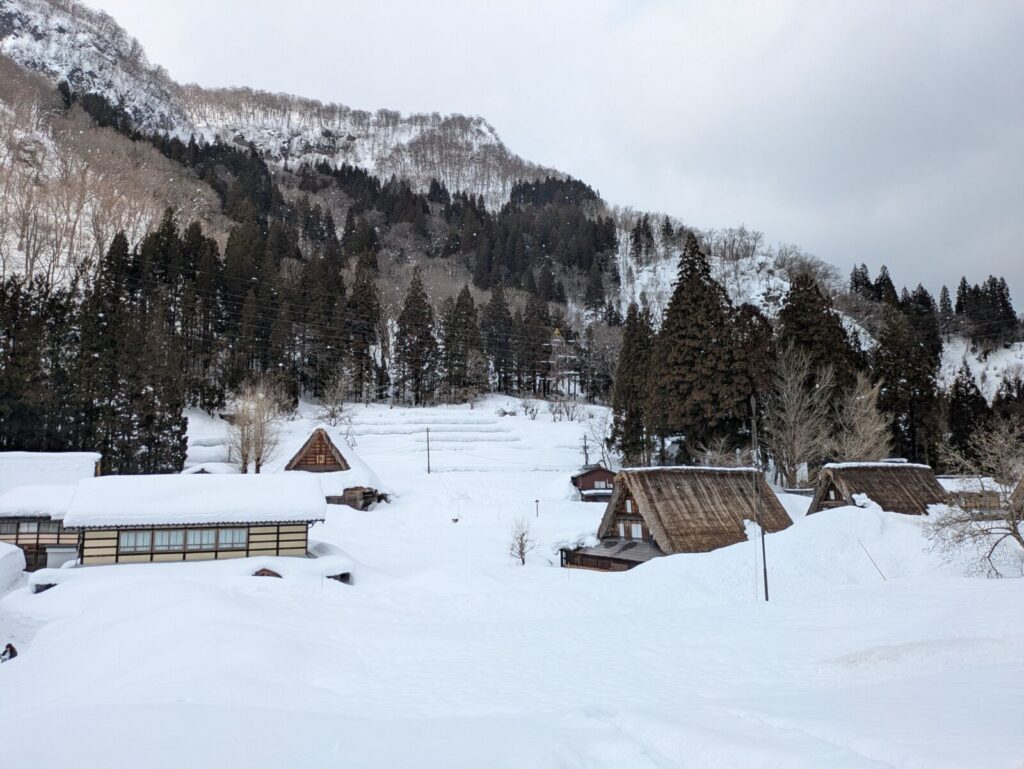
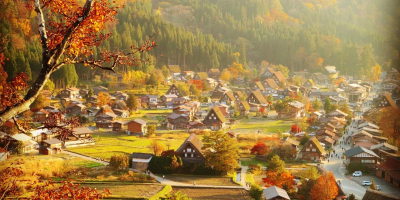
January settles the deep, unrelenting snow upon Toyama's inland geography, perfecting the region’s distinct and spectacular snowscapes. The UNESCO World Heritage villages of Gokayama, including Ainokura and Suganuma, are fully encased in the massive white accumulation of deep winter. This transforms the unique gassho-zukuri farmhouses into scenes of profound, silent isolation, where the thick, thatched roofs bear the heavy burden of snow in the valley, creating a picture of almost unbelievable, ancient tranquility.
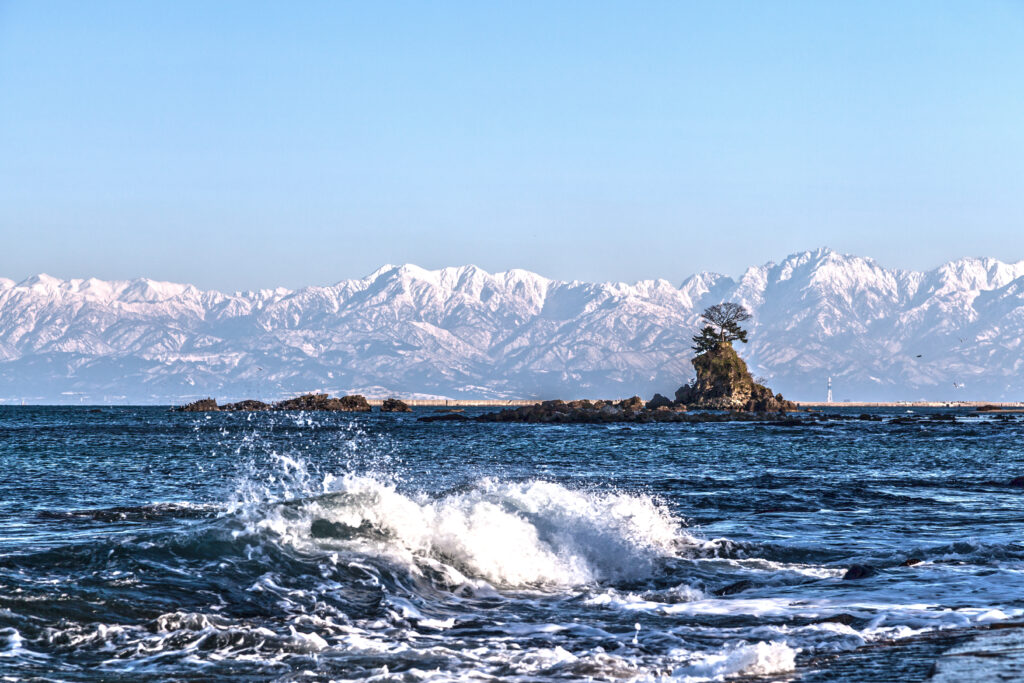
In striking contrast, the Amaharashi Coast near Takaoka offers a majestic vista unparalleled in Japan: the deep, clear winter air ensures optimal visibility, revealing the massive, snow-covered peaks of the Tateyama Mountain Range rising dramatically across the steely blue waters of Toyama Bay. This intense scene presents a stunning natural fusion of frozen, towering rock and the cold, restless energy of the sea, defining the ultimate beauty of Toyama's coastal winter.
寒冷天氣裡的熱溫泉
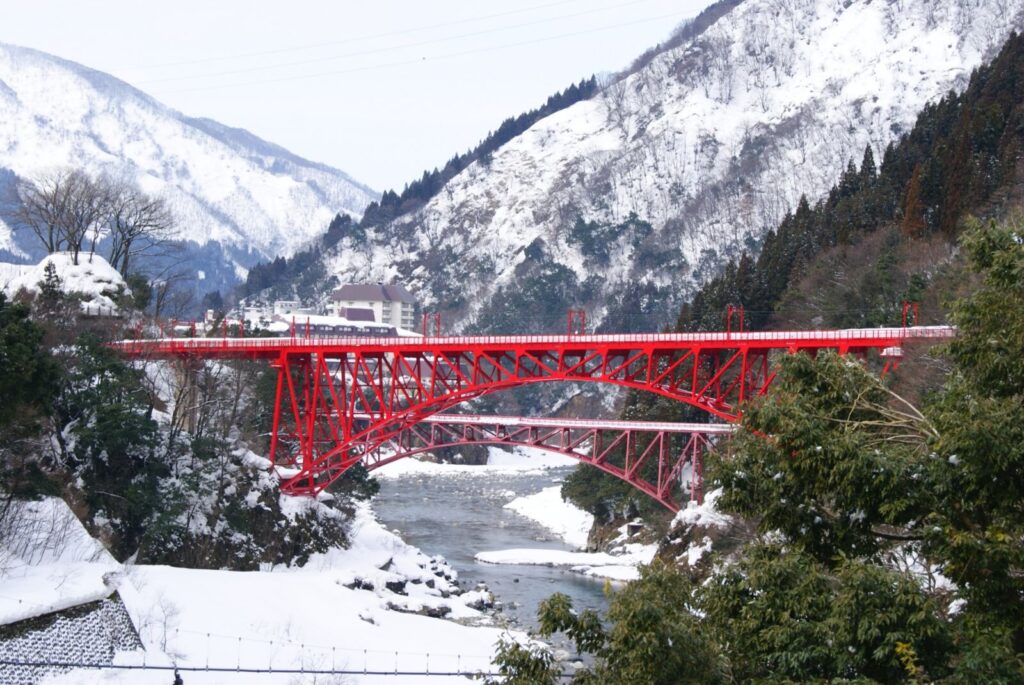
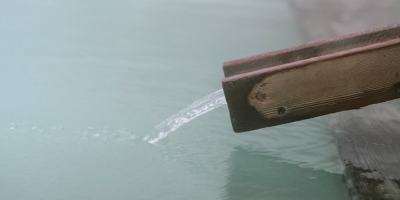
As the air turns crisp and the scenery is often blanketed in snow, the ultimate pleasure is relaxing in an open-air hot spring (rotenburo) amidst Toyama's quiet, pristine winter landscape. Unazuki Onsen, famously situated near the entrance to the scenic Kurobe Gorge, remains an exceptionally popular year-round destination, offering classic views of snow-dusted mountains. Beyond this area, the prefecture hosts other equally tranquil options for a February escape.
For a truly elevated experience, the Tateyama Kokusai Hotel Onsen provides spectacular panoramic views of the snow-covered Tateyama Mountain Range. Alternatively, in the southern mountains, the riverside baths of Shogawa Onsen are perfectly set amidst the stunning, silent, snow-laden scenery of the Shogawa River valley, or you can opt for the truly unique and secluded Omaki Onsen, which is solely accessible via a peaceful ferry ride across the Shogawa River. Additionally, for views closer to the coast, Oda Onsen offers relaxing seaside baths against the dramatic backdrop of Toyama Bay.
冬季海鮮佳餚
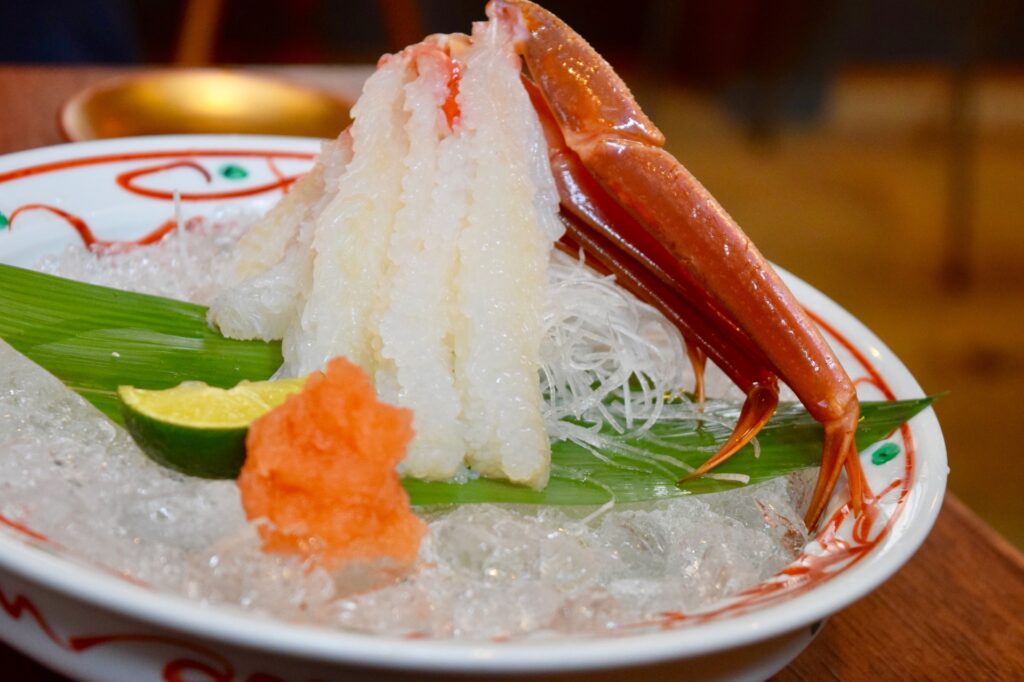
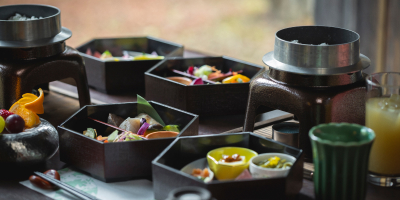
The deepening cold of February brings Toyama's supreme dining season into full swing, a time dominated by the magnificence of Kanburi (Winter Yellowtail). Sourced from the depths of Toyama Bay, this celebrated fish maintains its peak richness, presenting an unparalleled, melting texture and buttery flavor that defines winter luxury. Complementing the Yellowtail, the prized Beni-zuwaigani (Red Snow Crab) continues to be a featured delicacy, contributing its distinct, elegant sweetness to the regional menu.
Furthermore, while the fishing season for the delicate Shiro Ebi (White Shrimp) typically pauses, it is still frequently featured on winter menus in rich, savory preparations like kakiage or tempura using frozen stocks, ensuring the signature jewel of Toyama Bay remains part of the high-quality dining experience that perfectly matches the unique atmosphere of the mid-winter season.
十二月精選旅遊
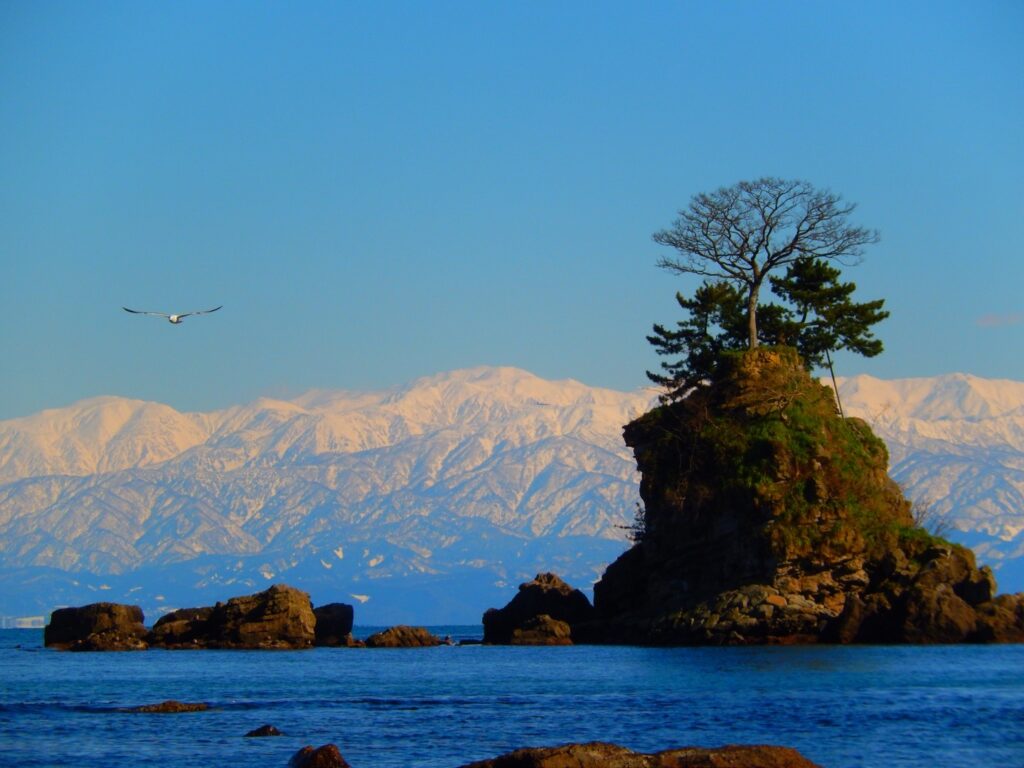
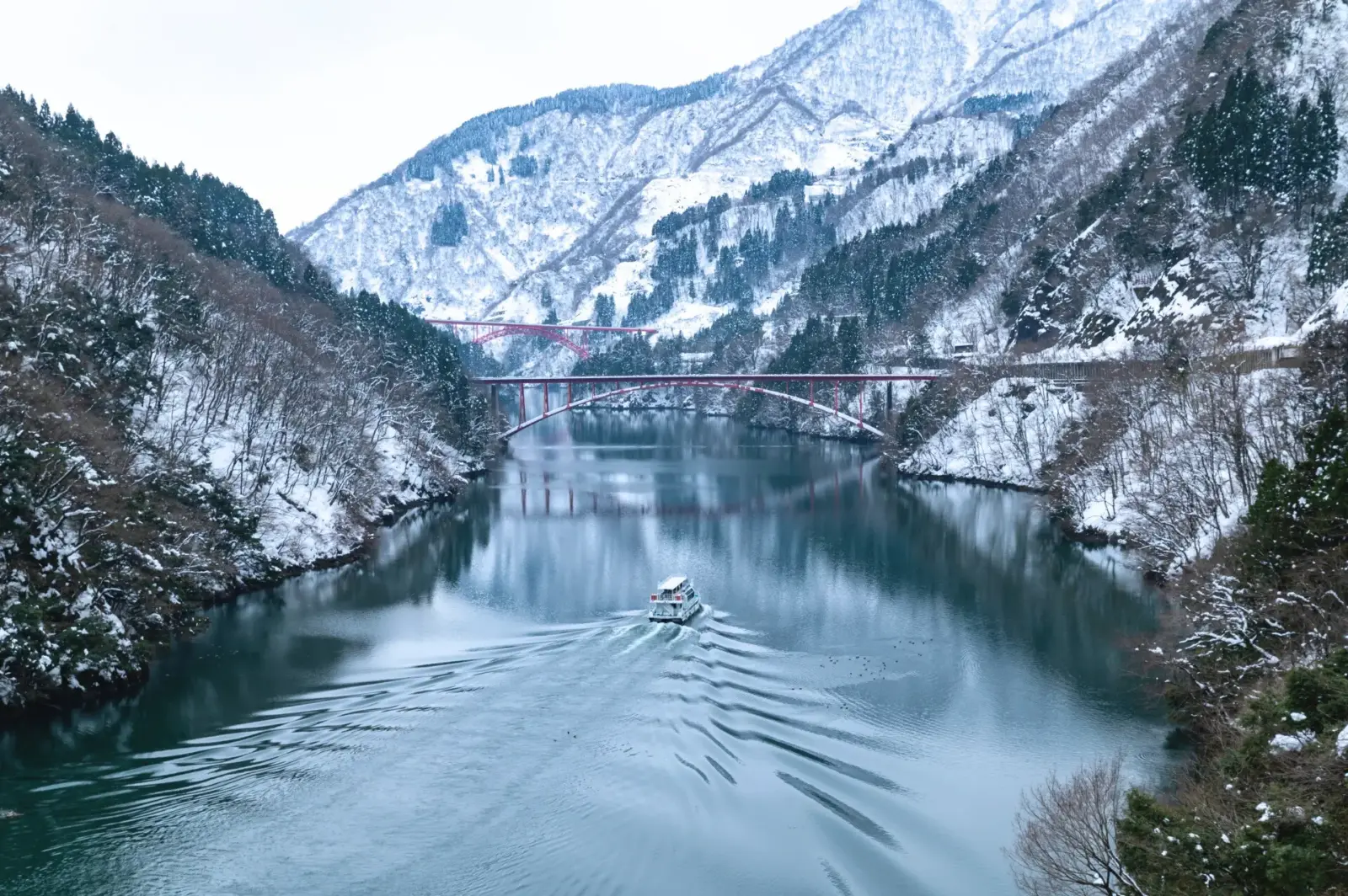
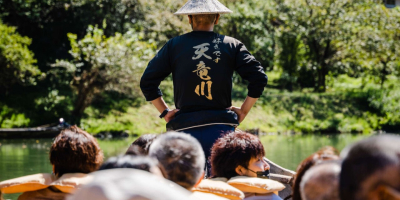
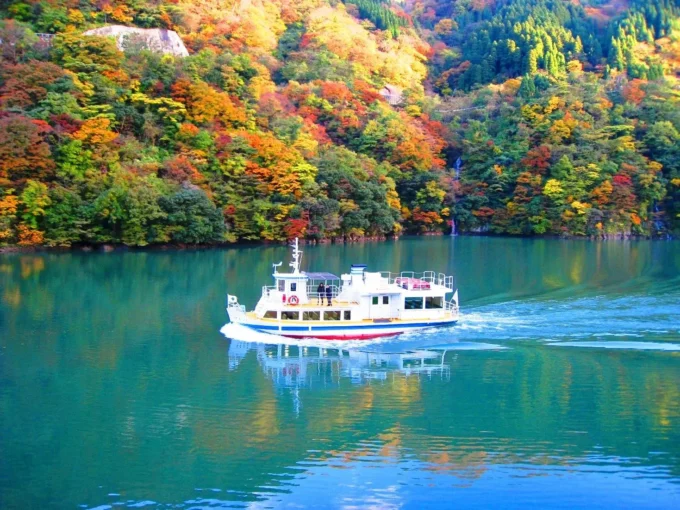
金澤一日遊:欣賞美麗的雨晴、參觀大佛、遊覽莊川河谷遊船。
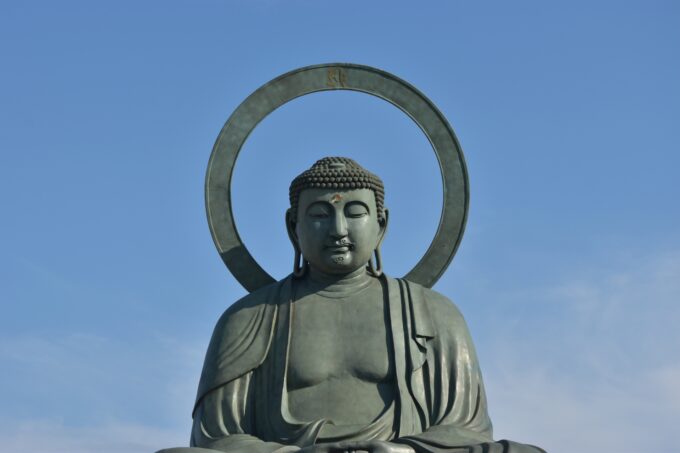
February is a great month for exploring the Amaharashi Coast and the historic city of Takaoka. With the landscape fully settled into deep winter, a stark and dramatic beauty emerges along the coast. The icy, clear air of mid-winter significantly increases the chances of witnessing the region's most iconic vista: the magnificent, fully snow-covered Tateyama Mountain Range rising across the dark blue waters of Toyama Bay. This tour beautifully combines stunning coastal scenery—now defined by snow and sea—with the rich cultural heritage of Takaoka, offering a perfect time to experience the region's serene, deep-winter atmosphere and the warmth of the city's history.
亮點:
金澤一日遊:白川鄉、五箇山和木雕村
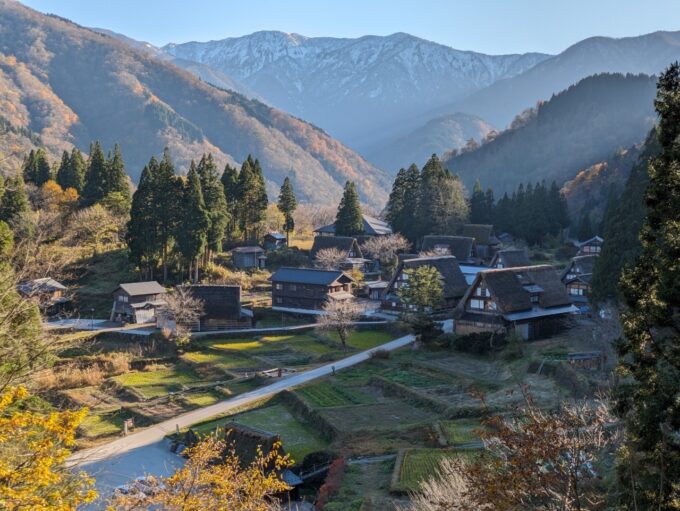
February fully envelops the traditional Japanese countryside, turning it into a spectacular winter sanctuary where heavy snow defines the scene. The UNESCO World Heritage Sites of Shirakawa-go and Gokayama reach their peak seasonal beauty: the preserved gassho-style houses become utterly magical, encased in thick blankets of white. This profound, over 250-year-old history of Japan's farming communities is enhanced by the deep winter snowscape.
To balance the snowy exterior of the traditional villages, the tour includes a stop in the historic town of Inami, where the enduring tradition of woodcarving provides a warm, engaging contrast. Visitors can admire expert craftsmanship, particularly the intricate temple carvings, and even try their hand at Japanese style paper making, a local craft. This full-day bus tour from Kanazawa seamlessly navigates the deep-winter conditions, connecting the breathtaking, snow-covered majesty of the World Heritage homes with the unique, living artistic traditions thriving in the mountains.
亮點:
- 前往井波市的木雕之鄉,漫步於至今仍是木雕大師們居住的街道,然後參觀擁有 300 年歷史、以精美雕刻而聞名的瑞泉寺。
- 在五箇山體驗傳統的日本造紙工藝。
- 探索聯合國教科文組織世界遺產白川鄉,走進其中一戶人家,感受該地區的歷史和精湛的工藝。
- ***12月27日至1月5日:此期間不提供紙張體驗活動。由此帶來的不便,敬請諒解。 ***
更多遊覽富山的方式
除了導覽遊之外,我們還提供前往富山的私人包車和靈活的旅遊選擇。對於喜歡個人化行程或私人車輛舒適體驗的旅客來說,這些都是絕佳之選。包車服務特別適合家庭、情侶或團體,讓您輕鬆自由地體驗富山及其周邊地區的精華。 敬請期待!
本地新聞和旅遊更新
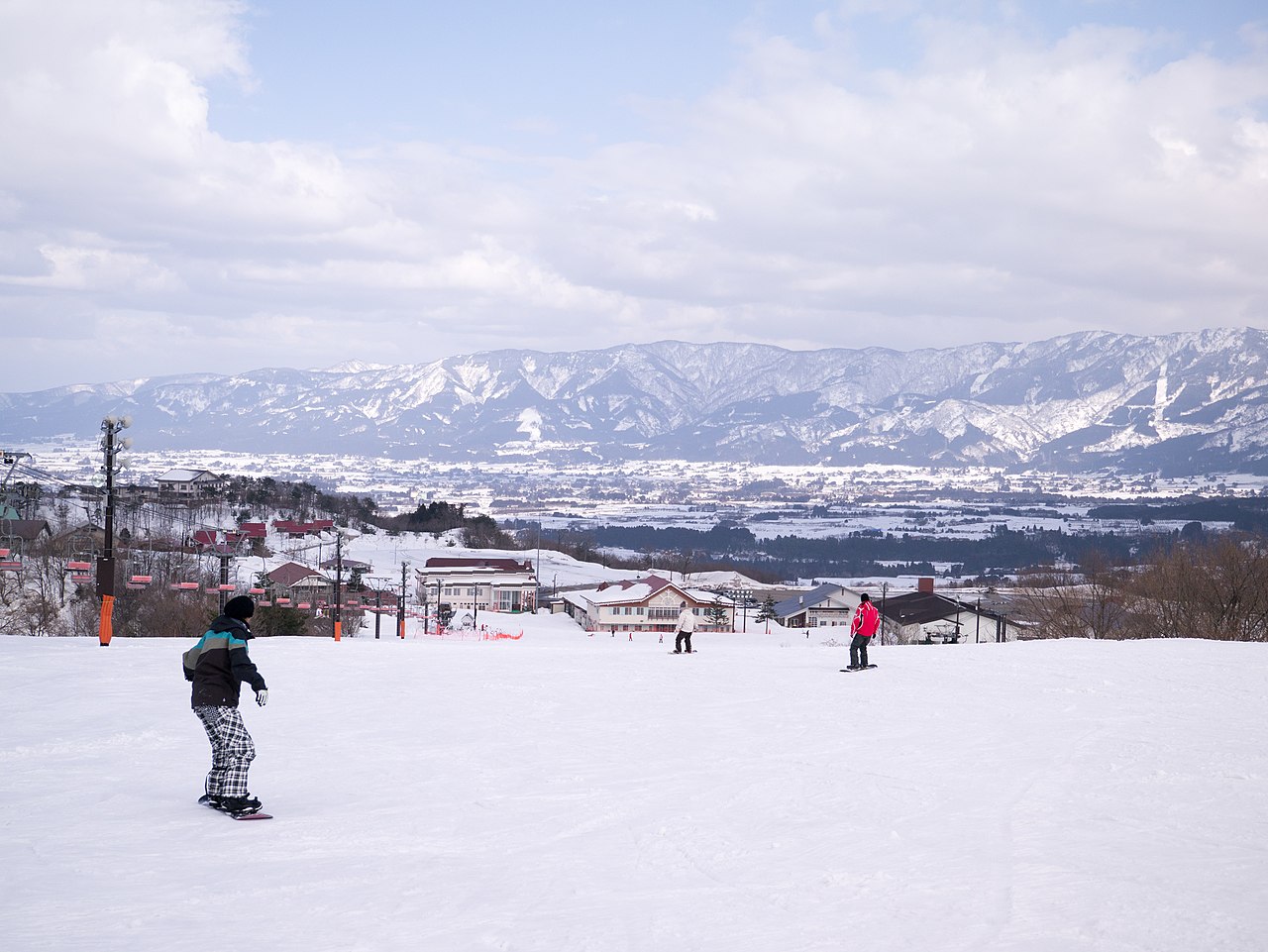
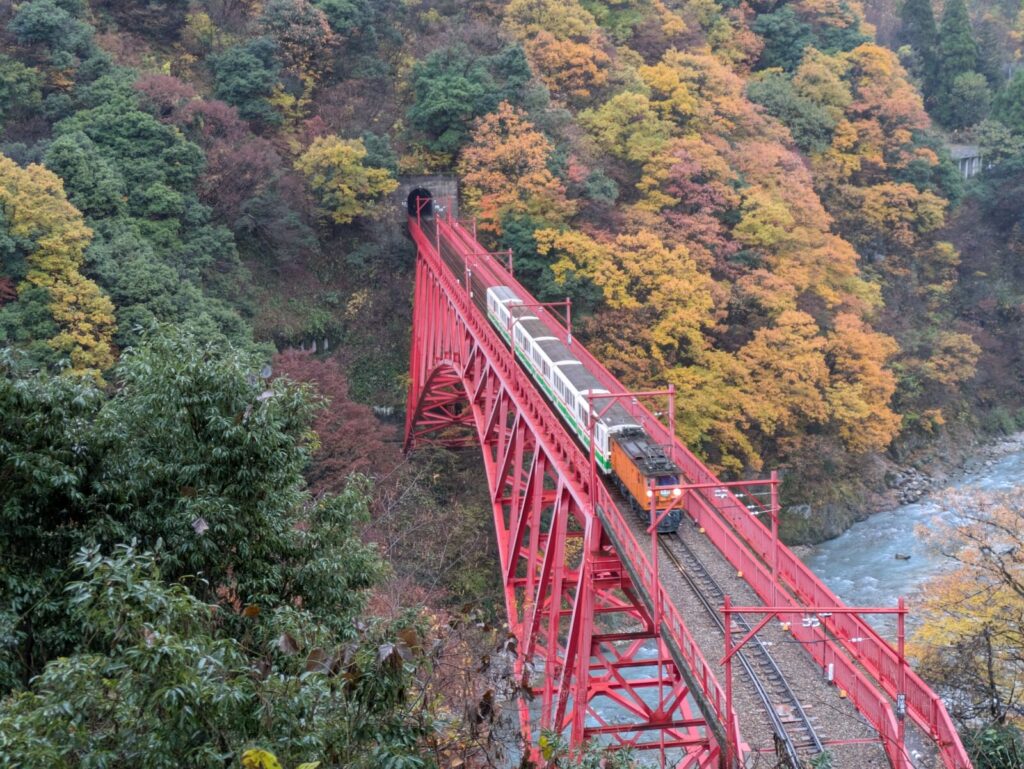
- Crowds & Travel Tips - February continues the peak of deep winter in Toyama, characterized by consistent, heavy snowfall and very cold temperatures; with seasonal outdoor sites like the Kurobe Gorge Railway closed, attention shifts indoors, making museums such as the Toyama Glass Museum excellent stops. The landscape is entirely covered in pristine white, offering travelers minimal crowds and some of the most dramatic snowscapes of the year, often accompanied by slightly lower accommodation rates than the high-demand New Year's rush.
- 交通資訊更新 — 二月的嚴冬天氣對富山縣的交通規劃有著嚴格的限制,黑部峽鐵道和立山黑部阿爾卑斯山脈路線等主要季節性路線仍然封閉。所有出行,包括前往五箇山等山區目的地或偏遠溫泉,都需要做好冬季出行準備,例如必須使用雪地輪胎,最好駕駛四驅車輛,才能安全應對道路上的積雪和冰層。旅行的重要提示是,務必提前確認公共交通時刻表,因為一些偏遠地區的公車路線可能仍會按照冬季有限的時刻表運行。
- Onsen Towns in Season - February is an optimal month for experiencing Toyama's hot springs, which offer an essential warm refuge from the deep winter cold amidst heavy, scenic snow. Popular, accessible resorts like Unazuki Onsen remain excellent choices, and travelers can also visit Shogawa Onsen for relaxing riverside baths with exceptional snow views. For a secluded retreat, the unique Omaki Onsen offers true isolation, being accessible solely by a scheduled boat journey across the frozen landscape of the Shogawa River.
二月住宿推薦
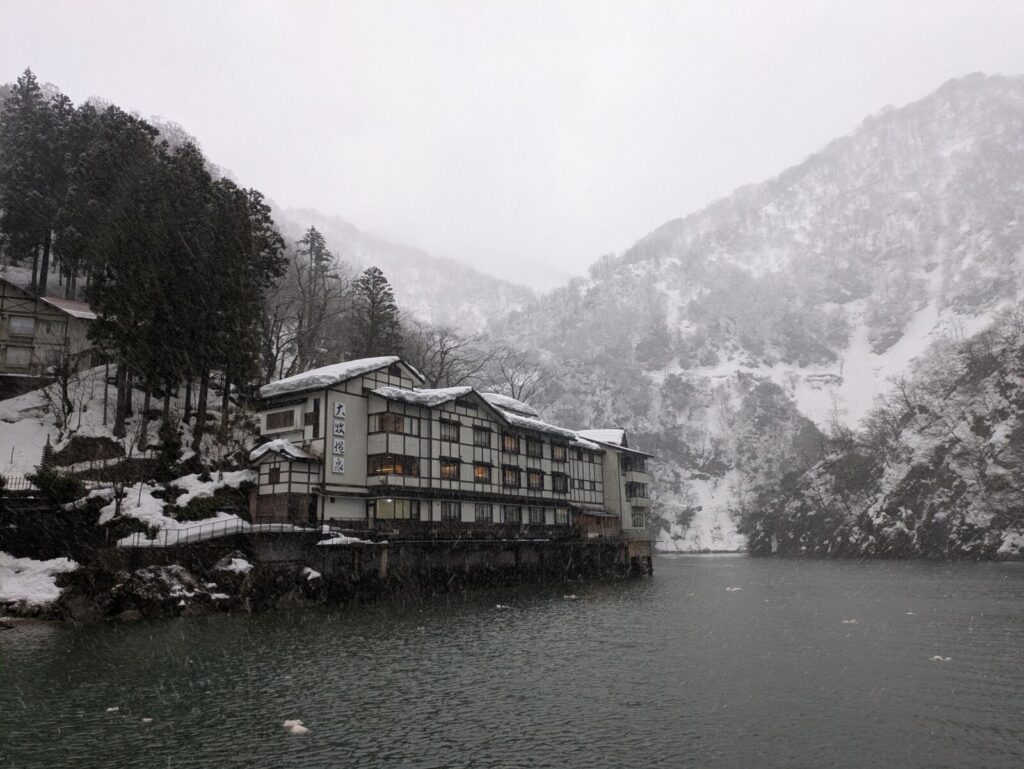
Choosing an accommodation base requires strategic planning for February's deep winter conditions, prioritizing warmth and seamless access to Toyama's primary draws. For an immersive experience, consider a cozy ryokan in a hot spring town like Unazuki, which offers essential steaming refuge and direct views of the heavy snowpack. Alternatively, staying at traditional inns near the Gokayama region guarantees early access to the magnificent, secluded gassho-zukuri snowscapes.
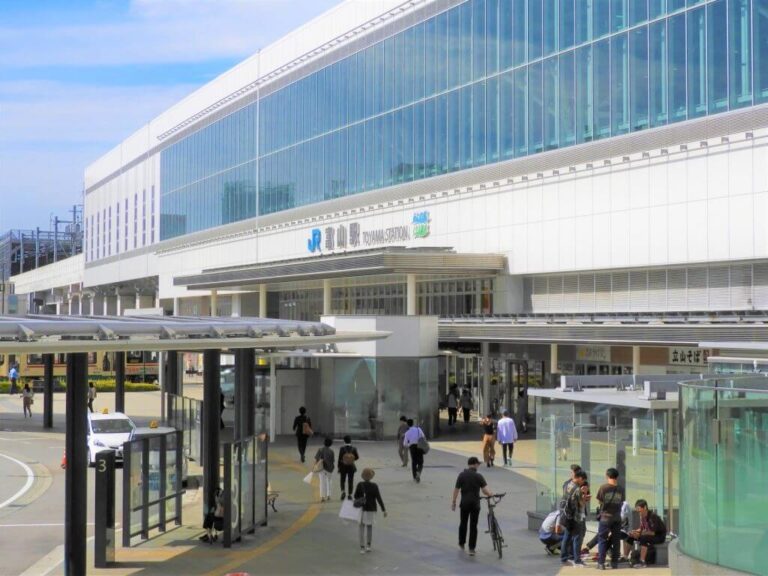
In contrast, selecting a modern city hotel near Toyama Station provides the most optimal logistical base for deep winter travel. This location ensures quick access to key transport hubs and proximity to the ongoing illumination display and celebrated local dining. Planning your stay thoughtfully ensures you select the perfect base that aligns with the season's primary rewards: guaranteed warmth, stability against challenging roads, and unparalleled access to the peak winter seafood.
- 富山市 — 富山市是探索其充滿活力的城市景點(如冬季燈光秀)的絕佳基地,同時為前往該地區最著名的1月景點提供了至關重要的便利,從寧靜的、白雪皚皚的合掌造村莊五箇山到沿海港口冰見,那裡有當季最好的海鮮等著您。
- Unazuki Onsen – Staying in Unazuki Onsen in January is ideal for travelers who seek a steaming, luxurious refuge, offering serene open-air baths where one can immerse themselves in the deep winter chill while observing the snow-dusted banks of the Kurobe River.
- Takaoka – An excellent choice for those interested in exploring the city's rich history and traditional crafts, while also being well-positioned to visit the nearby Amaharashi Coast
- 五箇山 — 是尋求寧靜和傳統體驗的理想之地,您可以欣賞到世界遺產合掌造農舍在初雪的映襯下顯得格外美麗,更凸顯了其深邃而古老的魅力。
無論您選擇住在哪裡,冬季都是一年中最繁忙的季節之一,因此最好提前做好安排。更多信息,請參閱我們的“富山最佳住宿地點”指南。
計劃您一月份的北陸之旅
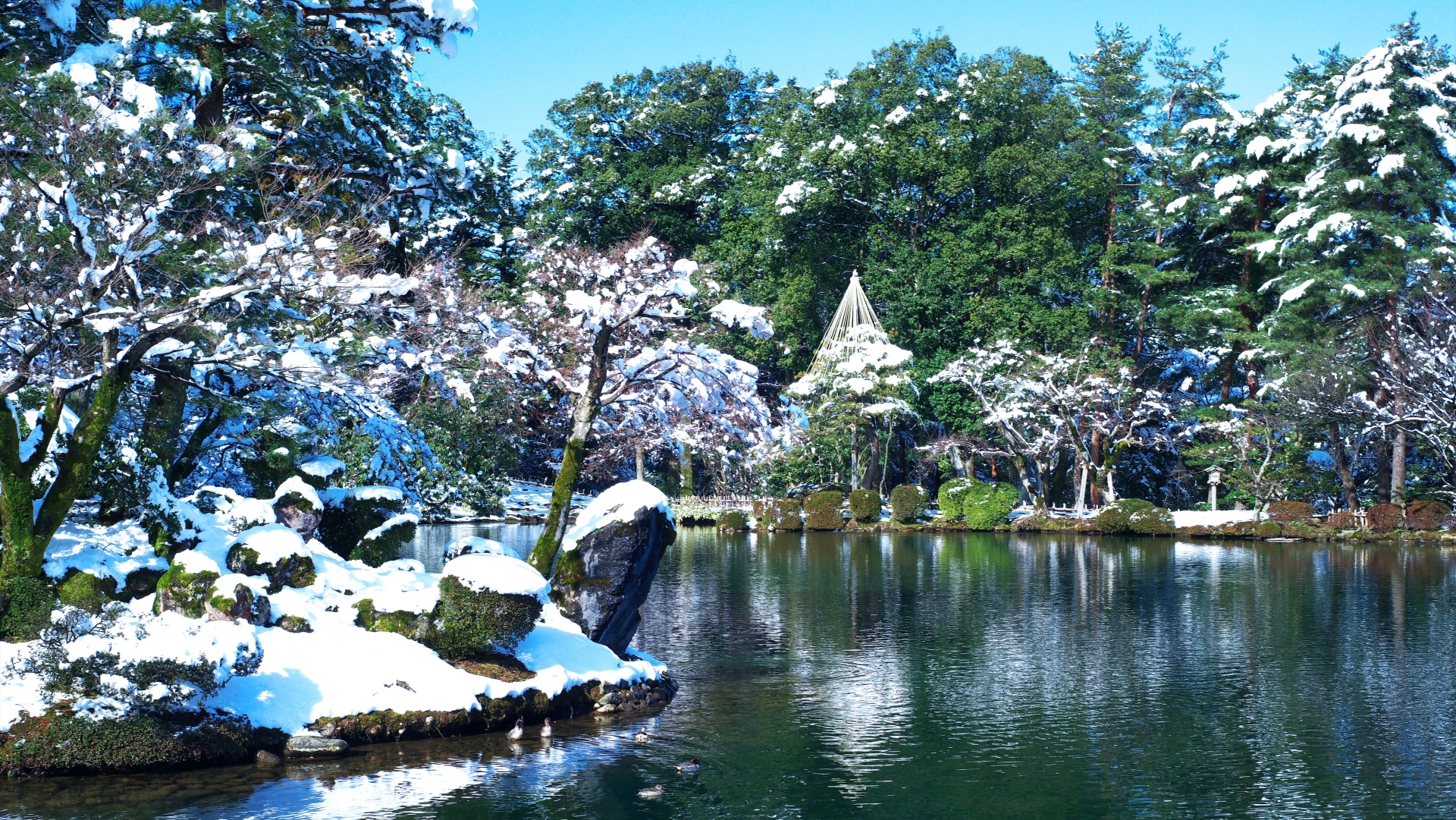
February continues to bring deep winter peace to Kanazawa, where the city’s culture and nature truly shine in a refined, elegant snowscape. The iconic Kenrokuen Garden is transformed into a world-class sight, where the intricate yukitsuri (snow ropes) create dramatic, sculptural artistry against the heavy white mantle, often highlighted by special evening illuminations. While the historic teahouse districts, like Higashi Chaya, gain an irresistible, cozy charm with their wooden facades glowing warmly against the chill, travelers can also retreat to premier indoor attractions like the 21st Century Museum of Contemporary Art, or the meditative D.T. Suzuki Museum to enjoy the quiet snow views from inside.
Further south in the Hokuriku region, the majestic Eiheiji Temple in Fukui continues to stand framed by ancient cedars and constant snowfall, lending an atmosphere of spectacular silence and meditative grandeur to the remote scene. With such profound beauty accessible, yet facing the specific challenges of deep-winter travel, strategic planning remains the key to maximizing the trip. This means securing warm accommodation and transport early, or considering a guided tour to seamlessly navigate the heavy snow and ensure reservations for celebrated regional dining experiences across the Fukui prefecture.