


Japan is often praised by travelers for its reliable public transport network, even proclaimed as best in the world. Known for fast trains, clean facilities, punctual arrivals, and expansive routes that go beyond what visitors expect, it seems all one would need is public transportation. So why would anyone book a private charter?
The reason to consider this is between two different priorities: reliable public transport and convenient public transport. Japan’s network is outstanding along its main corridors, but it thins out once you leave them. Where you are going, how much luggage you are carrying, and how many people are travelling with you all change the answer.
This guide compares both options honestly, showcasing situations where each option is stronger.
The Short Answer
Most travelers do not need to choose one or the other for a whole trip. They need to choose the right one for each day and case.
Travelling as a small group, packing light/backpacking, or travelling between cities with shinkansen route connections? Use public transport.
Travelling as a family or a group, hauling multiple suitcases or ski gear, heading into the countryside, or linking several stops in one day? Book a private charter.
Heading to major cities but with some day trips for a countryside getaway? Use both, and strategically pick depending on the day.
Public Transport in Japan: What You Actually Get
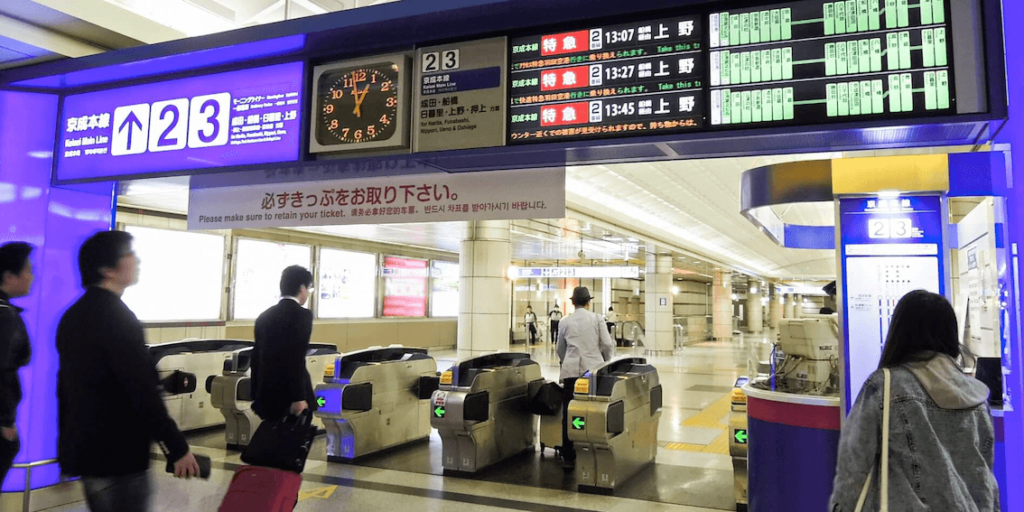
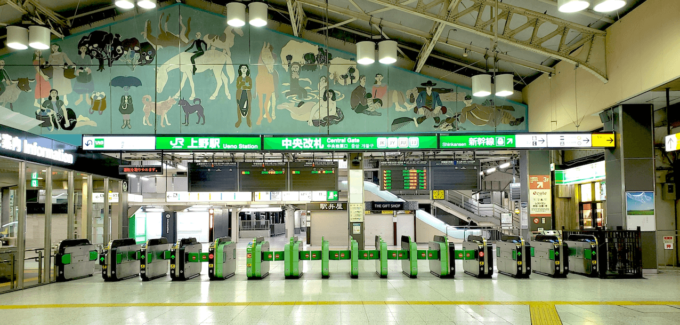
When it comes to connecting cities, especially by high-speed rail, Japan reigns supreme. Whether riding the Tokaido Shinkansen line between Tokyo and Osaka, or getting around within a city, public transport is readily available.
- Shinkansen (bullet train) services that connect major cities at high speed and run to the minute.
- Dense local train and subway networks in every major city, with English signage and English announcements at almost all significant stations.
- IC cards such as Suica, PASMO, or ICOCA, which work as tap-and-go payment across most urban trains, subways and city buses.
- Rail passes that can cut long-distance costs significantly if your itinerary is train-heavy.
- Frequency that removes risk of derailing plans. On many urban lines, if you miss one train, the next is a few minutes away.
For a group of two moving between Tokyo, Kyoto and Osaka with carry-on luggage, public transport is not just adequate. It is the better product, and it is cheaper.

On Rural Transportation
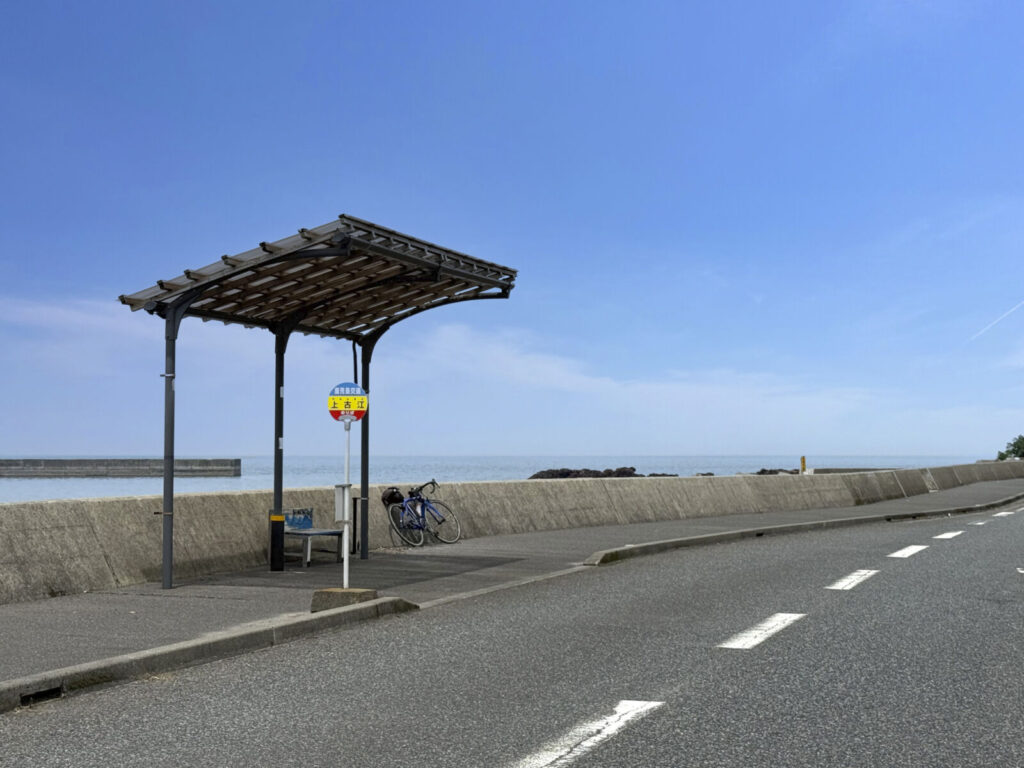
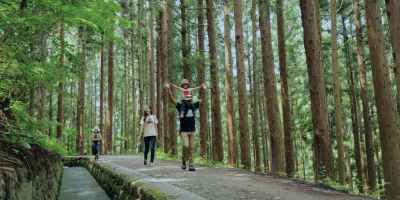
While Japan’s rural transport is not forbidden for travelers, one must remember that it is built for residents and not ideal for visitors on a tight schedule. Expectations must be set accordingly.
- Rural bus routes can run once or twice an hour. Some run a handful of times a day.
- The last service back is often mid-afternoon, well before the attraction you came to see actually closes.
- Timetables vary by day of the week and by season; a route that works on a Saturday in August may not exist on a Tuesday in February.
- Rural timetables and on-board announcements are frequently in Japanese only, with no English version at the stop.
- Some rural bus fareboxes remain cash only. IC card coverage is far from universal once you leave the cities.
- Local buses have no luggage space. Even a single large suitcase would be difficult to move onboard.
- One missed connection does not cost ten minutes, but can cost two hours or even the rest of the day.
None of this makes rural Japan inaccessible. It makes it slow. If you have a spare day and enjoy the puzzle, the buses will get you there. If you have one day and a list of places you want to see, a charter converts that lost waiting time back into sightseeing time.
Private Charters: What You Actually Get

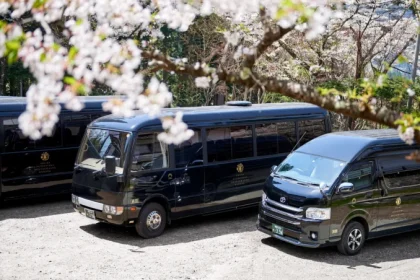
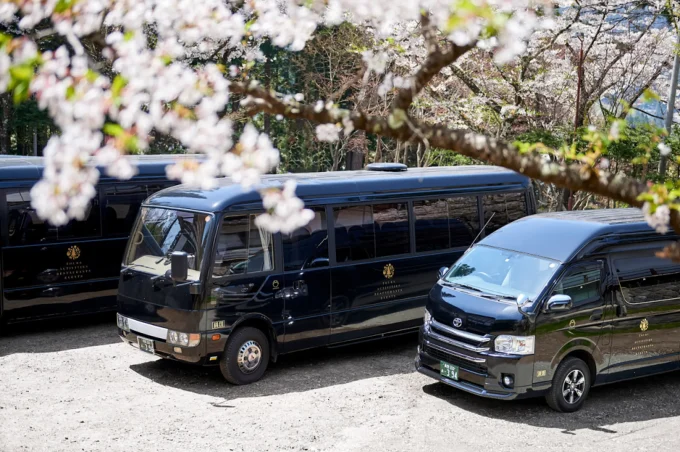
A private charter is a vehicle and a professional driver booked for your group alone, running the route you need on the schedule you set. Pickup and drop-off happen where you actually are, which usually means a hotel entrance, a train or bus station, a ski resort or an airport terminal.
One distinction matters more than any other, and it is the one most often misunderstood.
- A charter is transport. It moves your group from A to B, with stops along the way if you have arranged them. There is no guide and no commentary.
- A tour is a guided experience. It includes a guide who explains what you are seeing and handles the day for you.
Snow Monkey Resorts operates both. Our charters run year-round from Nagano, Nagoya, and other Central Japan locations, covering destinations across the region, including the ski resorts, the Jigokudani Snow Monkey Park, Takayama, Shirakawa-go, Kanazawa, Nagoya, Tokyo and several airports.

Where Public Transport Wins

Long distances between major cities
On the trunk routes, the train beats the road on both time and cost. Our own charter listings put the drive from Nagano to central Tokyo at three to four hours. The shinkansen covers the same journey in well under half that, and it does it without traffic. Tokyo to Kyoto, Osaka to Hiroshima and Nagoya to Kyoto follow the same pattern.
Inside big cities
In central Tokyo, Osaka and Kyoto, a private vehicle is a liability rather than an asset. Traffic is heavy, parking is scarce and expensive, and the subway will usually get you there sooner. Public transport is the right tool for a city day.
Small groups travelling light
Charter pricing is per vehicle, not per person. If you are not hauling large suitcases and your group is small enough that a whole vehicle is hard to justify, the train is the sensible call. For just two travelers with light bags, a charter is an extreme premium, and individual train fares stay comfortably cheaper.
Travelers who want the experience
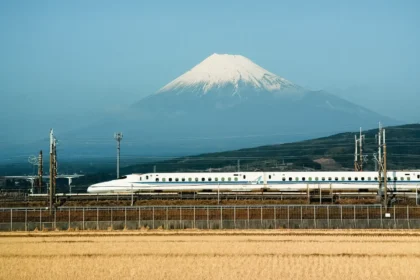
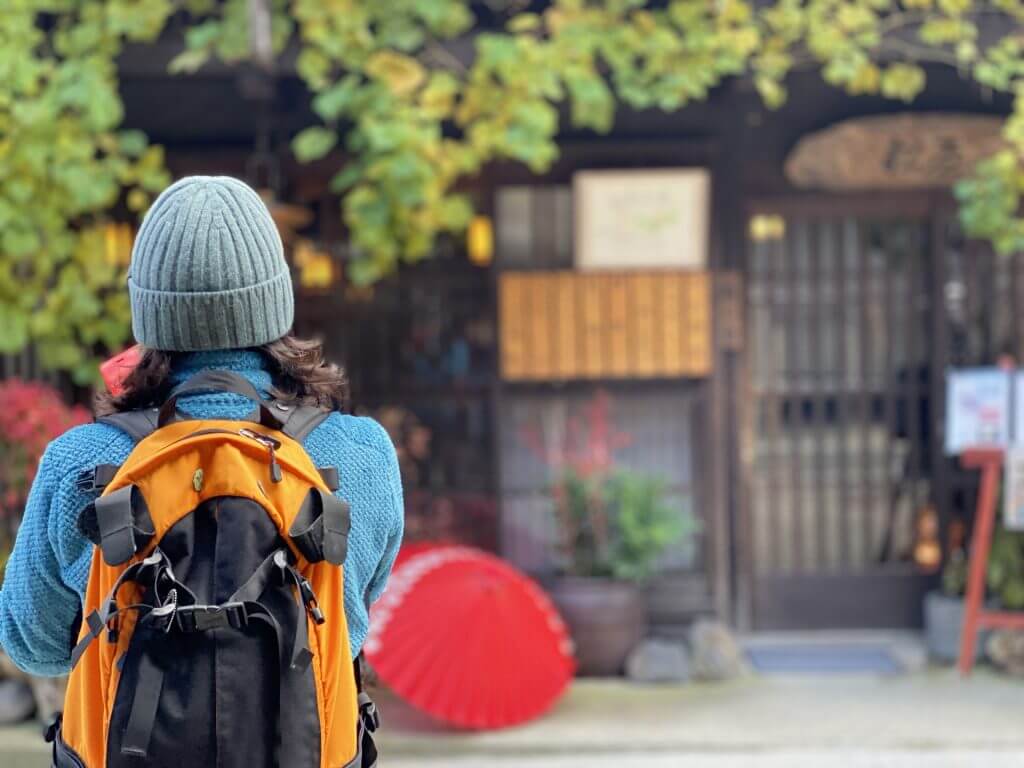
For a lot of people, riding Japanese trains or buses are part of the trip. Station food or “ekiben”, the view from the window, especially the glimpse of Mt. Fuji from the Tokaido line between Osaka and Tokyo, and of course admiring the sheer efficiency of Japan's logistical network.
Where a Private Charter Wins

The picture changes as soon as your day involves rural stops, heavy luggage, a group, or a tight schedule.
Fits the exact schedule you want
Charters adapt to your needs. Whether you want to hit multiple stops in one day, start earlier before the first train, or end late after the last public bus departure, your options are malleable. Even seasons matter and if you are travelling during the winter season with reduced timetables or rural areas with generally infrequent services, a charter waits for you instead and is not bound by a timetable.
Convenience and Comfort
Everything during the ride is as comfortable as possible.
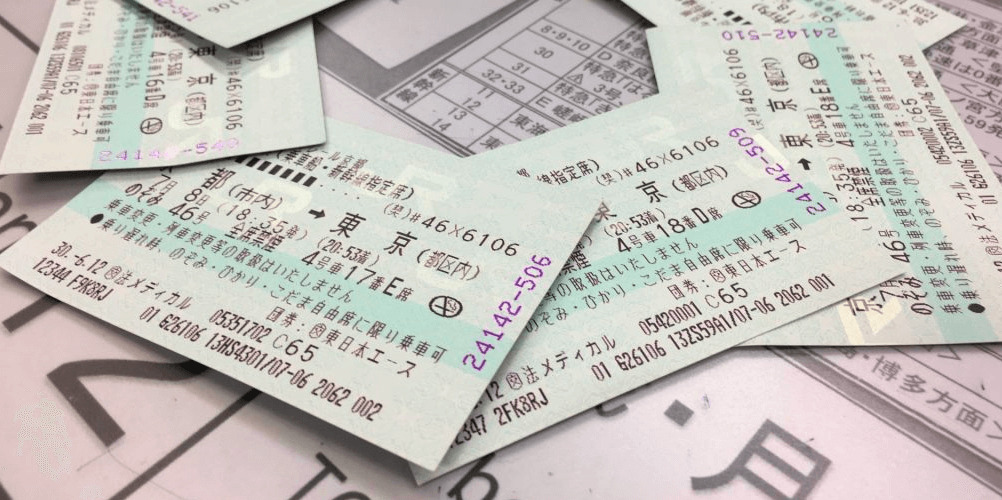
- Private charters safely secures suitcases, ski gear and snowboards, and spare you the awkward maneuvering they require on trains, which is often impossible on local buses altogether. With even the shinkansen requiring an advance reservation for oversized baggage, hauling suitcases is an important factor when deciding how you get around. Consider pairing a charter with Luggage Forwarding services to further enhance your Japan trip.
- Transfers across multiple trains and buses are hard on families with young children, especially the waiting in between during summer heat or winter cold. Private charters also offer child seats, whereas public transport seating is standardized.
- Transferring in the countryside also means possibly dealing with accessibility challenges such as long walks between stations and constant stairs which would make it an obstacle for travelers with limited mobility.
Maximizing Both to its Fullest
The strongest itineraries do not pick a side. They consider and use the right option where it fits better.
A typical pattern looks like this: Take the shinkansen between major cities because it is fast, cheap, and the stations are easy to navigate. Use subways and local trains for city days, because a vehicle would only slow you down. Then charter a vehicle for the days that leave the trunk network, which usually means the mountain days, the ski transfers, the countryside villages and the airport runs with all your luggage.
Applied to central Japan, that means riding the train into Nagano, then chartering for the day that takes you into the Snow Monkey Park and the surrounding valleys, where the bus timetable and a winter afternoon may complicate things. For enjoying Hokuriku, it would mean taking the shinkansen from Tokyo to Kanazawa, then chartering out to Shirakawa-go rather than building the day around a return bus that you cannot miss.
Quick Decision Checklist
Run your day itinerary against this list. Three or more ticks means a charter is very likely the better choice.
- You are four or more people.
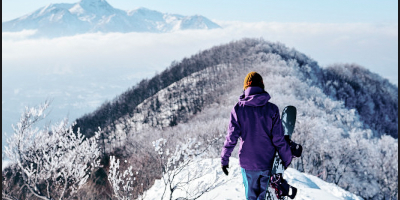
- You are carrying suitcases, ski gear or snowboards.
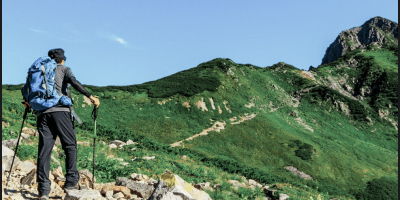
- Your destination is rural, mountainous or reachable only by local bus.
- You want more than two stops in a single day.
- You are starting before the first service or finishing after the last one.
- You are travelling with young children, elderly relatives or anyone with limited mobility.
- You are travelling in winter, when timetables reduce and daylight is short.
- You have a flight to catch and no margin for a missed connection.
If you ticked none of them, take the train. It will be cheaper and it will probably be faster.

Frequently asked questions
Are private charters more expensive than the train?
Usually the per-person cost is higher than public transport on well-served routes, and we would rather be straight about that. What a charter buys you is not a lower fare. It is door-to-door service, your luggage travelling with you, and a day that is not built around a rigid schedule. It also absorbs costs that never show up on a train ticket: luggage forwarding fees, reserved seat and oversized baggage surcharges, taxi legs where no bus runs, airport transfers at both ends, and the hours lost waiting for infrequent rural services. On a route with no scheduled service at all, where the alternative is a metered taxi, a charter can also be the cheaper option outright.
Is a private charter the same as a private tour?
No. A charter is transport only. You get a vehicle, a professional driver and the route you booked, with no guide and no commentary. A private tour includes a guide who leads the day and explains what you are seeing. Snow Monkey Resorts offers both, so choose based on whether you want to be driven or you want to be shown.
Do I need to speak Japanese to use public transport in Japan?
Not in the cities. Major stations, shinkansen services and urban subway systems carry English signage and English announcements, and ticket machines switch to English. Rural buses are a different situation. Timetables at country stops are often in Japanese only, and drivers may not speak English. That is one of the main reasons visitors book charters for countryside days.
Is a Rail Pass still worth buying if I also book charters?
Often yes, because the two cover different parts of the trip. A rail pass earns its cost on long-distance train travel between regions. It does not cover private railway lines, and it does not cover most local buses, which are exactly the legs where rural travel gets difficult. Price the pass against your long-distance train days only, and treat charters as a separate line in the budget.

Can a charter carry ski and snowboard equipment?
Yes. Our vehicles are used for ski transfers throughout the winter season. The van carries eight passengers with luggage, and Micro-bus Type A is specifically suited to groups with bulky gear thanks to its dedicated rear luggage area. Tell us what equipment you are bringing when you book so we can allocate the right vehicle.
Are child seats available?
Yes, on any of our vehicles. Request them when you make your charter reservation rather than on the day, so the seats can be fitted in advance.
How far in advance should I book a charter?
Book as early as you can, particularly for winter dates and for airport transfers. Vehicle availability is finite and the peak ski season fills first.
What if I am not sure which option suits my trip?
Reach out and send us your dates, your group size and the places you want to reach, and we will tell you which days are better by train and which are better by vehicle. We would rather point you to the train for a day that does not need a charter.
Interested in Booking a Charter with Us?

Based in Central Japan and operating all year round, we are a fully-accredited charter operator with the expertise to ensure your journey is safe, comfortable and convenient. With vehicles suitable for single travelers, couples and families to groups of up to 45 people, we have you covered for pickup and drop-off anywhere in the Nagano region including to and from its most popular ski resorts, other popular destinations including the monkey park and more distant points including Nagoya, Tokyo and its airports.
Click the link below to book your charter today!