













Clocks and watches are more than just instruments for measuring time, they reflect social change, technological progress, and the spirit of craftsmanship. From traditional Japanese wadokei (和時計) that followed seasonal timekeeping, to the adoption of Western-style clocks in the Meiji era, and finally to the precision wristwatches and digital innovations of today, the history of timepieces tells the story of Japan’s evolving culture and artistry.
In this article, we’ll look at several museums across Japan that showcase this unique relationship between time, technology, and society. The focus will be on:
Through these museums, we can trace not only the beauty of precision engineering but also the cultural stories of how Japan has measured and lived with time.
The list of museums bookmarked on this map are written at the end of the article!
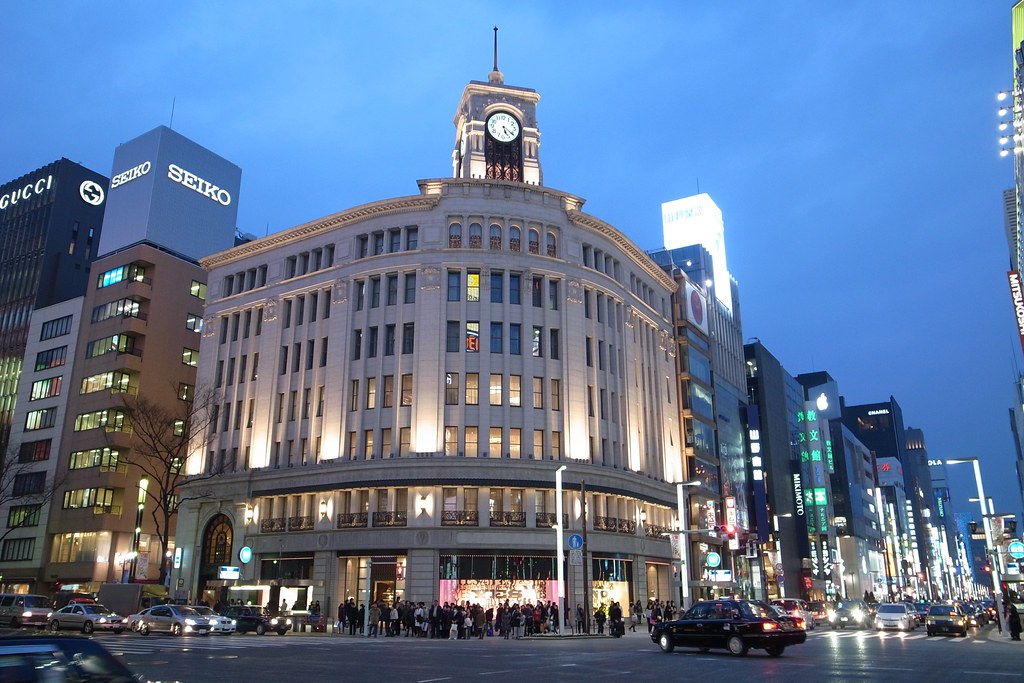
1. The Seiko Museum Ginza - Tokyo
The museum is beautifully curated across several themed floors, offering a journey through both the science and culture of time:
B1 – Extreme Times: Seiko’s innovations in sports timing, including Olympic precision instruments.
2F – Kintarō Hattori Room: A tribute to Seiko’s founder and his pioneering spirit.
3F – From Nature to Human-Made Time: How natural phenomena inspired early timekeeping methods.
4F – Precise (Seiko) Time: Landmark breakthroughs such as quartz watches that revolutionized global watchmaking.
6F – Grand Seiko Museum: A showcase of Grand Seiko’s artistry, engineering, and timeless design.
Along the way, you’ll encounter rare wadokei (traditional Japanese clocks operating on the seasonal “temporal hour” system), pendulum clocks, early wristwatches, and Seiko’s iconic modern models. The result is both a technical and cultural exploration of time.
Visitor Info:
Location: 4-3-13 Ginza, Chūō-ku, Tokyo (right in the heart of Ginza)
Opening Hours: 10:30–18:00 (closed Mondays and during New Year holidays)
Admission: Free, but advance reservations are strongly recommended via their official site
. Same-day bookings may be possible if slots remain.
Accessibility: The museum is thoughtfully designed with elevators, free coin lockers, nursing rooms, wheelchair access, and free Wi-Fi.
Insider Tip:
Even if you aren’t a horology expert, the clear exhibits and interactive displays along with English explanations make Seiko’s history easy to enjoy. It’s also a great stop if you’re already exploring Ginza’s luxury shopping streets.
FYI: They have a free guided museum tour available on their website, however it's only in Japanese.
2. The Gishodo Watch & Clock Museum - Nagano
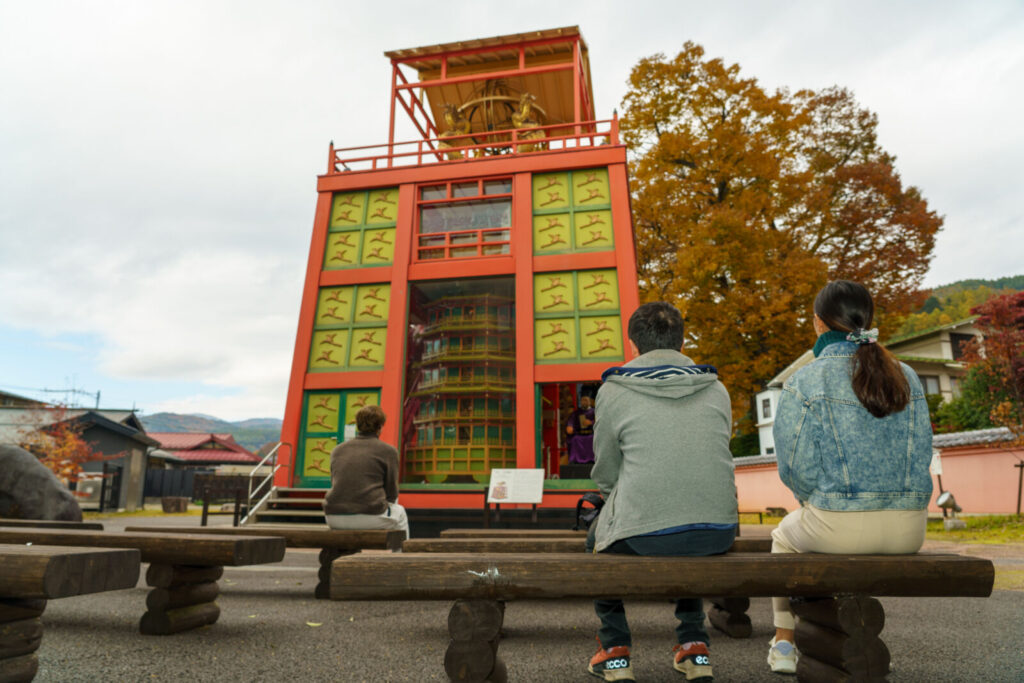
Located in the heart of Suwa, Nagano Prefecture, the Gishodo Watch & Clock Museum offers an immersive experience into Japan's rich horological heritage. The museum showcases a remarkable collection of over 400 timepieces, ranging from traditional Edo-period clocks to modern innovations, including the world's first quartz watch.
At the center of the museum stands the Suiun-Gishodai, a 12-meter-high water-driven astronomical clock tower, reconstructed from a 900-year-old Chinese design, offering hourly demonstrations that captivate visitors with its intricate mechanisms.
2f Exhibition Room - (Humanity’s Walk With Time)
A collection of over 400 timepieces showcasing the evolution of clocks and watches from the Edo period to the present.
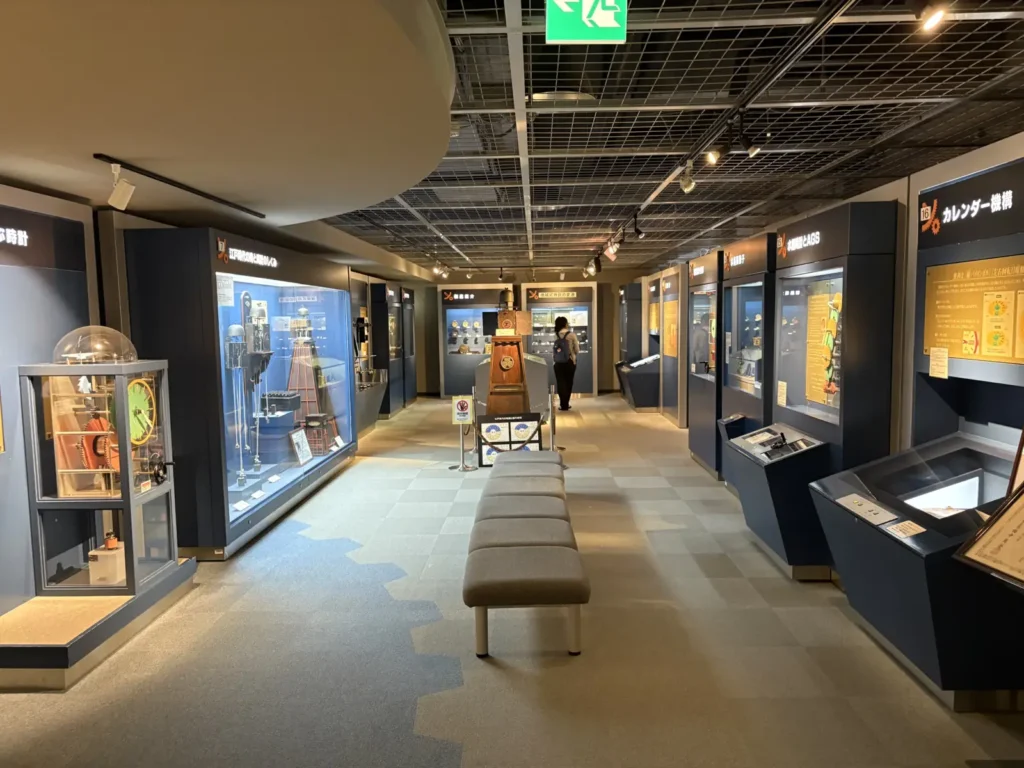
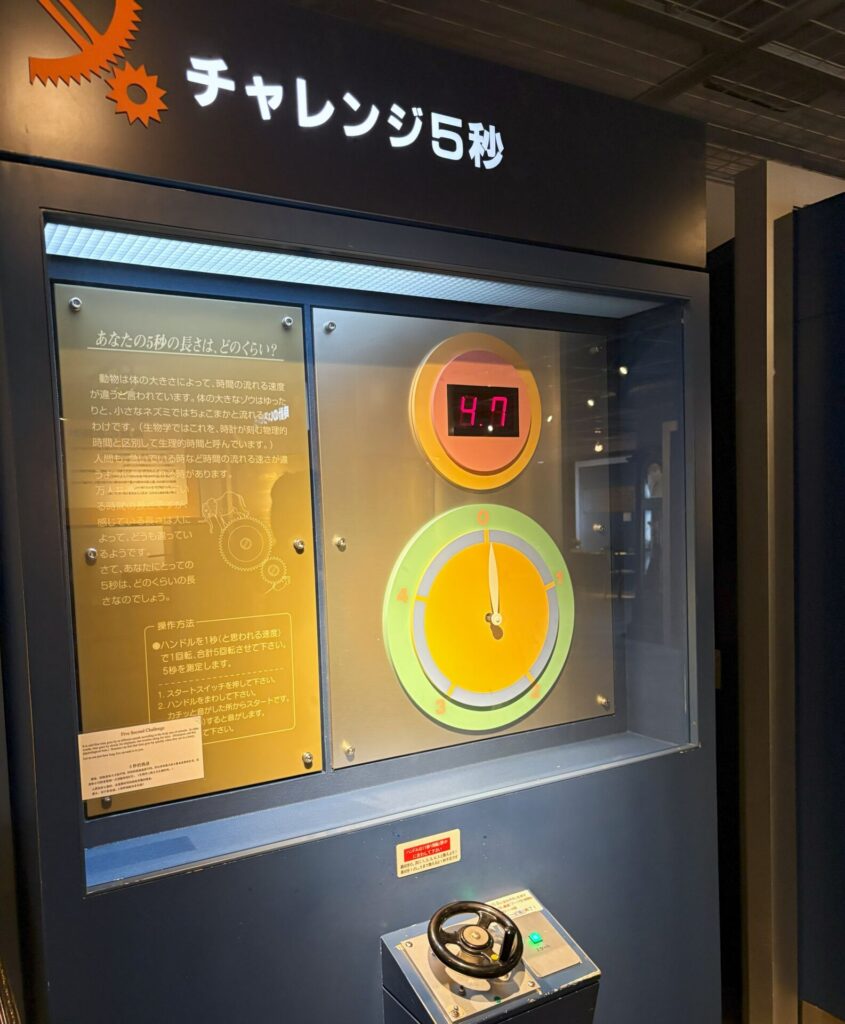
Most exhibits include English and Chinese translations, making them accessible to foreign visitors. Many are also interactive — for example, you can test your timing against a machine by measuring five seconds yourself and see how close you get (I managed 4.7 seconds!).
For those eager to delve deeper, the museum provides a variety of watchmaking workshops suitable for all ages and skill levels. Under the guidance of experienced technicians, visitors can choose from courses ranging from 30-minute sessions to comprehensive 6-hour experiences, allowing participants to assemble their own quartz or mechanical watches. However, these sessions do not have English-support available, please contact them for inquiries and reservations.
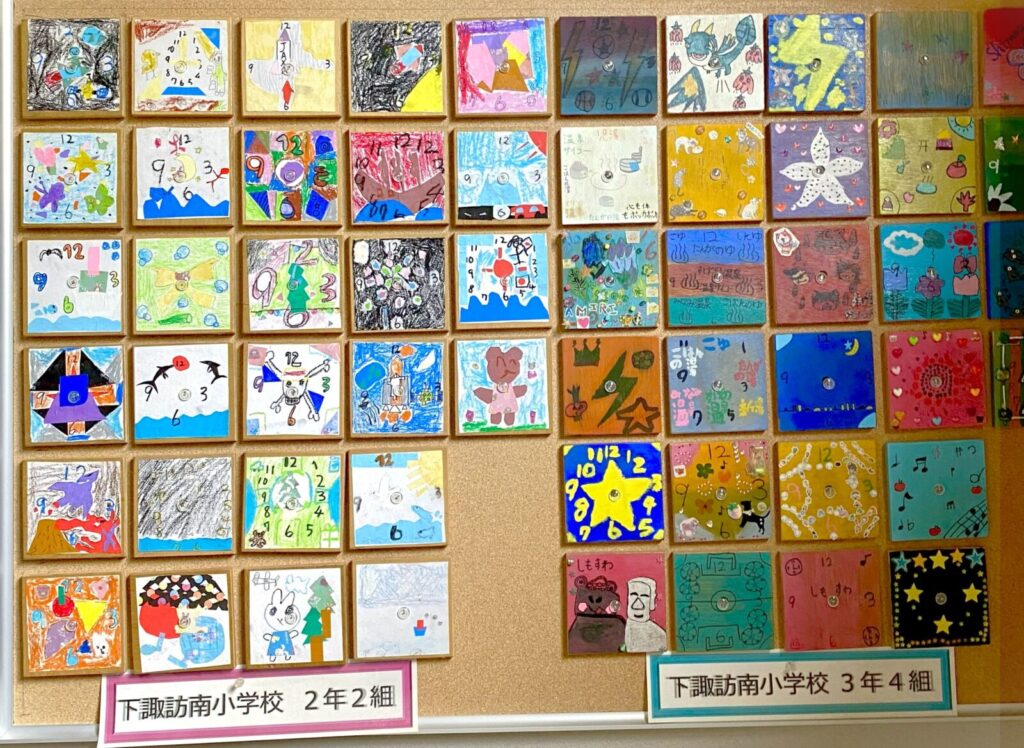
These are clock faces decorated by elementary students in Shimosuwa, you can see the creativity in each one! Did you find one you like the most?
Visitor Info:
Location: 4-3-13 Ginza, Chūō-ku, Tokyo (right in the heart of Ginza)
Opening Hours: 10:30–18:00 (closed Mondays and during New Year holidays)
Admission: Free, but advance reservations are strongly recommended via their official site
. Same-day bookings may be possible if slots remain.
Accessibility: The museum is thoughtfully designed with elevators, free coin lockers, nursing rooms, wheelchair access, and free Wi-Fi.
Insider Tip:
Even if you aren’t a horology expert, the clear exhibits and interactive displays along with English explanations make Seiko’s history easy to enjoy. It’s also a great stop if you’re already exploring Ginza’s luxury shopping streets.
For those interested in a full-day experience, Snow Monkey Resorts offers a curated tour that includes transportation from Nagano or Matsumoto stations, a guided visit to the museum, the watchmaking workshop, and a locally-inspired lunch—perfect for travelers seeking a meaningful, off-the-beaten-path adventure.

Special Offer
1-day Luxury Watchmaking Experience Tour
- Spots:
- NaganoMatsumoto
- Pick-up:
- Nagano CityMatsumoto
- Drop-off:
- Nagano CityMatsumoto
3. The Matsumoto Timepiece Museum - Nagano
A three-story museum in Matsumoto showcasing antique clocks and watches in motion. Visitors gain a sensory appreciation of historic craftsmanship and the evolution of timekeeping in Japan.
Founded under the "Matsumoto Marugoto Museum" concept, the Matsumoto Timepiece Museum is a dedicated hub for antique clocks and watches. It serves both locals and tourists as a place to experience the charm and history of timekeeping. The museum grew from the collection of Shinzō Honda (1896–1985), a researcher and engineer who spent his life collecting rare Japanese and Western timepieces. His collection was donated to Matsumoto City and became the foundation of the museum, which now also includes clocks donated by citizens, resulting in one of Japan’s most notable collections of antique timepieces.
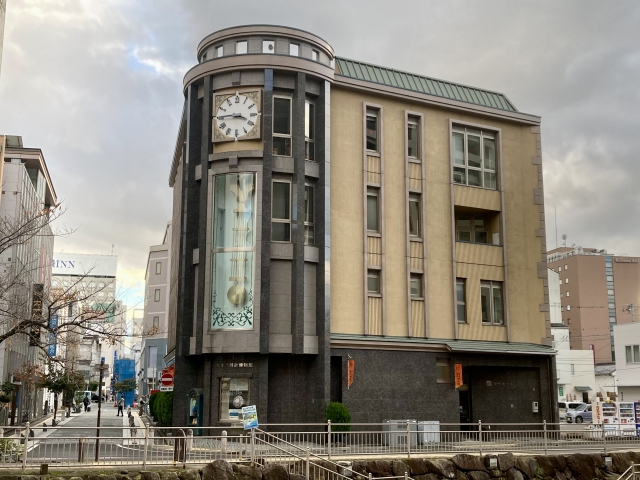
The Matsumoto Timepiece Museum (松本市時計博物館, Matsumoto-shi Tokei Hakubutsukan) is around a ten-minute walk from Matsumoto Station or Matsumoto Castle.
Exhibits & Experience:
The museum’s unique feature is that around 110 clocks are displayed in working order, allowing visitors to enjoy the ticking sounds, chimes, and movements firsthand. Cutting-edge exhibition techniques, including audiovisual presentations and original animations, help make the museum engaging for all ages. The museum’s location is convenient, situated along the walking route connecting JR Matsumoto Station, the National Treasure Matsumoto Castle, and the Matsumoto City Museum. The museum’s giant pendulum clock has become a symbol and landmark for the city.
Exhibit Highlights:
1F: “Evolution of Time” – Discover how clocks spread to ordinary households in Japan using multimedia displays.
2F: “World of Antique Clocks” – Explore a rich collection of Western and Japanese clocks, displayed as fully operational as possible. Visitors can enjoy the nostalgic sounds of ticking and hourly chimes. A collection of phonographs related to clocks is also on display.
3F: Special exhibition room – hosts rotating exhibitions and lectures. (Open only during special events.)
Visitor Info:
Admission: Adults (high school and above) ¥500, Children (elementary & junior high) ¥200
Closed: Every Tuesday
Contact: Matsumoto Timepiece Museum, Tel: 0263-36-0969 / Fax: 0263-36-0973
Insider tip:
This is a great addition to your Matsumoto itinerary! Perfect for a short stop to enjoy historical clocks, hear their chimes, and gain insight into the mechanics and craftsmanship behind each piece.
Timing: Be at the museum on the hour to hear all the clocks chime, which lasts about 10 minutes.
Duration: Spend around 30–60 minutes exploring, making it a perfect stop before heading to Matsumoto Castle.
Language support: Most timepieces have English descriptions.
Learning experience: Nearly all clocks are still working, so you’ll see mechanics in action and learn something new.
4. Grand Seiko Studio Shizukuishi - Iwate
For many watch enthusiasts, a visit to the Grand Seiko manufacturer in Japan sits high on the bucket list.
Opened in 2020 to commemorate the 60th anniversary of Grand Seiko, Studio Shizukuishi is where all 9S mechanical timepieces are crafted. From the 9S85 calibre to the innovative 9SA5 with its dual-impulse escapement, the studio serves as a center of precision and artistry. Designed by acclaimed Japanese architect Kengo Kuma, the building embodies Grand Seiko’s philosophy of “The Nature of Time”.
Rather than standing apart from its environment, the studio blends seamlessly with the surrounding landscape. Natural wood dominates the interiors, creating a tranquil atmosphere for both artisans and visitors. The design itself reflects the Grand Seiko ethos: respect for nature, harmony, and balance.
Grand Seiko frames its watchmaking through three guiding values:
Functional Value: Accuracy, performance, and reliability.
Emotional Value: Aesthetic beauty rooted in Japanese culture and nature.
Social Value: Contributing to society’s prosperity and happiness.
This philosophy comes alive during the tour, where even small details like the studio’s insect hotels designed by another Japanese architect demonstrate a commitment to ecological balance.
The Tour Experience
The tour caters to both beginners and seasoned enthusiasts. Complex processes such as MEMS (Micro Electromechanical Systems) manufacturing are explained in an approachable way. Guests can observe artisans through glass panels, witnessing the delicate precision of assembly. Display cases beneath each workstation provide insight into the watchmaker’s certification level and role.
One memorable highlight you can see is a microscopic origami swan created by a watchmaker!! A testament to the dexterity and discipline of Grand Seiko’s artisans.
After the tour, guests ascend to the Studio Shizukuishi salon. Here, surrounded by views of Mt. Iwate, visitors can handle and even purchase Grand Seiko watches. Some models feature exclusive “Shizukuishi Limited” winding rotors, and others, like the SBGH283, are sold only at the studio. With its green vertically striped dial inspired by the studio and its natural setting, the SBGH283 perfectly embodies Grand Seiko’s philosophy.
Purchasing directly at the studio, essentially the watchmaking equivalent of “farm to table”, adds another layer of meaning. Each glance at such a timepiece becomes a reminder of the studio, the artisans, and the philosophy of Grand Seiko.
Visitor Info:
Location: Shizukuishi, Iwate Prefecture, Japan.
Access: About 30 minutes by car from Morioka Station (JR Tohoku Shinkansen).
Tour Reservations: Advance booking is required via the official Grand Seiko website.
Languages: Guided tours are typically available in Japanese; English tours may be offered on select days.
Duration: Approx. 90 minutes, including historical exhibits, observation of watchmakers, and salon visit
Admission: Free of charge (as of current information, subject to change).
Insider tip:
- Book early (60 days in advance). Slots fill fast, especially during spring and autumn
- Watch for cancellations: last-minute openings often appear; frequent checking can secure a spot
- Overnight in Morioka if taking the morning tour; traveling from Tokyo on the same day can be tight
- Limited time for purchases: if you plan to buy a studio-exclusive watch, arrive with a clear model in mind to avoid missing out
- Explore locally: nearby attractions include wanko-soba dinners, the Morioka Handicrafts Village, and historic temple sites (Personally, i'd go for the Morioka cold noodles even in the winter!)
5. The Daimyō Clock Museum - Tokyo
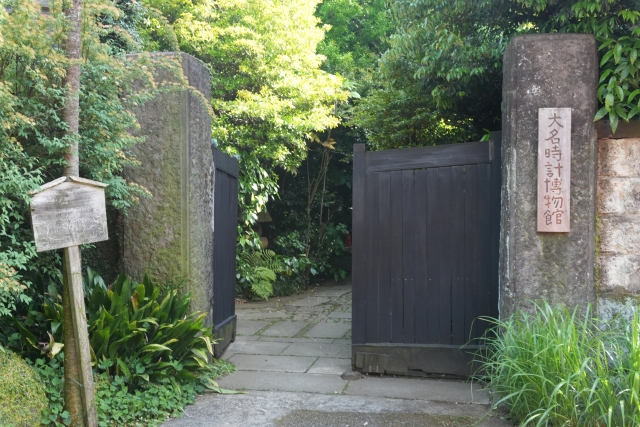
The Daimyō Clock Museum (大名時計博物館) is a small private museum specializing in Edo-period Japanese clocks, historically commissioned by feudal lords (daimyō) and wealthy elites. These clocks, collectively referred to as “Daimyō clocks” (or Wadokei), showcase unique timekeeping systems such as the “futei-hō” (unequal hours), where daytime and nighttime were divided into six variable hours according to the season, unlike the fixed 24-hour system used in the West. Each clock is distinct, reflecting the preferences of its original owner.
The collection was amassed by a local collector before World War II and later preserved in this Yanaka location, giving visitors a rare glimpse into Edo-period craftsmanship. While the building is modest and slightly ramshackle, the clocks themselves are fascinating mechanical artifacts, some over 200 years old, with the oldest reportedly 1,200 years in design lineage.
Exhibits & Experience:
- Single-room exhibition with a well-curated selection of tower clocks, shelf clocks, pillow clocks, hanging clocks, inro-style clocks, and pocket watches.
- Some clocks are still in working order, including a rare two-pendulum tower clock demonstrating separate movements for day and night and seasonal adjustments.
- The museum is set in a quiet, greenery-surrounded neighborhood near Nezu Shrine and Yanaka Cemetery, adding to its serene atmosphere.
Visitor Info:
Admission: ¥300 (approx. $2–3 USD)
Location: Near Nezu Station, Tokyo Metro Chiyoda Line. Follow the signage past residential streets and temples to find the entrance.
Hours: 10:00 AM – 4:00 PM
Closed: Mondays, July 1 – September 30, December 25 – January 14
Access:
10-minute walk from Nezu Station (Tokyo Metro Chiyoda Line)
15-minute walk from JR Nippori Station (North Exit)
Contact:
Address: 2-1-27 Yanaka, Taito-ku, Tokyo 110-0001
Phone: +81-3-3821-6913
Insider tip:
- Shoes must be removed inside; slippers are provided.
- Visiting takes about 30 minutes, making it an ideal short stop before exploring nearby Yanaka or heading to other attractions.
- Ask the staff - sometimes a friendly guide will demonstrate how one of the clocks works.
- The surrounding garden is charming and resembles a small strolling garden, adding to the experience.
- Photography is prohibited inside the exhibition room.
- Language Support: While the primary exhibits are labeled in Japanese, an English-language pamphlet is available for purchase, providing insights into traditional Japanese timekeeping systems.
6. Epson Museum Suwa - Nagano
Located in Suwa City, Epson Museum Suwa offers a fascinating look at the birthplace of Seiko Epson and Japan’s watchmaking revolution. The museum has two main areas: the Founders’ Memorial Hall, a preserved 1940s wooden factory building showcasing Suwa’s first timepieces and early Grand Seiko models, and the Monozukuri (Manufacturing) History Hall, which traces Epson’s innovations from quartz watches to printers, projectors, and sports timing devices.
Visitor Info:
Reservation required (free admission)
Open on weekdays only (closed weekends and holidays)
Tour schedule (from Jan 2025): 10:00 (morning) / 13:00 (afternoon)
Group size: Up to 10 people per tour
Languages: All tours are guided in Japanese or English (bring your own interpreter if needed)
Insider Tip:
- Tours last around 2 to 2.5 hours, so plan accordingly.
- The Founders’ Hall still retains its original woodwork, giving visitors a real sense of the atmosphere of prewar Suwa. Reviewers often mention the scent of the wood as part of the experience.
- Expect to see rare antique Seiko timepieces alongside Epson’s earliest innovations.
- The museum has links with the Seiko Museum in Ginza, so if you’ve been there, this Suwa visit feels like a “local counterpart.”
Located close to Kami-Suwa, it makes an excellent side trip if you’re already visiting Suwa’s hot springs or the lake area.
7. National Museum of Nature and Science - Tokyo
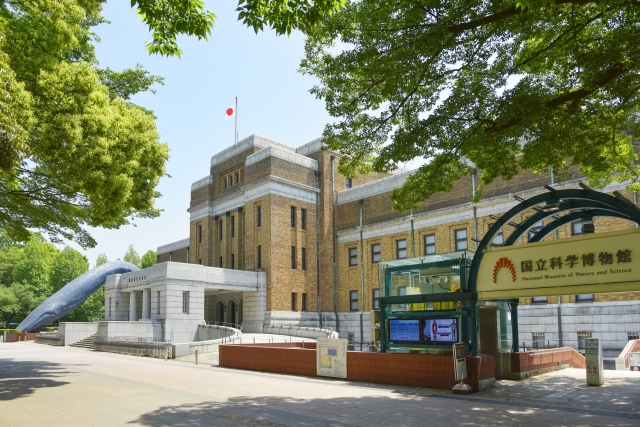
Established in 1877, the National Museum of Nature and Science is one of Japan's premier institutions dedicated to the history of science and technology. Situated in the northeast corner of Ueno Park, the museum comprises two main buildings: the Japan Gallery and the Global Gallery. Together, they house approximately 25,000 specimens and artifacts, offering a comprehensive journey through natural history and scientific advancements.
Watch & Clock Exhibition
Within the Japan Gallery, the museum features a dedicated section on the history of timekeeping. This exhibition delves into Japan's unique approach to horology, highlighting the evolution from traditional Japanese clocks (wadokei) to the adoption of Western-style timepieces during the Meiji era. Notable exhibits include:
Tanaka Hisashige's Perpetual Clock (万年時計): Crafted in 1851, this masterpiece by the renowned inventor showcases intricate mechanisms and astronomical features.
Japan Experience
Western Clocks: A collection of Western-style clocks introduced during the Meiji period, marking the shift towards standardized timekeeping.
The exhibition provides detailed explanations and displays, offering visitors insight into the technological advancements and cultural shifts in Japan's approach to timekeeping.
Visitor Information:
Hours: 9:00 AM – 5:00 PM (Closed on Mondays or the following Tuesday if Monday is a national holiday)
Admission: Adults: ¥620; Children (under 18) & Seniors (over 65): Free
Access: Located within Ueno Park, the museum is a 4-minute walk from the Park Exit of JR Ueno Station
Insider Tips:
- Allocate Time: Plan for at least 2 hours to fully explore the museum's diverse exhibits.
- Interactive Displays: Engage with the interactive exhibits to enhance your understanding of scientific concepts.
- Gift Shop: Visit the museum's shop for unique souvenirs, including educational books and science-themed merchandise.
- Nearby Attractions: Combine your visit with nearby attractions such as Ueno Zoo, Tokyo National Museum, and Ameyoko Shopping Street for a comprehensive day out.
- They even have an online exhibit in English!
8. Citizen Internet Museum - Online
While Citizen’s physical museum in Nishi-Tokyo is unfortunately closed to the public, the company has created a detailed online museum showcasing its history, innovations, and products. The virtual space, called “Citizen Timeless City”, functions as a showroom where visitors can explore both the brand’s latest releases and its most iconic timepieces.
Citizen is not only a leader in watchmaking but is also renowned in precision machinery, especially through its Cincom brand of Swiss-type automatic lathes. In the watch world, Citizen once held the title of the world’s largest producer of movements, commanding more than 30% of the global market. Its reputation comes from a combination of innovative design, cutting-edge technology, and worldwide reach.
Highlights from the online collection include groundbreaking models such as:
1976 Crystron Solar Cell – the world’s first analog quartz watch powered by solar energy.
Eco-Drive 365 – runs for a full year on a single charge of light.
Eco-Drive Satellite Wave GPS and Direct Flight – integrating satellite timekeeping and global functionality.
The CITIZEN – launched for the brand’s 65th anniversary.
Promaster SKY series, Exceed CB1080-52L, and the elegant Crystron Mega women’s watch.
The museum also traces Citizen’s origins: it began in 1924 with the release of the pocket watch “CITIZEN,” and in 1930 officially became Citizen Watch Co., Ltd., spearheaded by Yamazaki Kamekichi along with Nakajima Yosaburo and Suzuki Ryoichi. From its Tanashi factory, completed in 1936, Citizen steadily grew into one of Japan’s major watchmakers. Postwar, it re-emerged with renewed focus on watchmaking, pioneering in solar-powered, titanium, radio-controlled, and GPS watches.
Visitor Information:
- The Citizen Internet Museum is free and available worldwide, making it a great way to explore the brand’s heritage without needing to visit Tokyo.
- The website features English content, reflecting the brand’s global audience.
- For watch enthusiasts, it’s a unique chance to see both archival masterpieces and cutting-edge designs.
- If you’re interested in visiting Citizen’s physical facilities in Japan, note that the museum at headquarters is not open to the public. The online platform is the only way to explore.
Whether your interests lie in historical craftsmanship, cultural exploration, or hands-on creativity, Japan's watch and clock museums offer something unique. Consider visiting or crafting a watch yourself in Gishodo, Nagano.
The list of all the watch and clock museums in Japan (as shown on the map in the introduction): Including the ones listed here, there are 18 overall!
*On the list - yellow star, Others - orange indicator
Shimosuwa Konjakukan Oideya (Suwa, Nagano)
Epson Museum Suwa (Suwa, Nagano)
Matsumoto Timepiece Museum (Matsumoto, Nagano)
Seiko Museum Ginza (Ginza, Tokyo)
Tonouchi Clock Memorial Museum (Ina, Nagano)
Daimyo Clock Museum (Taito, Tokyo)
Museum Meiji-Mura (Inuyama, Aichi)
Akashi Municipal Planetarium (Akashi, Hyogo)
National Museum of Nature and Science (Taito, Tokyo)
Citizen Flagship Store Tokyo (Ginza, Tokyo)
Toshio Kashio Memorial Museum of Invention (Setagaya, Tokyo)
Clock & Treasure Museum (Ōmi Jingu Clock Museum) (Otsu, Shiga)
Fukuyama Auto & Clock Museum (Fukuyama, Hiroshima)
Izukogen Karakuri Clock Museum (Ito, Shizuoka)
2F Kobe Dole Museum Kobetokei Design Museum (Kobe, Hyogo)
Nakamura Clock Museum (Nankoku, Kochi)
Yokosuka Watch Museum (Taiando Main Store) (Yokosuka, Kanagawa)
Grand Seiko Studio Shizukuishi (Iwate)