


Japanese castles are among the country’s most iconic historical landmarks, known for their elegant wooden keeps, massive stone walls, and sweeping defensive moats. While famous sites like Himeji Castle and Osaka Castle attract millions of visitors each year, many remarkable castles remain surprisingly overlooked by international travelers.
Some of these castles retain original keeps dating back hundreds of years, while others have been carefully reconstructed or preserved as atmospheric ruins. Many also sit in scenic locations, from mountain ridges and lakeshores to historic castle towns, making them rewarding destinations for travelers willing to venture beyond the most famous landmarks.
In this article we introduce our favorite hidden castles in Japan that most tourists miss, each offering unique history, beautiful scenery, and a chance to experience Japan’s feudal past without the overwhelming crowds.
1. Inuyama Castle
- Recommended for: Travelers seeking an authentic original castle keep paired with a charming historic castle town and scenic river views.
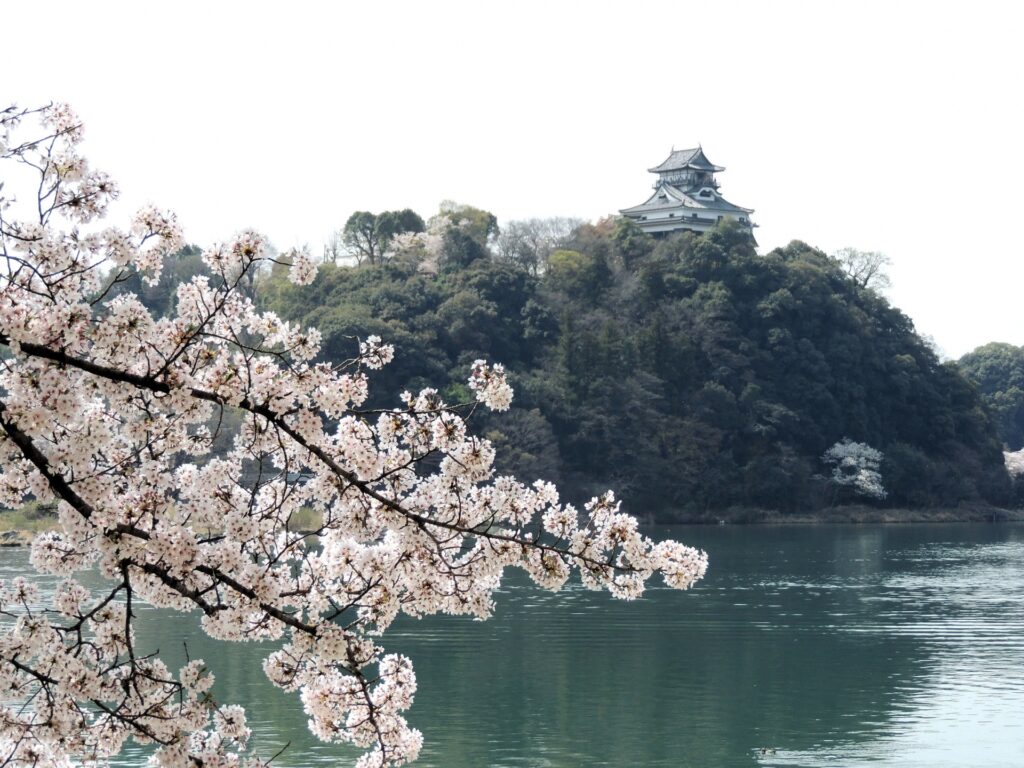
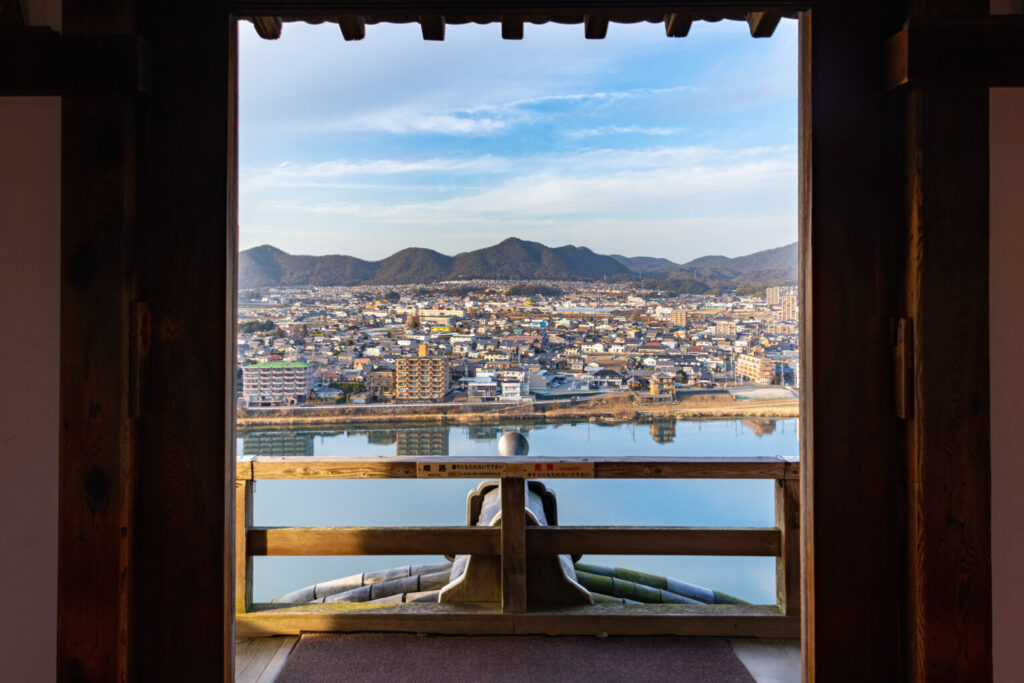
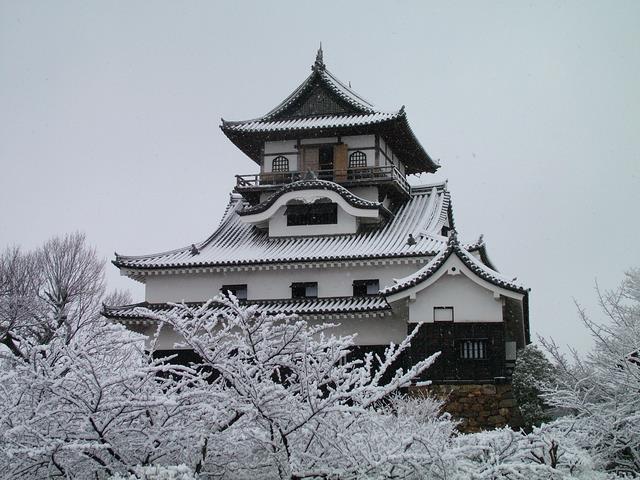
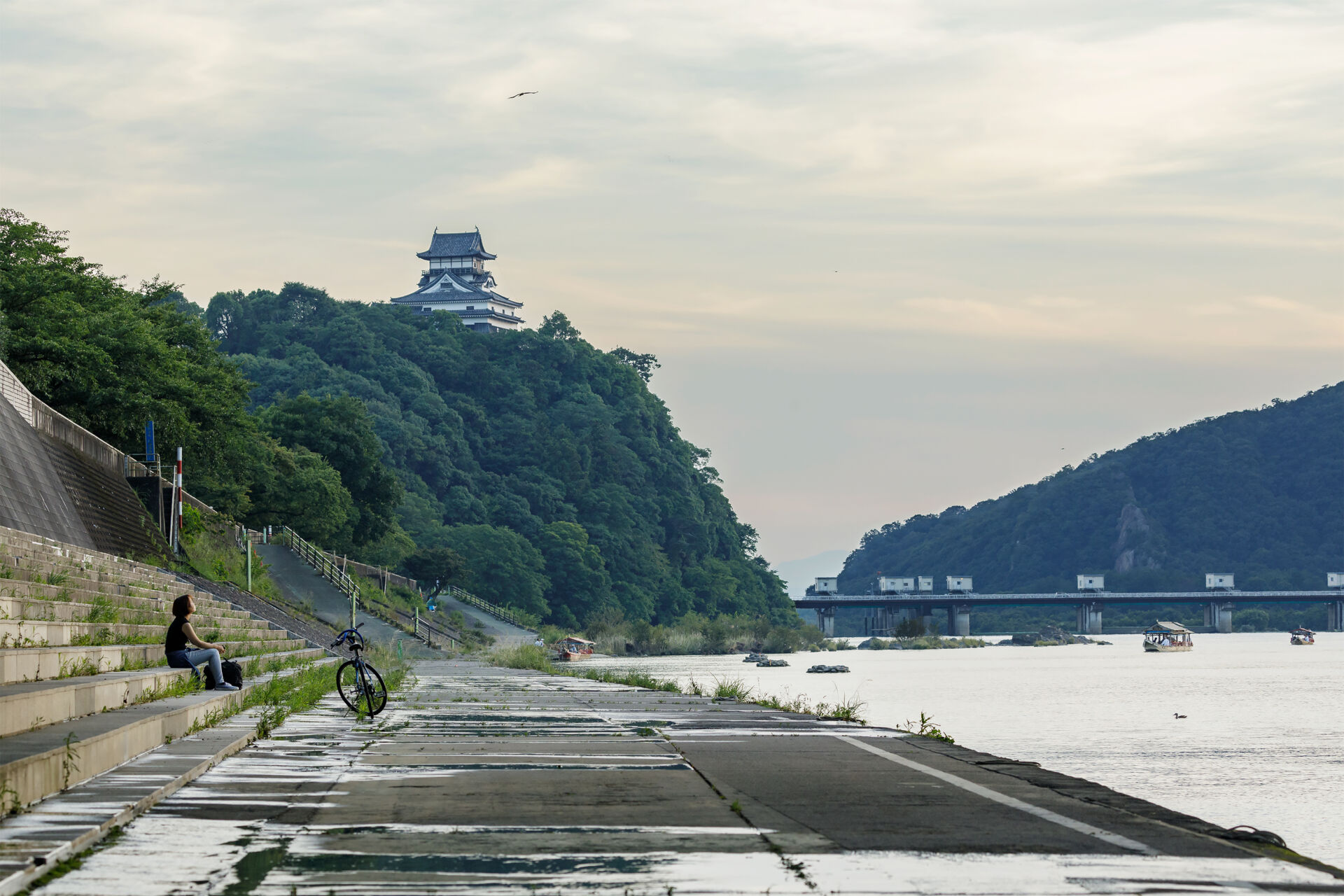
Located a short distance from Nagoya, Inuyama Castle is one of Japan’s most historically valuable castles. Built in 1537, it is considered the oldest surviving original castle keep in the country and is one of only twelve castles where the original tenshu still stands.
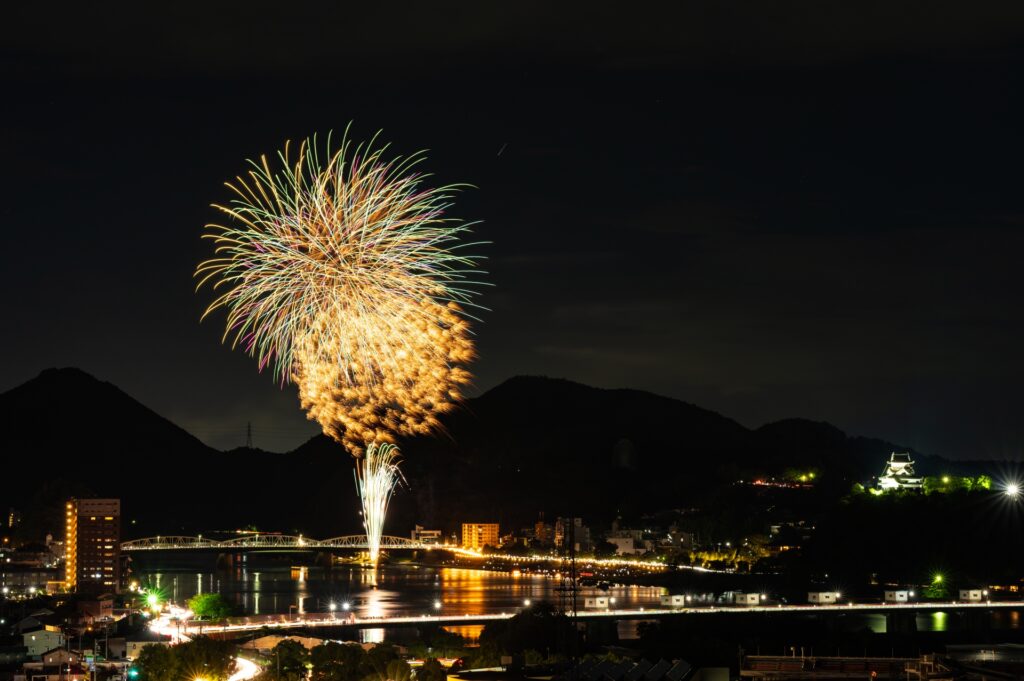
The wooden keep sits atop a hill overlooking the Kiso River, offering sweeping views from the exterior balcony at the top level. Inside, visitors climb steep wooden staircases and explore simple but atmospheric interiors that have changed little over the centuries.
The surrounding castle town is another highlight. Traditional streets filled with snack stalls, souvenir shops, and small museums create a lively atmosphere that encourages visitors to slow down and explore.
2. Okayama Castle
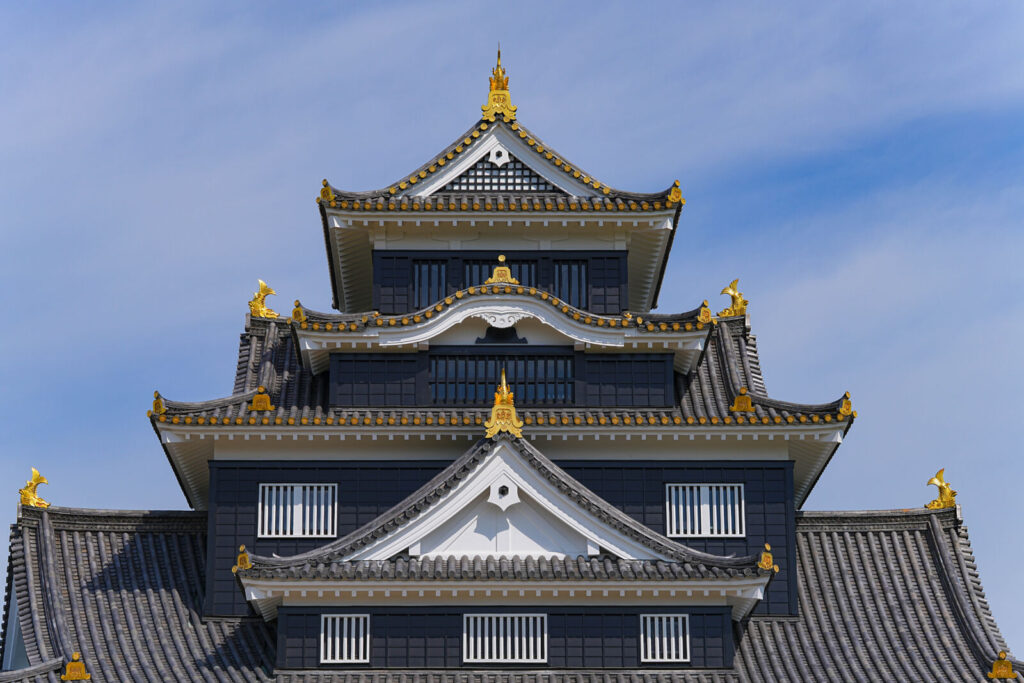
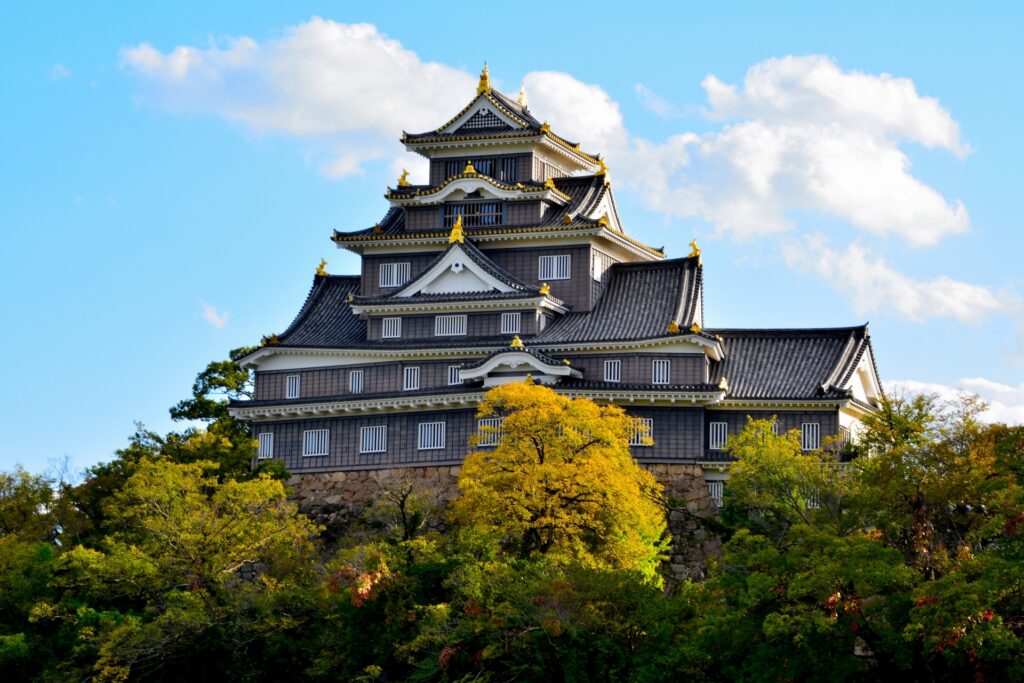

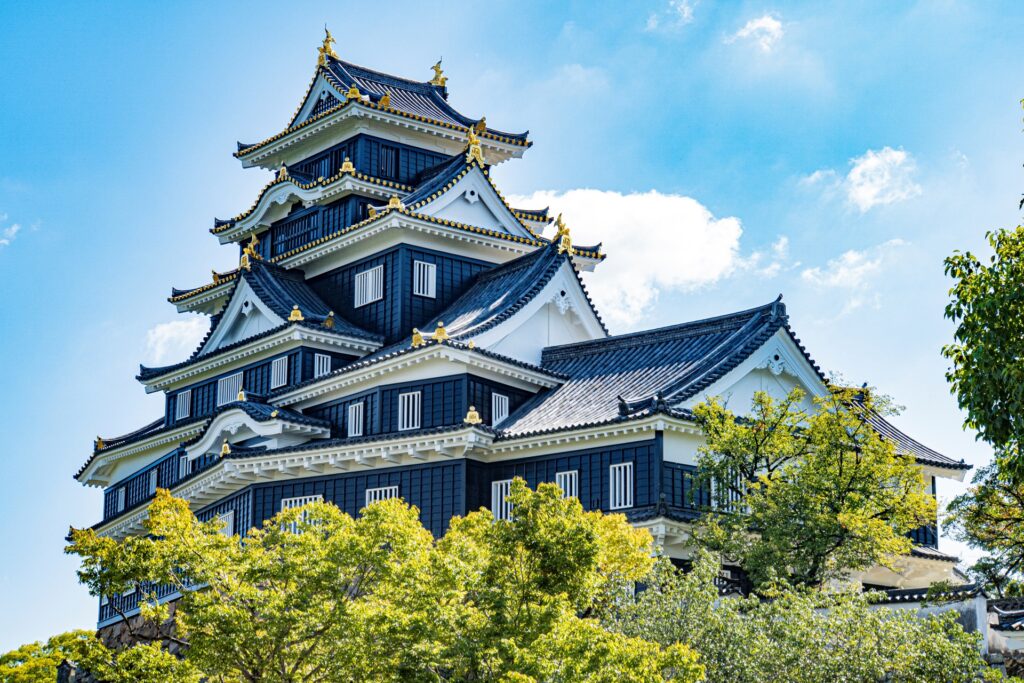
- Recommended for: Visitors interested in distinctive castle architecture and exploring one of western Japan’s most beautiful historic gardens.
Standing beside the scenic Asahi River in Okayama, Okayama Castle is instantly recognizable by its dramatic black exterior, which earned it the nickname “Crow Castle.”
Originally completed in 1597 by the daimyo Ukita Hideie, the castle was destroyed during World War II and later reconstructed in 1966. Recent renovations have modernized the interior exhibits while preserving the historical atmosphere of the structure.
One of the greatest advantages of visiting Okayama Castle is its proximity to Korakuen Garden, considered one of the three most beautiful landscape gardens in Japan. Together, the castle and garden form one of the most scenic historical sites in the country.
3. Odawara Castle
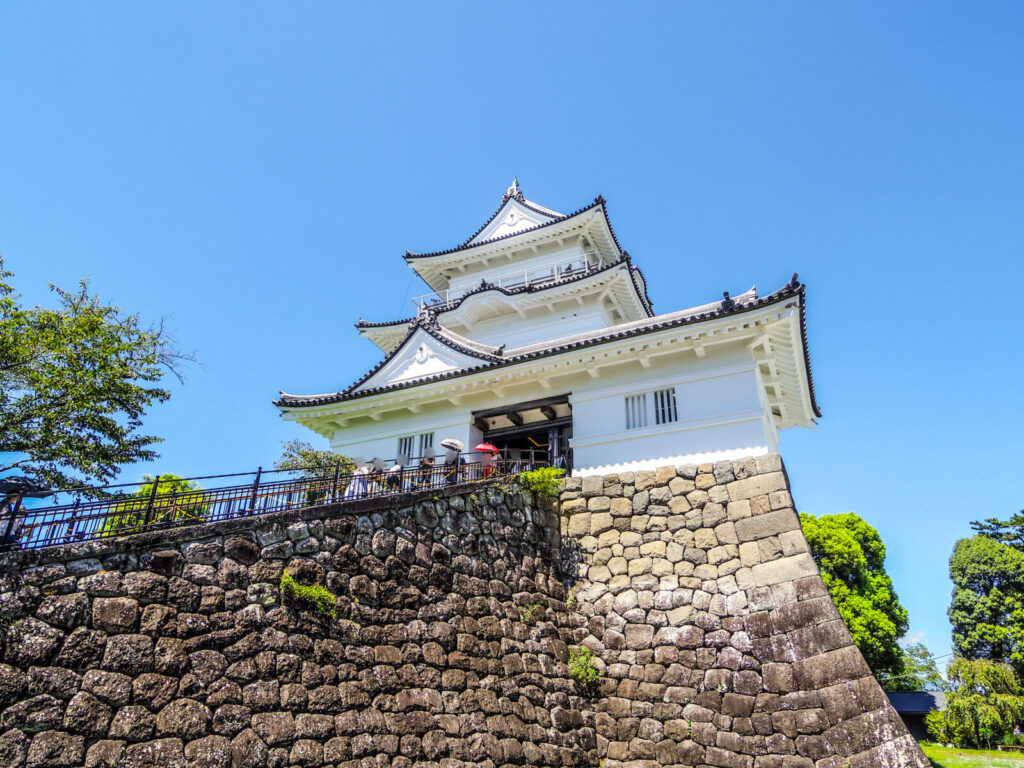
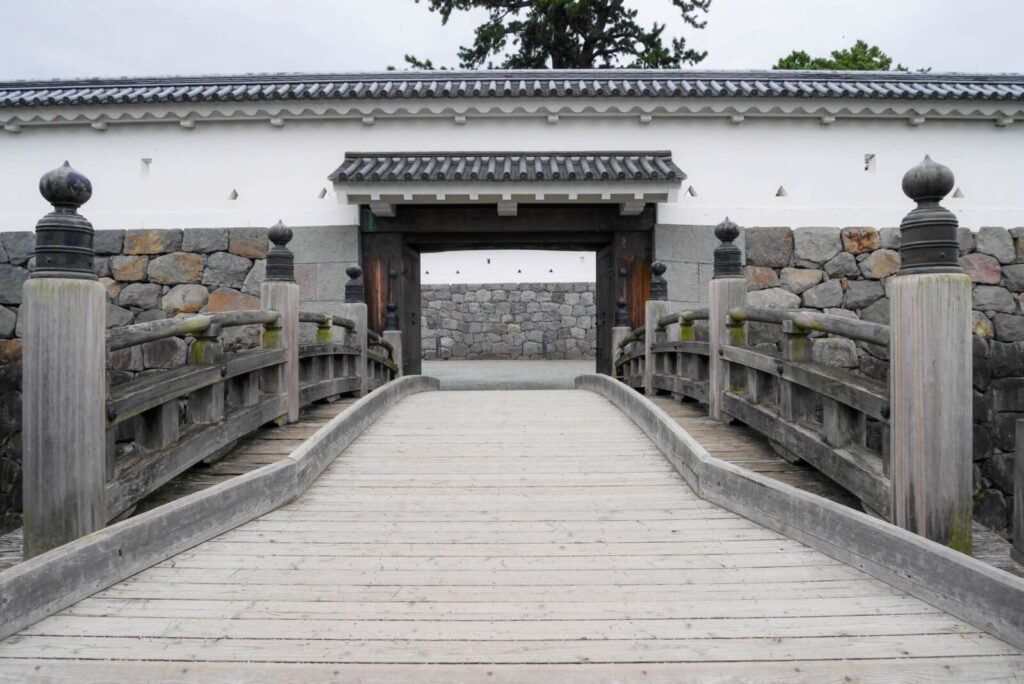
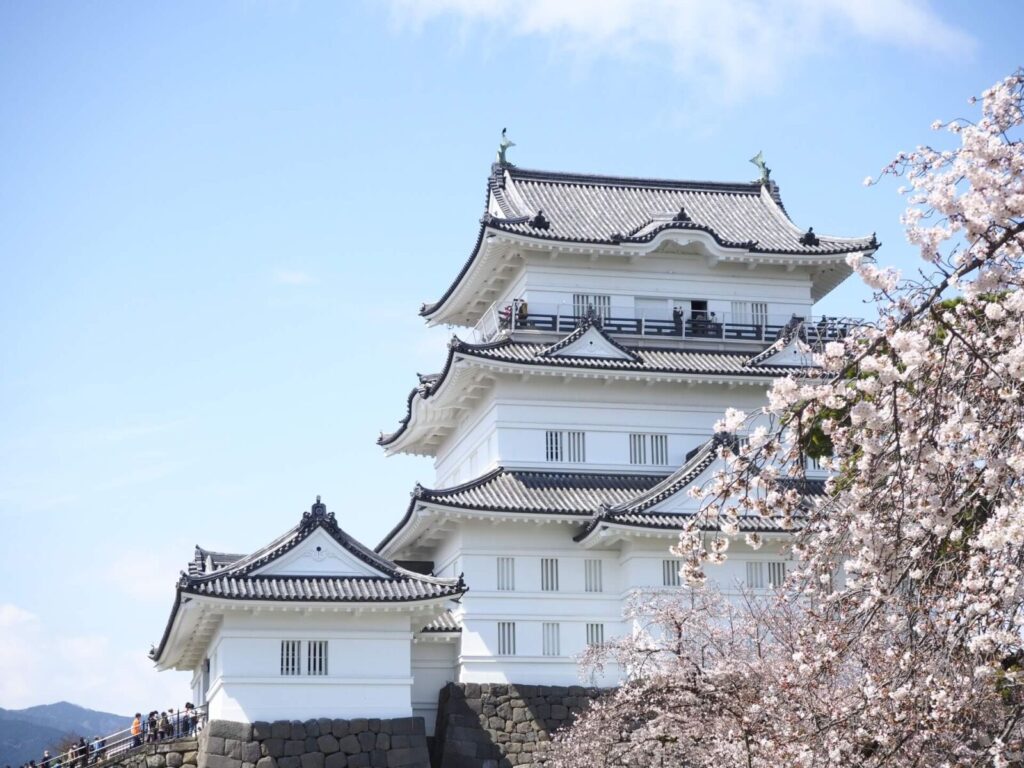
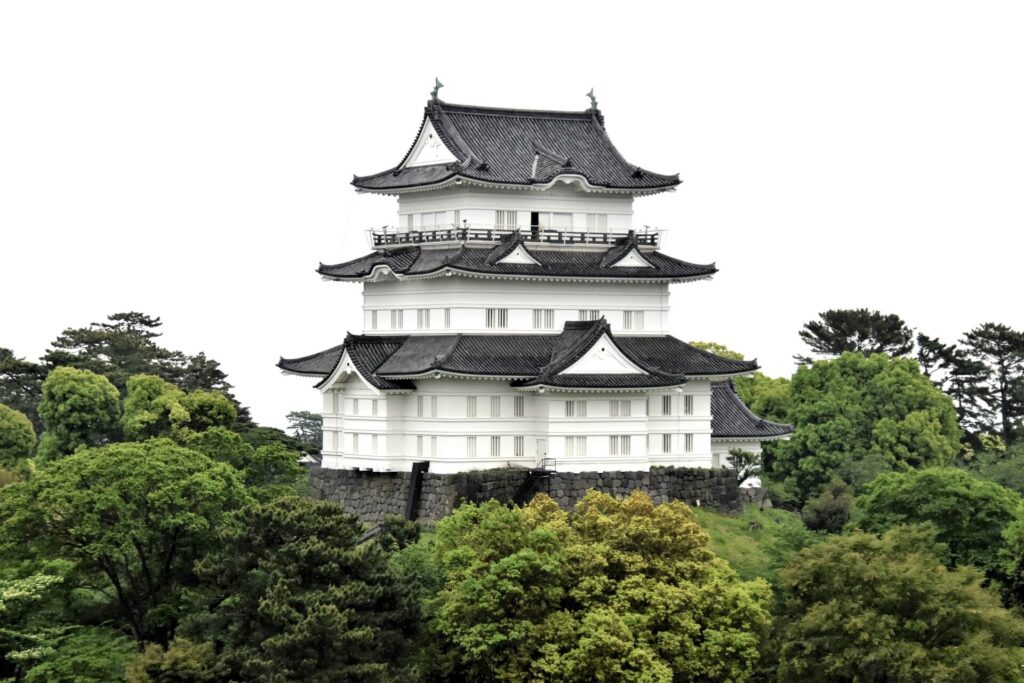
- Recommended for: Travelers exploring the Hakone region who want to visit a historically important samurai stronghold.
Located in Odawara in Kanagawa Prefecture, Odawara Castle once served as the headquarters of the powerful Hojo Clan during the turbulent Sengoku period.
At its peak, the fortress was protected by massive defensive walls, moats, and complex outer fortifications designed to repel invading armies. The castle famously withstood numerous attacks before finally falling to Toyotomi Hideyoshi in 1590.
Today the reconstructed keep houses a museum dedicated to the history of the Hojo clan and the battles that shaped the region. The surrounding park is especially beautiful in spring, when hundreds of cherry trees bloom around the castle grounds.
4. Iwakuni Castle
- Recommended for: Travelers who enjoy scenic viewpoints and picturesque historic landscapes.
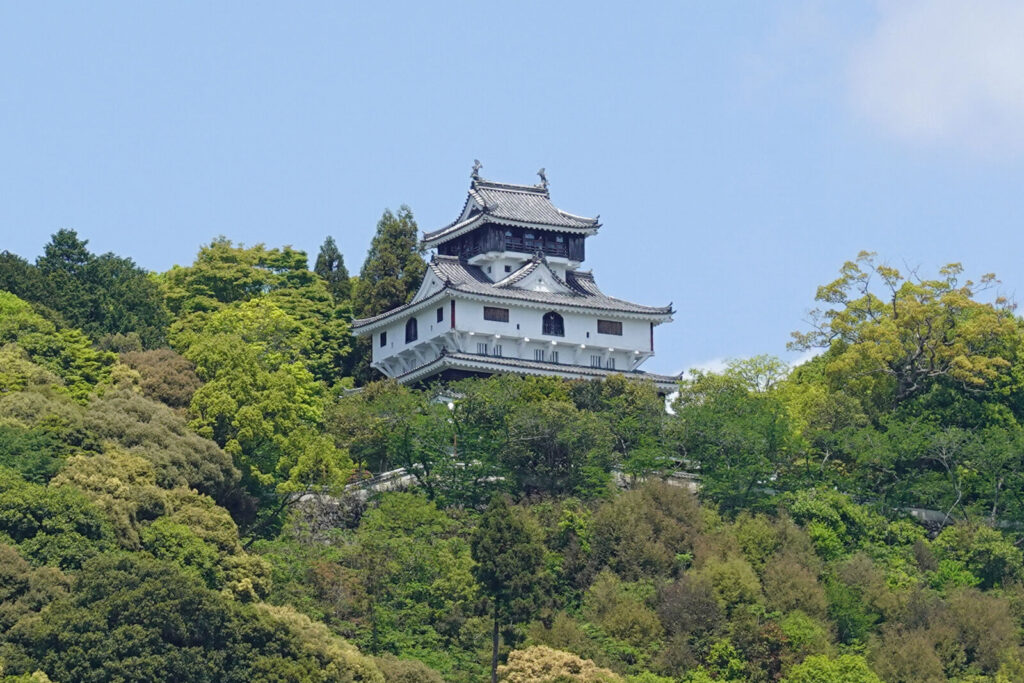
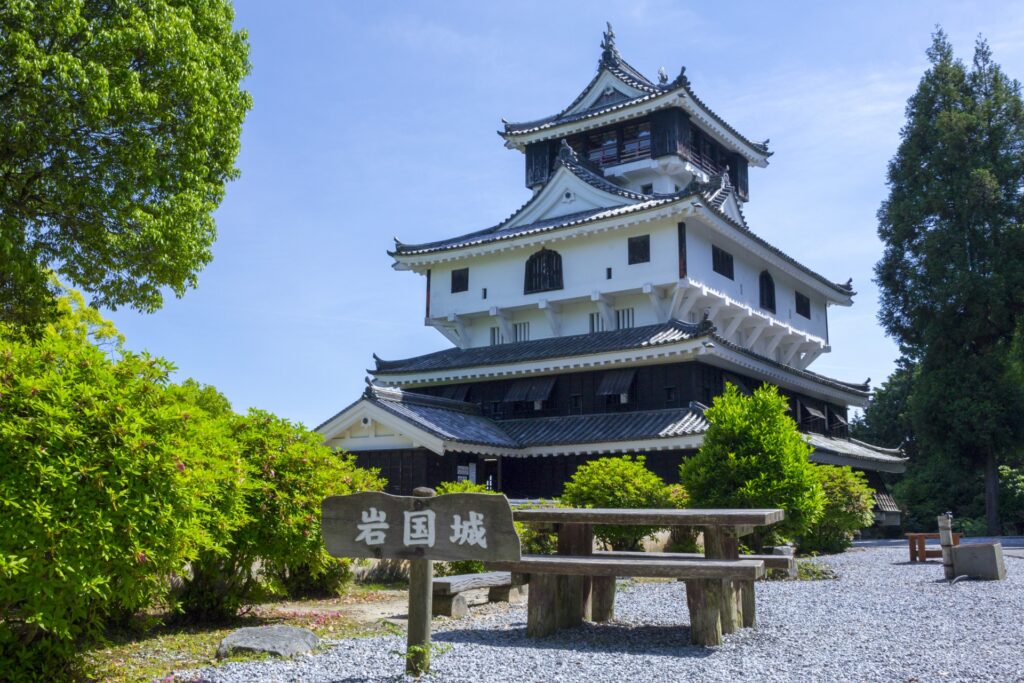
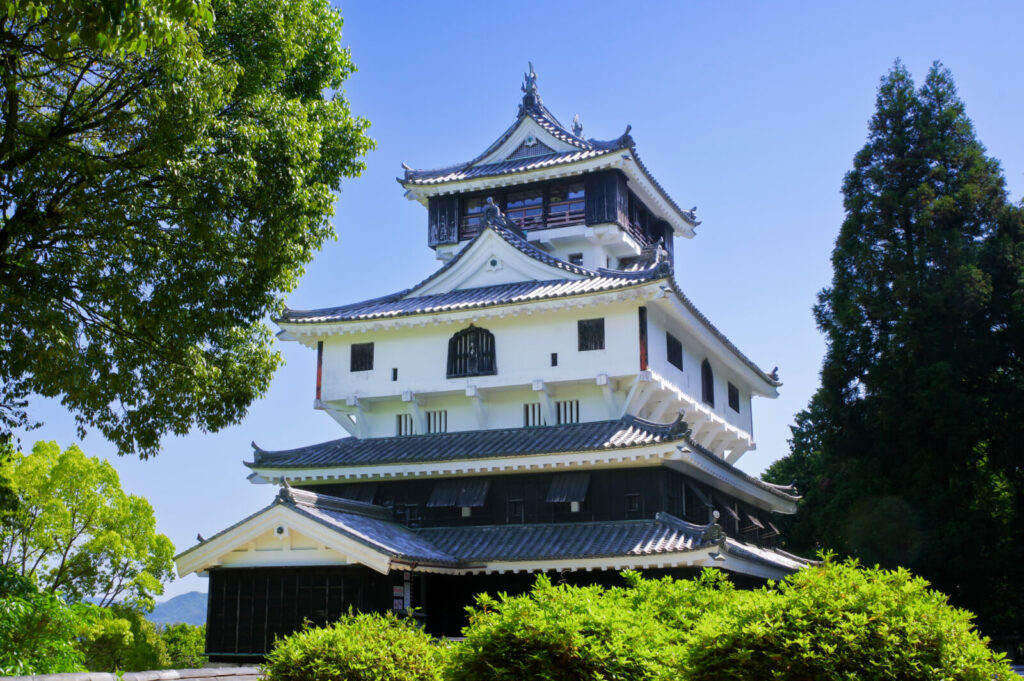
Perched atop Mount Shiroyama in Iwakuni, Iwakuni Castle offers one of the most scenic castle visits in Japan.
Originally built in 1608 by the daimyo Kikkawa Hiroie, the castle was dismantled just a few years later due to new shogunate regulations limiting the number of castles allowed per domain.
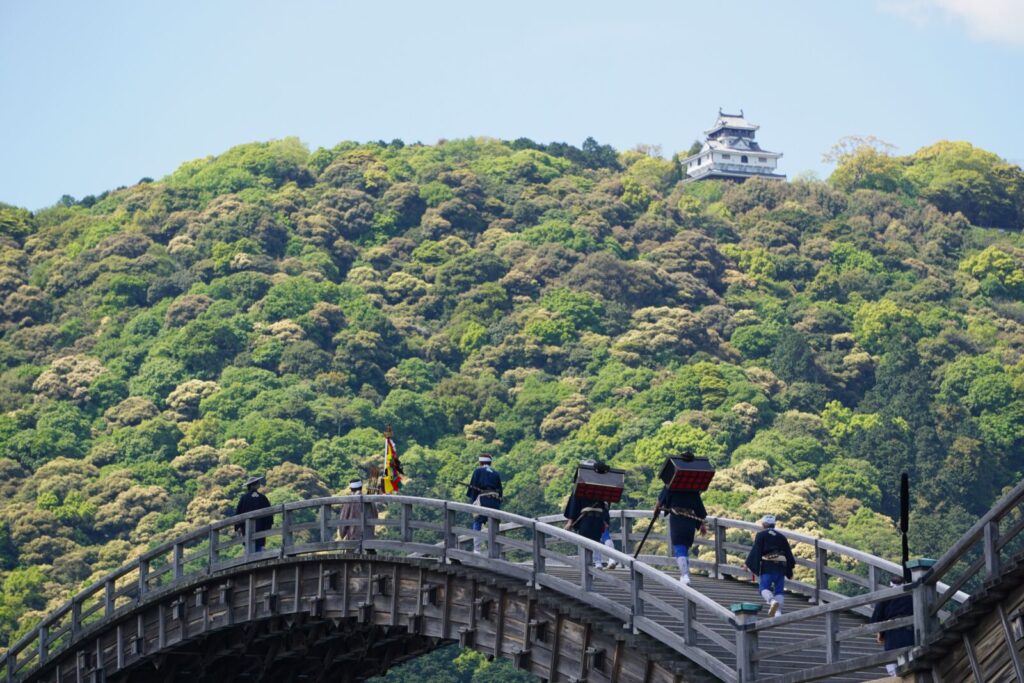
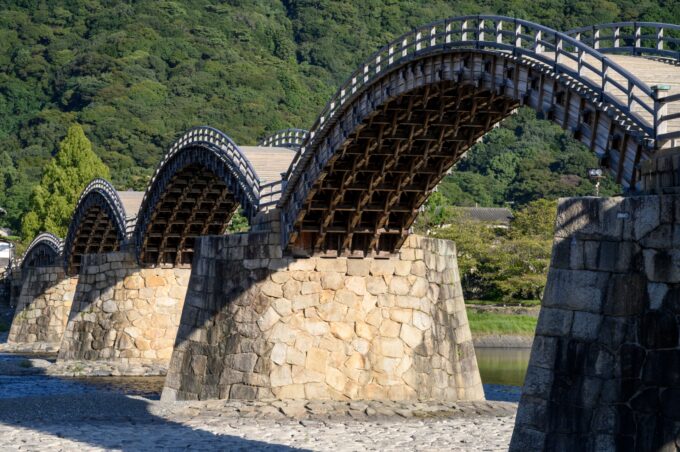
The current structure is a reconstruction completed in 1962. Visitors reach the castle via ropeway, where the reward is an impressive panoramic view of the famous Kintai Bridge and the surrounding river valley.
Together, the castle and bridge form one of the most picturesque historical landscapes in western Japan.
5. Hikone Castle
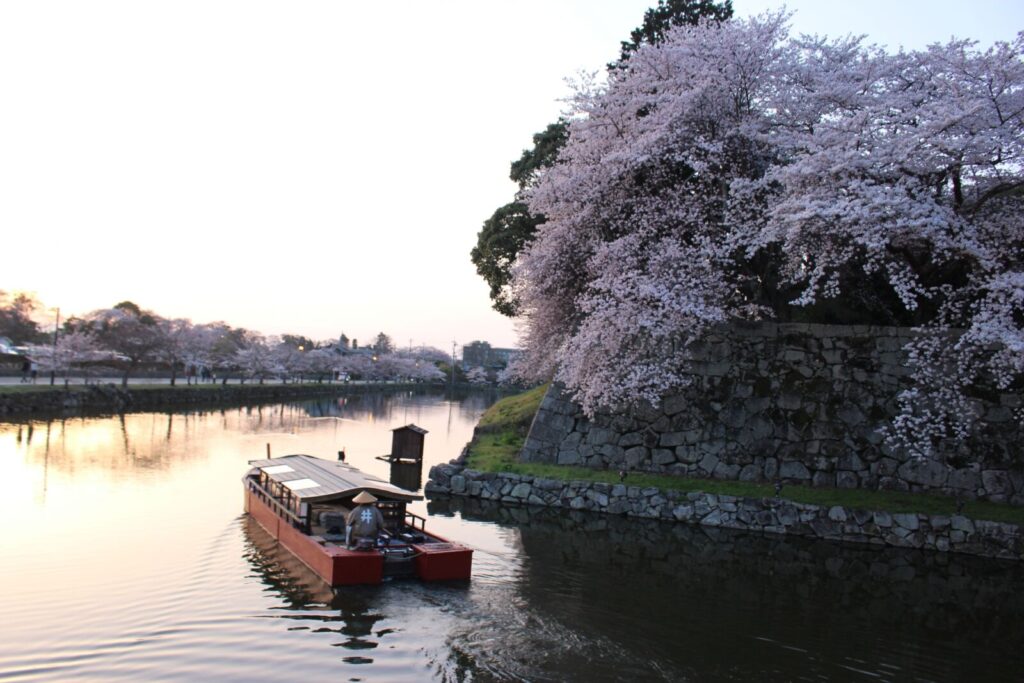
- Recommended for: Travelers looking to explore one of Japan’s best-preserved original castles without the crowds of larger tourist sites.
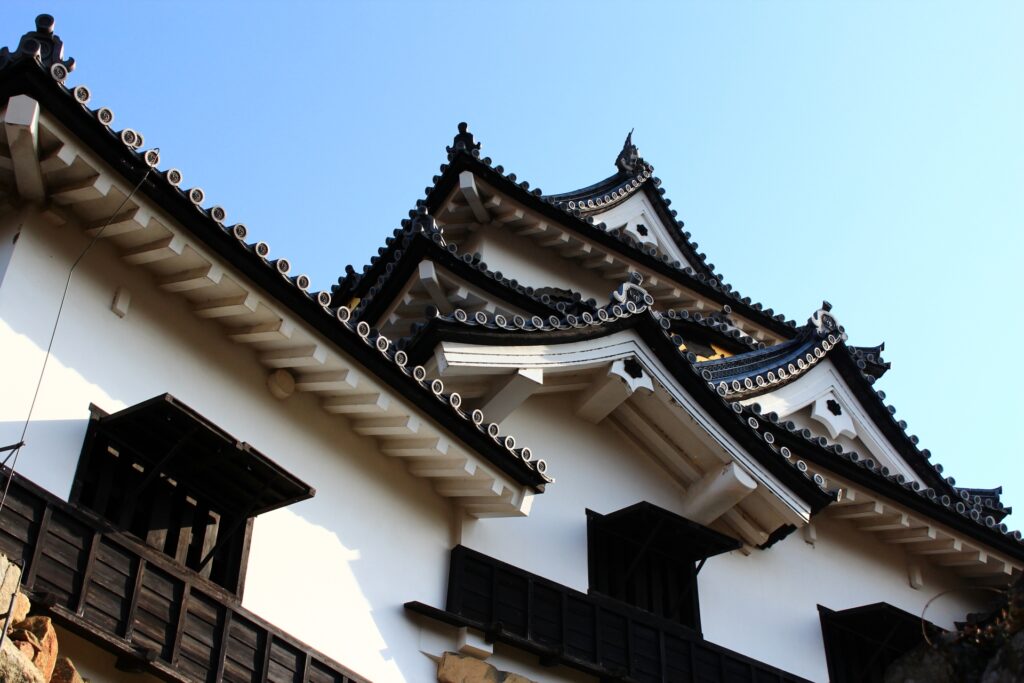
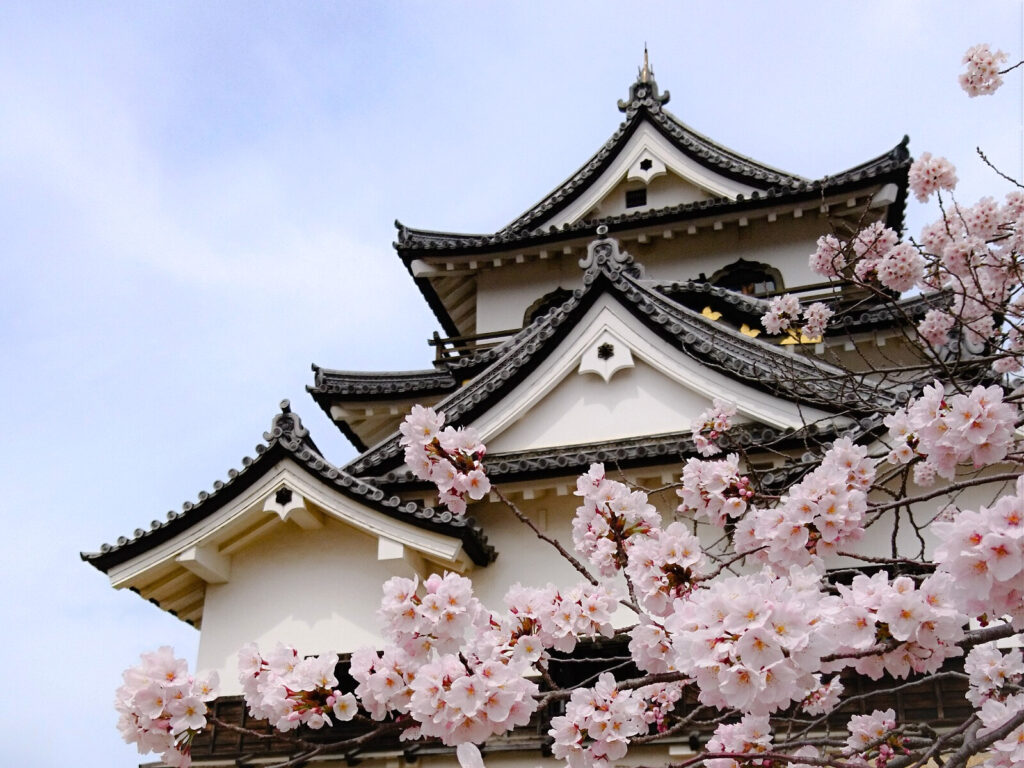
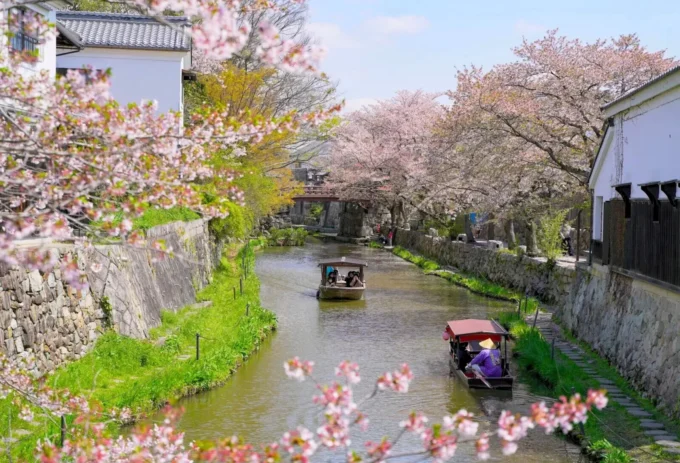
Located on the shores of Lake Biwa in Hikone, Hikone Castle is one of only a handful of castles in Japan with an original keep designated as a National Treasure.
Completed in 1622 for the powerful Ii Clan, the castle complex includes gates, defensive corridors, and turrets that remain remarkably well preserved.
Visitors can also explore the elegant Genkyuen Garden at the base of the castle hill, which was once used by the domain’s ruling family for relaxation and entertaining guests.
6. Takato Castle
- Recommended for: Travelers looking for one of Japan’s most spectacular cherry blossom viewing locations.
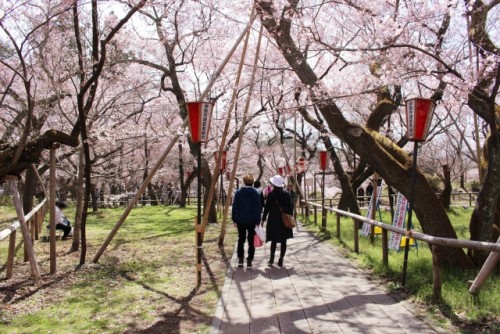
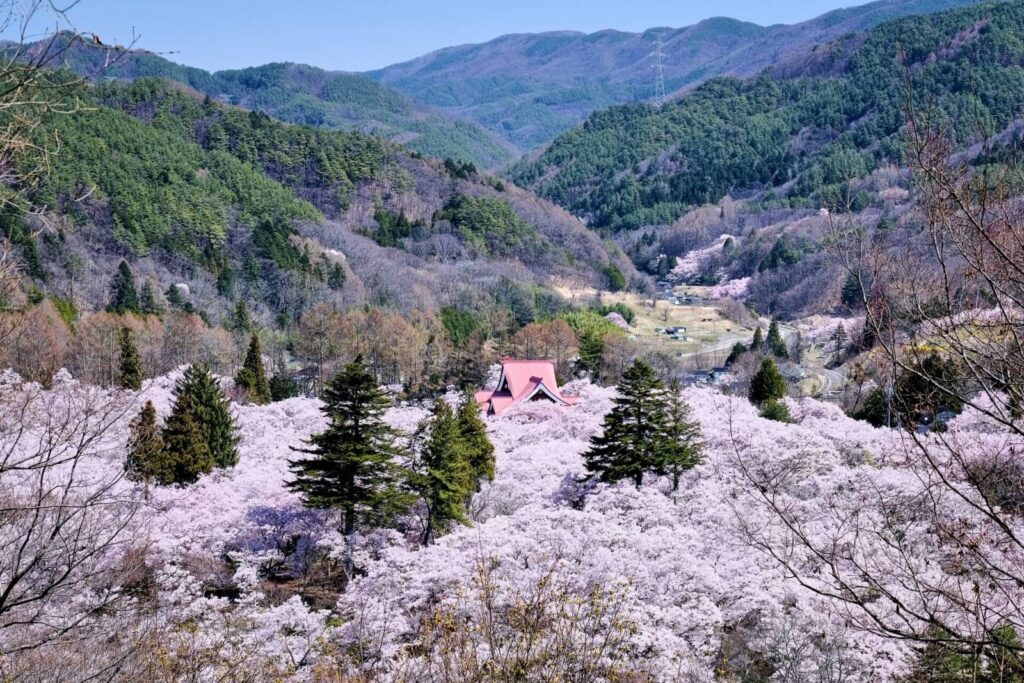
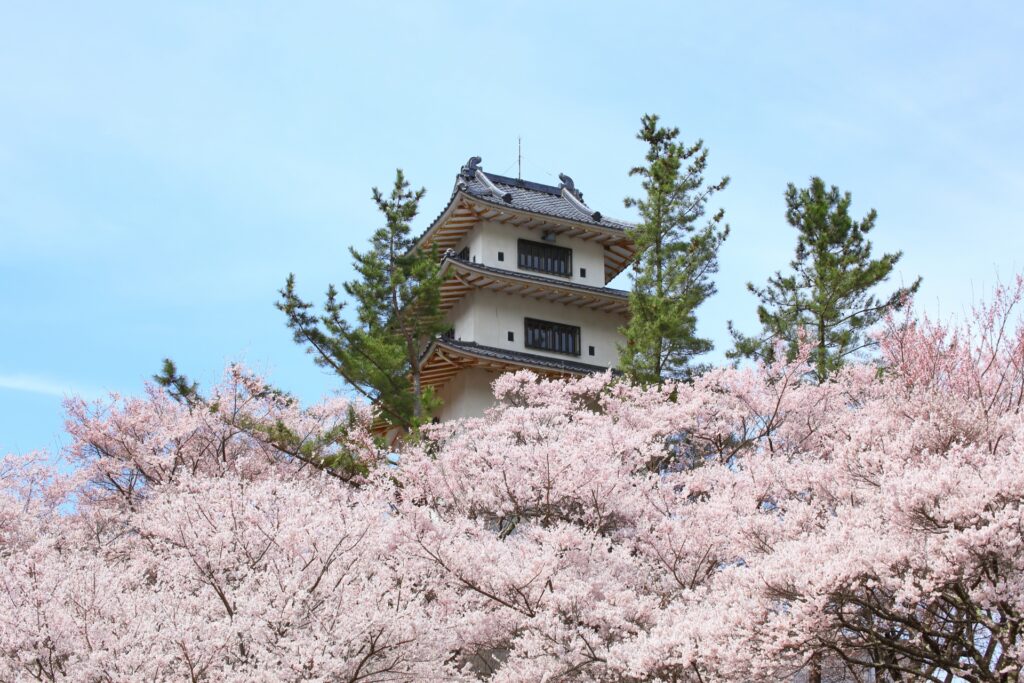
Located in Ina in Nagano Prefecture, Takato Castle is now mostly preserved as atmospheric ruins within a large public park.
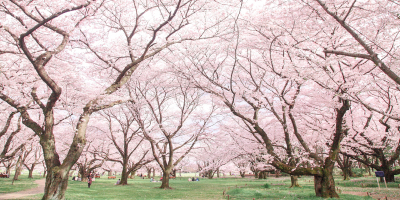
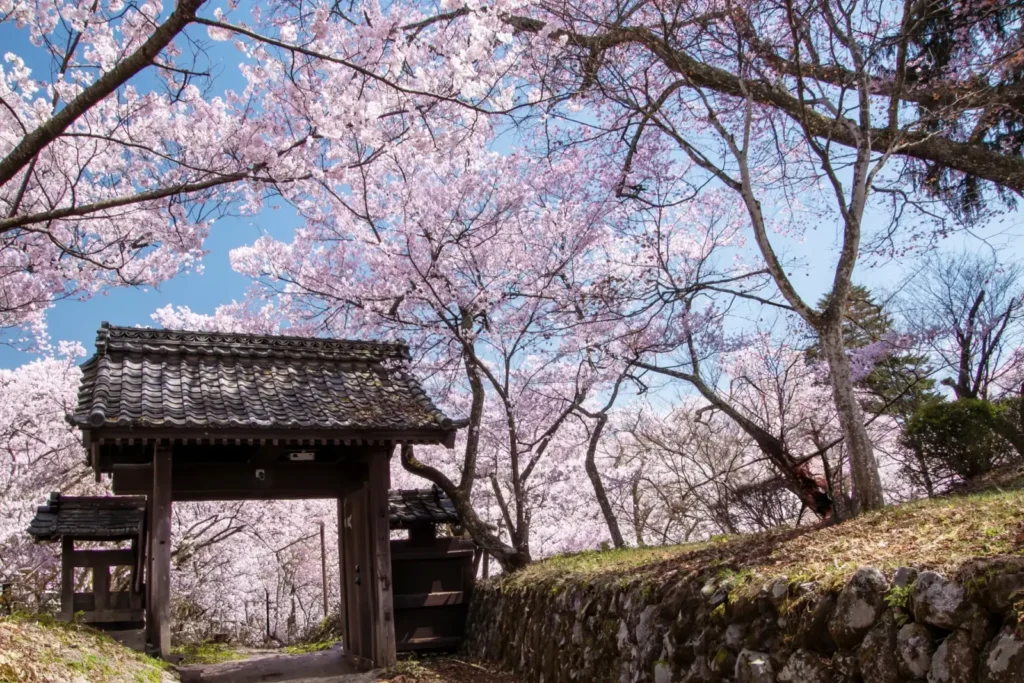
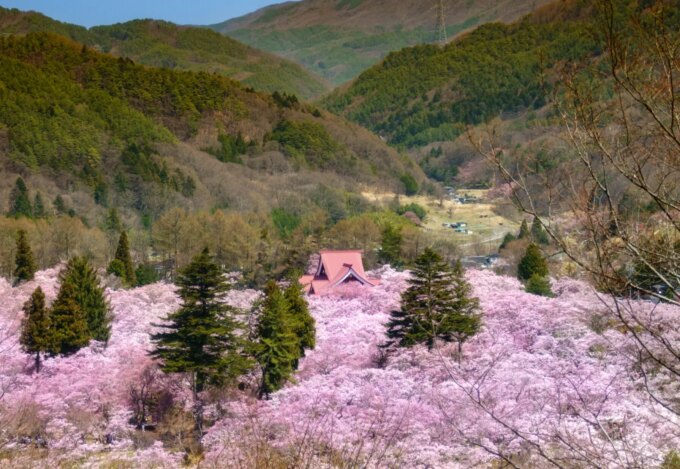
Although little of the original castle structures remain, the site is famous across Japan for its extraordinary cherry blossom display. More than 1,500 Takato-kohigan cherry trees bloom across the castle grounds each spring.
During the blooming season, the former fortress becomes one of the most beautiful hanami destinations in the country, with pink blossoms surrounding the old stone walls and gates.
Special Offer
(Spring Only) Private 1-Day Tour: Cherry Blossoms of Takato Castle Park
- Spots:
- NaganoMatsumoto
- Pick-up:
- Nagano CityMatsumoto
- Drop-off:
- Nagano CityMatsumoto
7. Hiroshima Castle
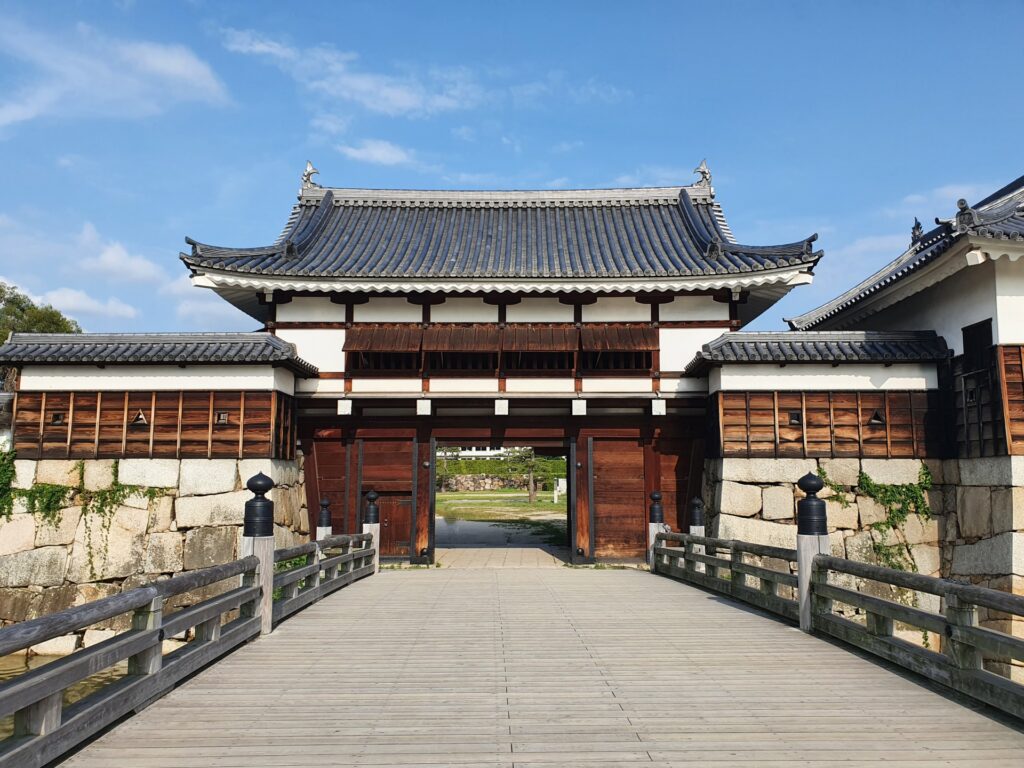
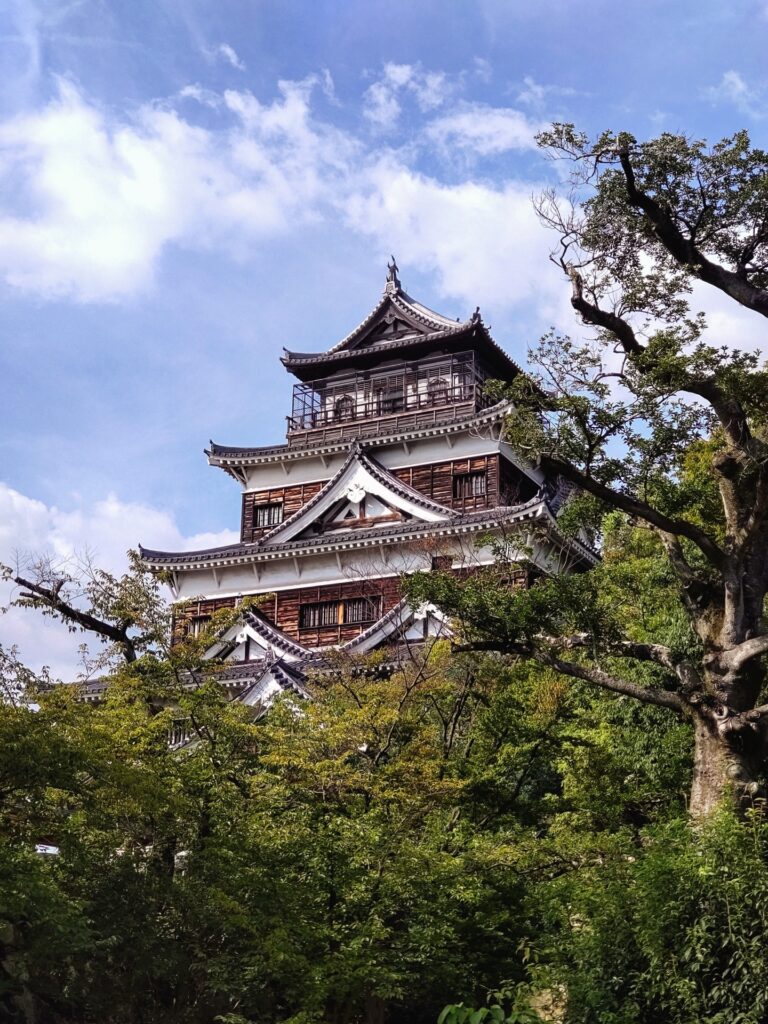
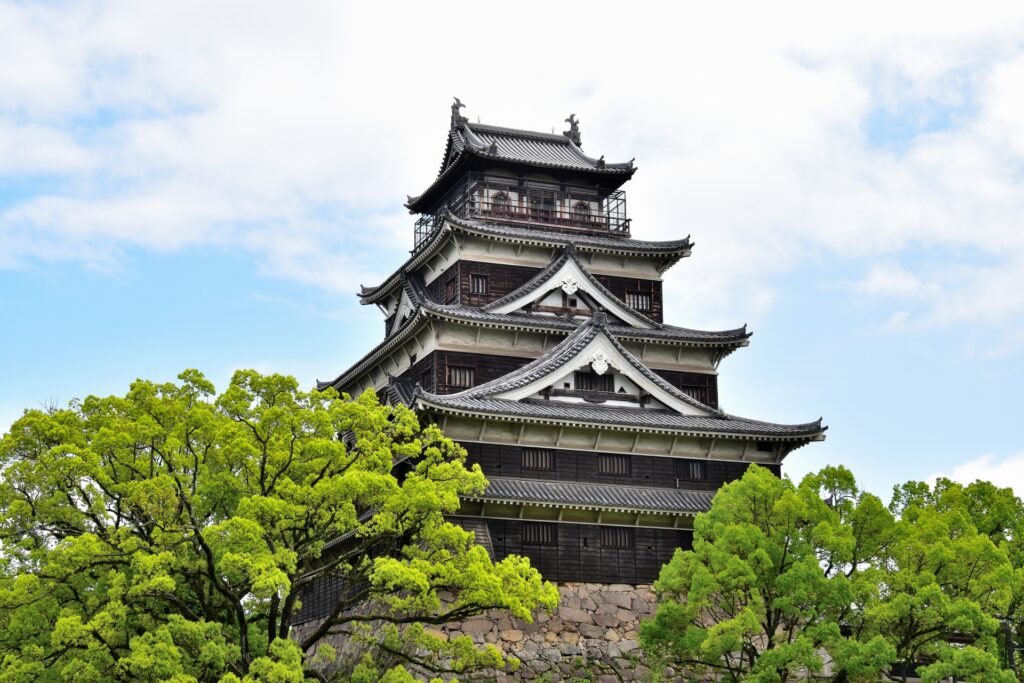
- Recommended for: Visitors interested in combining samurai history with the modern history of Hiroshima.
Originally built in the 1590s by the powerful daimyo Mori Terumoto, Hiroshima Castle once served as the political center of the region.
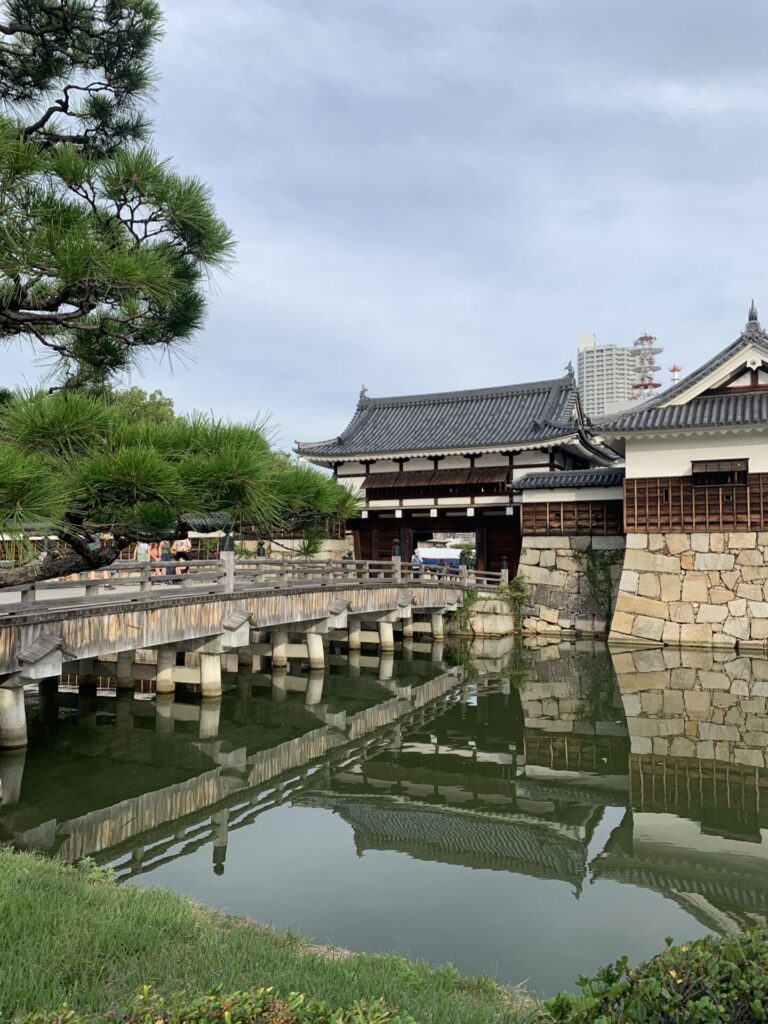
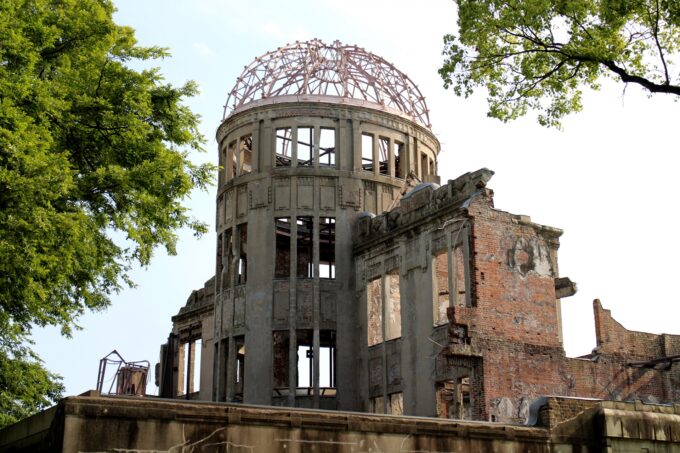
The castle was destroyed during the atomic bombing of Hiroshima in 1945 but was later reconstructed in 1958. Today the keep houses a museum dedicated to samurai culture and the history of the Hiroshima domain.
Surrounded by a wide moat and tree-lined park, the castle offers a peaceful historical site within the modern city center.
8. Aoba Castle

- Recommended for: Travelers who enjoy scenic viewpoints and learning about the legacy of one of Japan’s most famous daimyo.
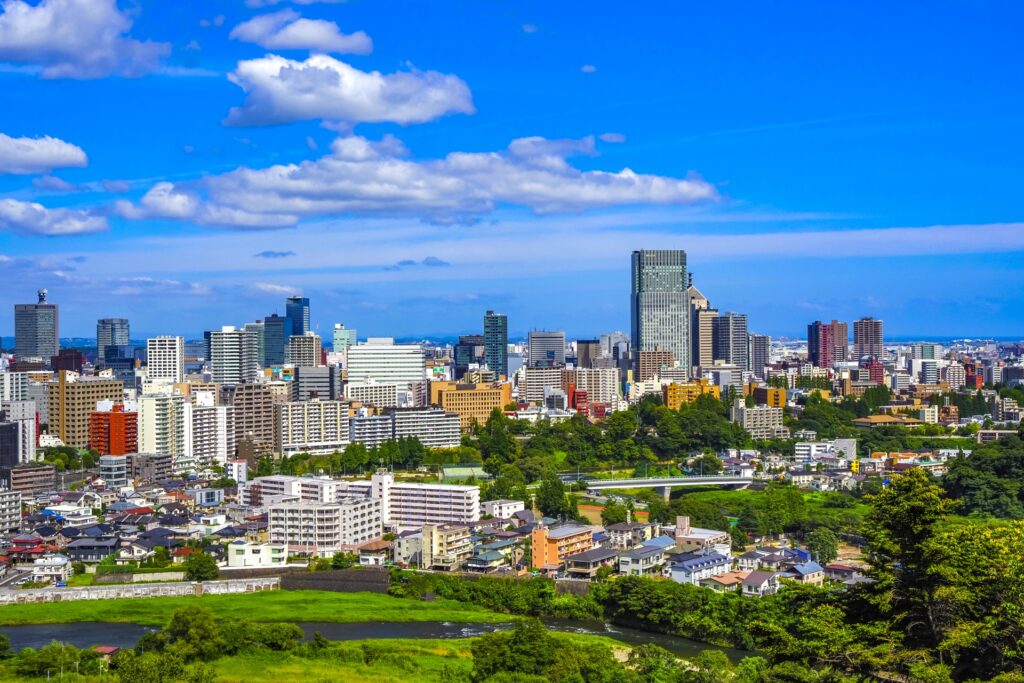
Also known as Sendai Castle, Aoba Castle sits on a hill overlooking the city of Sendai in northern Japan.
The castle was built in 1602 by the legendary samurai leader Date Masamune, one of the most powerful daimyo of the early Edo period.
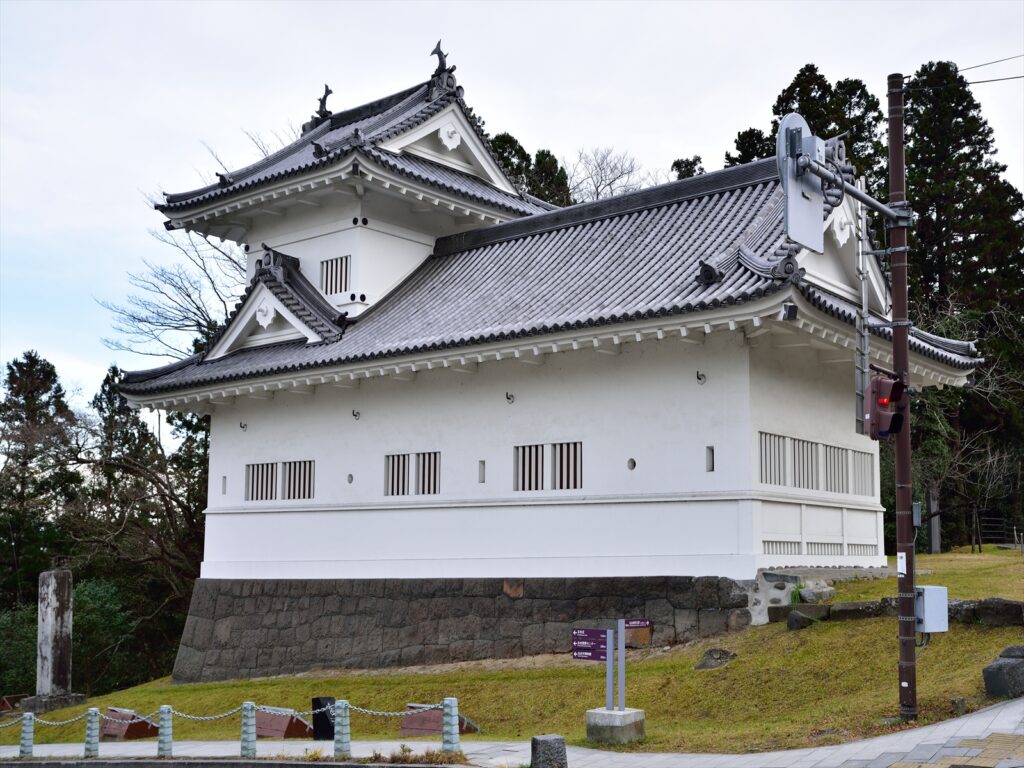
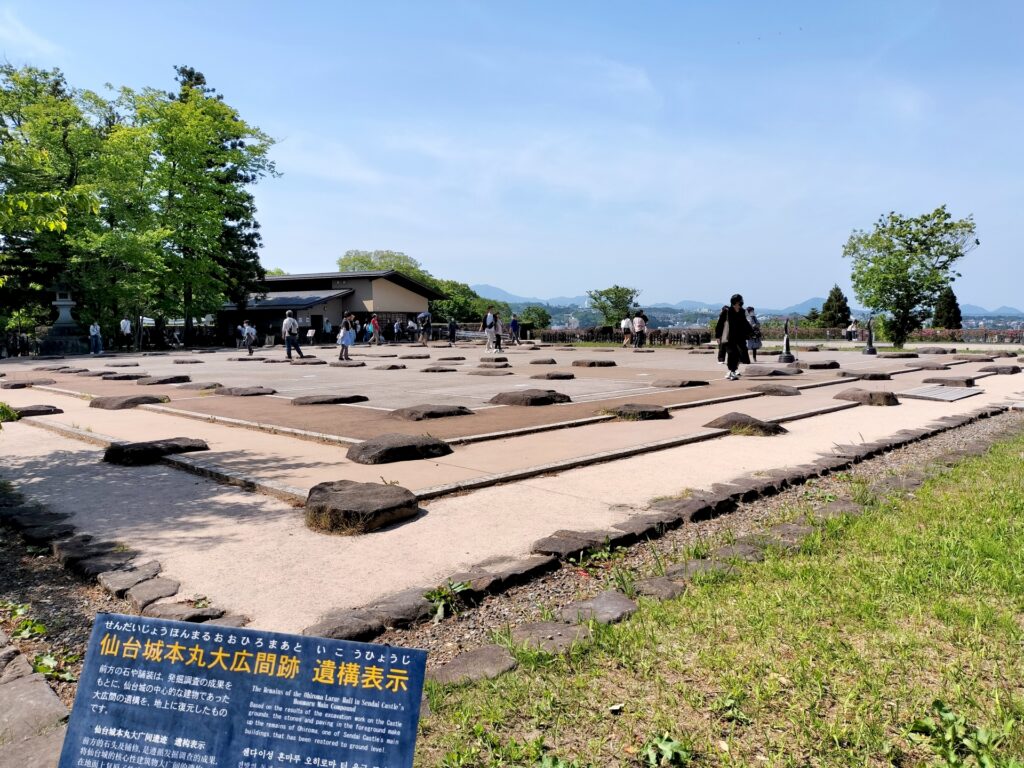
Although much of the castle was destroyed over time, the site remains historically significant. Today visitors can explore the castle ruins, museums, and observation areas offering sweeping views over Sendai and the surrounding plains.
The famous statue of Date Masamune on horseback overlooking the city has become one of Sendai’s most recognizable landmarks.
FAQ
What are the best lesser-known castles to visit in Japan?
Some of the best hidden castles in Japan include Inuyama Castle, Hikone Castle, Odawara Castle, and Iwakuni Castle.
These castles offer impressive architecture, scenic settings, and fascinating history but typically receive fewer international visitors than famous landmarks like Himeji Castle or Osaka Castle. For travelers looking to avoid crowds while still experiencing authentic samurai history, these destinations are excellent alternatives.
Which hidden castles in Japan still have original keeps?
Among the castles on this list, Inuyama Castle and Hikone Castle still retain their original keeps dating back to the Edo period.
These rare structures are part of a small group known as Japan’s twelve original castles, meaning their main towers survived wars, natural disasters, and modernization. Visiting these castles allows travelers to experience authentic wooden interiors and historic defensive architecture.
Are reconstructed castles in Japan worth visiting?
Yes. Many reconstructed castles provide valuable historical insight through museums, exhibits, and carefully restored architecture.
For example, Okayama Castle and Hiroshima Castle were rebuilt after being destroyed during World War II. Today they house museums that explain the history of the castles, their ruling families, and the regions they once governed.
What is the best time to visit castles in Japan?
Spring and autumn are generally considered the best seasons to visit Japanese castles.
Many castle grounds feature large parks and gardens that are especially beautiful during cherry blossom season in spring or autumn foliage later in the year. Castles such as Takato Castle are particularly famous for their cherry blossoms, attracting visitors from across Japan during the blooming season.
Can you visit several castles on a single trip to Japan?
Yes, many castles are located within easy travel distance of major cities and can be combined into regional itineraries.
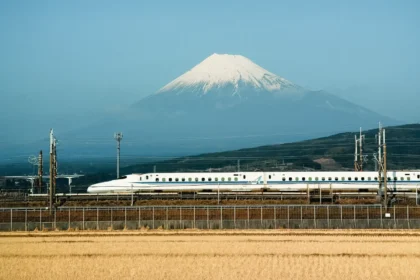
For example, travelers visiting central Japan can easily explore Inuyama Castle, Hikone Castle, and Nagoya Castle during the same trip. In western Japan, Okayama Castle and Hiroshima Castle are both accessible along the Sanyo Shinkansen line, making them convenient stops for travelers exploring the region.