

Anime has quickly went from a niche hobby to one of the biggest reasons people visit Japan. Tour companies now run entire itineraries built around even a single franchise, and travelers plan whole trips around scenes they recognize from a screen or page.
This guide covers where that culture actually lives: otaku shopping districts, the small towns behind popular anime settings, and the experiences built around the hobby itself.
Why Anime Tourism Works Differently in Japan
The word for this kind of travel is seichi junrei (pilgrimage to a sacred place), a term borrowed from religious pilgrimage and applied to fans visiting the real locations behind their favorite shows, whether it be anime, TV dramas, movies, or even music video locations.
It used to describe a small subculture, but it is now common enough that local tourism boards actively collaborate with anime studios. While the intent is to bring in more visitors, some cases have led to the reshaping of a town's economy.
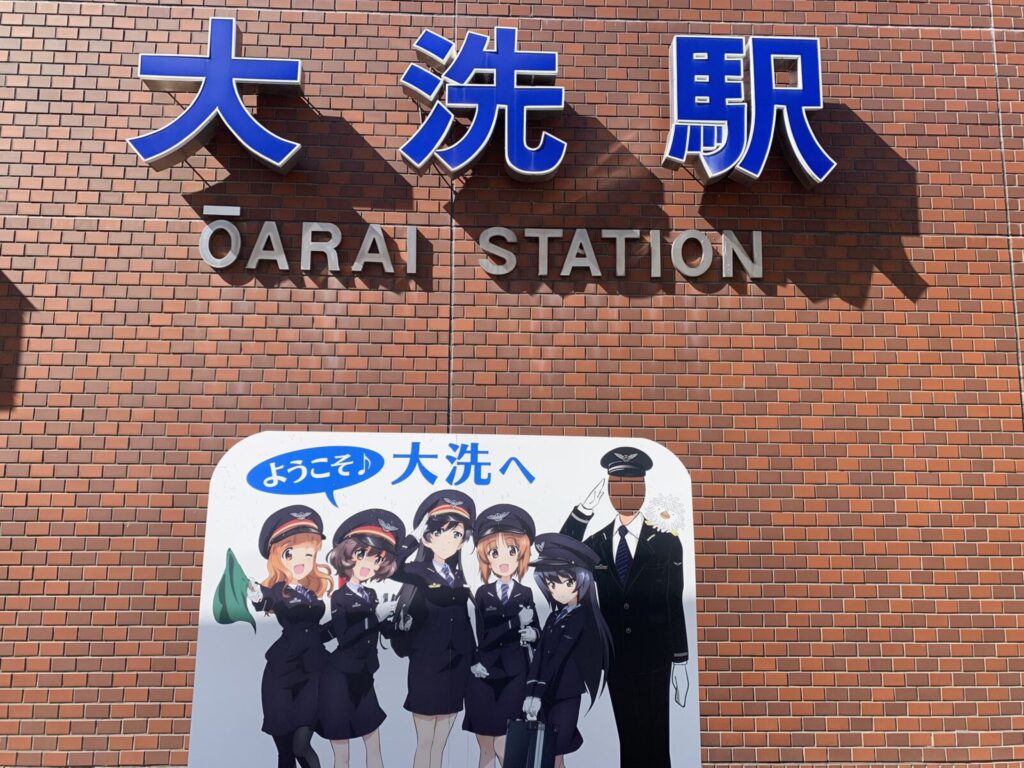
One such is the case of Ooarai in Ibaraki Prefecture. The small coastal town was struggling economically after the 2011 Tōhoku earthquake and tsunami, when the anime Girls und Panzer used it as a setting in 2012. What followed at first as a niche fandom curiosity soon became a measurable driver of the local economy. Fans started visiting in real numbers, the town's annual festival tied to the series now draws crowds well over 100,000, and local businesses built lasting revenue around the connection rather than a short-lived bump. It's one of the most studied examples of anime tourism that produces actual economic impact that is studied by researchers and is looked at as an example for other rural towns.
Otaku Shopping Districts
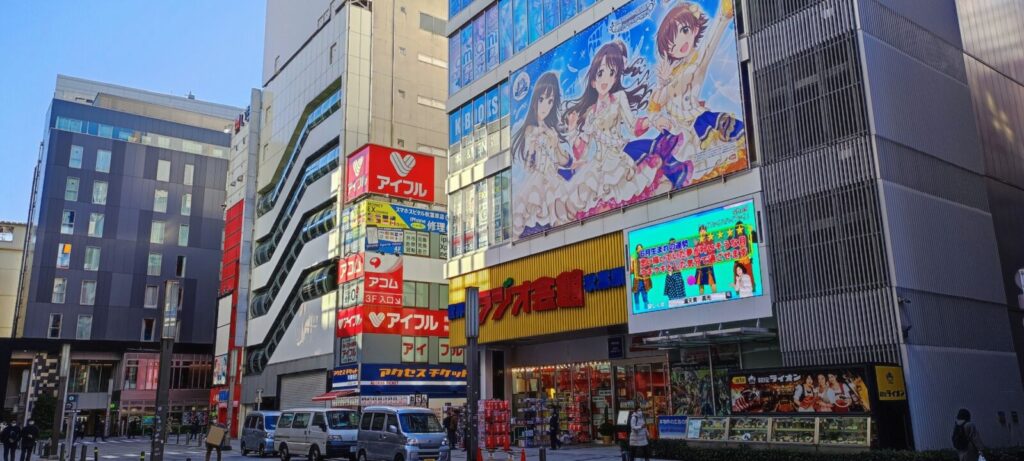
Japan's anime and manga retail culture has its own geography. Cities with a strong otaku scene have dense, walkable neighborhood built around it, with multiple floors of shops stacked on top of each other selling everything from new releases to decades-old collectibles.
Akihabara, Tokyo
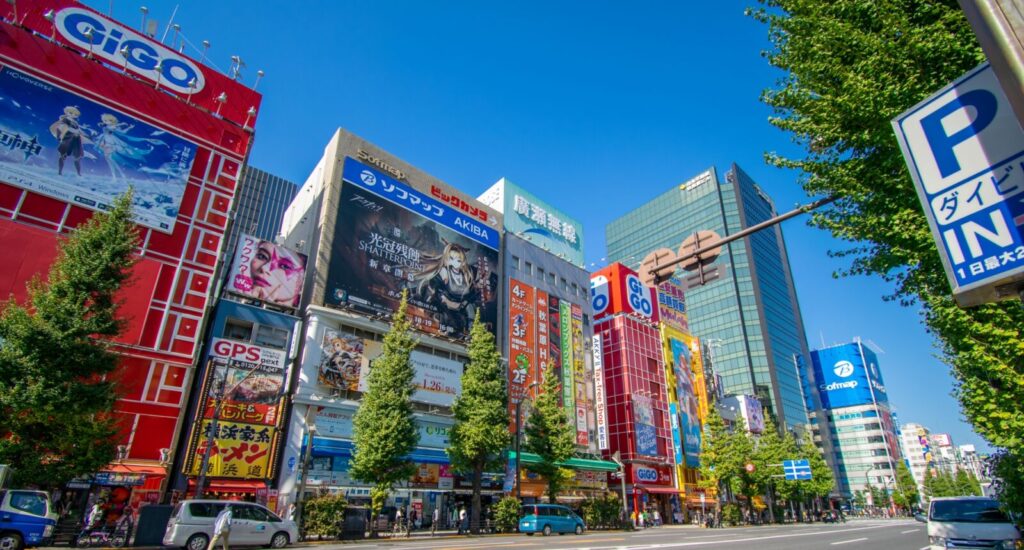
Akihabara, commonly called Akiba, is where this culture started. What began as an electronics district in the postwar decades shifted toward manga, anime, and gaming through the 90s and 2000s, and today it is lined with multi-story retailers, arcades, and maid cafes.

Nakano Broadway, Tokyo
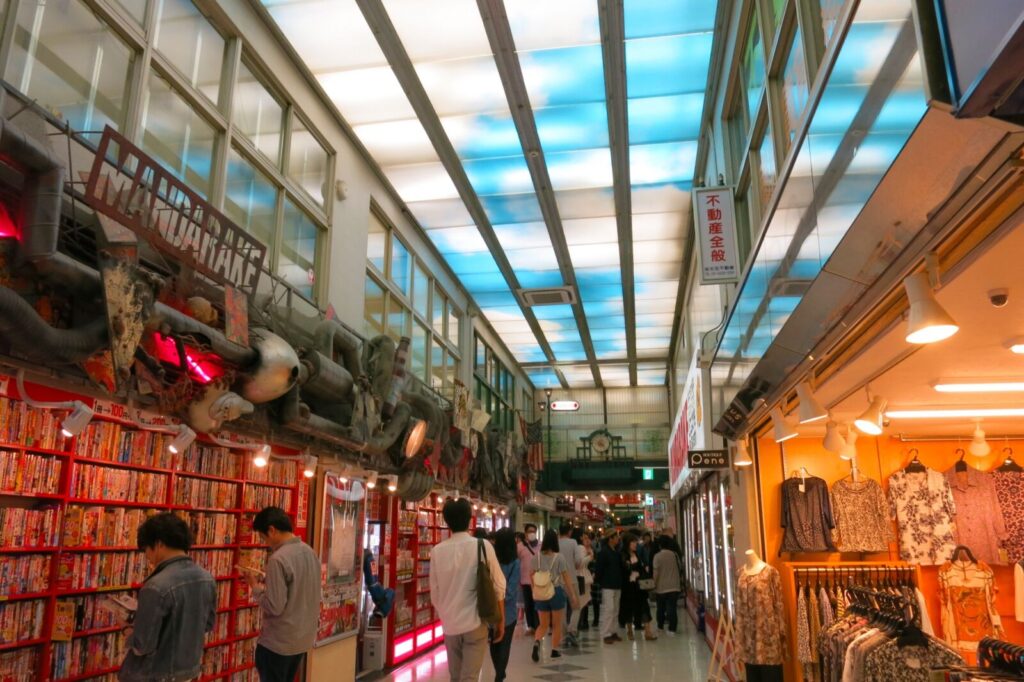
One stop west on the Chuo Line from Shinjuku Station, Nakano Broadway is quieter and more collector-focused. The complex houses multiple floors of Mandarake, Japan's largest secondhand collectibles retailer, alongside shops specializing in vintage toys, rare manga, and even cel art. Where Akihabara leans toward new releases and mainstream merchandise, Nakano Broadway is where serious collectors go looking for something specific or vintage.
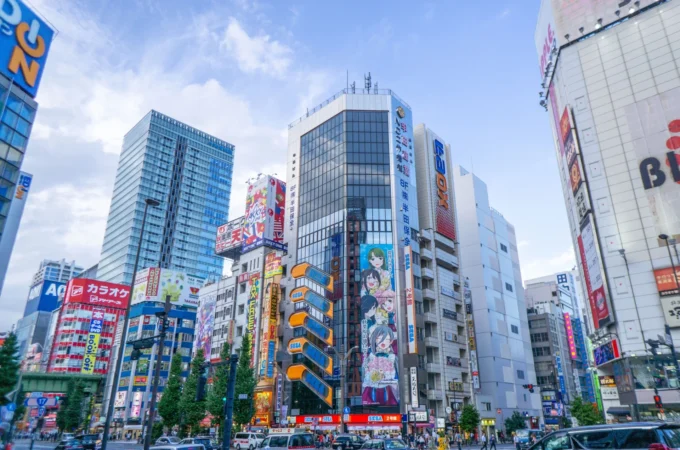
Osu, Nagoya

A prominent merchant quarter first established in 1612, Osu is Nagoya's version of Akihabara: a shopping arcade that sporadically mixes secondhand shops, street food, and the covered arcades around Osu Kannon Temple.

Den Den Town, Osaka
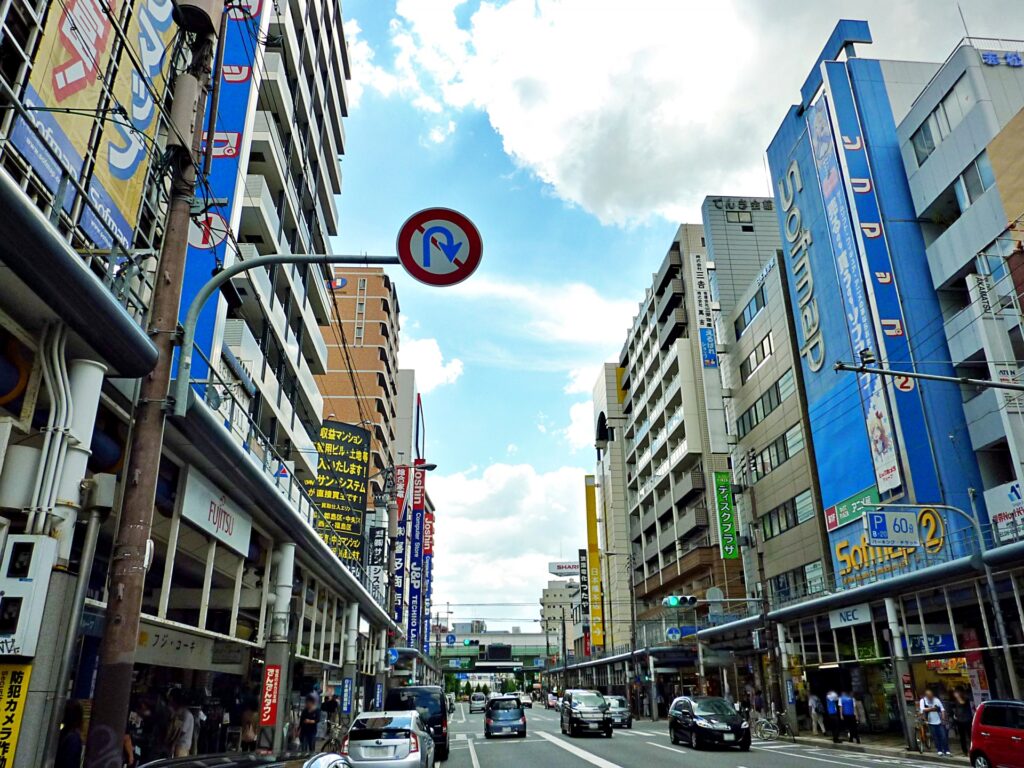
Nipponbashi's Den Den Town is Osaka's otaku district, smaller and less crowded than Akihabara but built on the same idea: electronics retailers that gradually gave way to manga, anime, and gaming shops.

Studio Ghibli (In Brief)
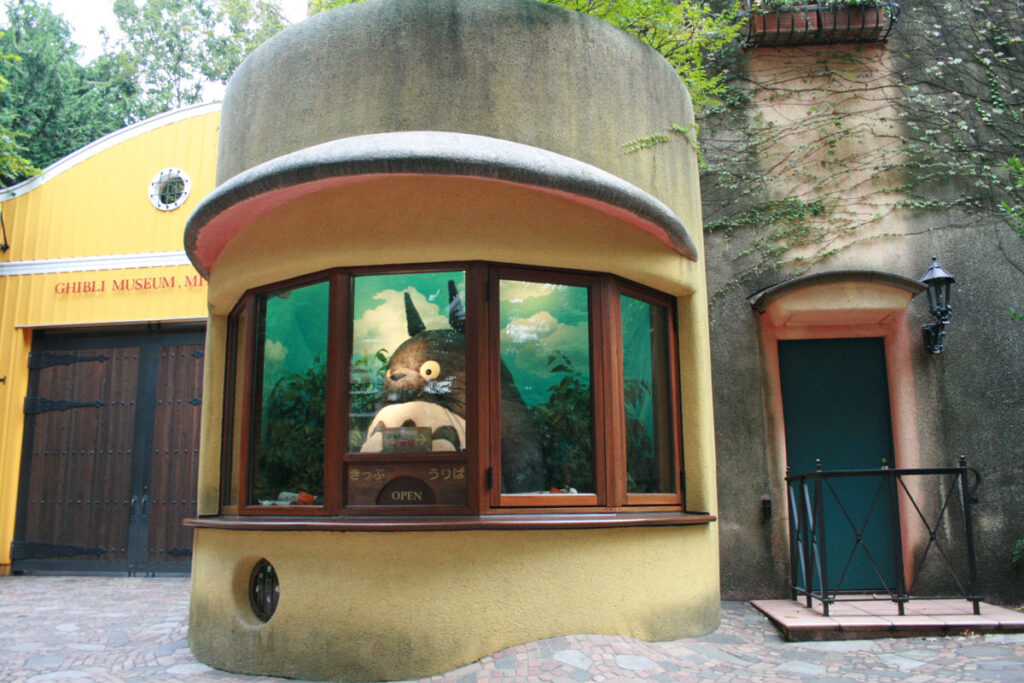
Studio Ghibli deserves more space than a single section can give it. The one thing worth repeating here: both the Ghibli Museum in Tokyo and Ghibli Park in Aichi require advance tickets, often weeks ahead, and this is the detail that catches visitors off guard most often.
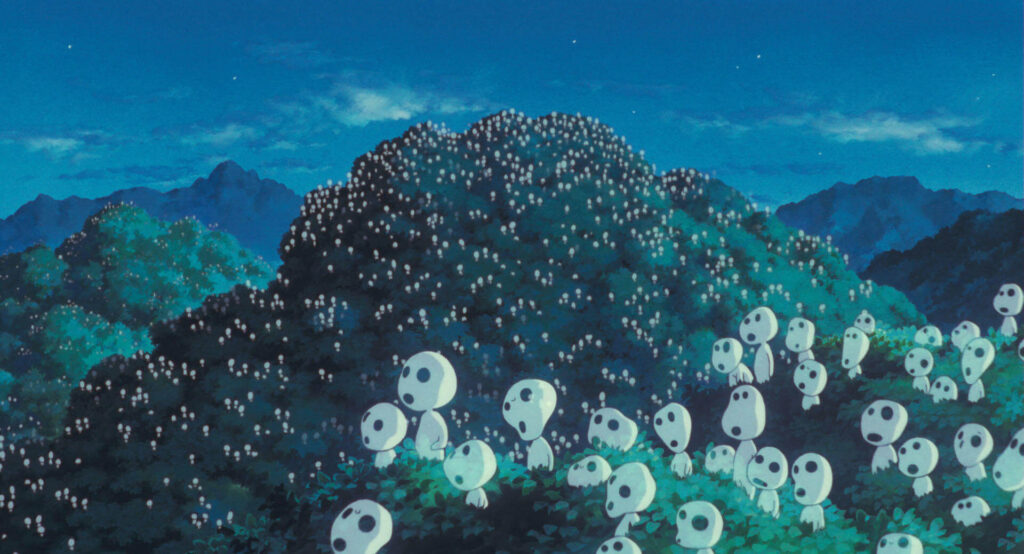

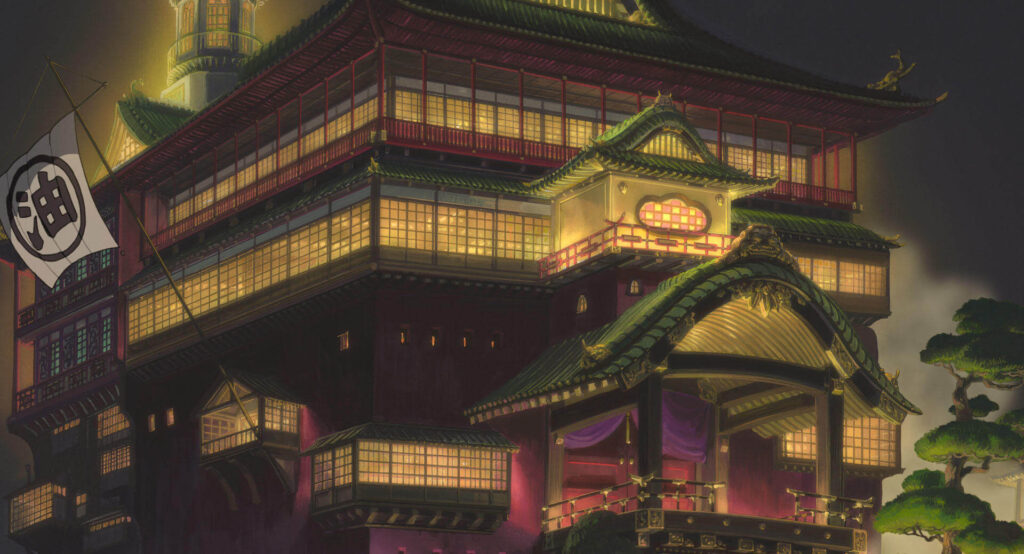
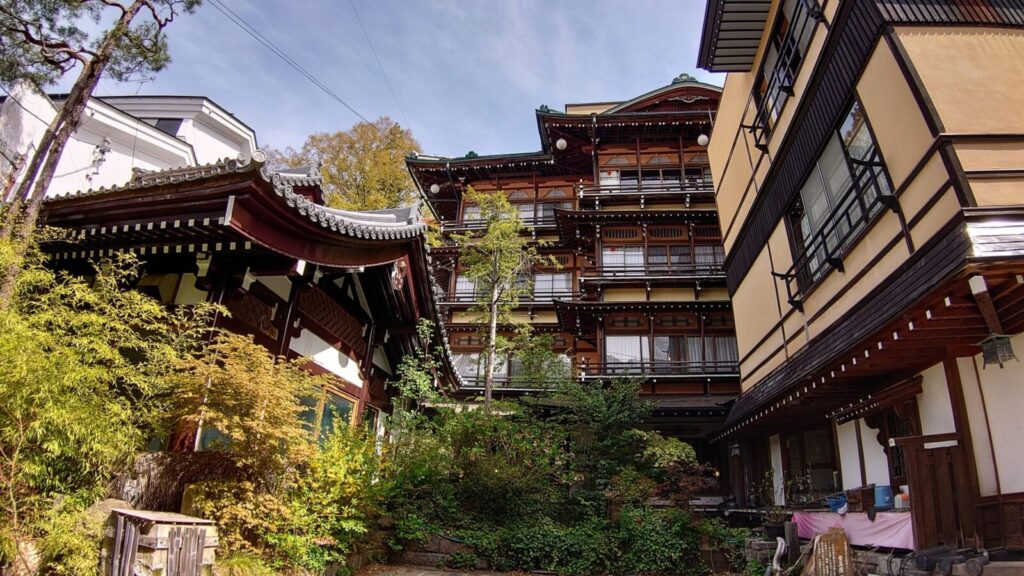
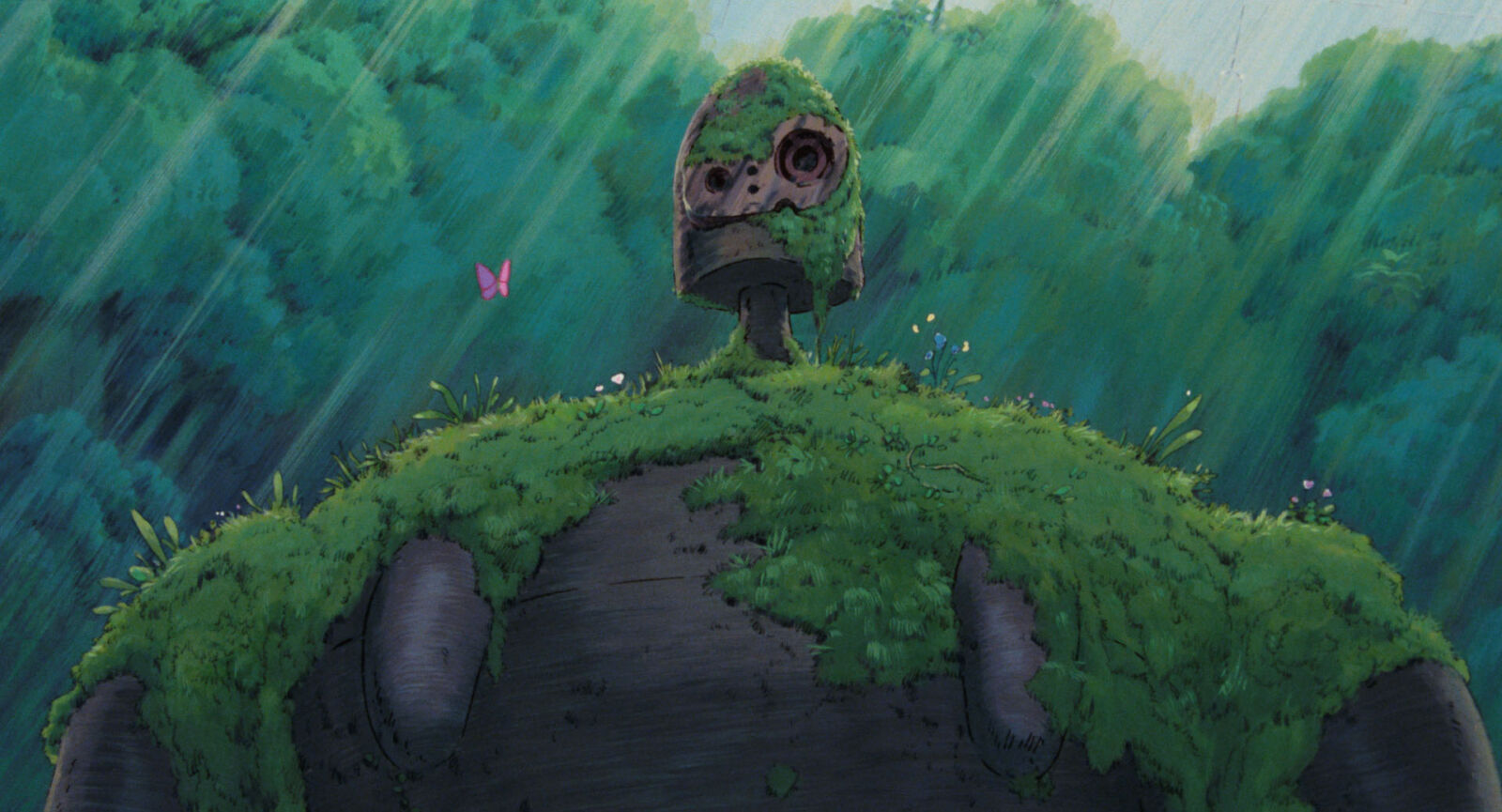
Ghibli's influence isn't limited to those two sites, either. Real towns, coastlines, and mountain villages across the country inspired specific scenes and settings, from Shibu Onsen to Yakushima.
Anime Pilgrimage by Region
Beyond Ghibli and the shopping districts above, real-world anime locations are spread across the country, and several of them sit directly on routes that we run.
Tokyo
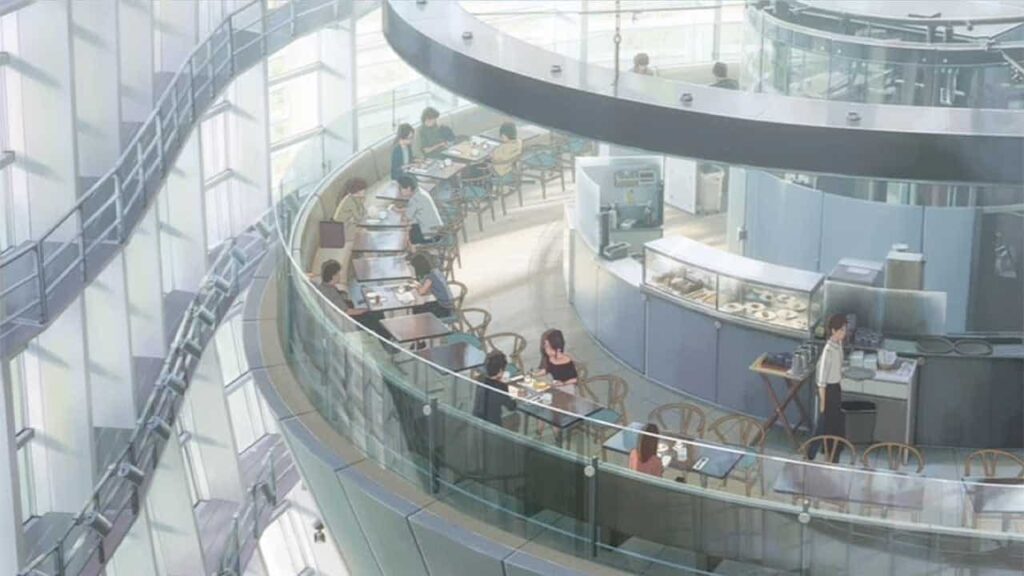
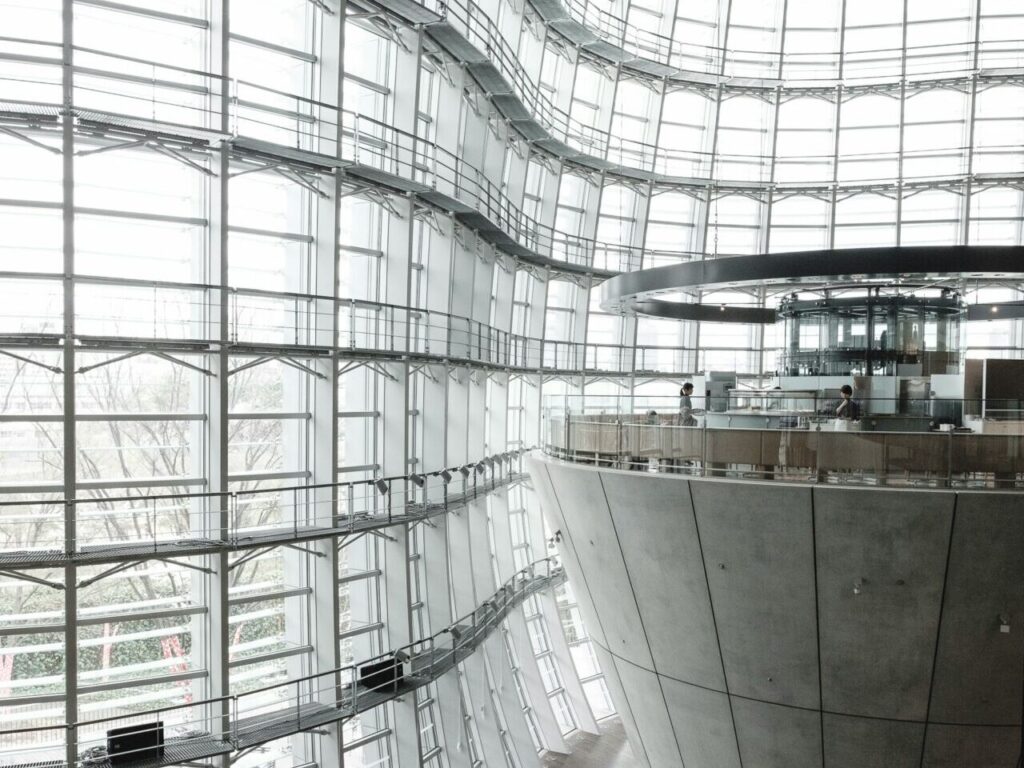


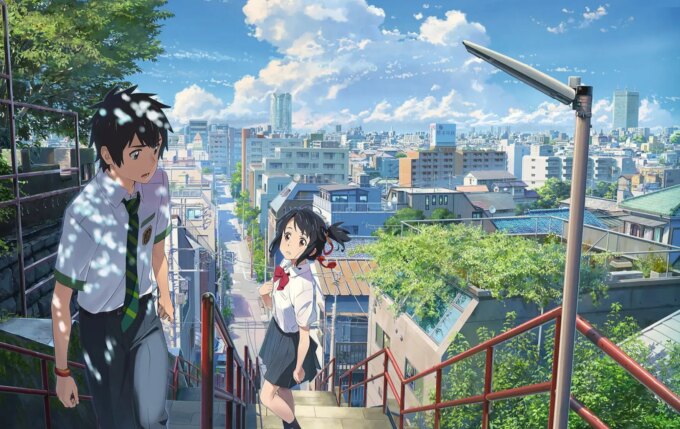
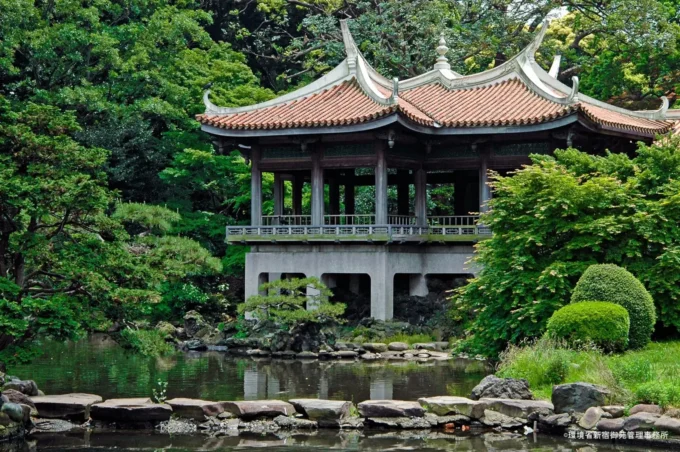
An accessible pilgrimage trip in Tokyo is for the hit 2016 movie Your Name (2016.) The Suga Shrine stairs in Yotsuya are the film's most photographed real-world spot, the setting for its closing scene, while a quieter stop across town, the National Art Center in Roppongi, appears earlier in a date scene between Taki and his coworker, Miki Okudera, at the museum's second-floor cafe.
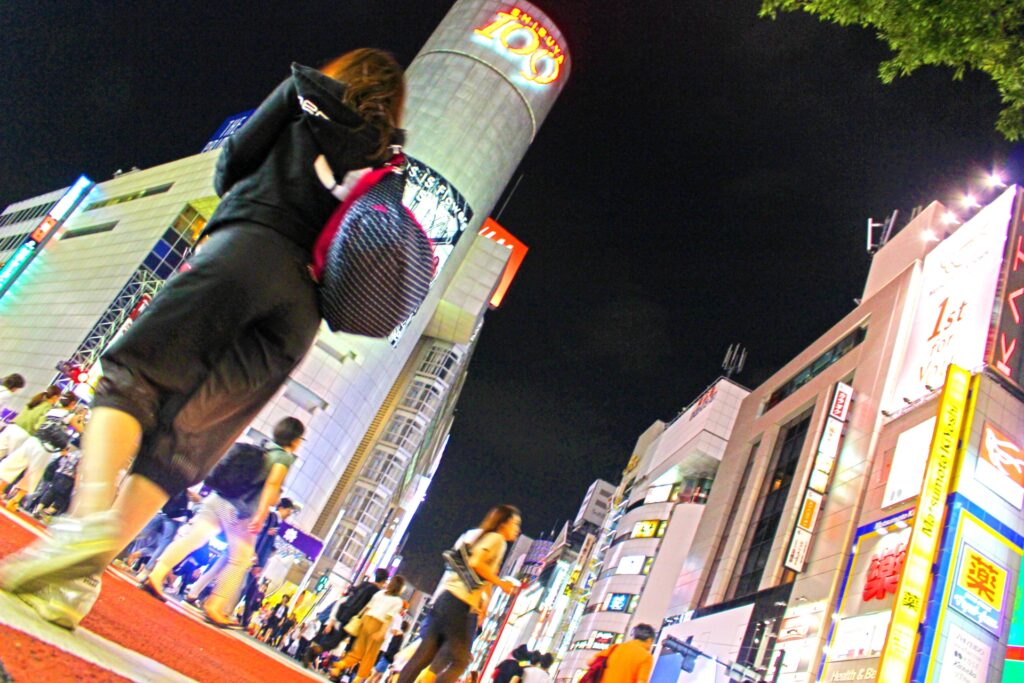
Shibuya carries a newer layer through Jujutsu Kaisen's Shibuya Incident arc. Currently, it is one of the most-visited anime-tied neighborhoods in the city.
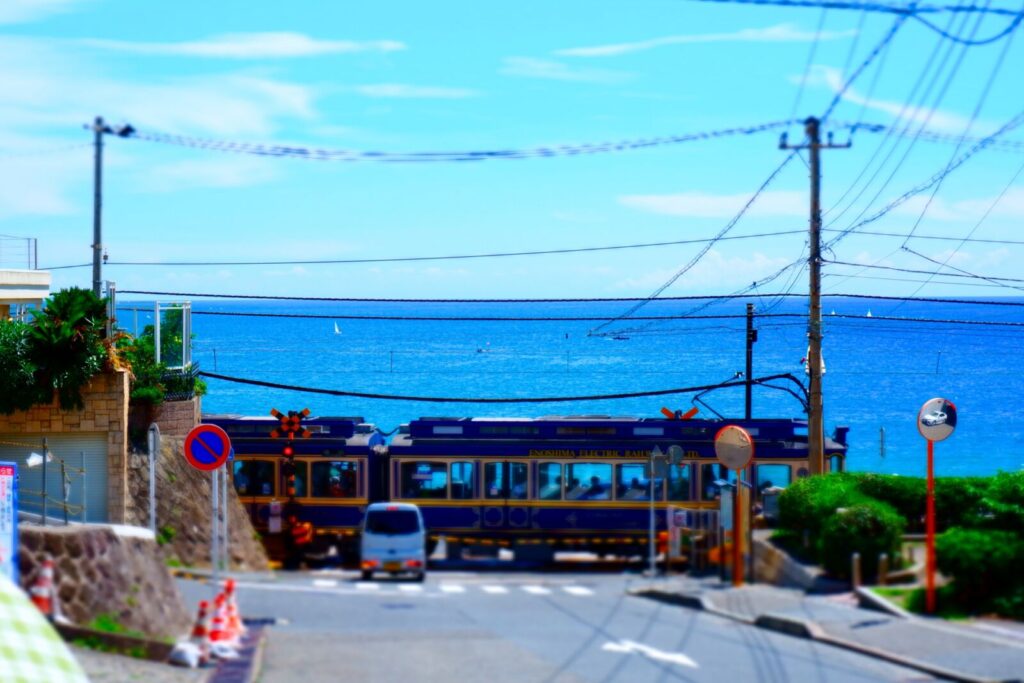
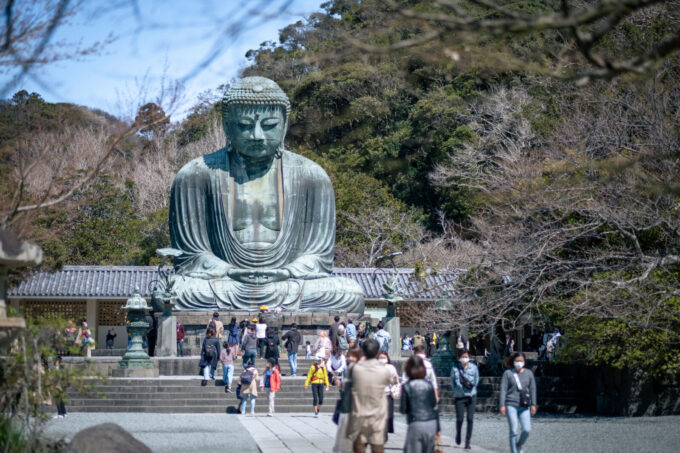
South of the Tokyo is the coastal city of Kamakura, where a certain railway crossing outside Kamakura High School is made famous by Slam Dunk and sits along the same coastal stretch of Enoshima as the setting of Rascal Does Not Dream of Bunny Girl Senpai; both are reachable on the same day via the Enoshima Electric Railway or Enoden.

Kansai Area (Osaka, Kyoto, Kobe)

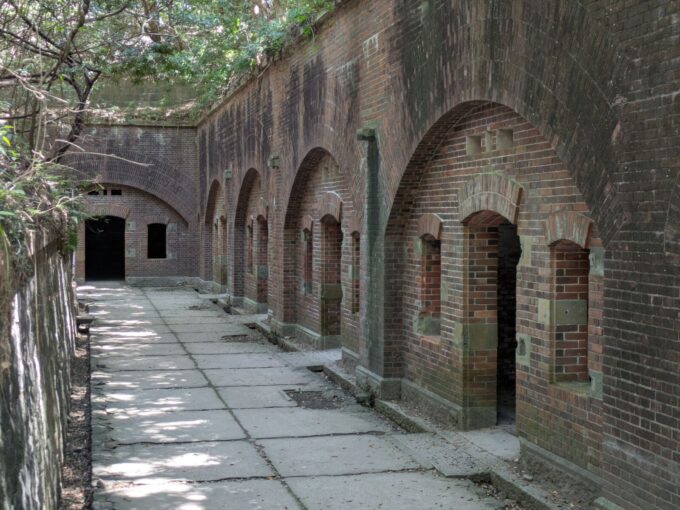
Moving across to Osaka, Summer Time Rendering is set on a fictional island based on Tomogashima, the abandoned fortress ruins off the Wakayama coast where its characters spend much of the story.
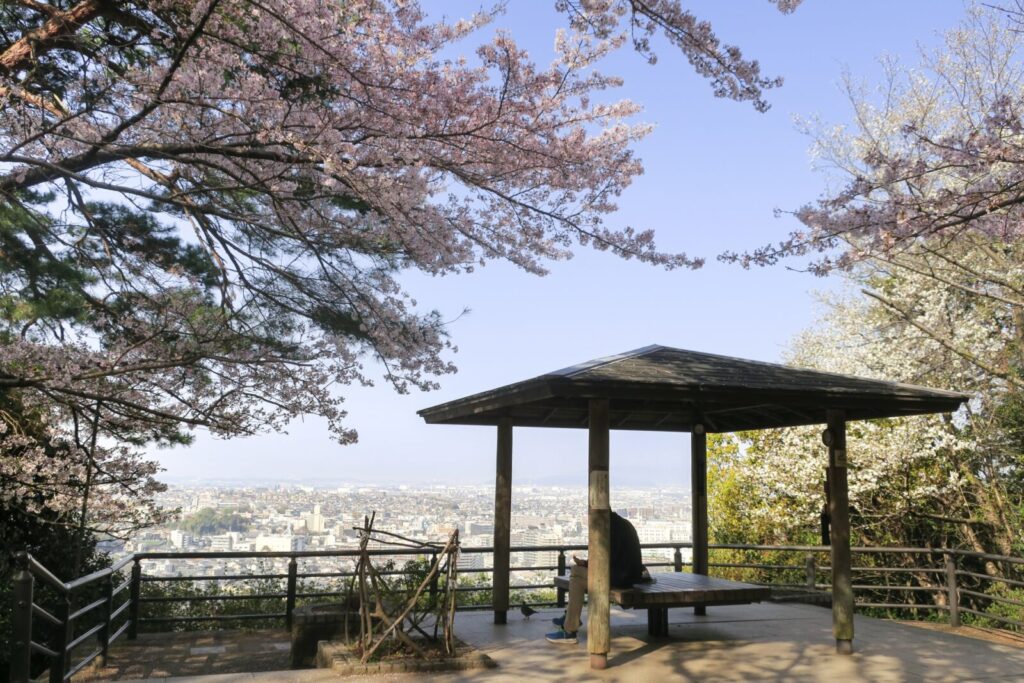
In Uji, just outside Kyoto, Sound! Euphonium follows a high school concert band based around the town, and the real Uji Bridge and Agata Shrine from those scenes have turned Uji into one of the most active pilgrimage communities in the country.

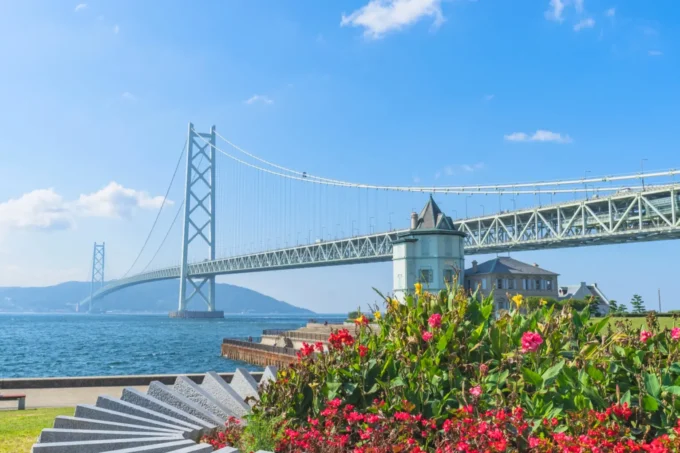
Further west, Kobe's tie predates the current anime boom by decades. Tetsujin 28-go, one of the earliest giant robot manga and anime, was created by Kobe native Mitsuteru Yokoyama, and a full-size statue of the character stands today in the city's Nagata Ward.
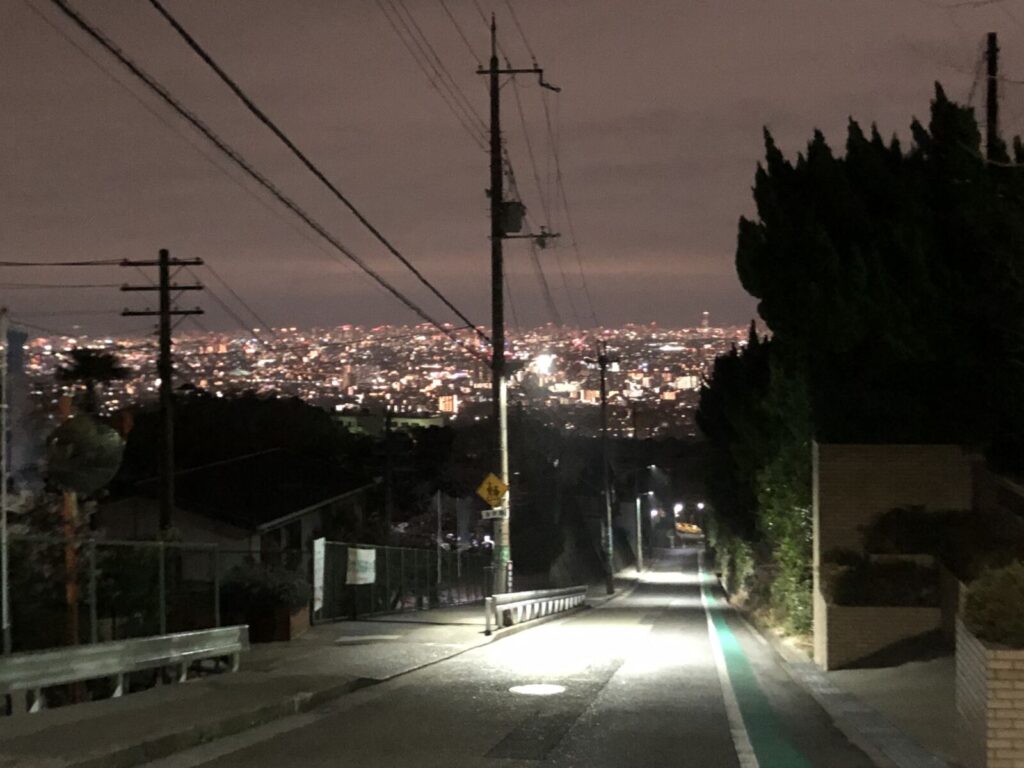
Nearby in Nishinomiya, The Melancholy of Haruhi Suzumiya follows a high school student unaware that she's unknowingly bending reality around herself, an ordinary school life that turns out to be anything but. The real basis for the show's North High is Nishinomiya Kita High School, and it's remained one of the most enduring pilgrimage sites in the country since the show aired in 2006.
Hiroshima

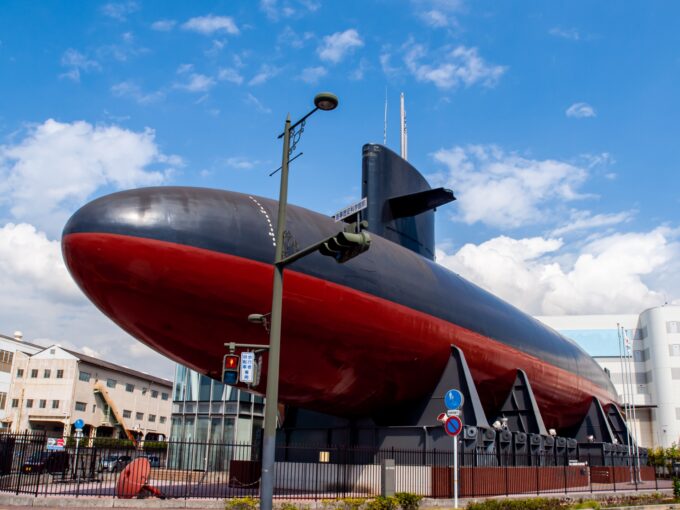
Kure carries more anime weight than any other single city on this list. Kantai Collection is enormous there; roughly half the anime merchandise sold in Kure's shops is Kantai Collection-branded and the city is the historic naval port and home of the Yamato Museum, where the series' ship characters draw straight from real Imperial Japanese Navy history.

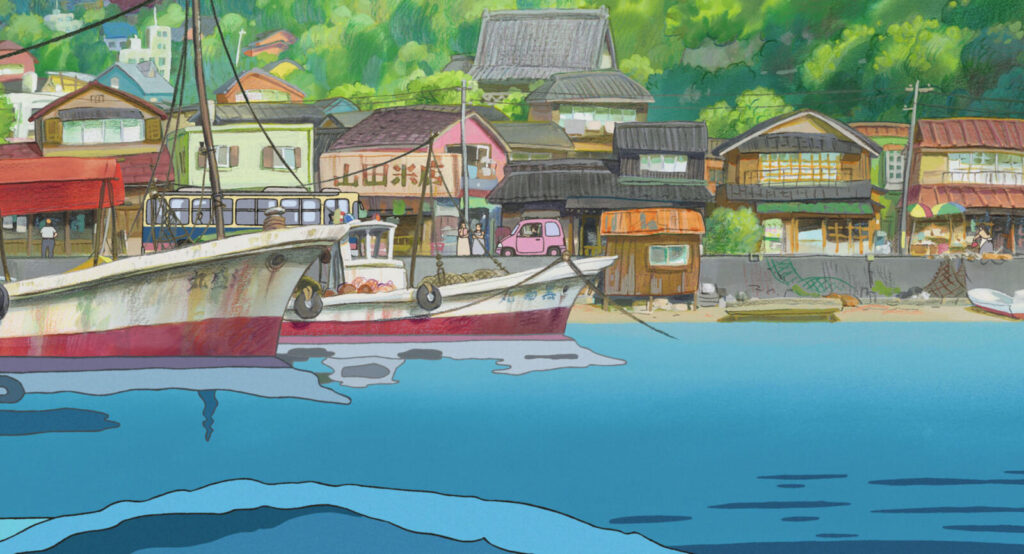
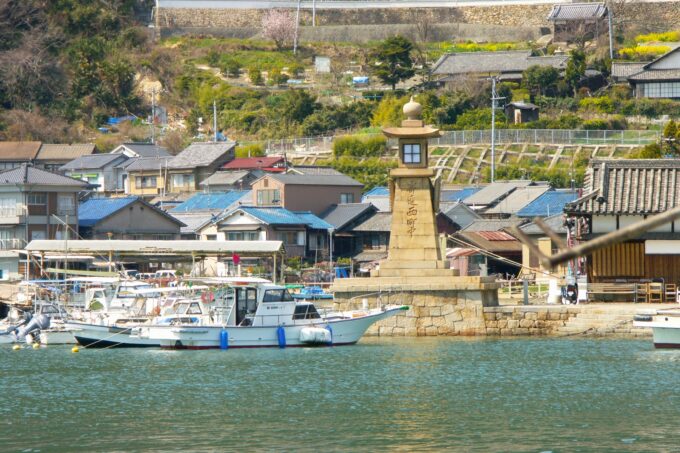
Along the same stretch of Setouchi coast, Tomonoura in Fukuyama is widely cited as Hayao Miyazaki's inspiration for the setting of Ponyo, he reportedly stayed in the town while developing the film.
Nagano
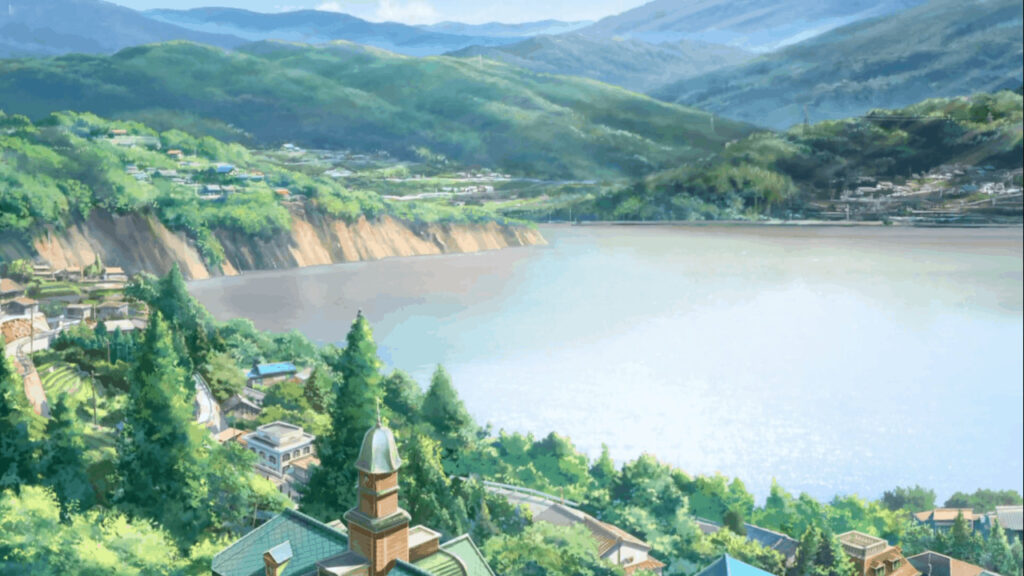

Lake Suwa appears throughout Your Name as the inspiration for the lake next to Mitsuha's hometown of Itomori and is one of the most recognizable real-world anime backdrops in the country.
Nagoya

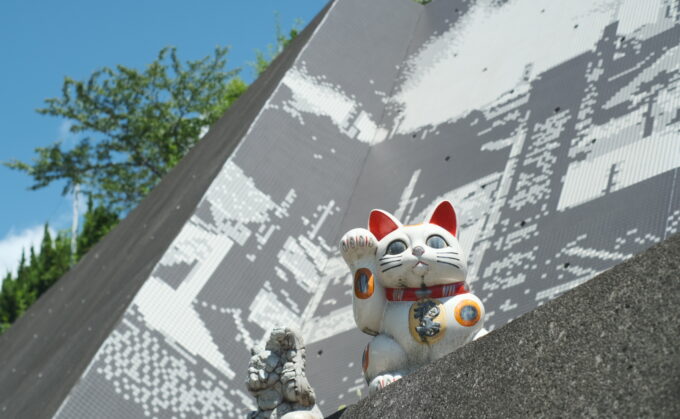
South of Nagoya is the city of Tokoname, where A Whisker Away is based in and is a city known for pottery and for its maneki-neko (lucky cat) statues.
Hokuriku (Kanazawa, Toyama, Fukui)
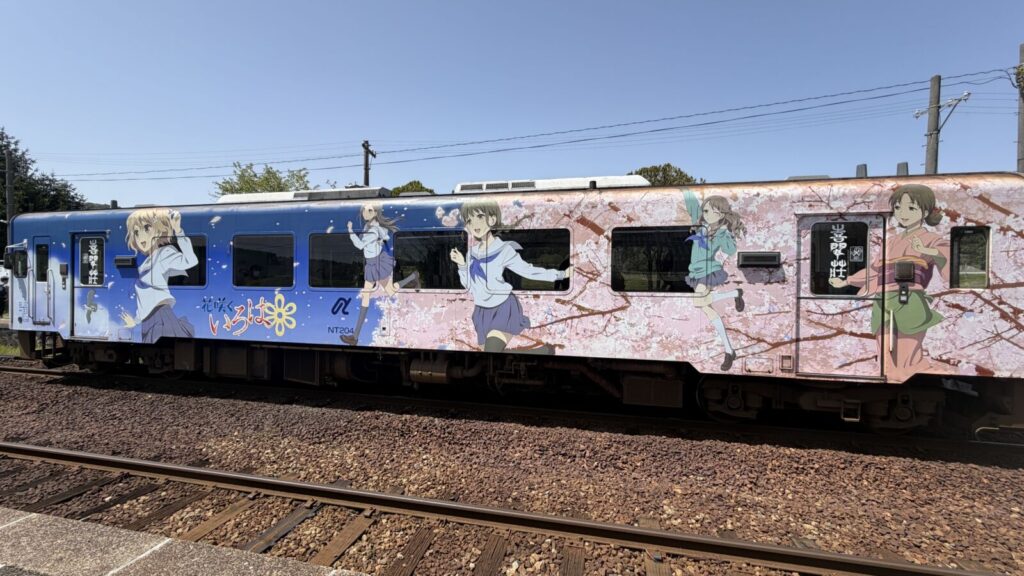
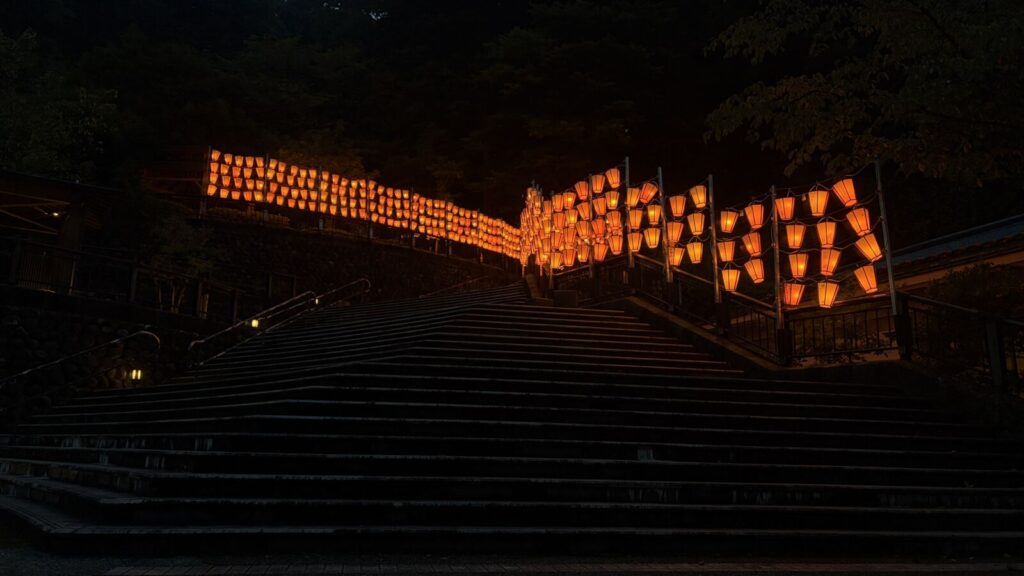
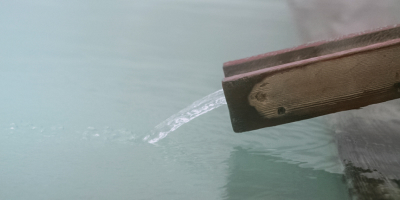
East of Kanazawa, Yuwaku Onsen is the real-world basis for Yunosagi Onsen in Hanasaku Iroha. The show's heroine, Ohana Matsumae, works at a hot spring inn modeled on the Hakuunro Hotel, and the fictional Bonbori Festival from the anime became a real one: the Yuwaku Bonbori Festival. It has run every October since 2011. Further north on the Noto Peninsula, Nishigishi Station in Nanao City is the model for the local train station in the show, Yunosagi Station.
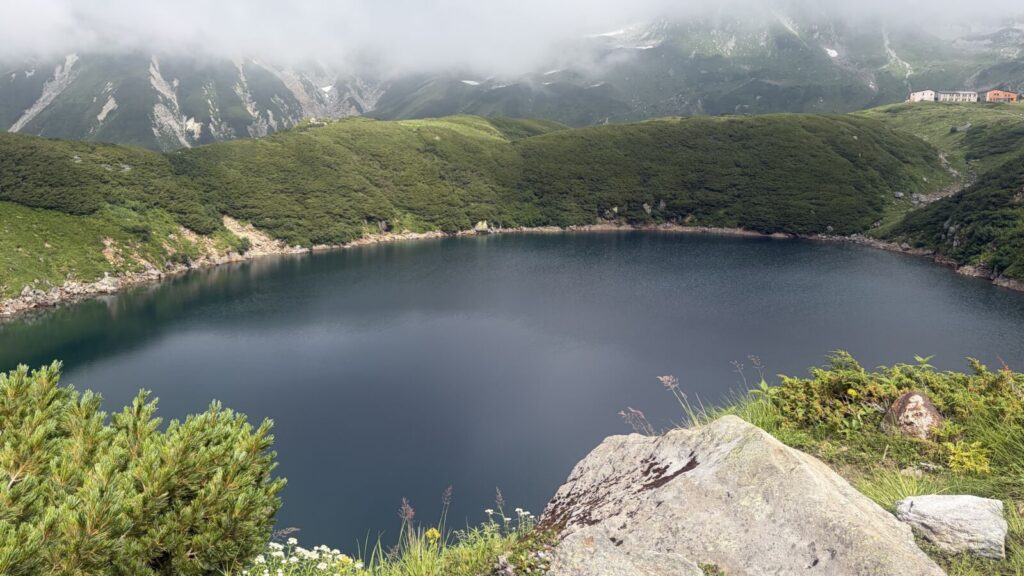
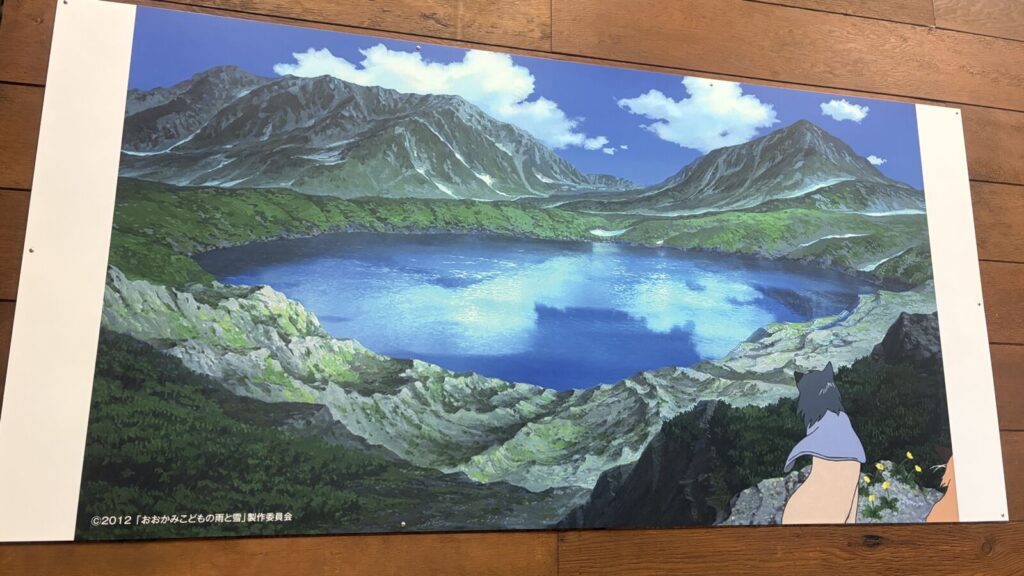
Wolf Children ties to Toyama, its rural setting modeled on director Hosoda Mamoru's own hometown of Kamiichi, where Hana raises her children in a farmhouse. The mountain backdrops later in the story come from an officially confirmed collaboration with the Tateyama-Kurobe Alpine Route, specifically Murodo Plateau and Mikurigaike Pond.
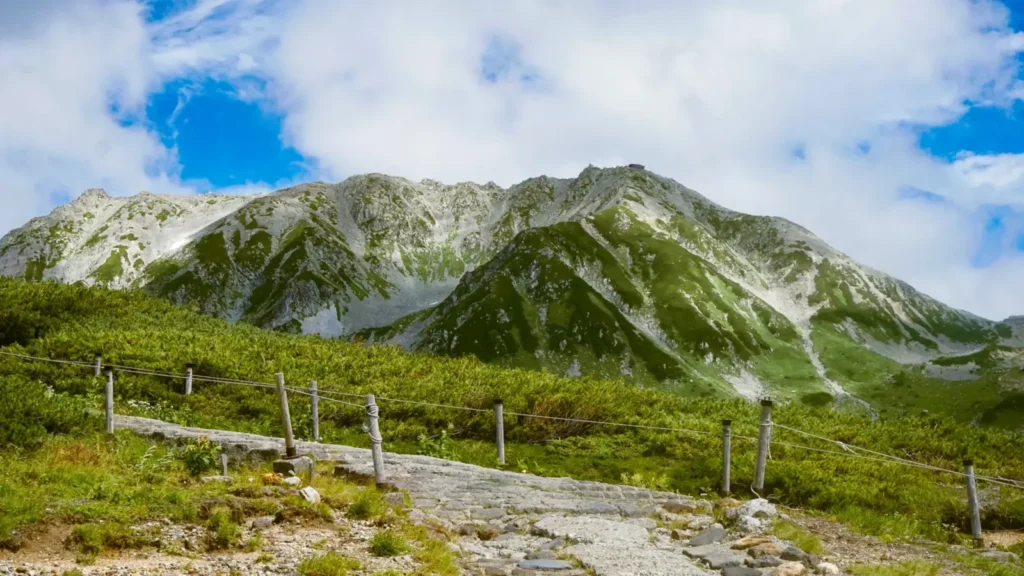
Small Group
[Summer/Fall Only] From Kanazawa: Shomyo Falls, Light Alpine Hikes and Tateyama Mountain's Majesty
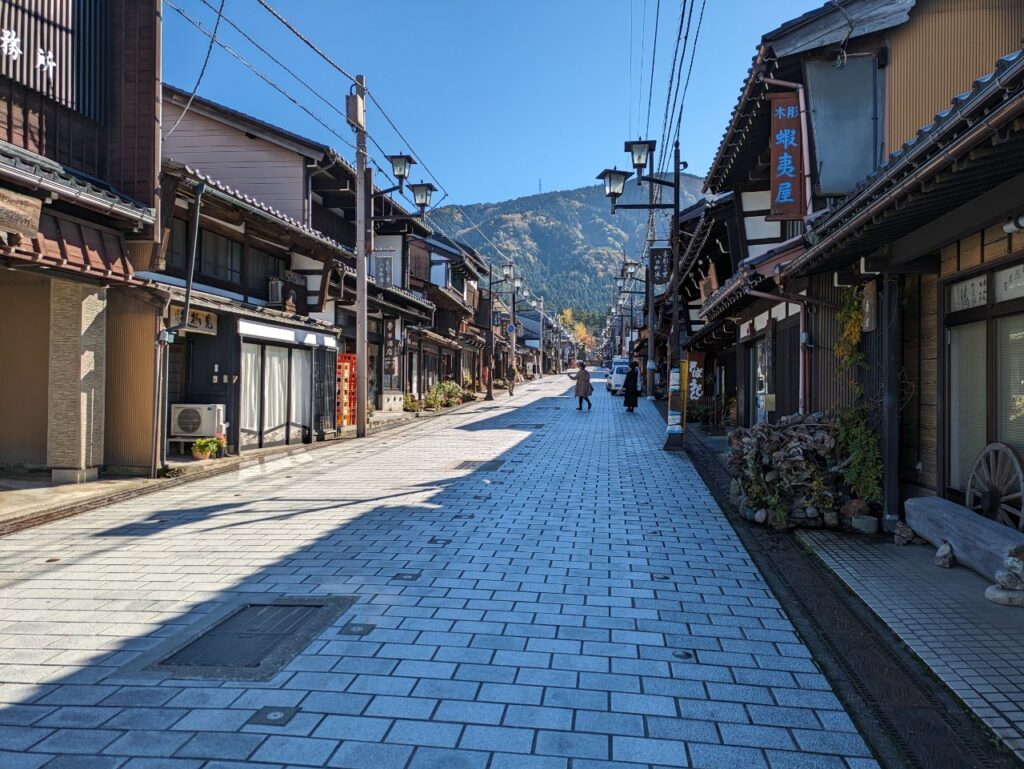
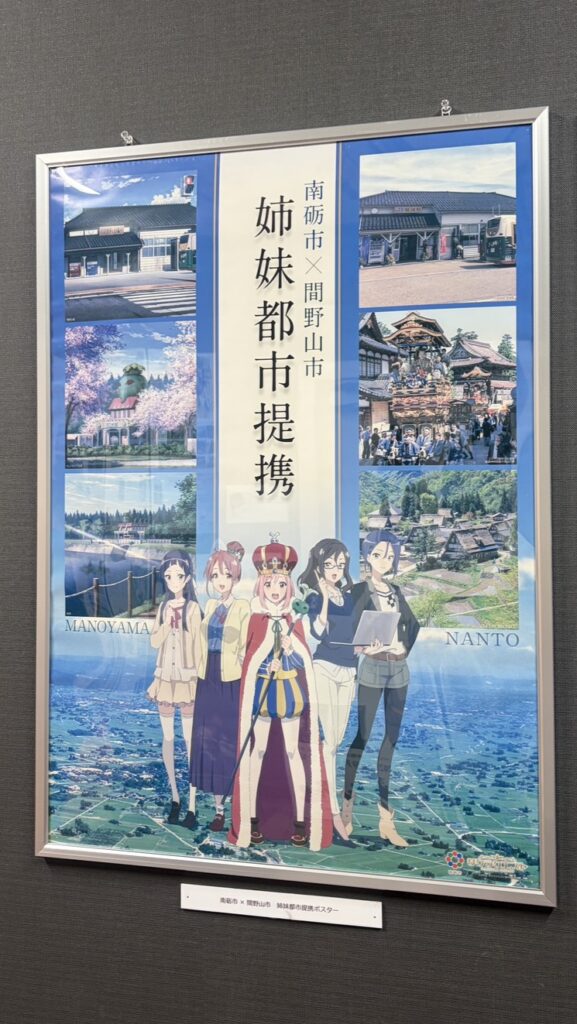
Sakura Quest, set in a fictionalized town of Manoyama, is based on the real world town of Nanto in Toyama prefecture. The story follows a group of women working in regional revitalization, and its own wood-carving district draws on Nanto's real Inami neighborhood where the woodcarving tradition is recognized as some of the finest in Japan.
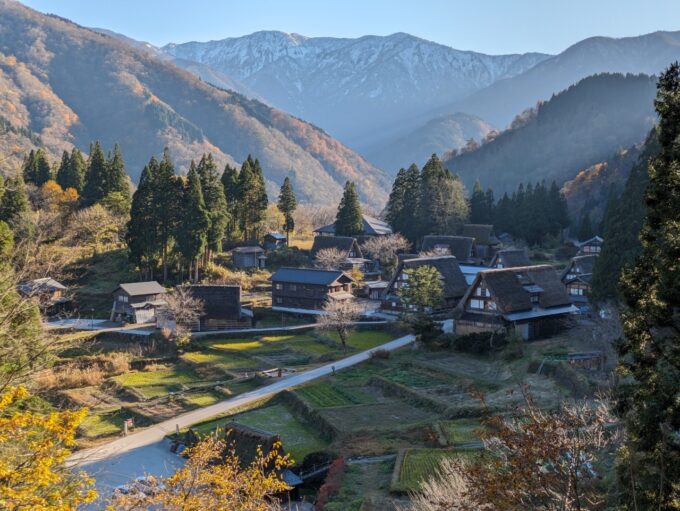
Best Selling
1 Day Tour from Kanazawa: Shirakawa-go, Gokayama and Wood Carving Village
- Spots:
- KanazawaShirakawago
- Pick-up:
- Kanazawa
- Drop-off:
- KanazawaTakayama
Takayama


While Lake Suwa in Nagano represents the lake wherein Itomori is next to, Hida-Furukawa in Takayama contains many of the townscape locations featured in Your Name, making it an essential pilgrimage site. Whether from a shrine, Hida station, or even the local library, you'll see frames from the movie right before your eyes!
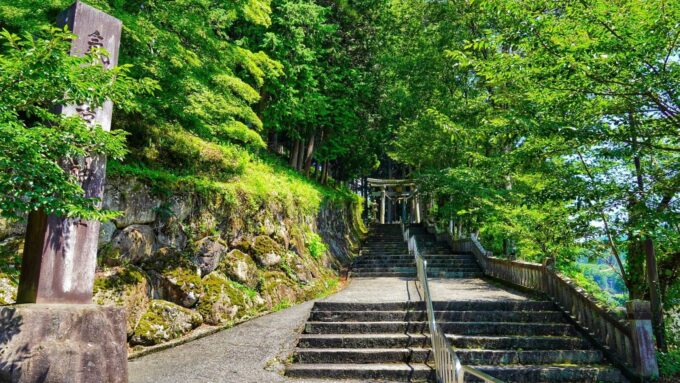
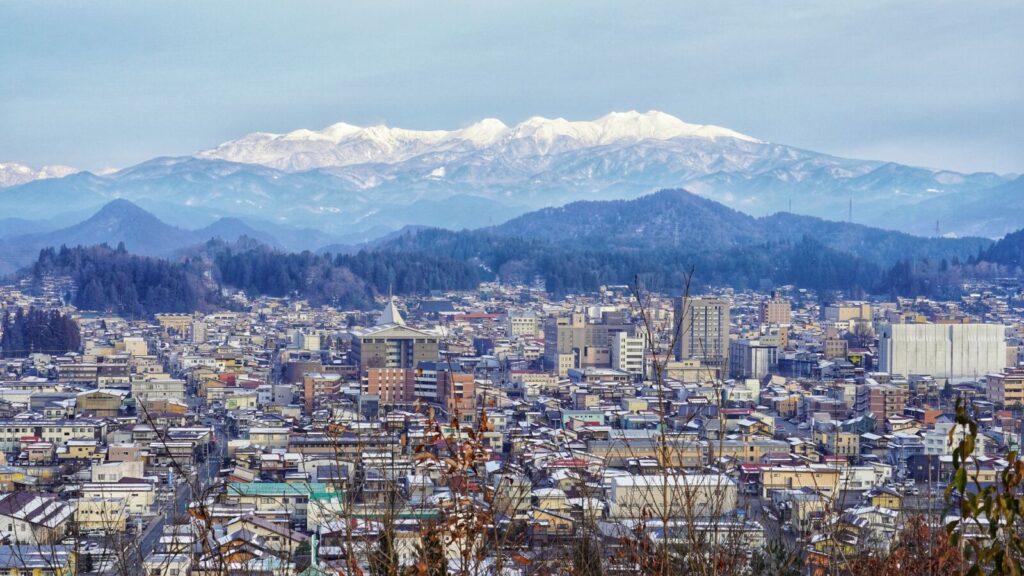
Moving to Takayama city, Hyouka by Kyoto Animation is a mystery anime that follows Houtarou Oreki, a deliberately low-energy high schooler pulled into his school's Classics Club by the endlessly curious Eru Chitanda.
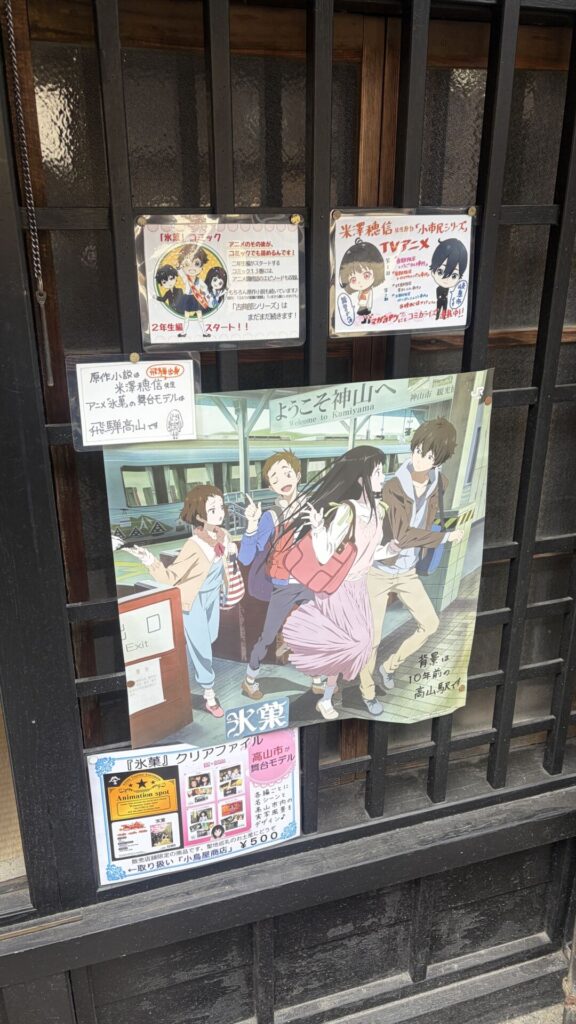
In the anime it goes by Kamiyama, but the surroundings are close enough detail to make out Takayama, and the local tourism association has run official collaborations around it for years.

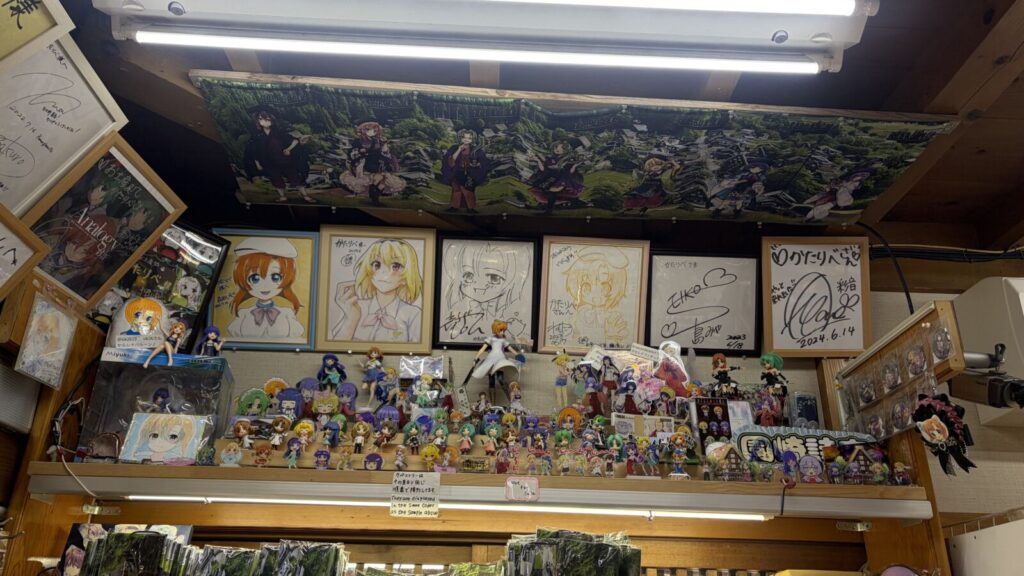
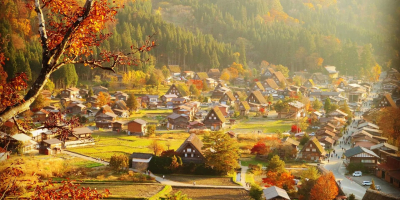
Higurashi When They Cry started as a cult-classic self-published (doujinshi) video game from 07th Expansion in the early 2000s before becoming a hit anime, and its fictional village of Hinamizawa is modeled closely on the thatched-roof (gassho-zukuri) architecture of nearby Shirakawa-go. Cosplayers still turn up regularly, and Higurashi merchandise remains a fixture in local shops.

Sapporo
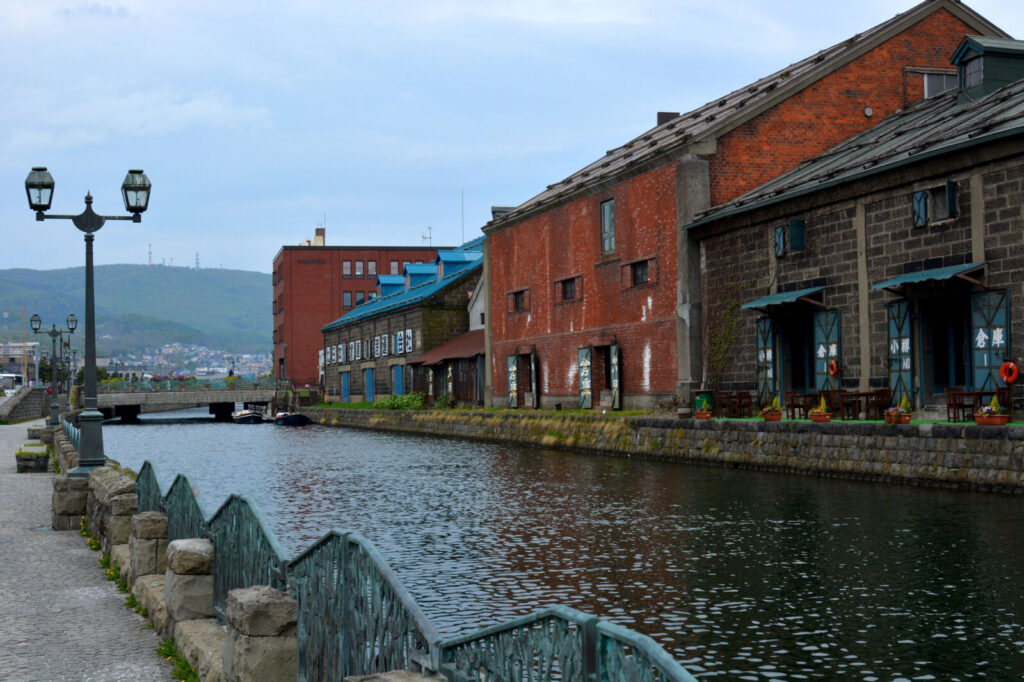
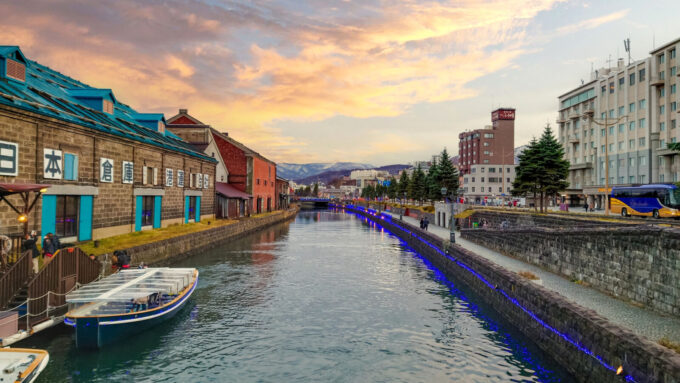
Golden Kamuy follows a treasure hunt across Meiji-era Hokkaido, and its story moves through real towns along the way, Otaru's historic canal district and Asahikawa both appear closely enough to recognize on the ground.
Poké Lids and Pokemon Centers (City by City)
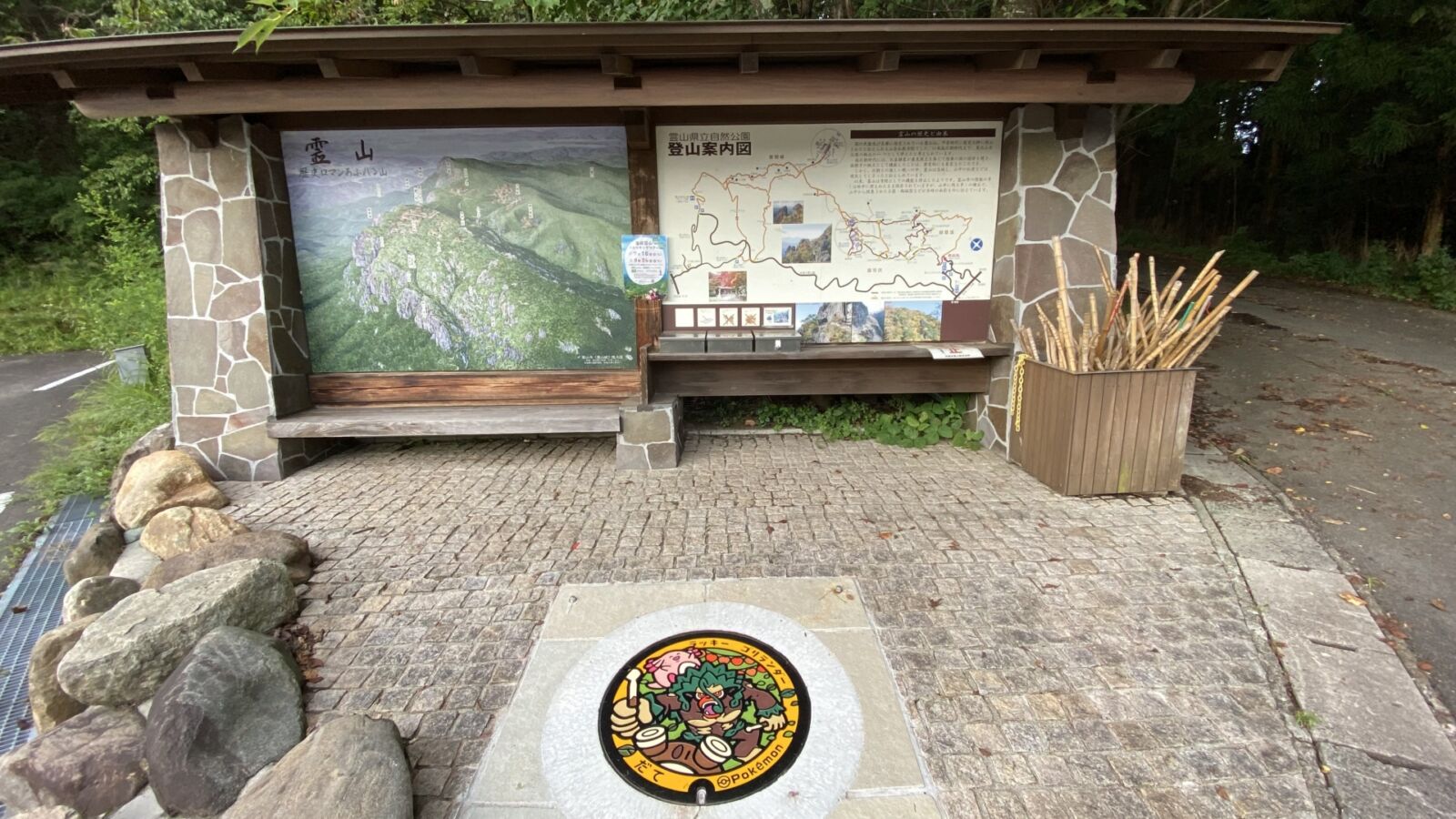
Are you a fan of Pokémon and love to travel? How about embarking on an excursion to hunt down Poké Lids across the country!
Poké Lids, officially Pokéfuta, are manhole covers designed around specific Pokémon as an ongoing official collaboration between The Pokémon Company and local governments across Japan. These were specifically made to encourage tourism around the country. While in major cities, you should also stop by a Pokémon Center. There are official Pokémon Company retail stores; a step up from a shop that just stocks merchandise. There are several locations across Japan:
| Region | Poké Lid? If yes, where | Pokémon Center location(s) |
|---|---|---|
| Tokyo | Yes, spread across three locations. Ueno Park has two: Tyrunt and Wynaut outside the National Museum of Nature and Science, and Baltoy and Bronzor at the Tokyo National Museum. Machida, birthplace of Game Freak, has six covering the original Kanto starter line and its evolutions (Bulbasaur, Charmander, and Squirtle through their later stages). Ogasawara Island has four: Venusaur, Charizard, Blastoise, and Mew | Pokémon Center Tokyo DX Pokémon Center Mega Tokyo Pokémon Center Shibuya Pokémon Center Skytree |
| Osaka | Yes, five lids in Higashiosaka, all electric or mechanical-type Pokémon (Magnemite/Magneton, Klink/Klang, Elekid/Mawile, Raikou, Togedemaru/Yamper) | Pokémon Center Osaka DX |
| Kyoto | Yes, eight lids total. Kyoto city has five (Ho-Oh; Pichu, Cleffa, and Igglybuff together; Chikorita and Shiftry; Cyndaquil and Darmanitan; Totodile and Azumarill). Uji has three (Scorbunny and Spinda; Poltchageist and Sinistcha; and Pikachu) | Pokémon Center Kyoto |
| Hiroshima | Pokémon Center Hiroshima | |
| Nagano | ||
| Nagoya | Yes, at Kinshachi Yokocho beside Nagoya Castle: a gold-colored (shiny) Magikarp and Komala | Pokémon Center Nagoya |
| Kanazawa | Yes, a Milotic lid near the National Crafts Museum | Pokémon Center Kanazawa |
| Takayama | Yes, near RESTING AREA Daimasa, featuring the elemental monkey trio Pansage, Pansear, and Panpour | |
| Sapporo | Pokémon Center Sapporo | |
| Sendai | Yes, alongside Sunmall Ichiban-cho shopping arcade, featuring a Tanabata-themed Lapras and Jirachi | Pokémon Center Tohoku |
Themed Experiences
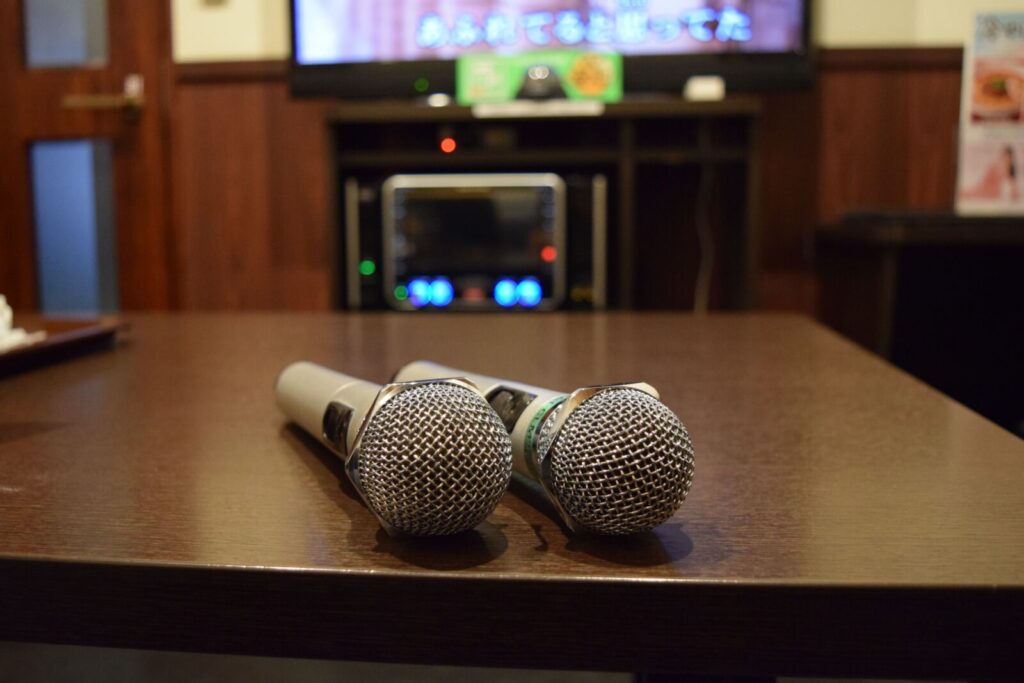
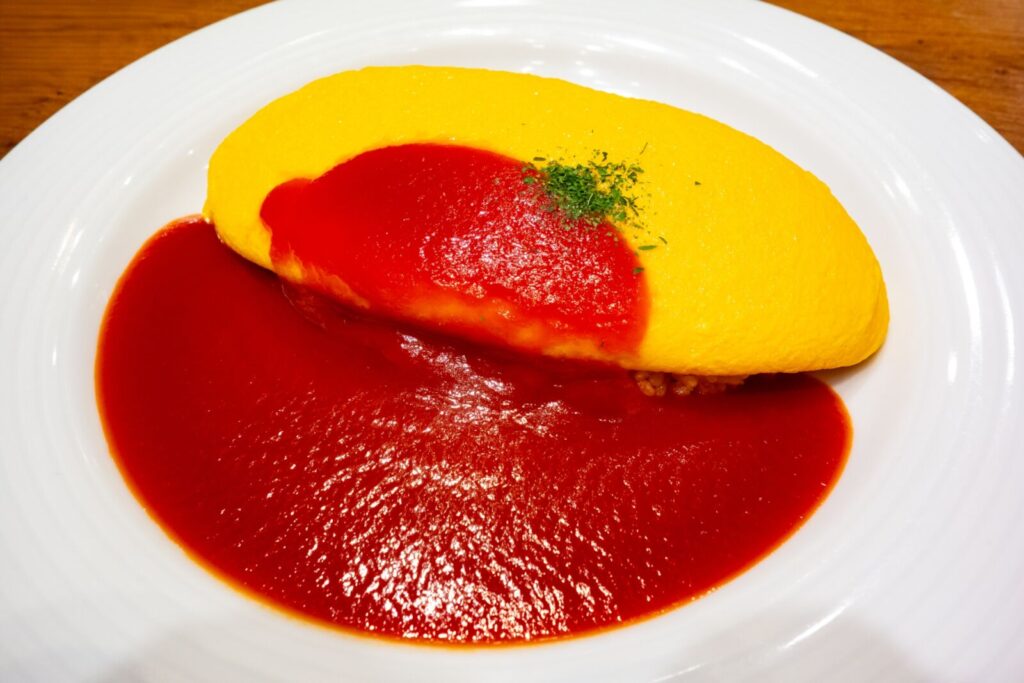
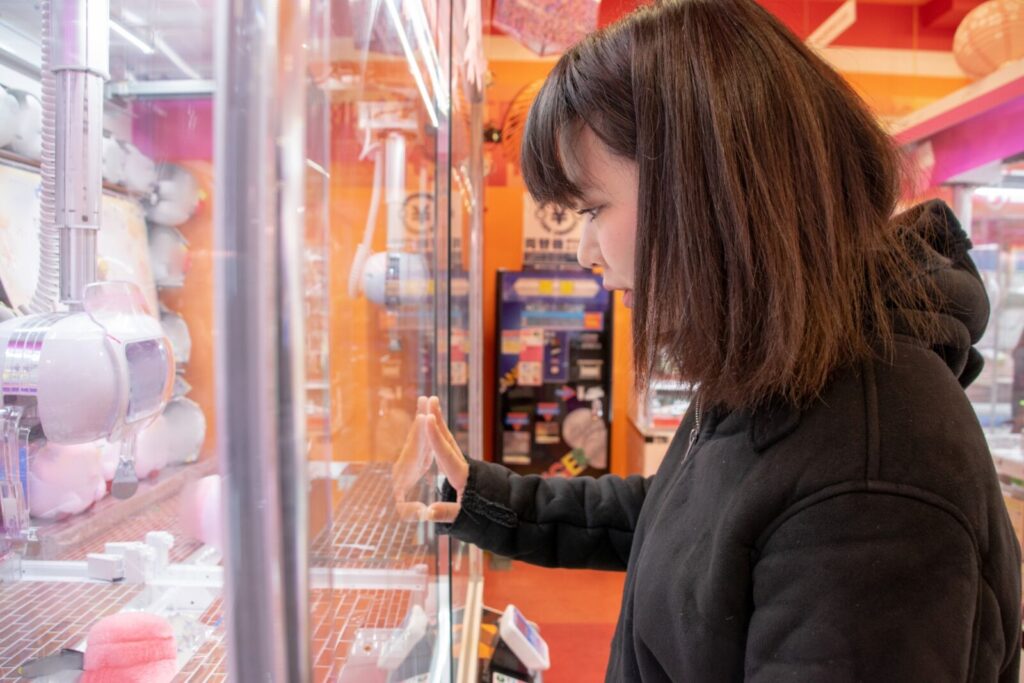
Beyond shopping and pilgrimage sites, a handful of experiences show up on almost every anime-focused itinerary.
- Maid cafes: staff dressed as maids serve food and entertains in character, an Akihabara institution since the early 2000s that's since spread to Osaka's Den Den Town and other otaku districts. While probably being the most recognizable, Butler cafes exist too in places such as Ikebukuro.
- Arcades and game centers: multi-floor arcades are common in every major otaku district, with claw machines, rhythm games, and photo booths (purikura) spread across different floors.
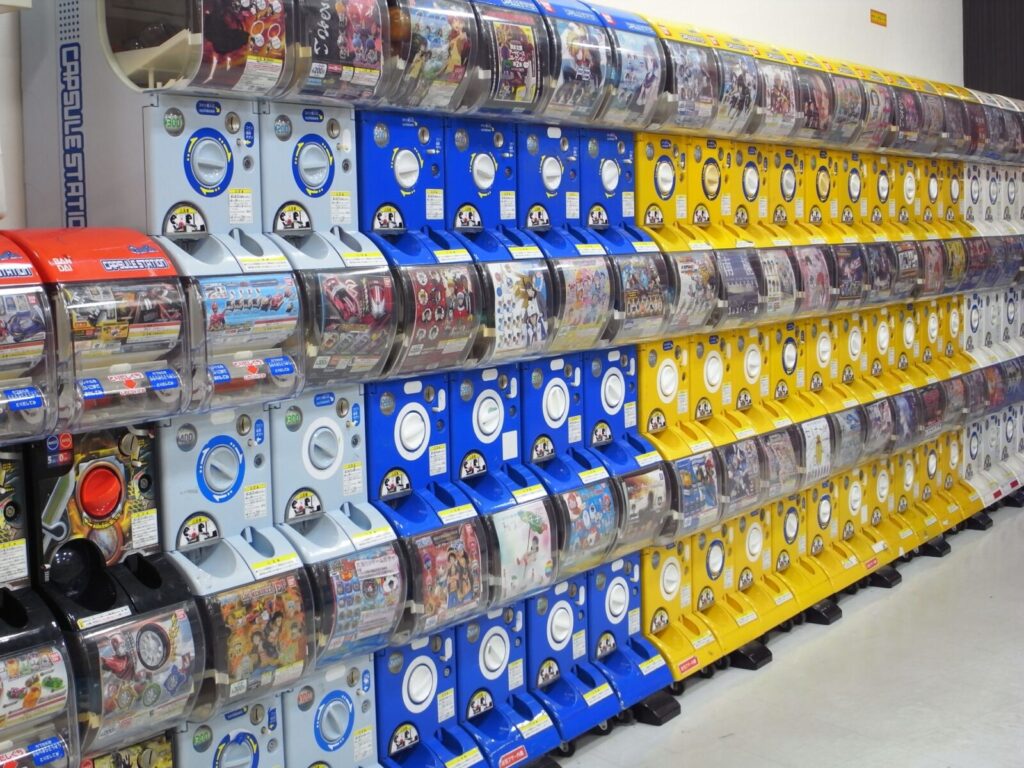
- Gachapon: capsule toy machines (gachapon) are everywhere in these districts, with entire floors stacked with different machines.
- Karaoke: one of the essential experiences on this list. Sing to your heart's content regardless of how deep anyone's anime knowledge runs.
- Conventions and Cosplay events: gather around with like-minded otaku, whether at fan-run conventions such as Comiket, or cosplay competitions such as the World Cosplay Summit

Frequently Asked Questions
Do I need to know the anime to enjoy these places?
No. Every location in this guide is a real worthwhile place on its own. Whether it's a gorgeous towns by the coast, breathtaking outdoor views by mountains, or preserved Edo-period streets, the anime connection is a bonus rather than the reason to go.
Is it rude to visit these filming locations?
Not necessarily. While most are public spaces and are open to visitors, it's always important to have good manners. In principle:
- Keep away from private property and mind your manners: some of these sites are actually lived in. Whether it be working areas, residential streets, or solemn shrine grounds, there places are not to be treated like an amusement park.
- Photograph the location, not the people who live there: a quick shot of a street or a shopfront is fine, pointing a camera at someone's front door is not. It's always a good idea to ask permission to take a photo when you can.
- Spend a little money locally if you can: small shops, cafes, and festivals are what keep a town's connection to a show alive once the initial attention fades.
What's the difference between a Pokémon Center and a Poké Lid?
A Pokémon Center is an official Pokémon Company retail store that has a dedicated storefront or floor selling licensed merchandise.
A Poké Lid is a manhole cover designed around a specific Pokémon. This is an ongoing collaboration between The Pokémon Company and local governments.
Which shopping district is best if I only have one day?
- Akihabara: the default choice for a first visit, the widest spread of retailers, arcades, and maid cafes in one walkable area, with easy transit access from anywhere in Tokyo.
- Nakano Broadway: better for collectors chasing something specific or retro, quieter and less overwhelming than Akihabara.
- Den Den Town or Osu: the right call if a trip is already centered on Osaka or Nagoya rather than Tokyo, no need to build a special detour around Akihabara.
Ready to Build Your Own Anime Trip to Japan?
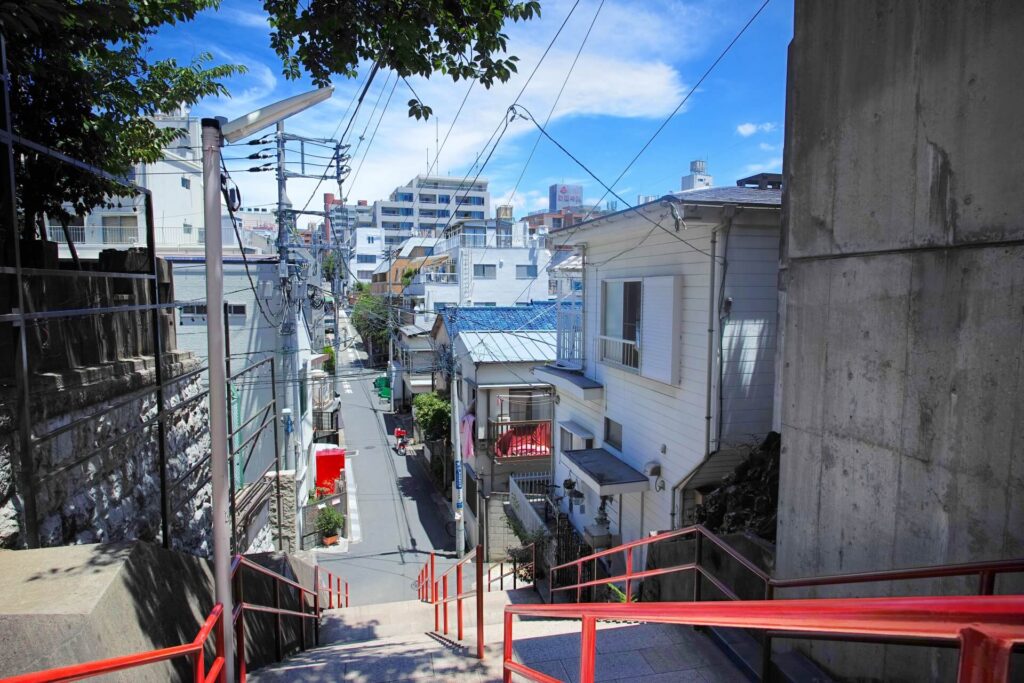
With Snow Monkey Resorts, you can create a fully personalized, multi-day Japan itinerary by connecting our one-day tours, mixing the pilgrimage sites and otaku districts with everything else the country has to offer, giving you ultimate flexibility, convenience, and expert local guidance every step of the way.
Learn how to create your one-of-a-kind itinerary or check out our recommended itineraries and start planning your perfect anime trip to Japan today.