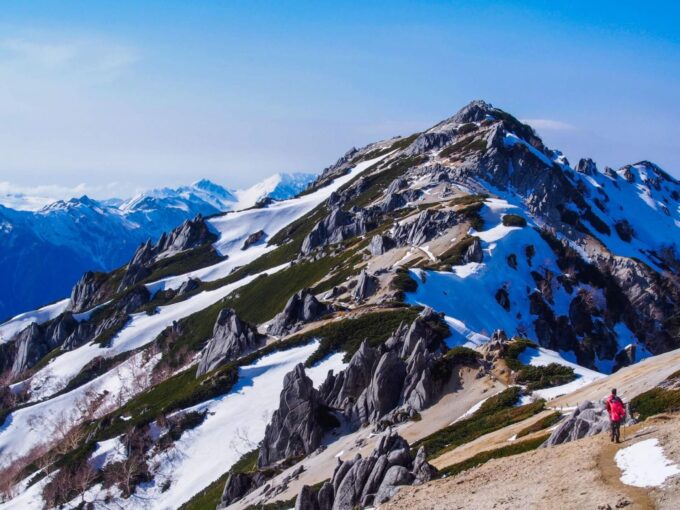

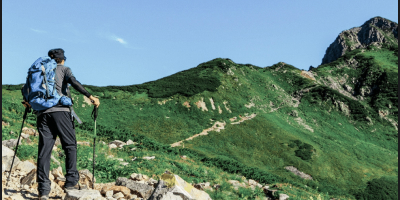

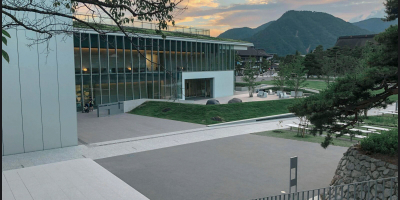
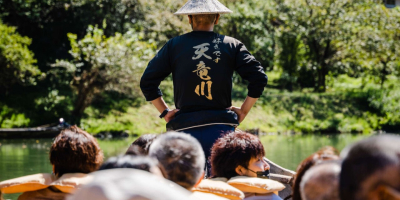
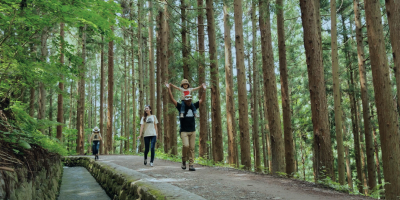

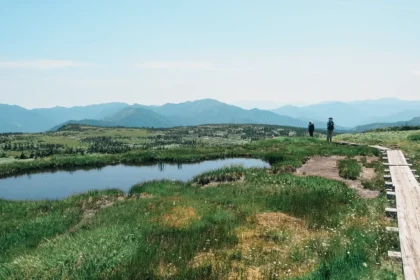

Central Japan is a paradise for hikers, offering dramatic alpine scenery, historic trails, and accessible day trips from major cities like Nagoya. Destinations such as Kamikochi in the Northern Alps and the Nakasendo Trail between Magome and Tsumago attract tens of thousands of domestic and international visitors each year. However, as bear populations grow and sightings increase, hikers should take precautions when entering the forests and mountains of Japan.
This guide outlines essential information about Japan’s bear species, recent trends in bear activity, and best practices for staying safe while exploring the outdoors.
Understanding Japan’s Bear Population
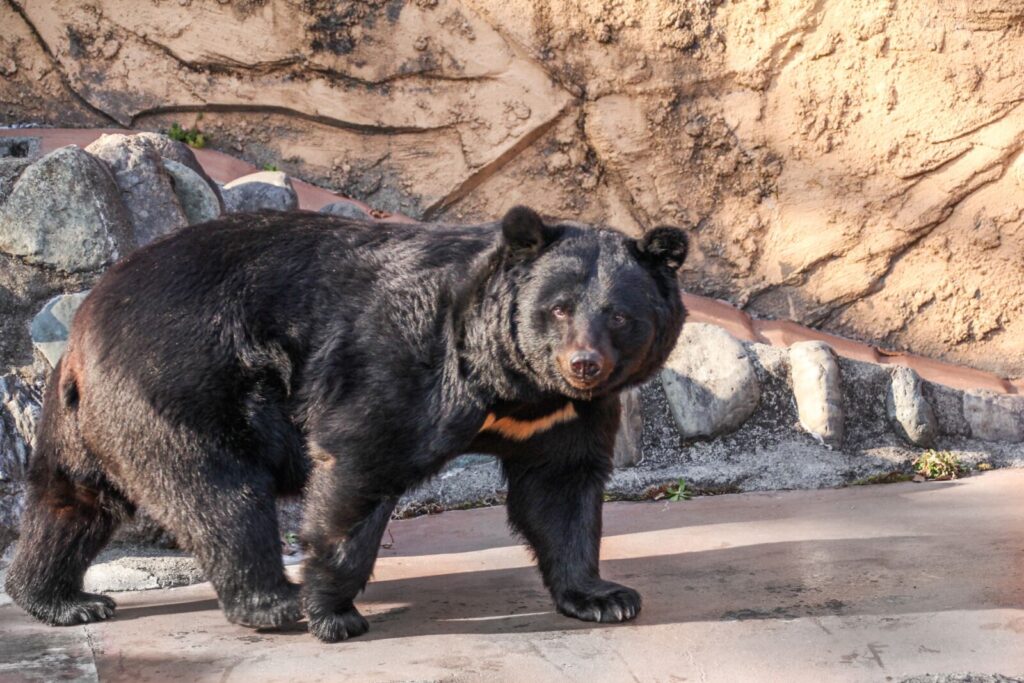
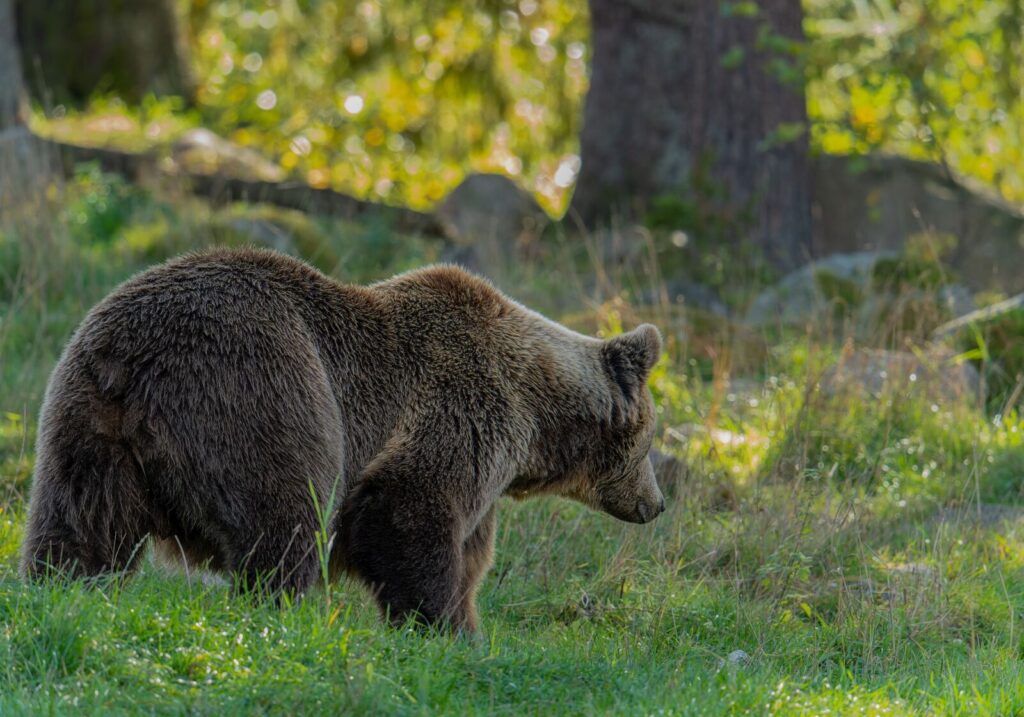
Japan is home to two native bear species: the Ussuri brown bear (Ursus arctos yesoensis), found only in Hokkaido, and the Asiatic black bear (Ursus thibetanus japonicus), which lives across much of Honshu and parts of Shikoku. The Japanese black bear, a subspecies of the larger Asiatic black bear, is smaller in size and typically avoids human interaction. However, when food is scarce, bears may travel beyond their usual range in search of sustenance, sometimes venturing into areas frequented by hikers.
These bears do not defend fixed territories but instead follow the seasonal availability of food. During spring, they eat grasses and herbs, and in summer and autumn, they shift to calorie-rich foods like berries, acorns, and beech seeds. The Japanese beech tree is especially important to their diet. When these natural food sources are limited due to climate or environmental factors, bears may travel long distances—up to 70 square kilometers—in search of nourishment.
Bear Sightings in Japan
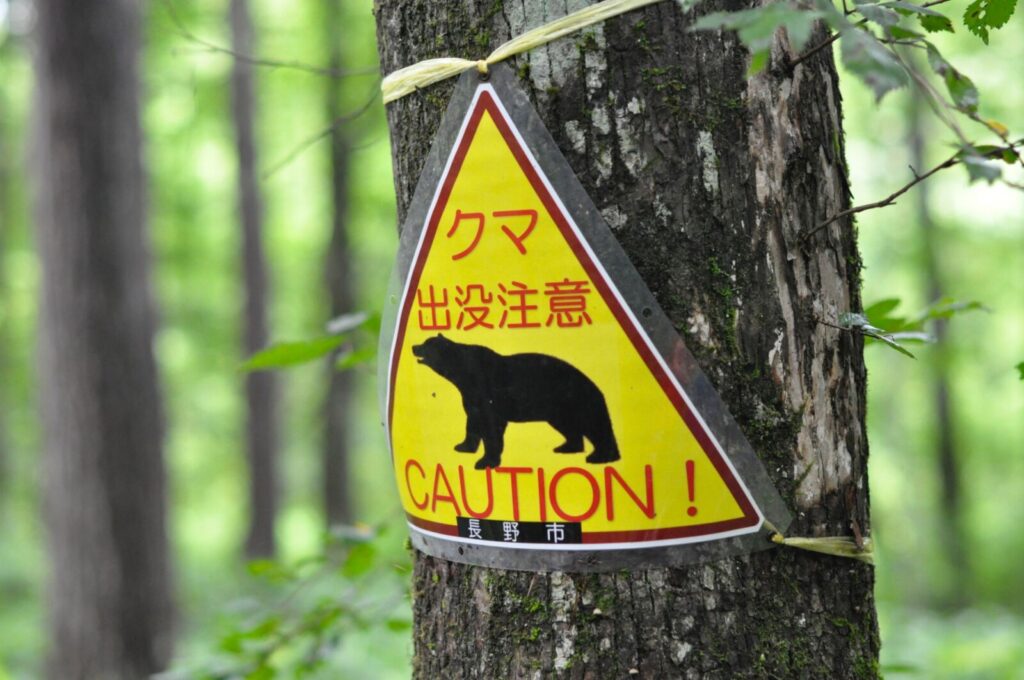
In recent years, Japan has experienced a notable increase in bear sightings and encounters. In 2025, over 12,000 sightings had been reported across Japan (excluding Hokkaido and Okinawa), marking a 40 percent rise compared to the same period last year.
The Environment Ministry attributes the rise in bear activity to poor harvests of natural foods like acorns, which can drive hungry bears closer to rural communities, farms, and hiking trails. In light of these trends, travelers must take responsibility for their safety when planning trips into bear country.
Hiking Spots Near Nagoya
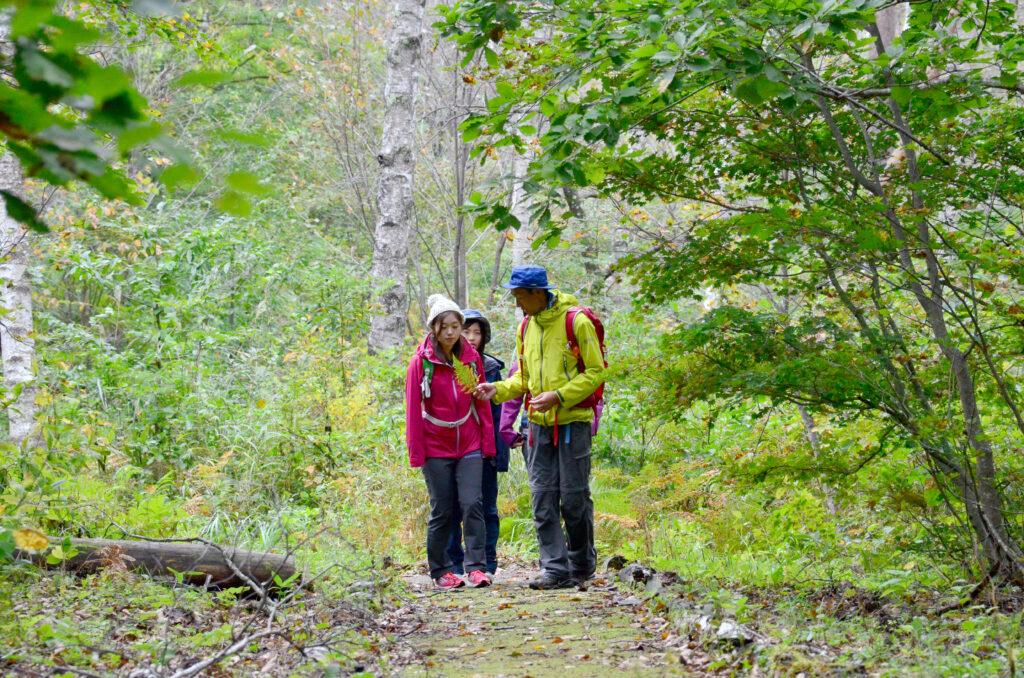
Nagoya offers access to several iconic hiking areas in Central Japan. Each region has its own charm and its own risks regarding bear encounters:
Kamikochi
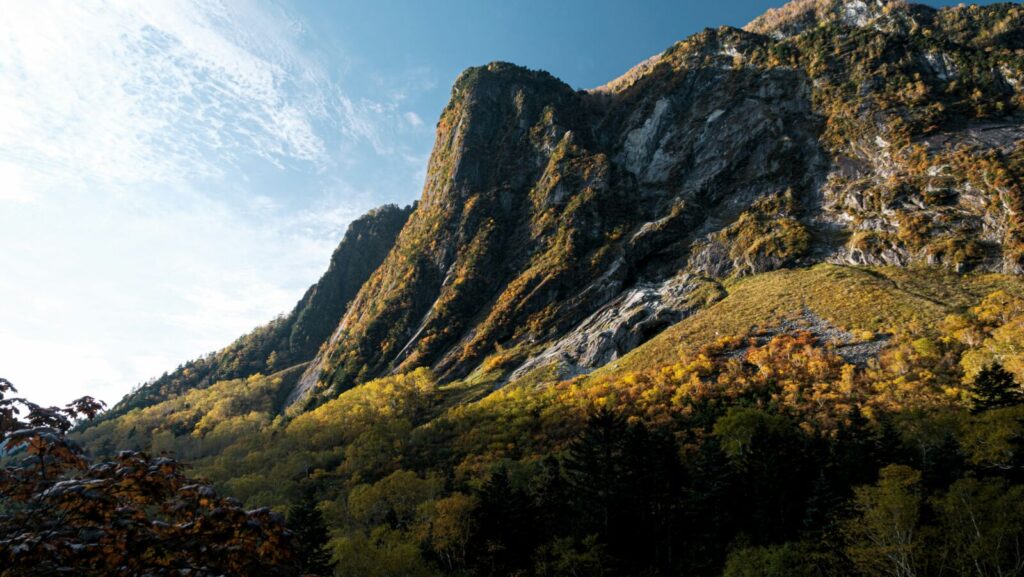
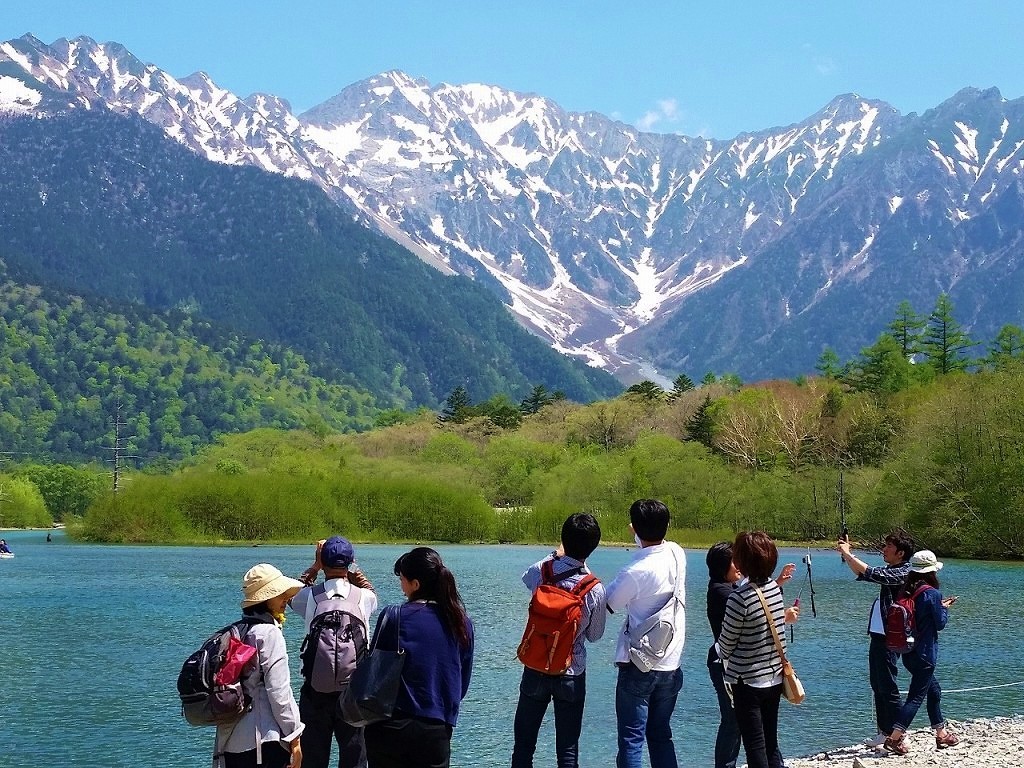
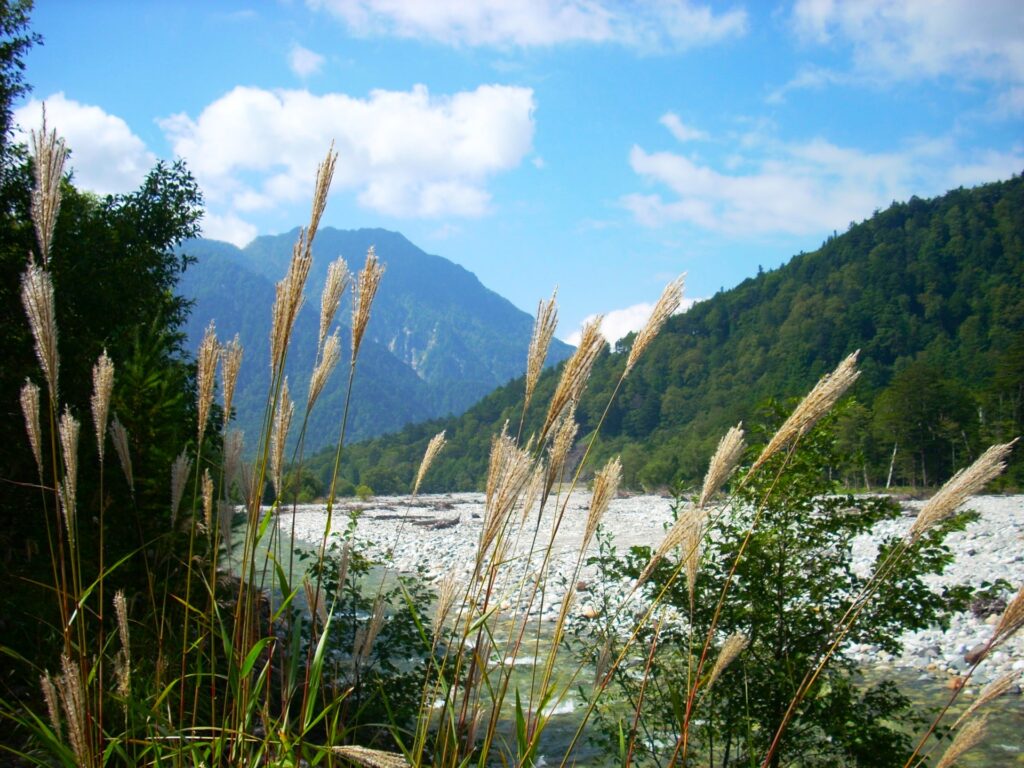
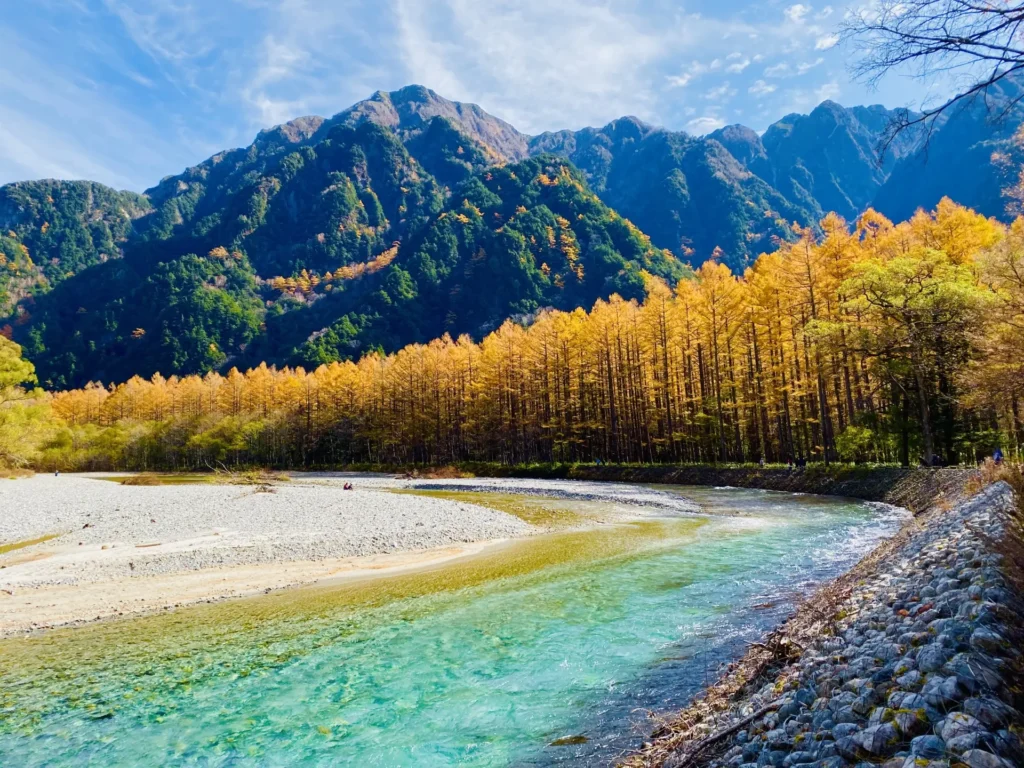
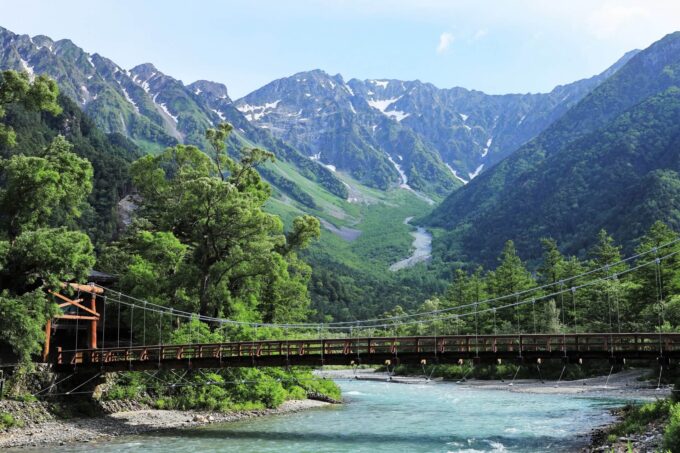
Located in the Northern Japan Alps, Kamikochi is known for its alpine peaks, crystal-clear rivers, and well-maintained hiking trails. Bear sightings are not uncommon, especially in the off-season, but the presence of large tour groups means that you will likely not encounter a bear on the trail from Lake Taisho to Kappa Bridge.
Recommended Tour: Escape the city for a day and immerse yourself in the natural splendor of the Japan Alps on Snow Monkey Resort's 1-Day Tour from Nagoya: Kamikochi – Enchanting Landscapes & Seasonal Beauty.
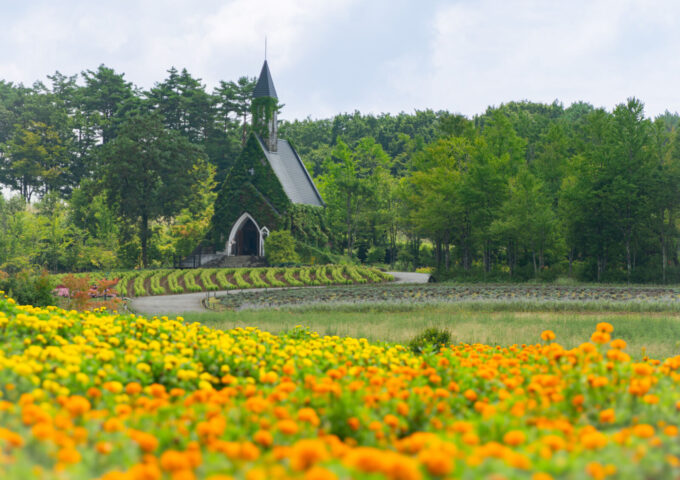
This tour takes you to a vibrant flower park, a charming mountain farm, and the iconic Kamikochi region of the Chubu Sangaku National Park. Hike the well-maintained trails to Kappa-bashi and capture stunning views of the surrounding mountains.
Nakasendo Trail
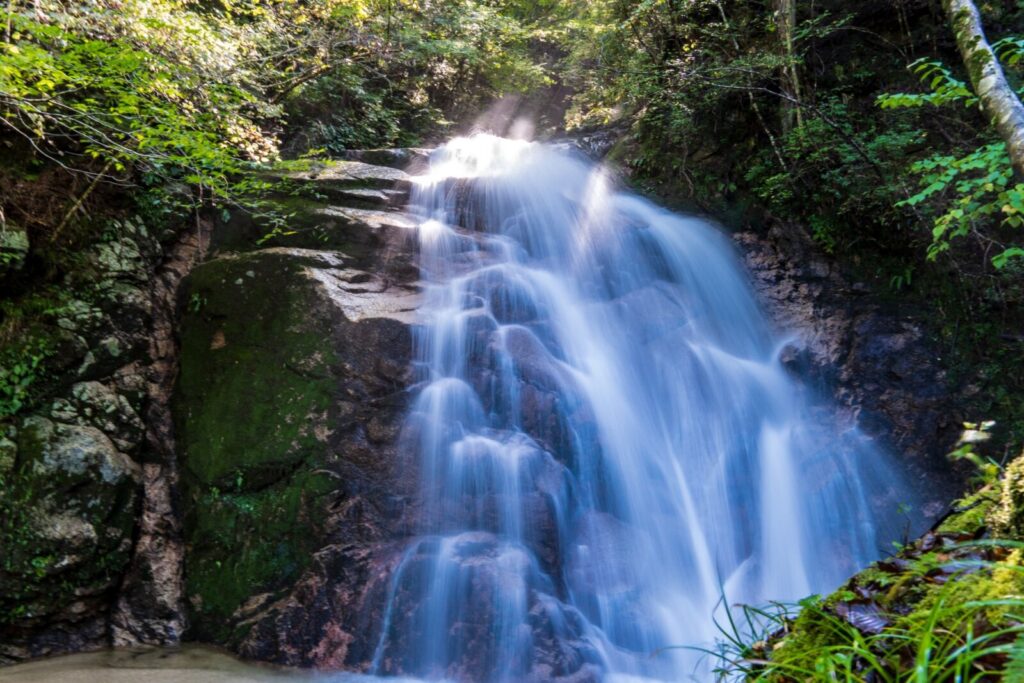
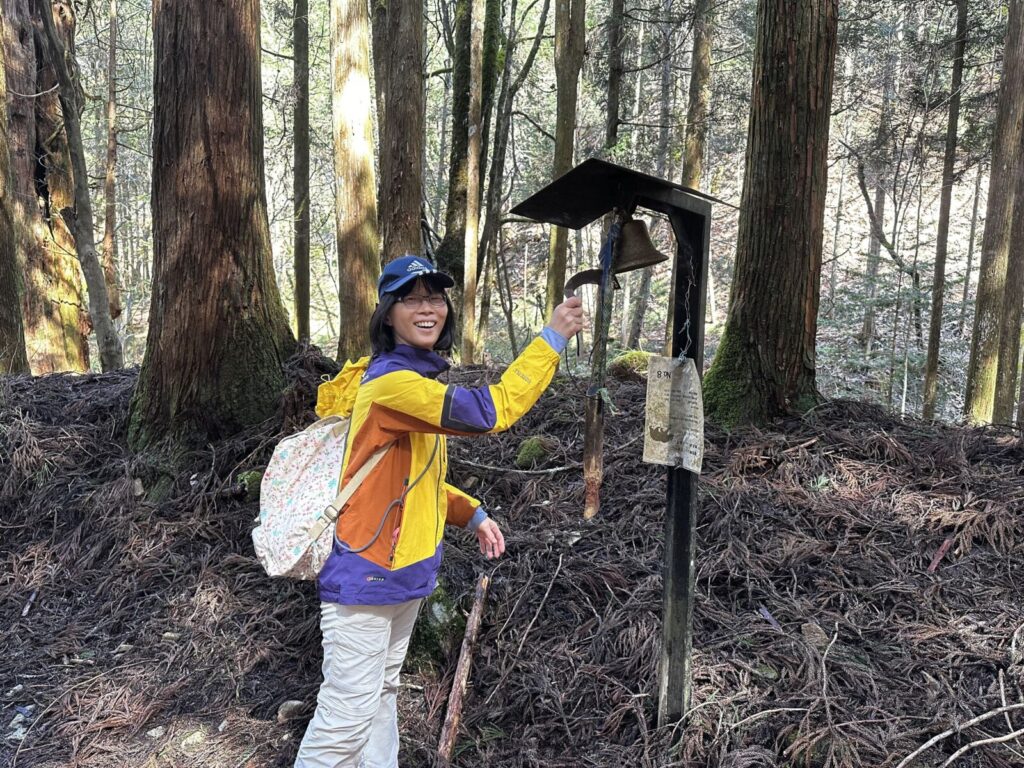

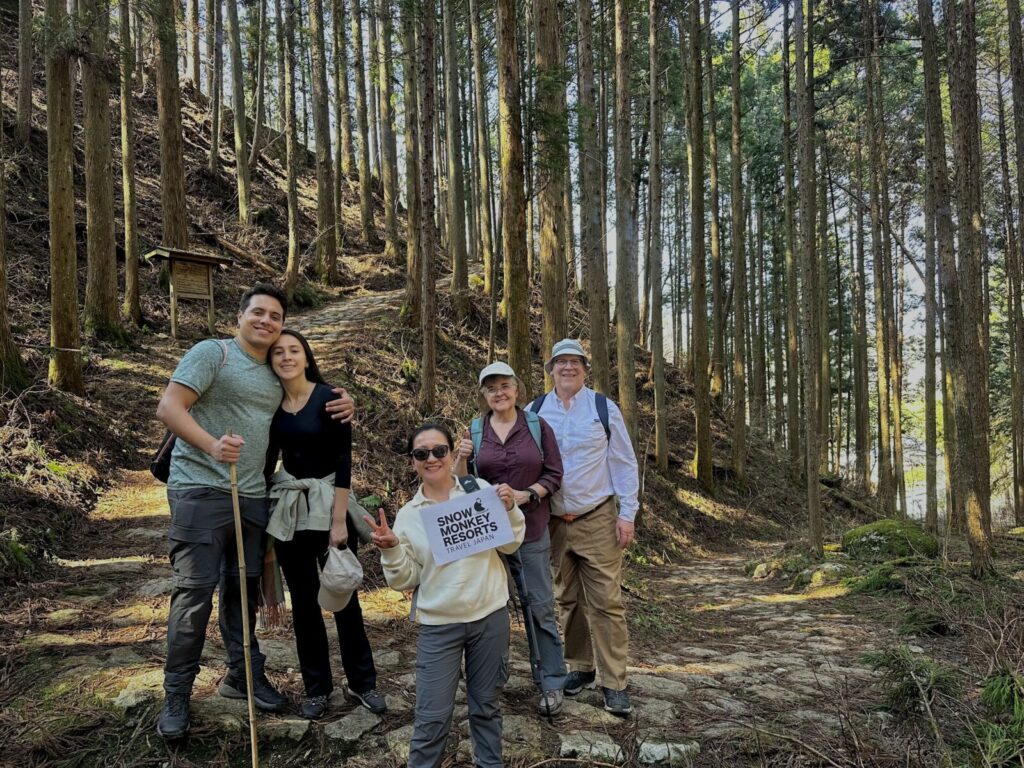
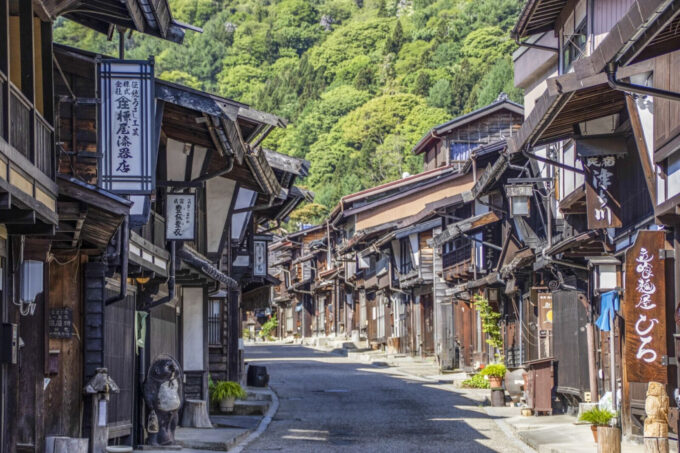
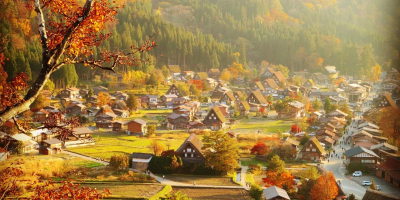
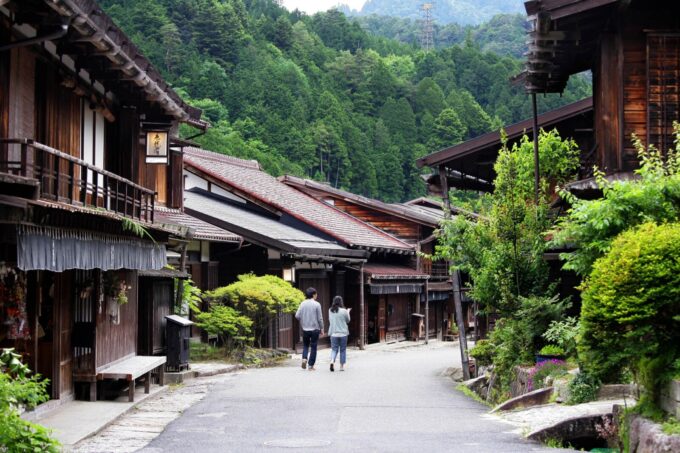
The section of the historic Nakasendo Trail between the towns of Magome and Tsumago offers a cultural hike along an old samurai road. Although relatively low in elevation, the trail passes through forested areas where bears have occasionally been seen in the region.
Thankfully, the presence of frequent bear bells and the safety of a group mean that you will likely not encounter a bear while on one of our group hikes.
Recommended Tour: Step into the past and experience life in rural Japan as you hike the Nakasendo trail from Tsumago-juku to Magome-juku on Snow Monkey Resort's highly rated 1-Day Tour from Nagoya: Hiking the Historic Nakasendo Trail.
Best Selling
1-Day Tour from Nagoya: Hiking the Historic Nakasendo Trail
- Spots:
- NagoyaKiso Valley
- Pick-up:
- Nagoya
- Drop-off:
- Nagoya
Essential Bear Safety Tips
Check Local Conditions
Before departing for your hike, check to see if there have been recent bear sightings along the trail. Some areas post multilingual alerts near trailheads. Avoid routes where bear activity has been reported in the previous days.
At Snow Monkey Resorts, our staff and guides check for bear sightings prior to each hike and will make necessary adjustments to itineraries if necessary.
Travel in Groups
Hiking in groups significantly reduces the risk of a bear encounter. Bears are more likely to avoid the noise and presence of multiple people. Solo hikers are at greater risk, especially in areas with poor visibility or heavy vegetation.
Let Bears Know You’re There
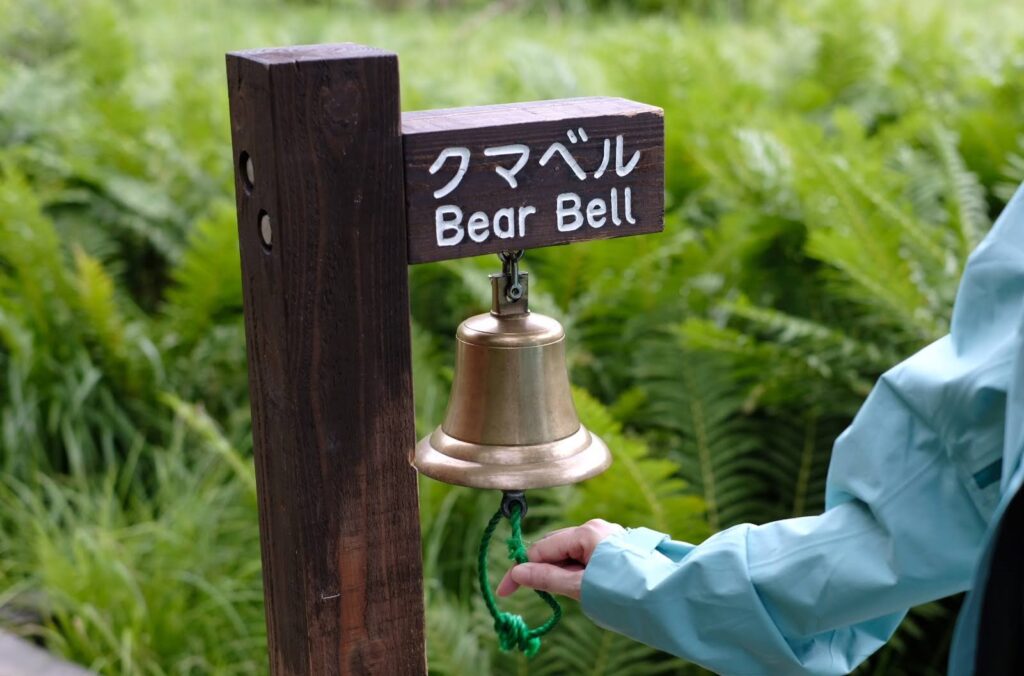
Avoid surprising a bear at close range. Make regular noise as you walk—talk, clap, or attach a bear bell to your backpack. High-pitched sounds that carry across long distances are especially effective. Radios or quiet conversation are not enough to alert a bear. In dense fog or wooded areas, be extra vigilant.
Avoid Early and Late Hours
Bears are most active during early morning and evening. If possible, start hikes after sunrise and aim to return before dusk. Keep in mind that bears are also more active during rainy, foggy, or overcast weather. Recent trends show that bears may be active even in broad daylight.
Pack the Right Gear
In addition to a bear bell, consider carrying bear spray, which can be effective in emergencies. Note that you cannot bring bear spray on airplanes, so you will need to purchase it in Japan. Outdoor retailers such as Montbell can be found in major cities, including Nagoya, and typically stock bear spray.
Keep Food and Waste Secure
Never leave garbage, food scraps, or empty containers behind on the trail. These attract bears and contribute to dangerous behavior. Do not bury waste or discard packaging—pack out everything you bring in.
What to Do If You Encounter a Bear
Stay Calm and Assess the Distance
If the bear is far away and has not noticed you, slowly and quietly retreat. Do not run or make sudden movements or turn your back on it. If the bear is closer, make yourself visible, stand tall, and speak in a calm, low voice.
Back Away Slowly
Never turn your back on a bear. Instead, back away while keeping your eyes on the animal. If the bear begins to approach, raise your arms to appear larger. If the bear does not leave, prepare to use bear spray if you have it.
Do Not Agitate the Bear
Avoid actions that may provoke the bear, such as flashing lights, taking photographs, or yelling. These behaviors can increase the risk of aggression, especially at close range.
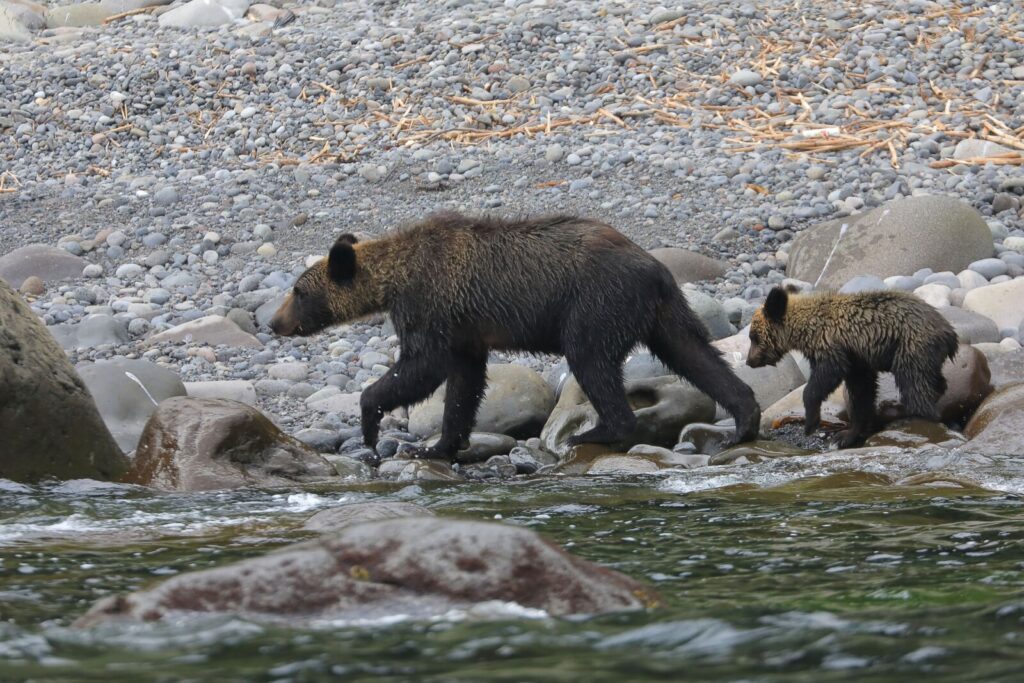
Stay Away from Cubs
If you see a bear cub, leave the area immediately. Mother bears are extremely protective and will interpret any approach as a threat.
If Attacked
If the bear makes contact and escape is impossible, protect your vital organs. Curl into a ball, face down, and cover your neck and head with your arms. Alternatively, hide behind a large object such as a fallen log or rock. Wait until the bear leaves before moving.
Frequently Asked Questions
Are bears common near popular hiking trails like Kamikochi or the Nakasendo?
Bear sightings have been reported in both Kamikōchi and along sections of the Nakasendō, particularly near forested areas. While encounters are still relatively rare, their frequency has increased in recent years due to environmental changes and growing bear populations.
What time of year is safest for hiking in bear country?
Bears are active from spring through late autumn. The safest times to hike are mid-day in late spring or early summer, when visibility is good and natural food sources are more abundant. Bear activity peaks in late summer and autumn as they prepare for hibernation.
Is it safe to hike alone in Japan?
While hiking along popular trails in Japan is typically safe, solo hiking increases your risk of encountering a bear without warning. Traveling in groups is strongly recommended, as bears are less likely to approach multiple people. If you must hike alone, take extra precautions: wear a bear bell, make noise frequently, and avoid hiking at dawn or dusk.
Where can I buy bear spray in Japan?
Bear spray cannot be carried on airplanes, so you must purchase it locally. Outdoor retailers like Montbell have stores in major cities, including Nagoya, and carry bear spray and other hiking safety equipment. Some mountain lodges and tourist centers also sell or rent bells and spray.
What should I do if I see a bear from a distance?
If the bear has not seen you, quietly and slowly retreat without drawing attention. Do not run or make sudden movements. Stay calm, keep your eyes on the bear, and leave the area carefully.
Is a bear bell enough to stay safe?
The effectiveness of bear bells in reducing bear encounters is still unknown, but the idea behind the bell is to reduce the chance of a surprise encounter. The key when hiking in bear country is to make your presence known. High-pitched sounds like clapping or shouting at regular intervals are also effective. In areas with poor visibility or dense forest, use extra caution.
Can Japanese bears climb trees or swim?
Yes. Japanese black bears are strong climbers and capable swimmers. Climbing a tree or entering water will not guarantee safety. Focus instead on avoiding encounters and carrying bear spray as a last resort.
Are there any mobile apps or websites for checking bear activity?
Yes. The YAMAP app (available in English and Japanese) includes user-reported trail conditions and occasional wildlife sightings. Local government websites in Nagano, Gifu, and other prefectures often provide updates on bear activity.