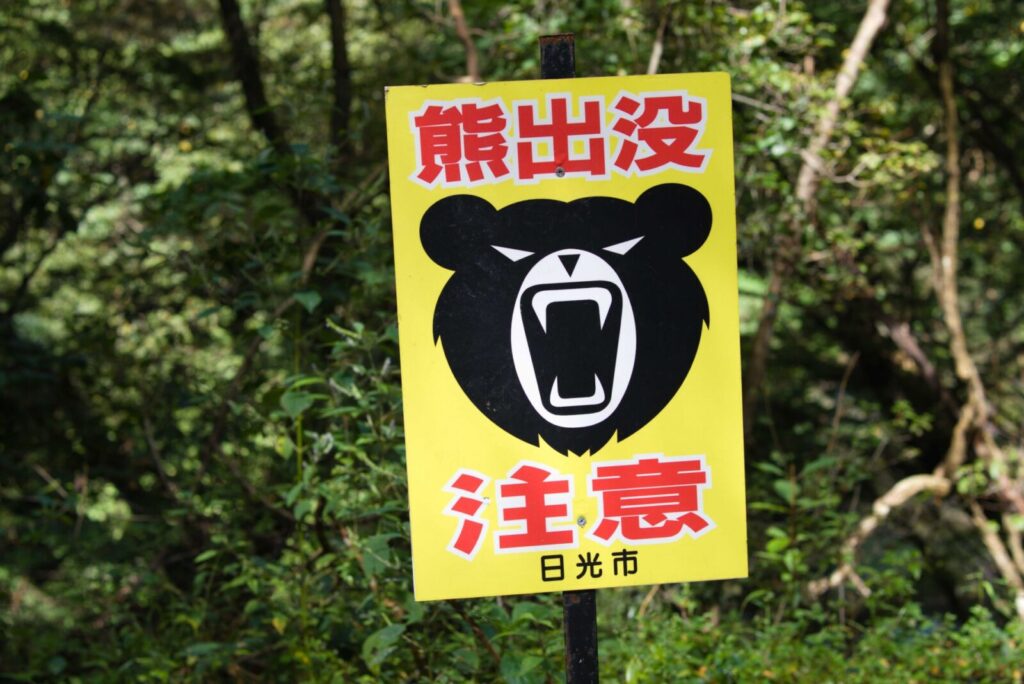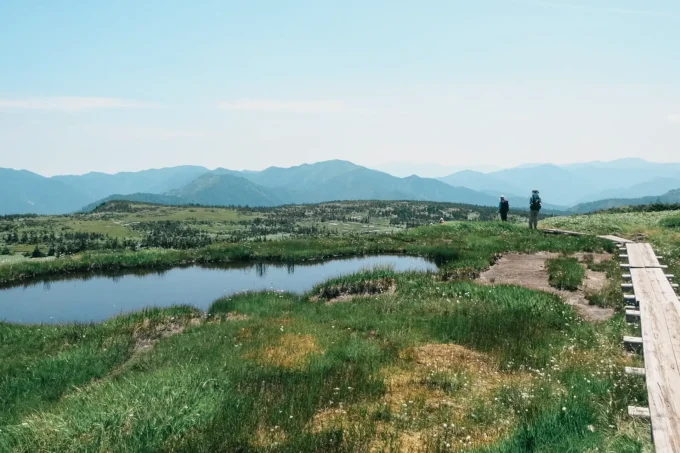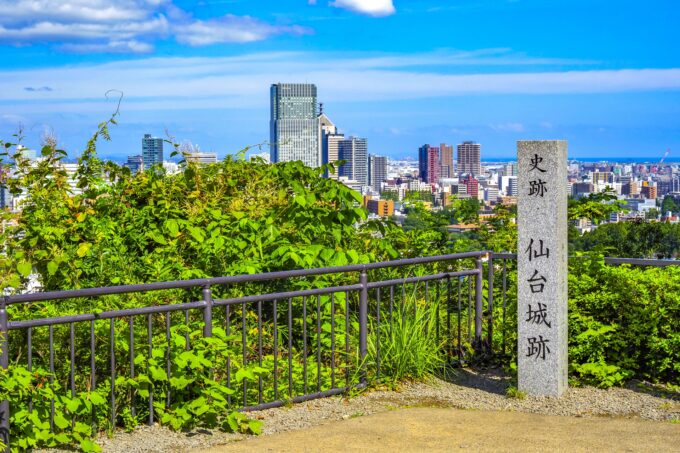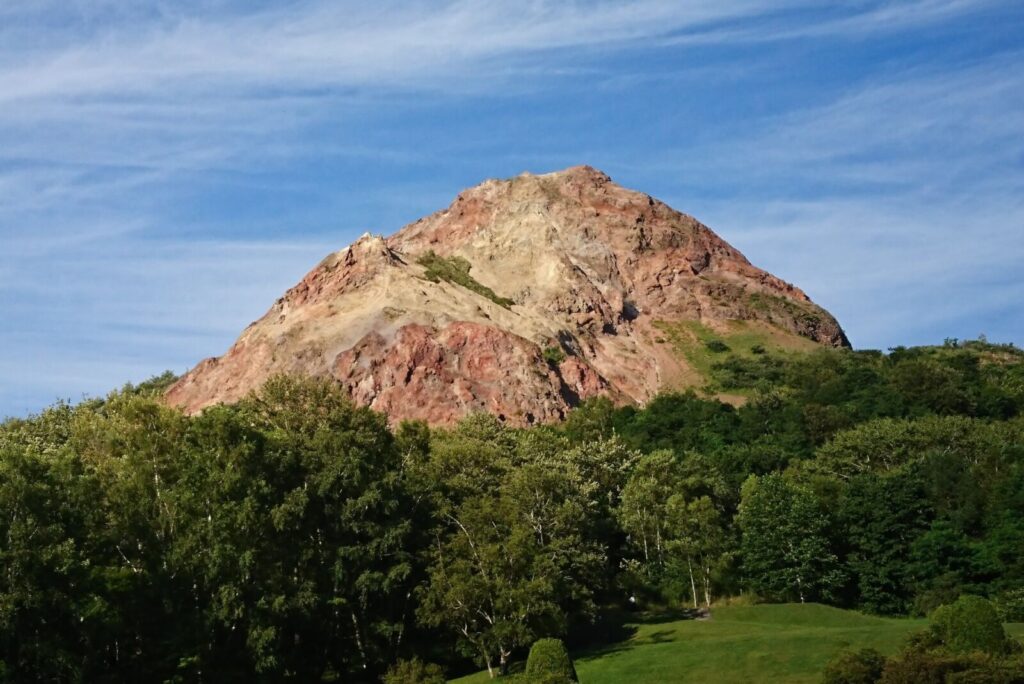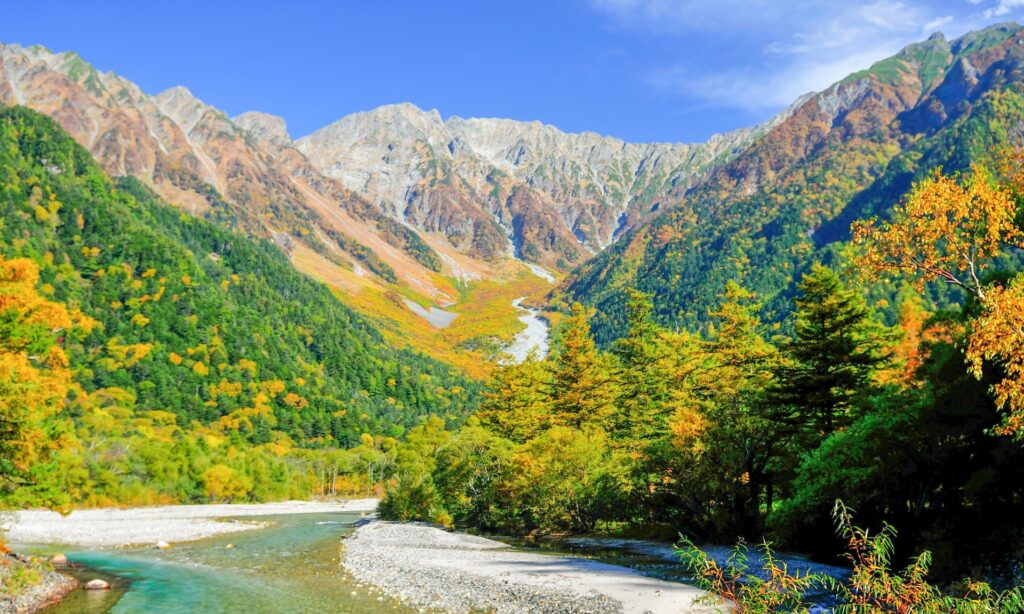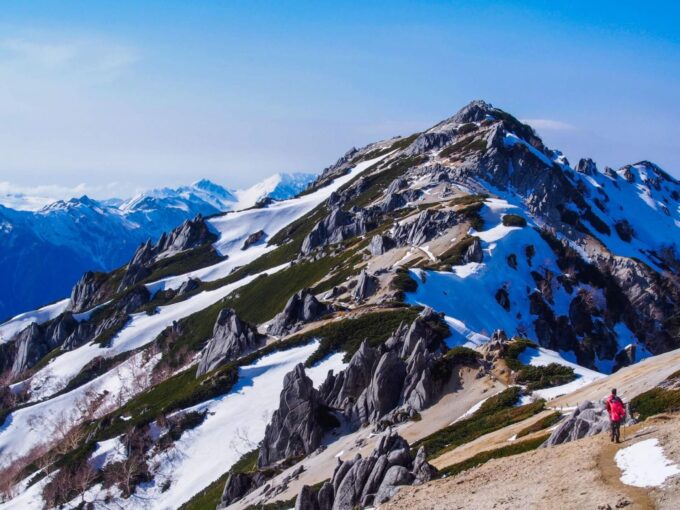

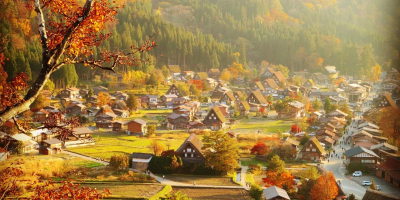
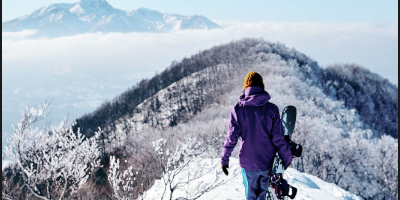
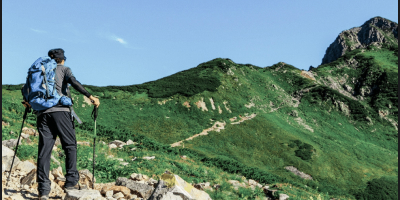




The Tohoku region of Japan has been growing in popularity for tourism in the past couple years thanks to its gorgeous backdrops of mountainous valleys, impressive waterfalls, and snow-covered towns. With this abundance of nature, the trailblazers are bound to find hiking excursions calling their name. However, in recent years Tohoku has made international headlines for reasons other than its countryside allure: bears. Bear attacks have reached record highs and it could cause some pause for travelers when creating their itineraries. As bear populations continue to grow and as sightings increase in the north, hikers should take precautions when entering the forests and mountains of Japan.
This guide outlines essential information about Japan’s bear species, recent trends in bear activity, and best practices for staying safe while exploring the outdoors.
Understanding Japan's Bear Population
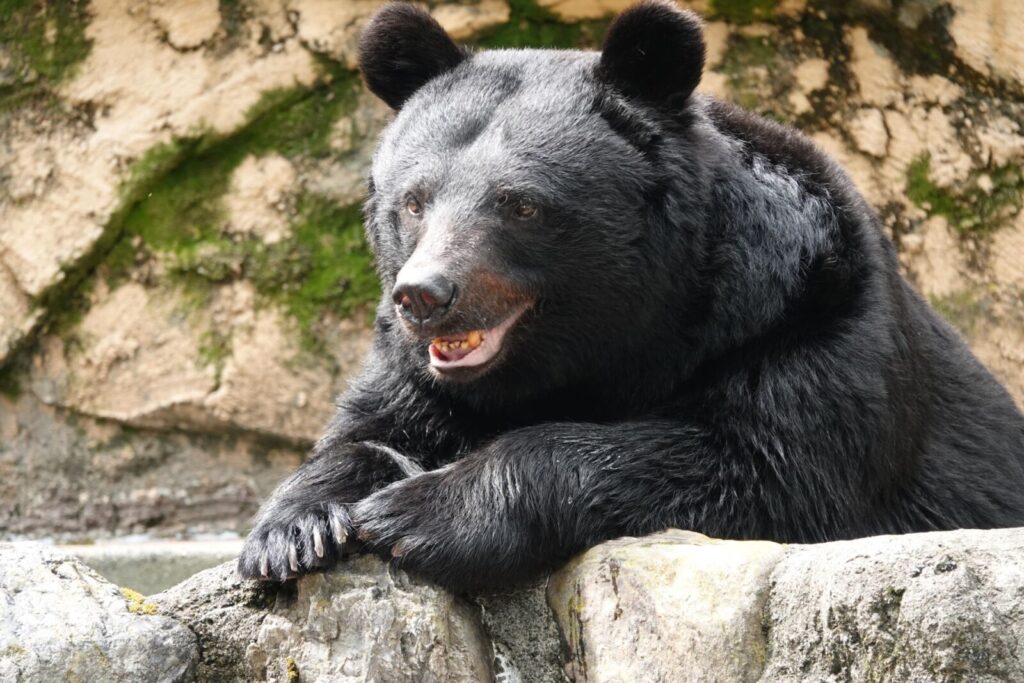
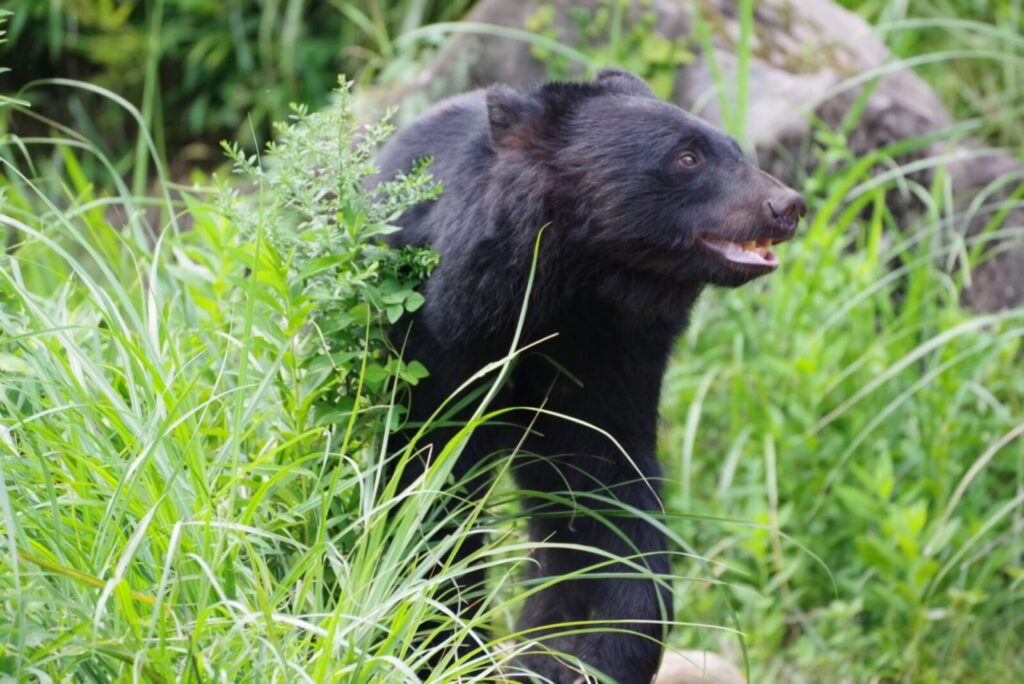
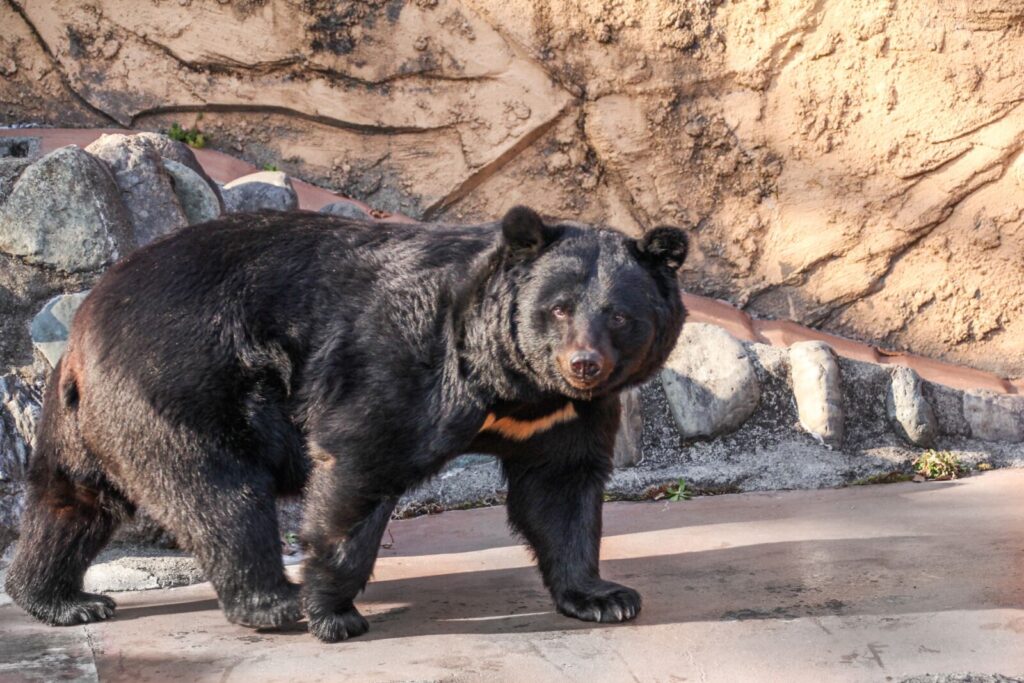
Japan is home to two native bear species: the Ussuri brown bear (Ursus arctos yesoensis), found only in Hokkaido, and the Asiatic black bear (Ursus thibetanus japonicus), which lives across much of Honshu and parts of Shikoku. It is also known as the "crescent moon bear," (月輪熊 tsukiwaguma) due to the white patch of fur on its chest in the shape of a waning moon. This Japanese black bear, a subspecies of the larger Asiatic black bear, is smaller in size and typically avoids human interaction. However, when food is scarce, bears may travel beyond their usual range in search of sustenance, sometimes venturing into areas frequented by hikers.
These bears do not defend fixed territories but instead follow the seasonal availability of food. During spring, they eat grasses and herbs, and in summer and autumn, they shift to calorie-rich foods like berries, acorns, and beech seeds. The Japanese beech tree is especially important to their diet. Beech trees are particularly abundant up north thanks to the heavily snowy winters. However, when these natural food sources are limited due to climate or environmental factors, bears may travel long distances—up to 70 square kilometers—in search of nourishment.
Bear Sightings in Tohoku
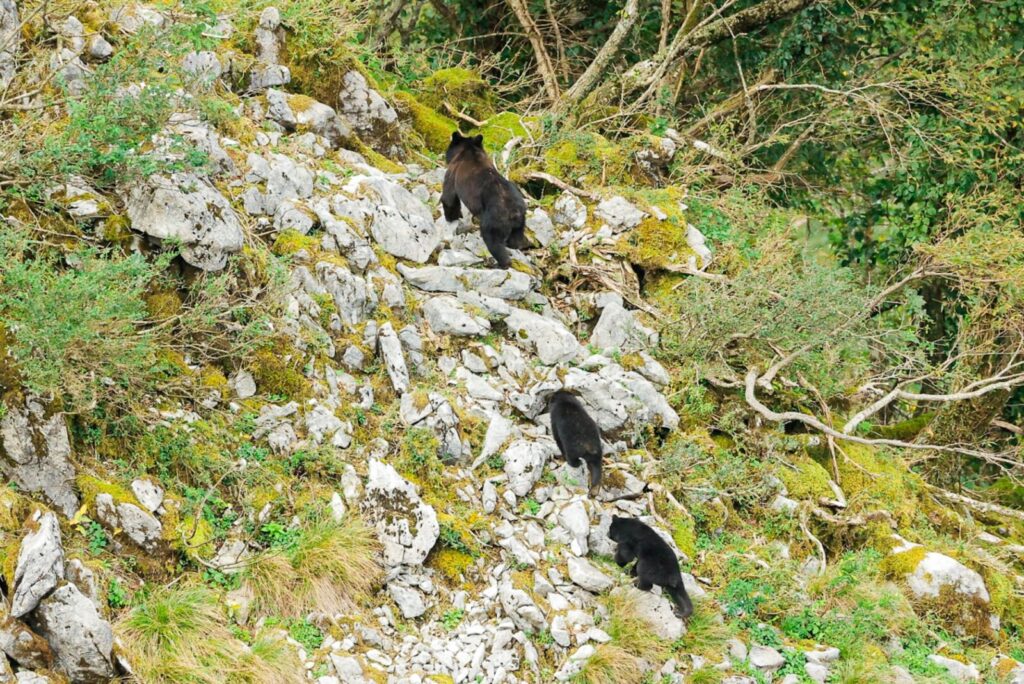
In recent years, Japan has experienced a notable increase in bear sightings and encounters. In 2025, over 12,000 sightings had been reported across Japan (excluding Hokkaido and Okinawa), marking a 40% rise compared to the same period last year. Specifically in the Tohoku region, with its mountains, farmland, and decreasing population, bear sighting coverage on the news has become almost a daily occurrence. The Iwate and Akita Prefectures alone accounted for nearly 40% of all bear sightings nationwide.
The Environment Ministry attributes the rise in bear activity to poor harvests of natural foods like acorns, which can drive hungry bears closer to rural communities, farms, and hiking trails. In light of these trends, travelers must take responsibility for their safety when planning trips into bear country.
Hiking Spots in Tohoku
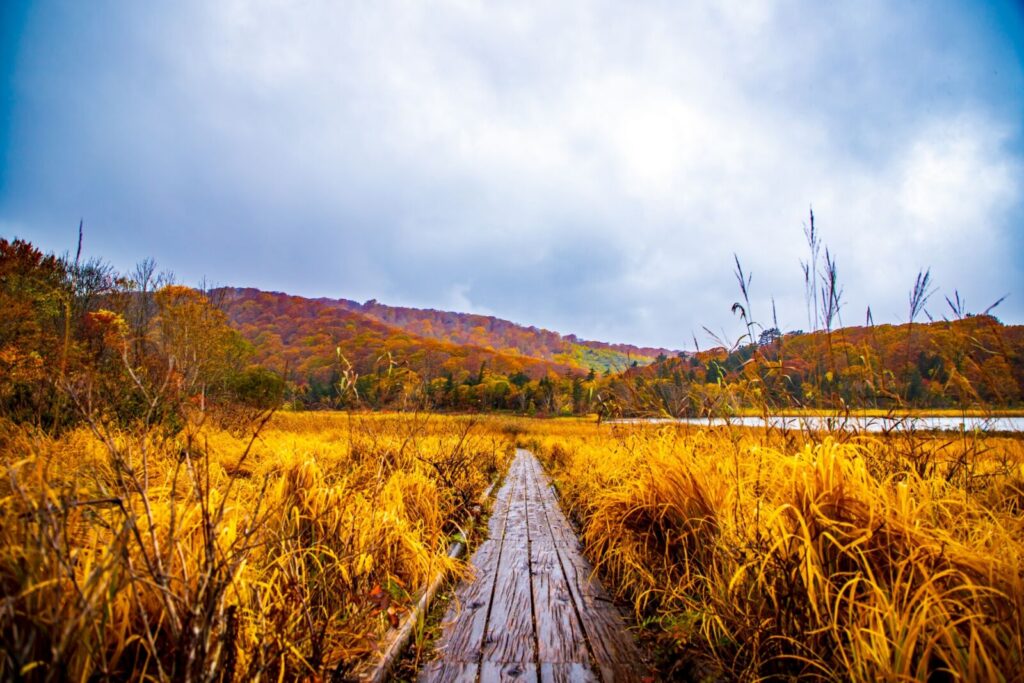
The Tohoku region offers access to several iconic hiking areas including but not limited to the ones we've featured below. Each region has its own charm and its own risks regarding bear encounters:
Risshaku-ji Temple (Yamadera)
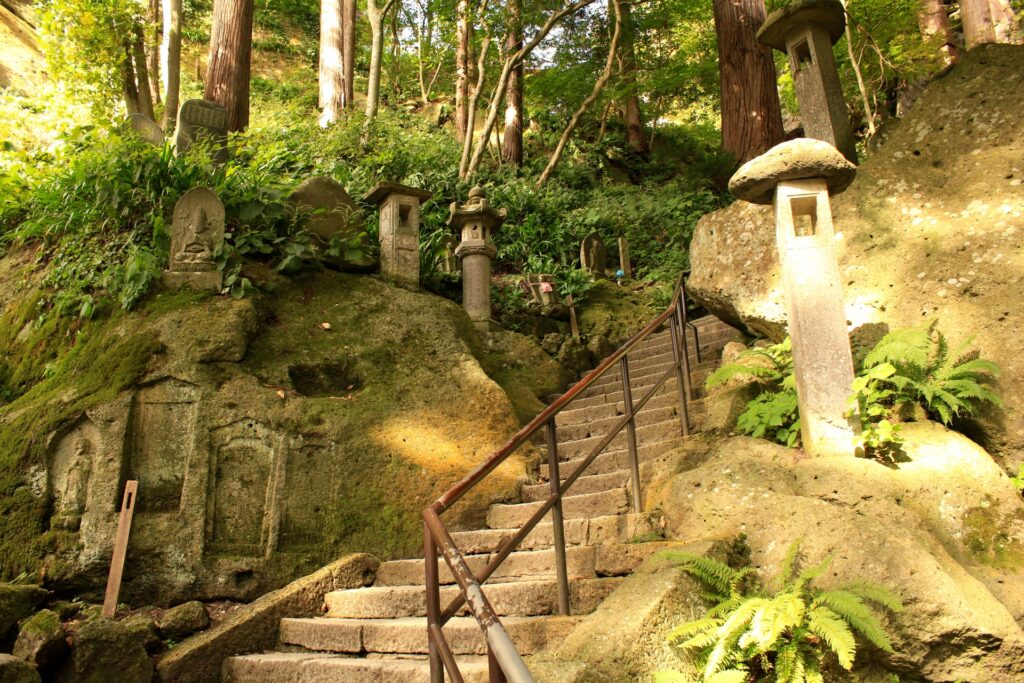
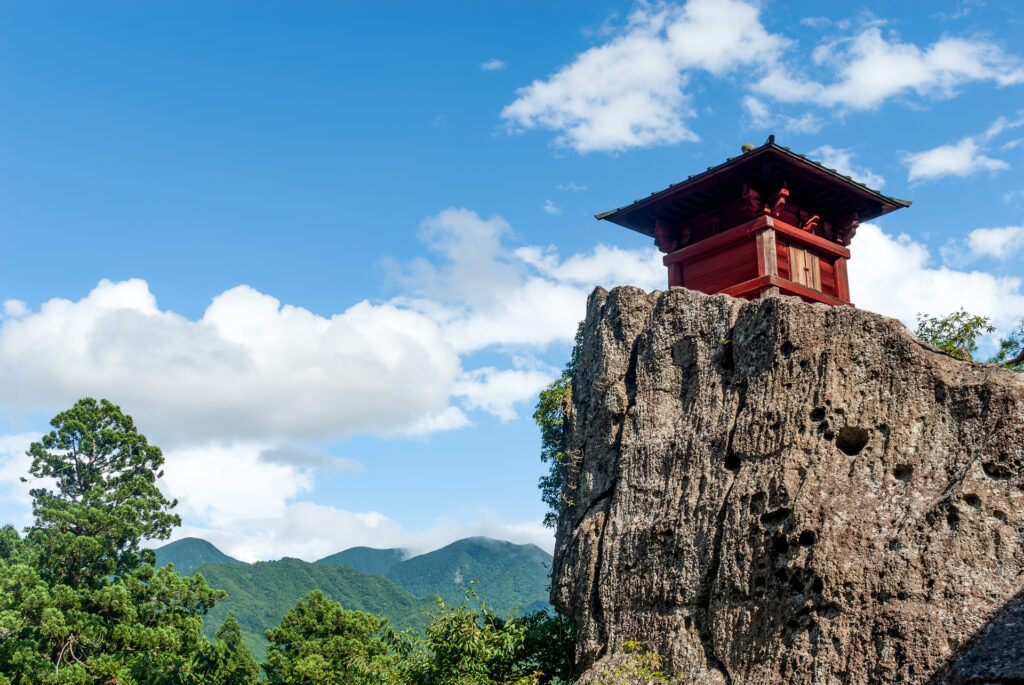
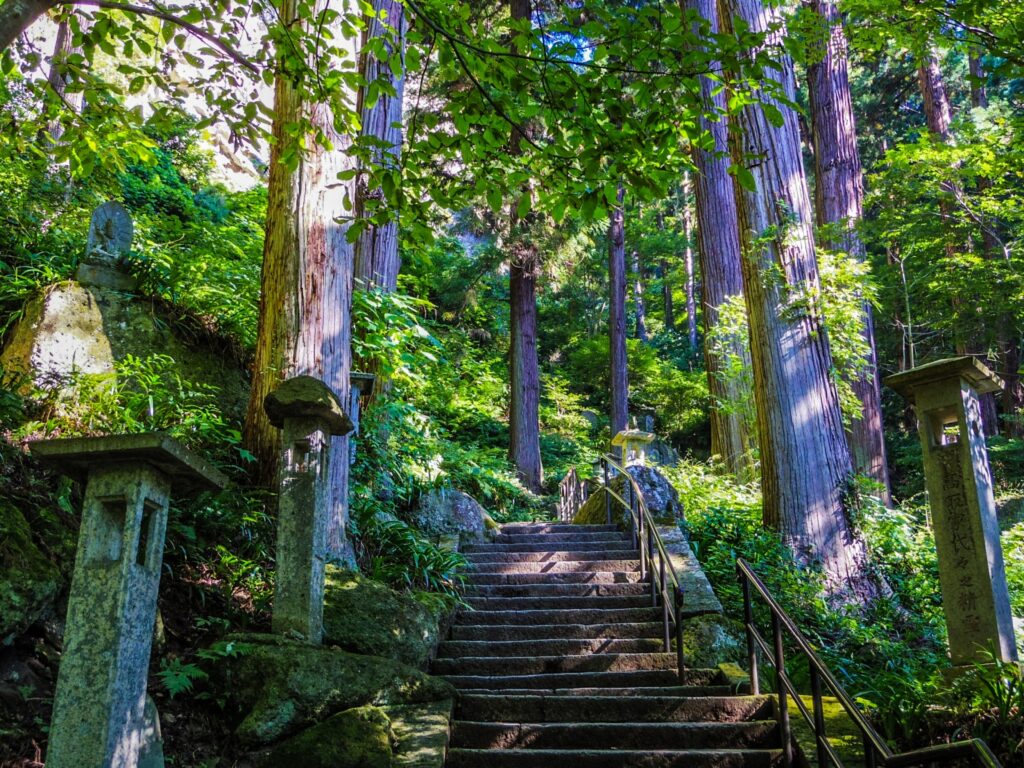
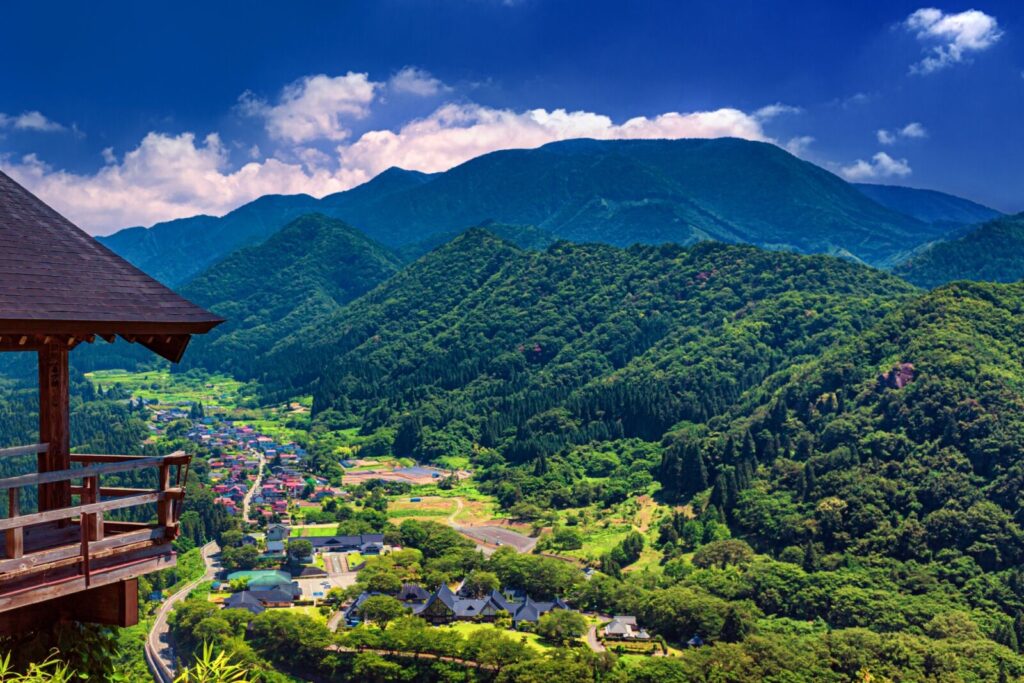
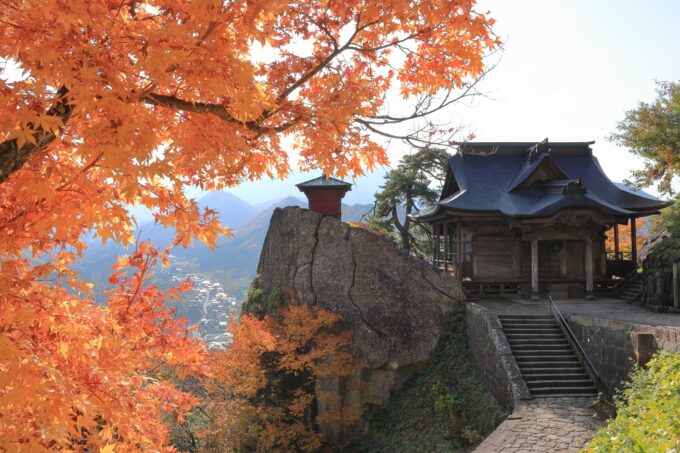
Risshaku-ji Temple, or more popularly known as Yamadera, is a mountain temple located in Yamagata prefecture. You can take a single train directly from Sendai Station and get off at the Yamadera Station to visit this infamous and breathtaking temple. Yamadera has over 1,000 stone steps that climb up the mountainside to its scenic views from the top. It is included in this list mostly for its ease of access from a major city and its beginner-friendly level of hiking thanks to the steps and handrails.
Many tourists visit this temple during the autumn thanks to its lovely colorful leaves, but any Japanese local will tell you that Yamadera is associated with summer thanks to the famous poet Matsuo Basho’s summertime visit and subsequent haiku detailing the cries of the cicadas in the still, quiet nature of this tranquil temple.
Recommended tour: Escape the busy city life of Sendai and immerse yourself in these two religious behemoths on Snow Monkey Resort's 1-Day Tour from Sendai: Sendai Daikannon Statue and Yamadera Temple – Spiritual Pilgrimages of Tohoku
This tour takes you to the impressive Daikannon Statue located 40 minutes outside of Sendai's city center and then you travel via scenic train to the infamous mountain temple of Yamagata Prefecture.
Mt. Chokai
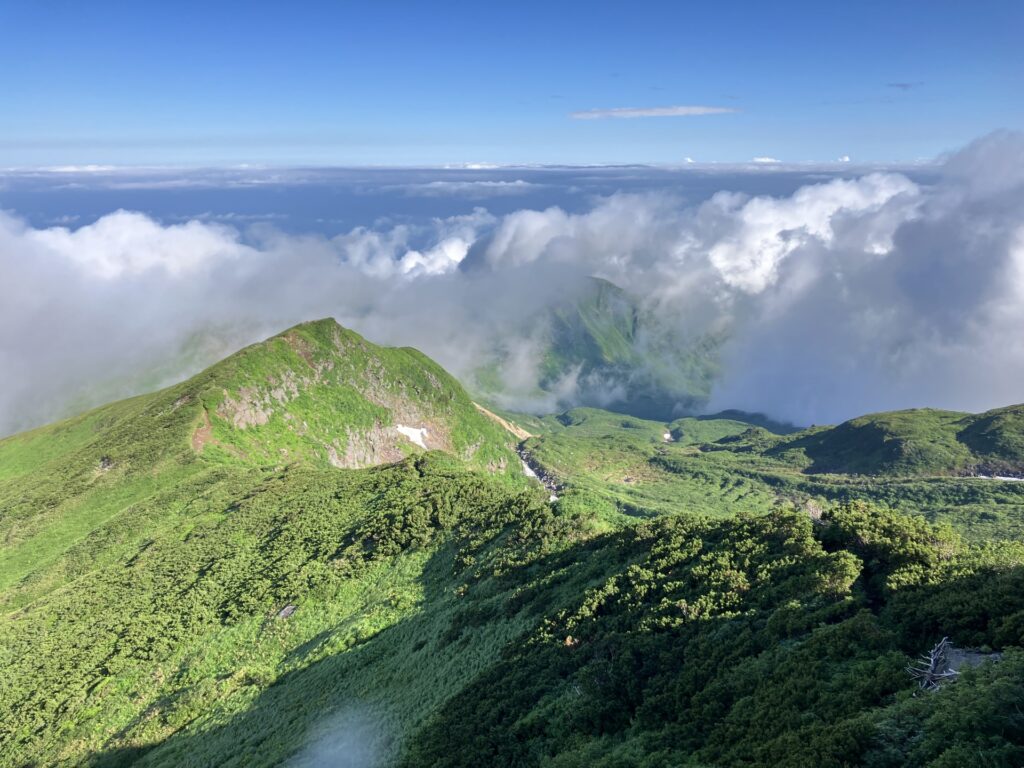
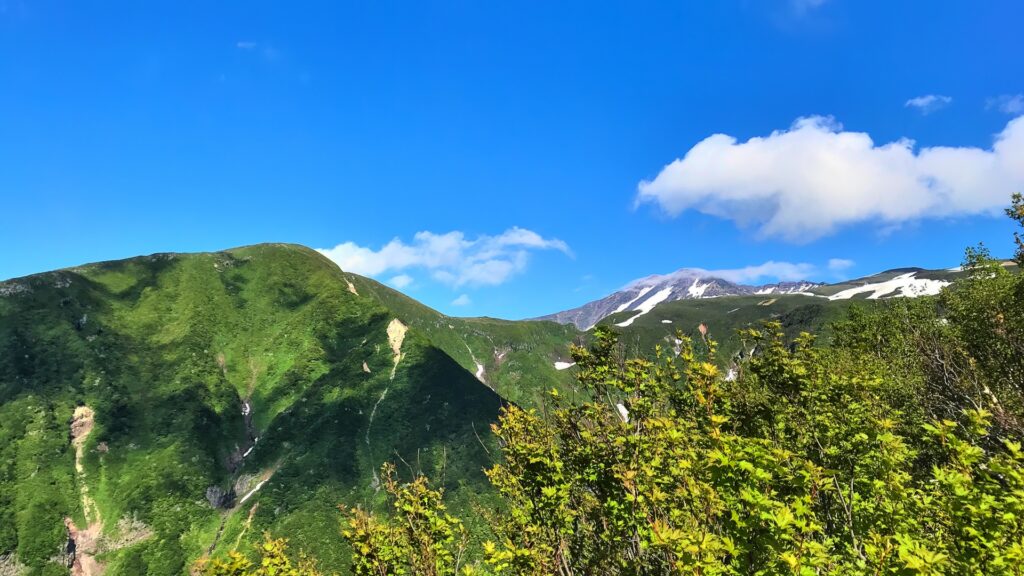
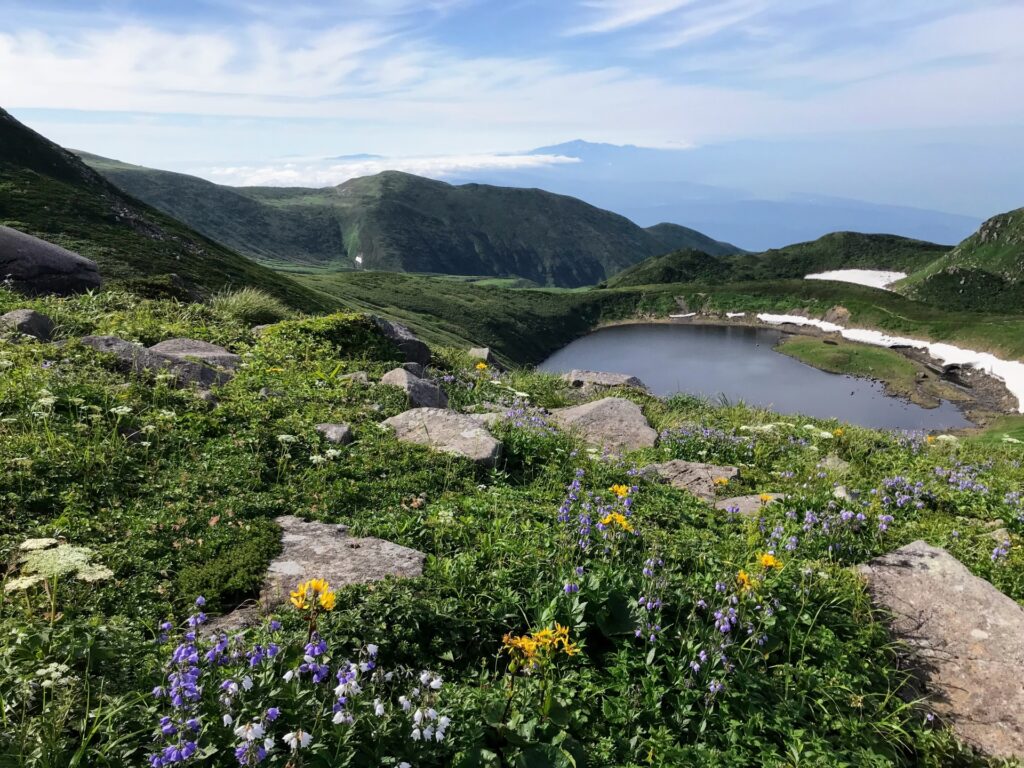
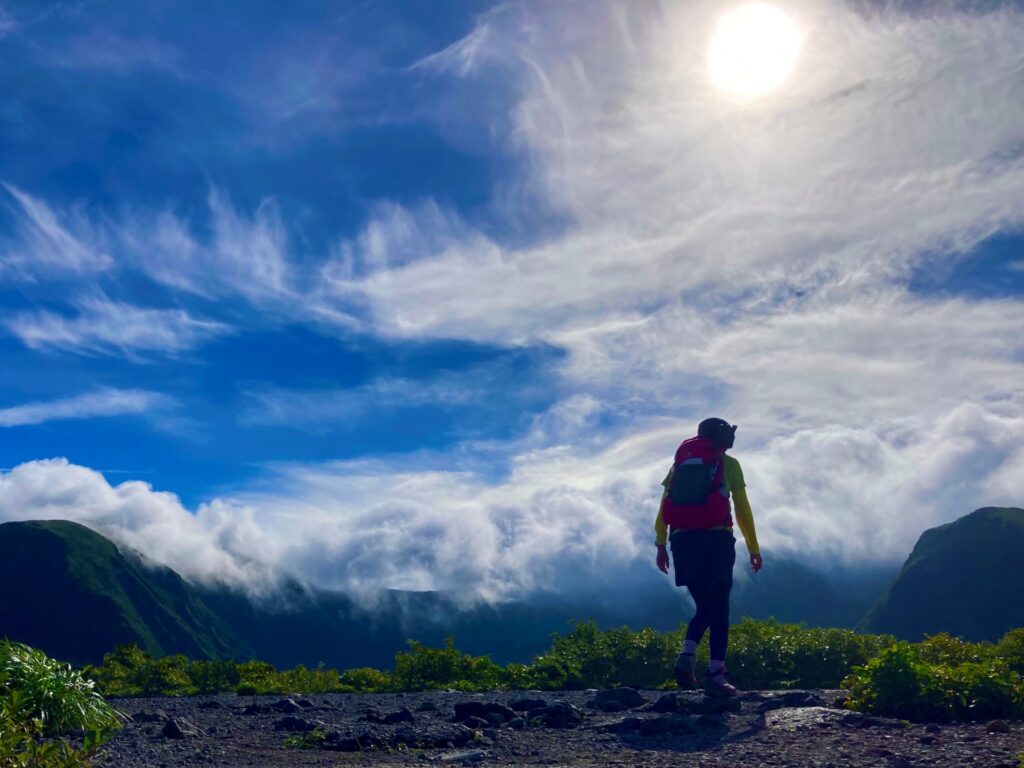
Mount Chokai is nestled snugly on the border of Akita and Yamagata prefectures. Often nicknamed the “Fuji of Tohoku,” this mountain gets incredible amounts of snow so hiking anytime earlier than summer could amount to a winter escapade rather than a green paradise. Many experienced hikers recommend starting this hike at Hakodate Hut and entering the mountain at the Kisakata Trialhead. The hike to the summit and back can take anywhere from 8 to 10 hours, so it is advisable to plan accordingly and be prepared for both steep and uneven terrain on the ascent. Half-way up the mountain, however, is Chokai Lake which is a great sightseeing spot and better suited for a more casual hike.
Mt. Hakkoda
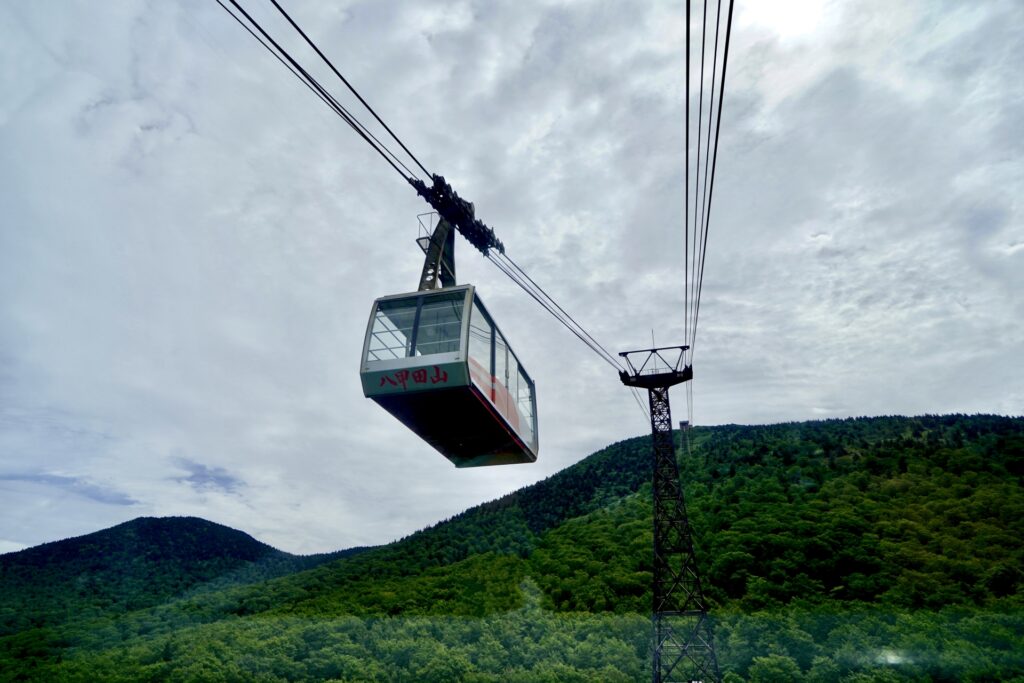
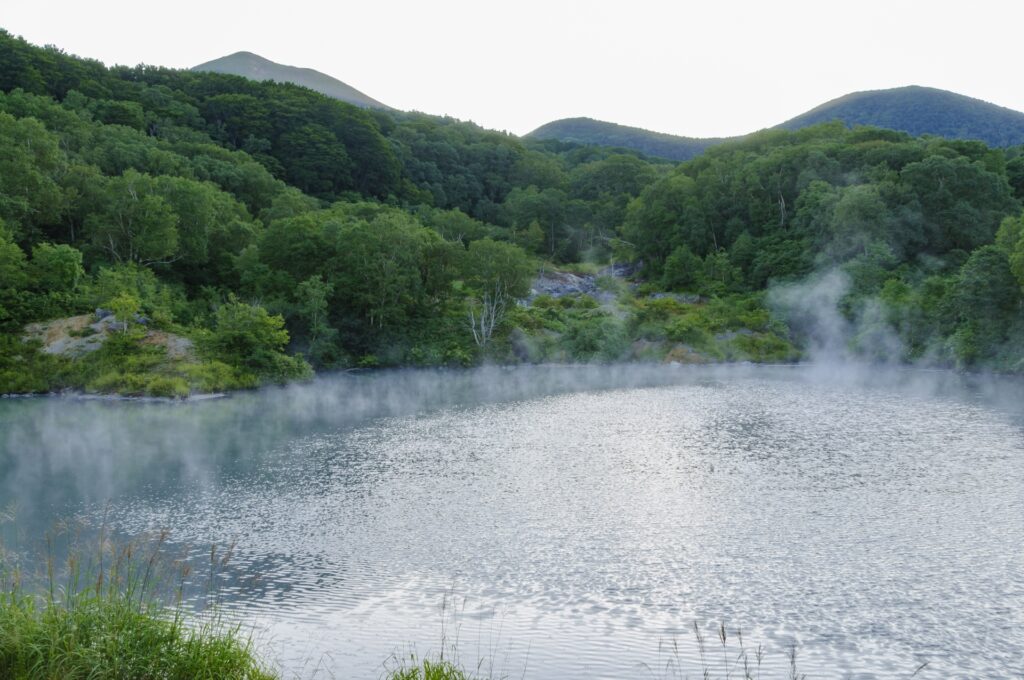
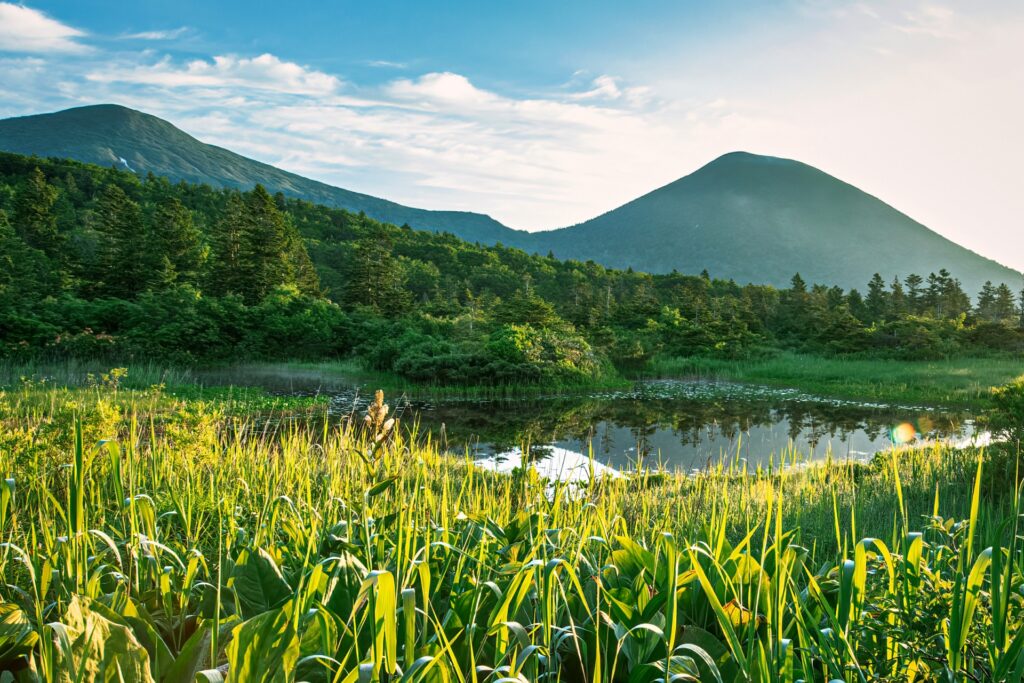
Mount Hakkoda is a set of volcanic peaks situated between Lake Towada and Aomori, and although it's one of the many sites in Japan that offer a view of the mysterious snow monsters via ropeway, it is a hiker's paradise in the non-snowy months. The ropeway runs all year round and there are few different hiking courses available once at the top that vary in length and difficulty. A hiker’s favorite is the Kenashi Paradise Line, which is a downhill-oriented trekking route that runs through the central area of Kenashi-tai, making it suitable even for beginner hikers. This pathway taken toward the Sukayu Onsen is also a favorite, as soaking in the hot springs is a relaxing way to end your day of trailblazing!
Mt. Iwaki
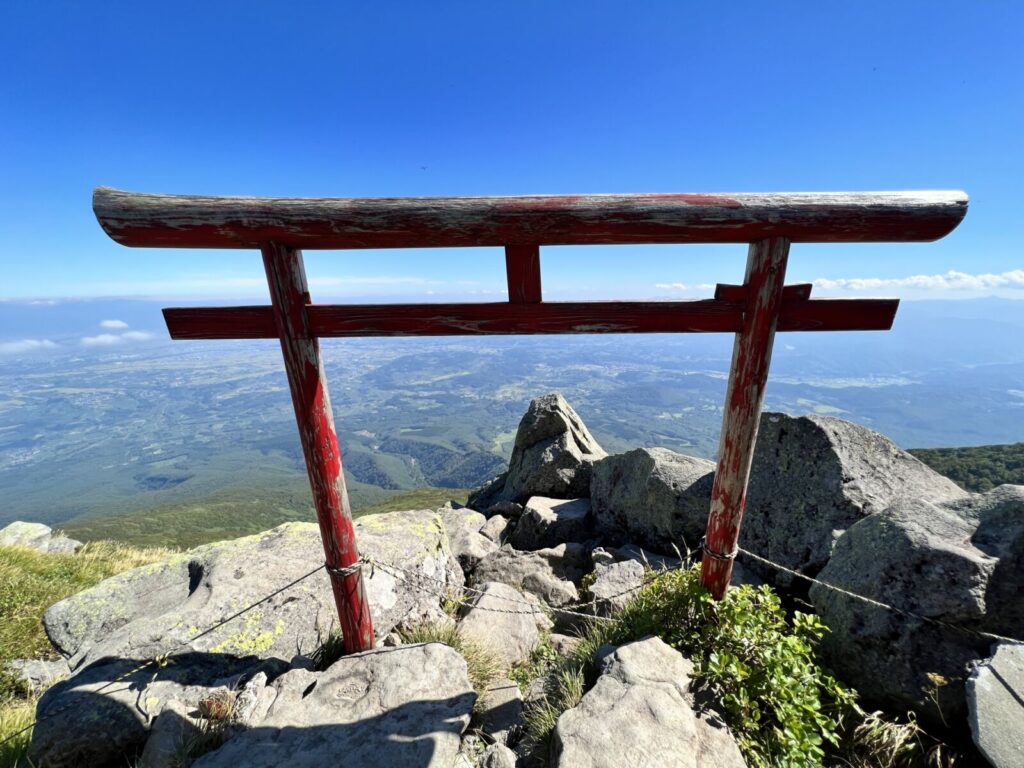
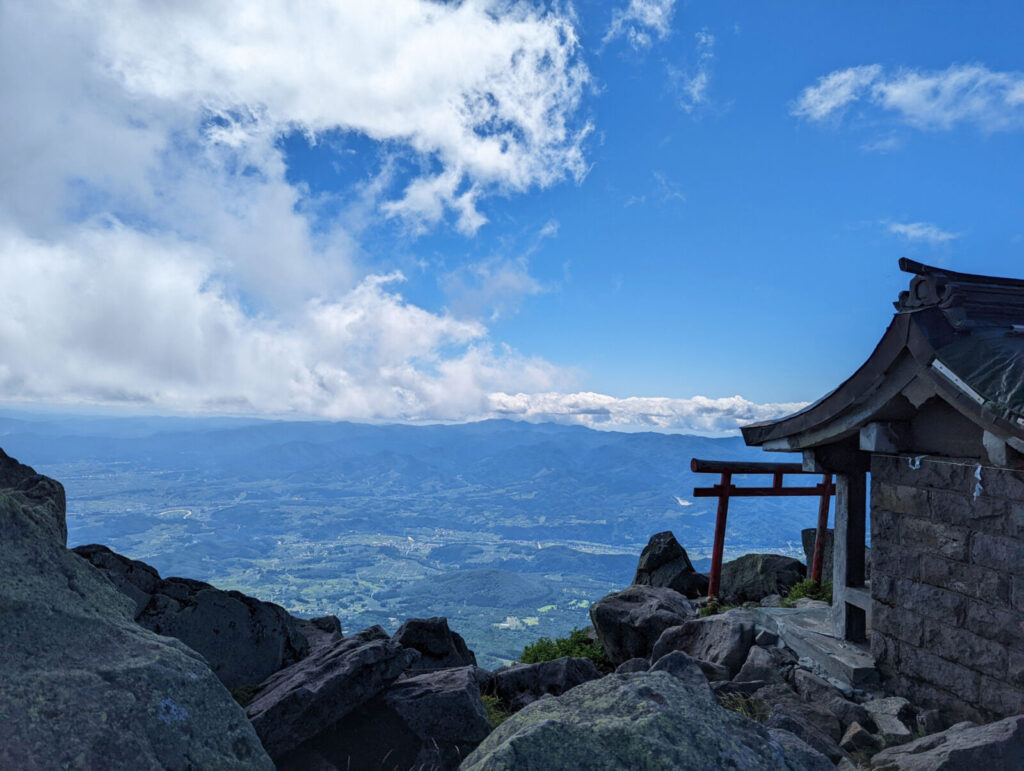
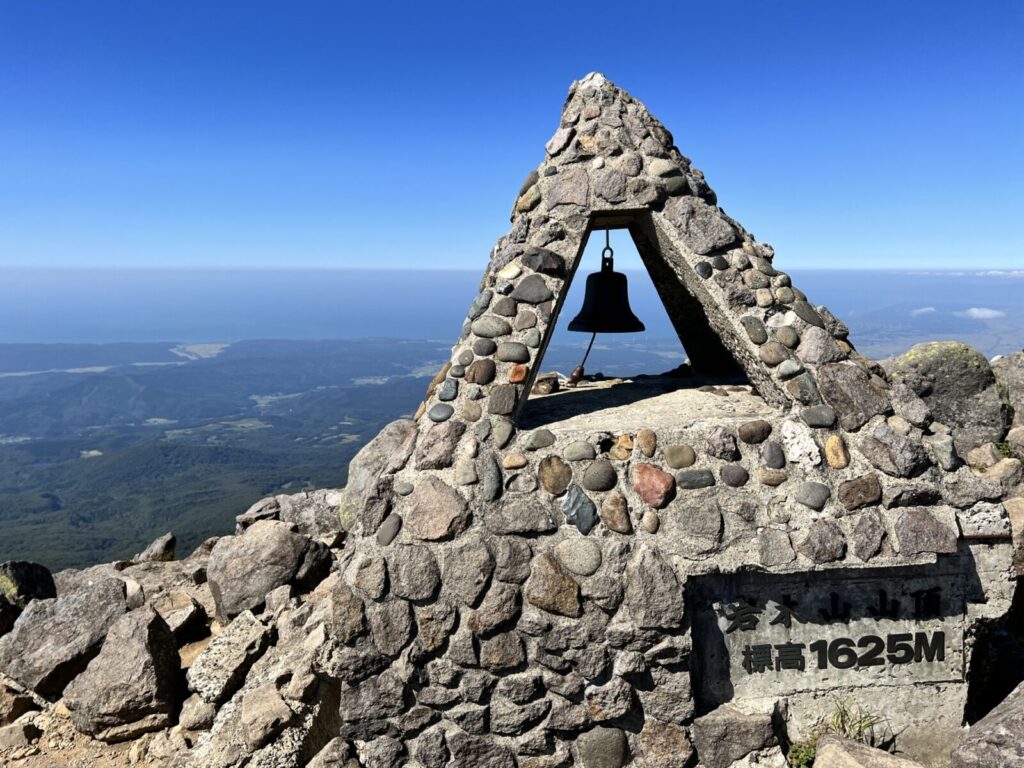
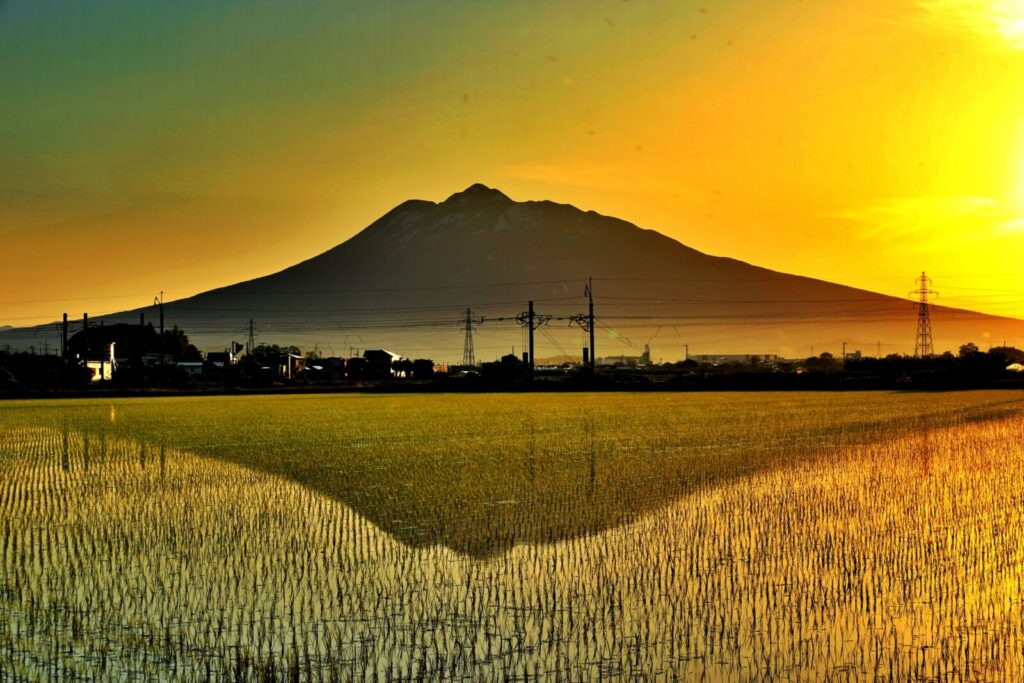
Mount Iwaki is a well-known mountain that overlooks the famous castle city of Hirosaki in Aomori Prefecture. The road leading up to the trail head is just as famous, with the route twisting and winding up the mountainous terrain. The hiking trail is open from Golden Week (early May) until November. Winter trekking is not allowed to the high risk of avalanches near the summit.
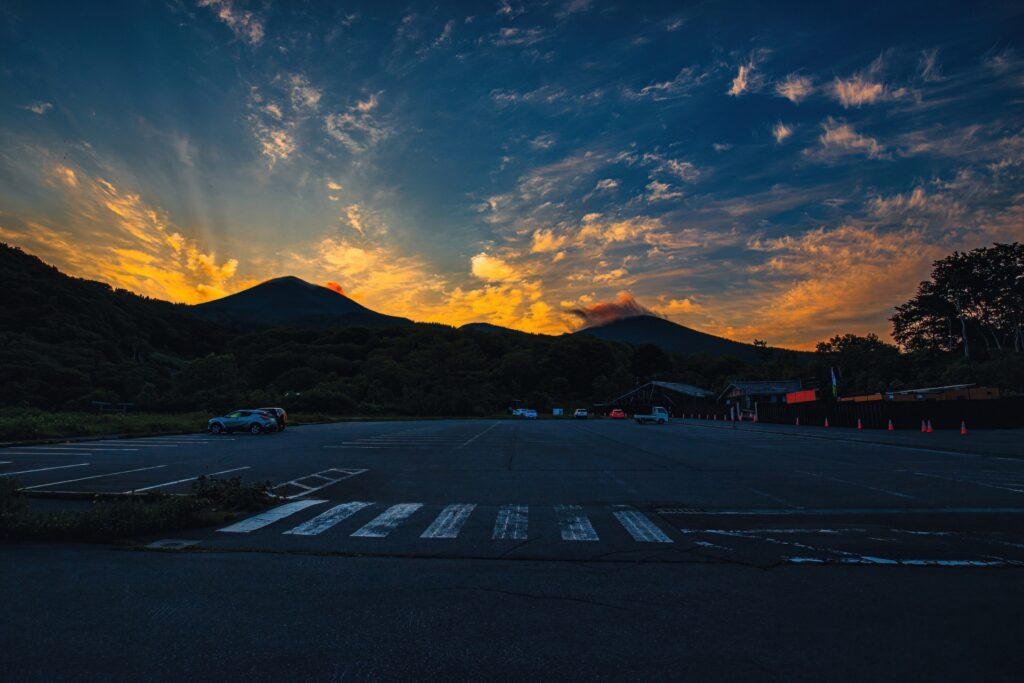
Once you are at the parking lot, you take a lift up to the actual trail head entrance. There are two other entrances to the trail head as well. One starting from Iwakiyama Shrine in Hyakuzawa village, and another from Ooishi shrine on the northeast side of the mountain. The entire hike to the summit is not especially steep, but it has quite a lot of "bouldering" elements to it -- meaning, be prepared to climb and scramble!
The hike should take about and hour and a half to the summit. There is an iconic bell you can ring at the summit to commemorate your ascent as well as a shrine you can offer up thanks to the Shinto deities protecting the mountain.
Oirase Gorge
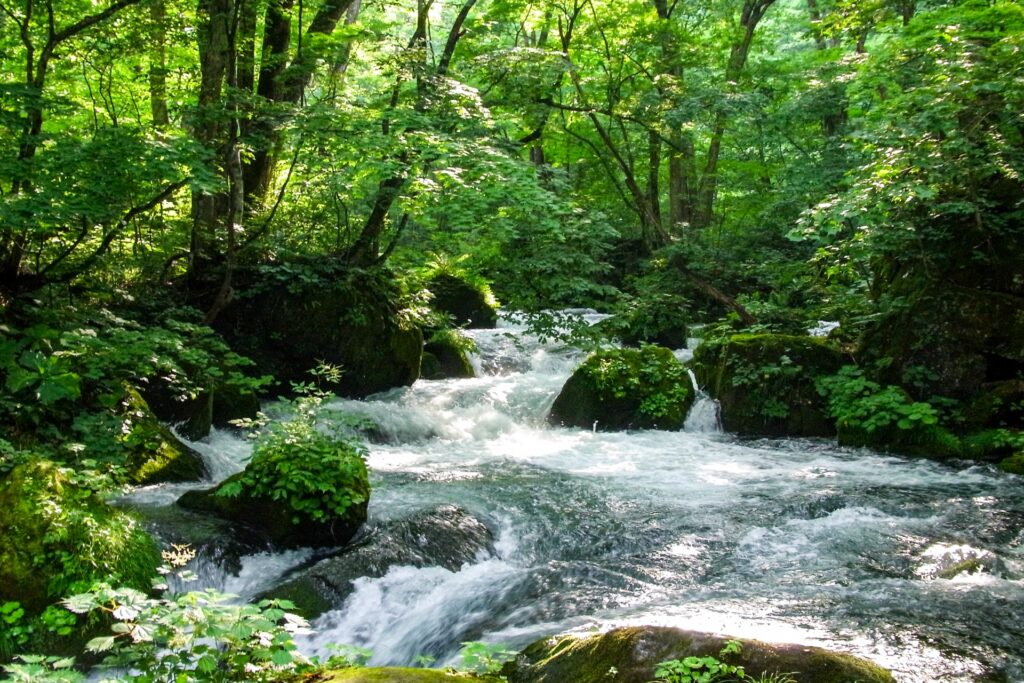
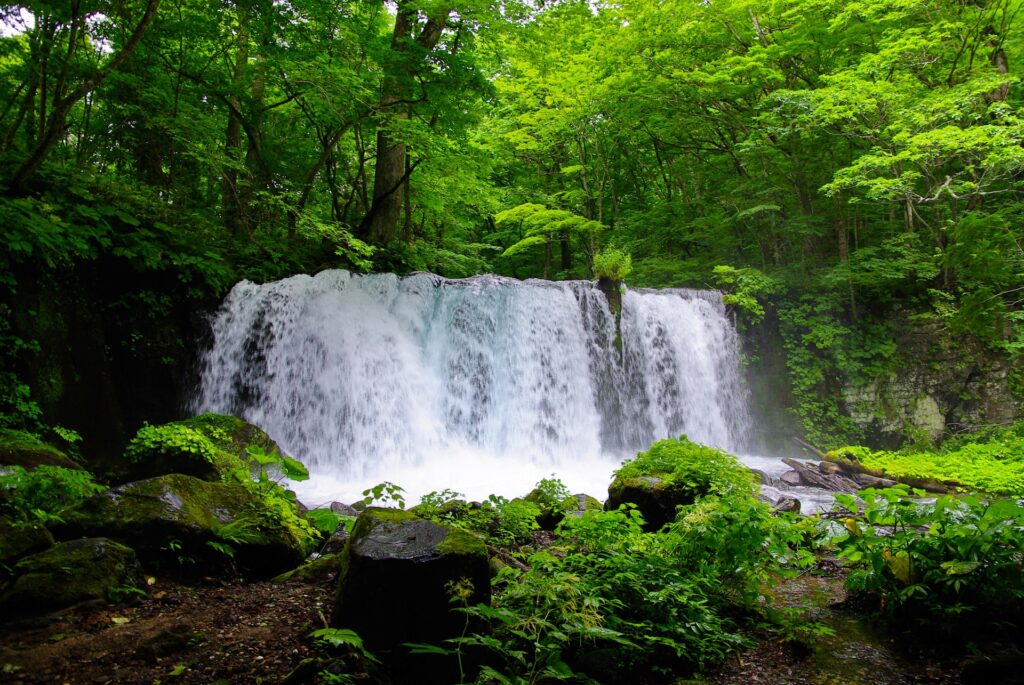
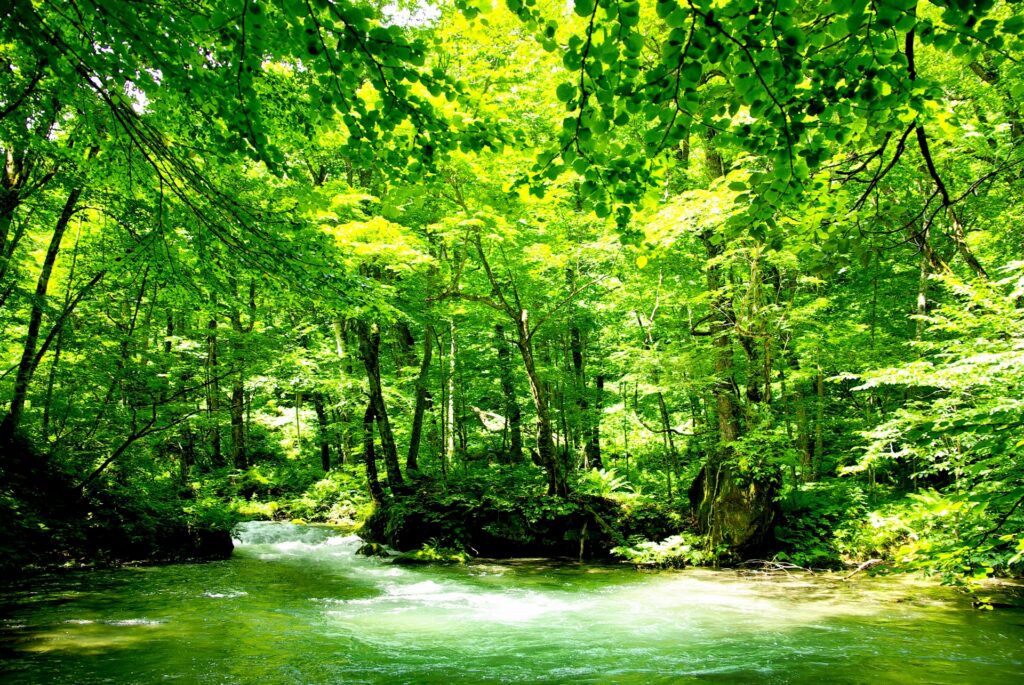
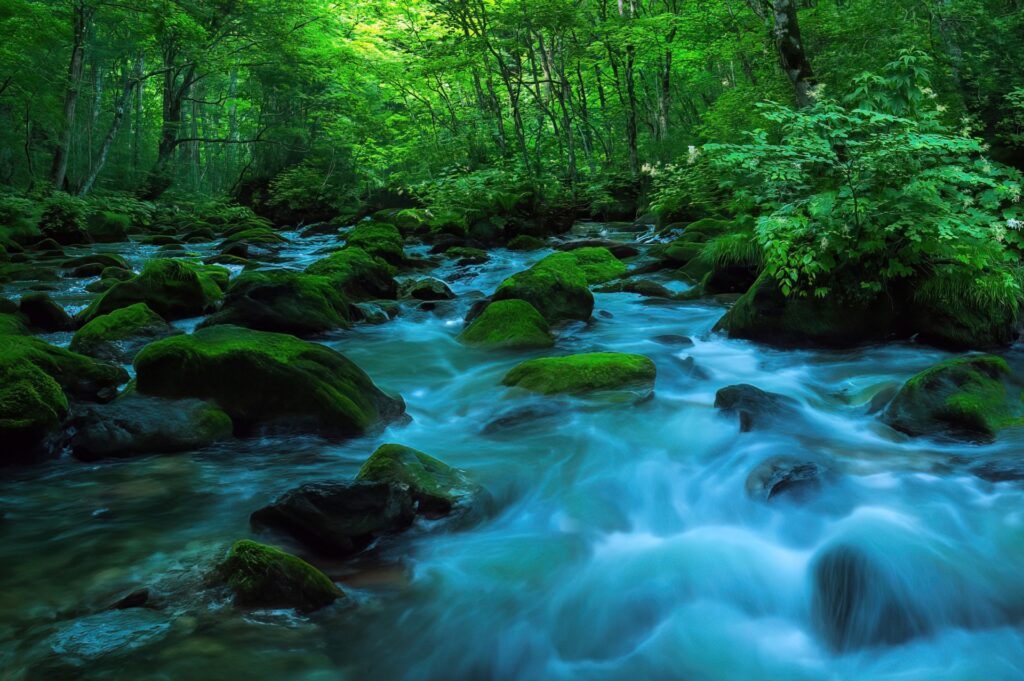
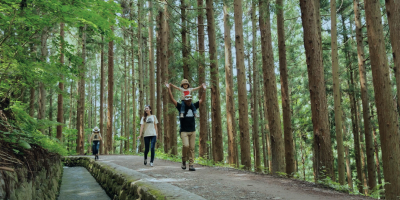
The Oirase stream flows into Lake Towada and is a highly popular tourist spot. Rather than driving through the area, it’s recommended to take upon the trails off the side of the road and view the countless waterfalls and babbling brooks. The whole expanse is about 14 kilometers and can take upwards to 5 hours to walk or cycle through. This area is especially popular for poetry authors and artists, who take their time and even set up stations to sit and capture the natural scenery in all its glory. This area is also a wonderful place to experience forest bathing as you breathe in the fresh air provided by virgin beech, Japanese oak, maple, and white cedar trees.
Mt. Hachimantai
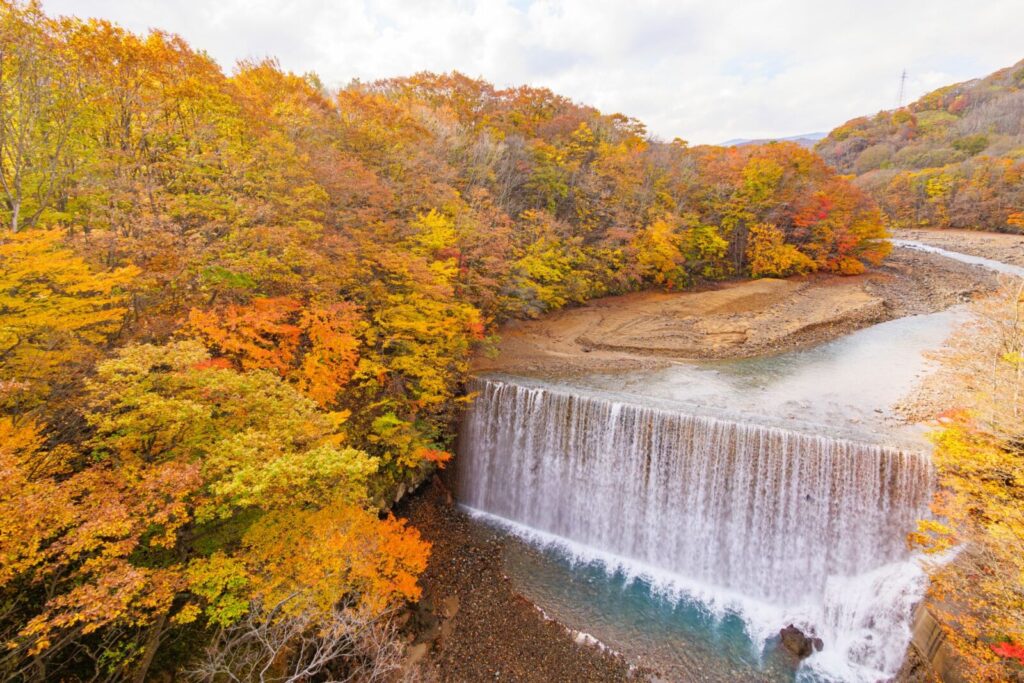
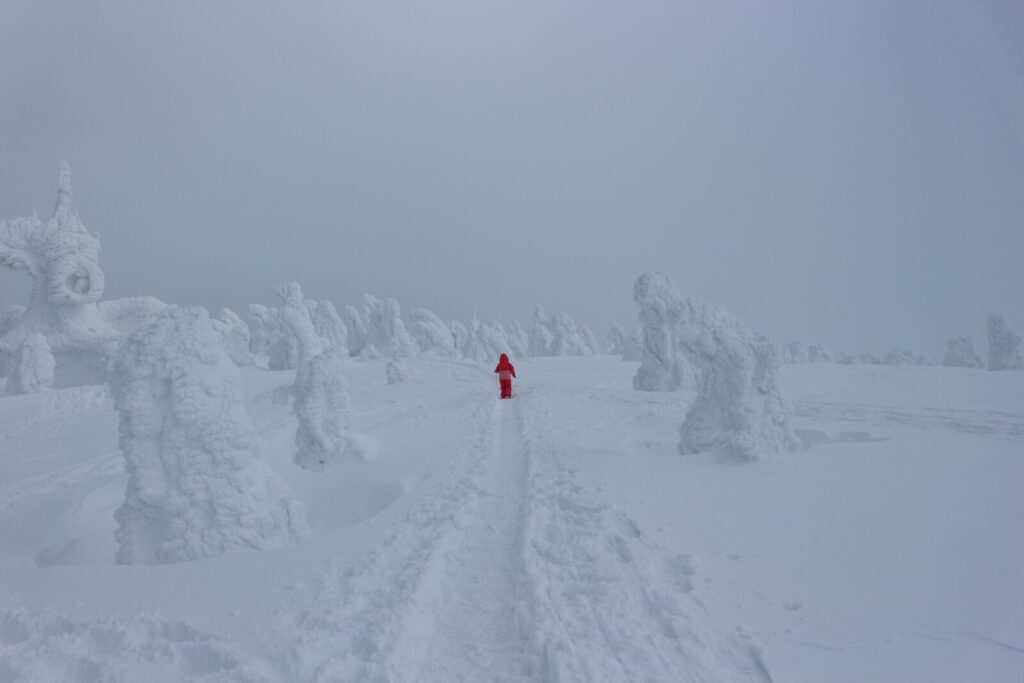
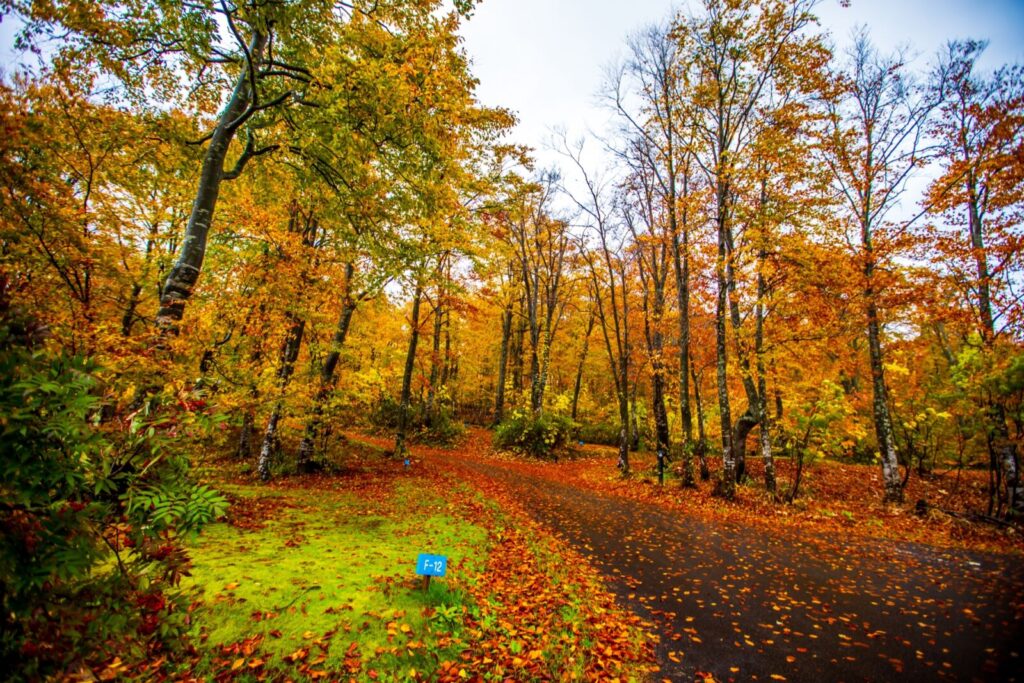
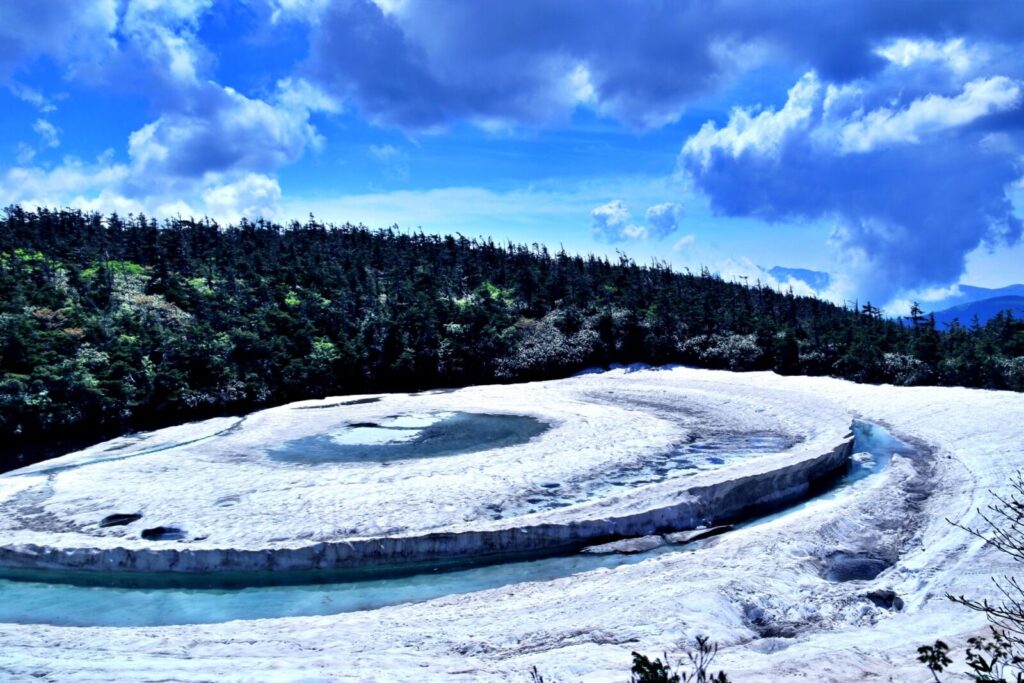
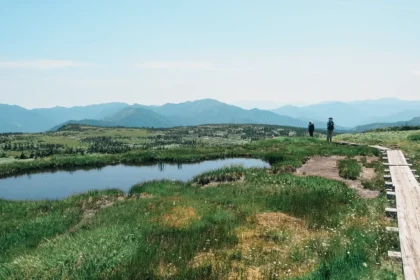
The Mount Hachimantai Nature Trail is dotted with small lakes and ponds that offer gorgeous views throughout the year. This includes lovely marsh flowers, spectacular waterfalls, bright autumn foliage, and even snow monsters in the winter. Especially in late May to June there is a phenomenon called Dragon's Eye at the Kagaminuma pond located within the national park. The snow melting in a circular pattern resembles a blue iris of a dragon, hence the name. There are a few different trails that wind through Hachimantai and all can be accessed from the Hachimantai Summit Rest House. The trails can take anywhere from 30 minutes to 2 hours depending on how far you hike, but they are overall applauded for their family friendliness and relatively flat summit.
Essential Bear Safety Tips
Check Local Conditions
Before departing for your hike, check to see if there have been recent bear sightings along the trail. Some areas post multilingual alerts near trailheads. Avoid routes where bear activity has been reported in the previous days.
At Snow Monkey Resorts, our staff and guides check for bear sightings prior to each hike or excursion and will make necessary adjustments to itineraries if necessary.
Travel in Groups
Hiking in groups significantly reduces the risk of a bear encounter. Bears are more likely to avoid the noise and presence of multiple people. Solo hikers are at greater risk, especially in areas with poor visibility or heavy vegetation.
Let Bears Know You’re There
Avoid surprising a bear at close range. Make regular noise as you walk—talk, clap, or attach a bear bell to your backpack. High-pitched sounds that carry across long distances are especially effective. Radios or quiet conversation are not enough to alert a bear. In dense fog or wooded areas, be extra vigilant.
Avoid Early and Late Hours
Bears are most active during early morning and evening. If possible, start hikes after sunrise and aim to return before dusk. Keep in mind that bears are also more active during rainy, foggy, or overcast weather. Recent trends show that bears may be active even in broad daylight.
Pack the Right Gear
In addition to a bear bell, consider carrying bear spray, which can be effective in emergencies. Note that you cannot bring bear spray on airplanes, so you will need to purchase it in Japan. Outdoor retailers such as Montbell or home improvement stores such as Sunday can be found in major cities, including Sendai, and typically stock bear spray.
Keep Food and Waste Secure
Never leave garbage, food scraps, or empty containers behind on the trail. These attract bears and contribute to dangerous behavior. Do not bury waste or discard packaging—pack out everything you bring in.
What to Do If you Encounter a Bear
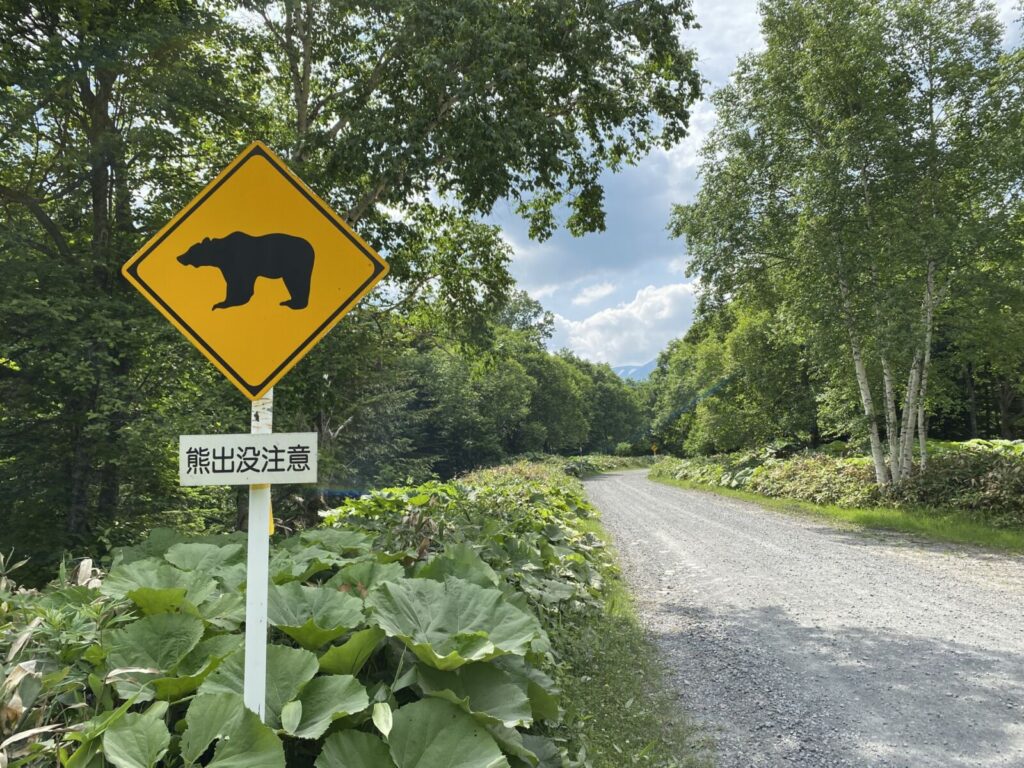
Stay Calm and Assess the Distance
If the bear is far away and has not noticed you, slowly and quietly retreat. Do not run or make sudden movements or turn your back on it. If the bear is closer, make yourself visible, stand tall, and speak in a calm, low voice.
Back Away Slowly
Never turn your back on a bear. Instead, back away while keeping your eyes on the animal. If the bear begins to approach, raise your arms to appear larger. If the bear does not leave, prepare to use bear spray if you have it.
Do Not Agitate the Bear
Avoid actions that may provoke the bear, such as flashing lights, taking photographs, or yelling. These behaviors can increase the risk of aggression, especially at close range.
Stay Away from Cubs
If you see a bear cub, leave the area immediately. Mother bears are extremely protective and will interpret any approach as a threat.
If Attacked
If the bear makes contact and escape is impossible, protect your vital organs. Curl into a ball, face down, and cover your neck and head with your arms. Alternatively, hide behind a large object such as a fallen log or rock. Wait until the bear leaves before moving.
Frequently Asked Questions (FAQ)
Are bears common near popular hiking destinations of Tohoku?
With bear sightings constantly on the rise, it is not uncommon for even popular tourist destinations to encounter bear sightings in the Tohoku region.
What time of year is safest for hiking in bear country?
Bears are active from spring through late autumn. The safest times to hike are mid-day in late spring or early summer, when visibility is good and natural food sources are more abundant. Bear activity peaks in late summer and autumn as they prepare for hibernation.
Is it safe to hike alone in Japan?
While hiking along popular trails in Japan is typically safe, solo hiking increases your risk of encountering a bear without warning. Traveling in groups is strongly recommended, as bears are less likely to approach multiple people. If you must hike alone, take extra precautions: wear a bear bell, make noise frequently, and avoid hiking at dawn or dusk. It is highly encouraged to seek out a fellow solo traveler via trekking/meet-up groups and hike with them to decrease your chances of encountering a bear.
Where can I buy bear spray in Japan?
Bear spray cannot be carried on airplanes, so you must purchase it locally. Outdoor retailers like Montbell have stores in major cities, including Sendai, and carry bear spray and other hiking safety equipment. You can also find bear sprays in home improvement stores such as Komeri Power or Sunday. Some mountain lodges and tourist centers also sell or rent bells and spray.
What should I do if I see a bear from a distance?
If the bear has not seen you, quietly and slowly retreat without drawing attention. Do not run or make sudden movements. Stay calm, keep your eyes on the bear, and leave the area carefully.
Is a bear bell enough to stay safe?
The effectiveness of bear bells in reducing bear encounters is still unknown, but the idea behind the bell is to reduce the chance of a surprise encounter. The key when hiking in bear country is to make your presence known. High-pitched sounds like clapping or shouting at regular intervals are also effective. In areas with poor visibility or dense forest, use extra caution.
Can Japanese bears climb trees or swim?
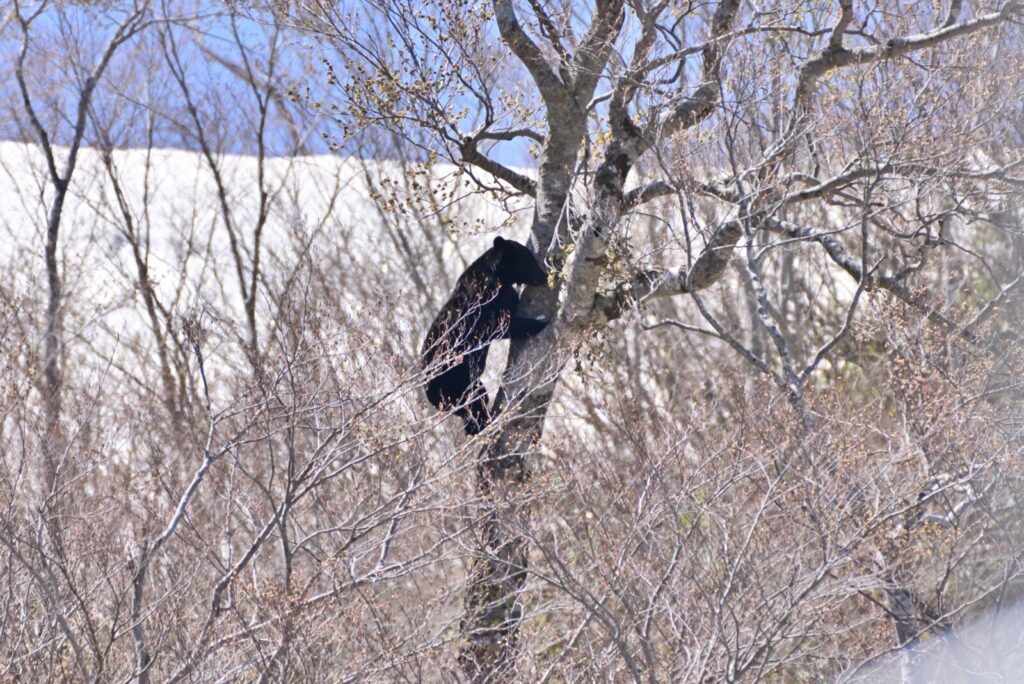
Yes. Japanese black bears are strong climbers and capable swimmers. Climbing a tree or entering water will not guarantee safety. Focus instead on avoiding encounters and carrying bear spray as a last resort.
Are there any mobile apps or websites for checking bear activity?
Yes. The YAMAP app (available in English and Japanese) includes user-reported trail conditions and occasional wildlife sightings. Local government websites of Yamagata, Sendai, and other Tohoku prefectures often provide updates on bear activity.
Are there any additional steps I can take to stay safe?
Many mountain trails have destinations at the trail head where you can submit a hiking registration form for safety purposes. This allows authorities to have a log of who is out on the trails and when they are expected to arrive back to the trial head.
Additionally, keeping a level head and clear mind will greatly improve your chances of remembering proper protocol should you encounter a bear during your travels. It's important to stay alert but calm, as panic only clouds judgement and could lead to accidents.