






Related Tours
(Day Tour)
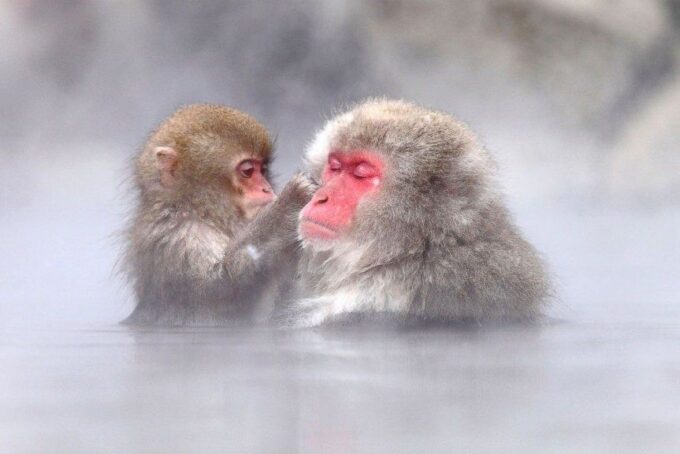
1-Day Tour: Snow Monkeys, Zenkoji Temple & Sake in Nagano
- Spots:
- NaganoSnow MonkeyHakuba
- Pick-up:
- Nagano CityHakuba
- Drop-off:
- Nagano CityHakuba
(Day Tour)
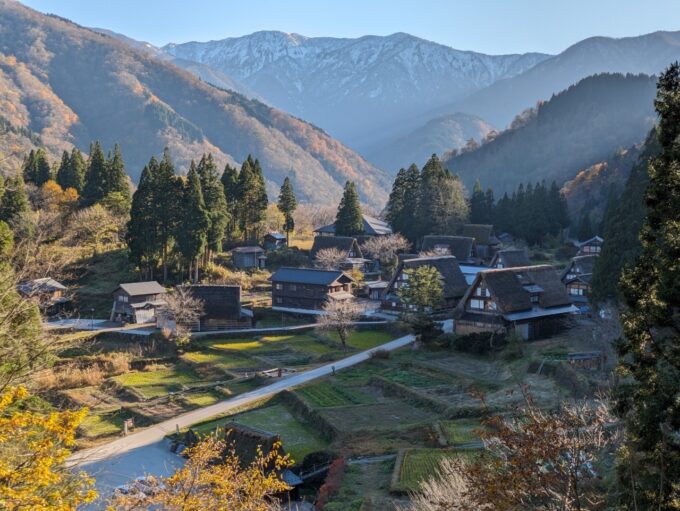
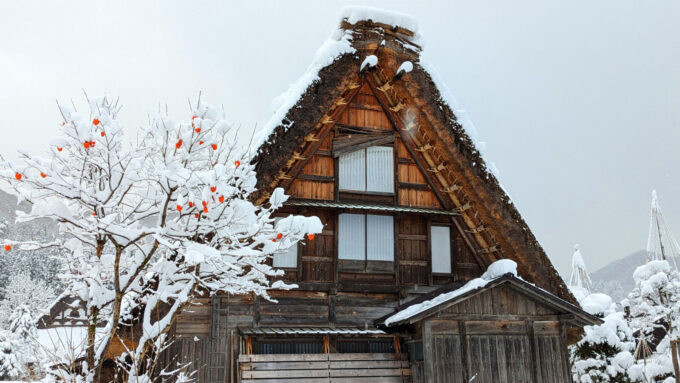
1 Day Tour from Kanazawa: Shirakawa-go, Gokayama and Wood Carving Village
- Spots:
- KanazawaShirakawago
- Pick-up:
- Kanazawa
- Drop-off:
- KanazawaTakayama
(Day Tour)
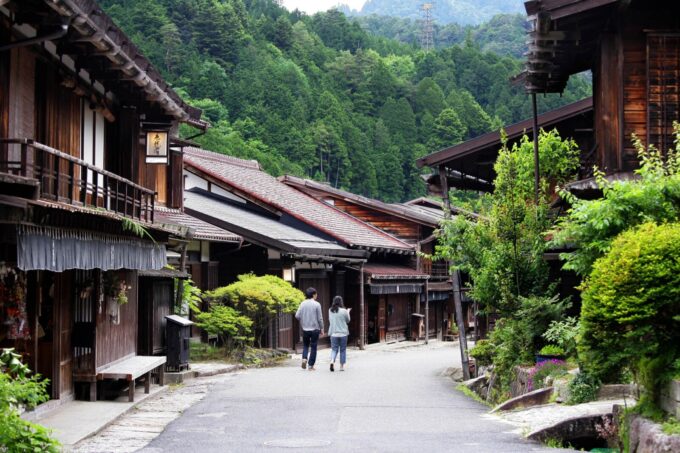
1-Day Tour from Nagoya: Hiking the Historic Nakasendo Trail
- Spots:
- NagoyaKiso Valley
- Pick-up:
- Nagoya
- Drop-off:
- Nagoya
(Day Tour)
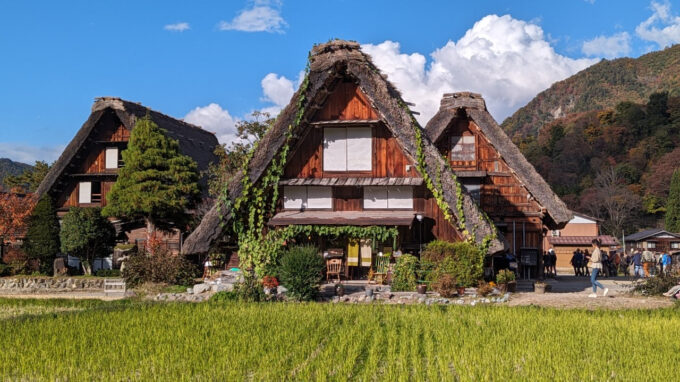
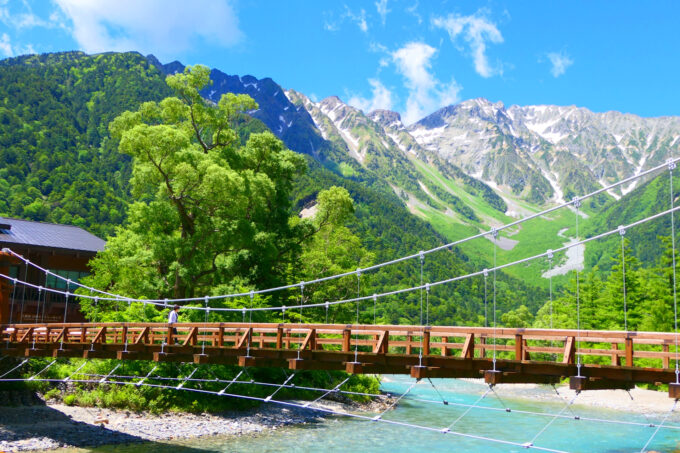
1-Day Tour from Takayama: Explore Scenic Old Japan in Takayama and Shirakawa-go
- Spots:
- TakayamaShirakawago
- Pick-up:
- Takayama
- Drop-off:
- KanazawaTakayama
(Day Tour)
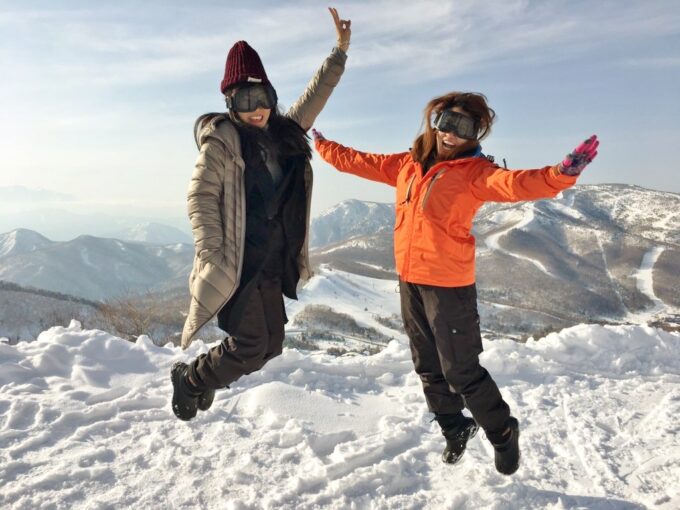
1-Day Tour: Snow Monkeys & Snow Fun in Shiga Kogen
- Spots:
- NaganoSnow MonkeyShiga Kogen
- Pick-up:
- Nagano CityYudanaka/Shibu
- Drop-off:
- Nagano CityYudanaka/Shibu
(Day Tour)
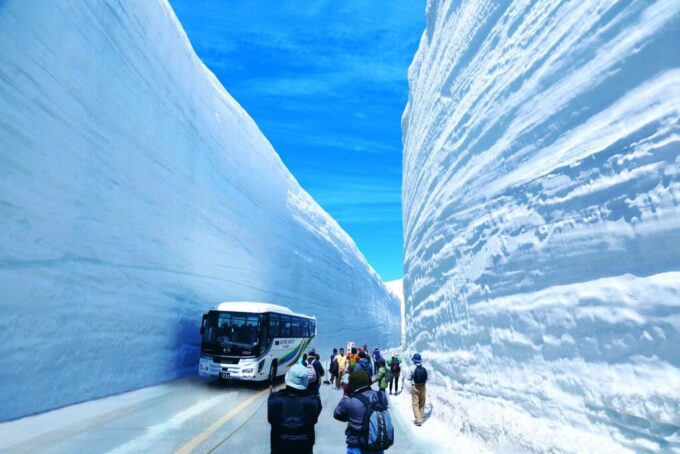
[Spring Only] 1-Day Tour from Nagano: Snow Walls of Tateyama-Kurobe Alpine Route
- Spots:
- NaganoAlpine Route
- Pick-up:
- Nagano City
- Drop-off:
- Nagano City

(Day Tour, Event Tour)
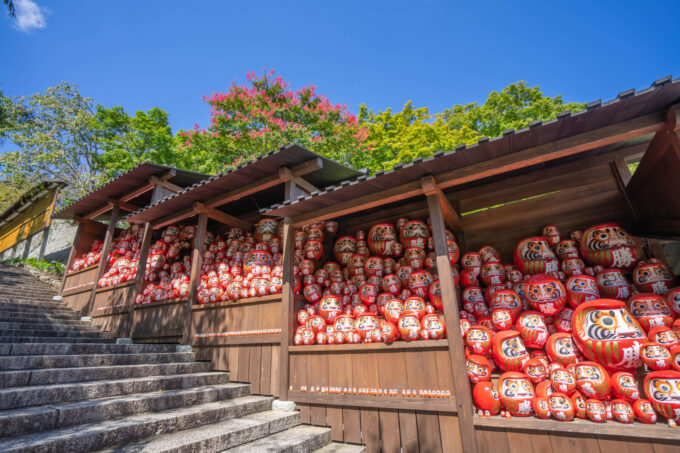
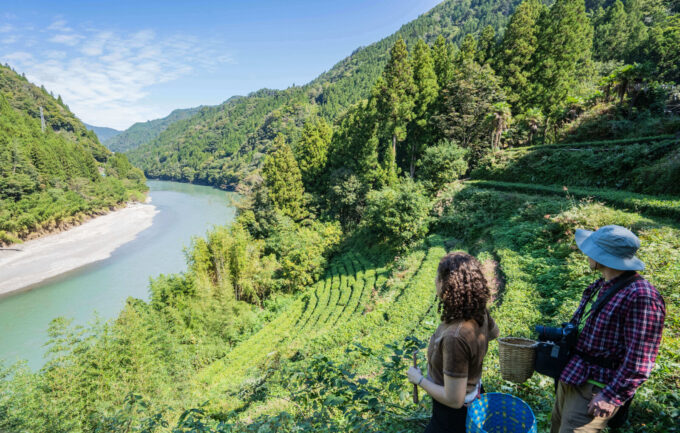
Beyond the Nakasendo: Self-Guided Local Experiences and Adventures in Minami Shinshu Tenryu Riverlands
- Spots:
- Kiso Valley
- Pick-up:
- Kiso Valley
- Drop-off:
- Kiso Valley
(Day Tour)
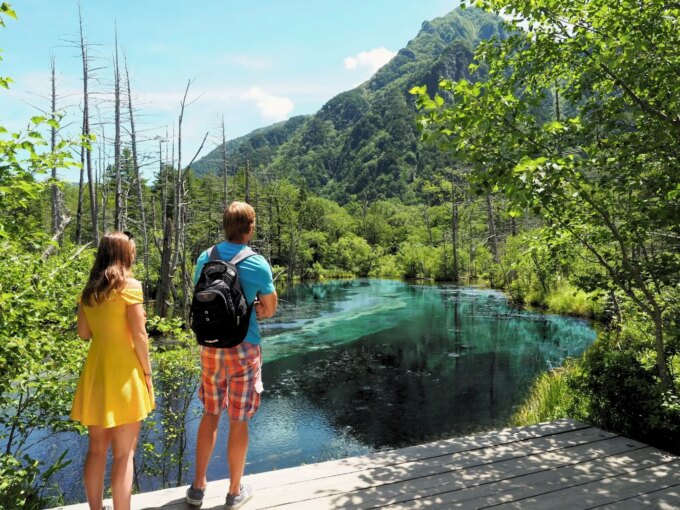
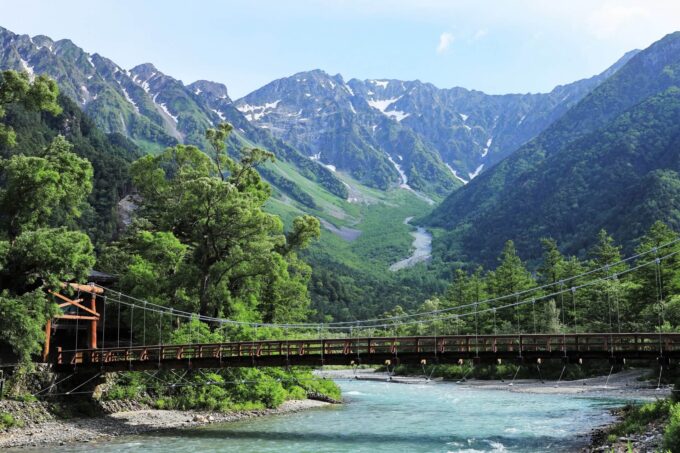
1-Day Tour from Nagano and Matsumoto: Kamikochi & Matsumoto Castle
- Spots:
- NaganoMatsumotoKamikochi
- Pick-up:
- Nagano CityMatsumoto
- Drop-off:
- Nagano CityMatsumoto
(Day Tour)
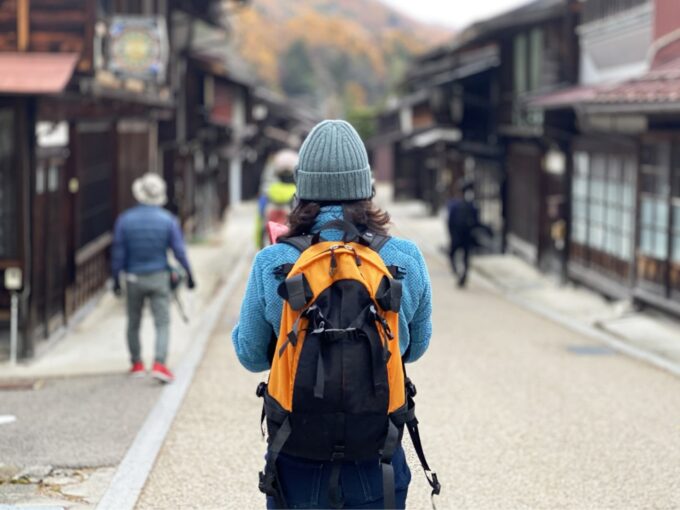
1-Day Tour from Nagano and Matsumoto: Step into the Past on the Nakasendo
- Spots:
- NaganoMatsumotoKiso Valley
- Pick-up:
- Nagano CityMatsumoto
- Drop-off:
- Nagano CityMatsumoto
(Day Tour)
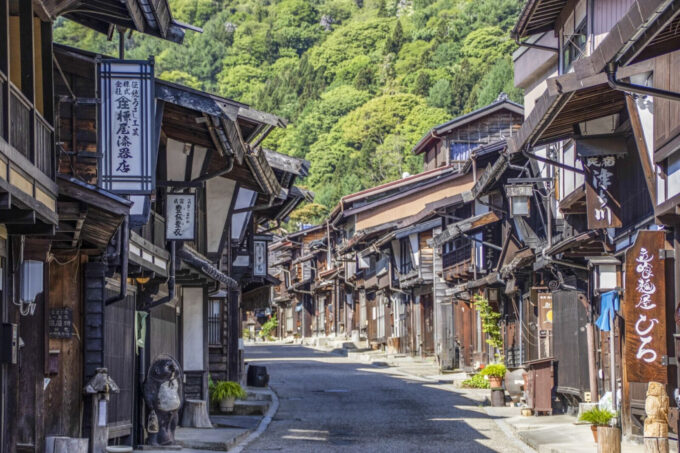
1-Day Tour from Nagano and Matsumoto: Experience Matsumoto Castle and Narai-juku
- Spots:
- NaganoMatsumotoKiso Valley
- Pick-up:
- Nagano CityMatsumoto
- Drop-off:
- Nagano CityMatsumoto
(Day Tour, Event Tour)
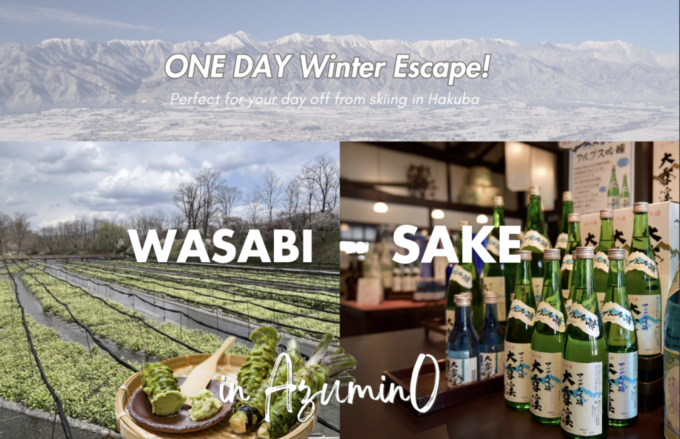
1-Day Tour from Hakuba: Your Perfect Rest Day featuring Azumino Wasabi, Sake & Wine

(Day Tour)
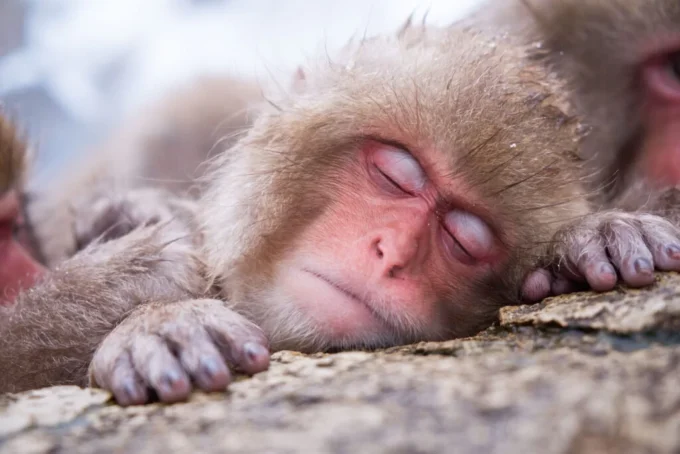
(Winter Only) 1-Day Tour From Nozawa Onsen: Snow Monkeys, Zenkoji Temple & Sake
- Spots:
- NaganoSnow MonkeyNozawa Onsen
- Pick-up:
- Nozawa Onsen
- Drop-off:
- Nagano CityNozawa Onsen

(Multi-day Tour)
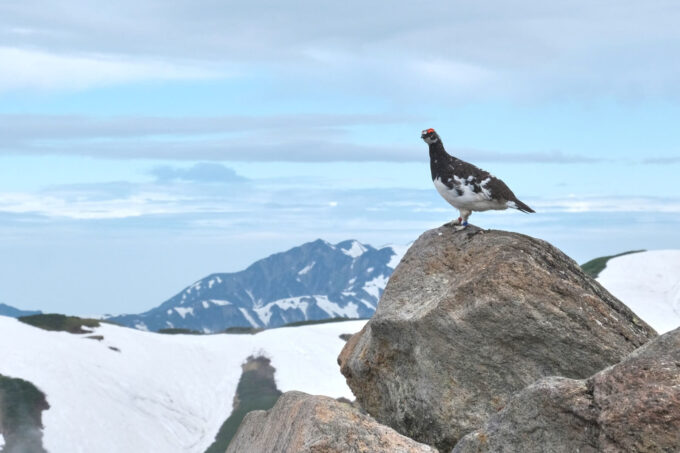
2-Day Snow Monkey Tour: Nagano To Takayama via Matsumoto
- Spots:
- NaganoSnow MonkeyTakayamaMatsumoto
- Pick-up:
- Nagano City
- Drop-off:
- Takayama
(Day Tour)
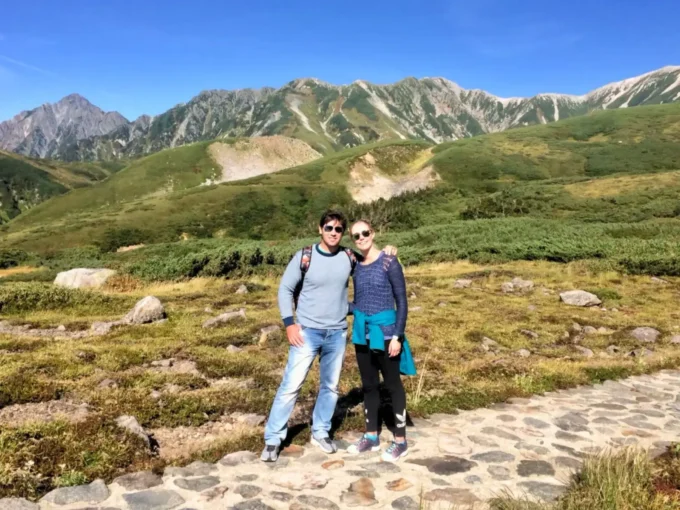
[Summer/Autumn only] Tateyama-Kurobe Tour: Walking on the 'Roof of Japan'
- Spots:
- NaganoAlpine Route
- Pick-up:
- Nagano City
- Drop-off:
- Nagano City
(Multi-day Tour)
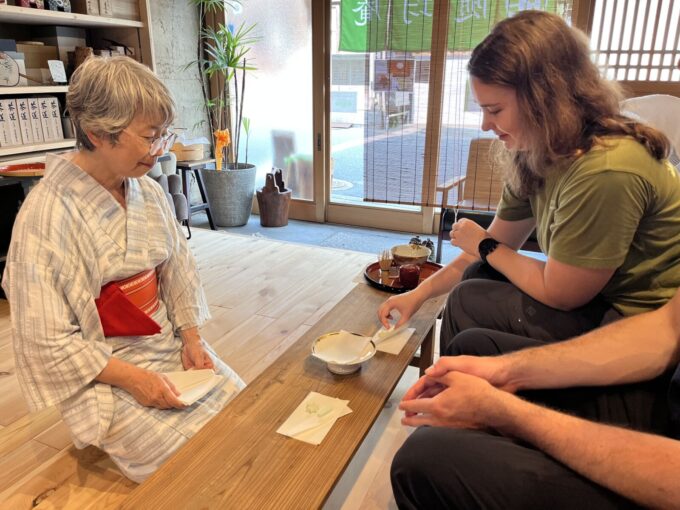
Tea Ceremony and Zenkoji Experience Tour with 'Shukubo' Temple Lodging Stay
- Spots:
- Nagano
- Pick-up:
- Nagano City
- Drop-off:
- Nagano City
(Day Tour)
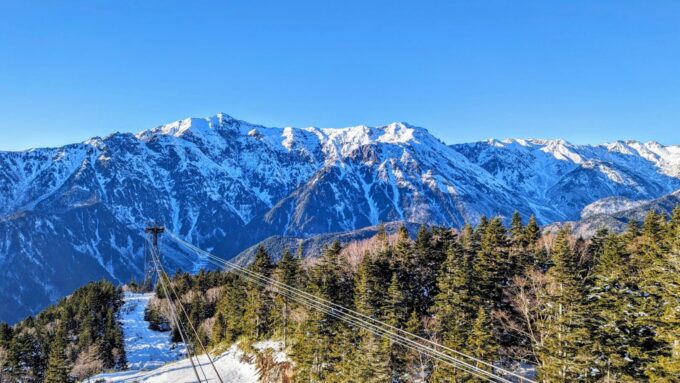
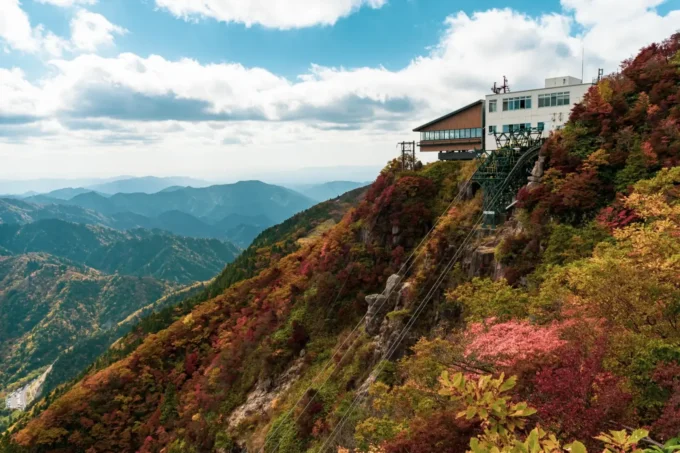
1-Day Tour from Takayama: Hida's Hidden Gems - Hida Folk Village, Limestone Caves and the Shinhotaka Ropeway
- Spots:
- TakayamaShinhotaka
- Pick-up:
- Takayama
- Drop-off:
- Takayama
(Multi-day Tour)
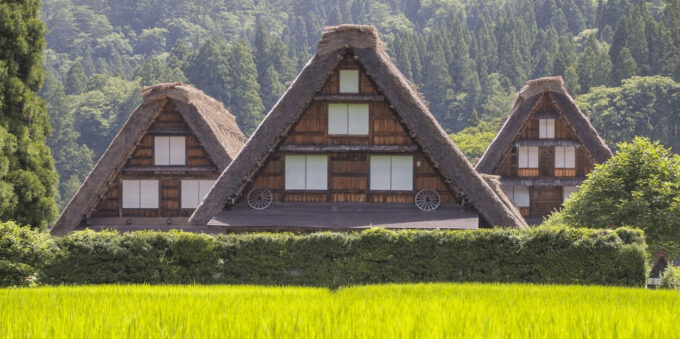
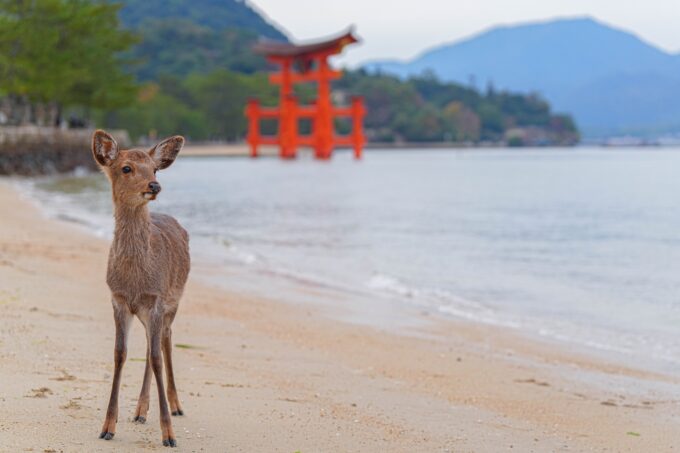
(Green Season) 4-Day Tour from Nagano to Kanazawa: The Ultimate Central Japan Tour
- Spots:
- NaganoSnow MonkeyKanazawaTakayamaMatsumotoShirakawagoKamikochi
- Pick-up:
- Nagano City
- Drop-off:
- Kanazawa
(Day Tour)
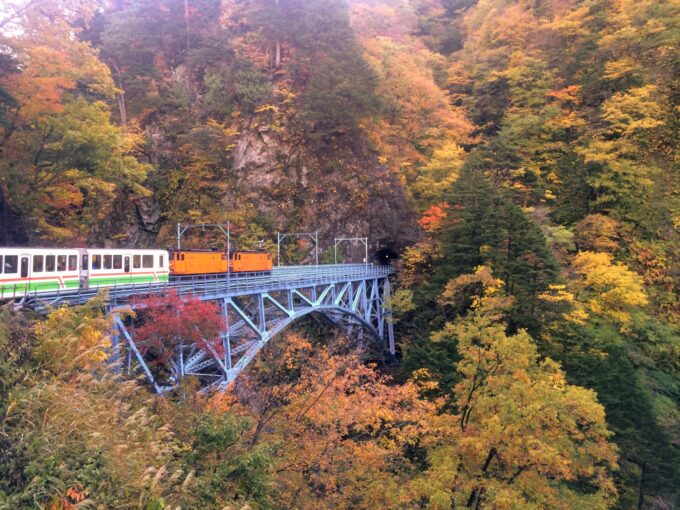
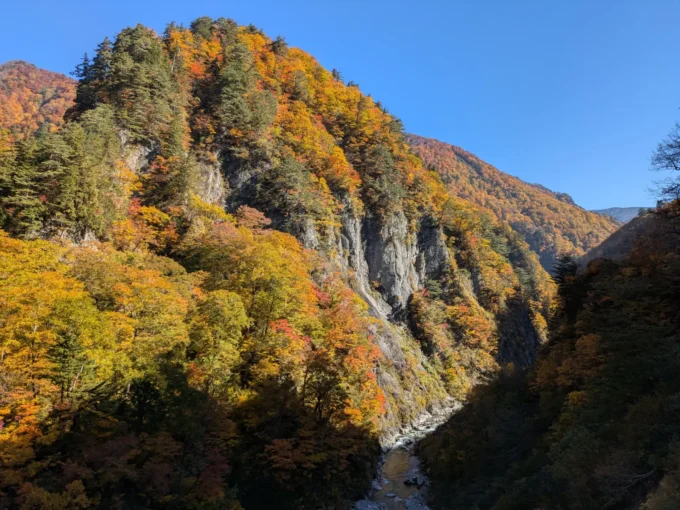
1 Day Tour from Kanazawa: Kurobe Gorge and Unazuki Onsen
- Spots:
- KanazawaKurobe Gorge
- Pick-up:
- Kanazawa
- Drop-off:
- Kanazawa
(Day Tour)
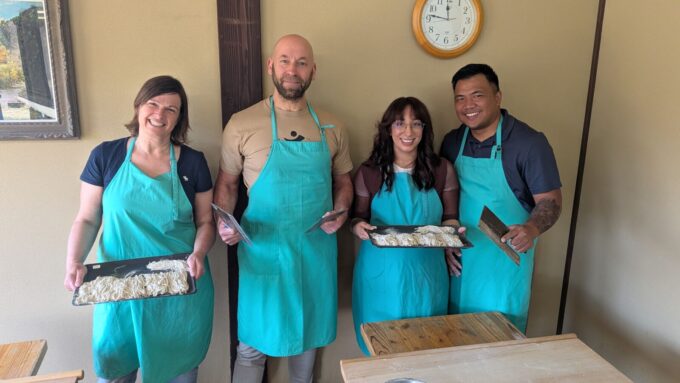
1-Day Togakushi Tour: Hands-on Soba, Ninja Secrets & Ancient Shrines
- Spots:
- NaganoTogakushi
- Pick-up:
- Nagano City
- Drop-off:
- Nagano City
(Day Tour)
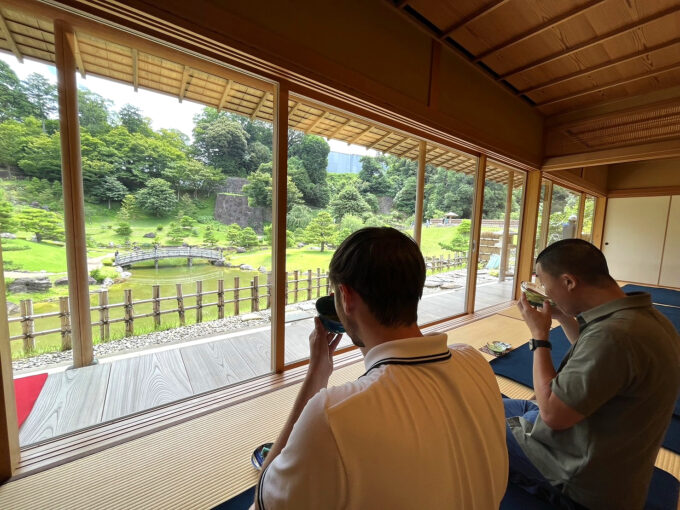
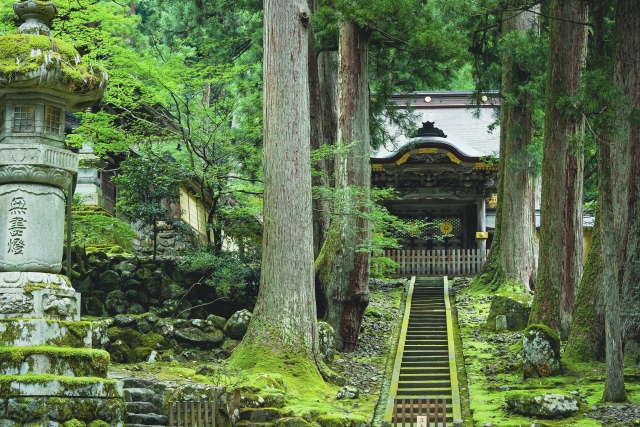
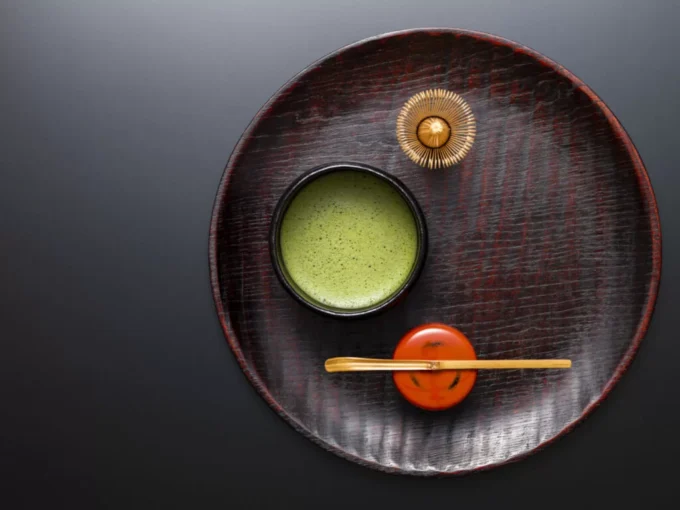
Half-Day Zenkoji Tour with Tea Ceremony
- Spots:
- Nagano
- Pick-up:
- Nagano City
- Drop-off:
- Nagano City
(Day Tour)
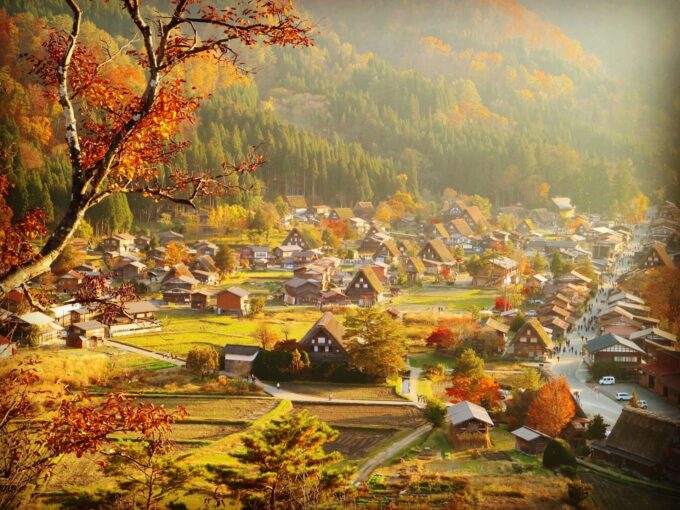
1-Day Tour from Nagoya: Hida Takayama and World Heritage Site Shirakawa-go
- Spots:
- NagoyaTakayamaShirakawago
- Pick-up:
- Nagoya
- Drop-off:
- Nagoya
(Private Tour)
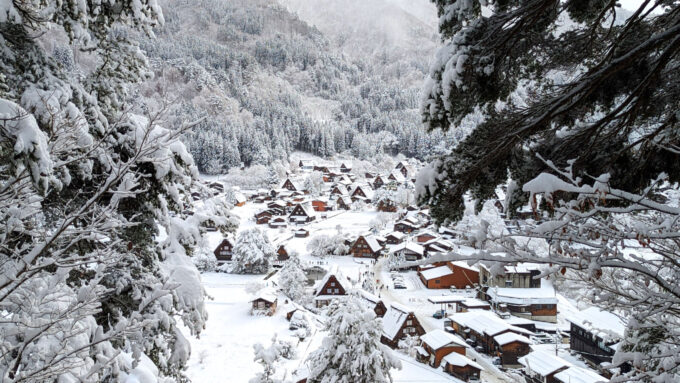
[START FROM TAKAYAMA] Private Takayama & Shirakawa-go Tour
- Spots:
- TakayamaShirakawago
- Pick-up:
- Takayama
- Drop-off:
- KanazawaTakayama
(Day Tour)
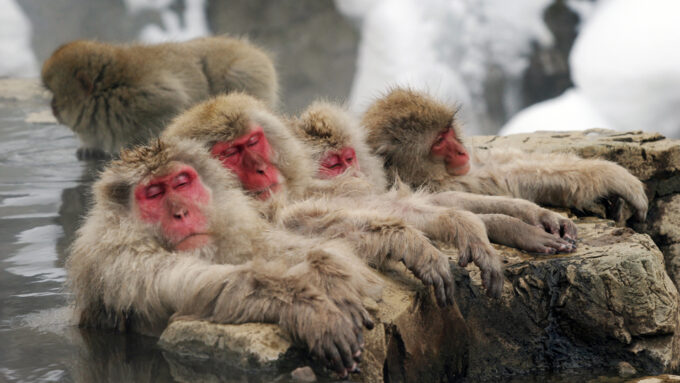
(Winter Only) 1-Day Tour From Myoko & Madarao: Snow Monkeys, Zenkoji Temple & Sake
- Spots:
- NaganoSnow MonkeyMyokoMadarao
- Pick-up:
- MadaraoMyoko
- Drop-off:
- Nagano CityMadaraoMyoko
(Day Tour)
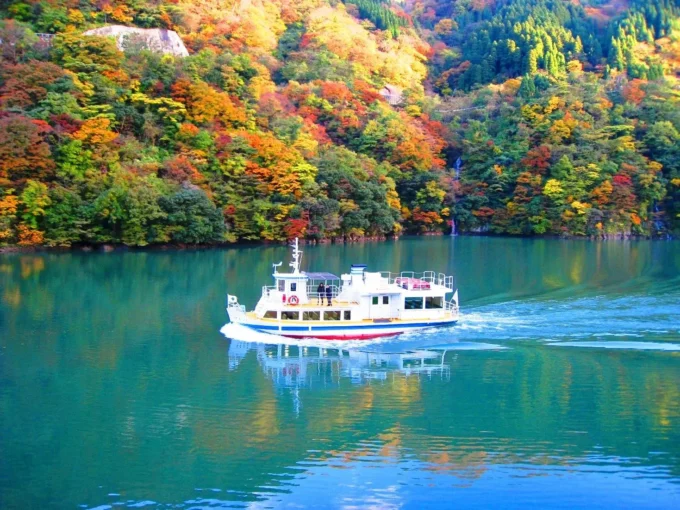
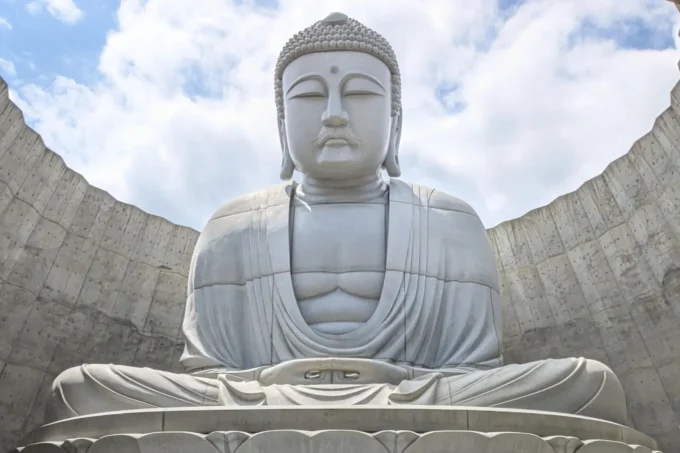
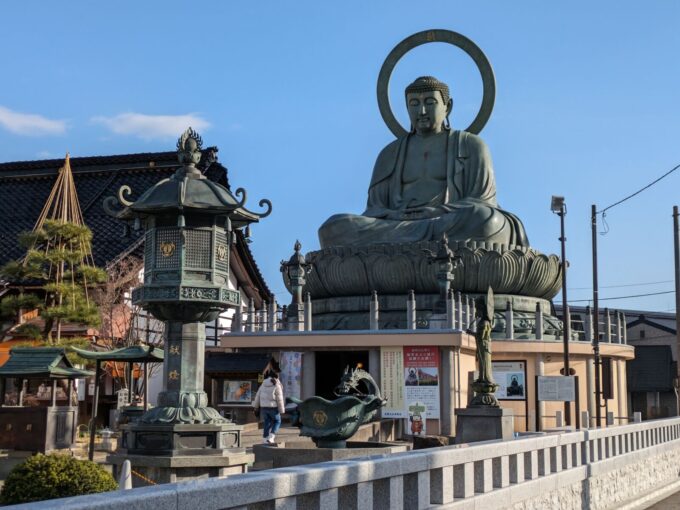
1 Day Tour from Kanazawa: Beautiful Amaharashi, A Big Buddha and the Shogawa Valley River Cruise
(Private Tour)
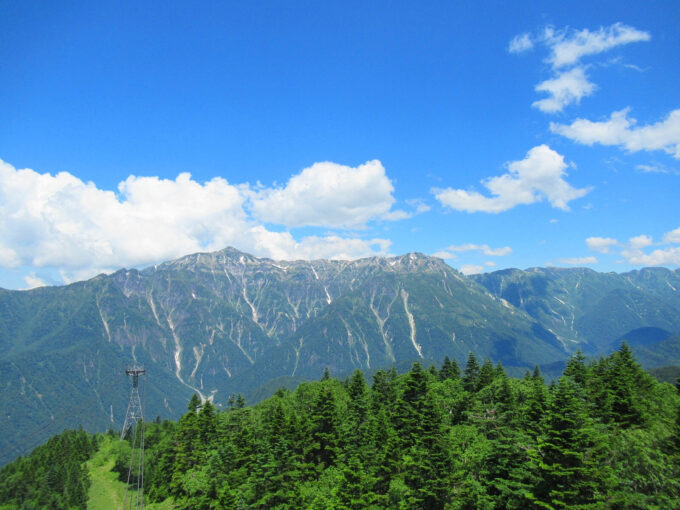
[START FROM TAKAYAMA] Private Shinhotaka Ropeway & Kamikochi Tour
- Spots:
- TakayamaKamikochiShinhotaka
- Pick-up:
- Takayama
- Drop-off:
- Takayama
(Day Tour)
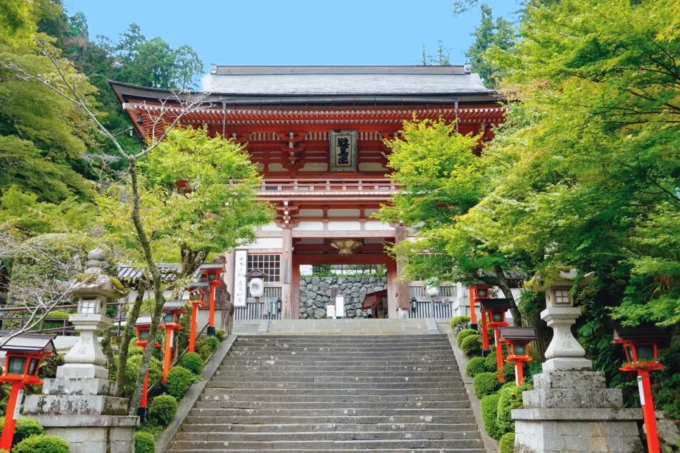
1 Day Tour from Kanazawa: Tedori Gorge, Hakusan White Road and Shirakawago Village
- Spots:
- KanazawaShirakawago
- Pick-up:
- Kanazawa
- Drop-off:
- Kanazawa
(Day Tour)
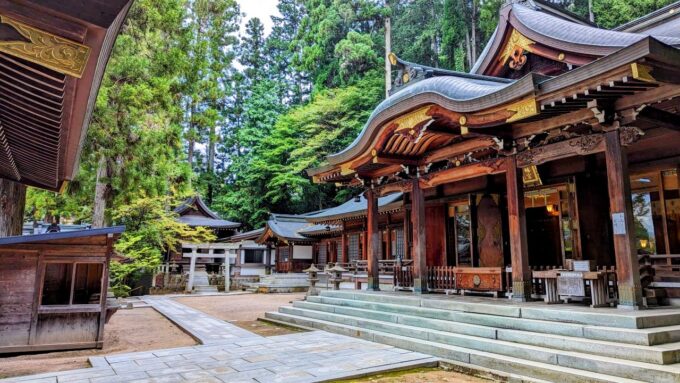
1-Day Historic Obuse & Hokusai: Japan's 'Mad Man of Art' Tour
- Spots:
- Nagano
- Pick-up:
- Nagano CityObuse
- Drop-off:
- Nagano CityObuse
(Day Tour, Event Tour)
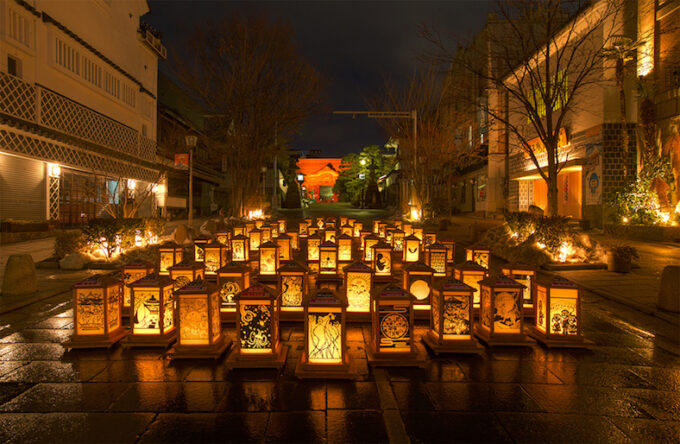
1-Day Tour: Snow Monkeys & Zenkoji Tomyo Lantern Festival
- Spots:
- NaganoSnow MonkeyHakuba
- Pick-up:
- Nagano CityHakuba
- Drop-off:
- Nagano CityHakuba

(Private Tour, Multi-day Tour)
Start from Nagano: Explore Japan’s Historic ‘Shortcut’ Mountain Trail – 2-Day Private Tour
- Spots:
- Nagano
- Pick-up:
- Nagano City
- Drop-off:
- Nagano City
(Day Tour)
[Summer/Fall Only] From Kanazawa: Shomyo Falls, Light Alpine Hikes and Tateyama Mountain's Majesty
(Day Tour, Event Tour)
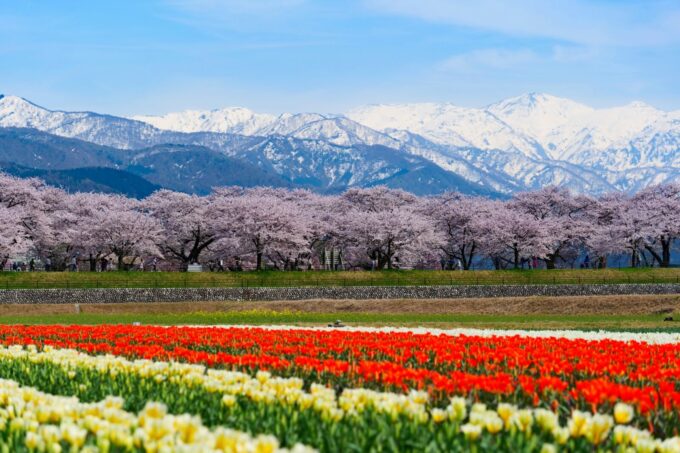
[Spring Only] Day Tour from Kanazawa and Toyama: The Spring Quartet of Flowers and Mountain Cherry Blossoms
(Day Tour)
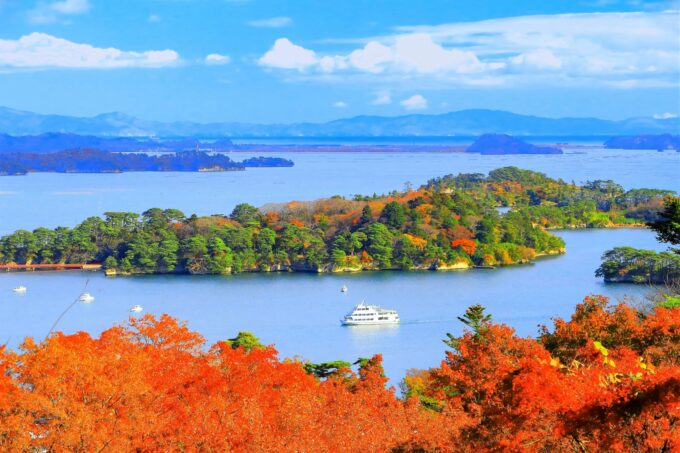
1-Day Tour from Sendai: Matsushima Bay — Highlights from One of Japan’s Three Most Scenic Views
- Spots:
- Matsushima
- Pick-up:
- Sendai
- Drop-off:
- Sendai
(Day Tour)
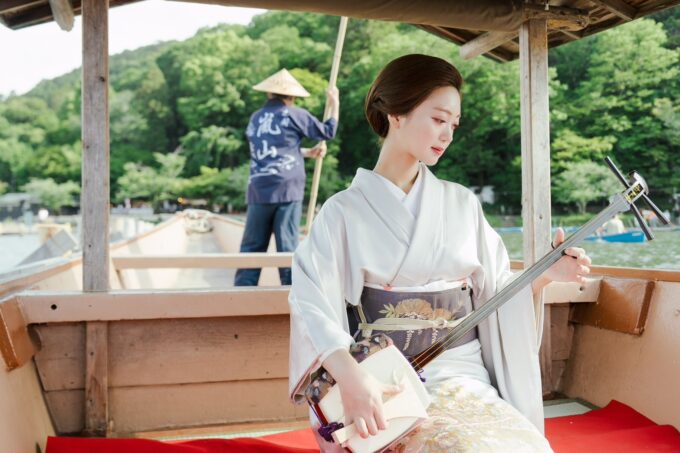
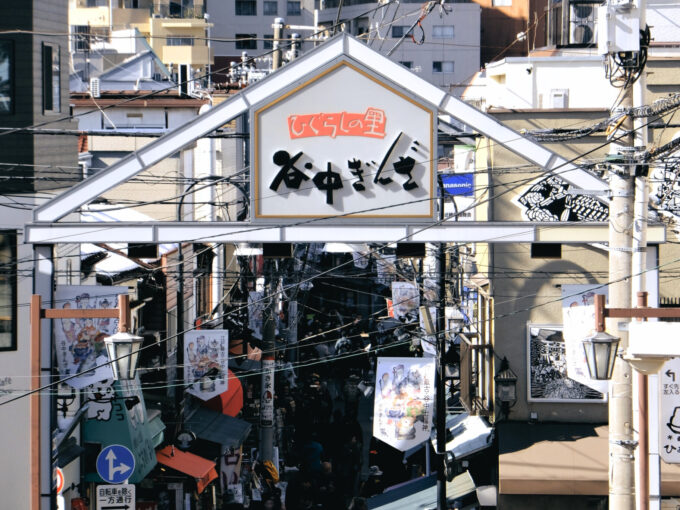
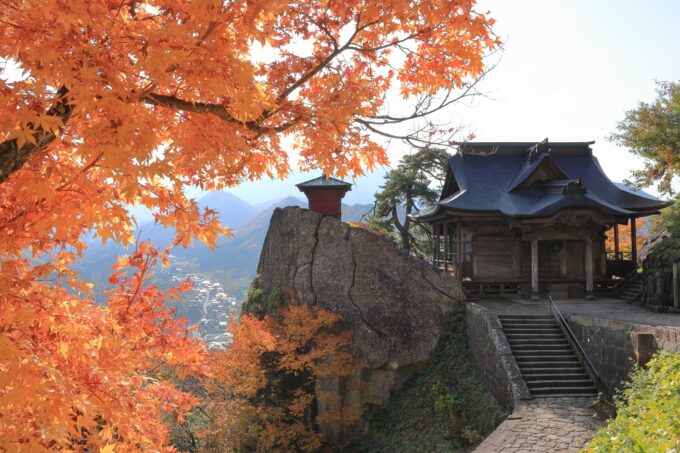
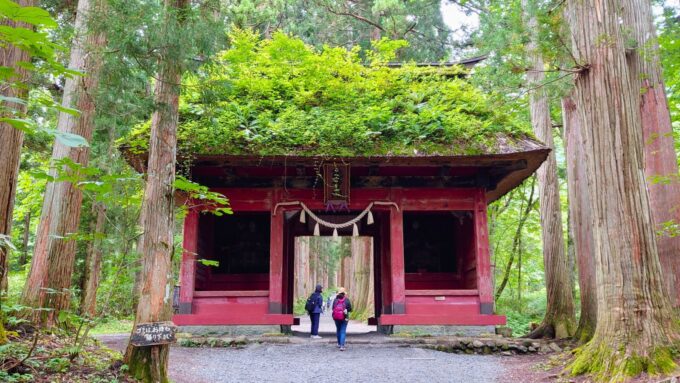
Walking Tour in Yanaka, Nezu and Sendagi : Experience Tea Ceremony and ’Yanesen’ Old Tokyo


(Day Tour)
1-Day Tour: Snow Monkey Park & Togakushi Shrine in Nagano
- Spots:
- NaganoSnow MonkeyTogakushi
- Pick-up:
- Nagano City
- Drop-off:
- Nagano City
(Private Tour)
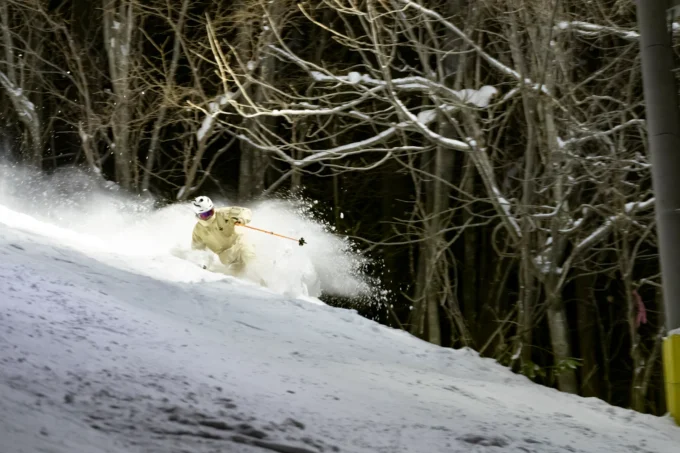
Private 1-Day Ski Tour from Nagano Station – Choose Your Ski Resort
- Spots:
- NaganoShiga KogenHakubaNozawa OnsenTogakushiMadarao
- Pick-up:
- Nagano City
- Drop-off:
- Nagano City
(Day Tour)
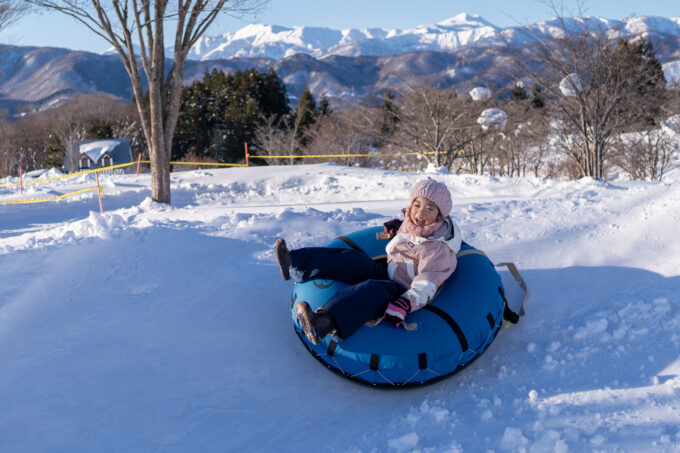
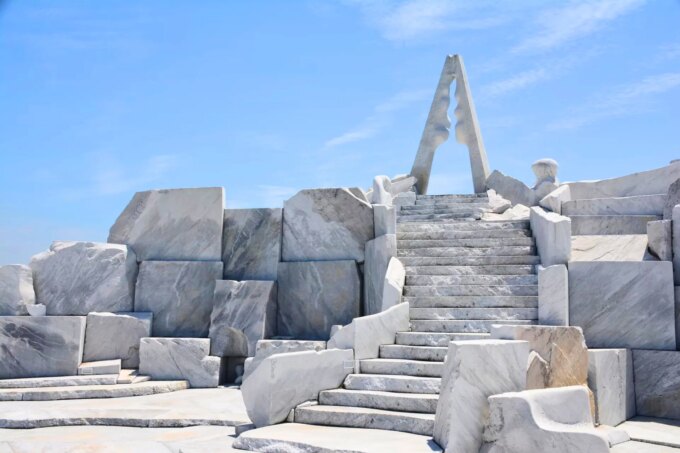
(Winter Only) 1-Day Tour from Nagoya: Snow Day in the Japan Alps & Shirakawago
- Spots:
- NagoyaShirakawago
- Pick-up:
- Nagoya
- Drop-off:
- Nagoya
(Private Tour)
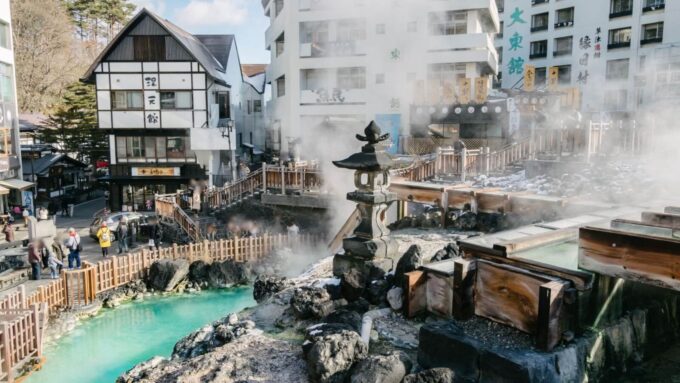
[START FROM NAGANO / KARUIZAWA ] Private - Unwind in Kusatsu Onsen
- Spots:
- NaganoKaruizawaKusatsu
- Pick-up:
- Nagano CityKaruizawa
- Drop-off:
- Nagano CityKaruizawa
(Day Tour, Event Tour)
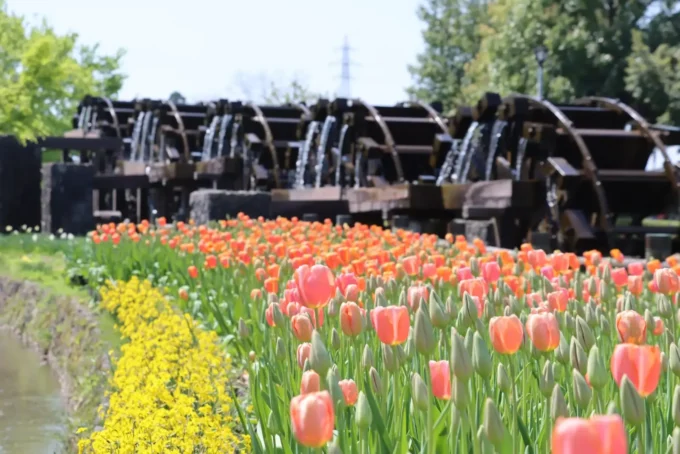
[Spring Only] 1 Day Tour from Kanazawa: Tonami's Terrific Tulips and the UNESCO site of Gokayama

(Multi-day Tour, Event Tour)
2-Day Tour: 'Shimotsuki' Winter Festival, Traditional Food & Sake Experience
- Spots:
- NagoyaKiso Valley
- Pick-up:
- NagoyaKiso Valley
- Drop-off:
- NagoyaKiso Valley
(Private Tour)
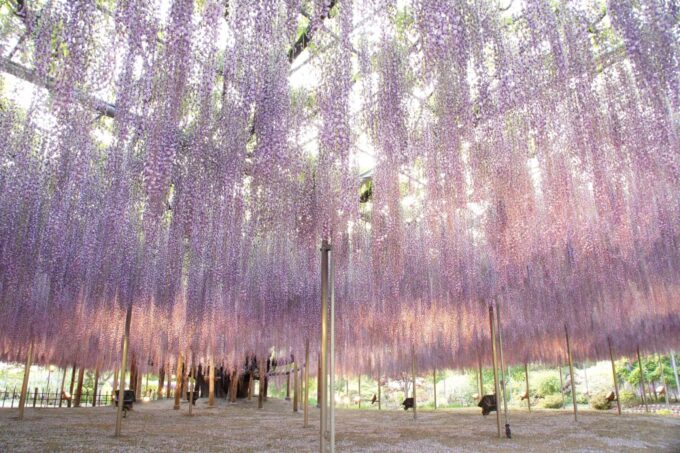
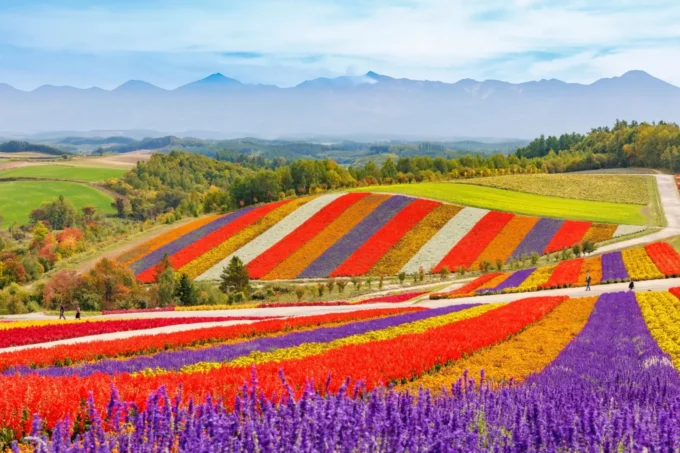
[FROM NAGANO/KARUIZAWA] Private - Culture and Beauty at the Ashikaga Flower Park
- Spots:
- NaganoKaruizawaAshikaga
- Pick-up:
- Nagano CityKaruizawa
- Drop-off:
- Nagano CityKaruizawa
(Private Tour)
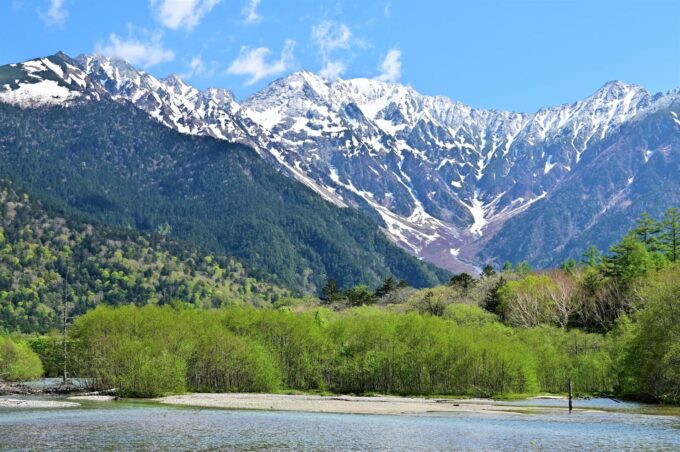
[START FROM NAGANO/MATSUMOTO] Private Kamikochi Tour
- Spots:
- NaganoMatsumotoKamikochi
- Pick-up:
- Nagano CityMatsumoto
- Drop-off:
- Nagano CityMatsumoto

(Private Tour)
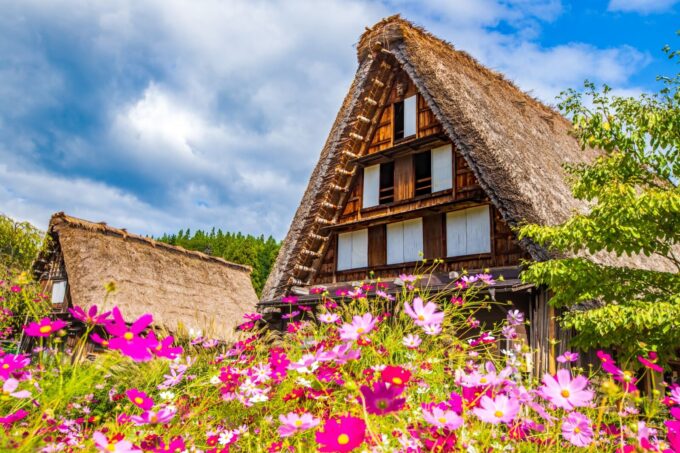
[FROM NAGOYA] Takayama & Shirakawa-go Private Tour
- Spots:
- NagoyaTakayamaShirakawago
- Pick-up:
- Nagoya
- Drop-off:
- Nagoya
(Private Tour)
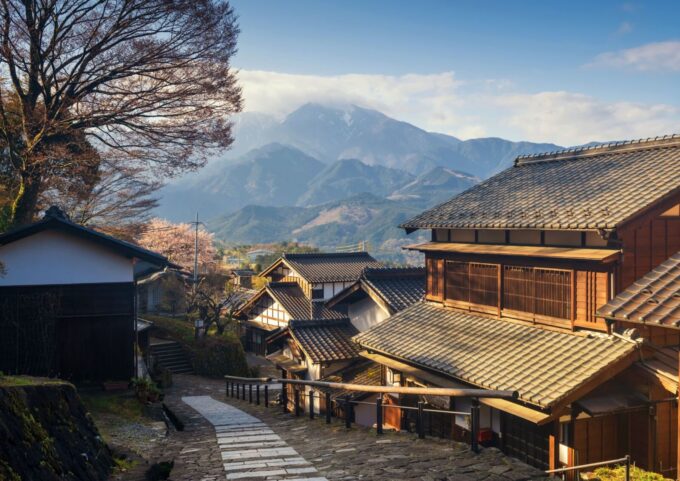
[FROM NAGOYA] Nakasendo Trail and Post Towns Private Hike
- Spots:
- NagoyaKiso Valley
- Pick-up:
- Nagoya
- Drop-off:
- Nagoya
(Day Tour)
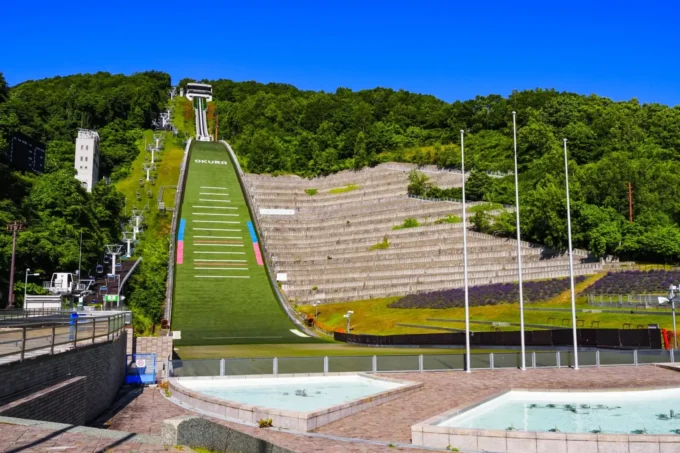
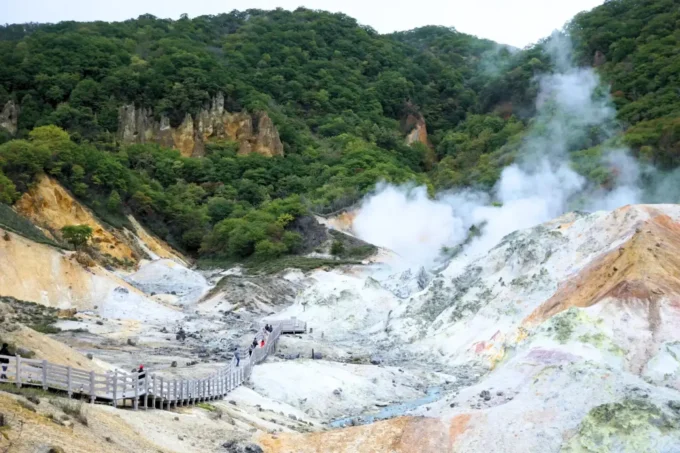
1-Day Tour in Noboribetsu: Hell Valley, Lake Oyunuma Footbath & Dai-ichi Takimotokan Day Bath

(Day Tour)
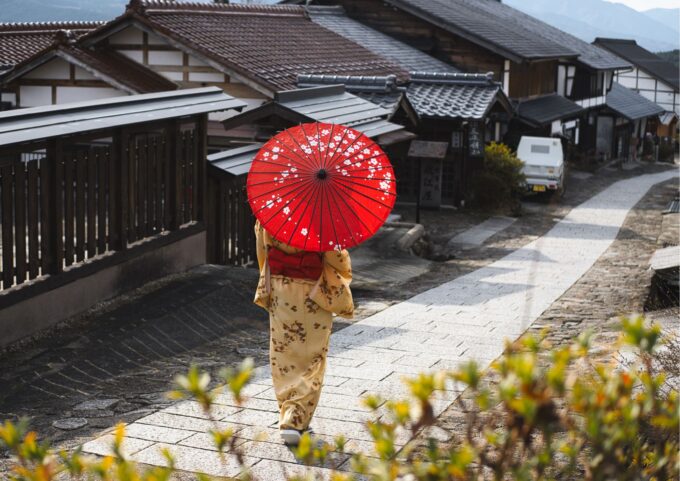
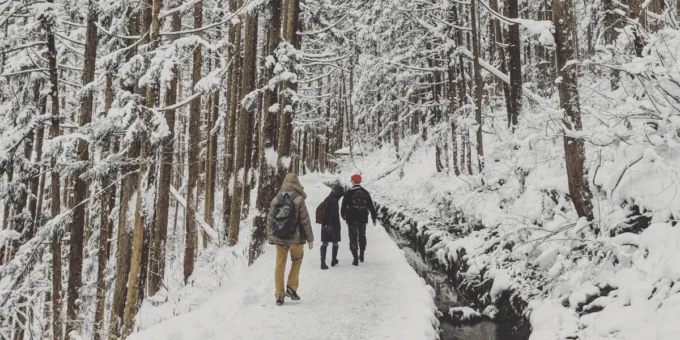
(Summer Only) 1-Day Tour from Nagoya: Hidden Gems of the Kiso Valley and the Nakasendo Road
- Spots:
- NagoyaKiso Valley
- Pick-up:
- Nagoya
- Drop-off:
- NagoyaKiso Valley
(Private Tour, Multi-day Tour)
2-Day Snow Monkeys & Snow Fun Winter Tour inc. Luxury Onsen Hotel
- Spots:
- NaganoSnow MonkeyShiga Kogen
- Pick-up:
- Nagano CityHakuba
- Drop-off:
- Nagano City

(Multi-day Tour)
2-Day Snow Monkeys & Nagano Cultural Tour inc. Luxury Onsen Hotel
- Spots:
- NaganoSnow Monkey
- Pick-up:
- Nagano CityHakuba
- Drop-off:
- Nagano City
(Private Tour, Multi-day Tour)
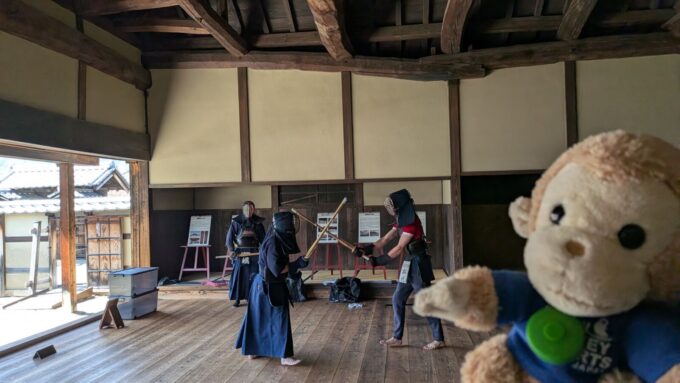
2-Day Tour: Snow Monkeys, Samurai Experience & Zenkoji 'Shukubo' Stay
- Spots:
- NaganoSnow Monkey
- Pick-up:
- Nagano City
- Drop-off:
- Nagano City
(Private Tour)
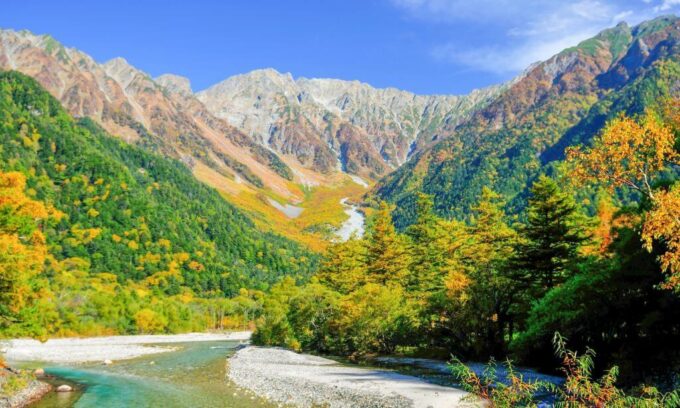
[START FROM NAGANO/MATSUMOTO] Private Wasabi-Picking Experience & Kamikochi
- Spots:
- MatsumotoKamikochi
- Pick-up:
- Nagano CityMatsumoto
- Drop-off:
- Nagano CityMatsumoto
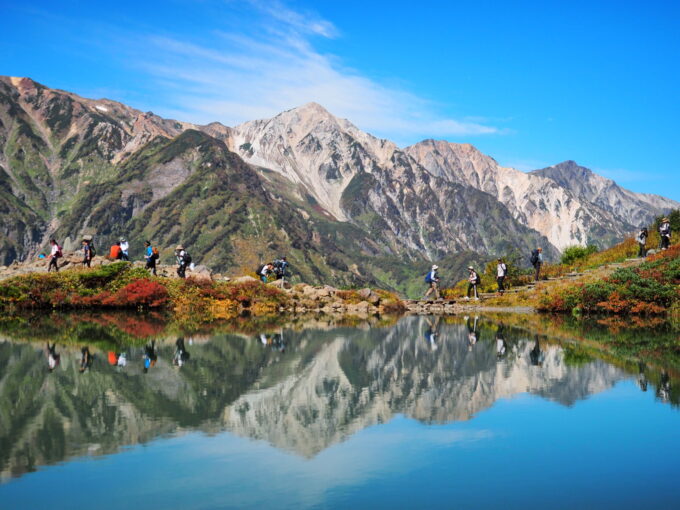
(Day Tour)
1-Day Tour from Nagano: Hiking to Happo-ike Pond & Hot Springs in Hakuba Valley
- Spots:
- Hakuba
- Pick-up:
- Nagano City
- Drop-off:
- Nagano City
(Day Tour)
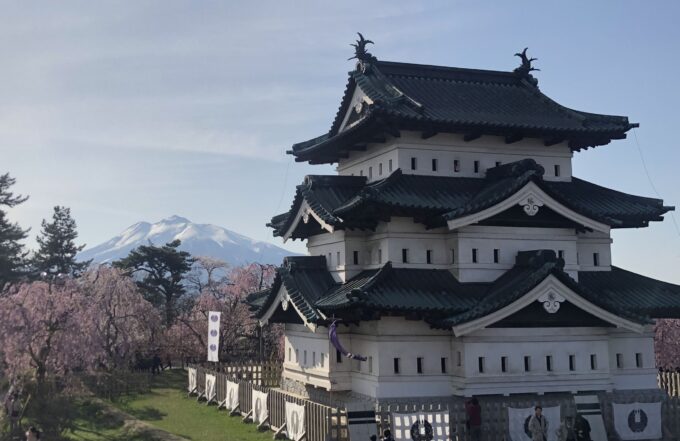
1-Day Tour From Shin-Aomori: Hirosaki Castle & Cultural Highlights
- Spots:
- Pick-up:
- Shin-Aomori
- Drop-off:
(Day Tour)
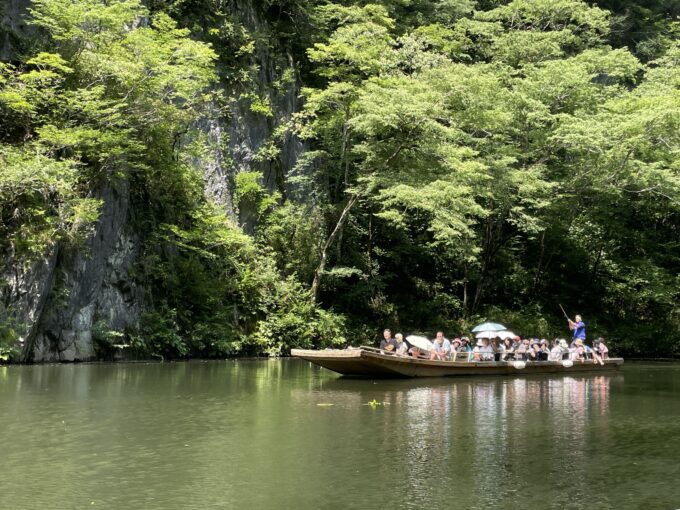
1-Day Tour from Ichinoseki: Geibikei Gorge & Yugen Cave Tour
- Spots:
- Pick-up:
- Ichinoseki
- Drop-off:
(Day Tour)
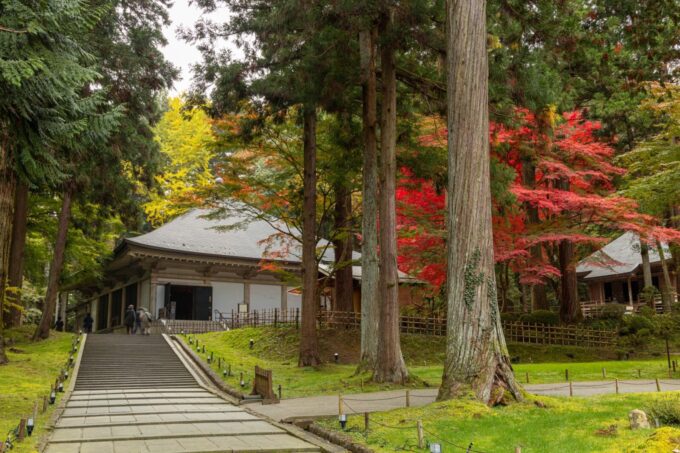
1-Day Tour from Ichinoseki: Temple Highlights of World Heritage Site Hiraizumi
- Spots:
- Pick-up:
- Ichinoseki
- Drop-off:
(Day Tour, Private Tour)
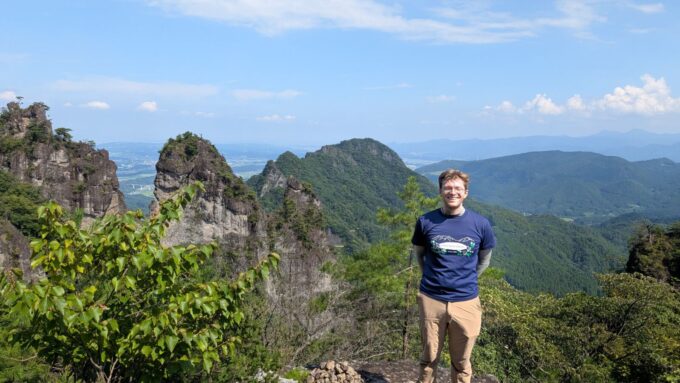
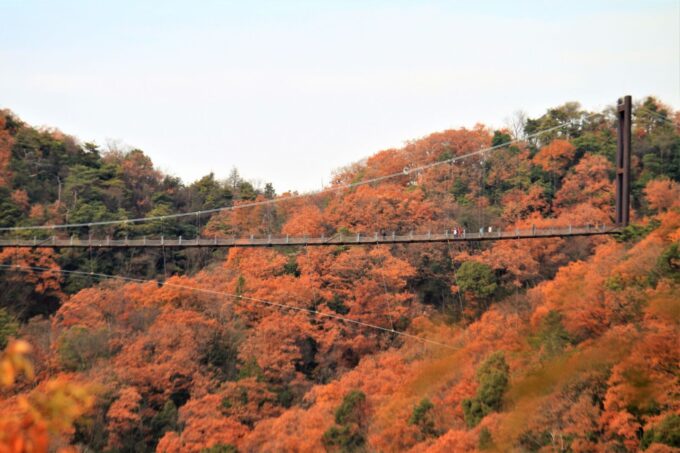
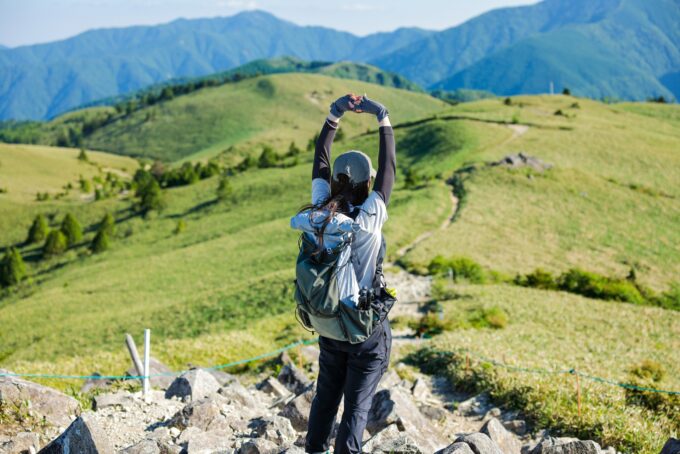
[Central Alps Mountain Route]1-Day Private Tour: From Historic Trails in Magome to Alpine Peaks in Senjojiki
- Spots:
- Hirugami OnsenKiso Valley
- Pick-up:
- NagoyaMatsumoto
- Drop-off:
- NagoyaMatsumoto