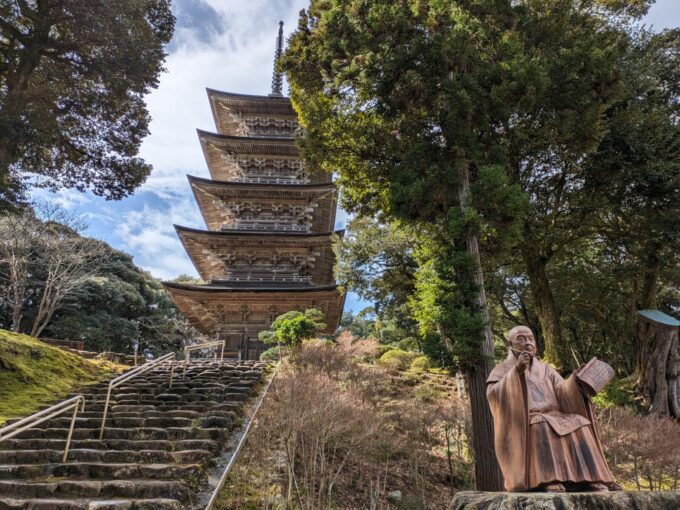
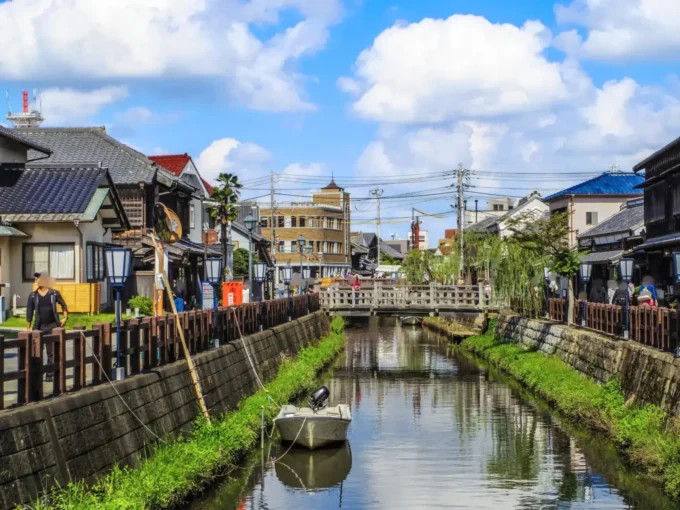
Step beyond the crowds of Arashiyama and discover a different side of Kyoto—one where moss-covered stone statues smile from the forest, where preserved streets whisper of centuries past, where bamboo sways gently overhead, and where a former maiko (geisha apprentice) welcomes you aboard a private boat with music, stories, and laughter. This tour is a journey through stone and silk, stillness and song.
Highlights:
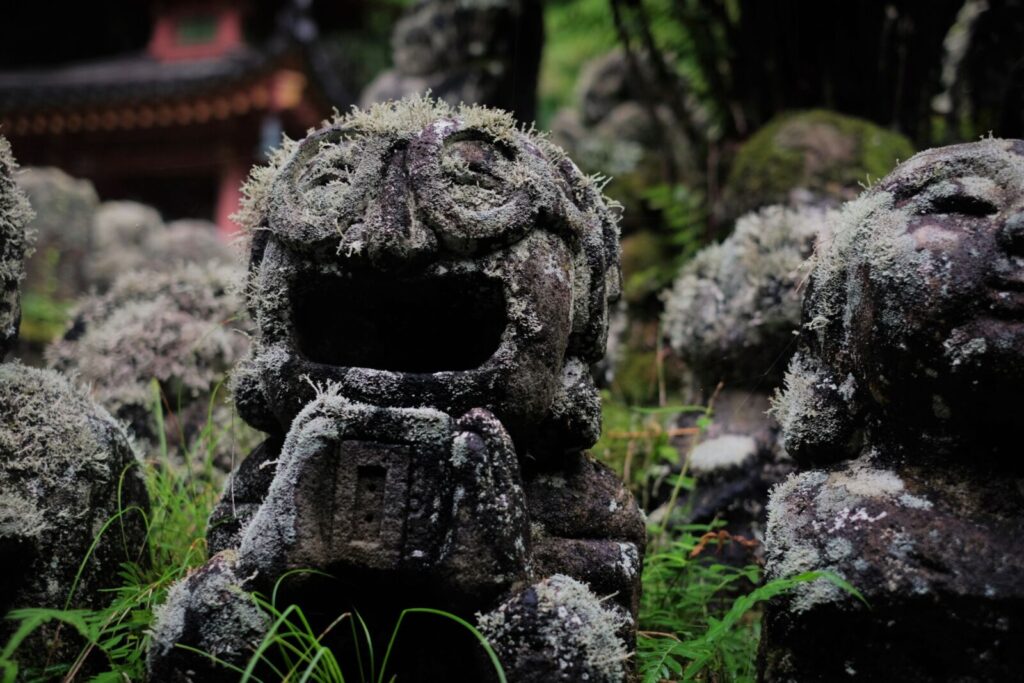
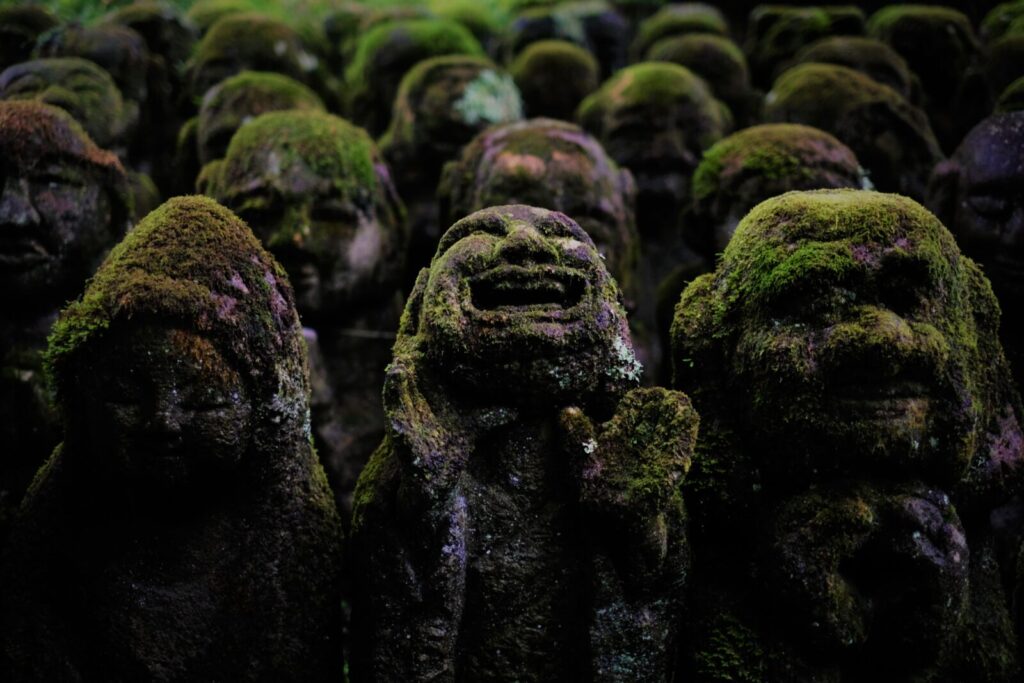
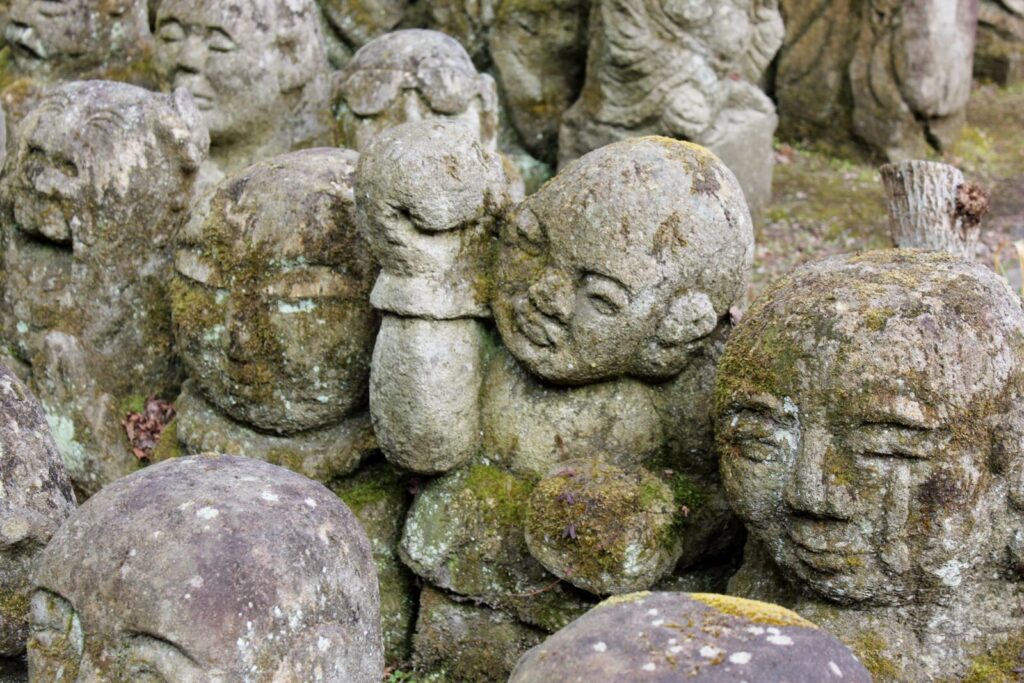
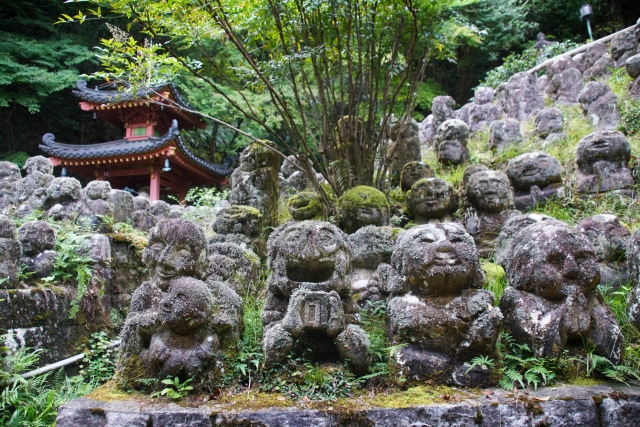
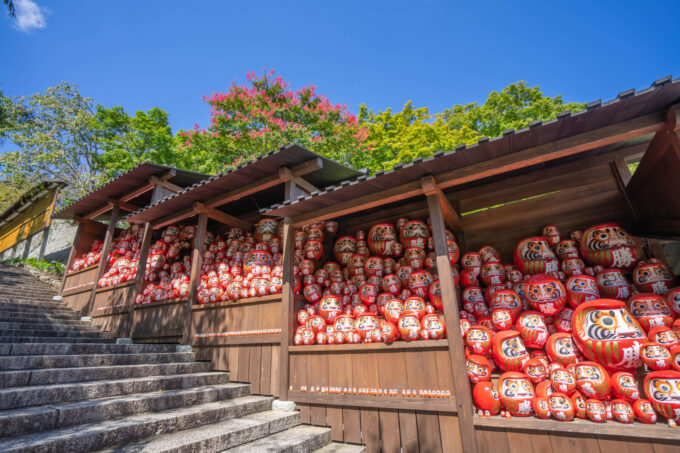
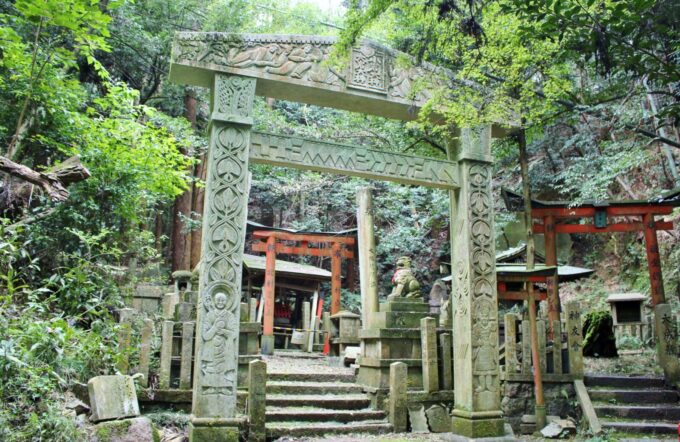
Otagi Nenbutsu-ji – A hillside temple where over a thousand hand-carved stone figures grin, pray, and laugh. Each one is unique, a playful reminder that Buddhism embraces joy as much as serenity.
Adashino Nenbutsu-ji – A place of remembrance and tranquility, where thousands of memorial stones stand quietly in rows, framed by a small but beautiful bamboo grove.
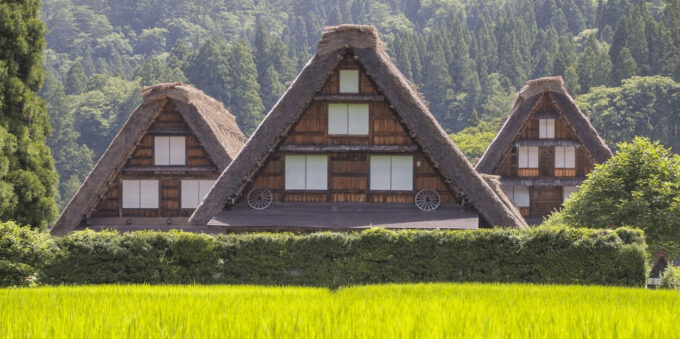
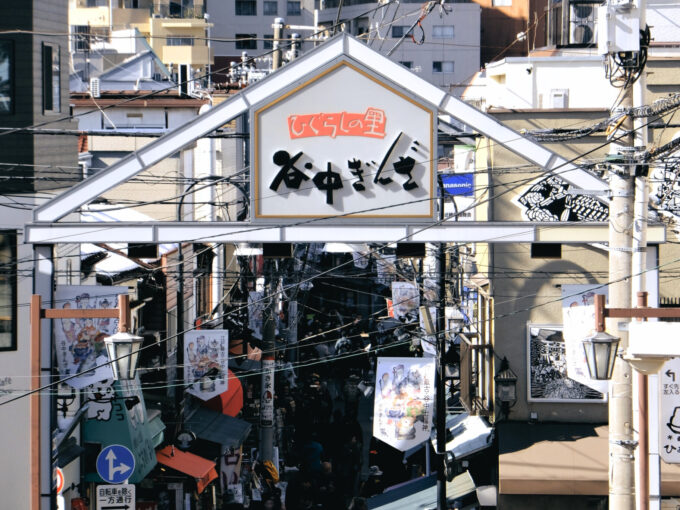
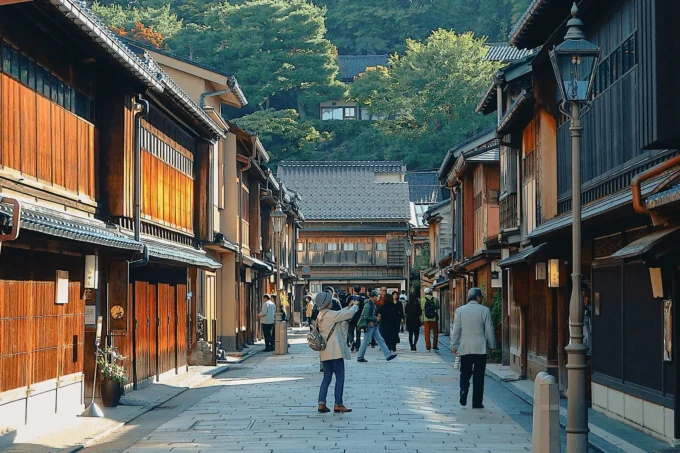
Saga-Toriimoto Preserved Street – Thatched roofs and wooden townhouses line this old road to the mountains, offering a glimpse into Kyoto’s past and a perfect stop for local bites or souvenirs.
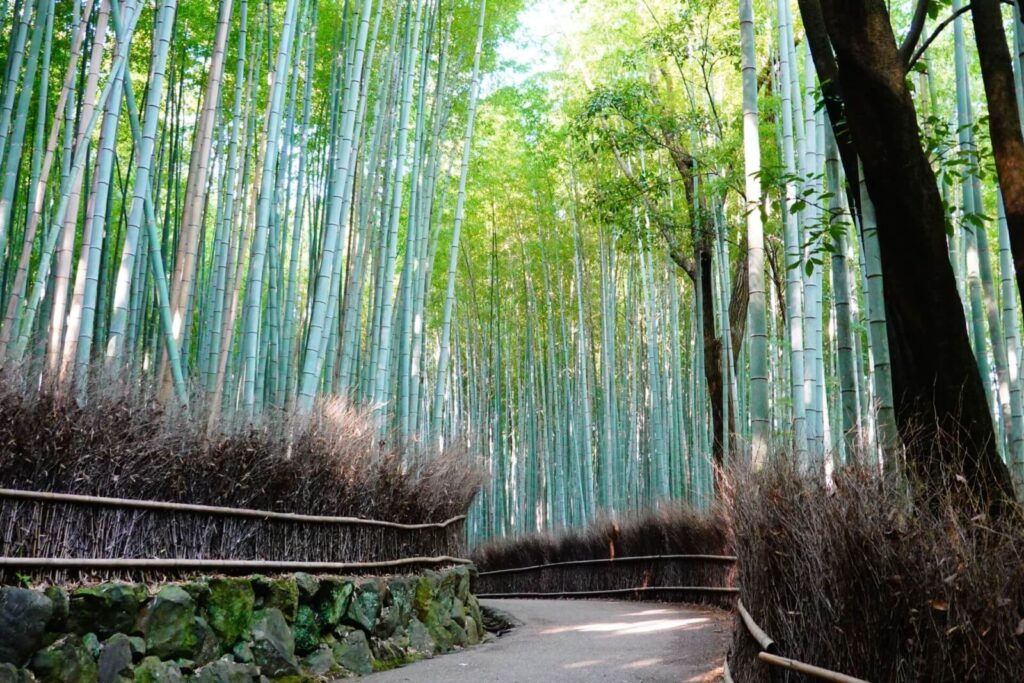
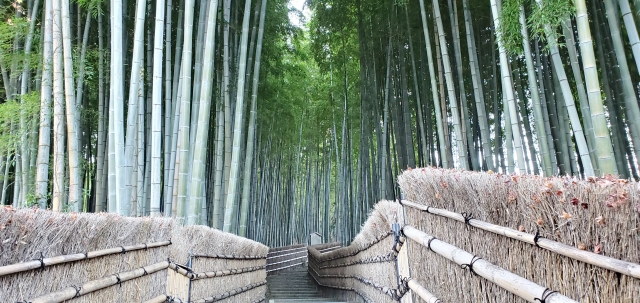
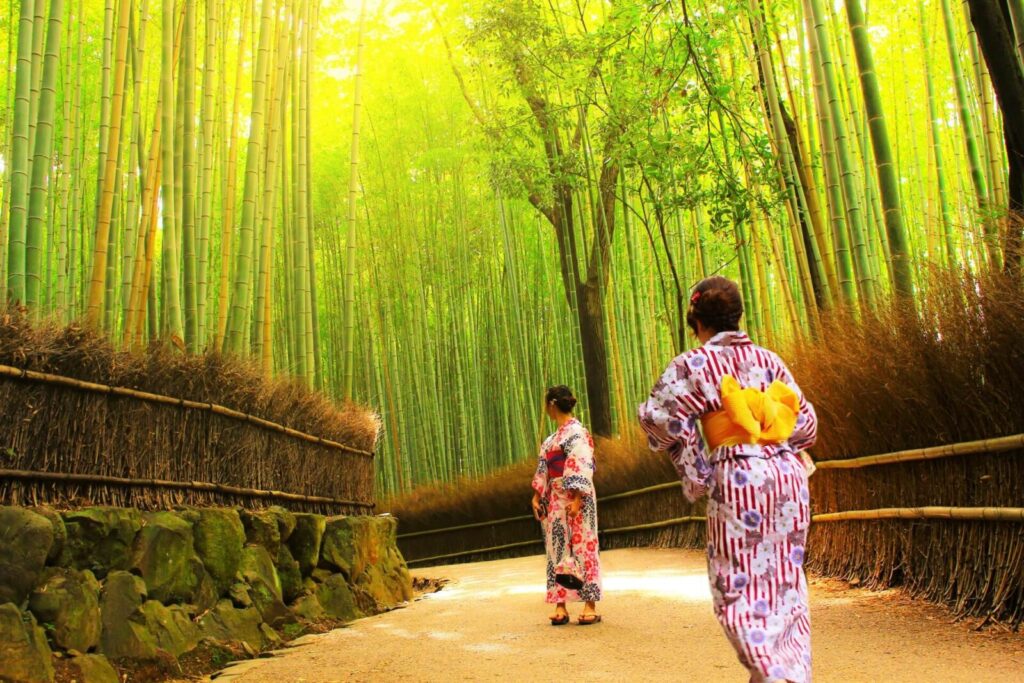
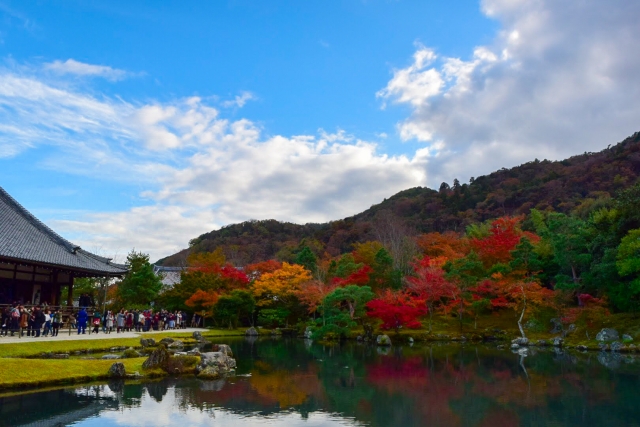
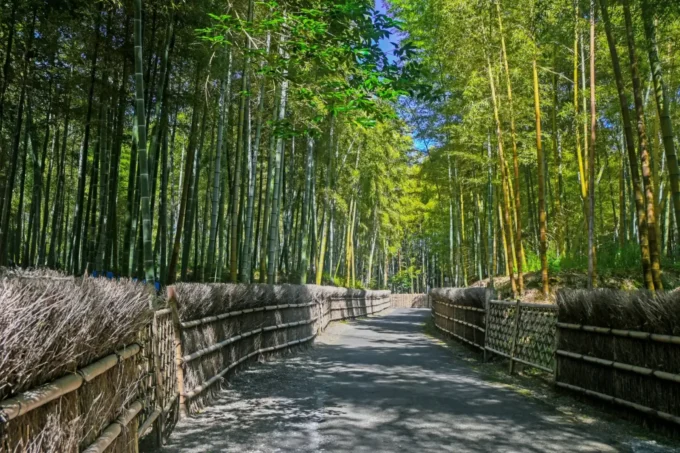
Tenryū-ji Temple & Bamboo Forest – A UNESCO Zen garden that has inspired poets for centuries, followed by the iconic bamboo grove, where the air itself seems to hum.
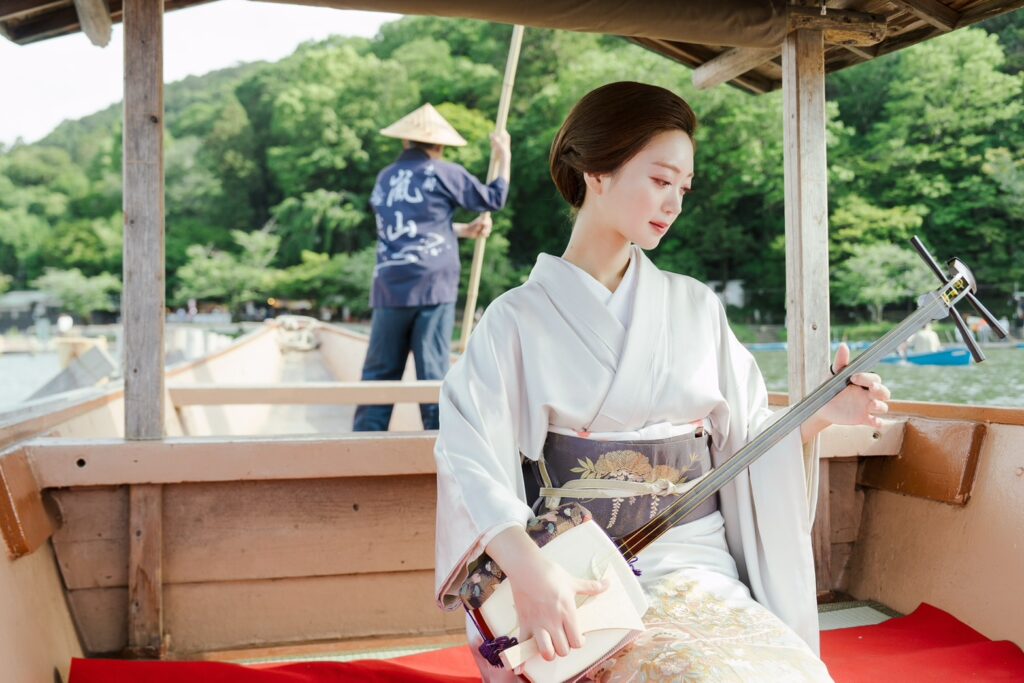
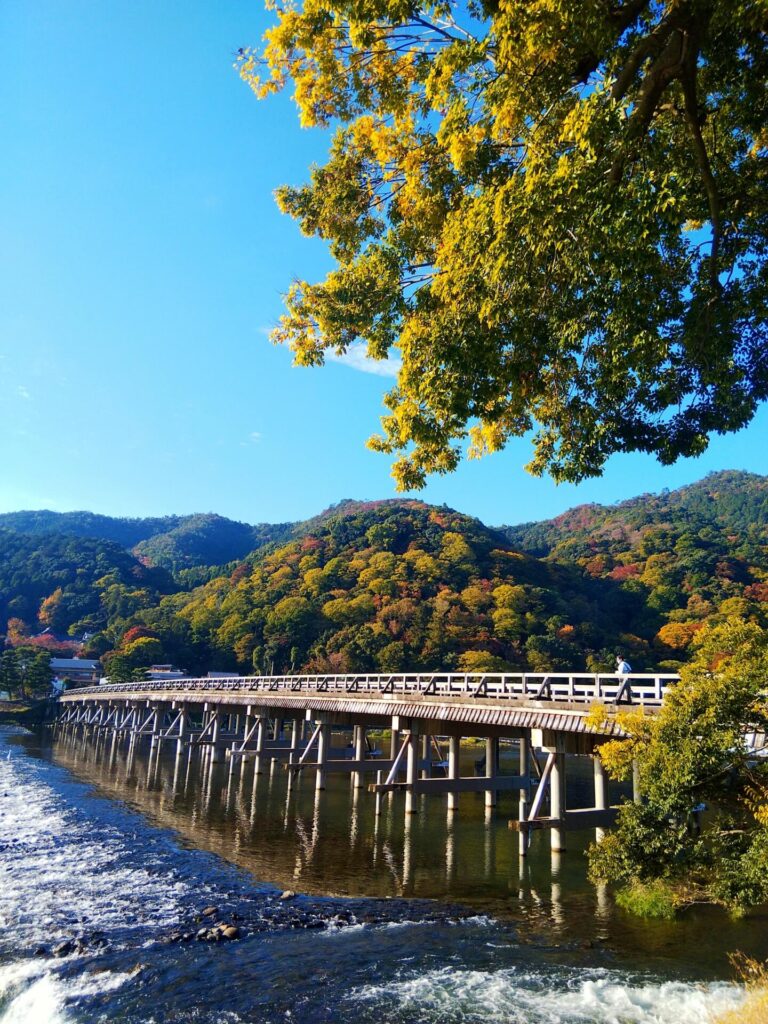
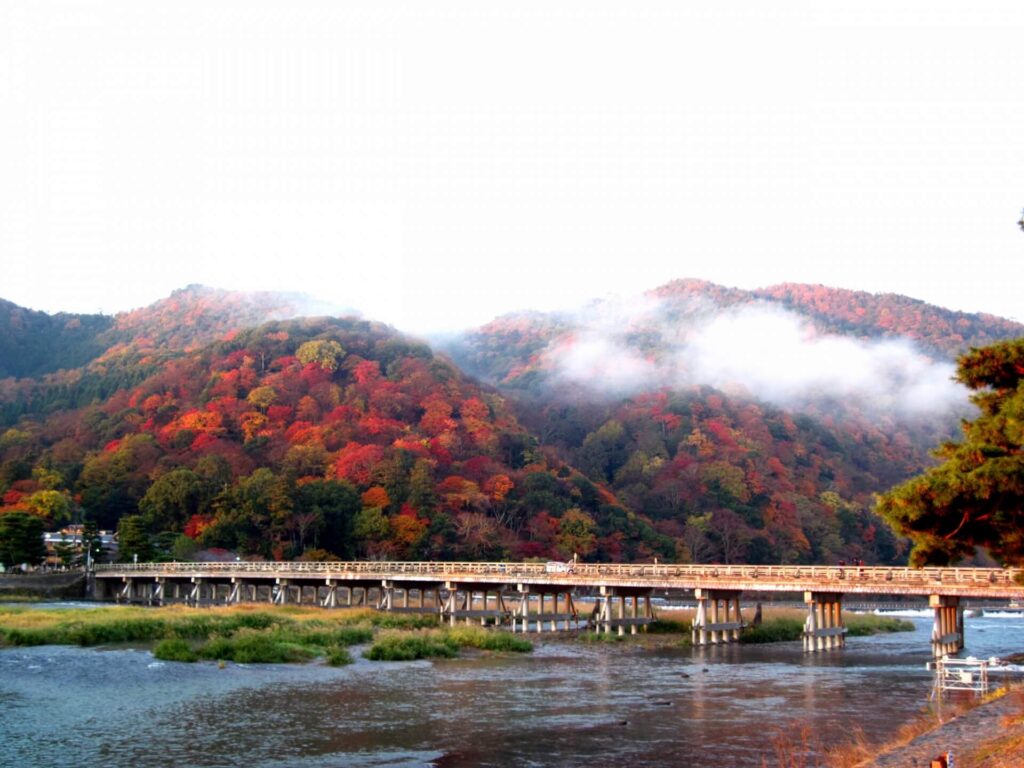
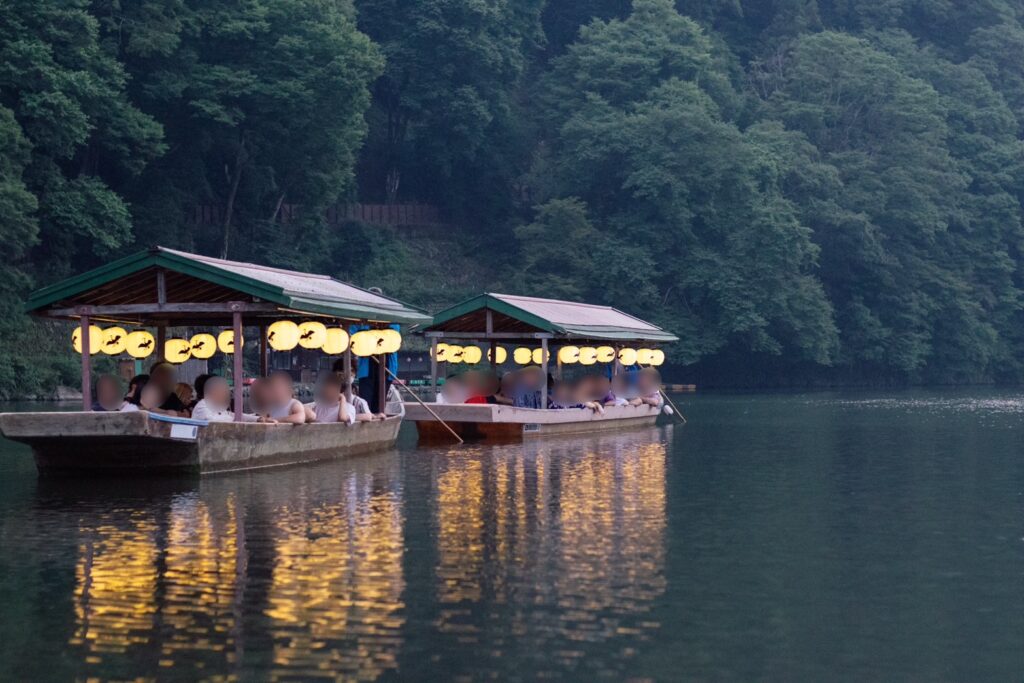
Maiko River Cruise – Glide along the Katsura River in a private boat as a former maiko shares stories of Kyoto’s geiko world, performs live shamisen, and invites you to join in a traditional geisha game.
Review
Description
We begin our day in Kyoto and head west by train, traveling as locals do. In the quiet hills above Arashiyama, the first temple greets us with hundreds of playful stone guardians, each carved with its own expression. This is Ōtagi Nenbutsu-ji, a temple unlike any other in Kyoto, where visitors encounter 1,200 stone rakan statues—disciples of the Buddha—each with its own character, from laughing to meditating to pulling silly faces. The temple was once lost to floods and fire, but was lovingly restored by a head priest who invited people from all walks of life to carve these statues, giving the grounds an atmosphere both sacred and light-hearted.
From there, we wander down to Adashino Nenbutsu-ji, a more solemn counterpart. For centuries this hillside temple was a place where the abandoned dead of Kyoto were laid to rest, their spirits honored by rows upon rows of stone memorials. The effect is otherworldly, as if stepping into a sea of stone souls. A quiet bamboo grove at the back of the temple leads us onward, offering a moment of calm reflection before returning to the bustle of Arashiyama below.
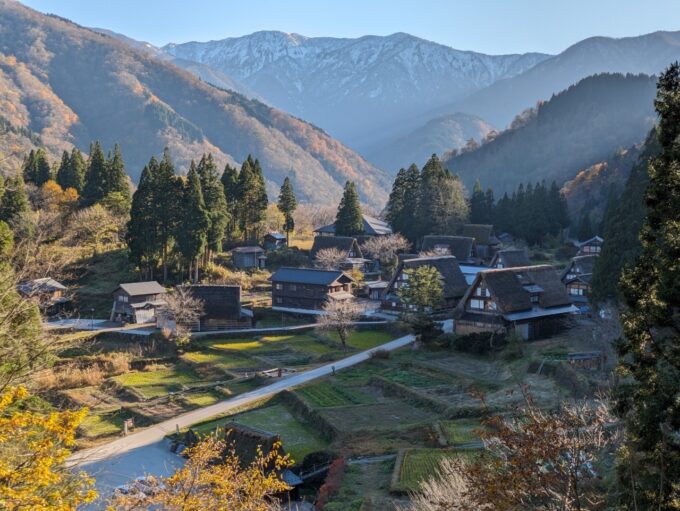
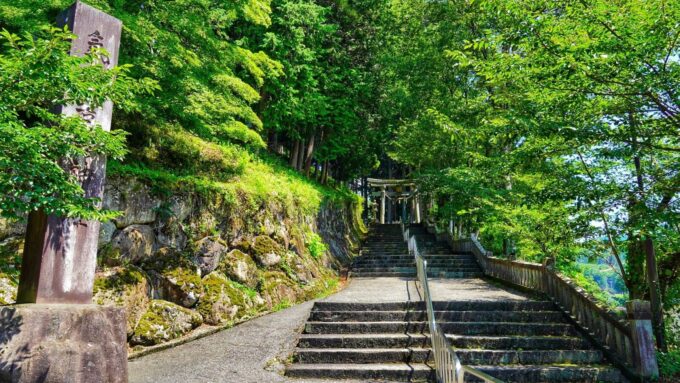
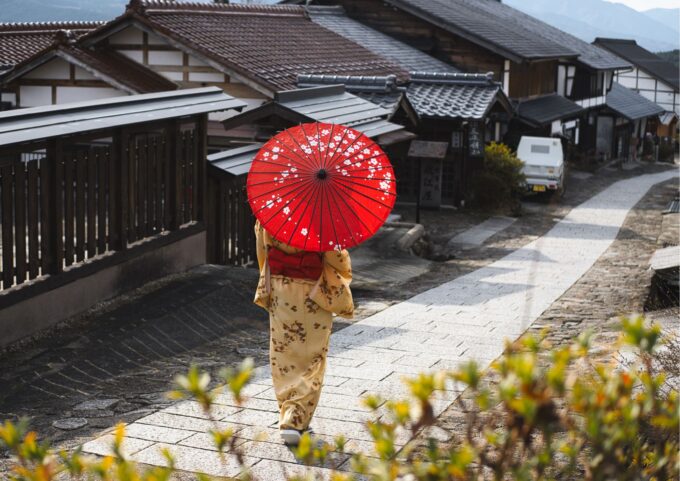
As we stroll along Saga-Toriimoto Street, the past comes into view. This preserved street, once part of the approach to Atago Shrine, is lined with thatched-roof townhouses that speak of Kyoto’s Edo-period charm. Centuries ago, nobles from the imperial court and samurai families would make pilgrimages to Arashiyama for leisure, poetry, and river excursions much like the one we will enjoy today. Now, Saga-Toriimoto provides a place to slow down, browse small shops, or pause for a simple lunch of local fare, all while feeling the continuity of life in this historic district.
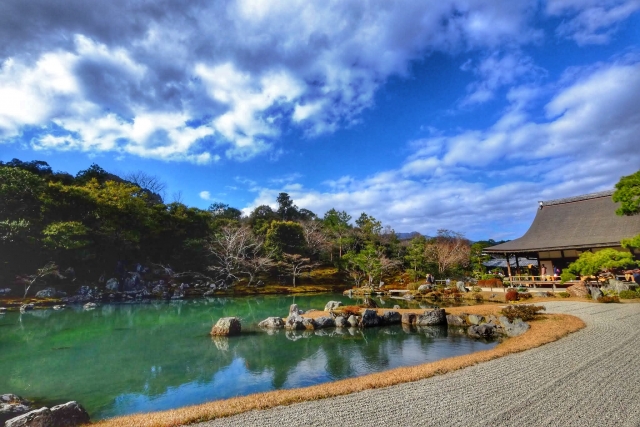
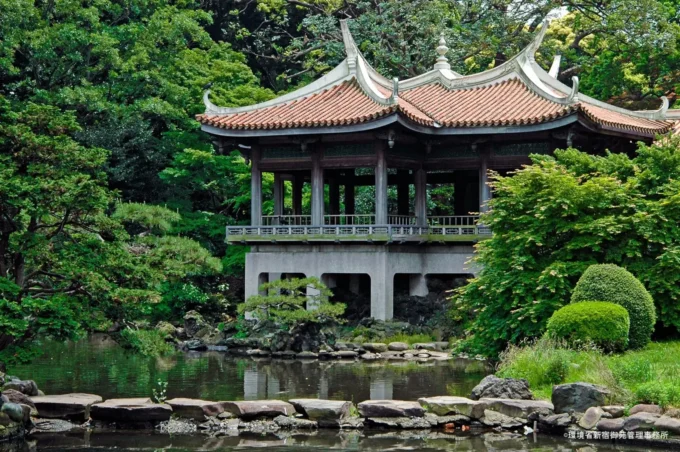
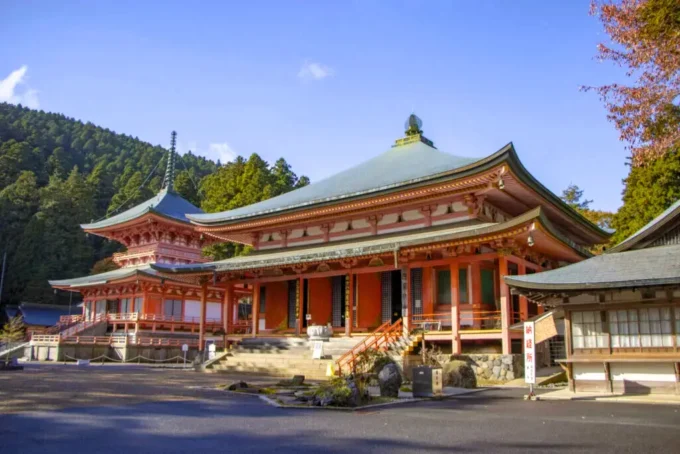
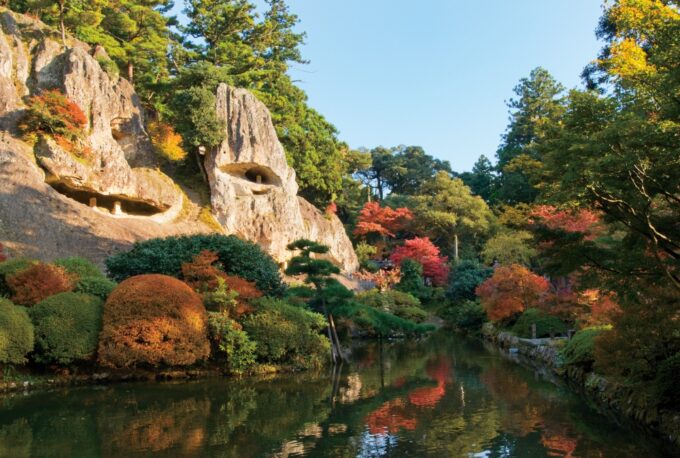
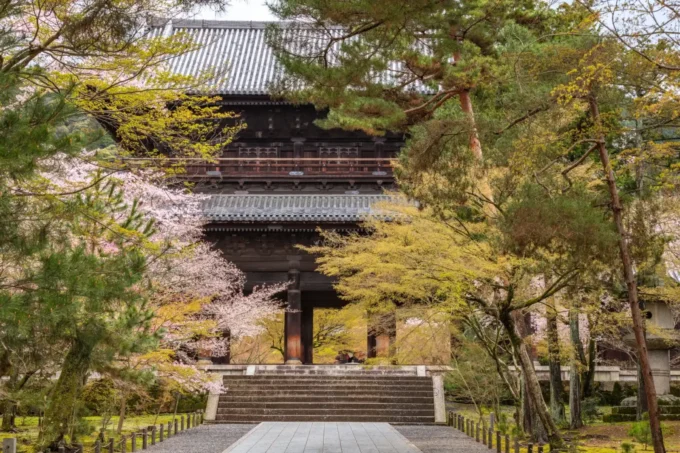
Returning to central Arashiyama, we step into Tenryū-ji, the head temple of the Rinzai Zen sect and a UNESCO World Heritage site. Built in the 14th century by a shogun to honor Emperor Go-Daigo, it is considered one of Kyoto’s great Zen temples. Its garden, designed by the master Musō Soseki, is a masterpiece of borrowed scenery, where the pond reflects the surrounding mountains in perfect harmony. Here, guests experience not only beauty but also the Zen ideal of stillness—an intentional contrast to the lively streets outside. From the temple grounds, a shaded trail carries us into the world-famous bamboo grove. Light filters green and gold through towering stalks that sway gently with the wind, creating one of the most iconic and unforgettable images of Kyoto.
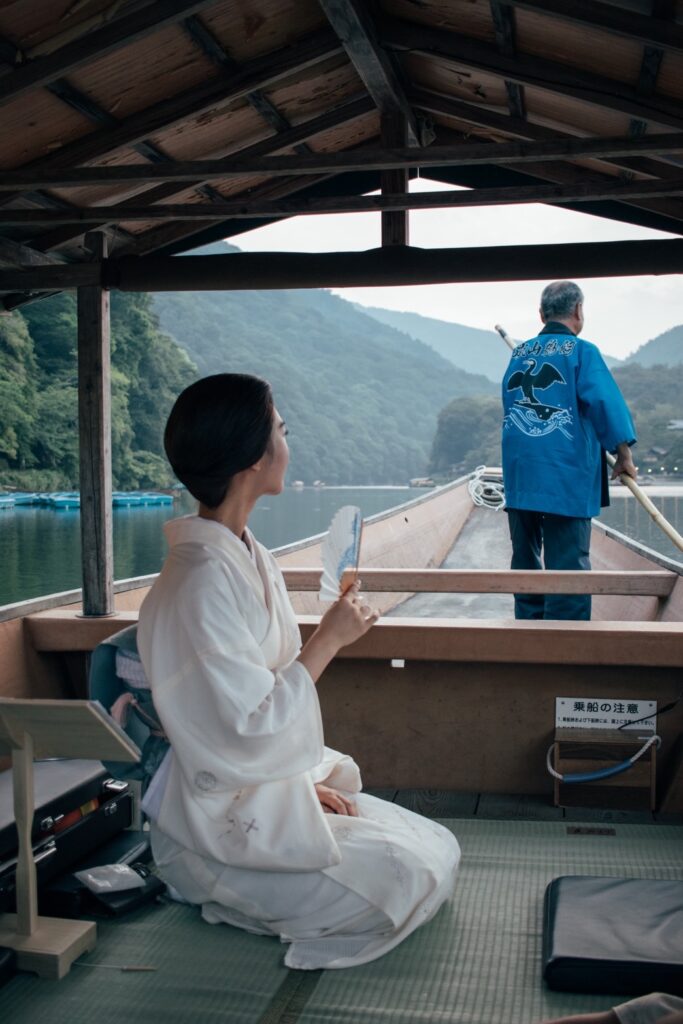
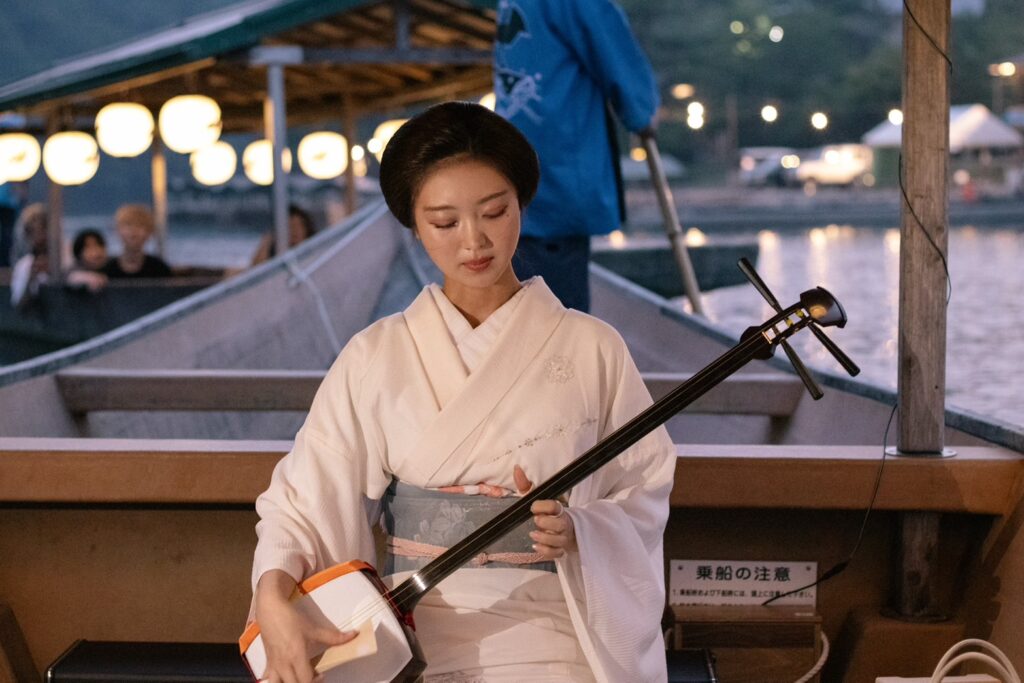
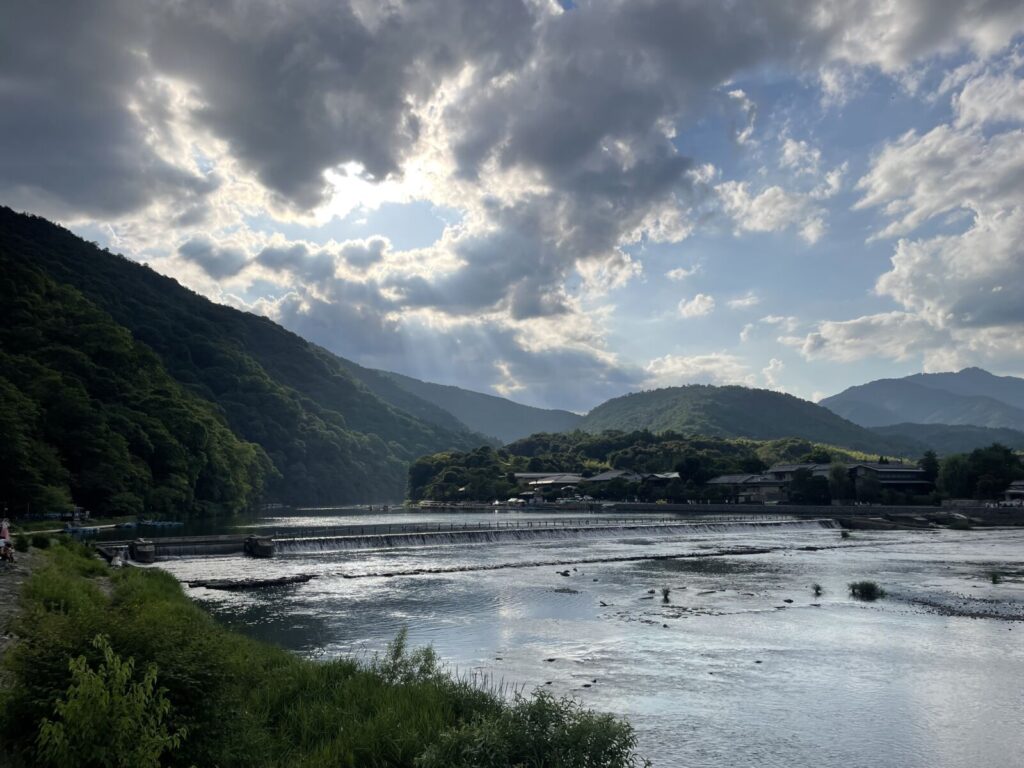
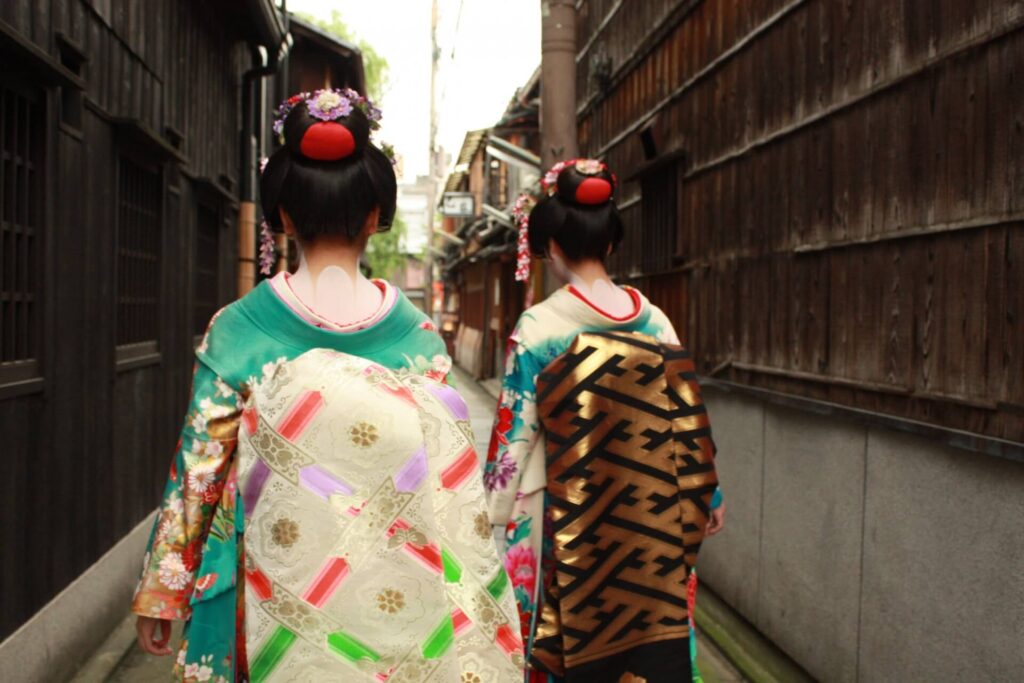
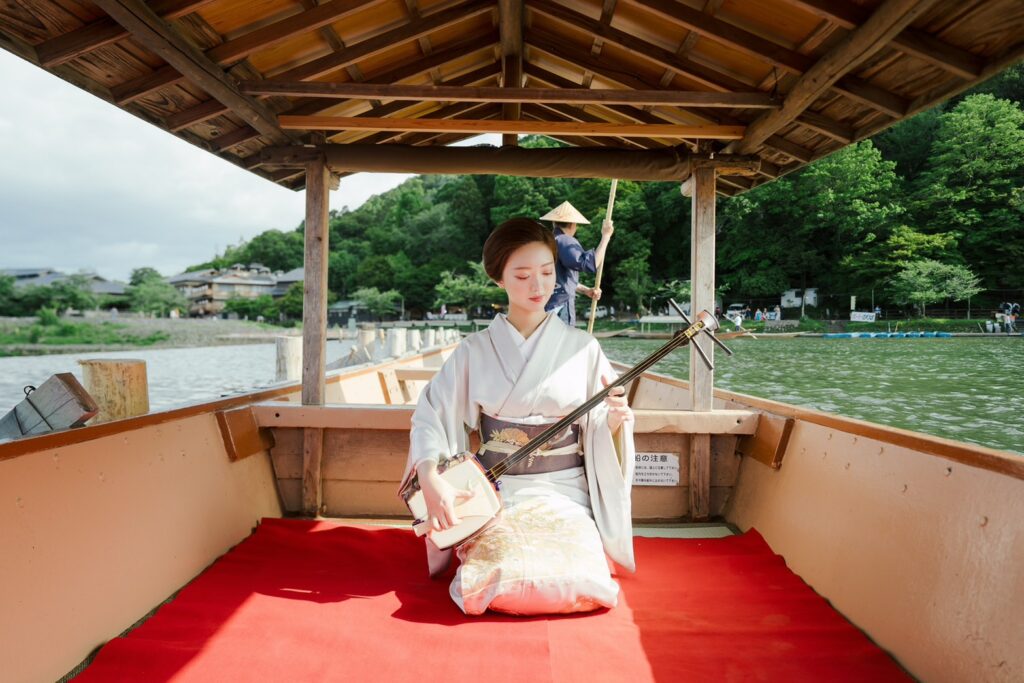
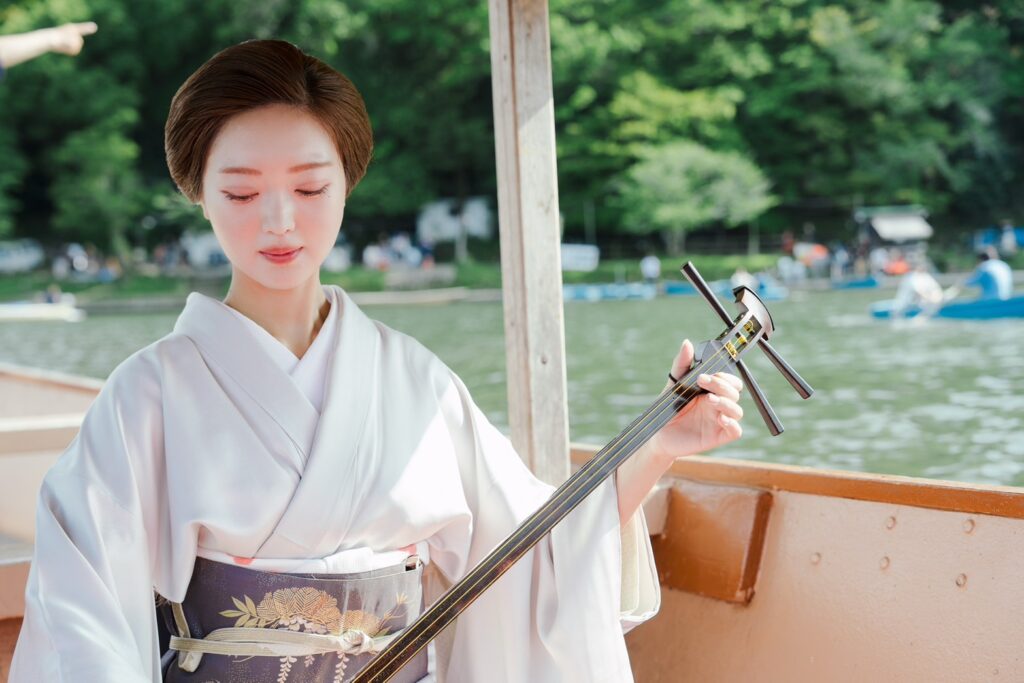
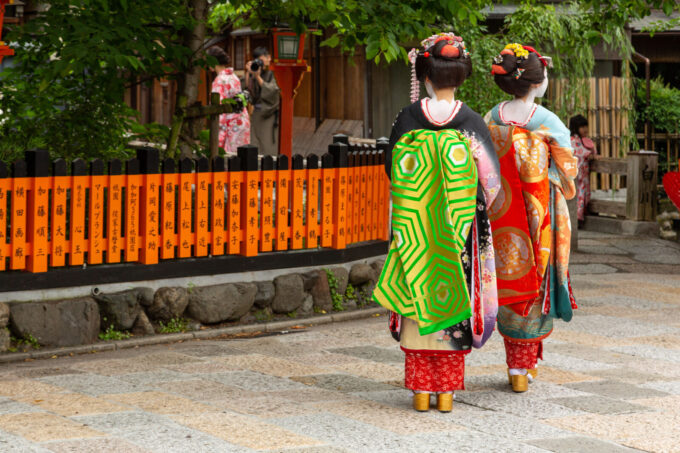
Our day concludes on the river itself. A private boat awaits on the Katsura, where a former maiko (geisha apprentice) named Kohaku welcomes us with music and stories. The shamisen, a three-stringed instrument at the heart of geisha entertainment, provides the soundtrack as the boat drifts along the water. Kohaku trained in Kyoto’s traditional performing arts from the age of sixteen, and her perspective offers guests a rare behind-the-scenes glimpse into the world of maiko and geisha—a cultural sphere usually closed to outsiders. She shares the nuances of dress, makeup, dance, and the long path of training that leads from maiko to geisha, while also inviting guests into the lighter side of geisha culture. Laughter fills the boat as she teaches traditional party games such as konpira fune fune, in which quick reflexes and rhythm are tested in playful competition. For more information about Maiko and Geisha culture, please check out our page: Geisha in Kyoto: The Essential Guide to Geiko, Maiko & Kyoto’s Geisha Traditions
Adding to the charm, a small snack boat often drifts by, offering the chance to order refreshments just as aristocrats once did when they floated the Katsura River centuries ago. The scenery itself changes with the seasons—the cherry blossoms of spring, the lush greens of summer, the crimson maples of autumn, and the quiet beauty of winter mist—all mirrored in the flowing water. Kohaku’s kimono, carefully chosen for the season, enhances the sense of timeless elegance.
This tour is not only about visiting temples and sights, but about stepping into a way of life that Kyoto’s nobles and artists have cherished for centuries: walking among stone guardians, strolling preserved streets, meditating in Zen gardens, and finally drifting on the river in the company of a geisha apprentice. It is a journey of stone and silk, of stillness and laughter, and of a floating world that continues to enchant Kyoto to this day.
Itinerary
9:15
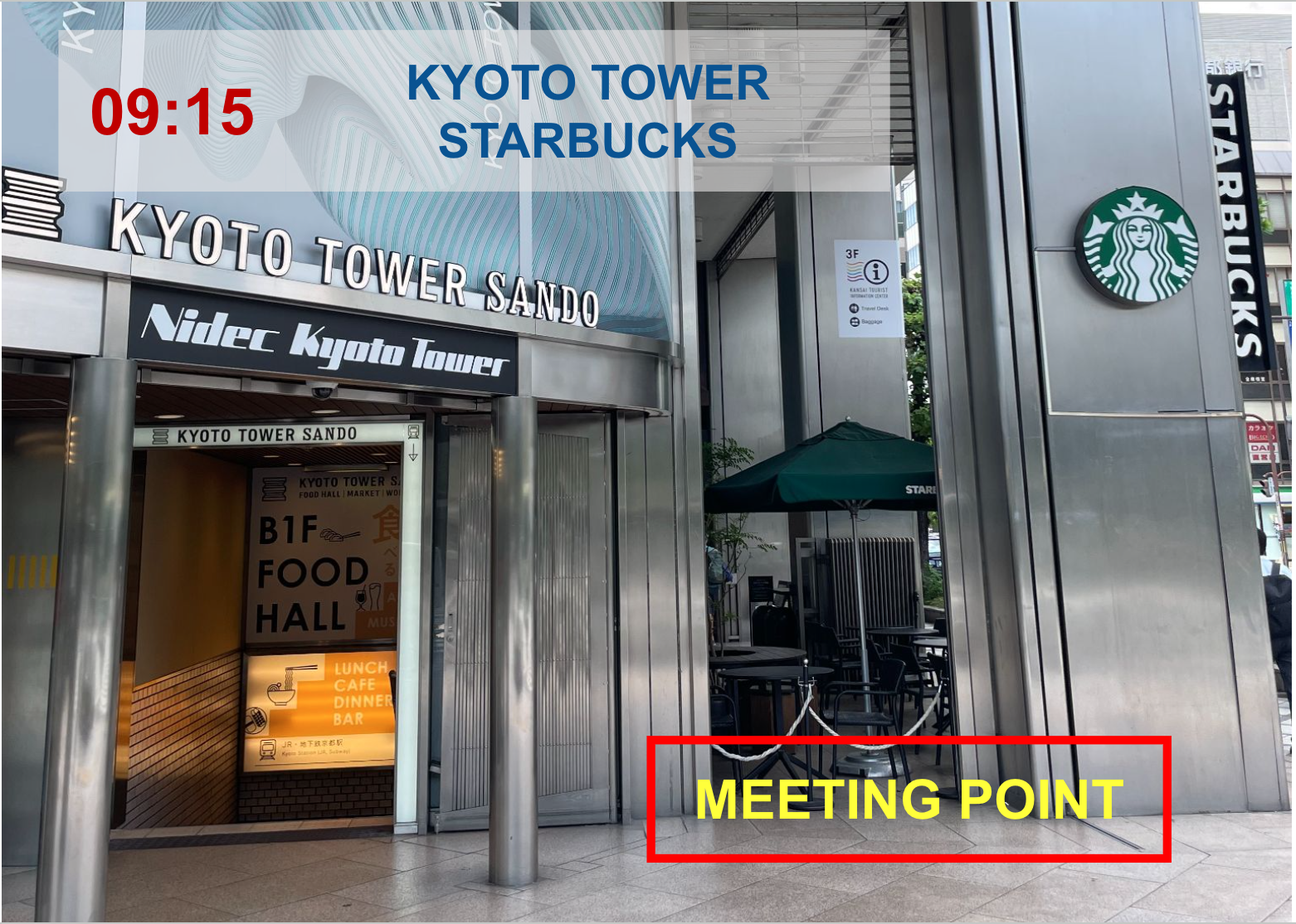
Meet at Kyoto Tower Sand Starbucks near Kyoto tower and then make our way to JR Kyoto Station
We will provide you with a warm welcome, a briefing about the day's activities, and tickets.
Our day begins at Kyoto Station, where we meet and travel west by train, just as locals and nobles once did on their way to Arashiyama, long regarded as a retreat from the capital.
In the quiet hills, we first visit Ōtagi Nenbutsu-ji, a hidden temple filled with 1,200 stone guardians, each carved by ordinary people under the guidance of a devoted priest. The statues—some smiling, some mischievous, some serene—create a joyful and spiritual atmosphere unlike anywhere else in Kyoto. You can find your “favorite face" and take a photo with it.
From here we descend to Adashino Nenbutsu-ji, where thousands of stone memorials stand in neat terraces. For centuries this was a burial ground for those without family, and today the temple honors their spirits in a striking landscape of stone and silence. A bamboo path winds behind the temple, offering a quiet moment of reflection before we continue.
We then stroll down Saga-Toriimoto Street, a beautifully preserved approach once used by pilgrims heading to Atago Shrine. Its thatched-roof townhouses and traditional wooden buildings preserve the charm of old Kyoto. Here we slow our pace, browse small shops, or enjoy a light lunch, just as travelers and nobles once did centuries ago when visiting Arashiyama for poetry gatherings, moon-viewing, and seasonal beauty.
In the afternoon, we step into Tenryū-ji Temple, one of Kyoto’s great Zen temples and a UNESCO World Heritage site. Walking here is a chance to experience the principles of Zen harmony, balance, and stillness. From Tenryū-ji we wander directly into the world-famous Bamboo Grove, where towering stalks sway gently above us and light filters through in shifting shades of green and gold.
Our day culminates in a private boat on the Katsura River, a place long celebrated in poetry and art. Here, a former maiko (geisha apprentice) named Kohaku welcomes us in her seasonal kimono. She plays the shamisen, a three-stringed instrument central to geisha entertainment, and shares stories from her years of training in Kyoto’s exclusive hanamachi (geisha districts). Guests enjoy a rare behind-the-scenes glimpse into geisha culture—normally closed to outsiders—learning about the artistry, discipline, and traditions that continue in Kyoto today.
Your guide will return with you to Kyoto Station, or if you prefer to linger in Arashiyama, we are happy to recommend more sights, cafes, and shops to explore at your own pace.
Exit Kyoto Station via the Central (Chūō) Exit on the north side of the station.
Walk straight ahead across the bus terminal and pass the traffic lights in front of Kyoto Tower.
The Starbucks is on the first floor of the Kyoto Tower Sando commercial building, right beside the tower entrance.
Look for the familiar green logo at the base of the tower—we’ll be waiting there with a “Snow Monkey Resorts” sign.
Notes
Included
English-speaking guide
Train and bus travel guidance (round trip Kyoto ⇄ Arashiyama)
Entry to Otagi Nenbutsu-ji, Adashino Nenbutsu-ji, and Tenryū-ji gardens
Private one-hour boat cruise with former maiko (shamisen & cultural experience)
Not Included
Lunch, snacks, and drinks (plenty of options available during free time)
Personal expenses and souvenirs
Hotel pickup/drop-off (available upon request)
Other Information
Accessibility: Some uneven paths at temples; bamboo grove can be narrow and crowded. Baby carriers are easier than strollers. Getting in and out of the boat requires mobility and balance.
Clothing: Comfortable walking shoes are essential. Bring sun protection in summer, layers in winter.
Cash/Card: Some small shops and the riverside snack boat prefer cash.
Respect: Please dress modestly for temple visits and speak quietly in sacred spaces.
Responsible Travel
This tour is designed for connection and care. We travel by train and local bus, just as residents do, minimizing our footprint and supporting local infrastructure. We walk gently, respect temple etiquette, and give back to the community by supporting family-run shops and cultural experiences. Together, we keep Arashiyama’s spirit alive for the next generation.
Disclaimer:
The itinerary, order of visits, and timing may vary depending on weather, transport conditions, and local circumstances. We always aim to deliver the full experience as described, but flexibility is part of responsible and authentic travel in Japan.
FAQs
Is the Bamboo Forest included?
Yes, our walk flows naturally from Tenryū-ji’s gardens into the famous bamboo path.
Do we really meet a maiko?
Our river experience is hosted by a former maiko, who shares the traditions of Kyoto’s geiko culture, plays the shamisen, and invites guests to enjoy a classic game.
What is a maiko?
A maiko is an apprentice geisha, training in the traditional arts of dance, music, conversation, and hospitality. In Kyoto, maiko are iconic cultural figures who dedicate years of their youth to mastering skills that have been passed down for centuries. Experiencing a performance or conversation with a maiko is rare and usually reserved for private teahouses. This tour offers a unique chance to enjoy that world in an open, welcoming way.
Who is Kohaku?
Kohaku began her training as a maiko at the age of 16 and continued performing until 21. Today, she shares her passion for Kyoto’s traditional arts by welcoming visitors on the Katsura River. Her background and personal journey make this experience intimate and authentic—something you won’t find in larger, more commercial shows.
What happens if the boat is canceled due to weather?
In cases of strong wind or heavy rain, the boat company may cancel operations for safety. Your guide will try to arrange an alternative cultural experience so that your day remains meaningful. Final decisions are made shortly before departure, and we ask for your understanding that cancellations may occur at short notice.
What about lunch?
We allow free time to explore Arashiyama’s food scene, from soba and tofu to light street snacks. Your guide will point out options suited to all tastes. Please bring cash as some smaller shops only accept cash.
Is this child-friendly?
Yes. The playful statues at Otagi and the lively geisha game on the boat are favorites with families.
Is this tour wheelchair accessible/appropriate for guests with limited mobility?
Unfortunately, this tour is not wheelchair accessible and may not be suitable for mobility-impaired guests. The tour requires a significant amount of walking and a moderate level of fitness. Should this be of concern, contact us before booking to discuss options.
Why is this experience so rare?
Meeting a maiko is usually limited to private appointments that require special introductions and can cost thousands of yen. This tour creates a bridge, allowing visitors to enjoy music, stories, and games in a relaxed setting while still respecting the traditions of Kyoto’s geisha culture.
(Travel Agency License No: Nagano 2-562)
Snow Monkey Resorts Tours
2159 Kurita, Nagano City, Nagano, 380-0921 Japan
Tel: (+81)26-219-6272
Member of All Nippon Travel Agents Association
Travel Service Supervisor: Azusa Fukuhara