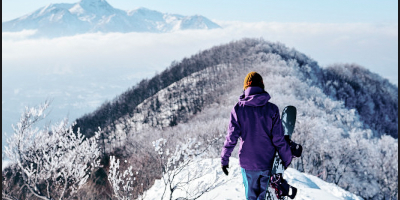

Winter in Tohoku is known for its heaping amounts of snowfall and its gorgeous ski resorts. Thanks to many remote, scenic locations, venturing toward the northwestern part of Japan during this season offers unique experiences that go above and beyond the expected congestion of bigger, well-known tourist spots like Tokyo, Kyoto, or Nagano.
On this page, you will find the following information about the best ways to enjoy the winter months in Tohoku:
Although it’s impossible to mention everything in one article, below is a list of great activities, natural beauty, and uniquely Tohoku experiences you can enjoy in and around the northeastern area during winter!
Where exactly is “Tohoku?”
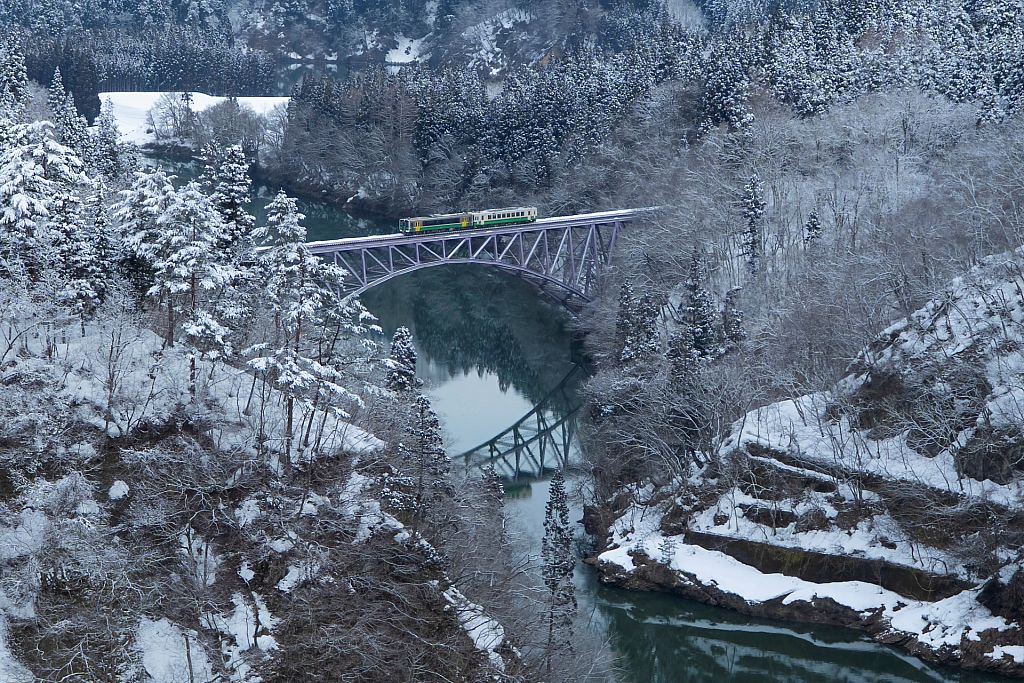
Tohoku refers to the northeastern parts of Japan’s main island (Honshu) that consist of six prefectures: Aomori, Akita, Iwate, Miyagi, Yamagata, and Fukushima. It is a vast area spanning roughly 67,000 km2 with a population of 8.3 million. Even with all 6 prefectures together, it is still significantly less than the population of the Greater Tokyo Metropolitan area, which totals to about 37 million. Because of this, the Tohoku region is blessed with an abundance of natural, rich beauty that offers gorgeous sights any time of year.
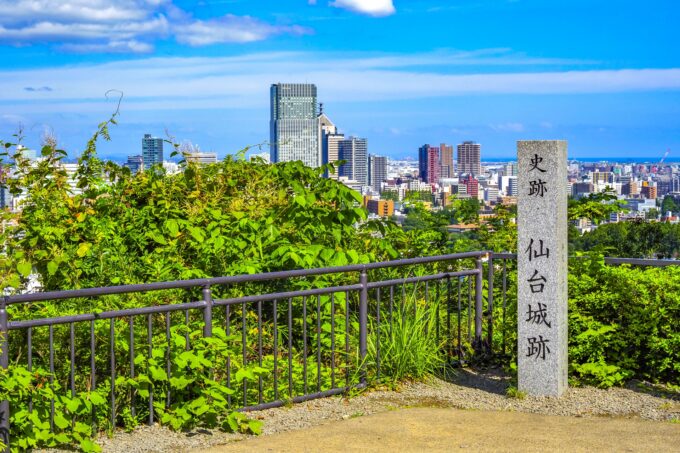
Due to the sheer amount of land contained within the region, it’s nearly impossible to visit every worthwhile location in one go. That is what makes Tohoku such an alluring spot to travel to – new adventure, history, and experiences await with each visit.
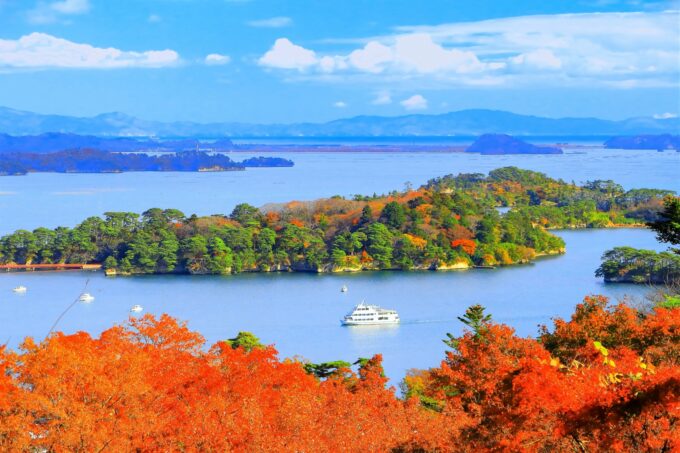
Matsushima Bay
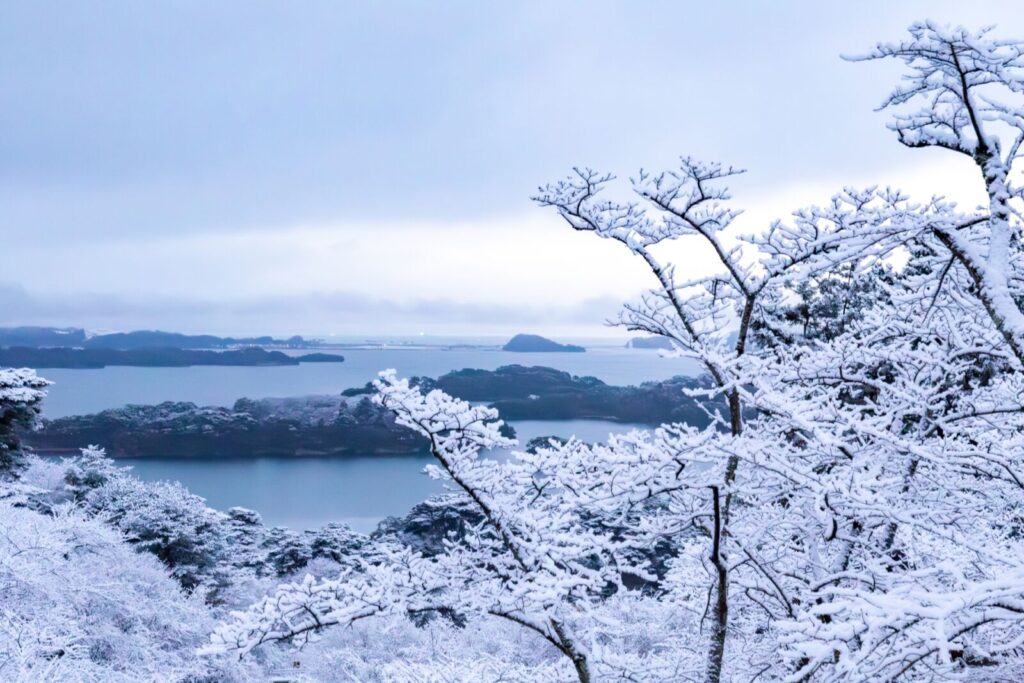
Praised as one of Japan’s Three Top Scenic Views, Matsushima is a bayside town located just 40 minutes north of Sendai via train along the coastline of the Miyagi Prefecture. Take advantage of the warm summer weather and plan your trip to this gorgeous, walkable area filled with beautiful scenery, historic temples and gardens, and unique experiences.
Recommended Tour:
Small Group
1-Day Tour from Sendai: Matsushima Bay — Highlights from One of Japan’s Three Most Scenic Views
- Spots:
- Matsushima
- Pick-up:
- Sendai
- Drop-off:
- Sendai
Historic Aizu-Wakamatsu
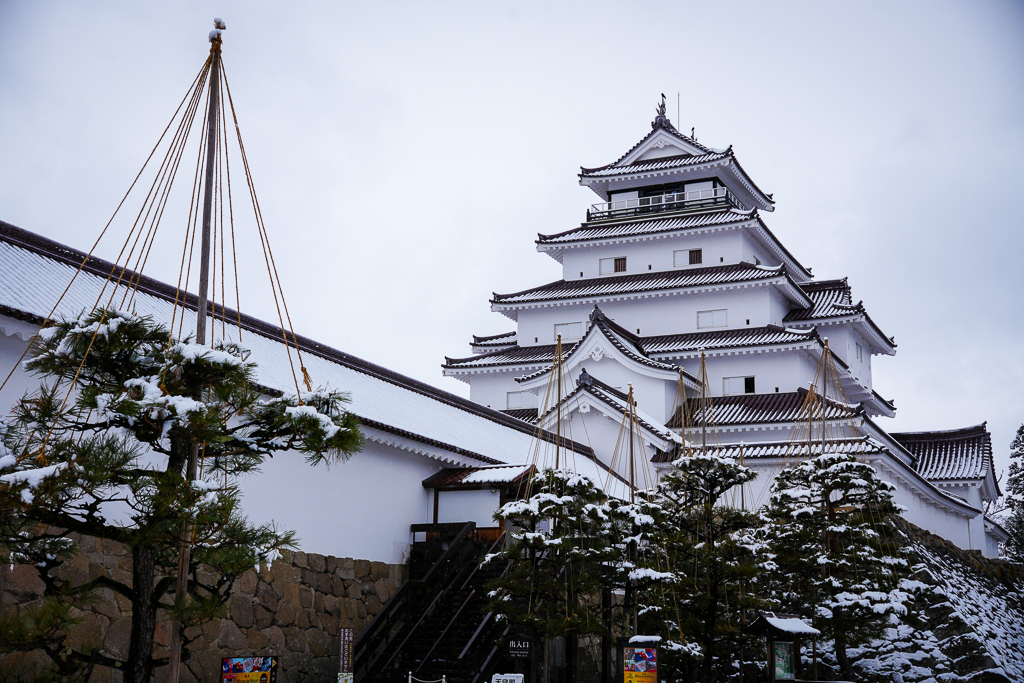
Also known as Samurai City, Aizuwakamatsu is located in the Fukushima prefecture. It boasts all kinds of wonderfully rich history including being the last stronghold of the samurai at the end of the 19th century. Located at the center of the city is Tsuruga Castle, another historic gem that has beautiful cherry blossoms in the spring. But in order to avoid the crowds, travelers can still enjoy all that the castle has to offer during the winter months. In fact, this castle is the only red and white castle in Japan!
Aizuwakamatsu also has restored bukeyashiki or traditional samurai houses, a unique double-helix spiraled temple called Sazaedo, and the city is not too far off from the beautifully and accurately restored post town called Ouchi-juku. This post town served as a connection between Nikko and Aizu for travelers on foot during the Edo Period.
Why not hit as many major samurai spots as you can during your trip? Snow Monkey Resorts offers a plethora of samurai themed tours for you to enjoy. Tohoku highlights include our historic walking tours of Sendai, nearby Matsushima, and Hiraizumi.
Ginzan Onsen
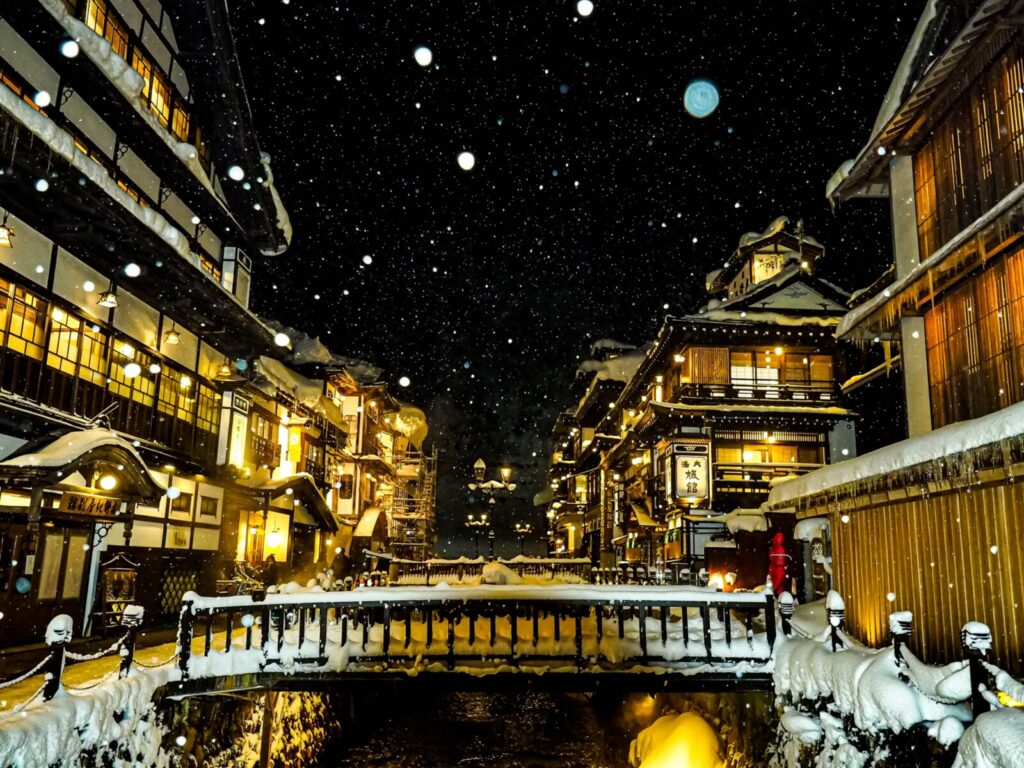
Ginzan Onsen is a picturesque hot springs town in the Yamagata Prefecture. Many iconic images from this area come from the snowy depths of Yamagata’s winter. Originally established around a silver mine, this pedestrian-only hot springs town offers a uniquely antique feel to those who visit. There are traditional ryokans you can stay in as well as foot baths and public baths for day trips. This timeless location is sure to add relaxation to your trip to the north. An added bonus of visiting Ginzan Onsen during the fall is less crowds and less restrictions on visitors – they often have limitations on how many people can visit, especially those who are driving, during the winter due to hazardous conditions.
Oirase Gorge
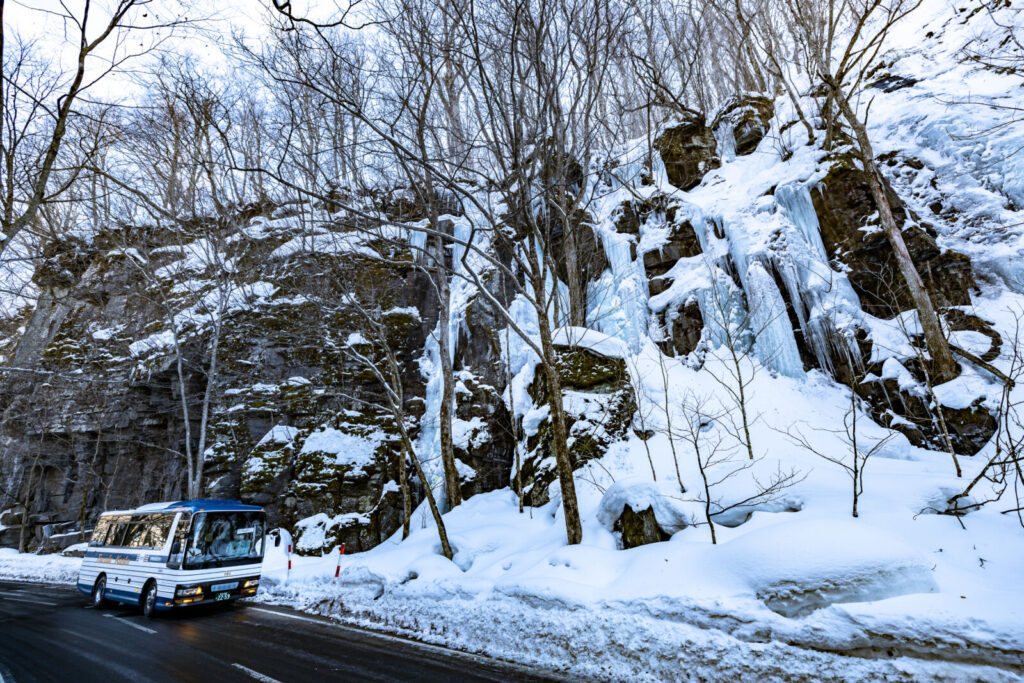
Oirase Gorge is a stunning 14km valley that starts at Lake Towada and is one of the most popular nature tourist spots in Aomori Prefecture. Although most commonly visited during summer and autumn, the winter season brings about its own stunning view. Due to the long stretches of freezing temperatures, the various waterfalls and streams become gorgeous crystallized ice sculptures that many brave the cold to come and see.
Geibikei Gorge
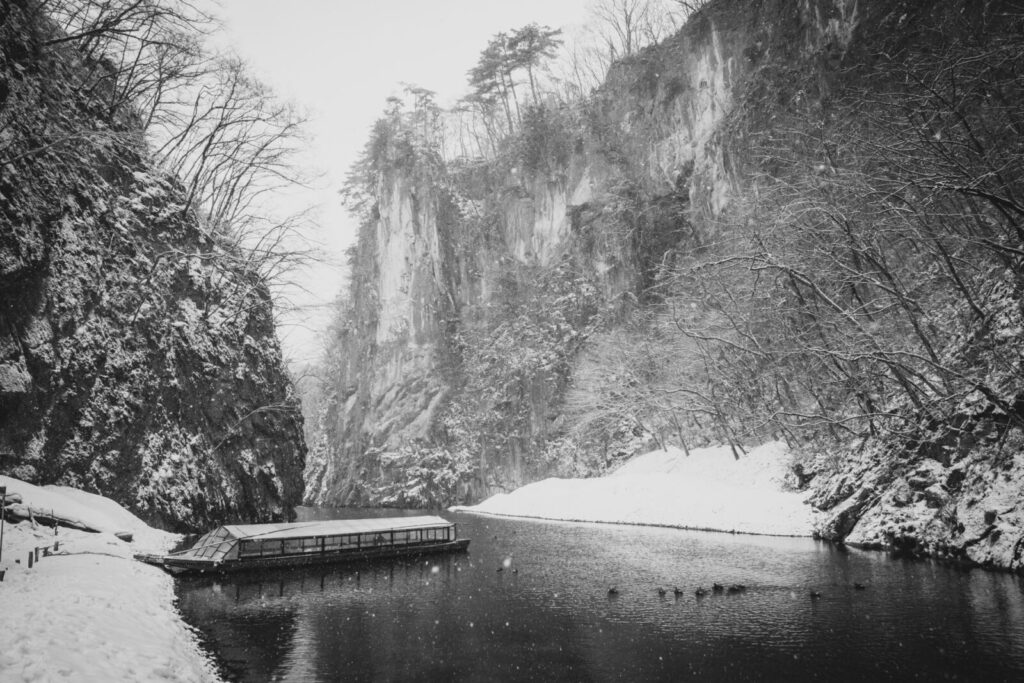
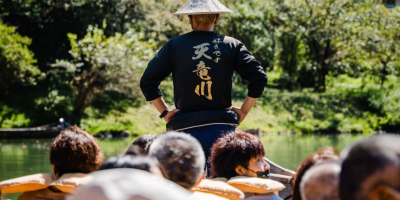
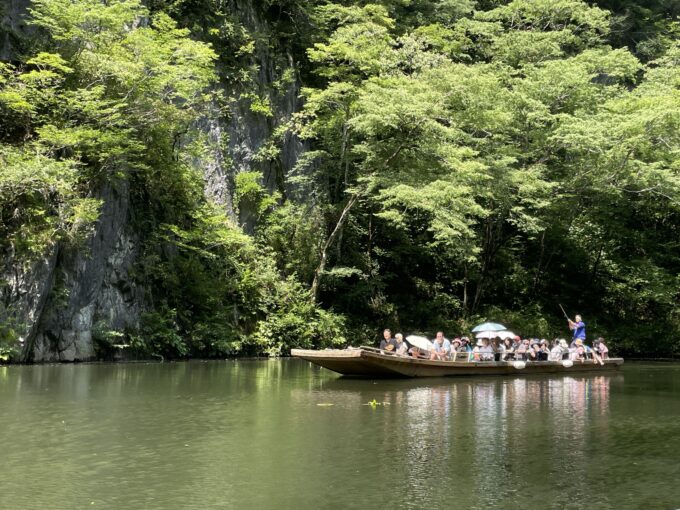
Although most famous during the autumn for the colorful leaves, the one-of-a-kind boat cruise up and down the gorge runs 365 days a year. The gorge turns into a winter wonderland as you travel slowly through. You can see the breathtaking rock formations and learn about their names as well as gain some insights about the area itself. This gorge is a true hidden gem, tucked away in a sleepy town just outside of Ichinoseki Station. Those looking to travel here are recommended to bring lots of layers and be prepared for intense amounts of snow! The boat ride through the gorge is done with a roof and kotatsu, and those who make reservations in advance can even enjoy a delicious warm nabe during their ride.
New Tour
1-Day Tour from Ichinoseki: Geibikei Gorge & Yugen Cave Tour
- Spots:
- Pick-up:
- Ichinoseki
- Drop-off:
Mt. Zao Snow Monsters (ski)
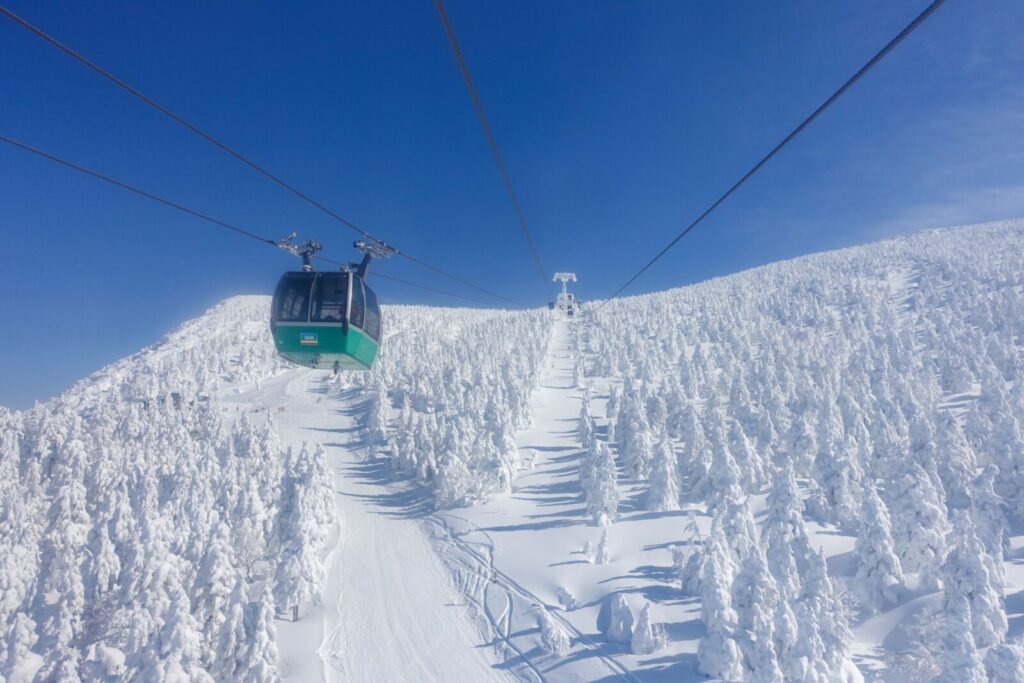
Located within the famous Zao Onsen Ski Resort is a snowy phenomenon that entices travelers from all over the world to come visit during the winter. The trees atop Mt. Zao's high altitude peaks are constantly exposed to the chilly winds from Siberia which in turn freezes water droplets onto the trees' branches. This process is repeated over and over and the snow and icy mixture builds up to create these fantastical creature-like figures.
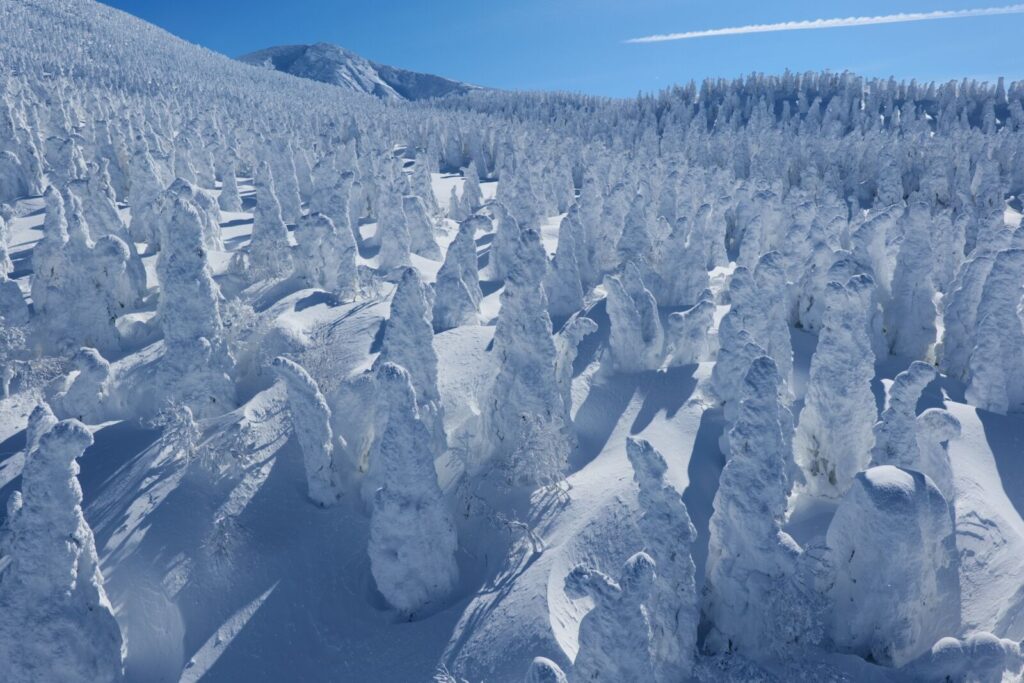
The best time to see the snow monsters is recommended between mid-February to mid-March. You can access the snow monsters via the Zao Ropeway to access Juhyo Kogen Station during your ski trip. On Zao Onsen Ski Resort's official website, it is recommended to use a professional guide if you want to see the snow monsters without skiing.

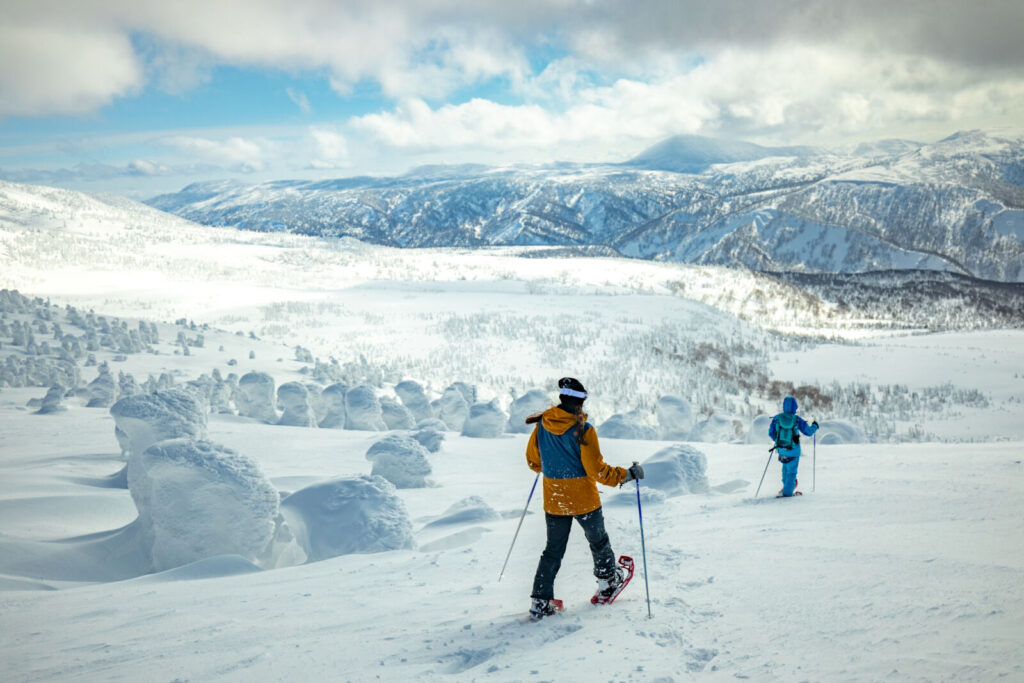
Mt. Moriyoshi Snow Monsters (non-ski)
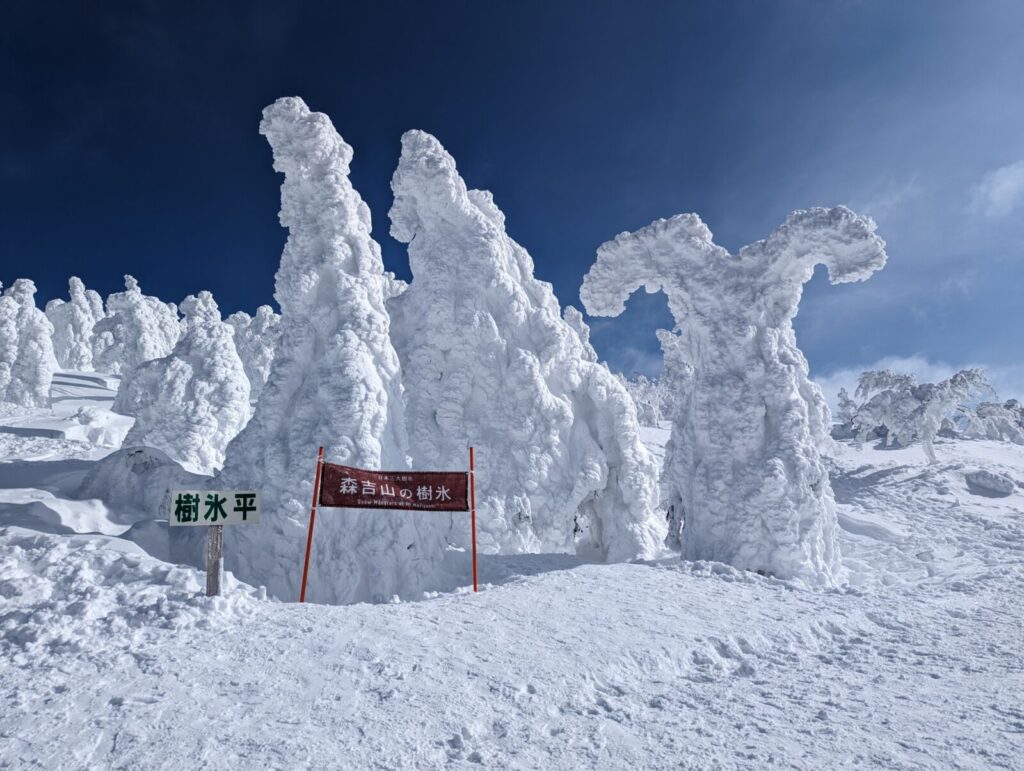
For those looking to see some of the mysterious snow monsters but aren't looking for a day of skiing on the mountains, Mt. Moriyoshi in Akita Prefecture is a perfect place! You can access the snow monsters by gondola located at the Ani Ski Resort station. Once at the top, it's a mere 5 minute walk to see the snow monsters. Once at the summit, long boots, snow shoes, and walking poles are available free of charge for those wanting a more adventurous experience, but you can wear your regular winter boots if you prefer. The viewing period for the snow monsters at Mt. Moriyoshi is from January to mid-March. The gondola at Ani Ski Resort runs from 9:00 to 16:00 with the last ascent leaving at 15:00 and last descent at 15:30.
Winter Festivals of Tohoku
Coming to Japan in winter has great benefits! This includes avoiding big crowds in usually jam-packed places during spring and fall. On top of that. Japan is popular for its world-famous "powder," or the snow in winter perfect for skiing and snowboarding. The Tohoku region is just as popular! Not only does the region become a magical winter wonderland, but many prefectures have countless festivals to stave off that long winter boredom.
Here is a great list to start off your Tohoku winter festival pilgrimage!
Yokote Kamakura Festival
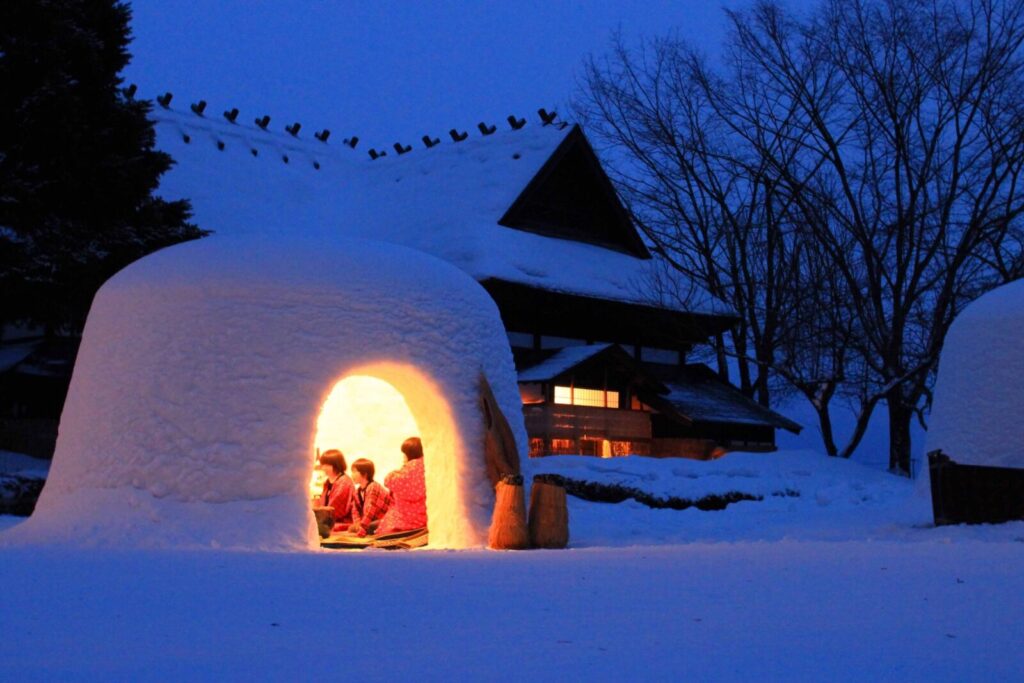
This historic festival is held every year on the second Friday and following Saturday of February. It takes place in the city of Yokote located in the southeastern region of Akita Prefecture. The main highlight of the festival are the igloos that have alters for water deities inside. In the evening, there are small grills set up inside the igloos to provide warmth and to grill rice cakes. The local children serve these rice cakes as well as amazake, a traditional drink of warm sweet rice wine that has zero or no alcohol content. Those accepting the rice wine are encouraged to pay tribute to the water gods' altars inside the igloos.
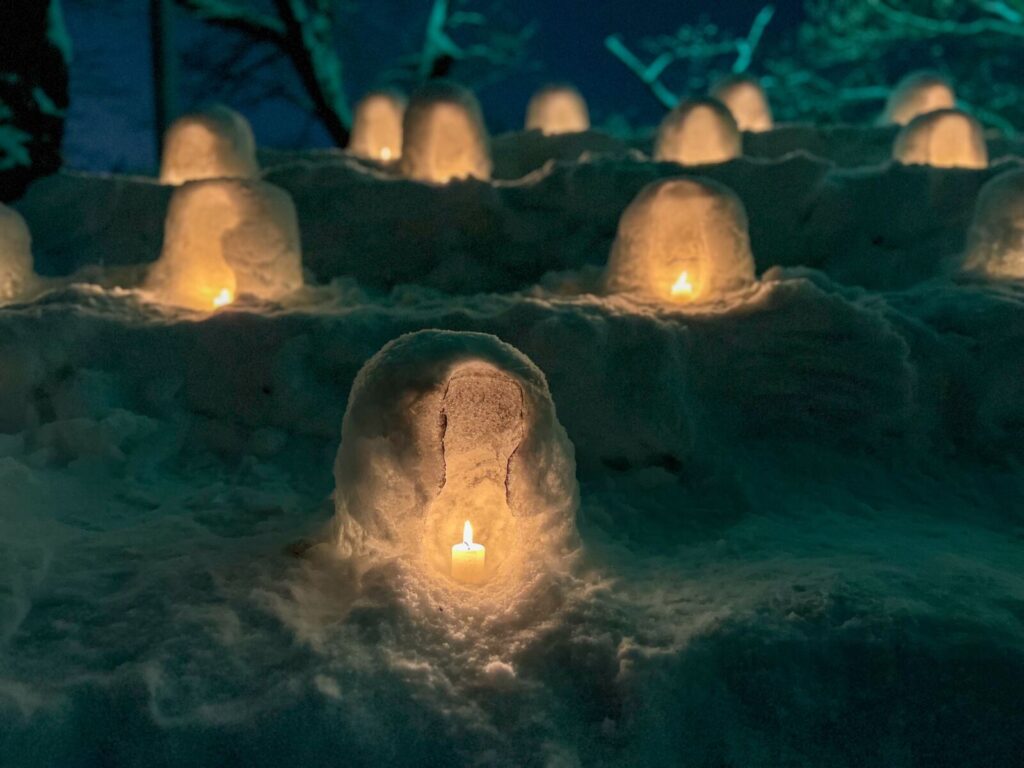
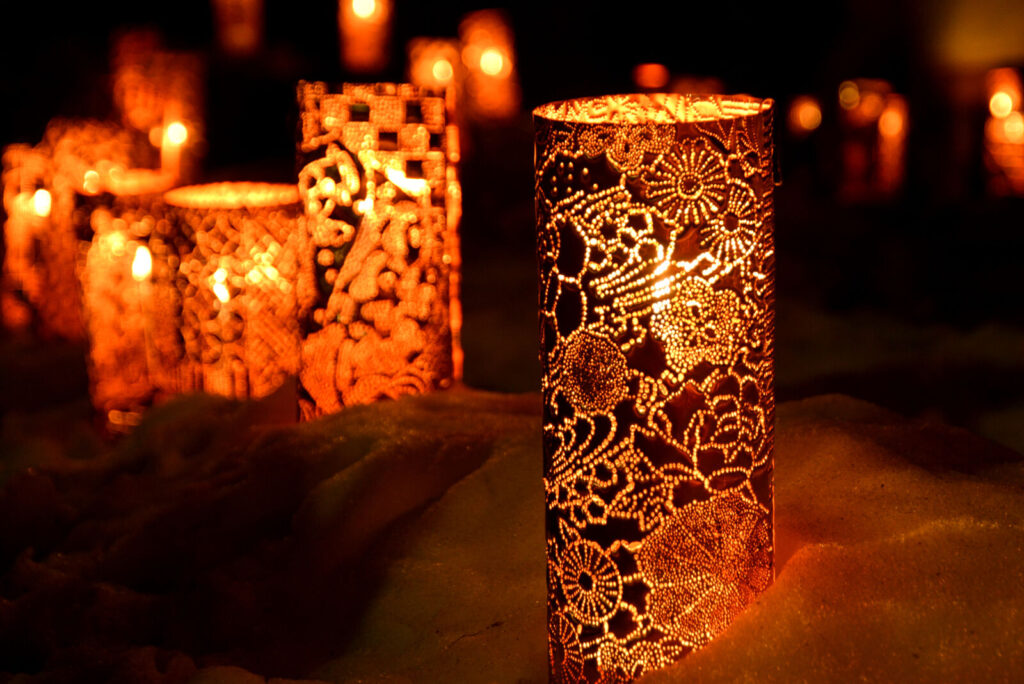
One other breathtaking element of the festival are the hundreds of tiny snow lanterns set up along the Yokote River. At night, these lanterns light up and set a warm orange glow against the sheer white snowy backdrop of the land.
Sendai Pageant of Starlight
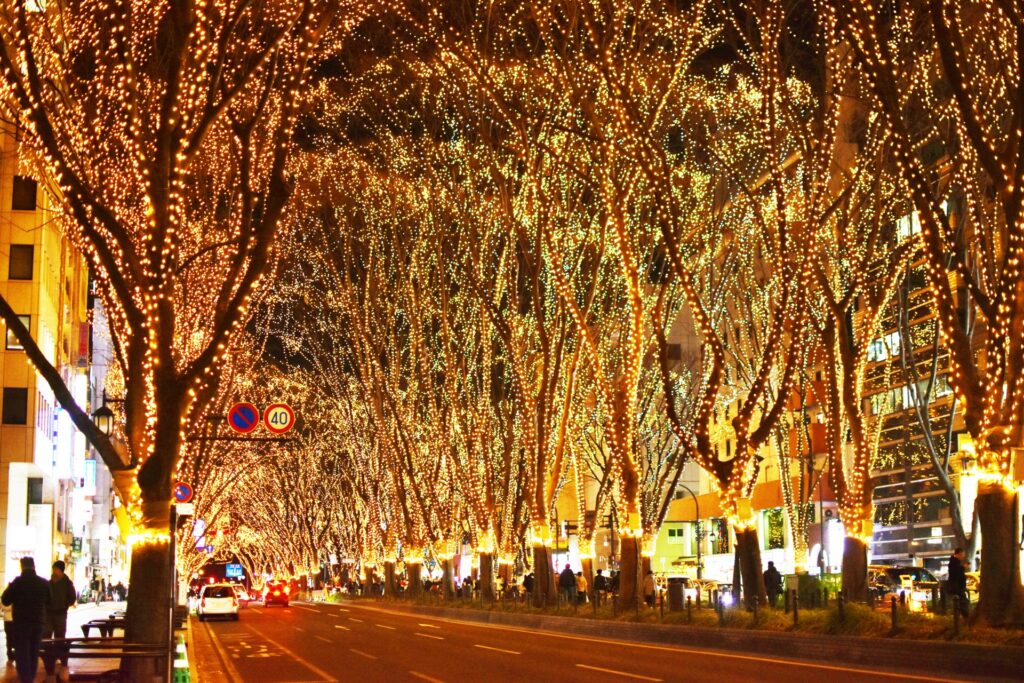
Every year throughout the month of December, Senda's famous Jozen-ji Dori Ave lights up the night with his phenomenal display of holiday magic. Twinkling lights cover the hundreds of zelkova trees that line the city's main street. In total there are about 600,000 lights and many restaurants hold special holiday events and specials throughout the month. It's a perfect time to visit Sendai and see the impressive illumination display for yourself. On certain days there is also a Christmas Market held too, which provides food stalls, artisan goods, and even photo ops with Santa!
Oga Namahage Sedo Festival
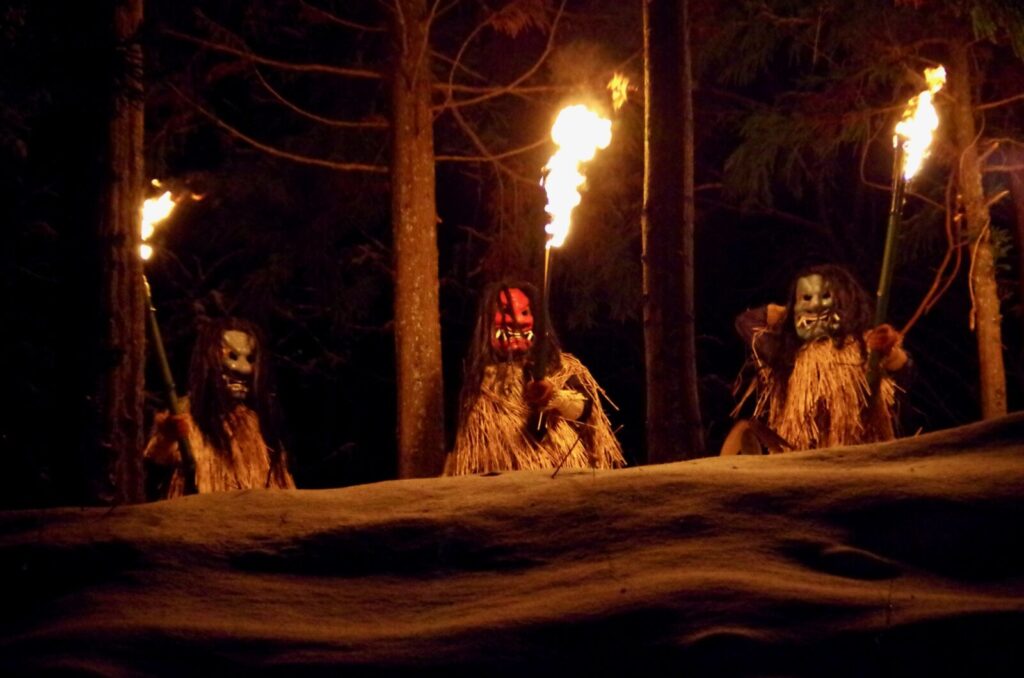
Designated as a UNESCO intangible cultural heritage, the demon folklore of the Namahage located on the Oga peninsula of Akita Prefecture is a long-standing and beloved tradition. For the people of Oga, the Namahage are deities who are ferocious and scary but their visit to your home promotes good health, good harvests, and good products from the mountain and sea. It was a tradition for these creatures (now local men dressed in masks and straw gowns) come down from the mountains, are served warm sake at the lodgings of locals, and also act as a scary reminder for little children to stay on their best behavior.
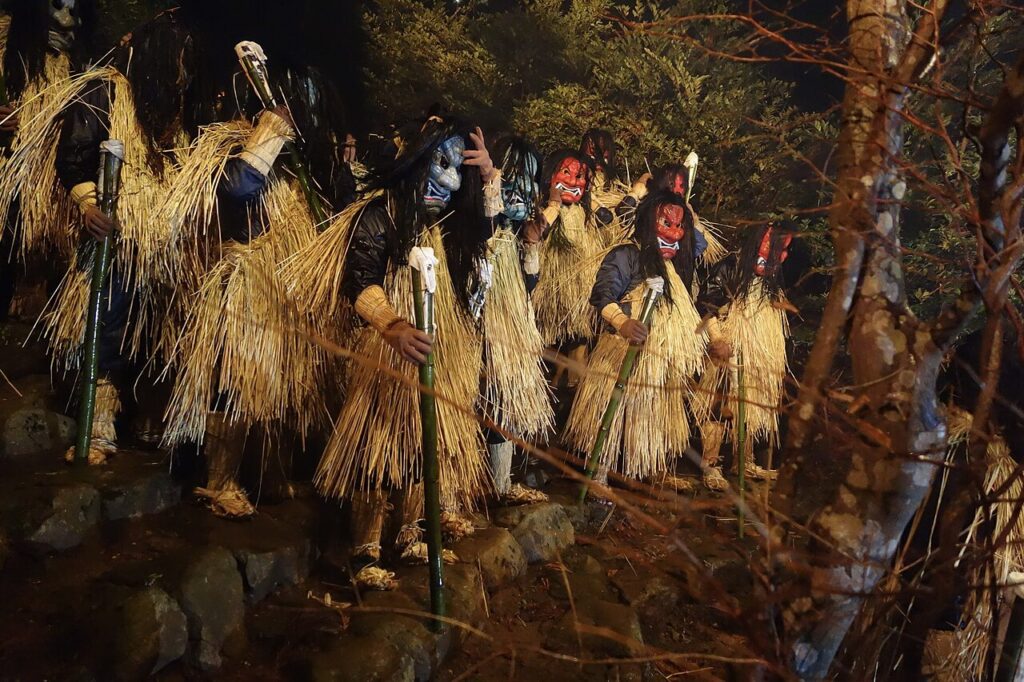
This festival is held over the course of three days during the second week of February every year. There are food stalls, souvenirs, as well as a giant bonfire to stay warm. The peak of the festival, however, is the parade of Namahage down from the snowy mountain and into the crowd where they growl, “Are there any naughty kids around?” (Wariko wa inee ga?) in the local Akita dialect.
Lake Towada Winter Story Festival
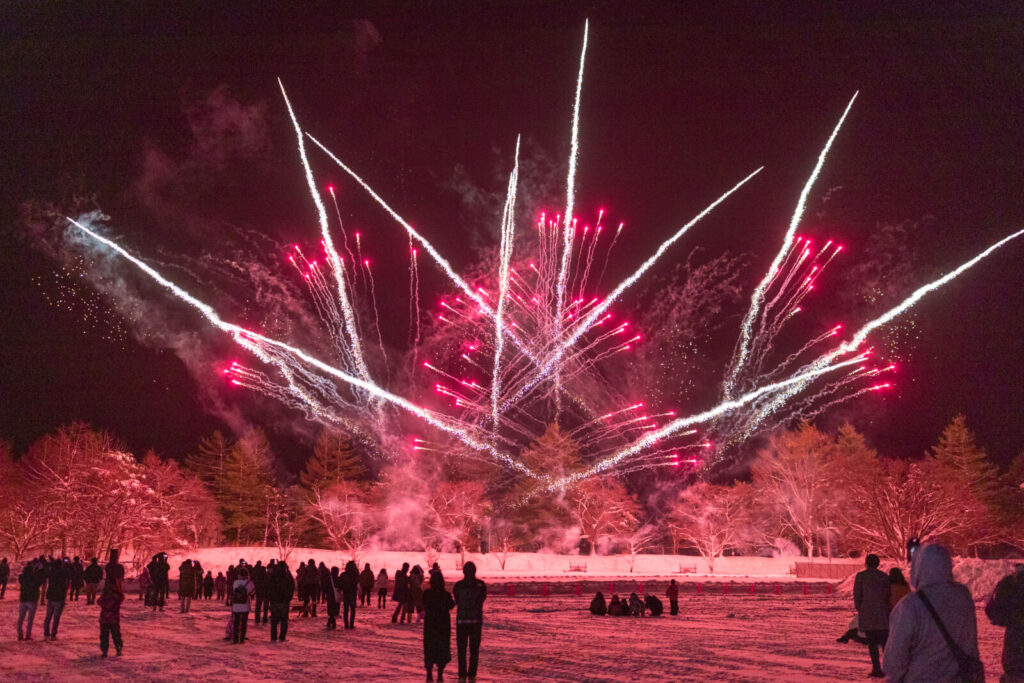
Held on weekends over the last weekend of January and throughout February, Lake Towada which borders Akita and Aomori Prefectures becomes a nighttime winter wonderland. Impressive snow and ice sculptures and colorful lightups fill the area and the night sky is brought to life with impressive firework displays (20:00~). There are also food stalls that highlight local delicacies which is a great way to keep warm as you walk through the snow landscape.
Aizu Painted Candle Festival
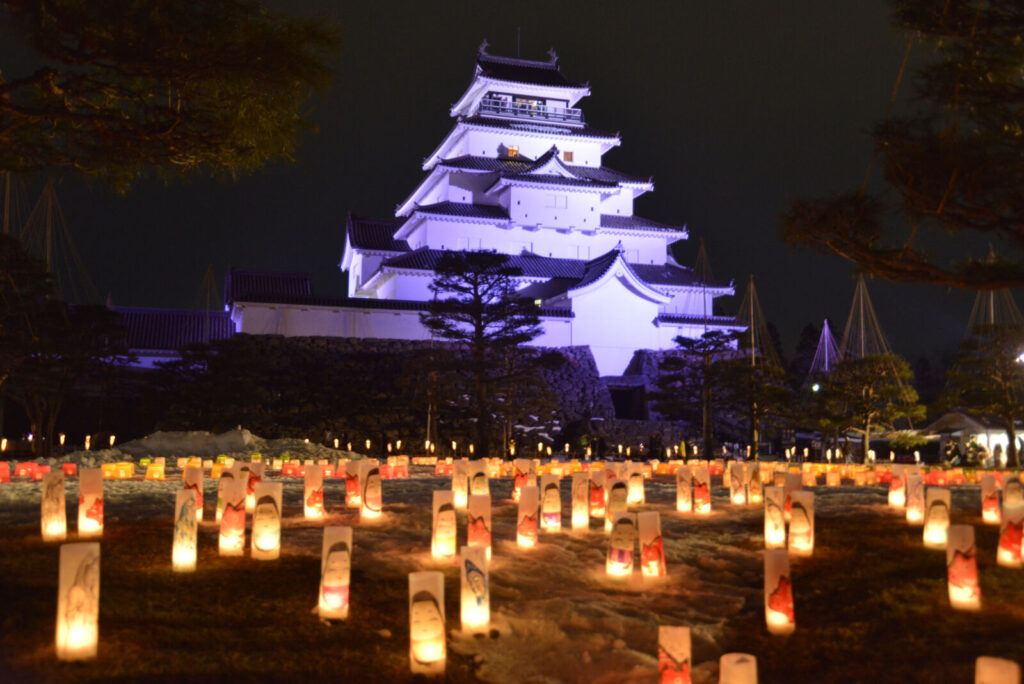
In the historic samurai town of Aizuwakamatsu, this beautiful candlelit festival is held every year in February. Known in Japanese as the Erosoku Matsuri, this Painted Candle Festival is the most popular winter festival in the prefecture. The date changes from year to year, so be sure to check the official website for the exact dates. Painted candles are a beloved and traditional craft of the Aizu region and the festival was initially created to let all of Japan and the world know about them! The famous Tsugaru Castle is lit up with brilliant colors at night and the park below it hundreds of candles dot the ground. Each of these vibrantly colored candles features vivid depictions of seasonal flowers and plants such as chrysanthemums, peonies, and wisteria. The entire manufacturing process— from making the wick to applying the wax, hand-polishing, painting, finishing, removing the wick, and removing the skewer— is all done entirely by hand.
Hirosaki Castle Snow Lantern Festival
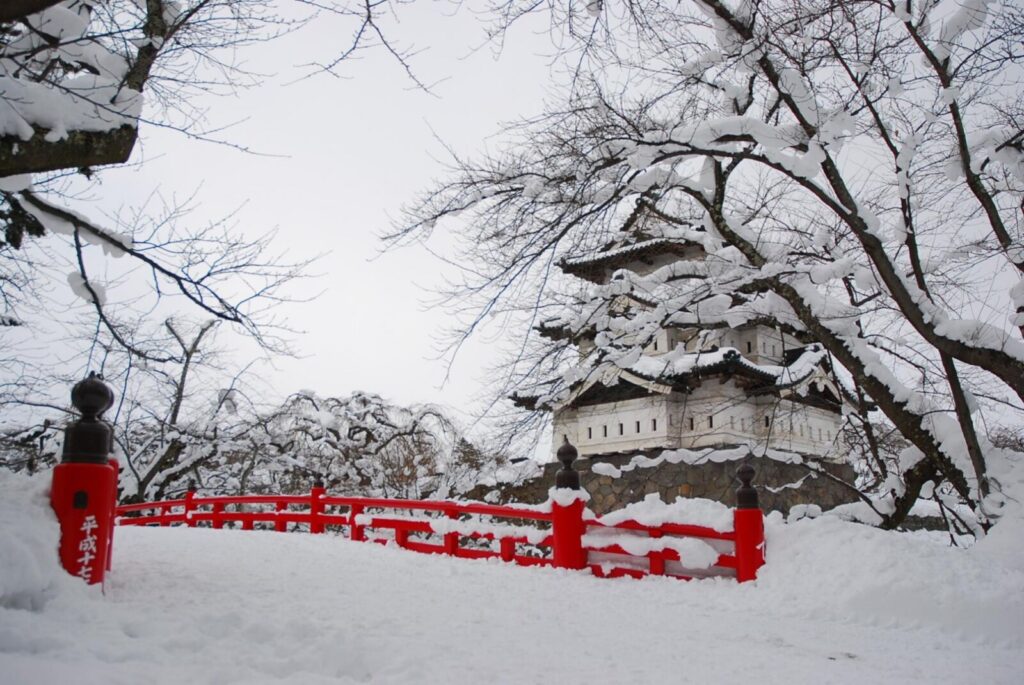
Following the theme of other Tohoku winter festivals, the famous castle town of Hirosaki in Aomori Prefecture has its own snow lantern festival. Around 300 large and small lanterns as well as intricate snow sculptures are placed around the castle park from sunset to 21:00.
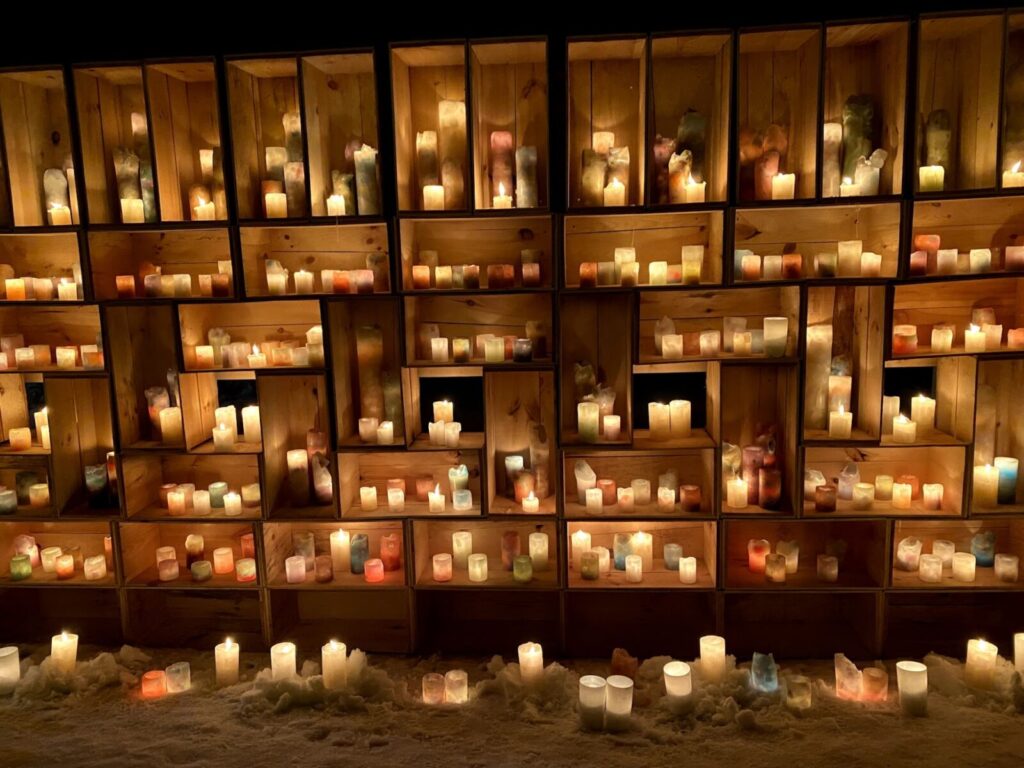
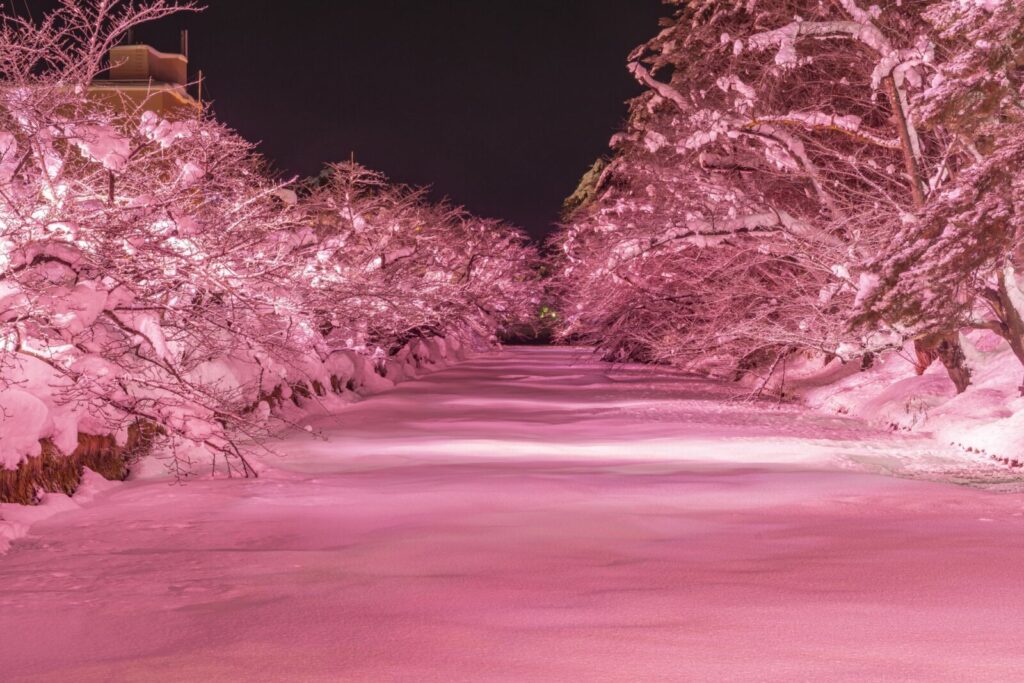
The park is a considerable size, so take your time walking through the wintery wonderland and see all the different styled snow lanterns as well as take a moment to try some local sake or food! Construction Notice: Hirosaki Castle is undergoing considerable construction for the foreseeable future. Be advised that some views of the castle may be obstructed depending on what machinery is being used that day.
Hachinohe Enburi Festival
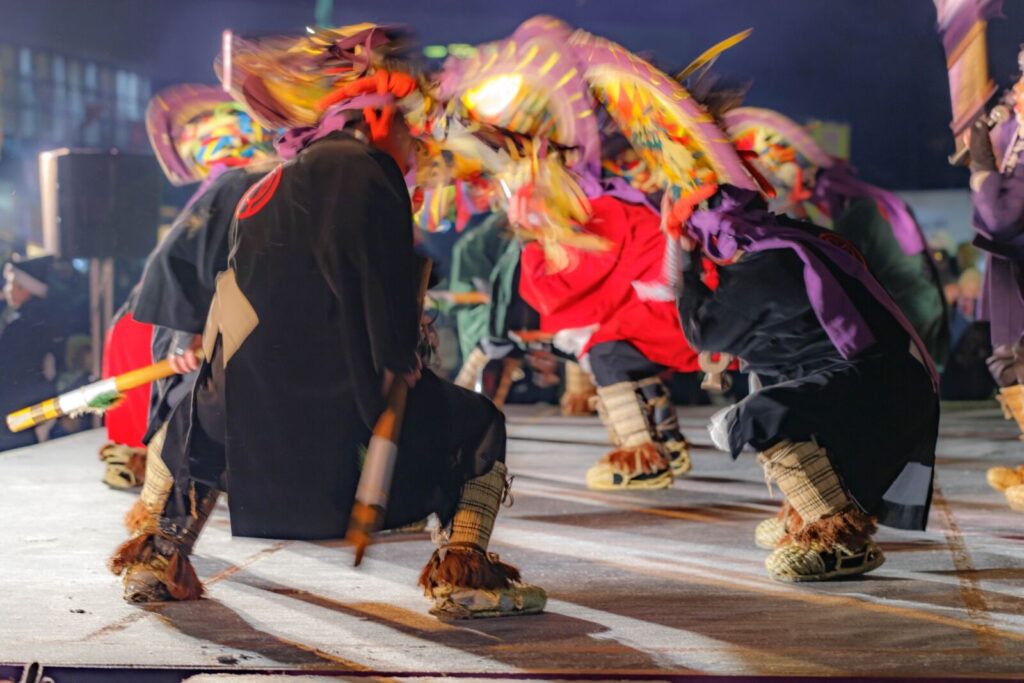
This traditional folk performing festival is held every year from February 17th through the 20th and is designated as an Intangible Folk Cultural Property of Japan. Traditionally this festival was a Shinto ritual performance in which prayers were offered up for a bountiful harvest of rice throughout the year. It is also said that the name of the festival derives from the “obueburi,” a T-shaped farming tool used to level the soil in rice paddy fields. The ritual dances are performed by groups of 20 to 30 people, led by a leader donning a traditional hat said to be designed off of a horse's head. This impressive traditional ensemble consists of drummers, flutists, hand cymbal players, singers, and drum bearers. You can see this incredible tradition performed in Hachinohe City.
Ouchi-juku Snow Festival
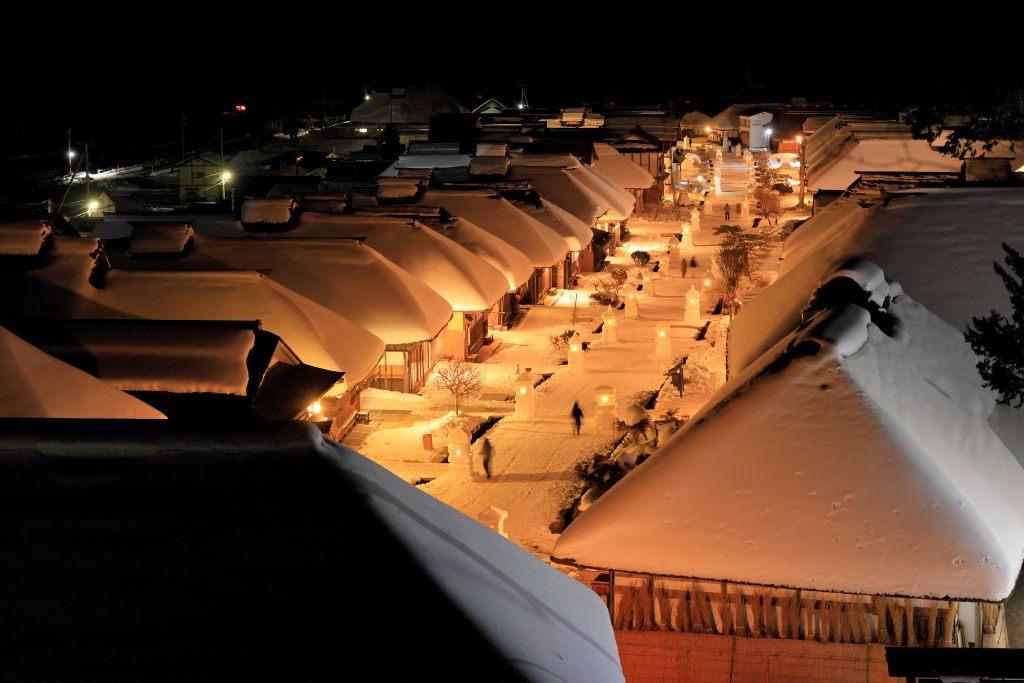
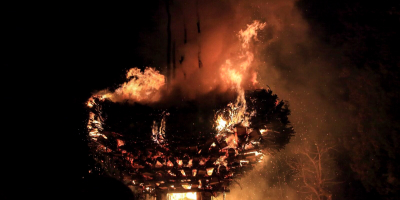
The historic post town of Ouchi-Juku just outside of Aizuwakamatsu in Fukushima Prefecture is known to draw visitors from all over the world. The most famous wintertime festival connected to the area is the Snow Festival. The Edo styled thatched huts covered in snow create a gorgeous backdrop to the fun winter festivities including snow lanterns, food stalls, and much more. There are even Edo-themed events such as the antique costume contest. The most riveting event, many argue, is the impressive fire ceremony on the first night in which local men don traditional loincloths and carry torches as they light each lantern by hand. The festival is held every year on the second Saturday and Sunday of February.
Seasonal Foods
Kiritanpo Nabe
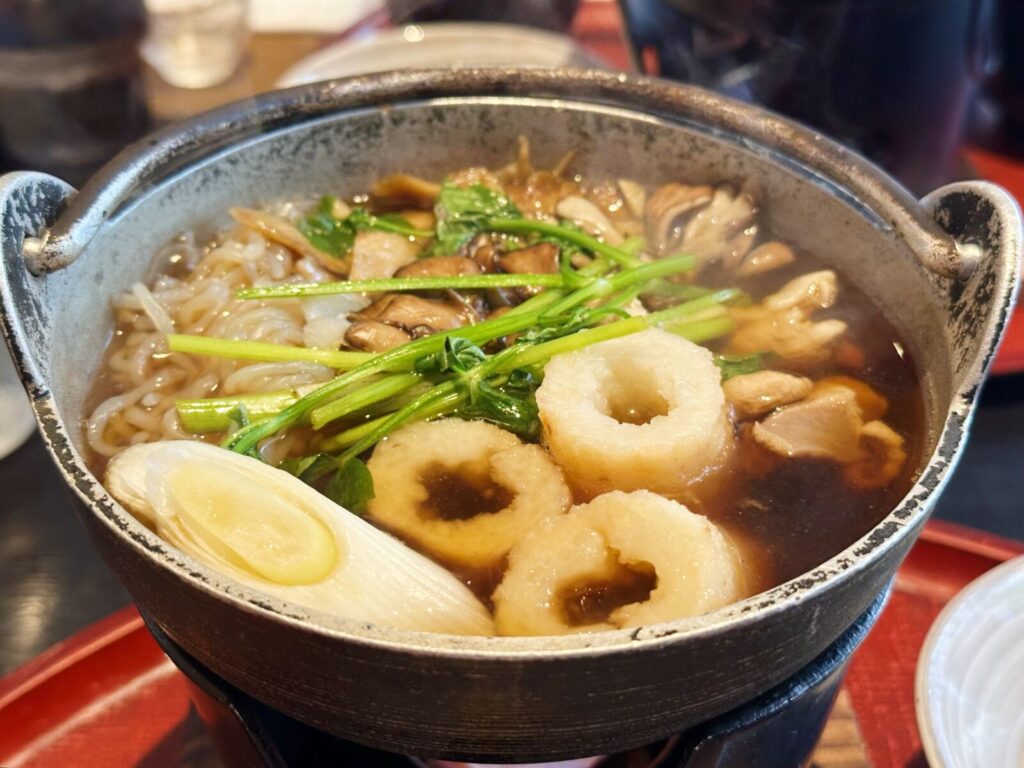
Traditionally from the Akita cities of Odate and Kazuno, this beloved hot pot dish has grown in popularity and can even be enjoyed throughout the entire country. However, for the best and most authentic kiritanpo nabe, one must venture northward to Akita Prefecture. Similar to other hot pot dishes, the broth is boiled low and slow with an assortment of mushrooms, vegetables and chicken. There was once a time when the region's breed of native chicken could not be used due to the breed being designated as a National Treasure. However, a new breed was born and is still used in the recipe today.
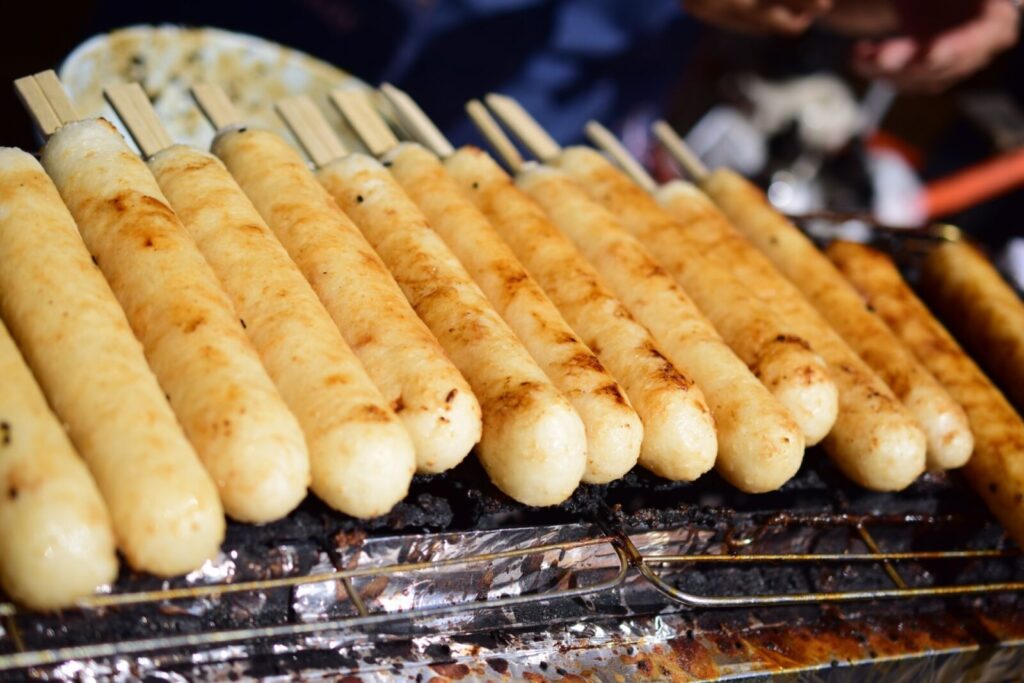
The other main star ingredient is kiritanpo – or grilled rice skewers. Rice is mashed with water into a slight paste and formed into a cylinder shape onto a skewer and then grilled till it is a golden brown. The outside is crispy and the inside is mochi-like in texture, making it the perfect addition to the rest of the boiled ingredients in the nabe.
Senbei-jiru
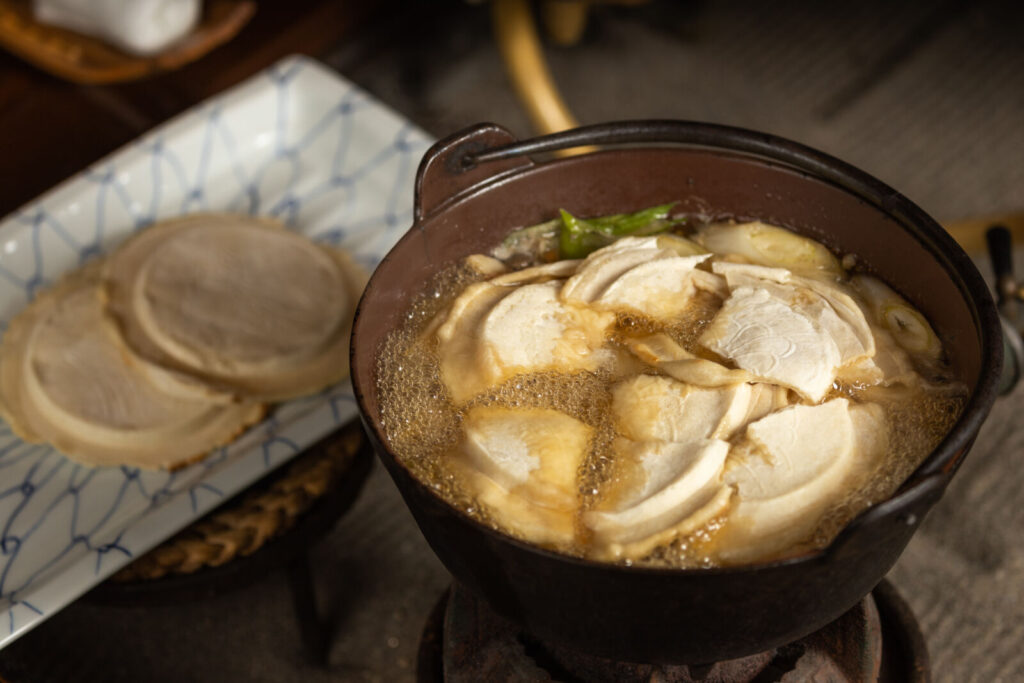
This winter dish is popular in the city of Hachinohe and its main ingredients include: rice crackers, green onions, chicken, thread konjac, burdock root, frozen tofu, carrots, and mushrooms. The name senbei comes from the rice cracker of the Nanbu domain (what is now southeastern Aomori Prefecture to northern Iwate Prefecture) where rice is mixed with flour, salt, and water and baked into an iron mold. This rice cake is then boiled in miso soup or in a pot and was later called "senbei-jiru" or rice cracker soup. The dish wasn't originally a big tourist attraction, however due to revitalization efforts of the late 1980s, the dish was given its name and advertised as the beloved humble dish of local families.
Imoni
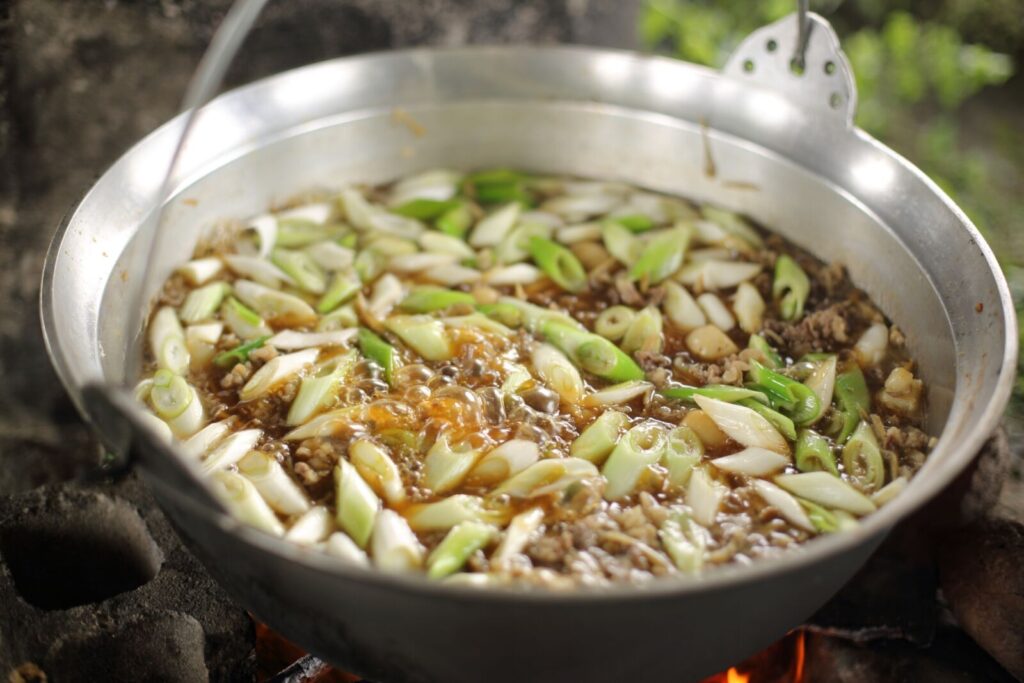
Also known as taro soup, this is a stew-like dish that is famous in the Yamagata Prefecture. So much so that it has its own festival! The main ingredients include taro, beef, konjac, and green onions alongside a variety of mushrooms and other vegetables. The dish's history dates back to the early 1600s and although the recipe hasn't changed much over the centuries, the addition of beef into the meal started around 1930. Till this day, the dish is served during local festivals, after sports competitions, for New Years parties, among many other events.
Kozuyu
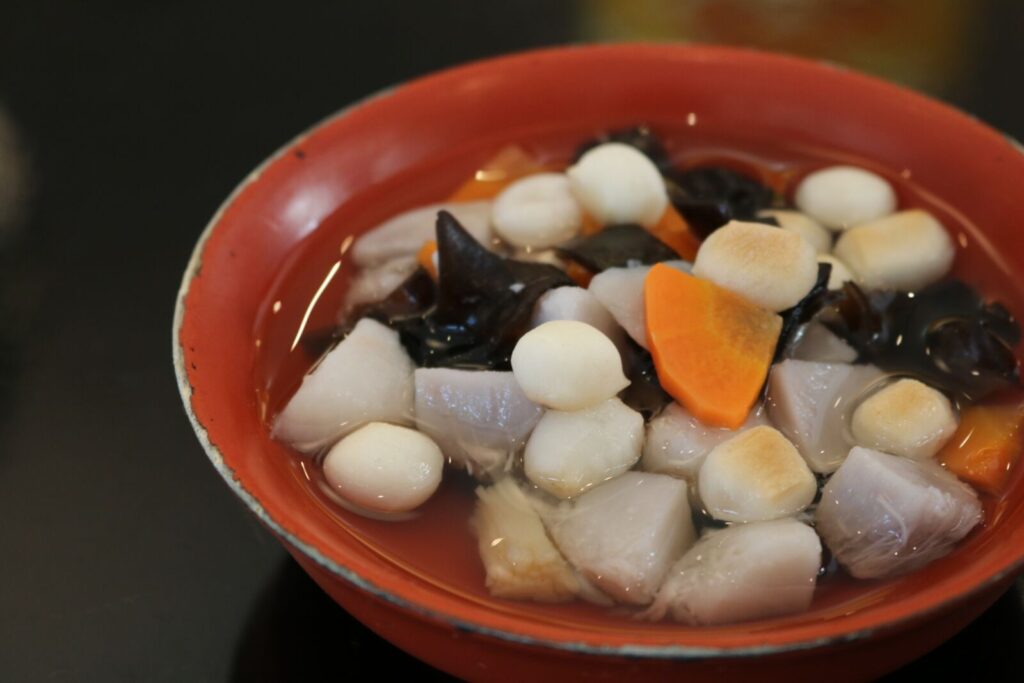
A well-loved dish to the Aizu district of Fukushima Prefecture, kozuyu is more famously known for its ceremonial use. Kozuyu is served at all sorts of ceremonies including weddings, funerals, and New Year celebrations. This recipe holds a tradition of serving it with an odd number of ingredients as numbers like seven or nine bring about good luck. Another tradition included serving it in two separate bowls each with a distinct name, but since around 1985 the meal is served in one bowl and is called the collective name kozuyu. Some main ingredients include fried chrysanthemums and white bean curd. Although this dish is mainly served at events, you can get some at local festivals and restaurants throughout the Aizu district.
Ankou Nabe
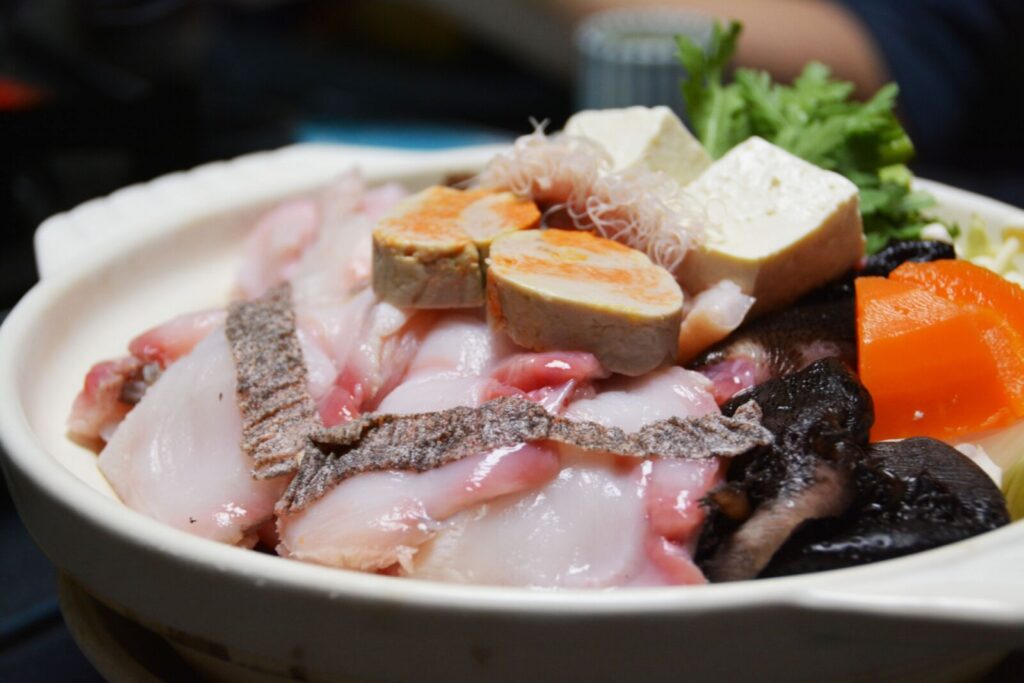
This is a hot pot winter specialty of Fukushima Prefecture that adventurous easters are recommended to try! The dish itself holds a long history within the prefecture and has stood the test of time as a staple winter food for locals. Ankou means anglerfish, and that is the main ingredient of this bubbling dish. Alongside anglerfish is also miso in the broth and other vegetables to make it a hearty meal. Many locals praise the dish for having high amounts of collagen, which is said to be a great beauty hack!
Ski Resorts in Tohoku
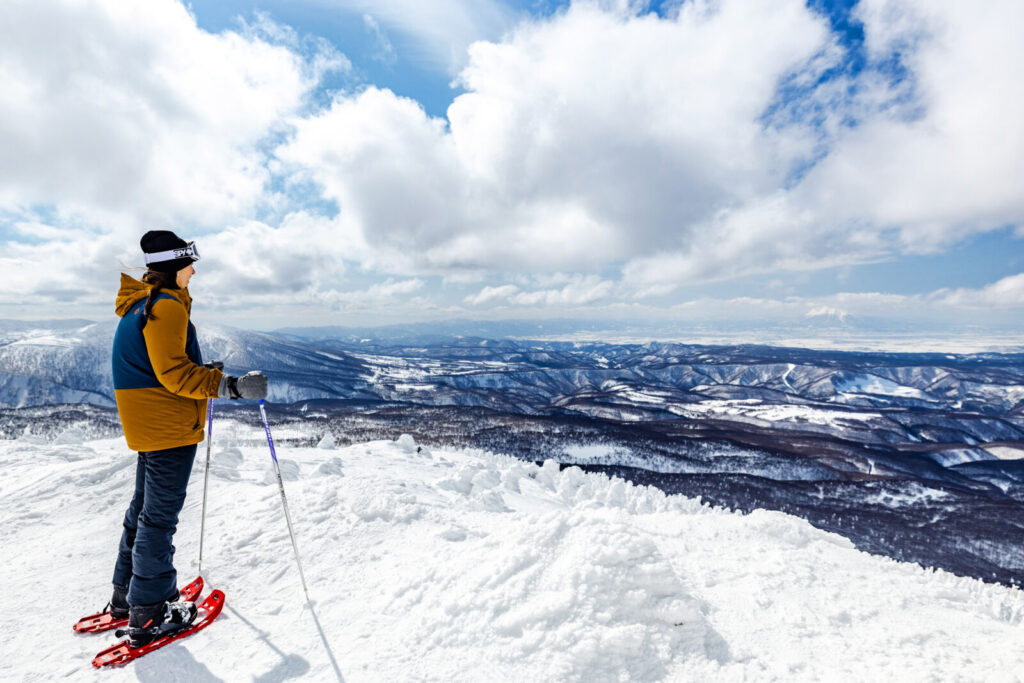
Tohoku is home to a vast amount of national parks and incredible hiking trails that turn into great ski resorts for the winter season. Check out our article that highlights some of the best resorts throughout Tohoku below.

Frequently Asked Questions (FAQ)
Is Tohoku worth visiting in winter?
Yes! Thanks to the plethora of great ski resorts and entertaining winter festivals, Tohoku has plenty to offer travelers. Better yet, winter tends to be a slightly less congested season for tourism so you can see some of the best highlights without worrying too much about big crowds.
What are the best things to do in Tohoku during winter?
Seeing the whitewashed wintery landscapes, hitting the slopes, visiting popular hot springs towns, enjoying warm coffee at one of many quaint cafes, and much more! Naruko Onsen in Miyagi Prefecture or Zao Onsen are popular destinations. We also highly recommend visiting one of many cafes within walking distance of Sendai Station for those limited to shinkansen destinations.
How can I get to Tohoku during my trip to Japan?
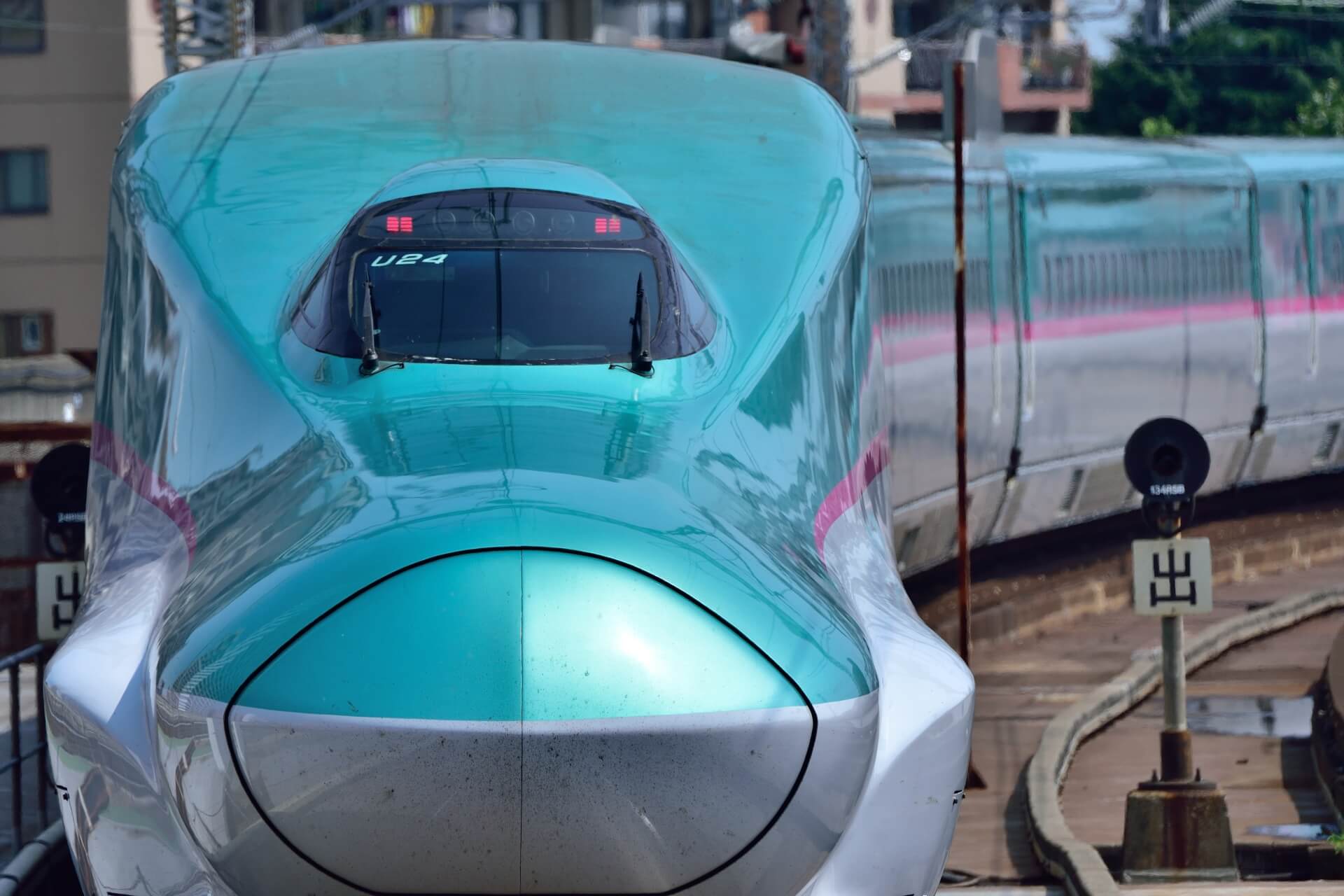
The Tohoku Shinkansen is the longest ‘bullet train’ line of Japan’s extensive network. It travels from Tokyo Station all the way north to Shin-Aomori Station, connecting to the regional Yamagata Shinkansen, Akita Shinkansen and Hokkaido Shinkansen lines as well. The shinkansen is a convenient way to travel long distances in a condensed amount of time. International visitors holding a valid Japan Rail (JR) Pass can use any service on the Tohoku Shinkansen at no additional charge.
Some seasoned travelers opt for car rental to venture to the less-accessible areas of the countryside, but sticking to public transportation or chartered tours is recommended for ease of travel during your trip. For those looking to get to Sendai, known as the gateway to Tohoku, see our How to Get to Sendai page for more information.
Is travel difficult in winter?
Due to the heavy amounts of snow in many areas throughout the Tohoku region, especially places like Aomori (known as the snowiest city in the world), it's important to come prepared for any delays in travel due to inclement weather. Although the shinkansen is efficient and runs through tough storms, sometimes dangerous amounts of snow and ice can delay or cancel services. It is recommended to stay up to date on weather forecasts and public transportation services while traveling throughout Japan in the winter. This advice also includes those who are traveling by car as many roads close during the winter months and can add significant time to your travel between destinations.