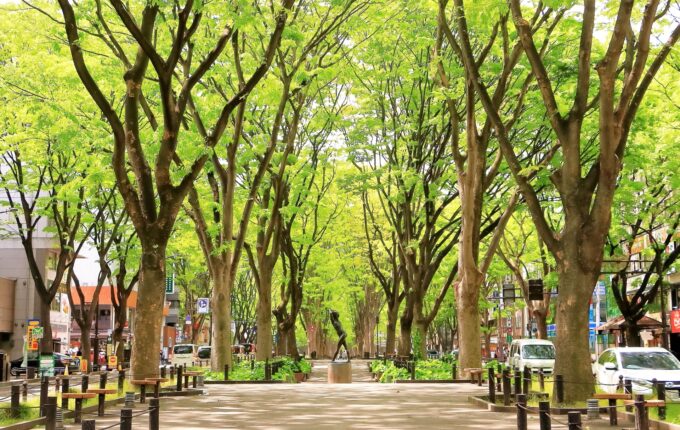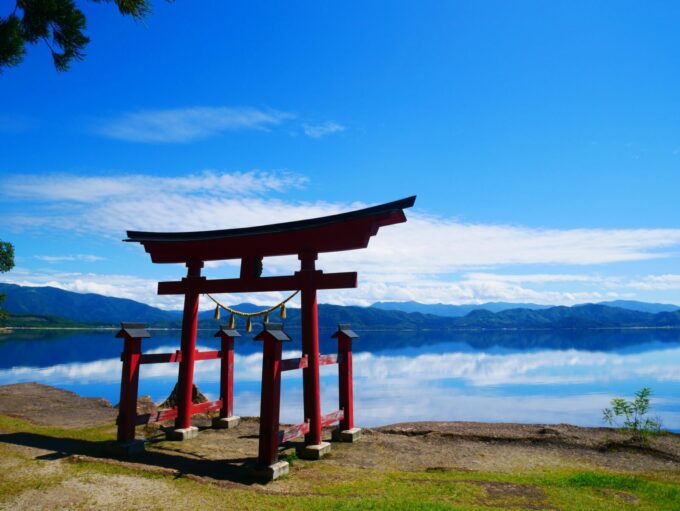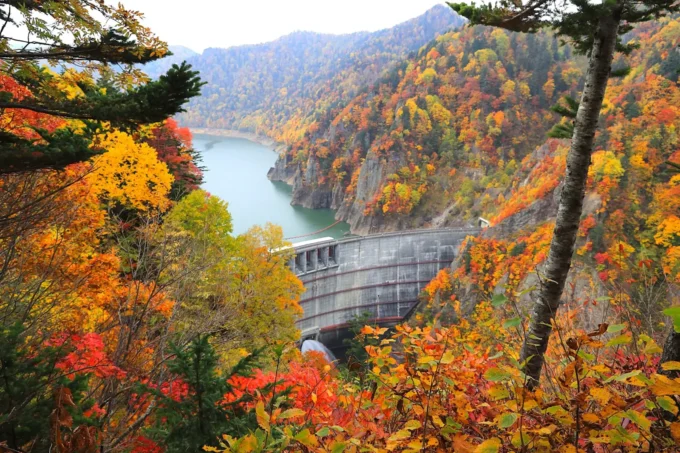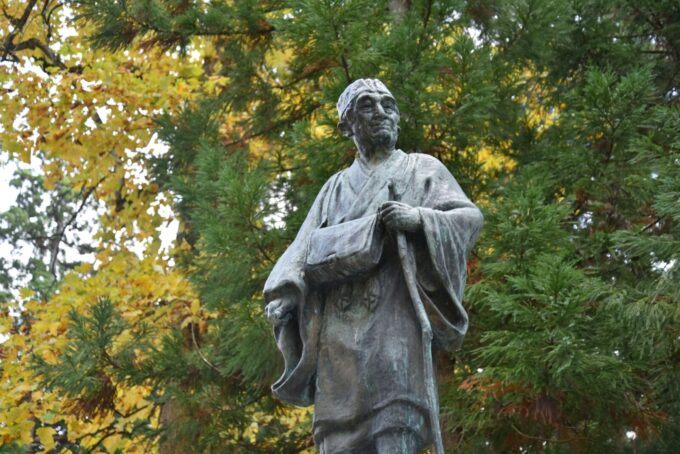
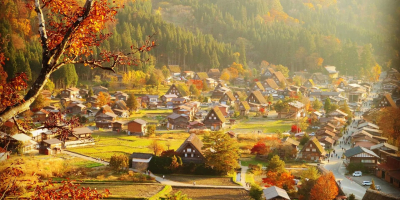


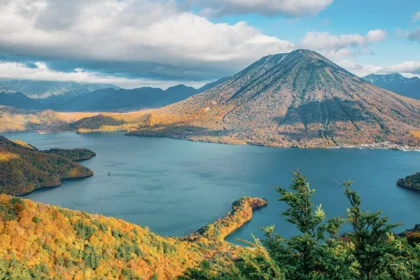

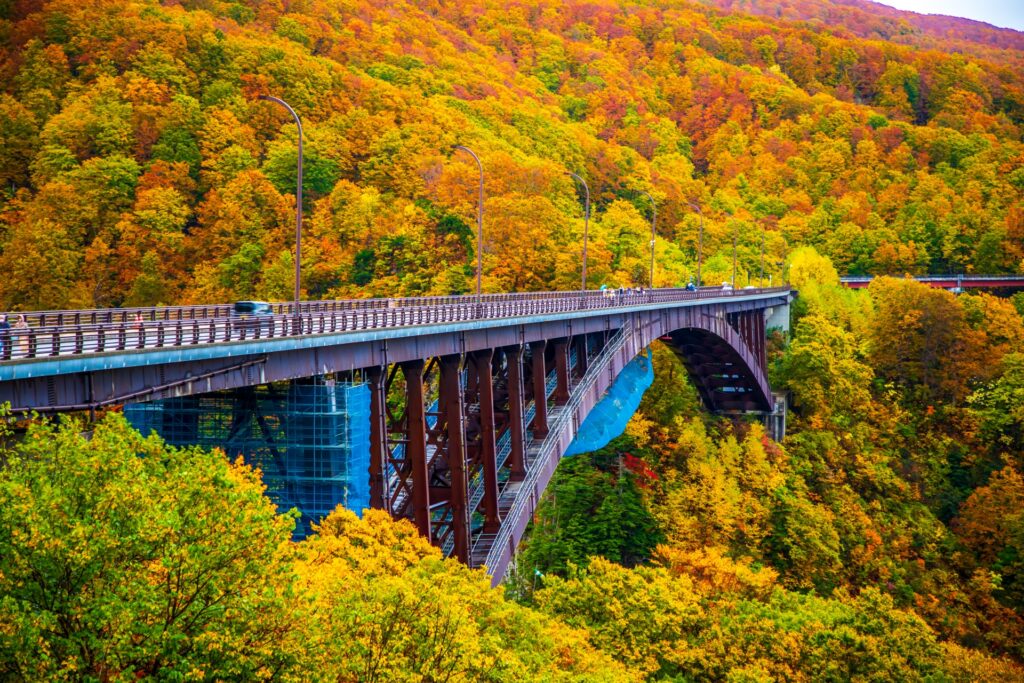
Fall in Tohoku is known for its gorgeous colorful leaves and moderate climate. Thanks to many remote, scenic locations, venturing toward the northwestern part of Japan during this season offers unique experiences that go above and beyond the expected congestion of bigger, well-known tourist spots like Tokyo or Kyoto.
On this page, you will find the following information about the best ways to enjoy the autumn months in Tohoku:
Although it’s impossible to mention everything in one article, below is a list of great activities, natural beauty, and uniquely Tohoku experiences you can enjoy in and around the northeastern area during the fall!
Where exactly is “Tohoku?”
Tohoku refers to the northeastern parts of Japan’s main island (Honshu) that consist of six prefectures: Aomori, Akita, Iwate, Miyagi, Yamagata, and Fukushima. It is a vast area spanning roughly 67,000 km2 with a population of 8.3 million. Even with all 6 prefectures together, it is still significantly less than the population of the Greater Tokyo Metropolitan area, which totals to about 37 million. Because of this, the Tohoku region is blessed with an abundance of natural, rich beauty that offers gorgeous sights any time of year.
Due to the sheer amount of land contained within the region, it’s nearly impossible to visit every worthwhile location in one go. That is what makes Tohoku such an alluring spot to travel to – new adventure, history, and experiences await with each visit.
Matsushima Bay
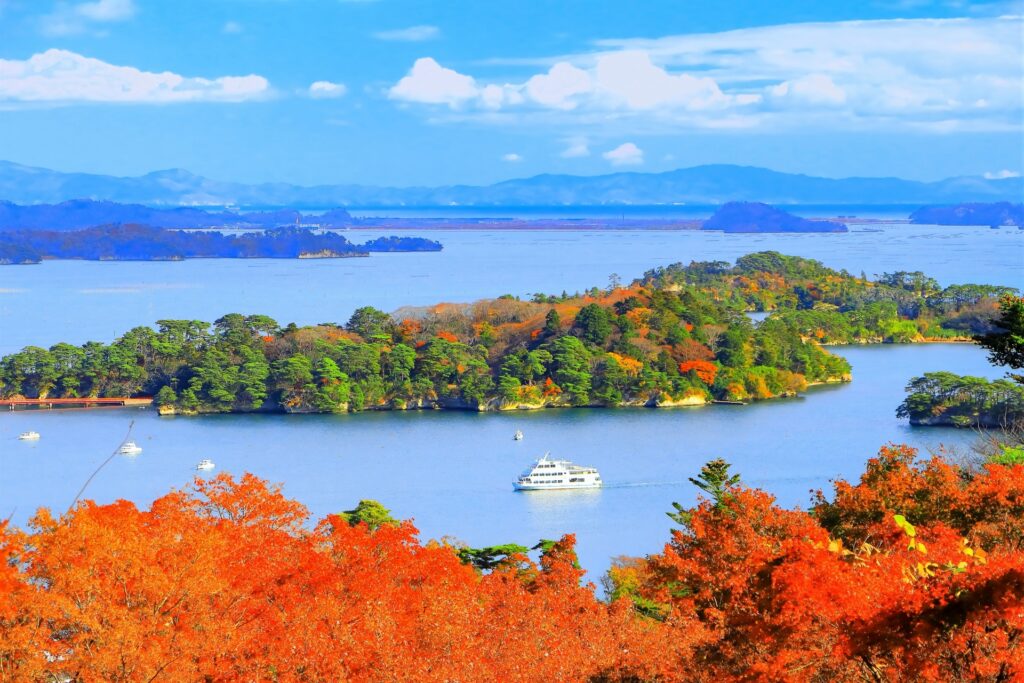
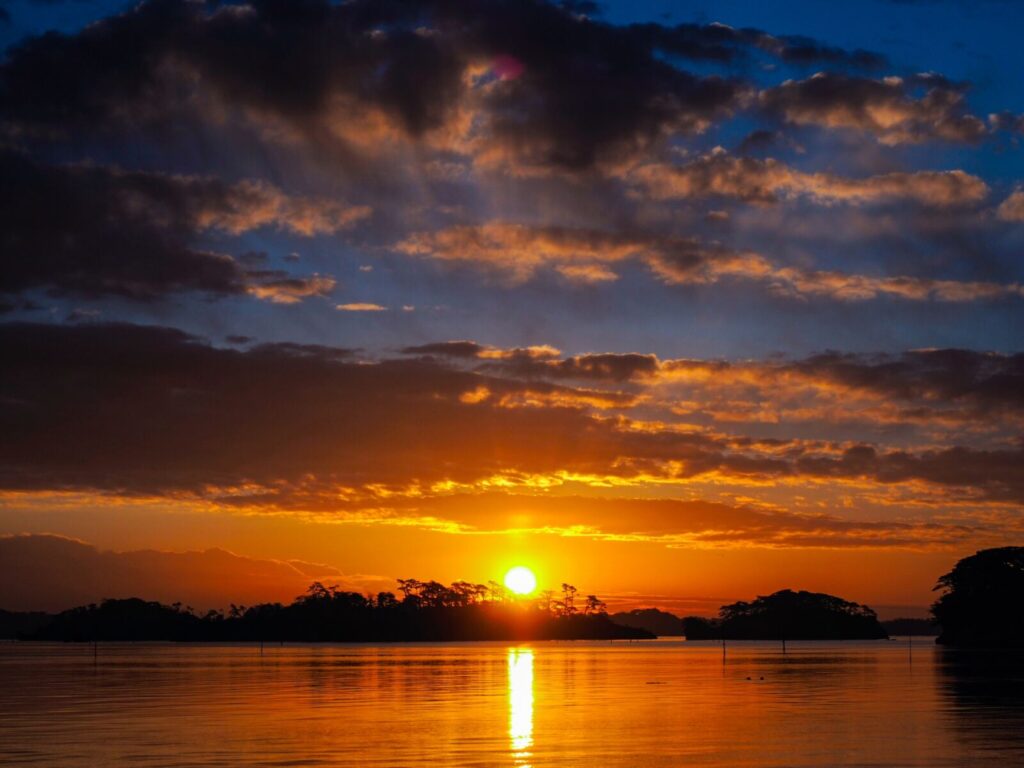
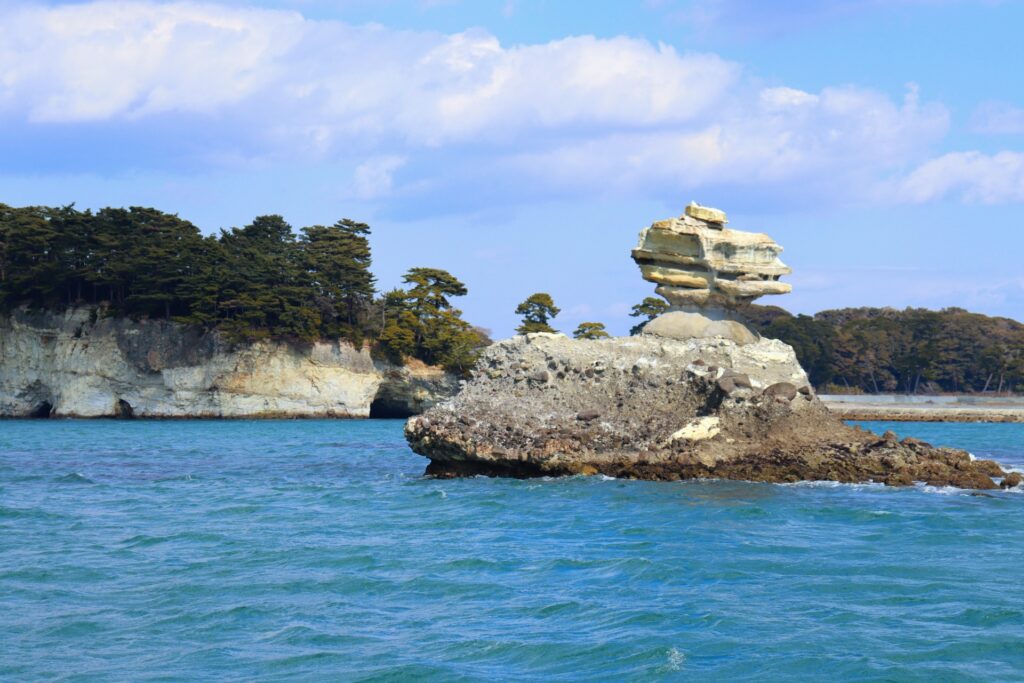
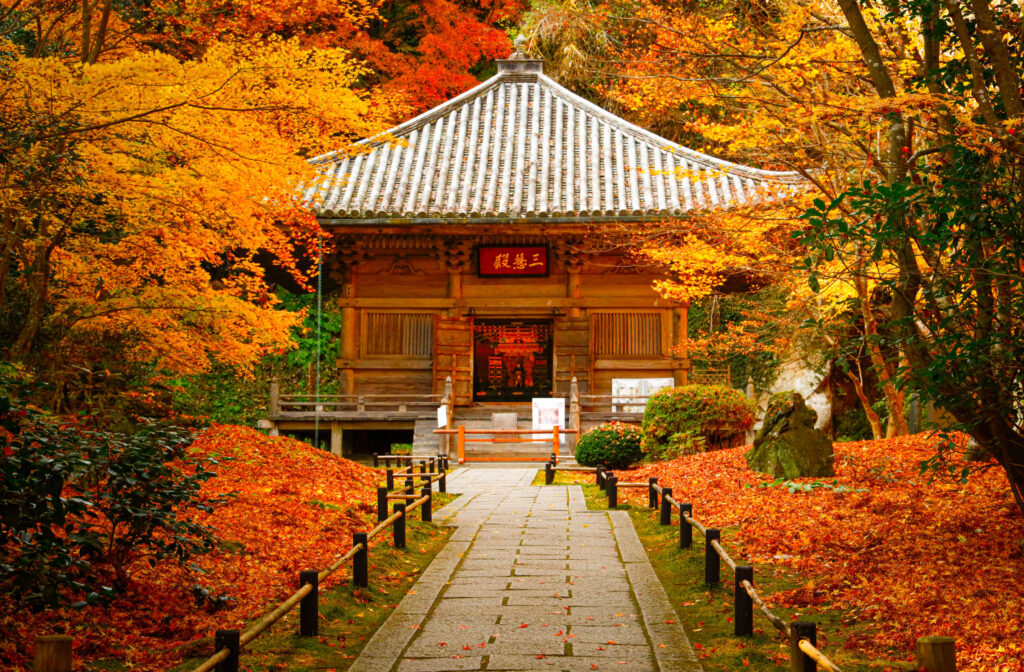
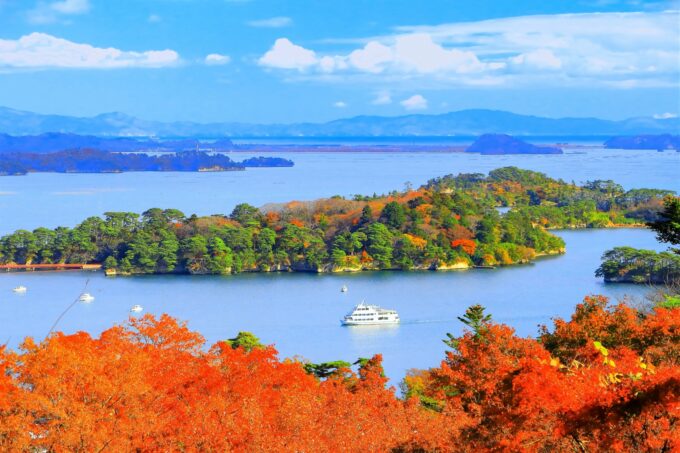
Praised as one of Japan’s Three Top Scenic Views, Matsushima is a bayside town located just 40 minutes north of Sendai via train along the coastline of the Miyagi Prefecture. Take advantage of the cooler temperatures and plan your trip to this gorgeous, walkable area filled with beautiful scenery, historic temples and gardens, and unique experiences.
Recommended Tour:
Small Group
1-Day Tour from Sendai: Matsushima Bay — Highlights from One of Japan’s Three Most Scenic Views
- Spots:
- Matsushima
- Pick-up:
- Sendai
- Drop-off:
- Sendai
Historic Aizu-Wakamatsu
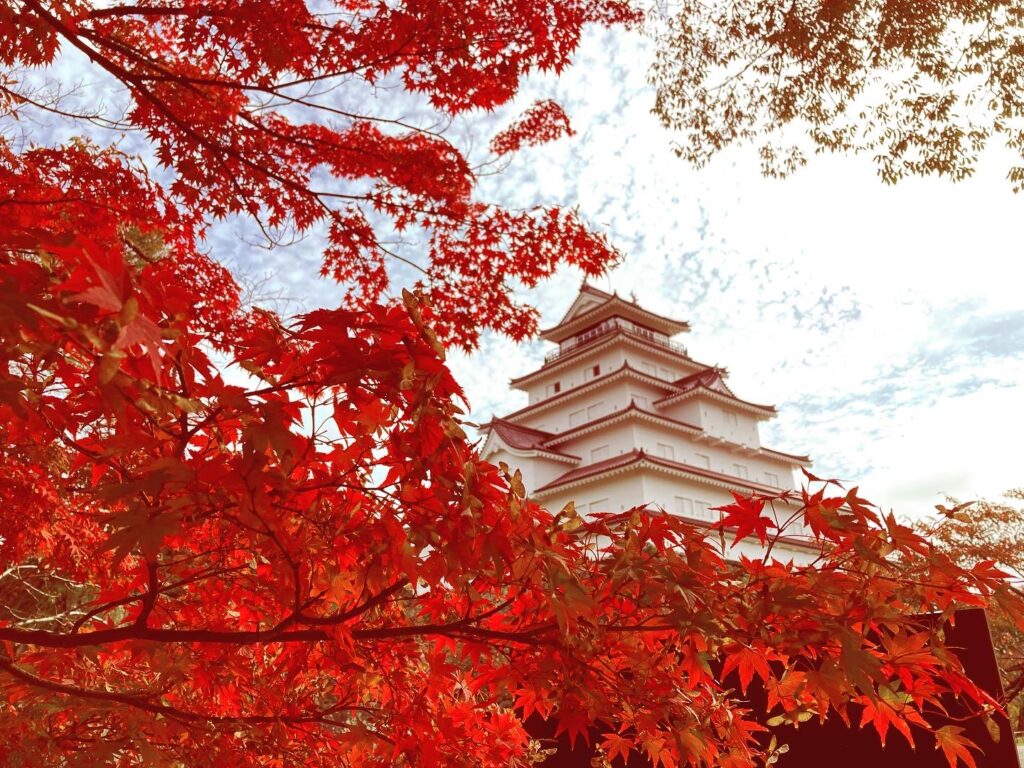
Also known as Samurai City, Aizuwakamatsu is located in the Fukushima prefecture. It boasts all kinds of wonderfully rich history including being the last stronghold of the samurai at the end of the 19th century. Located at the center of the city is Tsuruga Castle, another historic gem that has beautiful cherry blossoms in the spring. But in order to avoid the crowds, travelers can still enjoy all that the castle has to offer during the summer months. In fact, this castle is the only red and white castle in Japan!
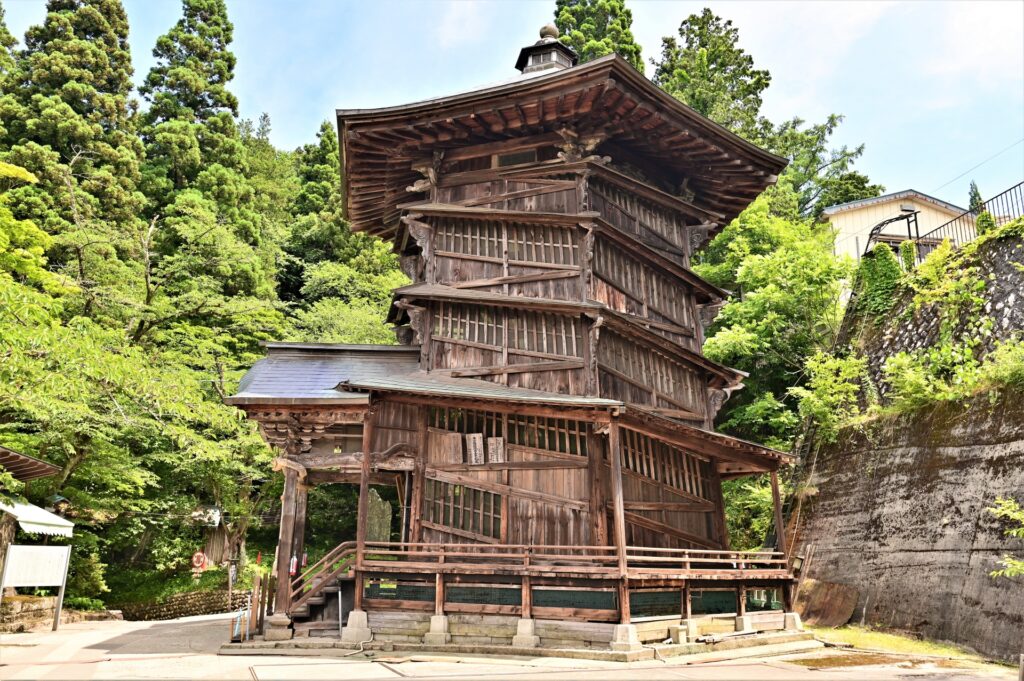
Aizuwakamatsu also has restored bukeyashiki or traditional samurai houses, a unique double-helix spiraled temple called Sazaedo, and the city is not too far off from the beautifully and accurately restored post town called Ouchi-juku. This post town served as a connection between Nikko and Aizu for travelers on foot during the Edo Period.
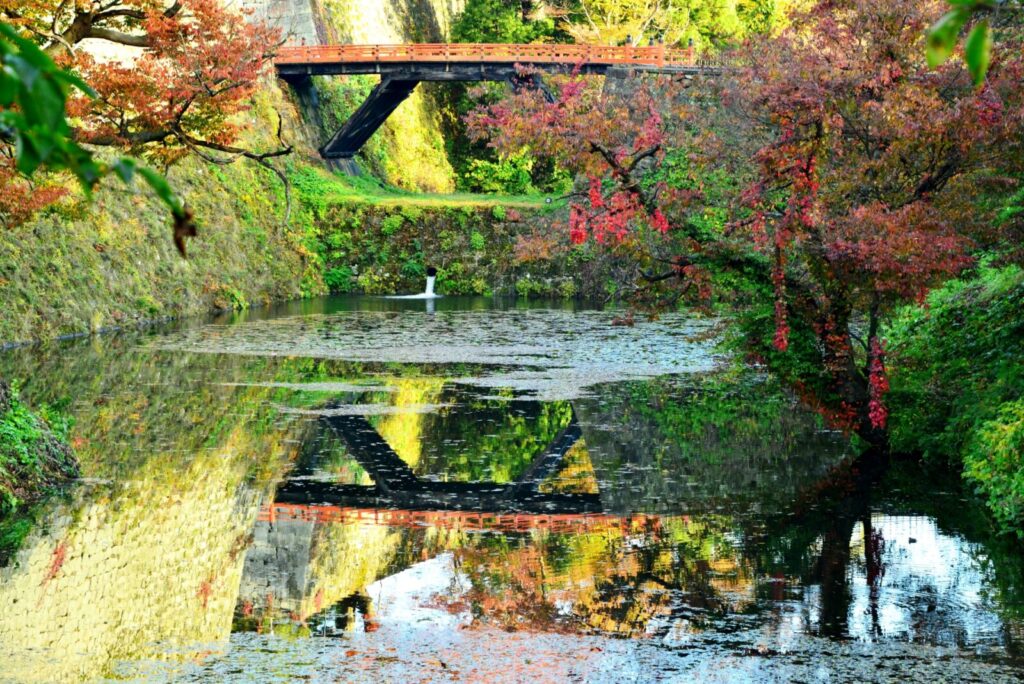
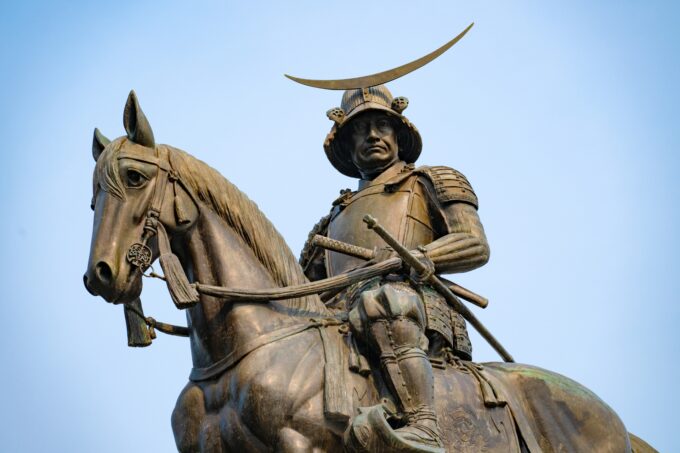
Why not hit as many major samurai spots as you can during your trip? Snow Monkey Resorts offers a plethora of samurai themed tours for you to enjoy. Two Tohoku highlights include our historic tours of Sendai and nearby Matsushima.
Ginzan Onsen
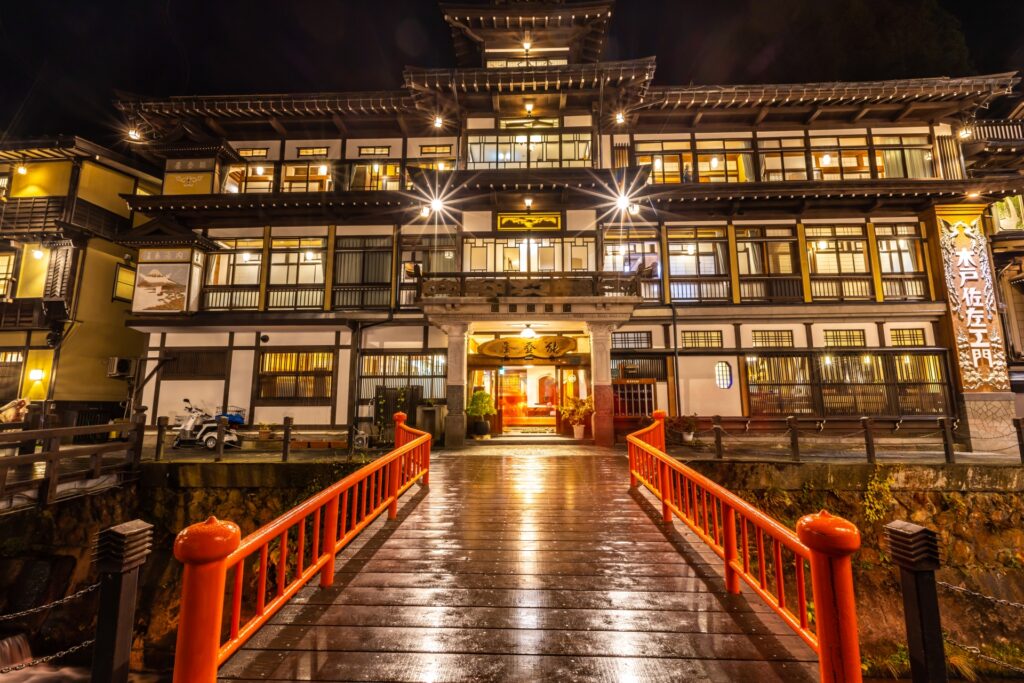
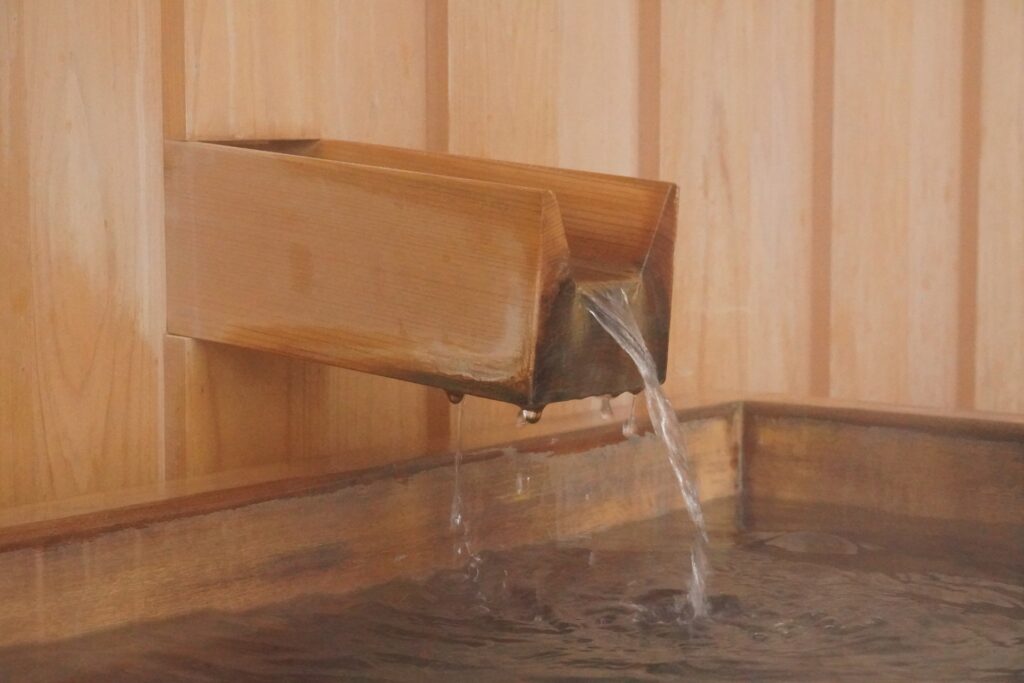
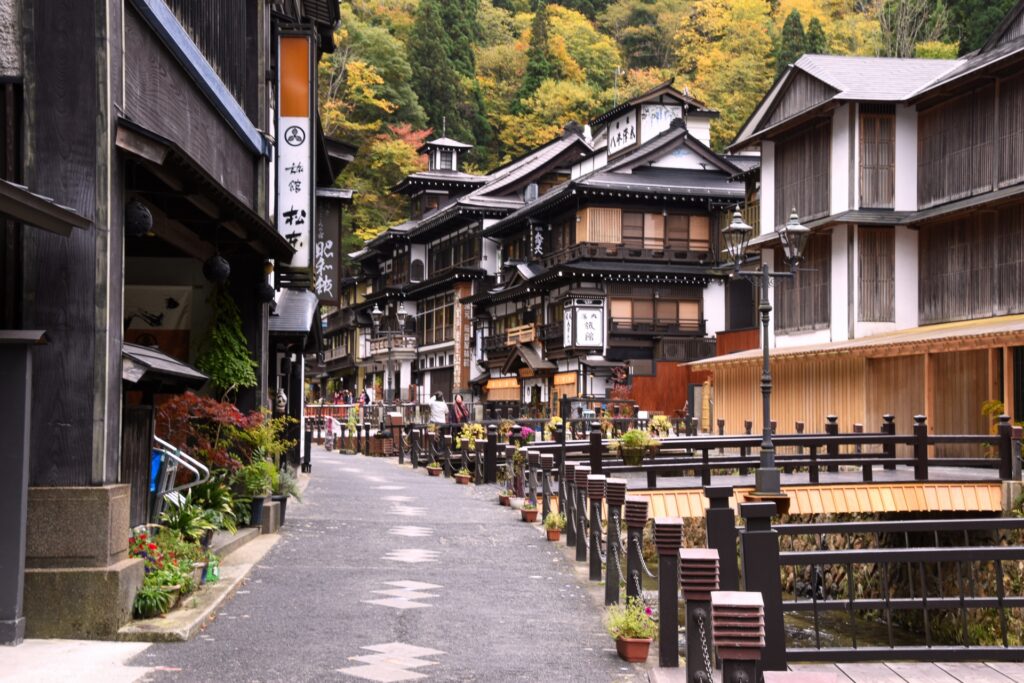
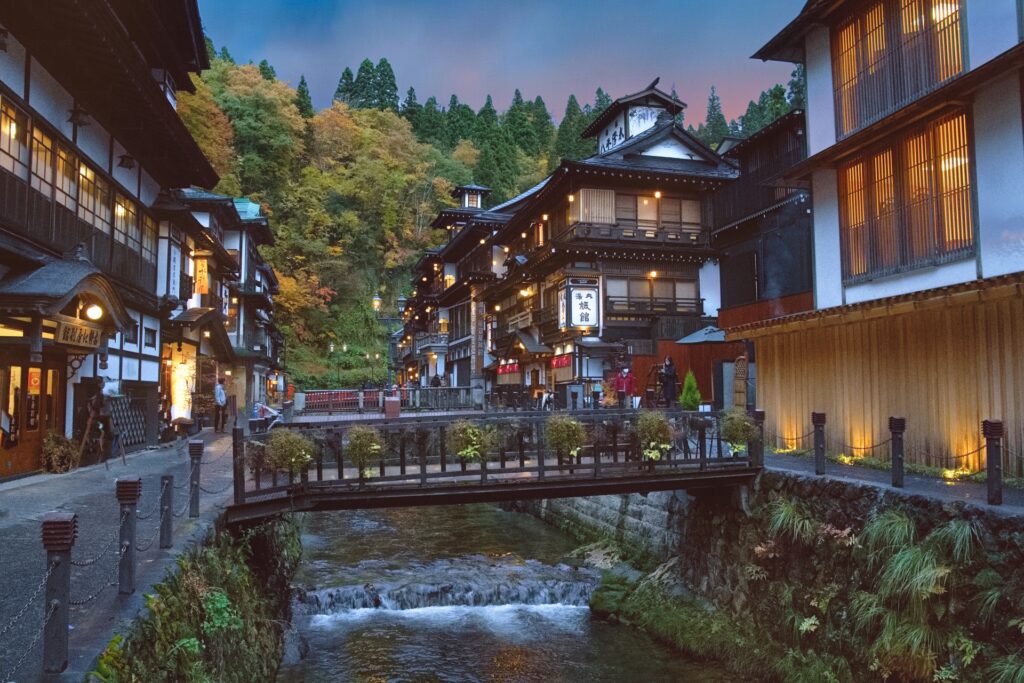
Ginzan Onsen is a picturesque hot springs town in the Yamagata Prefecture. Although many iconic images from this area come from the snowy depths of Yamagata’s winter, this scenic tourist spot offers amazing views regardless of the season. Originally established around a silver mine, this pedestrian-only hot springs town offers a uniquely antique feel to those who visit. There are traditional ryokans you can stay in as well as foot baths and public baths for day trips. This timeless location is sure to add relaxation to your trip to the north. An added bonus of visiting Ginzan Onsen during the fall is less crowds and less restrictions on visitors – they often have limitations on how many people can visit, especially those who are driving, during the winter due to hazardous conditions.
Autumn Leaves in Tohoku
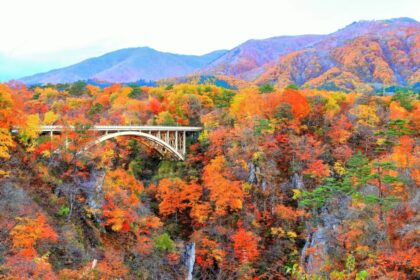
Coming to Japan during the Fall has become more and more popular in recent years, and for good reason! Thanks to the slow dips in temperatures around mountainous regions, the leaves on the trees fade from yellow to orange to bright red as the season progresses. Tohoku is well known for its lush nature, so it goes without saying that you're bound to see some breathtaking views in many locations around the region! See our article about some of the best spots for autumn leaves in the article below!
Seasonal Fruits & Flowers
Apples
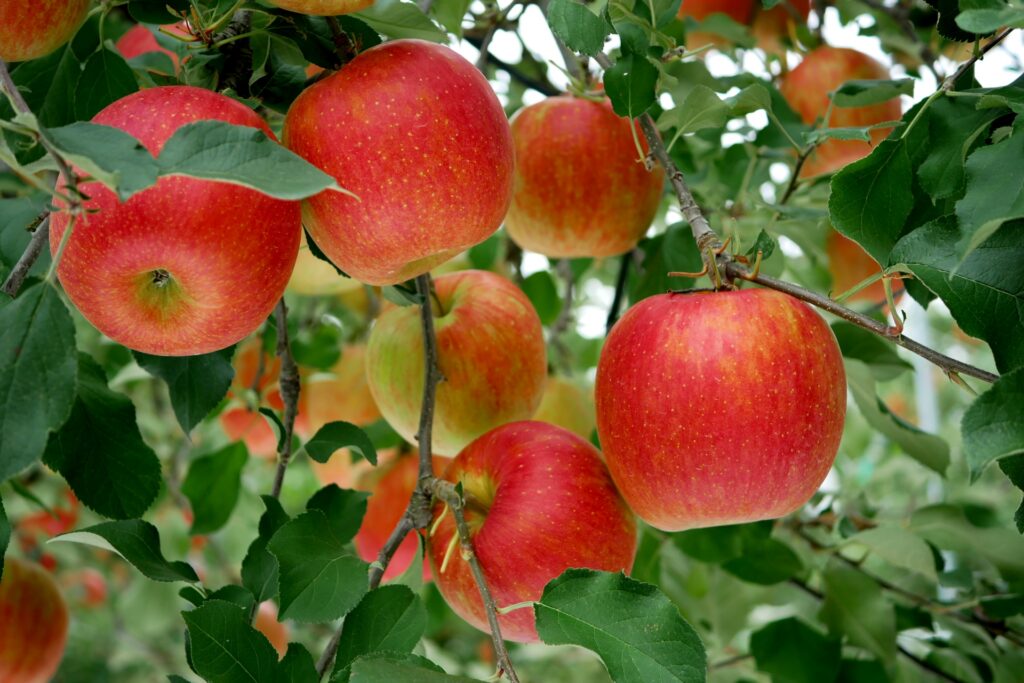
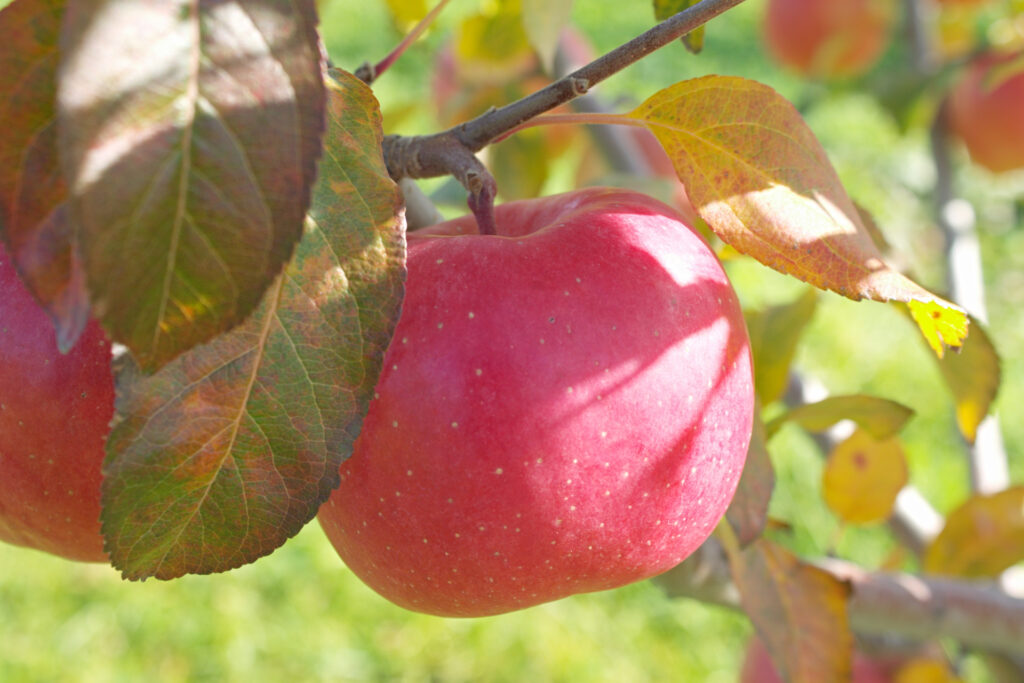

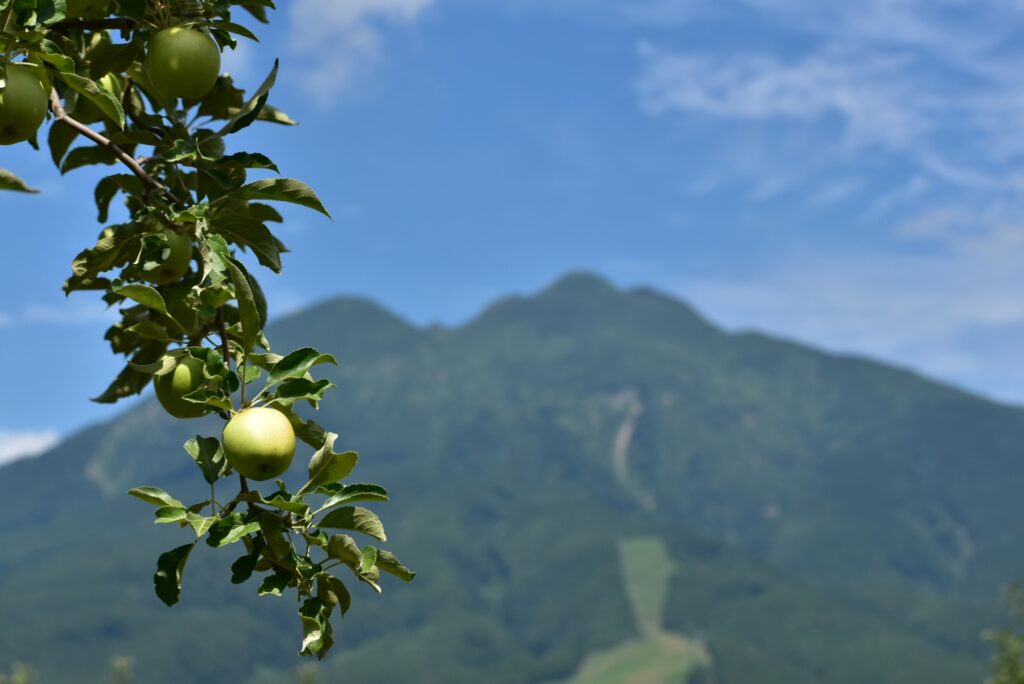
Fall is also known as apple harvest season in Japan. Especially in the prefecture Aomori, which is known for its mass production of over 50 varieties of apples. This accounts for more than half of Japan’s annual apple harvest! Thanks to many factors such as high-level cultivation techniques, the high contrast of temperatures between day and night, and Aomori's overall love of apples, the fruit harvest is not only plentiful but Aomori apples are known as some of the most delicious in the world! Next time you are visiting in the fall season, make sure to stop in through Aomori to pick some apples for yourself, try refreshing apple juice, or some freshly baked apple pies.
Recommended tour:
New Tour
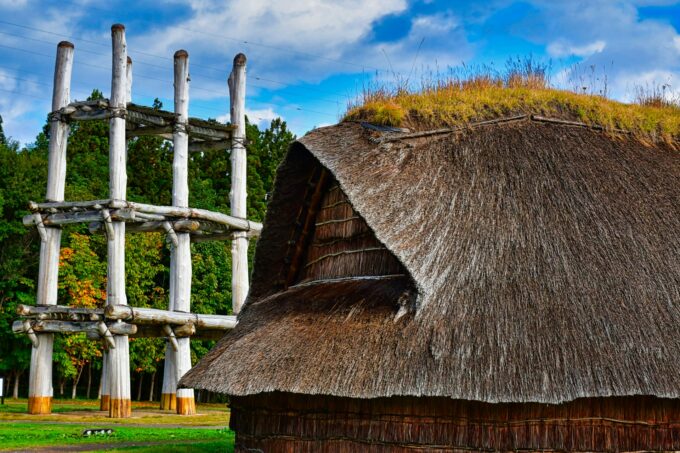
1-Day Tour From Shin-Aomori: Jomon Village & Nebuta Museum Highlights of Aomori
- Spots:
- Pick-up:
- Shin-Aomori
- Drop-off:
Japanese Pears
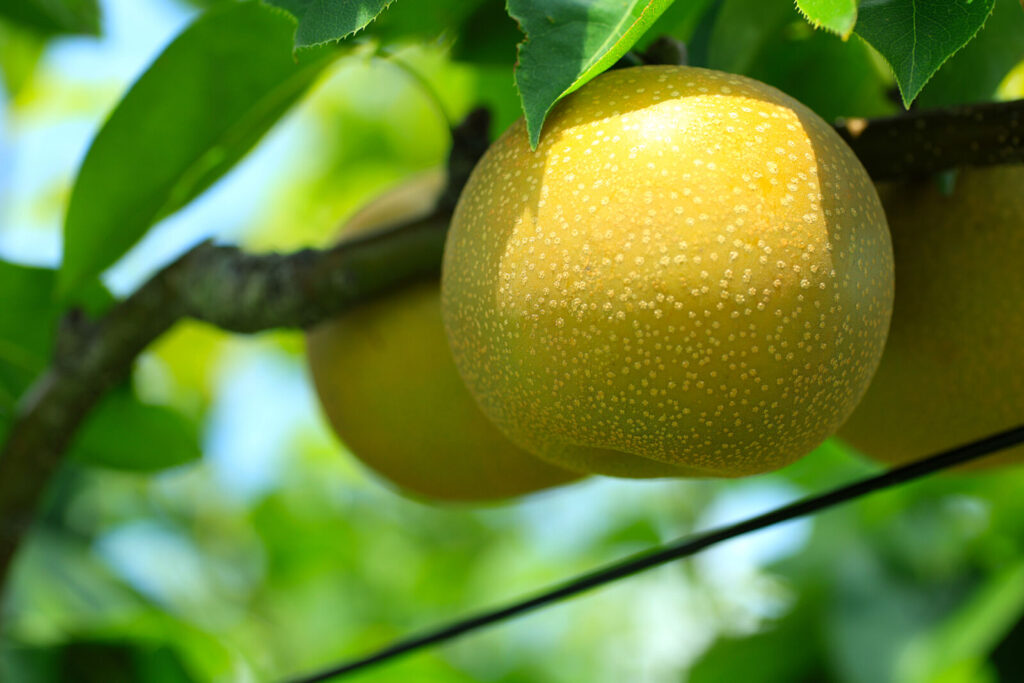
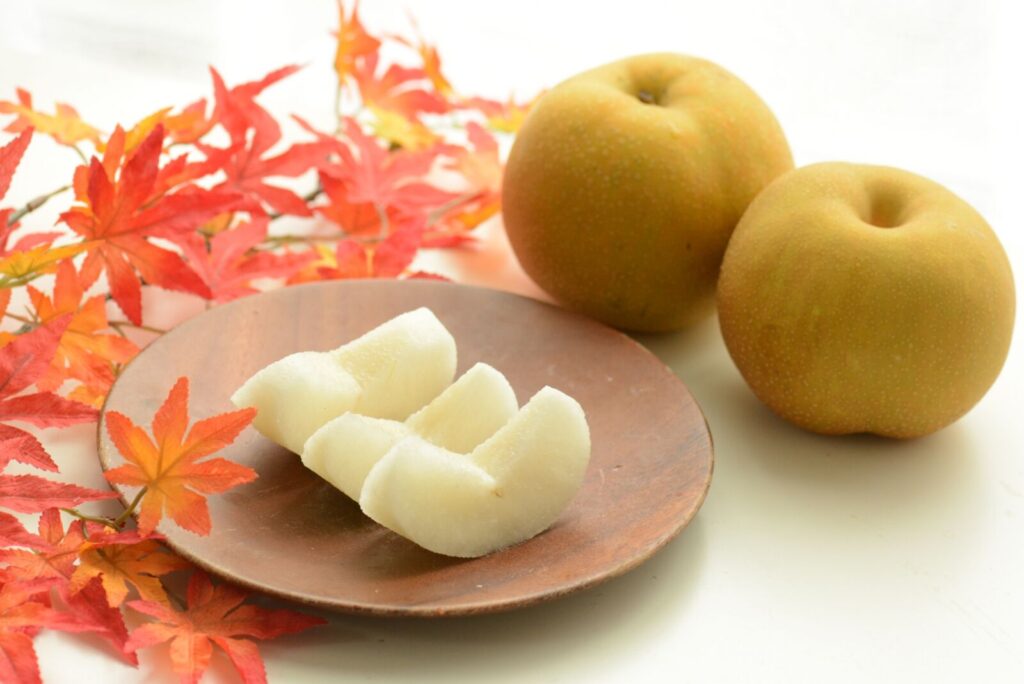
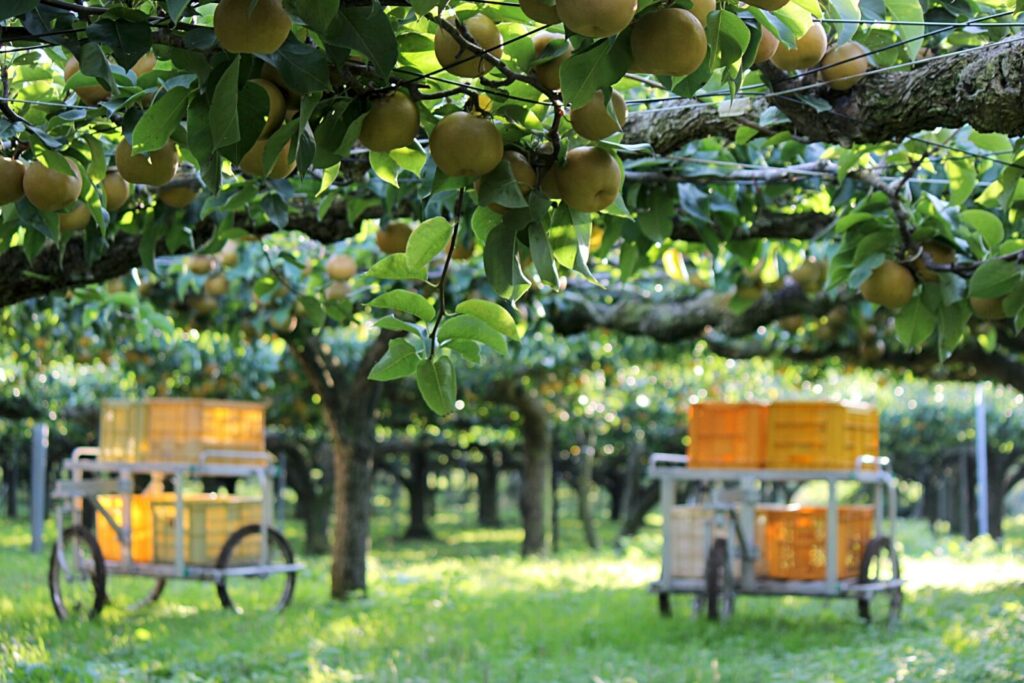
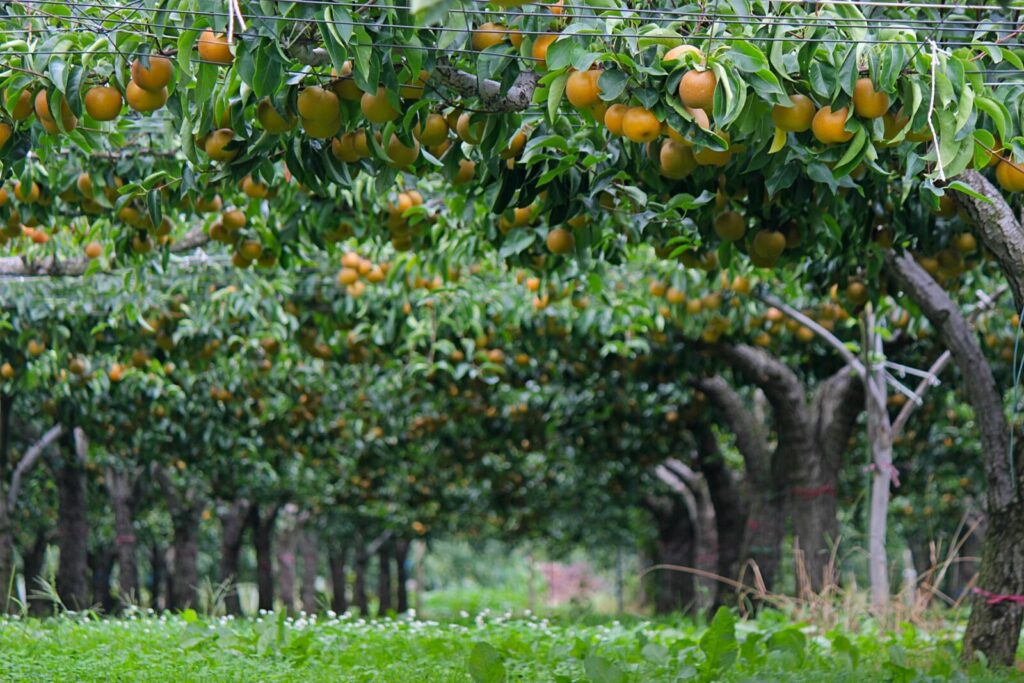
Another early fall season fruit that is popularly harvested is the Japanese pear, or nashi. Harvest usually begins late August and continues through late September. Kayaba Nashi pears are particularly famous and have over 100 years of history connected to the Fukushima Prefecture. They are characterized by their strong sweetness and smooth texture. These pears can be enjoyed all the way into October. Another popular variety of pear is the LeFrance Pear, which has a mild color and mellow aroma. These pears are often incorporated into desserts such as delicious parfaits and many orchards throughout Tohoku offer these desserts for sale or to try right there!
Red Spider Lillies (Higanbana)
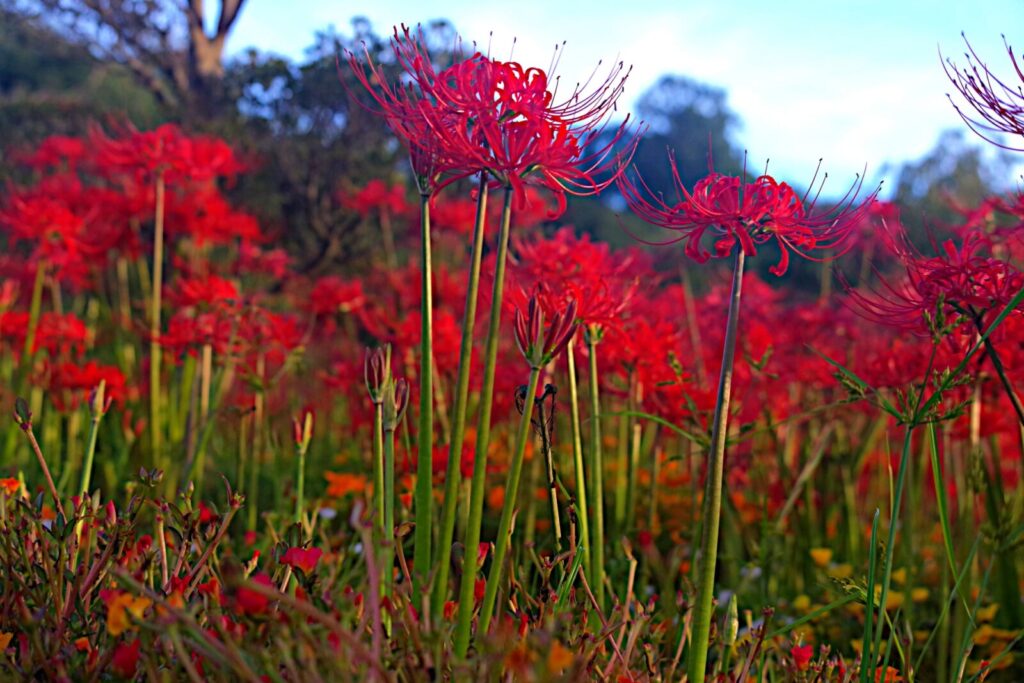
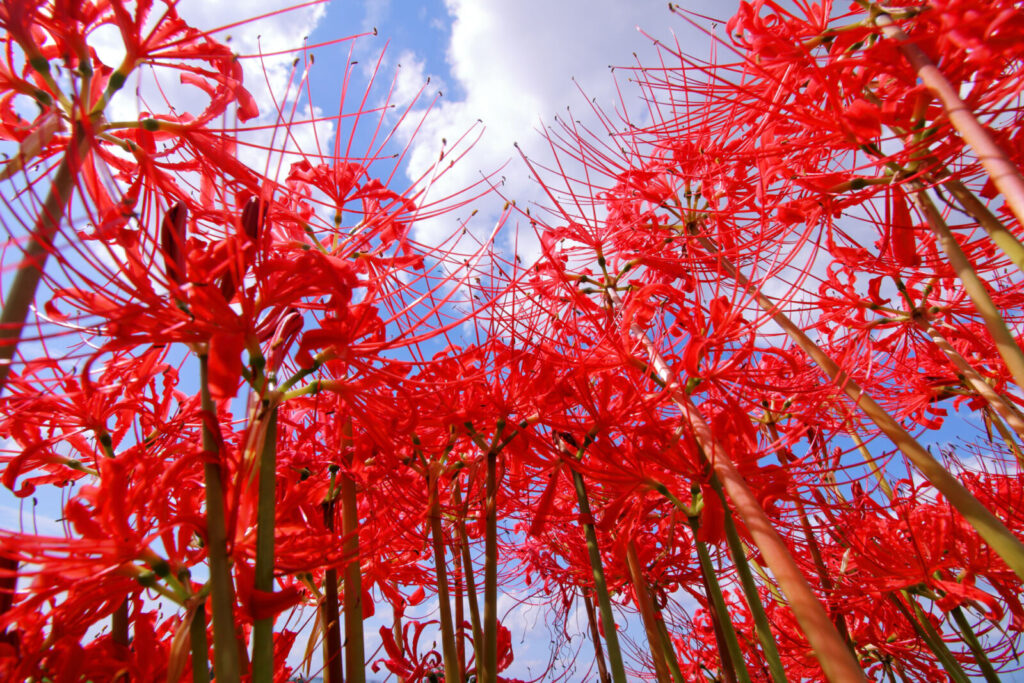
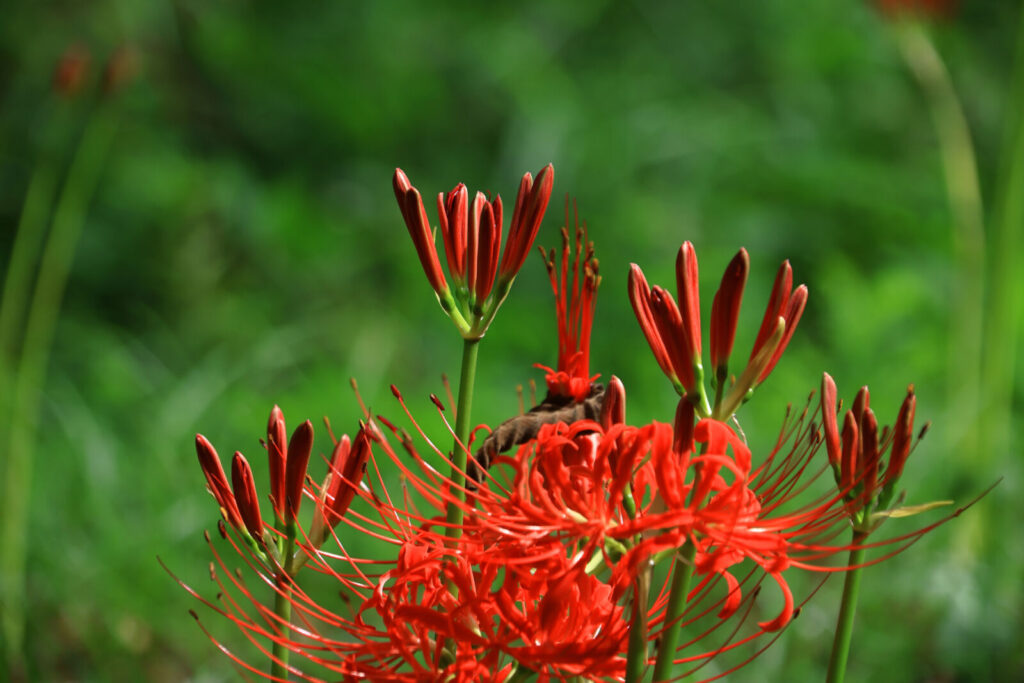
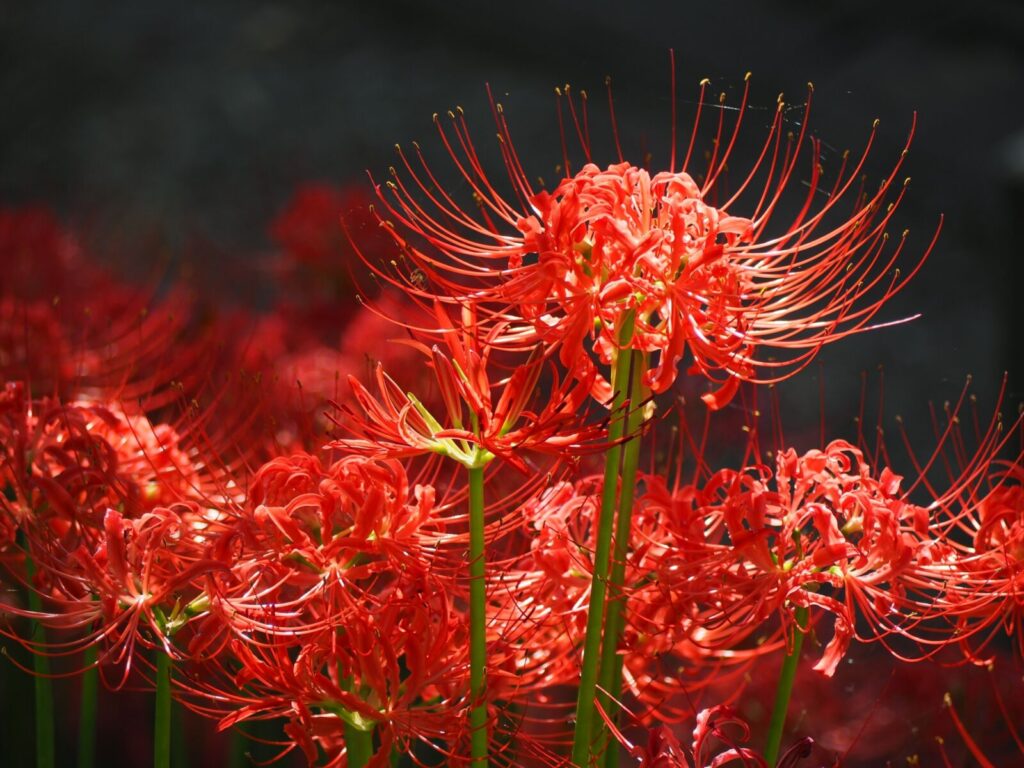
Red spider lilies or higanbana bloom right around the autumn equinox and are some of the most widely recognizable native Japanese flowers, right next to the cherry blossom. Autumn is the season where you can see these flowers blooming not only in controlled gardens, but out in the wild too. Anime fans will rejoice in seeing these flowers, as their image is often used in many beloved classic shows thanks to their bright color and unique shape. Often known as a difficult flower to see due to the short peak blooms, the abundance of nature in Tohoku offers visitors a great chance to see these blooms before they fade away. Their full bloom tends to only last a couple weeks before they quickly fade in vibrance and size.
Chrysanthemums (Kiku)
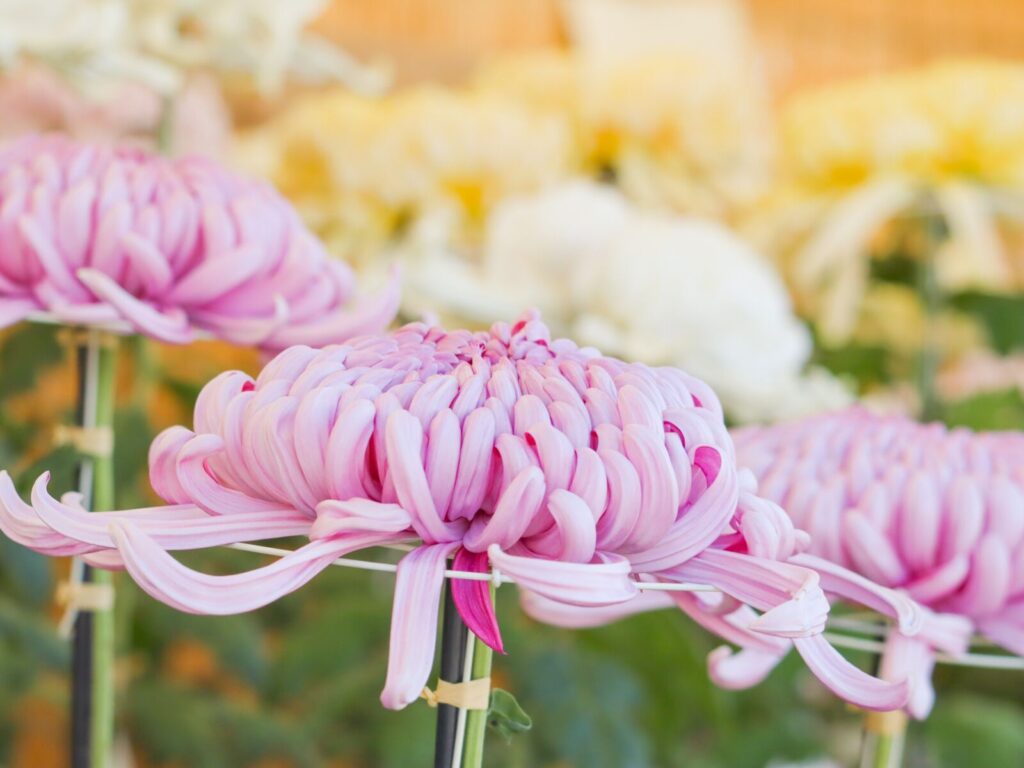
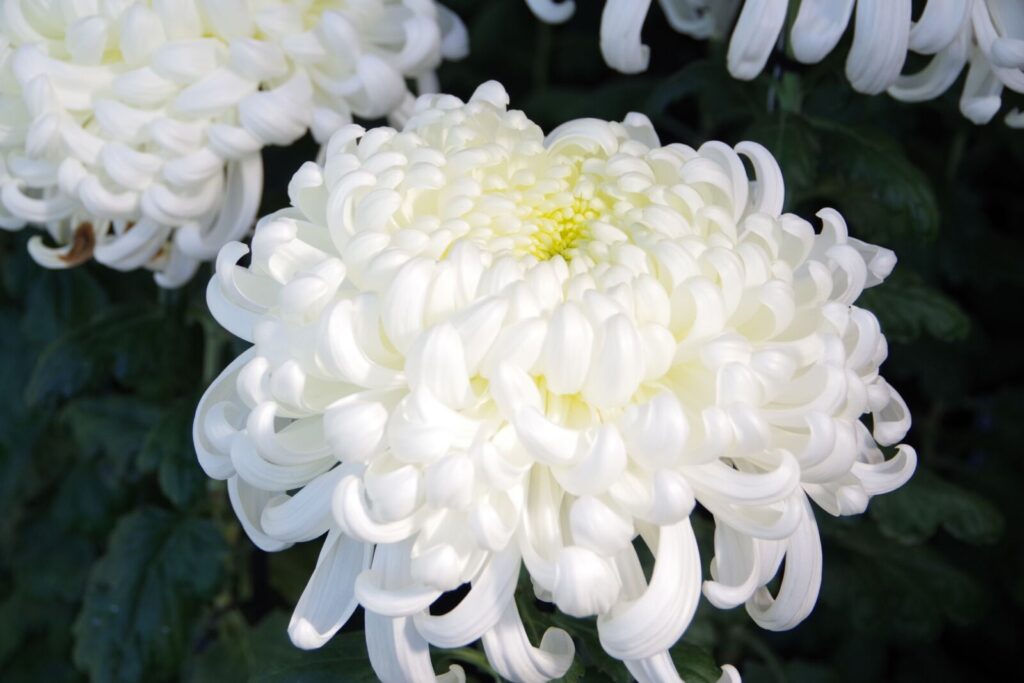
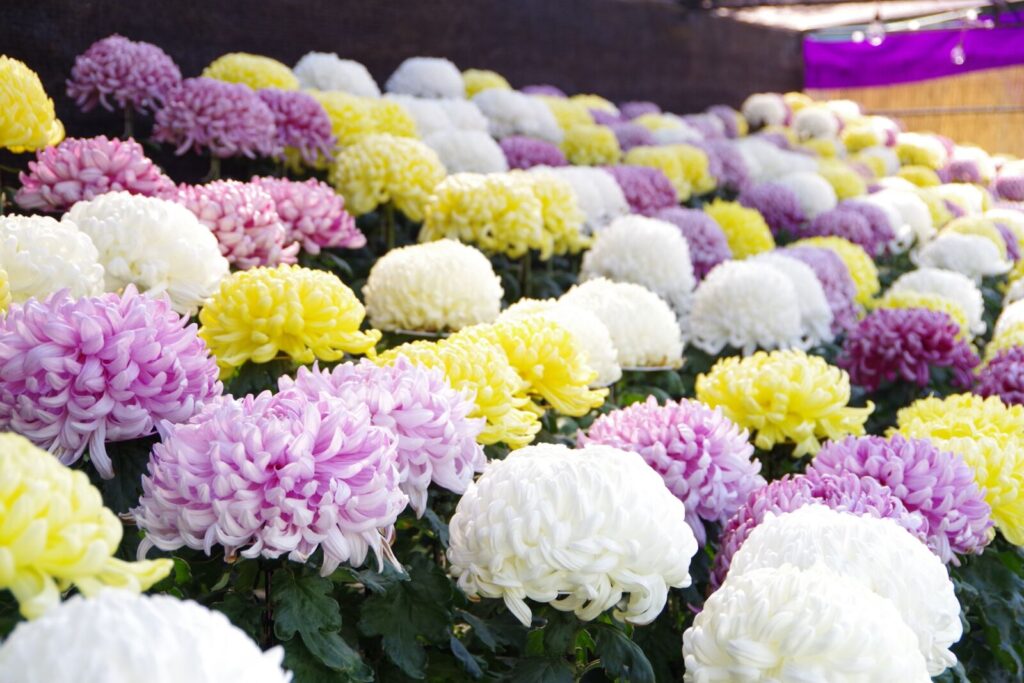
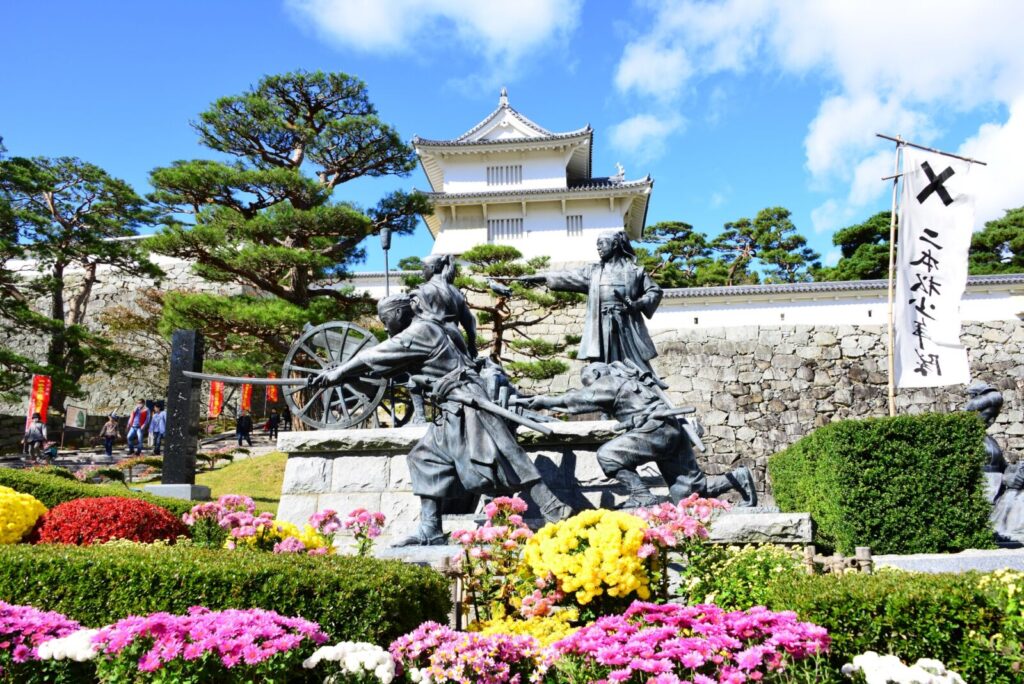
Chrysanthemums or kiku reach their full bloom around mid-October and are often seen as decorations around Tohoku thanks to their abundance. Chrysanthemum day is a traditional celebration on September 9th and is one of the five ancient sacred festivals of Japan. The flower is well loved within Japanese tradition and its image even appears on many samurai clan emblems and family crests – mostly notable the Imperial Crest.
Cosmos
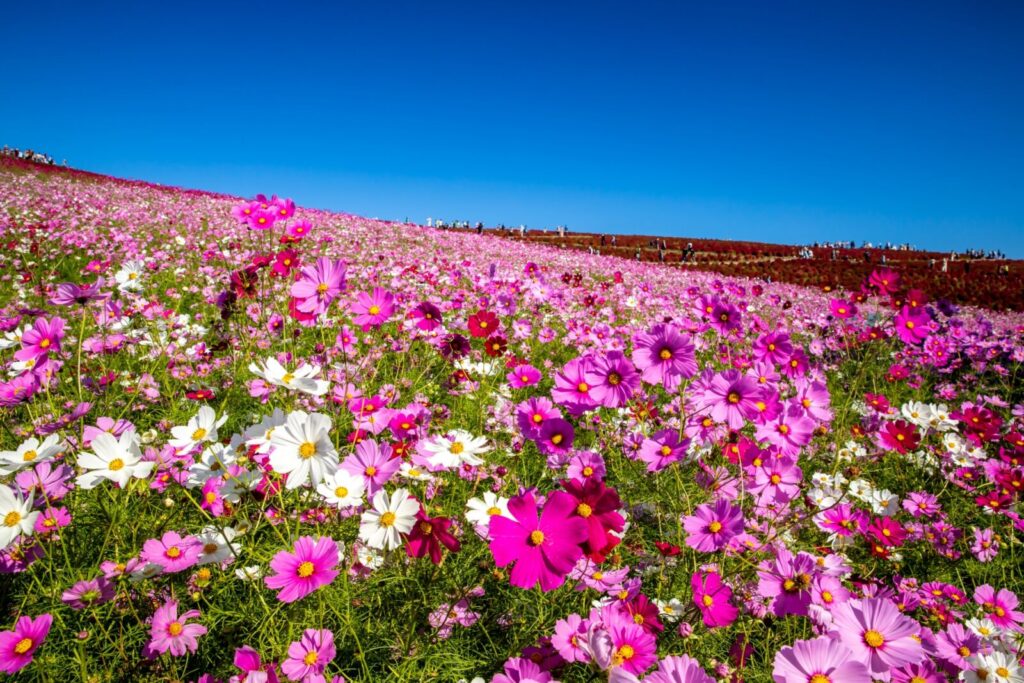
Sometimes referred to as akizakura or the cherry blossoms of autumn, these flowers are almost a guarantee to see in Japan during the start of the fall season. Most large gardens throughout all of Japan, and especially Tohoku, will have rows and rows of these bright pink, white, and yellow flowers.
Dahlias
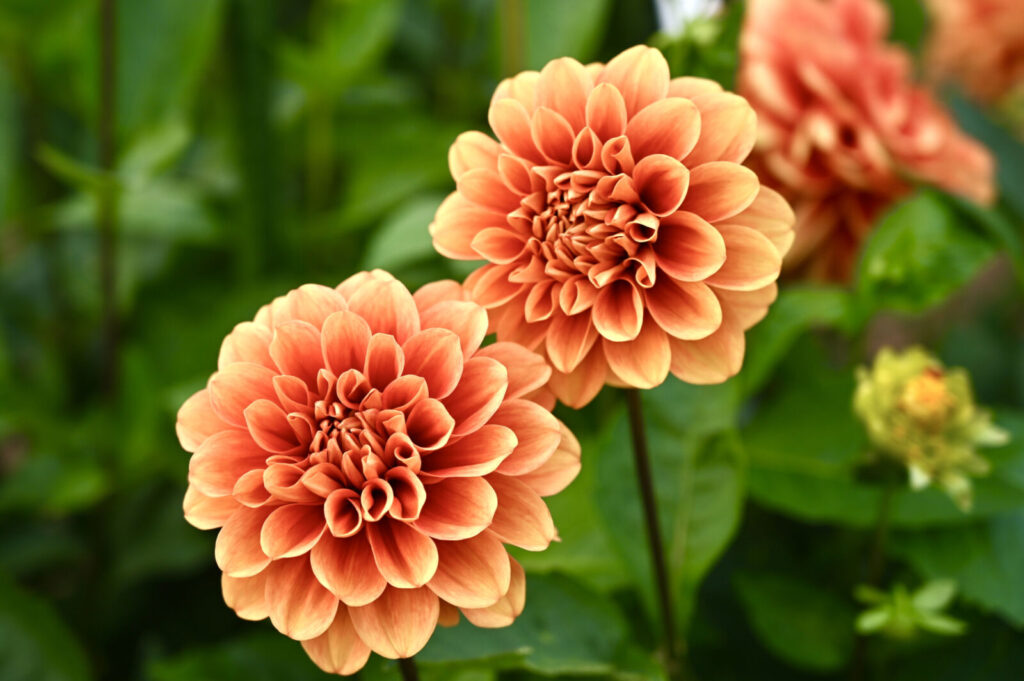
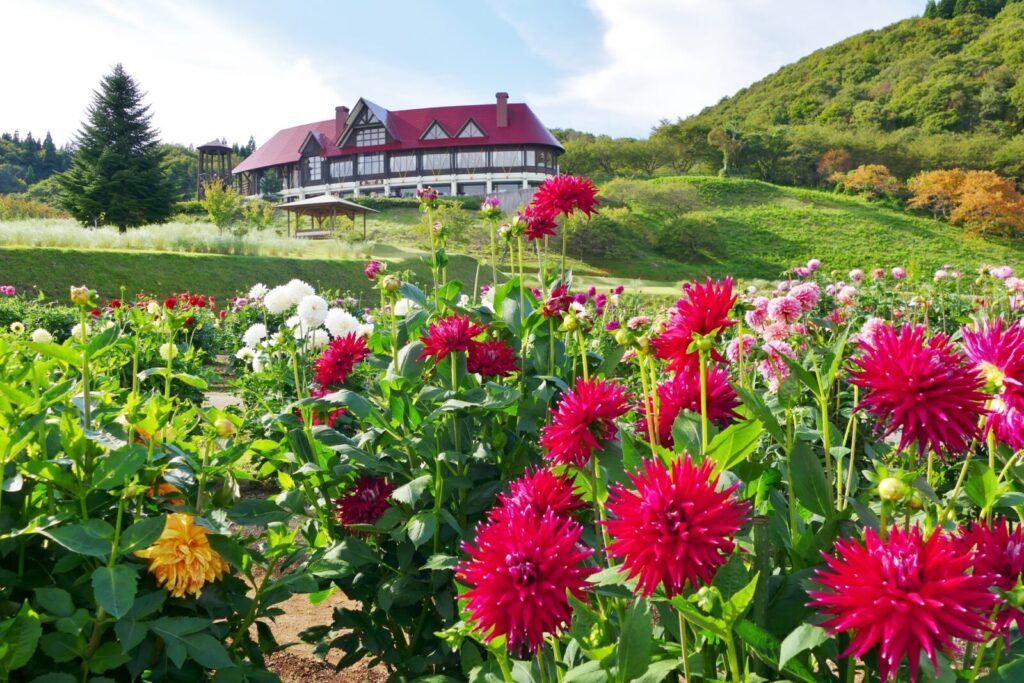
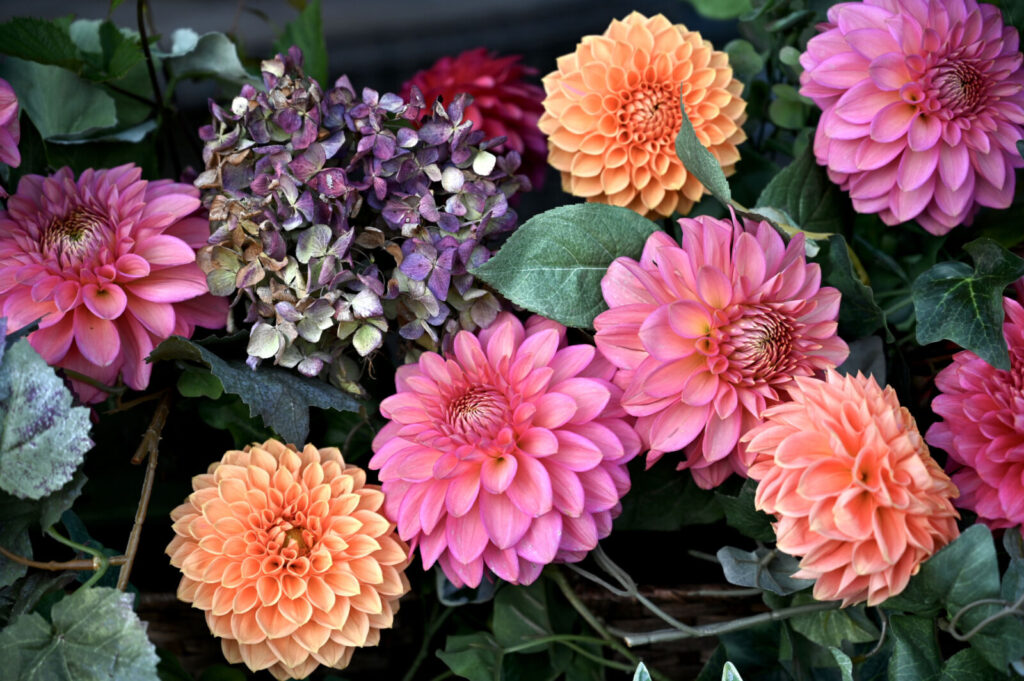
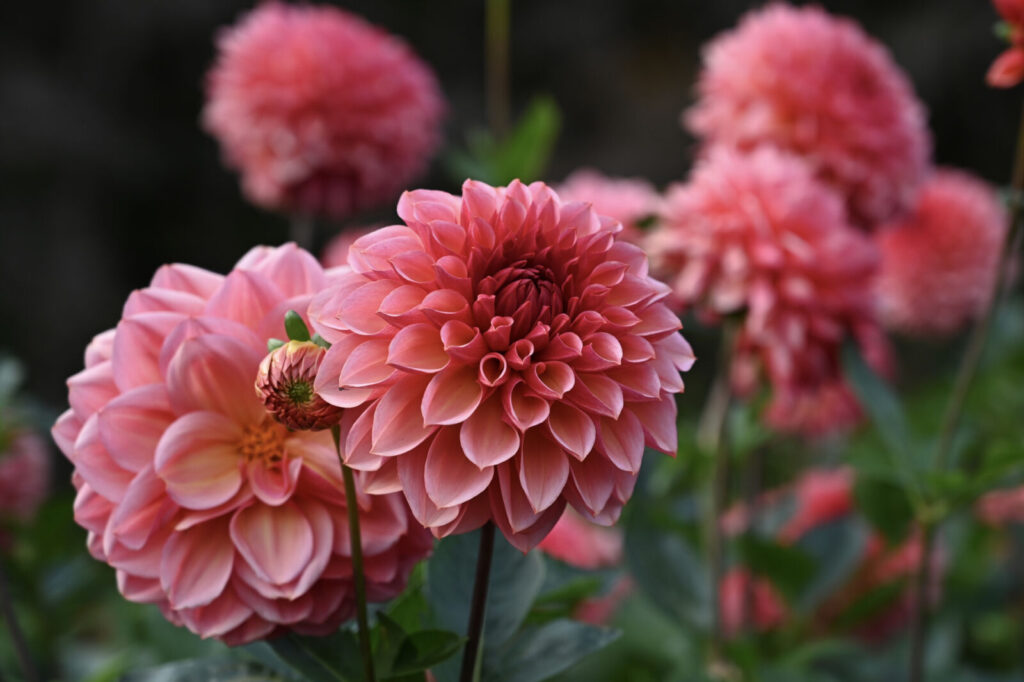
Dahlias peak in autumn and thanks to a countrywide celebration of the blooms, you can see some gorgeous varieties all throughout Tohoku. Especially at the Akita International Dahlia Garden, where not only are the flowers bred for viewing, but botanists constantly strive to create new and healthy varieties to be sold in flower shops around the Tohoku region. Although the garden is open all year round, Akita International Dahlia Garden suggests visiting during mid-September to mid-October when the Dahlias are in full bloom.
World Heritage Sites
CHUSON-JI TEMPLE / Iwate Prefecture
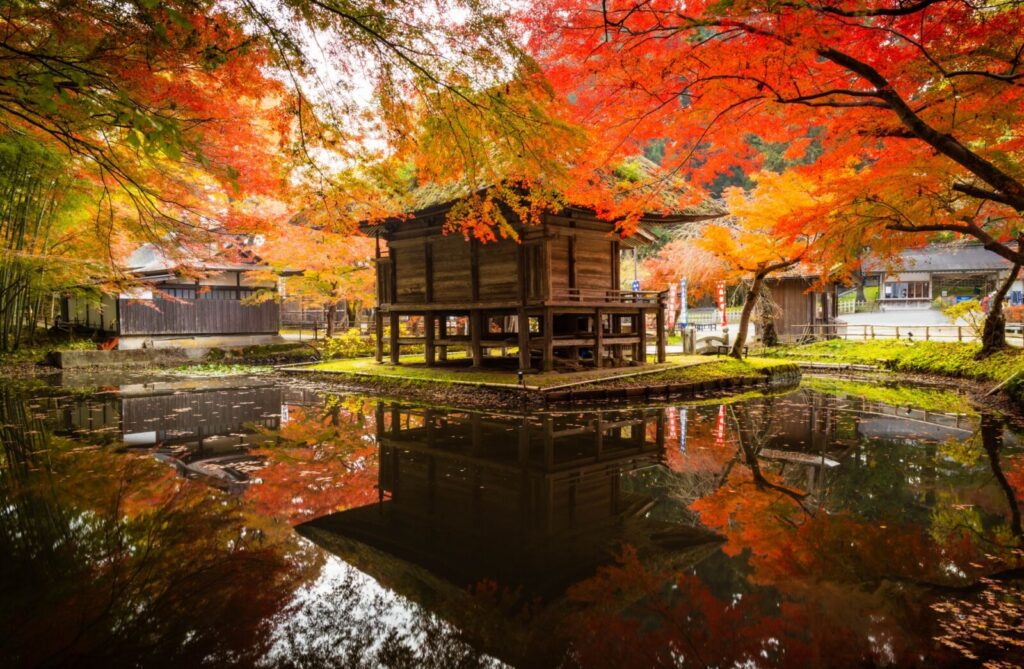
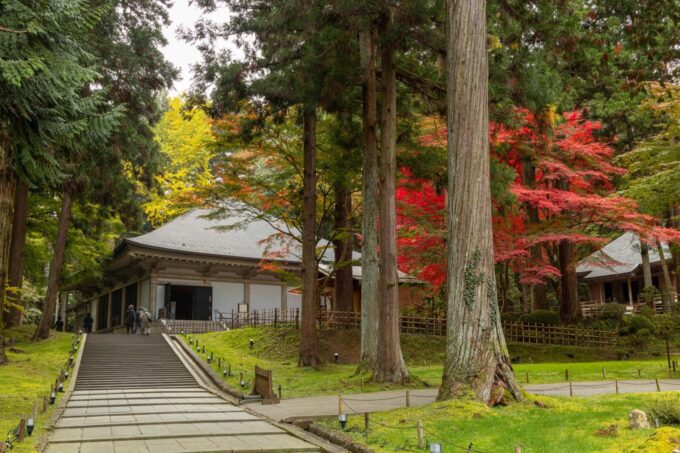
Chuson-ji Temple was established in 850 by the priest Ennin (Jikaku Daishi), who also famously established Yamadera Temple in the Yamagata prefecture. Chuson-ji Temple is a popular tourist destination and a designated world heritage site located in the town of Hiraizumi in Iwate Prefecture. It takes about an hour and a half to get there by shinkansen and train from Sendai Station. Some of the major highlights of this temple include the “Moon Viewing Slope” where dabbled light makes for wonderful photos, the Hondo main temple hall with a flame reputed to have been lit since the Tendai Sect of Buddhism's founding, and the Konjikido – a small hall dedicated to Amida Nyorai (the Buddha of Infinite Light) and apart from the roof, is covered with gold leaf both inside and out.
Recommended tour:
New Tour
1-Day Tour from Ichinoseki: Temple Highlights of World Heritage Site Hiraizumi
- Spots:
- Pick-up:
- Ichinoseki
- Drop-off:
NIKKO TOSHOGU SHRINE COMPLEX / Tochigi Prefecture

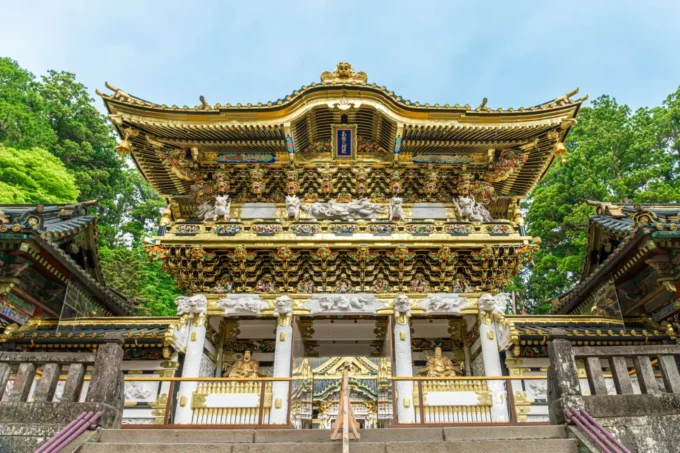
Nikko Toshogu Shrine Complex is arguably the most impressive and beautiful of all the temples and shrines on the heritage site of Nikko. It was built in 1617 during the Edo period, and it is the shrine where the first Tokugawa Shogunate, Tokugawa Ieyasu is enshrined and buried. Adorned with gold leaf, beautiful wooden carvings, and brightly painted structures, it's easy to see why this shrine complex is a national treasure and has World Heritage status. The Shrine complex also lies adjacent to the Nikko Toshogu Museum, a great museum which has artifacts and personal belongings of Tokugawa Ieyasu on display.
Autumn Hiking in Tohoku
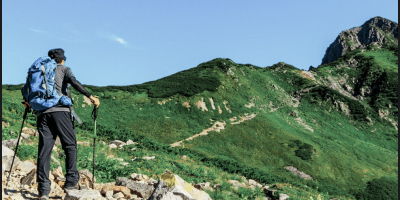
Tohoku is home to a plethora of national parks and incredible hiking trails. Here are just a few of the memorable hiking areas available to explore during the fall season.
Risshaku-ji Temple (Yamadera)
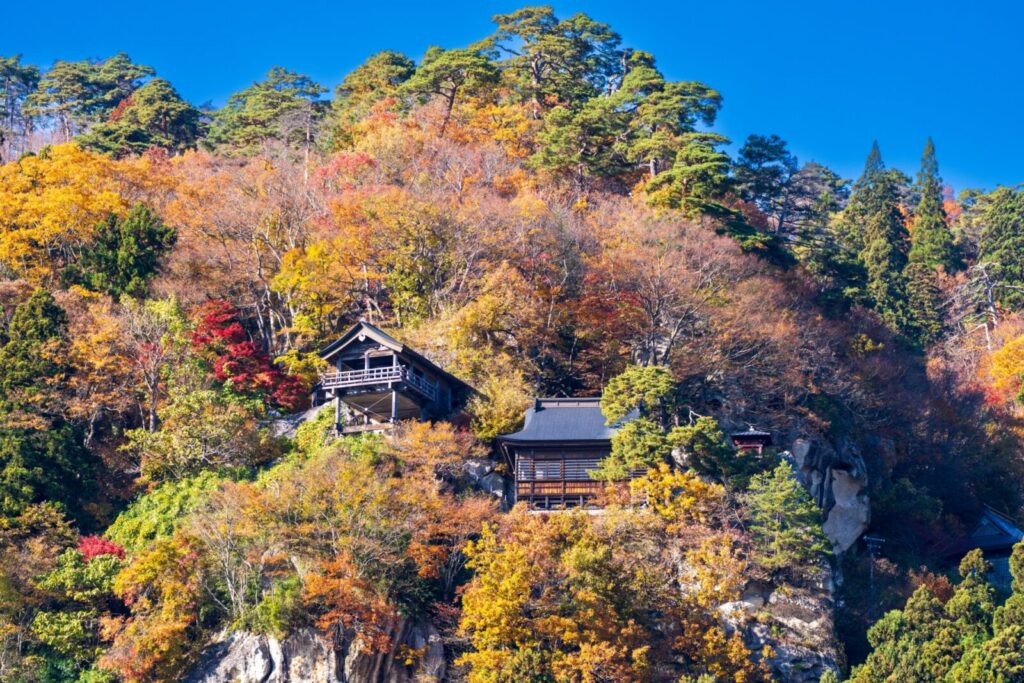
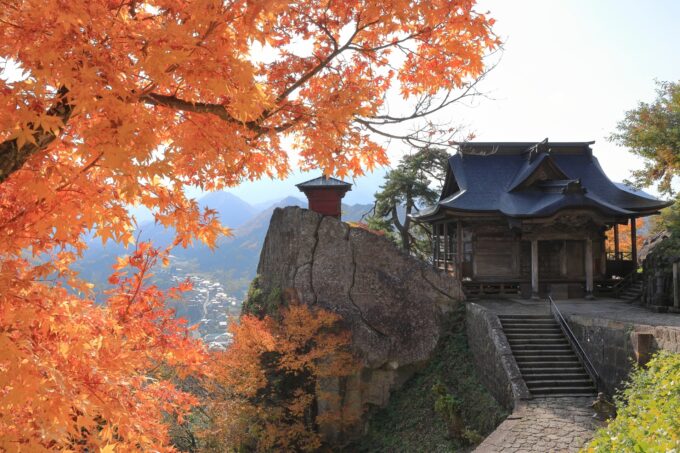
Risshaku-ji Temple, or more popularly known as Yamadera, is a mountain temple located in Yamagata prefecture. You can take a single train directly from Sendai Station and get off at the Yamadera Station to visit this infamous and breathtaking temple. Yamadera has over 1,000 stone steps that climb up the mountainside to its scenic views from the top. It is included in our hiking portion of this page mostly for its ease of access from a major city and its beginner-friendly level of "hiking" thanks to the steps and handrails. Many tourists visit this temple during the autumn thanks to its lovely colorful leaves and temperate climate. Be careful of strong winds though and wear layers as the valley can get quite cold especially in November.
Recommended tour:
Mt. Zao & Okama Crater Lake
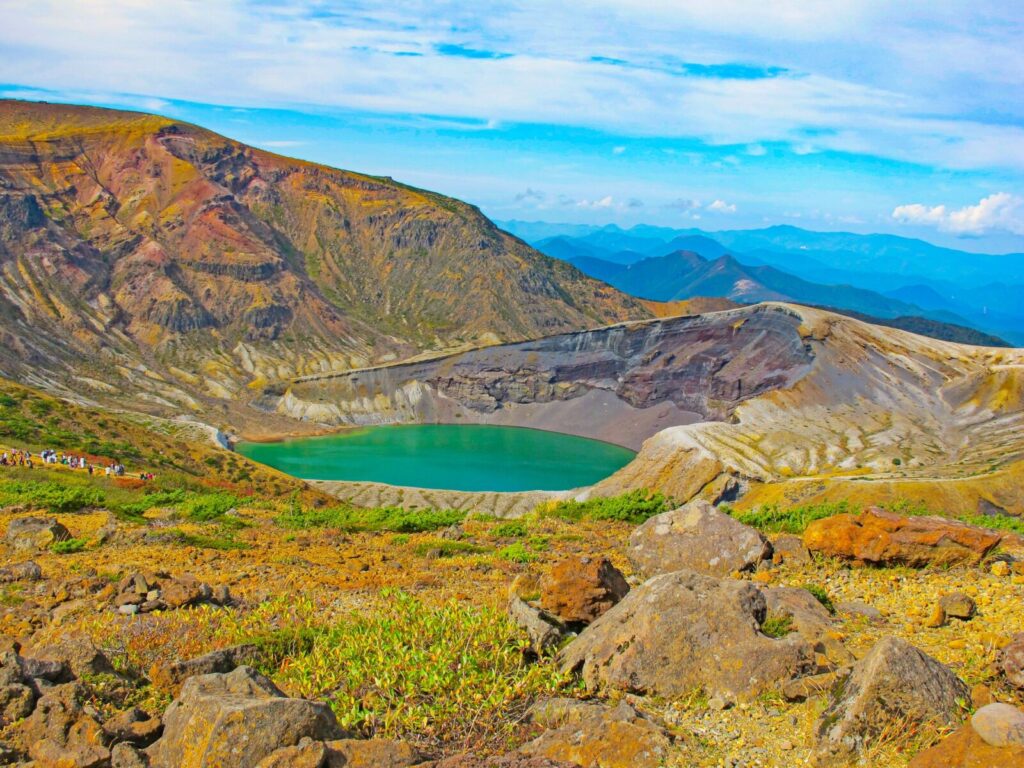
Mt. Zao is an active volcano that spans across the Miyagi and Yamagata Prefectures and is famously one of Tohoku's largest mountain peaks. At the summit is Okama Crater Lake, known for its beautiful turquoise color. Okama Crater Lake gets its name due to its appearance being similar to a traditional Japanese cooking pot. Although Zao is most famous for the winter season with its ski hills and "snow monsters," one can also head to the mountain for some gorgeous hiking trails among the bright autumn leaves. Sometimes when the first snow begins to fall in late November, you can see the lovely transition from vibrant autumn to pure white winter.
For those looking to take the ropeway all the way up to Jizo Sancho Station – which will give you access to a hiking trail to Okama crater lake – a round trip costs 4,400 yen for adults and 2,200 yen for children. This station also gives you access to the Zao Botanical Garden. The recommended trekking course from Jizo Sancho Station to Okama is about 90 minutes. You also have the option of taking the ropeway up to Juhyo Kogen Station for a roundtrip of 2,200 yen for adults and 1,100 for children. This station gives you trekking access to the Iroha-numa Swamp.
Mt. Hakkoda
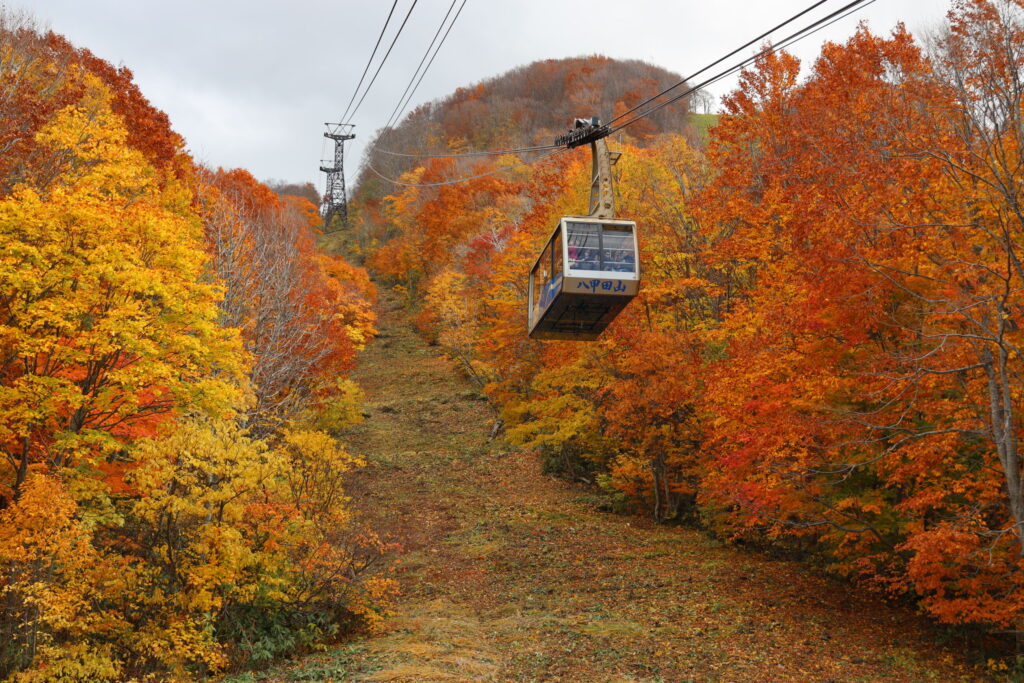
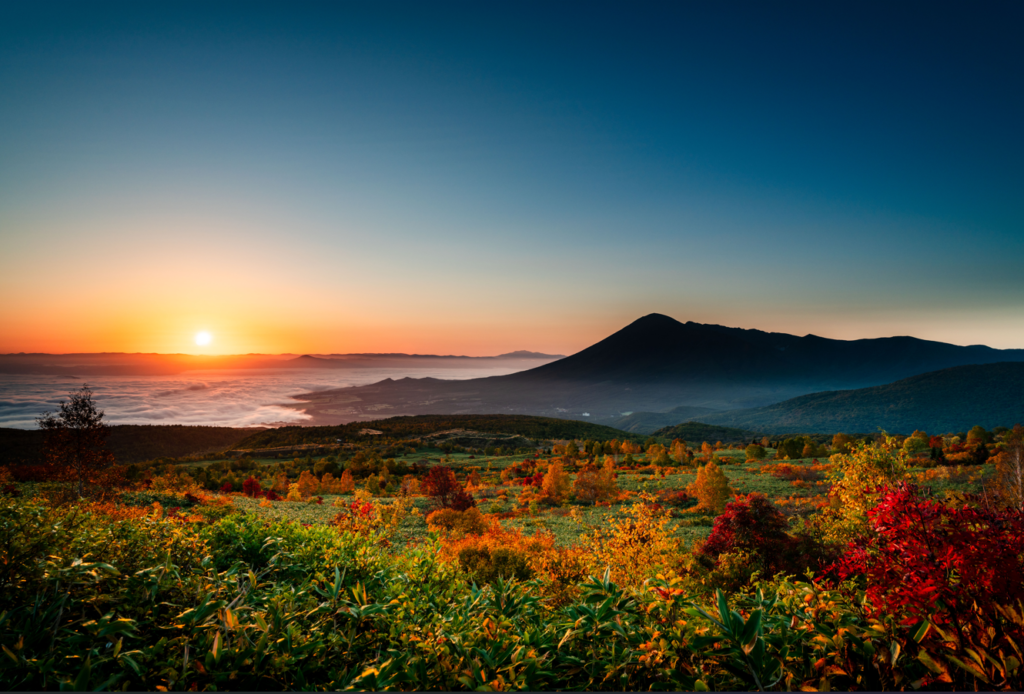
Mount Hakkoda is a set of volcanic peaks situated between Lake Towada and Aomori, and although it's one of the many sites in Japan that offer a view of the mysterious snow monsters via ropeway, it is a hiker's paradise in the non-snowy months. The ropeway runs all year round and there are few different hiking courses available once at the top that vary in length and difficulty. A hiker’s favorite is the Kenashi Paradise Line, which is a downhill-oriented trekking route that runs through the central area of Kenashi-tai, making it suitable even for beginner hikers. This pathway taken toward the Sukayu Onsen is also a favorite, as soaking in the hot springs is a relaxing way to end your day of autumn trailblazing!
Oirase Gorge
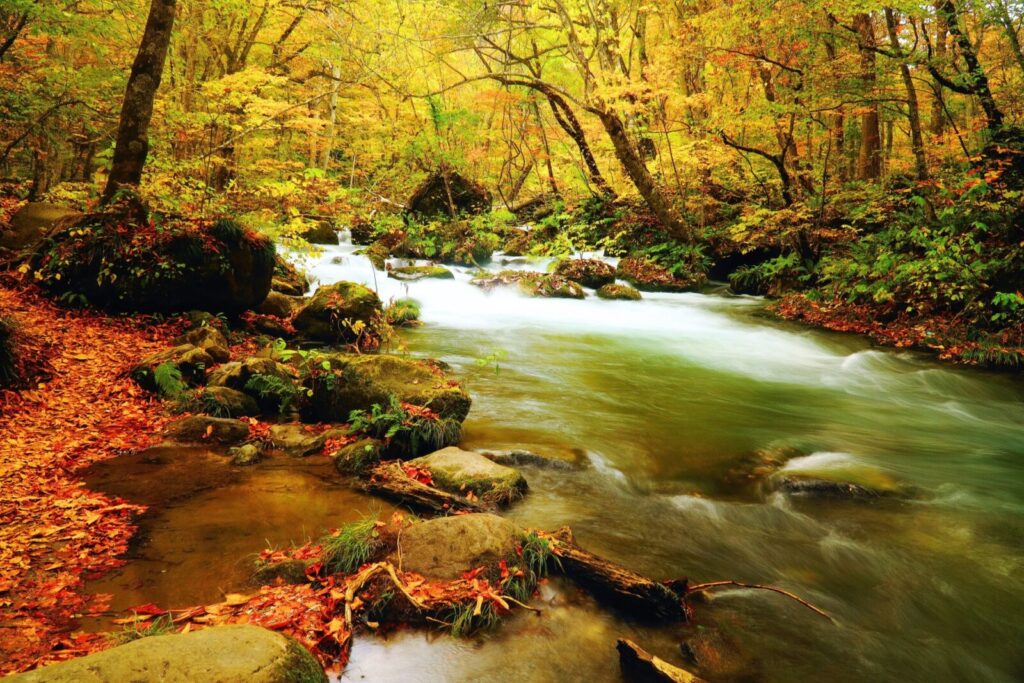
The Oirase stream flows into Lake Towada and is a highly popular tourist spot. Rather than driving through the area, it’s recommended to take upon the trails off the side of the road and view the countless waterfalls and babbling brooks. The whole expanse is about 14 kilometers and can take upwards to 5 hours to walk or cycle through. This area is especially popular for poetry authors and artists, who take their time and even set up stations to sit and capture the natural scenery in all its glory. This area is also a wonderful place to experience forest bathing as you breathe in the fresh air provided by virgin beech, Japanese oak, maple, and white cedar trees – all turned magnificent shades of red and orange during the autumn months.
Anmon Falls at Shirakami Sanchi
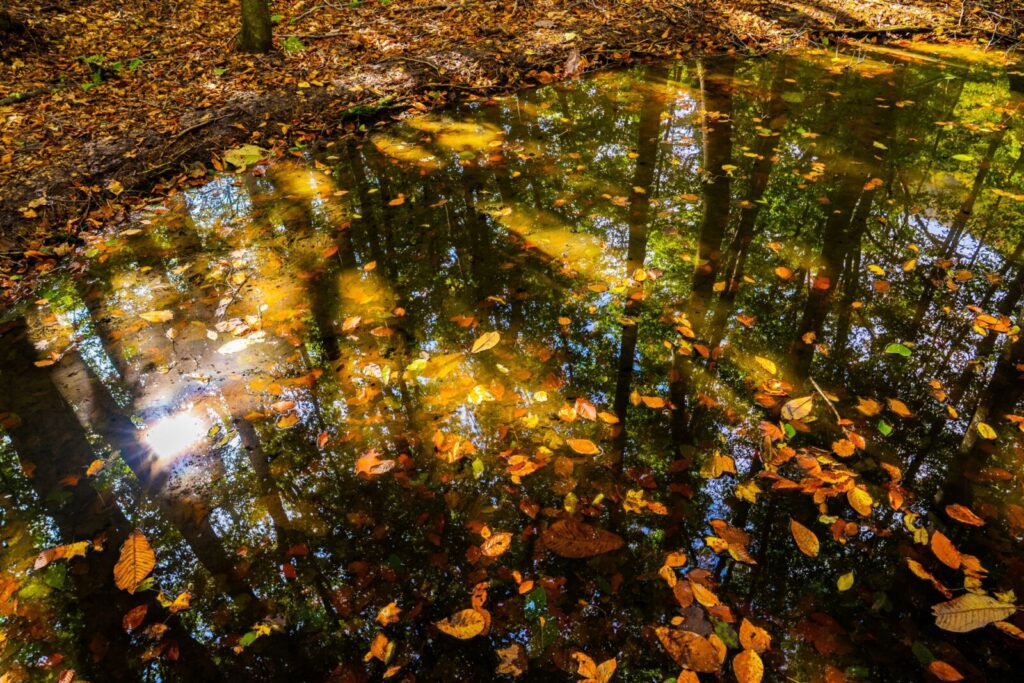
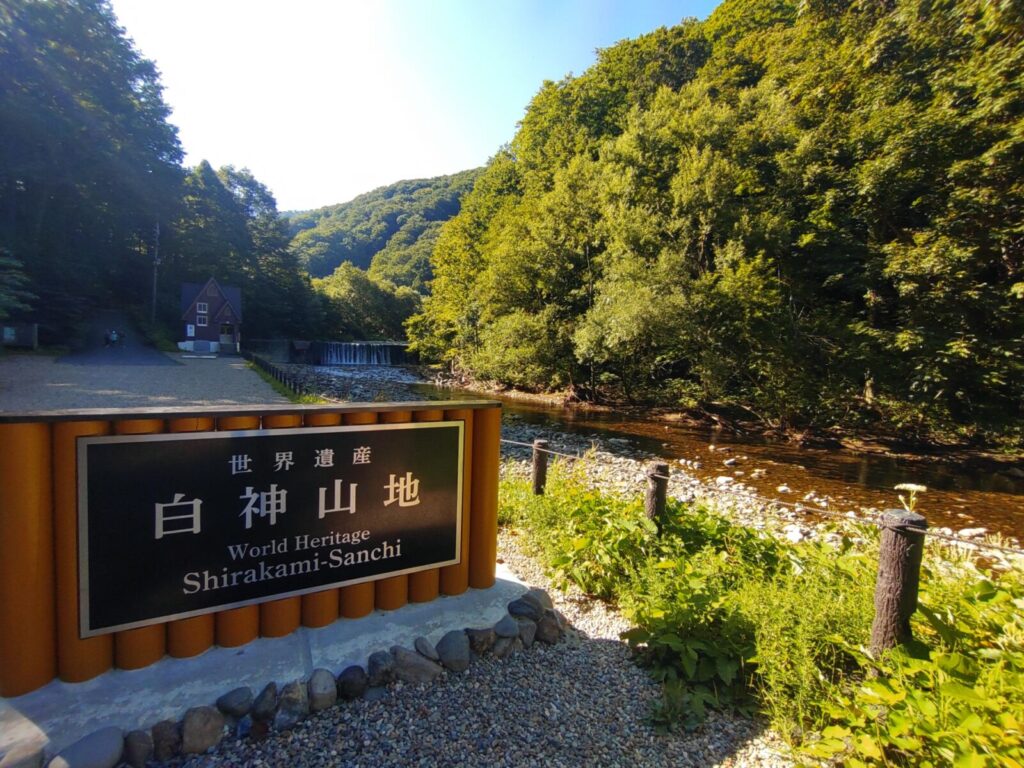
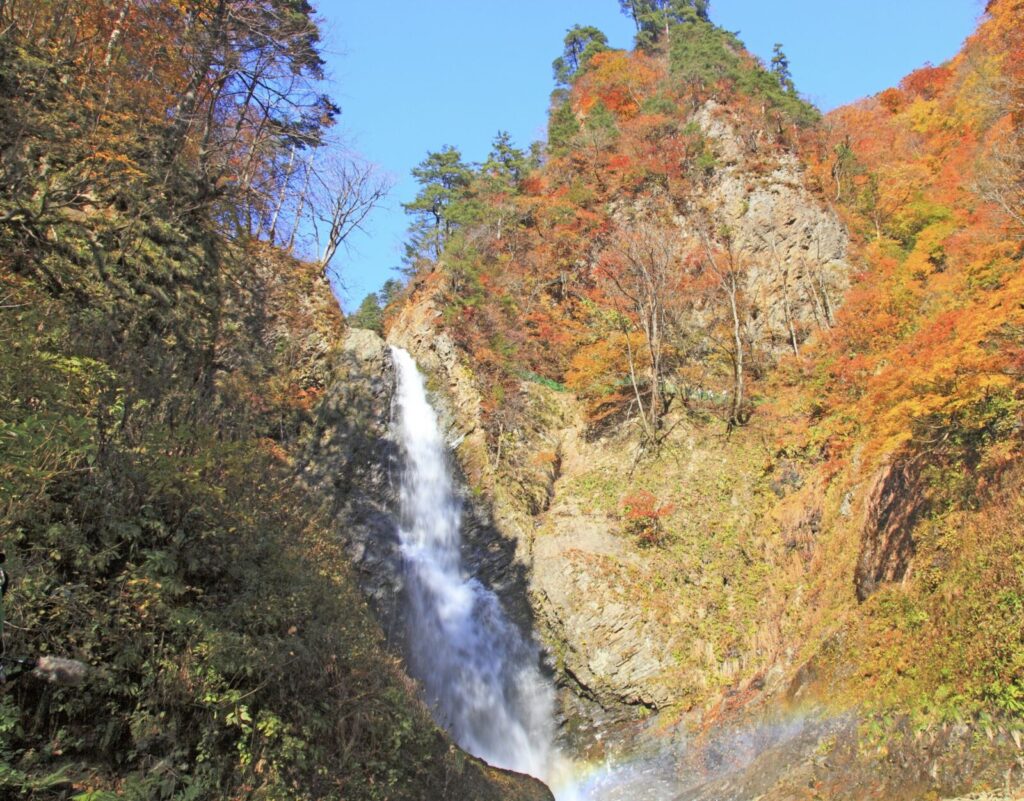
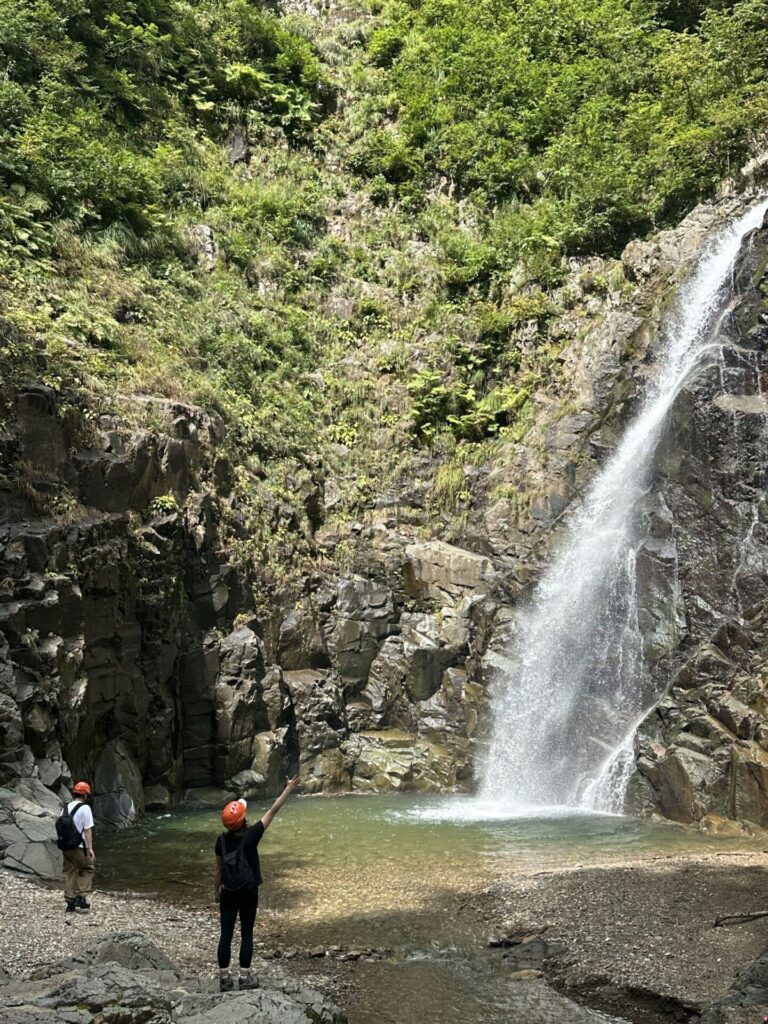
Shirakami Sanchi, a UNESCO World Natural Heritage Site, is an 8,000-year-old beech forest in Tohoku, spanning most of Aomori and parts of Akita Prefectures. There are no human-made or unnatural artifacts found within the forest so when you visit, you can truly immerse yourself within the natural world. The scenery is especially gorgeous during the fall season as many trees turn colors and the temperatures dip down, making hiking more comfortable. For those looking for a small challenge, we recommend taking the hike to Anmon Falls where forest trails, streams, and rugged terrain create a more adventurous experience.The three falls of Anmon Falls are named by number. Ichi-no-taki, the first of the falls, is the furthest away, with the highest elevation and the longest, at 42 meters. Ni-no-taki, the second of the falls, is 37 meters, and San-no-taki, or the third of the falls, is 26 meters tall. Be advised: the trail to Anmon Falls closes by mid-November, so those looking to hike it before the season ends, we recommend visiting in September or October for that perfect cool weather and changing leaves.
Mt. Kurikoma "God's Carpet"
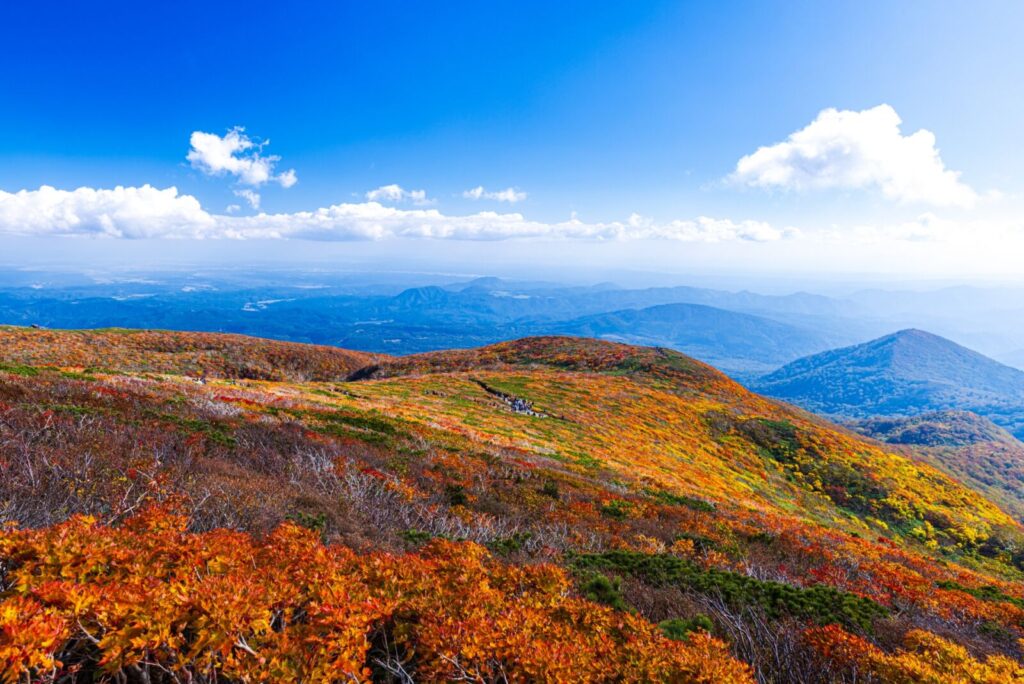
Known as the leading autumn leaf location of Tohoku, this mountain range spans across Miyagi, Iwate, and Akita Prefectures and is famously called the “God's Carpet,” due to its gorgeous fall colors. The entire mountainside is covered with bright red and is a haven for photographers and hikers alike. Thanks to the region's growing popularity, the autumn season tends to be the most crowded so it is recommended for groups to share one car or take public transportation when appropriate. This mountain is well known for its hiking trails and is suitable for hikers with a moderate fitness level. The most popular route is through Iwakagamidaira via the Higashi Kurikoma trail since an extra bus operates during the fall season.
Frequently Asked Questions (FAQ)
Is Tohoku worth visiting in autumn?
Yes! Autumn is a busy time of year for vacationing, and thanks to the less traveled paths of Japan’s countryside you can escape the condensed crowds of the big cities by visiting areas within Tohoku. With its gorgeous nature walks, vibrant foliages, seasonal fruit picking, and historic sites, Tohoku has much to offer!
What are the best things to do in Tohoku during Fall?
Seeing the vibrant autumn leaves, visiting popular hot springs towns, enjoying warm coffee at one of many quaint cafes, and much more! Naruko Onsen in Miyagi Prefecture or Zao Onsen are popular destinations. We also highly recommend visiting one of many cafes within walking distance of Sendai Station.
How can I get to Tohoku during my trip to Japan?
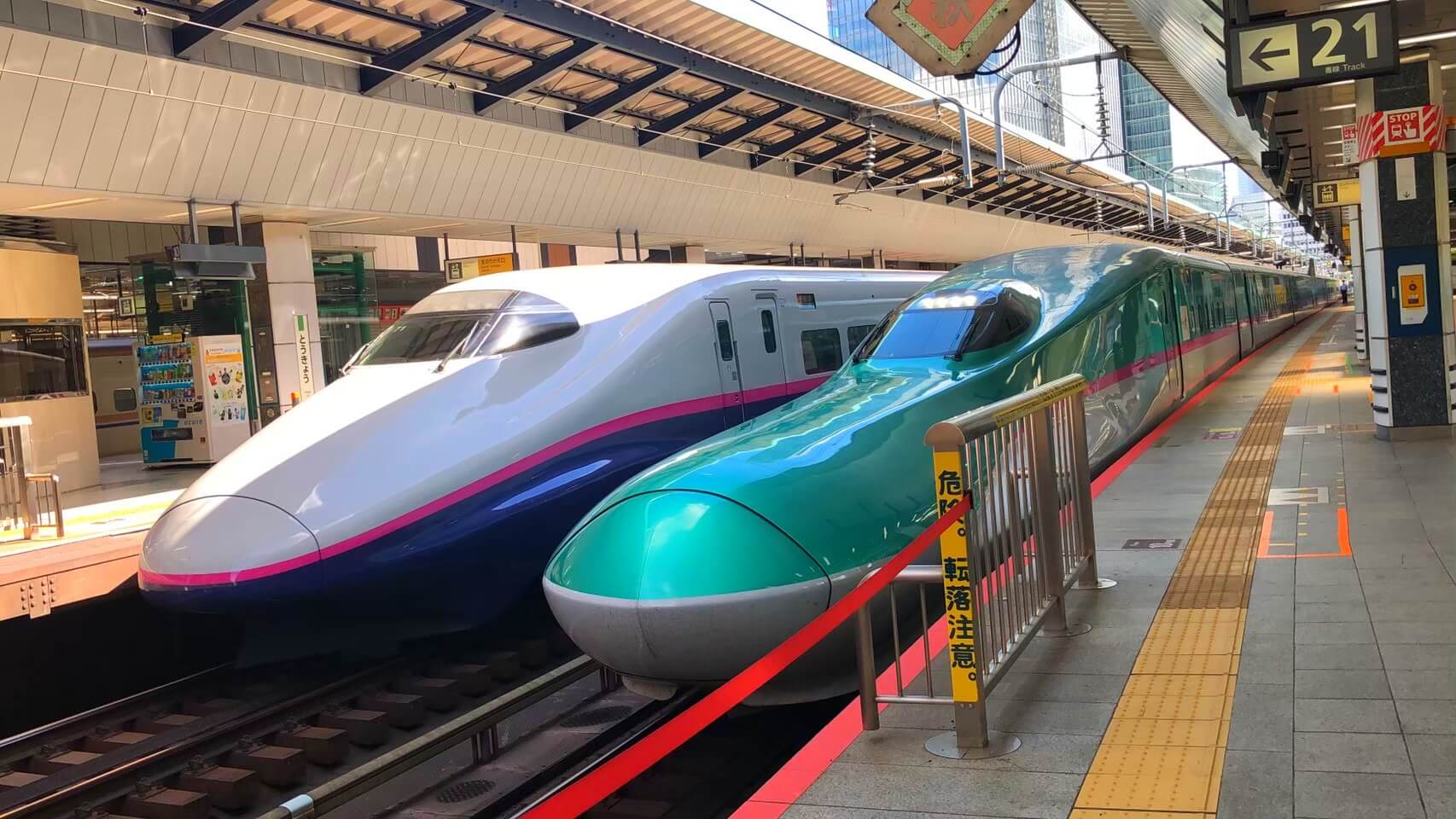
The Tohoku Shinkansen is the longest ‘bullet train’ line of Japan’s extensive network. It travels from Tokyo Station all the way north to Shin-Aomori Station, connecting to the regional Yamagata Shinkansen, Akita Shinkansen and Hokkaido Shinkansen lines as well. The shinkansen is a convenient way to travel long distances in a condensed amount of time. International visitors holding a valid Japan Rail (JR) Pass can use any service on the Tohoku Shinkansen at no additional charge.
Some seasoned travelers opt for car rental to venture to the less-accessible areas of the countryside, but sticking to public transportation or chartered tours is recommended for ease of travel during your trip. For those looking to get to Sendai, known as the gateway to Tohoku, see our How to Get to Sendai page for more information.
Do you offer tours in Tohoku?
Snow Monkey Resorts is proud to provide many tours based in Sendai and the nearby region as well as tours in Aomori. We are working hard to offer even more exciting tours throughout the Tohoku Region so stay tuned!
Should I be worried about bears?
Not worried, but alert! In recent years, bear sightings have gone on the rise especially in the more rural areas of Tohoku. It’s important to stay cautious and be aware of your surroundings at all times especially when venturing out into mountainous areas. For travelers staying in populated areas or major cities within Tohoku (such as Fukushima, Sendai, Aomori city, Yamagata city, etc) it’s general practice to keep an eye out for potential bears, but generally is not a concern day-to-day. For those who are making their way toward nature, especially hikers, it is advised to never hike alone and to purchase things like noise makers/bells to attach to yourself, bear spray, whistles, or firecrackers to scare off predators. Many mountain trails have destinations where you can submit a hiking registration form for safety purposes. See our page about HIKING AND BEAR SAFETY IN TOHOKU for more information.