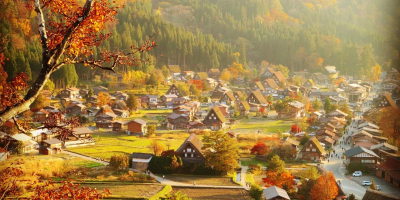



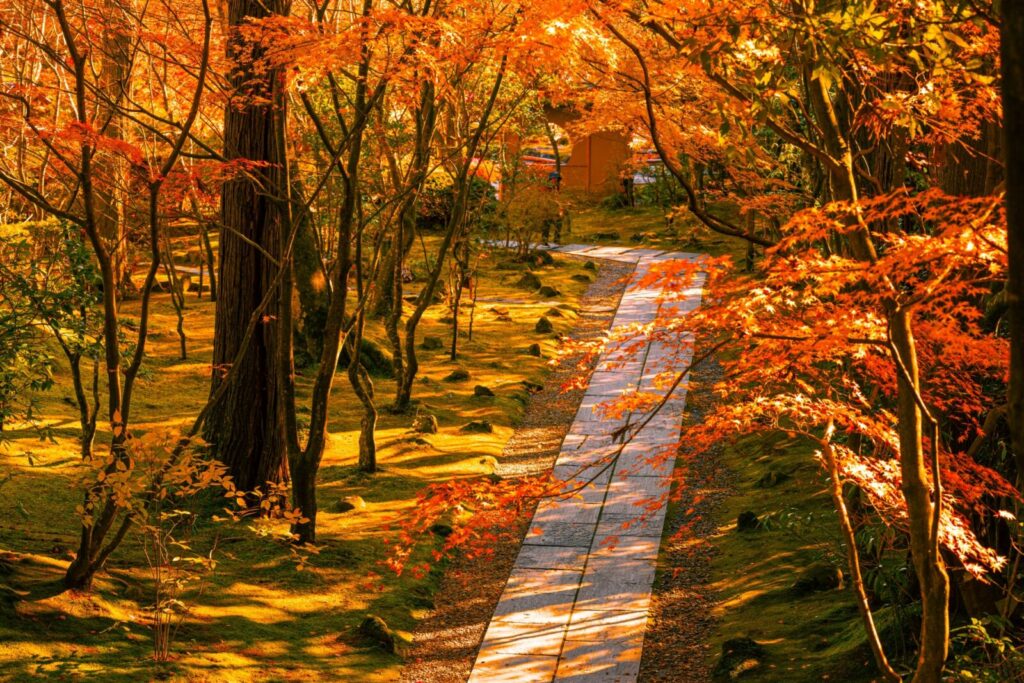
Momijigari is the Japanese word for leaf peeping or leaf tourism. Much like flower viewing, the beautiful fall foliage calls international travelers to Japan for a chance to enjoy the vibrant colors and comfortable temperatures.
For Tohoku autumn colors typically peak between October and mid-November, although more northern areas like Aomori tend to have an earlier start. The six prefectures that make up the northeastern region of honshu offer a wide range of fall destinations for photographers, outdoor enthusiasts, adventure travelers, and those just looking to enjoy the beauty of the season in Japan. Despite its size, the Tohoku region has some pretty accessible locations for those looking to get a glimpse at the seasonal colors.
Here's a guide to our favorite destinations to see fall foliage throughout the Tohoku region:
1) Entsuin Garden Fall Light Up
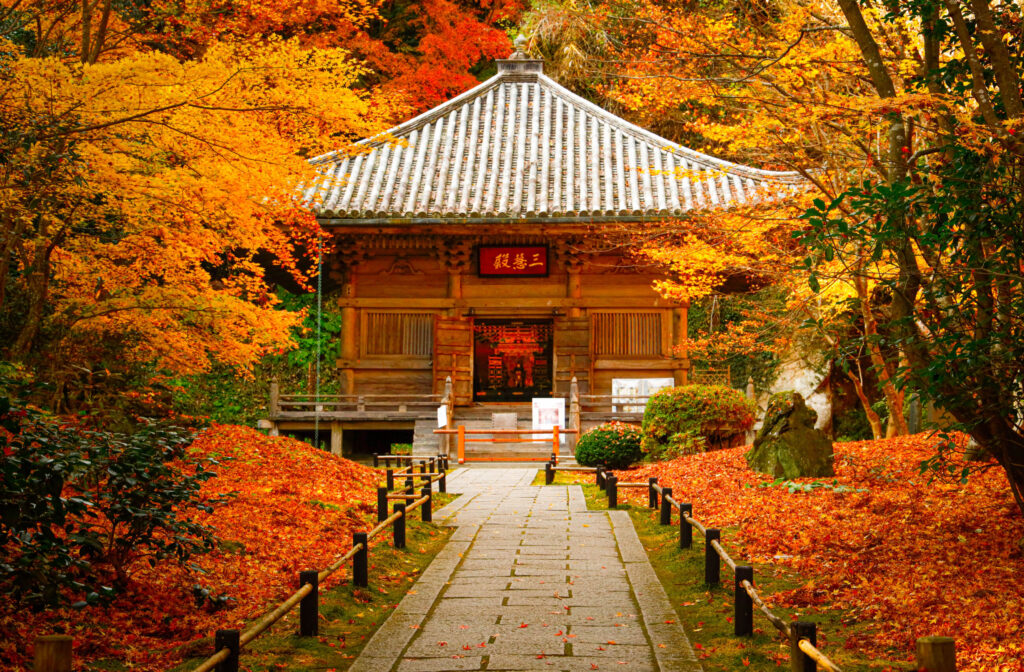
Best viewing time: October 24th (SAT) ~ November 23rd (MON)
Ideal for: History buffs, peaceful walks, traditional Japanese garden charms
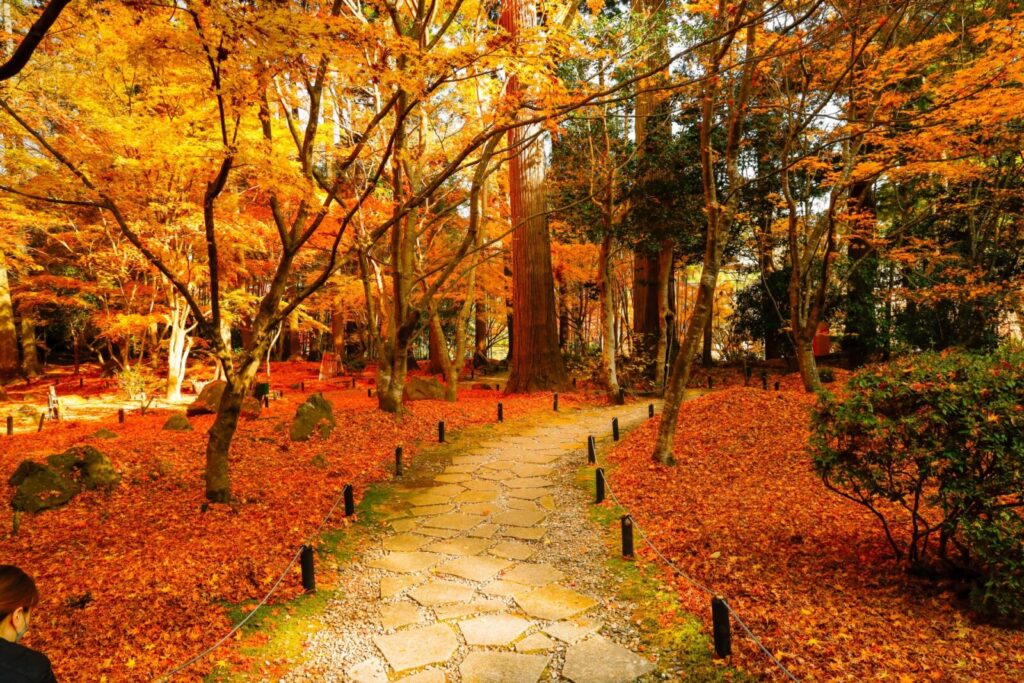
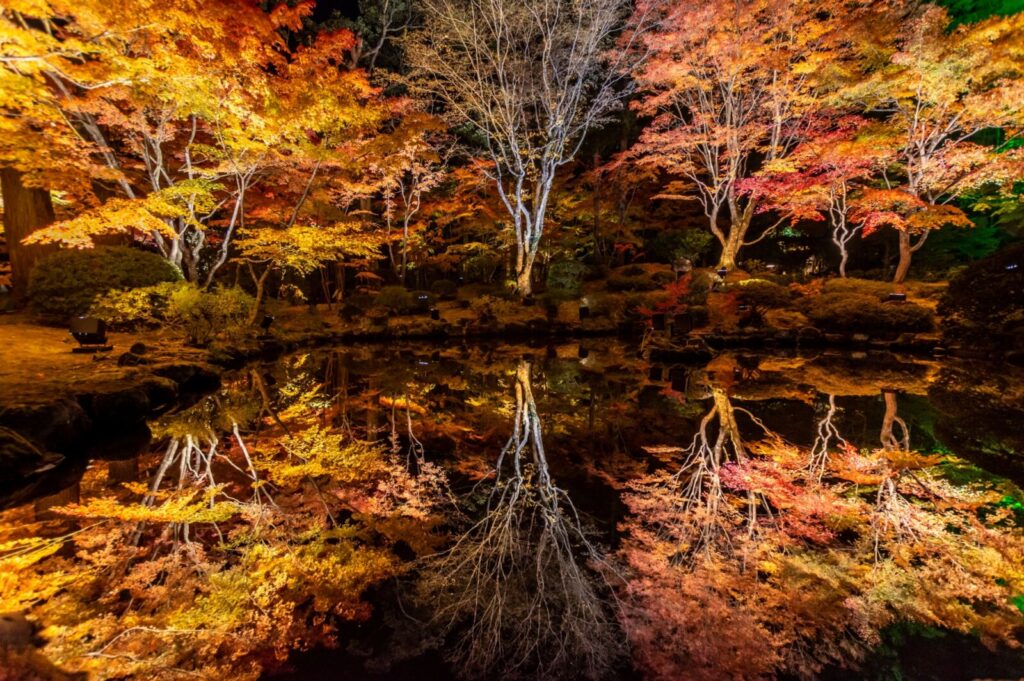
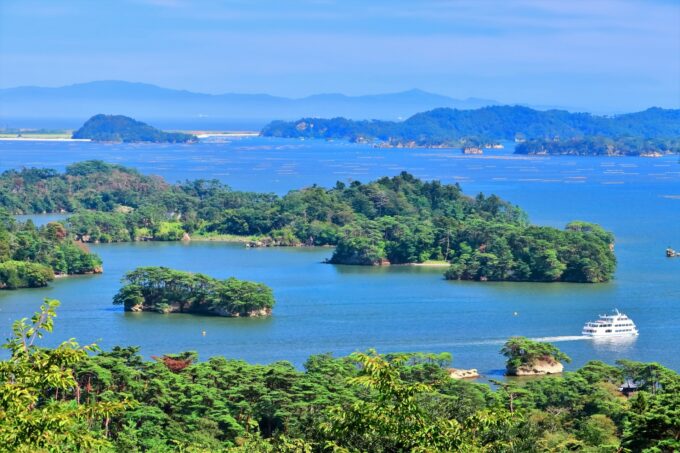
Entsuin Temple is a beloved historical temple within walking distance from Matsushimakaigan Station. It holds a deep connection to Matsushima and boats not one but three different types of traditional garden within its grounds. Throughout any time of year Entsuin Temple offers gorgeous views of their tranquil gardens, but especially in autumn the surplus of Japanese maple trees turn a bright red that is a sight to see. The temple itself extends its hours into the evening for a breathtaking illuminated fall foliage event. In fact, it's regarded as one of the most beautiful autumnal evening illuminations in all of Tohoku! Some of the highlights include their "Upside Down Maple Leaves" reflected in the Heart-Shaped Pond as well as live music performances on the temple grounds. If you're staying in the area, we highly recommend taking a visit to Entsuin for its autumn colors – day time or night!
For More Information: see Entsuin Temple
For a Guided Tour of Entsuin Temple: join our 1-Day Tour from Sendai: Matsushima Bay — Highlights from One of Japan’s Three Most Scenic Views. This tour will take you into many historic temples and quaint charms located within the Matsushima Bay area. You will learn all about the impressive samurai history connected to the town as well as be given a chance to experience first hand why Matsushima is heralded as one of Japan's most scenic spots.
Small Group
1-Day Tour from Sendai: Matsushima Bay — Highlights from One of Japan’s Three Most Scenic Views
- Spots:
- Matsushima
- Pick-up:
- Sendai
- Drop-off:
- Sendai
2) Yamadera Temple
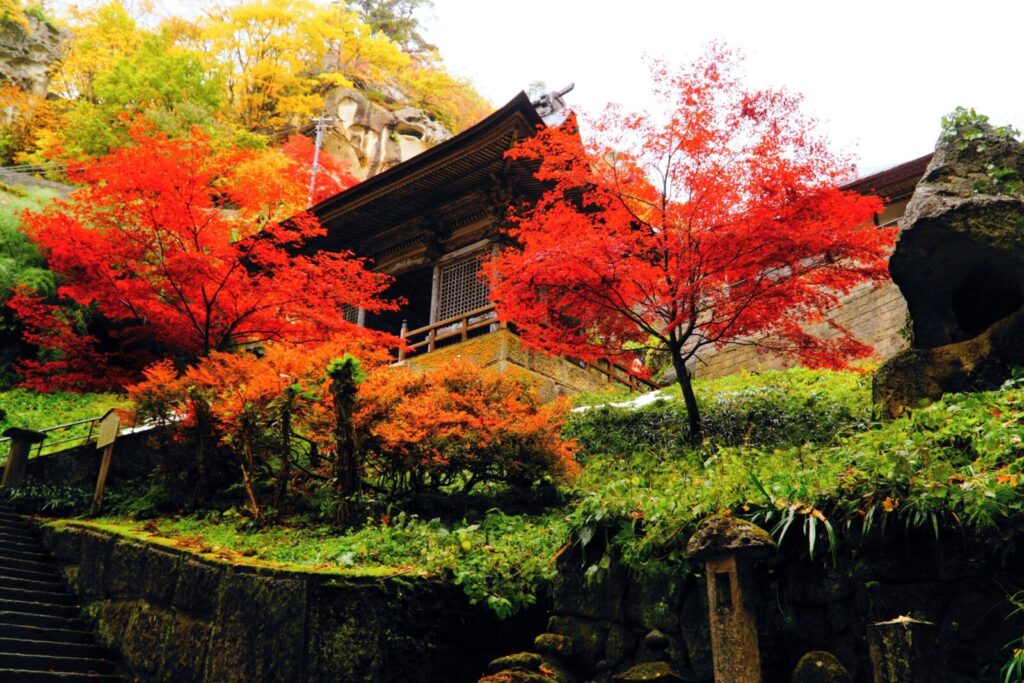
Best viewing time: Late October to Mid-November
Ideal for: Nature photography, scenic hiking (light), goshuin stamp collectors
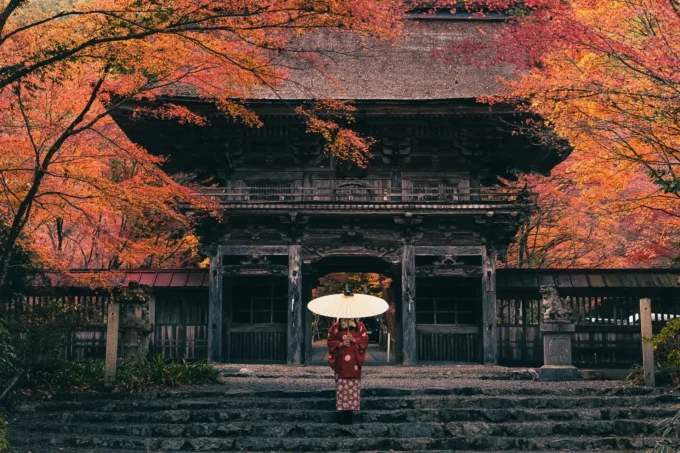
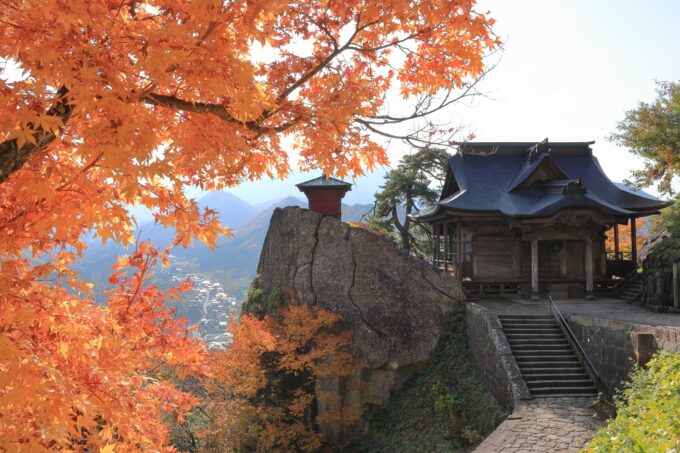
One of the most important Zen temples within the Tohoku region is often celebrated for its historical connection to summer thanks to the haiku poems of Matsuo Basho in his The Narrow Road to the Deep North publication, Risshaku-ji (Yamadera) Temple is also known for its gorgeous autumn foliage. Since the top of the temple lies over 400 meters above sea level, the colors turn more vibrant as you make your ascent. Those who collect temple seals/stamps called goshuin will be happy to hear that not only does Yamadera have seals to add to your collection, it offers 5 unique designs throughout the complex.
As you climb the 1,000+ steps, you can stop along the way at the various temple buildings and obtain your goshuin. Be advised: however, that these red seal stamps are not mere souvenirs. The monks at Yamadera take much pride in their faith and will refuse to provide a goshuin in a booklet that has non-Buddhist stamps in it such as station stamps or other tourism-related stamps. For photographers, the best shots are taken from the top of the temple complex, but you can also find various gorgeous views along the way up the mountain.
For more information: see Risshaku-ji (Yamadera) Temple
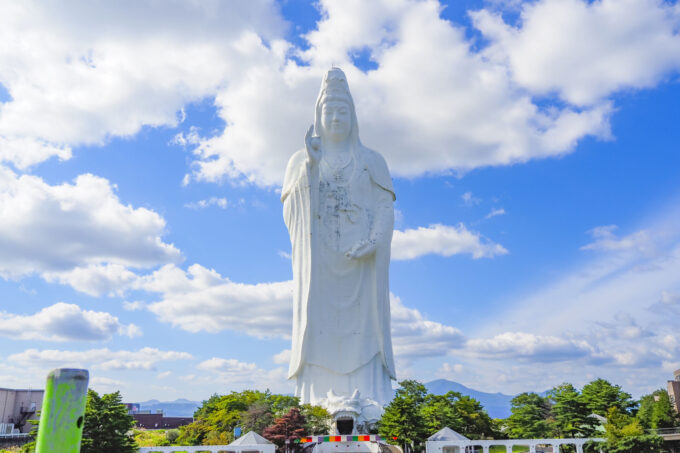
For a Guided Tour of Yamadera: join our 1-Day Tour from Sendai: Sendai Daikannon Statue and Yamadera Temple – Spiritual Pilgrimages of Tohoku. This tour takes you to two spiritual behemoths starting with the Sendai Daikannon statue that towers 100 meters into the sky. Taking a scenic local train toward Yamagata Prefecture, we will finish our day with a trip to Yamadera. Here you can witness the photogenic views and learn the temple's unique history and why it stands the test of time as one of Tohoku's most important Zen temples.
3) Hirosaki Castle Park
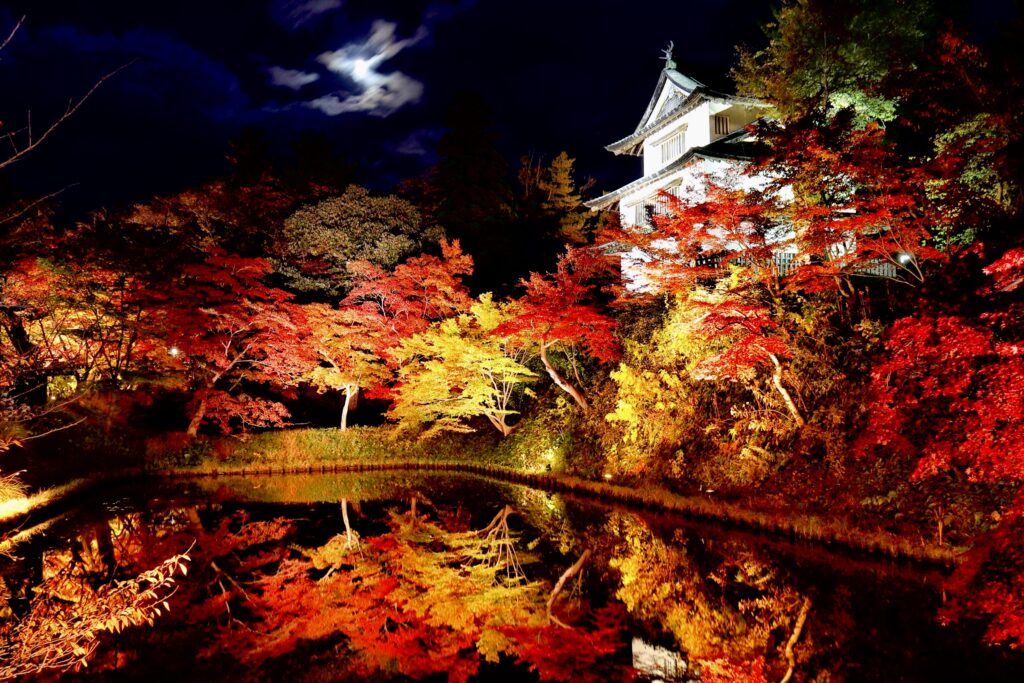
Best viewing time: Mid-October to Mid-November
Ideal for: Garden lovers, historical charm, leisurely walks
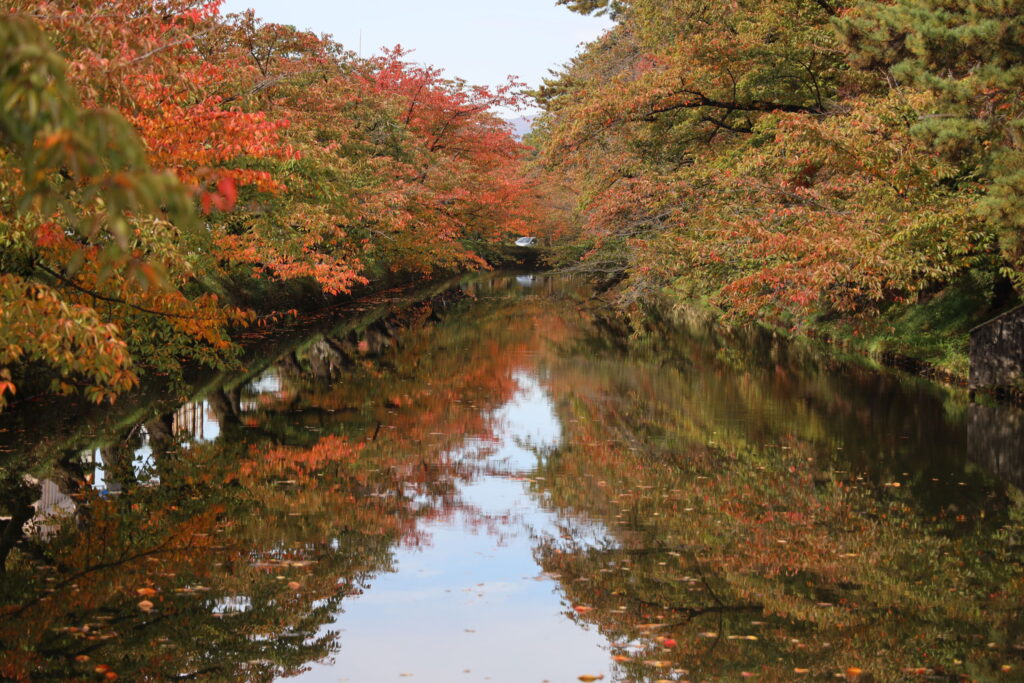
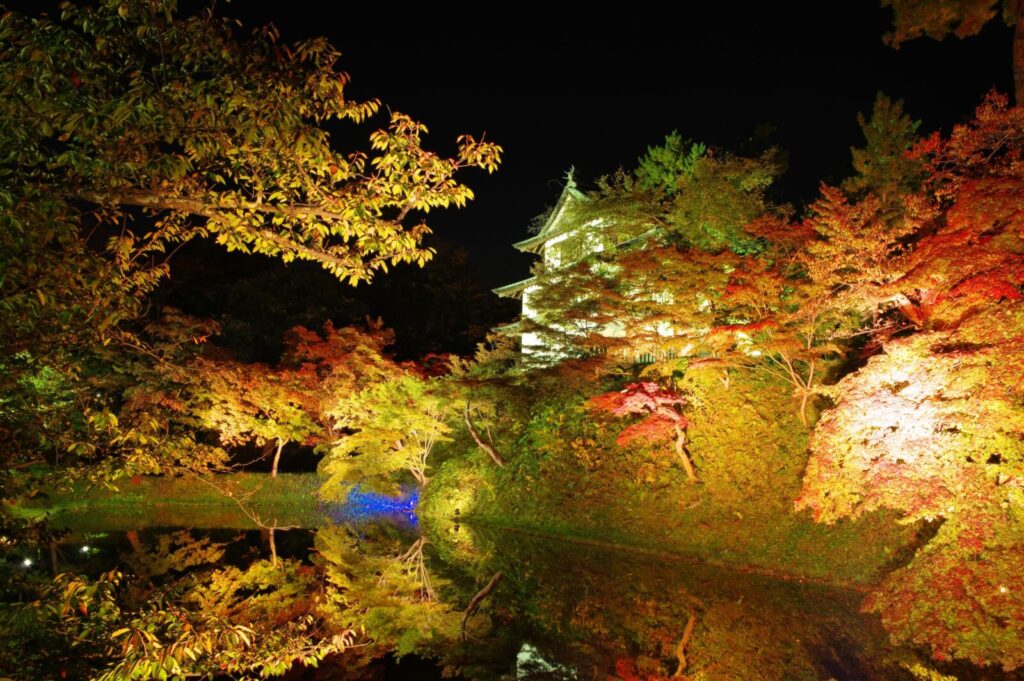
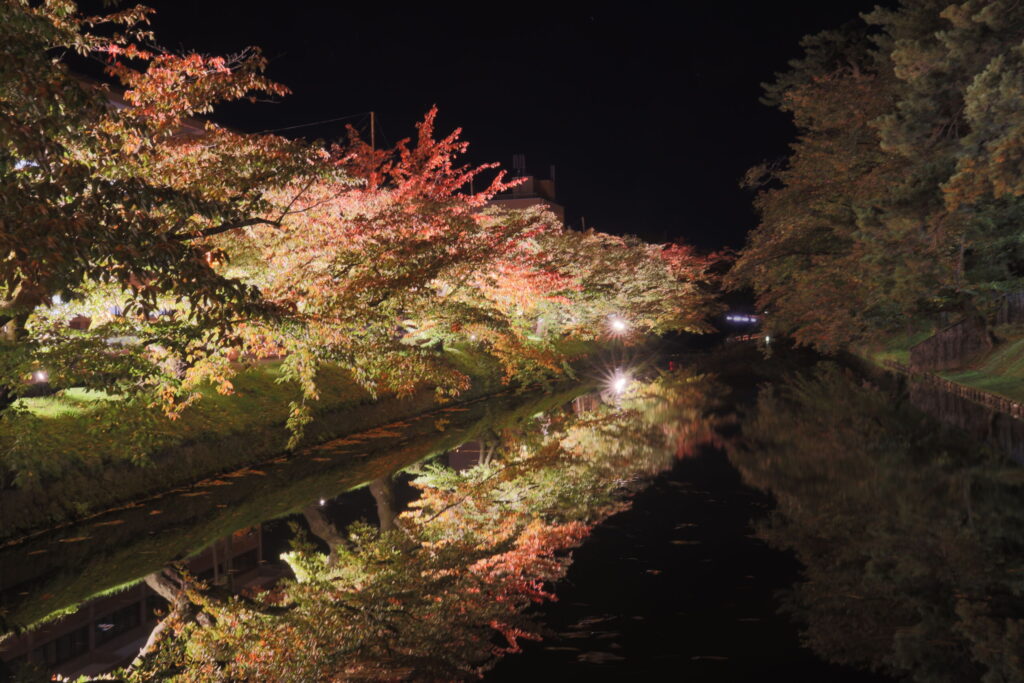
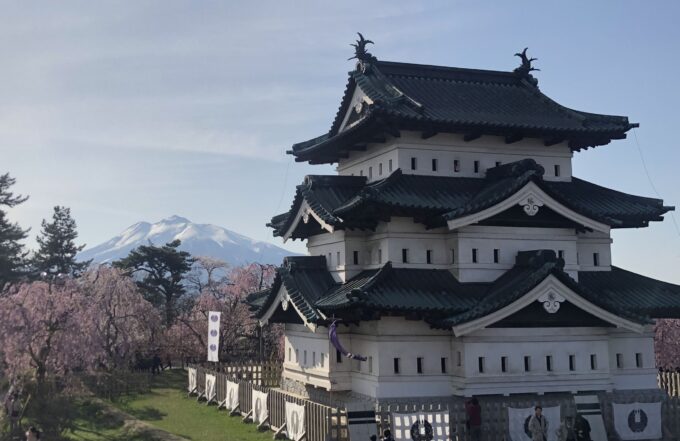
Known for being the only original remaining castle tower from the Edo period in Tohoku, Hirosaki Castle is famous for its springtime cherry blossom blooms. However, autumn brings about its own crowds with the promise of vibrant colors. With over 1,000 maple trees lining the park grounds, the bright red colors are a stunning contrast against the backdrop of the castle tower. There is also a botanical garden in the castle park that offers its own gorgeous views and autumn foliage. The city also holds the Hirosaki Castle Chrysanthemum and Autumn Foliage Festival every year around late October through early November where guests can enjoy the stunning fall leaves as they walk through the park. And at night, there are spectacular illuminated pathways adding to the magical effect of their "autumn cherry blossoms."
The autumn leaves in Hirosaki Park, where 1,000 maples trees and 2600 cherry trees turn red, are in full bloom from mid October to mid November. You can also enjoy the apple picking experience from mid-October to mid-November at Hirosaki City Apple Park.
For a guided tour of Hirosaki: Join our 1-Day Tour from Shin-Aomori: Hirosaki Castle & Cultural Highlights. This tour is perfect for those looking to get a full day in Hirosaki without spending the night. The tour conveniently starts at the Shin-Aomori Shinkansen station and takes you to Hirosaki. You’ll get to visit many of the top historic temples and gardens. The highlight of this tour is especially the Hirosaki Castle park where you’ll get to view some of the gorgeous maple trees on the grounds.
New Tour
1-Day Tour From Shin-Aomori: Hirosaki Castle & Cultural Highlights
- Spots:
- Pick-up:
- Shin-Aomori
- Drop-off:
4) Geibikei Gorge
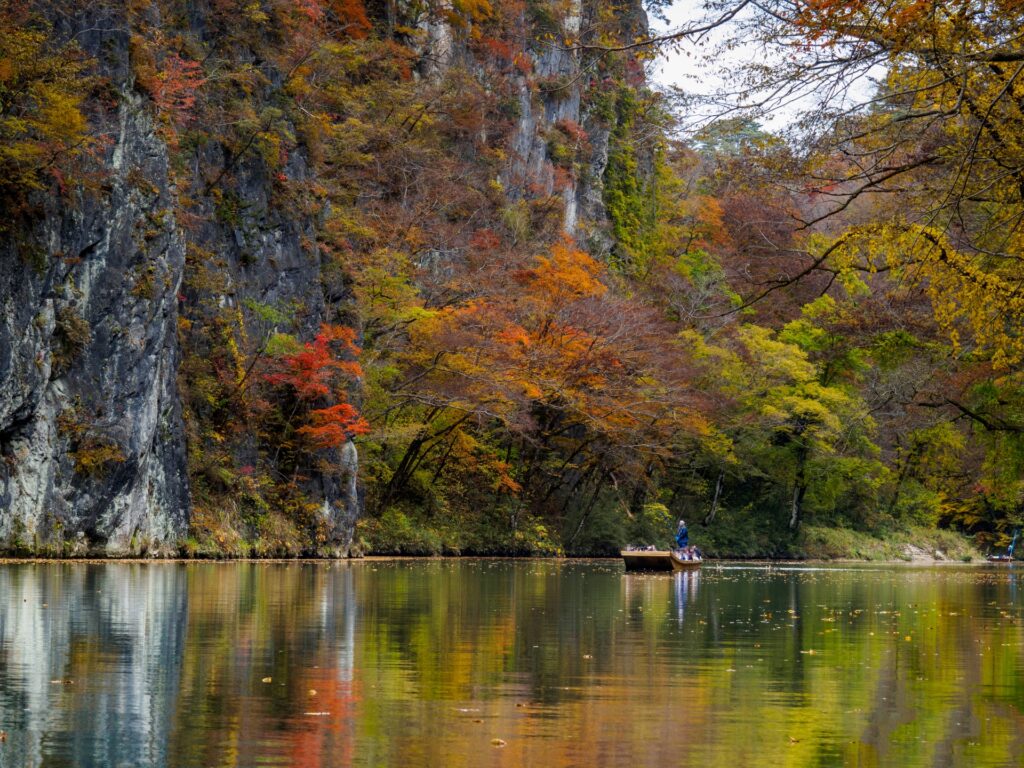
Best viewing time: Late October to early November
Ideal for: Nature lovers, photographers, slow-paced travel
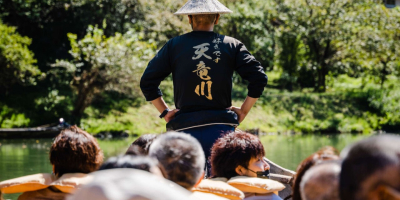
This stunning hidden gem is located just outside the historic Hiraizumi town of Iwate Prefecture, Geibikei — not to be confused with Genbikei — is a unique experience to see not only the gorgeous autumn foliage but enjoy a scenic boat ride through the gorge. Geibikei Gorge offers one of a kind traditional wooden rides up and down the river within the gorge. The boats are powered by your guide using a long bamboo pole so the cruise is slow and relaxing. Your guide will offer your insights to the rock structures of the gorge and even sometimes offer you a traditional song about the area. The gorge is open for visitors all year round, but the most popular time to visit is definitely during the peak autumn colors.
5) Chuson-ji Temple
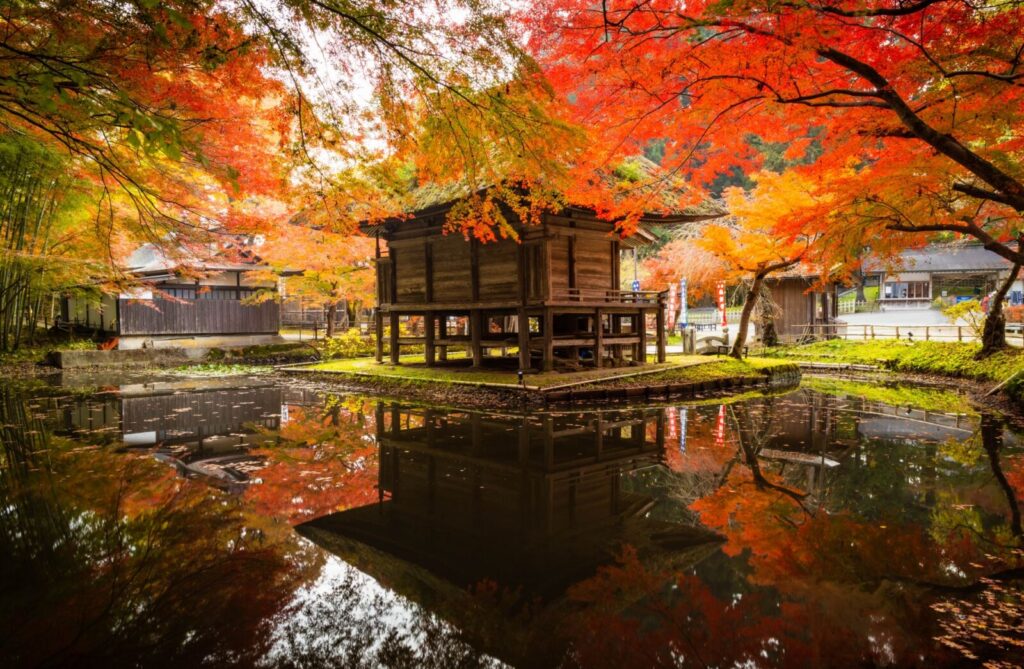
Best viewing time: Mid-October to early November
Ideal for: History buffs, scenic walks, tranquil vibes
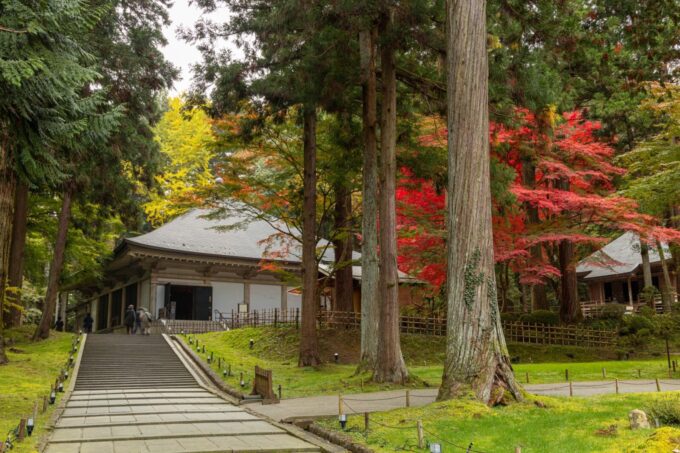
Chuson-ji Temple is a historic temple complex that is part of the Hiraizumi UNESCO World Heritage Site. It was designated in 2011 and has been an essential political and cultural hub for the north for centuries. Thanks to the temperate climate of Iwate Prefecture, fall time has gorgeously colored leaves that fill the temple complex with bright yellows and reds.
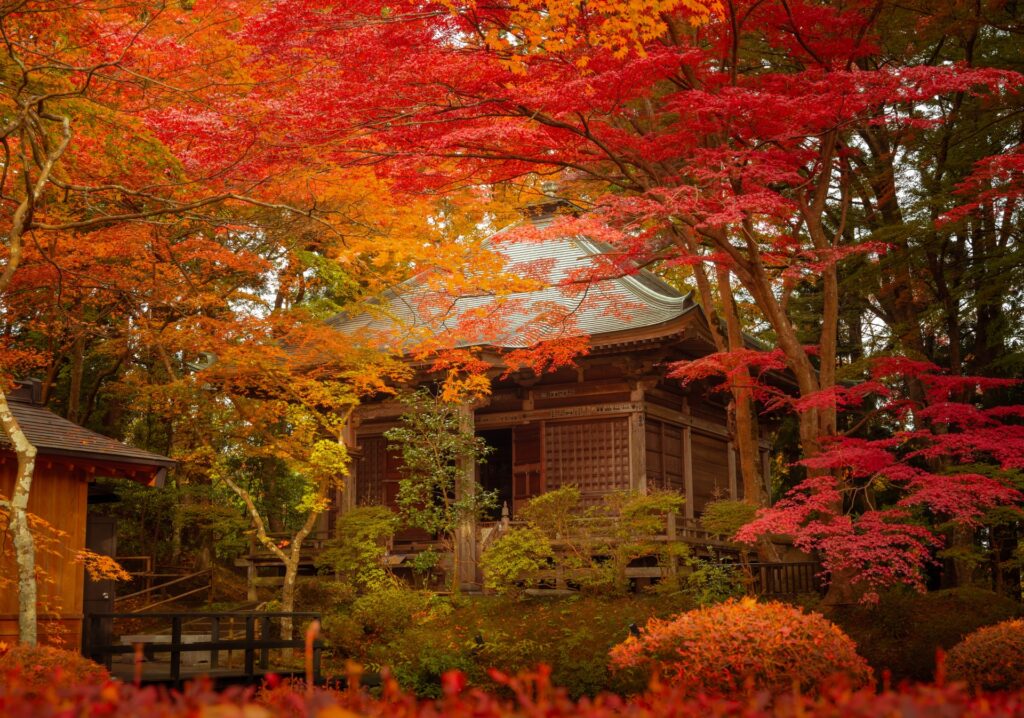
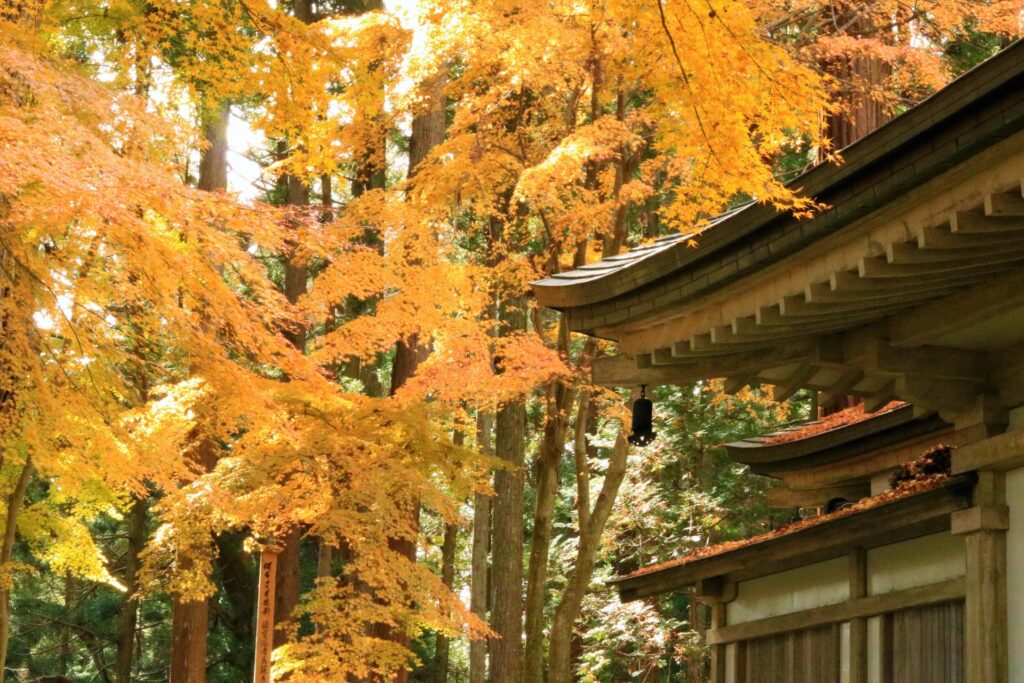
For more information: see Chuson-ji Temple
For a Guided Tour of Chuson-ji: Join our 1-Day Tour from Ichinoseki: Temple Highlights of World Heritage Site Hiraizumi. This tour is the perfect way to get the most out of your travels north in Japan. Whether you are staying near Ichinoseki Station or just passing through, this tour allows you to visit some of the most important temples of Tohoku and see for yourself why this small town in Iwate is still alluring travelers from all around the world.
New Tour
1-Day Tour from Ichinoseki: Temple Highlights of World Heritage Site Hiraizumi
- Spots:
- Pick-up:
- Ichinoseki
- Drop-off:
6) Akiu Onsen & Otaki Falls
Best viewing time: Late October to early November
Ideal for: Nature lovers, light hiking, off the beaten path travelers
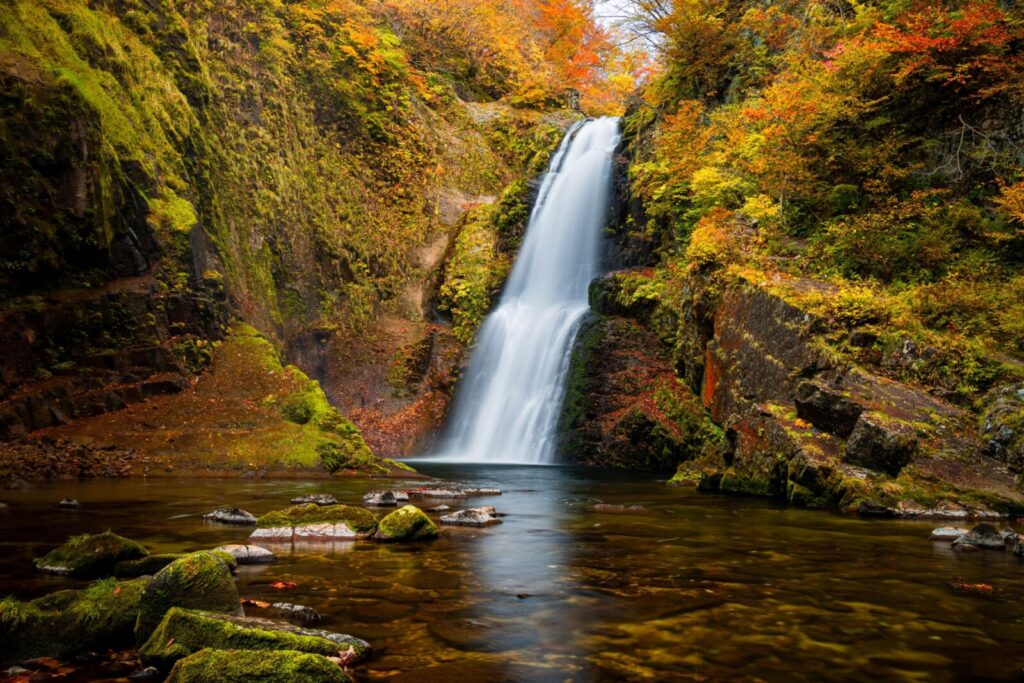
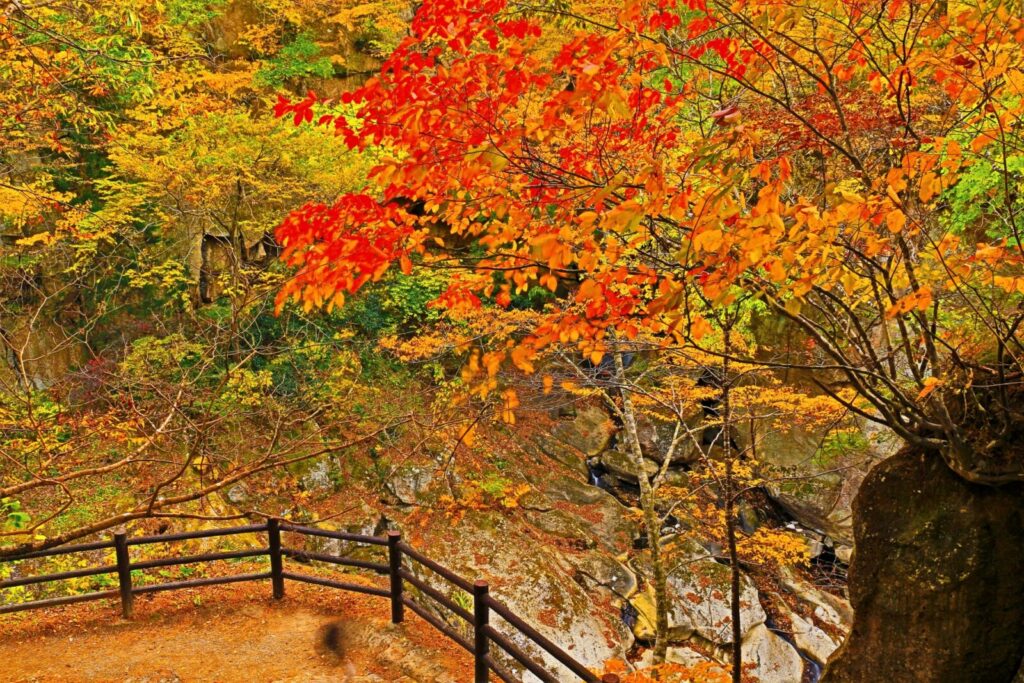
Located about an hour drive west of Sendai Station, the Akiu Onsen area is widely known for its gorgeous natural hot springs and grand hotels. Considering the area itself has the word for autumn in its name is a great indicator of just how great the fall foliage views are! The area is accessible by public bus, though they can be infrequent. Once you are in the area however, you can take a walk through the scenic Rairaikyo Gorge or head further west to see the gorgeous Otaki Falls.
Combine your trip to Akiu with a tour in Sendai: For those wishing to visit Akiu, a great tour to combine it with is our Half-Day Tour in Sendai: Kitayama Gozan & Sendai Daikannon Statue – Day of Zen. This tour ends before 3pm which gives you enough time to make it back to Akiu, see the area, and end your day with a much needed relaxing dip in one of the many onsen the area is known for.
7) Mt. Kurikoma
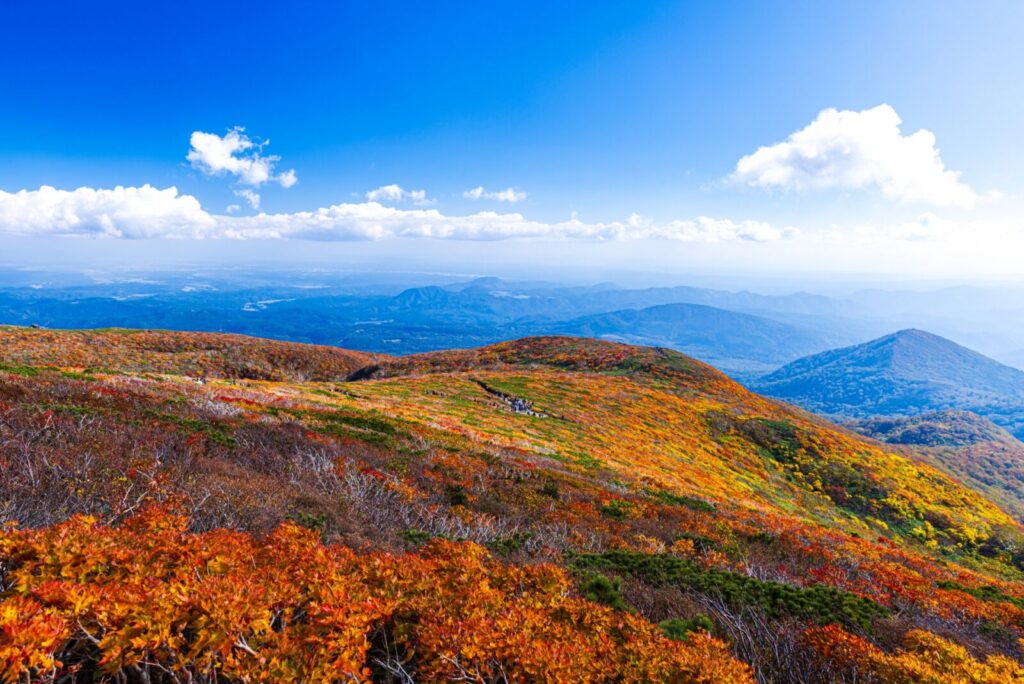
Best viewing time: Late September to early October
Ideal for: Hikers, photographers, adventurers
This mountain range spans across Miyagi, Iwate, and Akita Prefectures and is famously called the “God's Carpet,” due to its gorgeous fall colors. The entire mountainside is covered with bright red and is a haven for photographers and hikers alike. There are 9 different mountain trails in the area! Thanks to the regions growing popularity, the autumn season tends to be the most crowded so it is recommended for groups to share one car or take public transportation when appropriate. This mountain is well known for its hiking trails and is suitable for hikers with a moderate fitness level. The most popular route is through Iwakagamidaira via the Higashi Kurikoma trail since an extra bus operates during the fall busy season.
8) Lake Towada
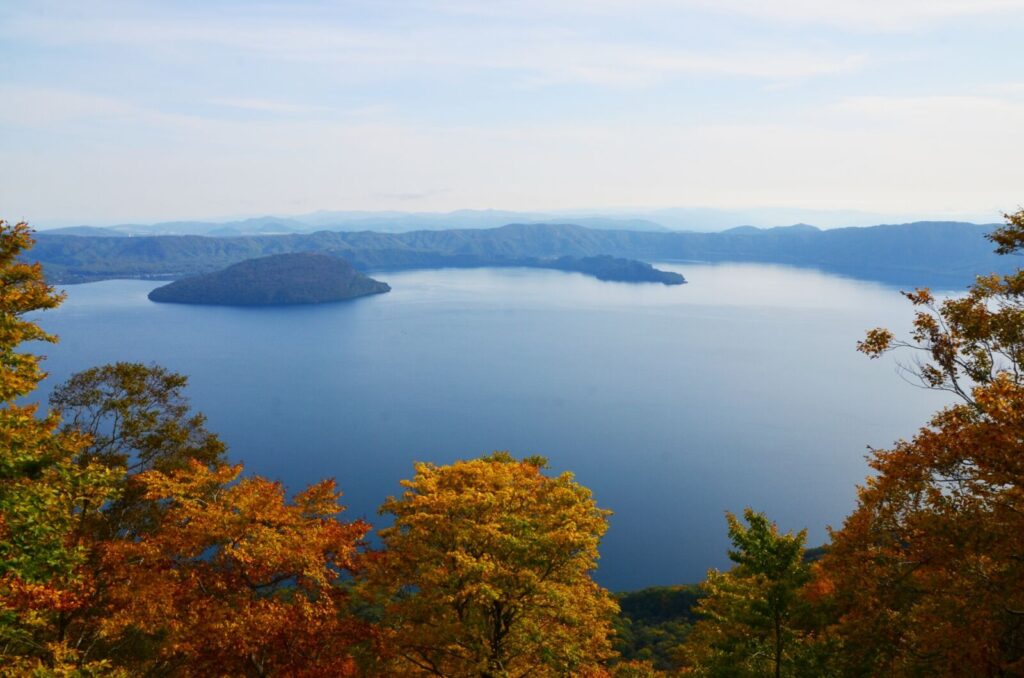
Best viewing time: Mid-October to Early November
Ideal for: Adventurers, scenic walks, lake days
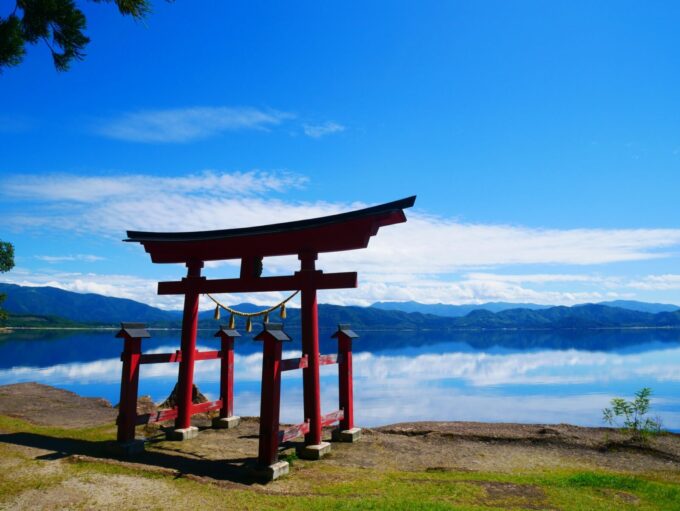
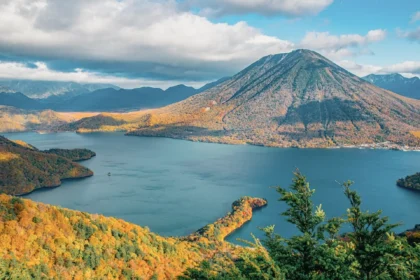
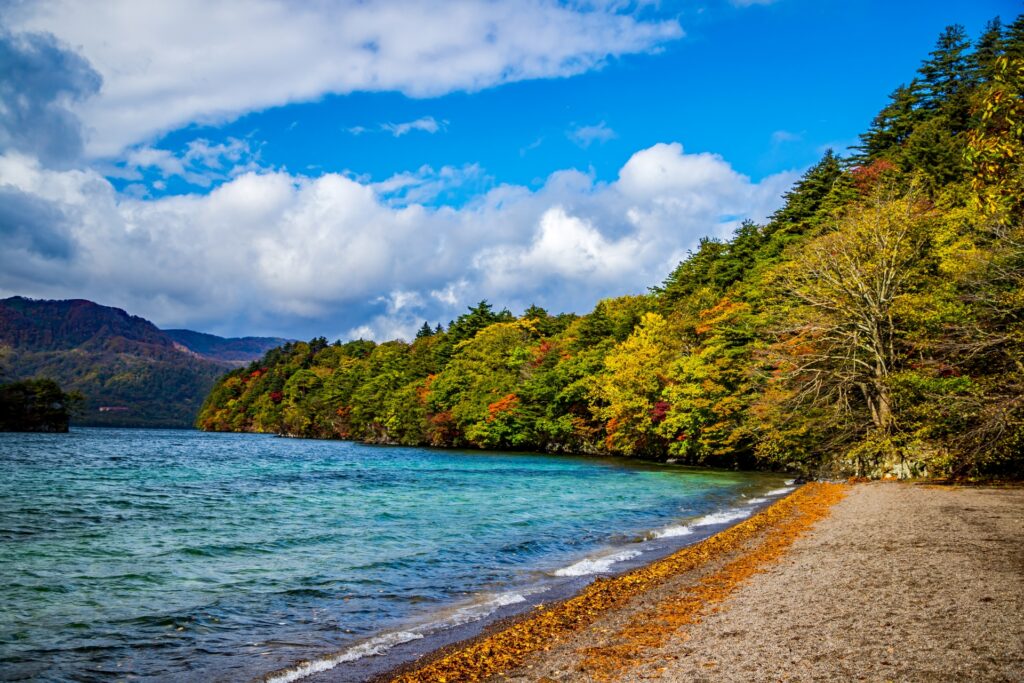
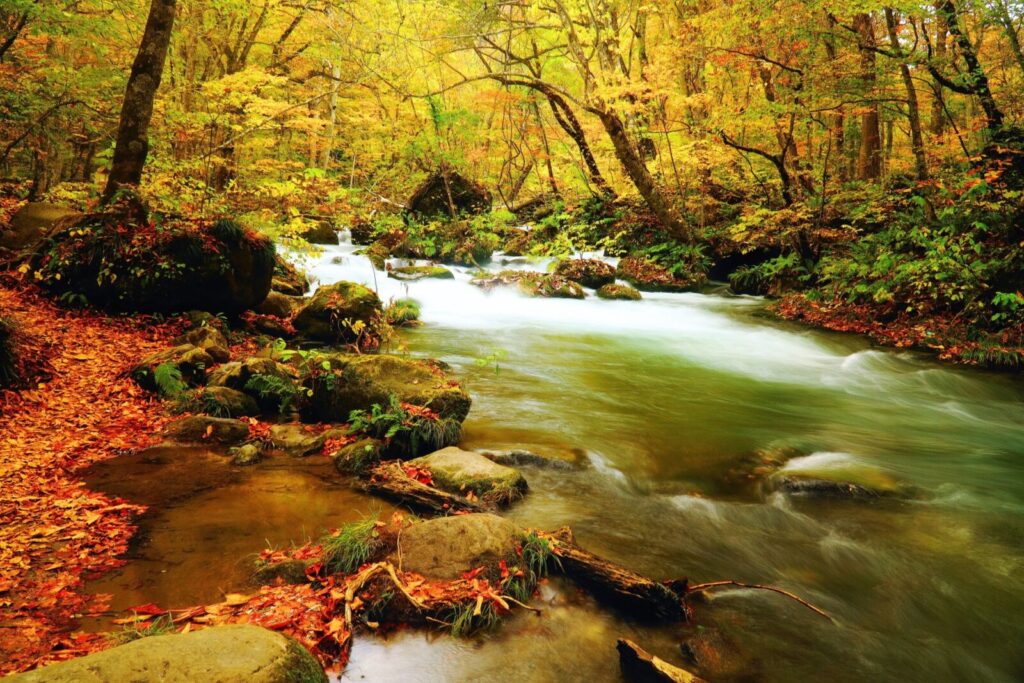
Lake Towada is another one of those hidden gems that if you find yourself with a free day for traveling, this lake comes highly recommended. Lake Towada sits between Akita and Aomori Prefectures and is a deep, caldera lake. The lake is surrounded by lush forest and mountains and offers some spectacular views of autumn leaves. Especially from the lookout point just off the highway heading in toward the lakefront. There are scenic cruises available around the lake, swan boats, kayak, and to the east is the gorgeous Oirase Gorge. Oirase is quite long so a bus or biking is recommend, but it is walkable for those who have the time! Oirase Gorge is famous for its countless water falls and babbling brooks and is a phenomenal way to slow down and enjoy the magnificent nature Tohoku has to offer. For those traveling to Aomori, there is a highway bus that goes from Aomori Station to Lake Towada.
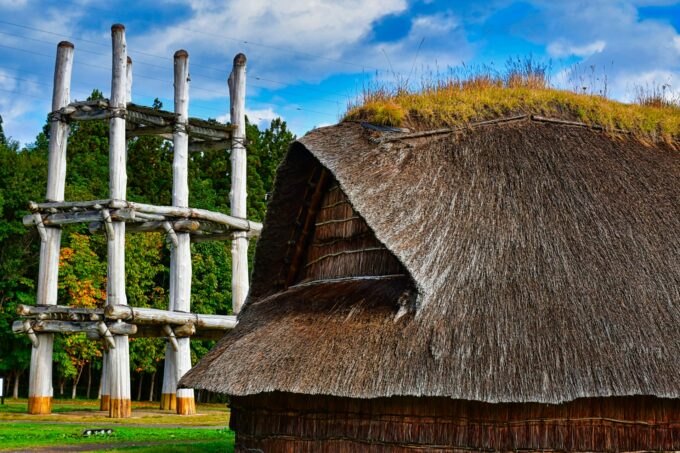
Combine your trip with a tour of Aomori: Since access to Lake Towada is easiest via Aomori City, why not add on one of our day tours that start from the Shin-Aomori Shinkansen station? Try our: 1-Day Tour from Shin-Aomori: Jomon and Nebuta Museum Highlights for an extra day of highlights before or after your excursion to the lake!
New Tour
1-Day Tour From Shin-Aomori: Jomon Village & Nebuta Museum Highlights of Aomori
- Spots:
- Pick-up:
- Shin-Aomori
- Drop-off:
9) Naruko Gorge
Best viewing time: Mid-October to early November
Ideal for: Hiking, photographers, iconic views
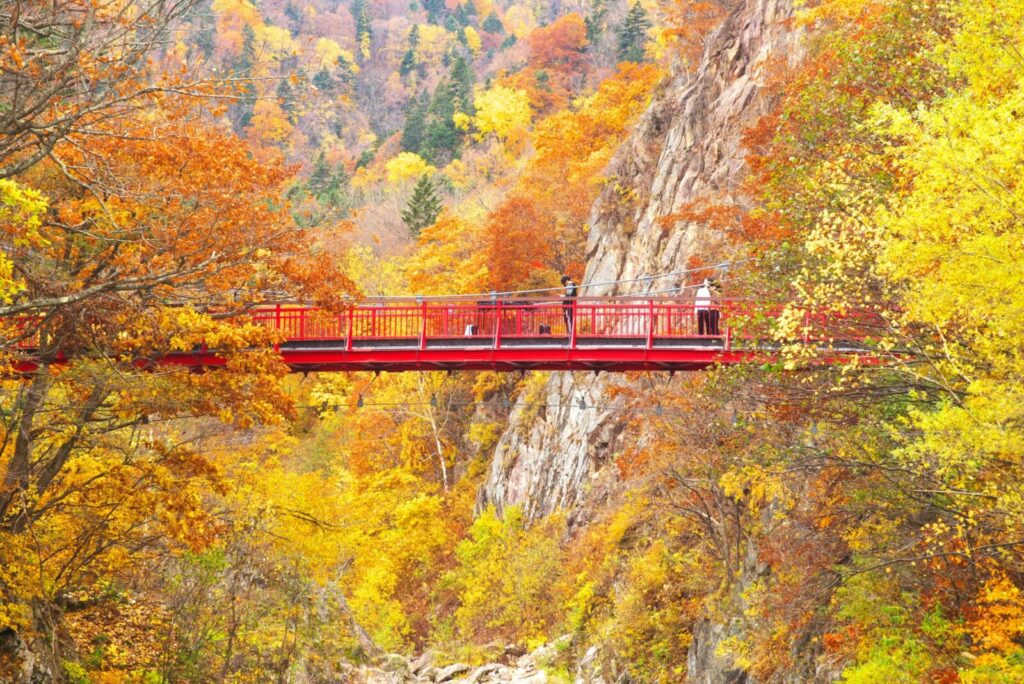
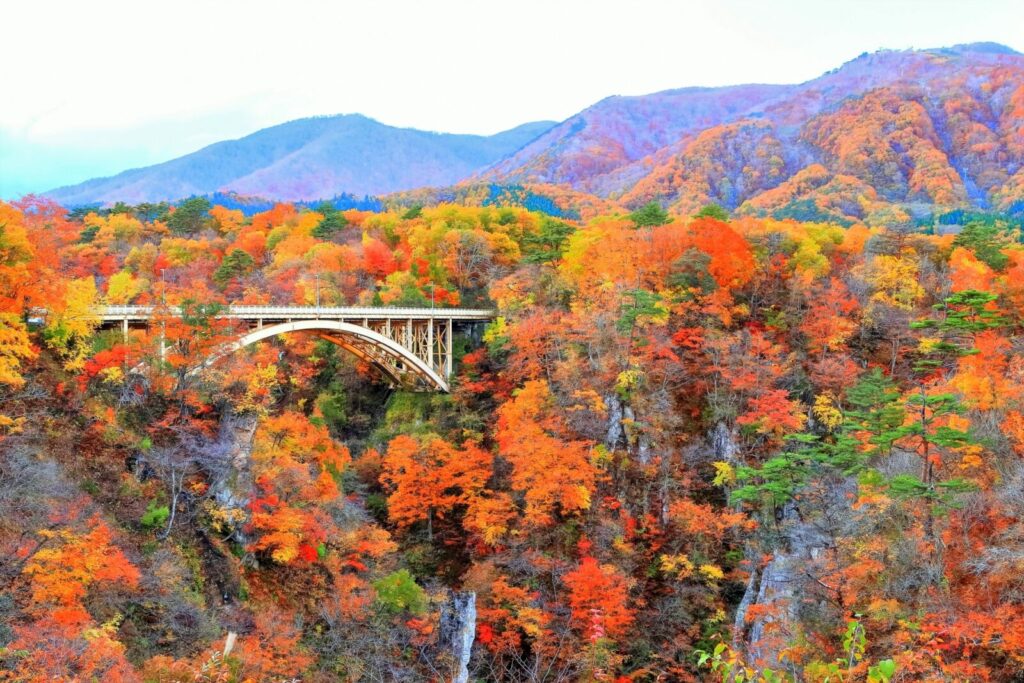
Naruko Gorge is located in the northwestern region of Miyagi Prefecture, just about 70 km from Sendai. It also lies just outside of a famous hot springs town called Naruko Onsen. It is said that the best autumn foliage viewing can be seen from the Narukokyo Resthouse which lies on the west end of the gorge. The deck of this rest house also gives photographers the perfect view of the iconic Ofukazawa Bridge. There are many hiking trails throughout the areas and convenient parking lots for those coming by car. Travelers looking for an even more in depth experience, there is a kokeshi museum located near the eastern end of the gorge. It highlights Tohoku’s famous wooden dolls and all the different variations. Admission is 500 yen and opening hours are from 9:00 to 16:00 (last entry 15:30).
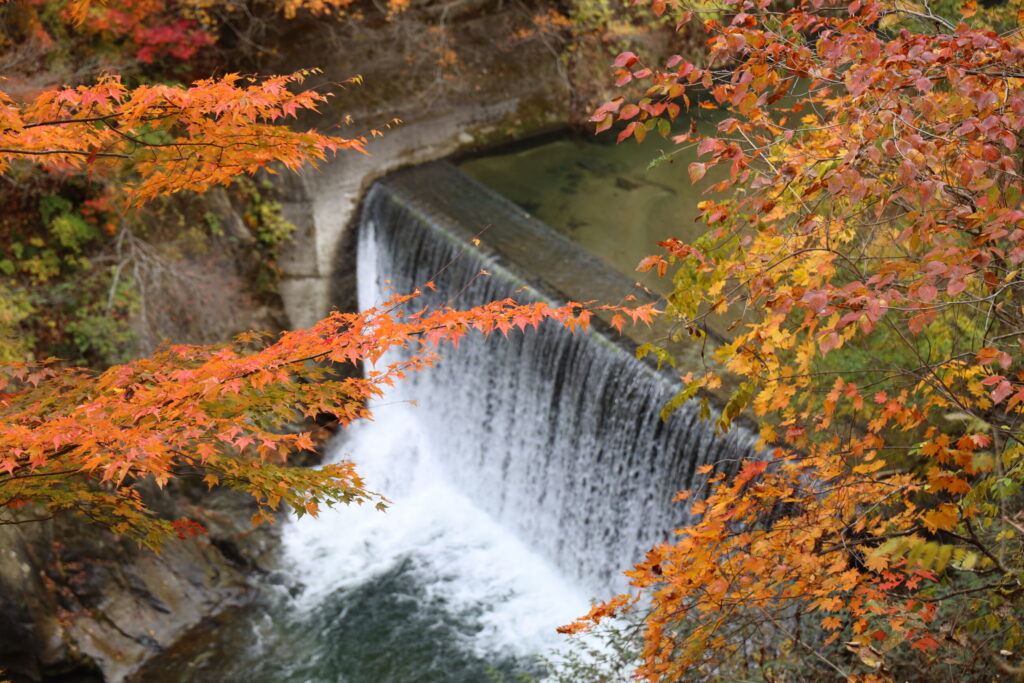
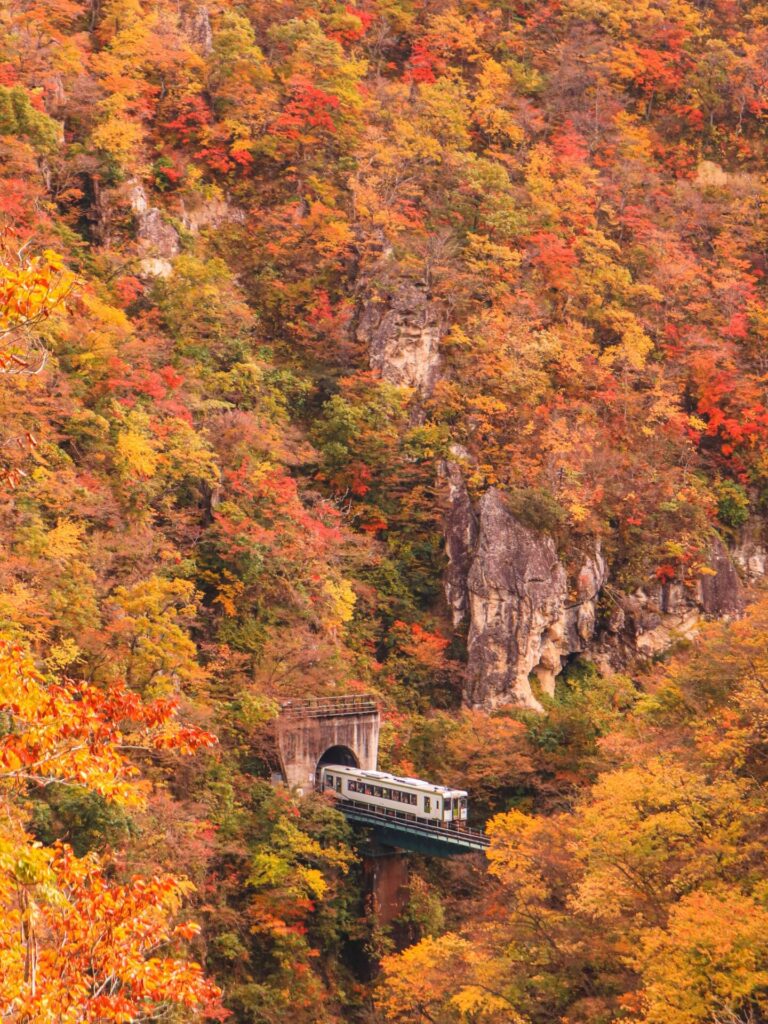
The hot springs area has some 400 natural springs and boasts a 1,000 year history. There are plenty of craft shops, cafes, restaurants, and hotels making it an ideal spot for all types of travelers. The easiest and cheapest route to get to Naruko Onsen area is to take the Miyako highway bus to Naruko Onsen and bus stop 24 outside Sendai Station. The journey one-way takes around 90 minutes.
10) Goshiki Numa Ponds
Best viewing time: Mid-October to early November
Ideal for: Leisurely walks, scenic views, romantic day trips
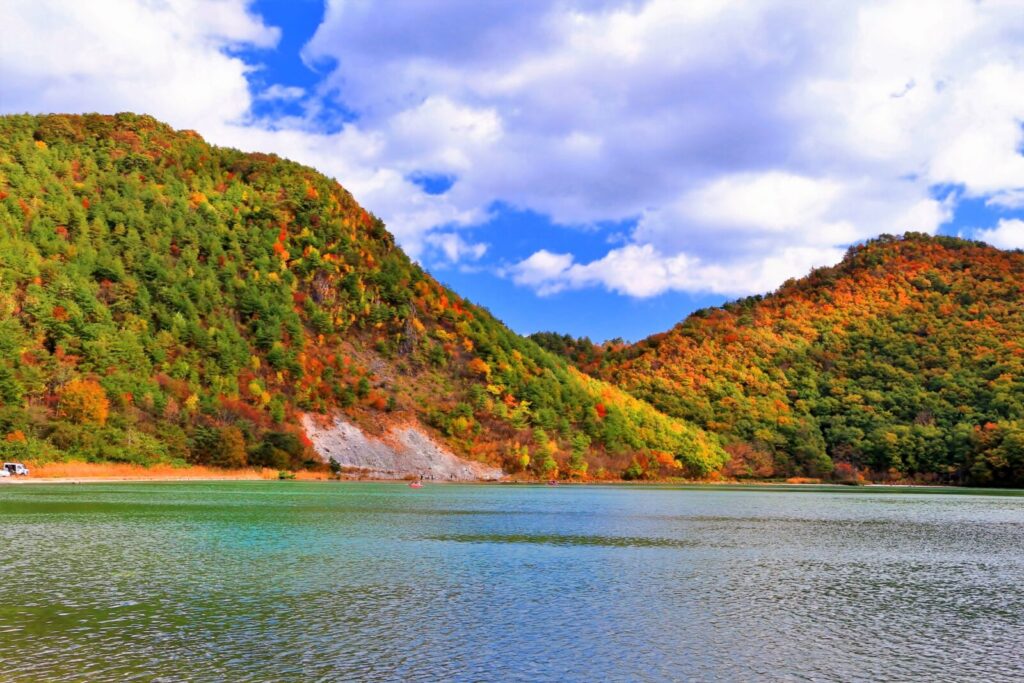
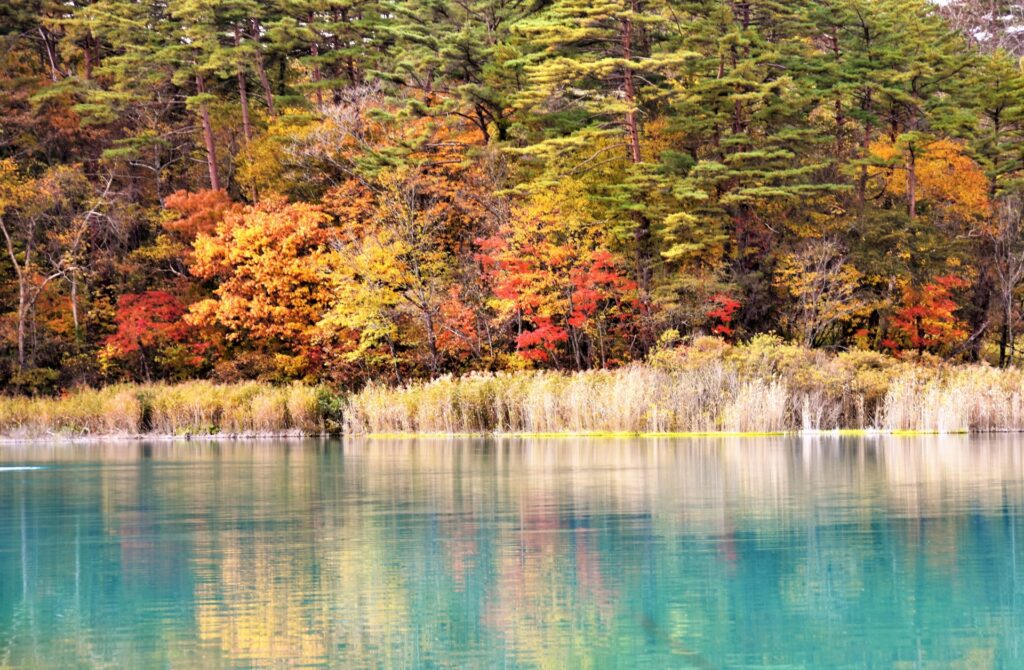
The ten Goshiki Numa Ponds refers to a series of lakes located near the base of Mt. Bandai in the Fukushima Prefecture. These ponds are well known for their mysterious emerald green, cobalt blue, and turquoise blue hues throughout the year. Although many factors contribute to the exact brightness of the colors, any time of year is said to be striking and photogenic. We recommend visiting on a bright sunny autumn day to really get a gorgeous contrast from the blue-green hues of the water next to the reds and yellows of the trees above.
There are plenty of walking trails surrounding the ponds as well. Although there are some hills and valleys along the path, the hiking level is considered beginner. The overall length of the pond trail is about 4 km and takes around 1 hour and 30 minutes one way. There are two entrances to the trail, each with a bus stop and parking lot. You can access the ponds via Koriyama Station by train and transfer to the Bandai Toto bus line bound for Urabandai Goshikinuma.
11) Nakano-Momijiyama
Best viewing time: Mid-October to early November
Ideal for: Nature photographers, travelers wanting to explore rural Japan, scenic trails, light walking
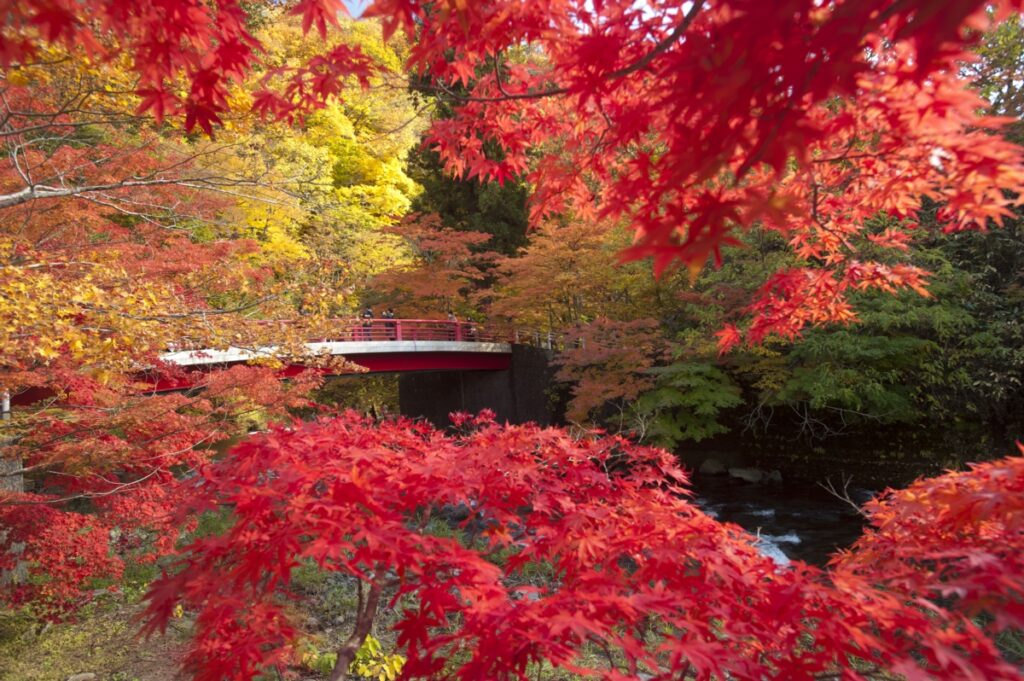
Nakano-Momijiyama is a gorgeous hidden gem in Aomori Prefecture that starts at a local shrine. Easily accessed via bus from the Kuroishi Station, get off at the Nakano Jinja Mae bus stop and walk 10 minutes to the entrance. This stunning mountain gets its very name from the vibrant reds in autumn thanks to the plethora of Japanese maple trees. The area, although not widely known by foreign tourists, is quite popular among locals and even has an autumn light-up event where you can view the gorgeous autumn foliage in the evenings. The light-up typically takes place from late October to early November and goes from 17:00 - 20:00.
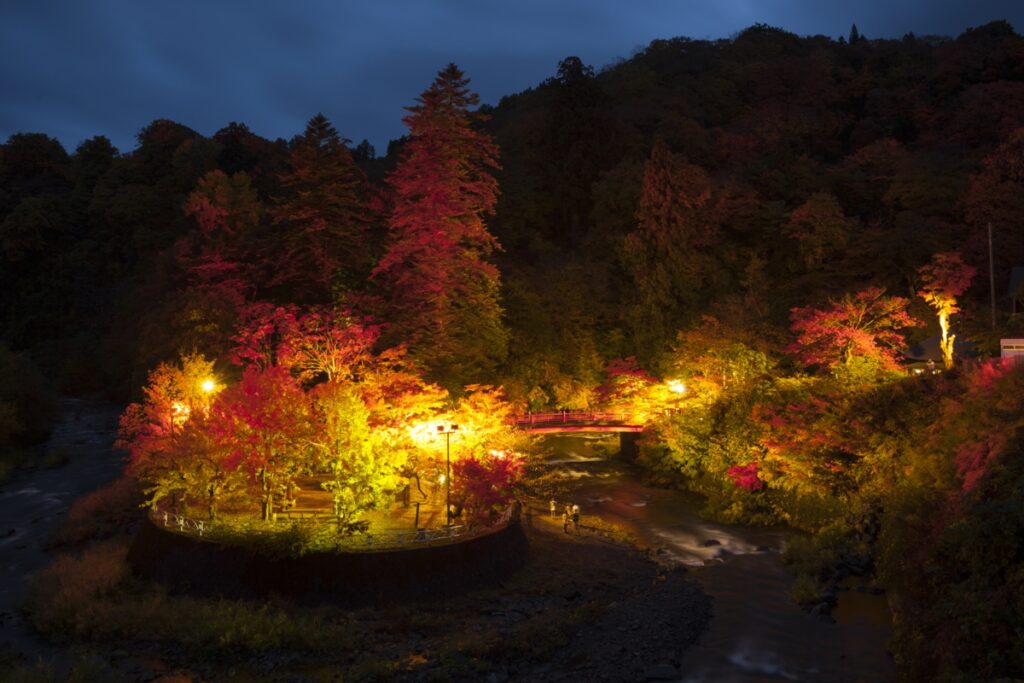
Thanks to the local Nakano Shrine, over 100 varieties of maple trees from Kyoto were planted when constructed in 795. The area prides itself on the beautiful reds and oranges during fall and offers English pamphlets with recommended walking routes. A popular photo spot includes the Fudo Bridge — its red hues a stunning complement to the foliage engulfing it.
12) Mt. Moriyoshi (Ani Ski Resort)
Best viewing time: October
Ideal for: Gondola rides, photographers, hiking
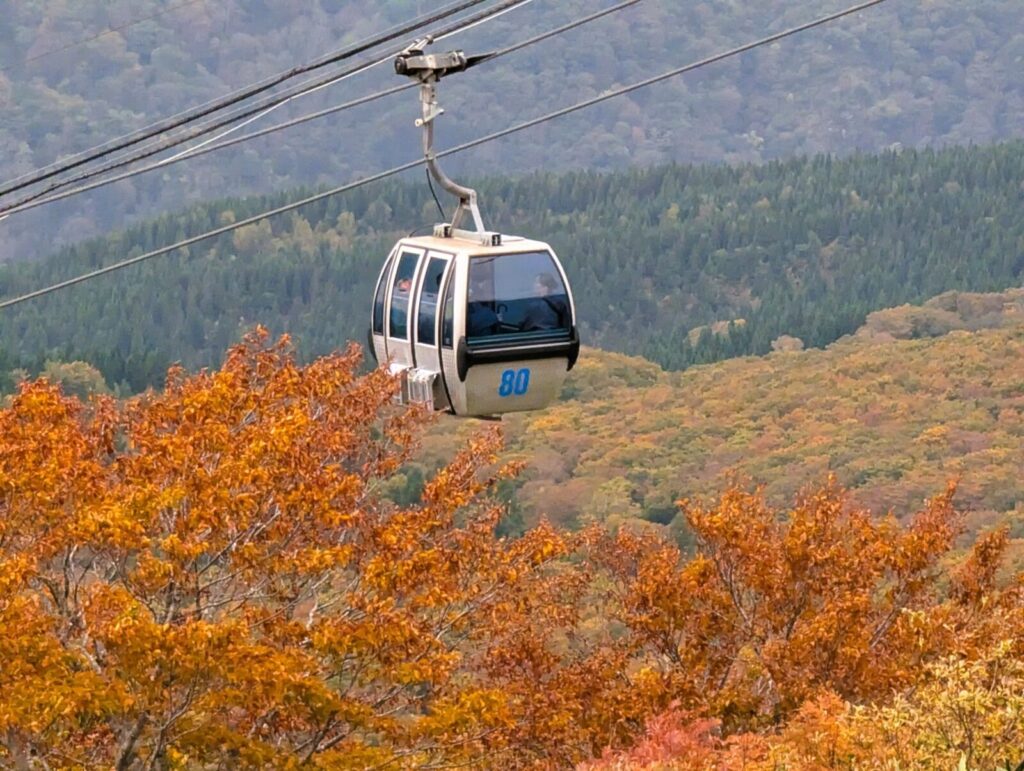
Located about a 20 minute drive from Anzai Station on the Akita Nairiku Line in Kitakita city, Mt. Moriyoshi is famous for its ski resort and “snow monsters” in the winter and its various flower blooms during the summer. Thanks to a country-wide push to promote all-season tourism, Mt. Moriyoshi runs its gondola year round. This gives you a great opportunity to ride the gondola slowly up the mountainside (one way takes about 20 minutes) and view the bright orange hues of the autumn foliage below. Once you reach the top, there are some light hiking trails you can take to explore and take in panoramic scenery around you. The gondola runs every day from 8:45 to 15:30 (last entry 15:00).
Frequently Asked Questions (FAQ)
When is the best time to see autumn leaves in Tohoku?
For Tohoku autumn colors typically peak between late-October and mid-November, but more northern prefectures of Akita and Aomori tend to have an earlier start.
Are there any good day trips from Sendai to see the fall leaves?
Yes! Sendai is an excellent hub spot for all your autumn travel needs. Places like Yamadera and Matsushima are tours we offer with a start point at Sendai Station. Check out our Tohoku Tour Page for a full list of tours in the region!
Do the colors peak at the same time throughout Tohoku?
Not necessarily. Autumn colors are typically influenced by weather, longitude, and elevation. Higher elevation areas such as mountain ranges or hiking trails tend to see peak foliage earlier (late October to early November), while lower urban areas in regions like Matsushima usually peak in mid to late November.
What should I wear or bring for a comfortable autumn foliage trip?
Wear layered clothing, including a light jacket or sweater, as temperatures can vary throughout the day. Tohoku in autumn is notorious for dramatic temperature changes throughout the day and into the evenings. It's also good to bring an umbrella as autumn can also tend to be on the rainy side, especially the transition from September to October. And as always, comfortable walking shoes, a camera, and possibly a thermos or snacks are also recommended.
Final Tips for Visiting Tohoku in Autumn
- Book accommodation and tours in advance—fall is a peak travel season.
- Bring layers! Temperatures can shift quickly, especially in mountainous areas.
- Consider combining a leaf-viewing trip with onsen (hot springs) or a local food tour for the full autumn experience.
The destinations listed above offer something for everyone, from adventure seekers to families and history enthusiasts. So pack your bags, lace up your hiking boots, and get ready to immerse yourself in the natural and cultural splendor of autumn in Tohoku!