

Takaoka is a city that often flies under the radar for many travelers, overshadowed by its more famous regional neighbor, Kanazawa. Tucked away in Toyama Prefecture, it is a key city in the Hokuriku region. Takaoka Station is a convenient stop on the Hokuriku Shinkansen, providing easy access to major cities like Kanazawa, Toyama, and Tokyo. Given its excellent railway connections and its outstanding local attractions, such as the National Treasure Zuiryū-ji Temple and the Takaoka Great Buddha, Takaoka is an attractive and rewarding destination for those looking to explore a different side of Japan.
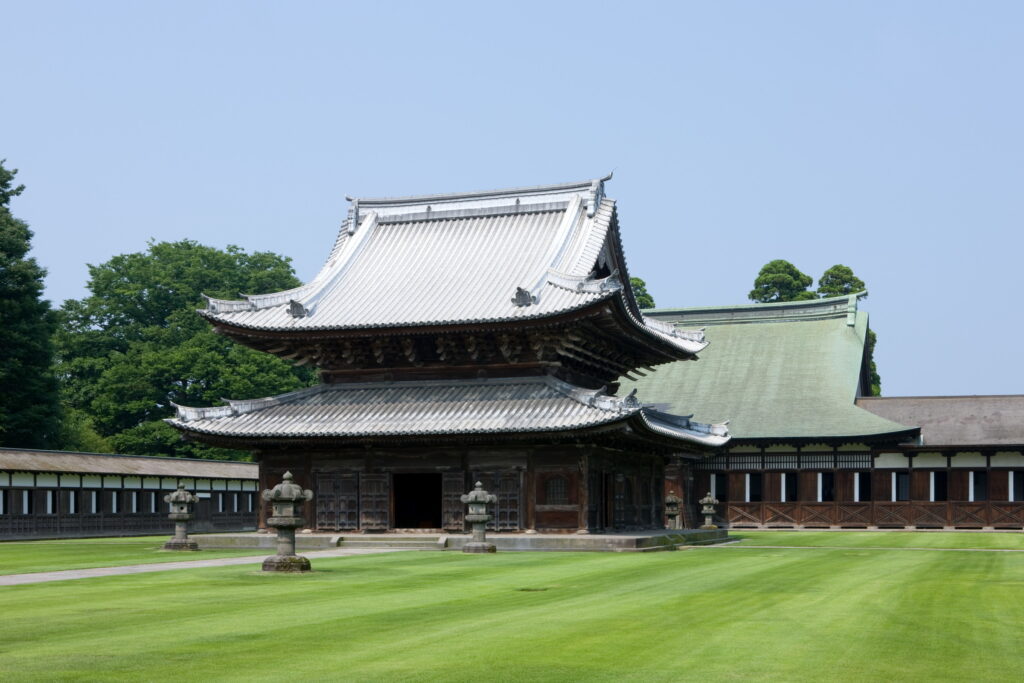
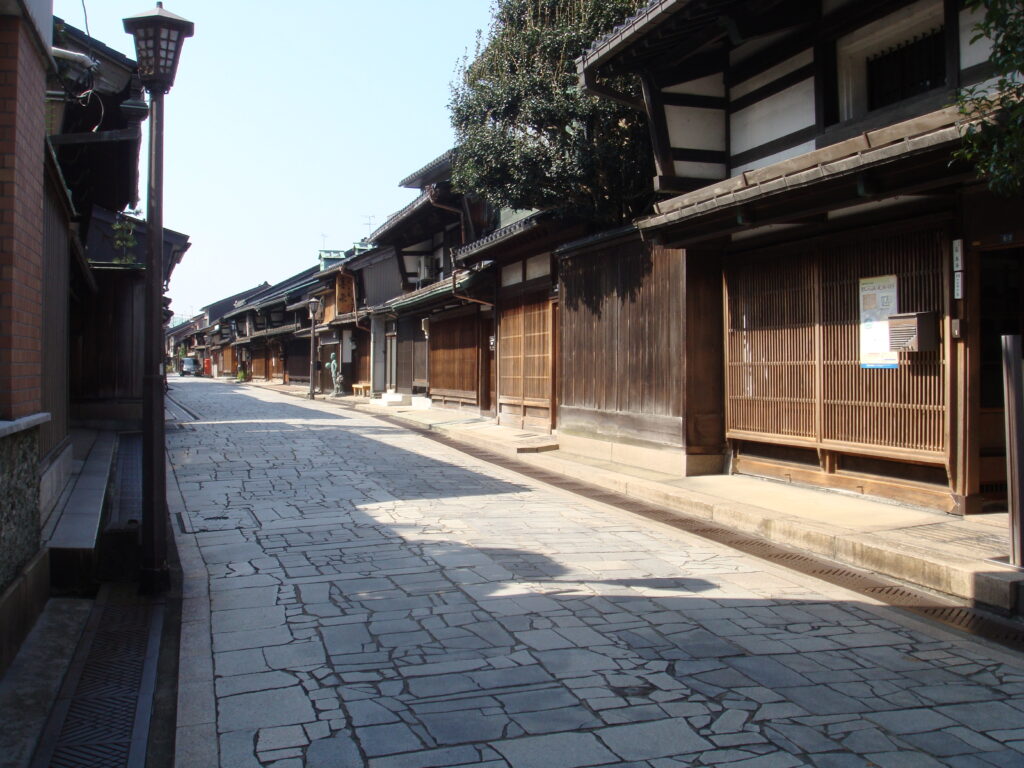
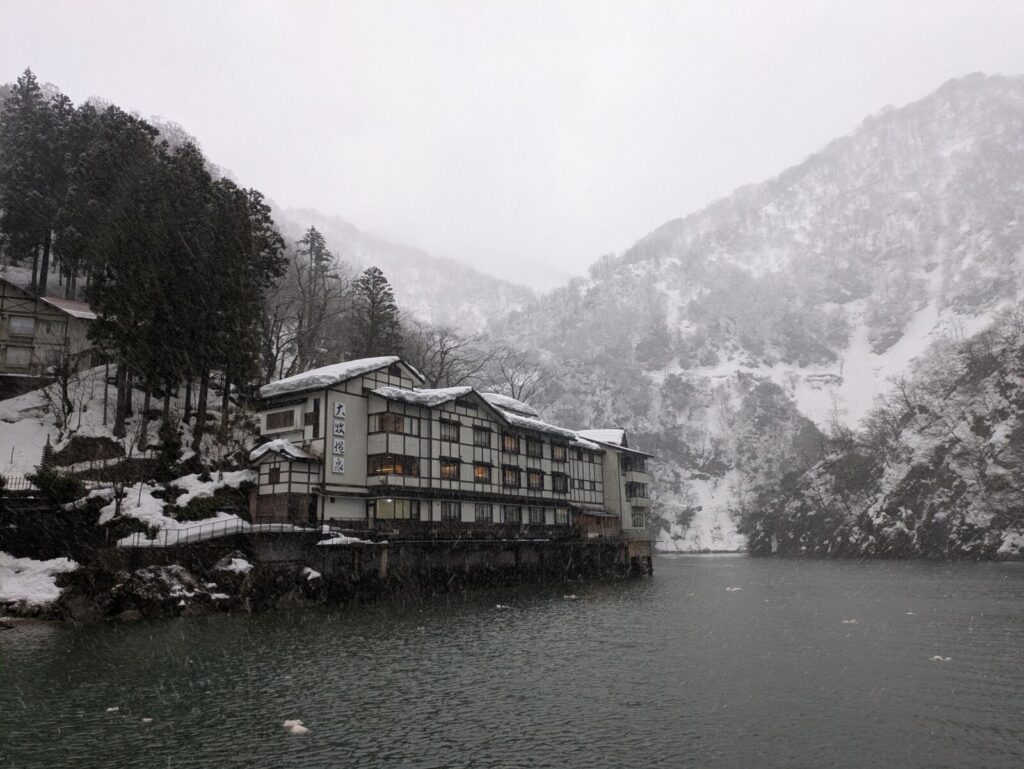
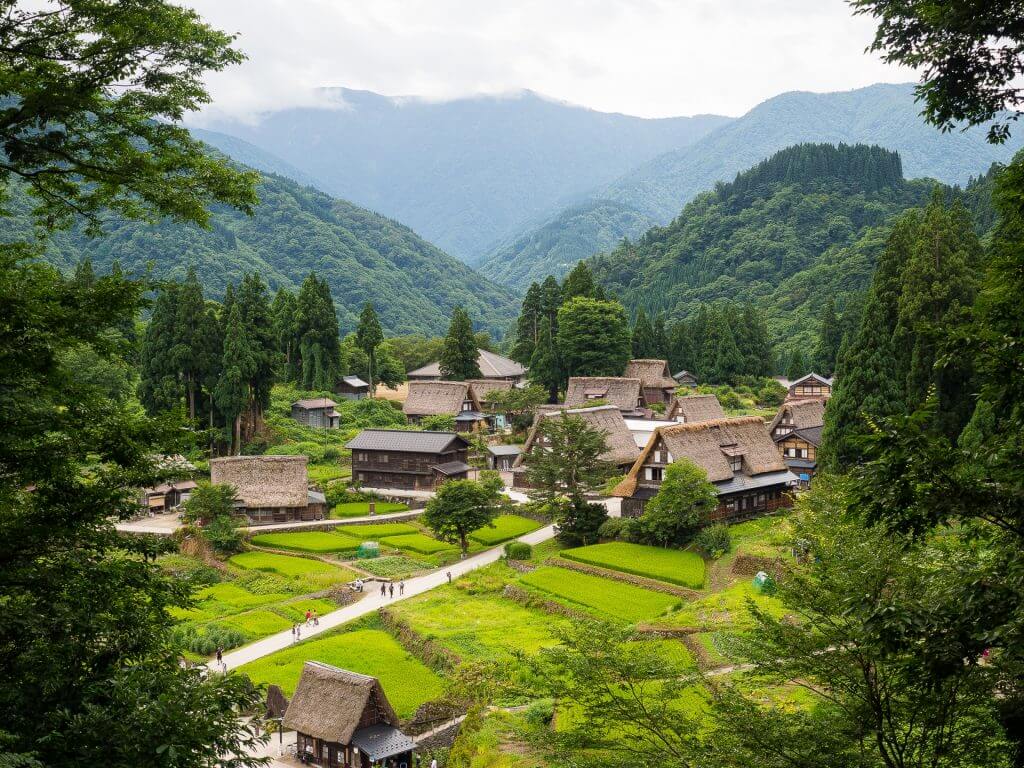
A major city of the powerful Maeda based out of Kanazawa, Takaoka and its environ has spectacular temples, crafts and natural scenery that are rarely visited by foreign tourists. The Japanese Heritage Sites of Zuiryuji and Shokoji Temple show off the money that used to flow through the region. Kanayamachi still houses the traditional metalworking industry that you can experience for yourself. The most famous sight is probably the Amaharashi coast with the beautiful Tateyama Mountains in the background. In the region there are further great things to see such as the Inami wood carving village, Shogawa River Cruise and the UNESCO World Heritage Site of Gokayama and its quaint thatch-roof house villages.

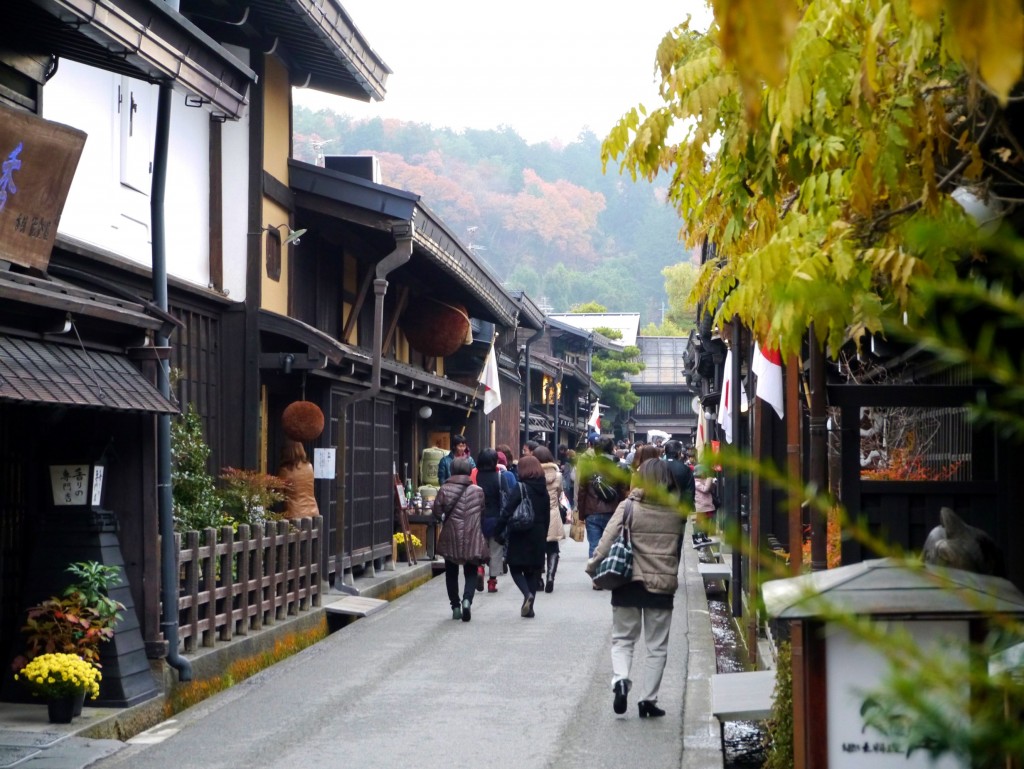
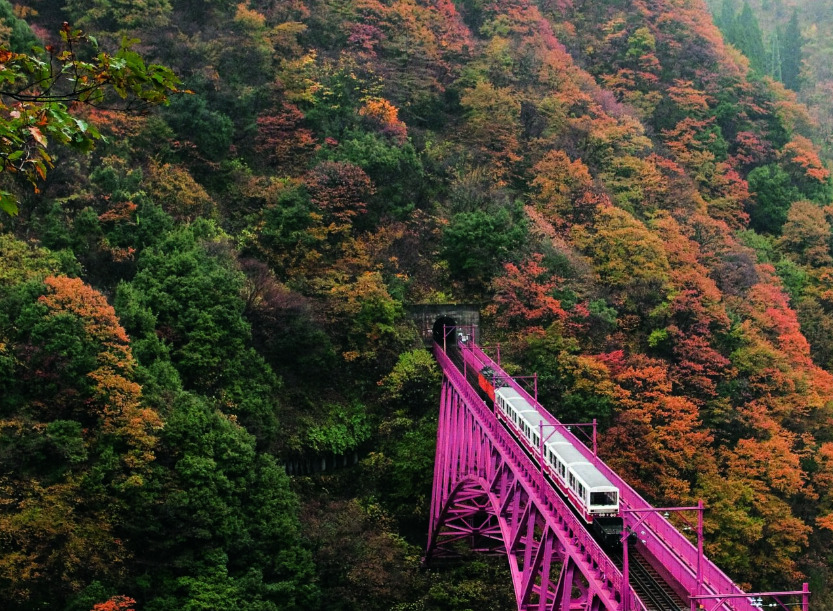
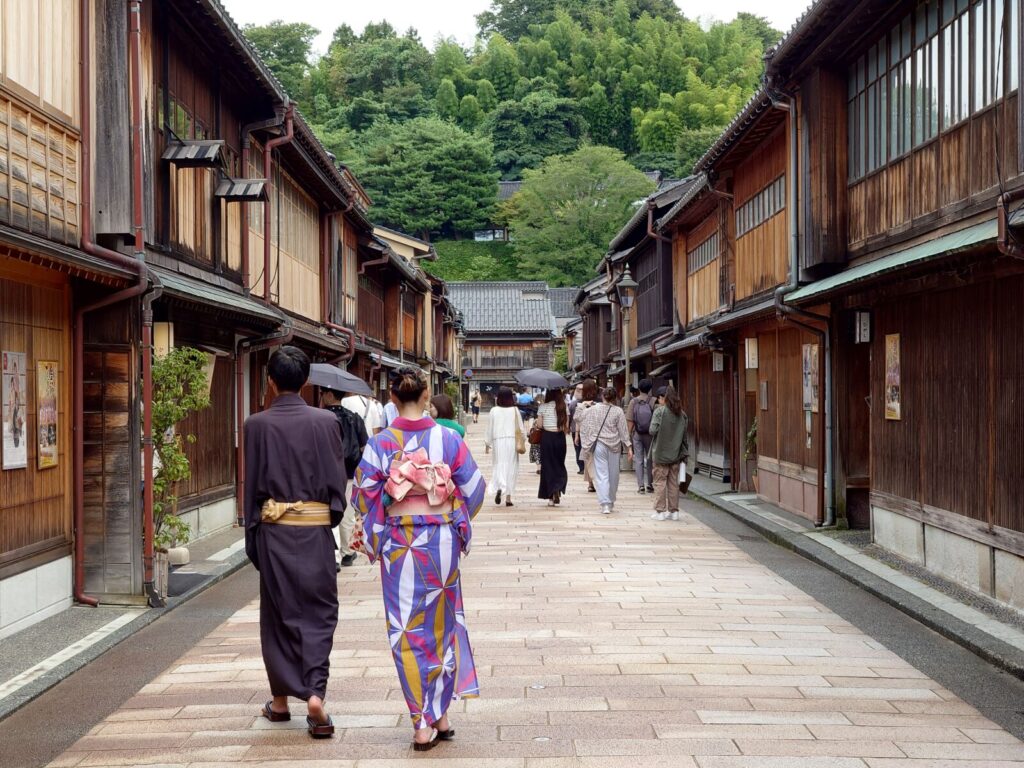

Going a bit further from Fukui City you'll find many other great cities and places to see. The samurai city of Kanazawa, another UNESCO thatched-roof house village of Shirakawago, the old town of Takayama, Eiheiji Temple, the Kurobe Gorge, the Tateyama-Kurobe Alpine Route and many other locations can easily be explored from Takaoka. Start here as a gateway to the entire Hokuriku region and beyond!
Where is Takaoka?
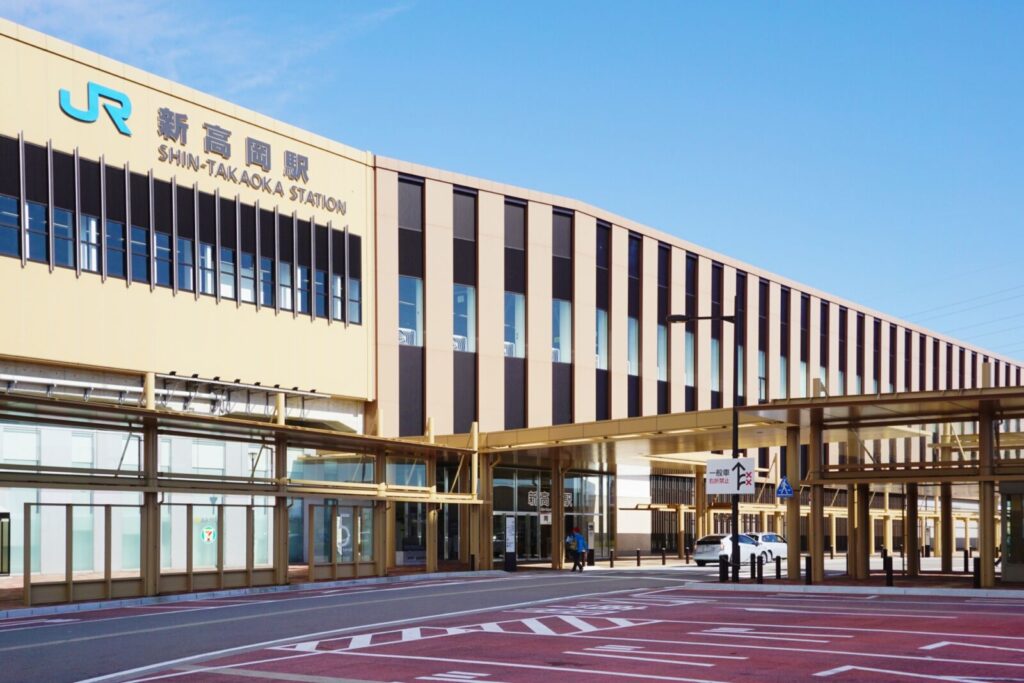
Sitting in the western part of Toyama Prefecture next to Ishikawa Prefecture and on the north coast of Japan, Takaoka is often skipped over by international visitors as they pass from the more famous cities of Kanazawa and Toyama. A stop on the Hokuriku Shinkansen, Takaoka (Shin-Takaoka Station) is still fighting for oxygen in an increasingly competitive tourism landscape, but has just as much to offer as many cities many times its size. For any visitor headed to Kanazawa or Toyama, it's worth considering a stop in Takoaka to enjoy all that has to offer.
15 Things to do in Takaoka
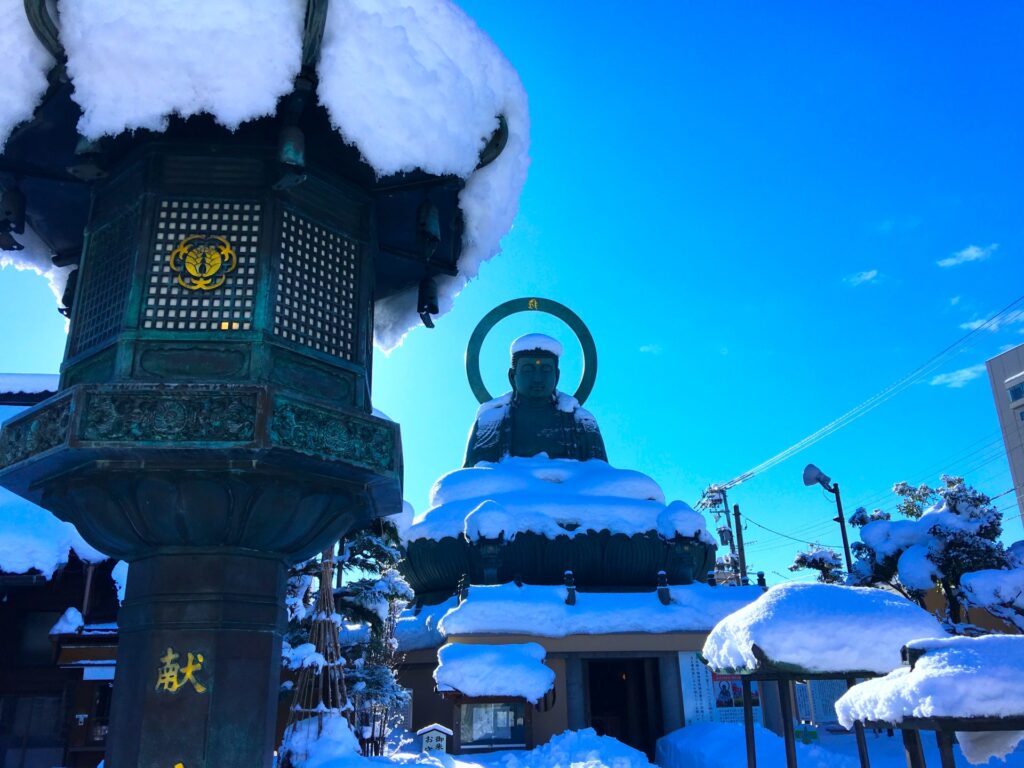
Takaoka is located on the north coast of Japan, a peaceful city far from the sprawling metropolises. This is a quiet region of Japan where you can enjoy traditional streets, historic towns, and a couple of the country's best destinations. Largely undiscovered by international visitors, the city is a gateway to the UNESCO World Heritage Site of Gokayama, renowned for its traditional gassho-zukuri farmhouses. The sprawling temple complex of Zuiryū-ji is as beautiful and inspiring as it is historically important. With other intriguing attractions and a historic metal casting tradition, Takaoka is quietly confident in its ability to impress! Let's start with an attraction great for guests of all ages: the Takaoka Great Buddha.
1 / Amaharashi / all year round
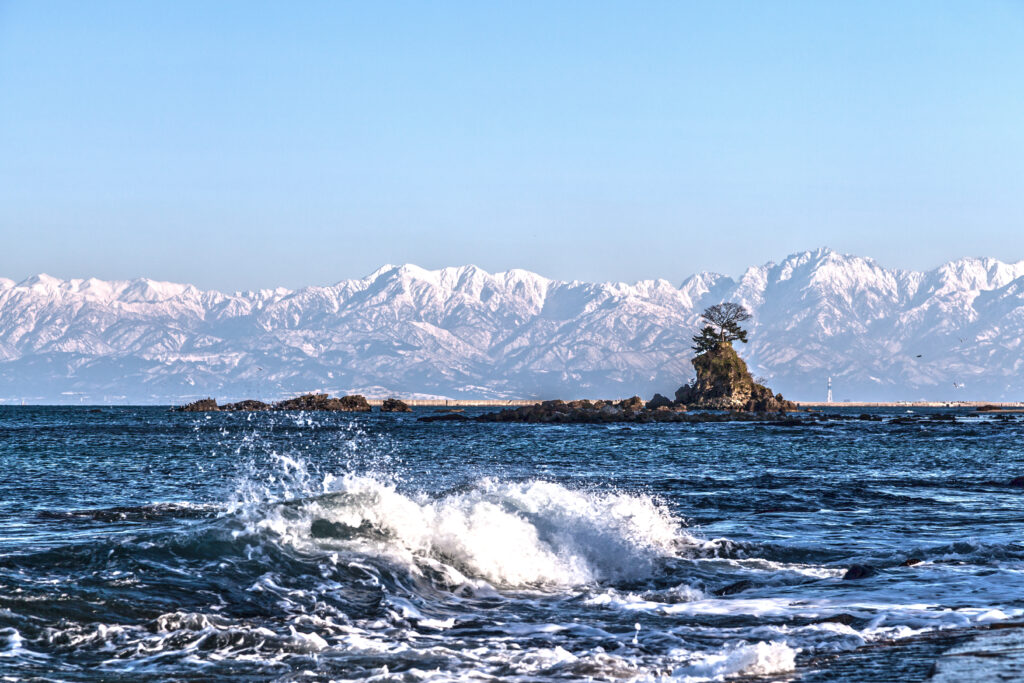
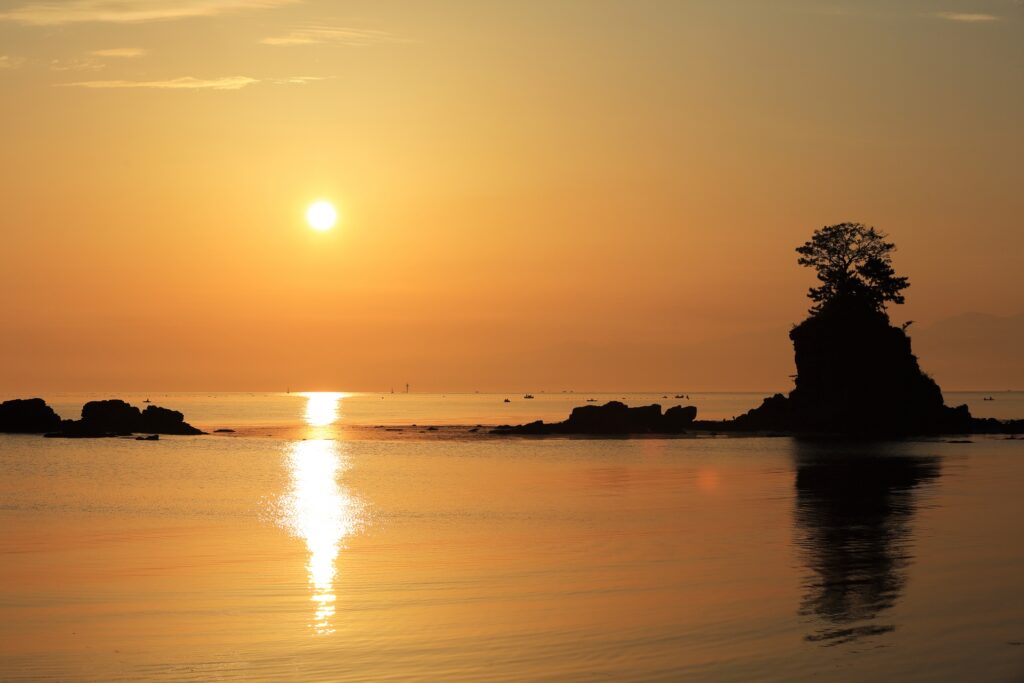
Amaharashi is a coastal area famous for its dramatic scenery, offering a rare view of the Tateyama mountain range appearing to float above the sea on clear days. Its name, which means "clearing after the rain," is rooted in a legend involving the samurai Minamoto no Yoshitsune, who is said to have waited here for a storm to pass. This stunning combination of a beautiful seascape and historical lore makes it a designated scenic spot and a popular destination for photographers and visitors.
If you need help reaching Amaharashi, check out our page on the JR Himi Line which runs to this area!
Interested in a relaxing bus ride around the region? Join us on our tour where we will explore some of the most famous spots in the area including Amaharashi, the Great Buddha and the Shogawa River Cruise! Check it out below!
Small Group
1 Day Tour from Kanazawa: Beautiful Amaharashi, A Big Buddha and the Shogawa Valley River Cruise
2 / Zuiryuji Temple / all year round
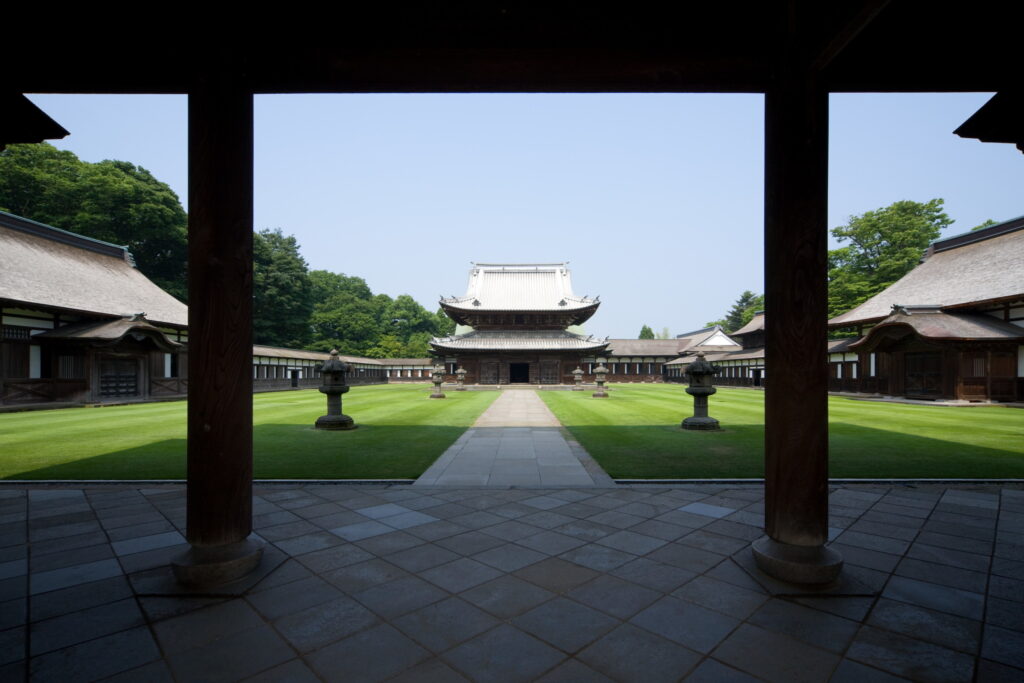
Zuiryū-ji Temple is a stunning example of Zen Buddhist architecture, originally built as the family temple of the Maeda clan to honor the second lord, Maeda Toshinaga. Constructed over a period of about 20 years during the early Edo period, the temple's expansive layout and meticulously preserved buildings, including its magnificent main gate and Buddha hall, reflect the immense power and wealth of the ruling family. Designated a National Treasure of Japan, the temple stands as one of the most significant cultural and historical landmarks in the Hokuriku region.
If you are looking for someone to bring you around this wonderful temple as well as other spots in Takaoka, join us for a tour! You'll see Zuiryuji Temple, the Great Buddha, Shokoji Temple, and Amaharashi, as well as try metalworking for yourself. Check it out below!
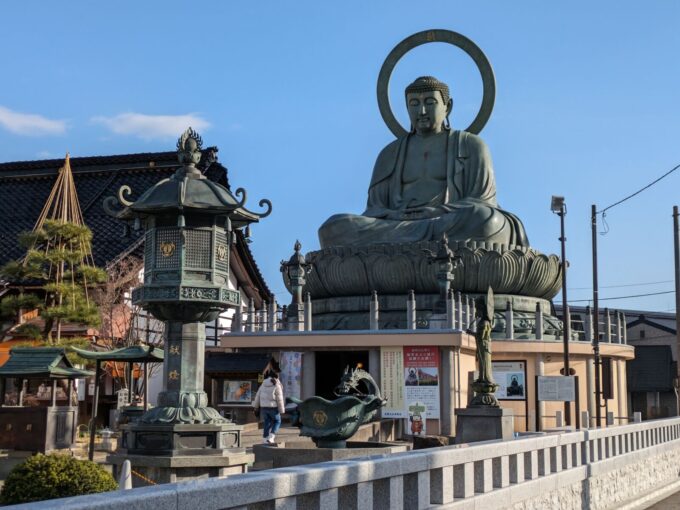
3 / Takaoka Great Buddha / all year round
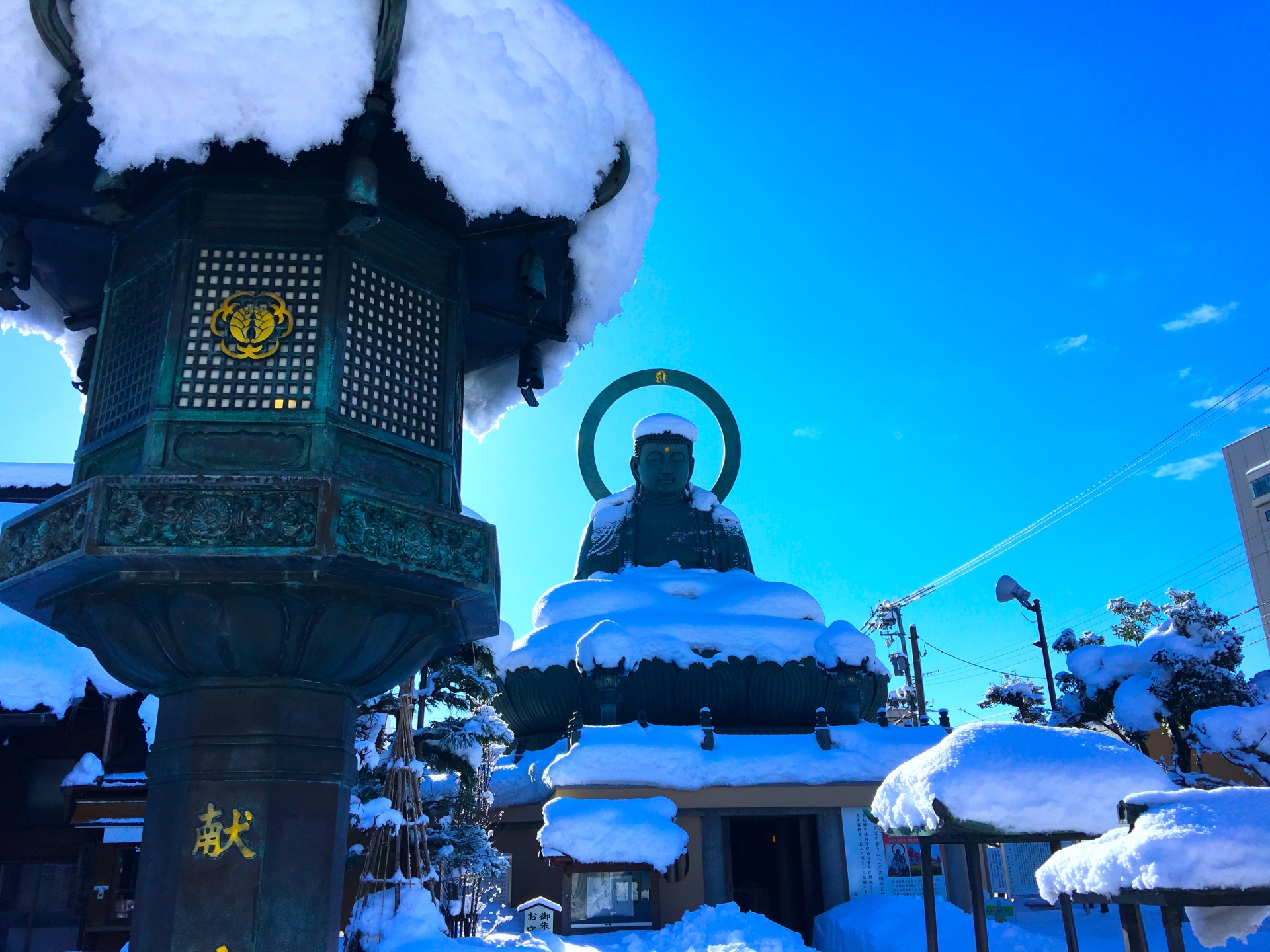
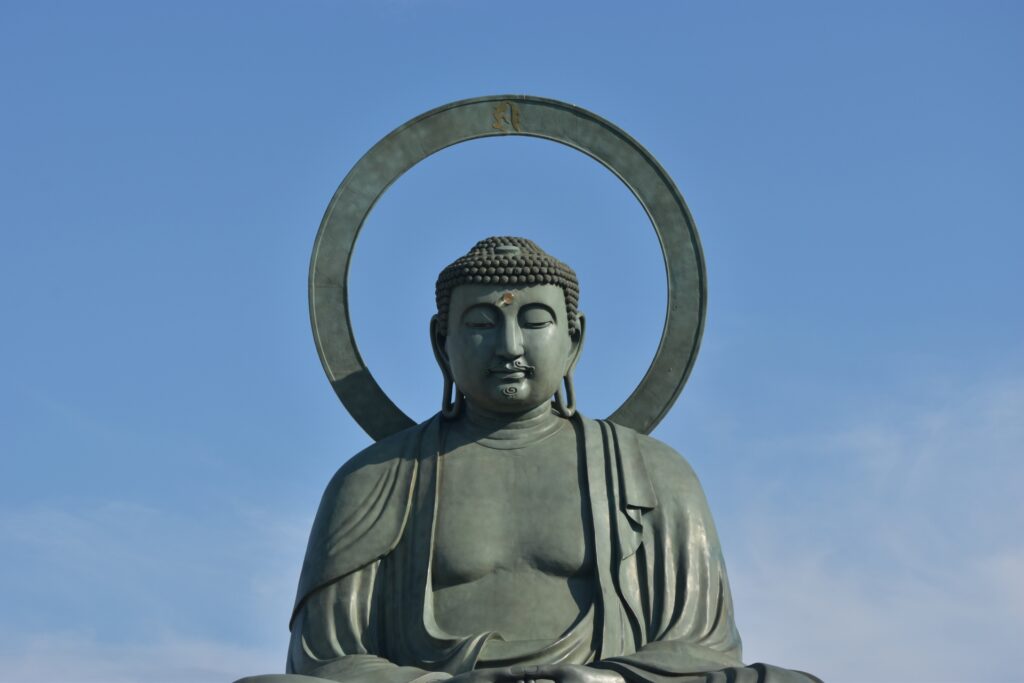
The Takaoka Great Buddha is a magnificent bronze statue that is considered one of Japan's three greatest Buddha statues. The current statue was completed in 1933, replacing an earlier wooden version that had been destroyed by fire. Local residents and craftsmen, known for Takaoka's metal casting tradition, raised the funds and created the statue, which stands as a symbol of the city's celebrated craftsmanship and devotion.
4 / Kanayamachi / all year round
Kanayamachi is a historic district in Takaoka, known for its well-preserved traditional streetscape and a long history rooted in the metal casting industry. The area was originally established in the early Edo period by the Maeda clan to foster the local metalworking trade. Today, visitors can still see many of the traditional lattice-fronted houses and explore shops where craftsmen continue to practice the centuries-old techniques of metal casting.
5 / Shokoji Temple / all year round
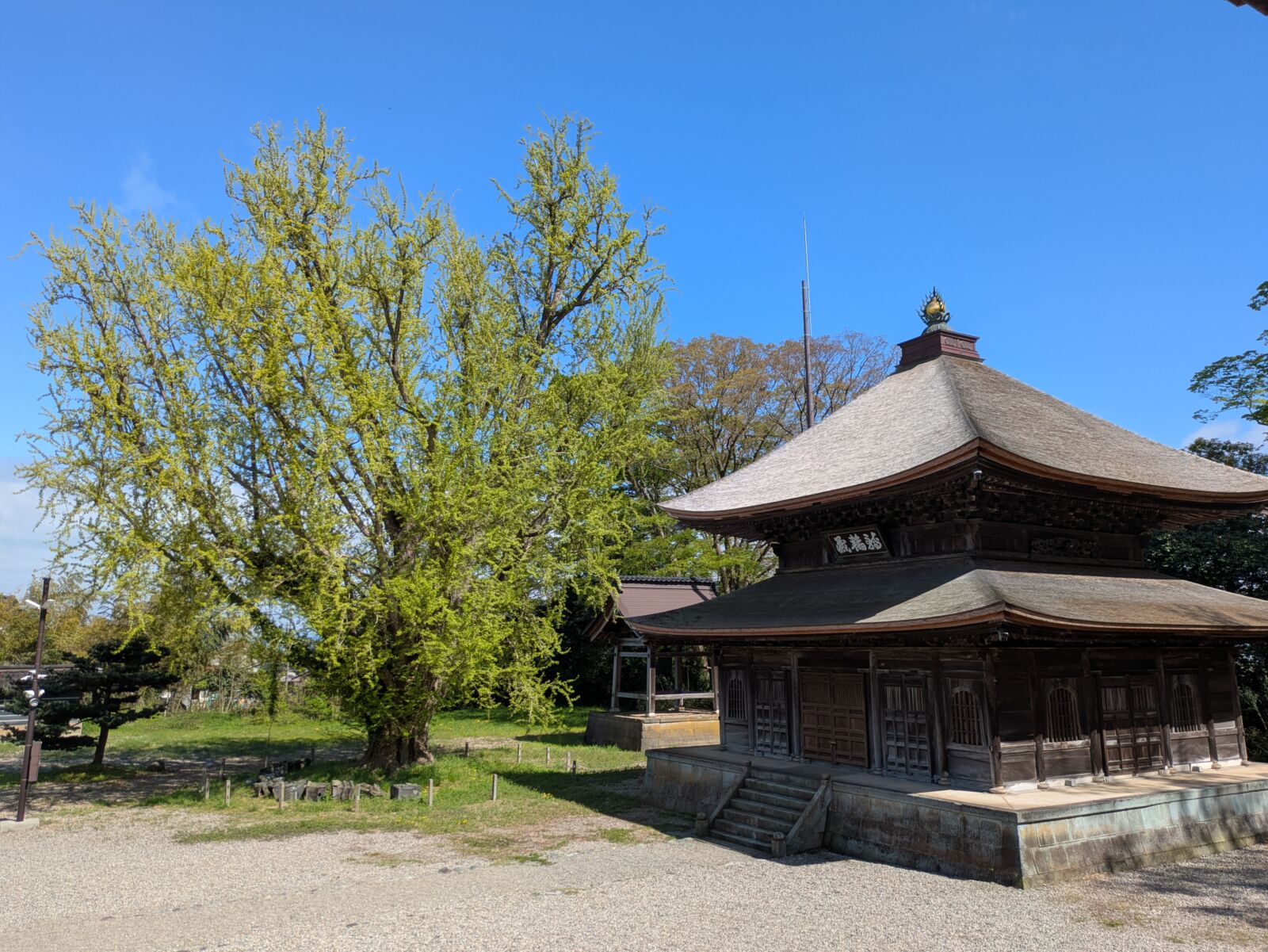
Shokoji Temple, designated a National Treasure in 2022, is a historically significant Buddhist temple in Toyama Prefecture with roots dating back to 1471. It was founded by the prominent monk Rennyo and later gained the patronage of the powerful Maeda clan, which allowed it to flourish. The temple's grand scale and meticulously restored buildings are a testament to the wealth and influence it commanded throughout the Edo period.
6 / Gokayama / all year round
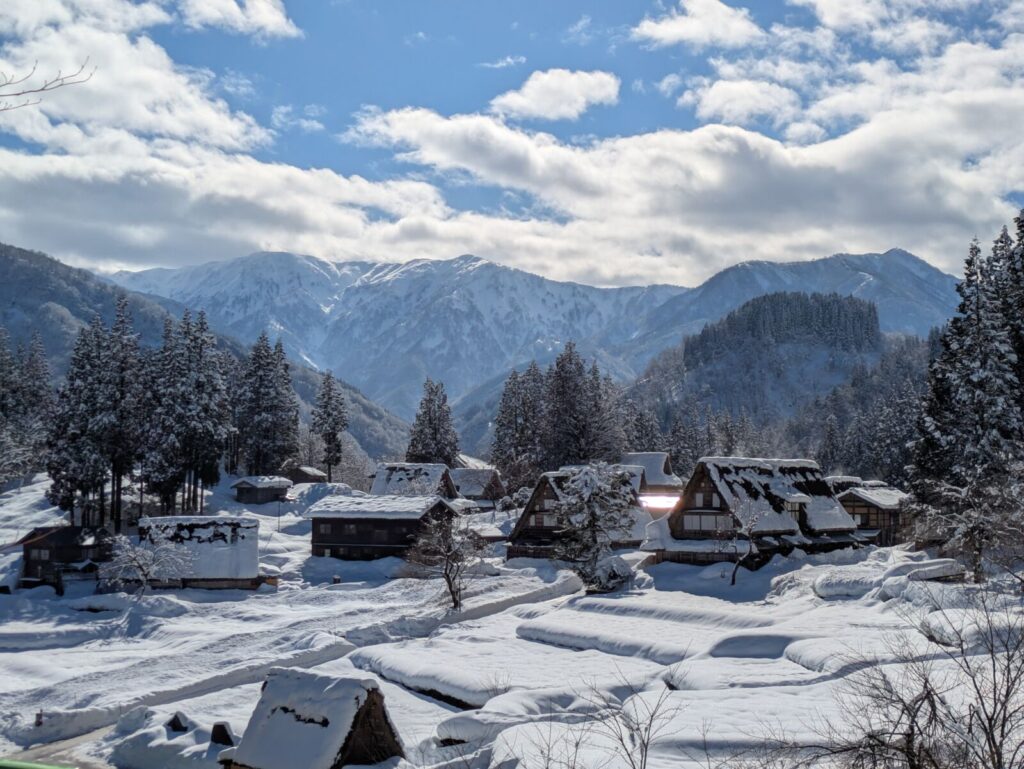
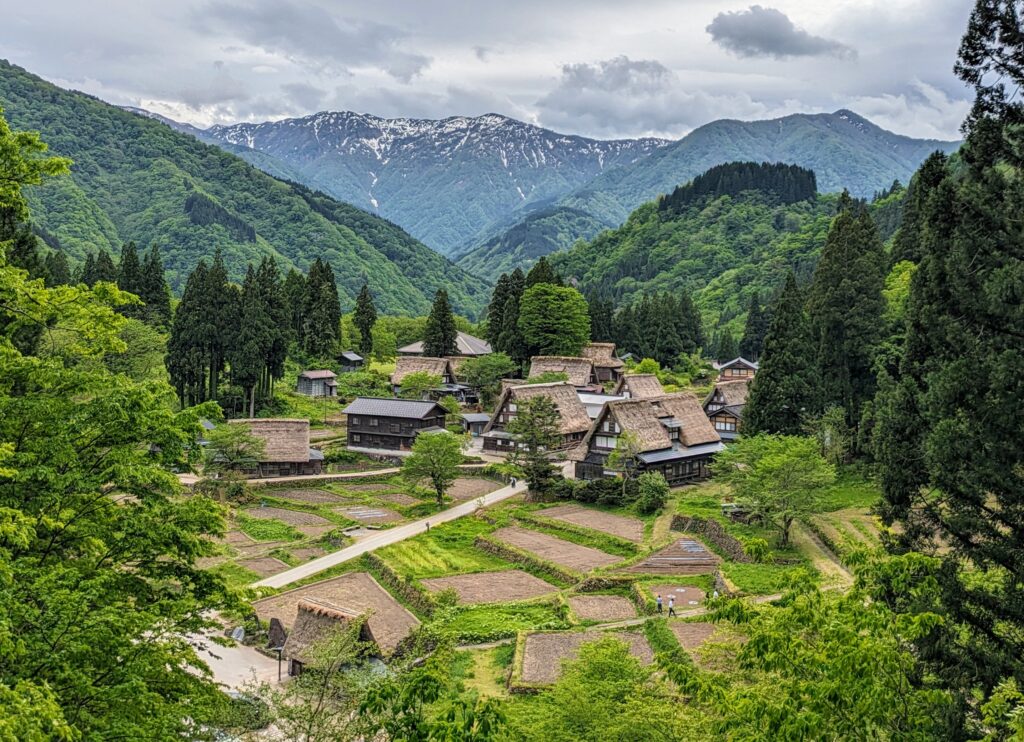
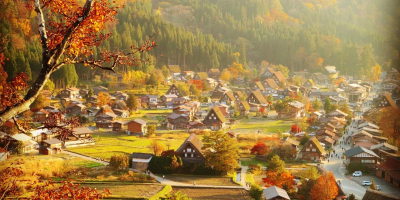
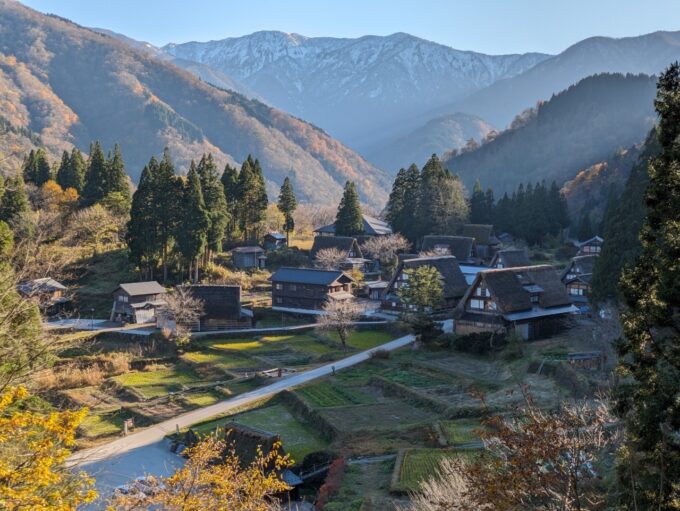
Gokayama is a remote, mountainous region in Nanto, Toyama, famous for its unique gassho-zukuri (praying hands style) farmhouses, which are a designated UNESCO World Heritage Site. These distinctive steep-roofed houses were built to withstand the heavy snowfall of the region and were historically used for cultivating silkworms. The villages of Ainokura and Suganuma in Gokayama are particularly well-preserved, offering visitors a rare glimpse into a traditional way of life that has existed for centuries.
This area can be a bit difficult to access and then combine with other sites on the day. To make it easy, join our tour that goes to the famous wood carving village of Inami, try some paper-making in Gokayama and walk though the traditional village of Shirakawago, all in one day. Check it out below!
Best Selling
1 Day Tour from Kanazawa: Shirakawa-go, Gokayama and Wood Carving Village
- Spots:
- KanazawaShirakawago
- Pick-up:
- Kanazawa
- Drop-off:
- KanazawaTakayama
7 / Inami / all year round
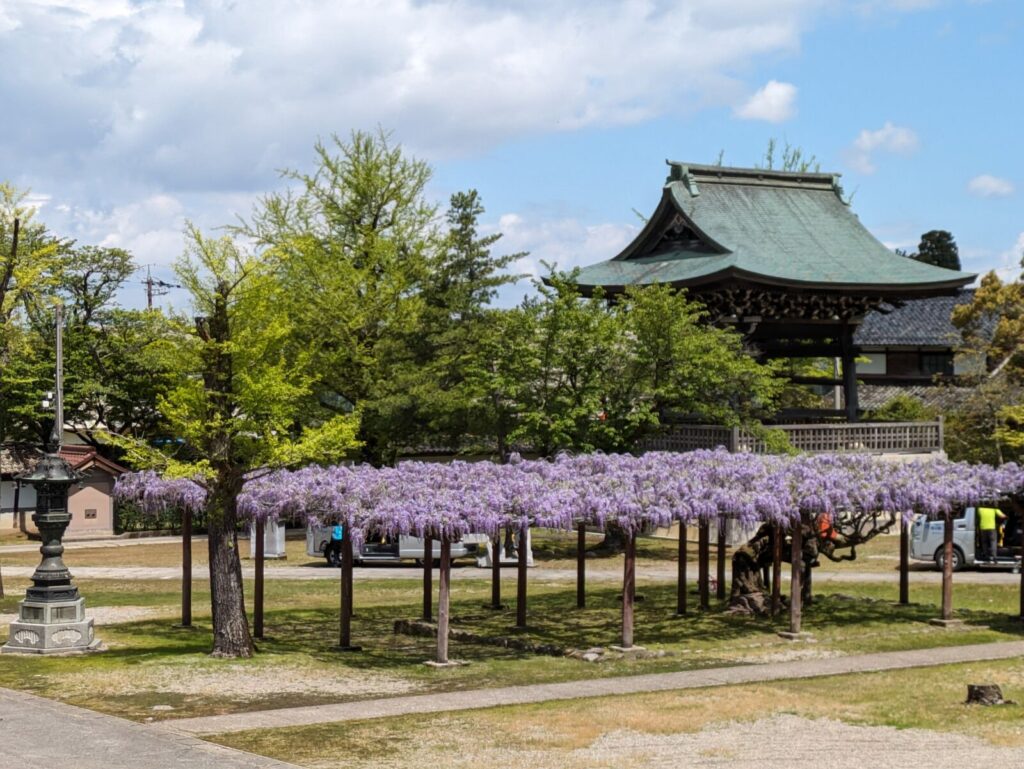
Inami is a town famous for its woodcarving tradition, which began in the mid-18th century when craftsmen were brought in from Kyoto to help rebuild Zuisenji Temple after a fire. The local carpenters who learned from these masters developed the unique "Inami style" of carving, which is now a celebrated local craft. This history is visible throughout the town, where intricate woodcarvings adorn temple buildings and even modern structures, earning it the nickname "town of carvers."
This area can be a bit difficult to access and then combine with other sites on the day. To make it easy, join our tour that goes to the famous wood carving village of Inami, try some paper-making in Gokayama and walk though the traditional village of Shirakawago, all in one day. Check it out below!
Best Selling
1 Day Tour from Kanazawa: Shirakawa-go, Gokayama and Wood Carving Village
- Spots:
- KanazawaShirakawago
- Pick-up:
- Kanazawa
- Drop-off:
- KanazawaTakayama
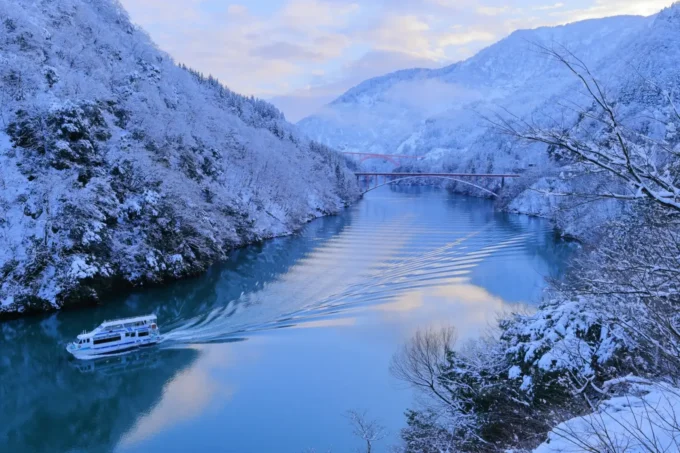
8 / Shogawa River (Cruise) / all year round
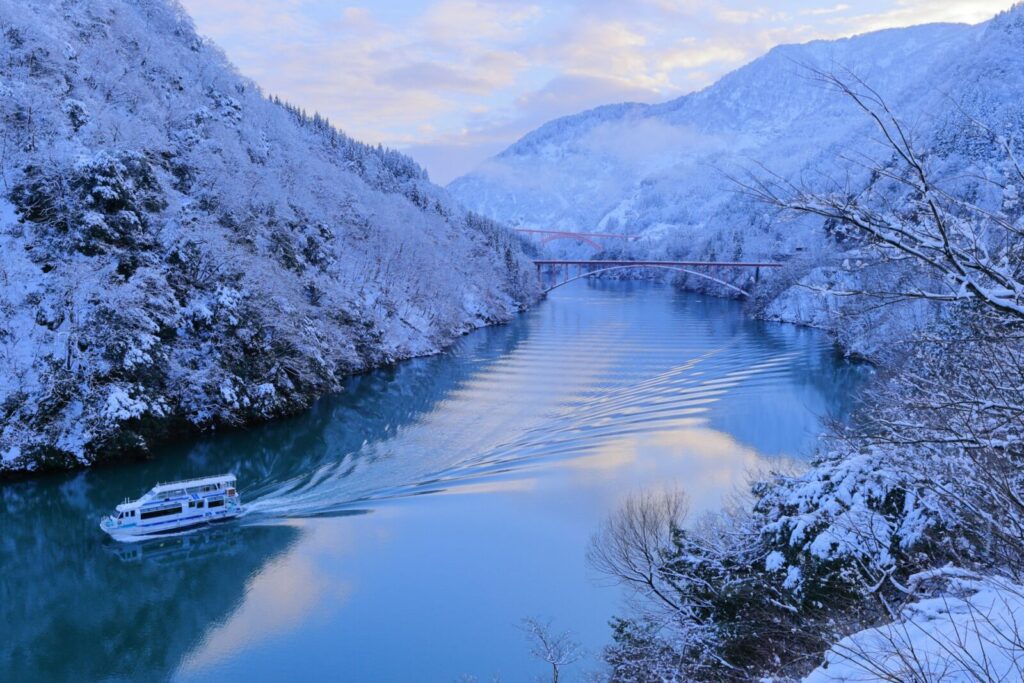
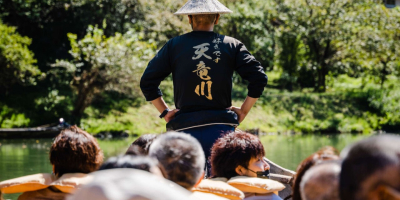
The Shogawa River originates in the Hida Mountains and flows through the historic Gokayama region, with its waters historically used for irrigation and power. The Shogawa River Cruise navigates the river's man-made Lake Komaki, which was created by a dam in the early 20th century, offering a scenic journey through deep gorges and steep cliffs. The cruise is a popular way to appreciate the area's natural beauty, providing views of the remote landscapes that have helped preserve the traditional culture and architecture of the UNESCO World Heritage Site of Gokayama.
Small Group
1 Day Tour from Kanazawa: Beautiful Amaharashi, A Big Buddha and the Shogawa Valley River Cruise
9 / Toyama City / all year round
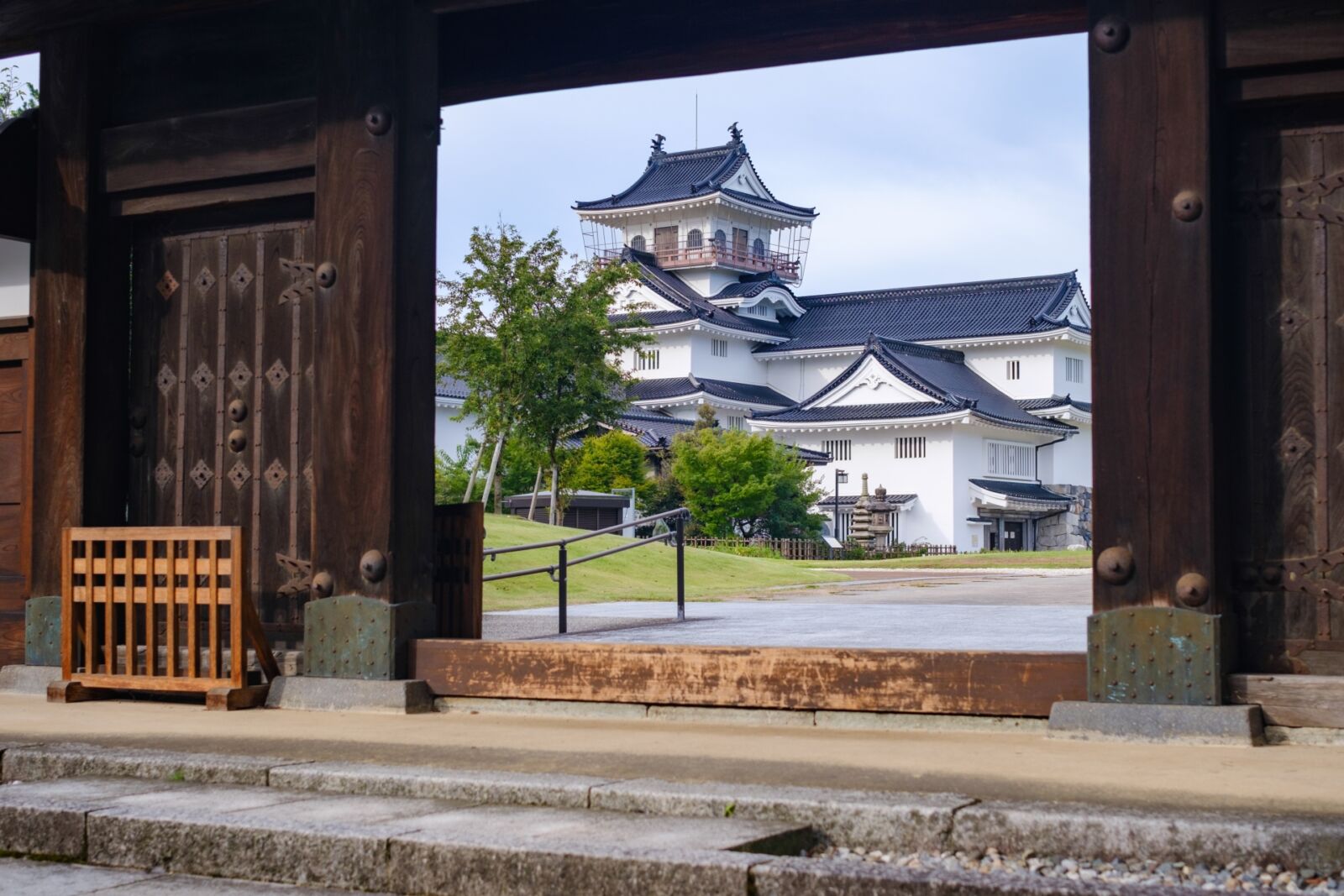
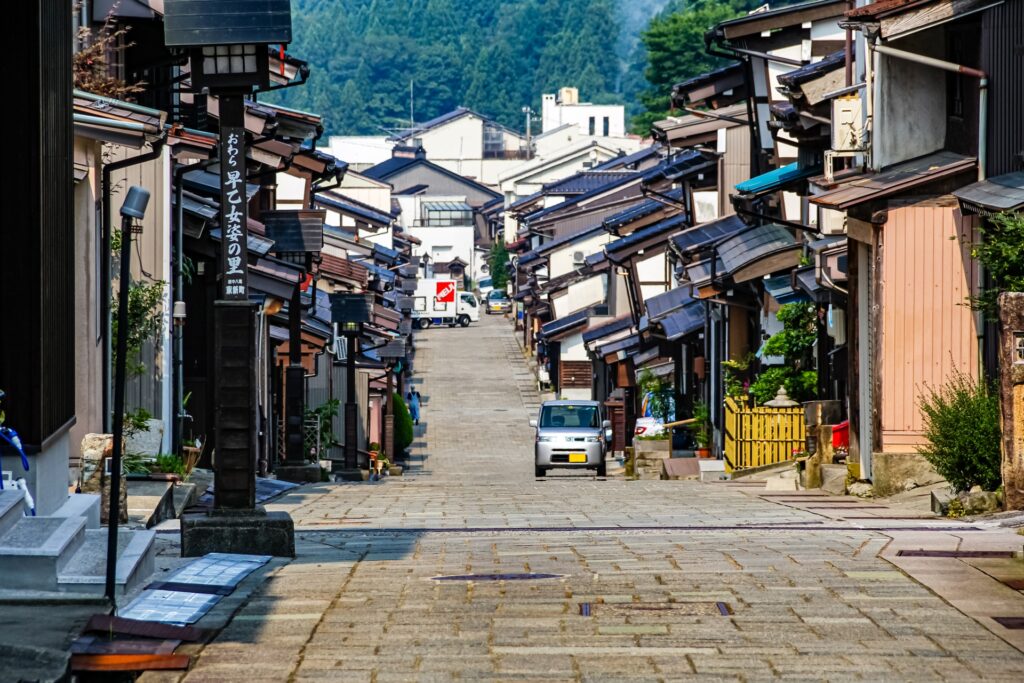
Toyama City serves as the prefectural capital and a central hub, with the historic district of Ecchu Yatsuo nestled in its mountainous outskirts. Originally a prosperous trading town on the Silk Road, Ecchu Yatsuo's history is reflected in its beautifully preserved traditional houses and narrow, sloping streets. The area is most famous for the annual Owara Kaze no Bon festival, a quiet and elegant event where dancers perform a somber dance through the town's streets to traditional music.
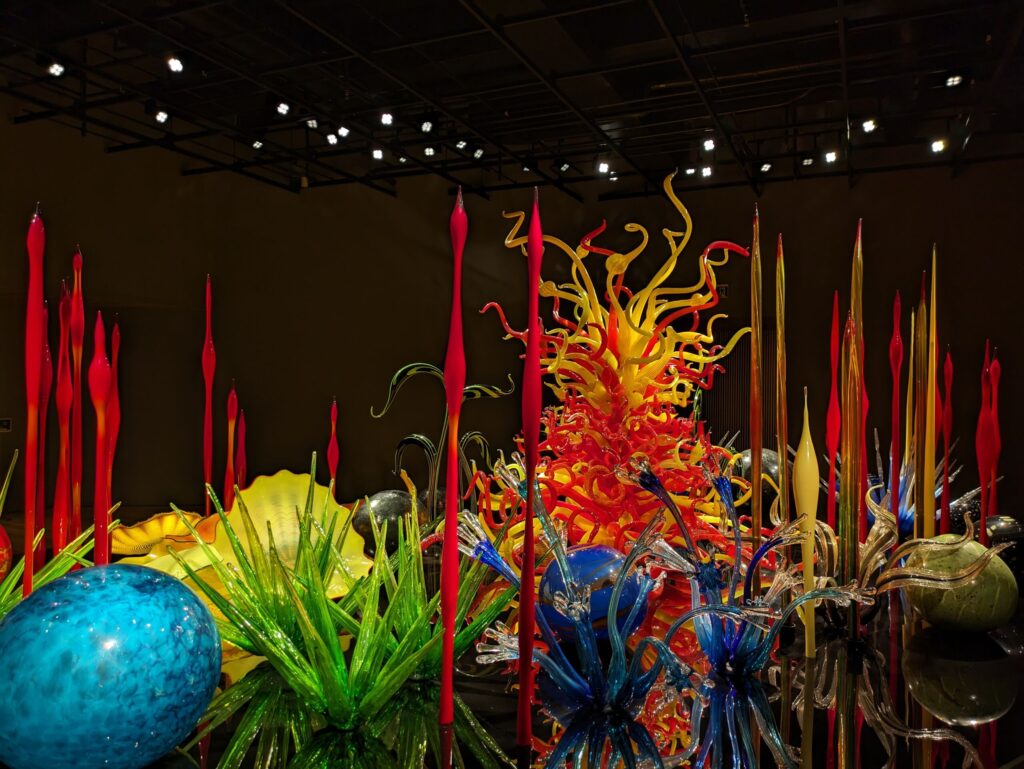
Looking to get a guided tour of the city? Below you can see our tour that gets that great view of the mountains, walk through Toyama Castle, enter a traditional medicine shop and enjoy the Glass museum, all in the morning. In the afternoon explore the traditional streetscapes of Ecchu Yatsuo!
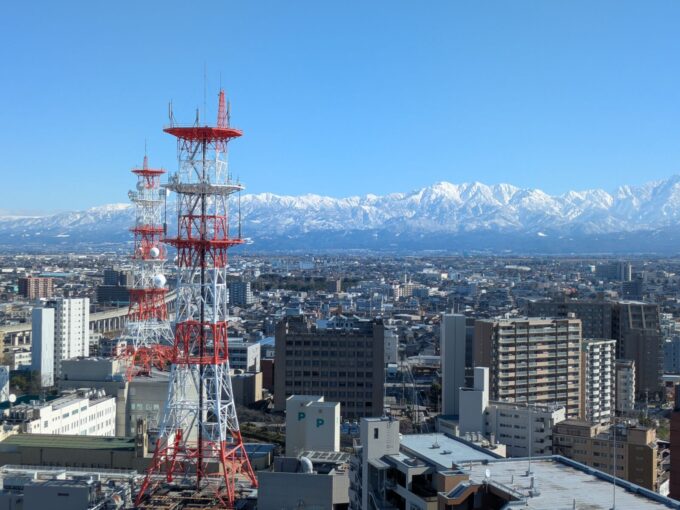
10 / Tateyama-Kurobe Alpine Route / Best: Spring & Fall
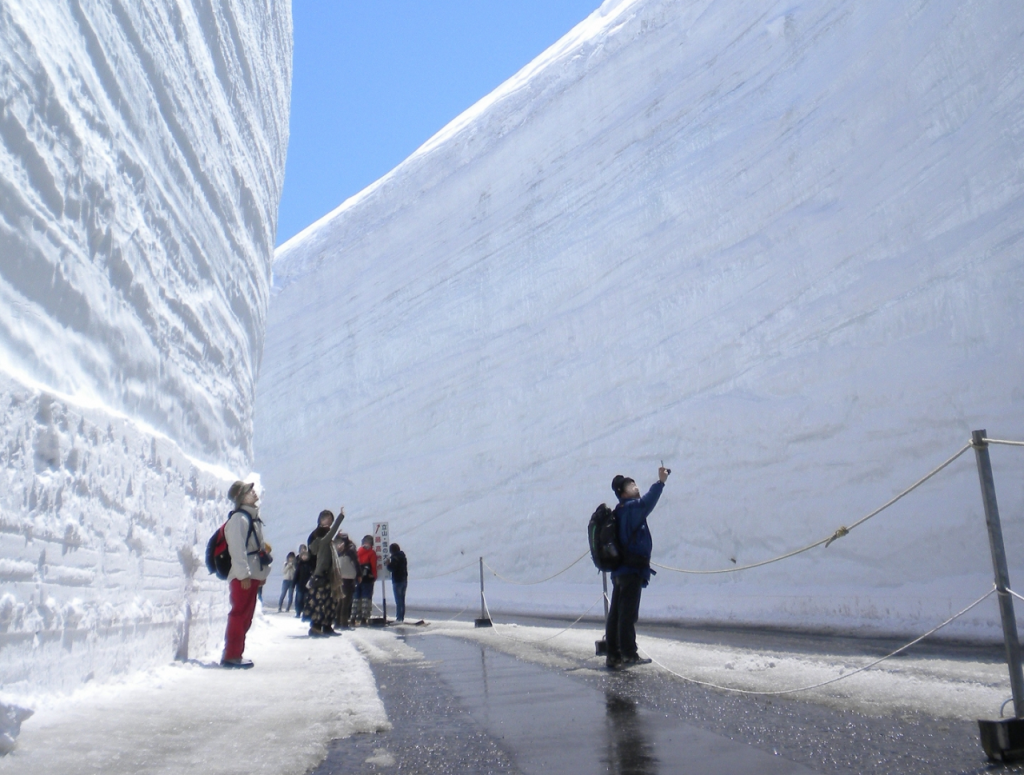
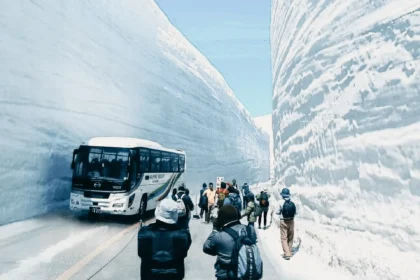
The Tateyama Kurobe Alpine Route was originally developed for the construction of the Kurobe Dam, a massive hydroelectric project in the mid-20th century. This challenging engineering feat transformed the remote, alpine landscape into a unique sightseeing route that opened to the public in 1971. Today, it is famous for its diverse series of mountain transportation, from cable cars and ropeways to trolley buses, offering a spectacular journey through the breathtaking "Roof of Japan."
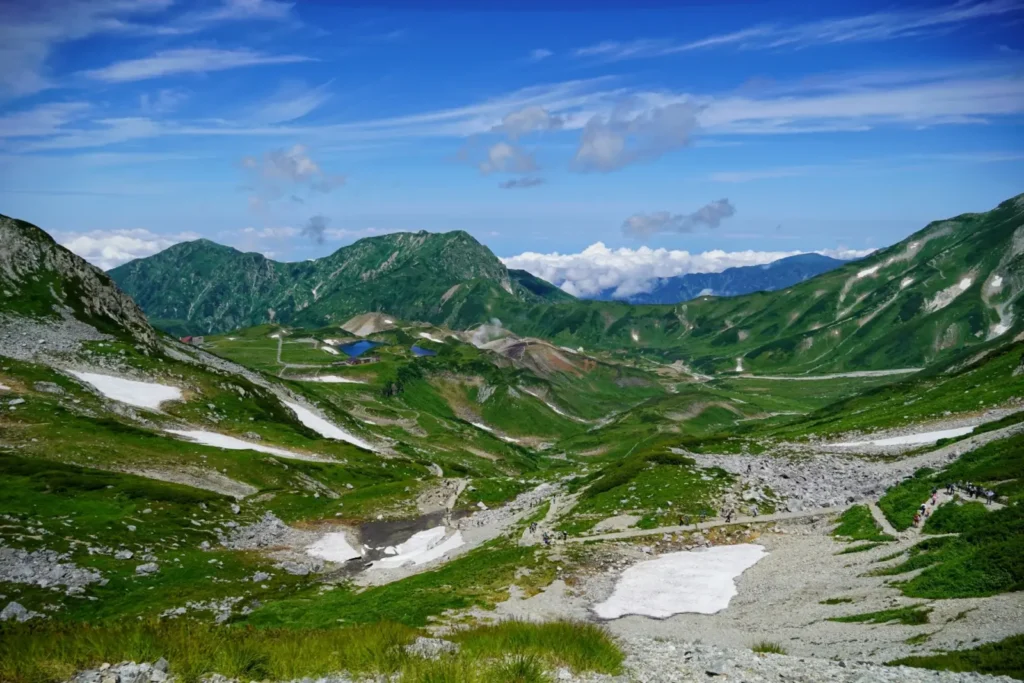
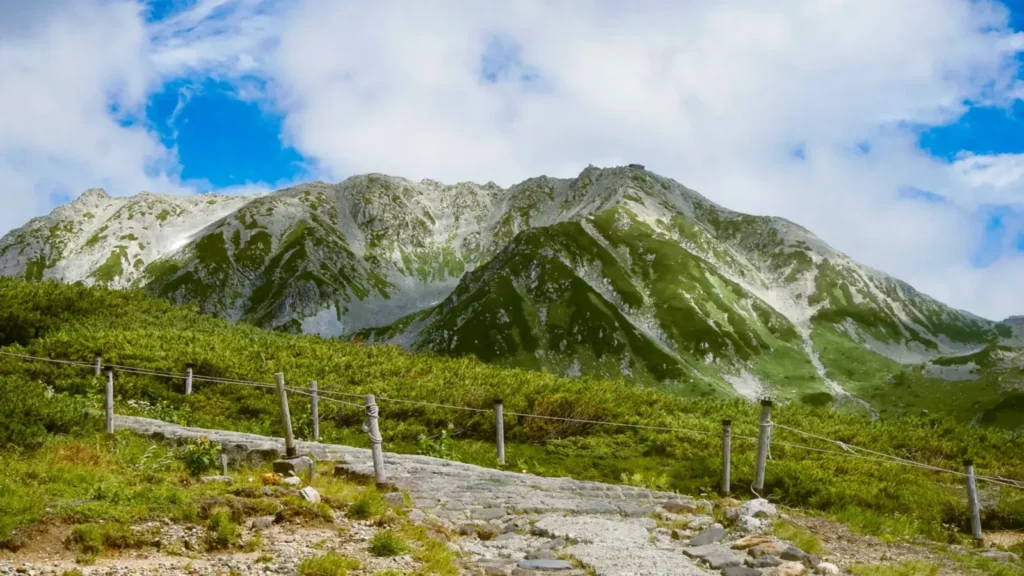
The journey up to the top can be difficult with many transfers, but if you want amore direct route up to the top join us for a Snow Wall tour in May and June! During the sumemr months you can explore Shomyo Falls, walk around the Midagahara Plateau and relax at the top of the mountain at Murodo. Check them out below!

Recommended
1 Day Tour from Kanazawa or Toyama: Tateyama Alpine Route Snow Wall and Mysterious Valley
Small Group
[Summer/Fall Only] From Kanazawa: Shomyo Falls, Light Alpine Hikes and Tateyama Mountain's Majesty
- Spots:
- KanazawaAlpine Route
- Pick-up:
- Kanazawa
- Drop-off:
- Kanazawa
11 / Kanazawa / Best: Spring & Fall
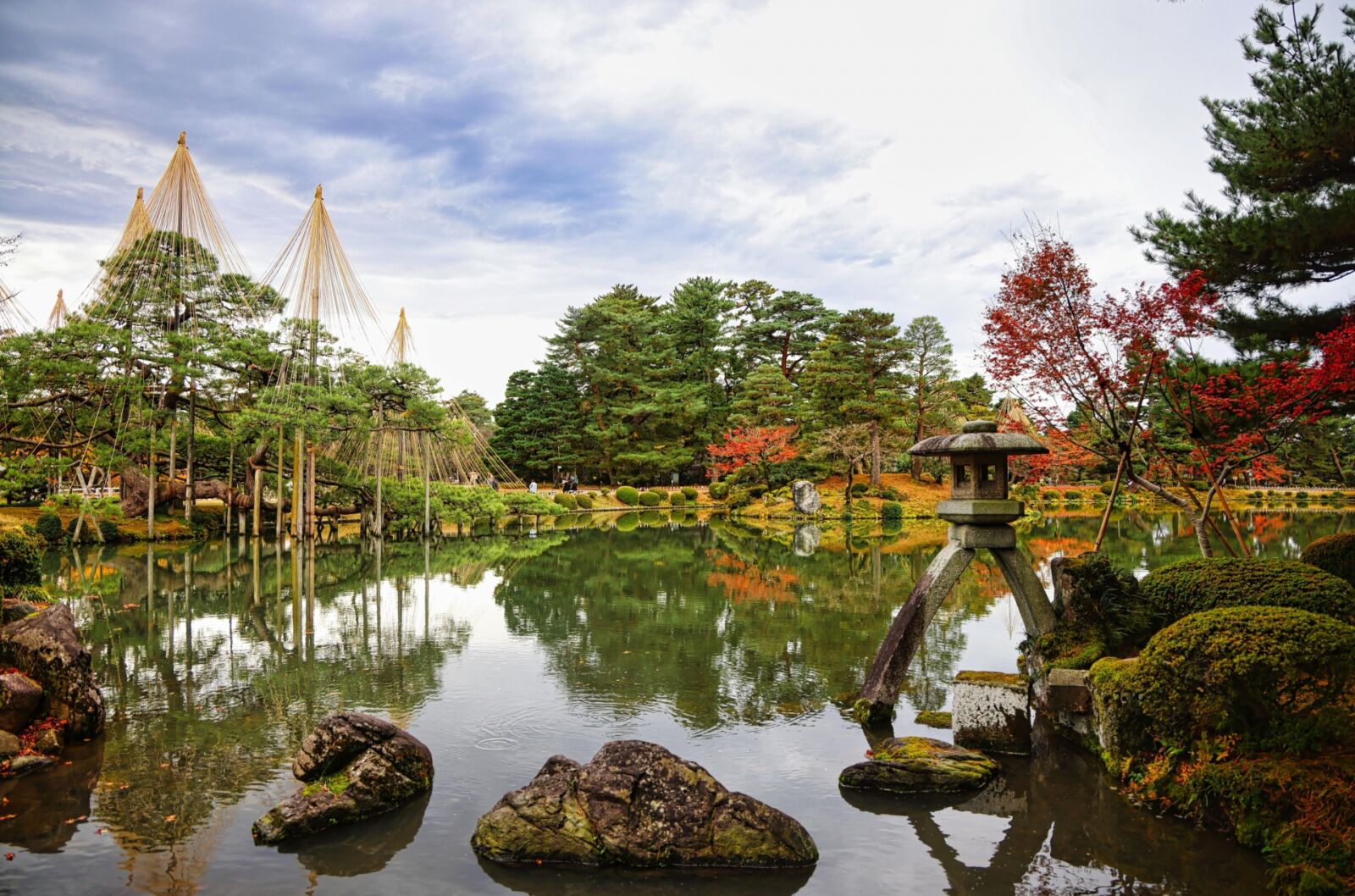
Kanazawa flourished during the Edo period as the seat of the powerful Maeda clan, making it one of Japan's most important castle towns, rivaling Kyoto and Edo in its cultural wealth. The city was remarkably spared from bombings during World War II, allowing many of its historic districts, like the samurai and geisha quarters, to remain beautifully preserved. This unique history has allowed Kanazawa to become a modern cultural hub that seamlessly blends its rich traditions of art, craftsmanship, and gardens with contemporary city life.
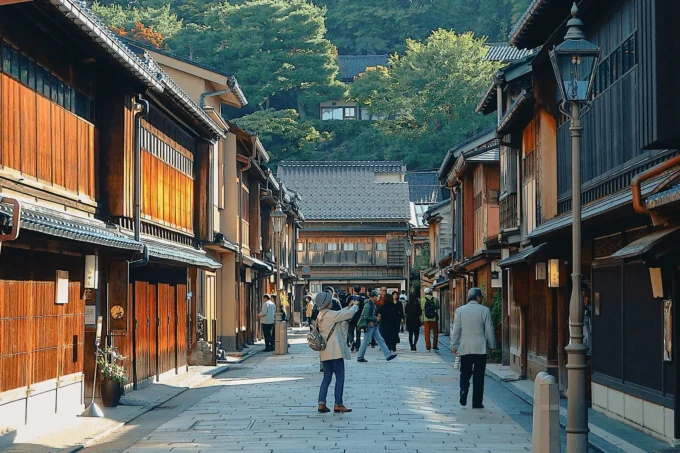
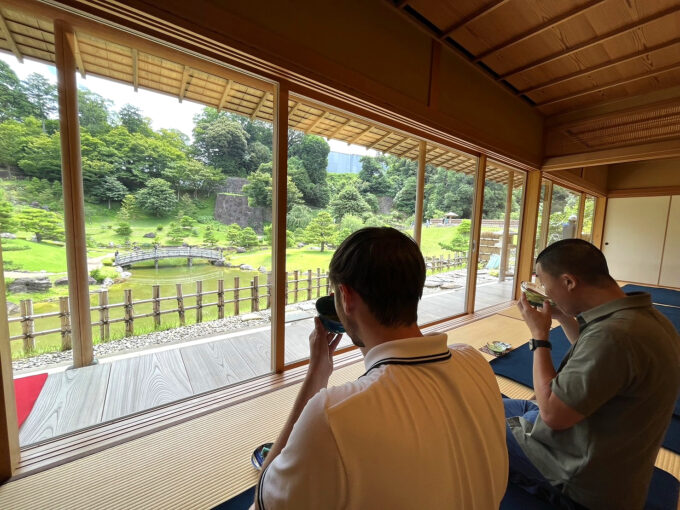
And a tour is the best way to dive deep into the history of the city. Walk around the Higashi-Chaya Teahouse District, stroll through the famous Kenrokuen Garden, slip into the past at one of the daimyo's wife's villa named Seisonkaku, see Kanazawa Castle and marvel at a weird mish-mash of Japanese and Western styles at Oyama Shrine.
The second tour goes to the Nagamachi Samurai District in addition to most of the places mentioned above, making it more walking but being able to see even more. It doesn't go to Seisonkaku.
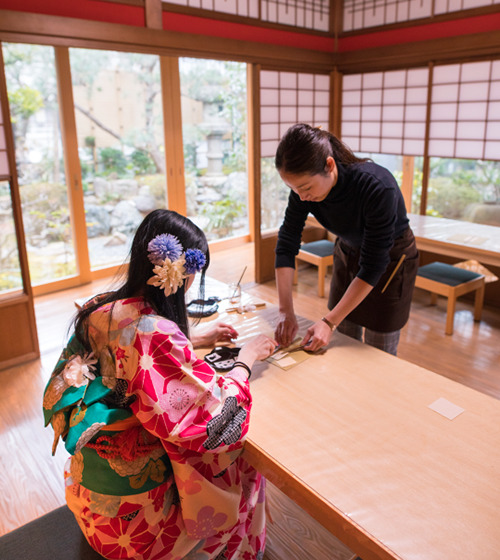
The third tour focus on experiences. You can try applying gold leaf, making Jpaanese sweets and throwing ninja stars! Check them out below!
12 / Kurobe Gorge / Best: Fall
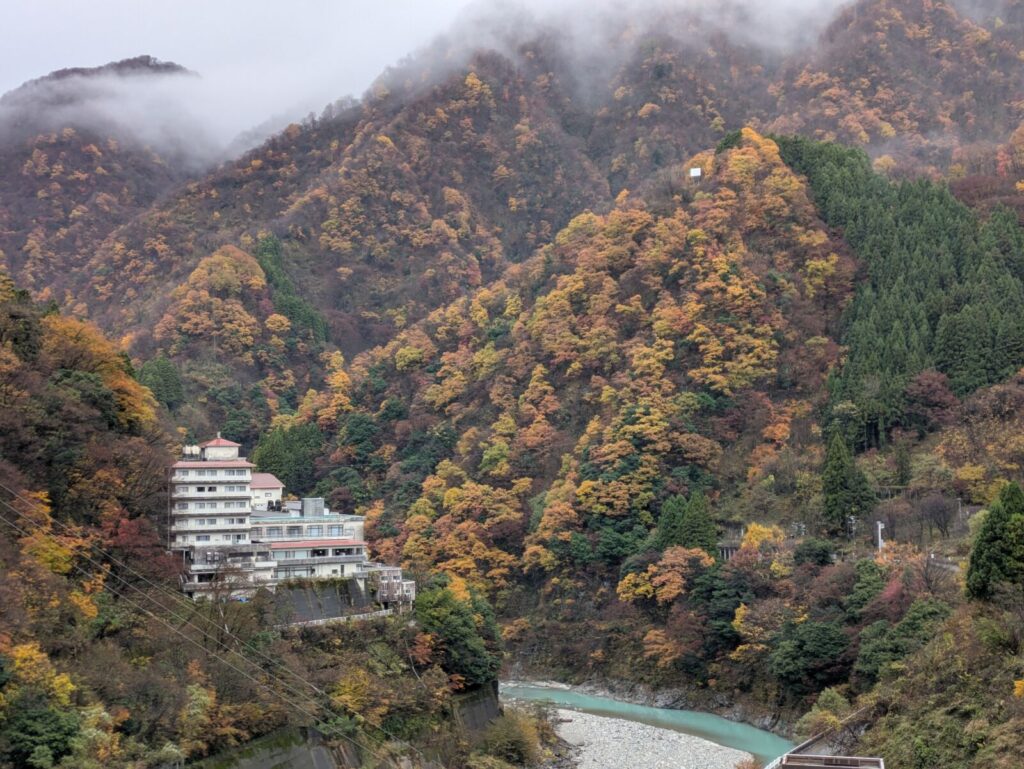
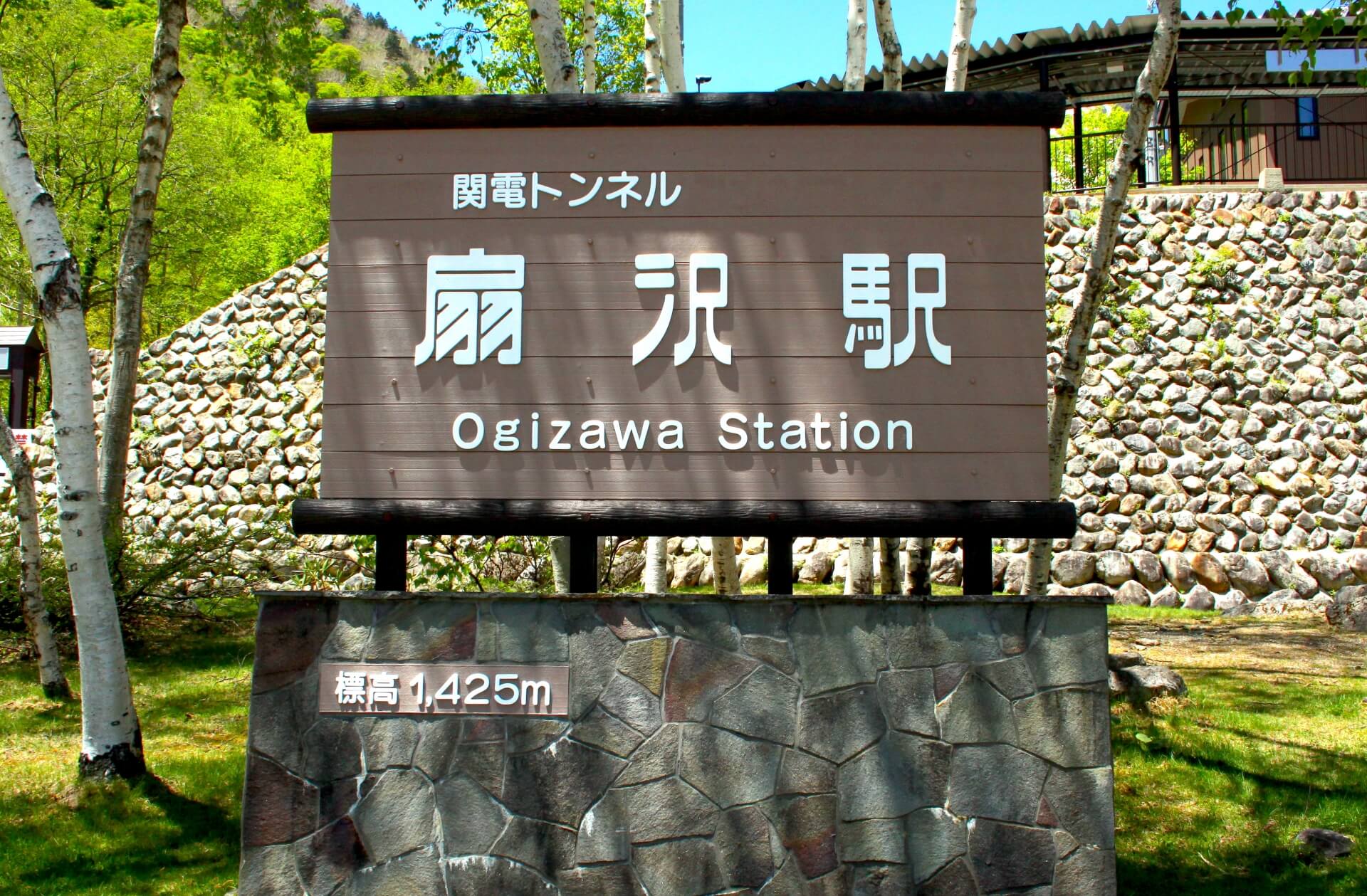
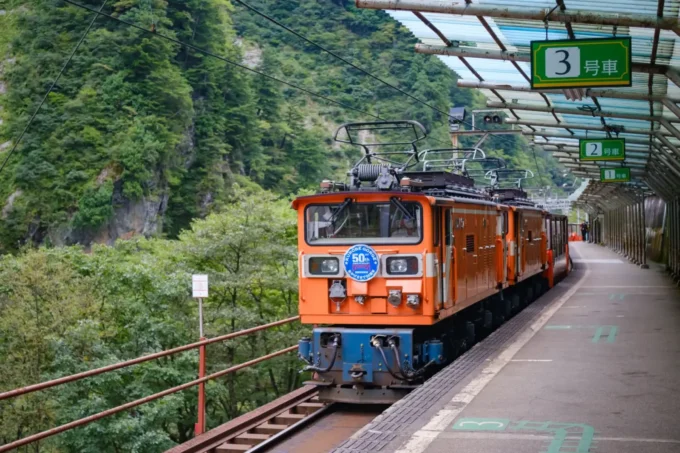
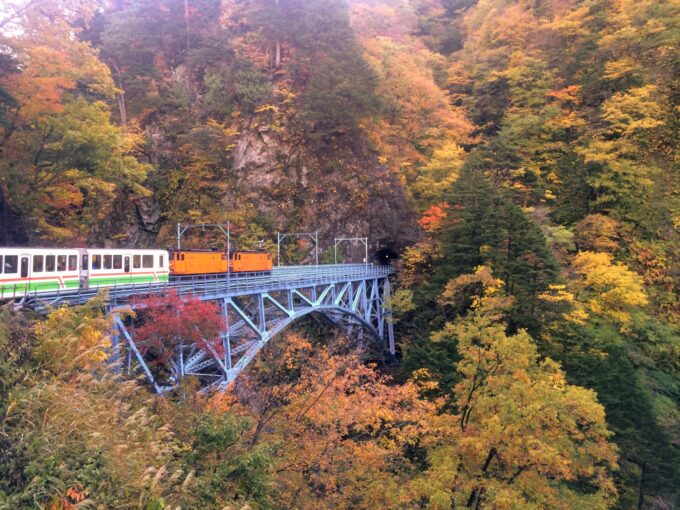
The Kurobe Gorge, one of Japan's deepest ravines, was largely inaccessible until the early 20th century when a railway was constructed to aid in the development of hydroelectric power in the area. The Kurobe Gorge Railway, which was originally built for this purpose, was later opened to the public, transforming the gorge into a popular tourist destination. Today, the railway journey offers visitors spectacular views of the gorge's pristine wilderness, including dramatic cliffs, suspension bridges, and vibrant seasonal foliage.
Hop on one of our tour buses for the simplest way to make it to the starting point of the trolley train, Unazuki Onsen. On this guided tour you can see the spots that most visitors miss in order to get the most out of your journey to the gorge. The train ride is always better when you have someone helping with the Japanese announcements. Check it out below!
Recommended
1 Day Tour from Kanazawa: Kurobe Gorge and Unazuki Onsen
- Spots:
- KanazawaKurobe Gorge
- Pick-up:
- Kanazawa
- Drop-off:
- Kanazawa
13 / Shirakawago / all year round
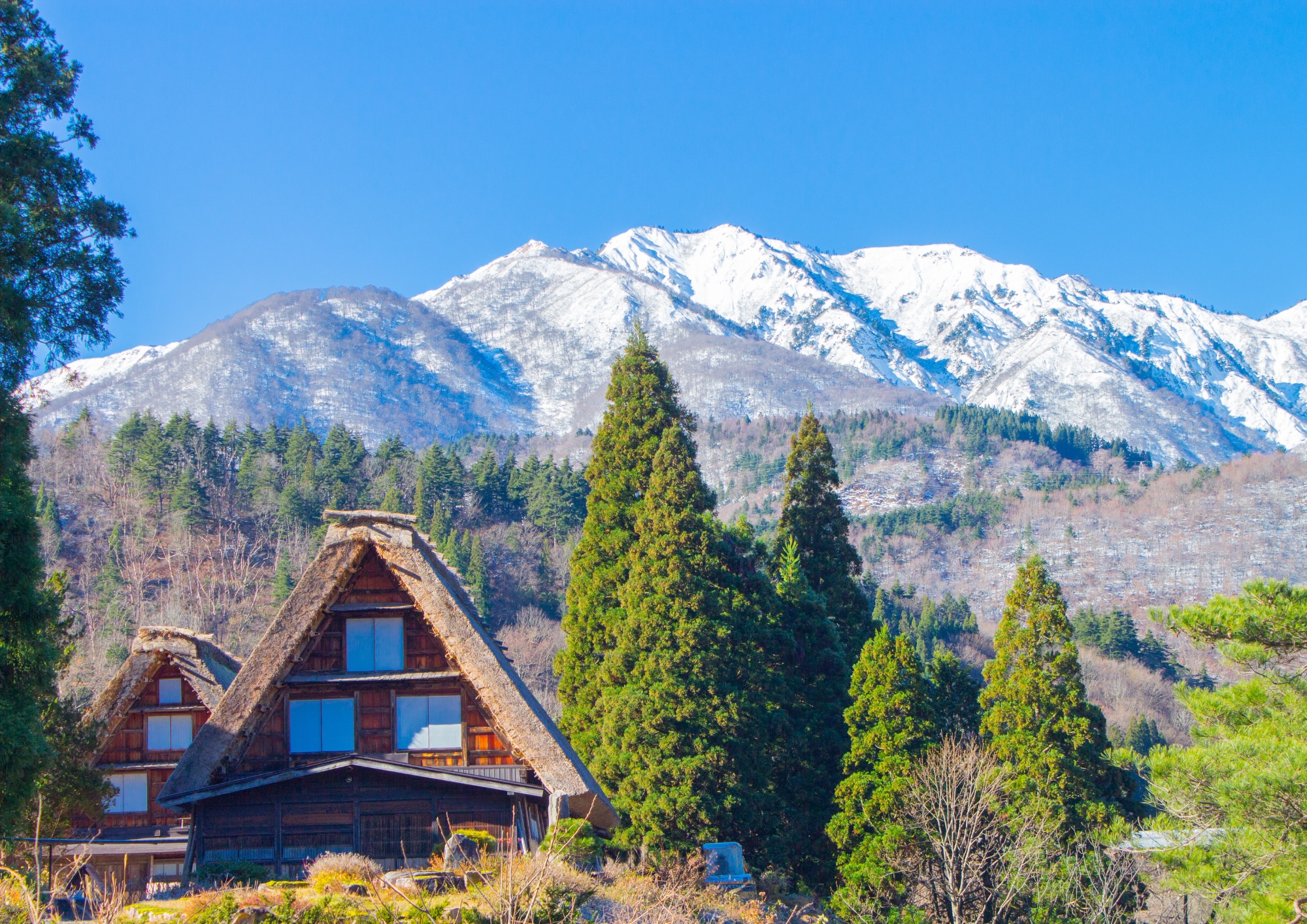
Shirakawa-go is a historic village in Gifu Prefecture, renowned for its distinctive gassho-zukuri (praying hands style) farmhouses, which were built to withstand the heavy snowfall of the region. Originally, these houses were part of a prosperous community that thrived on the cultivation of silkworms and the production of a type of paper. Along with its sister villages in the Gokayama region, Shirakawa-go was designated a UNESCO World Heritage Site in 1995, preserving its unique architectural heritage and traditional way of life.
This area can be a bit difficult to access and then combine with other sites on the day. To make it easy, join our tour that goes to the famous wood carving village of Inami, try some paper-making in Gokayama and walk though the traditional village of Shirakawago, all in one day. Check it out below!
Best Selling
1 Day Tour from Kanazawa: Shirakawa-go, Gokayama and Wood Carving Village
- Spots:
- KanazawaShirakawago
- Pick-up:
- Kanazawa
- Drop-off:
- KanazawaTakayama
14 / Takayama / best: Summer & Fall
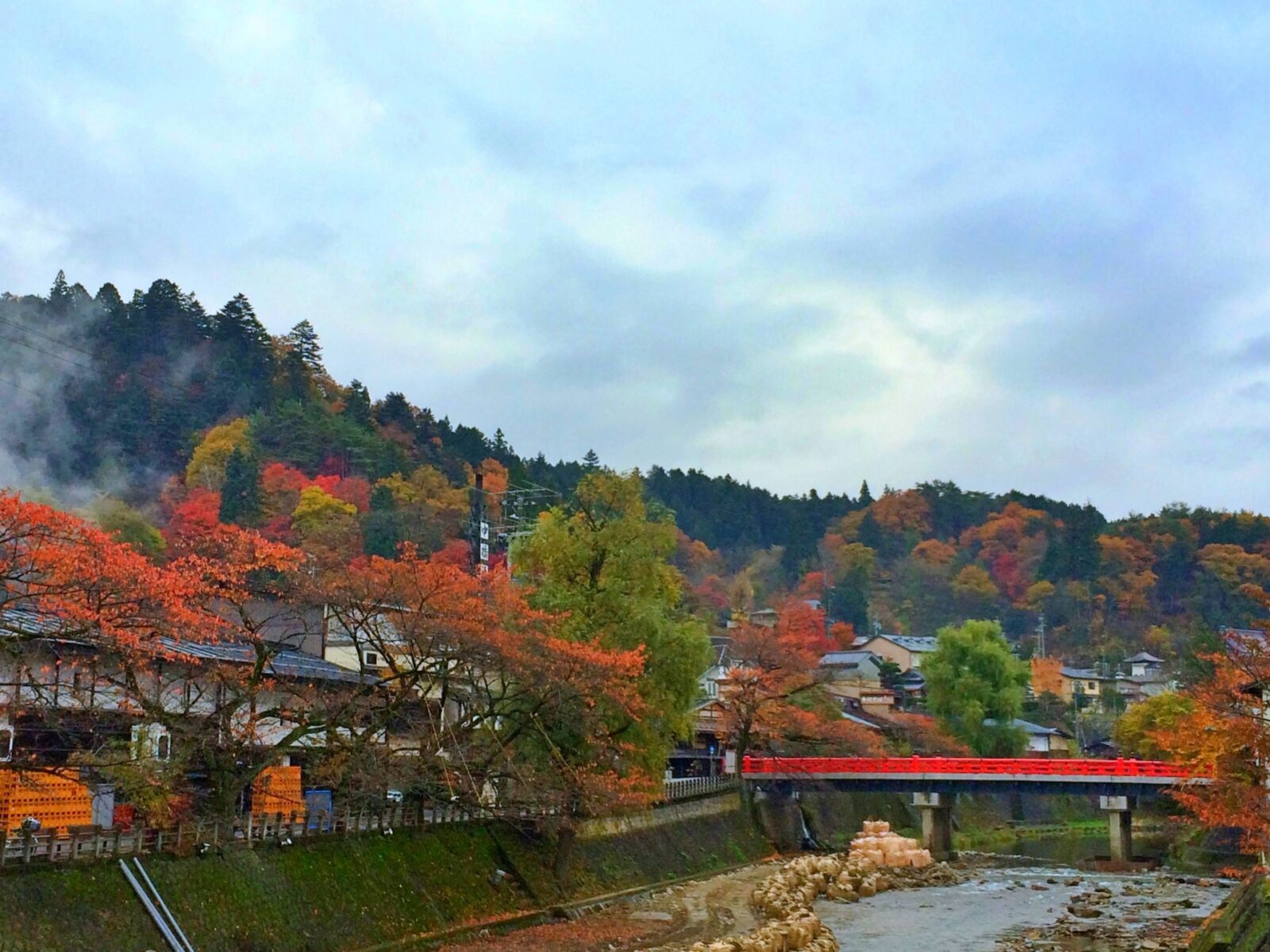
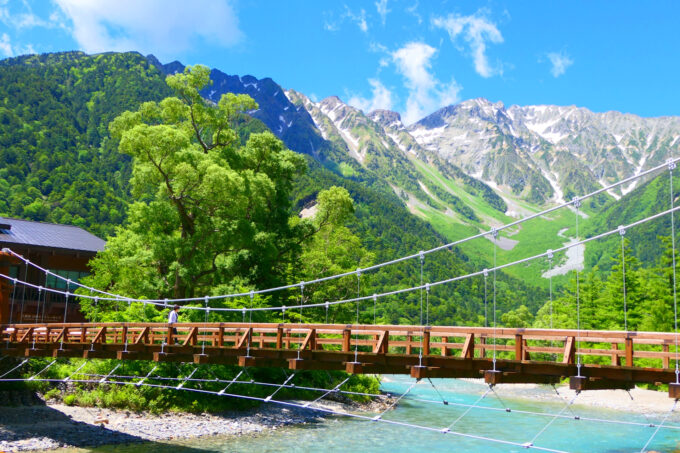
Takayama is a historic city nestled in the Hida region of Gifu Prefecture, which flourished as a prosperous castle town during the Edo period. The city's beautifully preserved old town, known as Sanmachi Suji, features rows of traditional merchants' houses and sake breweries that transport visitors back in time. It is also famous for the Takayama Festival, held in spring and autumn, which showcases its intricate and ornate festival floats, designated as an Important Intangible Folk Cultural Property.
Although a bit further from Takaoka, we also have tour starting from Takayama. It is recommended to stay a night or two to enjoy the area and the surrounding nature, like the tour below!
15 / Fukui / all year round
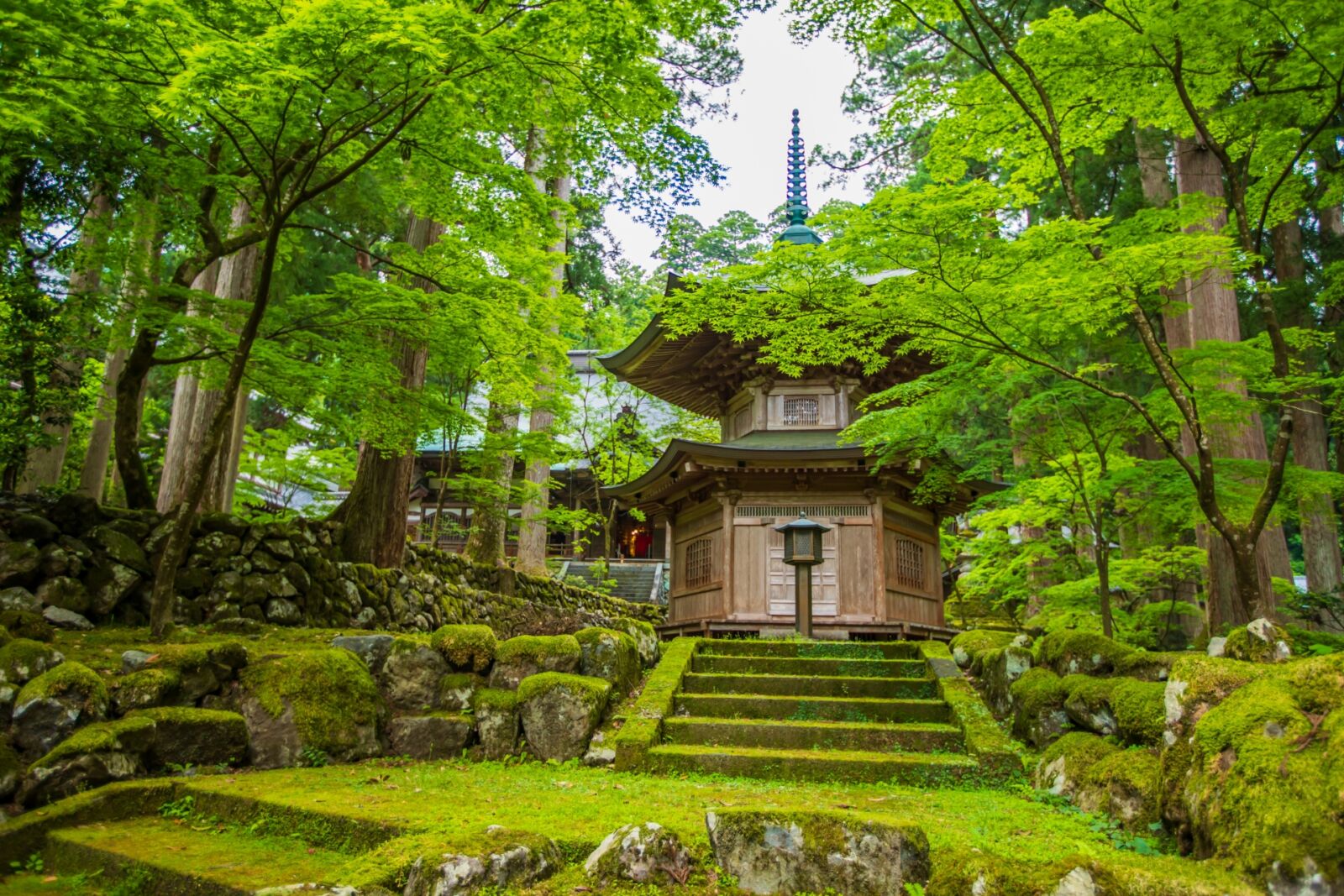
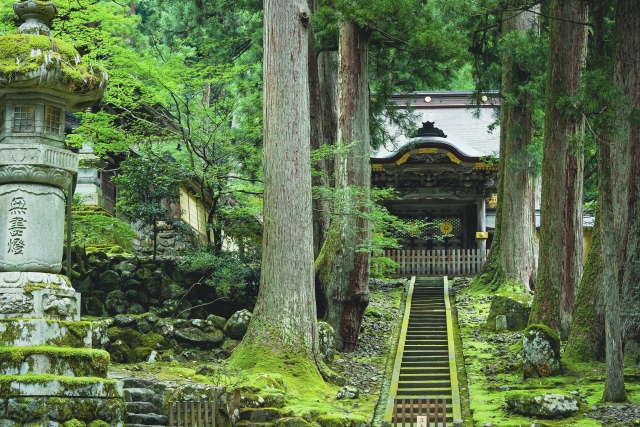
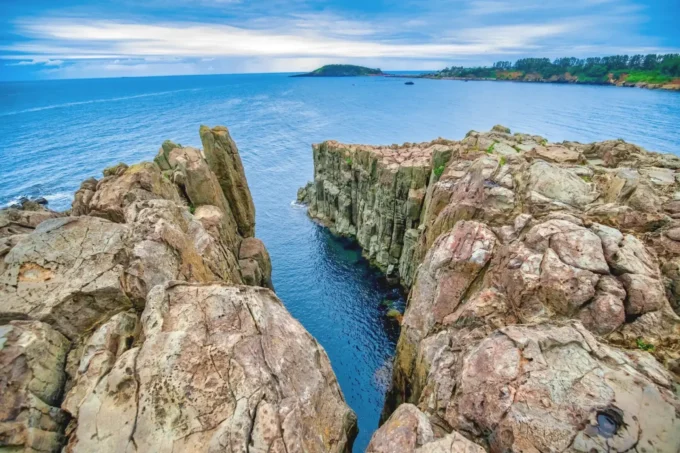
Fukui Prefecture is home to a blend of significant historical sites and dramatic natural landscapes, exemplified by the revered Eiheiji Temple and the stunning Tojinbo cliffs. Eiheiji Temple, founded in 1244 by the Zen master Dogen, is one of the two head temples of the Soto school of Zen Buddhism and has served as a center for monastic training for nearly 800 years. Meanwhile, Tojinbo is a series of impressive basalt rock columns formed by volcanic activity over 12 million years ago, with its unique hexagonal jointing making it a designated national natural monument.
If you are looking for a way to see Fukui City and Eiheiji, check out the first tour below. The one below is for Tojinbo, Oshima and the Fukui Coast!
Where to Stay in Takaoka
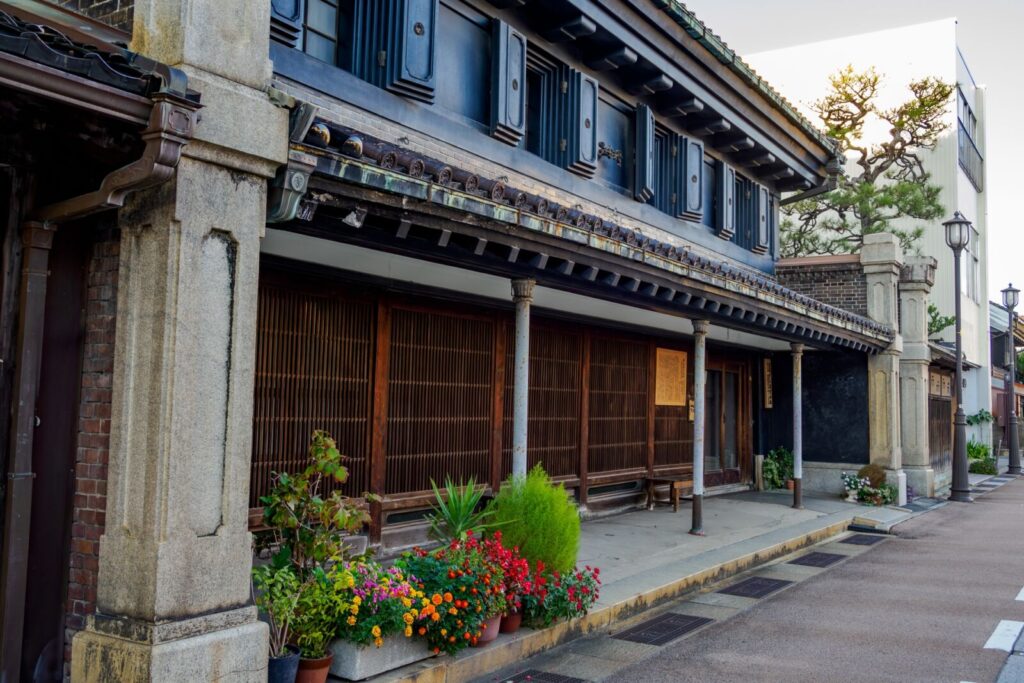
Most international visitors heading to and from Takaoka will use the train. The area around Takaoka Station is therefore the most convenient place to look for accommodation, while those interested in traditional crafts may also consider staying in the historic Kanayamachi district. Takaoka is also the hometown of Fujiko F. Fujio, creator of Doraemon, and fans can find themed guesthouses and hotels throughout the city.
Takaoka Station Area
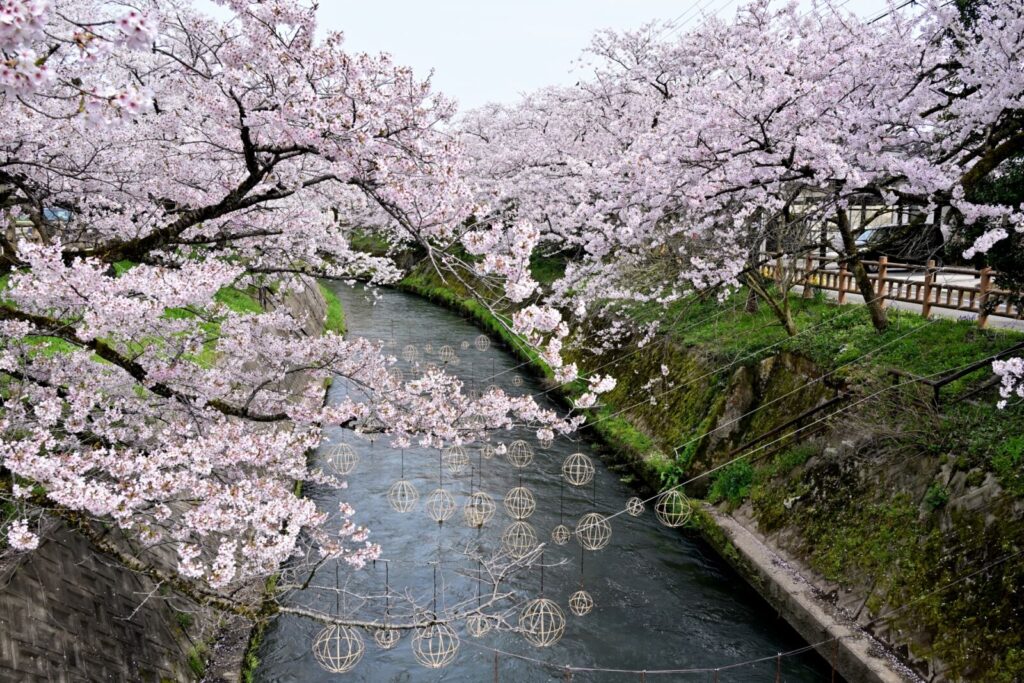
The area around Takaoka Station has a decent number of accommodation options, mostly large Western-style hotels. There are also a few hotels next to Shin-Takaoka, the most common station for foreign guests to arrive at because it is a stop on the Hokuriku Shinkansen Line. Staying near Takaoka Station is the more convenient if you are exploring the local area but if you looking to travel further using the shinkansen, Shin-Takaoka Station is more recommended. We have more information on our "Best Places to Stay in Takaoka."
How to get to Takaoka
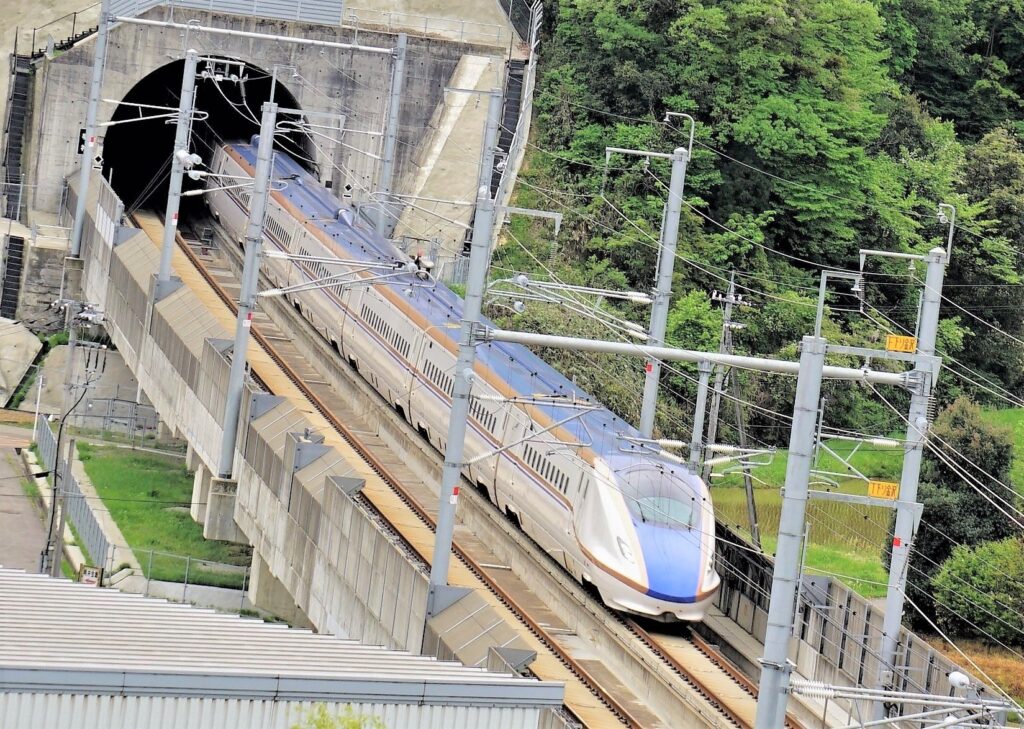
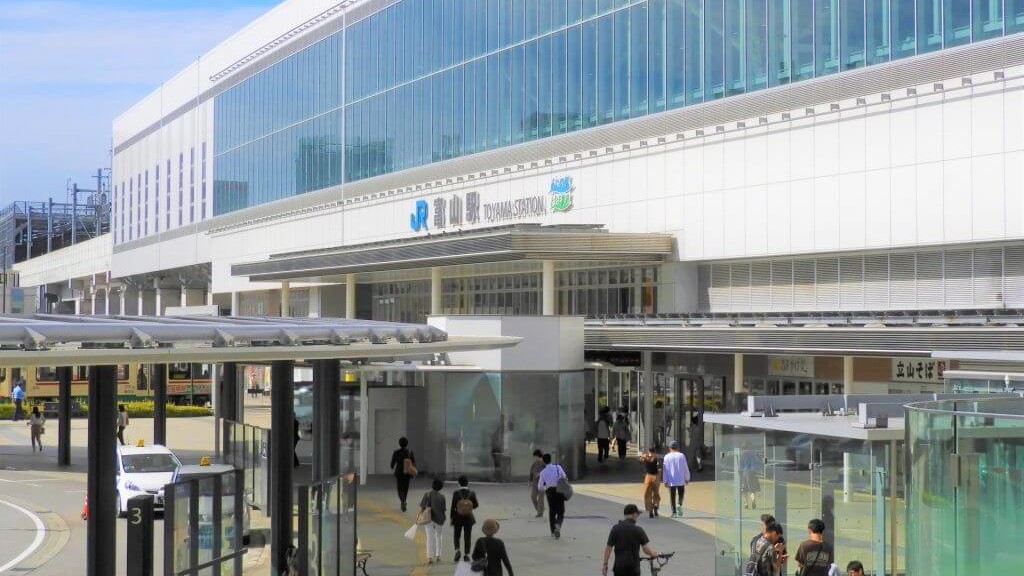
Shin-Takaoka Station is a stop on Hokuriku Shinkansen Hakutaka and Tsurugi services running from Tsuruga to Tokyo or Toyama, respectively, making it easy and fast to reach from any of those cities. Takaoka Station is at the center of many local lines including the JR Himi Line, JR Johana Line, IR Ishikawa Line and the Ainokaze Railway Line. For information on how to get there, see our 'How To Get To Takaoka' page.
Frequently Asked Questions (FAQ)
Is it worth visiting Takaoka?
Based on its convenient accessibility via the Hokuriku Shinkansen and its wealth of significant cultural attractions, Takaoka is definitely worth visiting. It offers a rewarding experience for those who appreciate history, traditional craftsmanship, and serene temples, providing a quieter alternative to more crowded destinations.
What's the weather like in Takaoka?
Takaoka has a humid subtropical climate characterized by hot, humid summers and cold, snowy winters. The city experiences heavy snowfall due to its location on the Sea of Japan coast, with the winter months being notably cloudy and often overcast.
What is Takaoka known for?
Takaoka is widely known for its history as a center of traditional industries, particularly its 400-year-old metal casting and copperware craftsmanship. The city is also home to significant cultural landmarks, including the National Treasure Zuiryū-ji Temple and the Takaoka Great Buddha, which is considered one of Japan's three greatest Buddha statues.
When is the best time to visit Takaoka?
The best time to visit Takaoka is during the spring (March to May) and autumn (September to November), when the weather is mild and pleasant for sightseeing. These seasons also feature many of the city's most significant festivals, such as the Takaoka Mikurumayama Festival in May and the Takaoka Manyō Festival in October.
What are some family-friendly activities to do in Takaoka?
For families, Takaoka offers several engaging activities, including a visit to the Doraemon Walking Road and the Fujiko F. Fujio Hometown Art Gallery, which celebrates the creator of the beloved manga character. Kids will also enjoy Takaoka Otogi no Mori Park, a large green space that features a playground and statues of Doraemon and his friends.
What are some of Takaoka's hidden gems?
While well-known for its main attractions, Takaoka's hidden gems include the historic Kanayamachi district, where visitors can see well-preserved Edo-period houses and a still-thriving metal casting tradition. Another lesser-known spot is the Takaoka Mikurumayama Museum, which showcases the elaborate floats from one of Japan's most celebrated festivals and offers a glimpse into a unique cultural heritage.