

If you have tattoos and are visiting Japan, you have probably noticed that getting to take part in onsen, hot spring baths that are one of Japan's best cultural traditions, can be quite difficult. Most onsen are very strict in forbidding tattoos. We at Snow Monkey Resorts have done our utmost to comb through the hot springs and the public baths in and around Toyama to put a list of tattoo-friendly onsen together to make your journey to this wonderful region the best it can be!
***Note: Please note that signage is notoriously bad when it comes to tattoos and onsen. While we have done our best to verify the places on this list, we recommend checking yourself before booking an expensive onsen, as onsen can and frequently do change their policies.
Where is Toyama?
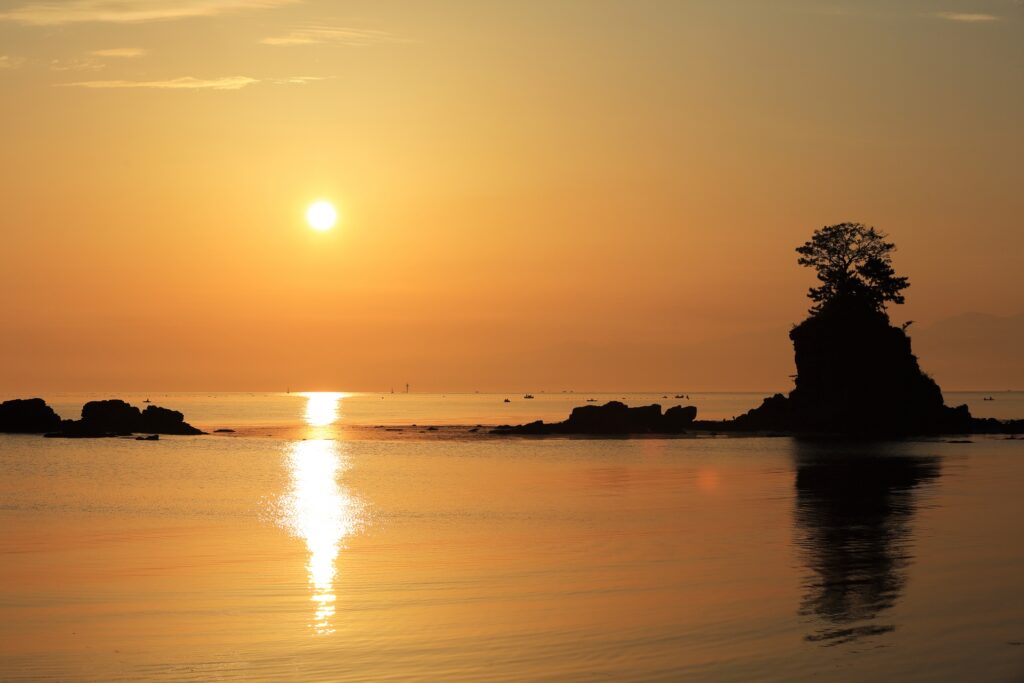
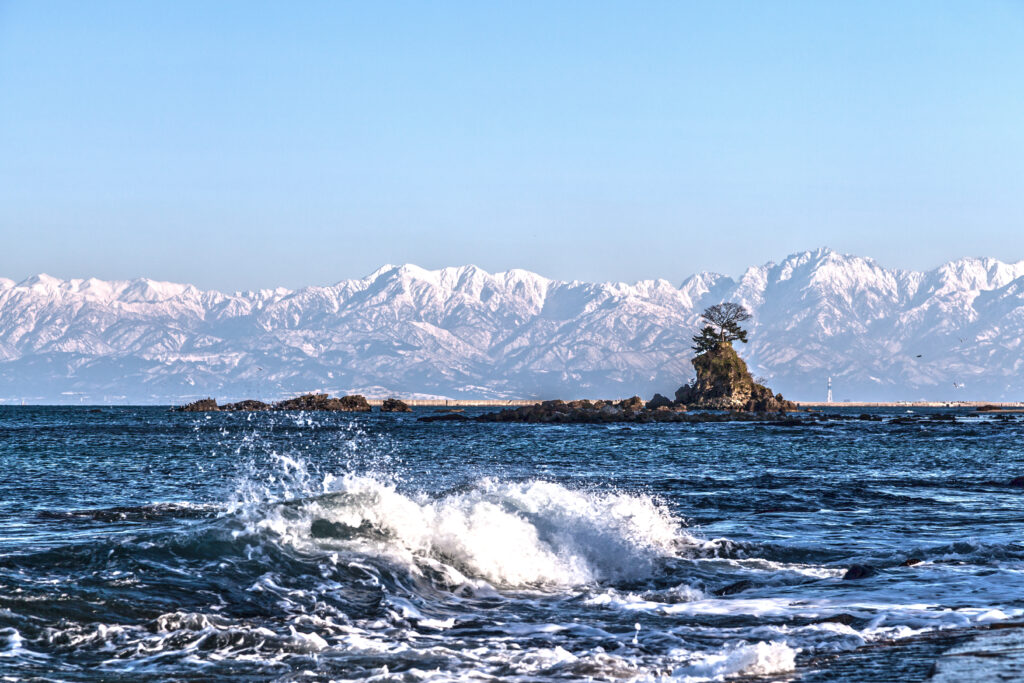
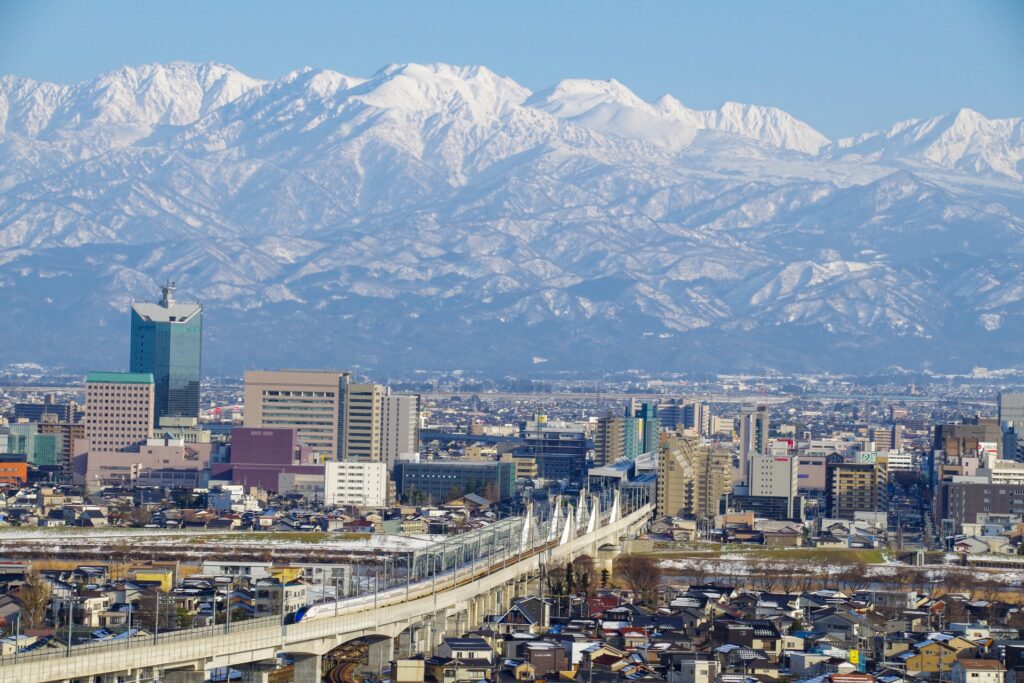
A vibrant city with plenty of history, delicious seafood and easy access to nature on the coast of the Sea of Japan, Toyama is a hidden gem often overshadowed by neighboring Kanazawa. Whether you're visiting Japan for the first time or the tenth time, there's plenty to see and do in the area!
The city is considered part of Japan's "New Golden Route" which takes people from Tokyo, up through Nagano and into Toyama and Kanazawa before going out to Kyoto and Osaka. The whole route can be travelled very affordably via the Hokuriku Shinkansen through the Hokuriku Arch Pass.
Interested in Toyama? Be sure to check out our "Top 25 Things to do in Toyama" guide to get all the best tips on things to see and do in the city! Toyama has some of the best seafood in Japan so check out our "Famous Foods in Toyama!" After all you've done here in the city, it's time to get souvenirs, so be sure to have a read of our "Best Souvenirs to get from Toyama" so you can pick the right gifts for your loved ones back home, too. For those searching for more traditional finds, both our "Best Shrines and Temples in Toyama" and "Best Goshuin in Toyama" are a must. Finally, we have a seasonal series about the "Best Spots in..." for Spring, Summer, Fall and Winter.
Why is it such a hassle finding an onsen that accepts tattoos?
For tattooed visitors to Japan, it may come as quite a shock that people, particularly the older generations, are much less accepting of tattoos. While tattoos have become much more commonplace in Western countries (research shows around 32% of Americans have tattoos, while 34% of 25-34 year olds in the UK are sporting them), Japanese culture has moved far more slowly in comparison.
Until the Meiji Restoration (1868), tattoos were used to mark criminals. The tattoo often had some relation to the crime committed and were reserved for the most severe punishments. In 1872, they were outright banned - just having one made you a criminal. Over time, they were adopted by counter-cultures rebelling against societal norms.
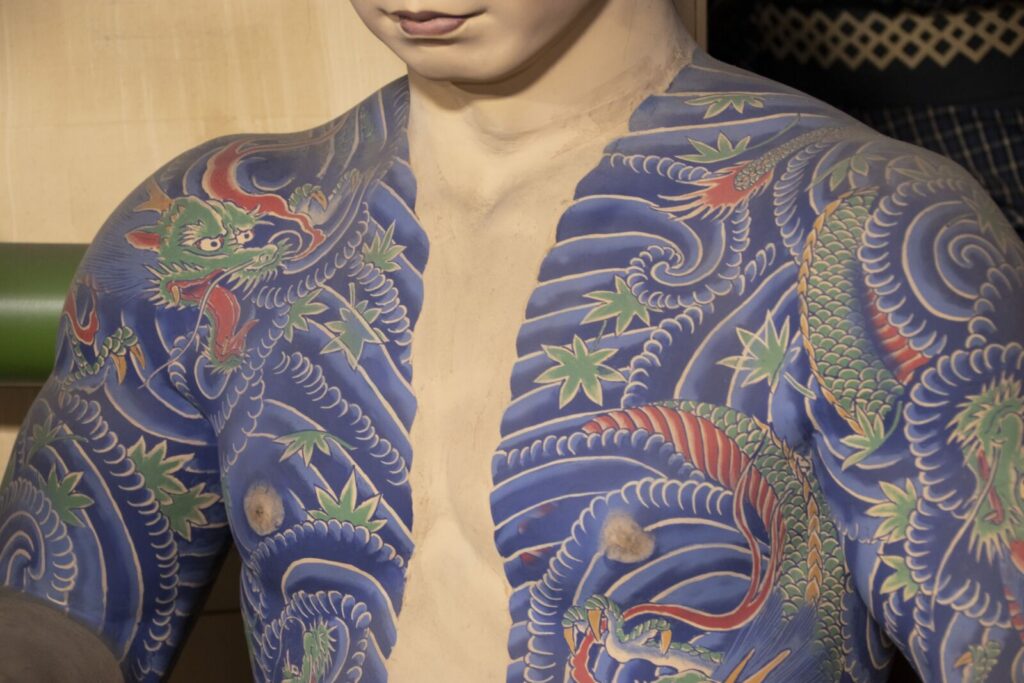
Later, tattoos became heavily associated with the yakuza, organised crime groups. Members of the yakuza often cover their whole bodies - except their hands, feet and above the neck - in tattoos. In the post-war period, many young men whose fathers had died in the war joined the yakuza. Businesses feared retaliation if they were perceived to be discriminating against the gangs, so chose instead to outright ban anybody with tattoos.
While this stigma has faded from virtually all other areas of business in Japan, it has persisted in bathing culture. You may also run into trouble at some of the following places:
- Beaches
- Gyms
- Pools
If you have only small tattoos, it may be much easier for you to simply wear long sleeves, or cover them with a plaster or band-aid. However, as the number of foreign tourists increases every year, coupled with an increasingly-large part of Japanese society interested in the self-expression tattooing allows, the artform is becoming much more socially acceptable in Japan.
What's the difference between an Onsen and a Sento?
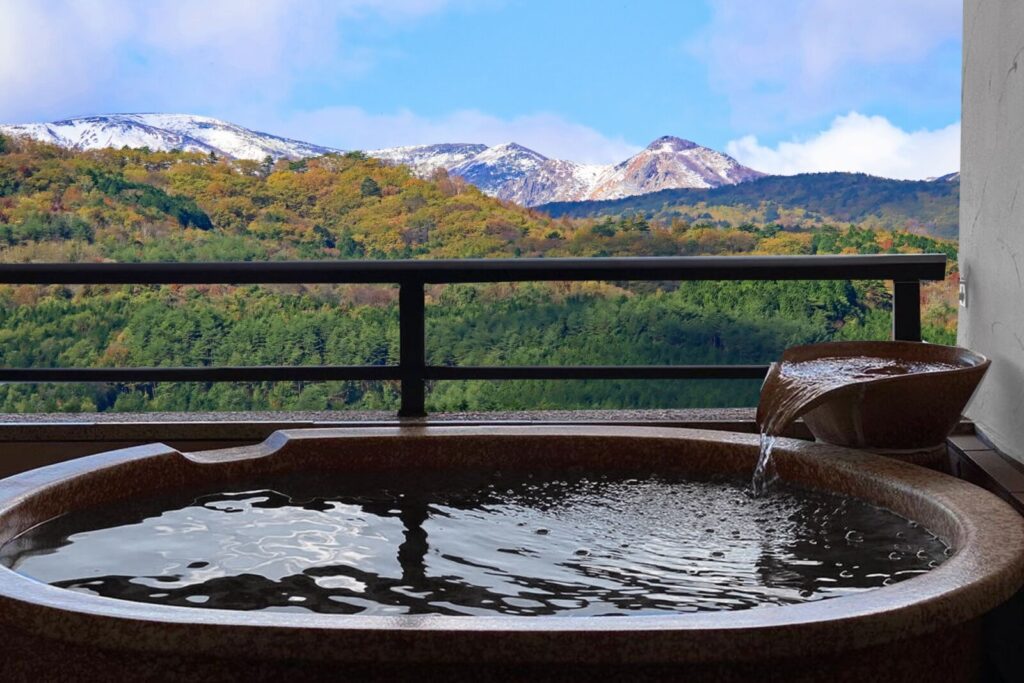
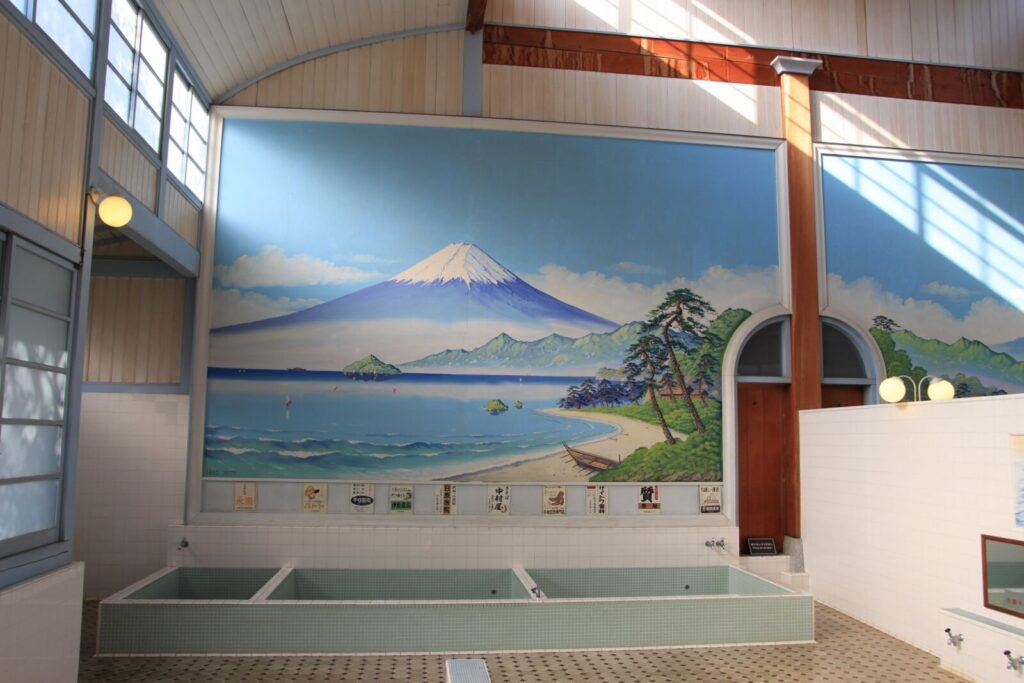
It's easy even for Japanese people to get mixed up between what's an onsen and what is a sento. Typically, onsen use natural mineral-rich spring water in their baths. Sento, on the other hand, use heated tap water that is usually drawn from a hot spring and re-heated. Sento may artificially "craft" their water by adding minerals to it.
Sento are also generally much cheaper as their prices are regulated by the local governments, while onsen are private businesses or a collective of businesses charging as much as they like. Ryokan, traditional Japanese inns, usually fit this latter category.
Because onsen draw directly from the hot spring itself, they are usually in more rural locations. Kanazawa does, though, have several onsen. There are also some facilities on this list that are listed as sento on google maps but have specific baths that use water from the onsen and others that draw from sento.
You may also stumble upon something called a "Super Sento" which are larger sento facilities that often have restaurants, saunas, massage parlours and other amenities. They are usually not tattoo-friendly.
Toyama City: Onsen (Hot Springs)
1 - Namazu Onsen (Toyama City)
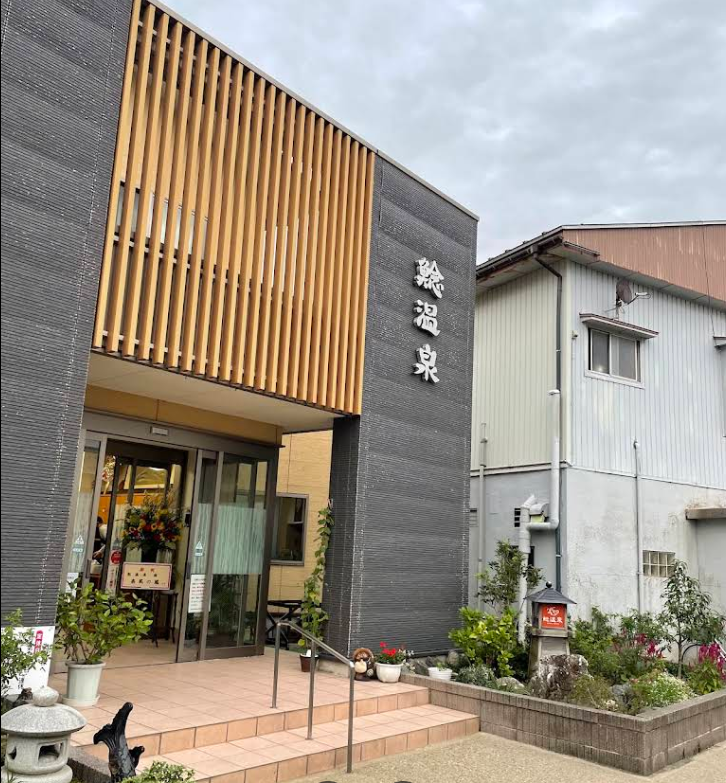
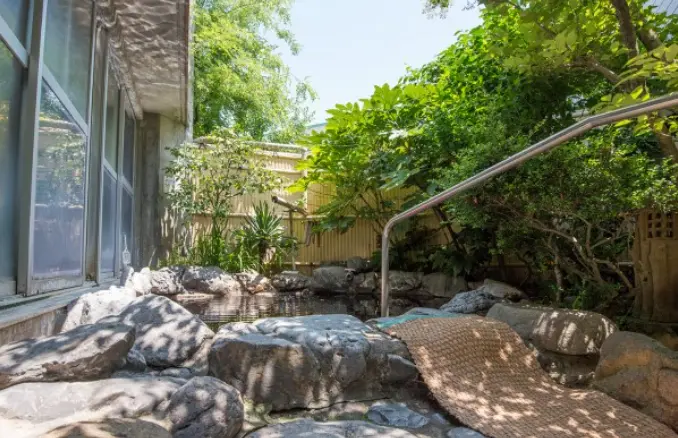
- Opening Hours - 10:00 - 21:00 (Sundays and public holidays 13:00 - 22:30)
- Closed: Mondays, the first Monday-Tuesday of the month, the third Wednesday of the month and one random day
- Approx. Cost - JPY 500
- Towel Rental - No
- Toiletries - Bring your own
At Namazu Onsen, there two types of natural hot spring waters with different qualities.
The open-air bath features a sodium chloride spring, and the indoor bath is a ferruginous spring (a type of iron spring). Both have distinct colors and textures and will warm you up thoroughly. Additionally, they also have a clear, smooth bakuhanseki stone bath (a type of granite known for its mineral properties).
This onsen is a bit out of the way so a taxi or car would be need to get here.
2 - Hotel Morinokaze Tateyama (Tateyama Town)
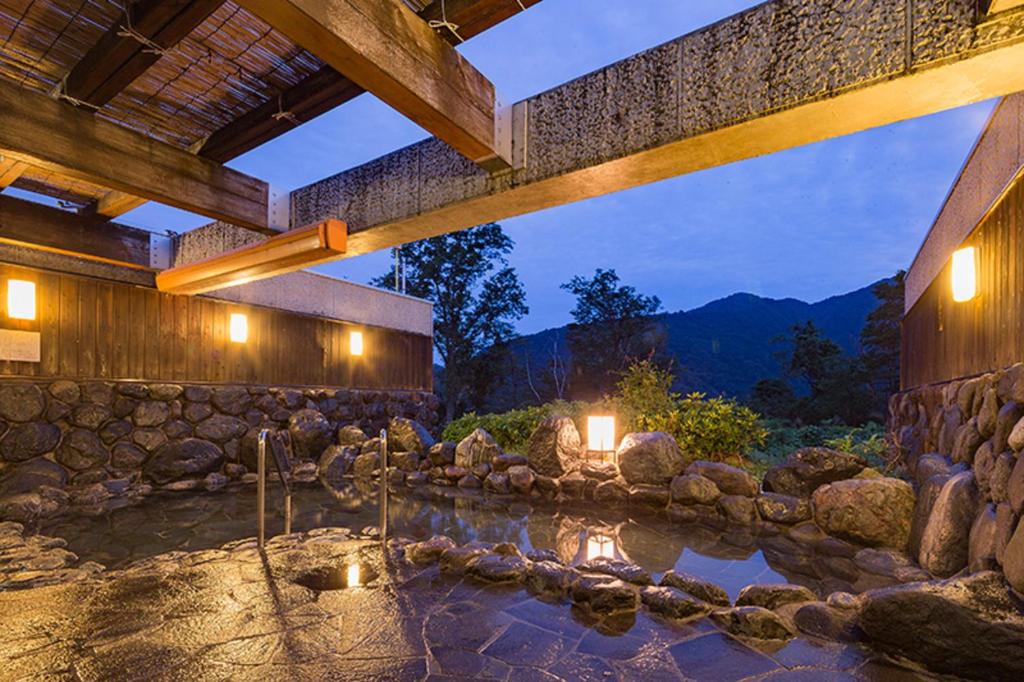
- Opening Hours 12/1-4/14: 6:30-9:30 / 15:00-24:00
- Opening Hours 4/15-11/30: 5:30-9:30 / 15:00-24:00
- Opening Hours Non-Hotel Guests(Weekday): 15:00-18:00
- Opening Hours Non-Hotel Guests(Weekend): 12:00-18:00
- Closed: Always Open
- Approx. Cost - 900
- Towel Rental - No
- Toiletries - Bring your own
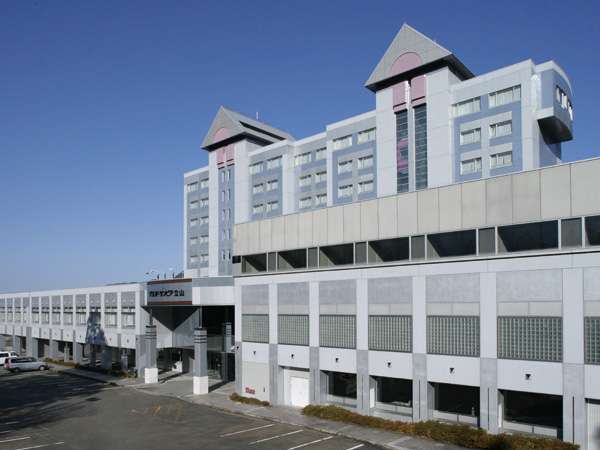
Hotel Morinokaze Tateyama is situated at the base of the Tateyama mountain range and is known for its onsen, which features a simple alkaline sulfur spring. This type of water is often referred to as a "beauty bath" due to its smooth, skin-softening properties. The hotel's baths include a large public bath, an open-air bath with views of the mountains, and a jacuzzi, providing a relaxing experience that is effective for skin ailments and neuralgia.
Regarding its tattoo policy, the hotel is one of the more accommodating options in the region, but they do have a specific rule for guests. While large tattoos are not permitted in the public baths, they do offer an alternative solution. Guests with tattoos must use special cover-up stickers, which are available at the front desk, to completely conceal them before entering the communal bathing areas. The max size allowed is two 8cm x 10cm patches. The hotel also provides private baths for guests who prefer to bathe without a cover-up.
3 - Mercure Hotels & Spas (Tonami City)
- Opening Hours - 6:00-10:00 / 15:00-23:00
- Closed: Always Open
- Approx. Cost - Free (for staying guests)
- Towel Rental - No
- Toiletries - Bring your own
- Note: For guests staying at the hotel only
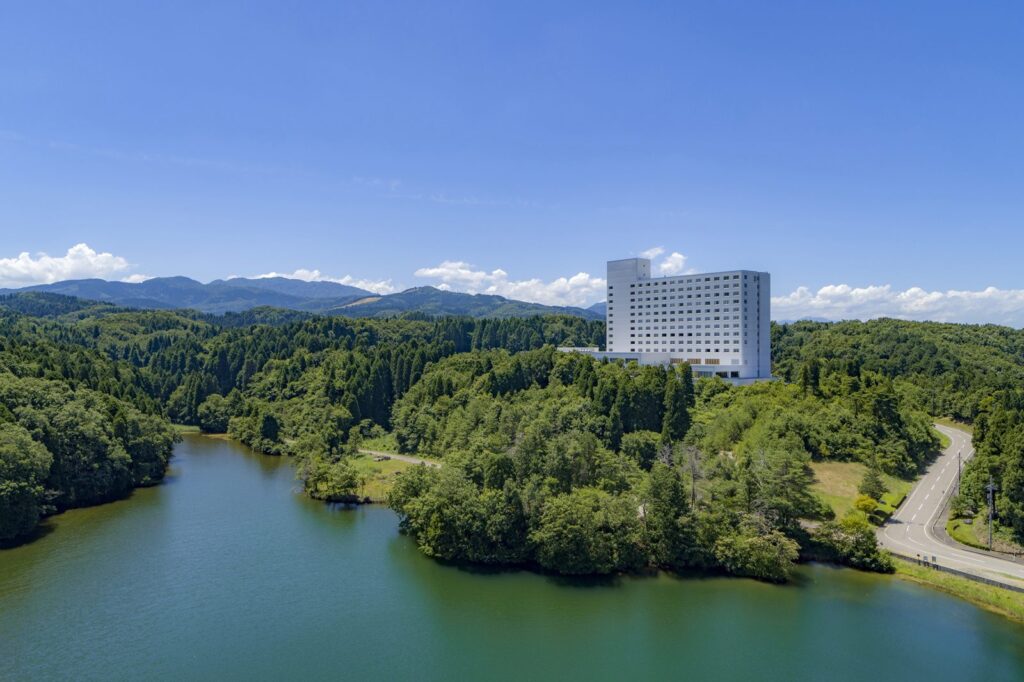
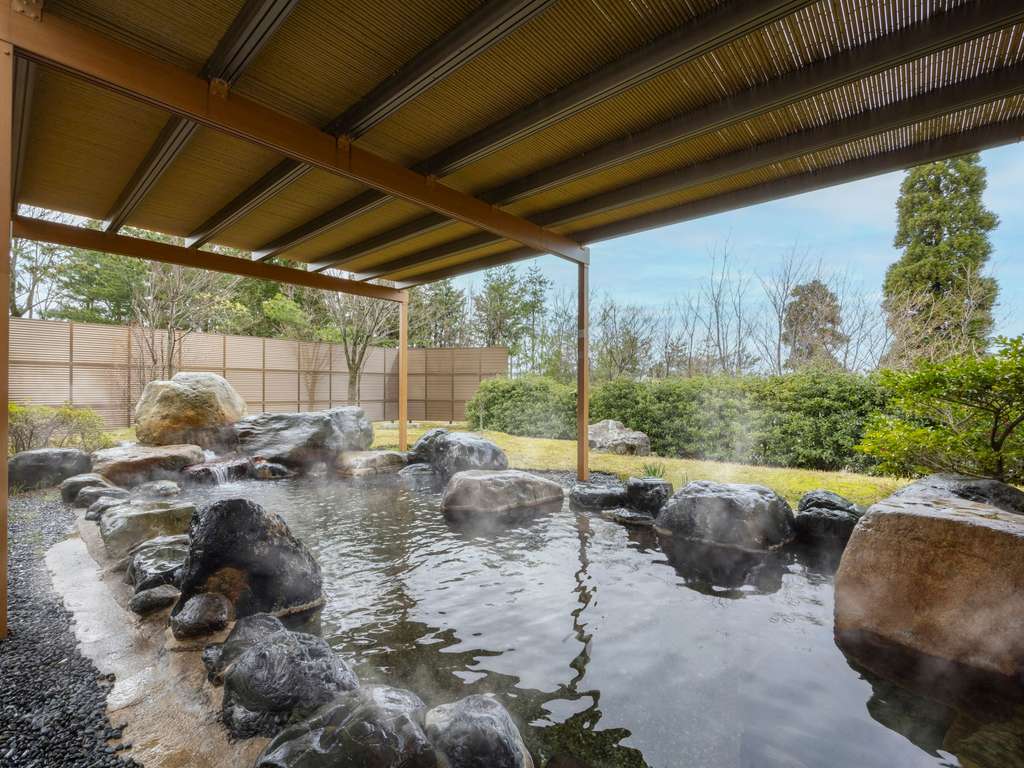
The Mercure Toyama Tonami Resort & Spa features a natural onsen with a unique blend of two different spring types: a sodium chloride spring and a bicarbonate spring. This combination is noted for its ability to warm the body thoroughly and is said to be beneficial for various ailments, including skin conditions and neuralgia. The hotel’s spa includes both a spacious public bath and an open-air bath, allowing you to relax while enjoying views of the surrounding Tonami plains.
For guests with tattoos, the hotel has a specific and accommodating policy for its public baths. While tattoos are generally not permitted, you can use the onsen as long as your tattoos are fully concealed by two 8cm x 10cm cover-up stickers, which are sold at the hotel's front desk. To get to the hotel, the most convenient option from a train station is a taxi from either JR Johana Line's Tonami Station or the Hokuriku Shinkansen's Shin-Takaoka Station, which is approximately a 15-minute drive away.
4 - Family Zeniyu Kusajima (Toyama City)
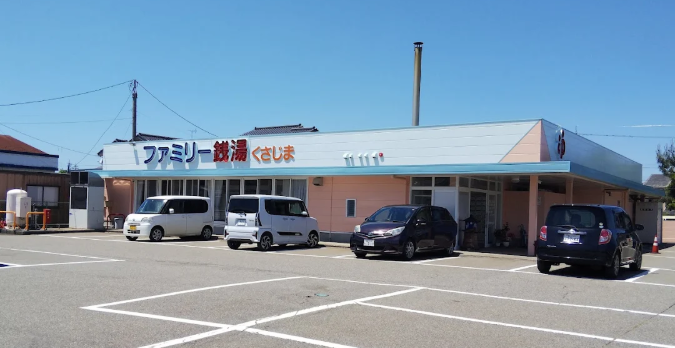
- Opening Hours - 10:00-22:00 (weekday) / 8:00-22:00 (weekend)
- Closed: 3rd Monday and Tuesday of each month
- Approx. Cost - 470 yen, cash only
- Towel Rental - Yes, 220 yen
- Toiletries - Available for purchase
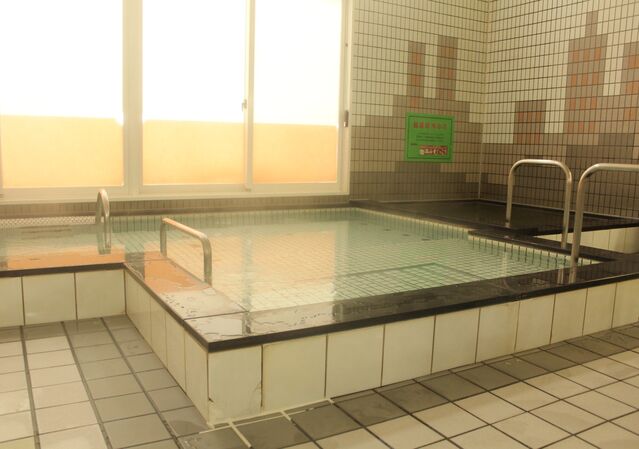
Family Zeniyu Kusajima is a public bath in Toyama City that is known for being tattoo-friendly. Online reviews and direct inquiries confirm that guests with tattoos are welcome to use the facility. The onsen's main feature is a popular man-made carbonated spring in its open-air bath, which is said to warm the body and improve circulation. The facility is located on a main road, making it easily accessible by car, but it is also a 20-minute walk from Hashimachi Station.
5 - Sun Yanagitei (Kurobe City - Unazuki Onsen)
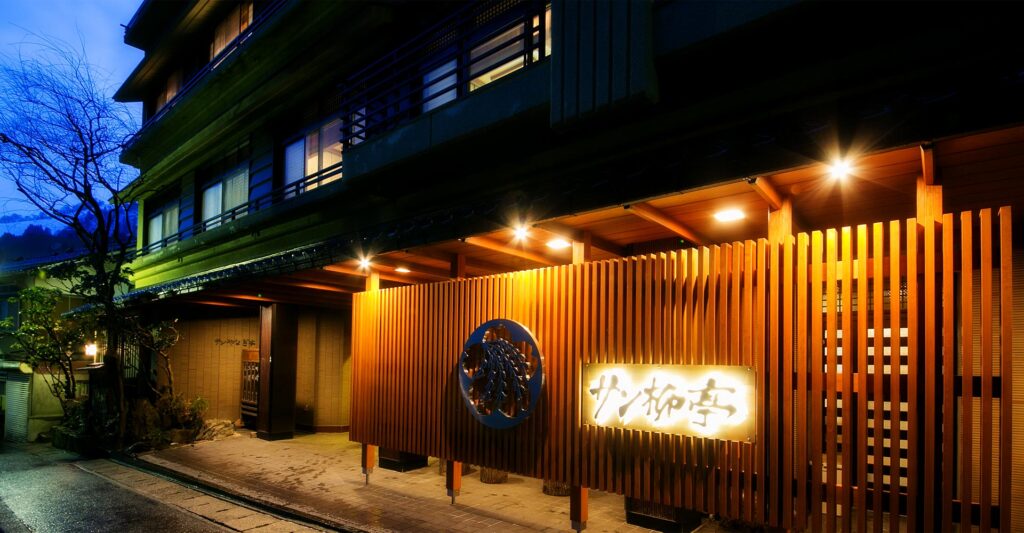
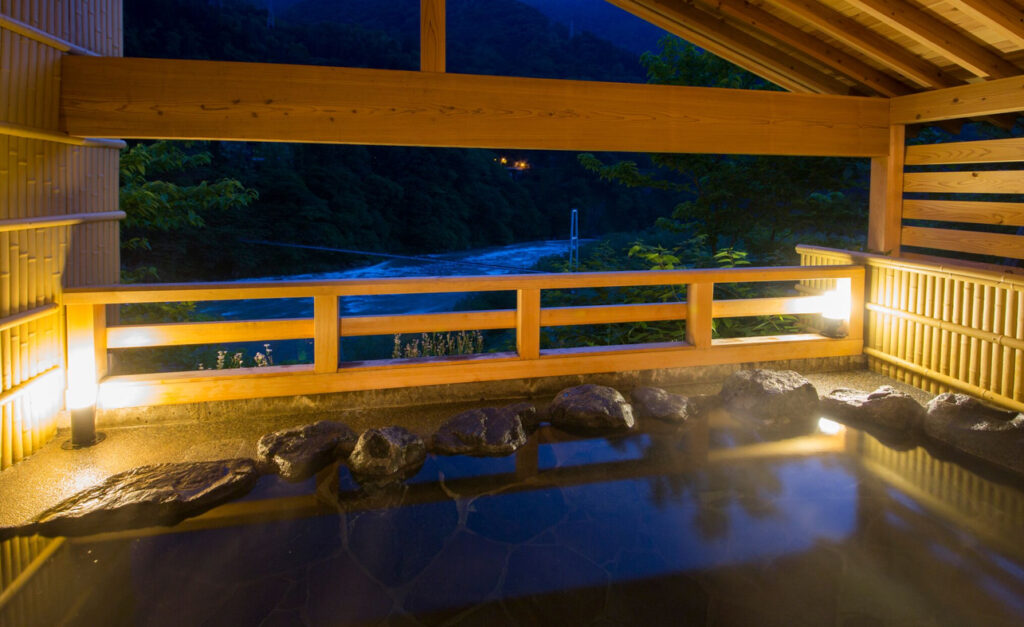
- Opening Hours - only open to hotel guests
- Closed - none
- Approx. Cost - from JPY 1100
- Towel Rental - Yes
- Toiletries - Yes
Sun Yanagitei, located in the Unazuki Onsen area, is a traditional Japanese inn that offers a relaxing onsen experience, but like many such establishments, it has a strict policy regarding tattoos. Guests with tattoos are not permitted to use the public baths, as it is a common practice to ensure comfort for all patrons. However, there are plenty of private baths that you can rent for an additional fee where can take advantage of the facilities.
The hotel's onsen is known for its high-quality water, which is a simple alkaline sulfur spring from the famous Unazuki Onsen source, widely praised for its skin-beautifying properties. To reach the hotel, the most convenient method is a complimentary shuttle bus service from Unazuki-Onsen Station.
Frequently Asked Questions (FAQ)
What should I bring with me when I go to an onsen or sento?
Generally, you should bring a towel, soaps and a change of underwear when you visit an onsen. As most Japanese people bathe in the evening, many choose to change into pyjamas or evening wear. If you plan to do the same, make sure to bring anything that you need. Some facilities have hair dryers, although they often cost a small fee to use.
Are there any rules or etiquette I should know before visiting an onsen?
Yes, onsen etiquette can be very strict. Tattoo-friendly onsen are often more strict than usual to compensate for being more "lenient" on other rules. Here are some important things to remember when visiting an onsen:
- Do undress fully and wash your body thoroughly before getting into the water. The shower area in front of the public baths are for this purpose.
- Do rinse off all soap and shampoo before you get in the water, too.
- Don't take pictures inside the onsen. Even if it is a private or family room, the operator may ask you to refrain from taking pictures.
- Don't let your hair or towel into the water to keep it as clean as possible.
- Don't swim in the baths.
- If there are other people in the bathing area, do be as considerate as possible. Onsen are usually quiet places.
- While many foreigners are unused to public bathing culture, be mindful that it is considered rude to stare. If another guest is making you uncomfortable, do report it to staff.
Some places on this list mention needing stickers, plasters or band-aids to use the baths. Why?
Due to the increasing numbers of foreigners visiting Japan and the slow changes in societal standards, some places are becoming more accepting towards tattoos. Some onsen will only allow tattoos that can be covered by band-aid like stickers.
If you have larger tattoos that cannot be covered, such as a sleeve or full back piece, staff may turn you away.
I have a skin condition. Is it safe to use an onsen?
Onsen are usually perceived to have visible medicinal benefits. However, that may not be the case for you. Consult with your doctor before visiting Japan if you have any concerns about being able to use onsen.
Why does it matter if I have tattoos when I'm obviously not Japanese?
It's understandable to be frustrated at something like this. Most Japanese people would agree quite quickly that you are probably not a member of the yakuza or other gangs. However, the rules are the rules and Japan is not a country famed for its flexibility.
Am I really missing out if I don't visit an onsen while in Japan?
That's hard to say, really, and depends largely on you. Onsen definitely are not the be-all-end-all of attractions in Japan. While onsen is definitely a popular thing among Japanese people, there are plenty who rarely, if ever, go.
We always recommend trying something at least once, then once again if you're still unsure. If onsen aren't for you, luckily Japan has plenty of things to see and do. From nature walks and city strolls, to museums, art galleries, ancient temples, pristine beaches and some absolutely mind-blowing food, Japan is certainly far more than just onsen.