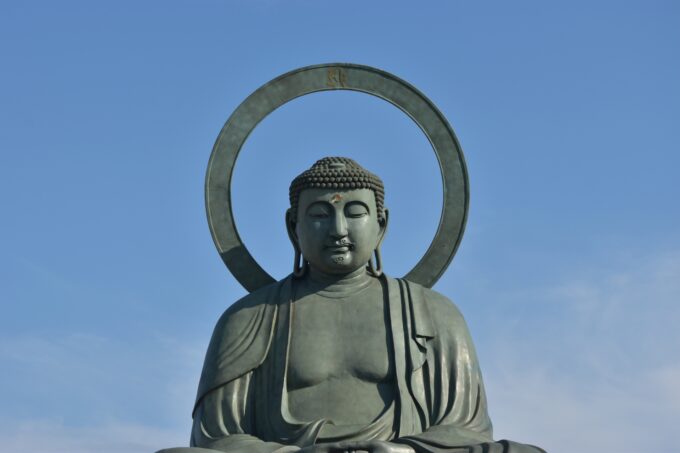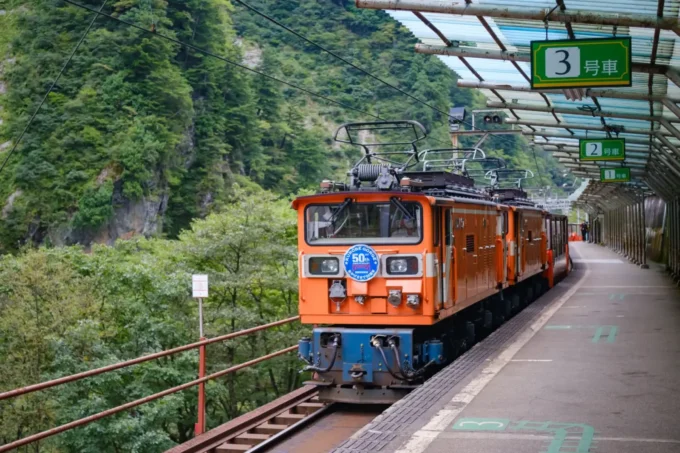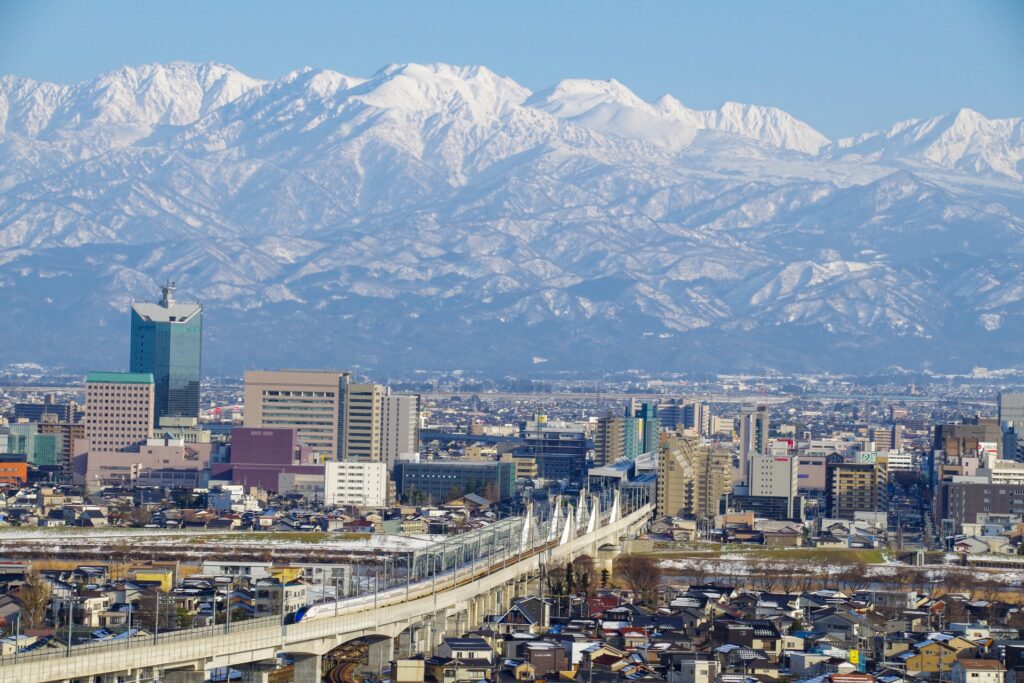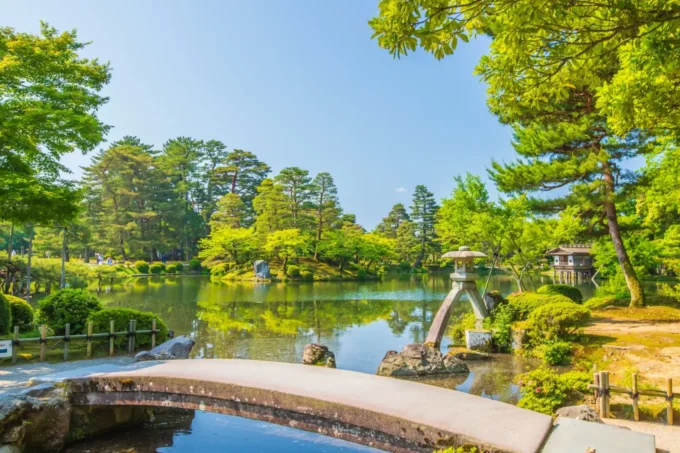






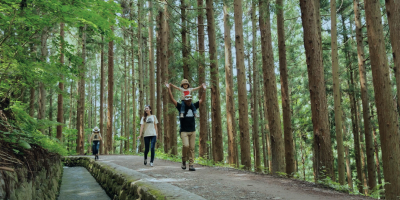



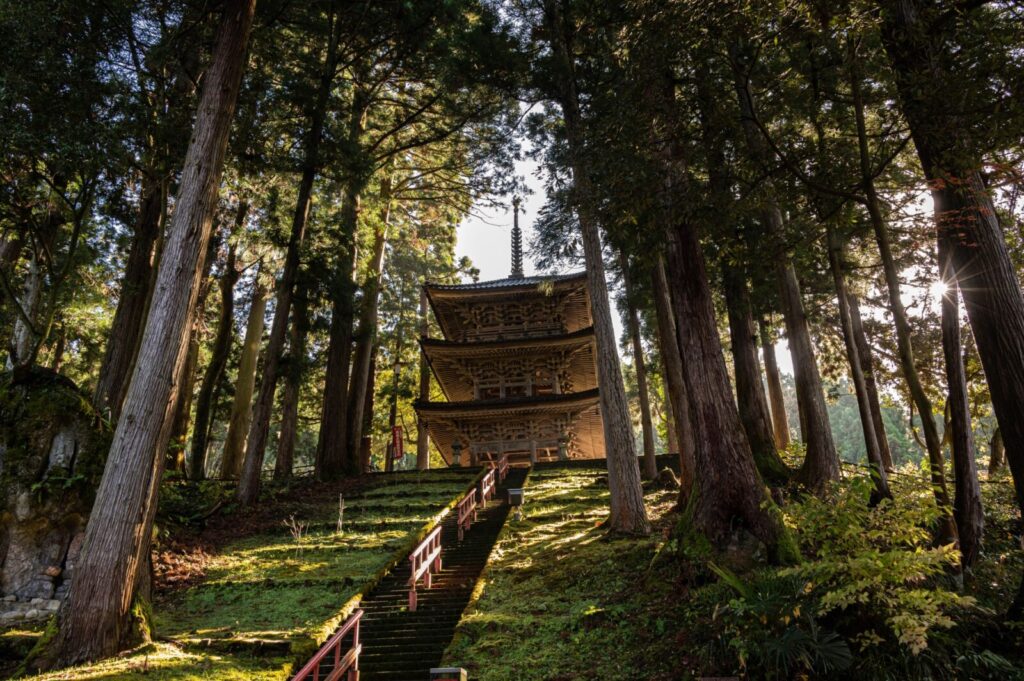
Toyama Prefecture is home to a number of significant and beautiful shrines and temples, offering a glimpse into Japan's rich religious and architectural history. A prominent example is Zuiryūji Temple in Takaoka, a designated National Treasure known for its serene Zen-style architecture and symmetrical layout. Toyama also features Oyama Shrine in Tateyama Town, a sacred site dedicated to the three gods of Mount Tateyama, making it an important pilgrimage destination for climbers and spiritual seekers. In addition, temples like Zuisenji in Nanto are celebrated for their intricate wood carvings, a craft that has been passed down for generations in the local community.
This page includes information about the different famous shrines and temples throughout Toyama prefecture as well as etiquette when you enter them. Also, If you're planning a trip to Toyama, don't forget to check out our other guides, such as "25 Things to Do Around Toyama," "Toyama's Famous Foods," and "Best Onsen Hot Springs in Toyama."
The most topical guides for those looking for information about shrine and temple would be our guides to goshuin or temple/shrine stamps! Check out our "Best Goshuin in Toyama," "Best Goshuin in Kanazawa" and "Best Goshuin in Fukui."
You'll be able to get the most out of your visit to this incredible region with the help of these guides. Enjoy Toyama!
What is a shrine?
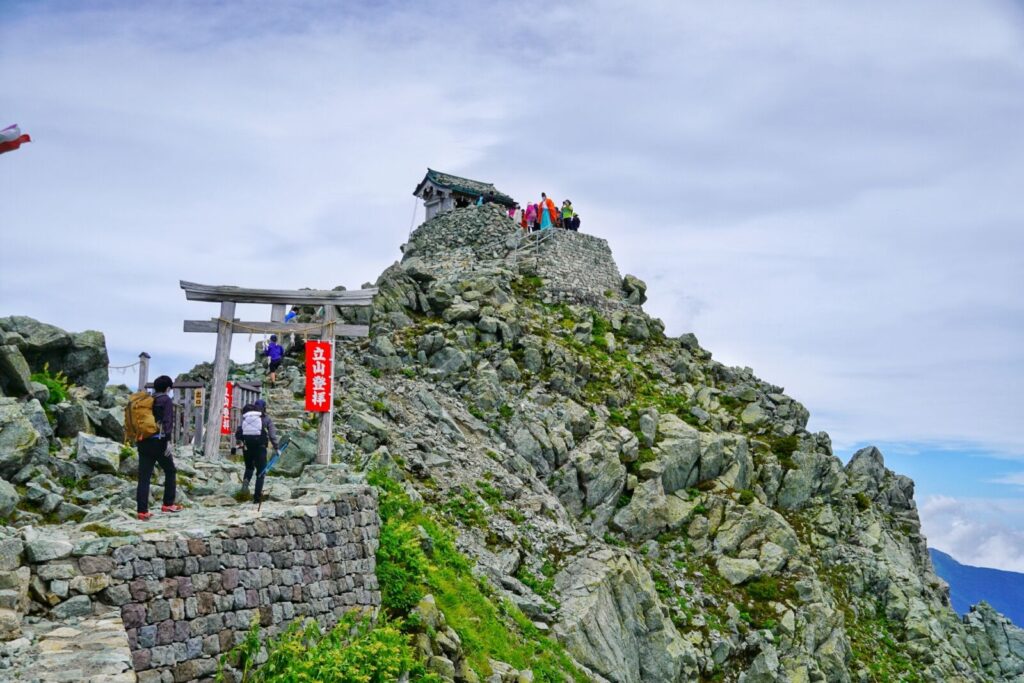
A Shinto shrine, known as a jinja in Japanese, is a sacred place of worship for the kami, or deities, of the Shinto religion. It serves as a home for these spirits, which are believed to inhabit natural elements, ancestors, and extraordinary beings. A key distinguishing feature of a shrine is its torii gate, a traditional gateway that marks the entrance to a sacred space and separates the everyday world from the spiritual one.
What is a temple?
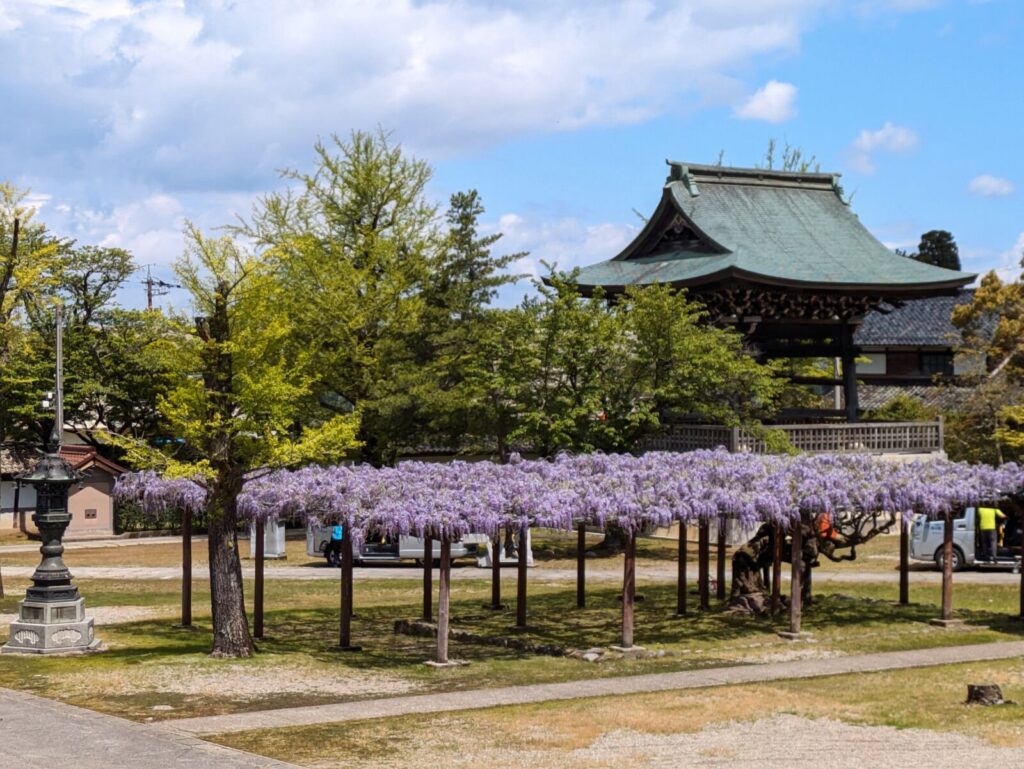
A Buddhist temple, or tera in Japanese, is a place of worship and monastic life for followers of Buddhism. These structures often house statues of Buddhas and Bodhisattvas, as well as scriptures, and serve as centers for meditation and religious study. Unlike a Shinto shrine, a temple is not marked by a torii gate but often features a main gate called a sanmon and a main hall (hondo) where the principal images are enshrined.
Visiting a shrine or temple
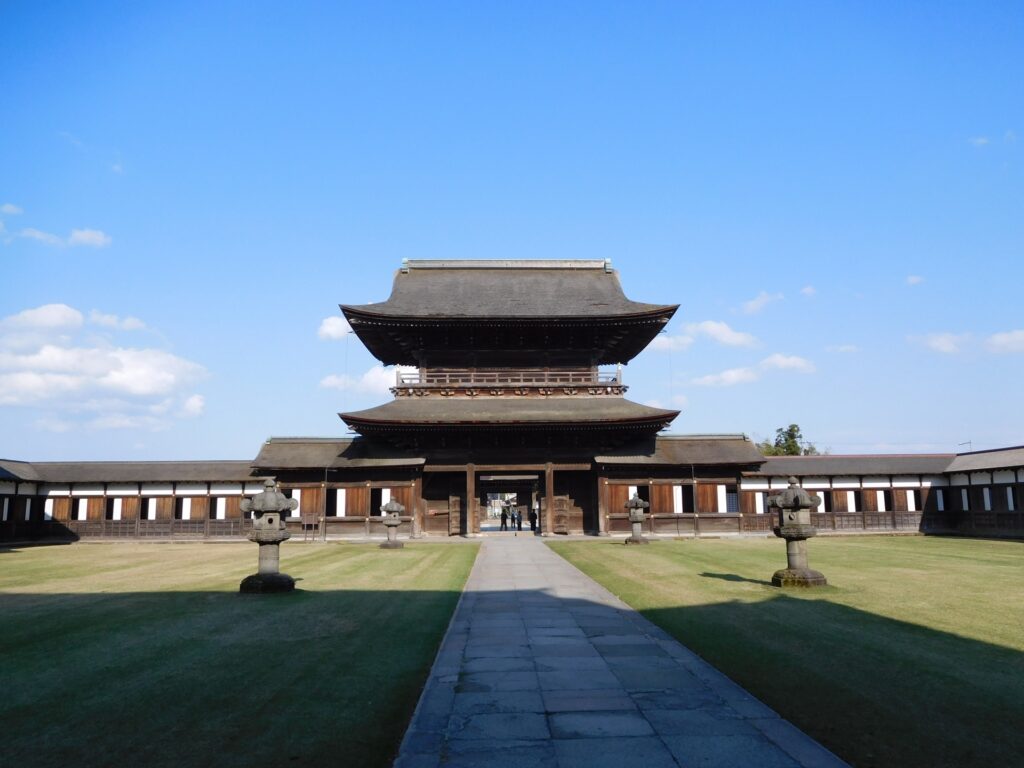
When visiting shrines and temples in Japan, it's important to be respectful of the sacred space by following some basic rules of etiquette.
Shrine Etiquette:
- Purification: Before approaching the main hall, visitors should purify themselves at the temizuya (water basin). Use the ladle to rinse your left hand, then your right, and finally your mouth, spitting the water(let it drip from your mouth) discreetly beside the basin, not back into it.
- Offerings and Prayer: At the offering hall, it's customary to toss a coin (often a 5-yen coin, as its name go-en sounds like the word for "good luck") into the offering box, bow twice, clap twice, make a wish or say a prayer, and then bow once more.
- Behavior: Walk along the sides of the path leading to the shrine, as the center is believed to be the path for the gods; and avoid taking photos of the main sanctuary if signs prohibit it.
For more info see our "A Guide to Japanese Shrine Etiquette."
Temple Etiquette:
- Entry: Before entering a temple building, you should remove your hat and shoes, which are typically placed on a rack at the entrance.
- Incense: At some temples, you can light incense (senko) and place it in the large incense burner; waft the smoke towards yourself for good health and fortune.
- Respect for Statues: When inside, speak quietly and do not touch any statues of the Buddha or other deities, as they are considered sacred and are often very old. There are sometimes statues that are meant to be touched, so be on the look out for those because they can bring you good luck, good health or even longevity.
Now onto the shrines/temples themselves!
- Hie Shrine - Toyama City -
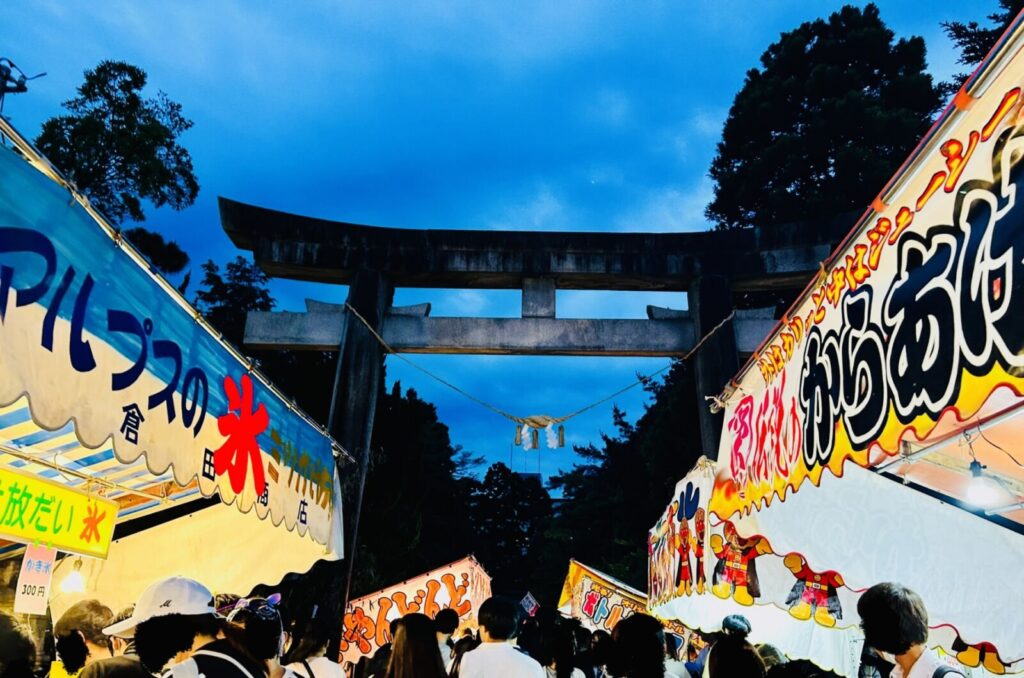
Hie Shrine is a significant Shinto shrine known for its historical importance and the annual Sanno Festival. This shrine serves as the guardian of Toyama Castle and the surrounding city, and it is a central part of the community's spiritual life. The Sanno Festival, held in June, is one of Toyama's most famous events, featuring a vibrant procession with decorated floats and portable shrines that draws large crowds.
- Zuiryuji Temple - Takaoka City -
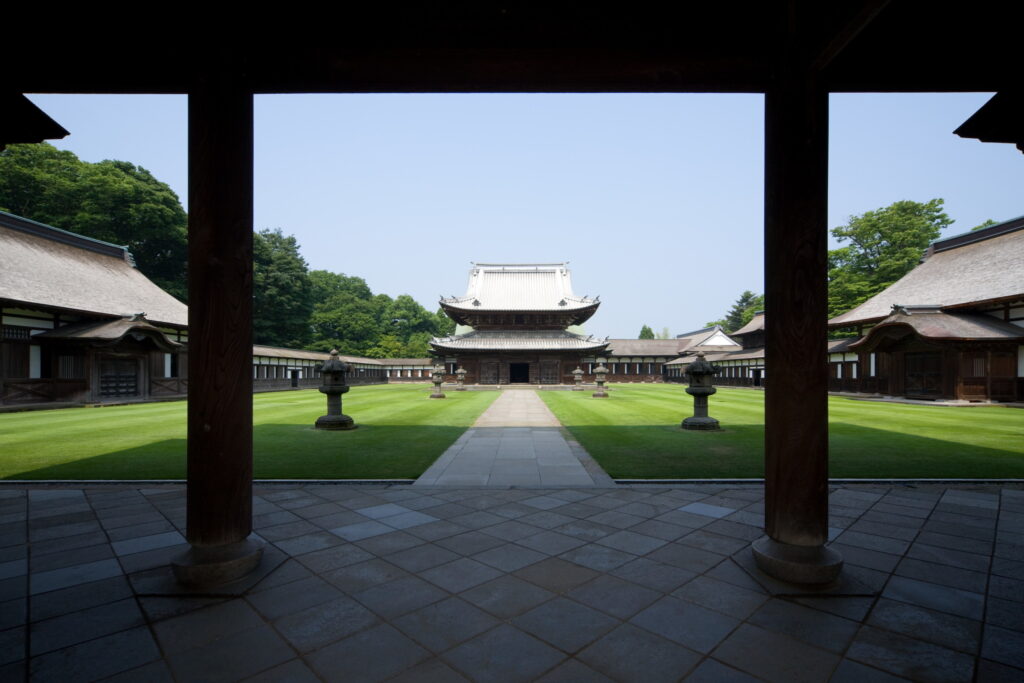
Zuiryū-ji Temple is a magnificent Zen Buddhist temple and one of the finest examples of early Edo period architecture. Designated as a National Treasure of Japan, its perfectly symmetrical layout and serene grounds reflect the detailed craftsmanship of its builders. The temple was constructed to honor the founder of the Kaga clan, Maeda Toshinaga, and its grand scale and beauty make it a powerful symbol of the family's legacy.
- Shokoji Temple - Takaoka City -
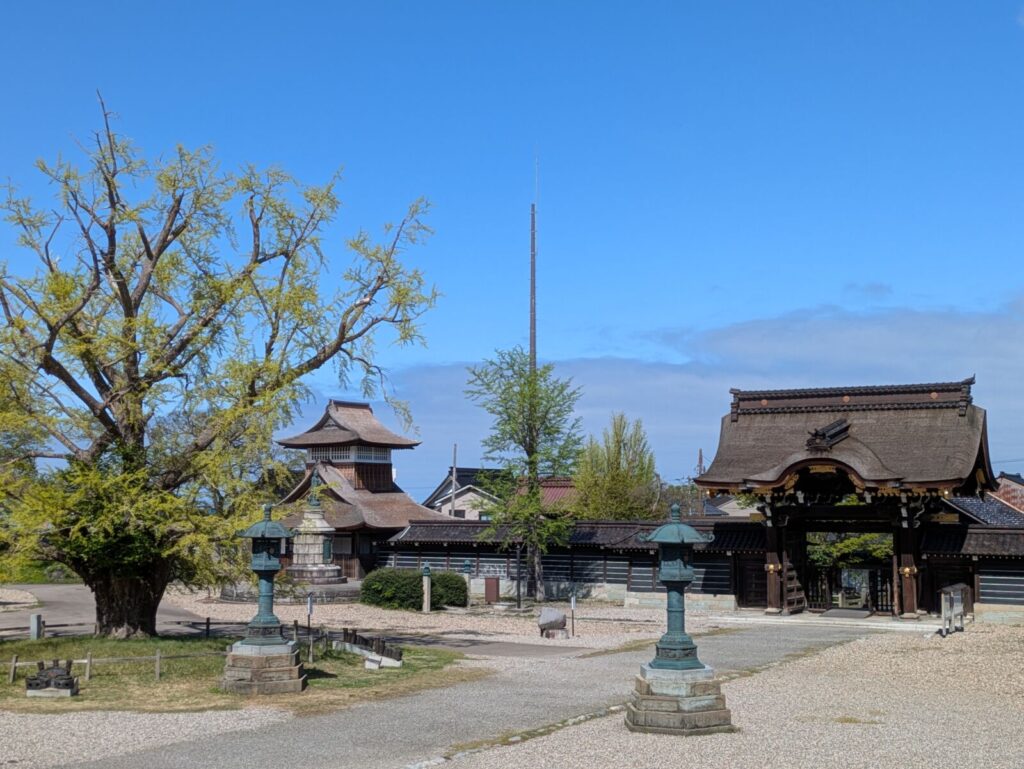
Shokoji Temple is a remarkable example of late-Edo period Buddhist architecture, distinguished by its grand scale and craftsmanship. The temple complex features twelve buildings that have been recognized as Important Cultural Properties, with its main hall and grand hall having been recently designated as National Treasures. A popular attraction are the so-called "Seven Mysteries," a collection of unique natural and architectural curiosities found throughout the temple grounds that are steeped in local folklore.
- Zuisenji Temple - Nanto City -
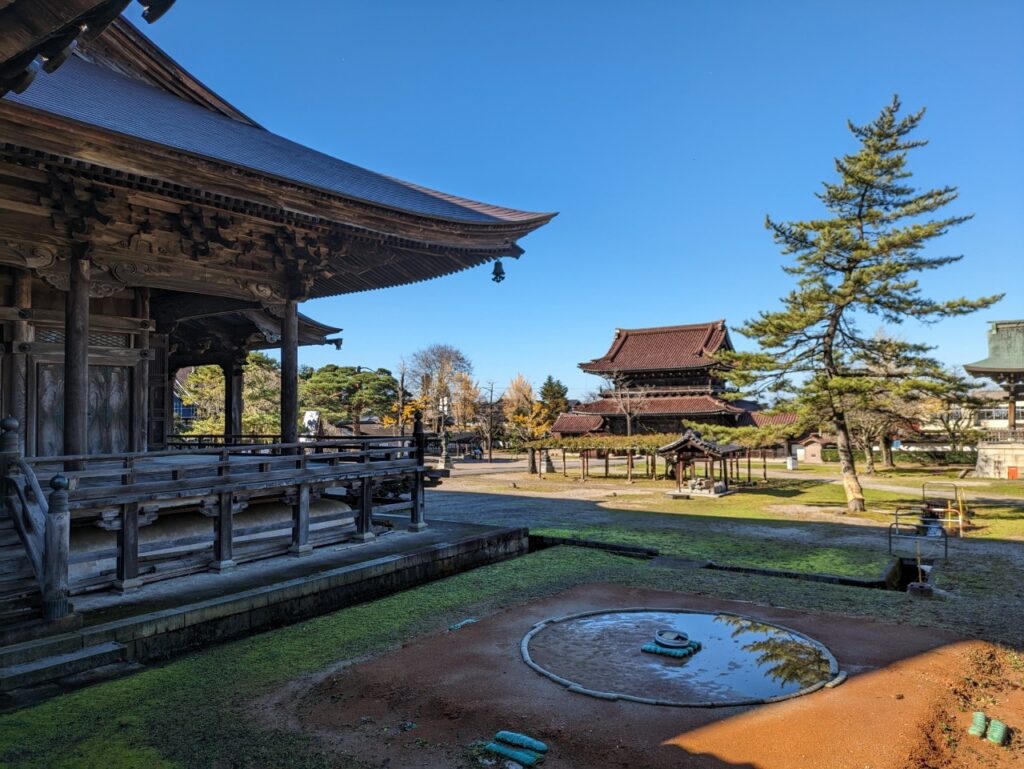
Zuisenji Temple is a historic Buddhist temple renowned for its intricate wood carvings and impressive architecture. The temple is especially famous for the masterful carvings created by the local artisans of Inami, a town celebrated for its centuries-old tradition of woodcraft. It stands as a testament to the local community's dedication to preserving their cultural heritage and artistic skill.
- Oyama Shrine - Tateyama Town -
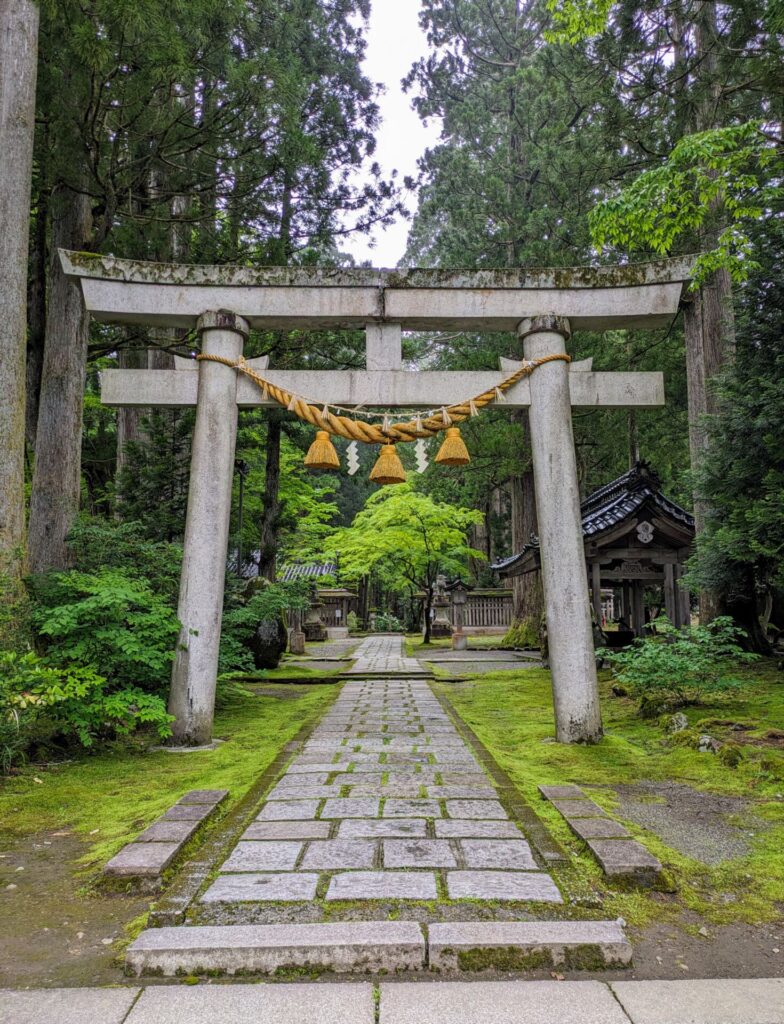
Oyama Shrine is a sacred site with a long history, serving as the spiritual center for the worship of Mount Tateyama. It is dedicated to the three gods of the mountain, making it an important pilgrimage destination for climbers and spiritual seekers before they ascend the peak. The shrine complex, which is comprised of three locations, symbolizes the journey from the base of the mountain(hell) to its sacred summit(heaven). The main shrine is at the peak, with two other parts located at lower elevations. The picture above is from the "middle" shrine in Ashikuraji, while the picture under the "What is a shrine?" section is the main shrine at the peak.
- Oiwasan-Nisseki Temple - Kamiichi Town -
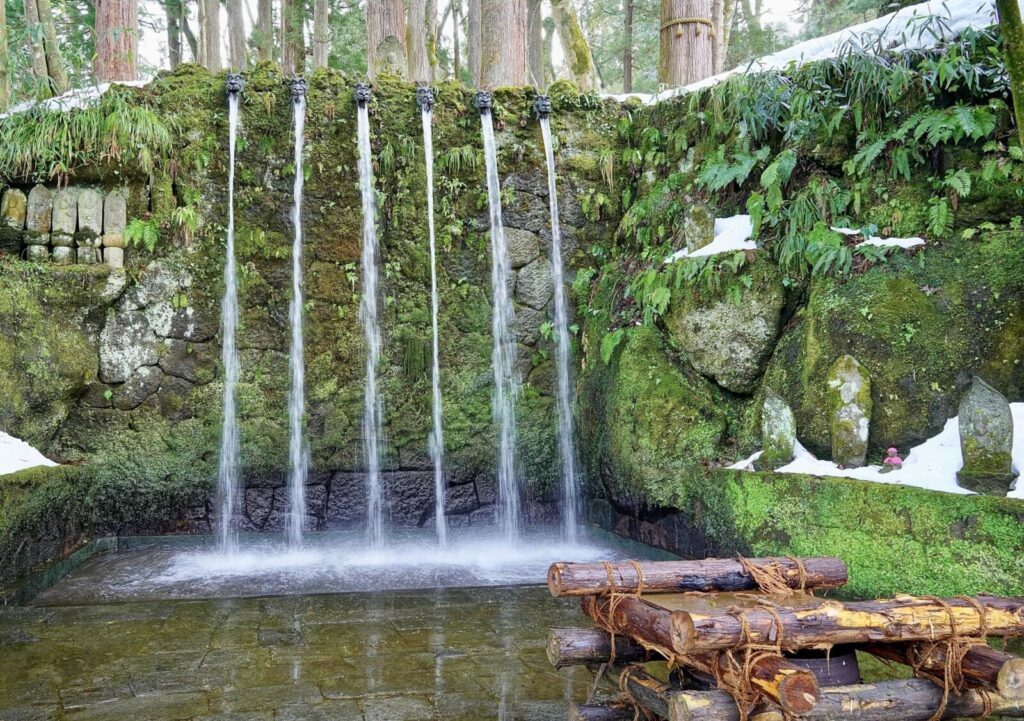
Oiwasan-Nisseki Temple is a historic Buddhist temple with a long tradition of ascetic practices and mountain worship. The temple grounds are famous for their natural beauty, particularly the cascading waterfalls that have long been used for purification rituals. It serves as a spiritual retreat and a pilgrimage site for those seeking a connection with nature and a tranquil atmosphere.
- Unazuki Shrine - Kurobe City -
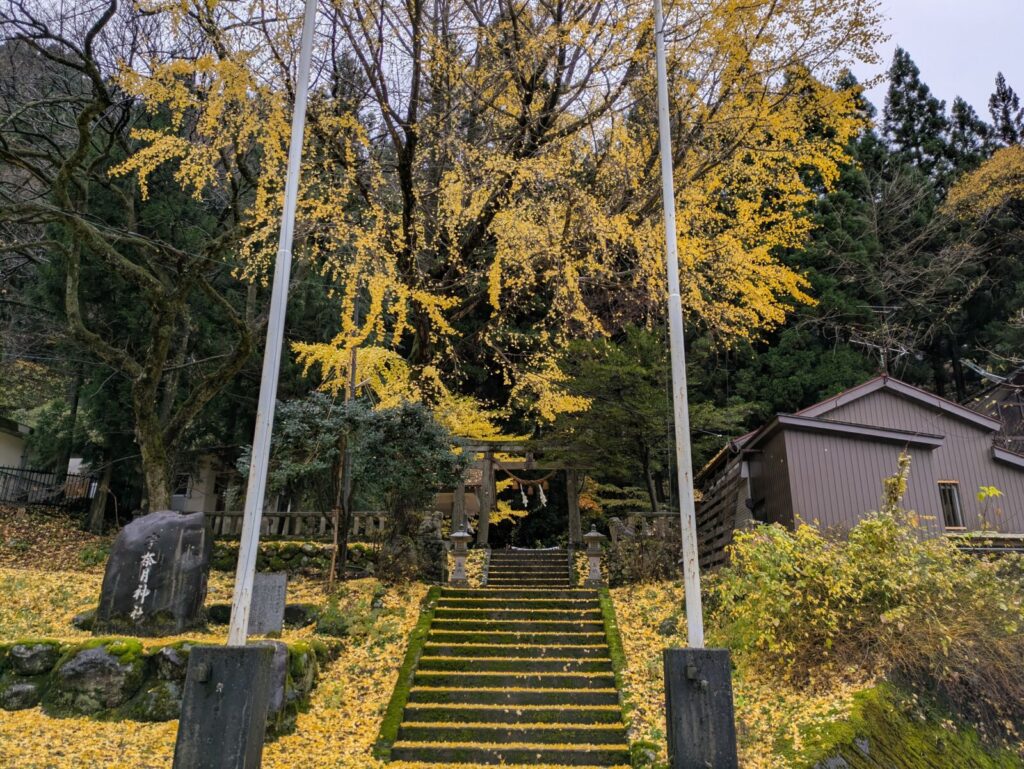
Unazuki Shrine is a modern and unique Shinto shrine dedicated to the gods of the Kurobe River and the local hot spring. It is known for its beautiful wooden torii gate, which is crafted from local Kurobe cedar and stands in stark contrast to the surrounding greenery. The shrine offers blessings for safety and prosperity, particularly for travelers and those connected to the local railway and hot spring town. Finally, on the first of every month, you can get special omamori charm there with a moon on it!
Frequently Asked Questions (FAQ)
How much do shrines and temples usually cost to enter?
Shrine are usually free to enter.
Temples in more rural areas like Toyama are sometimes free to enter but most of the ones on this list cost around 500 yen to enter.
What are goshuin stamps?
Goshuin are unique stamps and calligraphed seals collected by visitors at Japanese temples and shrines as a souvenir and proof of their pilgrimage.
Do shrines and temples have open and close times?
Yes, most temples and shrines, especially larger or more popular ones, have designated opening and closing times for their main buildings and grounds. While the outer grounds of some smaller, neighborhood shrines may be accessible 24/7, the inner areas, offices for goshuin, and shops for charms and amulets typically operate on a schedule, often closing in the late afternoon.
Is there a best time of the year to visit shrines and temples?
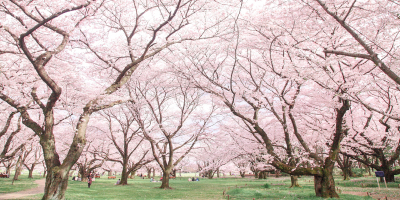
There is no single "best" time, as each season offers a unique experience. Spring is popular for its beautiful cherry blossoms and mild weather, while autumn is highly sought after for the vibrant colors of the changing leaves, both of which provide a stunning backdrop for the temples and shrines. While summer can be hot and humid, it is a great time to witness lively festivals, and winter offers a quiet, serene atmosphere, sometimes with snow-covered landscapes that can be particularly beautiful.
Do I need to be a believer to enter the shrine and temple?
No, you do not need to be a believer to enter a shrine or temple in Japan. Visitors of all faiths and backgrounds are welcome to respectfully explore these sites, which are appreciated for their historical significance, architectural beauty, and tranquil atmosphere.