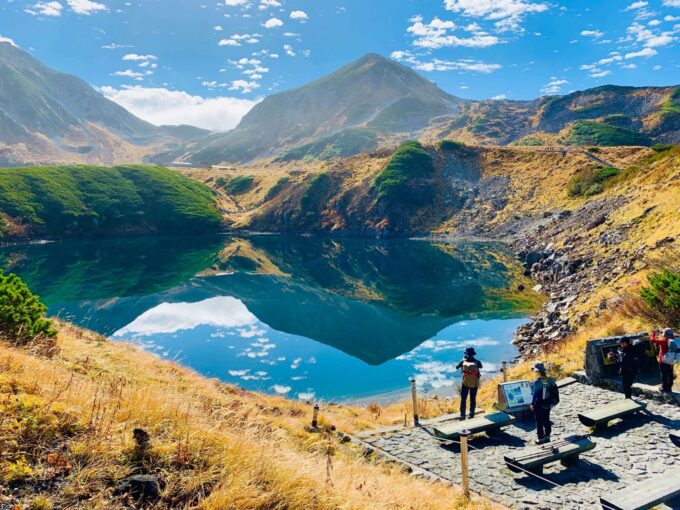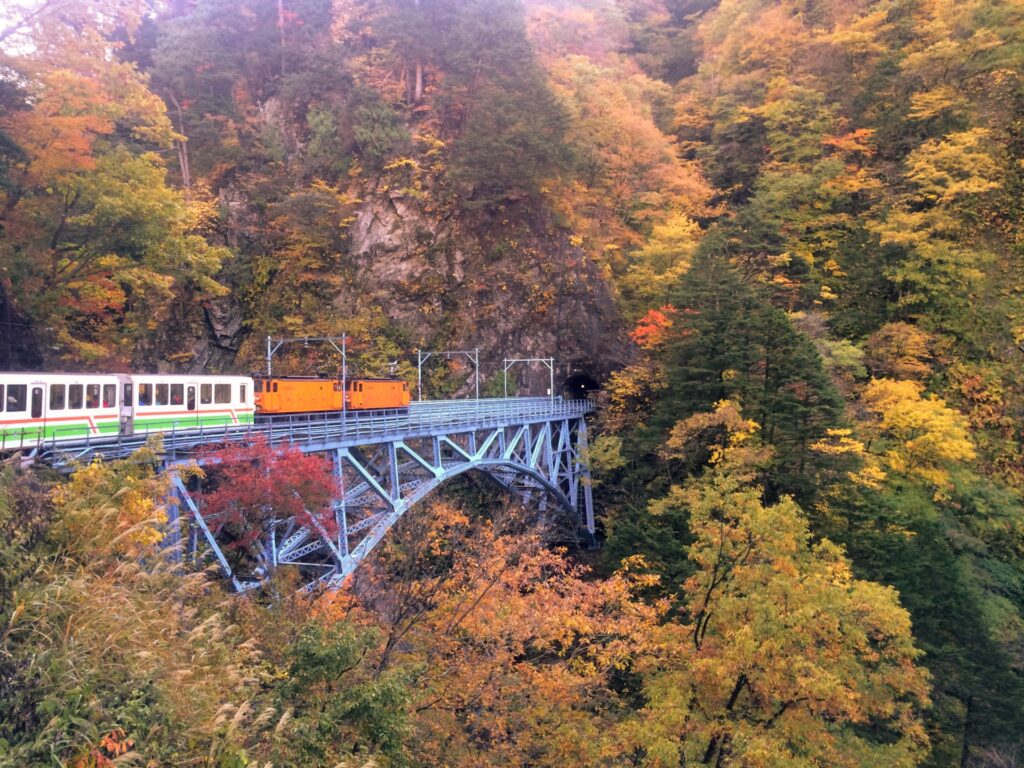


Omachi in Nagano is more than just a stop on the way to the mountains. It is the whole season gateway to some of central Japan’s best destinations. From here, travelers can easily reach the Hakuba Valley for world-class skiing, the breathtaking Tateyama Kurobe Alpine Route in spring through autumn, and the historic city of Matsumoto with its famous castle and cultural attractions. At the same time, Omachi itself offers a wealth of experiences, from the serene Nishina Lakes and scenic Takase Valley to unique local traditions such as Wachigai cooking, Matsuzaki washi paper and kanjiki snowshoe trekking in winter.
With a population of just under 30,000, Omachi retains the warmth of a small rural town while offering easy access to some of central Japan’s most celebrated destinations. Historically, Omachi developed as a post-town and agricultural hub, nourished by the pure waters flowing down from the Alps. Today it is often called “The City of Water” because of the countless springs, rivers, and reservoirs that feed its landscapes, industries, and way of life. Visitors will quickly notice how deeply water is woven into the local identity, from the stories passed down about sacred springs to the production of sake, miso, and washi paper, all of which depend on its clarity and abundance.
Choosing to stay in Omachi means enjoying both convenient access to these major highlights and the chance to experience the authentic culture and countryside charm of Nagano. Whether you prefer the easy transport connections around Shinano-Omachi Station or the hot spring atmosphere of Omachi Onsenkyo, the town has accommodation options to suit every traveler and every season.
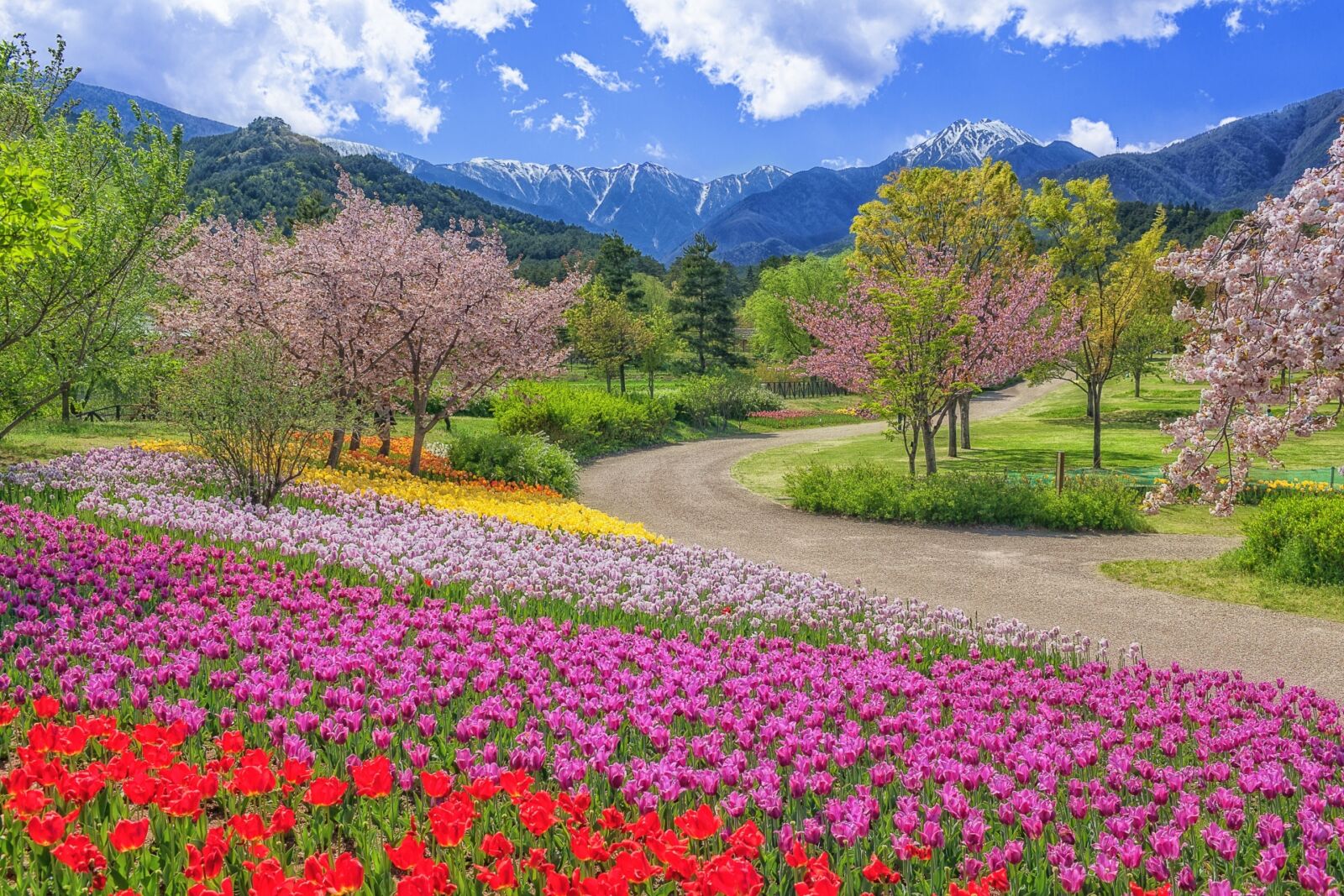
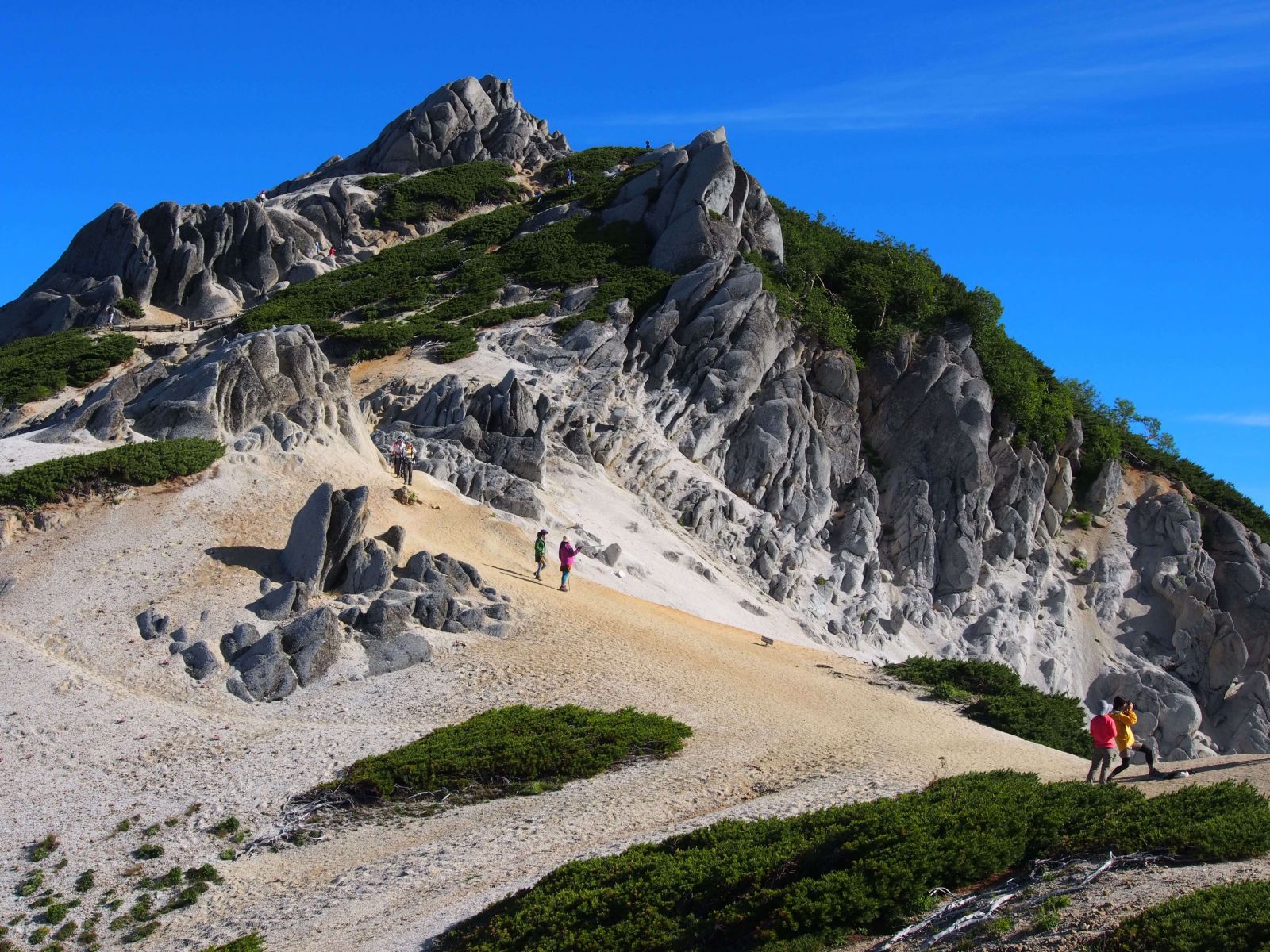
Where to Stay in Omachi?
Travelers have two main areas to choose from depending on their style of trip: the Shinano-Omachi Station area and Omachi Onsenkyo. Each provides a distinct atmosphere, with one focused on accessibility and convenience, and the other on relaxation and tradition.
SHINANO-OMACHI STATION AREA
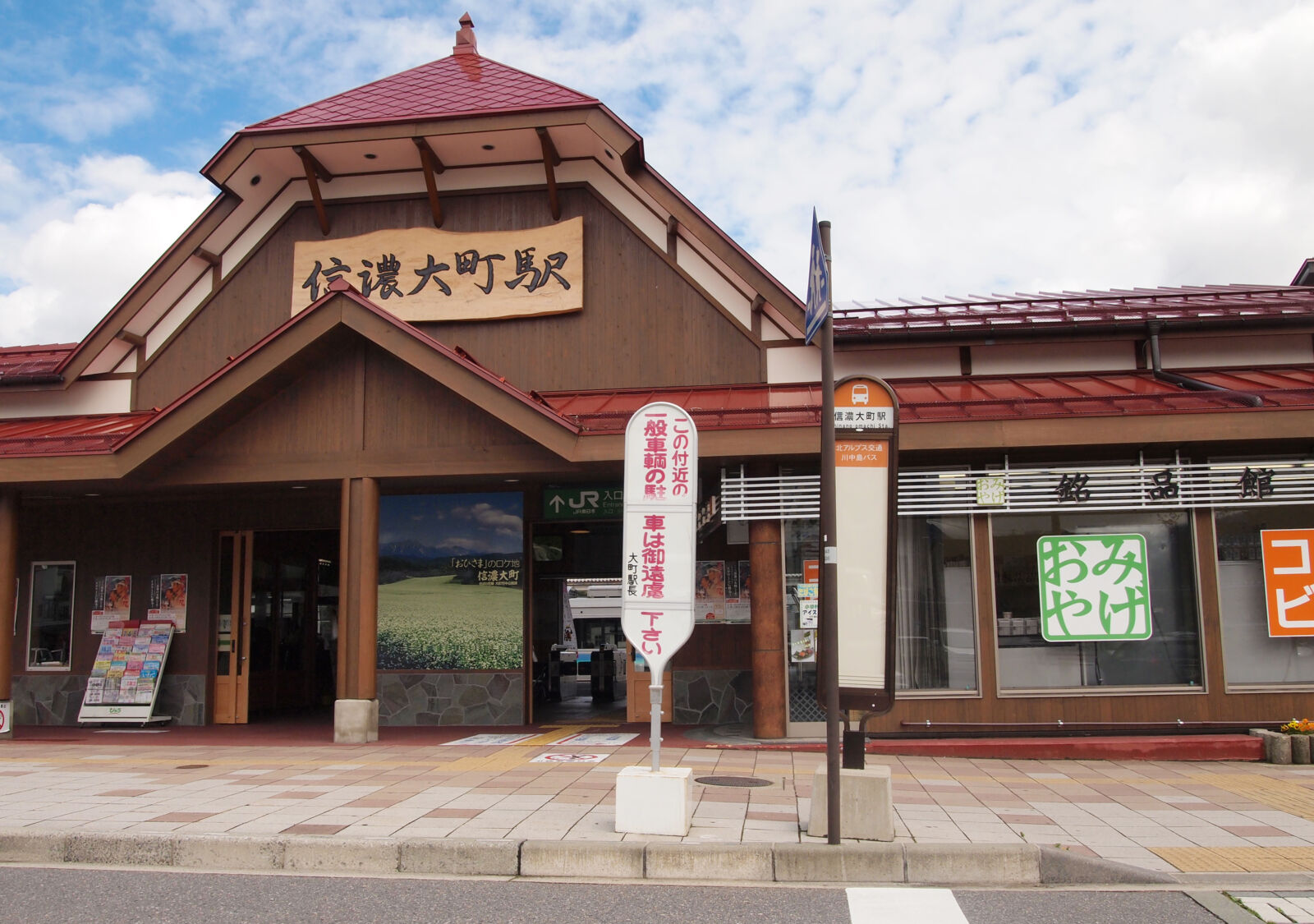
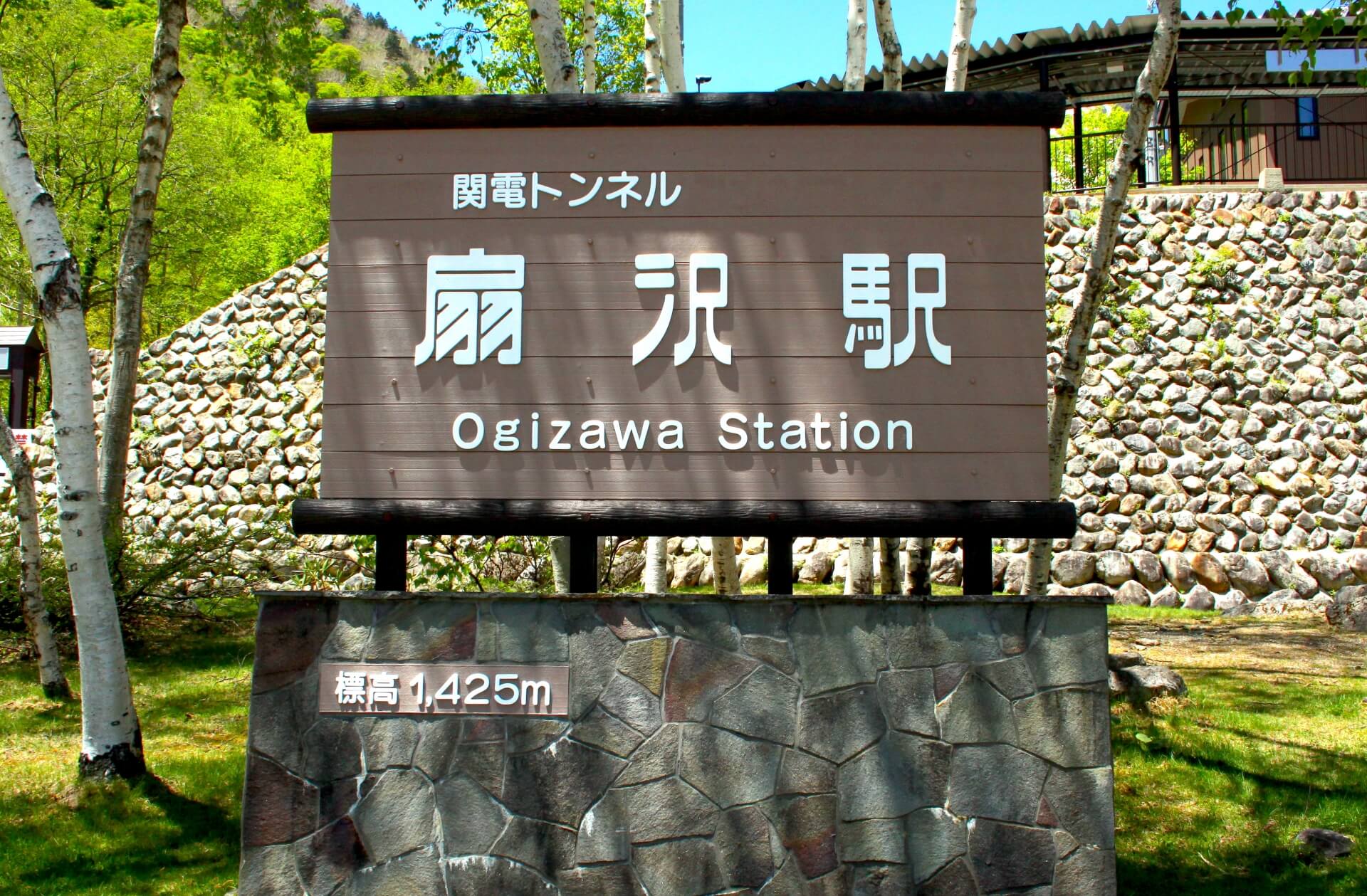
As the main gateway into Omachi, Shinano-Omachi Station is a central transport hub that connects the city to Matsumoto in the south and Hakuba in the north via the JR Ōito Line. From here, buses depart to Ogizawa station, the Nagano-side entrance to the Alpine Route, as well as to Omachi Onsenkyo and nearby attractions. For many travelers, this area is the most convenient place to stay! Especially those starting their Alpine Route adventure or moving between Nagano and Toyama.
The station itself is well-equipped, featuring a Midori no Madoguchi ticket office, a KIOSK convenience store, and the Alps Roman-kan souvenir shop, which sells locally made sweets and crafts. The Tourist Information Center inside provides guidance on sightseeing and transport, and free Wi-Fi keeps visitors connected. Just outside, you’ll find a bus terminal, taxi stand, and a luggage forwarding counter for those who want to send heavy bags ahead while crossing the Alpine Route.
Accommodation around the station ranges from Western-style business hotels and simple guesthouses to smaller ryokan. These options suit travelers on shorter stays, those who want quick access to transport, or visitors who plan to explore the Alpine Route early the next morning. Within walking distance are several local restaurants and shops, including eateries offering Omachi’s regional cuisine such as Wachigai noodles and Shinshu salmon. Staying here means maximum convenience with a taste of local culture.
Shinano-Omachi Station Area
- The most convenient choice for travelers arriving by train or bus. Offers convenience being within close walking distance from the station after arrival from your transport
- Accommodation options include mid-range to budget options
- Ideal for those beginning the Tateyama Kurobe Alpine Route or moving quickly between destinations
- A practical base for visitors who prioritize easy access and efficient travel
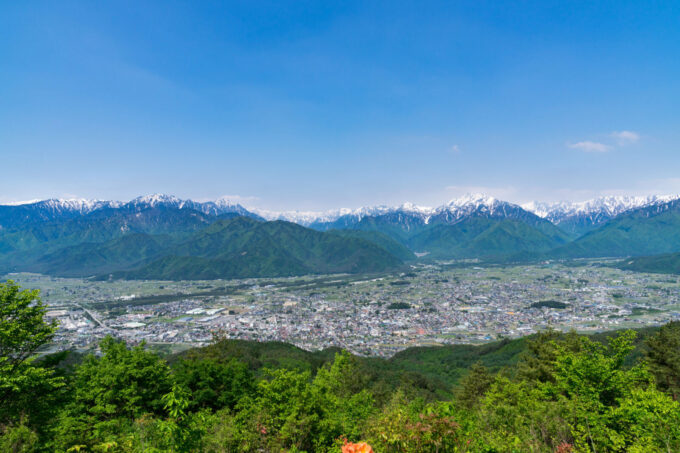
Visitors looking for more traditional ryokan accommodations with onsen experiences should consider staying outside of the city proper at the Omachi Onsenkyo area below.
OMACHI ONSENKYO AREA
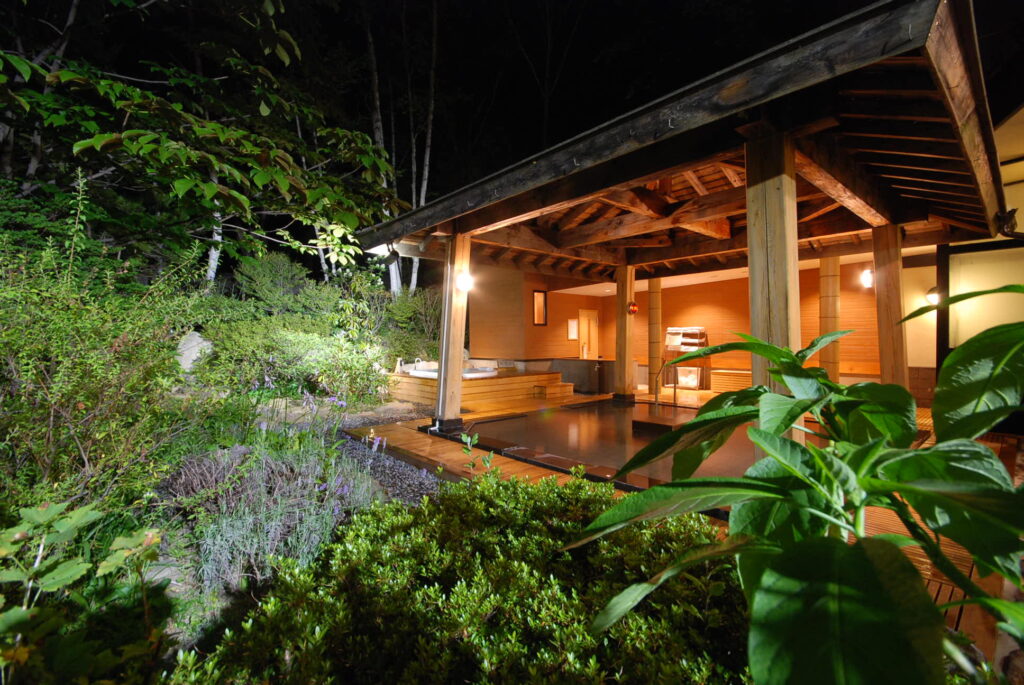
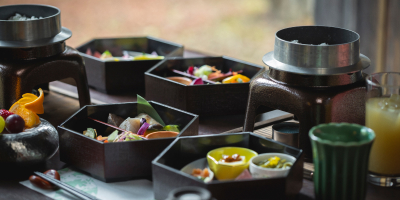
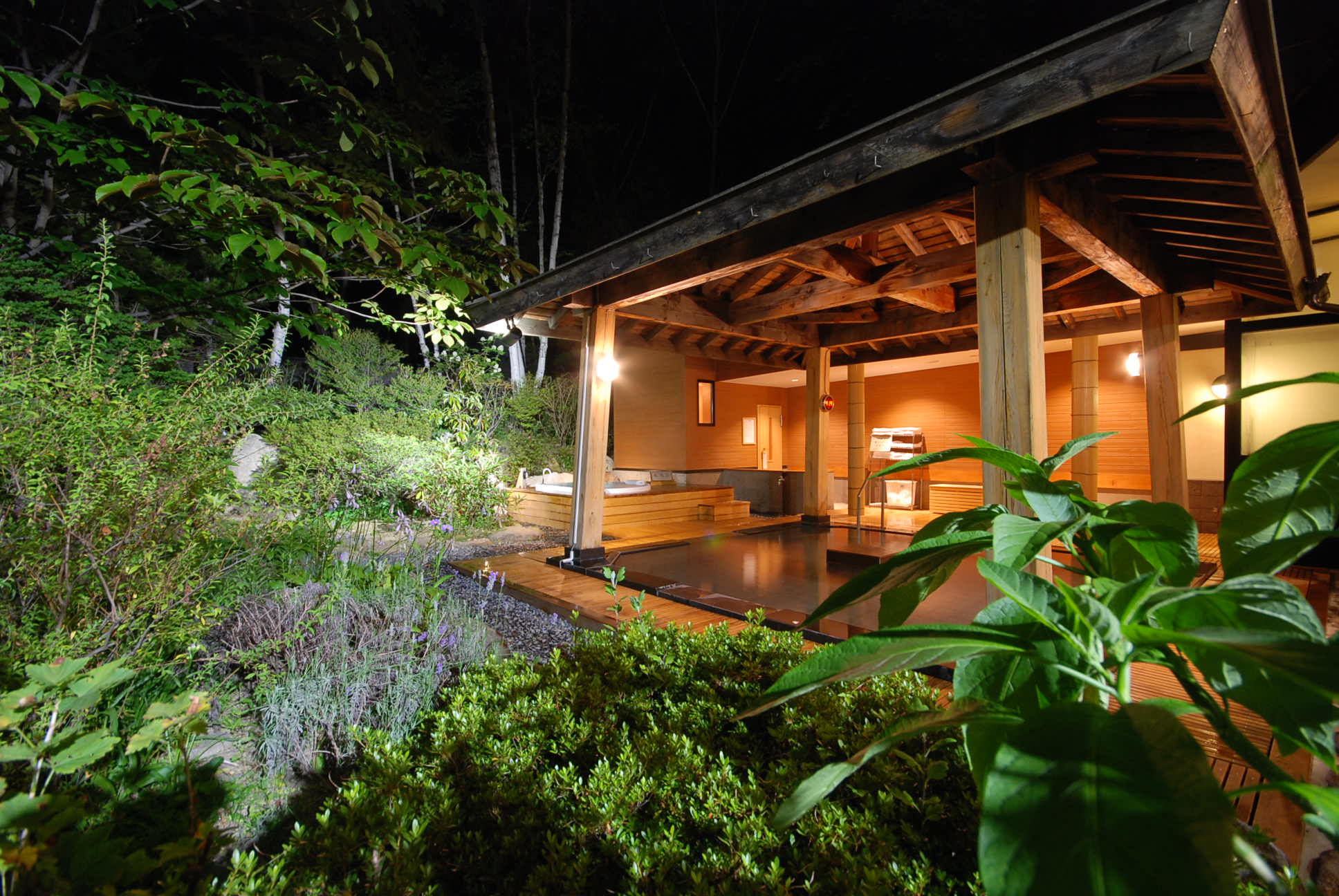
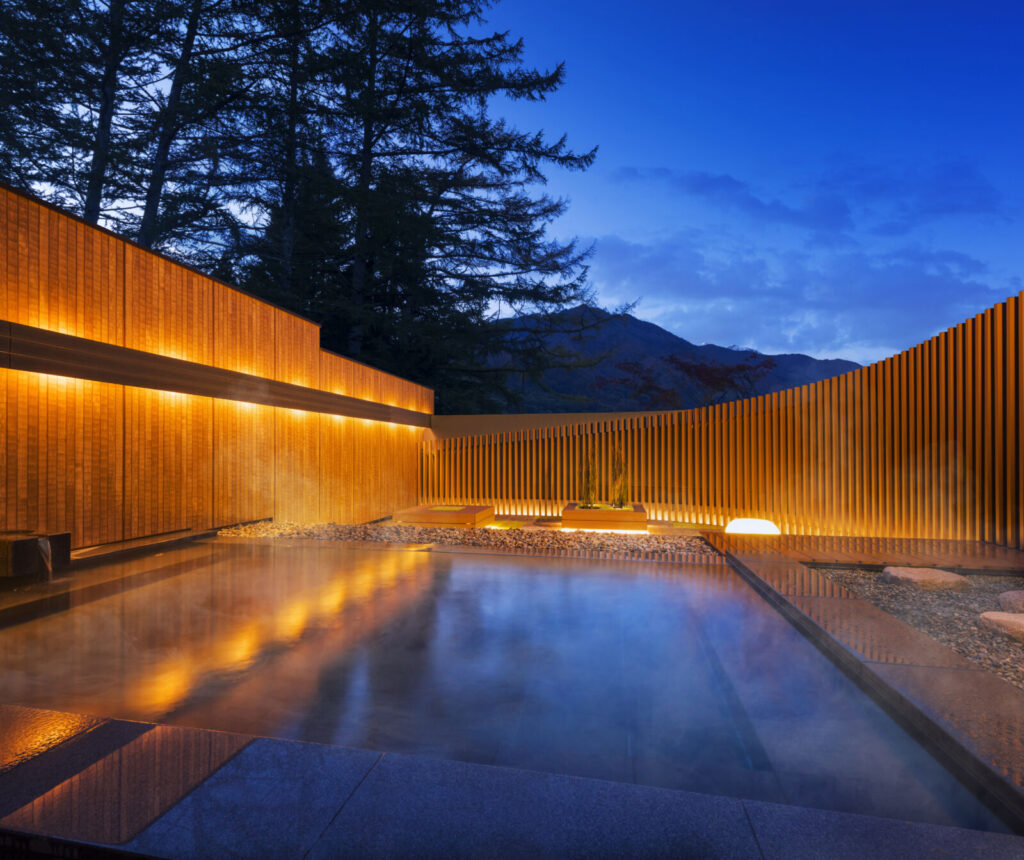
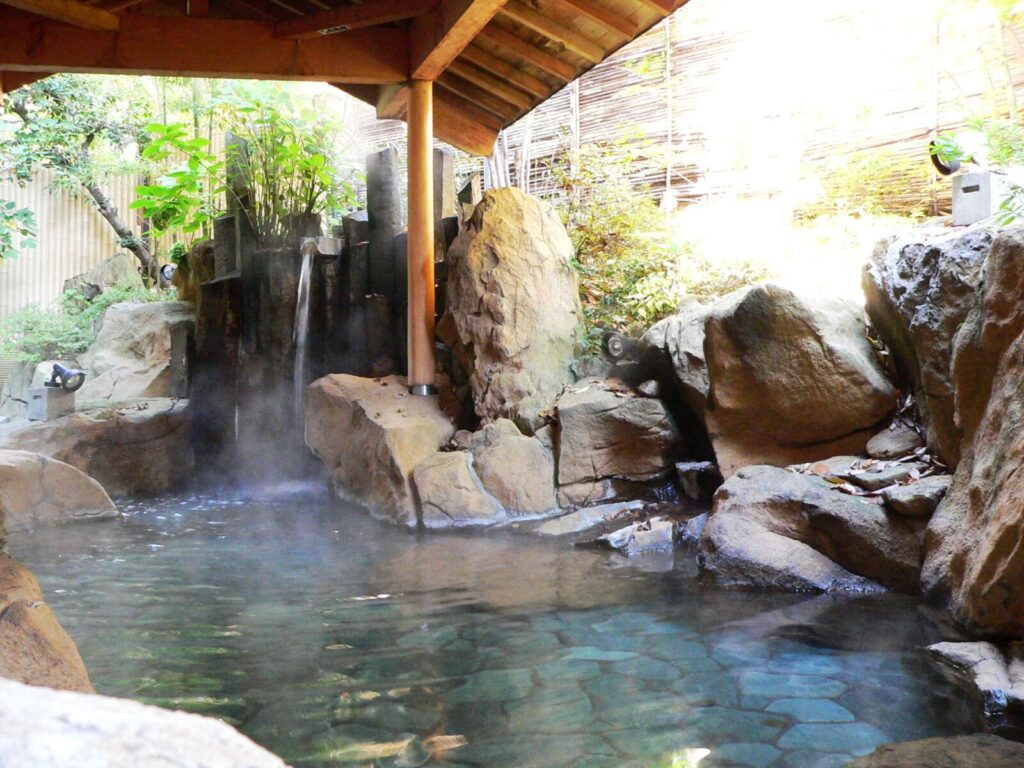
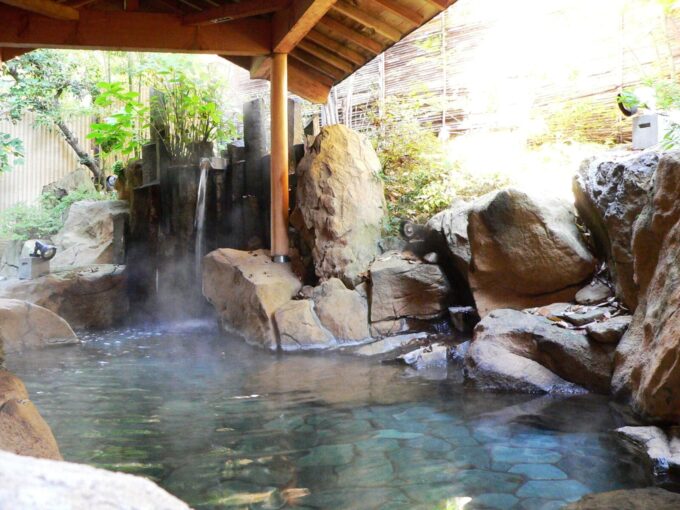
For those who prefer a more traditional and restorative experience, Omachi Onsenkyo offers the atmosphere of a quiet hot spring village. Located only ten minutes by bus from Shinano-Omachi Station, this cluster of ryokan and inns is built around natural hot spring sources. Guests here can enjoy the rhythms of Japanese countryside life: walking across tatami matting, savoring multi-course kaiseki dinners prepared with seasonal ingredients, and unwinding in open-air baths with views of the surrounding mountains.
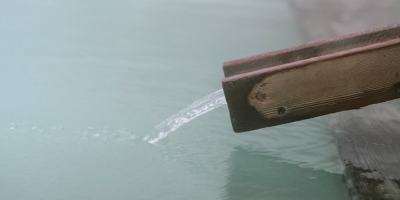
Only ten minutes by bus from Shinano-Omachi Station, Omachi Onsenkyo offers a more serene alternative. Set in a forested area at the base of the Alps, this hot spring village is both a restful base before or after the Alpine Route and a destination in itself. With traditional ryokan and hotels lining its quiet streets, guests can soak in open-air baths (rotenburo) while gazing at the surrounding mountains, or enjoy mineral-rich waters sourced from the Kuzu Onsen area in Takase Gorge Valley, famed for their healing qualities.
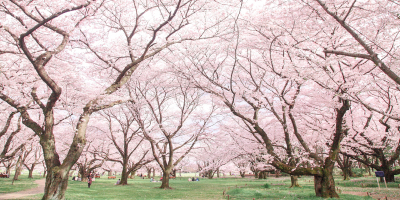
The area hosts seasonal events too, from the lively Omachi Snow Festival with fireworks and taiko drumming in February, to cherry blossoms in late April and fiery autumn foliage in October. Many ryokan here serve elaborate kaiseki-style meals made with seasonal Nagano produce, including Omachi pork, Shinshu salmon, and mountain vegetables. For travelers seeking a peaceful, traditionally Japanese atmosphere surrounded by nature, Omachi Onsenkyo is the perfect choice.
Omachi Onsenkyo Area
- Only 10 minutes by bus from Shinano-Omachi Station.
- Known for traditional ryokan stays with natural hot springs.
- Surrounded by forests and rivers, ideal for relaxing in a countryside setting.
- Best for: travelers wanting a deeper Japanese onsen and cultural experience.
Why Stay in Omachi?
Winter: Ski Resorts & Snowshoe Experiences
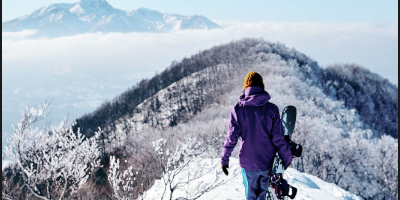
In winter, Omachi becomes a snowy playground.
Kashimayari Snow Resort
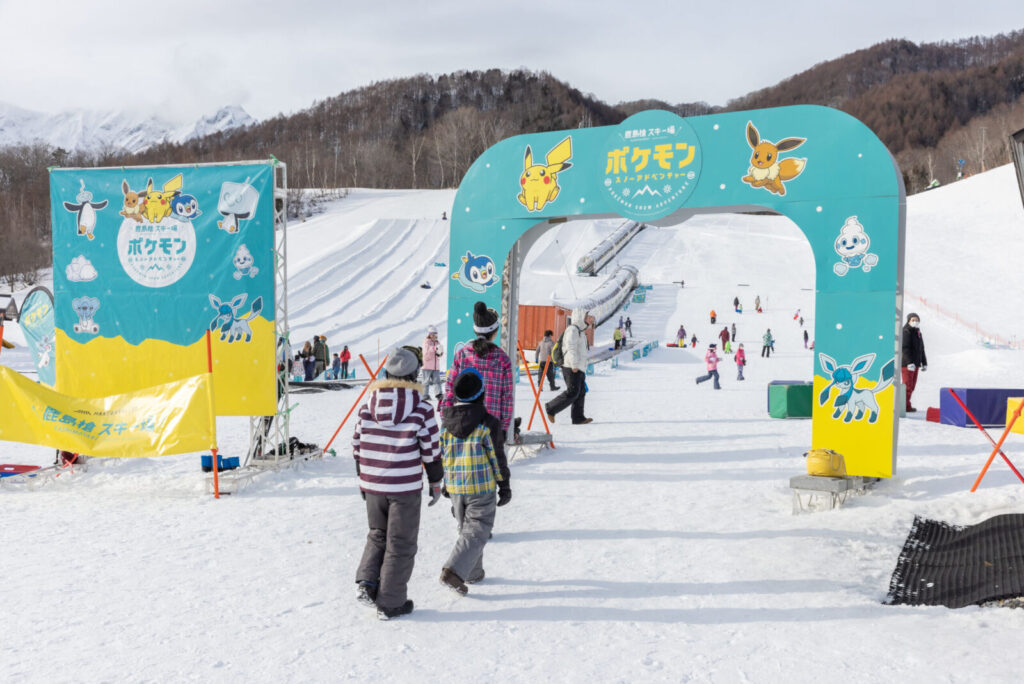
Kashimayari Snow Resort is the largest ski area in Omachi (and a 22-min drive!). Located on the slopes of Mt. Kashimayari, it offers a wide variety of runs suitable for all levels, from beginners to advanced skiers. The resort has around 15 courses, with long runs, terrain parks, and excellent views of the Northern Alps. Facilities include ski and snowboard rentals, restaurants, and ski schools, making it convenient for both day-trippers and longer stays. Kashimayari is also connected to nearby accommodations, making access straightforward for visitors staying in Omachi. They even have an ongoing pokemon collaboration! Come and have fun!
Jiigatake Ski Resort
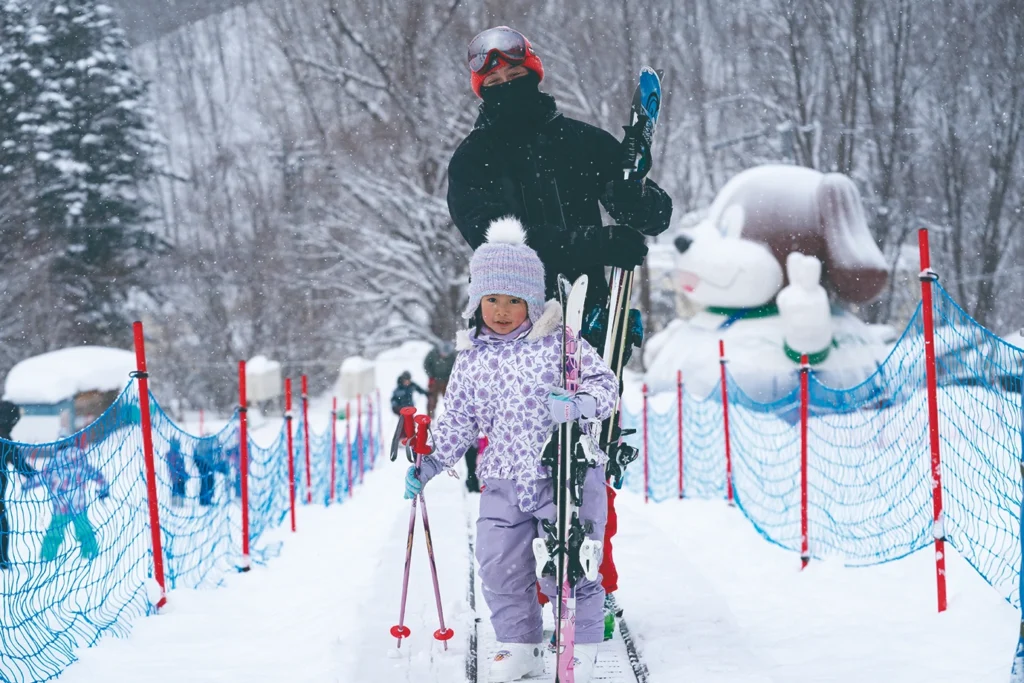
Jiigatake Ski Resort is smaller and more relaxed compared to Kashimayari. It is especially popular with families and beginners thanks to its wide, gentle slopes and safe layout. The resort offers ski and snowboard lessons, rental equipment, and family-friendly facilities. Because of its size and atmosphere, Jiigatake is often less crowded than Hakuba’s larger resorts, making it an easy option for casual skiing or a first-time experience. Plus, it's only an 18-minute drive from Shinano-Omachi station!
Kanjiki Snowshoe Experience
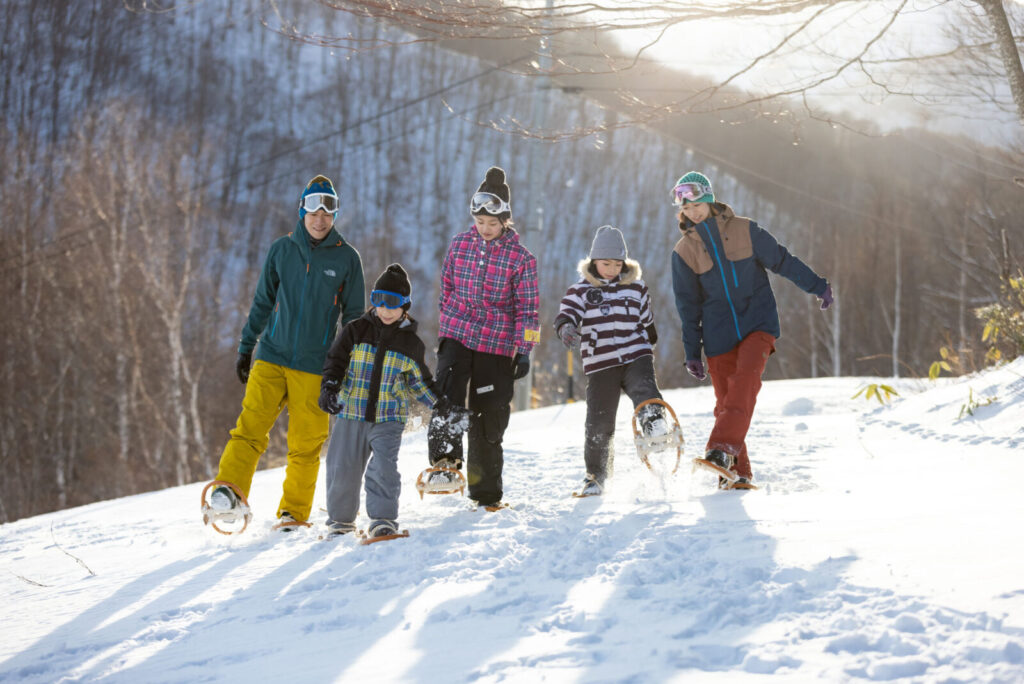
Kanjiki are traditional Japanese snowshoes made of wood and rope that were once used for winter travel in snowy mountain regions. In Omachi, visitors can join guided kanjiki snowshoe tours that take them into quiet forests, along frozen lakes, and across deep snowfields. This activity combines outdoor exploration with cultural history, allowing participants to experience how people once moved through heavy snow in Nagano’s mountains. Tours are available during the winter season and are suitable for beginners, as no special skills are required.

Hakuba Valley Access
For visitors looking for larger ski areas and more challenging terrain, Hakuba Valley is only a short shuttle ride from Omachi. Hakuba offers some of Japan’s best-known ski resorts and a wide variety of runs, but many travelers choose to base themselves in Omachi for quieter lodging, easier access to onsen hot springs, and proximity to smaller local resorts like Kashimayari and Jiigatake.
After skiing or snowshoeing, many visitors enjoy staying in Omachi Onsenkyo, the city’s hot spring village. The mineral-rich waters are ideal for relaxing after a day outdoors, and the area offers a range of ryokan (traditional inns) and hotels.
Spring: Alpine Gateway
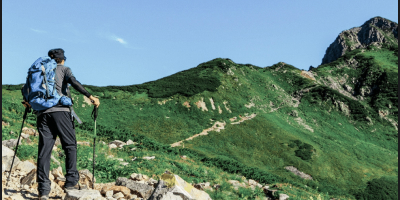
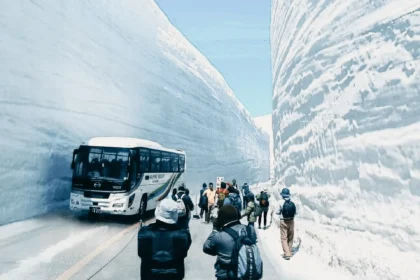
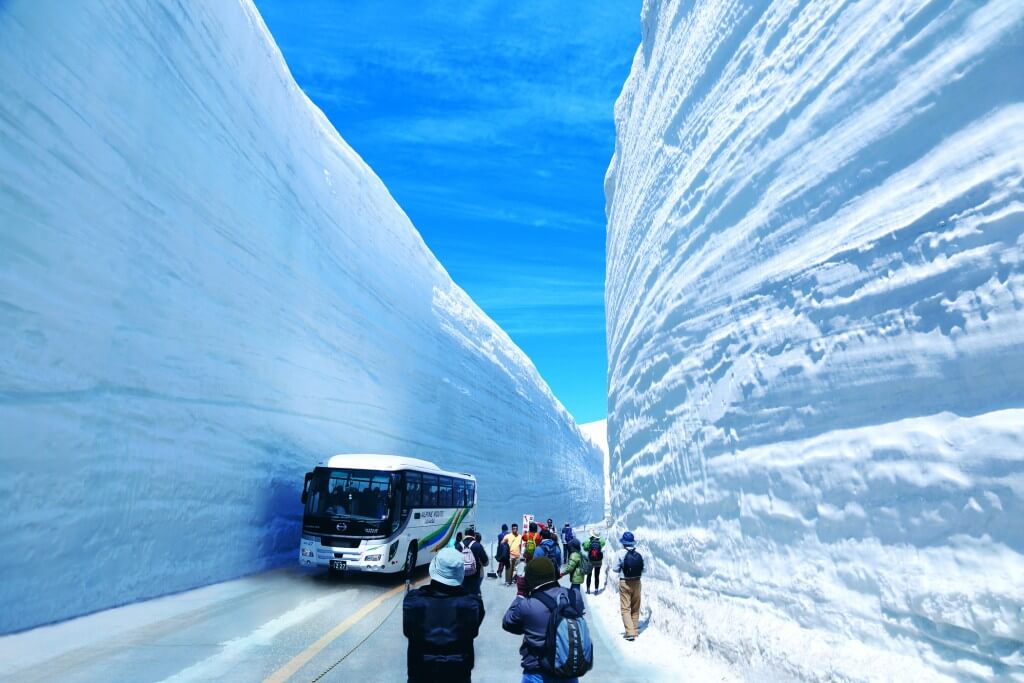
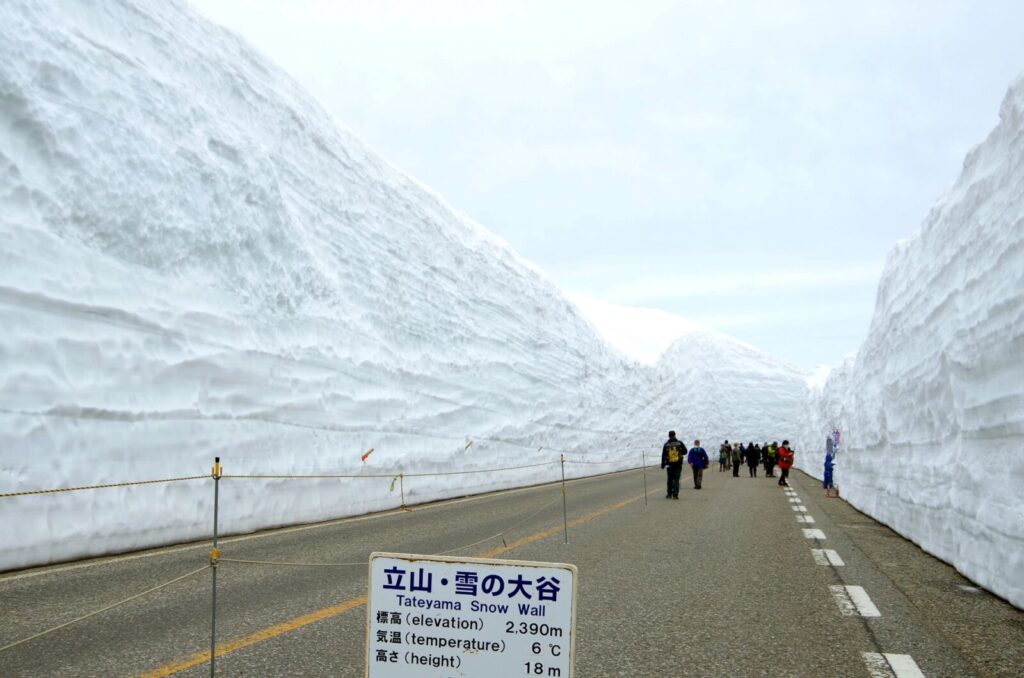
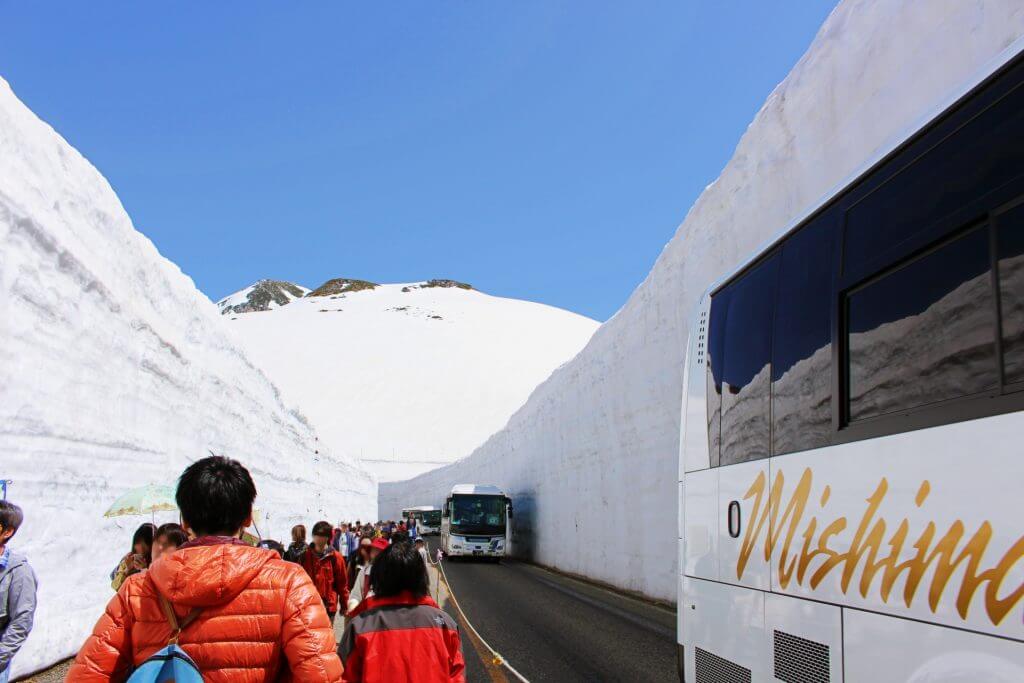
As the snow melts, Omachi blossoms into life as the Nagano-side gateway to the Tateyama Kurobe Alpine Route. From April through June, visitors flock here to see the famous Snow Walls, which tower more than 15 meters high. The Nishina Lakes are lined with cherry blossoms in late spring, reflecting pink petals against the blue waters. This season also marks the start of alpine hiking, while festivals bring locals and visitors together in celebration of renewal. Staying in Omachi at this time means easy access to high-mountain adventures and spring’s gentle beauty...
Summer: Lakes & Outdoor Adventures
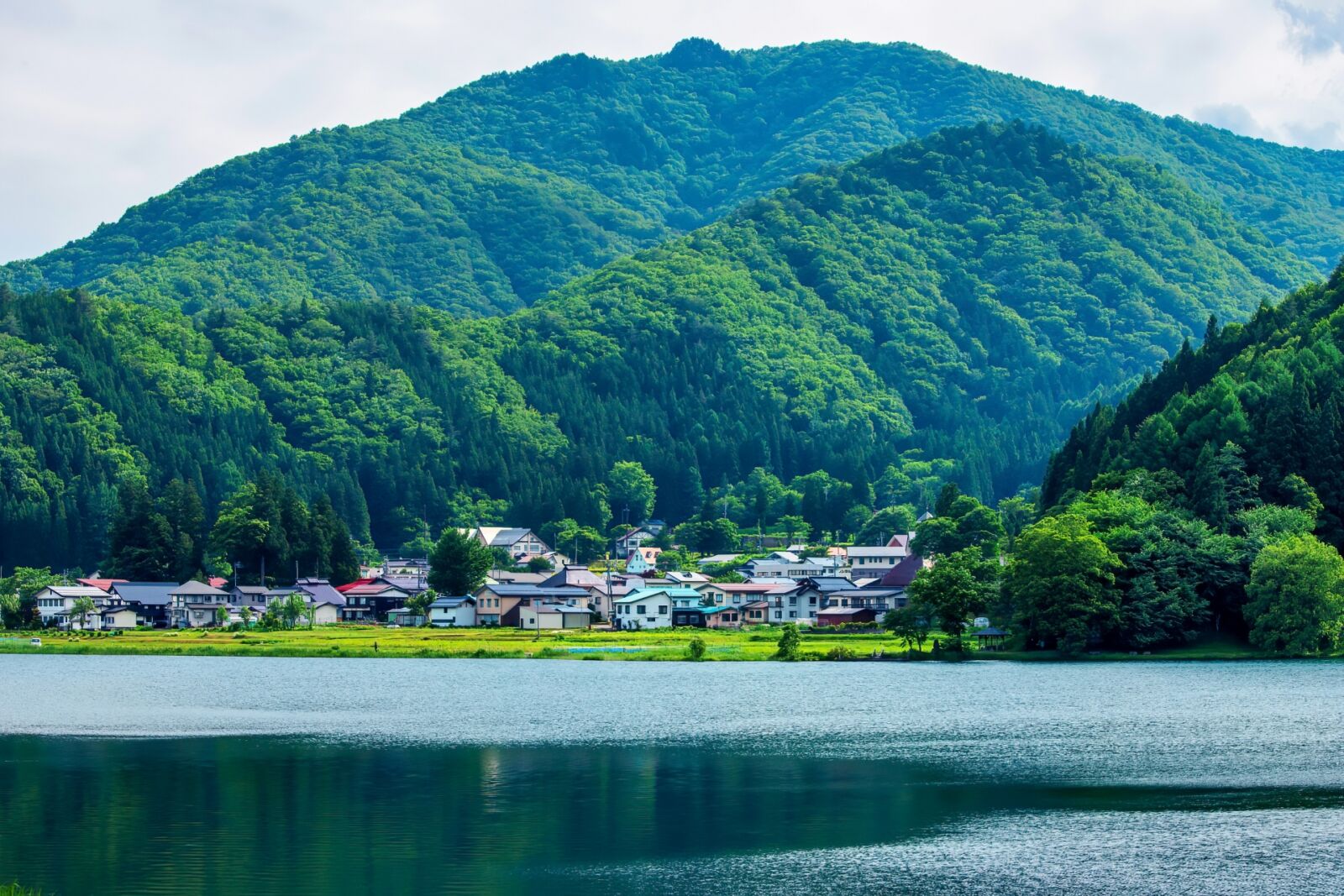
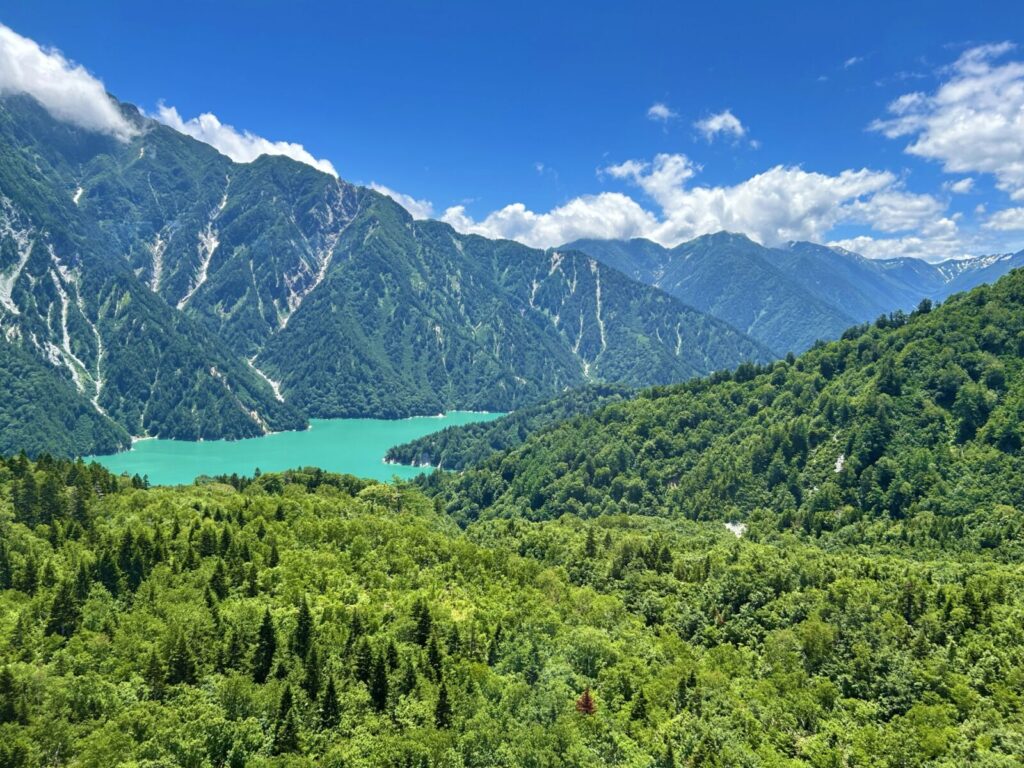
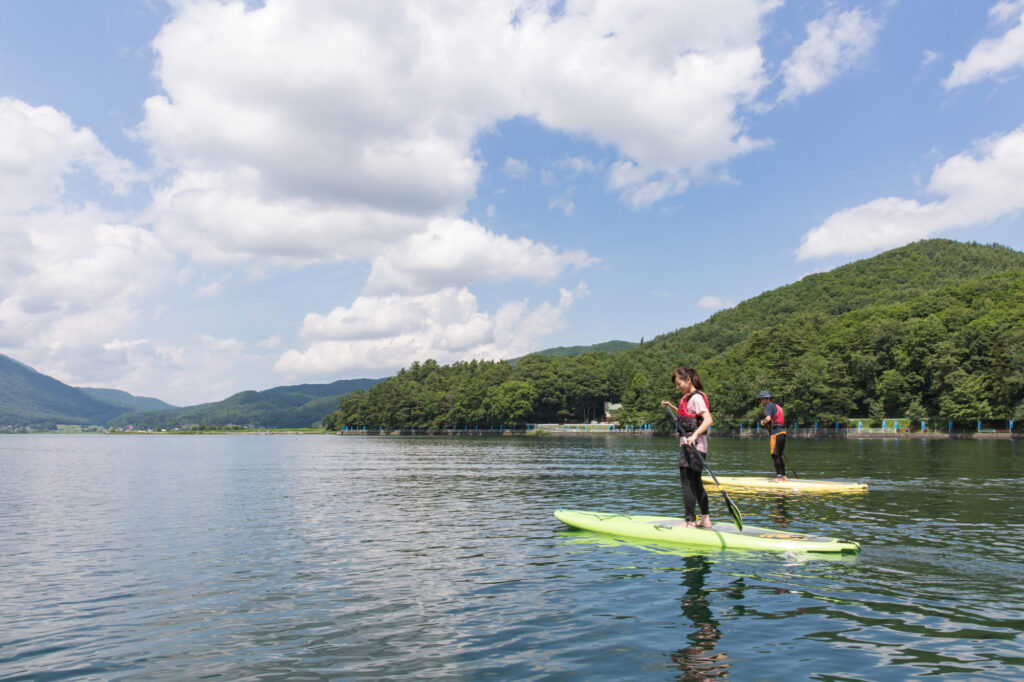
Omachi truly shines in summer with its abundance of water-based activities. The Three Nishina Lakes: Aoki, Nakatsuna, and Kizaki offer swimming, canoeing, stand-up paddleboarding, and camping. Lake Aoki, known for its deep azure color, is a haven for SUP enthusiasts, while Lake Nakatsuna hosts ice smelt fishing in winter and cherry blossom views in spring. Lake Kizaki, the most developed of the three, offers motorboating, wakeboarding, and lakeside campsites. Beyond the lakes, Takase Valley invites hikers to explore its crystal-clear rivers and forest trails, with riverside onsen to ease tired legs. Summer evenings sparkle with fireflies dancing over streams, making the season as enchanting as it is active.
Autumn: Colors & Culture
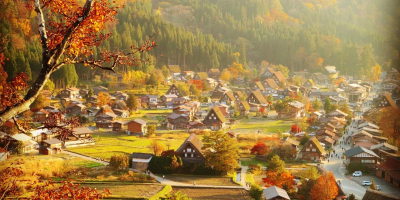
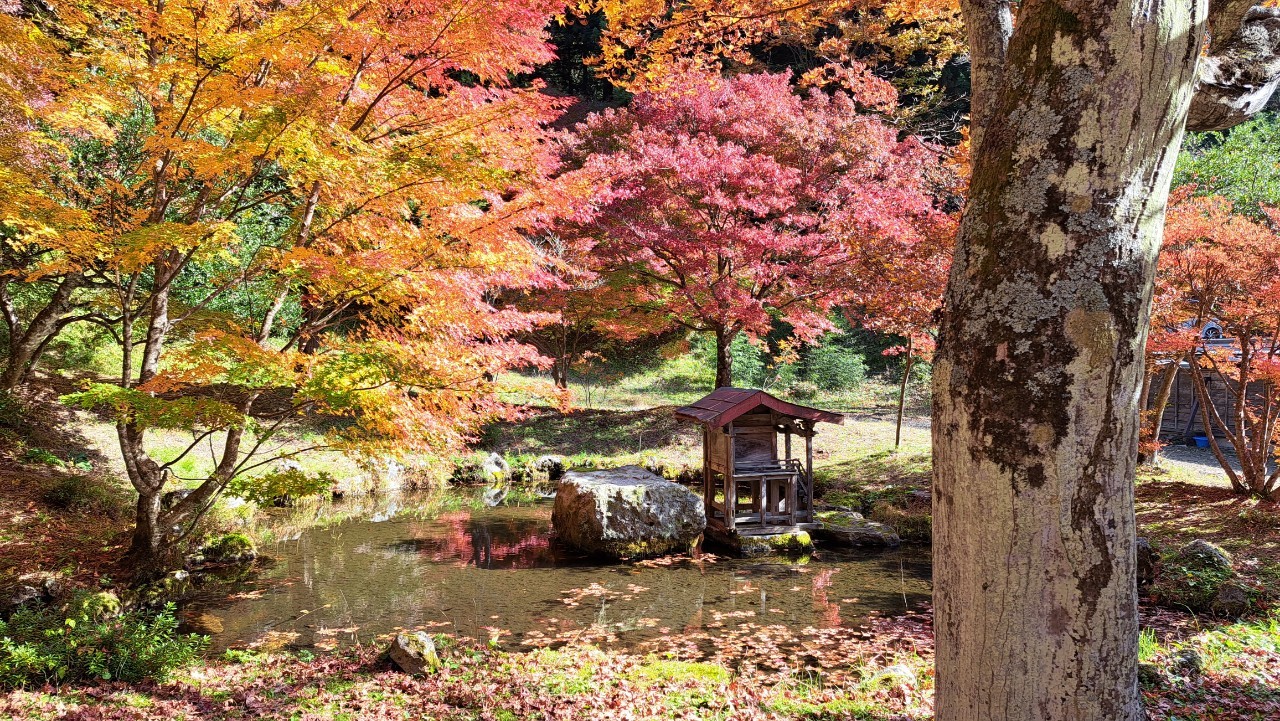
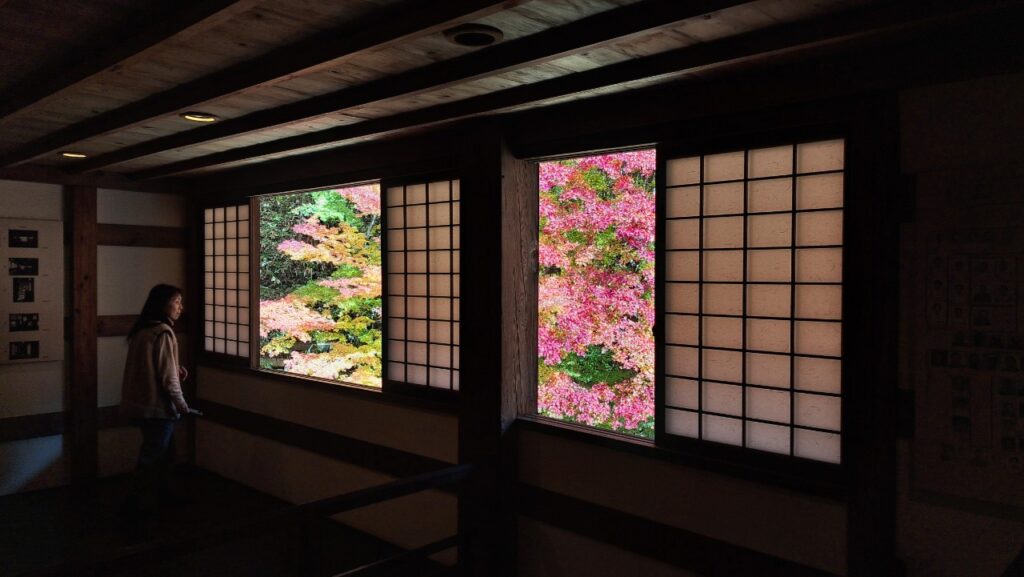
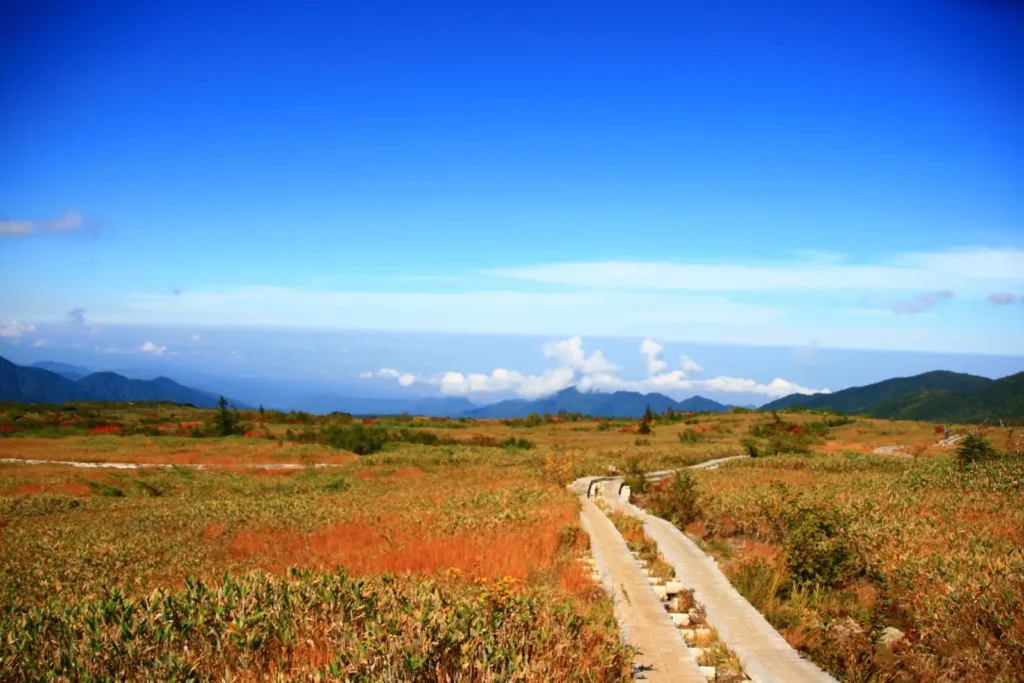
By autumn, Omachi transforms into a spectacular landscape of red, orange, and gold. The surrounding mountains and valleys, especially around Takase Valley and the Nishina Lakes, are popular spots for kōyō (autumn leaf viewing). It’s also a season that lends itself to cultural exploration, with visitors able to enjoy hands-on experiences that bring Omachi’s heritage to life.
Wachigai Cooking
The Wachigai Cooking Experience is held at Wachigai, a beautifully preserved 120-year-old townhouse that once served travelers along the historic Salt Road (Shio no Michi). Today, it has been reborn as a cultural hub where visitors can learn traditional Nagano-style cooking. “Wachigai” refers to the practice of weaving together hospitality, seasonal ingredients, and community spirit, a concept at the heart of Omachi’s food culture.
In a typical workshop, guests prepare dishes using local specialties such as Shinshu salmon, mountain vegetables (sansai), and Omachi Kurobuta pork. The experience often includes making dashi broth, shaping side dishes, and learning plating techniques rooted in Japanese aesthetics. Beyond cooking, participants are introduced to the stories behind the dishes, how they connect to Omachi’s festivals, seasons, and family traditions. The meal is then shared in a tatami room, making it not only a cooking class but also a cultural exchange that celebrates the spirit of rural Nagano.
Matsuzaki Washi Paper-Making
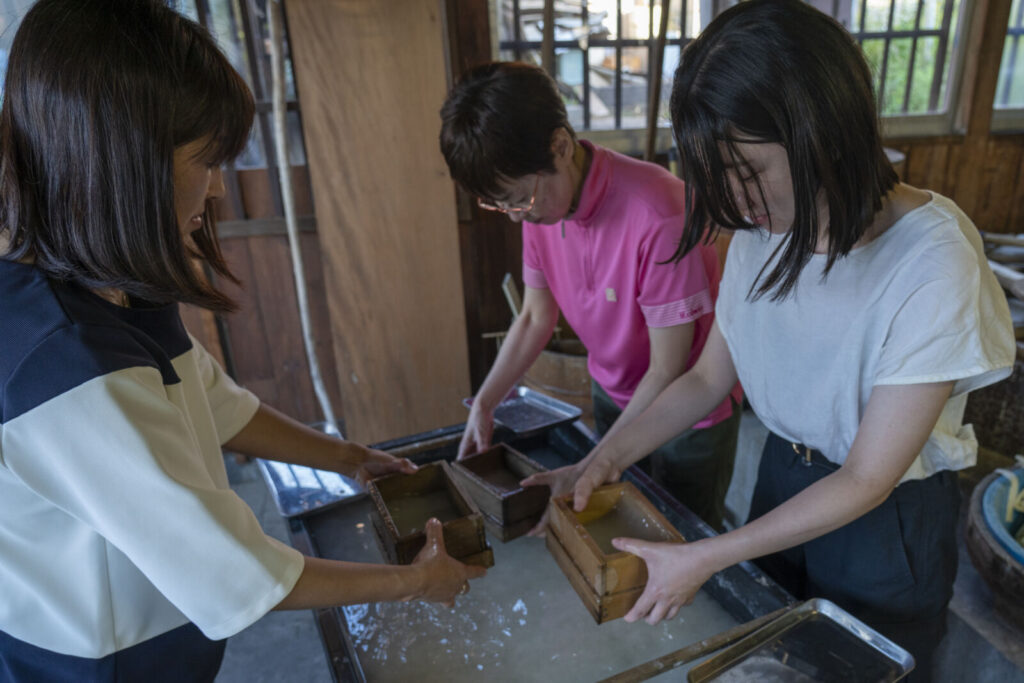
Omachi is also home to the centuries-old craft of Matsuzaki washi, a traditional Japanese paper made in the Matsuzaki district using pristine spring water from the Northern Alps. Washi-making here traces its history back more than 300 years, when mulberry plants were cultivated in the region and local families developed their own techniques. Recognized for its strength, softness, and durability, Matsuzaki washi has long been used for shoji screens, lanterns, and even ceremonial purposes.
Visitors can take part in hands-on workshops, beginning with scooping mulberry pulp (kozo) into wooden frames, shaking and layering the fibers, and then pressing and drying the sheets. The process emphasizes patience and precision, with every step deeply tied to the natural environment of Omachi- its clear water, fresh air, and seasonal rhythms. Participants can bring home their own washi creation, whether a sheet of paper, bookmark, or card, as a lasting reminder of the experience.

Alongside these cultural activities, autumn in Omachi is also the time of harvest festivals, firework displays, and brewery tours. Local sake breweries thrive during this season, producing rich, fragrant varieties that showcase Omachi’s pure alpine water. Together, fiery foliage, immersive traditions, and seasonal celebrations make autumn an ideal time to explore both the natural and cultural sides of Omachi.
Related Travel Guides:
- [20 Things to Do Around Omachi & Where to Stay]
- [How to Get to and Around Omachi]
- [Shinano-Omachi Station Guide]
- [Omachi Onsenkyo Area]
- [Water Fun Activities at the Nishina Lakes]
Whether you choose the convenient station area or the tranquil hot spring village, Omachi offers accommodations that pair comfort with culture. Each season brings its own highlights: skiing in winter, alpine adventures in spring, lakeside fun in summer, and vibrant colors in autumn, while year-round, Omachi’s hot springs, food traditions, and crafts invite visitors to slow down and connect with the heart of Nagano. Far from being just a stopover, Omachi is both a gateway and a destination.
How to Get to and Around Omachi
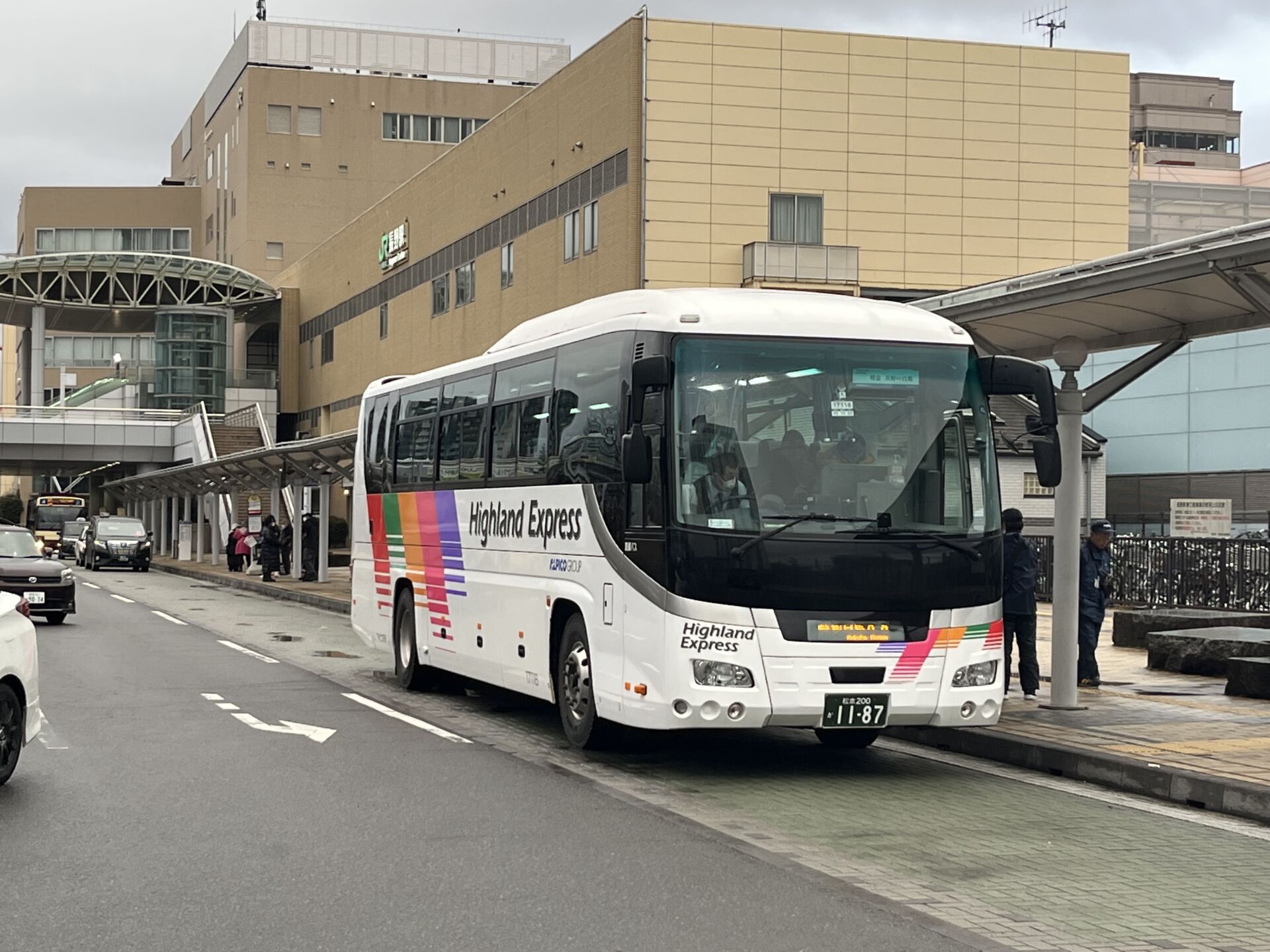
As there is no Shinkansen line directly running from Tokyo to Omachi, the town is best reached from Tokyo by taking the Hokuriku Shinkansen line to Nagano City and then taking the many easy to access public buses. To make it from the south from Nagoya only requires trains, but does require a transfer. Our 'How To Get To Omachi' page explains how to make the journey from many other popular starting points in greater detail.
Book with us! Nagano’s No.1 Tour & Charter Operator
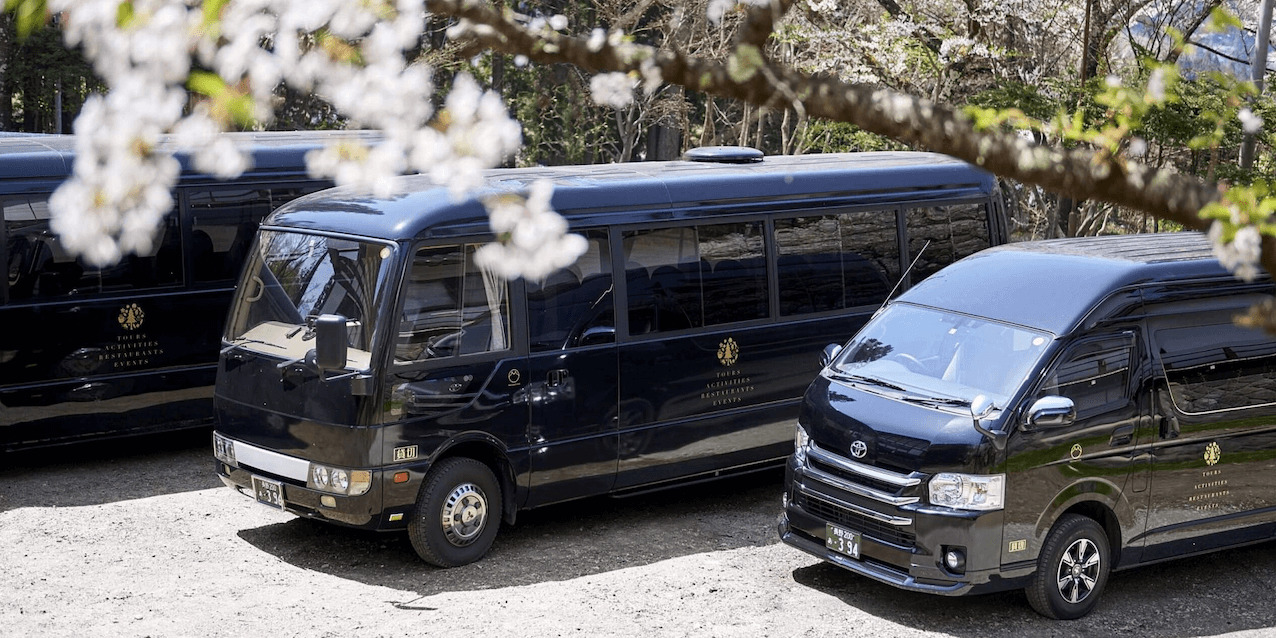

Central Japan offers many, many reasons to visit! Operating all year round, we are Nagano’s No.1 tour and charter operator, offering a range of services including group tours, private tours and charters. We can arrange transport including a private vehicle and driver, to transport you to, from and between any regional destination including Toyama and beyond.
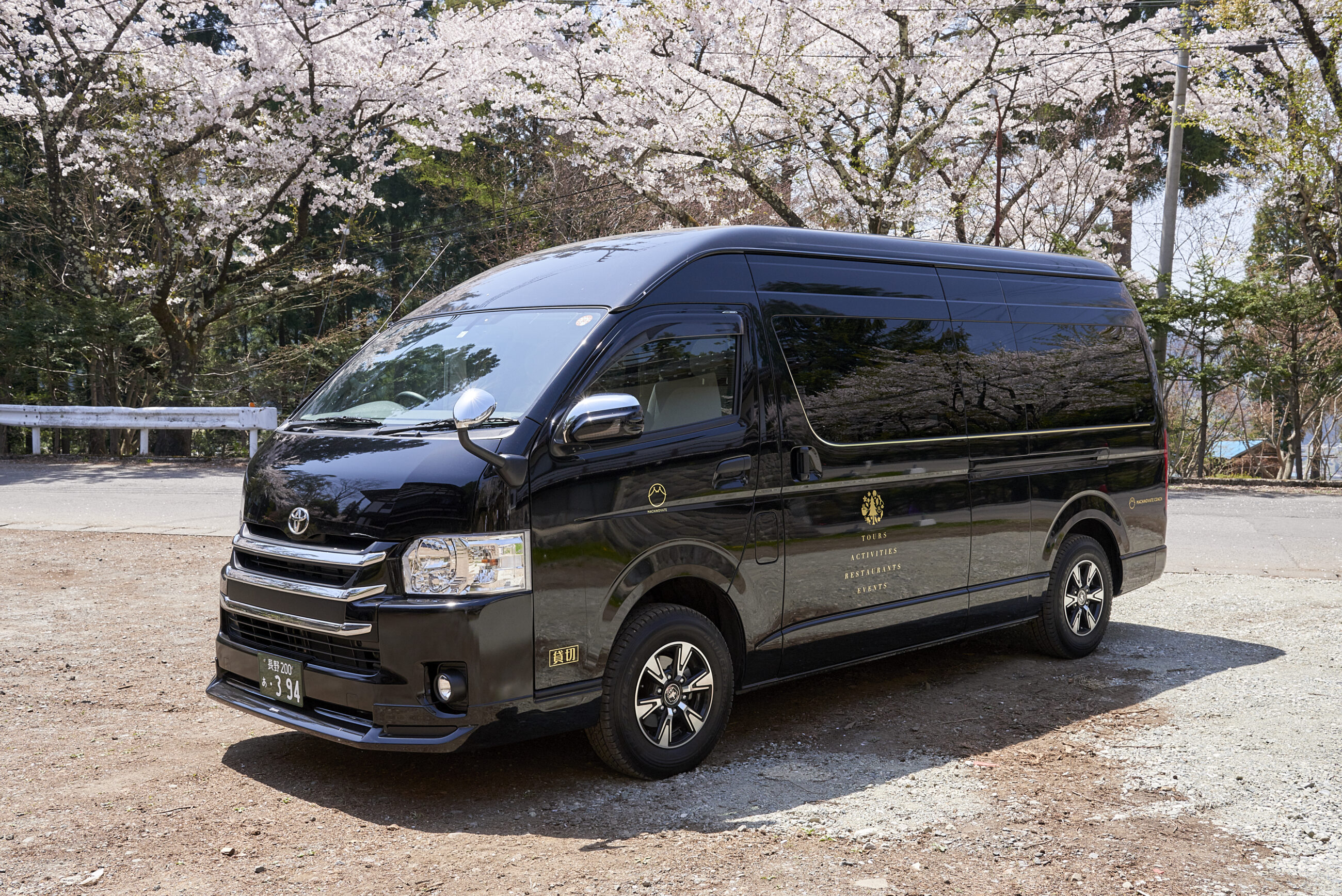
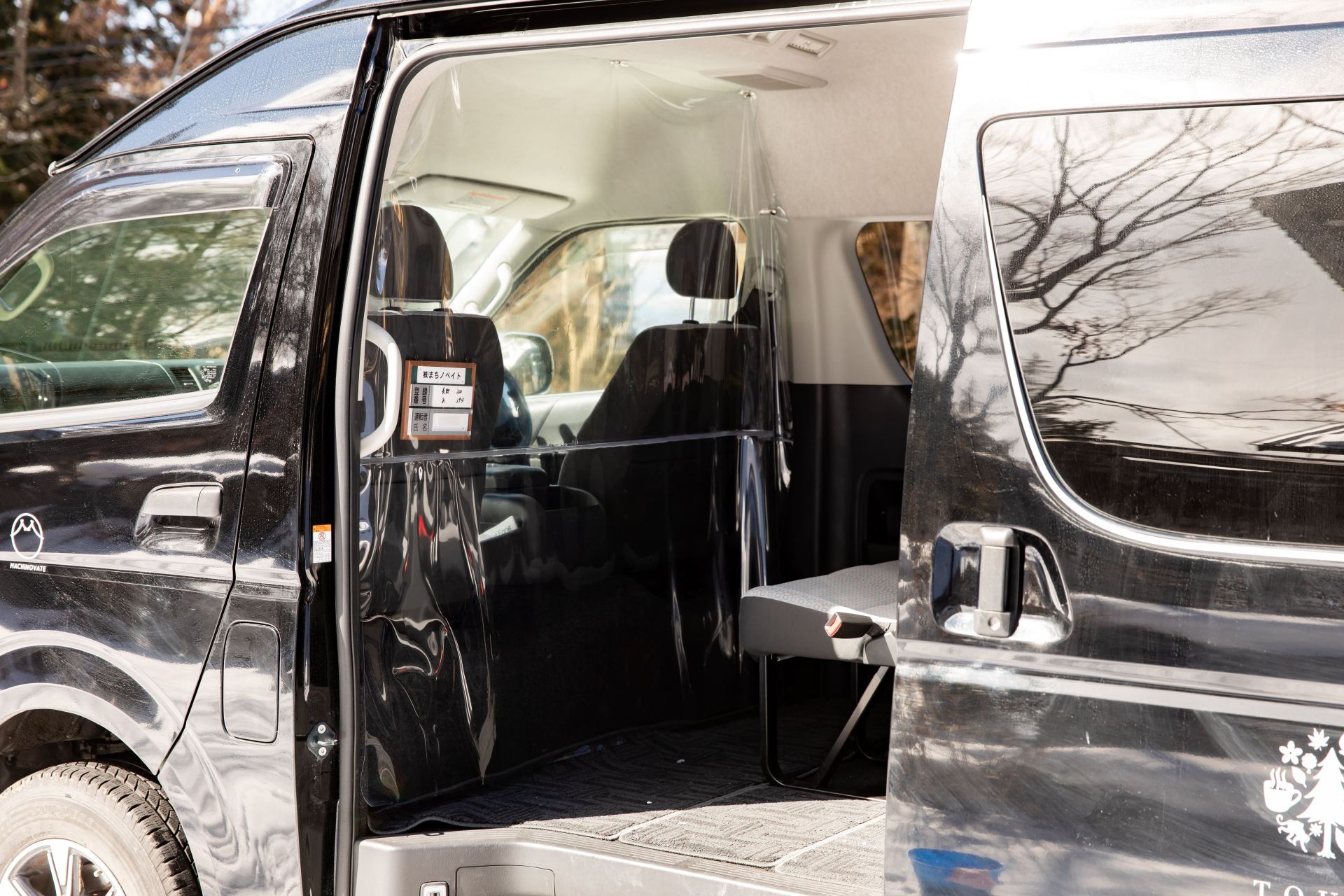
Our drivers and vehicles are fully certified, allowing us to transport you to and from your preferred destinations in combination with any activity that suits your schedule. All vehicles are fitted with a protective screen – separating the driver from passenger and luggage area – and our drivers wear protective masks, allowing you to move between your destinations in comfort and safety.
We can arrange both private tours with an English-speaking guide or a private charter, including a private vehicle and driver but without a guide. We’d love to be part of your adventure in Central Japan and help you discover even more!
Why choose us?
Awarded a 2022 TripAdvisor Travelers’ Choice Award for our 1-Day Snow Monkeys, Zenko-ji Temple & Sake Tour – recognised as one of the Top 10 Experiences in Japan – we have the local knowledge and experience to help you get the most out of your time in Nagano and Central Japan.
Got a question about visiting Toyama and Central Japan? Contact us and let’s get planning together!