
A Goshuin Hunter's Guide to Toyama
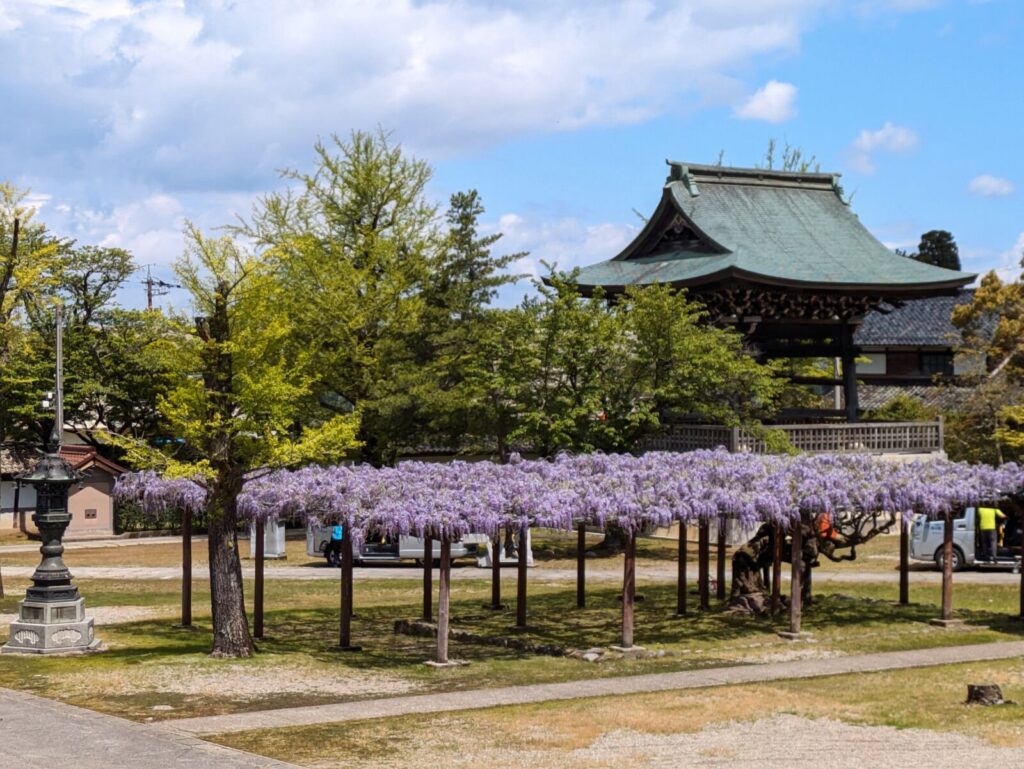
Toyama lays on the Sea of Japan, not as visited as other medium sized cities in Japan there many goshuin for those who have the fortitude to enter the mountains. Although there are some of the temple stamps in two largest cities in the prefecture, Toyama and Takaoka, the greater reward is going to the many temples that sit quietly at the base of the many mountains surrounding Toyama Bay. In the Edo period, the local rulers, the Maeda family, were some of the wealthiest in Japan and often splashed their cash on expanding the lord's temple of choice. Go deep into history and the wooded backlands of the prefecture to get some great goshuin stamps.
For those coming to Toyama looking to fill a few more pages in their goshuin books or those who are looking to get their own journeys started, this page has all the info you'll need to get some of the most beautiful stamps that Japan has to offer.
What are Goshuin?
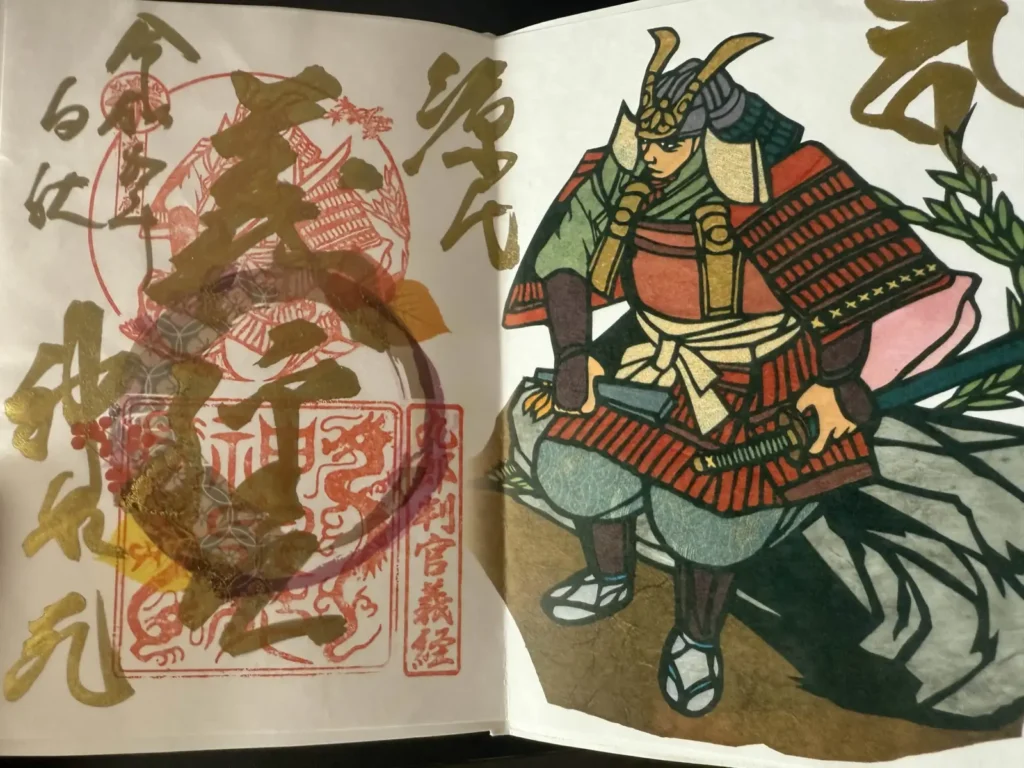
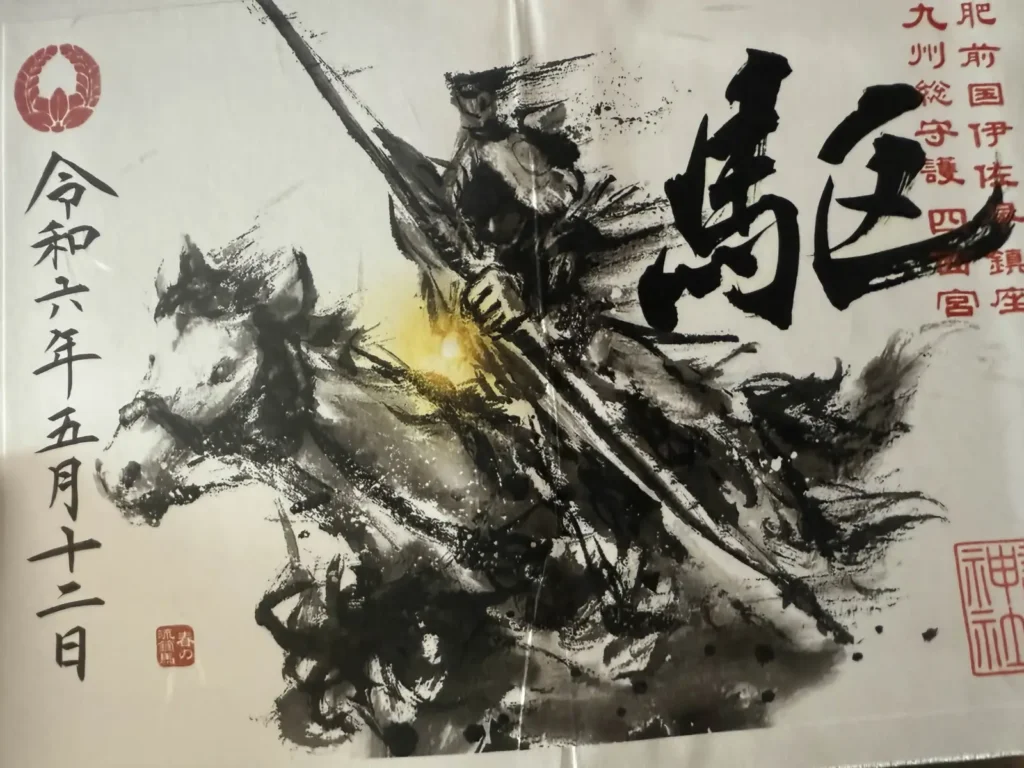
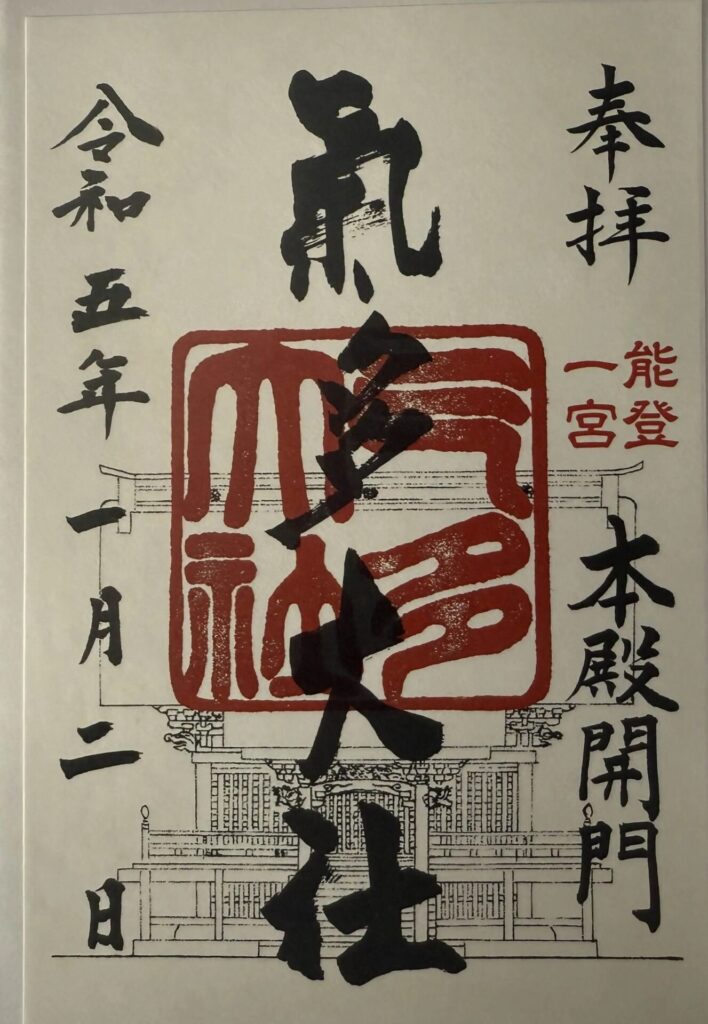
Goshuin (literally meaning "Red Stamp Seal") are unique stamps, often handwritten, that can be bought at most shrines and temples across Japan. Originally, goshuin were used as proof that the owner had been a pious person in their life - travelling to enough shrines or temples to fill the whole book with stamps. Goshuin as a practice largely fell out of favor after the Meiji Restoration in 1868, but regained popularity in the post-war era. Now, goshuin are much more "touristy" and often feature colourful, bright designs and intricate artistry.
Buying and filling a goshuin book is a wonderful way to memorialize your time in Japan. Each is a representation of a place you visited. Goshuin books are also very small and lightweight, so they're easy to fit into carry-on luggage, or even your backpack.
What do all the symbols mean?
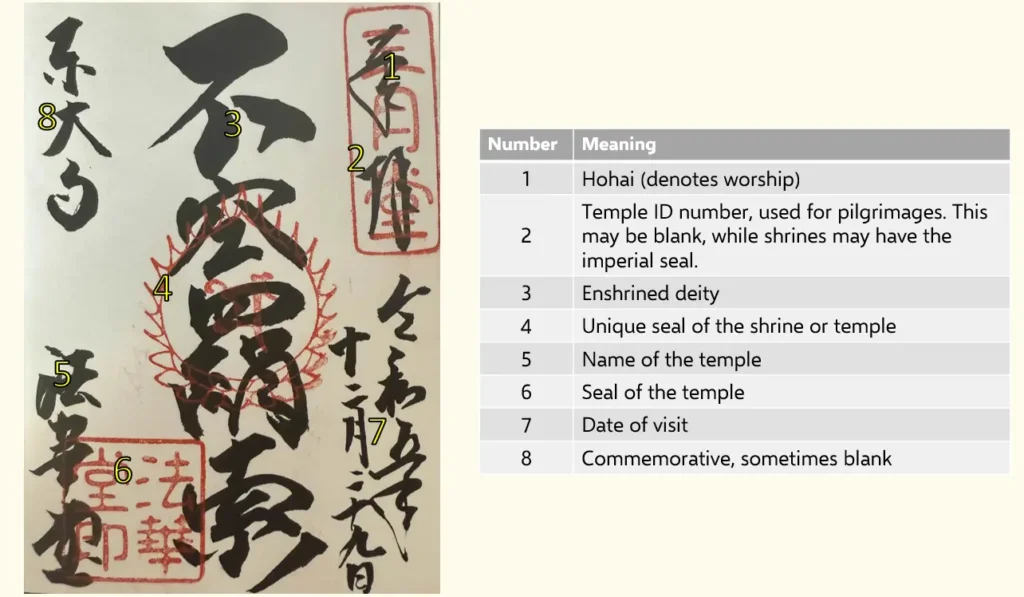
While many goshuin are different, depending on whether it's a Shinto shrine or a Buddhist temple, what sect they belong to, and even if it's a seasonal stamp, generally the meaning of each part of the page is something like this.
Goshuin Etiquette
Like many things in Japan, there's a certain way that things should be done while you go about on your goshuin. Thankfully, all of the rules are pretty simple to follow. Here are all the essential things to keep in mind:
- Don't use your goshuin book for anything other than goshuin (Blank books can be bought for personal use).
- Pay respects before collecting your goshuin
- Don't take pictures or videos of the staff putting the seal on your book.
- Remember some shrines will only stamp shrine books, and some temples will only stamp temple books.
- Be mindful of others around you, as shrines and temples are quiet places.
1 - Hie Shrine (Toyama City)
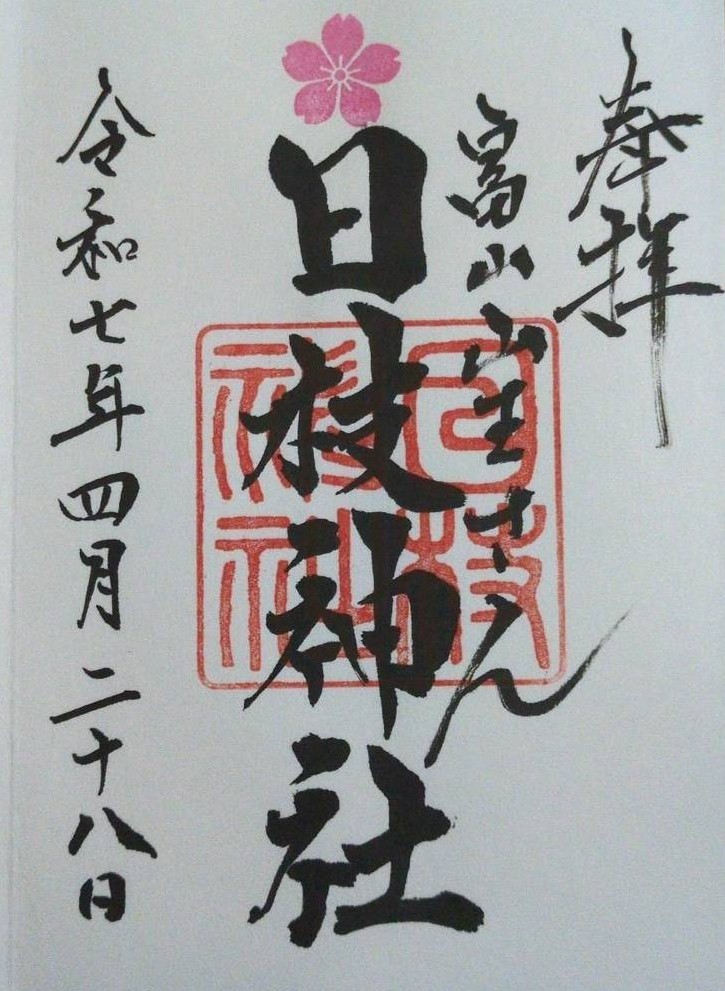
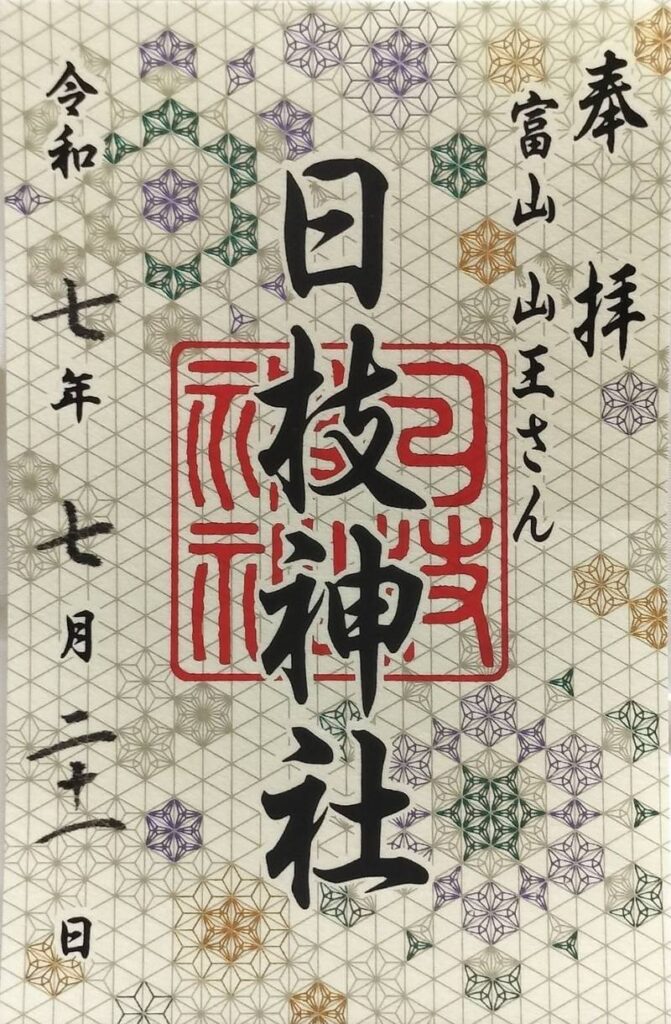
Hie Shrine is a historic Shinto shrine located in the center of Toyama City, once serving as the main guardian shrine of the powerful Toyama Domain. It is affectionately known as Sanno-san by locals and is famous for its annual Sannō Festival. The festival is held every spring, which draws hundreds of thousands of visitors to the city. The shrine is also a popular place to pray for matchmaking, family harmony, and good luck, with charming zodiac animal statues on its grounds.
2 - Niikawa Shrine (Toyama City)
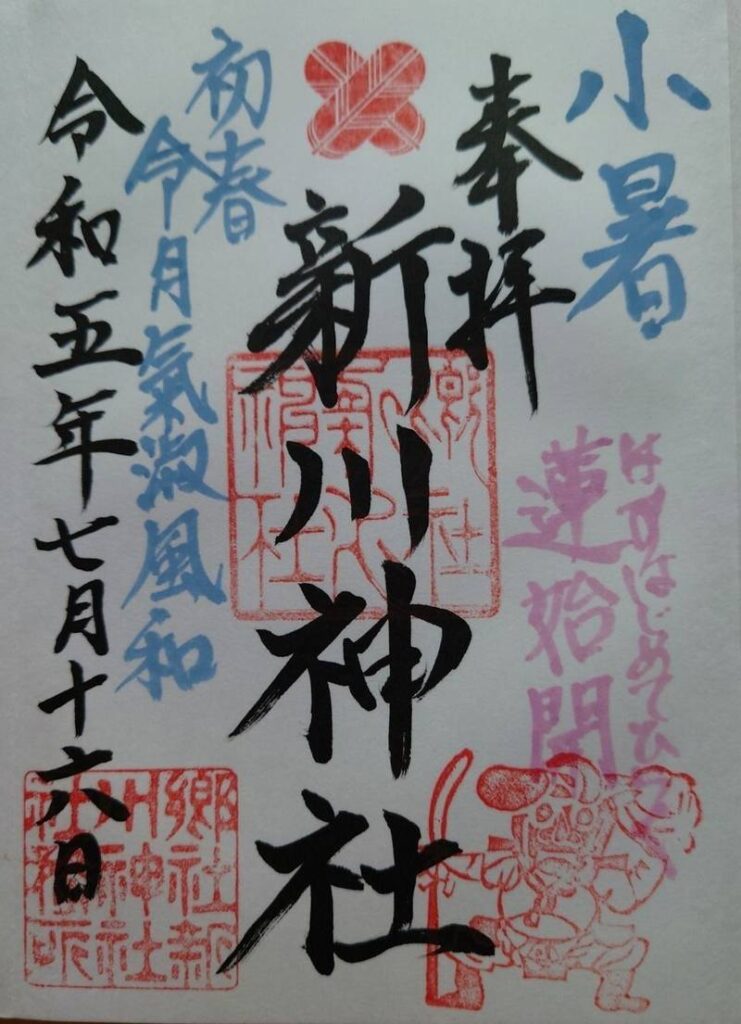
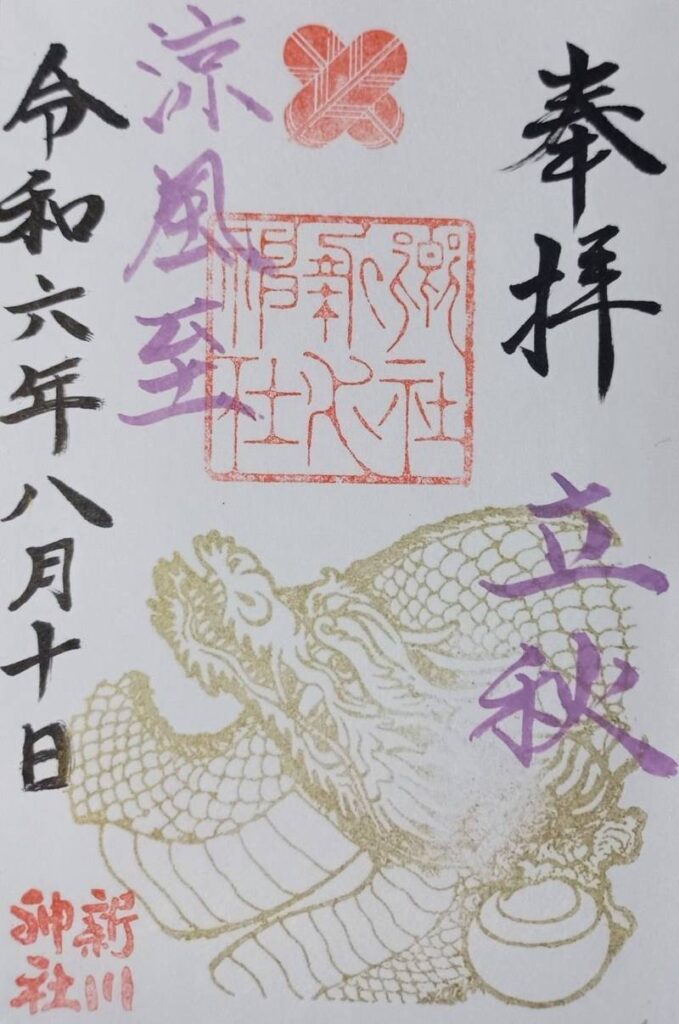
The history of Niikawa Shrine is very old, with its name appearing in the historical text, "Nihon Sandai Jitsuroku," and its deity is the same as the name's origin. The shrine, which served as a guardian of Shinjo Castle during the Sengoku period, was moved to its current location after a flood, where its followers prayed for the water to recede. Because of this, it is also revered as a deity of water and has a wooden carving of a dragon god inside.
3 - Imizu Shrine (Takaoka City)
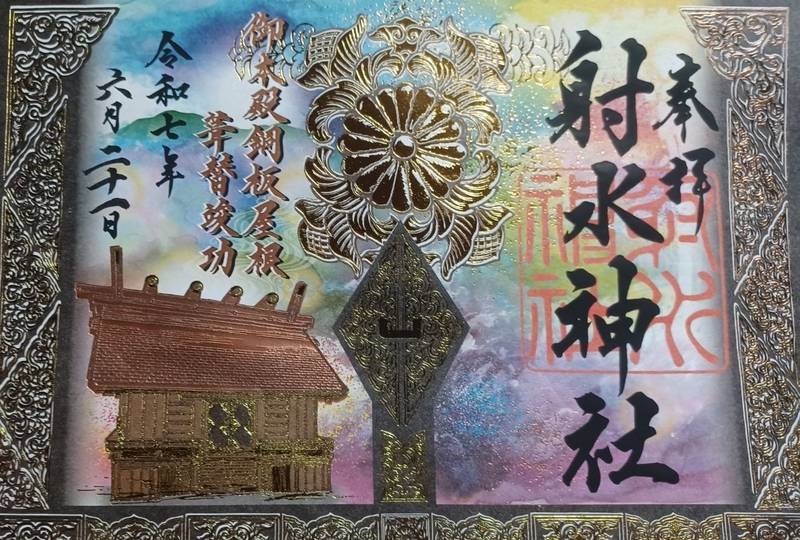
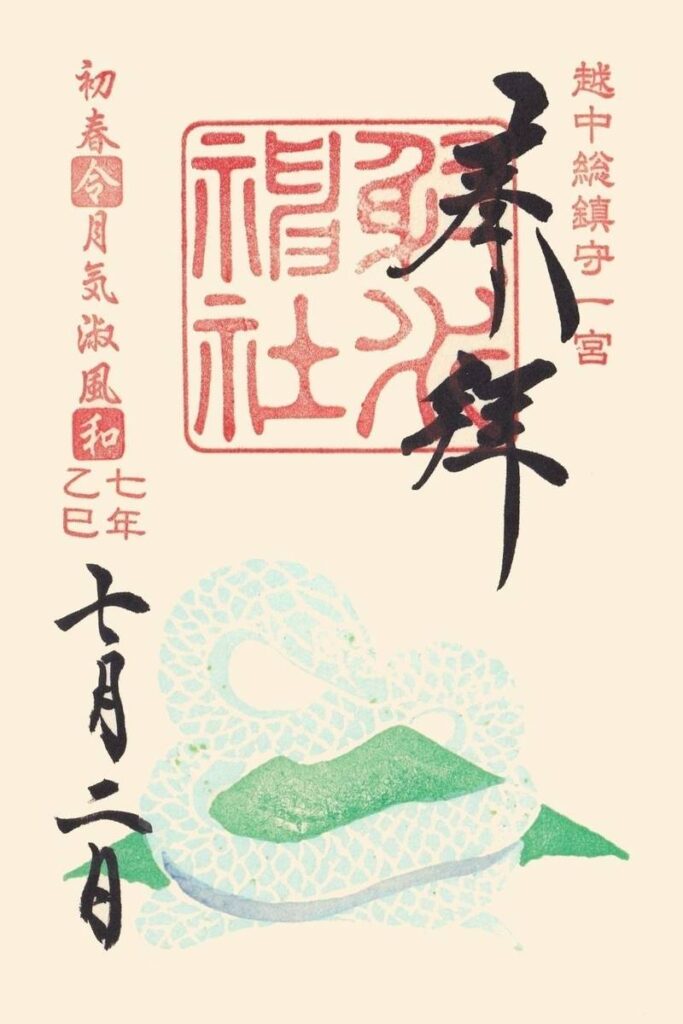
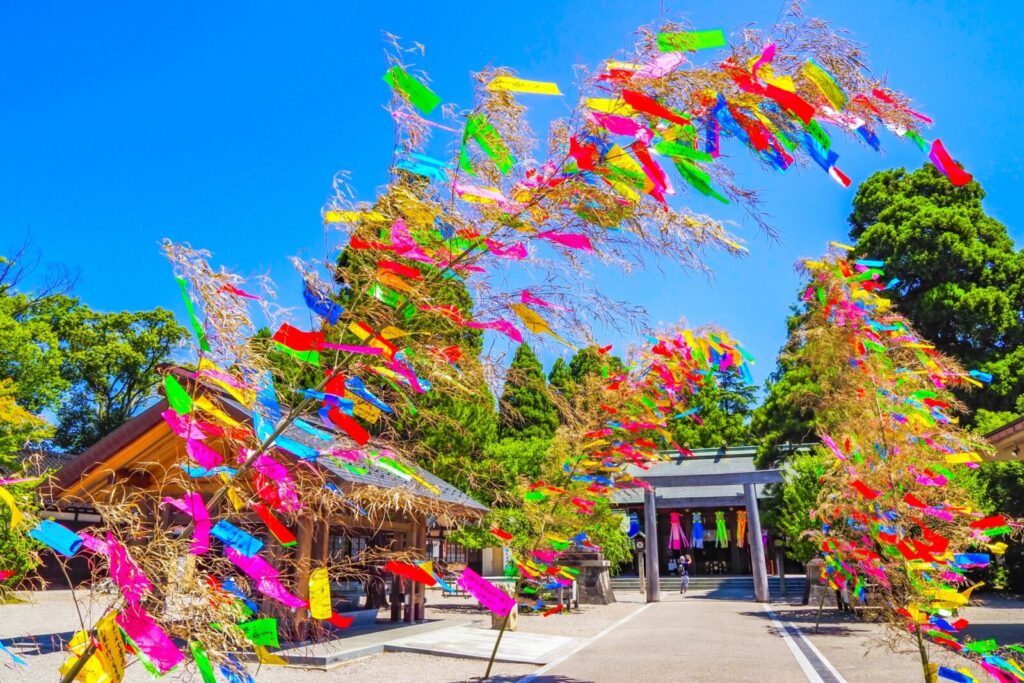
Imizu Shrine, despite its name, is located within the grounds of Takaoka Castle Park, not Imizu City itself. It holds a prestigious historical status as the ichinomiya, or "first shrine," of the former Etchū Province. The shrine is a popular spot for both its serene atmosphere and its historical artifacts, including a torii gate built from materials from the Ise Grand Shrine.
4 - Zuiryuji Temple (Takaoka City)
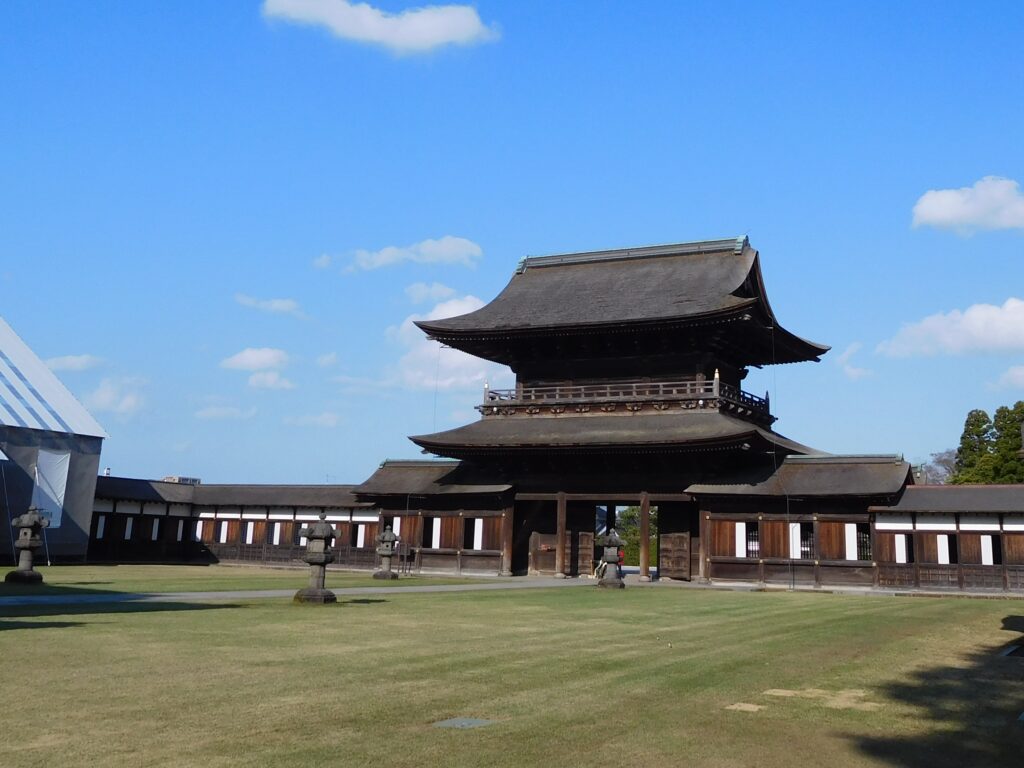
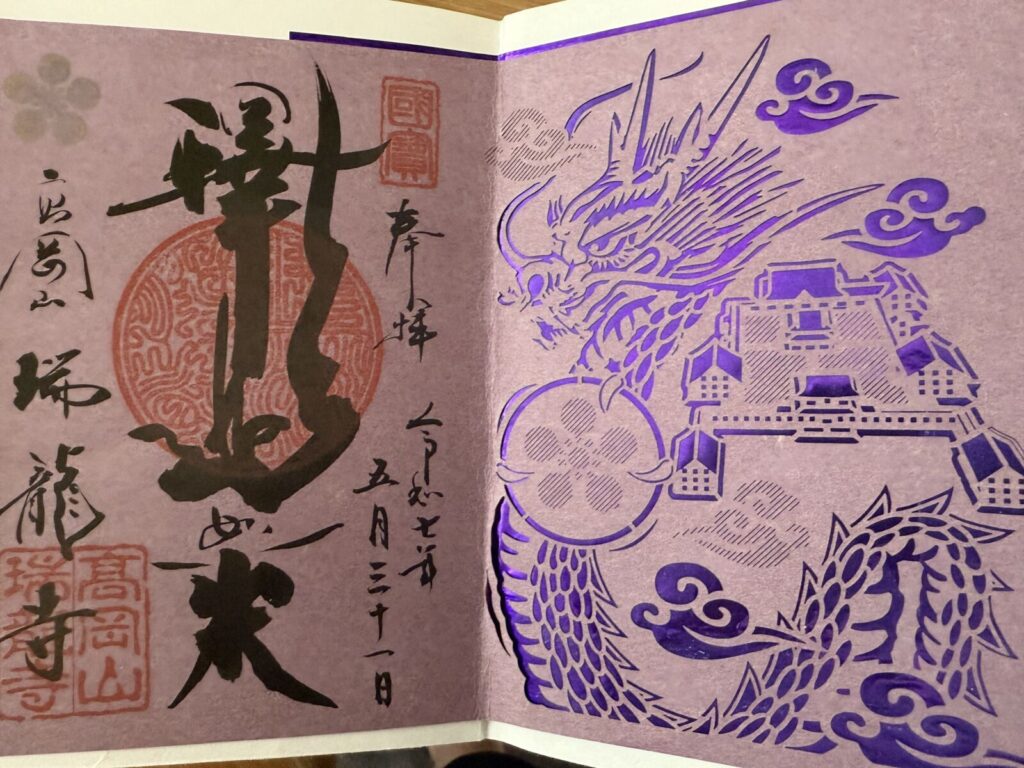
Zuiryuji is a magnificent Zen Buddhist temple located in Takaoka and is a designated National Treasure of Japan. The temple was built in the 17th century by Maeda Toshinaga, the second lord of the Kaga Domain, as a memorial to his elder brother, Maeda Toshiie. Known for its perfect symmetry and impressive architecture, including the Sanmon Gate and Butsuden Hall, it is considered a masterpiece of early Edo-period Zen Buddhist temple design.
5 - Daibutsuji Temple aka Takaoka Great Buddha (Takaoka City)
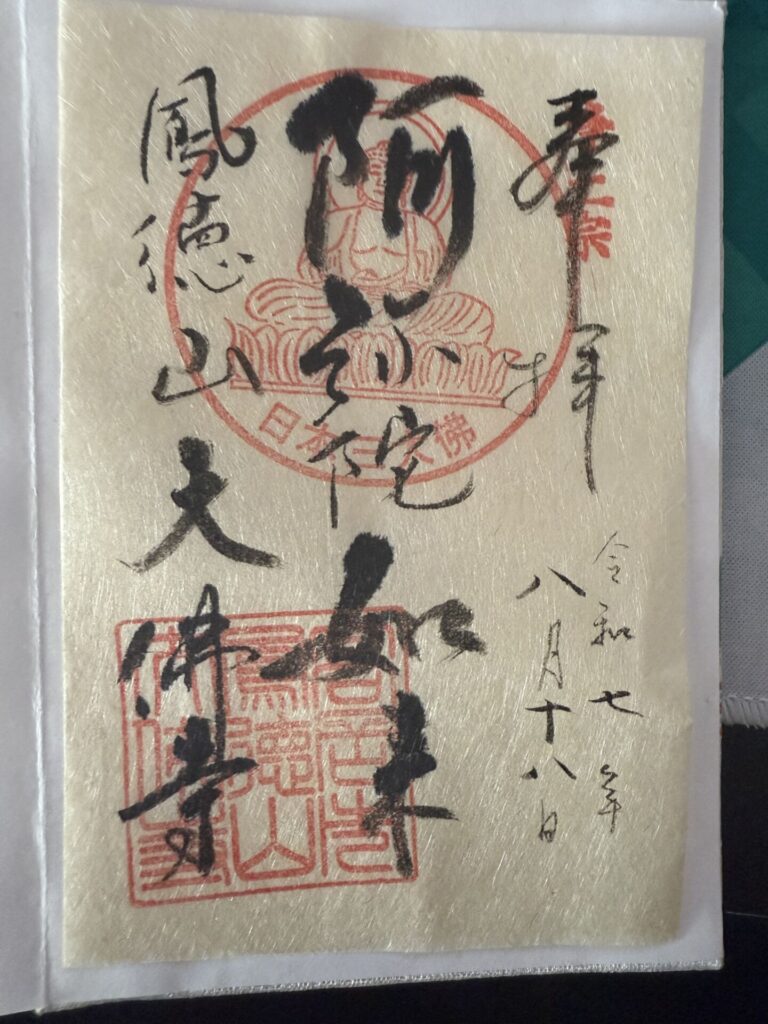
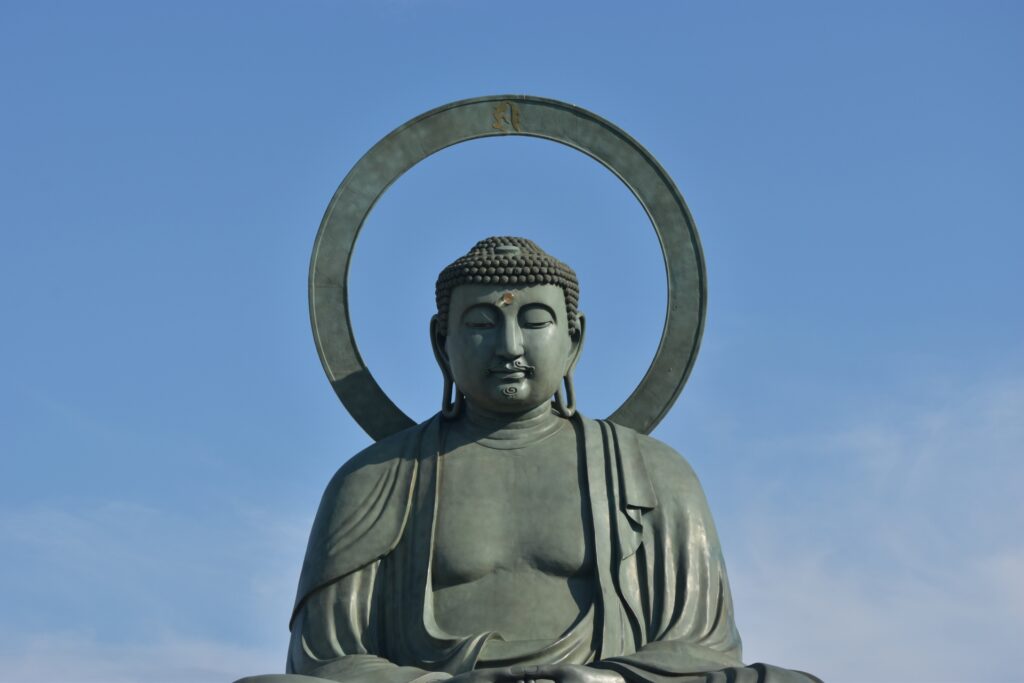
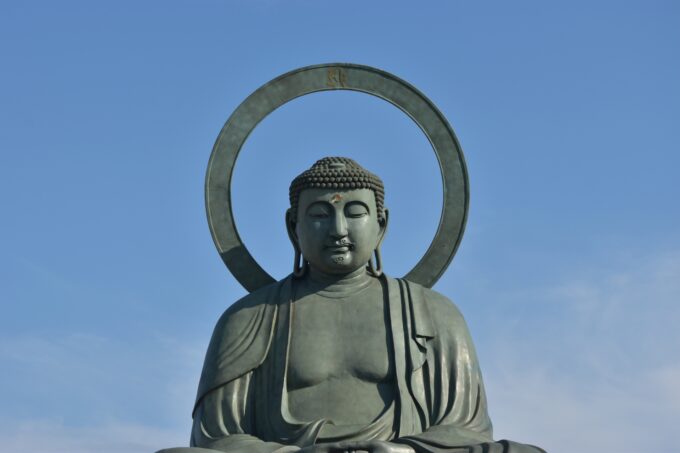
Daibutsuji Temple in Takaoka City is a Soto Zen Buddhist temple most famous for housing the magnificent Takaoka Daibutsu, a Great Buddha statue. There has been a large wooden Buddha at this temple since it was the temple was founded in the 1200s. The current Buddha was completed in 1932 and is a bronze casting that stands at nearly 16 meters tall. It is considered one of Japan's "Three Great Buddha Statues." Unlike many others, the Takaoka Daibutsu is also notable for its beautiful construction using the city's renowned traditional bronze casting techniques.
6 - Shokoji Temple (Takaoka City)
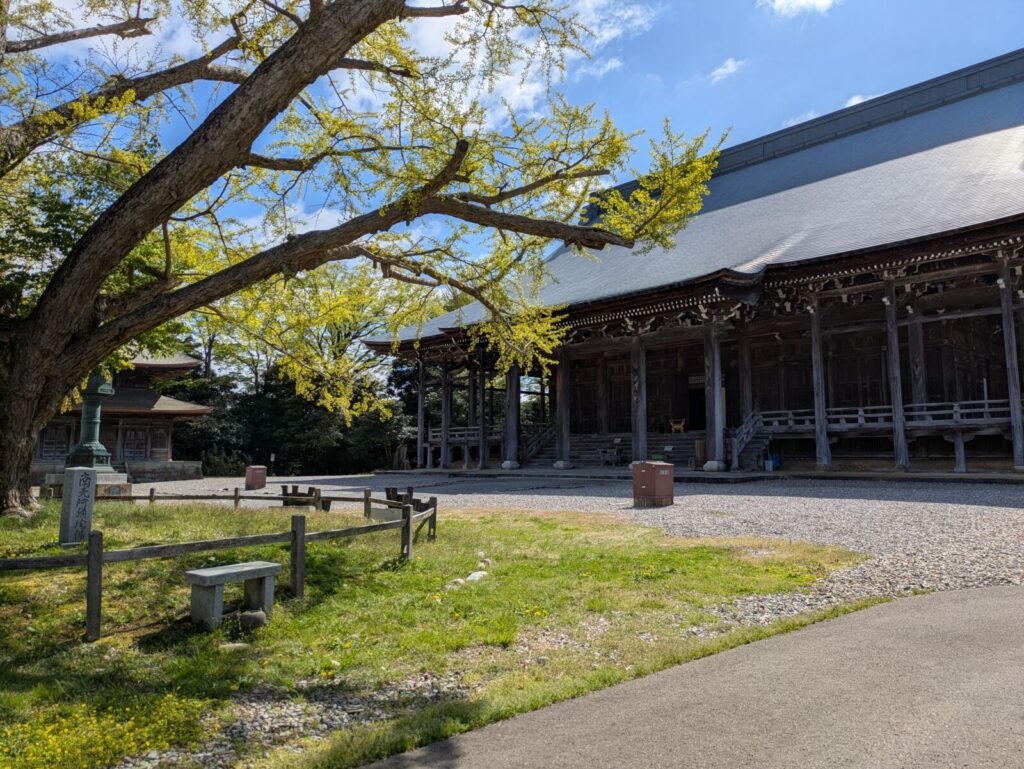
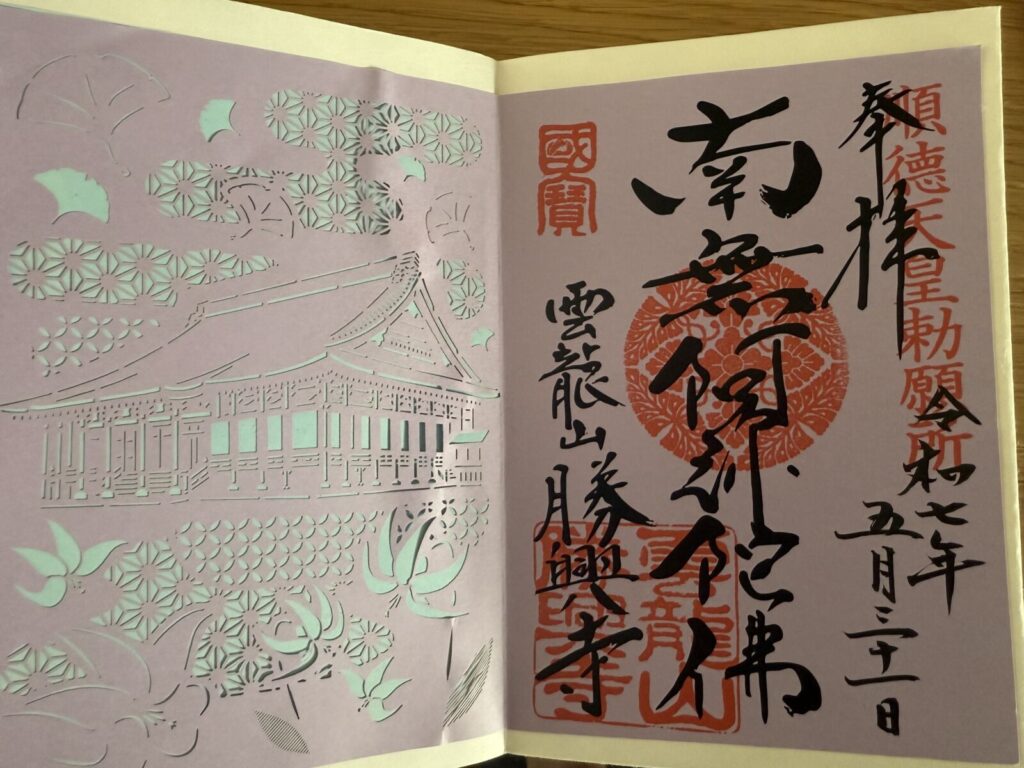
Located in the Fushiki area of Takaoka City, this is a magnificent Buddhist temple and a designated National Treasure of Japan. Originally founded in the 13th century, the temple complex was protected by the powerful Maeda Clan and rebuilt in the 17th and 18th centuries, resulting in its current grand scale. Its expansive grounds are home to numerous beautifully preserved buildings, including the majestic main hall, making it a masterpiece of Jodo Shinshu temple architecture.
7 - Gokokusan Kondaiji Temple (Imizu City)
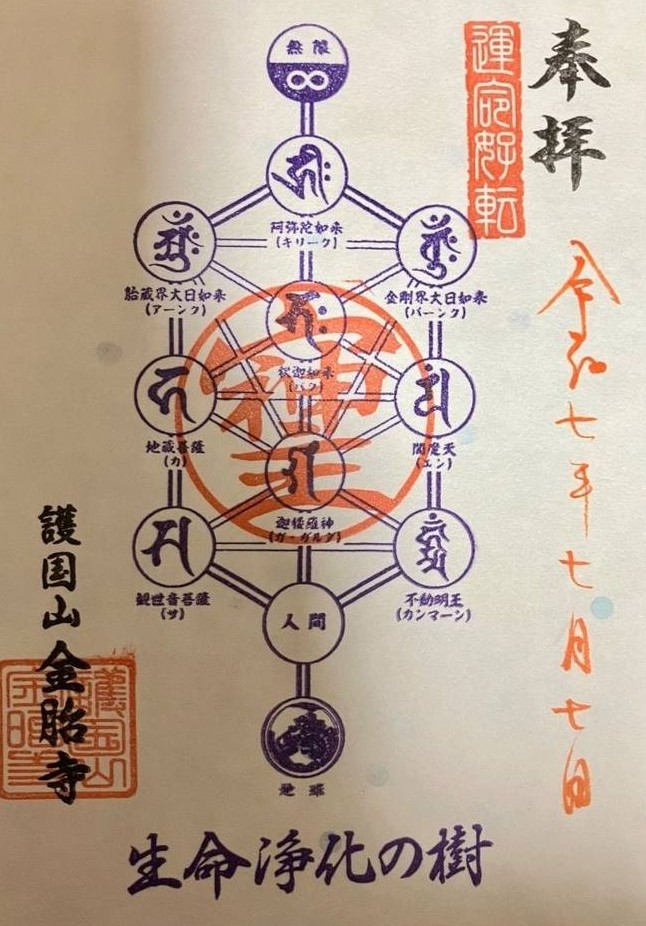
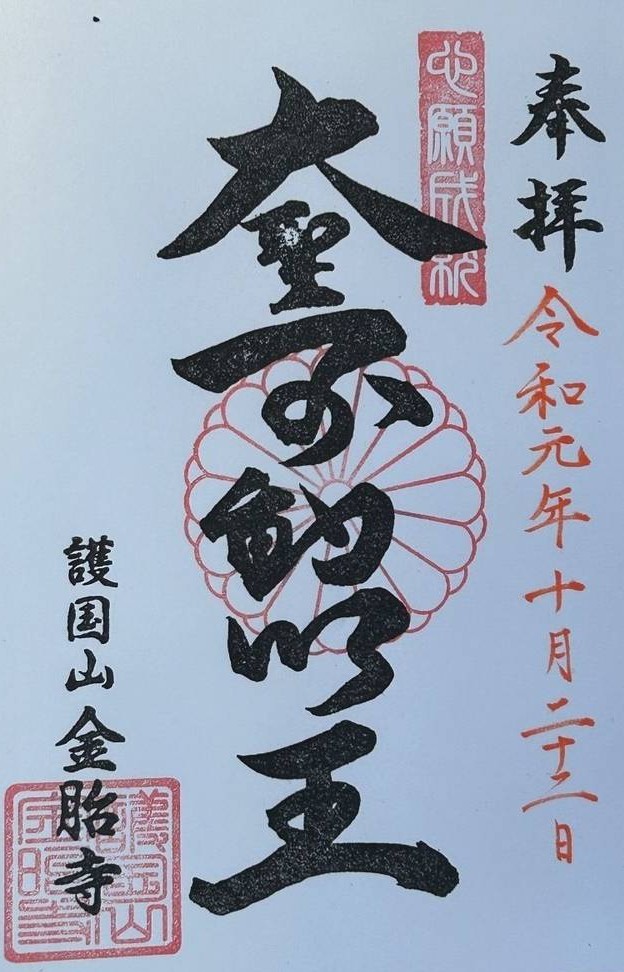
Gokokusan Kondaiji Temple was founded in 1669 by Maeda Toshitsugu, the first lord of the Toyama Domain. It served as a prayer temple for the Toyama domain and is known for its beautiful temple grounds and ancient buildings. The temple's most notable structures include its main hall and the bell tower, both of which are designated cultural assets.
8 - Kushida Shrine (Imizu City)
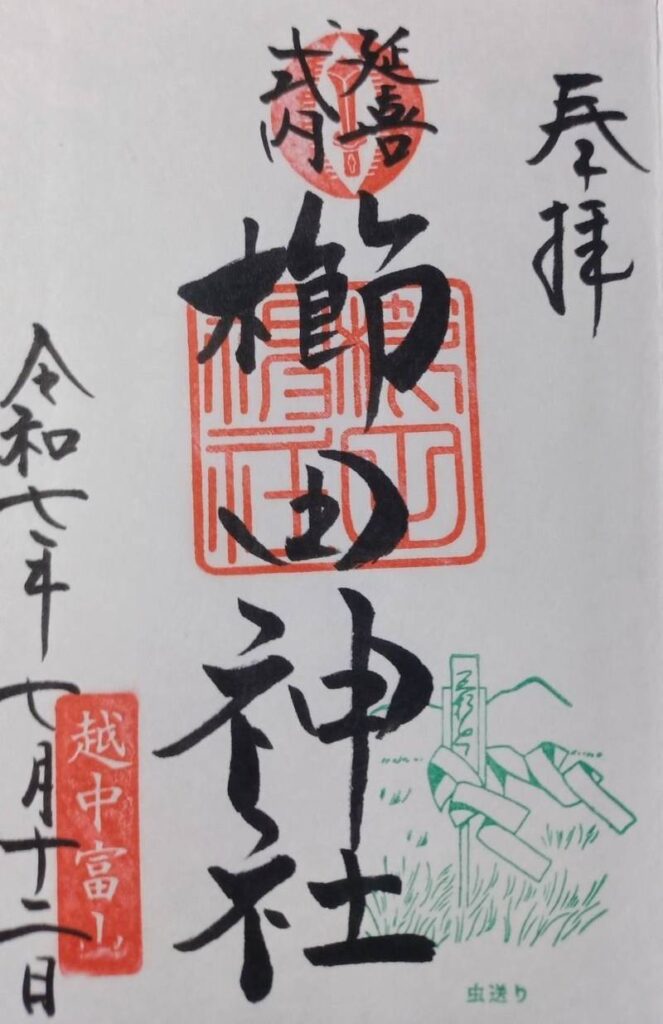
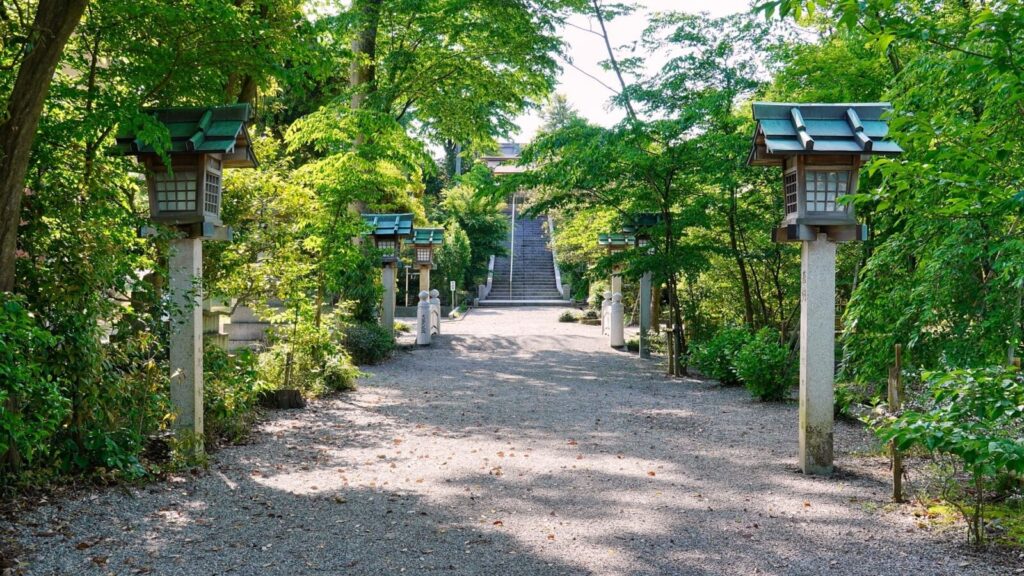
Located in Imizu City, this is a historic shrine with a legacy spanning over a thousand years. It is widely revered as a sacred place for matchmaking and for praying for family harmony. The shrine is also well-known for its annual autumn festival, the Kushida Shrine Shuki Reitaisai, which features a dramatic fire-walking ritual.
9 - Hojozu Hachimangu Shrine (Imizu City)
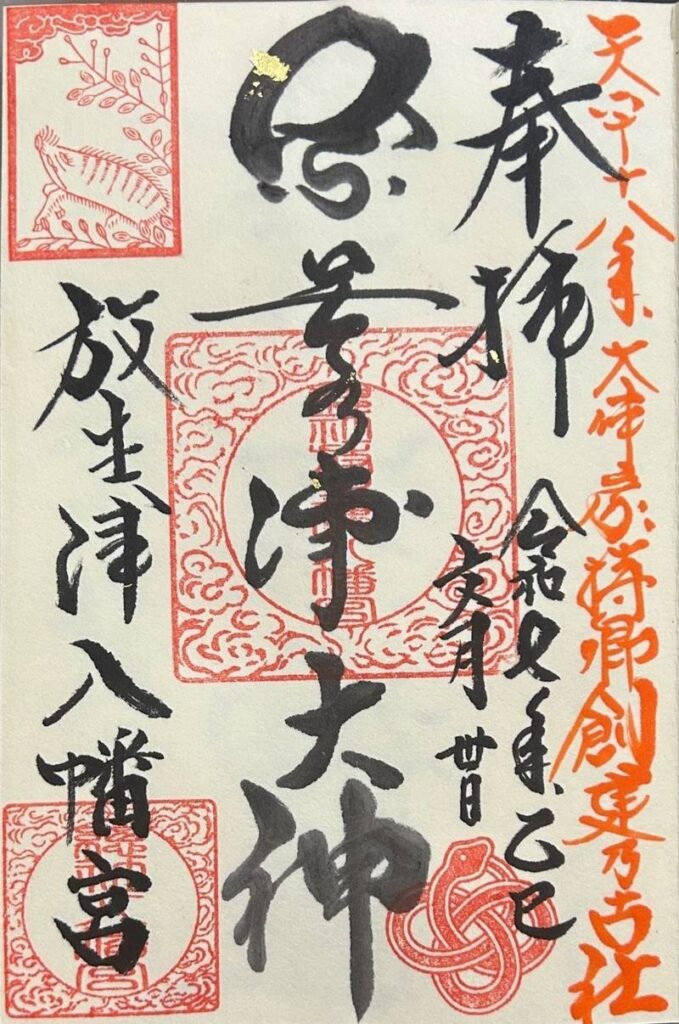
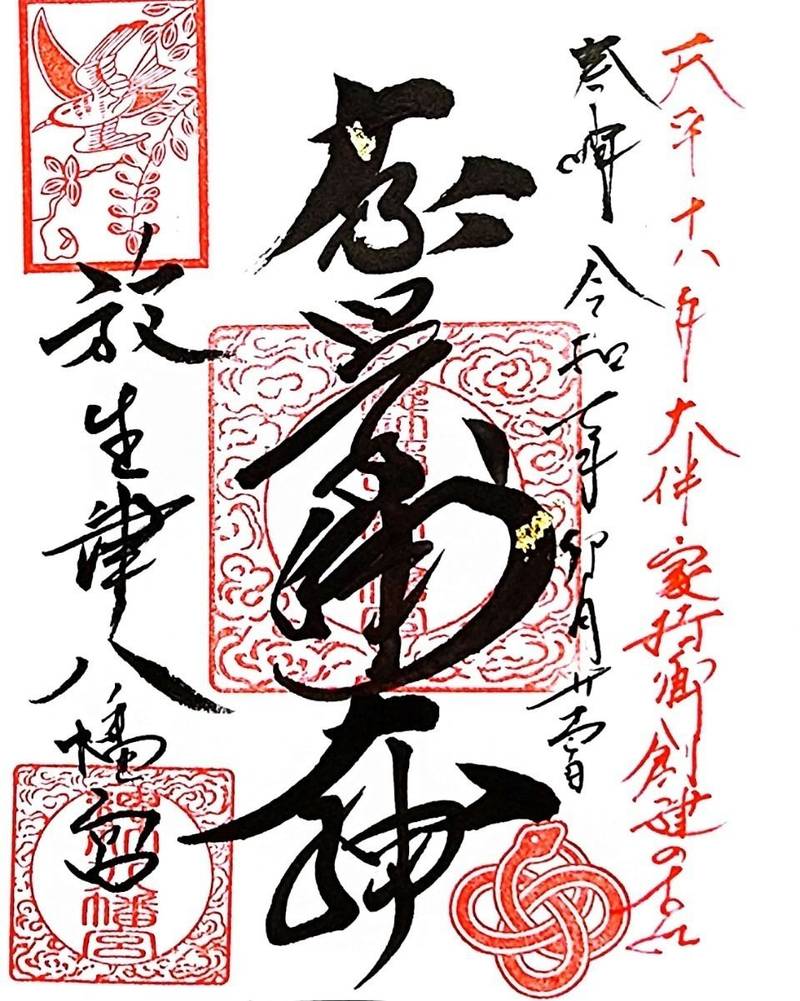
This shrine is said to have been founded in the 8th century by Ōtomo no Yakamochi, a famous poet and governor of Etchū Province. The shrine is a central figure in the Shinminato Hikiyama Festival, a significant autumn event where elaborately decorated floats parade through the town. Its grounds are also notable for containing monuments and poems by both Ōtomo no Yakamochi and the haiku master Matsuo Bashō, showcasing the shrine's deep literary connections.
10 - Kinjoji Temple (Nanto City)
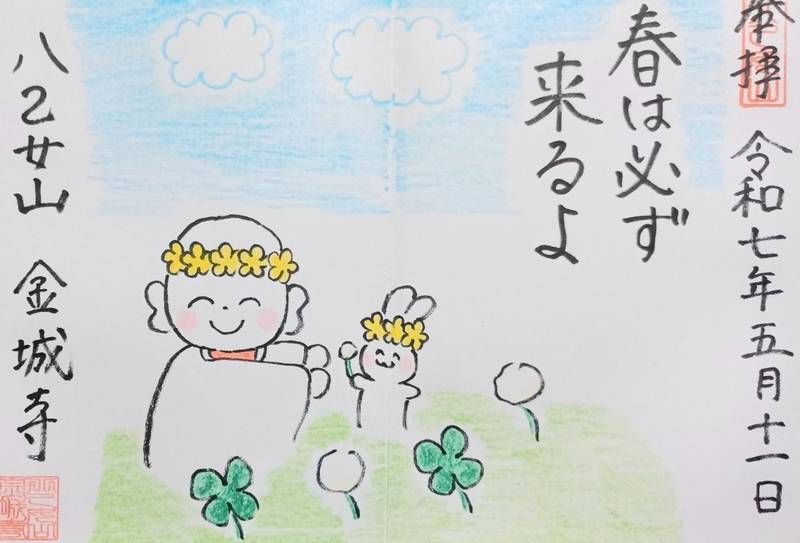
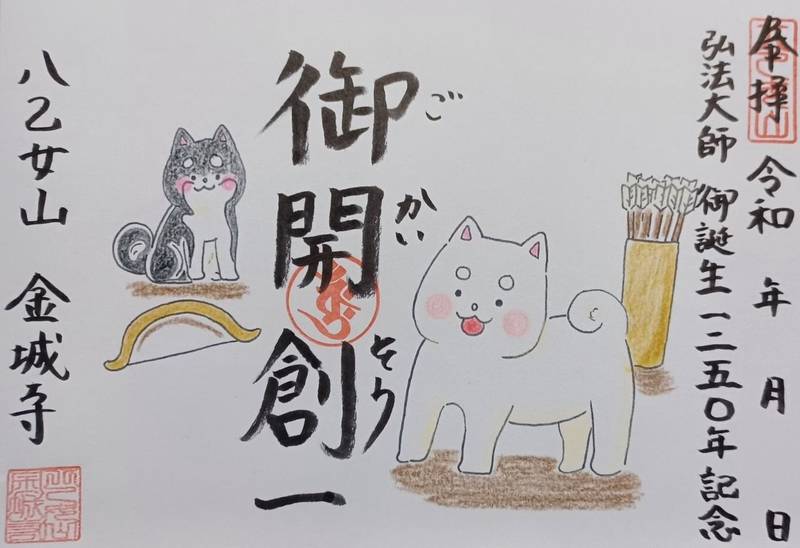
Kinjoji is a historic Zen Buddhist temple affiliated with the Soto school of Zen. Founded in the 14th century, it is well-known for its beautiful grounds and a notable collection of cultural assets. The temple is especially famous for its magnificent Sanmon gate, a two-story structure with intricate carvings that is considered a significant example of local craftsmanship.
11 - Takase Shrine (Nanto City)
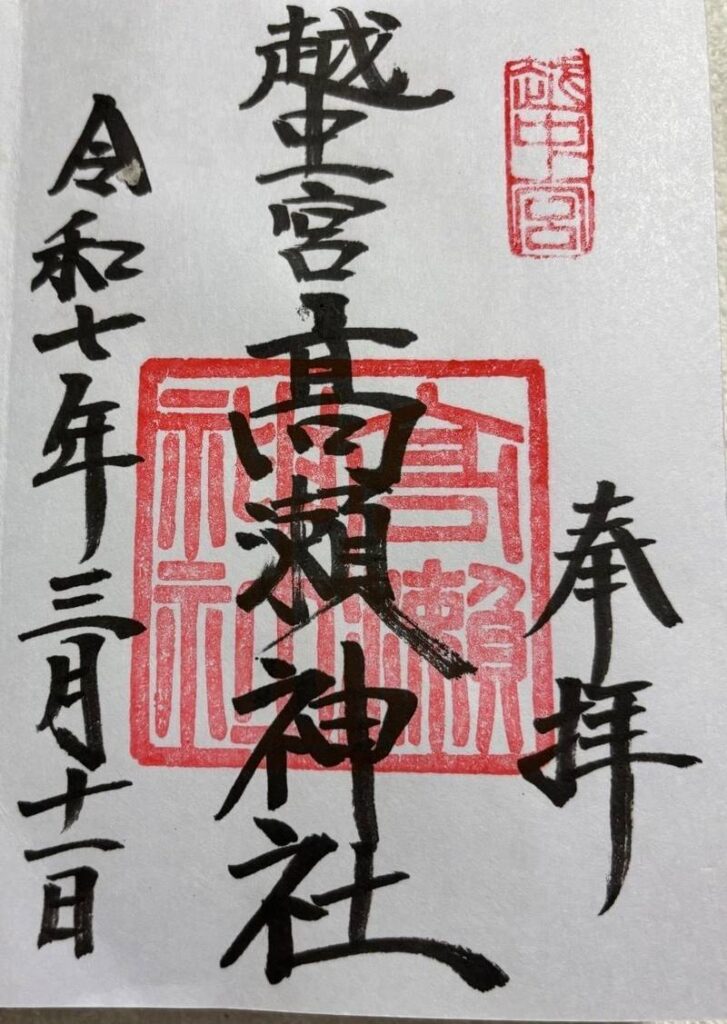
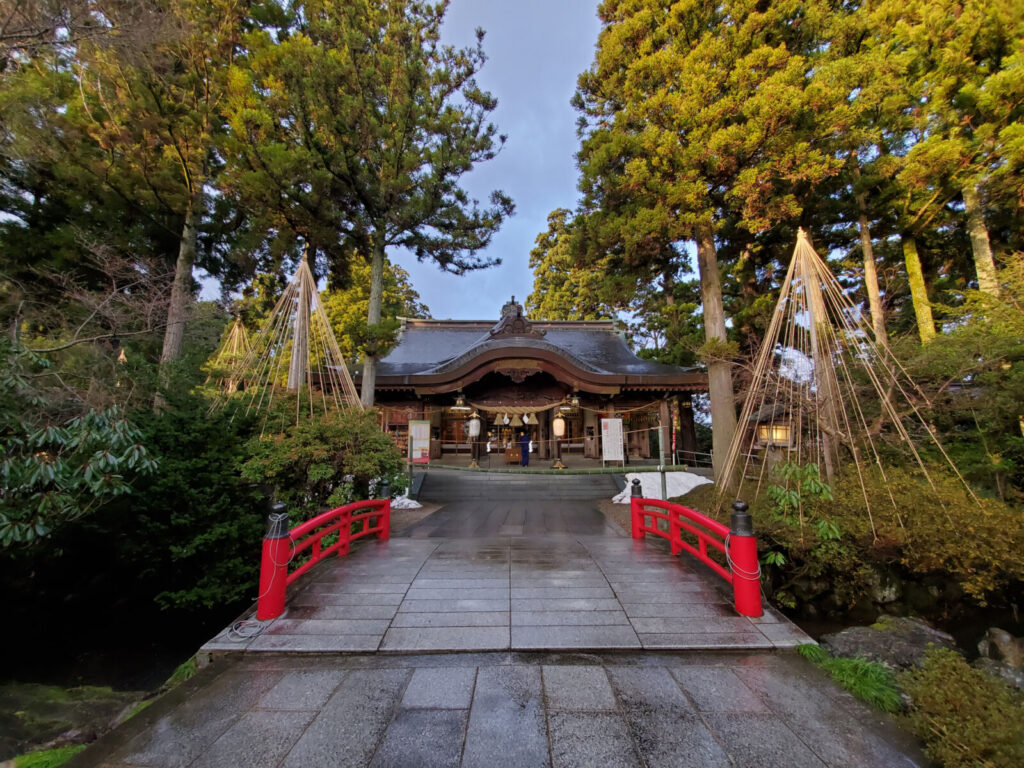
Takase Shrine holds a prestigious historical status as the ichinomiya, or "first level shrine," of the former Etchū Province. It is dedicated to Ōkuninushi-no-kami, a deity associated with matchmaking and good luck, making it a popular site for visitors seeking blessings. The serene shrine grounds are also home to a magnificent 500-year-old ginkgo tree, which is a designated natural monument.
12 - Enma-do (Tateyama Town)
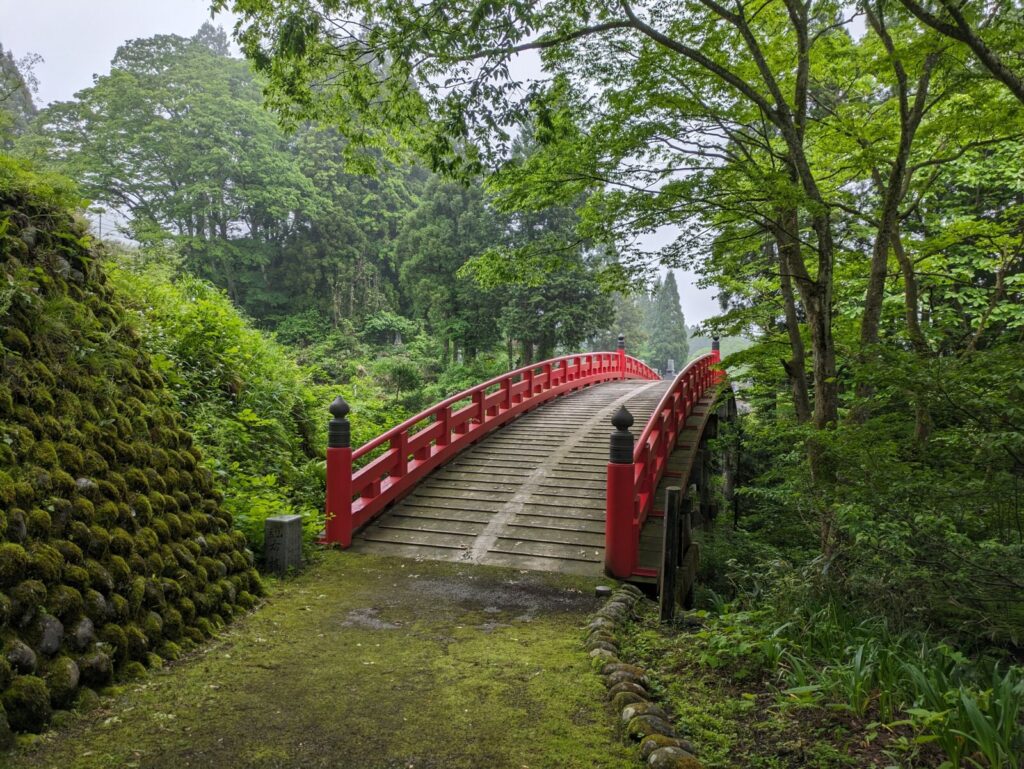
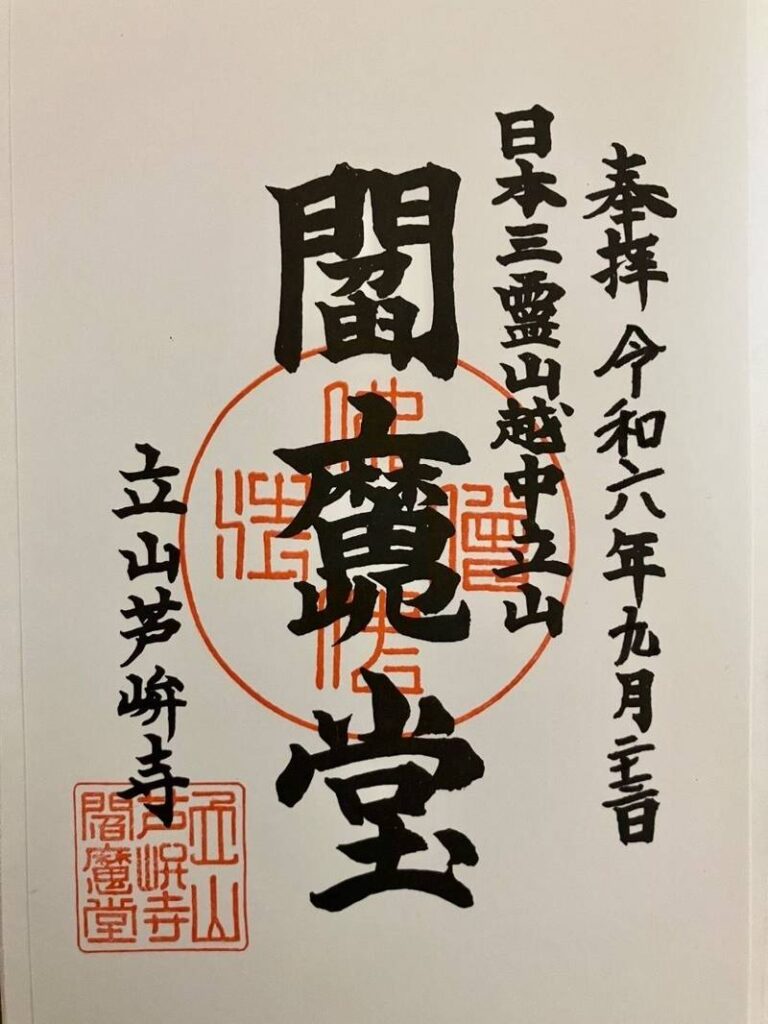
Enma-do is a shrine in Tateyama Town, Toyama, that is believed to be where souls are judged in the afterlife. The shrine's main attraction is a large statue of Enma, the King of Hell, and statues of the six Buddhist realms of existence. Visitors can experience a chilling representation of the Buddhist hell by walking through a small building with the statues.
13 - Oyama Shrine Mine Honsha (Tateyama Town)
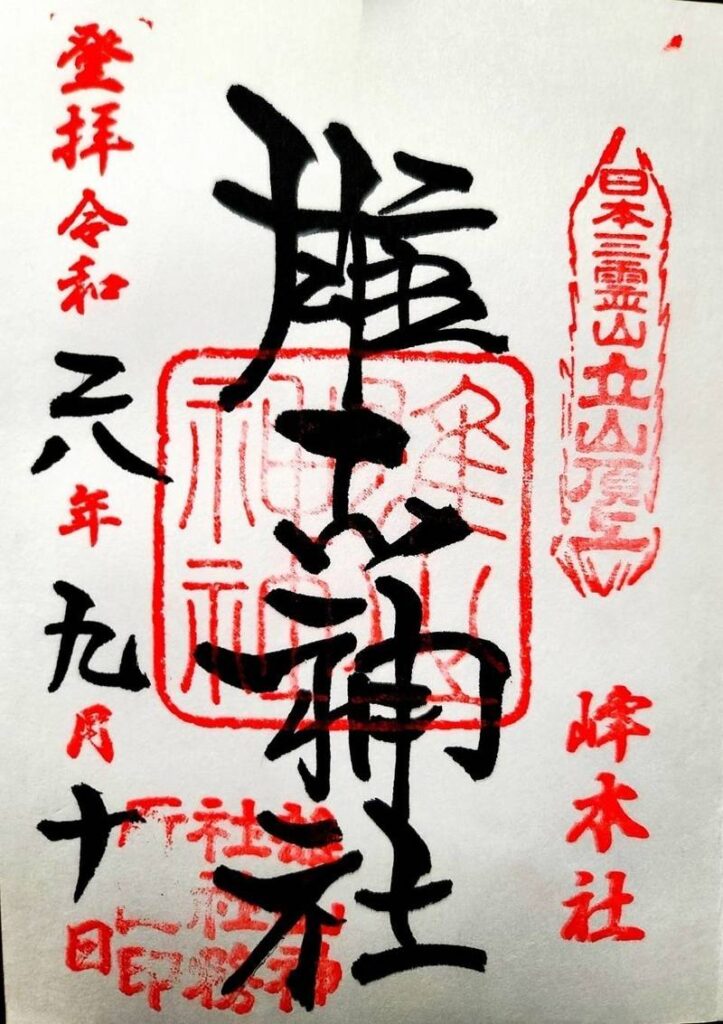
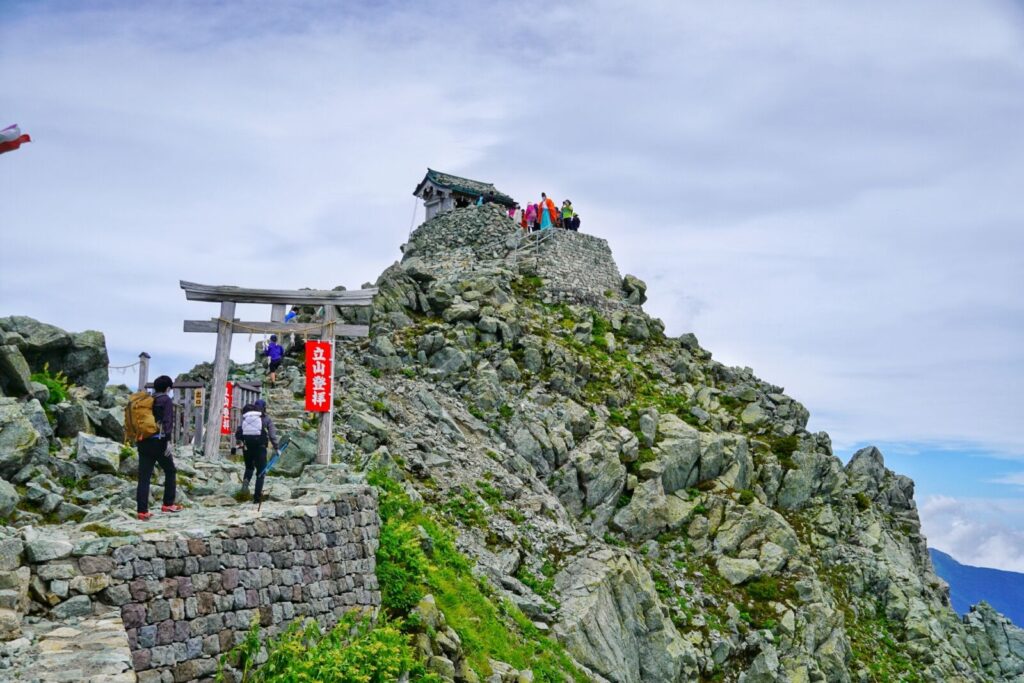
The Oyama Shrine Mountain Top Main Shrine, officially known as the Mine Honsha, is the sacred inner shrine of the Oyama Shrine complex, located at the summit of Mt. Oyama, one of the three peaks of Tateyama. As the endpoint for the revered Tateyama pilgrimage, it serves as the final place of worship for pilgrims. Due to its high altitude, the shrine is only accessible and open to visitors during the brief climbing season from July to early October.
Frequently Asked Questions (FAQ)
How much do goshuin usually cost?
The seals themselves usually cost between JPY 300 and 1000, although some more intricate seals can cost more. Books are usually anywhere from JPY 1000 to JPY 5000, depending on the quality and materials used to make them.
Can I get multiple goshuin from one temple?
Of course! If the seal is handwritten, however, you should only get one. The others you can get the paper version and glue them in later.
My book opens like an accordion, why is that?
The accordion-style binding allows multiple pages to be viewed at once. When goshuin were collected as part of a pilgrimage, it also meant that the dates could be easily inspected and compared.
Should I fill both sides?
You can, but you don't have to. Traditionally, the paper was much thinner so the ink could bleed through.
Are goshuin the same as the train station stamps?
No! If you are getting goshuin stamps in your book, please do not put station stamps in there as well. If you'd like to collect station stamps, get a separate book (a goshuin book is fine so long as it does not have a stamp. You can buy a blank book from most shrines or temples) and use that to collect your station stamps.
Do I need to be religious to collect goshuin?
Not at all. While goshuin were traditionally (and sometimes still are) done as a pilgrimage, their association has moved much more strongly towards tourism. It is still respectful to pay respects at the shrine or temple, however.