




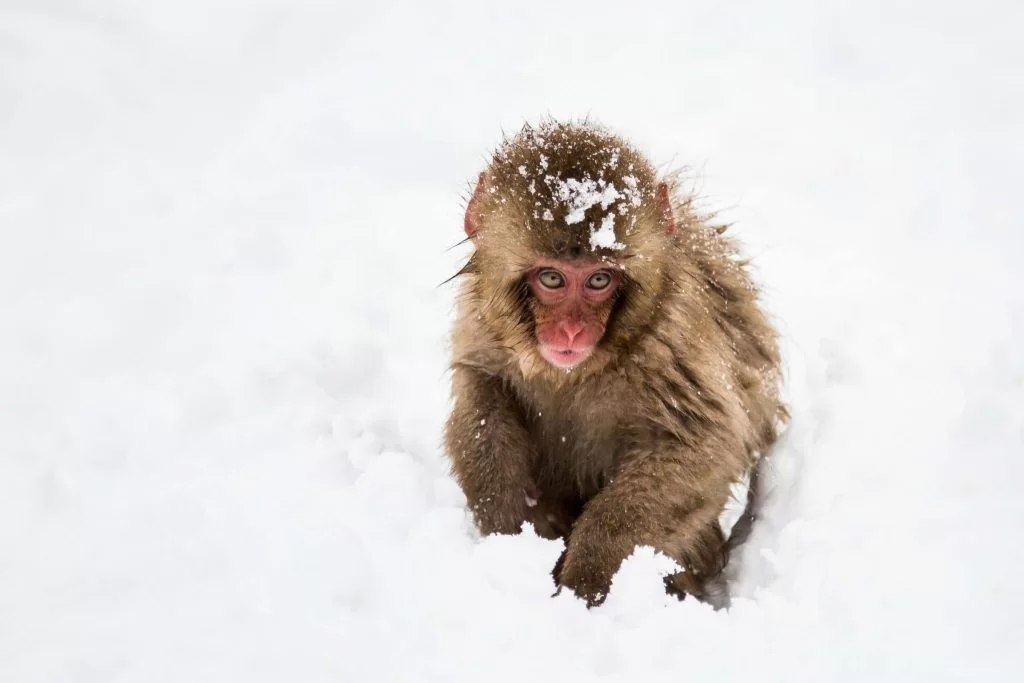
Wondering when to see Japan’s famous Snow Monkeys? While the park is open 365 days a year, your experience will change dramatically with the seasons. Whether you want to see monkeys bathing in deep snow, newborn babies in spring, or vibrant autumn leaves, this guide helps you pick the perfect month for your visit.
What Time of Day Should You Visit the Park?
Because the monkeys are 100% wild, they are free to roam as they please. While they usually arrive by the time the park opens, they occasionally operate on "monkey time"—arriving a little late if they find a good food source in the forest.
The "Golden Window": 10:30 to 14:30
To ensure the best viewing experience, we recommend aiming for the middle of the day. Between 10:30 and 14:30, the monkeys are most likely to be settled in the park and relaxing in or around the hot spring.
- Winter & Summer: The monkeys’ routine is highly predictable during these months.
- Autumn (September–November): This is the only time of year when the monkeys might arrive later or stay in the forest longer to forage for wild nuts. If visiting in the fall, plan to stay a bit longer to accommodate their schedule.
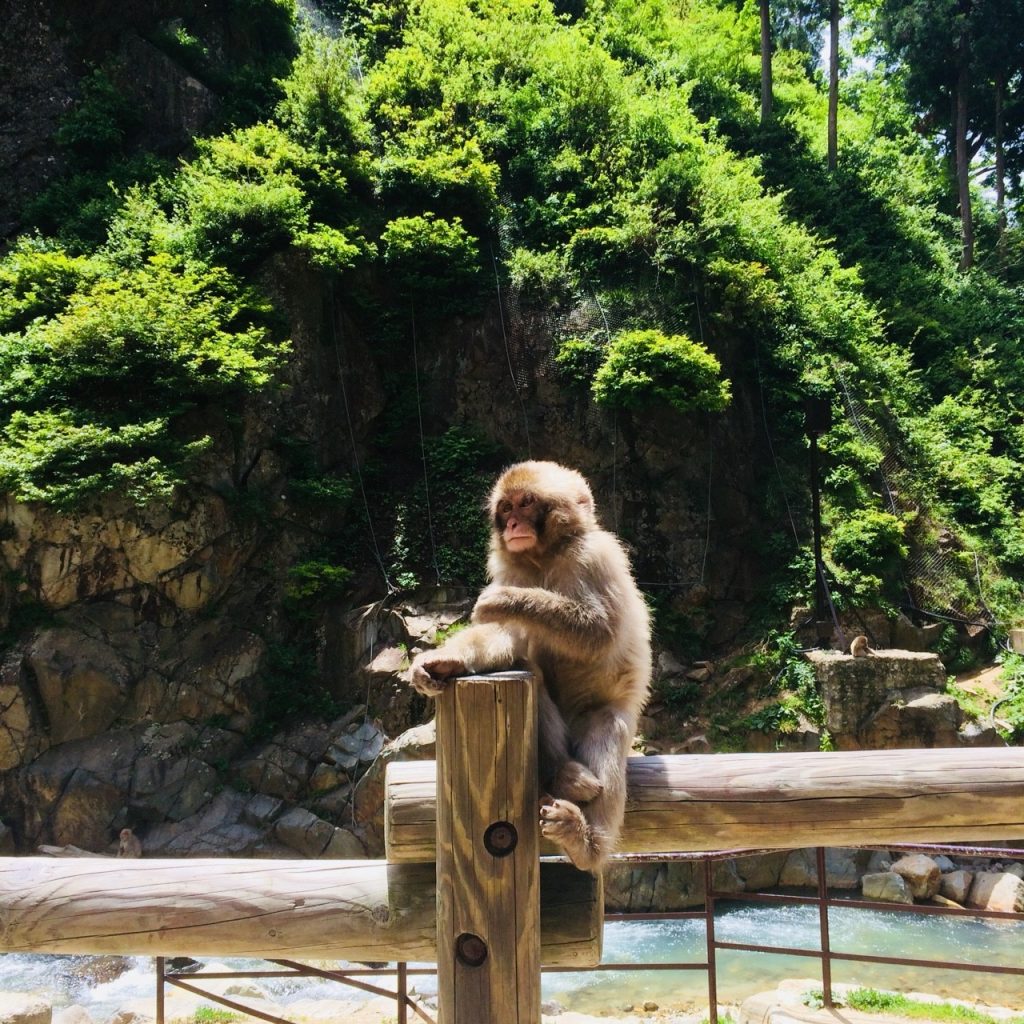
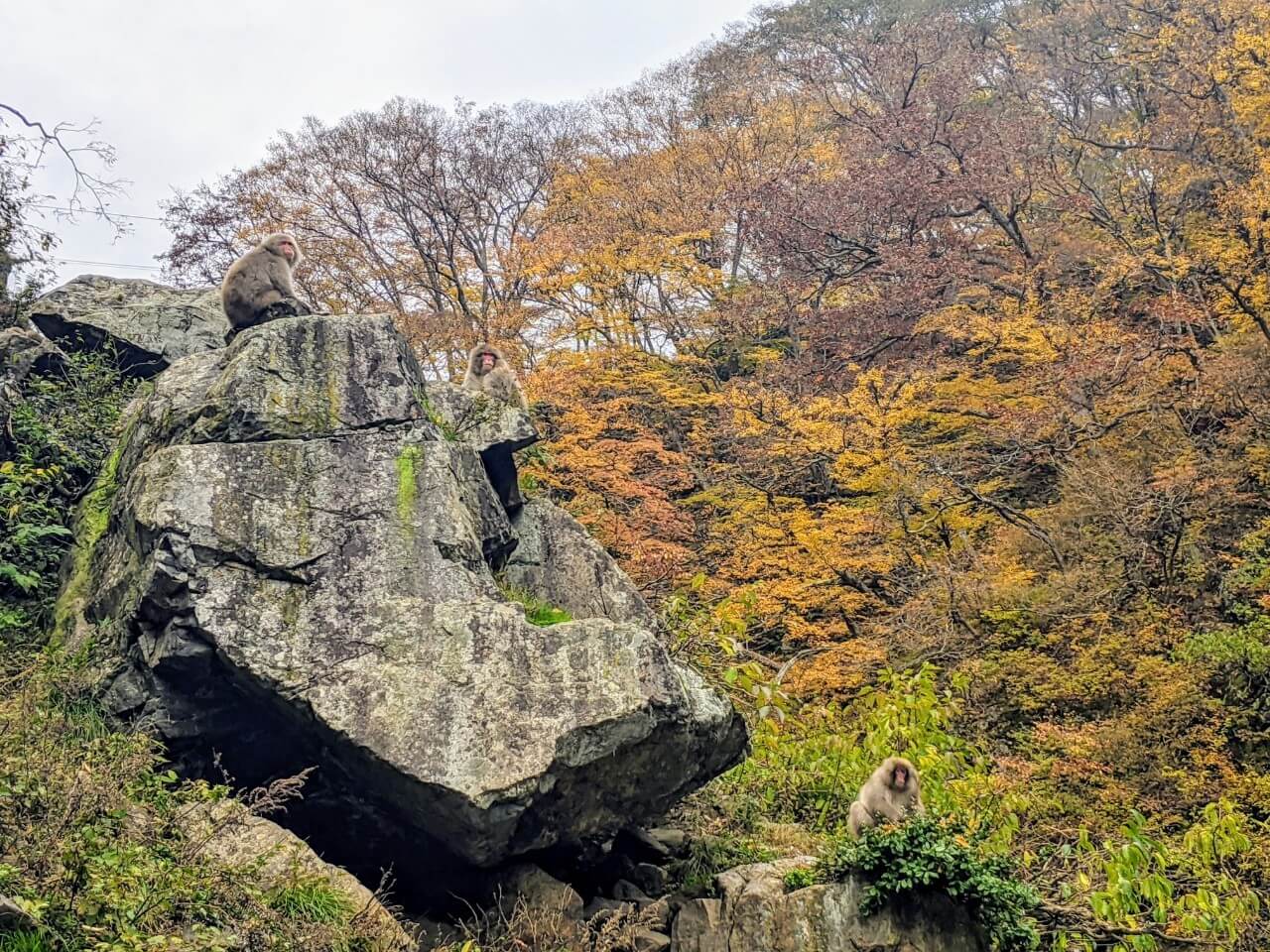
Local Expert Tip: Don’t let the "wild" factor discourage an autumn visit! Even if the monkeys are slow to arrive, the vibrant red and gold foliage makes the walk from Kanbayashi Onsen to the park one of the most beautiful experiences in Nagano. Please note that there is a greater chance that they will not show up in Autumn because of abundance of food in the wild.
Regardless of when you are visiting, our 'Jigokudani Monkey Park' activity page includes tips and suggestions for getting the most out of your visit. For information regarding opening times, entry tickets and access please refer to our 'Snow Monkey Park Information & Updates' page, while our 'The Snow Monkeys FAQ' page answers the most common questions when planning a visit.
Important Winter Update: Upcoming Entry Changes at the Snow Monkey Park
Planning your visit to the Snow Monkey Park for December, January, February, or March?
For the 2026/2027 winter season, the Snow Monkey Park has introduced an advance online ticketing and timed-entry system for the upcoming peak winter season. All visitors planning an independent trip to Jigokudani Yaen-koen (Snow Monkey Park) must navigate the new mandatory online ticketing system and strict winter parking restrictions.
Peak Season Entry & Parking Restrictions
- Mandatory Online Tickets: During peak times—primarily winter (Dec–Mar) and major domestic holidays like New Year, Golden Week, and Obon—visitors must present a date-specific advance ticket QR code to be admitted to the park after walking the trail. Walk-ins face long waits or total entry denial at the ticket check-in counter at the bottom of the trail.
- Civilian Parking Bans: Nearby parking lots are completely closed to private vehicles on peak winter weekends and public holidays. Public transport or guided tours are strongly recommended. Travel via public transportation is being encouraged by the Snow Monkey Park.
How to Book Independent Tickets Online
- Booking Portal: Tickets must be purchased through the official Webket Reservation System (English toggle available).
- Account Required: You must create and register a Webket account before buying.
- Booking Window: Tickets open 90 days in advance at midnight JST.
- Entry Timeslots: When booking, you must select your specific date and arrival window.
For more details on how to go about placing your reservation for tickets to the Snow Monkey Park, please see our How to Purchase Snow Monkey Park Tickets in Advance webpage.
The best way to secure your winter entry to the Snow Monkey Park? Book a guided tour or private charter with Snow Monkey Resorts.
By booking one of our curated snow monkey tours, or private charter services, you can travel with complete peace of mind. Here is how booking with us ensures a seamless experience during the peak season while the snow monkey park adjusts to its new policy:
- Guaranteed Park Entry: We secure reserved ticket allocations for our guests, completely bypassing the complex online booking system and ensuring guaranteed access.
- Direct Transportation: Skip the hazardous winter roads and vehicle bans—our private vehicles drop you off directly near the park trail.
- Hassle-Free Experience: Enjoy an all-inclusive itinerary complete with a local English-speaking guide, organized logistics, and optional seasonal activities like sake tasting or snow fun.
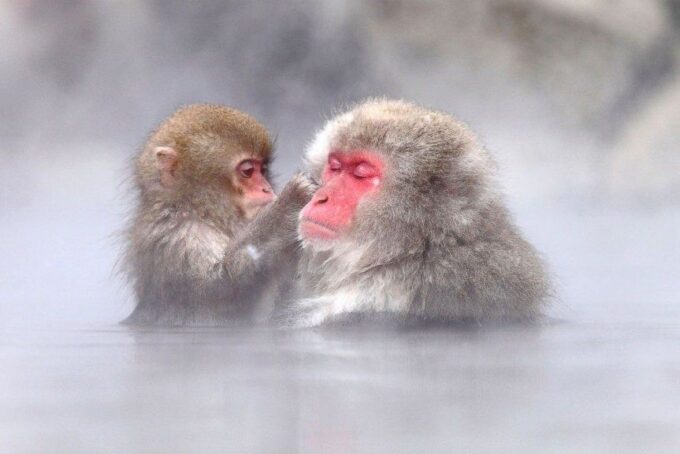
Best Selling
1-Day Tour: Snow Monkeys, Zenkoji Temple & Sake in Nagano
- Spots:
- NaganoSnow MonkeyHakuba
- Pick-up:
- Nagano CityHakuba
- Drop-off:
- Nagano CityHakuba
Don't need a guide? We can transport you to and from the park with seamless logistics from areas such as Nagano Station, Hakuba, Nozawa Onsen, Matsumoto, and more!
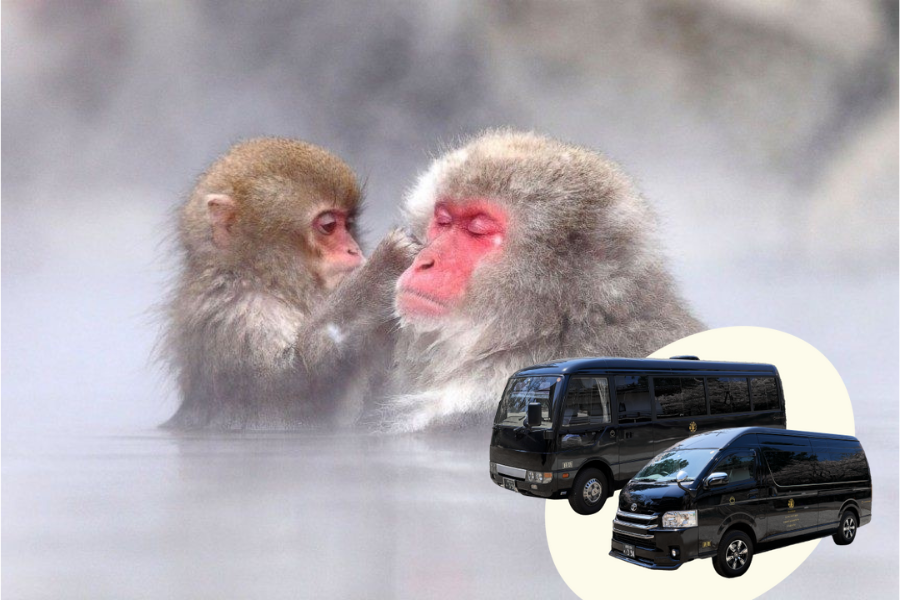
NAGANO STN → SNOW MONKEY PARK (3HR)→ NAGANO STN
- Duration:
- 4-5 Hours
- Spots:
- Nagano, Snow Monkey
Winter at the Snow Monkey Park: The Peak Season (Dec – Mar)
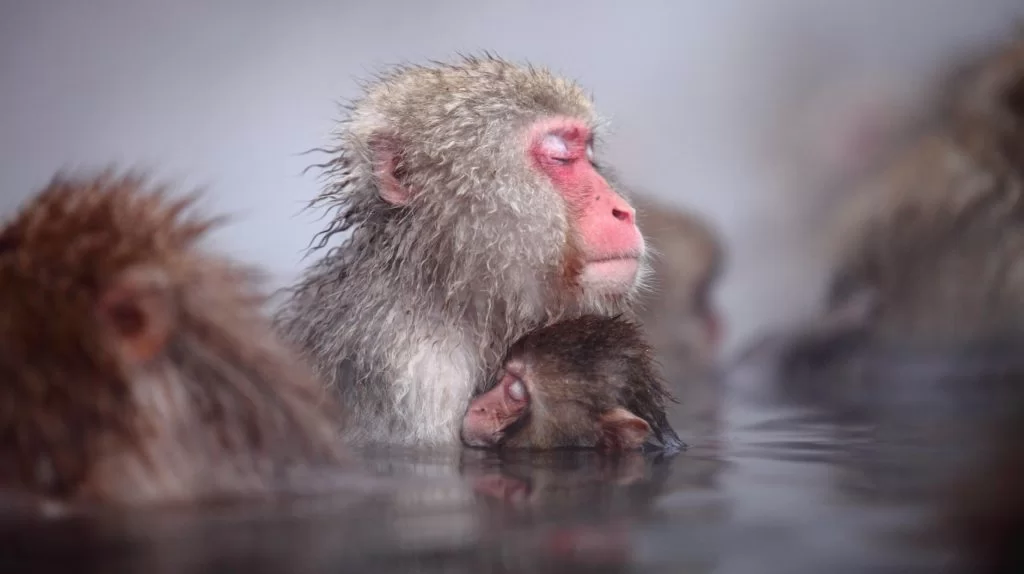
Best Selling
1-Day Tour: Snow Monkeys, Zenkoji Temple & Sake in Nagano
- Spots:
- NaganoSnow MonkeyHakuba
- Pick-up:
- Nagano CityHakuba
- Drop-off:
- Nagano CityHakuba
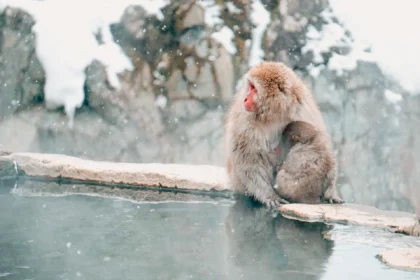
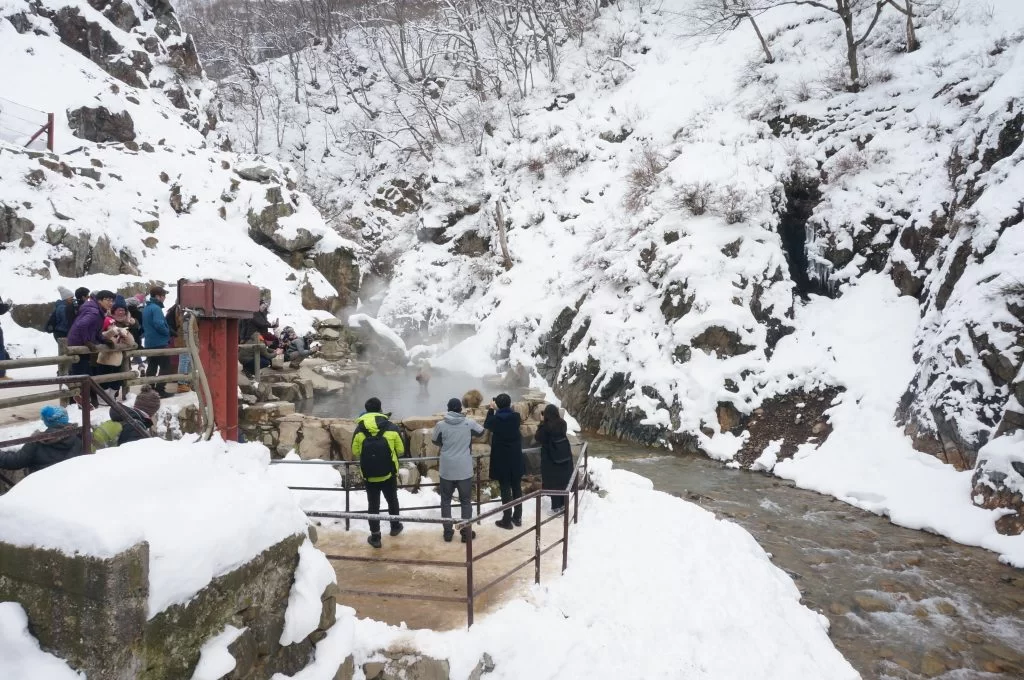
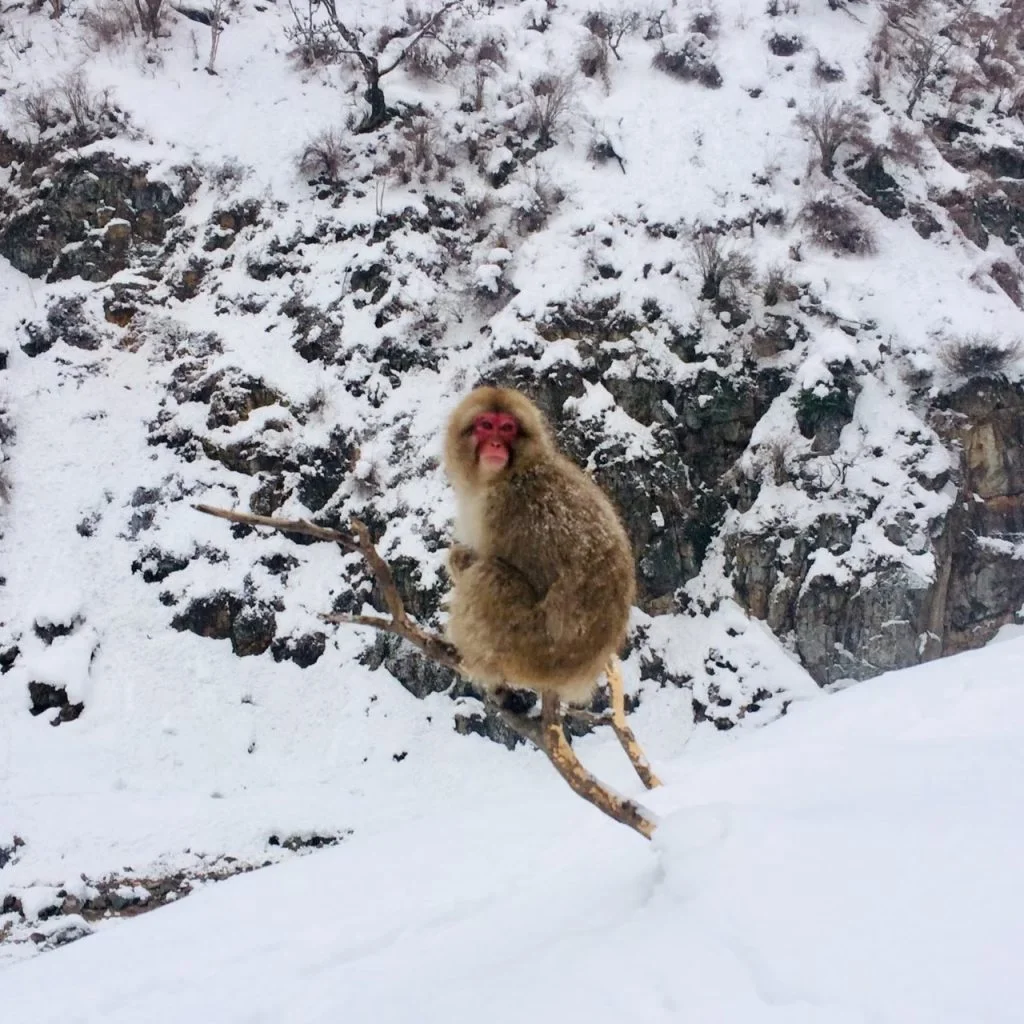
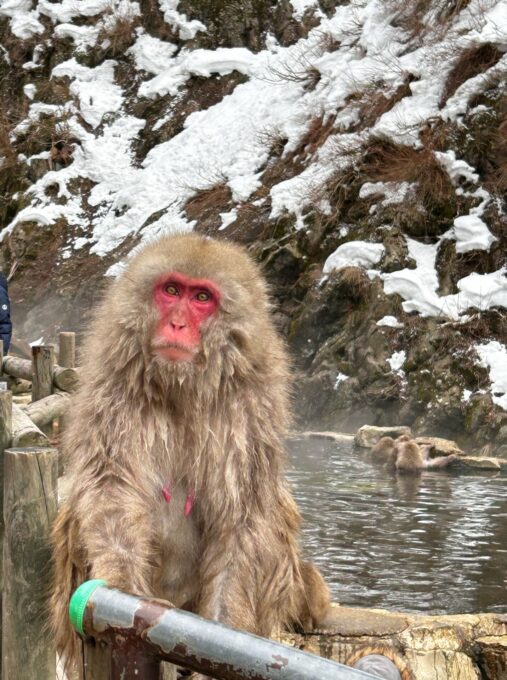
Winter is the most iconic time to visit Jigokudani. As heavy snow blankets the valley, the monkeys spend hours soaking in the steaming hot spring to stay warm. Because natural food is scarce in the mountains during this time, the monkeys' behavior is very reliable—they typically arrive at the park by 9:00 AM and stay until closing.
What to Expect: Weather & Temperatures
The landscape transforms into a "winter wonderland" starting in December, but the cold is intense.
March: Snow remains deep, but the weather begins to mellow as spring approaches.
December: First snowfalls begin. Temperatures range from 0°C to 10°C (32°F - 50°F).
January & February: Peak winter. Daytime highs often stay below 0°C (32°F), with night-time lows dropping to -15°C (5°F).
Essential Gear for the Winter Trail
The 1.6km (1 mile) forest trail to the park becomes very icy and slippery in winter.
Rentals: If you aren't packed for the snow, you can rent high-quality boots and winter jackets at the Snow Monkey Resorts Gift & Info Shop located at the trail entrance.
Footwear: Be prepared for the walk to the park in winter by having sturdy footwear with good grip, and ensure your footing is secure with "cramp-on" shoe spikes.
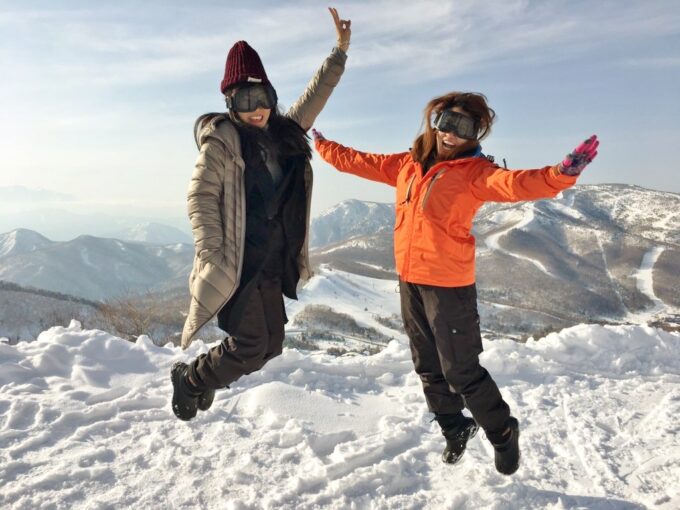
Clothing: Thermal layers, gloves, and a warm hat are essential for the 30-minute walk.
Best Selling
1-Day Tour: Snow Monkeys & Snow Fun in Shiga Kogen
- Spots:
- NaganoSnow MonkeyShiga Kogen
- Pick-up:
- Nagano CityYudanaka/Shibu
- Drop-off:
- Nagano CityYudanaka/Shibu
Photography Tips: Capturing the "Onsen Monkey"
Late December through January is the best time for photography. To get the best shots of the monkeys in the hot spring:
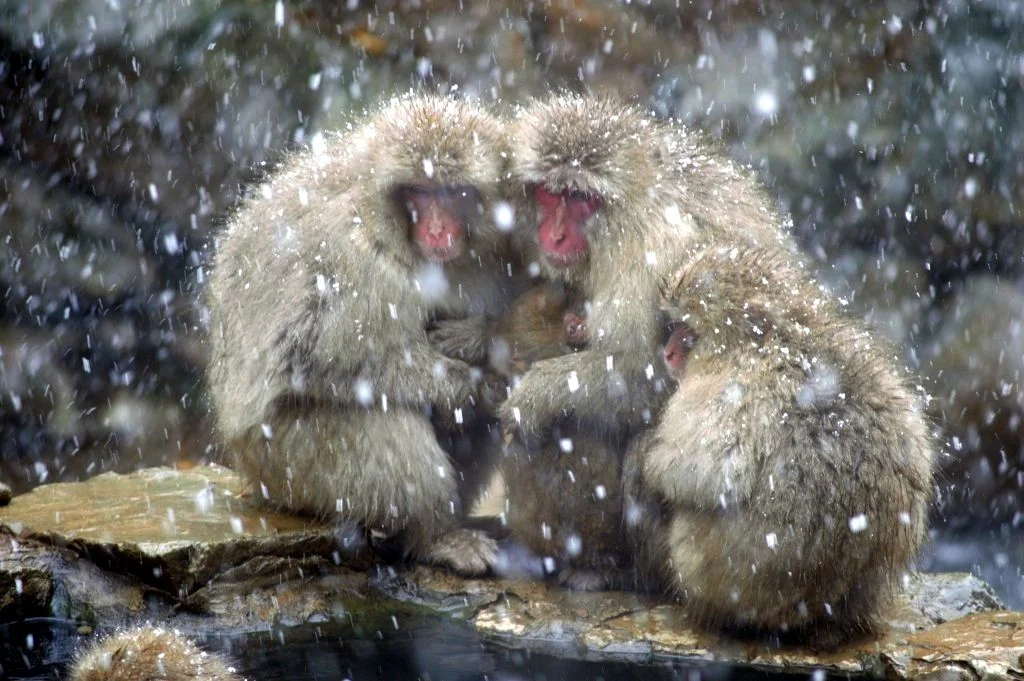
Be Patient: During heavy snowfall, the monkeys look their best with "snow caps" on their heads—this is the most sought-after shot!
Arrive Early: Be at the trail entrance by 9:00 AM to beat the largest tour crowds.
Protect Your Gear: The steam from the onsen can condense on your camera lens. Bring a microfiber cloth.
For our recommendations for things to do in and around the monkey park in winter, please refer our 'Winter (Dec-Mar) at the Jigokudani Monkey Park' page.
Spring at the Monkey Park: Baby Monkeys & Cherry Blossoms (Apr – May)
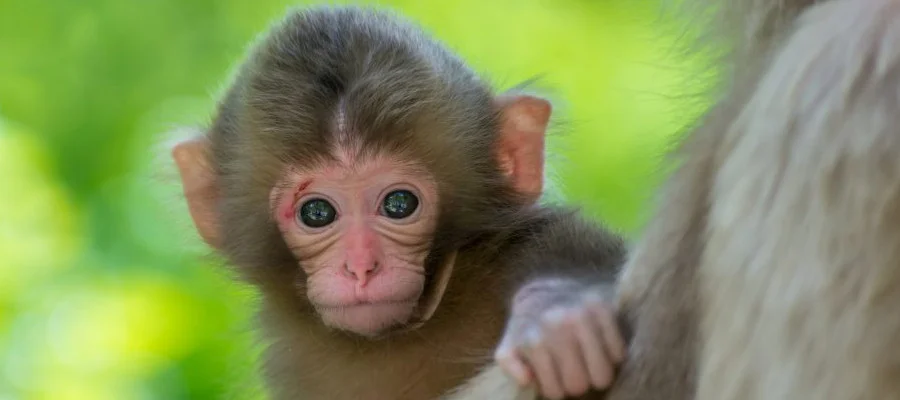
Spring is one of the most rewarding times to visit the park. As the heavy winter crowds dissipate, the atmosphere becomes peaceful, and the valley begins its transformation into a lush green landscape. While the monkeys still enjoy the hot spring, they become much more active—foraging, wrestling, and playing as they welcome the warmer weather.
Two Special Reasons to Visit in Spring
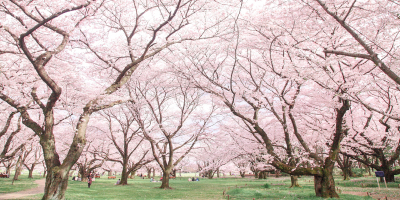
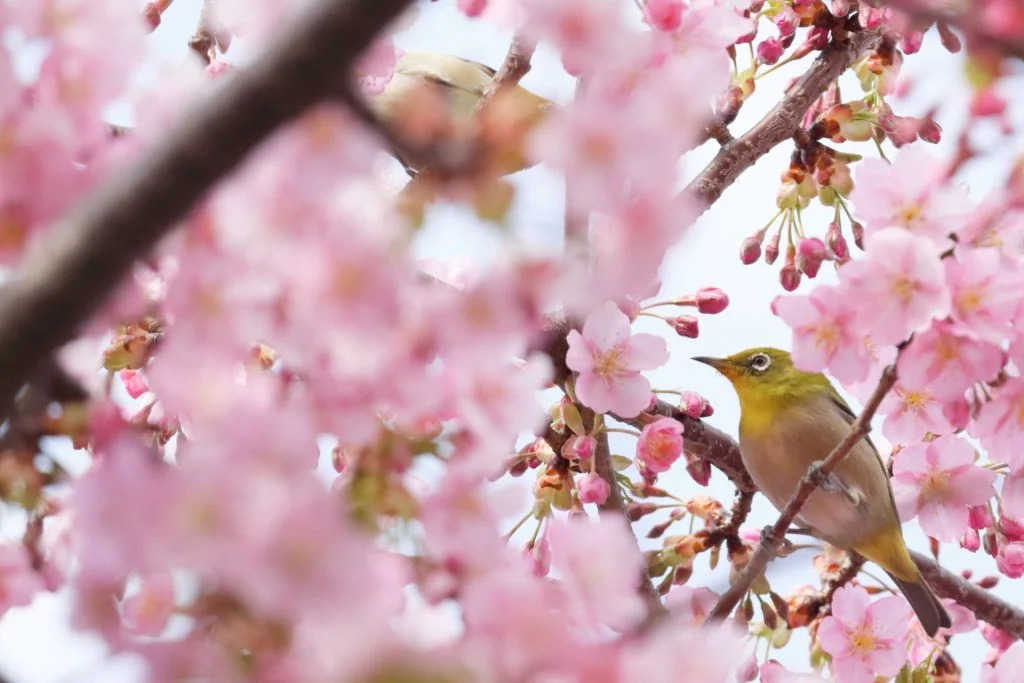
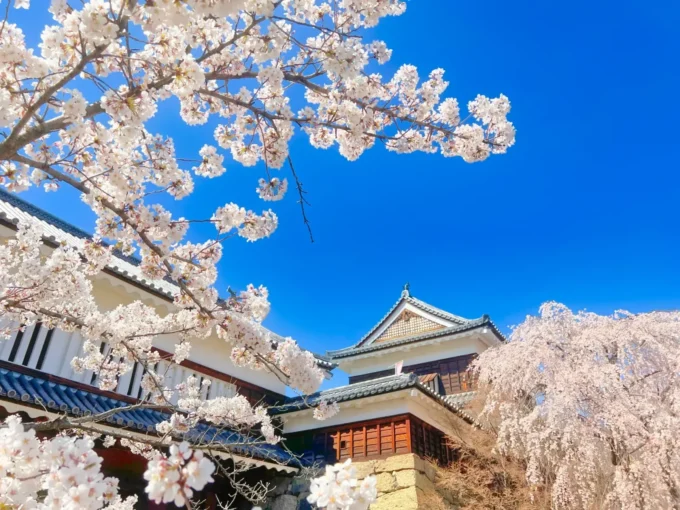
Late-Blooming Cherry Blossoms: Because of Nagano’s high altitude, cherry blossoms (sakura) bloom later here than in Tokyo or Kyoto. You can expect Nagano’s blossoms to be at their best from early to mid-April.
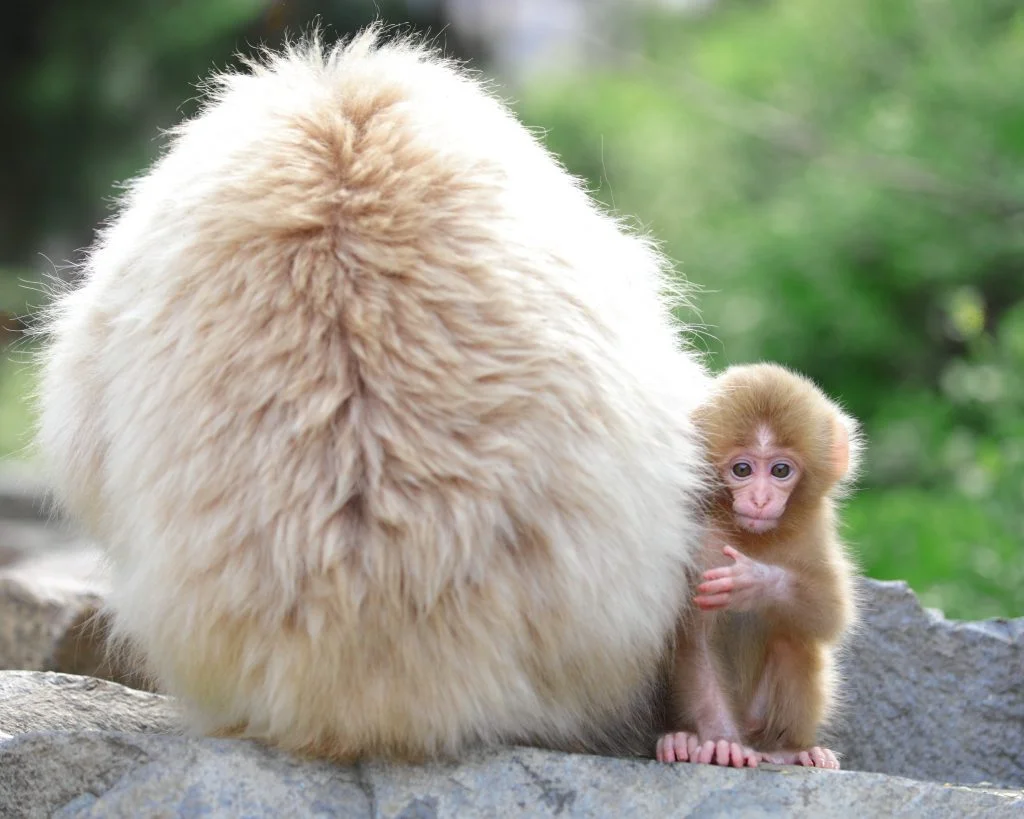
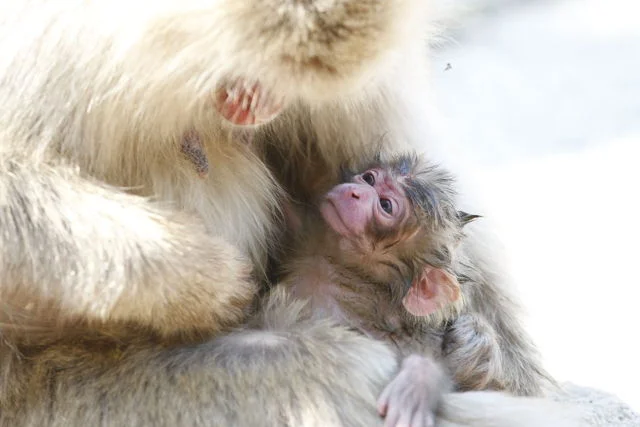
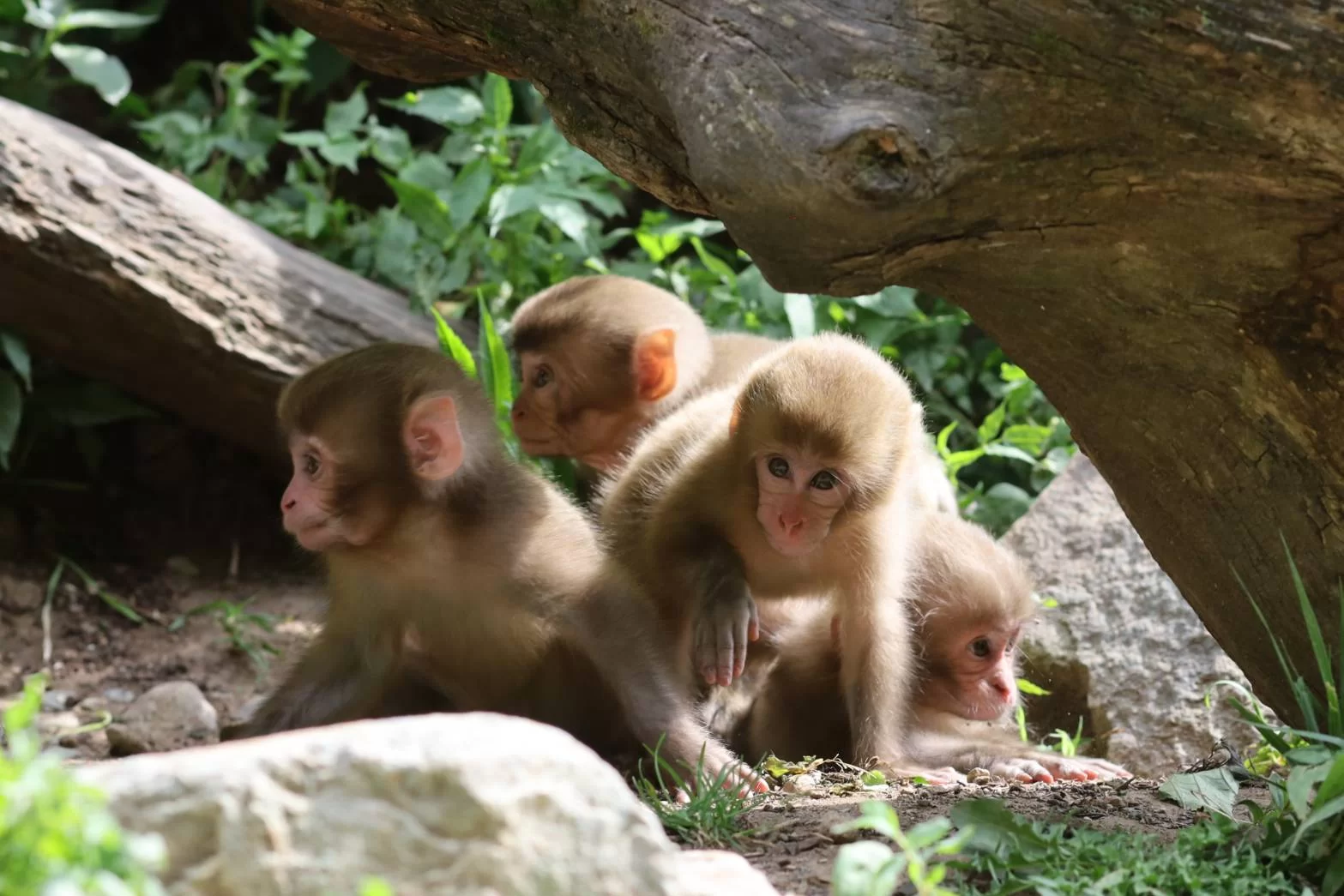
Newborn Baby Monkeys: The first babies of the year typically appear from late April through May. Watching these tiny creatures take their first awkward steps while clinging to their mothers is a truly unforgettable highlight.
What to Expect: Weather & Conditions
Spring weather in the mountains can be unpredictable. One day may feel like summer, while the next brings a sudden chill.
- Temperatures: Daytime highs typically range between 10°C and 20°C (50°F - 68°F), but can occasionally dip toward 5°C (41°F).
- The Landscape: By April, most of the snow has melted. While the forest isn't yet fully "leafed out," the arrival of new vegetation makes the monkeys very active and visible.
- Lower Crowds: If you prefer a quiet, intimate experience with the monkeys without the winter "wall of cameras," this is the best season to visit.
Local Expert Tip: Even if it's warm in the city, the 30-minute walk to the park is shaded and can remain quite cool. We recommend bringing a light, windproof jacket even in late May.
Popular
(Spring Only) 1-Day Tour: Snow Monkeys & Cherry Blossoms in Nagano
- Spots:
- NaganoSnow Monkey
- Pick-up:
- Nagano City
- Drop-off:
- Nagano City
Witnessing these gorgeous little creatures held tight by their mother and soon taking their first awkward steps in the world, is a truly special sight and highlight of any visit to the park. For our recommendations for things to do in and around the monkey park in spring, please refer our 'Spring (Apr-May) at the Jigokudani Monkey Park' page.
Summer at the Monkey Park: A Cool Mountain Escape (Jun – Aug)
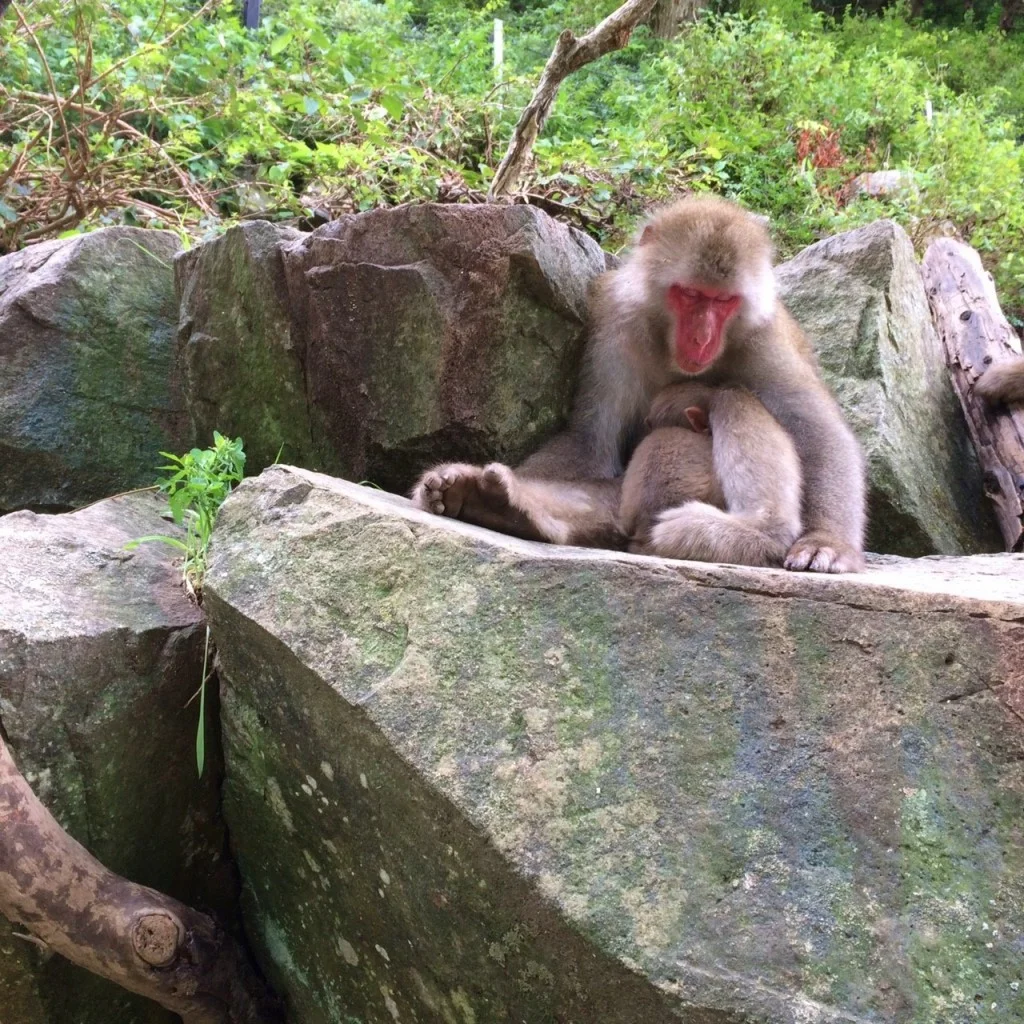
While Japan’s cities face intense heat and humidity from June to August, the Snow Monkey Park offers a refreshing mountain refuge. At a higher altitude and surrounded by lush forest, the park is notably cooler than Tokyo or Kyoto, making it an ideal summer destination.
Summer Highlights: Active Juveniles & "Swimming" Monkeys
Summer is the quietest season for human visitors, giving you uninterrupted views and plenty of space for photography.
Lush Greenery: The valley is at its most vibrant, with deep green foliage providing a stunning backdrop for photos.
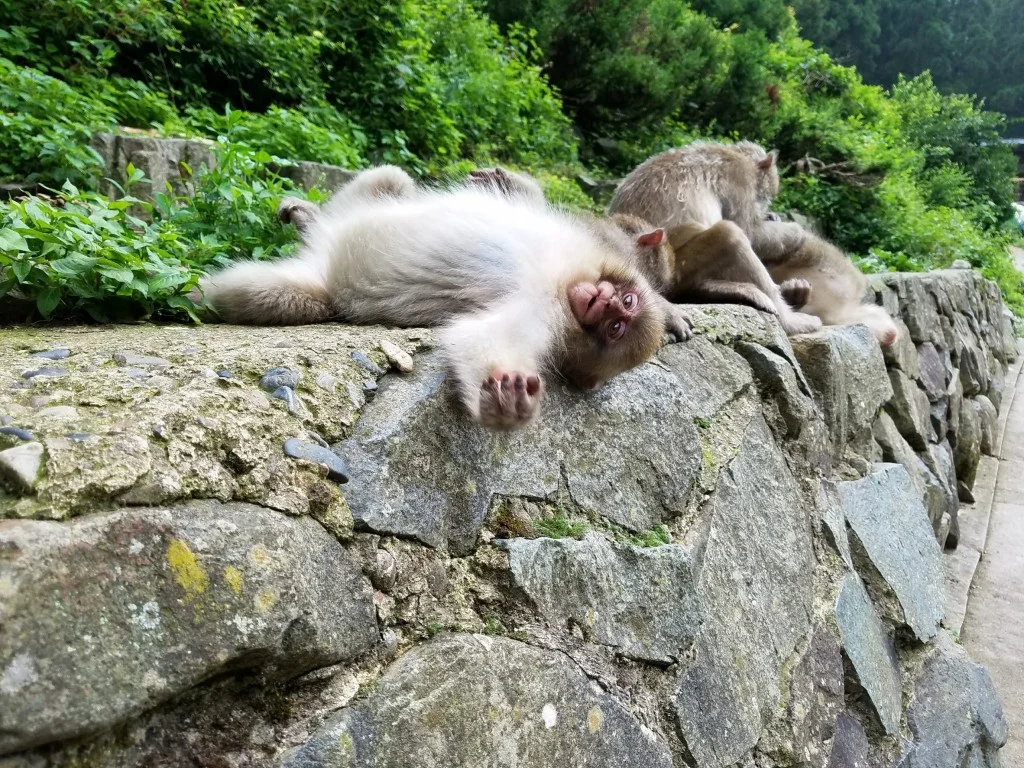
Active Infants: The babies born in spring are now old enough to begin scurrying over rocks and attempting to climb trees, an adorable sight.
Swimming Behaviors: While the older monkeys prefer the shade, the younger macaques often use the hot spring like a swimming pool! Watching them dive and splash to stay cool is a unique summer-only experience.
Weather & The Rainy Season
- The Rainy Season (Tsuyu): Starting in mid-June, expect frequent but sudden downpours. These often clear quickly, leaving the forest air crisp and fresh.
- Temperatures: While coastal cities hit 35°C–40°C (95°F+), the park typically stays around 25°C to 30°C (77°F - 86°F).
- Humidity: It is still humid, so we recommend a slow pace. Take breaks at the Enza Cafe or Hotaru-tei to enjoy a cold drink and a shaded lunch before or after your walk.
For our recommendations for things to do in and around the monkey park in summer, please refer our 'Summer (Jun-Aug) at the Jigokudani Monkey Park' page.
Autumn at the Monkey Park: Fall Colors & Peak Activity (Sep – Nov)
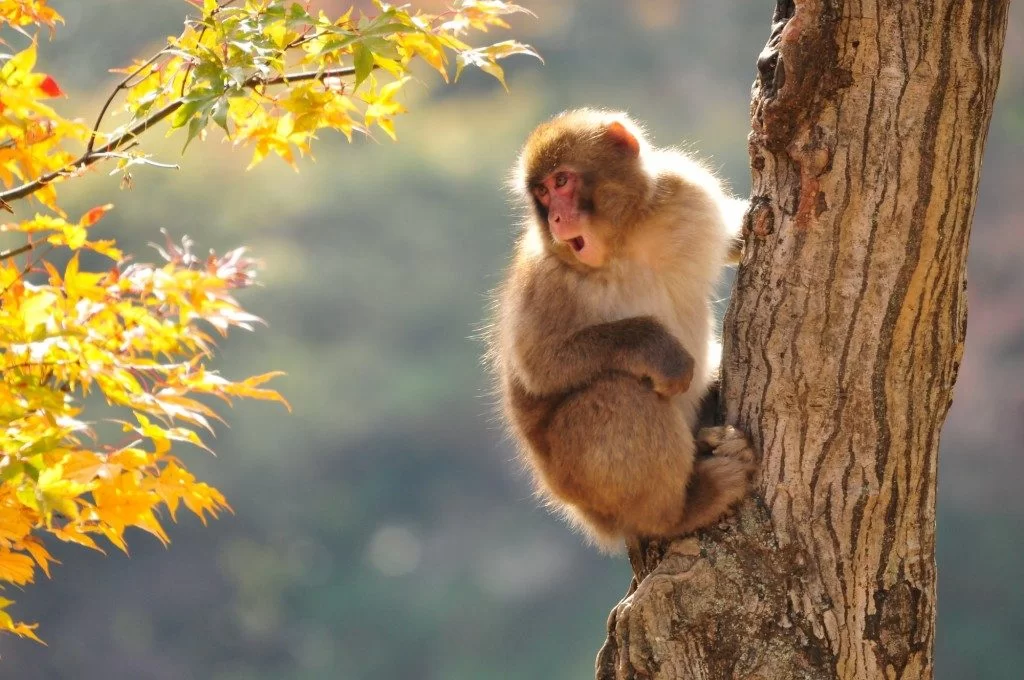
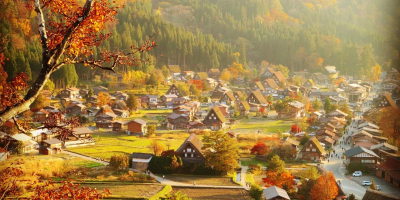
Autumn is arguably the most beautiful time of year in the Nagano region. As the "true" summer heat fades in September, the landscape slowly transforms into a stunning tapestry of red, gold, and amber. Known in Japan as Koyo, the autumn leaf season makes the 30-minute walk to the park an attraction in its own right.
The Season of Abundance & Mating
Autumn is a unique time in the monkeys' social calendar. Because the forest is overflowing with wild fruit and nuts, the monkeys are at their healthiest and most energetic.
- Mating Season: From October through November, the monkeys are highly active and preoccupied with mating season.
- The "Monkey Schedule": Because food is so abundant in the surrounding mountains, the monkeys occasionally arrive at the park later than usual.
- Our Recommendation: To make a sighting more likely, aim to visit during the middle of the day (11:00 AM – 3:00 PM). This gives the monkeys plenty of time to finish their morning foraging before heading to the park.
Local Expert Tip: When in doubt about the monkeys attendance, check the Jigokudani Monkey Park Facebook Page and the livestream on their main webpage for live updates. They update every day during this season to attempt to make your decision to walk the trail worth it.
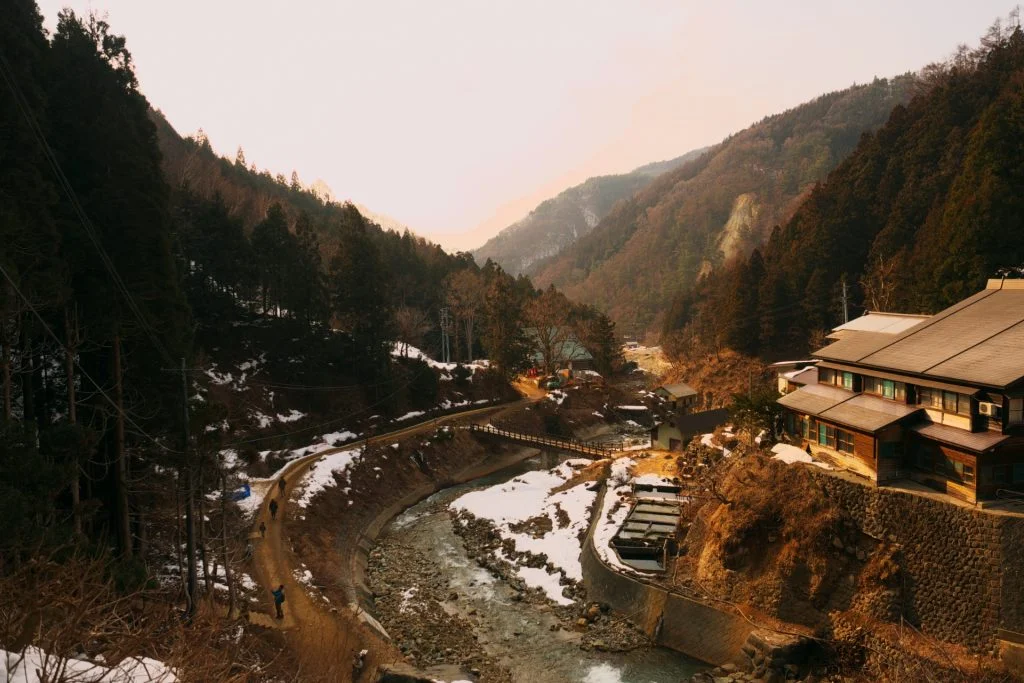
Weather & Fall Temperatures
Autumn offers crisp, sunny days and clear blue skies, making it the most comfortable season for hiking.
October & November: The air turns brisk. Expect daytime highs of 10°C to 15°C (50°F - 59°F). Morning and evening temperatures can drop significantly, so layers are key.
September: The humidity drops, but it remains warm with highs between 20°C and 30°C (68°F - 86°F).
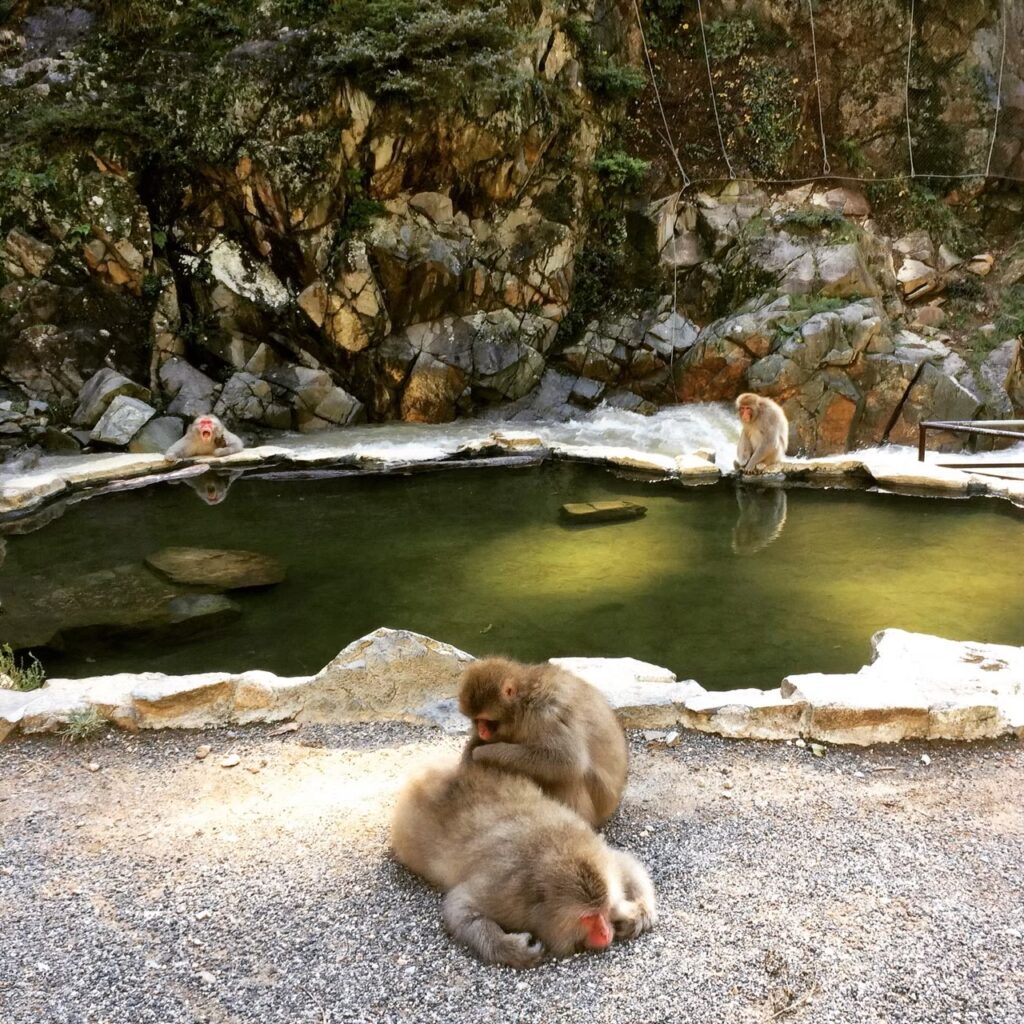
Nagano: The Ultimate Autumn Destination
Since the monkeys may arrive a bit later in the day, Autumn is the perfect season to combine your visit with other world-class leaf-viewing spots nearby:
- Shiga Kogen & Togakushi: Located just a short drive from the park.
- Kamikochi & The Nakasendo Trail: Perfect for those looking to extend their autumn trekking itinerary.
Photographer's Note: The contrast of the monkeys against the deep red Momiji (Japanese Maple) leaves provides a color palette you won't get at any other time of year.
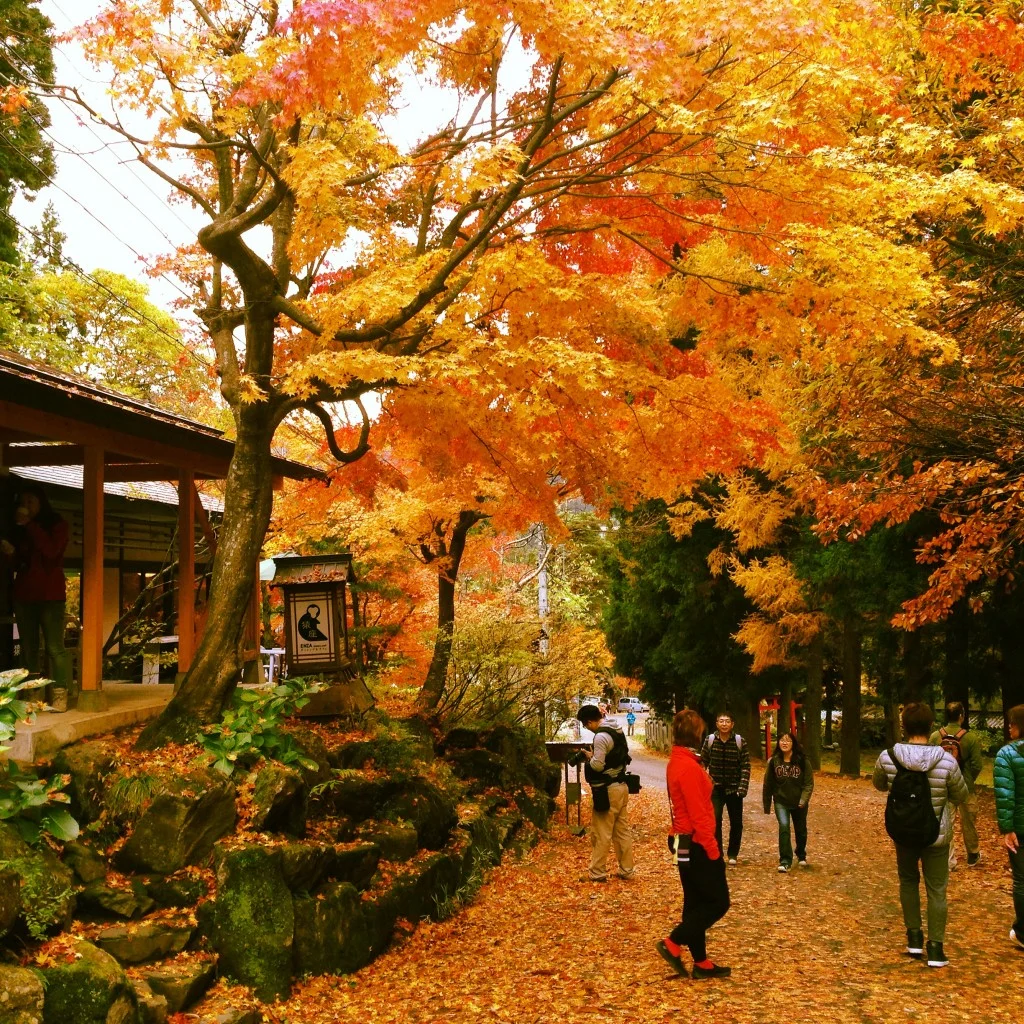
For our recommendations for things to do in and around the monkey park in autumn, please refer our 'Autumn (Sep-Nov) at the Jigokudani Monkey Park' page.
Dining Options at the Park
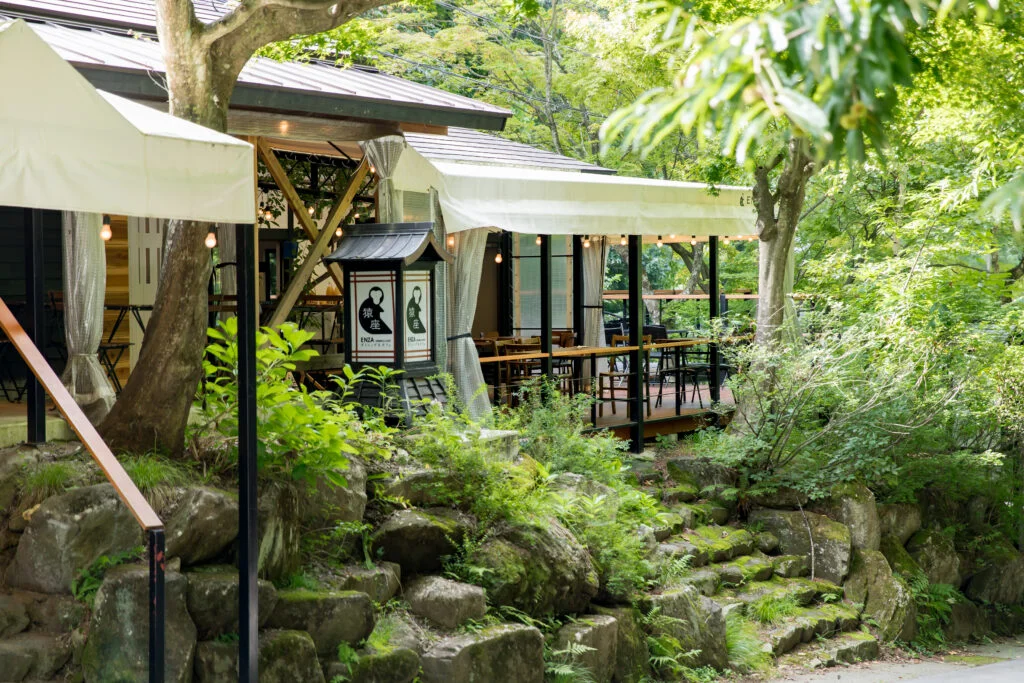
Visitors the the park can enjoy a couple of great dining options starting with Enza Cafe. Located immediately before the trail entrance, Enza Cafe serves both Japanese and Western dishes, coffee and other drinks including craft beer and more - the ideal place to grab a snack or sit down for a meal or drink before or after heading into the park.
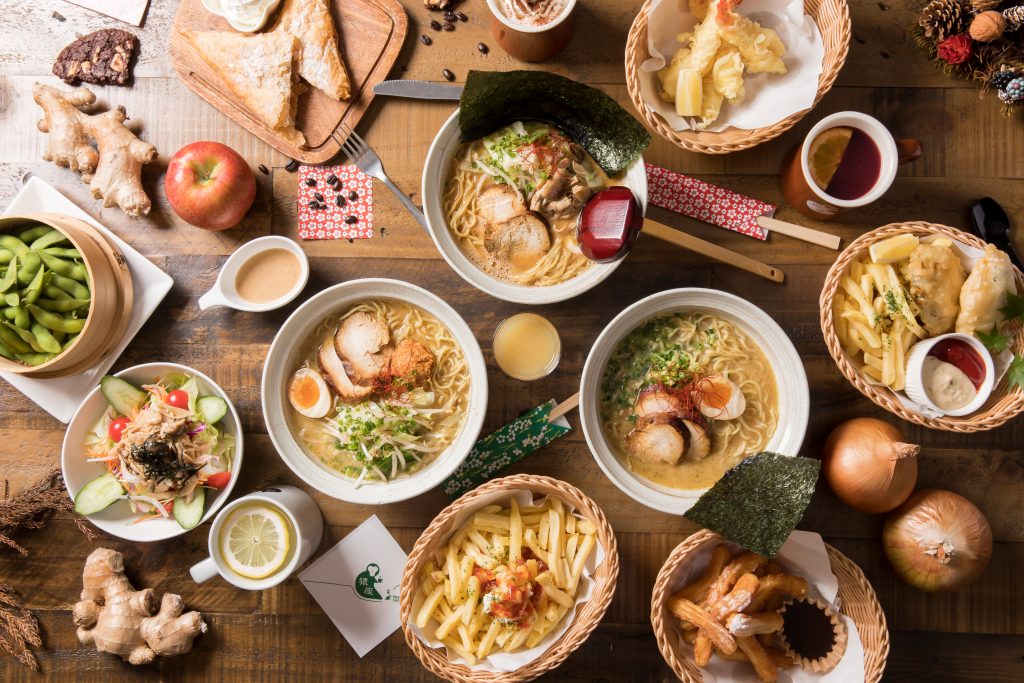
Enza's menu includes delicious chicken ramen, sushi, fried chicken and french fries, coffee, hot chocolate, refreshing soft drinks and juices, and alcoholic beverages. Most menus can be taken out, but please note that food and drinks cannot be taken into the park so if you're after takeaway, do so when departing the park otherwise your tasty little snack is likely to become the property of one of the monkeys!
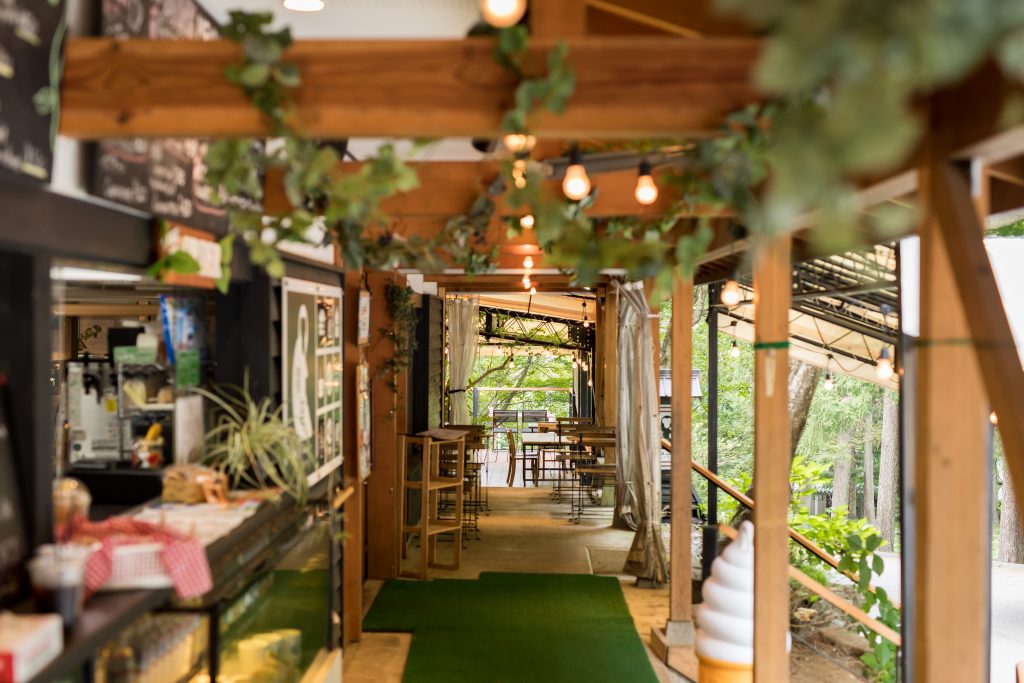
The cafe offers both indoor and outdoor seating and a relaxed, open-plan design which encourages you to take your time at the park. For visitors headed there through spring to autumn, Enza's large terrace is an ideal spot to enjoy a meal and drink - especially beautiful in autumn as the large 'momoji' above the terrace turns deep red.
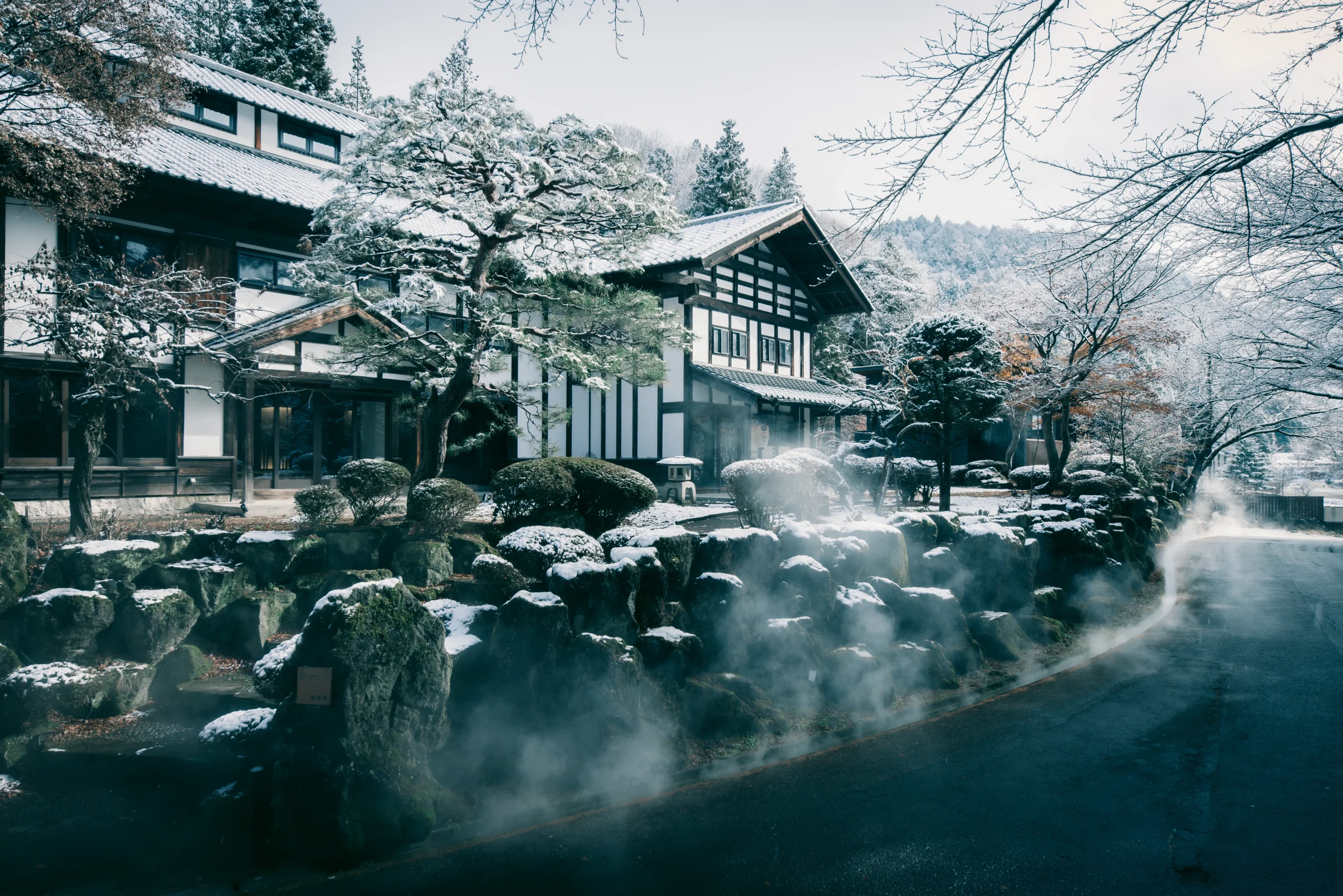
Further down the hill and nearby the bus stops, Hotarutei offers visitors the nearest fine-dining experience to the monkey park. Housed in a converted 170-year-old farmhouse.
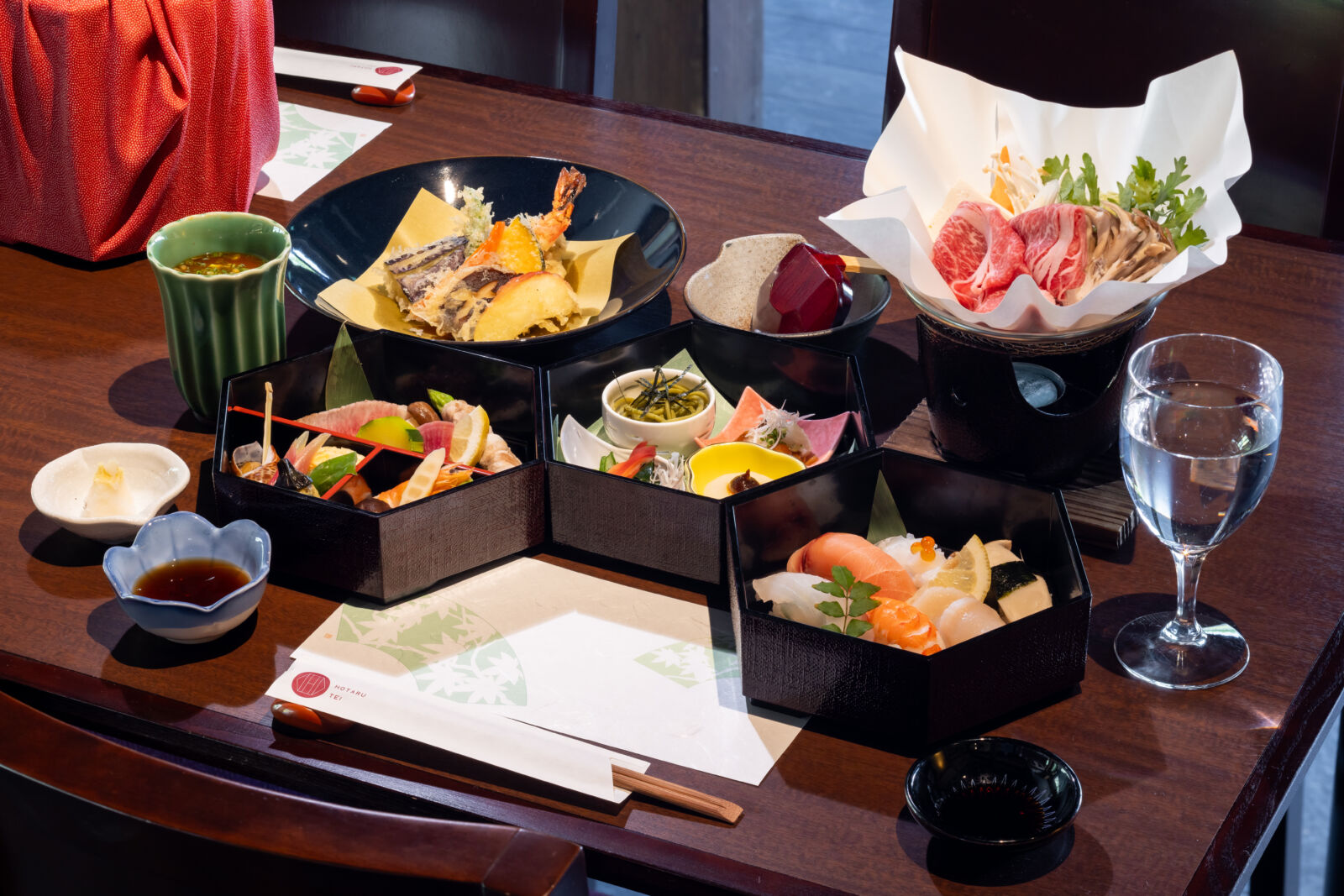
Hotarutei serves an indulgent menu of tempura, wagyu beef, hot pot and sushi in a tranquil atmosphere. Particularly beautiful as the snow falls in winter, we recommend Hotarutei to any visitor looking to enjoy a more traditional Japanese meal during their time at the monkey park. Please note that reservations are required at least 3 days prior to the date of your visit.
Where to Stay When Visiting the Monkey Park
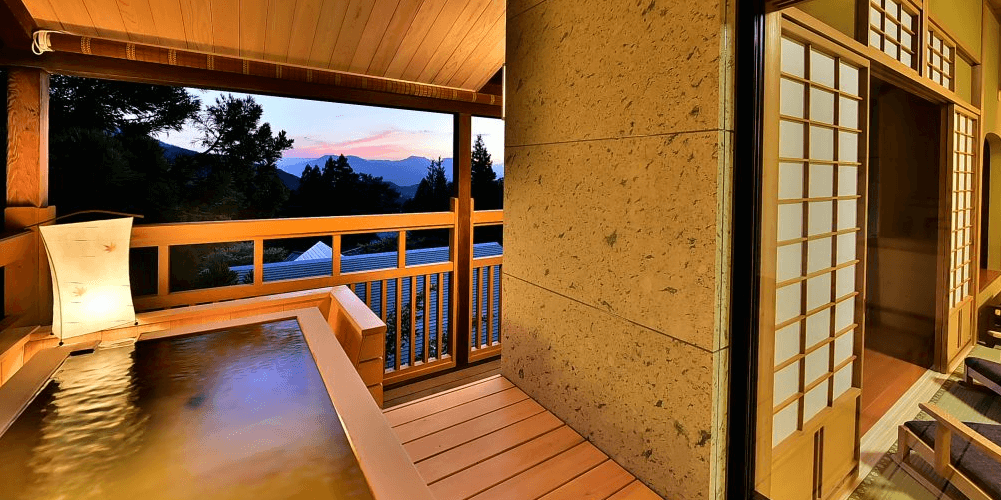
Visitors to the monkey park are spoiled for choice when it comes to nearby accommodation. Located in the small hot spring village of Kanbayashi Onsen and a short drive from the larger Shibu Onsen and Yudanaka Onsen, the park can be enjoyed while staying at one of the area’s many guesthouses, many of which have their own hot springs, or further afield in Shiga Kogen or Nagano City.
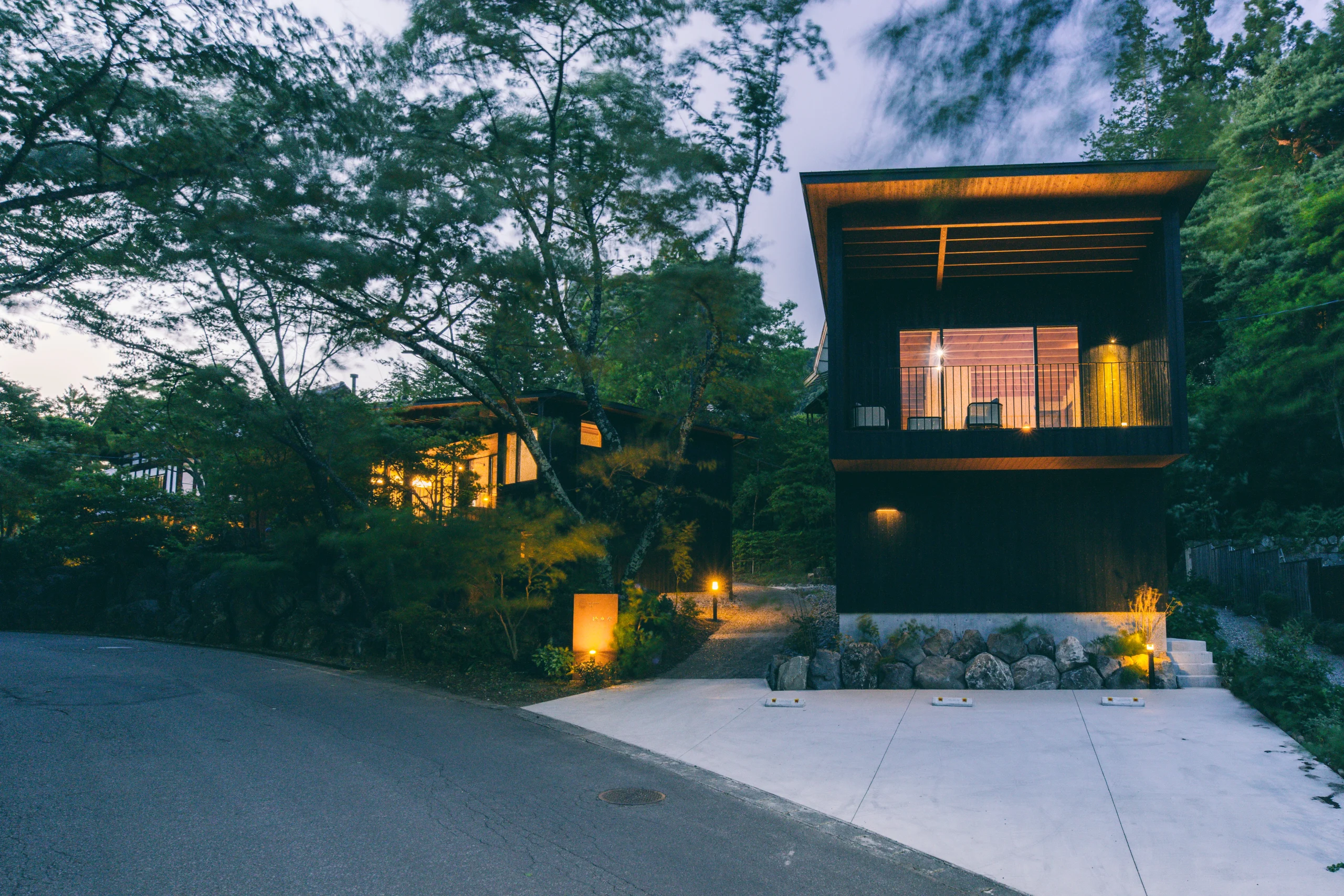
The above mentioned restaurant, Hotarutei, also offers two luxurious villas each equipped with two bedrooms, a living room, a kitchenette, and their own private onsen. Our ‘Where To Stay Around The Jigokudani Monkey Park’ page lists the best areas to stay, our recommendations and accommodation listings.
Tours and Charters to the Monkey Park
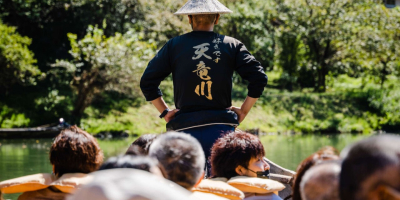
As Nagano's No.1 tour operator, we are proud to offer multiple tours that combine a visit to the Snow Monkey Park with other fun local activities. No matter the season, we can help you make the most of your time in Nagano. Whether with your family or friends, or on your own, we are sure to have something that suits your needs!
Best Selling
1-Day Tour: Snow Monkeys, Zenkoji Temple & Sake in Nagano
- Spots:
- NaganoSnow MonkeyHakuba
- Pick-up:
- Nagano CityHakuba
- Drop-off:
- Nagano CityHakuba
Our most popular offering is our "1-Day Tour: Snow Monkey Park, Zenkoji Temple and Sake in Nagano". Guests on this delightful excursion will first be treated to Sake Tasting and a guided tour of the historic Zenkoji Temple in Nagano, including lunch at a nearby restaurant.
With the first half of the tour complete, you will then depart for the Monkey Park on our private tour vehicle. Once you have arrived your guide will lead the way up to the place the Monkeys call home, before you once again board the bus and return to your starting destination.
Best Selling
1-Day Tour: Snow Monkeys & Snow Fun in Shiga Kogen
- Spots:
- NaganoSnow MonkeyShiga Kogen
- Pick-up:
- Nagano CityYudanaka/Shibu
- Drop-off:
- Nagano CityYudanaka/Shibu
For those guests coming in the winter, we also offer the "1-Day Tour: Snow Monkeys & Snow Fun in Shiga Kogen", combining exciting snow activities such as sledding and riding snow scoots with a visit to the Monkey Park. Lunch is also included, making for the perfect day trip for anyone looking to experience what winter in Nagano is all about!
Popular
(Spring Only) 1-Day Tour: Snow Monkeys & Cherry Blossoms in Nagano
- Spots:
- NaganoSnow Monkey
- Pick-up:
- Nagano City
- Drop-off:
- Nagano City
Another unforgettable tour is our "1-Day Tour: Snow Monkeys & Cherry Blossoms in Nagano". Including two of Japan's most amazing natural spectacles, the blooming of the Cherry Blossoms and the hot-spring loving monkeys of Jigokudani, this offering is the easiest way to enjoy a relaxed spring day in Nagano.
Small Group
1-Day Tour: Snow Monkey Park & Togakushi Shrine in Nagano
- Spots:
- NaganoSnow MonkeyTogakushi
- Pick-up:
- Nagano City
- Drop-off:
- Nagano City
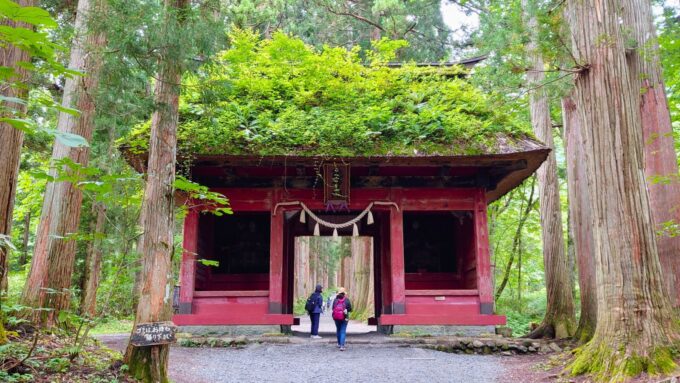
Or, if you would like to see more of Nagano's breathtaking nature and learn about its spiritual history, you can join our "1-Day Tour: Snow Monkey Park & Togakushi Shrine in Nagano". This tour combines a visit to the Snow Monkey Park with a trip to Togakushi Shrine, also known as the “Five Shrines,” famous for its rows of towering ancient cedar trees lining the path to the inner shrine.
Popular
[START FROM NAGANO CITY] Private Snow Monkey Tour
- Spots:
- NaganoSnow Monkey
- Pick-up:
- Nagano City
- Drop-off:
- Nagano CityHakubaNozawa OnsenShiga KogenMadaraoMyoko
For those who want a more customized experience, we also offer private tours of the Snow Monkey Park and nearby attractions such as Zenkoji Temple. For more information, please click the link above or send us an inquiry describing your ideal itinerary.
Charter a Vehicle to the Snow Monkey Park!
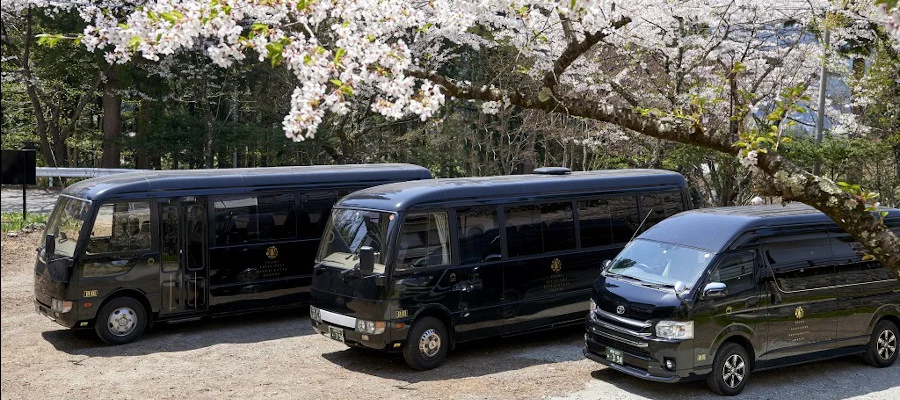
Please see our charter page and send us your trip details so we can start planning your journey to the Snow Monkey Park. Many starting point options are available such as Nagano Station, Hakuba, Nozawa Onsen, and more.
Taking only about 50 minutes each way, enjoy a seamless journey from Nagano Station to the Snow Monkey Park on our private van or bus.
NAGANO STN → SNOW MONKEY PARK (3HR)→ NAGANO STN
- Duration:
- 4-5 Hours
- Spots:
- Nagano, Snow Monkey
NEED ASSISTANCE WHILE AT THE PARK?
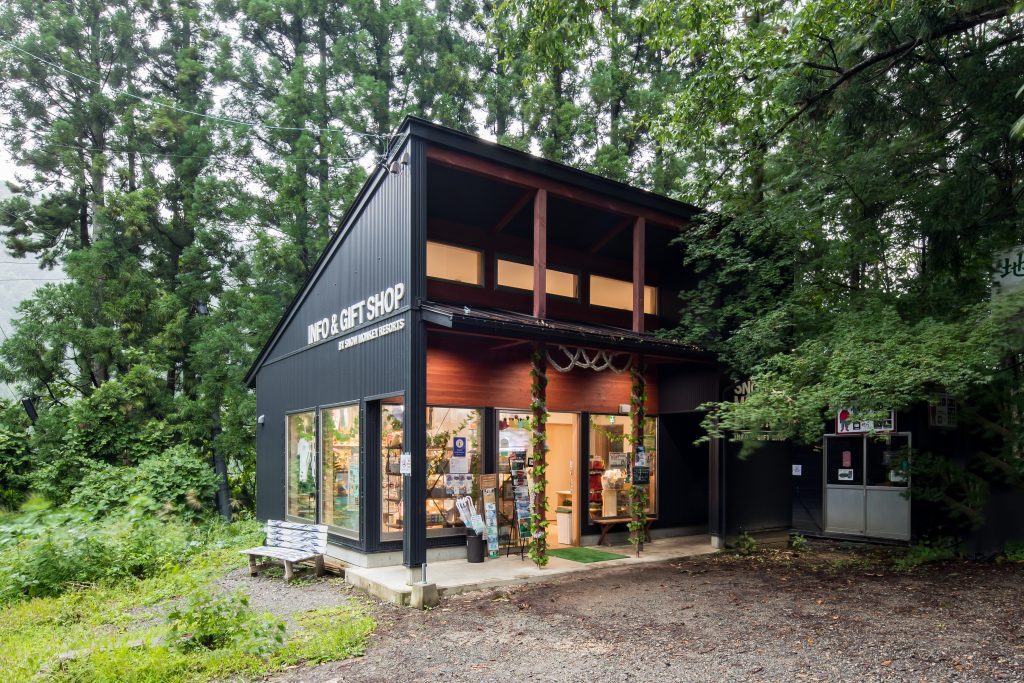
Need assistance while at the park? The Snow Monkey Resorts Info & Gift Shop is located at the entrance of the trail leading to the Jigokudani Monkey Park. Offering a range of services including winter rentals and English language information, luggage storage, along with monkey merchandise and souvenirs including official Snow Monkey Resorts products, the SMR Info & Gift Shop has you covered when visiting the park. Open from early October until late May, 9AM to 5PM, English-speaking staff can answer your questions on your way to and from the park including bus timetables and information about nearby attractions.
Frequently Asked Questions (FAQ)
Yes! While the monkeys are most famous for their winter antics, they live in the park year-round. You can see them bathing in the summer, nursing newborns in the spring, and foraging through the autumn colors. The only difference is that they don't spend as much time in the water during the warmer months.
No, the monkeys are present in the spring, but their behavior shifts. As the snow melts in April and May, they become very active on the forest floor looking for new sprouts and flowers. This is also the best time to see newborn babies, who are usually born starting in late April.
The baby monkeys are typically born from late April through June. This is a fantastic time to visit, as the newborns are incredibly active, curious, and stay very close to their mothers near the walking paths.
Absolutely. While the monkeys don't soak in the water as much to stay warm, summer can offer a unique sight: swimming monkeys. Younger macaques can dive and play in the water to cool off. It is also the quietest time of year, offering a much more peaceful and intimate experience than the crowded winter months.
There is no "bad" time, but late autumn (October/November) is the most unpredictable. Because the forest is full of wild harvest (nuts and fruit), the monkeys are sometimes "late" to the park because they are full and happy in the forest. If visiting during this time, we recommend a flexible schedule.
The monkeys are 100% wild and free to come and go as they please. While it is rare for them not to visit the park (over 95% reliability), it can happen—most notably in autumn when wild food is abundant in the mountains. We recommend checking our live camera or information office if you are visiting in October or November.
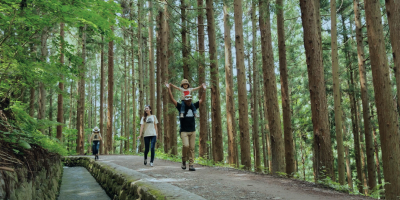
The trail is approximately 1.6km (1 mile) each way. It is a mostly flat forest trail that takes about 25 to 30 minutes to walk. In winter, the path can be icy and slippery, so you should allow extra time and ensure you have proper footwear.
Unfortunately, due to the nature of the forest trail and several sets of steep stairs at the very end of the path, the park is not wheelchair accessible. For those with strollers, we recommend using a baby carrier instead, as the trail can be muddy or snowy.
No. To maintain the monkeys' natural behavior and your safety, feeding or touching the monkeys is strictly forbidden. Please keep a respectful distance (at least 1–2 meters) and avoid making direct, prolonged eye contact.