


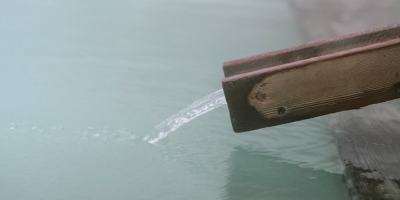

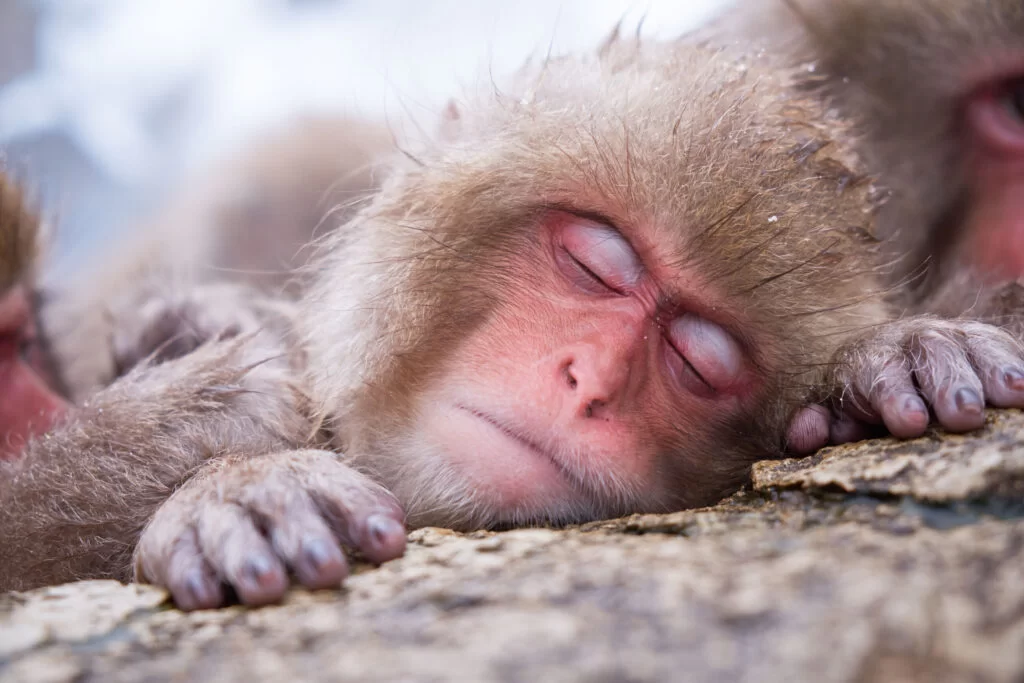
The monkeys of the Jigokudani Monkey Park are famous for one big reason - they are the only troop of monkeys in the world known to bathe in hot springs. Why they do this is interesting and worth understanding before visiting the park for yourself! In general, much like cats, monkeys don't like the water and will generally try to avoid getting wet. So why then do these monkeys not only enter water, but enjoy soaking for such long periods of time? It's another case of monkey see, monkey do!
Why the Monkeys Enter the Hot Springs
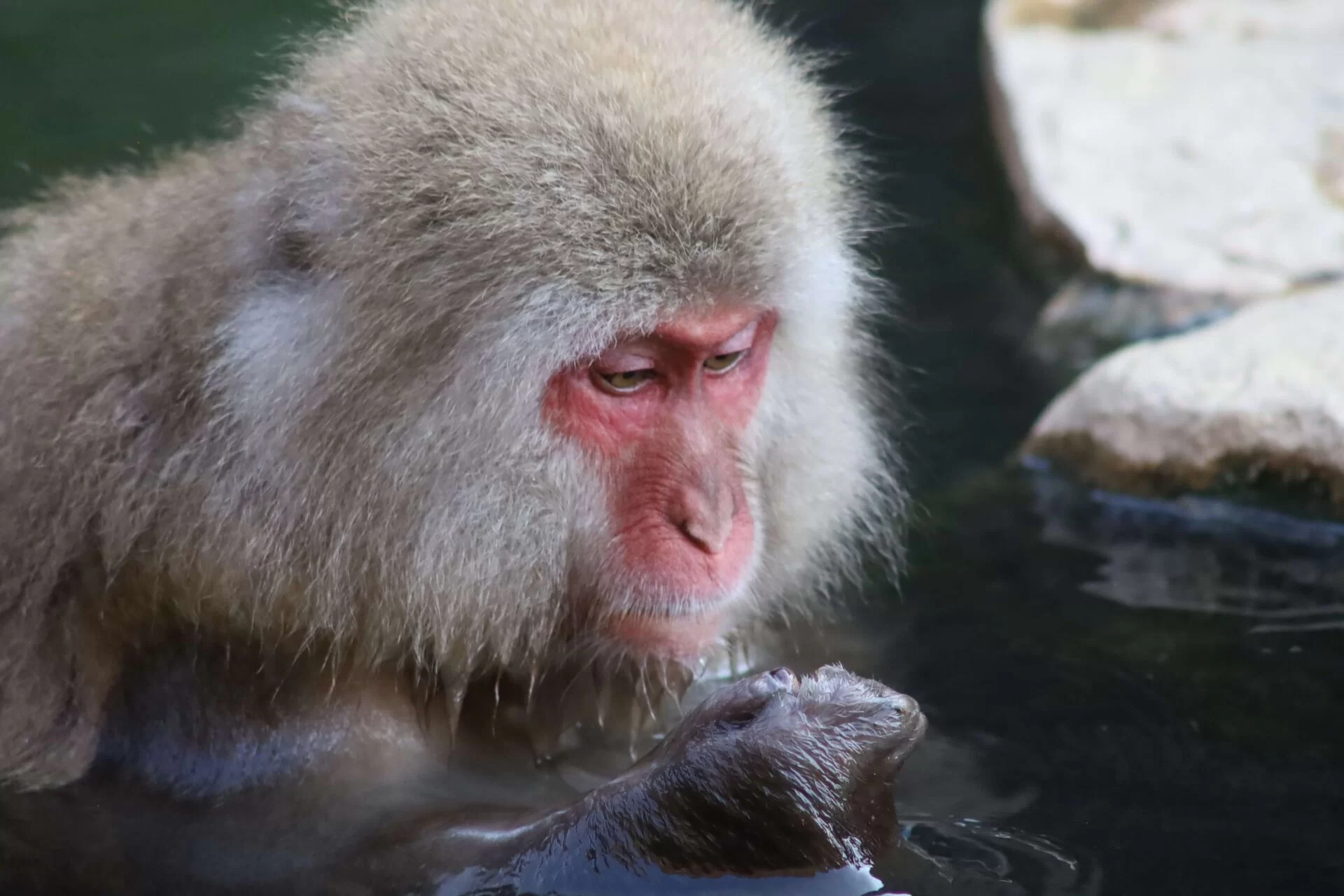
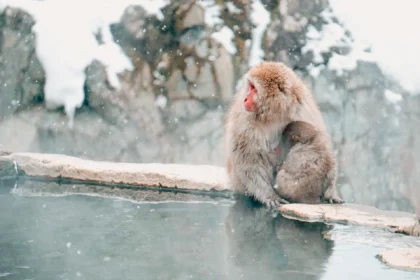
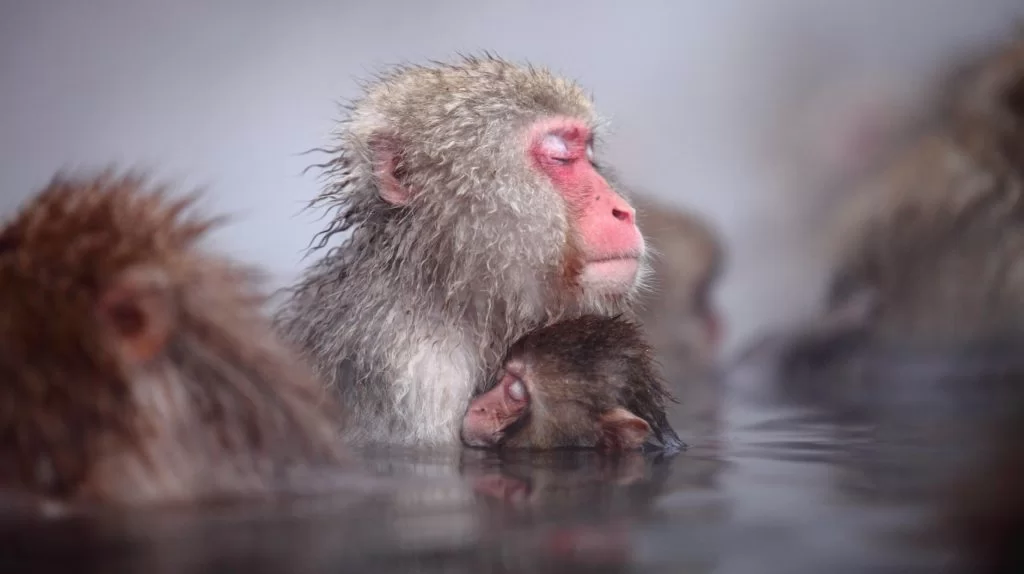
Snow monkeys bathe in hot springs primarily to reduce stress and regulate body temperature during Japan's freezing winters. While not strictly necessary for survival, the natural onsen provides a 'jacuzzi-like' relaxation for the troop. Research suggests that soaking in the warm water helps lower stress hormones, particularly for pregnant monkeys during the harsh winter months.
A Quest for Relaxation, Not Hygiene
Unlike humans, the monkeys of Jigokudani Monkey Park don't enter the water to get clean. Their objective is purely to unwind. You will notice a significant change in their behavior based on the seasons:
- In Summer: The monkeys rarely enter the pools because the ambient temperature is pleasant enough on its own. The only exception is often the younger monkeys, who treat the water as a playground for splashing and socializing with their peers.
- In Winter: The hot springs become a vital sanctuary from the sub-zero temperatures. Even though they emerge from the water soaking wet in the freezing air, their bodies are remarkably well-adapted to the cold, and they are perfectly capable of surviving the weather without the onsen.
The "Onsen" Culture of the Macaques
It is a common misconception that the monkeys need the heat to survive; macaques across the rest of Japan thrive in snowy climates without access to volcanic springs. For the Jigokudani troop, the hot spring is a luxury—a place for downtime much like a human spa. Interestingly, pregnant females are the most frequent visitors to the baths, likely using the warmth to soothe their bodies and manage the physical toll of the winter season.
The Beginnings of the Snow Monkey Park
The founding of the park is thanks to a man called Sogo Hara. An employee of the Nagano Electric Railway (Nagano Dentetsu), Hara was a keen hiker who discovered the original troop while trekking through an area known as Jigokudani, or the 'Valley of Hell', in 1957. The area was named as such due to its steep mountains and the smell of sulphur emitting from the natural hot springs that bubble to the surface in the valley. Hara marveled at the monkeys and from that point onward became entwined in their future and story
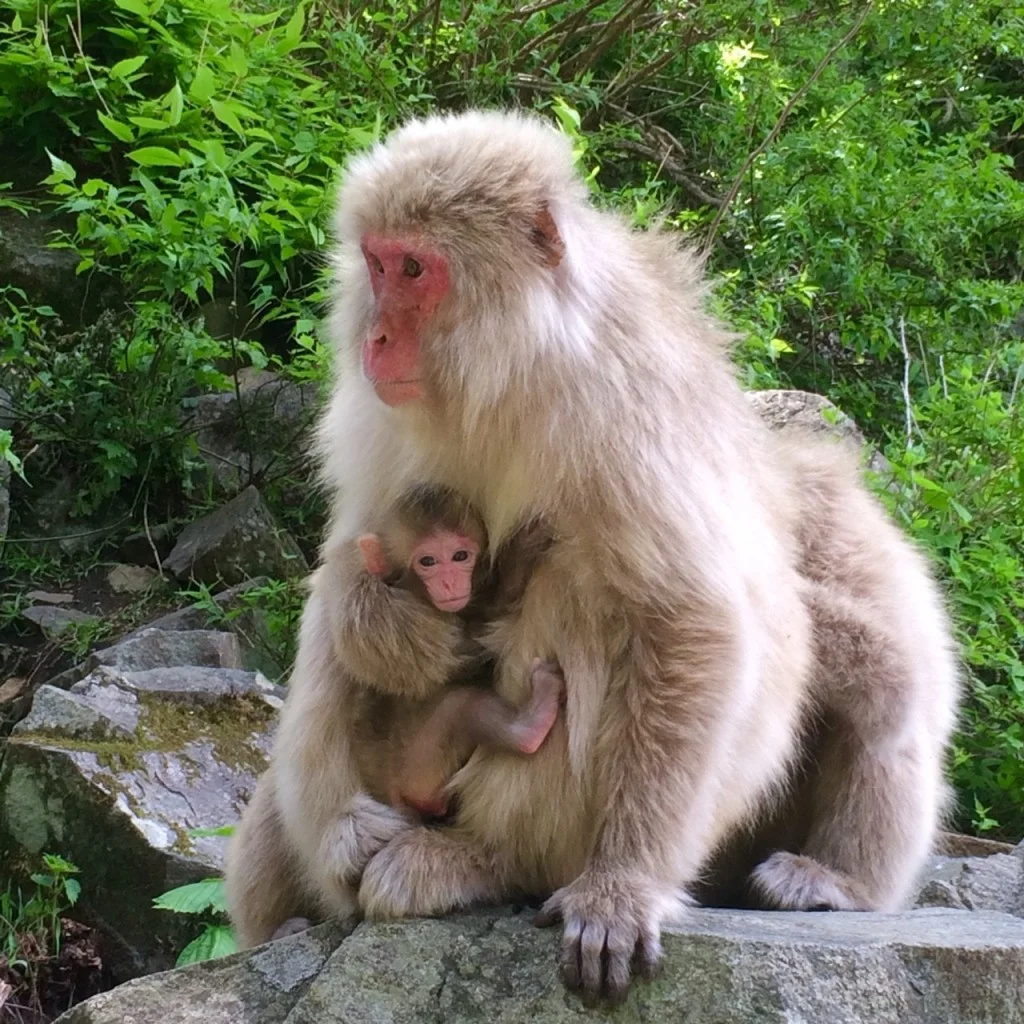
At that time the monkeys faced several threats due to human encroachment into their native habitat. Of central concern was the development of ski resorts, including installation of chair lifts and cutting of trees to create ski runs, in the surrounding mountains from the early-1950s onward. As ski resorts were development, Hara observed a dramatic decrease in the number of monkeys who had no choice but to migrate to the lower mountain regions, including Jigokudani, and into areas of human habitation in Yamanouchi.
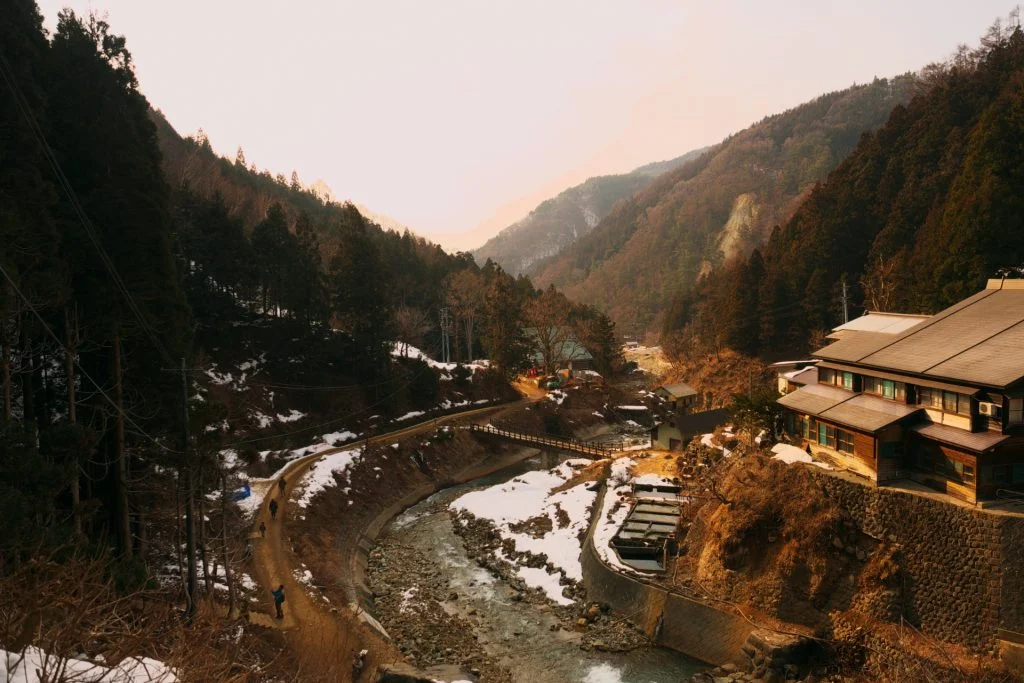
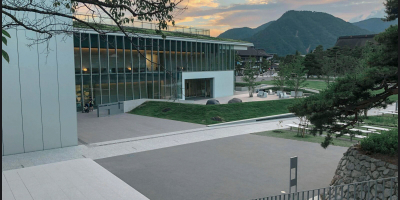
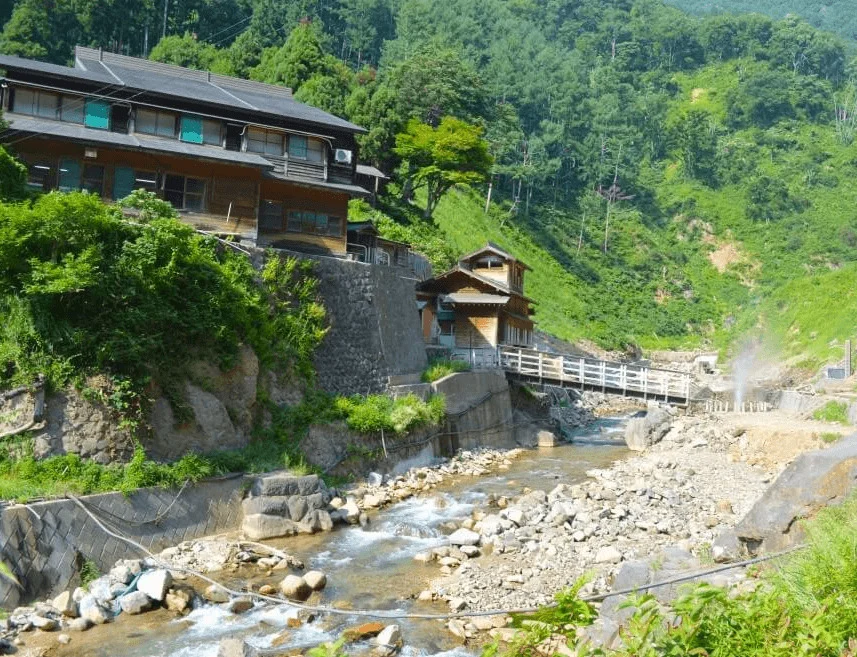
As the monkeys appeared more frequently in villages, they began raiding crops from farms, to the understandable dislike of local farmers. Before long the community reacted with farmers hunting down the monkeys, raising the ire of Soga Hara, and driving his efforts to ensure the protection of his beloved monkeys. Around the same time, the owners of a local inn called 'Korakukan' located just outside the monkey park - pictured above - had come to respect Hara's effort to protect the monkeys and fond of the monkeys themselves. Agreeing with Hara that they needed to entice the monkeys back into the mountains for their own preservation, the owners of Korakukan began to leave apples outside their inn. Over time, the monkeys were led by their stomachs back into the valley and to the park and guesthouse.
History of Snow Monkeys in Hot Springs
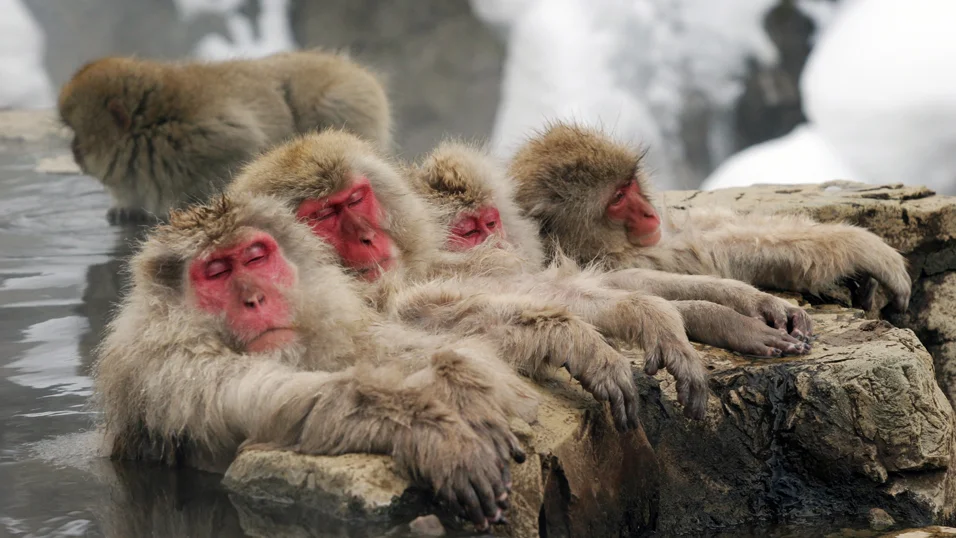
It's a this point the story becomes a little unclear. As an 'onsen' guesthouse, Korakukan has both indoor and outdoor hot springs. As the only guesthouse in the Jigokudani area, Korakukan had long been known for the restorative powers of its waters and some people say that over time, the monkeys observed humans soaking int he outdoor hot spring and before long, copied the behavior themselves; while an alternate account states that one day a some apples hand fallen into the hot spring, and while reaching-out to grab one, a young monkey tumbled into the pool only to discover that it felt good. It wasn't long before other monkeys followed the lead and entered the hot spring to soak and thus became the only monkeys in the world known to enjoy bathing in onsen. Soon after, a man named Tomio Yamada first photographed this unique behavior and thus the legend of the bathing snow monkeys of Jigokudani was born!
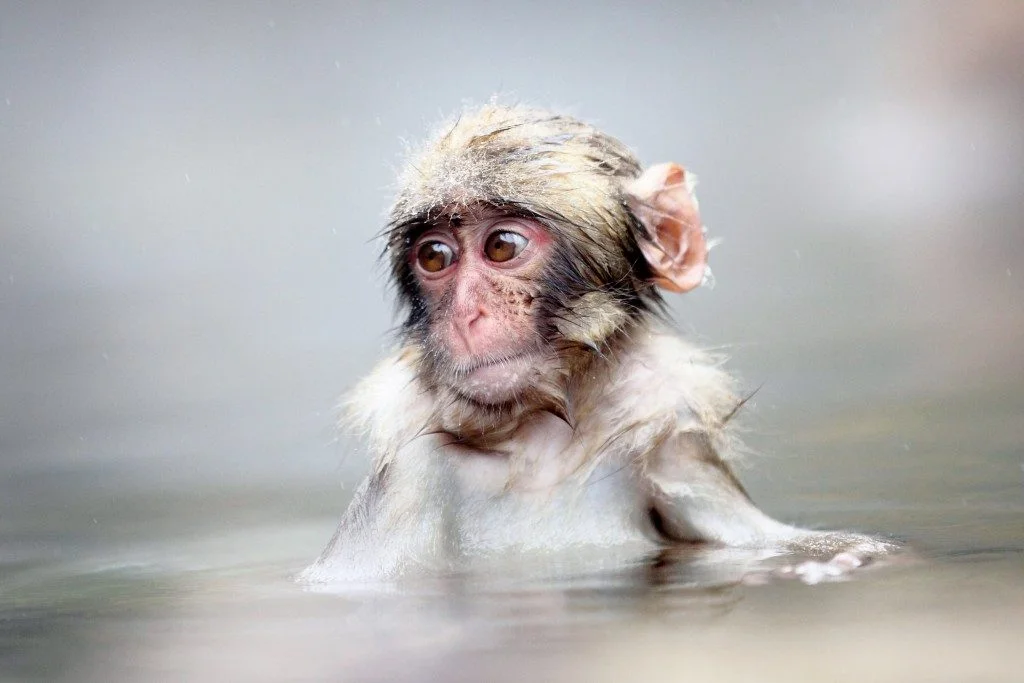
While sight of bathing monkeys immediately proved popular with visitors, there were serious ramifications for the guesthouse, not least the hygiene of their water of (human) guests. With all of these issues in mind, Soga Hara led the movement to establish the monkey park – somewhere his cherished monkeys would be safe. Baths were created in the park just for the monkeys, using the local hot spring source. Fencing was considered to keep the monkeys away from human villages however ultimately rejected due to cost and a wish to not deny the freedom of the monkeys.
The Relationship Between the Monkeys and the Park
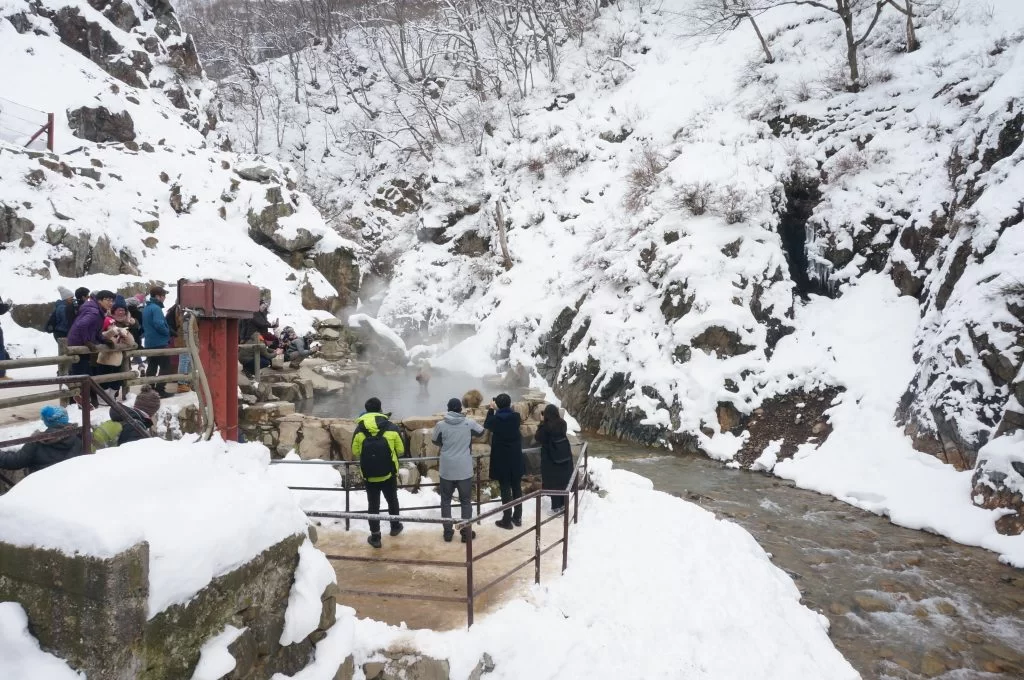
At that time, the daily practice of feeding the monkeys began, to incentivize them to remain in the park rather than head to the villages below where they were considered to be pests. This process of trial and error eventually revealed their preferred food – raw barley and soybeans (3 times per day) with apples for snacks during the green season. This practice continues to this day. It is important to note that the monkeys remain wild and still need to fend for themselves. The rangers are careful not to overfeed them or make them reliant of barley, soybean, and apples they provide. The food is an incentive to come but not enough to survive on.
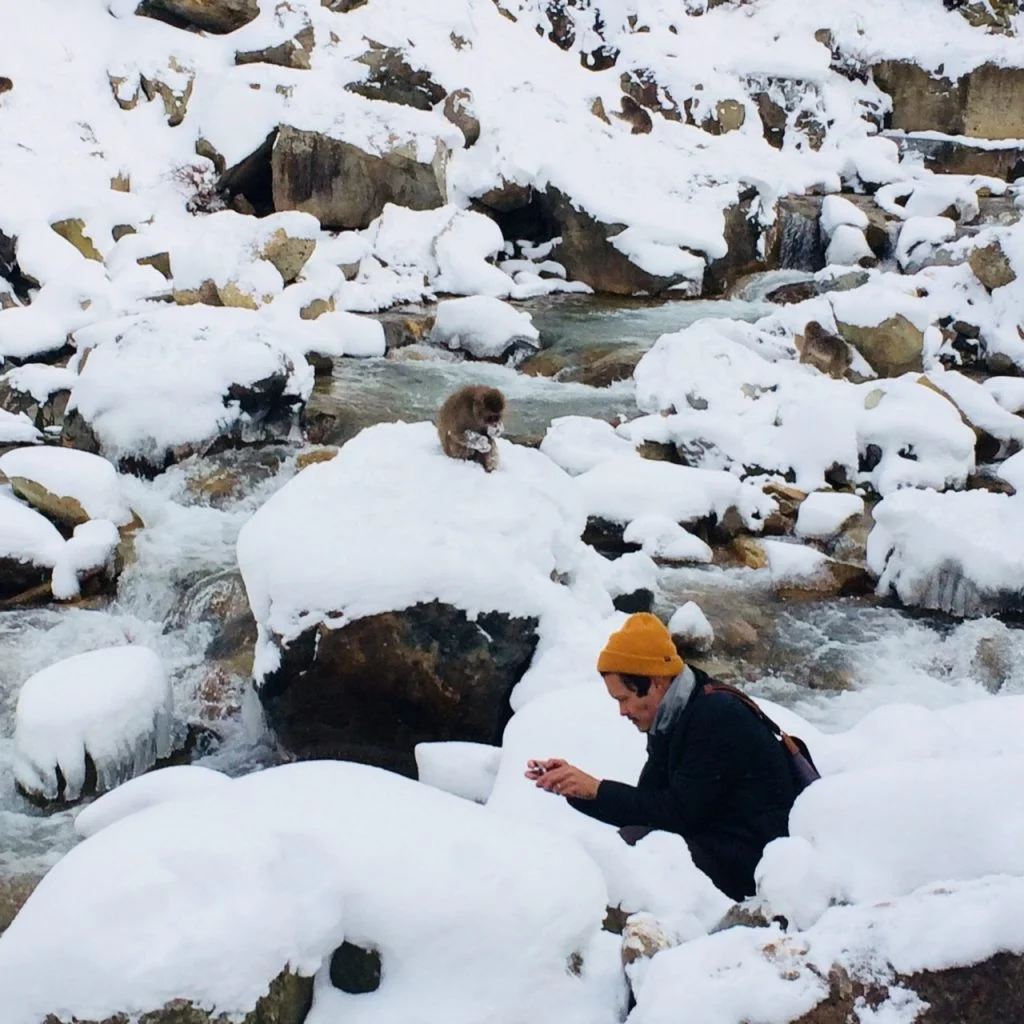
Around ten years ago, the park experimented with allowing visitors to feed the monkeys however it was quickly discovered that this made the relationship between monkeys and visitors more tense and aggressive, taking away from the enjoyment of observing the monkeys in their near-natural state. Visitors to the park are no longer allowed to feed the monkeys and over generations, the resident troop has become very accustomed to human company allowing for a unique experience and close proximity observation of these fascinating creatures.
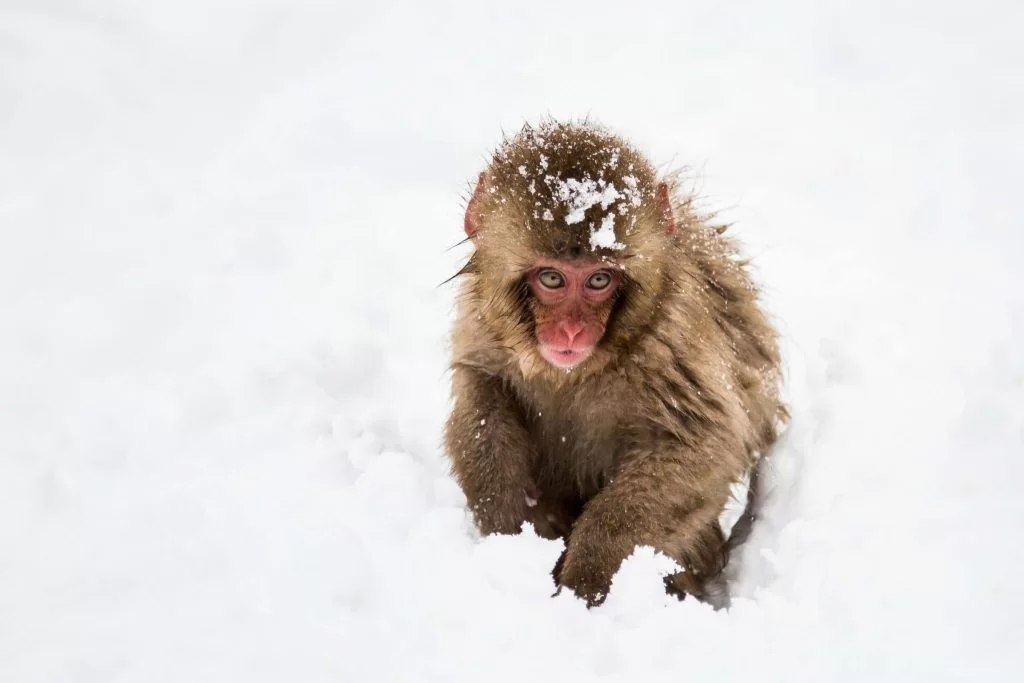
While extremely popular with visitors from all over the world, the park remains first and foremost, a place of conservation and within the natural territory of the troop. It is an important place for scientific observation and study and we ask that you always follow the park rules when visiting the Jigokudani Snow Monkey Park.
Tours and Charters to the Monkey Park
As Nagano's No.1 tour operator, we are proud to offer multiple tours that combine a visit to the Snow Monkey Park with other fun local activities. No matter the season, we can help you make the most of your time in Nagano. Whether with your family or friends, or on your own, we are sure to have something that suits your needs!
Best Selling
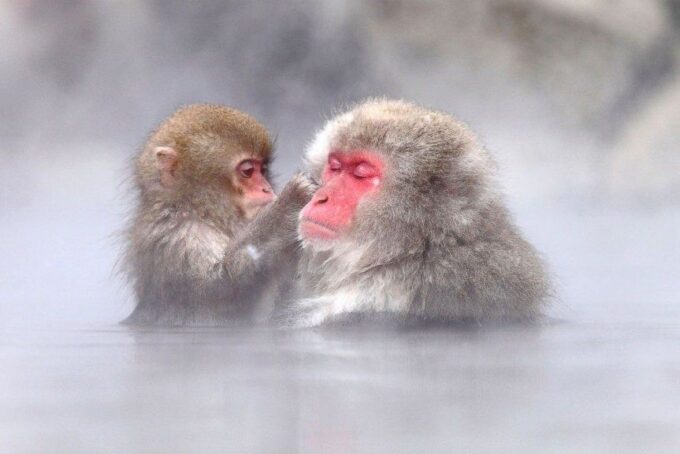
1-Day Tour: Snow Monkeys, Zenkoji Temple & Sake in Nagano
- Spots:
- NaganoSnow MonkeyHakuba
- Pick-up:
- Nagano CityHakuba
- Drop-off:
- Nagano CityHakuba
Our most popular offering is our "1-Day Tour: Snow Monkey Park, Zenkoji Temple and Sake in Nagano". Guests on this delightful excursion will first be treated to Sake Tasting and a guided tour of the historic Zenkoji Temple in Nagano, including lunch at a nearby restaurant.
With the first half of the tour complete, you will then depart for the Monkey Park on our private tour vehicle. Once you have arrived your guide will lead the way up to the place the Monkeys call home, before you once again board the bus and return to your starting destination.
Best Selling
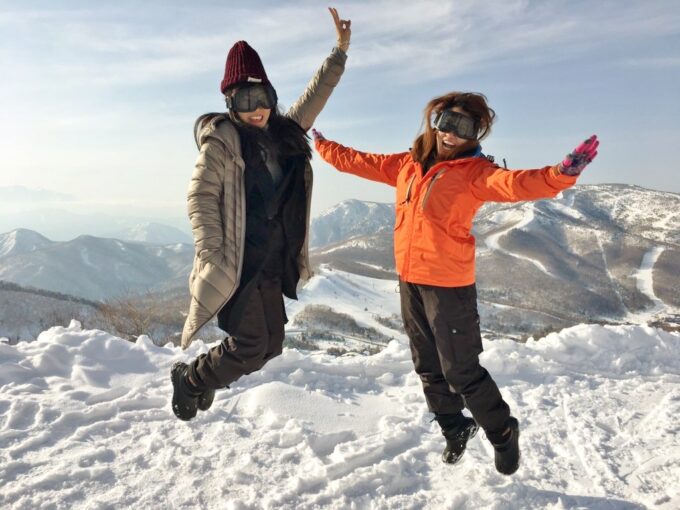
1-Day Tour: Snow Monkeys & Snow Fun in Shiga Kogen
- Spots:
- NaganoSnow MonkeyShiga Kogen
- Pick-up:
- Nagano CityYudanaka/Shibu
- Drop-off:
- Nagano CityYudanaka/Shibu
For those guests coming in the winter, we also offer the "1-Day Tour: Snow Monkeys & Snow Fun in Shiga Kogen", combining exciting snow activities such as sledding and riding snow scoots with a visit to the Monkey Park. Lunch is also included, making for the perfect day trip for anyone looking to experience what winter in Nagano is all about!
Popular
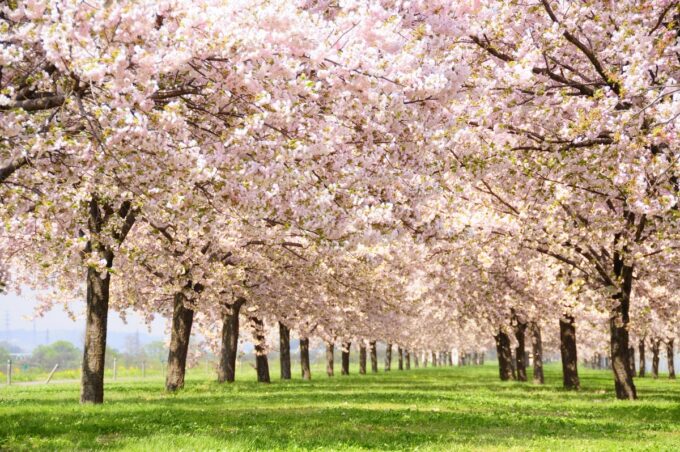
(Spring Only) 1-Day Tour: Snow Monkeys & Cherry Blossoms in Nagano
- Spots:
- NaganoSnow Monkey
- Pick-up:
- Nagano City
- Drop-off:
- Nagano City
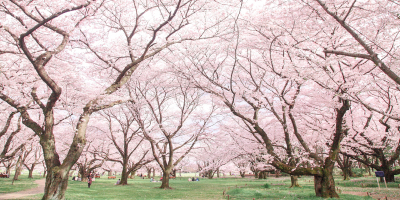
Another unforgettable tour is our "1-Day Tour: Snow Monkeys & Cherry Blossoms in Nagano". Including two of Japan's most amazing natural spectacles, the blooming of the Cherry Blossoms and the hot-spring loving monkeys of Jigokudani, this offering is the easiest way to enjoy a relaxed spring day in Nagano.
Popular
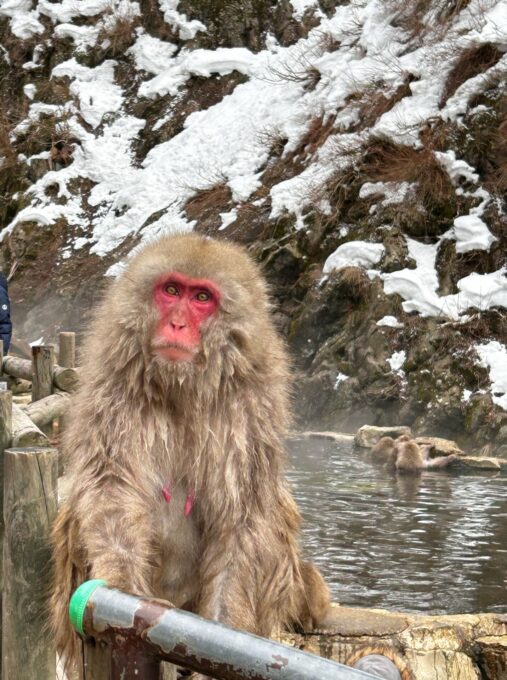
[START FROM NAGANO CITY] Private Snow Monkey Tour
- Spots:
- NaganoSnow Monkey
- Pick-up:
- Nagano City
- Drop-off:
- Nagano CityHakubaNozawa OnsenShiga KogenMadaraoMyoko
For those who want a more customized experience, we also offer private tours of the Snow Monkey Park and nearby attractions such as Zenkoji Temple. For more information, please click the link above or send us an inquiry describing your ideal itinerary.
Charter a Vehicle to the Snow Monkey Park!
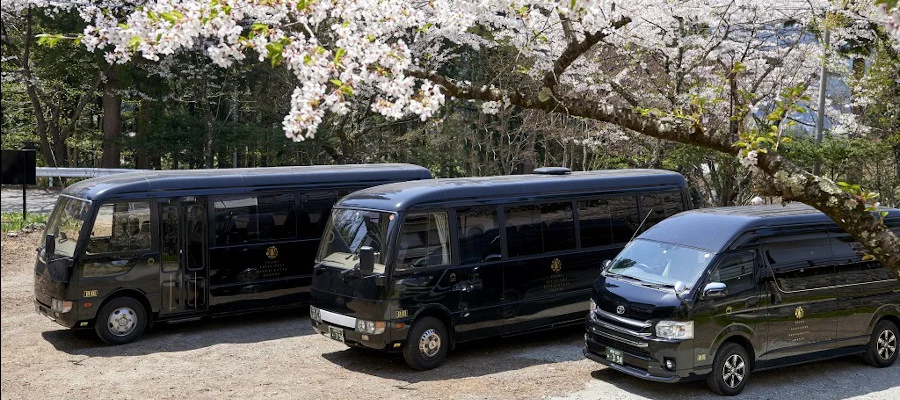
Please see our charter page and send us your trip details so we can start planning your journey to the Snow Monkey Park. Many starting point options are available such as Nagano Station, Hakuba, Nozawa Onsen, and more.
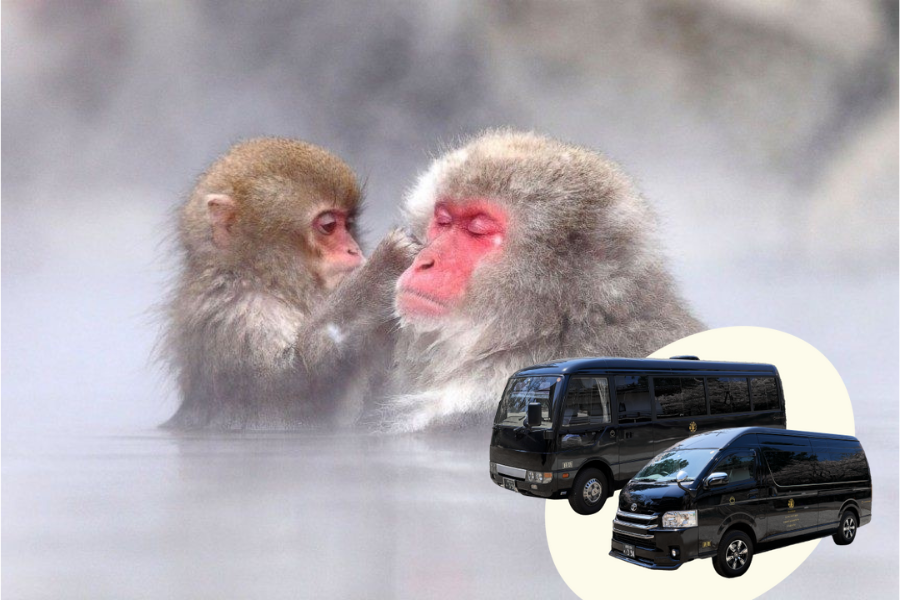
NAGANO STN → SNOW MONKEY PARK (3HR)→ NAGANO STN
- Duration:
- 4-5 Hours
- Spots:
- Nagano, Snow Monkey
Need Assistance While at the Park?
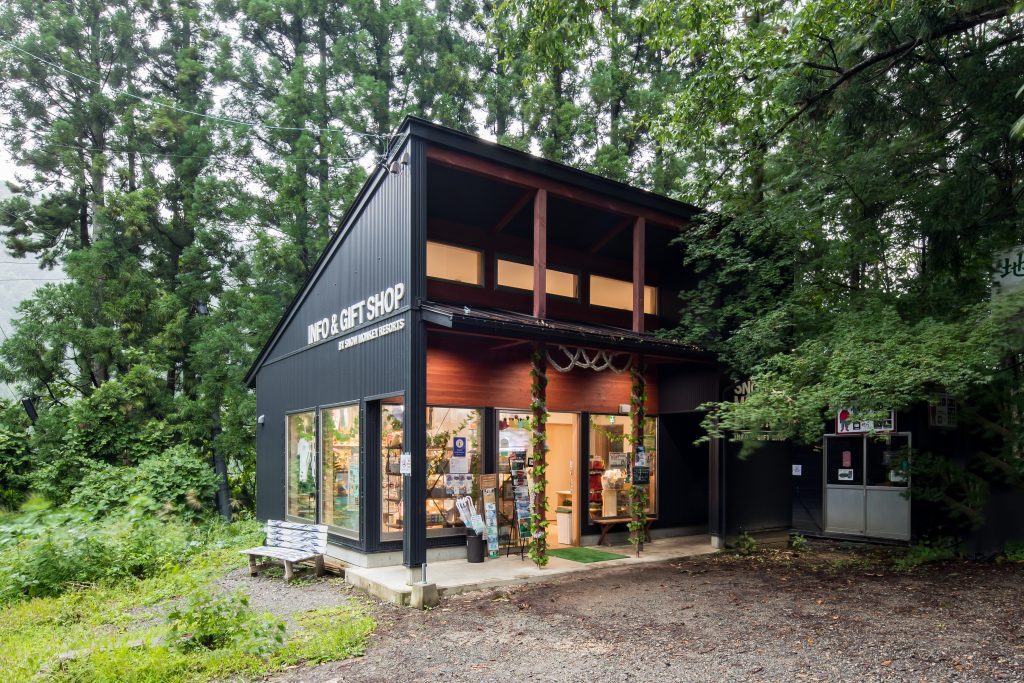
Need assistance while at the park? The Snow Monkey Resorts Info & Gift Shop is located at the entrance of the trail leading to the Jigokudani Monkey Park. Offering a range of services including winter rentals and English language information, luggage storage, along with monkey merchandise and souvenirs including official Snow Monkey Resorts products, the SMR Info & Gift Shop has you covered when visiting the park. Open from early October until late May, 9AM to 5PM, English-speaking staff can answer your questions on your way to and from the park including bus timetables and information about nearby attractions.
Frequently Asked Questions (FAQ)
Snow monkeys enter hot springs primarily to reduce stress and regulate their body temperature during the freezing Japanese winter. While not required for survival, the warm volcanic water provides a "spa-like" relaxation for the troop, especially pregnant females looking to soothe their bodies during the harshest months.
It is rare for adult monkeys to bathe in the summer when temperatures are warm. However, you will often see younger monkeys splashing in the water for fun and socialization throughout the green season. The adults typically return to the pools once the winter cold sets in, and you could see them in onsen occasionally in autumn and spring
The original troop was discovered in 1957 by Sogo Hara, a hiker and employee of the Nagano Electric Railway. After observing the monkeys losing their habitat to ski resort development, Hara worked with local inn owners to protect the troop and eventually established the Jigokudani Monkey Park in 1964.
No, visitors are strictly prohibited from feeding the monkeys. This rule ensures the monkeys remain wild and prevents aggressive behavior. The park rangers provide a controlled amount of barley, soybeans, and apples to incentivize the monkeys to stay within the safe conservation area.