










Nagoya is the center of Japan’s industry and manufacturing, and few brands represent that legacy more clearly than Toyota Motor Corporation. For travelers interested in how Japan became a global leader in manufacturing and design, two museums offer very different but equally compelling perspectives: the Toyota Automobile Museum and the Toyota Commemorative Museum of Industry and Technology.
Both are museums are excellent and worth visiting. But if your time in Nagoya is limited, choosing between them can feel surprisingly difficult. This guide will help you decide which museum best matches your interests, travel style, and curiosity.
A Brief History of Toyota & How A Cotton Loom Laid the Foundations for Japan’s Car Industry

When most travelers think of Toyota, they imagine classic cars, fuel-efficient hybrids, and one of the most influential automobile manufacturers in the world. Yet the Toyota story does not begin with engines or assembly lines, it begins with a young boy watching his mother weave thread.
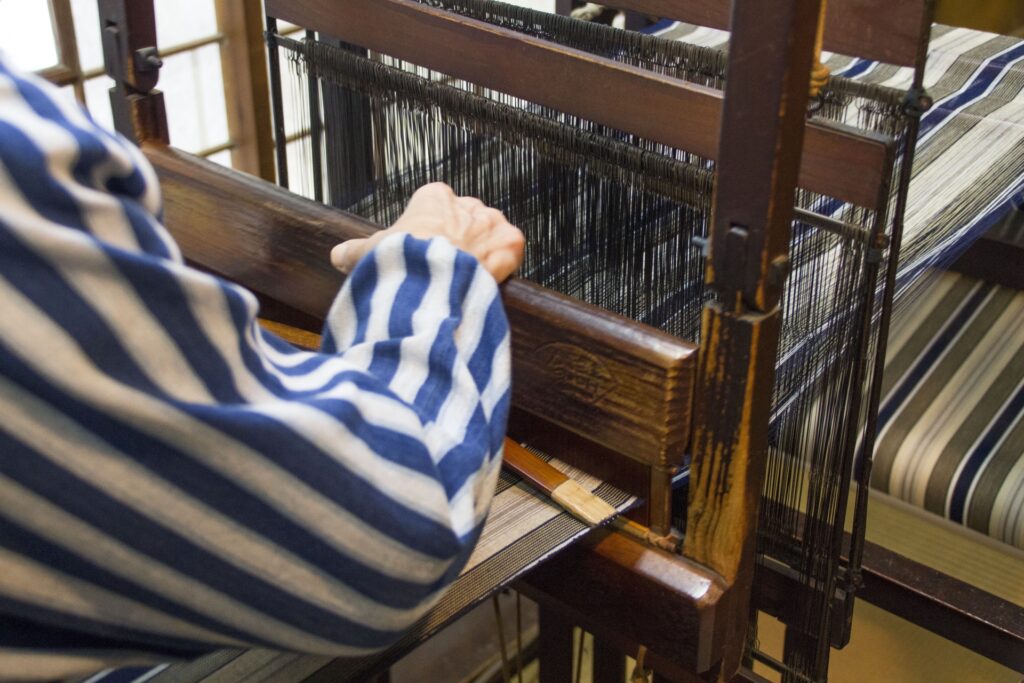
Long before Japan became an industrial powerhouse and Toyota became a global automotive brand, the country was defined by agriculture, craftsmanship, and rural life. During the Edo period (1603–1868), most people lived in farming villages where rice cultivation formed the backbone of daily survival. However, farming alone rarely provided enough income. To supplement their livelihoods, many families engaged in home-based textile production, weaving cotton and silk inside their houses using simple wooden looms.
But after Commodore Matthew Perry’s arrival in 1853 and the Meiji Restoration in 1868, Japan ended centuries of isolation and began a rapid modernization process. The new government understood that Japan needed to industrialize quickly to compete with Western powers. Railways, factories, and modern infrastructure became national priorities. And along with that came inventions, and patents.
At the center of this transformation was Sakichi Toyoda, an inventor whose automatic looms revolutionized textile production in Japan. Born in rural Shizuoka, Sakichi grew up in a farming and carpentry household. From his father, he learned woodworking skills that would later become essential in building early prototypes.
He was deeply self-educated, reading newspapers and technical journals whenever possible. The introduction of Japan’s patent system in 1885 gave him a powerful idea: inventions could change society and his future.
He would often sit contemplating possible inventions while watching his mother weave fabric with her wooden hand loom. He noticed that traditional looms were very labor intensive. And he thought: How can this process be automated?
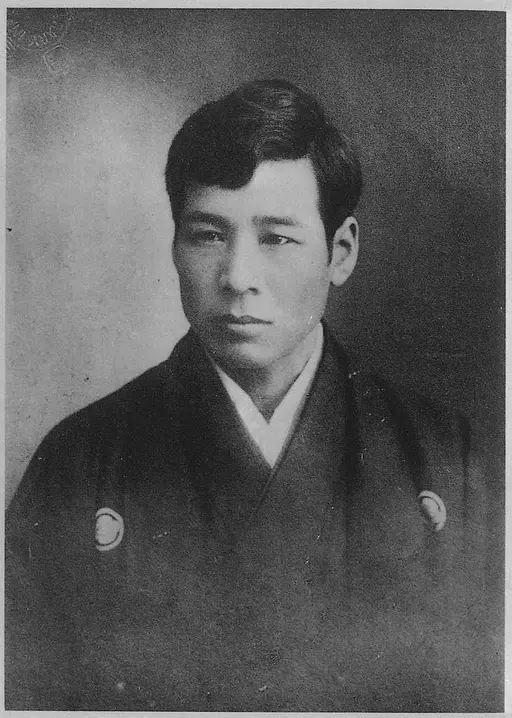
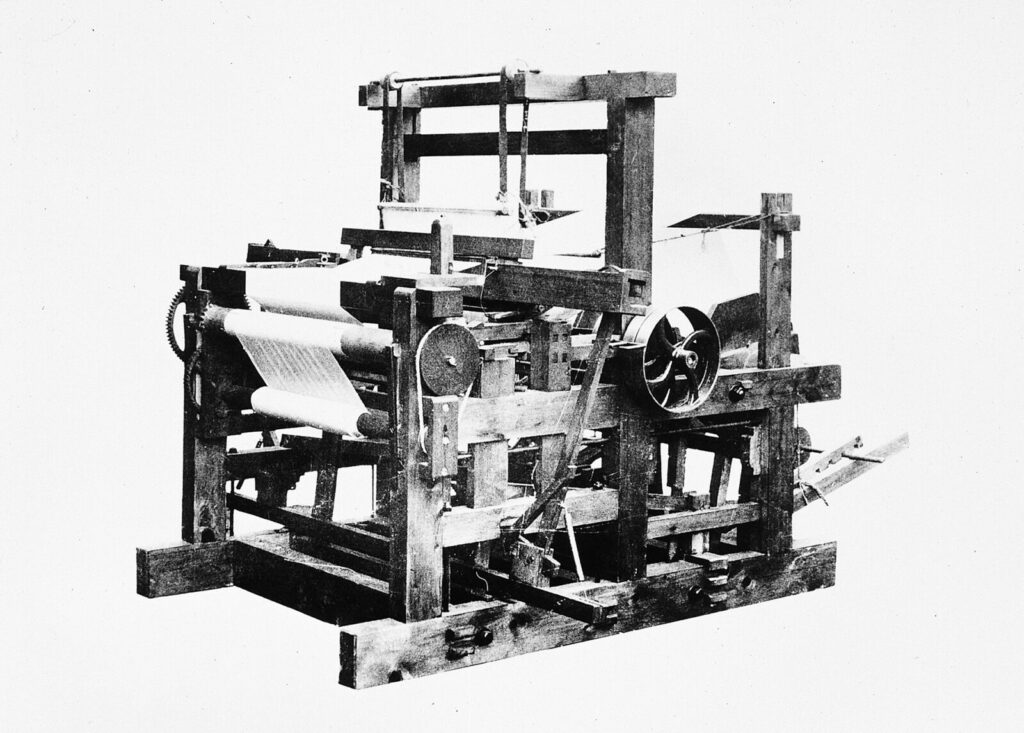
Working in a small barn workshop, he built and rebuilt looms repeatedly, experimenting with mechanisms to improve upon the traditional loom. And in 1890, he created his first major invention: the Toyoda Wooden Hand Loom, which could be operated with one hand and significantly improved efficiency.
Sakichi’s greatest breakthrough came in 1924 with the Type G Automatic Loom. This machine could automatically detect broken threads and stop itself immediately. It also featured an automatic shuttle-changing system, allowing continuous operation with minimal interruption. For the first time, weaving could be both highly efficient and self-correcting.
Arguably, more important than the invention itself was the idea behind it. Sakichi developed the principle of jidoka, meaning “automation with a human touch.” The idea was that machines should stop when problems occur so defects are never passed forward.
This shifted manufacturing from inspection-based quality to built-in quality, a principle still central to the Toyota Production System today.
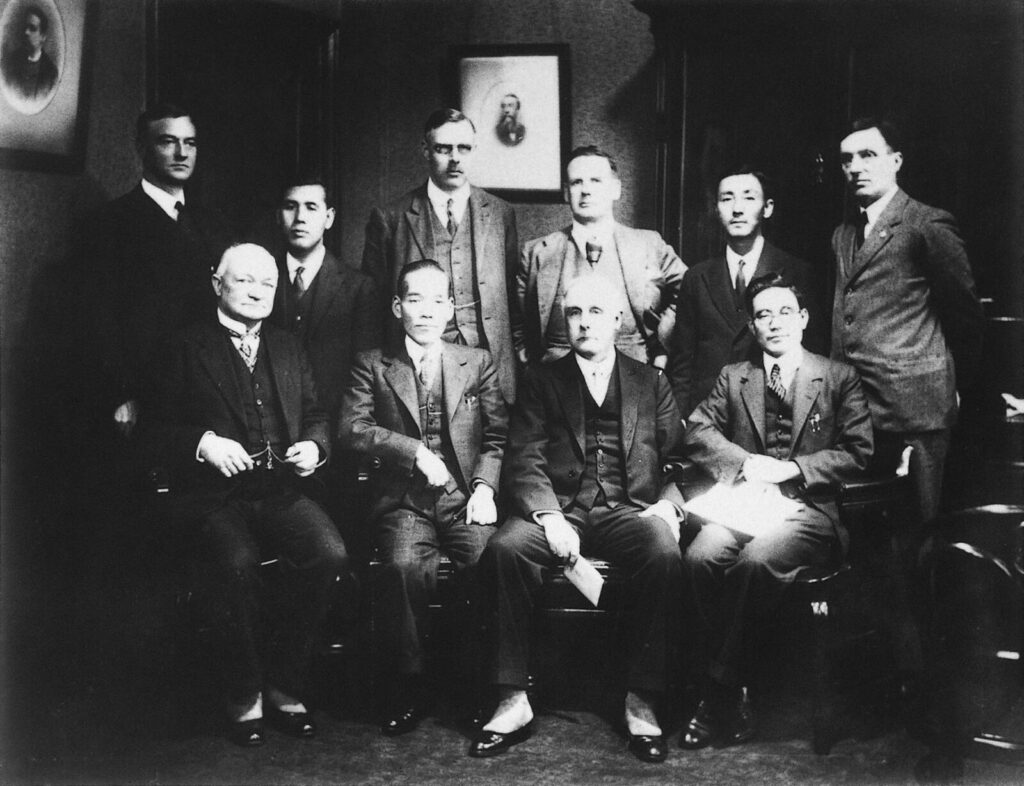
Sakichi’s company, Toyoda Automatic Loom Works, became internationally recognized for its innovation. In 1929, the British company Platt Brothers purchased the rights to the Type G loom for a significant sum. Instead of expanding textiles further, Sakichi made a historic decision.
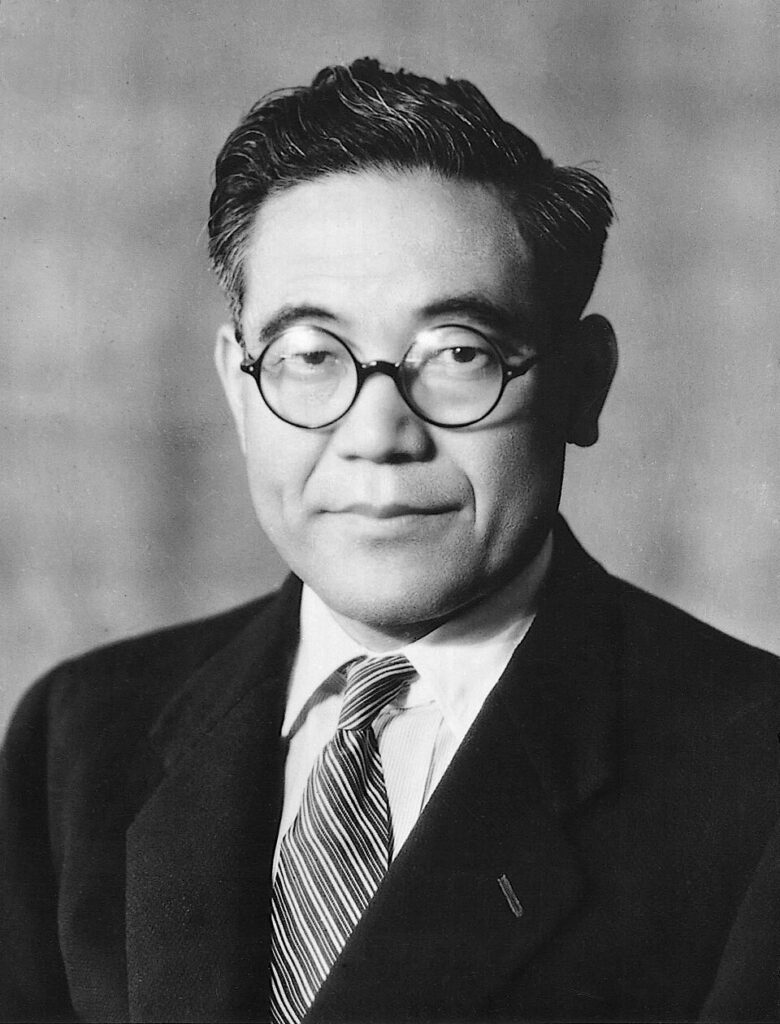
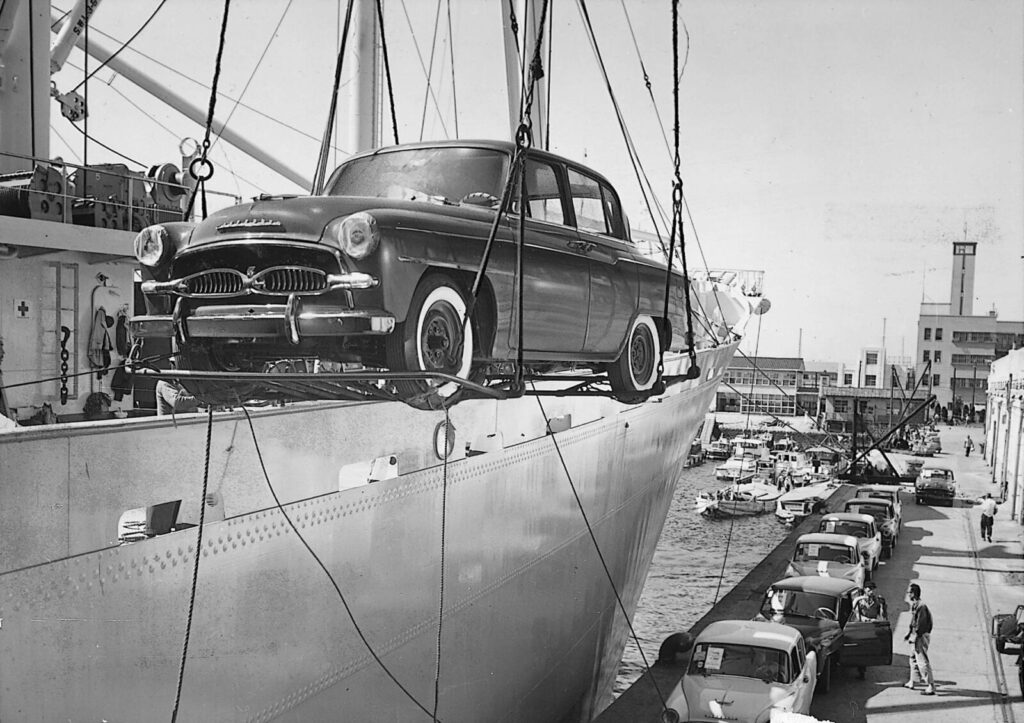
He passed the profits to his son, Kiichiro Toyoda, with a challenge: explore automobile manufacturing.
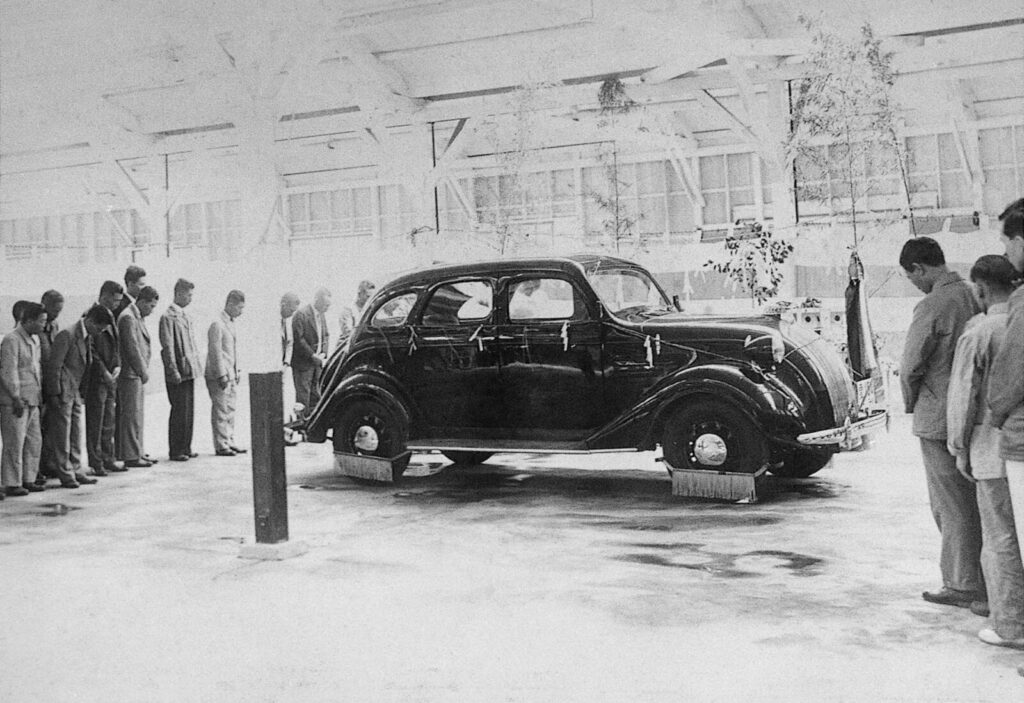
At the time, Japan had almost no domestic car industry. But Kiichiro saw an opportunity. The same principles that improved weaving machines (efficiency, precision, and continuous improvement) could be applied to automobiles.
In 1933, the automotive division was created. In 1937, it became the Toyota Motor Company.
The Toyota museums located in and around Nagoya provide a deeper explanation of the company’s history and its role in the automotive industry, with the Toyota Commemorative Museum of Industry and Technology focusing on the history of the company its principles, and the Toyota Automobile Museum displaying the company’s role in the automotive industry.
Toyota Automobile Museum
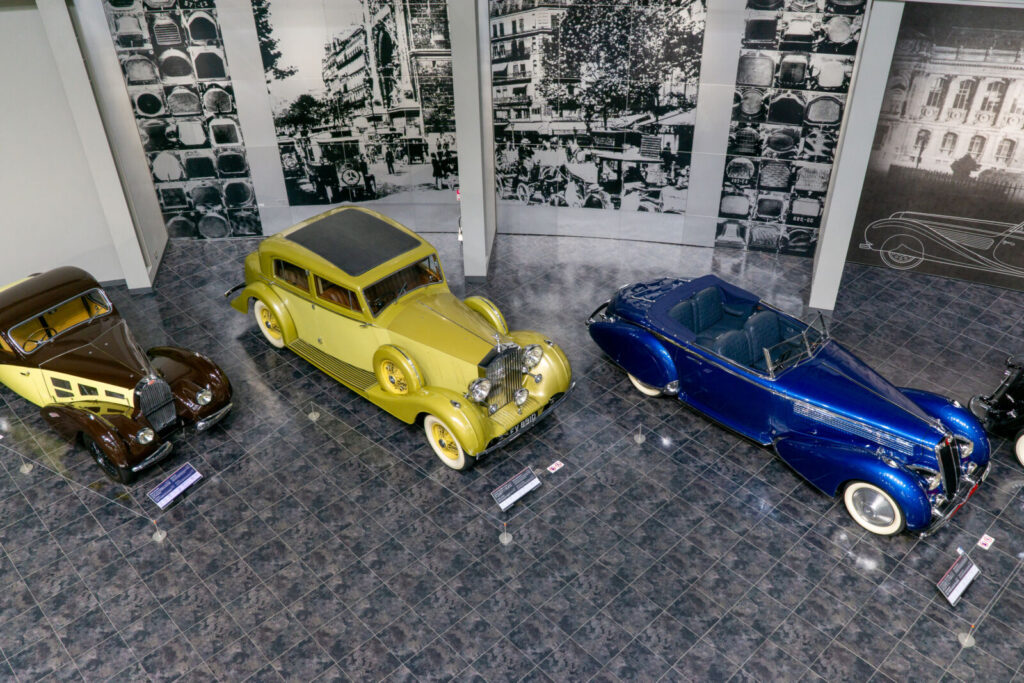
The Toyota Automobile Museum is best for travelers with an interest in classic cars, global history, and the evolution of design. It is an amazing destination for those who enjoy comparing different countries and eras through physical objects (and also seeing some really cool cars).
What Makes the Toyota Automobile Museum Unique?

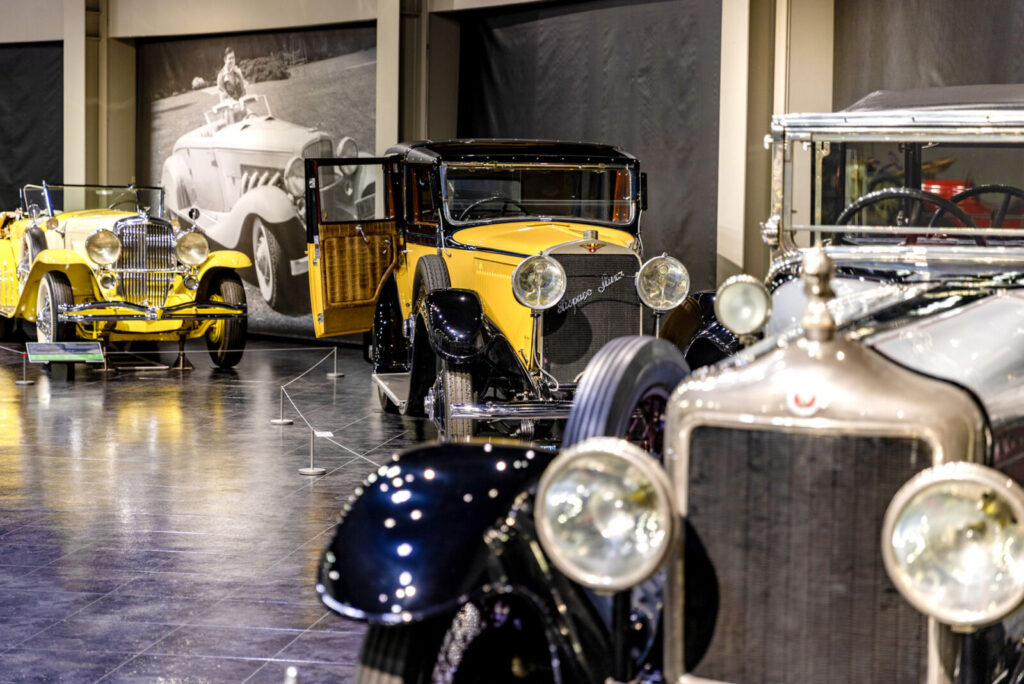
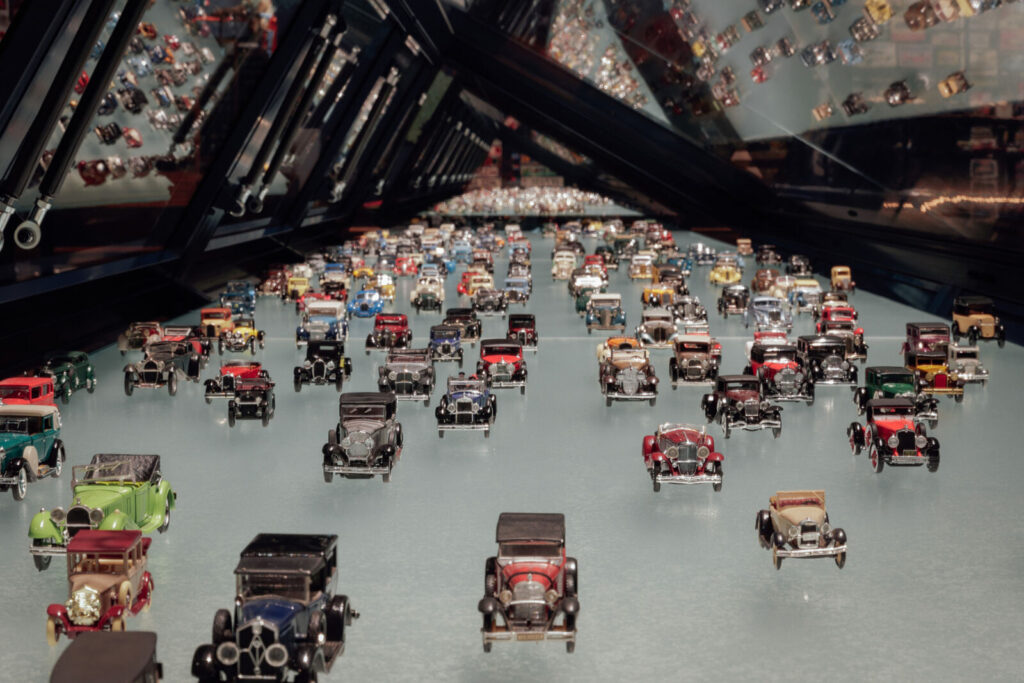
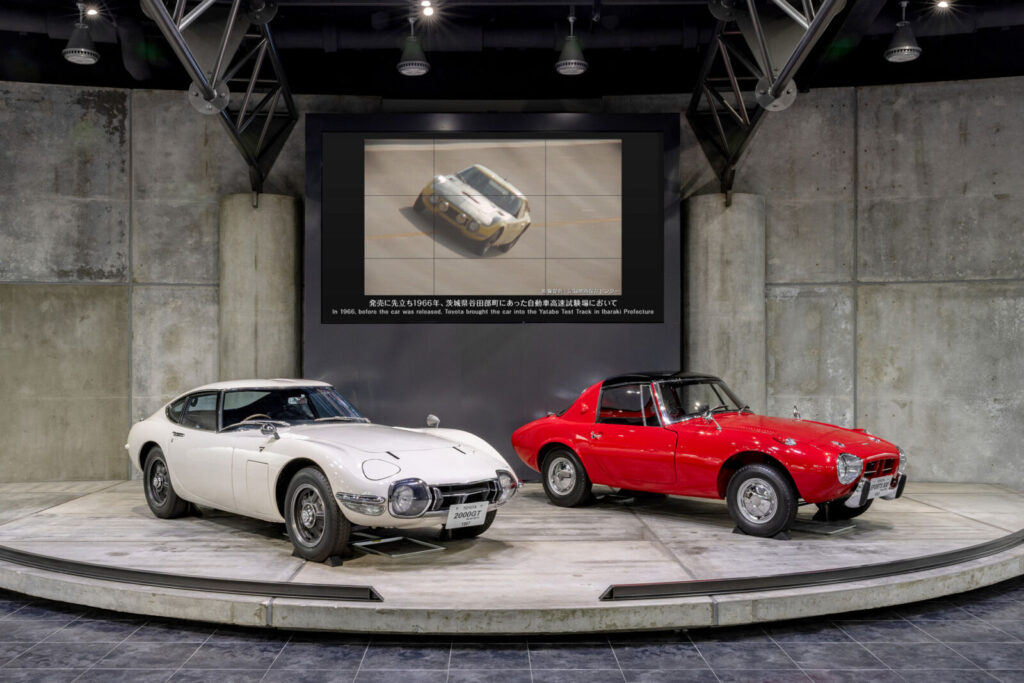
The Toyota Automobile Museum is less about Toyota alone and more about the global story of the automobile.
The museum opened in 1989 to mark Toyota’s 50th anniversary. Its purpose is to present a sweeping timeline of automotive history, beginning with early European inventions and moving through American mass production into modern Japanese engineering, and show Toyota’s spot as an influential maker throughout that timeline.
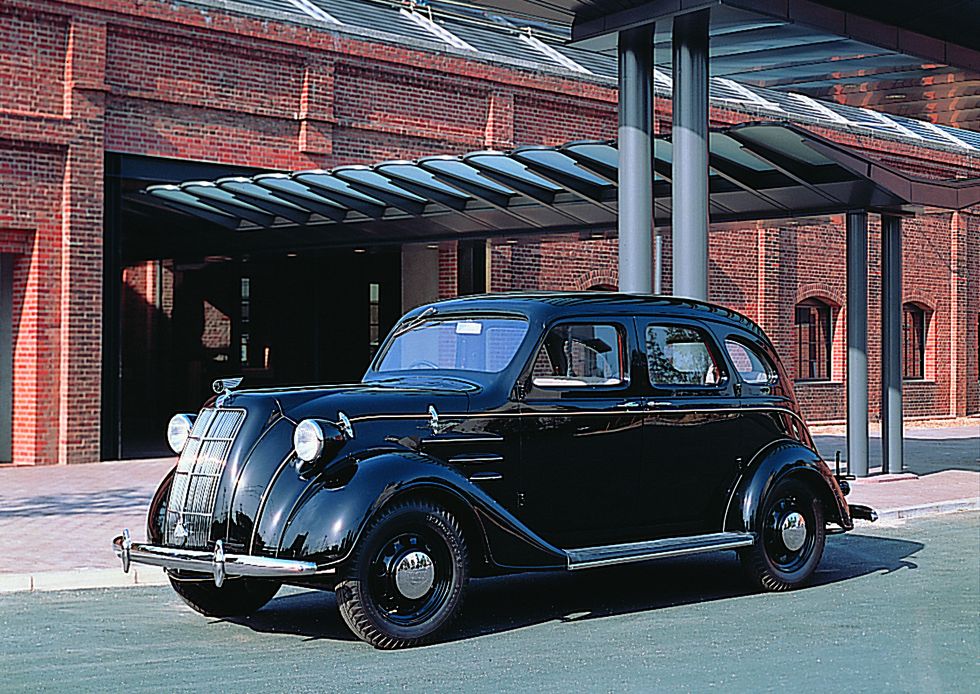
The layout of the main exhibit follows a timeline, allowing you to trace how technology, design, and cultural styles evolved. In the museum you will see early vehicles such as the Benz Patent, icons like the Rolls-Royce Silver Ghost or the Toyota 2000GT, and modern cars such as the Lexus LFA and the hydrogen fuel-cell powered Toyota Miari. Most of the vehicles are maintained in working condition and are arranged so that you can get an up-close look at each one.
The museum also features a Cultural Gallery where visitors can explore items such as vintage posters, toy cars, hood ornaments, manga and movies, and other memorabilia connected to the history of motoring.
Toyota Automobile Museum Access, Tickets, and Visitor Tips
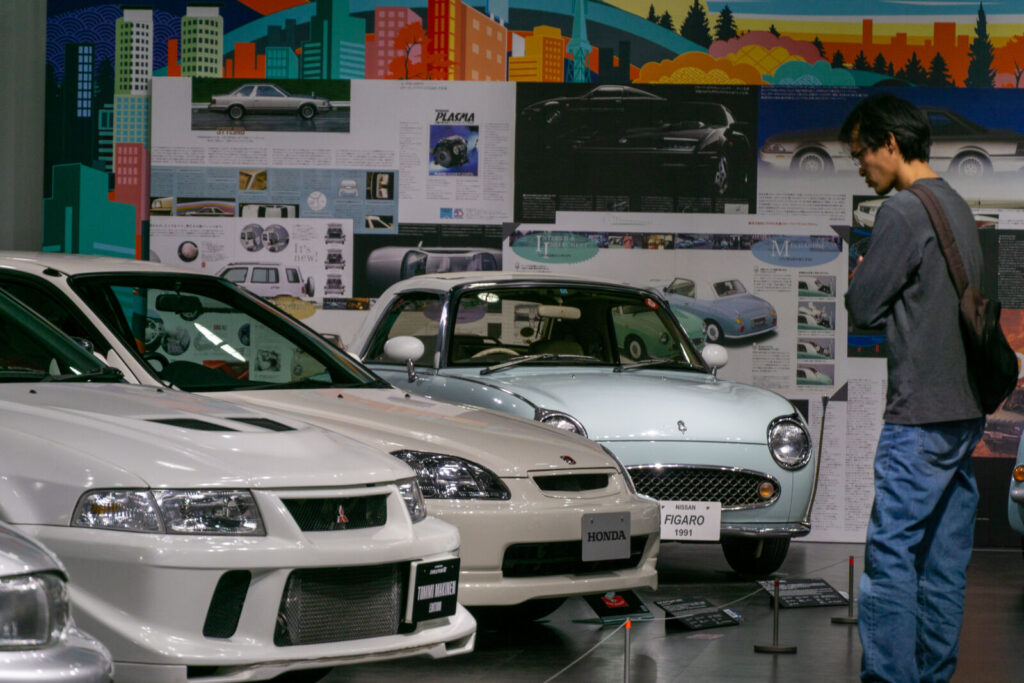
The museum is located in Nagakute, about 40 minutes outside central Nagoya.
Expect to spend at least two to three hours here. The exhibits are spacious, and there is a lot to absorb if you enjoy reading the descriptions alongside the displays.
Toyota Commemorative Museum of Industry and Technology
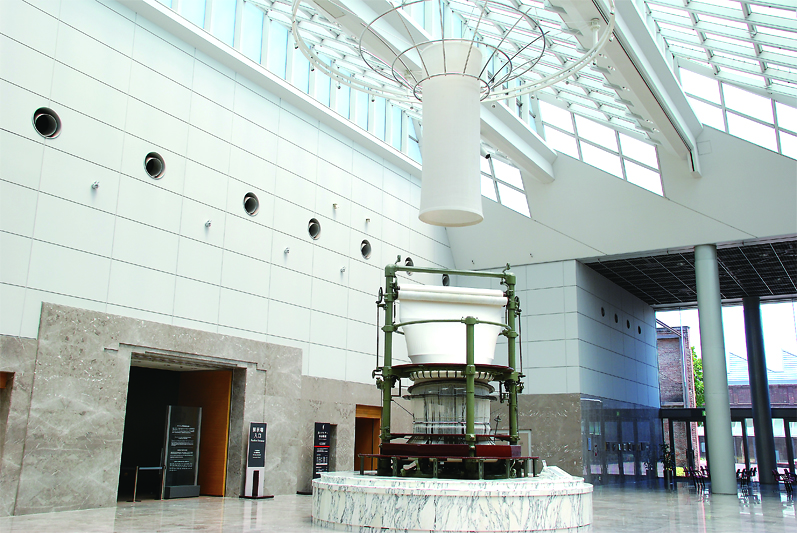
The Toyota Commemorative Museum is best for travelers who want to understand how Toyota got its start and developed its approach to innovation. It offers a more interactive and educational experience than the Toyota Automobile Museum, especially with a guide.
What Makes the Toyota Commemorative Museum Unique?
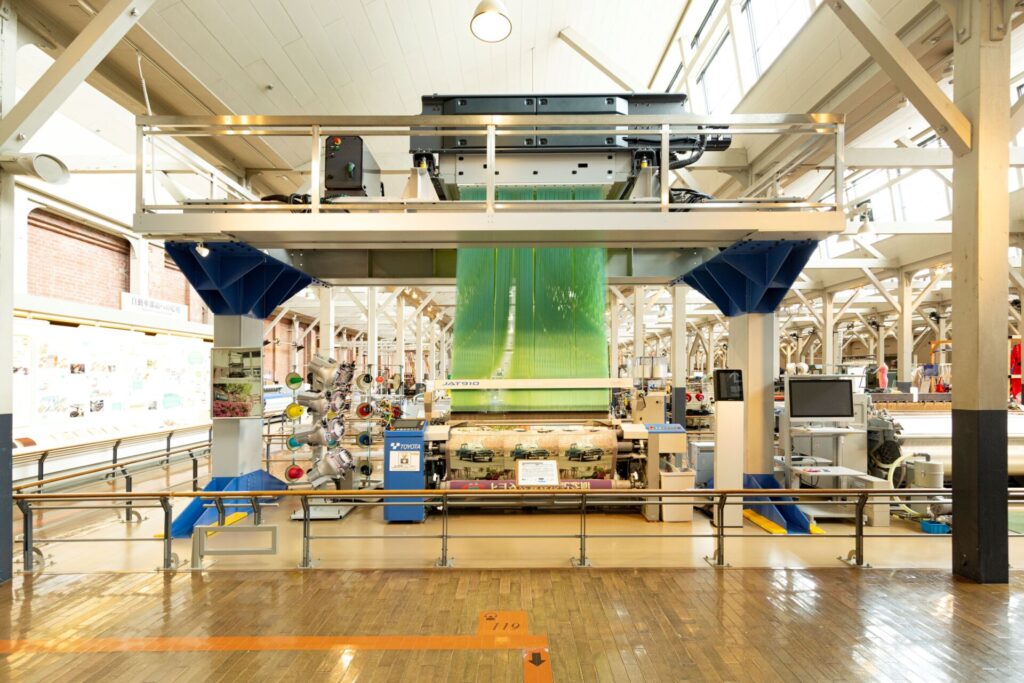
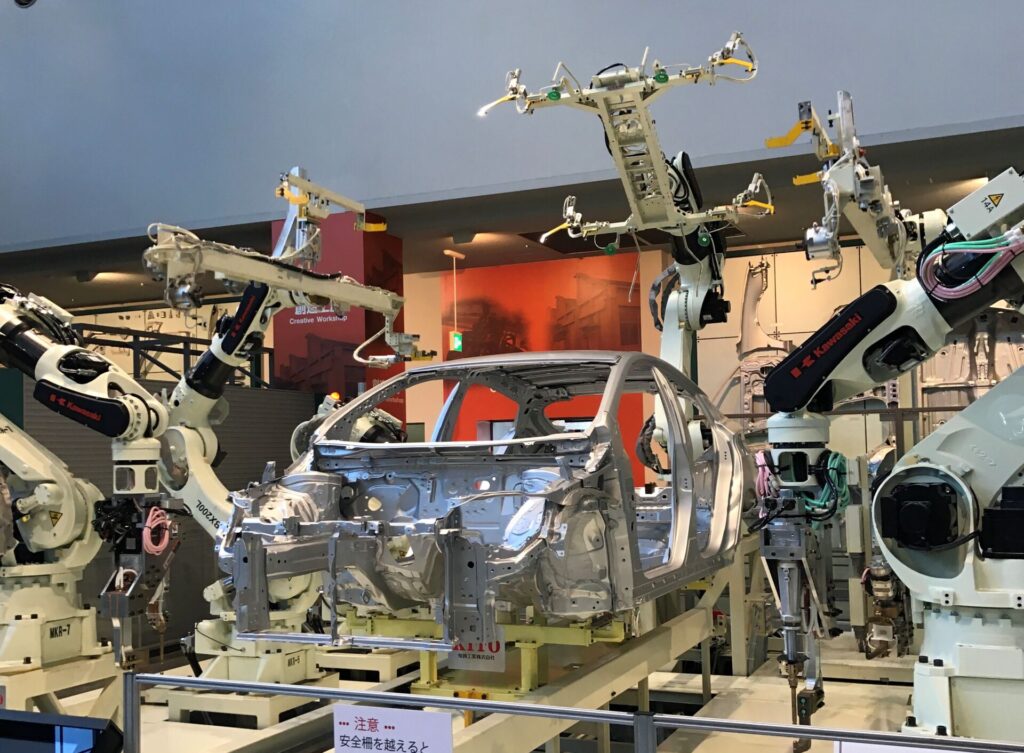
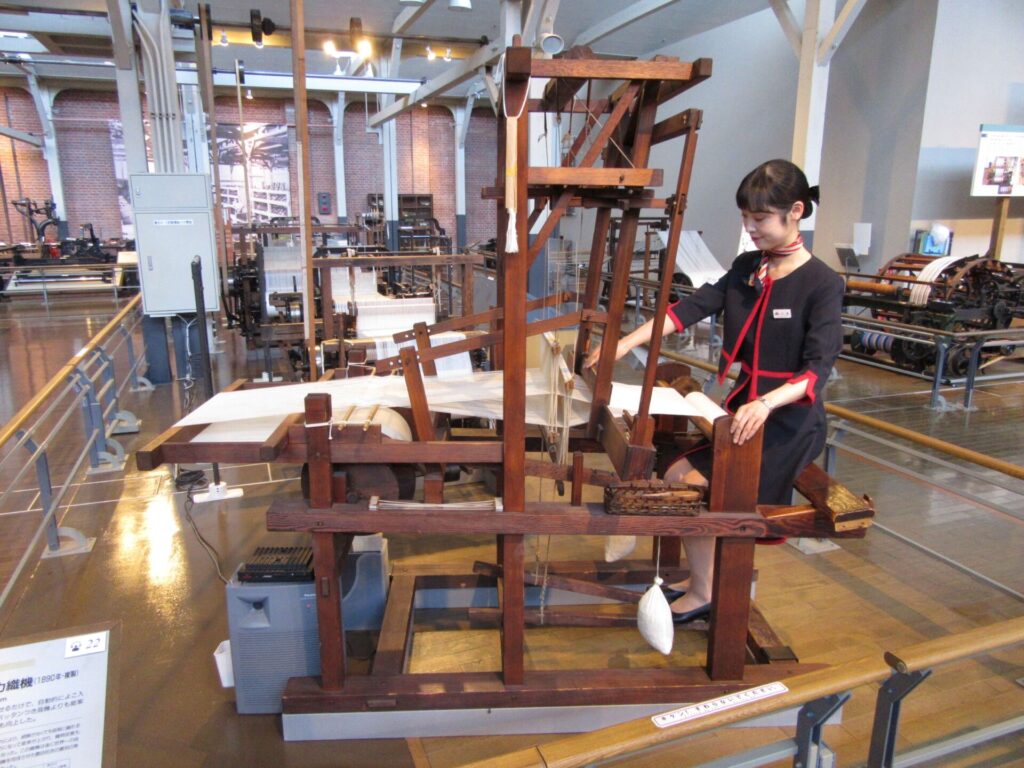
The Toyota Commemorative Museum of Industry and Technology offers a completely different experience than the Automobile Museum. Rather than focusing on cars alone, it tells the origin story of Toyota itself, beginning in the textile industry long before automobiles entered the picture.
This museum is built on the site of Toyota’s original factories, and the exhibits begin with a profile of Sakichi Toyoda, the founder of Toyota and whose invention of automatic looms helped modernize Japan’s textile industry.
The textile pavilion is surprisingly engaging, even for visitors who arrive expecting cars. Massive working looms operate in front of you, demonstrating early automation with staff providing descriptions of several machines.
From there, the museum transitions into the automotive pavilion, where the focus shifts to Kiichiro Toyoda and the birth of Japan’s domestic car industry. The museum features many of the machinery used in automobile manufacturing and explains how Sakichi’s and Kiichiro’s philosophies and ideals still influence how the company is run today.
Toyota Commemorative Museum Access, Tickets, and Visitor Tips
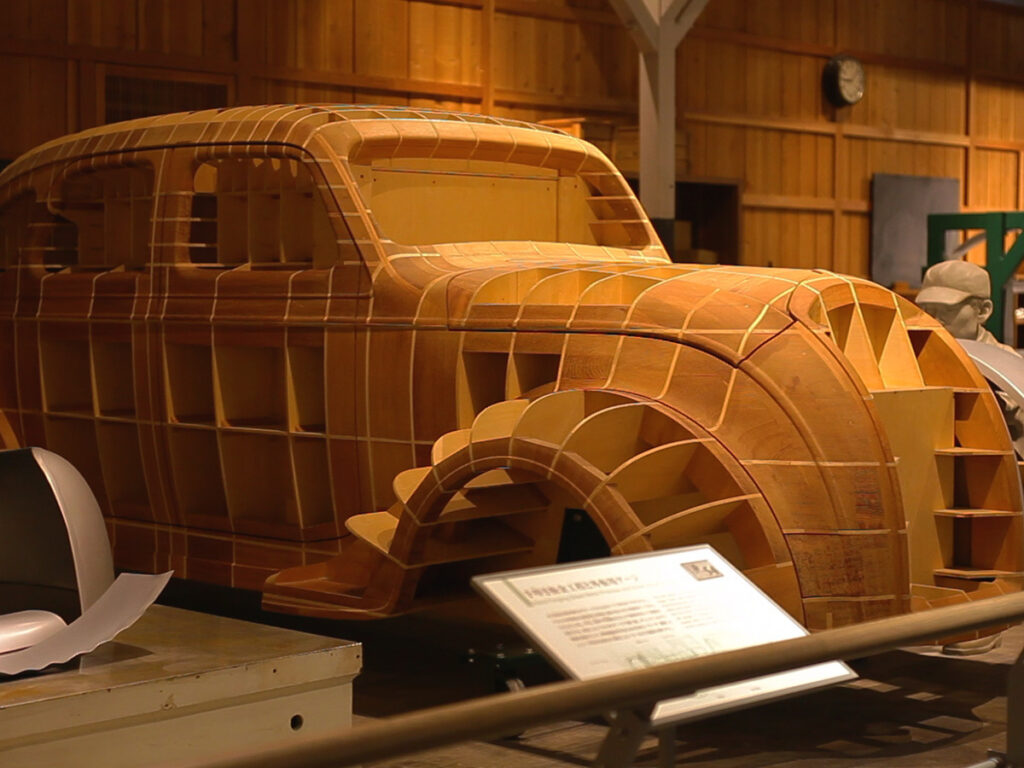
Located close to Nagoya Station, the museum is easy to reach and fits well into a shorter itinerary. This convenience makes it a strong choice for travelers with limited time.
A guided tour is especially valuable here. Many of the machines and systems come to life through explanation, and a knowledgeable guide can connect the textile origins to greater Japanese history.
Plan for two to three hours, though those with a strong interest in industrial history may stay longer.
Visit Both Toyota Museums in One Day
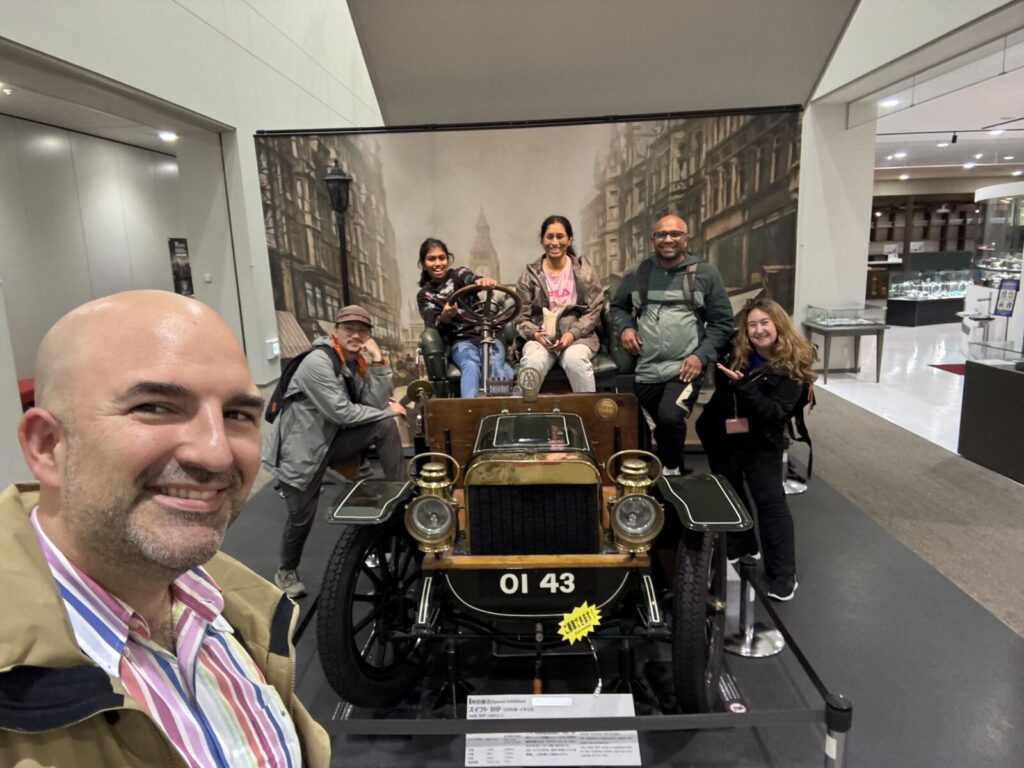
With careful planning, it is possible to visit both Toyota museums in one day. In fact, our 1-Day Tour: Nagoya’s Industrial Legacy and Toyota's Innovation does just that.
Our tour allows you to:
- Visit both the Toyota Commemorative Museum of Industry and Technology to learn about the company’s unique beginnings as well as the Toyota Automobile Museum to see its extensive collection of automobiles.
- Shop for tableware or simply appreciate the beauty and craftsmanship of the porcelain artisans at Noritake Garden Gallery and Museum.
- Travel stress-free as you are lead by our professional guide throughout the city, including a trip on the only magnetic levitation linear motor car in Japan.
- The small group size allows you to experience these beautiful locations up close and personal.
Recommended Tour: Snow Monkey Resort's 1-Day Tour: Nagoya’s Industrial Legacy and Toyota's Innovation will lead you on a journey through Japan’s center of commerce and provide you with a glimpse into Nagoya’s industrial past and its dreams for a technological future as you are led by an experienced guide on this walking tour through Nagoya.

Frequently Asked Questions
Which museum is better for first-time visitors to Nagoya?
The Toyota Commemorative Museum is often the better starting point due to its central location and strong narrative.
Is a guided tour worth it?
Yes, especially at the Toyota Commemorative Museum. The machinery and philosophy behind it become far more meaningful with expert explanations.
We at Snow Monkey Resorts are proud to offer guided tours of both Toyota Museums in your choice of English, Spanish, French, or Chinese.
Which museum is more impressive?
The Toyota Automobile Museum tends to have greater visual impact due to its collection of beautifully preserved vehicles. It is particularly appealing for photography and design enthusiasts.