



Located in the center of the Kii Peninsula, Nara Prefecture is one of Japan’s most culturally rich regions, home to ancient temples, spiritual pilgrimage routes, and stunning natural landscapes. As Japan’s first permanent capital, Nara is where Buddhism first flourished in the country, leaving behind a legacy of historic temples and revered monuments.
While Nara City is a well-known day-trip destination, the prefecture as a whole offers far more, including stunning mountain retreats, sacred hiking trails, and highland vistas, for those willing to look beyond the surface.
Why Visit Nara?
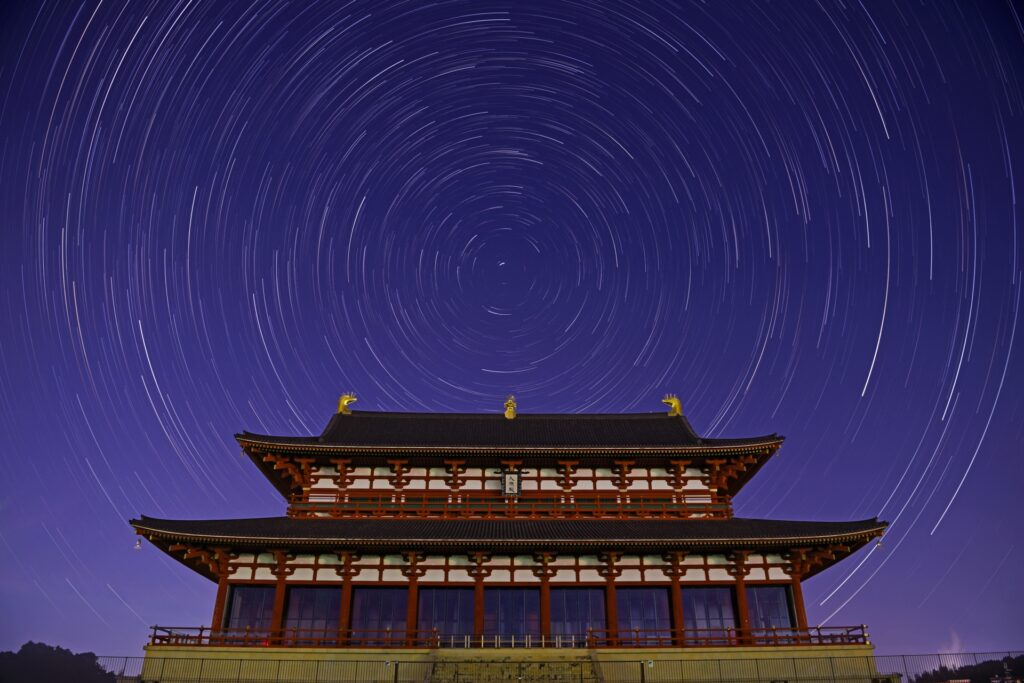
Nara Prefecture offers a blend of spiritual heritage, natural beauty, and traditional culture unmatched anywhere else in Japan. Whether you're exploring grand temples or walking quiet cobblestone pilgrimage trails, Nara’s blend of history and nature is ideal for travelers seeking a quieter cultural experience in Japan.
Where To Go in Nara
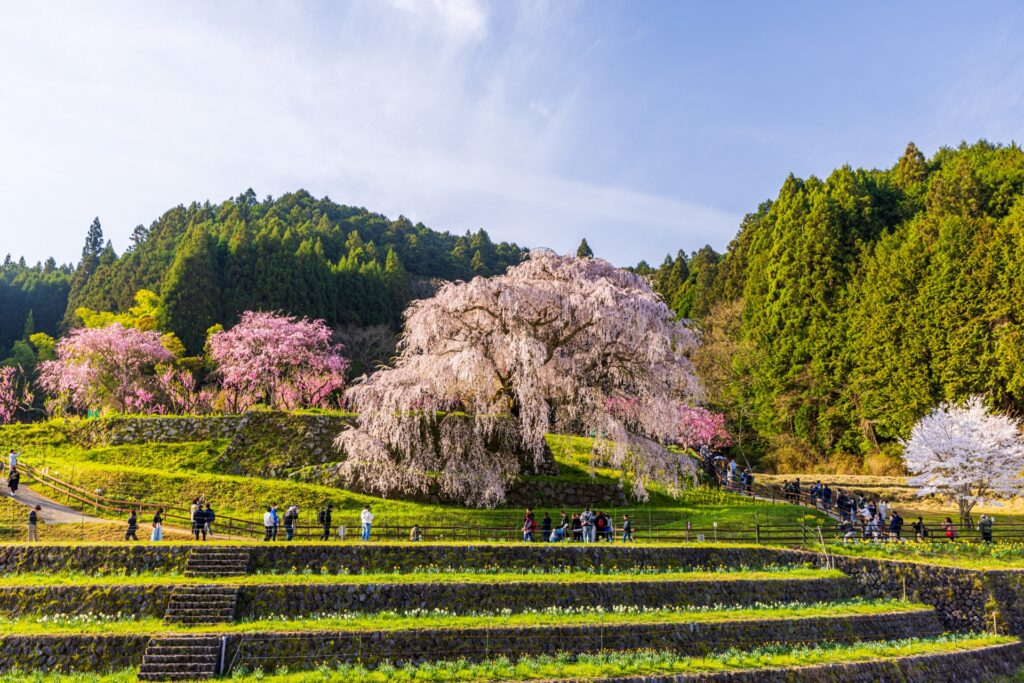
Whether you’re after natural beauty, spiritual pilgrimage, or cultural discovery, Nara delivers an unforgettable Japanese experience. Here are some of our favorite destinations in Nara Prefecture:
1) Nara Park & Naramachi
Best for: First-time visitors, families, temple lovers
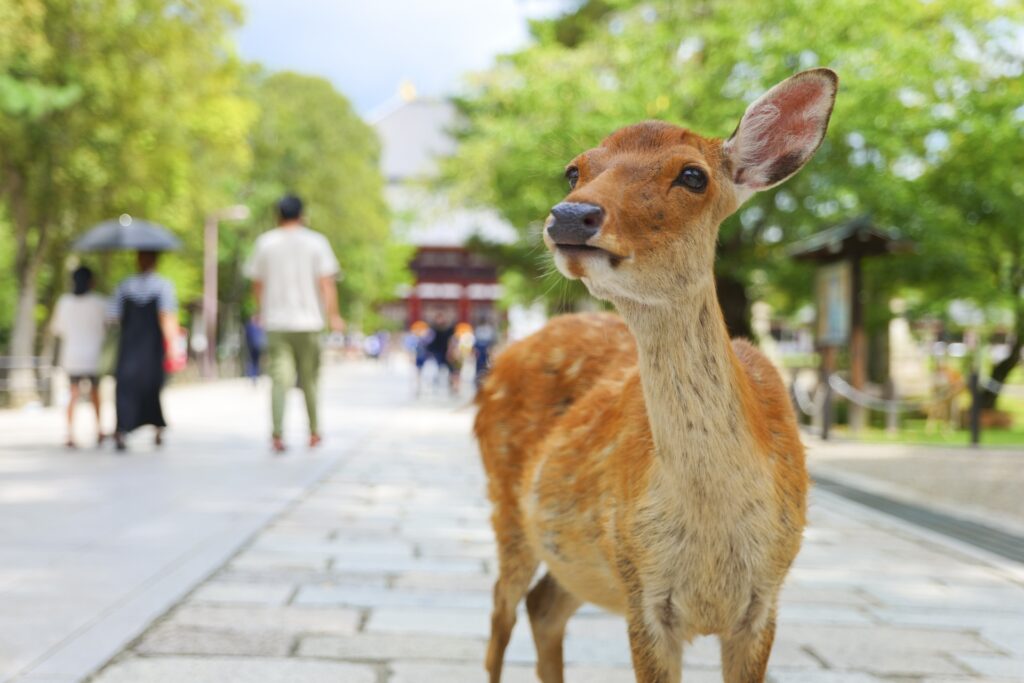
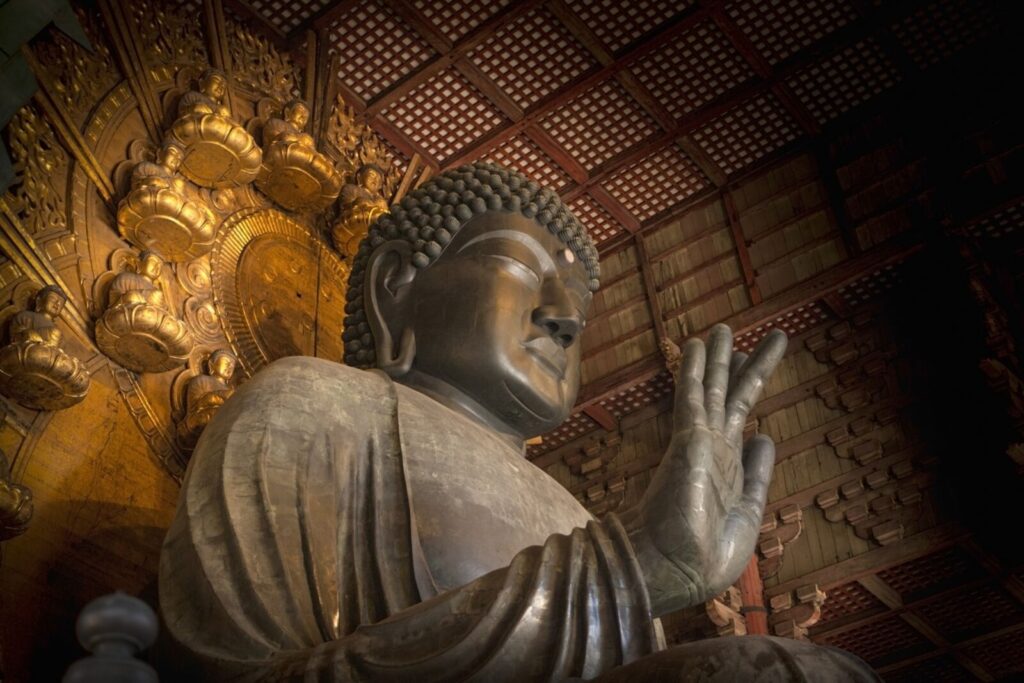
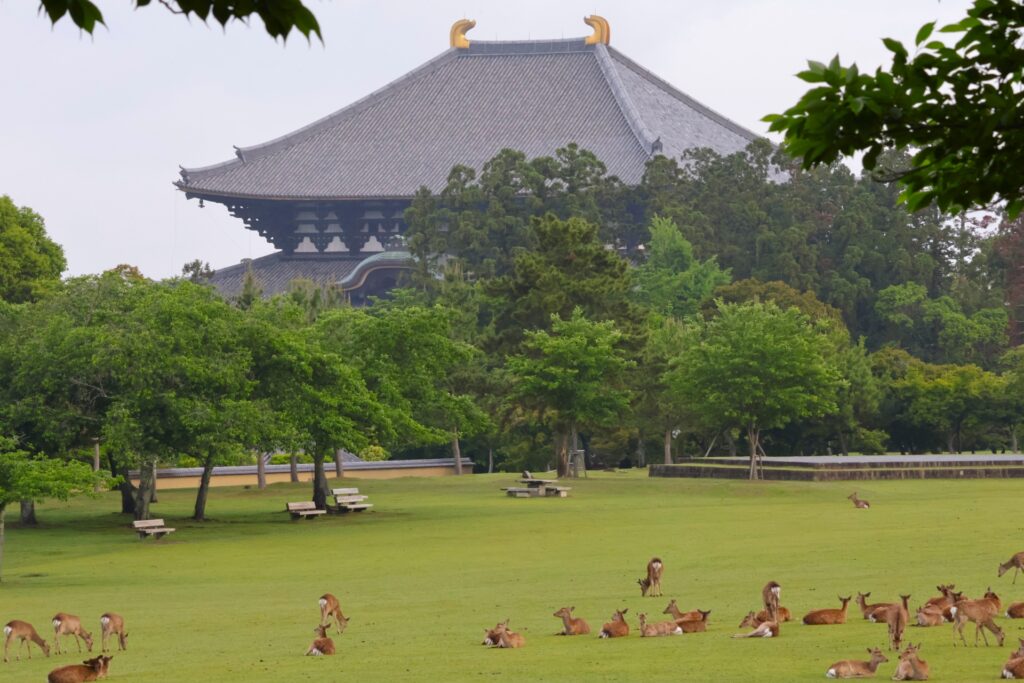
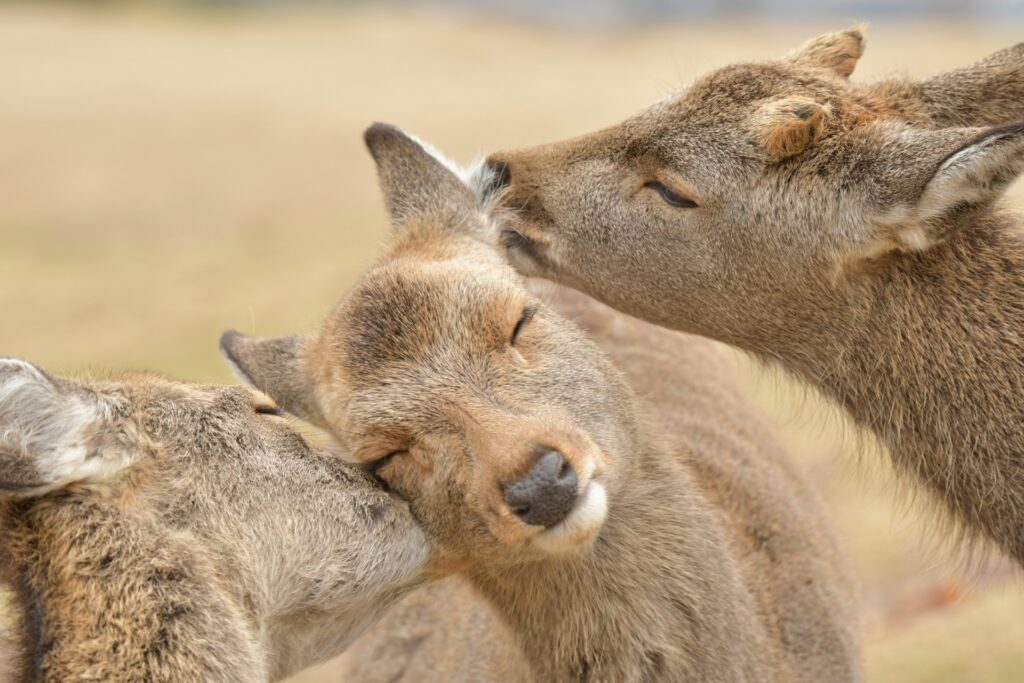
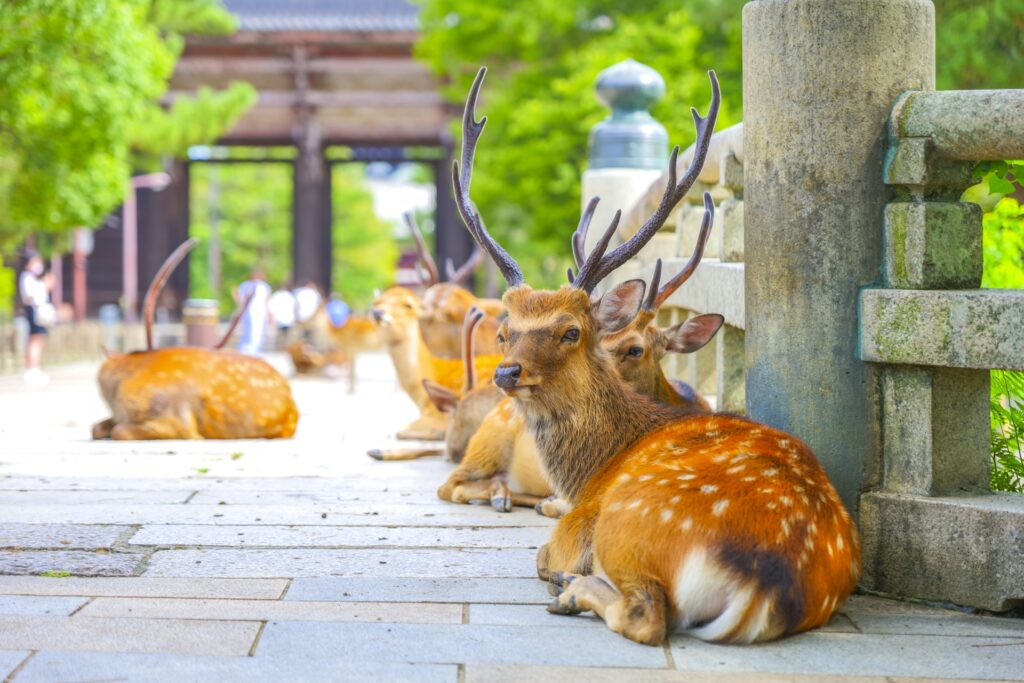
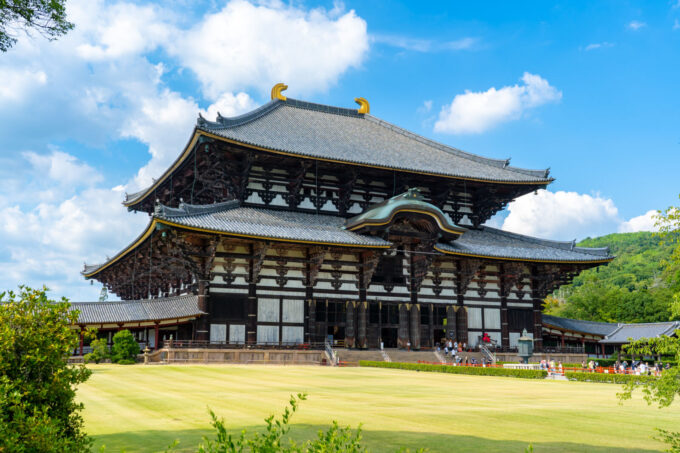
No list of “things to do in Nara” would be complete without mentioning Nara Park, famous for its friendly, free-roaming deer and towering Buddhist landmarks. The 660-hectare park is home to Todaiji Temple, which houses a 15-meter Great Buddha, one of the largest bronze Buddha statues in the world. Don’t miss passing through Nandaimon Gate, guarded by two fierce, 8-meter-tall wooden statues, and strolling up to Nigatsudo for panoramic city views.
Adjacent to the park is Naramachi, a preserved district of narrow lanes and traditional machiya (townhouses). Today, Naramachi blends history with modern charm, offering craft shops, art galleries, boutique ryokan, and stylish cafes. Visit Gangoji Temple, one of Japan’s oldest, and take a slow walk to truly feel the old spirit of the city.
2) Kumano Kodo (Kohechi Route)


Best for: Spiritual pilgrims, seasoned hikers, nature lovers
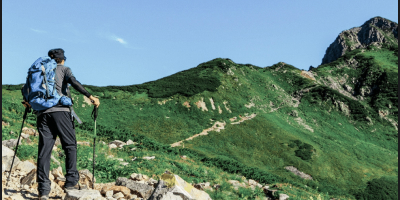
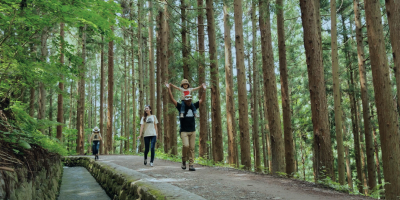
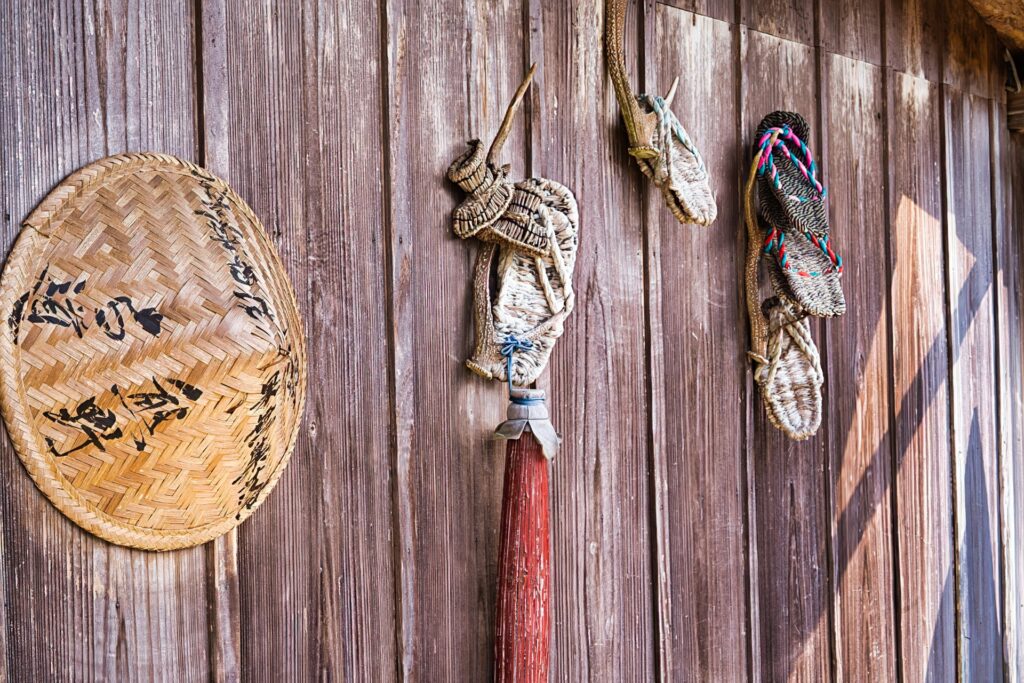
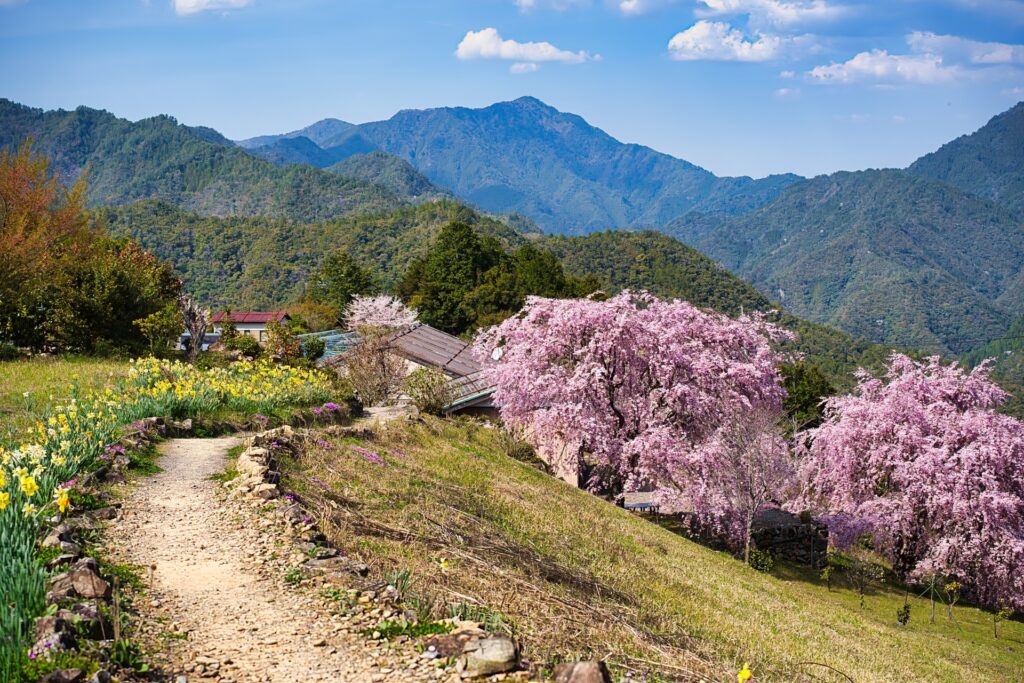
The Kohechi Route of the Kumano Kodo connects Koyasan in Wakayama with the Kumano Sanzan shrines through the mountainous interior of Nara Prefecture. Designated a UNESCO World Heritage Site, the trail is known for its challenging terrain and stunning landsape.
Passing through secluded villages and forests of towering cedar, this ancient pilgrimage route once served ascetic monks and spiritual travelers. Today, it offers a rare opportunity to walk in the footsteps of history while surrounded by serene landscapes. While not for beginners, experienced hikers will find the physical effort deeply rewarding.
3) Soni Highlands
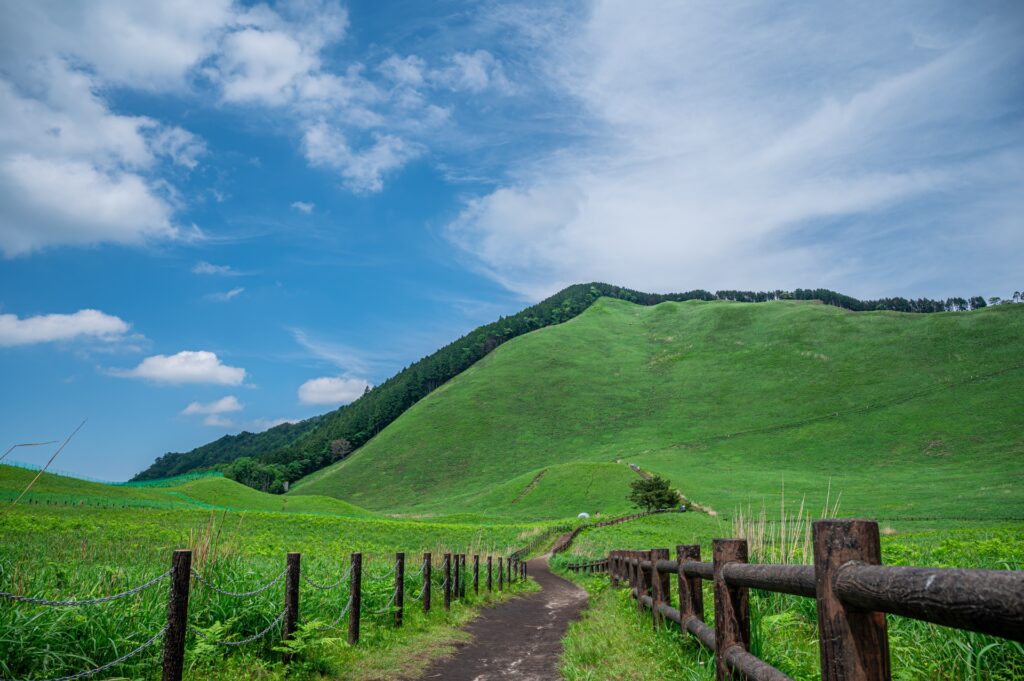
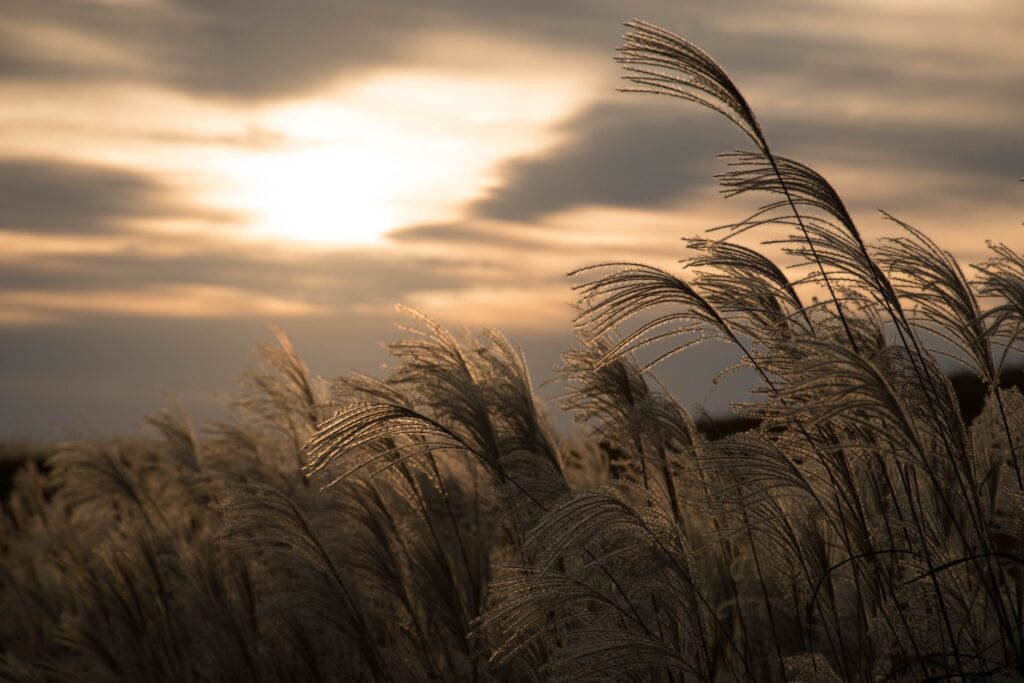
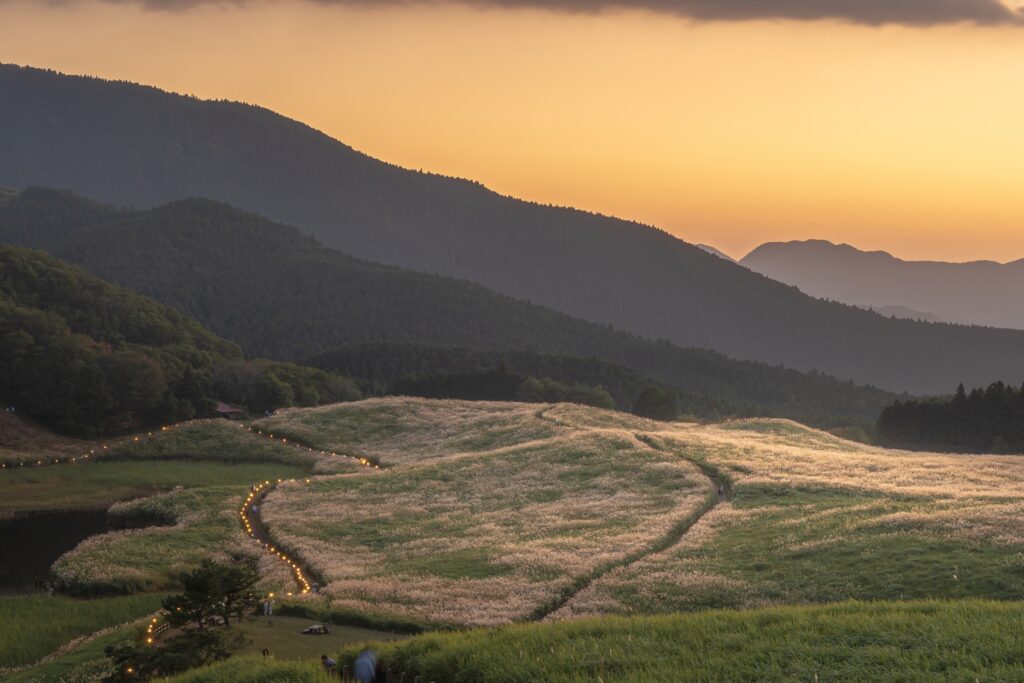
Best for: easy hikes, autumn travel, couples, and photographers
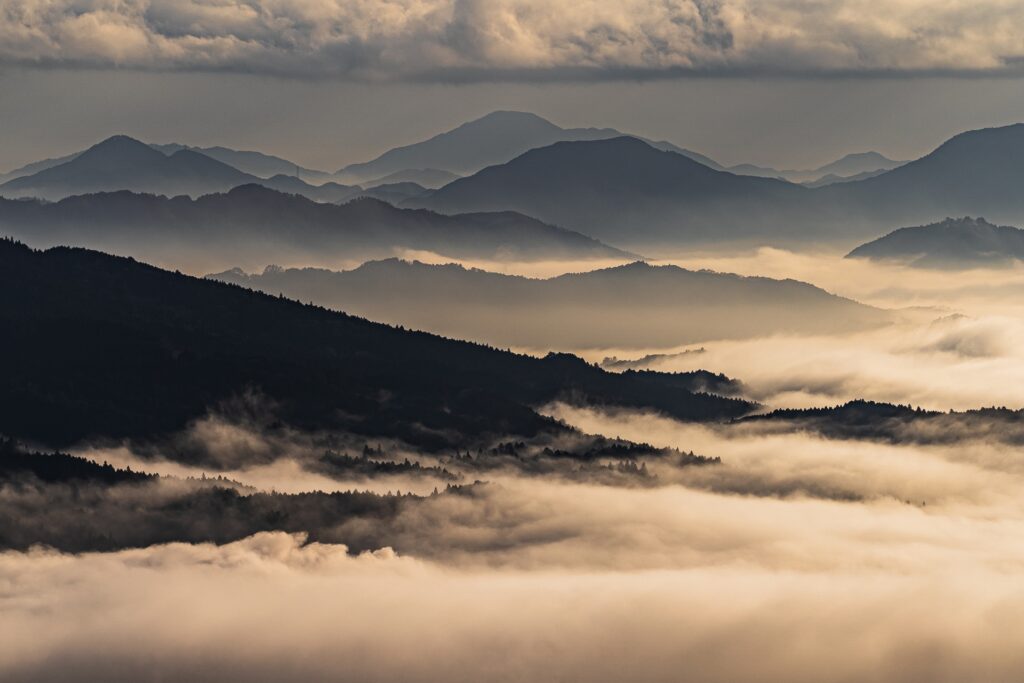
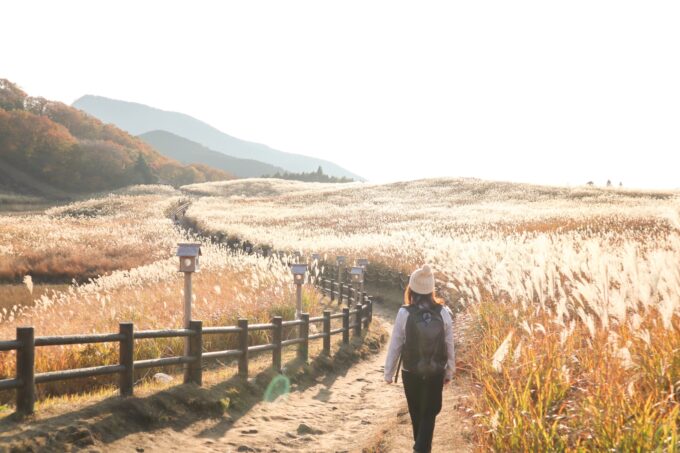
Nestled in northeastern Nara, the Soni Highlands are a rolling sea of grassland that change with the seasons, vibrant green in summer and golden in autumn. This area is beloved for its wide-open skies, gentle hiking trails, and relaxing atmosphere.
Popular among locals but often missed by international travelers, the highlands are particularly stunning in October, when pampas grass waves in the breeze under glowing sunsets. The Soni Highlands are best accessible as a day trip from Nagoya.
Recommended Tour: Take an unforgettable journey into one of Japan’s most stunning and ecologically diverse regions with Snow Monkey Resort's [FROM NAGOYA] Soni Highlands & Akame 48 Waterfalls Private Hike.
Not only will you discover the majestic, natural beauty of Central Japan and the Muro Akame Aoyama Quasi-National Park, but you’ll also contribute to the preservation of this exceptional landscape—ensuring that it remains a safe haven for wildlife and future explorers alike.
4) Dorogawa Onsen
Best for: Relaxing stays, mountain escapes, traditional ryokan
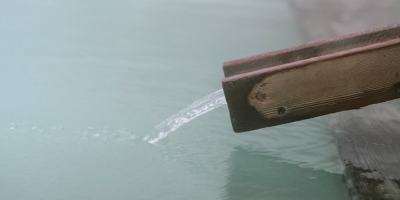
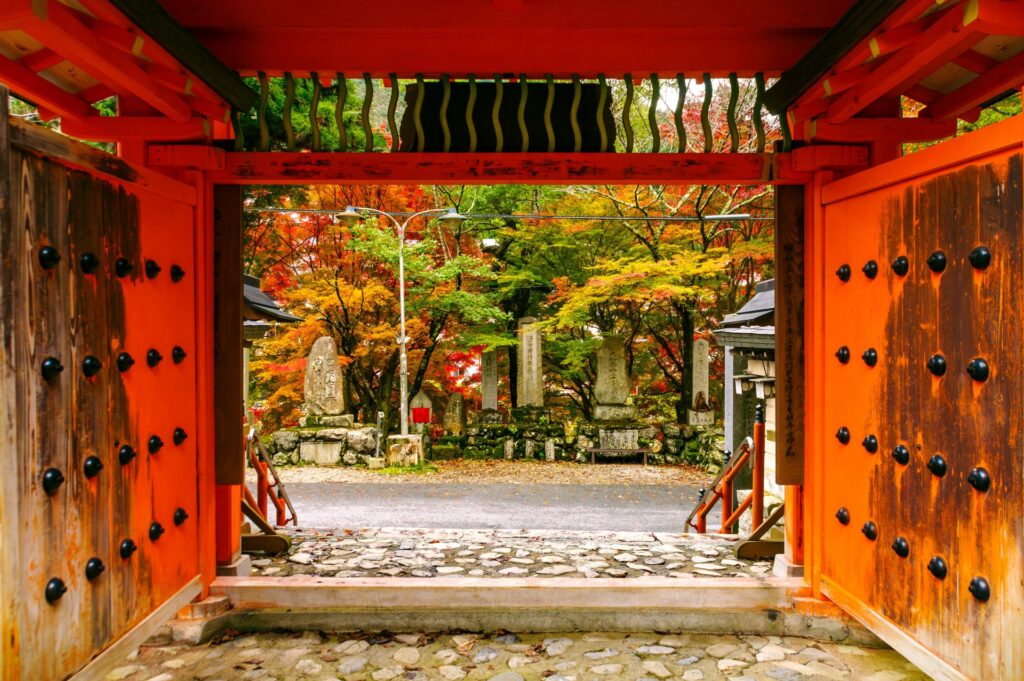
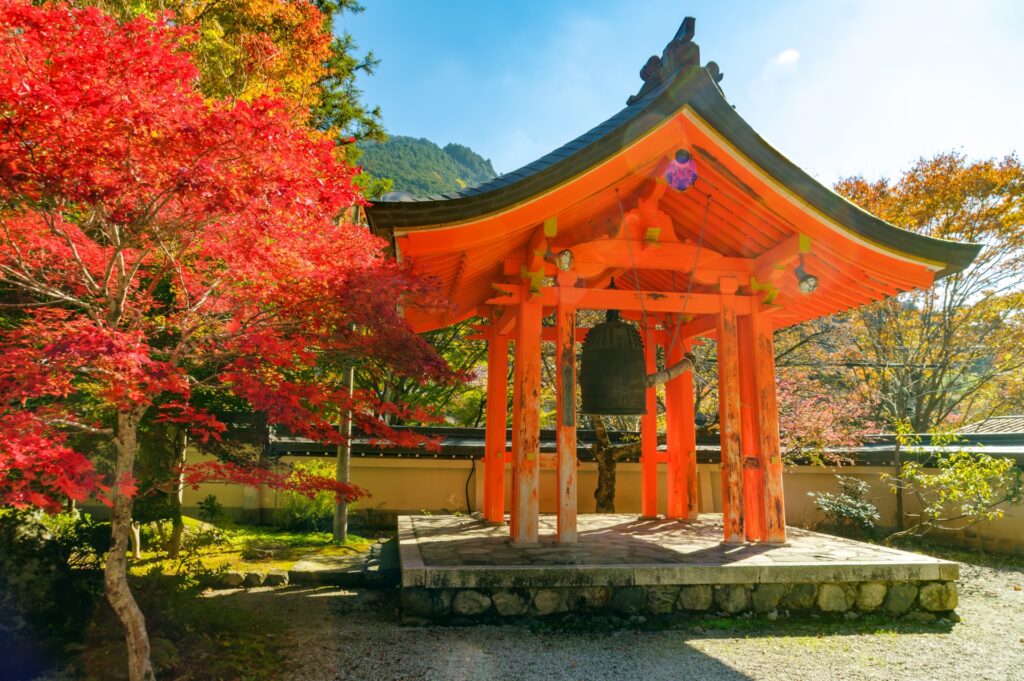
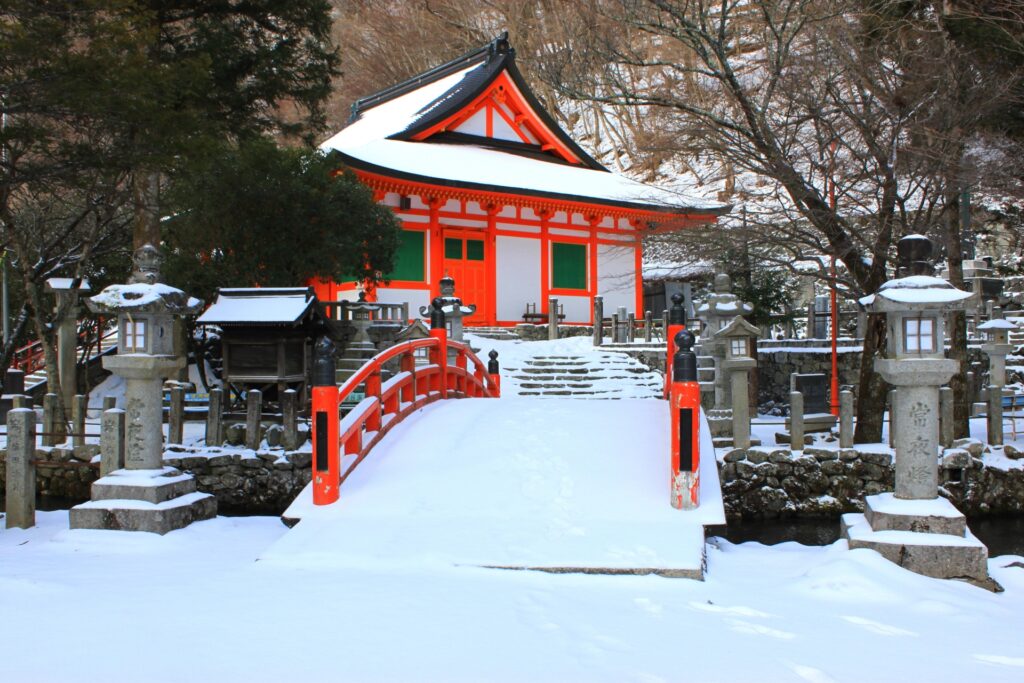
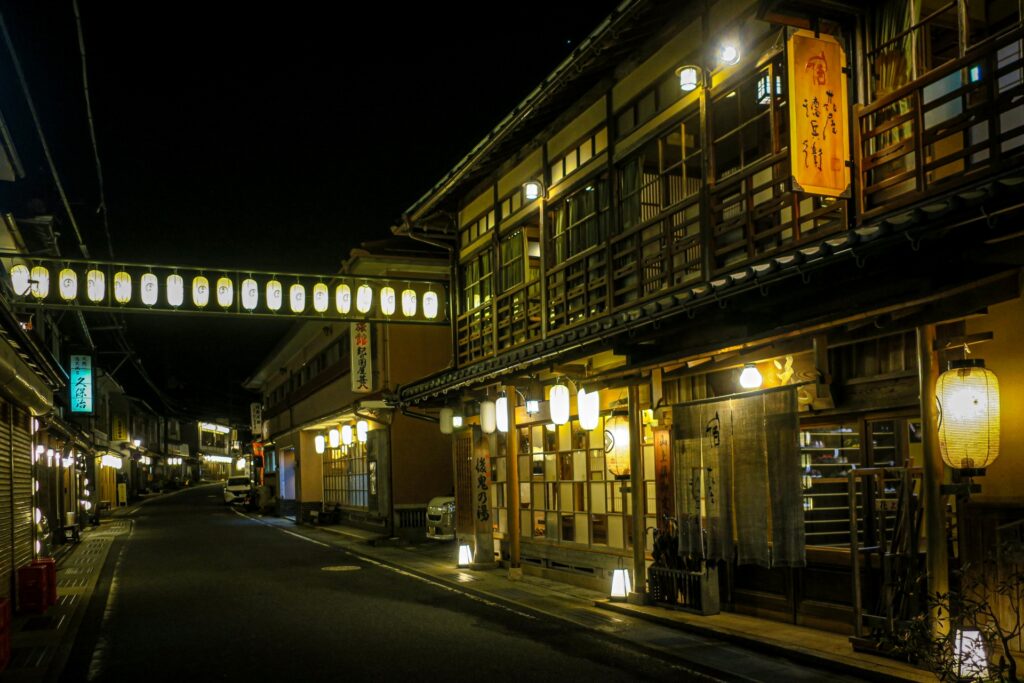
Tucked away in the deep mountains of southern Nara, Dorogawa Onsen is a timeless hot spring village where you can truly disconnect. Fed by waters from sacred Mt. Omine, the onsen here are known for their purity and restorative qualities.
Pilgrims have long stopped in Dorogawa en route to Ohminesanji Temple, and while that mountain remains off-limits to women, nearby Ryusen-ji Temple offers a spiritual retreat open to all. Don’t miss a visit to Goyomatsu Limestone Cave, accessed via a charming monorail ride through the forest. Dorogawa onsen is perhaps summer’s best-kept secret, offering cool temperatures, local cuisine, and plenty of views.
5) Horyuji Temple
Best for: History lovers, architecture enthusiasts, half-day explorers
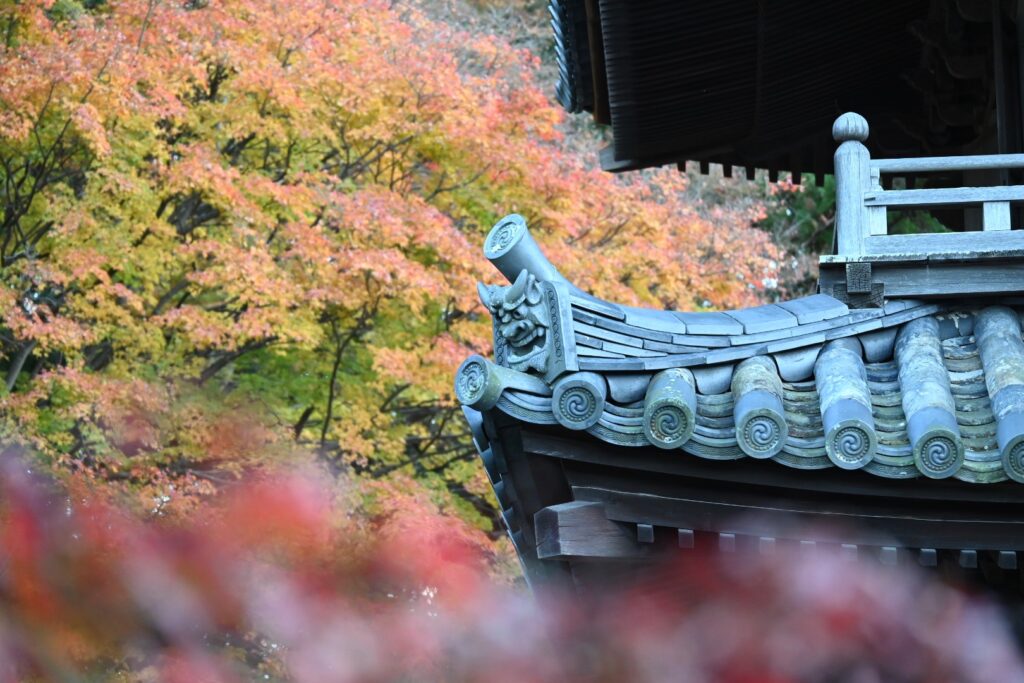
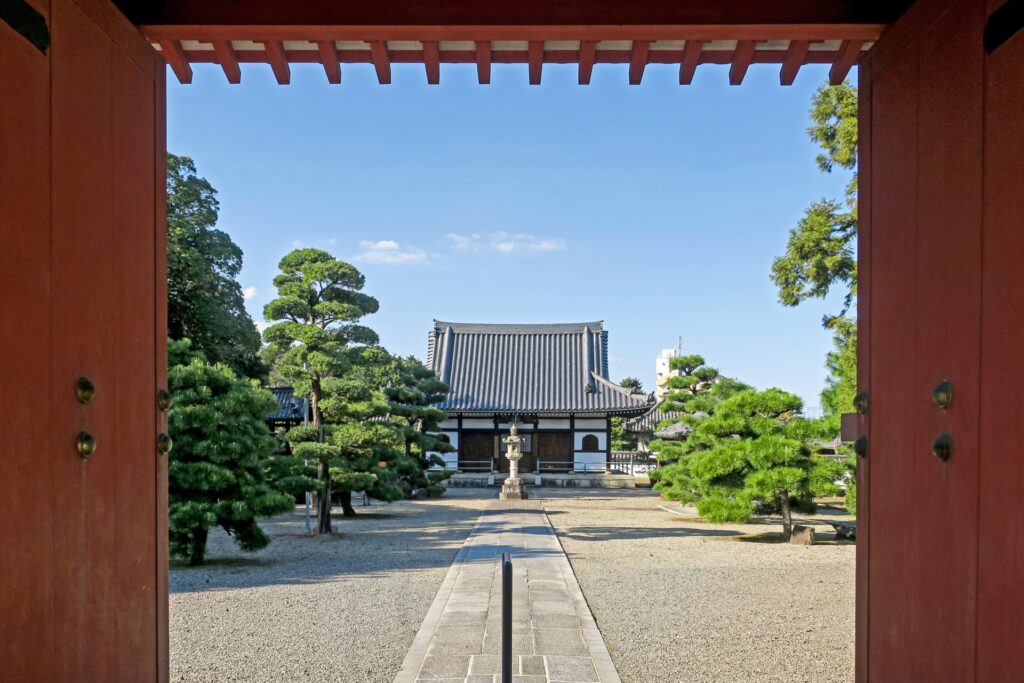
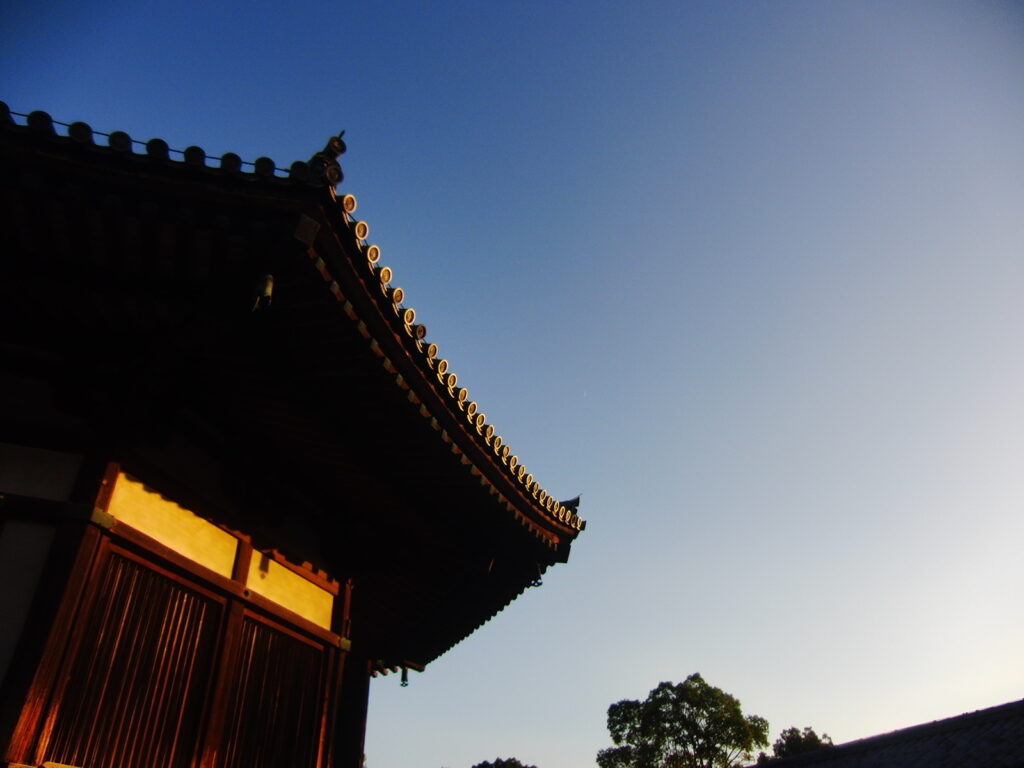
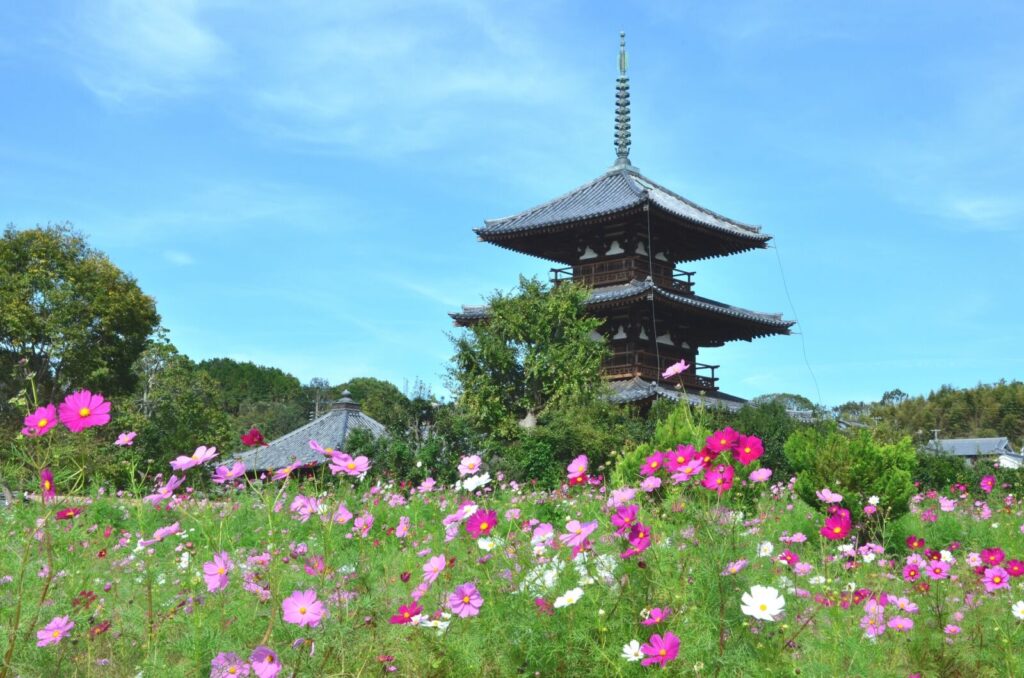
Located in the northwestern part of Nara, Horyuji Temple is one of Japan’s most important historic sites. Founded in 607 AD, the temple boasts the world’s oldest surviving wooden buildings, some of which have stood for over 1,300 years.
The temple grounds are expansive yet peaceful, allowing visitors to view Japan’s Buddhist architecture influenced by Chinese and Korean design. Don’t miss the Five-Story Pagoda, and consider walking or cycling through the surrounding rural landscapes to reach nearby shrines and scenic spots like the Tatsuta River, famous for its autumn colors and soy-marinated fried chicken dish, Tatsuta-age.
Frequently Asked Questions (FAQ)
What is the weather like in Nara?
Spring (March to May) and autumn (September to November) are the most pleasant times to visit, offering mild temperatures, cherry blossoms, and colorful foliage. Summers (June to August) can be sweltering, especially in the lowlands, while winters (December to February) bring crisp air and occasional snowfall in the mountainous regions.
Can I do a day trip to Nara?
Yes—Nara Park and Horyuji can be enjoyed on a day trip. However, if you want to explore the Kumano Kodo or Dorogawa Onsen, an overnight stay is recommended.
Is the Kohechi Route of the Kumano Kodo beginner-friendly?
No, the Kohechi is one of the more demanding Kumano Kodo trails and is best suited for experienced hikers. Consider other Kumano trails for gentler options.
Are there any tours of Nara in English?
Yes, we at Snow Monkey Resorts are proud to offer several tours in Nara Prefecture led by our local English-speaking guides. Please see our tour page for more information.
How do I get to Nara from Kyoto or Osaka?
Nara City is easily reached by train in under an hour from Kyoto or Osaka via the JR Nara Line or Kintetsu Nara Line. Many of the other locations in the prefecture tend to be a bit more difficult to reach, but can be accessed via regional buses and trains from Nagoya, Kyoto, or Osaka.
If you are interested in visiting some of the more rural locations, it is advisable to travel with a tour operator.
Of course, we also offer private tours and transport in and around the Nagoya area, and other regional destinations. We can also arrange for both custom tours with an English-speaking guide or a private charter.
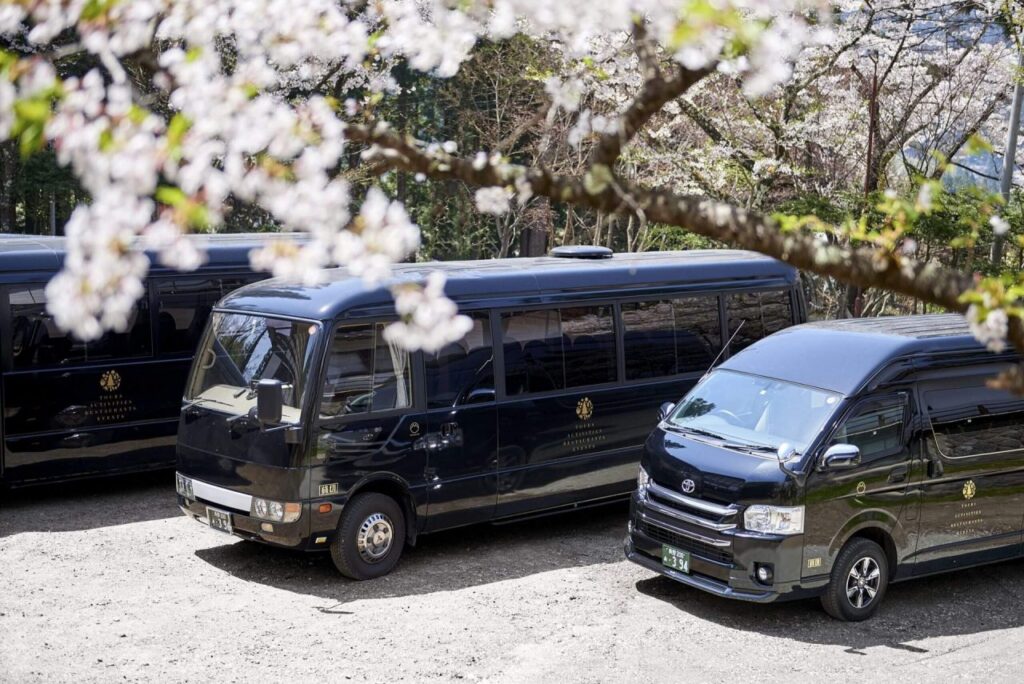
Our drivers and vehicles are fully certified, allowing us to transport you to and from your preferred destinations in combination with any activity that suits your schedule. All vehicles are well-maintained and in good condition, allowing you to relax and enjoy your ride to wherever you are going.
With door-to-door service, we can pick you up from where you are and take you to where you want to go anywhere in Central Japan and the neighboring regions.
For more information, please check our standard charter rates or contact us for a custom trip. We’d love to be part of your adventure in Central Japan and help you discover even more!
Additional Tips
- Deer Etiquette: The deer in Nara Park are mostly tame, but avoid teasing or startling them. Use only the specially sold deer crackers (shika senbei).
- Footwear: Many temple areas and trails require a lot of walking—wear comfortable shoes, especially if visiting Soni Highlands or doing part of the Kohechi Route.
- Stay Overnight: Spending a night in Naramachi or Dorogawa offers a more relaxed pace and access to local dining and onsen culture.