


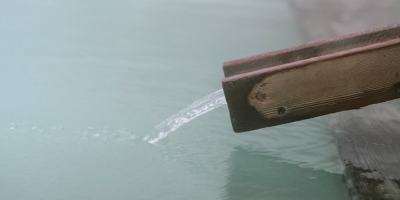
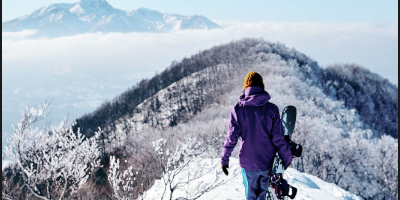
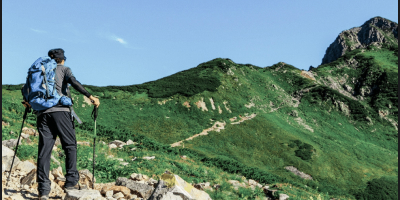

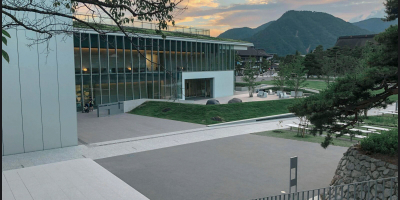
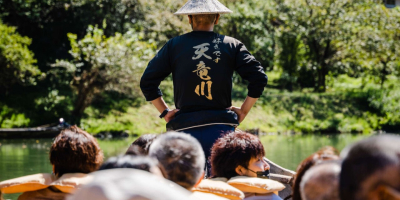

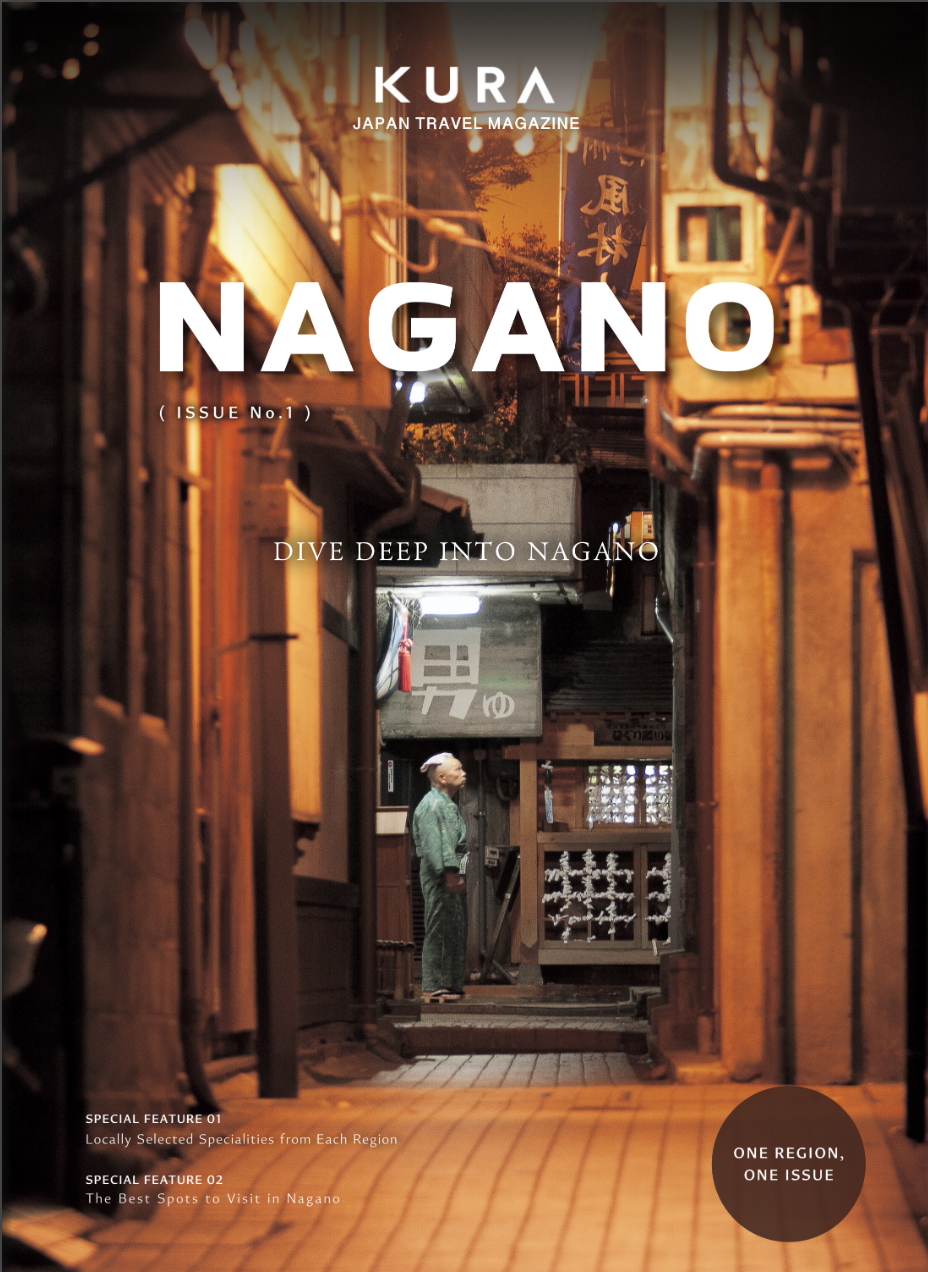
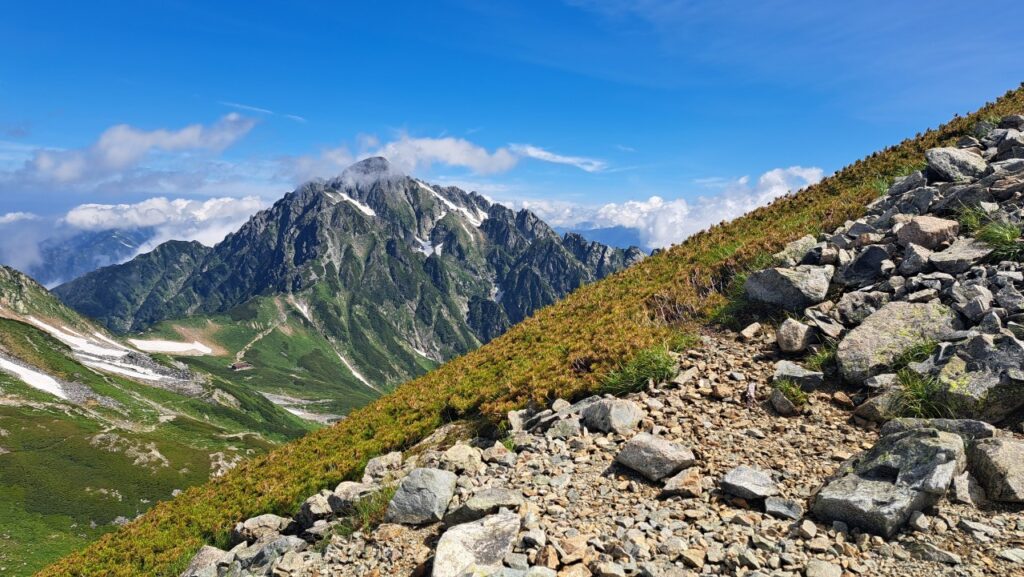
Starting in mid-June, Nagano becomes Japan’s premier highland escape. While the rest of the country swelters in humidity, Nagano’s alpine breezes and shaded forests offer a refreshing sanctuary. From the world-class hiking trails of the Japanese Alps to the thunderous fireworks over Lake Suwa, here is your guide to the best of Nagano this summer.
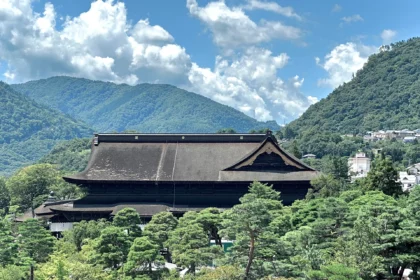
From July through August, Nagano is a world of deep "Shinryoku" (verdant greenery) and crystal-clear waters. As the winter snow finally disappears from even the highest peaks, the entire region opens up for adventure. Historic sites like Zenkoji Temple are framed by lush summer foliage, while high-altitude retreats like Kamikochi, Tateyama, and Shiga Kogen provide temperatures up to 10°C cooler than the valleys below.
Summer is also a season of "matsuri" (festivals). From traditional dance in the streets of Nagano City to the massive fireworks displays that reflect off our mountain lakes, the region pulses with energy under the summer sun.
Alpine adventures, refreshing wasabi treats, and mystical forest shrines make Nagano the most rewarding destination to beat the heat in Japan.
When is Summer in Nagano?
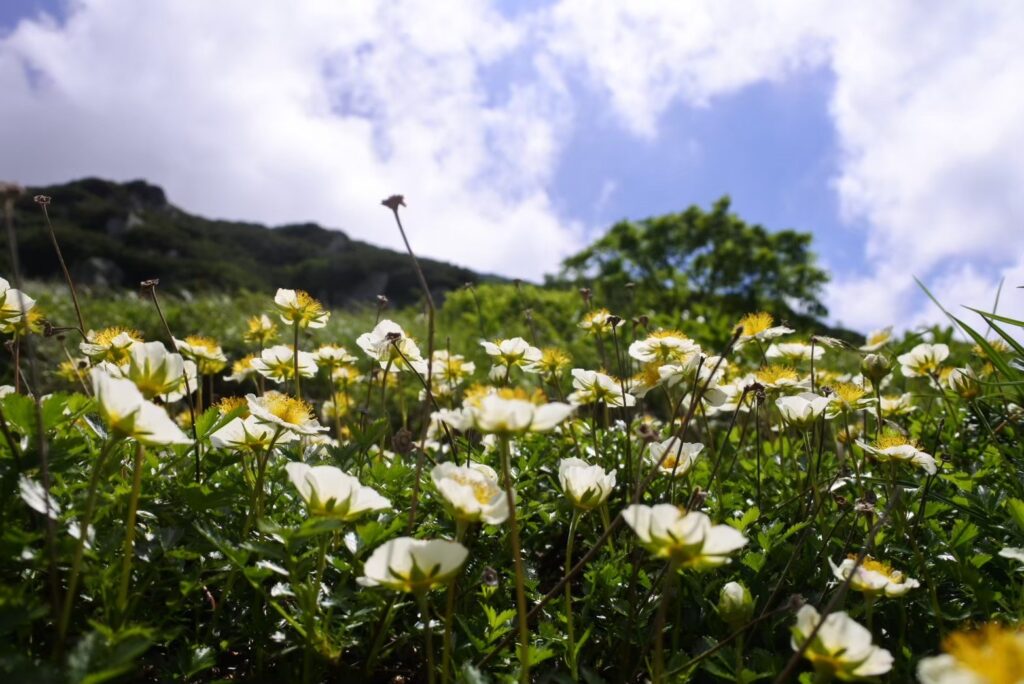
Summer in Nagano runs from mid-June through August. Because of the region’s dramatic mountain terrain, "Summer" arrives in waves, starting with the mystical mists of the high forests and ending with the high-energy festivals of the valley. This section covers the different feelings of summer that emerge as the season unfolds.
Mid-June to July: The Verdant Peak & Rainy Season Mists
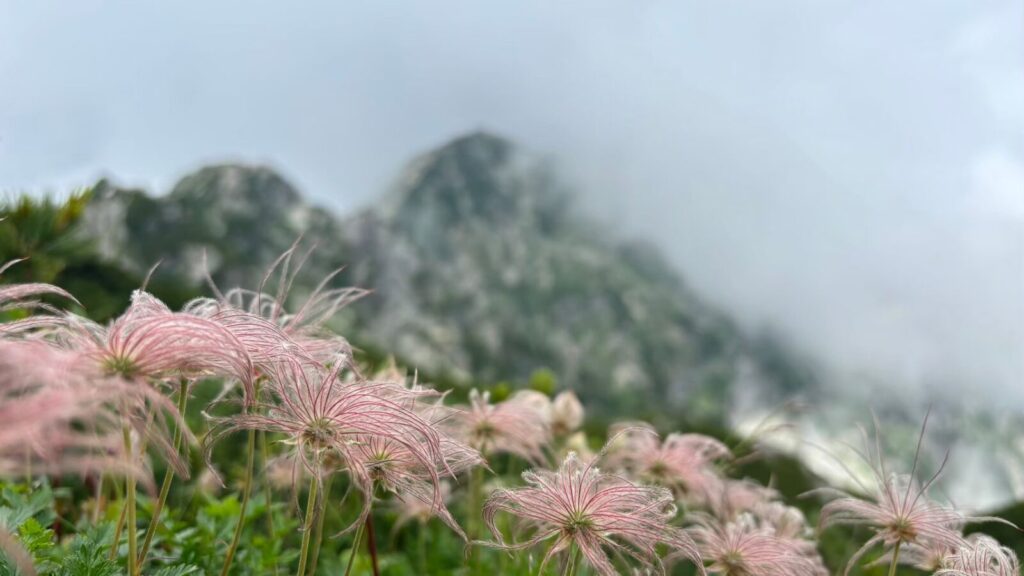
Starting in mid-June, Nagano enters its lush "green" phase. While the rest of Japan can feel heavy during the rainy season, Nagano’s forests become ethereal. This is the best time for "Forest Bathing" in Togakushi, where the ancient cedars are often shrouded in a beautiful, cooling morning mist. By early July, as the skies clear, the Tsugaike Nature Park reaches its peak for alpine wildflowers, offering a colorful, high-altitude botanical show.
Early August: The Peak of Festival Energy
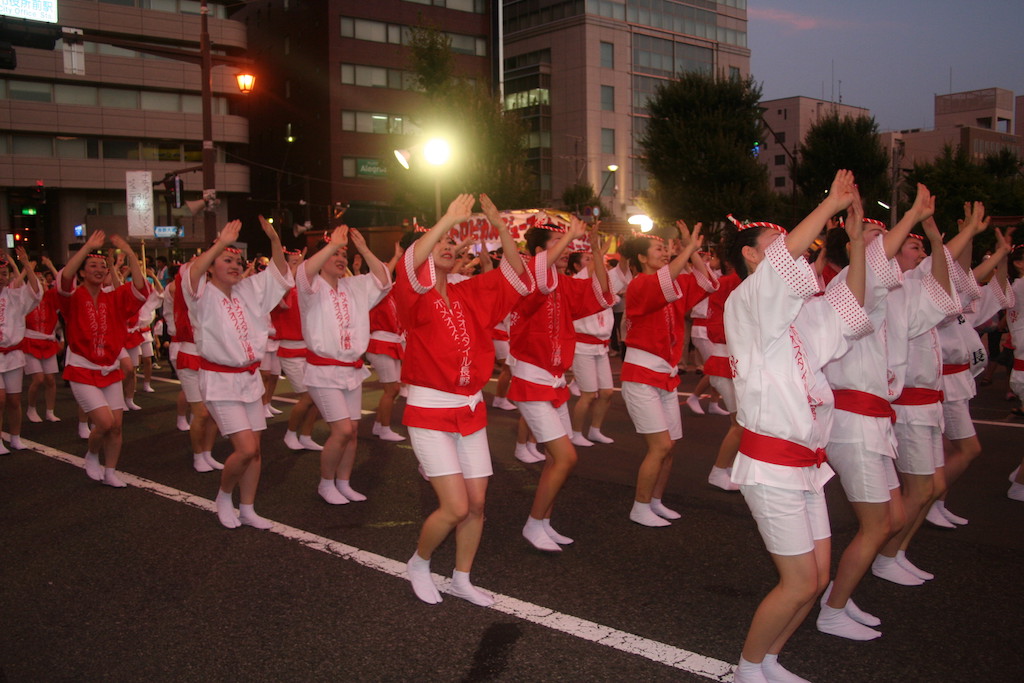
August is Nagano’s most spirited month, defined by traditional celebrations and a vibrant community atmosphere. On the first Saturday of August, the Nagano Binzuru Festival takes over the city; thousands of dancers move to the rhythmic clap of wooden paddles, creating an electric energy around Zenko-ji Temple. It is the perfect time to wear a yukata, enjoy street food, and experience the cultural heartbeat of the region.
Mid to Late August: Fireworks & High-Altitude Retreats
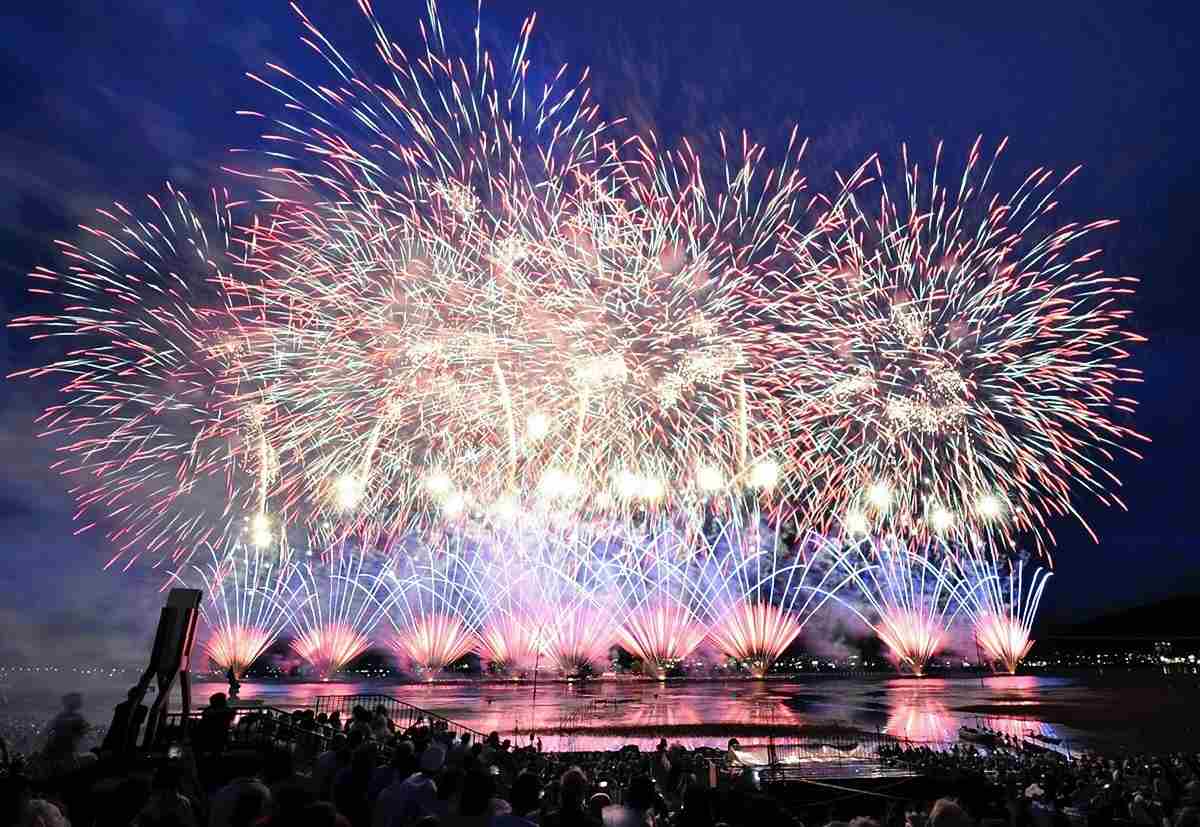
As the summer heat peaks across Japan, Nagano becomes the ultimate sanctuary. While the valleys celebrate with the massive Lake Suwa Fireworks Festival, one of Japan’s largest. Nature lovers head to the "cool zones." In high-altitude retreats like Kamikochi and Shiga Kogen, temperatures stay comfortably in the low 20s°C (70s°F), offering a natural air-conditioned escape from the coastal humidity.
Late August: The Refreshing "Summer's End"
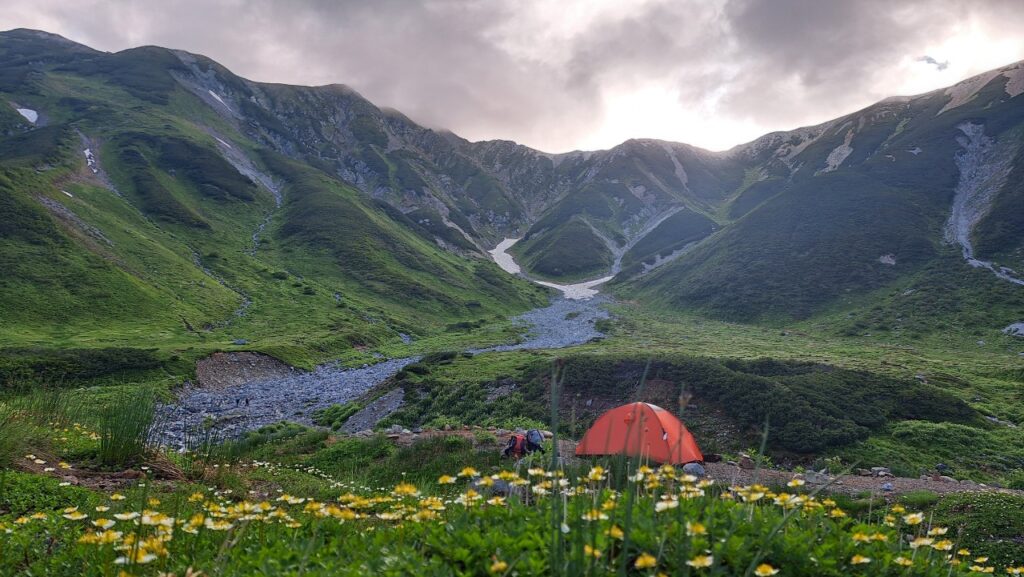
By the final week of August, the intense heat begins to break in the mountains, even while the cities remain warm. This marks the transition into Nagano’s famous harvest season. Local farm stands begin to overflow with juicy Shinshu peaches and the first of the Shine Muscat grapes. It is a photogenic time where the deep greens of summer begin to meet the crisp, clear blue skies of the approaching autumn.
Weather & Climate in Nagano During Summer
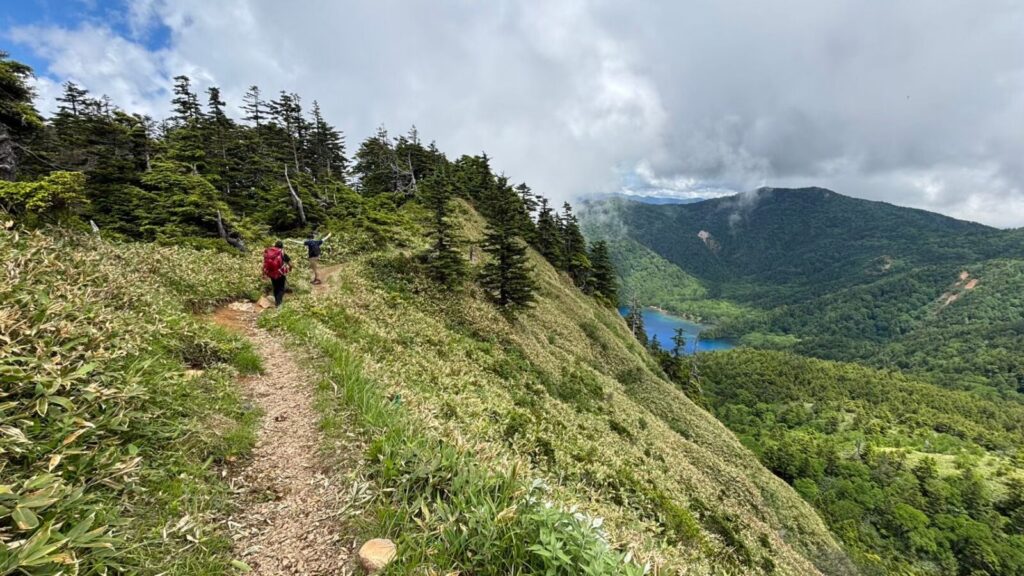
Summer in Nagano certainly still feels like summer, but with the caveat that reprieve in the mountain areas are very refreshing. While the valley floor experiences the vibrant warmth of a Japanese summer, the surrounding mountains remain a natural refrigerator. From mid-June to August, visitors can expect a mix of humid, sunny days in the city and crisp, refreshing air in the high-altitude retreats.
Temperatures:
- Nagano City: July and August are the warmest months. Daytime highs typically range from 28–33°C, and on particularly hot days, it can occasionally peak higher. However, thanks to the mountain air, evening lows drop to a comfortable 18–22°C, which is much cooler than the coastal cities.
- Mountains (Kamikochi, Shiga Kogen, Hakuba): These areas are generally 8–10°C cooler than the city. Daytime highs rarely exceed 22–24°C, and early mornings can be a chilly 10–15°C.
Precipitation:
- Mid-June to Mid-July: This is the Tsuyu (rainy season). Expect frequent showers and misty mornings, which give the forests a beautiful, mystical atmosphere.
- Late July to August: The skies clear for "Stable Summer." While sunny days dominate, occasional late-afternoon thunderstorms (Yudachi) are common in the mountains.
What to Wear:
- Breathable fabrics: Lightweight cotton or linen is best for staying cool in the valleys.
- A light layer: A windbreaker or light fleece is essential if you are visiting Kamikochi, the Alpine Route, or staying overnight in the highlands.
- Sturdy footwear: Waterproof hiking shoes are recommended if you plan to explore forest trails after a summer rain.
- Sun protection: The sun is exceptionally strong at higher elevations; high-SPF sunscreen, sunglasses, and a hat are mandatory.
Summer in Nagano offers the perfect balance for travelers with an energetic atmosphere of festivals in the valley and a serene, cool sanctuary in the mountains where you can breathe deep and escape the heat.
Top Summer Experiences in Nagano
From cooling alpine hikes and misty ancient forests to the thunderous energy of summer festivals, Nagano in summer offers a escape from the heat and a deep dive into Japanese culture. These are the must-visit experiences for the season:
Walk the Cool, Turquoise Rivers of Kamikochi
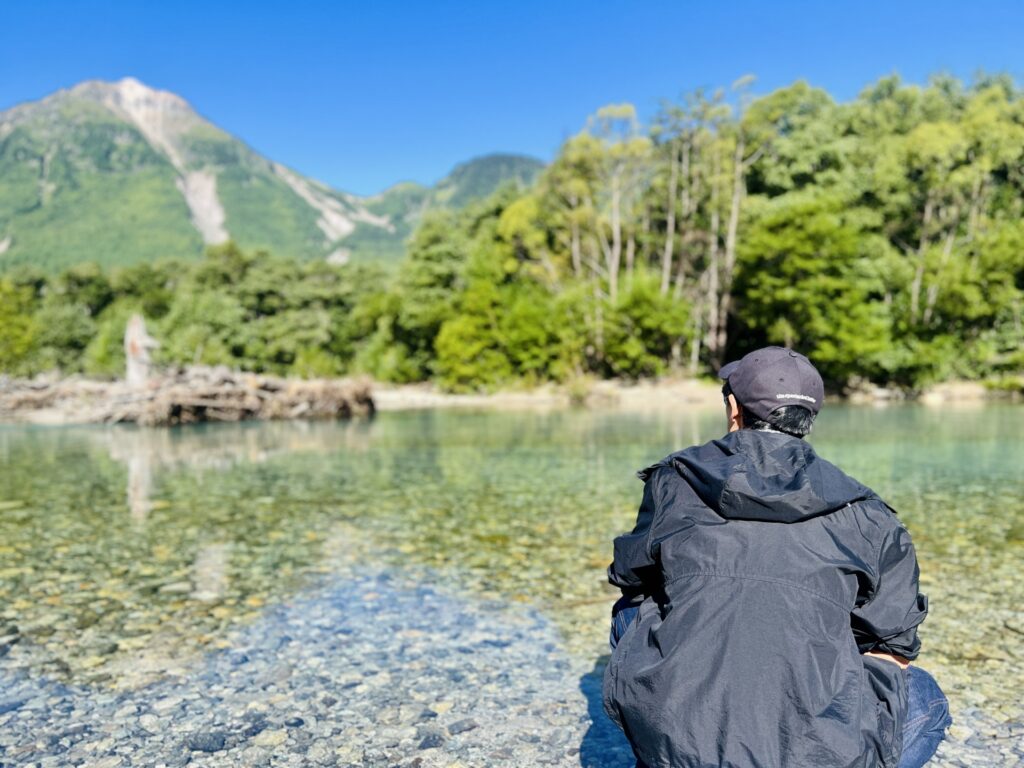
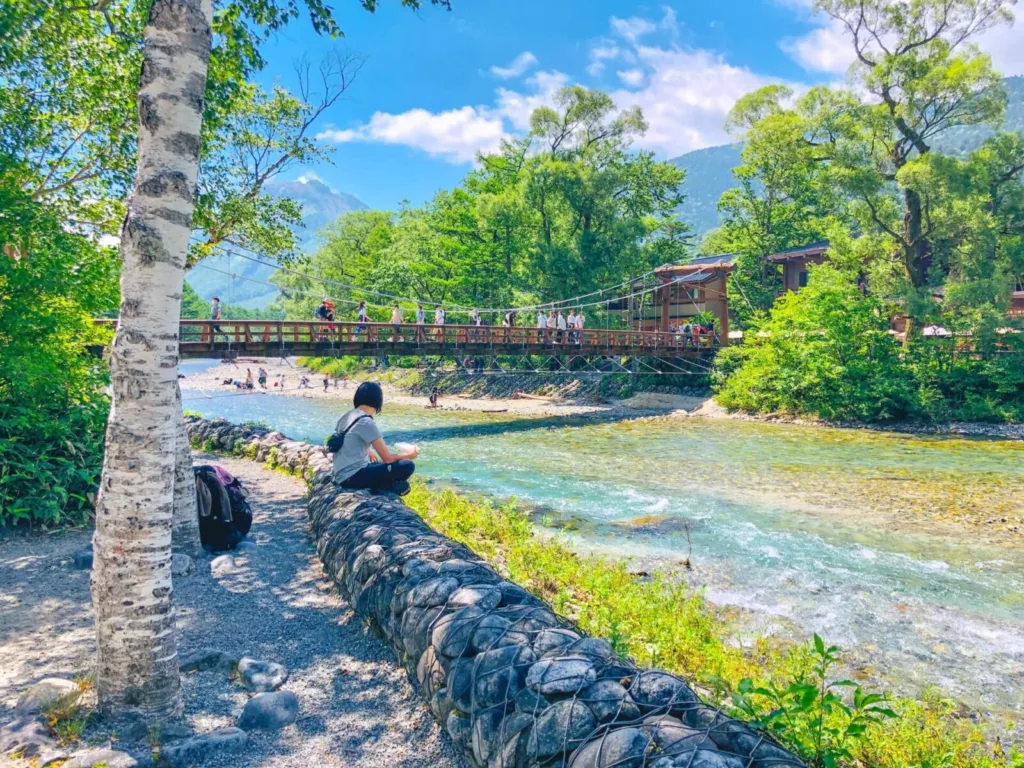
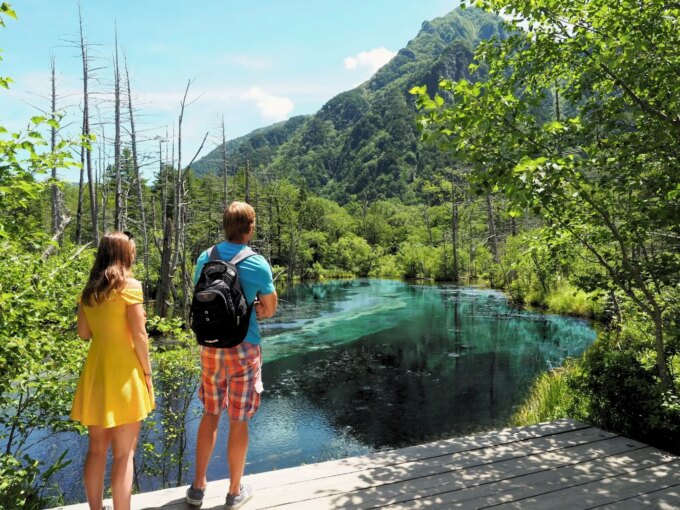
In summer, Kamikochi is at its most majestic. The Azusa River, fed by pure mountain springs, glows a brilliant turquoise against the deep green larch forests and the granite peaks of the Northern Alps.
- Why Visit in Summer: It is one of the few places in Japan where you can hike in "natural air conditioning." Even in August, the daytime temperature in the valley rarely exceeds 22°C (72°F).
- Pro Tip: August is peak season. To avoid the crowds, stay overnight in a mountain hotel or start your hike at sunrise (around 5:00 AM) to see the mystical "Taisho Pond mist" before the day-trippers arrive.
High-Altitude Hiking: Tateyama Kurobe Alpine Route (Green Season)
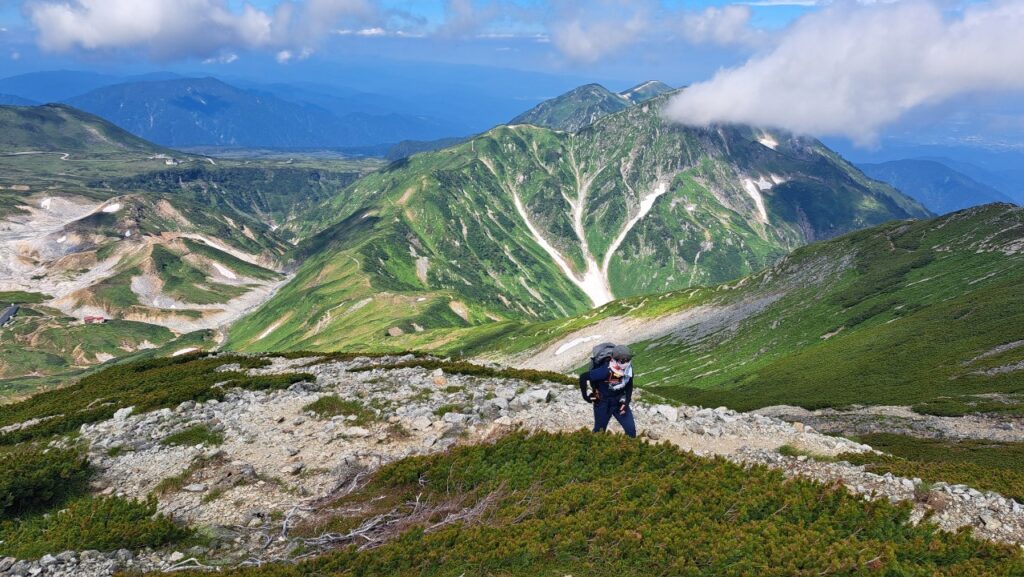
While the "Snow Walls" are the star of spring, the Green Season (July – August) is when the Alpine Route truly opens up for adventurers. As the snow recedes, it reveals lush alpine meadows and crystal-clear ponds.
- Why Visit in Summer: At an altitude of 2,450 meters, Murodo is significantly colder than the valley, offering a refreshing escape. You can hike the trails around Mikurigaike Pond, where the water reflects the surrounding peaks like a mirror.
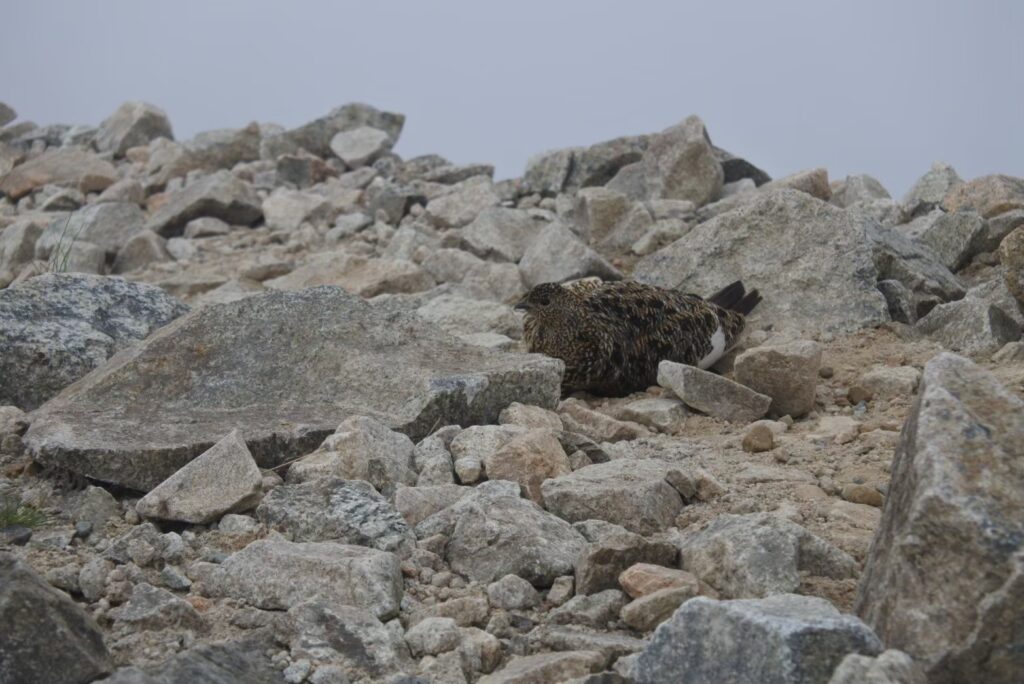
- Summer Rare Sight: Look for the Raicho (Thunderbird or Ptarmigan). These rare, prehistoric birds are easier to spot in the summer months as they roam the alpine shrubs.
Spiritual Cooling in the Togakushi Ancient Cedar Forest
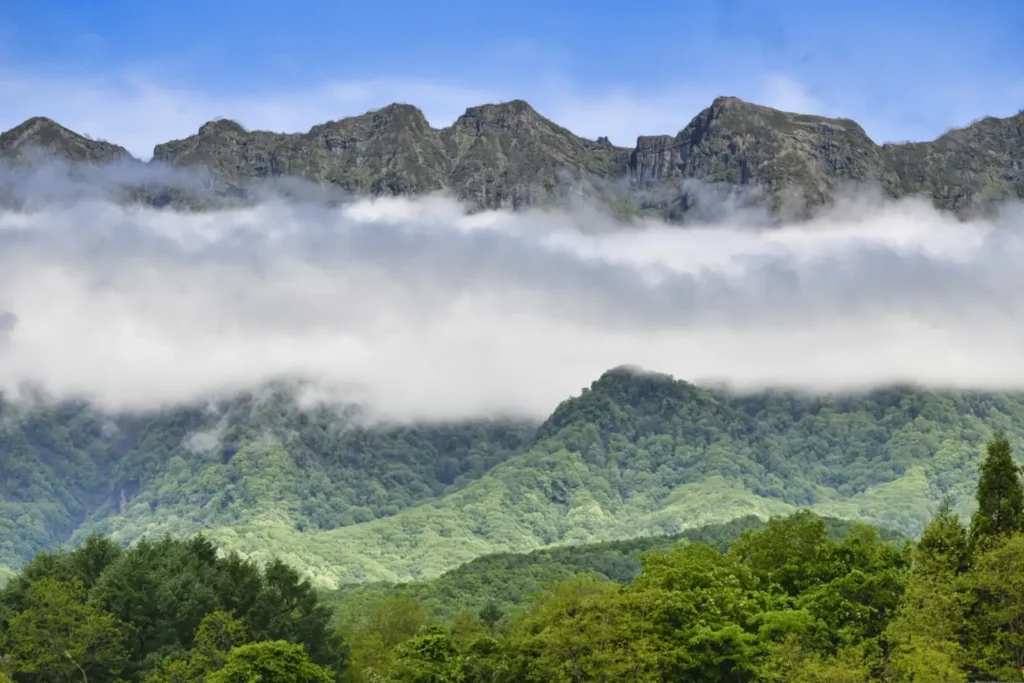
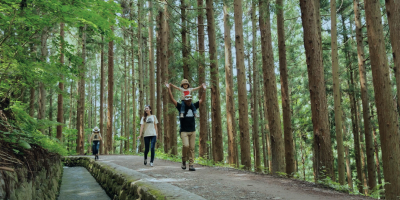
The path to the Togakushi Okusha (Inner Shrine) is lined with over 200 giant cedars, some over 400 years old. Even on the hottest August day, the dense canopy and mountain elevation provide a mystical, cool atmosphere.
- The Experience: The 2km walk is a natural "reset." The temperature drops noticeably as you enter the avenue of trees, ending at a shrine tucked into the base of the dramatic Togakushi mountain face.
- Summer Treat: After your walk, try Togakushi Soba. These buckwheat noodles are served in small bundles called "bocchi-mori" on a bamboo sieve. Served cold with a savory dipping sauce, they are Nagano’s ultimate summer meal.
Cultural Highlights: Alpine Areas and Summer Festivals in Nagano
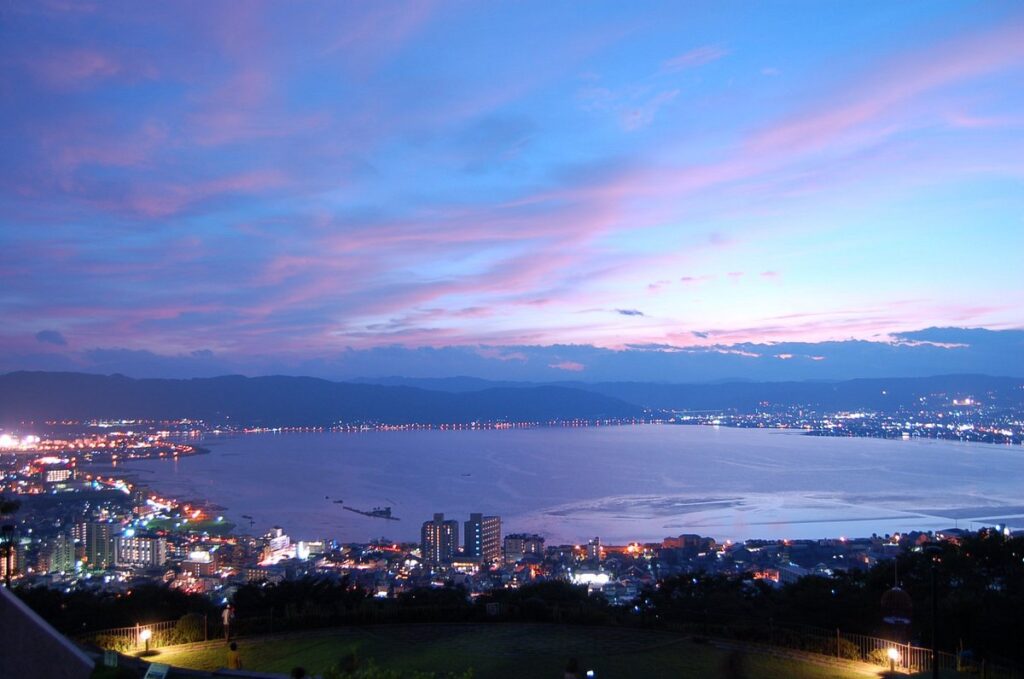
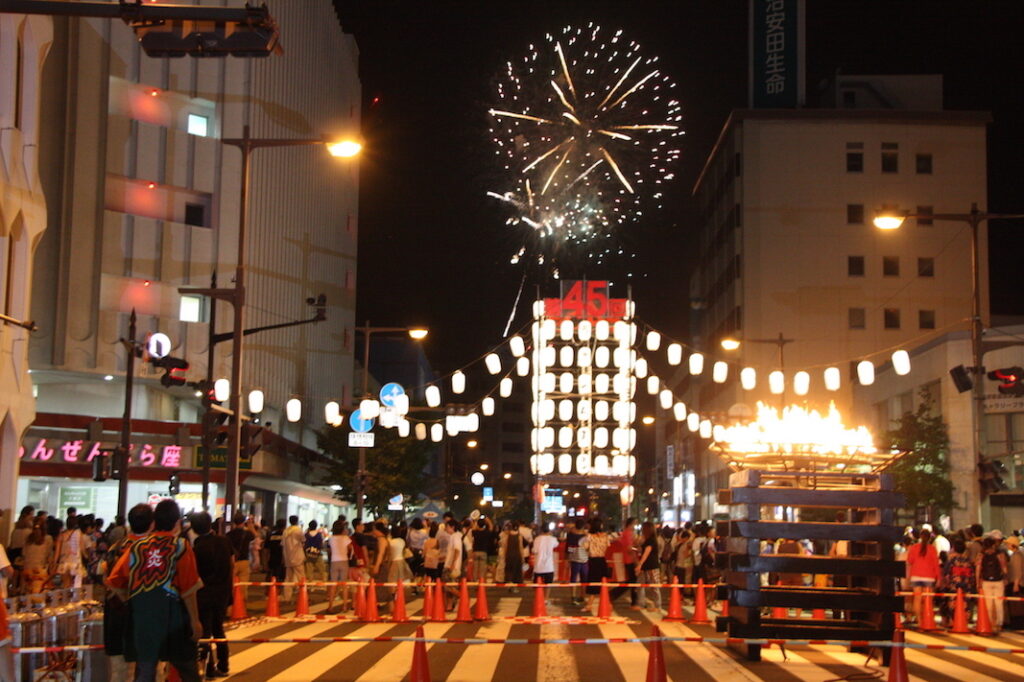
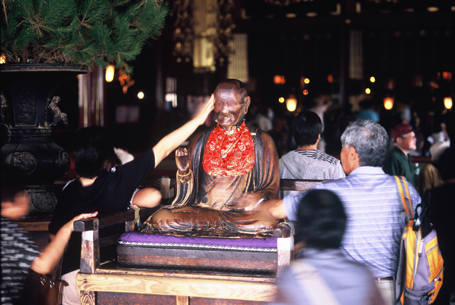
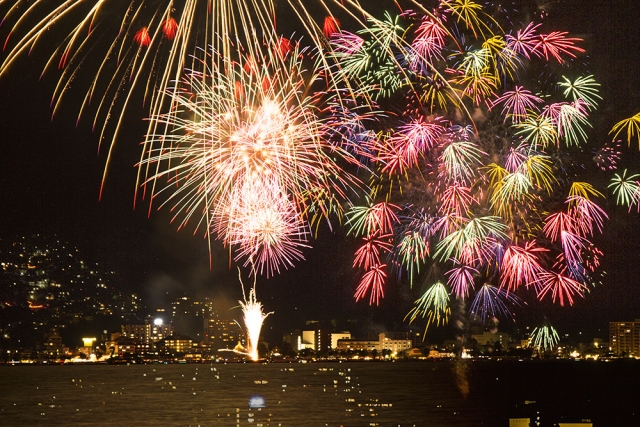
Summer in Nagano is a season of high-energy matsuri (festivals) and refreshing escapes. As the mountain greenery deepens to a rich emerald, local communities celebrate with thunderous drums, traditional street dances, and spectacular fireworks displays. From the rhythmic heart of the city to the cool, quiet mists of the high-altitude forests, the atmosphere evolves as the summer heat rises.
July in Nagano: Green Peaks and Alpine Opportunities
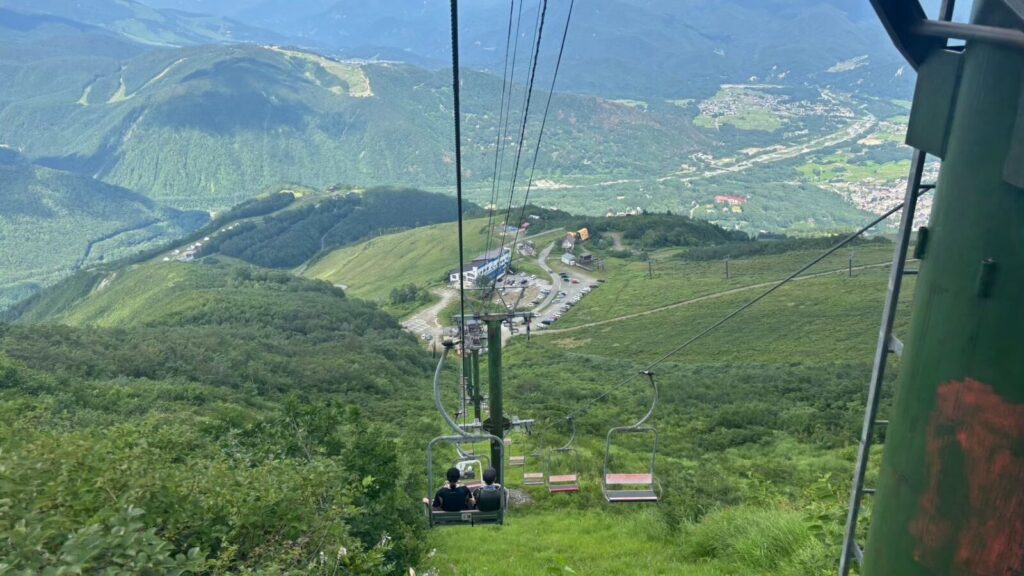
By July, the high-altitude trails are fully accessible, and the cultural focus shifts toward nature's peak vitality and the arrival of "Stable Summer."
- Tanabata Festivals (Early July 2026): Across the region, you will see colorful bamboo branches decorated with handwritten wishes. In historic areas like Matsumoto and Nagano City, these displays add a splash of color to the traditional streets.
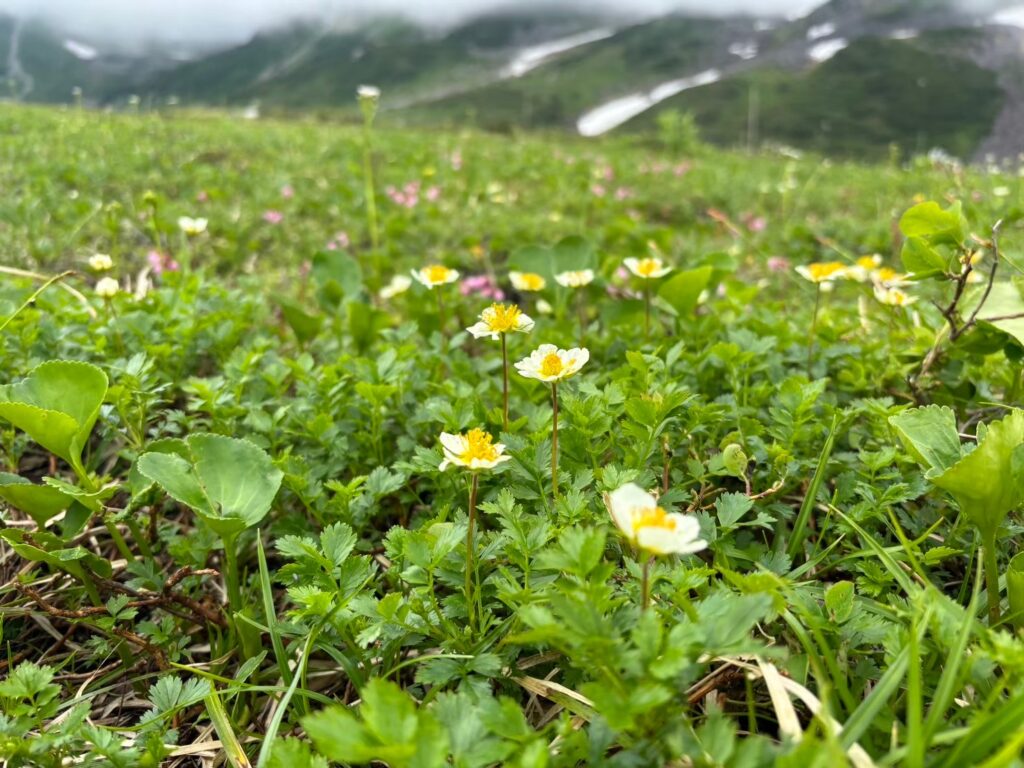
- Alpine Flower Season: In the Tateyama Kurobe Alpine Route and Shiga Kogen, July is the peak for rare mountain wildflowers. Local communities often host small nature walks to celebrate the short, vibrant blooming season of these delicate plants.
Learn More: Discover the best ways to enjoy the lush scenery in our Guide to July in Nagano.
August in Nagano: Traditional Dances and Lakefront Fireworks
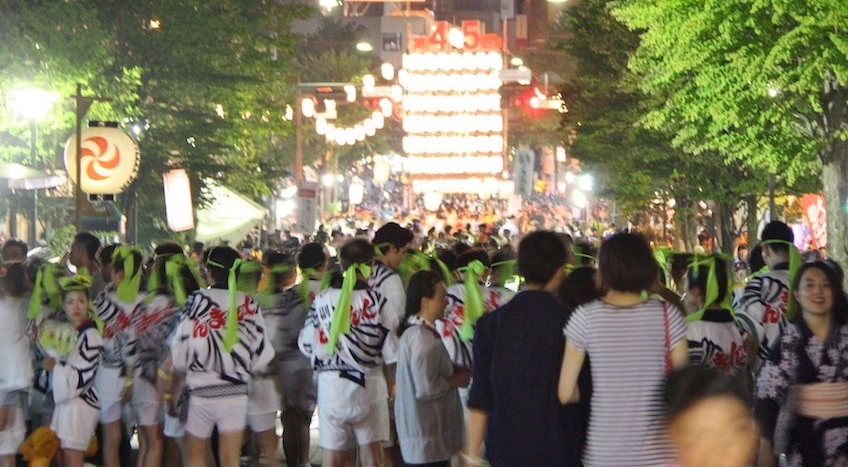
August is the peak of the festival season, defined by the "Bon" tradition of honoring ancestors and the most vibrant community events of the year. As the summer heat reaches its height, the region comes alive at night with high-energy street performances and world-class pyrotechnics that take advantage of Nagano's dramatic mountain acoustics.
The Nagano Binzuru Festival (August 1, 2026)
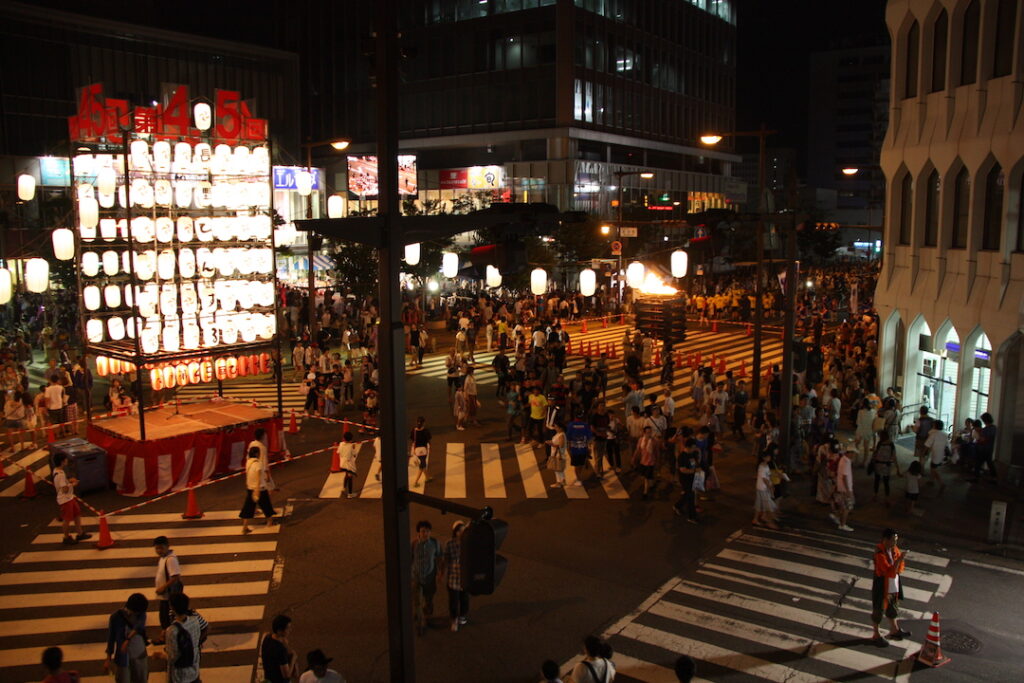
On the first Saturday of August, Nagano City erupts in its largest annual celebration. Thousands of participants, organized into groups called ren, dance their way down Chuo-dori toward Zenko-ji Temple. Named after a legendary wooden statue at the temple, the festival is a high-energy display of local pride and community spirit.
- The Schedule: Saturday, August 1, 2026.
- The Performance: Groups perform the synchronized "Binzuru" dance using wooden rice paddles (shamoji) shouting "Binzuru Sore!".
- The Vibe: A massive pedestrian zone filled with street food, rhythmic chanting, and a welcoming community atmosphere.
Lake Suwa Fireworks Festival (August 15, 2026)
This is widely considered one of Japan’s most prestigious fireworks displays, drawing spectators from across the country to the shores of Lake Suwa. Over 40,000 fireworks are launched, including massive "Star Mine" sequences and a 2km-long "Niagara" waterfall of light that spans the water's surface.
- The Schedule: Friday, August 15, 2026.
- The Acoustics: The surrounding mountains amplify the sound, making the massive explosions resonate deep in your chest.
- The Scale: One of the largest pyrotechnic shows in Japan, featuring over 40,000 individual launches.
Obon & Bon Odori (Mid-August 2026)
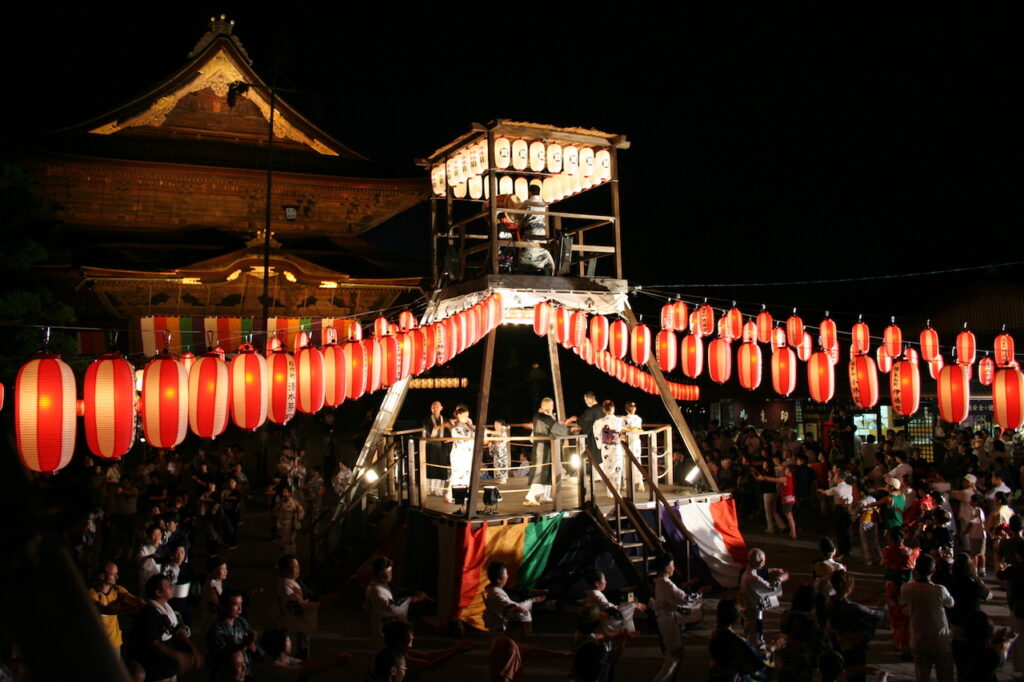
During the Obon period, the energy shifts to a more reflective and spiritual atmosphere. Families gather to honor the spirits of their ancestors, often concluding the day with Bon Odori—traditional circle dances performed under the glow of paper lanterns in temple courtyards.
- The Schedule: Mid-August (typically August 13–16, 2026).
- The Experience: Best viewed in historic districts like Matsushiro, where lantern-lit dances are performed to traditional flutes.
- The Ritual: An authentic look at Japan's cultural heritage, where visitors are often encouraged to join the circle.
Learn More: See why August is the most energetic month in our Guide to August in Nagano.
Summer Tours You Shouldn’t Miss
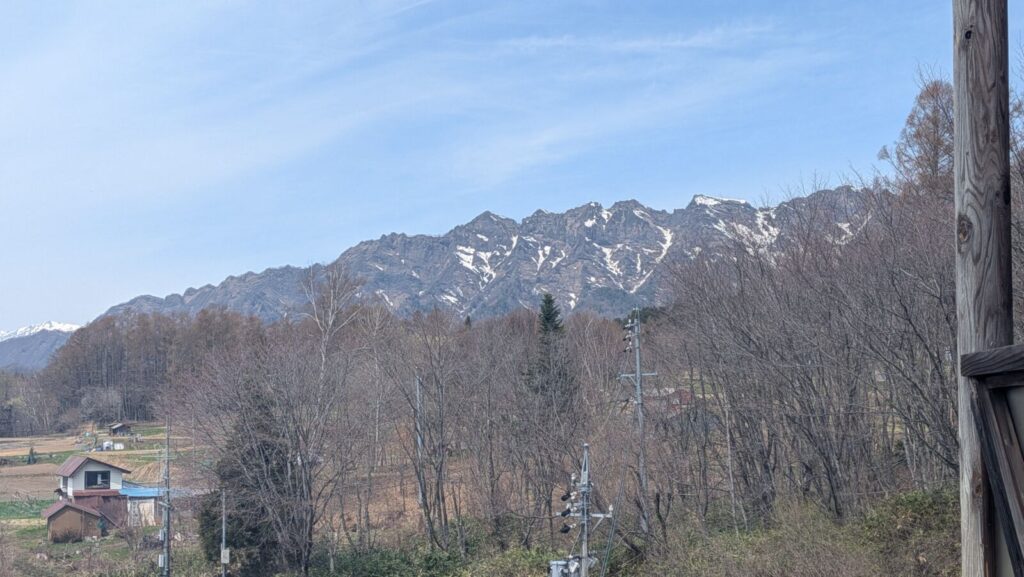
Nagano’s alpine retreats, hidden shrines, and vibrant festivals are spread across a vast mountain landscape, which can be difficult to navigate during the peak of summer. Joining a tour ensures air-conditioned comfort, seamless transport between high-altitude sites, and expert guidance to the region's best cool spots and cultural events.
Tateyama-Kurobe Alpine Route Tour From Nagano
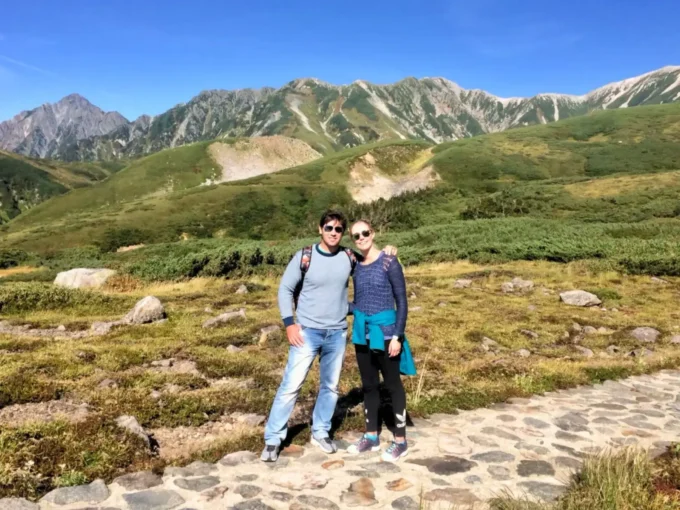
The "Roof of Japan" is spectacular in the summer. Once the snow walls recede, the route reveals high-altitude trekking trails, volcanic lakes, and rare alpine flora that only bloom for a few short weeks.
Recommended
[Summer/Autumn only] Tateyama-Kurobe Tour: Walking on the 'Roof of Japan'
- Spots:
- NaganoAlpine Route
- Pick-up:
- Nagano City
- Drop-off:
- Nagano City
Highlights
- Multi-Transport Adventure – Traverse the mountains via cable cars, trolley buses, and a ropeway with panoramic views.
- Kurobe Dam – Witness the thunderous water discharge from Japan's tallest dam, a signature summer sight.
- Murodo Plateau – Hike through lush alpine meadows at 2,450 meters, where the air is fresh and the summer sun is soft.
1-Day Tour from Nagano and Matsumoto: Kamikochi & Matsumoto Castle
This is the ultimate "beat the heat" tour. Experience the architectural grandeur of Japan’s premier "Crow Castle" before heading deep into the Northern Japanese Alps to breathe the crisp, cool air of Kamikochi.
Best Selling
1-Day Tour from Nagano and Matsumoto: Kamikochi & Matsumoto Castle
- Spots:
- NaganoMatsumotoKamikochi
- Pick-up:
- Nagano CityMatsumoto
- Drop-off:
- Nagano CityMatsumoto
Highlights
- Alpine Air – Enjoy a guided walk along the turquoise Azusa River with temperatures significantly cooler than the city.
- Historic Matsumoto – Explore the original wooden interior of Matsumoto Castle, a registered National Treasure.
- Nature Photography – Capture the iconic Myojin Bridge and the soaring peaks of the Hotaka Range.
2-Day Shukubo, Samurai, and Snow Monkeys Tour
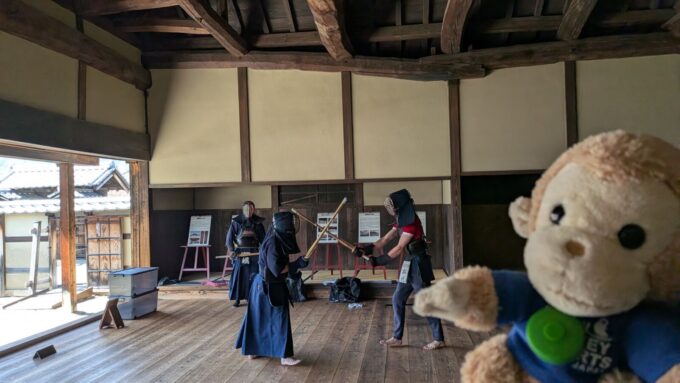
Immerse yourself in Nagano’s samurai history and spiritual traditions. This overnight experience includes a stay at a traditional temple lodging (shukubo) and a deep dive into the martial arts history of the Matsushiro samurai district.
New Tour
2-Day Tour: Snow Monkeys, Samurai Experience & Zenkoji 'Shukubo' Stay
- Spots:
- NaganoSnow Monkey
- Pick-up:
- Nagano City
- Drop-off:
- Nagano City
Highlights
- Samurai Heritage – Visit the Sanada Clan’s historic residences and the Bunbu Military School in Matsushiro.
- Temple Stay – Experience the tranquility of a Zenko-ji pilgrimage stay, including a traditional vegetarian breakfast.
- Full Discovery – Combine the history of the valley with a visit to the high-forest Snow Monkey Park.
1-Day Togakushi Legends Tour: Hands-on Soba, Ninja Village, and Hidden Shrines
Escape the summer humidity and retreat into the misty, ancient cedar forests of Togakushi. Known as a sacred mountain refuge for over a millennium, this tour combines the thrill of ninja history with the serenity of Shinto pilgrimage trails. Located at a higher elevation, Togakushi serves as a natural sanctuary, where the temperature remains significantly cooler than the valley floor even in the height of August.

Recommended
1-Day Togakushi Tour: Hands-on Soba, Ninja Secrets & Ancient Shrines
- Spots:
- NaganoTogakushi
- Pick-up:
- Nagano City
- Drop-off:
- Nagano City
Highlights
- Hands-on Soba Making – Knead, roll, and cut your own buckwheat noodles under the guidance of a master before enjoying them as a refreshing cold lunch—the ultimate Nagano summer meal.
- Ninja Trick House & Museum – Navigate a maze of trapdoors and hidden passages in an authentic ninja escape room, and discover the tools of the Togakure school of ninja.
- Giant Cedar Avenue – Walk the iconic stone-paved pilgrimage trail flanked by hundreds of 400-year-old trees that provide a deep, cooling canopy.
1-Day Tour: Snow Monkeys, Zenkoji Temple & Sake in Nagano
Escape the heat and experience the spiritual and natural heart of Nagano. This tour takes you from the historic, shaded halls of Zenkoji Temple to the lush, green sanctuary of the Jigokudani Monkey Park. While the snow has melted, the mountains provide a refreshing breeze, and the landscape is at its most vibrant and life-filled.
Best Selling
1-Day Tour: Snow Monkeys, Zenkoji Temple & Sake in Nagano
- Spots:
- NaganoSnow MonkeyHakuba
- Pick-up:
- Nagano CityHakuba
- Drop-off:
- Nagano CityHakuba
Highlights
- Lush Zenkoji Temple – Explore the 1,400-year-old temple grounds where the dark timber architecture is beautifully framed by deep summer greenery. The interior of the main hall remains naturally cool, offering a peaceful retreat from the midday sun.
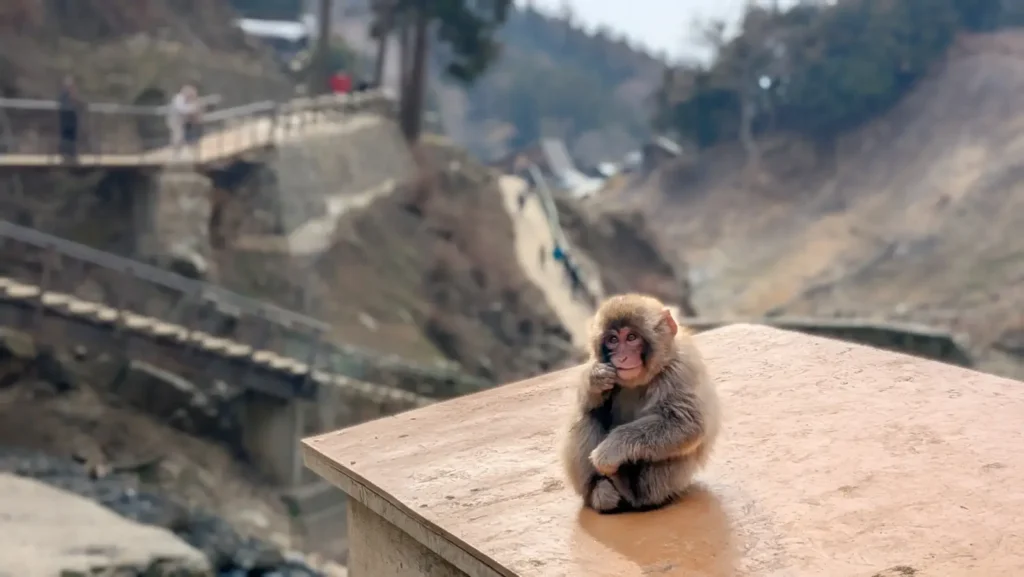
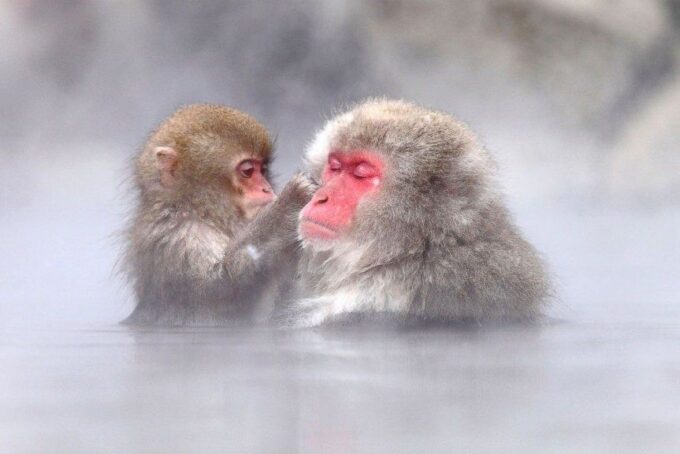
- Macaques in the Greenery – Witness the monkeys in their most active season. Without the winter chill, you can observe the troop—including the playful spring babies—grooming and exploring the forest floor surrounded by vibrant ferns and moss.
- Refreshing Sake Tasting – Enjoy a guided tasting session at a local brewery, where you can sample crisp, chilled summer sake—a perfect way to cool down after your morning exploration.
Practical Tips for Visiting Nagano in Summer
Planning a summer trip to Nagano is all about balancing the high-energy festival season with the serene, high-altitude escapes. Because temperatures and crowds vary significantly between the valley floor and the mountain peaks, these tips will help you stay cool and maximize your experience.
Timing Your Visit: The August Festival Peak
To experience Nagano at its most vibrant, aim for the first two weeks of August. This window allows you to catch the Binzuru Festival (August 1, 2026) and the Lake Suwa Fireworks (August 15, 2026). If you prefer a quieter experience with the best hiking conditions, late July or early September offers lush greenery and clearer trails with fewer domestic tourists.
What to Wear: Preparing for the Humidity and Alpine Crisp Air
Nagano’s summer weather requires somewhat of a two-tier wardrobe. While you will want lightweight, breathable fabrics (like linen or moisture-wicking tech wear) to stay comfortable in the humidity of Nagano City, the mountains are a completely different story.
- The Highland Essential: Even in the peak of August, temperatures at the Tateyama Kurobe Alpine Route or Kamikochi can be 10–12°C cooler than the valley floor. A light windbreaker or a versatile outer layer is mandatory for high-altitude excursions, as it can feel quite chilly the moment the sun dips behind a cloud.
- Summer Footwear: Sturdy, comfortable walking shoes are a must for exploring temple grounds and gravel paths. If you are visiting during the rainy season (mid-June to July), waterproof shoes or treated sneakers are highly recommended to keep your feet dry on the misty, moss-covered trails of Togakushi.
Navigating Obon and Summer Holiday Crowds
Summer is a major travel season for Japanese families, particularly during the Obon holiday (August 13–16, 2026).
- Traveler Alert: Trains, buses, and hotels book up quickly during mid-August. If you are planning to visit the Snow Monkey Park or Kamikochi during this time, we strongly recommend booking a guided tour to ensure guaranteed transport and to bypass the logistical stress of navigating crowded public transit hubs.
Don’t Miss Seasonal Cooling Treats

Nagano’s summer culinary scene is designed to refresh.
- Cold Soba & Wasabi: Try Togakushi Soba served on traditional bamboo sieves, and don't miss the Wasabi Soft Serve in Azumino, as it’s surprisingly refreshing and not too spicy!
- Fruit Kingdom: Summer is the peak for Shinshu Peaches and Shine Muscat Grapes. Look for local fruit parfaits in local towns or visit a roadside farm stand for the freshest pick of the day.
Frequently Asked Questions about Nagano in Summer (FAQ)
The prime summer window is from late July through mid-August. This is when the rainy season has cleared, the high-alpine wildflowers are in full bloom, and major events like the Binzuru Festival and Lake Suwa Fireworks take place. For those seeking quieter trails and cooler weather, escaping to the alps can make the window a little wider for visitors.
Mountain retreats like Kamikochi and Shiga Kogen are typically 8–12°C (15–20°F) cooler than Nagano City. While the city floor may reach 30°C (86°F), high-altitude spots often sit at a refreshing 20°C (68°F), providing a natural escape from Japan’s summer humidity.
Yes. The monkeys reside in the park year-round. While they soak in the hot springs less often than in winter, summer is the best time to see the newborn babies (born in spring) playing in the greenery. The forest walk is lush and vibrant, offering a completely different aesthetic than the snowy months.
The rainy season (Tsuyu) usually runs from mid-June to mid-July. It typically features misty mornings and intermittent showers rather than constant rain. This is a particularly beautiful time to visit Togakushi, where the ancient cedar forests look mystical in the fog and the moss becomes a brilliant emerald green.
Nagano Binzuru Festival: Sunday, August 2, 2026.
Lake Suwa Fireworks Festival: Saturday, August 15, 2026.
Obon Period: August 13–16, 2026. (Note: These are peak travel dates; we recommend booking transport and tours well in advance.)
Absolutely. Once the snow walls recede, the route offers spectacular high-altitude trekking and the chance to see the Kurobe Dam water discharge (typically from late June). It is also the best time to spot the Raicho (Thunderbird) along the peaks in Tateayama, a rare alpine bird that lives on the Murodo Plateau.
Summer is the season for refreshing, cold dishes. We recommend Togakushi Soba served on bamboo sieves, Wasabi Soft Serve ice cream, and Nagano's world-famous summer fruits, specifically Shinshu Peaches and Shine Muscat Grapes.