




Starting in early April, Nagano begins its spectacular spring transition. While the rest of Japan might be finishing its cherry blossom season, Nagano is just getting started. From the towering snow walls of the Alpine Route to the newborn snow monkeys in May, here is your guide to the best of Nagano this spring.
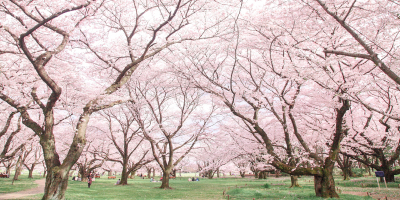
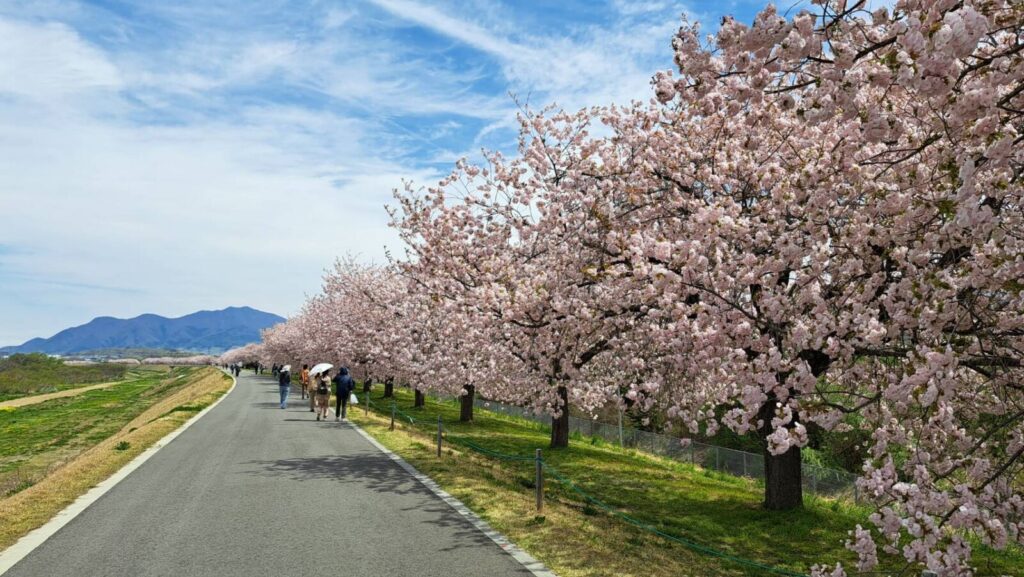
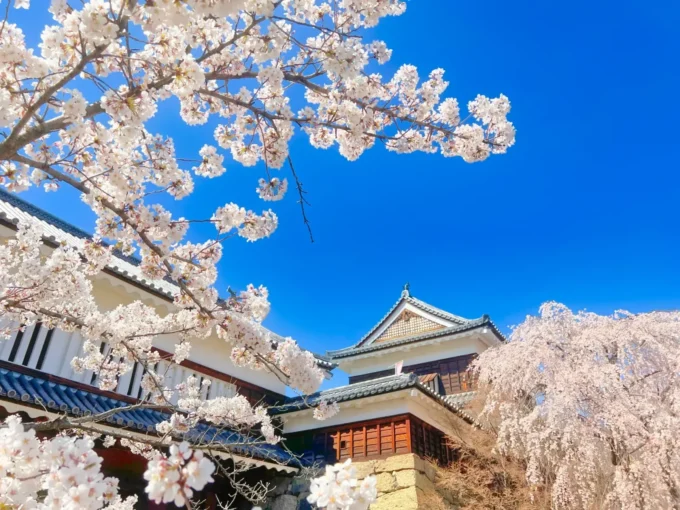
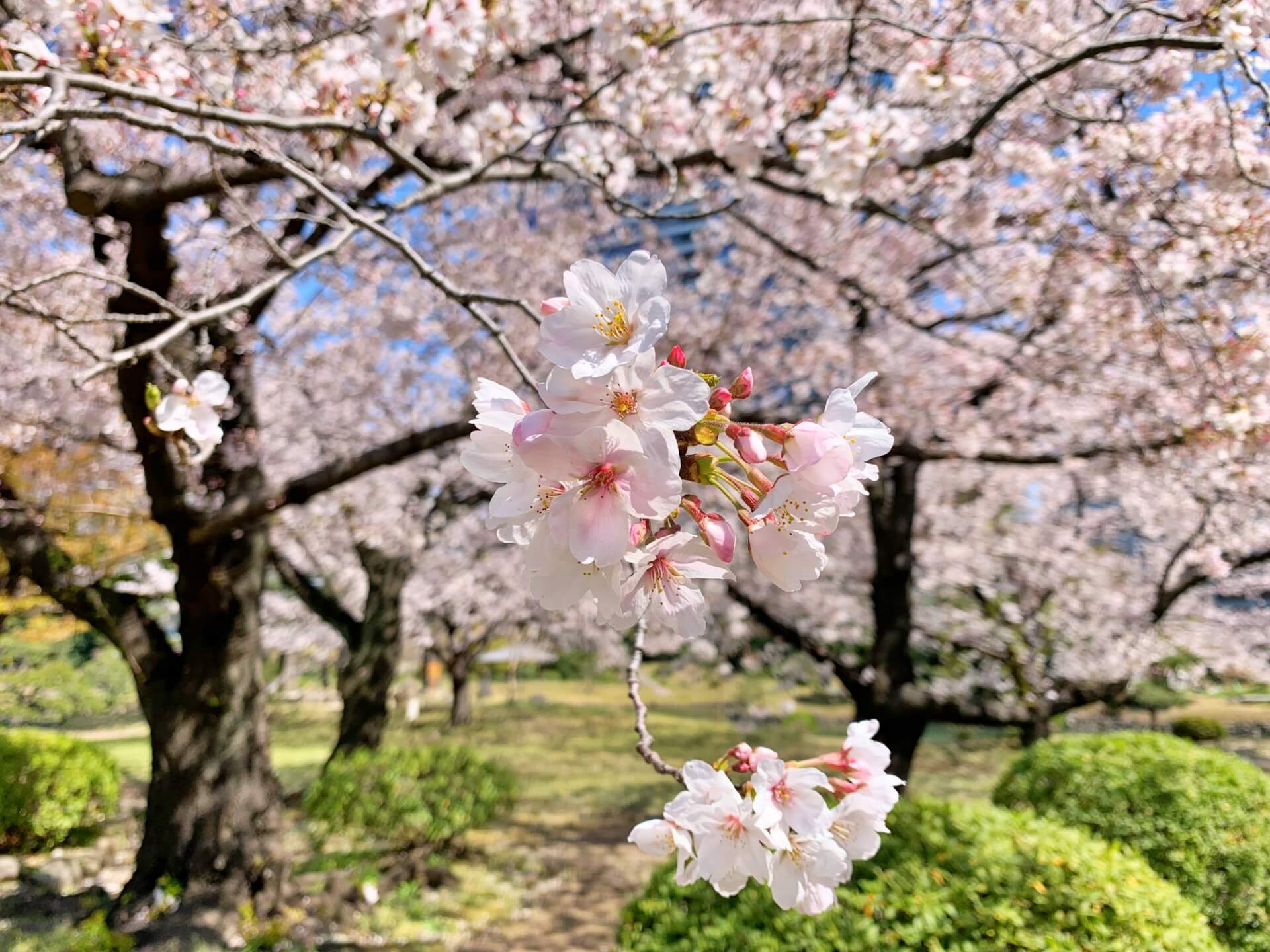
From early April through June, Nagano welcomes spring with a burst of color and life. Cherry blossoms bloom later here than in Tokyo or Kyoto, painting historic sites like Zenkoji Temple and both Ueda Castle Park and Matsushiro Castle Park in soft pinks well into April. Even if it is not the cherry blossom, there is always some beautiful flower that is blooming until spring's end in June.
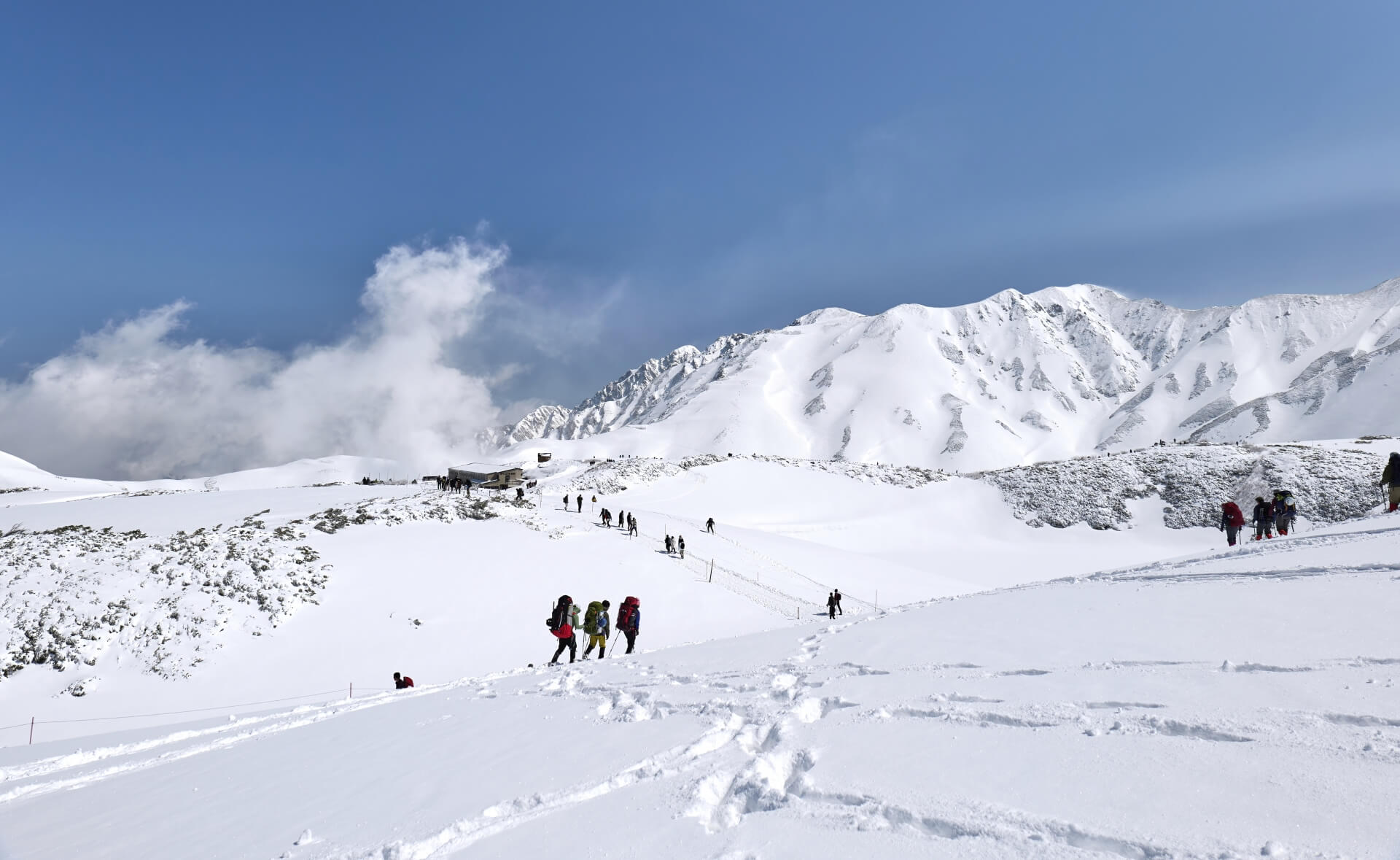
In the higher elevations of Nagano as the snow finally recedes, alpine areas such as Kamikochi reopen, offering crisp mountain air, turquoise rivers, and trails surrounded by fresh greenery making for a fantastic day trip. The Tateyama Kurobe Alpine Route also makes its grand return with its magnificent snow walls in full glory. If you missed your chance to see snow in Japan in winter, this will surely serve as a suitable substitute!
Local festivals, seasonal food made with mountain vegetables and spring blossoms, and the relaxing warmth of hot springs all add to the appeal, making Nagano one of Japan’s most rewarding destinations to visit in spring.
When is Spring in Nagano?
Spring in Nagano runs from early April through June. Because of the region’s dramatic mountain terrain, "Spring" arrives at different times depending on your elevation. This section will go over the different feelings of spring that perk up across the Spring season in Nagano.
Early to Mid-April: Peak Cherry Blossoms (Hanami)
While Tokyo’s blossoms are usually falling by early April, Nagano’s season is just beginning. This is the best time for traditional spring sightseeing in Nagano City, Matsushiro Castle, and Ueda Castle Park. Because of the higher elevation, these areas reach full bloom about two weeks later than the coast, offering a "second chance" for travelers who missed the blossoms in the south.
Popular
(Spring Only) 1-Day Tour: Snow Monkeys & Cherry Blossoms in Nagano
- Spots:
- NaganoSnow Monkey
- Pick-up:
- Nagano City
- Drop-off:
- Nagano City
Late April: The Opening of the Snow Walls & Alpine Trails
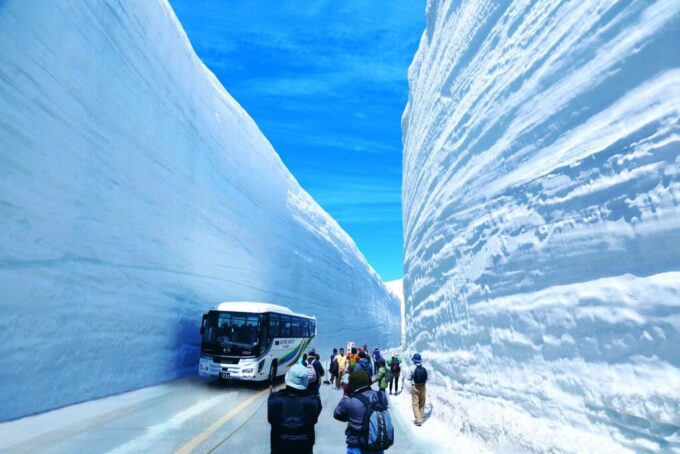
Around April 15th, the Tateyama Kurobe Alpine Route officially opens, revealing massive 20-meter high snow walls. Simultaneously, the historic town of Obuse reaches its peak bloom, and the mountain trails of Kamikochi reopen to the public. This is the only time of year you can experience deep winter snow and spring flowers on the same day.
Best Selling
[Spring Only] 1-Day Tour from Nagano: Snow Walls of Tateyama-Kurobe Alpine Route
- Spots:
- NaganoAlpine Route
- Pick-up:
- Nagano City
- Drop-off:
- Nagano City
May: Newborn Snow Monkeys & Fresh Greenery
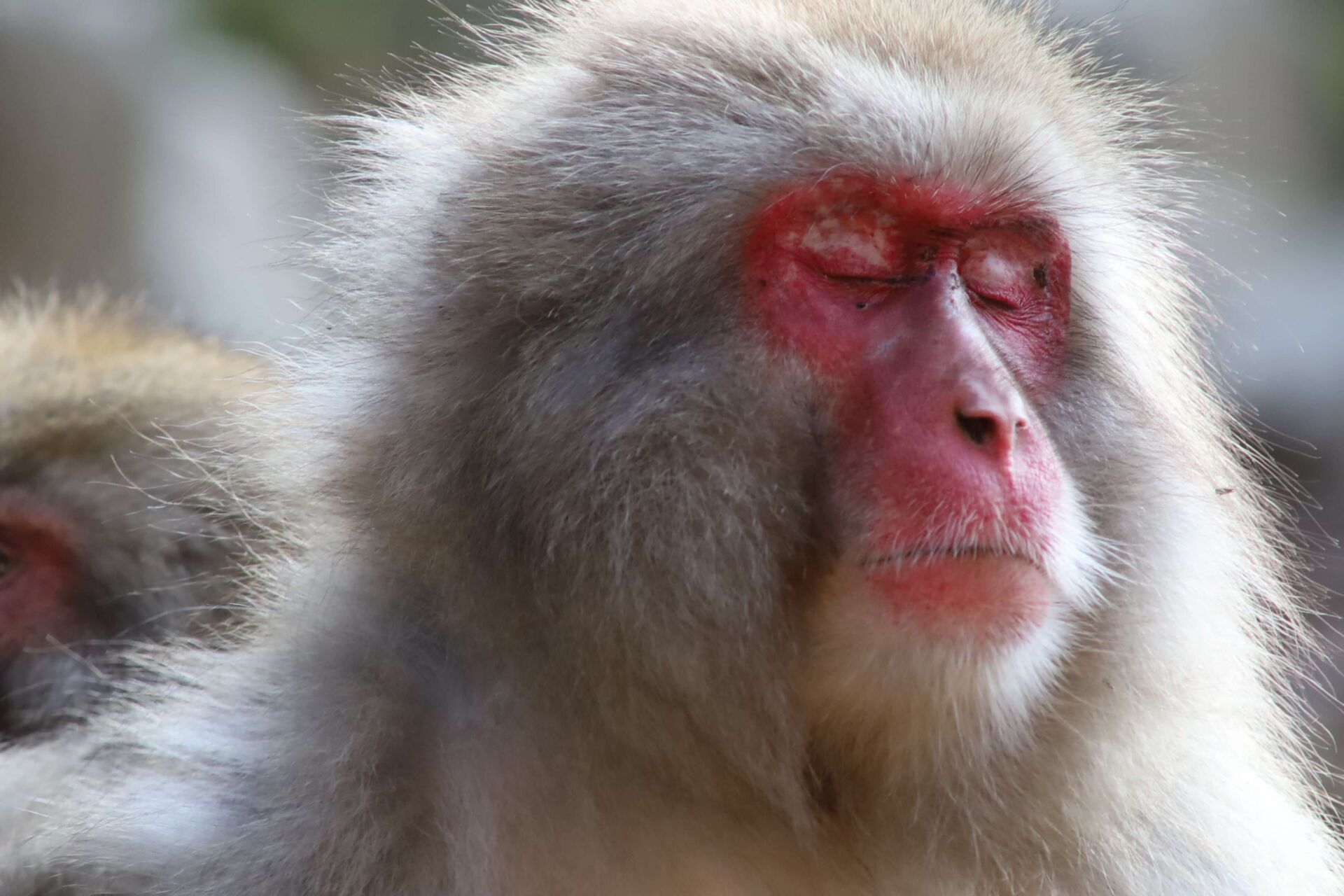
As the snow finishes melting in the forests, the shinryoku (fresh greenery) season begins. This is the prime time to visit the Jigokudani Snow Monkey Park to see the newborn baby macaques, which are usually born in early to mid-May. The vibrant neon-green leaves against the remaining snow-capped peaks of the Northern Alps make May the most photogenic month for nature lovers.
June: High-Altitude Hiking & Alpine Wildflowers
By June, the deep mountain trails in Togakushi and Shiga Kogen are fully accessible. While the rest of Japan enters the humid rainy season, Nagano’s higher elevations offer cool, crisp air. This is the best time to see rare alpine wildflowers and enjoy peaceful hiking before the summer crowds arrive in July.
Weather & Climate in Nagano During Spring
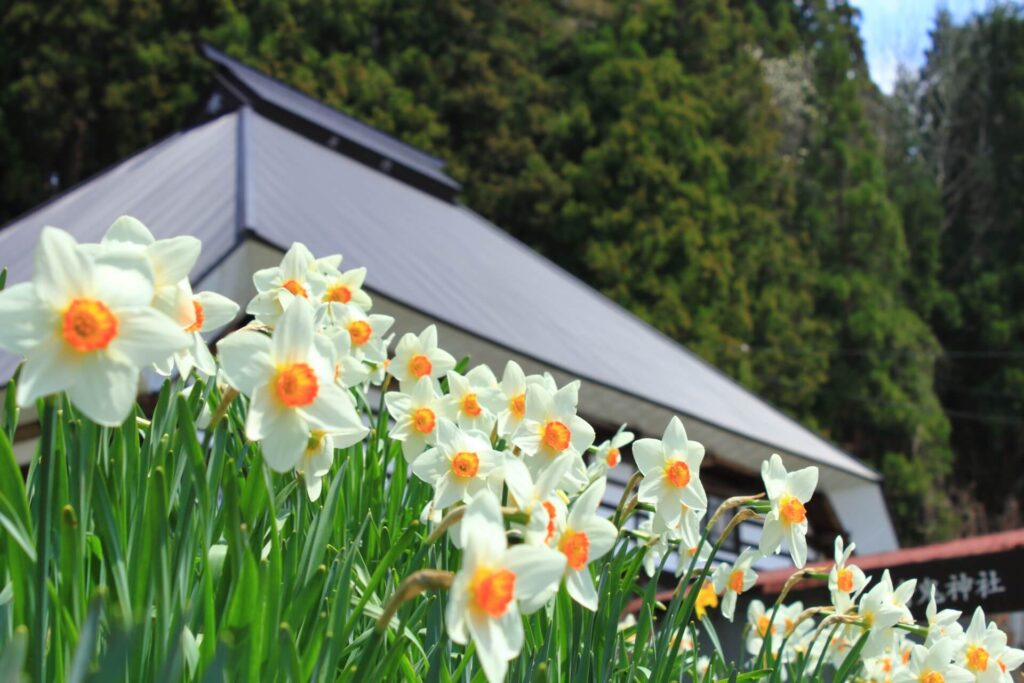
Spring in Nagano brings rapid change, as snowy landscapes give way to blossoms in the lowlands and lingering snow in the mountains. From April to June, visitors can expect a mix of cool mornings, mild afternoons, and increasing greenery throughout the region.
Temperatures:
- Nagano City: April averages 13–16°C by day and 3–7°C at night, rising to 18–25°C by May and June.
- Mountains (Togakushi, Kamikochi, Shiga Kogen, etc.): Generally 5–10°C cooler than the city, with snow often lingering into May at higher elevations.
Precipitation:
- April is relatively dry and crisp.
- May sees more showers as the season warms.
- June often brings the start of the rainy season, with higher humidity and frequent rain.
What to Wear:
- Layered clothing — a light jacket for cool mornings and evenings.
- Comfortable shoes — waterproof or sturdy if visiting mountain trails.
- Rain gear — especially useful from late May onward.
- Sunscreen & sunglasses — the spring sun is strong, especially at higher elevations.
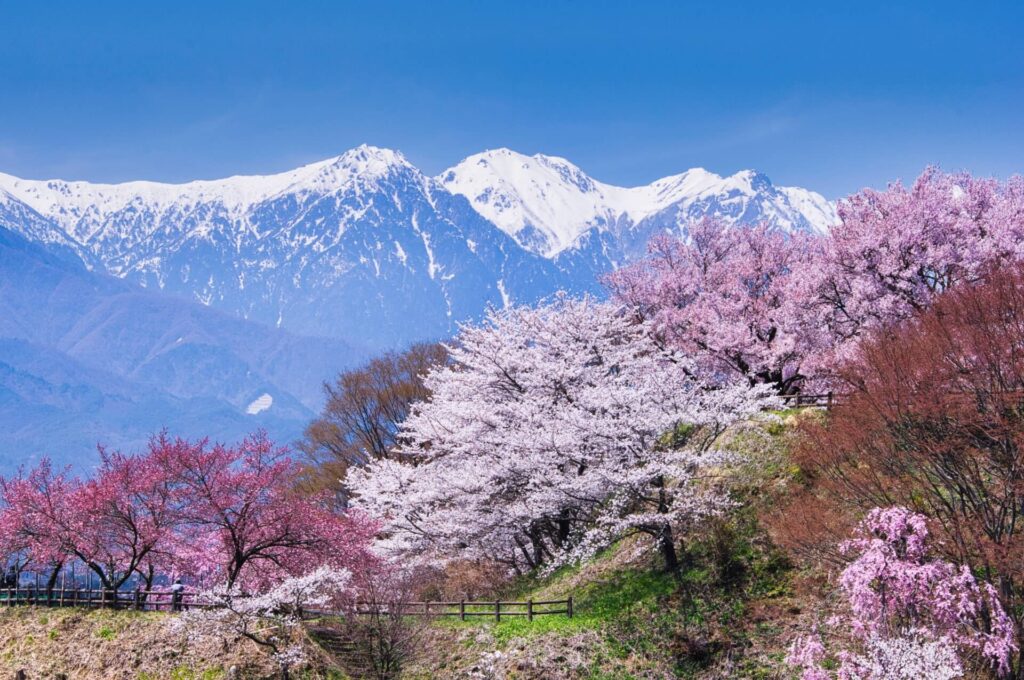
Spring in Nagano offers one of the most scenic times of year, with cherry blossoms in the valleys, fresh greenery in temple towns, and snow-capped peaks still visible in the distance.
Top Spring Experiences in Nagano
From cherry blossoms and historic temples to fresh greenery and mountain trails to snow walls, Nagano in spring offers unparalleled variety. These are the must-visit experiences to enjoy the season at its best:
View Cherry Blossoms in Famous Spots throughout the Greater Nagano Area
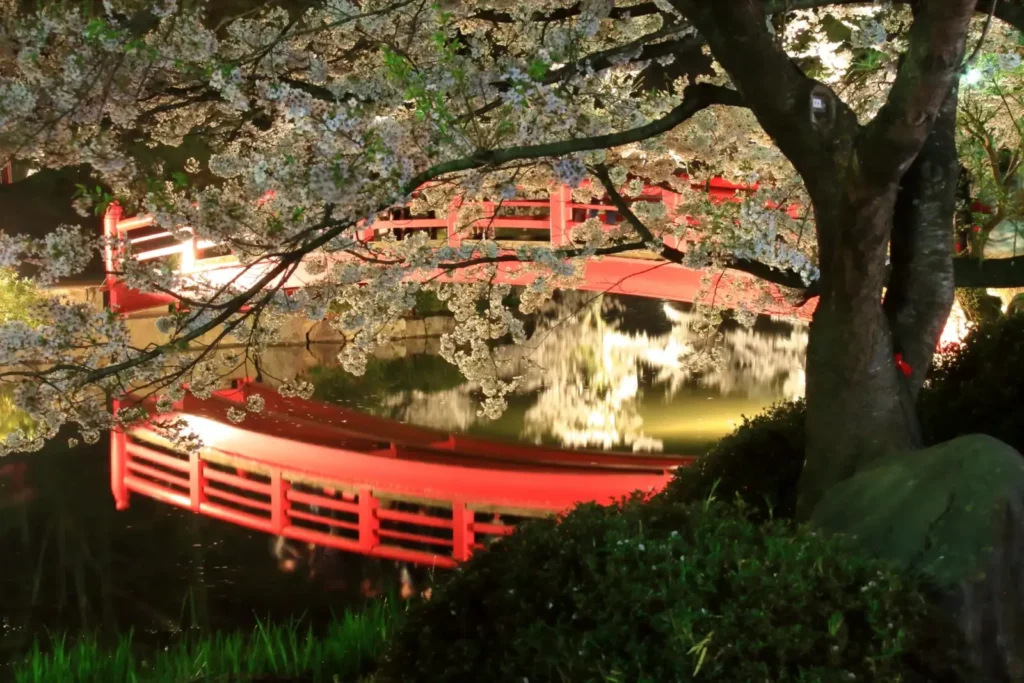
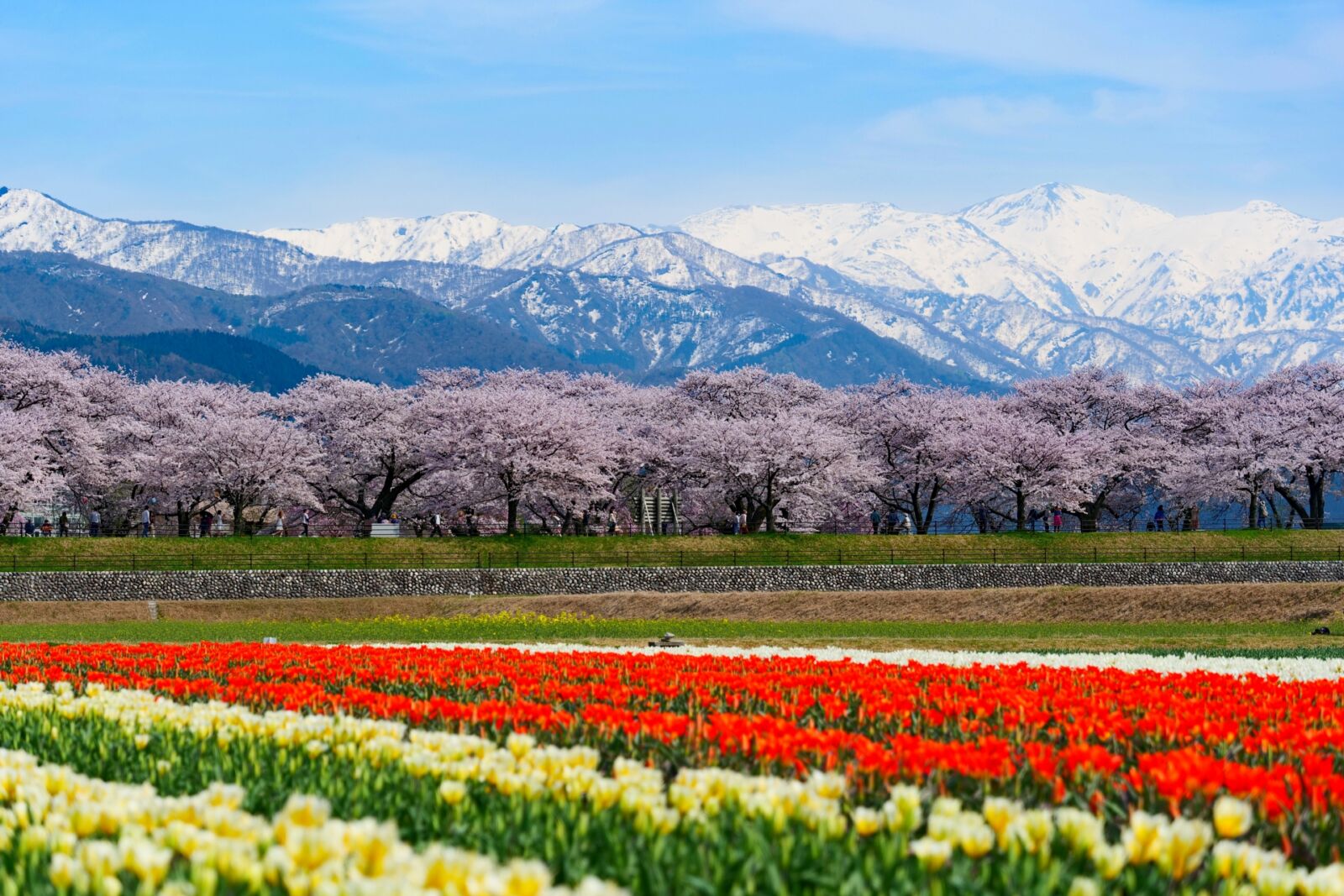
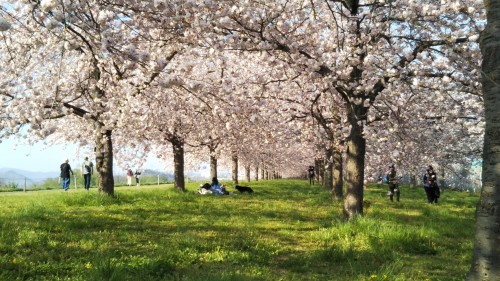
From early April through mid-May, you can find cherry blossoms blooming across various altitudes in the Nagano region. Unlike Tokyo, where the season is brief, Nagano’s blossoms "climb" the mountains, extending the viewing window.
- Best Spots: Matsushiro Castle Park, Ueda Castle Park, Garyu Park in Suzaka, and the stunning rows of trees along the Sai River in Obuse.
Pro Tip: For the latest 2026 blooming dates and locations, visit our Cherry Blossoms in Nagano: 2026 Forecast page.
Popular
(Spring Only) 1-Day Tour: Snow Monkeys & Cherry Blossoms in Nagano
- Spots:
- NaganoSnow Monkey
- Pick-up:
- Nagano City
- Drop-off:
- Nagano City
Walk Between 20-Meter Snow Walls: Tateyama Kurobe Alpine Route
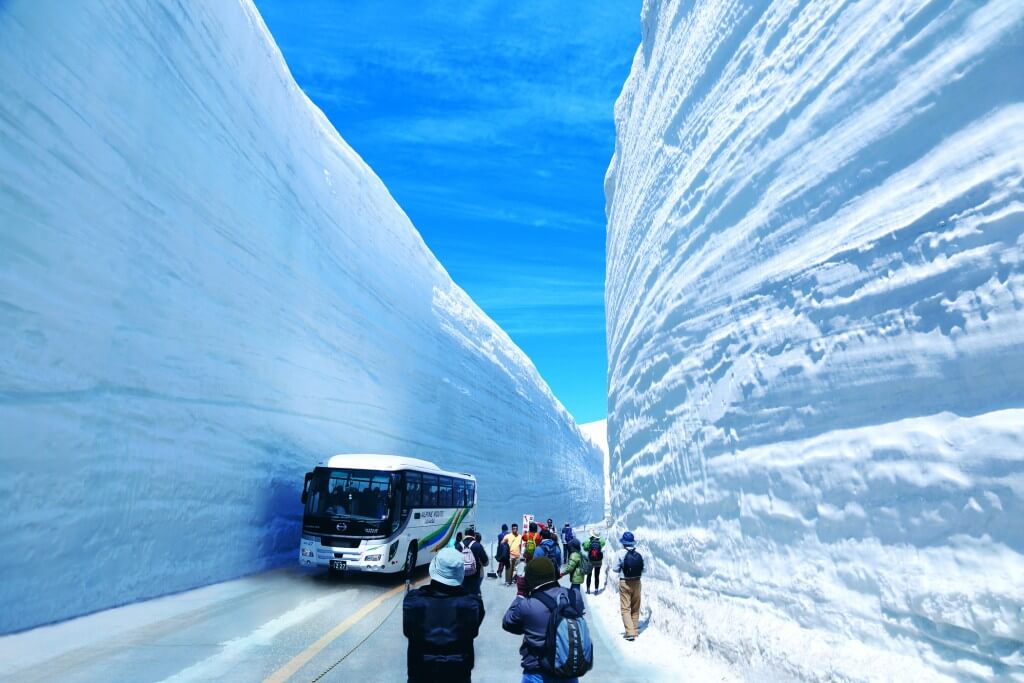
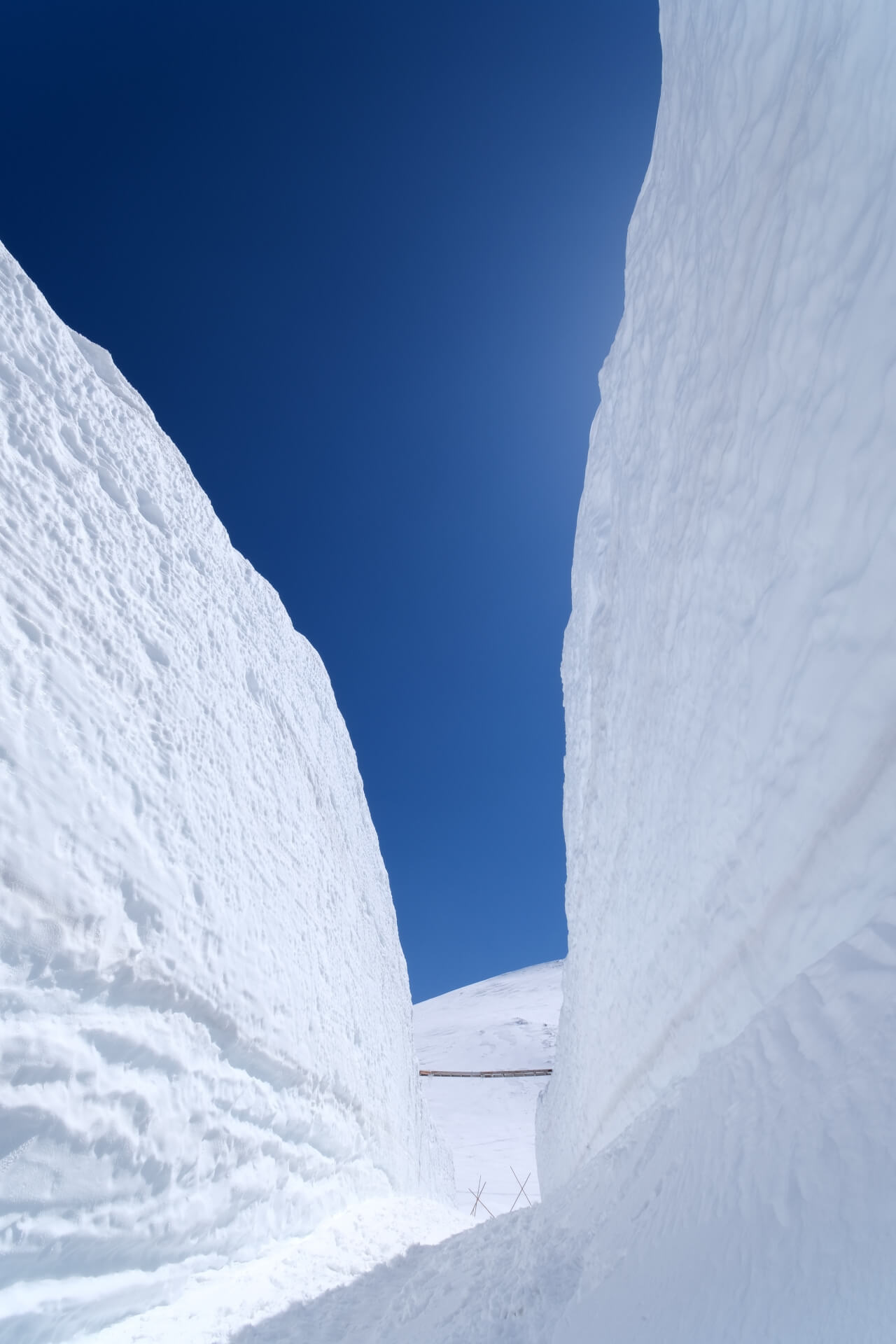
Opening annually on April 15, the Tateyama Kurobe Alpine Route offers a rare glimpse into Nagano’s dramatic winter landscape during the height of spring. This is the only time of year you can experience the Yuki-no-Otani (Great Snow Canyon), where you can walk between towering snow walls that reach up to 20 meters (65 feet) high.
Why Visit in Spring: Spring is the only season to see these massive walls at their peak height before they begin to melt in the summer sun. The contrast of the deep blue spring sky against the blinding white snow is a photographer’s dream.
Pro Tip: Because the "Snow Wall" period is limited and high in demand, transport and guided tours book up rapidly after the April 15 opening. We strongly recommend securing your tickets or tour spot at least 4–6 weeks in advance to ensure your place on Japan’s most iconic alpine journey.
Best Selling
[Spring Only] 1-Day Tour from Nagano: Snow Walls of Tateyama-Kurobe Alpine Route
- Spots:
- NaganoAlpine Route
- Pick-up:
- Nagano City
- Drop-off:
- Nagano City
Discover Newborn Macaques: Spring "Baby Season" at the Snow Monkey Park

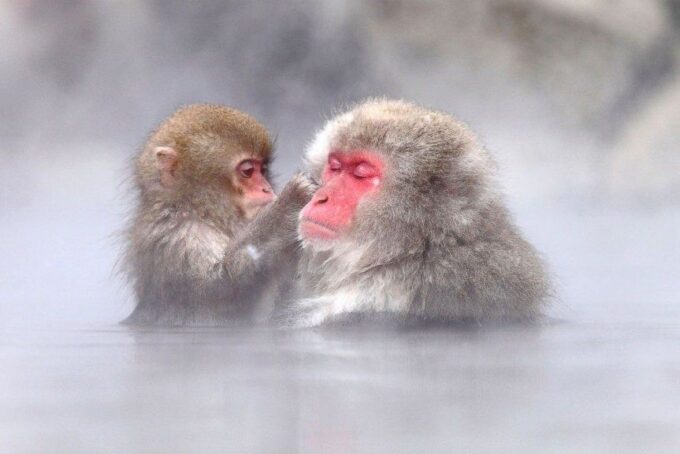
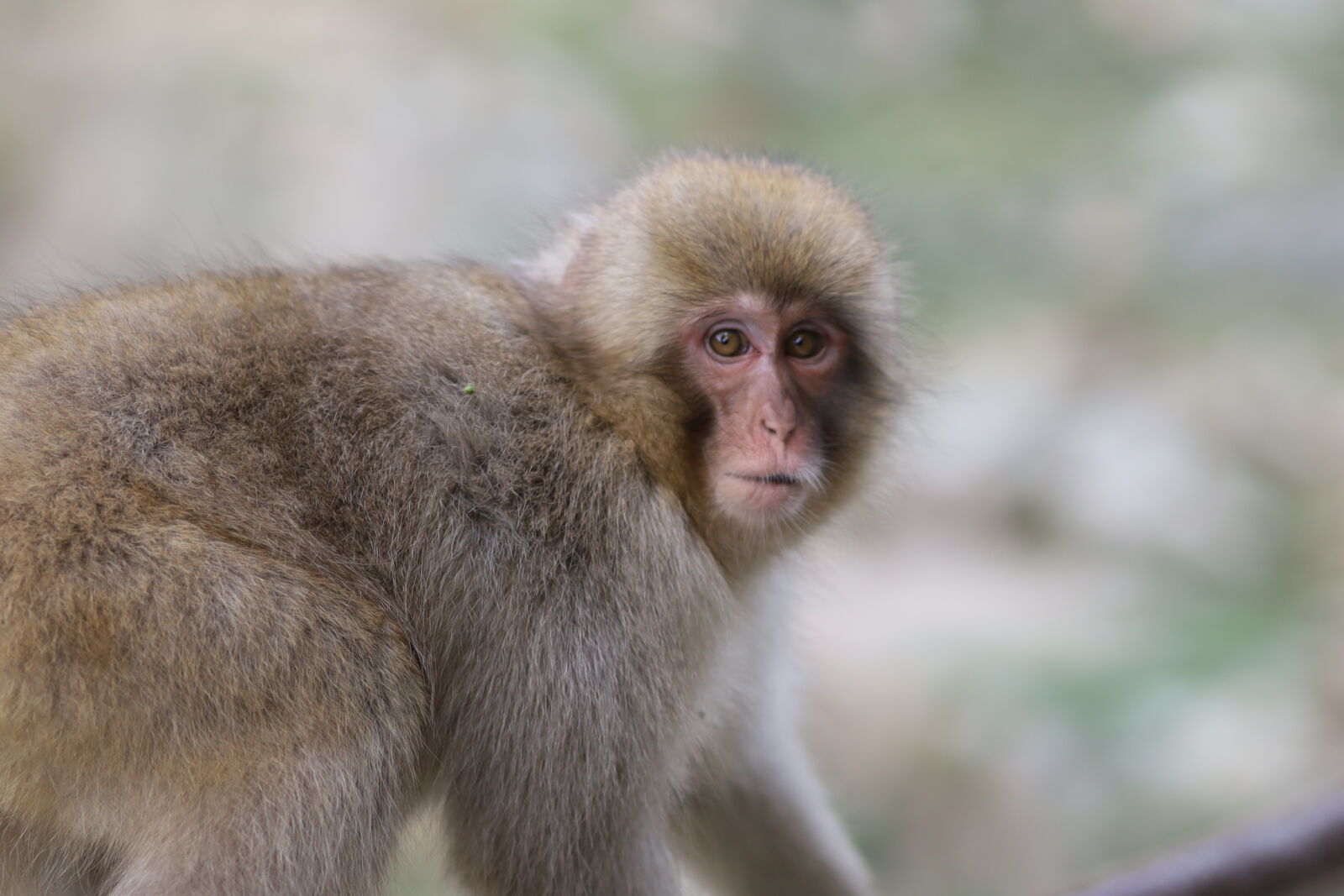
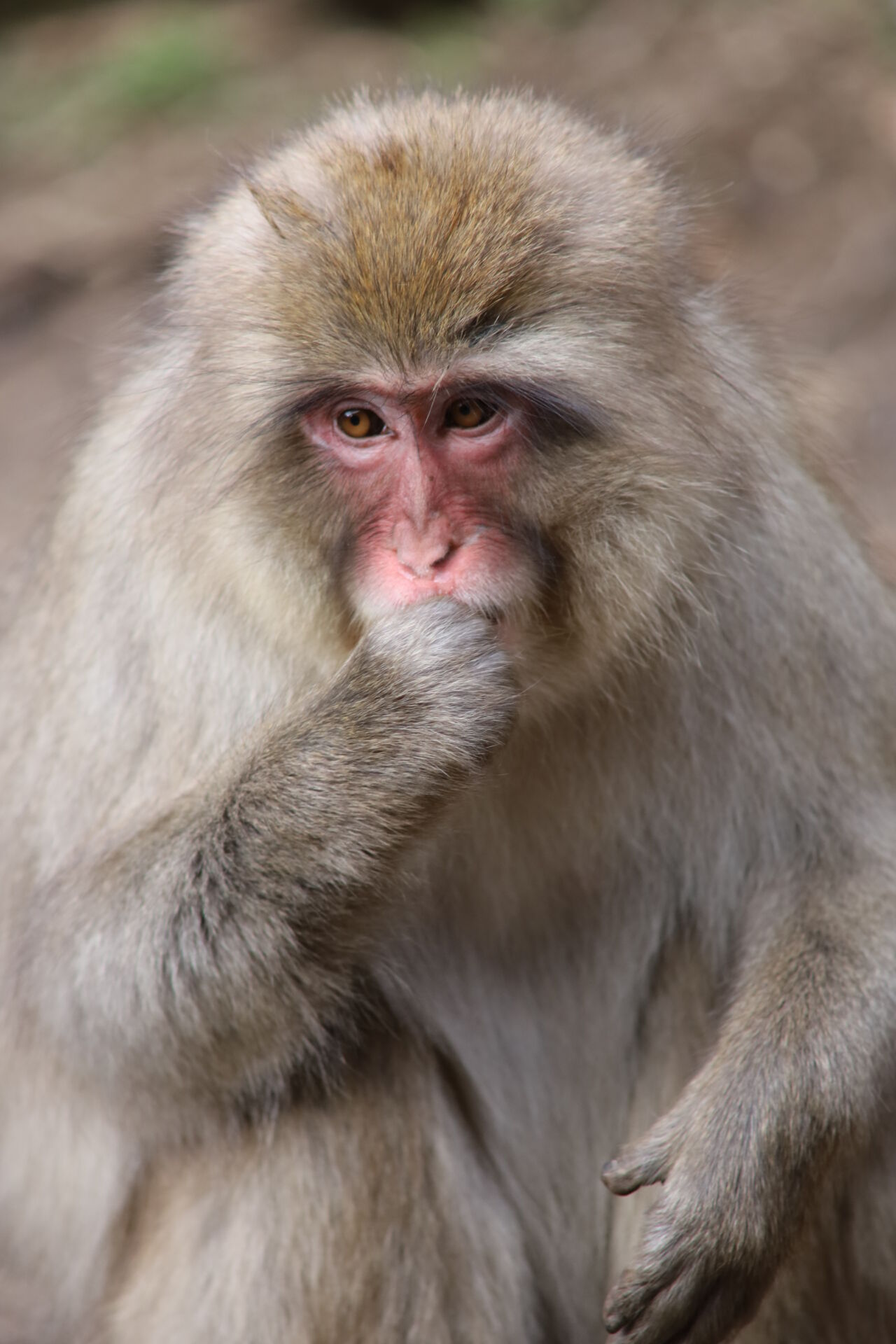
While the monkeys are famous for their winter baths, May is the most heartwarming time to visit the Jigokudani Snow Monkey Park. This is "Baby Season," the period when the troop welcomes its newest members. Starting in late April and peaking throughout May, visitors can observe dozens of tiny newborn macaques—some only days old—clinging to their mothers or taking their first wobbly steps along the riverside.
- Why Visit in Spring: Unlike the snowy winter months, the spring forest is lush and vibrant. Without the need to huddle for warmth, the younger monkeys are incredibly active, chasing each other through the greenery and playfully exploring the forest floor.
- A Unique Photography Window: The contrast of the "Shinryoku" (fresh neon-green leaves) against the monkeys’ fur offers a stunning, colorful palette that you simply cannot capture during the grey winter months.
Best Selling
1-Day Tour: Snow Monkeys, Zenkoji Temple & Sake in Nagano
- Spots:
- NaganoSnow MonkeyHakuba
- Pick-up:
- Nagano CityHakuba
- Drop-off:
- Nagano CityHakuba
Explore Obuse: Hokusai’s Art and the Late Bloom Cherry Blossoms
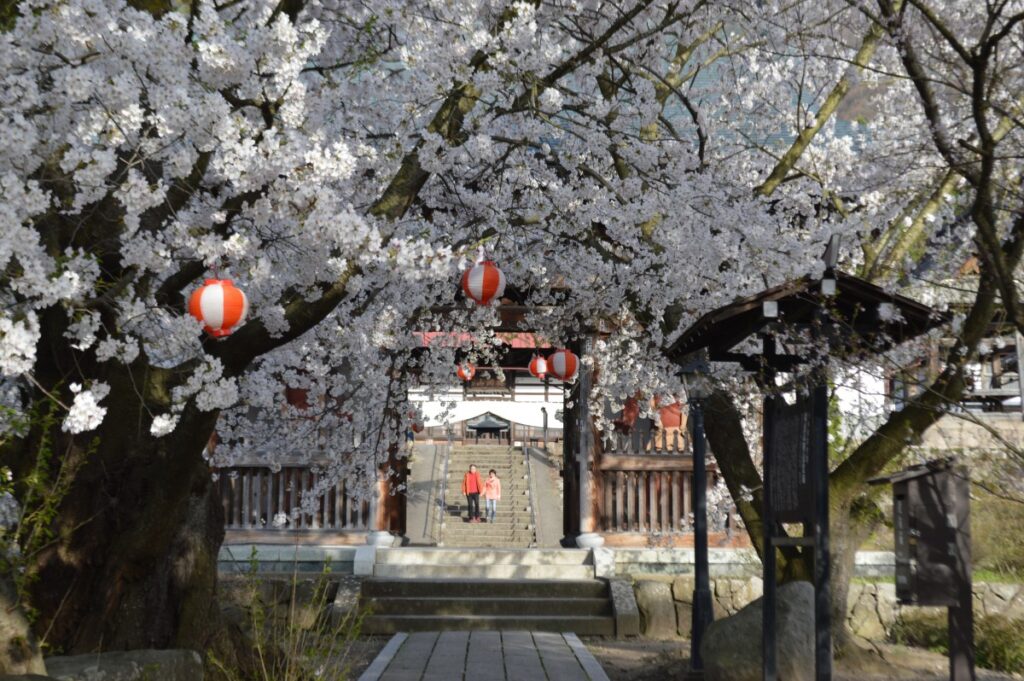
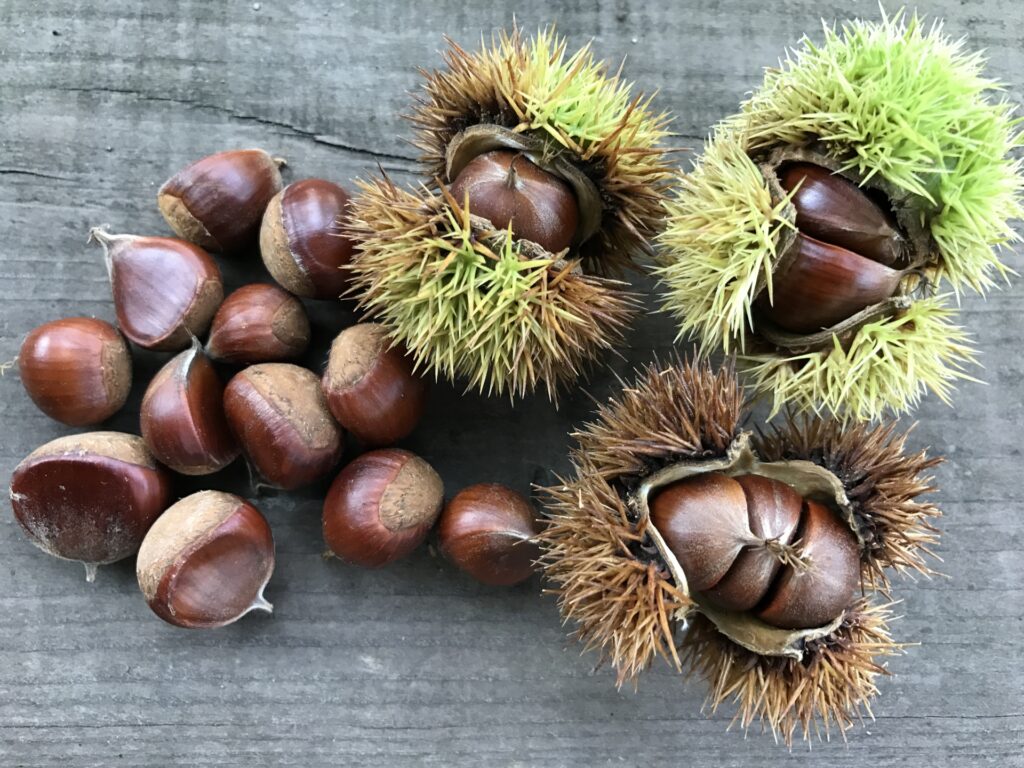
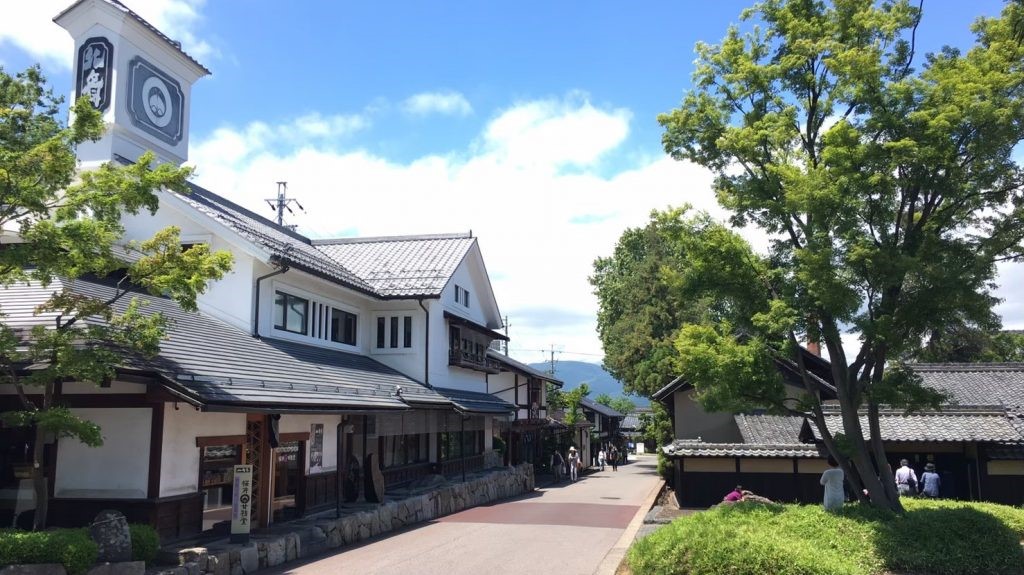
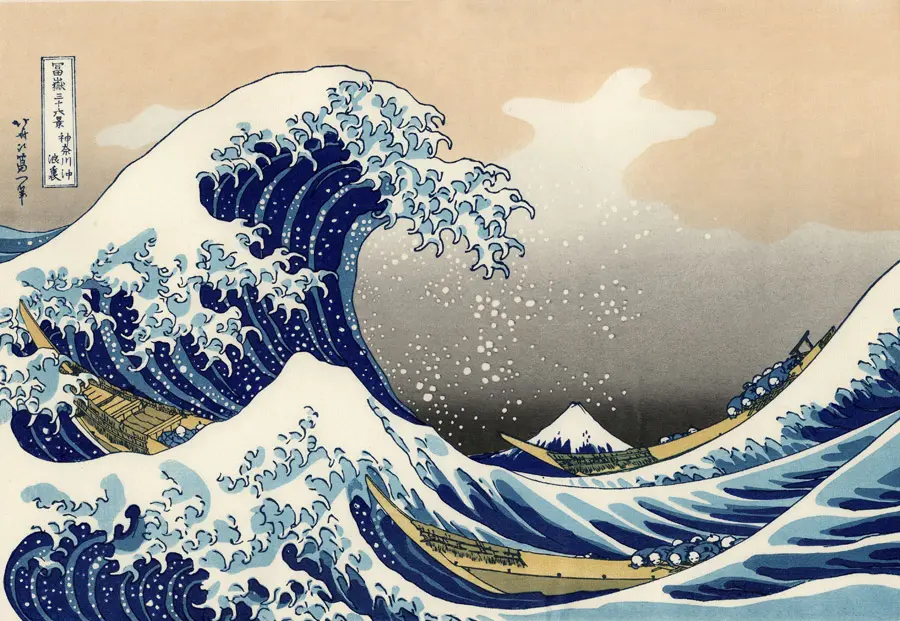
The historic town of Obuse is a cultural gem, famous for its deep connection to the world-renowned artist Katsushika Hokusai. While Tokyo’s blossoms have often vanished by mid-April, Obuse’s season is just beginning. In spring, the town’s traditional "Chestnut Path" and historic temple grounds come alive with soft pink blooms, offering a peaceful, culturally rich alternative to the crowded city parks.
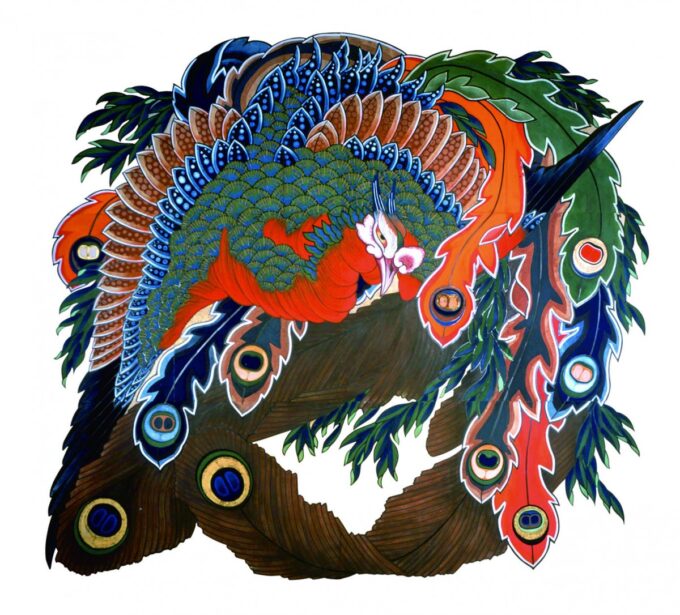
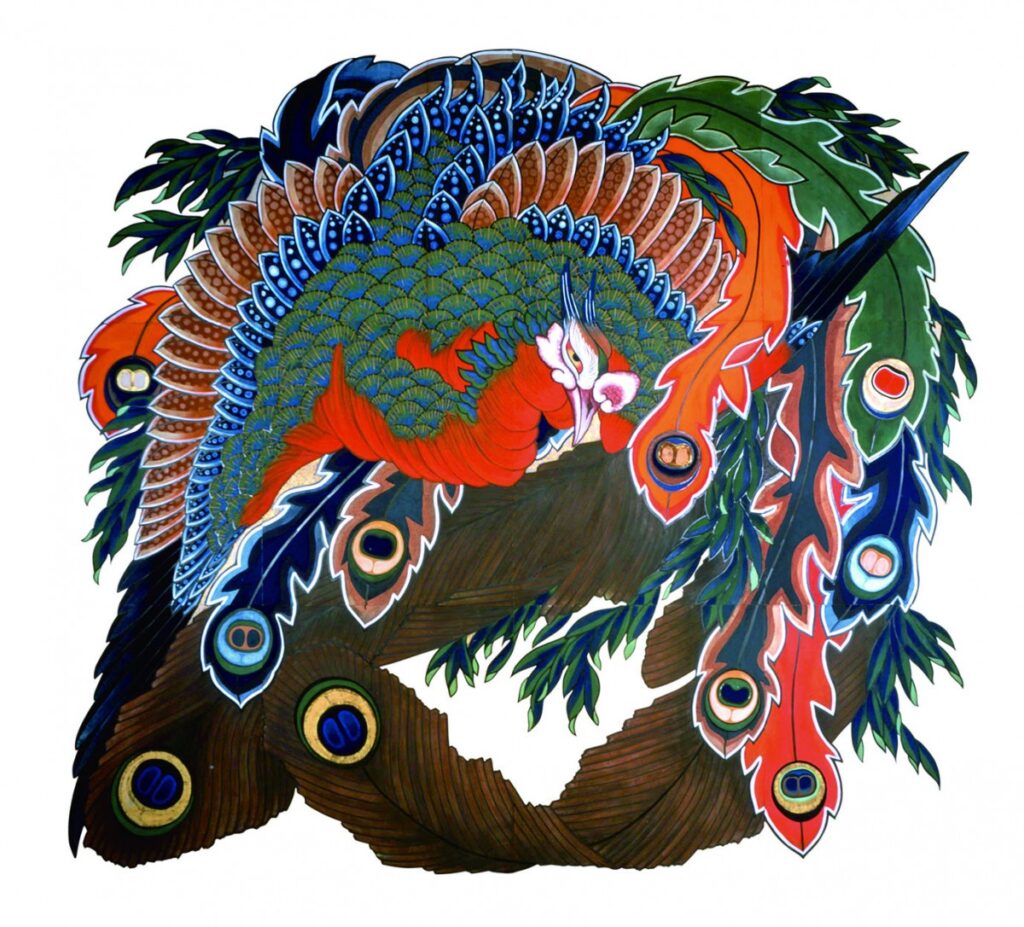
- The Hokusai Connection: Visit the Hokusai-kan Museum to see original works by the master of Ukiyo-e, or stand beneath the massive great Phoenix ceiling painting at Gansho-in Temple. In spring, the temple’s gardens are framed by blossoms, creating a stunning intersection of art and nature.
- Why Visit in Spring: Obuse is known for its late-blooming varieties, meaning you can often find vibrant cherry blossoms here throughout late April. The town is also famous for its chestnut treats and sake breweries, perfect for a post-walk snack in the mild spring sun.
- Photography Tip: The contrast of the dark, traditional wood architecture against the light pink cherry blossoms makes Obuse one of the most photogenic hidden gems in the Greater Nagano area.
Small Group
1-Day Historic Obuse & Hokusai: Japan's 'Mad Man of Art' Tour
- Spots:
- Nagano
- Pick-up:
- Nagano CityObuse
- Drop-off:
- Nagano CityObuse
Walk the Freshly Melted Trails of Kamikochi
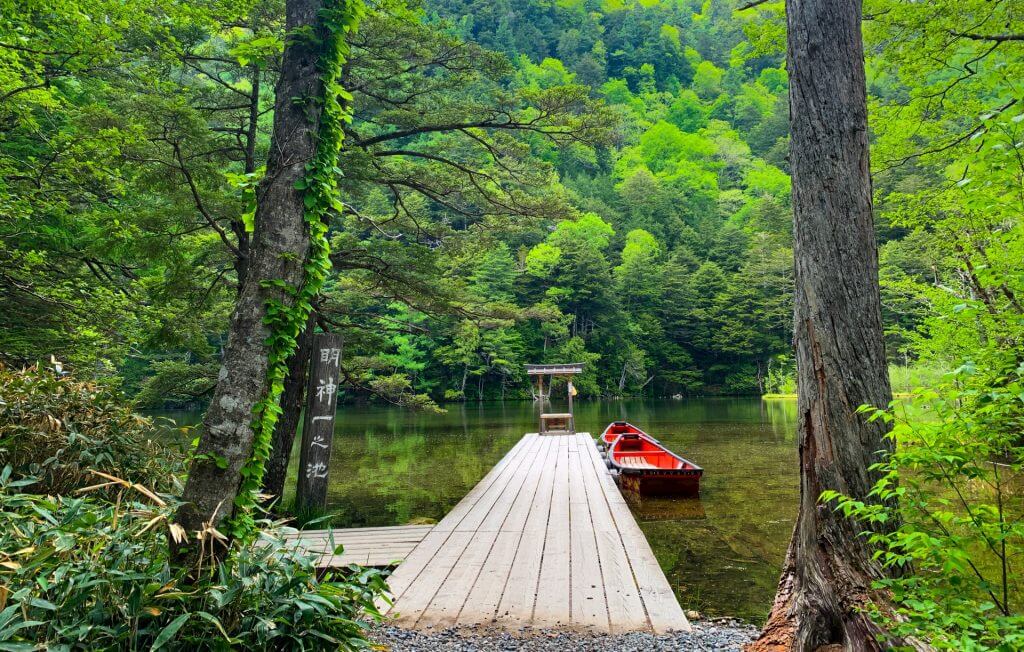
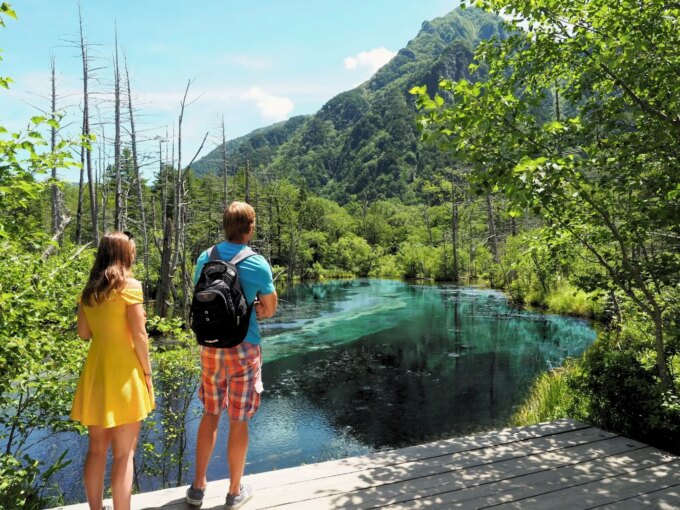
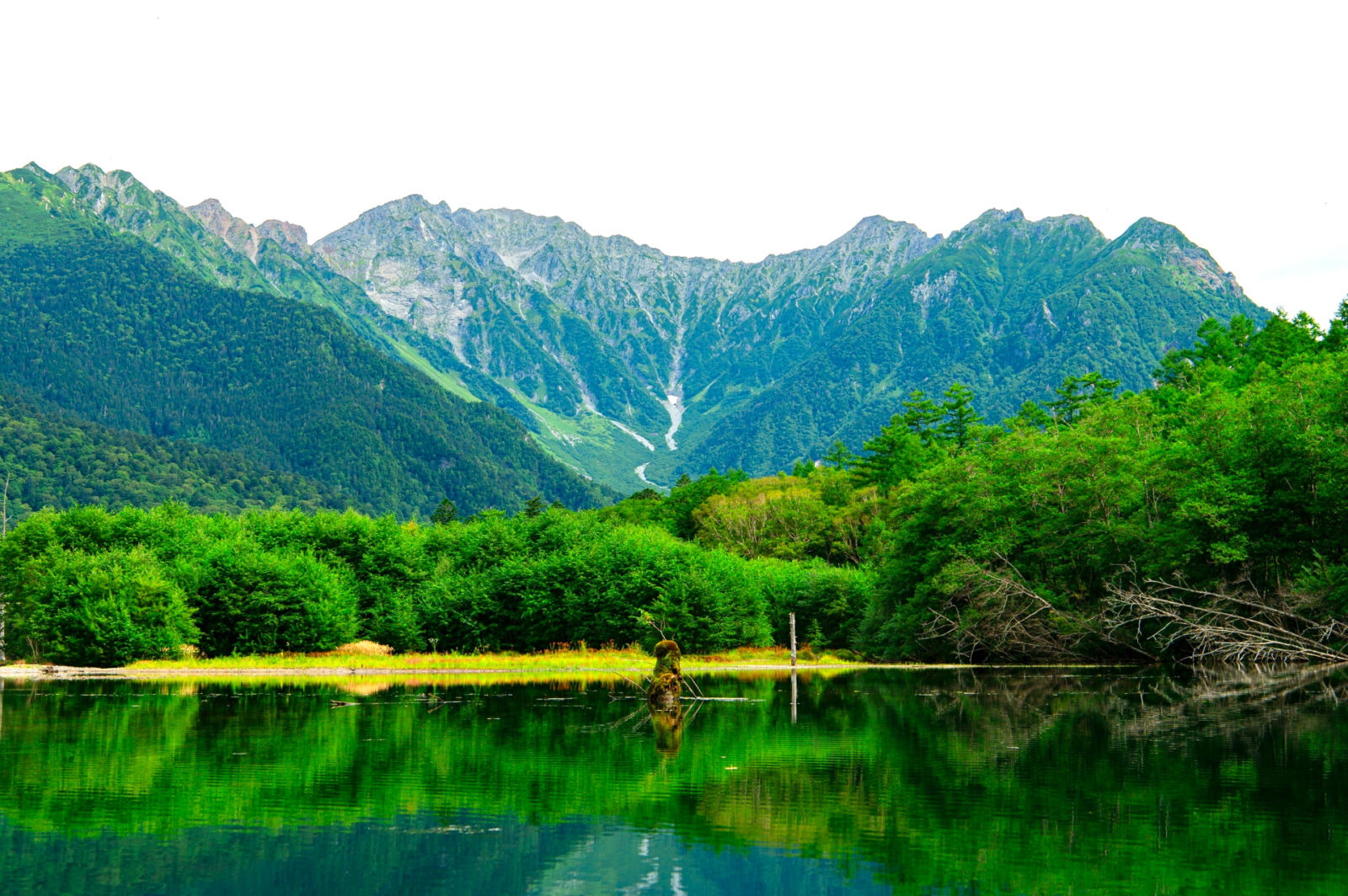
Opening annually on April 17, Kamikochi is the crown jewel of the Northern Japanese Alps. This high-altitude valley reopens just as the winter snow begins to melt, revealing the turquoise waters of the Azusa River against a backdrop of the towering Hotaka Mountain Range, which remains capped in white well into June.
- Spring Contrast: Early spring is the only time you can photograph the vibrant neon-green of the new larch needles while the surrounding peaks are still covered in deep snow. This creates a dramatic color palette that disappears by mid-summer.
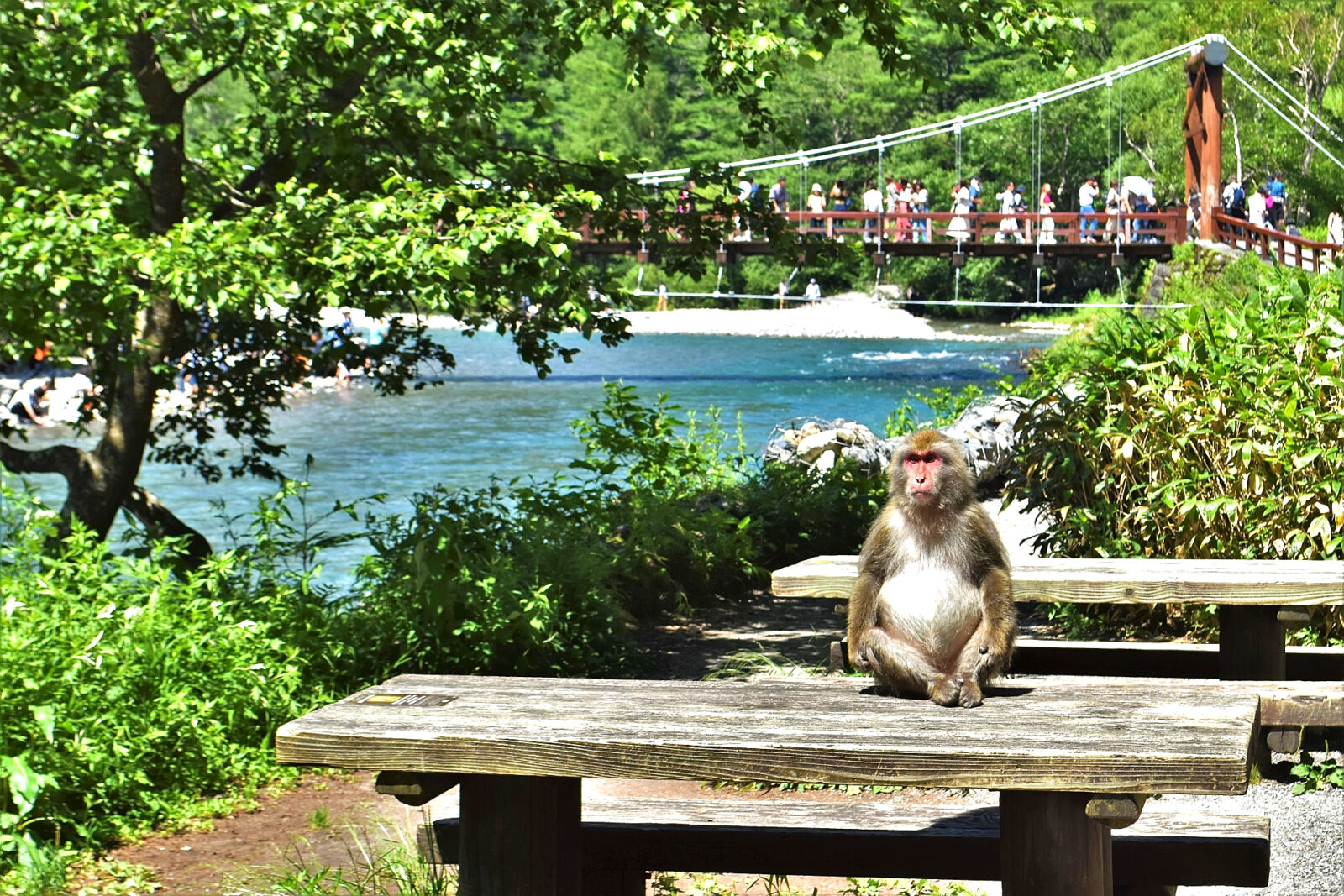
- Early Wildflowers and Wildlife: As the trails clear, you can spot early-blooming alpine flora and local wildlife, including Japanese serow and monkeys, reclaiming the valley floor. The air is exceptionally crisp and clear, providing the best visibility for panoramic mountain shots.
- Why Visit in April and May: Because the park has just opened, visitor numbers are often lower than the summer peak. Hiking from Taisho Pond to Kappa Bridge in late spring allows for a peaceful experience through one of the most protected natural landscapes in Japan.
Best Selling
1-Day Tour from Nagano and Matsumoto: Kamikochi & Matsumoto Castle
- Spots:
- NaganoMatsumotoKamikochi
- Pick-up:
- Nagano CityMatsumoto
- Drop-off:
- Nagano CityMatsumoto
Cultural Highlights: Spring Atmosphere in Nagano
Spring in Nagano is the peak of festival season. As cherry blossoms transform streets, parks, and historic sites into vibrant pink-lined avenues, local communities celebrate with traditional music, seasonal street food, and cultural performances. From samurai heritage to mountain vegetable harvests, the atmosphere changes monthly as the season unfolds.
April in Nagano: Samurai Festivals and Night Illuminations
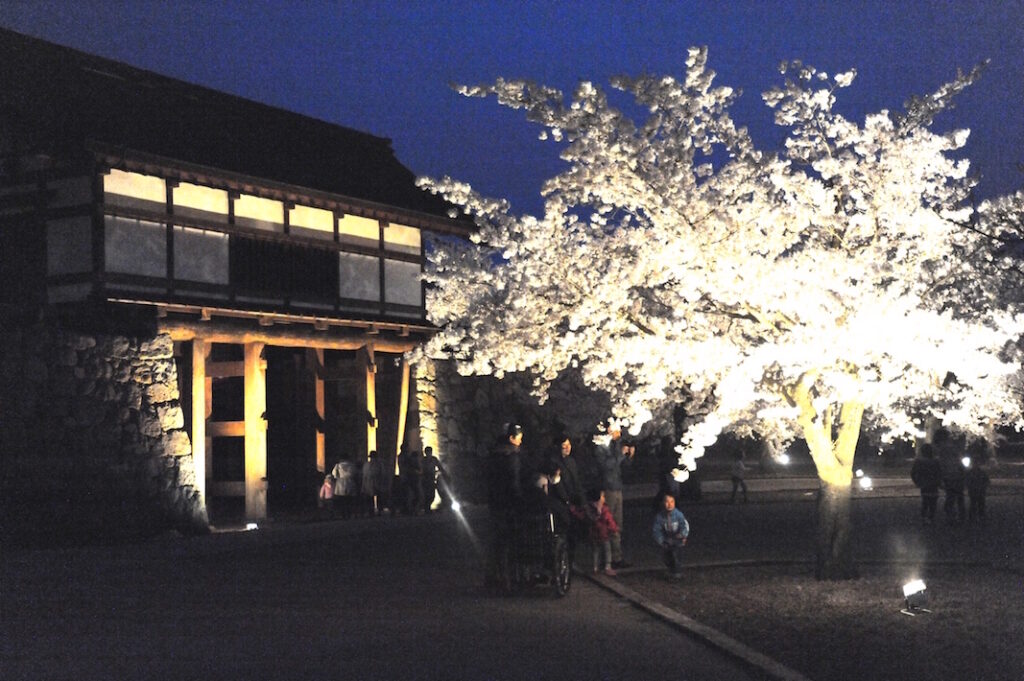
April is the most festive month in the valley, defined by the "Sakura Matsuri" (Cherry Blossom Festivals) and the region’s rich samurai history.
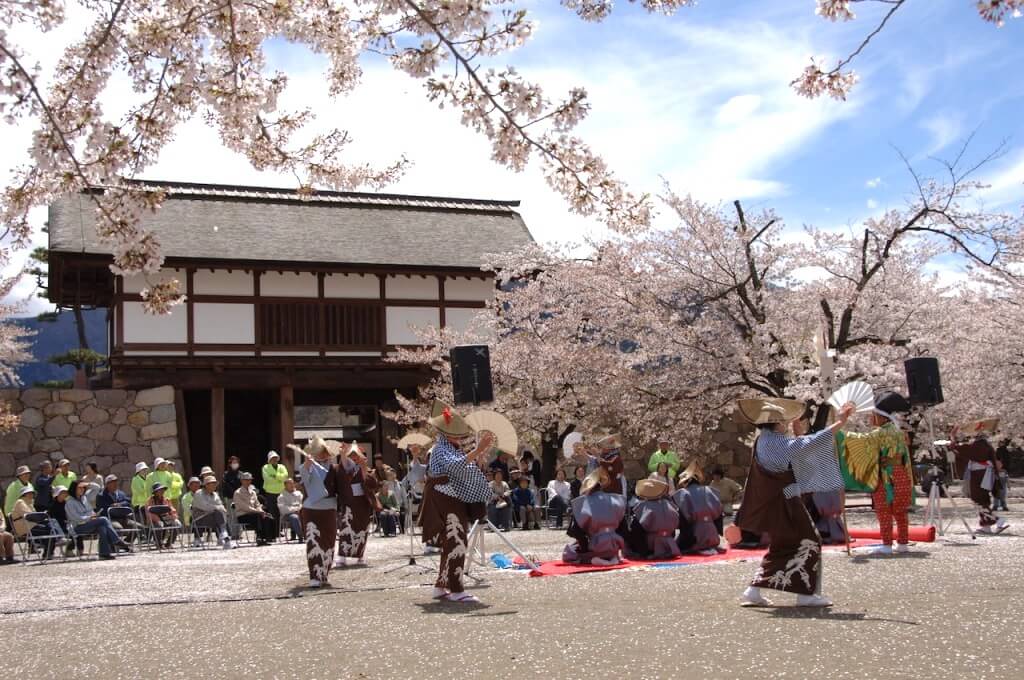
- The Matsushiro Spring Samurai Festival (April 12 & 13, 2026): In the historic town of Matsushiro, the former seat of the Sanada Clan, the town celebrates with martial arts, archery, and traditional tea ceremonies. You can even try weaving Sanada-himo, the colorful cords historically used to wrap samurai sword hilts.
- Night Illuminations (April 5 – 14, 2026): The Matsushiro Castle ruins and Honmaru area are illuminated after sunset, creating a magical setting where blossoms appear to float against the dark stone walls.
Learn More: For a full list of events and blooming spots, see our dedicated guide to April in Nagano.
May in Nagano: Fresh Greenery and "Sansai" Flavors
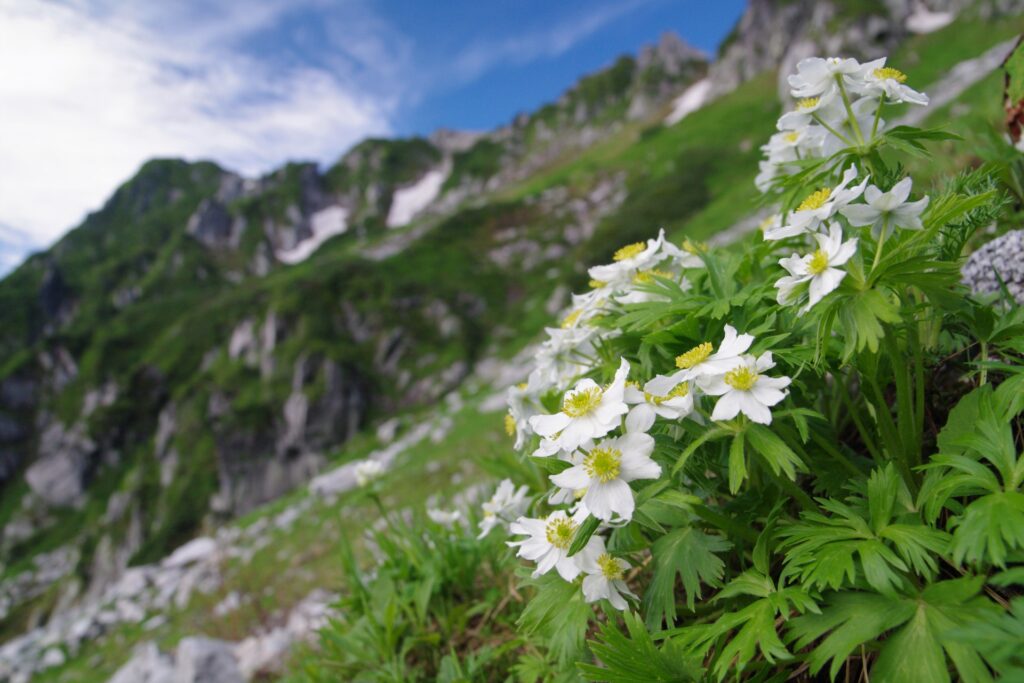
By May, the focus shifts from blossoms to the vibrant "Shinryoku" (fresh greenery) and the celebration of nature’s rebirth in the mountain villages.
- Mountain Vegetable Season: May is the peak time for Sansai (wild mountain vegetables). Festivals and local markets across the region feature tempura made from freshly foraged butterbur buds (fuki-no-to) and angelica buds (tara-no-me), a flavor locals wait for all year.
- Newborn Life: The atmosphere at the Snow Monkey Park is at its peak in May as the troop welcomes its newest members. It is a peaceful, life-affirming time to visit before the summer heat arrives.
Learn More: Discover why May is the best month for photography and nature in our guide to May in Nagano.
June in Nagano: Alpine Openings and Mystical Forest Mists
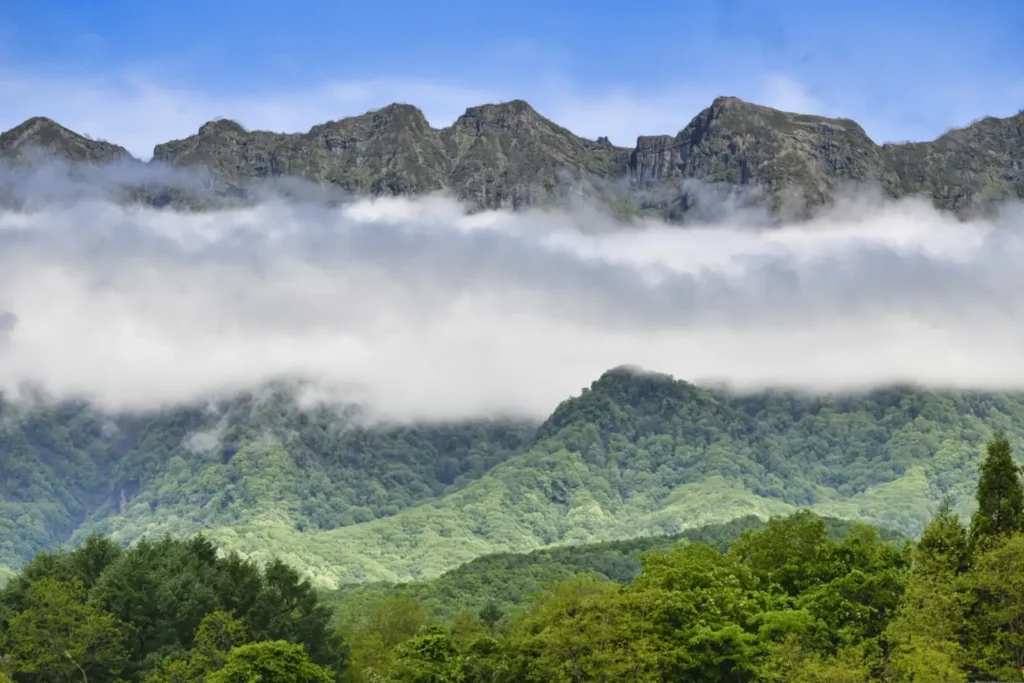
June brings a shift toward the high-altitude peaks and the spiritual atmosphere of Nagano’s deep forests.
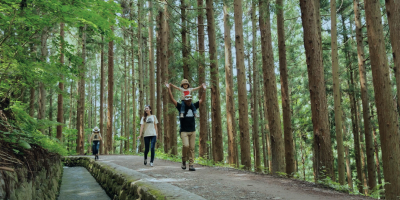
- The High Alpine Season: As the lower valleys warm up, the cultural focus moves to places like Togakushi and Kamikochi. Early June is a time for "forest bathing" (Shinrin-yoku) among the giant ancient cedars, often shrouded in a beautiful, ethereal morning mist.
- Beating the Heat: While the rest of Japan enters the rainy season, the crisp mountain air of the Northern Alps offers a refreshing escape. It is a time for quiet reflection, hiking, and enjoying cold Soba noodles in the scenic mountain villages.
Learn More: See our top recommendations for staying cool and active in our guide to June in Nagano.
Spring Tours You Shouldn’t Miss
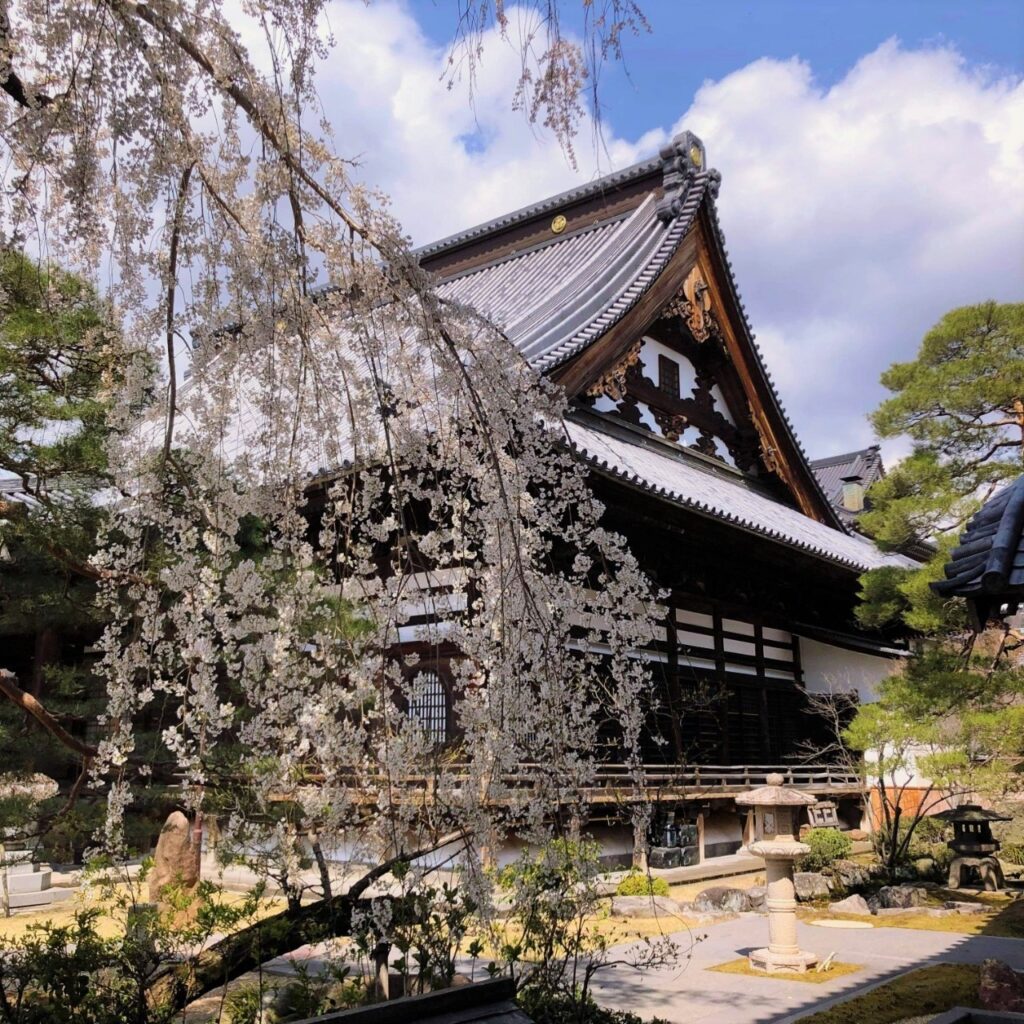
Nagano’s cherry blossoms, historic towns, and natural sights are spread across the region, making travel challenging without guidance. Joining a tour ensures comfort, convenience, and access to the best seasonal experiences, from blooming parks to cultural sites.
Cherry Blossom and Snow Monkey Tour / April only
Popular
(Spring Only) 1-Day Tour: Snow Monkeys & Cherry Blossoms in Nagano
- Spots:
- NaganoSnow Monkey
- Pick-up:
- Nagano City
- Drop-off:
- Nagano City
Operating only in April, this tour combines a visit to Jigokudani Snow Monkey Park with cherry blossom viewing at peak spots. Using our local knowledge, we adjust the viewing locations daily to ensure guests see the blossoms at their best. Perfect for a day trip from Tokyo, this tour offers a hassle-free way to experience Nagano’s spring highlights.
Highlights
- Day-Trip Friendly – Convenient round-trip transport from Nagano Station makes this an easy spring outing.
- Snow Monkeys – Watch the iconic macaques relaxing in their natural hot spring habitat.
- Cherry Blossoms at Peak – Visit carefully selected locations to see the blossoms at their most beautiful.
Tateyama-Kurobe Alpine Route Tour From Nagano
Best Selling
[Spring Only] 1-Day Tour from Nagano: Snow Walls of Tateyama-Kurobe Alpine Route
- Spots:
- NaganoAlpine Route
- Pick-up:
- Nagano City
- Drop-off:
- Nagano City
The Northern Japanese Alps offer breathtaking scenery that changes with each season. In spring, the towering snow walls, reaching up to 20 meters (65 feet), contrast strikingly with the emerging greenery below, while the peaks remain a snowy wonderland. This tour lets you experience the dramatic transition from winter to spring in one unforgettable day.
Highlights
- Scenic Transportation – Ride trolley buses, cable cars, and the Tateyama Ropeway for incredible perspectives of the mountains and valleys.
- Snow Walls – Walk alongside massive snow walls, a spectacular spring phenomenon.
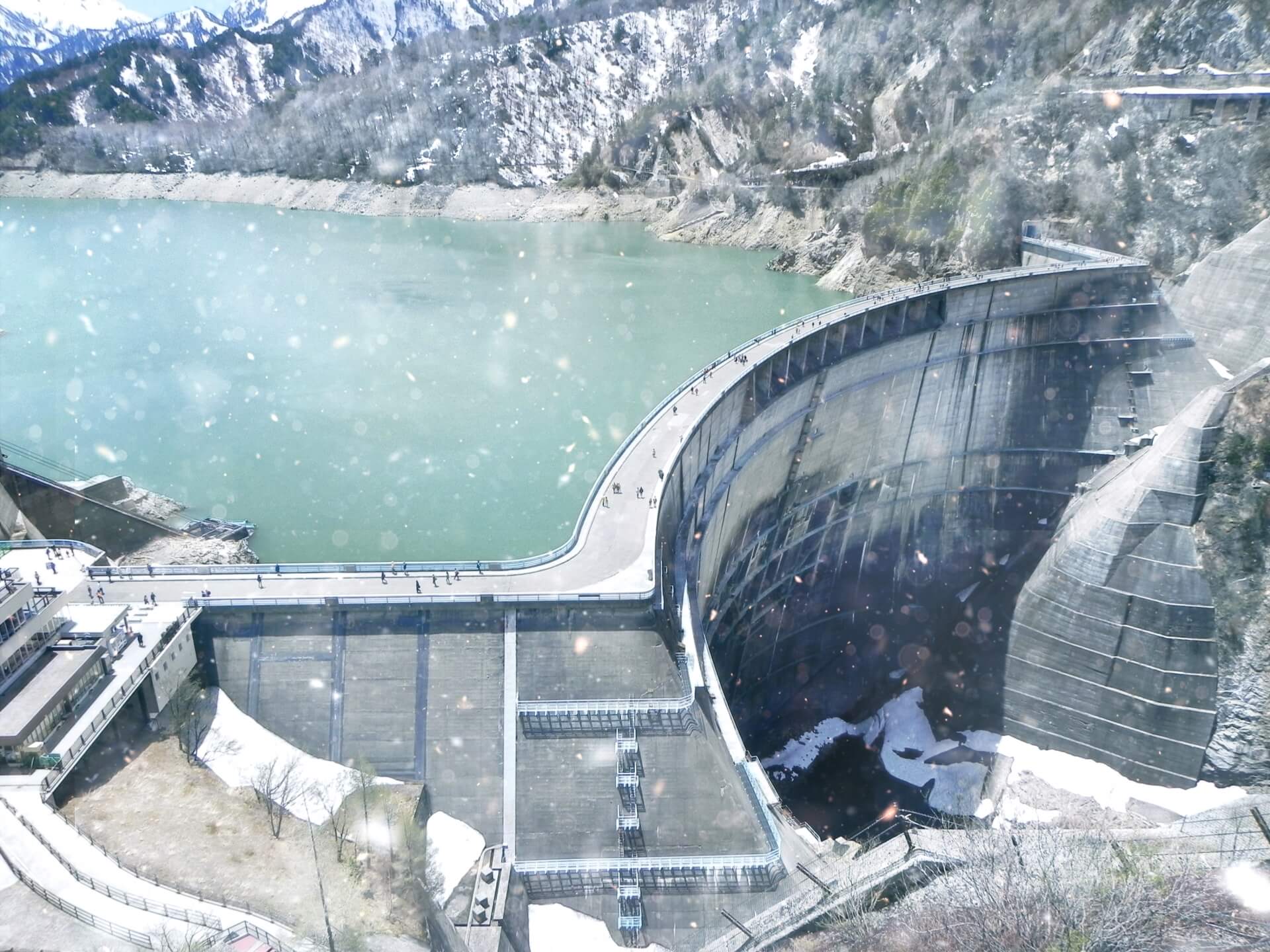
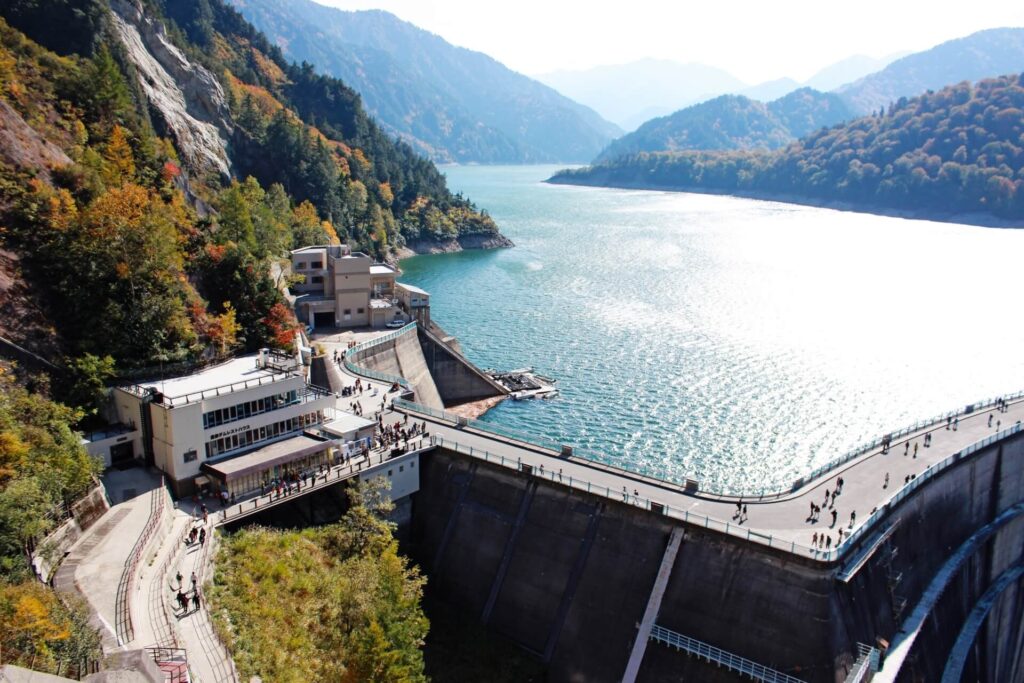
- Kurobe Dam & Alpine Views – Marvel at the engineering feat of Kurobe Dam with panoramic views of snow-capped peaks and alpine scenery.
1-Day Historic Obuse & Hokusai: Japan's 'Mad Man of Art' Tour
Small Group
1-Day Historic Obuse & Hokusai: Japan's 'Mad Man of Art' Tour
- Spots:
- Nagano
- Pick-up:
- Nagano CityObuse
- Drop-off:
- Nagano CityObuse
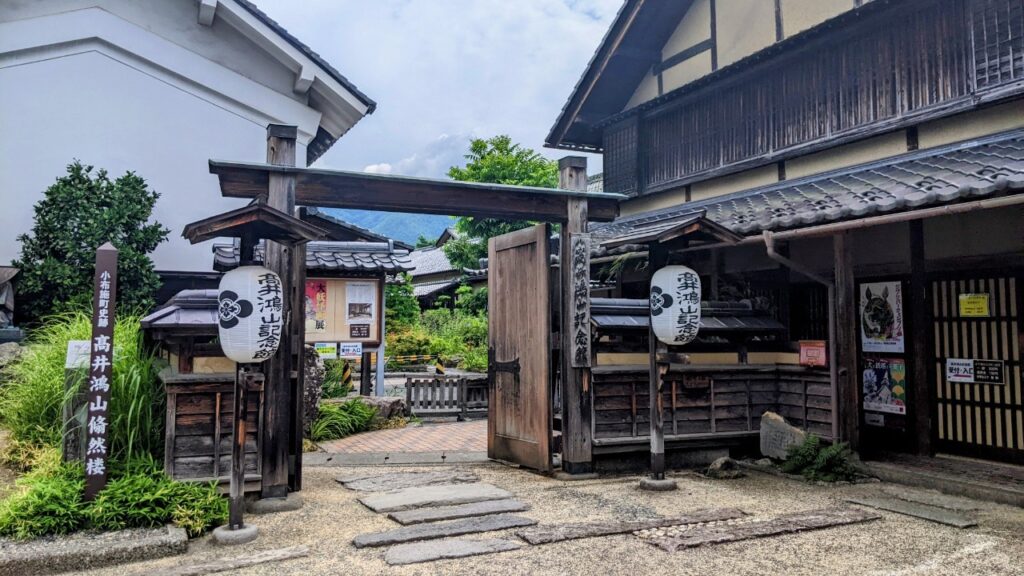
Step into the world of Japan’s renowned artist Katsushika Hokusai on this guided tour to Obuse. Explore his studio at the Takai Kozan Museum, admire rotating exhibitions at the Hokusai-kan Museum, and see his largest in situ masterpiece—the phoenix ceiling at Gansho-in Temple, surrounded by blooming cherry blossoms in Spring. Along the way, enjoy local cuisine and wander Obuse’s charming streets known for chestnut sweets, sake, and traditional crafts.
Highlights
- Art & History Combined – Gain insight into Hokusai’s life, works, and influence on Japanese art.
- Hokusai’s Legacy – Visit his studio, museum, and the stunning phoenix artwork at Gansho-in Temple.
- Cultural Exploration – Discover Obuse’s traditional streets, local crafts, and chestnut specialties.
2-Day Shukubo, Samurai, and Snow Monkeys Tour
New Tour
2-Day Tour: Snow Monkeys, Samurai Experience & Zenkoji 'Shukubo' Stay
- Spots:
- NaganoSnow Monkey
- Pick-up:
- Nagano City
- Drop-off:
- Nagano City
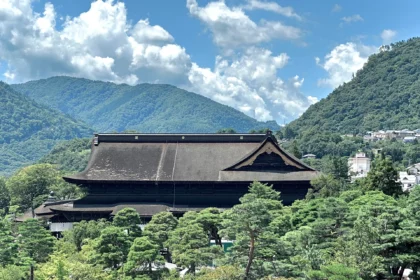
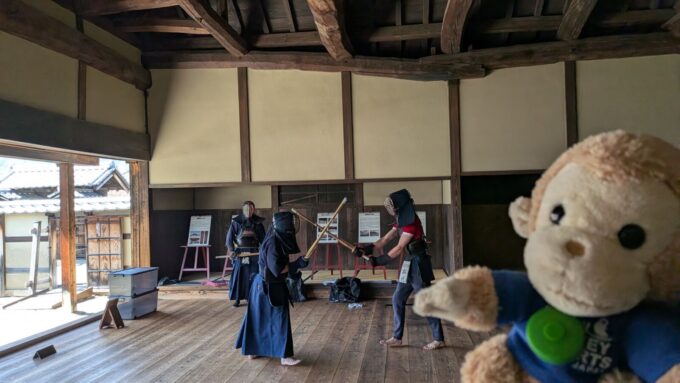
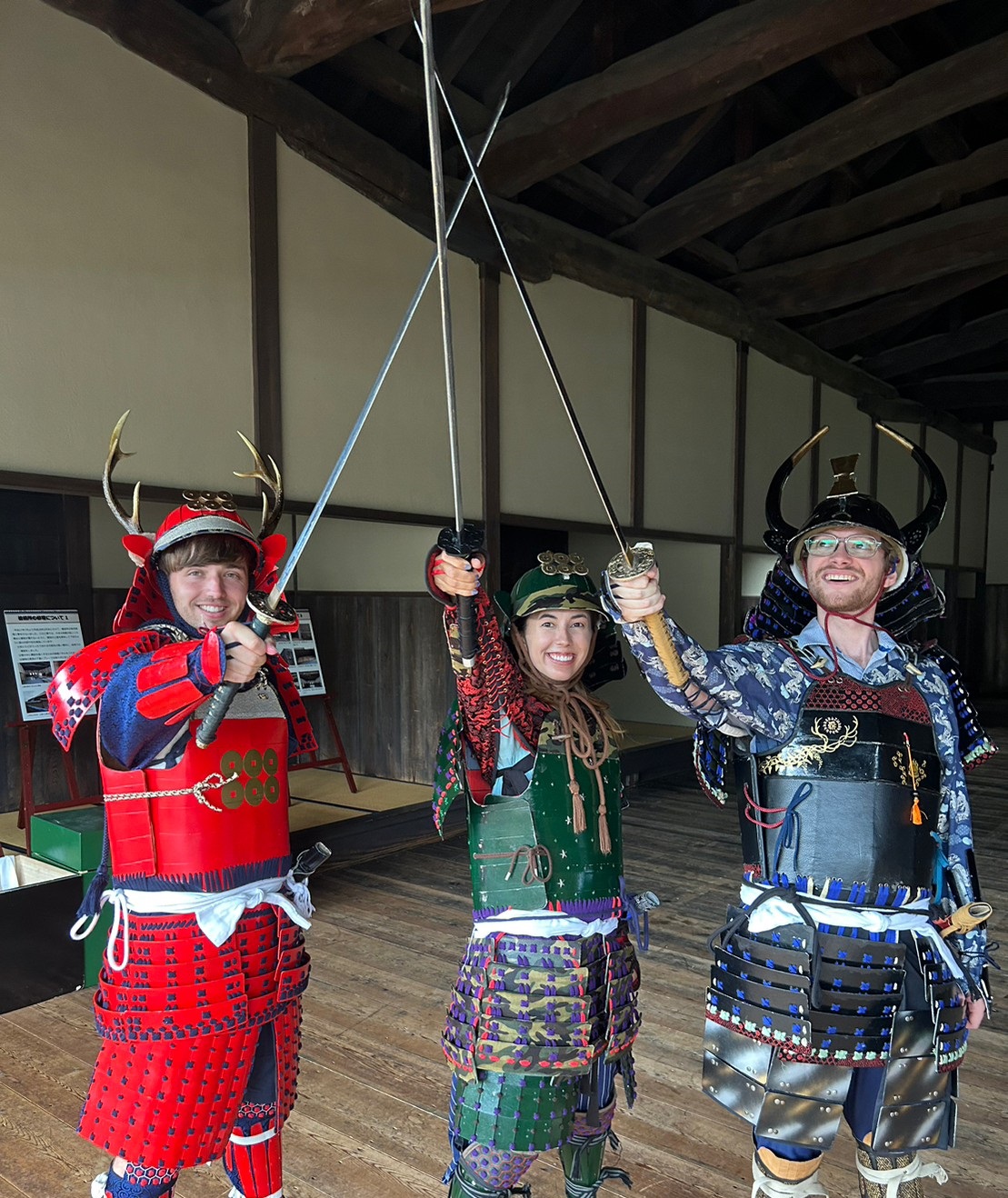
Experience Nagano’s nature, history, and culture over two full days. On day one, explore Matsushiro, the former samurai town, with historic sites and the preserved Bunbu Military School, where you can try martial arts under expert guidance. Matsushiro’s cherry blossoms typically reach full bloom in mid-April, creating a beautiful seasonal backdrop. Day two features a visit to Zenkoji Temple and Jigokudani Snow Monkey Park, with sake tasting and local cuisine included.
Highlights
- Snow Monkeys & Zenkoji – Observe the famous macaques in their natural hot springs and explore Nagano’s spiritual heart at Zenkoji Temple.
- Matsushiro & Samurai History – Explore historic samurai buildings and practice martial arts at Bunbu Military School.
- Cherry Blossoms in Matsushiro – See the castle town adorned with blossoms, usually at their peak in mid-April.
1-Day Tour from Nagano and Matsumoto: Kamikochi & Matsumoto Castle
Best Selling
1-Day Tour from Nagano and Matsumoto: Kamikochi & Matsumoto Castle
- Spots:
- NaganoMatsumotoKamikochi
- Pick-up:
- Nagano CityMatsumoto
- Drop-off:
- Nagano CityMatsumoto
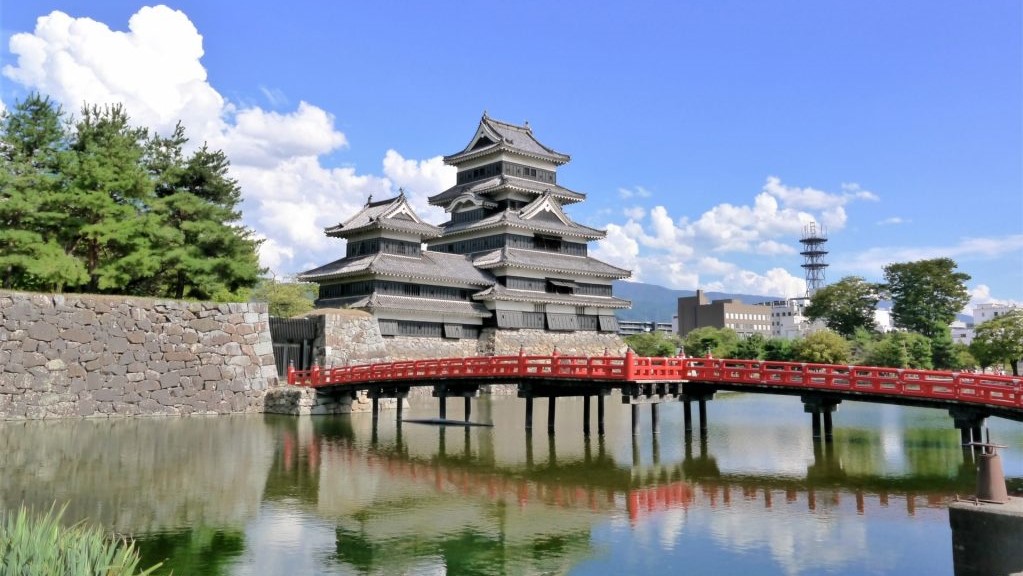
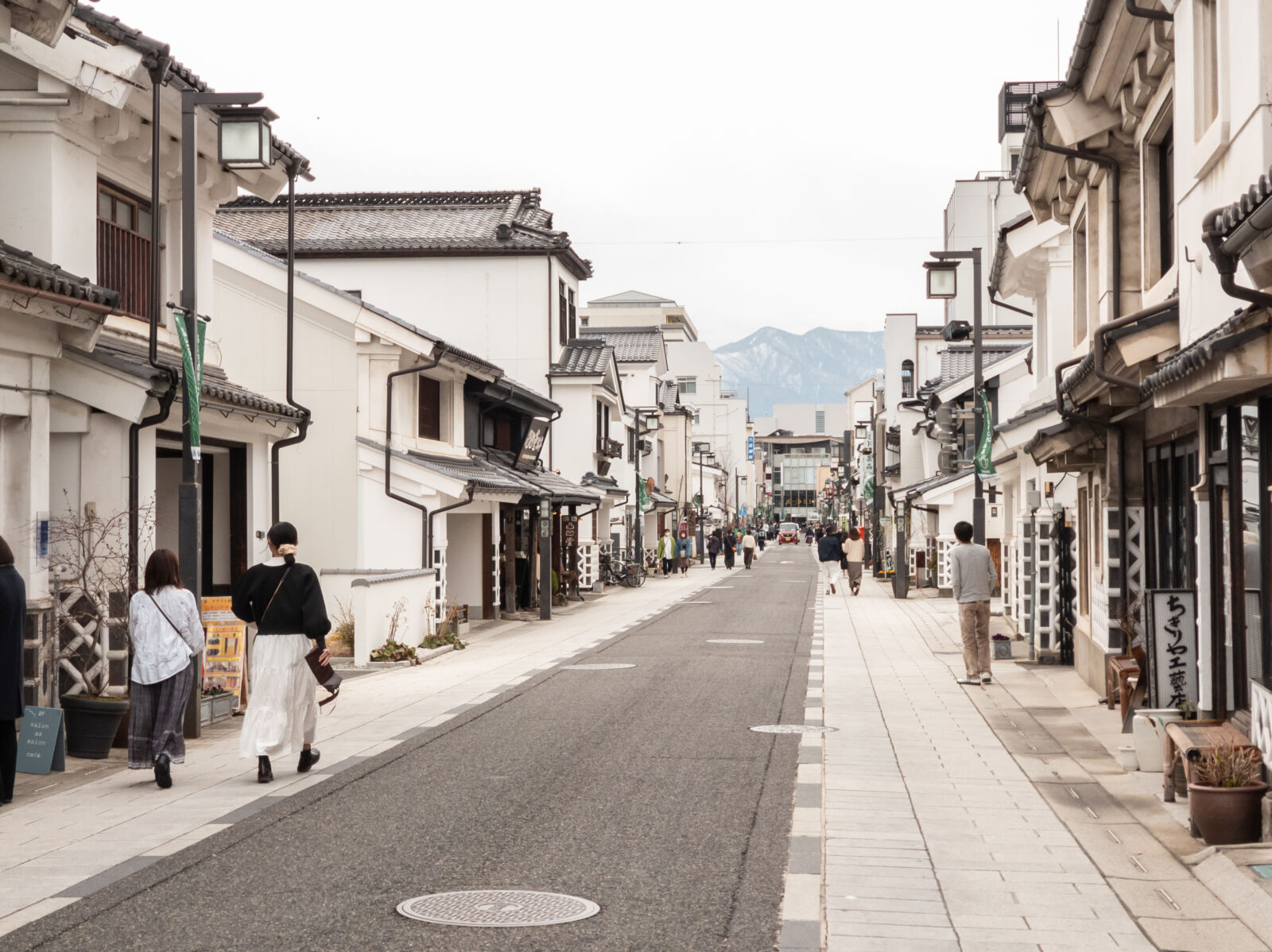
Discover the best of Nagano’s natural and cultural highlights on this day tour. Start with Matsumoto Castle, one of Japan’s few original castles, and stroll along Kaeru Michi (Frog Street) with its array of shops and cafés. In the afternoon, enjoy the pristine beauty of Kamikochi, walking along the river amid fresh spring air and seasonal alpine scenery.
Highlights
- Kamikochi Spring Scenery – Walk along the river and enjoy the fresh mountain air and blossoming alpine flora.
- Matsumoto Castle – Explore the historic black wooden castle and learn about its fascinating stories.
- Kaeru Michi (Frog Street) – Browse local shops, cafés, and traditional products along this charming street.
Practical Tips for Visiting Nagano in Spring
Planning a spring trip to Nagano requires a bit more strategy than a city break in Tokyo. Because you are dealing with multiple elevations and seasonal openings, these tips will help you maximize your time and avoid the crowds.
Timing Your Visit: The Mid-April Golden Window
To see the best of Nagano in a single trip, aim for the third week of April (April 15th – 25th). This is the "Golden Window" where the Tateyama Kurobe Alpine Route has just opened, the Kamikochi trails are accessible, and the cherry blossoms in Matsushiro and Obuse are typically at their peak.
What to Wear: Layering for Two Climates
Spring weather in Nagano is notoriously unpredictable. While you might be comfortable in a light sweater under the blossoms in Nagano City (15–20°C), you will need a windproof jacket or light down coat for the Snow Walls or Kamikochi, where temperatures can hover near freezing. Waterproof walking shoes are highly recommended, as mountain trails often have slushy sections from melting snow in April and May.
Navigating Transportation and "Golden Week" Crowds
Public transport in Nagano is reliable, but popular spots like the Snow Monkey Park and Zenkoji Temple become very crowded on weekends.
- Traveler Alert: Be aware of Golden Week (April 29 – May 5, 2026). This is Japan's busiest travel period. Trains and hotels book up months in advance. If you are visiting during this time, we strongly recommend joining a guided tour to secure hassle-free transport and guaranteed entry to top sites.
Spring Photography: Soft Light and Snow-Capped Backdrops
For the best photos, head to temples and castle parks at sunrise. The early morning light is soft, and the crowds are minimal.
- The "Nagano Shot": Look for angles where you can frame pink cherry blossoms in the foreground with the white, snow-capped peaks of the Northern Alps in the background. This "flowers-and-snow" contrast is a signature Nagano spring look that is hard to find anywhere else in Japan.
Don't Miss Seasonal "Sansai" and Spring Treats
Spring is the only time to taste Sansai (wild mountain vegetables). Look for local restaurants serving Sansai Soba or tempura made with freshly foraged butterbur buds. In Obuse, make sure to try the seasonal chestnut-and-cherry-blossom desserts, and don't leave Matsushiro without trying a hot Oyaki dumpling from a street stall near the castle ruins.
Frequently Asked Questions (FAQ)
The best time to see cherry blossoms in Nagano is typically from early to mid-April. Because of the higher elevation, Nagano’s bloom occurs about one to two weeks later than Tokyo or Kyoto. In 2026, peak bloom in Nagano City and Matsushiro is expected around the second week of April, while higher areas like Obuse usually peak in late April.
The Tateyama Kurobe Alpine Route and its world-famous snow walls (Yuki-no-Otani) officially open on April 15, 2026. The walls are at their highest—up to 20 meters (65 feet)—from opening day through early May, making spring the only time to experience this dramatic winter landscape.
Yes. Nagano is one of the few places in Japan where you can experience two seasons at once. By visiting in mid-to-late April, you can enjoy blooming cherry blossoms in the warm valley (Nagano City or Matsushiro) in the morning and walk between massive snow walls at the Alpine Route in the afternoon.
You should pack versatile layers. Temperatures in the valley range from 13°C to 20°C (55°F to 68°F), but mountain areas like Kamikochi or the Snow Monkey Park can be 5°C to 10°C colder. A light down jacket or windbreaker is essential for mountain excursions, while comfortable, waterproof walking shoes are recommended for melting snow on trails.
Absolutely. While the monkeys are famous for the snow, May is "Baby Season" at the park. This is the only time of year you can see newborn macaques clinging to their mothers and playing in the fresh greenery. The park is also much less crowded in spring than during the peak winter months.
Kamikochi officially reopens to the public on April 17, 2026. Early spring visitors can enjoy the rare sight of the turquoise Azusa River set against the snow-capped peaks of the Northern Alps before the lush greenery of summer takes over.
Yes, Golden Week (April 29 – May 5, 2026) is one of the busiest travel periods in Japan. Popular sites like Zenkoji Temple and the Snow Monkey Park will see high visitor volumes.