


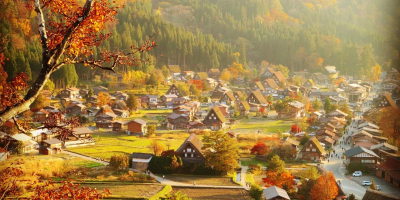


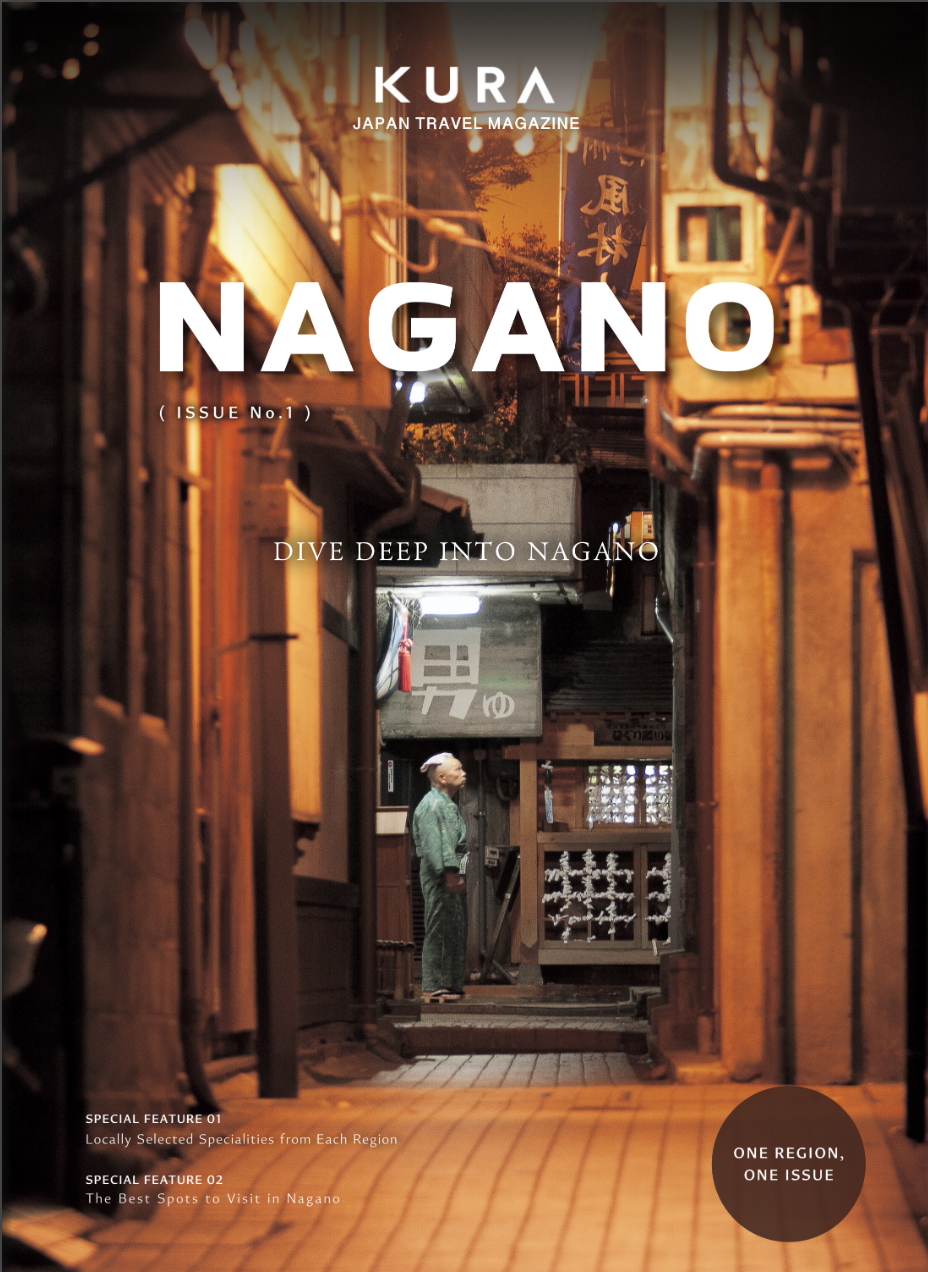
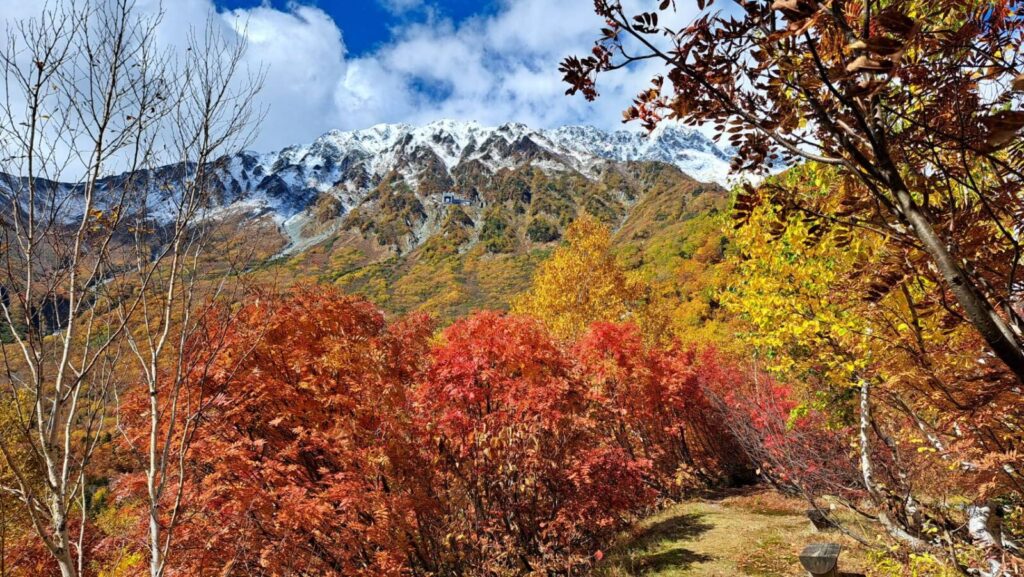
Starting in September, Nagano begins its stunning autumn transformation. While the rest of Japan is still shaking off the summer heat, Nagano’s high-altitude peaks are already turning shades of fire-red and gold. From the reflective waters of Kagami-ike in Togakushi to the thunderous Ebisu-ko Fireworks in November, here is your guide to the best of Nagano this autumn.
From late September through November, Nagano offers a breathtaking palette of colors and a celebration of the harvest. The autumn leaves "descend" the mountains over two months, starting in the high alpine regions like Tateyama and Shiga Kogen before painting the valley floor and historic castle parks in deep oranges and reds.
Autumn is also a season of appetite for local fruits, vegetables, and mushrooms in Nagano. Local markets overflow with Shinshu apples, chestnuts, and new-season buckwheat for soba. As the air turns crisp, the region’s traditional festivals, celebrating samurai heritage and winter's approach fill the streets with music and light.
Fire-red maple leaves, crisp apple-picking sessions, and historic samurai parades make Nagano Japan’s premier destination for experiencing the true essence of autumn.
When is Autumn in Nagano?
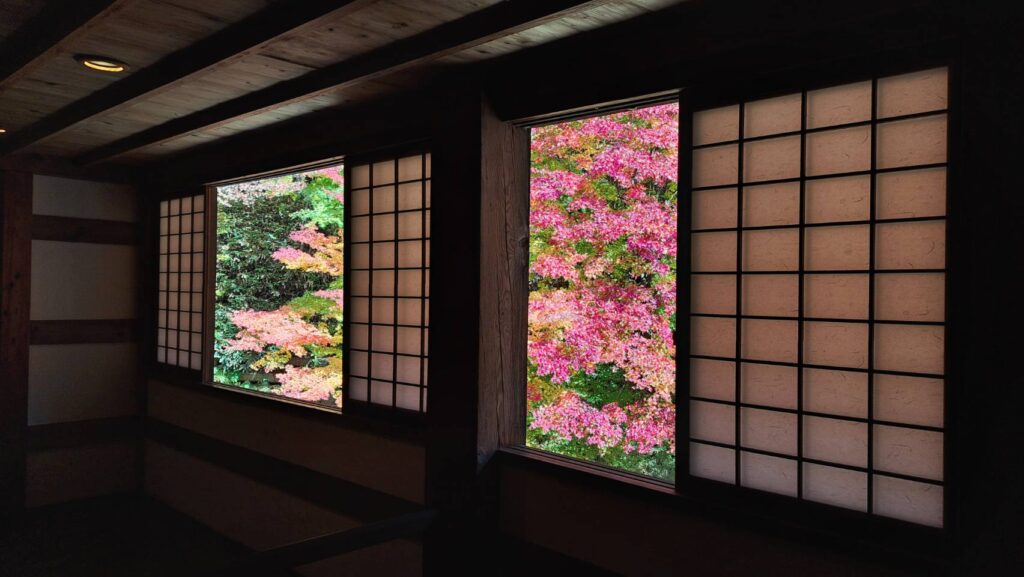
Autumn in Nagano runs from late September through November. Because of the region’s dramatic mountain terrain, peak Autumn arrives at different times depending on your elevation. This section covers the seasonal progression of fall across the region.
Late September to Early October: High Alpine Colors
Autumn begins at the highest elevations. Around late September, the Tateyama Kurobe Alpine Route and the high moors of Shiga Kogen reach their peak. This is the best time for high-altitude hiking among vibrant alpine shrubs and grasses before the first dustings of snow appear on the peaks.
Mid to Late October: The Classic "Koyo" Fall Colors Peak
As the cold air moves down the slopes, Nagano’s most iconic fall spots come alive. This is the prime time for Togakushi, where the reflective surface of Kagami-ike (Mirror Pond) creates a perfect double image of the autumn forest. The Kamikochi valley also reaches its peak during this window, with its golden larch trees contrasting against the turquoise Azusa River.
November: Valley Colors & Notes of Winter
By November, the colors reach the city centers and castle parks. Sites like Ueda Castle and Matsushiro Castle are framed by deep red maples. As the last leaves fall, the atmosphere shifts toward winter preparations, highlighted by the spectacular Ebisu-ko Fireworks Festival, signaling the start of the festive winter season.
Weather & Climate in Nagano During Autumn
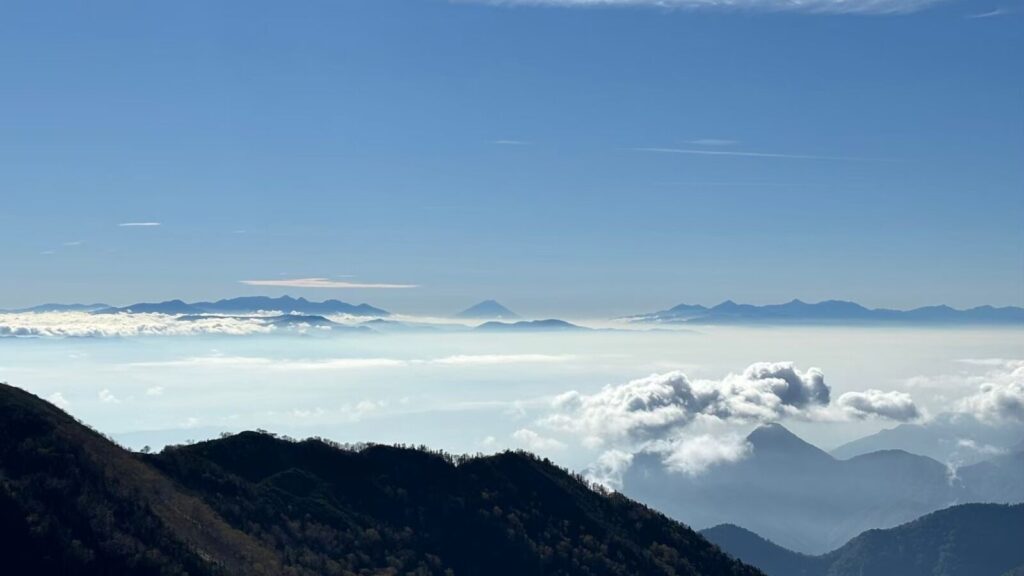
Autumn in Nagano brings crisp, dry air and a rapid drop in temperature as the season progresses. From September's lingering warmth to November's winter chill, visitors can expect a range of conditions.
Temperatures:
- Nagano City: September averages 20–25°C (68–77°F), dropping to 10–15°C (50–59°F) in October and reaching a crisp 5–10°C (41–50°F) by November.
- Mountains (Togakushi, Kamikochi, Shiga Kogen, Tateyama): Generally 5–10°C cooler than the city. By late October, morning frosts are common at higher elevations.
Precipitation:
- September: Can still see late-summer typhoons or rain, but the air is generally clearing making way for nicer weather.
- October: The driest and most stable month, perfect for photography and hiking.
- November: Crisp, clear days dominate, with the first light snows often appearing in the mountains by the end of the month.
What to Wear:
- Layered clothing: Essential as mornings are cold but afternoons can be mild.
- A warm jacket or light down coat: Mandatory for mountain visits from mid-October onward.
- Comfortable walking shoes: Sturdy footwear is recommended for forest trails and gravel temple paths.
- Sunscreen: The autumn sun is still strong, especially at high altitudes.
Top Autumn Experiences in Nagano
From fire-red reflections and samurai parades to the sweetness of the harvest, Nagano in autumn offers a sensory feast. These are the must-visit experiences for the season:
Capture your Reflection at Kagami-ike (Mirror Pond)
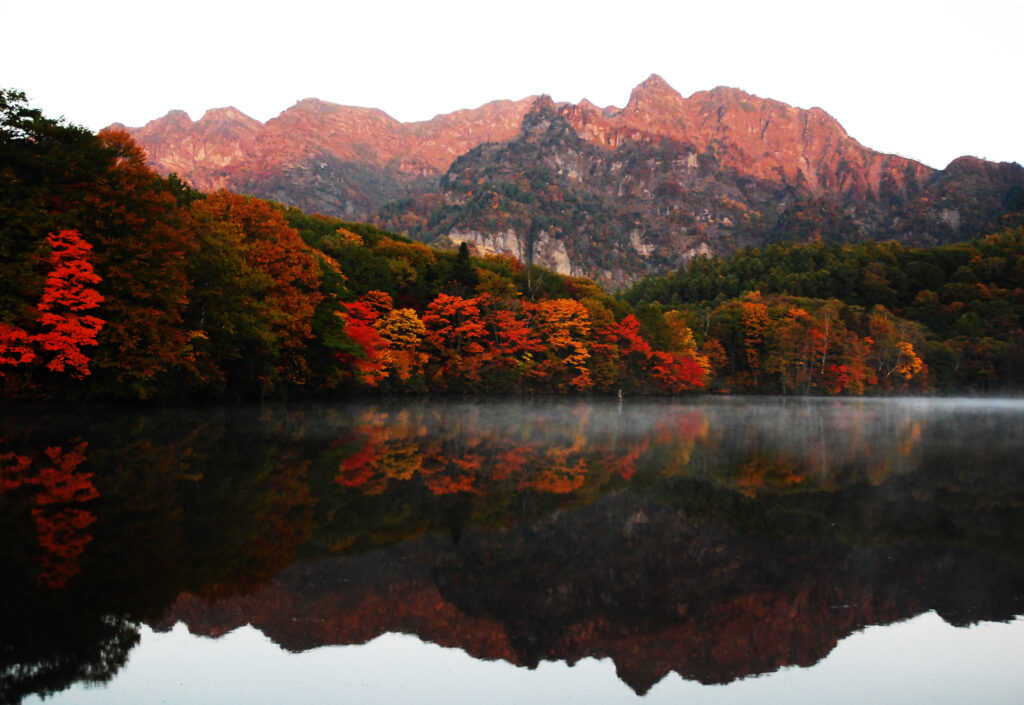
Located in the sacred mountains of Togakushi, Kagami-ike is world-famous for its autumn reflections. In late October, the surrounding maple and beech forests turn brilliant shades of red and gold, reflected perfectly in the still waters.
- Why Visit in Autumn: The contrast of the vibrant leaves against the rugged, grey rock faces of Mount Togakushi is one of Japan's most iconic autumn views.
- Pro Tip: Arrive shortly after sunrise for the calmest waters and the most striking mirror effect before the afternoon winds pick up.

Recommended
1-Day Togakushi Tour: Hands-on Soba, Ninja Secrets & Ancient Shrines
- Spots:
- NaganoTogakushi
- Pick-up:
- Nagano City
- Drop-off:
- Nagano City
Experience the "Roof of Japan" in Gold: Tateyama Kurobe Alpine Route
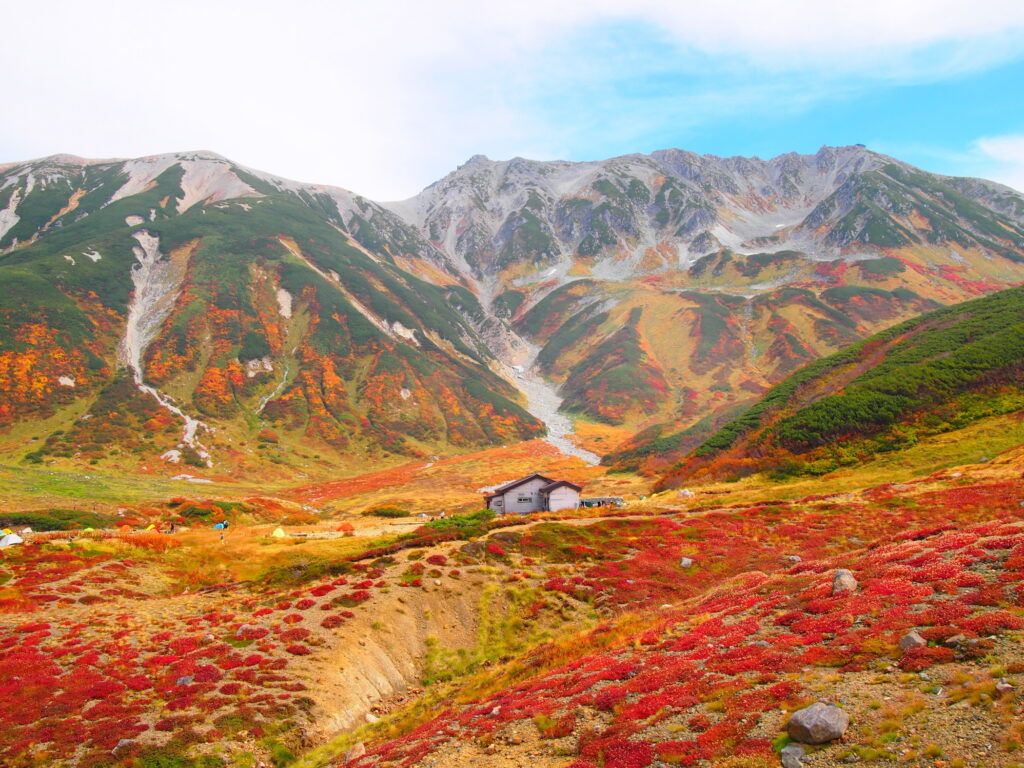
While famous for its spring snow walls, the Alpine Route in late September and early October offers one of Japan's longest and most diverse autumn foliage seasons.
- The Experience: Traverse the mountains by cable car and ropeway to see the colors "descend" from the rocky peaks to the lush valleys below.
- Summer/Autumn Transition: You may even witness the rare three-colored landscape: white snow at the summit, red/orange leaves in the middle, and green forests at the base.
Please note that the Tateyama Kurobe Alpine Route closes on November 30th 2026, so be sure to visit while you can before Winter starts!
Recommended
[Summer/Autumn only] Tateyama-Kurobe Tour: Walking on the 'Roof of Japan'
- Spots:
- NaganoAlpine Route
- Pick-up:
- Nagano City
- Drop-off:
- Nagano City
Savor the Harvest: Apple Picking and Chestnut Delicacies
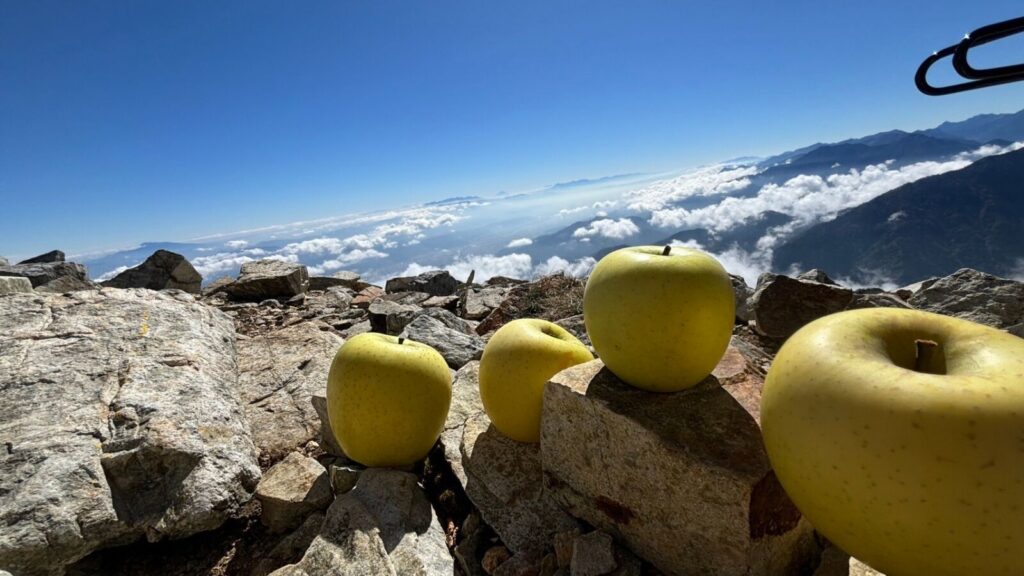
Nagano is Japan's fruit kingdom. Autumn is the peak for Shinshu apples and Obuse chestnuts.
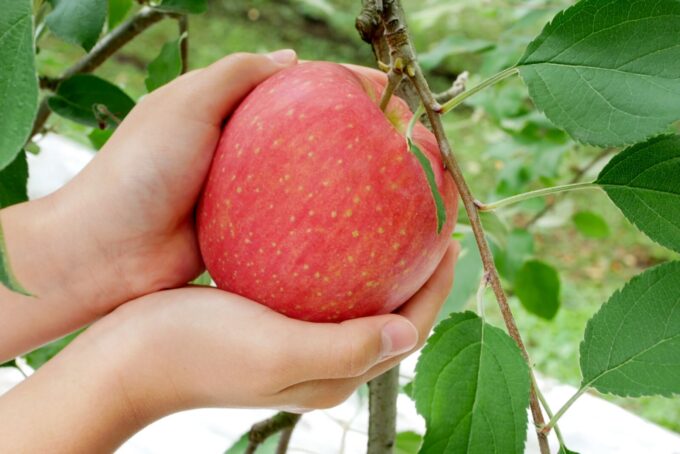
- Apple Picking: Visit a local farm in late autumn to pick fresh, crisp apples right from the tree warmed by the sunlight and fresh to eat!
- Obuse Delicacies: Head to the historic town of Obuse to try 栗子 (Kuri) chestnut specialties, including chestnut ice cream and traditional monaka sweets, while wandering beneath golden-leaved trees.
New Tour
1 Day Tour from Nagano: Fruits-Picking & Family Fun Activities in a Samurai Town
- Spots:
- Nagano
- Pick-up:
- Nagano City
- Drop-off:
- Nagano City
Cultural Highlights: Autumn Atmosphere in Nagano
Autumn in Nagano is a season of deep gratitude and cultural heritage. As the harvest concludes, local communities celebrate with grand samurai parades, sacred mountain rituals, and sky-shaking fireworks. From the first golden leaves in the high peaks to the crisp November nights, the atmosphere evolves beautifully as the season unfolds.
September in Nagano: High Alpine Colors and Harvest Traditions
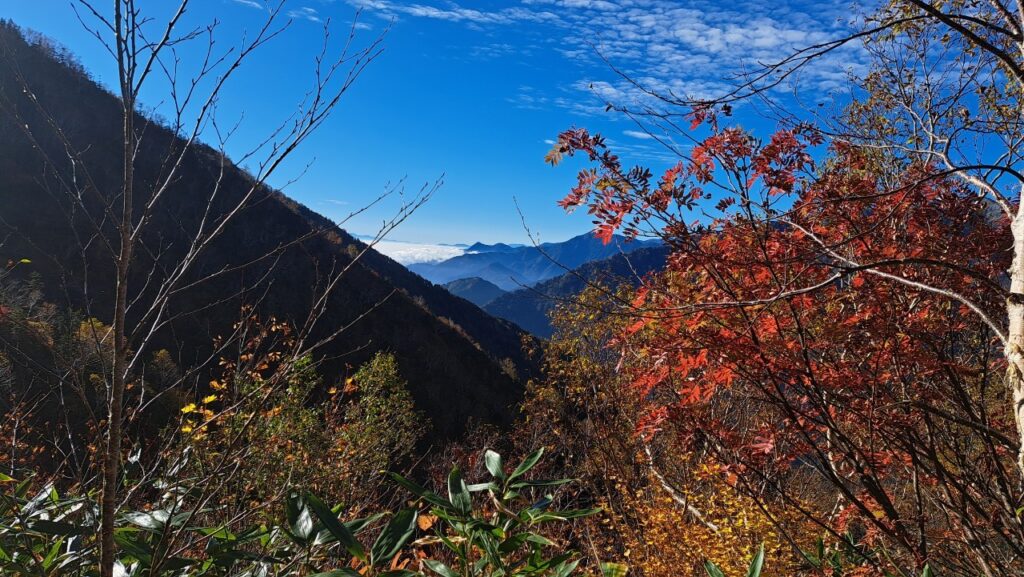
September is a month of nature’s transition. While the valleys remain mild, the humidity of summer fades, and the very first hints of autumn leaves appear in the high peaks.
- Late September: High-Altitude Autumn Kick-off: While the valleys are still green, areas like Tateyama Murodo and Shiga Kogen turn shades of orange and gold. It is the best time for high-altitude hiking before the first dustings of snow appear.
- Hotaka Shrine Ofune Matsuri (September 26–27, 2026): In the Azumino valley, this 300-year-old "Ship Festival" celebrates Nagano's mysterious connection to ancient seafaring clans. Massive floats shaped like mountain boats are paraded and ritualistically crashed together to pray for a rich harvest.
- The Early Harvest: September marks the official start of Nagano’s world-famous fruit harvest. Local farm stands begin to overflow with Shinshu Apples and the first of the seasonal grapes.
Learn More: Discover the first colors of the season and local harvest traditions in our Guide to September in Nagano.
Recommended
[Summer/Autumn only] Tateyama-Kurobe Tour: Walking on the 'Roof of Japan'
- Spots:
- NaganoAlpine Route
- Pick-up:
- Nagano City
- Drop-off:
- Nagano City
October in Nagano: Samurai Parades and Reflective Peaks
October is the peak of autumn aesthetics, where the vibrant colors reach the historic towns and the sacred forests of the middle elevations.
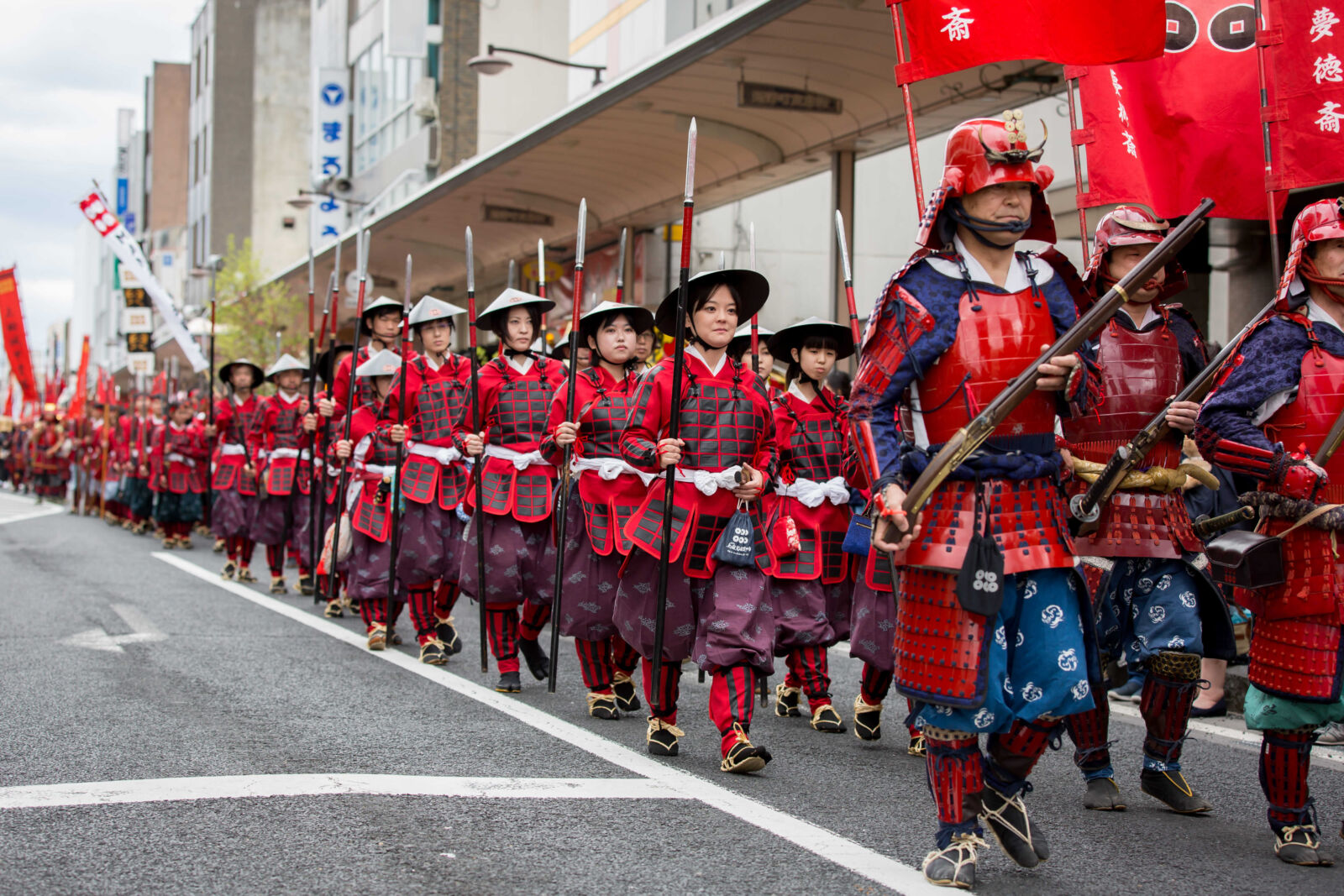
- Matsushiro Autumn Sanada Clan Jumangoku Festival (Mid-October 2026): In the historic town of Matsushiro, the region celebrates its samurai legacy. The highlight is the Jumangoku Parade, where hundreds of locals in authentic armor march through the streets, bringing the Sengoku period back to life.
- The Mirror Reflection at Togakushi: As the leaves reach their fiery peak in late October, the focus shifts to Kagami-ike (Mirror Pond). The stillness of the autumn mornings creates a perfect double-image of the red maple trees against the rugged rock faces.
- Togakushi Soba Harvest: October is the arrival of "Shin-soba" (New Soba). Restaurants across the region celebrate the harvest of fresh buckwheat, offering noodles with a superior aroma and flavor.
Learn More: Explore peak foliage spots and the region’s rich samurai heritage in our Guide to October in Nagano.
Recommended
1-Day Togakushi Tour: Hands-on Soba, Ninja Secrets & Ancient Shrines
- Spots:
- NaganoTogakushi
- Pick-up:
- Nagano City
- Drop-off:
- Nagano City
November in Nagano: Valley Colors and Sky-Shaking Fireworks

By November, the colors settle into the valley floors and castle parks. The air becomes sharp and clear, signaling the approach of winter with spectacular light displays.
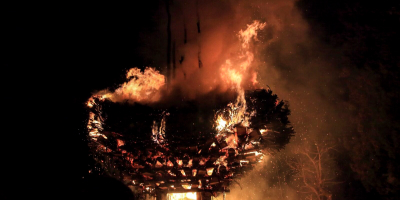
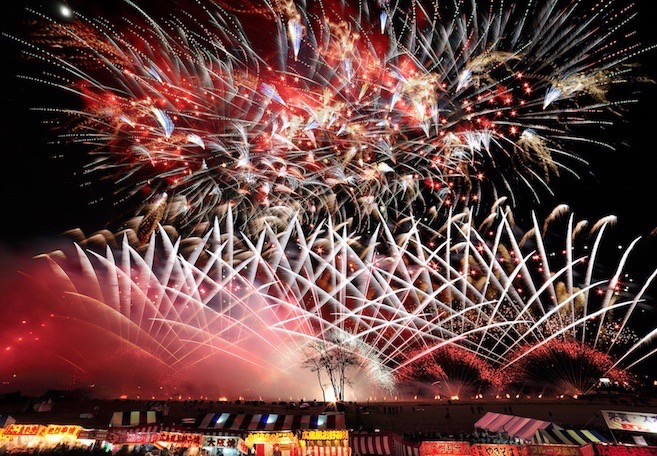
- Nagano Ebisu-ko Fireworks Festival (November 23, 2026): Widely considered Japan’s most beautiful autumn fireworks, this event features over 15,000 launches. The cold, dry November air provides exceptional visibility, making the colors appear sharper than any summer display.
- Preparing for Winter: As the last leaves fall, you will see the traditional Yukitsuri (snow ropes) being installed on ancient pine trees at Zenkoji Temple and local gardens, a beautiful cultural signal that Nagano’s famous snow is just around the corner.
Learn More: Find the best spots for late-season colors and world-class fireworks in our Guide to November in Nagano.
Seasonal Special
[NOV 23 ONLY] 1-Day Tour: Ebisu-ko Fireworks Festival & Snow Monkeys
- Spots:
- NaganoSnow Monkey
- Pick-up:
- Nagano City
- Drop-off:
- Nagano City
Autumn Tours You Shouldn’t Miss
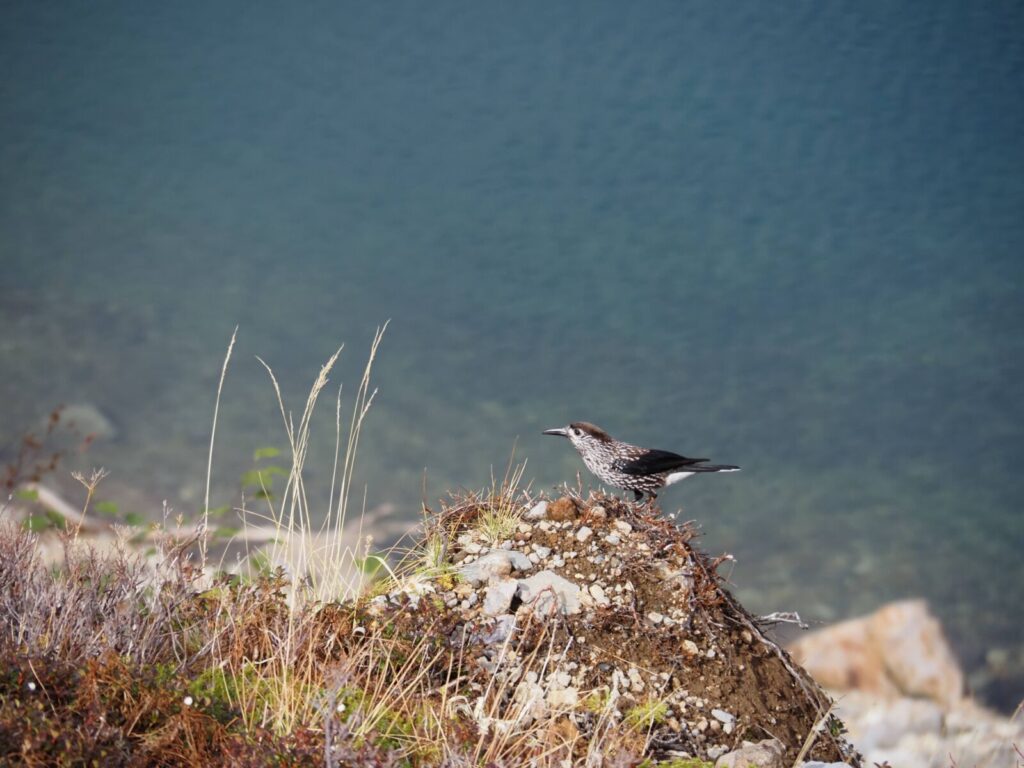
Nagano’s best fall foliage spots and harvest festivals are often located in remote mountain areas. Joining a tour ensures easy transport and access to the best viewing windows for the changing leaves.
[NOV 23 ONLY] 1-Day Tour: Ebisu-ko Fireworks Festival & Snow Monkeys

Experience Japan’s largest and most beautiful autumn fireworks display alongside a visit to the world-famous Snow Monkeys. This once-a-year event attracts over 400,000 spectators to Nagano City, and our tour provides the ultimate way to enjoy it with premium reserved seating and a deep dive into the region's seasonal culture.
Highlights
- Ebisu-ko Fireworks Festival: Witness over 15,000 pyrotechnics and a stunning drone show light up the crisp, clear November sky. With reserved seating included, you’ll have an uninterrupted view of this world-class spectacle.
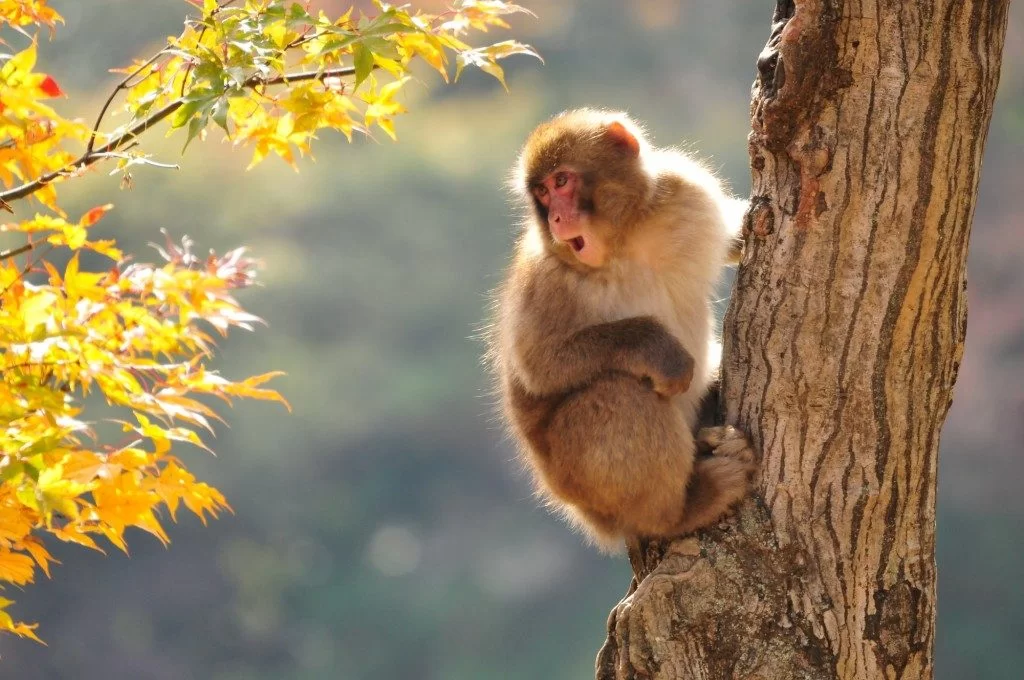
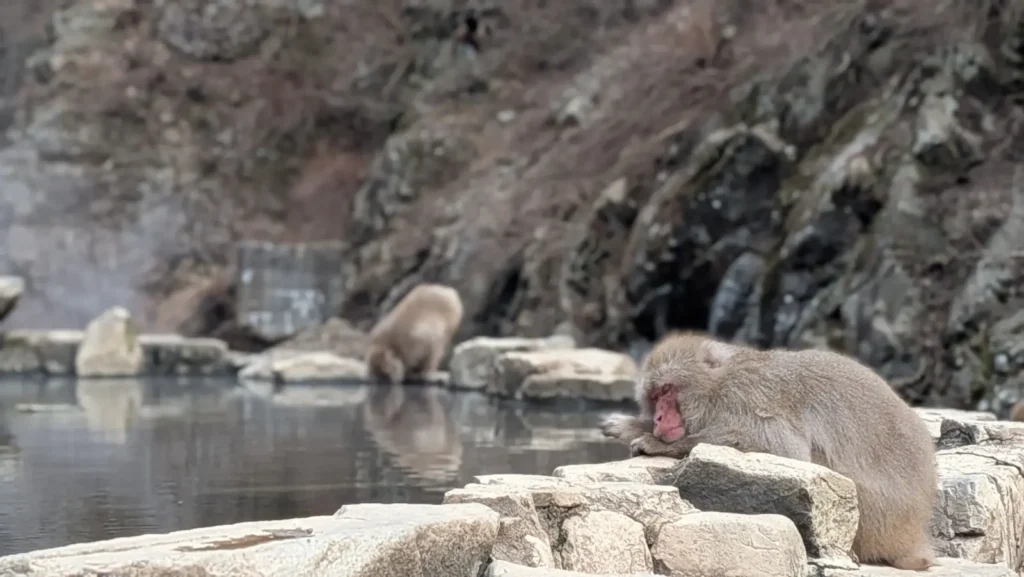
- Snow Monkey Park: Visit the Jigokudani Monkey Park to observe the troop preparing for winter. As the November air cools, the macaques are frequently found soaking in their natural hot spring.
Traveler Tip: November nights in Nagano are exceptionally cold, often dropping below 0°C. While the walk to the monkey park will warm you up, sitting for the two-hour firework show requires heavy winter layers, gloves, and heat packs (kairo).
Seasonal Special
[NOV 23 ONLY] 1-Day Tour: Ebisu-ko Fireworks Festival & Snow Monkeys
- Spots:
- NaganoSnow Monkey
- Pick-up:
- Nagano City
- Drop-off:
- Nagano City
Tateyama-Kurobe Alpine Route Tour From Nagano (Autumn Edition)
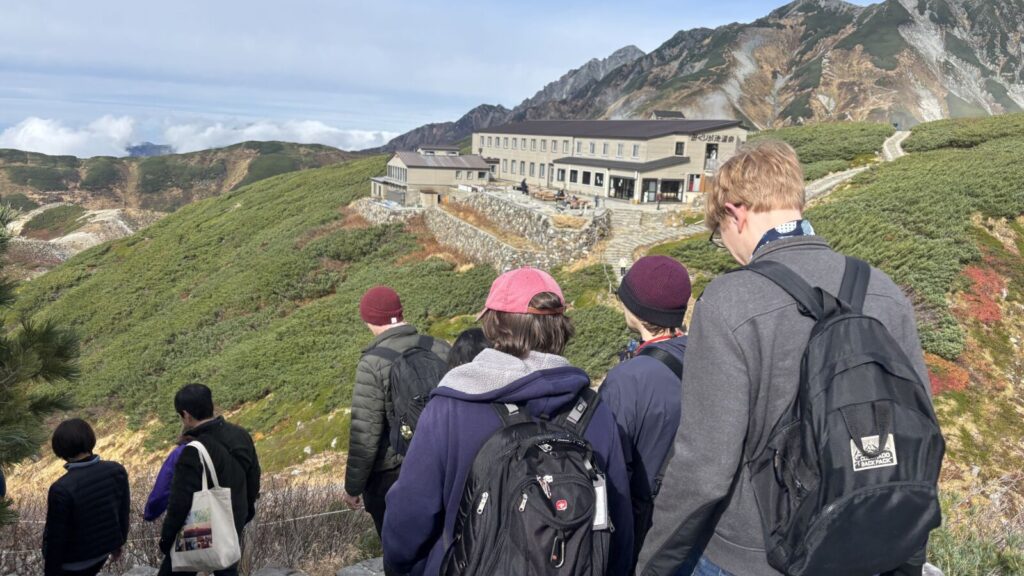
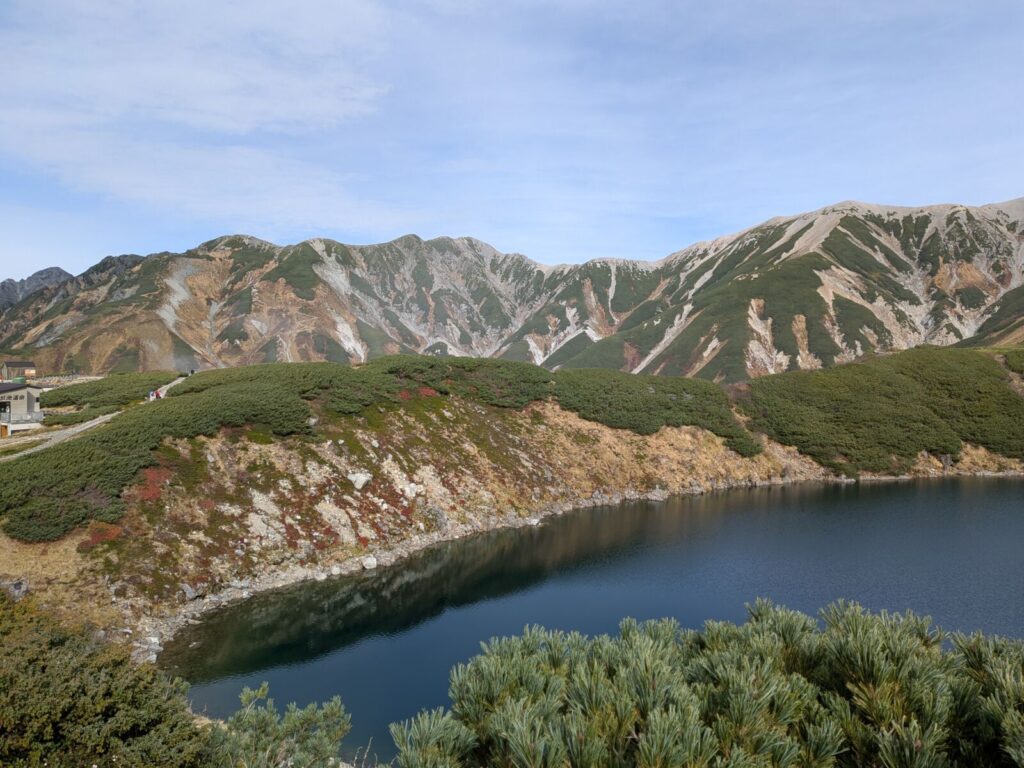
As the season shifts, the Roof of Japan reveals a breathtaking tapestry of colors. Spanning a 2,000-meter elevation gap, this route offers one of Japan’s longest autumn seasons, where you can often witness snow-capped peaks, fiery mid-mountain maples, and green valleys all at once.
Highlights
- Mountain Traverse: Experience a journey to the sky using cable cars, trolley buses, and the Tateyama Ropeway for bird’s-eye views of the changing canopy.
- Kurobe Dam: View Japan’s tallest dam during its spectacular water discharge (available until October 15), framed by vibrant autumn oranges and golds.
- Murodo Plateau: Hike the high-altitude trails at 2,450 meters to see the earliest autumn colors in Japan, typically peaking from late September.
Recommended
[Summer/Autumn only] Tateyama-Kurobe Tour: Walking on the 'Roof of Japan'
- Spots:
- NaganoAlpine Route
- Pick-up:
- Nagano City
- Drop-off:
- Nagano City
1-Day Togakushi Legends Tour: Hands-on Soba, Ninja Village, and Hidden Shrines (Autumn Edition)
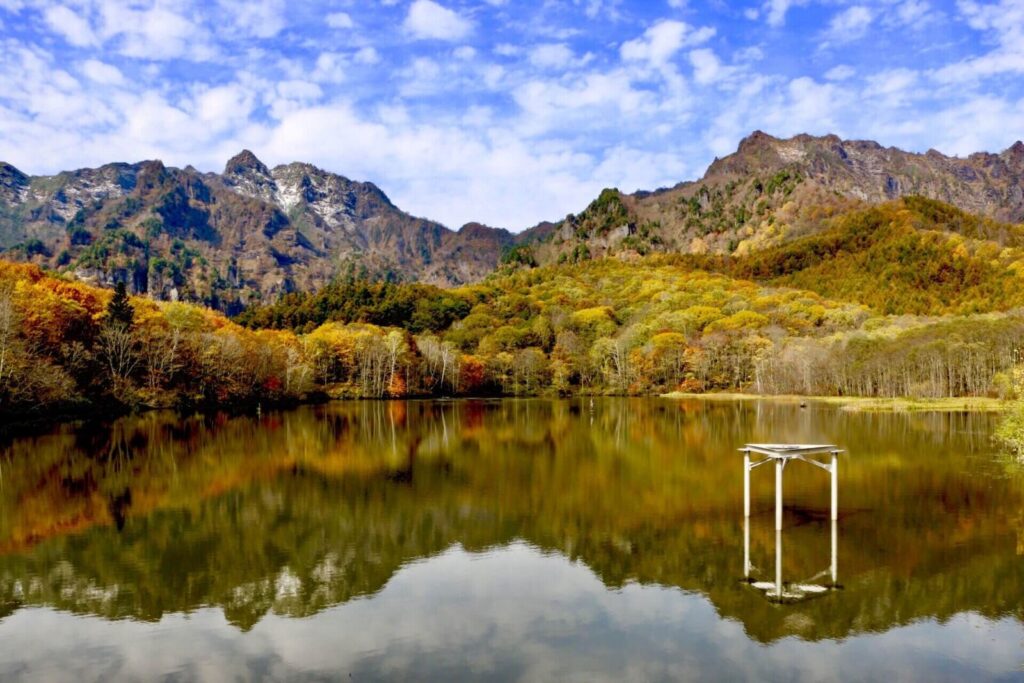
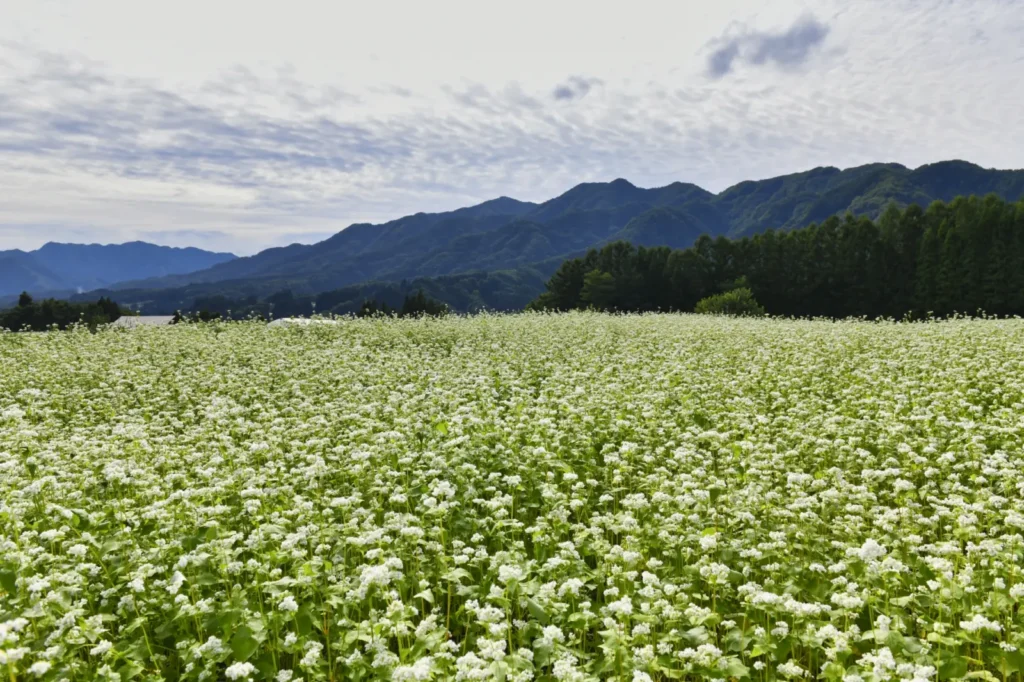
Retreat into the mystical forests of Togakushi, a sacred refuge where the mountain air is crisp and the autumn colors are world-class. This tour combines ninja history with the serenity of pilgrimage paths transformed by fiery maples and golden beech trees. Autumn is the holy grail season for Togakushi, marking the arrival of the new buckwheat harvest and famous mountain reflections.
Highlights
- Hands-on Soba Making: Knead, roll, and cut your own noodles under a master's guidance. In autumn, you’ll use "Shin-soba" (new buckwheat), prized for its superior aroma and sweet flavor.
- Ninja Trick House & Museum: Navigate a maze of trapdoors and hidden passages in an authentic ninja escape room, and explore the tools of the legendary Togakure school of ninja.
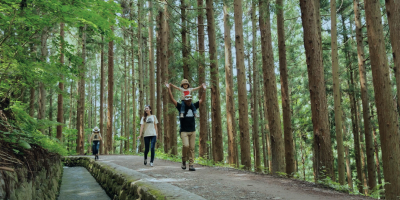
- Giant Cedar Avenue & Kagami-ike: Walk the iconic stone-paved trail flanked by 400-year-old trees. In late October, visit Mirror Pond (Kagami-ike) to see the fiery mountains perfectly reflected in the still water.
Recommended
1-Day Togakushi Tour: Hands-on Soba, Ninja Secrets & Ancient Shrines
- Spots:
- NaganoTogakushi
- Pick-up:
- Nagano City
- Drop-off:
- Nagano City
1-Day Tour: Snow Monkeys, Zenkoji Temple & Sake in Nagano
Experience the spiritual and natural heart of Nagano as the landscape transforms into a canvas of fire-red and gold. This tour takes you from the historic, crisp air of Zenkoji Temple to the vibrant autumn sanctuary of the Jigokudani Monkey Park, where the forest glows with peak fall foliage.
Highlights
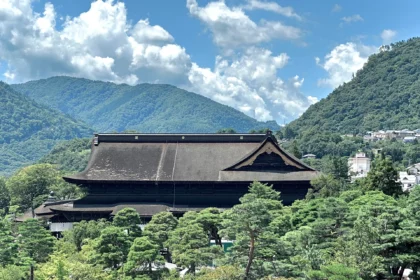
- Autumn at Zenkoji Temple: Explore the 1,400-year-old temple grounds framed by brilliant maple and gingko trees. The dark timber architecture provides a stunning contrast to the vibrant red leaves of the late-season garden.
- Macaques in the Fall Foliage: Witness the monkeys in the stunning Kanbayashi Onsen forest. While they spend more time in the hot spring as the air grows cold, autumn is a high-energy season as the troop prepares for winter.
Traveler Note: In November, the monkeys enter their annual mating season. Because food is abundant in the mountains and their social focus shifts, they are occasionally less likely to visit the park. We recommend checking the live park forecast on the morning visit to the monkeys!

Best Selling
1-Day Tour: Snow Monkeys, Zenkoji Temple & Sake in Nagano
- Spots:
- NaganoSnow MonkeyHakuba
- Pick-up:
- Nagano CityHakuba
- Drop-off:
- Nagano CityHakuba
1-Day Tour from Nagano and Matsumoto: Kamikochi & Matsumoto Castle (Autumn Edition)
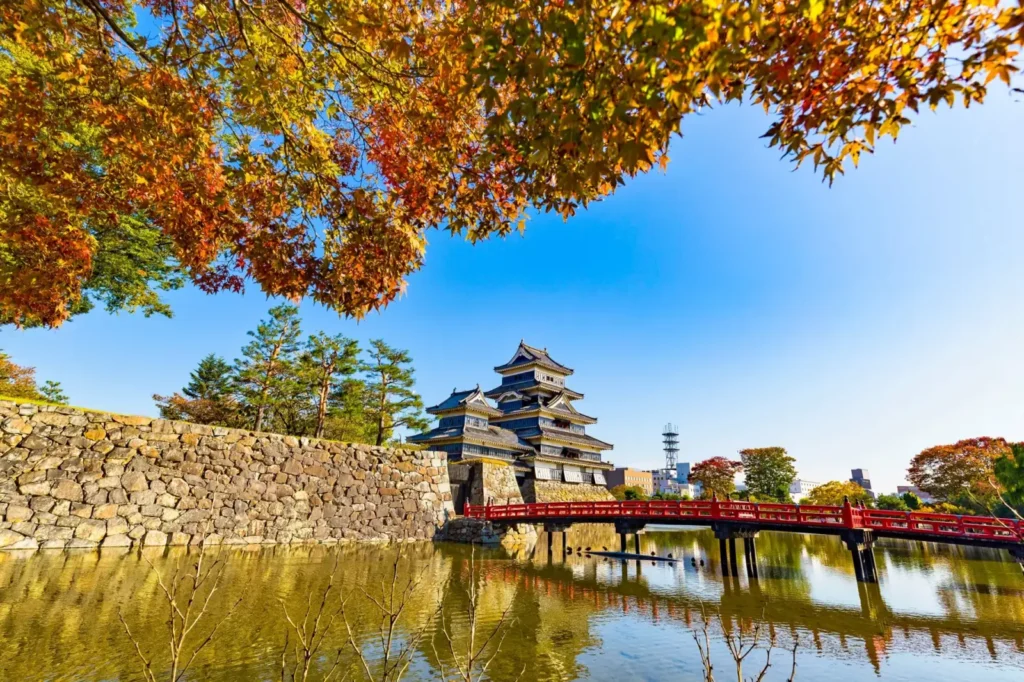
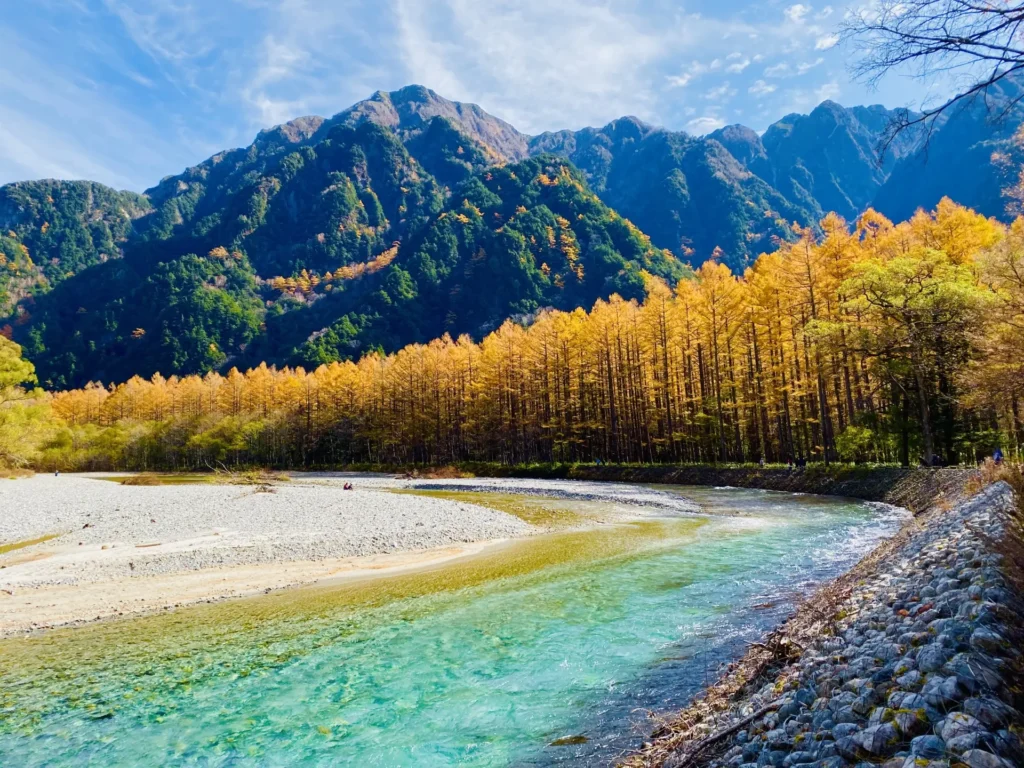
Experience the spectacular transition of the Japanese Alps as the landscape turns to gold. This tour combines a journey through the samurai history of Matsumoto with a visit to the high-alpine sanctuary of Kamikochi, offering some of the most iconic autumn foliage views in the country.
Highlights
- Golden Larch Forests: Walk along the turquoise Azusa River as the surrounding larch trees turn a brilliant, shimmering gold, a signature autumn sight unique to the Kamikochi valley.
- Historic Matsumoto Castle: Explore one of Japan’s premier original castles. The black "Crow Castle" provides a striking contrast against the fiery red maples and snow-dusted peaks in the distance.
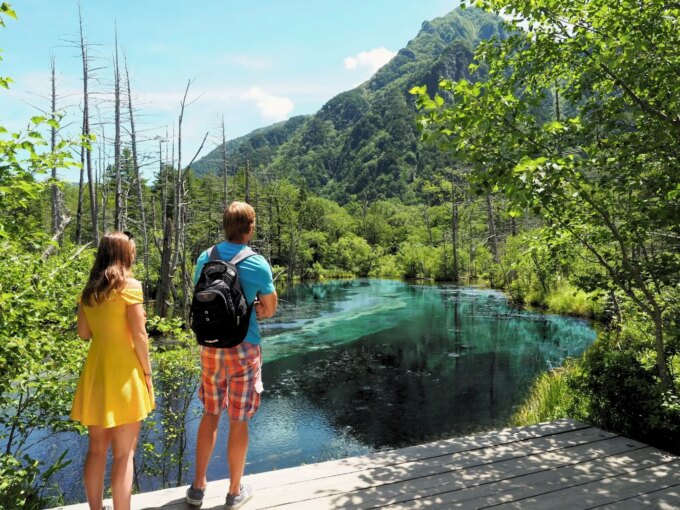
- Alpine Photography: Capture the reflection of the towering Hotaka Range in the still waters of Taisho Pond, framed by the vibrant colors of the changing season.
Traveler Note: Kamikochi officially closes for the winter in mid-November. Late October is the peak for autumn colors, but be prepared for freezing morning temperatures—layering is essential for this high-altitude adventure!
Best Selling
1-Day Tour from Nagano and Matsumoto: Kamikochi & Matsumoto Castle
- Spots:
- NaganoMatsumotoKamikochi
- Pick-up:
- Nagano CityMatsumoto
- Drop-off:
- Nagano CityMatsumoto
Practical Tips for Visiting Nagano in Autumn
Planning an autumn trip to Nagano requires a strategic approach to timing and packing. Because the autumn colors move from the high peaks down to the valley floors over a two-month period, these tips will help you stay warm and ensure you catch the foliage at its absolute peak.
Timing Your Visit: Chasing the Fall Colors
To see Nagano’s best colors, you must match your dates to the right elevation.
- Early to Mid-October: Focus on high-altitude zones like Kamikochi, Shiga Kogen, and the Tateyama Kurobe Alpine Route.
- Late October to Early November: This is the "Golden Window" for middle elevations like Togakushi and the lakeside beauty of Lake Suwa.
- Mid to Late November: The colors finally reach the valley floors, illuminating Zenkoji Temple, Matsumoto Castle, and the samurai district of Matsushiro.
What to Wear
Autumn in Nagano is defined by drastic temperature swings between sunny afternoons and freezing mornings. A layered wardrobe is essential.
- The Layering System: Start with a breathable base, add a warm mid-layer (fleece or wool), and carry a windproof outer shell.
- Alpine Essentials: If visiting the Alpine Route or Kamikochi in October or November, a light down jacket and gloves are mandatory. Temperatures at these heights often hover near freezing even when the sun is out.
- Footwear: Sturdy, slip-resistant shoes are vital. Autumn rain can make the stone-paved paths of Togakushi or the forest trails to the Monkey Park slippery with fallen leaves.
Don’t Miss Seasonal Harvest Flavors
Nagano is the heart of the harvest, so be sure not to miss the best flavors that it has to offer.
- Shin-Soba (New Soba): Look for signs at noodle shops in November. This new buckwheat harvest is celebrated for its incredible aroma and is a must-try in Togakushi.
- Apple & Chestnut Season: Nagano is famous for Shinshu Apples and Obuse Chestnuts. Autumn is the only time to get these fresh from the source, so look for warm chestnut manju or fresh-pressed apple cider at local stalls.
Frequently Asked Questions about Nagano in Autumn/Fall
The peak season lasts from late September to mid-November, but it depends on elevation. High-altitude areas like the Alpine Route peak in late September. Mid-elevation spots like Kamikochi and Togakushi peak in late October, while the city centers and Matsumoto Castle usually reach their vibrant best in early to mid-November.
The temperature drops significantly as the season progresses. In October, Nagano City averages 12–18°C (54–64°F), but the mountains can drop to 0–5°C (32–41°F). By late November, nighttime temperatures often dip below freezing, especially during outdoor events like the Ebisu-ko Fireworks.
Yes! The monkeys are in the park year-round. Autumn is an active time as they forage for nuts and berries to prepare for winter. However, please note that November is mating season; because the monkeys are wild and food is abundant in the forest, they may occasionally stay deeper in the mountains and visit the park less predictably.
Many locals prefer the Ebisu-ko Fireworks (Nov 23) because the autumn air is much drier and clearer than the humid summer air. This lack of haze makes the colors appear sharper and more "high-definition." Just remember to dress in full winter gear, as you will be sitting outside for over two hours!
The route typically stays open until November 30th. However, by mid-November, the autumn leaves have usually fallen, and the landscape begins to transition back into a snowy winter wonderland.
"Shin-soba" refers to New Soba made from the freshly harvested buckwheat of the current year. In Nagano, the autumn harvest (around October/November) is celebrated because the flour is at its most fragrant and flavorful. Trying Shin-soba in Togakushi is considered the ultimate autumn culinary experience in the region.
Kamikochi is accessible until its official closing ceremony on November 15th. After this date, the hotels and bus services shut down for the winter. The best time for the golden larch trees is usually the last week of October.
Yes, especially around November 23rd. Because of the Ebisu-ko Fireworks, hotels in Nagano City are often fully booked months in advance. Similarly, trains to and from Tokyo are very crowded during this weekend, so we highly recommend reserving your Shinkansen seats early.