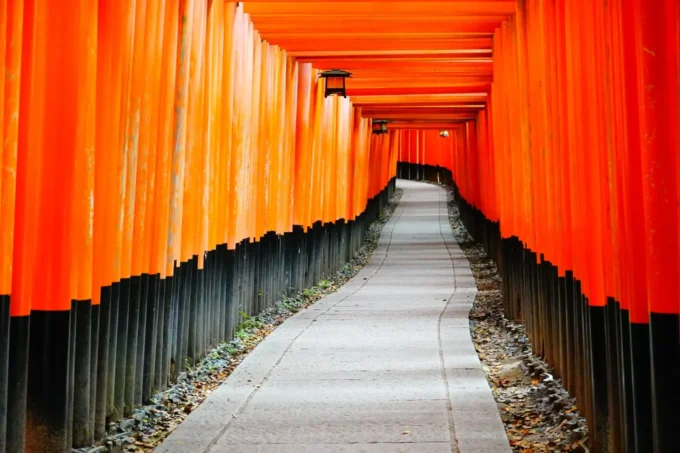



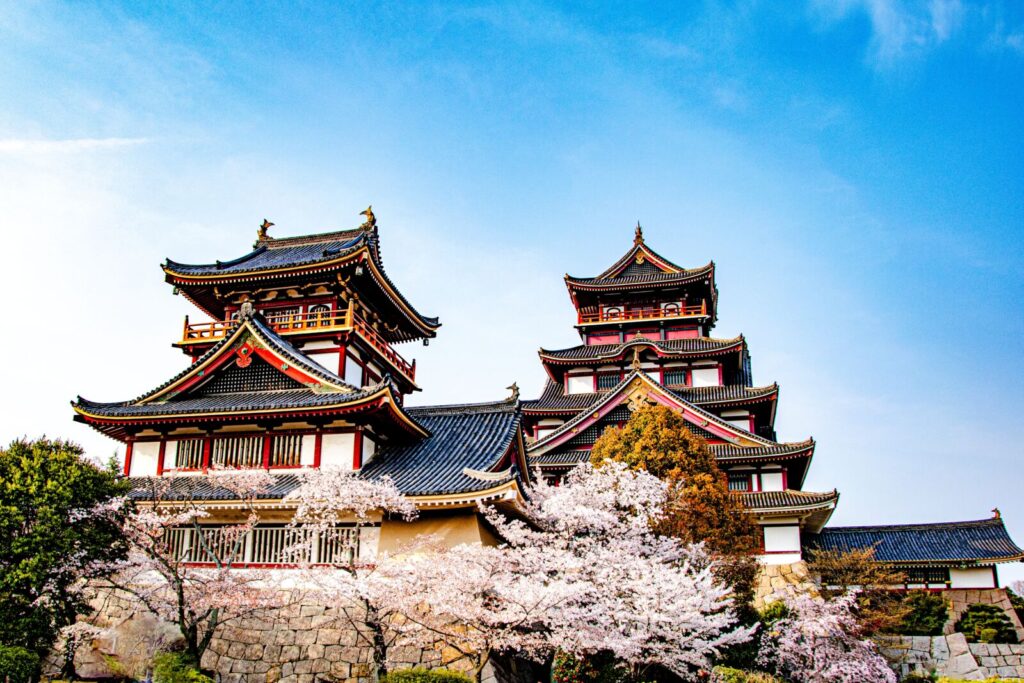
Fushimi is best known as the home of Fushimi Inari Taisha and its thousands of vermilion torii gates, but this historic district in southern Kyoto offers far more than one famous shrine. The name Fushimi (伏見) is commonly interpreted as “a hidden place” or “a concealed view,” a fitting description for an area long shaped by what lies beneath the surface. Pure underground springs and access to the Yodo River system allowed Fushimi to develop early as Kyoto’s southern gateway—a strategic river port linking the capital to Osaka, Japan’s commercial heart. Long before Kyoto became a tourist city, Fushimi grew wealthy supplying sake, rice, and goods downstream, eventually becoming one of Japan’s most important sake-producing regions.
During the final years of the Tokugawa shogunate, Fushimi emerged as a political and military flashpoint. Samurai clashes, political assassinations, and shifting loyalties unfolded in its streets and inns as the country moved toward the Meiji Restoration. In the modern era, Fushimi gained imperial significance with the burial of Emperor Meiji, forever tying the area not only to Kyoto’s past, but to the birth of modern Japan itself. Today, Fushimi remains one of Kyoto’s most rewarding districts to explore—quieter than the city center, deeply layered in history, and filled with shrines, temples, waterways, breweries, and neighborhoods that still serve the local community.
Explore the Fushimi Sake Village & Visit a Brewery
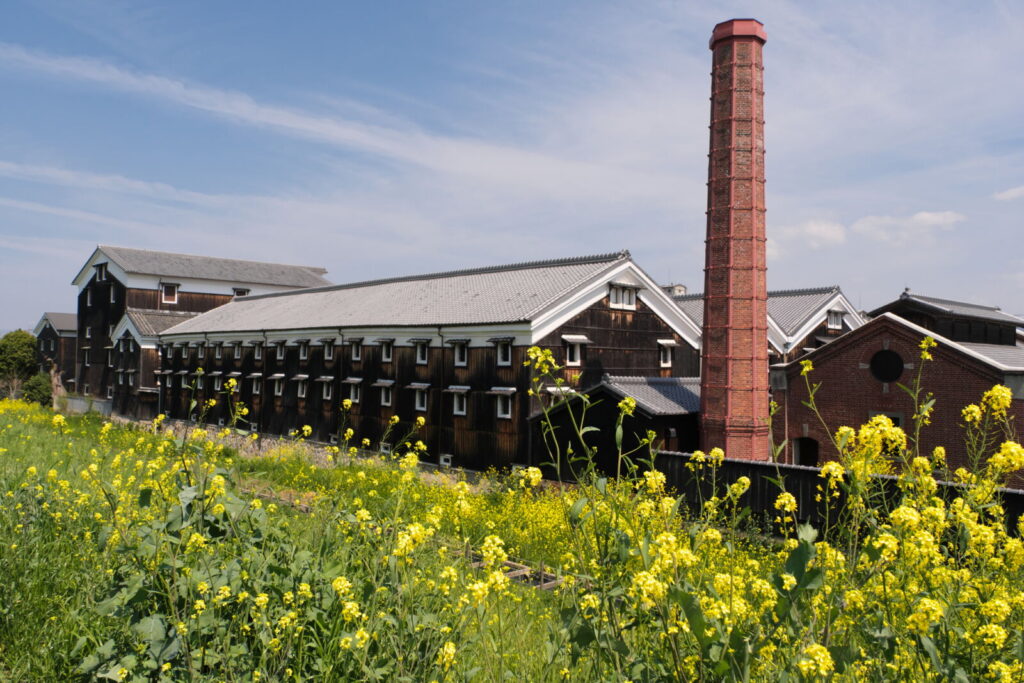
Best time to visit: Autumn to early spring, especially during brewing season
Seasonal highlight: Winter brewing activity and limited seasonal sake releases
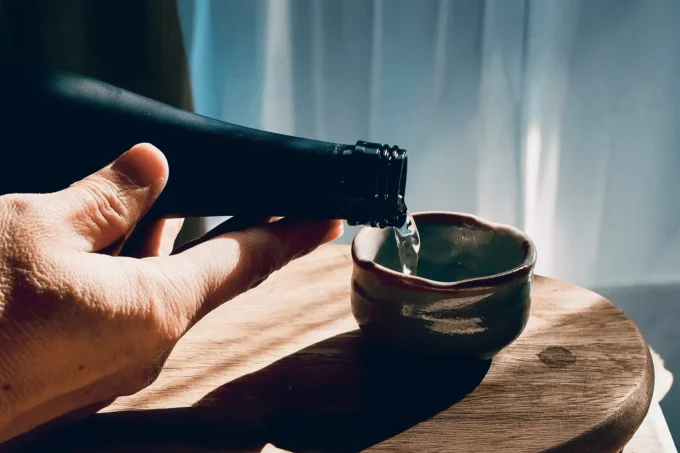
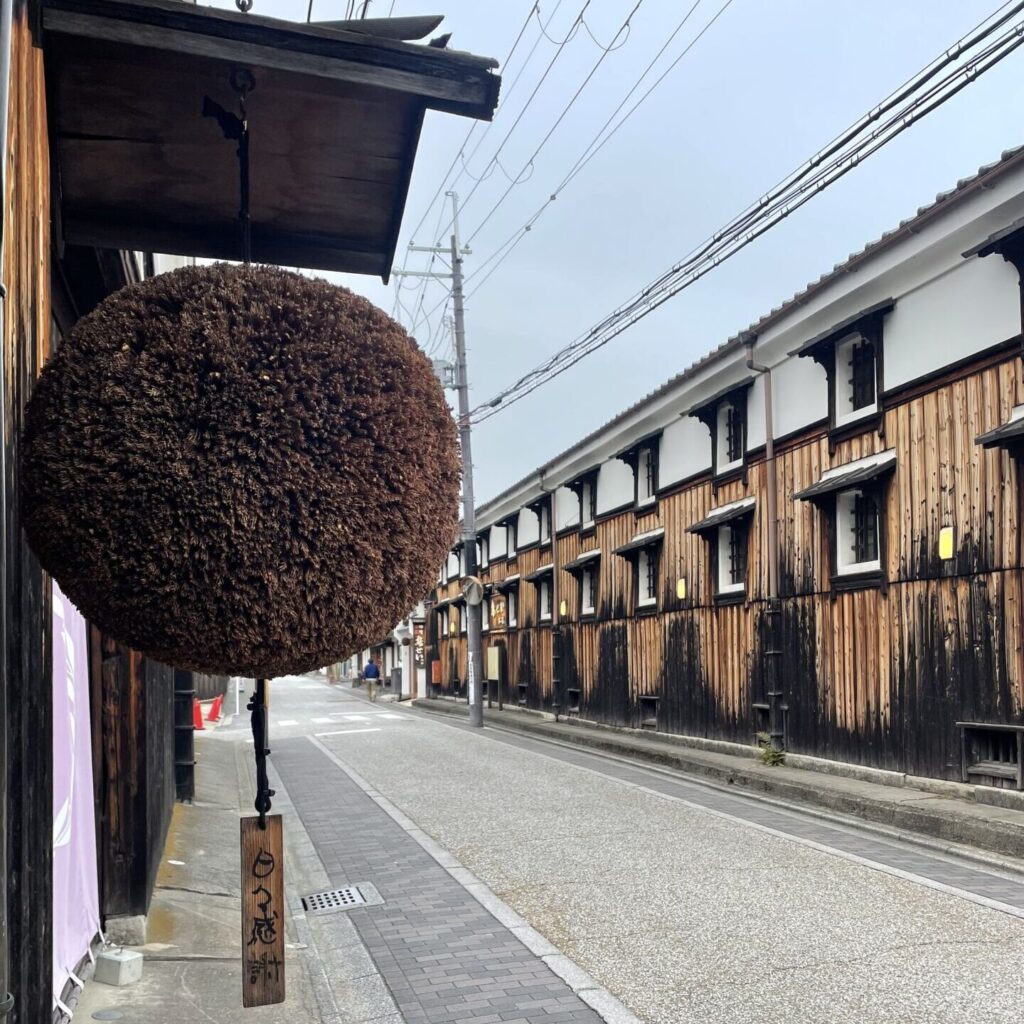
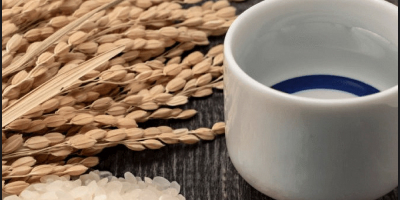
Fushimi is one of Japan’s three great sake-producing regions, home to more than 20 active breweries. Its soft, mineral-rich underground water produces smooth, gentle sake styles that have been favored in Kyoto for centuries. Fushimi actually means
The compact sake district makes it easy to walk between breweries, and several offer tastings, shops, or guided tours, allowing visitors to sample different styles while learning how water, rice, and technique shape the final flavor. This is one of the most approachable places in Japan to experience sake culture without needing deep prior knowledge. For more information about exploring the Fushimi Sake District, check out our Top 10 Sake Breweries To Visit In Kansai page.
Take the Fushimi Jikkokubune Canal Boat Ride
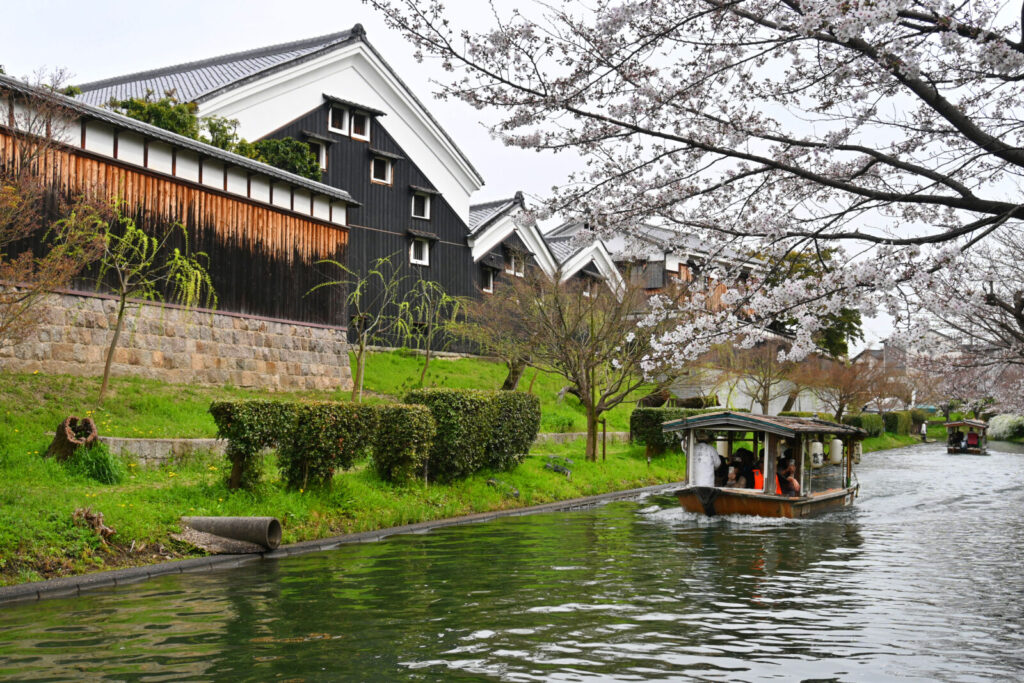
Best time to visit: Spring (cherry blossoms) and autumn
Seasonal highlight: Cherry blossom cruises, when the canals are lined with sakura
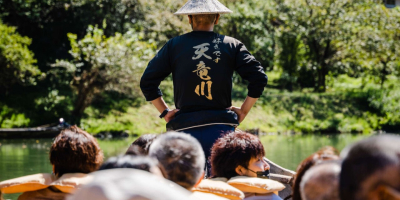
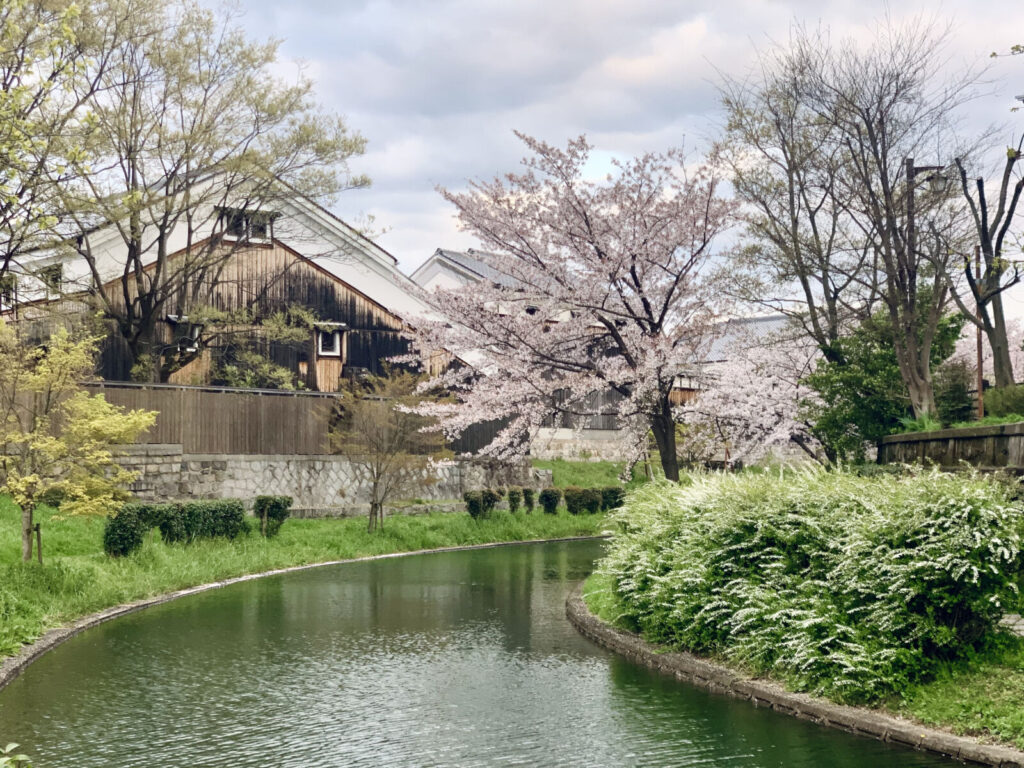
The canal boats trace Edo-period shipping routes once used to transport sake and rice toward Osaka. Floating quietly through the waterways reveals how deeply water shaped Fushimi’s economy and layout.
It’s scenic, historically meaningful, and one of the easiest ways to understand why Fushimi became wealthy in the first place. The boat ride is absolutely stunning during cherry blossom season as cherry trees line the entire length of the canal. This is unavailable in winter.
Gokōnomiya Shrine and Its Sacred Spring
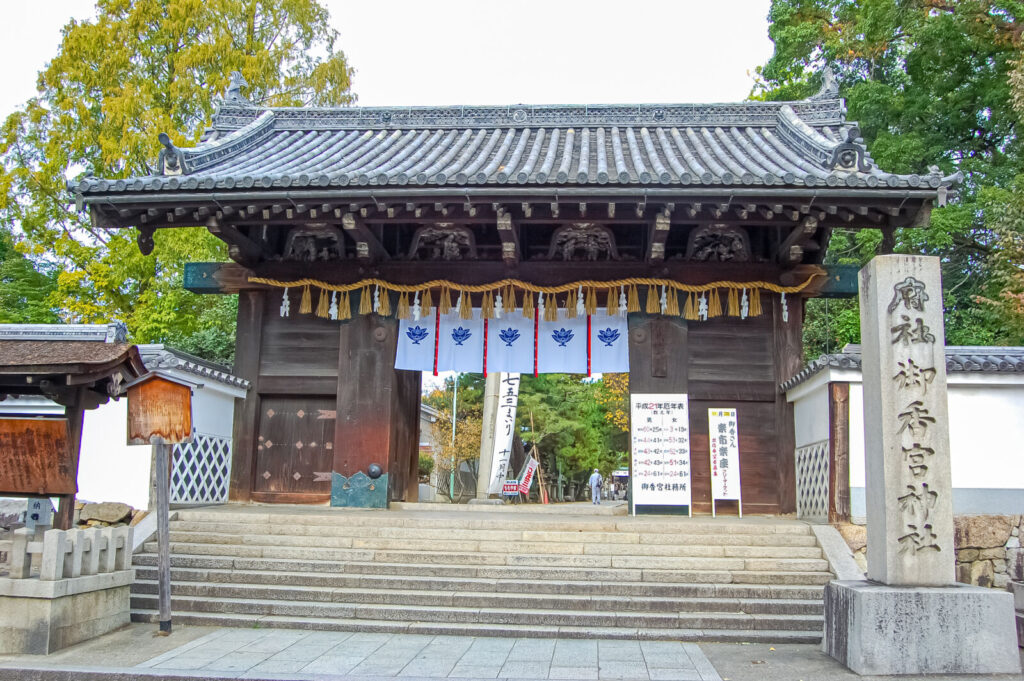
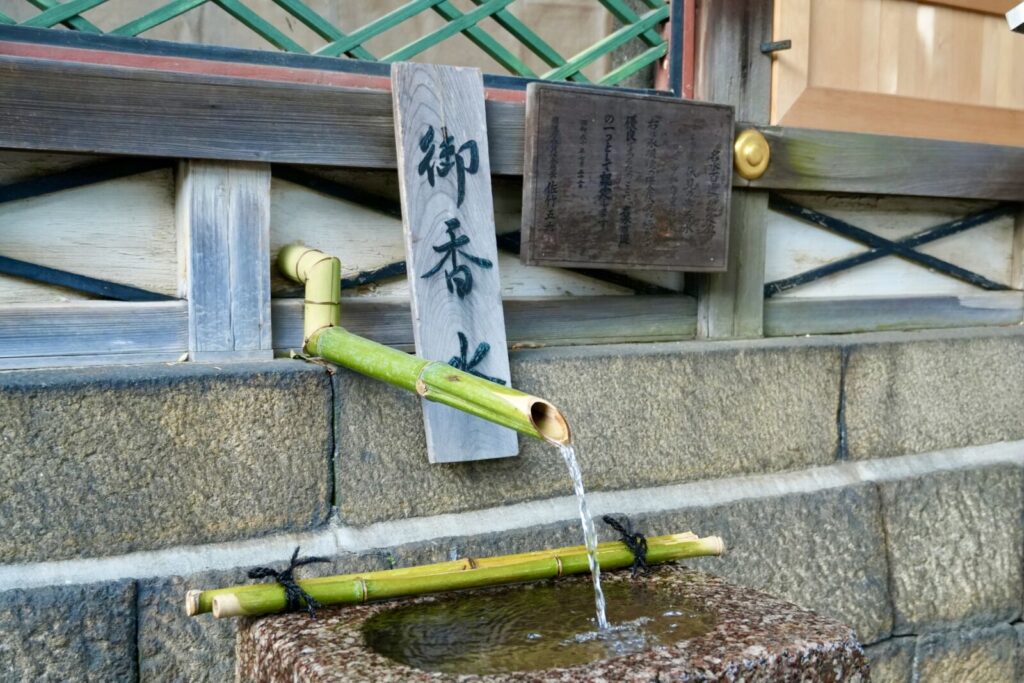
Best time to visit: Morning, year-round
Festival highlight: Gokōnomiya Shinkō-sai in the first week of October. Famous for the Flower Umbrella Festival.
Gokōnomiya Shrine protects one of Fushimi’s most important natural resources: pure underground water. Revered since antiquity, this spring was vital to the area’s development and remains closely tied to the sake industry. The shrine’s sacred spring has long been believed to promote health and longevity. You can even fill up your water bottles here!
It’s a calm, uncrowded shrine where visitors can connect Shinto belief, local geography, and everyday life in one place.
Teradaya Inn & Bakumatsu-Era Fushimi
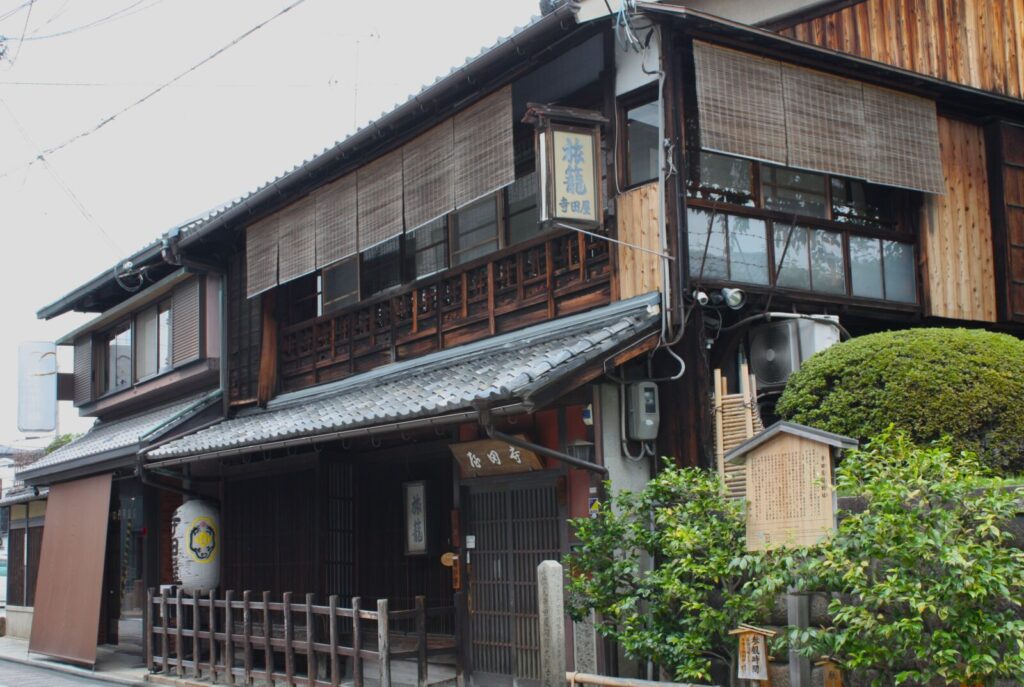
Best time to visit: Late morning to afternoon
Historical focus: Bakumatsu period (mid-19th century)
The Teradaya Inn is inseparable from the violent final years of the Tokugawa shogunate. It is famously associated with Sakamoto Ryōma, who narrowly escaped assassination here during political turmoil. The Inn has been preserved and transformed into a museum that explores this tumultuous period in Japanese history.
The surrounding streets witnessed clashes, betrayals, and secret meetings that helped shape the Meiji Restoration. Walking this area turns national history into something tangible — narrow alleys, river crossings, and surviving buildings.
Fushimi Castle Ruins & Emperor Meiji’s Mausoleum (Momoyama Area)
Best time to visit: Early morning or late afternoon
Seasonal highlight: Autumn foliage along the approach paths and spring picnic under cherry trees
The Momoyama hills unite two defining eras of Japanese history. Fushimi Castle, built by Toyotomi Hideyoshi in the late 16th century, symbolized political ambition and strategic control. Though the original castle no longer stands, the area still conveys its former importance. The reconstruction is a beautiful building, but unfortunately tourists can't enter the building.
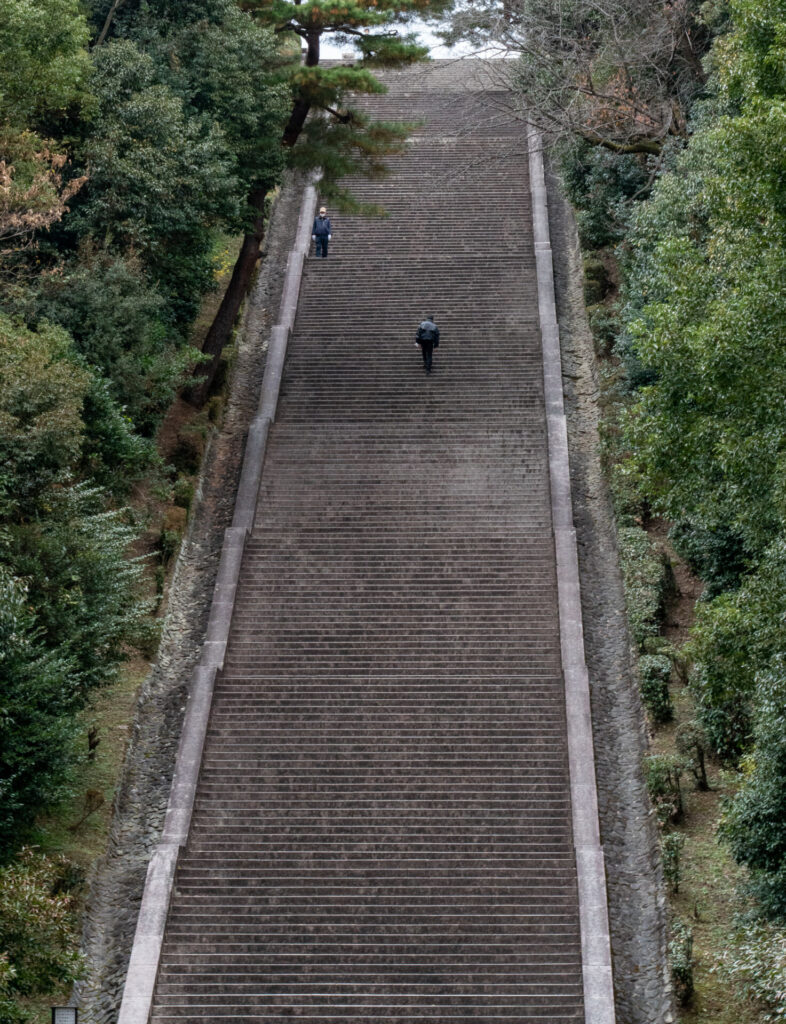
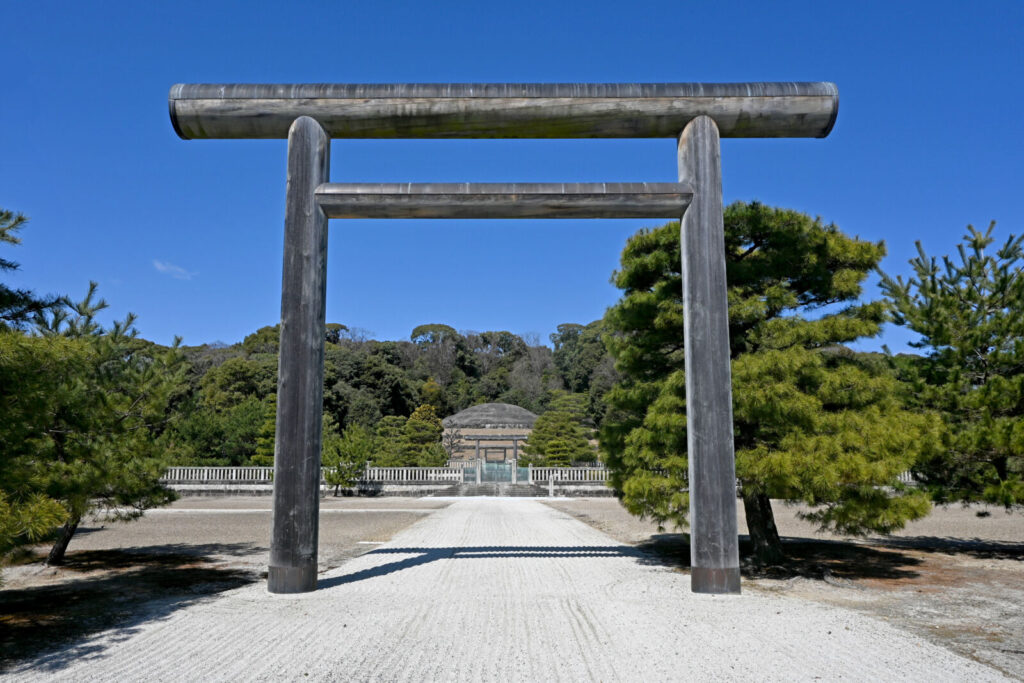
Nearby lies the Mausoleum of Emperor Meiji, approached by a long, solemn stone staircase through forested grounds. Emperor Meiji oversaw Japan’s transition from feudal rule to a modern nation-state, making this one of Kyoto’s most nationally significant sites.
Fujinomori Shrine & Kyoto Racecourse (Ancient Faith Meets Modern Sport)
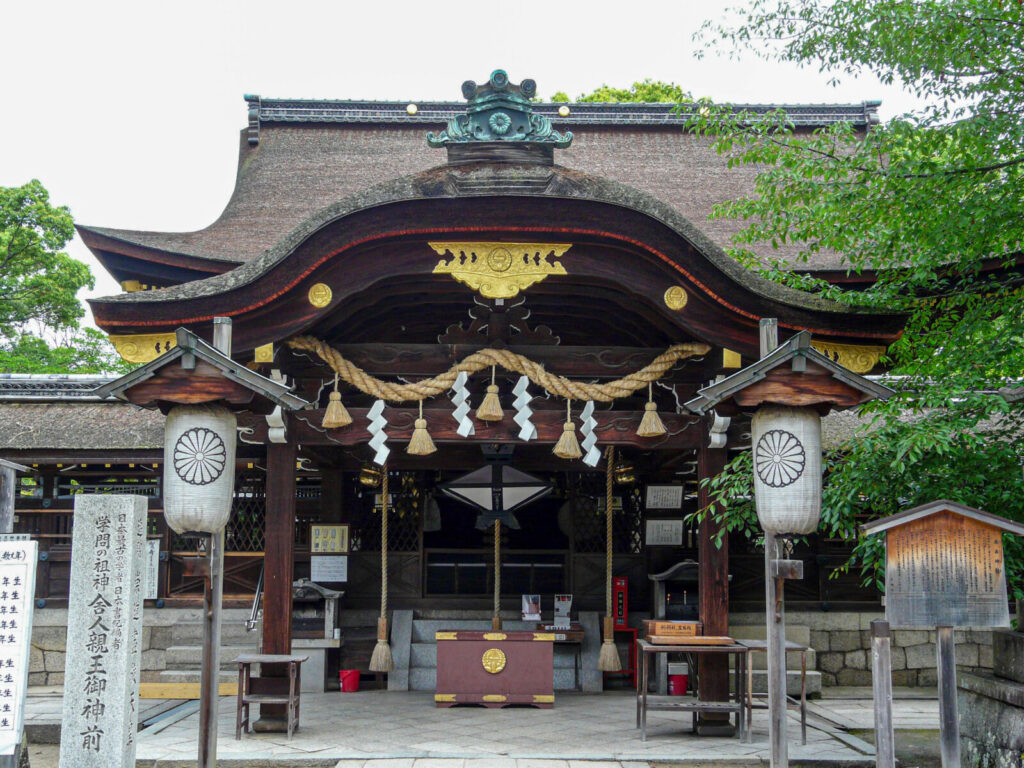
Best time to visit: Spring and early summer
Festival highlight: Fujinomori Festival (May), featuring equestrian and martial traditions
Founded in the 8th century, Fujinomori Shrine is dedicated to deities associated with victory, martial strength, and horses. It has long been linked to military success and imperial rituals and is widely considered the birthplace of horse racing in Japan.
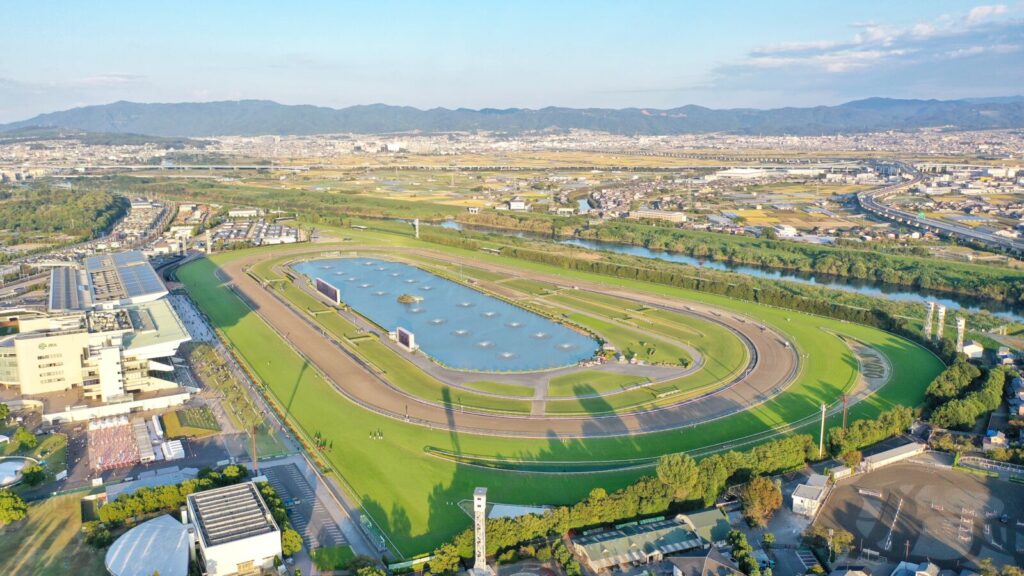
Just south in Yodo stands the Kyoto Racecourse, one of Japan’s premier horse racing venues. Together, they form a fascinating bridge between ancient ritual and modern sport — from sacred horses to contemporary racing culture.
Fujinomori Shrine
Kyoto Racecourse
Jōnangū Shrine & Seasonal Gardens
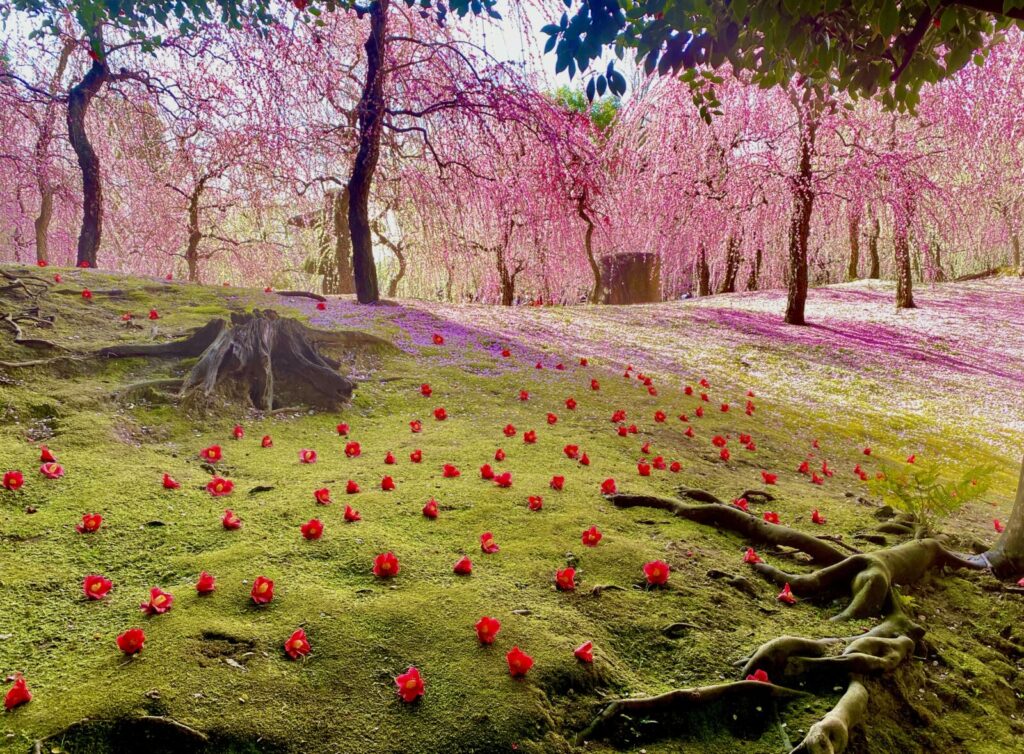
Best time to visit: February and March for plum blossoms and autumn
Festival highlight: Seasonal garden events and purification rituals
Jōnangū Shrine was established to protect Kyoto’s southern approach and is dedicated to deities associated with directional protection and purification. It is especially admired for its elegant gardens, which change dramatically with the seasons.
This shrine adds refinement and visual beauty while reinforcing Fushimi’s role as Kyoto’s southern guardian.
Bamboo Forest on the Back Side of Mount Inari
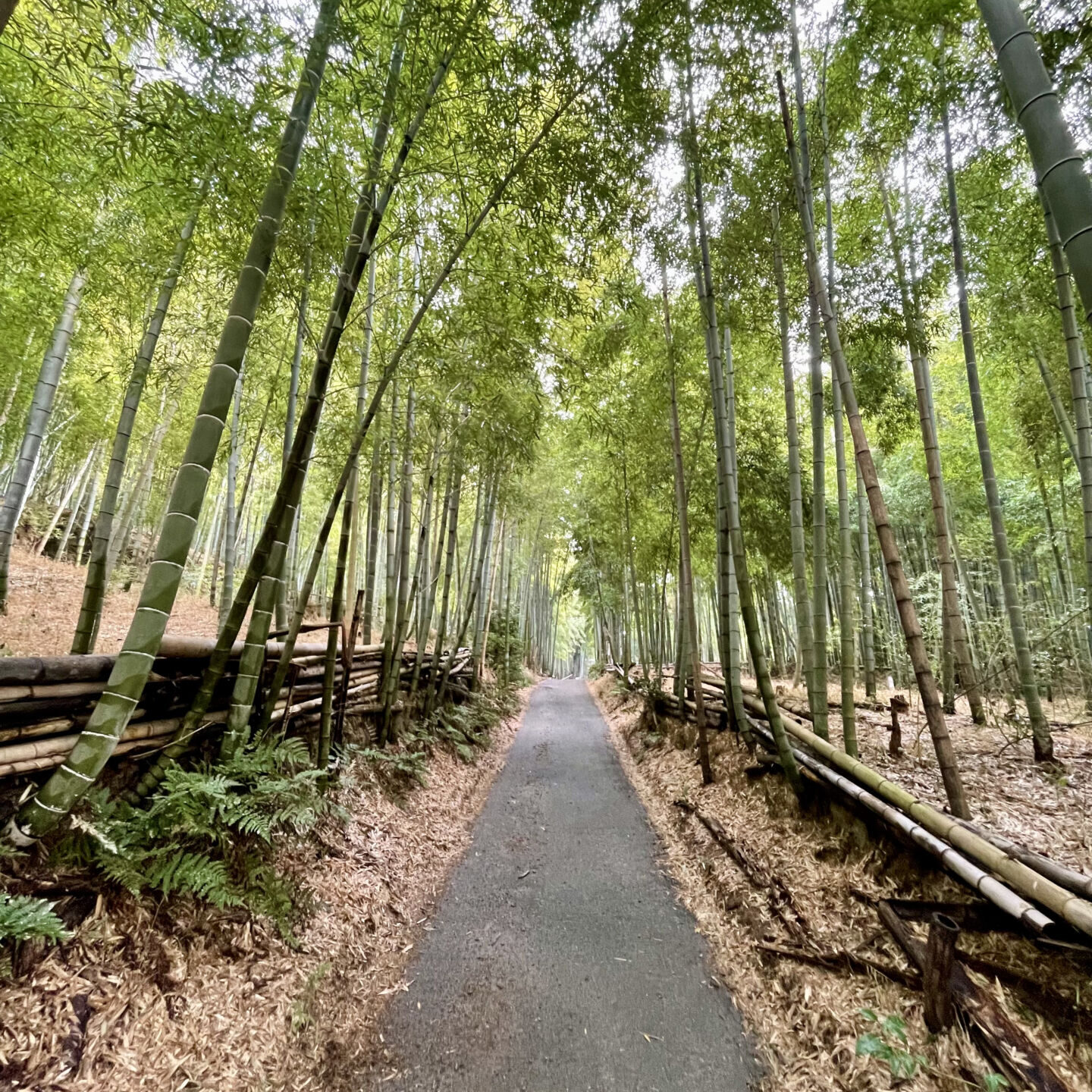
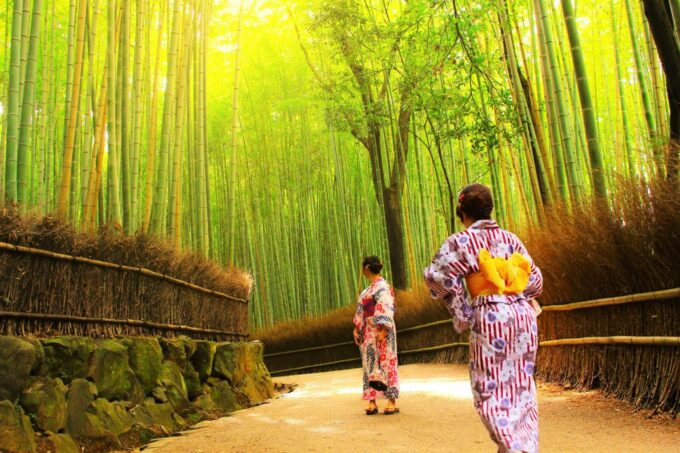
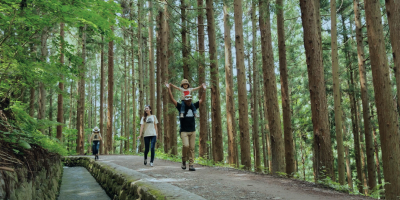
Beyond the famous torii gates lies a quieter bamboo grove that many visitors never see. Located on the back side of Mount Inari, it offers a calmer, more atmospheric experience than Arashiyama’s bamboo forest.
This area pairs beautifully with a longer Fushimi walk, especially for travelers seeking nature without crowds.
Chōken-ji Temple: Water, Mercy, and Protection
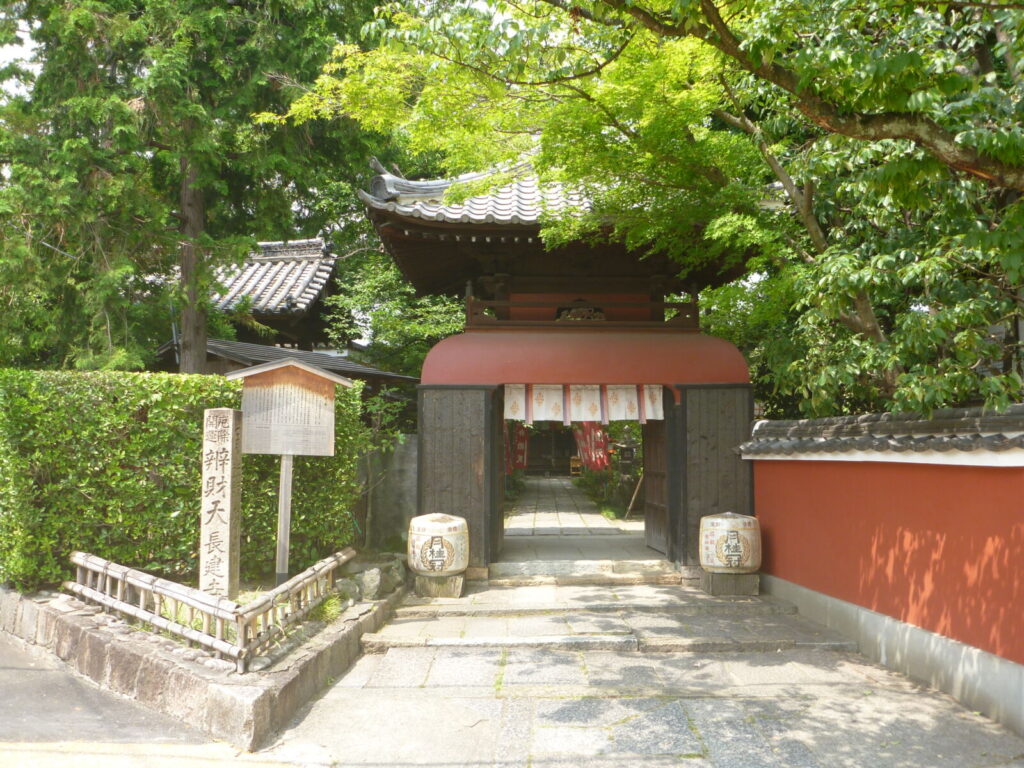
Best Time to Visit Spring (late March–April): Chōken-ji is a charming cherry blossom spot
Festival highlight -New Year (January 1–3): Local visitors come for hatsumōde (first shrine/temple visit of the year) and prayers for protection and good fortune.
Chōken-ji is a Buddhist temple dedicated to Kannon, the Bodhisattva of Mercy, and has long been associated with protection from misfortune and illness. Historically, it was closely tied to Fushimi’s water culture — an important connection in an area shaped by springs, canals, and purification rituals.
One of the temple’s most intriguing features is the “Maria Lantern” tucked quietly on the grounds. At first glance it looks like a normal stone lantern, but at the base of the plinth is a small carving representing Mary, the mother of Jesus. This relic dates back to the Edo period (1603–1868), when Christianity was banned and believers risked death for practicing their faith.
Ōtesuji Shopping Street & Local Food Stops
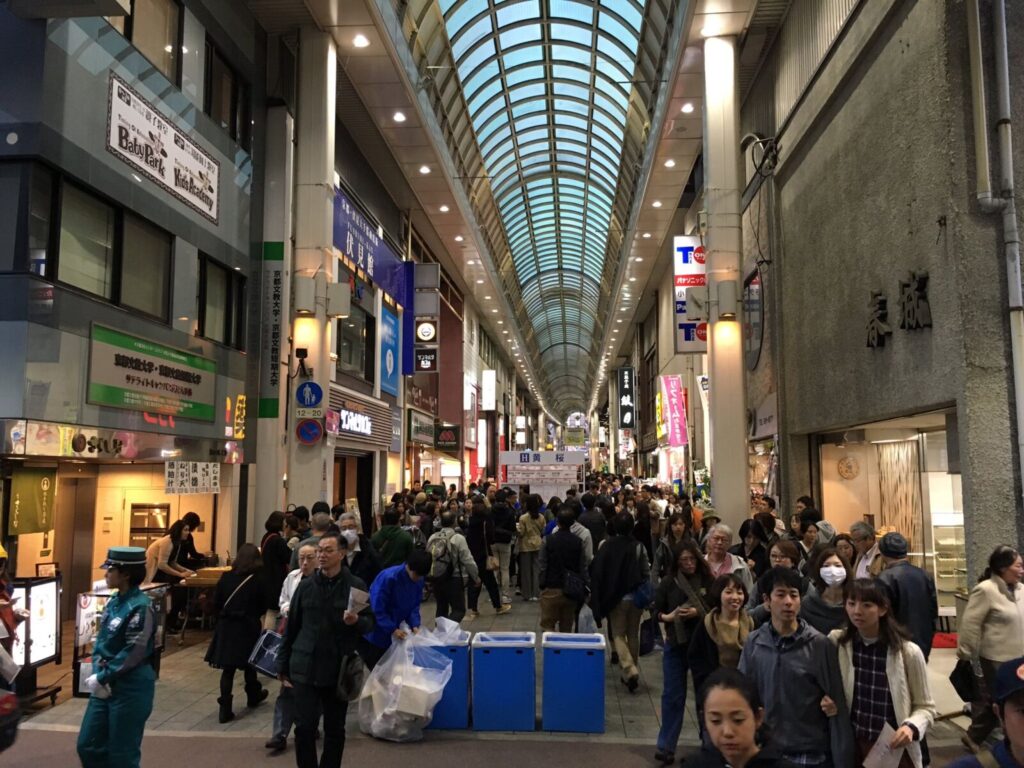
Best time to visit: Lunchtime to early evening
Local tip: Look for sake-pairing snacks and Kyoto-style home cooking
Ōtesuji Shopping Street is Fushimi’s everyday commercial heart. Covered arcades shelter bakeries, casual eateries, traditional snack shops, and long-running family businesses.
It’s the ideal place to eat, rest, and observe local life — grounding all of Fushimi’s history in the present day.
Is Fushimi Worth More Than a Quick Visit?
Absolutely. Fushimi works beautifully as a half-day exploration and rewards those who spend a full day diving deeper. Its flat terrain, walkable neighborhoods, and strong thematic connections — water, trade, religion, politics — make it one of Kyoto’s most coherent districts once you understand the context.
Many visitors rush through on their way to Fushimi Inari Taisha, never realizing that some of Kyoto’s most important history lies just beyond the torii gates. From sake breweries and canal routes to samurai intrigue and imperial landmarks, Fushimi tells a story that spans Japan’s transformation from feudal society to modern nation.
Explore Fushimi With Local Insight - Join Our Tours
While Fushimi can be explored independently, its significance isn’t always obvious without explanation. The relationship between water sources, sake production, political conflict, and religious sites becomes far clearer with a knowledgeable guide.
If you’d like to experience Fushimi beyond the surface — including sake culture, hidden streets, and historical context — consider joining one of our guided tours. We focus on small groups, local perspectives, and experiences you won’t get from a guidebook, helping you see why Fushimi has always mattered to Kyoto.
Frequently Asked Questions
Is Fushimi worth visiting if I’ve already been to Fushimi Inari Taisha?
Yes — and this is exactly why Fushimi surprises people. While Fushimi Inari Taisha is the most famous site, the surrounding area offers sake breweries, canals, historic inns, imperial landmarks, and local neighborhoods that most visitors completely miss. Exploring beyond the shrine turns Fushimi into a rewarding half-day or full-day destination.
How much time should I spend in Fushimi?
Plan at least half a day to see the highlights comfortably. A full day allows time for a canal boat ride, a brewery visit, historic sites like Teradaya, and a relaxed lunch on Ōtesuji Shopping Street. Fushimi pairs especially well with a morning or afternoon visit to Fushimi Inari Taisha.
How do I get to Fushimi from central Kyoto?
Fushimi is easily accessible by train.
- Keihan Line connects central Kyoto directly to the Fushimi sake district
- JR Nara Line serves areas near Fushimi Inari and Momoyama
Once there, most sights are flat and walkable.
Can I visit sake breweries in Fushimi without a tour?
Yes. Several breweries offer tastings, shops, or museum-style visits. However, opening hours vary, and not all breweries are open to the public. A guided visit helps visitors understand sake styles, production, and etiquette — especially for first-time sake drinkers.
Is Fushimi suitable for travelers who don’t drink alcohol?
Absolutely. While sake is an important part of Fushimi’s identity, the area also offers shrines, temples, historical sites, gardens, bamboo groves, and shopping streets. Canal boat rides and imperial landmarks are highlights regardless of alcohol interest.
What is the best time of year to visit Fushimi?
Fushimi is enjoyable year-round, but:
- Spring brings cherry blossoms along the canals
- Autumn offers cooler weather and fall foliage near Momoyama and Daigo-ji
- Winter is ideal for sake enthusiasts during brewing season
Summer is quieter but best explored in the morning or late afternoon.
Is Fushimi crowded?
Compared to central Kyoto, Fushimi is generally calmer. Popular spots like Fushimi Inari Taisha draw crowds, but most other areas — including the sake district, canals, and Momoyama hills — remain pleasantly uncrowded, especially on weekdays.
Can Fushimi be combined with other Kyoto neighborhoods in one day?
Yes. Fushimi works well combined with Uji, southern Kyoto, or a shorter visit to central Kyoto. Its train connections make it easy to slot into a wider Kansai itinerary.