
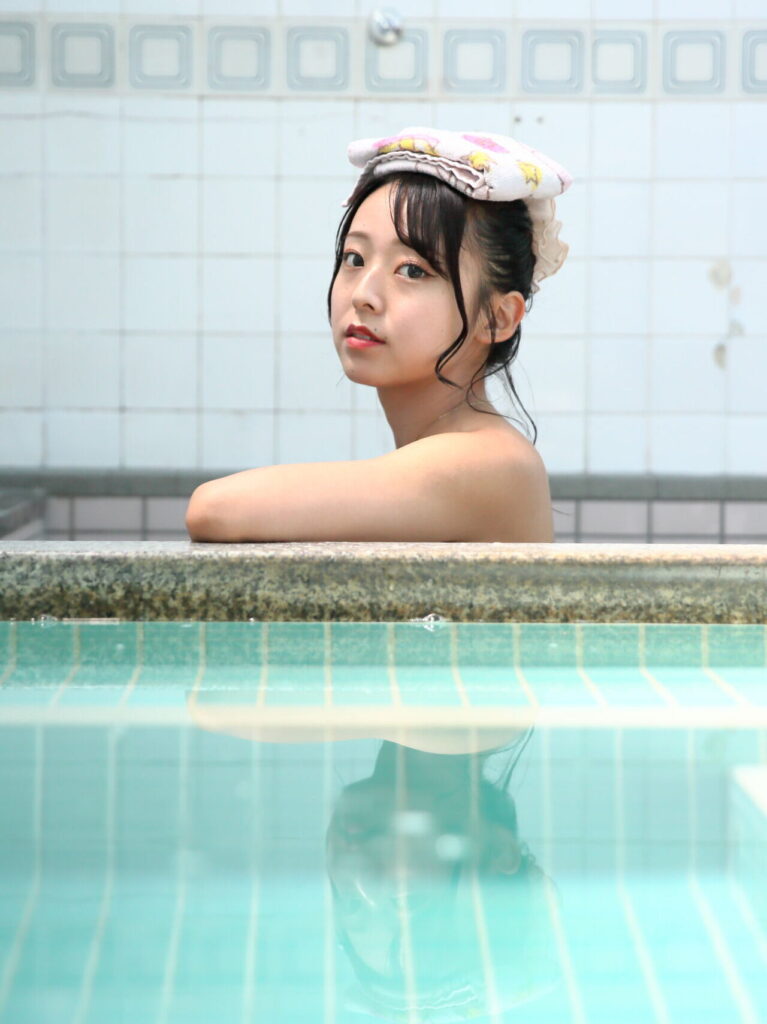
Osaka is one of the easiest cities in Japan for tattooed travelers to enjoy public bathing. Compared to Kyoto, Osaka has a stronger neighborhood sento culture, a more relaxed attitude toward tattoos, and a reputation for being practical, friendly, and straight-talking—very on-brand for the city.
While natural hot spring onsen are less common in central Osaka, the city makes up for it with excellent sento, modern spa facilities, and a handful of tattoo-friendly hotels and ryokan. For a deeper explanation of the difference between onsen and sento, and regional tattoo policies, please see the Kansai Onsen Page.
Note: Tattoo policies can change, signage is often unclear, and enforcement varies by staff and day. Always follow posted rules and staff instructions, especially at spa-style facilities.
Planning Your Osaka Trip?
If you’re still shaping your itinerary, start with our 7-Day Kansai Japan Highlights Itinerary, which combines Kyoto, Osaka, and Nara into a balanced first visit. For inspiration and practical tips, see our 40 Things to Do in Kyoto, Nara, and Osaka, including seasonal ideas and neighborhood recommendations.
Looking to go deeper? Our Best Tours in Osaka page highlights cultural experiences that go beyond the usual sights. If you’re deciding where to base yourself, our guide on staying in Osaka or Kyoto breaks down the pros and cons of each.
For themed travel, don’t miss our Cherry Blossoms in Osaka page, or explore Kansai’s brewing heritage with our Top 10 Sake Breweries to Visit in Kansai. Finally, for help deciding where to stay check out our Where to Stay in Osaka page.
Quick Bath Etiquette (Read This First)
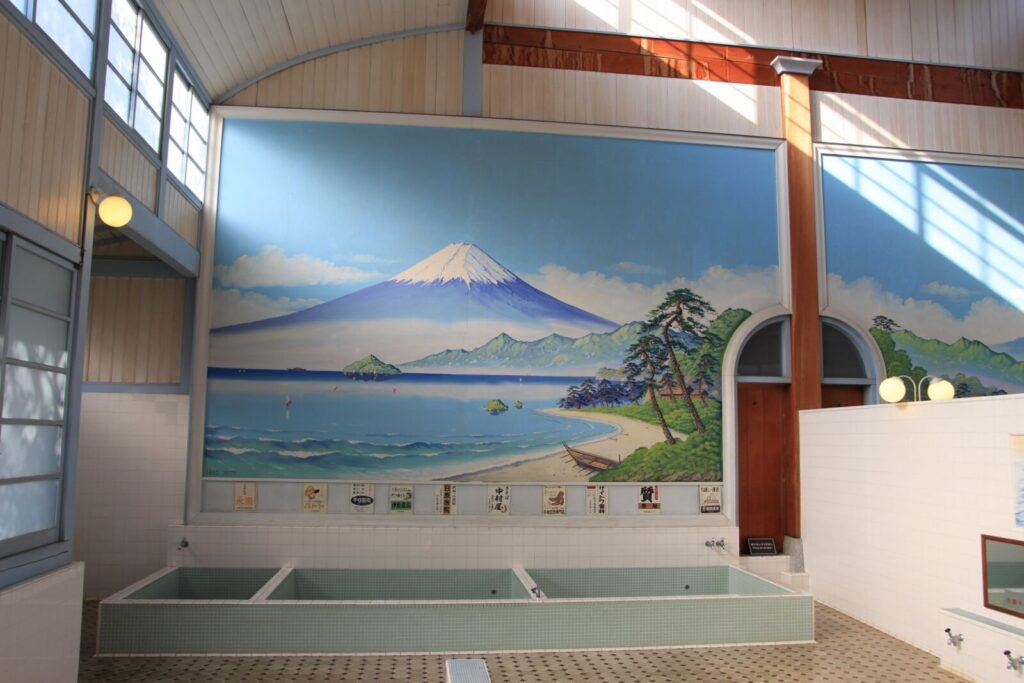
Before entering any onsen or sento in Japan, please keep the following basic rules in mind:
- Wash thoroughly before entering the bath (showers are provided).
- No towels in the water — keep them on your head or at the side.
- Even at tattoo-friendly baths, always follow posted rules and staff instructions.
- Keep voices low and avoid splashing or swimming.
- No photos or phone use in the bathing or changing areas.
- Follow staff instructions and signage — rules may vary by facility.
For a full explanation of Japanese bathing culture, etiquette, and tattoo policies, please check the Onsen Etiquette page
Join Our Tours
We’ll be honest—our tours don’t go into sento or onsen in Osaka… yet. We’re still unsure if “bathing with your guide” is the cultural experience anyone asked for.
Instead, we focus on what we do best: immersive tours that peel back the surface of Osaka and offer real cultural depth (yes, another deep dive—couldn’t resist).
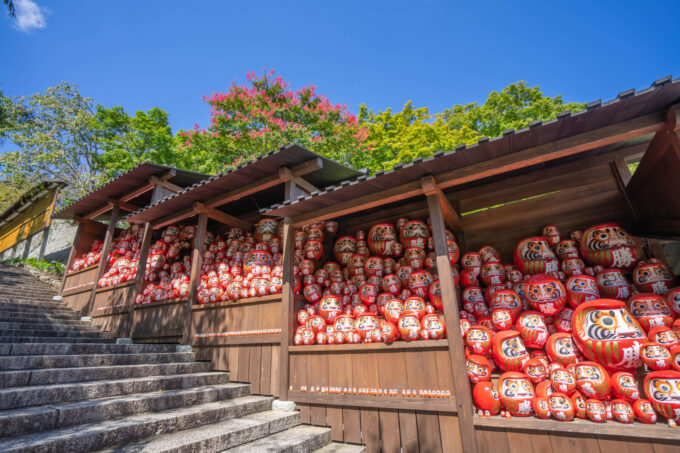
Explore Osaka beyond the clichés on our Daruma & Minoh Falls Tour, where folk belief, forest paths, and a hidden waterfall reveal a quieter side of Japan’s kitchen.
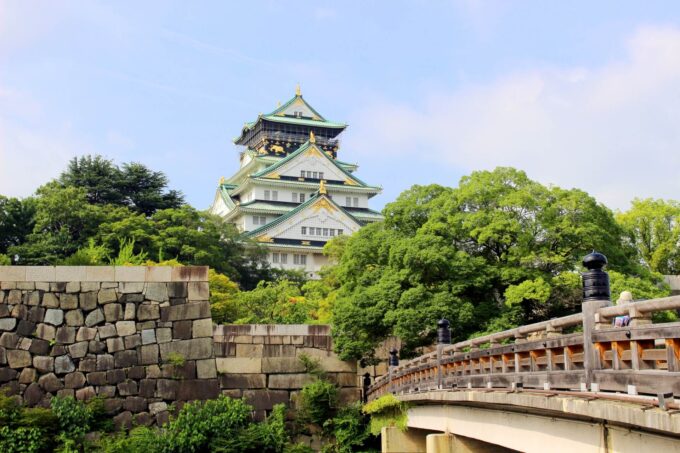
Or discover the city’s depth on our Osaka City Highlights Tour, combining Osaka Castle, Shitennoji Temple, Kuromon Market, and a hands-on ukiyo-e experience that brings Edo-period art to life.
If you’re looking for tours that go beyond “nice photo, next stop,” you’re in the right place.
Osaka City: Onsen and Sento
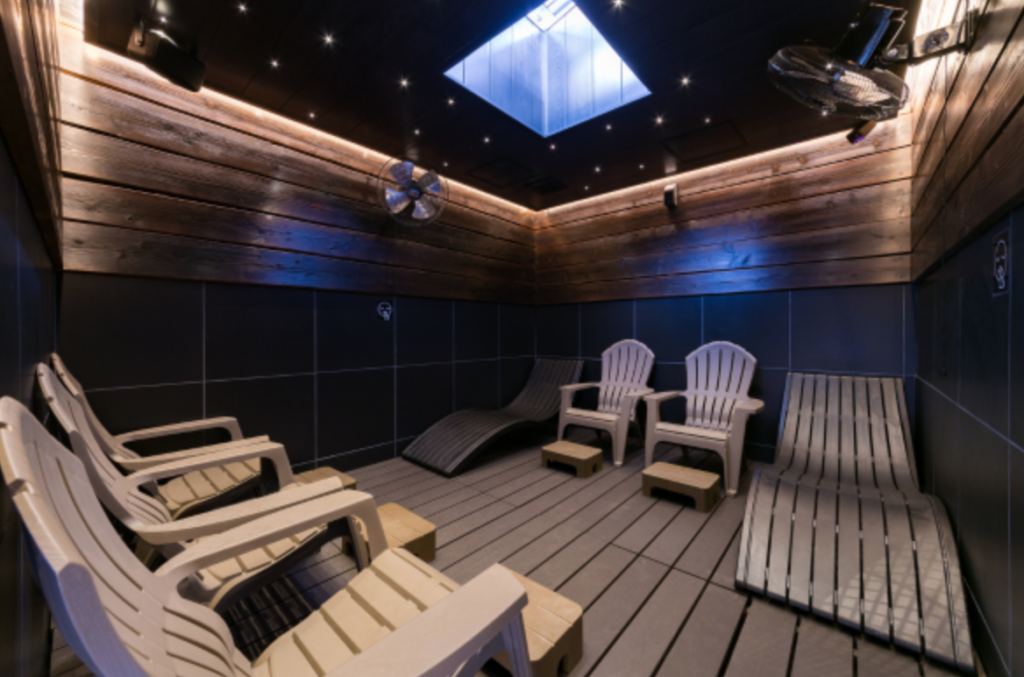
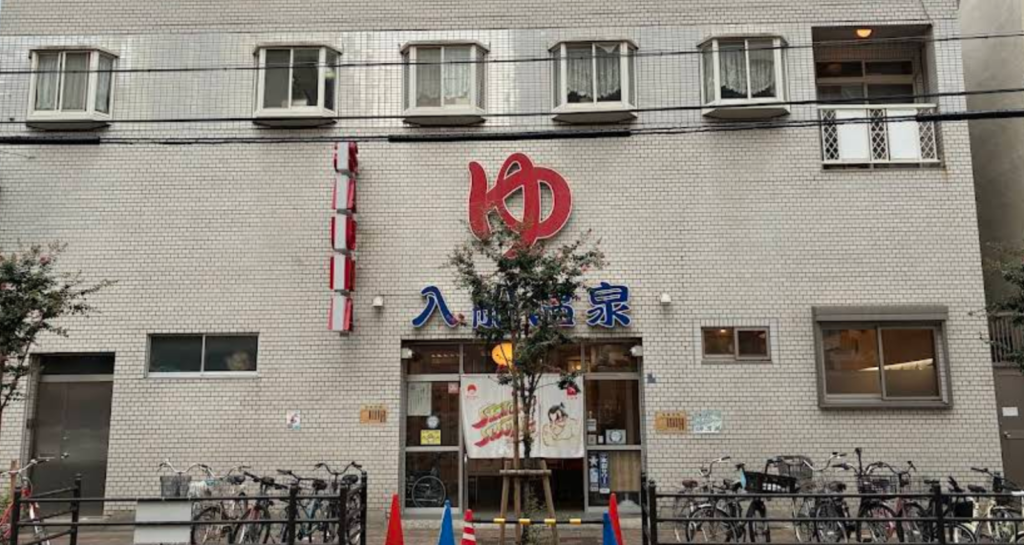
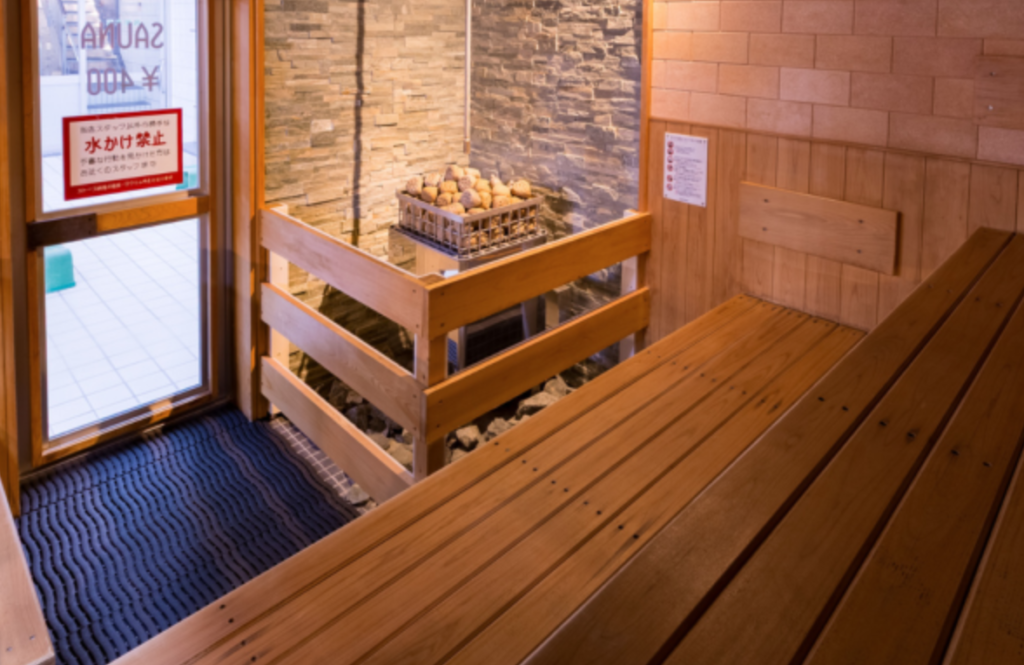
1 - Irifune Onsen (Day Use)
- Opening Hours – Weekdays 6:00-23:00 Weekends 6:00-24:00
- Closed – Mondays
- Approx. Cost – ¥600
- Towel Rental – Available ¥150
- Toiletries – Limited
- Website – Irifune Onsen
Best for: Travelers seeking authentic, everyday Osaka bath culture without ceremony or stress.
Irifune Onsen is a quietly beloved neighborhood bathhouse that reflects Osaka’s no-nonsense, community-first approach to daily life. This is a place built for regulars—workers ending a long shift, locals unwinding before dinner, and travelers who want to experience how bathing fits naturally into everyday Osaka routines. The atmosphere is relaxed and welcoming, and tattoos are treated as unremarkable rather than exceptional.
There’s nothing flashy here, and that’s exactly why it works. Irifune Onsen delivers a straightforward bathing experience rooted in comfort, routine, and human connection. If you’re curious about how locals actually use sento—not as a novelty, but as part of life—this is one of the most honest places to do it.
2 - Utopia Shiratama Hot Spring (Day Use)
- Opening Hours - 6:00 - 01:00
- Closed: Open all year round
- Approx. Cost - ¥600
- Towel Rental - Yes
- Toiletries - Shampoo, Body Soap, Conditioner
- Website: Utopia Shiratama
Best for: Budget travelers and anyone wanting a genuine sento experience with a strong local presence.
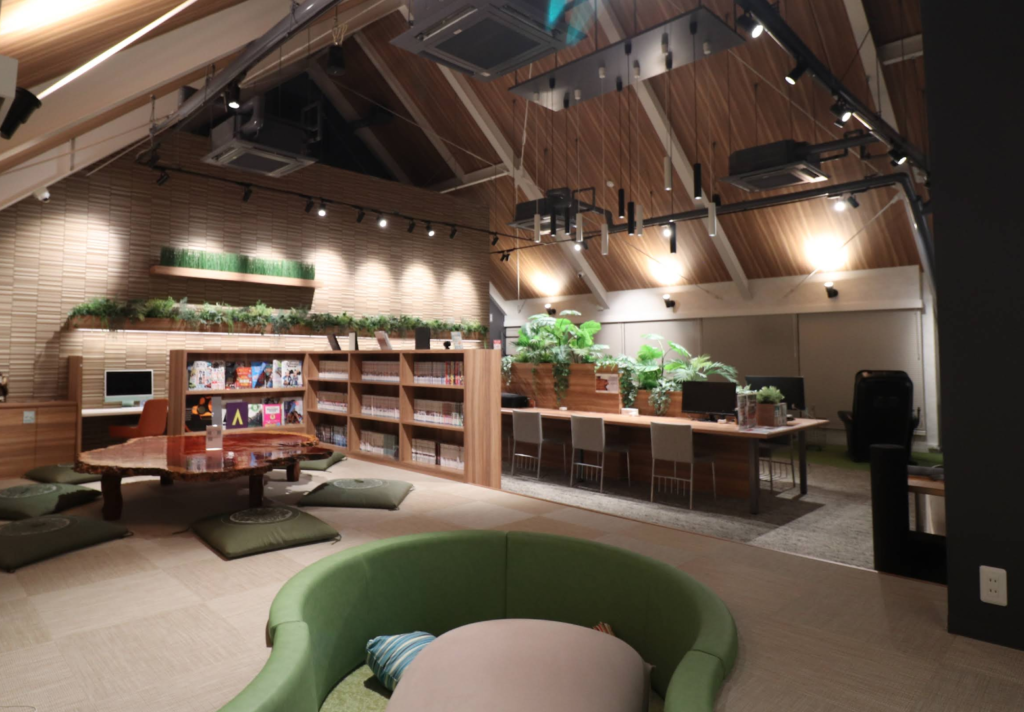
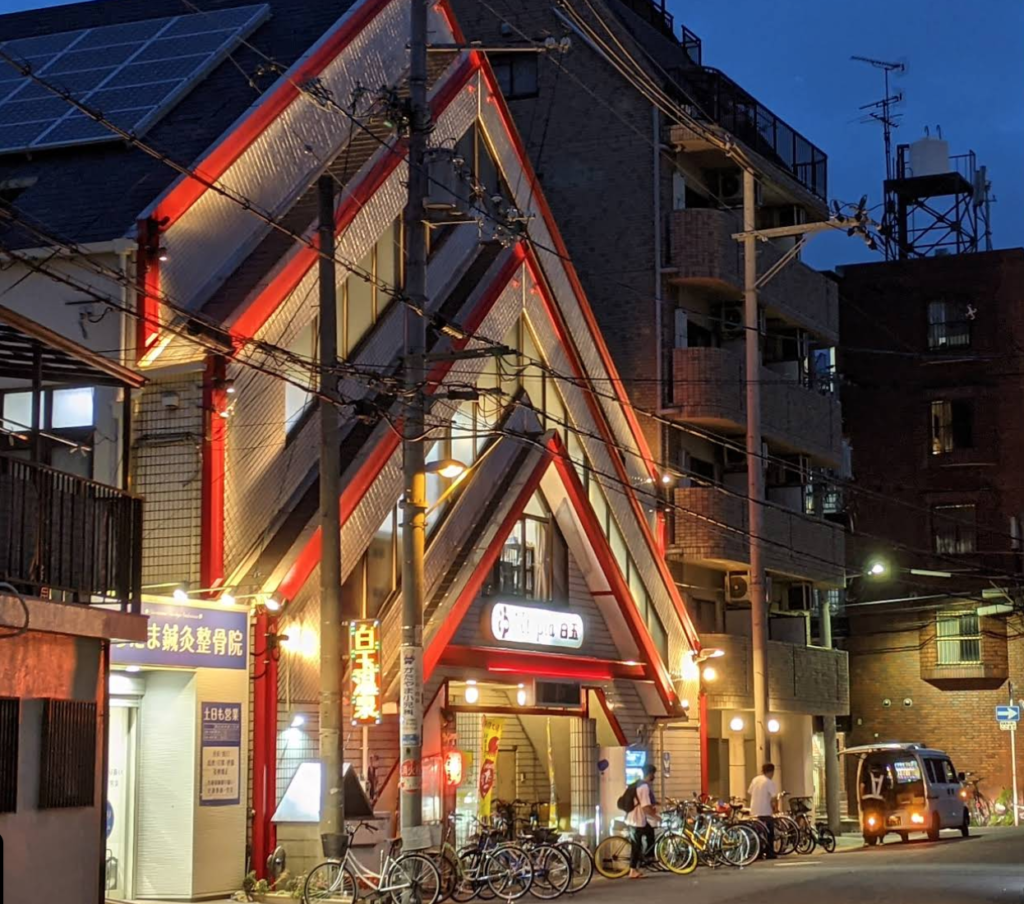
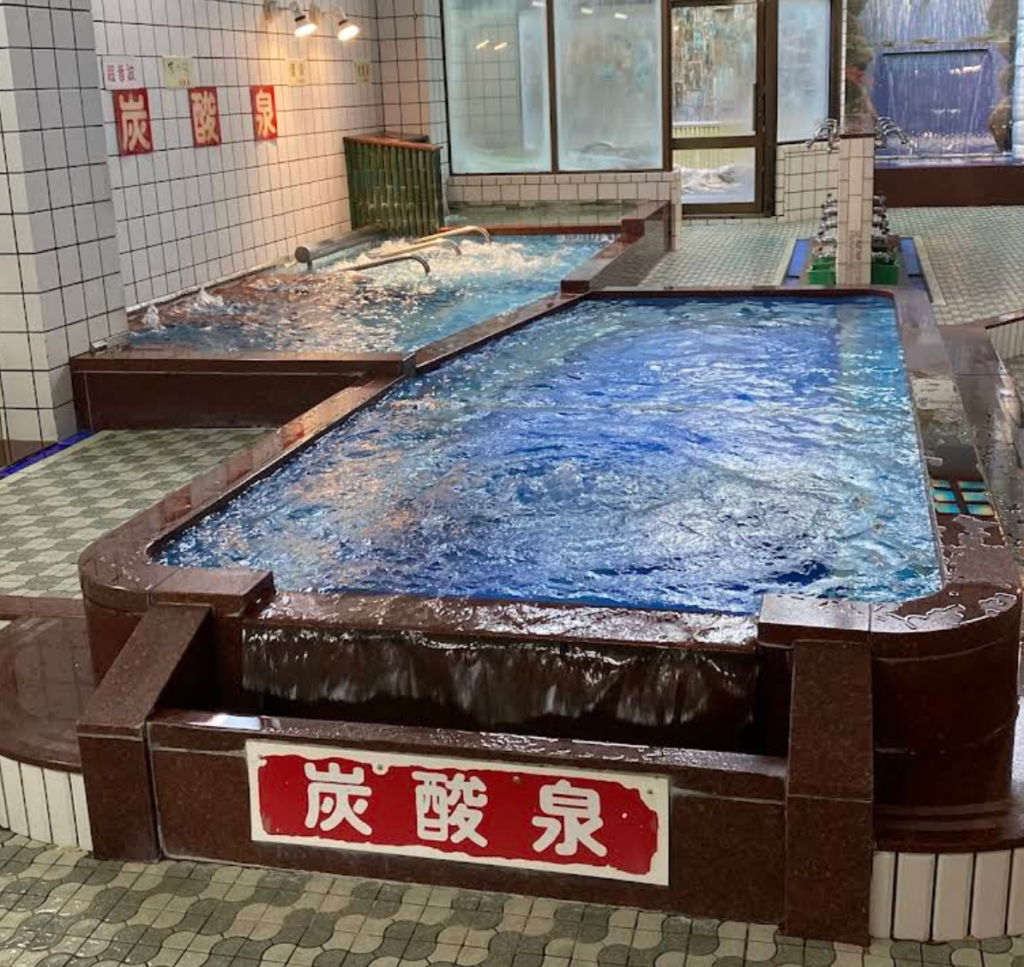
Utopia Shiratama is a classic Osaka sento that has earned its reputation through longevity, consistency, and a strong local following. This bathhouse has the comfortable, lived-in feel of a place that hasn’t needed to reinvent itself to stay relevant. It’s busy without being chaotic, social without being loud—very much a neighborhood institution. They've opened up a co-working space and ramen shop inside the same building as the Onsen. Work hard, Play hard!
The baths themselves are simple but satisfying, making this an ideal stop after a long day of walking, shopping, or eating your way through Osaka. Tattooed guests are not uncommon here, and the atmosphere leans practical rather than rule-heavy, provided etiquette is respected.
3 - Radium Onsen (Day use)
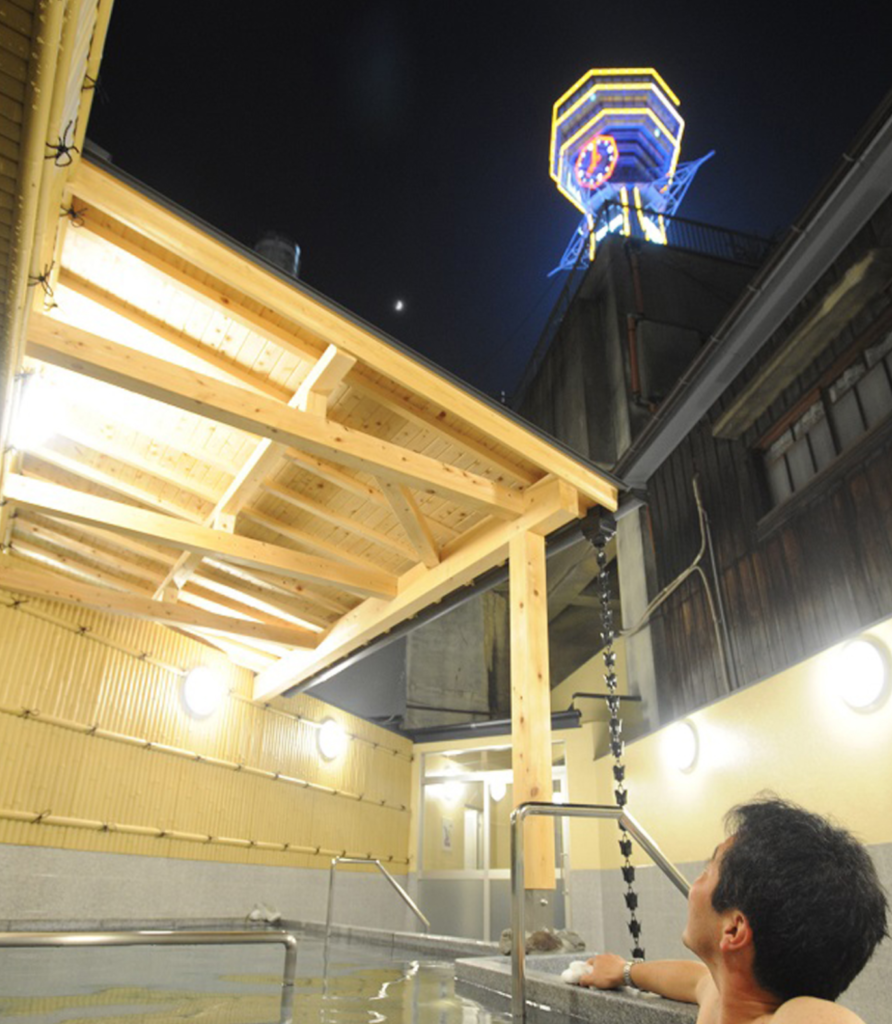
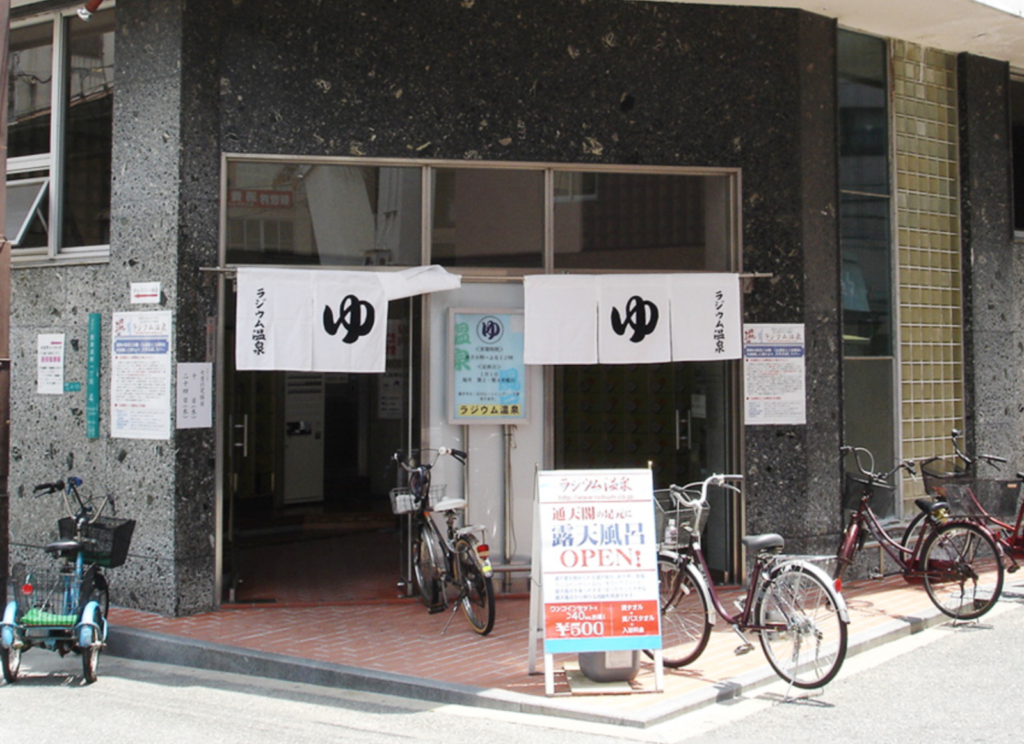
- Opening Hours - 06:00 - 12:00
- Closed - 2nd and 4th Thursday
- Approx. Cost - JPY 600
- Towel Rental - Yes
- Toiletries - Shampoo, Body soap, Conditioner
- Website: Radium Onsen
Best for: Muscle relief, practical soaking, and travelers who prioritize function over aesthetics.
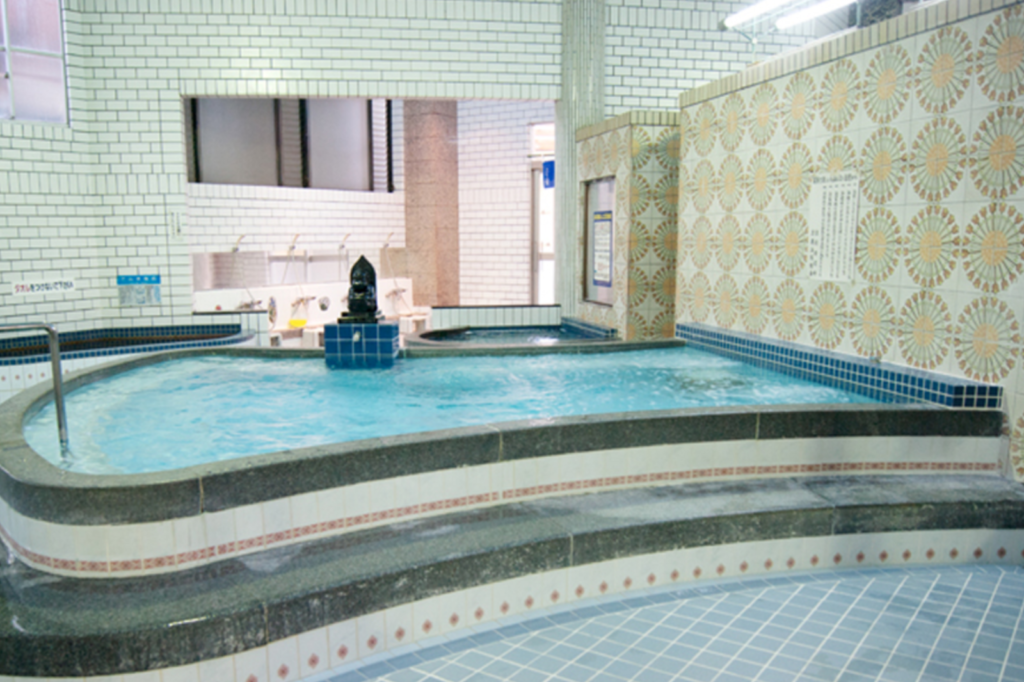
Radium Onsen is a classic city onsen that has been serving Osaka locals since 1924. Located in the heart of the Shinsekai district—long known for its rough-around-the-edges charm and working-class roots—this bathhouse reflects Osaka at its most honest: practical, welcoming, and built to be used. Unlike many onsen across Japan, Radium Onsen is explicitly tattoo-friendly, with no cover-ups or awkward explanations required, making it a reliable choice for international travelers who want a stress-free bathing experience.
What sets Radium Onsen apart is its radium-infused, slightly alkaline water, which has a noticeably silky texture and is prized by locals for easing muscle fatigue, improving circulation, and leaving skin feeling soft after long days on foot. The baths are kept at a comfortable 40–42°C and include indoor pools and a small open-air bath where you can cool off between soaks. This isn’t a luxury onsen—and it doesn’t try to be. It’s a place to reset, recover, and soak alongside Osaka residents in a neighborhood that wears its history proudly.
4 - OMO Kansai Airport by Hoshino Resorts (Hotel Onsen)

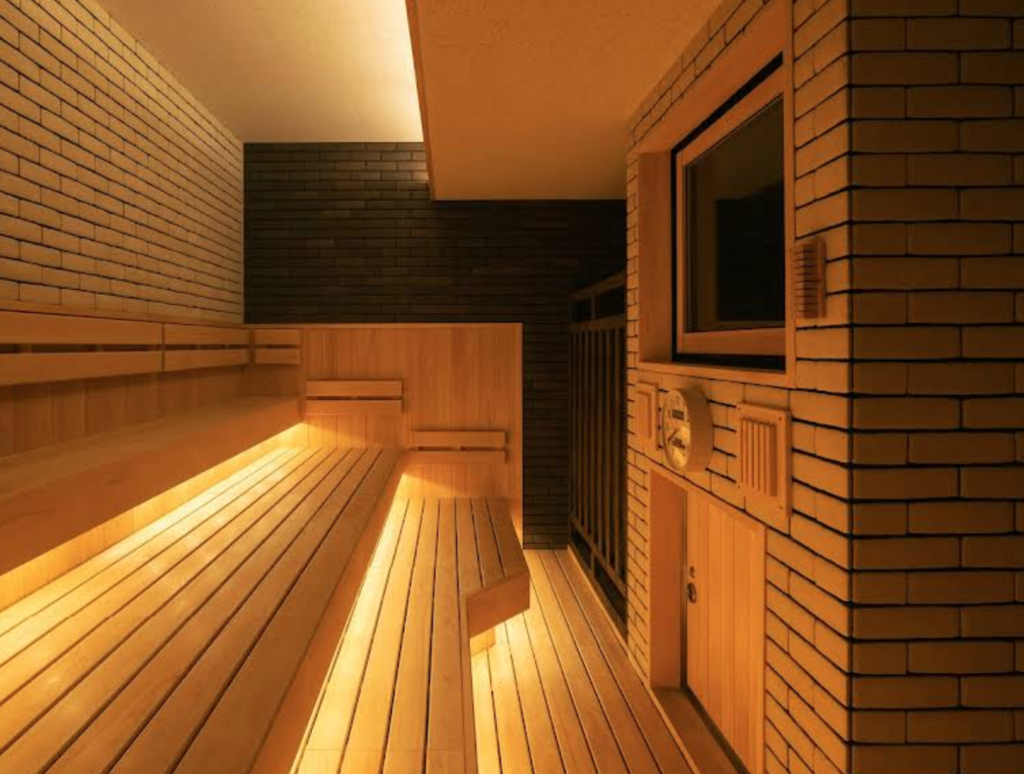

- Opening Hours - 04:00 - 10:30 and 15:00 - 01:00
- Closed - Open year round
- Approx. Cost - Included with stay
- Towel Rental - Included with stay
- Toiletries - Included
- Website: OMO Kansai Airport By Hoshino Resorts
Best for: Airport stays, modern travelers, and anyone wanting a guaranteed, hassle-free onsen experience.
OMO Kansai Airport offers a modern rethinking of Japanese bathing culture designed specifically for travelers. Created by Hoshino Resorts, the facility blends clean design, comfort, and efficiency, making it one of the easiest tattoo-friendly onsen experiences in the Osaka area—especially for those arriving late or departing early.
The bathing facilities are calm, polished, and well-maintained, removing much of the uncertainty that tattooed travelers often face. While this isn’t a traditional neighborhood sento, it excels at what it’s designed for: providing a stress-free soak that fits seamlessly into travel logistics.
5 - Kaneyoshi Ryokan
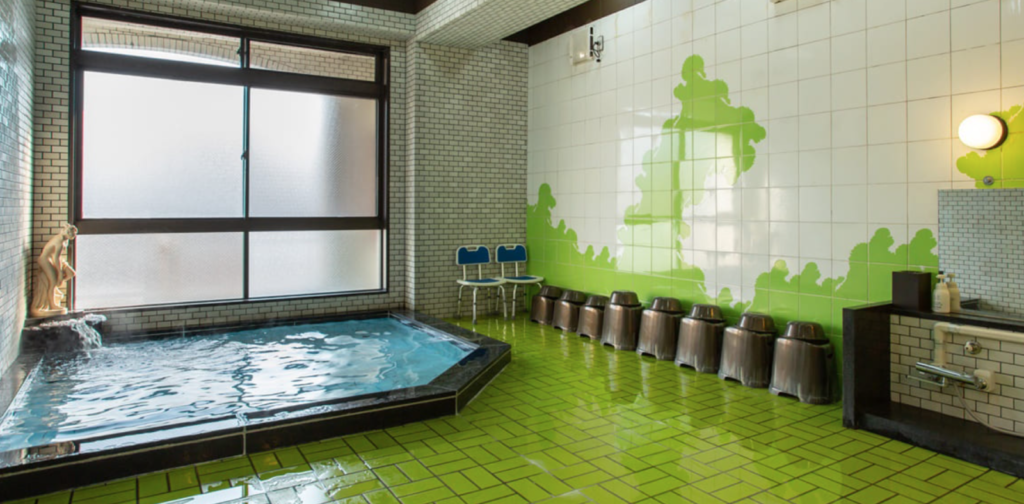
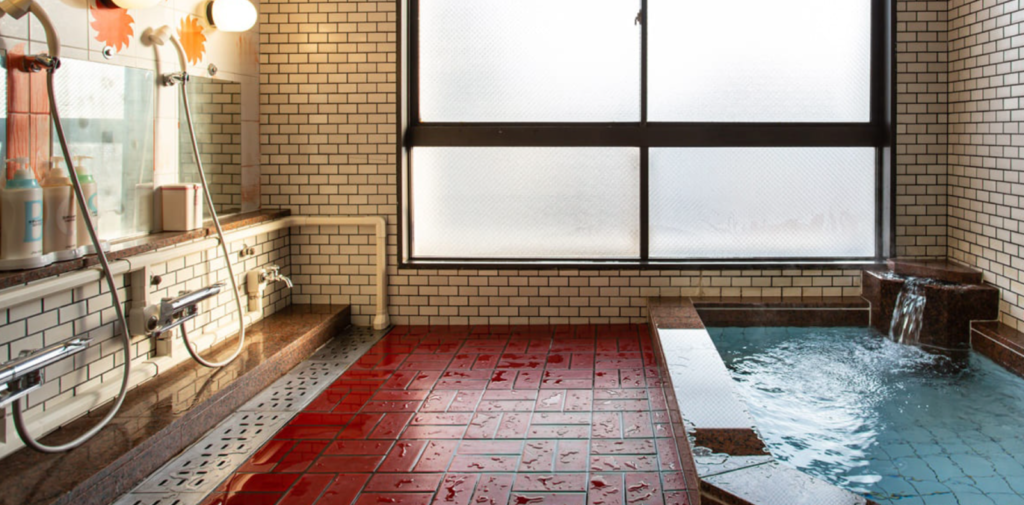
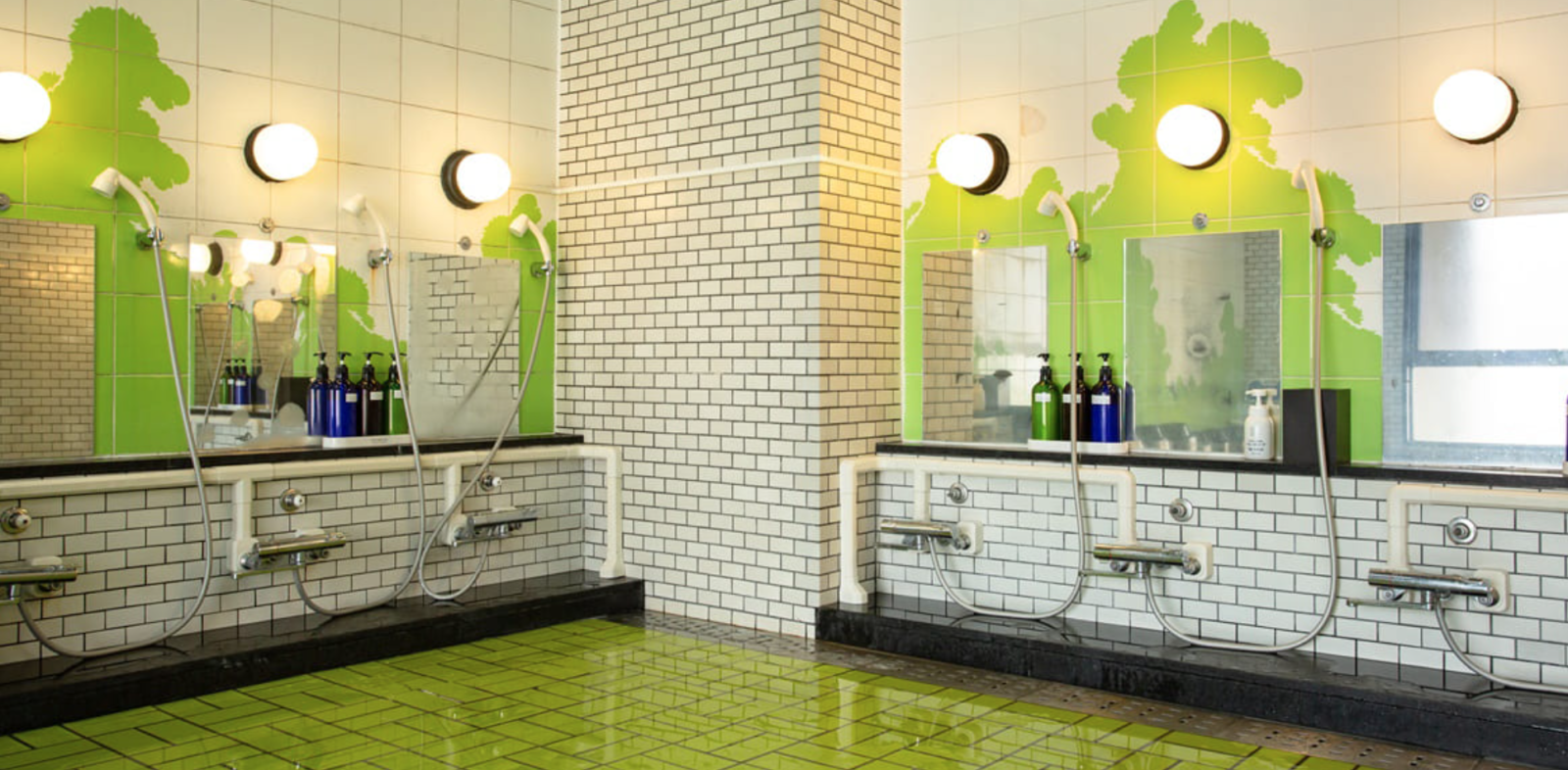
- Opening Hours - Guest use only
- Closed - Open year round
- Approx. Cost - Included in hotel stay
- Towel Rental - Included
- Toiletries - Included
- Website: Kaneyoshi Ryokan
Best for: Tattooed travelers seeking a traditional ryokan stay with minimal bath-related stress.
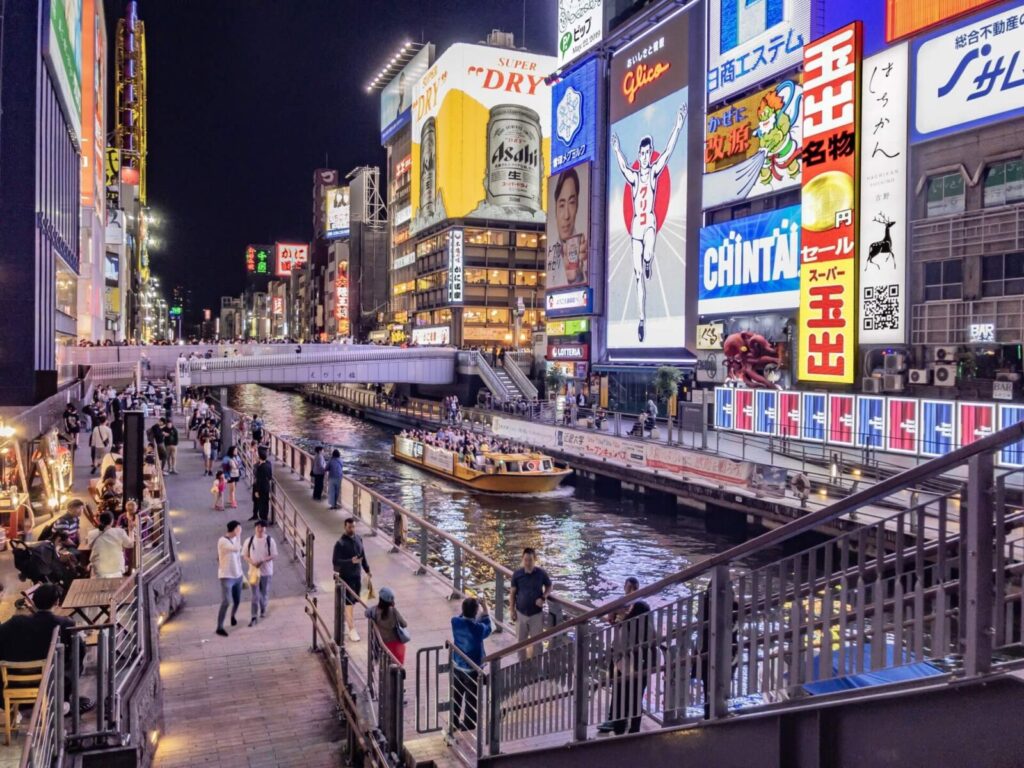
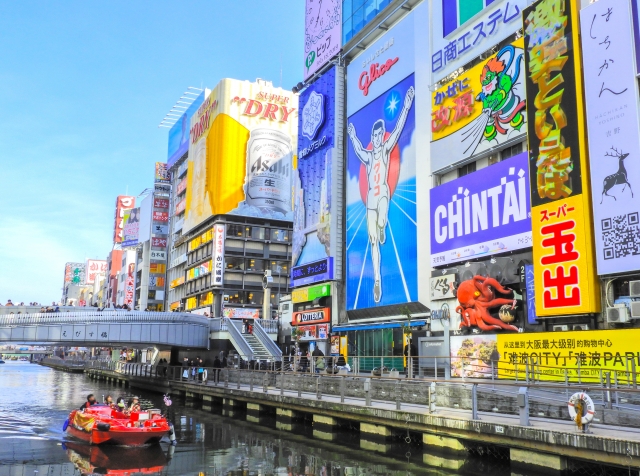
Kaneyoshi Ryokan offers a rare combination in central Osaka: traditional tatami accommodation paired with bathing facilities that tattooed guests can use comfortably. Located near Dotonbori canal, Glico man and close to Osaka’s nightlife districts, it provides a surprisingly calm retreat from the surrounding energy.
While the baths themselves are modest, the overall experience—sleeping on tatami, wearing yukata, and bathing without anxiety—makes Kaneyoshi an excellent option for travelers who want a classic ryokan stay without navigating public sento policies. It’s traditional, practical, and well-suited to first-time visitor
Final Thoughts: Bathing in Osaka with Tattoos
Osaka is refreshingly straightforward when it comes to tattoos and bathing. While it may lack the mountain onsen scenery of rural Japan, it more than makes up for it with accessibility, attitude, and variety.
If Kyoto feels refined and rule-conscious, Osaka feels practical and human. Follow the rules, be respectful, and you’ll find that most places are far more relaxed than their signage suggests.
For city-by-city comparisons and updates across Kansai, visit the Kansai Onsen Page.
Frequently Asked Questions
What should I bring with me when I visit an onsen or sento?
Generally, you should bring a small towel, toiletries (soap, shampoo), and a change of underwear. Many Japanese people bathe in the evening and then change into pajamas or relaxed evening wear, so bring whatever you’re comfortable wearing afterward.
Most facilities provide basic amenities, and many have hair dryers, though some may charge a small fee. If you’re visiting a sento rather than a hotel onsen, bringing your own items is especially recommended.
Are there any rules or etiquette I should know before visiting an onsen?
Yes—onsen and sento etiquette is important, and it’s taken seriously. In fact, tattoo-friendly baths are often stricter with etiquette to balance their more flexible tattoo policies.
Key rules to know:
- Do undress fully and wash your body thoroughly before entering the bath.
- Do rinse off all soap and shampoo completely before soaking.
- Don’t take photos in the bathing area—even in private baths, many operators prohibit photography.
- Don’t let your towel or hair touch the bath water.
- Don’t swim, splash, or treat the bath like a pool.
- Do keep voices low—onsen are generally quiet, relaxing spaces.
- Do be considerate of others. Public bathing is communal, but staring is considered rude.
- If another guest makes you uncomfortable, report it to staff rather than confronting them directly.
Follow these rules and you’ll fit in just fine.
Some places mention needing stickers, plasters, or band-aids for tattoos. Why is that?
As tattoo policies slowly evolve in Japan, some onsen allow tattoos only if they can be fully covered with stickers or band-aids provided by the facility (or brought by the guest).
If you have large tattoos—such as sleeves, chest pieces, or full-back tattoos—that cannot be covered, staff may still refuse entry, even at places listed as “tattoo-friendly.” This isn’t personal; it’s simply how policies are enforced.
Always check individual rules in advance and follow staff instructions.
I have a skin condition. Is it safe to use an onsen?
Onsen are often said to have medicinal benefits, but this varies depending on the mineral content—and on you. If you have a skin condition or other medical concerns, it’s best to consult your doctor before visiting Japan and using onsen.
When in doubt, start with a short soak or choose a standard sento instead of a mineral-rich hot spring.
Why does it matter if I have tattoos when I’m clearly not Japanese?
This frustration is understandable, and most Japanese people would quickly recognize that foreign visitors with tattoos are unlikely to be affiliated with organized crime.
That said, rules are rules, and Japan is not known for flexible interpretation. Tattoo restrictions exist to maintain comfort for all guests, not to single anyone out. While policies are slowly changing, enforcement remains strict in many places.
The best approach: research ahead of time, respect posted rules, and choose tattoo-friendly facilities.
Am I really missing out if I don’t visit an onsen while in Japan?
Honestly? It depends on you.
Onsen are popular, but they’re not universal—even among Japanese people. Many locals rarely, if ever, go. We generally recommend trying it once, and maybe again if you’re unsure.
If onsen aren’t your thing, don’t worry. Japan offers far more than hot baths:
nature walks, historic neighborhoods, temples and shrines, museums, art galleries, vibrant cities, coastal scenery—and some of the best food on the planet.
Japan is not “just onsen,” and your trip will still be incredible without them.
Are onsen and sento separated by gender?
Yes. Almost all onsen and sento are separated by gender, with clearly marked entrances for men and women. Mixed-gender baths (konyoku) do exist, but they are rare and usually found in rural areas.
Children are generally allowed to bathe with a parent of either gender until a certain age, which varies by facility.
If you’re uncomfortable with gender-separated bathing, look for private baths (kashikiri) or family baths, which can often be reserved in advance.