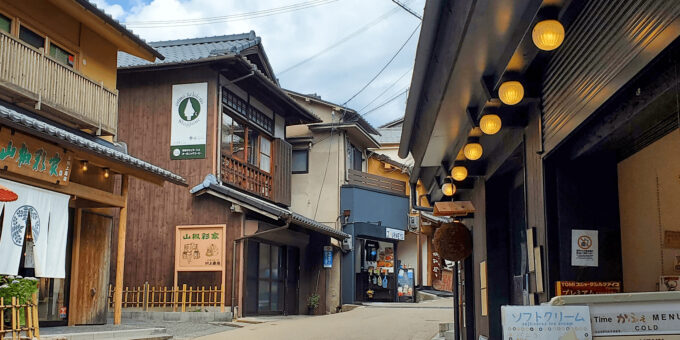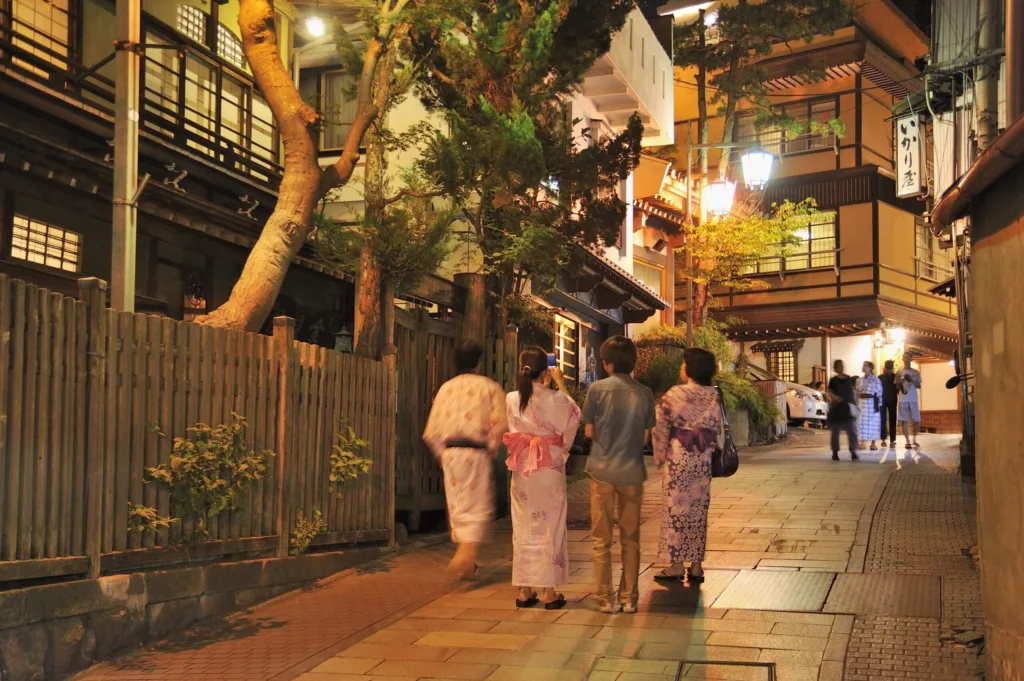

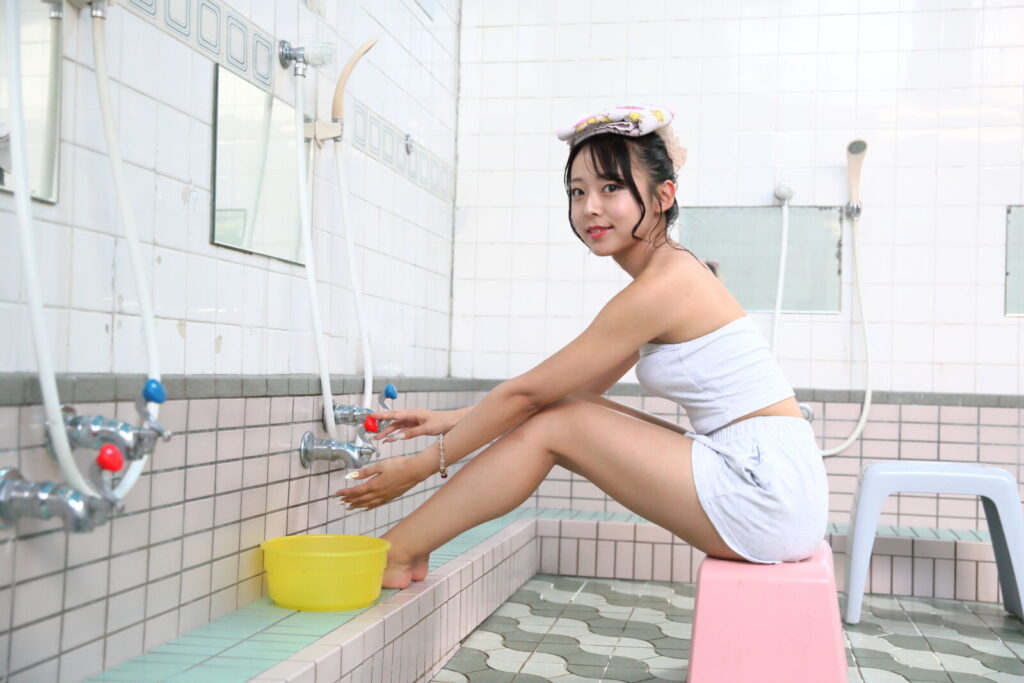
This page focuses on Kobe City and Arima Onsen, two destinations that pair naturally thanks to their shared history, mountain-to-sea geography, and easy travel flow. Kobe brings port-city energy and local sento culture, while Arima offers one of Japan’s oldest and most storied hot spring towns—just with a few more rules attached.
Bathing in this part of Kansai is completely doable for tattooed travelers, but it does require a bit more planning than places like Osaka. Options exist, they’re worth the effort, and knowing where to go makes all the difference.
For a deeper dive into the difference between onsen and sento, tattoo customs, and regional quirks, please see the Kansai Onsen Page.
Important note on tattoos: Kobe and Arima are generally stricter than Osaka and many Kyoto sento. Even where tattoos are permitted, rules are often specific (size limits, sticker requirements, or private-bath-only access). Always follow posted rules and staff instructions.
Planning Your Kobe Trip?
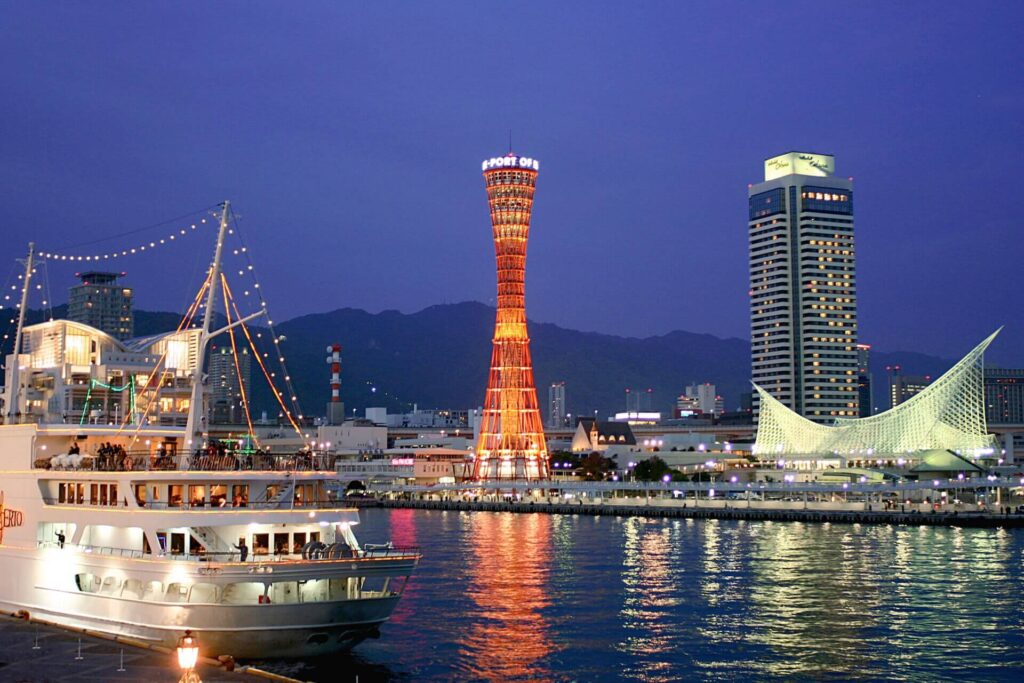
If you’re still shaping your itinerary, start with our 7-Day Kansai Japan Highlights Itinerary, which combines Kyoto, Osaka, and Nara into a balanced first visit. For inspiration and practical tips, see our 15 Things to Do Around Kobe and Where to Stay page, including seasonal ideas and neighborhood recommendations.
Looking to go deeper? Our Best Tours in Kobe page highlights cultural experiences that go beyond the usual sights. If you’re deciding where to base yourself, our guide on staying in Osaka or Kyoto breaks down the pros and cons of each.
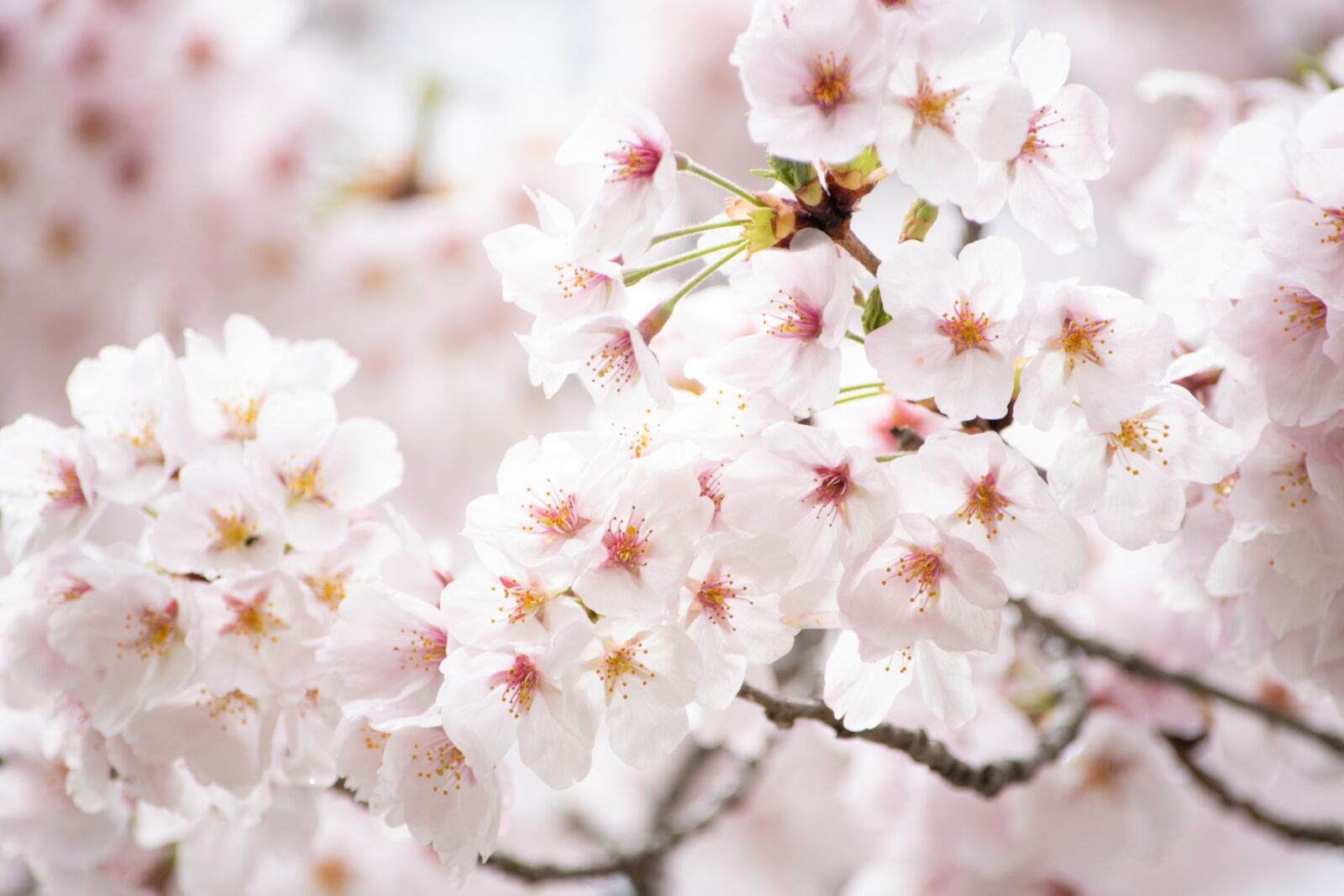
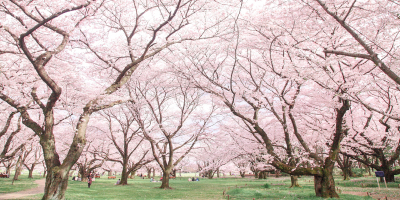
For themed travel, don’t miss our Cherry Blossoms in Kobe page, or explore Kansai’s brewing heritage with our Top 10 Sake Breweries to Visit in Kansai.
Quick Bath Etiquette (Read This First)
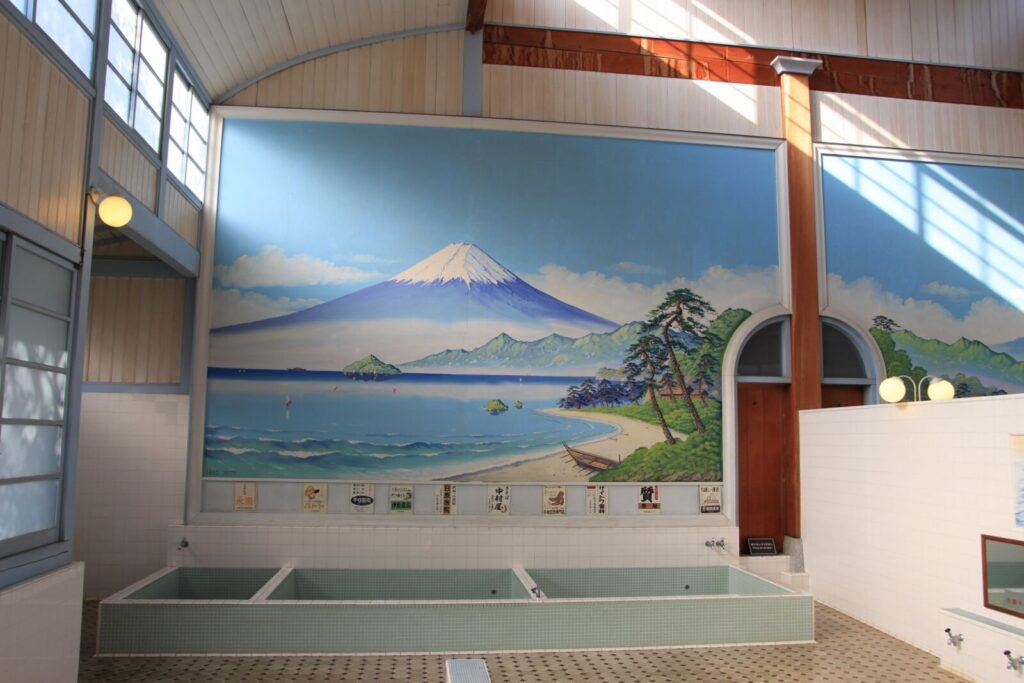
Before entering any onsen or sento in Japan, please keep the following basic rules in mind:
- Wash thoroughly before entering the bath (showers are provided).
- No towels in the water — keep them on your head or at the side.
- Even at tattoo-friendly baths, always follow posted rules and staff instructions.
- Keep voices low and avoid splashing or swimming.
- No photos or phone use in the bathing or changing areas.
- Follow staff instructions and signage — rules may vary by facility.
For a full explanation of Japanese bathing culture, etiquette, and tattoo policies, please check the Onsen Etiquette page
Join Our Tours
We’ll be honest—our tours don’t go into sento or onsen in Kobe or Arima Onsen… yet. We’re still unsure if “bathing with your guide” is the cultural experience anyone asked for. Instead, we focus on what we do best: immersive tours that peel back the surface of Kobe and the Arima region and offer real cultural depth (yes, another deep dive—couldn’t resist).
Explore Kobe from mountain paths to waterfront streets on our 1-Day Walking Tour around Kobe: Mountains, Sea and Sake, where hillside neighborhoods, historic shrines, and Nada’s famed sake breweries reveal how geography shaped the city’s character.
Or slow the pace and head into the mountains on Kobe’s Harmony: Mountains, Sea, and the Serenity of Arima Onsen, a journey that blends Kobe’s urban elegance with the quiet traditions and historic atmosphere of Japan’s most storied hot spring town.
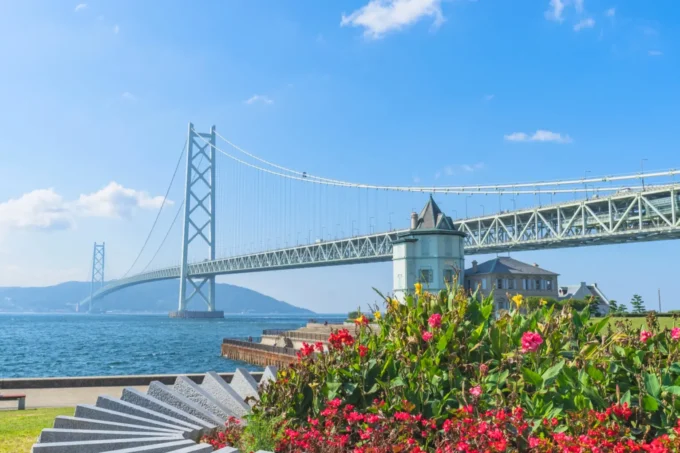
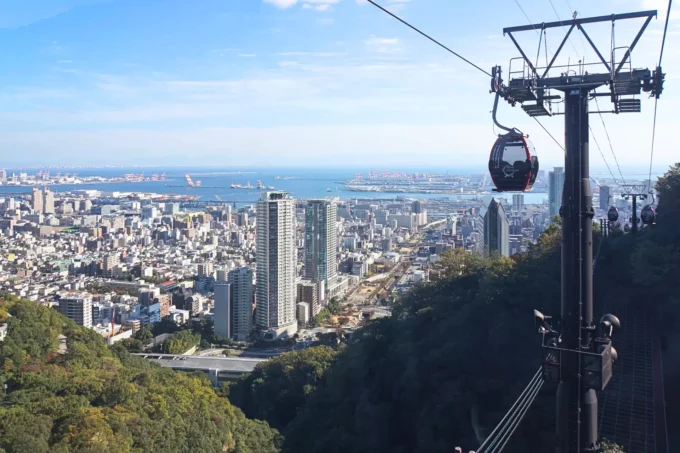
If you’re looking for tours that go beyond “nice photo, next stop,” you’re in the right place.
Kobe: Onsen and Sento
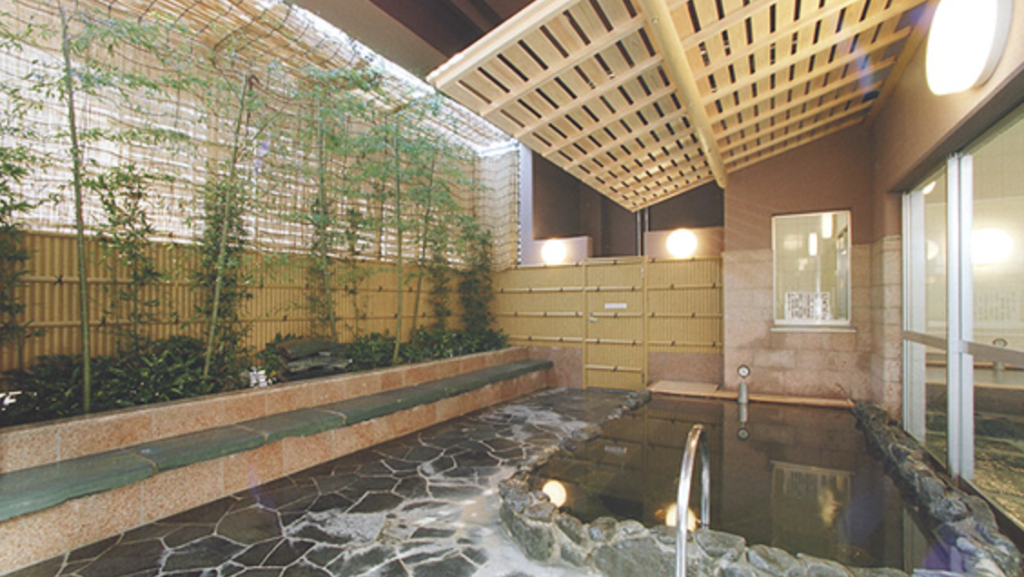
1 - Nada Onsen Suidōsuji (Day use)


- Opening Hours – 05:00 - 12:00
- Closed – Irregular days
- Approx. Cost – ¥490
- Towel Rental – Available ¥200
- Toiletries – Shampoo and body soap
- Website – Nada Onsen Suidosuji
Best for: Tattooed travelers seeking a genuine local sento experience inside Kobe City.
Nada Onsen Suidōsuji is one of Kobe’s most reliable tattoo-friendly sento and a favorite among locals. This is a true neighborhood bathhouse—simple, functional, and refreshingly untouristy. Tattoos are common here and rarely cause issues.
The facility features hot baths, cold baths, and basic washing areas, making it an ideal stop after a long day exploring the city or visiting nearby sake breweries in Nada.
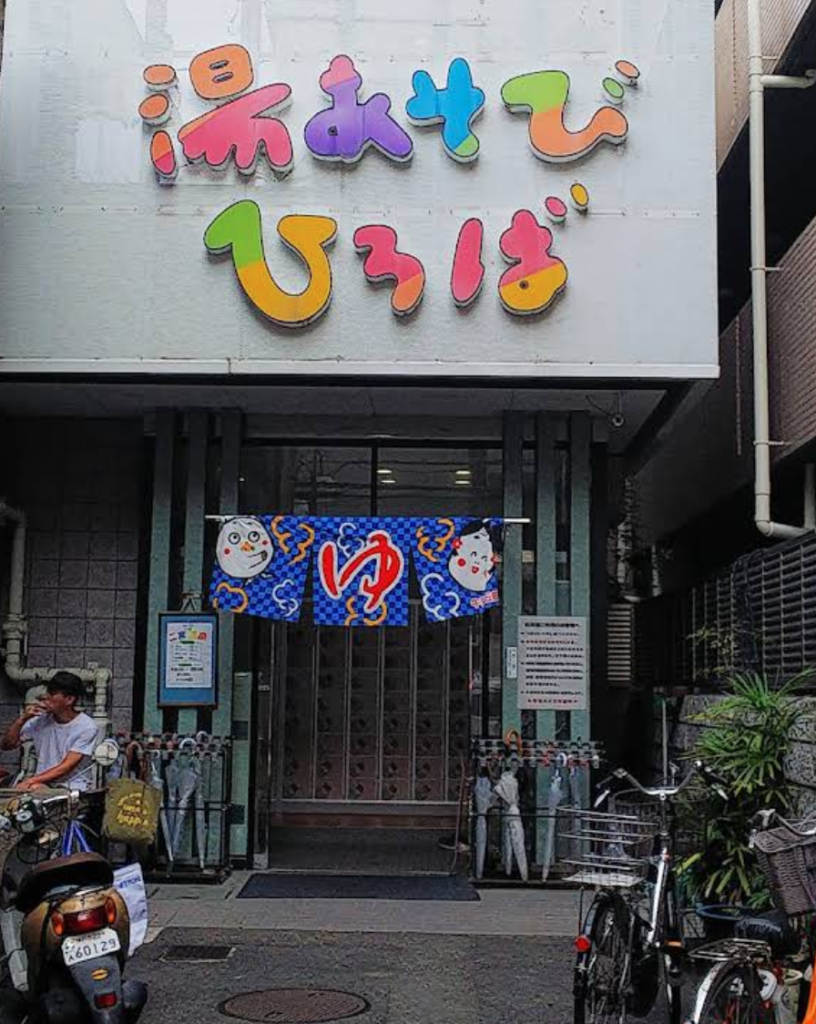
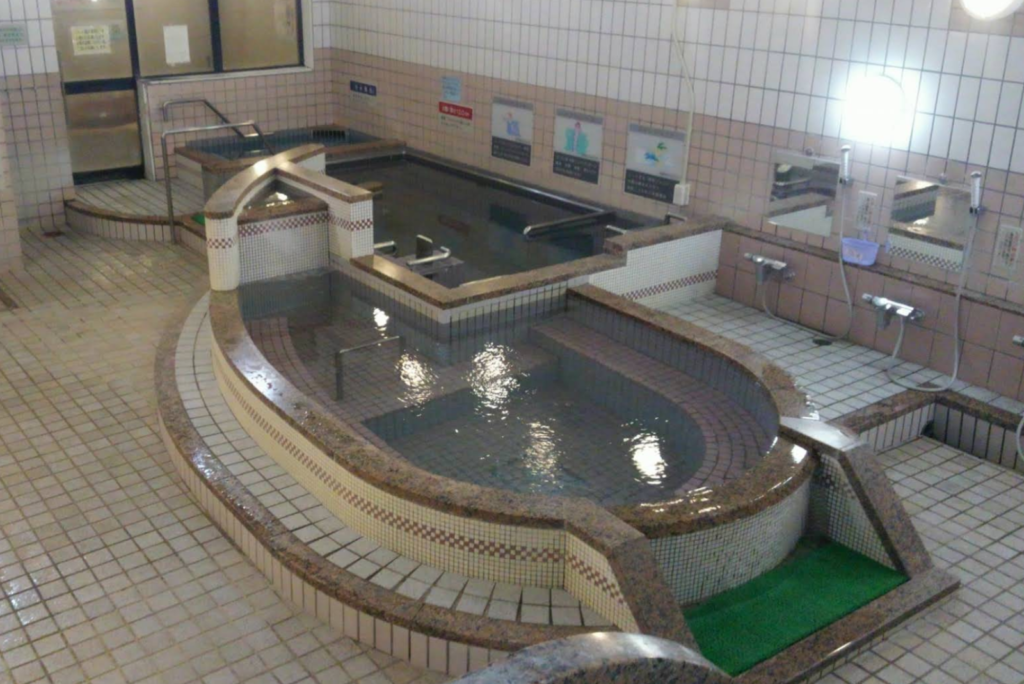
2 - Ninomiya Onsen(Day Use)
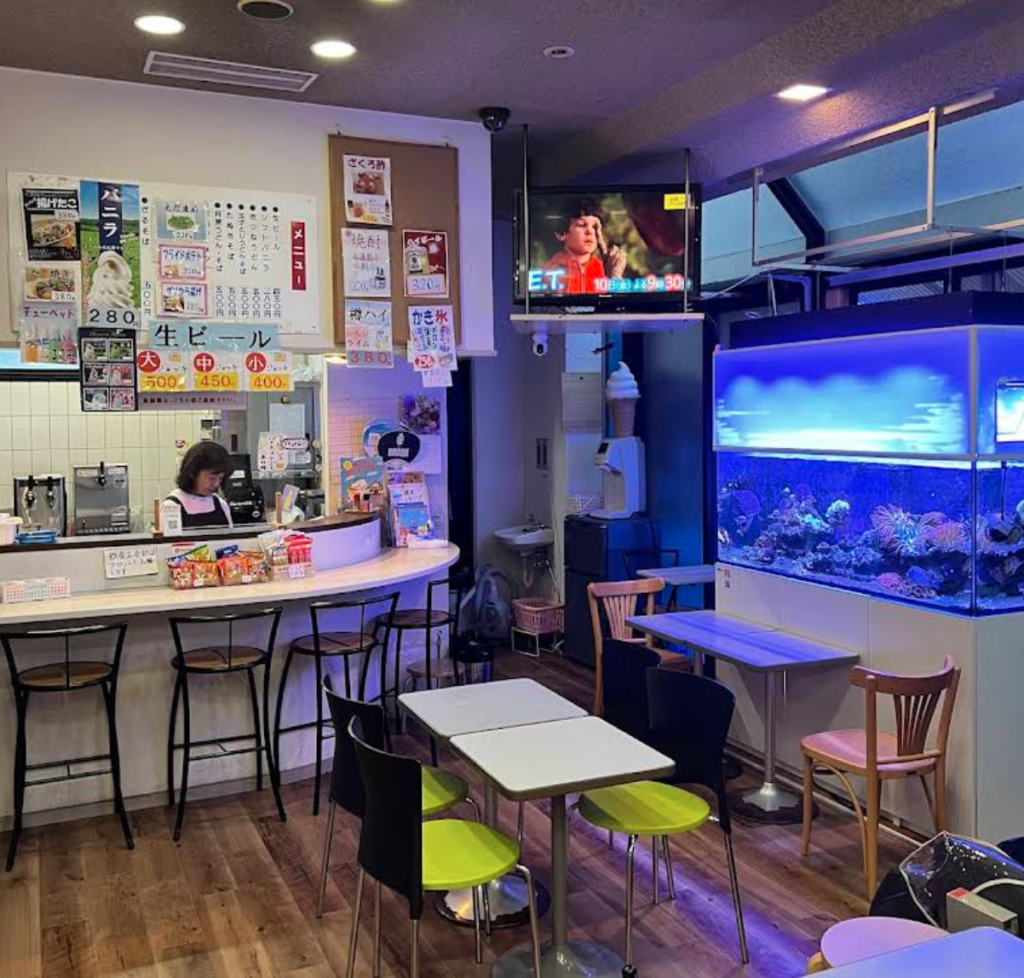
- Opening Hours - 12:00 - 12:00
- Closed: Open all year round
- Approx. Cost - ¥490
- Towel Rental - Yes
- Toiletries - Shampoo, Body Soap, Conditioner
- Website: Ninomiya Onsen
Best for: Tattooed travelers looking for a convenient, no-stress sento in central Kobe.
Ninomiya Onsen is one of the most accessible and reliable neighborhood sento in Kobe, located within walking distance of Sannomiya. It’s a classic public bath used daily by locals, with a relaxed atmosphere and long opening hours that make it easy to fit into any itinerary. It's popular with runners and hikers and can get busy on the weekends. There's also a small snack bar.
Tattoos are accepted here, and it’s common to see both tattooed Japanese guests and international visitors. Facilities include multiple hot baths, a cold plunge, and a sauna, making it a solid end-of-day reset after sightseeing or dining in the city.
3 - Miyamoto Onsen (Day use)
- Opening Hours - 14:00 - 22:00
- Closed - 7th, 17th, and 27th of every month
- Approx. Cost - JPY 450
- Towel Rental - Yes
- Toiletries - Available for purchase
- Website: Radium Onsen
Best for: Travelers wanting a traditional, ultra-local Kobe sento experience.
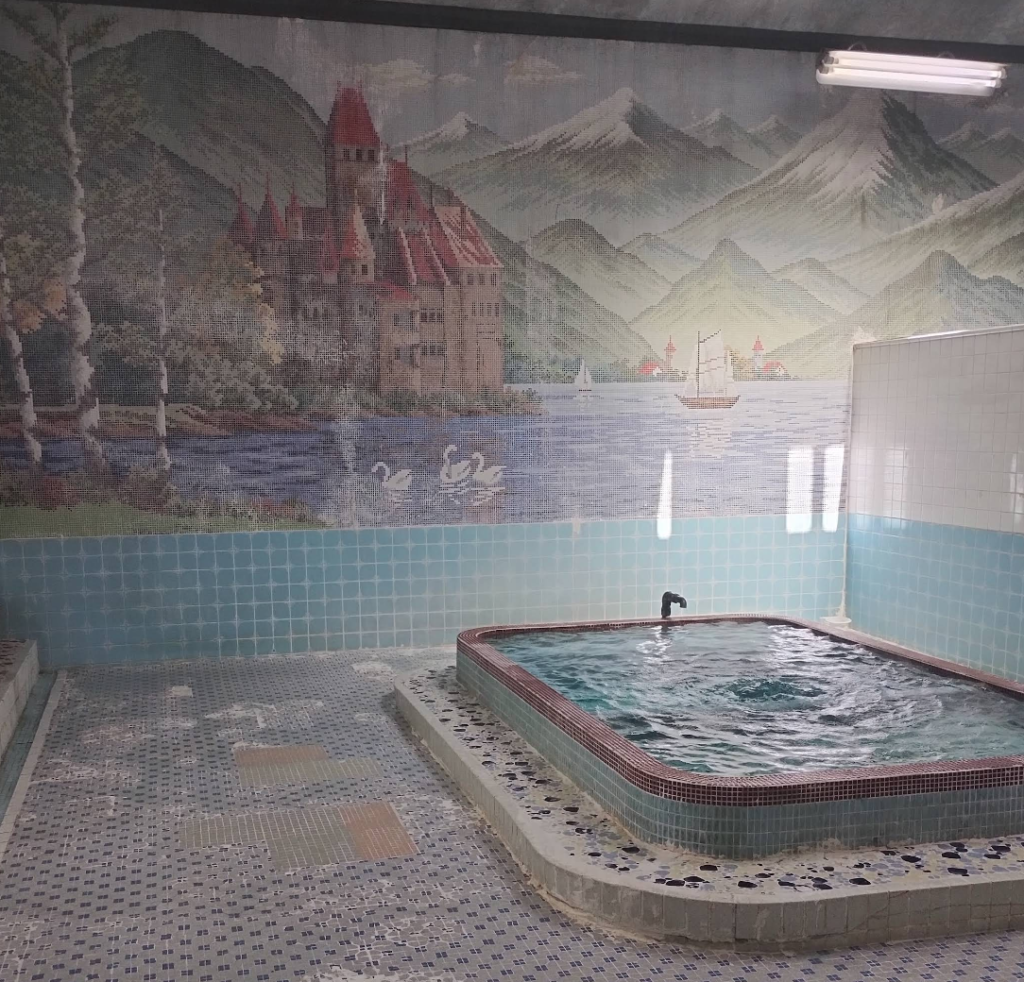
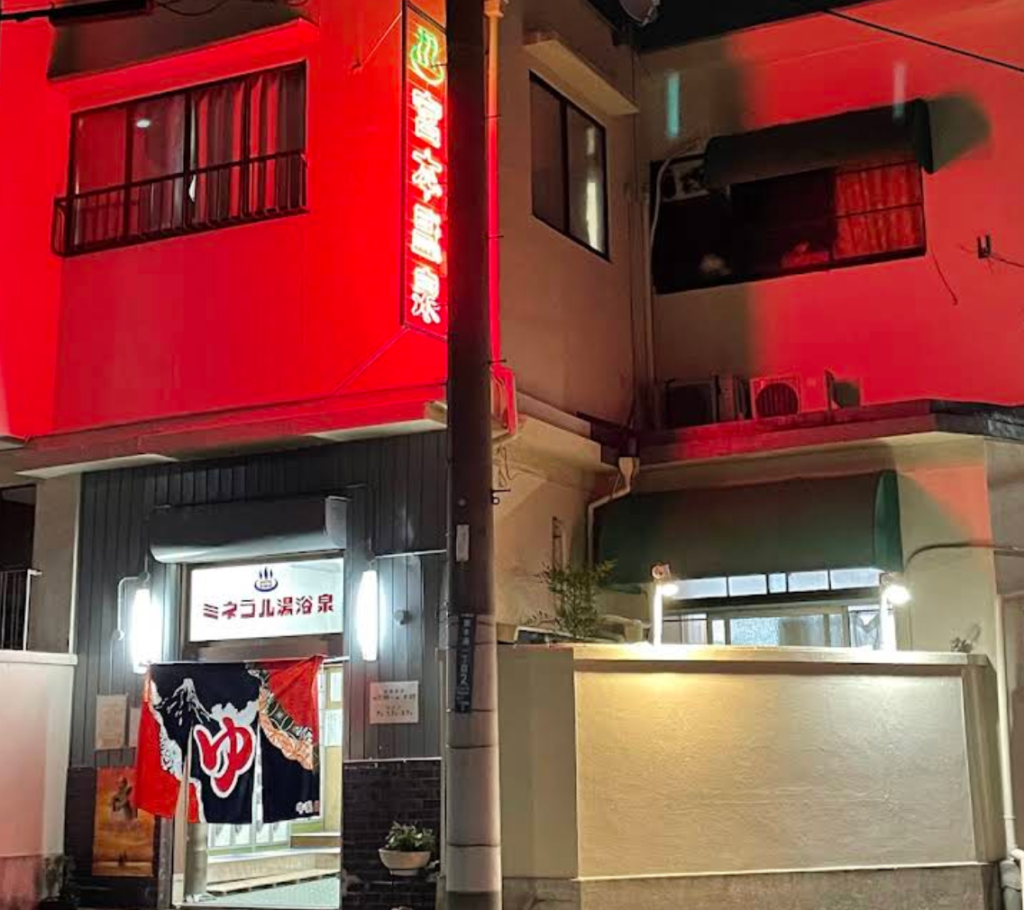
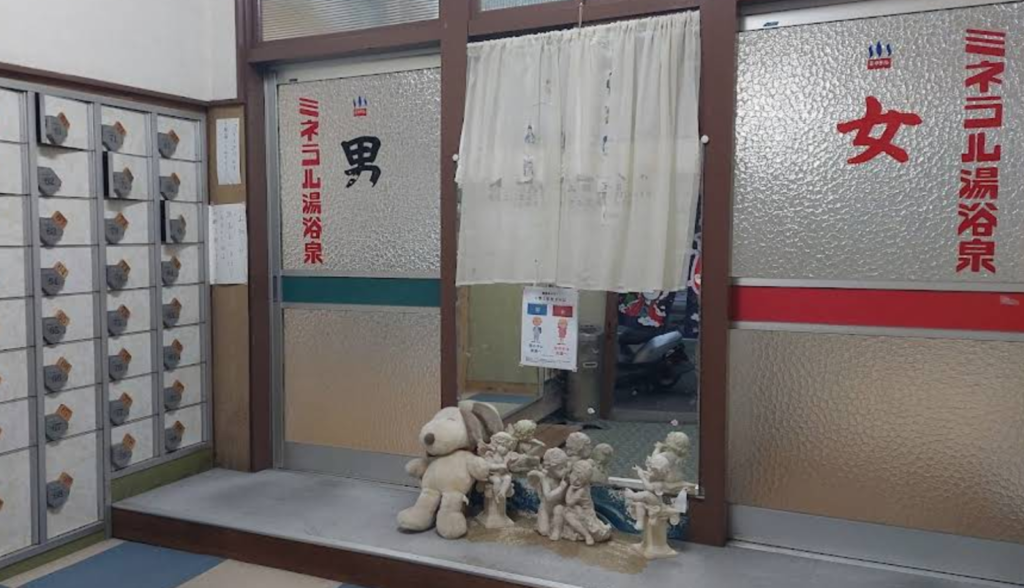
Miyamoto Onsen is a small, old-school neighborhood bathhouse that reflects everyday life in Kobe. There’s nothing flashy here—just hot water, regulars, and a calm, unpretentious atmosphere that hasn’t changed much in decades. However, there is a quite a beautiful tile mural of Geneva, Switzerland.
Tattoos are generally accepted, and the sento operates very much on local norms rather than posted rules. This is a great option for travelers who want authenticity and don’t mind simple facilities.
Arima Onsen: Sento and Onsen
Arima Onsen is one of Japan’s oldest and most storied hot spring towns, with a history stretching back over 1,300 years. According to legend, the springs were first discovered by the gods Ōnamuchi-no-Mikoto and Sukunahikona-no-Mikoto, who took the form of birds and healed the land and its people with the hot waters.
Nestled in the mountains just north of Kobe, Arima has long been favored by emperors, court nobles, and warlords—including Toyotomi Hideyoshi—who believed in the curative powers of its distinctive Kinsen (gold) and Ginsen (silver) waters. Today, Arima remains a place where mythology, geology, and tradition quietly intersect—beautiful, historic, and a little more rule-conscious than most.
Unlike Osaka’s working-class sento culture or Kyoto’s neighborhood baths, Arima developed as a prestige onsen town. Its reputation was built on exclusivity, discretion, and long stays rather than casual drop-ins. That legacy still shapes how bathing is managed today—especially at ryokan—where atmosphere and guest comfort are carefully controlled.
For tattooed travelers, this means Arima is best enjoyed by knowing exactly where to go.
1 - Kin no Yu (Day Use)
- Opening Hours - 08:00 - 10:00
- Closed - 2nd and 4th Tuesday
- Approx. Cost - JPY800
- Towel Rental - JPY500
- Toiletries - Included
- Website: Kin No Yu
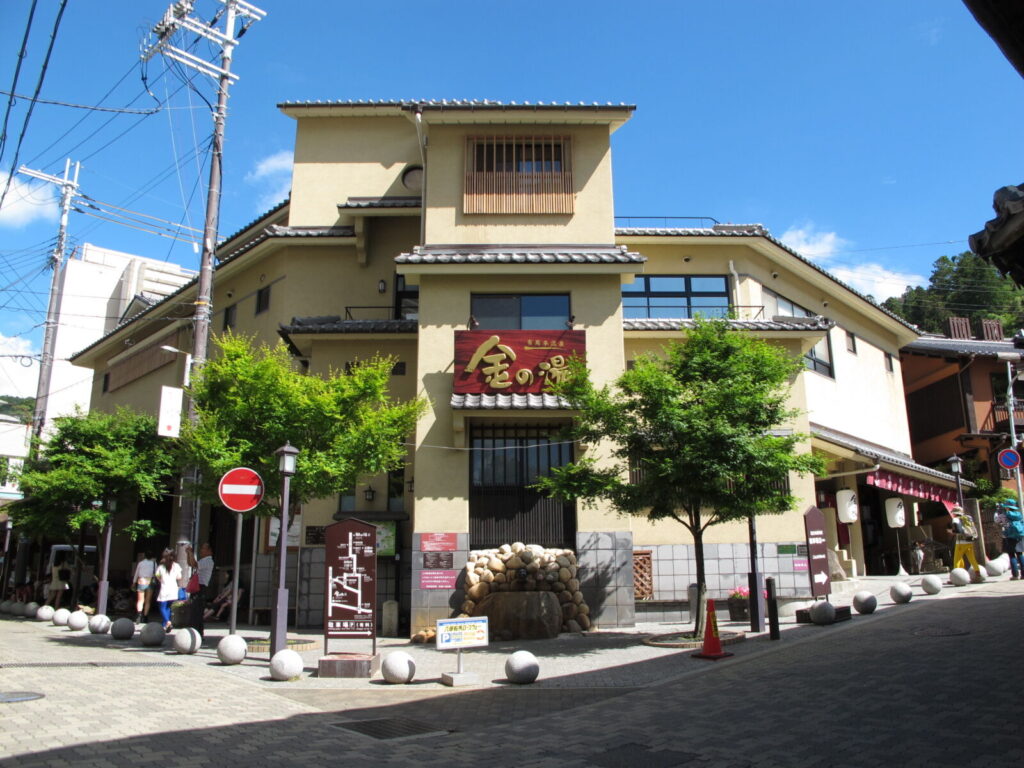
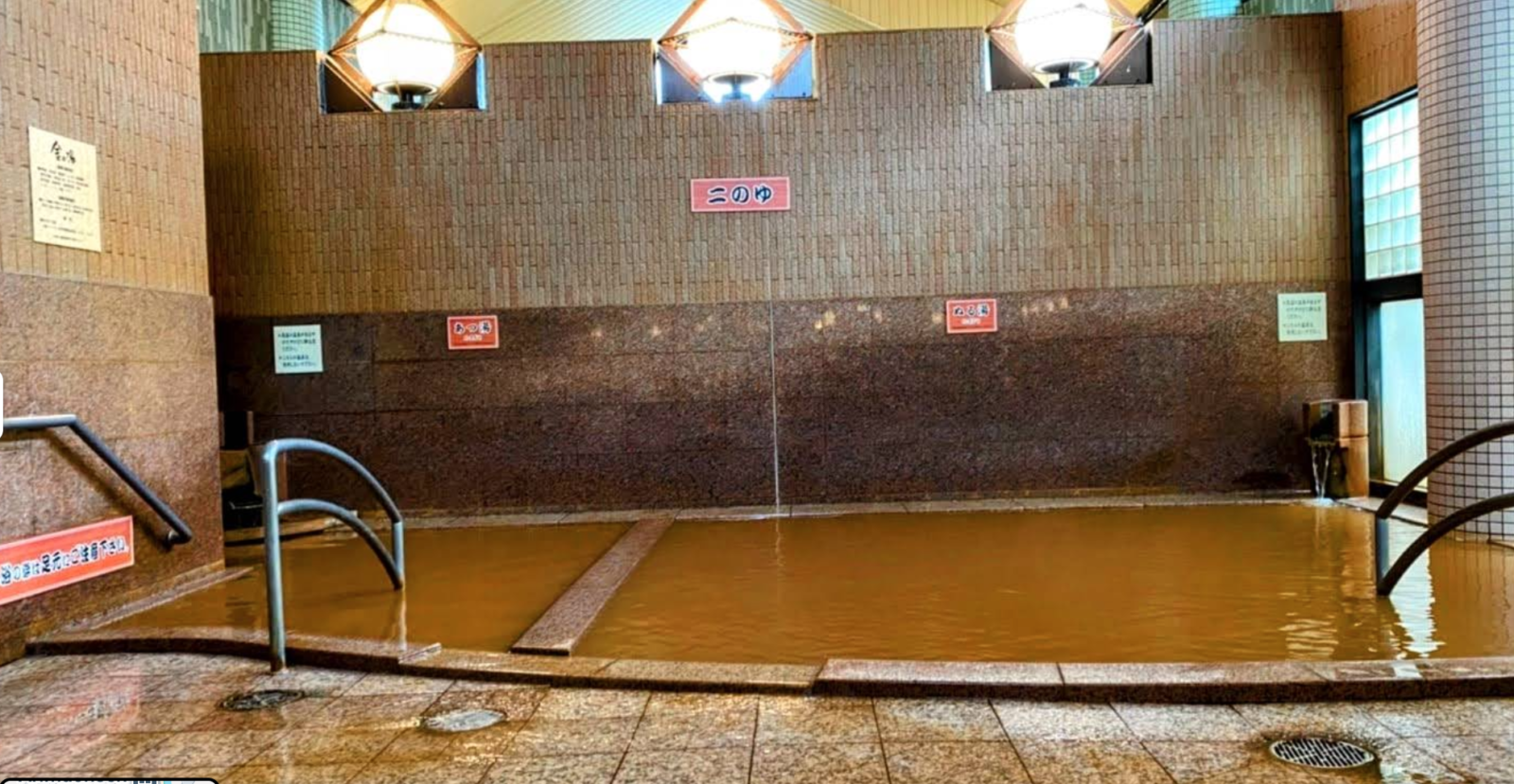
Best for: Tattooed travelers wanting to experience Arima’s famous iron-rich “gold” water.
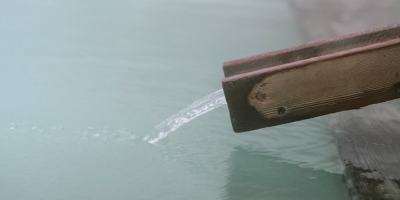
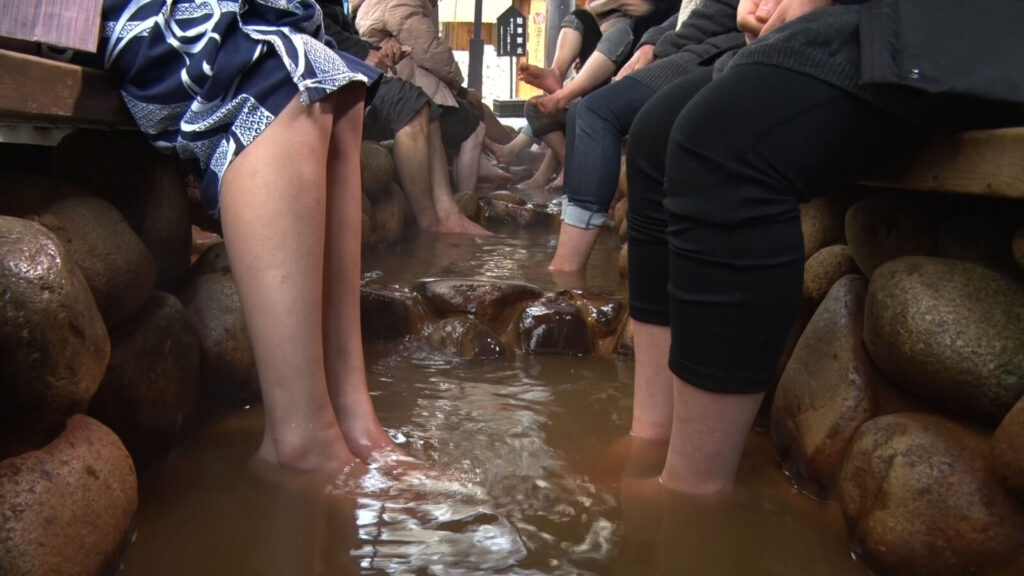
Kin no Yu is Arima’s iconic public bath and is tattoo-friendly. This municipal bathhouse is known for its deep reddish-brown Kinsen water, rich in iron and salt, and is one of the easiest ways to experience Arima without staying overnight. If you're feeling shy about going into the onsen, then you can simply dip your feet into the free foot-bath outside the building.
2 - Gin No Yu (Day use)
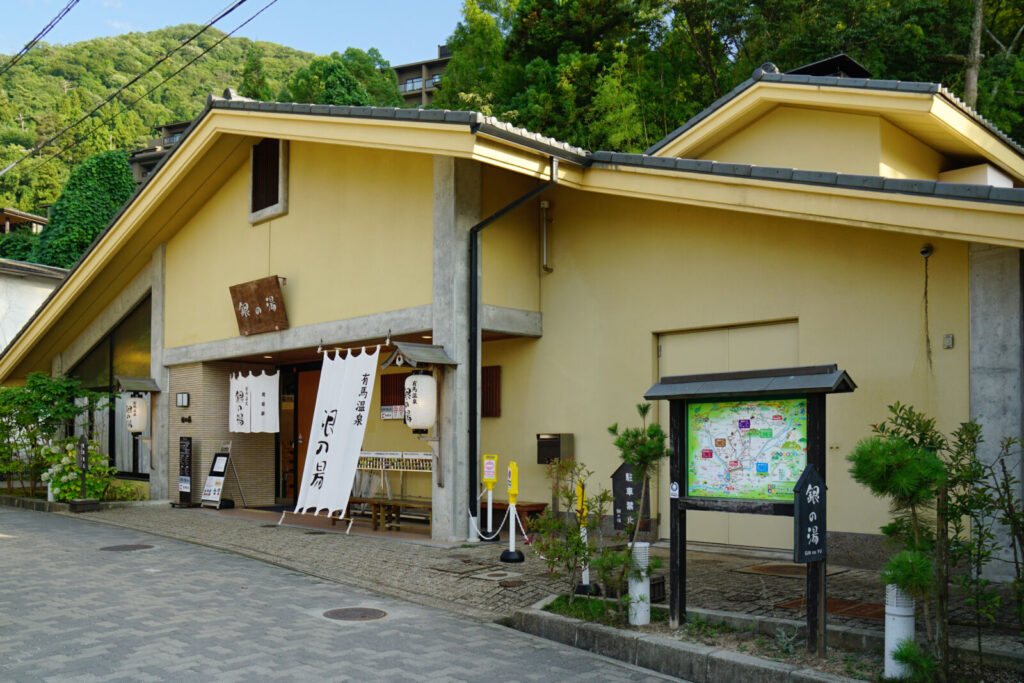
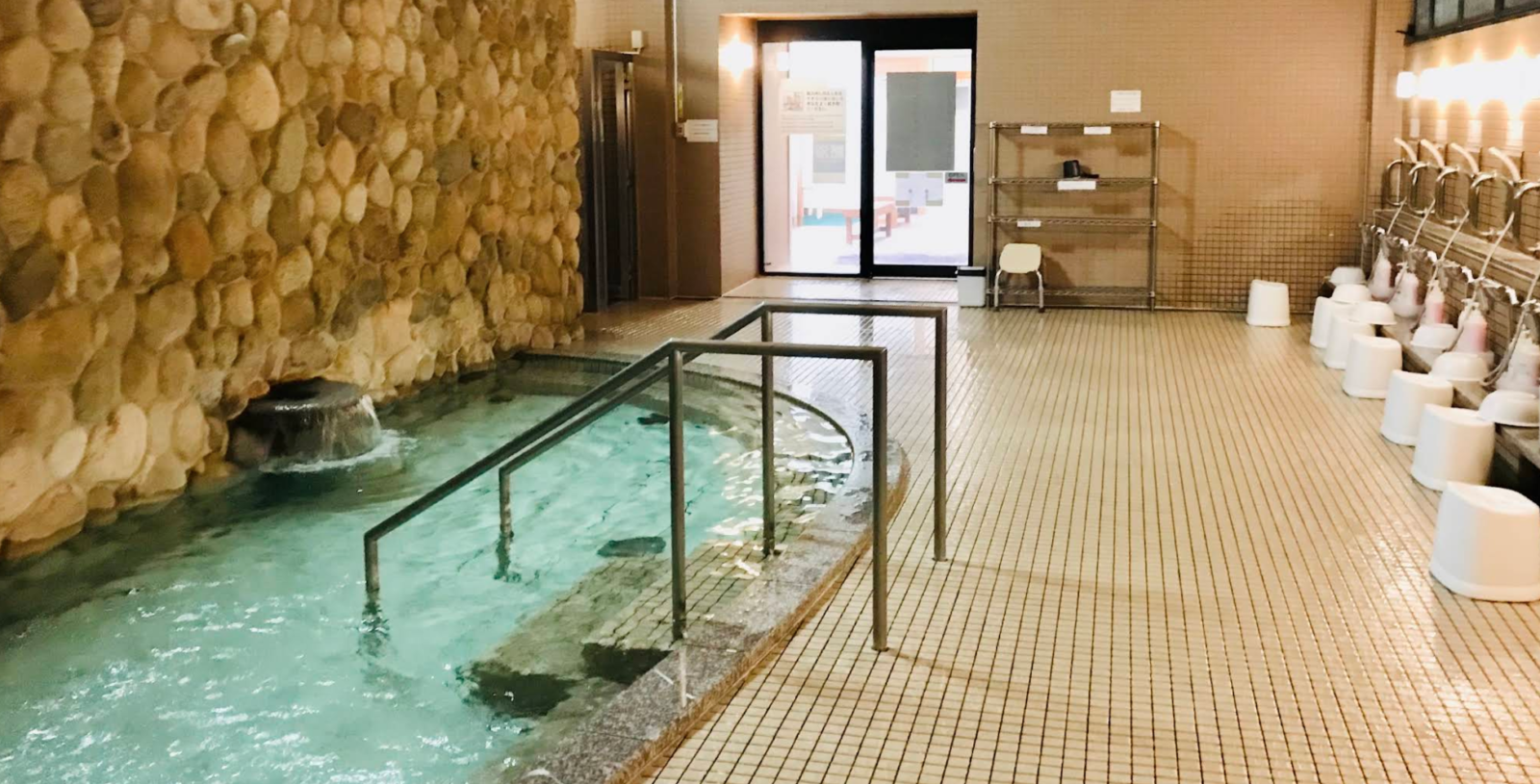
- Opening Hours - 09:00 - 21:00
- Closed - 1st and 3rd Tuesday
- Approx. Cost - JPY 700
- Towel Rental - Available for purchase
- Toiletries - Included
- Website: Gin No Yu
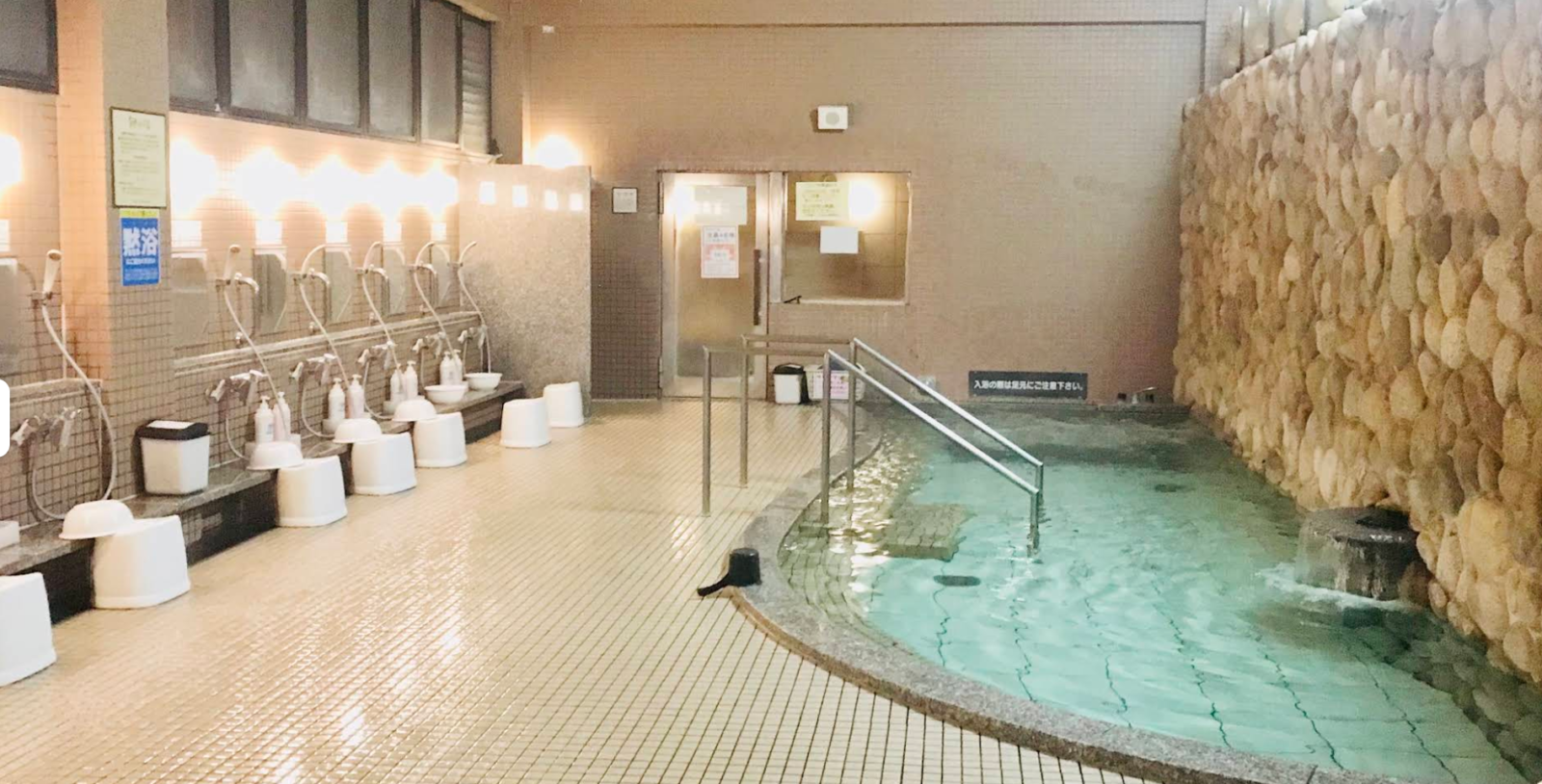
Best for: Tattooed visitors interested in Arima’s lighter, radium-rich “silver” waters.
Gin no Yu is the second of Arima’s public bathhouses and is also tattoo-friendly. The water here is clearer and gentler than Kin no Yu, making it a good complement if you want to compare Arima’s two famous spring types.
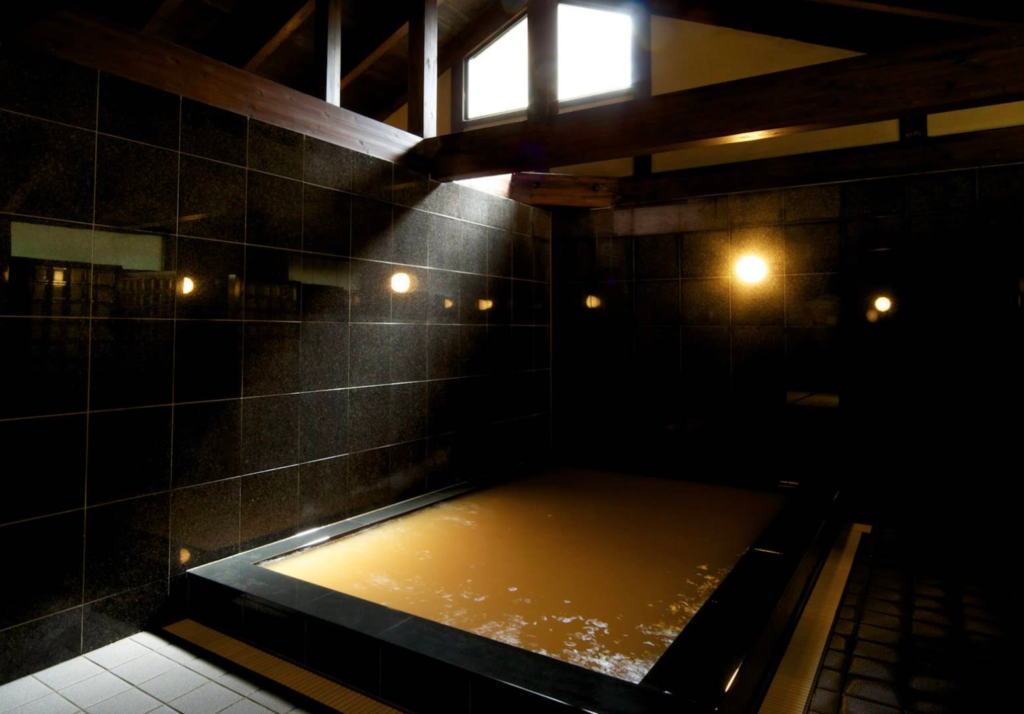
3 - Arimasansoh Goshobessho (Private Baths Only)
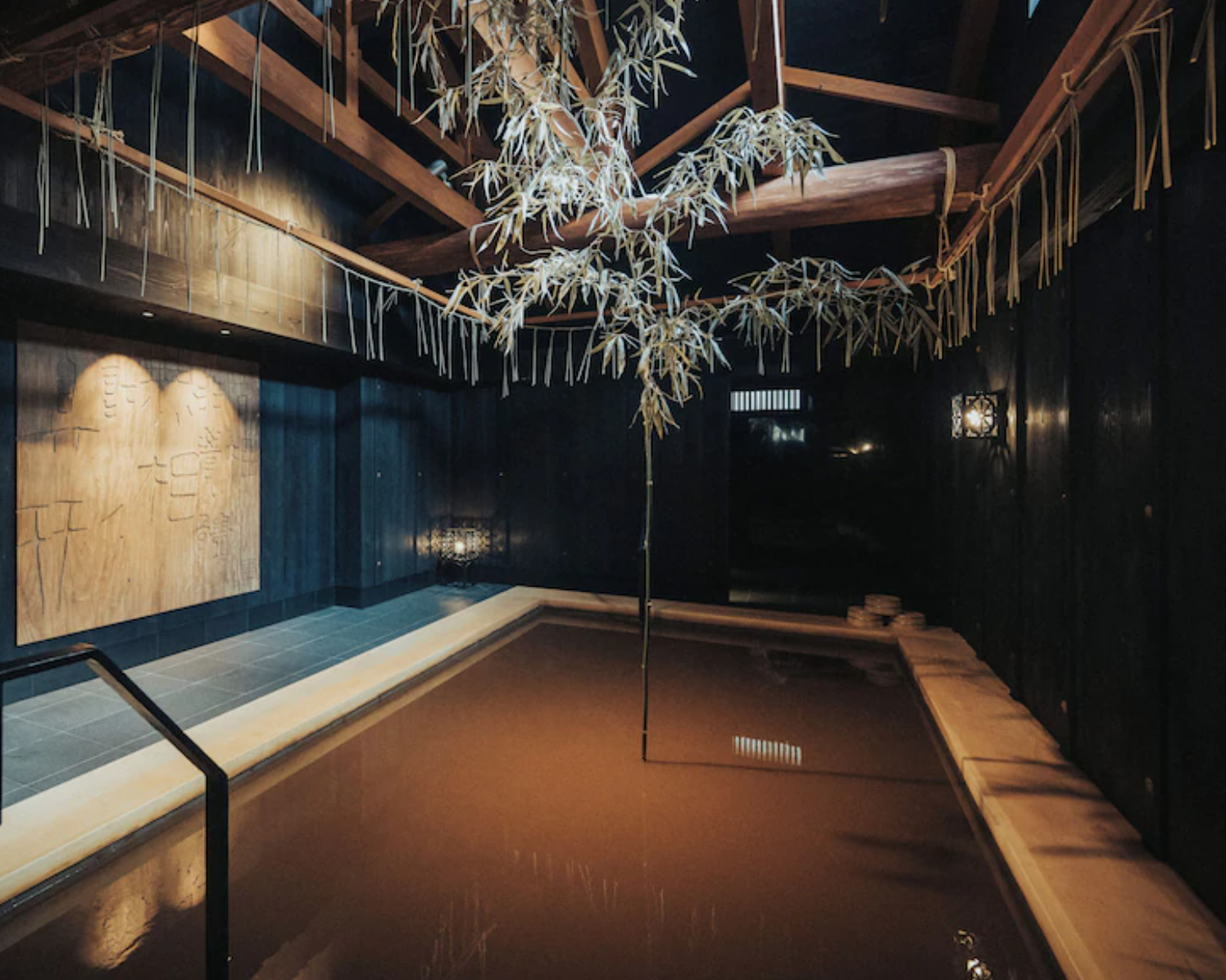
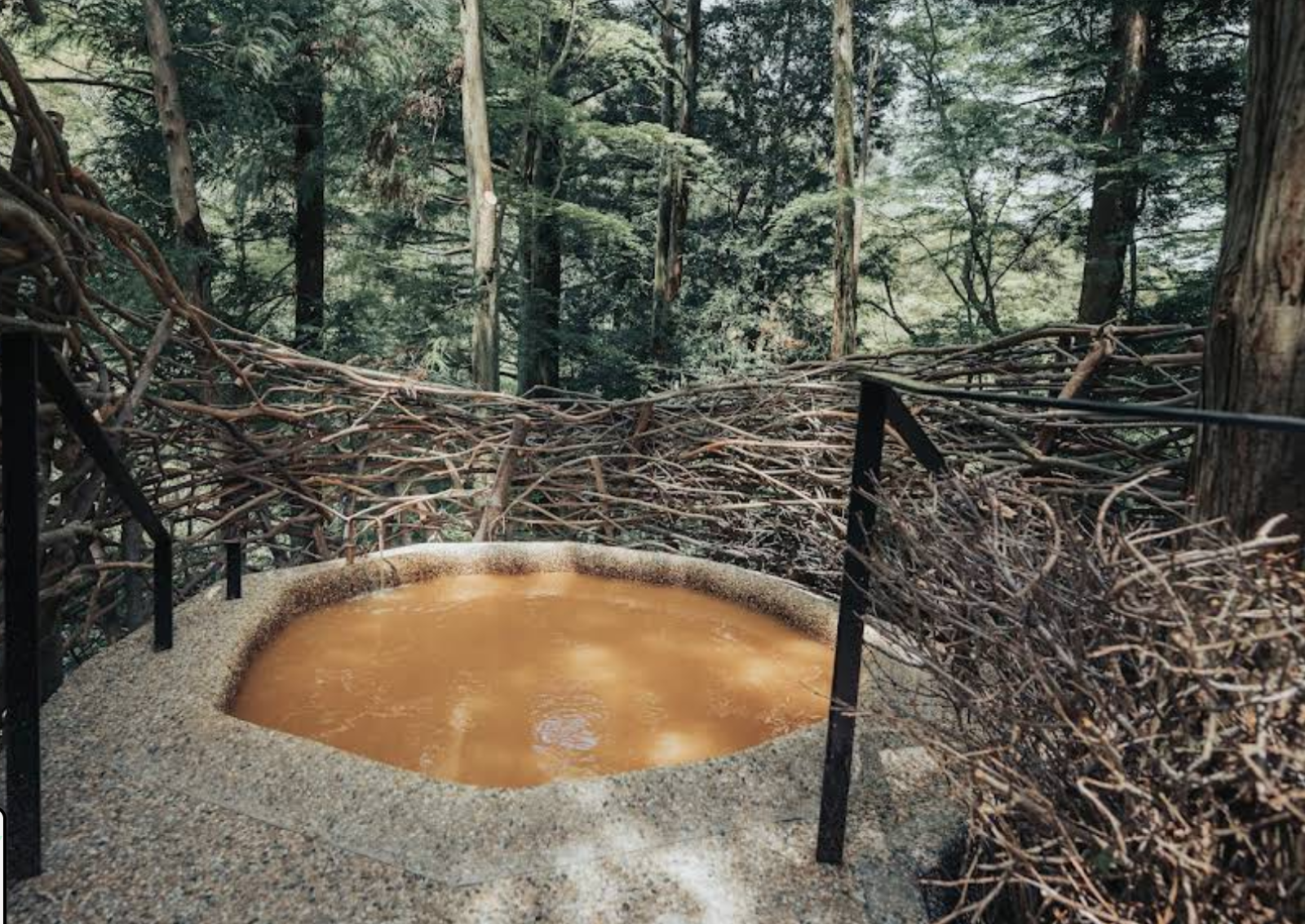
- Opening Hours - Same as the Hotel hours
- Closed - Hotel hours
- Approx. Cost - Included with Stay
- Towel Rental - Included with Stay
- Toiletries - Included
- Website: Arimasansoh Goshobessho
Best for: Tattooed travelers seeking a refined, design-forward Arima experience with guaranteed privacy.
Arimasansoh Goshobessho is a modern luxury ryokan that reimagines Arima Onsen through architecture, art, and landscape rather than tradition alone. Originally connected to the historic Goshobo lineage, the property was redesigned as a quiet retreat where nature and structure intentionally blur.
Its most striking feature is the iconic private open-air onsen shaped like a bird’s nest, perched above the forest and designed to feel suspended in the trees. These sculptural baths are entirely private, making them fully accessible to tattooed guests. Public bath areas do not allow tattoos, but private bathing here is both permitted and central to the experience.
This is not a place for casual soaking—it’s for travelers who want Arima’s famous waters, complete privacy, and a setting that feels genuinely special rather than ceremonial.
4 - Arima Grand Hotel (Private Baths Only)
- Opening Hours - Guest use only
- Closed - None
- Approx. Cost - Included with Stay
- Towel Rental - Included with Stay
- Toiletries - Included
- Website: Arima Grand Hotel
Best for: Luxury travelers who want Arima’s waters with full privacy.
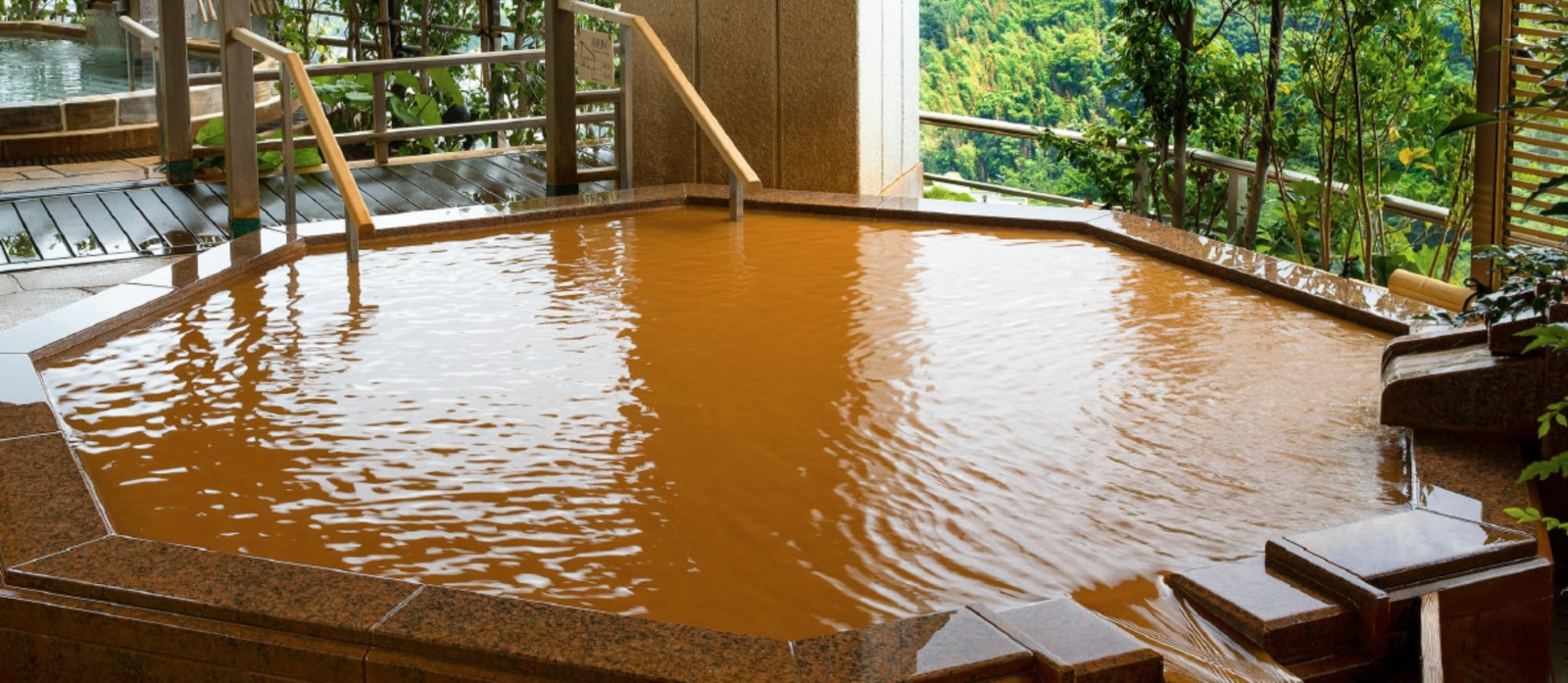
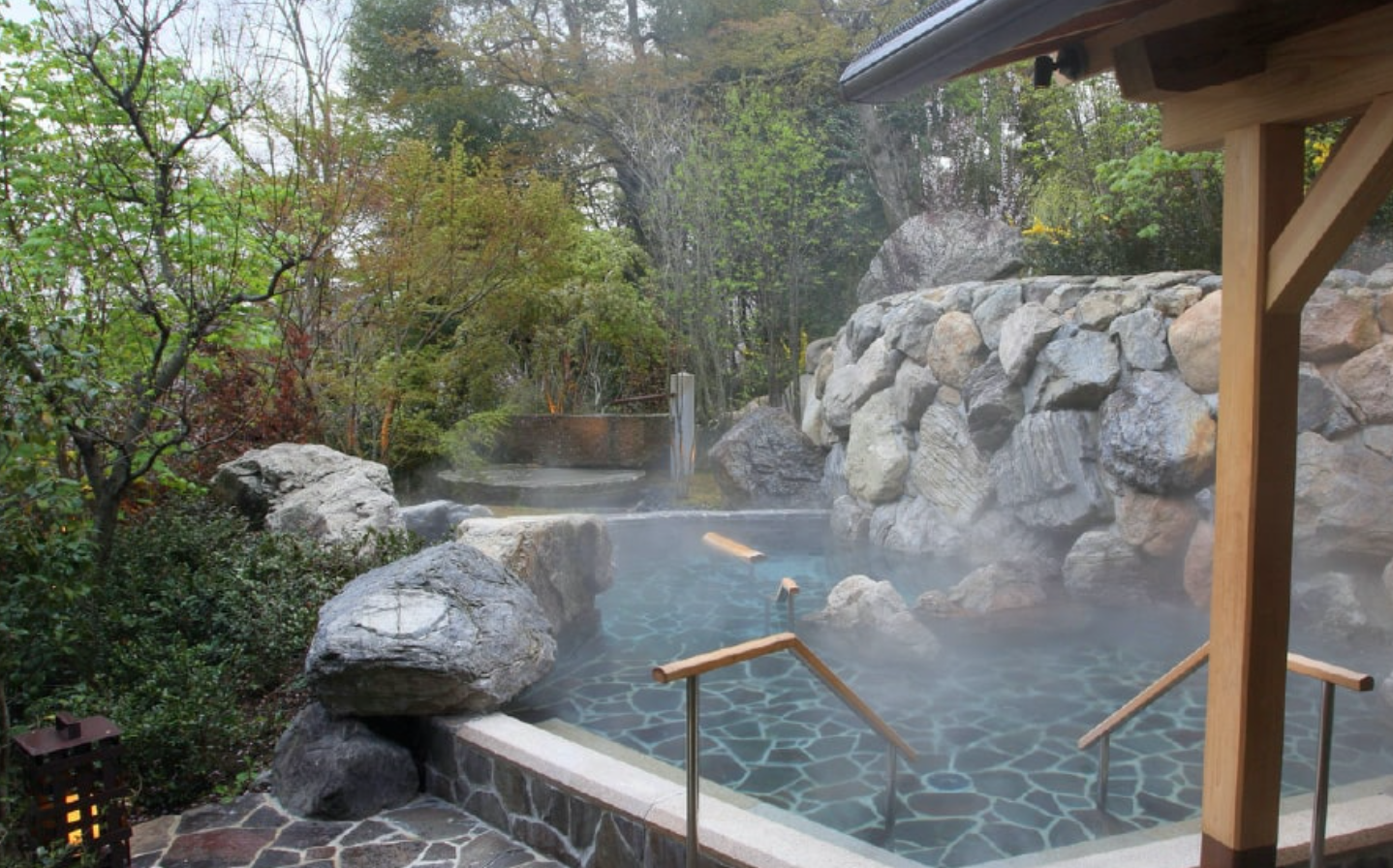
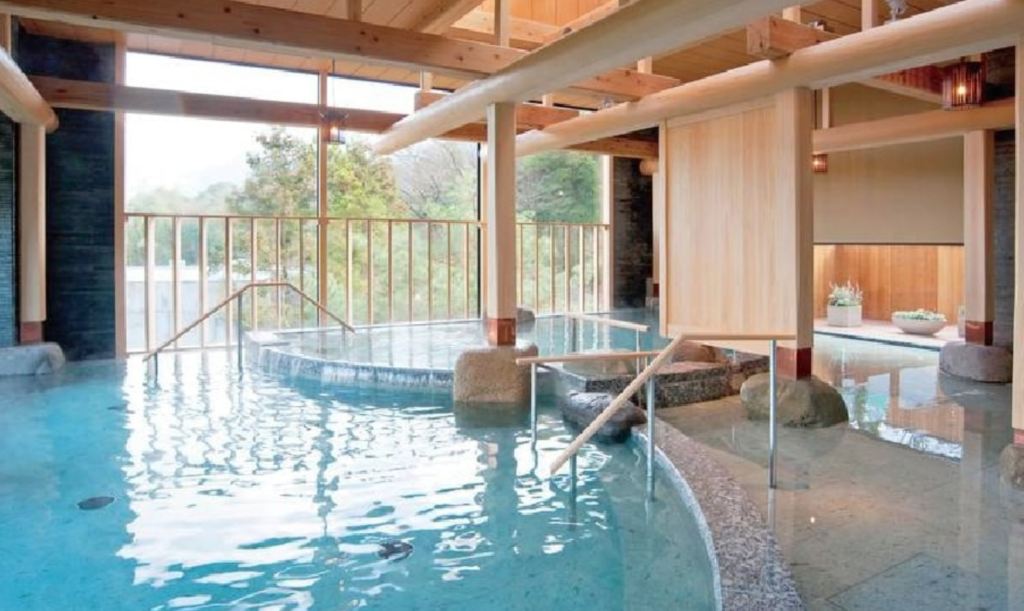
Arima Grand Hotel is one of the largest and most luxurious properties in the area, with expansive facilities and panoramic views over the onsen town. As with many large hotels in Arima, tattoos are not allowed in public baths.
However, tattooed guests can use private bathing options only, either through in-room baths or reservable private facilities depending on room type. For travelers who want comfort, space, and predictability—and are willing to pay for it—this is one of the least stressful ways to experience Arima.
Arima Grand Hotel offers a popular day-use plan combining lunch and onsen access, allowing non-guests to experience the property without staying overnight. This plan includes one meal and access to two of the hotel’s large public baths.
Important: Tattoos are not permitted in the public bathing areas included in this plan.
Final Thoughts: Bathing in Kobe & Arima Onsen with Tattoos
Kobe and Arima Onsen reward travelers who do a little homework. Compared to Osaka, bathing here is more controlled, more traditional, and—at times—more particular about rules. That doesn’t mean tattooed visitors are unwelcome, but it does mean choices matter.
Kobe’s sento culture is quieter and more local, with only a handful of truly reliable tattoo-friendly options inside the city. Arima Onsen, by contrast, is steeped in history and prestige. Its famous waters are absolutely worth the trip, but tattooed guests will have the smoothest experience by sticking to public bathhouses or reserving private baths at ryokan.
If Osaka feels open and casual, Kobe feels reserved, and Arima feels ceremonial. Respect the setting, follow posted rules, and plan ahead—and you’ll still find moments of calm, warmth, and genuine hospitality in both places.
For city-by-city comparisons and updates across Kansai, visit the Kansai Onsen Page.
Frequently Asked Questions
What should I bring with me when I visit an onsen or sento?
Generally, you should bring a small towel, toiletries (soap, shampoo), and a change of underwear. Many Japanese people bathe in the evening and then change into pajamas or relaxed evening wear, so bring whatever you’re comfortable wearing afterward.
Most facilities provide basic amenities, and many have hair dryers, though some may charge a small fee. If you’re visiting a sento rather than a hotel onsen, bringing your own items is especially recommended.
Are there any rules or etiquette I should know before visiting an onsen?
Yes—onsen and sento etiquette is important, and it’s taken seriously. In fact, tattoo-friendly baths are often stricter with etiquette to balance their more flexible tattoo policies.
Key rules to know:
- Do undress fully and wash your body thoroughly before entering the bath.
- Do rinse off all soap and shampoo completely before soaking.
- Don’t take photos in the bathing area—even in private baths, many operators prohibit photography.
- Don’t let your towel or hair touch the bath water.
- Don’t swim, splash, or treat the bath like a pool.
- Do keep voices low—onsen are generally quiet, relaxing spaces.
- Do be considerate of others. Public bathing is communal, but staring is considered rude.
- If another guest makes you uncomfortable, report it to staff rather than confronting them directly.
Follow these rules and you’ll fit in just fine.
Some places mention needing stickers, plasters, or band-aids for tattoos. Why is that?
As tattoo policies slowly evolve in Japan, some onsen allow tattoos only if they can be fully covered with stickers or band-aids provided by the facility (or brought by the guest).
If you have large tattoos—such as sleeves, chest pieces, or full-back tattoos—that cannot be covered, staff may still refuse entry, even at places listed as “tattoo-friendly.” This isn’t personal; it’s simply how policies are enforced.
Always check individual rules in advance and follow staff instructions.
I have a skin condition. Is it safe to use an onsen?
Onsen are often said to have medicinal benefits, but this varies depending on the mineral content—and on you. If you have a skin condition or other medical concerns, it’s best to consult your doctor before visiting Japan and using onsen.
When in doubt, start with a short soak or choose a standard sento instead of a mineral-rich hot spring.
Why does it matter if I have tattoos when I’m clearly not Japanese?
This frustration is understandable, and most Japanese people would quickly recognize that foreign visitors with tattoos are unlikely to be affiliated with organized crime.
That said, rules are rules, and Japan is not known for flexible interpretation. Tattoo restrictions exist to maintain comfort for all guests, not to single anyone out. While policies are slowly changing, enforcement remains strict in many places.
The best approach: research ahead of time, respect posted rules, and choose tattoo-friendly facilities.
Am I really missing out if I don’t visit an onsen while in Japan?
Honestly? It depends on you.
Onsen are popular, but they’re not universal—even among Japanese people. Many locals rarely, if ever, go. We generally recommend trying it once, and maybe again if you’re unsure.
If onsen aren’t your thing, don’t worry. Japan offers far more than hot baths:
nature walks, historic neighborhoods, temples and shrines, museums, art galleries, vibrant cities, coastal scenery—and some of the best food on the planet.
Japan is not “just onsen,” and your trip will still be incredible without them.
Are onsen and sento separated by gender?
Yes. Almost all onsen and sento are separated by gender, with clearly marked entrances for men and women. Mixed-gender baths (konyoku) do exist, but they are rare and usually found in rural areas.
Children are generally allowed to bathe with a parent of either gender until a certain age, which varies by facility.
If you’re uncomfortable with gender-separated bathing, look for private baths (kashikiri) or family baths, which can often be reserved in advance.