


Osaka vs Kyoto – Where to Stay in Kansai
If you’re planning a trip to Japan’s Kansai region, you’ve probably faced the classic travel dilemma: “Should I stay in Kyoto or Osaka?” Don’t worry — you’re in good company. Every week, we meet visitors standing on that same fence, maps in hand, weighing quiet temples against sizzling street food.
As someone who guides tours across Kyoto, Osaka, Nara, Kobe, and beyond, we can tell you: there’s no wrong choice — but there is a smarter one depending on your travel style, budget, and plans. Let’s break it down. By the end you’ll know what factors matter, what each city offers, and how to pick the best base for you!
Why This Decision Matters
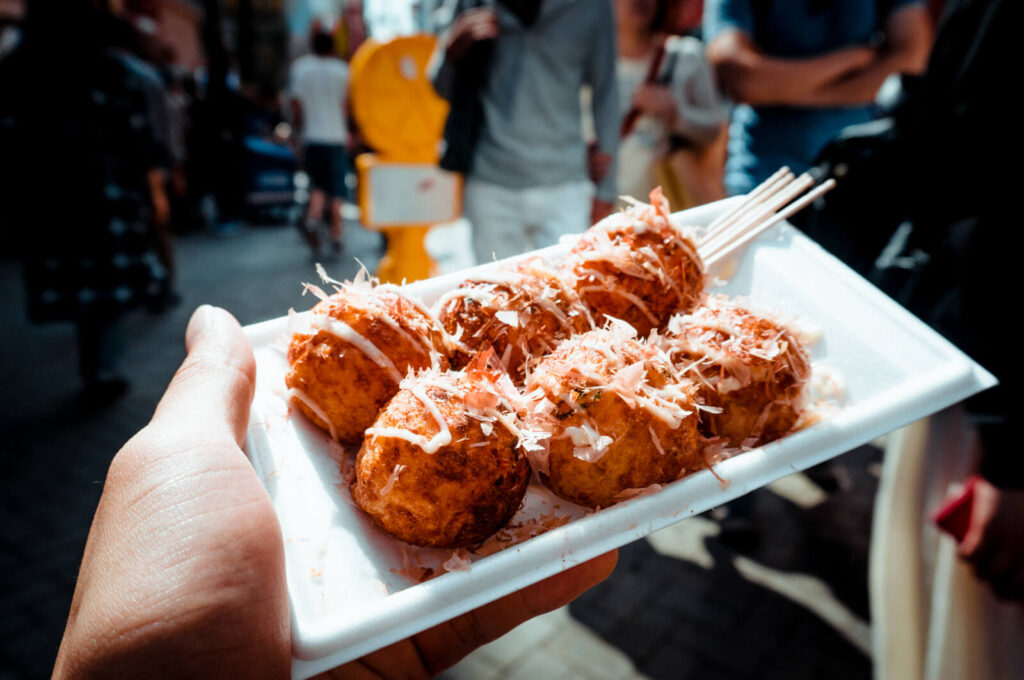
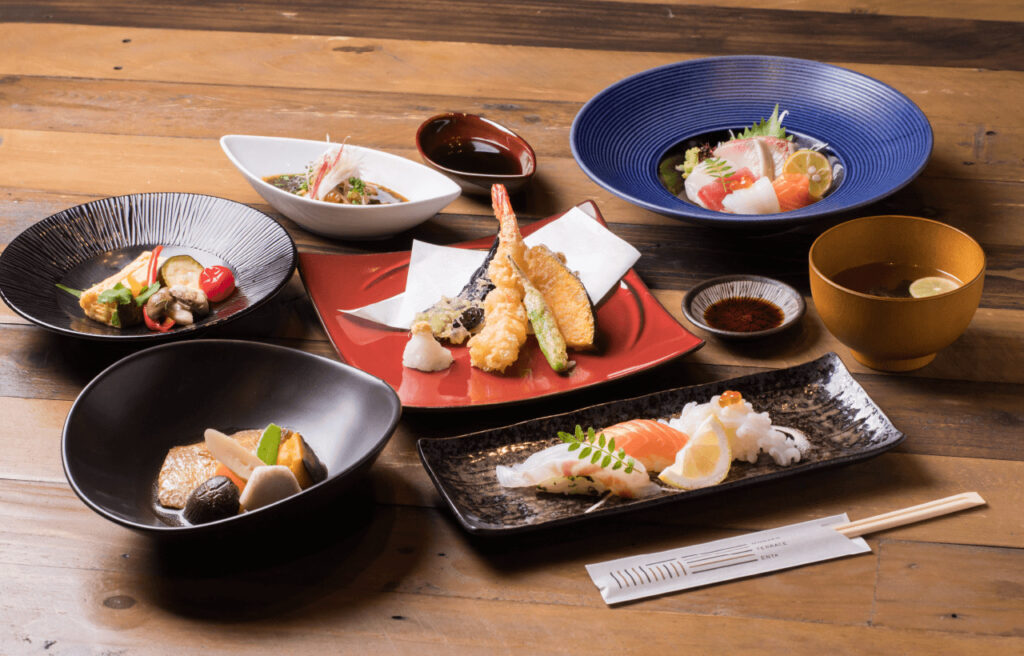
Kyoto and Osaka sit only about 30 minutes apart by train, but they feel worlds away. Your choice of base affects everything from hotel costs and nightlife to how many temples or takoyaki stands you can fit in a day.
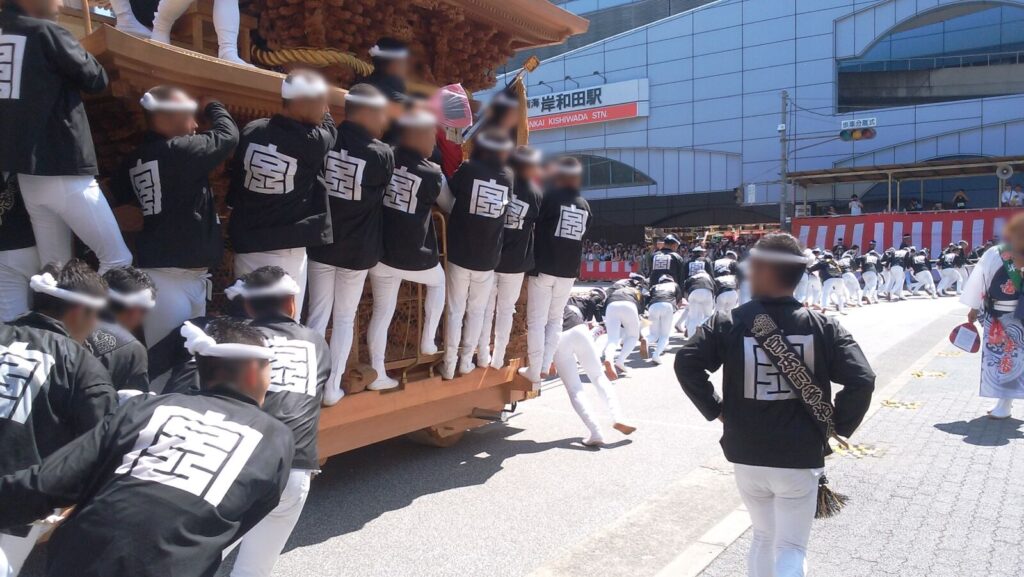
- Kyoto is Japan’s cultural heart — calm, scenic, and steeped in tradition.
- Osaka is Japan’s kitchen — bold, lively, and full of personality.
Pick right, and your trip runs smoothly. Pick wrong, and you might spend half your holiday on trains wishing you’d chosen the other city. We'll tell you more about both cities and what they have to offer.
The Quick Answer
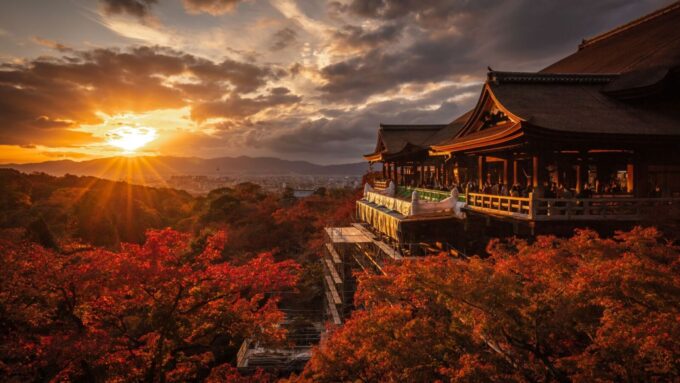
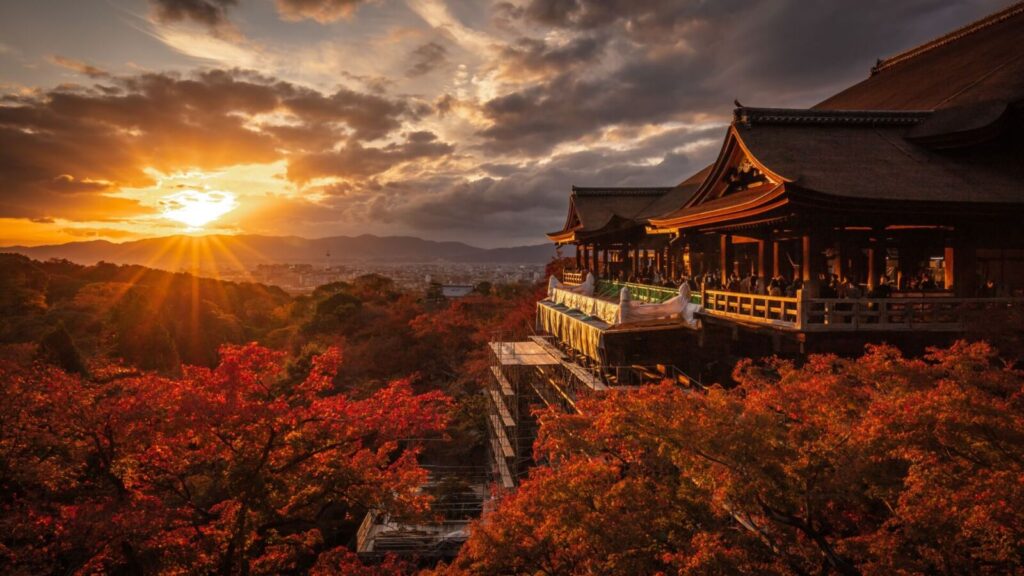
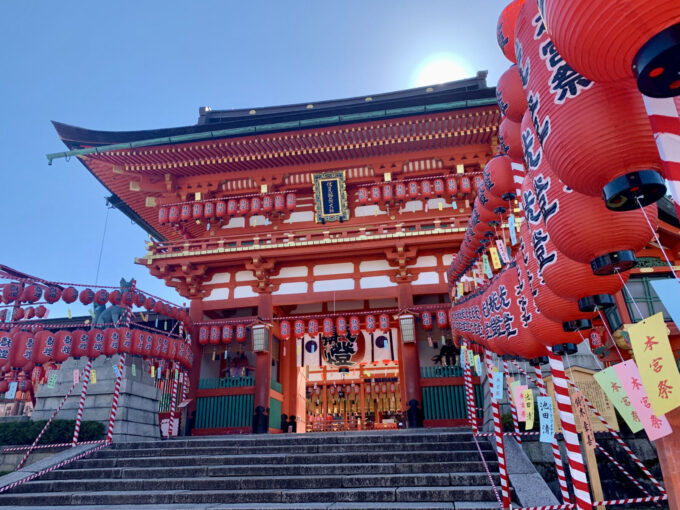
Stay in Kyoto if you want culture, history, temples, and early access to major sights like Fushimi Inari or Kiyomizu-dera.
Stay in Osaka if you love food, nightlife, convenience, and easy transport links across Kansai.
Best of both worlds? Stay in both—Kyoto for 2–3 nights, Osaka for 2–3 nights.
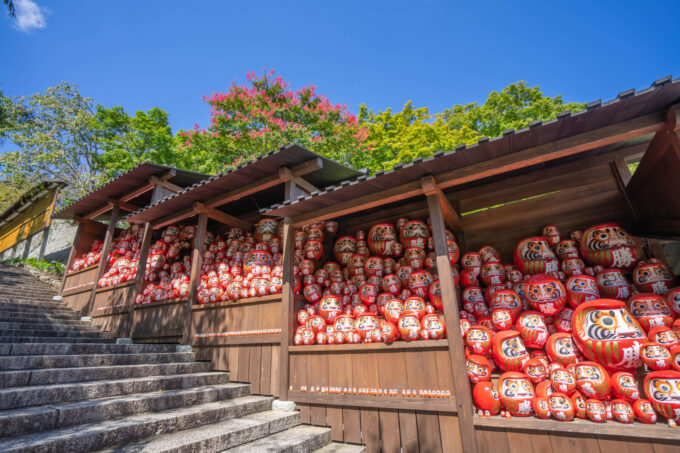
Kyoto – Tradition, Tranquility, and Timeless Beauty
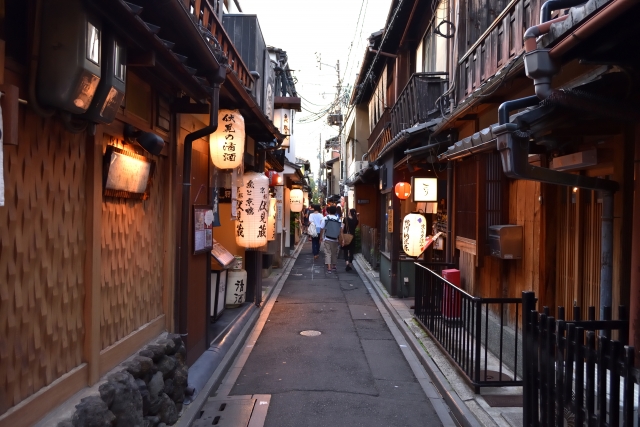
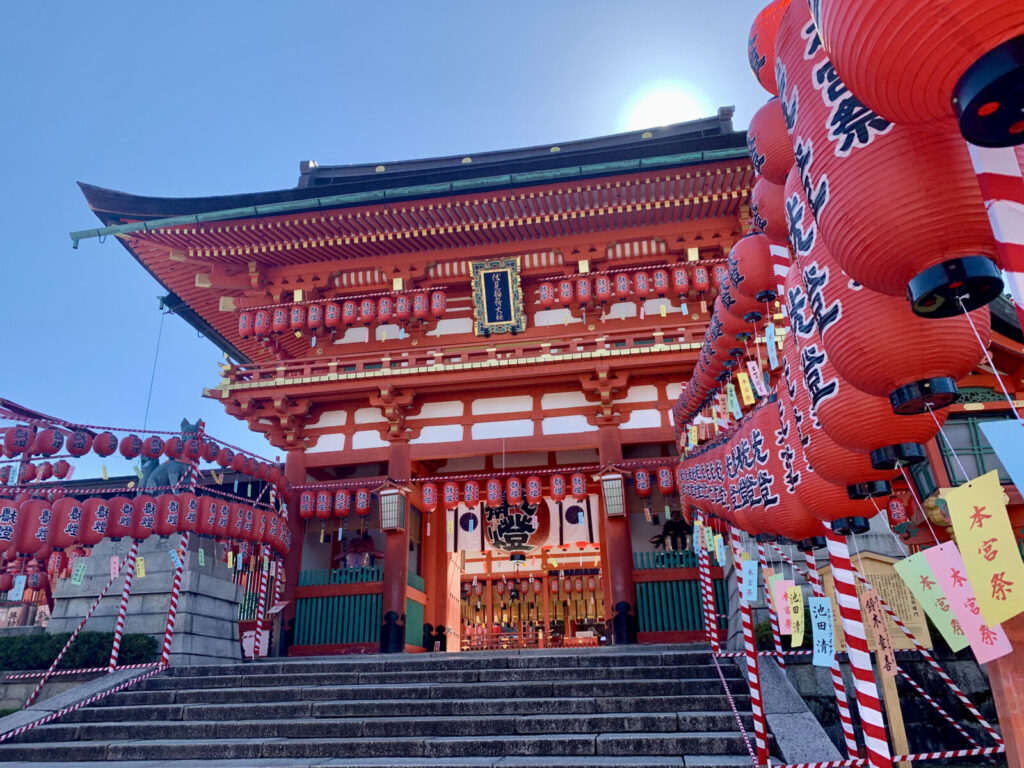
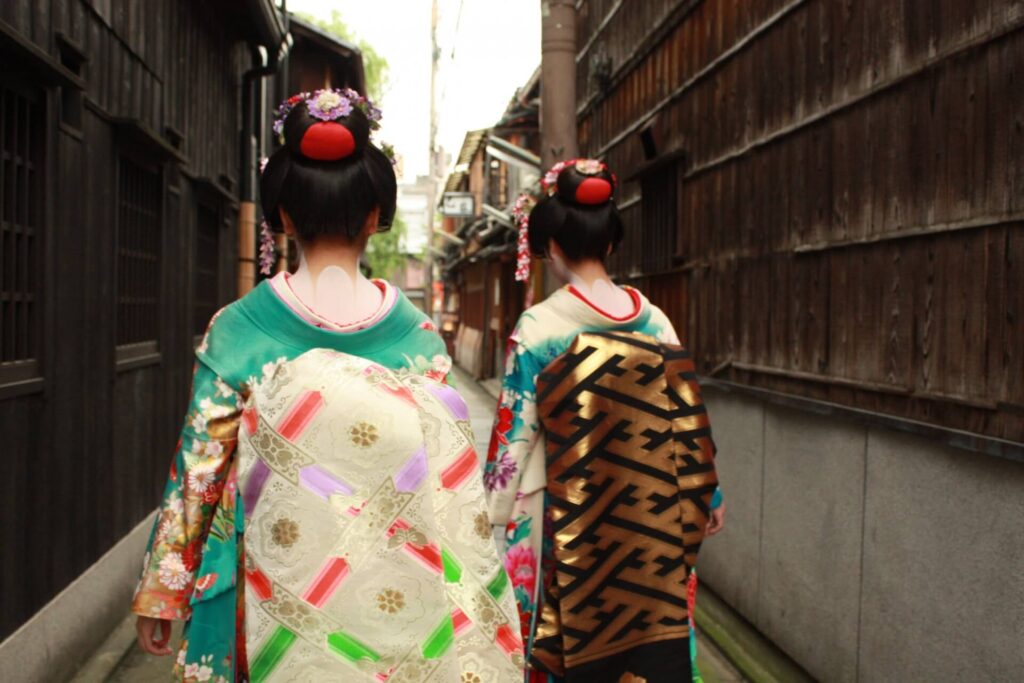
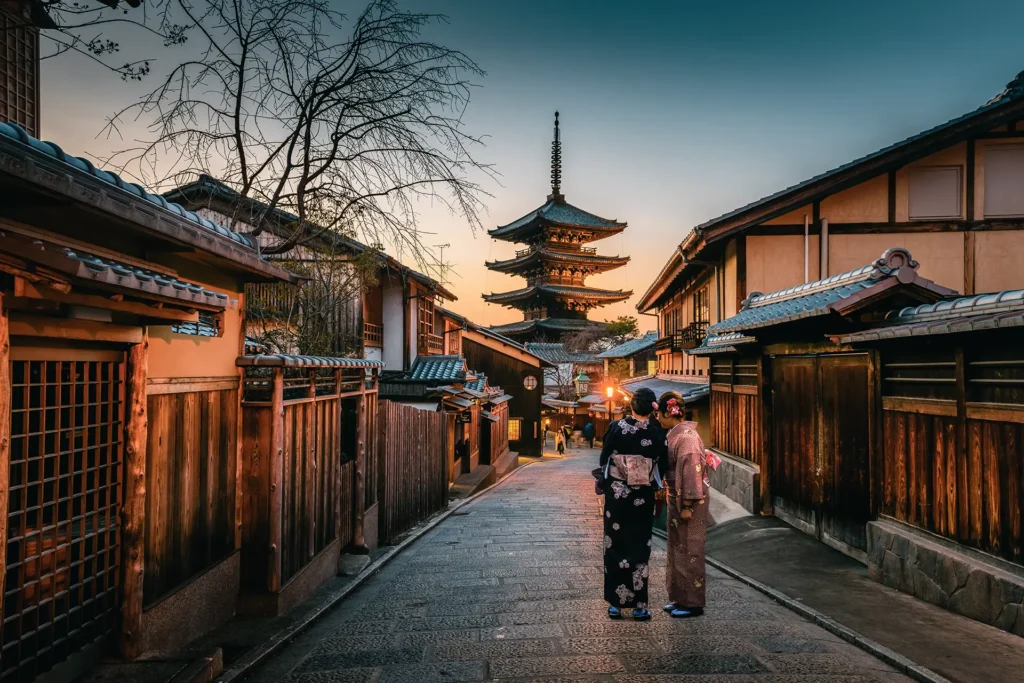
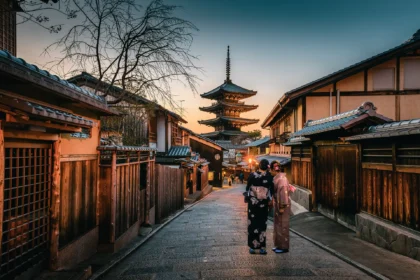
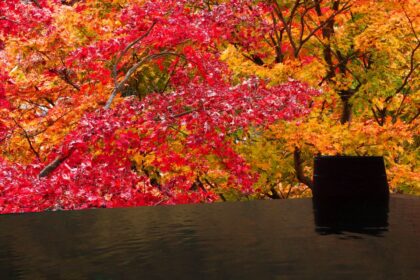
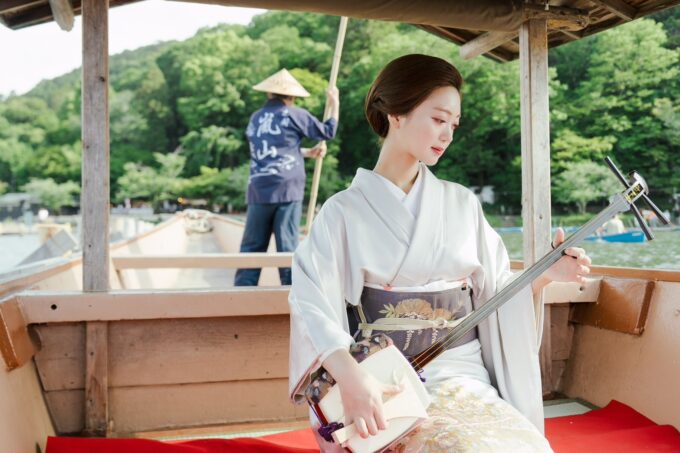
Vibe: Staying in Kyoto feels like stepping into a living museum. Wooden machiya houses, tea shops, and temple bells set the rhythm here. It’s perfect for travellers chasing “old Japan.”
Why Stay Here:
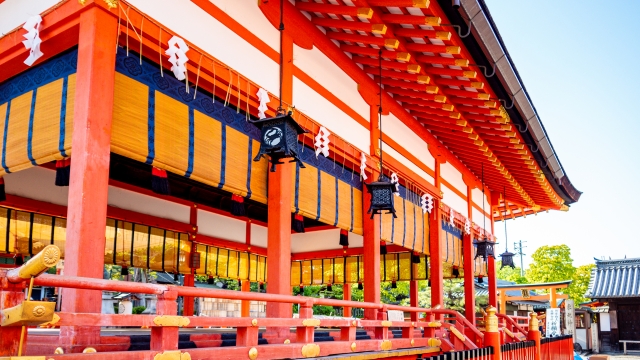
- Walk to world-class sights like Kinkaku-ji, Gion, and Fushimi Inari Taisha.
- Quiet evenings — perfect for couples or those craving slower travel.
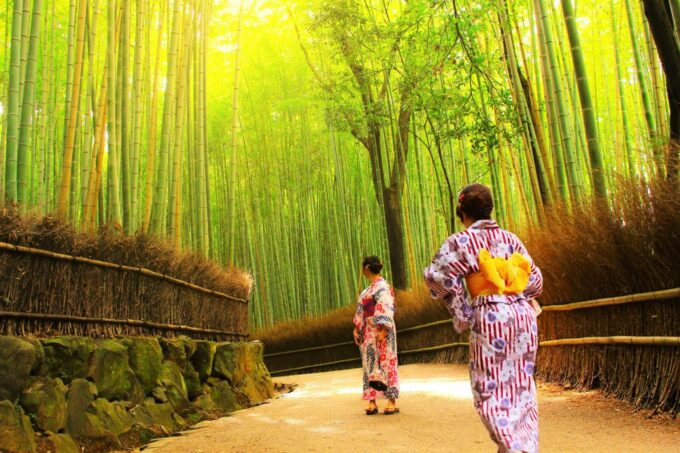
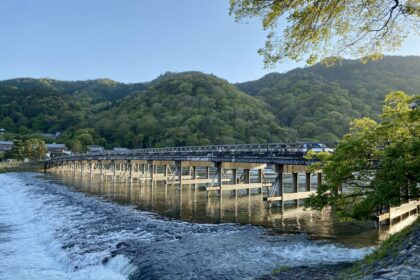
- Easy access to nearby day trips: Uji, Arashiyama, Nara.
What to Consider:
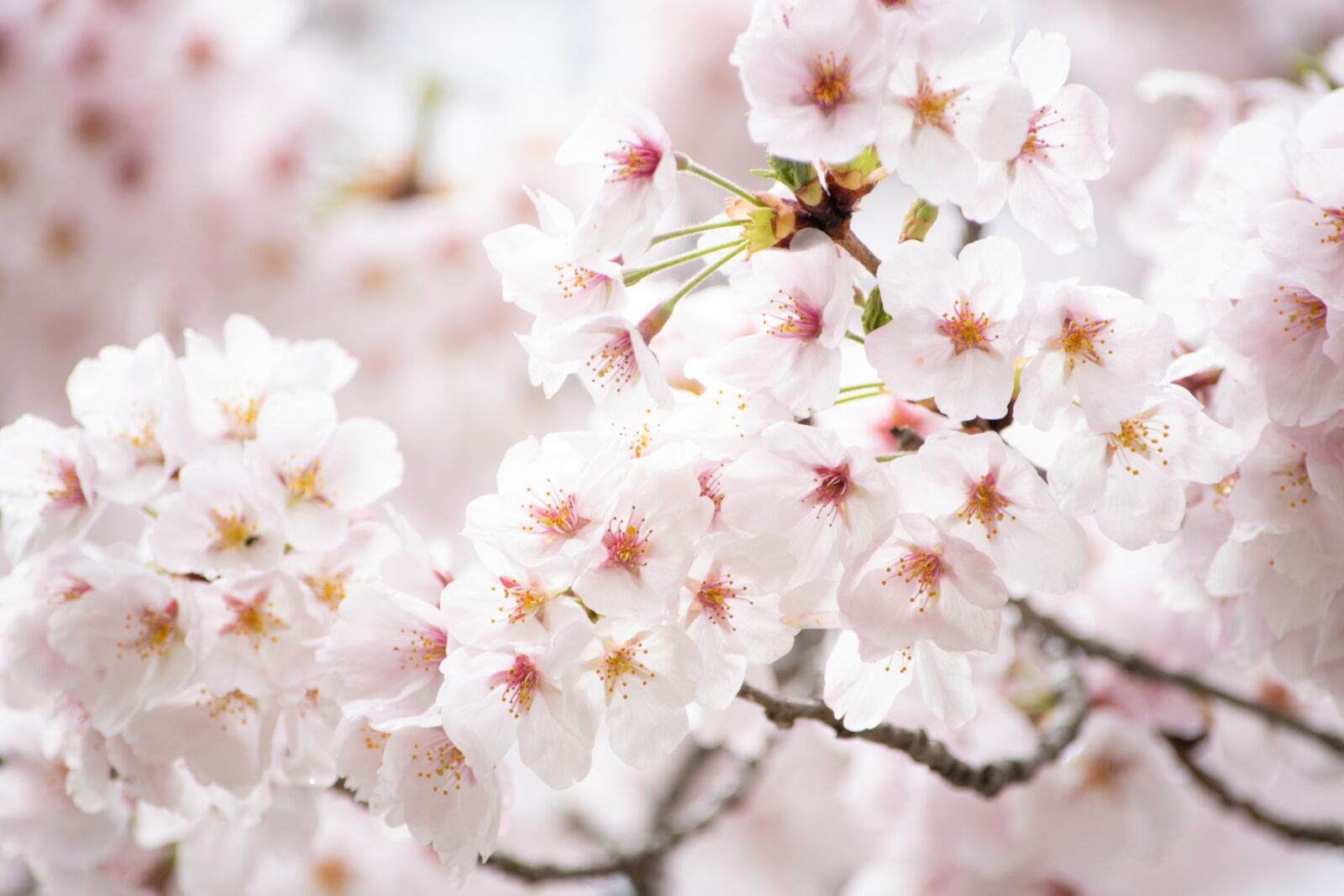
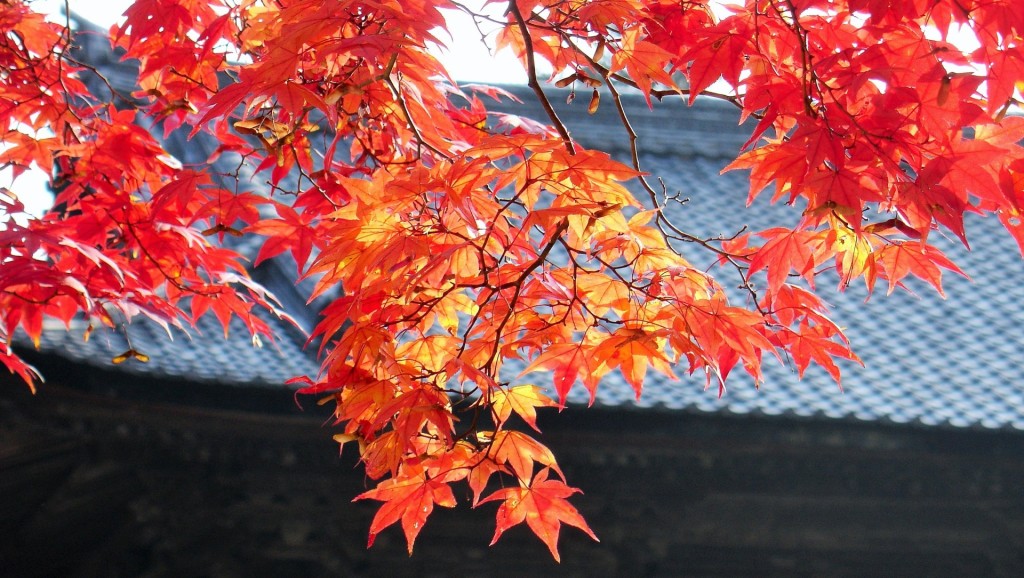
- Accommodation books fast during cherry-blossom and autumn seasons.
- Restaurants close early; nightlife is limited outside central areas.
- Public transport within the city relies heavily on buses — slower than Osaka’s subways.
Best Areas to Stay:
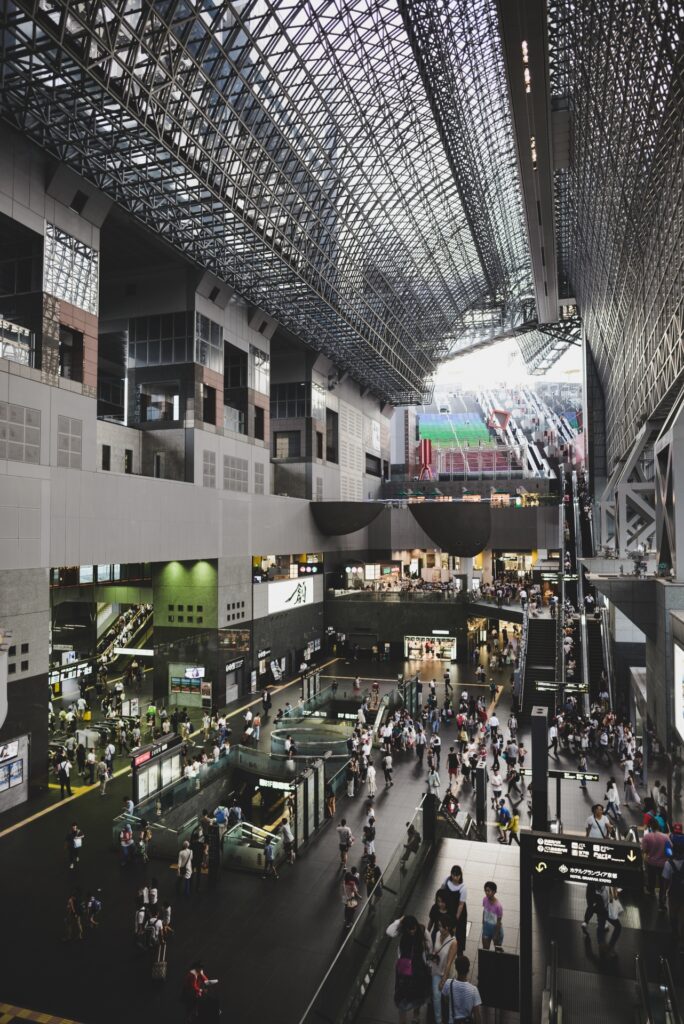
- Kyoto Station: convenient for trains, modern hotels.
- Gion / Higashiyama: charming streets, classic Kyoto atmosphere.
- Karasuma / Kawaramachi: shopping, dining, easy access to subways.
Local tip: If you love early morning temple walks, Kyoto is unbeatable. You’ll have the city to yourself before tour buses arrive.
Drawbacks:
Fewer big-city nightlife options compared to Osaka. Getting around may require a combination of buses and trains and the buses are often very packed. If you want a late night or you're catching an early outbound flight from KIX International Airport, Kyoto might not be optimal.
Osaka – Energy, Food, and Urban Fun
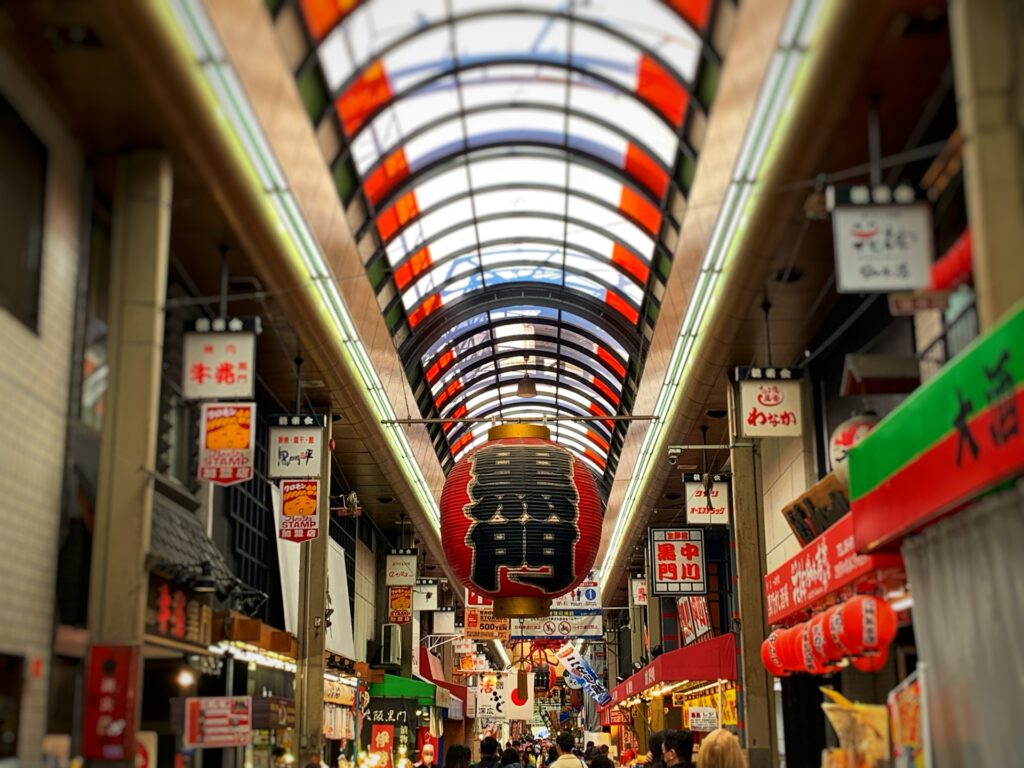
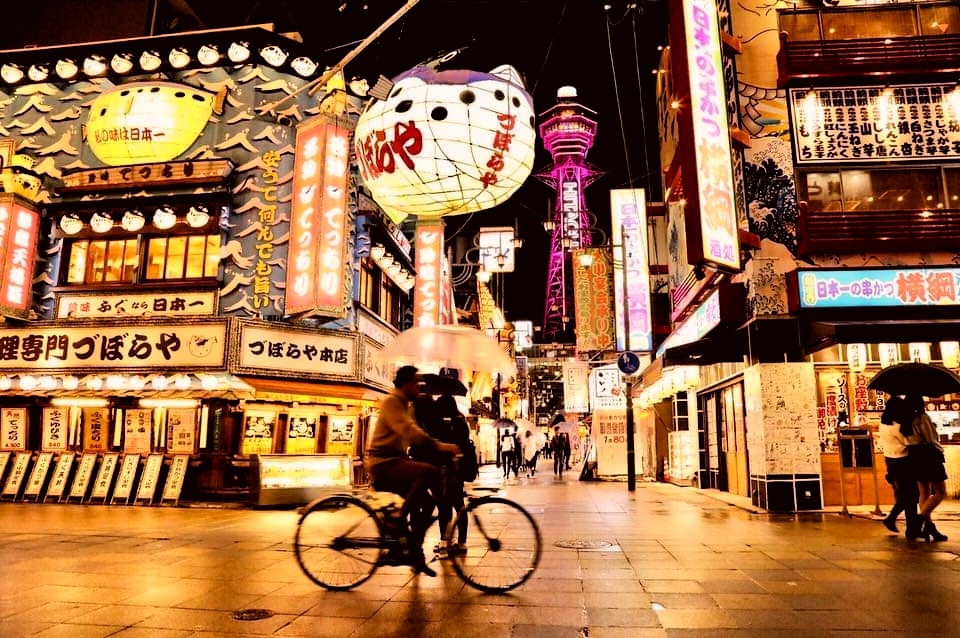
Vibe: Osaka is Kyoto’s extroverted cousin — louder, friendlier, and endlessly entertaining. Locals love comedy, food, and conversation.
Why Stay Here:
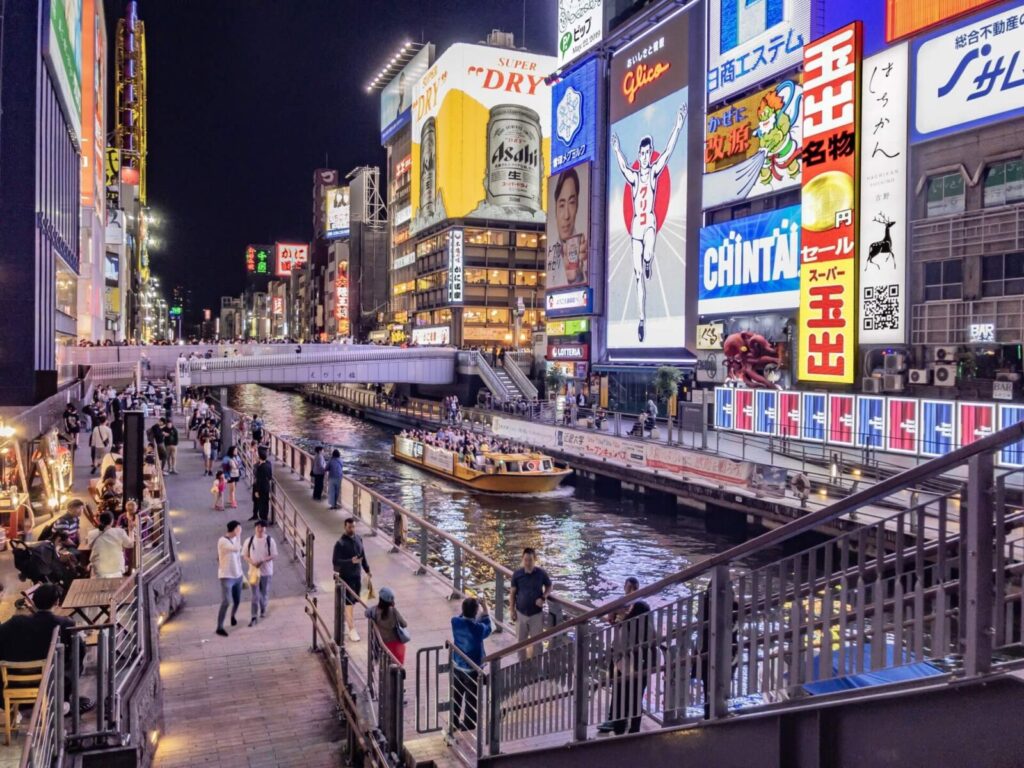
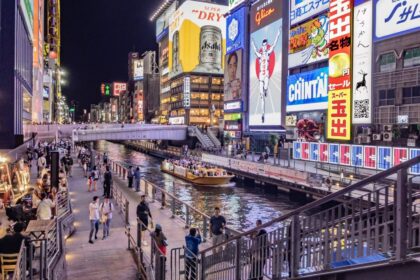
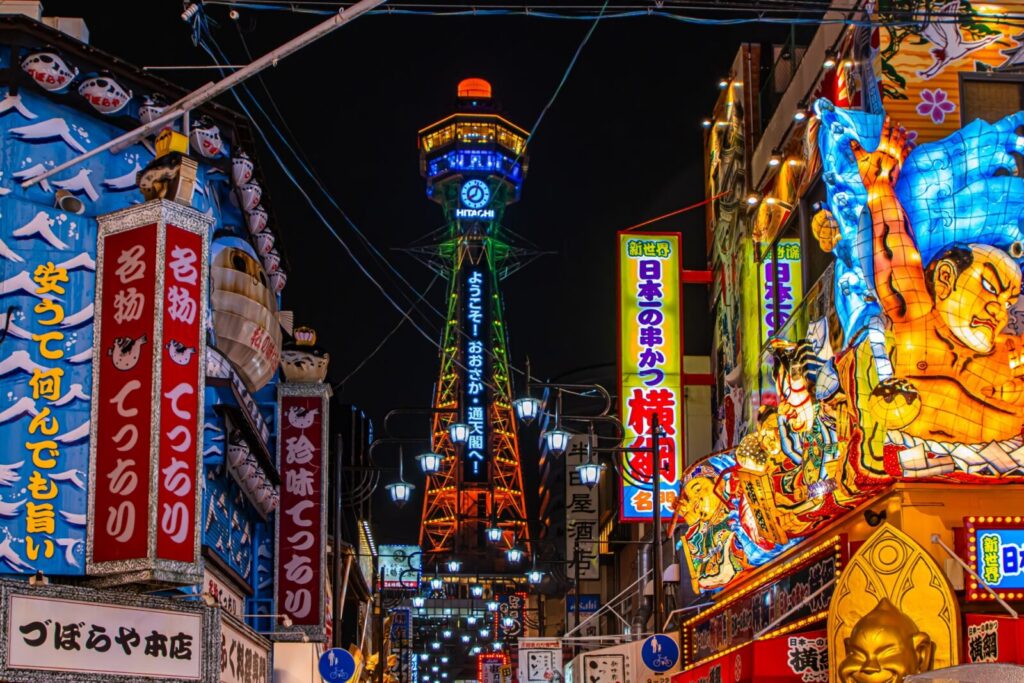
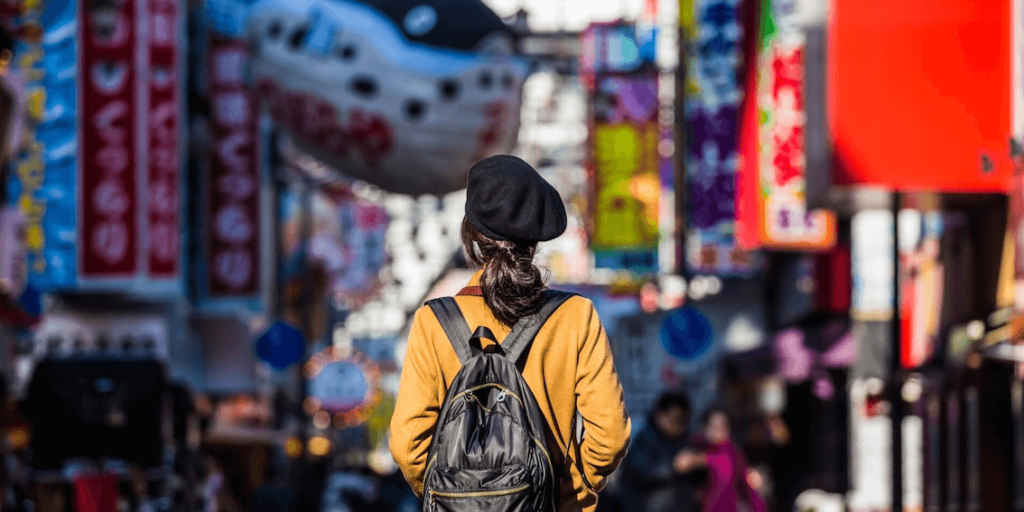
- Incredible nightlife and street food (Dotonbori, Shinsekai, Kuromon Market).
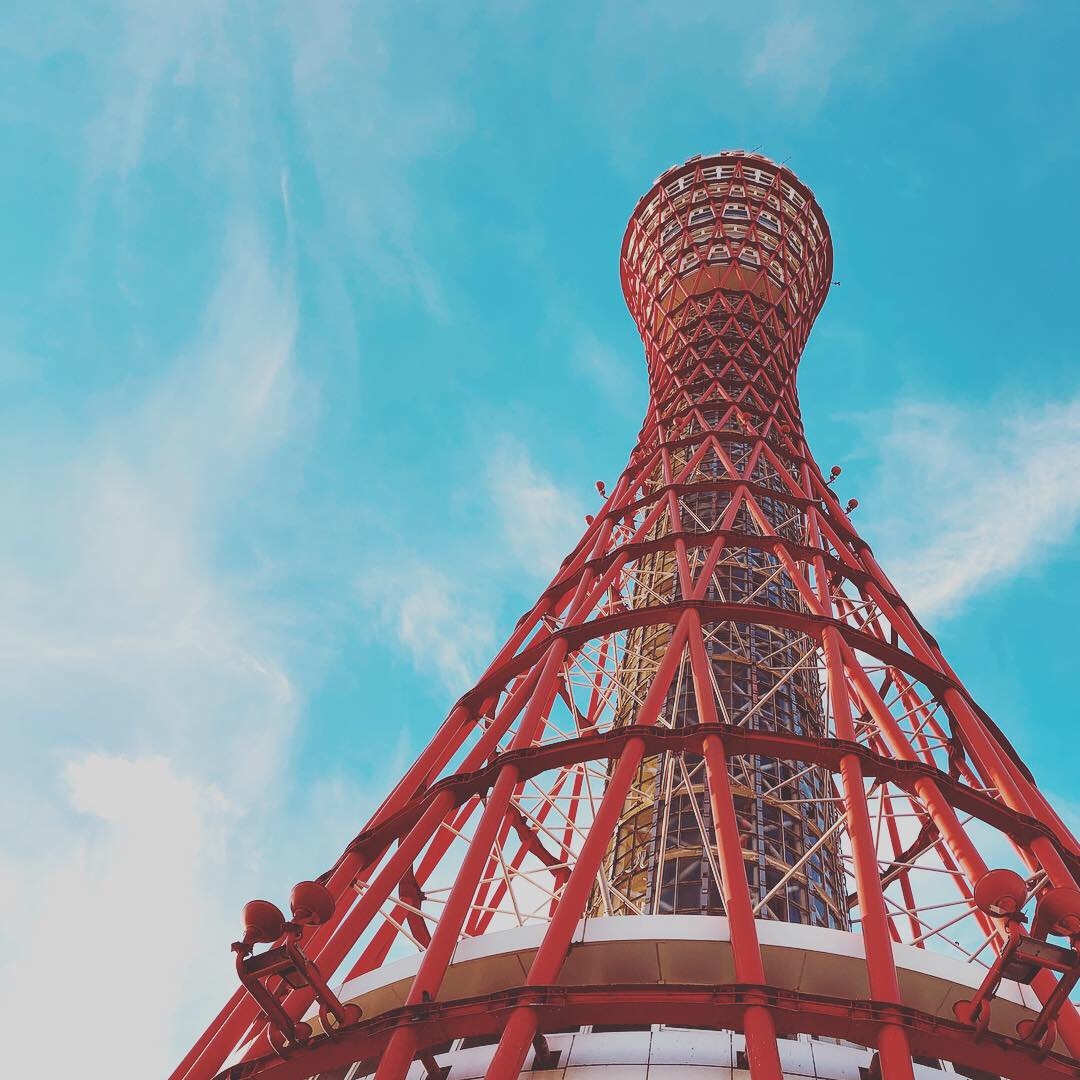
- Easier for day-trips to Nara, Kobe, or Himeji.
- Great transport links — including direct trains to Kansai Airport (KIX).
What to Consider:
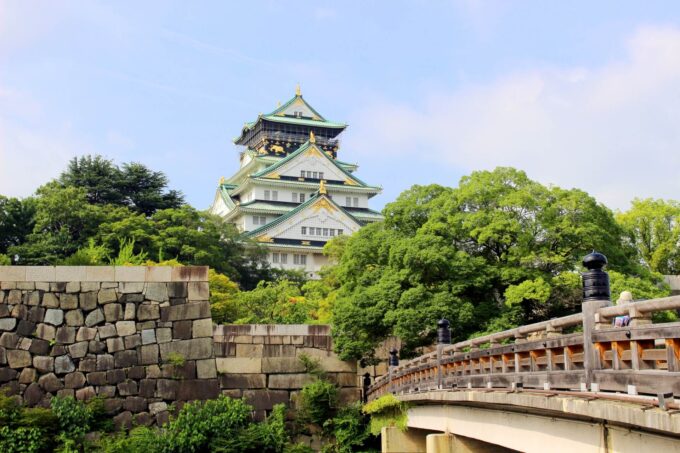
- Less traditional atmosphere; modern skyline over temples.
- Can feel hectic if you’re after quiet reflection.
- Slightly fewer scenic ryokans — mostly hotels and serviced apartments.
Best Areas to Stay:
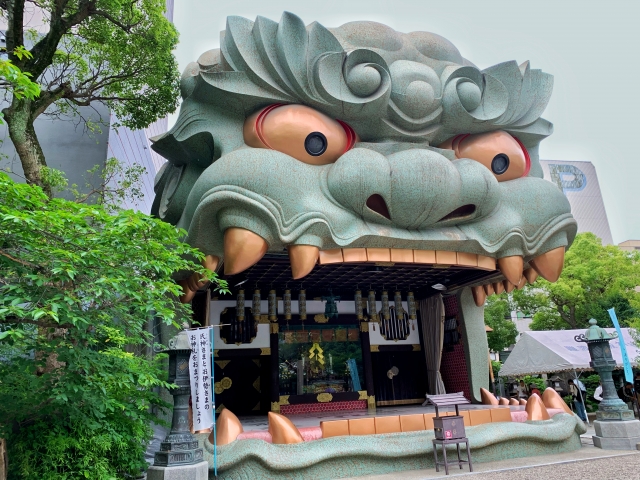
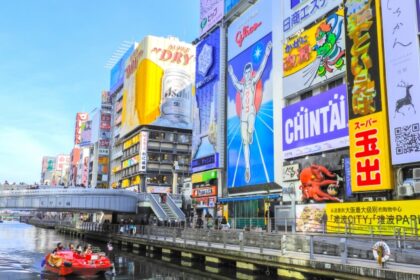
- Namba / Dotonbori: nightlife, food, and buzz. Plus the famous Glico Man sign
- Umeda / Osaka Station: transport hub and shopping.
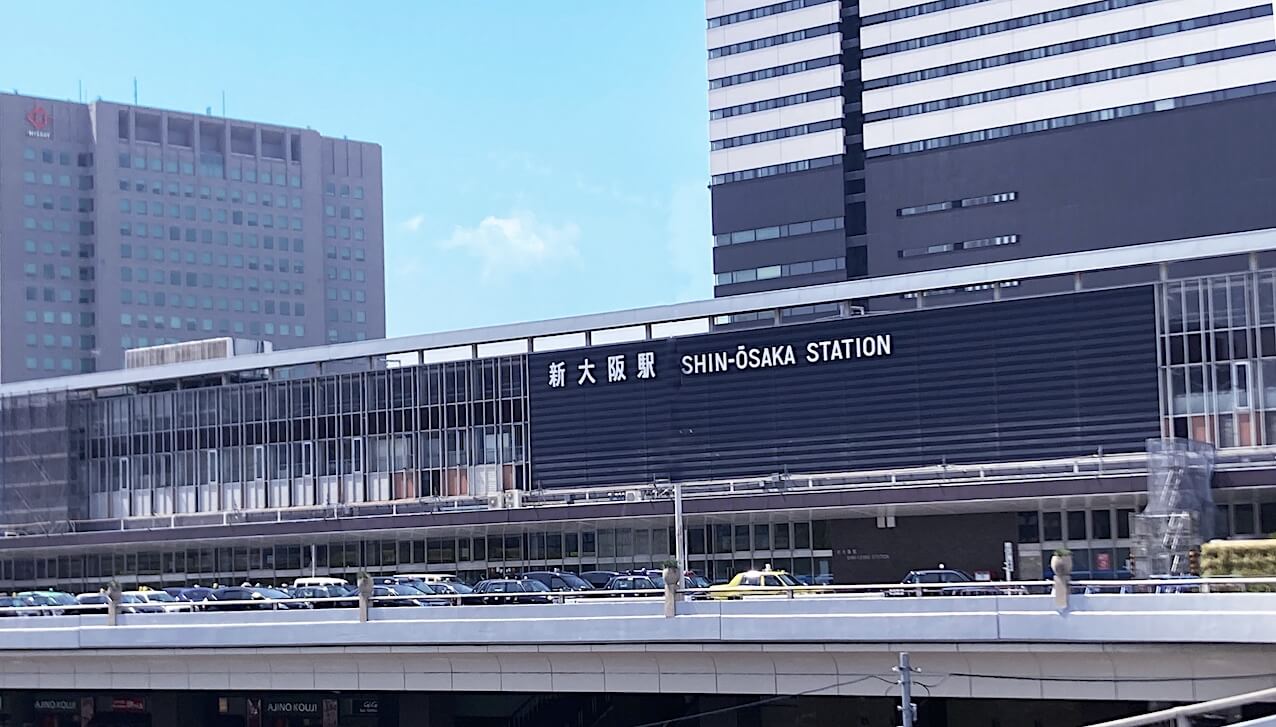
- Shin-Osaka: perfect if you’re using the shinkansen or flying in/out of KIX.
Local tip: If you love trying every regional food in Japan, Osaka is your paradise. Locals here say kuidaore — “eat until you drop.”
Drawbacks:
Osaka might feel less “Japanese traditional” than Kyoto. Osaka can be noisy, busier, and a little rougher. If you're trying to beat the crowds to early morning temple visits, Osaka maybe less ideal.
Which Base Fits Your Travel Style?
| Category | Kyoto | Osaka |
|---|---|---|
| Personality | Elegant, traditional, refined | Energetic, friendly, funny |
| Best for | Culture lovers, photographers, peace-seekers | Foodies, nightlife fans, families |
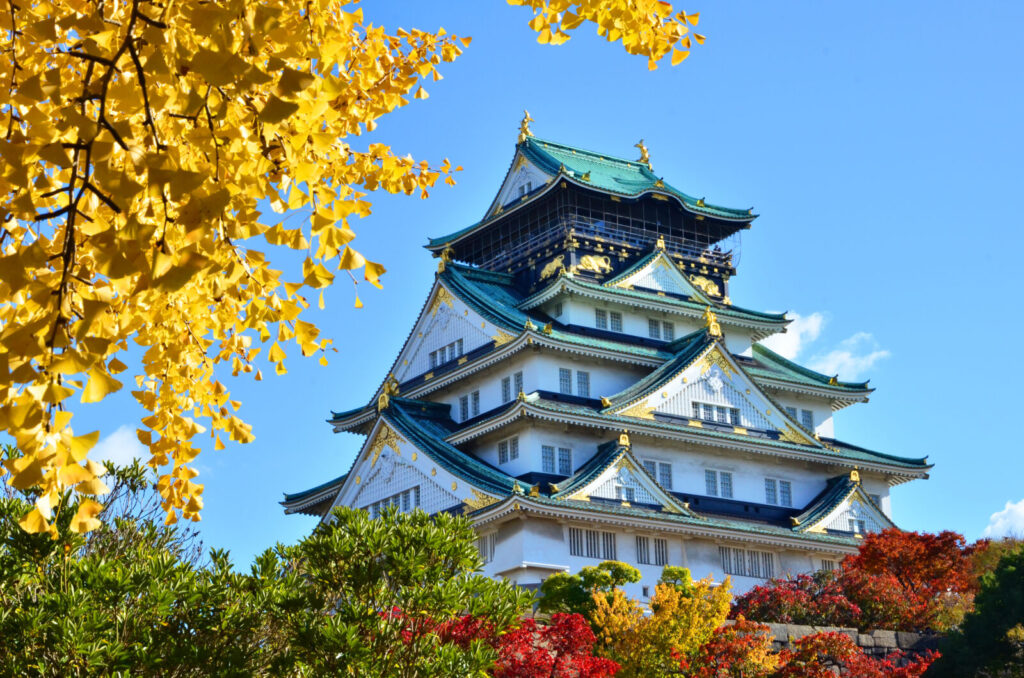
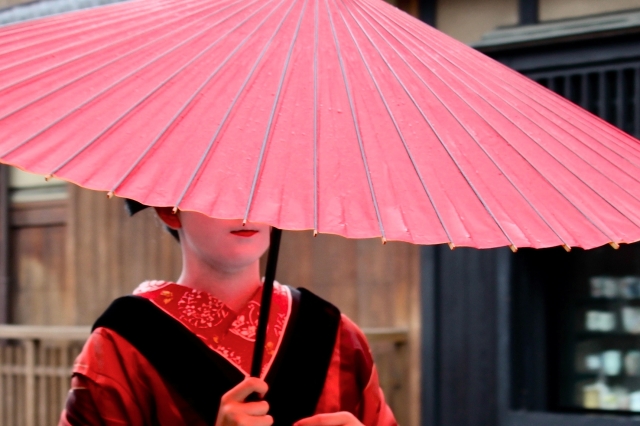
| Top Experiences | Temples, tea ceremony, geisha districts | Street food, neon lights, castles |
| Evening Scene | Quiet tea houses & bars | Bustling nightlife, comedy clubs |
| Locals | Polite, reserved, indirect (say “maybe” when they mean “no”) | Outgoing, talkative, love a good laugh |
| Average Prices | Slightly higher for accommodations | Generally cheaper hotels |

| Type of Traveler | Best Base | Why |
|---|---|---|
| First Time and Culture Lover | Kyoto | Closer to iconic temples and gardens |
| Foodies, night owls, social travelers | Osaka | Endless dining and night life options |
| Families with Kids | Osaka | Easy transport, theme parks (USJ), larger hotels |
| Couples / Honeymooners | Kyoto | Romantic scenery and peaceful evenings |
| Budget travelers | Osaka | Broader range of affordable stays |
| Long term / Mixed itinerary | Both | Experience both cities fully |
Fun fact: Kyoto people are famous for their subtlety. Osaka folks? They’ll tell you what they think before you ask—and then offer you takoyaki. It’s said Kyoto produces tea masters, while Osaka produces comedians.
Practical Considerations: Cost, Transport, and Day-Trips

Travel Time:
- Kyoto ↔ Osaka: Around 30 minutes by train (JR, Hankyu, or Keihan lines).
- Kyoto ↔ Nara: About 45 minutes.
- Osaka ↔ Kobe: About 30 minutes.
- From either city:
- Amanohashidate, Ine, and Kyoto by the Sea: Easier from Kyoto Station.
- Wakayama and the Kumano Kodo: Easier from Osaka (Tennoji or Shin-Osaka).
Tip: The Kansai One Pass or ICOCA card covers trains and buses across the region. You can also look into:
Osaka Amazing Pass: Free entry to attractions + subway/bus access.
Kyoto City Bus & Subway Pass: One-day or two-day unlimited travel.
Hotel Costs:
| Feature | Kyoto | Osaka |
|---|---|---|
| Average Price (Mid-Range) | ¥10,000–20,000 per night | ¥8,000–18,000 per night |
| Luxury / Ryokan | ¥30,000–50,000+ (per person, often with meals) | ¥25,000–40,000+ (per room, Western-style) |
| Style | Traditional: ryokan, machiya, garden views | Modern: hotels, business, and designer stays |
| Availability | Limited rooms, books fast in peak season | Wider selection, easier to find deals |
| Best For | Culture, quiet, authenticity | Convenience, nightlife, flexibility |
- Hotels in Kyoto average a bit higher, especially in peak seasons.
- Osaka offers more budget options and last-minute deals.
Day-Trips:
- From Kyoto: Arashiyama, Uji, Kurama, Nara.
- From Osaka: Nara, Kobe, Himeji, Mount Koya, Hiroshima
Baggage Tip:
Use a luggage-forwarding service if you switch bases — most hotels can arrange it overnight for ~¥1,500 per bag.
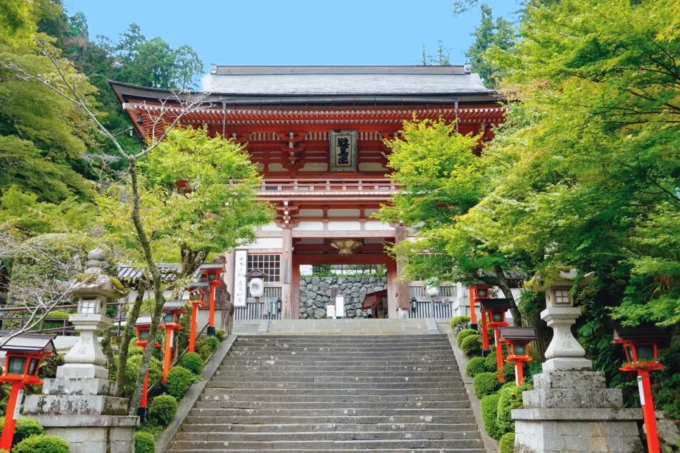
By Arrival/Departure Logistics:
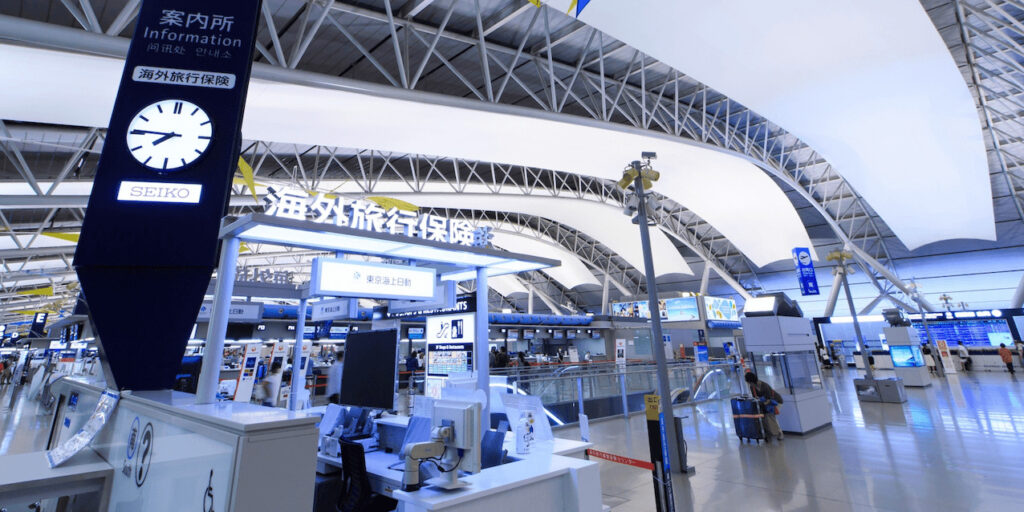
Flying into or out of Kansai International Airport (KIX)?
Staying in Osaka often makes more sense — you’ll be closer to the airport, Universal Studios Japan (USJ), and major rail hubs like Shin-Osaka and Namba.
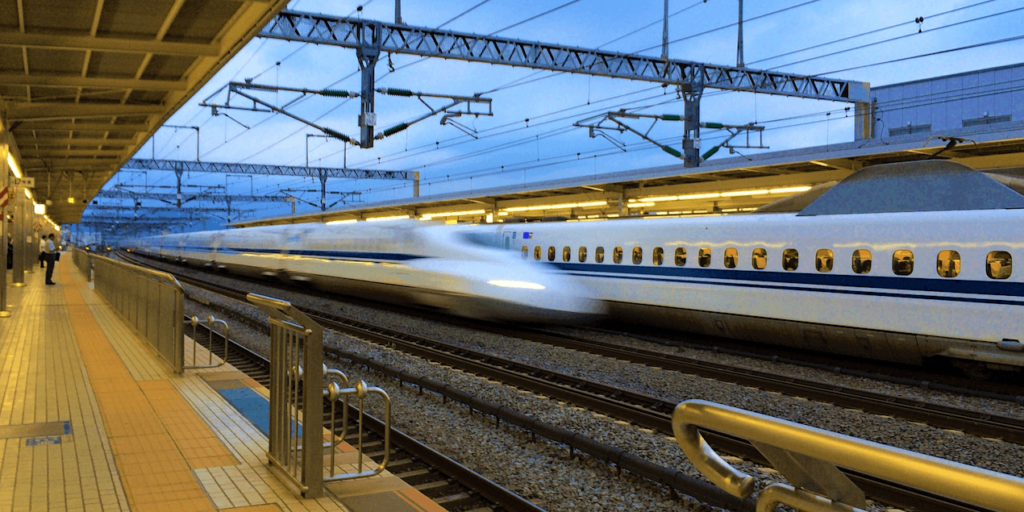
Arriving by Shinkansen from Tokyo or heading back that way?
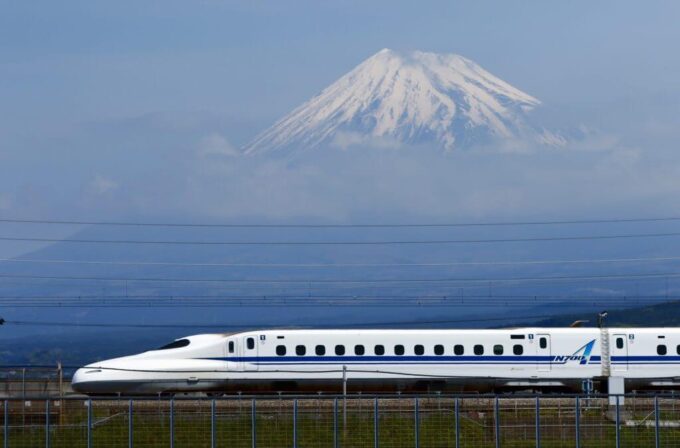
Think about your hotel check-in times and how often you’ll move luggage. The Shinkansen stops directly at Kyoto Station, right in the city center — perfect if you’re exploring Kyoto first.
In contrast, Shin-Osaka Station is a transfer stop; you’ll need to switch to a local line to reach central Osaka (about 15–20 minutes). Note: This is a very busy local commuter line, so please be mindful of your luggage on the train during rush hour.
Pro tip: If you’re planning day trips in both cities, you can even store your larger bags at Kyoto or Shin-Osaka Station and travel light between them — Japan’s coin lockers and luggage services make it easy.
Can You Stay in Both?
Absolutely. If you’ve got five nights or more, split your stay:
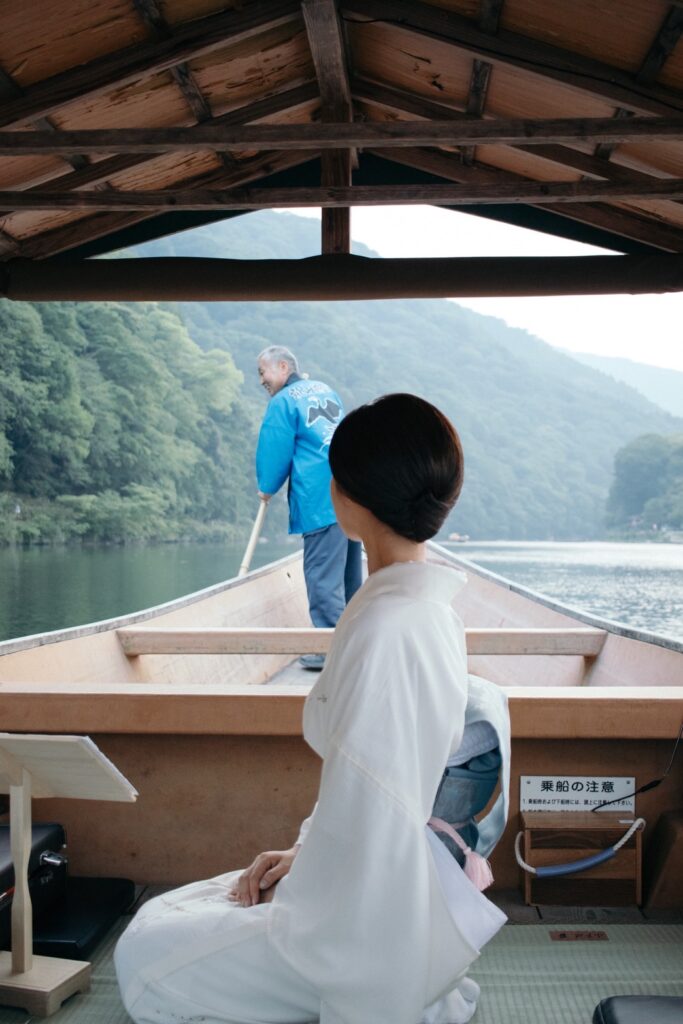
- Start in Kyoto for temples and tradition.
- End in Osaka for nightlife and airport access.
The cities are close enough that you won’t lose much travel time, and you’ll see two sides of Kansai life.
Insider’s note: Many of our guests spend three nights in Kyoto, one or two in Osaka — the perfect balance between culture and comfort.
Summary: My Local Recommendation
- If you love culture, nature, and calm mornings: Stay in Kyoto.
- If you love food, nightlife, and social energy: Stay in Osaka.
- If you can’t decide — do both! (You’ll thank yourself later.)
Wherever you stay, the best part of Kansai is how connected everything is. You can temple-hop in Kyoto by day and still make it back to Osaka for dinner.
Plan Your Trip With Us
Still undecided? That’s where we come in. Our guided tours cover Kyoto, Osaka, Nara, and Kobe, with flexible options no matter where you base yourself.
Frequently Asked Questions
Is it better to stay in Kyoto or Osaka?
It depends on what kind of traveler you are.
Stay in Kyoto if you love temples, gardens, and traditional culture — you’ll be right in the heart of Japan’s history.
Stay in Osaka if you prefer street food, nightlife, and easy transport connections across Kansai.
Many visitors spend a few nights in each to enjoy both sides of the region.
How far is Kyoto from Osaka?
Kyoto and Osaka are only about 30 minutes apart by train.
- JR Special Rapid Service: ~30 minutes, around ¥570
- Shinkansen (from Shin-Osaka): ~15 minutes, around ¥1,500
- Hankyu / Keihan Lines: scenic local routes for a lower price
You can easily stay in one city and take day trips to the other.
Can I visit Kyoto from Osaka in one day?
Yes — it’s one of the most common day trips in Japan.
You can visit top spots like Fushimi Inari, Kiyomizu-dera, and Arashiyama, though it’ll be a busy day.
For a deeper experience, consider staying overnight in Kyoto so you can enjoy quieter mornings before the crowds arrive.
Is Kyoto or Osaka cheaper?
Generally, Osaka is cheaper for accommodation, food, and nightlife.
Kyoto tends to have slightly higher hotel rates, especially during cherry blossom and autumn foliage seasons.
If you’re on a budget, staying in Osaka and taking day trips to Kyoto can be a smart move.
Which city has better food — Kyoto or Osaka?
They both shine, but in very different ways.
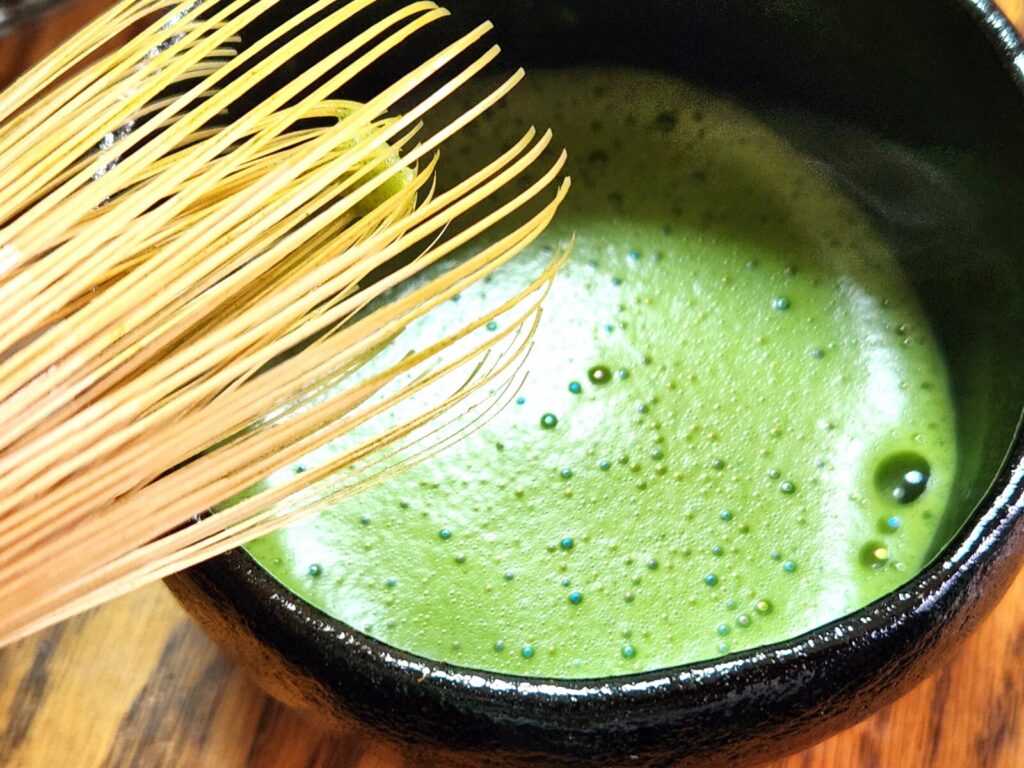
Kyoto is known for refined, seasonal cuisine such as kaiseki, yuba, and matcha sweets.
Osaka is Japan’s “kitchen,” famous for okonomiyaki, takoyaki, and street eats.
If you love food, Osaka is unbeatable. If you love tradition, Kyoto’s dining feels like edible art.
Which city is better for day trips?
From Kyoto, you can easily reach Nara, Uji, Amanohashidate, or Miyama.
From Osaka, you can explore Kobe, Himeji, and Wakayama.
Both cities are excellent bases, depending on your interests.
Where should I stay if I’m arriving at Kansai International Airport (KIX)?
If your flight lands late or departs early, Osaka is more convenient.
Trains from KIX connect directly to Namba, Tennoji, and Shin-Osaka.
From there, Kyoto is only about one hour away if you’d rather settle in after a good night’s rest.
Where should I stay if I’m arriving by Shinkansen?
The Shinkansen stops directly at Kyoto Station, right in the city center — perfect for sightseeing.
In Osaka, the Shinkansen stops at Shin-Osaka Station, which requires a local transfer (about 15–20 minutes) to reach Namba or Umeda.
Can I use one transport pass for both Kyoto and Osaka?
Yes!
The Kansai One Pass or ICOCA card covers trains and buses in both cities (and across Nara, Kobe, etc.).
Kyoto also offers a Bus & Subway Pass, while Osaka’s Amazing Pass gives free entry to popular attractions.
Can I visit both cities with luggage easily?
Definitely. Japan makes luggage handling simple.
You can store large suitcases in coin lockers at major stations or use takkyubin delivery services (door-to-door shipping) between hotels for a small fee.
Many travelers send bags ahead to Kyoto or Osaka and travel light in between.
Which city is better for families with kids?
Osaka: Perfect for families — lots of kid-friendly attractions like Universal Studios Japan, Kaiyukan Aquarium, and interactive food tours.
Kyoto: Calmer, more educational — kids can enjoy samurai or ninja experiences, tea ceremonies, or feeding deer in nearby Nara.
Which city has more nightlife?
Osaka wins hands down.
Areas like Dotonbori, Namba, and Umeda are packed with bars, comedy shows, and izakaya.
Kyoto is quieter at night — ideal for evening strolls, jazz bars, or scenic riverside dining.
Is Kyoto or Osaka better for first-time visitors to Japan?
If it’s your first trip, Kyoto offers a classic introduction to Japan’s culture and heritage.
If you want energy, food, and fun — Osaka feels more relaxed and welcoming.
Many travelers start in Kyoto for the culture, then unwind in Osaka before heading home.
Can I base myself halfway between Kyoto and Osaka?
Yes — consider Takatsuki or Yamashina (both on the JR line).
They’re smaller cities with quick access to both Kyoto and Osaka — ideal for longer stays or travelers who want local life without city crowds.
How many nights should I spend in each city?
A good rule of thumb:
- Kyoto: 2–3 nights for temples, gardens, and culture
- Osaka: 2–3 nights for food, nightlife, and shopping
If you have a week in Kansai, splitting your stay gives you the best of both worlds.
Private Charters and Tours
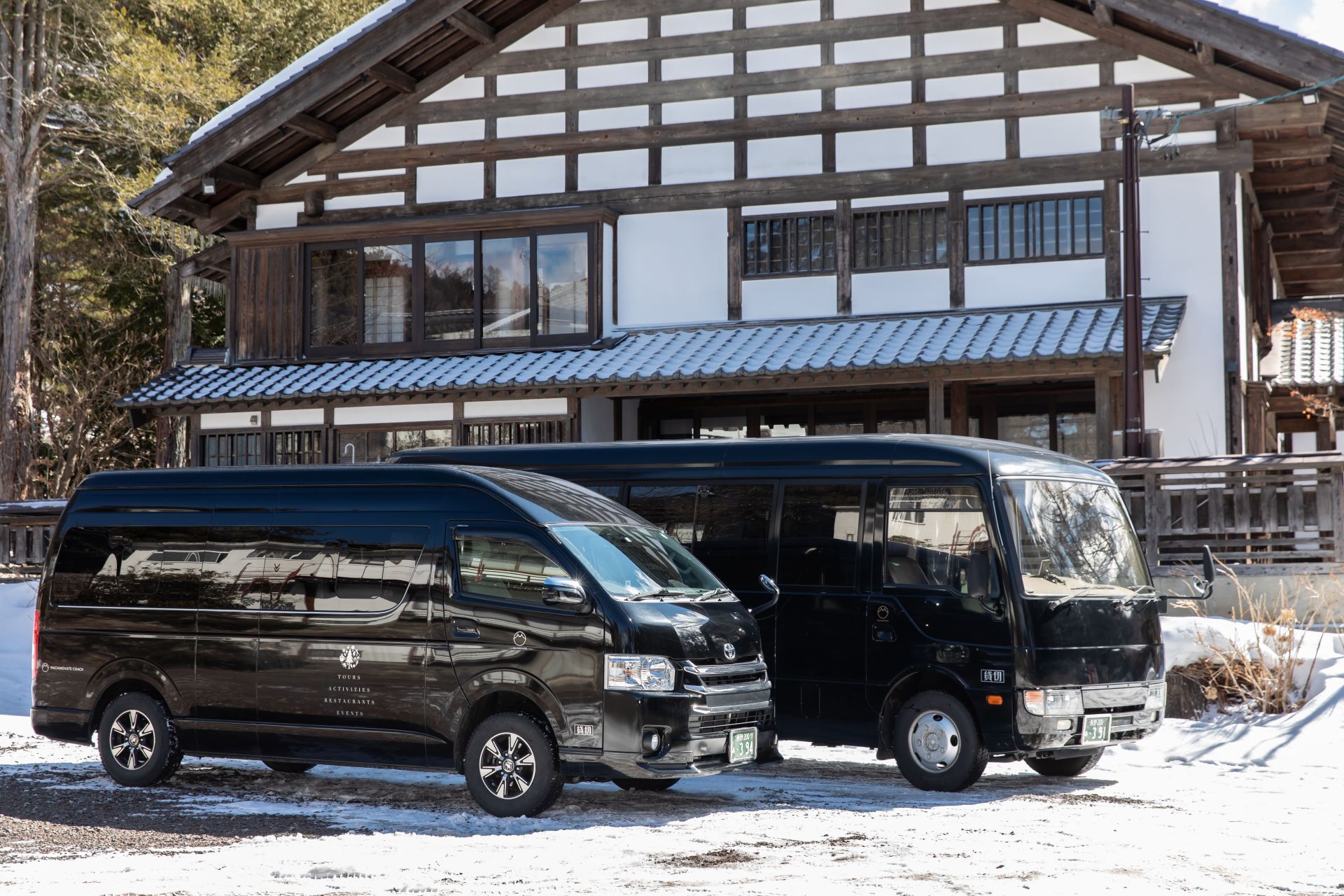
If a guided tour is not what you are after, our private charter service may be more your style. With friendly, certifies drivers and clean vehicles, we will pick you up from your accommodation (or wherever you choose to be picked up from) and bring you to any spot of your choice. If you need advice, just feel free to ask and we can put together an itinerary for you using our local knowledge and experience. Please click HERE for more information on pricing and availability.