
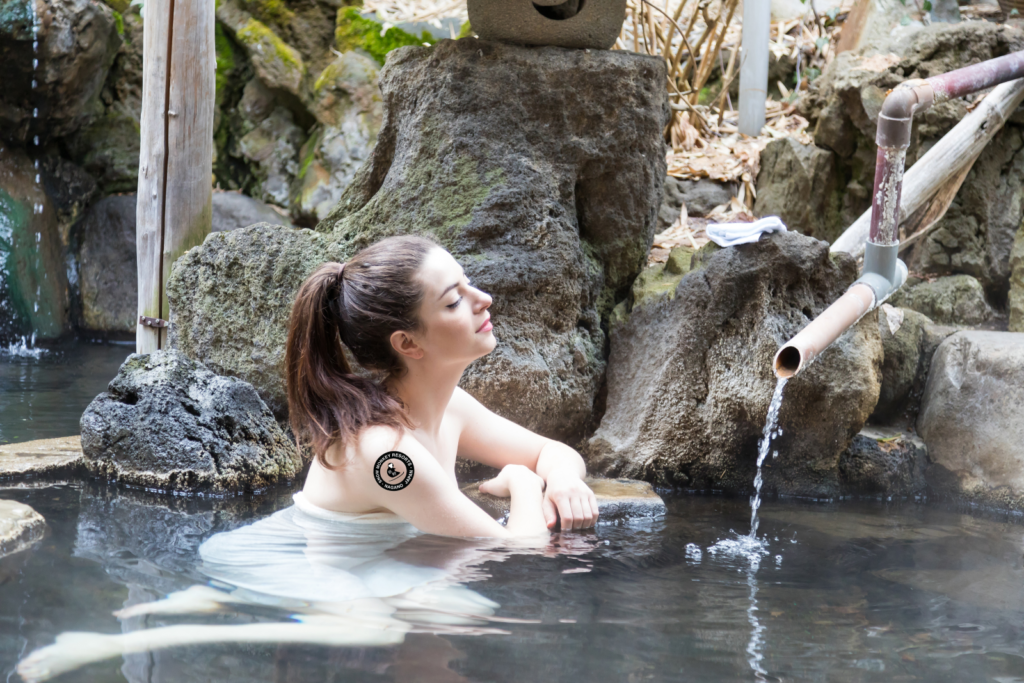
If you have tattoos and are visiting Japan, you have probably noticed that getting to take part in onsen, hot spring baths that are one of Japan's best cultural traditions, can be quite difficult. Most onsen are very strict in forbidding tattoos. We at Snow Monkey Resorts have done our utmost to comb through the hot springs and the public baths in and around Kanazawa to put a list of tattoo-friendly onsen together to make your journey to this wonderful region the best it can be!
***Note: Please note that signage is notoriously bad when it comes to tattoos and onsen. While we have done our best to verify the places on this list, we recommend checking yourself before booking an expensive onsen, as onsen can and frequently do change their policies.
Where is Kanazawa?
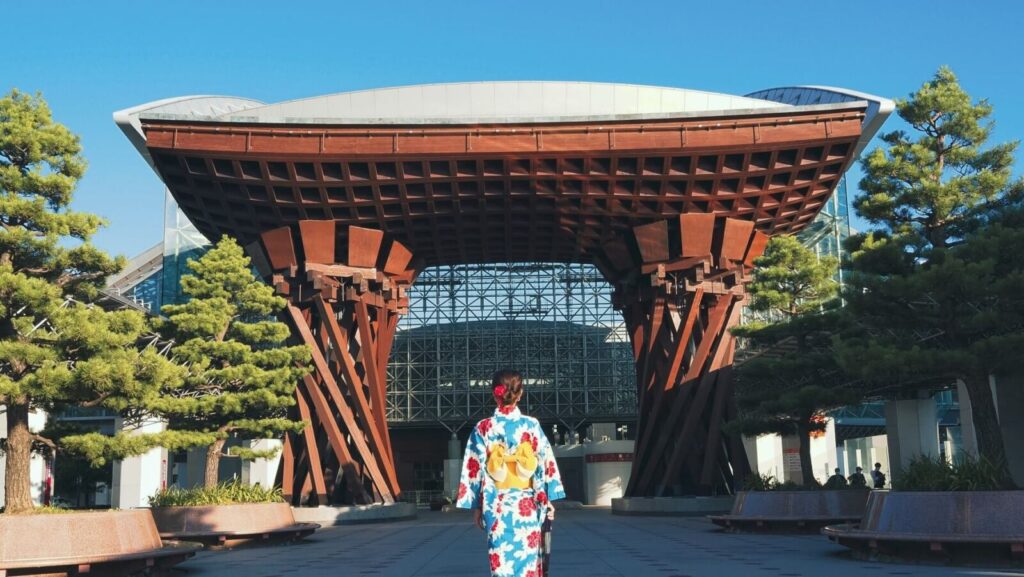
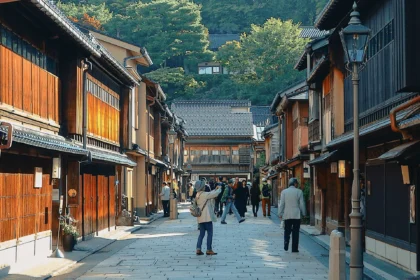
A vibrant city with plenty of history, culture and easy access to nature on the coast of the Sea of Japan, Kanazawa is quickly becoming more and more popular with tourists. Whether you're visiting Japan for the first time or the tenth time, there's plenty to see and do in the area!
The city is considered part of Japan's "New Golden Route" which takes people from Tokyo, up through Nagano and into Kanazawa before getting to Kyoto and Osaka. The whole route can be travelled very affordably via the Hokuriku Shinkansen through the Hokuriku Arch Pass.
Thinking about visiting Kanazawa? Be sure to check out our "30 Things to Do in Kanazawa" guide to get all the best tips on things to see and do in the city! You may also be interested in our "Events and Festivals near Kanazawa" page to experience some of the area's unique cultural heritage. For foodies, be sure to have a look at our page on "Kanazawa's Famous Foods" to get your mouth watering! After all you've done here in the city, it's time to get souvenirs, so be sure to have a read of our "Best Souvenirs to get from Kanazawa" so you can pick the right gifts for your loved ones back home, too.
Why is it such a hassle finding an onsen that accepts tattoos?
For tattooed visitors to Japan, it may come as quite a shock that people, particularly the older generations, are much less accepting of tattoos. While tattoos have become much more commonplace in Western countries (research shows around 32% of Americans have tattoos, while 34% of 25-34 year olds in the UK are sporting them), Japanese culture has moved far more slowly in comparison.
Until the Meiji Restoration (1868), tattoos were used to mark criminals. The tattoo often had some relation to the crime committed and were reserved for the most severe punishments. In 1872, they were outright banned - just having one made you a criminal. Over time, they were adopted by counter-cultures rebelling against societal norms.
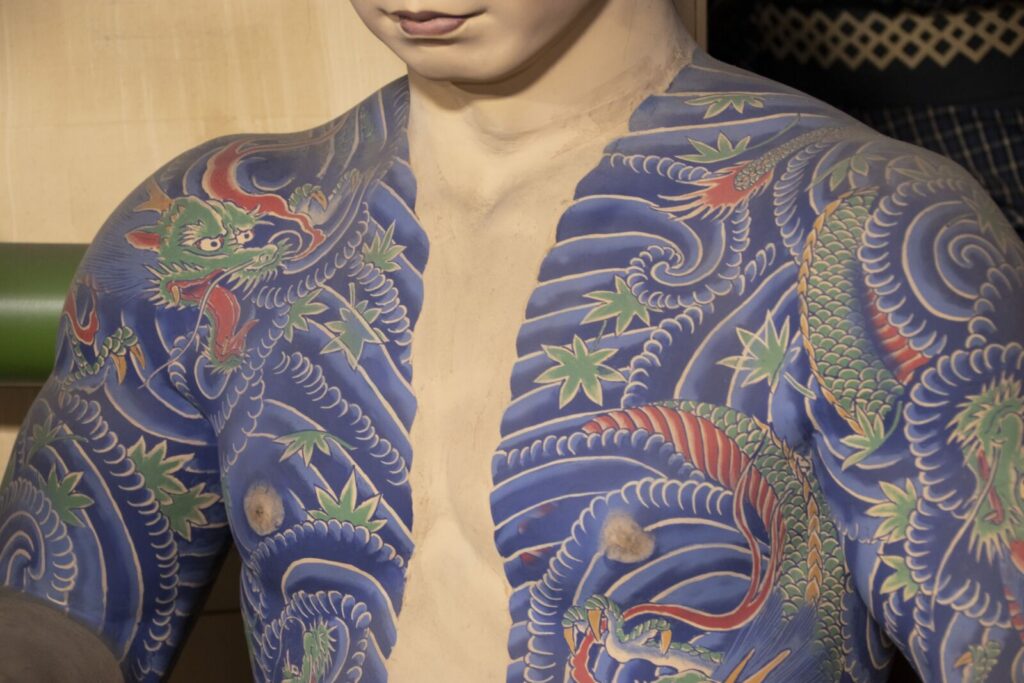
Later, tattoos became heavily associated with the yakuza, organised crime groups. Members of the yakuza often cover their whole bodies - except their hands, feet and above the neck - in tattoos. In the post-war period, many young men whose fathers had died in the war joined the yakuza. Businesses feared retaliation if they were perceived to be discriminating against the gangs, so chose instead to outright ban anybody with tattoos.
While this stigma has faded from virtually all other areas of business in Japan, it has persisted in bathing culture. You may also run into trouble at some of the following places:
- Beaches
- Gyms
- Pools
If you have only small tattoos, it may be much easier for you to simply wear long sleeves, or cover them with a plaster or band-aid. However, as the number of foreign tourists increases every year, coupled with an increasingly-large part of Japanese society interested in the self-expression tattooing allows, the artform is becoming much more socially acceptable in Japan.
What's the difference between an Onsen and a Sento?
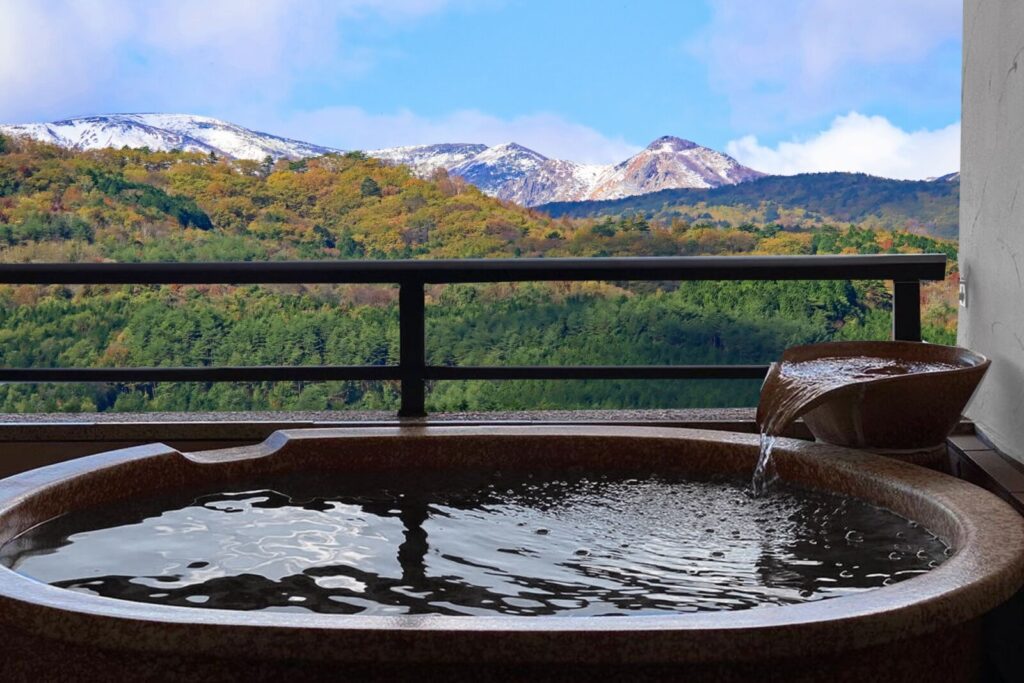
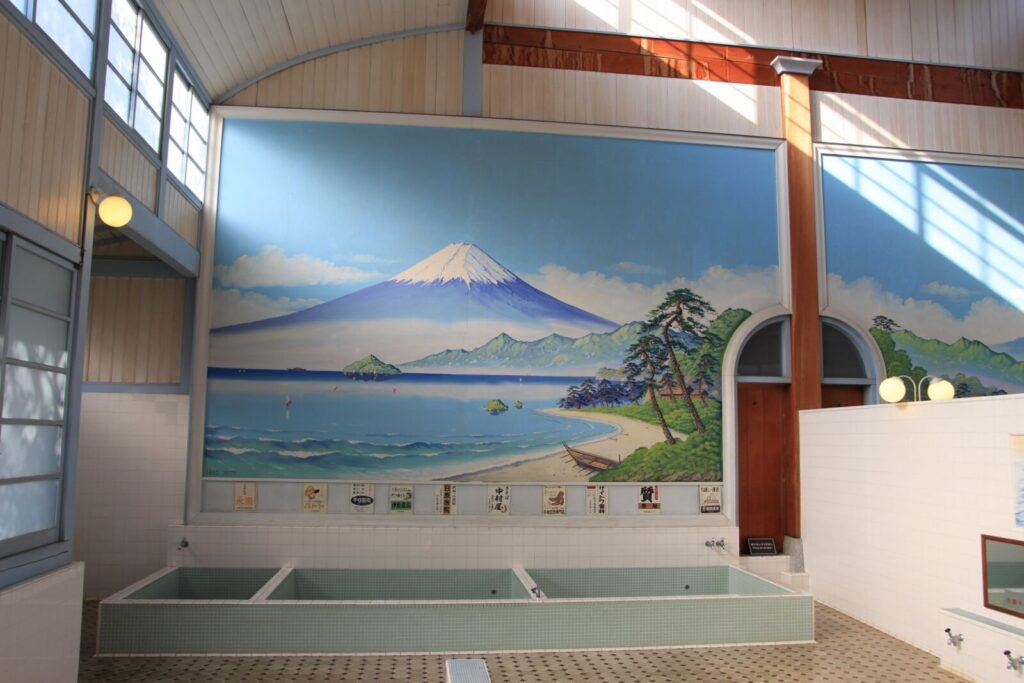
It's easy even for Japanese people to get mixed up between what's an onsen and what is a sento. Typically, onsen use natural mineral-rich spring water in their baths. Sento, on the other hand, use heated tap water that is usually drawn from a hot spring and re-heated. Sento may artificially "craft" their water by adding minerals to it.
Sento are also generally much cheaper as their prices are regulated by the local governments, while onsen are private businesses or a collective of businesses charging as much as they like. Ryokan, traditional Japanese inns, usually fit this latter category.
Because onsen draw directly from the hot spring itself, they are usually in more rural locations. Kanazawa does, though, have several onsen. There are also some facilities on this list that are listed as sento on google maps but have specific baths that use water from the onsen and others that draw from sento.
You may also stumble upon something called a "Super Sento" which are larger sento facilities that often have restaurants, saunas, massage parlours and other amenities. They are usually not tattoo-friendly.
Kanazawa City: Onsen (Hot Springs)
1 - Kenroku Onsen
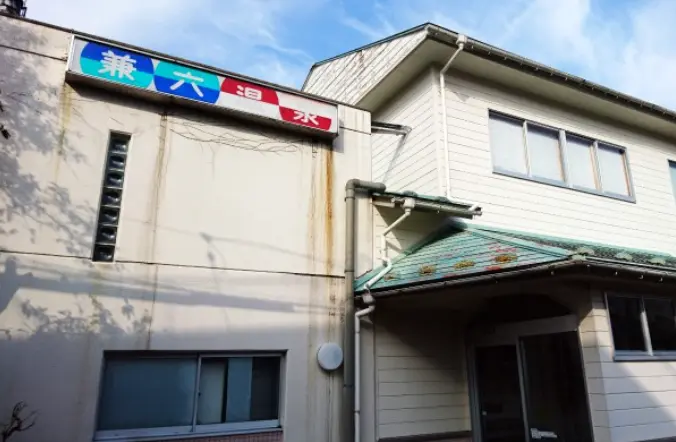
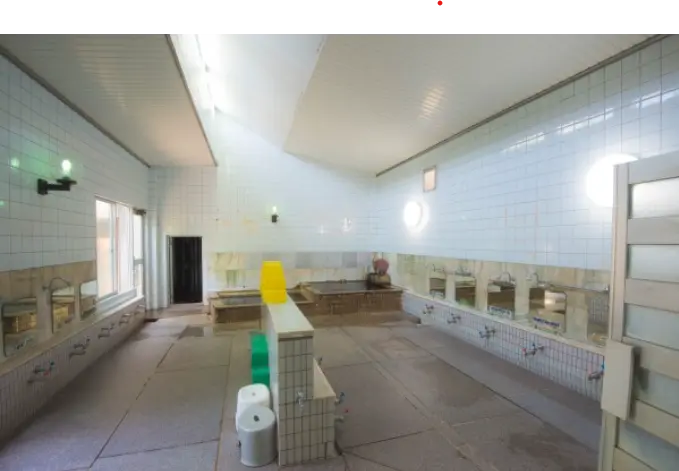
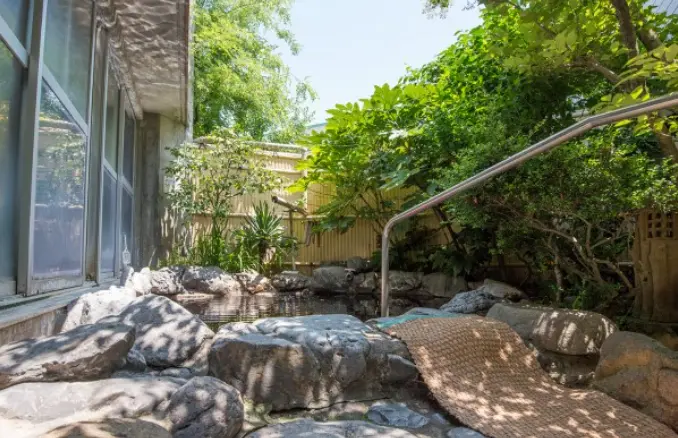
- Opening Hours - 14:00 - 22:30 (Sundays and public holidays 13:00 - 22:30)
- Closed Fridays
- Approx. Cost - JPY 500
- Towel Rental - Yes (JPY 50)
- Toiletries - Bring your own
While this is a public bath, the water comes from a moor hot spring. The bathhouse is just a short walk from Kenrokuen Garden and Kanazawa Castle Park. Because of the minerals in the water, it is a coffee-brown. In the men's bathroom, there's also a sauna.
Walking to Kenroku Onsen evokes images of a now mostly-forgotten era of Japan. Regardless of which direction you come from, the route weaves through old-timey streets. The atmosphere is matched when you step inside - seen in the showers, faucets and the mirrors.
2 - Arimatsu Lemon-Yu
- Opening Hours - 10:00 - 23:30 (Second floor: 17:00 - 22:00)
- Closed Mondays
- Approx. Cost - JPY 460
- Towel Rental - No
- Toiletries - Bring your own
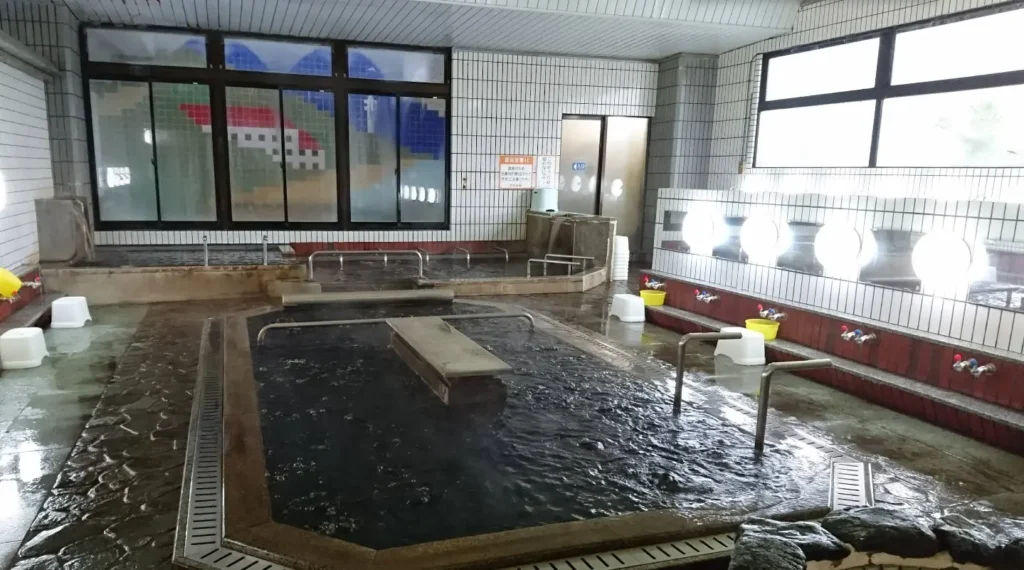
While there is signage up forbidding tattooed customers from entry, people with tattoos are able to use family rooms, which are available on the second floor and costs JPY 1700 for an hour, provided their tattoos are covered in public areas.
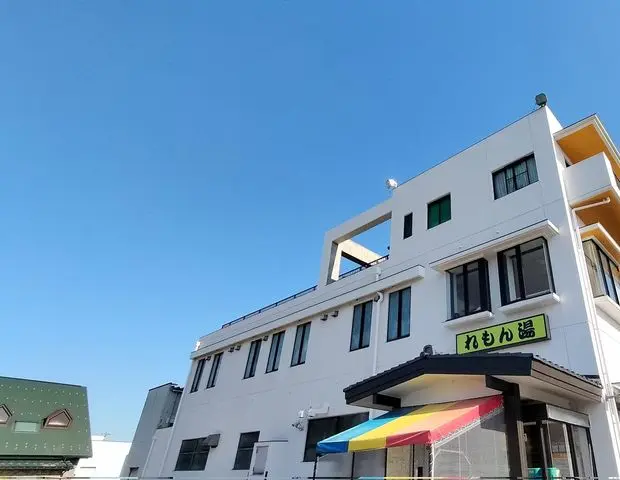
Lemon Yu is easily accessible by bus from Kanazawa Station, Omicho Fish Market, Korinbo and the Katamachi area. Simply take the No. 30, 31, 37 or 39 bus and get off at Kami Arimatsu.
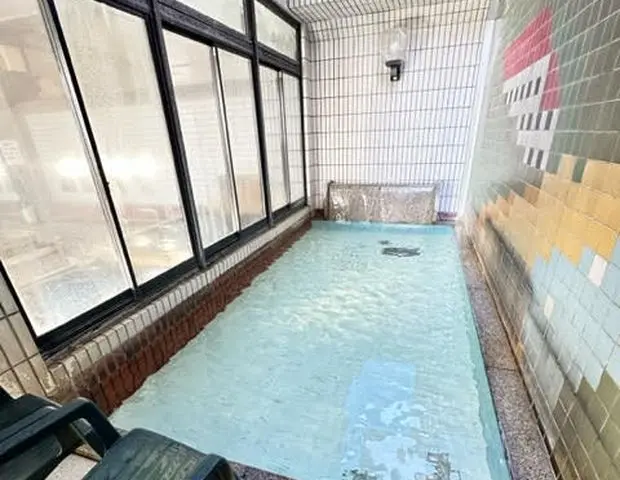
Despite its name, the water in this onsen is not lemon-flavoured. It comes from a moor hot spring and is a dark cloudy, almost black. This onsen is quite popular with locals, though, so you may have to wait some time before being able to head inside.
3 - Kame-no-Yu
- Opening Hours - 12:30 - 24:00
- Closed - Every second Friday, irregular Wednesdays
- Approx. Cost - JPY 500
- Towel Rental - No
- Toiletries - Bring your own
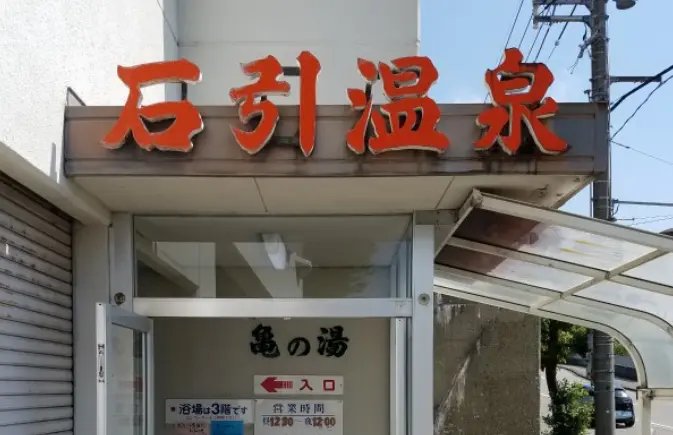
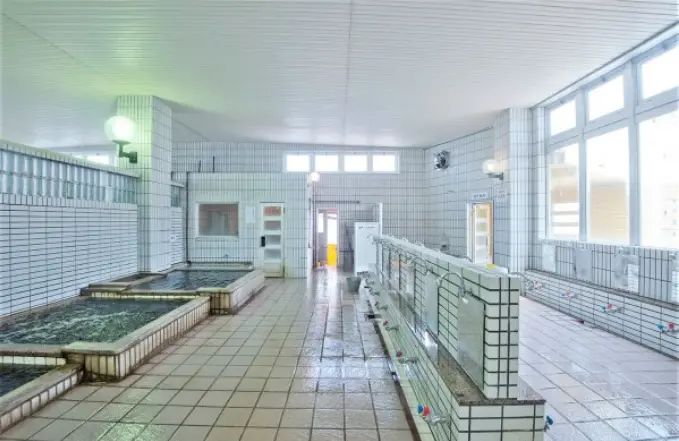
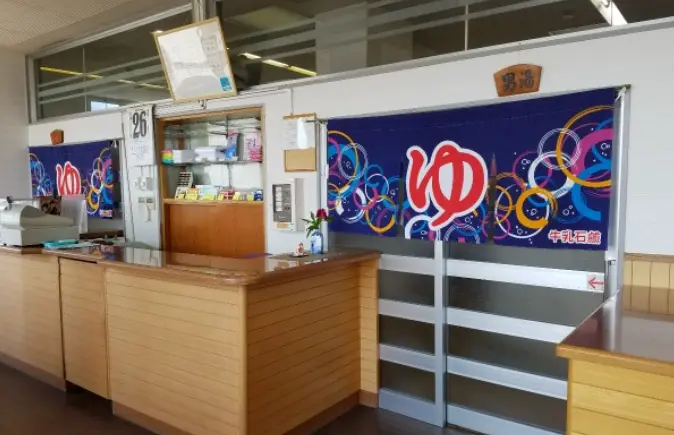
While this onsen is quite far from the station, it is easily accessible by bus. From Kanazawa Station, take the No.11 bus from Platform 6 to Kodatsuno, then walk for around 4 minutes.
This public bath has an outdoor bath that uses water from a natural moor spring, while the indoor baths are sento-style. The bathroom also has a cold bath. Kame-no-Yu was built in 1949 and is very old-fashioned in its design.
4 - Soki Kanazawa
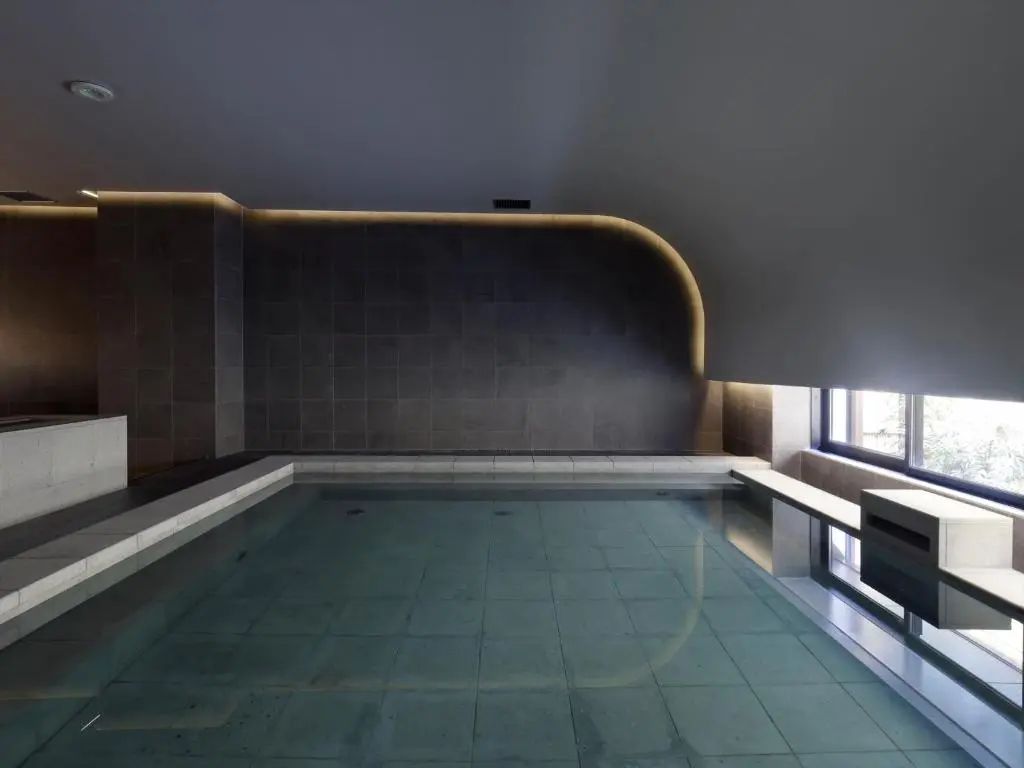
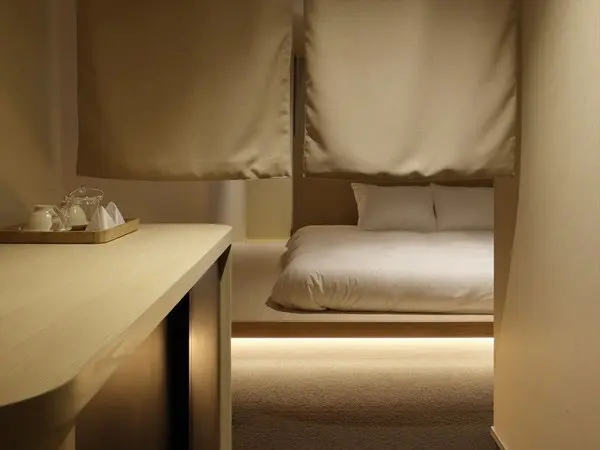
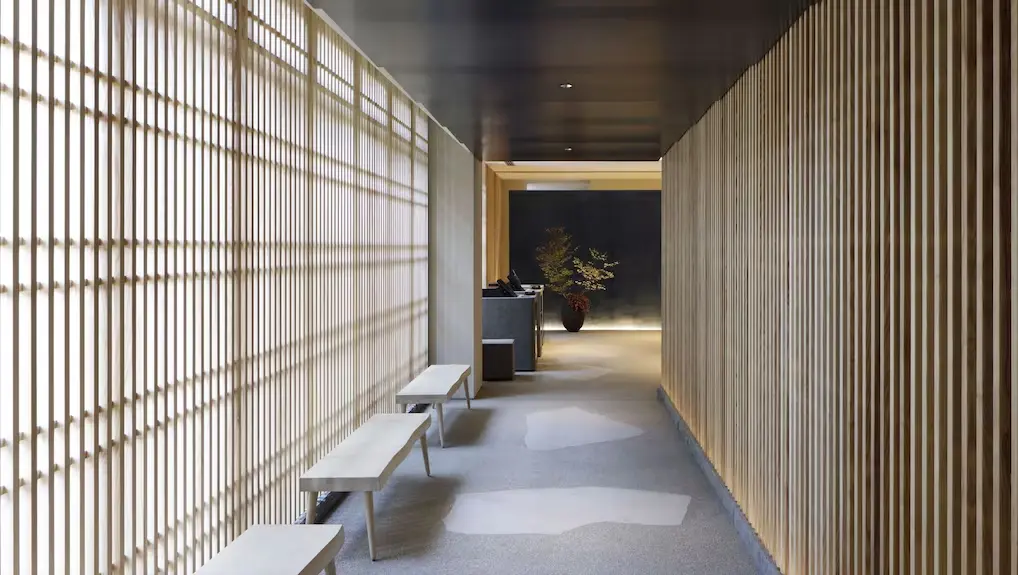
Note: This is a hotel, and so the bath is only open to guests who are staying there.
This hotel is semi-friendly to guests with tattoos. Access to the public bath, which draws water from a natural hot spring, is not outright banned. Instead, guests are asked to purchase sticker-like bandages that cover up tattoos. Small stickers cost JPY 100, while larger ones cost JPY 250.
5 - Kinjo Onsen
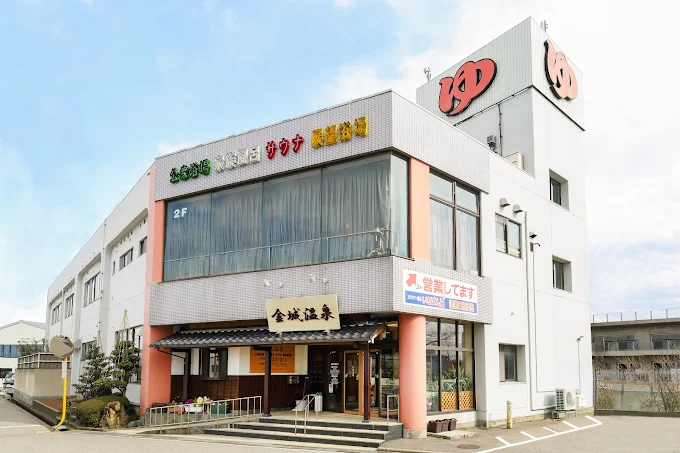
- Opening Hours - 06:00 - 23:00
- Closed - Every Tuesday
- Approx. Cost - JPY 500 (Sauna - 680)
- Towel Rental - Yes
- Toiletries - Can be bought
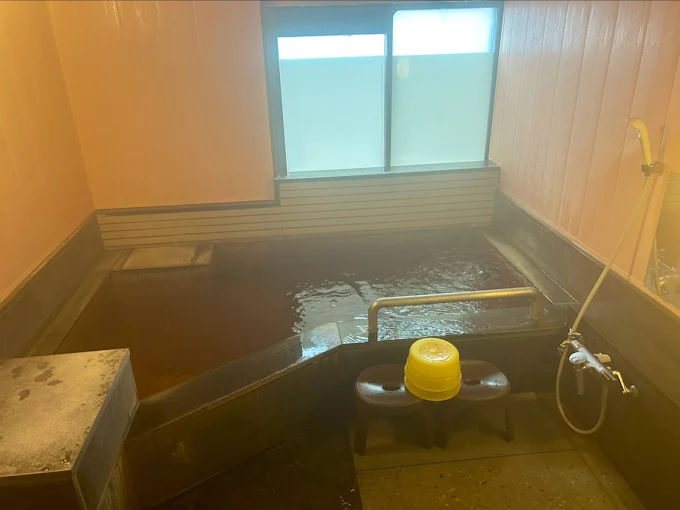
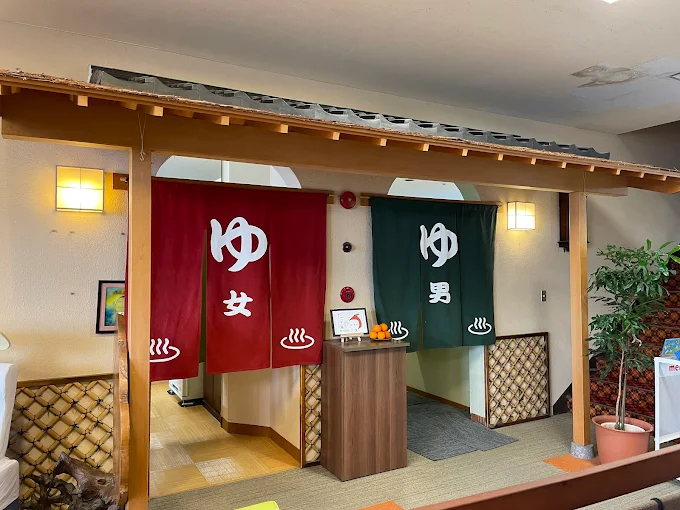
People with tattoos can freely use the public bath, which uses moor hot spring water. There are also family rooms available, which cost JPY 2200 - 3400.
This is a great onsen for people having their first experience, as the towels and soaps can all be bought, so you can go on a whim. The water is not quite as dark as other moor-sourced onsen in the area and has a silky texture to it.
To get to Kinjo Onsen, take the No. 52 bus from the West Exit at Kanazawa Station bound for Shimoyasuhara via Saseikai Hospital and get off at Sougou Sports Center Mae or Saiseikai Hospital. The onsen is a five-minute walk from either station.
6 - Kanaiwasou
- Opening Hours - 11:00 - 23:00
- Closed - Open every day
- Approx. Cost - JPY 500 (Free if it's your birthday with proof of ID)
- Towel Rental - Yes
- Toiletries - Can be bought
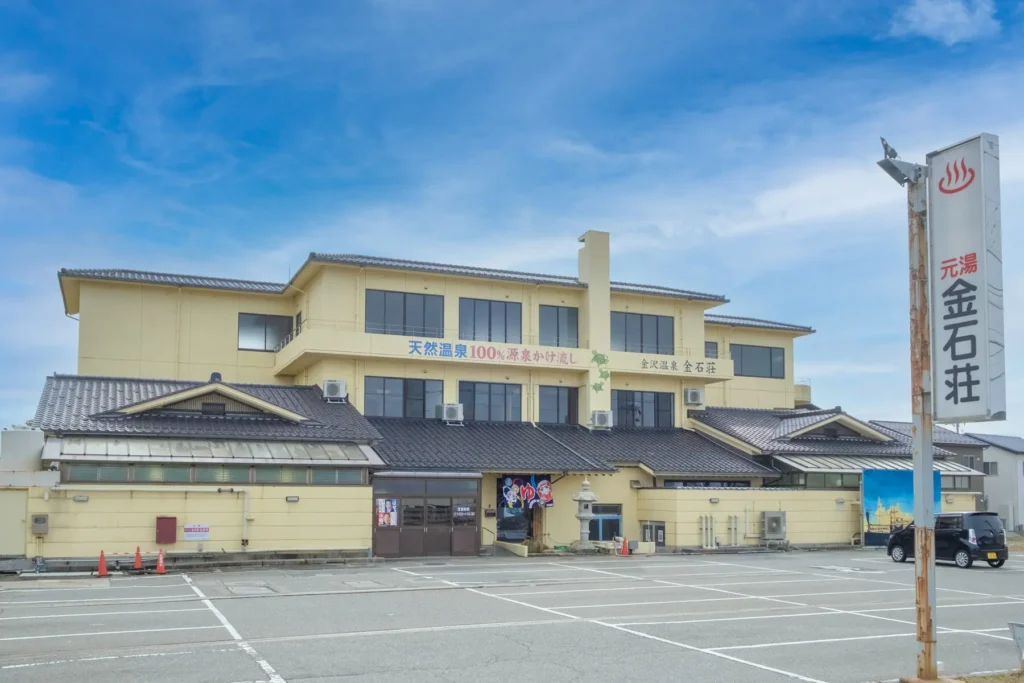
To get to Kanaiwasou from Kanazawa Station, take the No. 3 bus from the West Exit to Unedanaka Sanchome bus stop. From there, it's about a 25-minute walk to the onsen. Alternatively, walk about 10 minutes from the station to Chuubashi bus stop and take the No. 34 or 61 bus to Kaneishi, then walk for another five minutes.
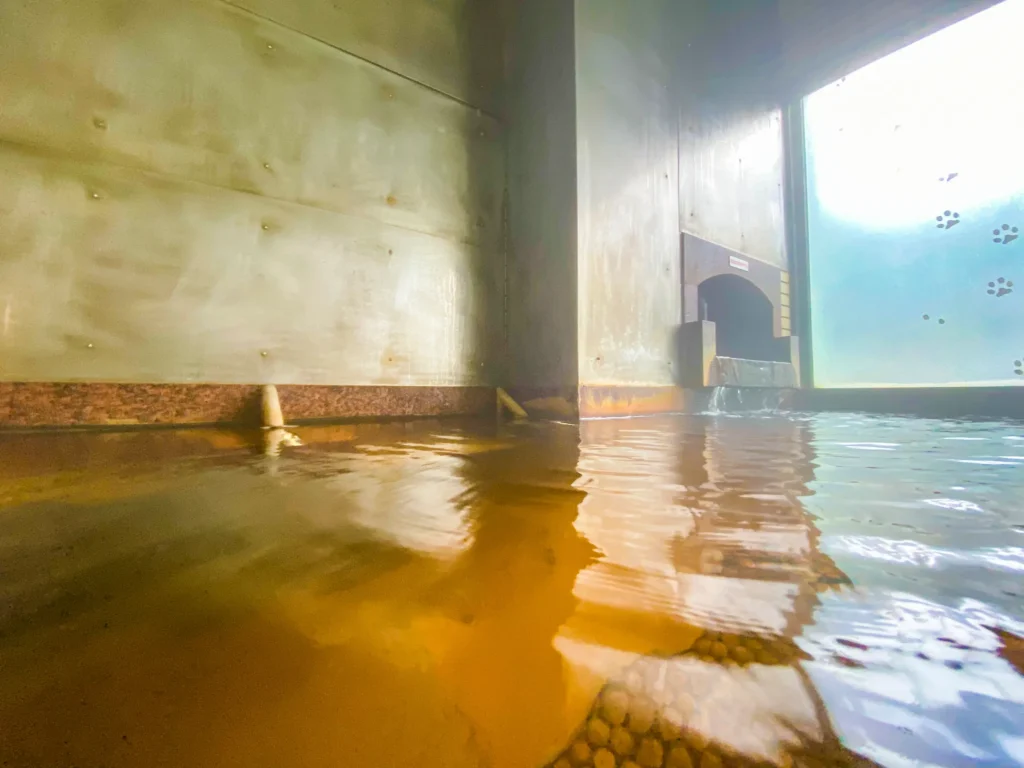
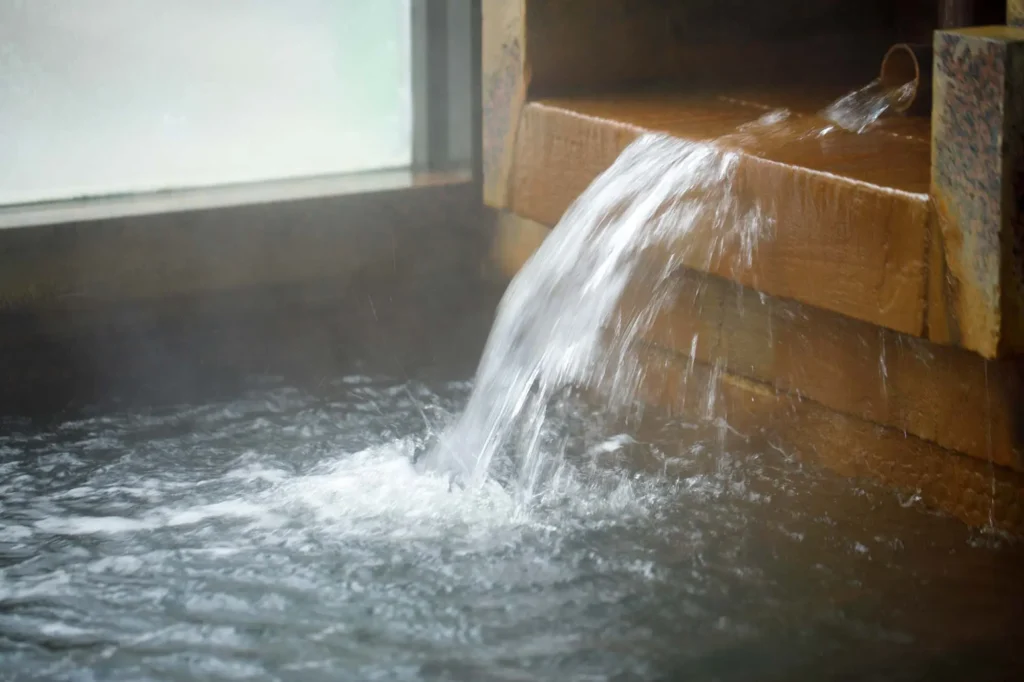
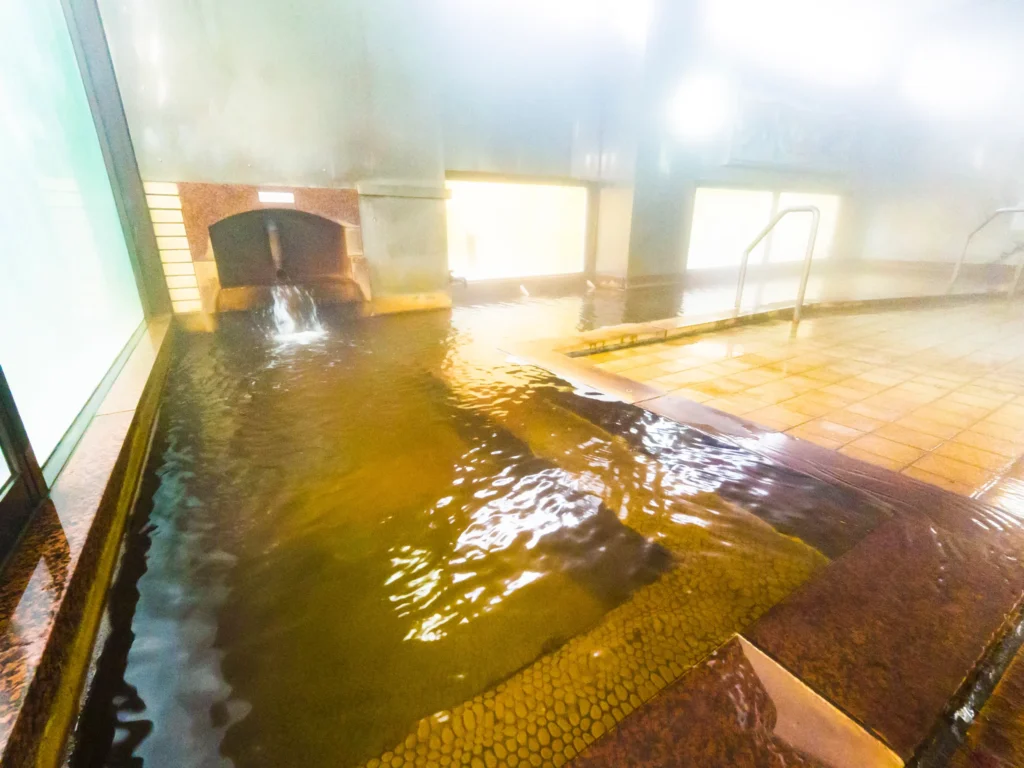
The hot spring is located right beside Kanazawa Port, so may be of particular interest to people who are visiting Kanazawa on a cruise. The water used for the baths comes from a sodium chloride spring more than 1300m underground. The water is rich in metasilicic acid which is said to be a natural moisturiser used in Japanese cosmetics.
In 2022, the upper floors were converted into a hotel, although the onsen has remained open to non-guests.
Kanazawa City: Sento (Public Baths)
1 - Hyotan Yu
- Opening Hours - 14:00 - 21:00
- Closed - Saturday and Sunday
- Approx. Cost - JPY 500
- Towel Rental - No
- Toiletries - Bring your own
Possibly the easiest place on this list to get to, Hyotan-Yu is a breezy 10-minute walk from Kanazawa Station. You can also take the bus, though: the Kanazawa Loop Right Loop bus leaves from Platform 6 at the station's East Exit. Get off at the Meisei Elementary School bus stop, then walk two minutes.
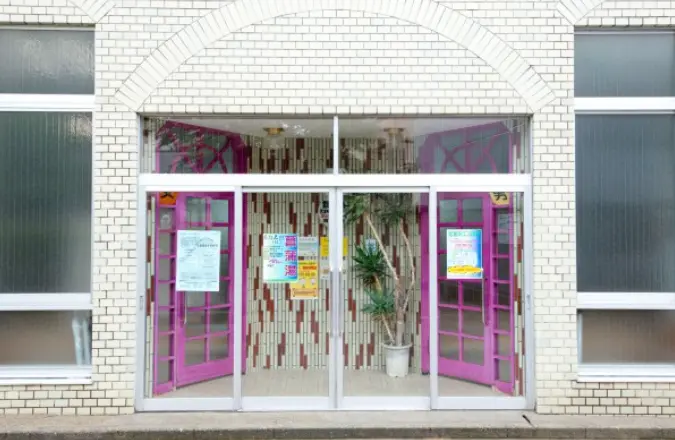
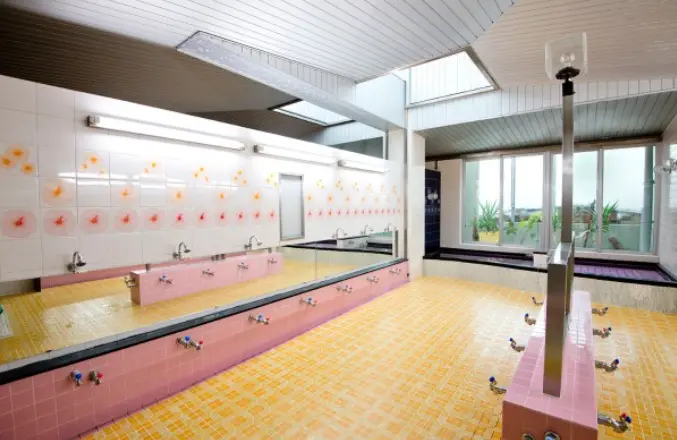
Hyotan Yu is an old-fashioned bathhouse with charming pink interiors. For people who love their baths scorching hot, this is the place for you! The sento has little in the way of flashy bells and whistles, but has been a staple of Kanazawa since the early days of the post-war period.
2 - Healthy Bath 268

- Opening Hours - 12:00 - 24:00
- Closed - Every Monday
- Approx. Cost - JPY 500
- Towel Rental - No
- Toiletries - Bring your own
Getting to Healthy Bath 268 is relatively straightforward. From Nishi-Kanazawa Station, walk for 18 minutes. If you're coming from Kanazawa Station, walk to Omicho Market and take the No. 57 bus to the Shin-Kanazawa Post Office. It's a short walk from there.
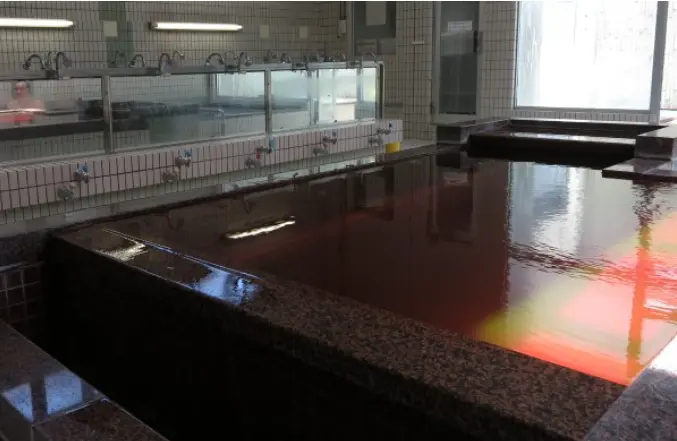
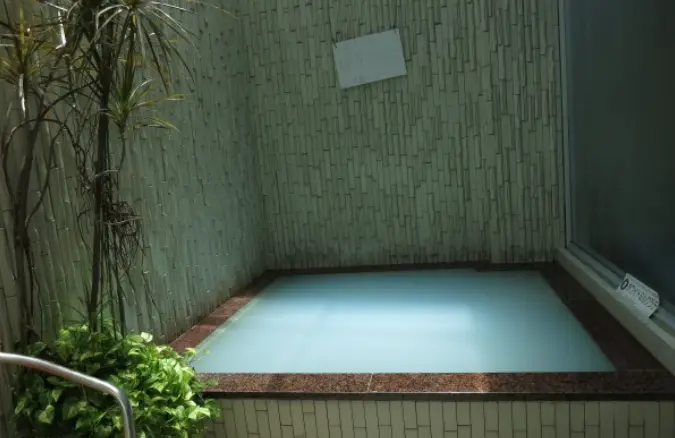
This sento has a variety of baths available including a cloudy bath, an indoor ultrasonic bath and an open-air herbal bath. There are also sauna facilities. Their name is a play on words, with the Japanese words for 2, 6 and 8 combining to make the word for bathhouse.
3 - Matsu-no-Yu
- Opening Hours - 11:00 - 23:00
- Closed - Every Wednesday
- Approx. Cost - JPY 490
- Towel Rental - Yes
- Toiletries - Can be bought
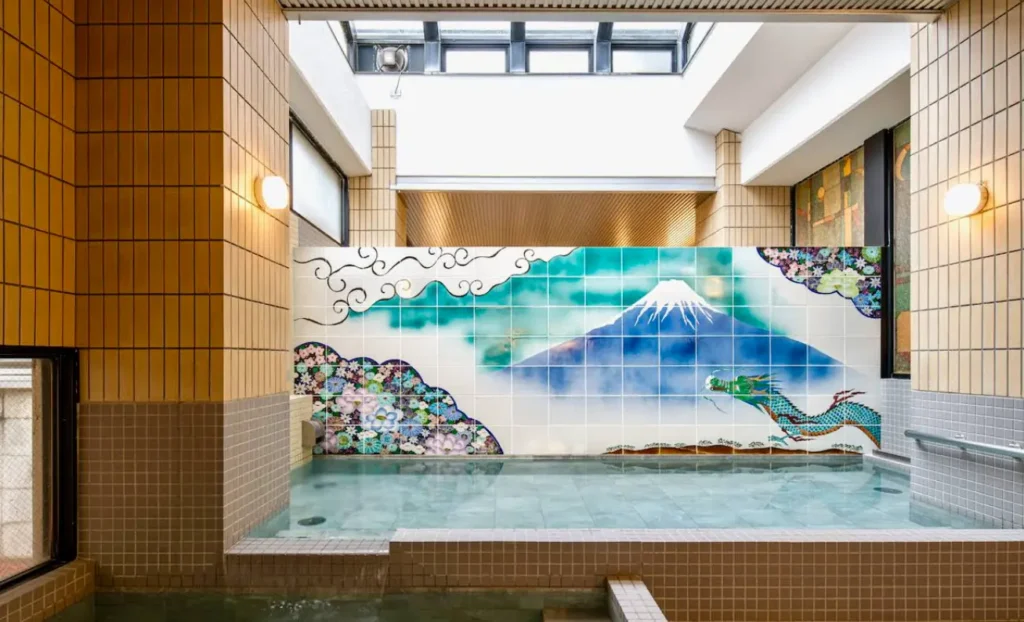
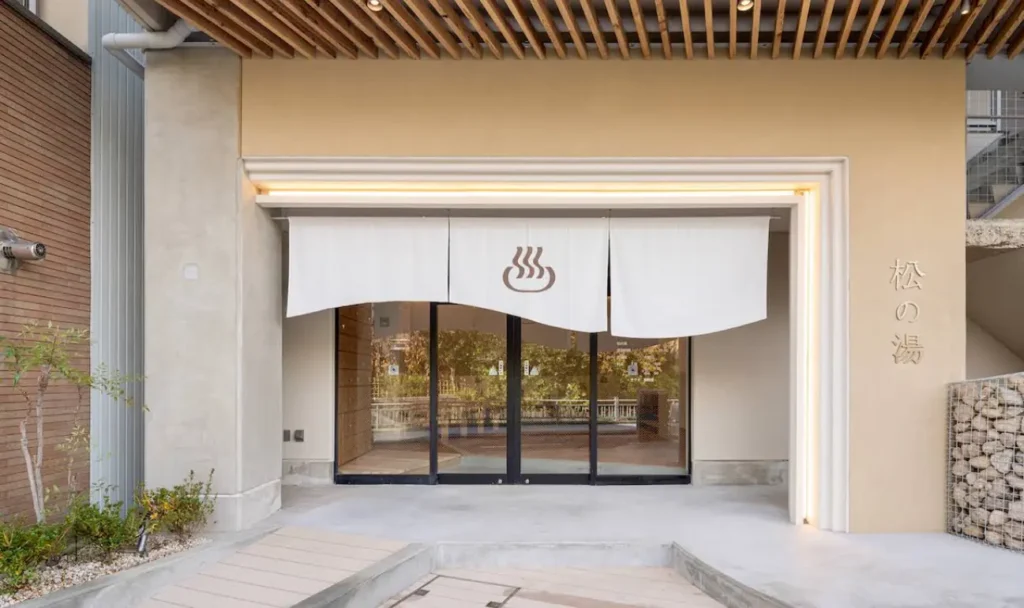
Matsu-no-Yu is located right beside Kanazawa's Nagamachi Samurai District and proudly welcomes people with tattoos, which is a rare sight in Japan. The bathhouse was first established in the post-war Showa era, but closed and was renovated under new management in 2022.
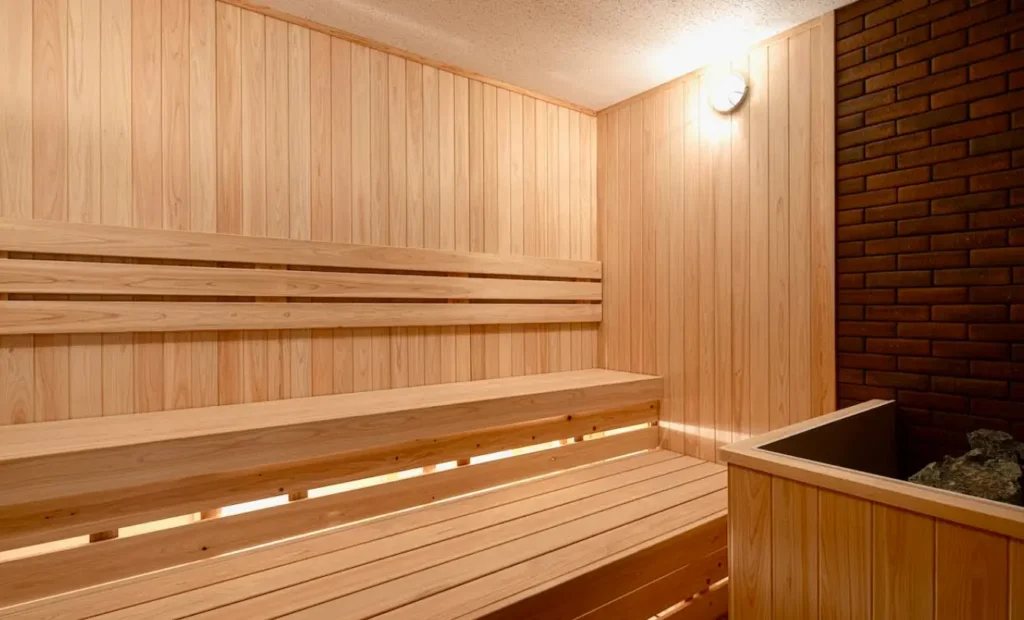
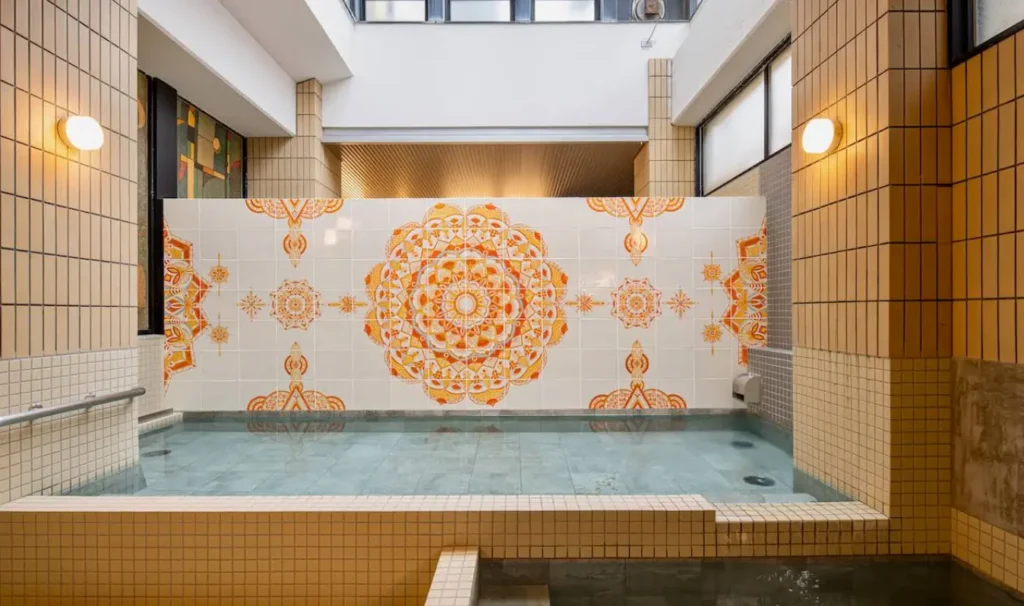
The distinct tiled walls on each side of the bath were made of kutaniyaki, a traditional type of porcelain craft unique to the Kanazawa region. Kutaniyaki is known for its bright and colourful designs. There is also a sauna room, cold bath and outdoor terrace bath.
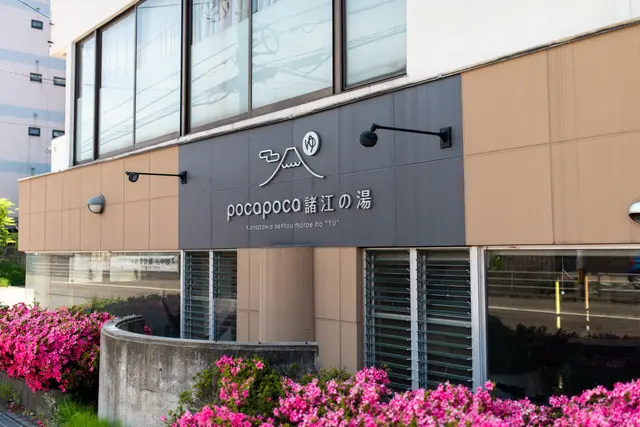
4 - PocaPoca Moroe-no-Yu
- Opening Hours - 06:00 - 24:00 (Monday and Fridays - 10:00 - 24:00)
- Closed - Closed for maintenance from 12:00 - 1500 on the first Monday of every month
- Approx. Cost - JPY 490
- Towel Rental - Yes
- Toiletries - Can be bought ("Empty Hand Set" with drying towel, bath towel, body soap and shampoo is JPY 240)
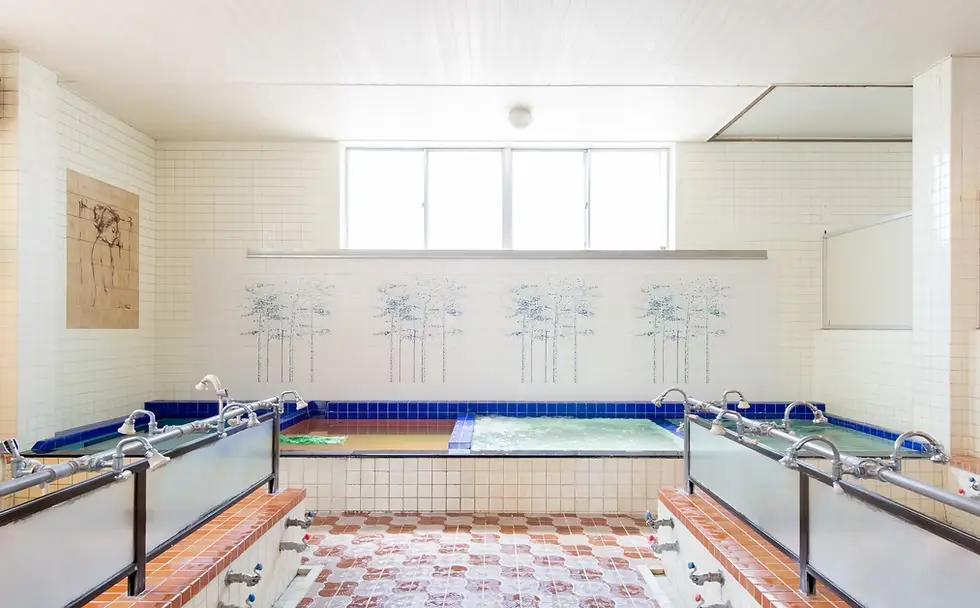
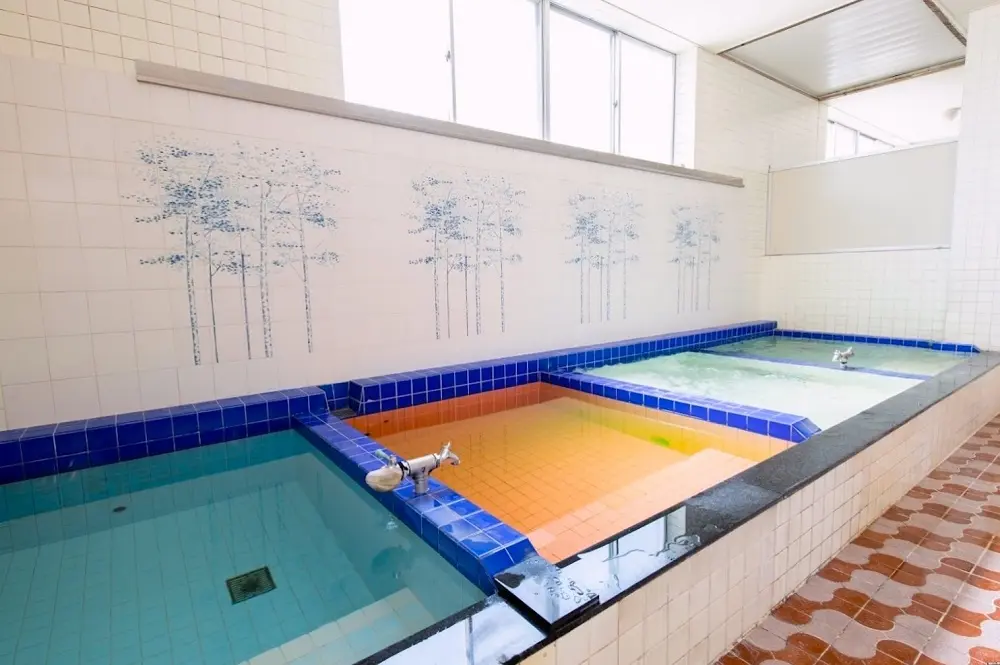
PocaPoca Moroe-no-Yu has several baths available to use. The facility was renovated recently, so there is now a cafe and kids' space on the first floor. Although the bath is from when the sento first opened, it is much cleaner than other sento of a similar age.
To get to Moroe-no-Yu from Kanazawa, take the Hokuriku Bus from Platform 4 at Kanazawa Station's West Exit. Get off at Kamimoroe bus stop and walk for seven minutes, or around 500m.
North and East of Kanazawa: Onsen (Hot Springs)
Most of the onsen available outside of Kanazawa move from being available during the day to specific destinations. For this part of the list, all locations must be booked as hotels and have onsen that are tattoo-friendly.
Onsen towns like Yuwaku are great places for romantic getaways for couples, although it's not uncommon for groups of friends or solo travellers to book a night in a traditional Japanese inn.
Yuwaku Onsen was first founded 1300 years ago and has been used as a relaxing retreat ever since. During the Edo Period (1603-1868) it was a favourite hunting spot for the ruling Maeda Family, who frequently patronised the hot springs.
1 - Yuwaku Onsen - Kokarian
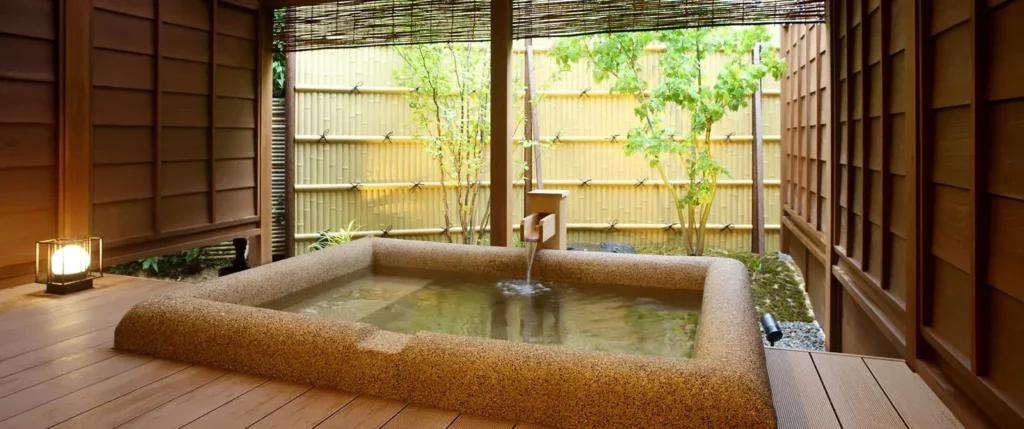
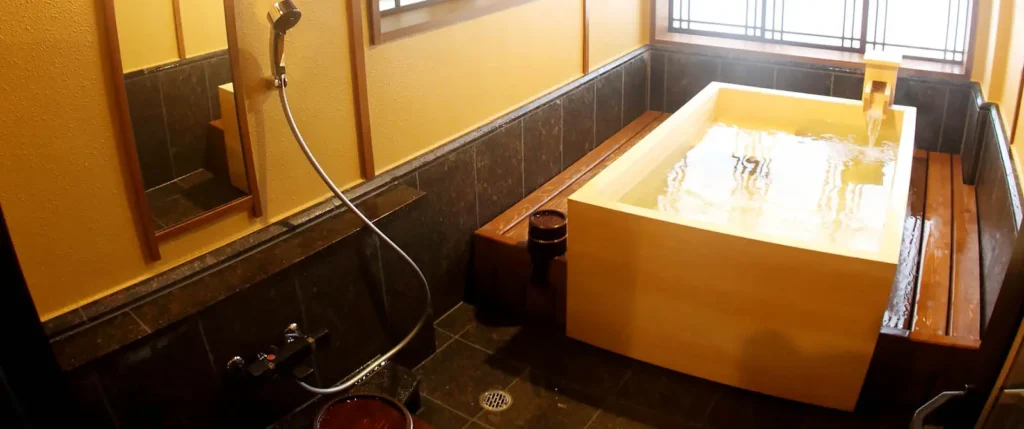
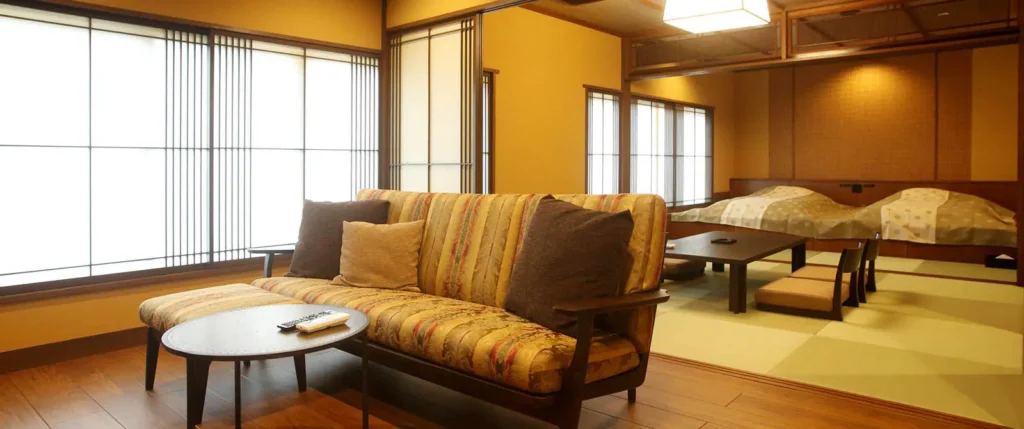
This hotel in Yuwaku Onsen town has four rooms with private open-air onsen baths. As the baths are private, there is no need to cover your tattoos while you use them.
Getting to Yuwaku can be difficult, but guests who have made a reservation can arrange a shuttle bus pickup from Kanazawa Station.
2 - Yuwaku Onsen - Hyakurakuso IROHA
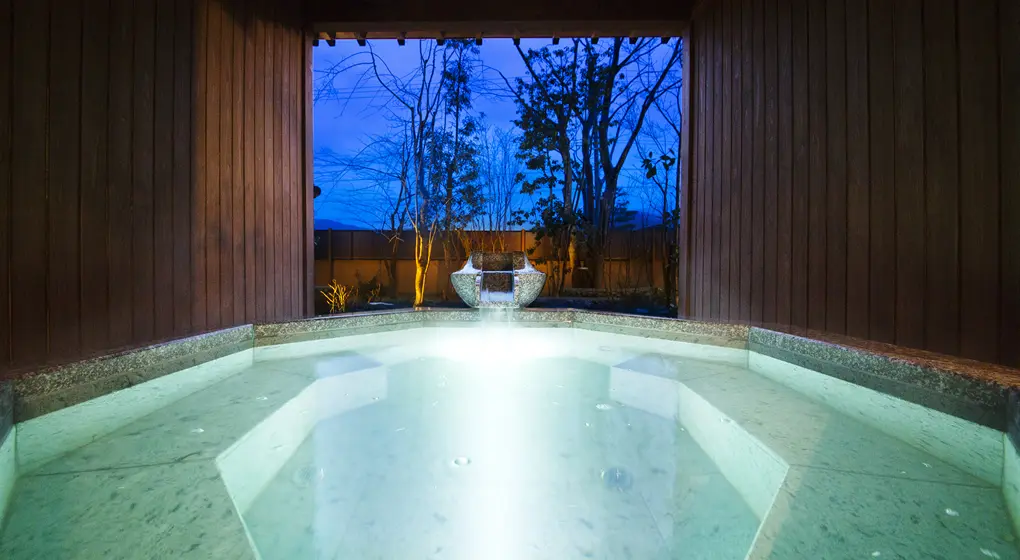
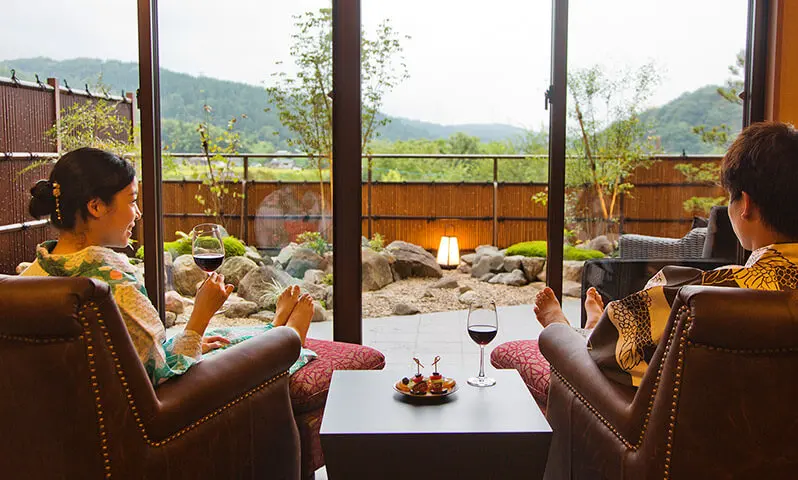
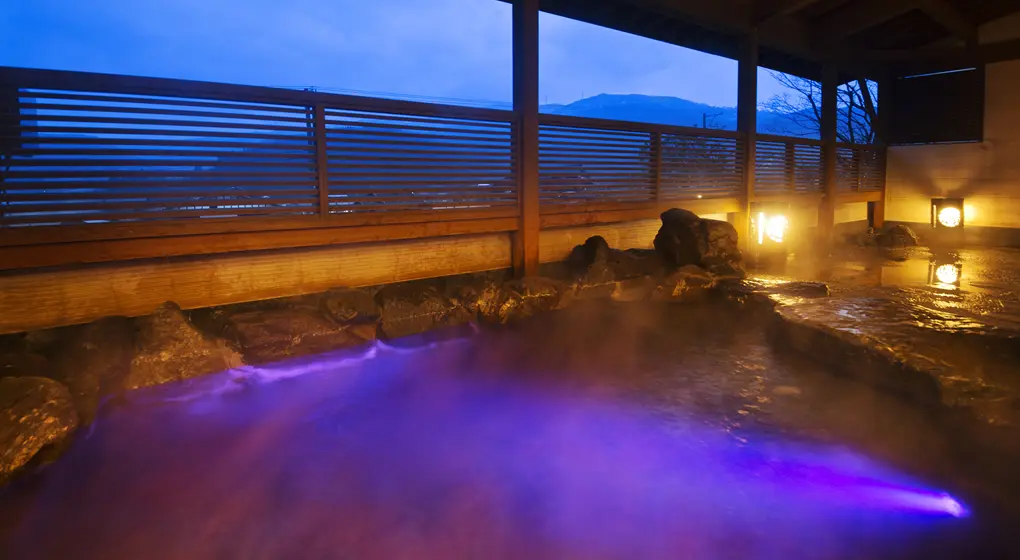
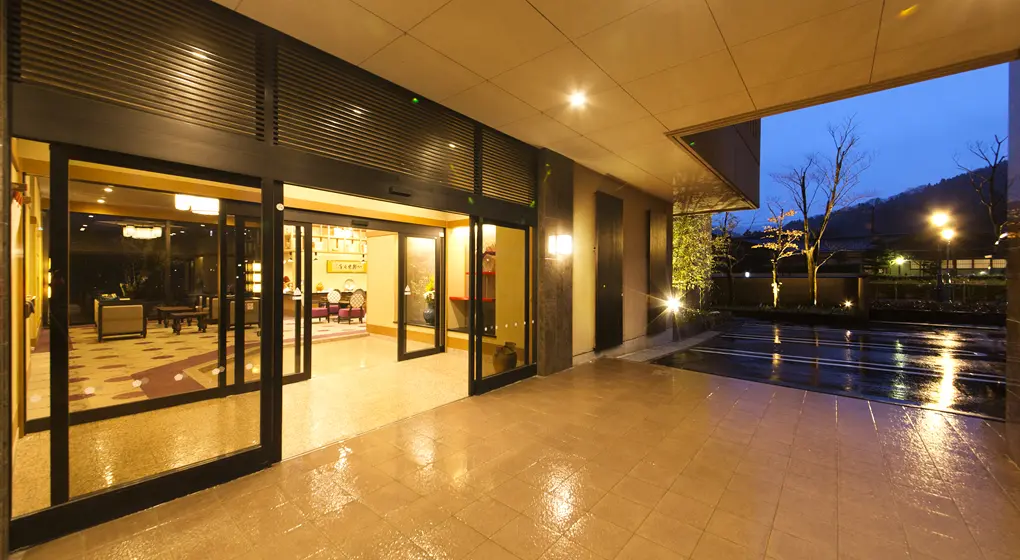
Hyakurakuso IROHA has eight guest rooms, each with their own open-air baths. The soft alkaline water is said to be good for skin, relieving muscle and joint pain and speeding up healing of cuts, burns and bruises.
The water is so clean it is safe to drink. In fact, legends say that drinking the onsen water can cure diabetes, gout and improve digestive diseases.
North and East of Kanazawa: Sento (Public Baths)
1 - Yuwaku Onsen - Shirasagi no Yu
- Opening Hours - 09:00 - 21:00
- Approx. Cost - Free
- Towel Rental - No
- Toiletries - Bring your own
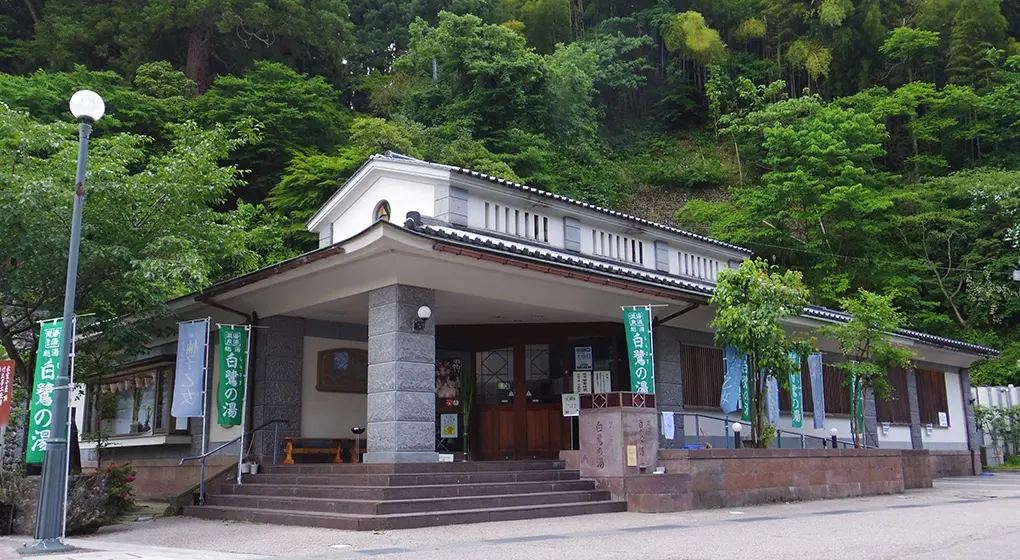
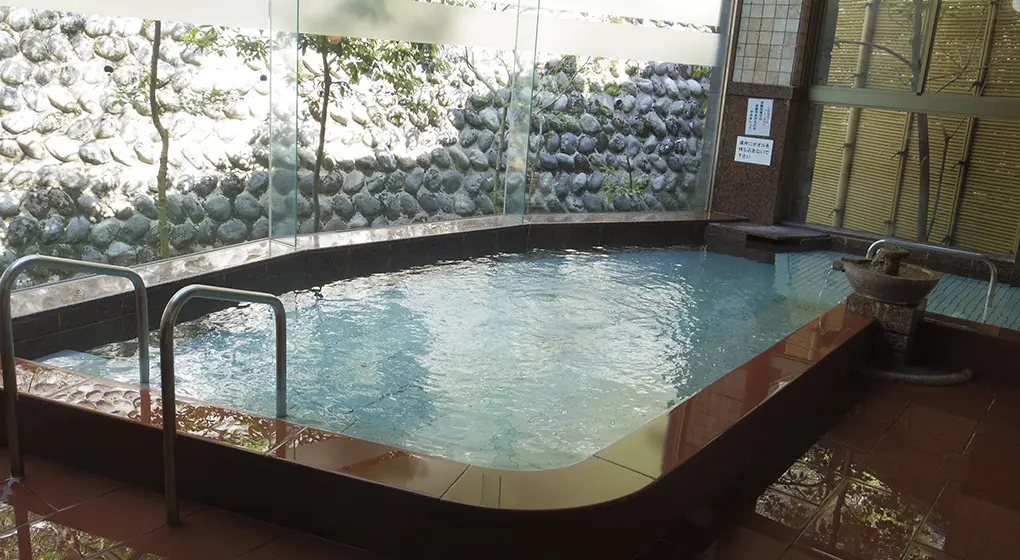
If you're not one for all the pomp and circumstance that goes into an evening at the ryokan, but still want to experience Yuwaku Onsen's famous water for yourself, this might just be the place for you.
Getting here is surprisingly easy. From Kanazawa Station, take the No. 52 bus from the East Exit for around 50 minutes. Disembark at Yuwaku Onsen, then walk for around 5 minutes to reach the public bath. While you're in the area, enjoy a walk around the historic town, see the museum, and experience the relaxing calm of being out in nature!
2 - Tsubata - Genpei Hot Spring
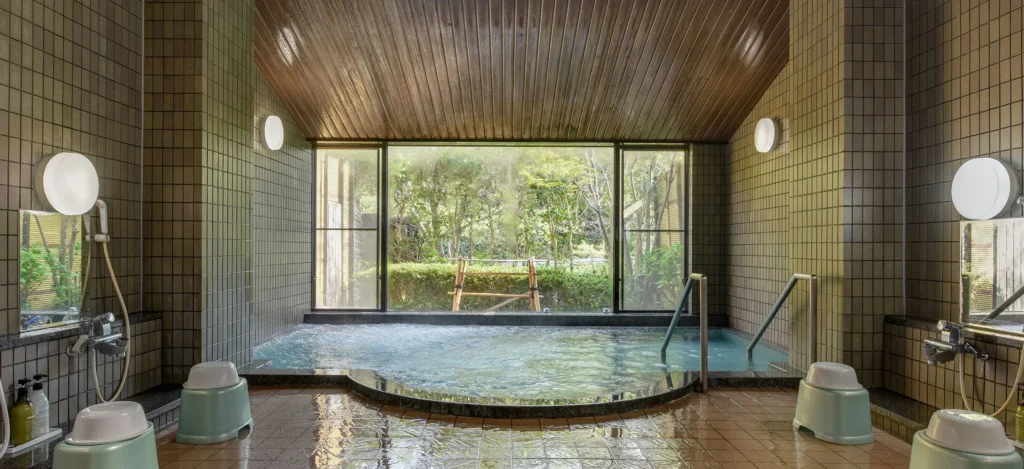
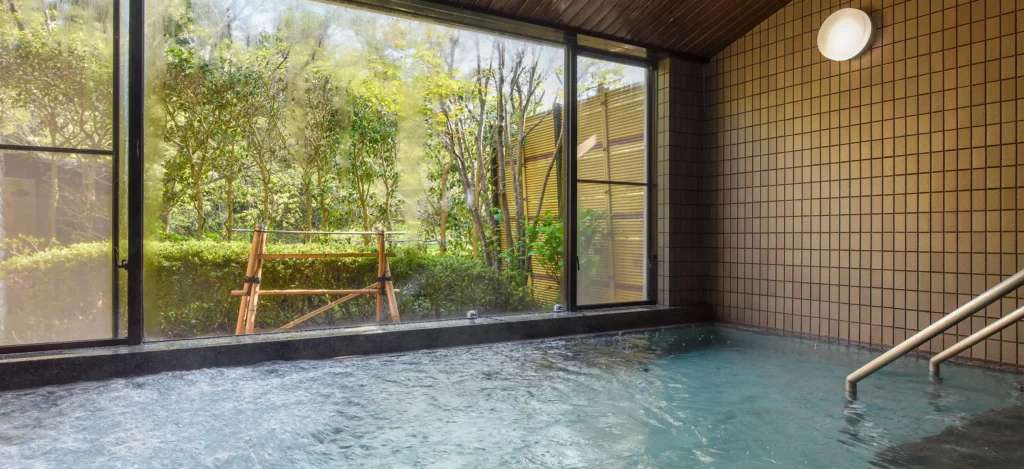
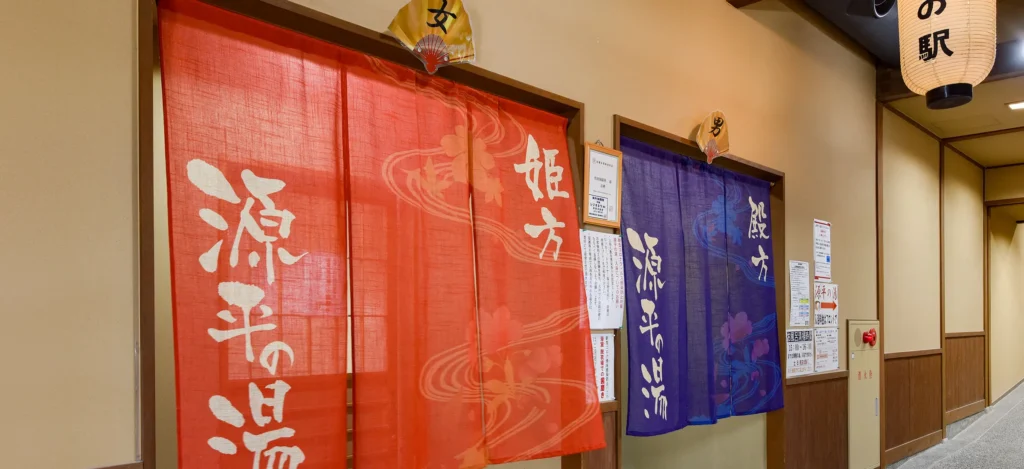
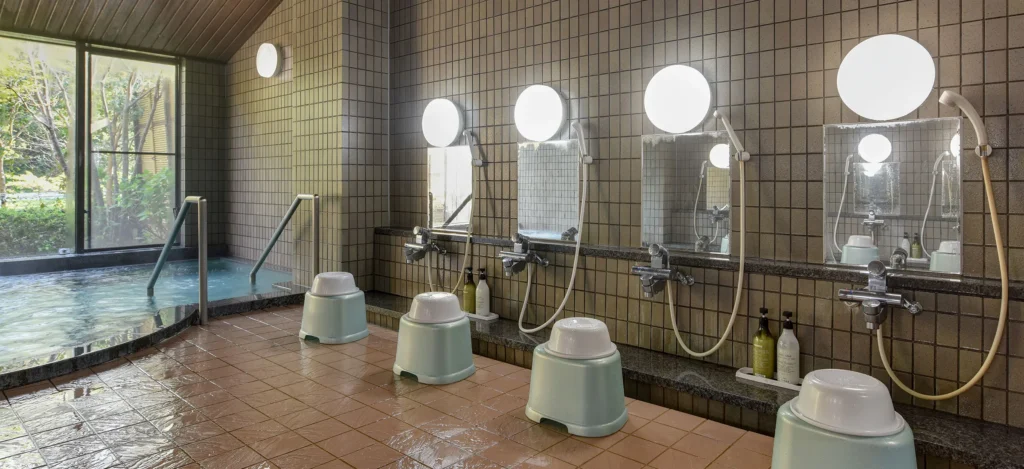
- Opening Hours - Tuesday to Sunday 10:00 - 21:00, Monday 16:00 - 21:00
- Approx. Cost - JPY 350
- Towel Rental - No
- Toiletries - Available for use
While this sento may be located in a roadside station, it actually has one of the coolest unique selling points of any sento near Kanazawa! The water is heated with fire from burning bamboo charcoal. It's said to be good at washing away dead skin cells and excess oils, leaving your skin silky-smooth.
Getting here from Kanazawa Station takes a bit of travel know-how, but we've got you covered. Take the IR Ishikawa Railway Line from Kanazawa Station to Tsubata Station. The train takes about 10 minutes. From there, walk outside and take the Tsuzuraori Line for another 10 minutes to Kurikarajuku. Get off and walk just under 100m and you're there!
3 - Wakura Onsen - Sou Yu
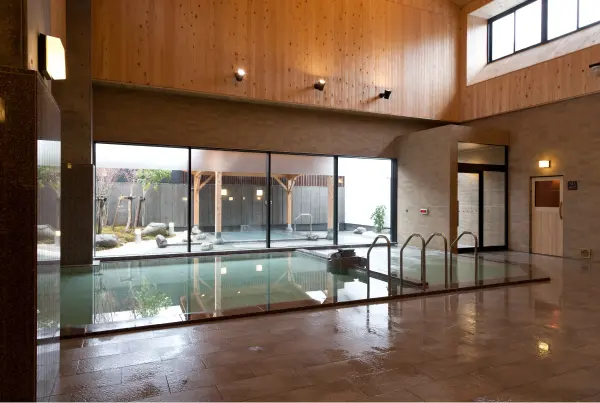
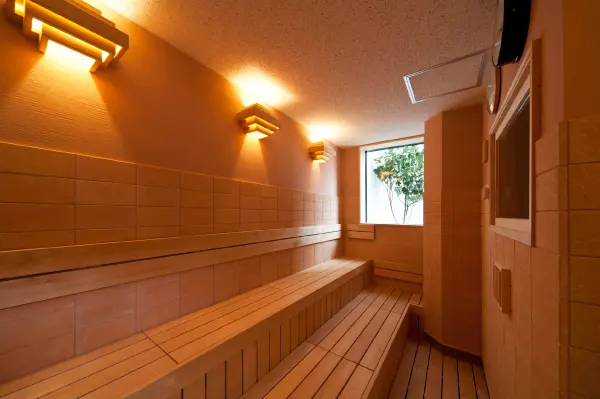
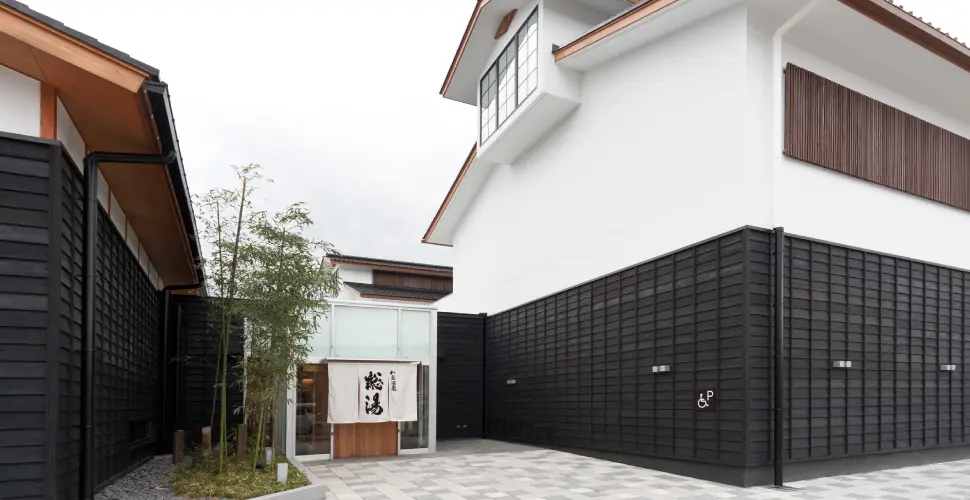
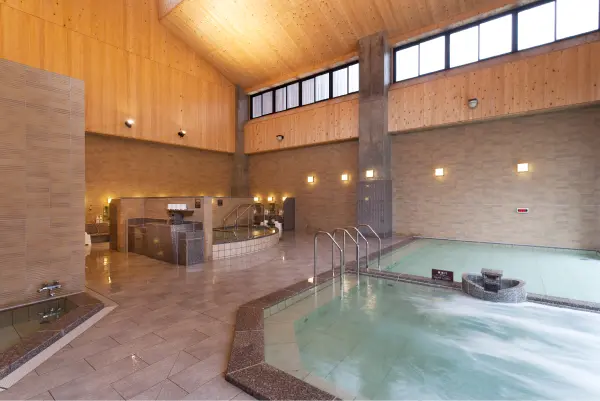
- Opening Hours - 07:00 - 21:00
- Closed - Fourth Thursday of every month
- Approx. Cost - JPY 500
- Towel Rental - No
- Toiletries - Available for use
In the south-east part of the Noto Peninsula lies Wakura Onsen town, which has been lived in since ancient times. Fishermen would rest in the hot springs after returning from the voyages.
The water used here has a high saline content, said to help heat bathers to the core in the chilly winters. Inside the sento are various bathtubs, each with a different temperature, so you can find one that suits your preference!
While much of the Noto Peninsula is still suffering from the effects of the January 1st, 2024 earthquake, it is safe to explore as far as Wakura Onsen, so stopping here may be an attractive idea to people looking to explore the area. To get here from Kanazawa Station, the IR Ishikawa Railway local train to Tsubata Station and change to the Nanao Line. After about 85 minutes, you'll be at Nanao Station, where you should get the Wakura Line bus and go about 20 minutes to Wakura Onsen, where the sento is a minute's walk from the station.
South of Kanazawa: Onsen (Hot Springs)
1 - Yamanaka Onsen - Kikunoyu Dai-ni Onsen
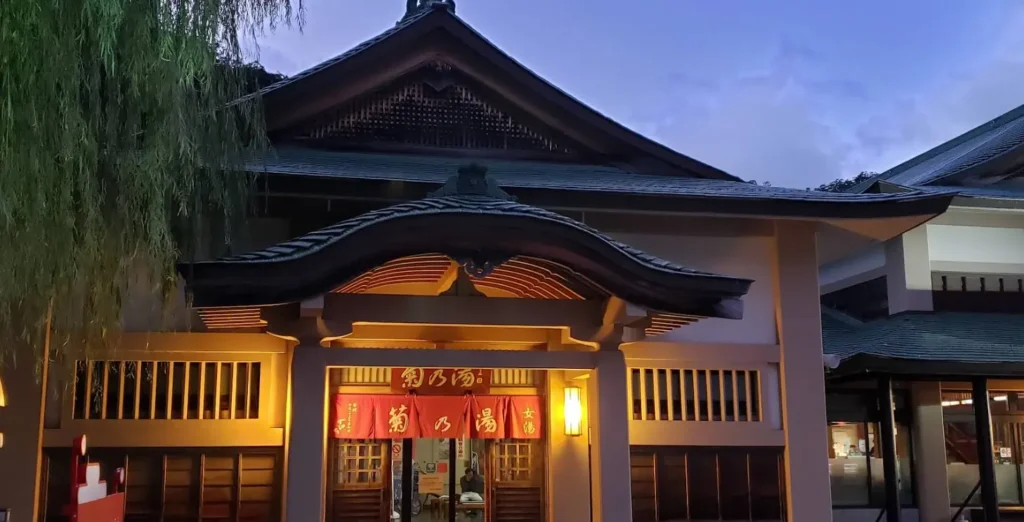
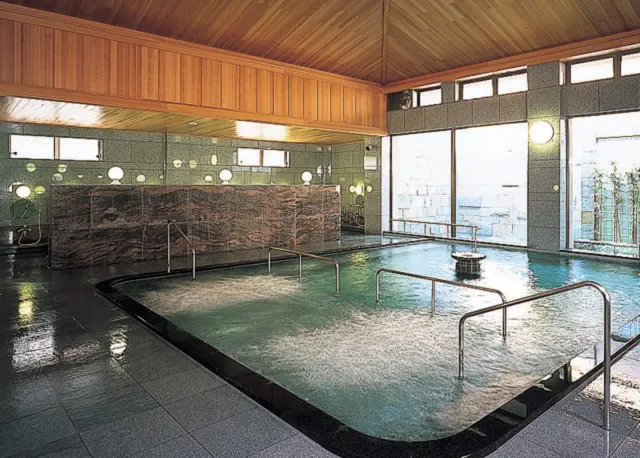
- Opening Hours - 06:45 - 22:00
- Closed - Every Thursday
- Approx. Cost - JPY 500
- Towel Rental - No
- Toiletries - No
The waters of Yamanaka Onsen have been famous since they were first discovered by a monk more than 1300 years ago. The region was visited by the famous poet Bassho who was so pleased with his time in the town he wrote a poem about how bathing here would help you live longer.
It takes just over an hour and 20 minutes to get here from Kanazawa Station. Take the IR Ishikawa Railway Line bound to Kagaonsen Station. From there, walk five minutes to the Kagashi Iryo Center bus stop and take the Onsen Yamanaka Line for about 20 minutes to Asahimachi, then walk 3 minutes to the onsen.
2 - Yamashiro Onsen - Hatori Yamashiro Onsen
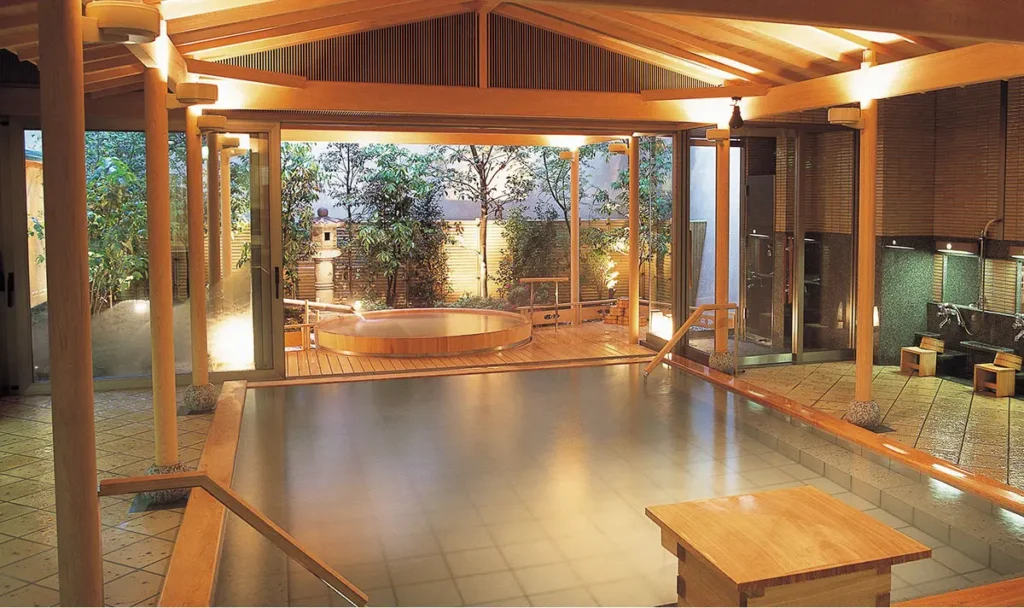
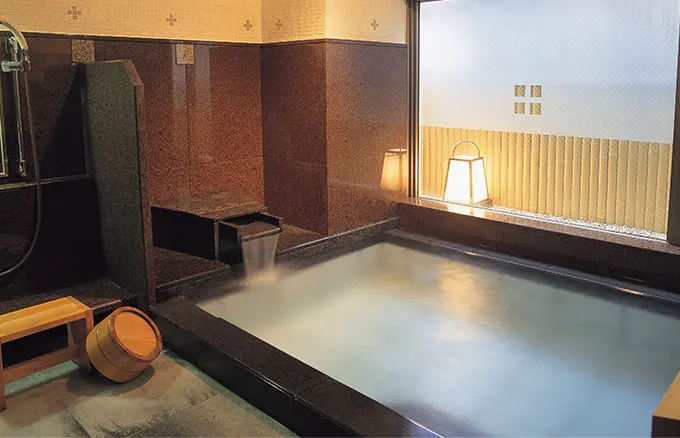
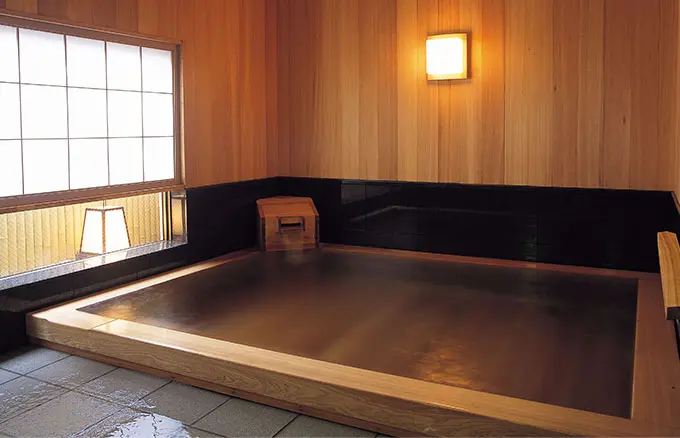
This impressive inn in Yamashiro Onsen town has two large public baths, one made of stone and one made of cypress. Depending on the season, tattooed guests may be asked to wear band aid-like stickers to cover their tattoos in these areas.
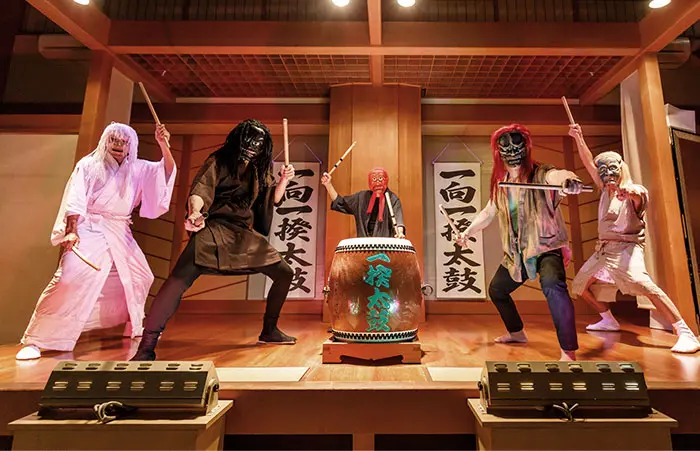
Alternatively, there are several private baths where families, couples and tattooed guests can bathe freely, although they must be reserved. While the baths can be visited by non-guests, the hotel puts on special performances celebrating local culture for those staying the night.
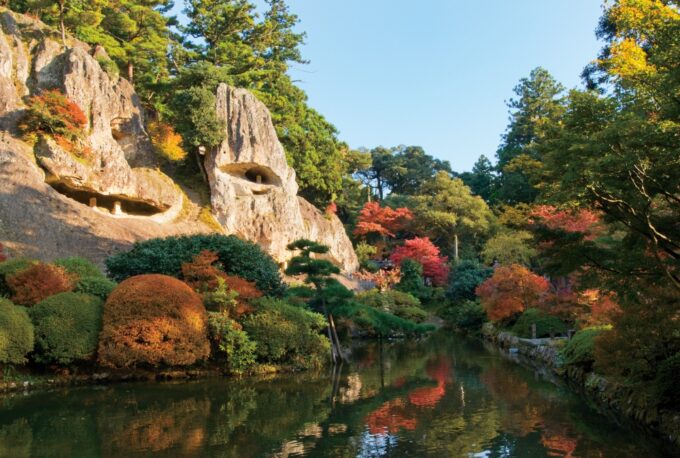
Interested in seeing this area for yourself? Why not take a look at our Natadera Temple, Craft Village and Dance with Real Geisha in Yamanaka Onsen tour? This day trip from Kanazawa Station takes you to some of the most beautiful places in southern Ishikawa Prefecture! In the morning, we'll visit the stunning Natadera Temple, famous as one of the most beautiful temples in Japan, where each season brings a different face to its sprawling garden.
From there, we travel to Yunokuni no Mori craft village, where you'll get to try your hand at Kaga Yuzen silk dyeing. During free time in the craft village, you'll have time to try from a range of other local crafts! Finally, we head to Yamanaka Onsen to see the nature and experience the highlight of the day - watching a performance done by real geisha! You'll even have a chance to get up on stage and dance with them yourself!
South of Kanazawa: Sento (Public Baths)
1 - Kaga Katayamazu Onsen Sō-yu
- Opening Hours - 06:00 - 22:00
- Closed - Irregular days
- Approx. Cost - JPY 500
- Towel Rental - Yes
- Toiletries - Can be bought
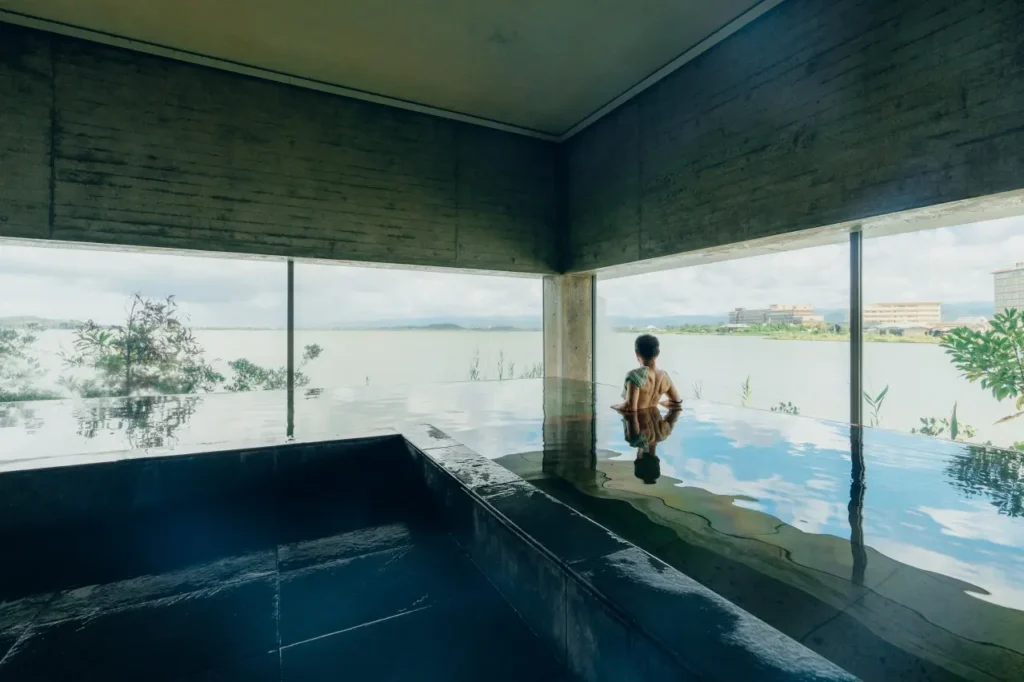
This onsen overlooks Lake Shibayama in the historical town of Kaga Onsen where, on a clear day, you can see the sacred mountain Hakusan across the lake. Although the facility itself was only built in 2012, it has become popular among locals as a cheap way to experience the famous hot spring water of Kaga Onsen.
Something to be aware of if you're planning to visit this sento is that there is no rest area. It's probably not make-or-break for many people, but visitors should leave pretty quickly once they're finished in the bath. There is a cafe where you can get some nice parfait, though!
To get here from Kanazawa Station, take the IR Ishikawa Railway local line to Kagaonsen Station. Walk 5 minutes to the Kagashi Iryo Center Bus Stop and take the Onsen Katayamazu line for around 10 minutes to Katayamazu Onsen Station, then walk for about a minute.
2 - Komatsu City - Sakura Yu
- Opening Hours - 15:00 - 22:30
- Closed - Every Tuesday and second Wednesday
- Approx. Cost - JPY 500
- Towel Rental - Yes (JPY 50)
- Toiletries - Can be bought (JPY 50 - 100 per item)
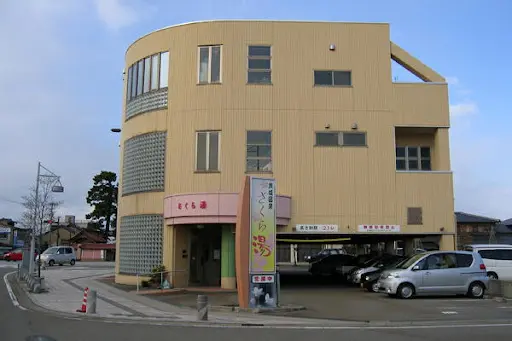
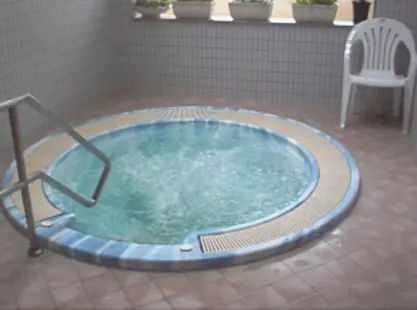
This charming sento is a stone's throw away from Komatsu Station and is aimed at single travellers. Each bath is really only big enough for one person. As the baths all have different qualities, the men's and women's facilities switch weekly.
To get here from Kanazawa Station, simply take the IR Ishikawa Railway Local line to Komatsu Station, then walk two minutes to the sento.
Frequently Asked Questions (FAQ)
What should I bring with me when I go to an onsen or sento?
Generally, you should bring a towel, soaps and a change of underwear when you visit an onsen. As most Japanese people bathe in the evening, many choose to change into pyjamas or evening wear. If you plan to do the same, make sure to bring anything that you need. Some facilities have hair dryers, although they often cost a small fee to use.
Are there any rules or etiquette I should know before visiting an onsen?
Yes, onsen etiquette can be very strict. Tattoo-friendly onsen are often more strict than usual to compensate for being more "lenient" on other rules. Here are some important things to remember when visiting an onsen:
- Do undress fully and wash your body thoroughly before getting into the water. The shower area in front of the public baths are for this purpose.
- Do rinse off all soap and shampoo before you get in the water, too.
- Don't take pictures inside the onsen. Even if it is a private or family room, the operator may ask you to refrain from taking pictures.
- Don't let your hair or towel into the water to keep it as clean as possible.
- Don't swim in the baths.
- If there are other people in the bathing area, do be as considerate as possible. Onsen are usually quiet places.
- While many foreigners are unused to public bathing culture, be mindful that it is considered rude to stare. If another guest is making you uncomfortable, do report it to staff.
Some places on this list mention needing stickers, plasters or band-aids to use the baths. Why?
Due to the increasing numbers of foreigners visiting Japan and the slow changes in societal standards, some places are becoming more accepting towards tattoos. Some onsen will only allow tattoos that can be covered by band-aid like stickers.
If you have larger tattoos that cannot be covered, such as a sleeve or full back piece, staff may turn you away.
I have a skin condition. Is it safe to use an onsen?
Onsen are usually perceived to have visible medicinal benefits. However, that may not be the case for you. Consult with your doctor before visiting Japan if you have any concerns about being able to use onsen.
Onsen in and around the Kanazawa area typically have quite high alkaline content.
Why does it matter if I have tattoos when I'm obviously not Japanese?
It's understandable to be frustrated at something like this. Most Japanese people would agree quite quickly that you are probably not a member of the yakuza or other gangs. However, the rules are the rules and Japan is not a country famed for its flexibility.
Am I really missing out if I don't visit an onsen while in Japan?
That's hard to say, really, and depends largely on you. Onsen definitely are not the be-all-end-all of attractions in Japan. While onsen is definitely a popular thing among Japanese people, there are plenty who rarely, if ever, go.
We always recommend trying something at least once, then once again if you're still unsure. If onsen aren't for you, luckily Japan has plenty of things to see and do. From nature walks and city strolls, to museums, art galleries, ancient temples, pristine beaches and some absolutely mind-blowing food, Japan is certainly far more than just onsen.