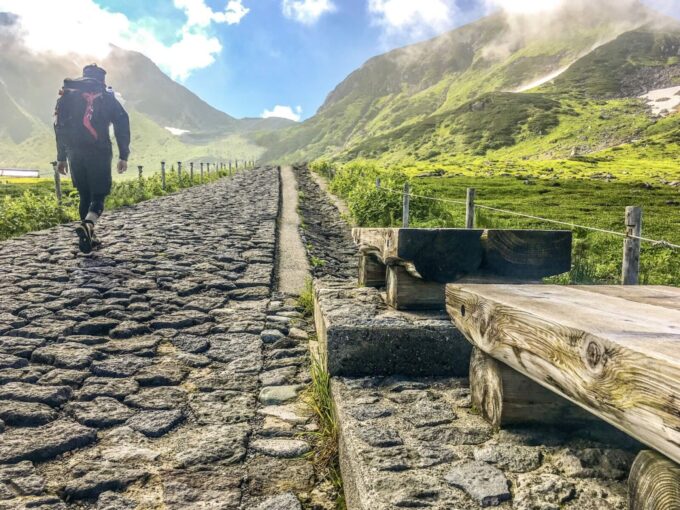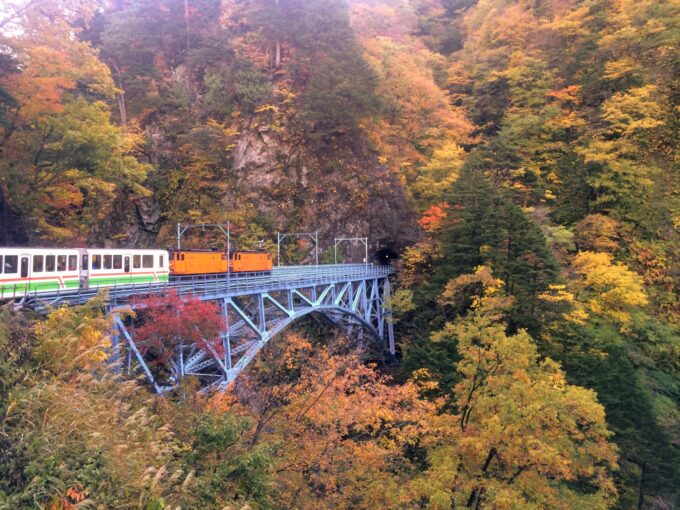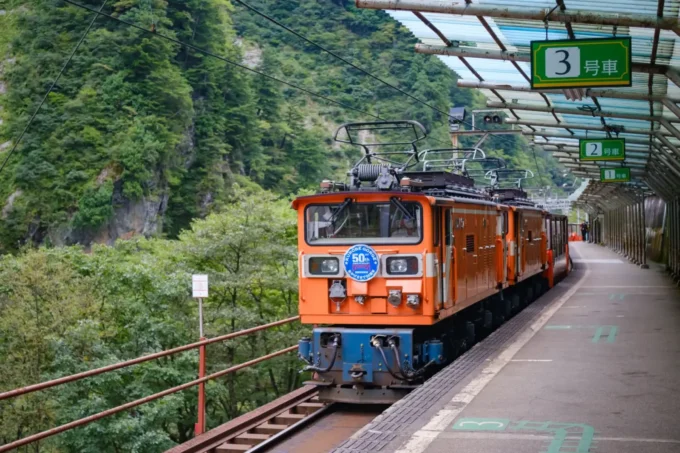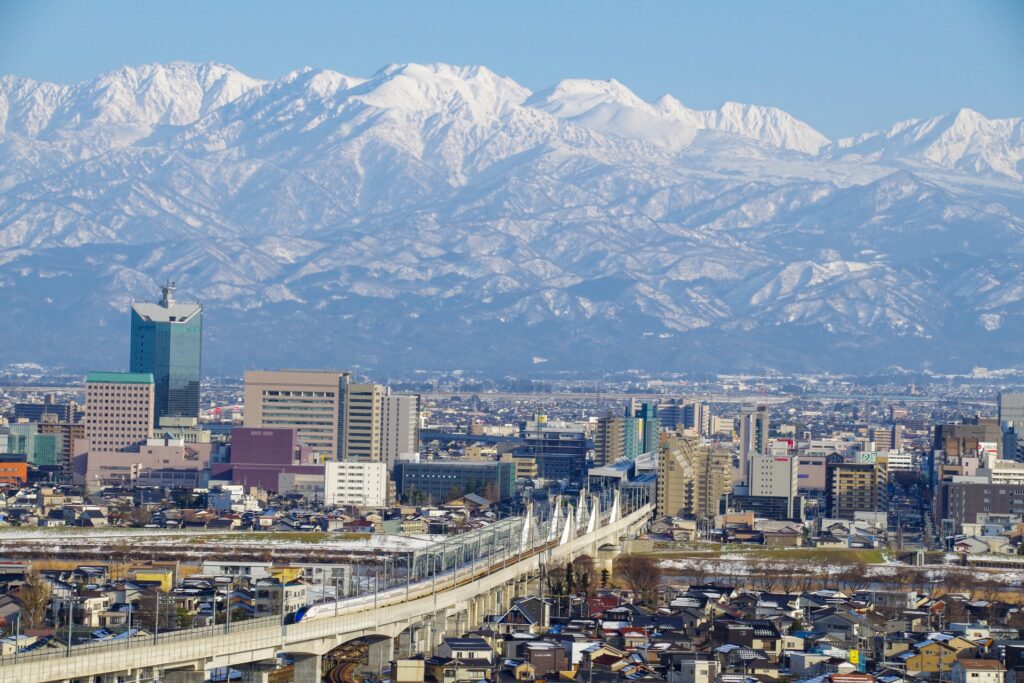



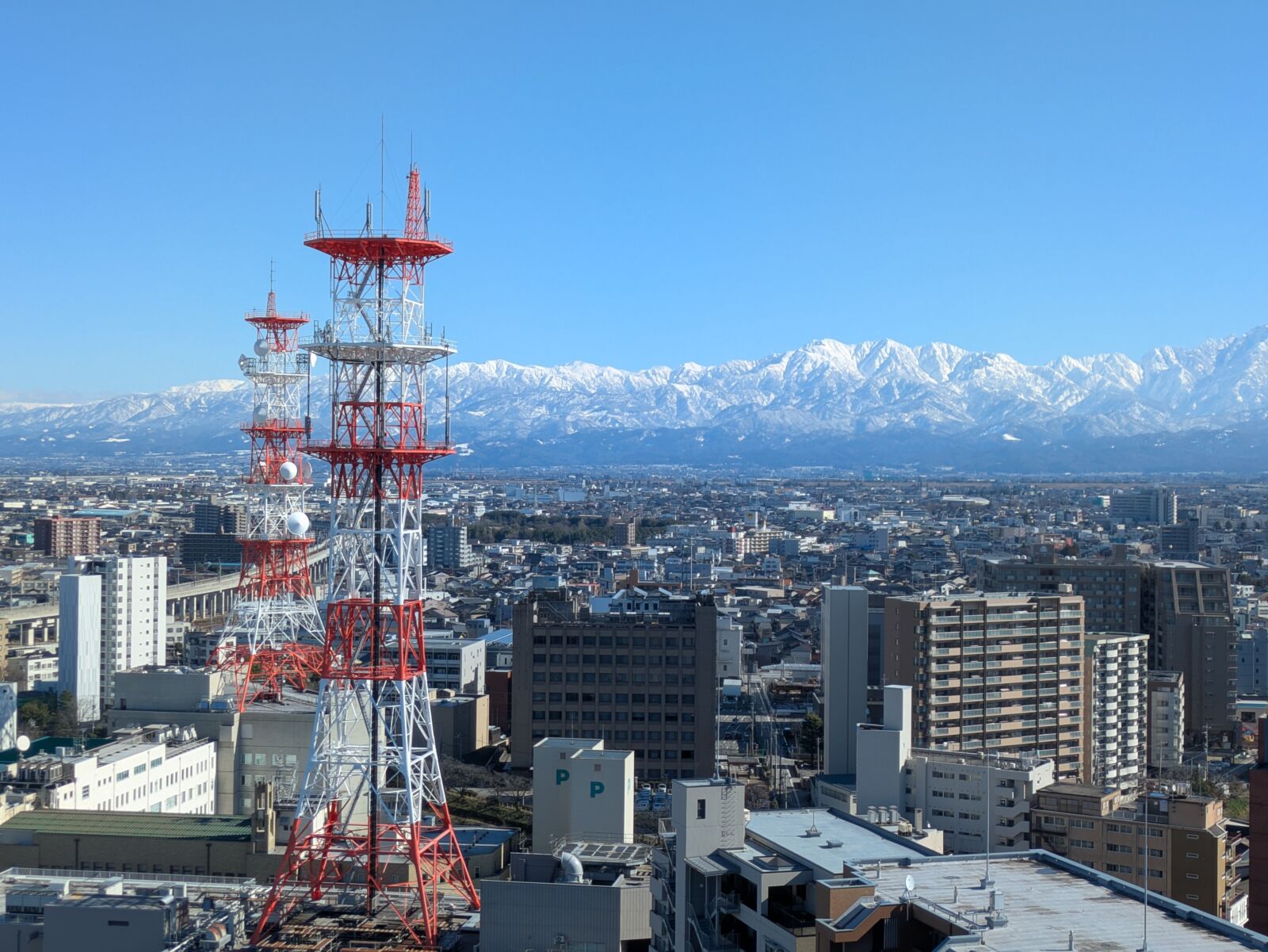
March in Toyama marks the transition from deep winter to early spring, with significant seasonal changes beginning to take effect across the prefecture. While the high Tateyama-Kurobe Alpine Route remains closed due to heavy snow and the ski resorts of Tateyama Sanroku and IOX-AROSA offer their final weeks of operation, the snow cover in the lower, coastal areas, such as the Toyama Plain and the city centers of Toyama and Takaoka, is rapidly receding. Temperatures start to mildly increase, rising above freezing to hint at the coming warmth. This period is characterized by a mix of late-season winter scenery and the first hints of spring flora, making it ideal for visitors looking to enjoy the last of the snow activities while also witnessing the reawakening of nature near the Shogawa River. Travel in March provides an opportunity to experience the local shift in culinary focus—particularly the prized seafood from Toyama Bay—and to seek out the traditional relaxation of hot springs in locales like Unazuki Onsen as the weather becomes more temperate.
Weather in March
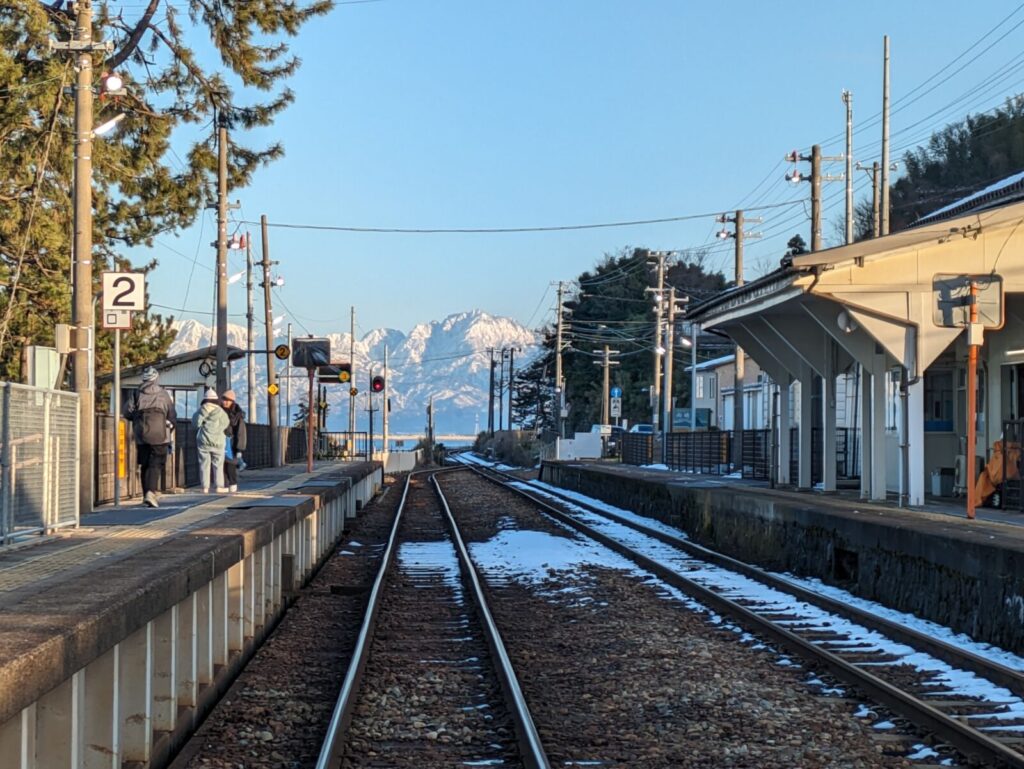
March in Toyama Prefecture marks a definite shift from the deep cold of winter, with temperatures gradually rising. In coastal and flatter areas, such as Toyama City and the surrounding areas of the Toyama Plain, the average high temperature is around 10°C (50°F), and the average low is near 1°C (33°F), though these figures trend upward throughout the month. While the snow melts rapidly in the lower regions, like those around Takaoka and along Toyama Bay, the weather remains cold and is characterized by frequent precipitation—often rain, but occasionally mixed with snow or flurries—and can be quite windy. In stark contrast, the mountainous regions near Tateyama and the hot spring area of Unazuki Onsen retain significant snowpack. Conditions here are substantially colder and still suitable for late-season winter sports, especially in the early weeks of March.
Seasonal Highlights in March
Late Season Skiing
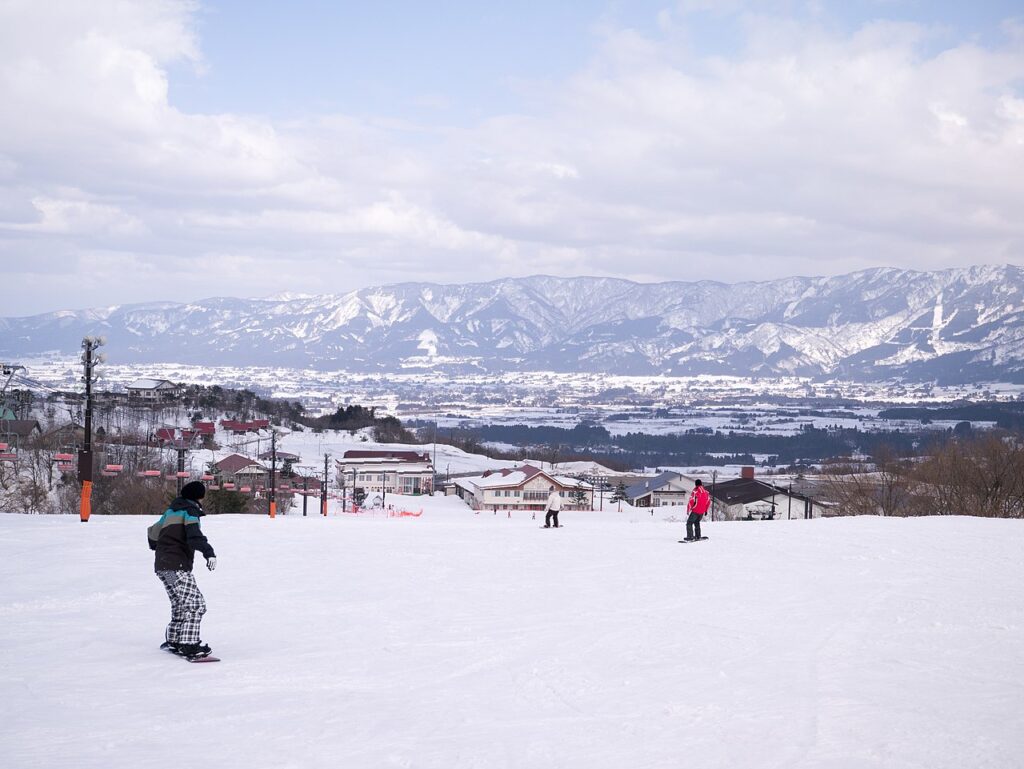
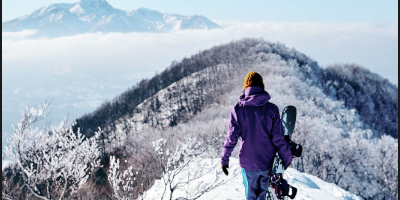
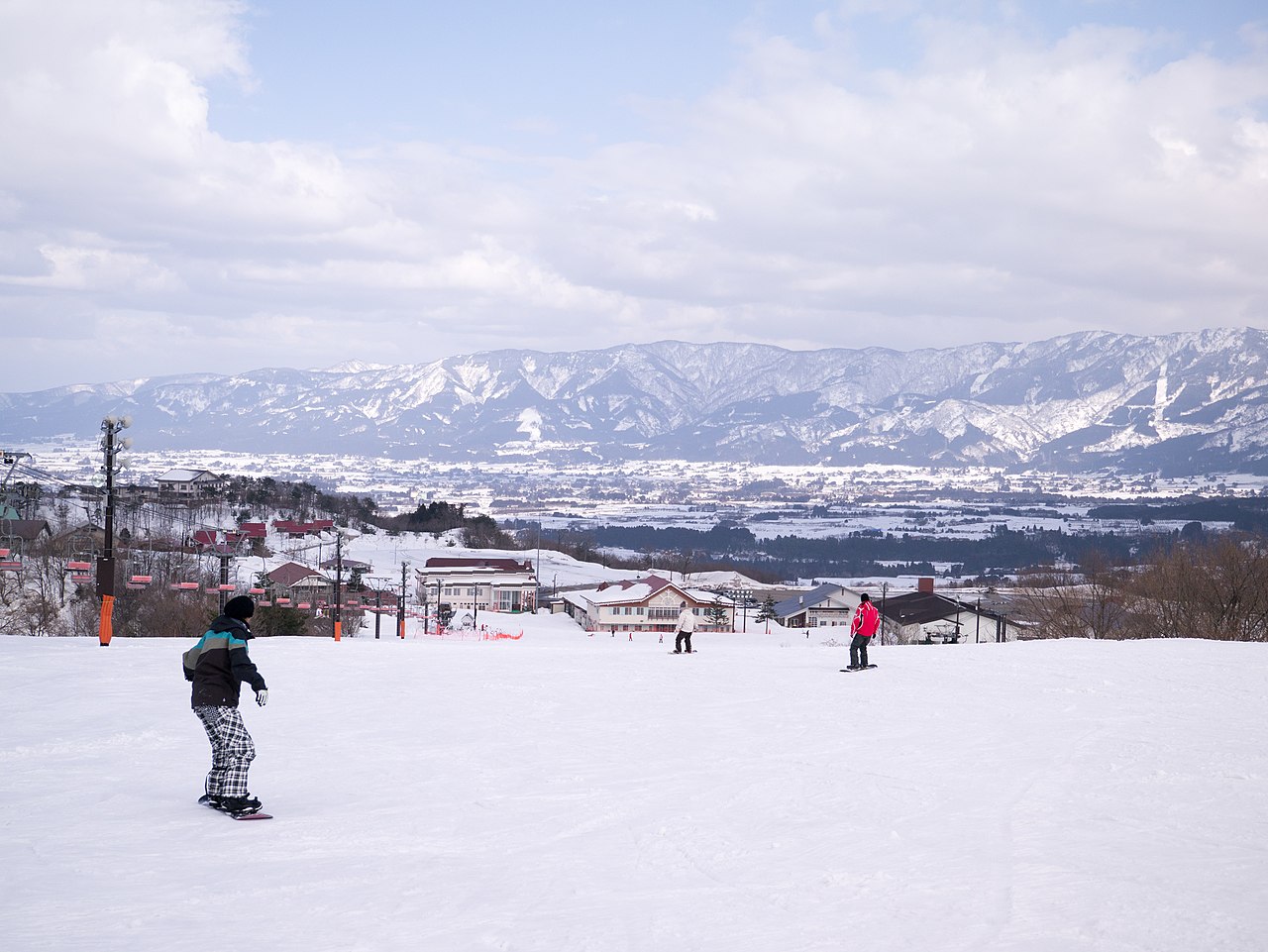
March offers the final opportunity for late-season skiing and snowboarding in Toyama, as resorts typically close down by mid-month. The highest altitude areas maintain the best snow, with the expansive Tateyama Sanroku Ski Area (comprising Gokurakuzaka and Raicho Valley) often staying open the longest, offering its last runs with spring snow conditions before a typical mid-March closing date. Other options for a final taste of winter include IOX-AROSA in Nanto City, which is known for its long, panoramic runs, and the smaller, family-friendly Ushidake Onsen Ski Resort and Unazuki Onsen Snow Park, both of which usually conclude their operations early in the month.
Beautiful Mountain Views
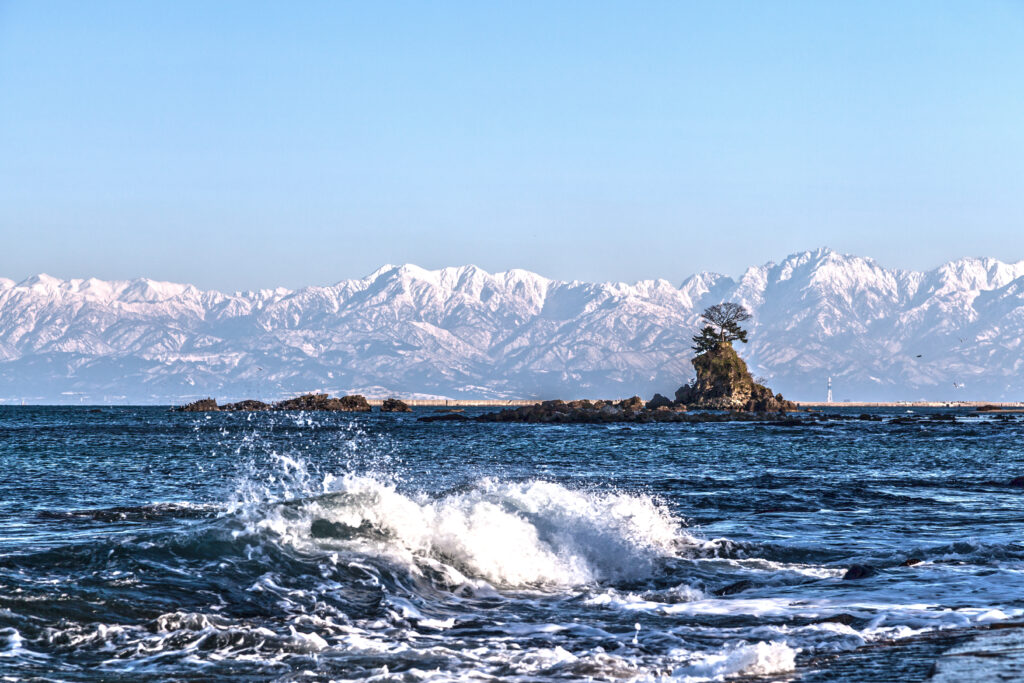
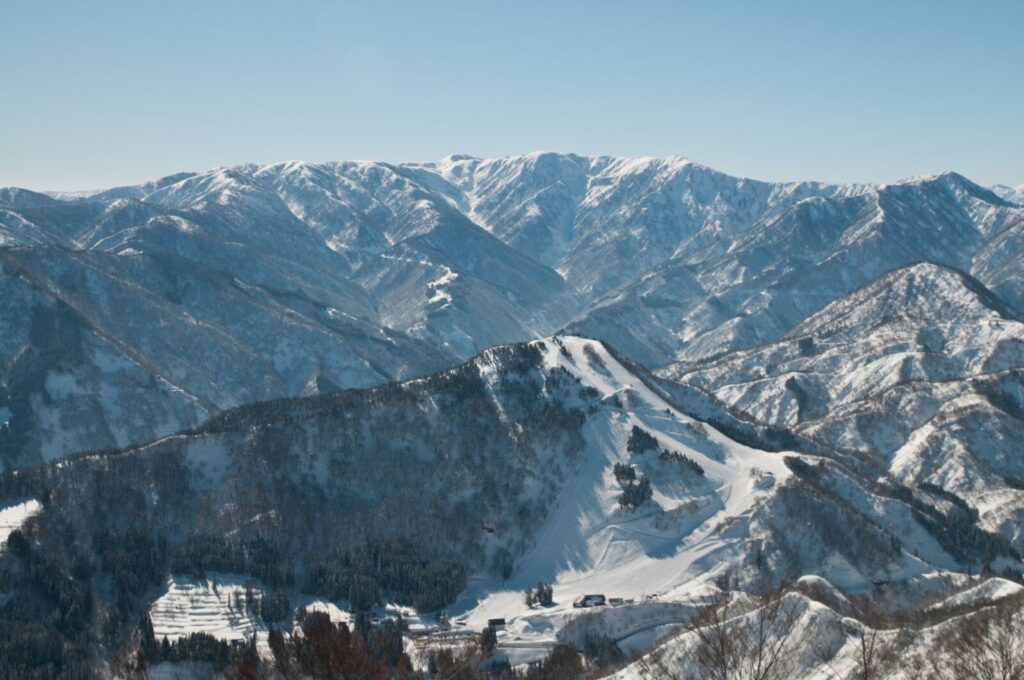
March in Toyama Prefecture offers exceptional and unique views of the snow-laden mountains as the coastal snow begins to recede and the air retains its winter clarity. The massive, snow-covered peaks of the Tateyama Mountain Range remain a dominant and dramatic backdrop, best viewed from the coastal areas, such as the Amaharashi Coast near Takaoka. From this vantage point, the majestic mountains rise sharply across the steely waters of Toyama Bay, providing a stunning contrast between the frozen heights and the sea. Inland, while the snow begins to melt in the valleys, the deep snow accumulation on the peaks surrounding the Gokayama region, including the traditional villages of Ainokura and Suganuma, ensures that the high mountainous horizon retains its spectacular, crystalline white blanket.
Hot Onsen for the Chilly Weather
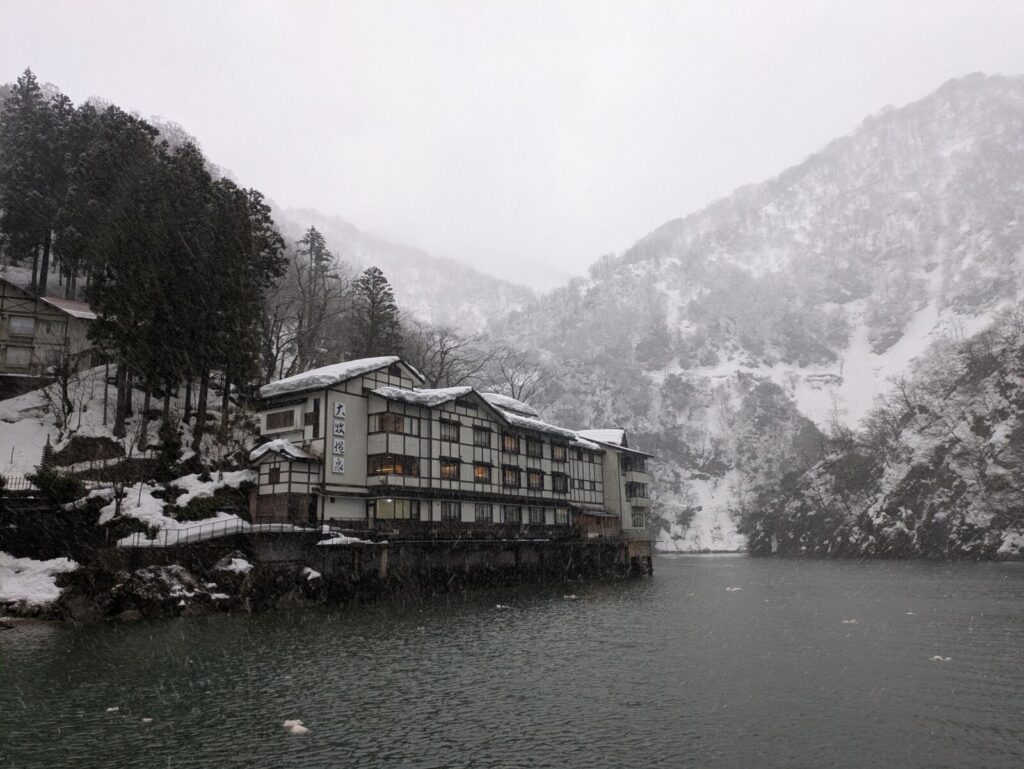
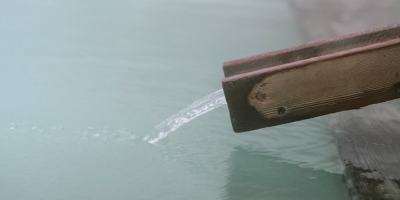
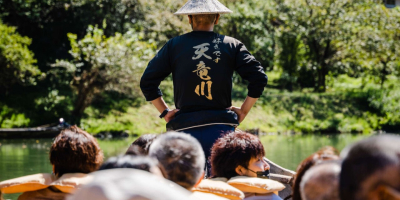
As the weather in March transitions from deep winter to early spring, visiting an onsen (hot spring) remains a perfect way to relax and enjoy Toyama's cool climate. Unazuki Onsen, situated at the entrance to the scenic Kurobe Gorge, remains an exceptionally popular year-round destination, offering classic views of snow-dusted mountains, particularly in early March. For a unique experience, the secluded Omaki Onsen in the southern mountains is an ideal choice, as it is solely accessible by a peaceful ferry ride across the Shogawa River, allowing guests to enjoy riverside baths set amidst the quiet, transitioning scenery of the valley. Meanwhile, travelers seeking warmth and relaxation closer to the urban centers can easily find comfortable options to unwind after a day of sightseeing.
Winter Seafood Delicacies
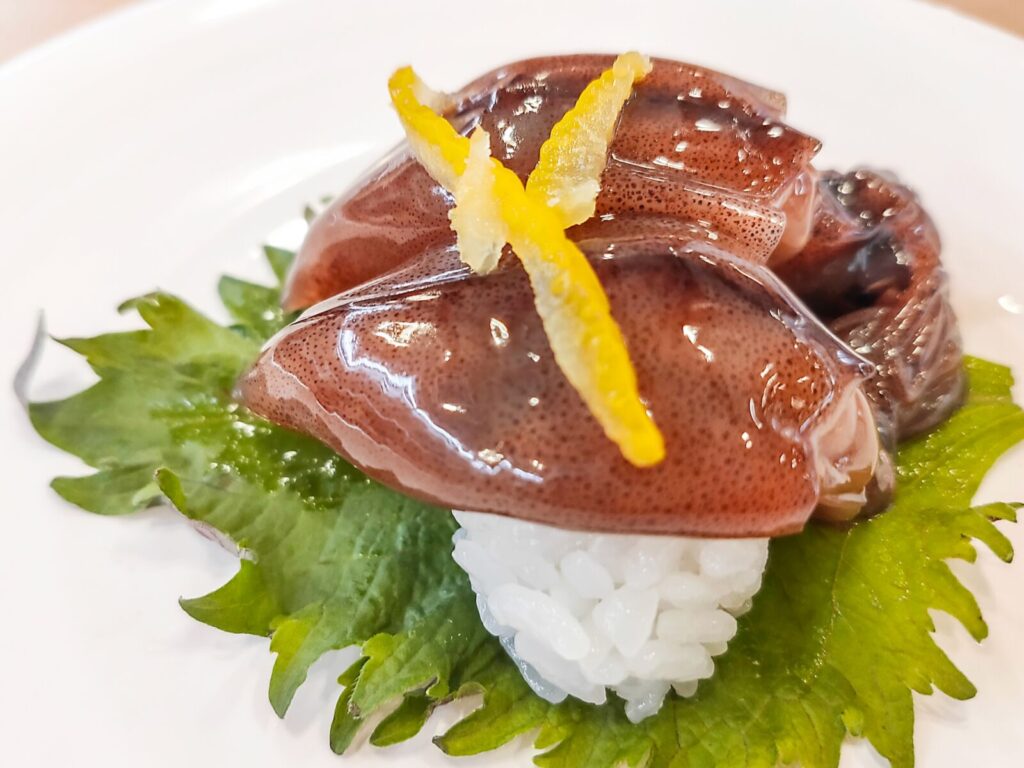
March is a peak transition month for seafood in Toyama Bay, offering the last chance to savor some winter delicacies while welcoming a highly anticipated spring specialty. While the season for the prized Winter Yellowtail (Kan-Buri) is typically winding down by late February, high-quality catches can sometimes still be enjoyed early in the month. Crucially, March marks the beginning of the season for the prefecture's two famous local specialties: the iconic, luminescent Firefly Squid (Hotaru Ika) and the White Shrimp (Shiro Ebi). The Firefly Squid, which migrates to the coast of Namerikawa to spawn, is a spring delicacy best enjoyed parboiled with vinegared miso. Additionally, March is generally the final month to enjoy the rich, sweet meat of the Red Snow Crab (Beni-zuwaigani), ensuring a delicious blend of winter's end and spring's first treasures from the sea.
Featured Tours in December
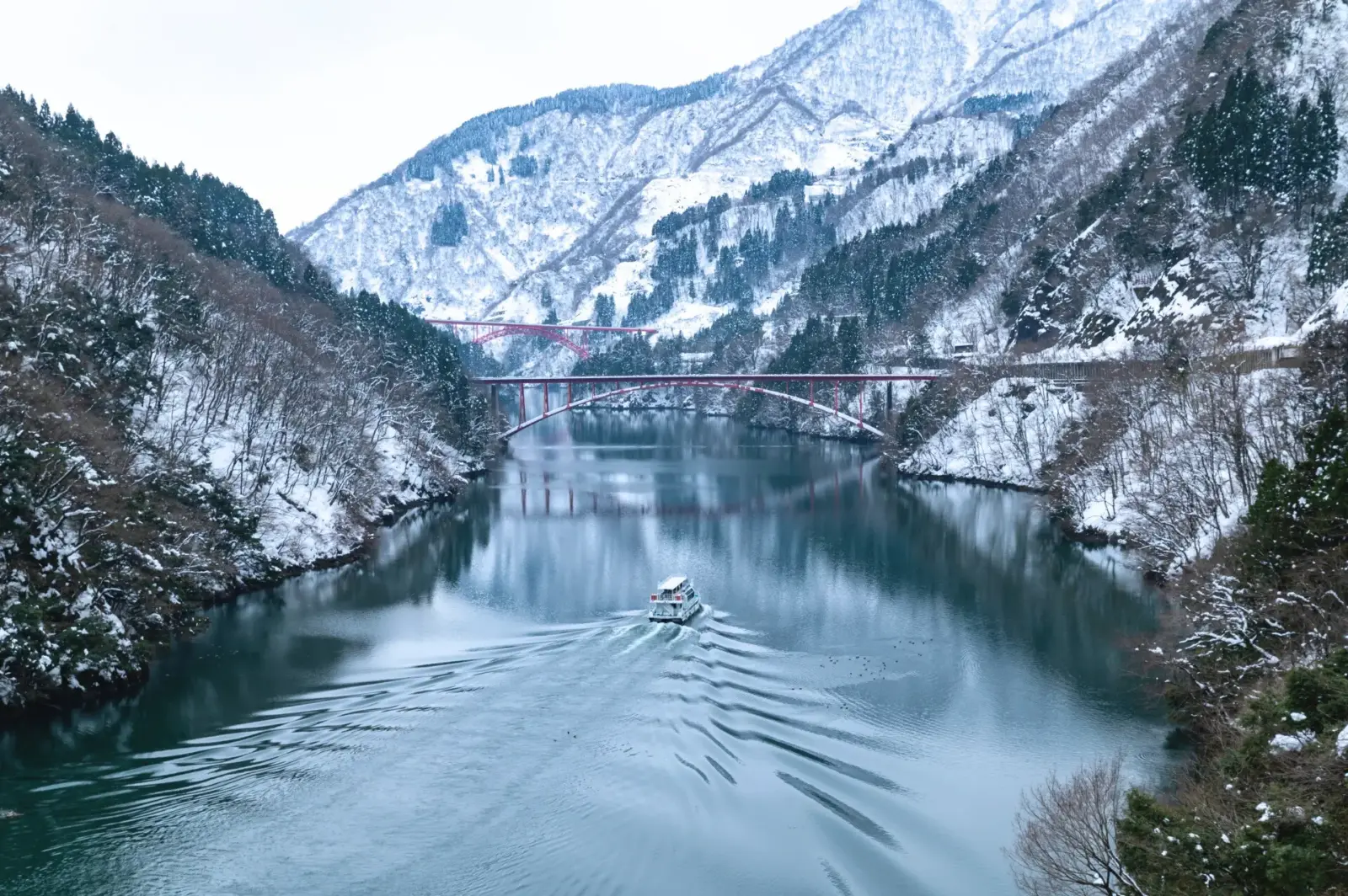
1 Day Tour from Kanazawa: Beautiful Amaharashi, A Big Buddha and the Shogawa Valley River Cruise
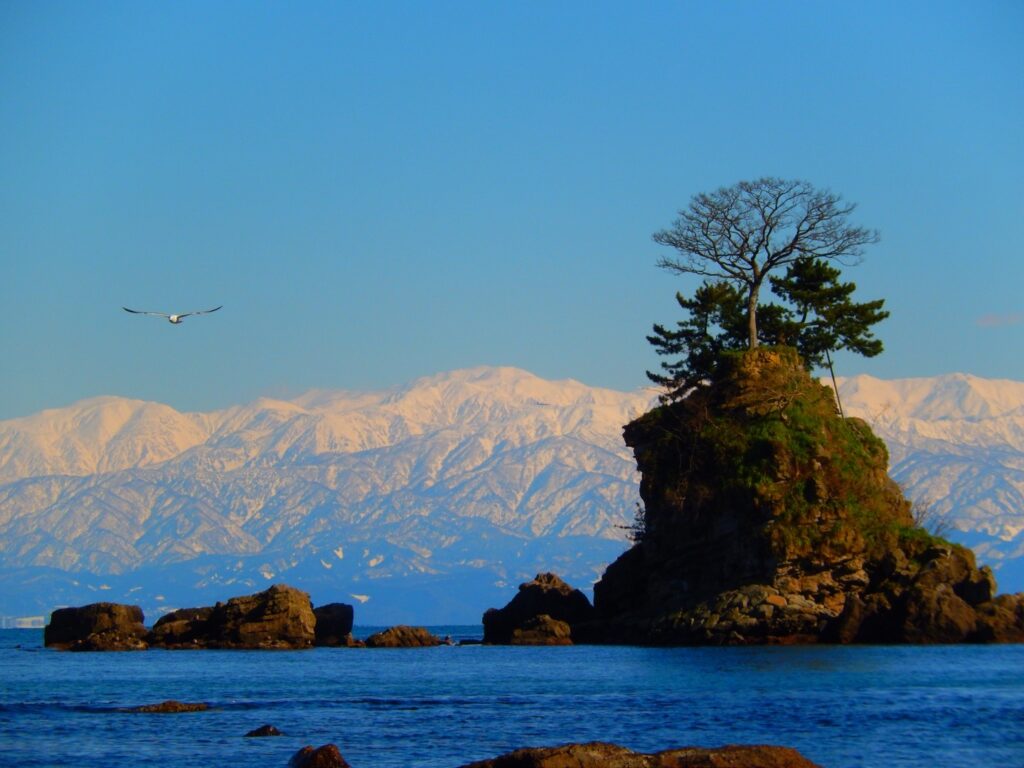
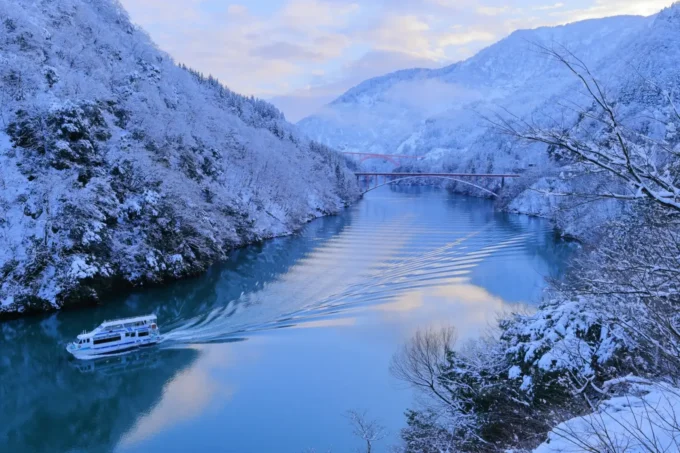
March remains an excellent time for exploring the Amaharashi Coast and the historic city of Takaoka, as the changing season provides unique visual contrasts. The exceptionally clear air often characteristic of the late-winter period ensures optimal chances of viewing the region's signature vista: the magnificent, snow-covered Tateyama Mountain Range rising dramatically across the steely blue waters of Toyama Bay. While the snow cover in Takaoka itself is rapidly receding, the dramatic juxtaposition of the thawing coast and the heavily blanketed mountain peaks makes for stunning photography. This tour beautifully combines enjoying the coastal scenery with exploring the rich cultural heritage of Takaoka, offering a transitional experience that captures the last of winter's grandeur alongside the first hints of spring.
Highlights:
- Capture photos of the Amaharashi Coast, where the sea, mountains, and trees meet.
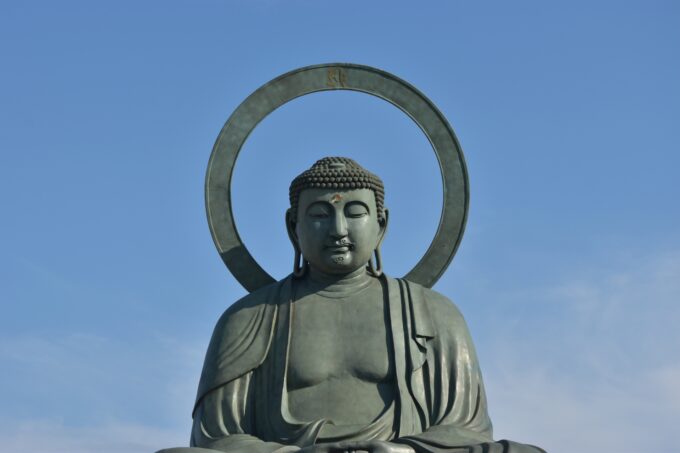
- See the famous Takaoka Big Buddha and the traditional streets of the city.
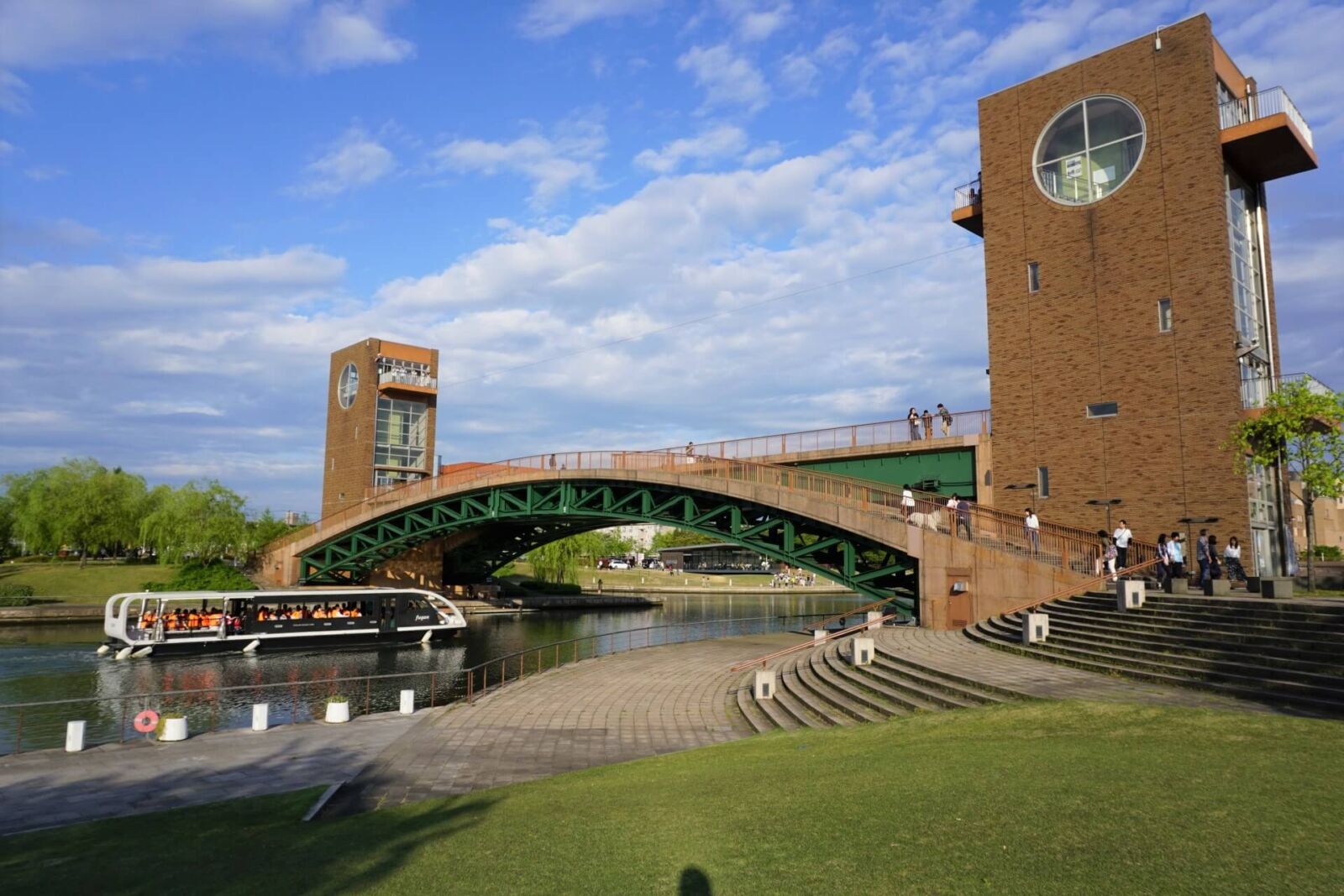
- Take a river cruise through the scenic Shogawa Valley.
Recommended
1 Day Tour from Kanazawa: Beautiful Amaharashi, A Big Buddha and the Shogawa Valley River Cruise
1 Day Tour from Kanazawa: Shirakawa-go, Gokayama and Wood Carving Village
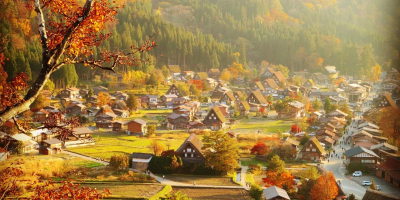
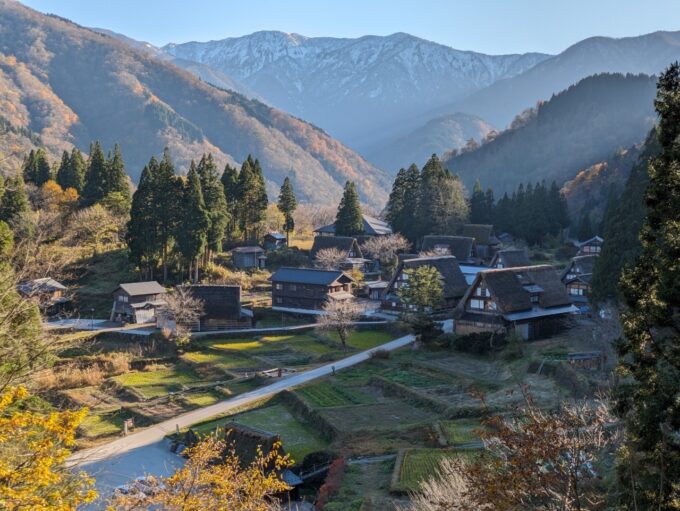
March offers a fascinating transitional experience when touring the traditional areas south of Kanazawa. While the famous Shirakawa-go and the Gokayama region retain substantial, photogenic snow cover, the mildness of early spring begins to soften the landscape around the unique gassho-style farmhouses. This period provides an opportunity to see the final, breathtaking winter scenes before the thaw fully sets in. In contrast to the snowy villages, the historic town of Inami is a superb stop where the enduring tradition of woodcarving continues year-round. Visitors can admire the expert craftsmanship, particularly the intricate temple carvings, and engage with the local culture, which provides a warm, active contrast to the serene, snow-laden mountain scenery.
Highlights:
- Visit the town of wood carvers in Inami, where you will walk through a street that is still home to masters of the craft and then see Zuisenji, a 300-year-old temple known for its beautiful carvings.
- Try your hand at traditional Japanese paper making in Gokayama.
- Explore the UNESCO World Heritage site village of Shirakawa-go and enter one of the homes to get more of a feel for the history and excellent craftsmanship of the area.
- ***December 27 - January 5rd: There is no papermaking experience on these days. We apologize for the inconvenience.***
Best Selling
1 Day Tour from Kanazawa: Shirakawa-go, Gokayama and Wood Carving Village
- Spots:
- KanazawaShirakawago
- Pick-up:
- Kanazawa
- Drop-off:
- KanazawaTakayama
More Ways to Visit Toyama
Beyond our guided tours, we provide private charters and flexible travel options to Toyama. These are an excellent choice for travelers who prefer a personalized itinerary or the comfort of a private vehicle. Charters are ideal for families, couples, or groups who want to experience the best of Toyama and the surrounding region with complete convenience and freedom.
COMING SOON!
Local News & Travel Updates
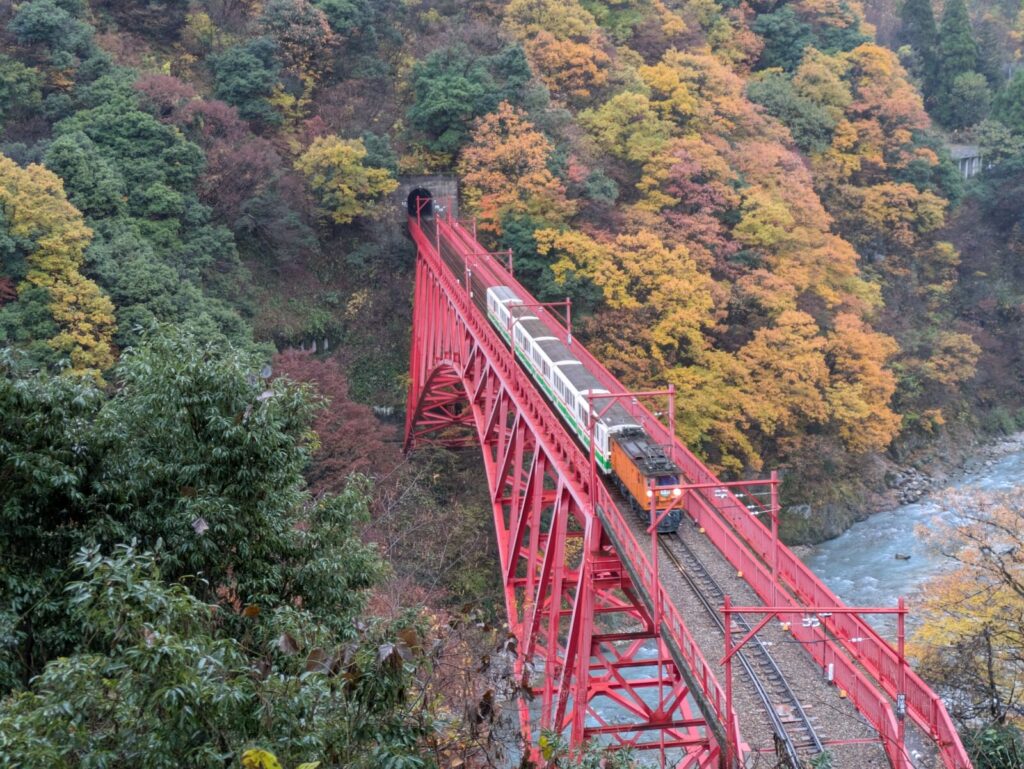
- Crowds & Travel Tips - March in Toyama marks the transition from deep winter to early spring, leading to a gradual increase in visitors as the weather moderates and the snow begins to melt in the lower areas. Seasonal outdoor sites like the Kurobe Gorge Railway and Alpine Route remain closed, but attention shifts to enjoying the last of the snow-related activities and excellent indoor attractions, such as the Toyama Glass Art Museum. The moderate weather makes travel significantly easier than in deep winter, and travelers can generally expect smaller crowds and may benefit from favorable accommodation rates before the peak holiday seasons begin.
- Transport Updates - March marks an easing of the strict deep-winter travel conditions, yet specific transport limitations persist, especially in mountainous areas. Major seasonal routes, including the Kurobe Gorge Railway and the Tateyama Kurobe Alpine Route, remain closed, with their official openings typically scheduled for April. While snow is receding on major highways and low-lying roads, travelers heading to mountain destinations like Gokayama or secluded onsen should still be prepared for winter driving conditions. Travelers should confirm public transit schedules, as remote bus routes may still be operating on a limited winter timetable until the full spring schedule resumes.
- Onsen Towns in Season - March remains a perfect month for visiting Toyama's hot springs, offering a warm refuge during the transition from deep winter to early spring. Popular and accessible destinations like Unazuki Onsen continue to offer relaxing baths with views of the snow-dusted mountains, especially early in the month. For a uniquely secluded experience, Omaki Onsen is still an excellent choice, as it remains accessible solely by a peaceful boat journey across the Shogawa River.
Where to Stay in March
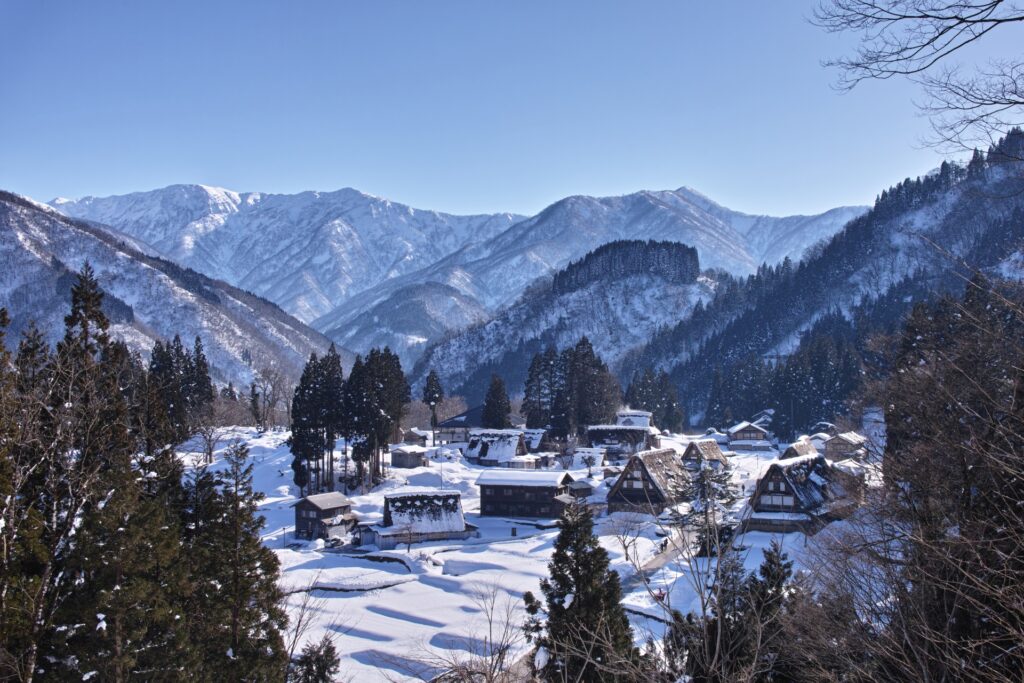
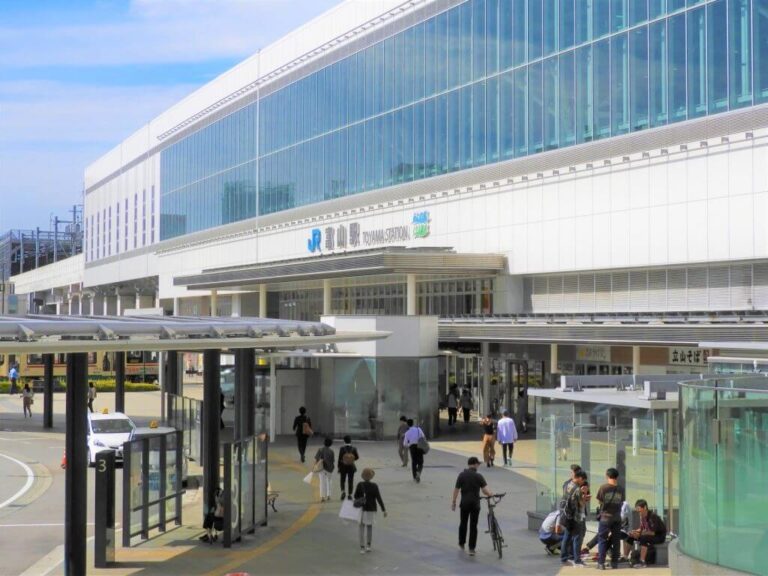
Choosing an accommodation base in March allows travelers to select an experience based on their desired proximity to either late-season snow or the thawing coast. Staying at a modern hotel near Toyama Station offers the most strategic logistical base, providing quick access to transport hubs and proximity to the city's amenities and renowned local dining, particularly for enjoying the start of the firefly squid season. Conversely, for those wanting the last chance at snow scenery, a cozy ryokan in a mountain onsen town like Unazuki provides a warm retreat with views of the lingering snowpack. Alternatively, securing traditional accommodation near Gokayama guarantees early access to the magnificent, transitioning gassho-zukuri villages before the crowds arrive later in spring.
- Toyama City – Toyama City serves as an excellent base for exploring its own vibrant urban attractions, like many museums, while offering crucial, convenient access to the region's most celebrated January features, from the serene, snow-dusted gassho villages of Gokayama to the coastal ports of Himi, where the season's finest seafood awaits.
- Unazuki Onsen – Staying in Unazuki Onsen in March is ideal for travelers who seek a steaming, luxurious refuge, offering serene open-air baths where one can immerse themselves in the deep winter chill while observing the snow-dusted banks of the Kurobe River.
- Takaoka – An excellent choice for those interested in exploring the city's rich history and traditional crafts, while also being well-positioned to visit the nearby Amaharashi Coast
- Gokayama – Ideal for those seeking a tranquil and traditional experience, as you can see the World Heritage gassho-zukuri farmhouses beautifully framed by a pristine blanket of the season's first snow, enhancing their profound and ancient beauty.
Wherever you choose to stay, winter is one of the busiest times of year, so it’s best to make arrangements well in advance. For more guidance, see our Best Places to Stay in Toyama.
Plan Your March Visit to Hokuriku
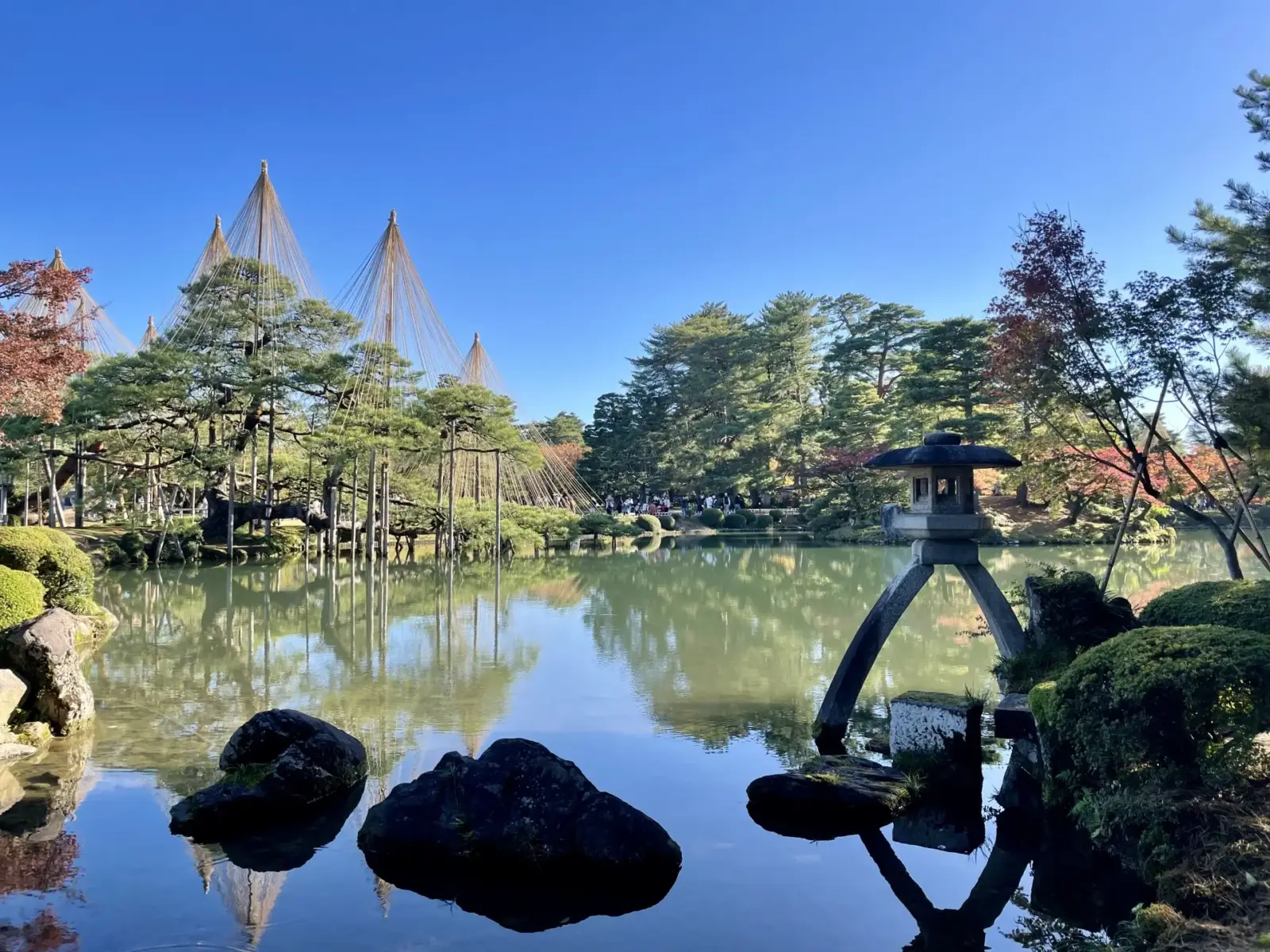
March in Kanazawa marks the transition from winter elegance to the anticipation of spring, offering a unique time to explore the city's beauty. The iconic Kenrokuen Garden begins to shed its winter covering as the snow ropes (yukitsuri) are often removed, revealing the garden's structure and the first signs of green. The historic teahouse districts, such as Higashi Chaya, retain a serene, cozy charm for visitors while providing seamless access to excellent indoor attractions like the 21st Century Museum of Contemporary Art, and the D.T. Suzuki Museum, which remain excellent spots for viewing the last of the snow or the first mild days of the year.
March is also an excellent time to visit Fukui Prefecture as winter begins to lift, easing travel while preserving a sense of quiet reverence at major sites. The majestic Eiheiji Temple, framed by ancient cedars, often retains a beautiful, meditative atmosphere as the last of the snow melts away, making for serene viewing without the deep-winter travel difficulties. In contrast to the tranquil temple, visitors can explore the city of Fukui to seek out the region’s rich cultural and culinary offerings, which are more easily accessible as roads clear.