
This guide highlights what to expect from the weather, must-see seasonal attractions, and our featured tours you can join and enjoy during your visit.
Weather in January
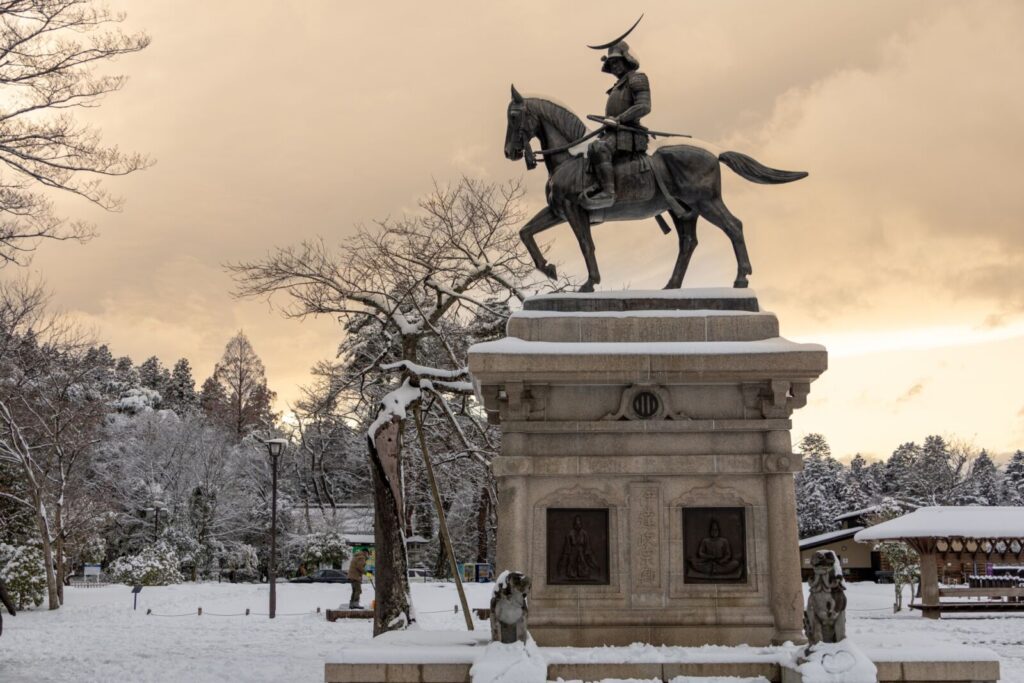
January in the Tohoku region is typical of the long winter season, highlighted by early sunsets and bitterly cold nights. Winter in Tohoku is also famous for dumping buckets of snow across all six prefectures.
Daytime highs in Sendai usually range from about 3°C to 9°C (37°F - 48°F), with an average high of 6°C (42°F). Nighttime temperatures range from about -4°C to 1°C (24°F - 33°F). Most days are overcast with high expectancy of precipitation – typically a wintery mix of rain and snow.
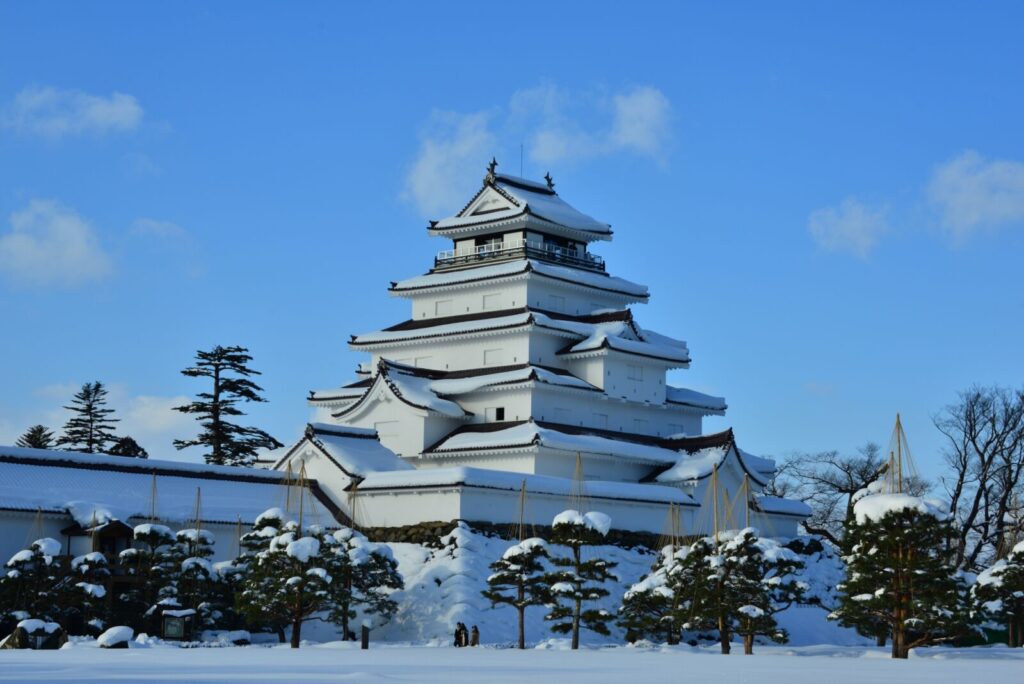
In areas like Koriyama the average highs are 3°C to 8°C (37°F - 46°F) with the average daily temperature at 5°C (41°F). Temperatures can drop as low as -5°C (22°F). Koriyama in January also sees long stretches of cloudy days with high chances of snow and sleet.
Aomori City can see temperatures from -2°C to 6°C (28°F to 42°F). Average highs are around 2°C (35°F) and lows tend to be -4°C (24°F). Aomori is known for its snow. In fact, it is known as the world's snowiest city with an average snowfall of around 8 meters (26 feet) a year. So expect snow practically every day once these wintery months hit.
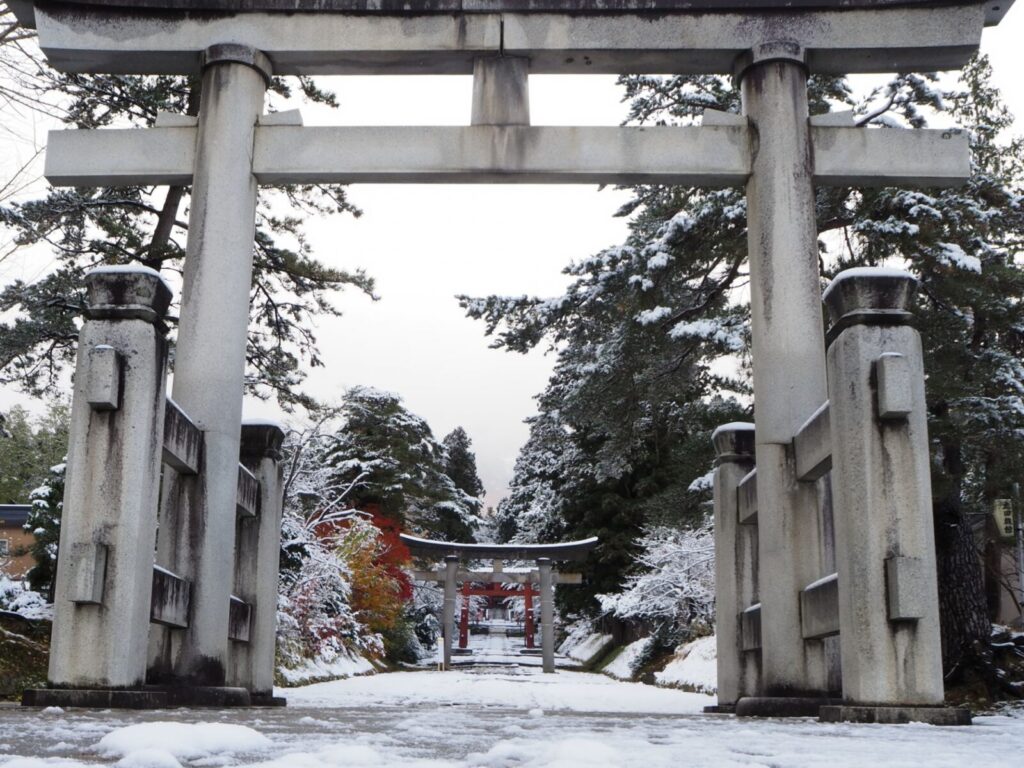
Overall temperatures throughout all of Tohoku tend to dive during January, with many locations on higher elevation seeing significant snowfall. For those traveling in Tohoku during winter, it's important to stay up to date on weather patterns and news updates for road closures.
Seasonal Highlights in January
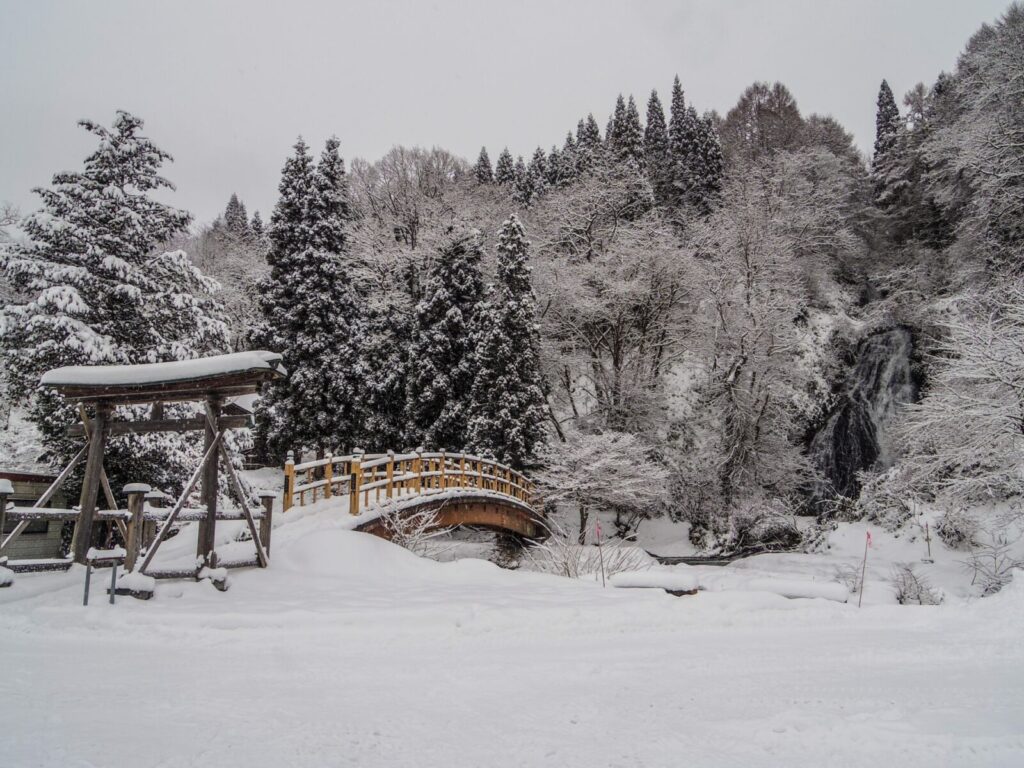
With less crowds and beautiful snowy weather, January is a great time to visit the winter wonderland that is the Tohoku region. Here are a few fun seasonal highlights:
Tsurgaru Railway: Stove Winter Train
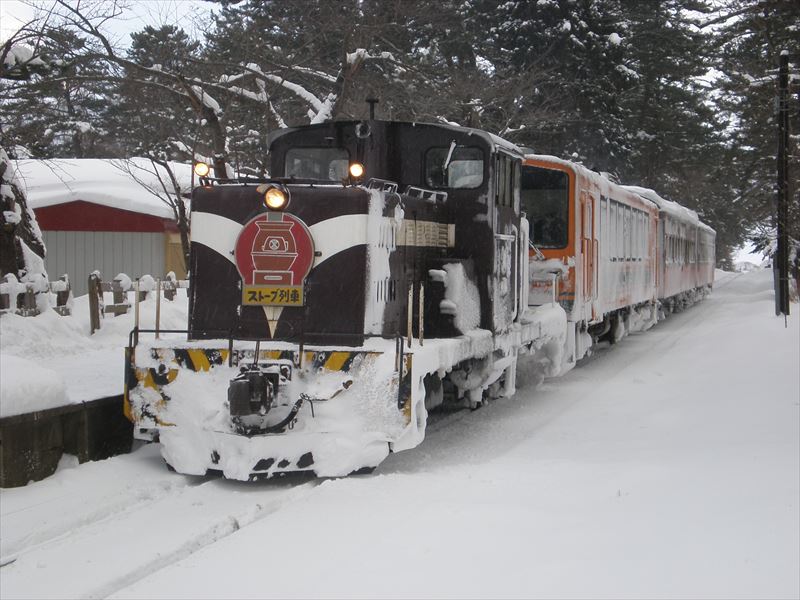
Known for being the northernmost private railway on Japan's main Honshu island, the winter months offer a unique experience for those looking to slow down and enjoy the snowy scenery. This train runs from Tsugaru Goshogawara Station to Tsugaru Nakazato Station, a 45 minute ride with a total distance of 20.7 km (12.8 miles). The travel time in total is around 50 minutes and the highlights of the winter train include an old-fashioned potbelly stove in which passengers can purchase dried squid and have it roasted right then and there! The actual winter train starts in December and runs all the way until March of the following year. To purchase trains for the Stove Winter Train, visit Tsugaru Goshogawara Station, Kanagi Station or Tsugaru Nakazato Station. The total train fare one way can run anywhere from 1,400 yen to 1,870 depending on which destination you want to ride until. In general, you pay the fare for travel from your start and end station + 1,000 yen for the stove train fee. On top of roasted dried squid you can also purchase warm sake during your ride.
Ginzan Onsen
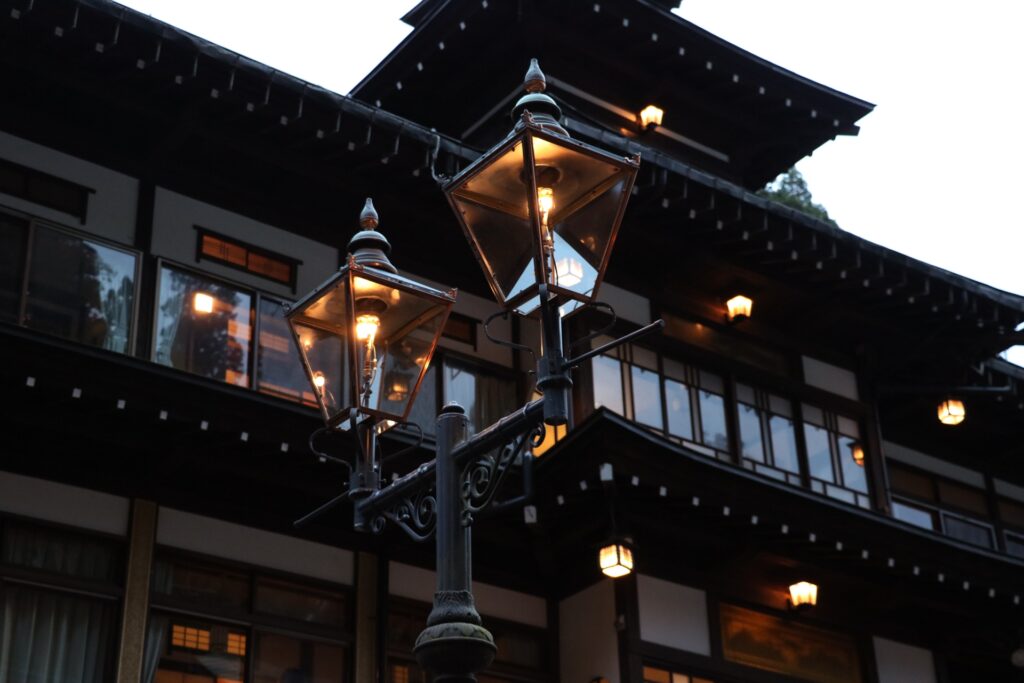
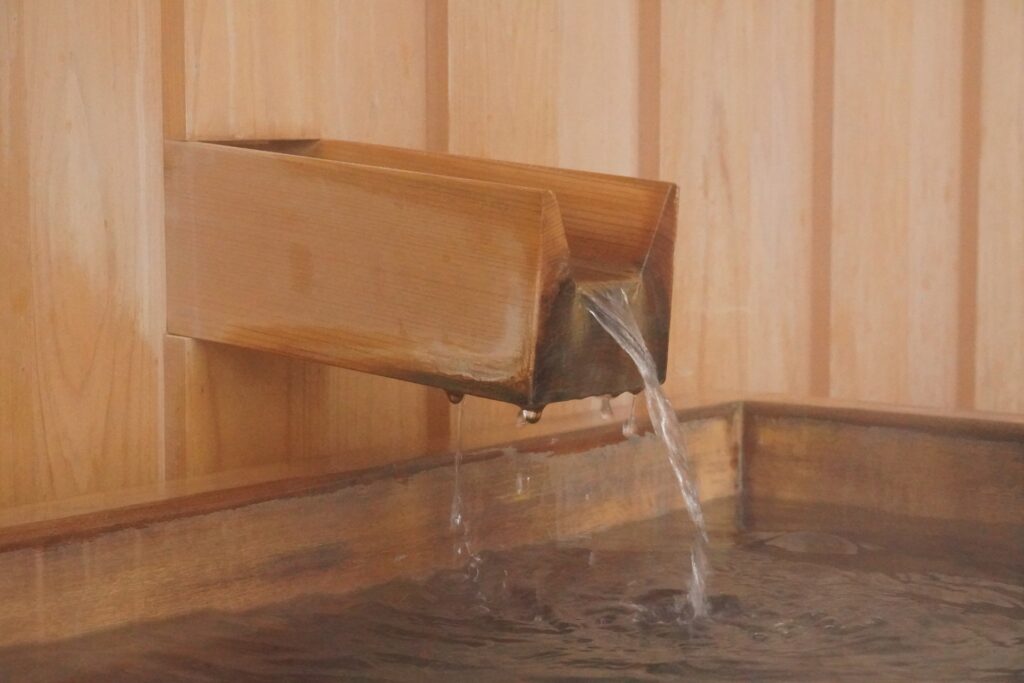
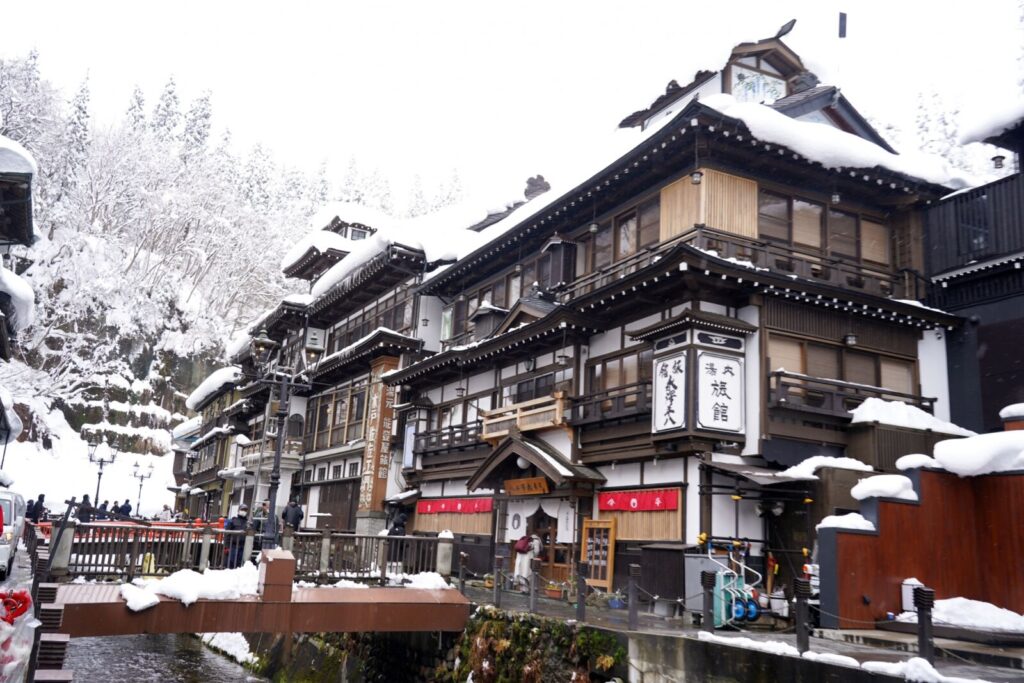
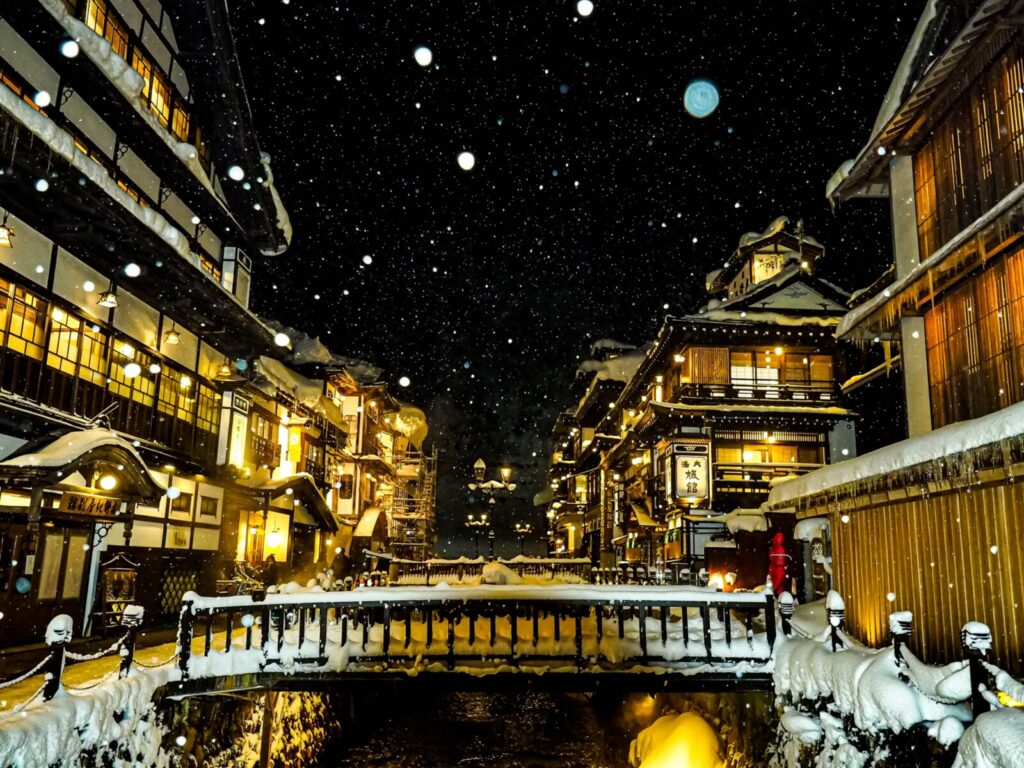
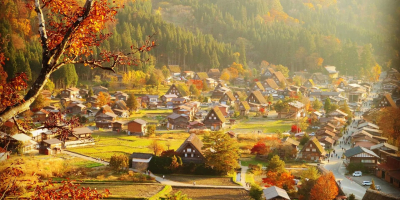
Ginzan Onsen is an old-fashioned, picturesque hot springs town in the Yamagata Prefecture. Many iconic images from this area come from the snowy depths of Yamagata’s winter, but January is a great time to visit to take in the magical Ghibli-like scenery. Originally established around a silver mine, this pedestrian-only hot springs town offers a uniquely antique feel to those who visit. There are traditional ryokans you can stay in as well as foot baths and public baths for day trips. This timeless location is sure to add relaxation to your trip to the north.
Zao Onsen Ski Resort
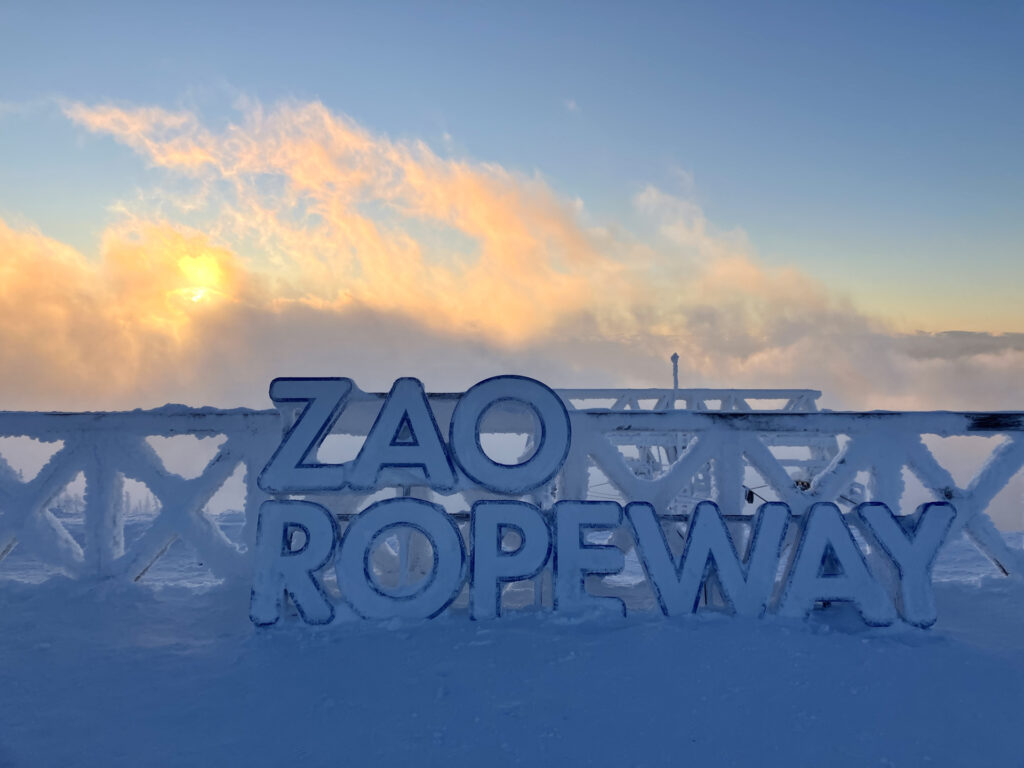
January is a great time to visit one of Tohoku's most famous ski resorts and onsen villages! Zao Onsen is a traditional hot springs town with over 1900 years of history. Their springs are rejuvenating and revitalizing, which is often why they are referred to as "Springs of Beauty." To top it off, with the gracious amounts of snow the mountains get, a unique phenomenon of layer ice and snow atop the trees creates the fascinating "snow monsters." You can take the Zao Ropeway car up the mountain to see these snow monsters, as well as use it for a day of skiing!

Skiing & Snow Monsters at Mt. Hakkoda
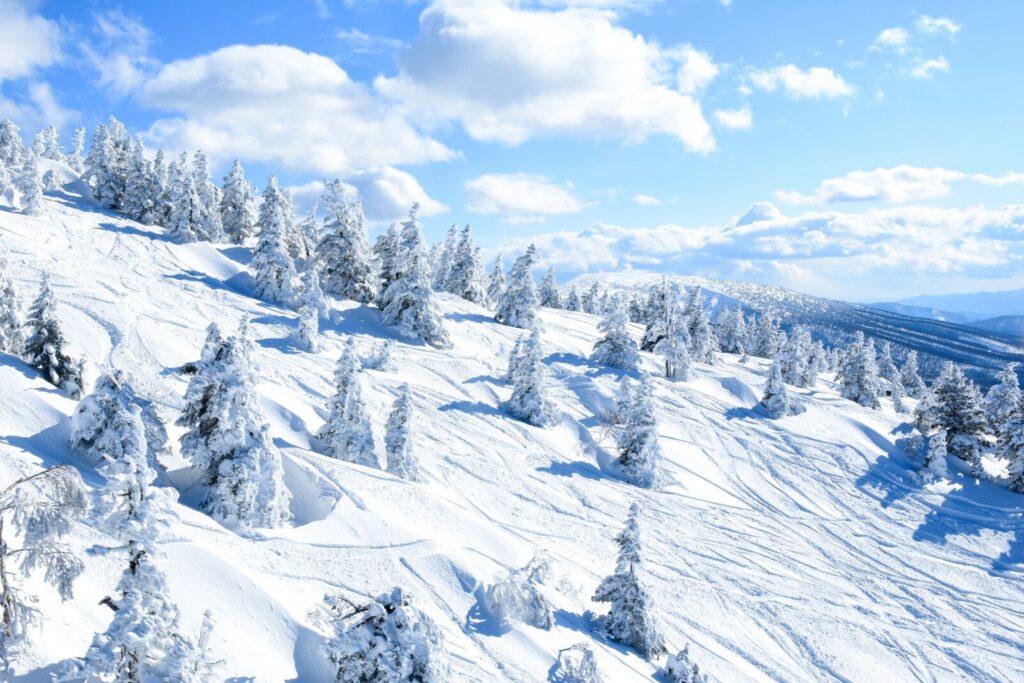
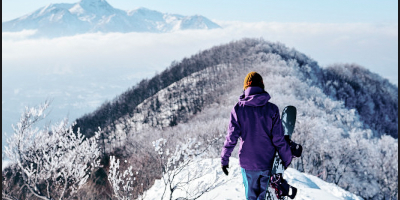
Known for its exceptional powder snow, snowboarders, skiers, and snow trekking fans can delight in everything Mt. Hakkoda has to offer. A great addition to the ski hills are also this ski mountain's own "snow monsters" as well. A snow season passes for the ski hills of Mt. Hakkoda are 72,500 yen for adults (junior high school age and up) and 21,000 yen for children. The ski area consists of two courses that total in length to about 5km and are recommended for intermediate to advanced skiers only.

Nanataki Frozen Falls
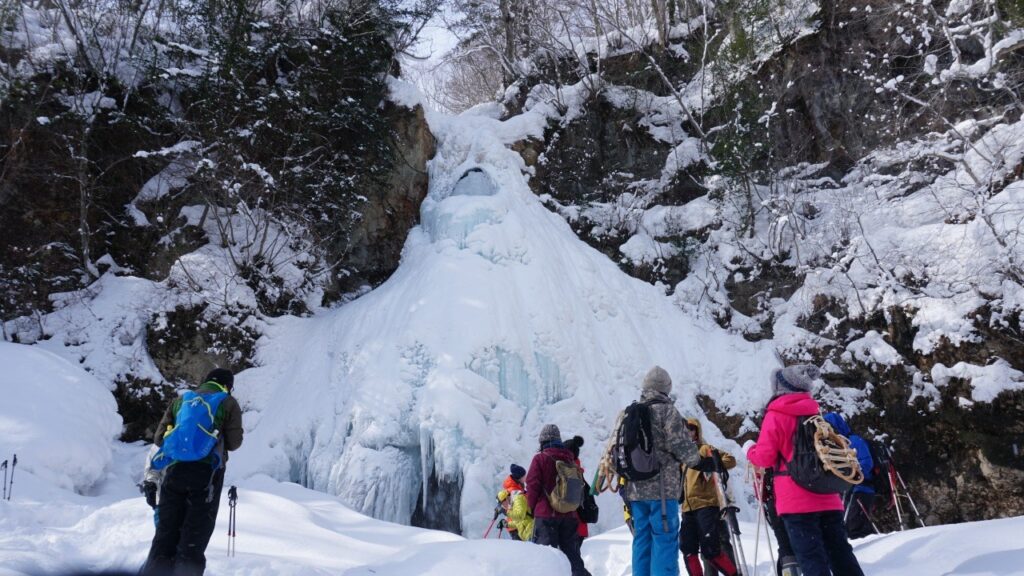
Nanataki Falls is a waterfall located near the base of one of Mount Iwaki's trailheads. You can access this frozen waterfall utilizing the Hachimantai Mountain Hotel's snowshoe trekking guide services. This day of wintery fun will take you to the base of the waterfall where you can get a grand view of the icy display. The waters of the falls freeze into a 25-meter tall wall of ice and keep the shape of the cascading water all the way down to the base, creating a ripple-like effect. The best time to visit the frozen falls starts in mid-January.
Nyuto Onsen
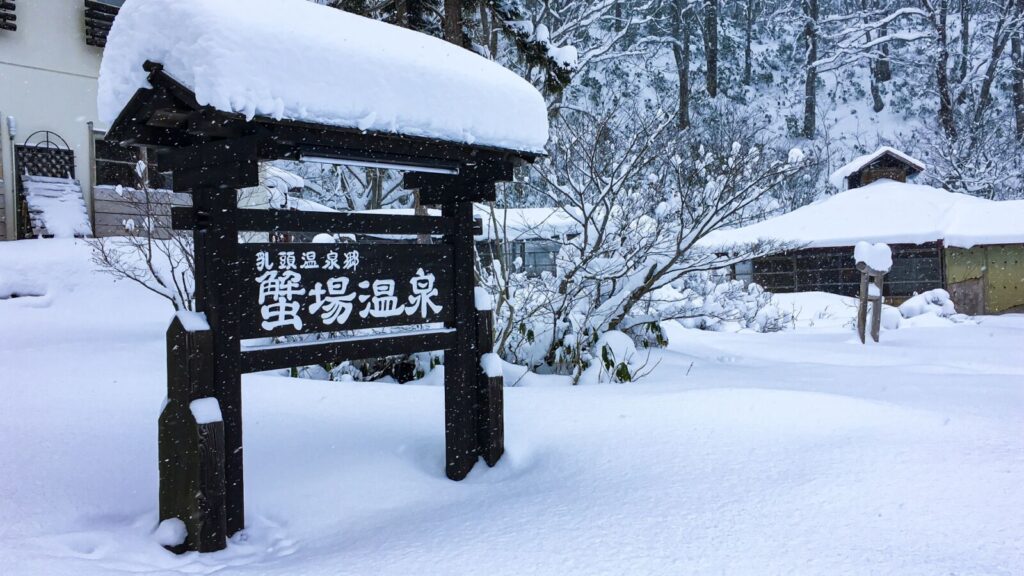
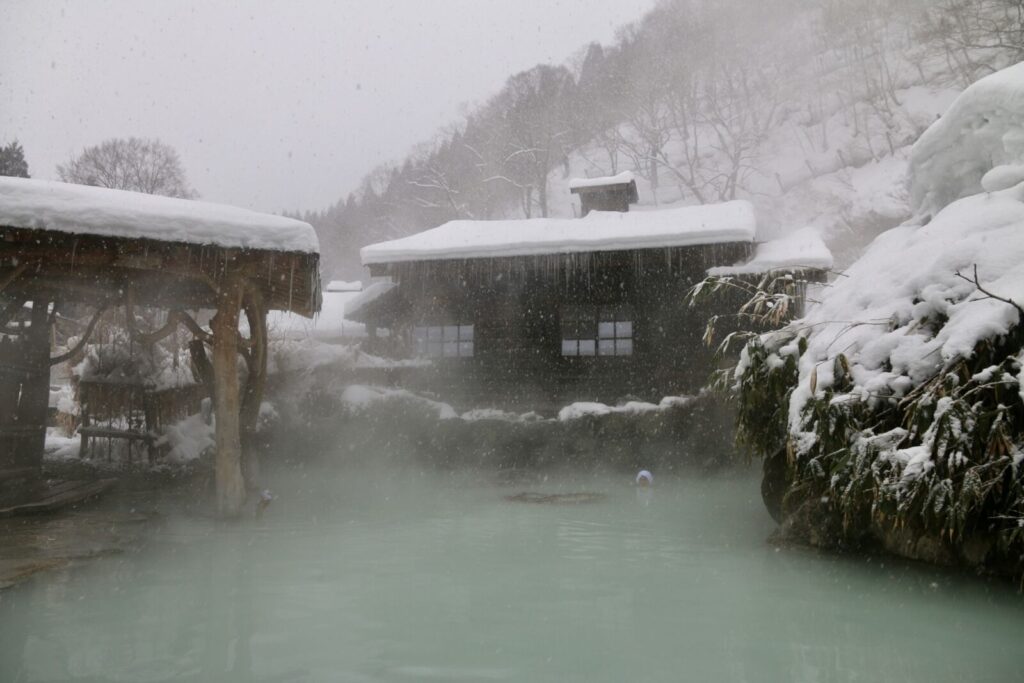
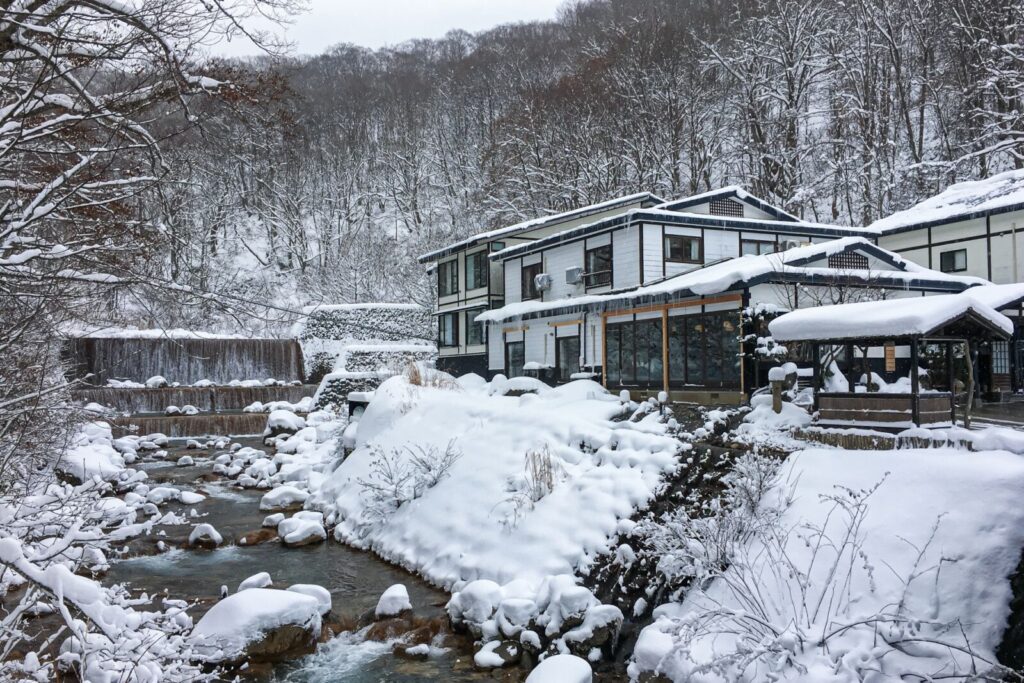
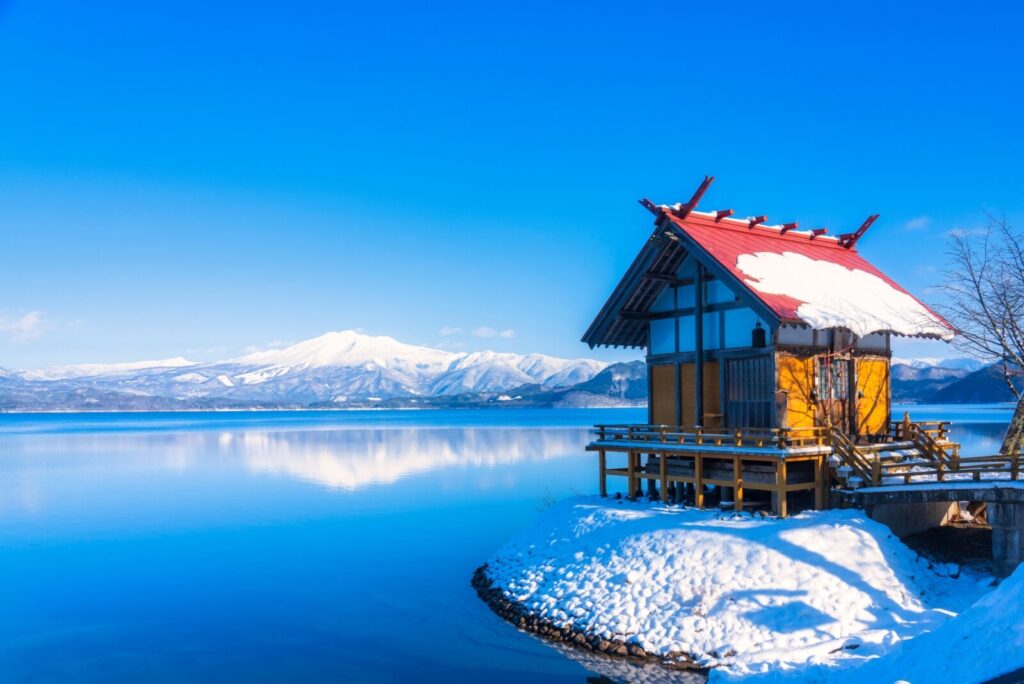
Famous for its eight traditional Japanese-style inns called ryokan, Nyuto Onsen area has over 300 years of history connected to the mountainous eastern Akita prefecture region. The name means "nipple hot spring," and this rather surprising name comes from the suggestive shape of a nearby mountain. However, many visitors have giggled and pointed out that the water's water is often described as milky, which contributes to its suggestive name. The area has ryokans for overnight stays but is also perfect for the day-trip for those who need to continue on in their travels. Nyuto Onsen is about a 30 minute drive from Lake Tazawa and located in the Towada-Hachimantai National Park. Nothing beats soaking in the hot springs on a cold January day.
Festivals and Events in January
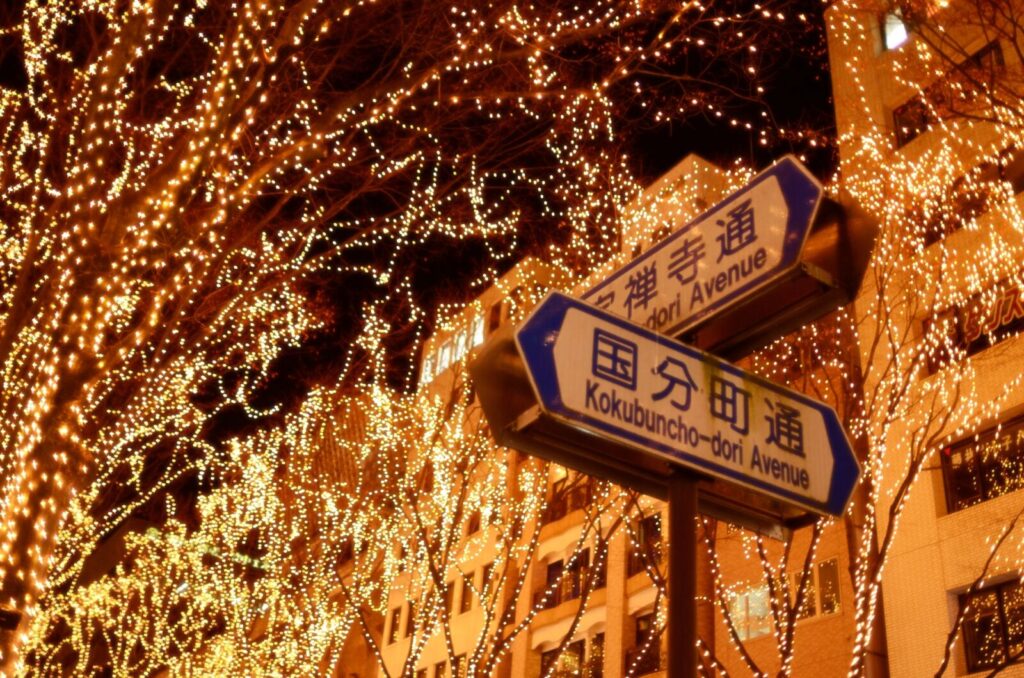
Although cold and snowy, Japan offers some amazing sights in January and a trip to Tohoku is highly recommended. January has some great events that you don't want to miss. Regardless of your destination, the Tohoku region has something for everyone.
"Hatsumode" First Shrine Visit of the Year
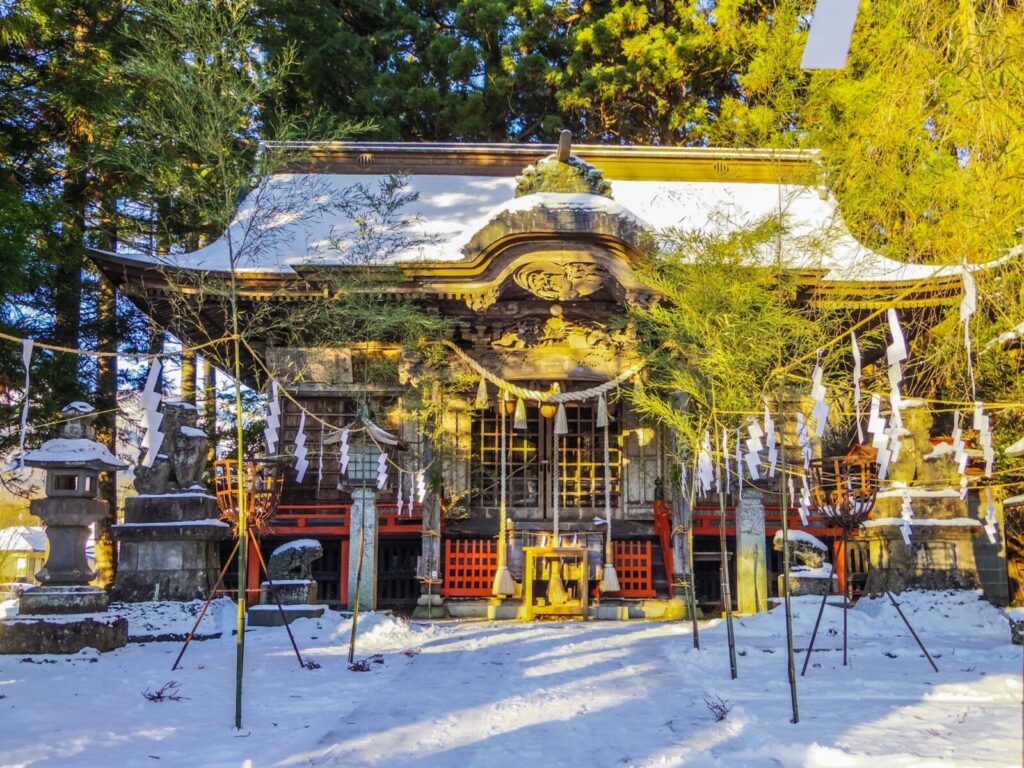
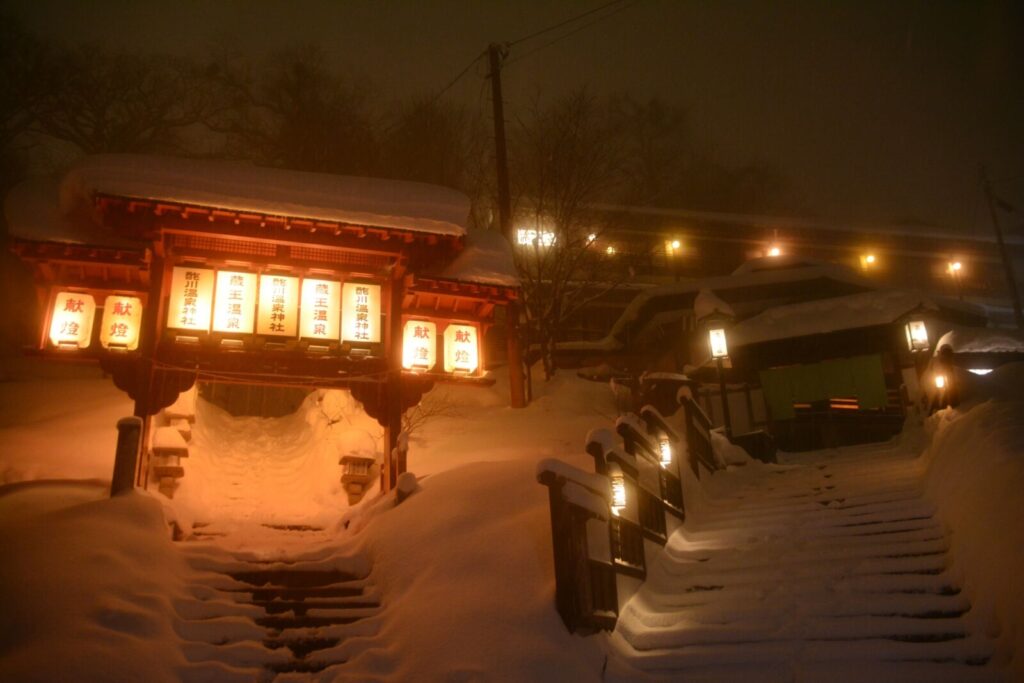
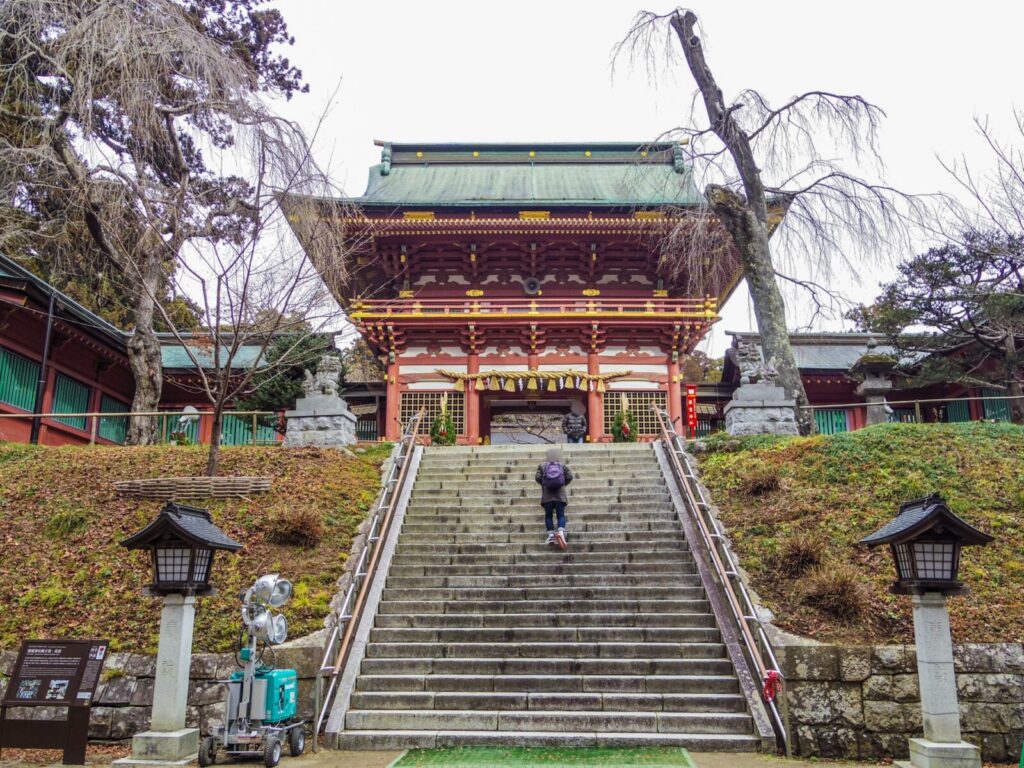
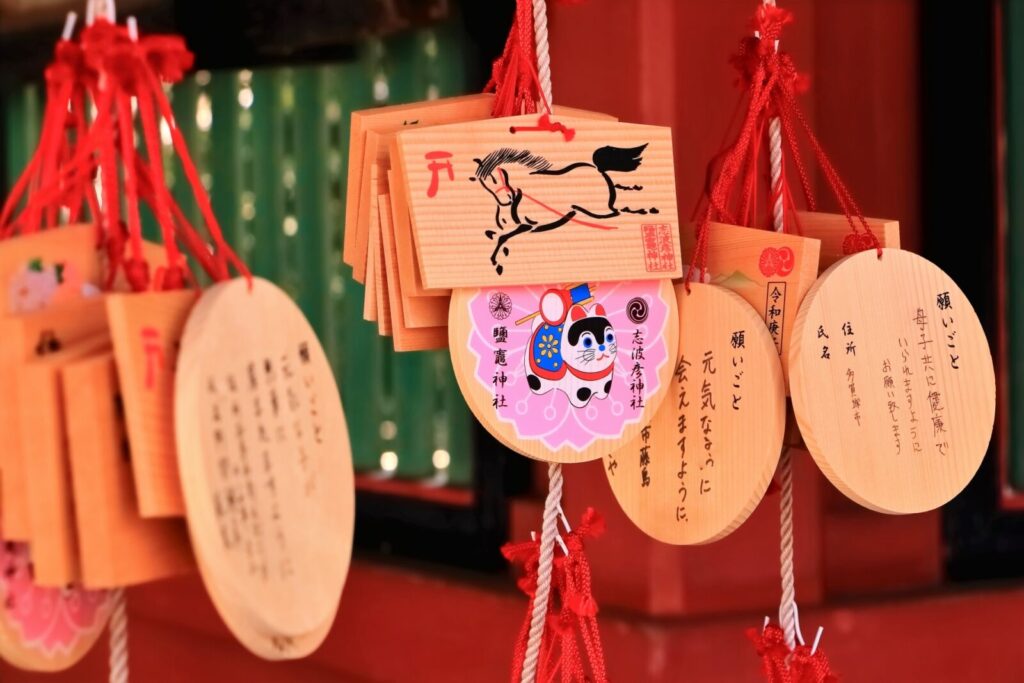
- Any Shinto shrine or Buddhist temple throughout all Japan
- Typically done in the first week of the new year
A yearly tradition that nearly all Japanese participate in is called Hatsumode (初詣). This is an ancient and very popular tradition where visitors to the shrines or temples can pray, make offerings, buy good luck charms, and otherwise ring in the new year with friends and family in a warm and welcoming atmosphere. The tradition itself has its roots in the Edo period (1603-1868) and although there have been slight changes due to the advancement of transportation and work schedules, the concept remains pretty much the same. Visit a shrine or temple (many people go out of their way to visit famous or popular locations, but a small local shrine or temple works just as well), pray, buy good luck charms, and ring in the new year with friends and family. A great way to avoid busy crowds in Tokyo at famous areas like Senso-ji or Meiji Shrine, you can head north to one of thousands of equally beautiful and historic sacred spots.
Sendai Hatsu-Uri
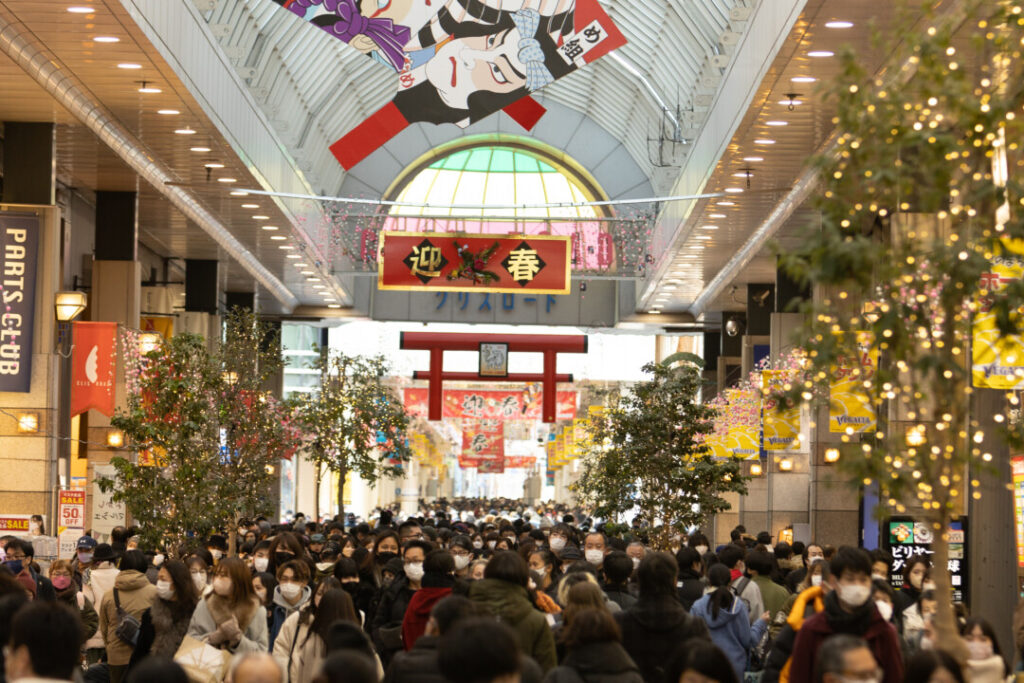
- Starts from January 2nd
- Participating stores in the shopping centers of downtown Sendai, Miyagi
Traditionally, January 2nd is a lucky day to do things for the first time that year. Similarly to "Hatsumode," getting the first great shopping deal of the year has also made its way into tradition. Sendai Hatsuri takes place in the shopping centers around downtown Sendai and has over 200 years of history. On top of all the great sales and deals, there are traditional taiko drum performances, prayers for well-being during the year, lion dances, and even free rice-drink services. Some key highlights include sales of gift certificates with great rates, "lucky bags" that include a lottery of goods for a fair price, and an assortment of teas and other regional treats.
Hinai Chicken Market & Festival
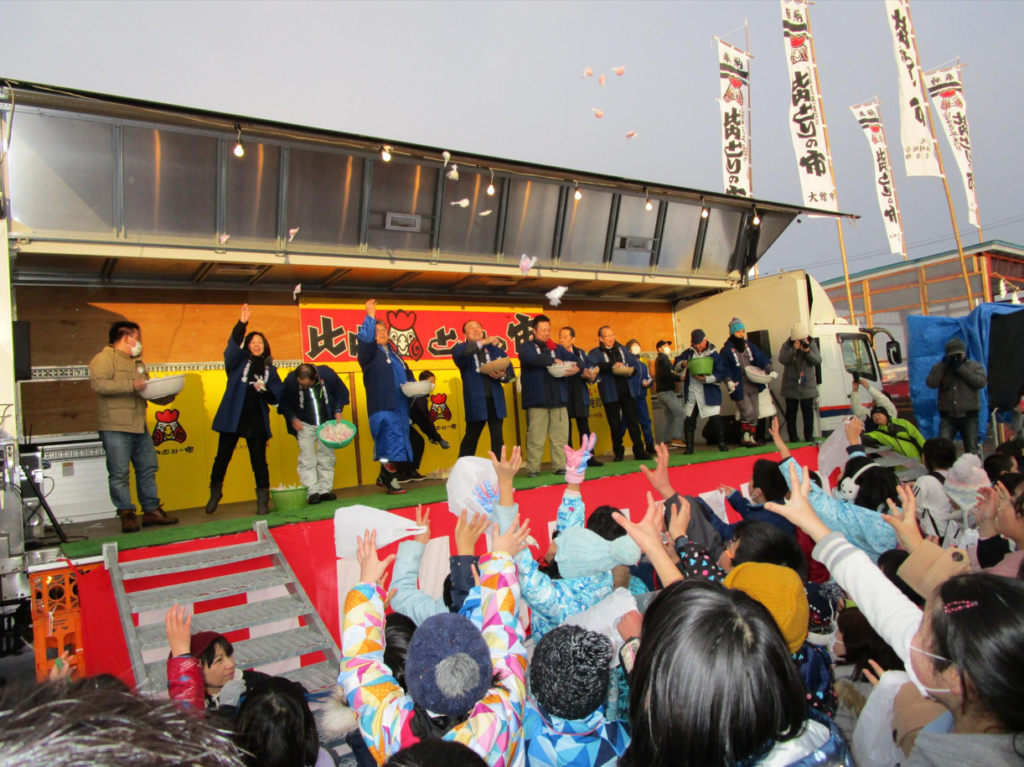
- January 23rd (SAT) & 24th (SUN)
- Odate City, Akita
- 9:00 - 15:00
What started as a small tradition in 1985 in Odate City, Akita prefecture has grown into a bellowed local attraction every year. The Hinai Town Commerce Youth Division holds this event every year and focuses on locally grown and sourced ingredients. The Hinai Chicken is the main attraction. The event incorporates four elements: "eating, seeing, shopping, and playing," making it an event that all visitors can enjoy together. At a shrine built in the center of the venue, the "Thanksgiving Festival (which is a memorial service for Hinai chickens and thanks to the spirits of all poultry eaten), and the dedication of Kagura (Shinto music and dance) are held. In addition, there are events such as performances of local performing arts, mochi throwing with prizes, Hinai chicken egg catching, and a human Hinai chicken singing contest (do your best chicken call!) At the venue, you can eat authentic Odate-style "kiritanpo nabe" (rice cake hot pot), yakitori (grilled chicken skewers), and the popular Senba-yaki (thousand-chicken skewers).
Osaki Hachimangu Matsutaki Festival
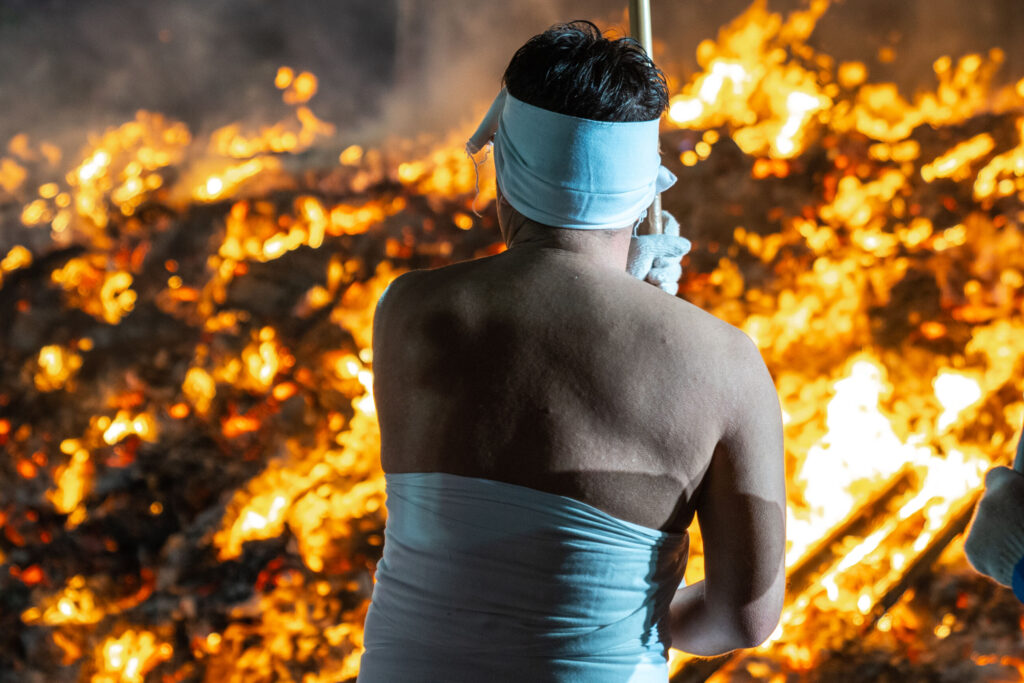
- January 14th (THURS)
- 9:00 - 21:00
- Osaki Hachimangu Shrine, Sendai, Miyagi
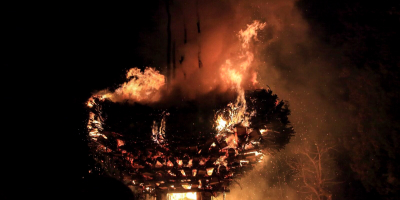
The Matsutaki Matsuri (Pine Burning Festival) is held annually on January 14th at the national treasure Osaki Hachimangu Shrine. With a history of 300 years, it is one of the largest New Year's farewell events in Japan, where New Year's decorations and old amulets are burned. On the night of January 14th, in a corner of the shrine grounds, kadomatsu (New Year's pine decorations), shimenawa (sacred ropes), and pine decorations brought from nearby areas are ignited with a sacred fire at sunset and burned. This fire is a sacred fire that sends off the gods who visit each household during the New Year. It's said that if one is touched by it, one's mind and body will be purified, and one will receive protection from illness and receive safety for your family for the year.
A highlight from this event is the "Naked Pilgrimage." It is said that it started with sake brewers in the mid-Edo period, who'd brew sake in the bitter cold, would visit the shrine and pray for good fortune and production. Thousands of people from all over the city visit the shrine, wearing white headbands and white cloths, holding a piece of paper in their mouths to refrain from talking, and carrying a bell in their right hand and a lantern in their left.
Featured Tours in January
January is the perfect time to visit Japan, especially the Tohoku region. With crowds bound to collect at more popular areas in Tokyo and Kyoto, why not head north to catch some of the snowy scenes and interesting festivals? Some of our highlight tours in the region are as follows:
Discover Sendai's History and Date Masamune's Legacy
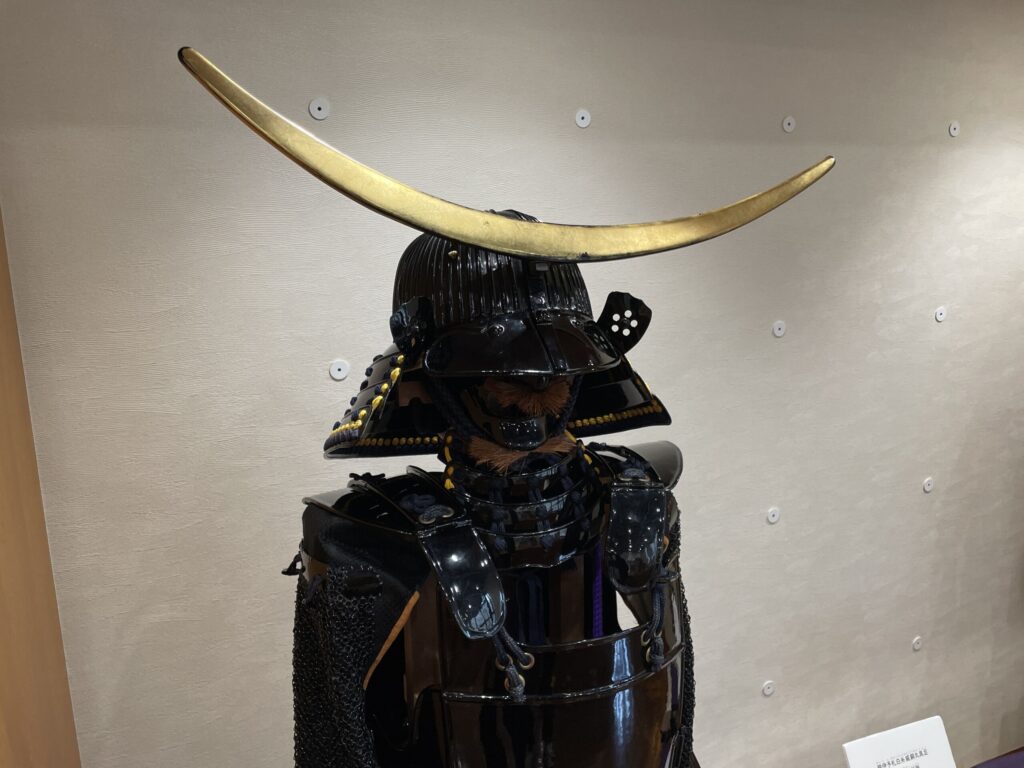
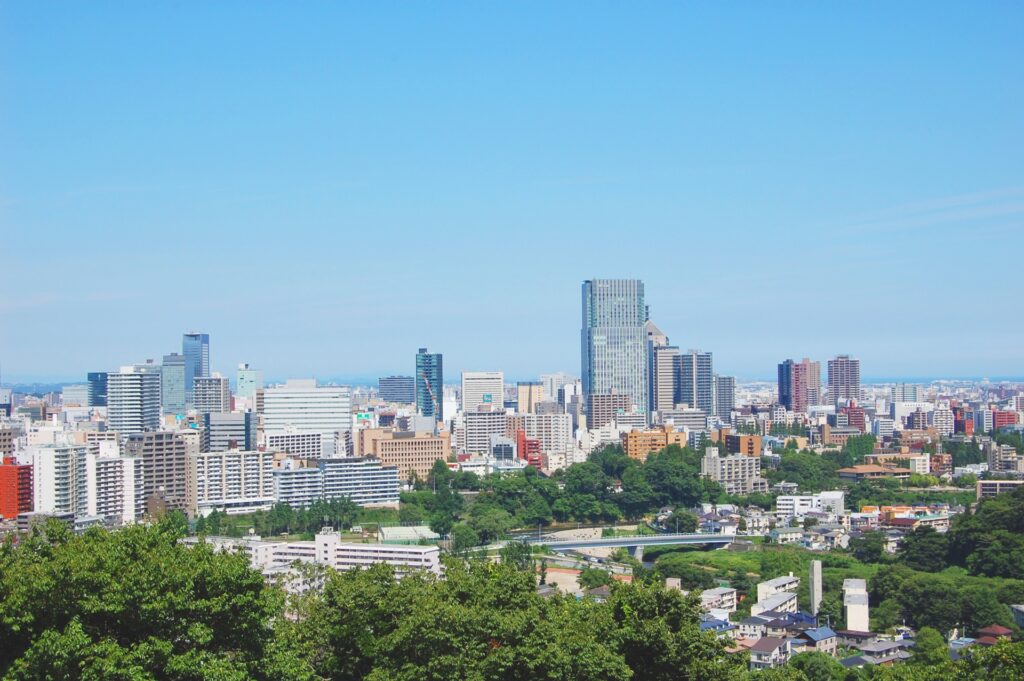
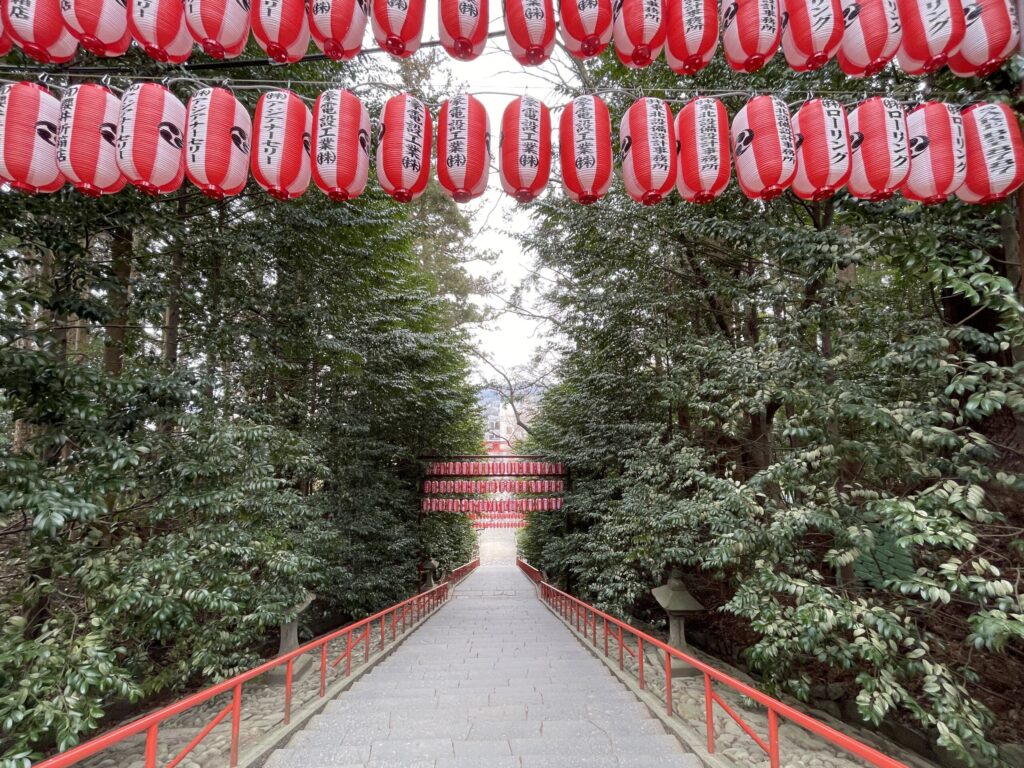
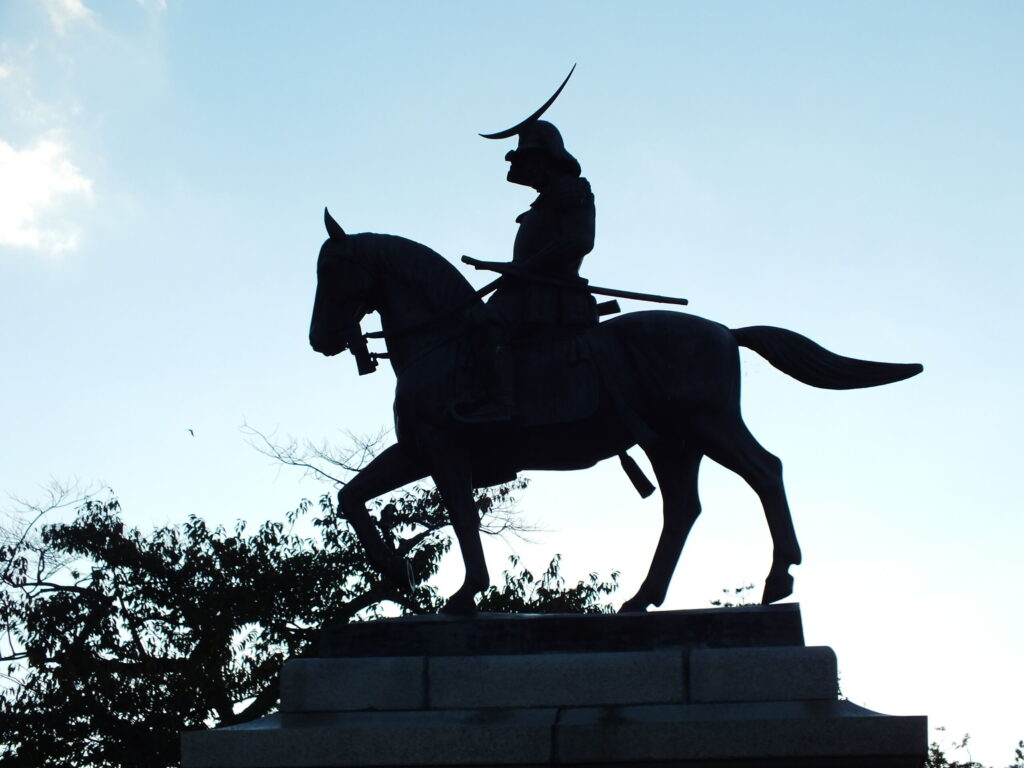
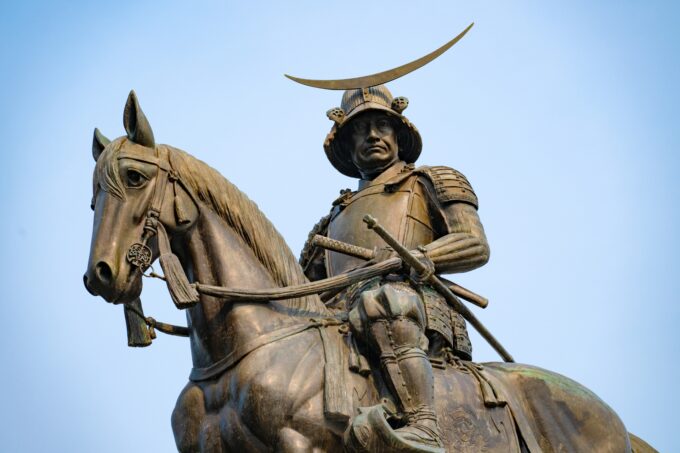
Take a deep dive into Sendai’s samurai legacy and trace the footsteps of the powerful feudal lord, Date Masamune. This historic tour gives you insight to Sendai’s dynamic heritage and the influential Date Clan that fostered the city’s prosperity into what it is today. This tour allows you to take in not only the interesting history of the city, but also get a close look at the National Treasures that exemplify the power of the Date Clan and artistic style of early seventeenth century architecture.
Highlights:
- Visit National Treasures and Historic Sites
- Learn about Sendai’s most powerful feudal lord
- Witness the ornate and colorful architecture of the Momoyama period
- Discover the intricate and spiritual past of Sendai while visiting many popular highlights within the city
Visit one of Japan's Top Three Scenic Spots
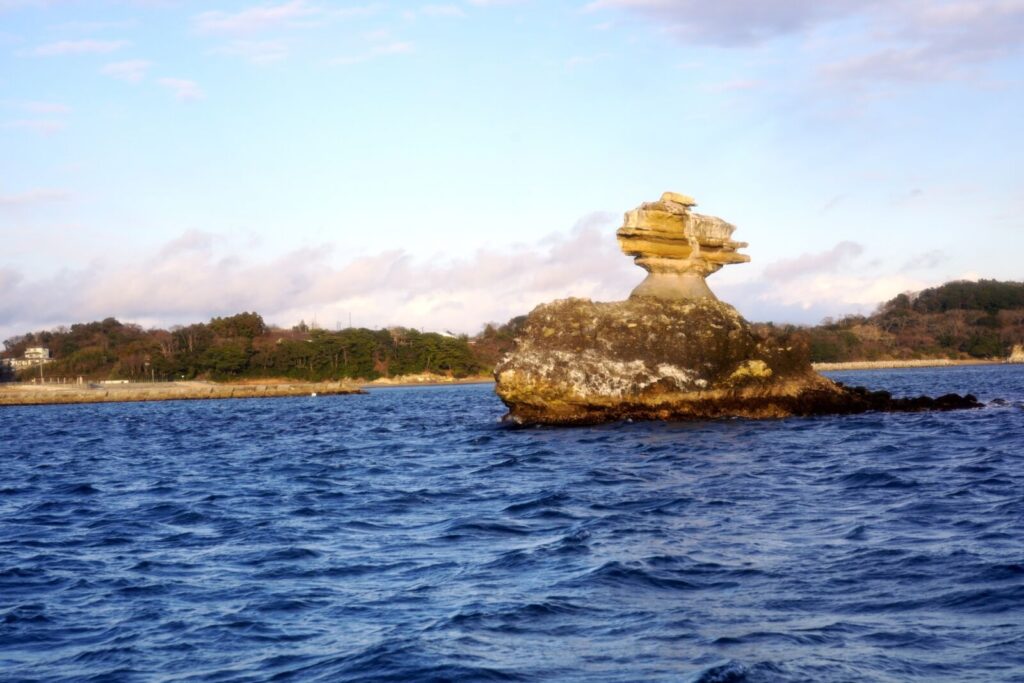
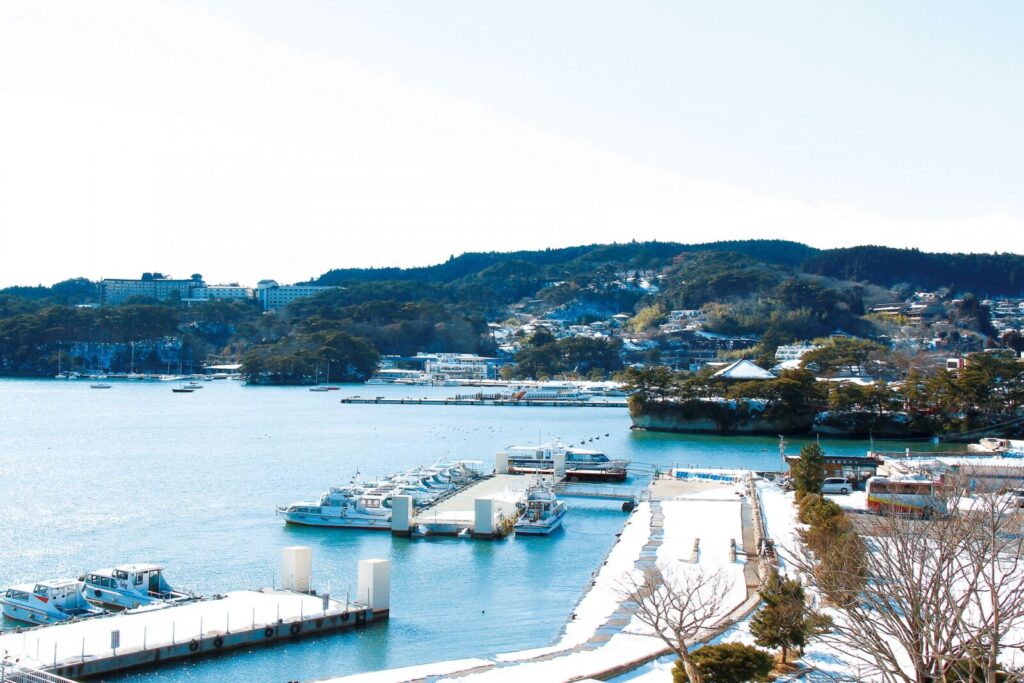
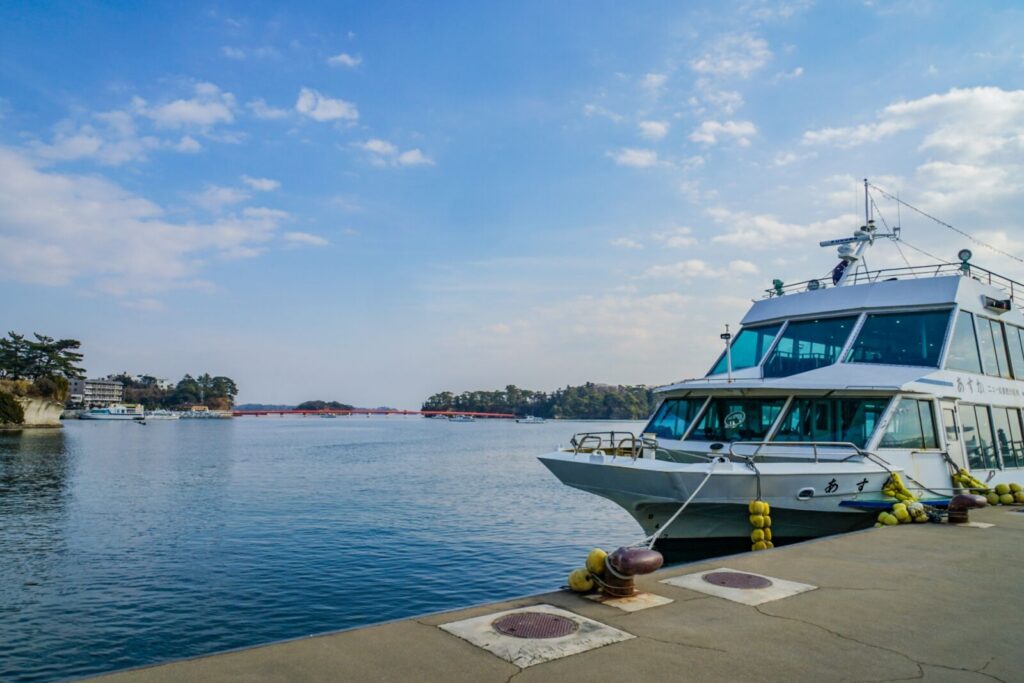
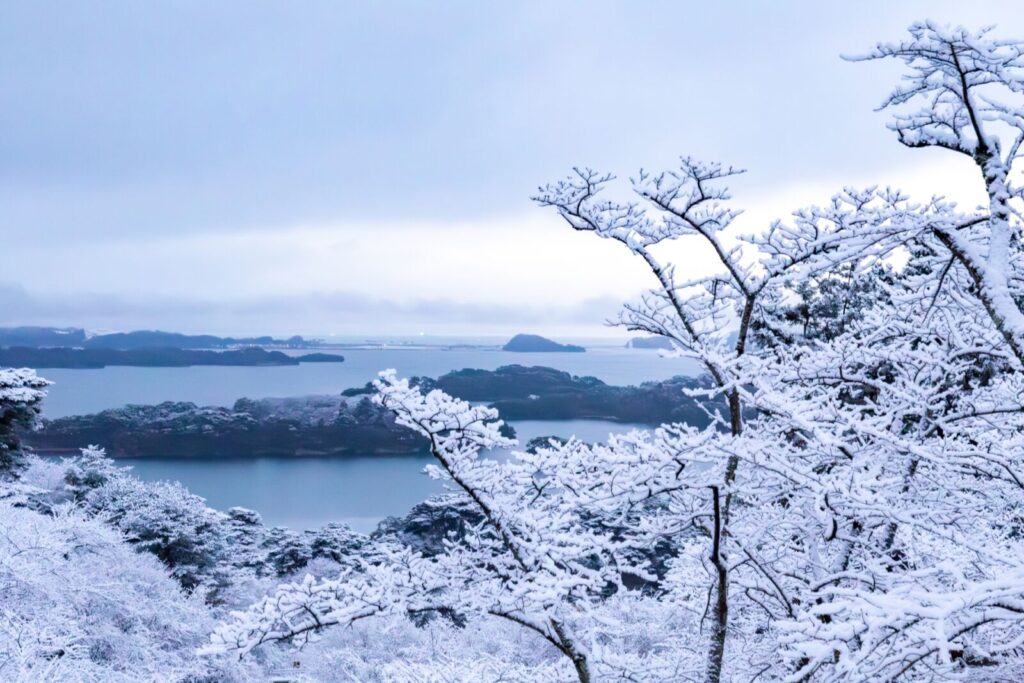
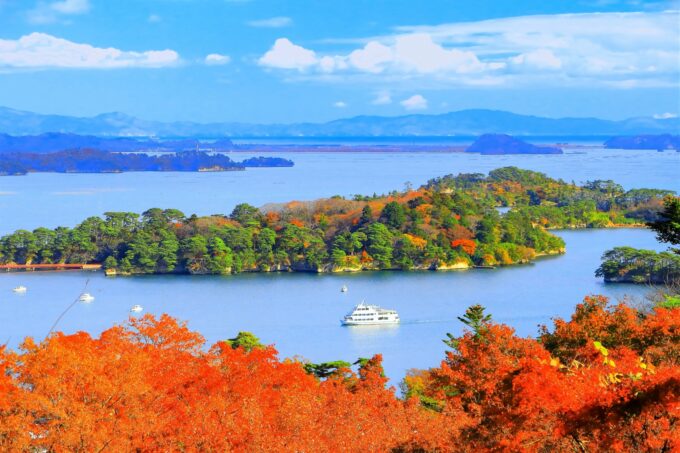
Matsushima Bay is conveniently located just 40 minutes north of Sendai Station. This tour will cover many of the interesting highlights of the bayside town, including a stroll through a Zen garden, a visit to a historically important temple, among other things. The lovely trip ends with a comfortable 50-min boat cruise of the bay where you can see some of the 260 now and pine-clad islands up close.
Highlights:
- Visit two historic zen temples that include traditional gardens and National Important Cultural Properties.
- Travel back in time with a visit to a quaint retro museum
- Get a chance to Taste a Miyagi delicacy, zunda mochi, paired with traditional matcha
- Enjoy one of Japan’s Three Most Scenic Views via boat cruise of the bay
Small Group
1-Day Tour from Sendai: Matsushima Bay — Highlights from One of Japan’s Three Most Scenic Views
- Spots:
- Matsushima
- Pick-up:
- Sendai
- Drop-off:
- Sendai
Curious about other Japan regional highlights in January? Check out our INFORMATION page for more details!
Tips for Visiting & Traveling in January
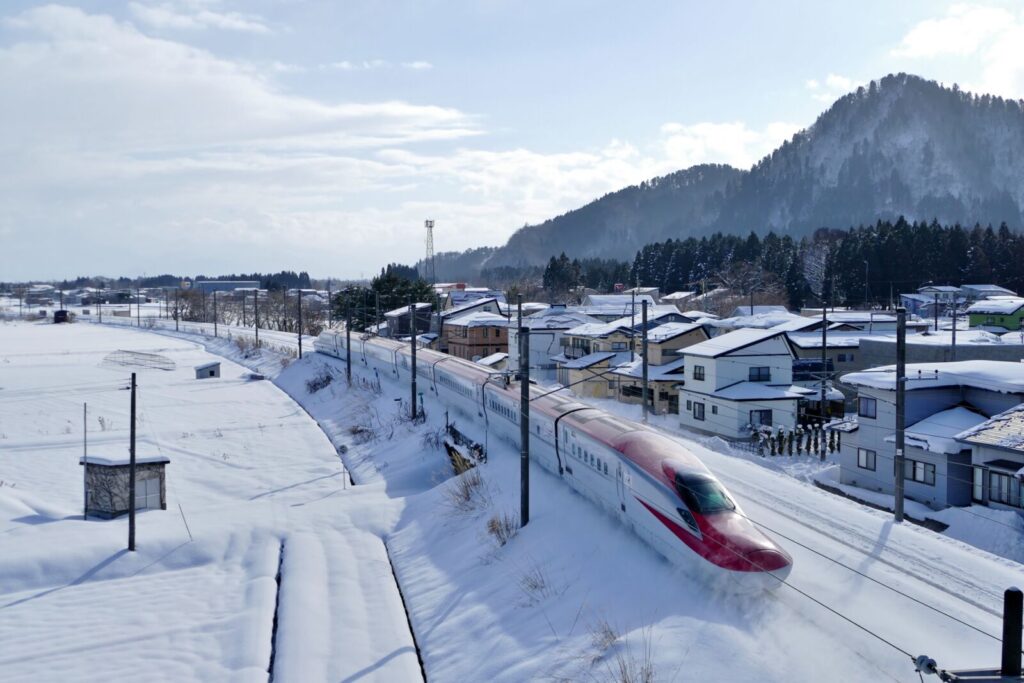
- Shinkansen: Travel to Tohoku is easy and convenient with the JR Pass or JR East Pass.
- Dress in layers: Many areas of Tohoku can fluctuate in temperature, but most areas are quite cold. Some areas where wind is strong can be bitterly chilly too, so dress warm.
- Pack water-resistant shoes: Since some areas may be a wintery mix of rain and snow, it's best to come prepared with shoes that can fight off the cold and wetness.
- Take Advantage of Beautiful Winter Scenery or hit the slopes: Especially in late January, many mountainous areas will have meters upon meters of fresh snow!
- Indoor Excursions: With rainy or snowy days on the rise, having plans for indoor activities such as museums is a must.
Plan Your January Visit
With the long winter heartily on its way, January is a nice time to head north and escape some crowds. There are countless ways to make the most out of your trip north, especially travelers looking to trek the less-beaten paths. Take advantage of the cold climate and indulge in some gorgeous natural hot springs, ski resorts, or hearty, warm cuisine.
January is a fun month to visit Japan with festivals, events, wintery outdoors life, and memorable adventures waiting for you.
Ready to discover Japan in January? Explore our seasonal tours and charters to experience the best Tohoku and other regions of Japan have to offer.
Tohoku Throughout the Year
January | February | March | April | May | June | July |August | September | October | November | December