

This guide highlights what to expect from the weather, must-see seasonal attractions, and our featured tours you can join and enjoy during your visit.
Weather in August
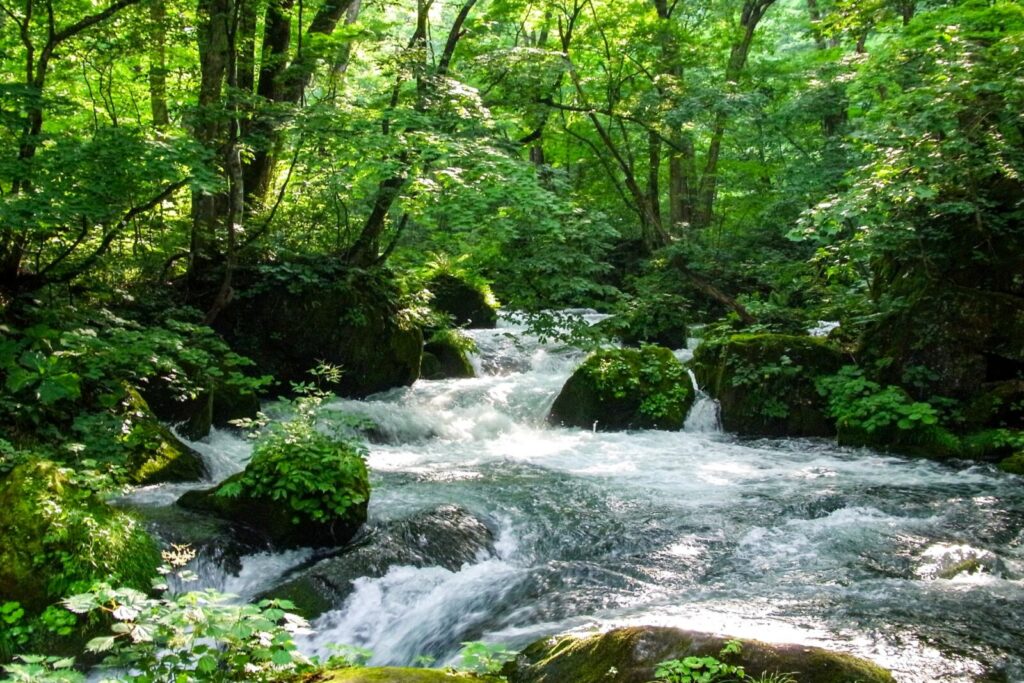
Much like the rest of Japan during August, Tohoku is hot, humid, and consistently sunny. Although certain areas in the Tohoku region tend to offer some reprieve from the intense summer heat, it's important to stay hydrated and wear UV protective hats, clothes, and sunscreen. The lingering rainy season is typically behind us at this point, leading to longer stretches of hot sunny days.
Daytime highs in Sendai usually range from about 25°C to 29°C (77°F - 84°F), but average temperature hovers around 28°C (83°F). Nighttime temperatures range from about 18°C to 23°C (65°F - 74°F). The evenings tend to feel cool but damp due to the high humidity levels.
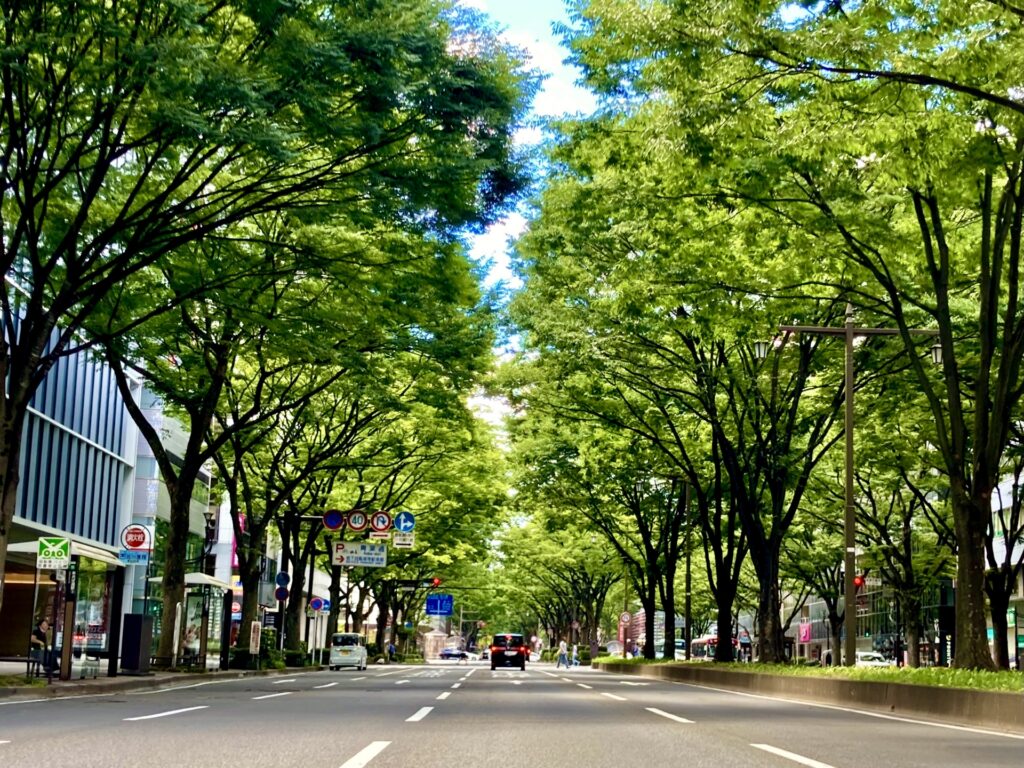
In areas like Koriyama the average temperature can reach anywhere from 25°C to 28°C (77°F to 83°F) with the average daily temperature at 26°C (79°F). These areas tend to be described as warm and humid. August is typically a rainy month for Koriyama.
Aomori City can see temperatures from 25°C to 29°C (77°F to 84°F). Average lows tend to be around 20°C (68°F). On average, the day can be warm but breezy. Some areas can get cooler in the evenings.
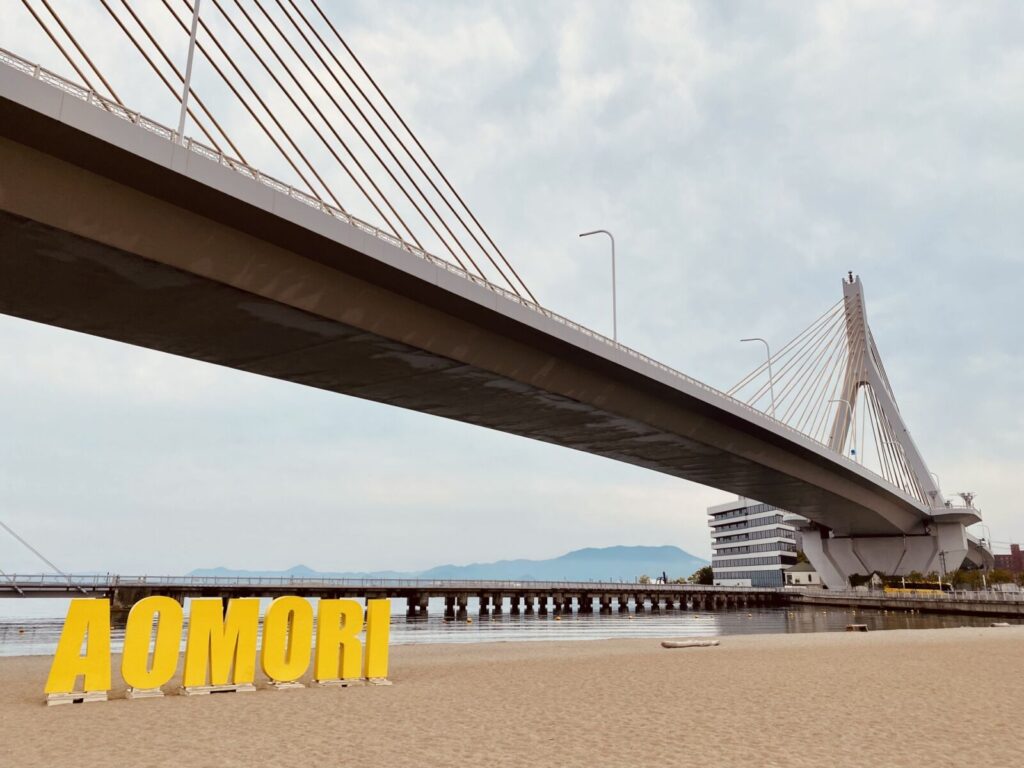
Overall temperatures tend to run high but thanks to the cool eastern winds days with slightly lower temperatures can be expected. Despite this nice reprieve, humidity tends to stay high on average as well as periods of bright, sunny days. Due to the increased humidity and higher average temperatures, it's important to back light, breezy clothing as well as be prepared for hotter days by packing parasols, UV protective wear, sunscreen, and using cooling products like body wipes or neck cooling rings.
Seasonal Highlights in August
With many hot days in the lineup, August is a great time to escape a little bit of the summer heat and crowds by taking a trip up to the slightly cooler Tohoku region. Here are a few fun seasonal highlights:
Peach Picking
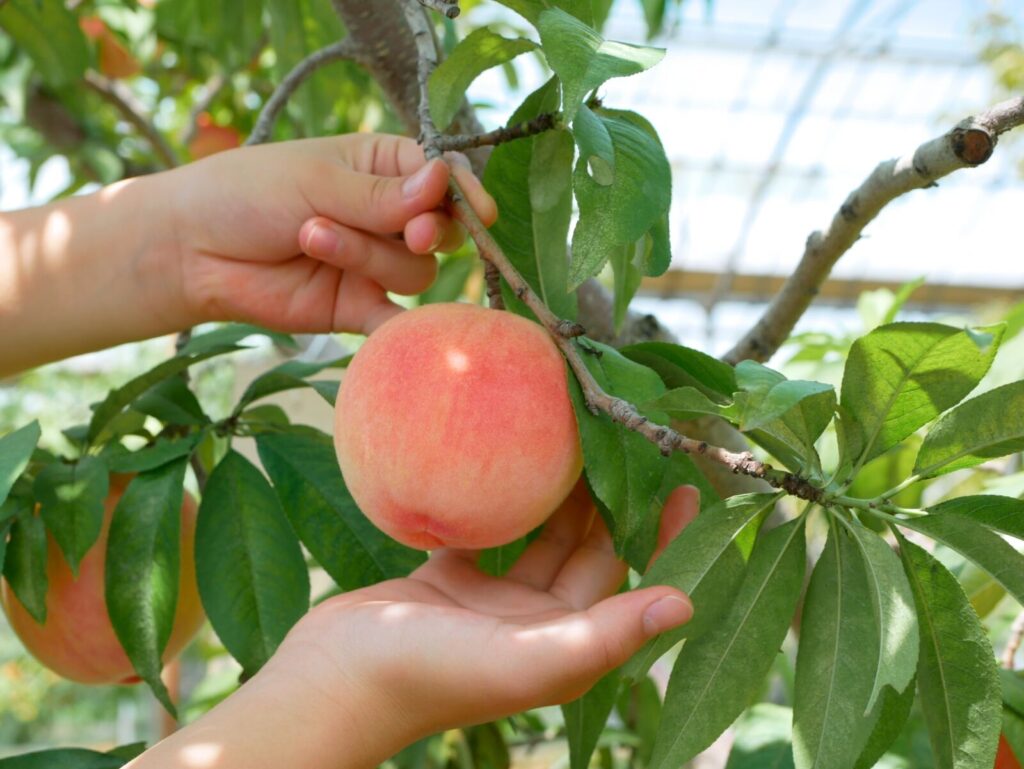
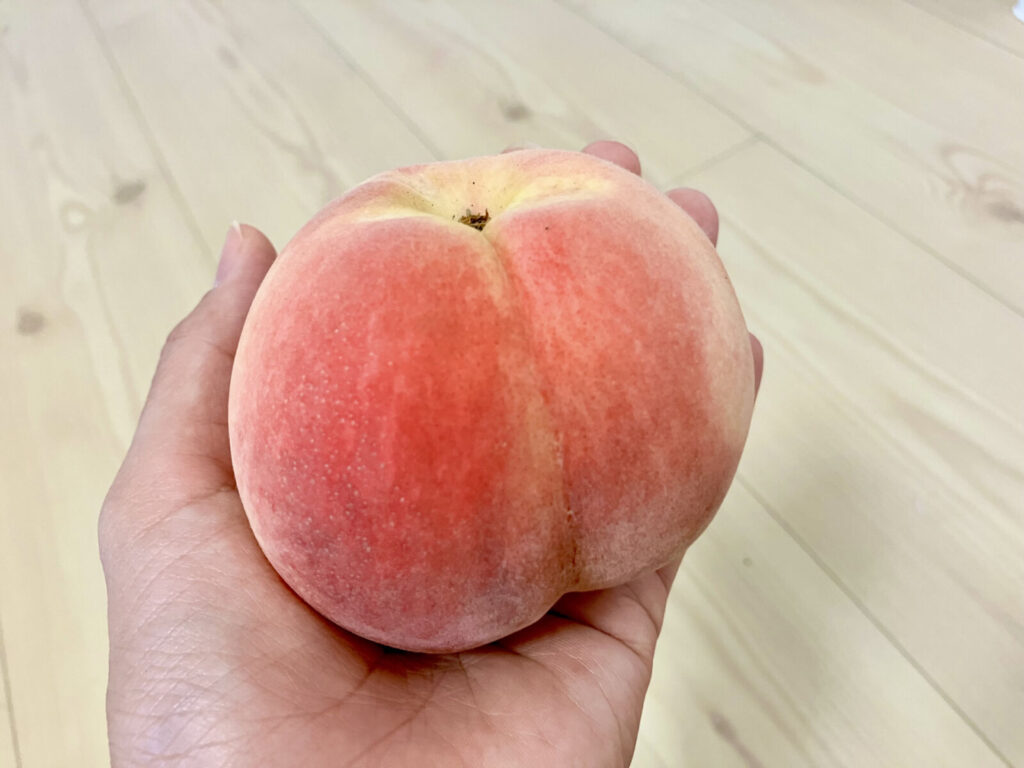
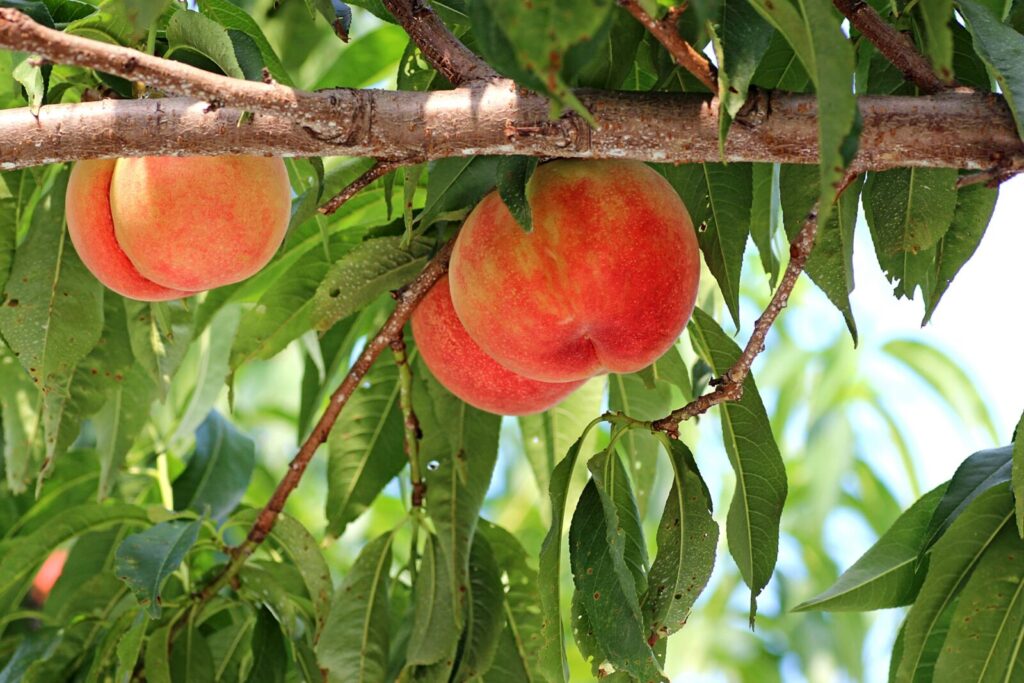
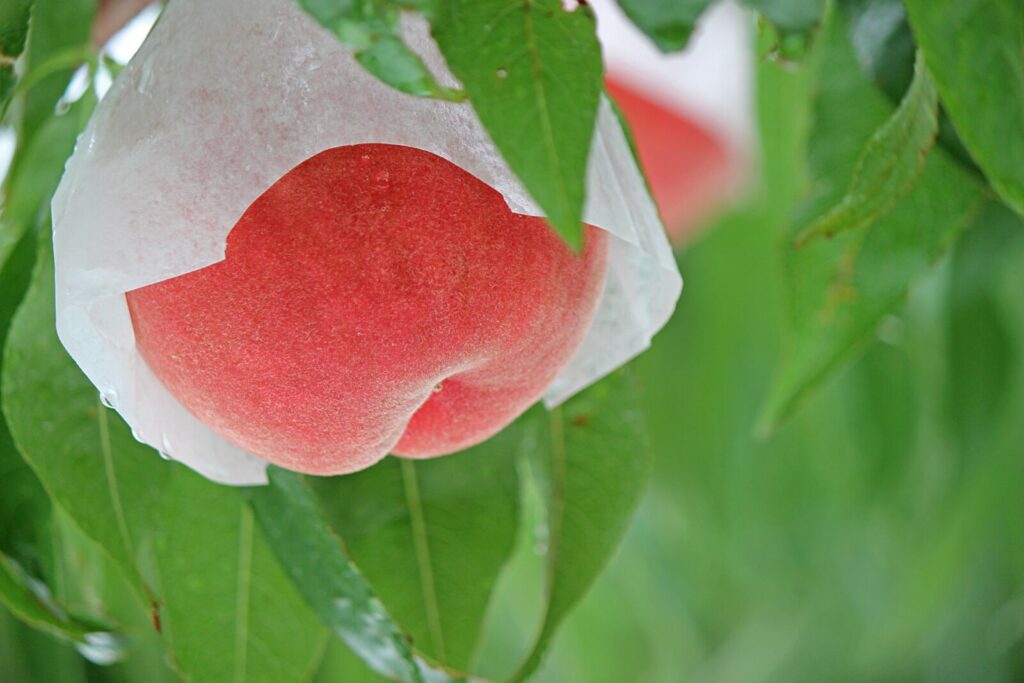
Throughout the year, there are always a variety of fruits waiting to be picked in many parts of the Tohoku region. August specifically is when many fruit farms offer experiences to pick your own peaches. Azuma Orchard in Fukushima is one such place! Fukushima is known as Japan's "Fruit Kingdom," with peaches being one of their major crops. Azuma Orchard has amazing fruits all year round and their best peaches are available starting from Mid/Late July all the way through late August. The orchard offers a variety of peaches including Fukushima's famous Akatsuki peach, which is a type of white peach known for being firm, fragrant, and juicy. These peaches are a perfect refreshing summertime snack under the blazing sun!
Azuma orchard follows a system of no reservations required, and you get a 30 minutes all you can eat picking experience. Adults are 1,650 yen and children are 1,320 yen. They offer this experience everyday from Mid/Late July to late August from 9:00 to 15:00.
Summer fun day at Lake Towada
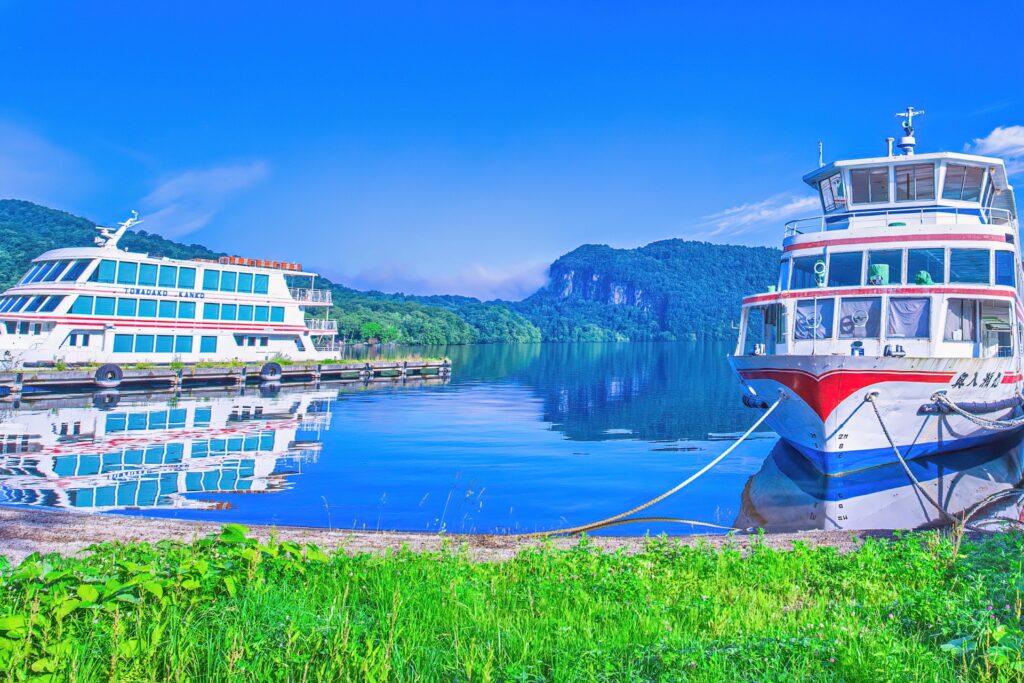
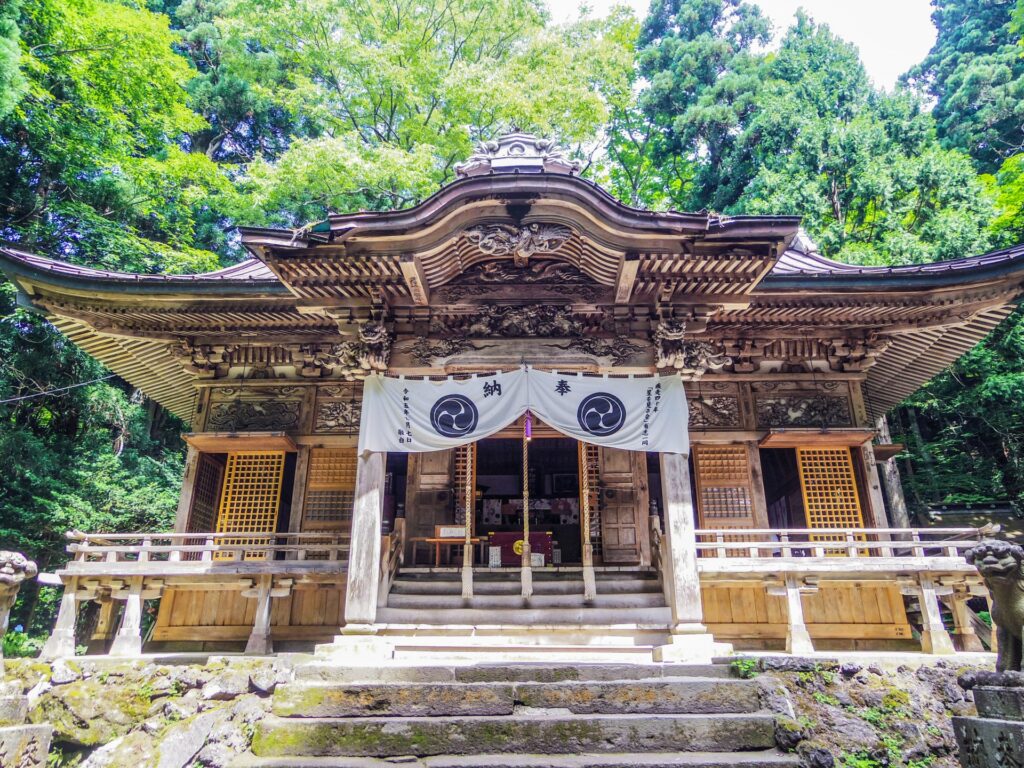
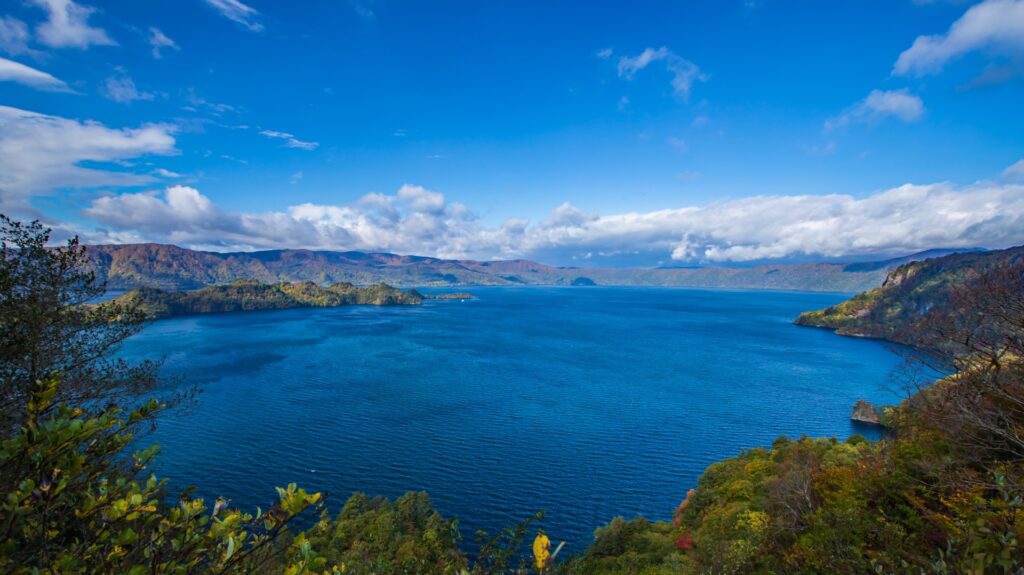
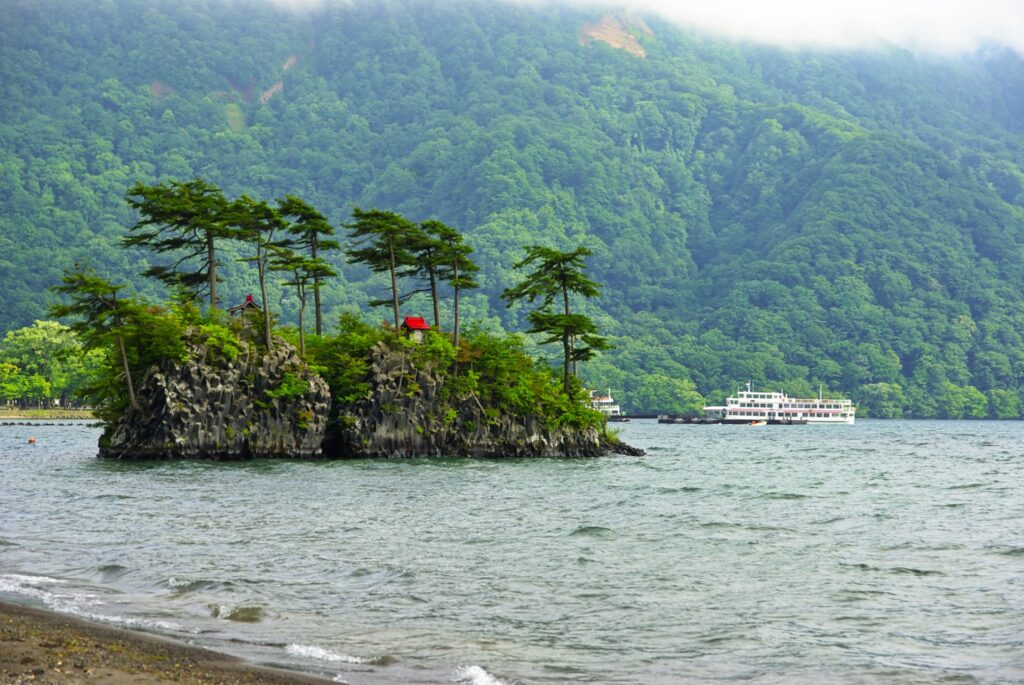
Lake Towada is located on the border between Aomori and Akita prefectures and lies 400 meters above sea level. It is actually the largest caldera lake in Honshu - Japan’s main island - and has a gorgeously dark blue color thanks to its depth. Although Lake Towada is a popular tourist destination in autumn, summertime is also quite popular thanks to its gorgeous walking area, the connection to the Oirase Gorge which has plenty of waterfalls, as well as the historic Towada Shrine located just a short walk from the main tourist information center. There are also summer activities including a sightseeing cruise, canoeing, SUP boarding, camping, and swan boats.
The boat cruise timetable for 2026 includes two different routes:
A Yasumiya ⇆ Nenokuchi (one way from either Yasumiya or Nenokuchi)
B Yasumiya ⇔Yasumiya (round trip departing from Yasumiya only)
The regular price for adults starts at 1,760 yen and for children 880 yen with certain upgrades available. Check out the Lake Towada Cruise official English website for more detailed information about departure times.
Tsuru-no-Mai Bridge
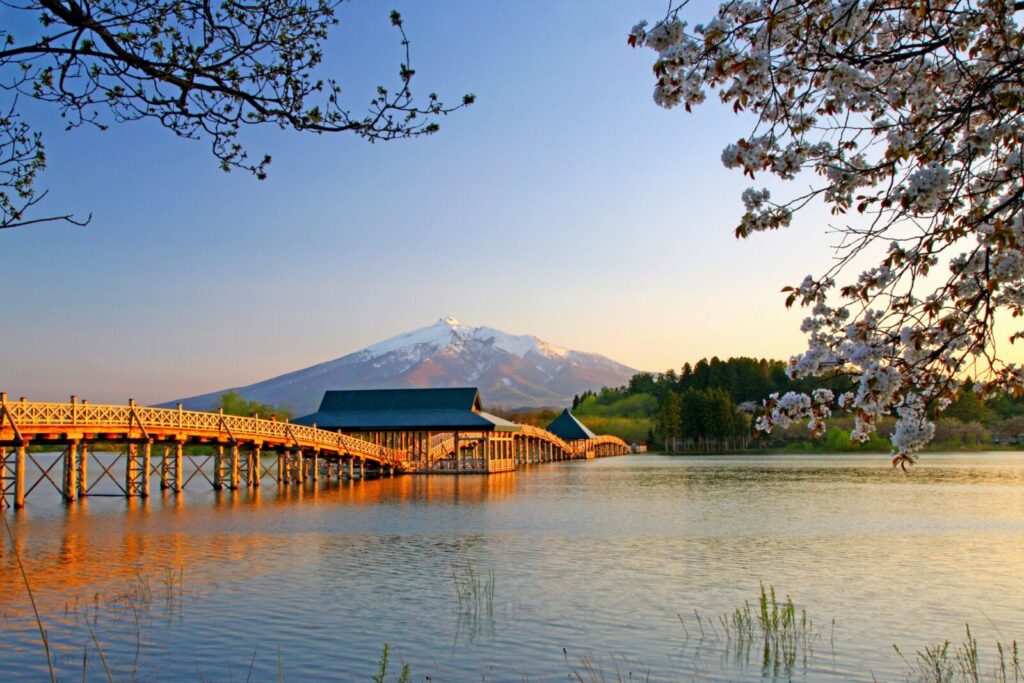
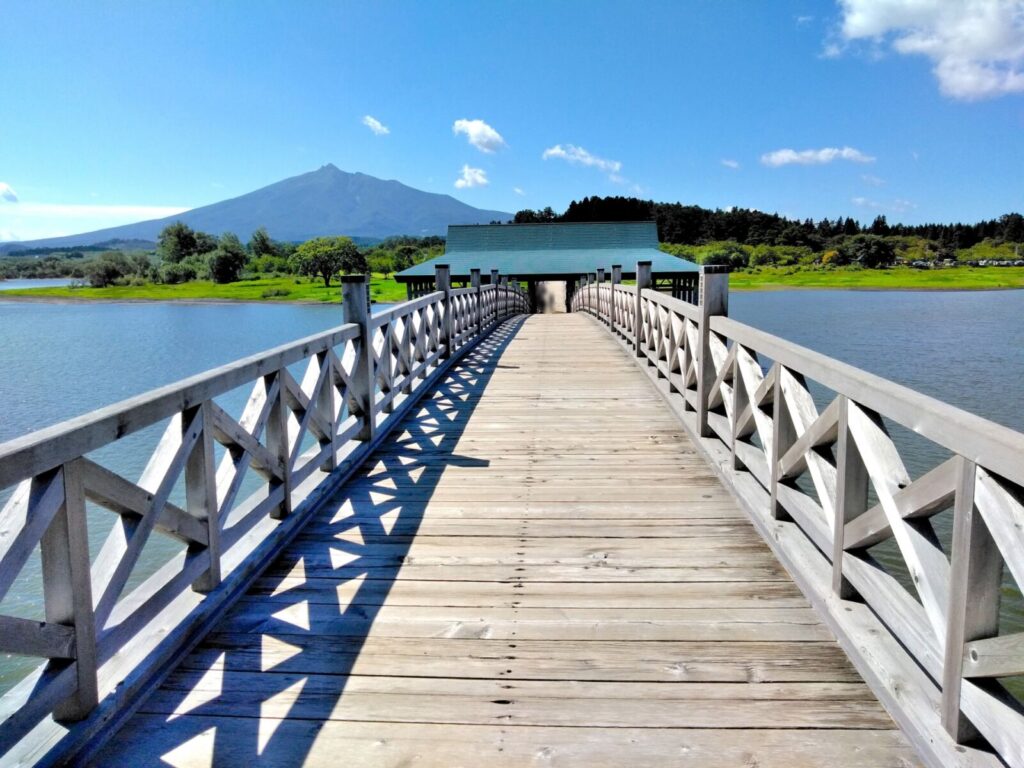
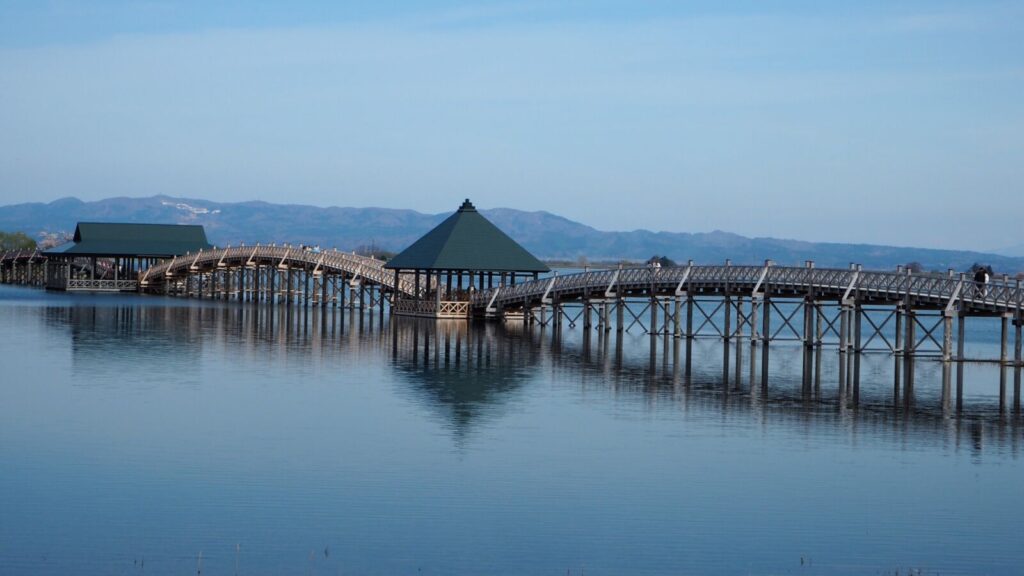
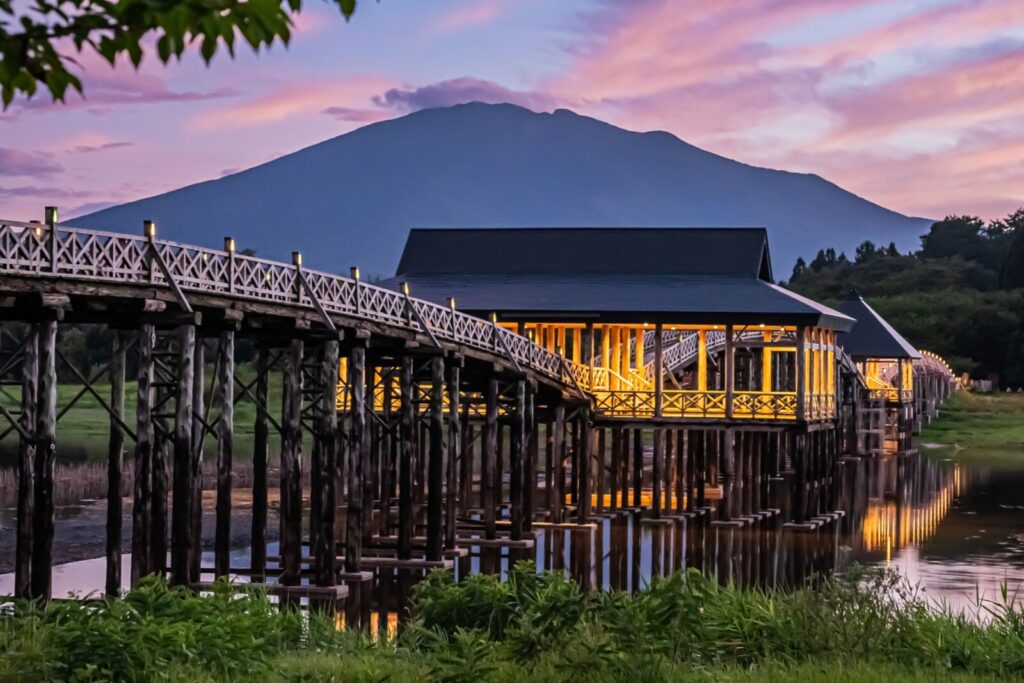
This picturesque bridge stretches 300 meters (984 feet) over the Tsugaru Fujimi Lake. It famously casts a gorgeous reflection of Mt. Iwaki in the water beneath it and the length of the bridge makes for unforgettable photos. Tsuru-no-mai Bridge is also Japan's longest triple arch wooden bridge and is said to resemble a crane flying along the backdrop of Mt. Iwaki – hence the name tsuru (crane). The bridge's construction was finished July 8th, 1994 and has been the poster of many tourist brochures and billboards over the years. The bridge itself is popular throughout the year, but in August visitors like to come at just about sundown to get a breathtaking photo of the gradient sky against the unforgettable silhouette of the bridge. It is said that those who make the walk across all 300 meters of the bridge are to be granted with a long, healthy life.
Wanko Soba Challenge in Morioka
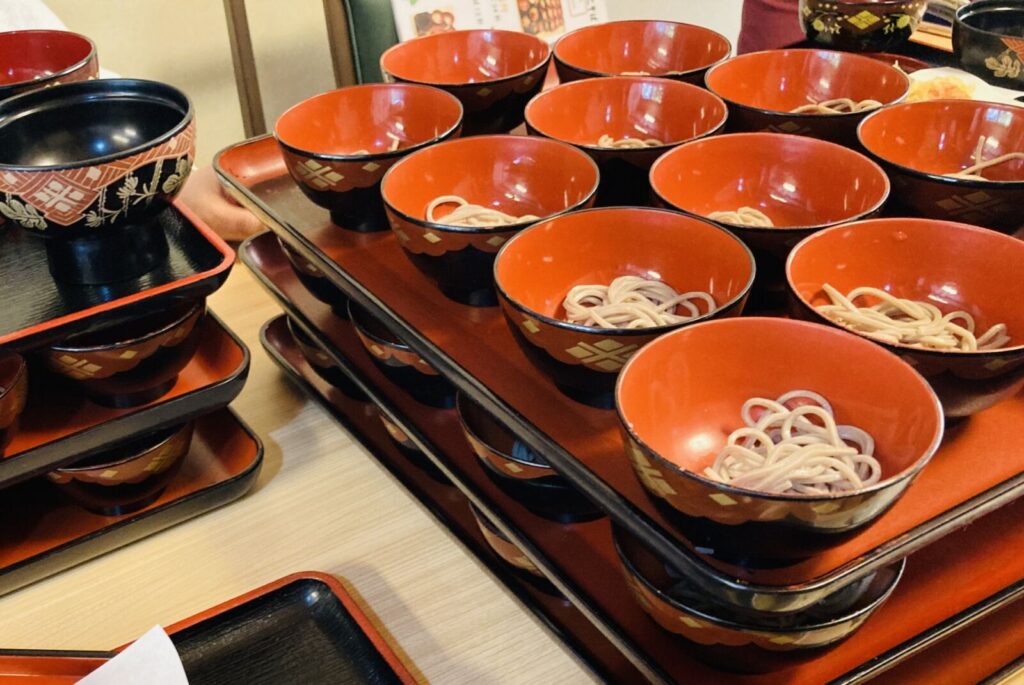
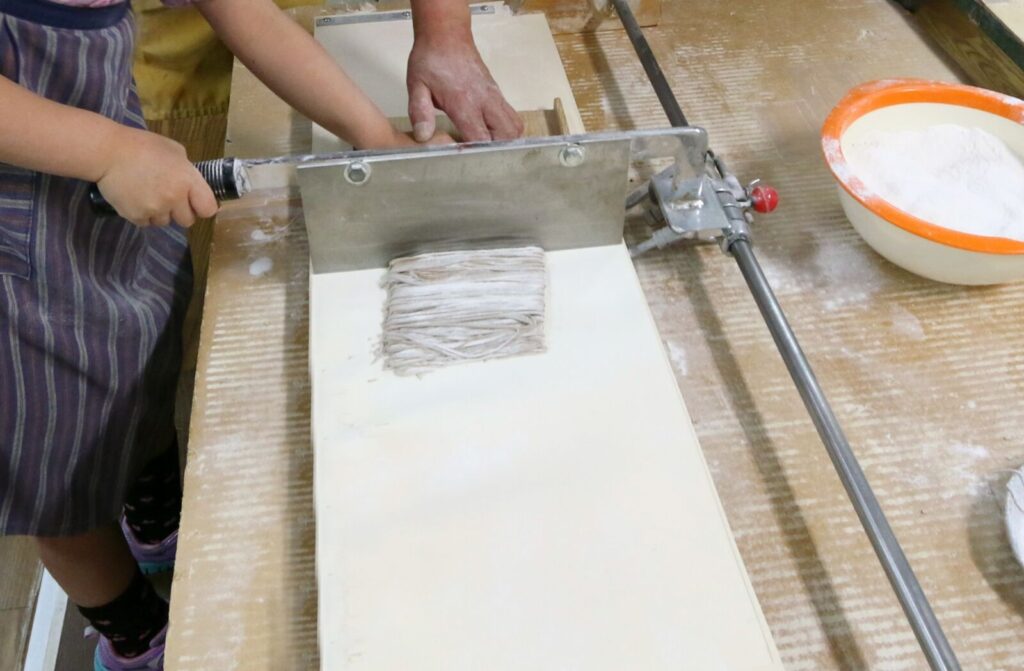
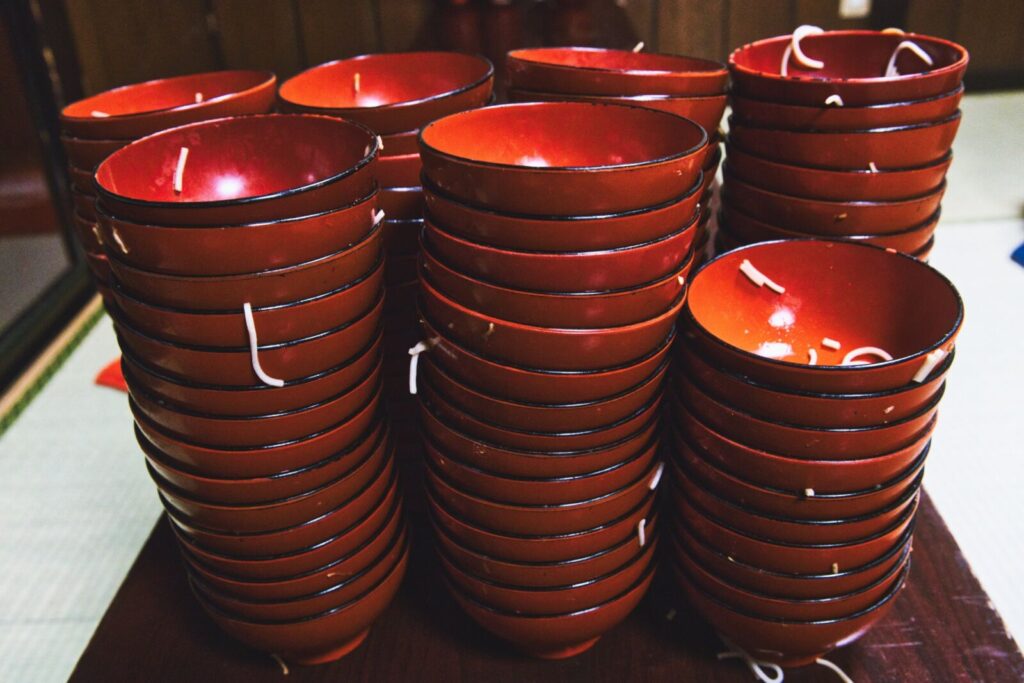
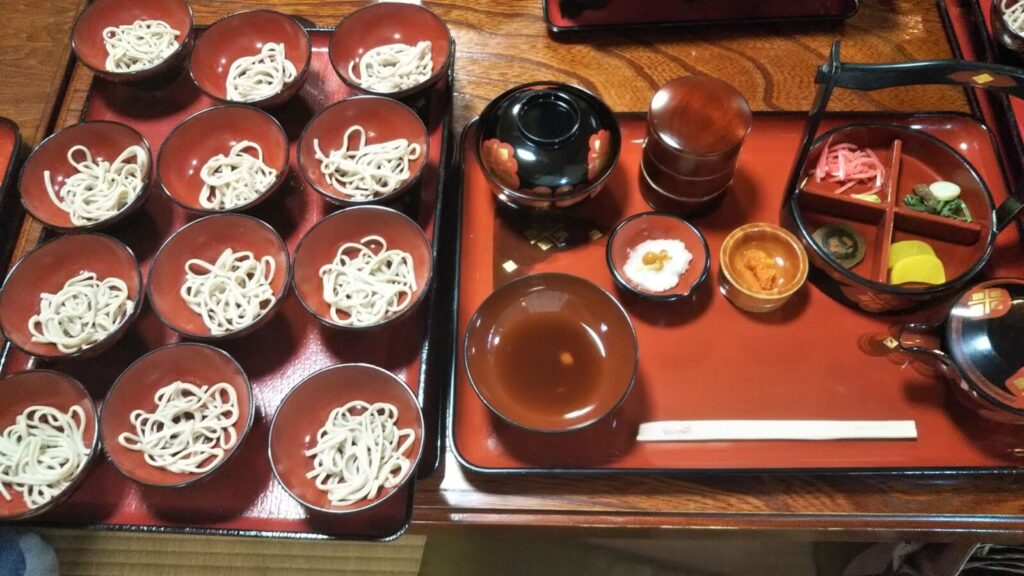
How many bowls of soba noodles can you eat?
That's exactly what the famous wanko soba challenge in the city of Morioka lets you figure out! Morioka is the main city of Iwate prefecture and is easily accessible from Tokyo and Sendai along the Tohoku shinkansen. This food challenge is famous throughout Japan and even the locals will be the first to mention it when asking about fun things to do in Morioka. In fact, it gets its name from an Iwate prefecture dialect and colloquialism for the word "bowl."
The objective is simple: eat as many small bowls of soba as you possibly can. The only catch? Each time you finish a tiny portion, the server will be standing directly beside you to immediately fill it back up before you can blink. It truly is a sight to behold with the server standing beside you with plenty of tiny red soba bowls ready for your consumption. The server will also offer words of encouragement and orders to keep going as they fill your bowl each and every time.
Many people aim for 100 bowls of soba as many places (but not all) will give you a souvenir or wooden plaque to commemorate your achievement. It's not a race, but in busier times there is a time limit to how long you can try the challenge – usually around 45 minutes. It's highly recommended to reserve a timeslot ahead for convenience.
Once you have reached your limit, you must cover your bowl before the server fills it with more noodles. Be careful though, part of the fun is the server keeping a clever eye on you and sneaking in more noodles before you can close the lid on your own bowl! There are many shops that offer a wanko soba experience, but the most popular (and most likely to get crowded) is Azumaya.
By the way, their current records are:
Men - 500 bowls
Women - 750 bowls
Ukiyo-e Immersive Art Exhibition AOMORI
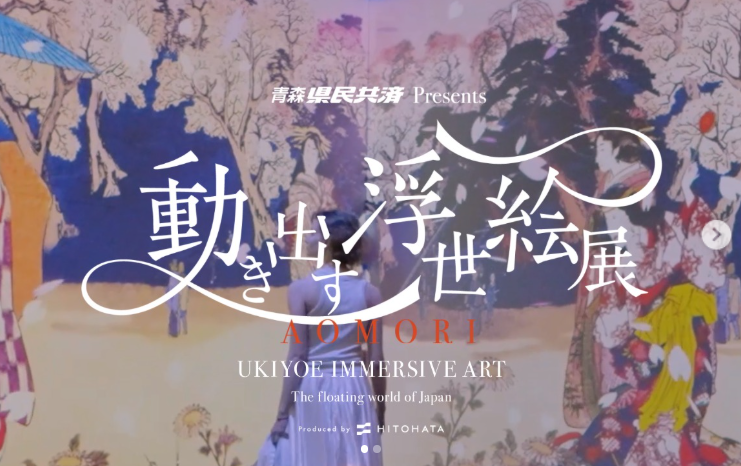
It's always good to have airconditioned, indoor experiences ready to go during August trips to Japan and the Tohoku region is no different. Running from July 11th (SAT) through August 30th (SUN) at the To-o Nippo Shinmachi Building, New’s Hall, Aomori City, this brilliant immersive display features projections and light displays inspired by over 300 works of art by world renowned ukiyo-e artists from the Edo period. Through digital projection mapping, visitors can fully immerse themselves into these pictures of the floating world and experience the art in a new, unique way! Each room offers projections and animations as well as further insight to the specific works of ukiyo-e art that they are inspired by or based off of.
The hall where the exhibition is taking place is a 10 minute walk from JR Aomori station and about a 15 minute taxi/drive from JR Shin-Aomori shinkansen station. The hall opens from 10:00 to 18:00 (last entry 17:30) and tickets are 1,800 yen for adults and 1,000 yen for high school and junior high students. Ages 3 to elementary school are 600 yen. Tickets are available same day or prior to your chosen visit. Check out the AOMORI Ukiyo-e Immersive Art official English website for more details.
Koriyama Nunobiki Wind Farm
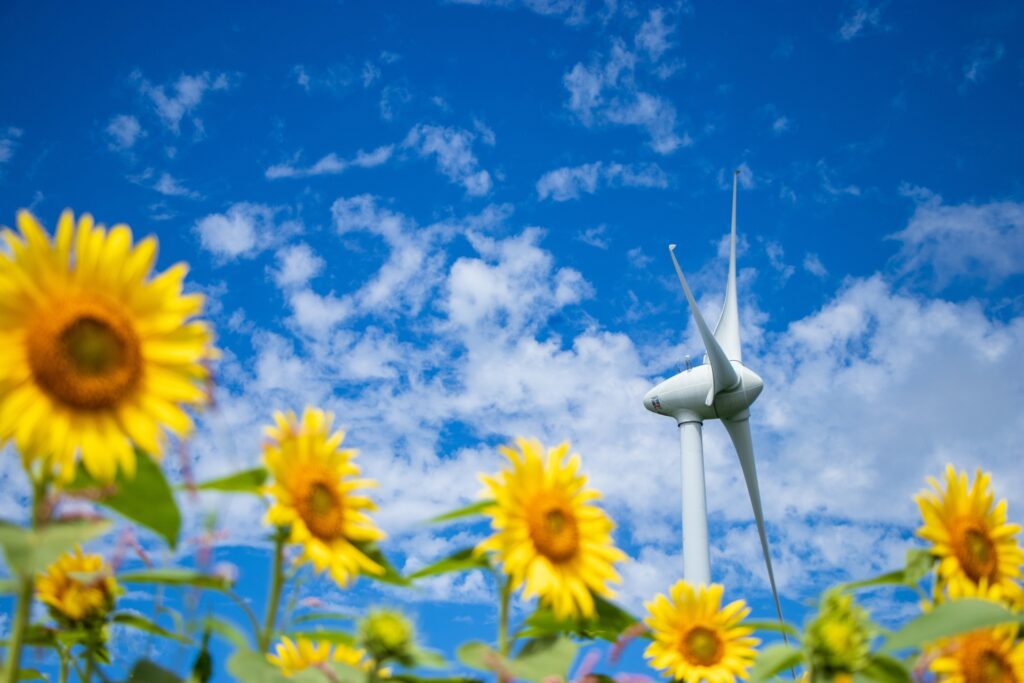
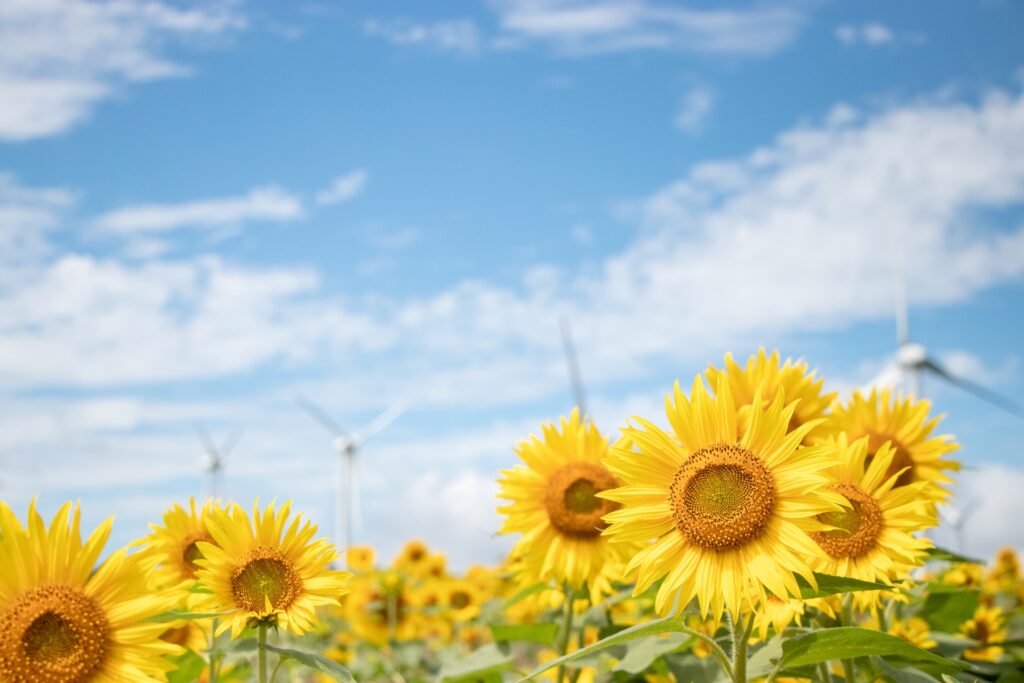
Located at the plateau summit of Mount Aizu-Nunobiki, this windy highlands offers a fantastic sight of 33 grand windmills alongside a blooming field of bright yellow sunflowers. The fields themselves are planted at three different intervals, ensuring perfect opportunities all summer to witness their natural beauty. The area has different walking trails perfect for finding that photoesque location. A recommended shot is from the observatory located on the property. During August and September fields of cosmos can also be enjoyed at the Wind Farm. At all times of the year, visitors can always have a great view of Lake Inawashiro and Mount Bandai too! For more information, look up the Koriyama City Tourism Association.
Festivals and Events in August
Summertime is a high-traffic travel season and those venturing to Japan should definitely keep their schedules open for a trip northward! August is the time of festivals! There are small ones, big ones, world-known and off the beaten path ones, so don't miss out! Regardless of your destination, the Tohoku region offers a variety of experiences to enhance your trip.
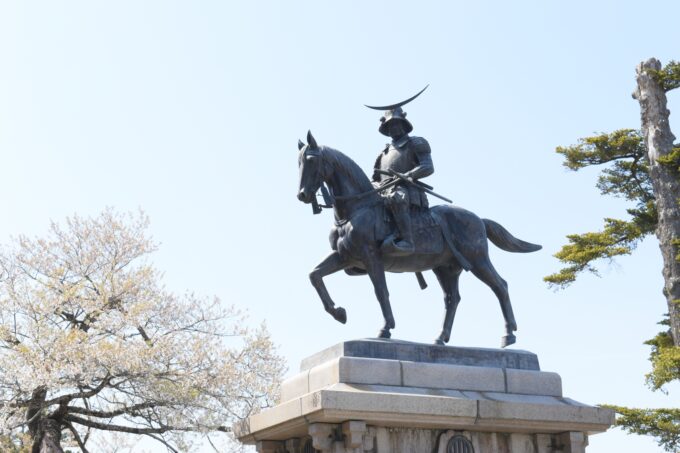
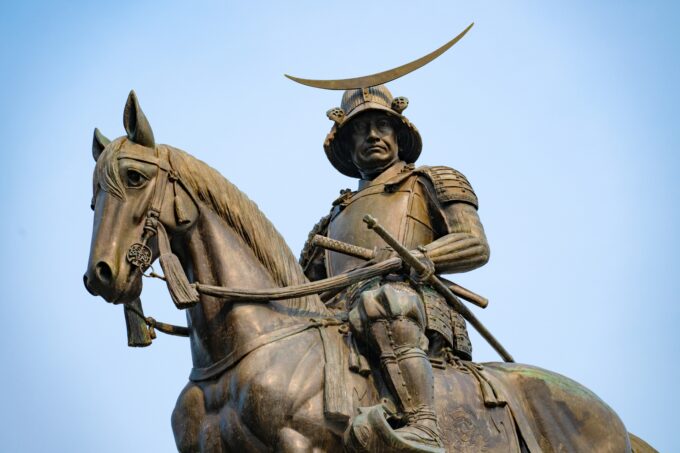
Challenge from Date Masamune—“Answer My Quiz If You Dare!”

- July 10th (FRI) to August 30 (SUN)
- 9:00 - 16:45, closed Mondays
- Visitors can view this exhibition at the regular museum admission fee: Adults/college students 460 yen, high school students 230 yen, junior high and below 110 yen
The Sendai City Museum is a fantastic way to get an in-depth look at the history of Sendai and its journey to becoming the largest metropolis in the Tohoku region. This museum has permanent exhibitions that cover prehistoric history all the way to modern history pertaining to Sendai. There is an app you can download as well that offers explanations of artifacts and displays in multiple languages.
This particular exhibition is a temporary feature. One that features the famous samurai lord, and founder of the Sendai domain, Date Masamune. It questions – What would happen if this famed warlord of Japan's sengoku or warring period appeared in the present day? The exhibition walks you through displays of authentic historical artifacts and materials directly related to Date Masamune and poses questions to test your knowledge about him. It challenges you to become a real "Masamune Master," while earning words of encouragement from the samurai warlord.
This exhibition is perfect for children and history lovers alike! If you contact the museum ahead of time, they can provide English speaking guides free of charge. The museum is easily accessible by the Sendai city Loople bus, and is conveniently located next to the Sendai Ryokusaikan Visitor Center.
Sendai Tanabata Festival
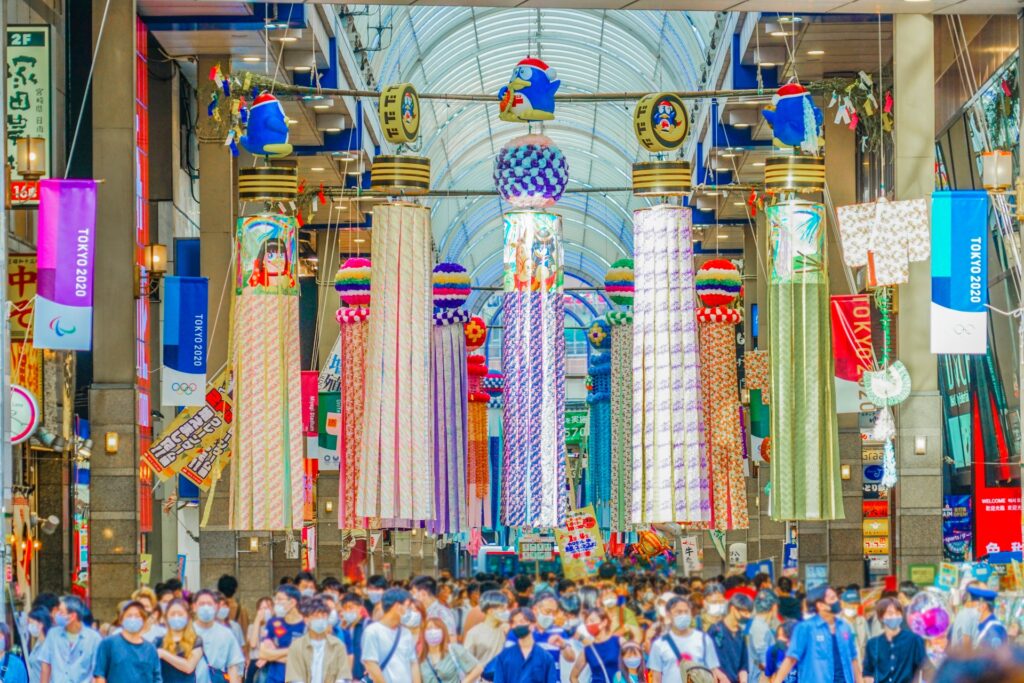
- August 6th (THURS) to 8th (SAT)
- Sendai city center and shopping arcades
Sendai is famous for hosting one of the biggest tanabata festivals, or “star festivals” in Japan. The Sendai Tanabata Matsuri is held every year on August 6-8, and is one of the largest and most famous tanabata celebrations in Japan. Traditionally this festival was celebrated in accordance with the Chinese “Qixi Festival" where legend states that on the 7th day of the 7th month, the two stars Vega and Altair can finally cross paths again. In Japanese these star-crossed lovers are referred to as Orihime (織姫) and Hikoboshi (彦星). Modern celebrations, including the one in Sendai, hold celebrations according to the Gregorian calendar which makes the festivities fall on August 6th through 8th every year.
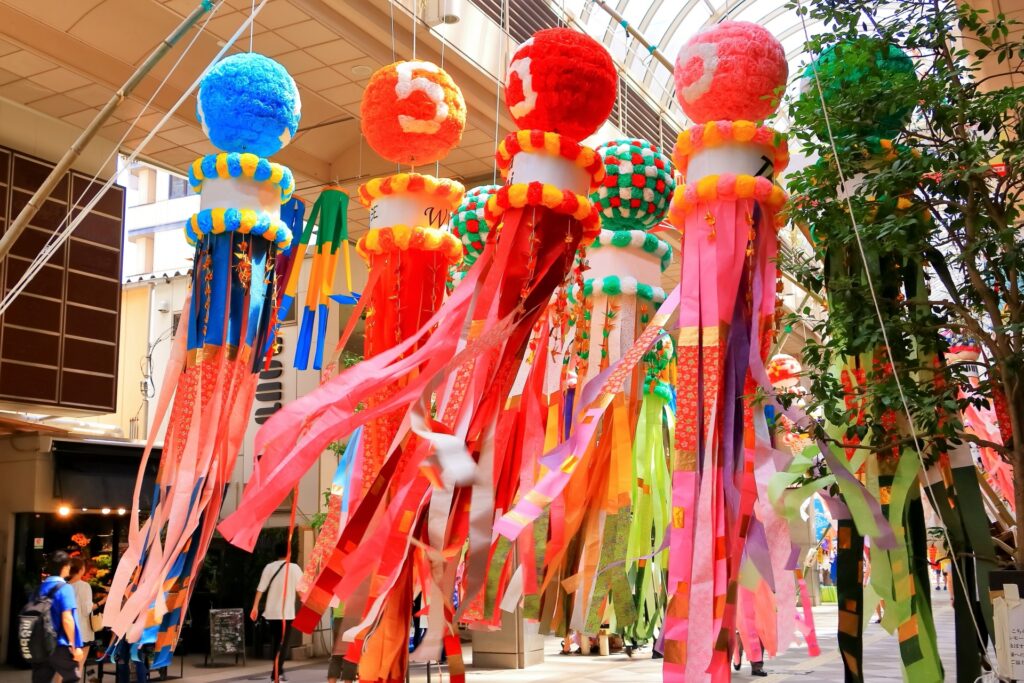
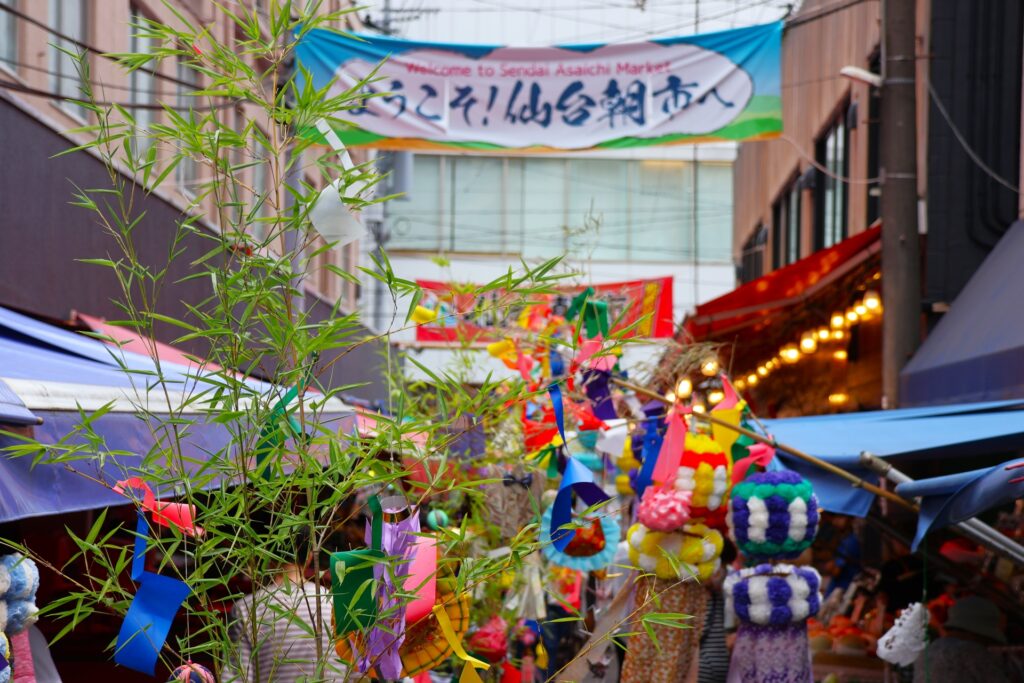
During this time, Sendai’s city center and surrounding shopping areas are decorated with vibrant streamers and bamboo branches covered in paper “wishing cards.” The festival is visited by more than 2 million tourists every year! If you’re looking to be a part of that crowd, we recommend joining one of our growing number of tours based in Sendai.
Akita Kanto Matsuri
- August 3rd (MON) to 6th (THURS)
- Night parades held along Kanto Odori Street in Akita City
- Daytime Kanto competitions from 9:00 - 15:00 & Nighttime parades from 18:45 - 21:00
- Paid reserved seating is available (3,500 ~ 4,500 yen)
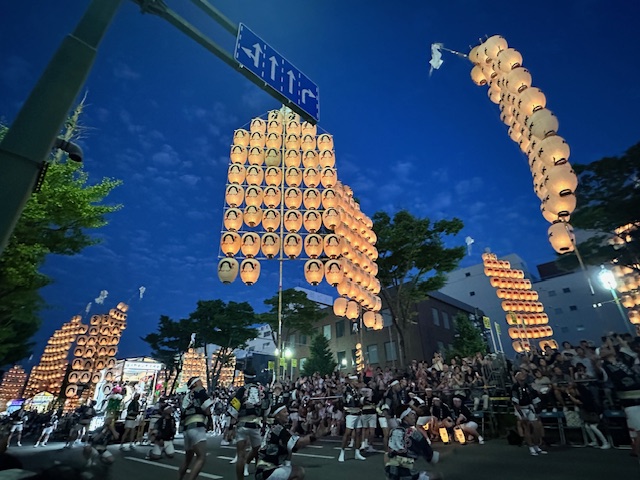
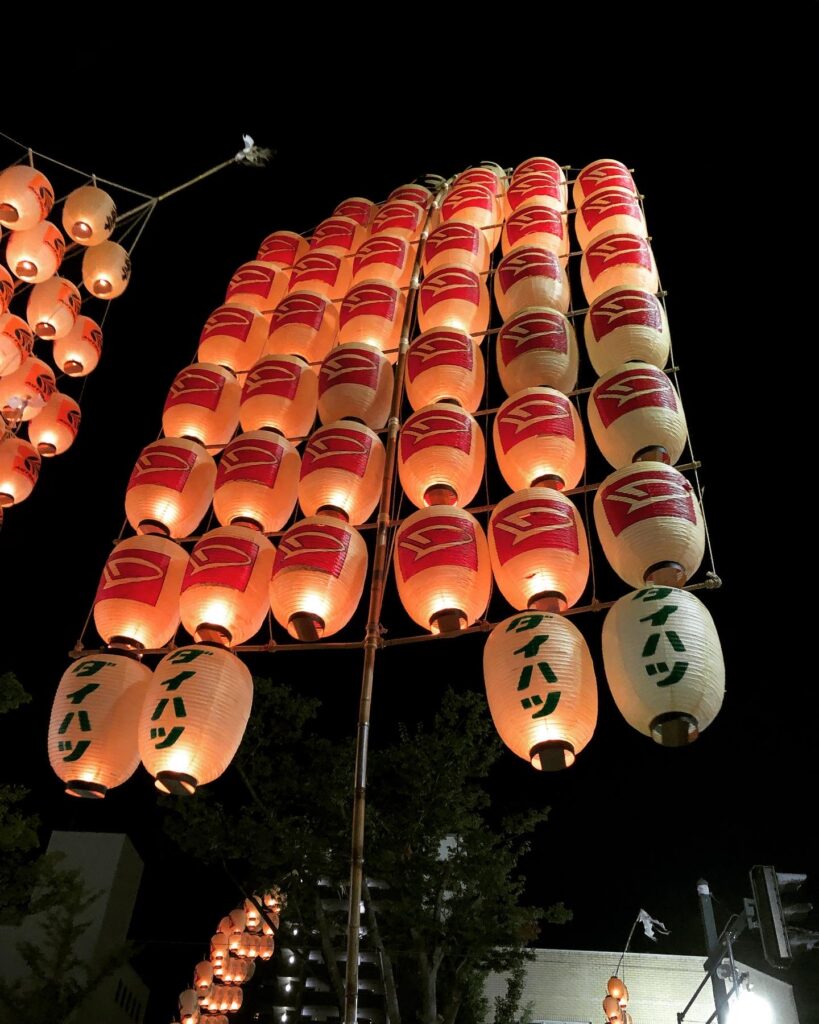
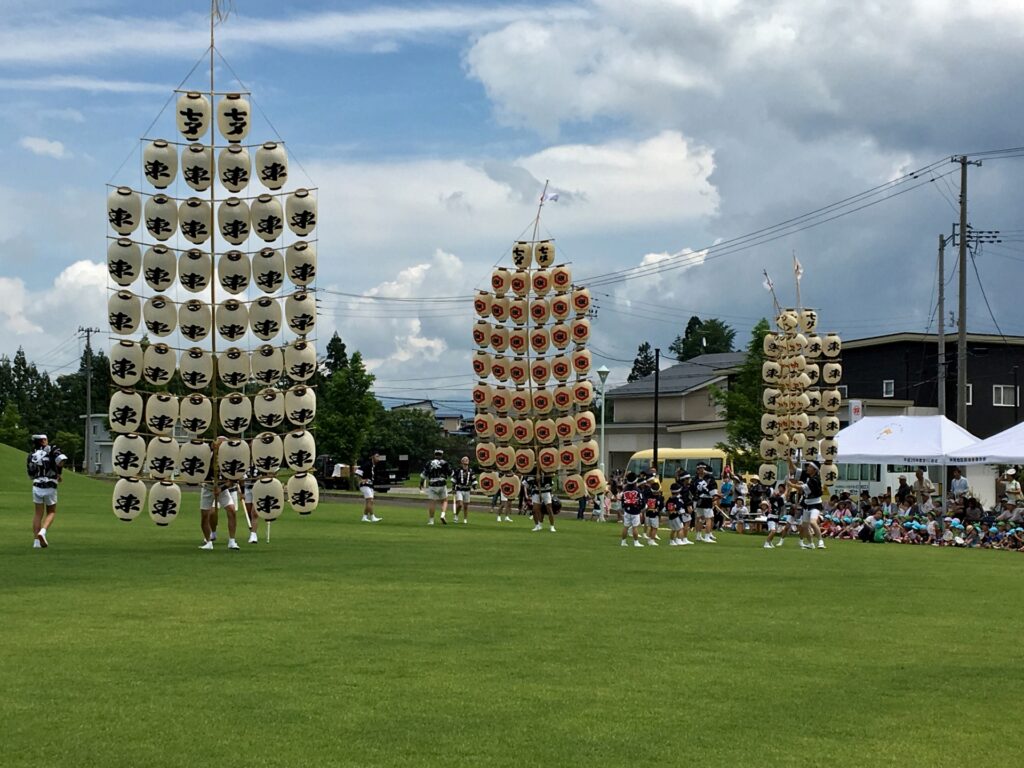
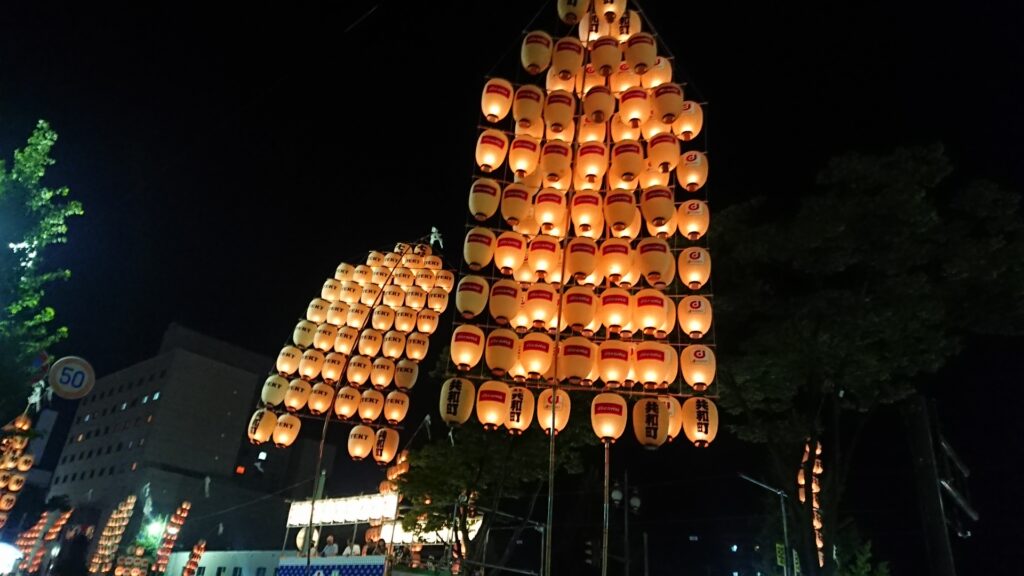
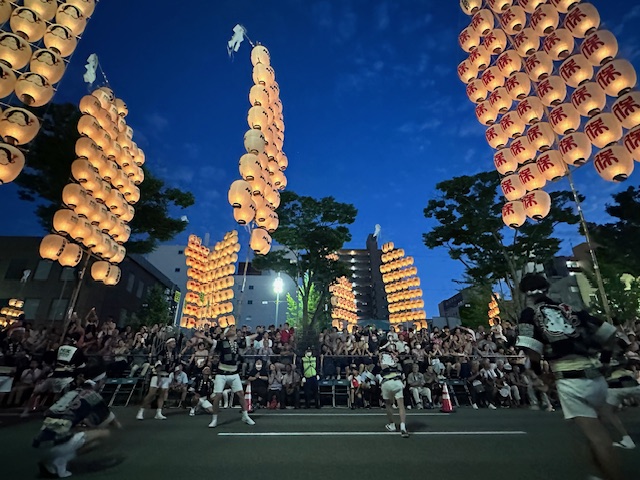
Kanto Matsuri is a festival which celebrates and prays for a bountiful harvest of rice – thus the giant lantern’s shape is similar to that of a stalk of rice. This festival is a National Important Intangible Folk Cultural property with a history spanning about 270 years. The name means “pole lantern festival” and it delivers exactly that. Every year from August 3rd through the 6th, Akita city’s evenings are lit up with towering lantern displays.
The poles can hold up to 46 paper lanterns and the most impressive feature of this celebration is, the poles are held up by a single performer. They dance and chant and bring merriment to all who come to the festivities. Sometimes the highest skilled performers balance the 12 meter, 50 kg poles on their palms, shoulders, chins, and foreheads! It’s quite the spectacle indeed and one of the most authentic traditional Tohoku festival experiences you can have during your summer travels. The nightly parade events are held on Kanto-Odori street near the city’s center. Come witness the some 280 poles and over 10,000 lanterns!
Aomori Nebuta Matsuri
- August 2nd (SAT) to 7th (FRI)
- Starting from 18:30 ~ (starts at 13:00 on the 7th)
- Center of Aomori City, 10-min from from JR Aomori Station
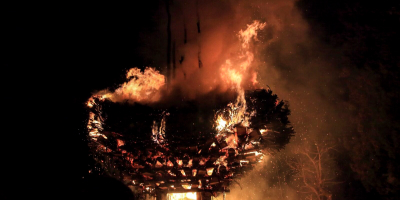
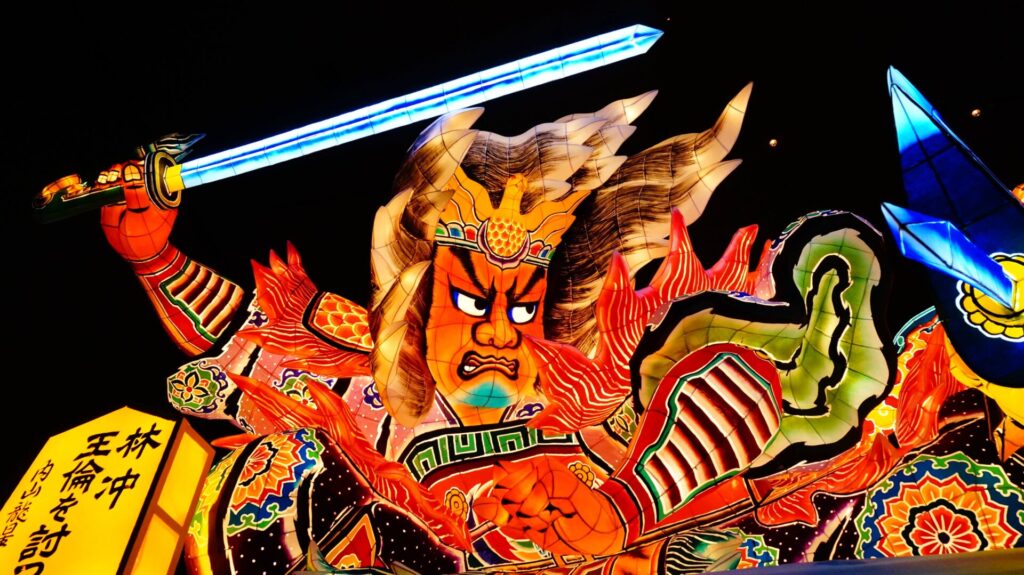
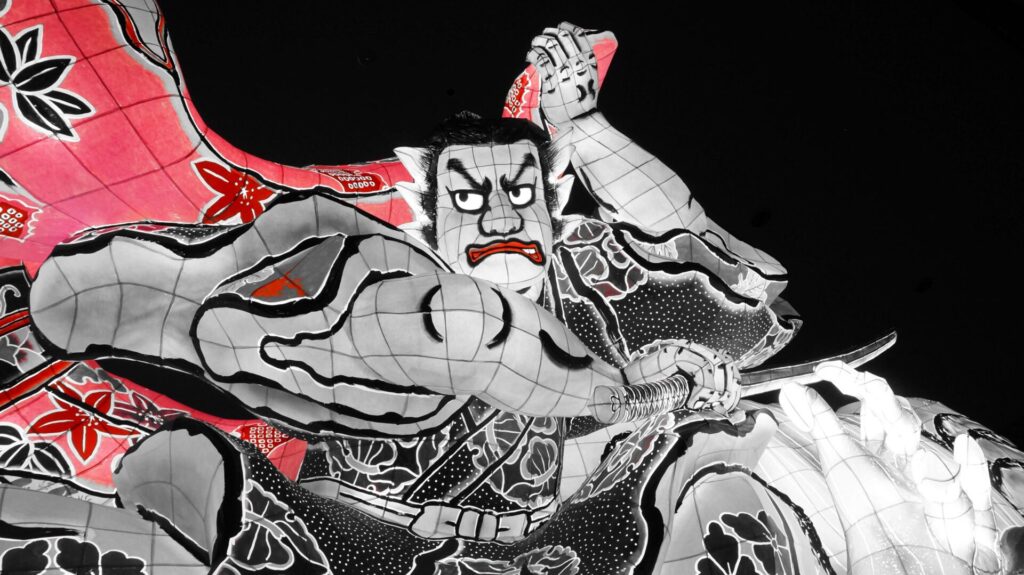
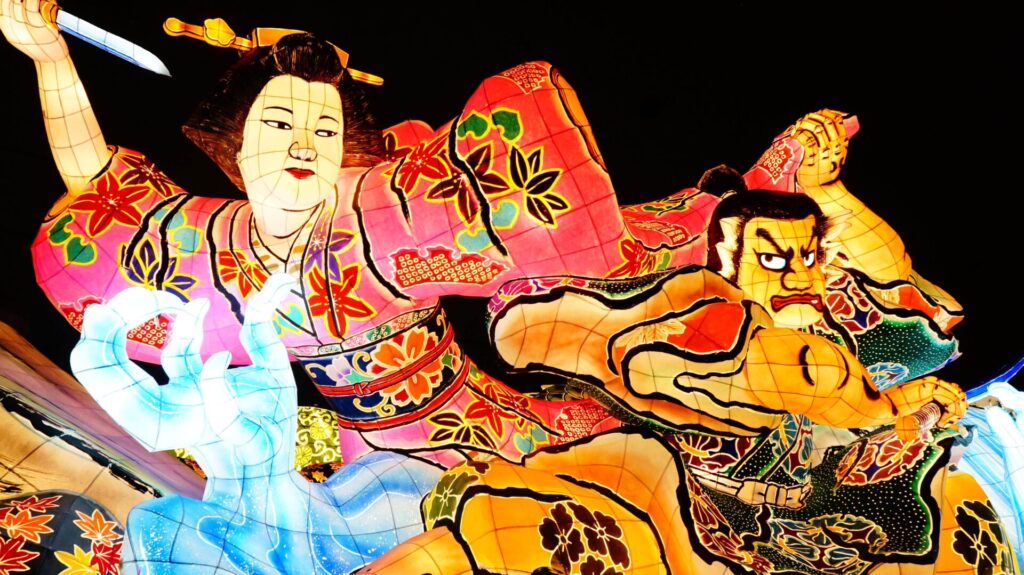
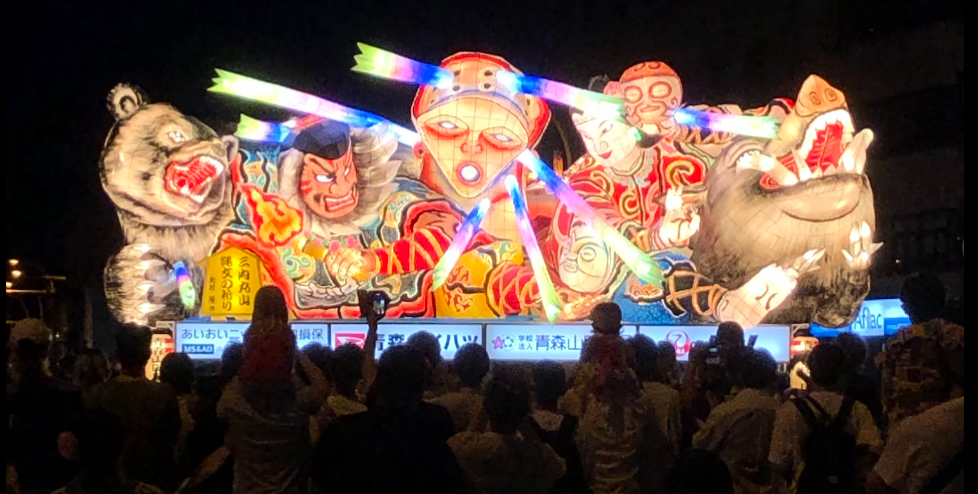
Nebuta Matsuri is a type of Tanabata festival that is held in towns around the Aomori Prefecture every year. The largest of these festivals is the Aomori City Nebuta Matsuri held from August 2nd to 7th and the event is listed as an Important Intangible Folk Cultural Property of Japan. The main attraction of this festival are the dozens of locally organized and crafted paper floats. These floats are built with a hard wireframe interior, covered with vibrantly colored washi paper, and illuminated from the inside for a spectacular parade. The floats depict all sorts of characters including deities, historical or mythical figures from Japanese culture, kabuki actors, and characters from popular TV shows and sometimes anime. The evening parade festivities are free to watch, but paid reserved seating is also available specifically for overseas visitors. The final day has a marine procession and a fireworks show from 19:15 to 21:00. You can find more detailed information such as maps of the specific route the parade takes and scheduled events on the Nebuta Festival's official English language website.
Thankfully, even if you don’t have time to make it up to Aomori for the proper festival, the Nebuta Wa Rasse Museum in Aomori has examples of the floats on display all year round.
Omagari Hanabi National Fireworks Competition
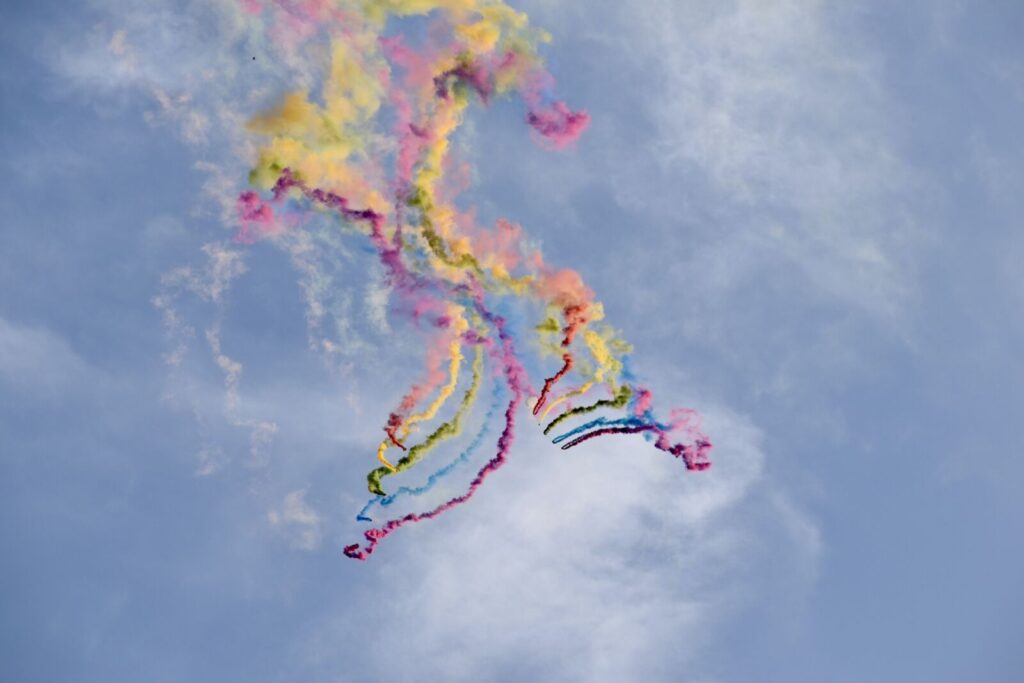
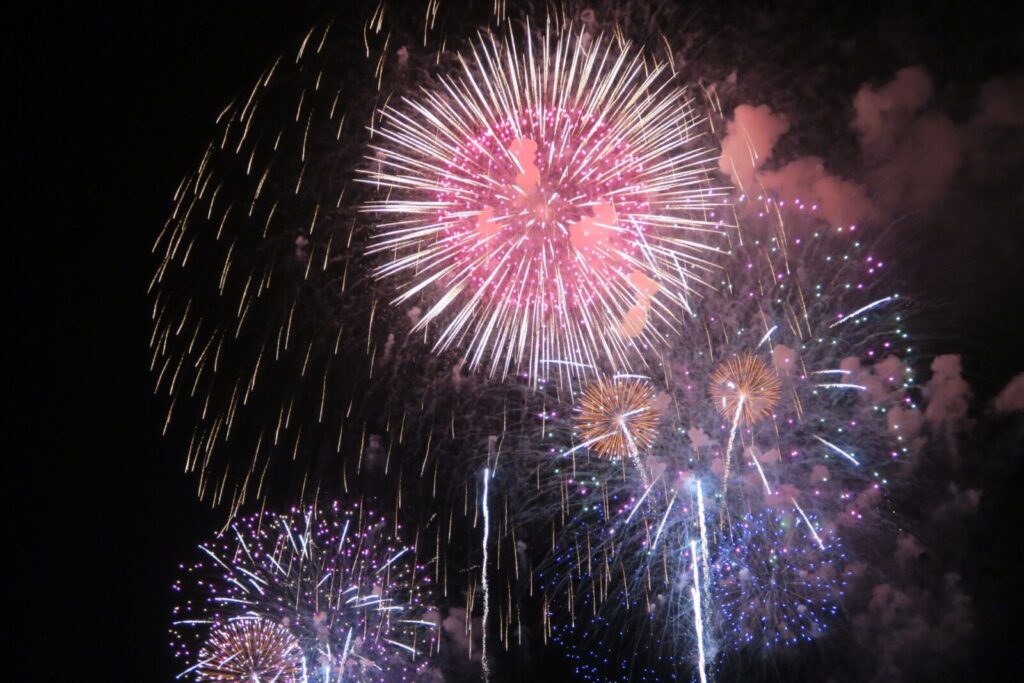
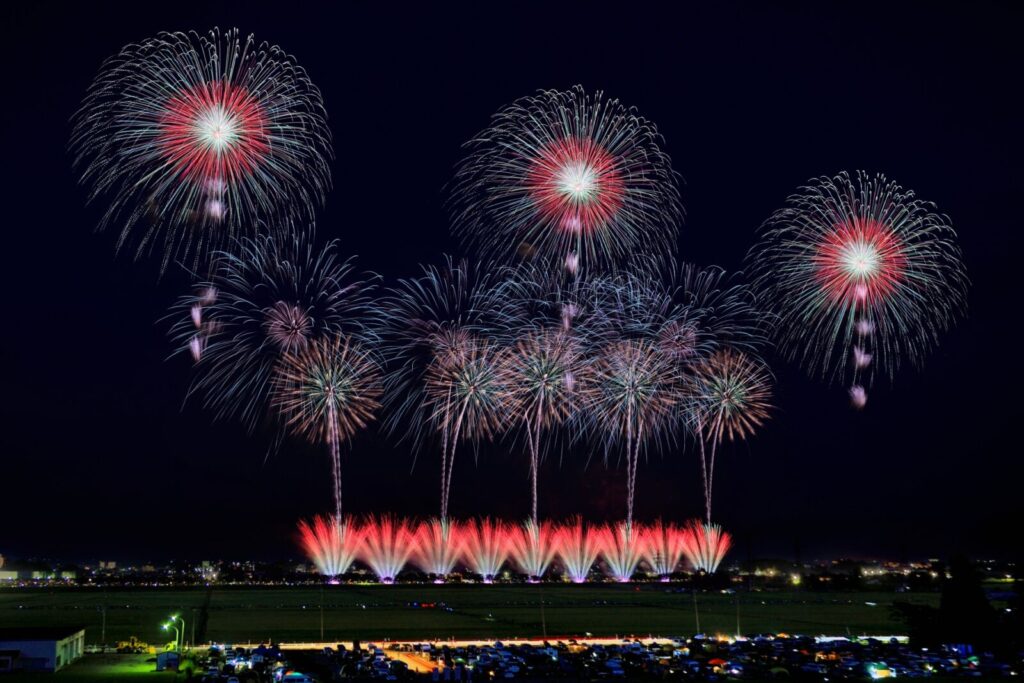
- August 29th (SAT)
- Daytime fireworks 17:10 - 18:00
- Nighttime fireworks 19:00 - 21:30
- Omagari Hanabi Park (Omono Riverbank, Daisen City, Akita Prefecture)
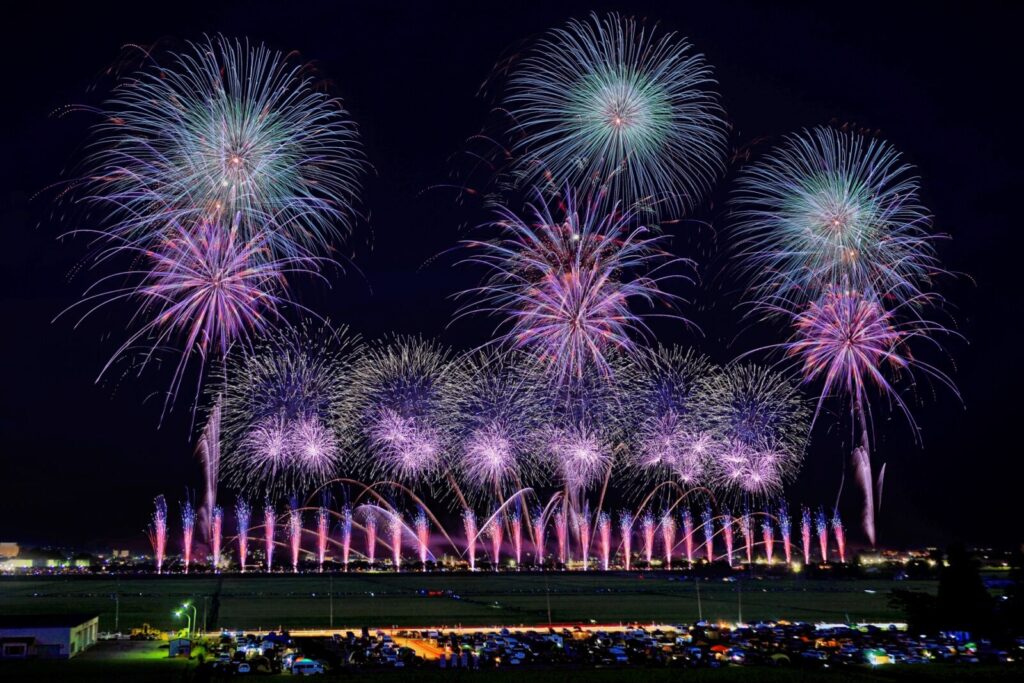
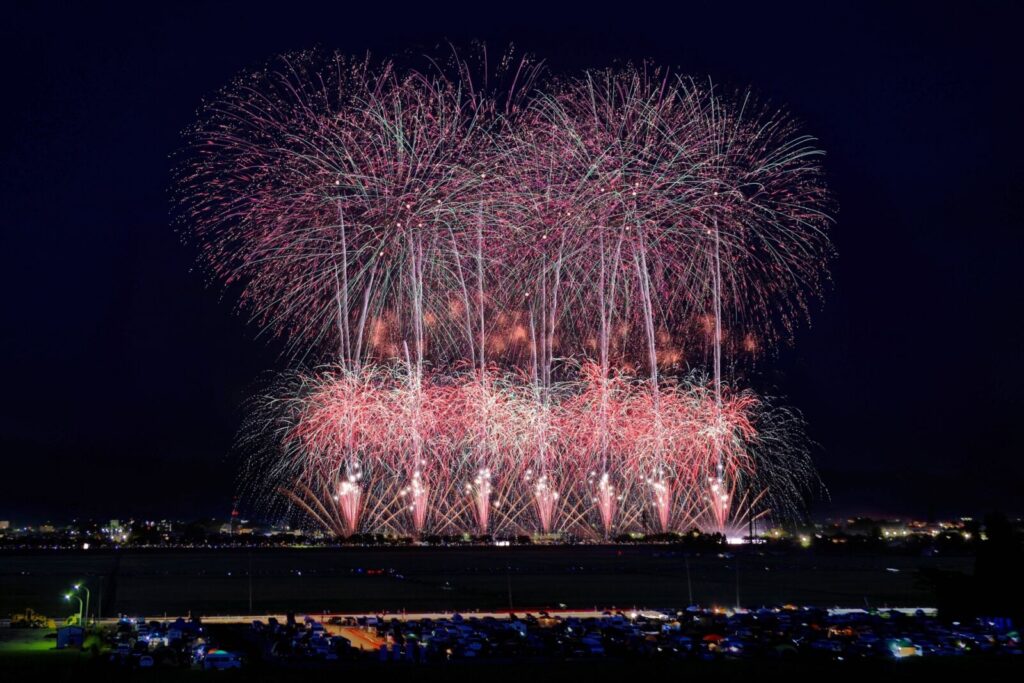
Starting in 1910, the National Fireworks Competition brings together Japan's top hanabi (fireworks) artists in an evening of spectacular color and music. The firework displays are artistically crafted to bring awe to the audience as they light up the sky with colors and sounds. The daytime fireworks offer a unique display. Instead of light, the artists create impressive shows of color and smoke to captivate the audience. The evening competition is displayed in three categories:
Regulated shell (pistil warimono) - a traditional chrysanthemum stye
Freestyle shell - competitors experiment with form to replicate shapes and characters
Creative hanabi - 2 and a half minute performances of pure artistic freedom from the competitors
There are food vendors located at the venue with a variety of well-loved Japan summer festival favorites like yakisoba, grilled Frankfurt sausages, and chocolate covered bananas. Every year the crowds grow bigger and bigger, so if you are planning on attending make sure to arrive early and be ready to walk long distances as nearby public parking fills up very quickly.
Featured Tours in August
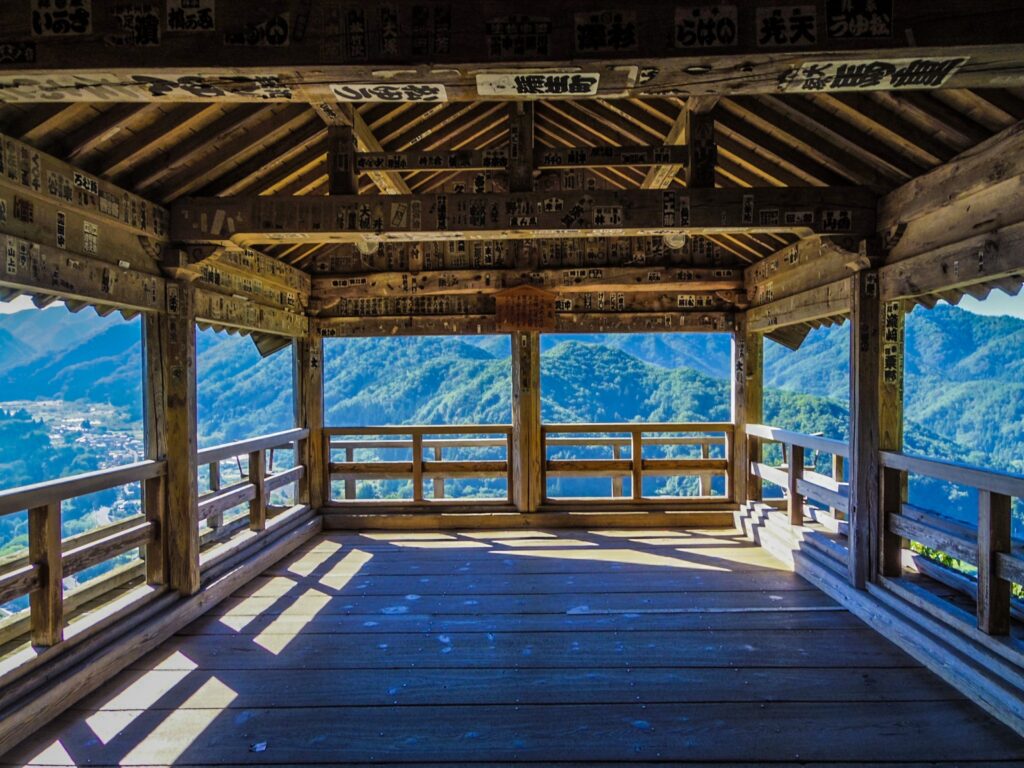
The hot weather and sunny days make August a perfect time to venture outdoors or walk the city streets. Even with a little rain in the forecast, these tours are able to be enjoyed without a hitch!
Visit Two Spiritual Pilgrimages of Tohoku
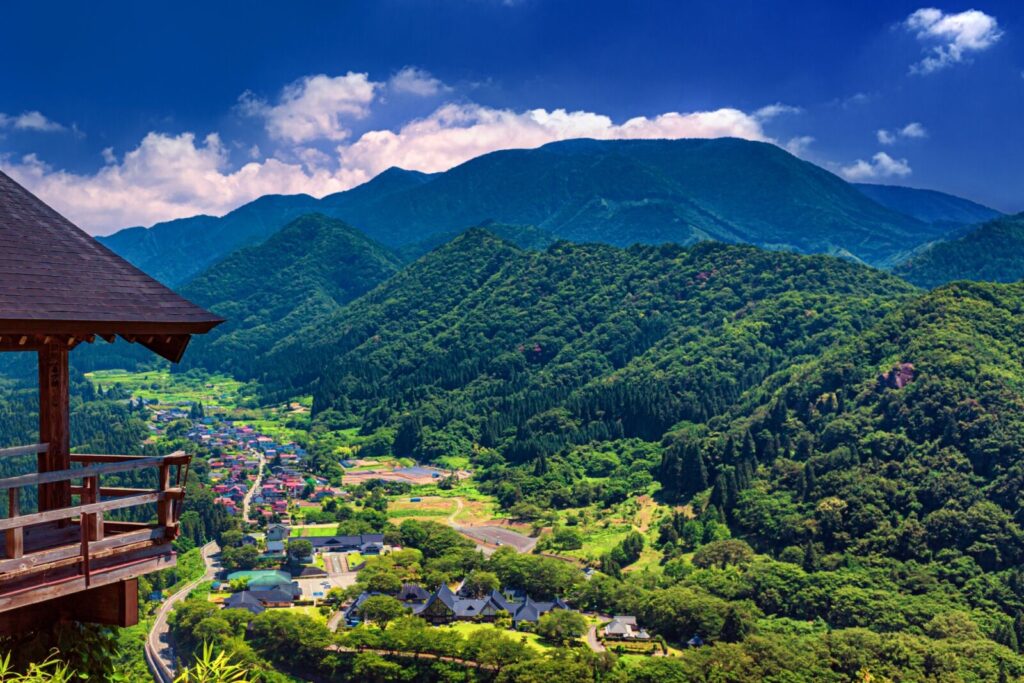
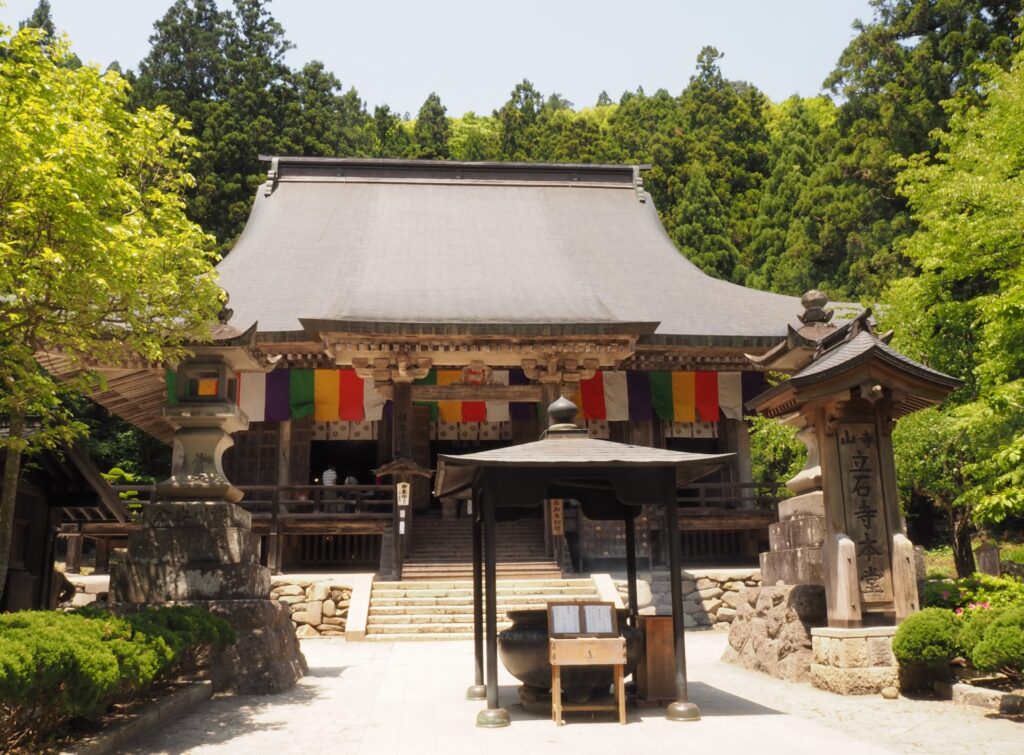
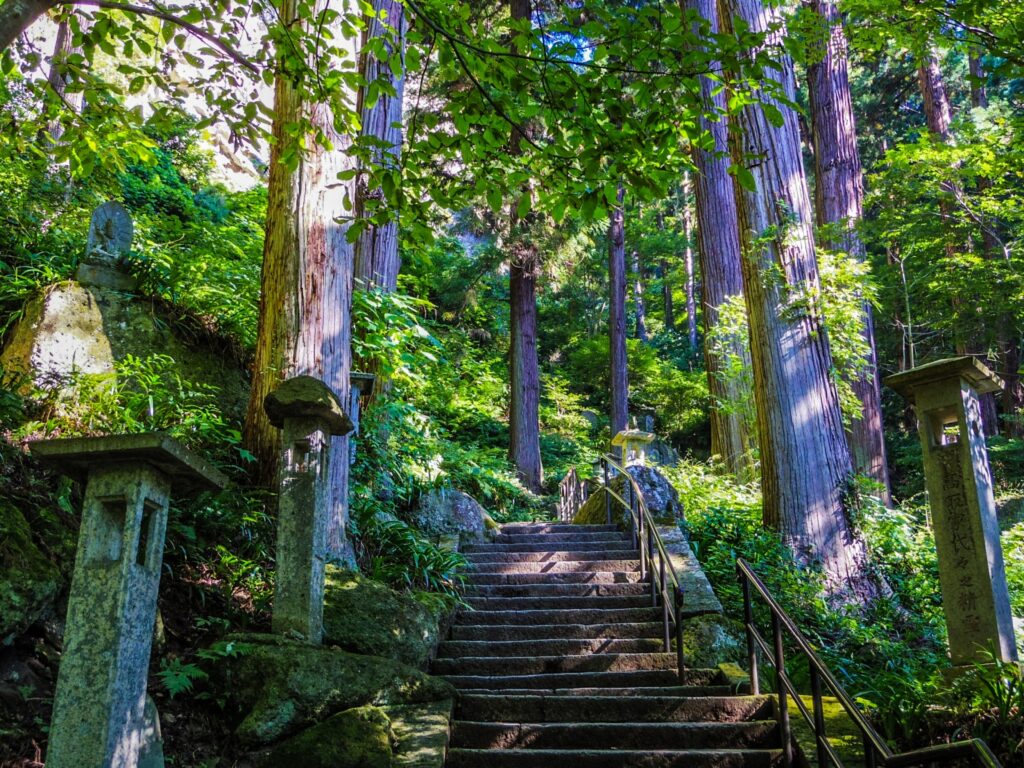
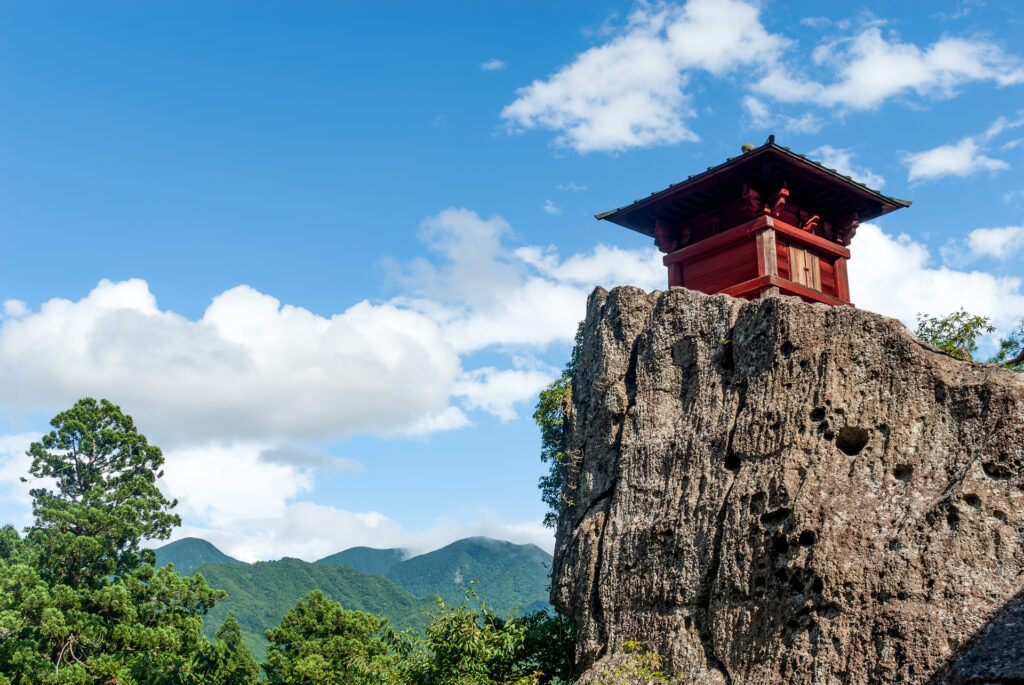
Experience two spiritual behemoths, in size and importance, of the Tohoku region.
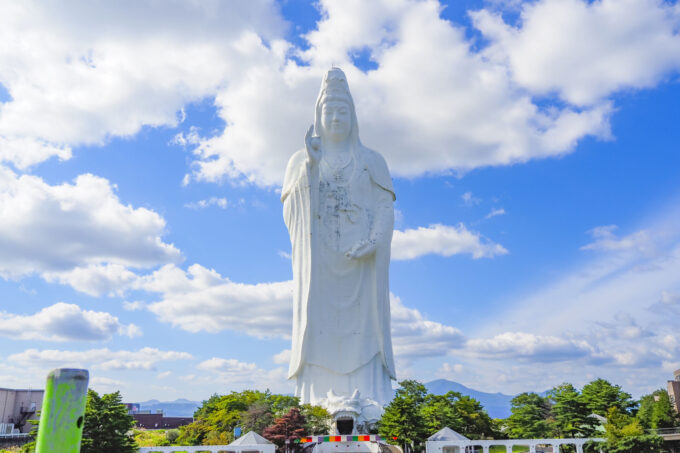
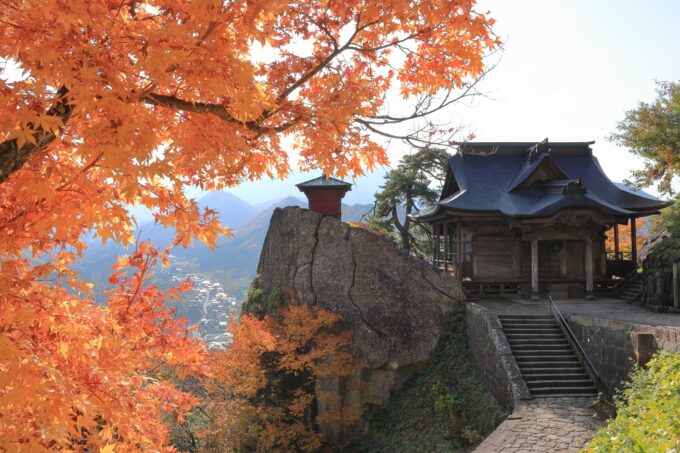
This tour will grant you a day of spiritual significance, historical interest, and natural beauty. Sendai’s Daikannon (White Robbed Colossus) Statue and Yamagata’s Yamadera Temple (Risshaku-ji) are some of the most breathtaking sights located in the Tohoku region of Japan. Both of these notably spiritual destinations boast grandiose height, ritual pilgrimage, and offer visitors a chance to connect with the prominent Buddhist history that has shaped much of what Japan is today.
Highlights:
- See a panoramic view of Sendai City and, on clear days, the Pacific Ocean
- Witness 108 unique statues within the "womb" of Daikannon
- Taste Yamagata's celebrated delicacy ita soba or give yourself some energy with chikara konnyaku
- Climb the 1,015 stone steps of tranquil Risshaku-ji
- Partake in spiritual pilgrimages important to Japanese Buddhism
Visit one of Japan's Top Three Scenic Spots
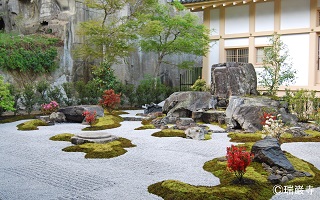
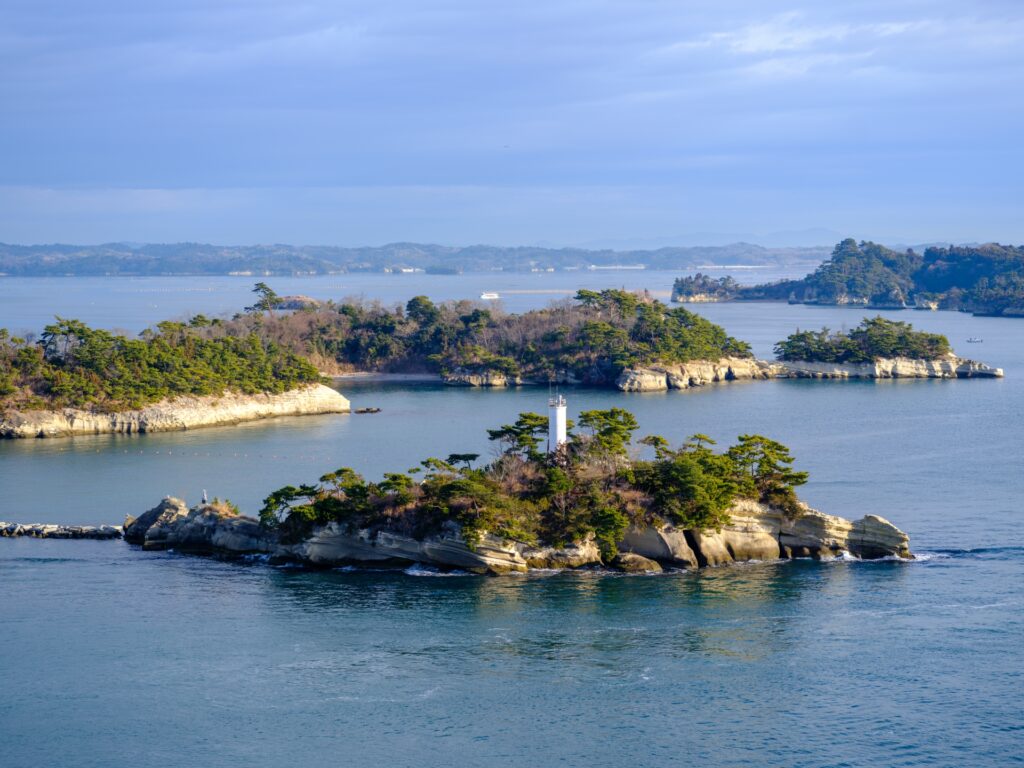
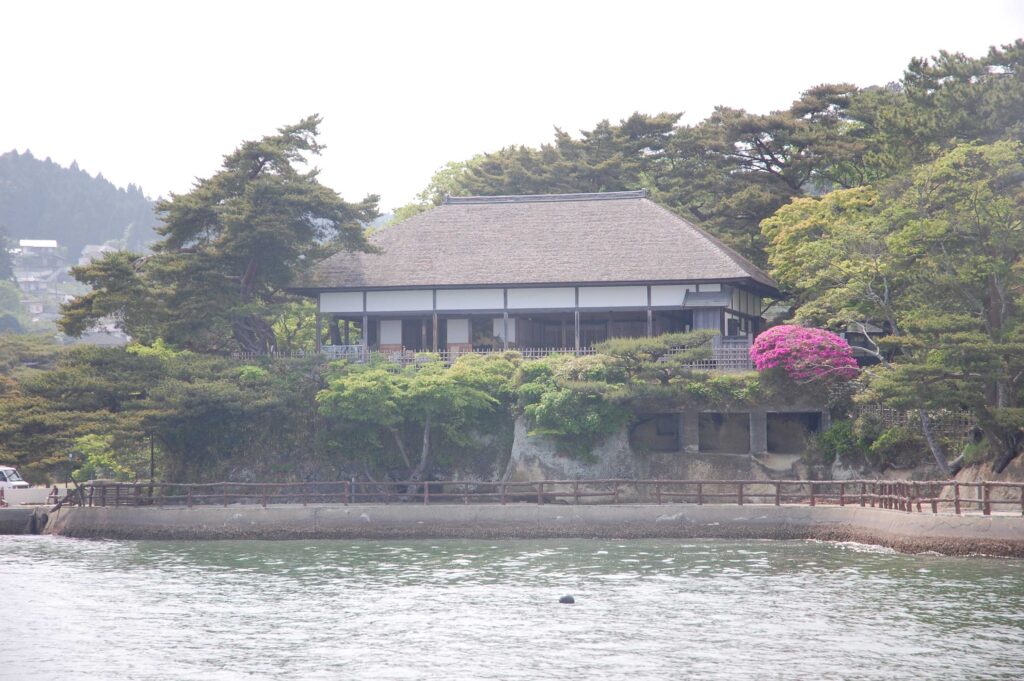
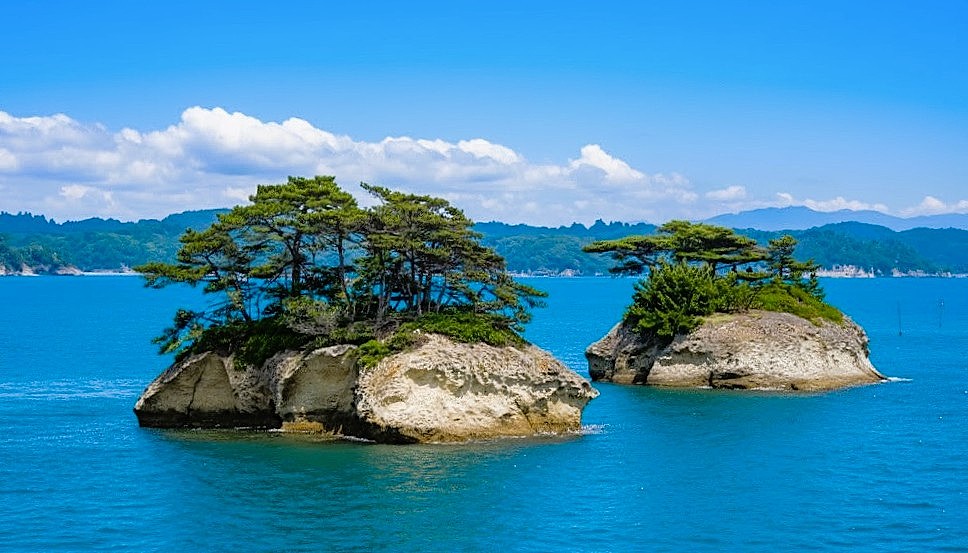
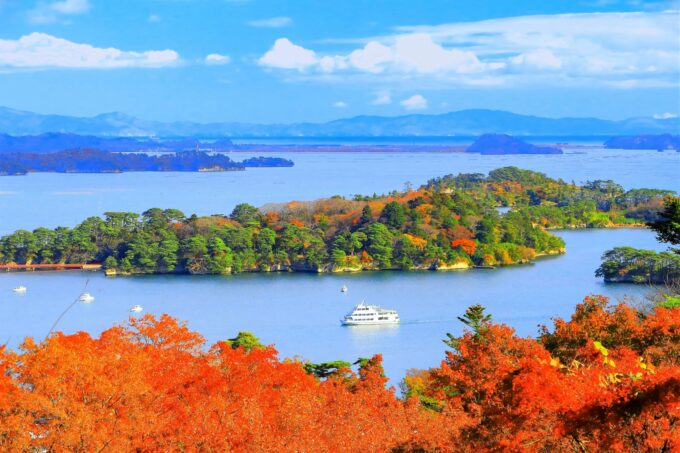
Take a walk through one of Japan’s most treasured picturesque sights. Located in the northeastern part of Miyagi Prefecture, Matsushima Bay’s 260 pine-clad islands create a breathtaking view that is a must-see while visiting the Tohoku region of Japan. On this tour, you will walk through history, take in the ocean-side views, and discover the quaint charms of this bayside town.
Highlights:
- Walk the tranquil gardens within Entsuin Temple
- View national treasures located at Zuiganji Temple
- Travel back in time with a visit to a quaint retro museum
- Taste a Miyagi delicacy zunda mochi paired with traditional matcha
- Enjoy one of Japan’s Three Most Scenic Views via boat cruise of the bay
Small Group
1-Day Tour from Sendai: Matsushima Bay — Highlights from One of Japan’s Three Most Scenic Views
- Spots:
- Matsushima
- Pick-up:
- Sendai
- Drop-off:
- Sendai
Curious about other Japan regional highlights in August? Check out our INFORMATION page for more details!
Tips for Visiting & Traveling in August
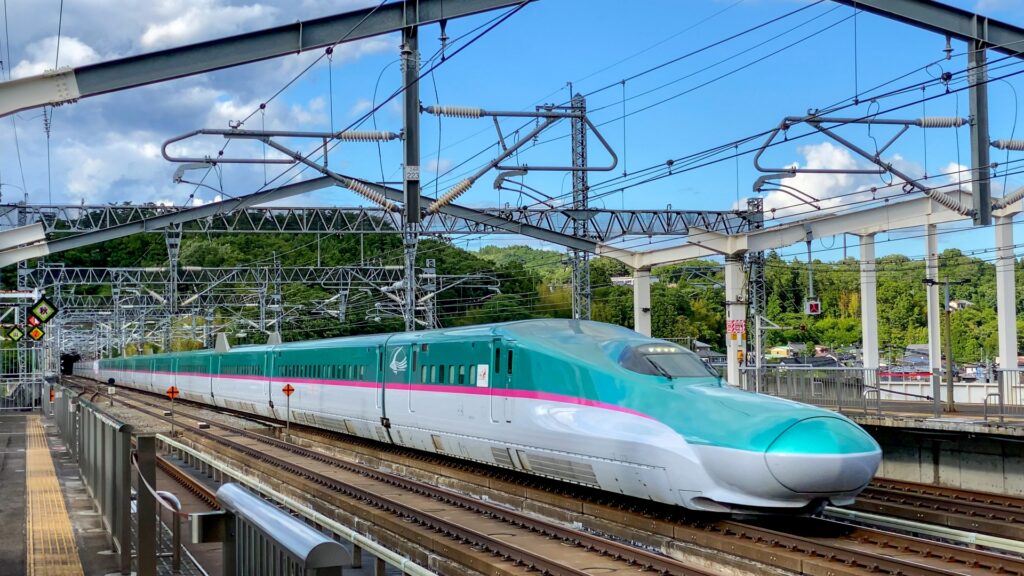
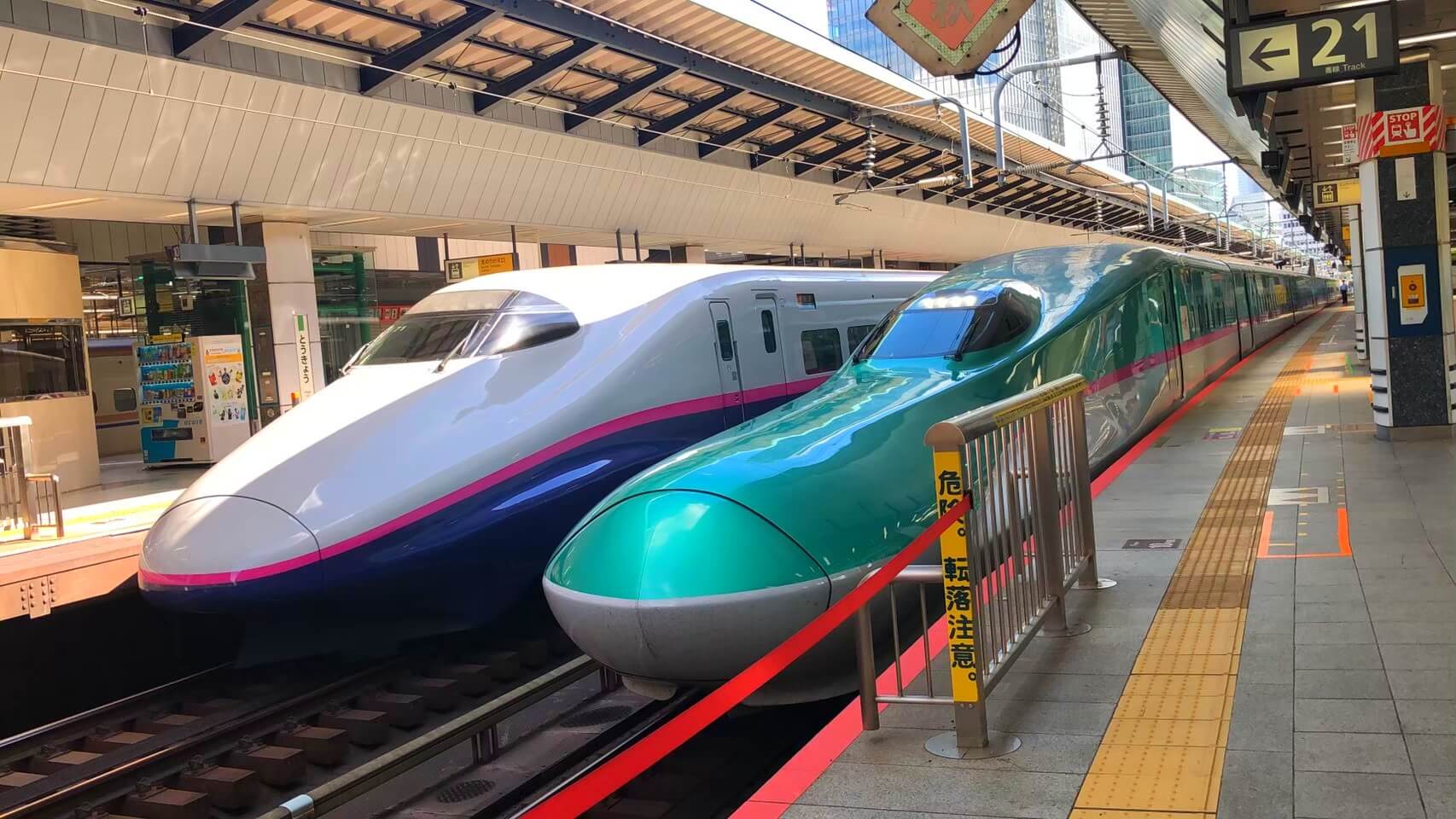
- Shinkansen: Travel to Tohoku is easy and convenient with the JR Pass or JR East Pass.
- Dress in light, cooling clothing: Although Tohoku technically offers cooler summers, be prepared for extra hot and humid days.
- Take Advantage of Warm Weather: Consistently warmer days during August make for a great time to enjoy views of the waterfronts and lush greenery of Tohoku.
- Stay Hydrated: The hot Japanese summers can catch up to you if you aren't careful. Be mindful to stay properly hydrated throughout your days as you enjoy all that Tohoku has to offer – especially if you are venturing outside.
- Indoor Excursions: With temperatures and humidity levels at their highest in recent years, having back-up plans for airconditioned, indoor activities is a must.
Plan Your August Visit
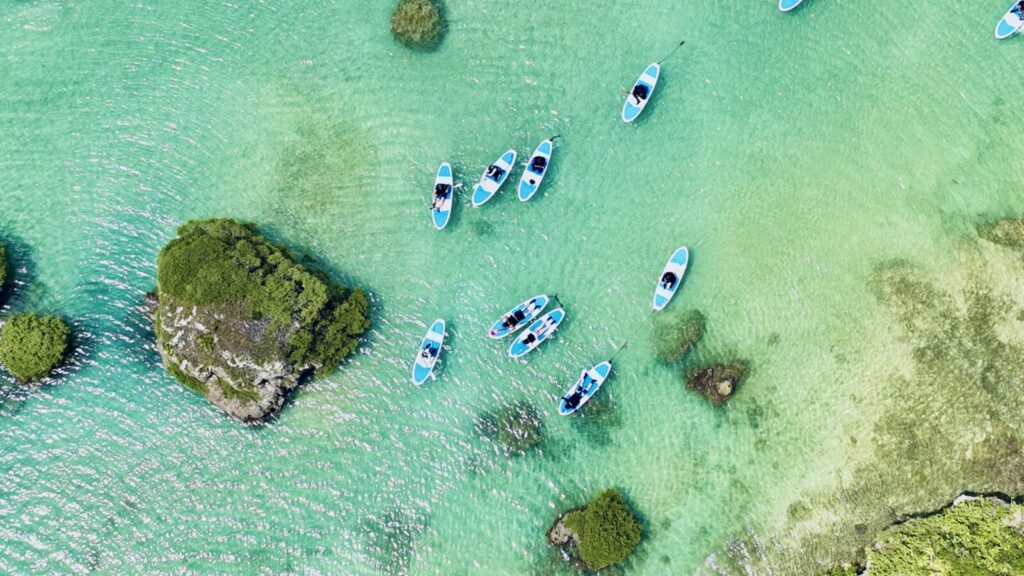
August is well-known for being blistering hot throughout all of Japan, and Tohoku is no exception. However, the Tohoku region is on average slightly cooler than places like Tokyo and Kyoto, so venturing north can be a great addition to your summertime plans!
Although Tohoku can offer reprieve from the heat, it's important to stay up to date on weather forecasts as well as news updates on potential bear sightings – especially in the more mountainous areas. Be prepared for consistent hot and humid days with some cooler evenings, and always be prepared with heat protectant products and plenty of hydration.
August is a fun season to visit Japan with the plethora of festivals, vibrant outdoors life, and memorable exhibitions.
Ready to discover Tohoku in August? Explore our seasonal tours and charters to experience the best Tohoku and other regions have to offer.
Tohoku Throughout the Year
January | February | March | April | May | June | July | August | September | October | November | December