


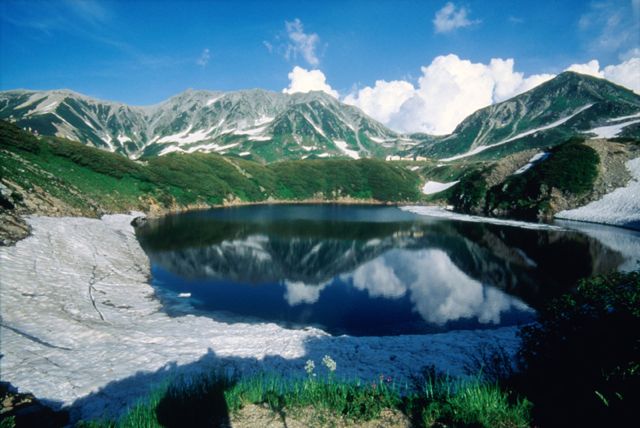
June offers a rewarding window to experience the Tateyama Kurobe Alpine Route as summer approaches the Northern Alps. It also marks the final stretch of the famous Snow Wall (Yuki-no-Otani) event, typically running through mid June. Milder temperatures, melting snowpacks, and expanding patches of lush greenery mark a captivating seasonal shift. The dramatic contrast between lingering snow fields, deep blue skies, and emerging alpine flora creates a picturesque landscape for high-altitude exploration. Furthermore, late June brings the spectacular annual discharge at Kurobe Dam, where massive plumes of water spray across the gorge.
This comprehensive guide covers everything you need for a seamless early-summer journey, highlighting key seasonal transitions, travel logistics, and essential tips. Joining a guided tour removes the hassle of managing multi-leg mountain transit, timed cable car connections, and seat reservations, letting you simply enjoy the towering snow remnants, sweeping mountain vistas, and an unforgettable traversal across the roof of Japan.
Weather in June
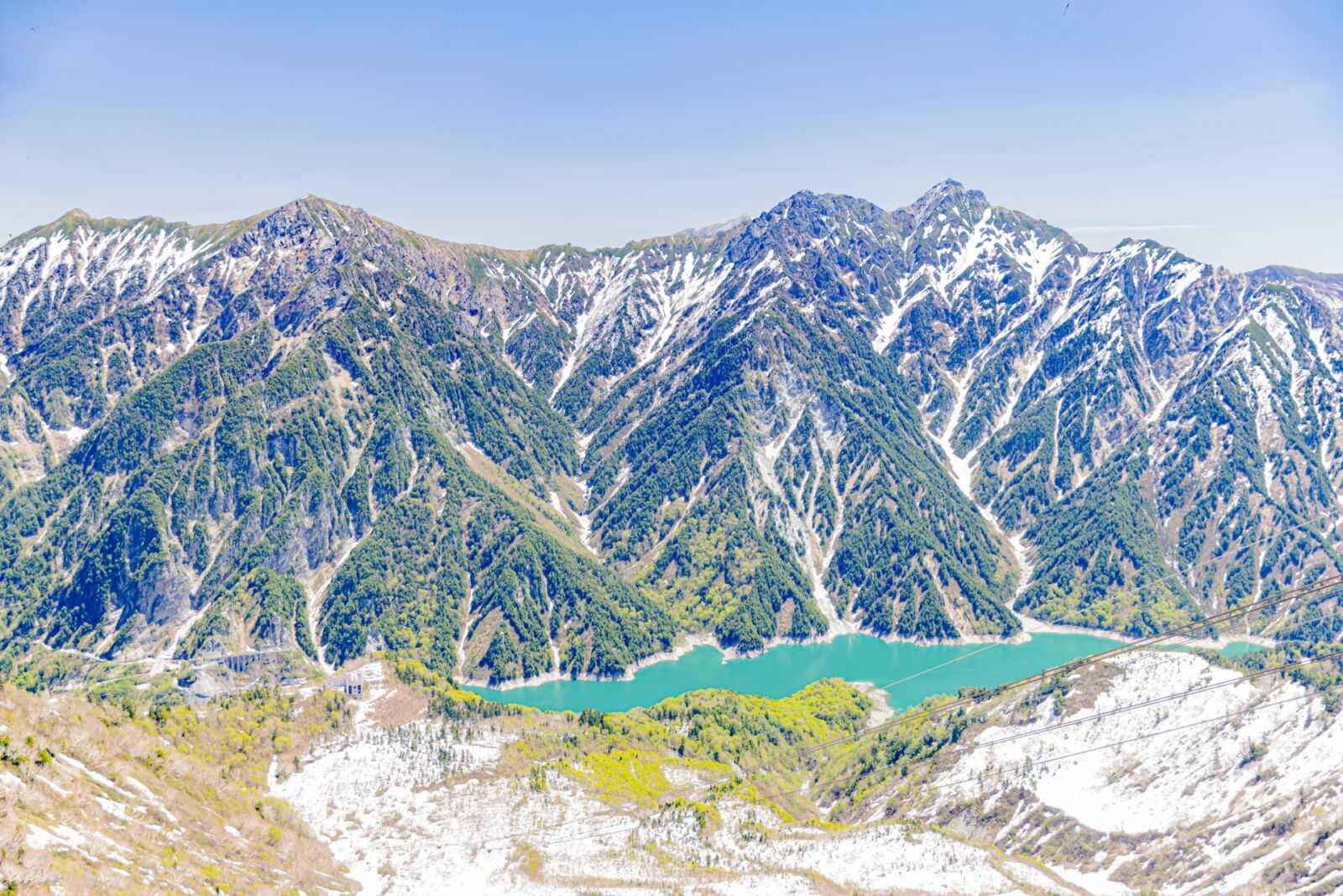
Temperatures along the Tateyama Kurobe Alpine Route shift noticeably as early summer reaches the Northern Alps, varying widely across elevations. Base stations and mid-altitude stops such as Ogizawa and Kurobe Dam experience comfortable, mild conditions ranging from 15°C to 23°C. In contrast, higher alpine plateaus like Midagahara and Murodo (2,450 meters) stay considerably cooler, with daytime highs typically between 8°C and 16°C, though mornings and evenings can still feel chilly. As snow continues to melt, wet trails and lingering snow patches are common around high-altitude paths, making sturdy, waterproof footwear with good traction and lightweight, adaptable layering essential for a comfortable visit.
June brings a dynamic seasonal transition to the Alpine Route, blending late-season snowscapes with the vibrant awakening of alpine nature. While the iconic Snow Wall (Yuki-no-Otani) recedes as summer approaches, it remains a striking sight through late June alongside vast, sparkling snowfields. Softer mountain breezes, expanding stretches of lush green flora, and the dramatic mid-June start of the Kurobe Dam water discharge make June a ideal month to enjoy the high Alps with fewer crowds and pleasant, mild weather.
Recommended Hikes in June
Murodo Plateau

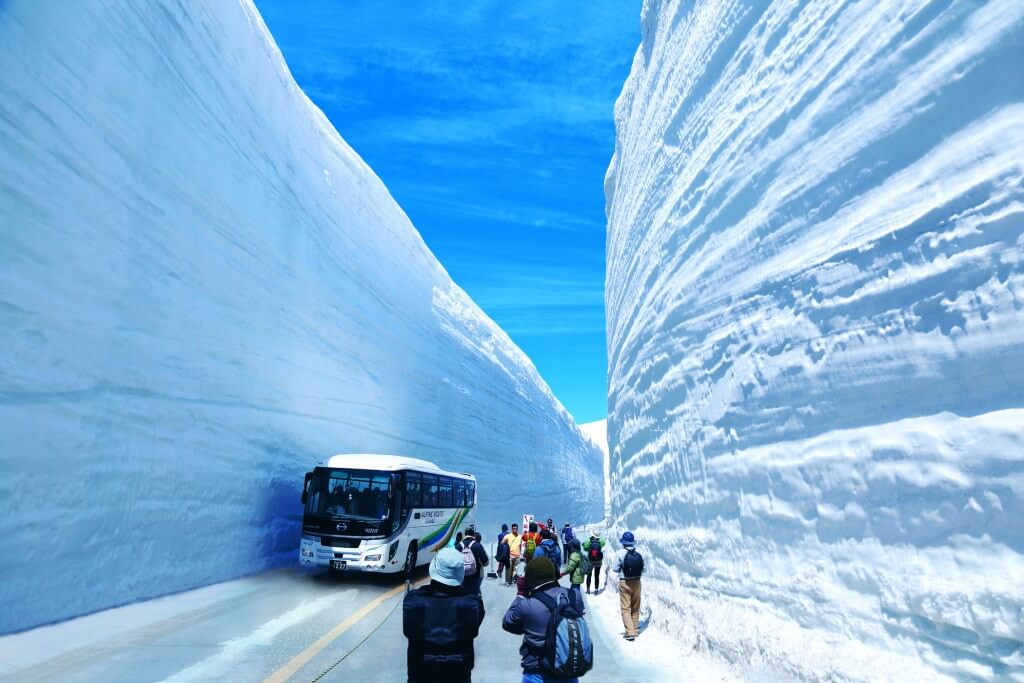
Visiting Murodo in June presents a fascinating landscape in transition, where lingering high-mountain snowfields meet the first subtle signs of alpine summer. While the towering Yuki-no-Otani Snow Wall gradually recedes as the month progresses, walking through the snow corridor remains a memorable highlight—particularly during the first half of June before the event concludes for the season.
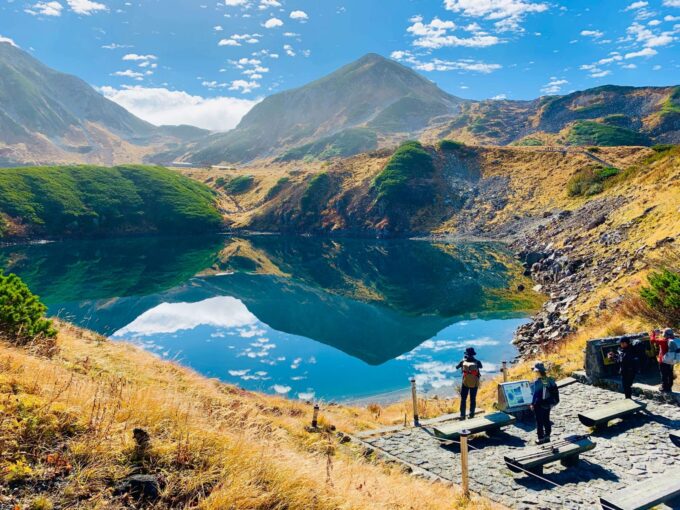
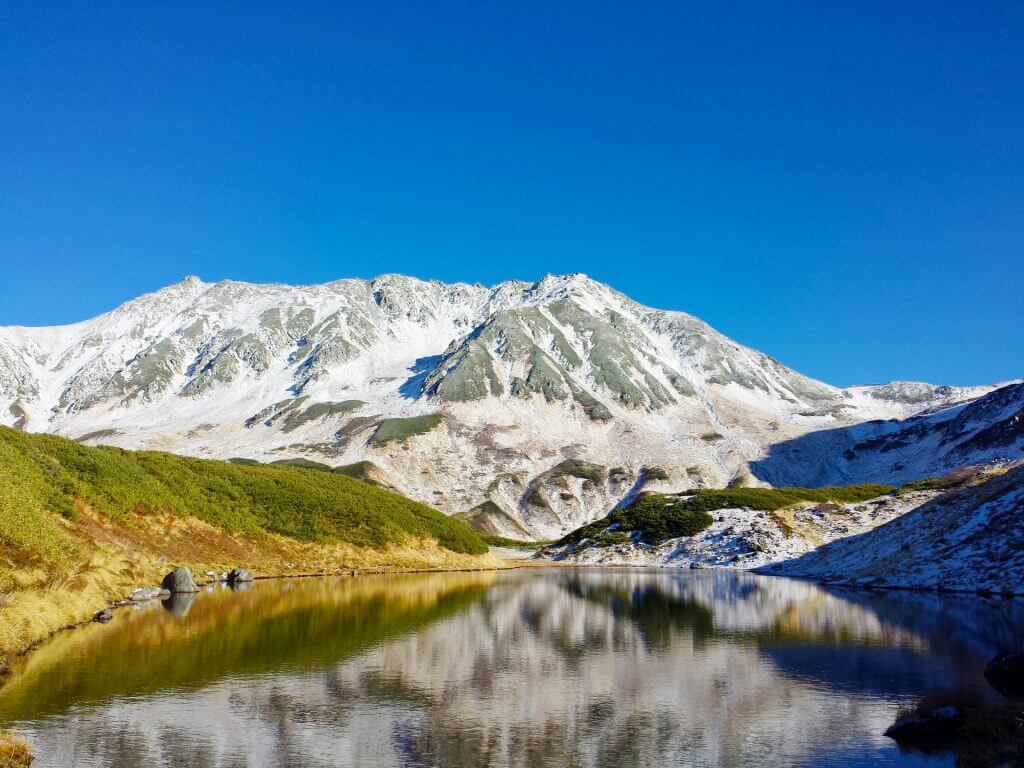
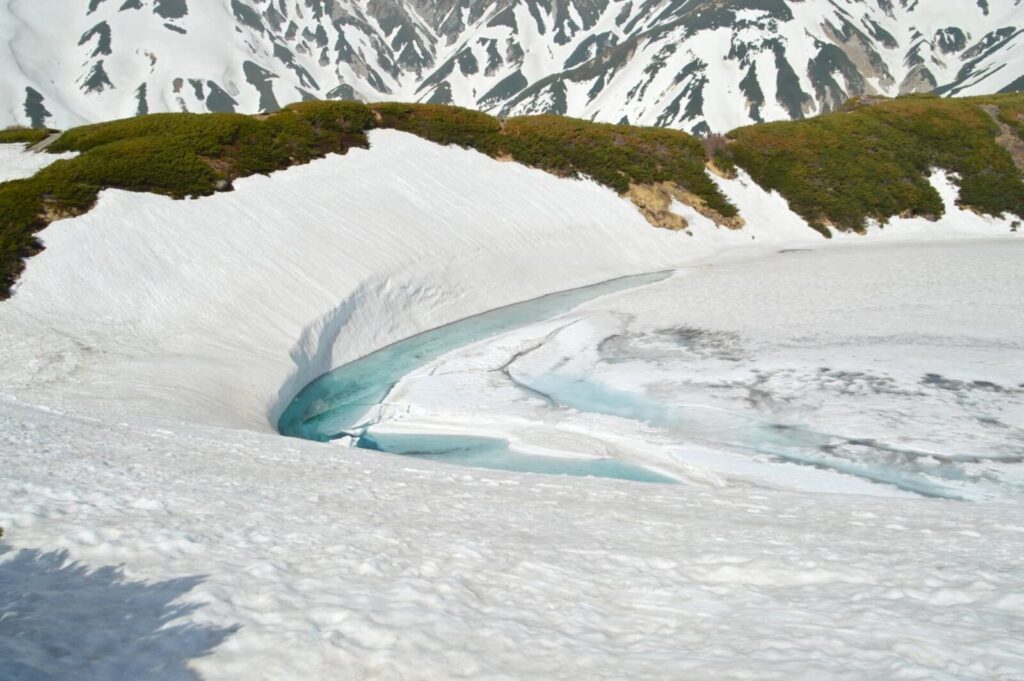
Early-summer conditions open up even broader opportunities to explore Murodo's high-altitude terrain. As the snowpack melts under gentle sunshine, parts of the trail loop emerge, revealing the turquoise waters of Mikurigaike Pond breaking free from its icy winter cover. Walking paths around Murodo Terminal become much easier to navigate, allowing visitors to enjoy crisp alpine air, sweeping vistas of the Tateyama Mountain Range, and the unique contrast of brilliant snow patches alongside emerging greenery and alpine flora.
Kurobe Dam
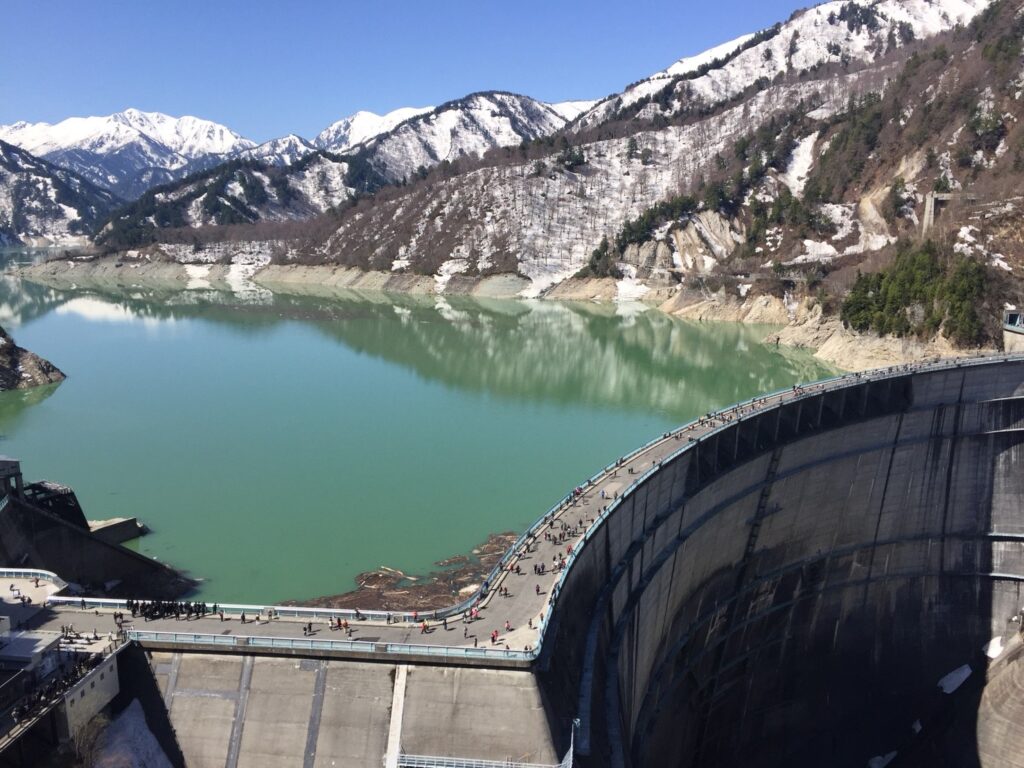
Walking the high footbridge atop Kurobe Dam in June places you right in the middle of dramatic early-summer scenery. Rising high above the reservoir, the massive arch structure looks out over Kurobe Lake’s deep emerald waters, backed by dramatic mountain peaks as the last traces of winter snow give way to lush green forests.
Seasonal Highlights in June
Yuki-no-Otani Snow Walls

Although the Yuki-no-Otani Snow Wall reaches its maximum stature during the April season launch—soaring up to 16 meters in 2026—June provides a unique, last-chance opportunity to walk between these legendary snowbanks. Throughout June, early-summer warmth steadily reshapes the giant drifts, yet the sheer canyon walls near Murodo Station still stand several meters above the paved walking path until the event wraps up in late June.
Kurobe Dam Water Release
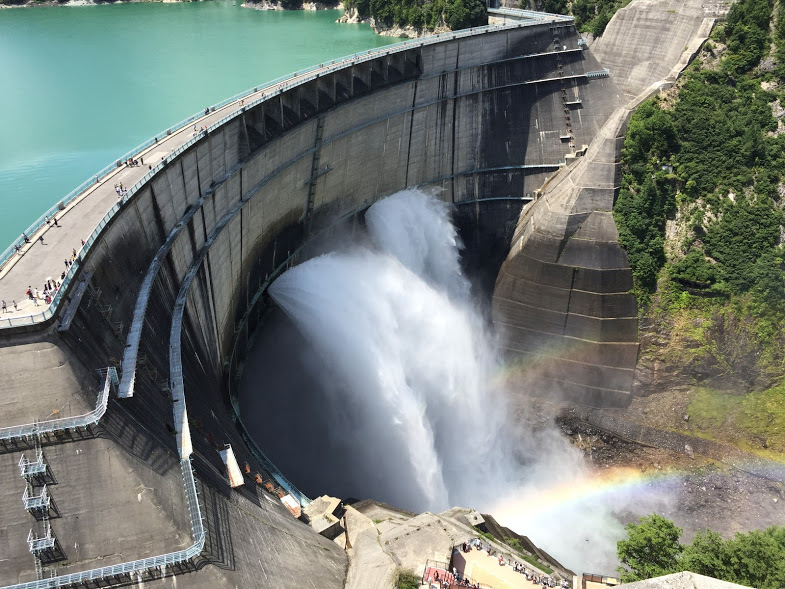
A major highlight of visiting in late June is the official start of the dam's famous water release. Standing on the observation platforms, visitors can witness thousands of tons of water roaring into the canyon each second, creating mist clouds and vivid rainbows above the gorge. Paired with mild, refreshing breezes and vibrant mountain foliage, June transforms this engineering marvel into one of the most energetic and visually spectacular stops along the entire rout
High-Altitude Snowshoeing and Walks
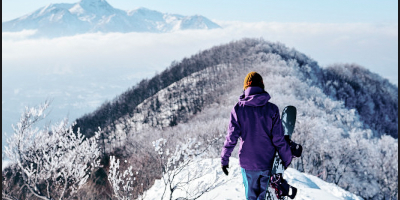
During early June, snowshoe excursions offer a rewarding way to navigate the remaining high-altitude snowpack, guiding visitors across the glittering, spring-softened drifts around Murodo. Mild early-summer weather and extended daylight make these guided treks a tranquil escape from the main sightseeing hubs, opening up wide, open-air perspectives across the mountain landscape under clear skies.
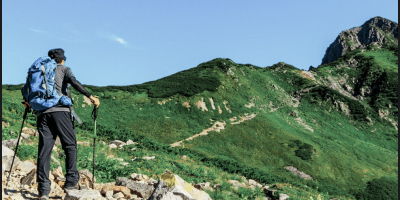
As June progresses, the rapid seasonal melt transforms the terrain day by day. While high-mountain summit routes like Mount Tate gradually become more accessible to experienced, well-equipped hikers toward the end of the month, low-lying snowpack begins to clear from the Midagahara wetlands. As the deep winter layer recedes, parts of the elevated wooden boardwalks start to emerge, marking the start of the summer hiking season across the alpine marshes.
Featured Tours in June

1 Day Tour from Kanazawa or Toyama: Tateyama Alpine Route Snow Wall and Mysterious Valley
Experience the breathtaking transition from spring warmth to alpine winter on a guided day tour from Toyama to the towering snow walls of the Tateyama Kurobe Alpine Route. Travel comfortably through the majestic Northern Alps aboard various mountain transport systems while taking in sweeping views of pristine snow corridors and surrounding peaks. Expert local guides handle all the complex logistics and ticket coordination, ensuring a seamless and stress-free journey through one of Japan's most iconic alpine landscapes.
Available until mid-June.
Highlights:
- Experience of one Japan’s most iconic sights – the immense snow walls of the Tateyama-Kurobe Alpine Route!
- Enjoy a unique variety of mountain transports to reach the summit, 2450 meters above sea level, and access the ‘Roof of Japan.’
- Witness the dramatic alpine landscape of Japan’s highest mountain range and expansive Chubu Sangaku National Park by walking through the surrounding snowfields.
- Walk around the traditional start of the hike to Tateyama and see a shrine to Enma, the god of the underworld, and a bridge that separates the world of the living from the dead.
Recommended
1 Day Tour from Kanazawa or Toyama: Tateyama Alpine Route Snow Wall and Mysterious Valley
More Ways to Visit the Tateyama-Kurobe Alpine Route
Alongside our guided tours, we also offer charters and other travel options to the Tateyama-Kurobe Alpine Route. These are perfect for travelers who prefer private transport, customized itineraries, or more flexibility in planning their day. Whether you’re travelling as a family, a couple, or a group, charters provide comfort and convenience while still letting you experience the best of the village and surrounding region.
COMING SOON!!!
Tips for Visiting & Travel in June

- Busy Season for Transport - While June lacks the intense surge of Golden Week, the Tateyama Kurobe Alpine Route remains busy as travelers arrive for the Snow Wall’s final weeks and the spectacular launch of the Kurobe Dam water discharge. Mountain transport like cable cars and ropeways frequently operates at capacity, making timed tickets and multi-leg transfers challenging for independent travelers. Joining a guided tour eliminates booking stress and long queues by securing pre-arranged transit reservations, allowing you to enjoy a smooth, seamless journey across the Alps.
- What to Wear – Dressing for the Tateyama Kurobe Alpine Route in June requires adaptable layering to accommodate shifting conditions between mild lowlands (15°C–23°C) and cooler mountain heights like Murodo (8°C–16°C). A moisture-wicking base layer combined with a light fleece and a breathable, water-resistant jacket allows for quick adjustments as temperatures fluctuate between sunlit outdoor trails and air-conditioned transit. Sturdy, waterproof footwear with strong tread is essential for walking on melting, slushy snow, while sunglasses, high-SPF sunscreen, and a brimmed hat are crucial to protect against intense alpine UV reflection.
- Visual Scenery – Visiting in June offers a captivating visual transition as lingering snowscapes merge with early summer in the Northern Alps. Highlights include walking through the final weeks of the dramatic Yuki-no-Otani snow corridor, where impressive walls of snow contrast strikingly against deep blue skies and emerging mountain greenery. At Kurobe Dam, thawing alpine waters lead up to the spectacular late-June start of the massive water discharge framed by dramatic, clearing peaks.
- Scheduling Tips – Visitor traffic remains steady throughout June. However, during the final weeks of the Snow Wall and the late-June launch of the Kurobe Dam water discharge it can be quite crowded. Travelers looking for a quieter, more relaxed experience should target mid-week days in early to mid-June, when transit lines and walking trails are generally much less congested.
Where to Stay in June
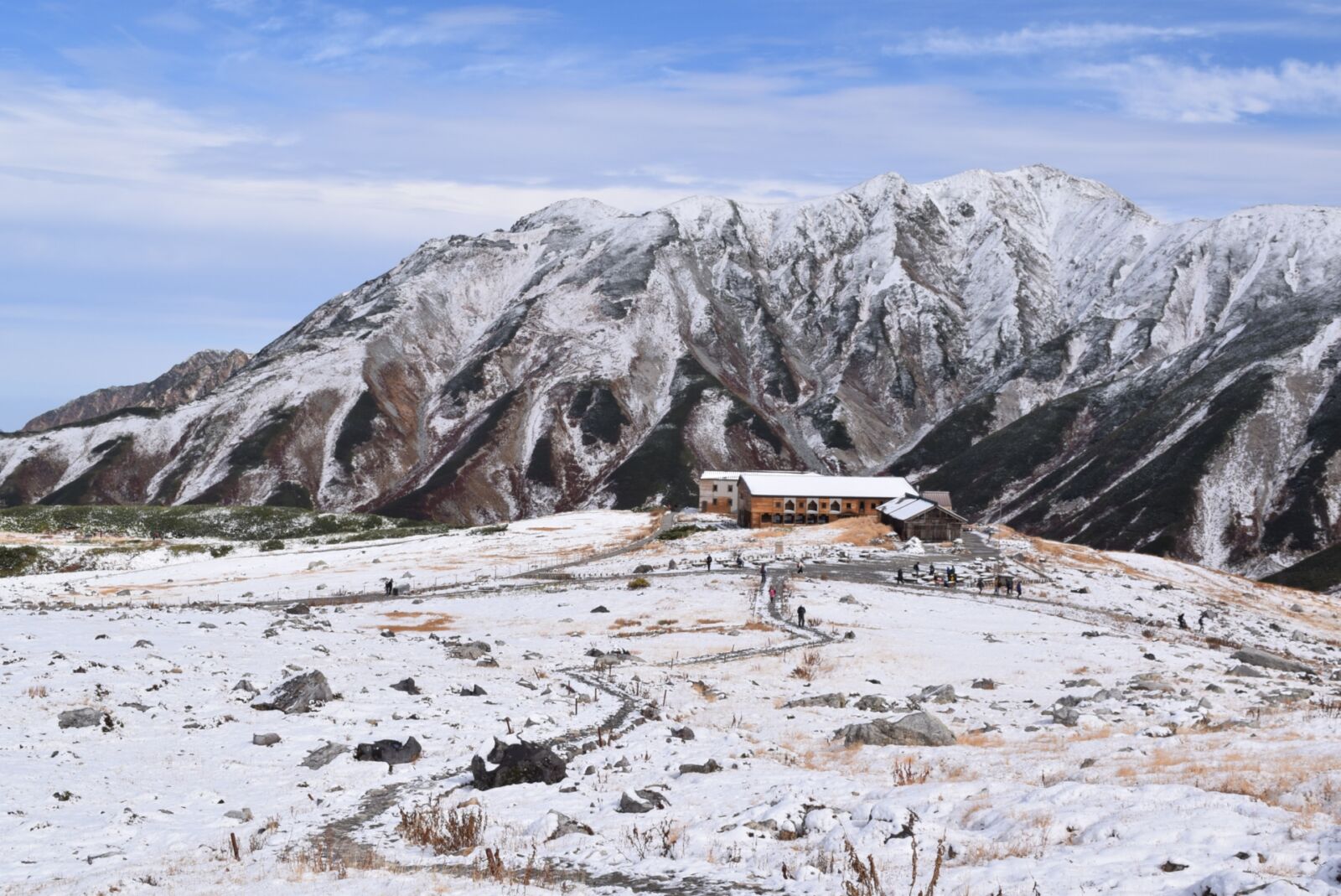
While many visitors experience the Tateyama Kurobe Alpine Route on a single-day trip, staying overnight on the mountain in June unveils a uniquely serene atmosphere. Once the evening transit stops and the daytime crowds disperse, the high-alpine plateaus and snow-carved landscapes settle into a quiet, starry sanctuary above the clouds.
- Hotels on the Alpine Route – Overnighting on the route lets you beat the morning rush and experience the crisp, golden sunrise over the snowfields. You can book a room at historical lodges right in the Murodo hub for instant access to the snow corridor, or choose a peaceful retreat surrounded by deep winter snowpacks on the Midagahara plateau.
- Camping – As snowpack melts and weather warms through June, backcountry camping at Raichozawa Campground gradually opens up for summer visitors. While lingering snow patches still require four-season gear, insulated sleeping pads, and warm layers for chilly mountain nights, conditions become far more manageable than in early spring. Travelers seeking a warmer, more seamless overnight experience can opt for the mountain's climate-controlled hotels and mountain huts along the route.
- Tateyama & Ogizawa Station – At the western gateway near Tateyama Station, you'll find comfortable hotels and traditional inns nestled at the foot of the mountains to prep for your morning ascent. On the opposite side near Ogizawa Station, the nearby Omachi Onsen-kyo hot spring village offers wonderful ryokan accommodations featuring steaming onsen baths to unwind after a day in the alpine air.
- Toyama City – Serving as the primary western gateway, Toyama City provides a vast selection of accommodations ranging from efficient business hotels to comfortable city inns. Staying near Toyama Station grants you seamless early-morning train connections straight to Tateyama Station for the start of your journey.
- Nagano & Matsumoto City – On the eastern side, Nagano City functions as a major transit hub with lodging options to suit every budget, positioning you well for the approach via Ogizawa. Alternatively, Matsumoto City delivers a fantastic mix of modern hotels and historic inns, offering convenient transport links to the eastern entrance of the Alpine Route.
Wherever you choose to stay, spring is one of the busiest times of year, so it’s best to make arrangements well in advance. For more guidance, see our Best Places to Stay on the Tateyama-Kurobe Alpine Route.
Plan Your June Visit

June offers a remarkably unique time of year to experience the Tateyama Kurobe Alpine Route, as early summer gradually arrives in the Northern Alps. While the famous Yuki-no-Otani snow walls slowly recede, they remain impressive through late June, standing beneath clear alpine skies alongside thawing mountain landscapes. Softer temperatures, expanding green slopes, and the spectacular late-June launch of the Kurobe Dam water release make this a captivating season of transition across the high-altitude terrain.
Because early summer brings steady visitor traffic—especially travelers eager to catch the final weeks of the Snow Wall and the dam's dramatic water discharge—securing transit reservations in advance is essential. Whether you choose an overnight stay at an alpine lodge, base your journey in Toyama or Nagano, or join an organized tour, visiting in June offers an unforgettable look at the dynamic change between late snows and vibrant summer across Japan’s roof.
For a general overview of what's around Toyama check out our "Things to do in Toyama." We also have a "Famous Foods in Toyama" as well as a "Best Souvenirs from Toyama" for more specific interests. If you like exploring the more spiritual side of Japan check out the "Best Shrines and Temples in Toyama" as well as "Best Goshuin near Toyama" which covers the popular red stamp you can get at those locations! Finally we have a "Best Onsen Hot Springs in Toyama," "Best Museums in Toyama" and finally "Pokemon Manhole Covers - Kanazawa, Toyama and Fukui." There really is something for everyone!