





December brings a clearer shift into winter along the Nakasendo. The last traces of autumn color vanish, replaced by crisp air, frosty mornings, and a quiet stillness through the post-towns. With daylight hours shorter and colder weather setting in, walkers in early December have a window to enjoy the trail before deeper snow arrives.
Whether you walk independently or with a guide, December offers a more introspective experience: muted landscapes, quiet roads, and cozy inns lit from inside against the cold. This page shares our best tips for enjoying the Nakasendo in December — whether hiking between Magome and Tsumago, strolling historic Narai-juku, or simply soaking in the winter atmosphere of the Kiso Valley.
For those who prefer structure and local insight, consider joining our guided Nakasendo tours. Knowledgeable guides help you navigate changing conditions and appreciate the history and nature in a season of contrast.
Weather in December
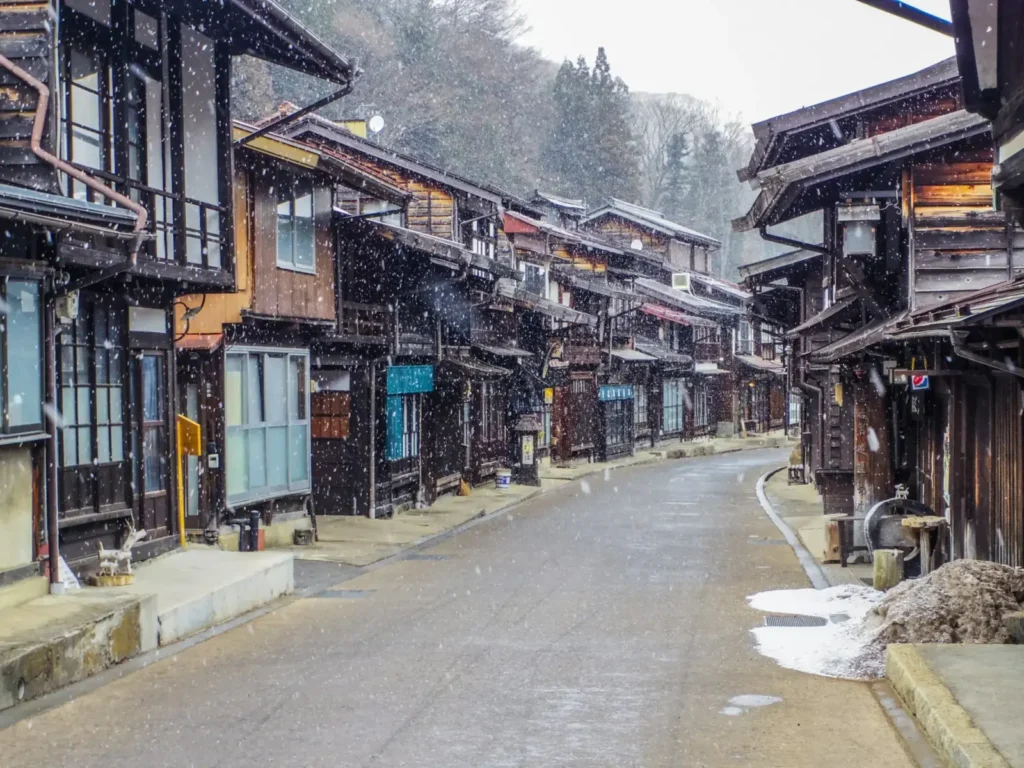
Daytime highs along the Nakasendo in early December often hover around 5–12 °C (41–54 °F), though midday sun can bring a brief warmth. In shaded forest sections, it often feels colder. Nights and early mornings regularly drop below freezing, with temperatures of –5 to 0 °C (23–32 °F) not uncommon. Snow or sleet becomes more likely, especially at higher elevations.
On clear days, visibility can be superb, with crisp air and distant mountains sharp against a pale sky. However, mist, low clouds, or flurries can drift through the valleys, creating a moody, wintry ambiance.
What to Expect:
- Very cold mornings and evenings — dress in thermal layers and bring windproof outerwear.
- Even shorter daylight hours — plan hikes early and leave no margin for delay.
- Trails may be icy or snow-dusted — microspikes or crampons might be wise.
- A quieter trail: with fewer visitors, you’ll find more solitude and calm surroundings.
Seasonal Highlights in December
Winter’s Palette
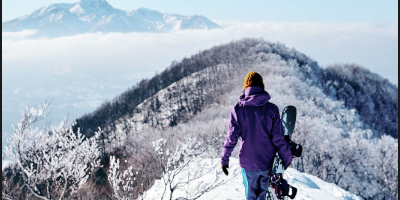
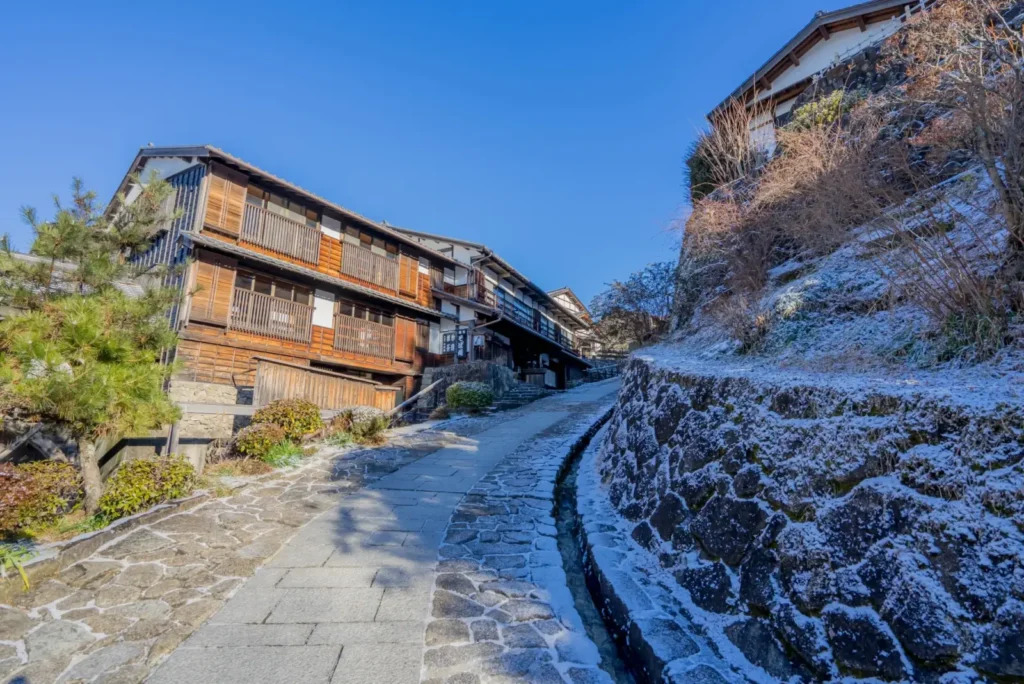
By December, the last leaves have dropped, leaving the forest branches bare and skeletal. The landscape transitions to tones of gray, muted brown, and white if snow has fallen. Frost riming moss and rock, and occasional snow flurries, lend the woods a stark, elegant winter character.
Post-Towns in Stillness
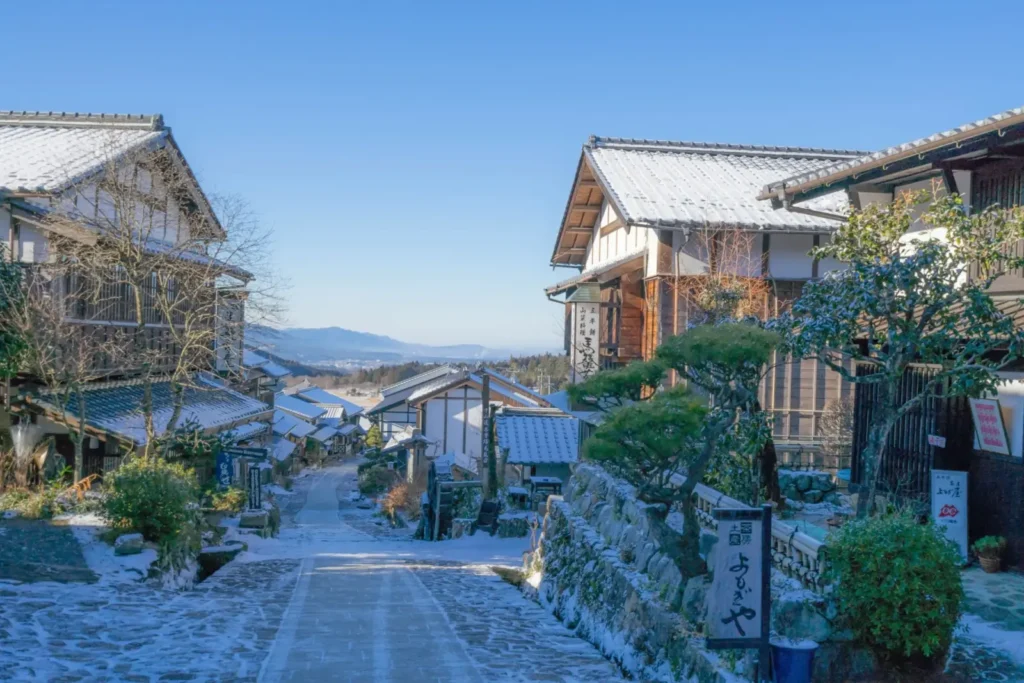
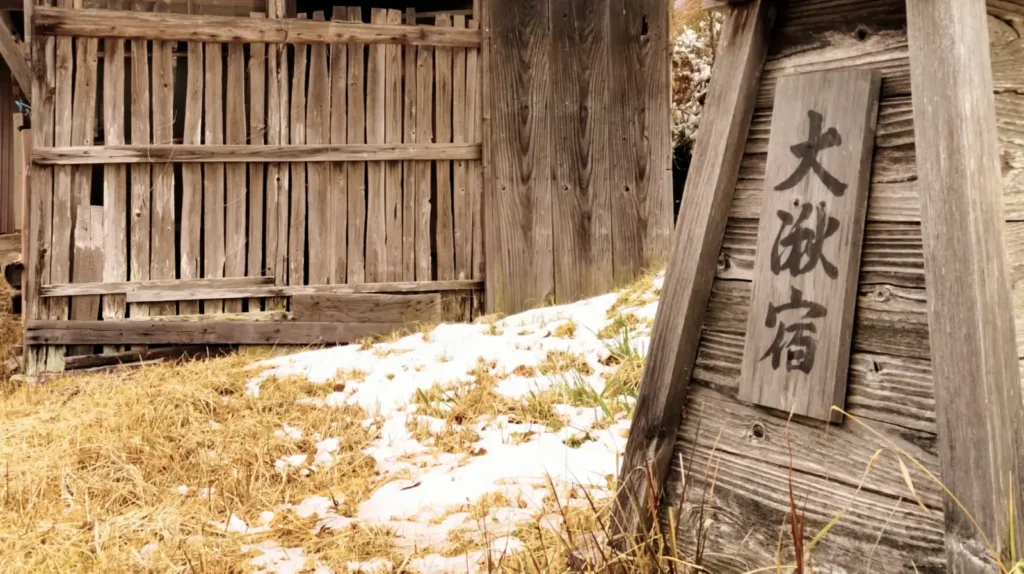
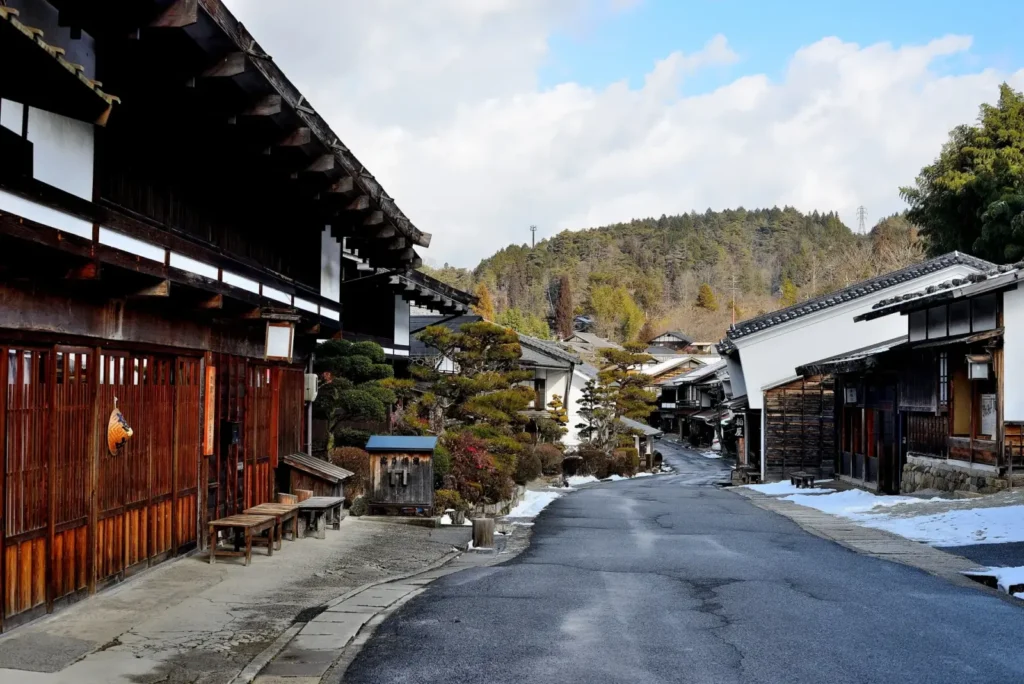
Magome, Tsumago, and Narai-juku become hushed places in December. With few day-trippers, the lantern-lit streets, wooden houses, and teahouses feel intimately historic. Early mornings or dusk are the richest times for mood: lantern light through cold air, footsteps echoing on empty paths, a profound sense of stepping back in time.
Snow and Frost on the Trail
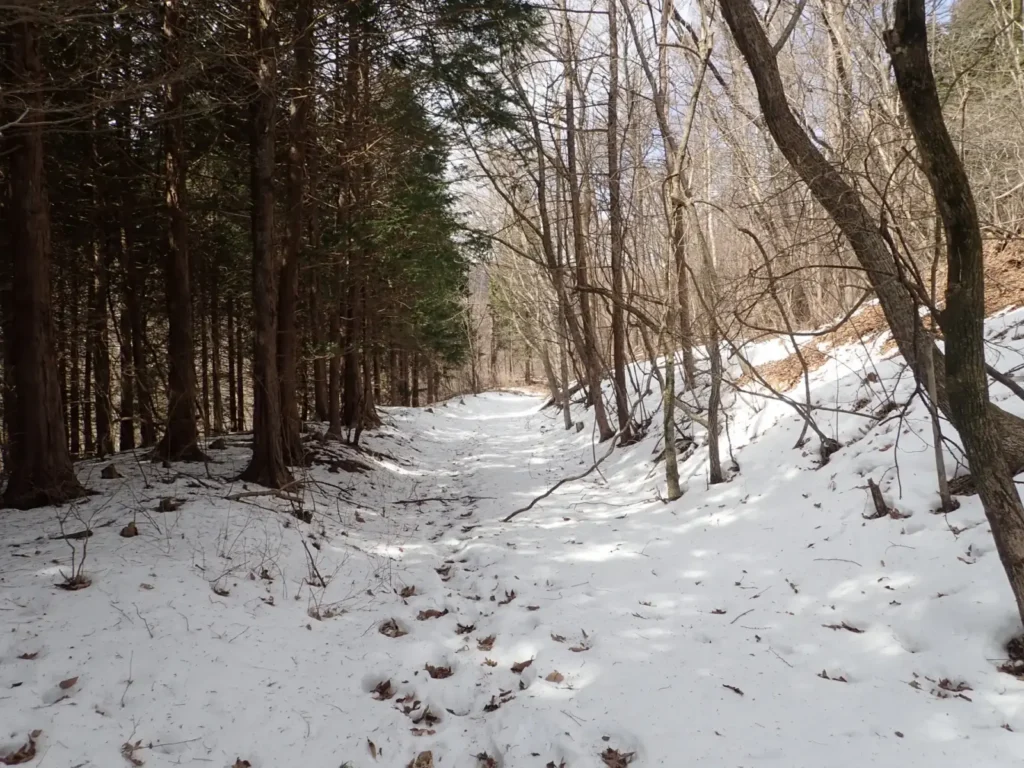
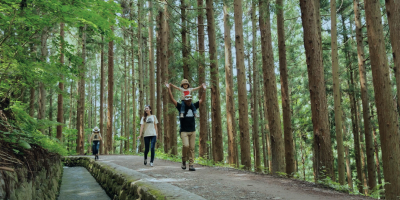
Walking between Magome and Tsumago, you may find patches of frost or early snow on the forest floor, making for dramatic contrasts of dark trunks and white edges. If snow blankets the trail, footprints and silent snowscapes dominate the view. The low winter sun casts long shadows and reveals texture, while stillness and subtle sounds grow more present.
Featured Tours in December
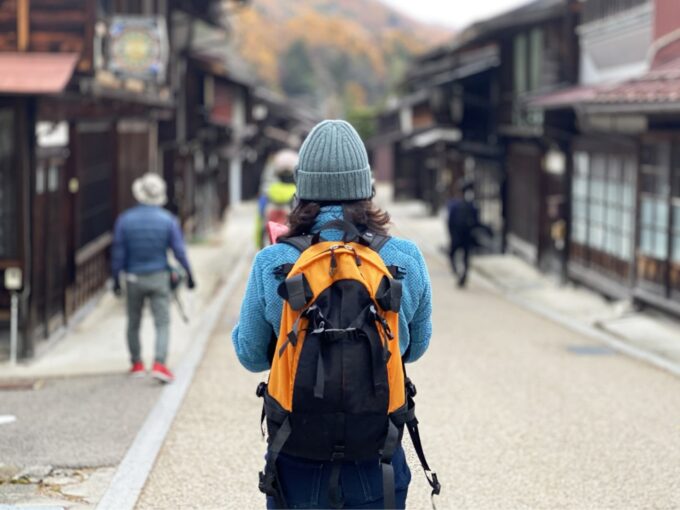
1-Day Tour from Nagano and Matsumoto: Step into the Past on the Nakasendo
Departing from Matsumoto or Nagano, this tour takes you to Tsumago for a guided walk to Magome through peaceful winter scenery. Bare woods, distant peaks, and quiet roads create a distinctly calm atmosphere. Your guide will share insight into Edo-period life and travel culture while leading you along forest paths and stone-paved stretches once used by samurai and merchants.
Highlights
- Convenient pickups from Matsumoto or Nagano
- Learn about Edo-period life amid cold-season landscapes
- Traverse the Nakasendo under winter skies
Popular
1-Day Tour from Nagano and Matsumoto: Step into the Past on the Nakasendo
- Spots:
- NaganoMatsumotoKiso Valley
- Pick-up:
- Nagano CityMatsumoto
- Drop-off:
- Nagano CityMatsumoto
1-Day Tour from Nagoya: Hiking the Historic Nakasendo Trail
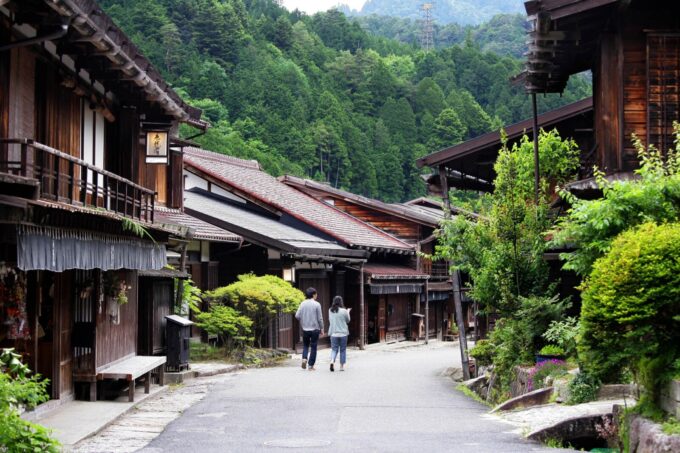
Walk the 8 km trail from Tsumago to Magome through the quiet winter landscape, guided by an experienced English-speaking guide. December often brings crisp air, bright skies, and occasional frost or snow along the forest path. Hear stories of Edo-period travelers, stop for local snacks, and enjoy the peaceful stillness of the countryside before arriving at Magome’s charming post-town streets.
Highlights
- Stroll through atmospheric post-town streets under soft winter light
- Hike through forest paths with frost-lined rocks and branches
- Savor local snacks and shop for artisan crafts
- Relax on the bus to and from the trail in comfort
Best Selling
1-Day Tour from Nagoya: Hiking the Historic Nakasendo Trail
- Spots:
- NagoyaKiso Valley
- Pick-up:
- Nagoya
- Drop-off:
- Nagoya
1-Day Tour from Nagano and Matsumoto: Experience Matsumoto Castle and Narai-juku
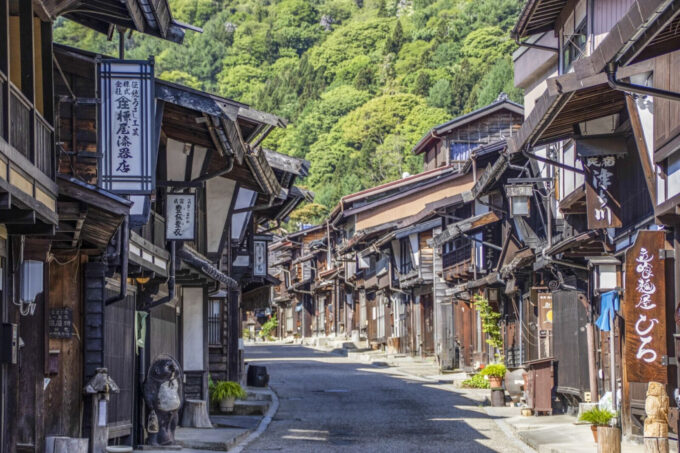
This variant adds a morning visit to Matsumoto Castle, where dark wooden towers contrast beautifully against snow-dusted rooftops and the Northern Alps beyond. After exploring the castle grounds, you’ll travel into the Kiso Valley for an afternoon walk through Narai-juku, the “halfway town” of the Nakasendō. Wooden latticed houses, handmade crafts, and slow winter rhythms make it a rewarding cultural stop. With fewer visitors in December, you’ll enjoy quiet streets and time to appreciate the details of one of Japan’s best-preserved post-towns.
Highlights
- Explore Matsumoto Castle under crisp winter air
- Travel through the Kiso Valley with snowy or frosty views
- Wander Narai-juku’s long preserved post-town in a quieter season
Popular
1-Day Tour from Nagano and Matsumoto: Experience Matsumoto Castle and Narai-juku
- Spots:
- NaganoMatsumotoKiso Valley
- Pick-up:
- Nagano CityMatsumoto
- Drop-off:
- Nagano CityMatsumoto
Rural Japan in Magome & the Kiso Valley Private Tour
A private, customizable winter journey from Nagoya that reveals the rural beauty and cultural depth of the Kiso Valley. Visit Magome-juku and nearby mountain hamlets at your own pace, accompanied by a knowledgeable local guide who adapts the route to your interests. Learn about traditional woodworking, enjoy seasonal cuisine by a warm hearth, and perhaps join a short craft or calligraphy experience. December’s subdued light and slower rhythm create a deeply personal way to discover Japan’s countryside — peaceful, scenic, and timeless.
Highlights
- Visit Magome-juku and absorb the region’s seasonal atmosphere
- Try calligraphy or traditional arts in a temple or local workshop
- Enjoy warm, local cuisine in a remote countryside inn

New Tour
[START FROM NAGOYA] Rural Japan in Magome & the Kiso Valley Private Tour
- Spots:
- NagoyaKiso Valley
- Pick-up:
- Nagoya
- Drop-off:
- Nagoya
Local News & Travel Updates
Accommodation
In December, many ryokan, minshuku, and traditional inns in Magome, Tsumago, and Narai-juku remain open, though some close early for the season. Staying overnight enhances your experience: a steaming hot meal, futon in tatami rooms, and evenings in lantern-lit solitude. Bookings early in the season are strongly recommended as options dwindle quickly.
If post-town lodgings aren’t available, bases like Kiso-Fukushima, Matsumoto, or Nakatsugawa remain good options with more lodging choices and easier transport.
Transport
Trains to Nakatsugawa, Kiso-Fukushima, and Shiojiri still operate year-round, but buses connecting into the post-towns adopt winter schedules — fewer services and earlier final departures. Checking timetables in advance is essential. Arriving late afternoon may leave you reliant on taxis.
Driving gives flexibility, but drivers should take care on potentially icy or snowy roads, particularly in early morning or shaded stretches.
Trail Conditions
Early December trails are often still passable, but ice patches, frost, and occasional snow make certain sections more challenging. Good hiking shoes, traction devices (crampons), and possibly trekking poles are recommended. Waterproof outer layers and warm clothing are wise as snow or sleet can occur.
Shorter daylight means setting off early is essential; for safety, carry a headlamp or light. That said, with conditions permitting, the trails during this time remain beautiful and quiet — rewarding those who are prepared.
Where to Stay in December

Magome-juku & Tsumago-juku – Staying within the post-towns themselves gives you the most immersive winter experience. As daylight fades early and temperatures drop, the towns become beautifully quiet — lanterns glowing in the windows, wood smoke drifting through the air, and only the sound of footsteps on the cobbled streets. Many inns serve hearty, home-cooked meals featuring local vegetables, river fish, and miso soup enjoyed by the warmth of a hearth. Rooms are typically simple and traditional, with tatami mats, futon bedding, and thick blankets to ward off the cold. December nights here feel timeless, as if you’ve stepped directly into the Edo Period.
Narai-juku / Kiso-Fukushima – Narai-juku, often called the “1,000 inn town,” offers a longer stretch of preserved post-town architecture with a few ryokan that stay open through winter. The town is particularly atmospheric when dusted with snow, and its quiet wooden facades glow softly under street lanterns in the evening. Kiso-Fukushima, about 20 minutes away by train, is a practical and comfortable base with a wider range of hotels and guesthouses. It also offers onsen facilities — perfect after a cold day outdoors — and easy access to transport and restaurants.
Matsumoto or Nagoya City – For travelers who prefer the convenience of urban bases, both Matsumoto and Nagoya remain excellent options in December. Matsumoto provides a balance of castle-town charm and mountain scenery, with reliable access to the Kiso Valley even in winter conditions. In Nagoya, visitors can enjoy a wide range of hotels, dining, and shopping before joining a guided day trip into the Nakasendō. Both cities offer warm, comfortable stays and easy train connections, making them ideal starting points for winter exploration.
Plan Your December Visit
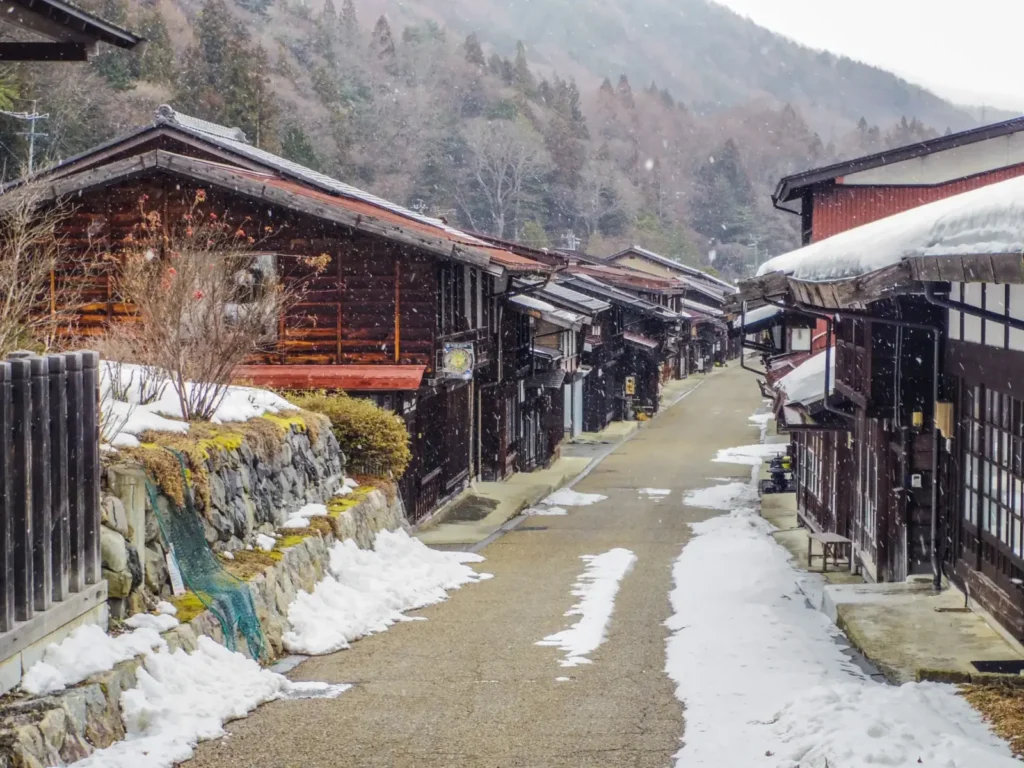
December marks the deeper transition toward winter on the Nakasendo. With autumn’s color long faded, the trail becomes about shape, silence, and subtle beauty. Shorter days and colder weather make conditions more demanding, but for those who go prepared, the reward is a deeply peaceful, reflective journey through history and landscape. Whether on tour or independently, December reveals a quieter Japan.
If you’re planning a December walk, consider joining one of our seasonal tours for peace of mind and local guidance to maximize your experience in the Kiso Valley and beyond.