





Escape the heat and embrace the atmosphere. June in Nagano offers mystical forest scenery, quiet trails, and the refreshing beauty of the rainy season in the Alps.
June is often overlooked by travelers, but for locals, it is a time to get out of the city's humidity and explore the surrounding alpine regions. This is the month when the fresh green of May matures into a deep, lush emerald. The mountain air is damp and fragrant, and the frequent mists turn places like Togakushi and Kamikochi into ethereal, moody landscapes that are great for photography.
Weather in Nagano in June
June marks the start of the rainy season in Japan, but in the Nagano mountains, this usually means light, misty rain and cooler temperatures rather than tropical downpours.
The Misty Valley
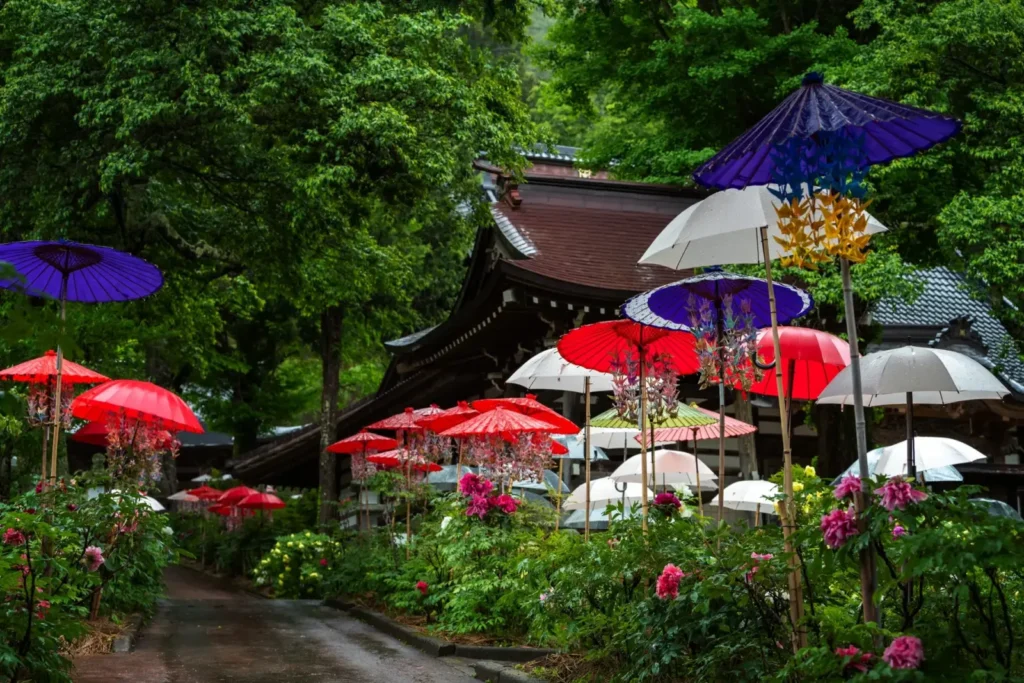
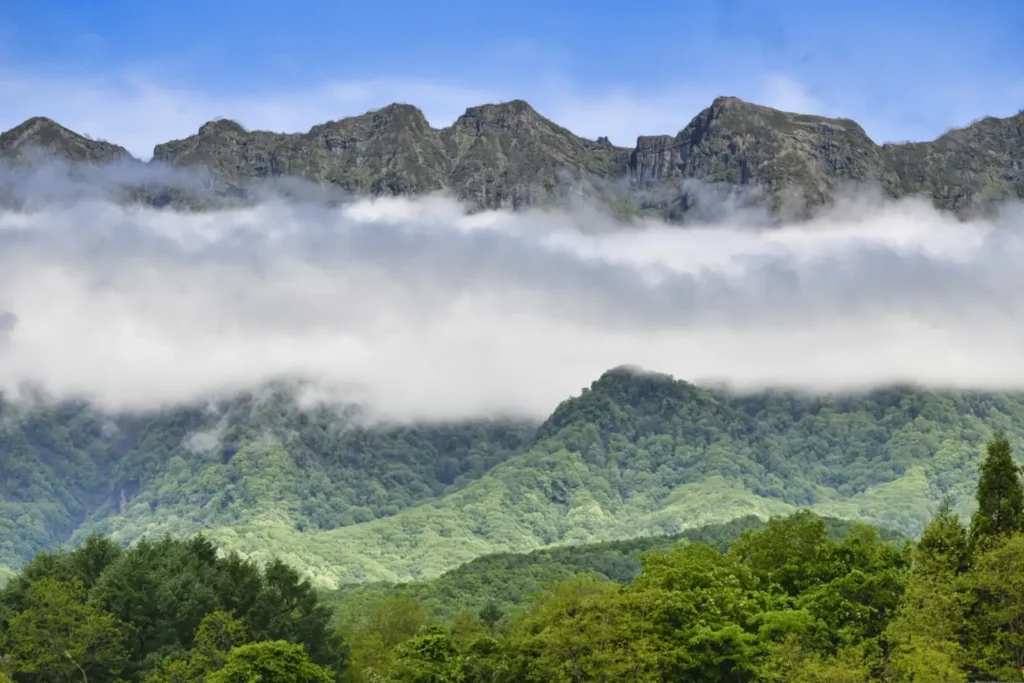
The valley stays pleasantly warm, but the clouds often hang low over the peaks, creating a dramatic, ever-changing backdrop.
- Average daytime temperature: 20°C to 26°C (68°F to 79°F)
- Nighttime temperature: 14°C to 18°C (57°F to 64°F)
- Conditions: Humidity begins to rise, but it remains much lower than in Tokyo or Kyoto. You can expect more overcast days, but the rain is often intermittent.
- Clothing: Breathable, quick-dry clothing is best. A light, waterproof shell or a sturdy umbrella is essential for the afternoon mists.
The Cool Alpine Heights
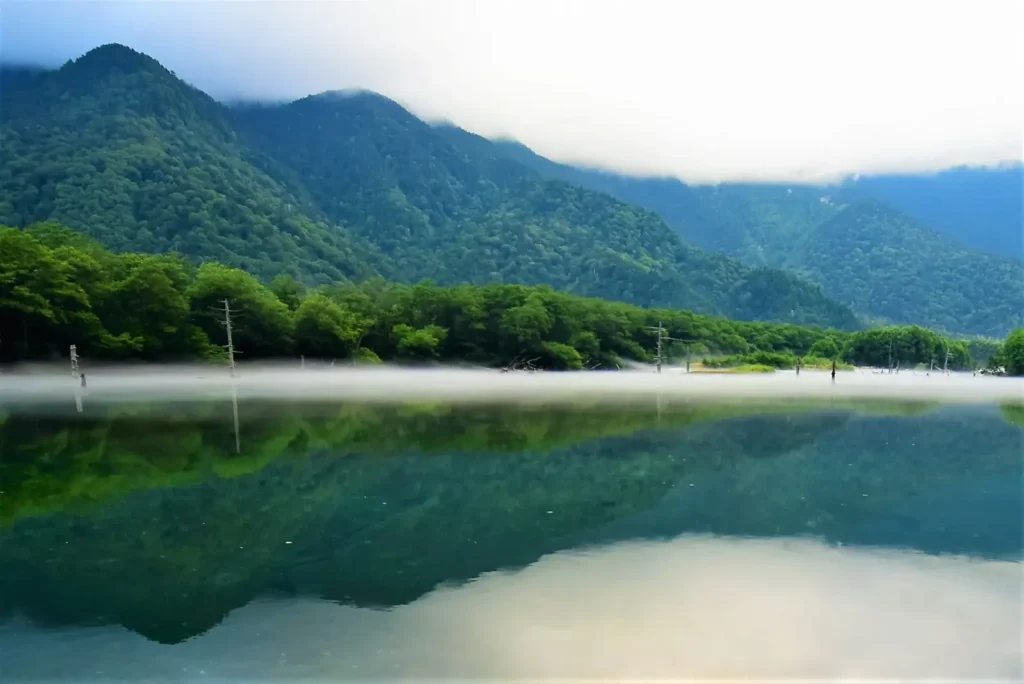
In the mountains, June still feels like early spring.
- Kamikochi & The Alpine Route: Temperatures here are a refreshing 10°C to 18°C. The snow has finally melted from the main trails, but the high peaks still retain white streaks against the dark rock.
- Clothing for Parks: Even if it’s warm in the city, bring a light jacket for the mountains, as the damp air can feel chilly.
Festivals & Events in June
June is a quieter month for festivals, so we can talk about the most important one that you wouldn't want to miss:
Matsumoto Frog Festival (June 21st)
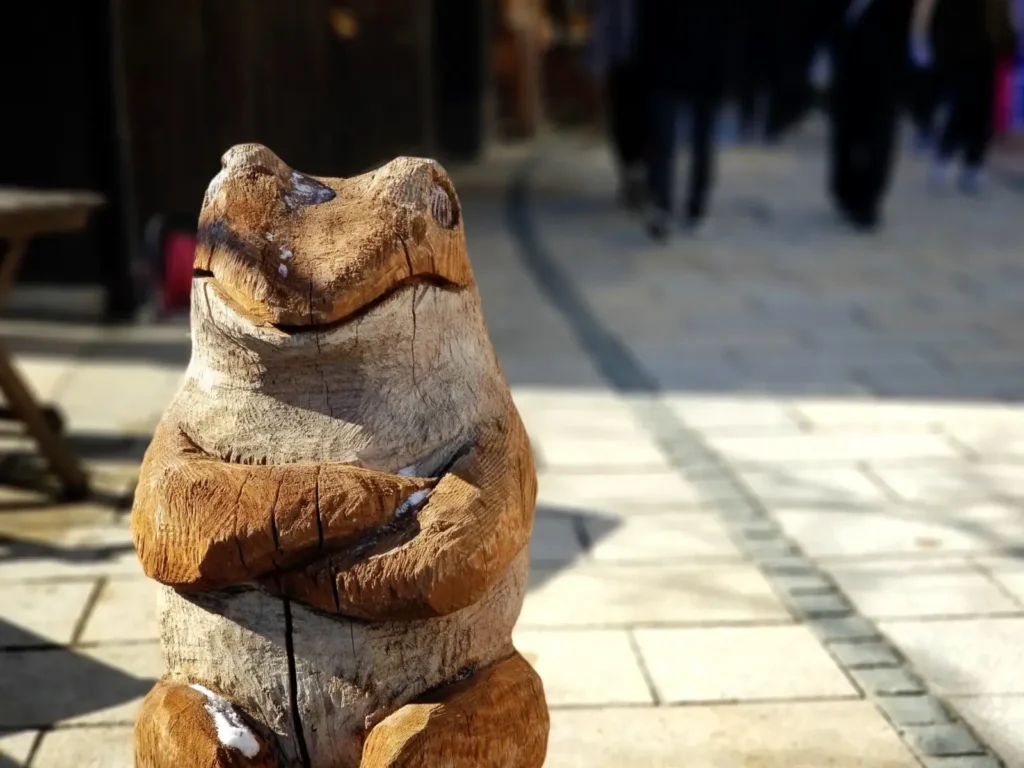
While most of Japan is hiding from the rain, Matsumoto celebrates it! Held annually in mid-June on the riverside Nawate Street, the Matsumoto Frog Festival (Kaeru Matsuri) is a whimsical tribute to the city's favorite amphibian. Legend has it that the frogs returned to the Metoba River once the water was cleaned, and the town has been celebrating ever since.
- The Vibe: Nawate Street is already lined with permanent frog sculptures and themed shops, but during the festival, it explodes with many new "frog-themed" booths. You’ll find everything from frog-shaped pastries and green tea to handmade ceramics and "frog-cosplay" fans.
- Why Visit: It is an incredibly family-friendly event with a lighthearted, local atmosphere. There are often live performances, a "Frog Shrine" blessing, and a parade of people dressed in green.
Getting There: From Nagano Station, take the JR Shinonoi Line to Matsumoto Station (approx. 50–80 minutes depending on the train). Nawate Street is a pleasant 10-minute walk from the station, located right along the river.
Seasonal Highlights in June
The Firefly Season (Hotaru)
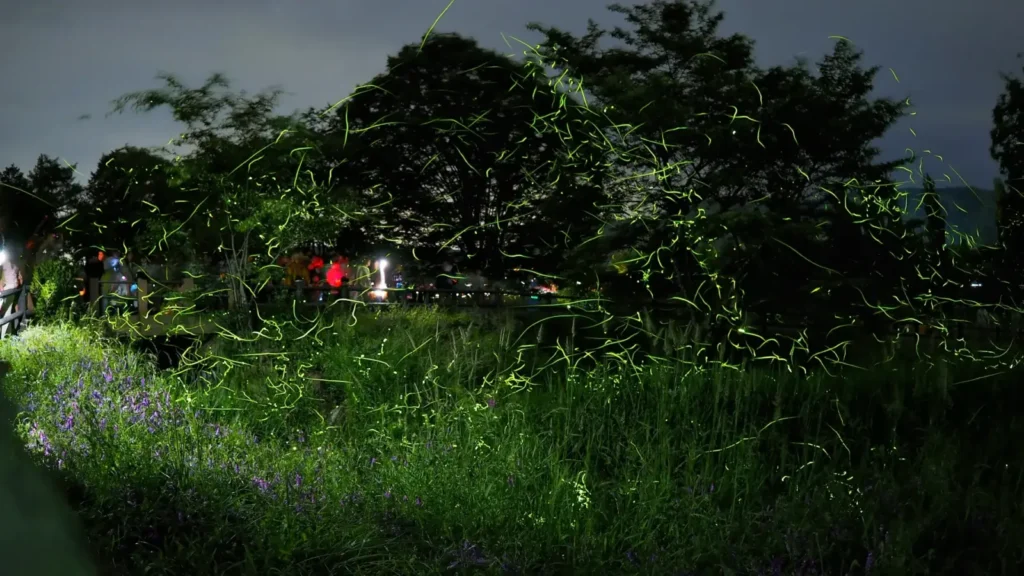
As the mountain air warms, the clean, oxygen-rich streams around Nagano become the stage for one of nature’s most magical displays. In late June, thousands of fireflies emerge, blinking in rhythmic patterns over the water in a dance that has inspired Japanese poetry for centuries.
- Where to Go: The Tatsuno Firefly Park (one of the most famous spots in Japan) or the quiet riverbanks on the outskirts of Hakuba and Azumino.
- The Vibe: A quiet, ethereal evening experience. Walking along a dark stream illuminated only by tiny, floating lanterns is a quintessentially Japanese summer memory.
- Pro-Tip: The fireflies are most active on humid, cloudy nights with very little wind, usually between 8:00 PM and 9:00 PM.
The Emerald Green Forests & Moss
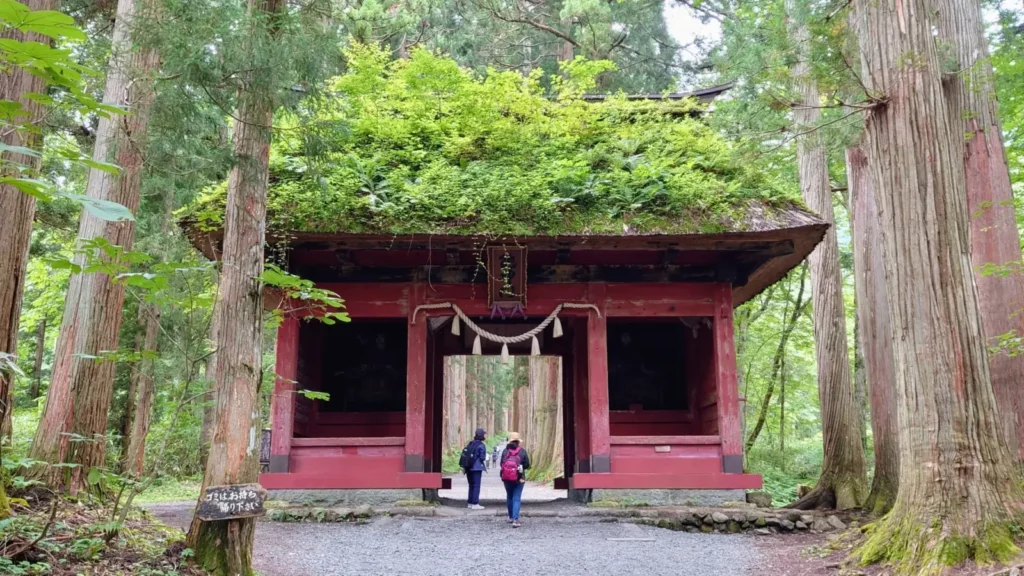
By June, the pale "Fresh Green" of May has matured into a deep, saturated emerald. This is the peak of "Green Season" photography. The frequent mists and high humidity of June provide the perfect environment for Nagano’s ancient mosses to flourish.
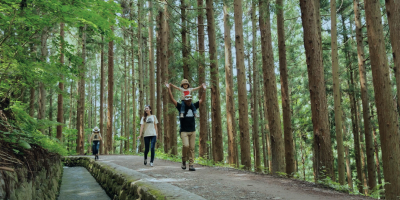
- The Look: In places like the Togakushi Cedar Avenue or the Nakasendo Trail, the forest floor and stone lanterns become carpeted in a velvet-like green.
- The Experience: The damp earth and pine needles create a natural "acoustic foam," making the forests incredibly silent and peaceful. It is the best month of the year for Shinrin-yoku (Forest Bathing).
Hydrangeas (Ajisai)
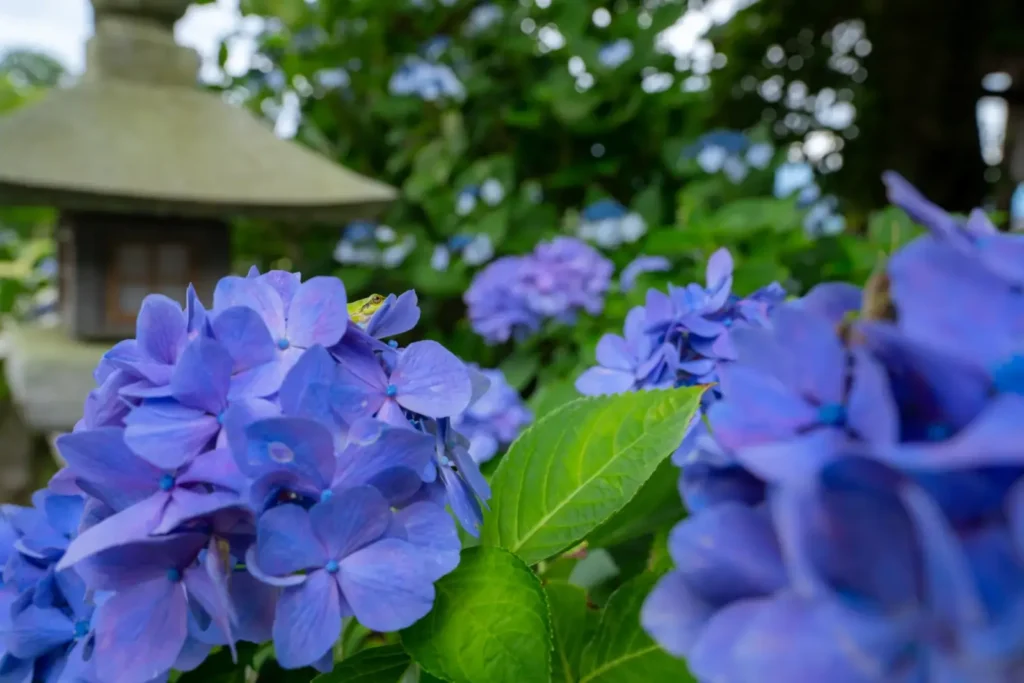
The hydrangea is the symbol of the Japanese rainy season. These stunning blooms change color based on the acidity of the soil, shifting from pale blue to deep indigo and violet as the June rains continue.
- Where to See Them: Keep an eye out for "Ajisai-dera" (Hydrangea Temples) throughout the Nagano countryside. One of the best is Kōshō-ji in Inazawa, where thousands of bushes line the ancient stone steps and temple buildings.
- The Aesthetic: The flowers look their best when glistening with raindrops, offering a soft, colorful contrast to the dark wood of traditional Japanese architecture.
Featured Tours in June
1-Day Togakushi Legends Tour: Hands-on Soba, Ninja Village, and Hidden Shrines
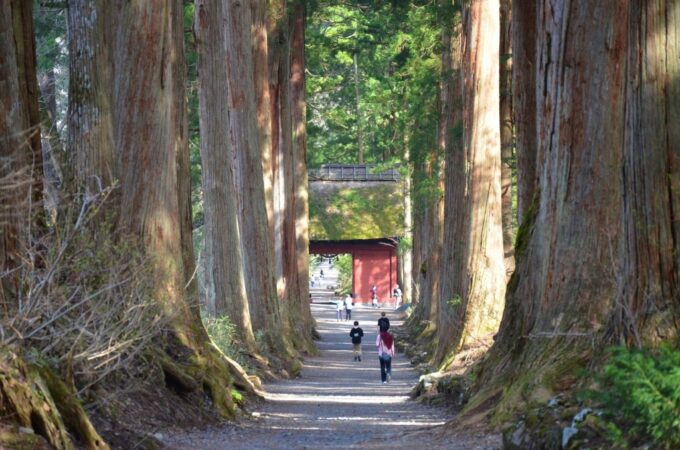
Escape the early summer humidity and retreat into the mystical, mist-shrouded cedar forests of Togakushi. Known as a sacred mountain refuge for over a millennium, this tour combines the legendary history of the shadow-warrior with the serene atmosphere of ancient Shinto pilgrimage trails. In June, the forest reaches its peak "Emerald" state, where the damp mountain air makes every moss-covered stone and giant tree glow with a saturated, otherworldly green.
Recommended
1-Day Togakushi Legends Tour: Hands-on Soba Noodles, Ninja Village, and Hidden Shrines
- Spots:
- NaganoTogakushi
- Pick-up:
- Nagano City
- Drop-off:
- Nagano City
Highlights:
- Hands-on Soba Making: Knead, roll, and cut your own buckwheat noodles under the guidance of a local master before enjoying your handmade creation for a refreshing mountain lunch.
- Ninja Trick House: Test your wits as you navigate a confusing maze of trapdoors, optical illusions, and hidden passages in an authentic Ninja escape room.
- Togakushi Ninja Museum: Discover the tools, weaponry, and secret history of the Togakure school of ninjutsu, founded in these very mountains nearly 900 years ago.
- Giant Cedar Avenue: Walk the iconic stone-paved pilgrimage trail flanked by hundreds of towering, ancient cedars that disappear into the June mists.
[Summer/Autumn Only] Tateyama-Kurobe Tour: Walking on the 'Roof of Japan'
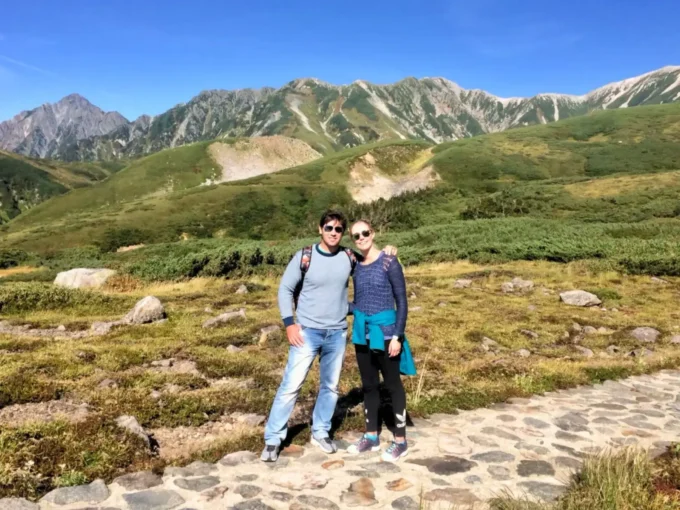
Ascend to the "Roof of Japan" on this legendary journey into the heart of the Northern Japanese Alps. As the massive snow walls of spring recede, they reveal a dramatic, high-altitude wilderness of volcanic landscapes and emerald-green meadows filled with alpine flowers. This engaging tour takes you from the lush streets of Nagano City to the thin, crisp air of the Murodo Plateau (2,450m), offering panoramic views that stretch across the spine of Japan.
Recommended
[Summer/Autumn only] Tateyama-Kurobe Tour: Walking on the 'Roof of Japan'
- Spots:
- NaganoAlpine Route
- Pick-up:
- Nagano City
- Drop-off:
- Nagano City
Highlights:
- Alpine Plateau Trek: Wander the accessible trails of Murodo, traversing volcanic landscapes and crystal-clear snow-melt ponds that reflect the surrounding granite peaks.
- Multi-Mode Transport: Experience Japan’s most unique transit system, including tunnel trolleybuses, a massive "moving balcony" ropeway, and steep funicular cable cars.
- Kurobe Dam: Stand atop Japan’s highest dam, an engineering marvel that offers thunderous views of the water discharge and the deep emerald waters of the reservoir below.
- Professional Guidance: Navigate the complex logistics and multi-stage ticketing of the Alpine Route with an expert English-speaking guide who manages every transfer for you.
1-Day Tour: Step into the Past on the Nakasendo
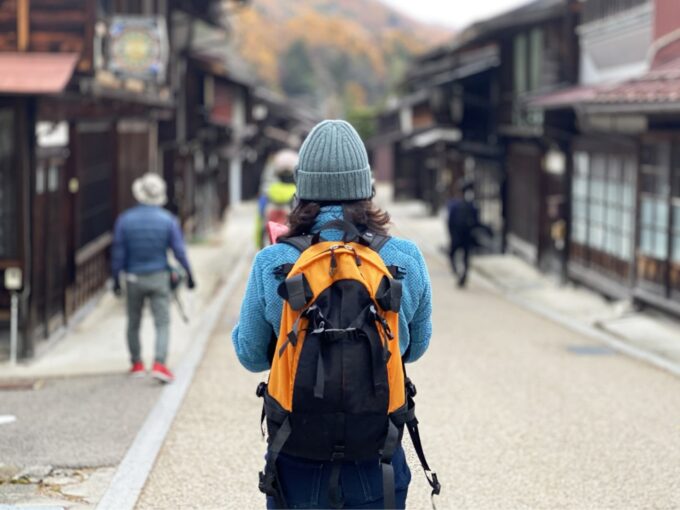
Stretch your legs and breathe in the fresh, damp mountain air on the historic Nakasendo Trail. Starting from Nagano or Matsumoto, this tour explores the romantic post town of Tsumago before embarking on a scenic 8km hike to Magome through ancient forests, bamboo groves, and hidden mountain hamlets.
Popular
1-Day Tour from Nagano and Matsumoto: Step into the Past on the Nakasendo
- Spots:
- NaganoMatsumotoKiso Valley
- Pick-up:
- Nagano CityMatsumoto
- Drop-off:
- Nagano CityMatsumoto
Highlights:
- Tsumago to Magome Hike: Walk the 8km "Samurai Road" on original Edo-period cobblestones, now framed by the deep, saturated greens of the Kiso Valley.
- Post Town Charm: Explore two of Japan’s best-preserved post towns, where traditional dark-wood architecture, waterwheels, and stone paths create a living museum atmosphere.
- Powerful Waterfalls: Visit the Odaki and Medaki (Male and Female) waterfalls, which reach their peak thunderous volume in June due to the combination of late snowmelt and seasonal rains.
1-Day Tour: Matsumoto Castle & Kamikochi Alpine Valley
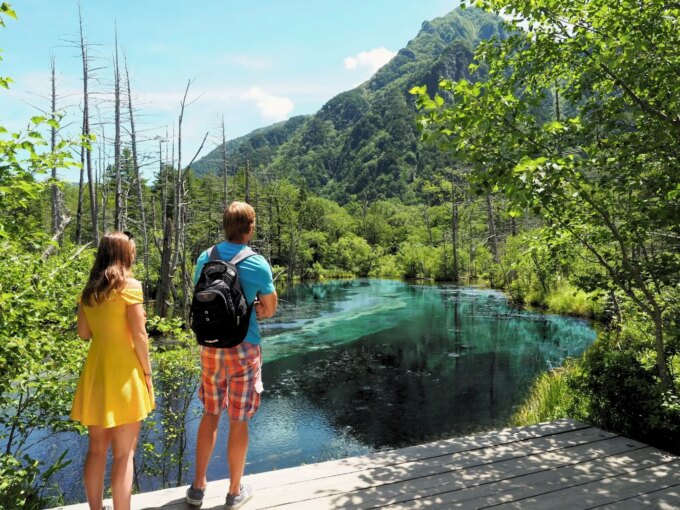
Experience the perfect blend of samurai history and breathtaking alpine nature. This tour takes you to Matsumoto Castle, one of Japan’s premier National Treasures, before heading deep into the Chubu Sangaku National Park to explore the jewel of the Japanese Alps: Kamikochi. In June, this alpine oasis matures into a world of deep emerald forests and shimmering turquoise waters, offering a cool sanctuary from the early summer heat.
Best Selling
1-Day Tour from Nagano and Matsumoto: Kamikochi & Matsumoto Castle
- Spots:
- NaganoMatsumotoKamikochi
- Pick-up:
- Nagano CityMatsumoto
- Drop-off:
- Nagano CityMatsumoto
Highlights:
- Matsumoto Castle: Scale the steep stairs of this 400-year-old original "Black Crow" fortress and take in the panoramic views of the city and the surrounding Alps.
- Nawate-dori (Frog Street): Stroll through this quirky historic district—especially lively during the June Frog Festival—to sample local snacks like taiyaki and browse unique handcrafted souvenirs.
- Kamikochi Nature Walk: Enjoy a guided 1.5-hour trek from Taisho-ike Pond to the iconic Kappa Bridge along the crystal-clear, glacial waters of the Azusa River.
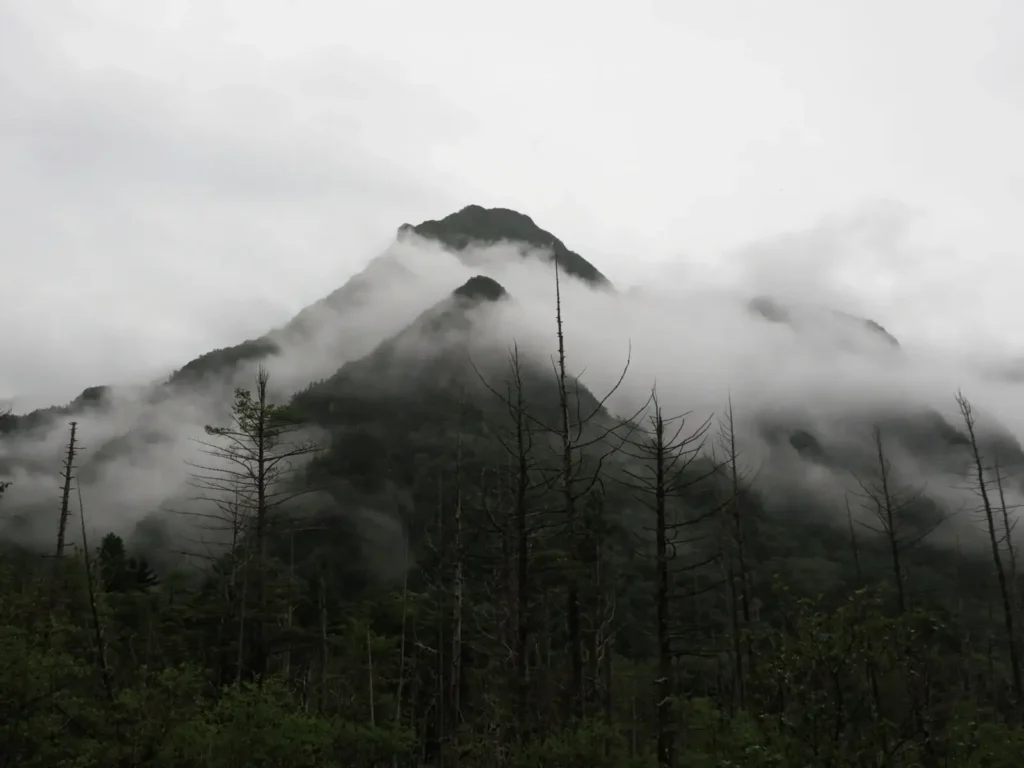
- Atmospheric Alpine Views: Witness the towering Hotaka Range, where dramatic mountain mists often swirl around the granite peaks, creating a moody and prehistoric landscape.
June Highlight:
June is the month of emerald green in Kamikochi. While the rest of Japan begins to feel the summer humidity, the high-altitude trails here remain a refreshing 12°C to 18°C. The "Fresh Green" of spring has deepened into a lush, saturated canopy that provides ample shade, and the local flora is at its most vibrant. The Azusa River runs at its clearest and coldest, fed by the final high-altitude snowmelt, creating a stunning turquoise contrast against the dark green forests. It is the perfect season for those seeking the quiet, misty beauty of the Alps without the peak summer crowds.
1-Day Tour: Snow Monkeys, Zenkoji Temple & Sake in Nagano
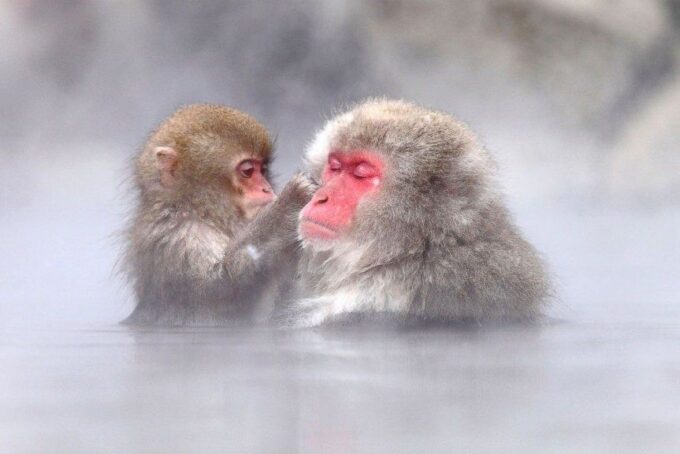
Experience the spiritual heart of Nagano and its most famous residents as the region embraces the newborn babies of the Snow Monkey Park. Visit Zenko-ji Temple in the refreshing mountain air, enjoy a guided sake tasting featuring crisp summer brews, and observe the world-famous snow monkeys as they revel in the abundance of the June forest.
Best Selling
1-Day Tour: Snow Monkeys, Zenkoji Temple & Sake in Nagano
- Spots:
- NaganoSnow MonkeyHakuba
- Pick-up:
- Nagano CityHakuba
- Drop-off:
- Nagano CityHakuba
Highlights:
- Zenko-ji in Early Summer: Explore one of Japan’s oldest and most important Buddhist temples, where the historic gardens and dark wooden architecture are framed by vibrant green maples.
- Active Monkey Troop: Watch the baby monkeys as they transition into their high-energy summer behavior, foraging in the lush canopy and socializing in the park's famous hot spring.
Tips for Visiting & Travel in June
Embrace the Mist
Don’t let a rainy forecast change your plans. In the Nagano mountains, the rainy season usually means light, atmospheric mist rather than constant downpours.
- The Look: Shrines like Togakushi and the stones of the Nakasendo look best when damp. The colors become more saturated and the low clouds create a mystical atmosphere.
- Gear: A sturdy umbrella is often better than a raincoat in June because it allows for better airflow in the humidity. Most hotels provide these for guests to borrow.
Low Season Benefits
June is one of the most affordable and quietest months to visit Japan. Situated between the Golden Week rush in May and the summer holiday surge in late July, it offers a rare window for travelers.
- Luxury for Less: You can often find significant discounts at high-end ryokans in Shibu Onsen or Kanbayashi Onsen near the snow monkey park that would be double the price in peak winter or autumn.
- Fewer Crowds: Enjoy quiet moments at popular spots like the Snow Monkey Park or Zenkoji Temple without the usual lines.
Managing Humidity
While Nagano is cooler than Tokyo or Kyoto, the humidity does rise in mid-June.
- Stay Hydrated: Even on misty days, mountain hiking is taxing. Keep water or an electrolyte drink handy to stay refreshed.
- Clothing: Choose moisture-wicking fabrics like linen or athletic blends. These are much more comfortable than heavy cotton when the air feels heavy with moisture.
Where to Stay in June
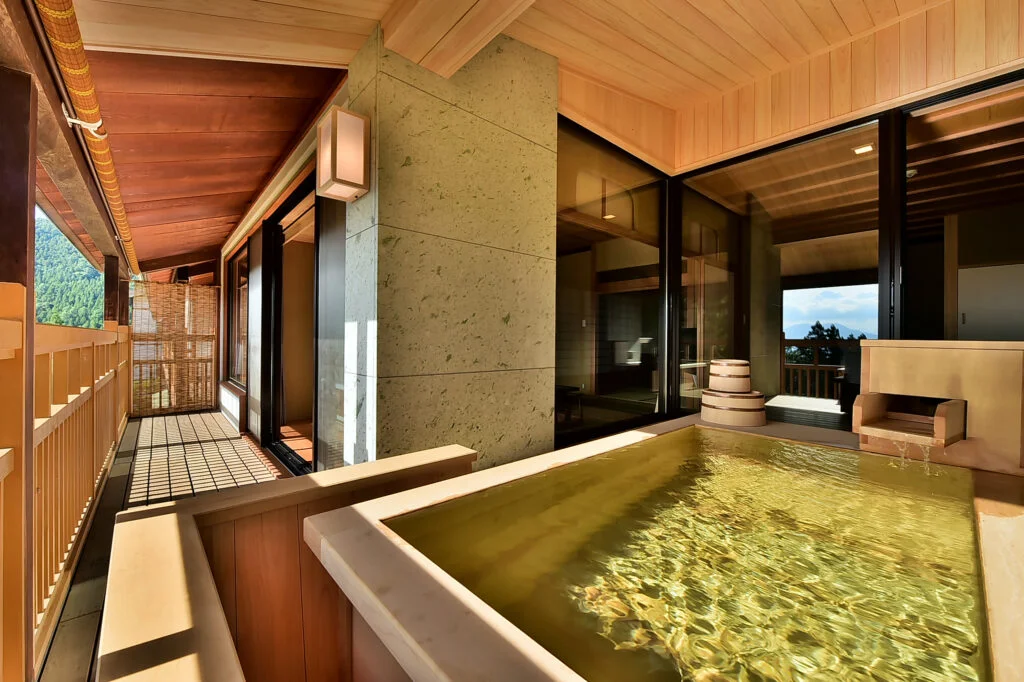
Nagano City: The Strategic Base
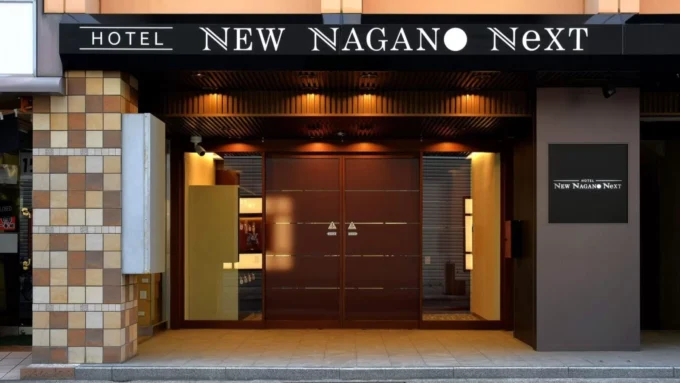
Using the city as your headquarters is the most convenient option for mixed itineraries. Hotel Kokusai 21 and New Nagano NeXT remain the best choices for their proximity to the station, making it easy to catch the early bus to the mountains before the afternoon mists roll in.

Kanbayashi Onsen: Luxury for Less
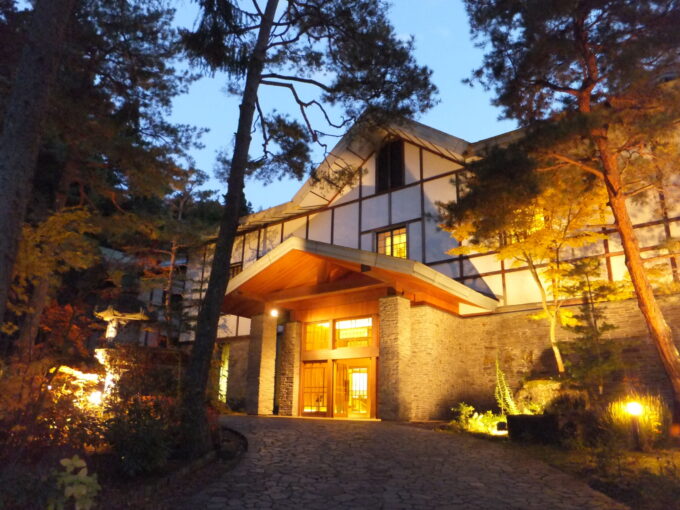
Located at the very trailhead of the Snow Monkey Park, Kanbayashi Onsen is a quiet, forest-enclave that feels world's away from the city.
Kanbayashi Hotel Senjukaku: This is one of the most prestigious ryokans in the region, famous for its massive indoor and outdoor baths and its connection to the Japanese Imperial Family. In June, you can often find significant rate discounts.
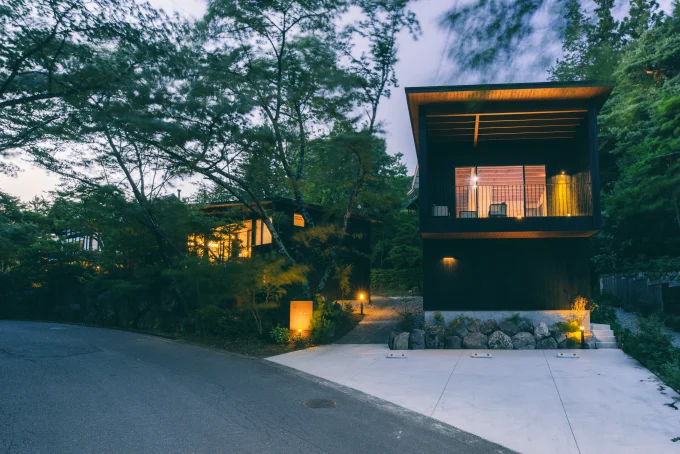
Hotarutei Villas: Located just a short walk from the Snow Monkey Park trailhead, Hotarutei offers a more contemporary and private alternative to the traditional ryokan.
Plan Your June Visit
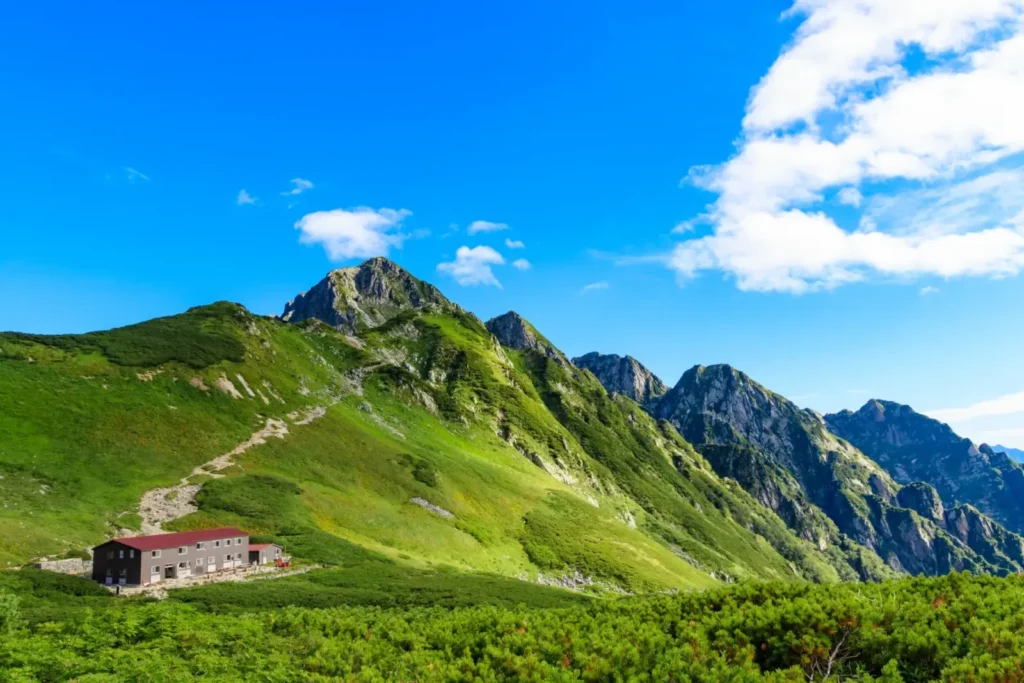
June in Nagano is for the traveler who seeks serenity. It is a month of deep emerald greens, mystical mountain mists, and quiet moments in nature. Whether you are watching fireflies dance by a stream, exploring the quirky Frog Festival in Matsumoto, or walking through a 400-year-old cedar forest in the rain, June offers a poetic and peaceful side of Japan that most tourists overlook.
Planning a trip during the rainy season requires a bit of local insight to get the timing just right. We specialize in creating seamless, stress-free experiences that highlight the unique beauty of Nagano in June. If you have questions about weather conditions, gear recommendations, or our guided tour availability, please reach out to us. Click the Inquiry Button below to start planning your custom June itinerary with a local expert.
Frequently Asked Questions About Nagano in June
No. While June is the official start of the rainy season, it rarely means constant downpours. In the Nagano mountains, you are more likely to experience overcast skies, intermittent light showers, and atmospheric mountain mists. Many days remain dry, offering perfectly cool temperatures for hiking.
Yes, the festival is a beloved annual tradition held in mid-June on Nawate Street. Even if your visit doesn't align with the festival weekend, the street is dedicated to frogs year-round with themed shops, sculptures, and snacks, making it a great stop any day in June.
The best window is typically late June through early July. Fireflies appear after sunset near clean, slow-moving mountain streams. For the best experience, visit a dedicated park in areas like Tatsuno or Hakuba on a humid, windless evening between 8:00 PM and 9:00 PM.
Yes. Most snow monkeys are born in April and May, so by June, the park is filled with active infants. At this age, they are incredibly playful and curious, providing endless entertainment for visitors. Because the weather is warmer, you will see them climbing and socializing throughout the forest rather than just huddling in the water.
Yes, but they are significantly smaller. The Tateyama Kurobe Alpine Route remains open throughout June. While the walls may have decreased from their 20-meter peak in April to around 8–10 meters, they are still an incredible sight, and the walking temperatures at the summit are much more comfortable in June.
June is one of the most affordable months to visit Nagano. Because it falls between the spring and summer holiday peaks, many high-end ryokans—including those near the Snow Monkey Park—offer lower mid-week rates and special low-season discounts that aren't available during the rest of the year.
Explore Nagano by Month
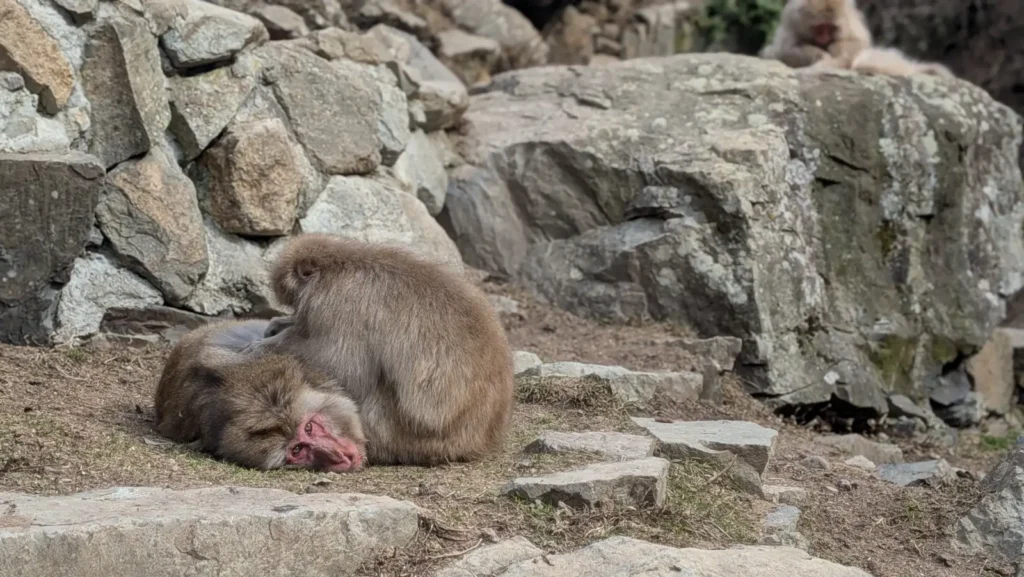
Nagano is a year-round destination, with each month offering a completely different landscape and set of experiences to enjoy. Choose your travel window below:
The Snow & Winter Season
- [January] – Deep Winter & Snow Monkeys: The peak of the powder season. Visit for world-class skiing, frozen shrines, and the iconic sight of monkeys bathing in the steam.
- [February] – The Lantern Festival & Ice: Nagano's coldest month offers some of the best snow conditions of the year, paired with a festival celebrating Olympic heritage.
- [March] – The Late Winter Thaw: Enjoy Bluebird ski days with milder temperatures and the very first signs of spring in the valley.
The Alpine Spring Season
- [April] – Sakura & Snow Walls: A month of extremes. See the cherry blossoms bloom in the valley while walking between 20-meter high walls of snow on the Alpine Route.
- [May] – The Fresh Green Awakening: Witness the "Mirror" rice paddies and the glowing neon-green forests and snow capped alps of Kamikochi.
- 📍 [June] – The Season of Mountain Mist: (You are here)
The High Summer Season
- [July] – Alpine Wildflowers & Starry Nights: The high-altitude hiking season is in full swing. Enjoy cool mountain breezes and carpets of rare alpine flowers.
- [August] – The Great Obon Festivals: Join local communities for traditional dances and massive fireworks displays over the Chikuma River.
- [September] – The First Hints of Gold: The rice harvests begin, turning the valleys into fields of gold, while the highest peaks start to show their first autumn colors.
The Harvest & Autumn Season
- [October] – Peak Autumn Colors: Nagano’s most popular month for hiking. The mountains explode into a sea of red, orange, and gold.
- [November] – Apples & First Snowfall: The harvest season for Nagano’s famous apples. Experience the crisp air and the first dusting of snow on the Alps.
- [December] – The Return of the Powder: The ski resorts reopen and the villages of Shibu Onsen and Hakuba transform into a winter wonderland for the holidays.