




Planning a trip to Nagano in January 2027? Discover why this deep winter month is the pinnacle of the Japanese alpine experience. January is the month of legendary "Japow," where consistent snowfall transforms the region into a world-class playground for skiers and a serene, white-blanketed sanctuary for culture seekers. While the rest of the world settles into the post-holiday slump, Nagano comes alive with roaring fire festivals, steaming hot springs, and the most iconic views of the year.
Whether you are here to tackle the steepest slopes in Hakuba or to find peace in a snow-dusted temple, January offers the definitive winter version of Japan. This guide covers the essential weather stats, the chaos of the fire festivals, and the travel tips you need to navigate the snow.
Weather in Nagano in January
January is officially the coldest and snowiest month of the year. In the mountains, the snow is dry, light, and relentless, making it perfect for powder-chasers.
Temperature in January
In the city, the air is crisp and biting, while the ski resorts experience sub-zero temperatures daily.
- Average daytime temperature: -1°C to 4°C (30°F to 39°F)
- Nighttime temperature: -6°C to -2°C (21°F to 28°F)
- Conditions: Frequent snowfall in the city; daily "powder dumps" in the mountain regions.
Snow and Daylight
Nagano receives the bulk of its annual snowfall this month, ensuring 100% trail openings at all major resorts.
- Precipitation: High snowfall; rain is extremely rare.
- Daylight: Approximately 10 hours; sunsets occur before 5:00 PM.
- Clothing: Heavy winter insulation—thermal base layers, windproof down coats, waterproof boots, and high-quality gloves/beanies.
The January Vibe:
January feels like a true alpine escape. Expect to move between the freezing outdoor air and the intense, cozy heat of indoor kotatsu tables and wood-burning stoves. It is the most extreme month, but also the most rewarding for those who love the aesthetic of a frozen world.
Festivals & Events in January
January festivals in Nagano are centered around purification, seeking luck for the New Year, and the intense heat of "purifying fire." It is a month where ancient Shinto and Buddhist rituals meet the stark beauty of the deep winter landscape.
Nozawa Onsen Fire Festival (January 15th)
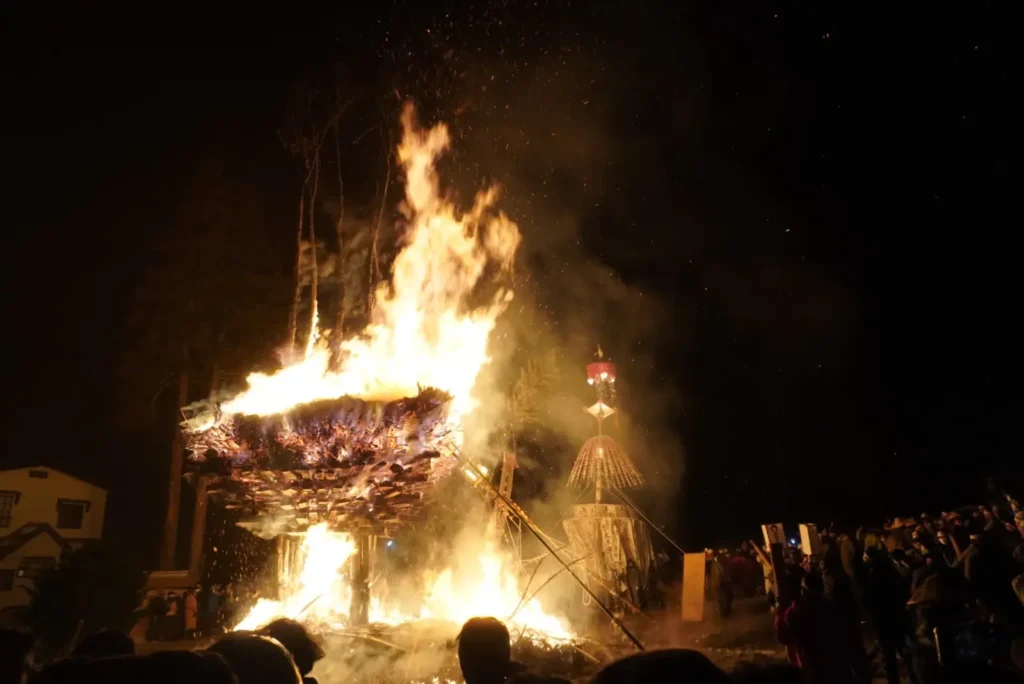
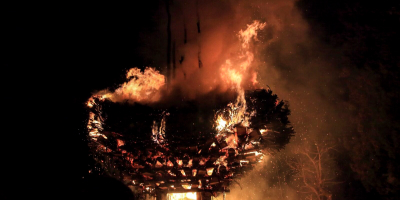
This is one of Japan’s "Big Three" fire festivals and is designated as a National Important Intangible Folk Cultural Property. It is a spectacular display of bravery and tradition designed to pray for a plentiful harvest and to drive away evil spirits.
- The Ritual: A massive wooden shrine (shaden) is hand-built by the villagers. Men of the "unlucky ages" (25 and 42) are tasked with defending it. The 42-year-olds sit atop the structure while the 25-year-olds guard the base as a torch-bearing mob of villagers attempts to "burn it down" in a series of coordinated attacks.
- The Climax: After the ritual battles, the shrine is finally set ablaze, resulting in a towering inferno that illuminates the entire snow-covered valley.
Essential Planning Note: Due to extreme crowding and safety concerns in recent years, participation has become strictly regulated. Entry to the festival grounds is typically limited to those with a confirmed hotel stay within Nozawa Onsen on the night of the 15th. Guests are usually provided with a specific entry ticket by their accommodation. Because of this, participating in the festival requires months of advance preparation, as hotels often sell out nearly a year in advance.
New Year’s at Zenko-ji (Hatsumode) (January 1st – 3rd)
Experience the tradition of Hatsumode, the first temple visit of the year, at one of Japan’s most significant Buddhist sites. Over the first three days of January, hundreds of thousands of people journey to Nagano City to seek blessings for the year ahead.
- The Ritual: Visitors brave the cold to toss coins into the massive offering box, pull Omikuji (paper fortunes), and purchase lucky charms like Omamori or Hamaya (demon-breaking arrows).
- The Vibe: The atmosphere is electric yet spiritual. The main approach to the temple (Nakamise-dori) is a sea of people, and the surrounding streets are lined with festive stalls selling steaming oyaki dumplings, sweet amazake (warm fermented rice drink), and local sake to keep the crowds warm.
Why it's special: There is a unique serenity in seeing the heavy, dark timber of the 1,400-year-old temple draped in white snow while the air is thick with the scent of incense and the collective prayers of the new year. There is a reason why New Year's is the most important holiday in the Japanese calendar, and you should not miss it here!
Seasonal Highlights in January
January offers the most reliable winter scenery and world-class sports conditions of the entire calendar year. This is the month when the Nagano winter truly lives up to its global reputation.
Peak Japow Season
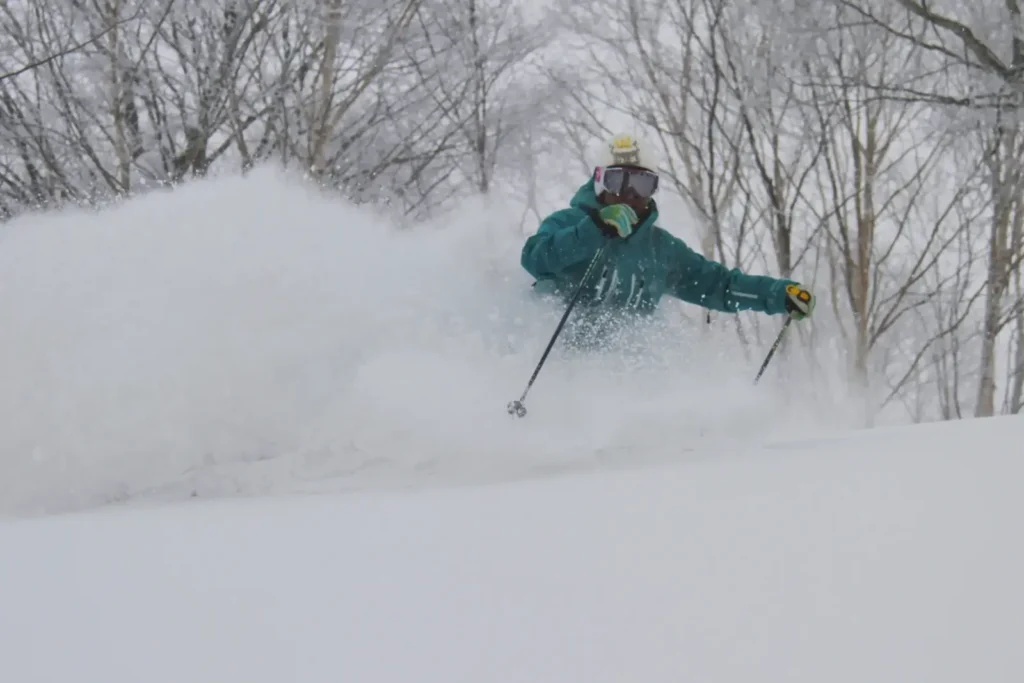
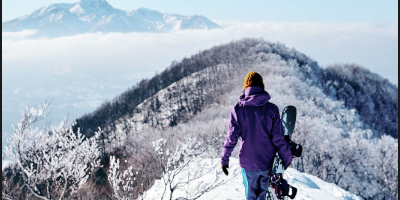
For serious skiers and snowboarders, January is the gold standard. The cold Siberian winds crossing the Sea of Japan dump massive amounts of dry, light snow across the prefecture, creating the legendary Japan Powder (Japow).
- Global Reputation: January is when international powder hounds descend on Nagano. Resorts like Hakuba, Nozawa Onsen, and Shiga Kogen reach their peak snow depths, often seeing multiple powder dumps per week.
- Consistent Experience: Because the temperatures stay consistently below freezing, the snow remains "fluffy" and doesn't turn to ice or slush, allowing for smooth, effortless turns even late into the afternoon.
- Night Skiing: Most major resorts offer night sessions. There is a unique magic to skiing under massive floodlights while fresh flakes continue to fall around you, turning the mountain into a silent, glowing world.
Snow Monkeys in the Steam
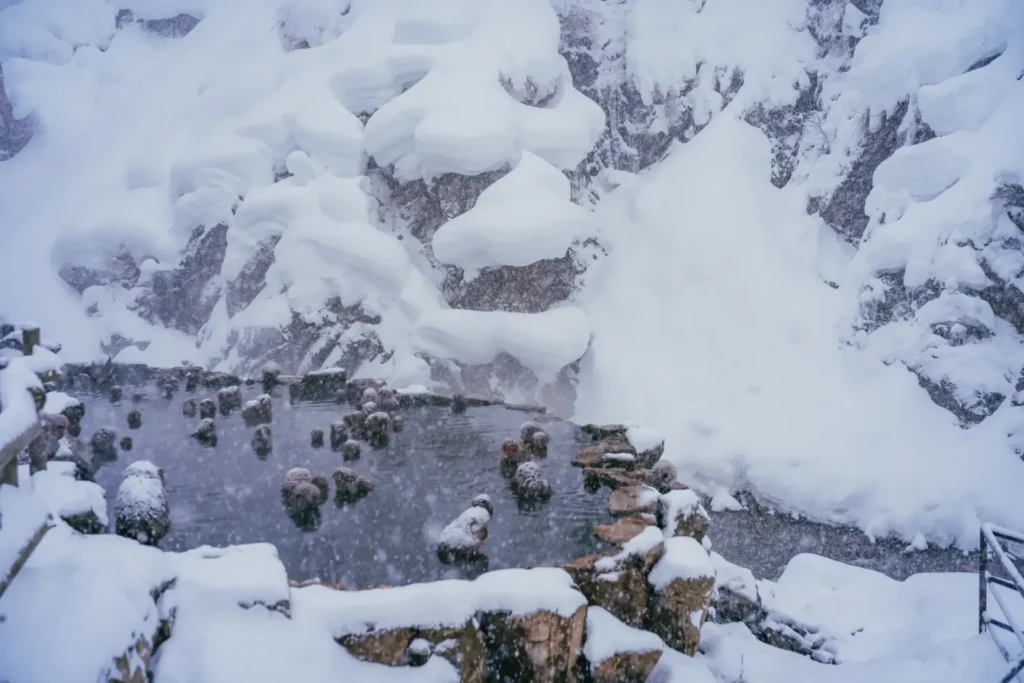
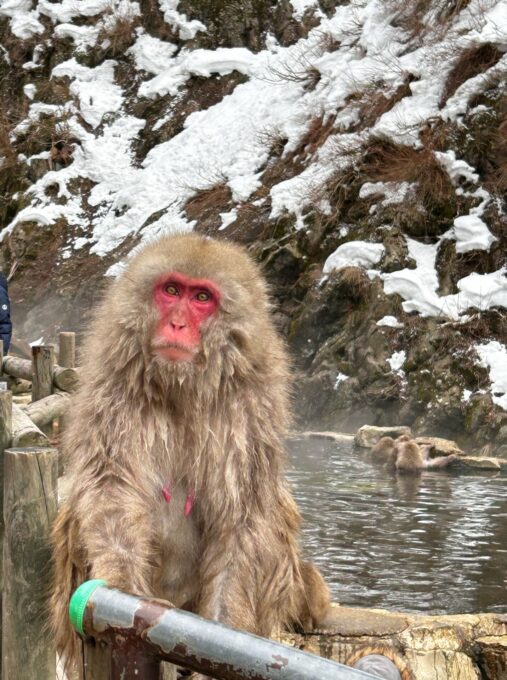
While the monkeys inhabit the Jigokudani Valley year-round, January is the only month that guarantees the iconic Snow Monkey aesthetic that travelers fly across the world to see.
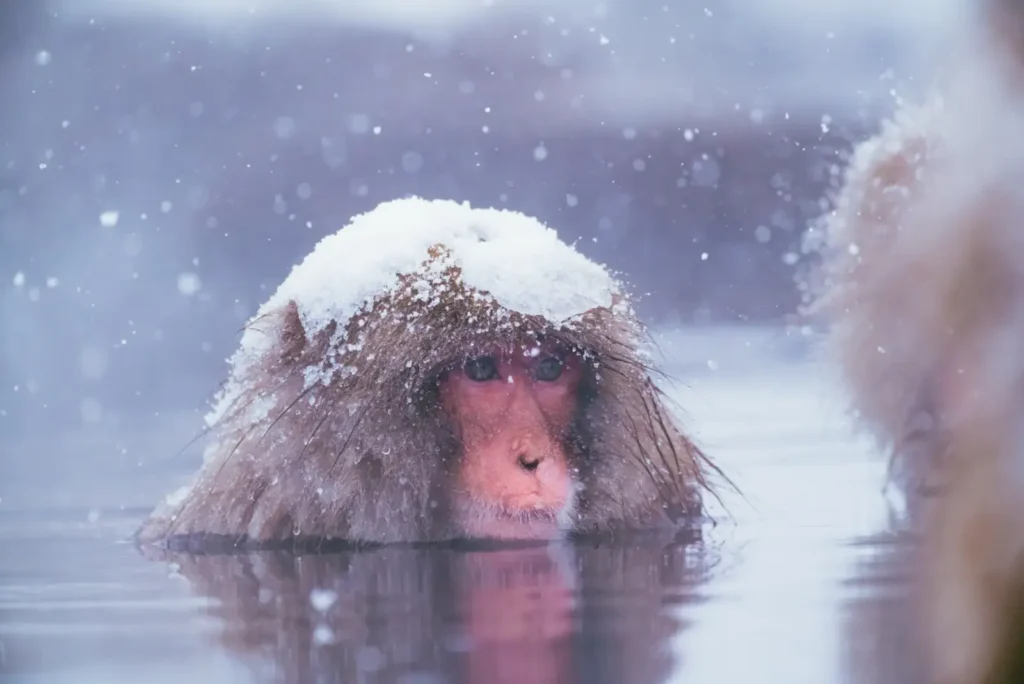
- Visual Contrast: This is the peak photography season. The sight of dark-furred macaques with frost-covered faces, framed by white snow-laden rocks and thick rising steam, is a spectacular natural contrast.
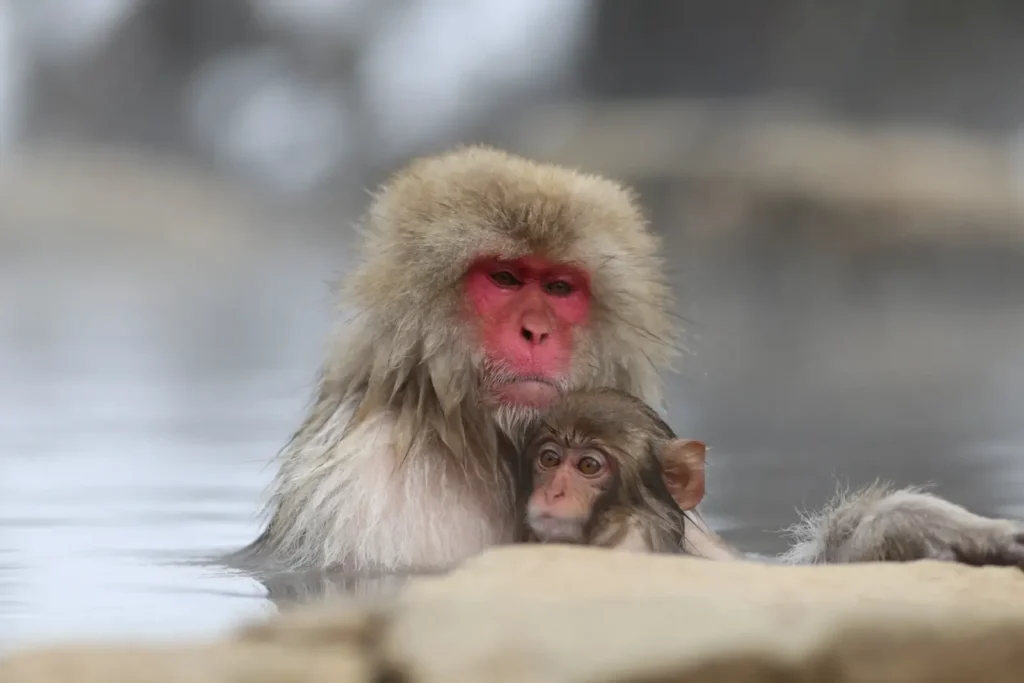
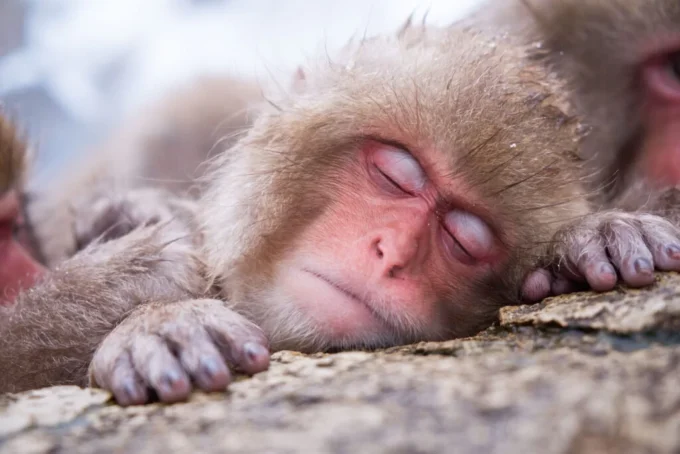
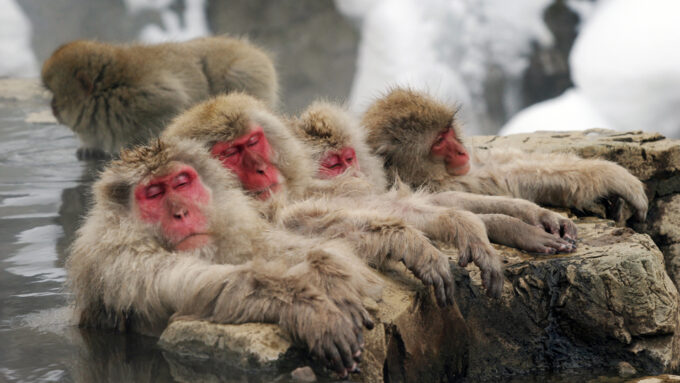
- The Survival Huddle: In the sub-zero January air, the monkeys’ behavior shifts. They spend significantly more time soaking in the hot spring to regulate their body temperature. You are much more likely to see large groups huddled together in the water or grooming one another along the warm stone edges.
- The Forest Walk: The 1.6km trail to the park becomes a pristine white corridor of towering pines. In January, the silence of the snow-covered forest makes the walk feel like a serene winter escape.
Winter Illuminations & Ice
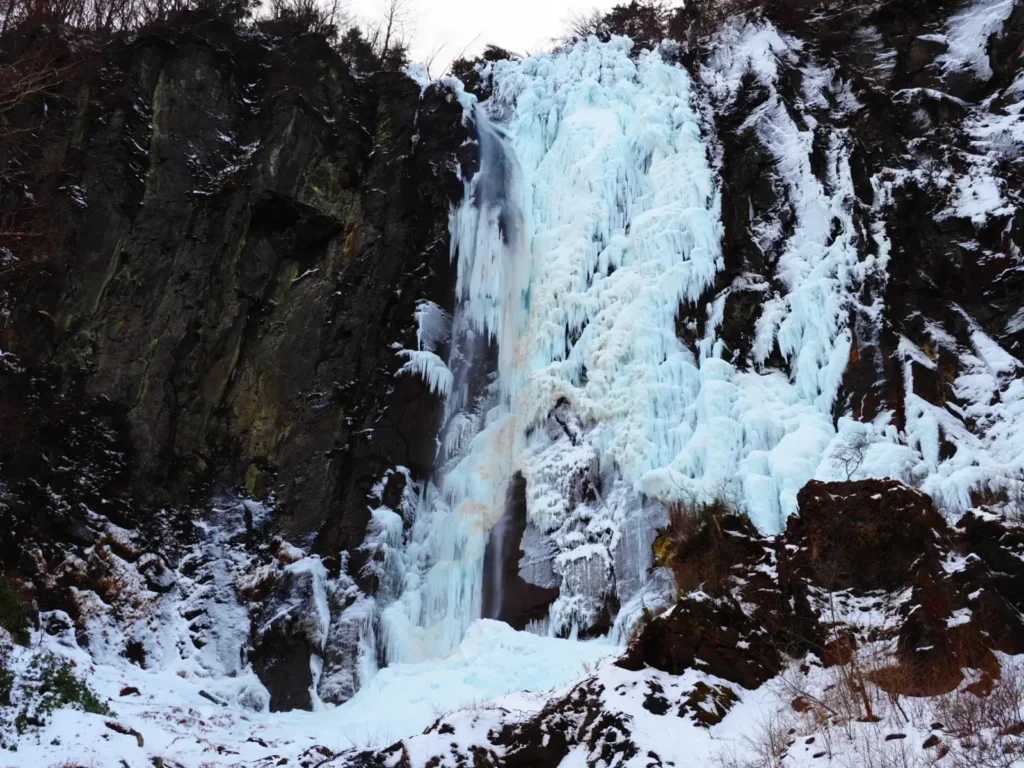
Beyond the slopes, January is the month of light and ice. The crisp, clear air makes for incredible visibility, and local communities lean into the winter theme.
- Alps Azumino Park: One of the largest light displays in the region often extends into early January, with hundreds of thousands of LED lights reflecting off the snow.
- Frozen Waterfalls: In higher elevations like Togakushi or the Kiso Valley, small waterfalls begin to freeze into solid pillars of blue ice, offering a dramatic and quiet side of Nagano's nature that few tourists venture far enough to see.
Featured Tours in January
Our January tours focus on heat and ice, balancing the freezing mountain air with warm cultural experiences. We are happy to welcome your party on any of the following:
1-Day Ski Tour Package from Nagano Station / December - March
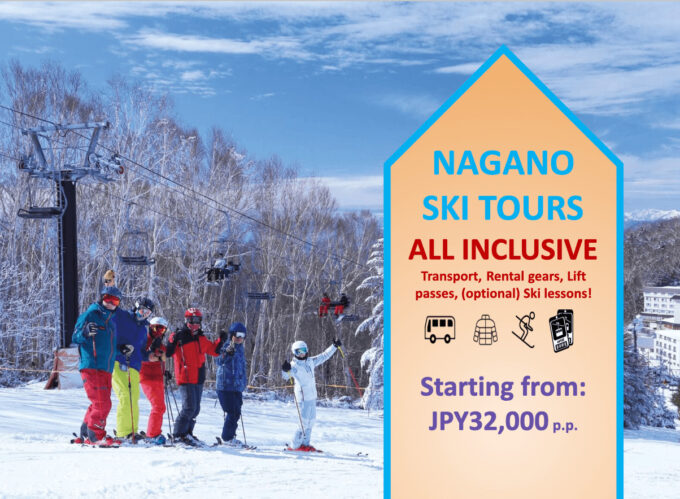
January is the heart of the deep powder season, offering the most consistent snowfall and the lightest, driest snow quality of the year. Our all-inclusive 1-day package handles all the winter logistics, so you can head straight from the Shinkansen to the world-class slopes of the Nagano region without the stress of navigating snowy mountain roads yourself.
Recommended
1-Day Ski Tour Package from Nagano Station
- Spots:
- NaganoShiga Kogen
- Pick-up:
- Nagano City
- Drop-off:
- Nagano City
- Convenient All-Inclusive Option: Seamless round-trip transport directly from Nagano Station to the ski resort.
- Optional Beginner Lessons: Highly recommended for beginners; learn to ski or snowboard in the softest, most forgiving snow conditions imaginable.
- The Japow Experience: Immerse yourself in the legendary waist-deep powder that has made Nagano a global winter pilgrimage site.
- January Highlight: This is the month of guaranteed snow depth. While other months can be hit-or-miss, January ensures that 100% of the mountain is open, offering the premier "whiteout" alpine experience that defines the Japanese winter.
1-Day Tour: Snow Monkeys, Zenkoji Temple & Sake in Nagano
Experience Nagano at the height of its winter majesty from either Nagano City or Hakuba Ski Resort! Visit Zenko-ji Temple as it sits blanketed in pristine white snow, enjoy a guided sake tasting, and observe the world-famous monkeys in their most iconic setting, soaking in steaming hot springs surrounded by a snowy white backdrop.
Best Selling
1-Day Tour: Snow Monkeys, Zenkoji Temple & Sake in Nagano
- Spots:
- NaganoSnow MonkeyHakuba
- Pick-up:
- Nagano CityHakuba
- Drop-off:
- Nagano CityHakuba
- Zenko-ji in Deep Winter: Explore the 1,400-year-old temple grounds when the dark timber architecture provides a stunning contrast against the heavy January snow.
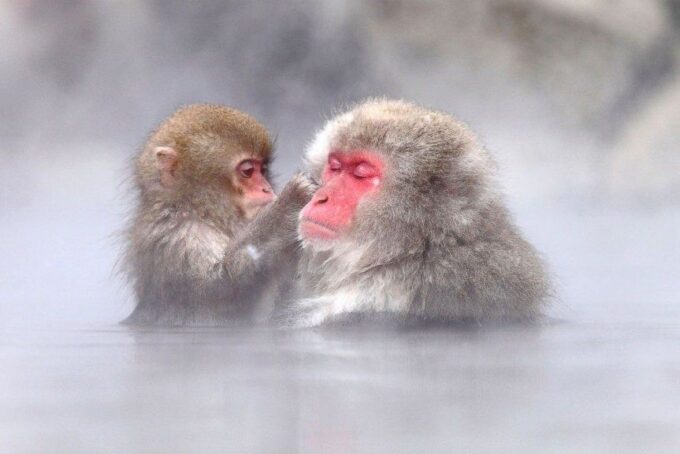
- Monkeys in the Steam: Witness the macaques as they huddle for warmth in the natural onsen, this is the peak month for capturing the quintessential onsen monkey photograph.
- January Highlight: The 1.6km forest trail to the monkeys is transformed into a silent, snow-covered corridor of towering pines. Walking this path in the crisp January air is a serene, bucket-list experience that truly defines a Japanese winter.
Popular
[START FROM NAGANO CITY] Private Snow Monkey Tour
- Spots:
- NaganoSnow Monkey
- Pick-up:
- Nagano City
- Drop-off:
- Nagano CityHakubaNozawa OnsenShiga KogenMadaraoMyoko
Looking for a more personal experience? Our private tours can be customized to include the historic town of Obuse, known for its chestnut delicacies and connection to the famous artist Katsushika Hokusai.
- Customizable Itinerary: Adjust your pace and focus on what interests you most.
- Private Transport: Stress-free travel for your group or family.
Are you staying in a ski resort in Nagano already and are looking for a snow monkey tour? We offer private tours from any destination, but we also offer cost-effective group-tours from Nozawa Onsen, Madarao Kogen, and Myoko Kogen for powder-chaser who want a rest day from the slopes:
Recommended
(Winter Only) 1-Day Tour From Nozawa Onsen: Snow Monkeys, Zenkoji Temple & Sake
- Spots:
- NaganoSnow MonkeyNozawa Onsen
- Pick-up:
- Nozawa Onsen
- Drop-off:
- Nagano CityNozawa Onsen
Recommended
(Winter Only) 1-Day Tour From Myoko & Madarao: Snow Monkeys, Zenkoji Temple & Sake
- Spots:
- NaganoSnow MonkeyMyokoMadarao
- Pick-up:
- MyokoMadarao
- Drop-off:
- Nagano CityMadaraoMyoko
1-Day Tour: Snow Monkeys & Snow Fun in Shiga Kogen
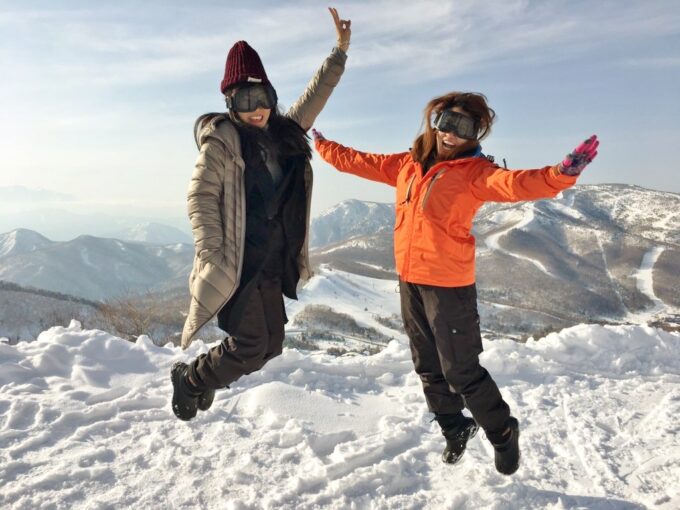
This all-inclusive tour is the ultimate family-friendly winter experience, combining the high-altitude excitement of Japan’s largest ski resort with the world-famous tranquility of the Snow Monkey Park.
Best Selling
1-Day Tour: Snow Monkeys & Snow Fun in Shiga Kogen
- Spots:
- NaganoSnow MonkeyShiga Kogen
- Pick-up:
- Nagano CityYudanaka/Shibu
- Drop-off:
- Nagano CityYudanaka/Shibu
- Shiga Kogen Snow Play: Spend your morning at Shiga Kogen, Japan’s highest and most expansive ski resort. In January, the snow is at its deepest and lightest, providing a soft, safe environment for sledding, snow biking, and tubing in a dedicated activity area.
- Hearty Mountain Lunch: Warm up with a local, soul-warming meal at a resort restaurant—the perfect break before heading down to the valley.
- The Iconic Snow Monkey Park: Visit the Jigokudani Monkey Park when the steam from the hot springs is thickest. January is the most photogenic month to see the monkeys with frost on their faces against a backdrop of deep, white drifts.
January Highlight: This is the best month for "Whiteout" Fun. Unlike the wetter snow of early spring, January’s powder is so light that you can play for hours without getting soaked. It’s the definitive winter day trip for families traveling from Tokyo who want to experience the absolute best of the Nagano Alps.
Private Winter Togakushi Tour: Snow, Shrines & Cedar Trees
Experience the mystical side of Nagano’s high-altitude winter. Nestled in the mountains just outside Nagano City, Togakushi is a sacred alpine sanctuary where ancient Shinto myths meet pristine powder snow. This private tour offers a perfect balance of winter play and spiritual depth, taking you from the family-friendly slopes of Togakushi Ski Resort to the towering, snow-dusted ancient cedars that have guarded these pilgrimage trails for centuries.
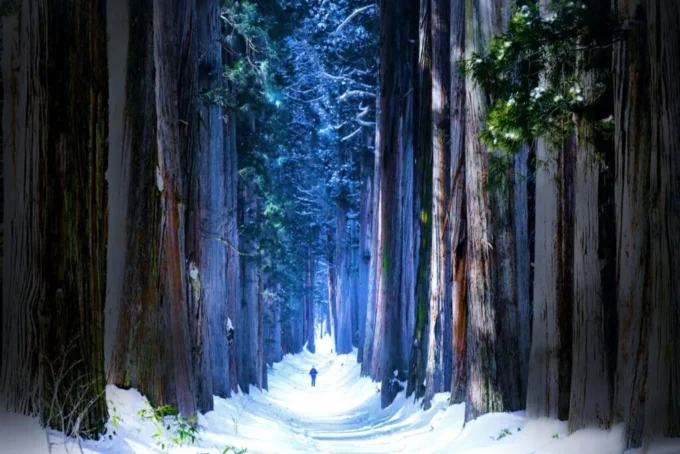
- Customizable Snow Fun: Spend your morning at Togakushi Ski Resort. Choose from inclusive sledding and tubing in the kid-friendly snow park or opt at your own expense for beginner-friendly or experienced skiing against a backdrop of the dramatic Togakushi mountain range.
- The Legend of the Hidden Door: Visit the Chuusha (Middle Shrine) and hear the ancient creation myths of Japan. Your guide will share the story of the "Hidden Stone Door" that gave this mountain its name.
- Iconic Cedar Avenue: Walk the world-famous pilgrimage trail lined with 400-year-old giant cedars. In January, these massive trees draped in heavy snow create one of the most spiritual and photogenic landscapes in Japan.
Tips for Visiting & Travel in January
Getting Around: Navigating the Ice
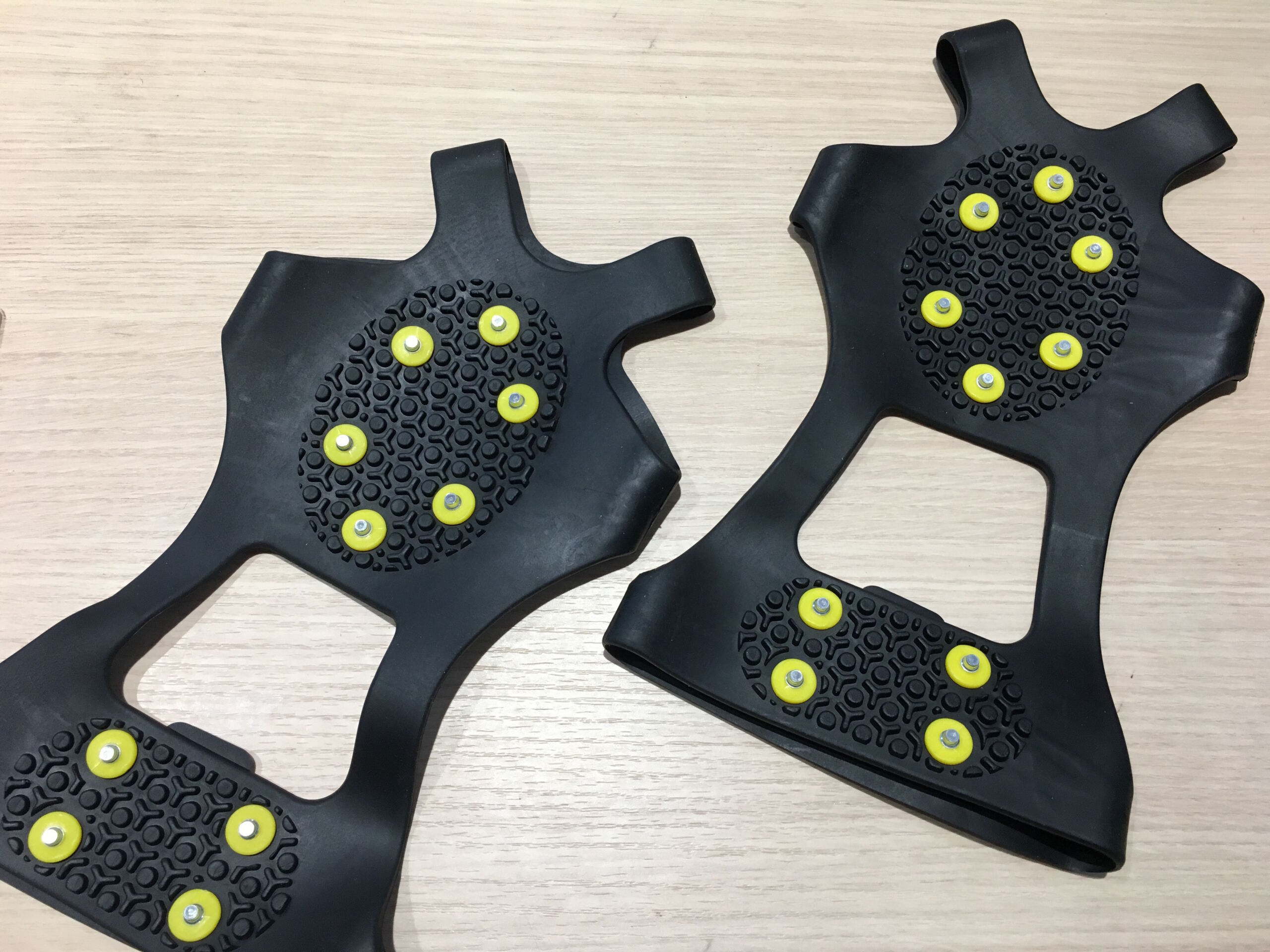
January is the month that is most prone to slipping, whether that be in a car or walking. While the main roads are plowed, sidewalks and rural paths remain frozen throughout the day.
- The Snow Monkey Trail: The 1.6km walk to the park is a permanent corridor of compacted snow and ice in January. Do not attempt this in sneakers or flat-soled boots. You will see many travelers slipping; avoid being one of them by purchasing slip-on crampons (shoe spikes) at the trailhead gift shop or Nagano Station.
- Bus & Train Timing: Heavy snowfall can cause delays for local mountain buses (to Hakuba, Nozawa, and Shiga Kogen). If you have a Shinkansen to catch, always aim for one bus earlier than necessary. The bullet train itself is very reliable, but getting to the station can be slow.
- Early Sunsets: The sun disappears behind the Northern Alps by 4:45 PM. Plan your mountain walks and photography for the morning hours to take advantage of the best light and the "warmest" part of the day.
Skip the Lines: Private Charters
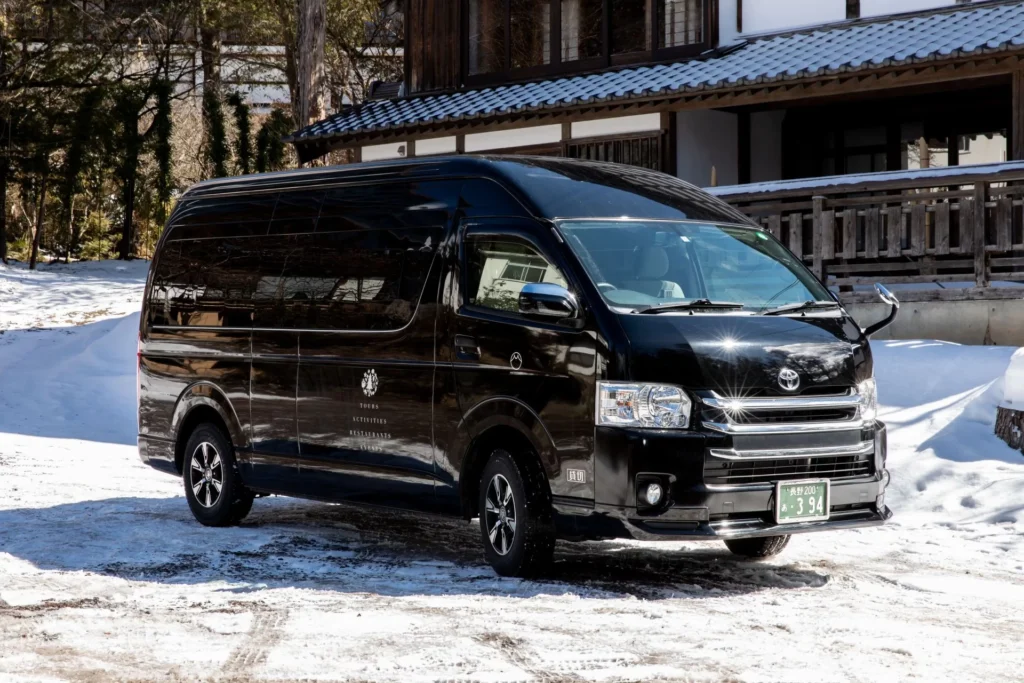
If you are traveling with a group, carrying heavy ski gear, or simply want to avoid the cold lines at the bus stop, our private charters are the most comfortable way to navigate Nagano in January.
- Door-to-Door Service: We offer direct transfers from Nagano Station or your hotel to all major resorts, including Hakuba, Nozawa Onsen, Shiga Kogen, and Myoko and all other destinations in Nagano.
- Stress-Free Logistics: Our professional drivers are experts at navigating snowy mountain roads, ensuring you arrive safely and on time without worrying about bus schedules or "black ice."
- Flexible Capacity: Whether you are a couple or a large family with luggage and gear, we have vehicles to suit your group size.
What to Wear: The "Triple Layer" Strategy
January temperatures in the mountains often stay well below freezing (0°C / 32°F) even at midday.
- The Base: High-quality thermal underwear (like Uniqlo Heattech Ultra Warm) is a non-negotiable requirement.
- The Mid & Outer: Wear a fleece or wool sweater under a windproof and waterproof down jacket. The wind at the top of the ski resorts or at the Togakushi shrines can be biting.
- Extremities: You will lose heat fastest through your head and hands. Bring a thermal beanie that covers your ears and waterproof gloves, especially if you plan on playing in the snow or visiting the monkey park.
Winter Health & Safety
- Beware of Sunburn: The January sun reflects off the white snow with surprising intensity. Even if it feels freezing, you can get a sunburn faster than in the summer. Apply SPF 50 sunscreen and wear sunglasses to prevent snow blindness.
- Hydration & Humidity: Indoor heating in Japan is very dry. Drink plenty of water and carry heavy-duty lip balm and moisturizer to prevent your skin from chapping in the crisp mountain air.
Where to Stay in January
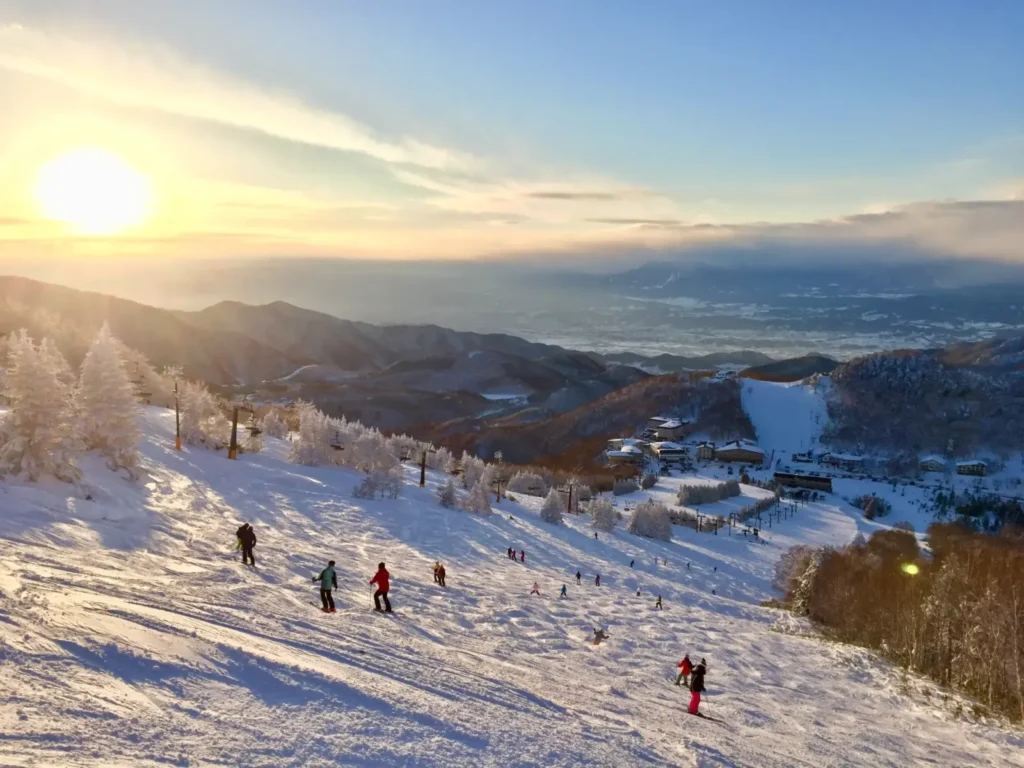
January is the peak of the winter season in Nagano. As the powdered landscape takes full hold, the entire region is transformed into a world-class snow destination. Staying overnight is essential this month; it allows you to beat the morning crowds to the ski lifts, experience the magic of falling snow from an outdoor onsen, and enjoy the cozy "après-ski" culture of the mountain villages.
Ski Resort Lodging: The Heart of "Japow"
For those focused on world-class snow, staying slopeside is the ultimate January experience. Resorts like Shiga Kogen, Hakuba, Nozawa Onsen, and Myoko Kogen are in their prime this month.
- The Benefit: Staying on the mountain allows you to maximize your time on the snow, easily access rental gear, and enjoy night skiing under the floodlights.
- The Vibe: These villages offer a range of traditional pensions, modern hotels, and luxury lodges. After a day in the sub-zero air, there is nothing better than retreating to a warm fireplace or a village pub.
- Explore More: You can see all of our curated mountain accommodation options and resort guides on our dedicated Ski and Snowboard Information Page.
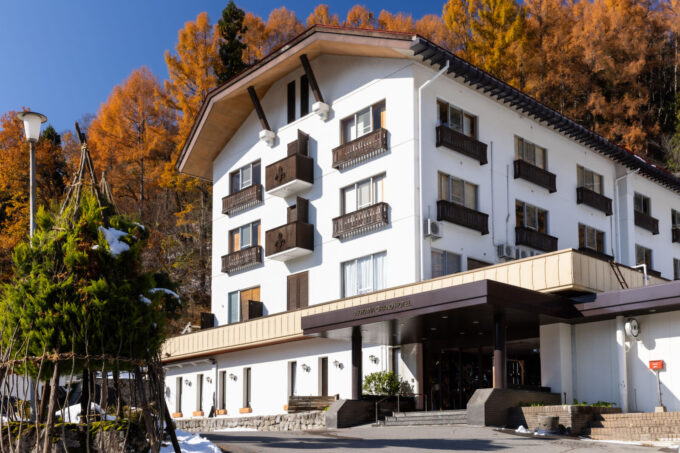
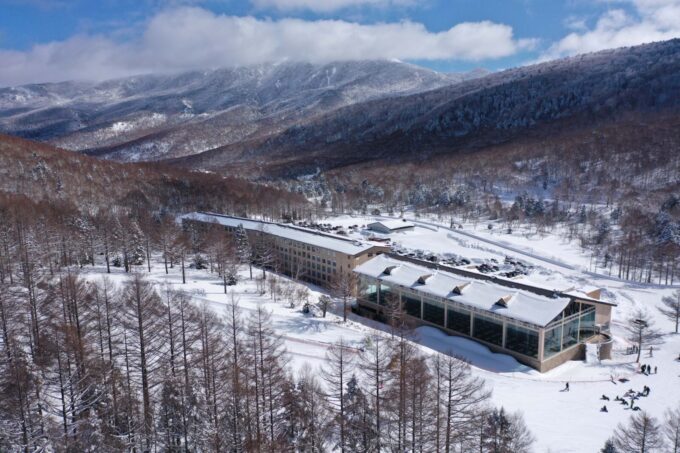
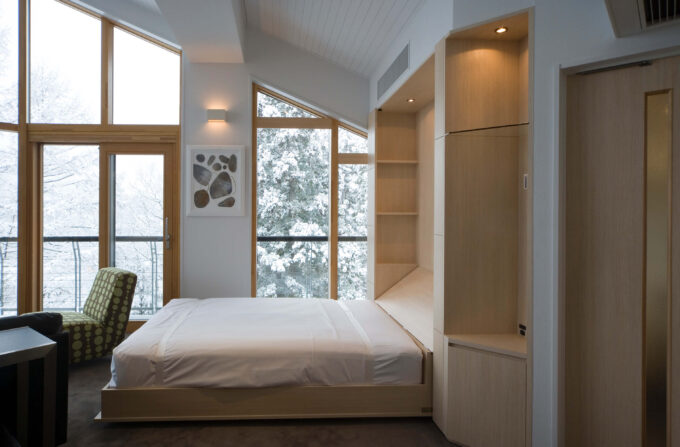
Kanbayashi Onsen: The Winter Escape
For visitors who want a mix of snow and relaxation, the onsen resorts around Kanbayashi, near the snow monkeys, provide hot spring baths, cozy accommodations, and a picturesque winter landscape. The combination of snowy mountain views and thermal baths makes this an especially popular choice in January. Consider yourself lucky if you are able to get a reservation at one of the following high profile accommodations below!
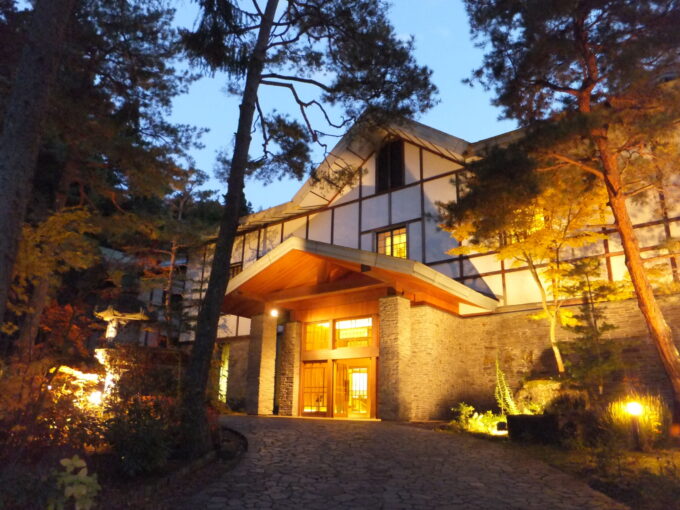
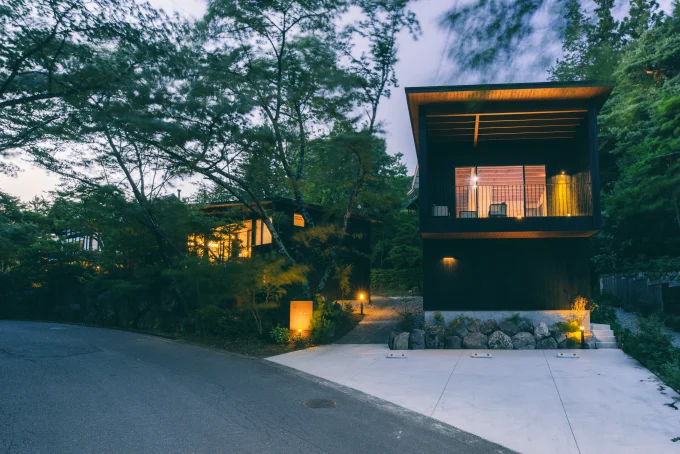
Western Hotels in Nagano City: The Strategic Hub
Central Nagano remains the most convenient "base camp" for those who want to explore both the mountains and the culture.
- The Convenience: Staying near Nagano Station gives you immediate access to the Shinkansen and the express buses heading to every major ski resort.
- The Vibe: The city is lively in January, with plenty of izakayas and restaurants to warm up in after a day at the Monkey Park or Zenkoji Temple. It is the best choice for travelers who value transit links and urban comfort.

Plan Your January Visit
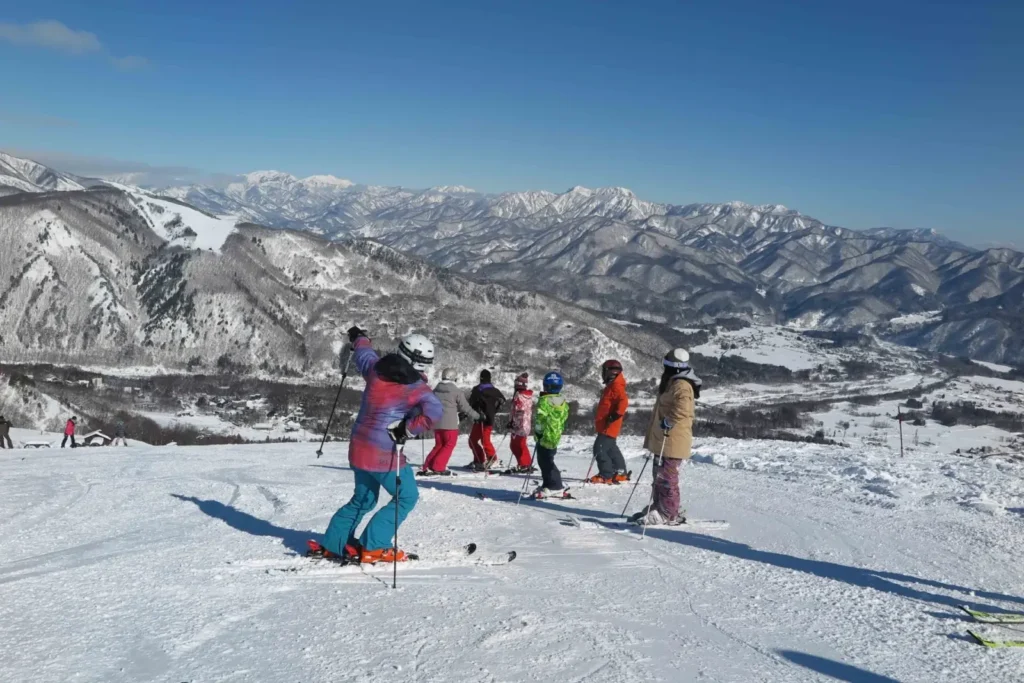
January in Nagano is for the traveler who seeks the ultimate winter experience. It is a month of deep powder, roaring fire festivals, and the most iconic snow monkey scenery of the year. Whether you are carving through world-class Japow in Hakuba, witnessing the primal energy of the Nozawa Onsen Fire Festival, or finding stillness in a snow-dusted temple, January offers a dramatic and powerful side of Japan that defines the spirit of the Alps.
With the region in full deep winter mode, January is the premier time for winter sports enthusiasts and photographers alike. You can find out more about our specific mountain offerings and resort guides on our Ski & Snowboard Japan: Nagano Ski Packages 2026/27 page.
Why Visit Nagano in January?
- The Peak of Japow: Experience the lightest, driest snow in the world at high-altitude resorts like Shiga Kogen and Hakuba.
- Iconic Cultural Festivals: Witness the legendary Nozawa Onsen Fire Festival on January 15th—a bucket-list cultural spectacle.
- The Best Monkey Photos: January provides the guaranteed "steam and snow" aesthetic at the Jigokudani Monkey Park.
- Temple Serenity: Experience Hatsumode (the first prayer of the year) at Zenko-ji Temple amidst a stunning winter landscape.
Expert Planning Assistance
Because January is the busiest month for winter sports and festivals, early planning is essential. Whether you need help securing a high-profile ryokan like Senjukaku, booking a private villa at Hotarutei, or arranging a Private Charter to skip the bus lines, our team is ready to assist.
We specialize in creating seamless winter itineraries that balance high-energy mountain adventure with traditional relaxation. Use the Inquiry Button below to connect with our local experts and start designing your perfect January 2027 escape.
Frequently Asked Questions About Nagano in January
Yes. January is the snowiest month of the year. While the city may have occasional clear days, the mountain resorts like Hakuba, Nozawa Onsen, and Shiga Kogen maintain a deep, permanent snowpack with near-daily fresh snowfall. This is the most reliable month for the famous Japow experience.
Generally, no. Due to extreme crowding, participation is currently restricted to those staying overnight in Nozawa Onsen on January 15th. Accommodations provide guests with the necessary entry tickets. Because these hotels sell out up to a year in advance, attending this festival requires significant forward planning.
January is the peak month for Snow Monkey photography. The colder the air, the more likely the monkeys are to stay in the steaming hot spring for long periods. For the iconic "snow on the head" shot, visit on a day with active snowfall. Remember that the 1.6km trail is very icy this month; crampons (spikes) are recommended for safety.
Hatsumode is the first shrine or temple visit of the New Year (January 1st–3rd). Expect Zenko-ji Temple and Nagano City to be very crowded during these dates. While the atmosphere is festive and exciting, local transport and restaurants will be much busier than usual.
Most resort buses are first-come, first-served and do not take reservations. If you want to avoid long lines in the cold or the risk of a full bus, we recommend booking a Private Charter. This is especially helpful for groups with heavy ski gear or families who want a direct, door-to-door transfer.
Explore Nagano by Month
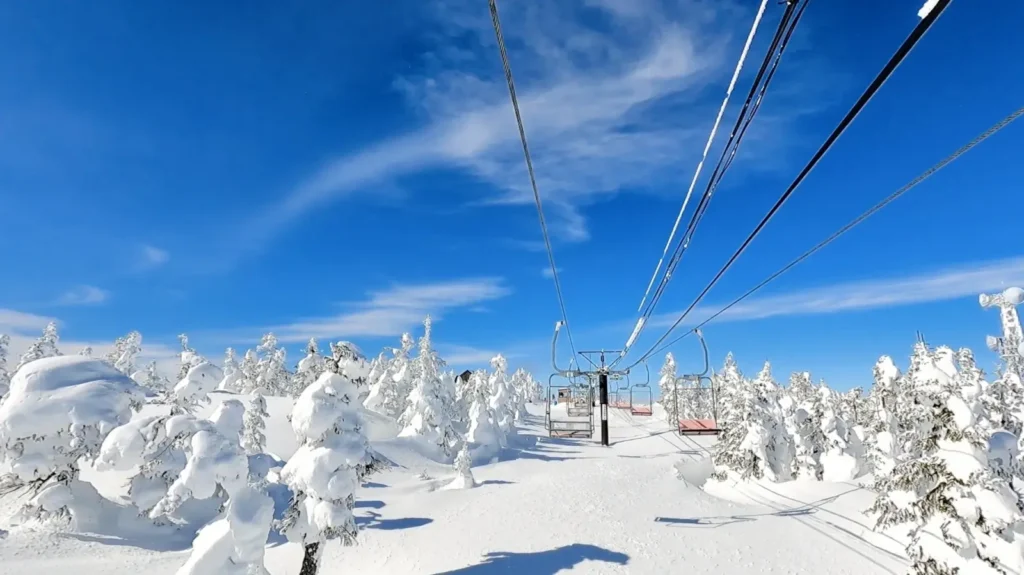
Nagano is a year-round destination, with each month offering a completely different landscape and set of experiences to enjoy. Choose your travel window below:
The Snow & Winter Season
- 📍[January] – Deep Winter & Snow Monkeys: (You are here)
- [February] – The Lantern Festival & Ice: Nagano's coldest month offers some of the best snow conditions of the year, paired with a festival celebrating Olympic heritage.
- [March] – The Late Winter Thaw: Enjoy Bluebird ski days with milder temperatures and the very first signs of spring in the valley.
The Alpine Spring Season
- [April] – Sakura & Snow Walls: A month of extremes. See the cherry blossoms bloom in the valley while walking between 20-meter high walls of snow on the Alpine Route.
- [May] – The Fresh Green Awakening: The most vibrant month for photography. Witness the "Mirror" rice paddies and the glowing neon-green forests and snow capped alps of Kamikochi.
- [June] – The Season of Mountain Mist: Escape the heat of the cities. Discover the mystical, fog-shrouded shrines of Togakushi and the blooming mountain hydrangeas.
The High Summer Season
- [July] – Alpine Wildflowers & Starry Nights: The high-altitude hiking season is in full swing. Enjoy cool mountain breezes and carpets of rare alpine flowers.
- [August] – The Great Obon Festivals: Join local communities for traditional dances and massive fireworks displays over the Chikuma River.
- [September] – The First Hints of Gold: The rice harvests begin, turning the valleys into fields of gold, while the highest peaks start to show their first autumn colors.
The Harvest & Autumn Season
- [October] – Peak Autumn Colors: Nagano’s most popular month for hiking. The mountains explode into a sea of red, orange, and gold.
- [November] – Apples & First Snowfall: The harvest season for Nagano’s famous apples. Experience the crisp air and the first dusting of snow on the Alps.
- [December] – The Return of the Powder: The ski resorts reopen and the villages of Shibu Onsen and Hakuba transform into a winter wonderland for the holidays.