




Planning a trip to Nagano in February 2027? While January is the peak of the deep winter, February is the month of continued winter excellence. It is the coldest time of year, but it is also the season when Nagano celebrates its snow with spectacular festivals, glowing lanterns, and some of the best powder conditions in the world for skiing and snowboarding.
Whether you want to dine inside a snow hut in Iiyama, witness the colorful lanterns of Zenko-ji, or catch the mid-winter fireworks in Hakuba, February offers a festive, high-energy atmosphere that turns the freezing temperatures into a warm cultural celebration.
Weather in Nagano in February
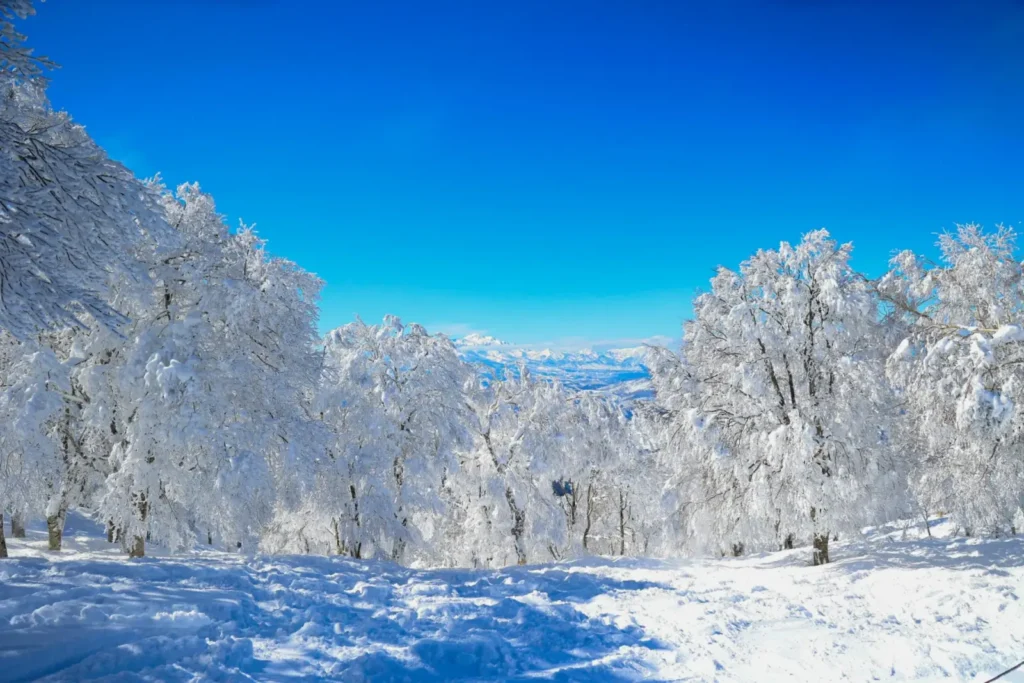
February is arguably the most visually spectacular month in the region. By this time, the snow base has reached its maximum height, but the constant storm cycles of mid-winter often give way to crisp, sunny mornings and deep blue skies reflecting off the white landscape.
Temperature and Atmospheric Conditions
Expect a dry cold that feels biting in the wind but refreshing in the sun. In the mountains, temperatures rarely rise above freezing, which keeps the snow quality world-class throughout the day.
- Average High (City): 4°C to 5°C (39°F to 41°F)
- Average Low (City): -4°C to -6°C (21°F to 25°F)
- Mountain Temperatures: High-altitude resorts like Shiga Kogen often see daytime highs around -5°C (23°F) and nighttime lows dropping to -15°C (5°F).
Daylight and Logistics
The days are noticeably longer than in January, giving you more time for outdoor exploration.
- Daylight: Approximately 11 hours.
- Sunrise and Sunset: At the start of February, the sun rises around 6:50 AM and sets at 5:15 PM. By the end of the month, the days have stretched significantly, with sunrise at 6:20 AM and sunset extending to 5:45 PM.
Clothing and Preparation
Because February temperatures remain below freezing in the shade or after dark, your clothing choices are critical for safety and comfort.
- Layering: Use a moisture-wicking base layer (like merino wool or synthetic thermals) to keep skin dry. Add a fleece or down mid-layer for insulation, and a windproof, waterproof outer shell to block the biting mountain winds.
- Essential Footwear: Sneakers are unsuitable for February. You need waterproof, insulated boots with a heavy tread. For the icy paths at the Snow Monkey Park, consider buying crampons (slip-on spikes) to prevent falls on the ice.
- Eye Protection: The combination of a massive snowpack and longer periods of sunlight creates intense glare. Polarized sunglasses or goggles are a necessity for any outdoor sightseeing to prevent eye fatigue.
Festivals & Events in February
February is a busy month for cultural events in Nagano, with most celebrations centered around the interplay of light and deep winter snow. From temple illuminations to snow hut villages, the region leans into its winter identity with events that turn the coldest nights into warm community celebrations.
Nagano Tomyo Lantern Festival (undecided for 2027; February 20th - 23rd 2026)
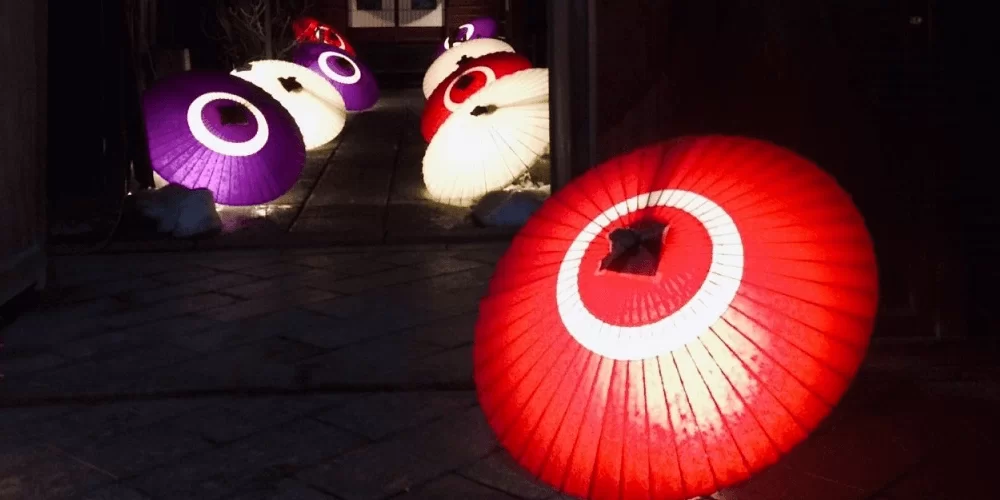
First held in 2004 to commemorate the 1998 Winter Olympics, this festival has become a major annual event held at Zenko-ji Temple. It serves as a prayer for world peace and a tribute to the "Light of the Buddha."
- The Spectacle: The main hall of the temple is bathed in the five colors of the Olympic rings, while the stone approach is lined with hundreds of kiri-e (hand-cut paper) lanterns. These lanterns are designed by local artists and children, creating a glowing path through the historic district.
- The Experience: Walking through the temple grounds in the crisp February air is a serene and photogenic experience. The event is free to the public and runs from 6:00 PM to 9:00 PM nightly. Local shops along the route often stay open late, offering warm snacks and sake to visitors.
Iiyama Snow Festival & Kamakura Village (Late January to Mid-February)
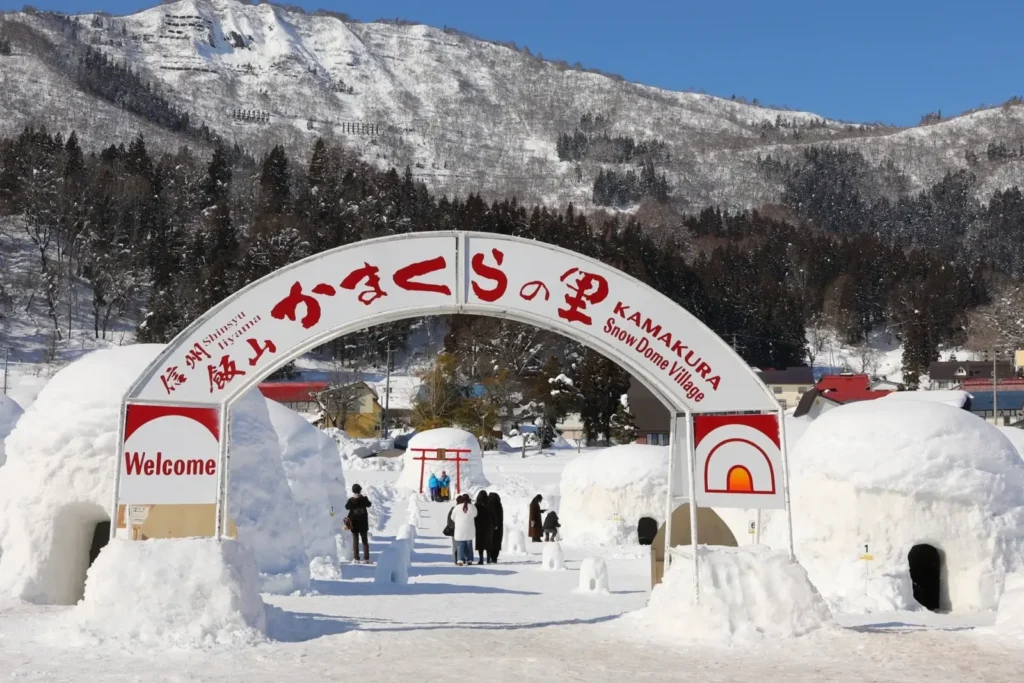
Iiyama is known for receiving some of the highest snowfall in Japan, and the locals celebrate this by building a village of over 20 Kamakura (snow huts) in the snowy fields outside the city center.
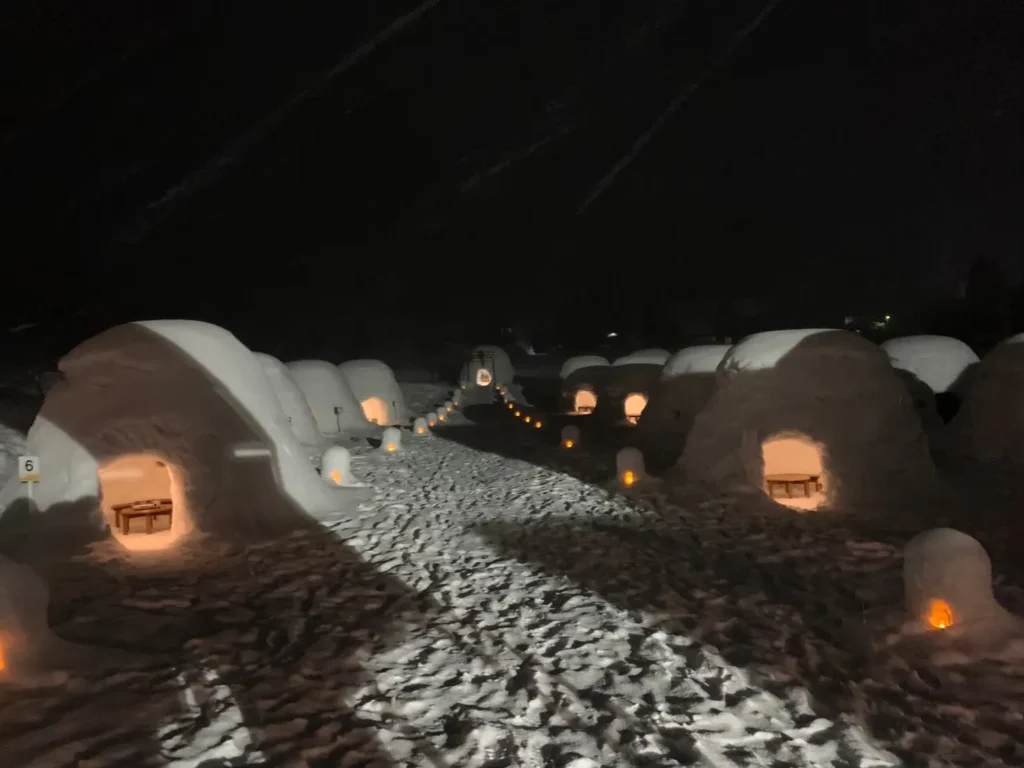
- The Experience: The highlight of a visit is dining inside a private snow hut. Groups can book a session to enjoy Noroshi Nabe, a local miso-based hot pot featuring Nagano pork and mushrooms. At night, the village is illuminated with lanterns, creating a fairy-tale atmosphere against the massive snow drifts.
- Iiyama Snow Festival: During the second weekend of February, the city also hosts its main snow festival, featuring giant snow sculptures, traditional "Snow Girl" processions, and a local food market.
- Planning Note: If you want to eat in a snow hut, you must book weeks in advance. Reservations typically open in December and are highly competitive.
Hakuba Happo-One Fire Festival (undecided for 2027; February 20, 2026)
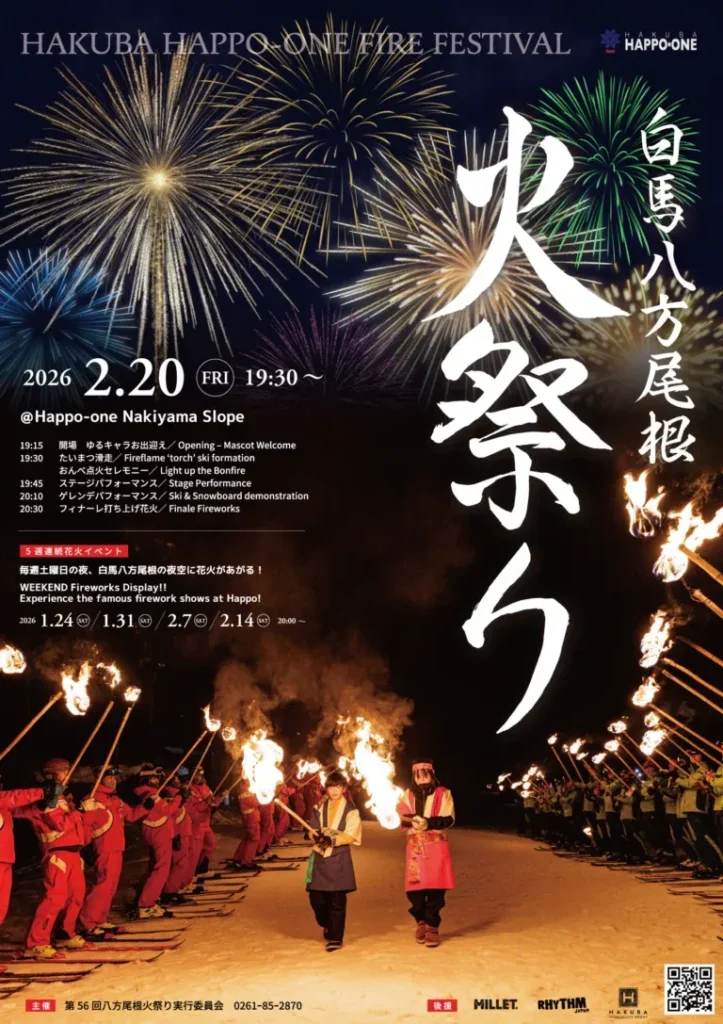
This is a high-energy celebration held directly at the base of the Nakayama slopes at Hakuba Happo-One Ski Resort. It is one of the most popular events for international visitors staying in the Hakuba Valley.
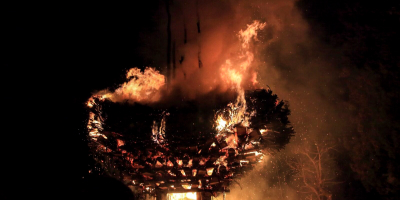
- The Highlights: The evening features a dramatic display of traditional Japanese drumming (Taiko) and fire performances. The climax of the night involves a torchlit ski descent where dozens of skiers move down the mountain in a glowing line, followed by a major fireworks display over the peaks.
- The Vibe: Unlike the more restrictive Nozawa Fire Festival, the Hakuba event is open to everyone and very family-friendly. It is a great way to experience Japanese "matsuri" culture without leaving the resort area.
Seasonal Highlights in February
February represents the peak of the winter aesthetic in Nagano. With the snowpack at its absolute deepest, the region offers sights and experiences that are only possible during this specific mid-winter window.
Peak Snow Depth and Mountain Access
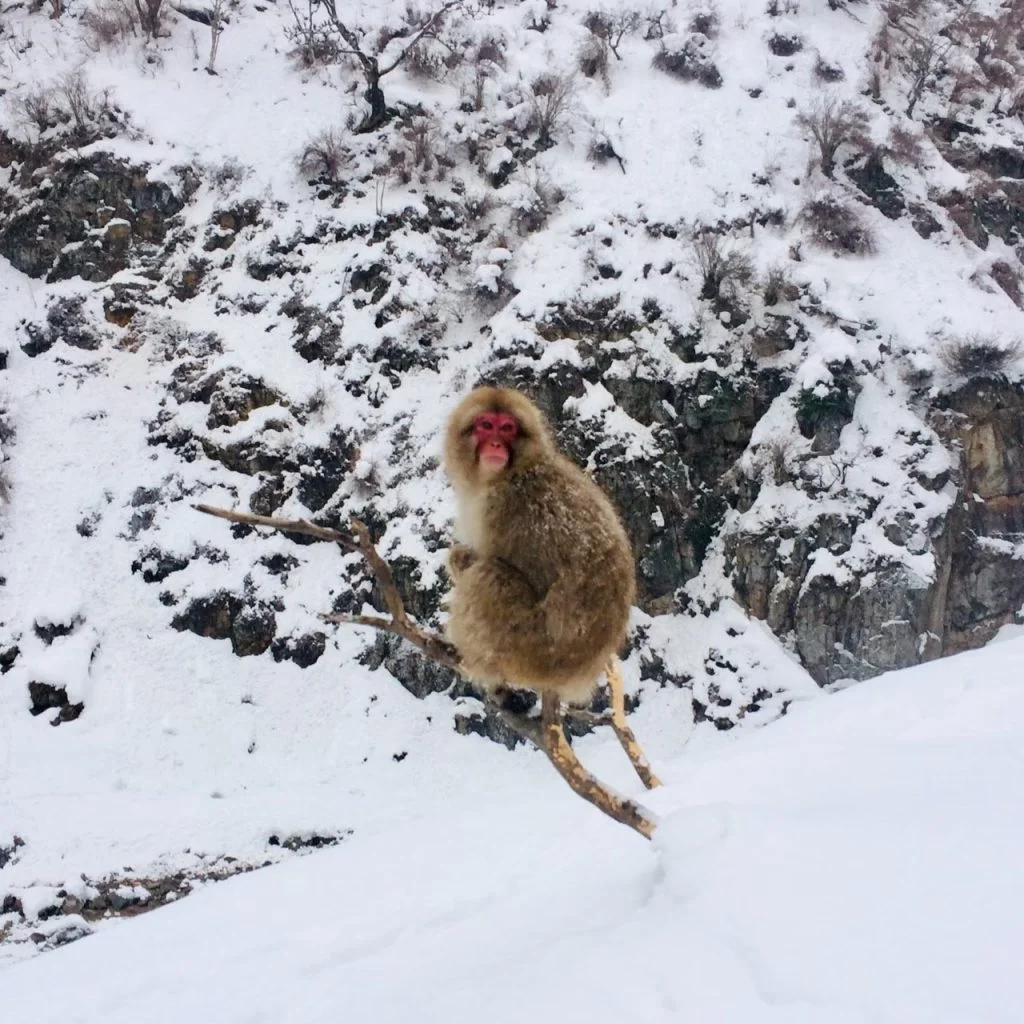
By February, the cumulative snowfall from December and January has fully buried the landscape. In the northern reaches of the prefecture, such as Shiga Kogen have snow walls lining the cleared mountain roads that can reach heights of three to four meters.
- Full Resort Opening: This is the most reliable month for skiers and snowboarders. The massive snow base ensures that every run, including steep black diamond courses and off-piste tree zones that require deep coverage, is in peak condition.
- Japow: Because the ground is heavily insulated by meters of snow, the surface stays colder for longer, preserving the light, dry quality of the powder even between storm cycles.
Snow Monkeys in the Deep Frost
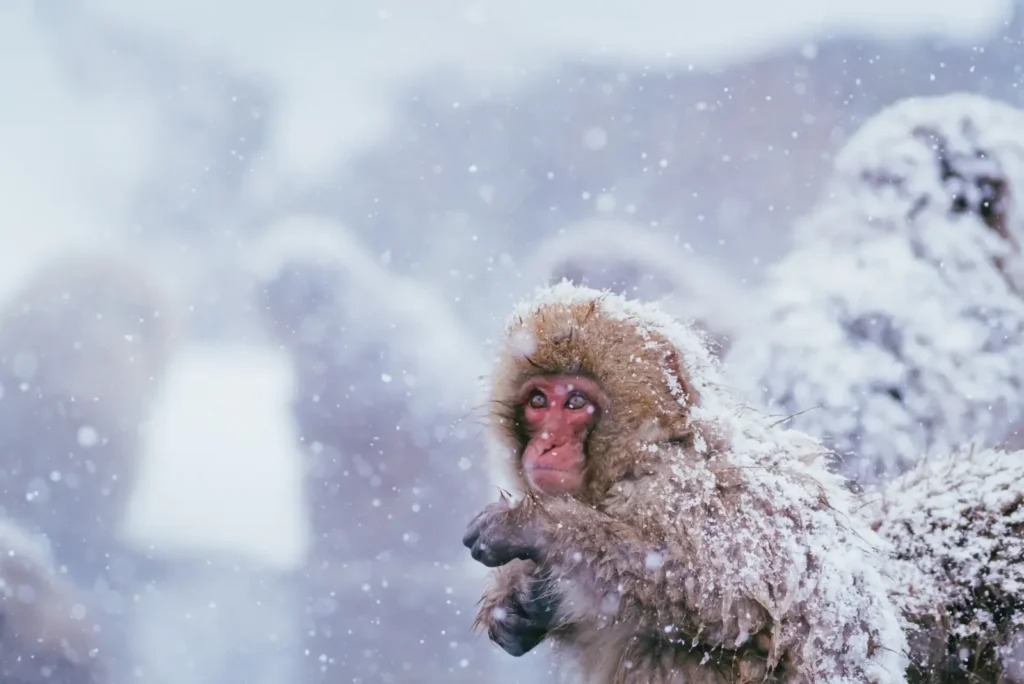
The macaques of Jigokudani are at their most active in the hot springs during February. Because the air temperatures remain consistently low, the monkeys spend a significant portion of their day soaking in the thermal waters to regulate their body temperature.
- Atmospheric Contrast: February provides the quintessential snow monkey photography conditions. The thick steam rising from the bathwater contrasts sharply against the heavy white drifts and the frost-covered faces of the monkeys.
- The Forest Path: The 1.6km walk to the park is at its most photogenic this month. The evergreen pines are weighted down by heavy snow, creating a silent, white corridor that feels far removed from the modern world.
Iiyama’s Living Snow Culture
In the northern "Snow Country" of Iiyama, February is the only time to experience the full scale of the Kamakura Snow Huts.
- Snow Architecture: The local community builds dozens of these large huts entirely from the deep February snowfall. They are strong enough to hold heavy wooden tables and groups of diners, serving as a testament to the region's unique relationship with winter.
- Night Illuminations: On February evenings, these huts are lit from within by lanterns, turning the snowy fields into a glowing village that is unique to this specific time of year.
Featured Tours in February
Our February tours are designed to capture the festive atmosphere of mid-winter, balancing the deep mountain snow with the warm glow of Nagano’s seasonal illuminations and festivals.
1-Day Ski Tour Package from Nagano Station / December - March
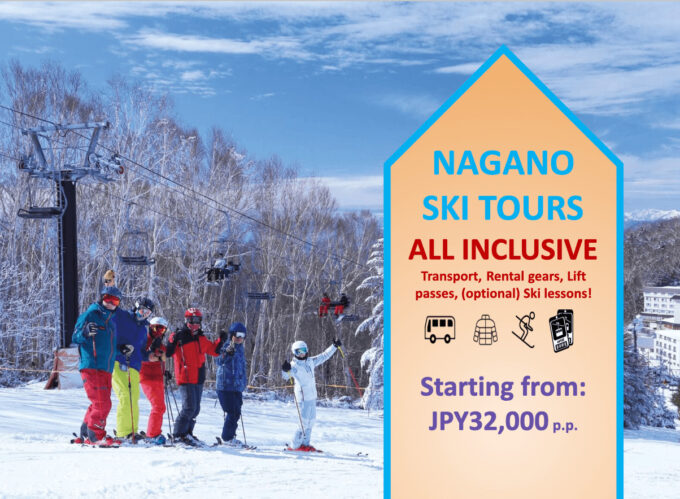
February offers the best of both worlds: a massive, established snow base and a higher frequency of clear, sunny days. This all-inclusive package is the most efficient way to reach the slopes from the Shinkansen, avoiding the stress of mountain driving during the peak of the winter season.
Recommended
1-Day Ski Tour Package from Nagano Station
- Spots:
- NaganoShiga Kogen
- Pick-up:
- Nagano City
- Drop-off:
- Nagano City
- Convenient All-Inclusive Option: Seamless round-trip transport from Nagano Station directly to the resort.
- Optional Beginner Lessons: February’s soft, consistent snow provides a forgiving environment for those learning to ski or snowboard for the first time.
- The Peak Season Experience: With 100% of the mountain terrain open, you can enjoy the full scale of Nagano’s world-class resorts.
- February Highlight: This is the month of "Bluebird" powder. Enjoy the rare combination of deep, dry snow and high-visibility clear skies that make for the best alpine photography of the year.
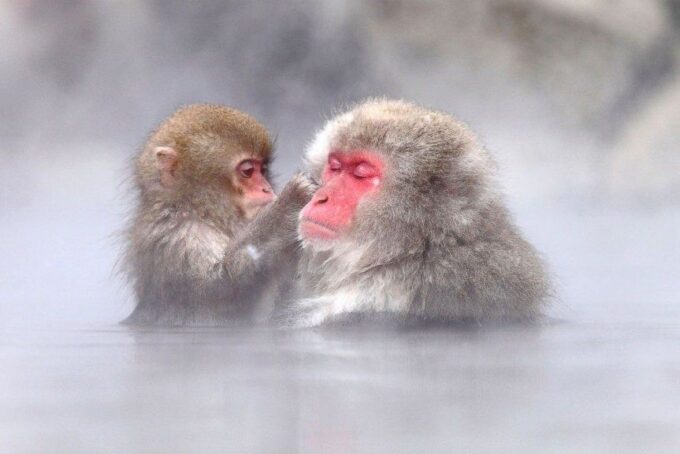
1-Day Tour: Snow Monkeys, Zenkoji Temple & Sake in Nagano
Experience the cultural heart of Nagano during its most festive month. Available with pickups from Nagano City or Hakuba, this tour takes you to the 1,400-year-old Zenkoji Temple and the world-famous Snow Monkey Park.
Best Selling
1-Day Tour: Snow Monkeys, Zenkoji Temple & Sake in Nagano
- Spots:
- NaganoSnow MonkeyHakuba
- Pick-up:
- Nagano CityHakuba
- Drop-off:
- Nagano CityHakuba
- Zenkoji in Winter: Wander the temple grounds while they are blanketed in deep snow. In early February, you may even see the colorful preparations or remnants of the Tomyo Lantern Festival.
- Monkeys in the Frost: February is a prime month for observing the macaques. The consistent cold ensures they spend plenty of time in the steaming water, often with frost clinging to their fur.
- February Highlight: The 1.6km forest trail is a pristine white corridor in February. The walk offers the quintessential winter aesthetic that defines the Nagano highlands.
Popular
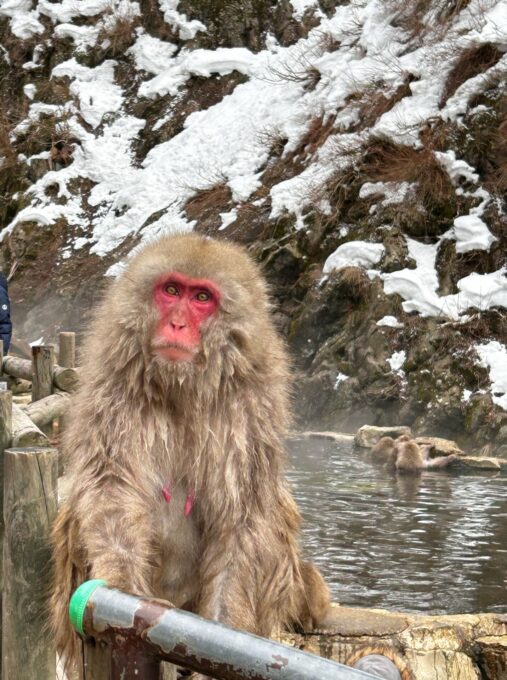
[START FROM NAGANO CITY] Private Snow Monkey Tour
- Spots:
- NaganoSnow Monkey
- Pick-up:
- Nagano City
- Drop-off:
- Nagano CityHakubaNozawa OnsenShiga KogenMadaraoMyoko
Looking for a more personal experience? Our private tours can be customized to include the historic town of Obuse, known for its chestnut delicacies and connection to the famous artist Katsushika Hokusai.
- Customizable Itinerary: Adjust your pace and focus on what interests you most.
- Private Transport: Stress-free travel for your group or family.
Are you staying in a ski resort in Nagano already and are looking for a snow monkey tour? We offer private tours from any destination, but we also offer cost-effective group-tours from Nozawa Onsen, Madarao Kogen, and Myoko Kogen for powder-chaser who want a rest day from the slopes:
Recommended
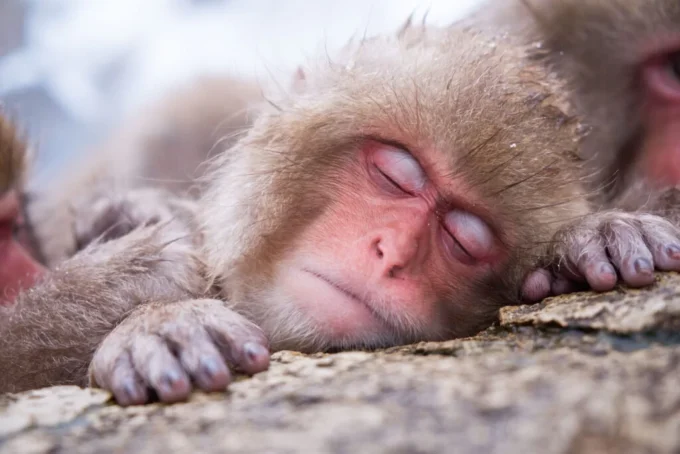
(Winter Only) 1-Day Tour From Nozawa Onsen: Snow Monkeys, Zenkoji Temple & Sake
- Spots:
- NaganoSnow MonkeyNozawa Onsen
- Pick-up:
- Nozawa Onsen
- Drop-off:
- Nagano CityNozawa Onsen
Recommended
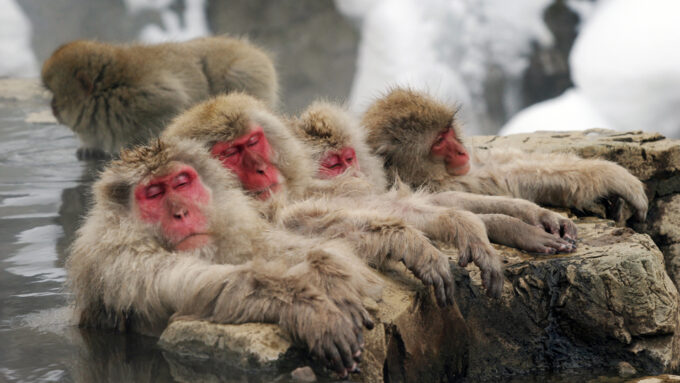
(Winter Only) 1-Day Tour From Myoko & Madarao: Snow Monkeys, Zenkoji Temple & Sake
- Spots:
- NaganoSnow MonkeyMyokoMadarao
- Pick-up:
- MyokoMadarao
- Drop-off:
- Nagano CityMadaraoMyoko
1-Day Tour: Snow Monkeys & Snow Fun in Shiga Kogen
Best Selling
1-Day Tour: Snow Monkeys & Snow Fun in Shiga Kogen
- Spots:
- NaganoSnow MonkeyShiga Kogen
- Pick-up:
- Nagano CityYudanaka/Shibu
- Drop-off:
- Nagano CityYudanaka/Shibu
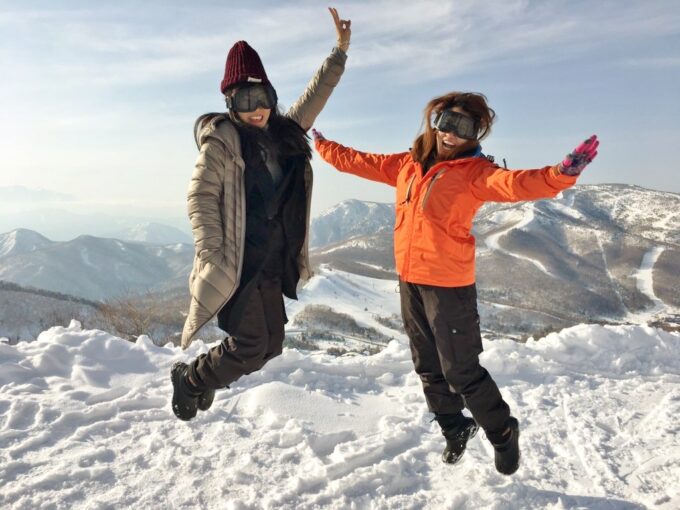
This is the ultimate winter day trip for families, combining a morning of snow play at Japan's highest resort with an afternoon visit to the monkeys.
- Shiga Kogen Snow Play: Head to the highest elevations in Nagano for sledding, tubing, and snow biking. In February, the snow is at its deepest, providing a massive natural playground for all ages.
- The Iconic Monkey Park: See the monkeys in the heart of the snow. The thick steam from the springs in February creates a mystical atmosphere perfect for photography.
- February Highlight: Because February snow is so dry and light, it’s the best time for snow fun, as you can play in the deep drifts for hours without the snow turning to slush or getting your gear damp.
1-Day Tour: Traditional "Kamakura" Snow Huts & Winter Fun
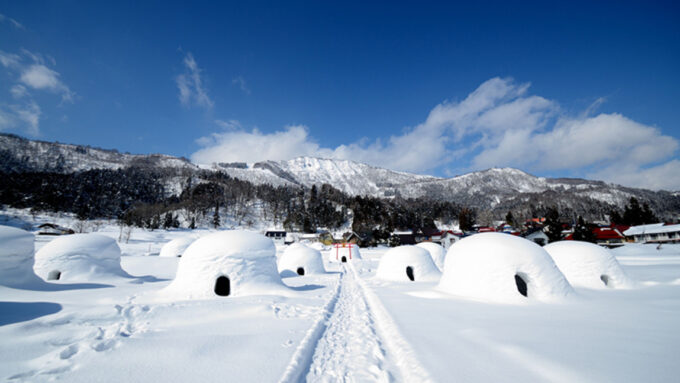
In the far north of Nagano, the city of Iiyama experiences some of the heaviest snowfall in Japan. This extreme climate has birthed a unique local tradition: the Kamakura. These are large, igloo-like huts carved entirely from mounds of snow, used for centuries as warm gathering places for the community. From late January through February, Iiyama hosts the "Kamakura Village," where dozens of these glowing huts are built against a backdrop of massive snow drifts.
Small Group
1-Day Tour: Traditional Igloo "Kamakura" Festival & Snow Fun Activities
- Spots:
- Nagano
- Pick-up:
- Nagano CityIiyama
- Drop-off:
- Nagano CityIiyama
- Morning Snow Play: Start the day at Kijimadaira Snow Park. This area is perfect for families and children to enjoy sledding, tubing, and simple snow play in some of the deepest powder in the region.
- Hearty Local Lunch: Enjoy a warming meal at a resort restaurant overlooking the slopes. Choose from winter staples like Japanese curry, ramen, or katsudon to fuel up for the afternoon.
- The Kamakura Village: Spend your afternoon exploring the famous snow hut village. You’ll have the chance to step inside these 3-meter-tall structures, feel the surprising warmth of the snow walls, and enjoy local treats like sweet amazake.
- Strategic Access: With pickups at both Nagano and Iiyama Stations, this tour is perfectly timed for those visiting on a day trip from Tokyo or Kanazawa via the Hokuriku Shinkansen.
Tips for Visiting & Travel in February
Getting Around: Navigating Peak Season
February is the month of maximum snow depth in Nagano. While the landscape is stunning, the sheer volume of snow and travelers requires extra coordination.
- The Snow Monkey Trail: In February, the 1.6km forest trail to the park is a permanent corridor of compacted snow and slick ice. Do not attempt this walk in sneakers or flat-soled fashion boots. Avoid the common mistake of slipping on the trail by purchasing slip-on crampons (shoe spikes) at the trailhead gift shop or Nagano Station before you begin the hike.
- Bus & Train Timing: Heavy February snowfall and high passenger volume can cause delays for local mountain buses to Hakuba, Nozawa, and Shiga Kogen. If you have a Shinkansen to catch, always aim for one bus earlier than necessary. While the bullet train itself is exceptionally reliable, the mountain roads to the station can be slow during peak winter.
Skip the Lines: Private Charters
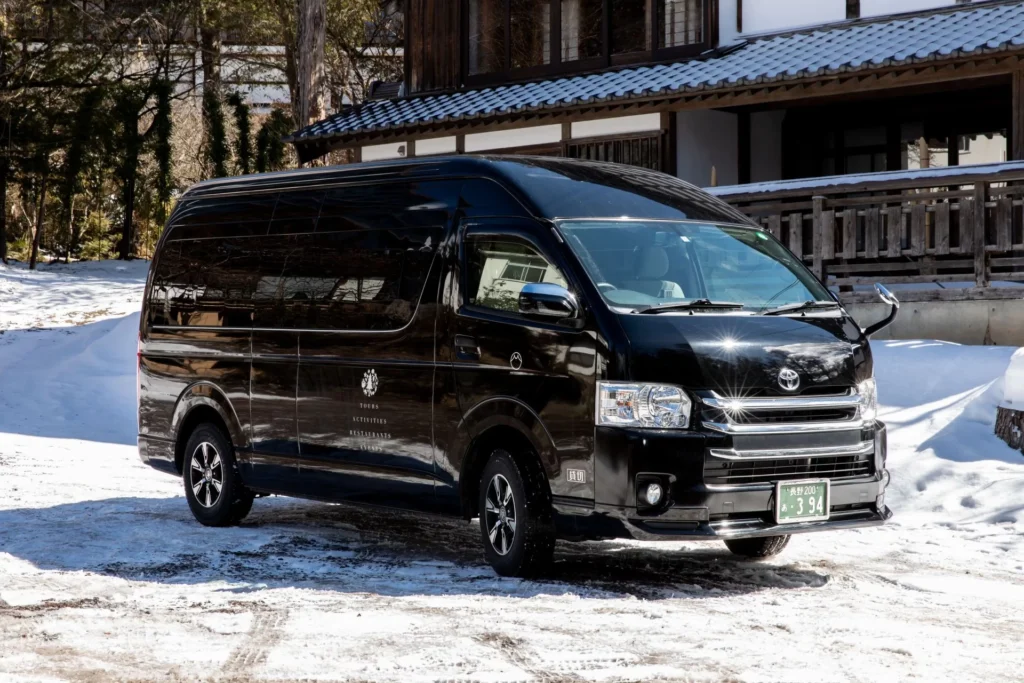
If you are traveling with a group, carrying heavy ski gear, or simply want to avoid the cold lines at the bus stop, our private charters are the most comfortable way to navigate Nagano in February.
- Door-to-Door Service: We offer direct transfers from Nagano Station or your hotel to all major resorts, including Hakuba, Nozawa Onsen, Shiga Kogen, and Myoko and all other destinations in Nagano.
- Stress-Free Logistics: Our professional drivers are experts at navigating snowy mountain roads, ensuring you arrive safely and on time without worrying about bus schedules or "black ice."
- Flexible Capacity: Whether you are a couple or a large family with luggage and gear, we have vehicles to suit your group size.
What to Wear
February temperatures in the mountains stay well below freezing (0°C / 32°F) throughout the day, and evening festivals like the Tomyo Lantern Festival require significant warmth.
- The Base: High-quality thermal underwear (merino wool or technical synthetic) is a non-negotiable requirement for February.
- The Mid & Outer: Layer a fleece or wool sweater under a windproof and waterproof down jacket. The wind at the top of the ski resorts or at the open-air festivals can be biting.
- Extremities: You lose heat fastest through your head and hands. Bring a thermal beanie that covers your ears and waterproof gloves. Knit gloves will soak up melting snow and freeze, so waterproof shells are much more effective for February play.
Winter Health & Safety
- Protect Your Eyes: The February sun reflects off the deep white snowpack with intense power. Even on freezing days, you can experience snow blindness or sunburn faster than in the summer. Always wear UV-rated sunglasses or goggles and apply SPF 50 sunscreen to exposed skin.
- Hydration & Humidity: Indoor heating in Japan is notoriously dry. Drink plenty of water and carry heavy-duty lip balm and moisturizer to prevent your skin from chapping in the crisp, dry mountain air.
Where to Stay in February
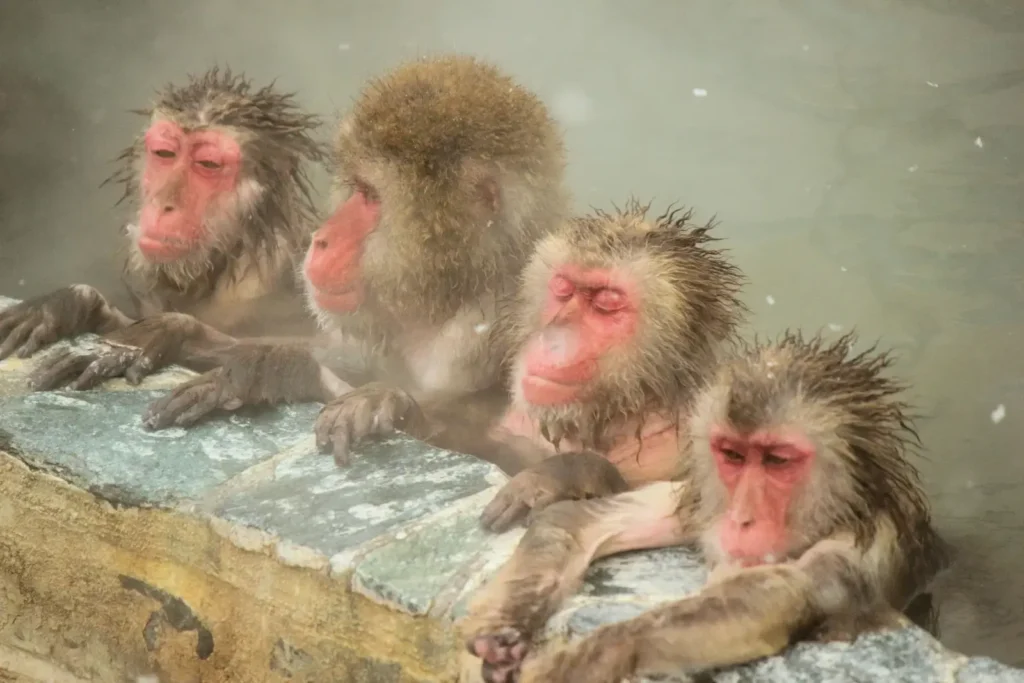
Just because it is no longer January doesn't mean accommodations do not book out quickly. As the powdered landscape takes full hold, the entire region is transformed into a world-class snow destination. Staying overnight is essential this month; it allows you to beat the morning crowds to the ski lifts, experience the magic of falling snow from an outdoor onsen, and enjoy the cozy "après-ski" culture of the mountain villages.
Ski Resort Lodging: The Heart of "Japow"
For those focused on world-class snow, staying slopeside is the ultimate February experience. Resorts like Shiga Kogen, Hakuba, Nozawa Onsen, and Myoko Kogen are in their prime this month.
- The Benefit: Staying on the mountain allows you to maximize your time on the snow, easily access rental gear, and enjoy night skiing under the floodlights.
- The Vibe: These villages offer a range of traditional pensions, modern hotels, and luxury lodges. After a day in the sub-zero air, there is nothing better than retreating to a warm fireplace or a village pub.
- Explore More: You can see all of our curated mountain accommodation options and resort guides on our dedicated Ski and Snowboard Information Page.
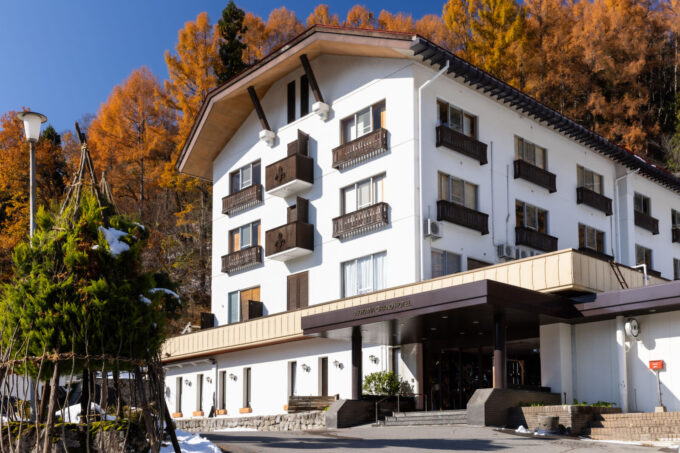
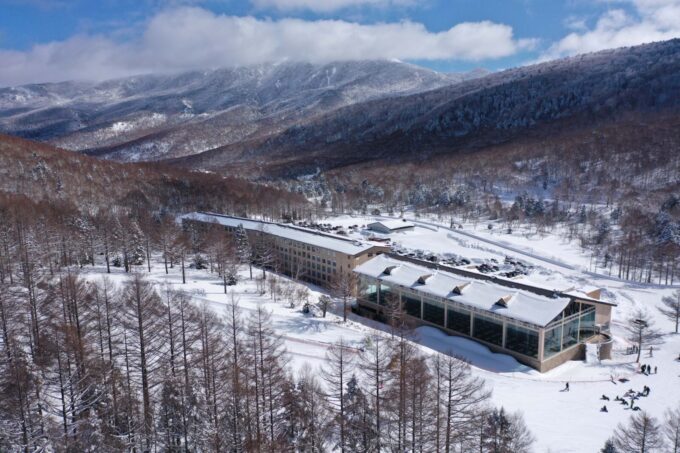
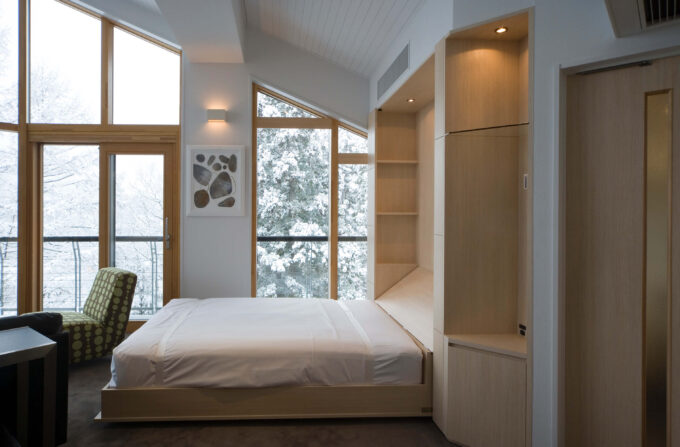
Kanbayashi Onsen: The Winter Escape
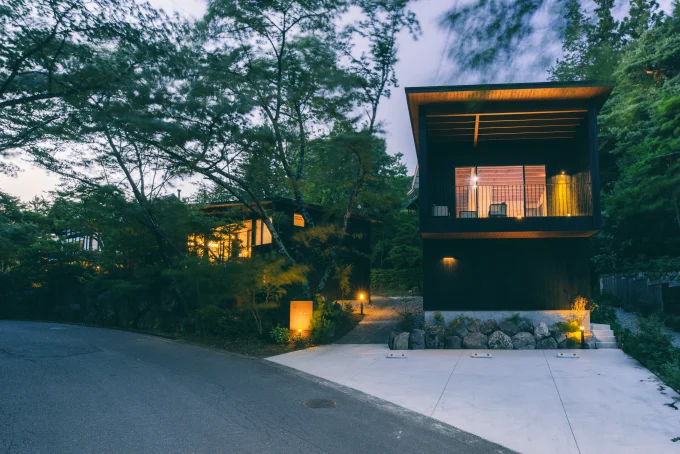
For visitors who want a mix of snow and relaxation, the onsen resorts around Kanbayashi, near the snow monkeys, provide hot spring baths, cozy accommodations, and a picturesque winter landscape. The combination of snowy mountain views and thermal baths makes this an especially popular choice in February. Consider yourself lucky if you are able to get a reservation at one of the following high profile accommodations below!
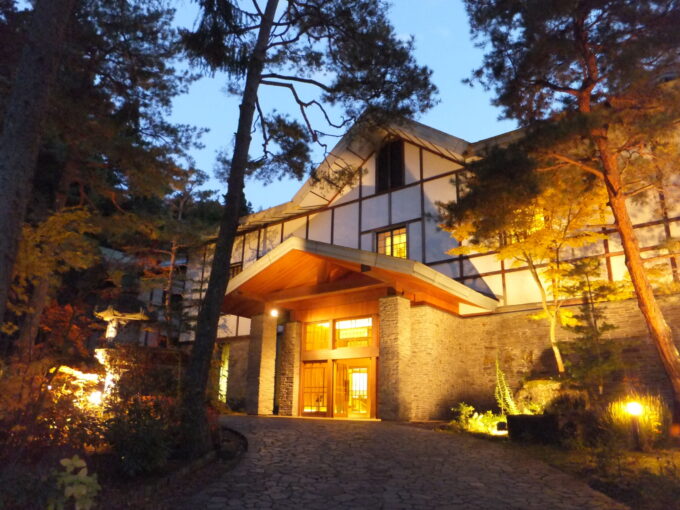
Western Hotels in Nagano City: The Strategic Hub
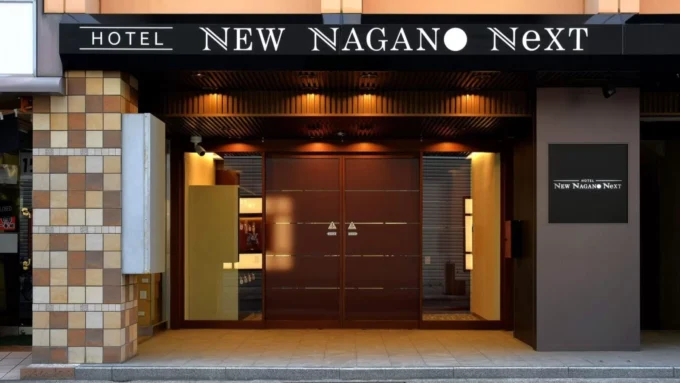
Central Nagano remains the most convenient "base camp" for those who want to explore both the mountains and the culture.
- The Convenience: Staying near Nagano Station gives you immediate access to the Shinkansen and the express buses heading to every major ski resort.
- The Vibe: The city is lively in February, with plenty of izakayas and restaurants to warm up in after a day at the Monkey Park or Zenkoji Temple. It is the best choice for travelers who value transit links and urban comfort.

Plan Your February Visit
While January brings the first deep dumps of snow, February is when the region celebrates the season with glowing festivals, snow hut villages, and peak mountain conditions. Whether you are dining inside a hand-built snow hut in Iiyama, witnessing the Olympic-colored illuminations of the Tomyo Lantern Festival, or catching a firework display over the slopes of Hakuba, February offers a festive energy that turns the sub-zero temperatures into a warm cultural experience.
With the snowpack at its absolute maximum depth, February is the premier time for both powder-seekers and those wanting to see Japan's most iconic winter landscapes. You can find out more about our specific mountain offerings and resort guides on our Ski & Snowboard Japan: Nagano Ski Packages 2026/27 page.
Why Visit Nagano in February?
- The Peak of the Season: Enjoy great resort access with a massive snow base that ensures every run, tree zone, and backcountry gate is in peak condition.
- The Lantern Festival: See Zenko-ji Temple transformed into a glowing dreamscape during the Tomyo Lantern Festival, a stunning tribute to world peace and the 1998 Olympics.
- Kamakura Snow Huts: Experience the unique "Snow Country" culture of Iiyama by dining on local hot pot inside a private, hand-carved snow hut.
- Stunning Visibility: Take advantage of the increased frequency of clear days, offering the best panoramic views of the Northern Alps and the most photogenic conditions at the Snow Monkey Park.
Expert Planning Assistance
Because February is a high-demand month for international travelers and local festival-goers, securing your logistics early is essential. Whether you need help reserving a private Kamakura Snow Hut dinner, booking a luxury stay at Hotarutei, or arranging a Private Charter to bypass the long bus lines, our team is here to help.
We specialize in creating seamless winter itineraries that balance high-energy mountain adventure with the region's best cultural events. Use the Inquiry Button below to connect with our local experts and start designing your perfect February 2027 escape.
Frequently Asked Questions About Nagano in February
For many, yes. While January has more frequent storms, February typically has a deeper snow base (often 3 to 4 meters) and a higher frequency of clear, sunny days. This combination of cold-stored powder and high visibility makes it the preferred month for photographers and alpine skiers.
Reservations are mandatory and extremely competitive. They typically open in mid-December on the official Iiyama Tourism website. Because they sell out almost immediately for February dates, we recommend checking for the announcement in early December or booking a guided tour that includes a snow hut visit.
The festival is scheduled to run from in late February. The main temple illuminations and paper lanterns are lit nightly from 6:00 PM to 9:00 PM. It is a free event and very easy to access if you are staying in Nagano City.
Absolutely. February is one of the coldest months, so the monkeys spend a significant amount of time soaking in the hot springs to stay warm. The scenery is at its most iconic this month, with heavy snow clinging to the trees surrounding the bath.
Yes. February is a peak travel month due to the Lunar New Year and several Japanese public holidays. Combined with the best ski conditions of the year, resorts like Hakuba and Nozawa Onsen will be at 100% capacity. We recommend booking private charters and restaurant tables well in advance to avoid long waits.
Yes. Using the Hokuriku Shinkansen, you can reach Iiyama Station from Tokyo in about 1 hour and 40 minutes. However, because the Kamakura Village is most beautiful after dark, many visitors prefer to stay one night in Iiyama or Nagano City to avoid rushing back for the final train.
Nagano’s mountain roads in February are often lined with massive snow walls and can be affected by invisible ice patches. Unless you are highly experienced in deep-winter mountain driving with a 4WD and studless snow tires, we strongly recommend using private charters or public transport.
Explore Nagano by Month
Nagano is a year-round destination, with each month offering a completely different landscape and set of experiences to enjoy. Choose your travel window below:
The Snow & Winter Season
- [January] – Deep Winter & Snow Monkeys: The peak of the powder season. Visit for world-class skiing, frozen shrines, and the iconic sight of monkeys bathing in the steam.
- 📍[February] – The Lantern Festival & Ice: (You are here)
- [March] – The Late Winter Thaw: Enjoy Bluebird ski days with milder temperatures and the very first signs of spring in the valley.
The Alpine Spring Season
- [April] – Sakura & Snow Walls: A month of extremes. See the cherry blossoms bloom in the valley while walking between 20-meter high walls of snow on the Alpine Route.
- [May] – The Fresh Green Awakening: The most vibrant month for photography. Witness the "Mirror" rice paddies and the glowing neon-green forests and snow capped alps of Kamikochi.
- [June] – The Season of Mountain Mist: Escape the heat of the cities. Discover the mystical, fog-shrouded shrines of Togakushi and the blooming mountain hydrangeas.
The High Summer Season
- [July] – Alpine Wildflowers & Starry Nights: The high-altitude hiking season is in full swing. Enjoy cool mountain breezes and carpets of rare alpine flowers.
- [August] – The Great Obon Festivals: Join local communities for traditional dances and massive fireworks displays over the Chikuma River.
- [September] – The First Hints of Gold: The rice harvests begin, turning the valleys into fields of gold, while the highest peaks start to show their first autumn colors.
The Harvest & Autumn Season
- [October] – Peak Autumn Colors: Nagano’s most popular month for hiking. The mountains explode into a sea of red, orange, and gold.
- [November] – Apples & First Snowfall: The harvest season for Nagano’s famous apples. Experience the crisp air and the first dusting of snow on the Alps.
- [December] – The Return of the Powder: The ski resorts reopen and the villages of Shibu Onsen and Hakuba transform into a winter wonderland for the holidays.