



January brings Kyoto into its most peaceful season. After the New Year celebrations settle, the city slips into a quiet rhythm: crisp mornings, clear skies, steaming bowls of seasonal cuisine, and temples surrounded by winter stillness. For travelers, this is an ideal moment to explore Kyoto without the crowds — a chance to see shrines and historical streets at their most intimate.
Whether you're joining New Year rituals, enjoying brisk walks through temple gardens, or seeking cultural experiences indoors, January reveals a side of Kyoto that most visitors never see.
Weather in January
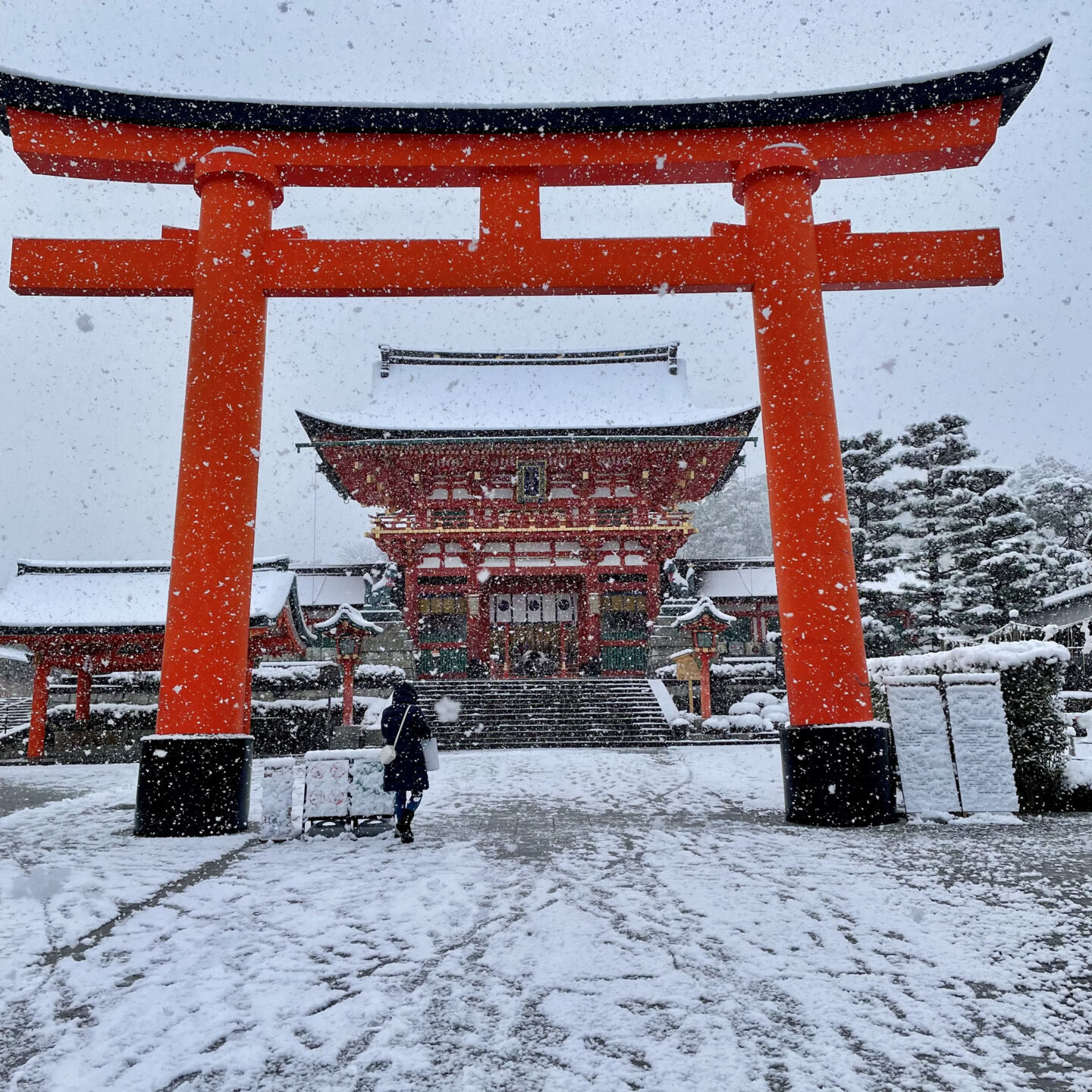
January is the heart of winter in Kyoto — cold, calm, and often beautifully clear.
Average daytime temperature: 6–9°C
Evenings / early mornings: 0–3°C
Rain/snow: Occasional snowfall, light but scenic; low humidity makes the cold sharper.
Bring a warm coat, gloves, and comfortable footwear. Temples can be breezy, and early mornings for New Year visits are especially chilly.
Festivals & Events in January
Calendar of Events
| Date | Event | Location | Description |
|---|---|---|---|
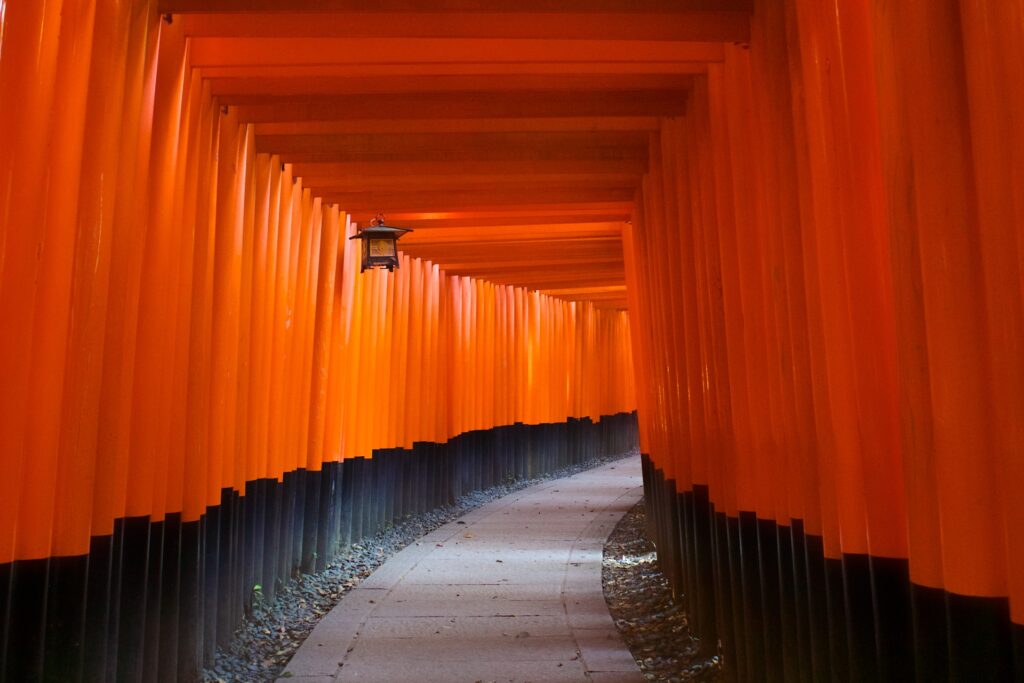
| Jan 1–3 | Hatsumōde (New Year Shrine Visit) | Yasaka Shrine, Fushimi Inari, Heian Shrine | The biggest shrine visits of the year. Locals pray for good fortune; expect lively food stalls and festive crowds. |
| Jan 4 | Kemari Hajime | Shimogamo Shrine | A traditional Heian-era kickball ritual performed in elegant court attire. Rare, photogenic, uniquely Kyoto. |
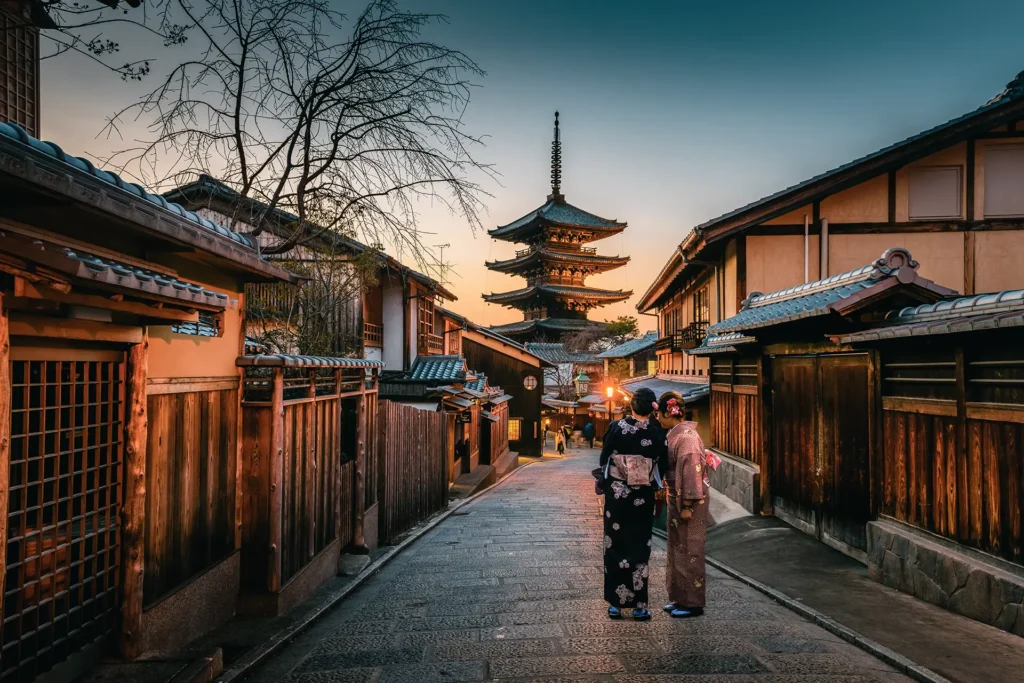
| Jan 12 | Coming of Age Day (Seijin no Hi) | Citywide (Shrines, Parks, City Halls) | Celebrates Japanese citizens turning 20. Expect young adults in elegant furisode kimono, especially around shrines and photo spots. |
| Jan 15 | Tōka Ebisu | Ebisu-jinja (Gion) | A lively festival celebrating Ebisu, god of good fortune. Lucky charms, bamboo branches, and energetic shrine maidens. |
| Jan 21 | Kōbō-san Market | Tō-ji Temple | The first market of the year — antiques, street food, crafts, and temple atmosphere. |
| Jan 25 | Tenjin-san Market | Kitano Tenmangū | Monthly festival full of food vendors, vintage goods, and traditional charms for academic success. |
New Year Traditions in Kyoto
The first three days of January are the busiest and most culturally significant. Kyoto families visit shrines for hatsumode, purchasing omamori charms, writing wishes on wooden ema plaques, and choosing hamaya arrows to ward off misfortune. Stalls sell sweet amazake and snacks, and many shrines stay open through the night.
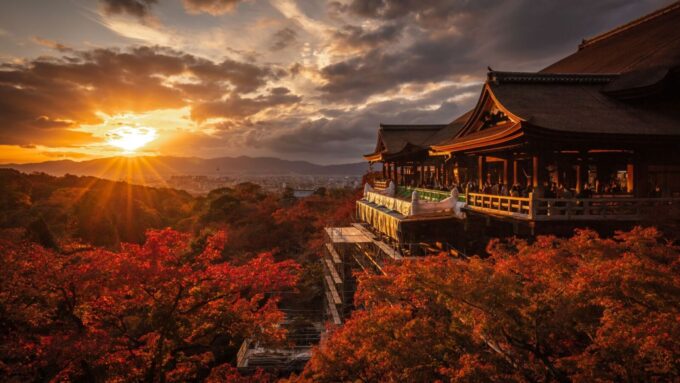
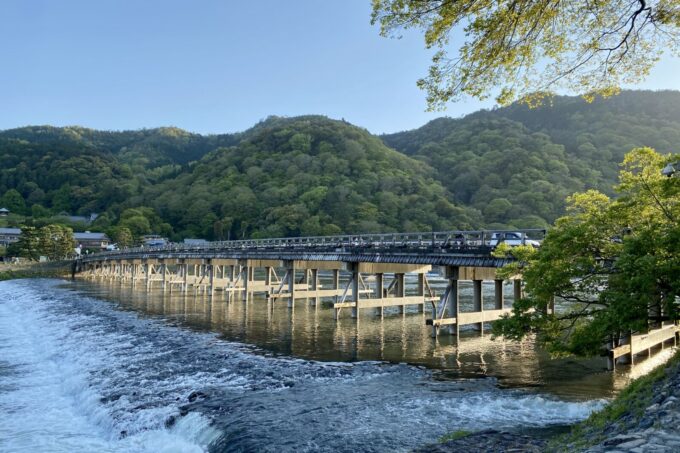
Hatsuhinode, the first sunrise of the year, is an equally meaningful ritual. People gather at scenic viewpoints such as Togetsukyo Bridge, Kiyomizu-dera, and the foothills of Mount Daimonji to watch the sun rise over the mountains, believed to bring good fortune and clarity.
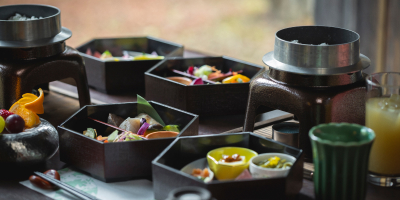
New Year meals also hold symbolic meaning. Kyoto’s white-miso ozoni soup is especially famous, with mochi symbolising longevity and renewal. Osechi boxes featuring traditional dishes appear on tables across the city, each ingredient chosen for auspicious reasons.Winter Highlights in January
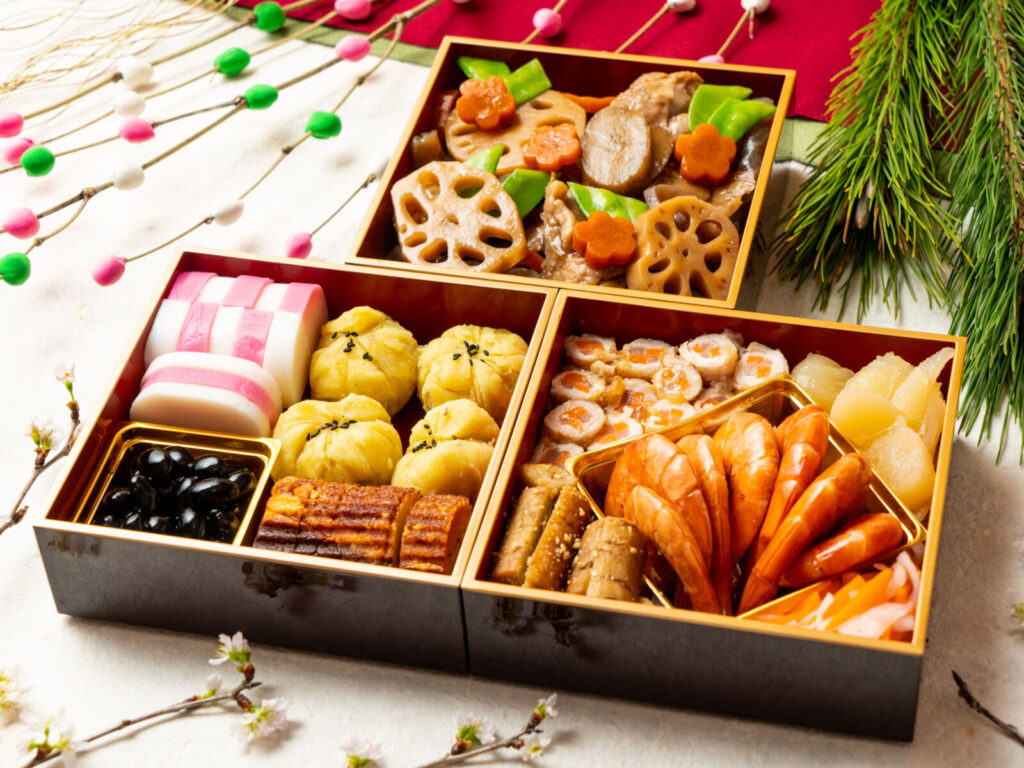
January strips Kyoto down to its essentials — quiet streets, crisp scenery, and warm traditions.
Winter Highlights in January
Winter Gardens
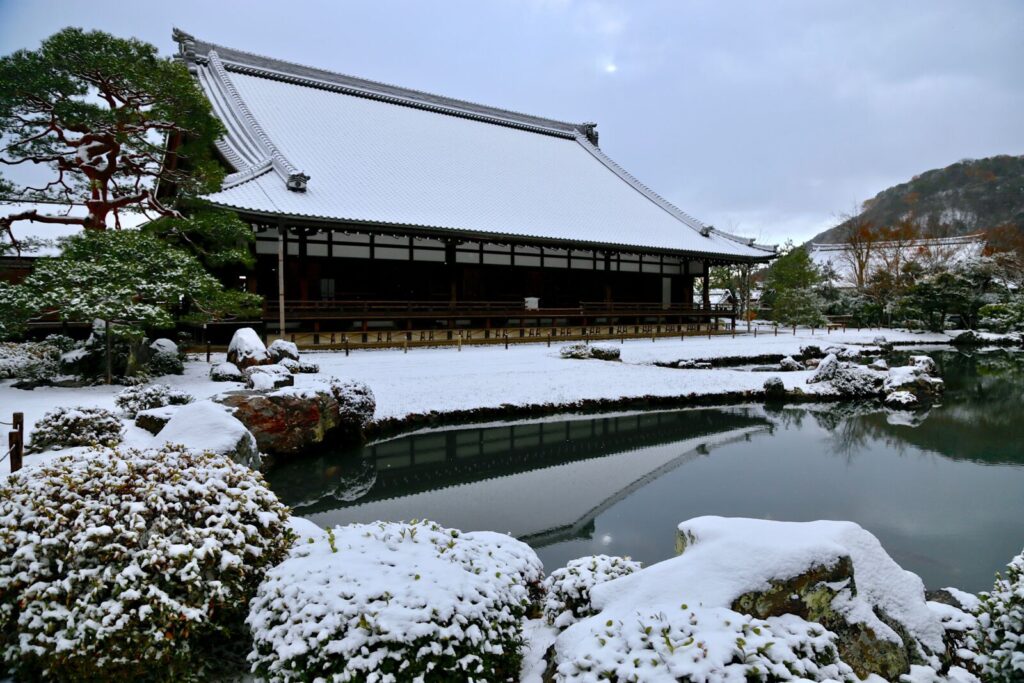
Kyoto’s gardens reveal a different kind of beauty in winter. Without foliage, the architecture and landscape design become more noticeable. Morning frost on temple roofs and stones adds a quiet elegance. Top choices include Murin-an, Kyoto Gyoen, and the gardens of Tenryu-ji.
Arashiyama in Winter
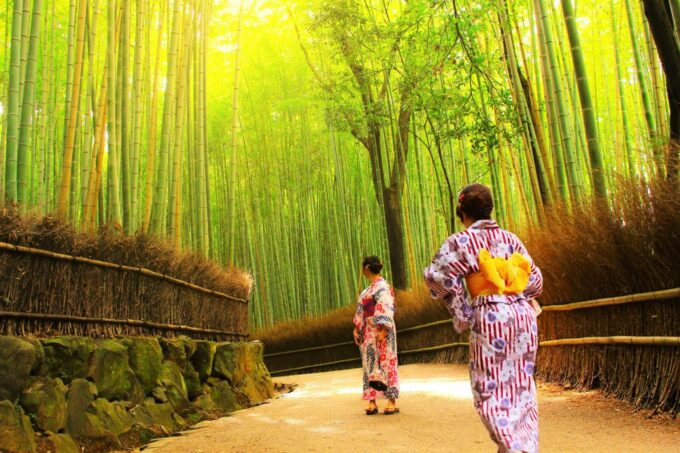
After the New Year rush, Arashiyama becomes calm again. The river often reflects a pale winter sky, the bamboo forest is much quieter, and mountain light-ups add a sense of seasonal charm.
Fushimi Sake District
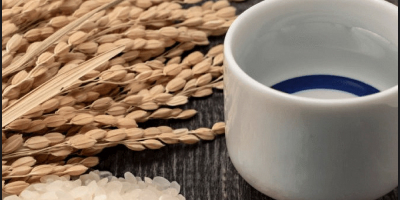
Winter is the best time to visit Kyoto’s sake breweries. Freshly pressed sake (shiboritate) is released only in this season. Warm tasting rooms, canal walks, and neighbourhood shops make this area a strong winter highlight.
Indoor Cultural Experiences
January is ideal for experiences that keep visitors warm: tea ceremony, calligraphy workshops, pottery classes, kimono studio visits, and zazen meditation at temples.
Early Plum Blossoms
Late January brings the first ume blossoms, which contrast beautifully against bare branches. Kitano Tenmangu and Jonangu are the earliest and most reliable spots.
Featured Tours in January
Sacred Stone and Flowing Silk: Arashiyama Temples, Bamboo Forests, and Maiko River Cruise
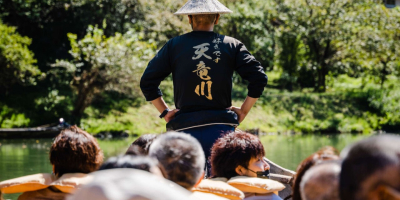
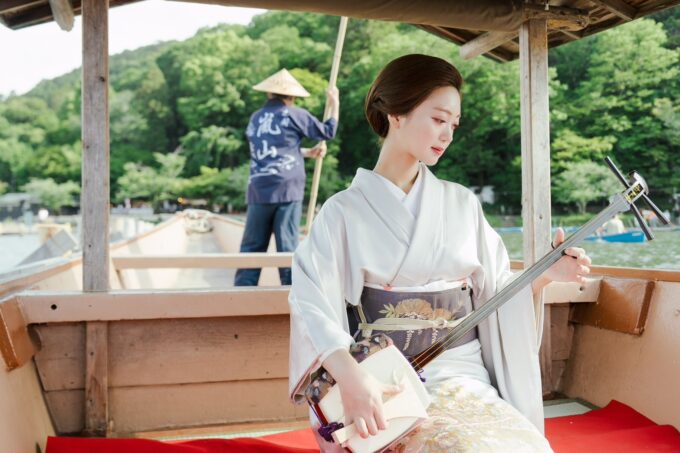
January brings a quiet elegance to Arashiyama, as the autumn colours fade into winter’s soft light and the Katsura River reflects the calm of the season. Guided by Kohaku, a former maiko, this tour offers a rare glimpse into Kyoto’s geisha traditions while exploring Arashiyama’s timeless beauty. Stroll through the Bamboo Forest, visit the serene stone temples of Atago Nenbutsu-ji and Otagi Nenbutsu-ji, and enjoy a private Hozu River boat ride as Kohaku shares stories of art, ritual, and life in Kyoto’s hanamachi.
It’s an intimate and unforgettable journey that blends Kyoto’s seasonal splendour with its living traditions — perfect for travellers seeking both cultural depth and scenic wonder.
Highlights:
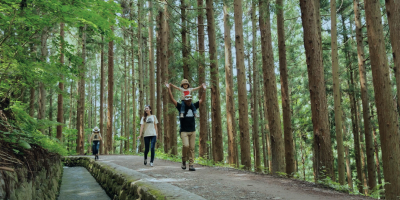
- Stroll through Arashiyama’s iconic Bamboo Forest, framed by peak autumn foliage.
- Visit Atago Nenbutsu-ji and Otagi Nenbutsu-ji, hidden temples filled with hundreds of smiling stone figures.
- Enjoy a private Hozu River boat ride with Kohaku, a former maiko, as your cultural guide.
- Experience the warmth of Kyoto’s hospitality and storytelling amid the calm of autumn nature.
Small Group
Sacred Stone and Flowing Silk: Arashiyama Temples, Bamboo Forests, and Maiko River Cruise
More Ways to Visit Kyoto
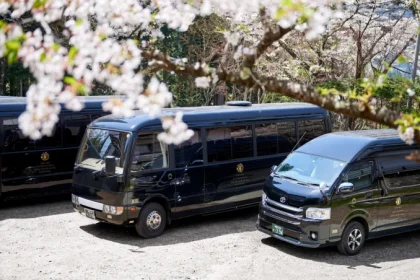
Alongside our guided tours, we also offer Private Charters in Kyoto. These are perfect for travellers who prefer private transport, customised itineraries, or more flexibility in planning their day. Whether you’re travelling as a family, a couple, or a group, charters provide comfort and convenience while still letting you experience the best of the village and surrounding region.
Tips for Visiting & Travel in January
- Book New Year dates early: Jan 1–3 are busy for locals; afterward, the city becomes much quieter.
- Expect cold mornings: Sunrise shrine visits are beautiful but brisk — layers help.
- Take advantage of empty temples: Weekdays in mid- to late January are some of the calmest days all year.
- Try winter foods: Yudōfu, matcha, sweet potatoes, amazake — warm, comforting, and seasonal.
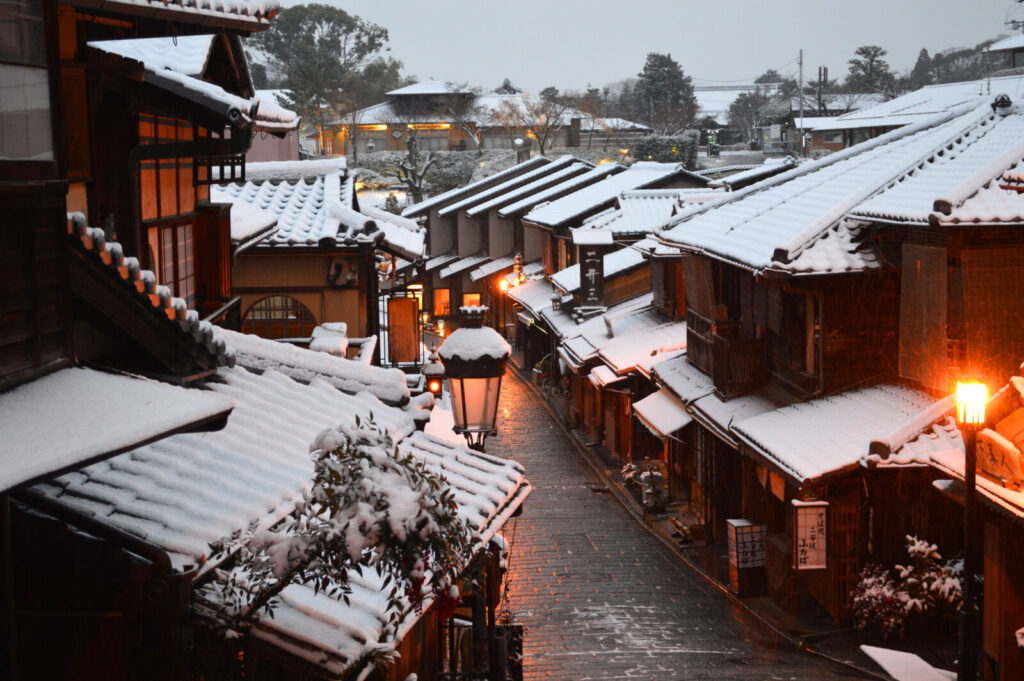
- Check for snow days: Light snow can happen anytime; it makes photography incredible but paths slippery.
Where to Stay in January
Kyoto in January offers great value — many hotels drop prices after the New Year rush.
Central Kyoto (Gion, Higashiyama, Downtown):
A great base for shrine visits, winter illumination events, and dining.
Northern Kyoto (Kurama, Kibune, Ohara):
Quiet, atmospheric, and perfect for travelers who want to experience Kyoto’s winter countryside.
Arashiyama:
Calm riverside views and peaceful mornings. Ideal for scenic walks and temple visits without crowds.
Wherever you choose to stay, autumn is one of the busiest times of year, so it’s best to make arrangements well in advance. For more guidance, see our Where to Stay In Kyoto and Nara page.
Plan Your January Visit
If you’re still shaping your itinerary, start with our 7-Day Kansai Japan Highlights Itinerary, which combines Kyoto, Osaka, and Nara into a balanced first visit. For inspiration and practical tips, see our 40 Things to Do in Kyoto, Nara, and Osaka, including seasonal ideas and neighborhood recommendations.
Looking to go deeper? Our Best Tours in Kyoto page highlights cultural experiences that go beyond the usual sights. If you’re deciding where to base yourself, our guide on staying in Osaka or Kyoto breaks down the pros and cons of each.
More Kyoto Travel Guides
Discover Kyoto's rich cultural traditions with our Essential Guide to Geisha in Kyoto, or learn how to enjoy one of the city's finest culinary experiences with our Guide to Making Restaurant Reservations in Kyoto.
Planning a seasonal visit? Explore our guides to Cherry Blossoms in Kyoto for the best hanami spots, or discover the top places to enjoy Autumn Leaves in Kyoto as temples, gardens, and mountain valleys burst into vibrant autumn colours.
Interested in local flavours? Visit our Top 10 Sake Breweries to Visit in Kansai, or unwind after a day of sightseeing with our Tattoo-Friendly Onsen & Sento Guide in Kyoto. If you're looking for even more inspiration, don't miss our Things to Do in Kyoto guide, featuring the city's top attractions, hidden gems, and unforgettable cultural experiences.
Explore Kyoto Throughout the Year
If you're still deciding when to visit, explore our Best Time to Visit Kyoto: Month-by-Month Guide for a complete overview of Kyoto throughout the year.
Planning around cherry blossom season? See Kyoto in March and Kyoto in April for bloom forecasts, spring festivals, and the city's most famous sakura spots.
Interested in summer festivals and outdoor adventures? Explore Kyoto in July and Kyoto in August to experience Gion Matsuri, Obon traditions, riverside dining in Kibune, and mountain escapes.
For comfortable weather and fewer crowds, consider Kyoto in May, Kyoto in June, and Kyoto in September, when gardens, hiking trails, and seasonal festivals can be enjoyed at a more relaxed pace.
Visiting for the autumn leaves? Don't miss Kyoto in October and Kyoto in November, when temples, gardens, and mountain landscapes are transformed by brilliant shades of red, orange, and gold.
Prefer a quieter side of Kyoto? Kyoto in December, Kyoto in January, and Kyoto in February offer peaceful temple visits, winter illuminations, plum blossoms, and a slower pace that's perfect for experiencing the city away from the busiest tourist seasons.