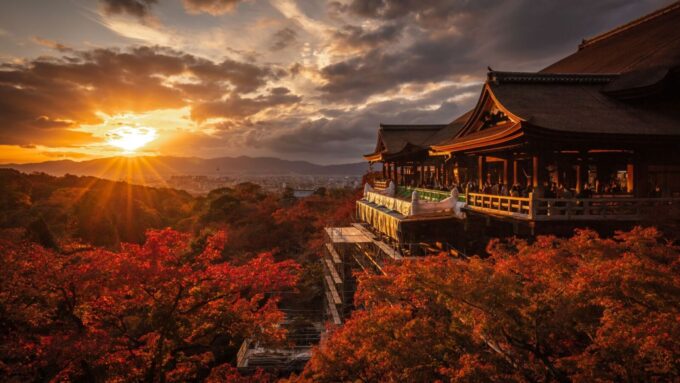



February is one of Kyoto’s most underrated months. The city is calm after the New Year rush, crowds are light, and winter reveals a quieter, more contemplative side of temples and gardens. Plum blossoms begin to bloom, seasonal rituals continue at shrines, and crisp air makes walking the city both comfortable and atmospheric.
For travelers who value space, seasonal culture, and depth over spectacle, February is an excellent time to visit Kyoto.
Weather in February
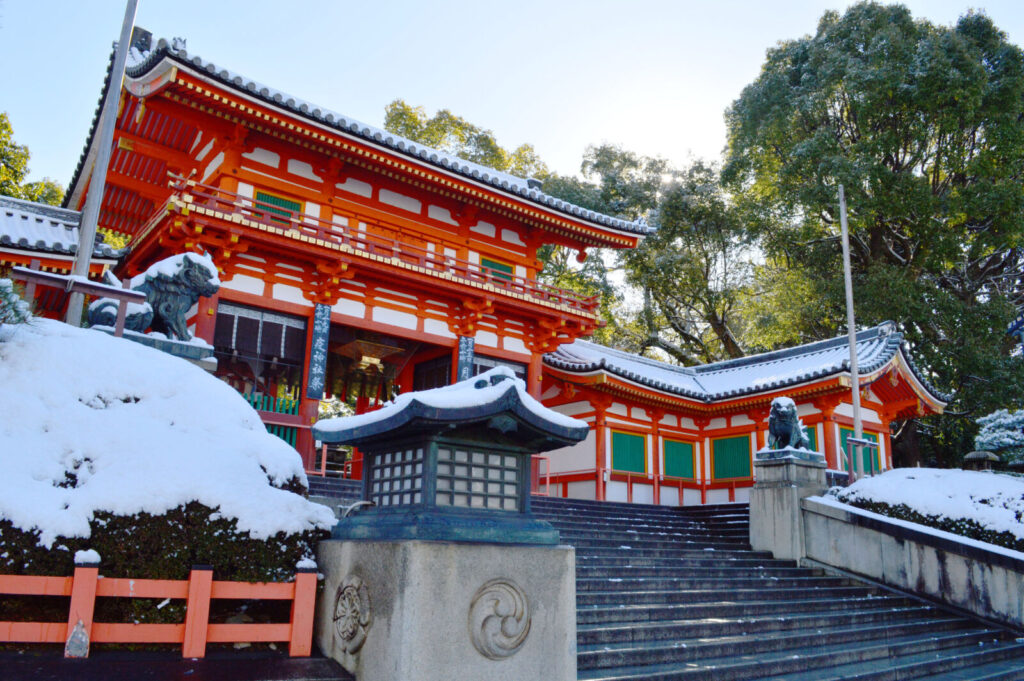
February is the coldest month of the year in Kyoto, but also one of the clearest.
Daytime temperatures usually range from 1–10°C, with mornings and evenings dropping close to freezing. Snow is rare in the city but possible, and when it falls, it transforms temple roofs and gardens into postcard scenes. Rainfall is low, skies are often blue, and visibility is excellent.
Warm layers, a proper coat, gloves, and comfortable shoes are essential.
Festivals & Events in February
Calendar of Events
| Date | Event | Location | Notes |
|---|---|---|---|
| Feb 2–3 | Setsubun (Citywide) | Various shrines | Bean-throwing rituals across Kyoto to drive away evil spirits |
| Feb 2 | Setsubun at Yasaka Shrine | Yasaka Shrine | Large-scale evening ceremony with geisha dances and ceremonial bean throwing |
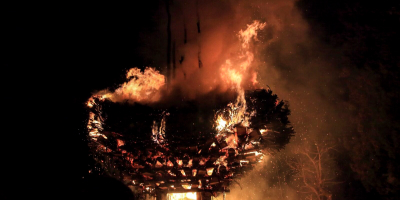
| Feb 2–3 | Setsubun at Yoshida Shrine | Yoshida Shrine | One of Kyoto’s biggest Setsubun events, featuring fire rituals, food stalls, and dense crowds |
| Feb 2 | Setsubun at Mibu-dera | Mibu-dera Temple | Unique Setsubun ceremony accompanied by traditional Mibu Kyogen performers |
| Feb 14 | Winter Mantōrō Lantern Festival | Shimogamo Shrine | Shrine grounds softly illuminated by stone lanterns, creating a quiet winter atmosphere |
| Feb 21 | Kōbō-san Market | Tō-ji Temple | Monthly market with antiques, street food, and local crafts |
| Feb 25 | Baikasai Plum Blossom Festival | Kitano Tenmangū | Plum blossom festival honoring Sugawara no Michizane |
| Feb 25 | Baikasai Outdoor Tea Ceremony | Kitano Tenmangū | Open-air tea ceremony attended by geiko and maiko |
| Feb 25 | Tenjin-ichi Market | Kitano Tenmangū | Monthly shrine market held on the same day as Baikasai |
| Mid–Late Feb | Plum Blossom Season Begins | Across Kyoto | Early ume blossoms appear at shrines, gardens, and temple grounds |
Seasonal Highlights in February
Setsubun in Kyoto — Driving Out Winter, Welcoming Spring
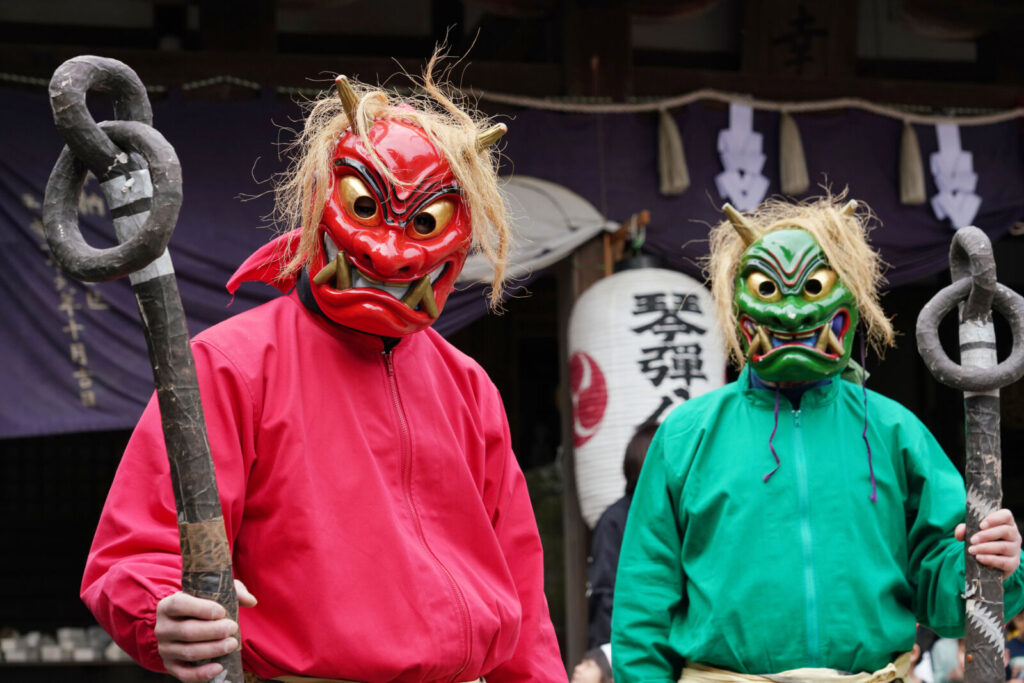
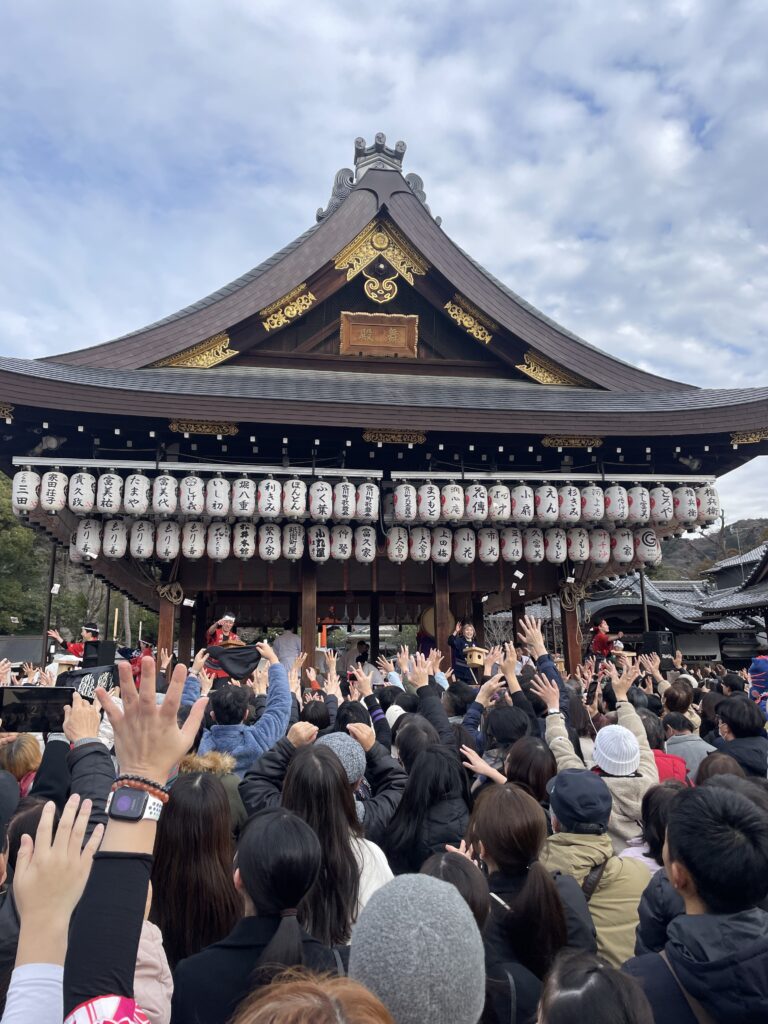
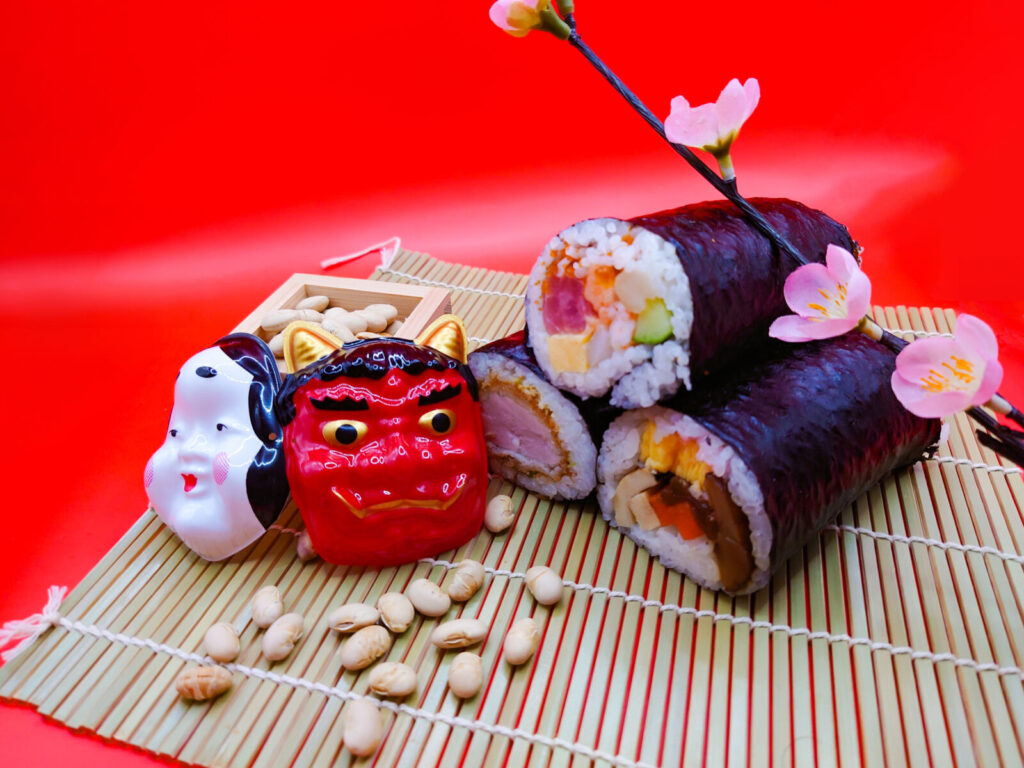
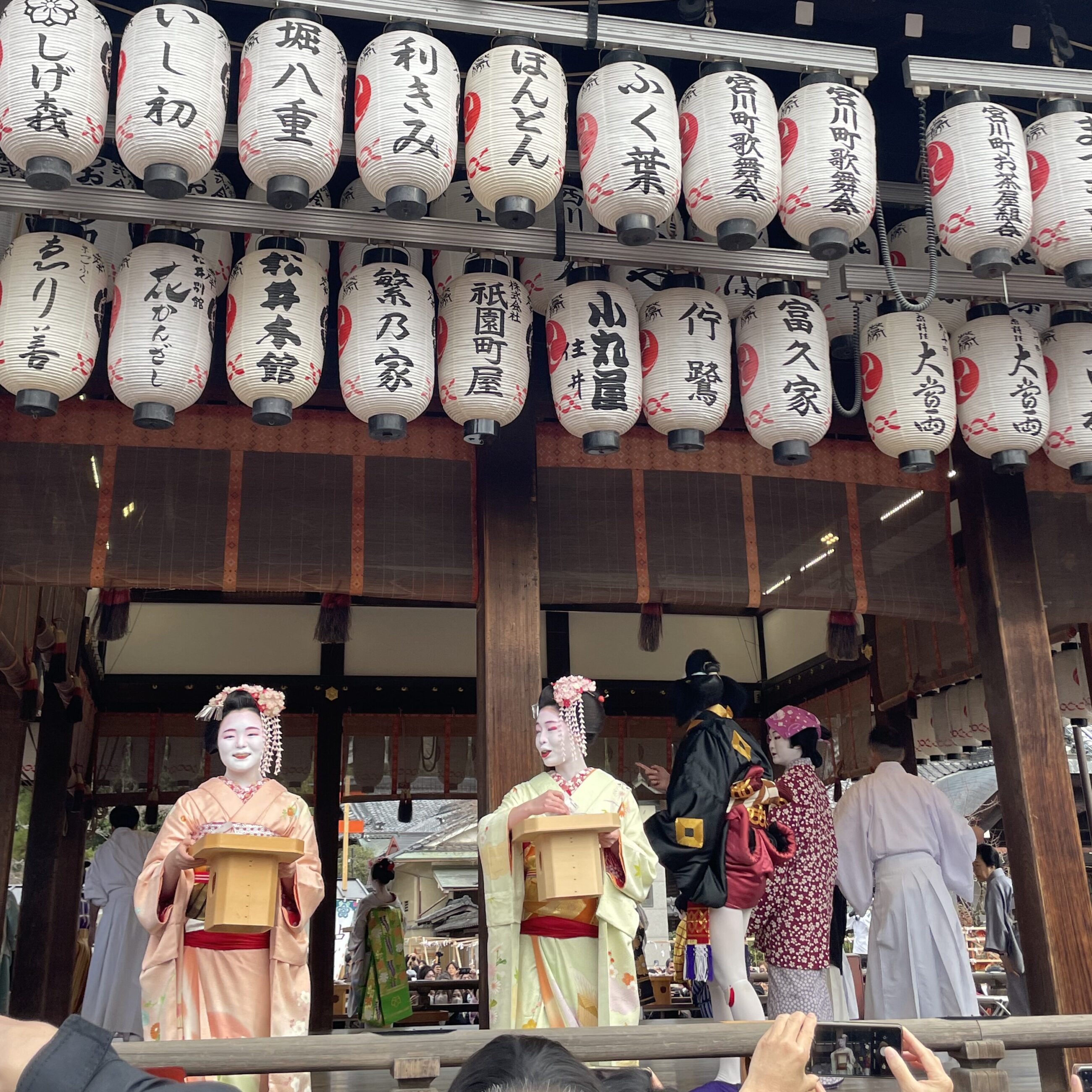
Setsubun, held on February 2 or 3, marks the symbolic end of winter and the arrival of spring. Across Kyoto, shrines and temples host mamemaki rituals, where roasted soybeans are thrown to chase away bad luck and invite good fortune for the year ahead.
At major sites such as Yasaka Shrine, Yoshida Shrine, and Mibu-dera, Setsubun becomes a lively public event. Yasaka is especially well known for appearances by geiko and maiko, who perform traditional dances and take part in ceremonial bean throwing, drawing large crowds. Yoshida Shrine hosts one of the city’s biggest celebrations, with fire rituals, food stalls, and late-night energy. Together, these events make Setsubun one of Kyoto’s most dynamic winter traditions.
Plum Blossoms in February — Kyoto’s First Signs of Spring
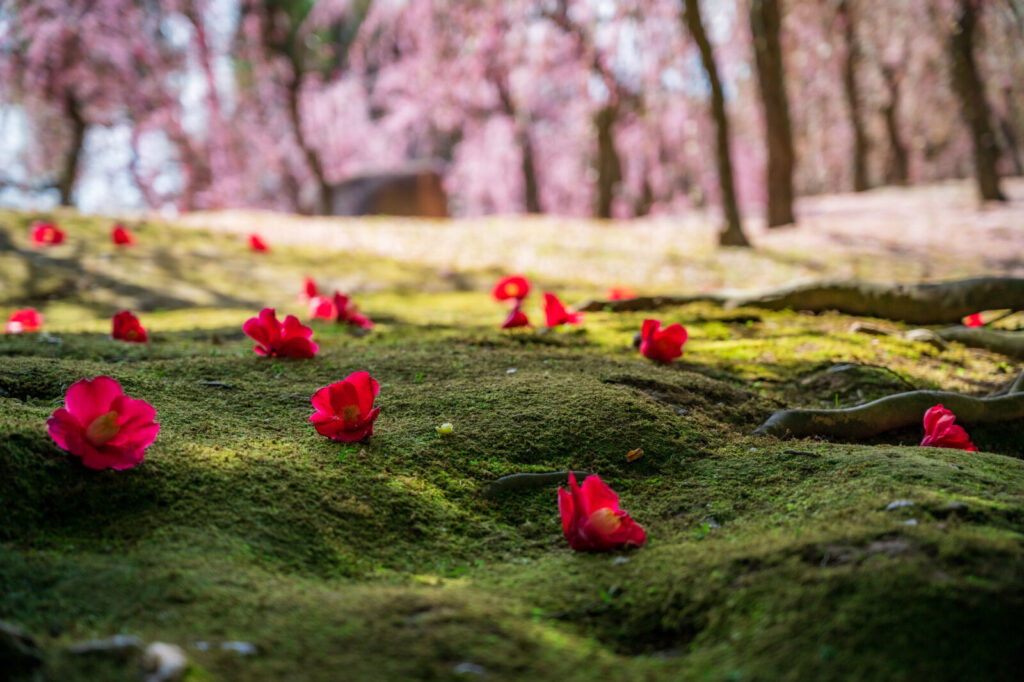
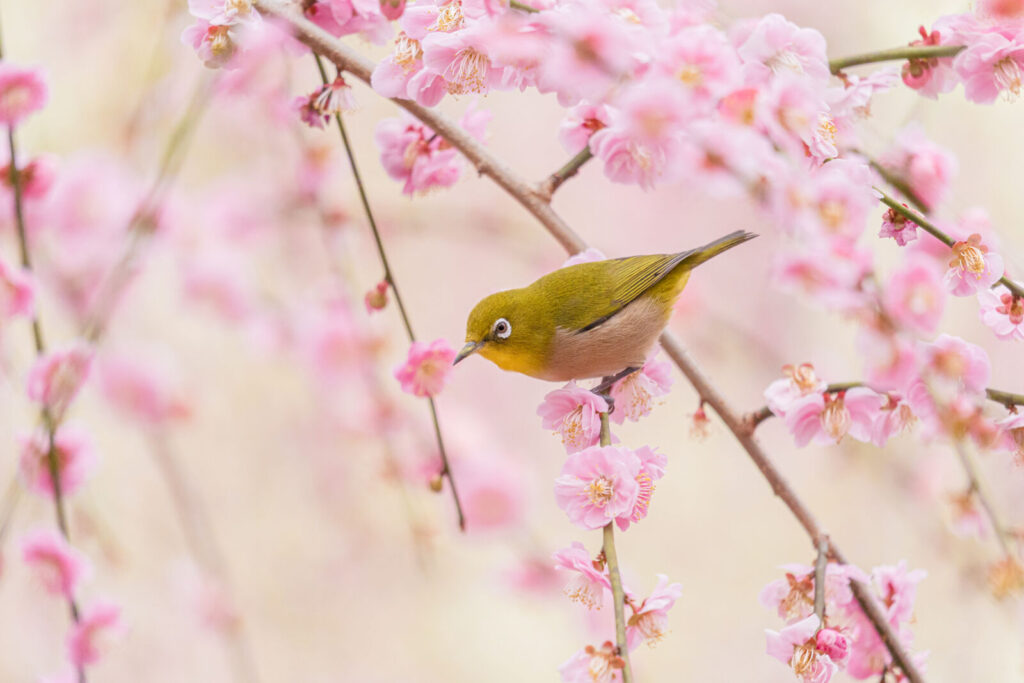
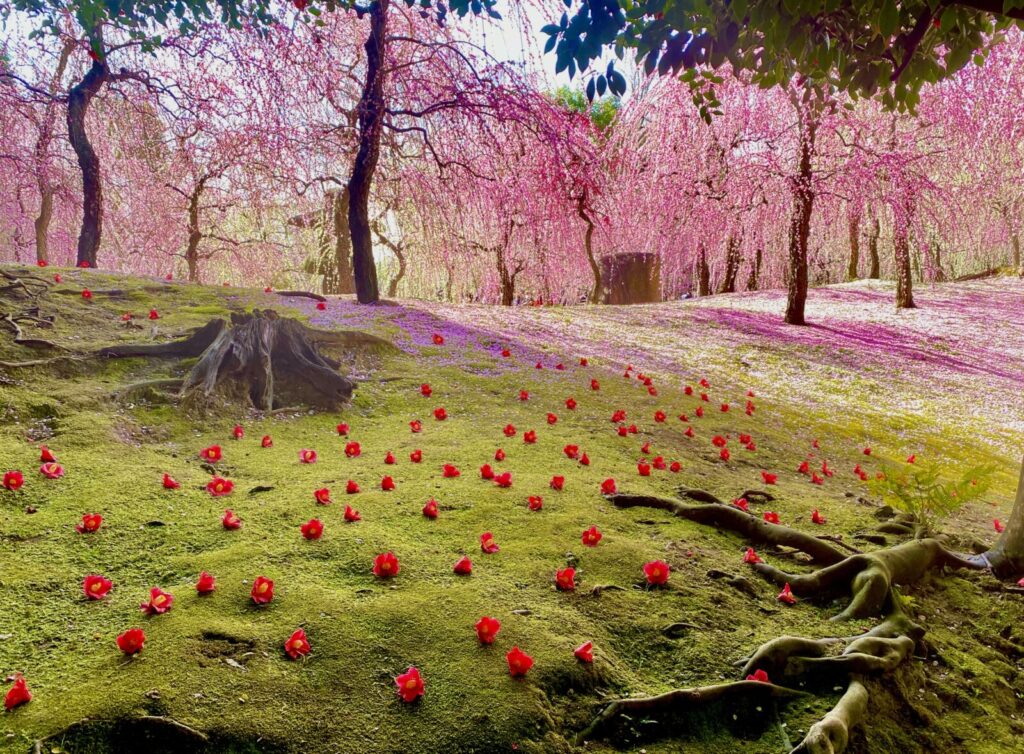
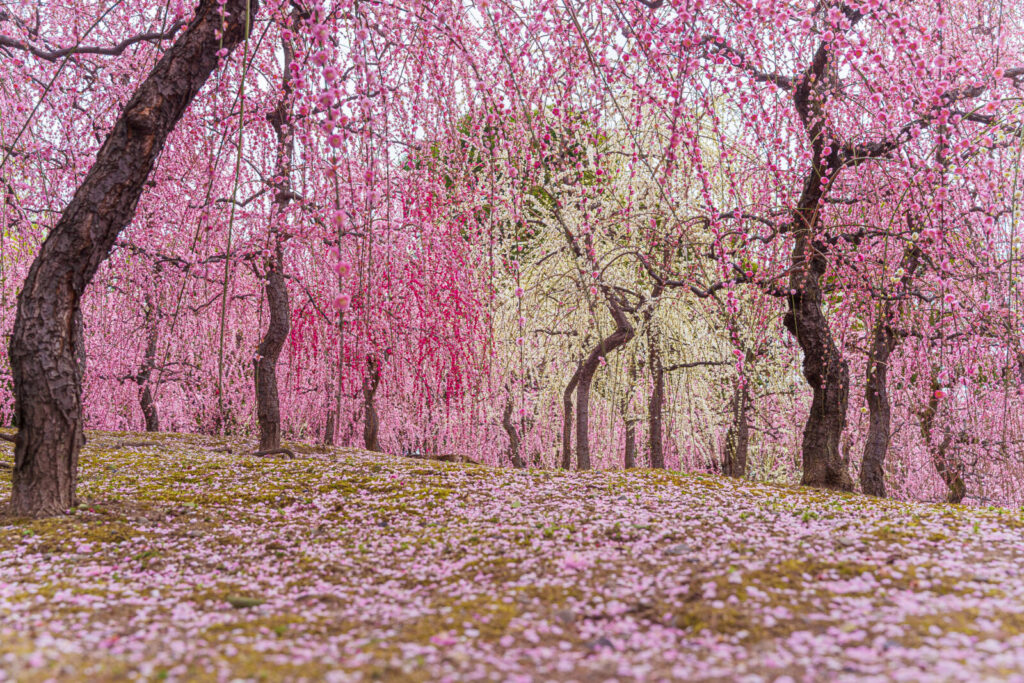
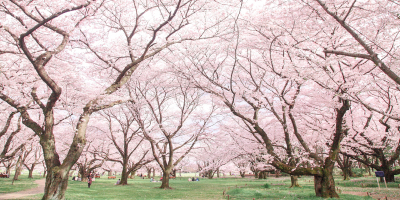
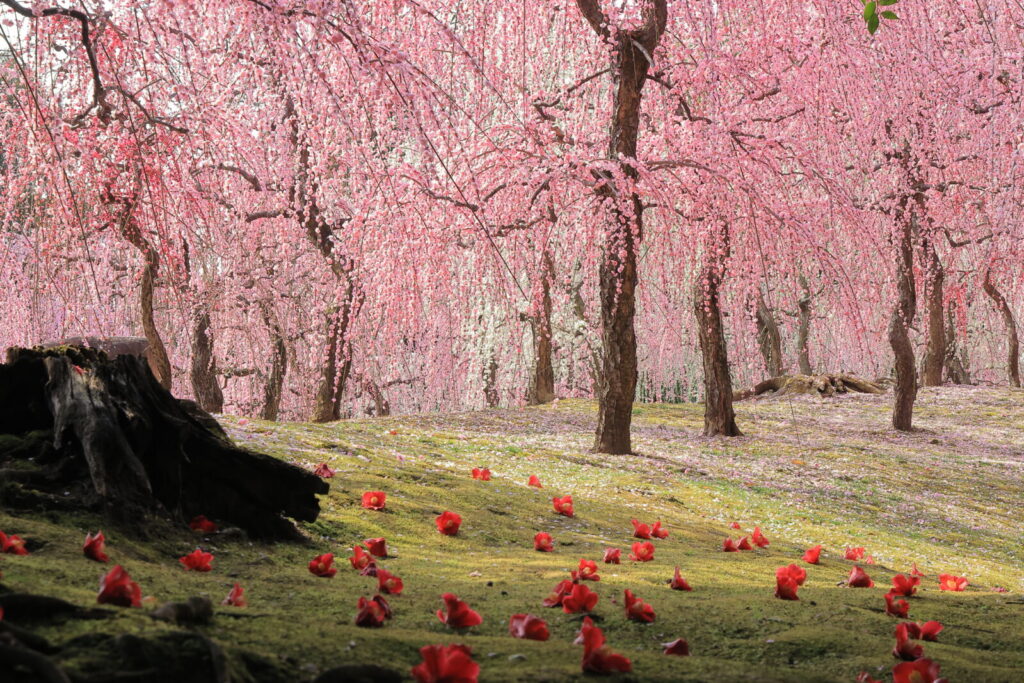
February also marks the start of plum blossom season in Kyoto. Plum trees bloom earlier than cherry blossoms and are associated with perseverance and renewal, offering a subtle preview of spring.
Two of the best places to see plum blossoms are Kitano Tenmangū, famous for its Baikasai festival and outdoor tea ceremonies, and Jonan-gū Shrine, where early-blooming varieties appear in elegant garden settings. Plum blossom viewing is calm and uncrowded, making it ideal for travelers who prefer a quieter, more reflective experience.
Featured Tours in February
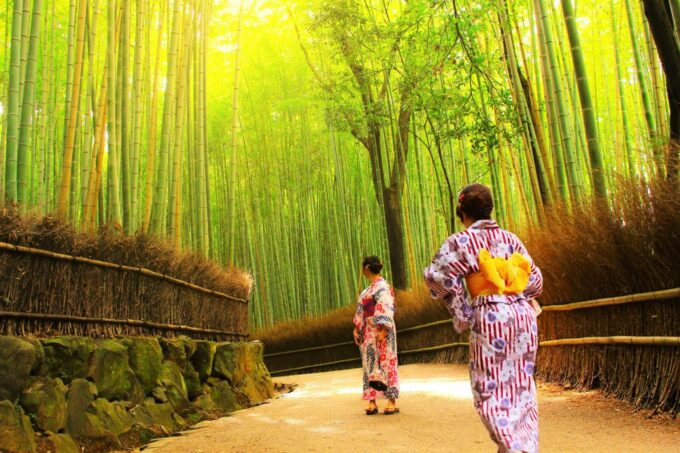
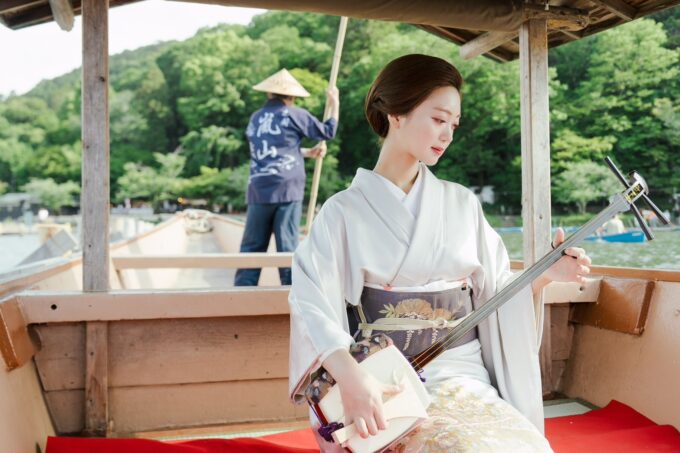
Sacred Stone and Flowing Silk: Arashiyama Temples, Bamboo Forests, and Maiko River Cruise
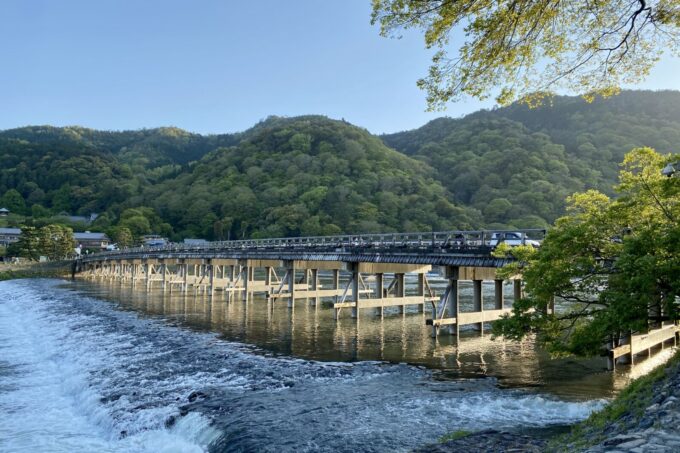
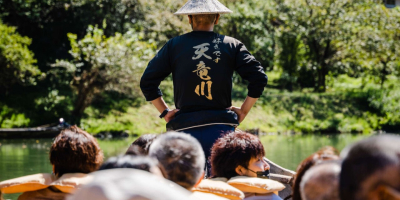
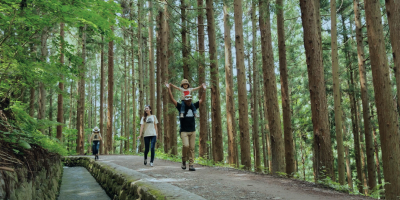
Guided by Kohaku, a former maiko, this tour offers a rare glimpse into Kyoto’s geisha traditions while exploring Arashiyama’s timeless beauty. Stroll through the Bamboo Forest, visit the serene stone temples of Atago Nenbutsu-ji and Otagi Nenbutsu-ji, and enjoy a private Hozu River boat ride as Kohaku shares stories of art, ritual, and life in Kyoto’s hanamachi.
It’s an intimate and unforgettable journey that blends Kyoto’s seasonal splendour with its living traditions — perfect for travellers seeking both cultural depth and scenic wonder.
Highlights:
- Stroll through Arashiyama’s iconic Bamboo Forest
- Visit Atago Nenbutsu-ji and Otagi Nenbutsu-ji, hidden temples filled with hundreds of smiling stone figures.
- Enjoy a private Hozu River boat ride with Kohaku, a former maiko, as your cultural guide.
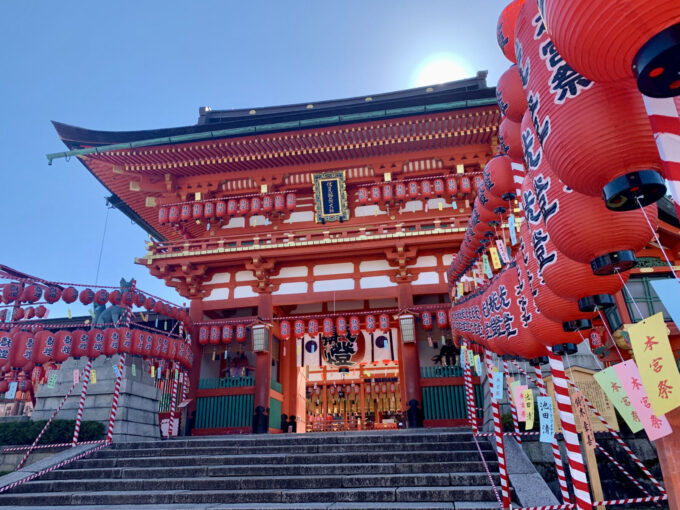
Hidden Secrets of Fushimi Inari: Bamboo Paths and Sake Village
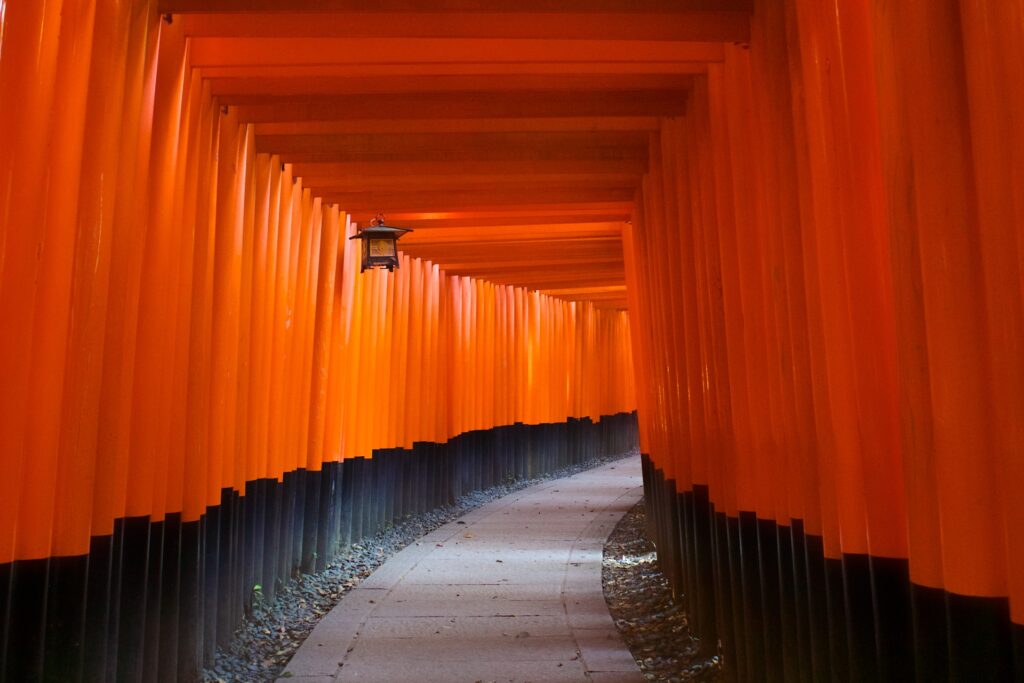
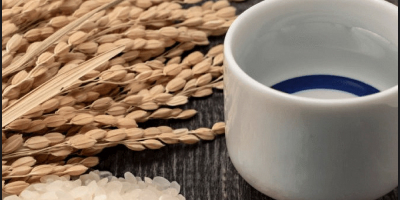
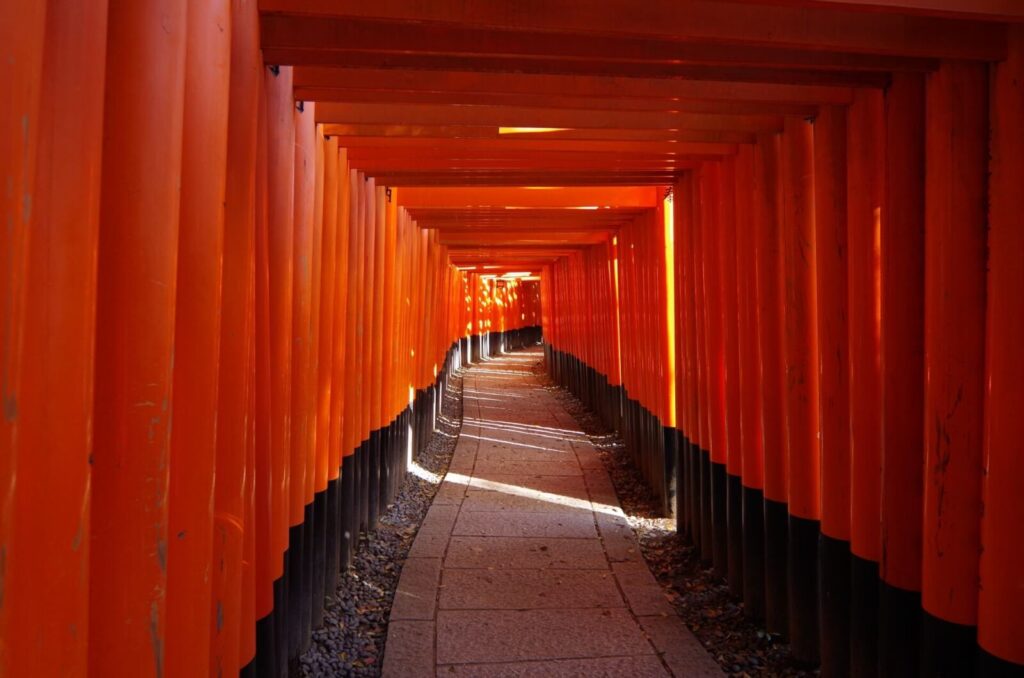
Step beyond the crowds on our Secrets of Fushimi Inari tour, where thousands of vermilion torii gates wind through quiet forest paths and hidden sub-shrines. In February, the crisp winter air and early sake releases in Fushimi create a perfect moment to explore Kyoto’s spiritual heart alongside its historic brewing culture. It’s a walk that connects sacred landscapes, bamboo groves, and freshly brewed sake at the source. For more information about sake in Kyoto check out our Top 10 Sake Breweries to Visit in Kansai page
More Ways to Visit Kyoto
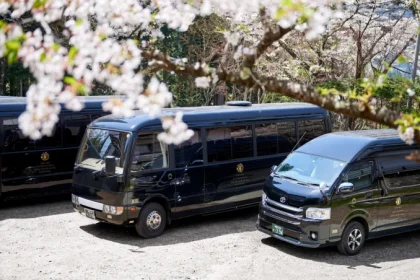
Alongside our guided tours, we also offer Private Charters in Kyoto. These are perfect for travellers who prefer private transport, customised itineraries, or more flexibility in planning their day. Whether you’re travelling as a family, a couple, or a group, charters provide comfort and convenience while still letting you experience the best of the village and surrounding region.
Tips for Visiting & Travel in February
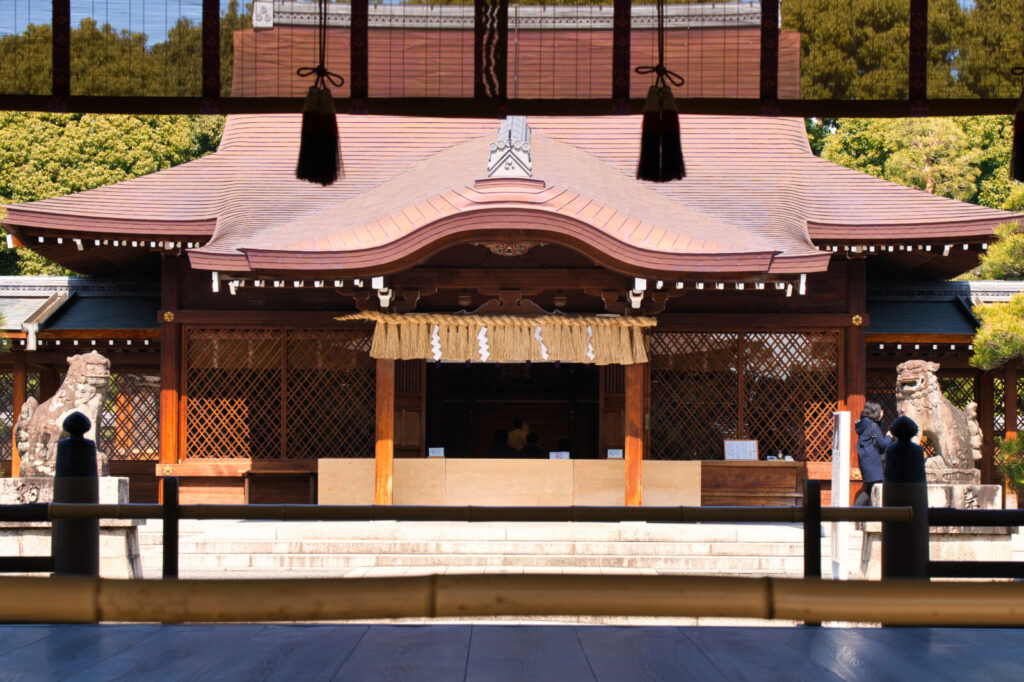
February is calm but cold. Start sightseeing slightly later in the morning when temperatures rise, and plan indoor stops between outdoor walks. Temples close earlier in winter, so pacing matters.This is an excellent month for travelers who prefer walking, photography, and conversation over festivals and crowds.
Where to Stay in February
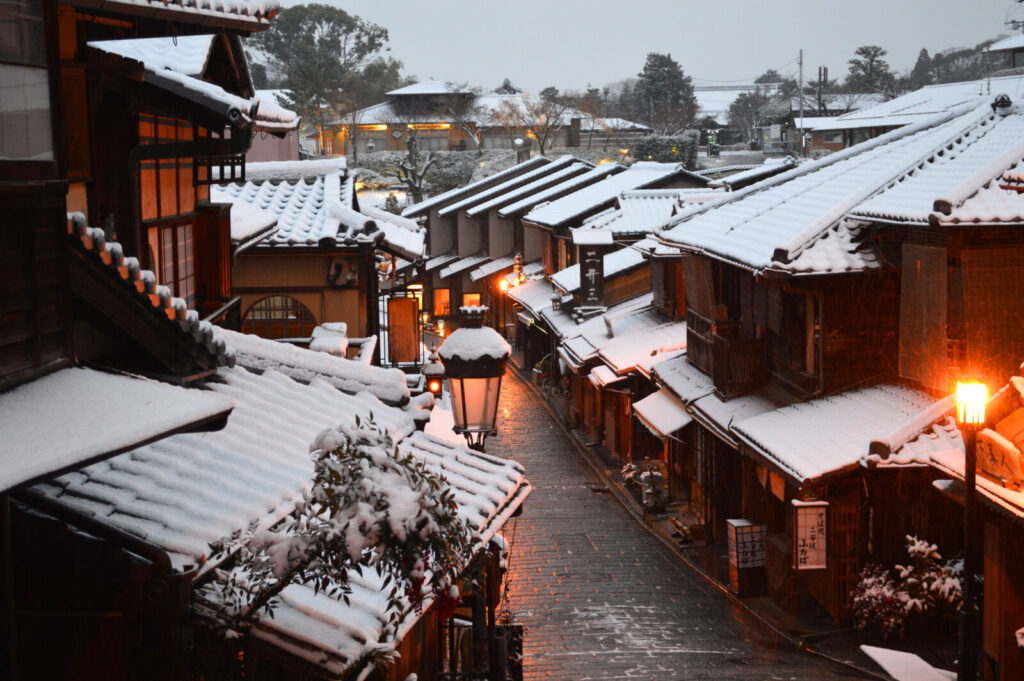
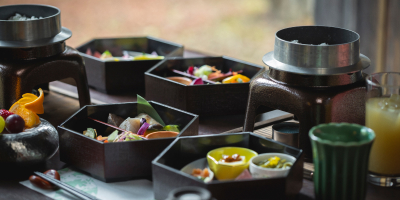
Central Kyoto (Gion, Kawaramachi, Higashiyama) offers the easiest access to temples, dining, and transport during shorter winter days. Ryokan stays are especially appealing in February, with heated tatami rooms and seasonal meals.
Northern areas such as Ohara or Kurama are quiet and scenic but colder and less convenient unless paired with guided transport.
Wherever you choose to stay, autumn is one of the busiest times of year, so it’s best to make arrangements well in advance. For more guidance, see our Where to Stay In Kyoto and Nara page.
Plan Your February Visit
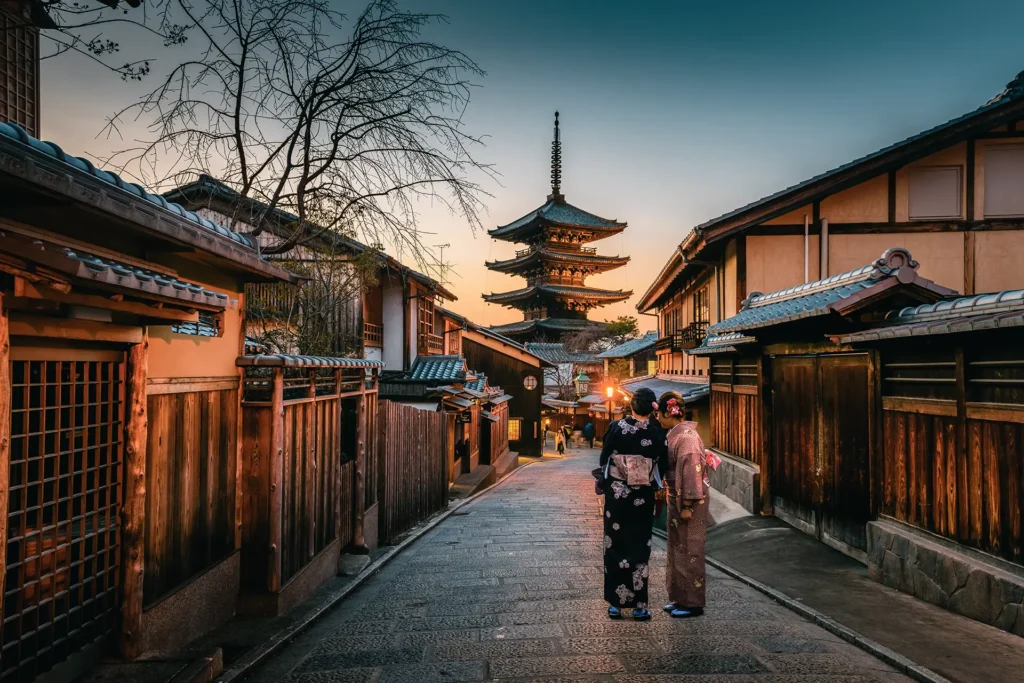
February reveals Kyoto at its most introspective. Without the distractions of peak tourism, the city’s rituals, architecture, and seasonal rhythms come into focus. Plum blossoms, winter cuisine, and calm temple grounds make it an ideal month for travelers seeking authenticity and depth.
Planning Your Kyoto Trip?
If you’re still shaping your itinerary, start with our 7-Day Kansai Japan Highlights Itinerary, which combines Kyoto, Osaka, and Nara into a balanced first visit. For inspiration and practical tips, see our 40 Things to Do in Kyoto, Nara, and Osaka, including seasonal ideas and neighborhood recommendations.
Looking to go deeper? Our Best Tours in Kyoto page highlights cultural experiences that go beyond the usual sights. If you’re deciding where to base yourself, our guide on staying in Osaka or Kyoto breaks down the pros and cons of each.
For themed travel, don’t miss our Essential Guide to Geisha in Kyoto, or explore Kansai’s brewing heritage with our Top 10 Sake Breweries to Visit in Kansai. Finally, for help making restaurant reservations in Kyoto, check out our Guide on Making Reservations in Kyoto