



August is one of Kyoto's hottest months, but it is also one of its most culturally significant. Obon celebrations, traditional summer festivals, fireworks displays, and the famous Gozan no Okuribi (Daimonji Fire Festival) create a unique atmosphere throughout the city and surrounding region.
While midday sightseeing can be challenging due to the heat and humidity, August rewards visitors with lantern-lit evenings, mountain escapes, riverside dining, and some of Japan's most enduring summer traditions. From wearing a yukata at a local festival to watching giant bonfires illuminate Kyoto's mountains, August offers a memorable glimpse into the heart of a Japanese summer.
Weather in August
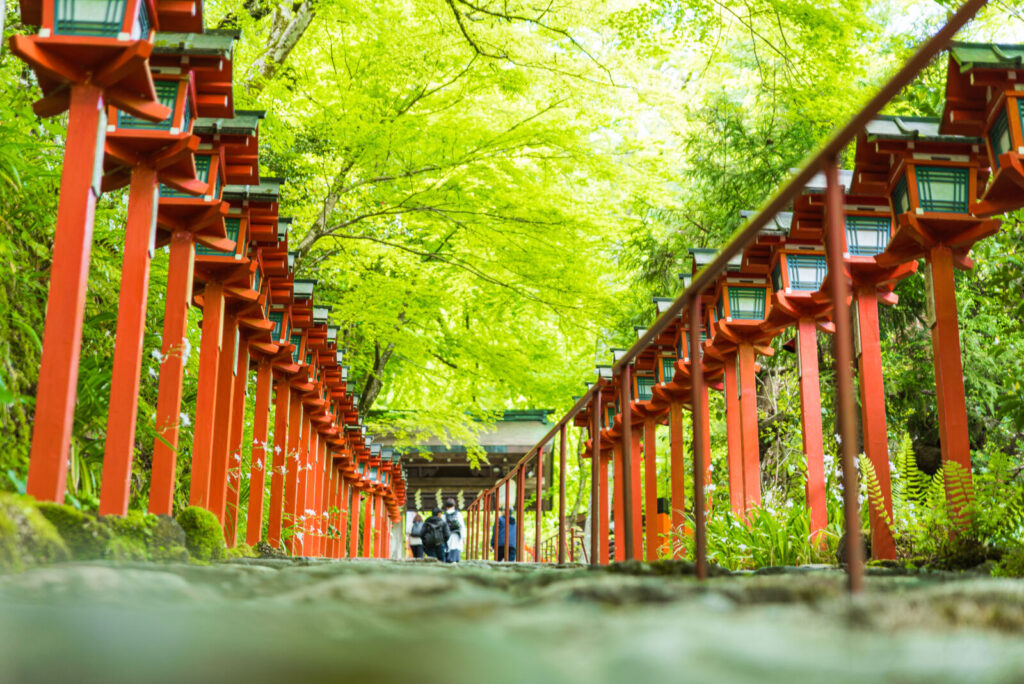
August is typically the hottest month of the year in Kyoto.
Average daytime temperature: 32–36°C (90–97°F)
Evenings / early mornings: 25–28°C (77–82°F)
Rainfall: Hot and humid with occasional afternoon thunderstorms.
Light, breathable clothing is essential. A hat, sunscreen, cooling towel, and reusable water bottle are highly recommended. Many locals carry small hand towels and regularly drink mugicha (barley tea) throughout the day to stay hydrated.
The best strategy is to explore early in the morning, enjoy indoor attractions or a leisurely lunch during the hottest hours, and head back out in the evening when the city comes alive with festivals and summer events.
Festivals & Events in August
Calendar of Events
| Event | Date (2026) | Description | Location |
|---|---|---|---|
| Kyo no Tanabata | Aug 1–16 | Illuminated bamboo displays and evening light-ups | Various locations in Kyoto |
| Lake Biwa Fireworks Festival | Early August (TBA) | One of Japan's largest fireworks festivals | Otsu, Shiga |
| Rokudo Mairi | Aug 7–10 | Traditional ceremony welcoming ancestral spirits back to Kyoto | Rokudo Chinno-ji Temple |
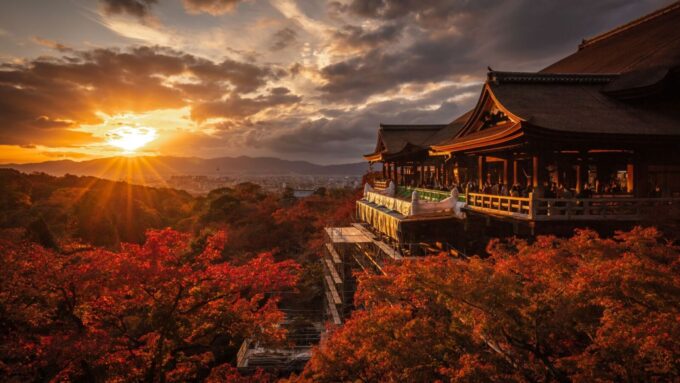
| Kiyomizu-dera Sennichi Mairi | Aug 9–16 | Special prayers and evening temple visits | Kiyomizu-dera |
| Obon | Aug 13–16 | Families honor ancestors through ceremonies and gatherings | Throughout Kyoto |
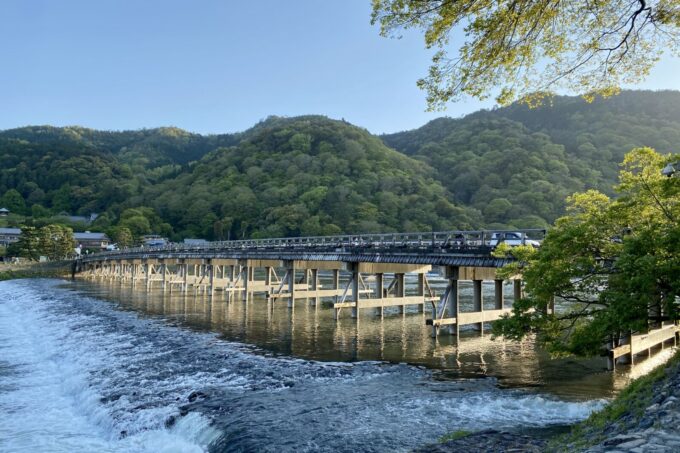
| Arashiyama Toro Nagashi | Aug 16 | Floating lantern ceremony on the Hozu River | Arashiyama |
| Gozan no Okuribi (Daimonji) | Aug 16 | Kyoto's famous mountain bonfires | Throughout Kyoto |
| Jizo-bon | Around Aug 23–24 | Children's festival celebrated in neighborhoods throughout Kyoto | Local communities across Kyoto |
Event dates and details may vary year to year. Please check official sources for the most up-to-date information.
Seasonal Highlights in August
Gozan no Okuribi (Daimonji Fire Festival)
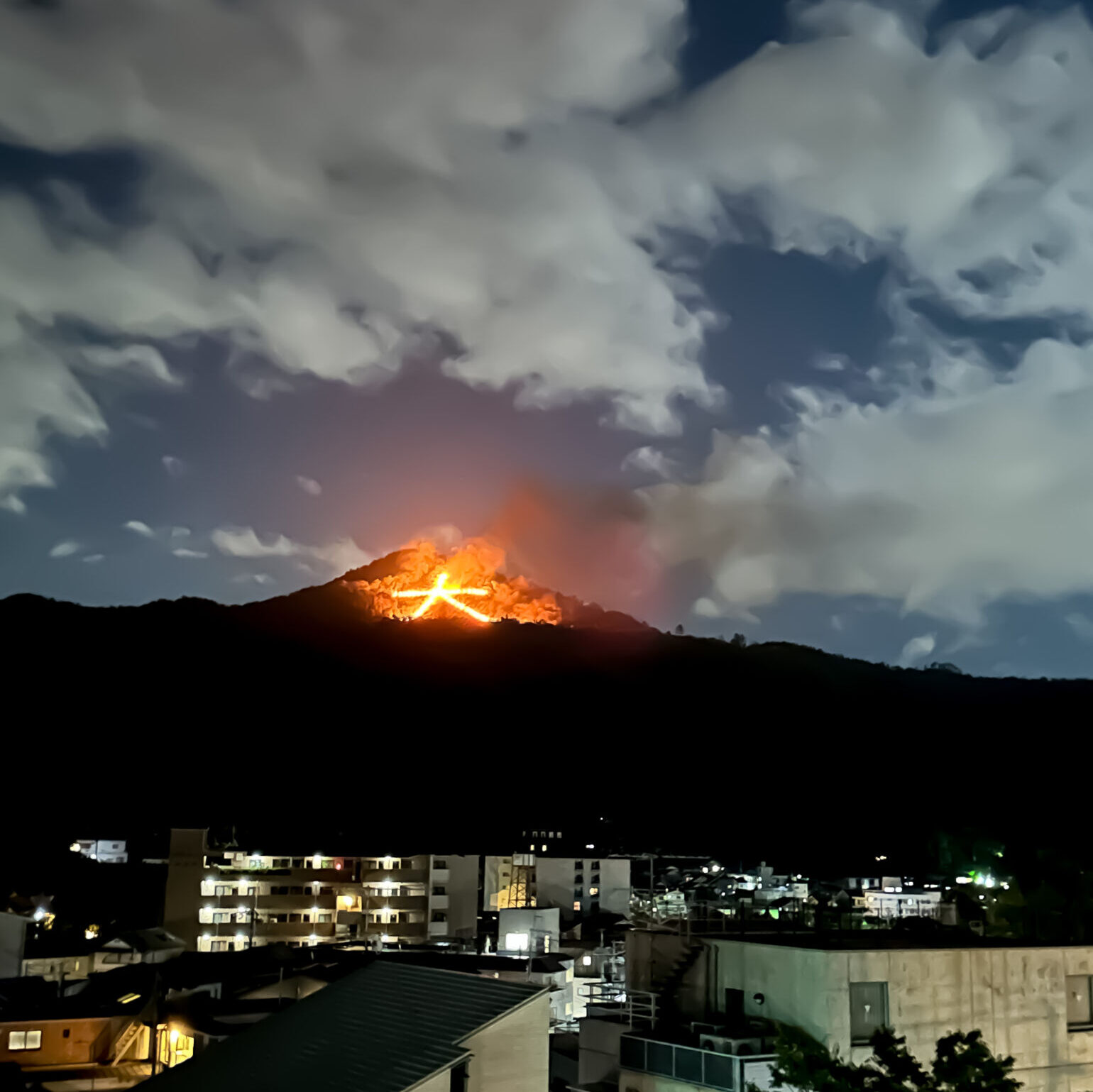
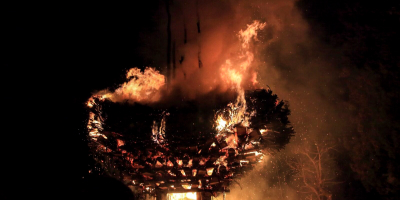
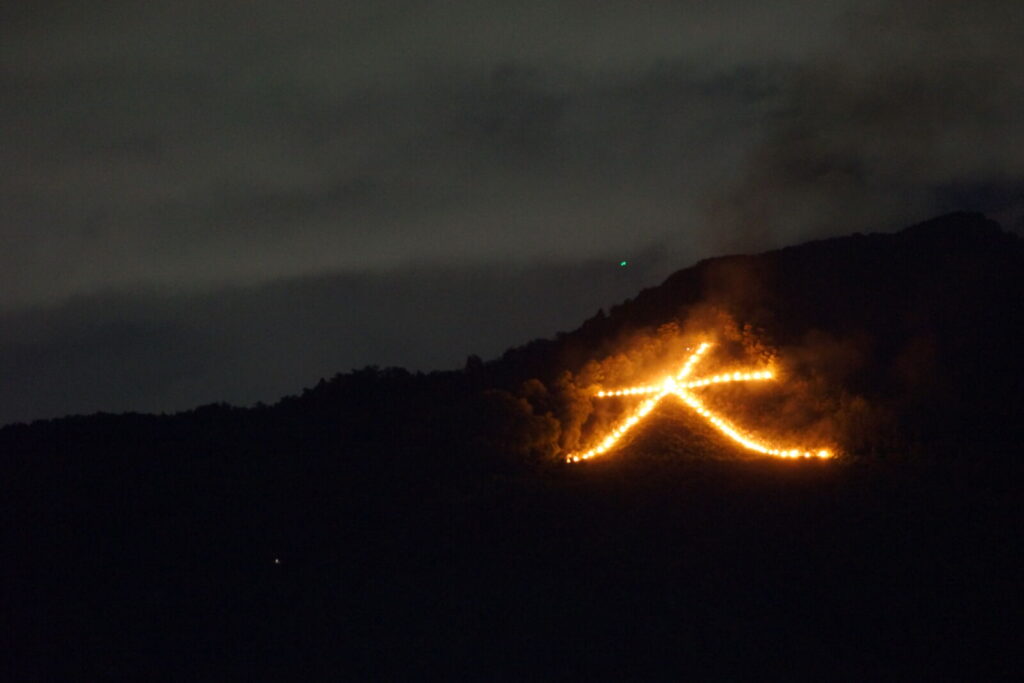
One of Kyoto's most iconic summer traditions takes place on August 16, when five mountains surrounding the city are illuminated with giant bonfires. Known as Gozan no Okuribi, the event marks the conclusion of Obon and symbolizes the return of ancestral spirits to the other world.
The enormous burning characters and symbols can be viewed from various points throughout Kyoto and create one of the most memorable evenings of the year.
Obon Traditions and Summer Festivals
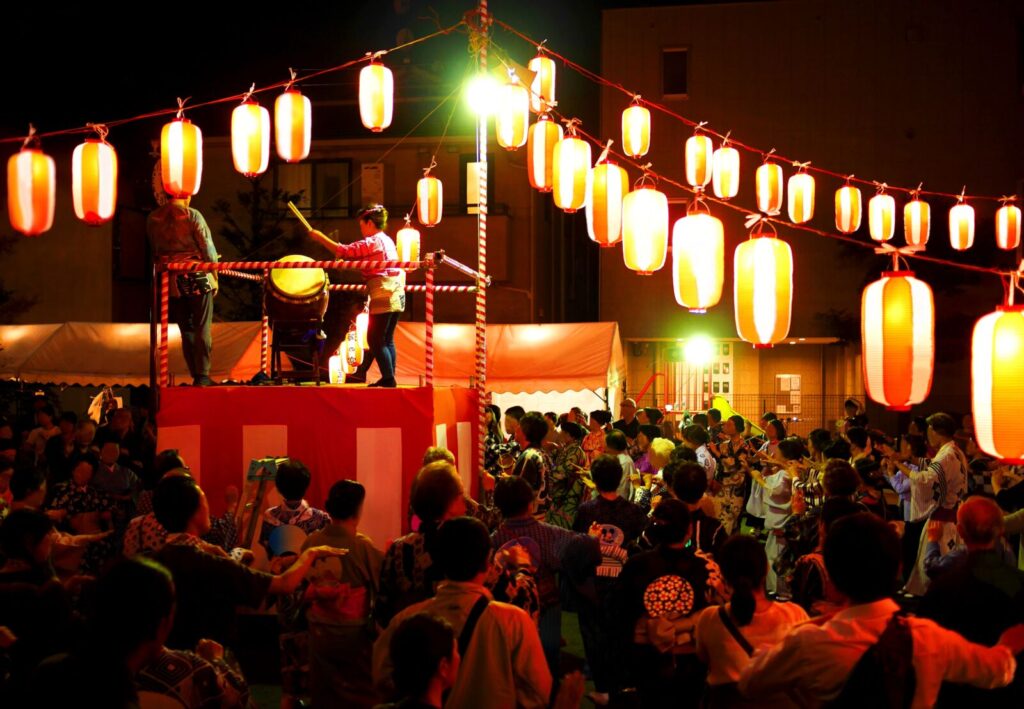
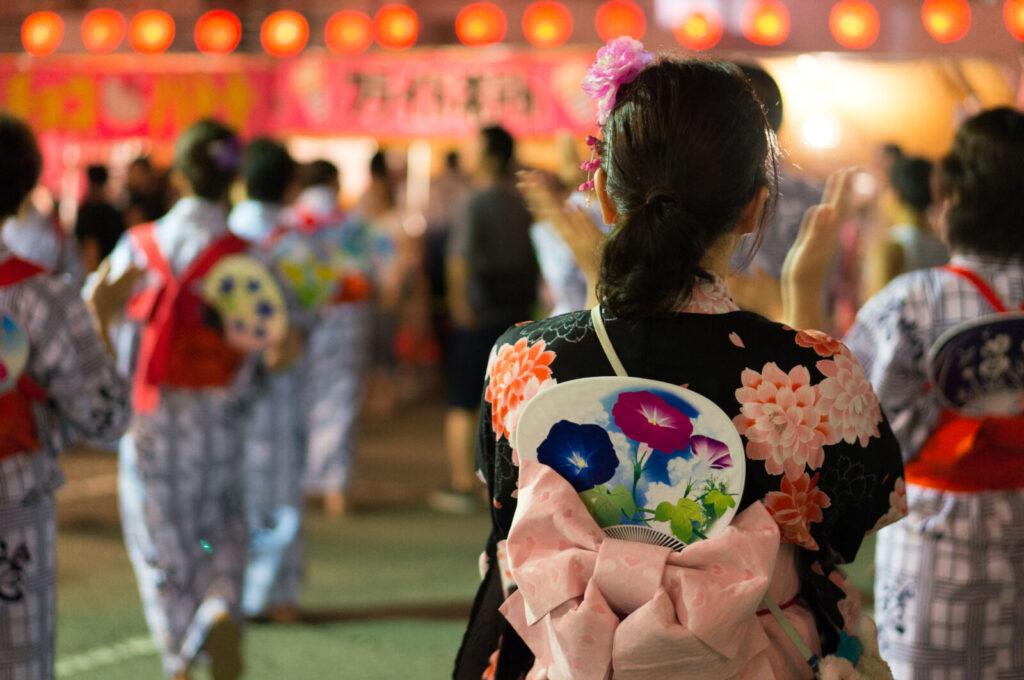
Obon is one of Japan's most important cultural traditions and offers visitors a chance to experience a deeply meaningful side of Japanese life. Families return to their hometowns, visit ancestral graves, and participate in local festivals and Bon Odori dances.
Bon Odori is a centuries-old tradition in which communities gather to dance in circles around a raised platform to the rhythm of drums, folk songs, and festival music. The dances are simple, welcoming, and often open to everyone, making them one of the most accessible ways for visitors to experience Japanese summer culture firsthand.
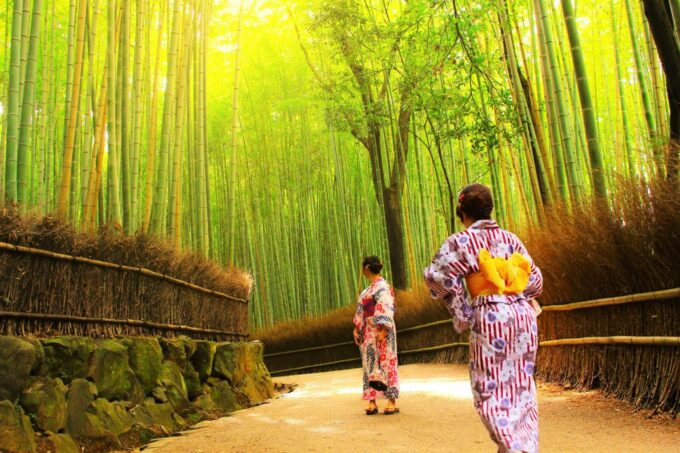
Throughout Kyoto, summer festivals bring food stalls, lanterns, yukata-clad visitors, and traditional games for children. It is one of the best times of year to experience everyday Japanese summer culture.
Lake Biwa Fireworks, Beaches, and Escaping the Heat
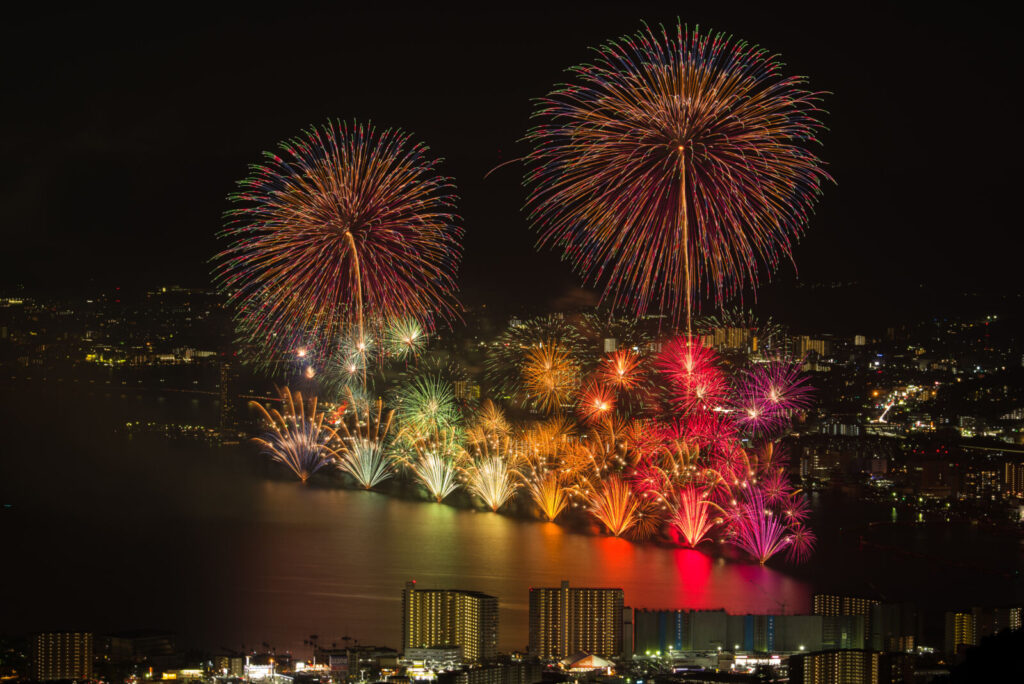
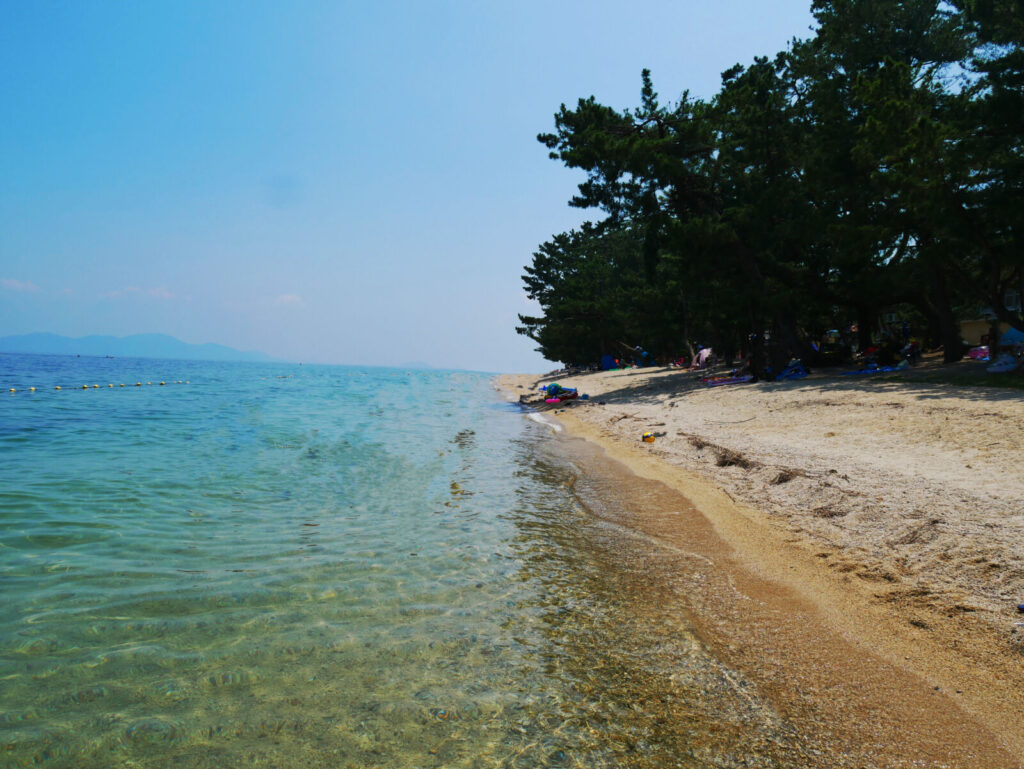
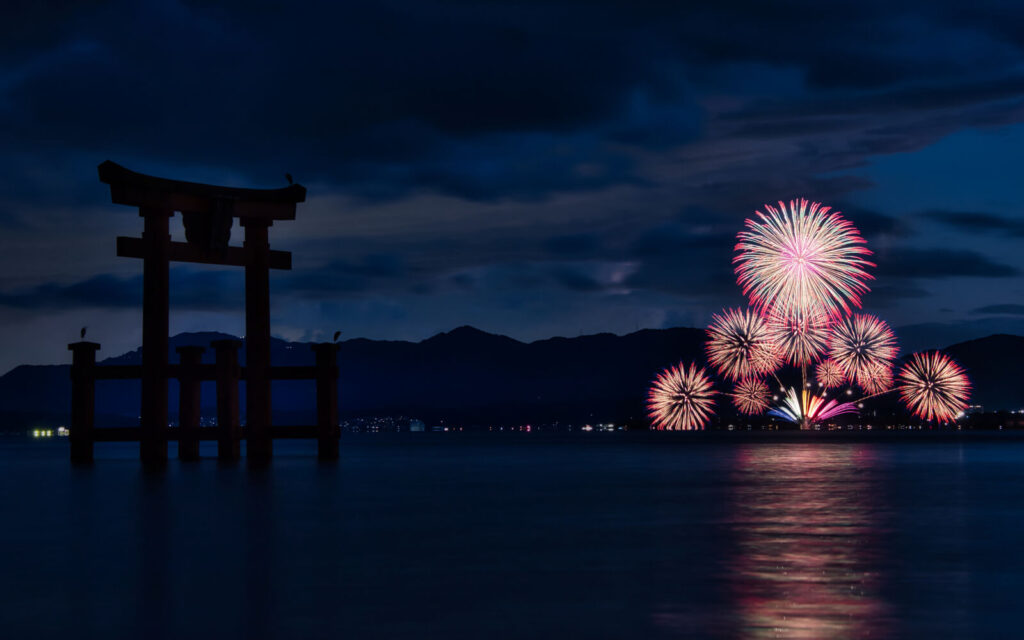
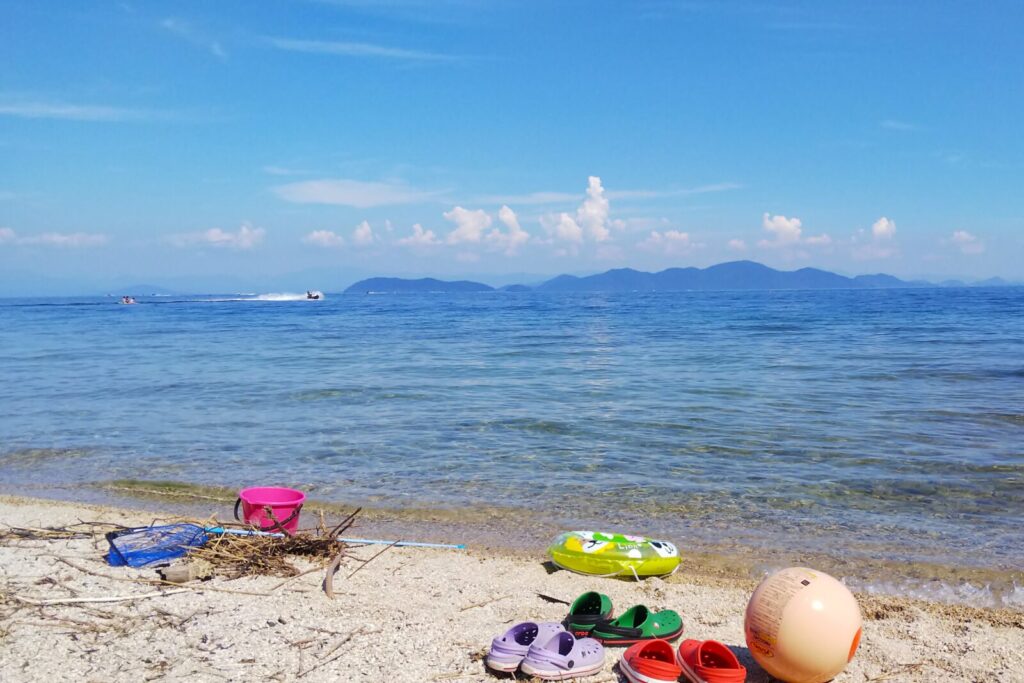
When Kyoto becomes too hot, many locals head toward nearby Lake Biwa. Just a short journey from Kyoto Station, the lake offers beaches, swimming areas, lakeside cafés, barbecue spots, and refreshing breezes. It's also home to one of the best fireworks displays in all of Japan.
Popular locations such as Omi-Maiko Beach attract visitors looking to swim, paddleboard, enjoy fireworks, or simply relax by the water. Combined with mountain escapes such as Kurama and Kibune, Lake Biwa offers some of the best ways to enjoy summer in Kansai.
Summer Foods and Seasonal Traditions
August is the season of shaved ice (kakigori), flowing noodle experiences (nagashi somen), BBQ's, summer fruits, and cold drinks enjoyed during festivals and family gatherings.
Visitors may also encounter traditional summer activities such as watermelon splitting (suikawari), riverside dining, and evening festivals that have been enjoyed for generations. These seasonal customs are a wonderful way to experience Japanese summer culture beyond the major tourist attractions.
Kibune, Kurama and Summer Mountain Escapes

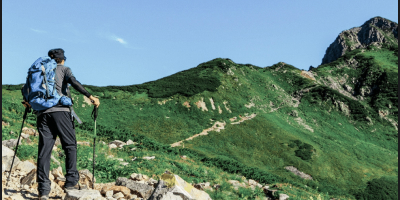
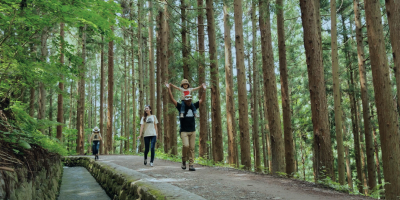
As temperatures rise in central Kyoto, many locals head north toward the mountain villages of Kibune and Kurama. Surrounded by cedar forests, rivers, and scenic hiking trails, these areas offer a refreshing escape from the summer heat and a chance to experience a quieter side of Kyoto.
Visitors can hike between Kurama-dera Temple and Kifune Shrine, explore peaceful forest paths, and discover centuries-old spiritual traditions hidden in the mountains. Summer is also the season for Kibune's famous kawadoko dining platforms, where restaurants build terraces directly above the flowing Kibune River. Dining beside the cool mountain waters is one of Kyoto's most iconic summer experiences and a perfect way to escape the city's heat while enjoying seasonal cuisine.
Riverside Dining Along the Kamogawa
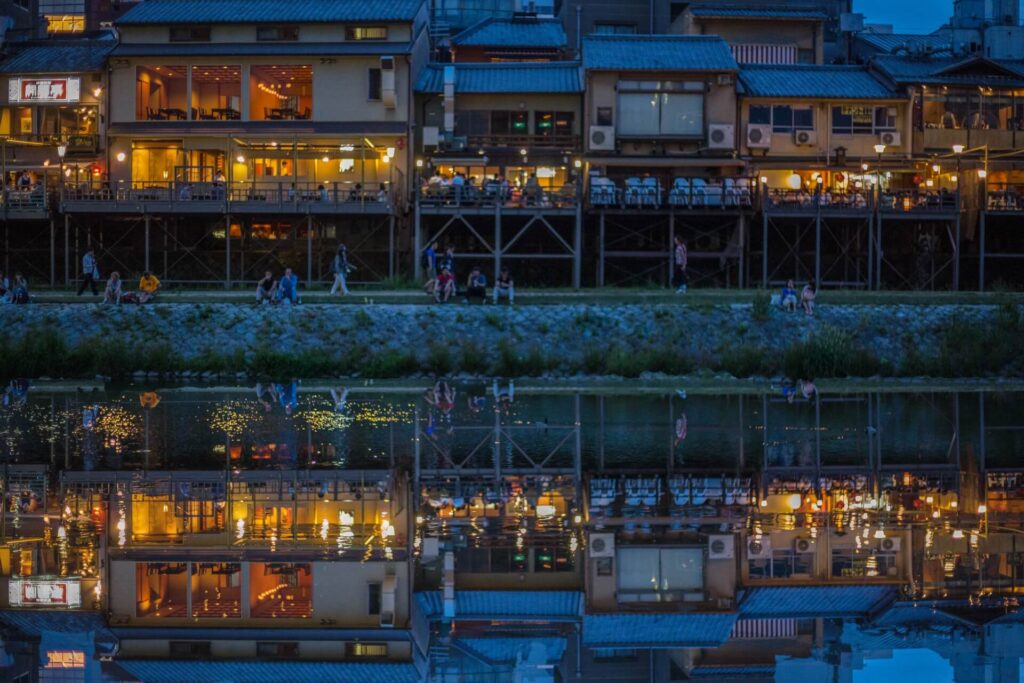
To beat the sweltering heat, restaurants along the Kamogawa River begin setting up kawayuka (riverside dining platforms). These elevated terraces allow guests to enjoy meals outdoors with a cool breeze from the river.
It’s a uniquely Kyoto experience, especially in the evening when the atmosphere becomes relaxed and lively.
Featured Tours in August
Sacred Peaks and Ancient Paths: The Kurama to Kibune Mountain Walk
Escape the city and journey deep into Kyoto’s northern mountains, where ancient cedar forests, hidden temples, and quiet riverside villages reveal a more spiritual and secluded side of the region. Beginning in the temple town of Kurama, this hike follows wooded mountain trails past sacred sites and moss-covered paths before descending into the peaceful valley of Kibune, home to the famous Kifune Shrine and its flowing mountain river. In June, the surrounding greenery, cool mountain air, and seasonal shrine atmosphere make this one of Kyoto’s most refreshing and atmospheric experiences.
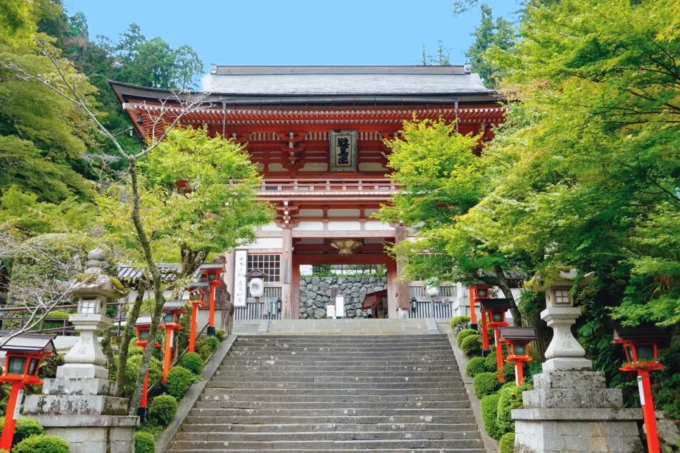
Lake Biwa, Chikubu Island and Hikone Castle: Sacred Island and Samurai Legacy
Journey beyond Kyoto to discover the natural beauty, spiritual heritage, and samurai history of Japan's largest lake. Cruise across Lake Biwa to the sacred island of Chikubu-shima, home to ancient temples, shrines, and some of the most breathtaking views in Kansai. Continue to Hikone Castle, one of only a handful of original castles remaining in Japan, where centuries of history come alive through its wooden keep, defensive architecture, and beautifully preserved castle grounds.
Combining a scenic lake cruise, island pilgrimage site, and one of Japan's finest castles, this tour offers a unique perspective on the history and culture of the region beyond Kyoto's city limits.
Highlights:
- Cruise across Lake Biwa, Japan's largest freshwater lake
- Visit Chikubu Island, home to Hogon-ji Temple and Tsukubusuma Shrine
- Explore Hikone Castle, one of Japan's few original surviving castles
- Enjoy spectacular lake, mountain, and castle views throughout the day
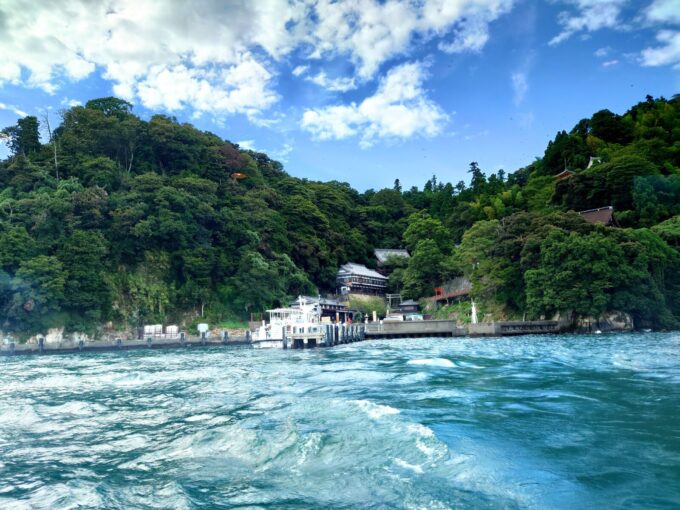
Sacred Stone and Flowing Silk: Arashiyama Temples, Bamboo Forests, and Maiko River Cruise
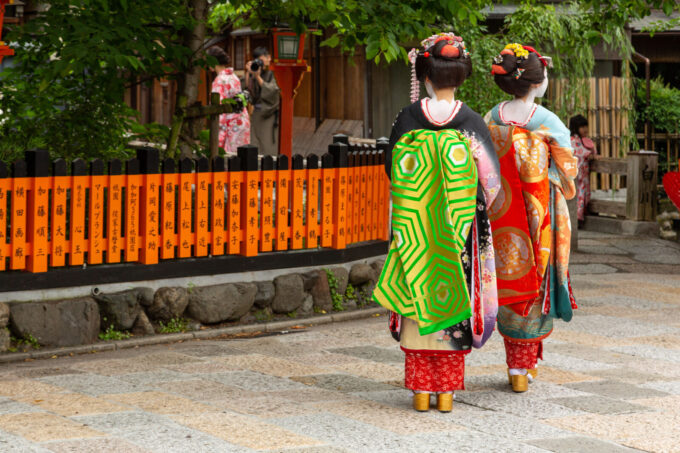
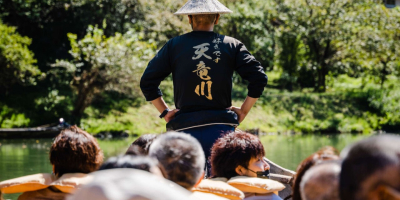
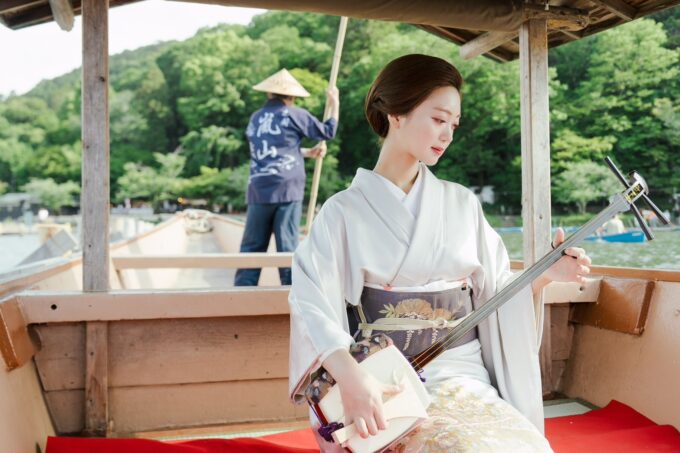
Guided by Kohaku, a former maiko, this tour offers a rare glimpse into Kyoto’s geisha traditions while exploring Arashiyama’s timeless beauty. Stroll through the Bamboo Forest, visit the serene stone temples of Atago Nenbutsu-ji and Otagi Nenbutsu-ji, and enjoy a private Hozu River boat ride as Kohaku shares stories of art, ritual, and life in Kyoto’s hanamachi.
It’s an intimate and unforgettable journey that blends Kyoto’s seasonal splendour with its living traditions — perfect for travellers seeking both cultural depth and scenic wonder.
Highlights:
- Stroll through Arashiyama’s iconic Bamboo Forest
- Visit Atago Nenbutsu-ji and Otagi Nenbutsu-ji, hidden temples filled with hundreds of smiling stone figures.
- Enjoy a private Hozu River boat ride with Kohaku, a former maiko, as your cultural guide.
Small Group
Sacred Stone and Flowing Silk: Arashiyama Temples, Bamboo Forests, and Maiko River Cruise
Hidden Secrets of Fushimi Inari: Bamboo Paths and Sake Village
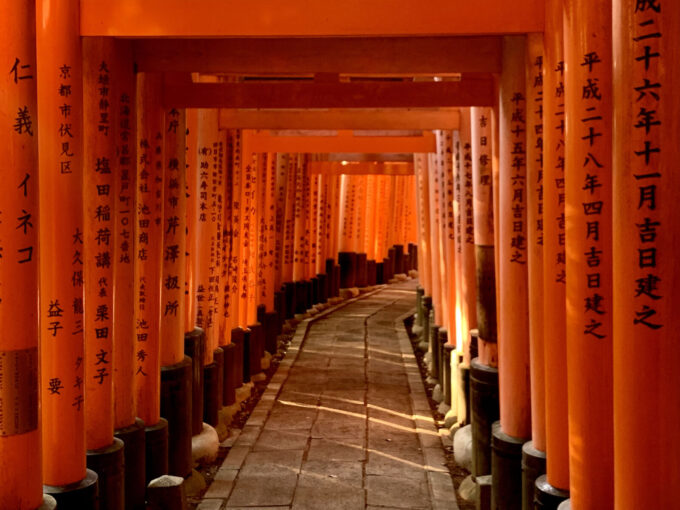
Step beyond the crowds on our Secrets of Fushimi Inari tour, where thousands of vermilion torii gates wind through quiet forest paths and hidden sub-shrines. It’s a walk that connects sacred landscapes, bamboo groves, and freshly brewed sake at the source. For more information about sake in Kyoto check out our Top 10 Sake Breweries to Visit in Kansai page
Kyoto Above the Crowds: The Daimonji Mountain Walk
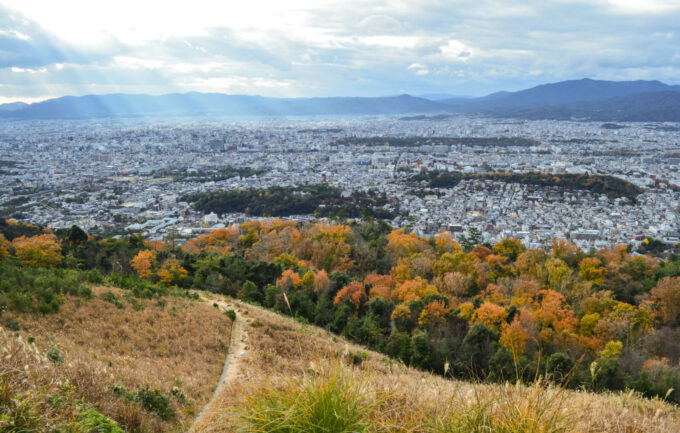
Step beyond Kyoto’s busiest districts and into its eastern mountains, where forest trails climb steadily above the city and Zen philosophy is experienced through movement and quiet reflection. Beginning at the great temple complex of Nanzen-ji, this tour ascends Mount Daimonji for sweeping panoramic views before descending through wooded paths toward the refined beauty of Ginkaku-ji. It’s a journey of perspective and stillness — ideal for travelers seeking a more contemplative, active side of Kyoto beyond the crowds.
More Ways to Visit Kyoto
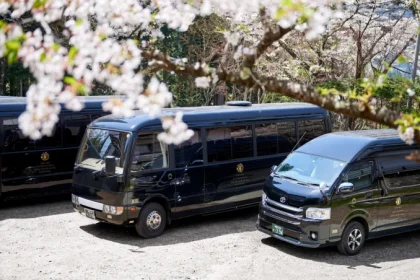
Alongside our guided tours, we also offer Private Charters in Kyoto. These are perfect for travellers who prefer private transport, customised itineraries, or more flexibility in planning their day. Whether you’re travelling as a family, a couple, or a group, charters provide comfort and convenience while still letting you experience the best of the village and surrounding region.
Tips for Visiting & Travel in August
- Carry water at all times and stay hydrated
- Consider carrying a small towel like many locals do
- Wear light, breathable clothing
- Plan outdoor activities for early morning or evening
- Take advantage of Kyoto's mountain areas and Lake Biwa for cooler temperatures
- Book accommodations early during Obon holidays
- Don't underestimate the heat and humidity—it can be intense even for experienced travelers
Where to Stay in August
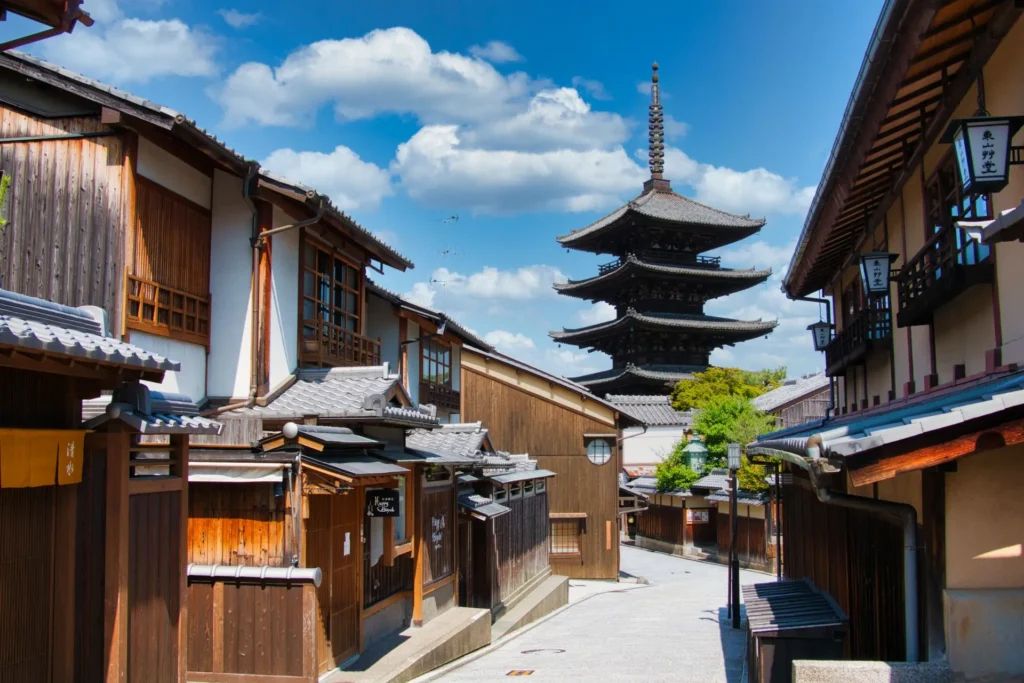
August is busy due to Obon and summer travel, so booking accommodations in advance is recommended.
Kyoto Station
Best for convenience and easy transport access
Kiyomizu Gojo and Gion Area
Perfect for traditional atmosphere and historic streets
Sanjo Station area
Ideal for dining, shopping, and nightlife access
Arashiyama Station Area
Great for nature, river scenery, and quieter stays
Wherever you choose to stay, August is a great, but hot time of year to visit Kyoto. For more guidance, see our Where to Stay In Kyoto and Nara page.
Plan Your August Visit
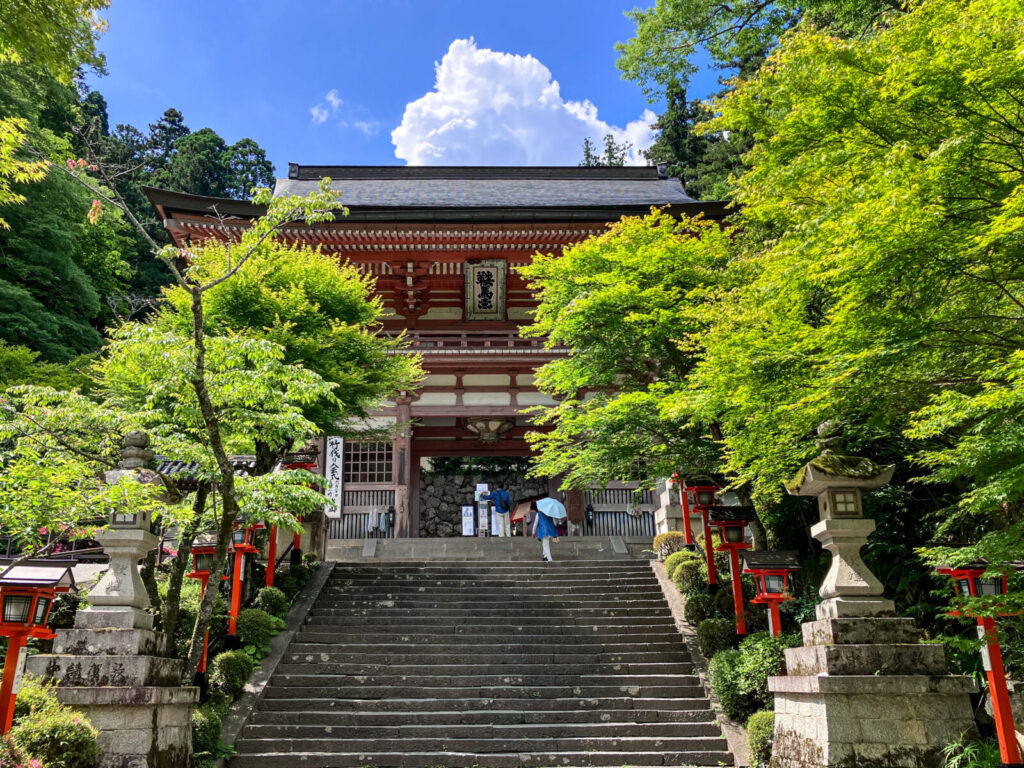
August offers a vibrant and memorable side of Kyoto. From the dramatic fires of Daimonji and the traditions of Obon to lakeside escapes, mountain retreats, and summer festivals, the season reveals a different rhythm of life in the ancient capital.
Join one of our guided tours to experience Kyoto beyond the guidebooks and discover the culture, history, and seasonal traditions that make this city so special. Whether you're exploring hidden shrine paths, walking through bamboo forests, or escaping into Kyoto's northern mountains, August offers experiences found nowhere else in Japan.
Planning Your Kyoto Trip?
If you’re still shaping your itinerary, start with our 7-Day Kansai Japan Highlights Itinerary, which combines Kyoto, Osaka, and Nara into a balanced first visit. For inspiration and practical tips, see our 40 Things to Do in Kyoto, Nara, and Osaka, including seasonal ideas and neighborhood recommendations.
Looking to go deeper? Our Best Tours in Kyoto page highlights cultural experiences that go beyond the usual sights. If you’re deciding where to base yourself, our guide on staying in Osaka or Kyoto breaks down the pros and cons of each.
More Kyoto Travel Guides
Discover Kyoto's rich cultural traditions with our Essential Guide to Geisha in Kyoto, or learn how to enjoy one of the city's finest culinary experiences with our Guide to Making Restaurant Reservations in Kyoto.
Planning a seasonal visit? Explore our guides to Cherry Blossoms in Kyoto for the best hanami spots, or discover the top places to enjoy Autumn Leaves in Kyoto as temples, gardens, and mountain valleys burst into vibrant autumn colours.
Interested in local flavours? Visit our Top 10 Sake Breweries to Visit in Kansai, or unwind after a day of sightseeing with our Tattoo-Friendly Onsen & Sento Guide in Kyoto. If you're looking for even more inspiration, don't miss our Things to Do in Kyoto guide, featuring the city's top attractions, hidden gems, and unforgettable cultural experiences.
Explore Kyoto Throughout the Year
If you're still deciding when to visit, explore our Best Time to Visit Kyoto: Month-by-Month Guide for a complete overview of Kyoto throughout the year.
Planning around cherry blossom season? See Kyoto in March and Kyoto in April for bloom forecasts, spring festivals, and the city's most famous sakura spots.
Interested in summer festivals and outdoor adventures? Explore Kyoto in July and Kyoto in August to experience Gion Matsuri, Obon traditions, riverside dining in Kibune, and mountain escapes.
For comfortable weather and fewer crowds, consider Kyoto in May, Kyoto in June, and Kyoto in September, when gardens, hiking trails, and seasonal festivals can be enjoyed at a more relaxed pace.
Visiting for the autumn leaves? Don't miss Kyoto in October and Kyoto in November, when temples, gardens, and mountain landscapes are transformed by brilliant shades of red, orange, and gold.
Prefer a quieter side of Kyoto? Kyoto in December, Kyoto in January, and Kyoto in February offer peaceful temple visits, winter illuminations, plum blossoms, and a slower pace that's perfect for experiencing the city away from the busiest tourist seasons.