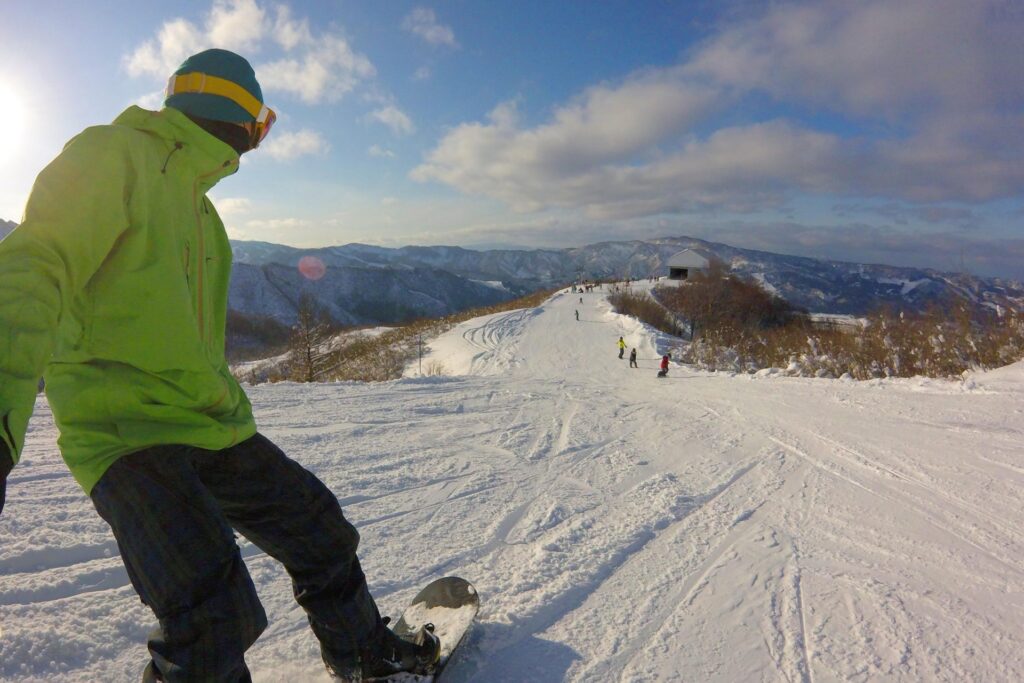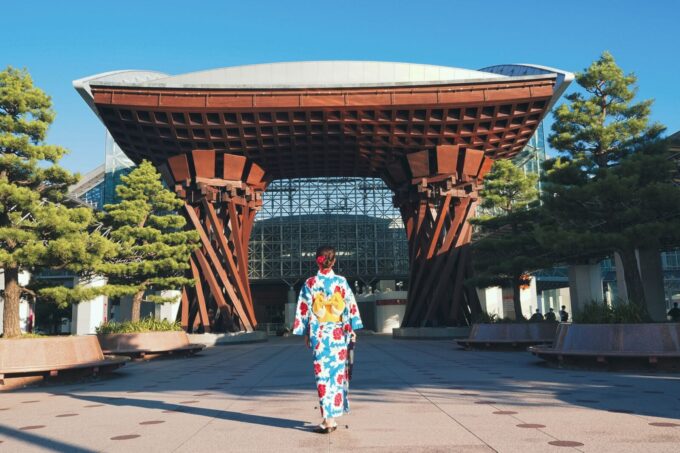
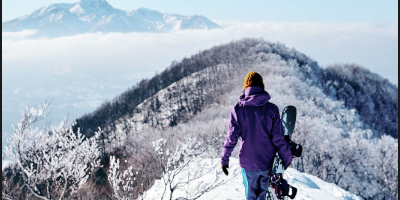


For those looking to get the most of the snow across Central Japan, February is the absolute best time to come to Kanazawa. While the city itself is rarely covered in deep snow, much of the nearby mountains and valleys are transformed into stunning winter scenery. This is also the quietest time to visit the region, perfect for travellers looking to avoid busier crowds and bustling areas.
With this guide, you'll learn what to expect from Kanazawa and its surroundings in February - from the best places to take in the winter scenery to seasonal highlights, from travel tips to practical advice for visiting during the snowy season, we've got you covered.
Weather in February
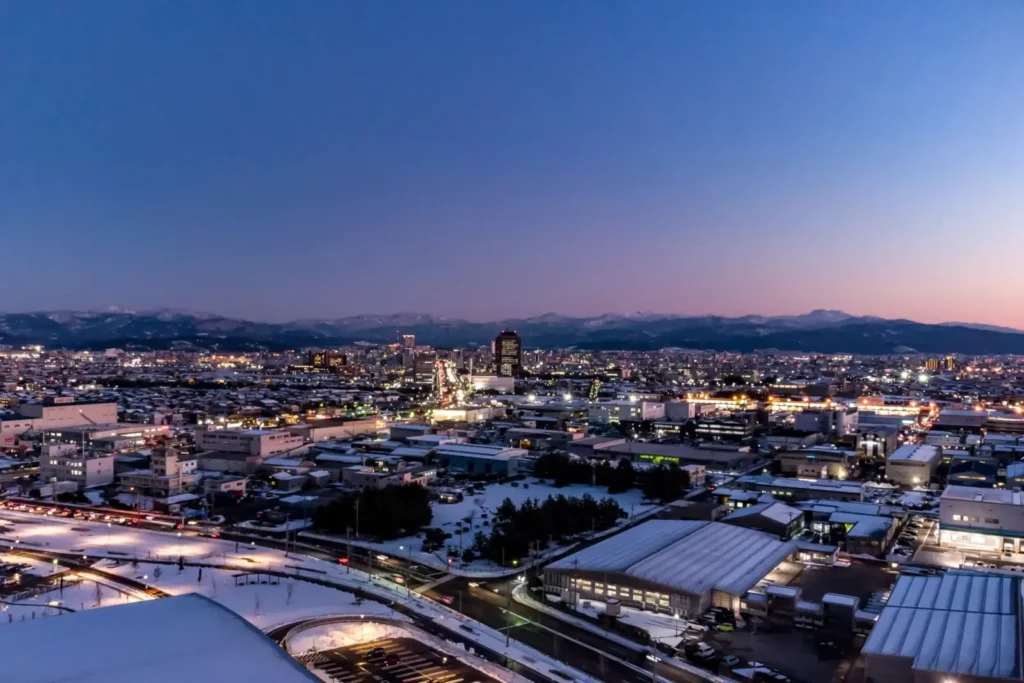
February is usually the coldest month for Kanazawa, with temperatures ranging from 0 - 7°C. Nights are often much colder and fall below freezing. It's often quite windy through February which can make the "feels like" temperature much lower.
It can also be quite wet in Kanazawa, with an average of 25 days with some sort of precipitation. The rain can be somewhat of a blessing, as it keeps the walkways clear of snow and makes getting about the city much easier.
Seasonal Highlights in February
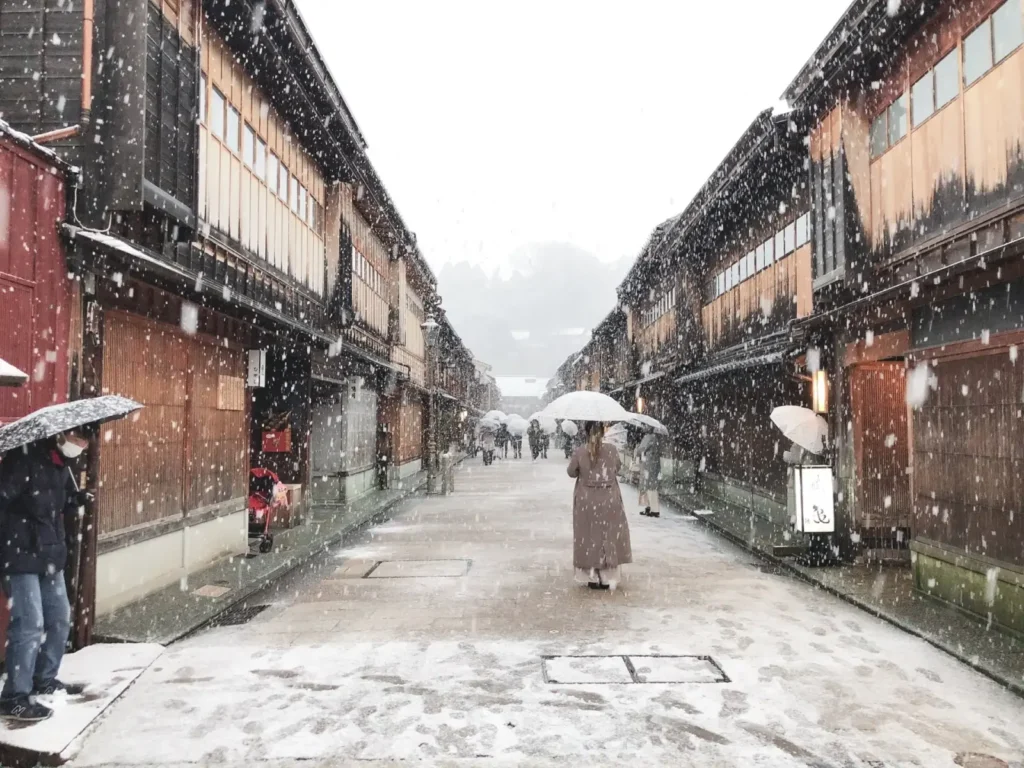
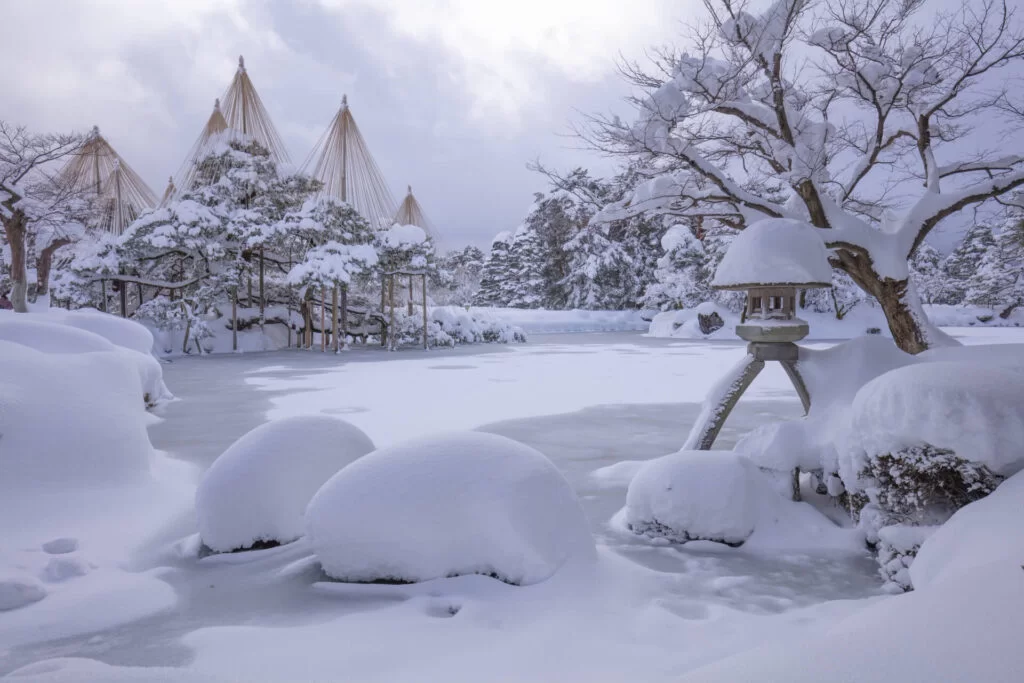
Kenrokuen is one of Japan's finest gardens. Throughout winter it transforms into a picturesque snowscape. To help protect their fragile branches from the heavy snow, trees are held upright with special ropes called yukitsuri. These trees cut striking silhouettes against the sheer white of the snow and reflect beautifully on the still water of the garden's ponds.
Through the month, the garden is open and lit up in the evenings to show off the winter transformation. The illuminations give a completely different feel to the garden; just remember to wrap up!
You can also take in the gardens early in the morning. The late sunrise (usually around 6:30 - 7:00am) means you don't have to rise super early to get a glimpse of the snowy gardens bathed in a pinkish hue as the sun rises.
Winter Wonderland
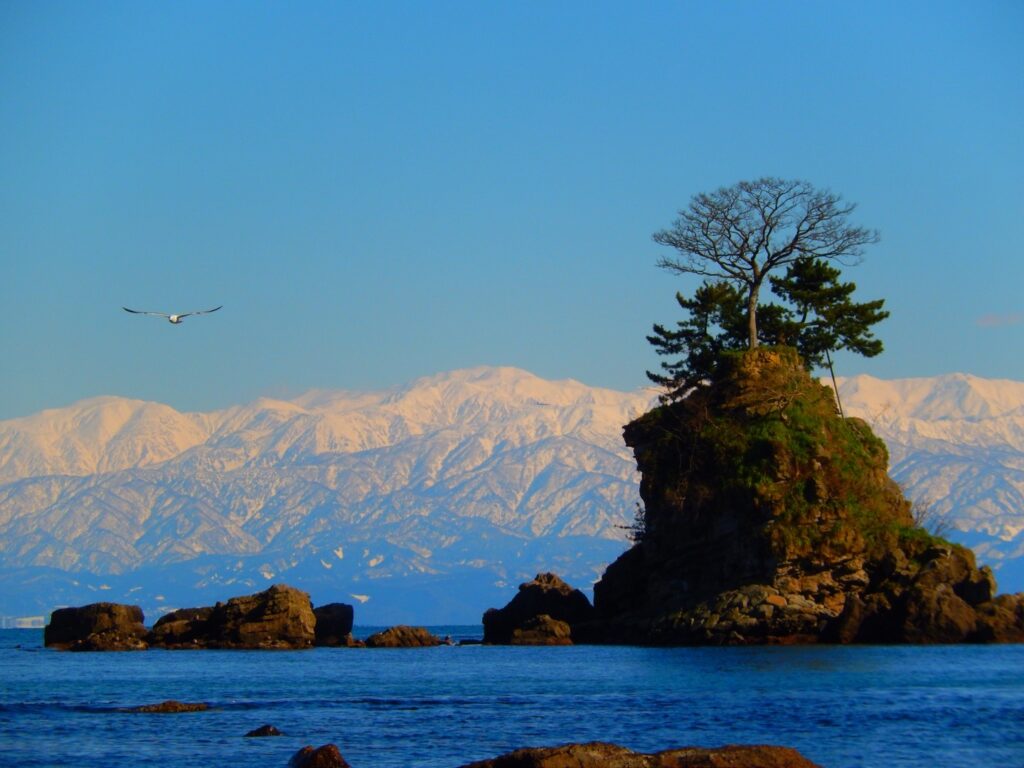
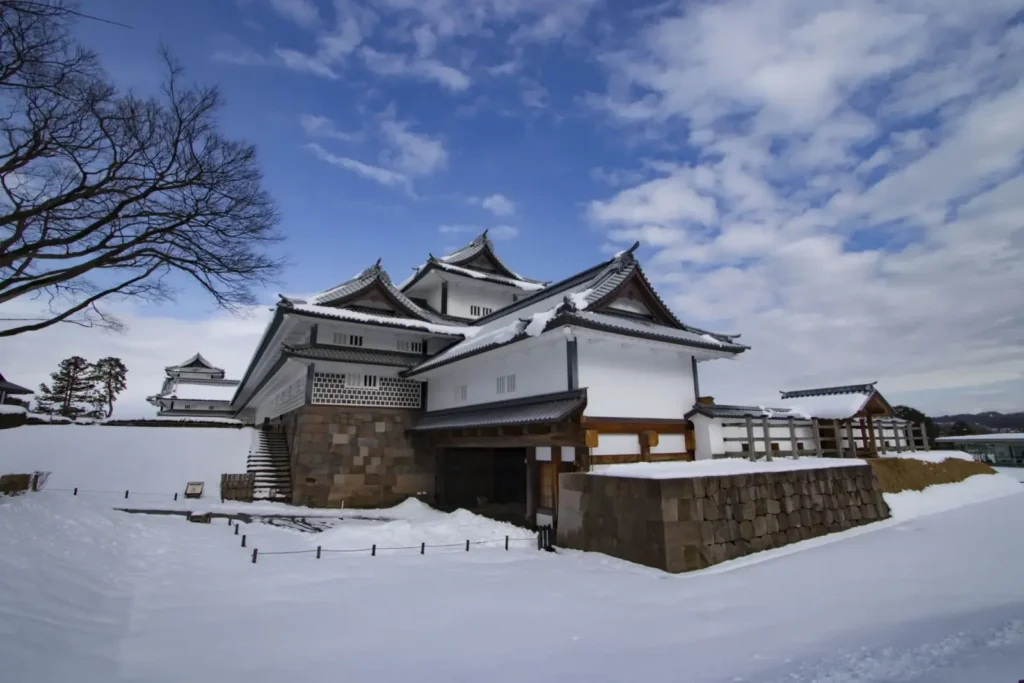
Kanazawa's convenient location offers convenient access to some of the region's most beautiful spots. From the coast of Amaharashi offers a stunning view of the snow-capped mountains across Toyama Bay. The imposing Tateyama Mountain Range frames the dramatic rock formation, said to be named by one of Japan's greatest folk heroes and legendary samurai.
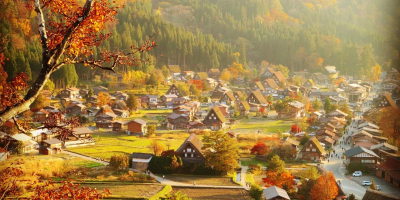
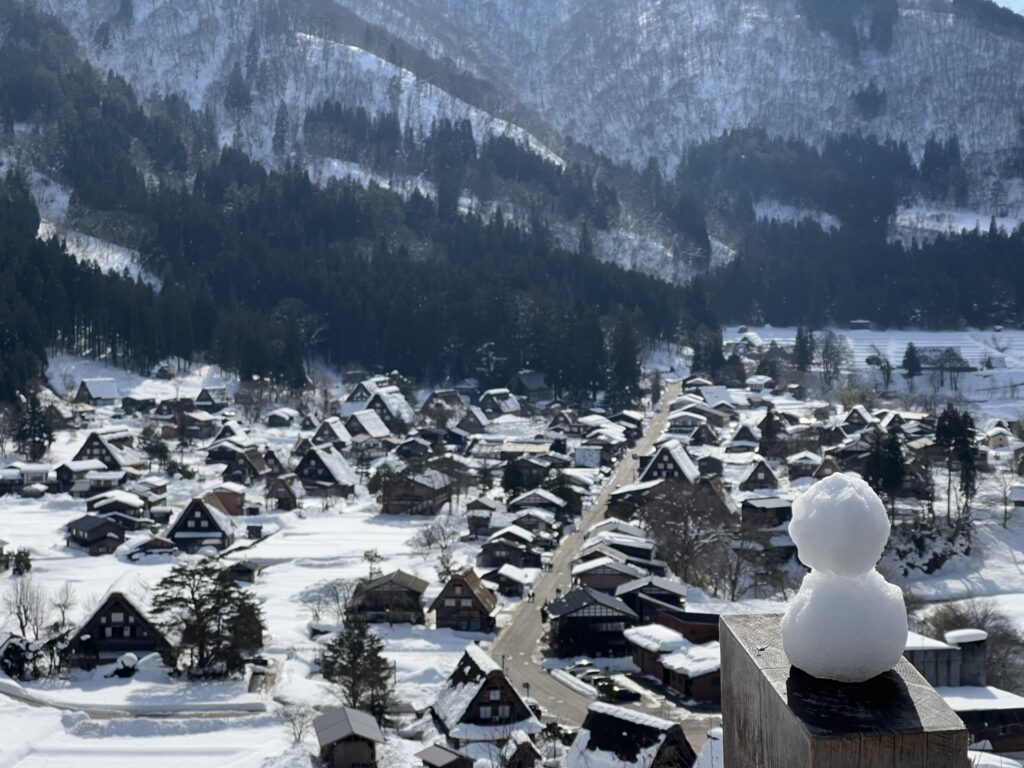
Meanwhile, just over an hour from Kanazawa Station is the UNESCO World Heritage Site of Shirakawa-go and Gokayama. The thatched-roof villages are almost buried under deep, powdery snow. It is in this season where we can best appreciate the gassho-zukkuri farmhouses' structures - bearing the intense burden of the harsh elements.
Relaxing in an Onsen
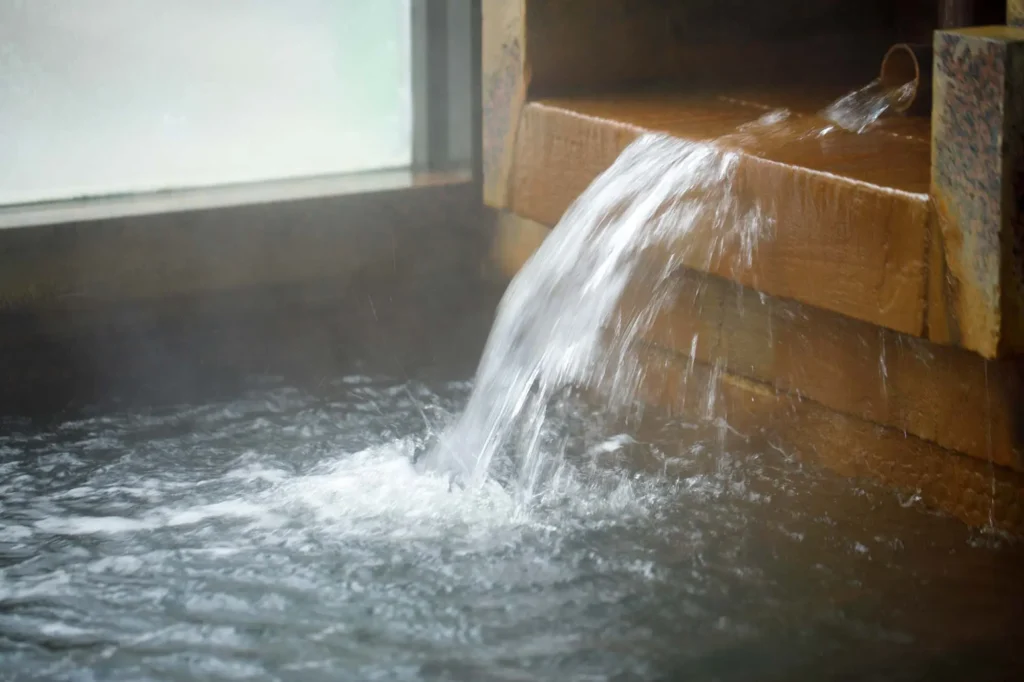
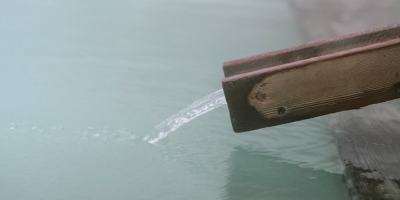
Ask any local and one of the highlights of the winter season is taking advantage of the region's numerous onsen. Kanazawa itself has several onsen hotels, but the real gems are located in several areas just outside of the city. Many of the city's onsen are known for their moor water - said to have healing, beautifying and moisturising effects. For the full overnight ryokan experience, areas like Yuwaku Onsen, Kaga Onsen and Wajima in the Noto Peninsula offer the whole shebang.
If you're a tattooed traveller and are looking to have an onsen experience, be sure to check out our "Tattoo-Friendly Onsen Near Kanazawa" guide for more information!
Winter Seafood
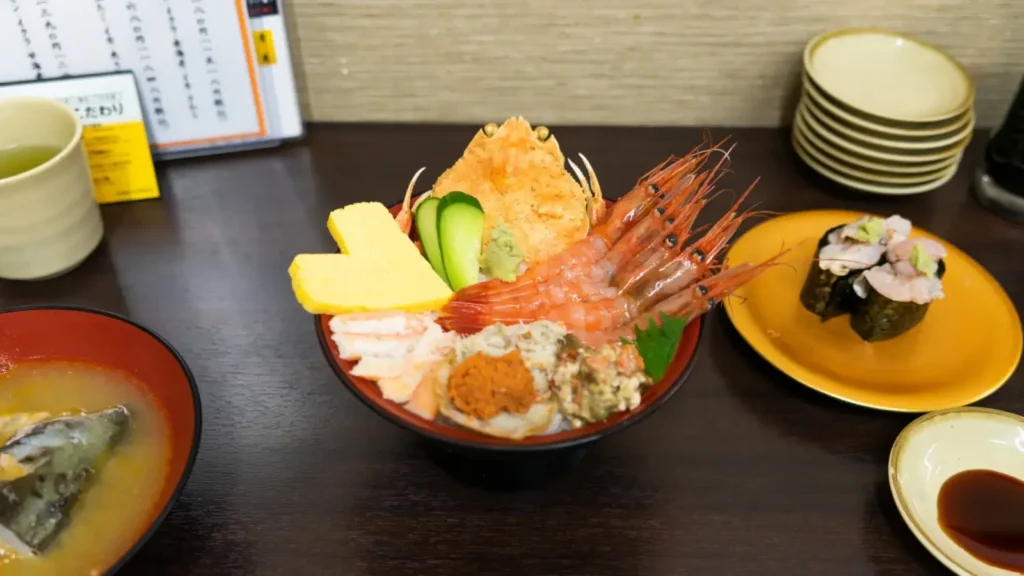
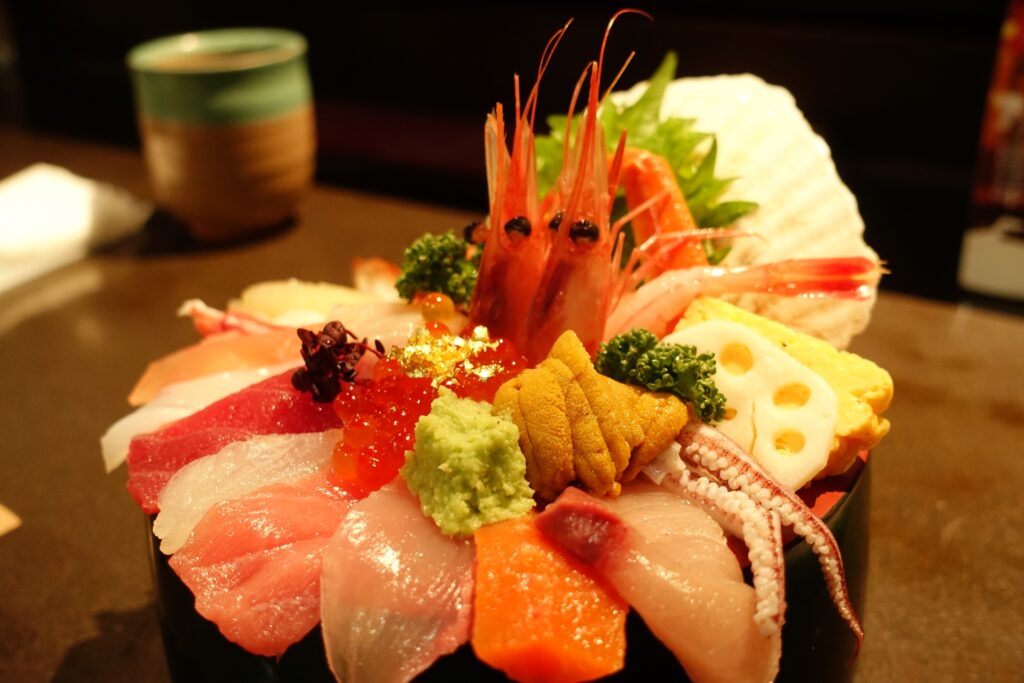

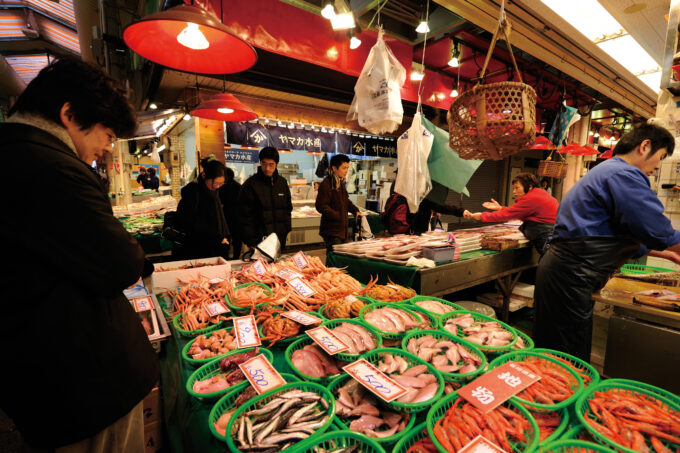
The cold waters of the Sea of Japan bear their best fruits during winter and locals flock to Kanazawa's eateries to get the best of the season. The most desired fish of the season is the Kanburi, Winter Yellowtail. Also in high demand is cod and Thread-sail filefish. All of these are often served in popular kaisendon (seafood bowls) at the Omicho Fish Market.
Kanazawa is in a bit of a sweet spot when it comes to sampling delicacies from slightly further afield - the famous Echizen Gani (Snow Crab) from the Fukui Coast to the south-west and the Shiro Ebi (White Shrimp) from Toyama Bay are easily sampled in the fish market, too.
Featured Tours in February
1 Day Tour from Kanazawa: Shirakawa-go, Gokayama and Wood Carving Village
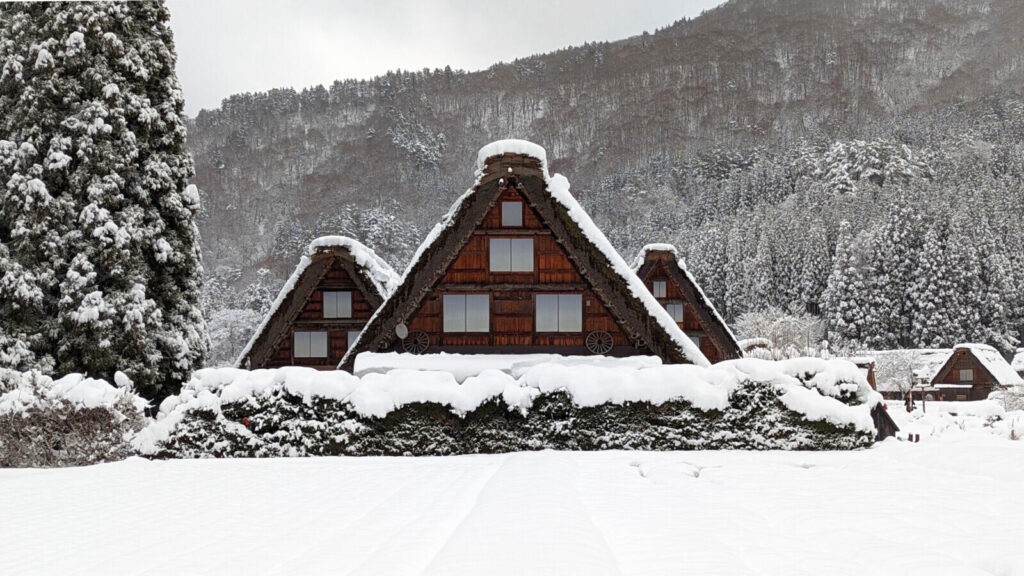
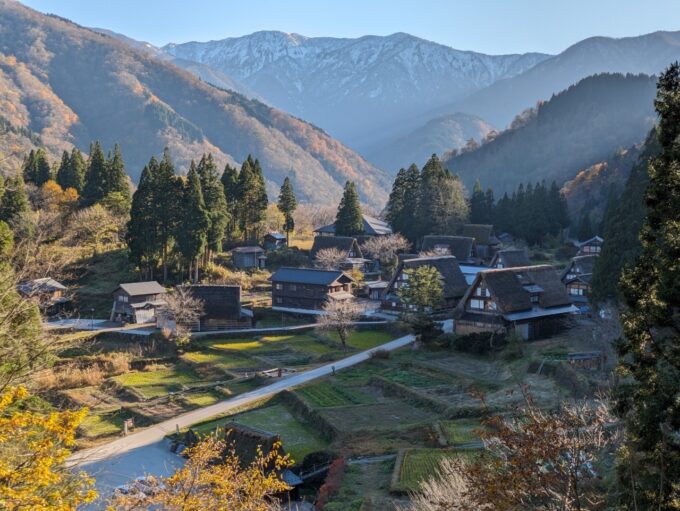
February snow fully envelops the traditional Japanese countryside, turning it into a spectacular winter sanctuary where heavy snow defines the scenery. The UNESCO World Heritage Sites of Shirakawa-go and Gokayama reach their peak seasonal beauty: the preserved gassho-style houses become utterly magical, encased in thick blankets of white. This profound, over 250-year-old history of Japan's farming communities is enhanced by the deep winter snowscape.
To balance the snowy exterior of the traditional villages, the tour includes a stop in the historic town of Inami, where the enduring tradition of woodcarving provides a warm, engaging contrast. Visitors can admire expert craftsmanship, particularly the intricate temple carvings, and even try their hand at Japanese style paper making, a local craft. This full-day bus tour from Kanazawa seamlessly navigates the deep-winter conditions, connecting the breath-taking, snow-covered majesty of the World Heritage homes with the unique, living artistic traditions thriving in the mountains.
Highlights:
- Visit the town of wood carvers in Inami, where you will walk through a street that is still home to masters of the craft and then see Zuisenji, a 300-year-old temple known for its beautiful carvings.
- Try your hand at traditional Japanese paper making in Gokayama.
- Explore the UNESCO World Heritage site village of Shirakawa-go and enter one of the homes to get more of a feel for the history and excellent craftsmanship of the area.
Best Selling
1 Day Tour from Kanazawa: Shirakawa-go, Gokayama and Wood Carving Village
- Spots:
- KanazawaShirakawago
- Pick-up:
- Kanazawa
- Drop-off:
- KanazawaTakayama
1 Day Tour from Kanazawa: Beautiful Amaharashi, A Big Buddha and the Shogawa Valley River Cruise
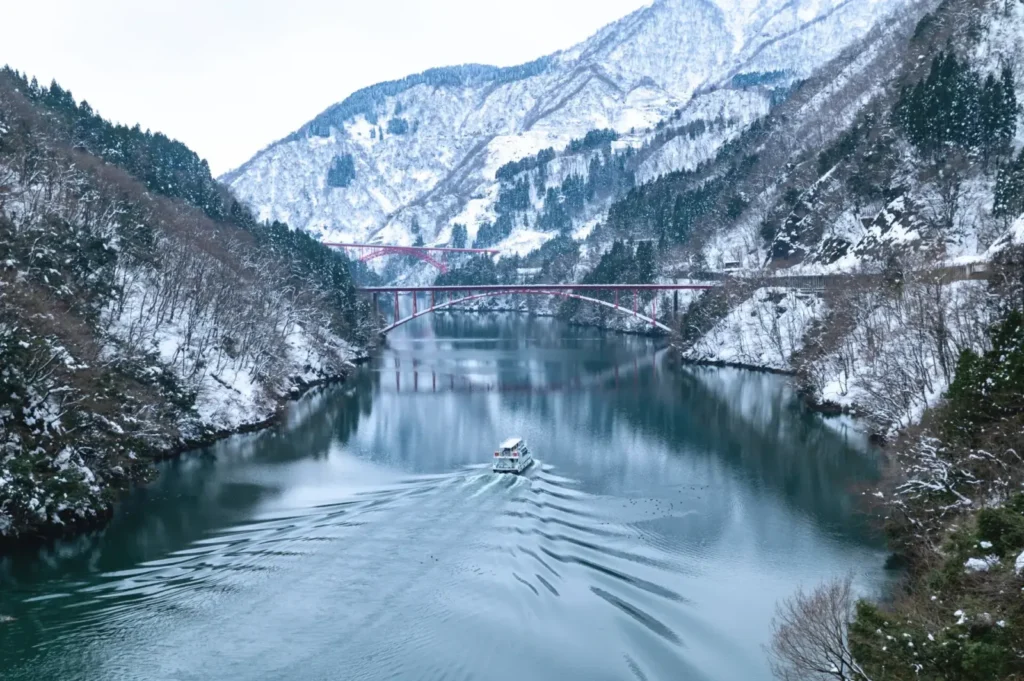
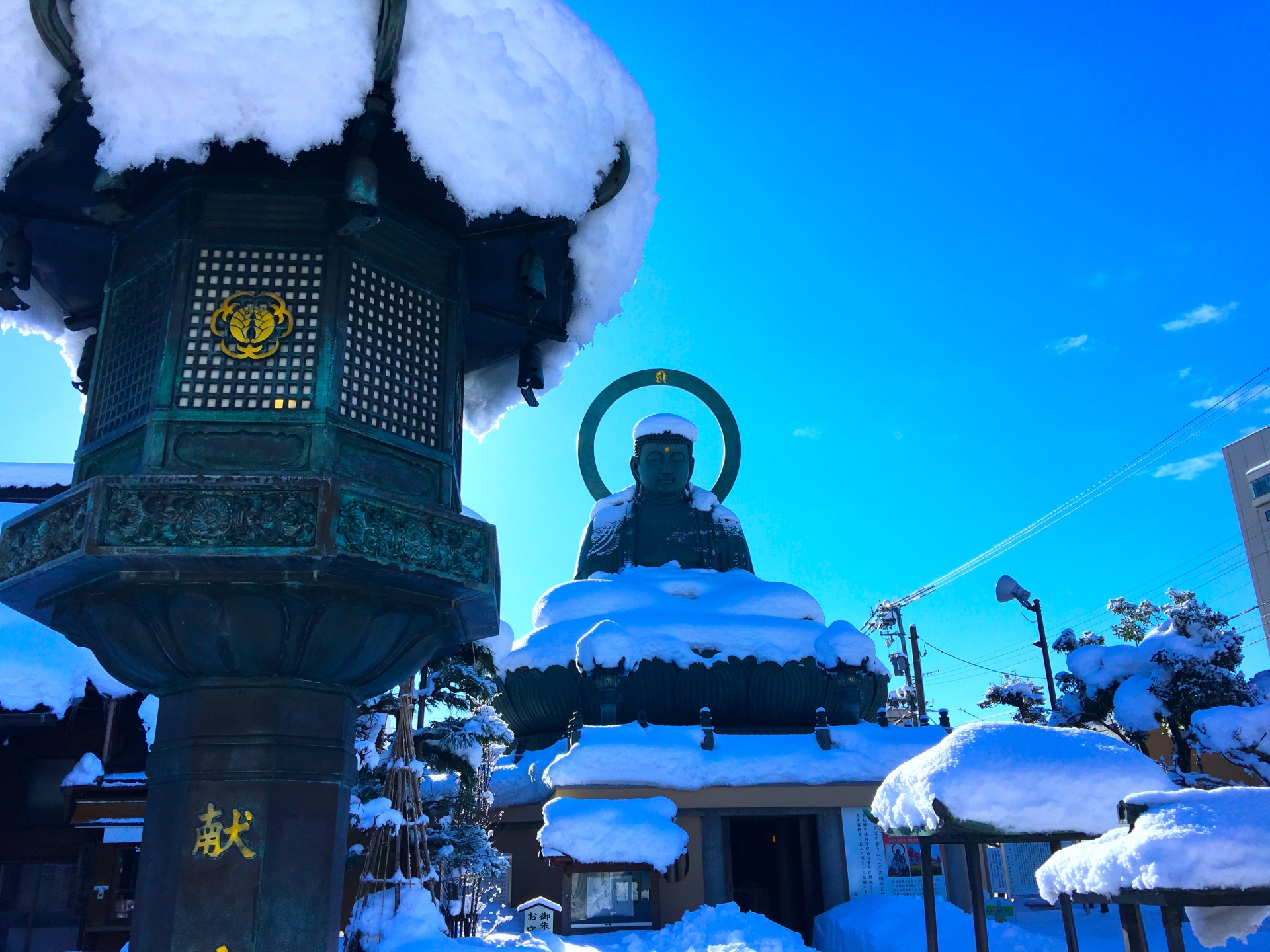
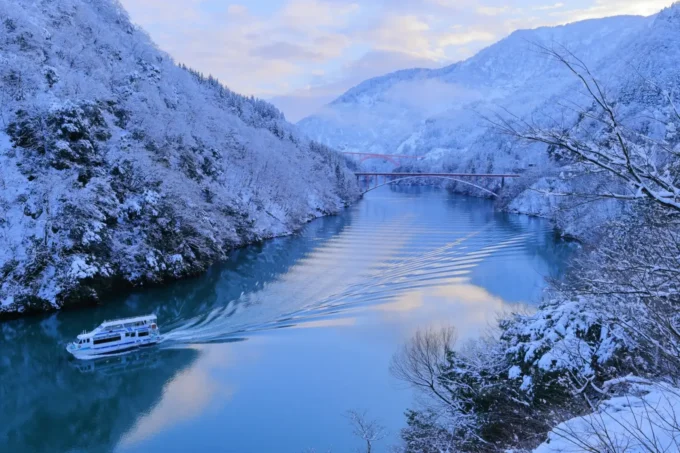
February is a great month for exploring the Amaharashi Coast and the historic city of Takaoka. With the landscape fully settled into deep winter, a stark and dramatic beauty emerges along the coast. The icy, clear air of mid-winter significantly increases the chances of witnessing the region's most iconic vista: the magnificent, fully snow-covered Tateyama Mountain Range rising across the dark blue waters of Toyama Bay. This tour beautifully combines stunning coastal scenery—now defined by snow and sea—with the rich cultural heritage of Takaoka, offering a perfect time to experience the region's serene, deep-winter atmosphere and the warmth of the city's history.
Highlights:
- Capture photos of the Amaharashi Coast, where the sea, mountains, and trees meet.
- See the famous Takaoka Big Buddha and the traditional streets of the city.
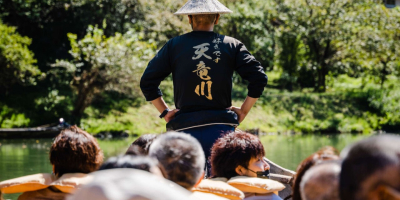
- Take a river cruise through the scenic Shogawa Valley.
Recommended
1 Day Tour from Kanazawa: Beautiful Amaharashi, A Big Buddha and the Shogawa Valley River Cruise
Fukui's Stunning Basalt Cliffs, Spiritual Island and Historical Bustling Port
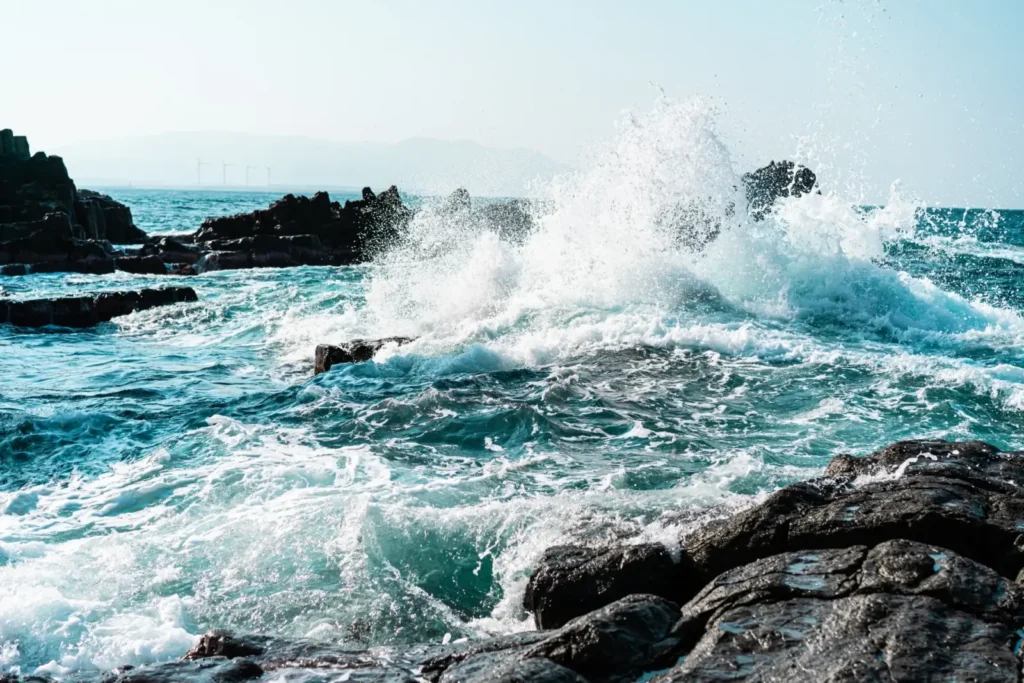
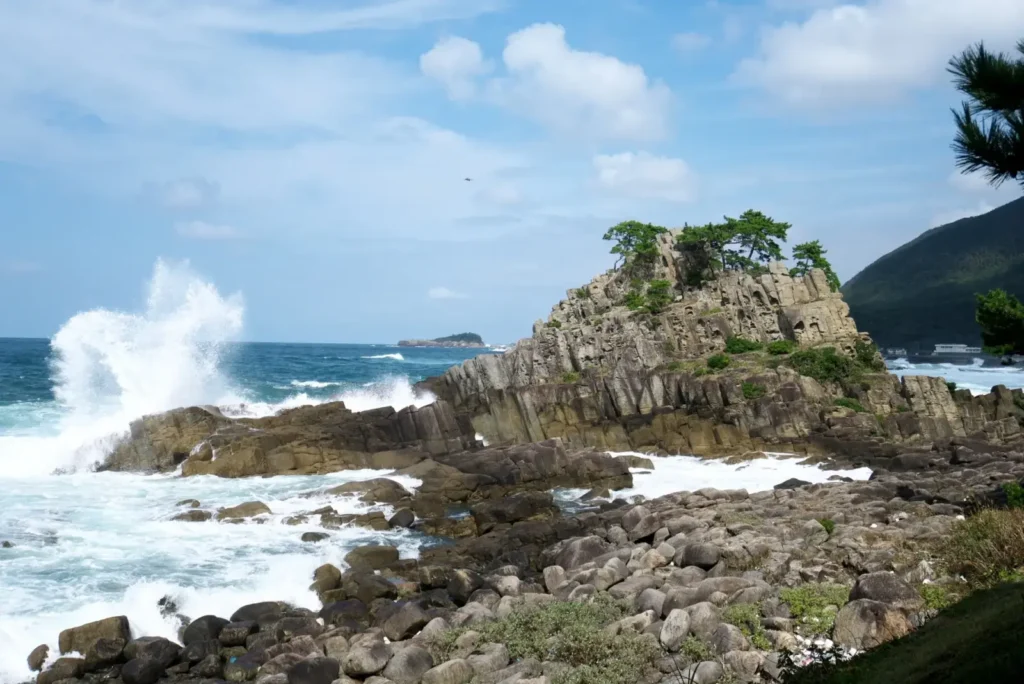
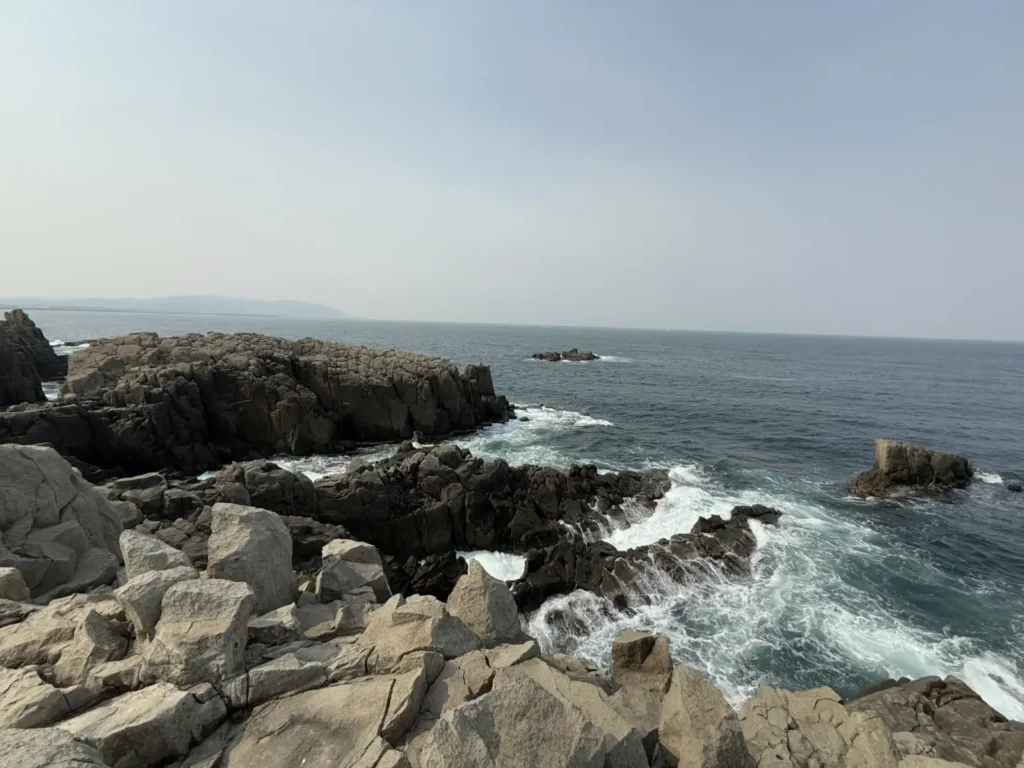
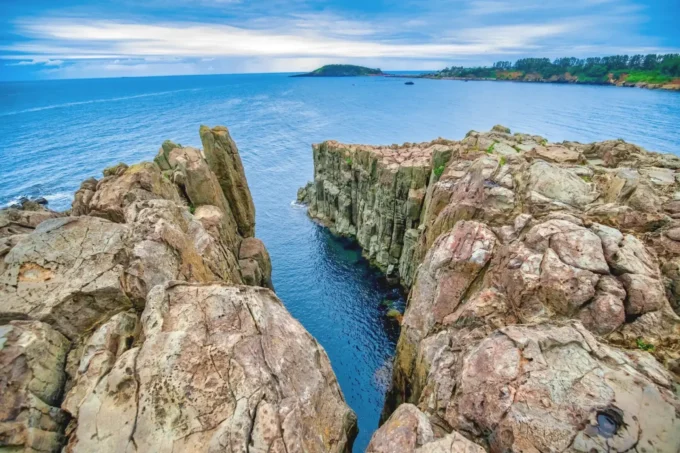
February is the time to get the most dramatic pictures of powerful waves crashing on the Tojinbo Cliffs, an ancient volcanic rock formation along the Fukui Coast. These basalt cliffs form striking columns shaped over millions of years. While the wintery months are much chillier out on the rocks, photographers flock to the region to see the crashing waves. Fukui is a region known for its seafood and Tojinbo is known locally as one of the best places to eat the coveted crab called Echizen Gani which reaches its peak season in February.
Highlights:
- Traverse the rocky coast of Northern Fukui and take in the dramatic rock formations.
- Learn the history of Mikuni Port, once one of the busiest on the coast of the Sea of Japan, steeped in the culture of the Kitamaebune.
- Visit Takidanji Temple and see it's stunning gardens, known as one of the most impressive in Japan.
Travel Tips for Visiting Kanazawa in February
- Winter Conditions - While Kanazawa itself may not be buried under snow, it will be particularly cold and the roads and walkways can become icy and slippery very suddenly. Take care and allow for extra time when moving around while being prepared for changing conditions.
- What to Wear - February days are cold, and the nights even colder. Wear plenty of layers while moving about inside - being able to take layers off if you go inside or get too warm is key! If you have space, consider bringing waterproof snow shoes to keep comfortable while walking outdoors.
- Photography - For those looking for snowy scenes to take pictures of, early mornings can be the best times to go out, as the sunrise often makes the snow seem a soft pink. Sunsets bathe the area in a golden light.
- Transport Planning - Plan your routes in advance, but leave extra time in case sudden snowfall causes delays or cancellations. As this is the quietest season in Kanazawa, most seats do not need to be reserved, but it's better safe than sorry!
More Ways to Visit Kanazawa
Alongside our guided tours, we also offer charters and other options to Kanazawa and the surrounding area. These are perfect for travellers who prefer private transport, customised itineraries, or more flexibility in planning their day. Whether you’re travelling as a family, a couple, or a group, charters provide comfort and convenience while still letting you experience the best of the region.