
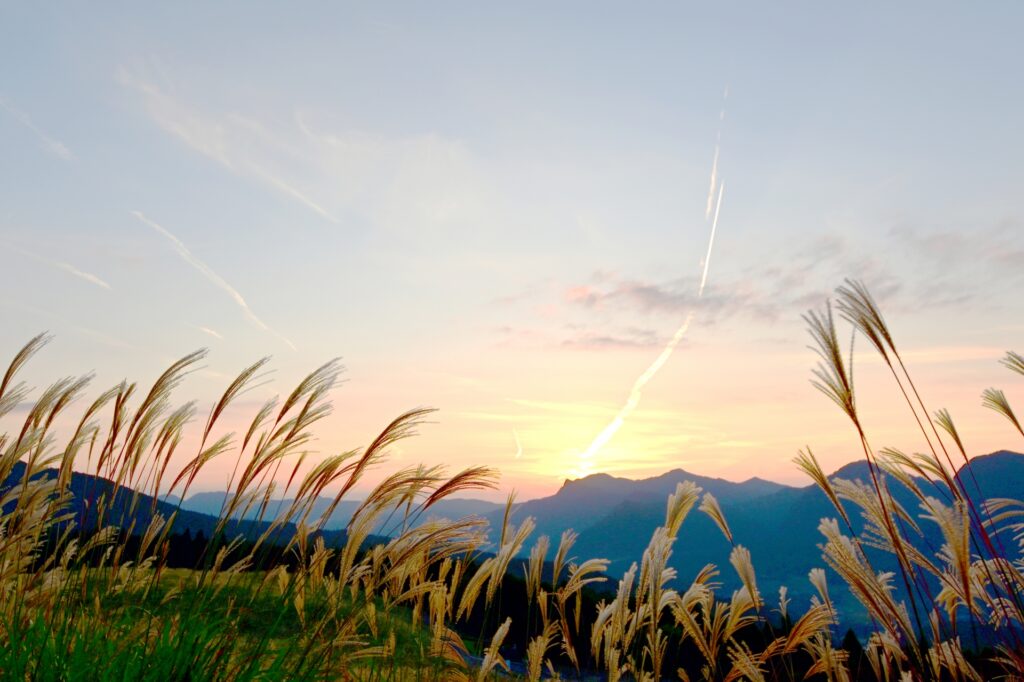
September is when Japan begins to cool down. While the first two weeks are ever still summer, it is in the second half of the month where Autumn comes in and starts to become one of the most comfortable stretches of the year to travel.
The first two weeks still carry summer heat, especially in the lowland cities. Also, September is the peak month of the typhoon season. 2026 sees the occurrence of Silver Week, a run of public holidays that sends domestic travelers out onto the roads and rails, so timing matters more than usual this year.
This guide covers weather, seasonal highlights, major festivals and events, travel tips, and the best places to visit in Japan in September.
Weather in September
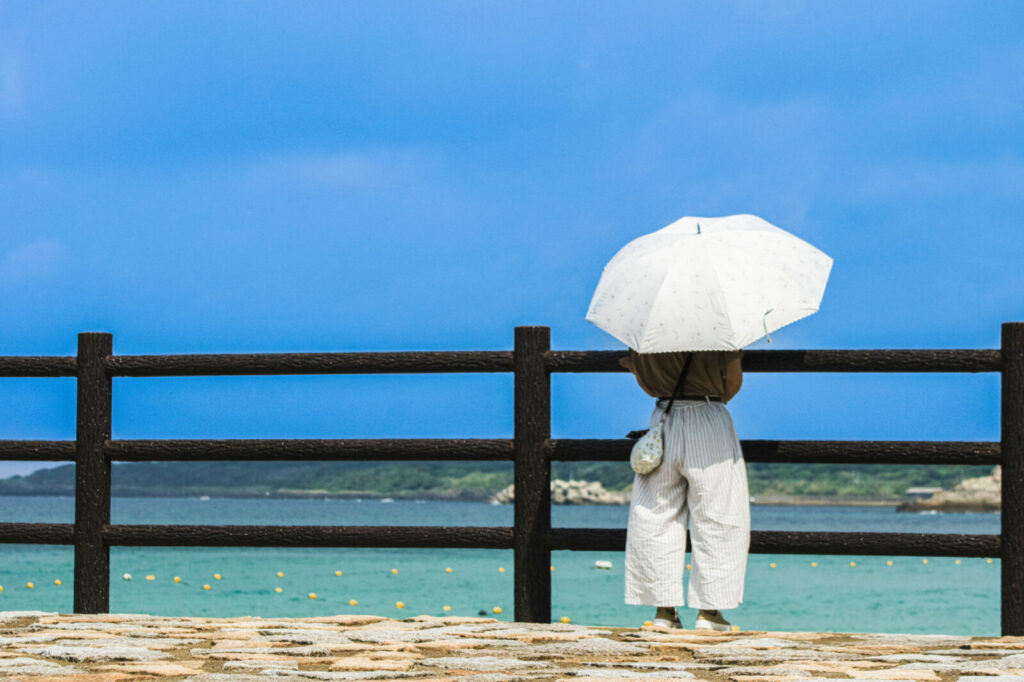
September is when summer starts to dwindle. The first two weeks still continue with high temperatures, particularly remaining hot across the lowland cities, but the last two weeks bring the first real relief from the heat.
Daytime highs in the cities of Honshu, Japan’s main island, often hold around 30 Celsius (86 Fahrenheit) into mid-September. Humidity falls steadily through the month, which makes the same temperature far more bearable than it was in August, and evenings turn pleasantly chilly. By late September, Hokkaido and the mountain areas of Nagano and Gifu are genuinely chilly, with cool mornings that even call for a jacket.
| Region | September Avg High | September Avg Low |
| Tokyo | 30.9 | 23.0 |
| Kyoto | 32.2 | 24.1 |
| Osaka | 32.3 | 25.0 |
| Nagoya | 32.4 | 24.0 |
| Nagano | 29.1 | 19.8 |
| Takayama | 28.9 | 18.5 |
| Kanazawa | 30.7 | 22.5 |
| Hiroshima | 30.7 | 24.2 |
| Sapporo | 25.2 | 16.6 |
Typhoon Season
September is the peak month for typhoons in Japan, so it is worth planning with that in mind rather than being caught out.
- Build a spare day into your itinerary, especially around flights and long-distance travel
- Check the forecast a few days ahead, since typhoon tracks are usually known well in advance
- Rail operators announce planned suspensions ahead of time, often a full day before, so you will normally get warning rather than a surprise
- Take out travel insurance that covers weather disruption
- Avoid scheduling anything tight on your final day in the country
What to Pack
- Light summer clothing for the first half of the month, plus one warm layer for mountain mornings and late-month evenings
- A dual-purpose compact umbrella that works both as parasol for strong early-September sun and a trusty umbrella for sudden downpours
- Sunscreen and a hat, since the sun is still strong well into the month
- A water bottle, because heatstroke is a concern in the first two weeks
Seasonal Highlights in September
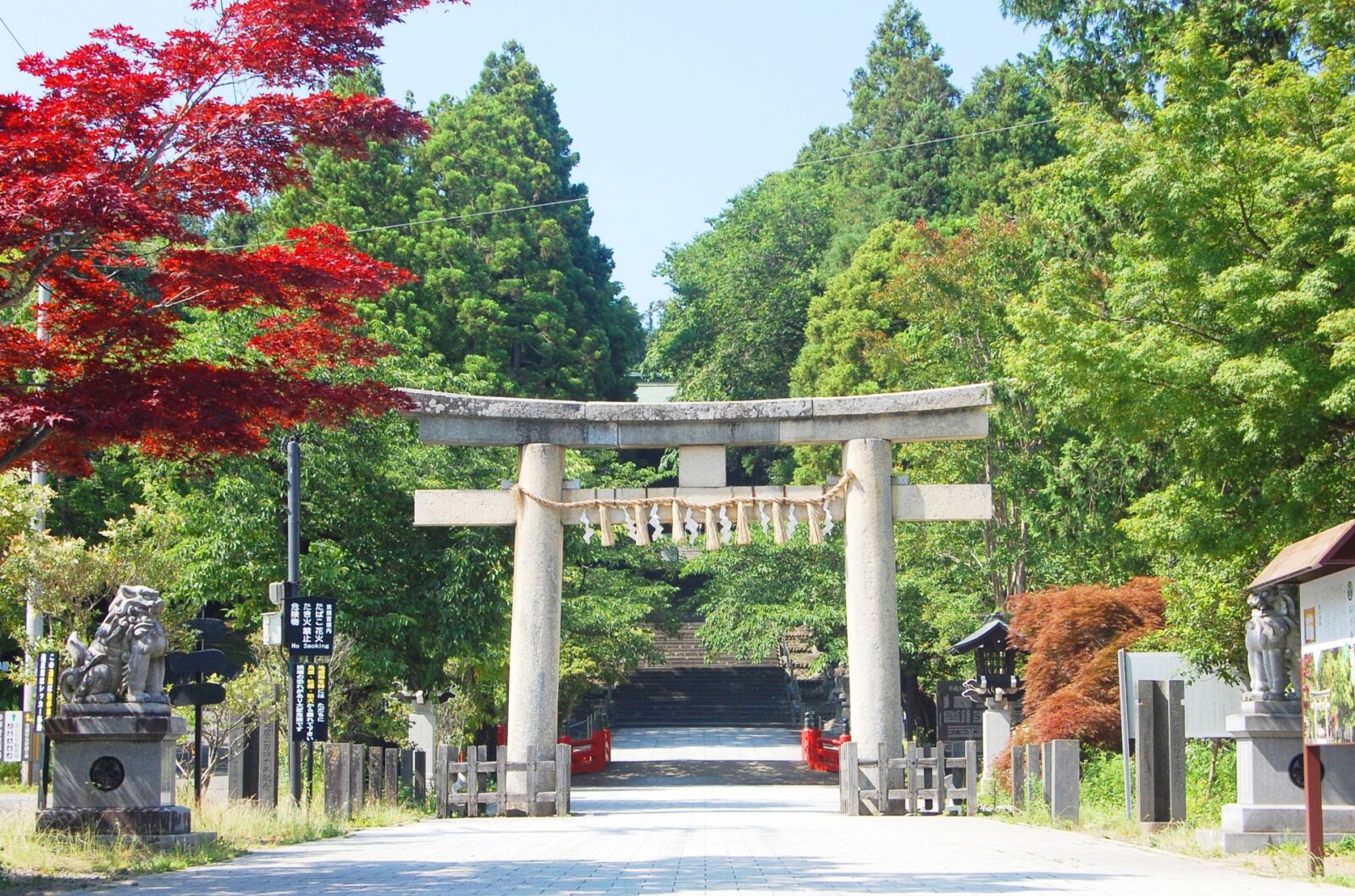
September is when Japan turns its attention to autumn. This year brings a rare run of back-to-back public holidays, the most celebrated moon-viewing night of the year, and the start of the harvest season.
Silver Week and the Autumn Holidays
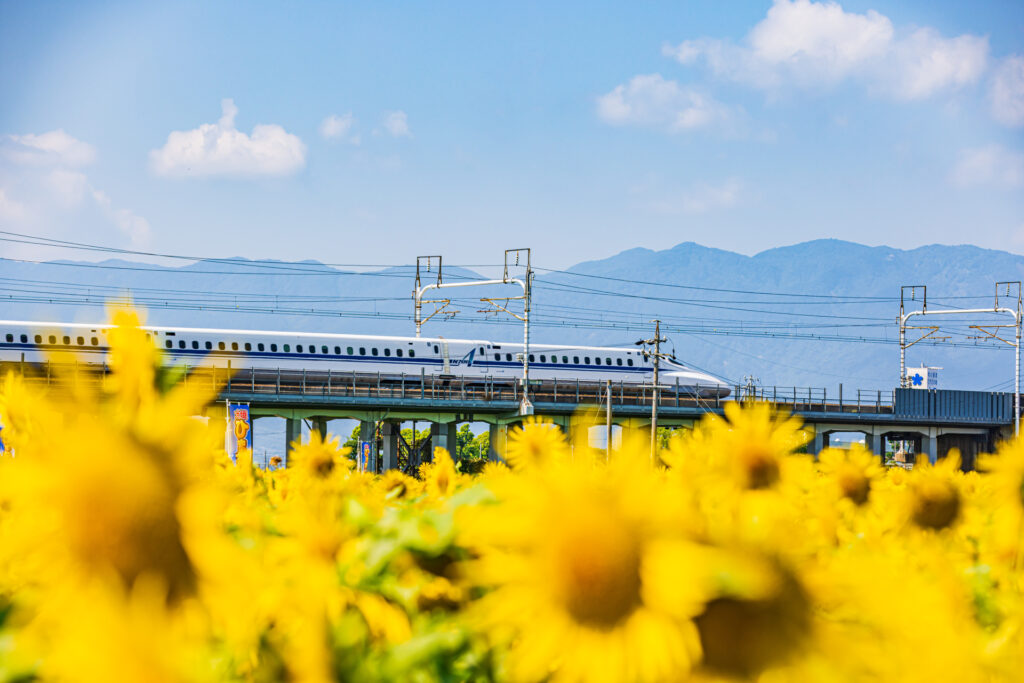
2026 is a rare year for Japan’s autumn holidays. Respect for the Aged Day (Keiro no Hi) falls on September 21 (Monday), and the Autumnal Equinox (Shubun no Hi) falls on September 23 (Wednesday.)
Under Japanese law, a working day caught between two public holidays becomes a holiday itself. That makes September 22 (Tuesday) a day off as well, and the weekend before it joins on to create a five-day break from September 19 (Saturday) through September 23 (Wednesday.) Japanese travelers call this Silver Week, and it only lands in years when the calendar matches. Expect popular destinations to be busy, seats on the shinkansen (bullet train) to sell out early, and hotel prices to rise. Book well ahead if you are traveling in that window, or plan your trip for either side of it and enjoy a noticeably quieter month.
Tsukimi, the Harvest Moon
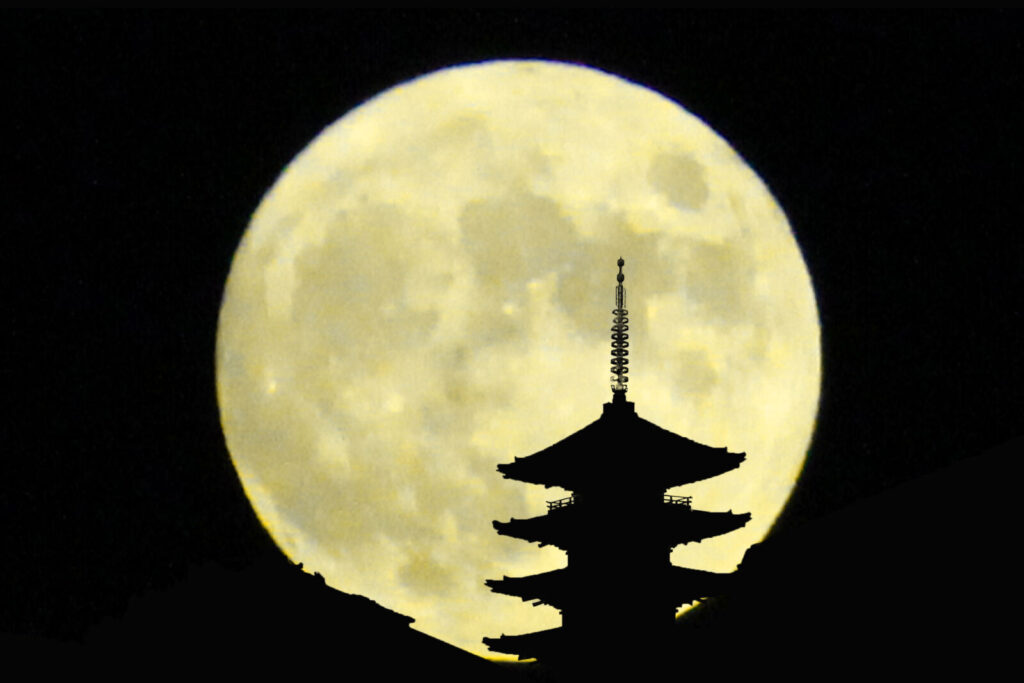
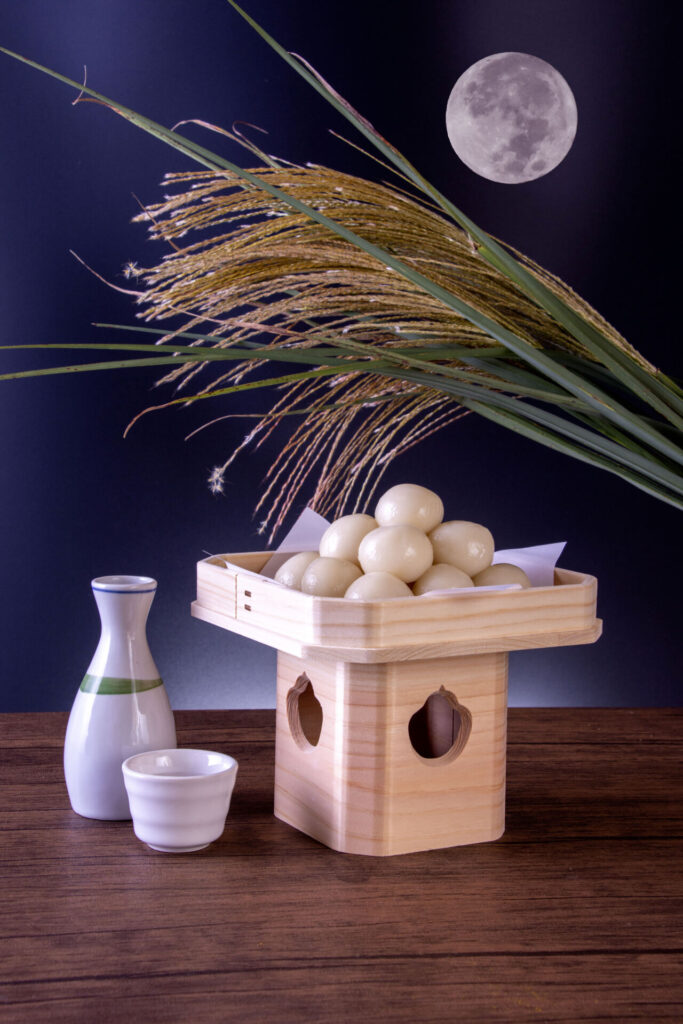
Tsukimi (moon viewing) is Japan’s autumn moon festival, and the main night is called Jugoya, meaning the fifteenth night. For this year in 2026, it falls on September 25 (Friday.)
The date moves every year because it follows the old lunar calendar rather than the modern one. In 2025 it landed on October 6, outside September entirely, so 2026 is a year where the timing works in favor of September travelers.
Temples, shrines, and gardens put out displays of susuki (pampas grass) alongside tsukimi dango (round rice dumplings) stacked in a small pyramid. Some gardens hold evening openings with lantern light and live music. Convenience stores and restaurant chains lean into it too, with moon-themed items appearing on menus through late September.
Rabbits turn up everywhere in the decorations. Where many Western cultures see a face in the moon, Japan sees a rabbit pounding mochi (rice cake), an image drawn from an old Buddhist tale.
Rice Harvest, Seasonal Food, and the First Fall Color
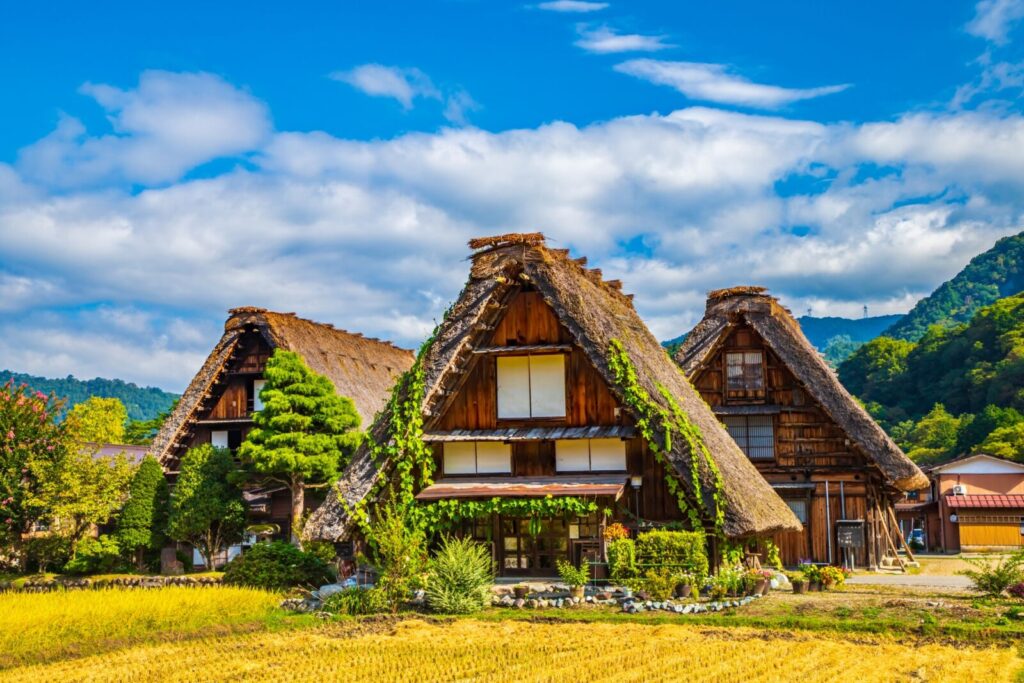
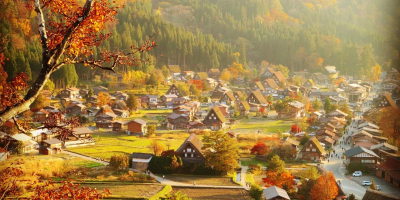
The rice harvest runs through central Japan from mid-September, and it changes the whole look of the countryside. Fields turn deep gold before they are cut, and in rural areas you will still see the cut rice hung to dry on wooden racks along the edges of the paddies.
Fall food arrives with it. Shinmai (new season rice) reaches shops from late September and is worth ordering when you see it on a menu. Grapes and pears hit their peak, chestnuts come into season, matsutake mushrooms appear on Fall menus, and sanma (Pacific saury) is grilled whole and served with grated daikon radish. Orchards across Nagano open for fruit picking through the month.
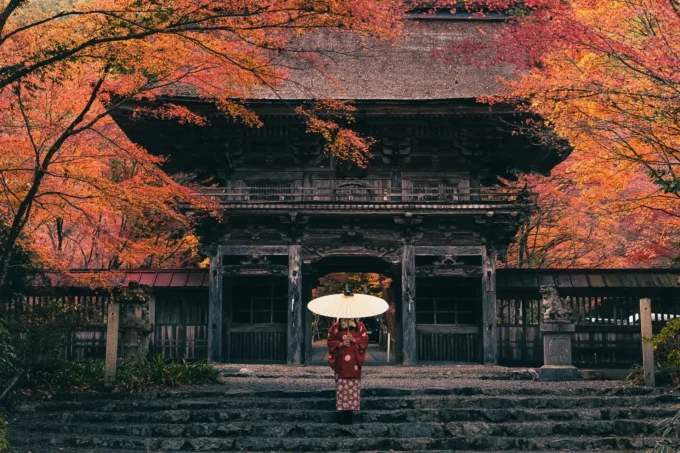
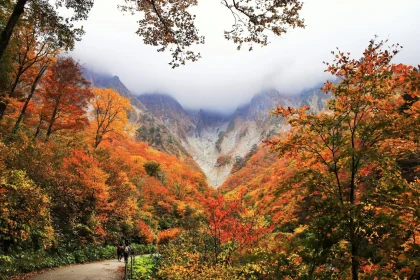
While the Autumnal Equinox on September 23 officially ends the summer season and commences Fall season, autumn leaves are not necessarily seen across most of Japan. The first color appears only at high elevation, above roughly 2,000 meters, and only in the final week or so of the month. The Tateyama-Kurobe Alpine Route and the highest peaks of the Japanese Alps begin to turn while the valleys below are still green.
Featured Tours in September
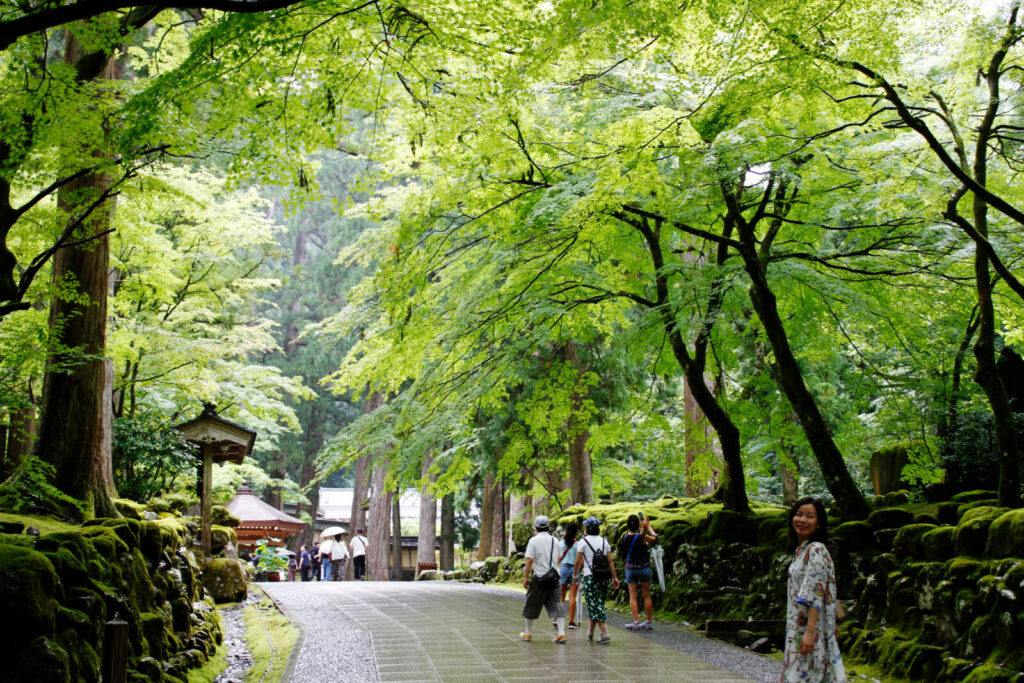
Our featured tours for September are all about being on your feet. The humidity breaks and walking all day is finally pleasant. You still get the long days and the summer landscapes, just without the sweat!
Walk the Mountains Above Kyoto
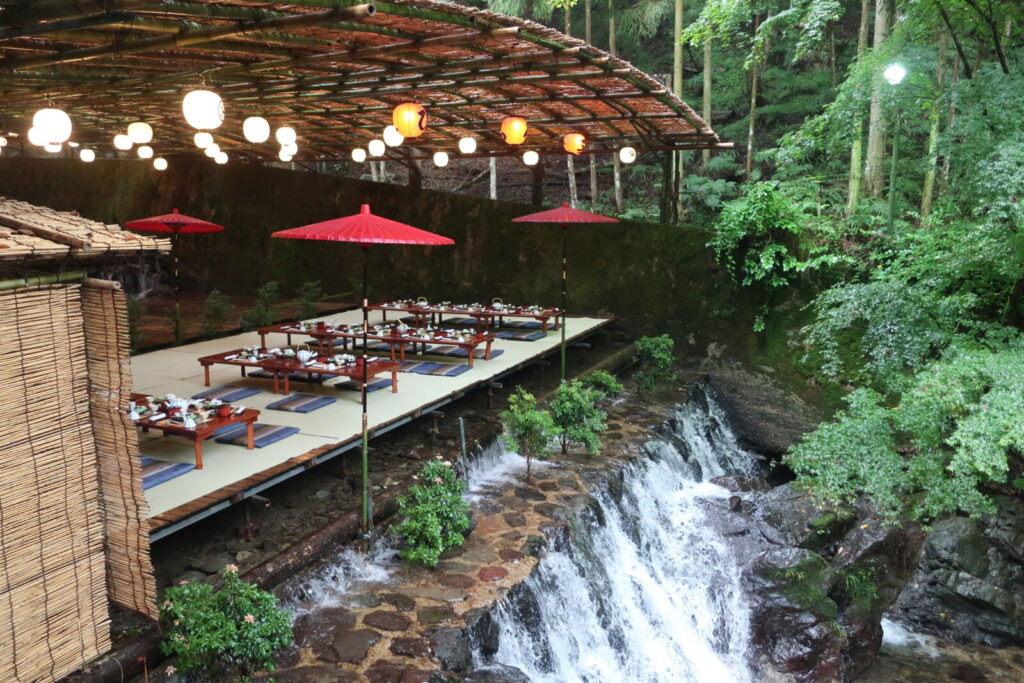
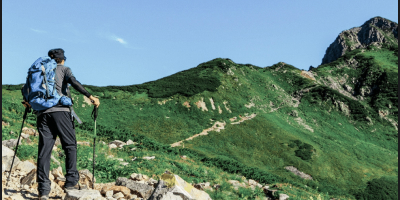
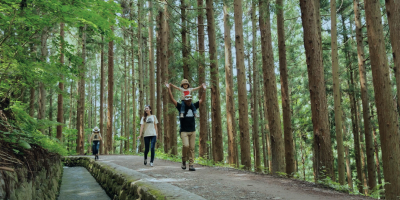
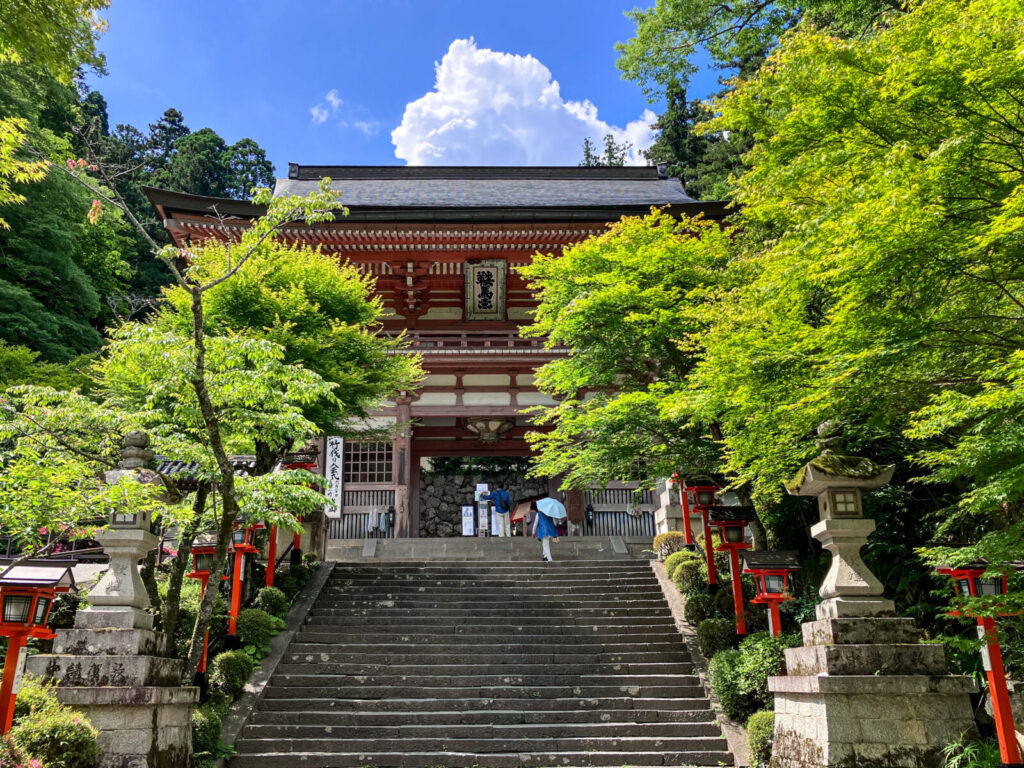
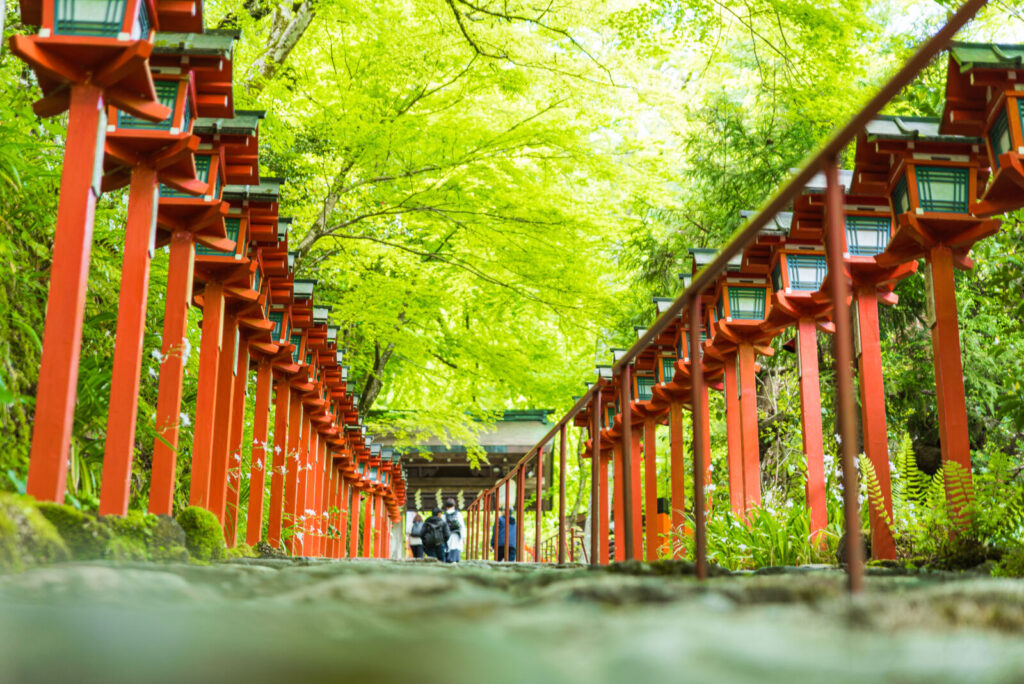
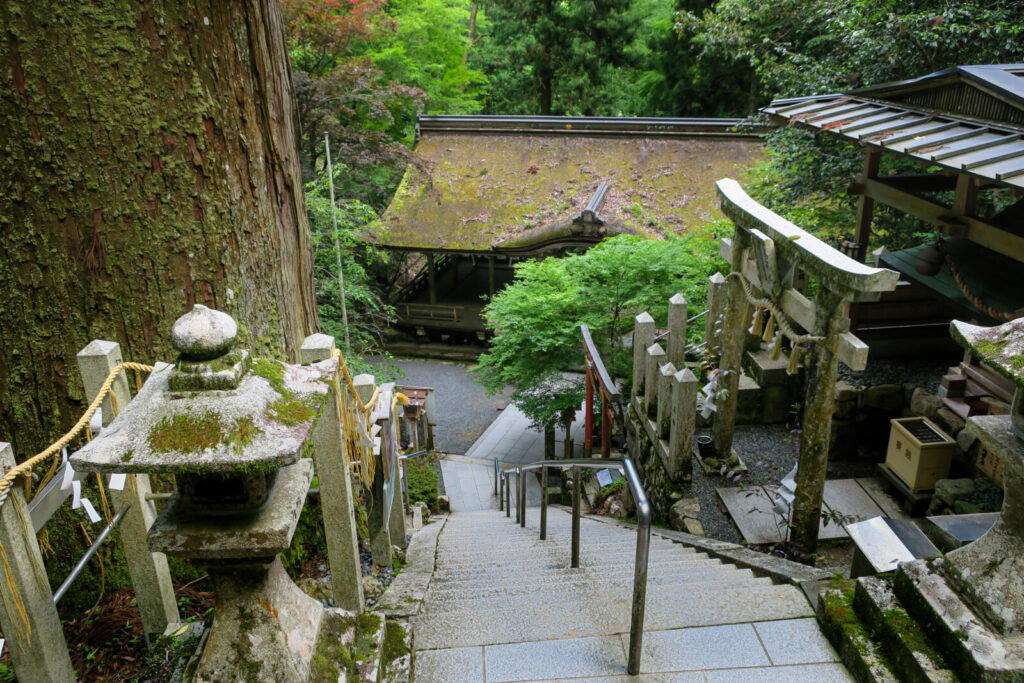
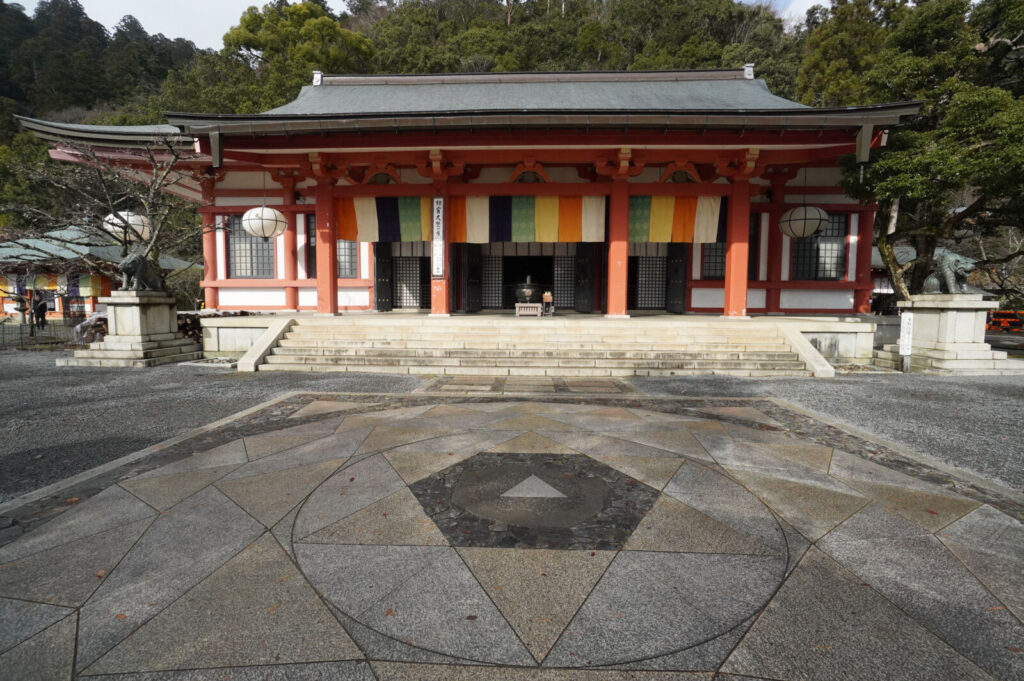
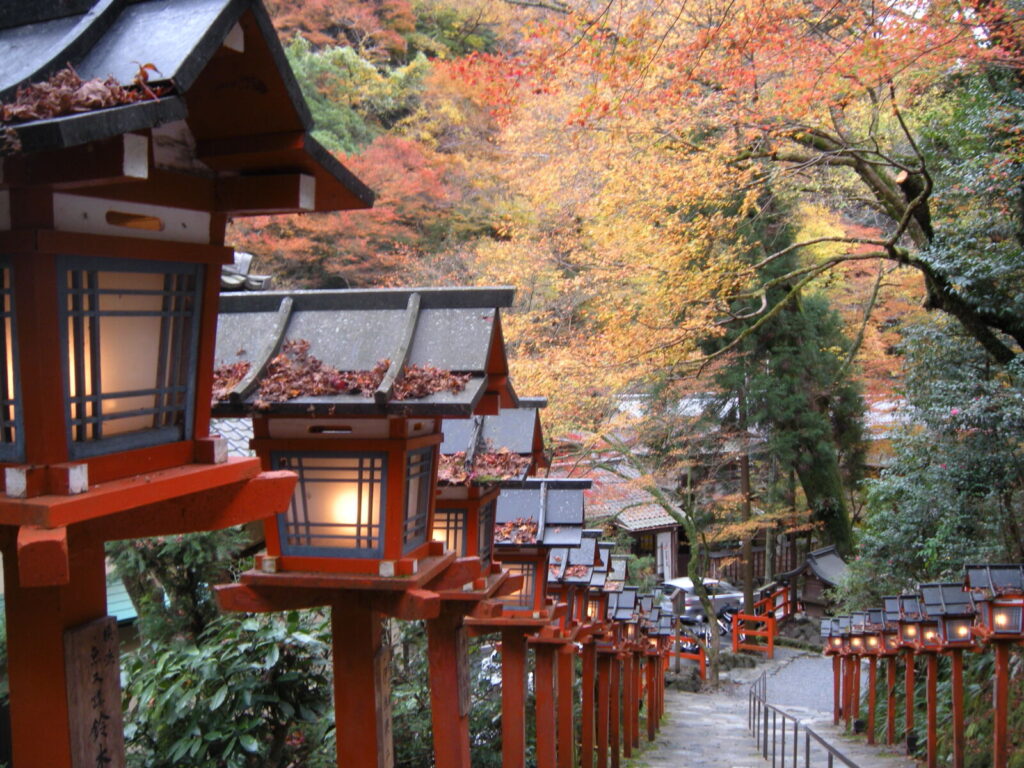
Kyoto gets punishing in summer, which is why this trail is perfect as things cool down. The Kurama-Kibune trail runs through forest north of the city, linking a mountain temple to a river shrine on the far side of the ridge. Kibune is also wrapping up its kawadoko season, where restaurants build dining platforms out over the river until the end of the month.
Sacred Peaks and Ancient Paths: The Kurama-Kibune Hiking Experience / All Year Round
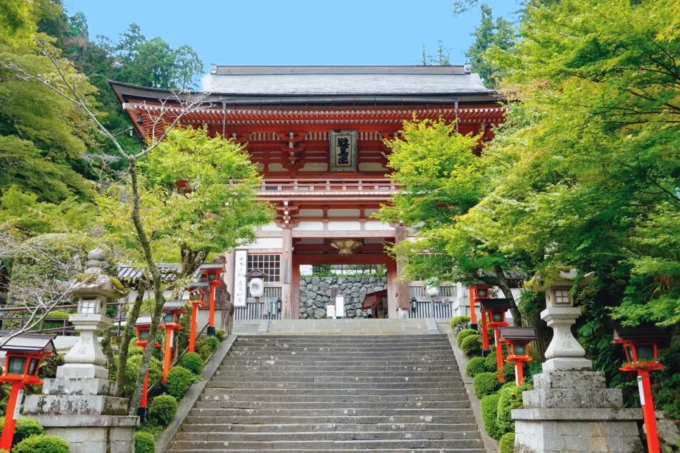
Escape the city and explore the mystical mountains of northern Kyoto on a guided hike through Kurama and Kibune. This scenic trail winds through towering cedar forests, connecting the sacred Kurama-dera Temple—known for its ties to Reiki healing—with the atmospheric Kifune-jinja Shrine, famous for its lantern-lined steps and water blessings. Along the way, you'll follow in the footsteps of monks and samurai, discovering ancient legends, hidden shrines, and breathtaking views. The hike is both invigorating and rewarding, offering a perfect blend of nature, history, and spirituality.
Go Fruit Picking in Nagano's Samurai Country
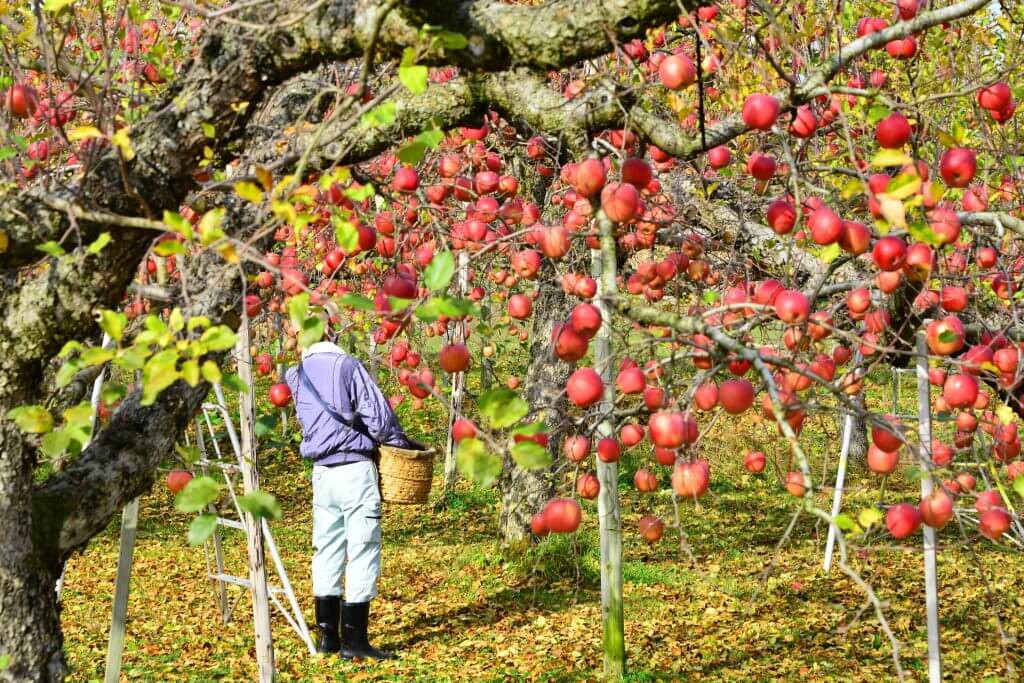
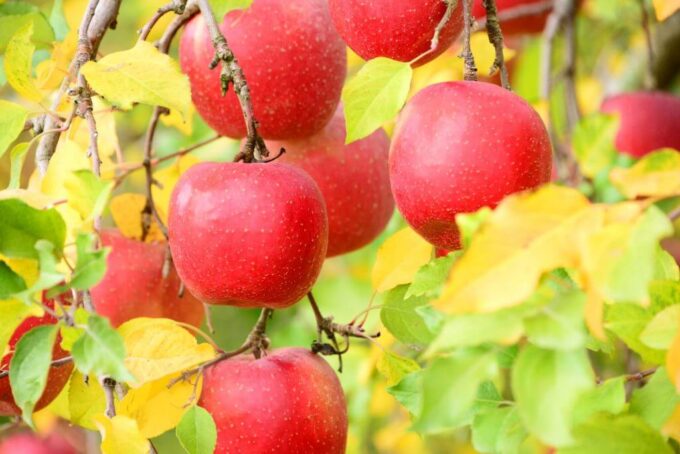
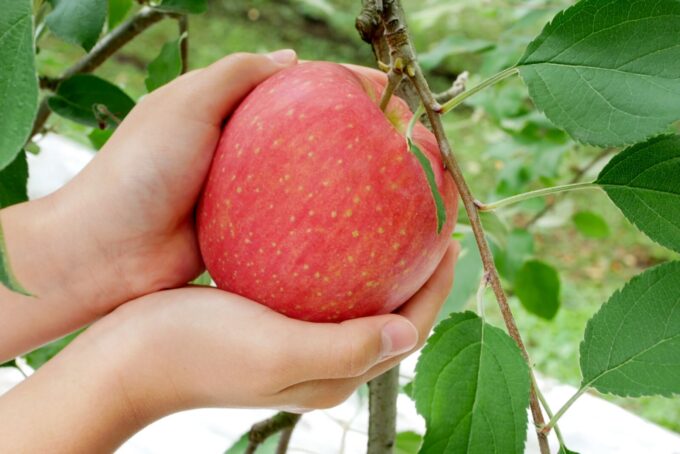
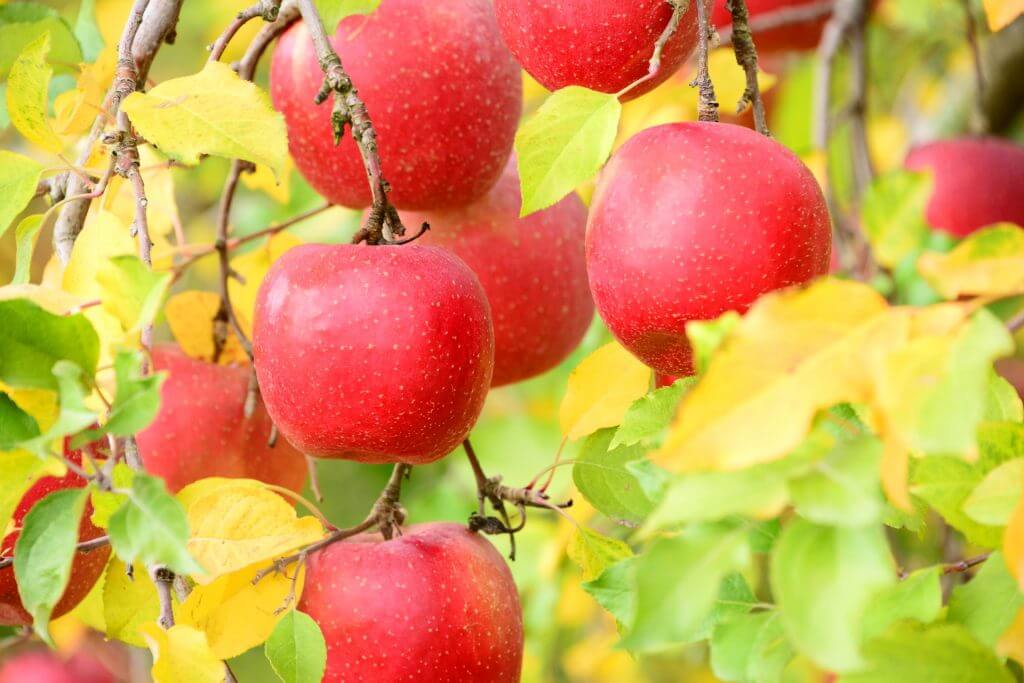
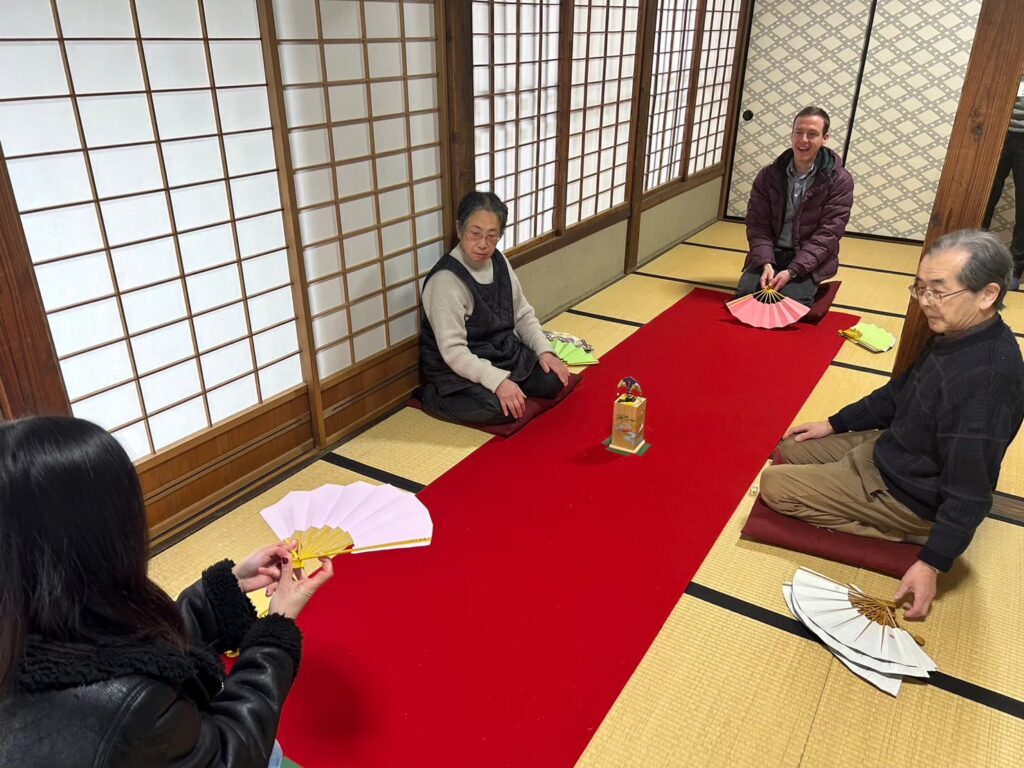
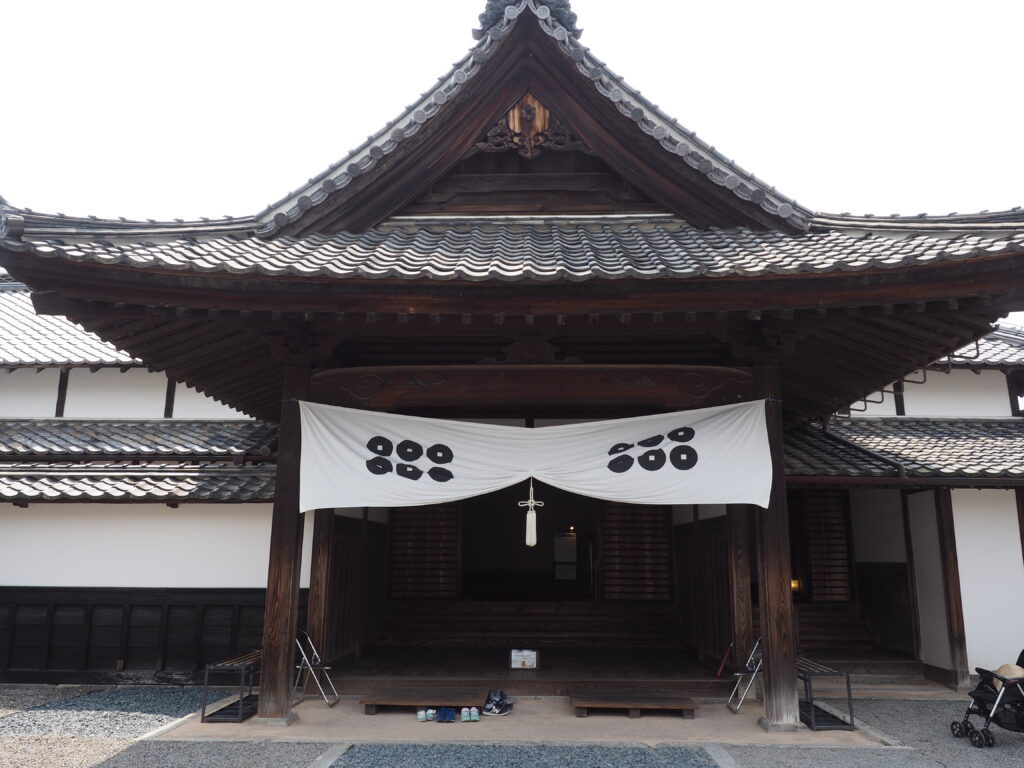
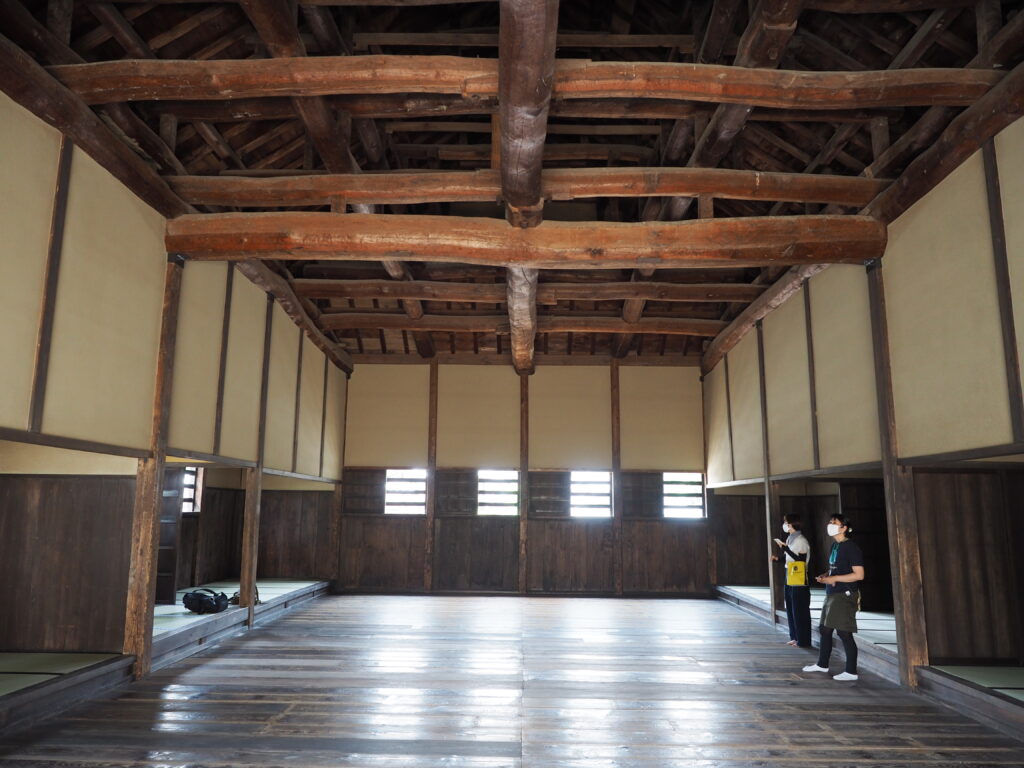
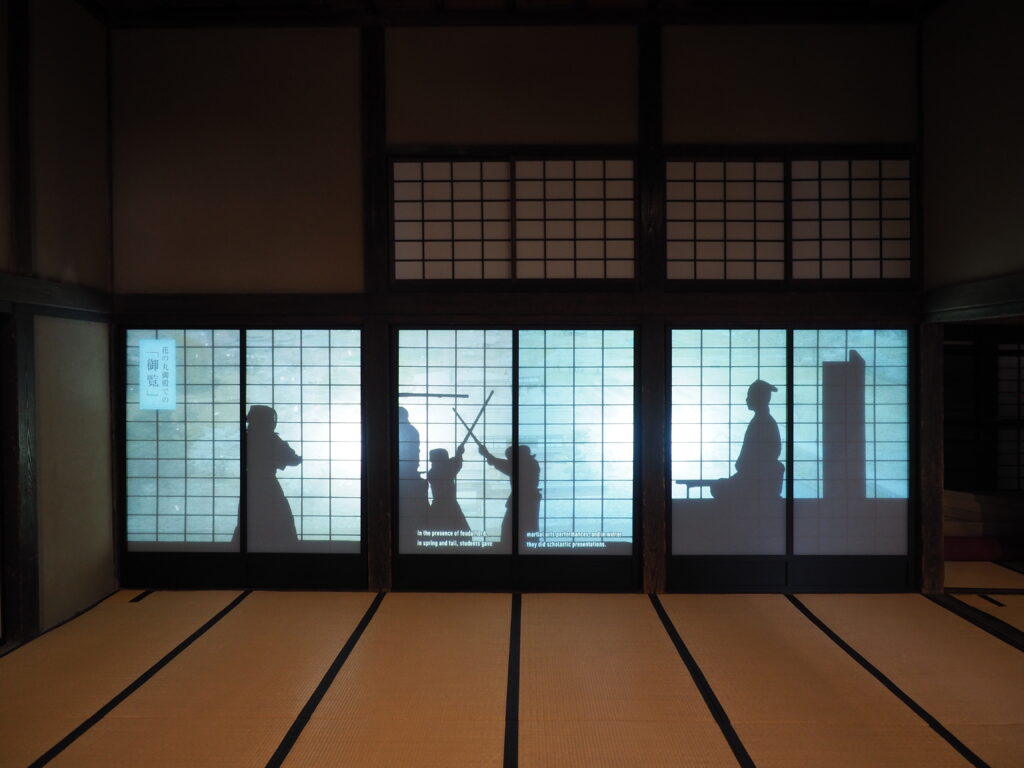
The orchards on this tour rotate through the seasons, and September is when apples take over, holding all the way through to November. You pick and eat as much as you like straight from the tree, in a prefecture that grows some of the best apples in the country. The rest of the day heads into Matsushiro, the old Sanada clan stronghold, for a fan throwing game called tosenkyo and katana (sword) practice at the school where samurai sons once studied.
1 Day Tour from Nagano: Fruits-Picking & Family Fun Activities in a Samurai Town / all year round
New Tour
1 Day Tour from Nagano: Fruits-Picking & Family Fun Activities in a Samurai Town
- Spots:
- Nagano
- Pick-up:
- Nagano City
- Drop-off:
- Nagano City
This private 1-day tour from Nagano offers a delightful blend of seasonal fruit-picking and traditional samurai town experiences, perfect for families and groups seeking an engaging, hands-on day. Pick fresh, juicy fruits like strawberries, cherries, grapes, or apples depending on the season at a local orchard, then enjoy a delicious lunch in historic Matsushiro town. Dive into traditional fun with a lively fan-throwing game (Tōsenkyō) and experience samurai culture firsthand through katana (sword) practice and dressing in imitation samurai armor at the Bunbu Gakko Military Arts School. With private transport and a knowledgeable English-speaking guide, this tour provides a well-paced and immersive way to explore Nagano’s rural charm and rich history.
Temple Walks and Autumn Sake in Hiroshima
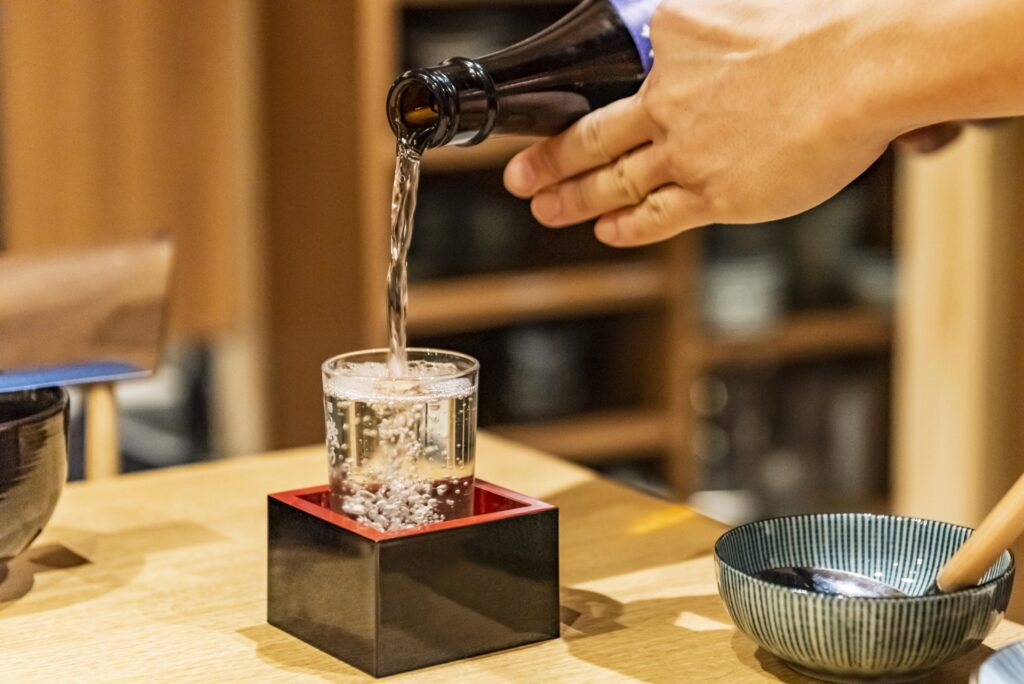
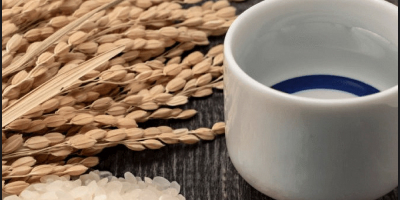
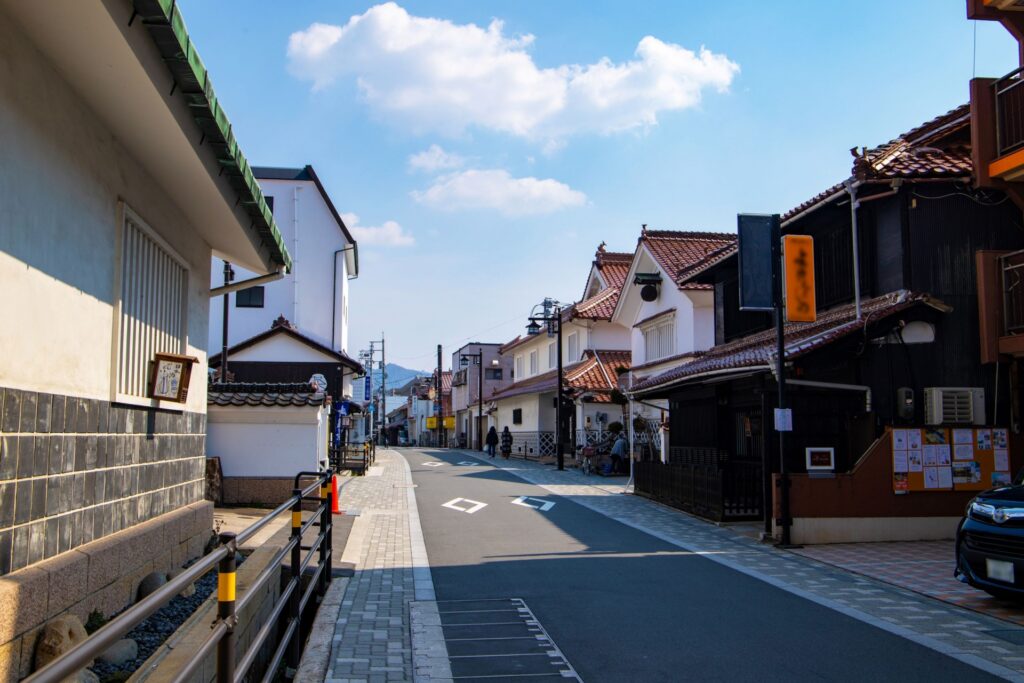
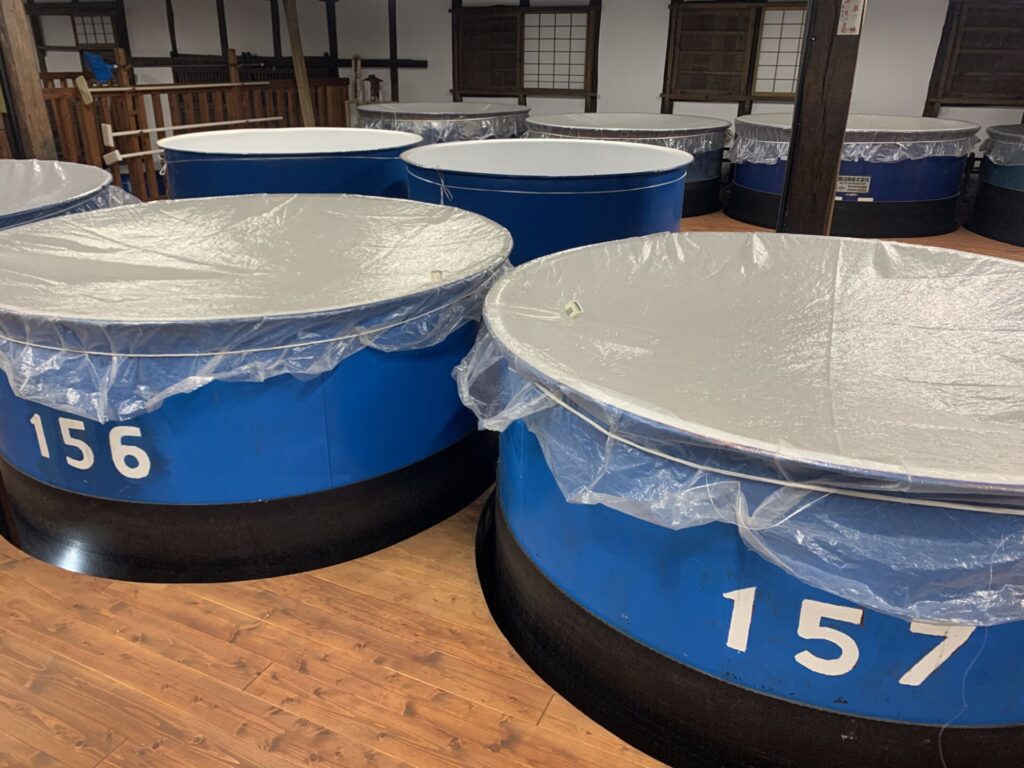
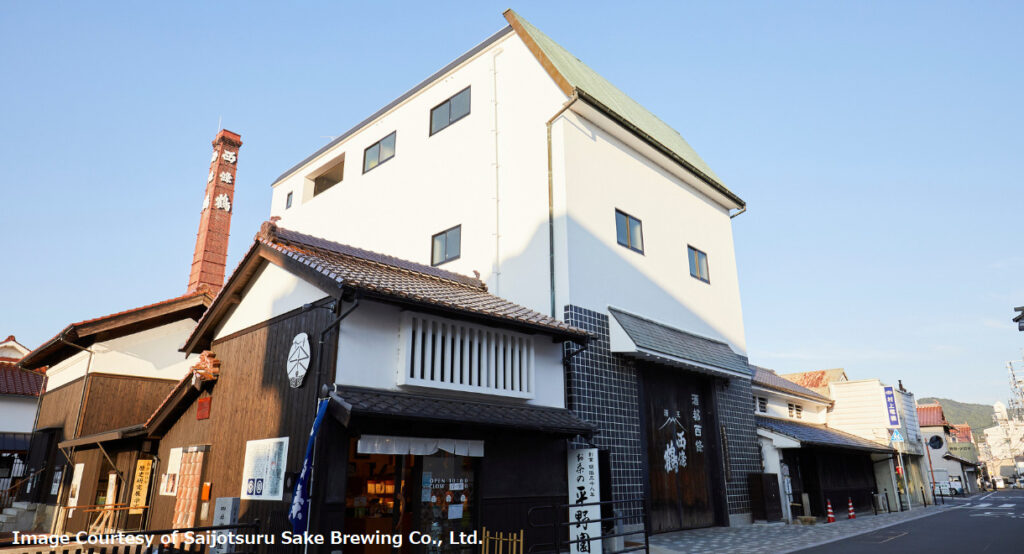
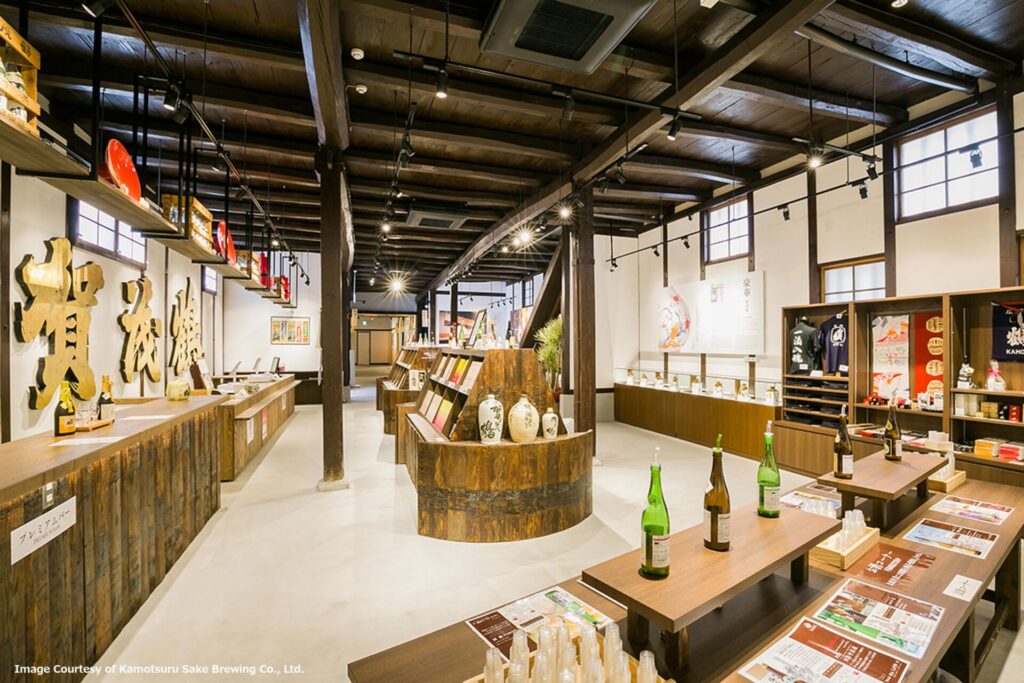
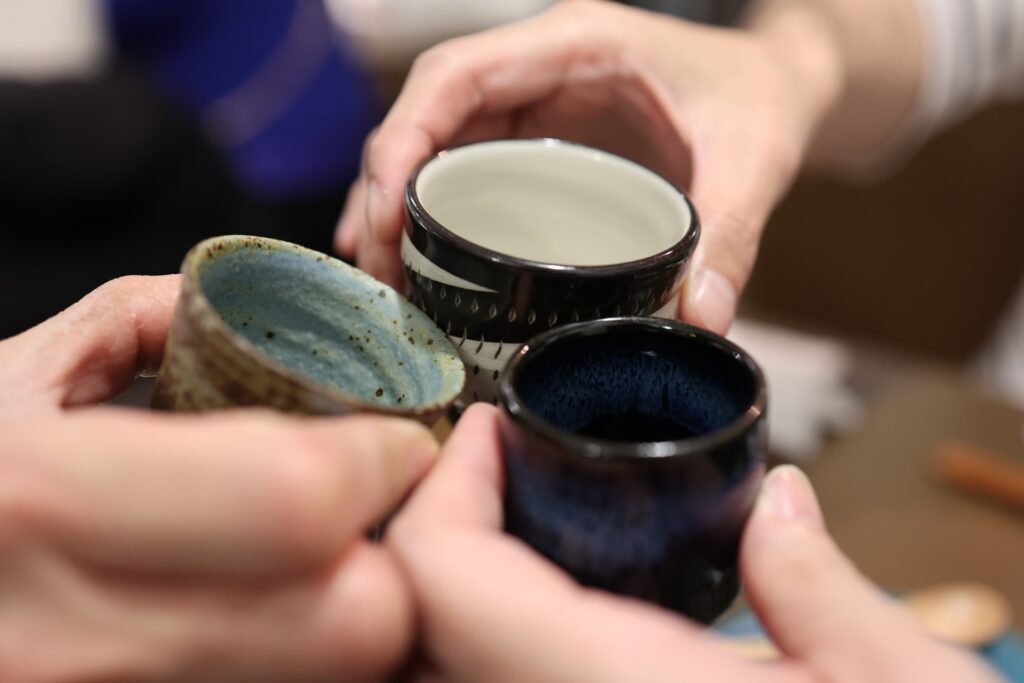
The day starts in Saijo, Hiroshima's sake capital, with tastings at two breweries on a street lined with white walled brewhouses and red chimneys. The afternoon moves on to Onomichi, a hillside port town where the temples climb the slope and a ropeway carries you up for the view back over the water.
Half-Day Saijo Tour: Sake Tasting & Inside Brewery Tour in Hiroshima's "Sake Capital" / All Year Round
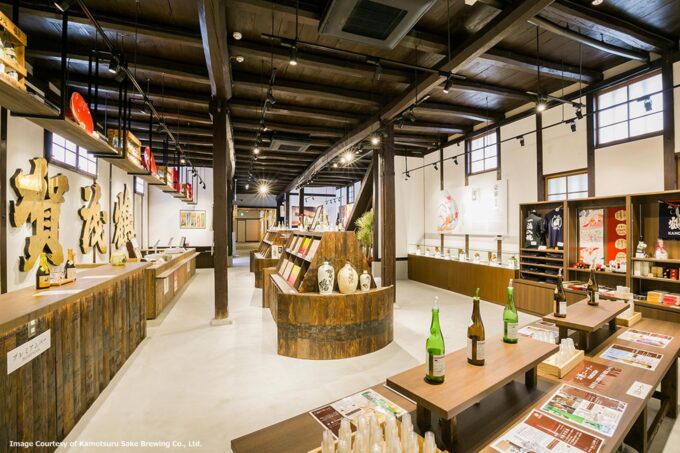
Within Hiroshima Prefecture lies the unique town of Saijo, a place known as one of the main "Sake Capitals" of Japan. The area has been blessed with the perfect climate and natural resources necessary for sake brewing, allowing Saijo's many sake breweries to develop and flourish throughout the past 200 years. Today, tourists enjoy going to Saijo to explore the explore the town, stop by the different breweries, and sample the local sake brands.
Wish to visit several of Saijo's historic breweries, learn about the town's history, understand the sake brewing process, and take part in various sake tasting experiences? Then this half-day tour is the one for you! Additionally, guests will have the exclusive opportunity to receive an in-depth tour inside one of the breweries and get an up-close look at the equipment used for making sake. A trip to Japan is not complete without learning about sake and tasting it, so make sure you don't miss out on these experiences by joining the Saijo tour!
Major Festivals & Events Across Japan in September
Tokyo
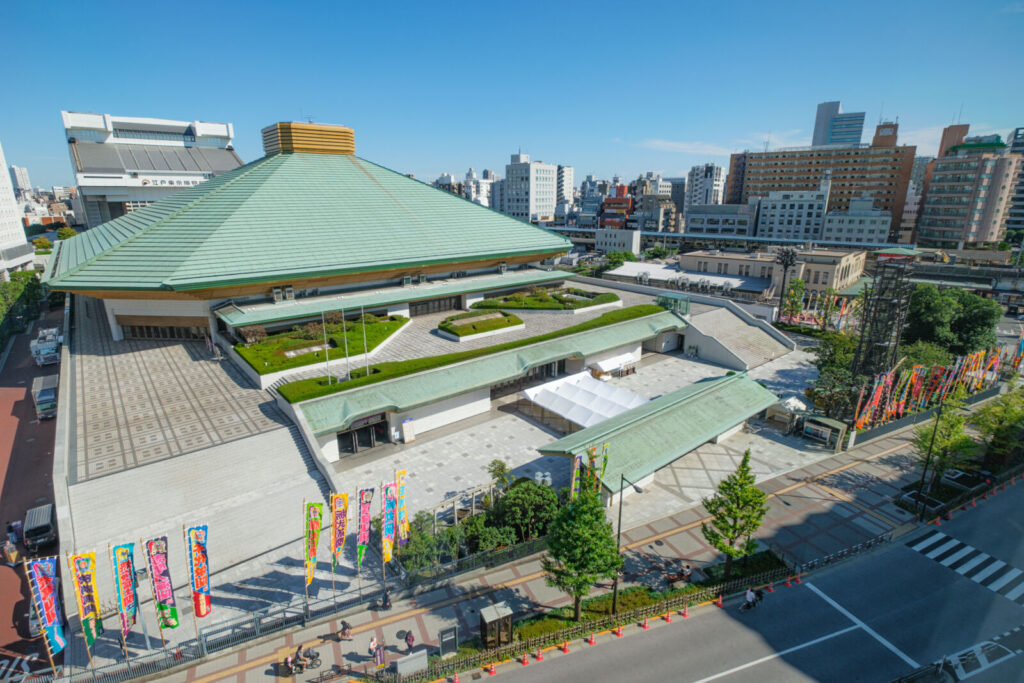
- The September Grand Sumo Tournament (mid to late September): One of the six annual tournaments for sumo wrestling, held over fifteen days at Ryogoku Kokugikan (Ryōgoku Sumo Hall)

Kyoto
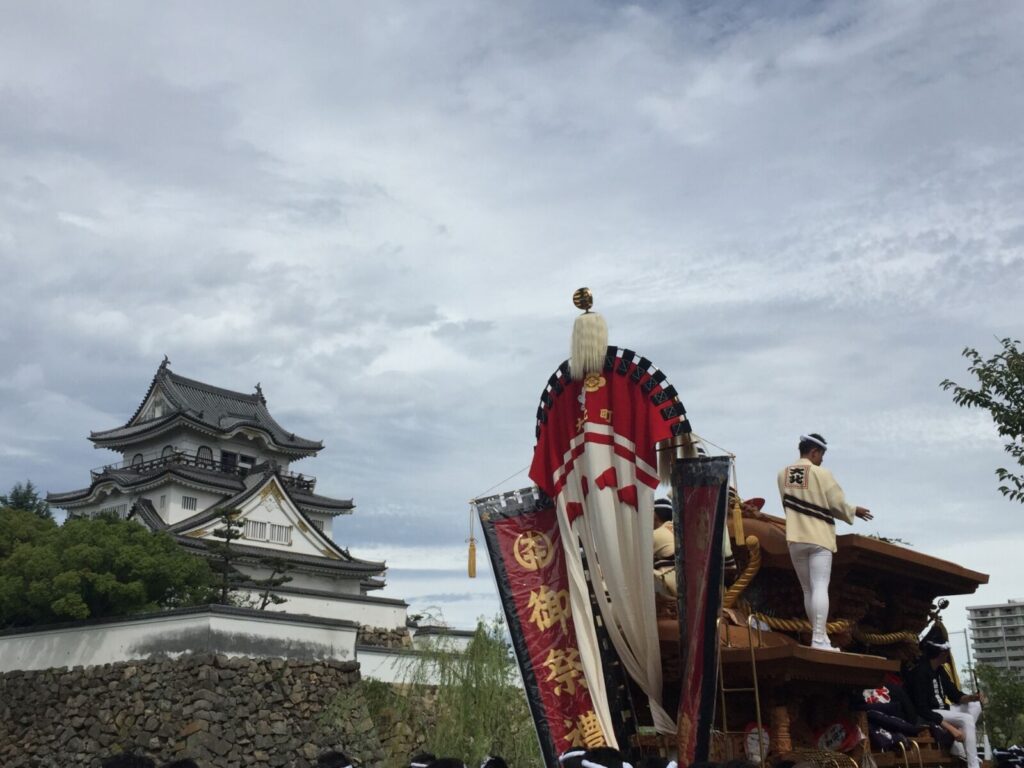
- Karasu Zumo, the Crow Sumo (September 9): A ritual at Kamigamo Shrine combining Shinto ceremony with children's sumo bouts
- Meigetsu Kangen-sai (September 25, the harvest moon): Court music performed at Shimogamo Shrine as the moon rises over the shrine forest
- Kangetsu no Yube (September 25 - 27): Moon viewing at Daikakuji, where visitors ride boats carved with dragon heads across Osawa Pond, taking in the moon and its reflection at once
Osaka
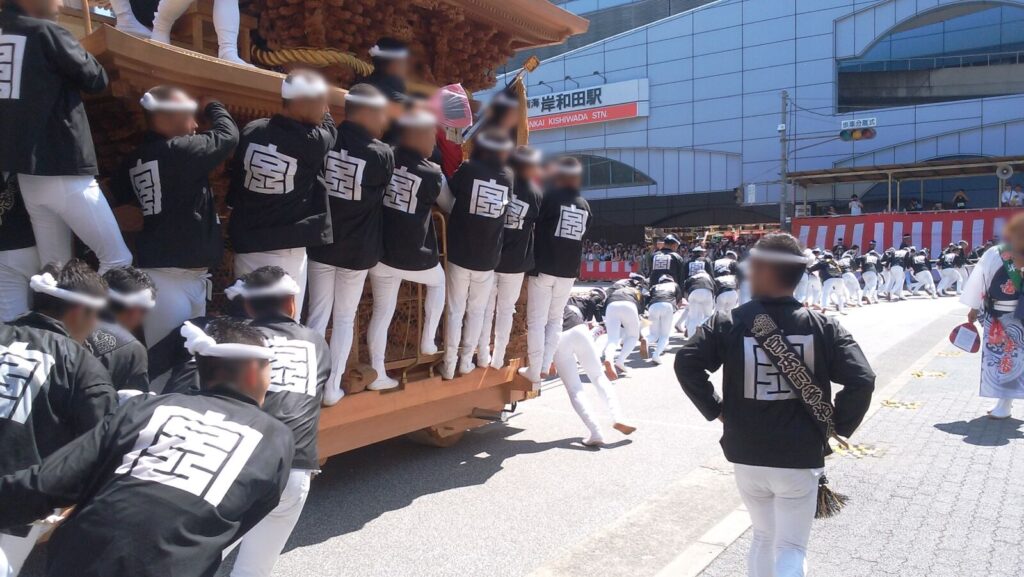
- Kishiwada Danjiri Matsuri (September 19 - 20): Thirty-five teams sprint four-ton wooden floats around street corners at full speed, with a carpenter dancing on the roof of each one
Nagoya
- Asian Games (September 19 - October 4): Nagoya and the wider Aichi region host the 20th Asian Games, with around 46 nations competing across 43 sports
Nagano
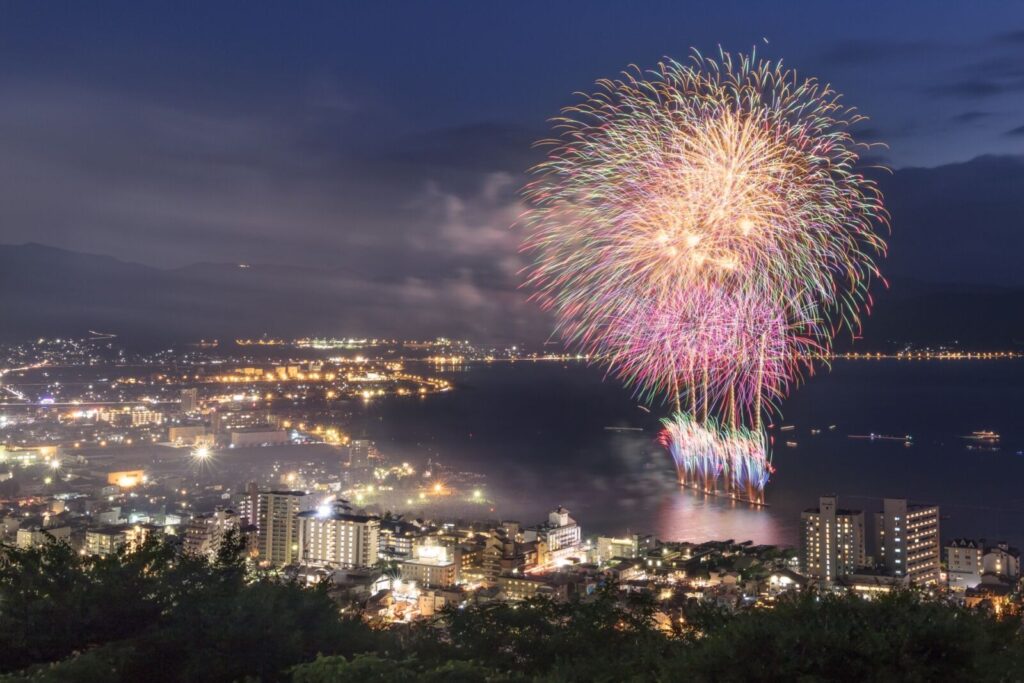
- National New Fireworks Competition, Lake Suwa (Saturdays through September): Pyrotechnicians from across the country compete and debut experimental shells over the lake across four evenings, with the finals happening in October
- Nozawa Onsen Lantern Festival (September 8 - 9): Hundreds of lanterns light the narrow streets of the hot spring town
Kanazawa
- Owara Kaze no Bon, Toyama (September 1 - 3): Occurring in Toyama next to Kanazawa, dancers move through the lantern-lit streets of Yatsuo to shamisen and kokyu, held to calm the autumn winds before harvest
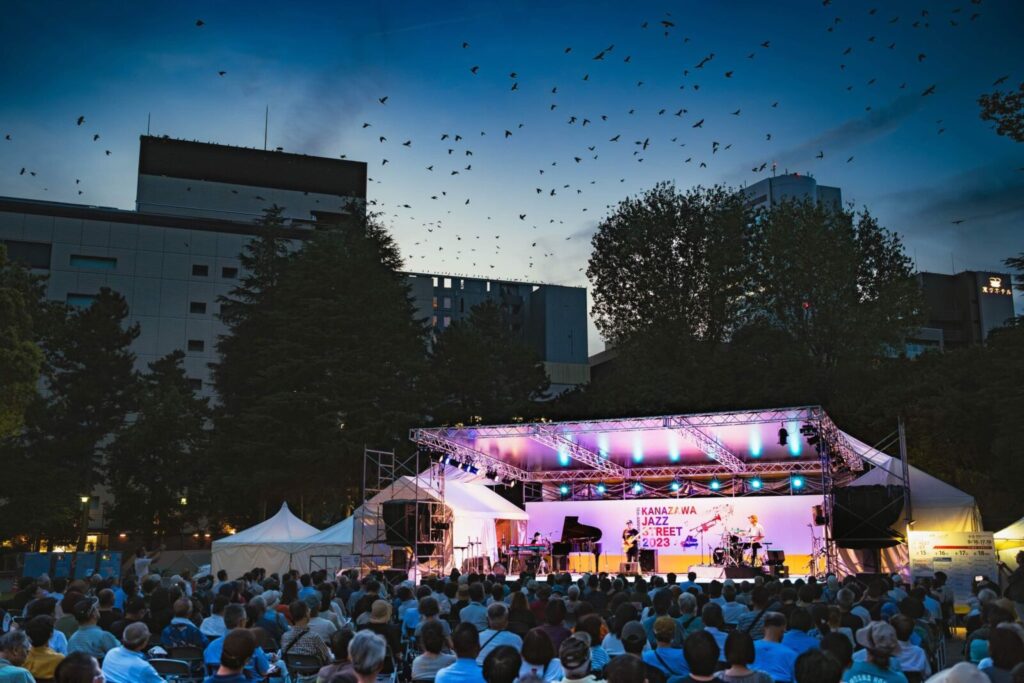
- Kanazawa Jazz Street (September 19 - 21): An annual music festival across central Kanazawa
Hiroshima
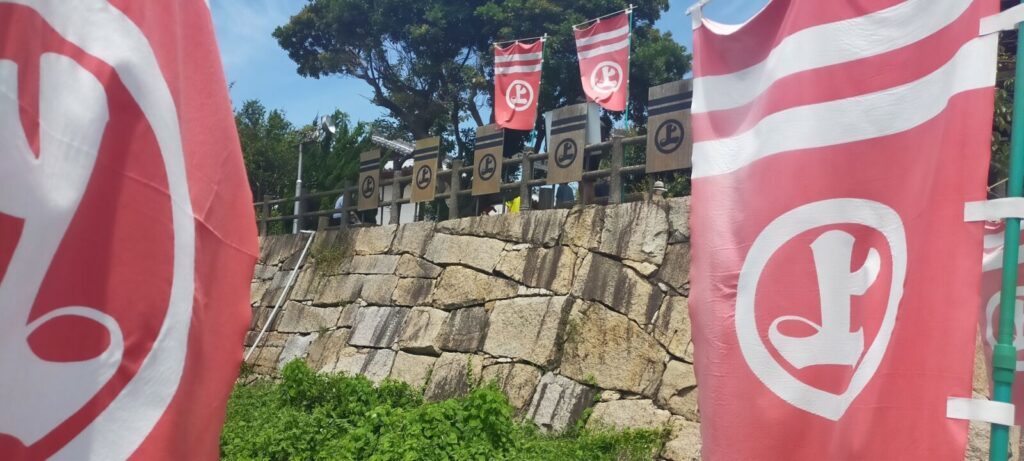
- Innoshima Suigun Fire Festival (September 20): The autumn half of Innoshima's pirate festival, held on an island once controlled by the Murakami "navy." Costumed warriors march into camp, perform the chorakumai dance, and parade with giant torches after dark, running from late afternoon into the evening
Sapporo
- Sapporo Autumn Fest (September 12 - October 4): Over 300 stalls fill a one-kilometer stretch of Odori Park with Hokkaido produce, seafood, sake and wine, drawing around two million visitors
Travel Tips & Local News
- Stay hydrated through the first half: Early September still carries summer heat. Carry water and treat the first two weeks the way you would treat August.
- Eat what is in season: Shinmai (new season rice) reaches shops late in the month, sanma (Pacific saury) is grilled whole and served with grated radish, and chestnuts, grapes, pears and early apples are all at their best. Breweries release hiyaoroshi, the autumn sake, from around September 9.
- Watch for typhoons: September is the peak month of the typhoon season. Typhoon routes are usually known days in advance and rail operators announce suspensions ahead of time, so build in a spare day and avoid scheduling anything tight on your final day in the country.
- Book early for Silver Week: Public holidays on September 21 and 23 create a bridging day on the 22nd, giving a five-day break from Saturday September 19. Trains, hotels and popular destinations fill fast across that window.
- The Asian Games come to central Japan: Nagoya and the wider Aichi region host the Games from September 19 to October 4. Accommodation across the region will be tight, so reserve well ahead if your route passes through.
- Late September is the sweet spot: Once Silver Week ends, the crowds thin, the humidity is gone, and the weather is about as good as Japan gets. Travelers with flexible dates should aim for the final week.
FAQs About Visiting Japan in September
Is September a good time to visit Japan?
Yes, particularly the second half. The heat eases, the humidity drops away, and the country is noticeably quieter than it was in August. Typhoons are the main variable to plan around, and Silver Week in the middle of the month brings a short surge in domestic travel.
Is September hot in Japan?
The first two weeks still feel like summer in the lowland cities, with daytime highs often around 30 Celsius. The second half is much more comfortable, and by late September the mountains of Nagano and Gifu and all of Hokkaido are a proper autumn.
What is Silver Week, and how does it affect travel?
Silver Week is a rare occurrence where consecutive holidays line up that can last for up five days. Respect for the Aged Day falls on Monday September 21 and the Autumnal Equinox on Wednesday September 23. Under Japanese law the working day between them becomes a holiday too, creating a five-day break from Saturday September 19. It is one of the busiest domestic travel periods of the autumn, so book ahead or travel either side of it.
Do typhoons affect travel in September?
September is the peak month for typhoons in Japan, though most trips pass without disruption. Storm tracks are usually forecast well in advance and rail operators announce planned suspensions ahead of time, so travelers normally get warning rather than a surprise.
Can I climb Mt. Fuji in September?
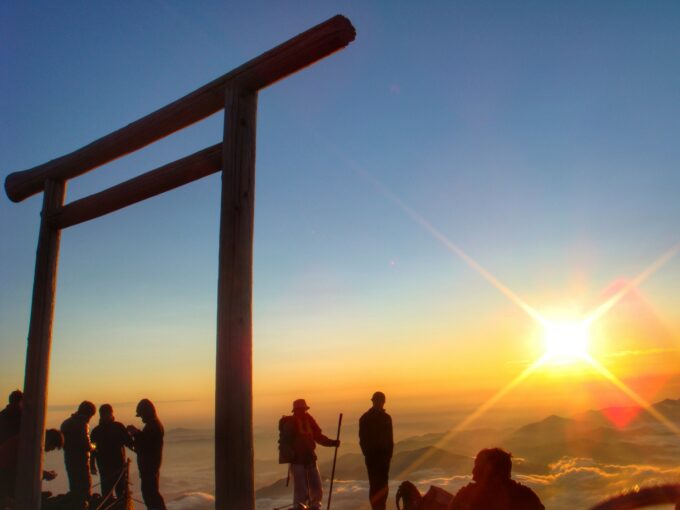
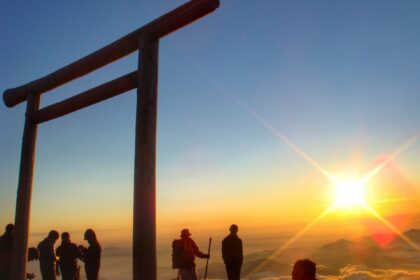
Only in the first part of the month. The official climbing season closes on September 10, after which the mountain huts shut and the trails are no longer supported. Anyone hoping to climb should book huts and complete trail registration well in advance.
Plan Your September Visit
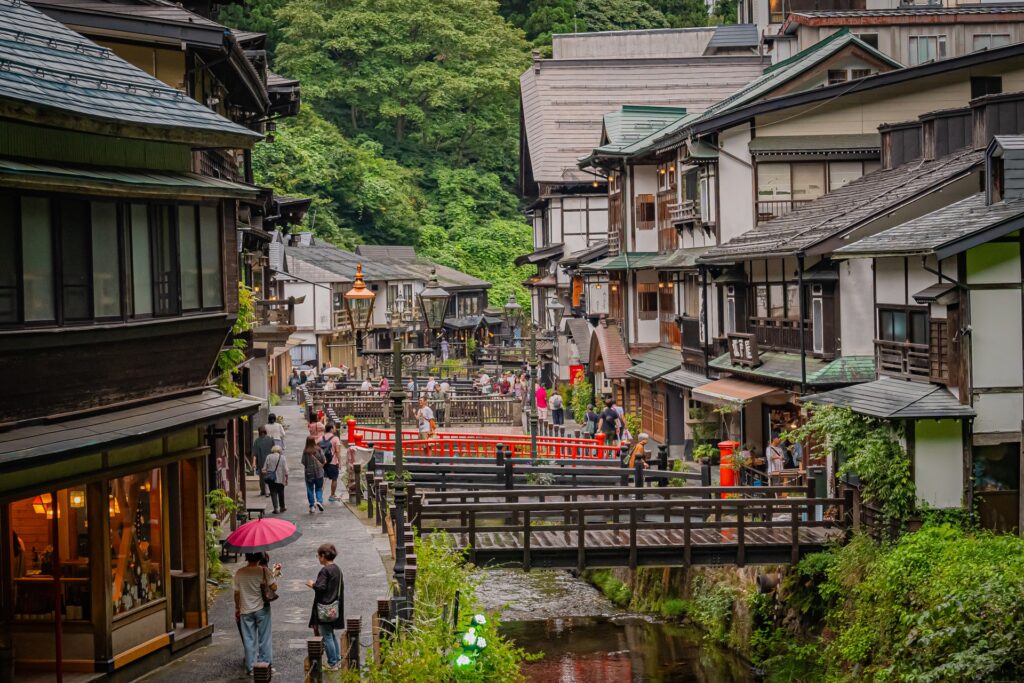
From the danjiri floats of Kishiwada in Osaka to the first color on the peaks of the Japan Alps and moon viewing rituals across the country, September trades the high energy of summer for something quieter and more reflective.
Tips for Planning:
- Time your trip around Silver Week, from September 19 to 23. Either book well ahead or aim for the first or final week of the month.
- Check whether your route passes through Nagoya or Aichi during the Asian Games, and reserve accommodation early if it does.
- Treat the first half of the month as summer and the second half as autumn when you pack.
- Keep a spare day in the itinerary in case a typhoon disrupts long-distance travel.
- If autumn color is the priority for September head high into the Alps in the final week.
Ready to experience Japan in September?
With Snow Monkey Resorts, you can create a fully personalized, multi-day Japan itinerary by connecting our one-day tours, giving you ultimate flexibility, convenience, and expert local guidance every step of the way.
Learn how to create your one-of-a-kind itinerary, or explore our recommended itineraries, and start planning your September trip today.