
The first month of the year in Hiroshima is an interesting combination of liveliness and celebration along with quietness and tranquility. In Japan, the new year is welcomed with shrine and temple visits and special ceremonies, drawing massive crowds at important religious sites during the first week of January. After these shrine and temple visits are completed though, there is a sharp decline in domestic tourism as most locals prefer to stay inside during the cold winter months. Areas known for their skiing and snow activities are of course very active in January, but Hiroshima is not one of those places.
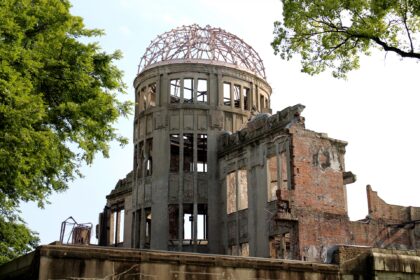
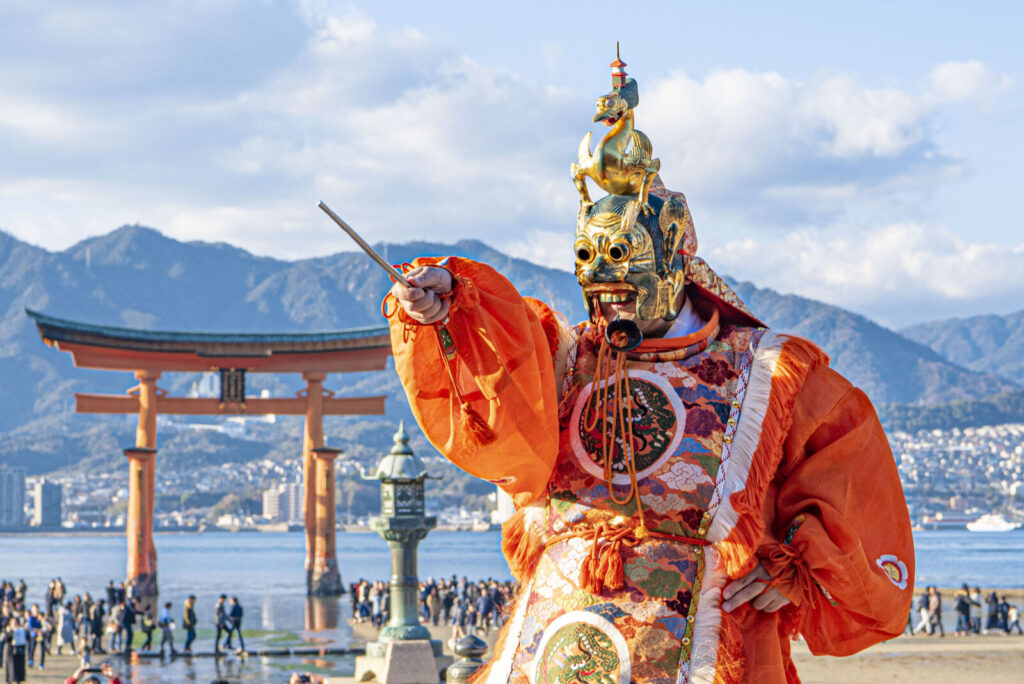
Thus, if you do not mind the cold, January is a fantastic time to visit Hiroshima! Popular tourist locations such as the Atomic Bomb Dome and Miyajima do not receive a lot of visitors, allowing for a more relaxed and pleasant sightseeing experience. Additionally, if you do not mind large crowds, it might be worth visiting the famous Itsukushima Shrine in the first week of January to view the impressive and unique bugaku dance performances.
Below we have included all you need to know about Hiroshima during January so that you can plan a successful trip to the prefecture during said month.
Weather in January
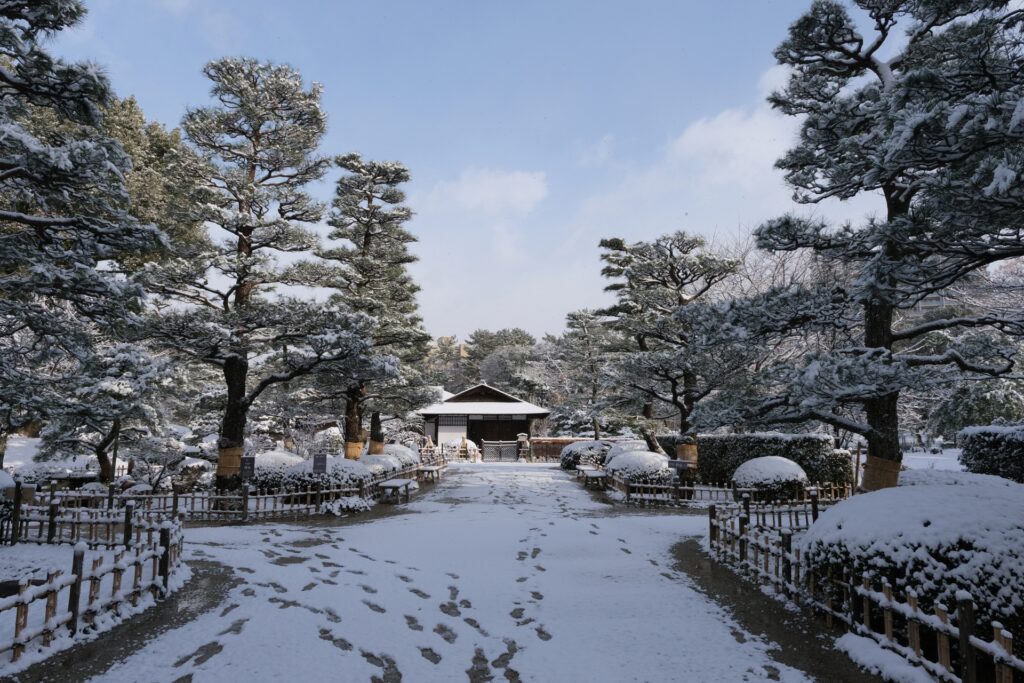
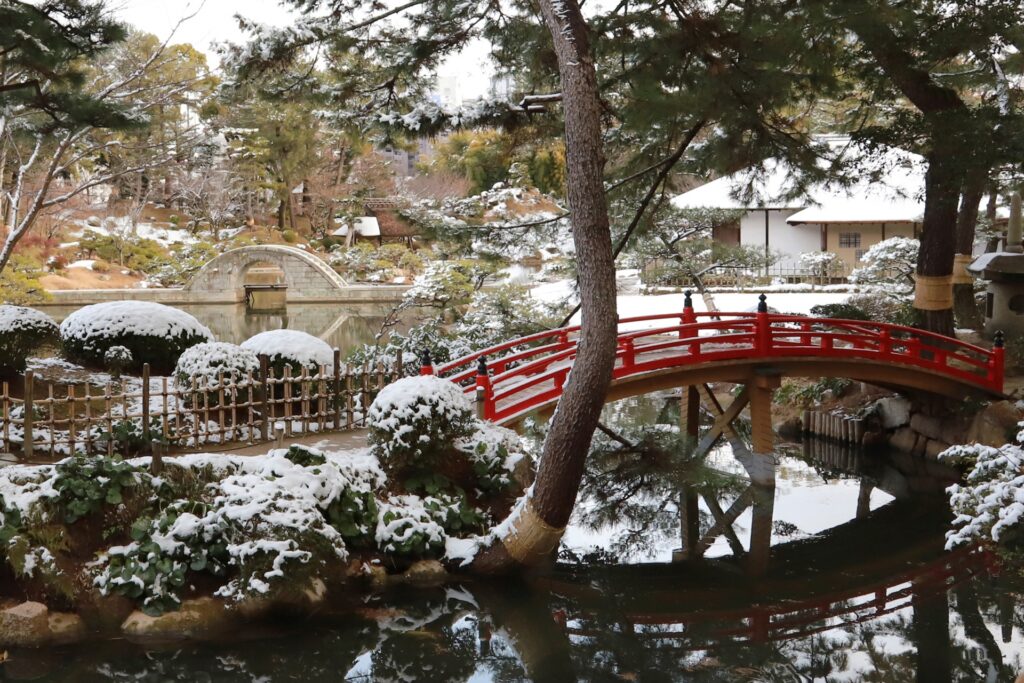
January is typically the coldest month in Hiroshima, with average temperatures ranging from 2ºC to 10ºC (36ºF to 50ºF). It is also the most likely time of the year in which you will be able to see snow in the city; however, even if it does snow, it usually does not stick. Heavier snowfall can be experienced in the northernmost parts of the prefecture and in mountainous areas.
For visitors who are used to colder weather, the winter in Hiroshima is fairly mild. If you are coming from a place which regularly hits temperatures below the freezing point, then you will most likely not need any heavy coats or thermal underwear. Those who come from warmer climates, will feel most comfortable wearing multiple layers, gloves, scarfs, and heavy coats. Nights can also get very chilly and winds can make the temperature feel much colder than it actually is so keep that in mind when heading out for the day.
Festivals & Events in January
Itsukushima Shrine Ceremonies
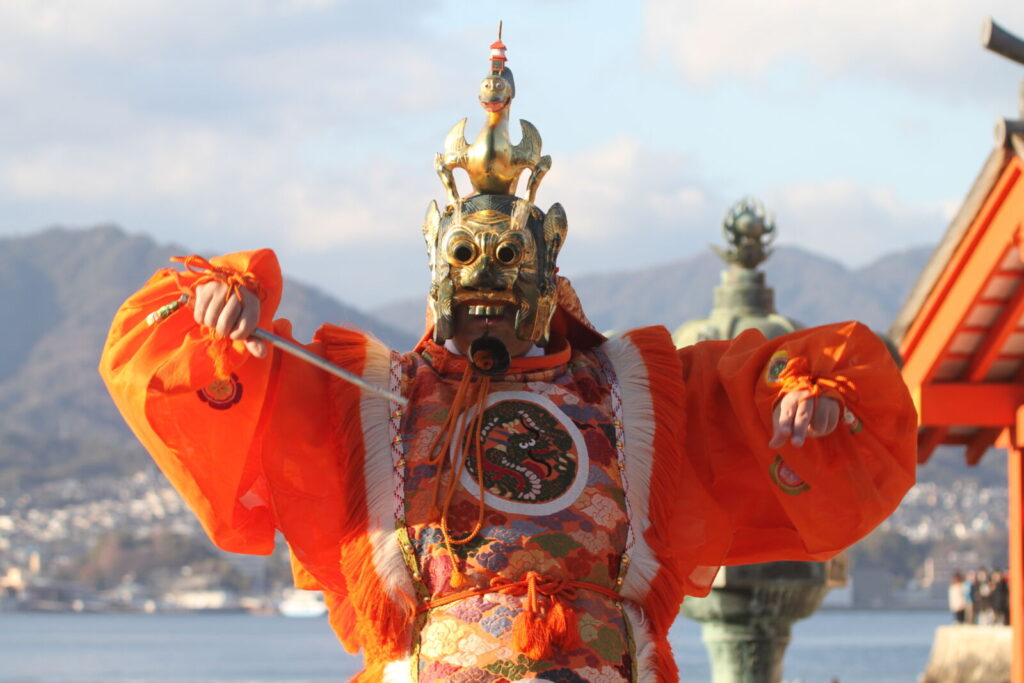
- January 1st - January 3rd, January 5th
- Itsukushima Shrine, Miyajima Island
- Entrance Fee: JPY300 (Adults) / JPY200 (High School Students) / JPY100 (Junior High & Below)
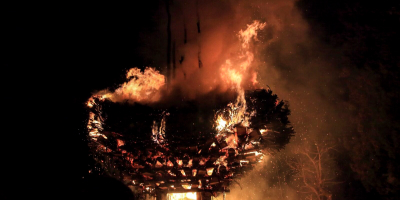
As mentioned previously, shrines and temples in Japan greet the New Year with special ceremonies. The ones celebrated at Itsukushima Shrine are particularly exceptional and breathtaking. For four days, visitors can witness bugaku (Japanese traditional dance and music) performances like the one pictured above, along with ceremonies which mark the beginning of the year. Usually the 2nd day also has a Noh (traditional Japanese theater) performance. Below are the ceremony and performance times for January 2026:
- January 1st - Ceremony: Midnight, Bugaku Performance: 5:00 AM
- January 2nd - Ceremony: 8:30 AM, Noh Performance: 11:00 AM Bugaku Performance: 1:00 PM
- January 3rd - Ceremony: 9:00 AM, Bugaku Performance: 1:00 PM
- January 5th - Ceremony: 5:30 AM, Bugaku Performance: After Ceremony
Snowboarding & Skiing
- Late December - February
- Northern Hiroshima Prefecture
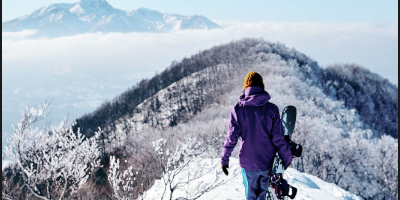
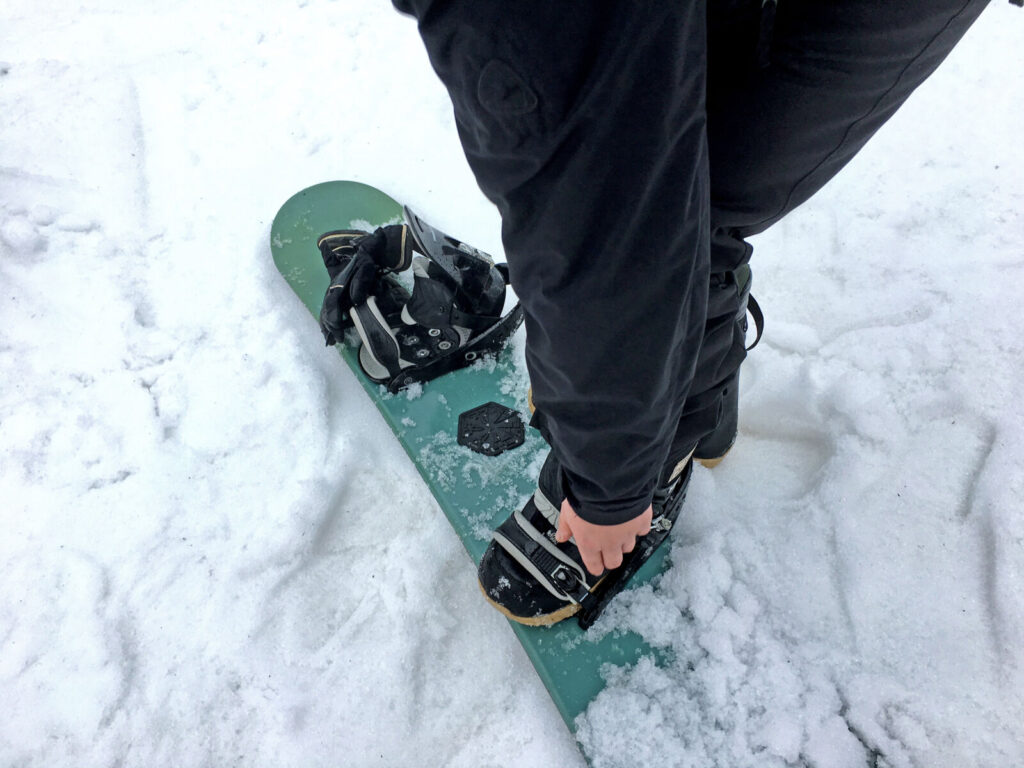
January and February are the best months to do winter sports in Hiroshima as they experience the largest amount of snowfall. While the prefecture is not particularly known for its winter activities, there are 10 great resorts in the northern part of Hiroshima in which you can enjoy skiing and snowboarding.
Seasonal Highlights in January
Camellias
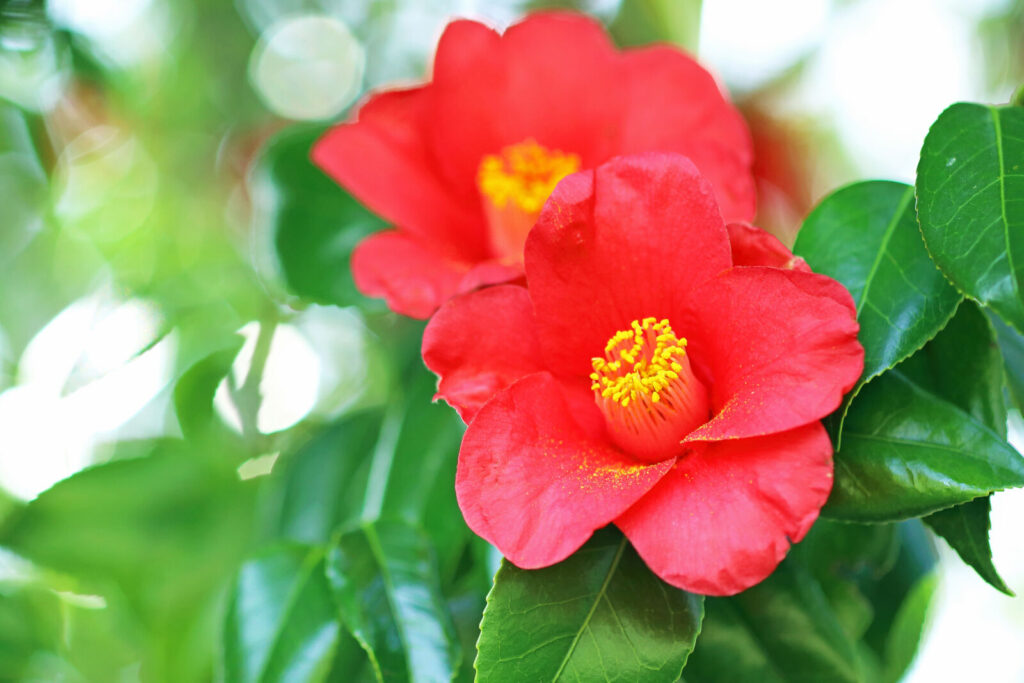
An iconic symbol of winter in Japan is the Camellia flower, which blooms in the colder months of the year. In Japan, it is known as tsubaki, and features in a lot of Japanese art and fashion. It is a flower which represents beauty and elegance, as well as a noble death due to how it drops whole to the ground without its petals scattering. These captivating flowers can be found all throughout Hiroshima Prefecture bringing beauty and color to the muted winter months.
Oysters
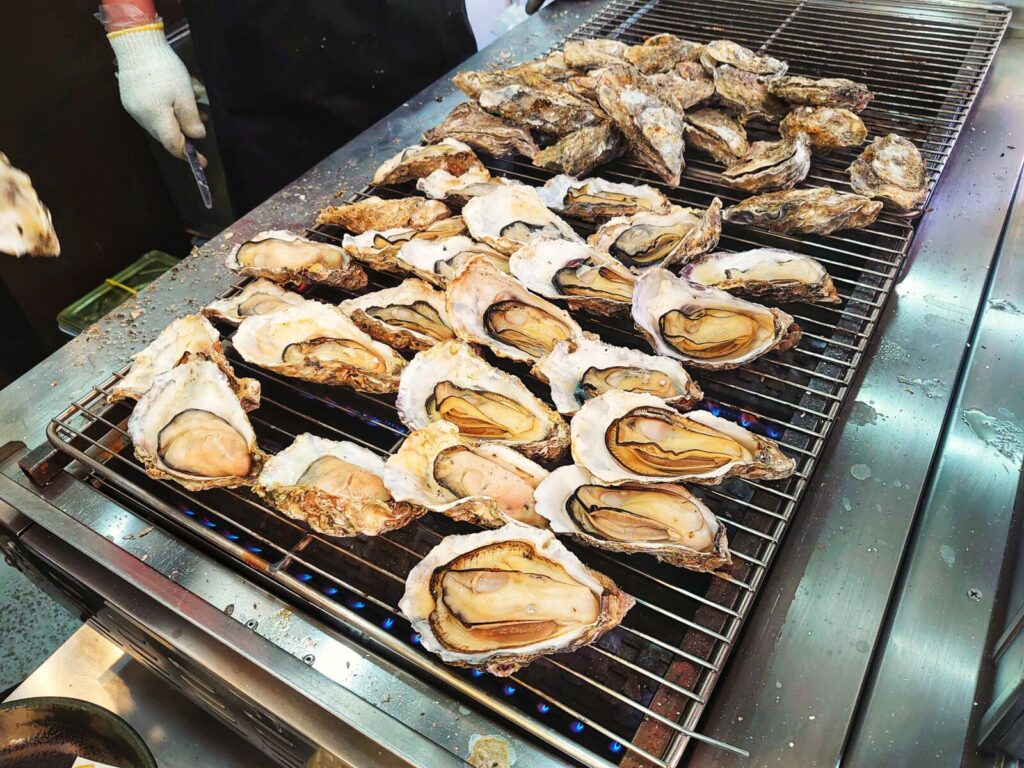
Hiroshima is Japan's largest oyster producer, accounting for around 60% of the total oyster production in the country and winter is the best time to enjoy this delicacy. From December to February, these oysters are at their most flavorful thus we highly recommend trying them out when visiting Hiroshima during January. The most delicious oysters can typically be found on Miyajima, and it is one of the main products being sold on the island.
Freshly Produced Sake
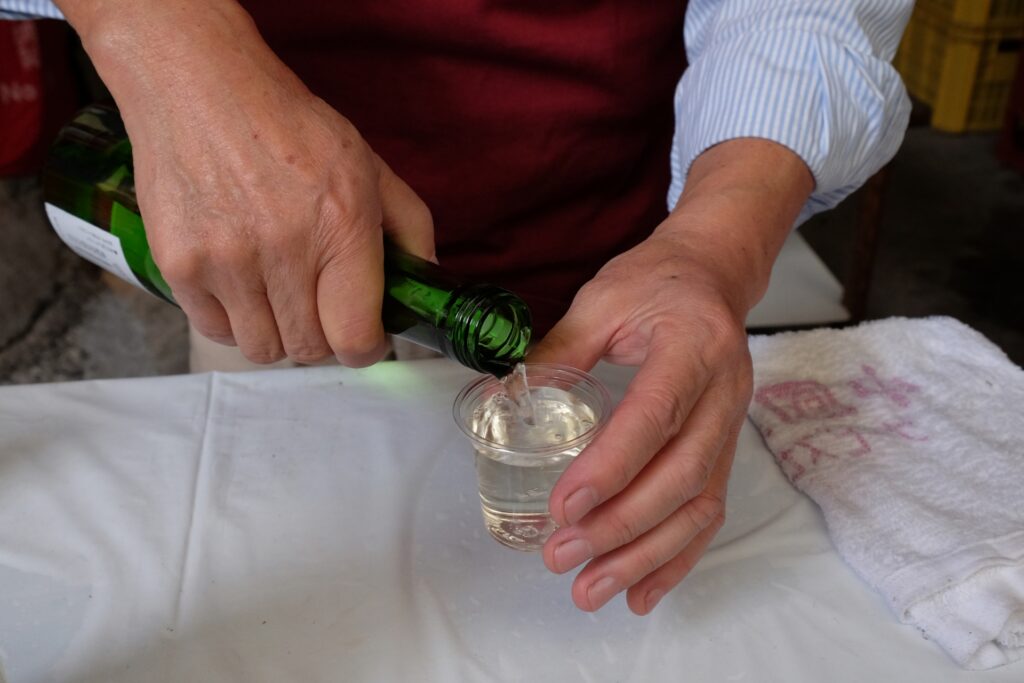
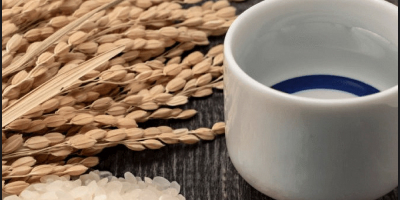
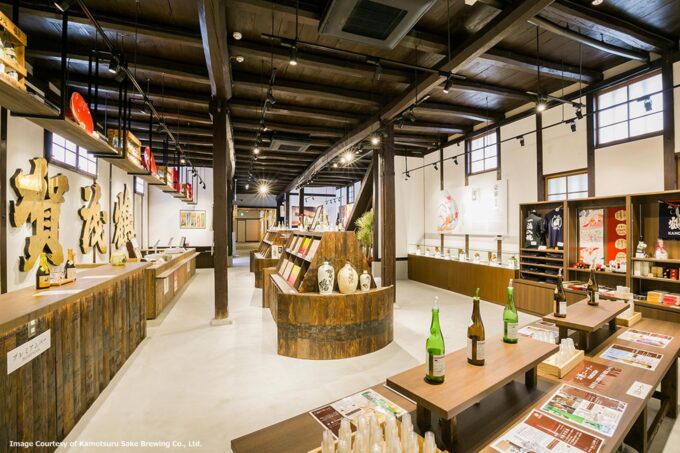
Sake is produced during the winter months, and given that the brewing process can take around a month or longer, January is one of the first months in which people can purchase freshly brewed sake. If you are interested in tasting or buying such type of product in Hiroshima, you can do so in the town of Saijo, which is considered one of Japan's "sake capitals." There, you can visit local breweries which still brew sake using traditional methods, do some sake tasting, and purchase goods unique to Saijo.
Featured Tours in January
Half-Day Hiroshima Highlights Tour
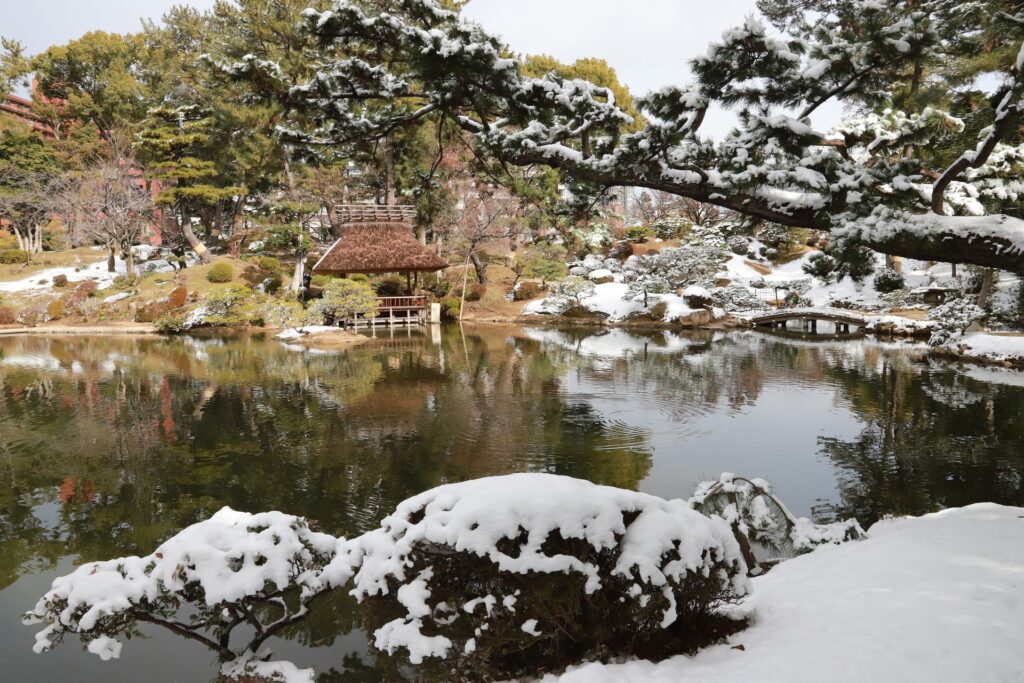
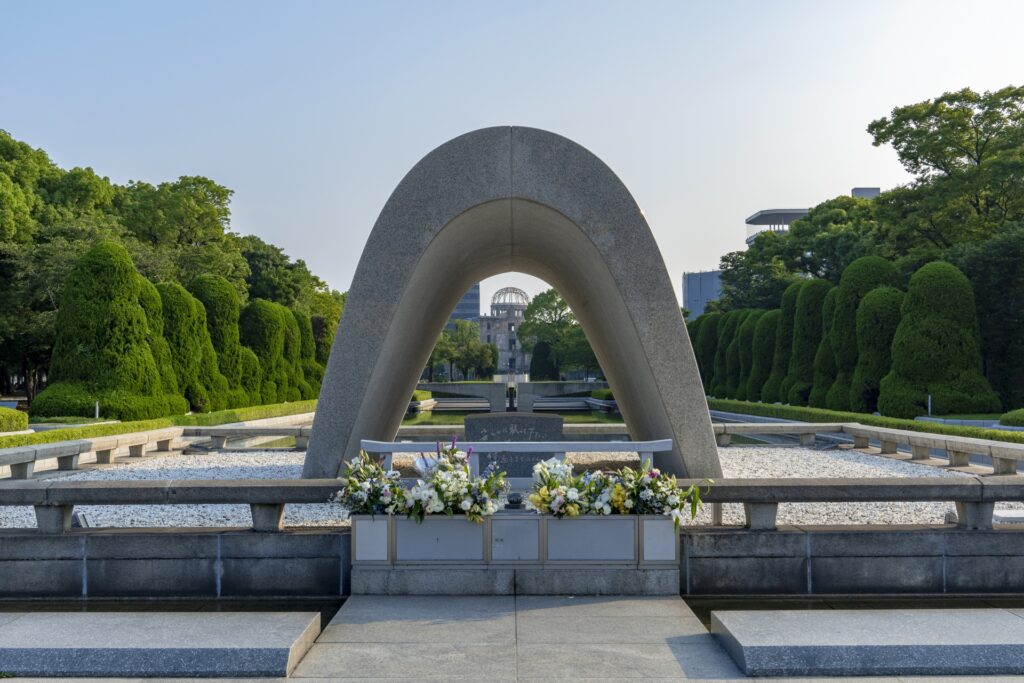
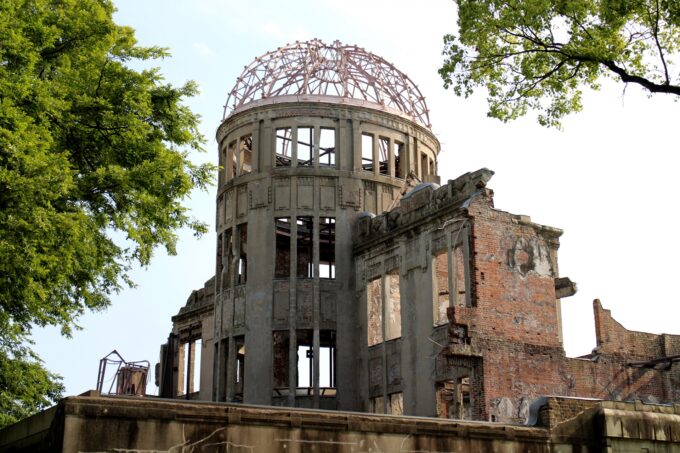
This half-day tour will take you on a guided walk around the city centre in which you will be able to visit some of the most notable landmarks in Hiroshima. We recommend joining this tour in January as there are less tourists during this time, making visits to places such as the Peace Memorial Museum and Atomic Bomb Dome much more intimate and peaceful.
Highlights:
- Visit the Atomic Bomb Dome, a UNESCO World Heritage Site
- Stroll around and enjoy the natural beauty of the scenic Shukkei-en Garden
- Fold an origami paper crane and offer it at the Children’s Peace Monument
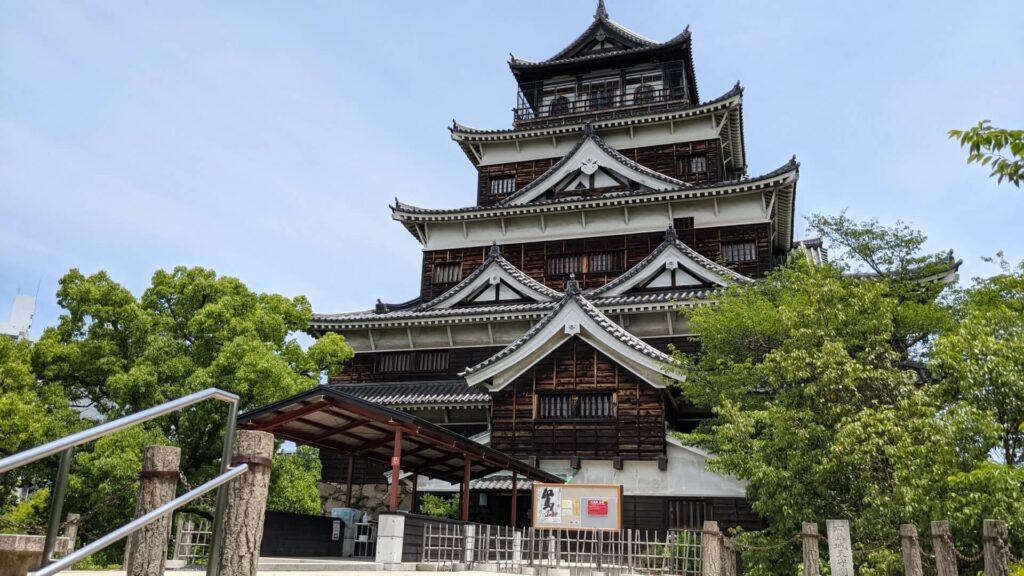
- Admire Hiroshima Castle and learn about the history of the city
Half-Day Saijo Tour: Sake Tasting & Inside Brewery Tour in Hiroshima's "Sake Capital"
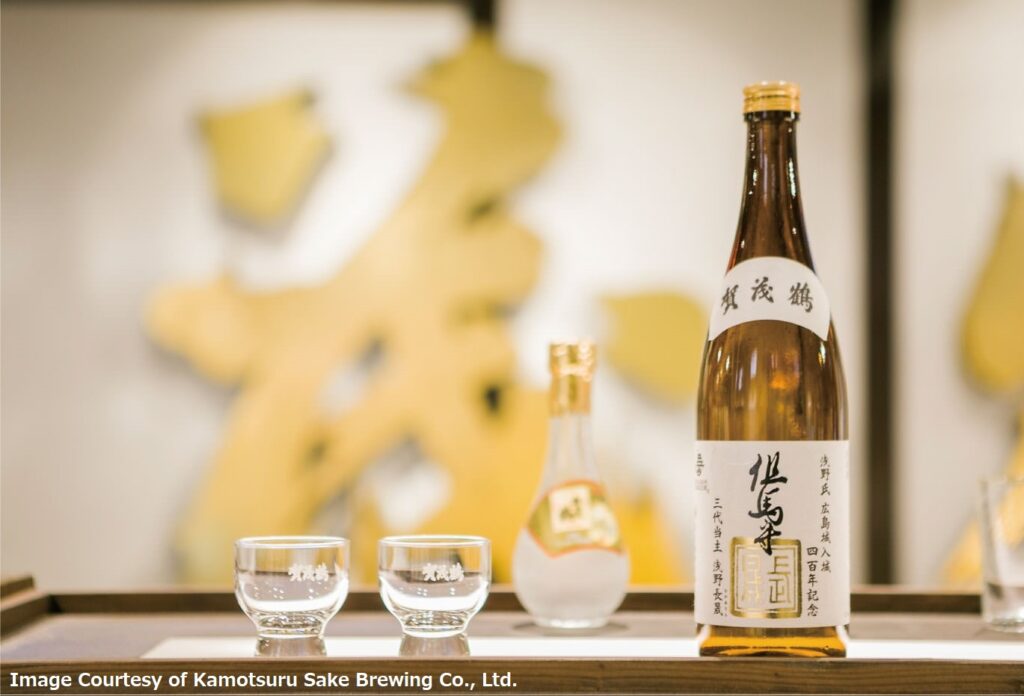
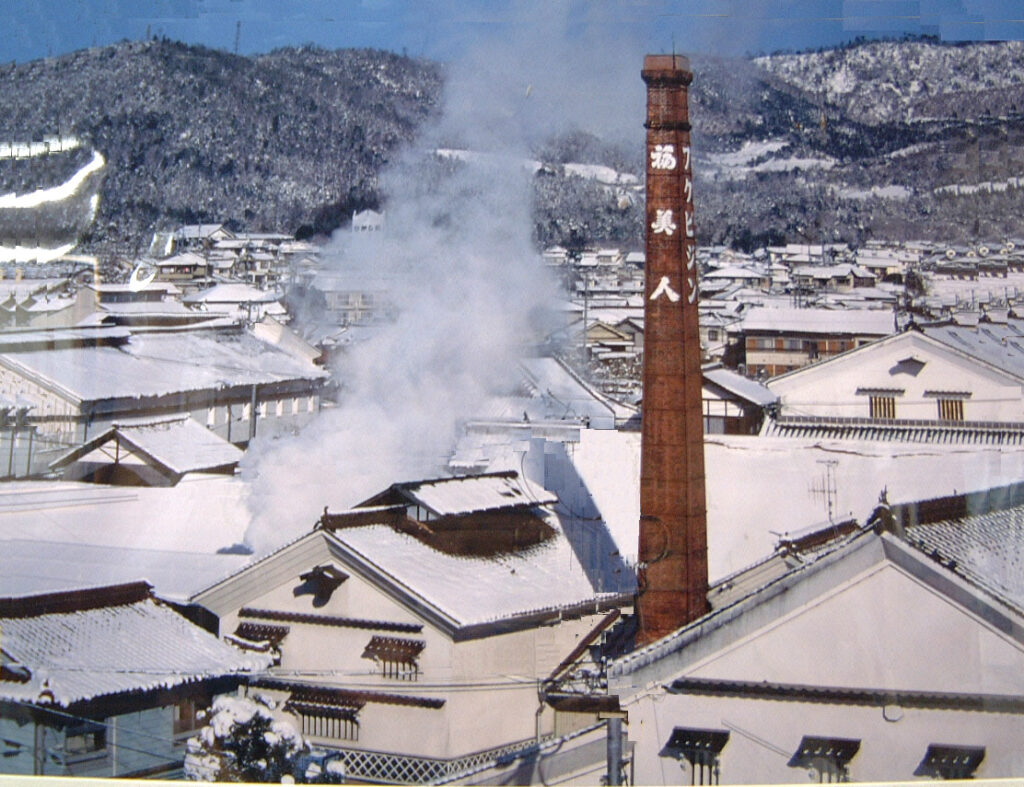
This half-day tour of Saijo, one of Japan's sake capitals, will give you the opportunity to sample some local sake from breweries which still produce it using traditional methods. You might even get the rare opportunity to taste or purchase some freshly brewed sake which, as previously mentioned, usually starts being available around December and January.
Highlights:
- Tour the inside of one of Saijo's historic sake breweries
- Sample a wide variety of sake from multiple breweries
- Gain a thorough understanding of the sake making process
Tips for Visiting & Travel in January
- New Year's Holidays Business Closures – Please note that most shops, restaurants, and tourist attractions in Japan close from December 29th till January 3rd. Shrines and temples, however, usually remain open all year round. This year, many businesses will remain closed till Sunday, January 4th.
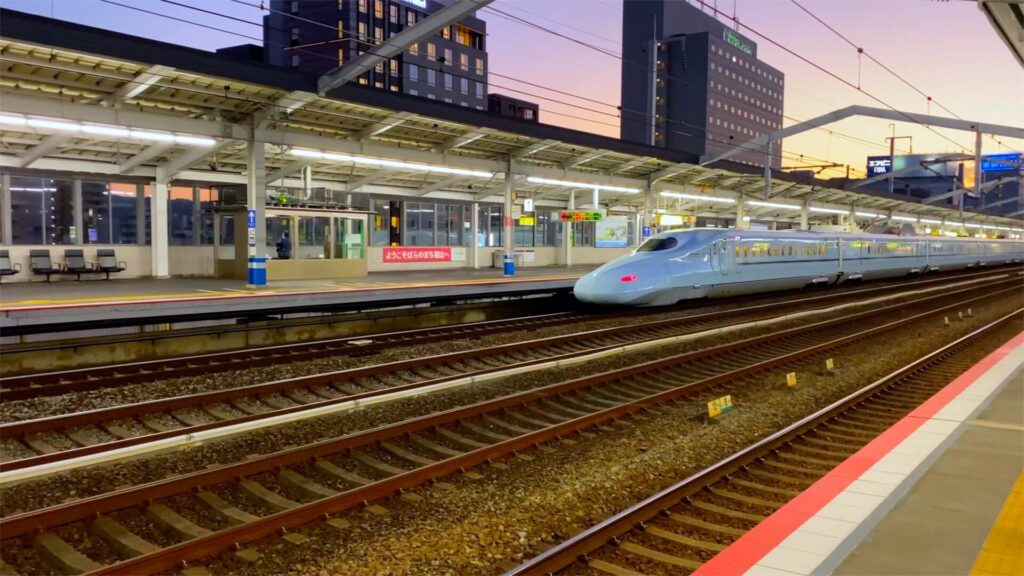
- Public Transportation Limited Services – Regular train and Shinkansen services usually remain the same, but buses operate on a much more limited schedule during the December 29th - January 3rd period.
- Shinkansen Tickets – Shinkansen trains will be extremely crowded in the first few days of the year and tickets should be purchased far in advance as seats might run out. For Nozomi trains, only reserved seats will be available from December 26 till January 4th.
- What to Wear – Long-sleeved tops, sweaters, thick jackets, scarfs, gloves, and winter hats are recommended.
Where to Stay in January
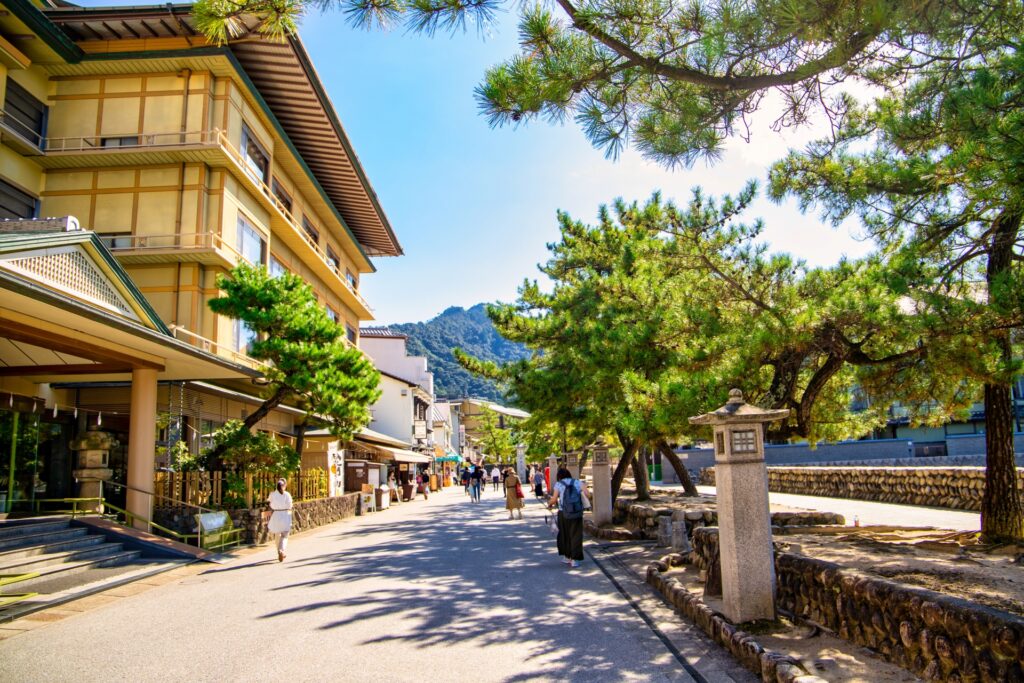
Hiroshima offers a good variety of accommodations, with a decent range of prices and different types of lodging such as hostels, hotels, and ryokans. Below are some suggestions of good areas to stay at within and outside of the city.
- Miyajima Ryokan & Inns – If you want to enjoy the new year's celebration on Miyajima, the best way to do so is by staying on the island. Some of the ceremonies take place before ferry services start in the morning, so the only way to experience them is by staying on the island overnight.
- Around Hiroshima Station – Most visitors will arrive to and leave from Hiroshima Prefecture via Hiroshima Station. Many tours, including ours, also have the station as their meeting point. Thus, this is an extremely convenient location with a great variety of hotels to choose from.
- Near Peace Memorial Park – Booking a hotel near Peace Memorial Park will not only place guests close to the city's most highlighted location, but also right in the city center. Additionally, it is a very convenient area due its abundance of stores, restaurants, bars, karaoke facilities, etc.
For more guidance and thorough details, see our 30 Things to Do Around Hiroshima & Where to Stay page.
Plan Your January Visit
How you plan your January trip to Hiroshima all depends on which time of the month you wish to visit the prefecture. As we have mentioned previously, traveling the first few days of the month requires a lot more advanced planning, while the rest of January is a lot more relaxed. Consider the events listed above and the tips provided on this page to determine the best timing for your visit given your interests and travel style.
Ready to discover Hiroshima in January? Take a look through our other tours offered in Hiroshima and its surrounding area to discover the wide range of locations and experiences you can enjoy when visiting Hiroshima.