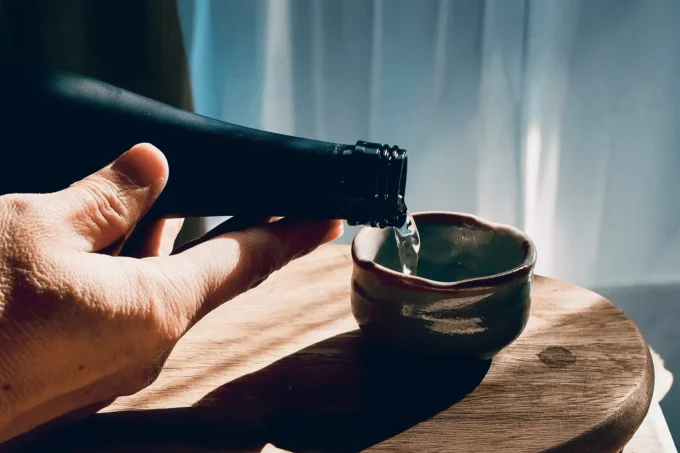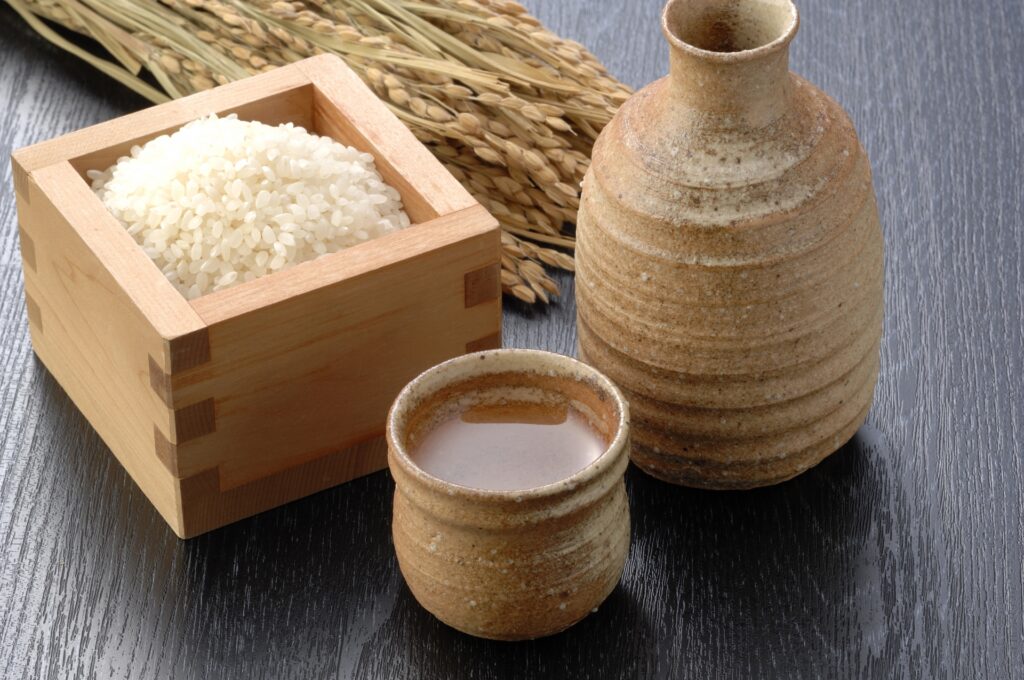
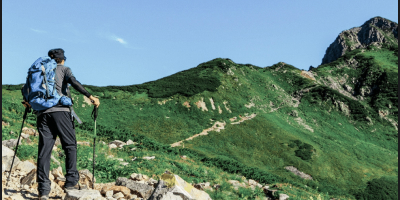
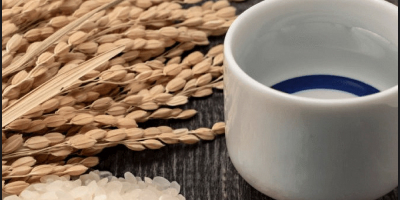
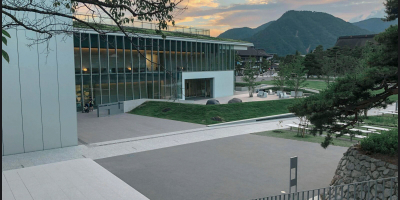
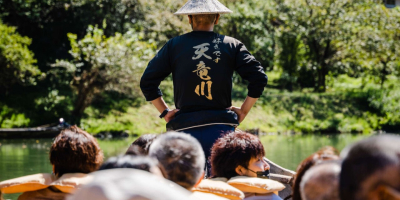


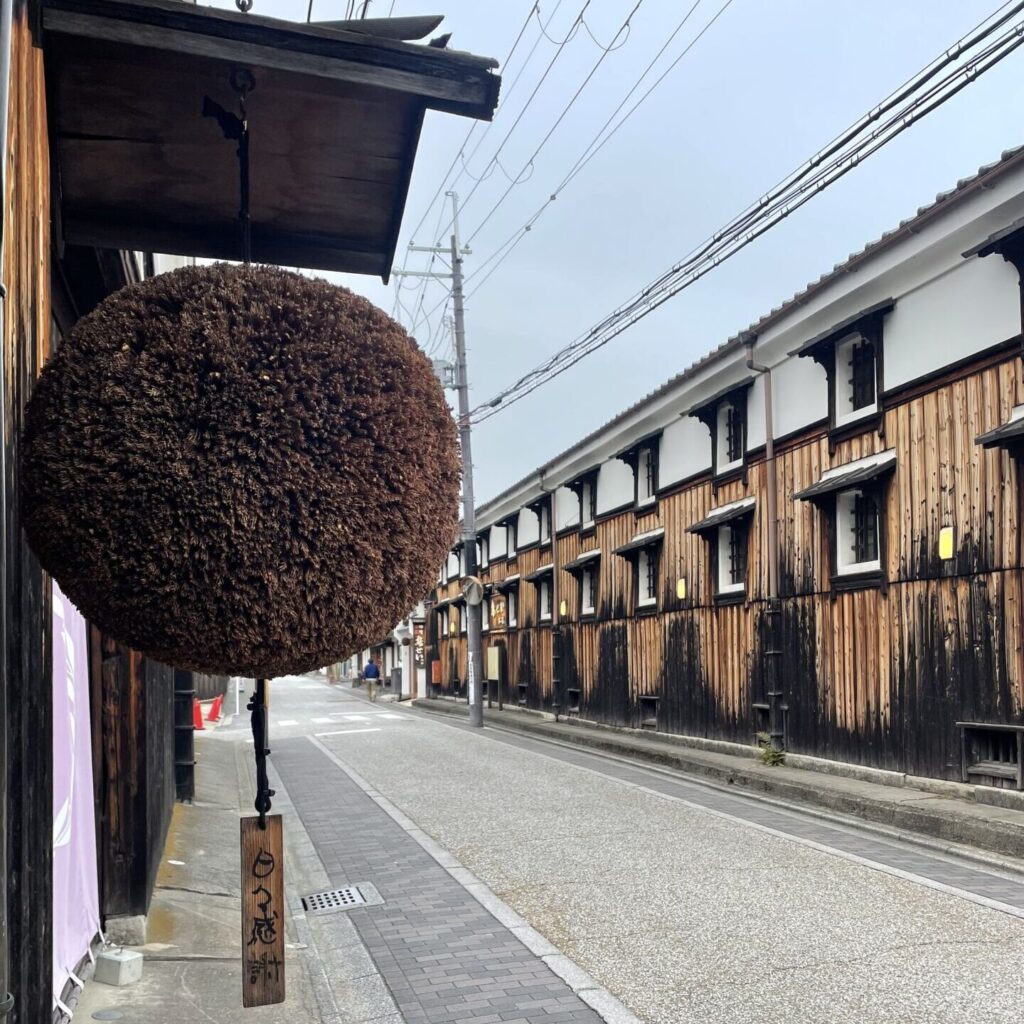
For centuries, Kansai has been one of Japan’s most important sake-producing regions. Kyoto’s soft, pure spring water creates elegant and aromatic styles. Kobe’s Nada Gogo district—powered by mineral-rich “miyamizu” water—produces crisp, dry sake loved across Japan. Osaka and Nara preserve some of the country’s oldest brewing traditions, making the region incredibly diverse for sake lovers.
Before we begin, a quick clarification:
In English, we often call Japan’s traditional fermented rice alcohol "sake —酒". In Japan, “sake” simply means alcohol in general. The correct name for this drink is nihonshu —日本酒 — and Kansai is one of the best places in the world to learn about it. If you’d like a deeper explanation of how nihonshu is made, key terminology, and tasting tips, see our full guide to sake. However, for the purpose of this website, we will use the word "Sake" to describe what is properly known as Nihonshu in Japan.
Guests on our Fushimi Inari & Sake Tasting Tour in Kyoto and our Kobe Mountains, Sea and Sake Tour can experience many of these breweries firsthand.
Why Kansai Is a Powerhouse for Sake
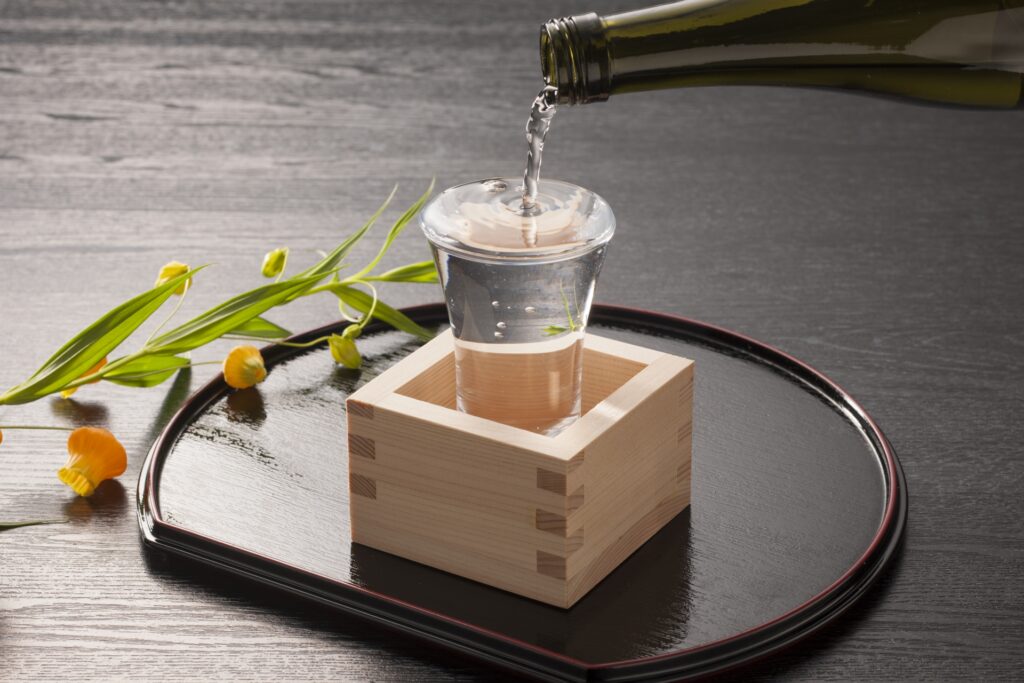
From the soft groundwater of Fushimi to the mineral-rich miyamizu of Kobe’s Nada Gogo, Kansai’s diverse water sources and long brewing history have shaped some of the nation’s most influential sake styles:
- Kyoto: soft, elegant, aromatic
- Kobe/Nada: dry, sharp, clean
- Osaka: expressive and food-friendly
- Nara: old traditions, gentle flavors
- Wakayama: modern, stylish, creative
- Shiga: structured, earthy, terroir-driven
Whether you're a first-time drinker or a seasoned fan, Kansai offers a full spectrum of nihonshu experiences.
What Is Sake?
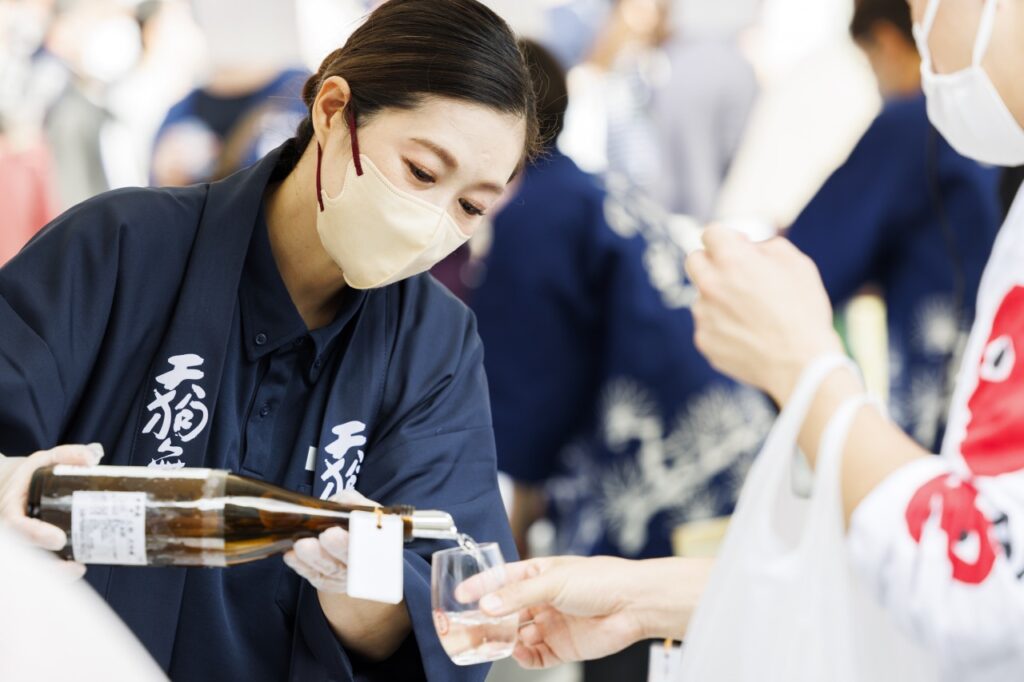
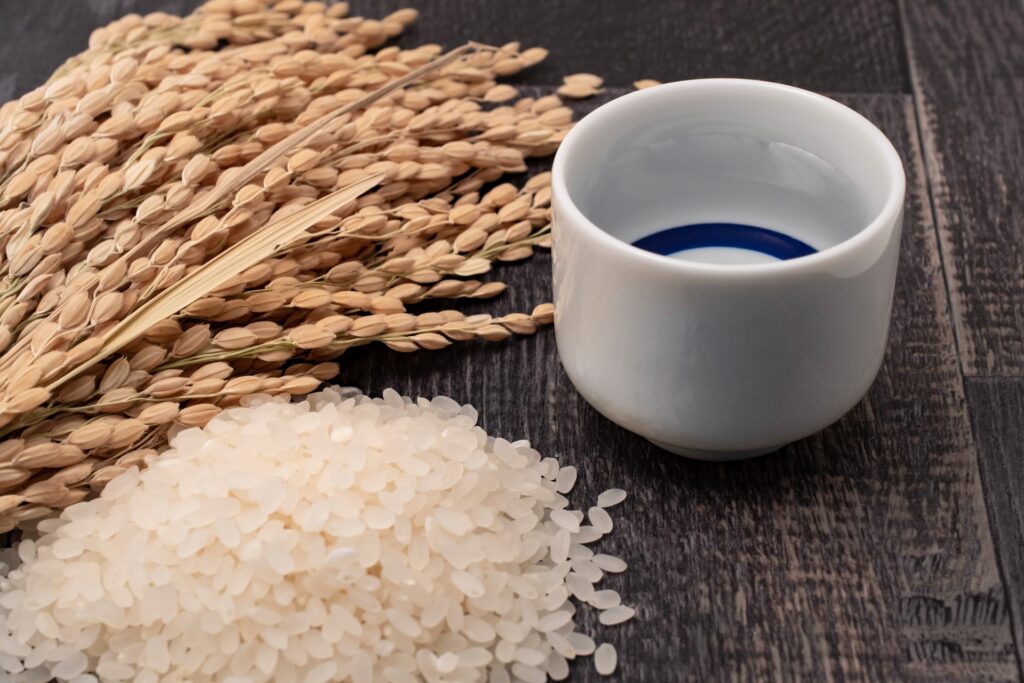
Sake - or Nihonshu - is Japan’s traditional fermented rice alcohol, made from just four ingredients: rice, water, koji, and yeast. Flavor depends on:
- Polishing ratio (how much outer rice is milled away)
- Water hardness
- Yeast strain
- Brewing technique
A few simple terms help beginners:
- Junmai: pure rice sake, often richer
- Ginjo: aromatic, fruity, polished to 60% or less
- Daiginjo: elegant, refined, polished to 50% or less
- Nama: unpasteurized, fresh and lively
And no—don’t swirl it like wine unless you want confused stares from the staff.
How to Taste Sake (Quick Beginner Guide)
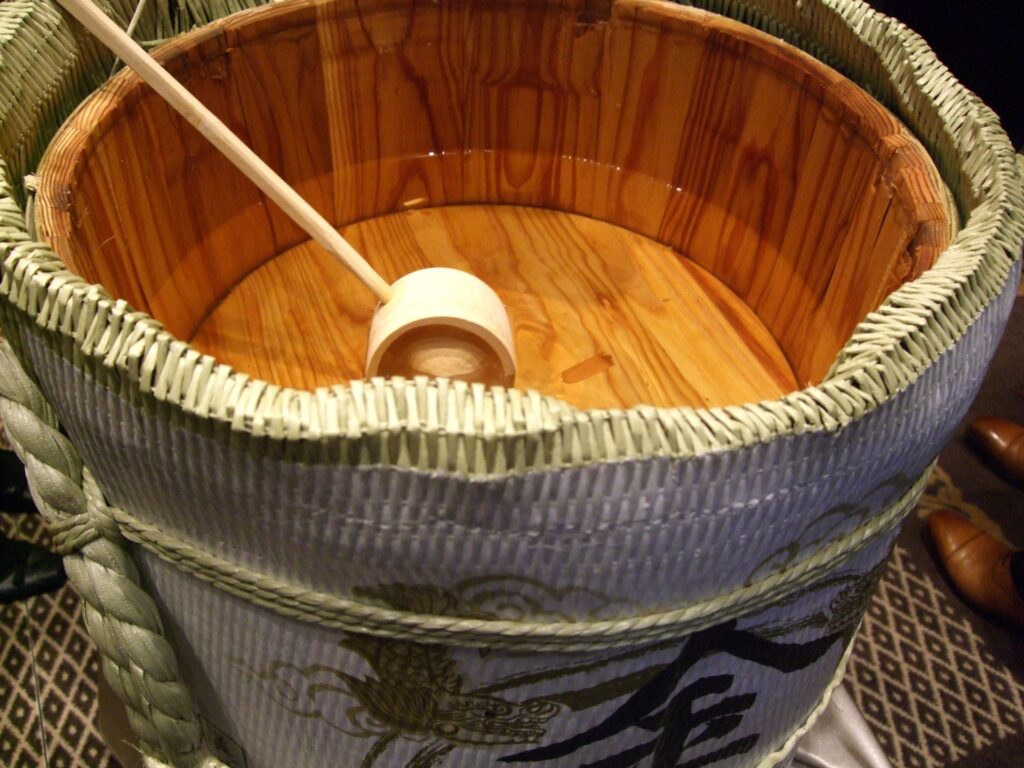
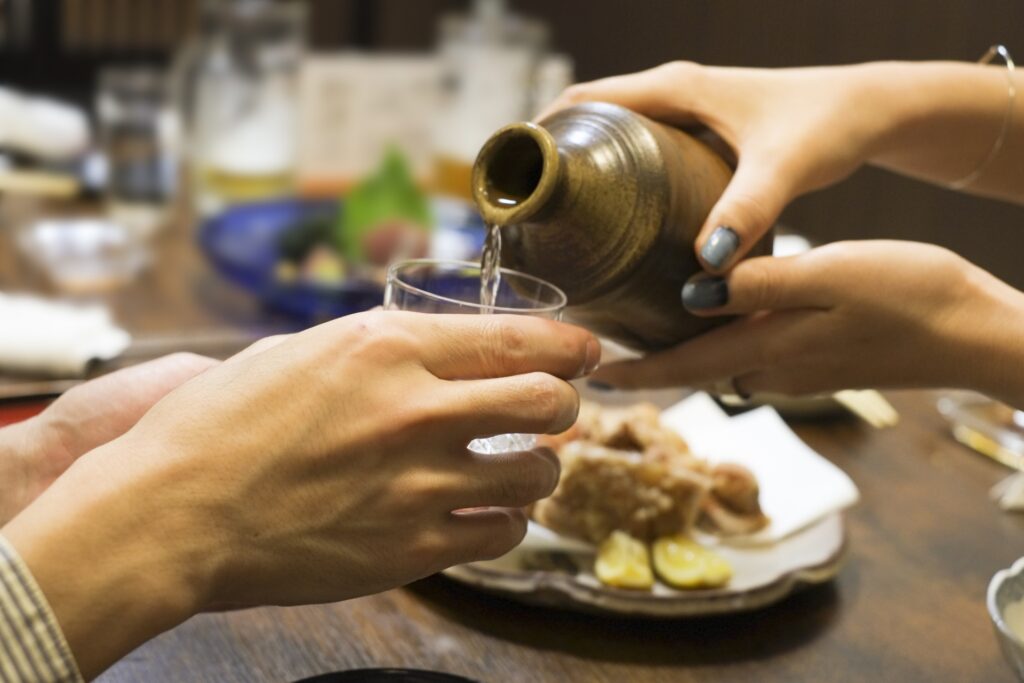
- Start with a sniff, not a swirl
- Try it chilled first, then warm if offered
- Look for aroma notes (melon, rice, apple, umami)
- Ask for the polishing ratio — it reveals a lot
- Don’t be shy about liking sweet or fruity styles
Everyone starts somewhere, and Kansai is a great place to start.
Top 10 Sake Breweries to Visit in Kansai
This guide highlights 10 essential breweries across Kansai — from famous names in Kyoto and Kobe to historic family-run producers in Nara, Osaka, Wakayama, and Shiga. Each entry includes its founding date, what makes it special, what to expect when visiting, and its signature flavor profile.
At the end, you’ll also find a bonus section for Fushimi Sake Village — a great option if you want to taste many breweries in one place.
1. Gekkeikan Sake Brewery (Kyoto – Fushimi)
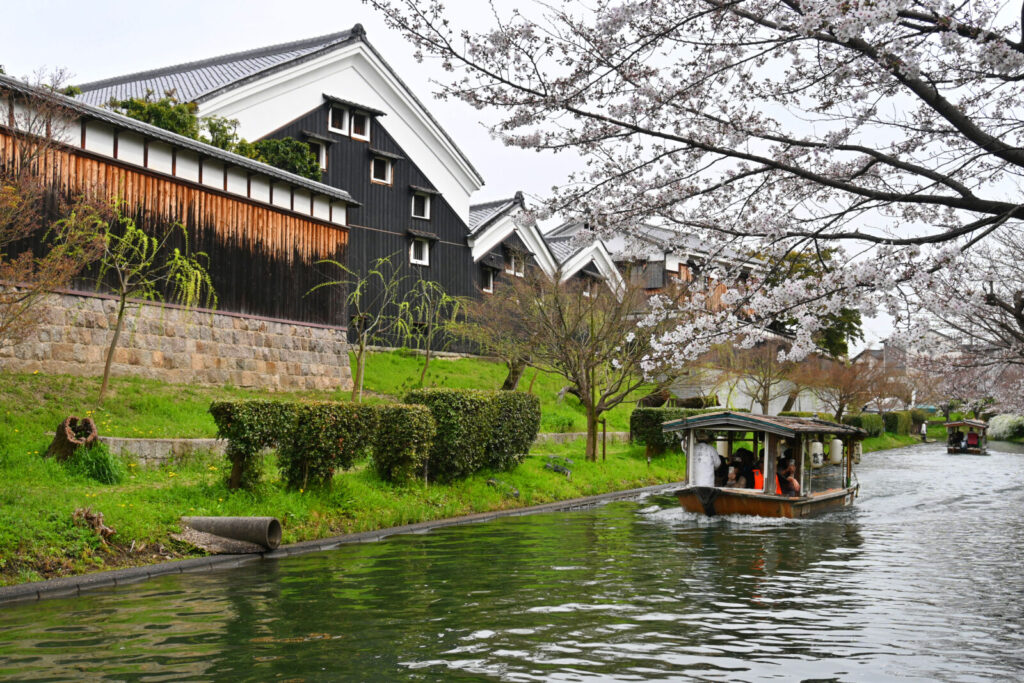
Founded: 1637
Why It’s Famous: One of Japan’s oldest and most globally recognized sake producers, central to establishing Fushimi as a major brewing region.
What to Expect:
- Gekkeikan Okura Sake Museum
- Historic brewing tools and Edo-period artifacts
- Easy, self-guided tastings
- Large shop with classic and limited labels
Flavor Profile: Clean, smooth, light-bodied sake emphasizing balance and drinkability.
Website: https://www.gekkeikan.co.jp/
2. Kizakura Sake Brewery (Kyoto – Fushimi)

Founded: 1925
Why It’s Famous: Approachable, easy-drinking sake, an iconic “kappa” mascot, and leadership in craft beer.
What to Expect:
- Kappa Country visitor center
- Sake and craft beer tasting flights
- Small exhibits about water, rice, and brewing
- Casual riverside dining
Flavor Profile: Mild, smooth, slightly aromatic sake perfect for beginners.
Website: https://kizakura.co.jp/
3. Kitagawa Honke Sake Brewery (Kyoto – Fushimi)
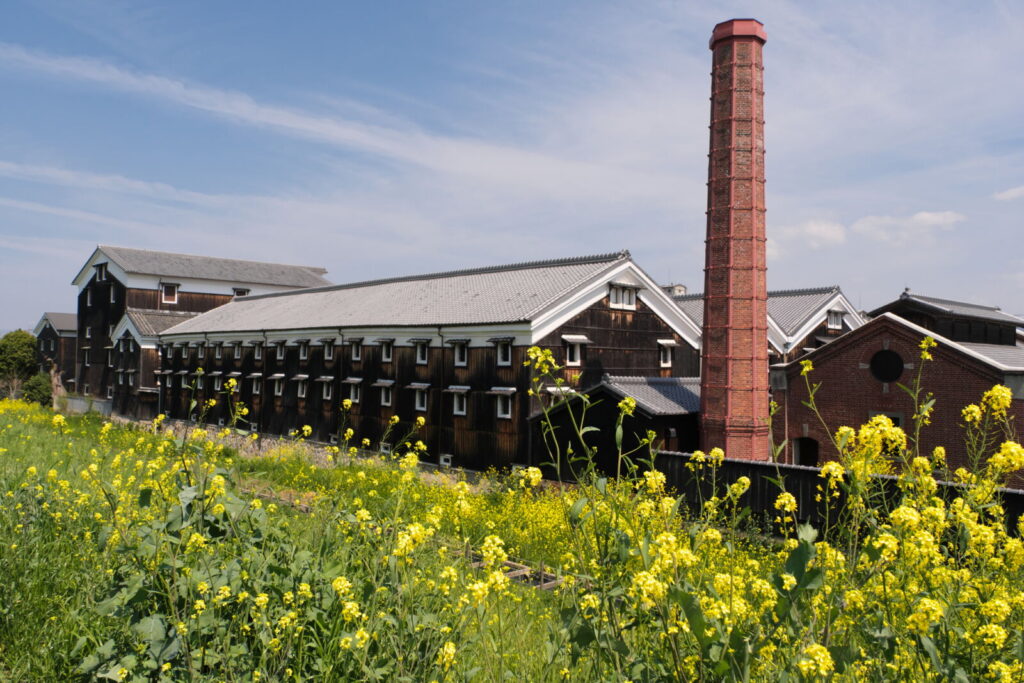
Founded: 1657
Why It’s Famous: Premium Tomio sake — elegant, fragrant, and refined — crafted with an emphasis on high-grade rice polishing.
What to Expect:
- Traditional storehouses
- Boutique-style tasting and shop
- Quiet, atmospheric courtyard
- Seasonal limited editions
Flavor Profile: Soft, aromatic ginjo and daiginjo styles with a gentle finish.
Website: https://www.tomio-sake.co.jp/en/
4. Kiku-Masamune Sake Brewery (Kobe – Nada Gogo)
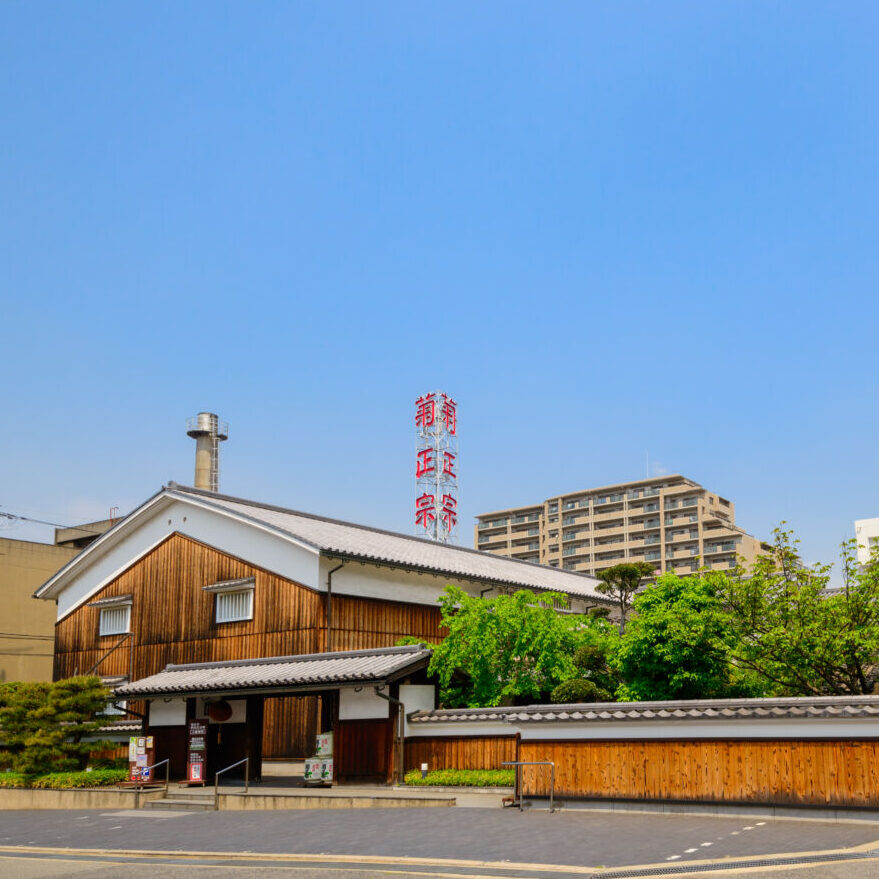
Founded: 1659
Why It’s Famous: A pioneer of the classic “dry Nada style,” brewed with the mineral-rich miyamizu water that made Nada Japan’s largest sake-producing area.
What to Expect:
- Large, free museum
- Traditional tools and brewing displays
- Tasting counter featuring crisp junmai
- Strong focus on Tamba Toji techniques
Flavor Profile: Very dry, sharp, and structured; ideal with seafood.
Website: https://www.kikumasamune.co.jp/
5. Hakutsuru Sake Brewery (Kobe – Nada Gogo)
Founded: 1743
Why It’s Famous: One of Japan’s most internationally recognized sake brands, known for modern brewing technology and consistently high quality.
What to Expect:
- Museum with animated brewing dioramas
- English-friendly exhibits
- Premium and limited tastings
- Stylish, spacious gift shop
Flavor Profile: Smooth, gentle, slightly floral ginjo styles with broad appeal.
Website: https://www.hakutsuru.co.jp/
6. Daimon Sake Brewery / Mukune (Osaka – Katano)
Founded: 1826
Why It’s Famous: Osaka’s most visitor-friendly brewery, known for pairing events, small workshops, and emphasis on food compatibility.
What to Expect:
- Guided tours in English
- Kura restaurant and pairing experiences
- Rustic buildings at the base of the Ikoma Mountains
Flavor Profile: Balanced, umami-rich junmai and ginjo with a refreshing finish.
Website: https://daimonbrewery.jp/en/
7. Akishika Shuzō Sake Brewery (Osaka – Nose)
Founded: 1886
Why It’s Famous: Akishika is beloved among sake enthusiasts for its uncompromising approach: 100% estate-grown rice, low-intervention brewing, long-term aging, and a deeply expressive flavor style. It’s one of the rare breweries in Japan that farms nearly all of its own rice, giving its sake a strongly defined sense of place.
What to Expect:
- Rural Osaka countryside setting
- Intimate tastings (reservation recommended)
- Strong focus on terroir and minimal intervention
Flavor Profile: Bold, dense, earthy junmai with intense character.
Website:
8. Harushika Sake Brewery (Nara – Naramachi)
Founded: 1884
Why It’s Famous: One of Nara’s most visitor-friendly breweries, known for approachable tastings and gentle, elegant sake.
What to Expect:
- Drop-in tasting bar with affordable flights
- Sparkling sake options
- Location in charming Naramachi
- Close to major Nara sightseeing spots
Flavor Profile: Soft, lightly fruity, easy-drinking sake with a clean finish.
Website: https://www.harushika.com/
9. Heiwa Shuzō Sake Brewery / KID (Wakayama – Kainan)
Founded: 1928
Why It’s Famous: Producer of the award-winning KID label, known for modern, expressive, stylish sake that appeals to younger drinkers.
What to Expect:
- Modern tasting bar
- Popular seasonal and limited releases
- Sleek branding and bottle design
Flavor Profile: Silky, polished, gently sweet ginjo and junmai ginjo styles.
Website: https://www.heiwashuzou.co.jp/
10. Tomita Shuzō (Shichihonyari) (Shiga – Azuchi)
Founded: 1540
Why It’s Famous: One of Japan’s oldest breweries; a cult favorite among sake professionals for its traditional brewing and dry, structured flavor profile.
What to Expect:
- Historic kura buildings
- Rural Shiga countryside
- Small batches with a loyal following
- A must-visit for serious sake fans
Flavor Profile: Dry, earthy, mineral-driven junmai with depth and character.
Website: https://www.7yari.co.jp/2020/en/index.html
Bonus: Fushimi Sake Village (Kyoto – Tasting Hall)

Founded: 2017
Why It’s Famous: A lively tasting hall offering sake from 18 different Kyoto breweries — perfect when you want variety in one place.
What to Expect:
- Dozens of tasting options
- Izakaya-style food pairing stalls
- Great evening atmosphere
- Central, easy-to-access location
Flavor Profile: Everything from delicate daiginjo to powerful junmai depending on the flight.
Website: https://fushimi-sakagura-kouji.com/
Explore Kansai’s Sake Culture With Us
If you’re ready to go beyond the tasting notes and step inside the world of nihonshu (日本酒), our guided experiences bring you straight to the source. We partner with long-established breweries, local artisans, and neighborhood businesses to give travelers an inside look at Kansai’s brewing traditions. Below are two tours that pair perfectly with the sake destinations listed above.
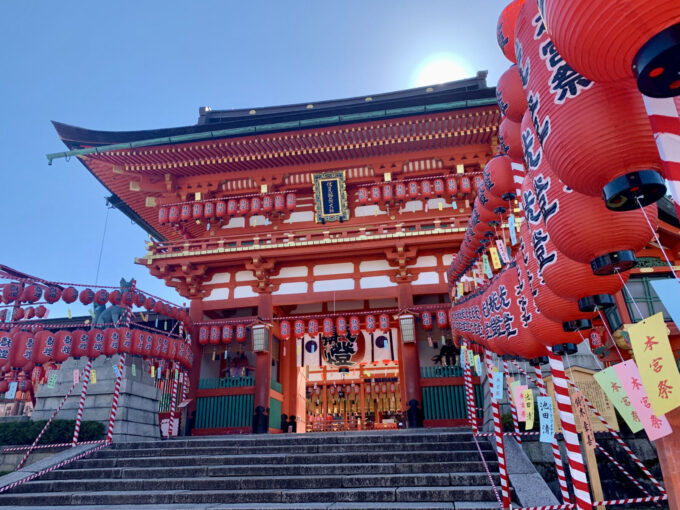
Hidden Secrets of Fushimi Inari & Sake Tasting Tour
Follow the quiet back routes behind Japan’s most iconic shrine, explore lesser-known sub-shrines, and learn how Fushimi became one of Japan’s premier brewing districts. The tour ends with a curated sake tasting where you’ll sample local favorites and learn how to read labels, understand aroma profiles, and spot the regional differences that make Kyoto sake so unique.
A great introduction for guests who want cultural depth and a fun, relaxed tasting experience.
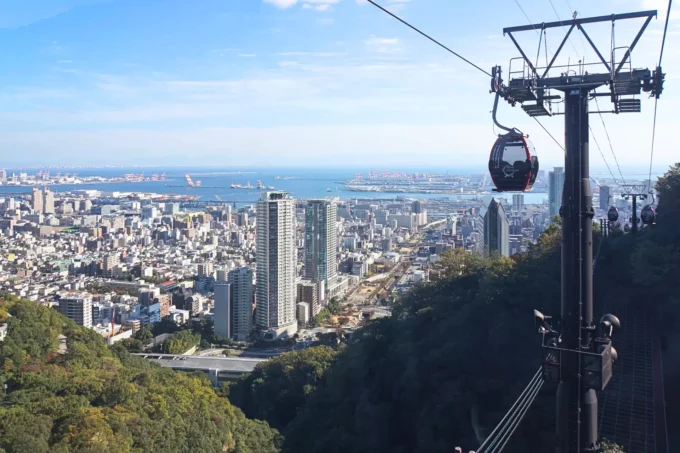
Kobe “Mountains, Sea & Sake” Walking Tour
Move through the city’s historic foreign settlement, visit atmospheric shrines, enjoy Kobe beef for lunch, and explore the famous Nada Gogo brewing district — home to some of Japan’s most influential sake houses. We sample fresh local nihonshu, learn what makes Kobe’s water ideal for brewing, and discover how merchants shaped the city into a powerhouse of international trade.
Perfect for travelers who want a blend of scenery, history, and premium sake culture.
Kanpai! Cheers!
Sake is more than a drink — it’s a living craft shaped by rice, water, climate, and centuries of local knowledge. Kansai remains one of the richest regions to explore this tradition, whether you’re stepping into a 400-year-old kura, tasting a modern experimental brew, or wandering through historic brewing districts like Fushimi and Nada. We hope this guide helps you discover a few new favorites. And if you’d like a deeper dive with expert storytelling, cultural context, and a curated tasting, we’d love to show you the best of Kansai on one of our tours.
Frequently Asked Questions
What’s the difference between “sake” and “nihonshu”?
“Sake” means all alcohol (酒). “Nihonshu” (日本酒) is Japanese sake specifically.
Is sake gluten-free?
Yes — it’s naturally gluten-free.
Is there flavored sake?
Yes. Brewers make yuzu, peach, plum, strawberry, and other fruit-infused sake. These are often sweeter and lower in alcohol.
What food pairs well with sake?
Great pairings include:
- Sushi and sashimi
- Tempura
- Yakitori (especially salt-seasoned)
- Grilled fish
- Pickles and tsukemono
- Rich dishes like sukiyaki or miso-based cuisine
Kyoto sake suits lighter, delicate foods, while Kobe’s dry styles shine with savory dishes.
How strong is Japanese sake?
Most nihonshu is between 14%–16% ABV, making it slightly stronger than wine but much lighter than spirits. Premium styles may be a bit higher.
Is warm sake traditional?
Yes — heated sake has a long history. But only certain styles are meant to be warmed. Premium ginjo and daiginjo are usually better chilled.
What’s the legal drinking age in Japan?
You must be 20 years old to legally drink in Japan — no exceptions.
Can you use sake in cooking?
Absolutely. Japanese cuisine uses sake to enhance umami, tenderize meat, and reduce fishiness.
Can breweries ship orders overseas?
Some can, but most only ship domestically. Specialty shops in Kyoto and Kobe offer overseas delivery.
Do Japanese breweries offer tours?
Some do, but availability varies by brewery. Kyoto and Kobe have the most visitor-friendly breweries, with museums, tasting rooms, and guided tours. Smaller family-run breweries may require advance reservation.