

Every October, the ancient forests of Ise Grand Shrine become the setting for Japan’s most important religious ceremonies. Known as Kannamesai (神嘗祭), or simply Ōmatsuri, “the grand festival”, to local people, this centuries-old celebration gives thanks for the year’s rice harvest and honors Amaterasu Omikami, the sun deity and ancestral kami of Japan’s Imperial family.
For international travelers, Kannamesai offers a fascinating glimpse into the spiritual traditions that continue to shape Japanese culture. Whether you are interested in Japanese history, Shinto traditions, seasonal festivals, or discovering places beyond the country’s major cities, visiting Ise in October offers an opportunity to experience a particularly meaningful side of Japan.
What Is the Kannamesai Festival?

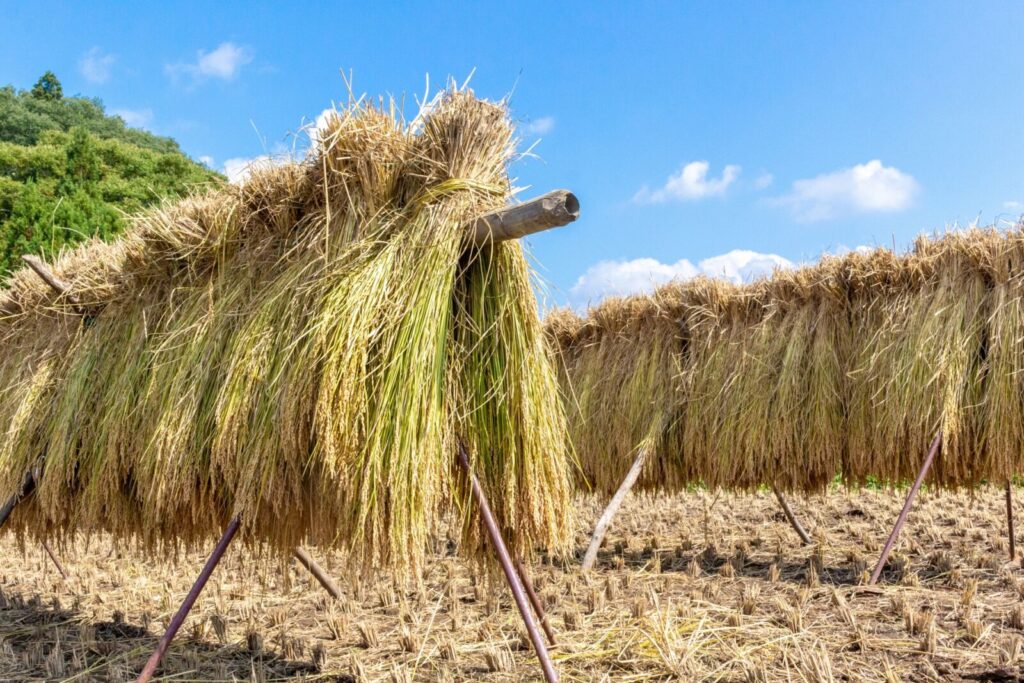
Kannamesai is the oldest and most prestigious annual festival at Ise Grand Shrine, widely regarded as Japan’s most sacred Shinto shrine complex. Its central purpose is to offer the first rice harvest of the year to the sun goddess, Amaterasu Omikami, and express gratitude for the blessings of the harvest.
Kannamesai is the final part of a larger cycle of agricultural rituals at Ise Grand Shrine.
The cycle begins in April with Shinden Geshusai (神田下種祭), which marks the sowing of rice seeds. In May, Otaue Hajime (御田植初) celebrates the transplanting of rice seedlings. The harvest is gathered during Nuibosai (抜穂祭) in September, before the year's agricultural cycle culminates in Kannamesai in October.
The Kannamesai festival is a multi-day sequence of ceremonies and offerings, including the preparation of sacred meals, the presentation of ritual objects, and prayers for continued prosperity. The ceremonies embody the Emperor’s wishes and maintain a longstanding connection between the Imperial household and Ise Grand Shrine.
When Is the Kannamesai Festival Held?
Kannamesai takes place annually from October 15 to 17, with ceremonies conducted first at the Outer Shrine, known as Geku, before continuing at the Inner Shrine, or Naiku in a traditional custom called Geku-sensai. The two sanctuaries honor different but complementary deities: Toyouke Omikami, associated with food and agricultural sustenance, at Geku, and Amaterasu Omikami at Naiku.
The festival’s principal ceremonies take place at specific times, including sacred meals late at night and in the early hours of the morning. Some rites occur during periods when public worship is not permitted, so visitors should not expect to watch every ceremony.
The main ceremonies follow this schedule:
- October 15 — Okitama-no-Kami-sai (興玉神祭): A ceremony honoring Okitama, a guardian kami of the shrine.
- October 15, 5:00 p.m. — Miura (御卜): A divination ritual to determine whether thepriests are ritually fit to participate in the festival. Held at the Inner Shrine (Naiku).
- October 15, 10:00 p.m. — Yuki-no-Yūbe-no-Omike (由貴夕大御饌): The evening sacred meal is offered to Toyouke Omikami at the Outer Shrine (Geku), including newly harvested rice and other foods.
- October 15 — Hatsuhobiki land procession (初穂曳・陸曳): Local participants pull carts carrying the first rice harvest through Ise toward Geku.
- October 16, 2:00 a.m. — Yuki-no-Ashita-no-Omike (由貴朝大御饌): The morning sacred meal is offered at Geku.
- October 16, 12:00 noon — Hōhei (奉幣): An imperial envoy presents formal offerings on behalf of the Emperor at Geku.
- October 16, 6:00 p.m. — Mikagura (御神楽): Sacred music and dance are offered at the Geku.
- October 16, 10:00 p.m. — Yuki-no-Yūbe-no-Omike: The evening sacred meal is offered to Amaterasu Omikami at the Naiku.
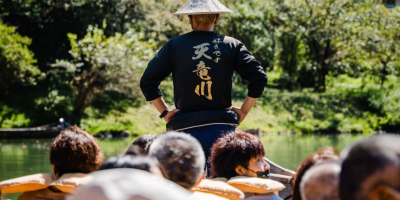
- October 16 — Hatsuhobiki river procession (初穂曳・川曳), also known as Kawabiki: Participants pull a boat carrying rice offerings along the Isuzu River towards the Naiku.
- October 17, 2:00 a.m. — Yuki-no-Ashita-no-Omike: The morning sacred meal is offered the Naiku.
- October 17, 12:00 noon — Hōhei: The imperial envoy presents formal offerings at the Naiku, while the Emperor pays his respects from the Imperial Palace.
- October 17, 6:00 p.m. — Mikagura: Sacred music and dance are offered at Naiku, concluding the principal ceremonies at the two main shrines.
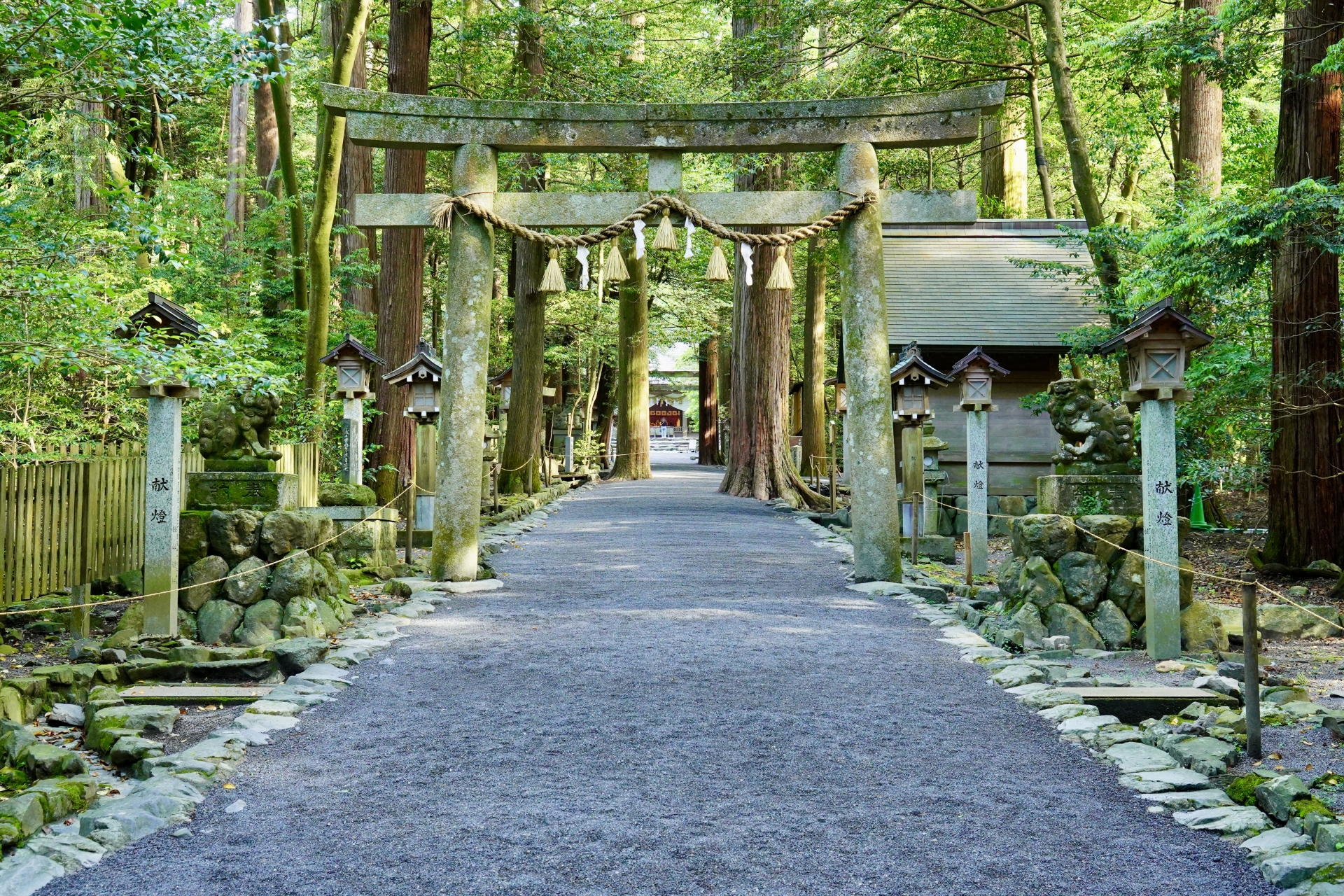
The Sacred Rituals of Kannamesai
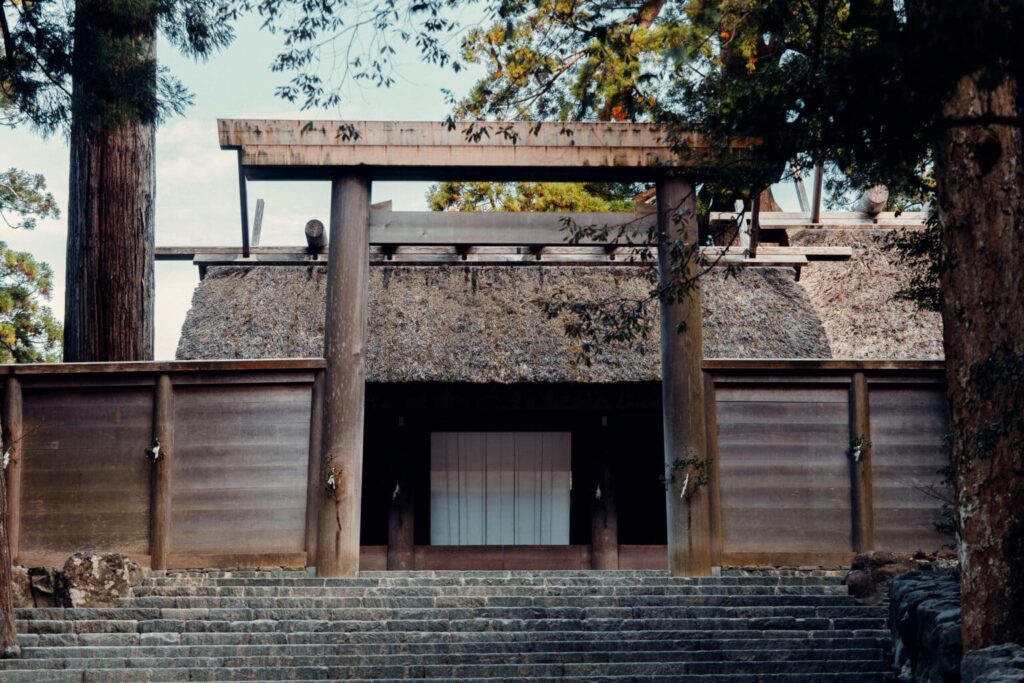
At the heart of Kannamesai are two important offerings: Yuki Omike, the sacred meal presented to Amaterasu Omikami, and Hohei, the formal offering of sacred objects and materials.
Yuki Omike: Offering the Finest Food
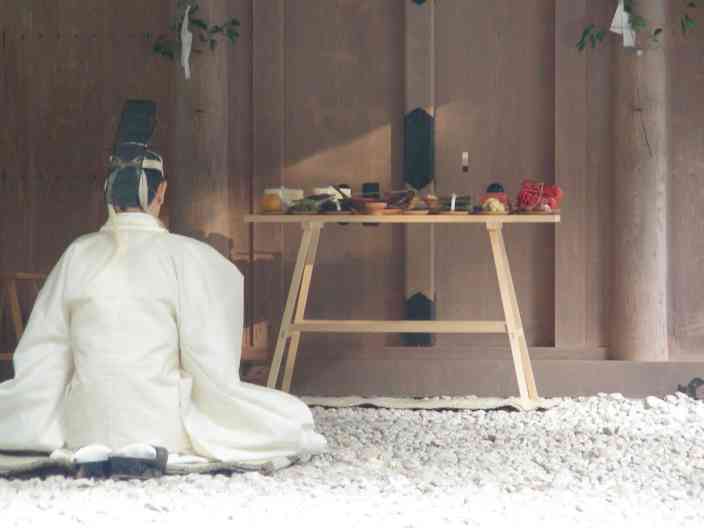
Yuki Omike is one of the festival’s most significant ceremonies. A carefully prepared meal is presented to Amaterasu Omikami, bringing together produce from Japan’s seas, rivers, mountains, and fields.
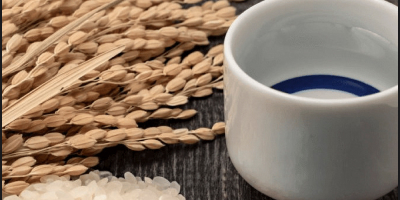
New rice harvested from the shrine’s sacred rice fields is steamed as brown rice and placed in traditional earthenware vessels. Rice cakes are also prepared, and sacred sake is brewed and offered alongside other carefully selected foods.
These offerings represent the abundance of the natural world and the gratitude of those who depend on it. The ceremony is not simply a celebration of a successful harvest; it is an expression of respect for the natural forces and divine blessings believed to sustain human life.
Hohei: The Imperial Offering
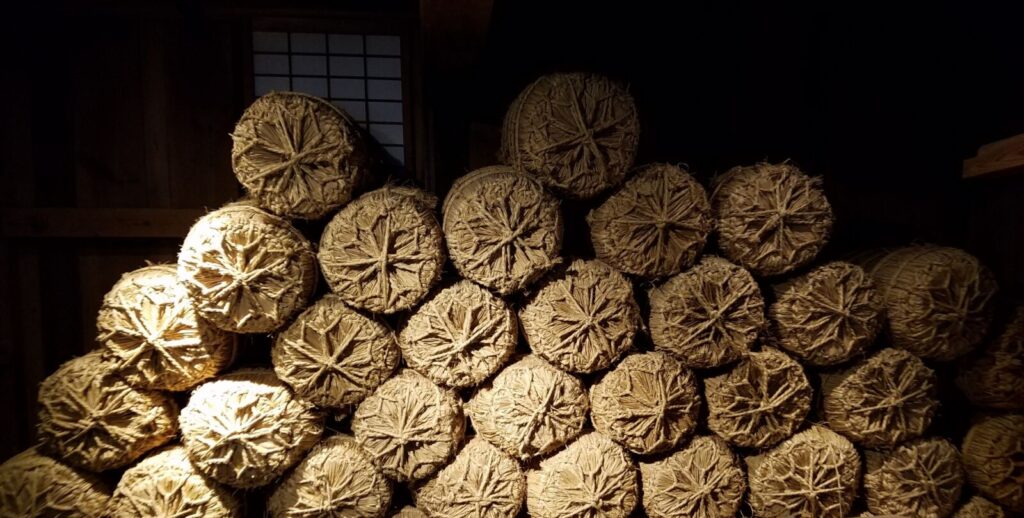
Another central ceremony is Hohei, during which an imperial envoy known as a chokushi presents offerings on behalf of the Emperor.
On October 17, the envoy visits Naiku, while the Emperor pays his respects to Amaterasu Omikami from the Imperial Palace. Rice stalks grown in the palace’s own rice fields are offered to the shrine, symbolically linking the Imperial household with the annual harvest.
Rice stalks cultivated by farmers across Japan are also presented, emphasizing that Kannamesai represents the collective hopes and gratitude of the nation.
The festival concludes with Mikagura, sacred music and dance performed as an offering to the enshrined deities.
Hatsuhobiki: The Public Celebration of the Harvest
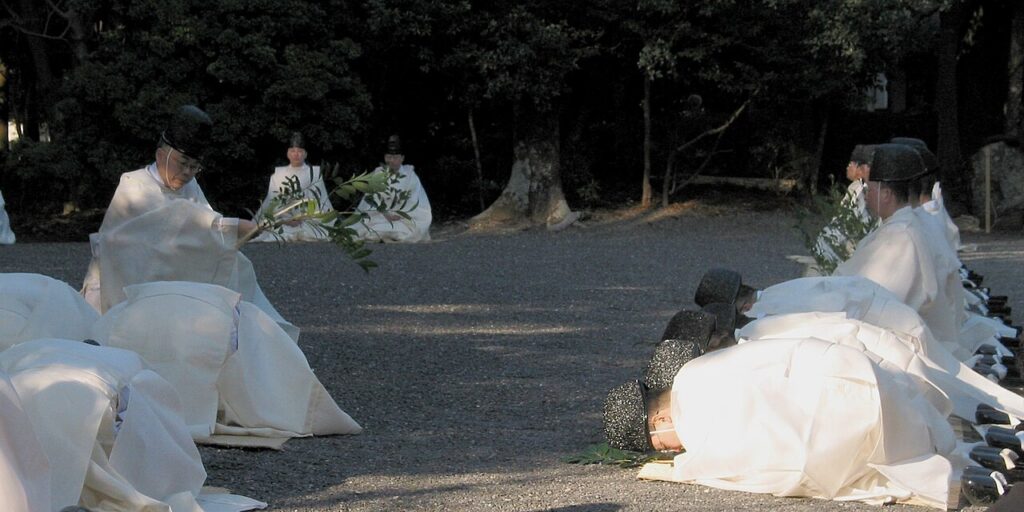
While many of Kannamesai’s most sacred ceremonies are conducted within restricted areas of the shrine, a few of the festival's most colorful associated events takes place in public including Hatsuhobiki (初穂曳), the procession carrying the first harvest to Ise Grand Shrine.
Participants wear matching happi coats and work together to transport the harvested rice, accompanied by traditional work songs known as kiyari and the sounds of conch shells.
The procession is divided into two distinctive events:
The Land Procession
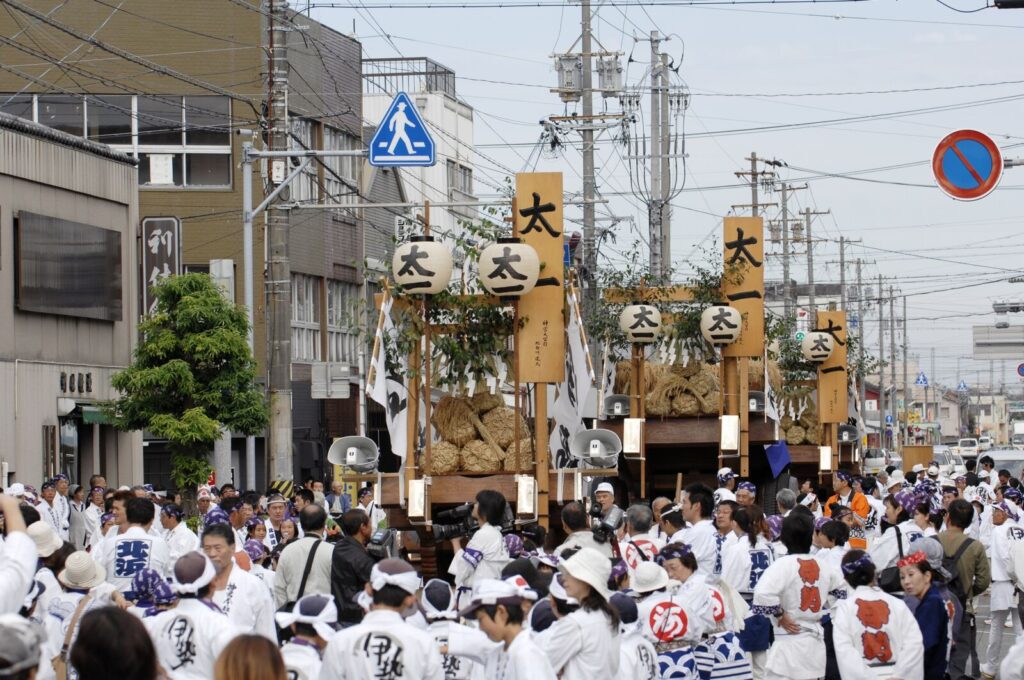
On October 15, rice offerings are loaded onto decorated festival carts, called okibiki, and pulled through the streets of Ise toward the Outer Shrine.
The procession transforms the town into a celebration of the harvest, with participants working in unison to move the carts and deliver the rice. The event preserves traditional methods of communal labor while allowing visitors to witness an important part of Ise’s cultural identity.
The River Procession
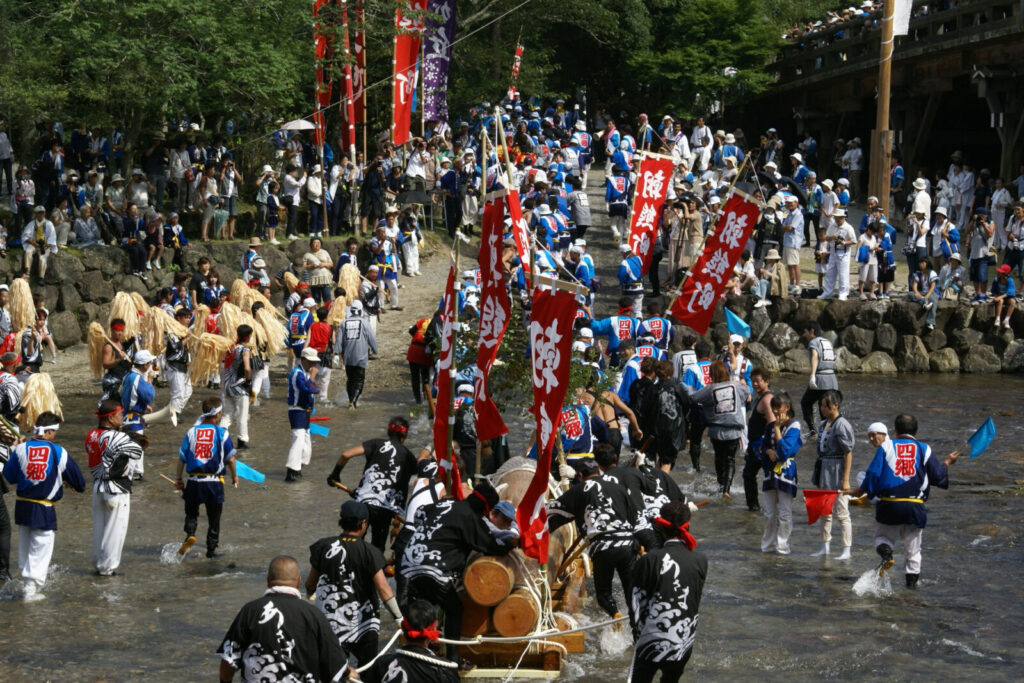
On October 16, the celebrations moves to the Isuzu River for Kawabiki, the river procession associated with the Inner Shrine.
A boat carrying rice bales is pulled upstream, traditionally traveling from near the Urata Bridge towards the Uji Bridge. Participants haul the boat through the water while singing traditional work songs and sounding conch shells.

The History and Origins of Kannamesai
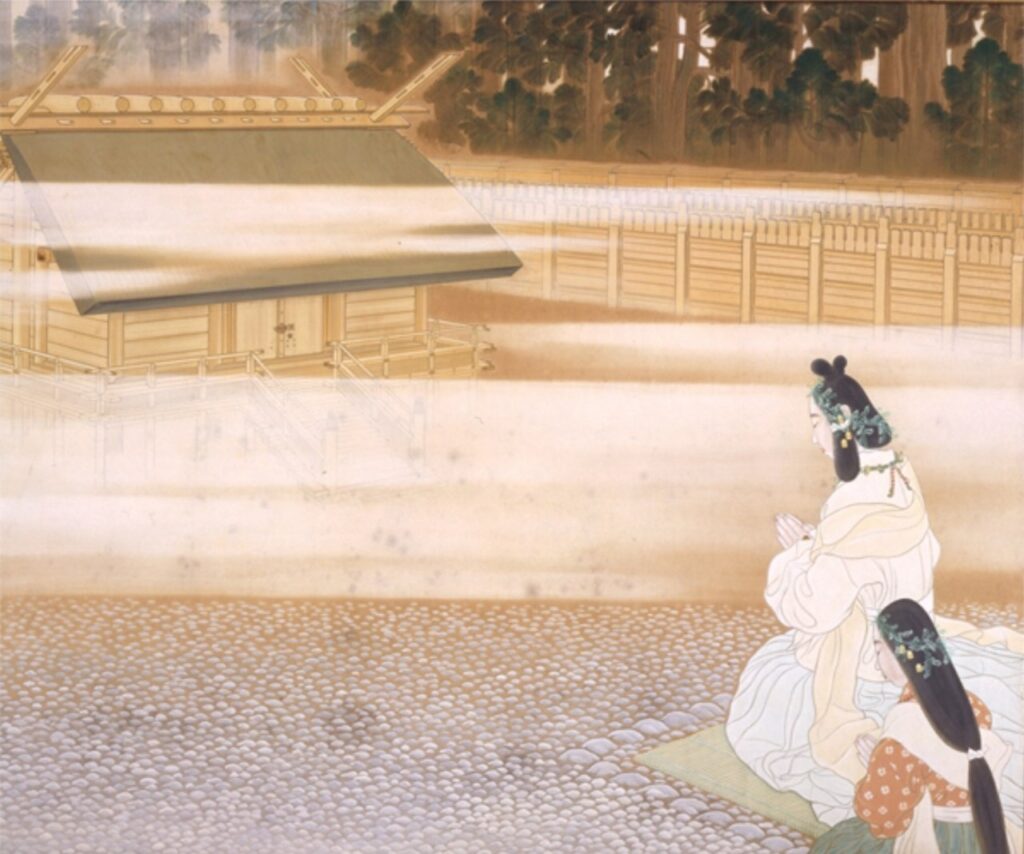
The origins of Kannamesai are associated with the legends surrounding the establishment of Ise Grand Shrine.
According to legend, Princess Yamatohime-no-mikoto traveled in search of a suitable place to enshrine Amaterasu Omikami. One legend tells of an offering of rice stalks placed in the beak of a white-naped crane.
The festival's documented history reaches back to 721, when Empress Gensho sent ritual offerings known as reihei to Ise Shrine during the ninth month of the traditional lunar calendar.
Although the practice was interrupted during the Middle Ages, it was revived during the Edo period.
The festival subsequently underwent another important change when Japan adopted the Gregorian calendar in 1873. Because the ninth lunar month no longer aligned reliably with the rice harvest, Kannamesai was moved to October in 1879. The timing allowed the ceremony to retain its essential purpose: offering newly harvested rice to Amaterasu Omikami in thanksgiving.
Visiting Ise Grand Shrine During Kannamesai
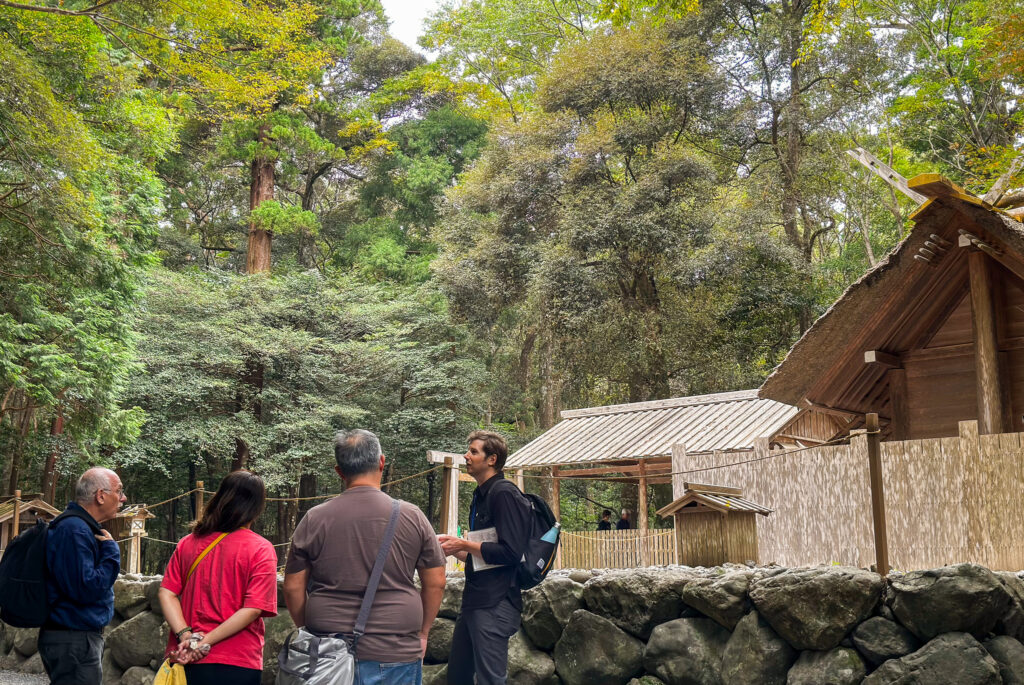
Although the festival's central rites are not all open to the public, visitors may observe certain ceremonies from designated areas along the approach during normal visiting hours.
A little preparation can help you make the most of a visit during the festival.
- Arrive early for public processions: Hatsuhobiki can attract spectators, particularly around the procession routes and river.
- Dress comfortably: Expect to walk along gravel paths, through wooded shrine grounds, and potentially beside the river. Comfortable walking shoes are recommended.
- Respect shrine etiquette: Keep your voice low, follow posted instructions, and observe photography restrictions. Do not enter restricted areas in an attempt to get closer to a ceremony.
- Plan transportation in advance: Ise's attractions are spread across the town and surrounding coastline. If you want to see multiple sites in one day, consider a guided excursion or allow time to plan local connections.
- Allow time for the unexpected: Weather and ceremonial arrangements may affect public events. Confirm details close to your visit.
1- Day Tour from Nagoya: Ise’s Sacred Shrines and Captivating Coastlines / All Year Round
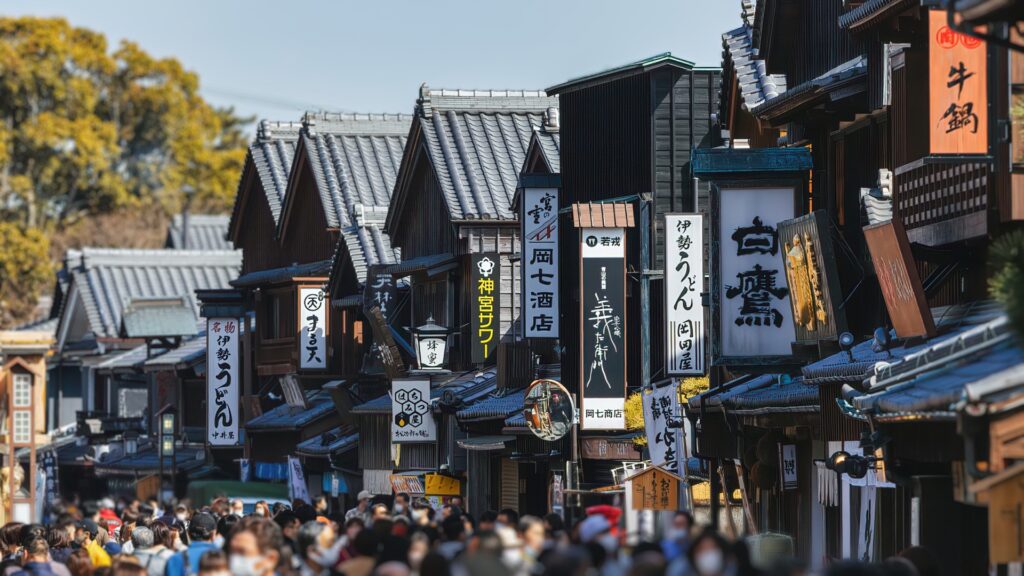
Located not far from Nagoya, Ise is blessed with abundant natural beauty, from towering cypress groves to indented coastlines and mountains painted in colorful foliage. The region is also home to Japan’s most sacred shrine, Ise-Jingu. Touring these sacred grounds is a special opportunity to understand the heart and soul of the Japanese people.
Highlights
- Visit Ise Grand Shrine (Ise Jingu), Japan's most sacred Shinto shrine, and discover the traditions, history, and rituals that have made it one of the country's most important spiritual sites.
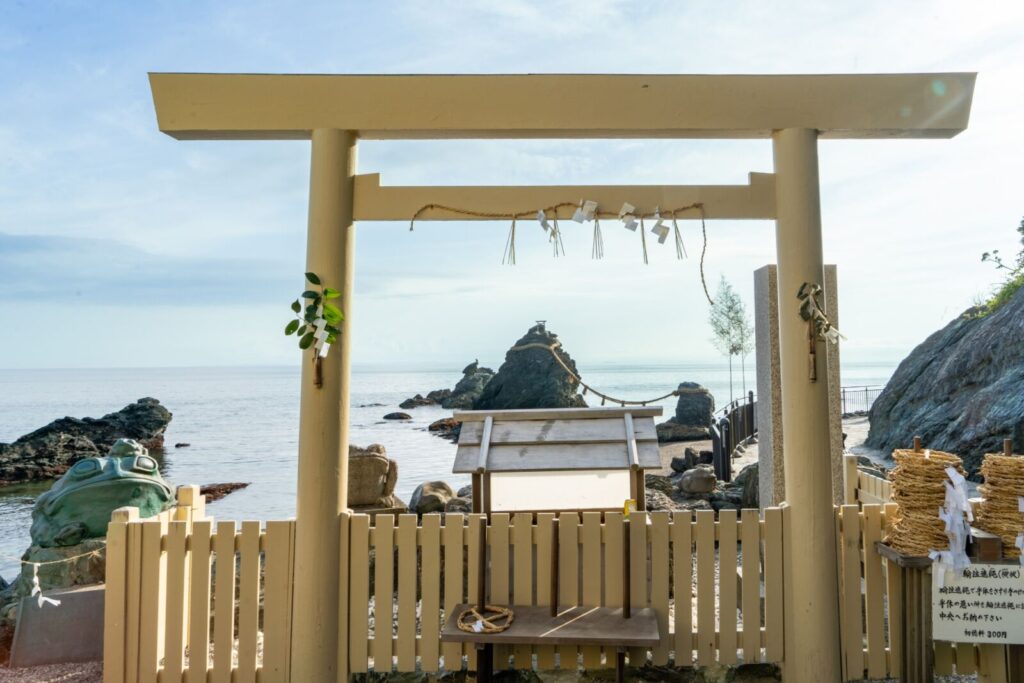
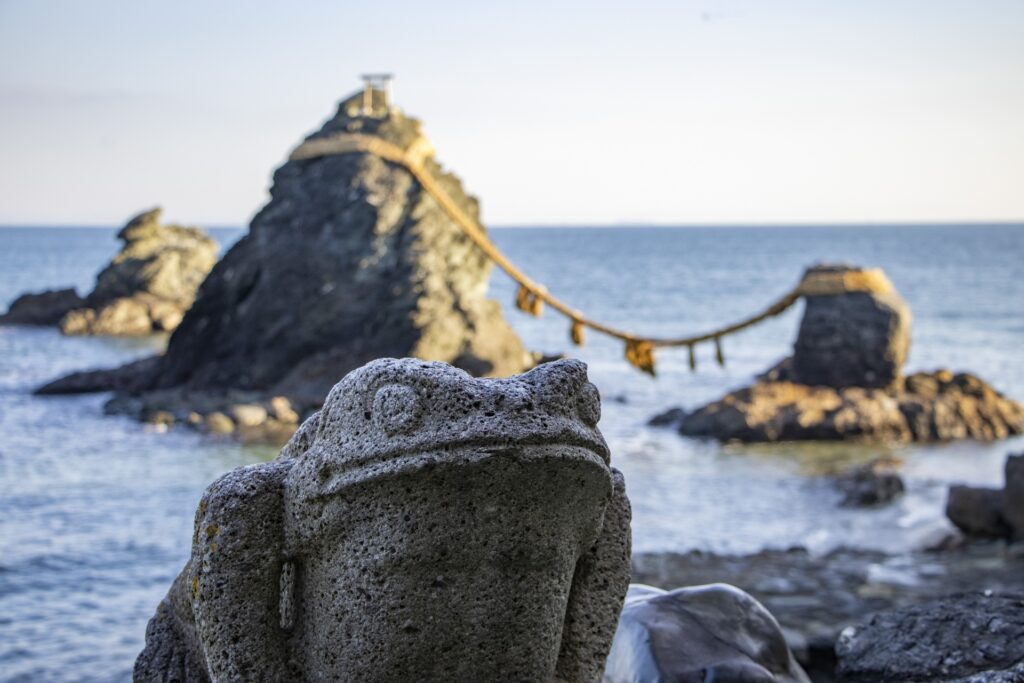
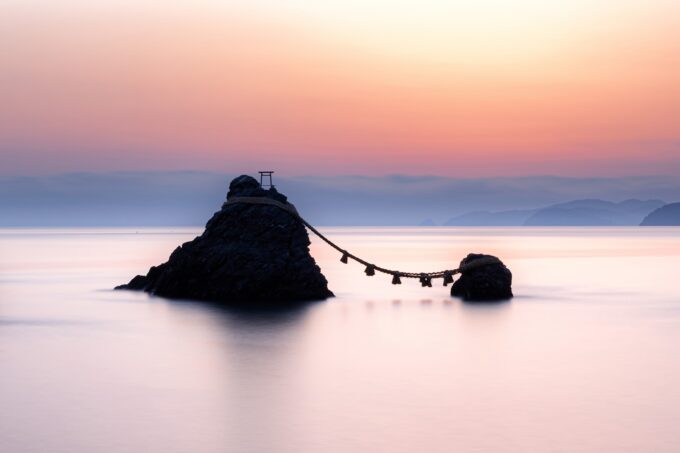
- See the iconic Meoto Iwa (Wedded Rocks) and admire the stunning coastal scenery of Ise Bay
- Enjoy free time to sample Ise's famous local cuisine, including Ise Udon, fresh fried oysters, seasonal spiny lobster, and other regional specialties in the historic Okage Yokocho district.
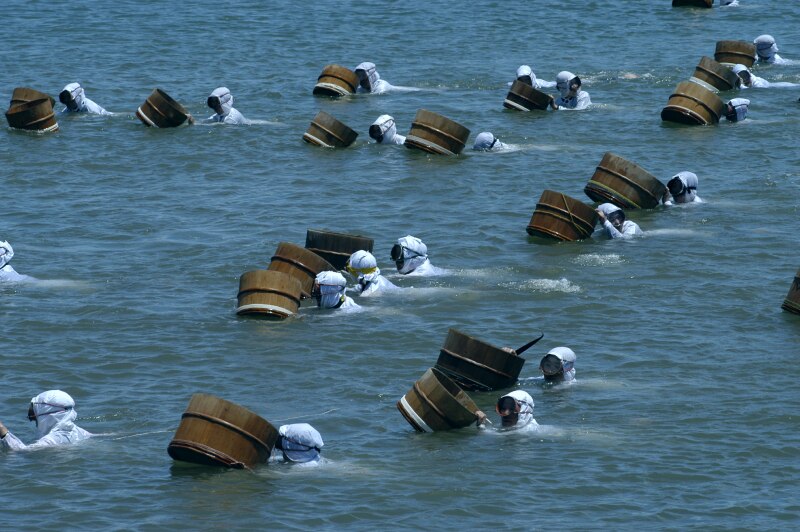
- Explore Mikimoto Pearl Island and watch a live demonstration by the legendary Ama female sea divers, while learning about Japan's cultured pearl industry and centuries-old diving traditions.
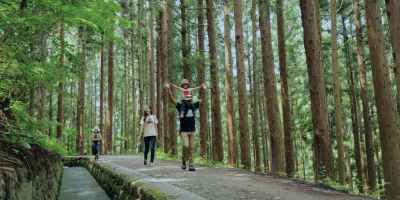
- Stroll along the scenic Isuzu River beneath the forests of Ise Grand Shrine, and relax surrounded by the natural beauty of Mie Prefecture.
On our 1-Day Tour from Nagoya: Ise’s Sacred Shrines and Captivating Coastlines you'll marvel at the natural beauty of the region and refresh your body and soul with spiritual experiences and delicious cuisine as you are led by an experienced, English-speaking guide from Nagoya on this full-day tour.
Of course, we also offer private tours and transport in and around the Nagoya area, and other regional destinations. We can also arrange for both custom tours with an English-speaking guide or a private charter.
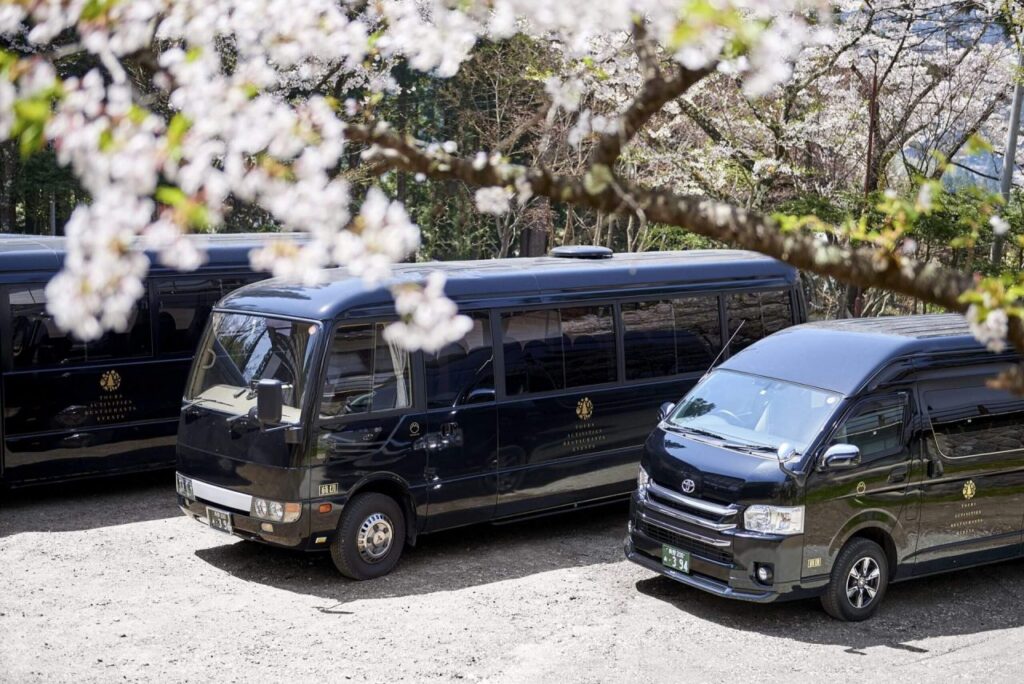
Our drivers and vehicles are fully certified, allowing us to transport you to and from your preferred destinations in combination with any activity that suits your schedule. All vehicles are well-maintained and in good condition, allowing you to relax and enjoy your ride to wherever you are going.
With door-to-door service, we can pick you up from where you are and take you to where you want to go anywhere in Central Japan and the neighboring regions.
For more information, please check our standard charter rates or contact us for a custom trip. We’d love to be part of your adventure in Central Japan and help you discover even more!
Frequently asked questions about Kannamesai
What is the Kannamesai Festival?
Kannamesai is Ise Grand Shrine’s most prestigious annual festival. Held in October, it celebrates the rice harvest by offering newly harvested rice and other foods to Amaterasu Omikami, expressing gratitude for the blessings of the year.
When is the Kannamesai Festival held?
Kannamesai takes place annually from October 15 to 17. The ceremonies begin at theOuter Shrine (Geku) before continuing at the Inner Shrine (Naiku).
Can tourists watch the Kannamesai ceremonies?
Some ceremonies may be observed from designated public areas during normal shrine visiting hours. However, many sacred rites take place in restricted areas or at night when public worship is suspended.
What is Hatsuhobiki?
Hatsuhobiki is a traditional harvest procession held in connection with Kannamesai. Participants transport the first rice harvest to Ise Grand Shrine. The land procession takes place at Geku on October 15, while the river procession at Naiku takes place on October 16.
How can I visit Ise Grand Shrine from Nagoya?
Travelers can reach Ise independently by train or join a guided excursion. Snow Monkey Resorts offers the 1-Day Tour from Nagoya: Ise’s Sacred Shrines and Captivating Coastlines, which combines Ise Grand Shrine with Okage Yokocho, Mikimoto Pearl Island, and Meoto Iwa.